

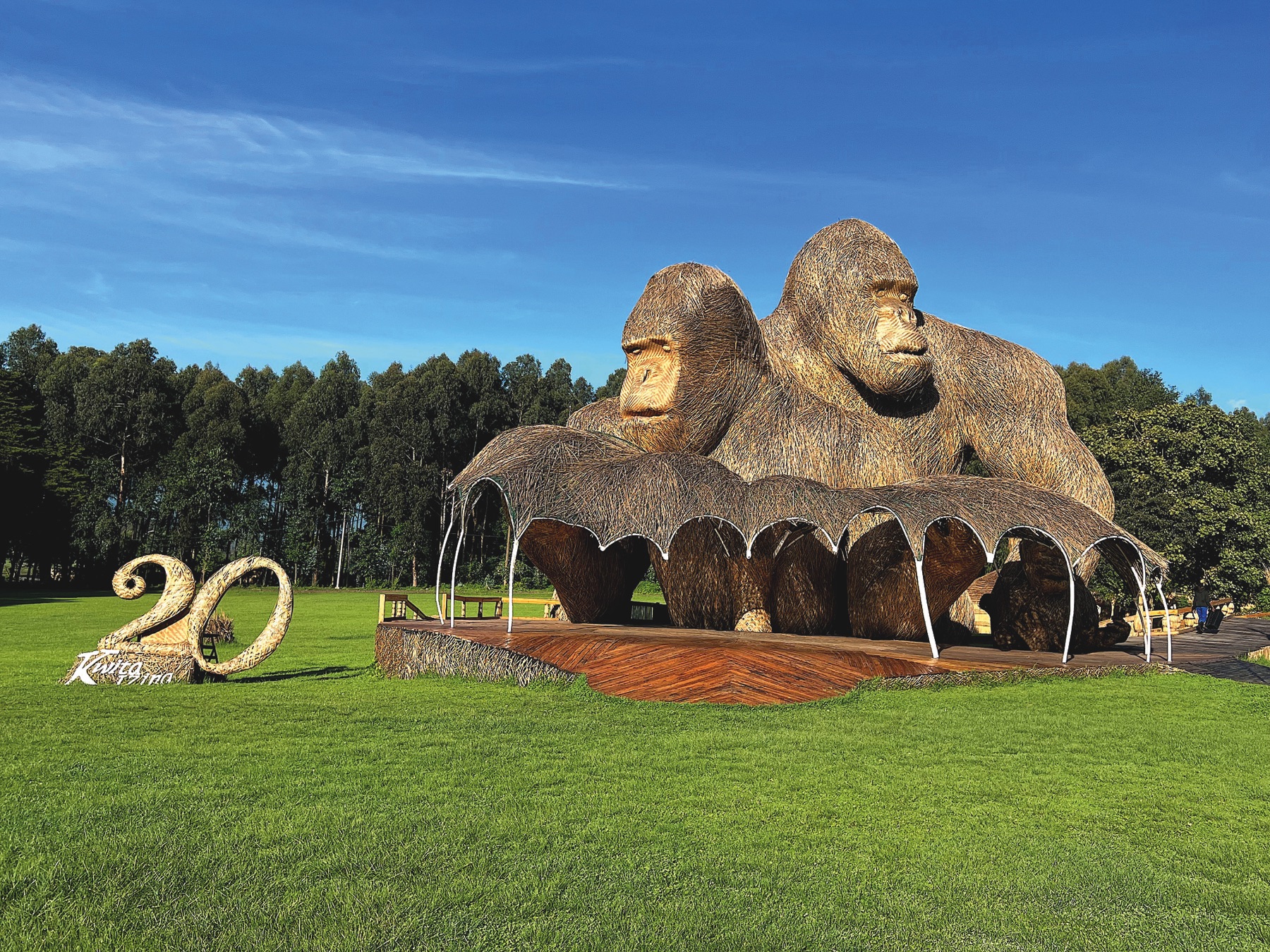
Imposing site of the 20th annual Kwita Izina, the mountain gorilla baby naming ceremony – a famous annual gorilla conservation event
Text: Václav Pavlas and Meshulam Zisso; Photo: Václav Pavlas
I had a dream of seeing silverback mountain gorillas. The best place to do so in their natural habitat is Rwanda in East Africa, and H.E. Mr. Richard Masozera, the Ambassador of Rwanda to the Czech Republic, Mr. Gerard FJB Volkmar, the Consul and First Secretary, and the Rwanda Development Board helped make this dream come true. Thank you – and without further ado let’s set off, there is a lot to explore!
From the heart of Europe to the land of a thousand hills
Our dog-sitter arrived on time. The “boys” already know him from the last time we travelled and welcomed him with love, which makes our departure a bit easier.
The Bolt car was also on time, ready to take us – unfortunately, though, after just a short drive we got a flat tyre. After having to wait for another Bolt car, we got to Prague Václav Havel Airport only two hours before the departure.
I must say, I have never seen such a mess at the airport. The queues started almost at the main entrance. There were two big flights at the counters, and – together with a lack of proper signage – they were the cause of this mess. The result was that we, and others too, were waiting in the wrong queue… and were only able to check in our luggage after one hour. Thankfully, the rest of our airport experience went fast and smoothly, and we departed to Kigali via Doha on time.
Doha is a really big airport, and although we arrived on time, it took us about 30 minutes to get to the terminal. You better consider this when you have a short-time connection flight.
Our second flight, from Doha to Kigali, was with Rwanda Air, lasting about 6.5 hours. It was a night flight, and I slept for the majority of the time until the landing in Kigali. Kigali airport is small, with a fast visa and luggage service. Within a few minutes, we were out of the terminal, buying a local SIM card, and taking a car to our first hotel, the Marriott Kigali.
Rwanda is a landlocked country in East Africa known as the “Land of a Thousand Hills” for its high elevation and rolling terrain, dominated by mountains in the west and savanna in the mid and northeast. The largest and most notable lakes are mainly in the western and northern regions of the country (Lake Kivu, The Twin Lakes, and Muhazi), and several volcanoes that form part of the Virunga volcanic chain are primarily in the northwest. The country has two rainy seasons and two dry seasons each year. Kigali, the capital city of Rwanda, is the largest city, located in the centre of the country.
The day of our arrival was a free day for us, so we took a walk around this beautiful city. We were amazed at how clean the city was, and how friendly and polite the people were. It was a Sunday, and families were going to Church in their festive clothes.
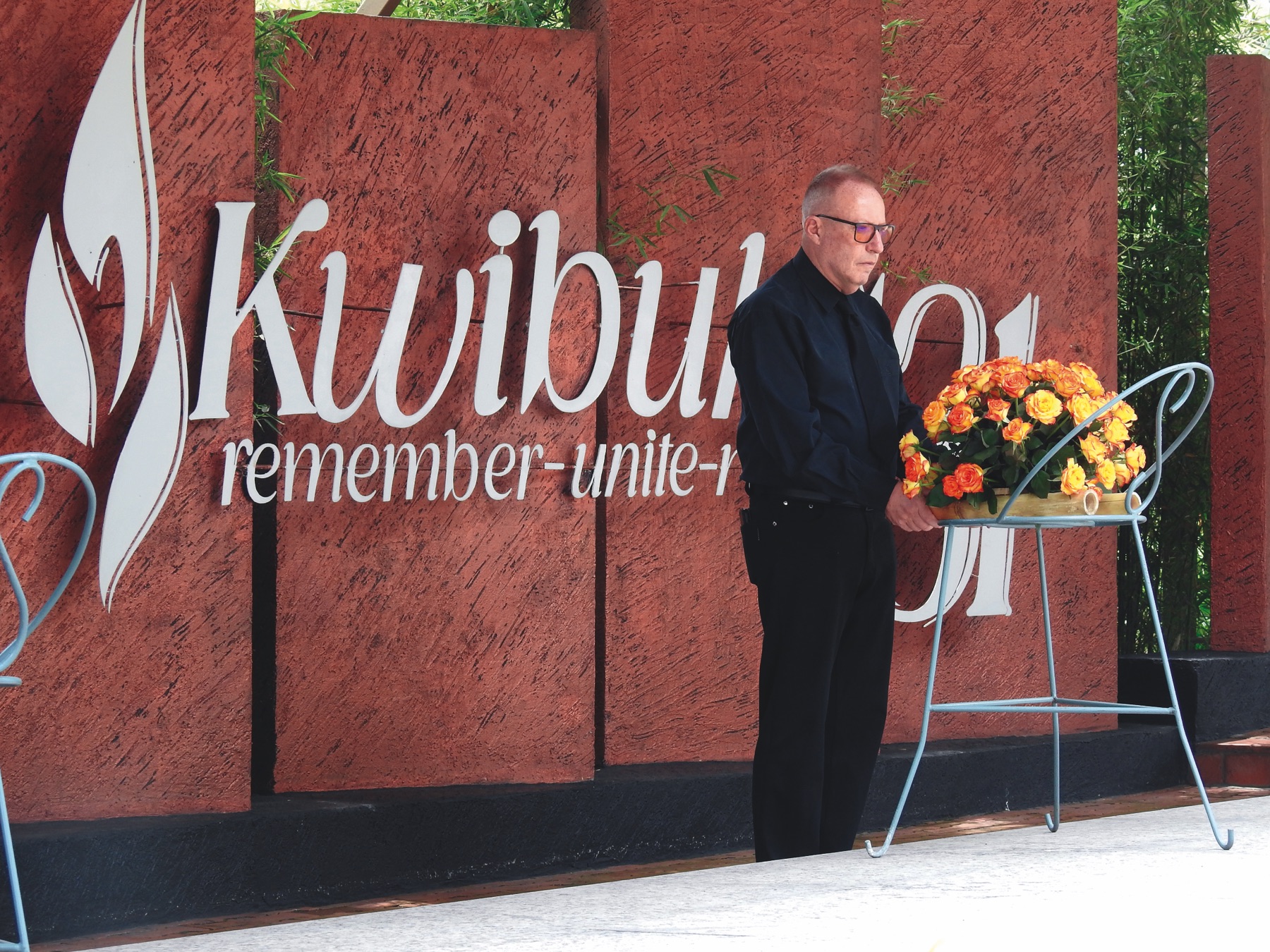
Day 1: Learning about Kigali, the capital city
Our first visit was to the Kigali Genocide Memorial. In 1994, one million Rwandans were massacred in a genocide when the Hutu extremist-led government launched a plan to wipe out the country’s entire Tutsi minority and any others who opposed their policies.
It’s not an easy visit, but it is a must-visit place for every visitor to Rwanda. For a better future, we need to remember the past. We paid our respects to the victims of the genocide, visited the museum and the graves, and laid a wreath in their memory.

Our next visit was to the Nyamirambo Women’s Centre. We met Ms. Marie Aime, the manager of the NWC, the centre where women teach other women without a profession how to work. Some learn how to sew with sewing machines and make beautiful items as souvenirs and clothes, while other groups learn about hairstyling. They also have a library here to help the neighbourhood children learn English, French, and Rwandan. Some of the women who cannot leave the house (usually because of their small children) can work from home, which gives them a financial boost, helping their families. Very impressive work is being done here. The NWC are collecting donations to build a bigger place to expand their activities. We made our small contribution by buying a few souvenirs.
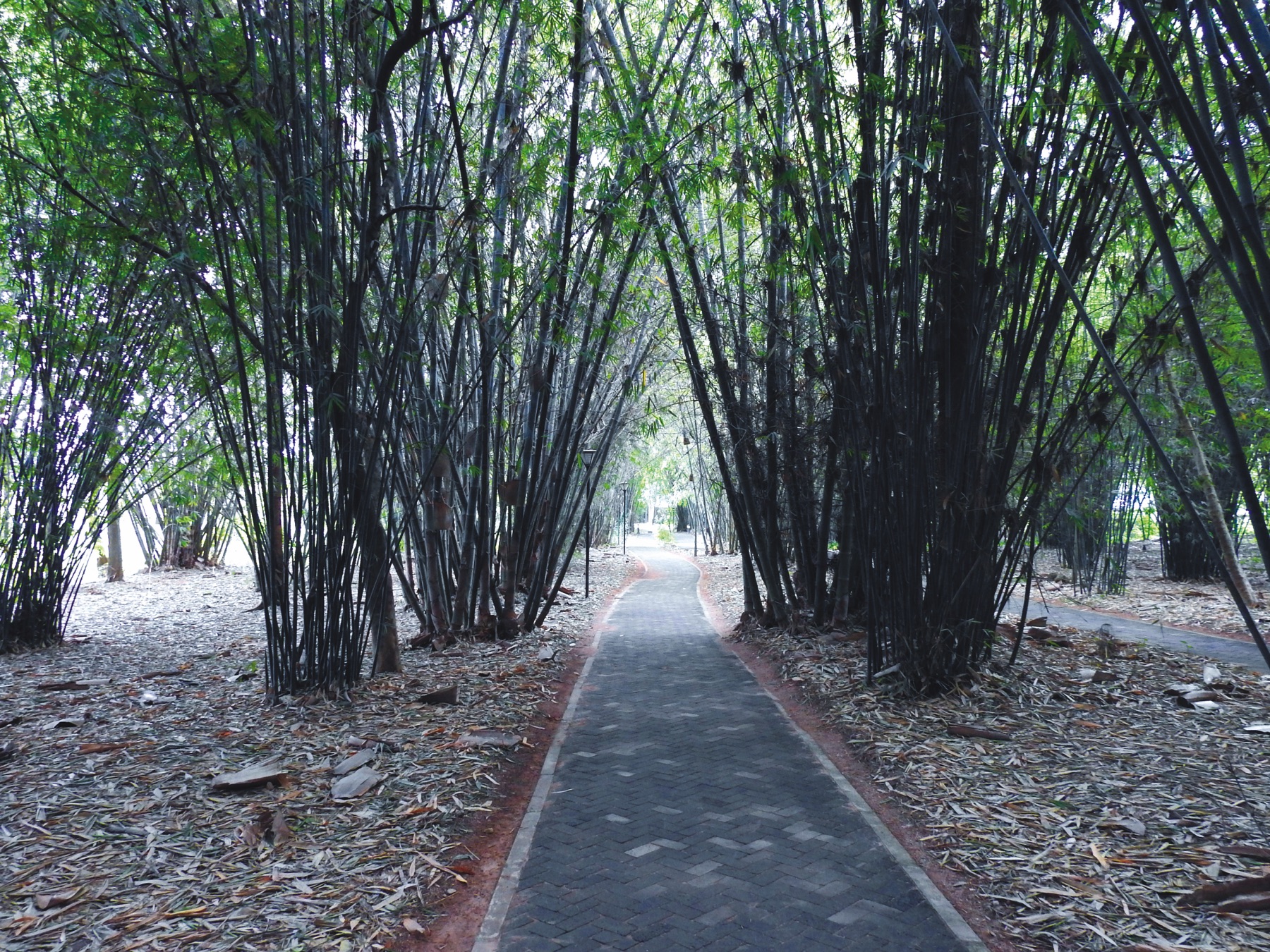
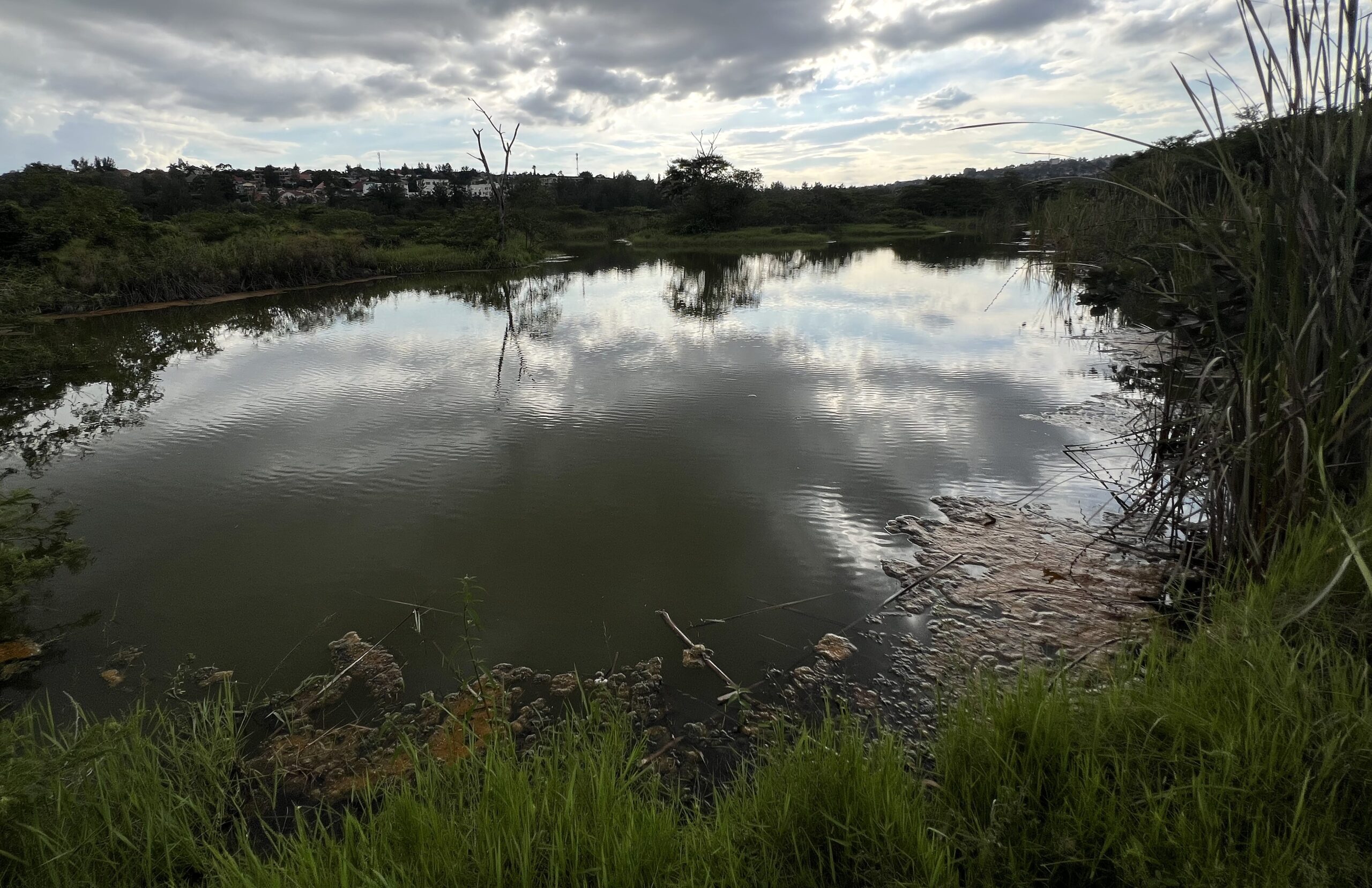
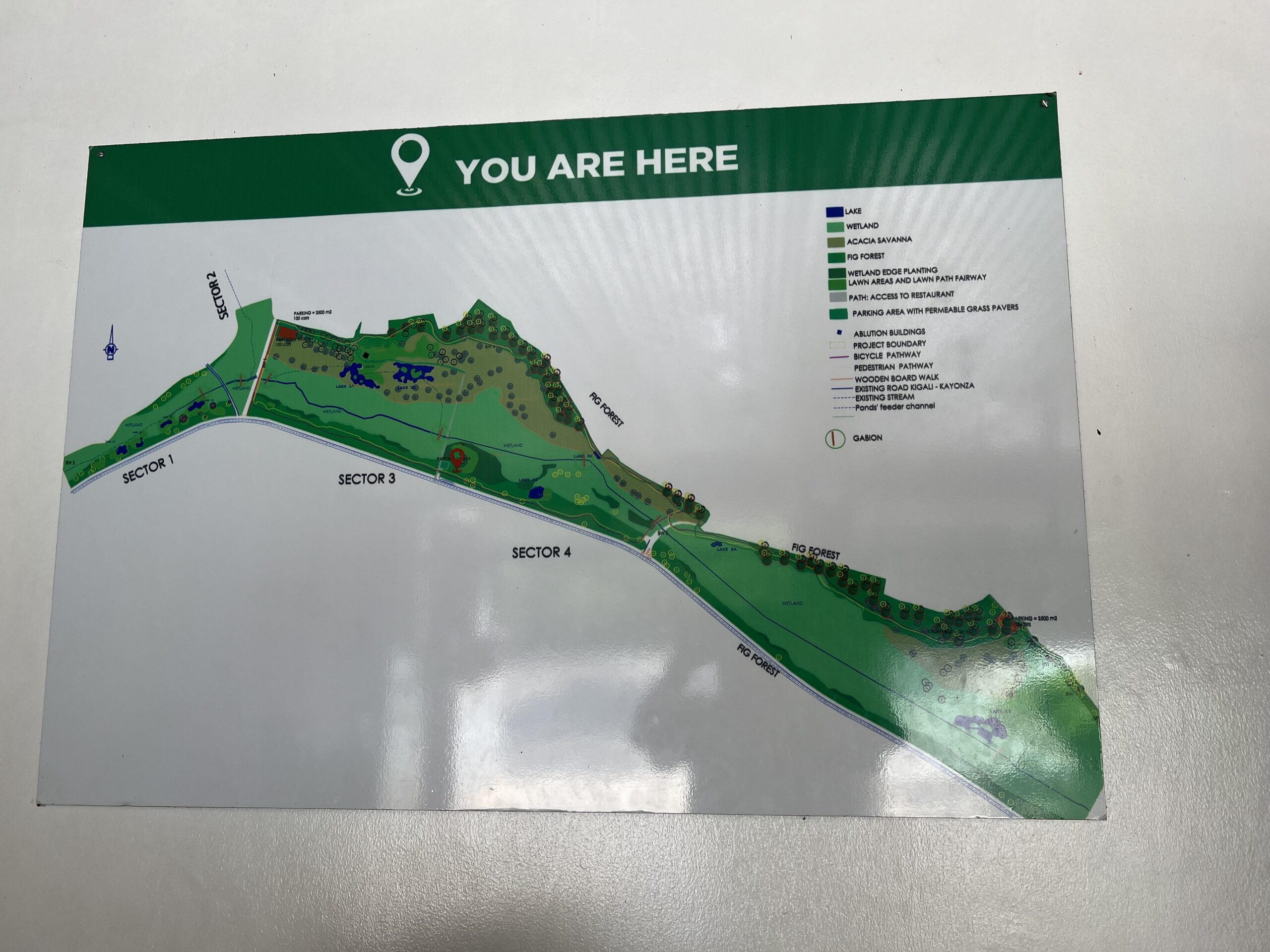
Another important place in Kigali is Nyandungu Eco-Park. Opened only three years ago, it is making a big impact on this area. Once a swamp, this place became a beautiful Eco Park, with unique local medicinal plants, education and research for students, a relaxing place for the residents of Kigali, and even a place for events. The ecosystem, which will now be implemented in other areas too, prevents floods and damage in the area. Over the last three years, the park has become the home of more than 300 kinds of birds and other animals, as well as many kinds of trees and plants.
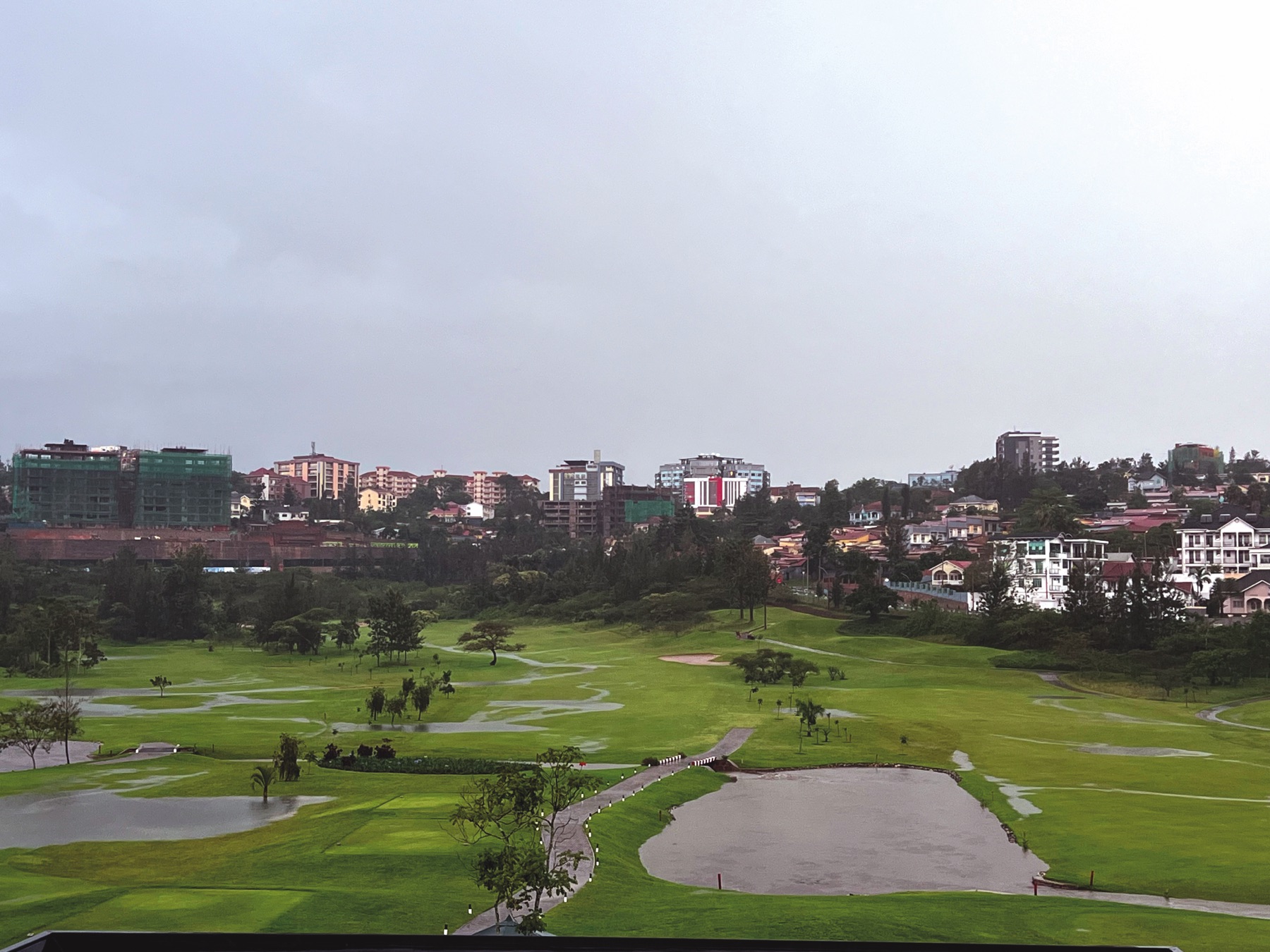
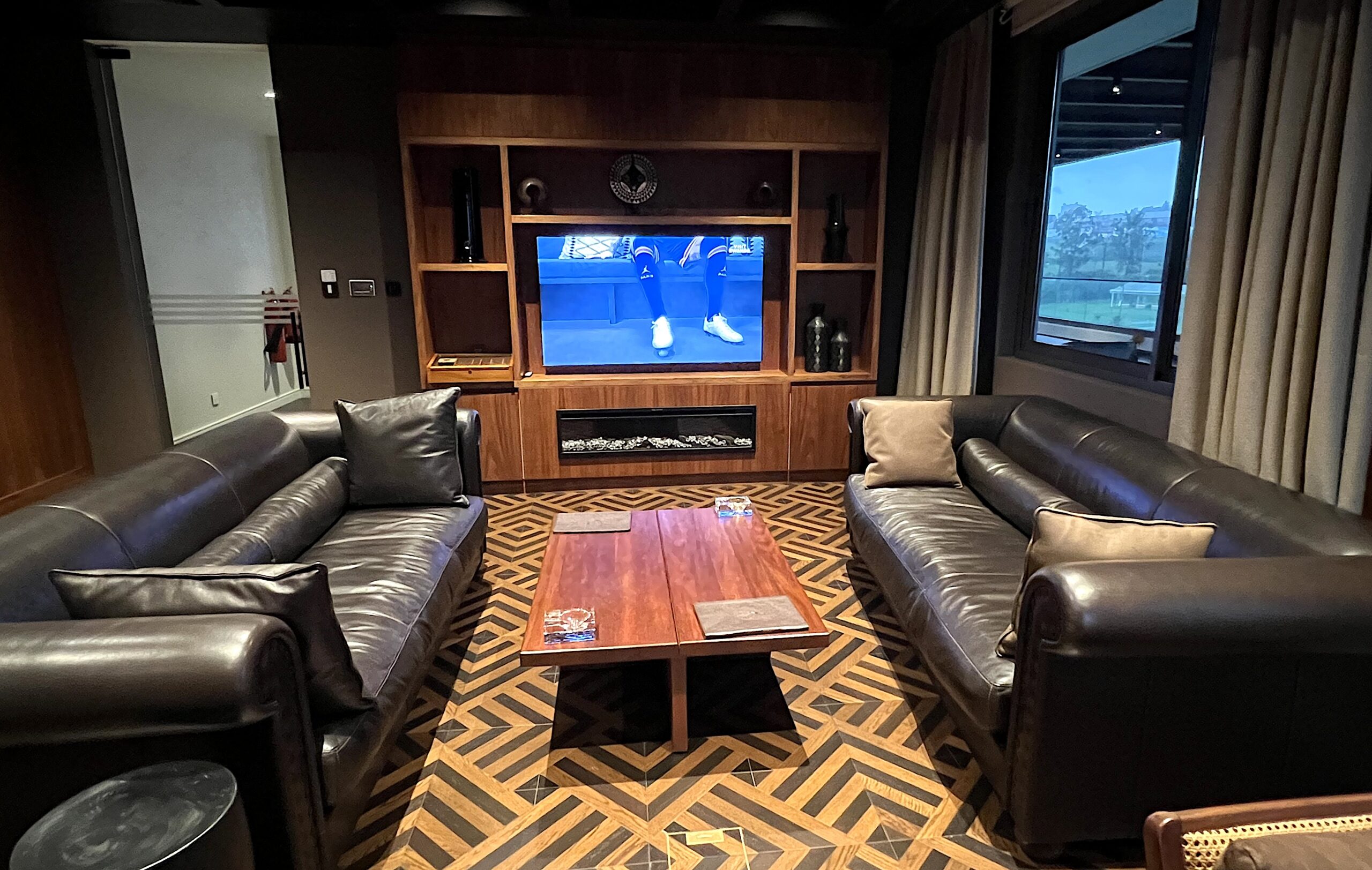
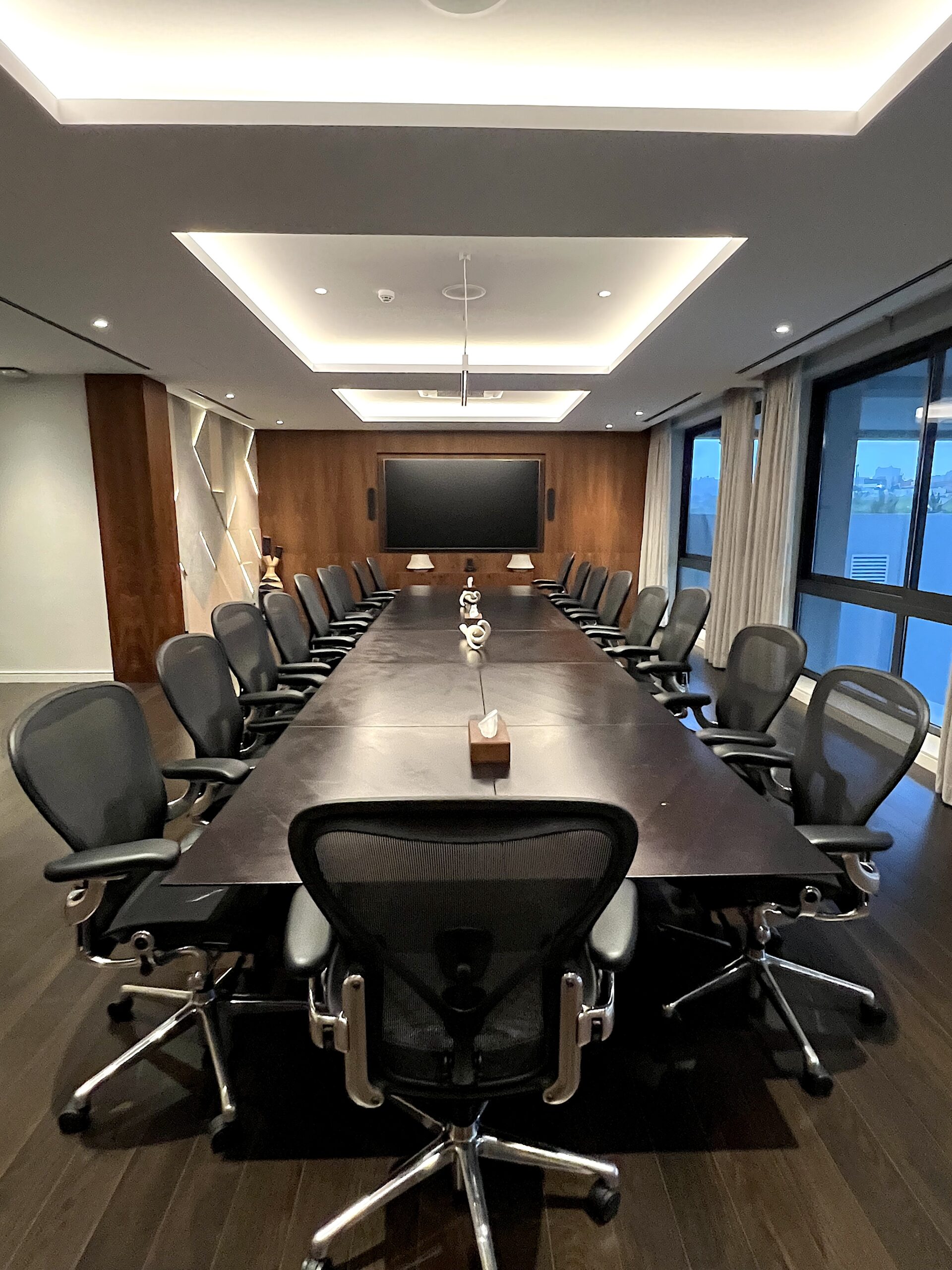
Kigali is a beautiful city built on the hills. At one of the flat places, we visited the Kigali Golf Course. Even for someone like me, who is not a professional golf player, it is an impressive place – a modern design, with Rwanda design elements, and very luxurious, offering several activities: golf, learning how to play golf, fitness, sauna, meeting rooms, a cigar room, and a restaurant with a great view.
Some years ago, when I worked as a manager at a TV station, we organized incentive trips for the channel employees. I can see that Rwanda is a perfect place for when you want to combine outside activities with having meeting rooms for inside activities too.

On our way back to the Marriott hotel, which became our “home” in Kigali, the traffic was really heavy, but they found a great solution to it here which we didn’t see in other places – a motorcycle taxi. This is a cheap and fast solution to get to your meetings on time.
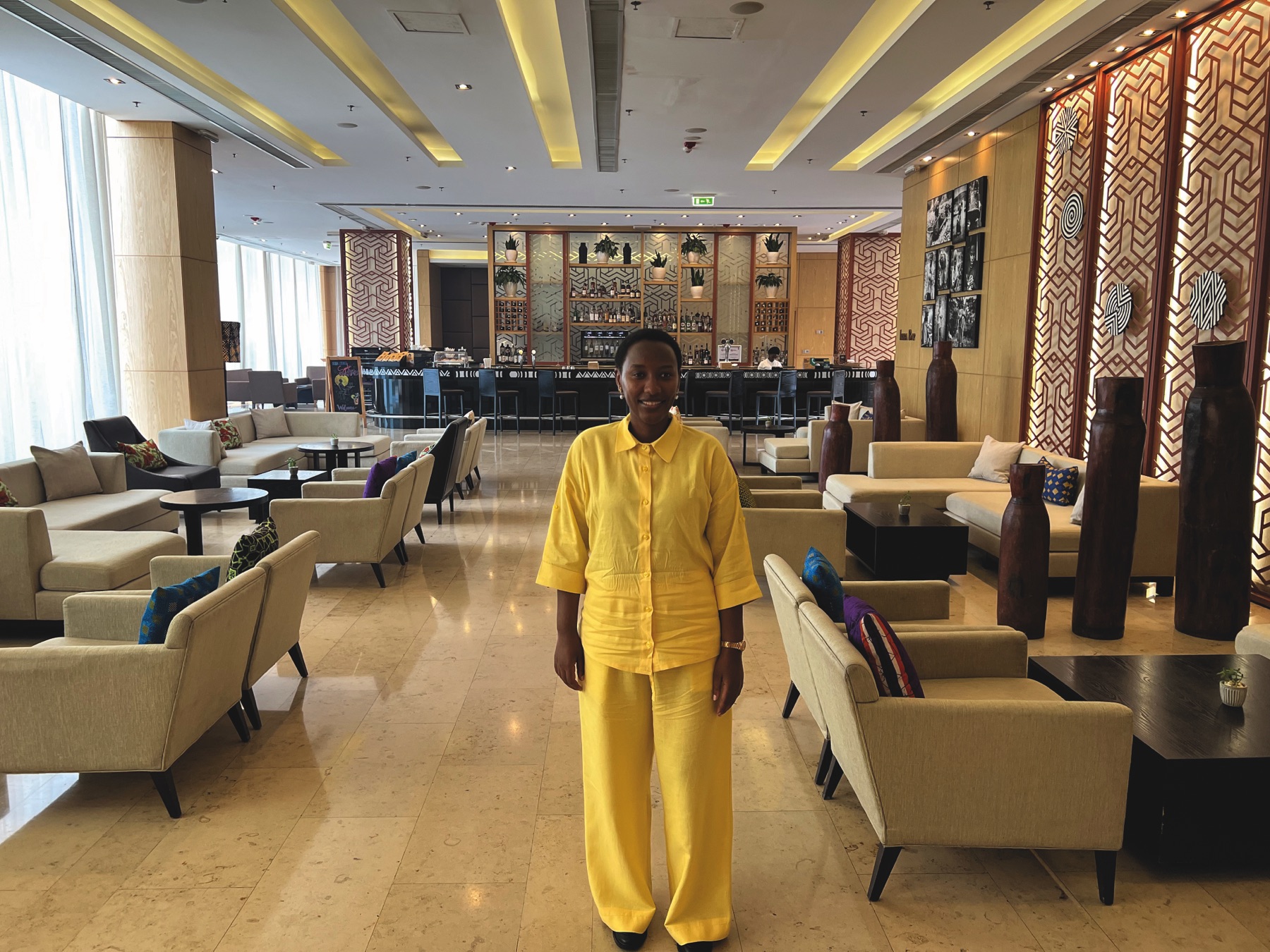
Ms. Emmanuella Belle Uwimbabazi, Director of Rooms Operations
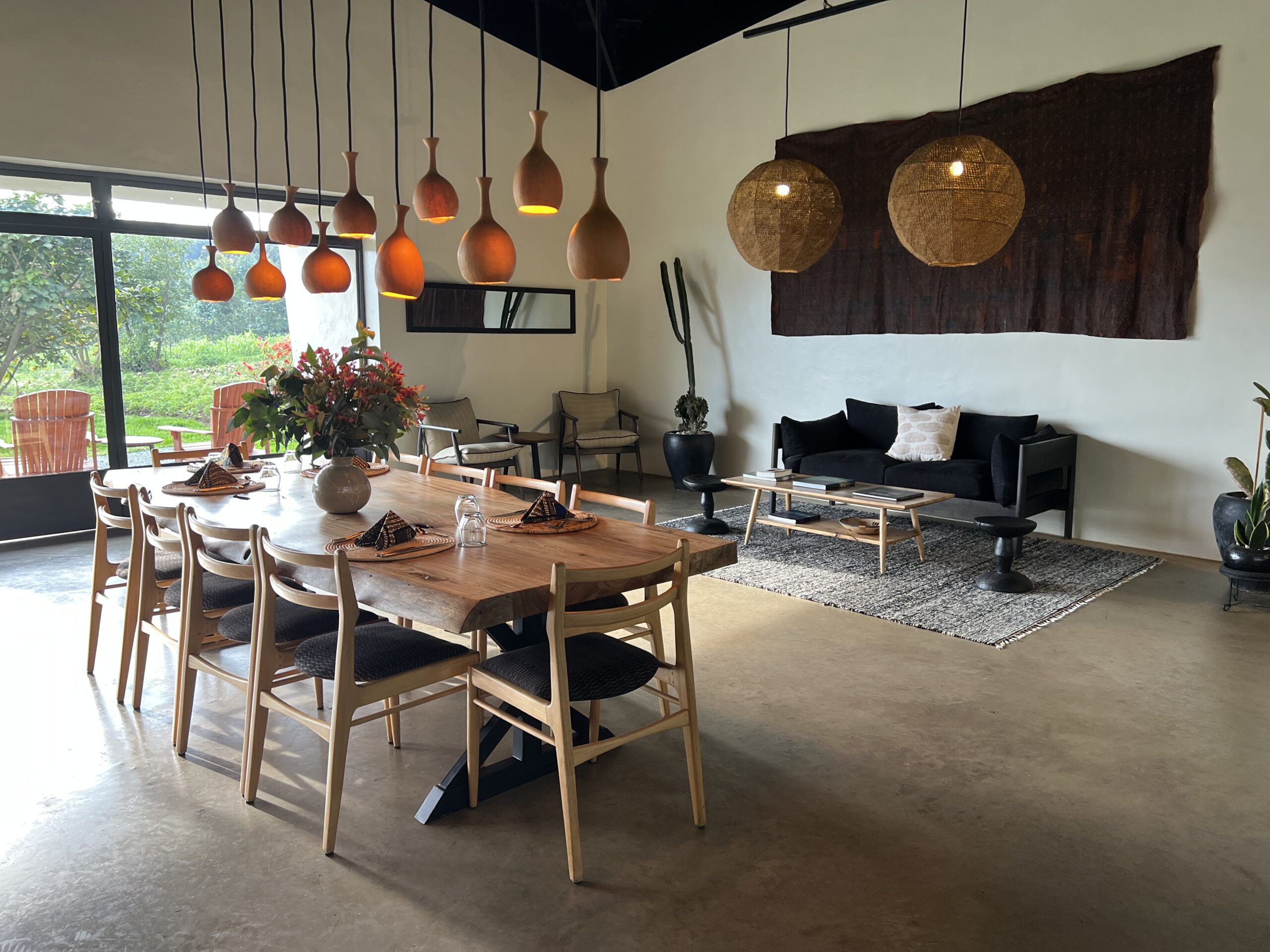
The Marriott Kigali is a luxury hotel opened in 2016 for a big African convention. We met Ms. Emmanuella Belle Uwimbabazi, Director of Rooms Operations, to learn more about this beautiful hotel. The architecture is not typical for a Marriott hotel, with high ceilings and especially the restaurant’s open space, three floors high. There are Rwandan and African design elements in the public spaces, and a very welcoming lounge with a view reaching three floors down.
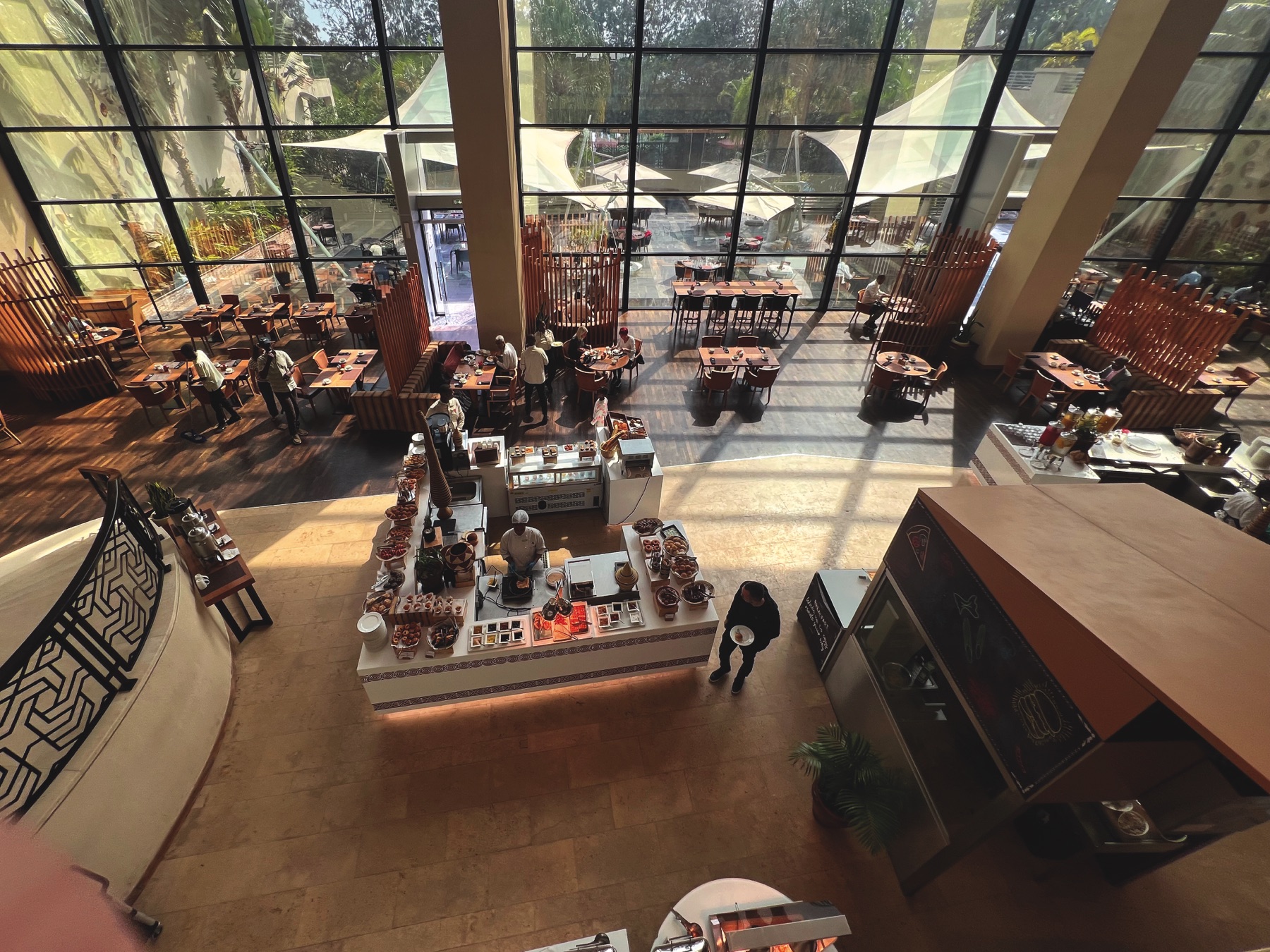
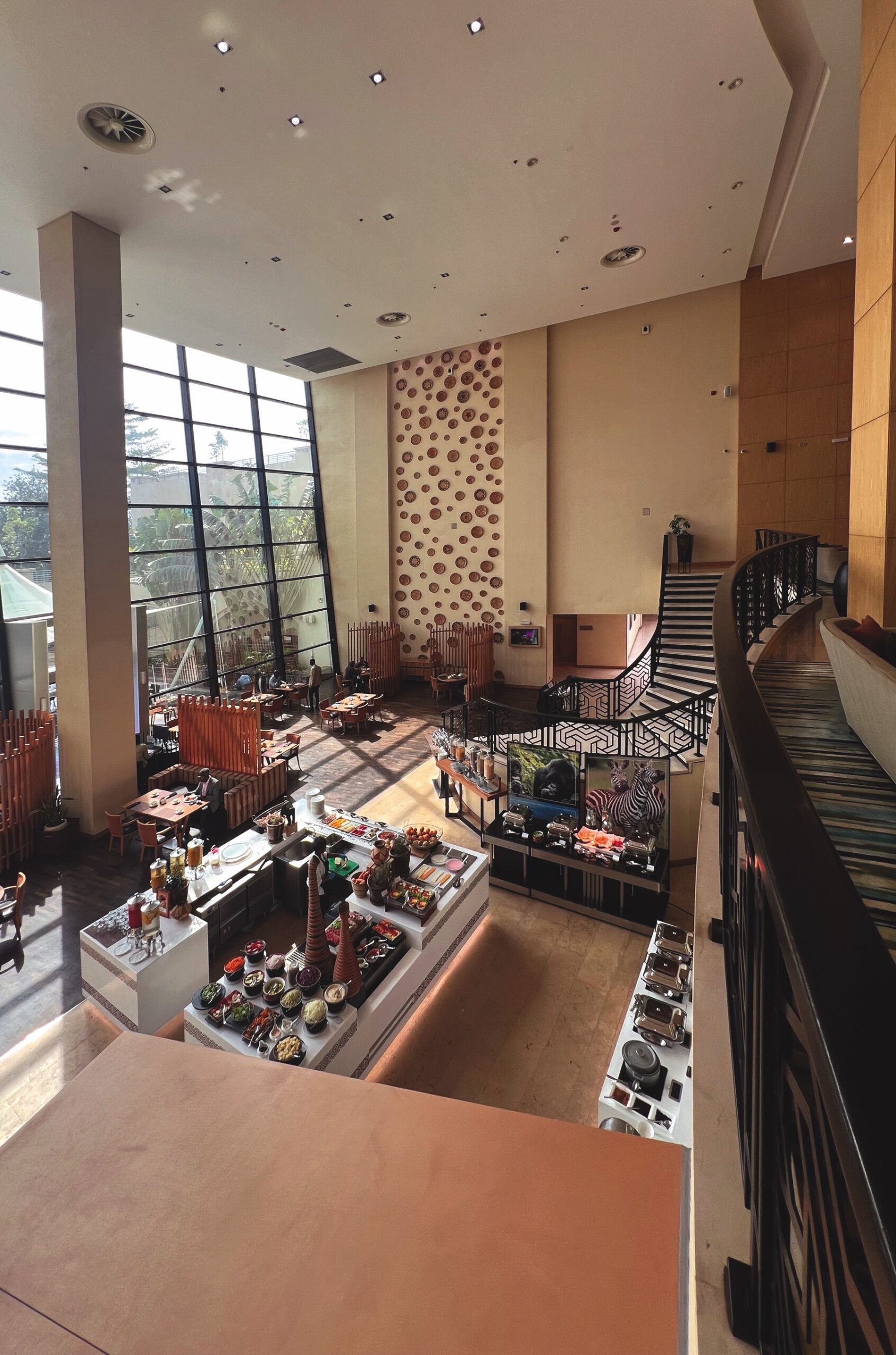
The hotel’s breakfast was very rich and tasty, one of the best we’ve had, and the service was very good and friendly.
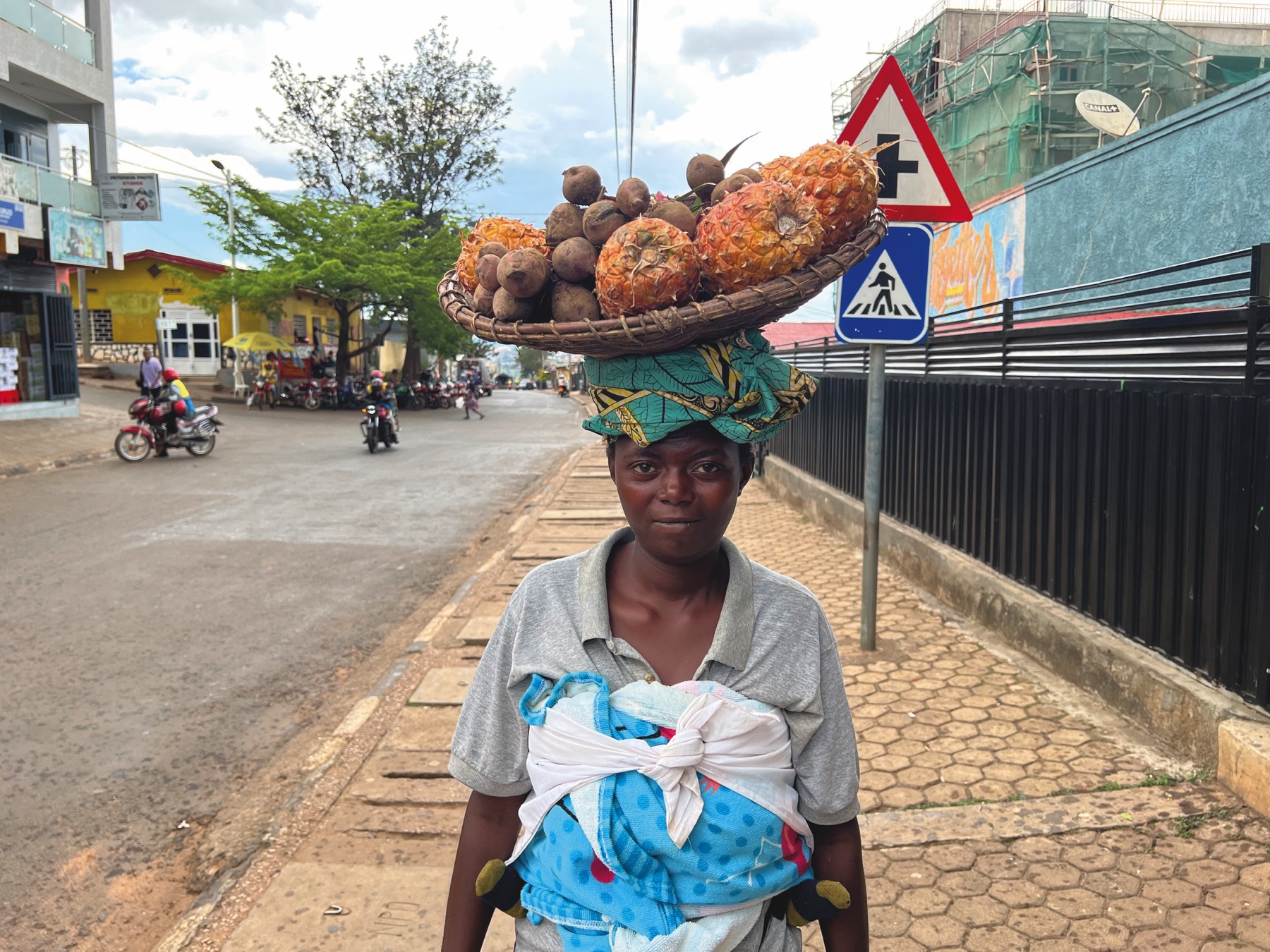
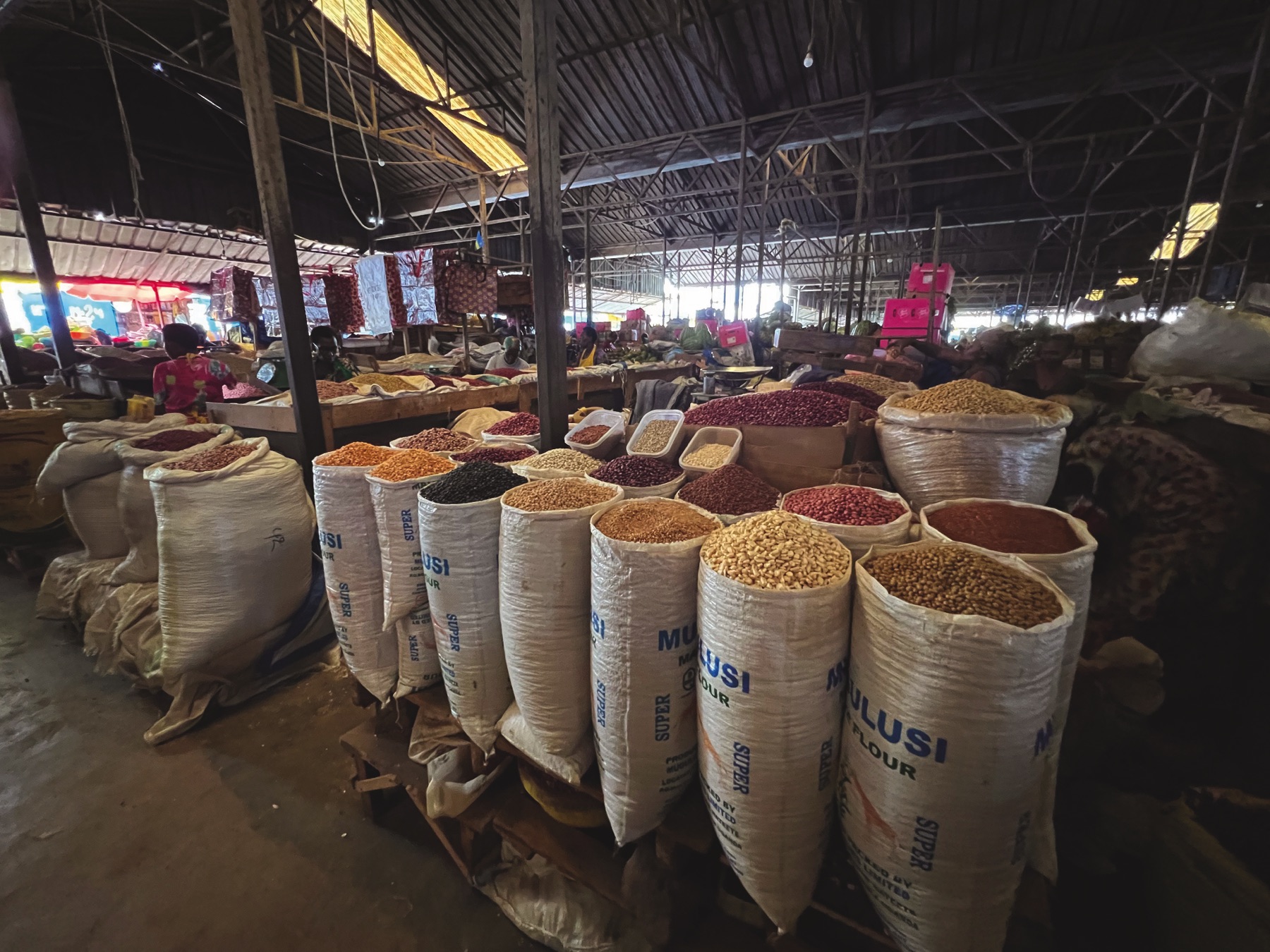
Day 2: Shopping like locals
After the hearty breakfast at the Marriott Kigali hotel, we went to visit Kigali’s local market. Kimironko Market is a must for you if you want to get to know the locals. It is a big market where you can find everything, from vegetables, spices, eggs, meat, and fish, and of course local presents. As usual, we bought a few.
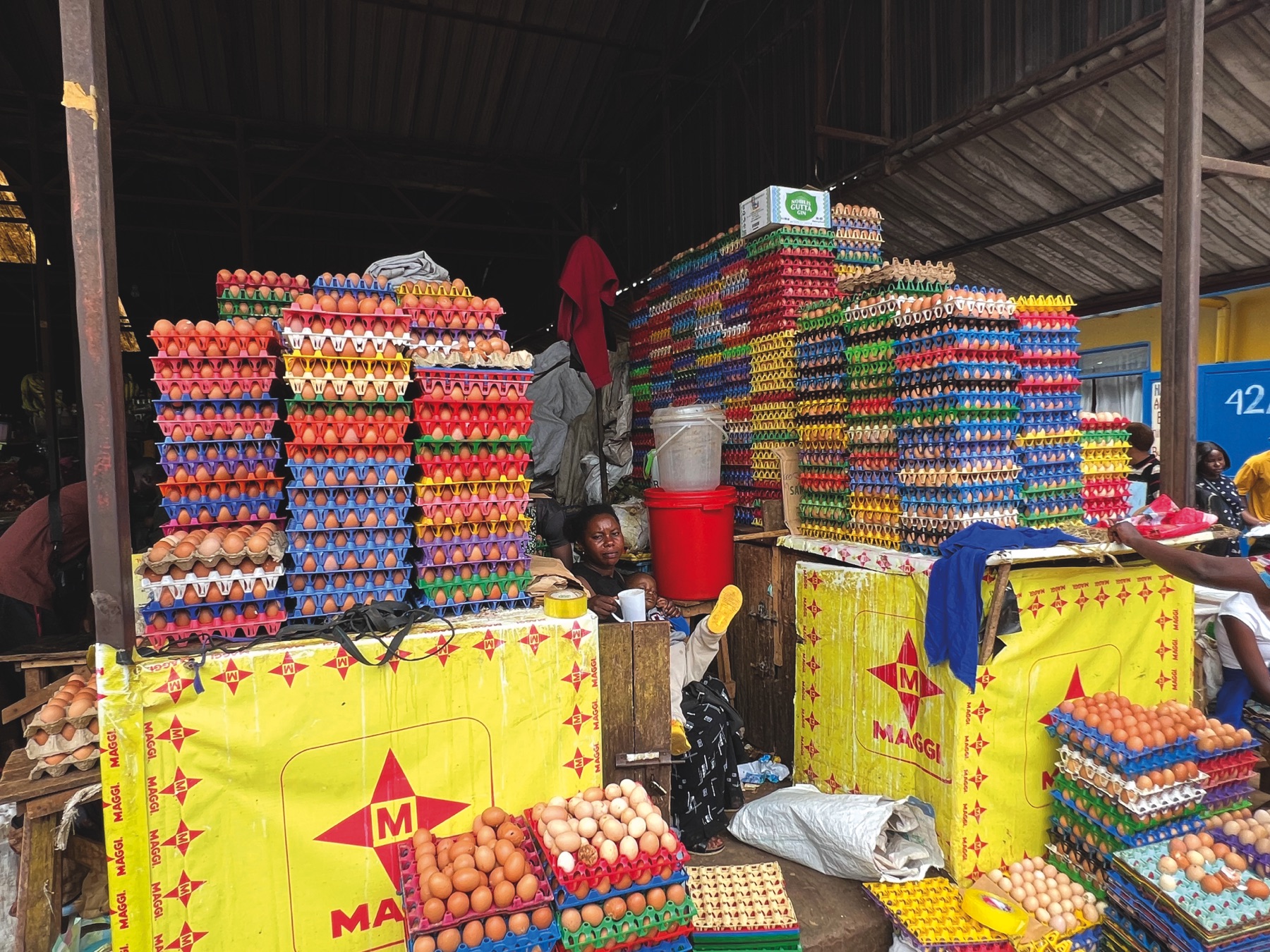
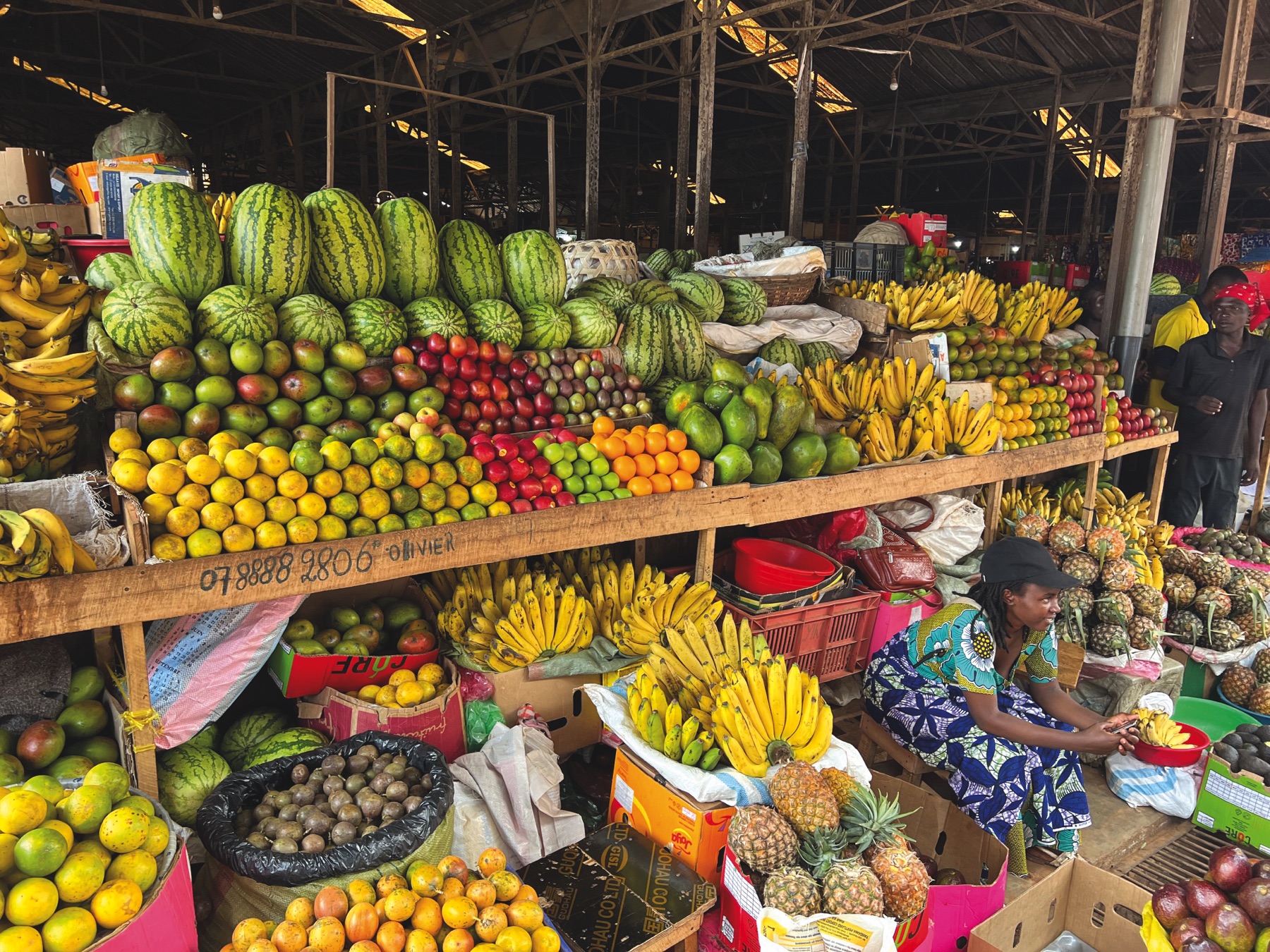
Finally, we left Kigali for the Akagera National Park.
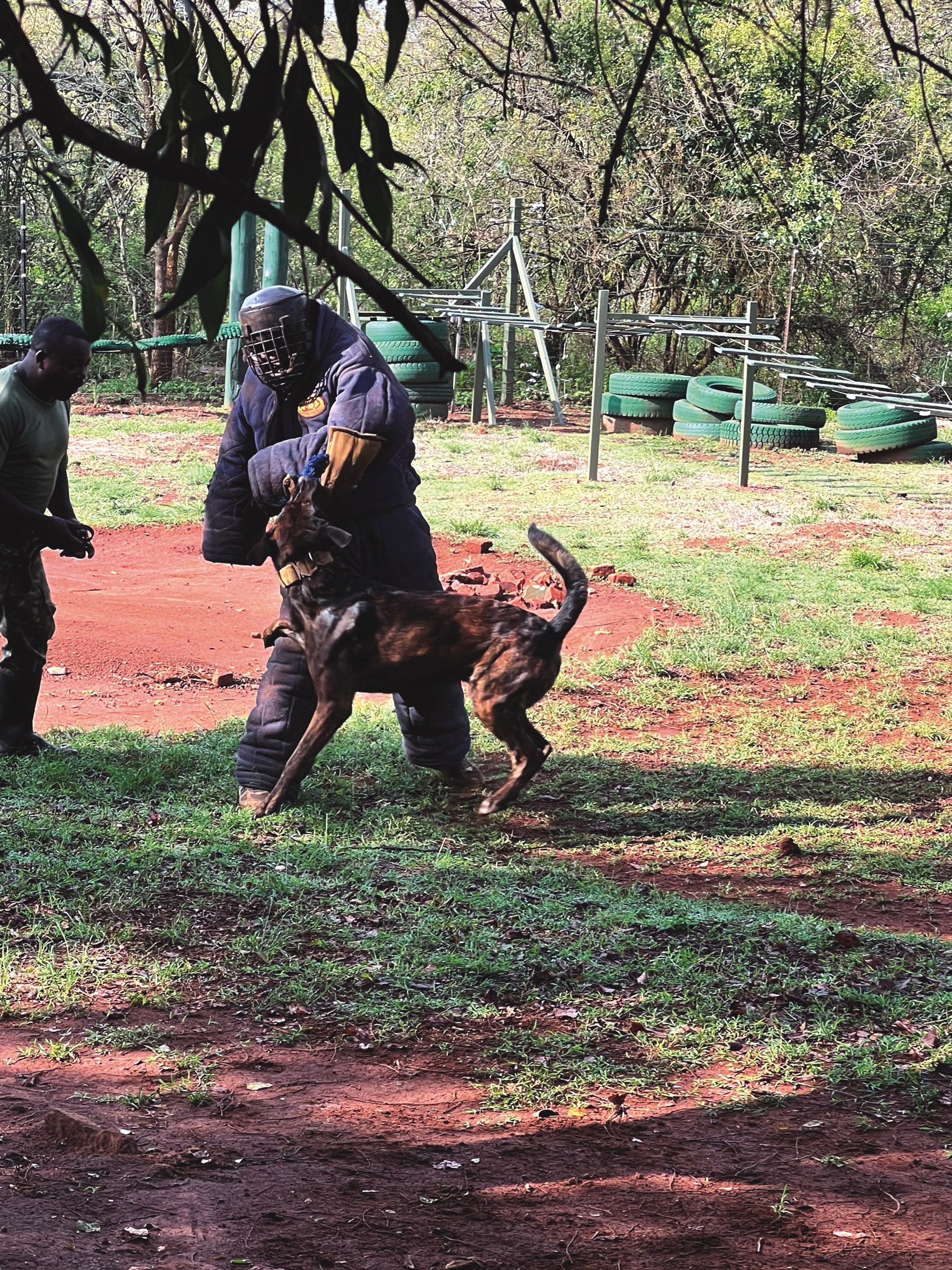
Day 3: Safari in the Akagera National Park
We started the day with a behind-the-scenes activity, including a visit to the control centre of the Akagera National Park. They are doing great work securing the area against hunters. They also run a dog centre, training the dogs to fight against the invaders.
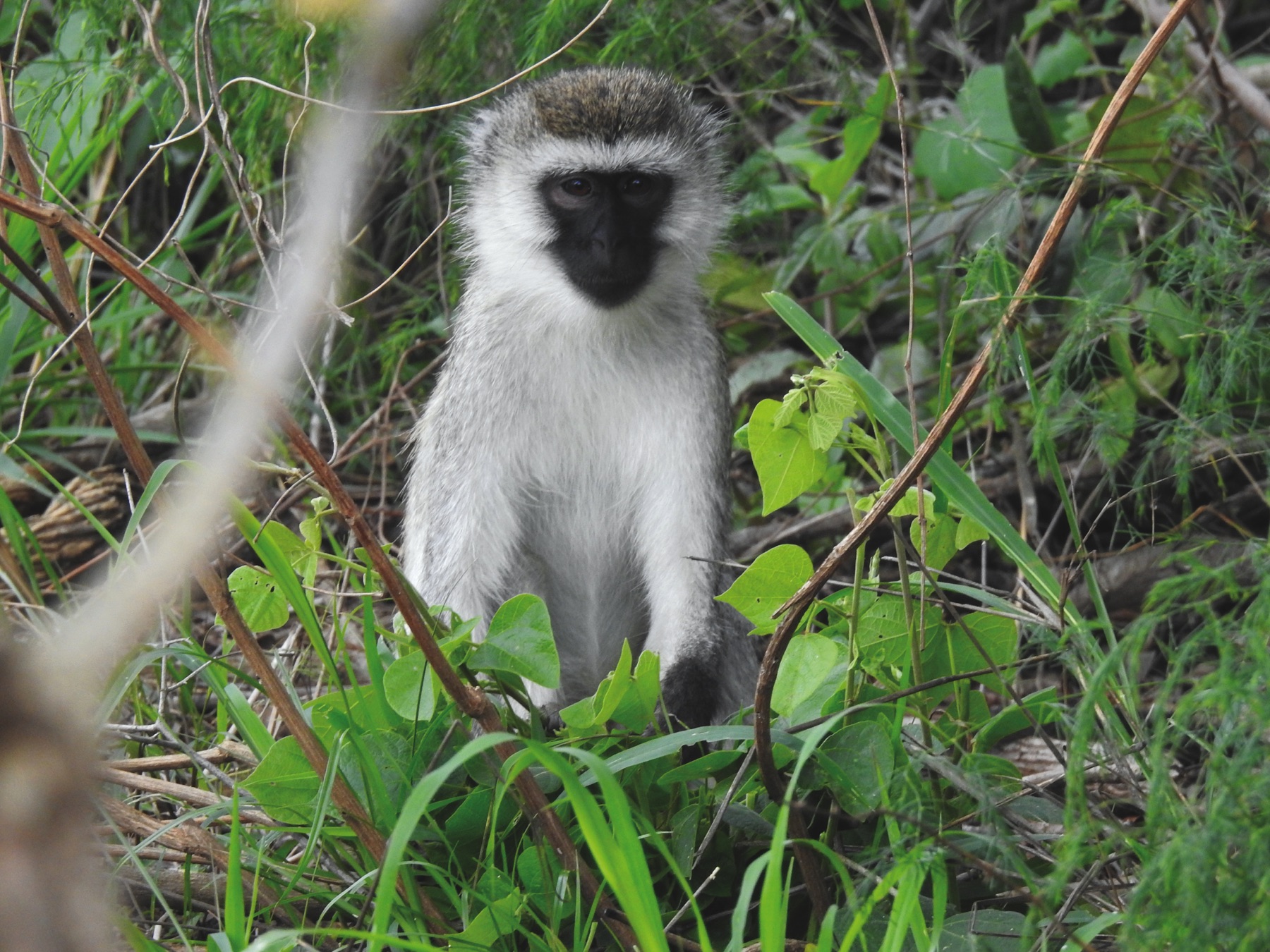
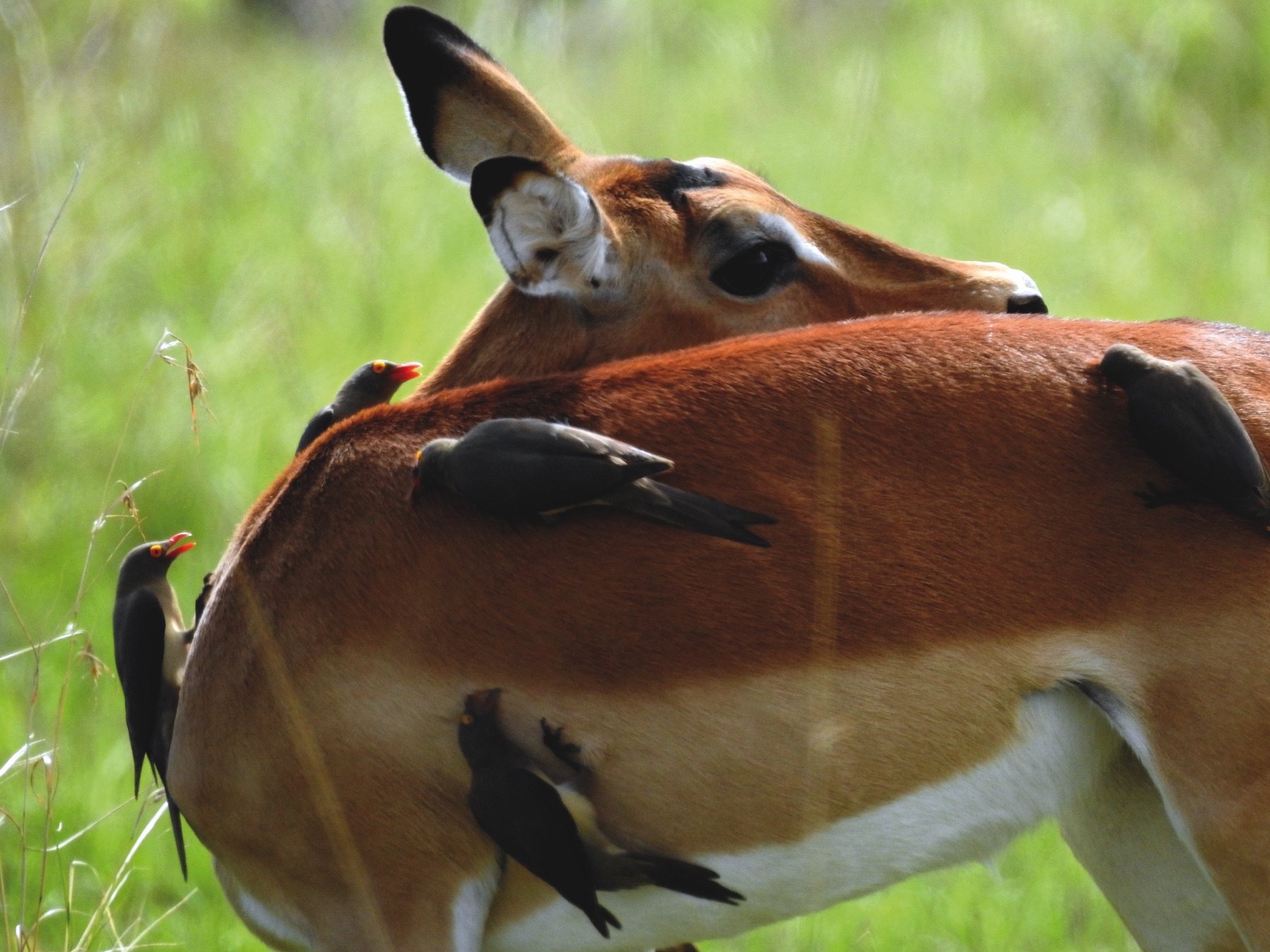
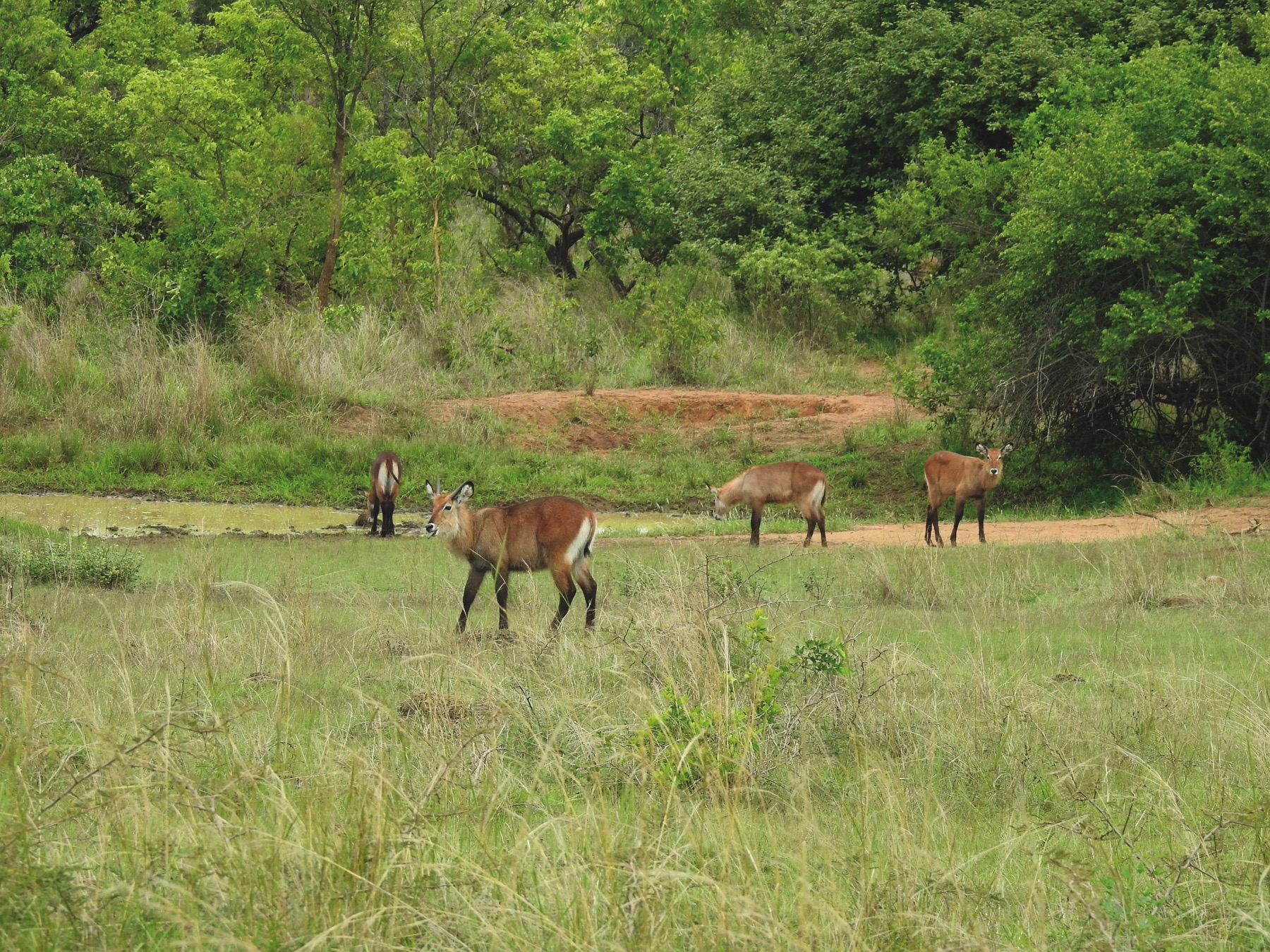
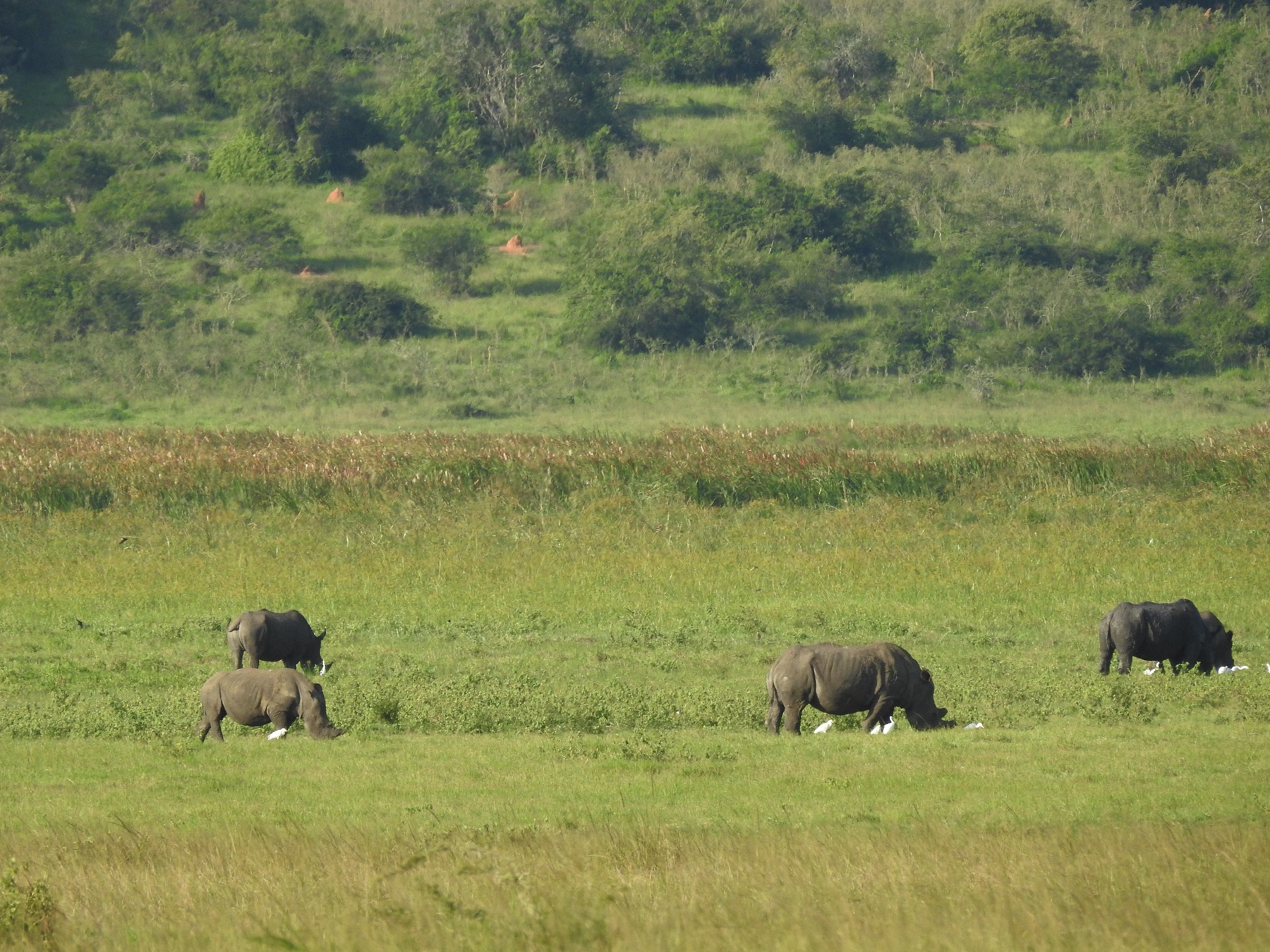
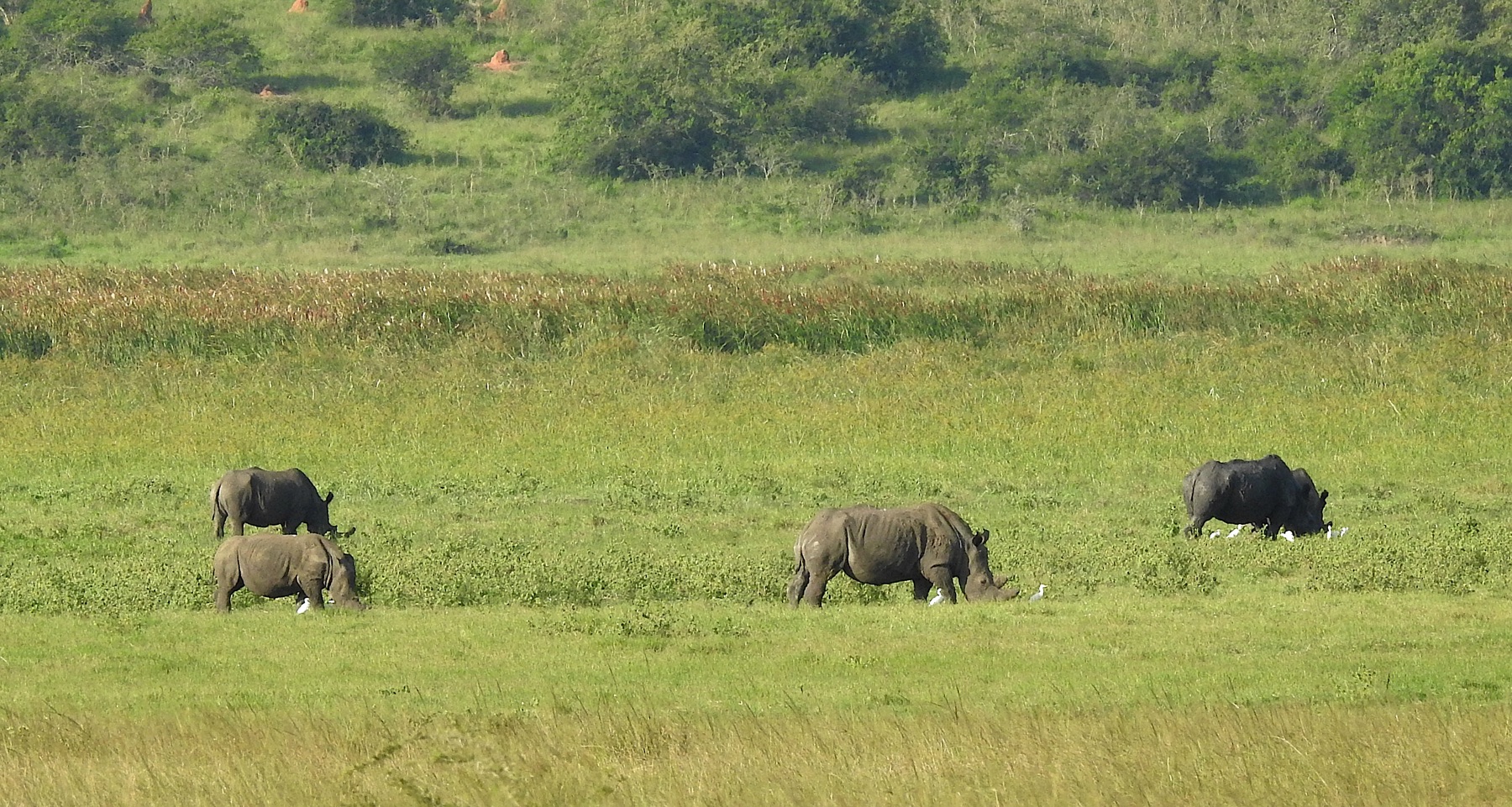
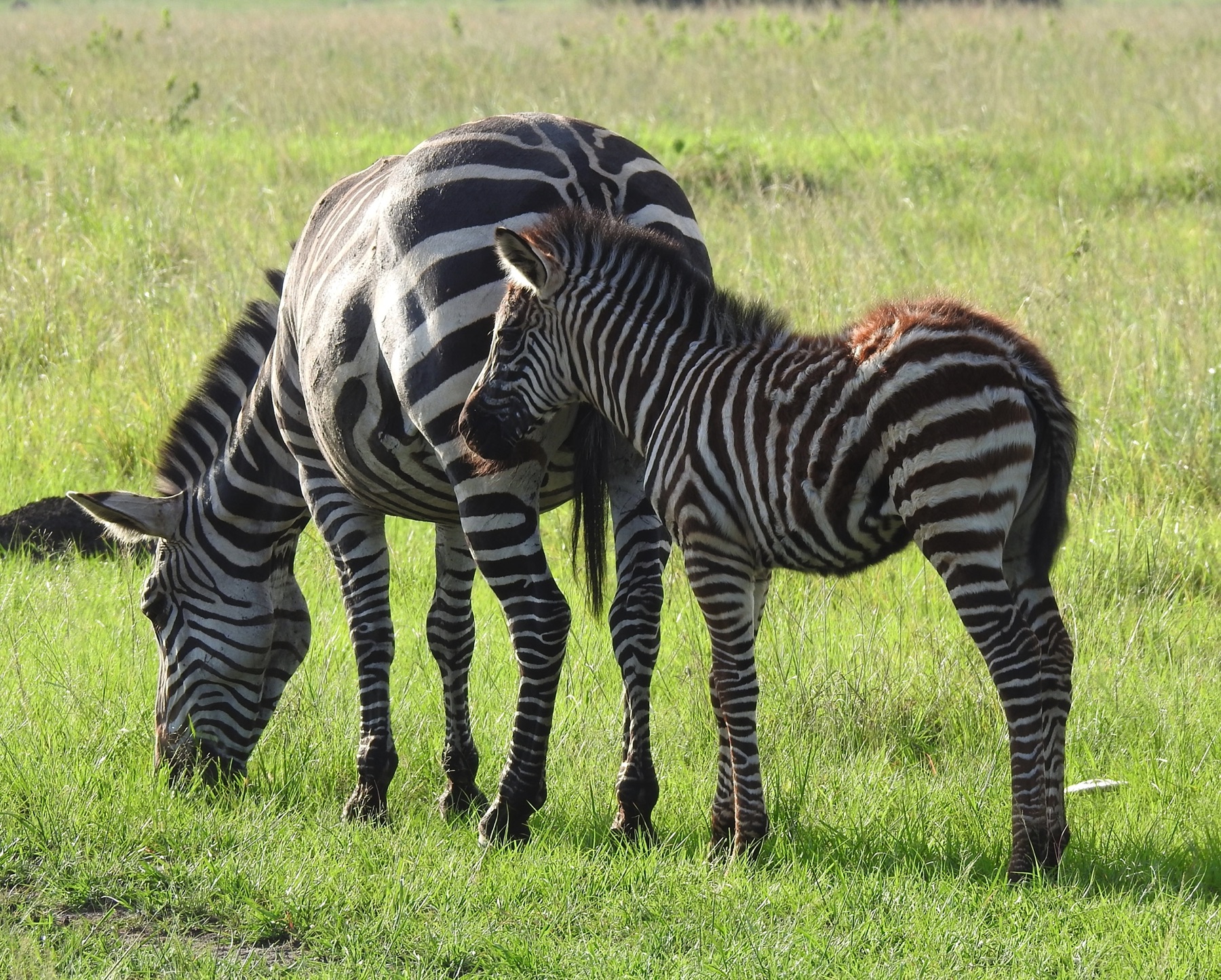
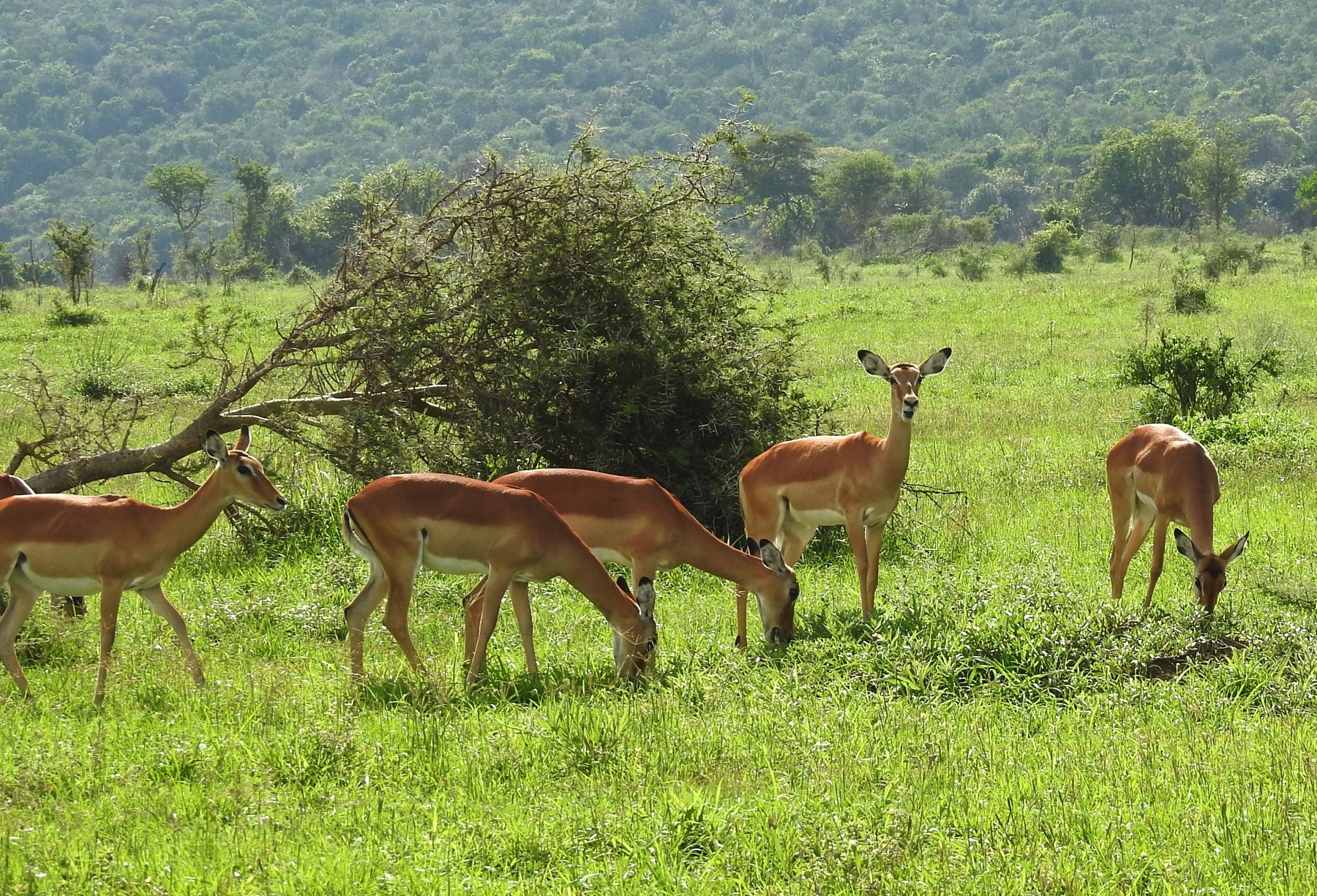
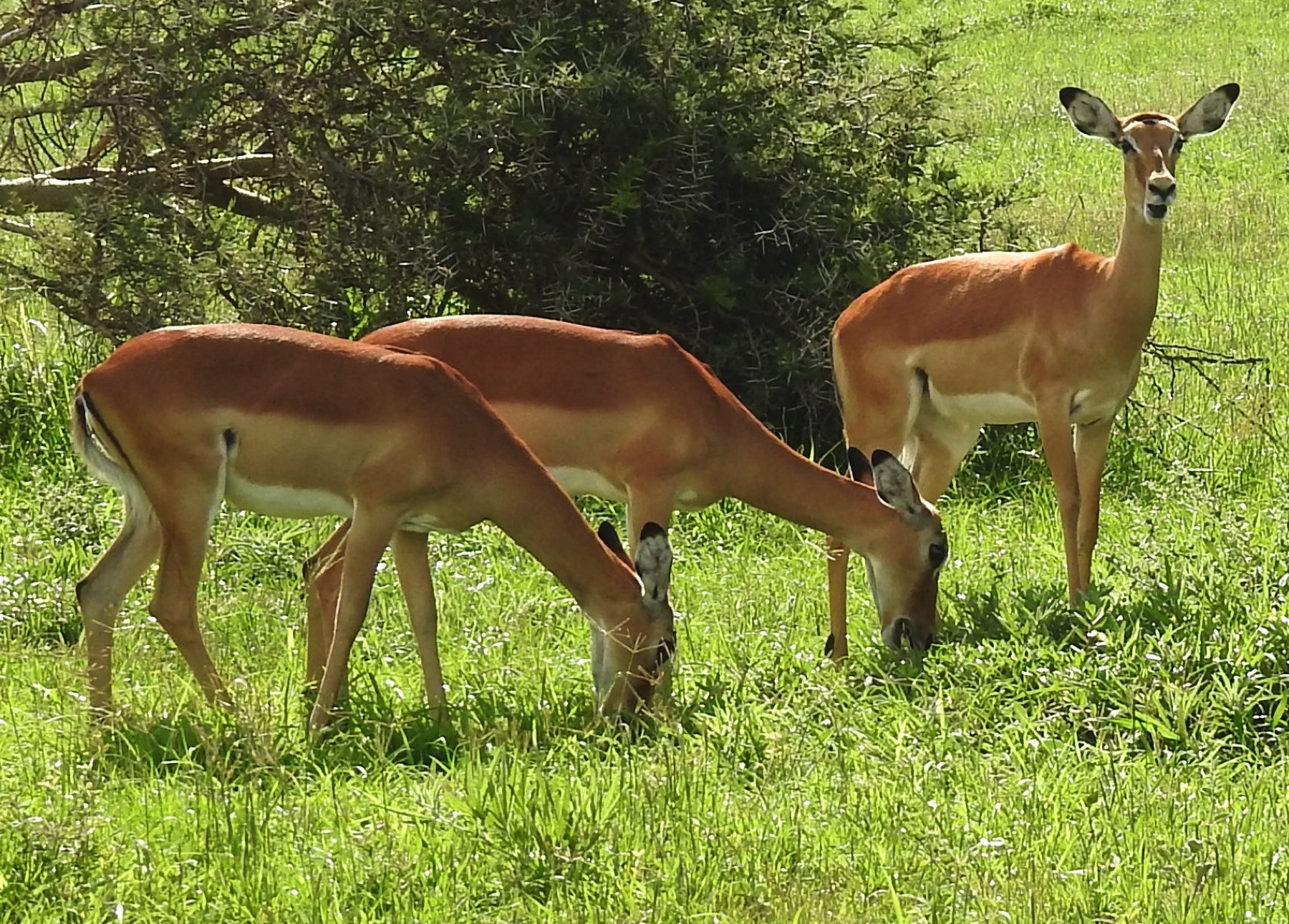
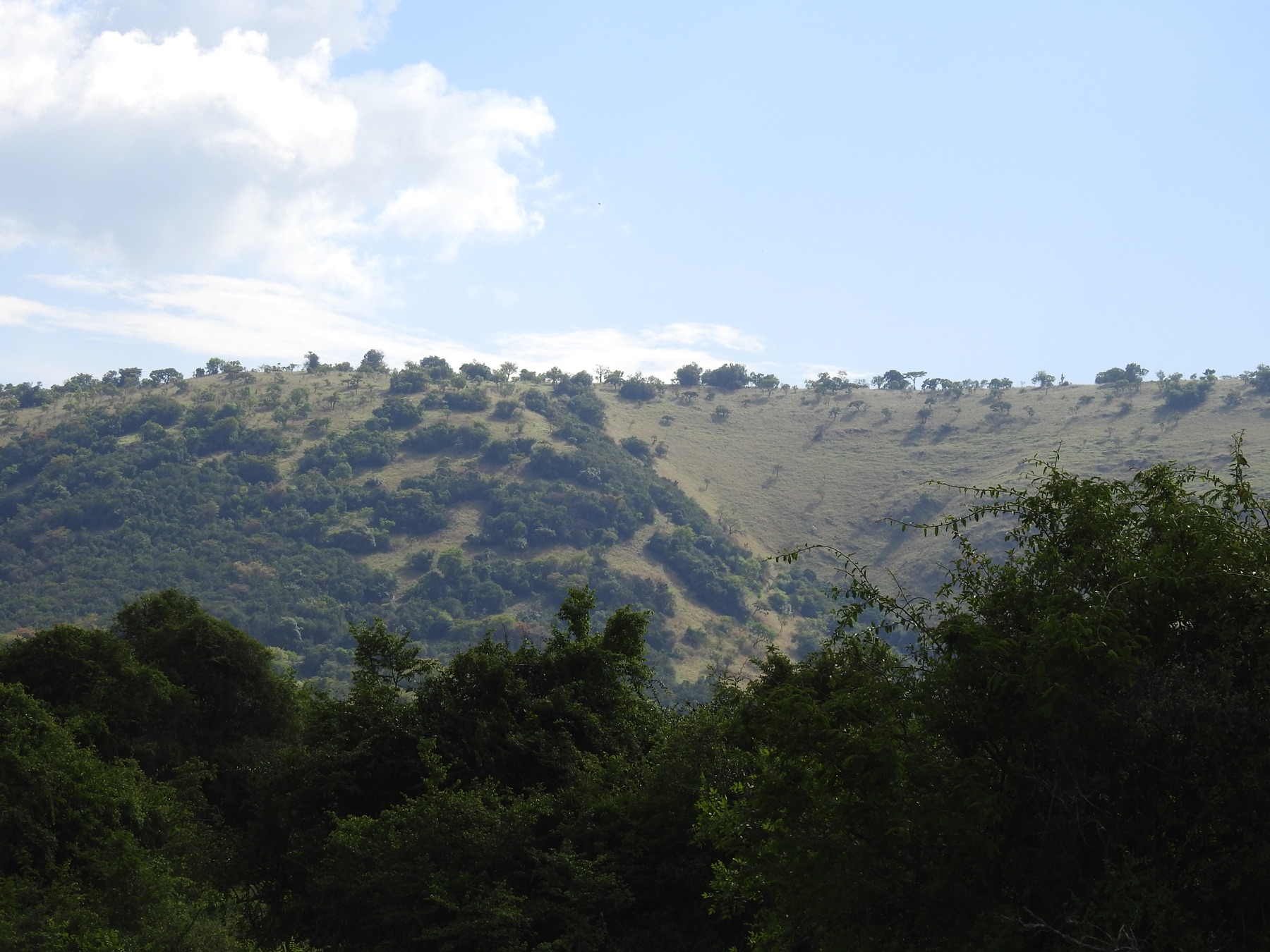
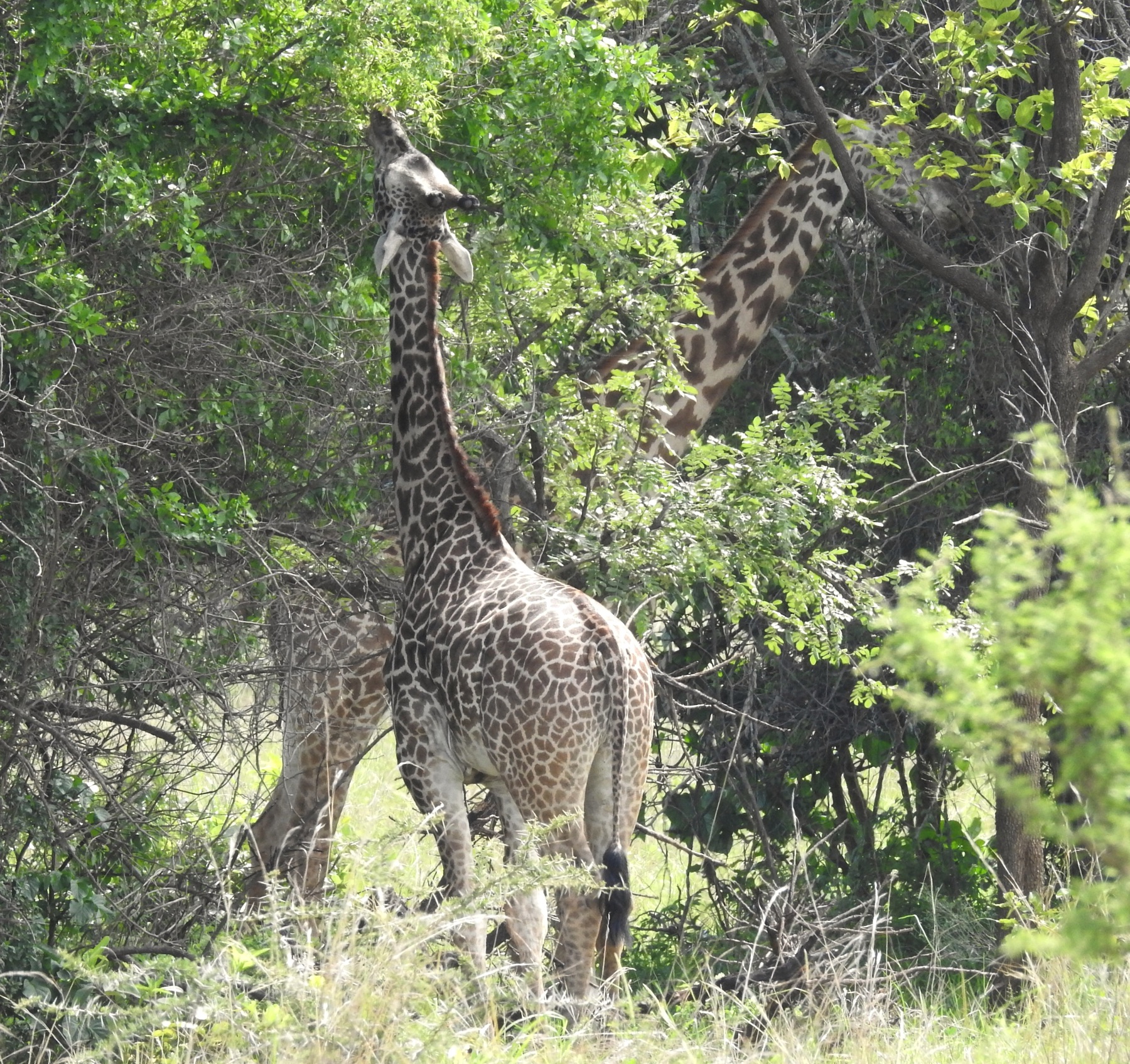
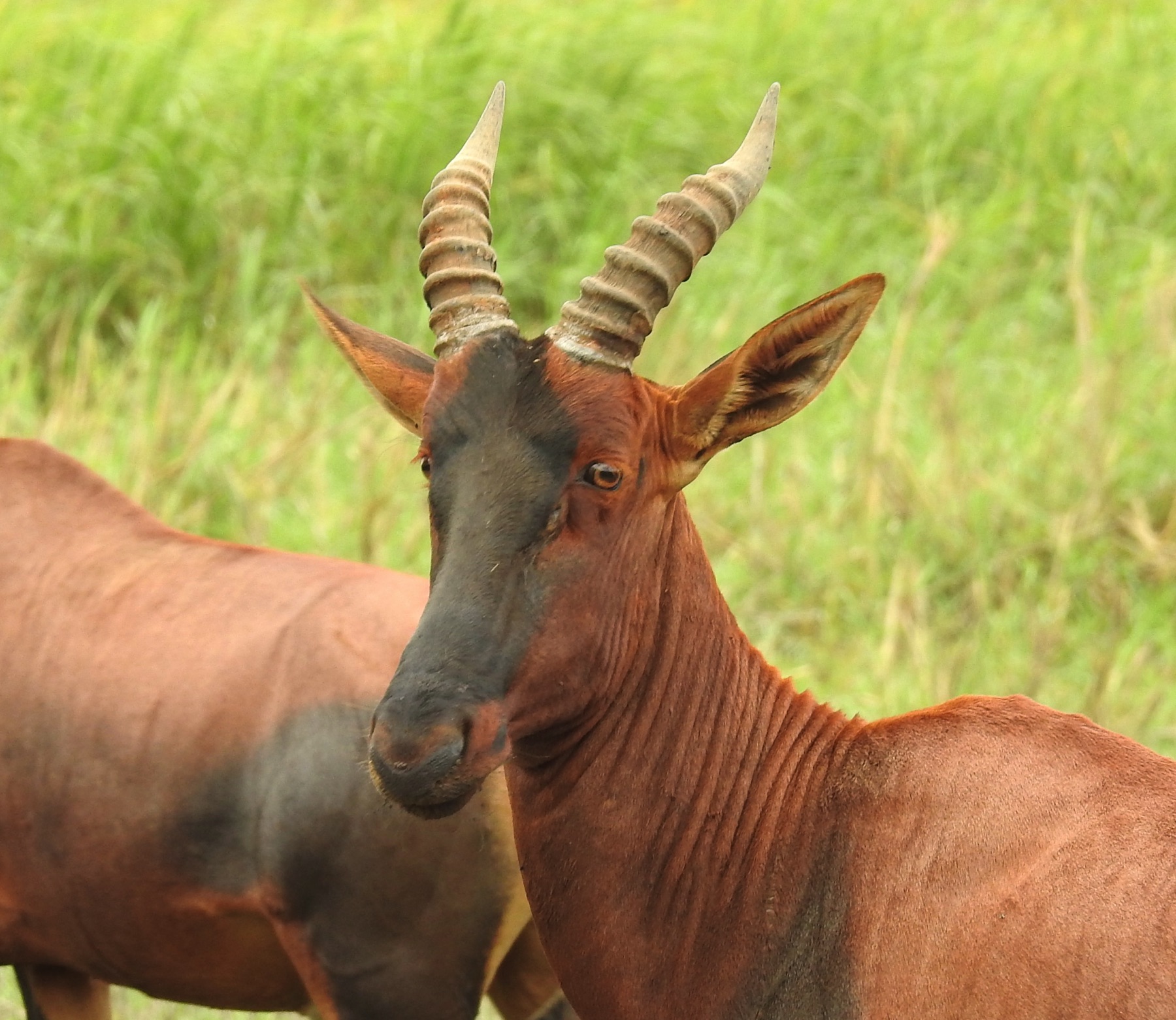
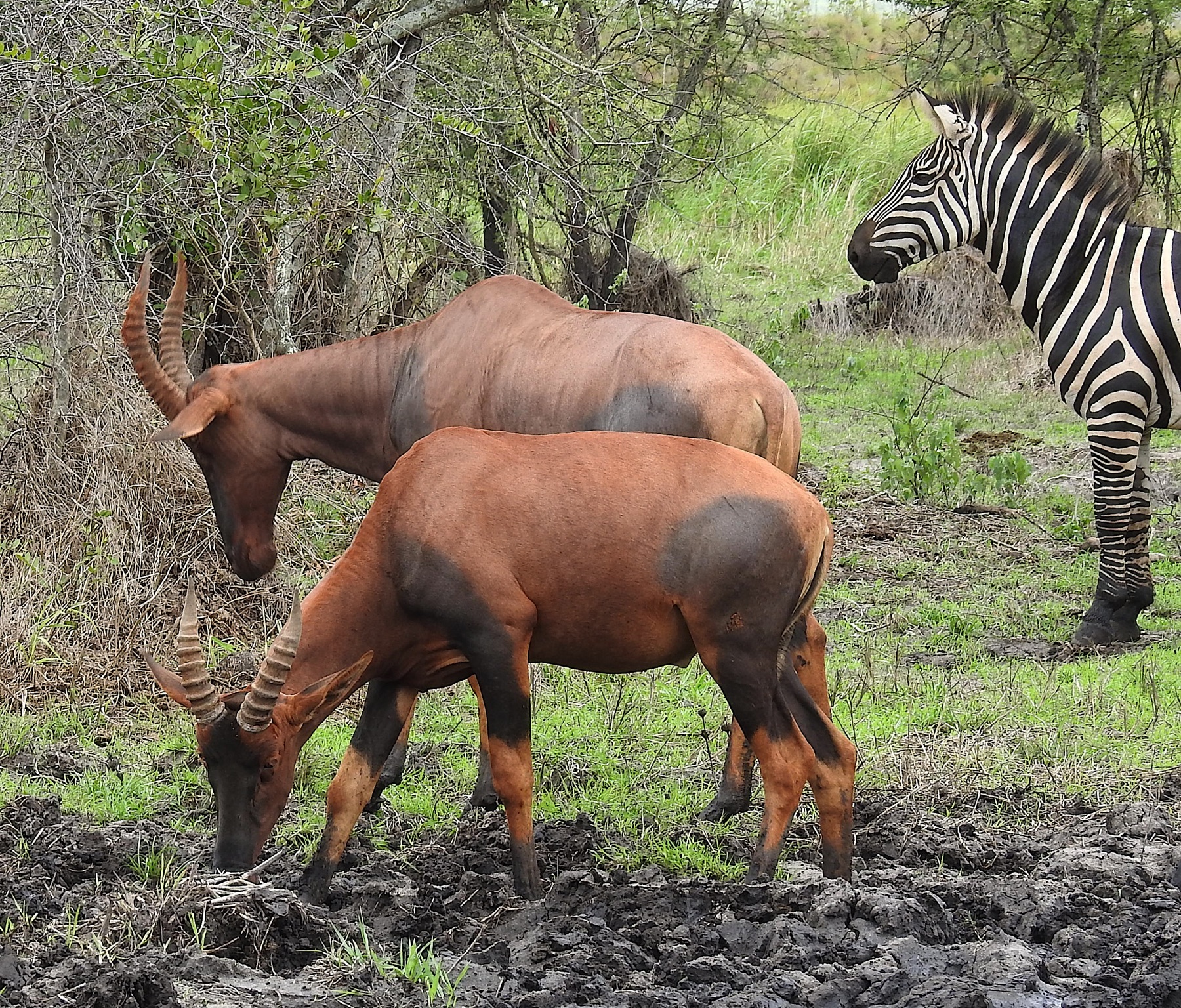
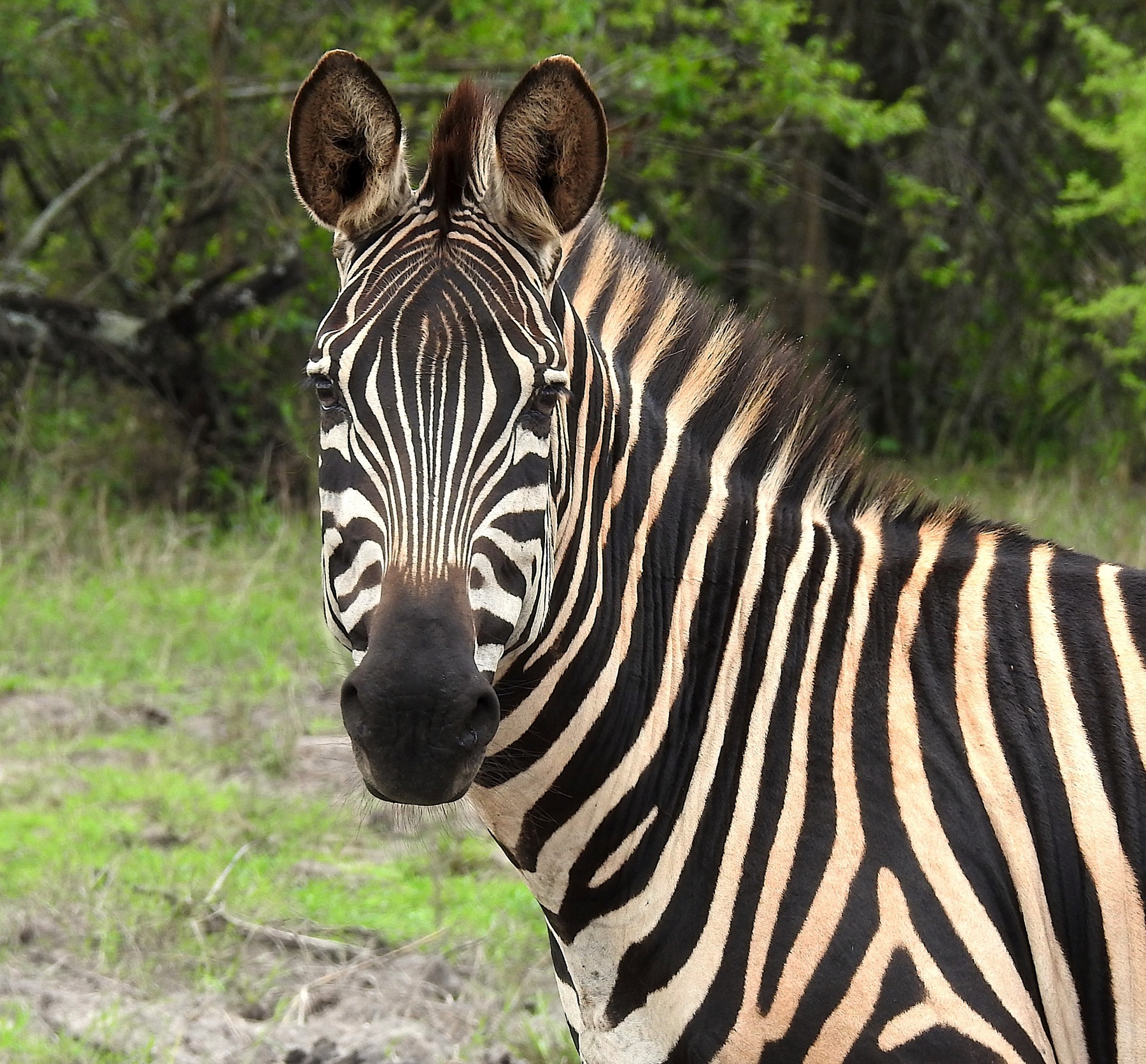
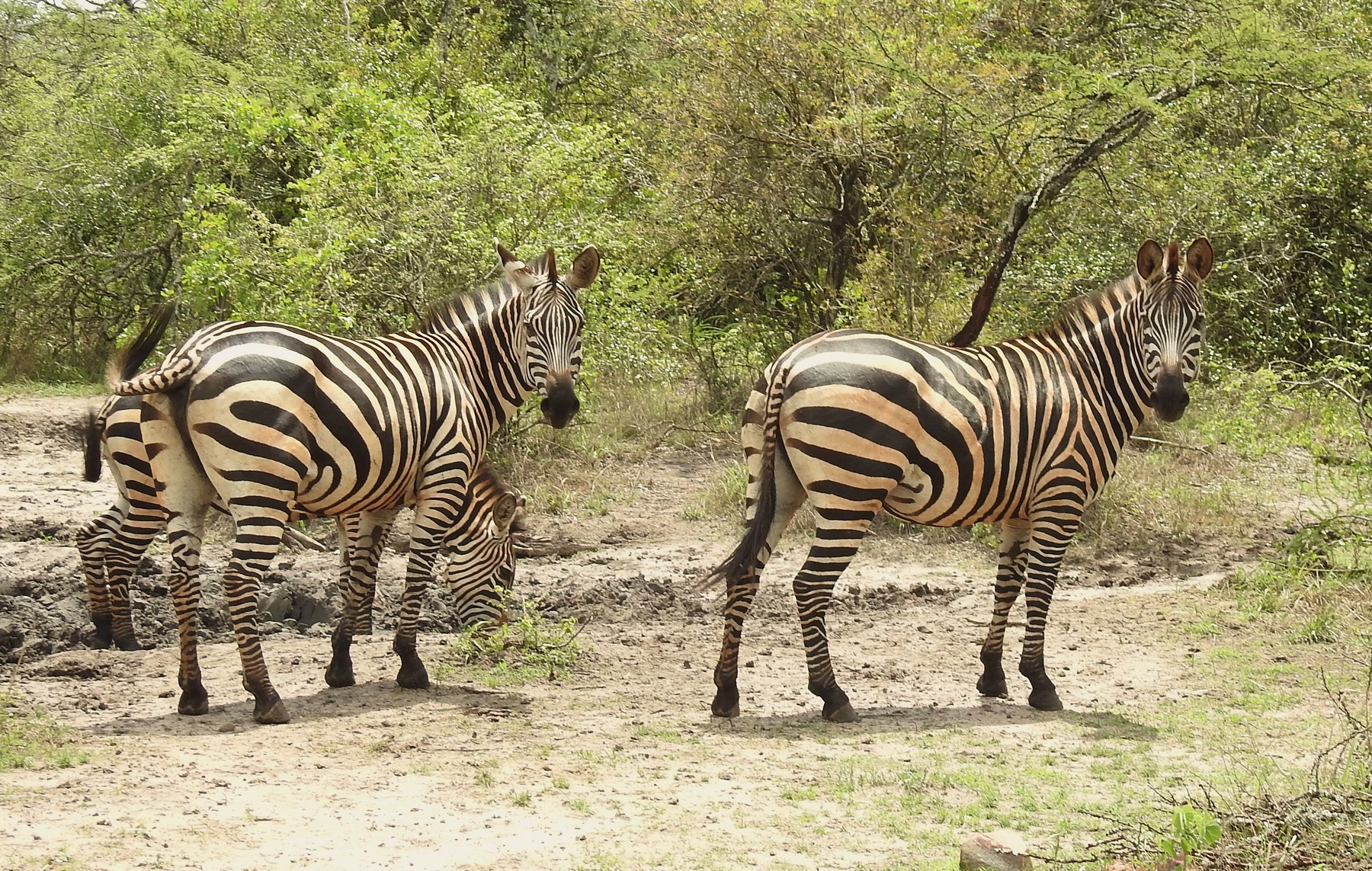
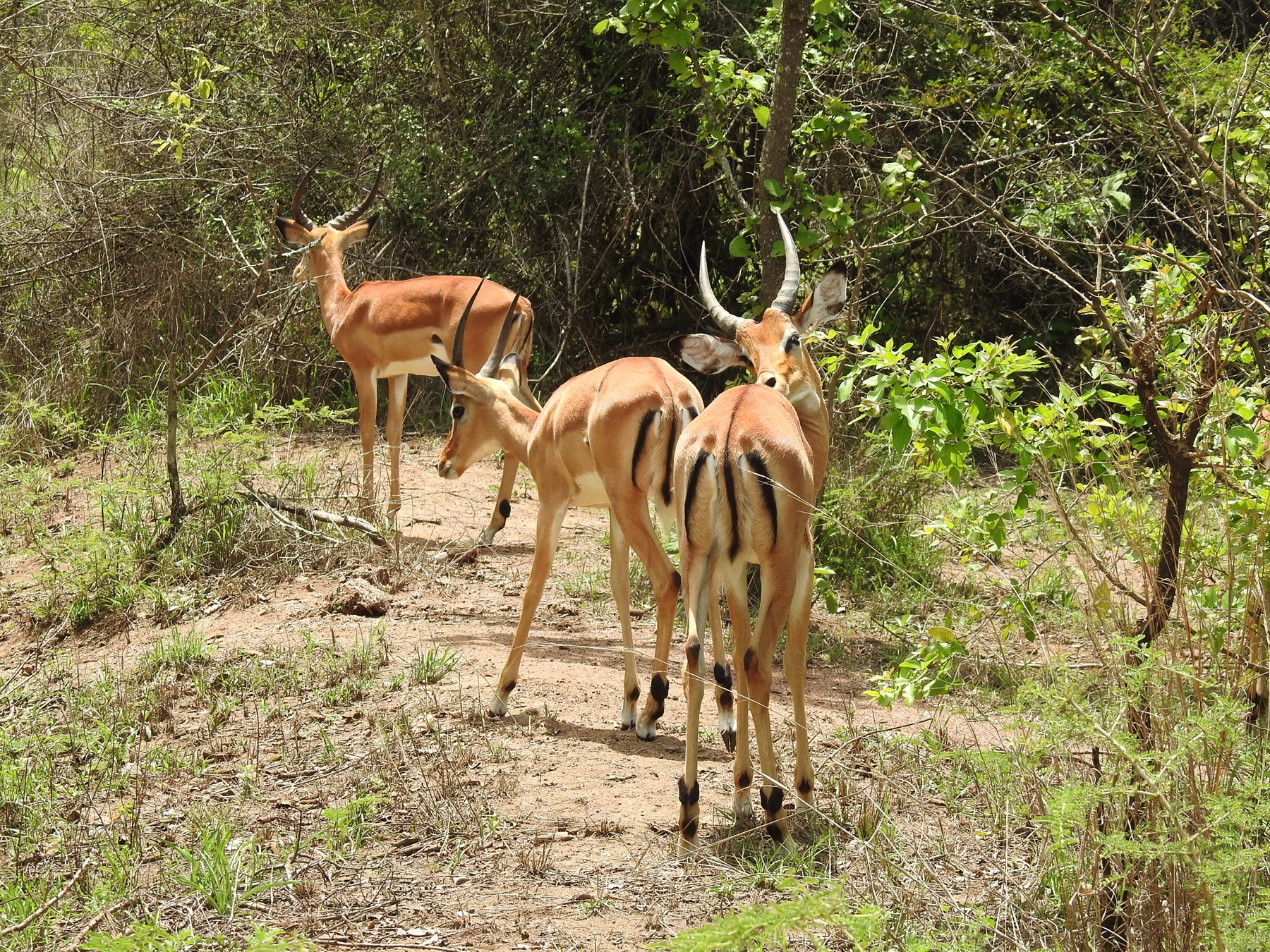
The Akagera National Park is an ideal place for safari activities. You can see the Big 5, and enjoy a boat ride experience. While such a safari experience can take a few days at other places, here you can do it in a day or two.
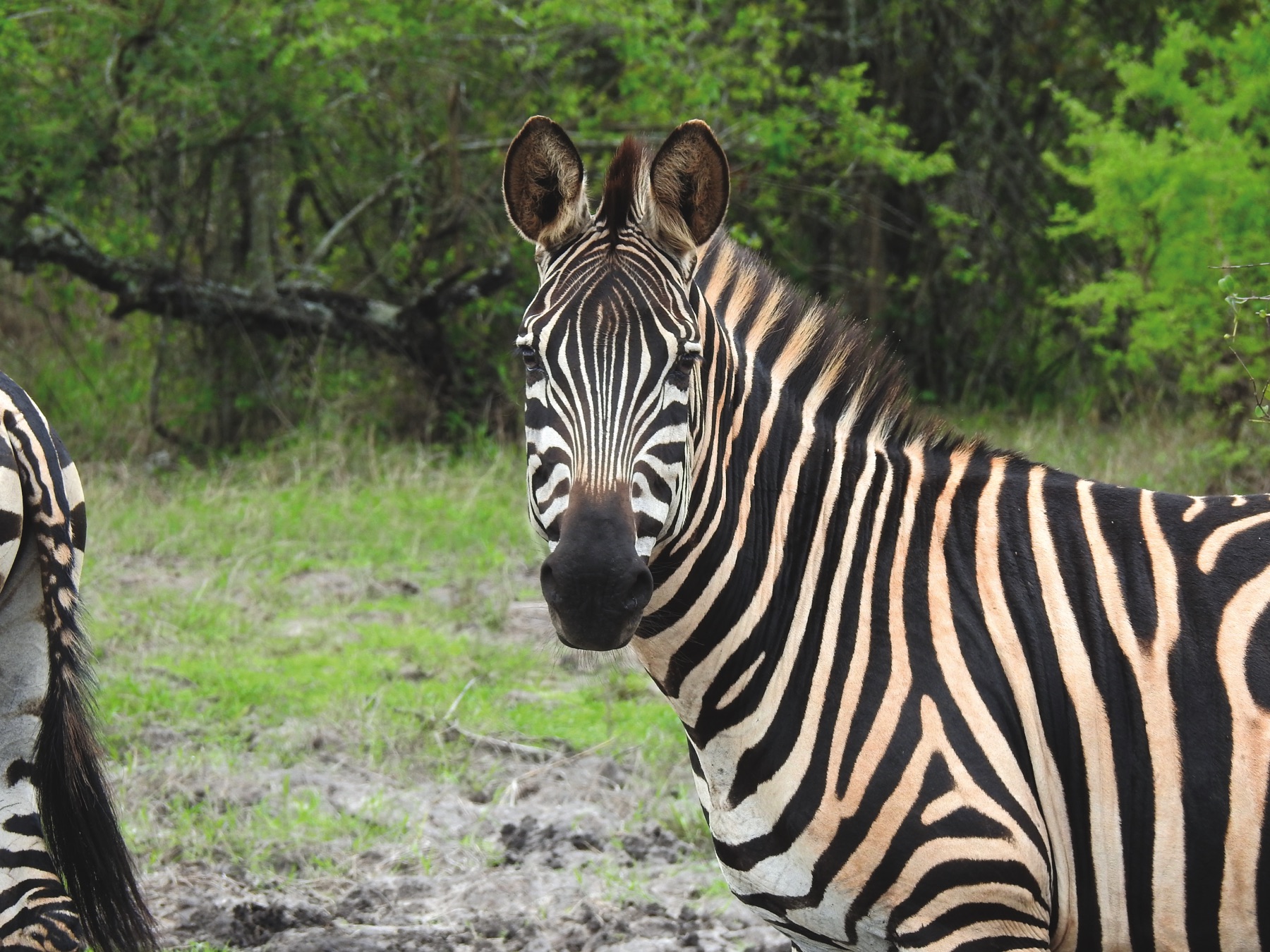
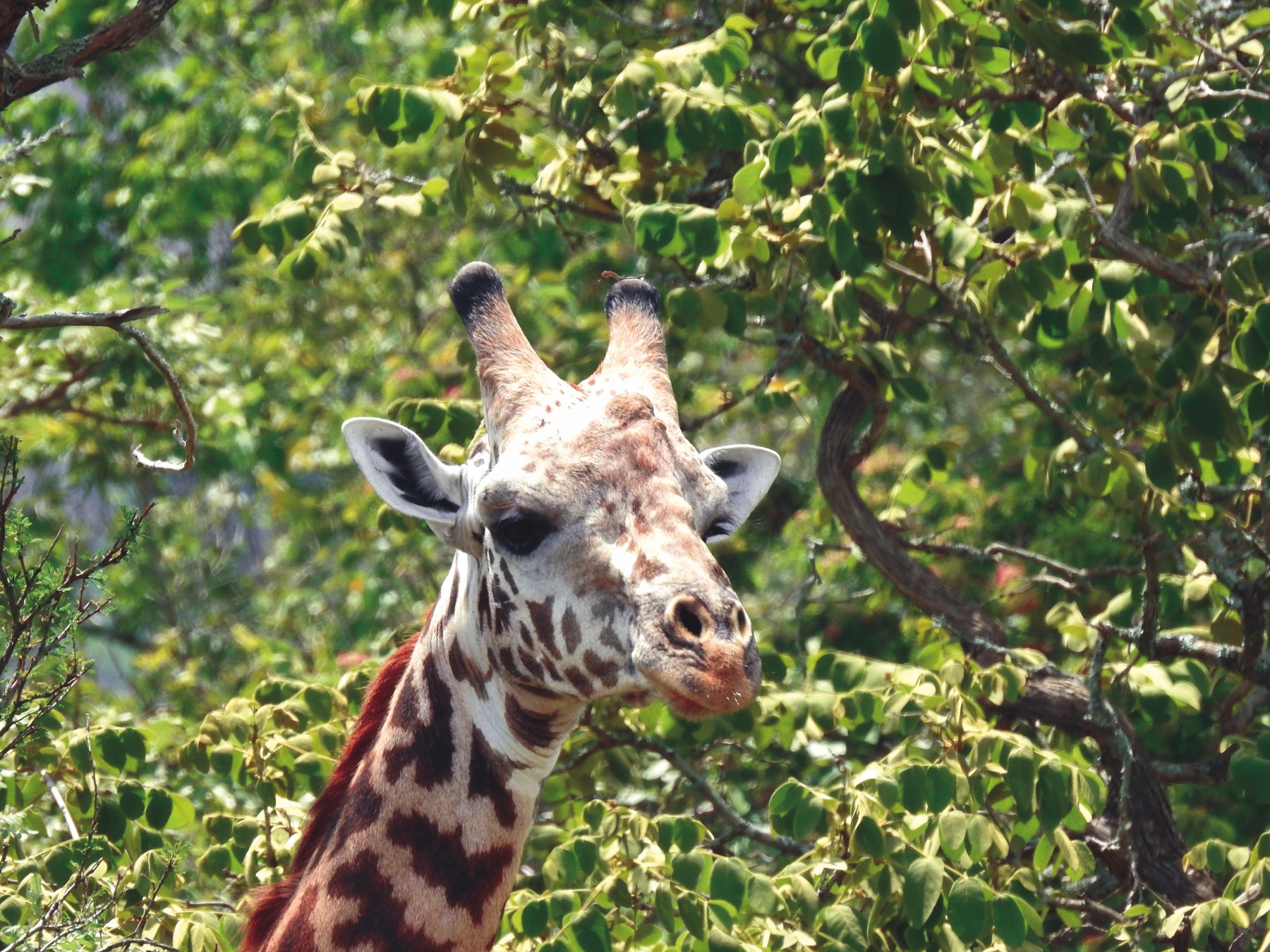
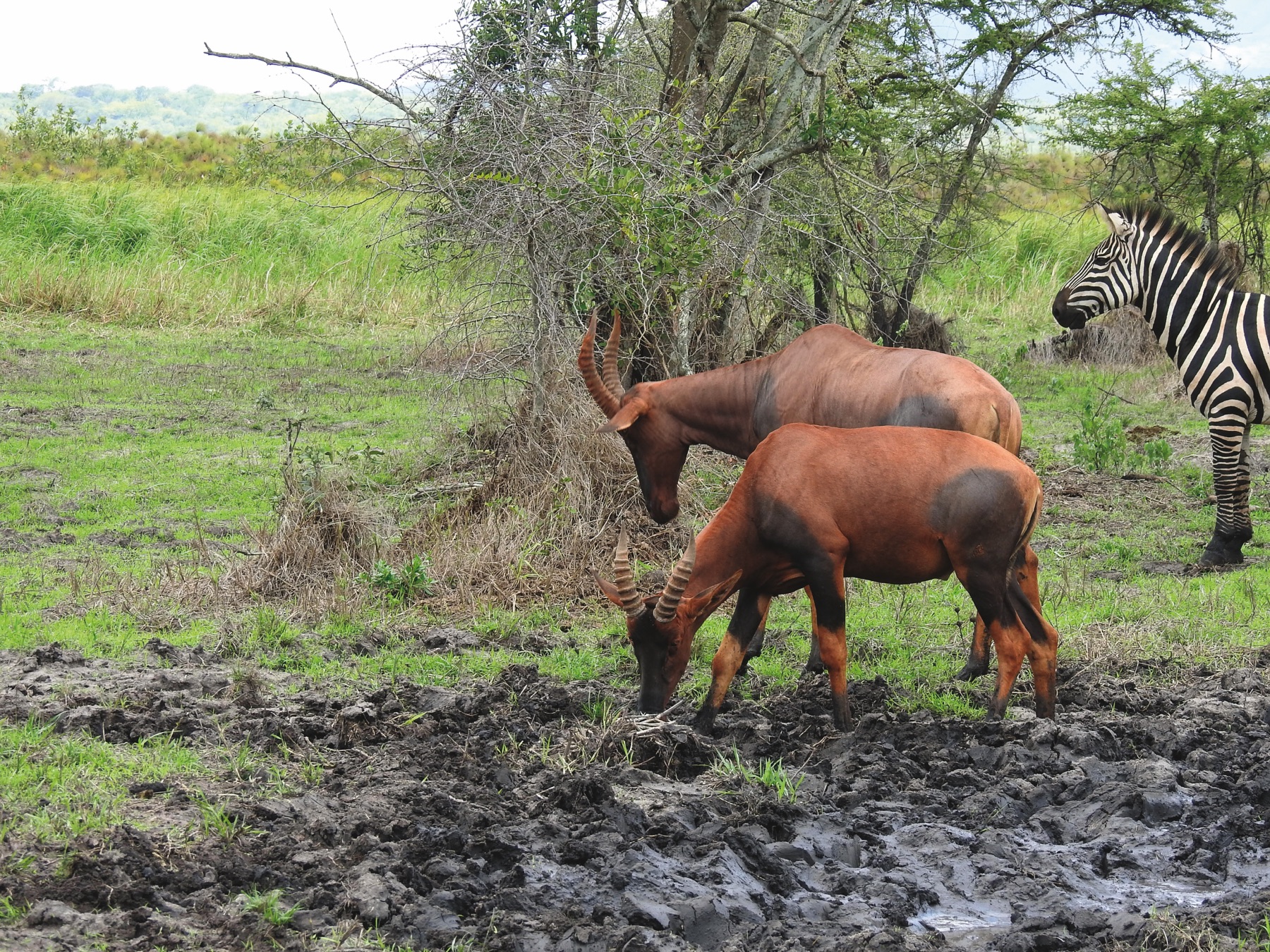
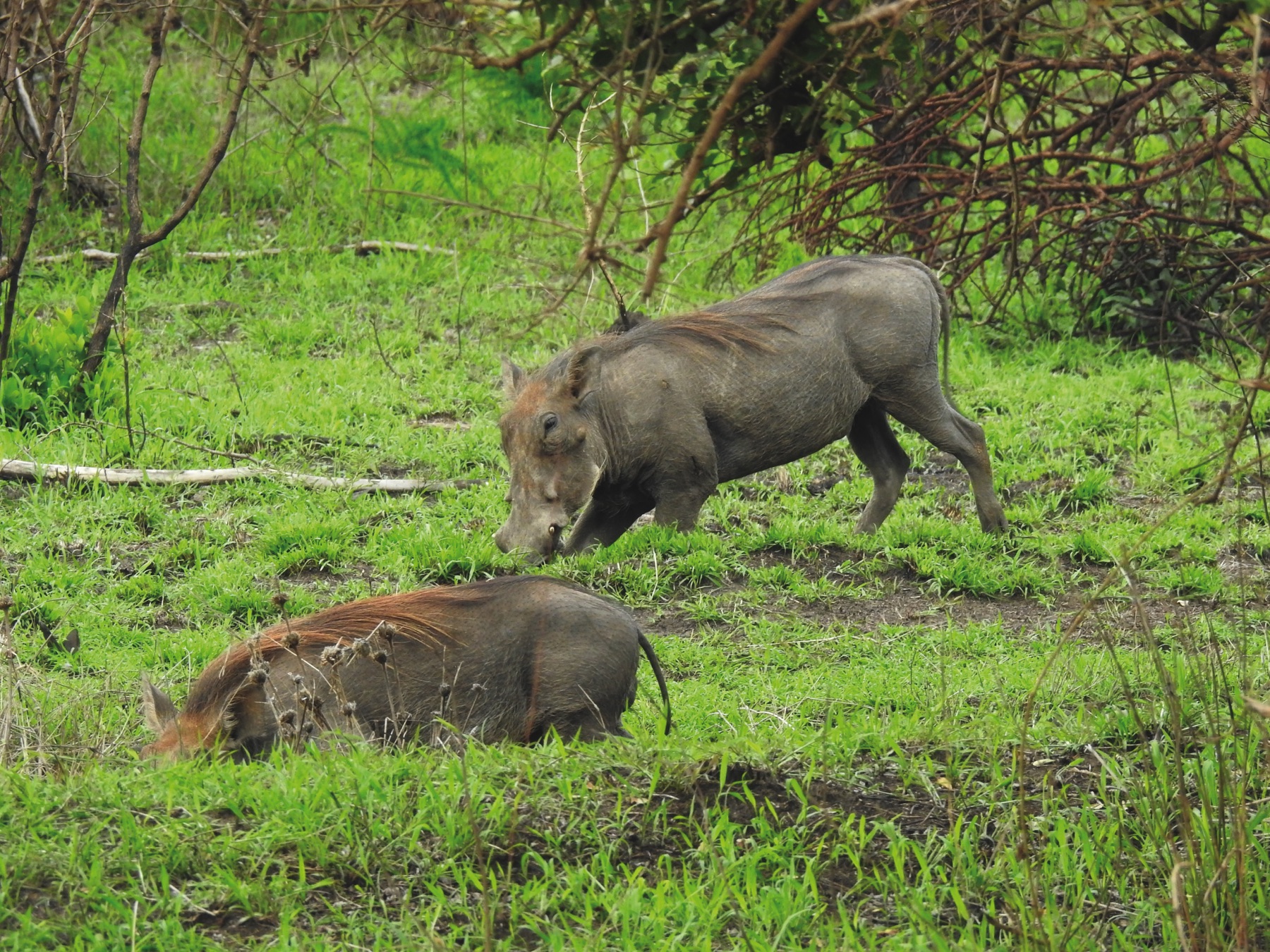
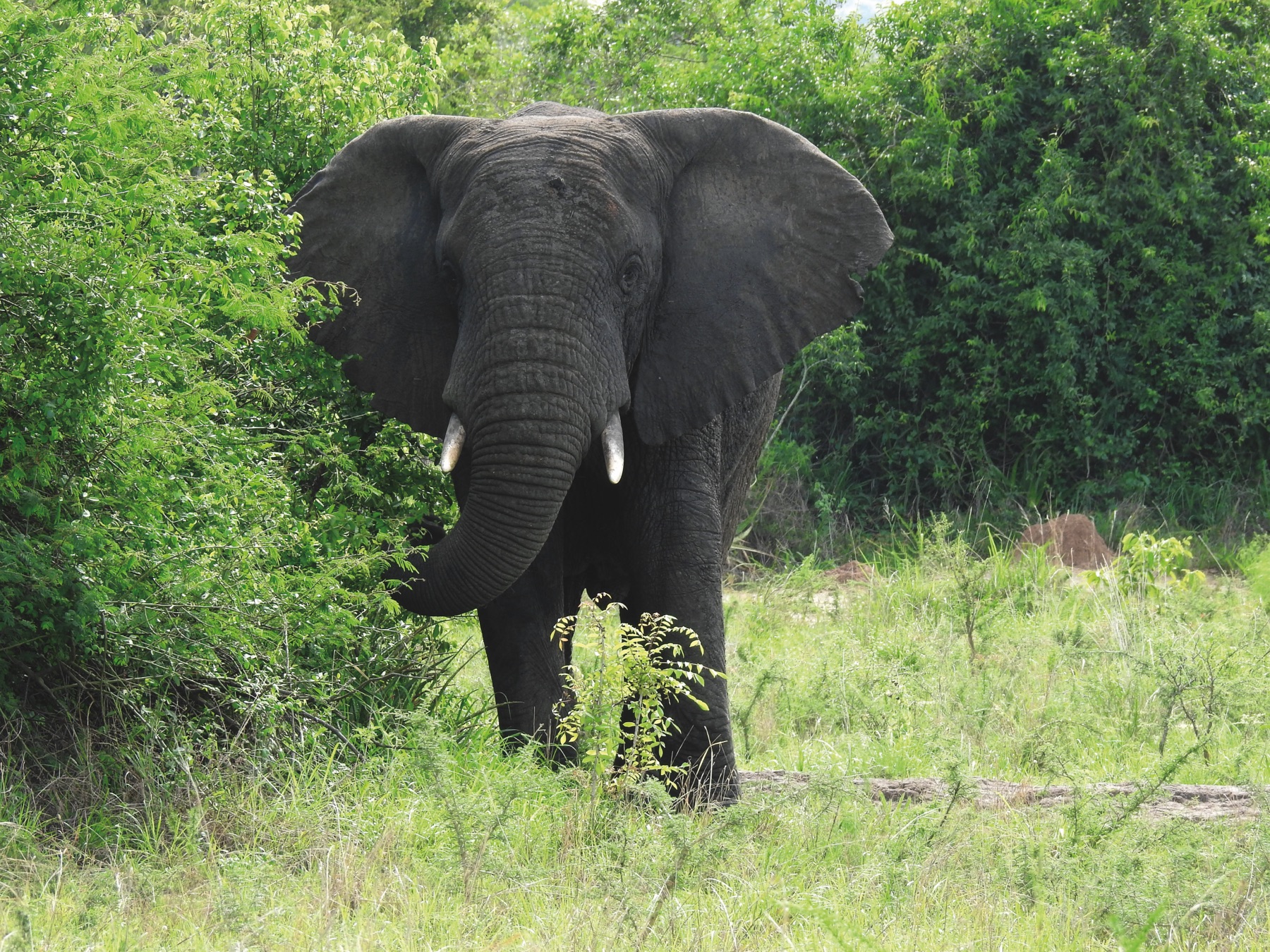
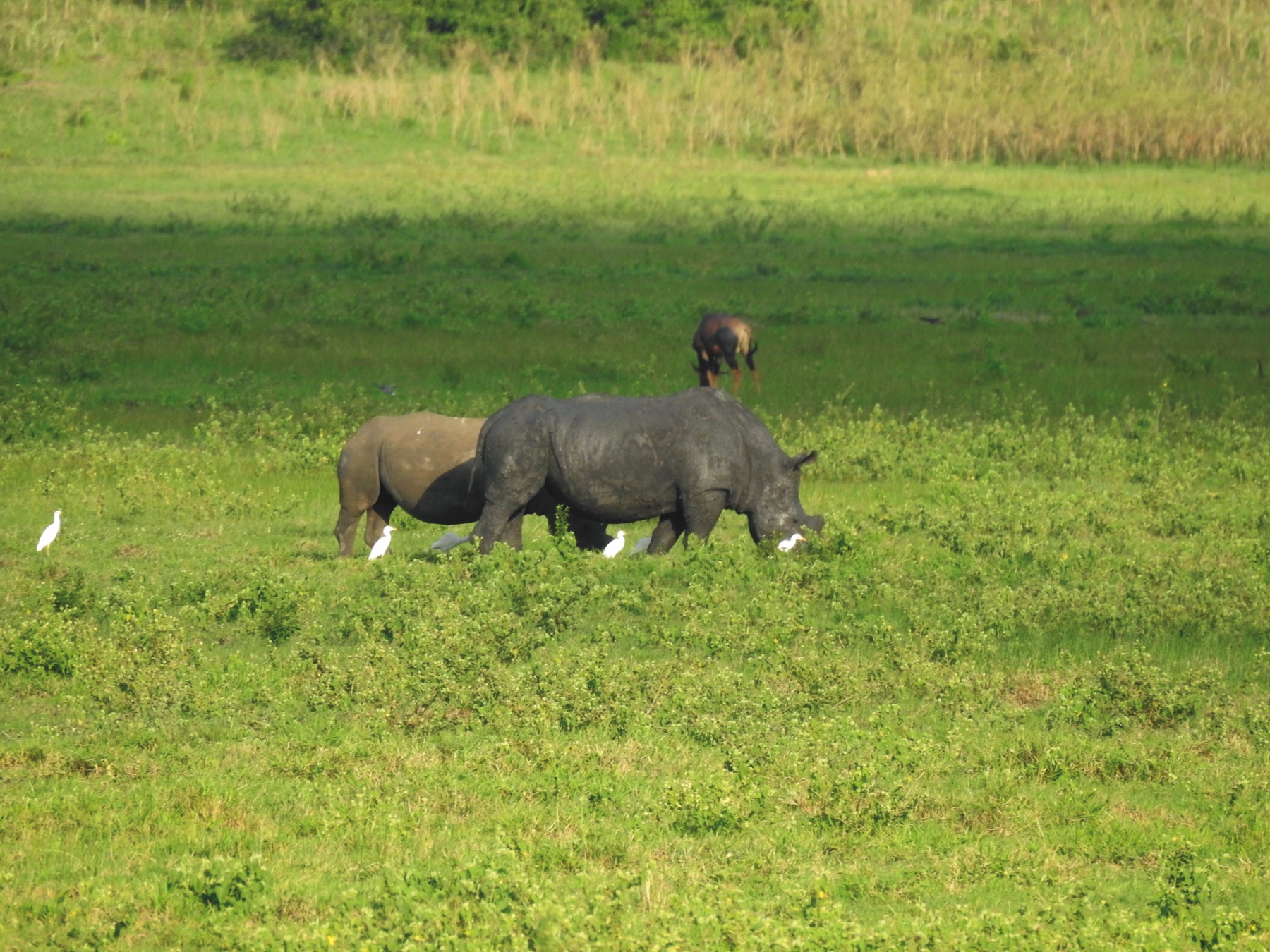
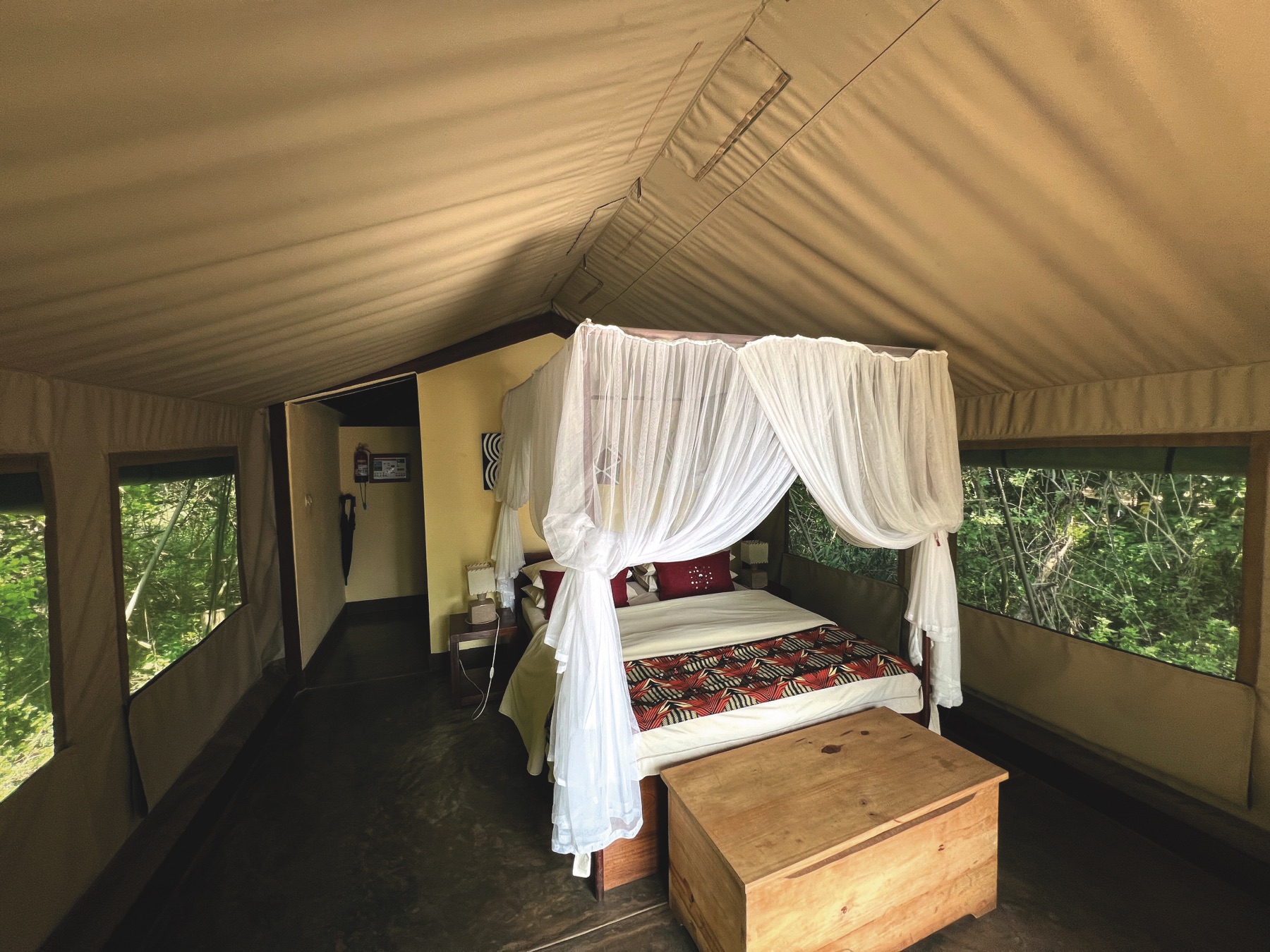
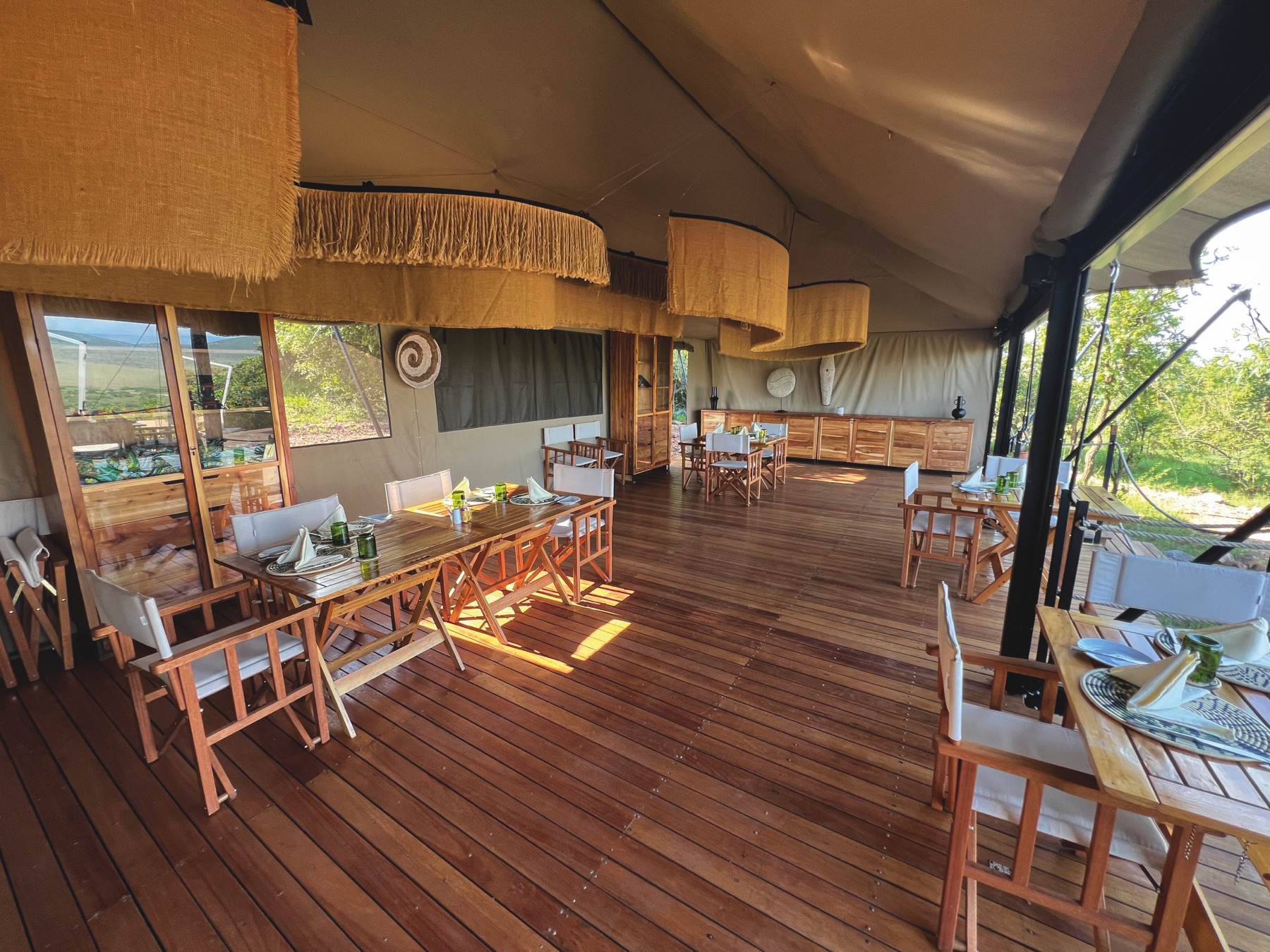
As part of the park, there are two ECO luxury lodges run by the Park Management: Ruzizi Tented Lodge and Karenge Bush Camp (you don’t need to pay any extra fees). They are very nice places to stay in, surrounded by nature.
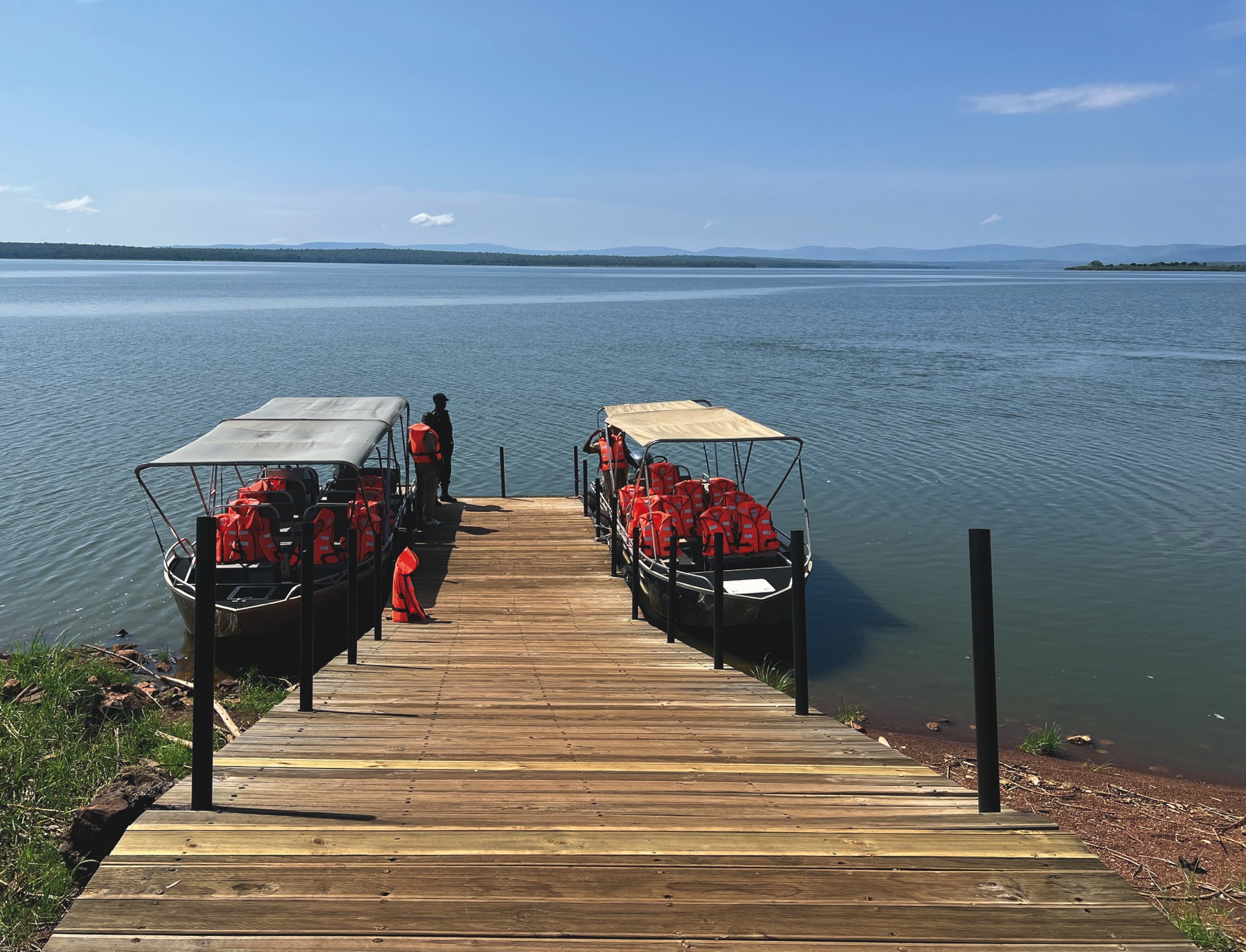
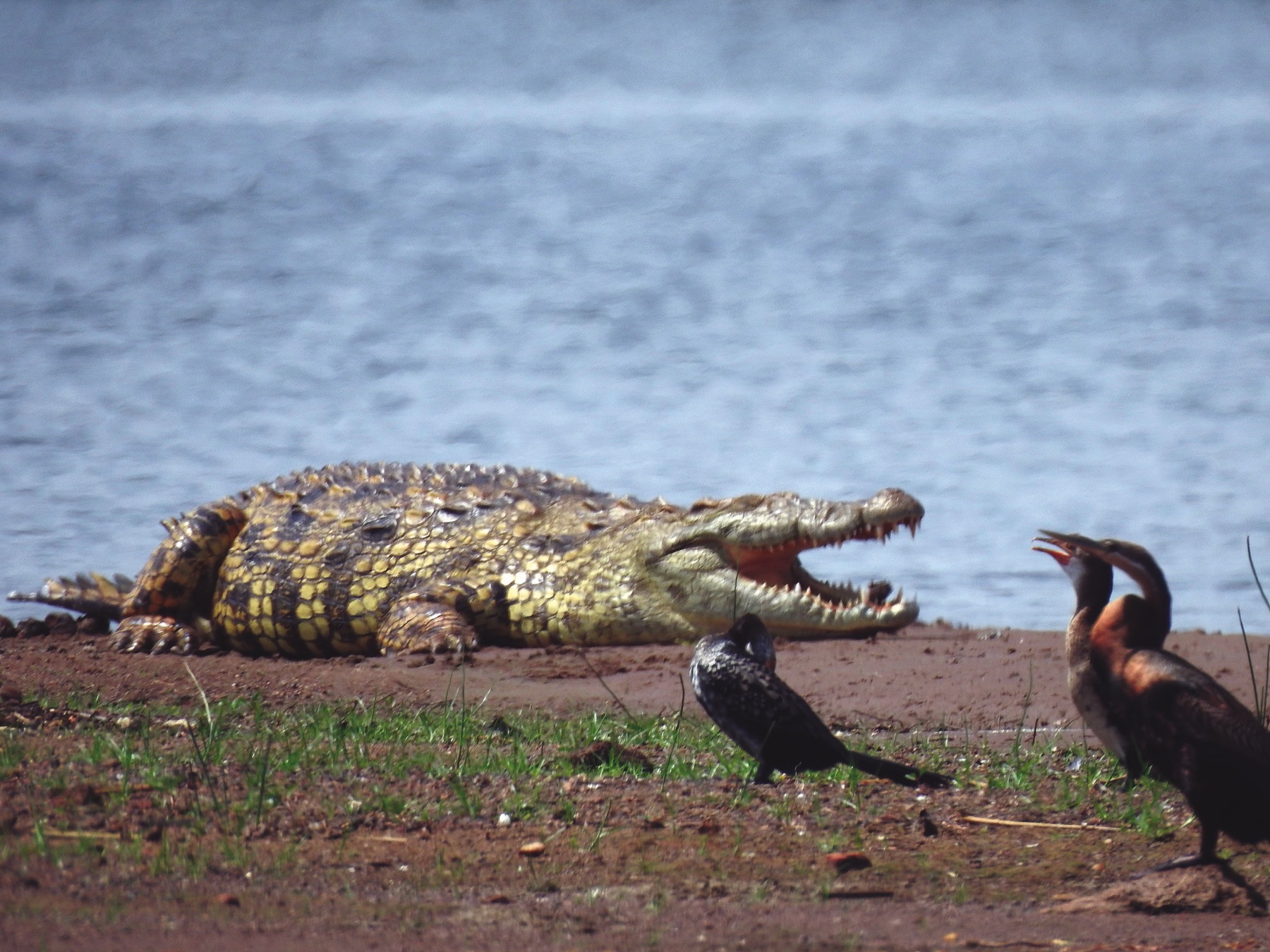
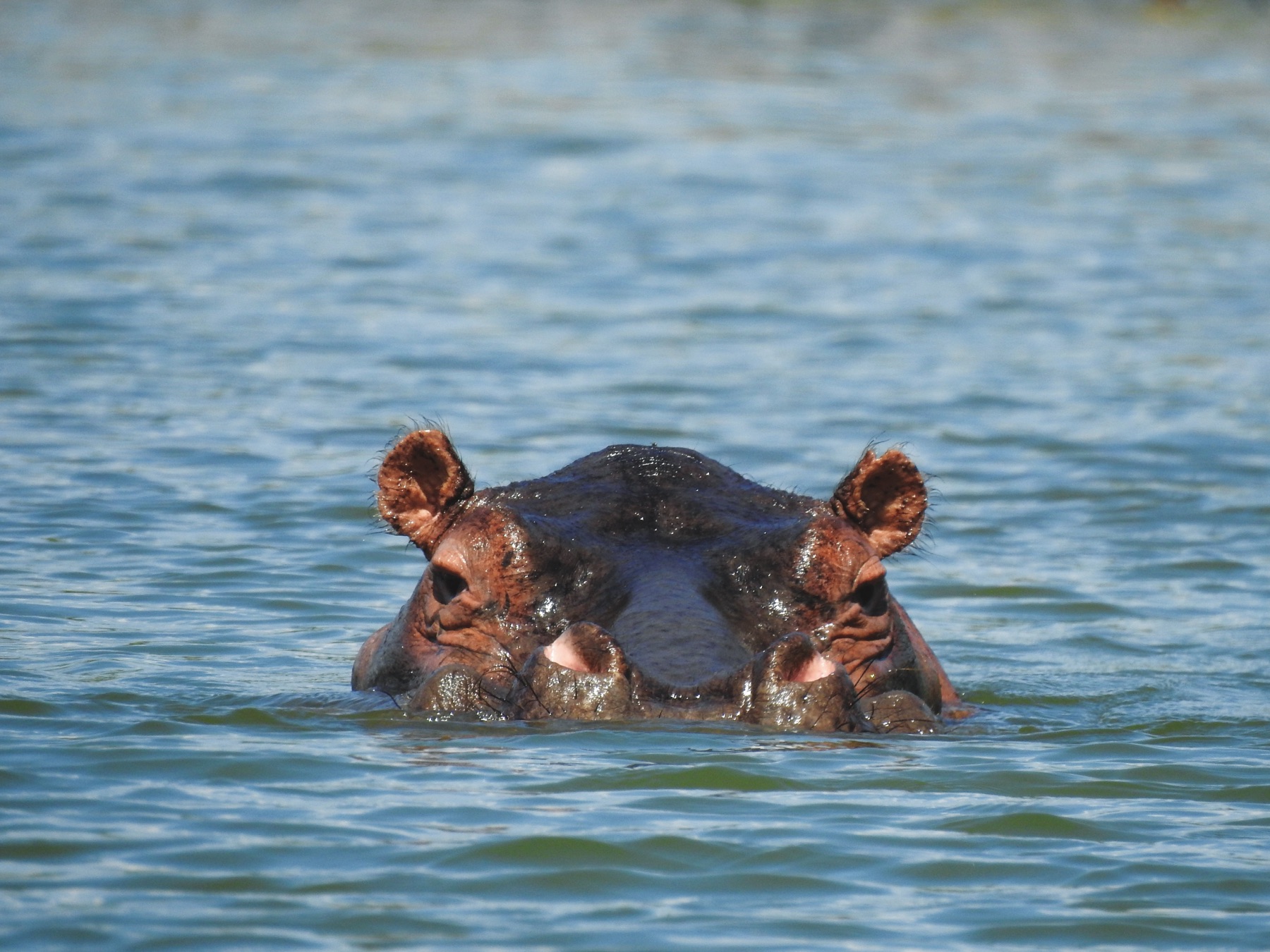
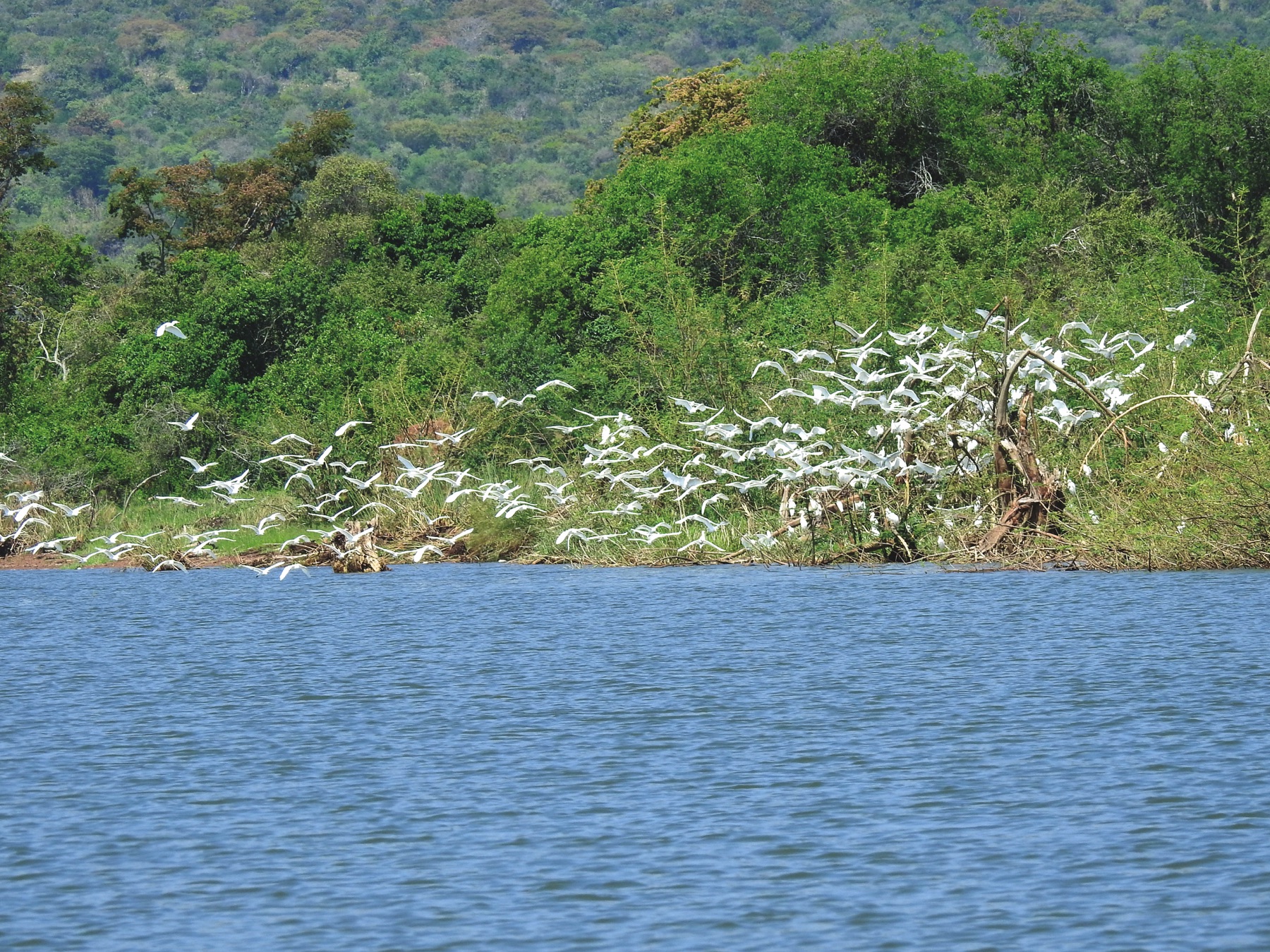
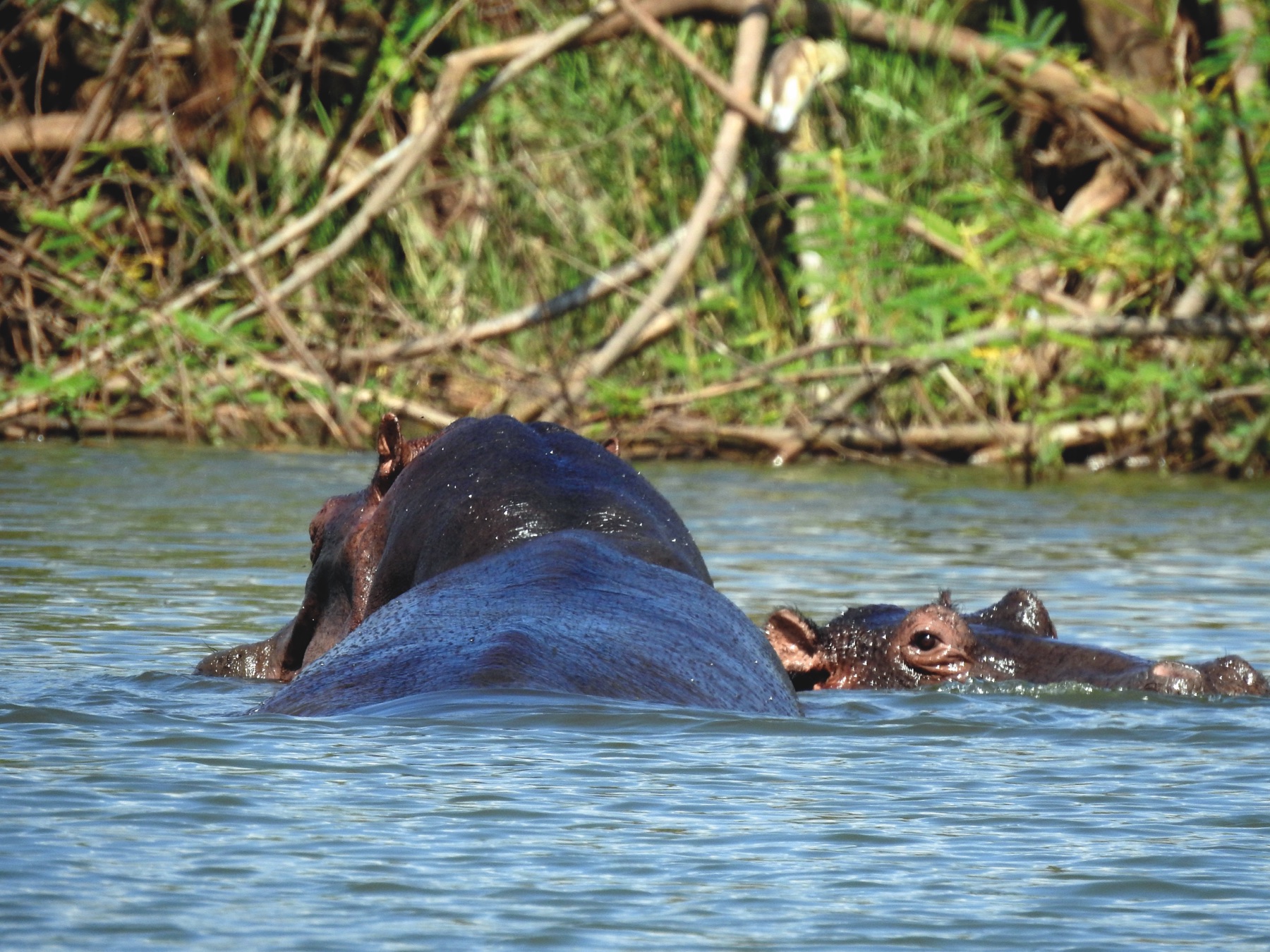
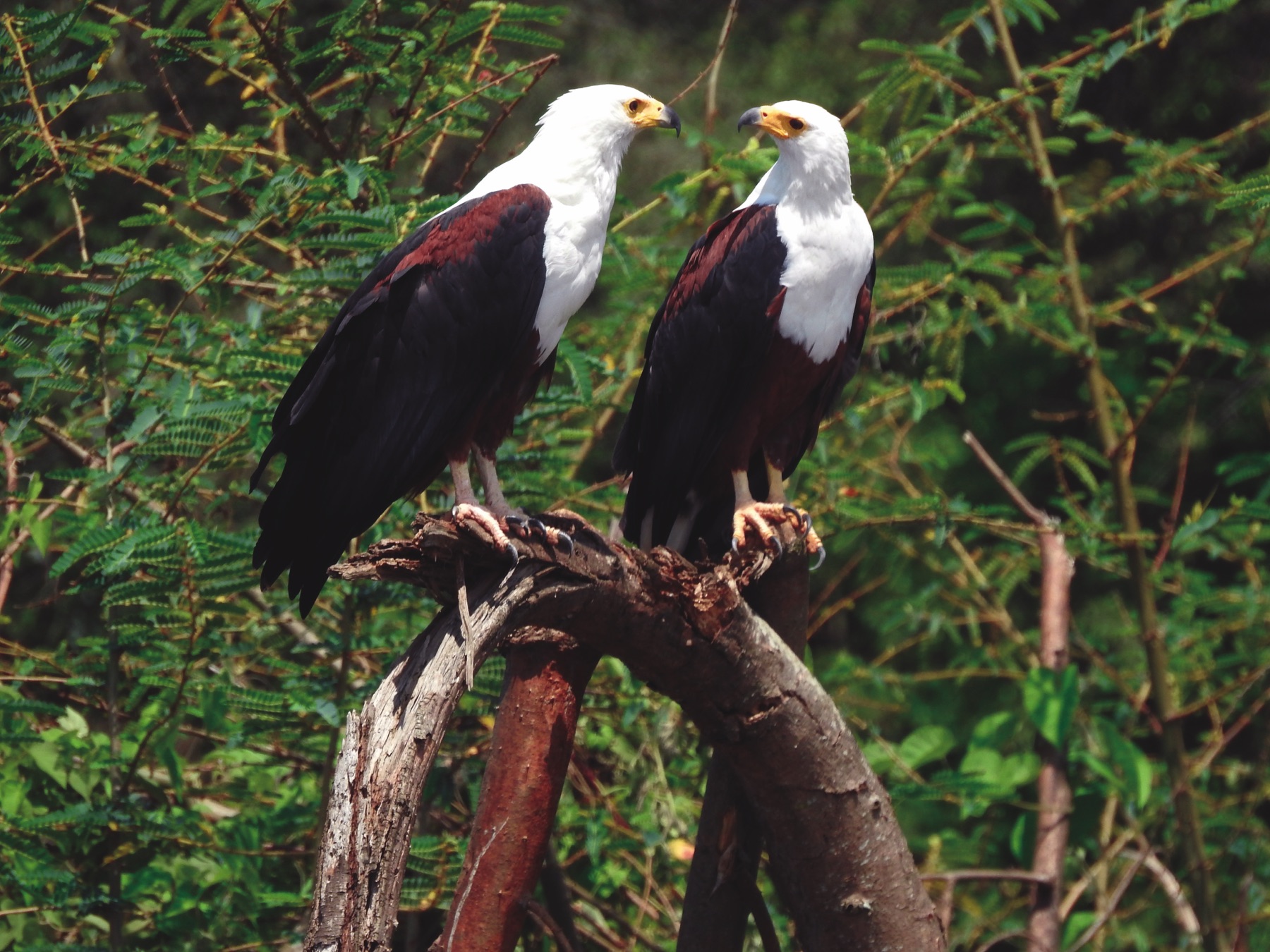
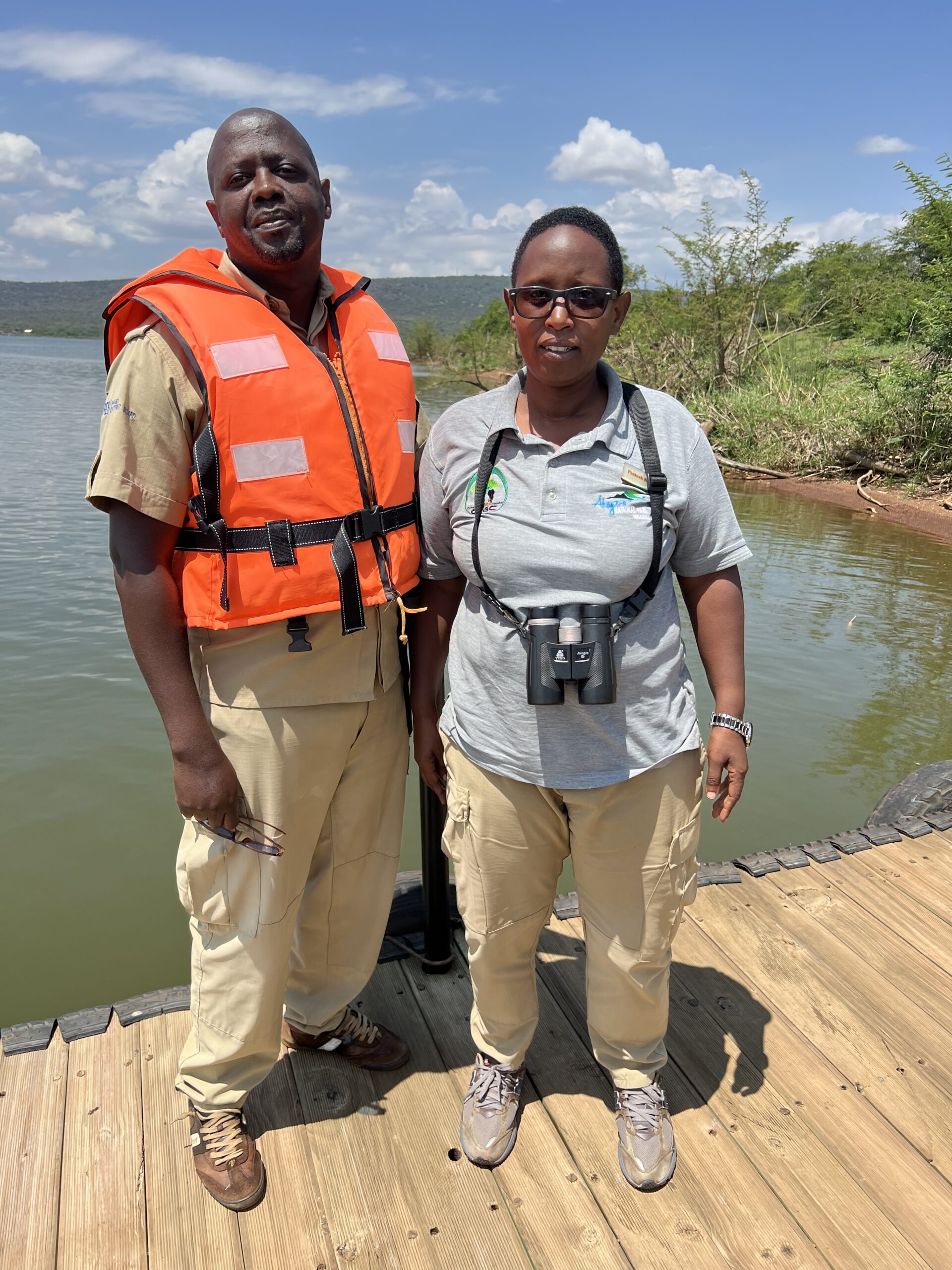
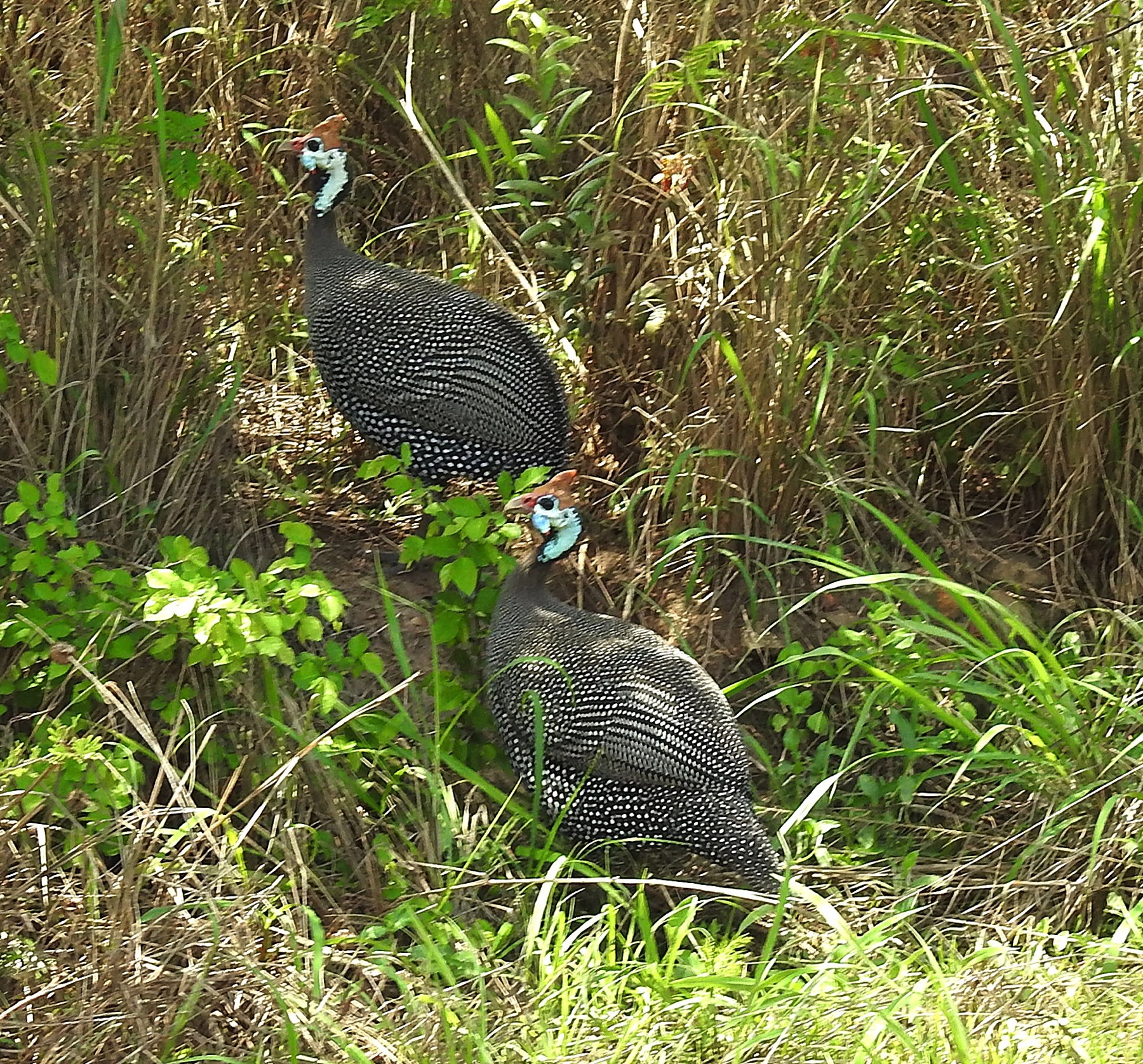
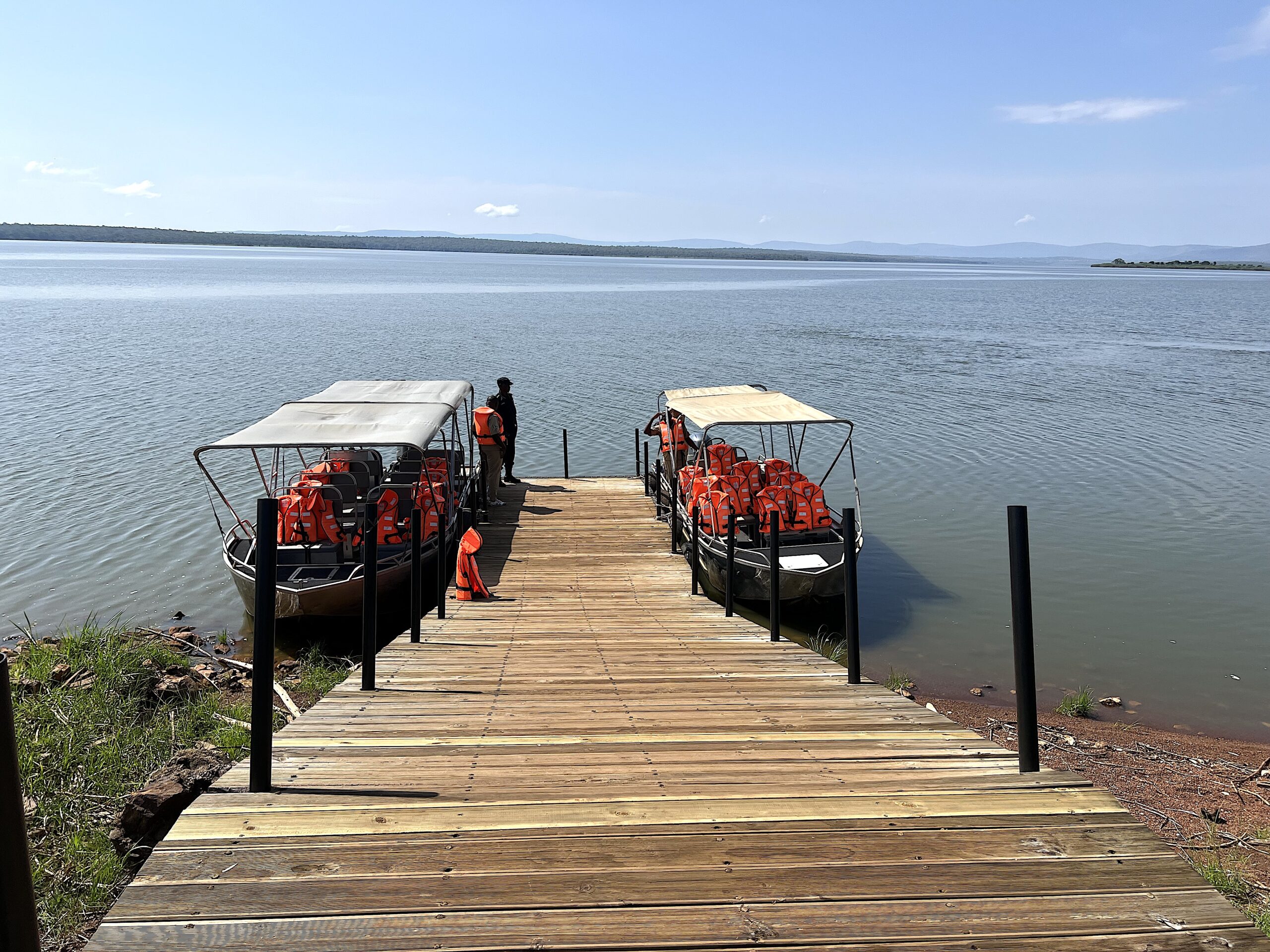
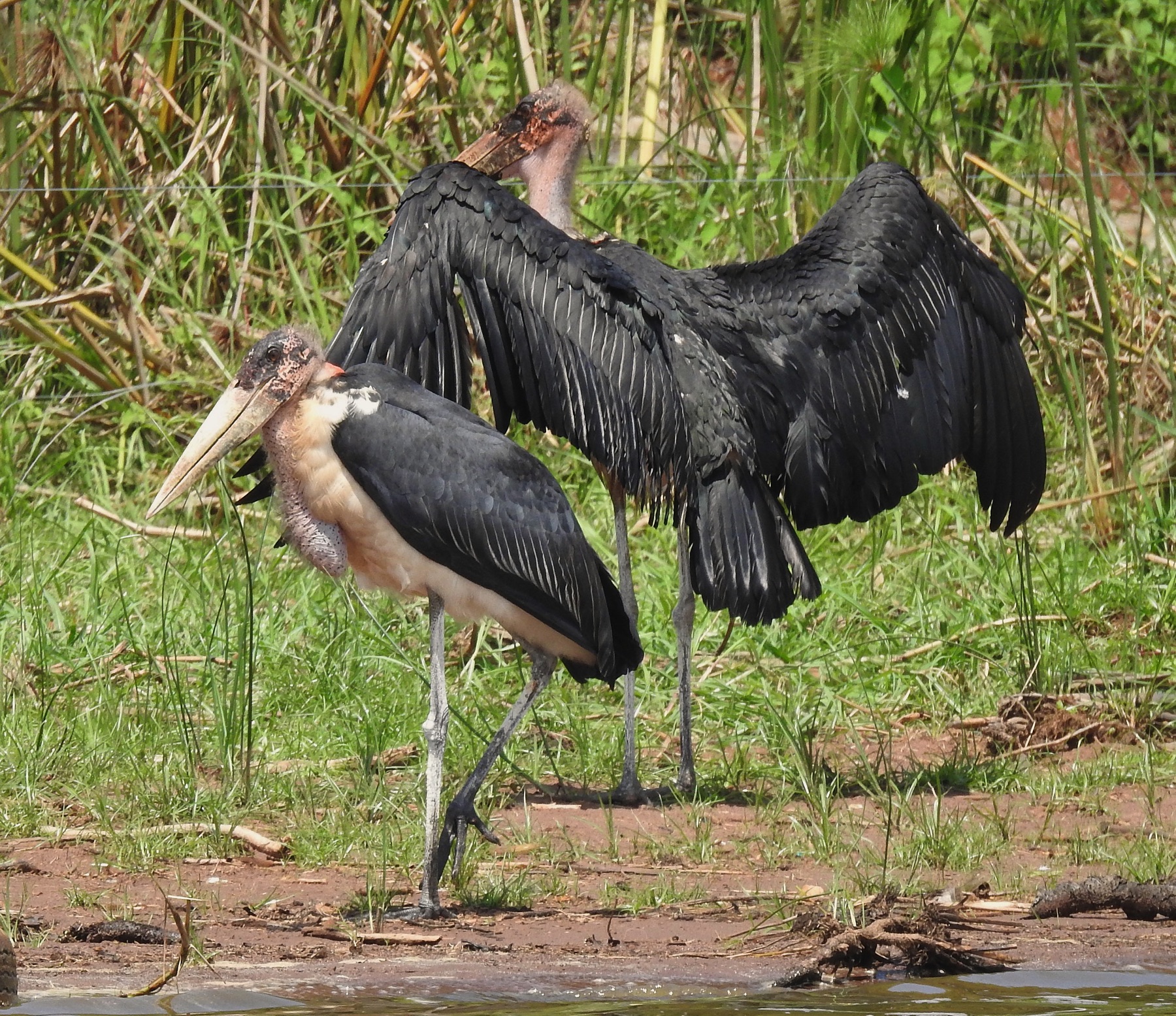
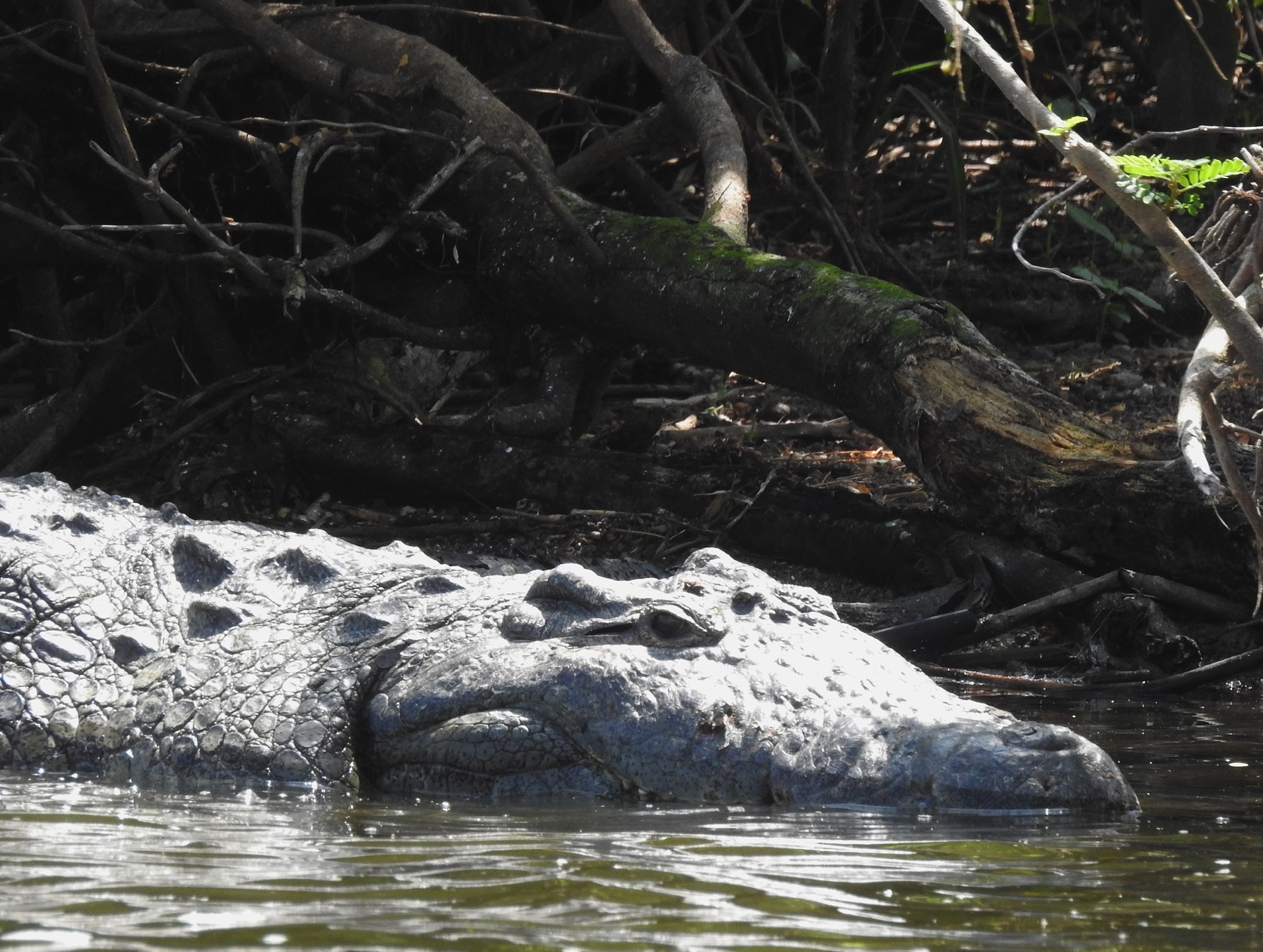
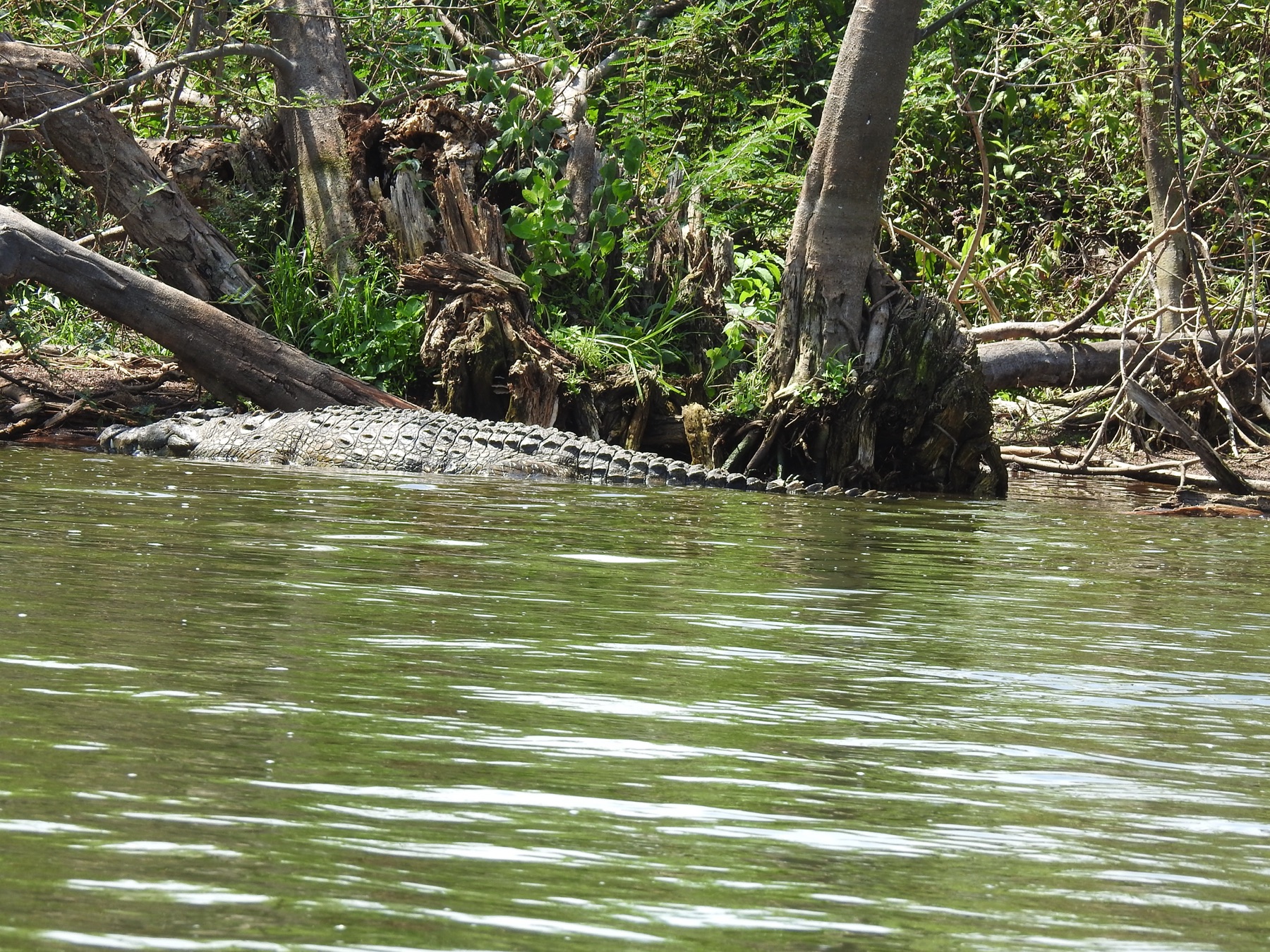
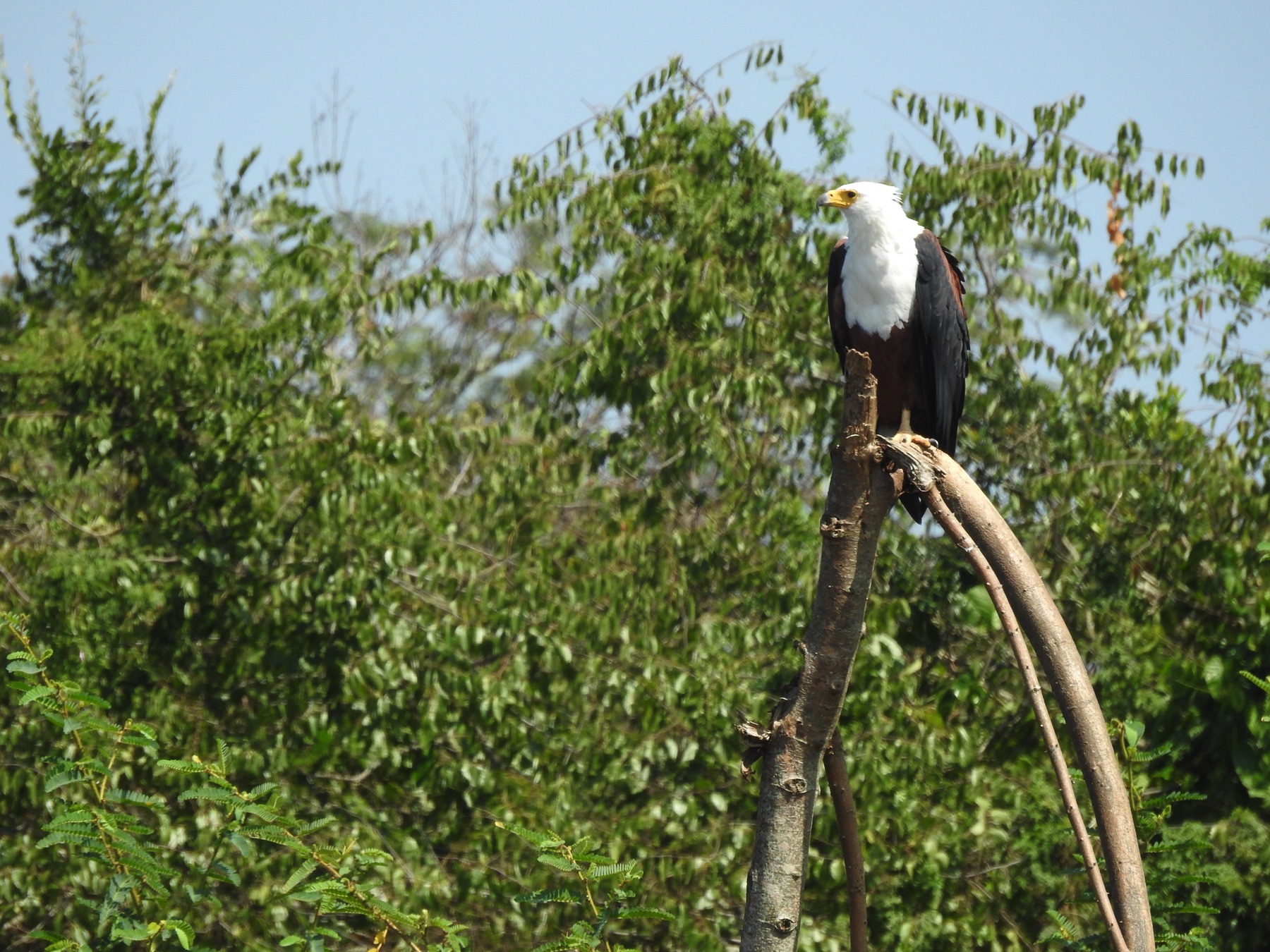
The boat ride at Lake Ihema is a great experience. You can see hippos, many kinds of birds, crocodiles, and other animals, and relax before or after the safari activity. After a full all-nature day and seeing the Big 4 (missed the lions), we were back at our “home away from home”, the Marriott hotel in Kigali.
Day 4: Going Zip-lining and appreciating porters
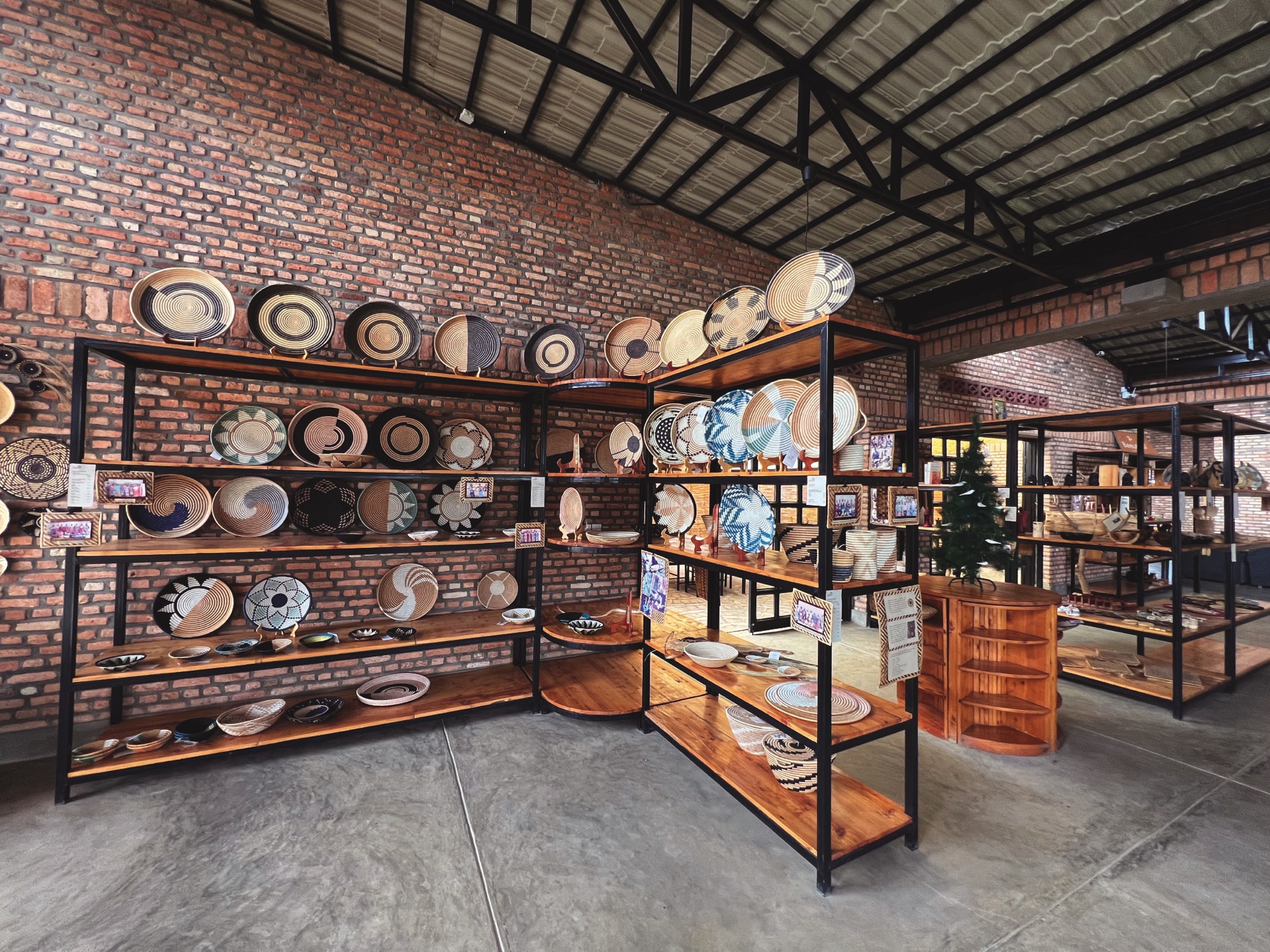
We left Kigali, going to the King’s Palace Museum, with a short stop at the Azizi Life Muhanga culture centre, with its beautiful shop of local handmade products. It was a long drive. On most roads in Rwanda, you can drive only 60 kph, and “karma” hit us again and we got a flat tyre…
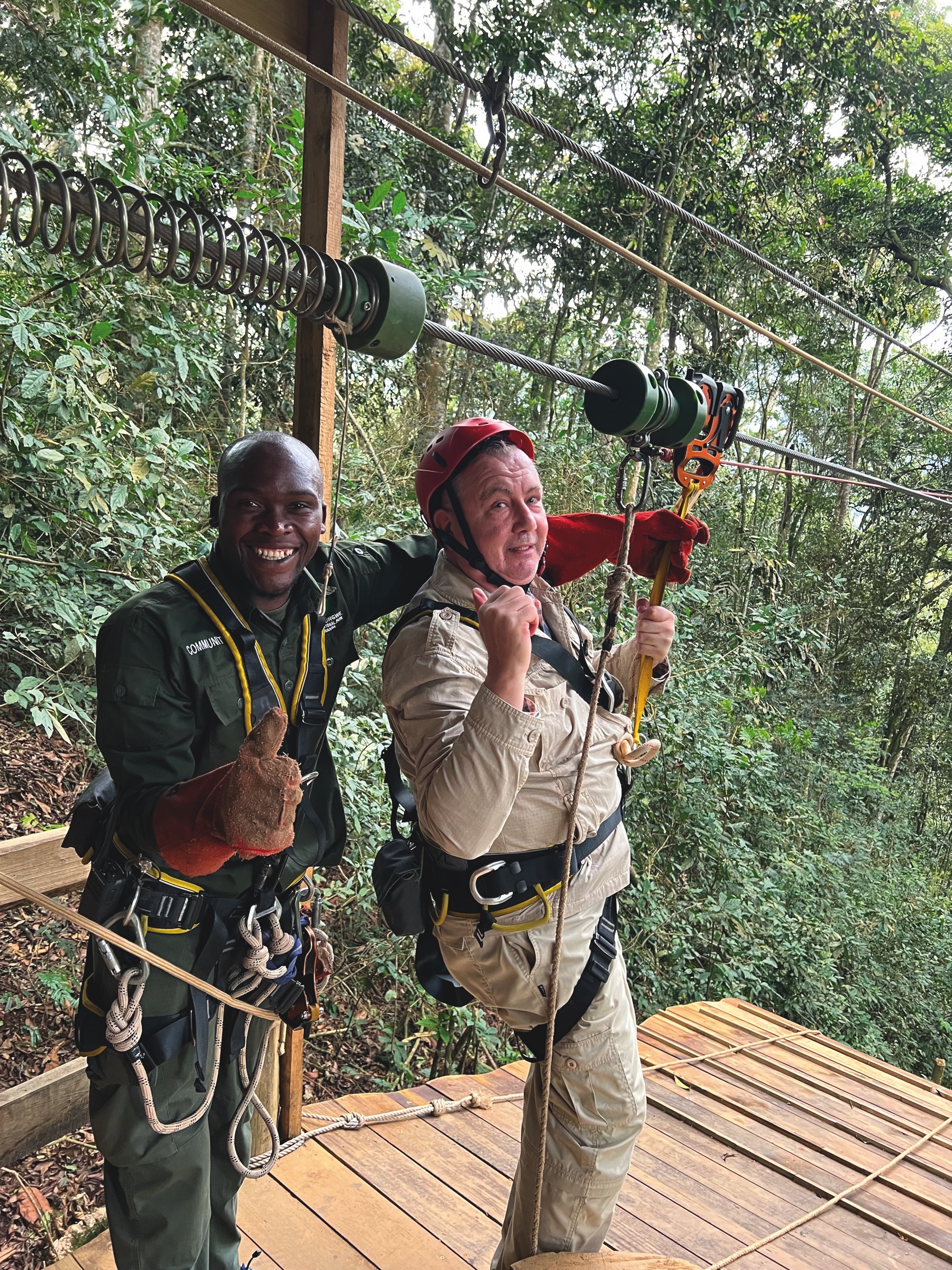
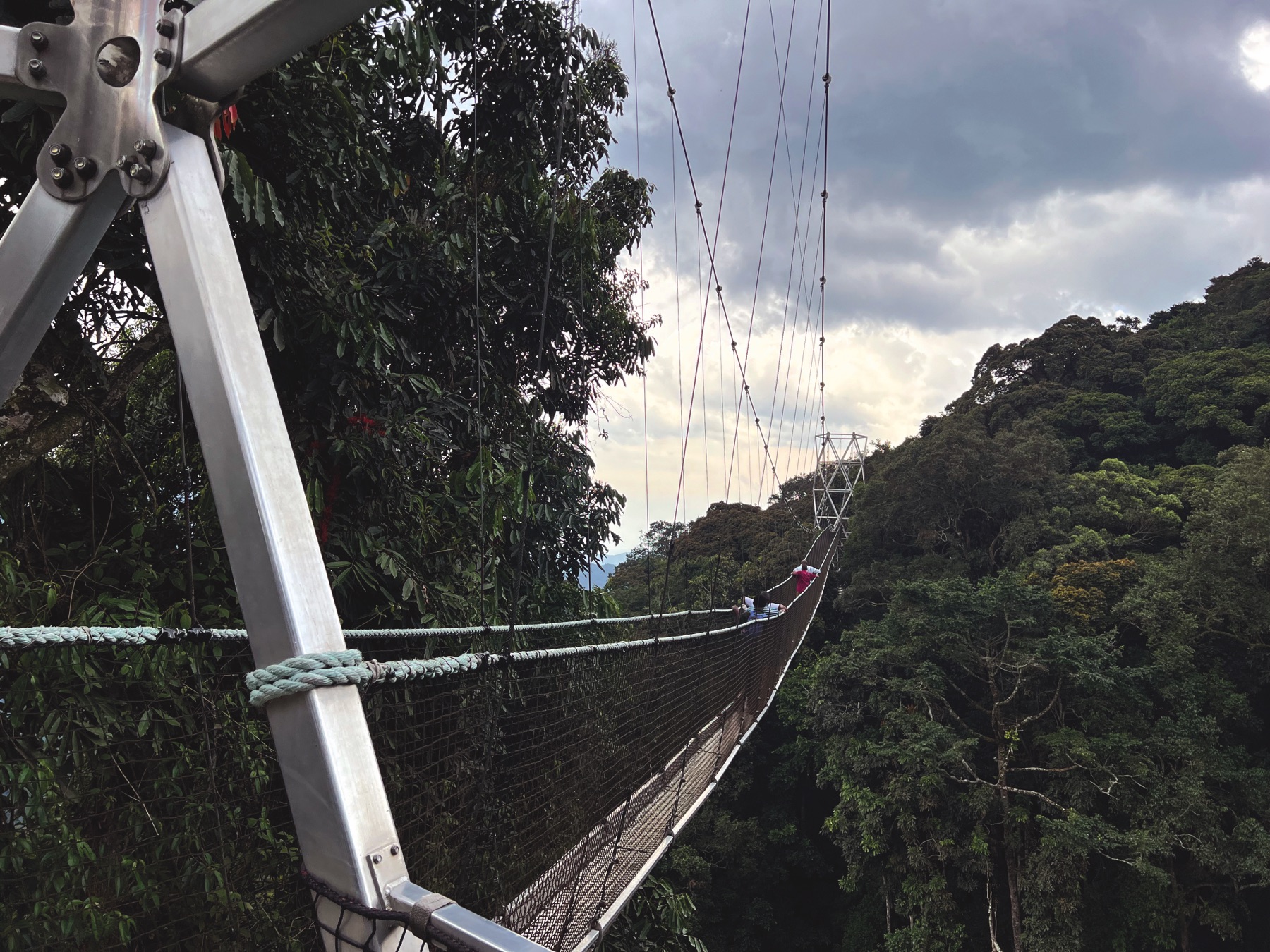
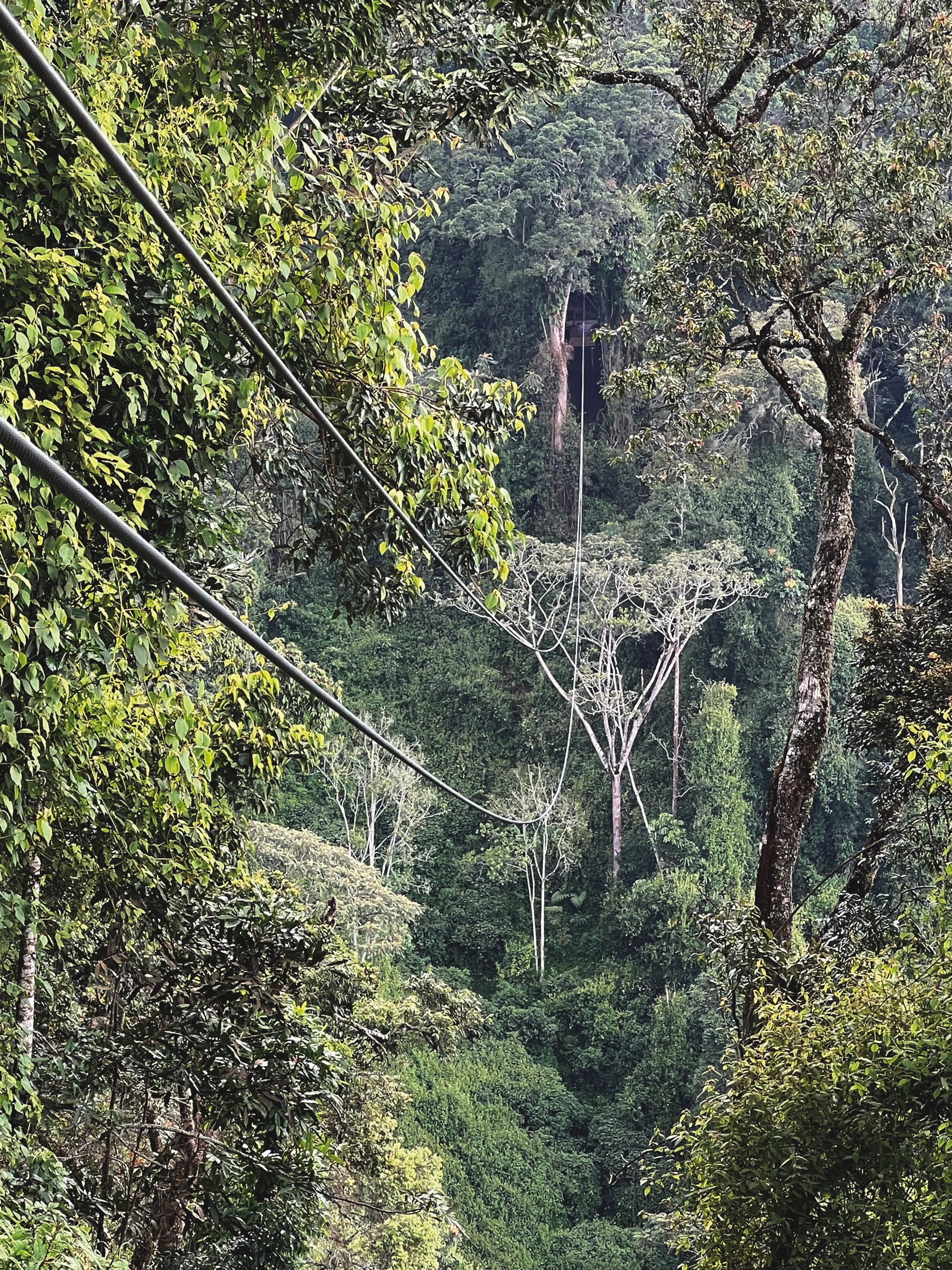
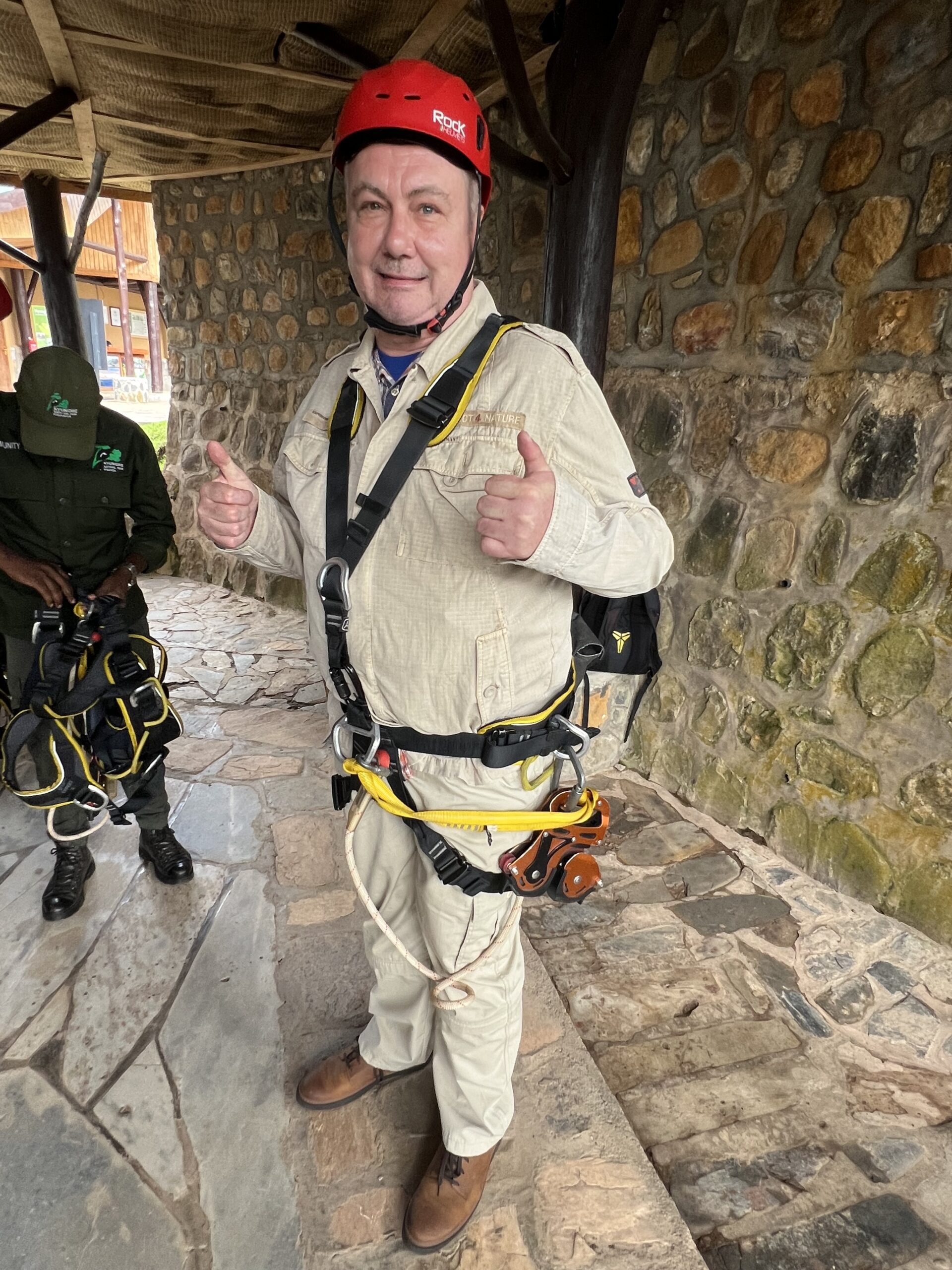
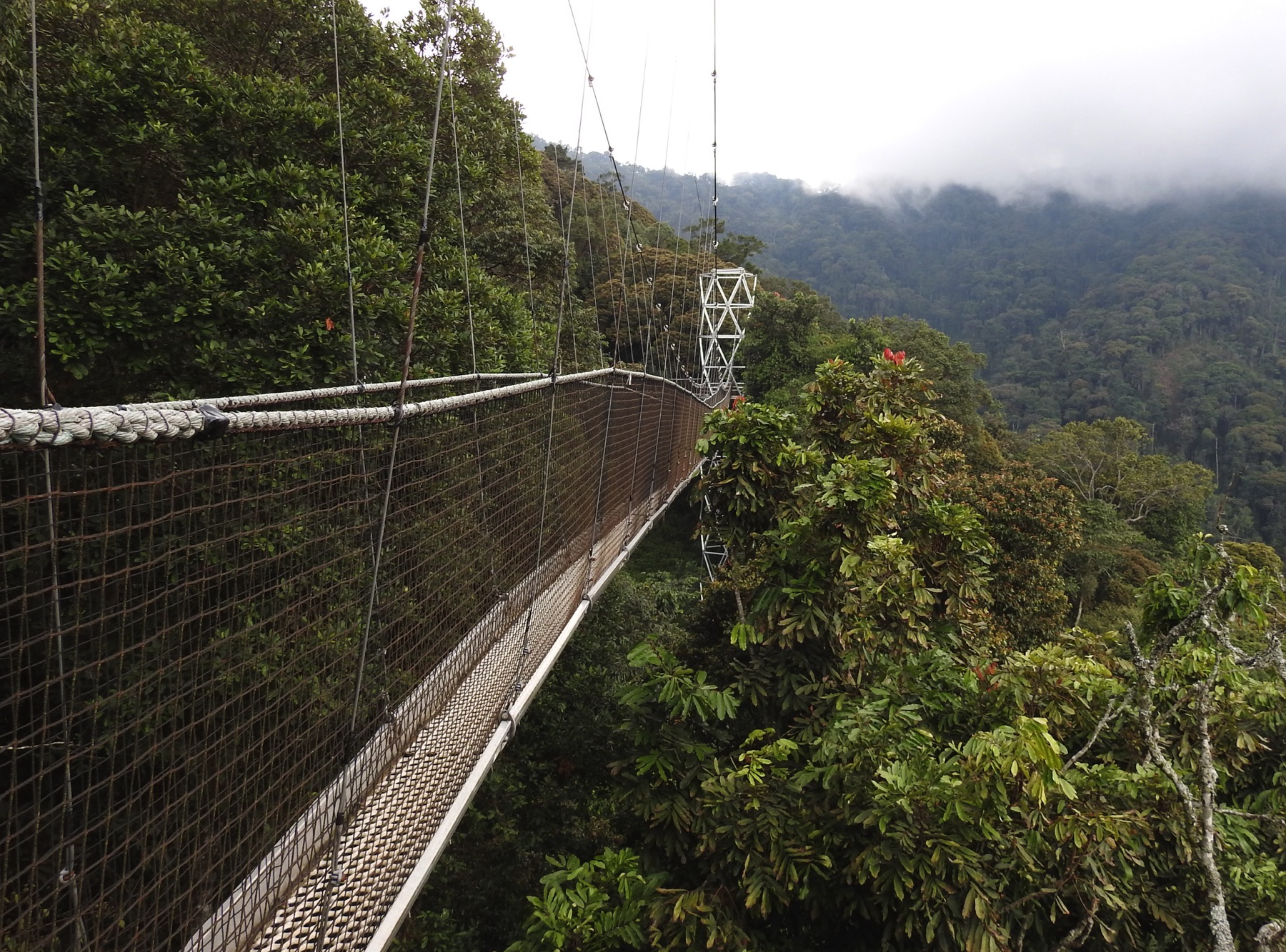
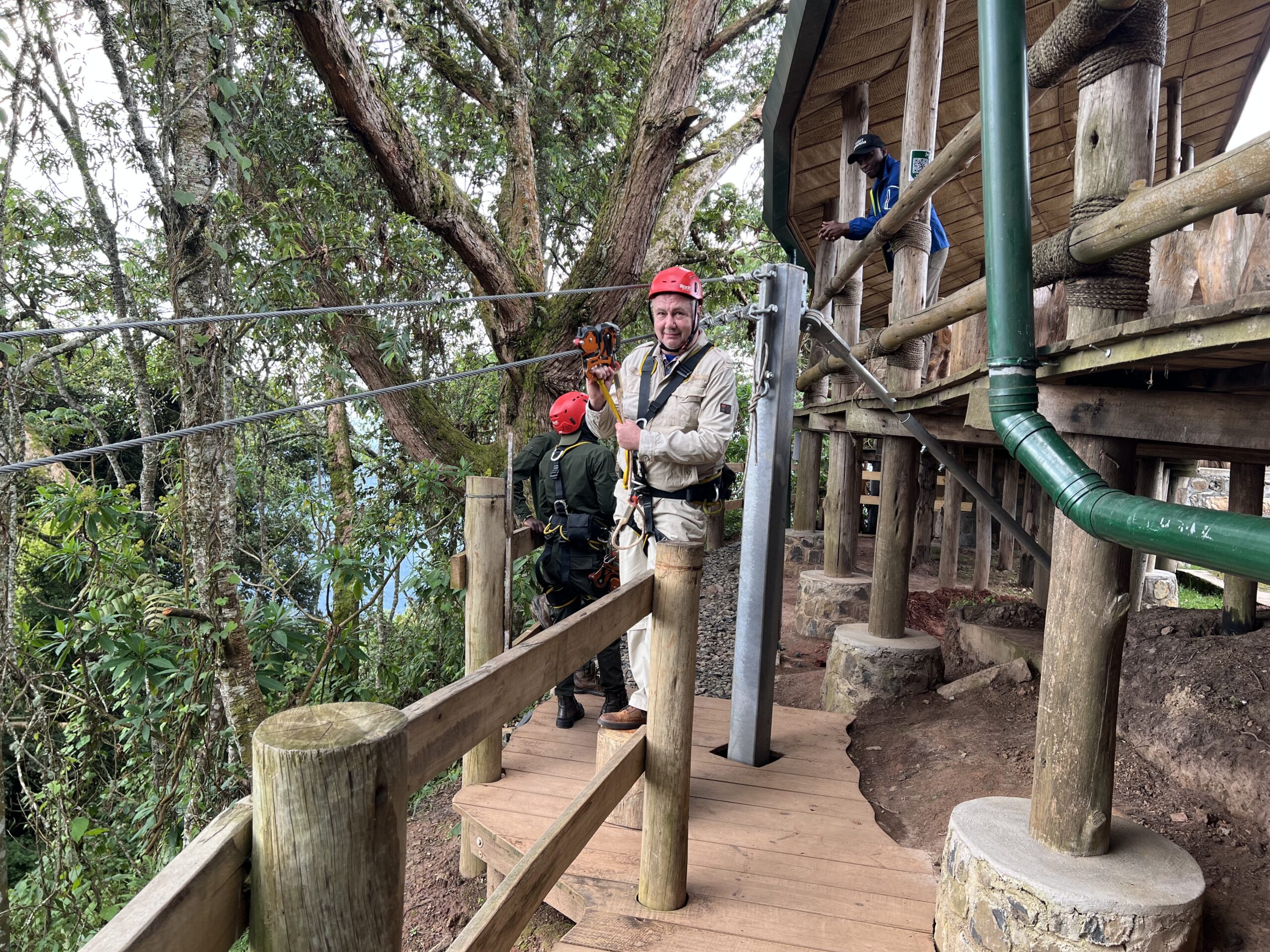
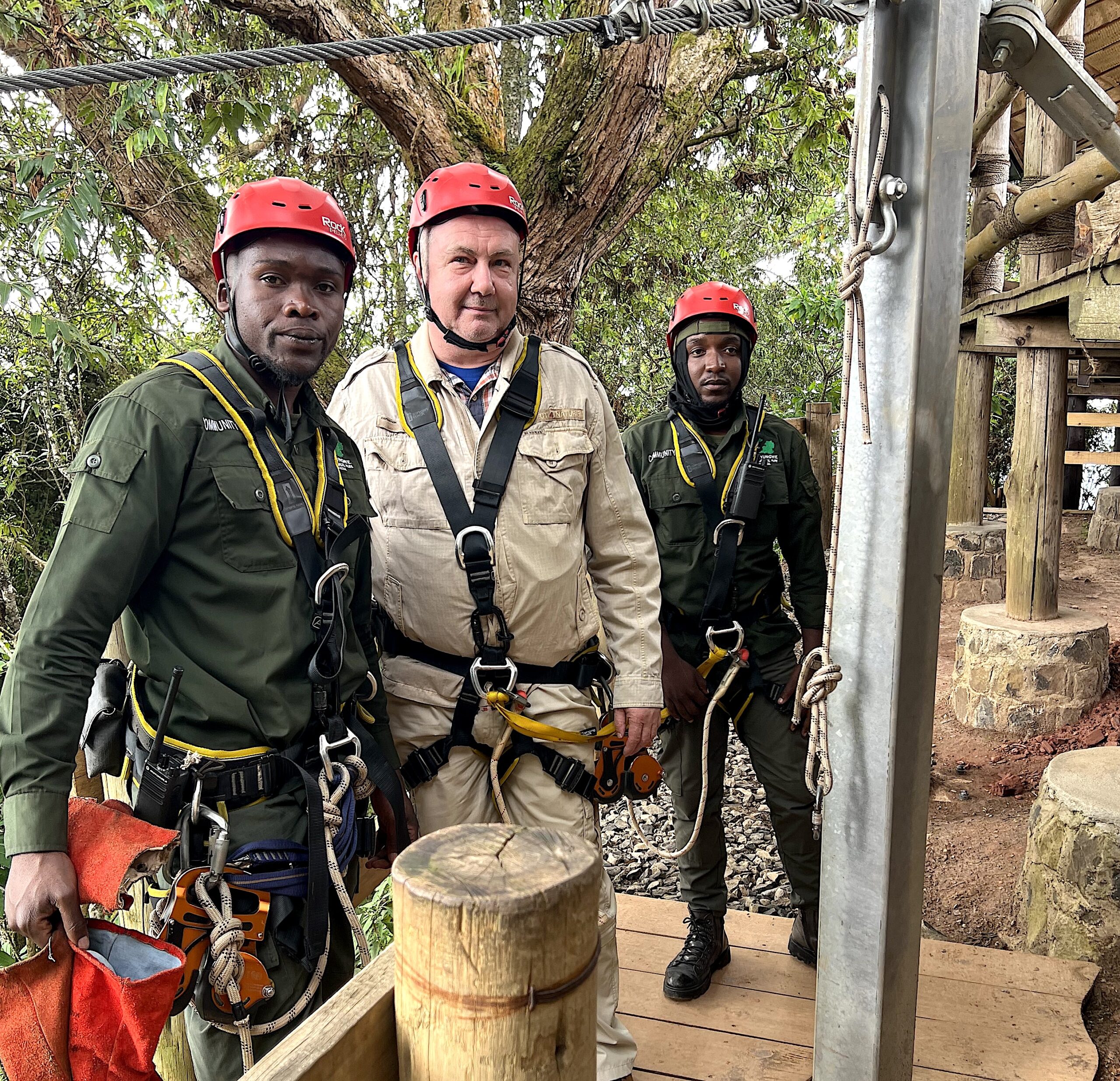
But first to the big adventure – the Zip Line Tour. After a safety training, you get a helmet and harness. 1,850 meters across three scenic sections await you. You soar through the treetops and enjoy breathtaking aerial views of the forest’s rolling hills and the jungle. Václav had the courage to do it – I preferred to walk all the way down to the Canopy Walkway, a 160-meter-long suspension bridge hanging 70 meters above the forest floor. This was definitely an unforgettable experience.
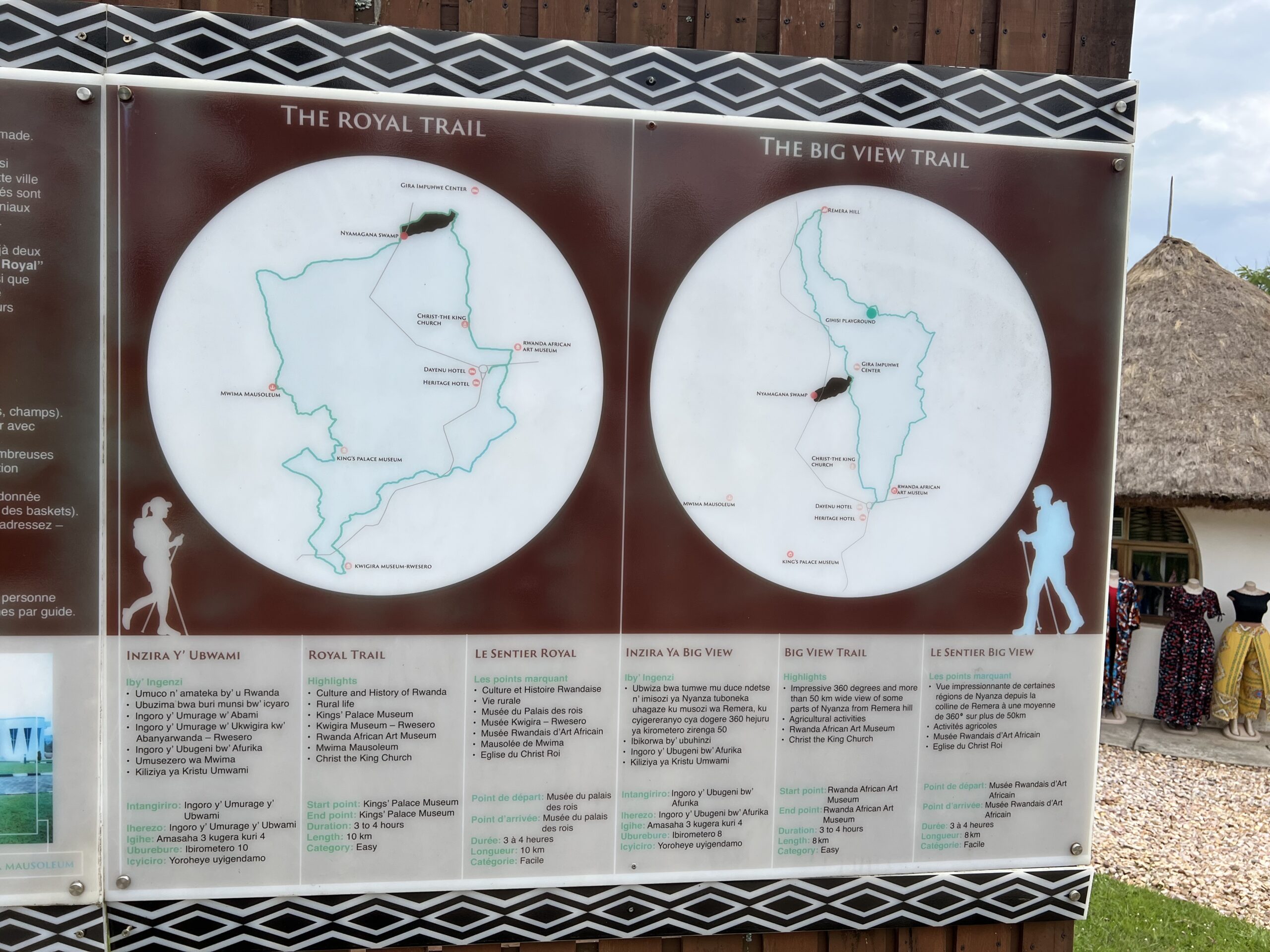
Arriving at the Nyanza Cultural Trails, the Royal Trail, and the Big View Trail.
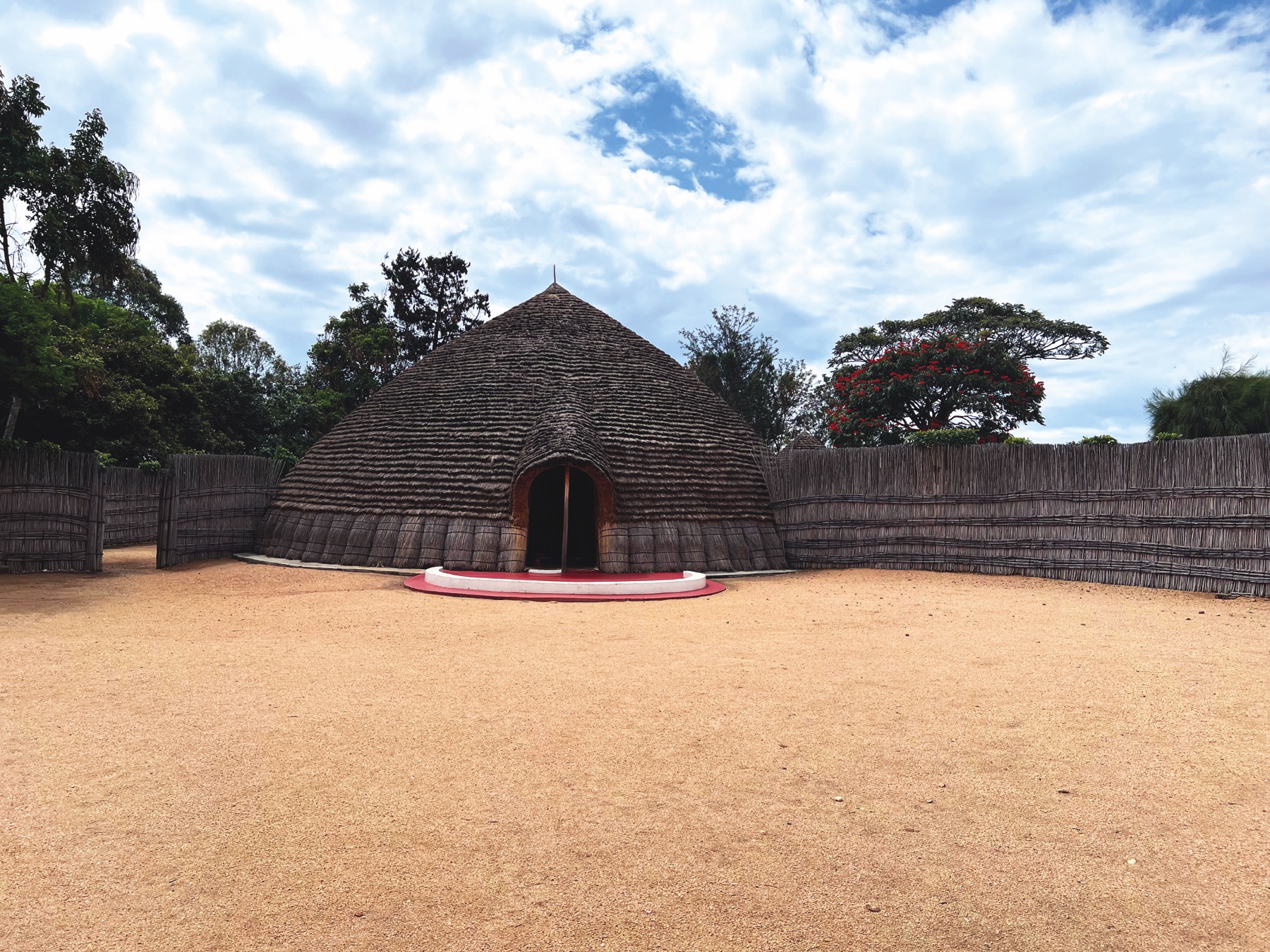
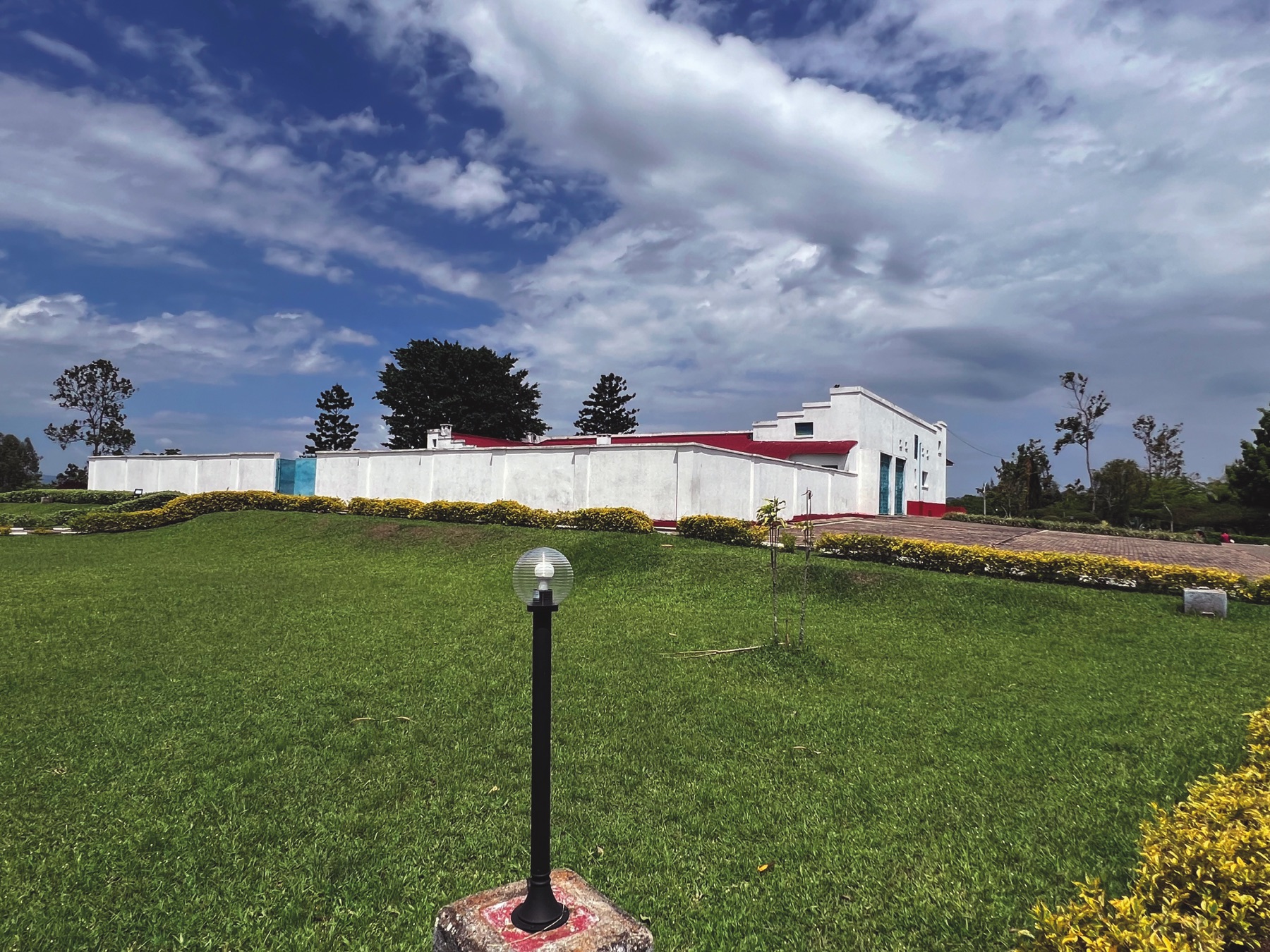
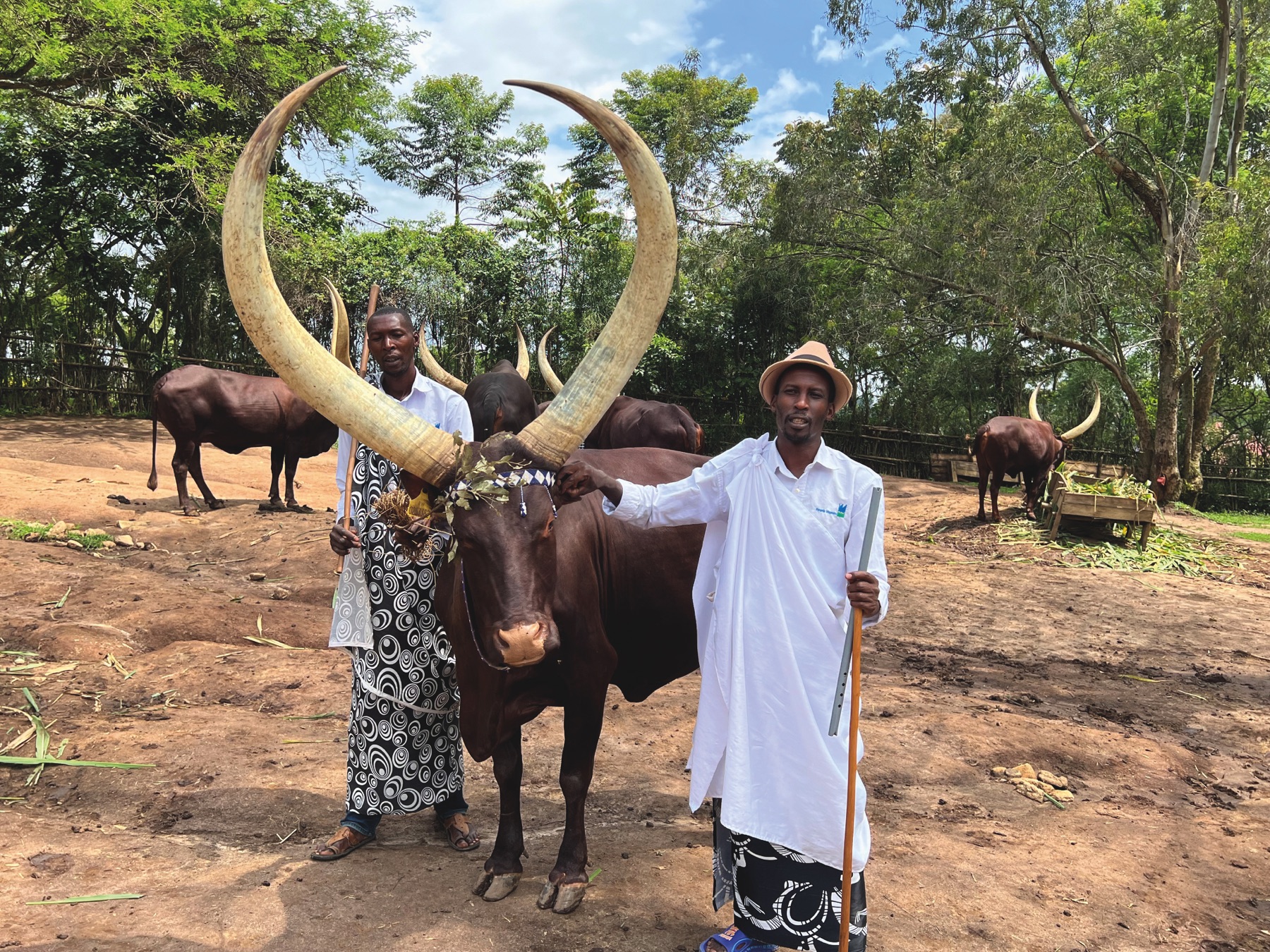
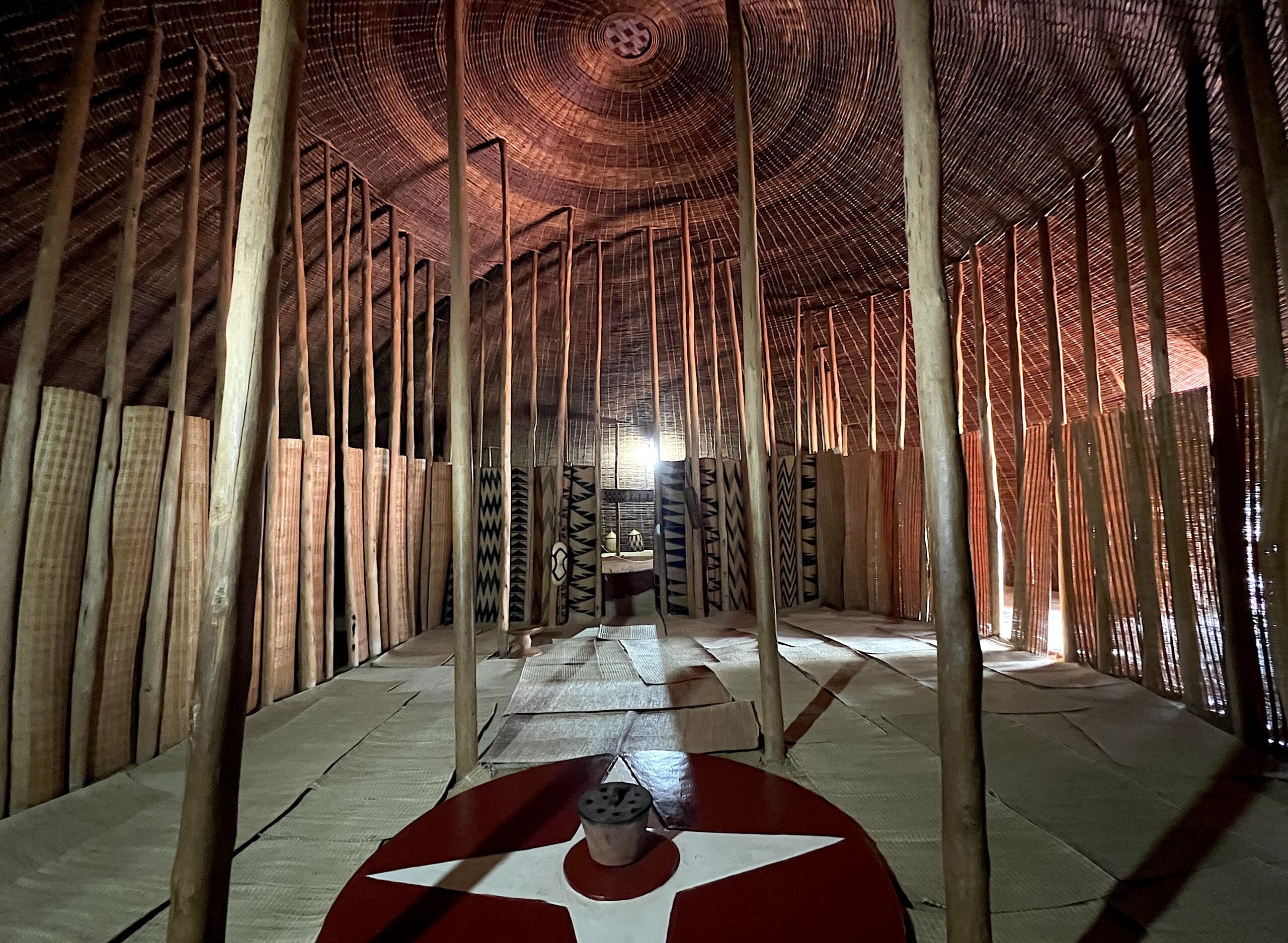
There, the King’s Palace Museum, operating since 2002 and officially opened in 2008, offers a detailed look into the Rwandan monarchical period from the 11th century to 1961. The museum consists of three main parts: the replica of a traditional Royal Palace of King Yuhi V Musinga, the modern palace of King Mutara III Rudahigwa built in 1932, and the royal cows Inyambo that were re-introduced in 2011.
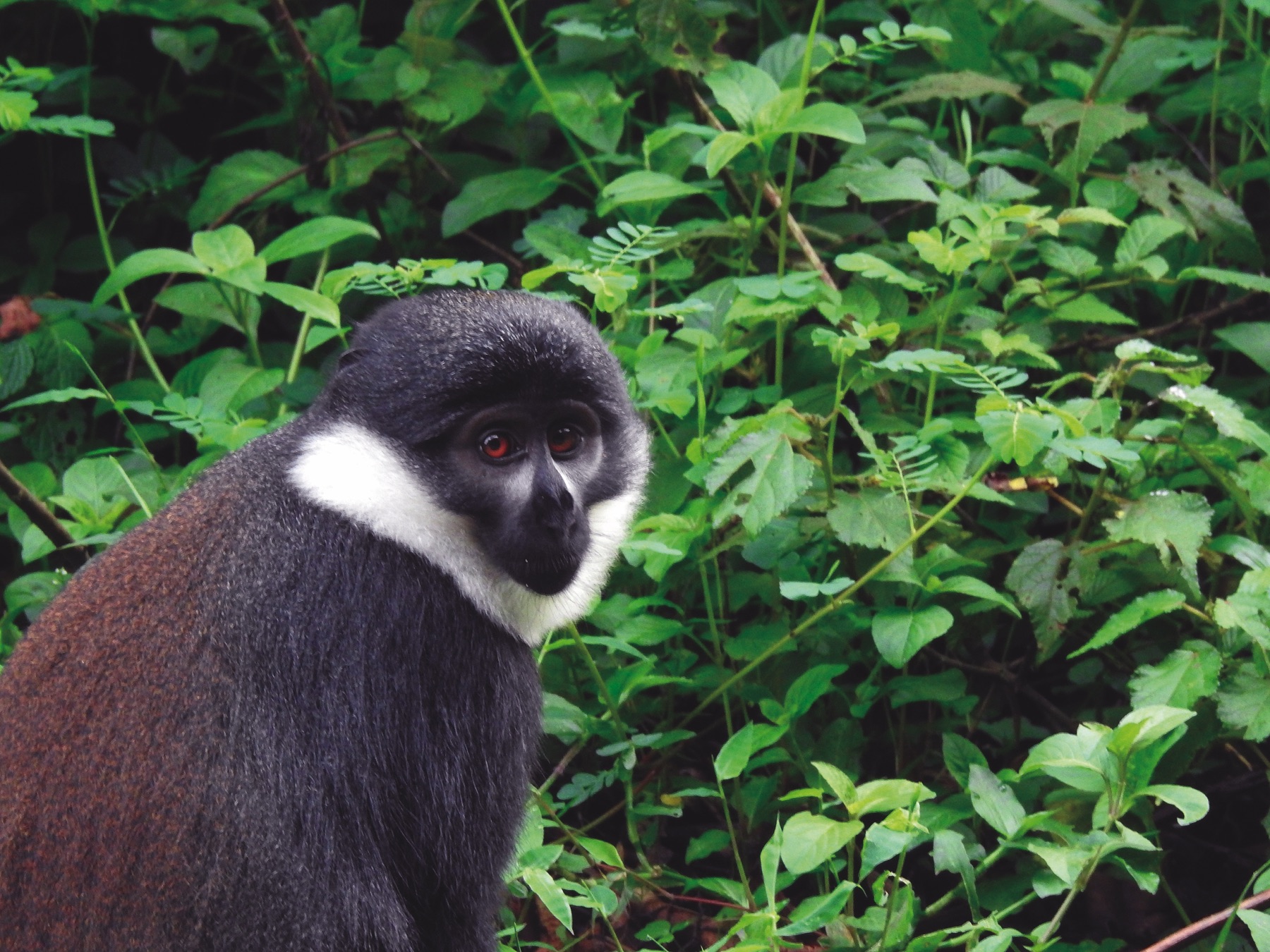
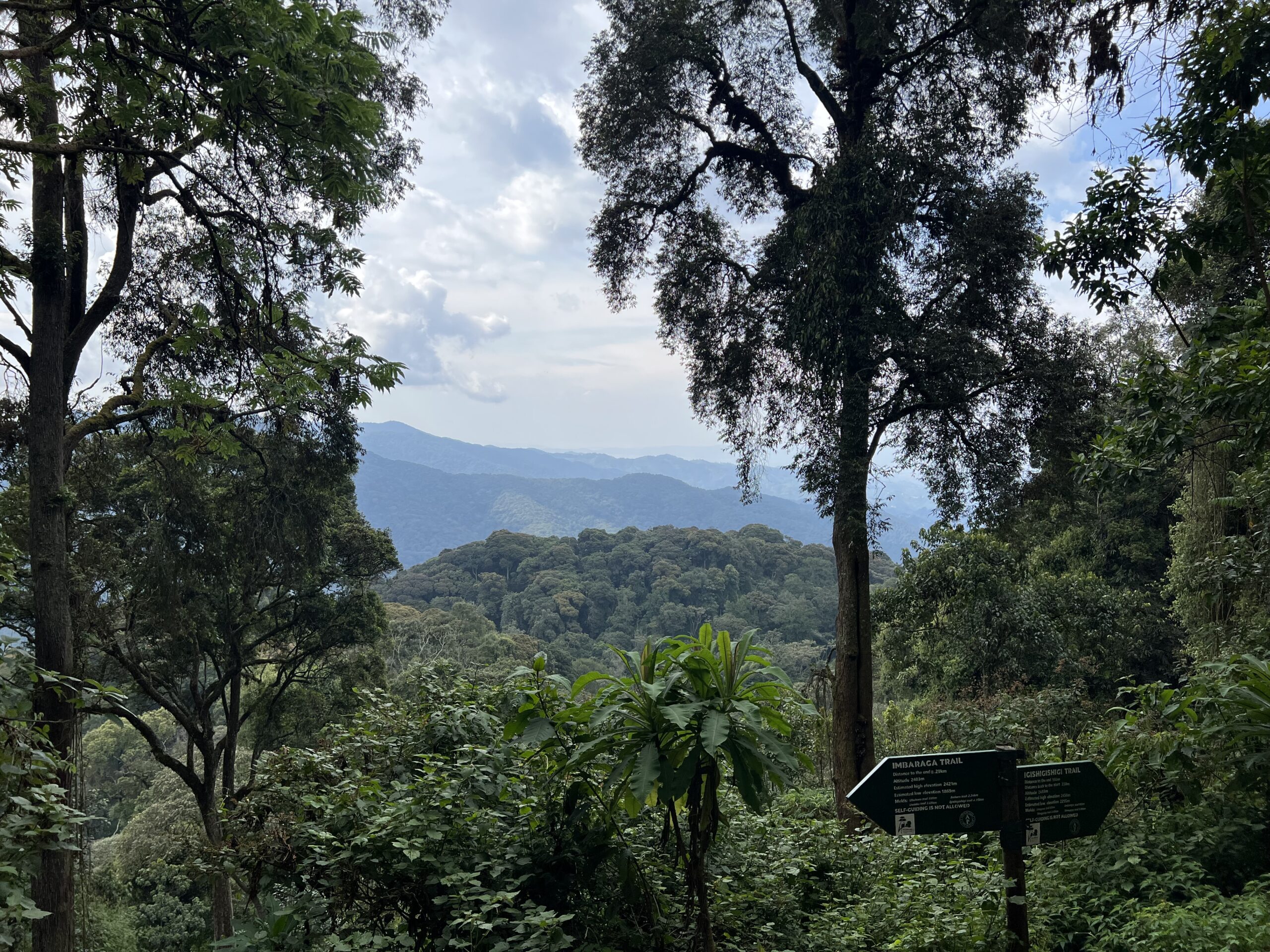
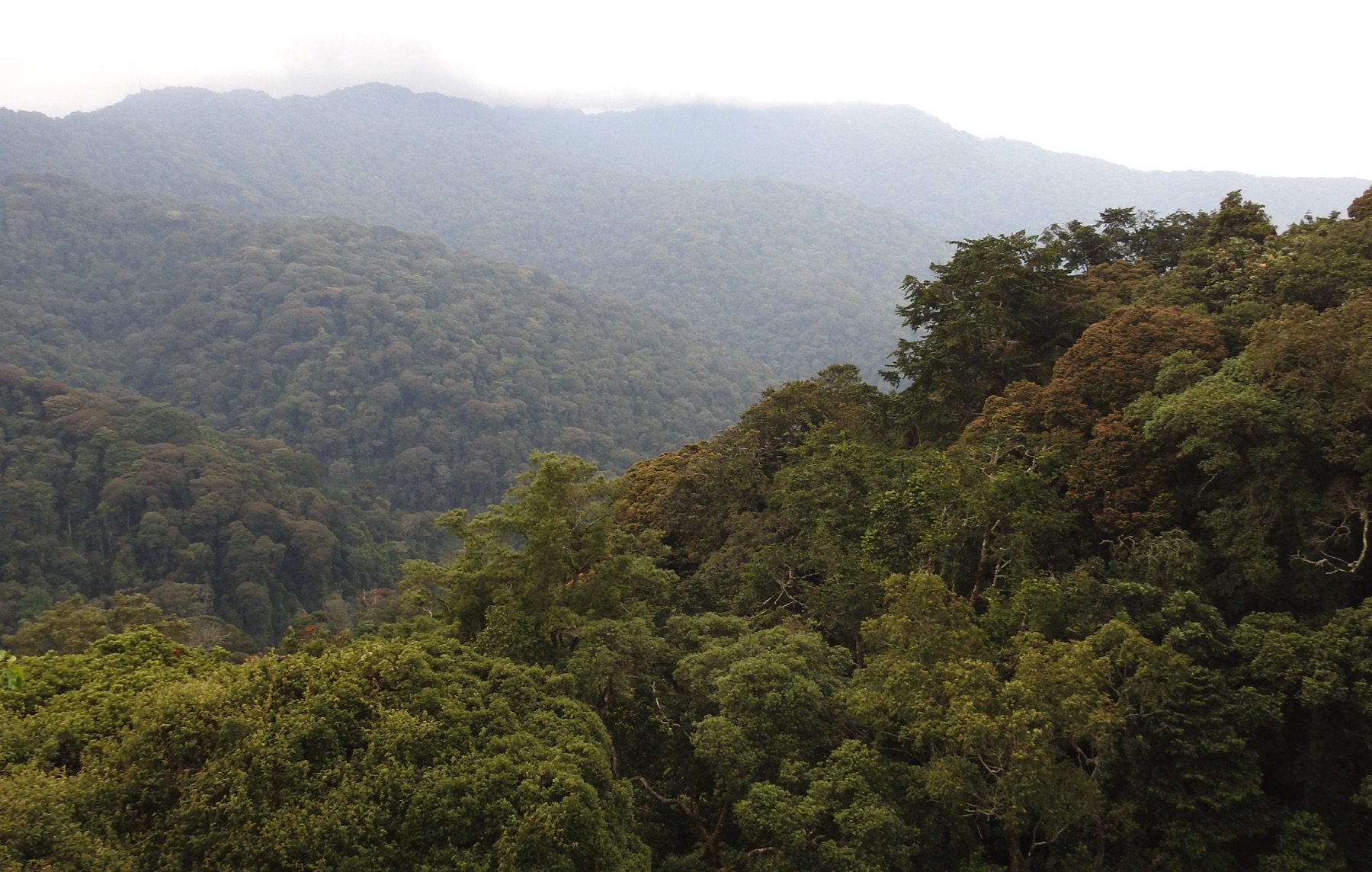
The Nyungwe National Park is the largest tract of mountain forest and the first natural site in Rwanda to appear on the UNESCO World Heritage list. It is known for its chimpanzees and diverse monkey species.
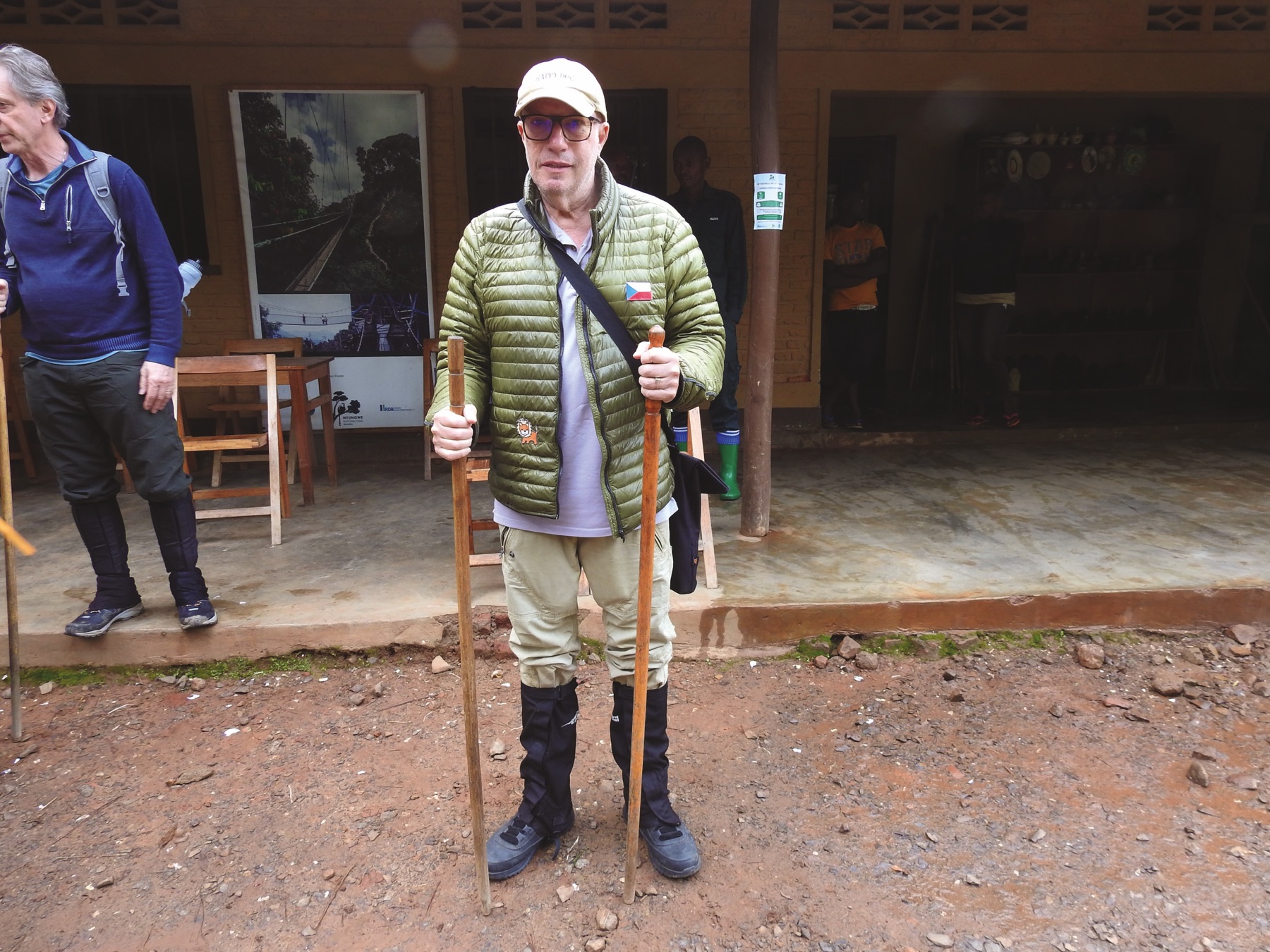
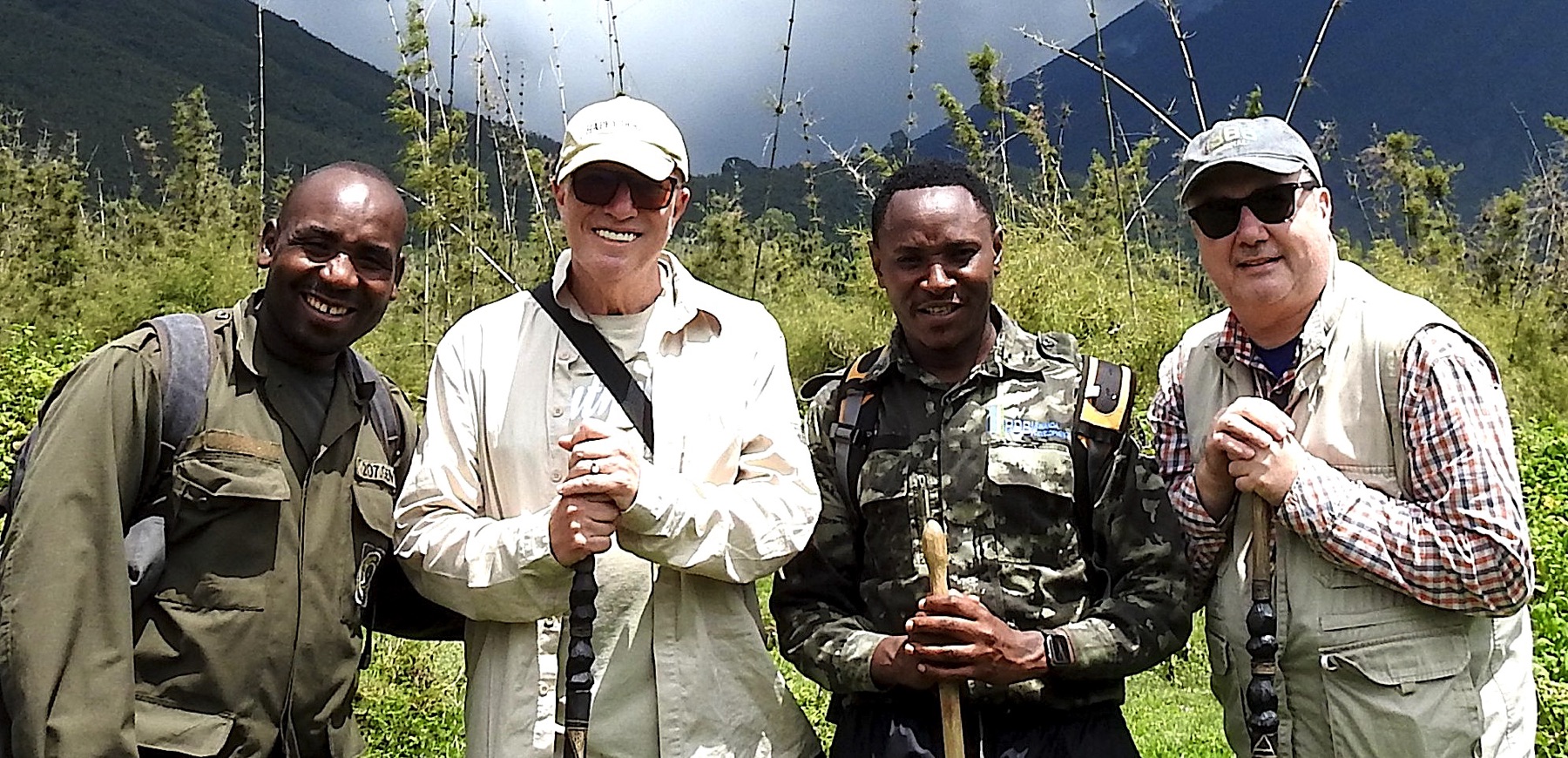
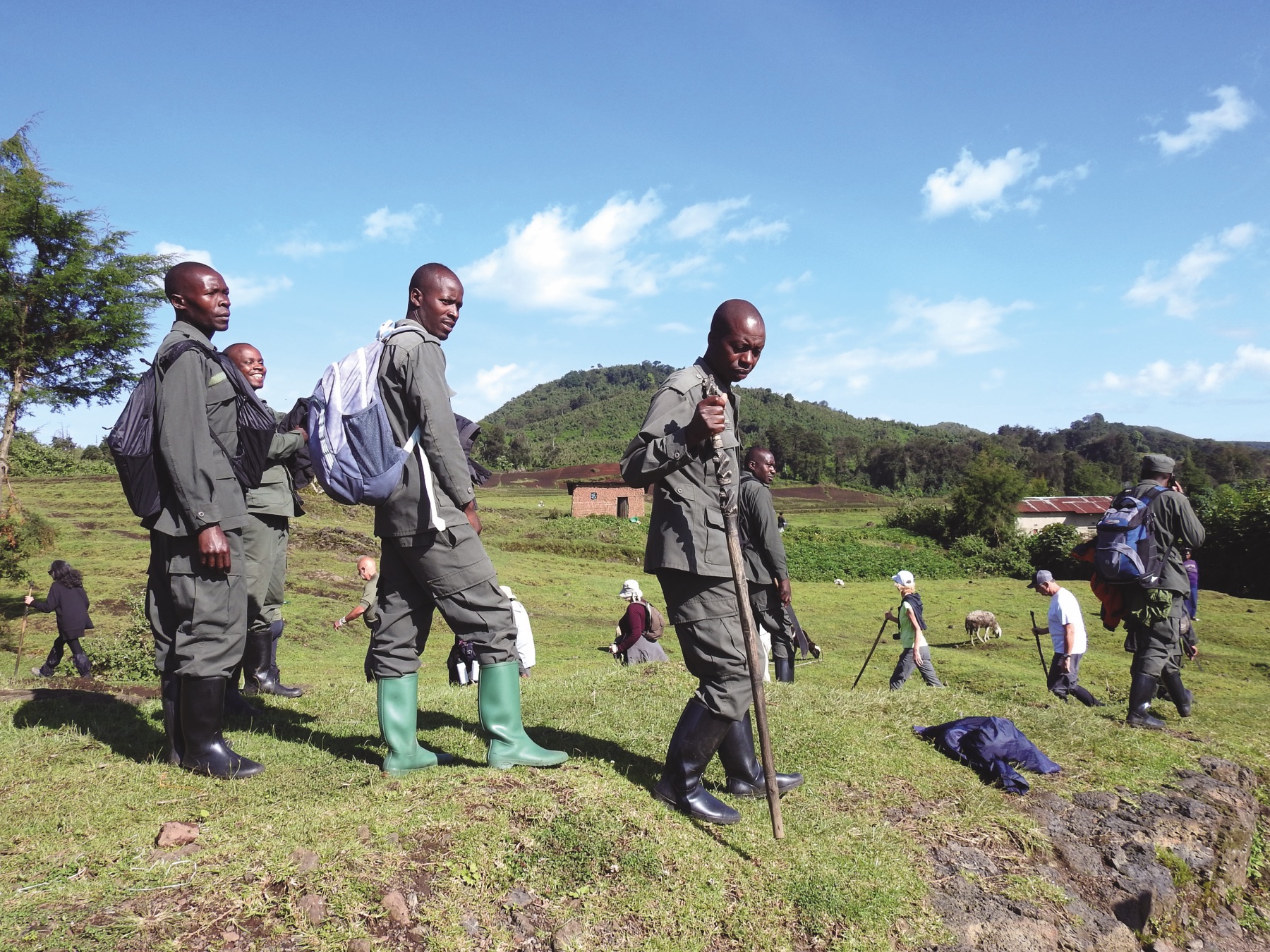
We had guides with us, and for the first time we were introduced to the system of “porters”. All Rwanda parks are always a part of the local community. The “porter” is a role for the people from the community who help carrying bags and assisting tourists during the hike. They don’t get any salary from the park. All their income, which goes to the community, comes as tips from tourists. If we did hesitate over the need of a porter’s help before our trip, we are now very sure of our stance – porters were a great help for us, and are a big help for the community. And, of course, don’t forget to show your appreciation to your guide too.
We stayed at the Kivu Marina Bay Hotel overnight.
Day 5: Chimpanzee trekking at Cyamudongo
We left the hotel very early, at 5am. The hike to track the chimpanzee community at Cyamudongo requires an early morning arrival for a briefing at the Cyamudongo tourist centre, as well as a hike to the remote part of the Nyungwe National Park. The tours take place just once a day. It is recommended to book at least three months in advance, or even 6 months at high season.
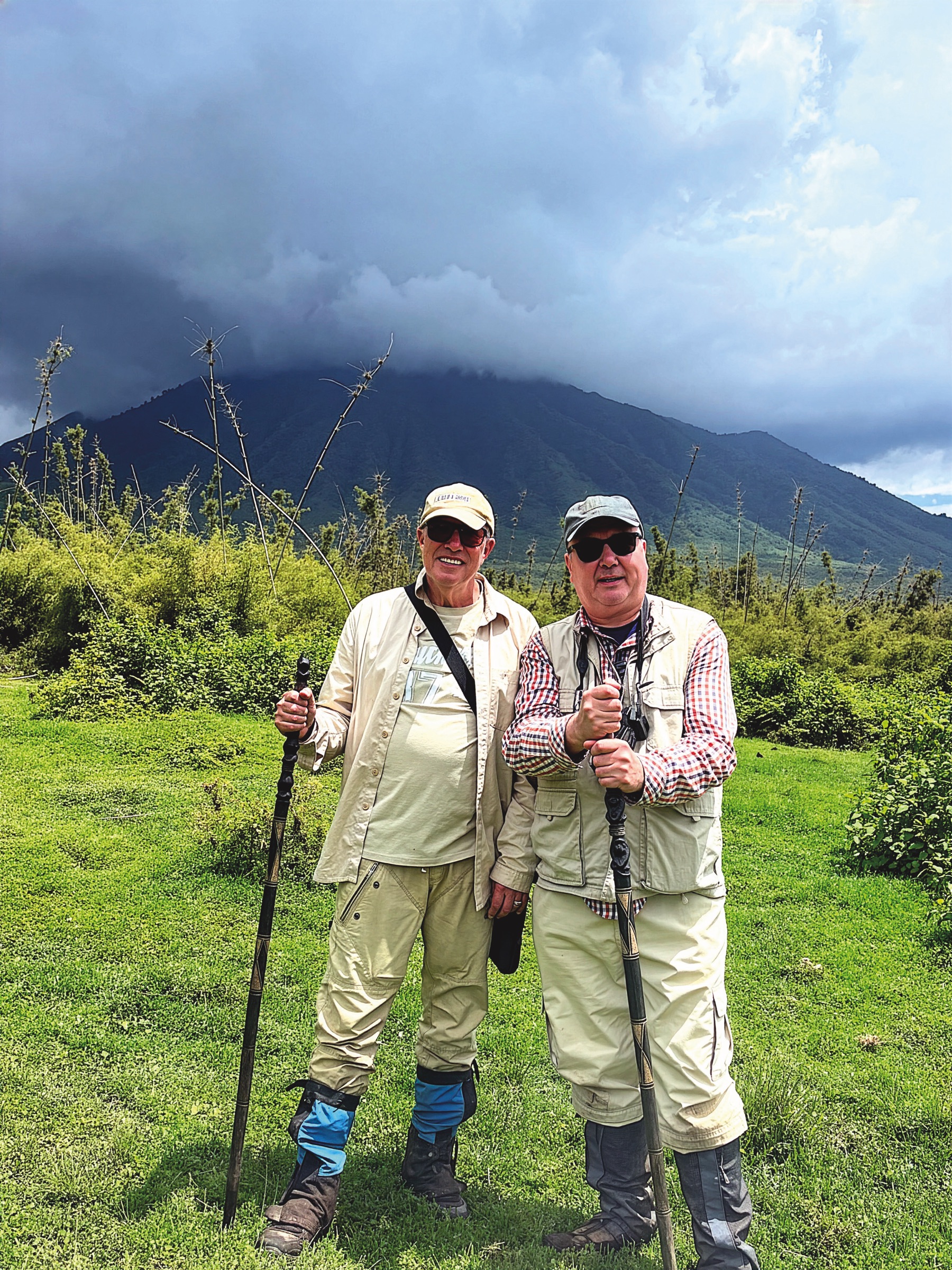
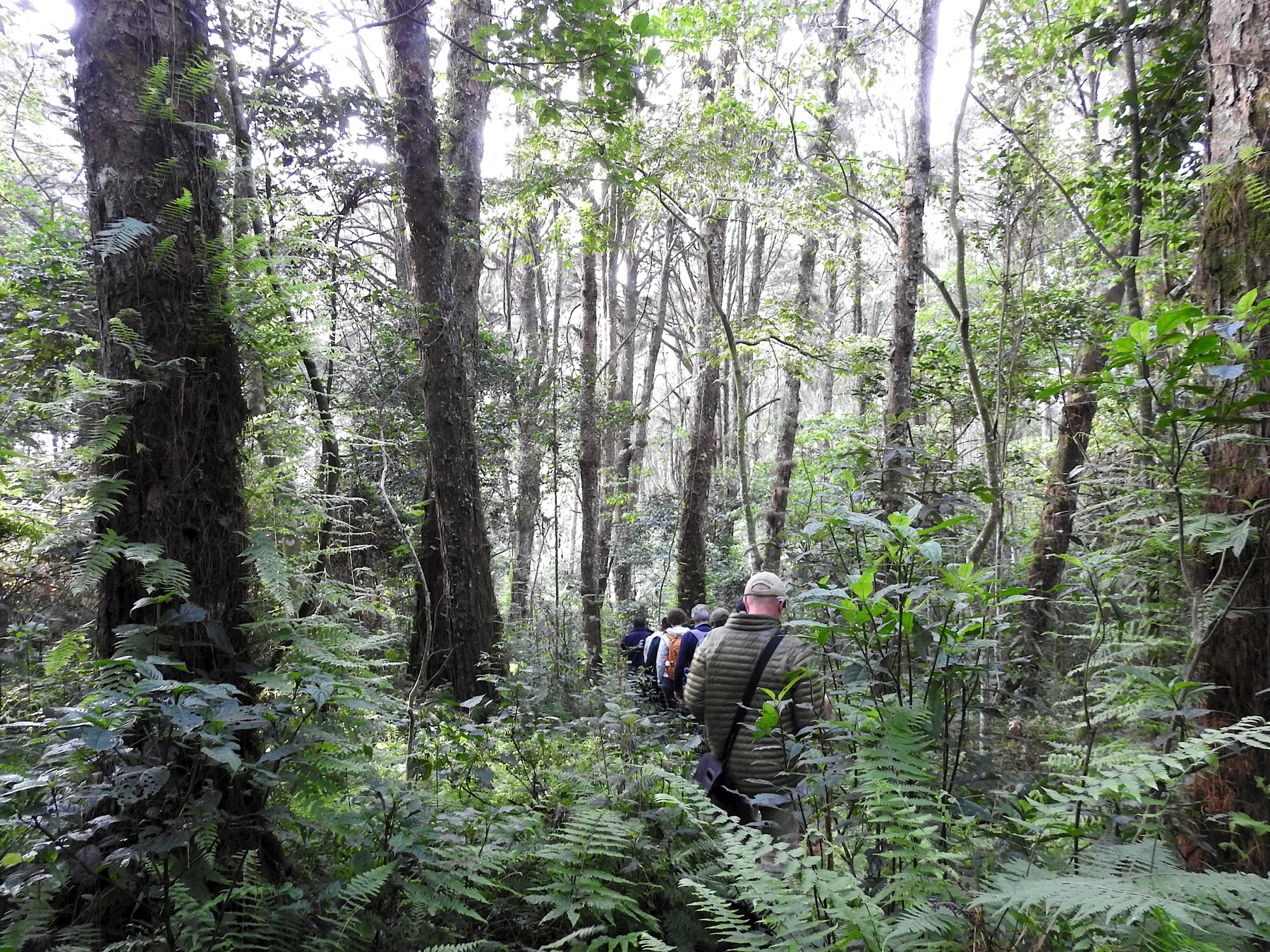
We were a small group of no more than 8 people. Protecting our legs with hiking gaiters to keep ourselves dry in a muddy area and shielded against fire ants and other insects, we started our walk into the jungle.
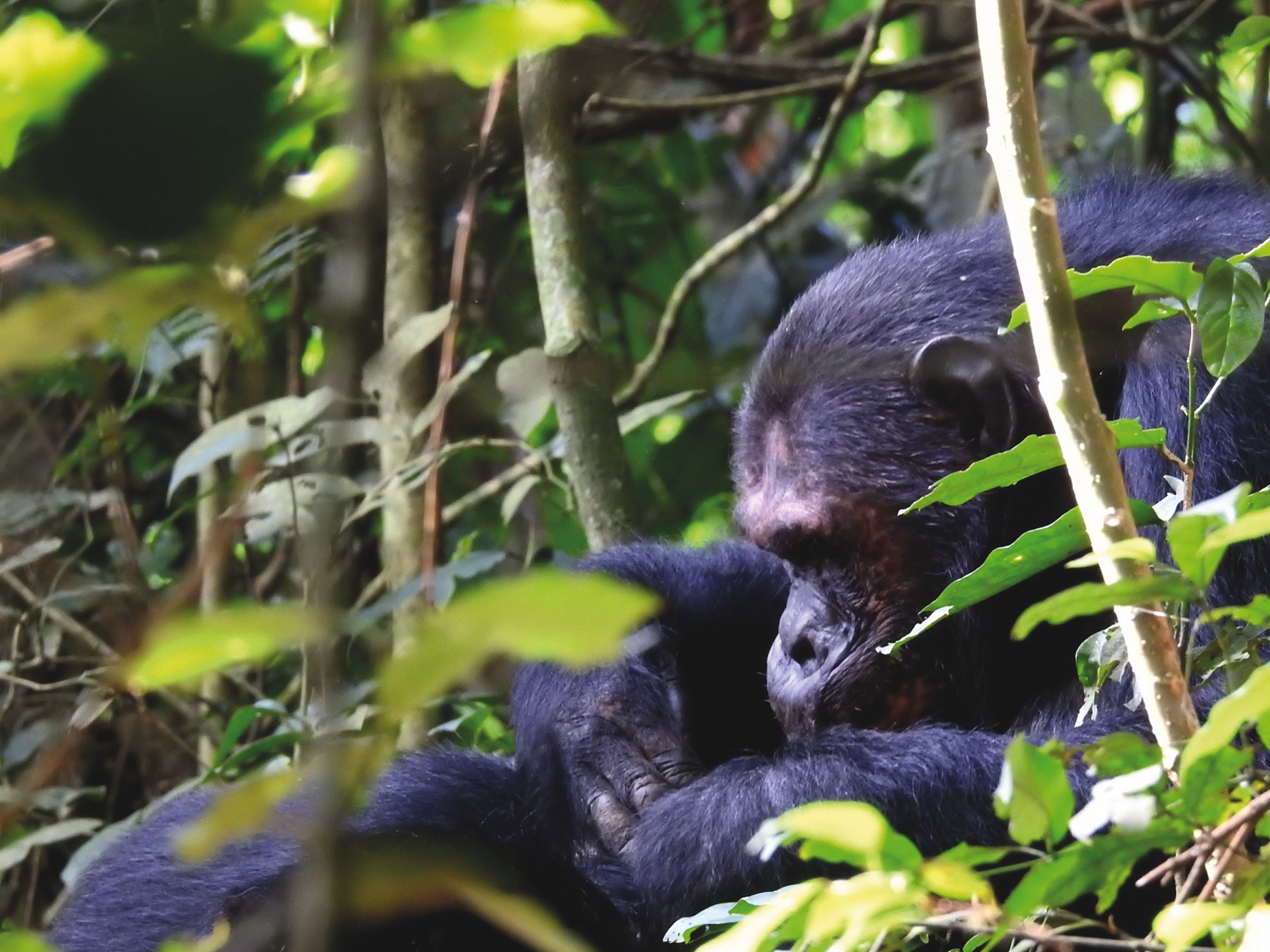
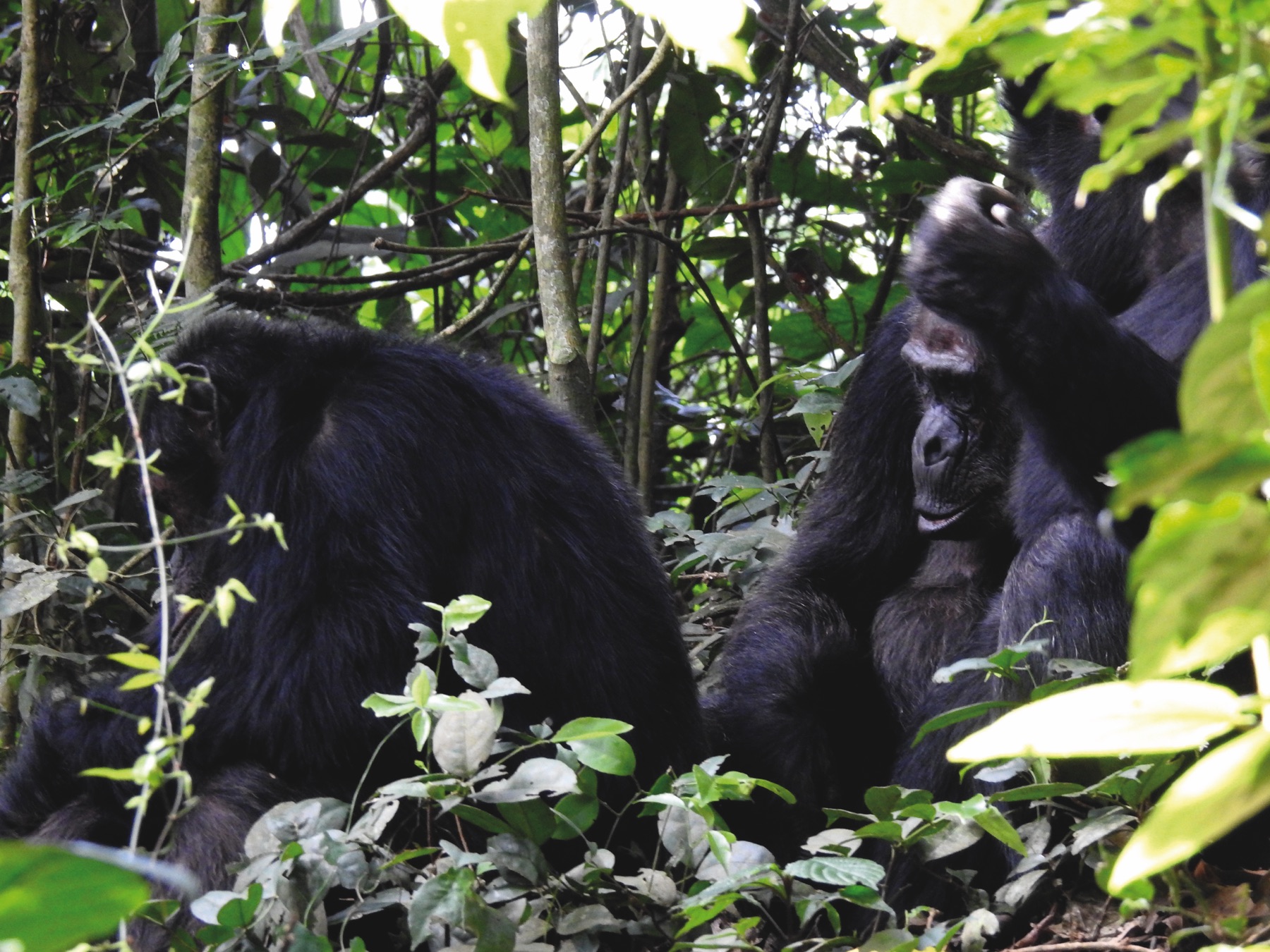
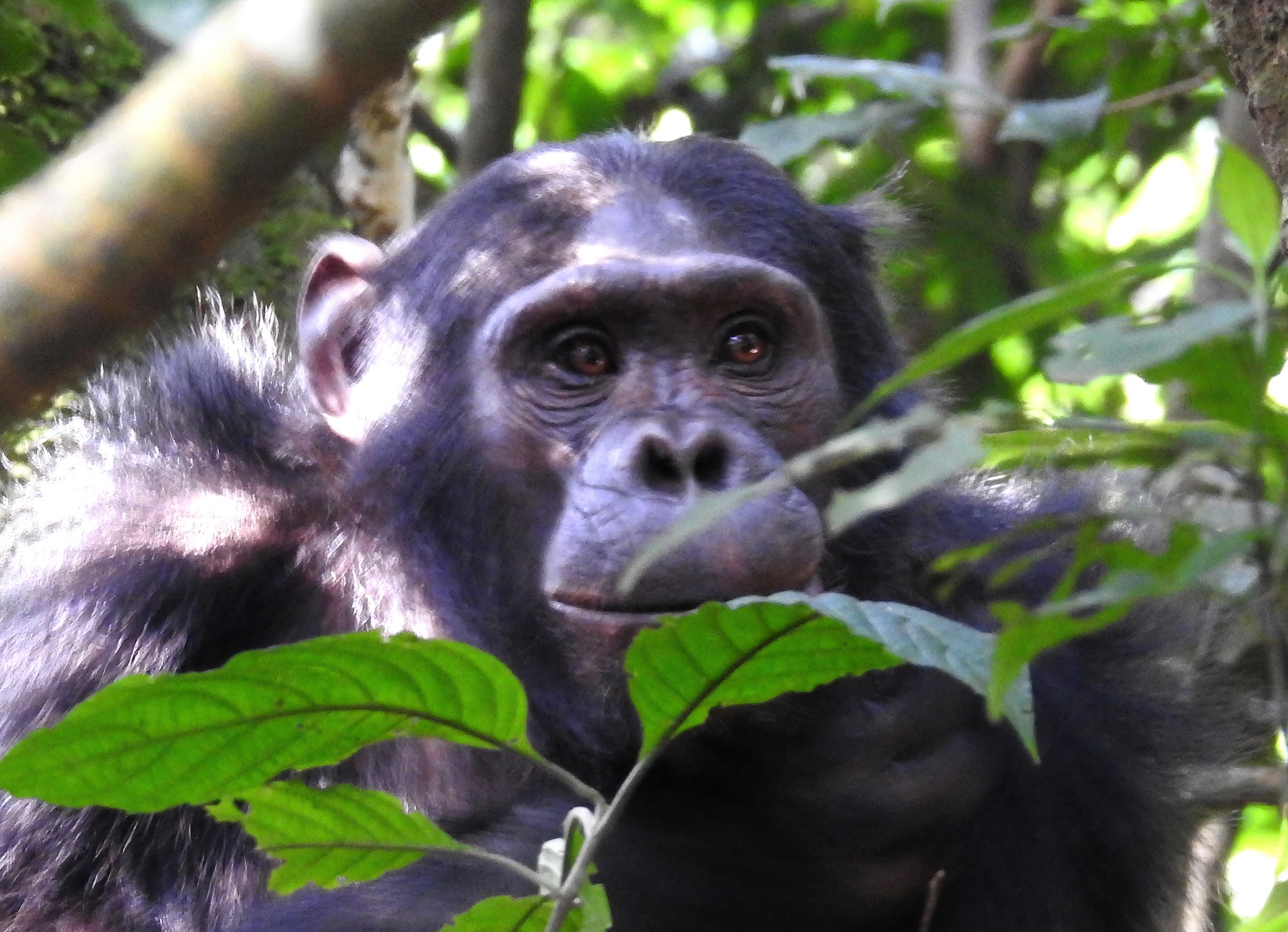
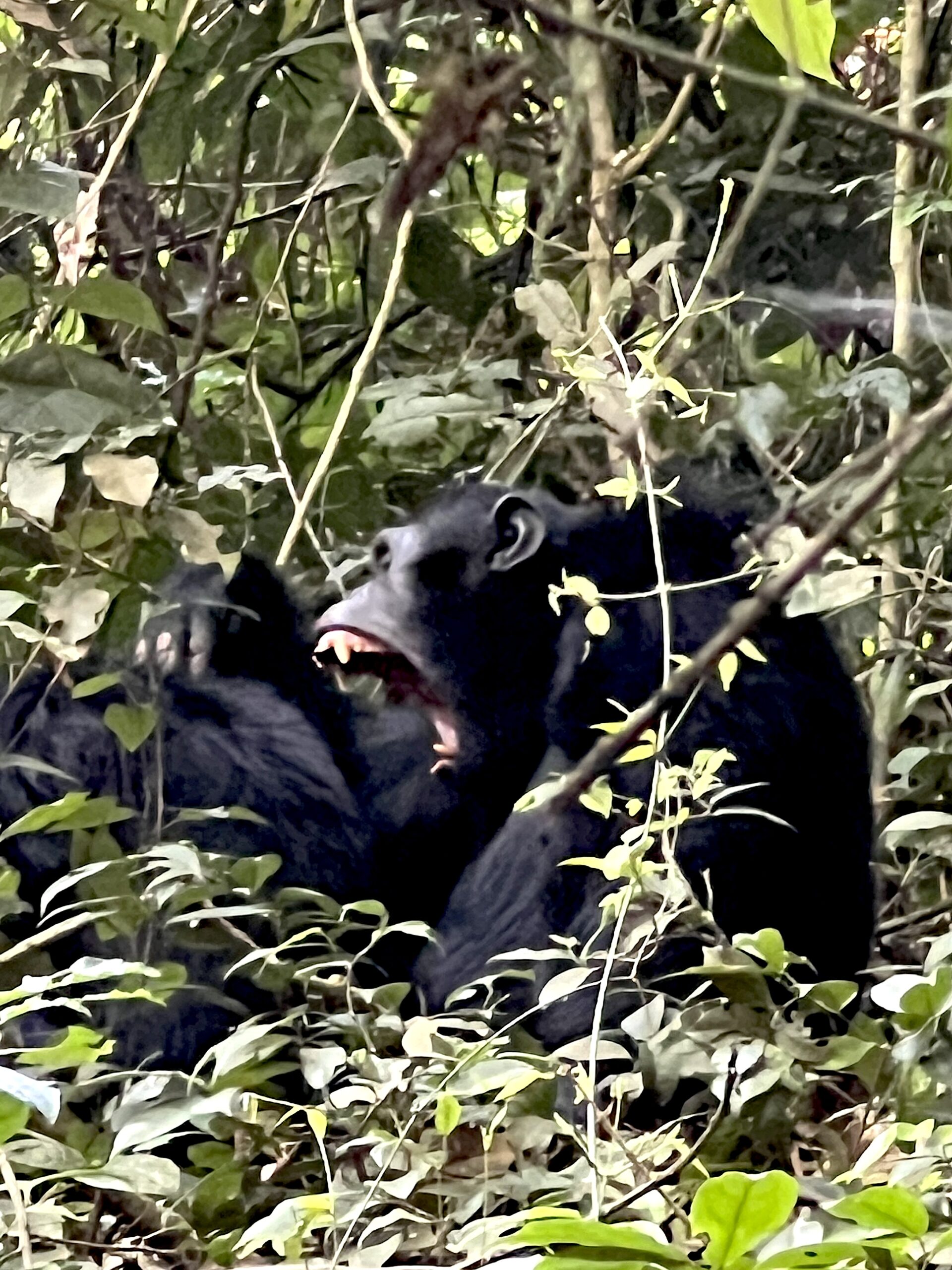
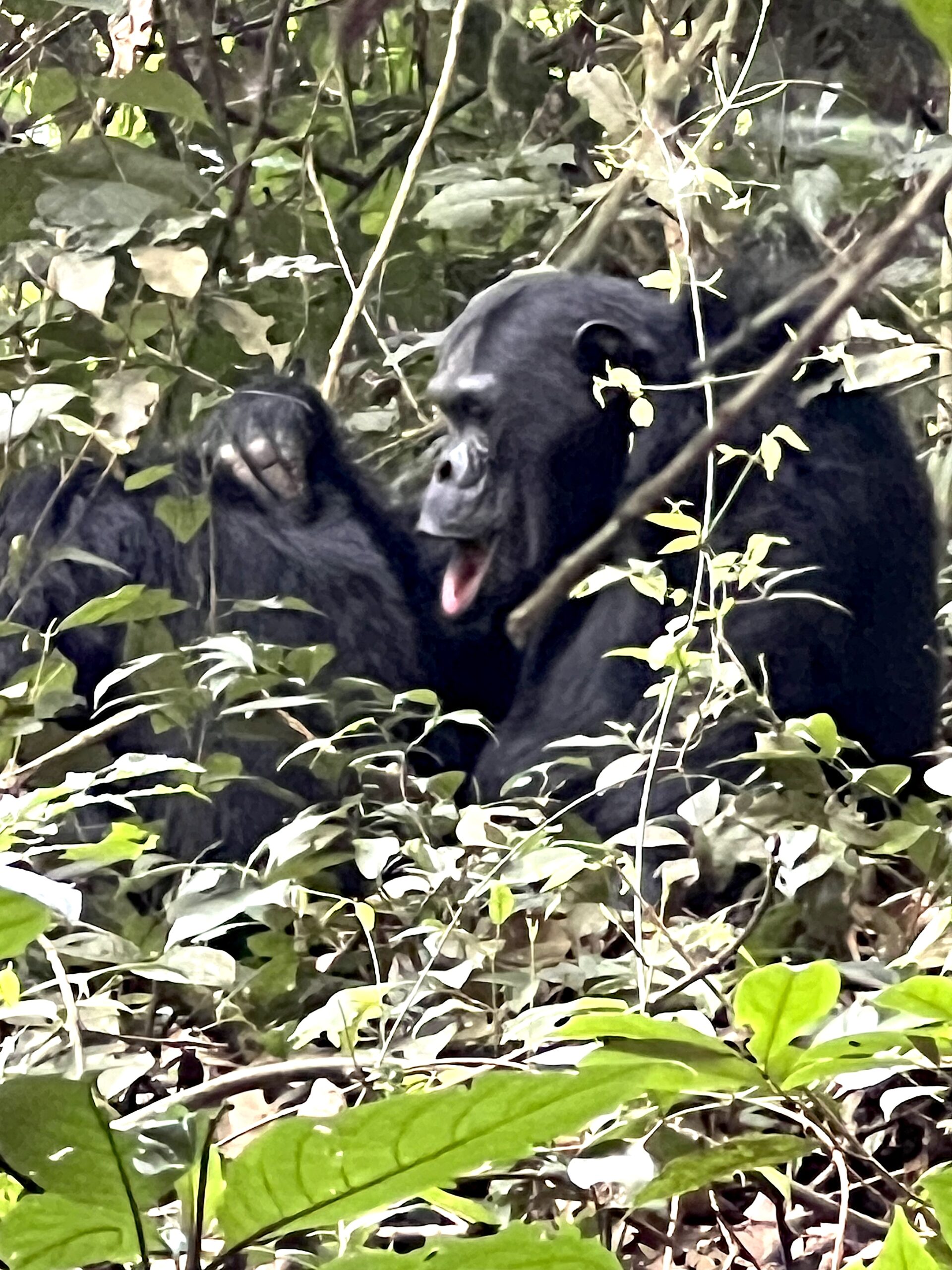
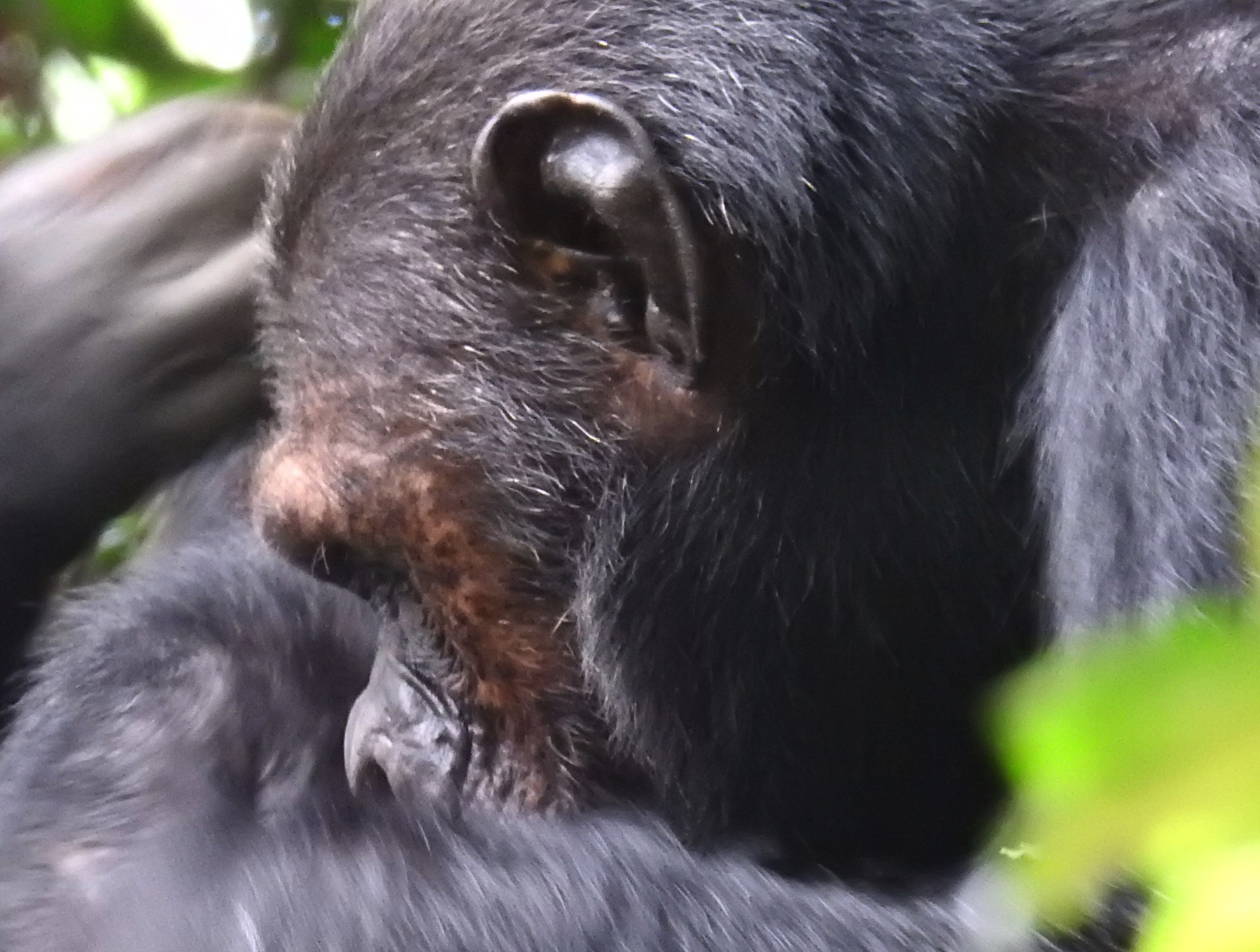
Several guides and porters came with us. The guides were in touch with the “trackers” to find out where the chimpanzees were and how to best find them without having to walk too much. The “trackers” are in daily touch with the chimpanzees, taking care of their safety and health. After more than an hour’s walk in the jungle, we met the first chimpanzee family. They are used to people (even white people), and you can get as close as a few meters from them, watching them play, eat, clean each other, and jump from one tree to another. You need to keep silent and move slowly around these beautiful, clever animals. We watched them and walked with them for over an hour, a miraculous time I will never forget.
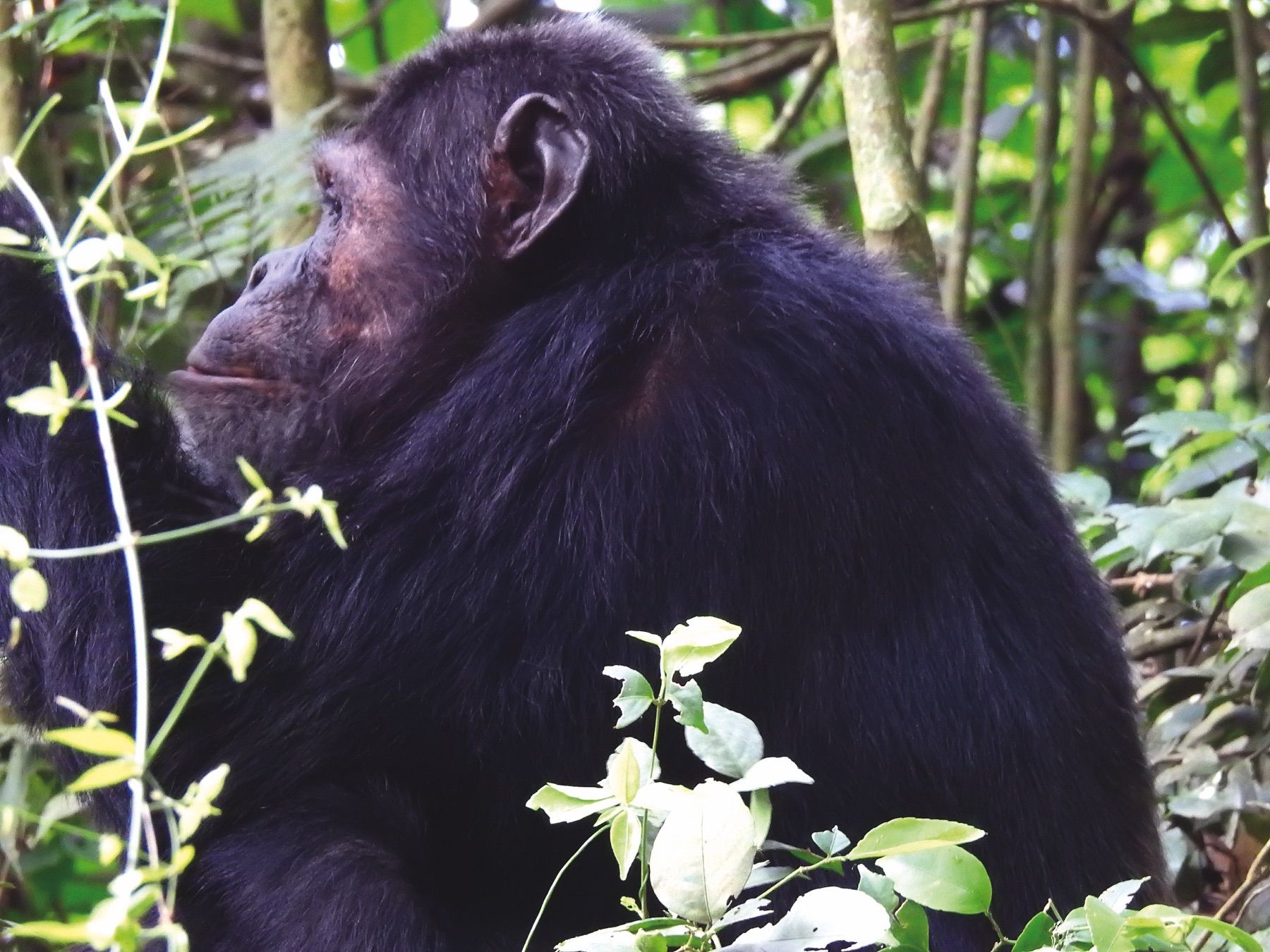
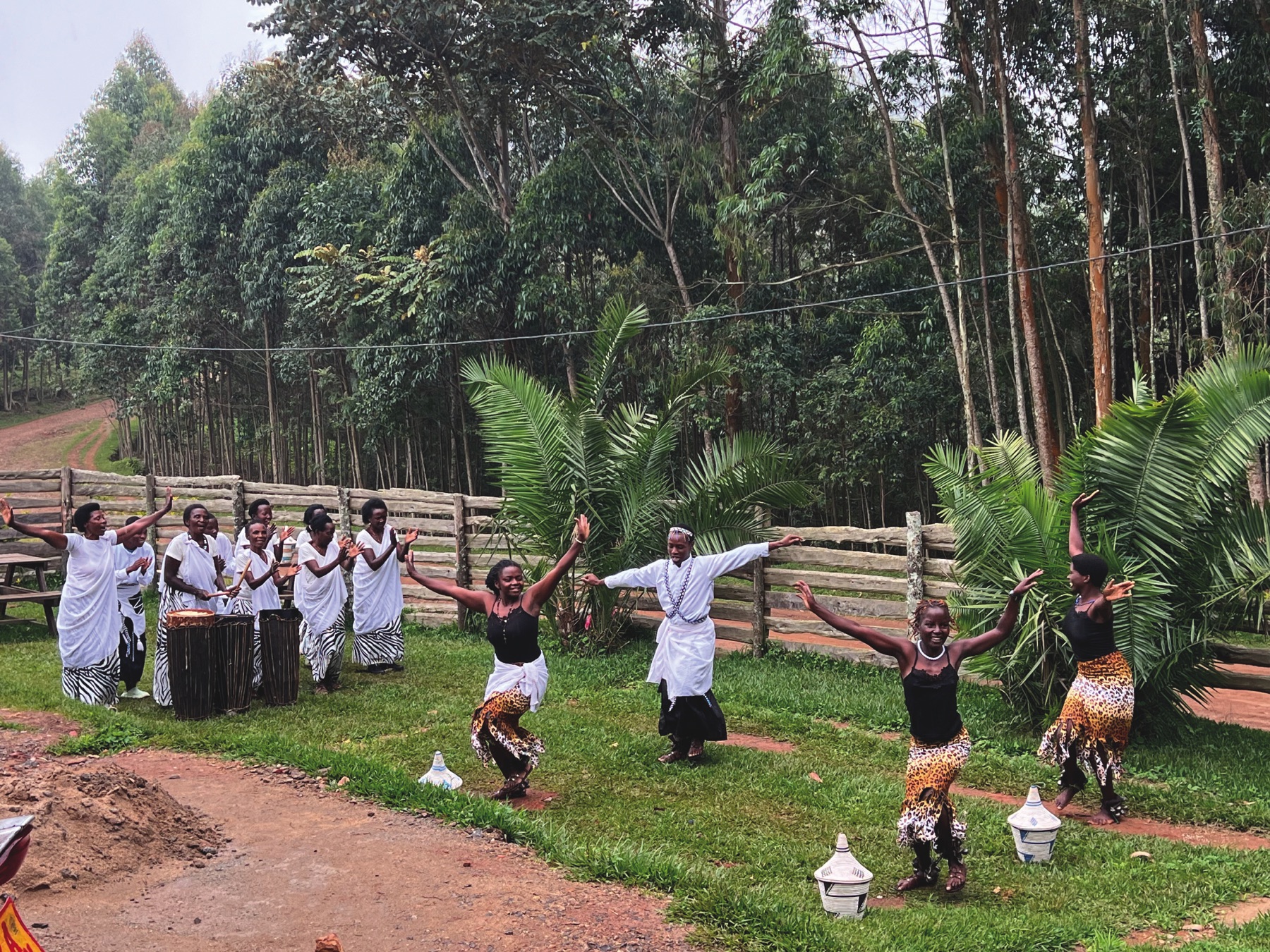
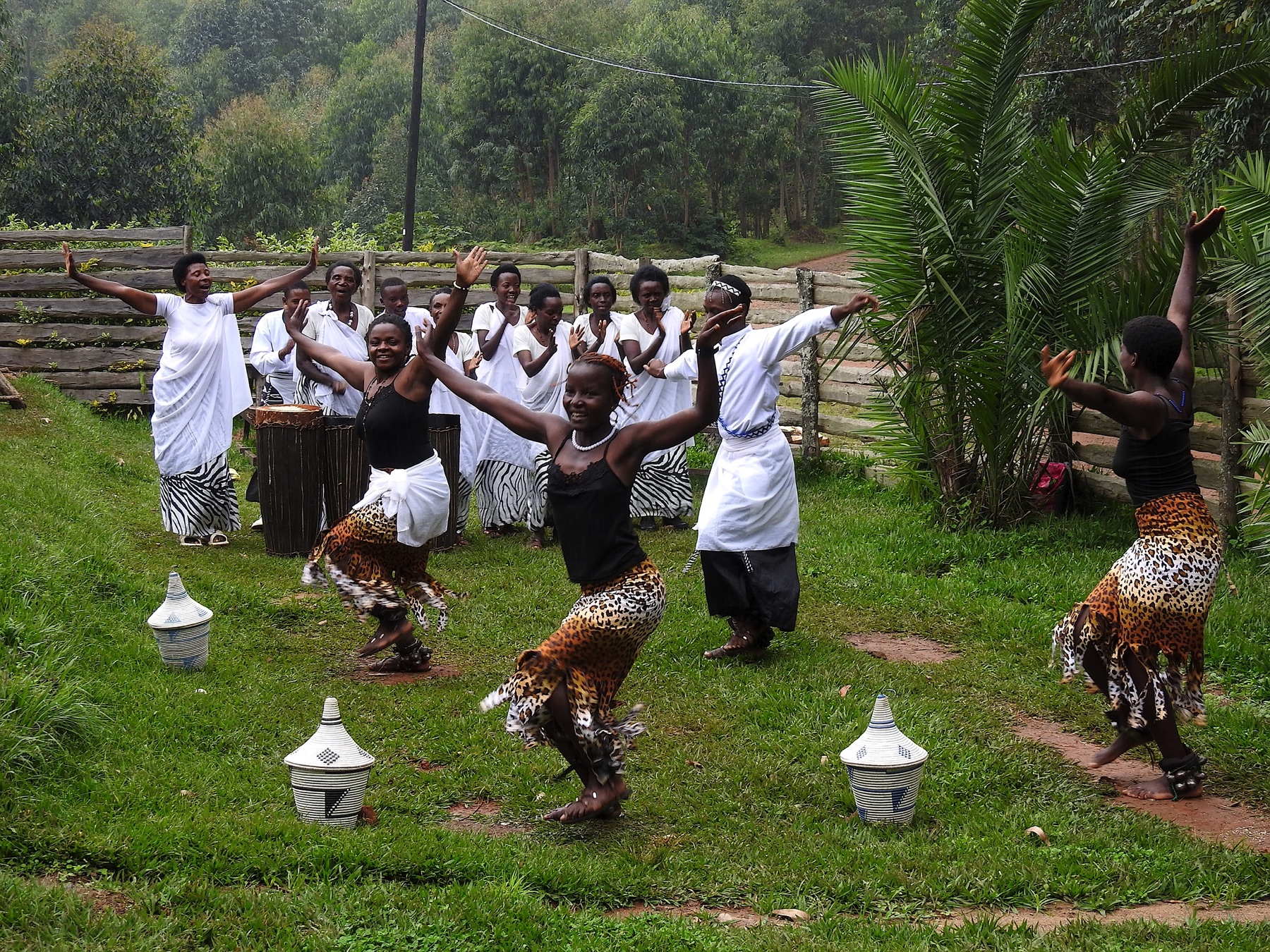
The way back to the Cyamudongo tourist centre took us about two hours, with a surprise from the community people, a show of traditional songs and dance.
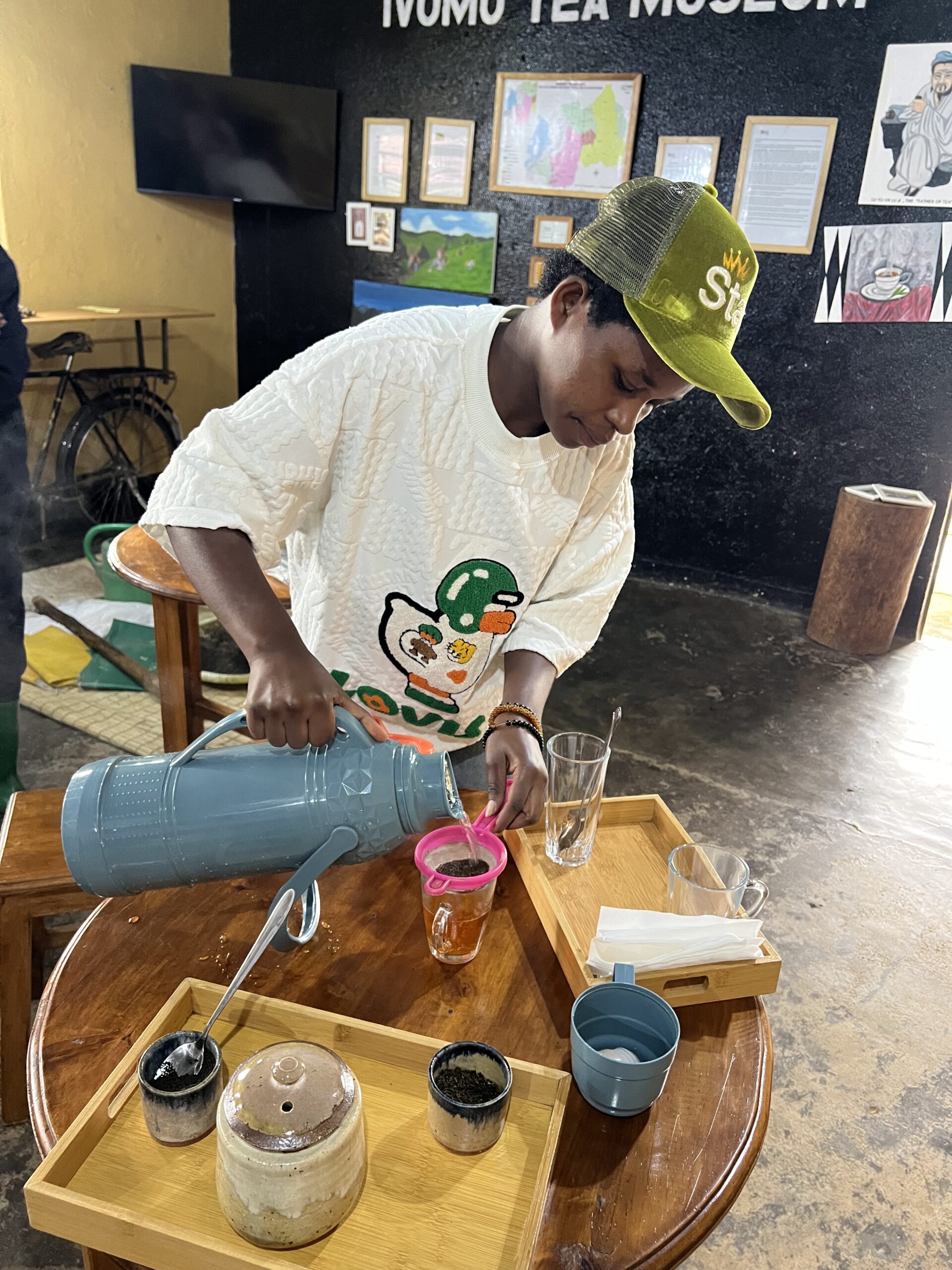
On the way to our next hotel, the Cleo Hotel at Lake Kivu, we stopped for a short experience of collecting tea with the local Gisakura Community entity Ivomo.
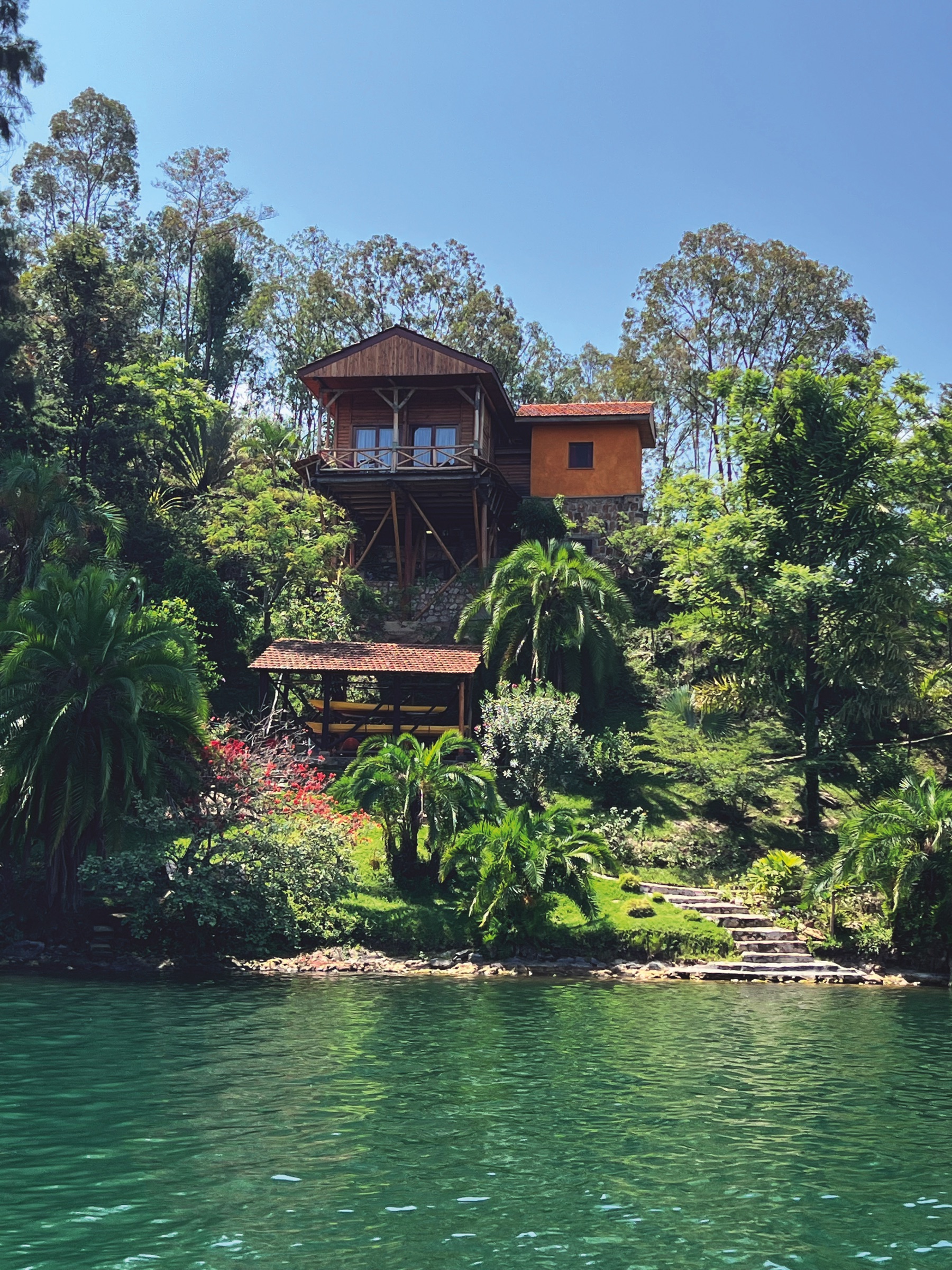
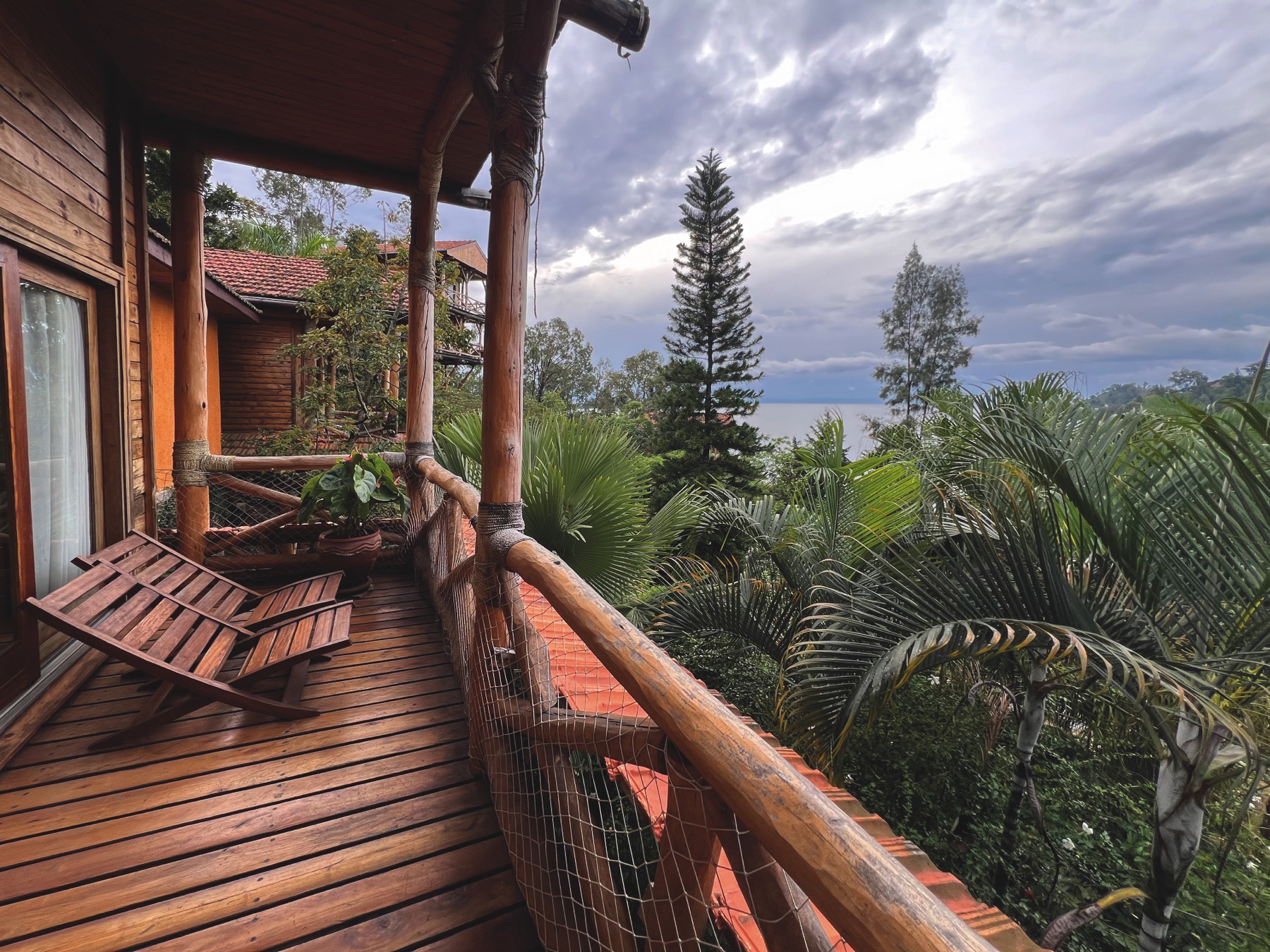
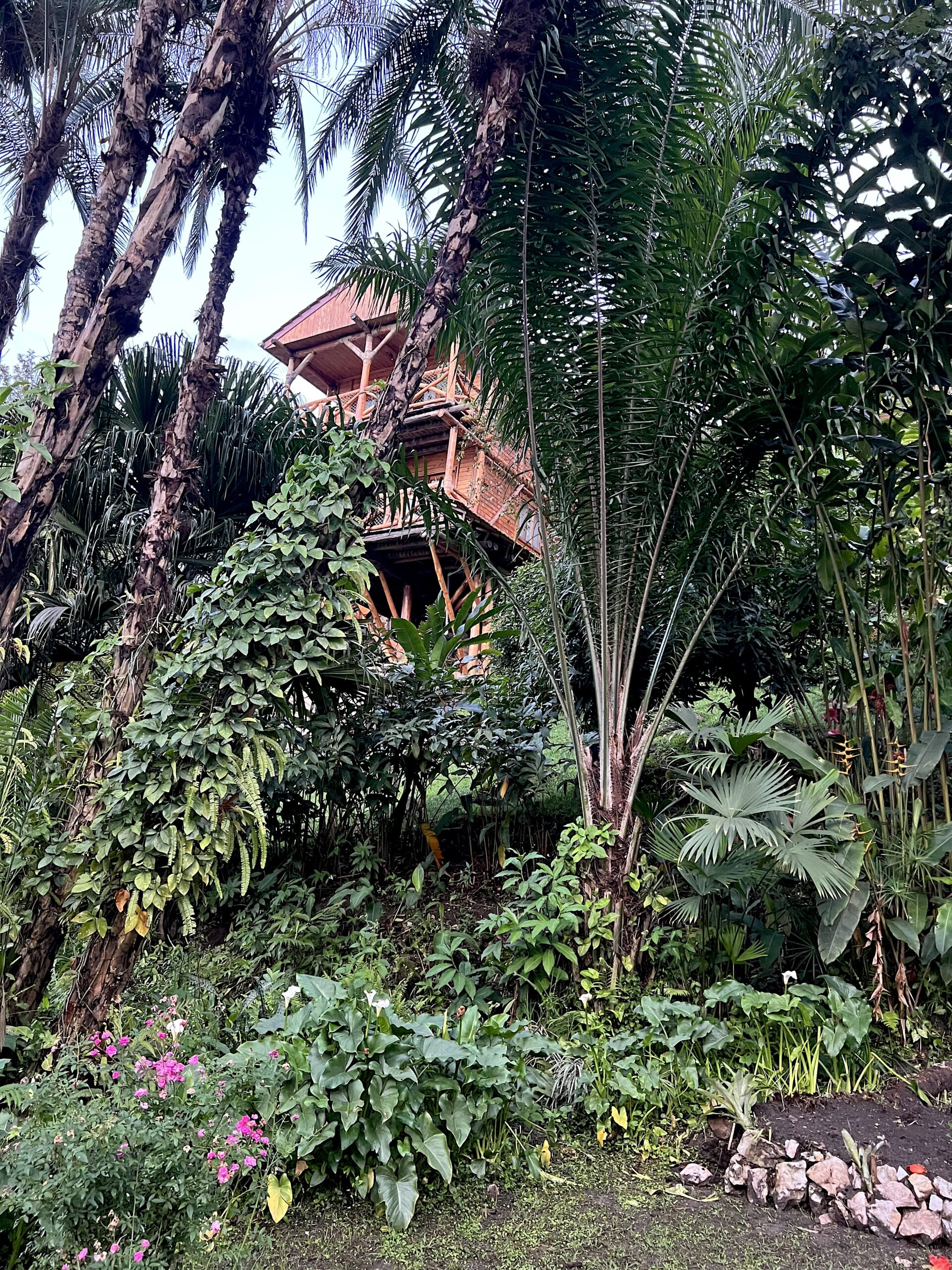
Finally, we arrived at the Cleo Hotel at Lake Kivu, a uniquely designed local hotel with a great lake view.
Day 6: Lake Kivu and its islands
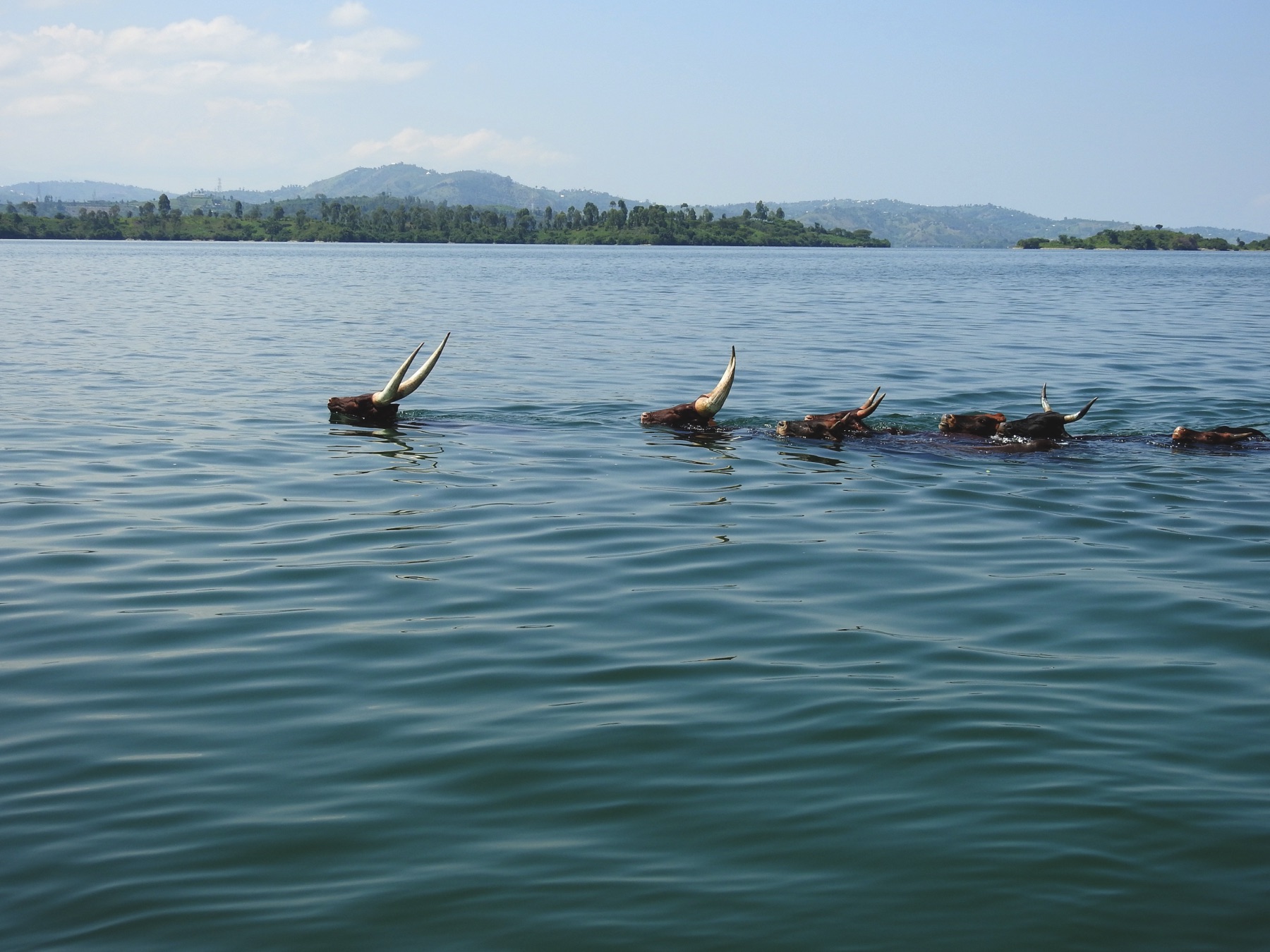
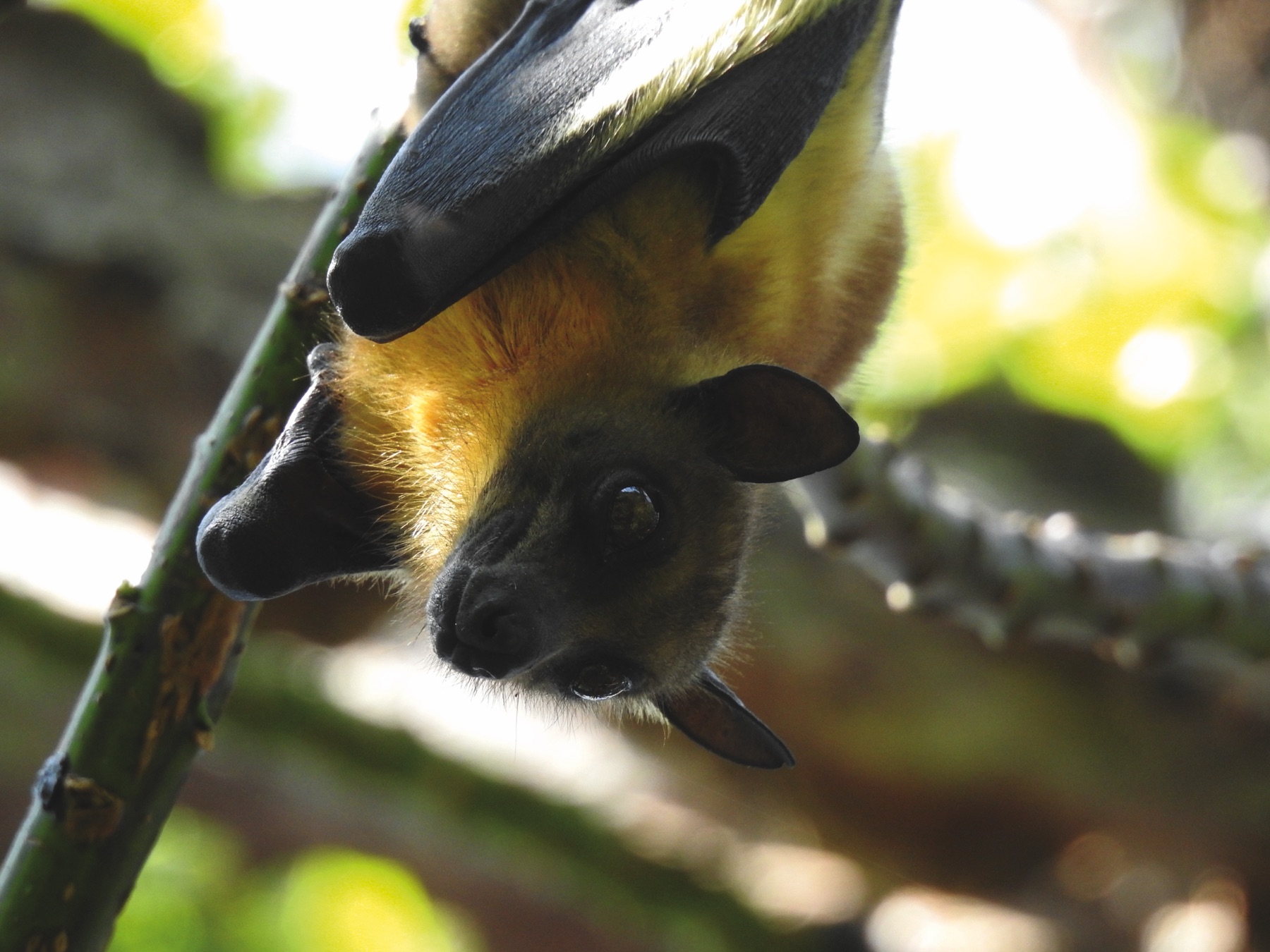
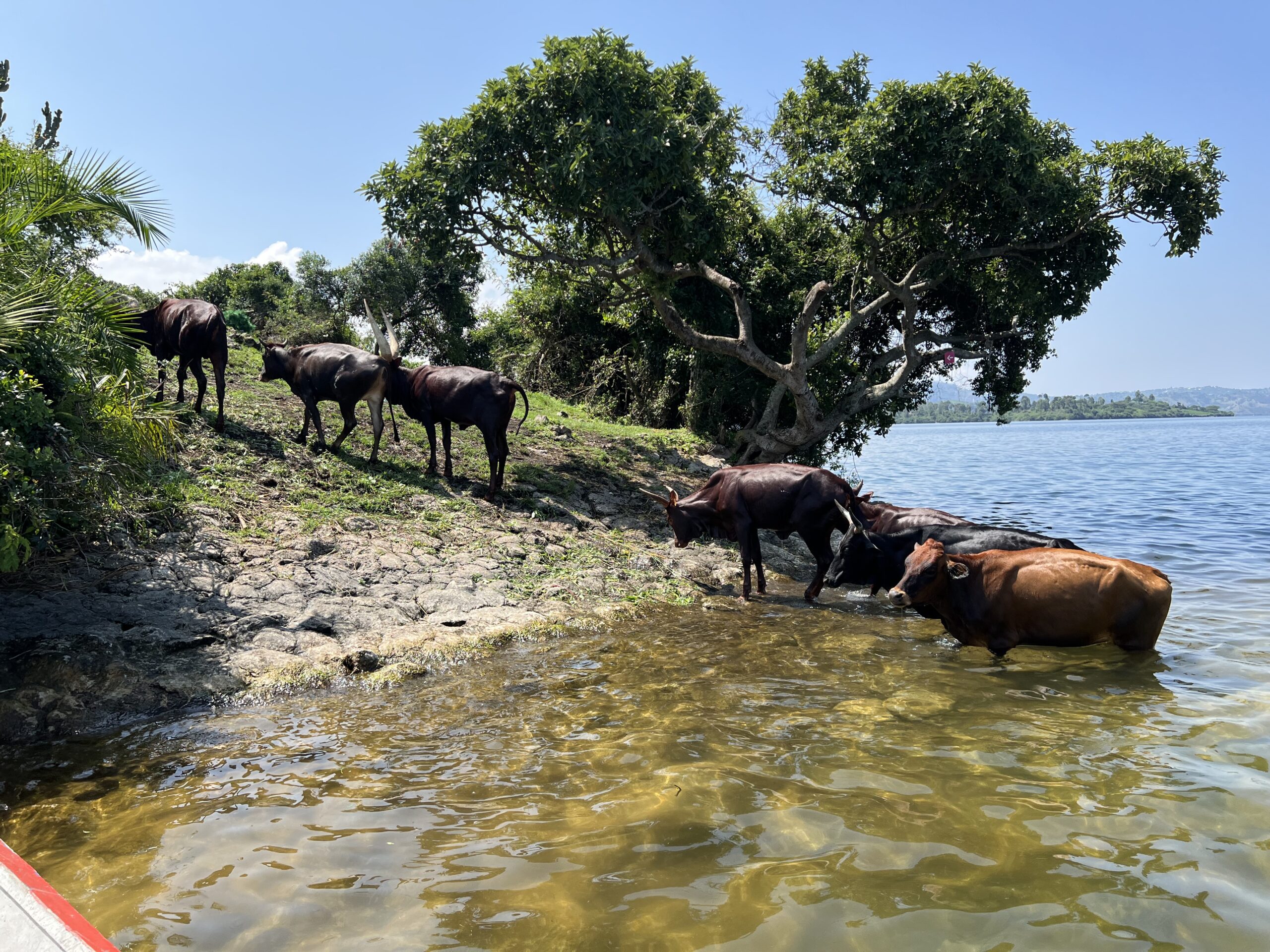
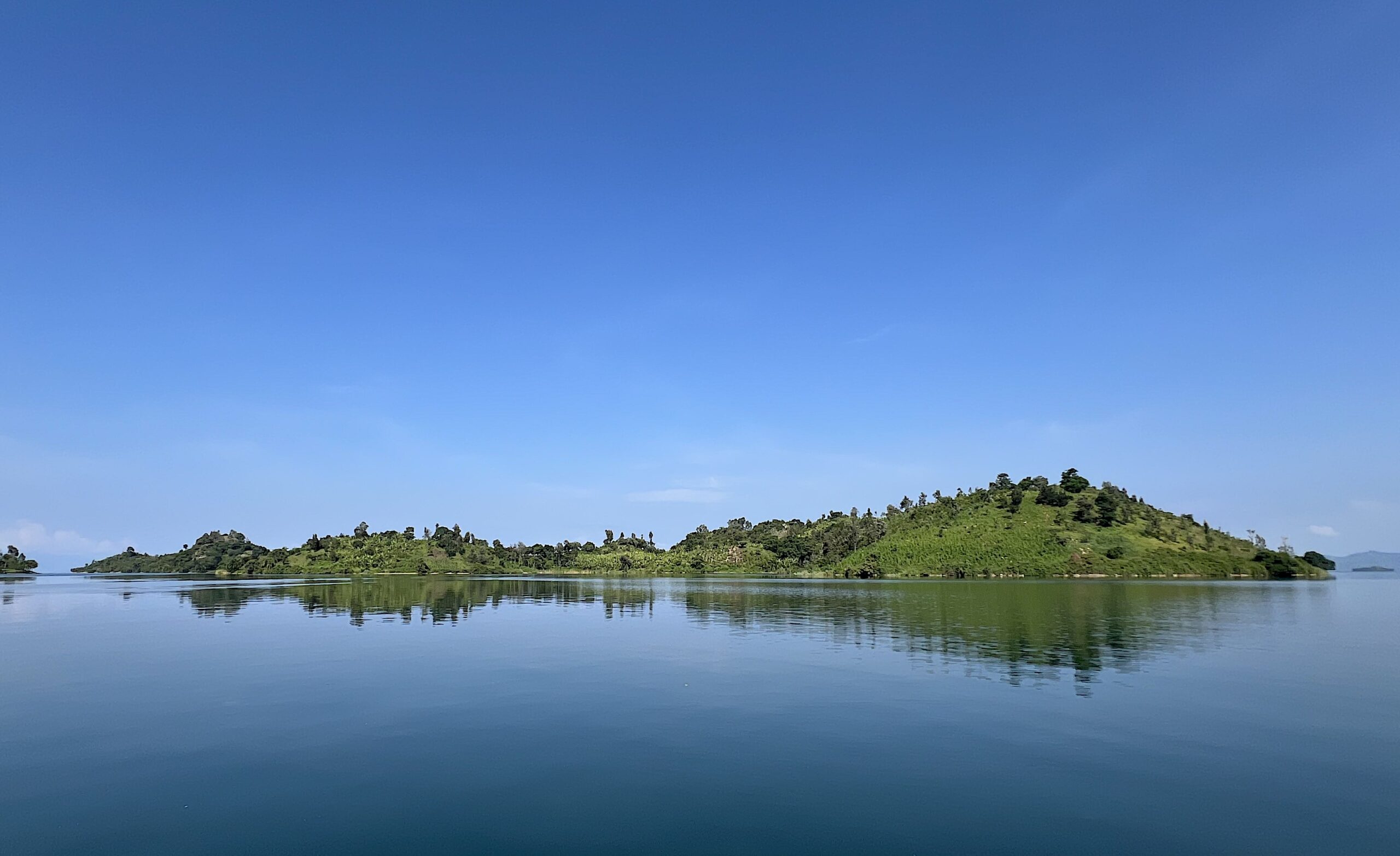
Lake Kivu is the biggest lake in Rwanda, with many islands in the middle. We took a sunrise boat excursion on this beautiful lake. The lake is also important for the gas coming from its depths. This gas is used by Rwanda to produce electricity, and, in a few years, it should fully cover the country’s consumption. We visited an island with a big population of bats, and another one with swimming cows. It is a beautiful area, and a vacation destination seeking more investors to develop it.
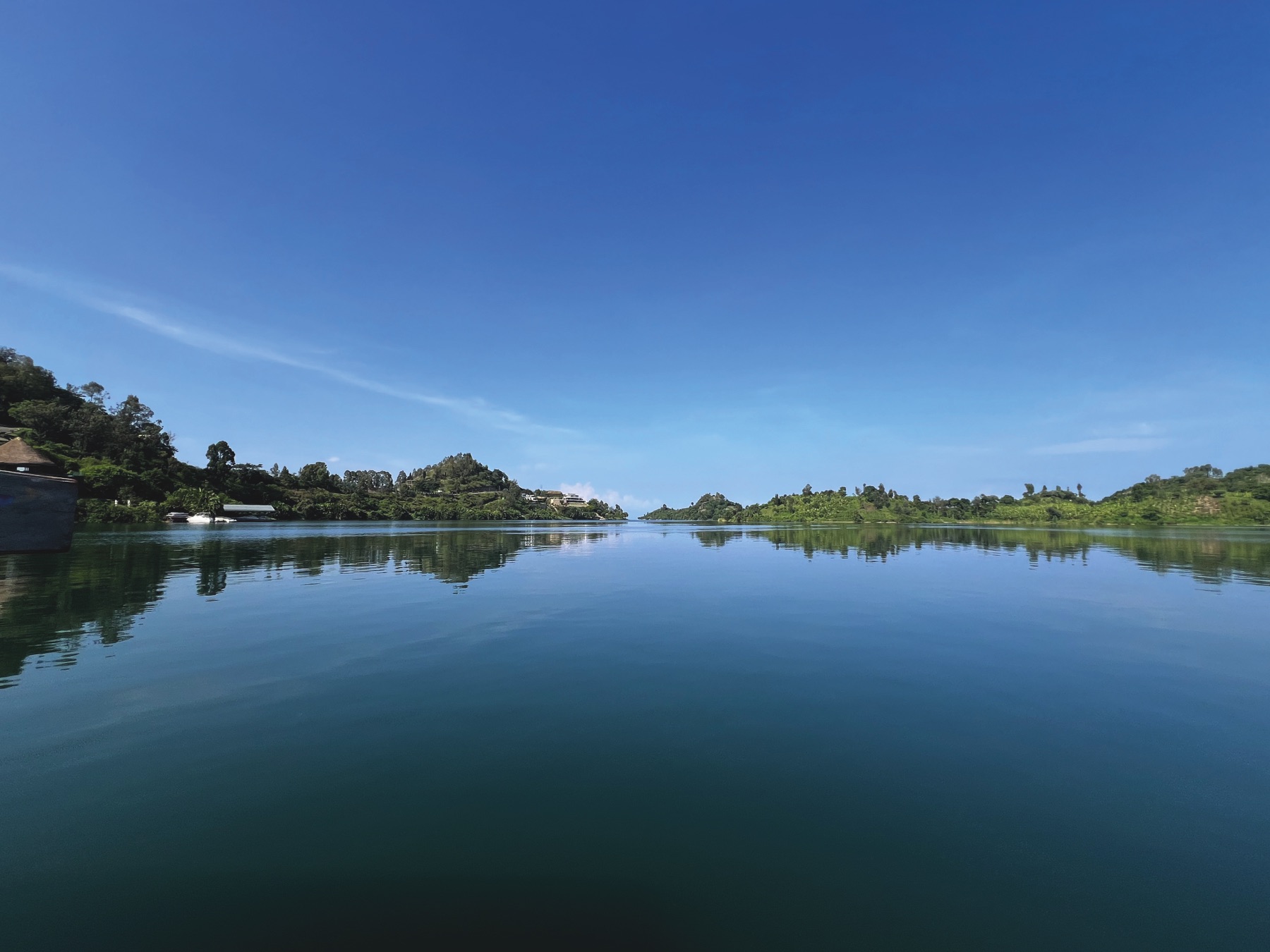
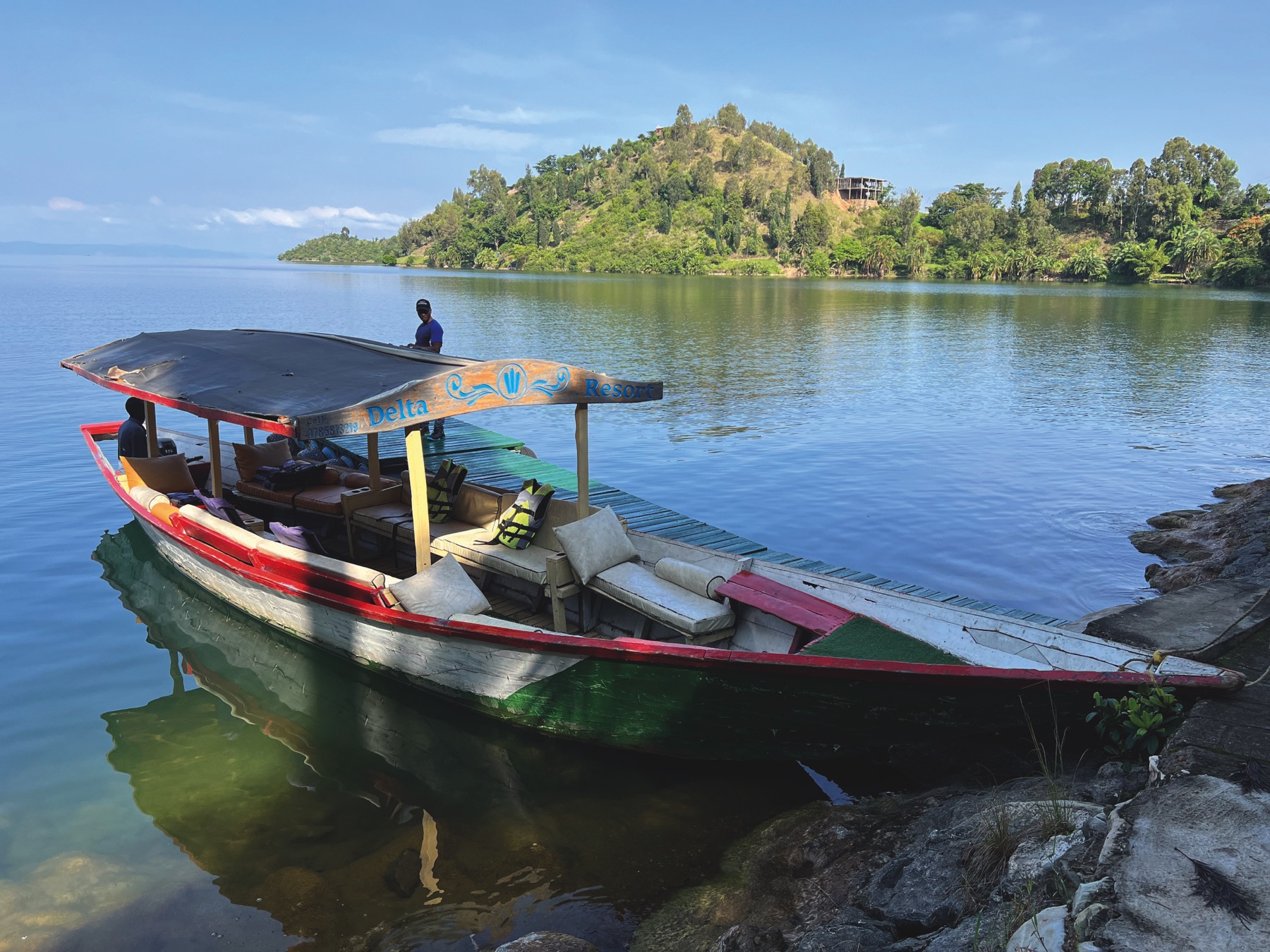
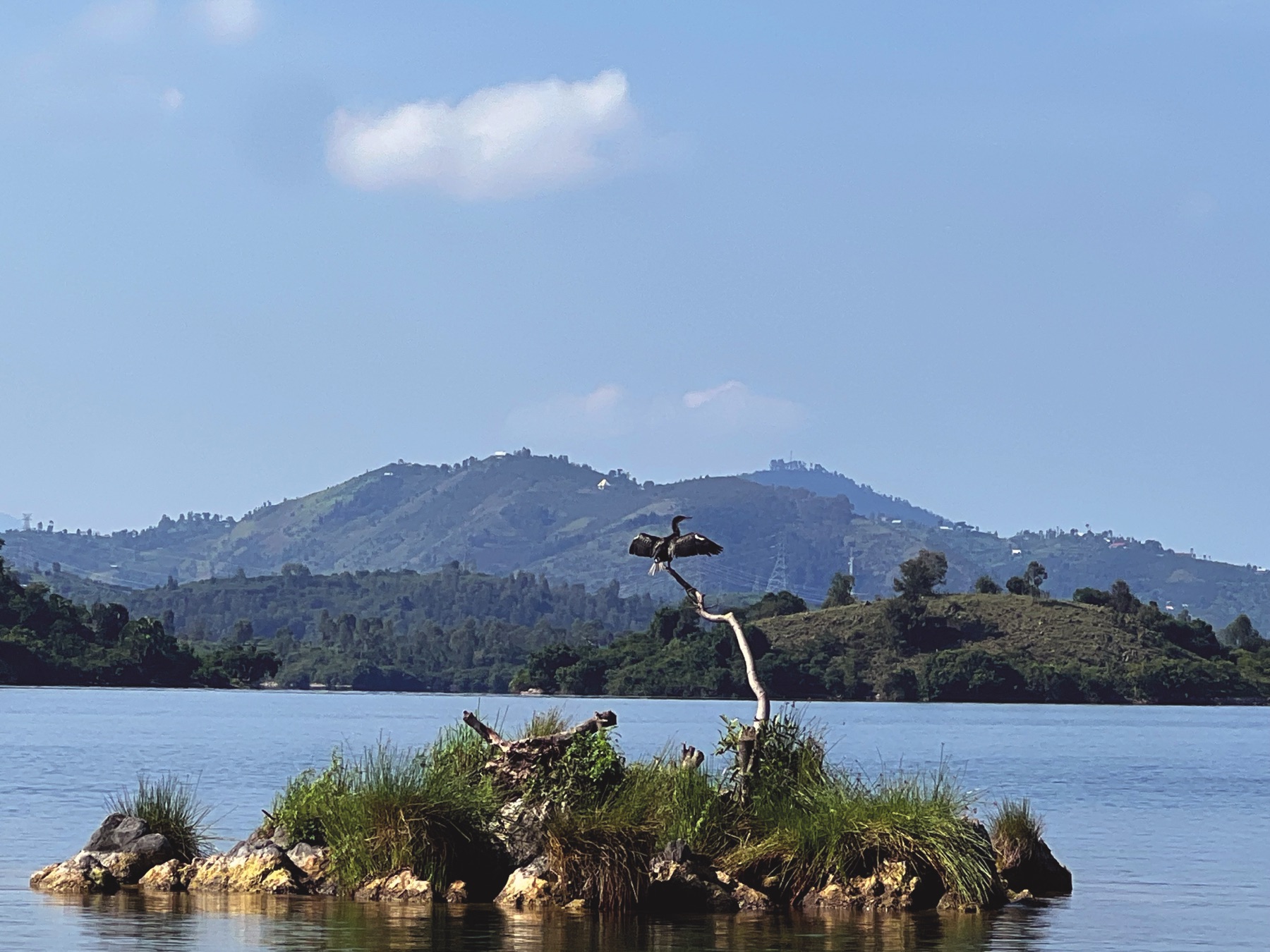
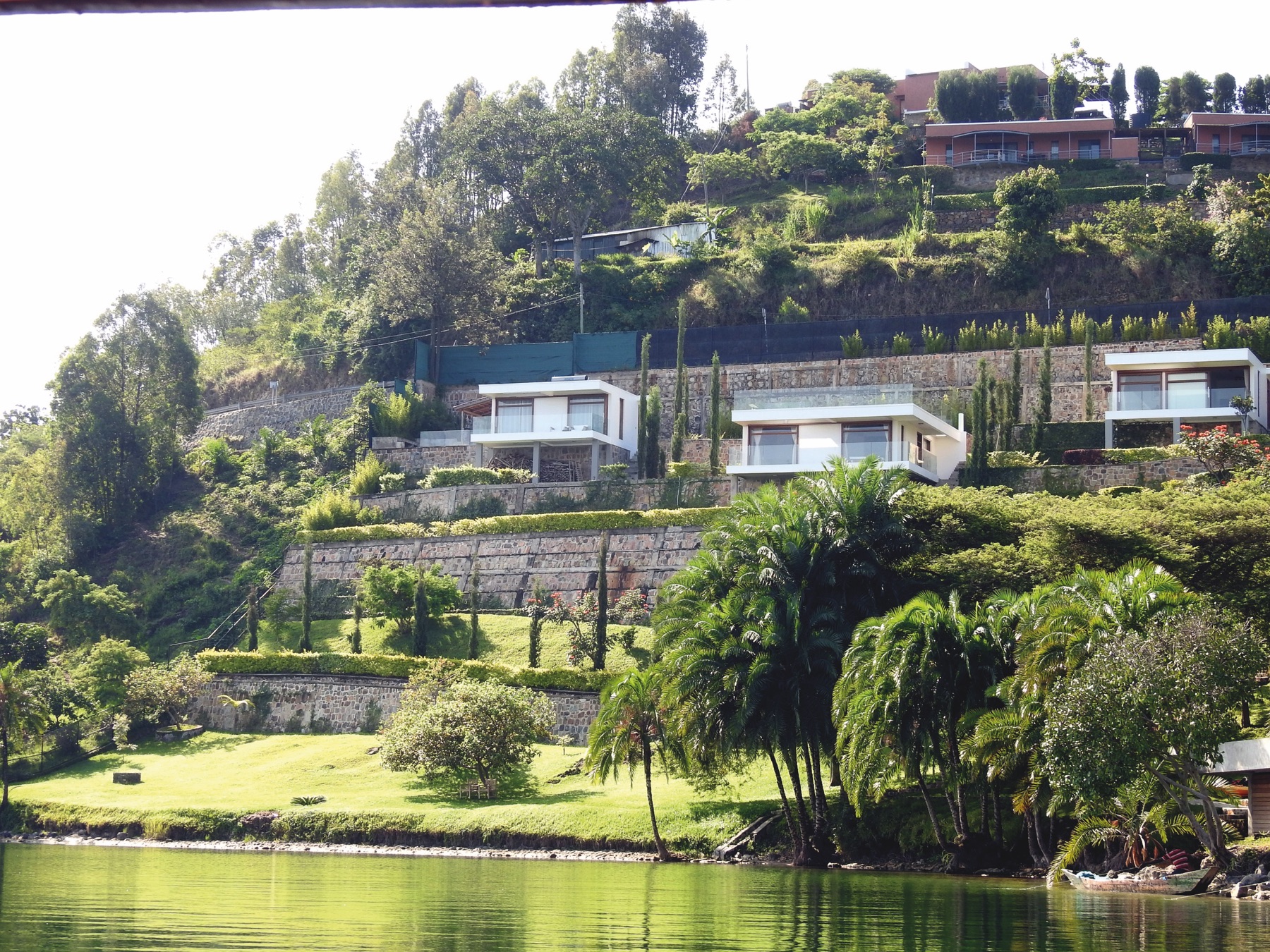
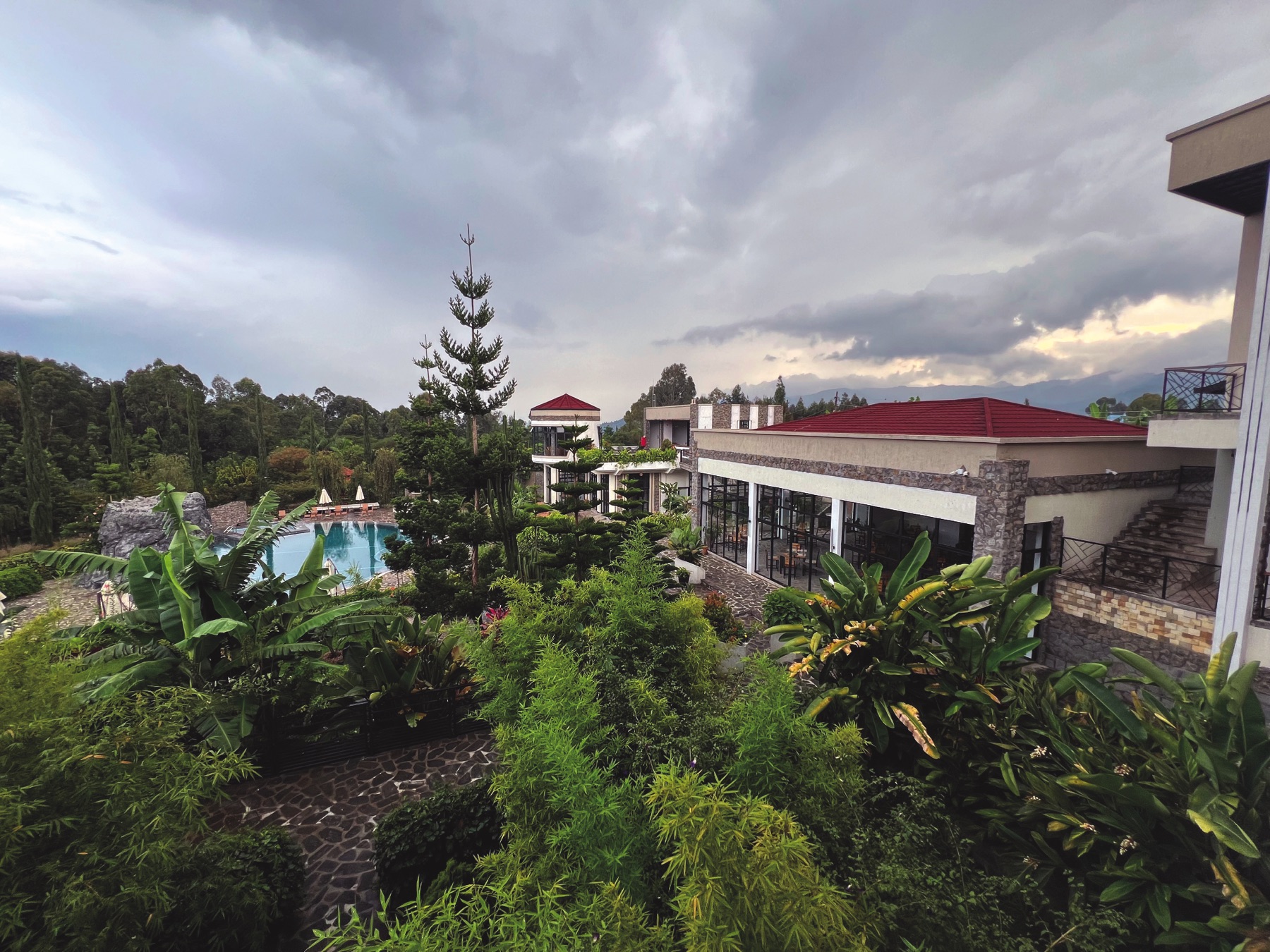
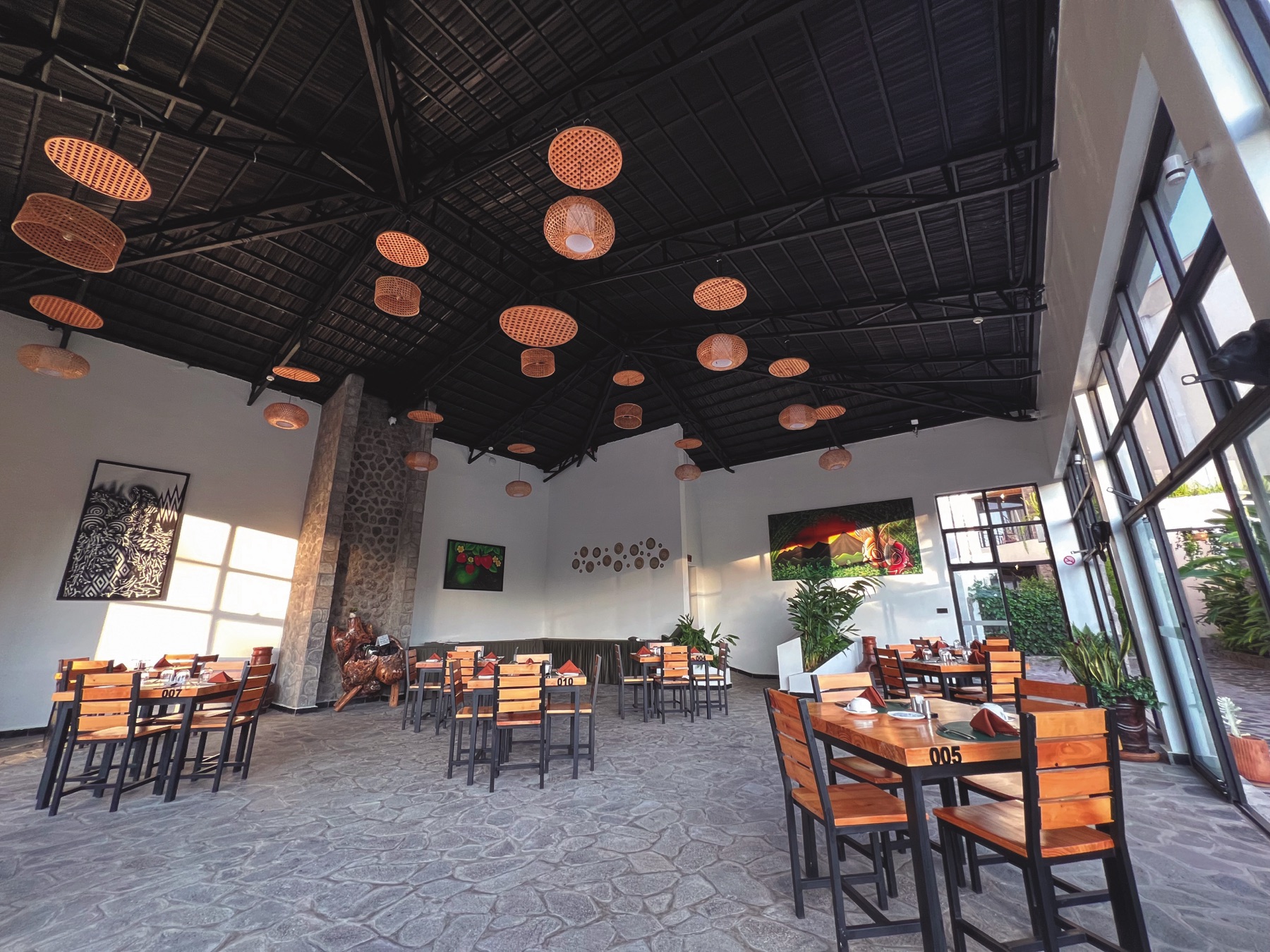
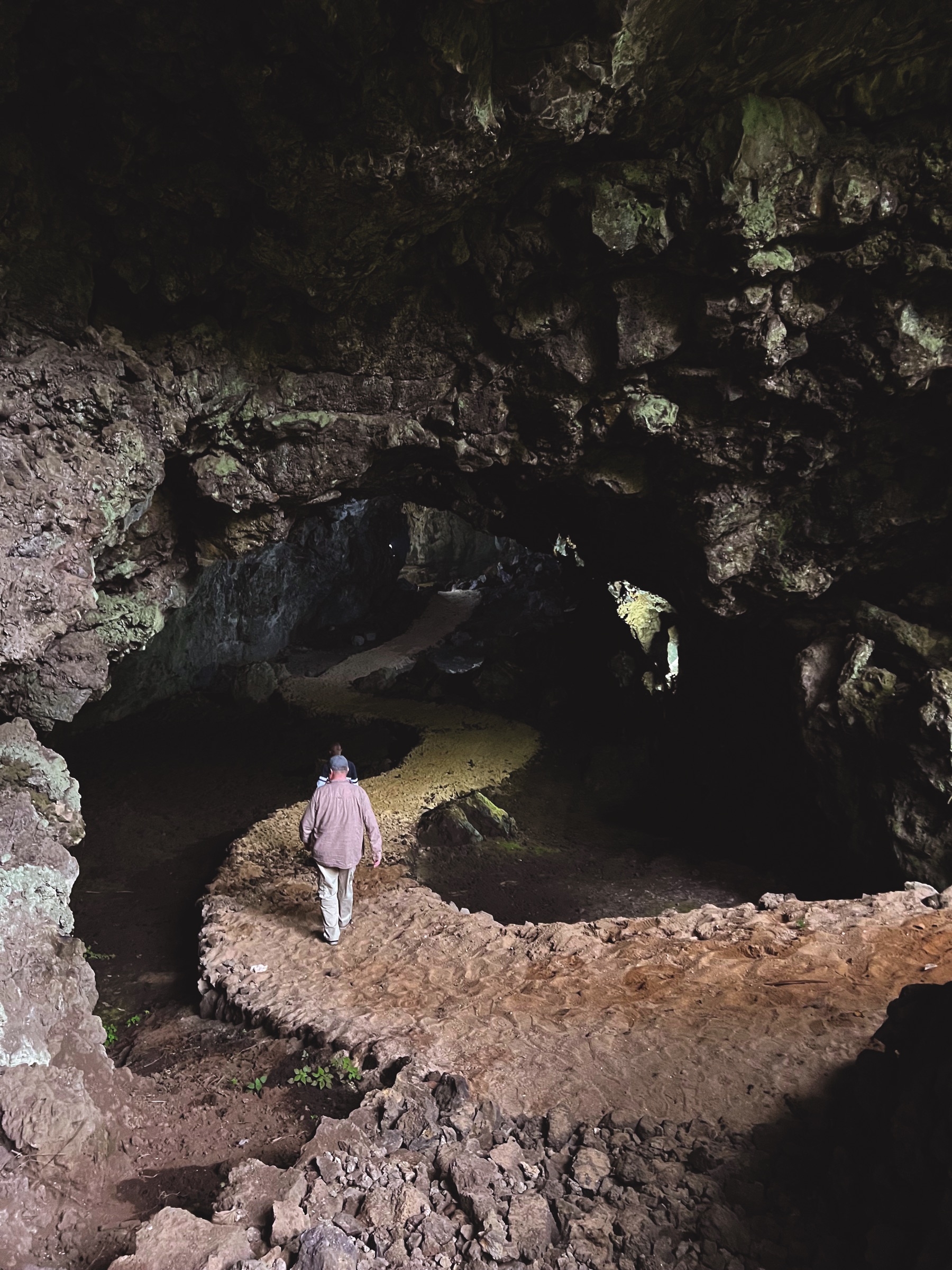
Later that day, we arrived at the Grotta Resort in Musanze. It is a new resort, built on an old volcanic cave. You can enjoy all the facilities – a swimming pool and Jacuzzi, a bar, and, of course, a restaurant with a great young chef. We had a good beef steak with chimichurri. I am sure that it will not take long for this restaurant to gain its reputation.
Day 7: Golden monkey tracking
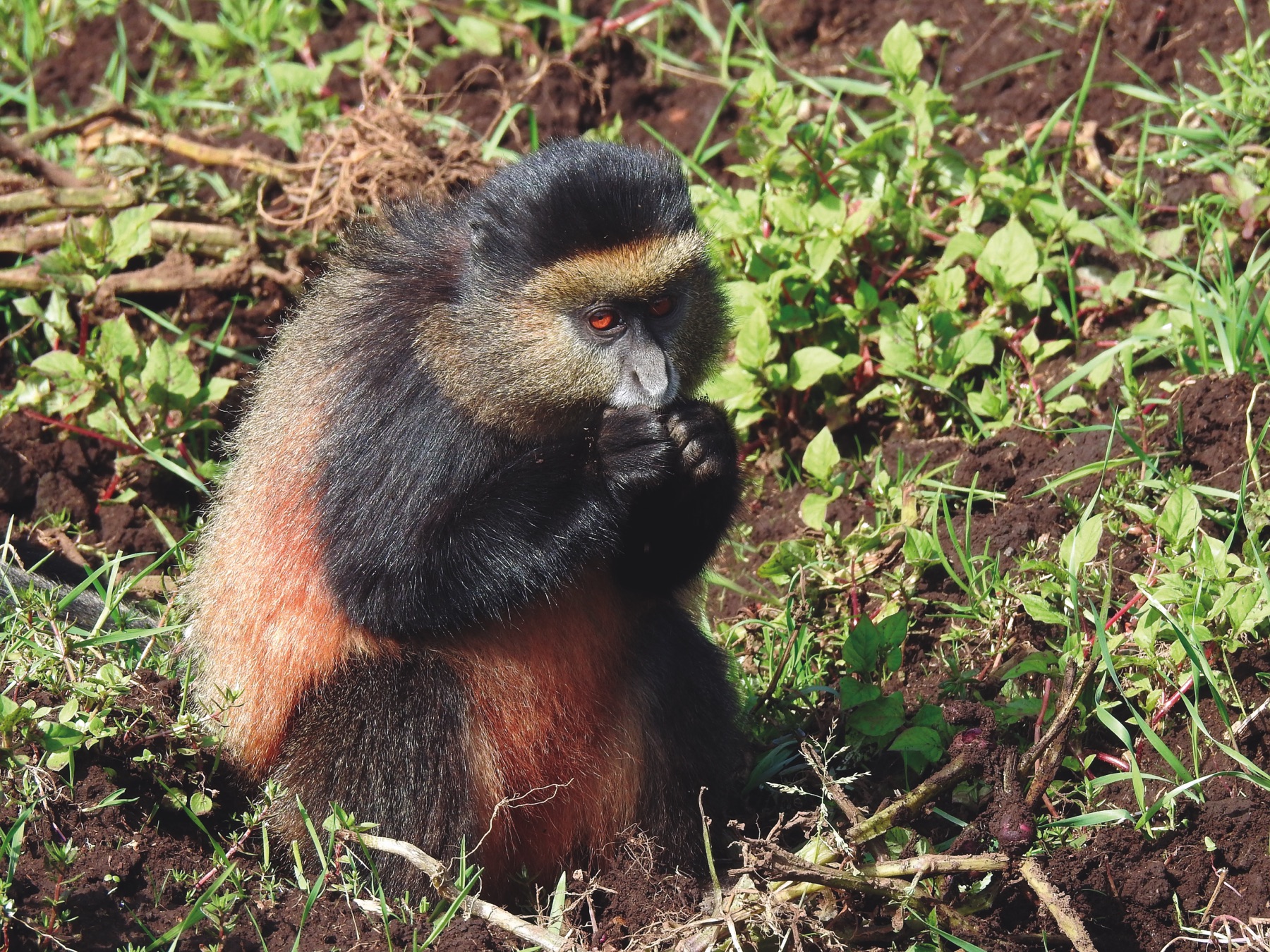
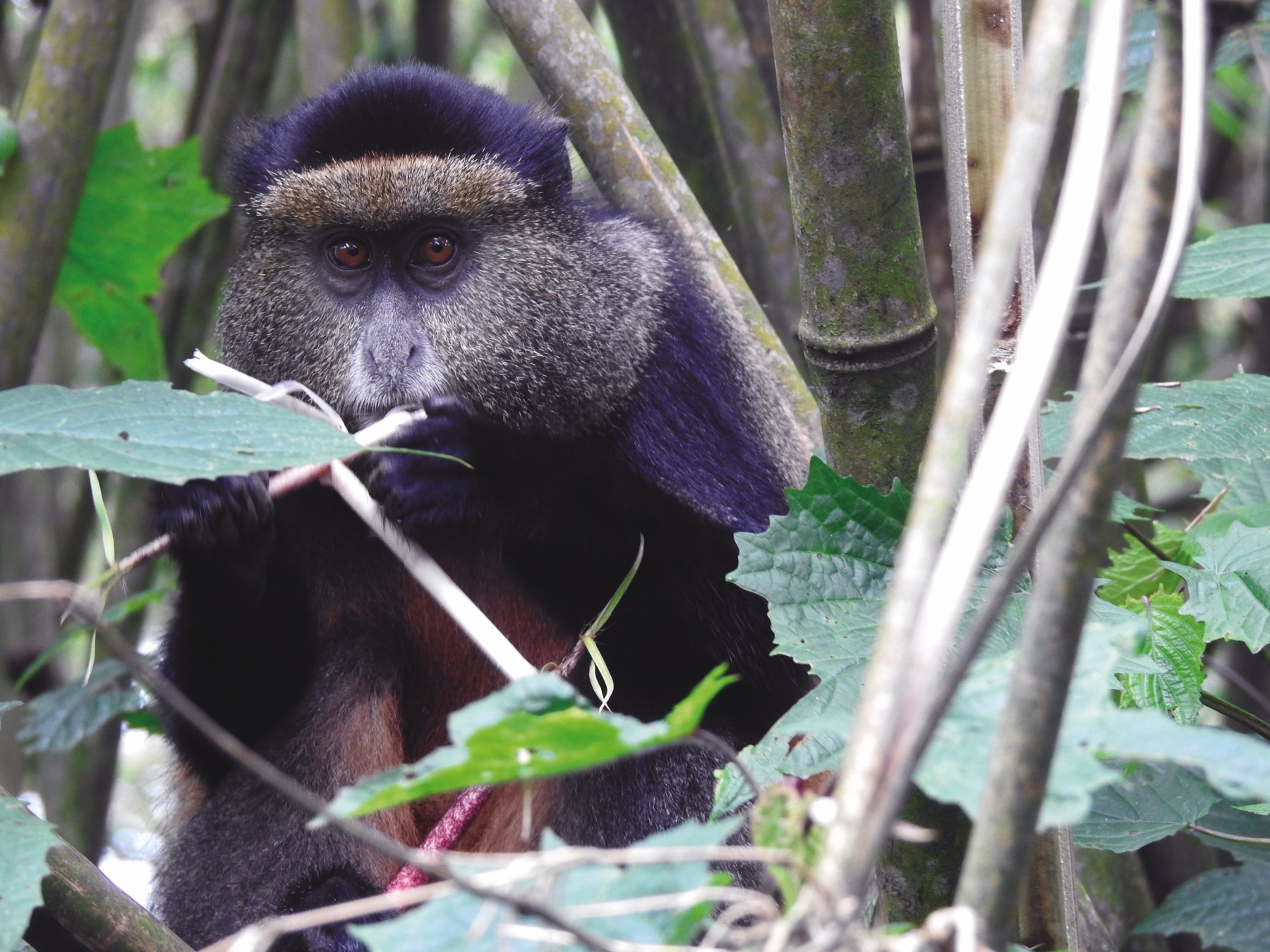
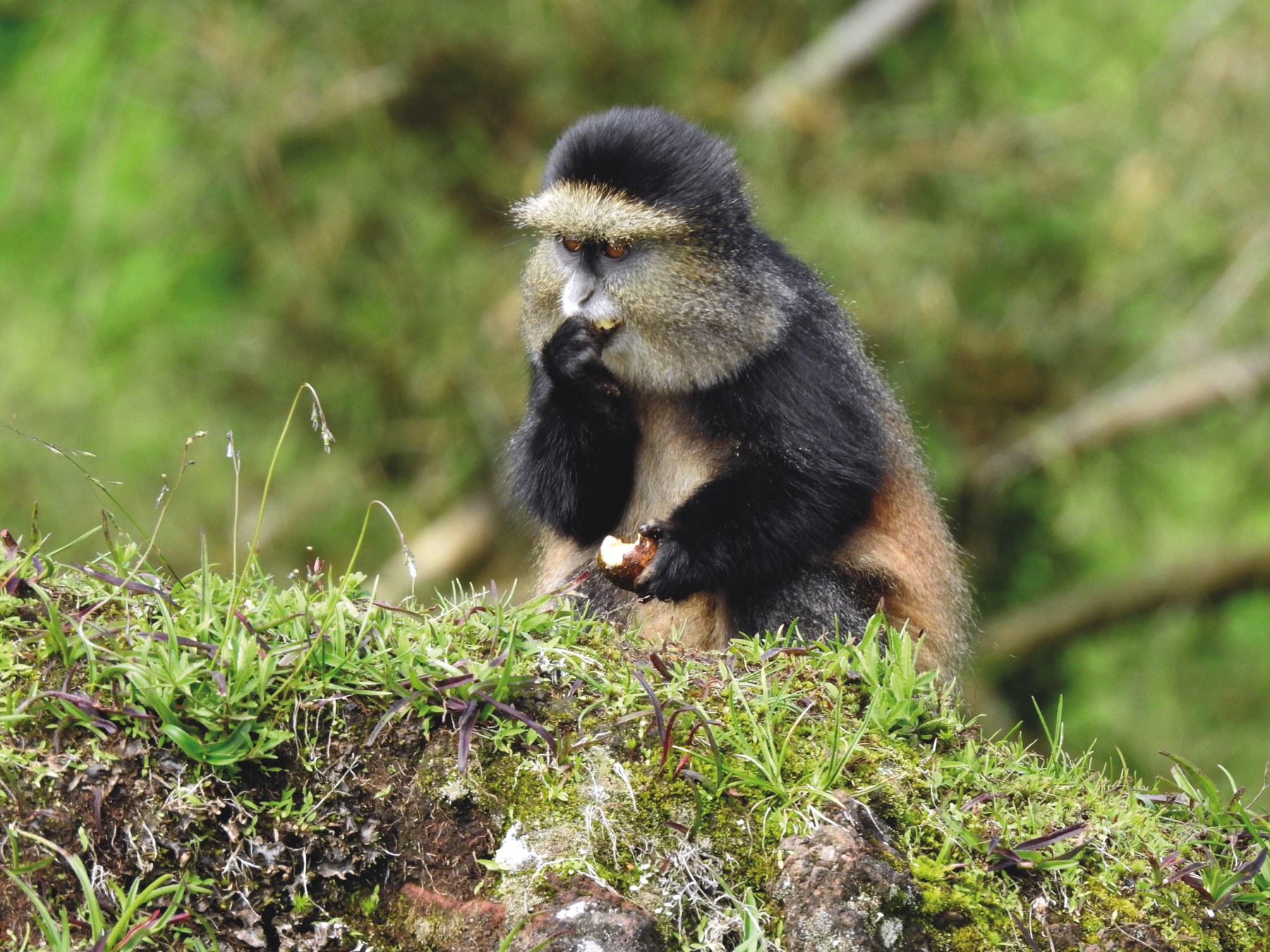
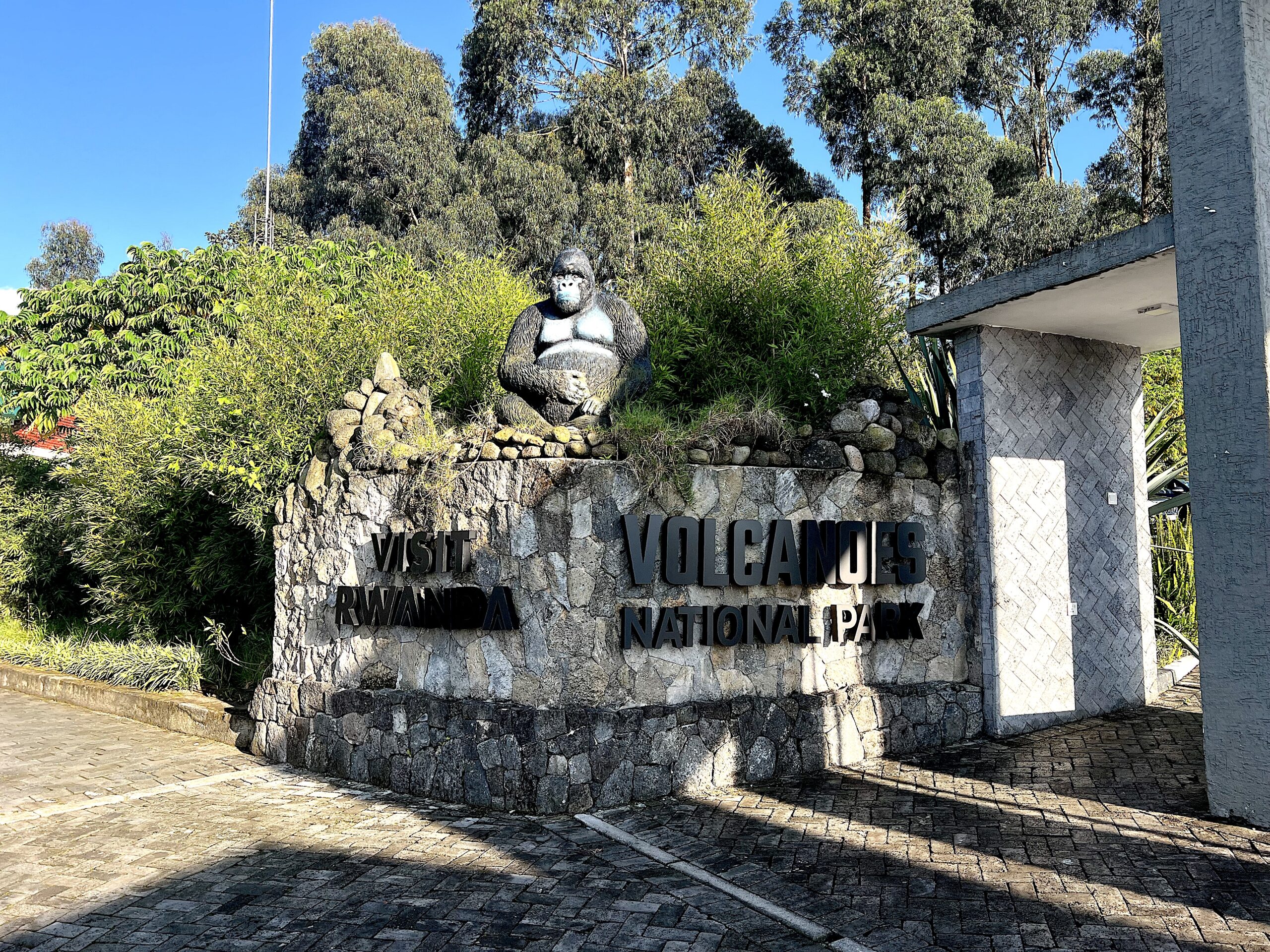
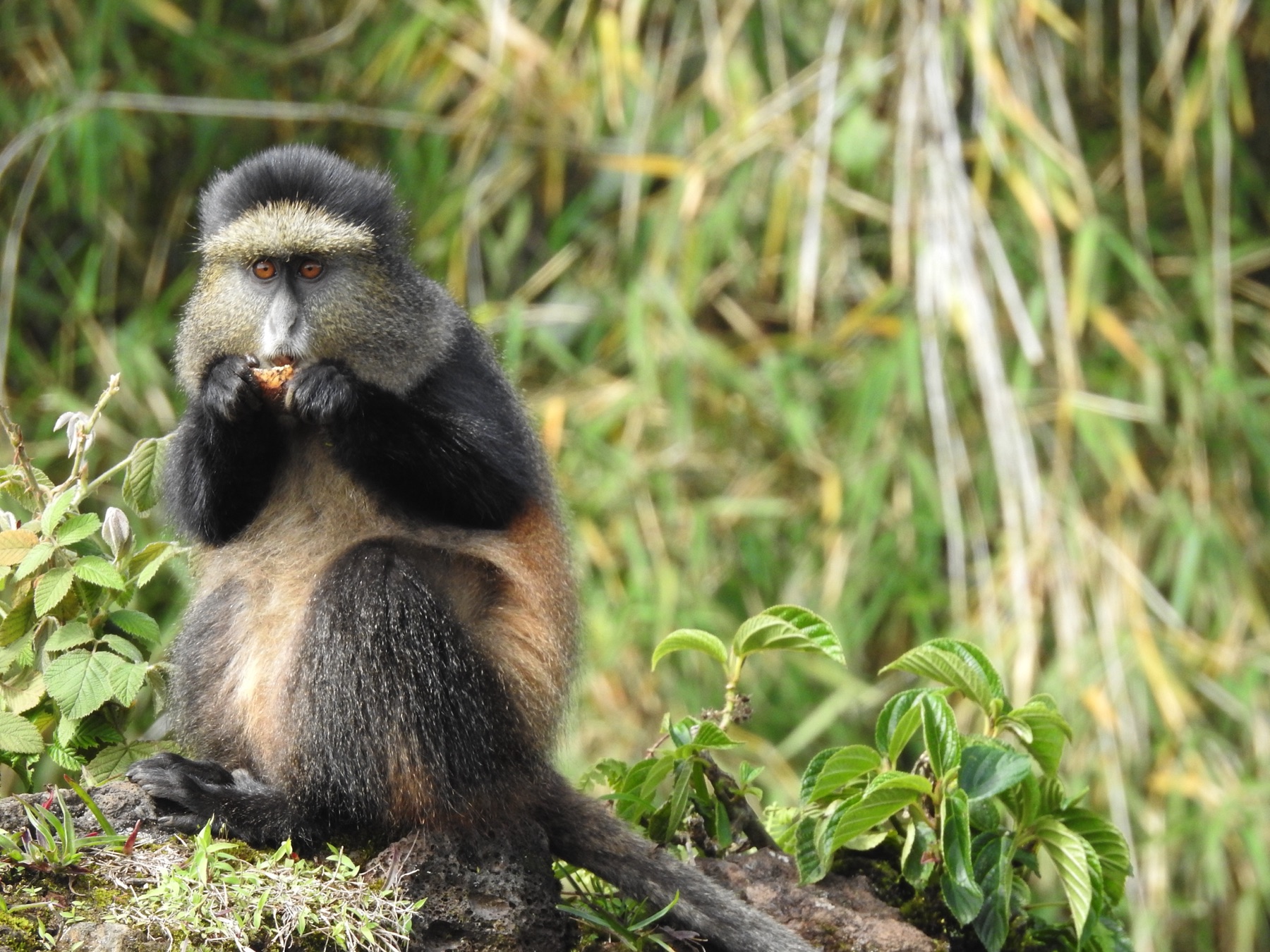
Our trip to the Volcanoes National Park started early in the morning. The golden monkey can be found at very few places outside the Volcanoes National Park, and their rich colours, energetic demeanour, and sizeable troupes of up to 30 individuals are truly a sight to behold. The tours take place once a day, from 7am.

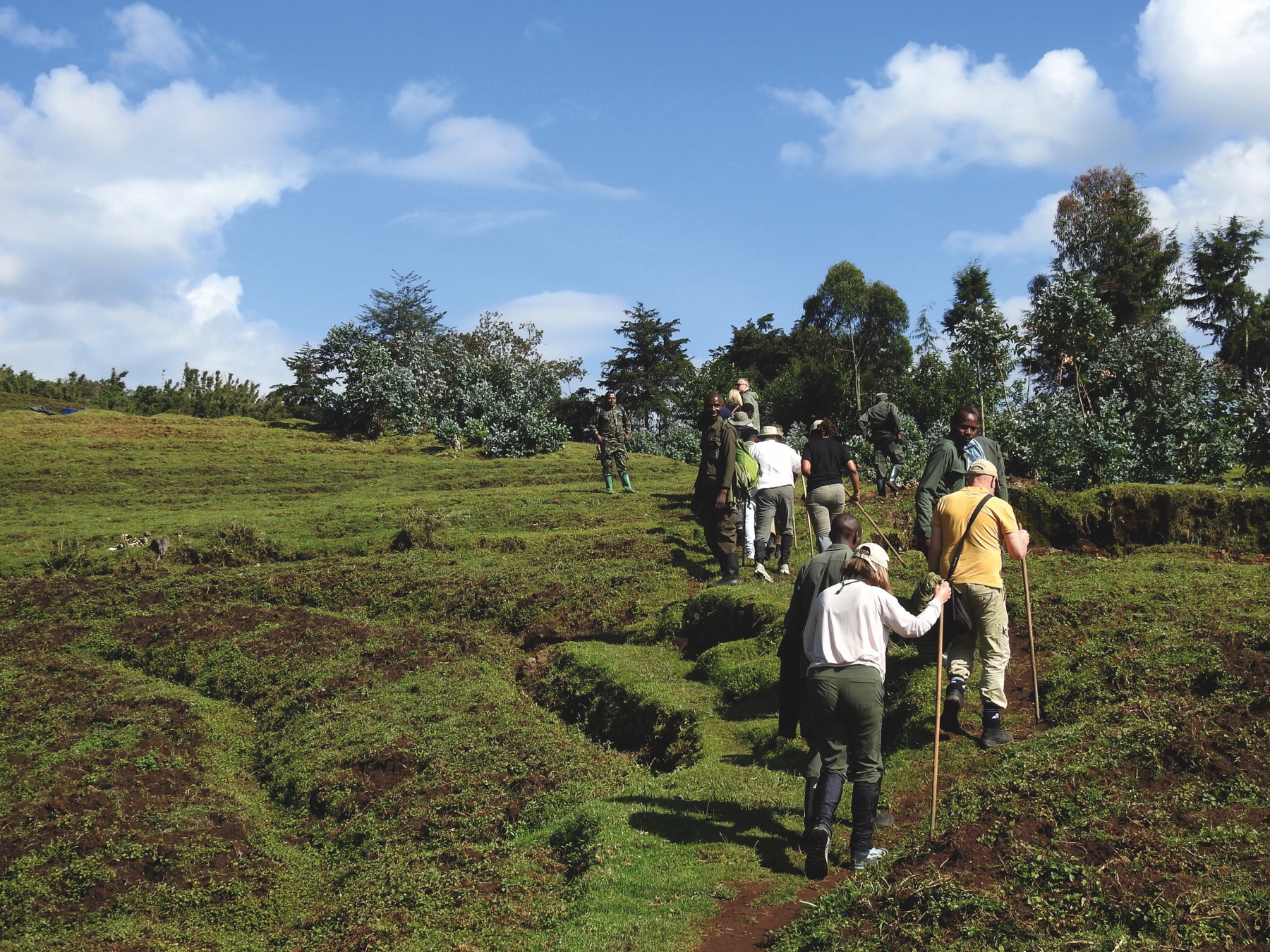
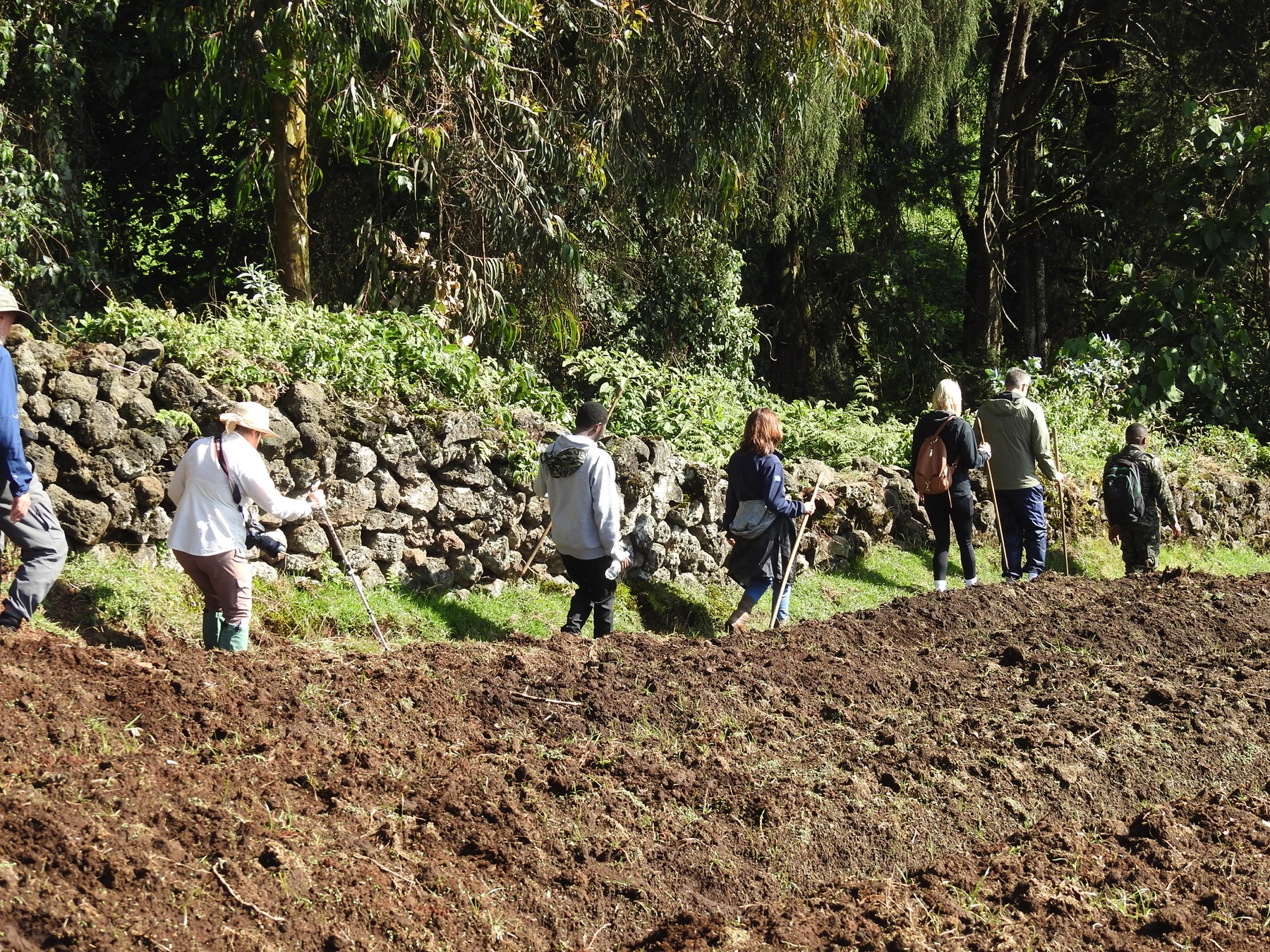
Our group started the track after the usual process of a short briefing from our guide and protecting our legs with hiking gaiters to keep ourselves dry in a muddy area and shielded against fire ants and other insects.

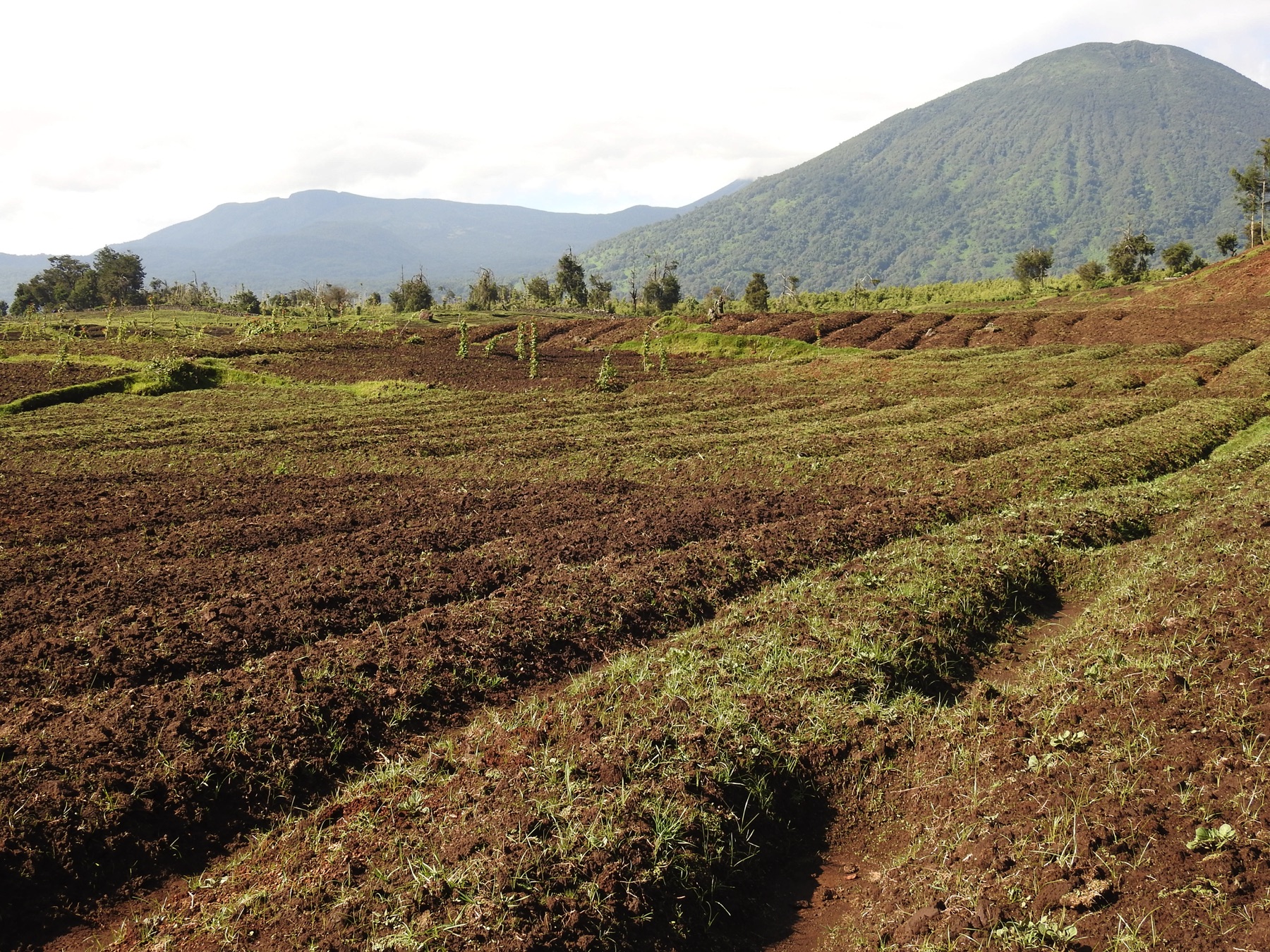
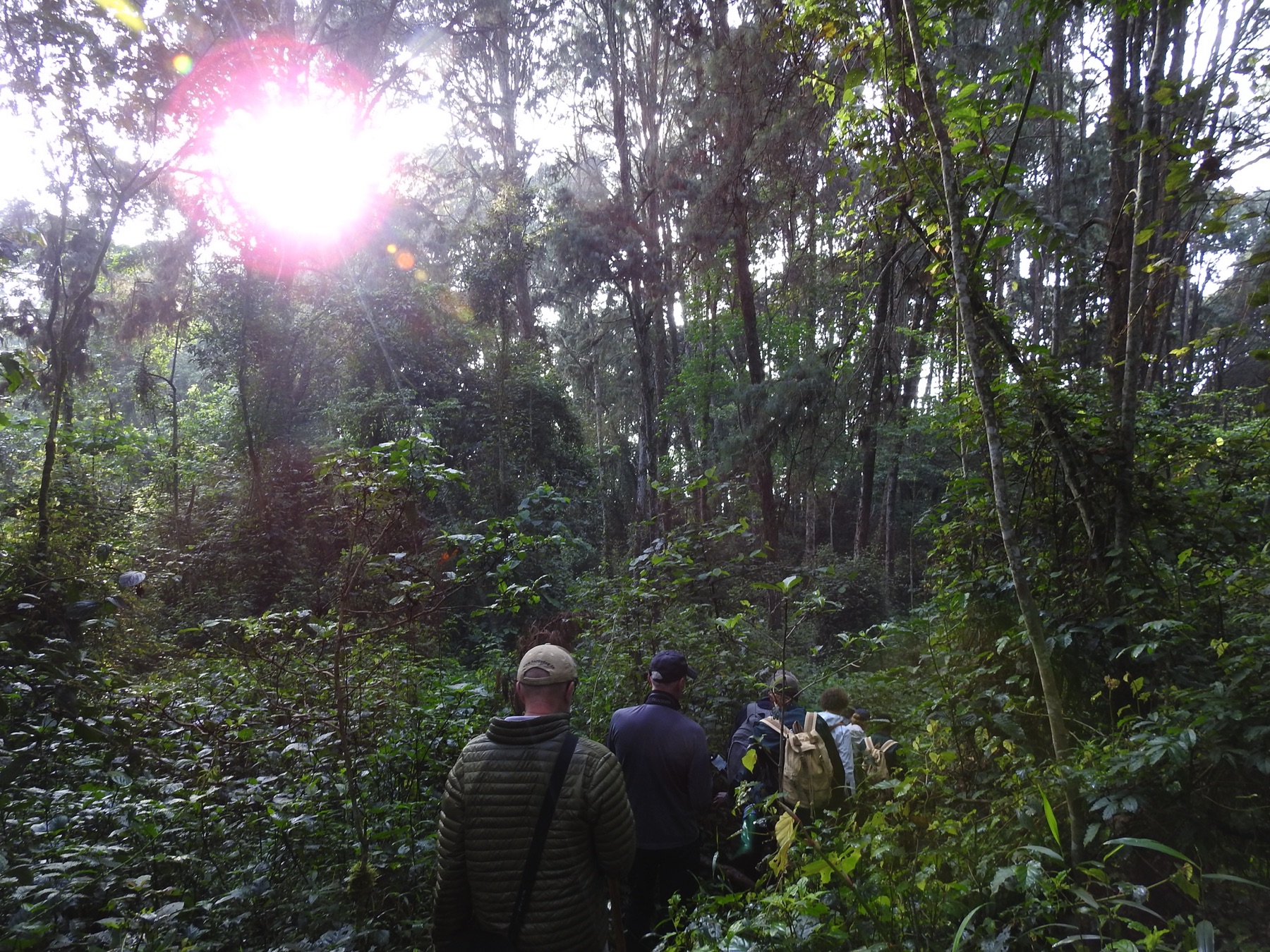
We walked with two guides, and with a porter for each of us. At first, we passed potato fields and beanstalks. The most important issue was to learn where the golden monkeys were, and the trackers supplied that information to our guides. Then, at some point, we stopped and were asked to leave our bags and walking sticks on the spot and to put facemasks on.
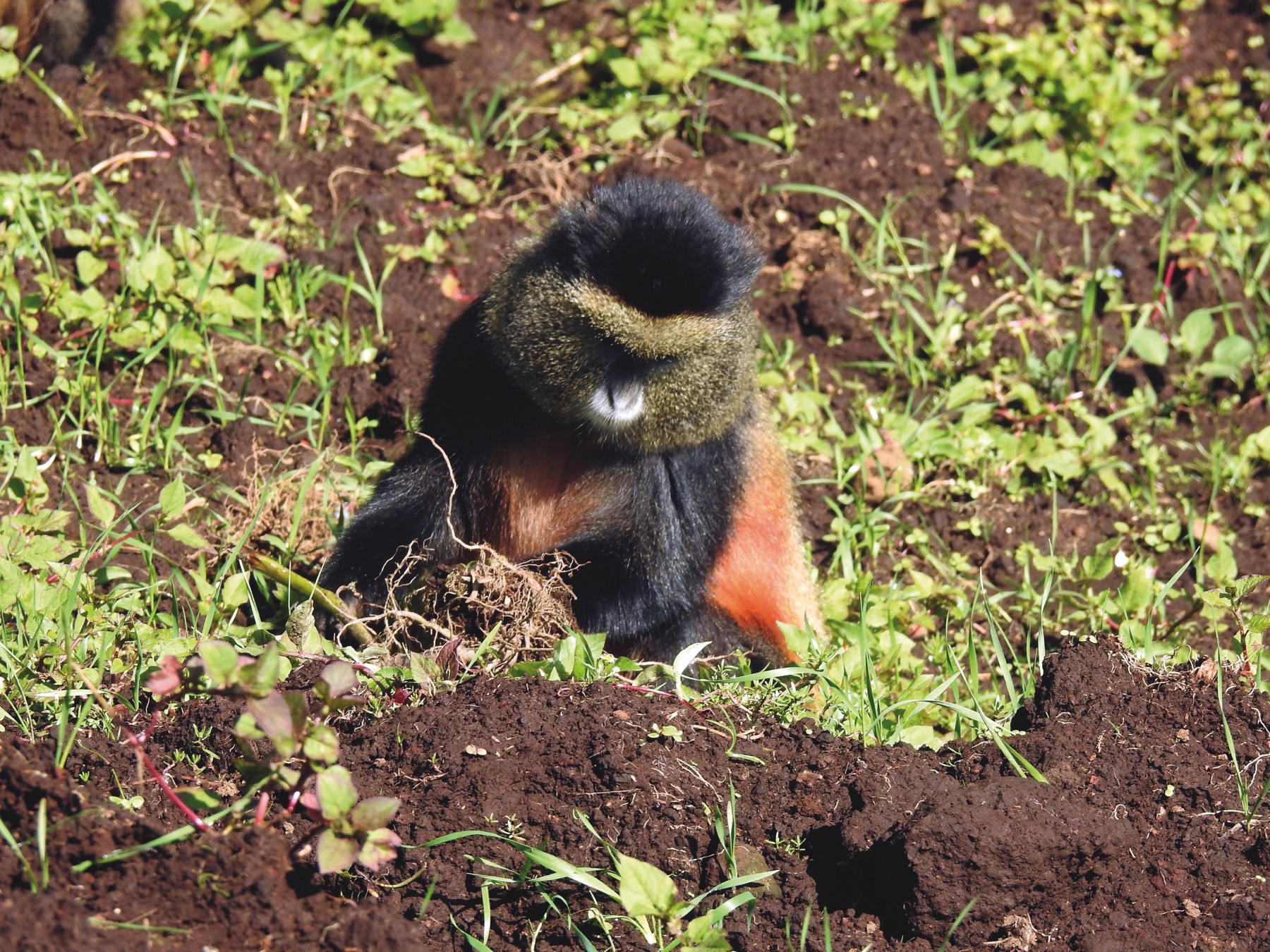
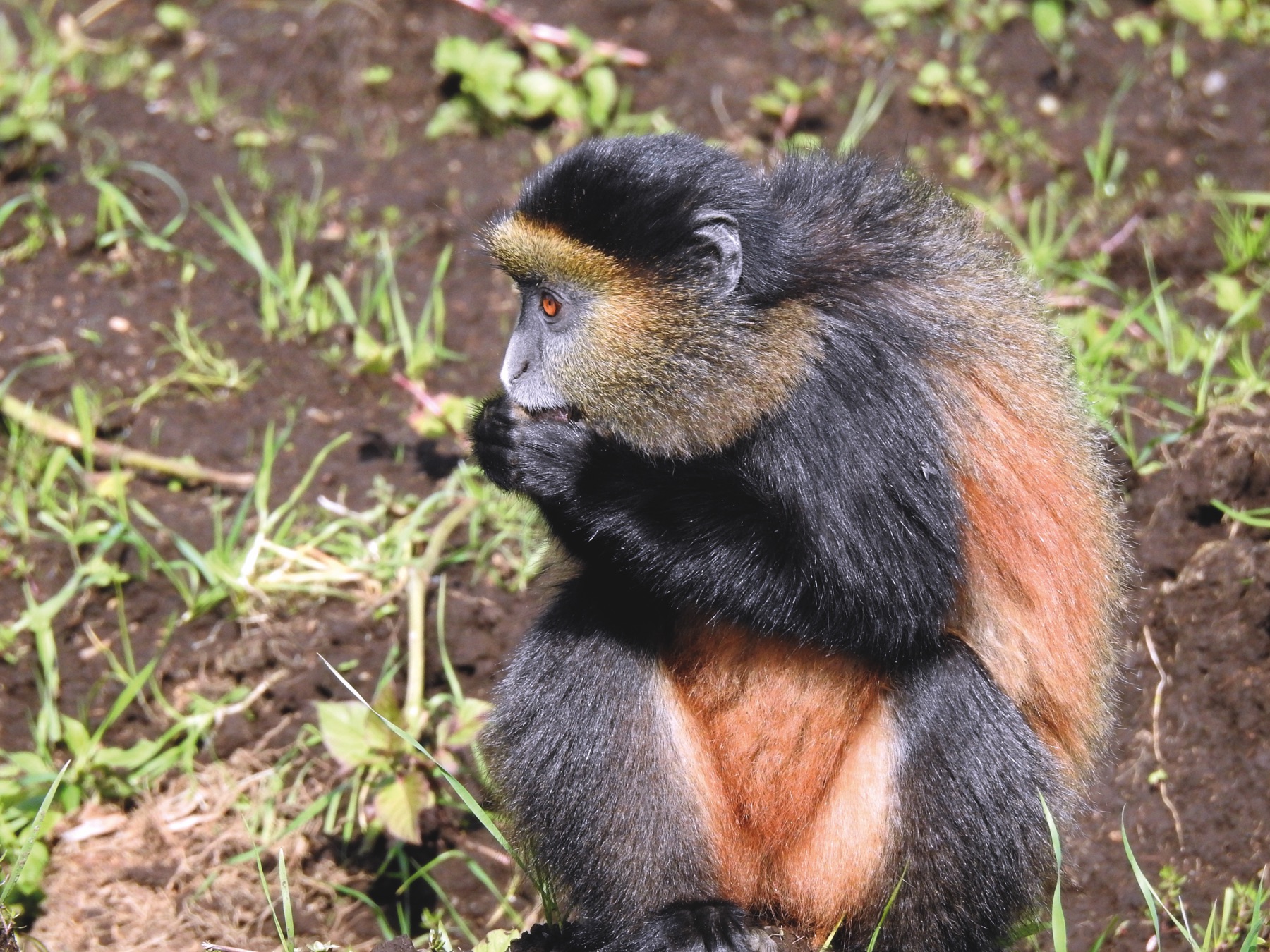
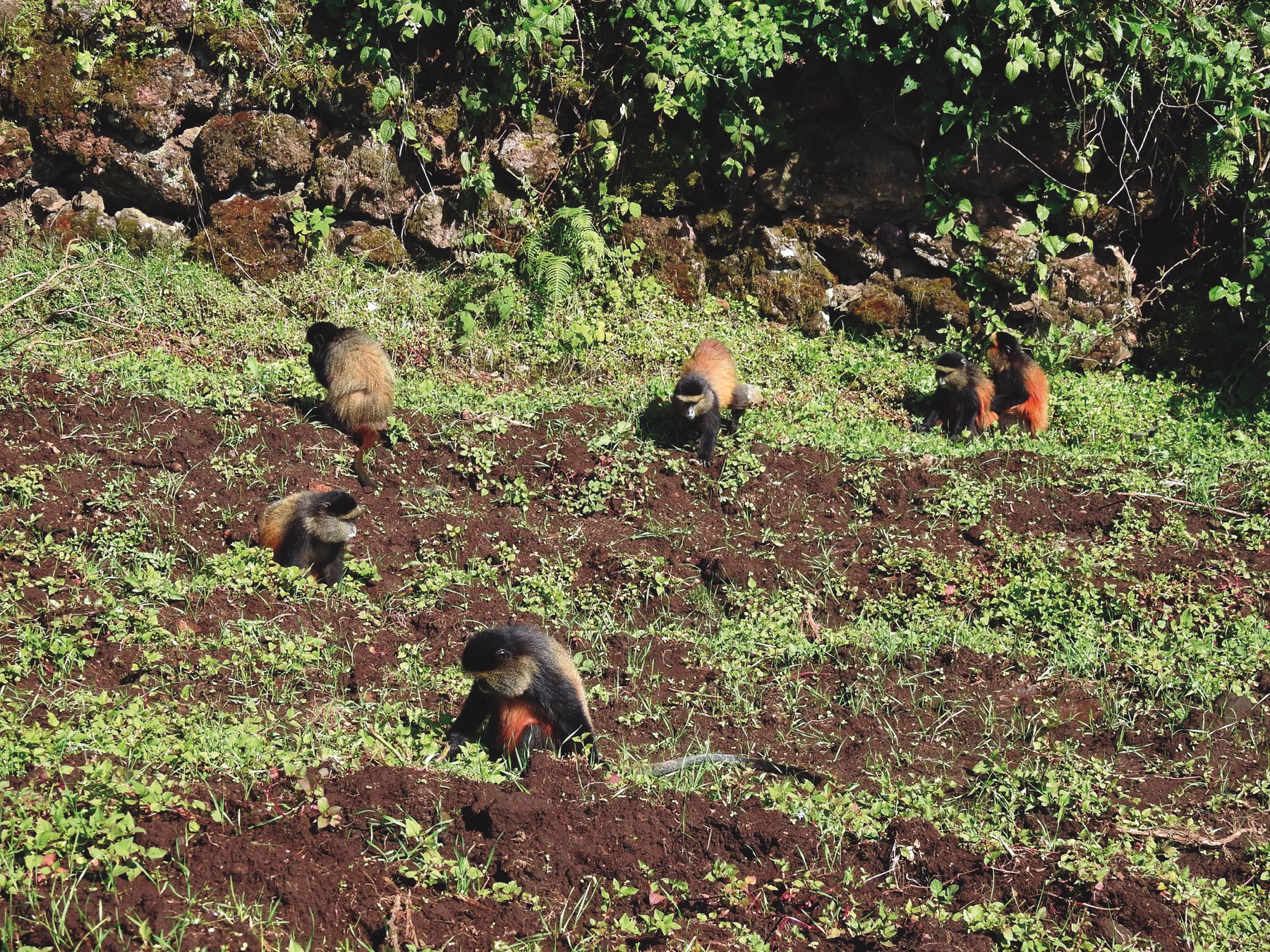
A few meters from this place, we saw the golden monkey family. And they really were a sight to behold! We could watch them in their natural habitat, eating potatoes from the fields (don’t worry, the locals are compensated for their damages) and other fruits. The baby golden monkeys were jumping from branch to branch, almost falling down, as if giving us a special show, looking at us and letting us take pictures of them. We spent over an hour with them. They then disappeared inside the jungle, and we walked for about two hours back to our meeting point.
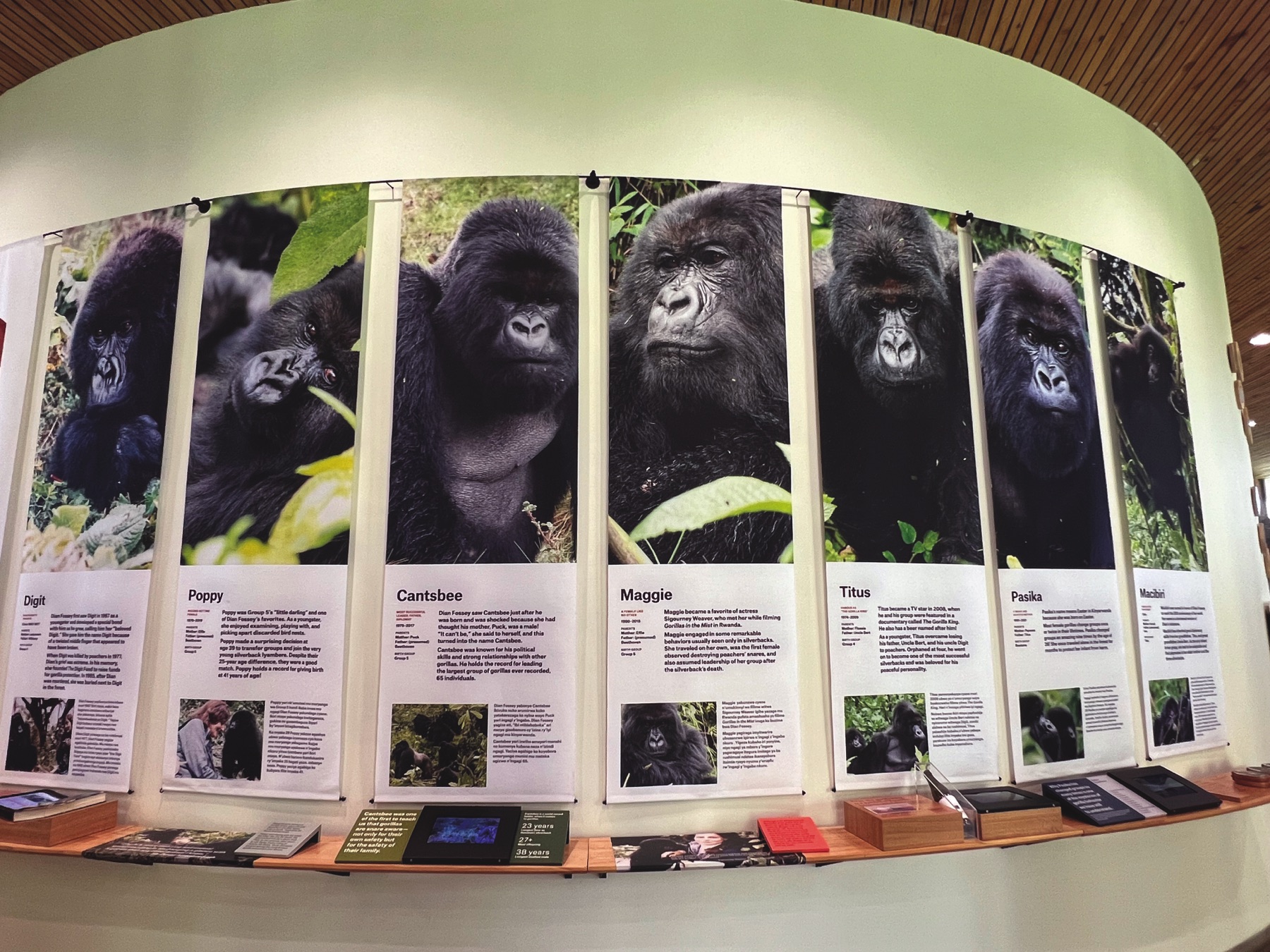
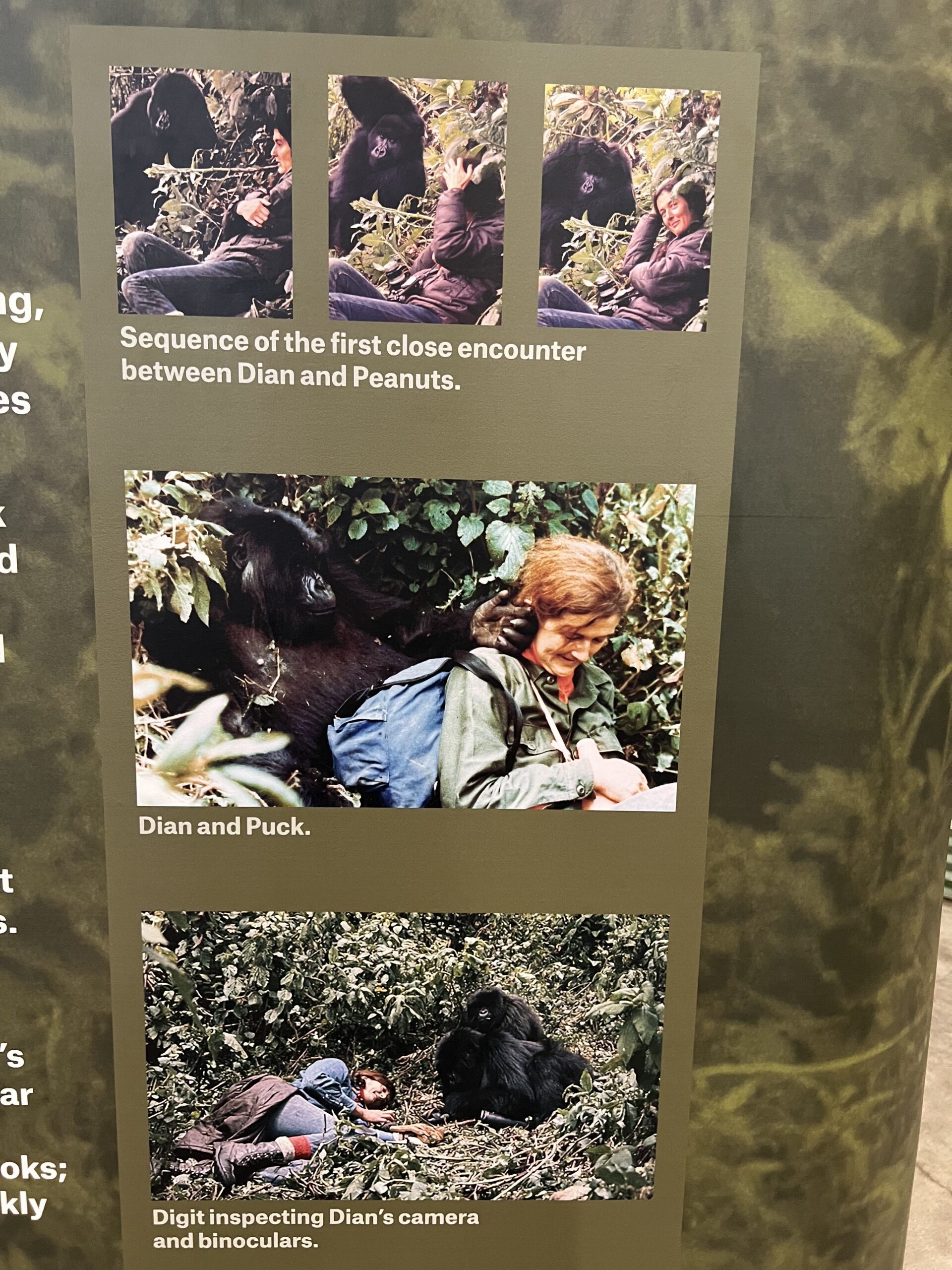
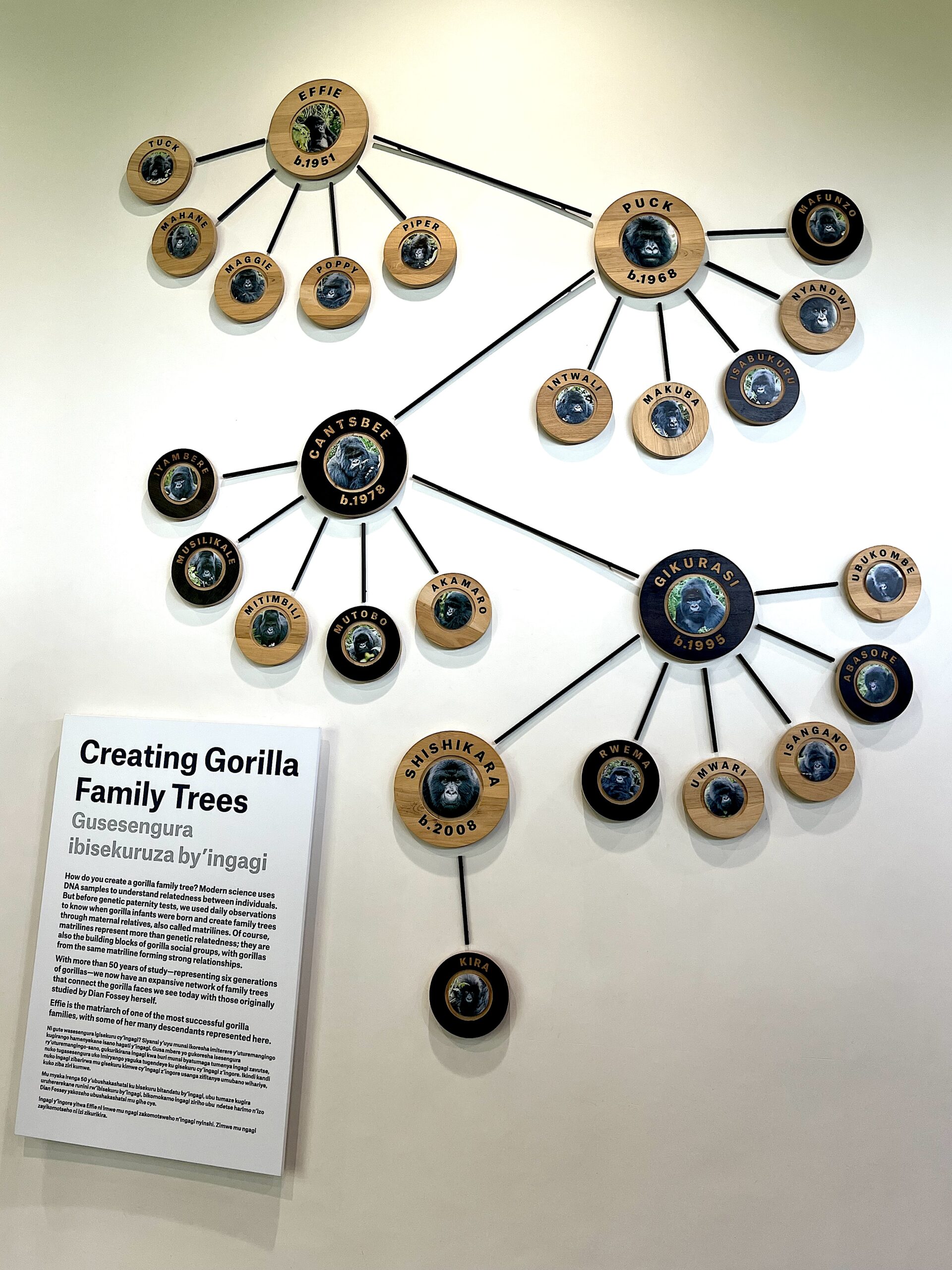
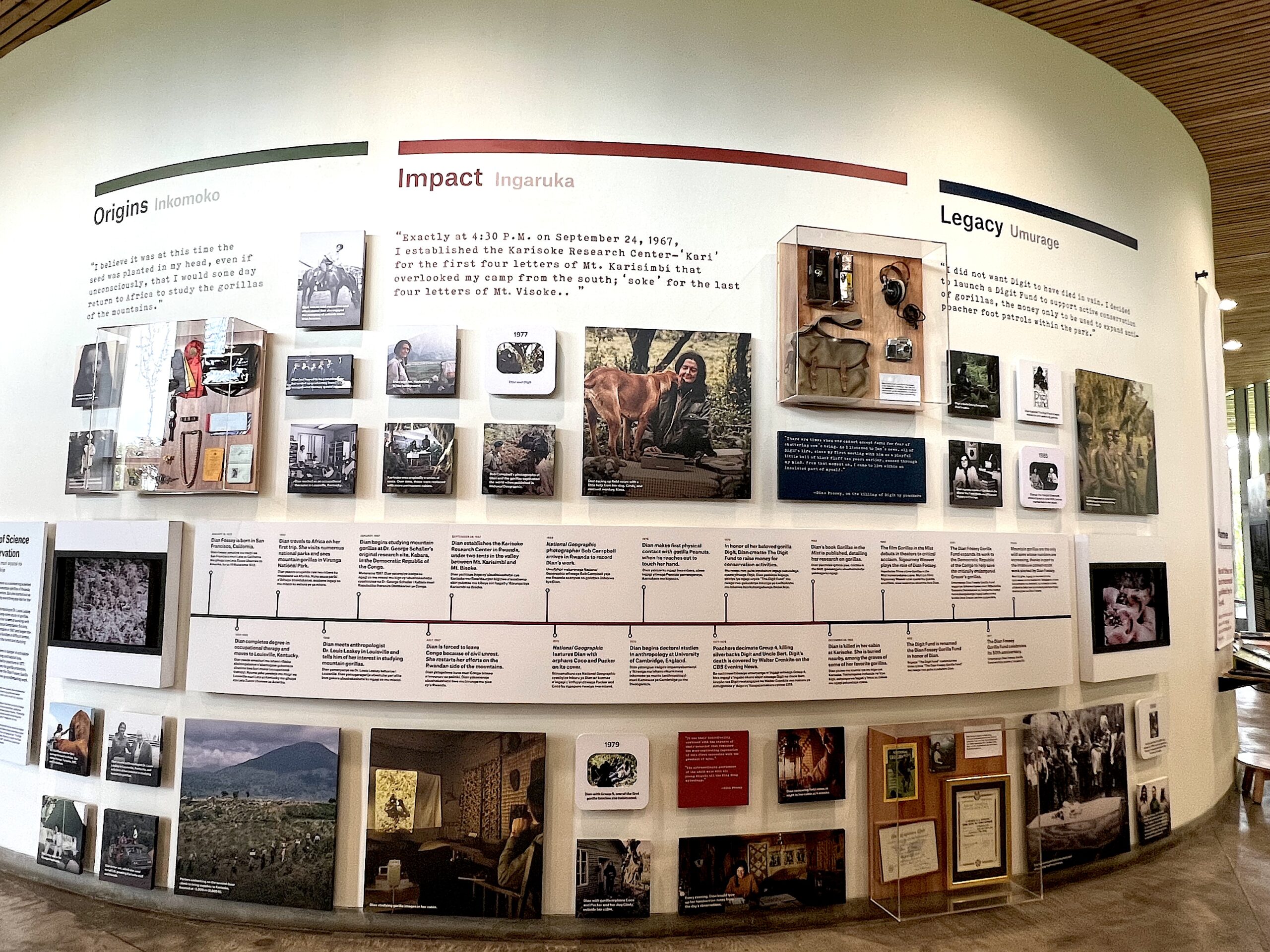
 After the tracking effort we took a short break and then visited the Ellen DeGeneres Campus of the Dian Fossey Gorilla Fund. This place is dedicated to the conservation, protection, and study of gorillas and their habitats in Rwanda, Uganda, and the Democratic Republic of the Congo. Saving gorillas is an important mission. For us, it was an important place to visit before tracking mountain gorillas the next day.

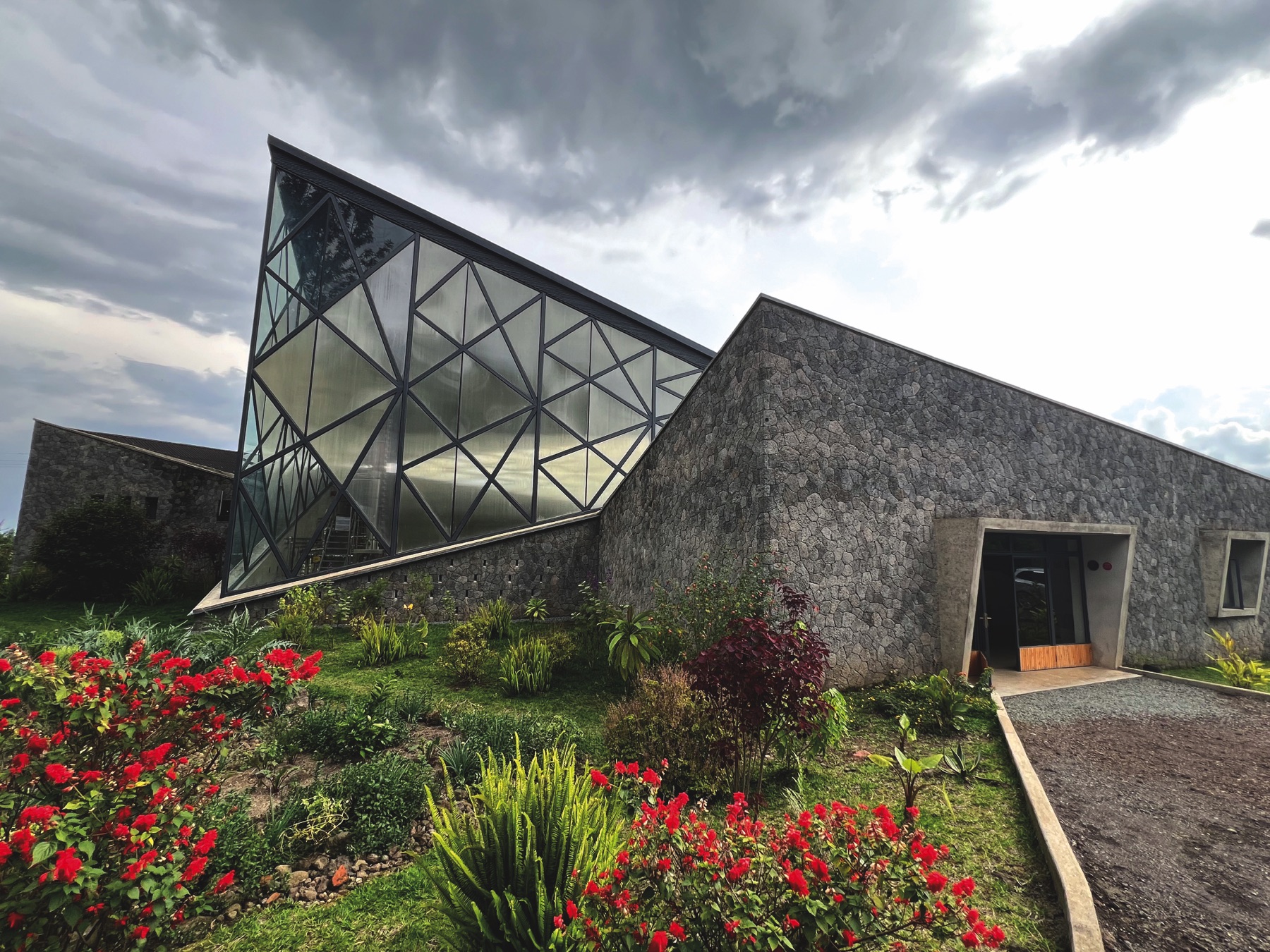
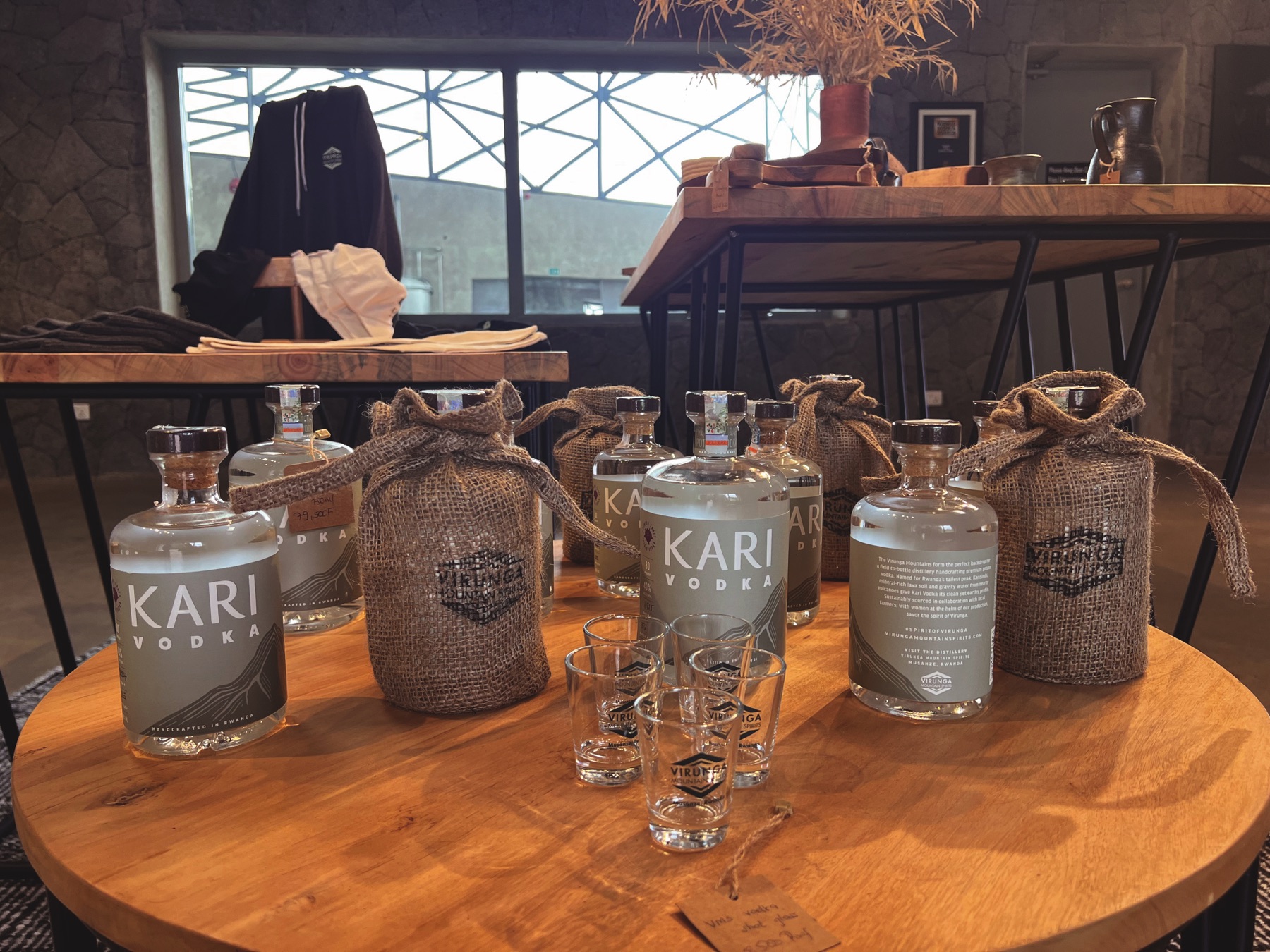
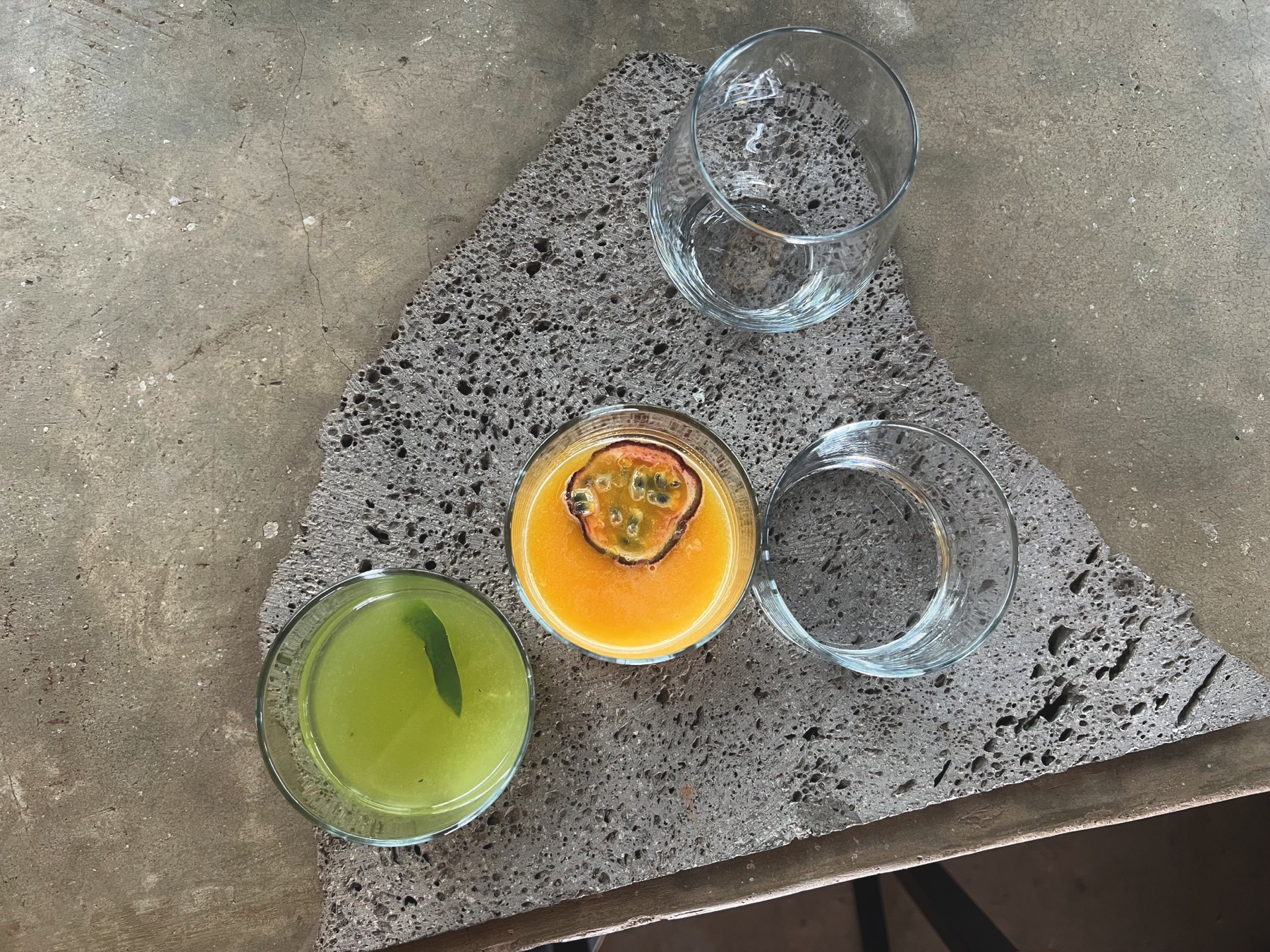
We continued by visiting a unique new vodka distillery from potatoes, Virunga Mountain Spirits. It is a modern building, designed like the volcano mountains around it. Kari Vodka is a premium craft potato vodka made from unwanted potatoes supplied by the local farm cooperatives and Winnaz/Hollanda Fairfoods, helping the community by using them. The place was established by Karen Sherman, who has served in a number of executive leadership roles working to advance women in Rwanda and around the world. That work inspired the creation of Virunga Mountain Spirits. Besides vodka, they also have a good restaurant with traditional local food, and a gift shop too. We bought a few Kari Vodka bottles as presents to our friends back home.
Day 8: The last and best – gorilla trekking
Early in the morning, we left for the Volcanoes National Park. A familiar place for us, the same place where we started the golden monkeys trekking the previous day.
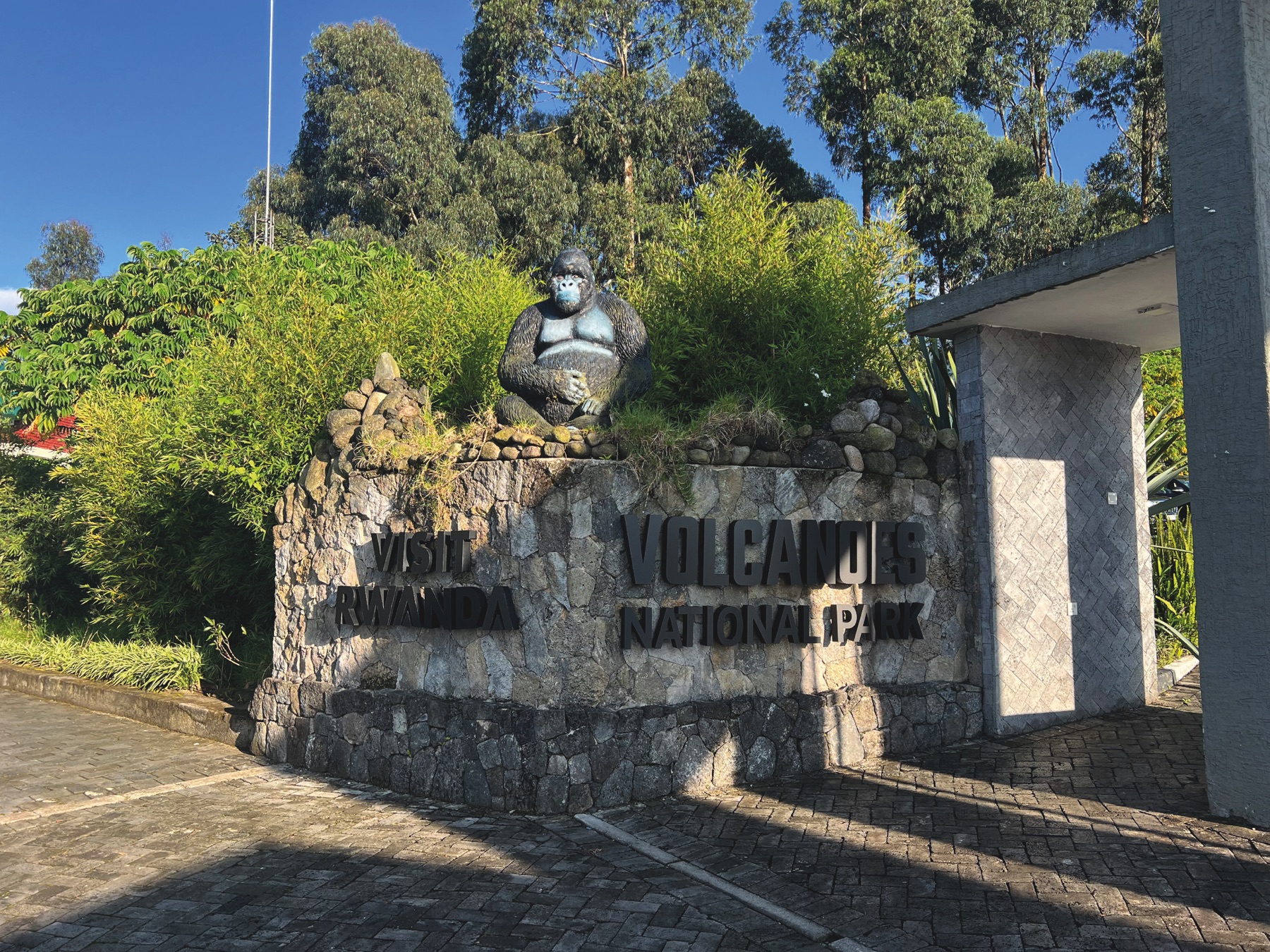

An already traditional short briefing from our guide, protecting our legs with hiking gaiters to keep ourselves dry in a muddy area and shielded against fire ants and other insects, and we were ready to find the mountain gorillas. Together, of course, with our porter.
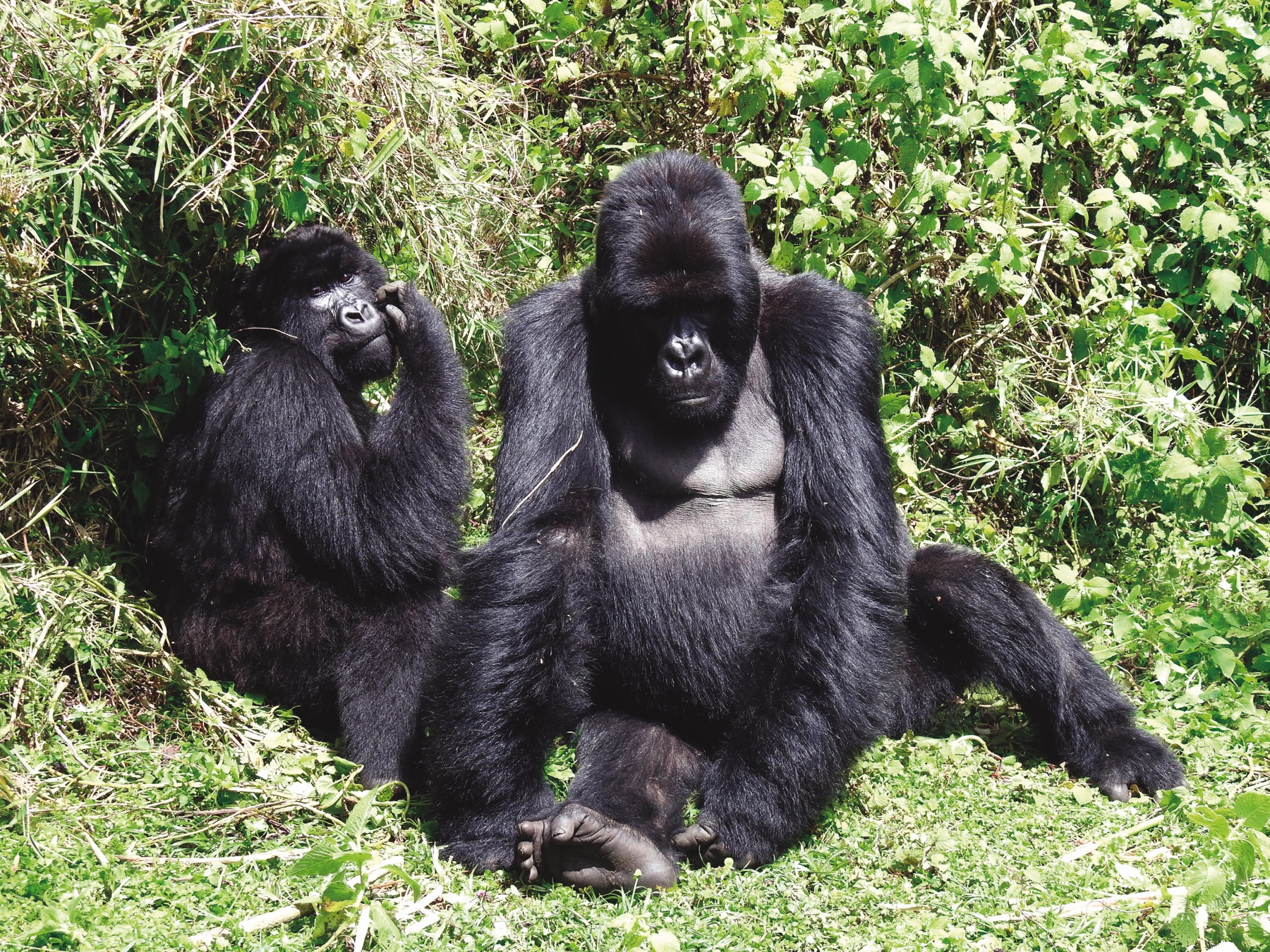
Rwanda is one of the only three countries in the world where the critically endangered mountain gorillas live. Seeing them is often described as “life changing”, and for a good reason. Only 1,063 mountain gorillas are living in the wild, according to the latest census results from 2018. To see these gentle creatures in their natural habitat is a truly unique moment.
Gorillas make their homes in and amongst the bamboo-covered slopes of the Virunga Mountains in the Volcanoes National Park in northern Rwanda.
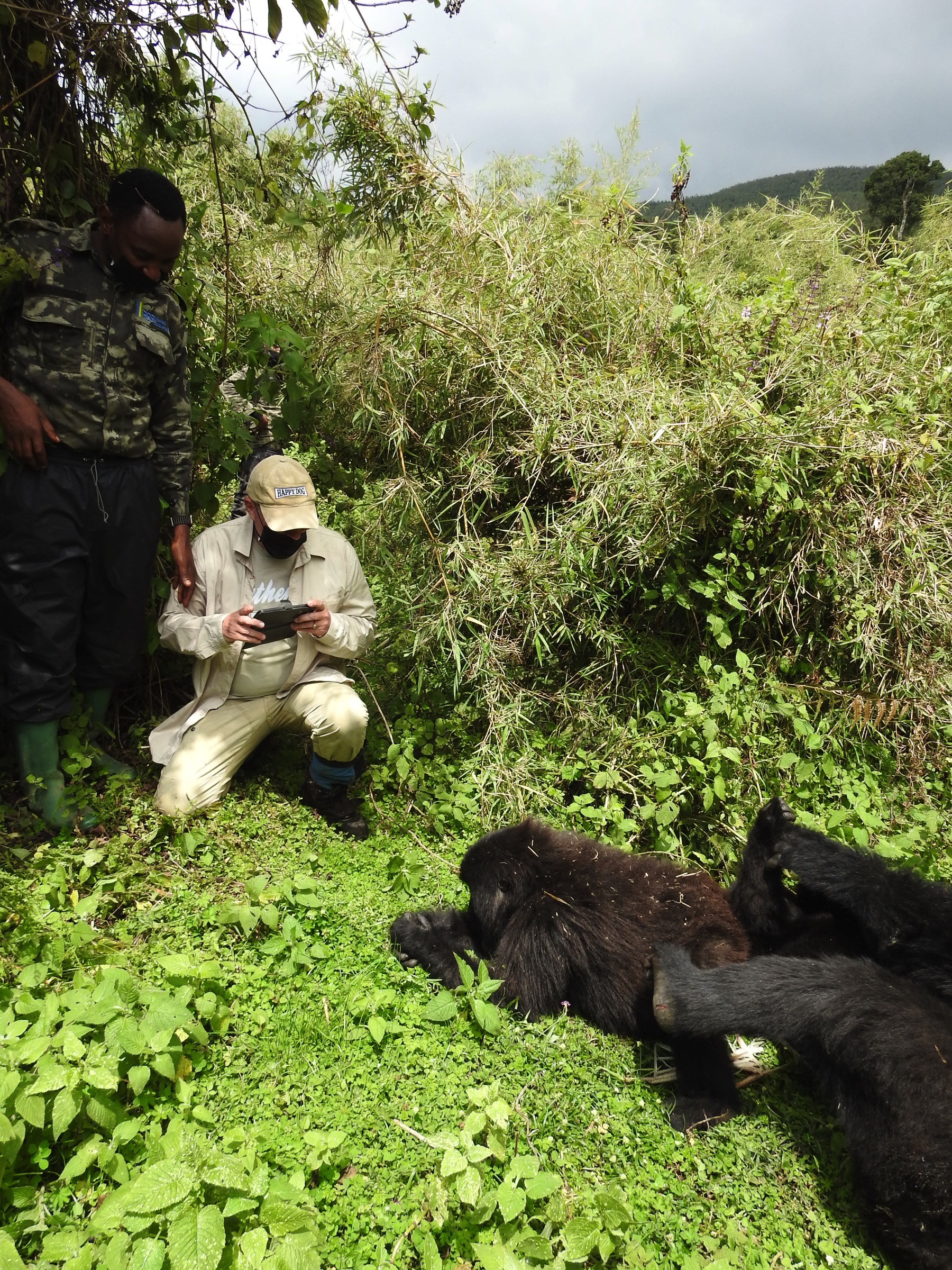
After over an hour’s walk between local villages and potato fields, we crossed the fence to the jungle, where the trackers were waiting for us. They located the gorilla family, giving the exact directions to our guide. At one point, we stopped, and, the same as the day before, were asked to leave our bags and walking sticks there and put on our facemasks.
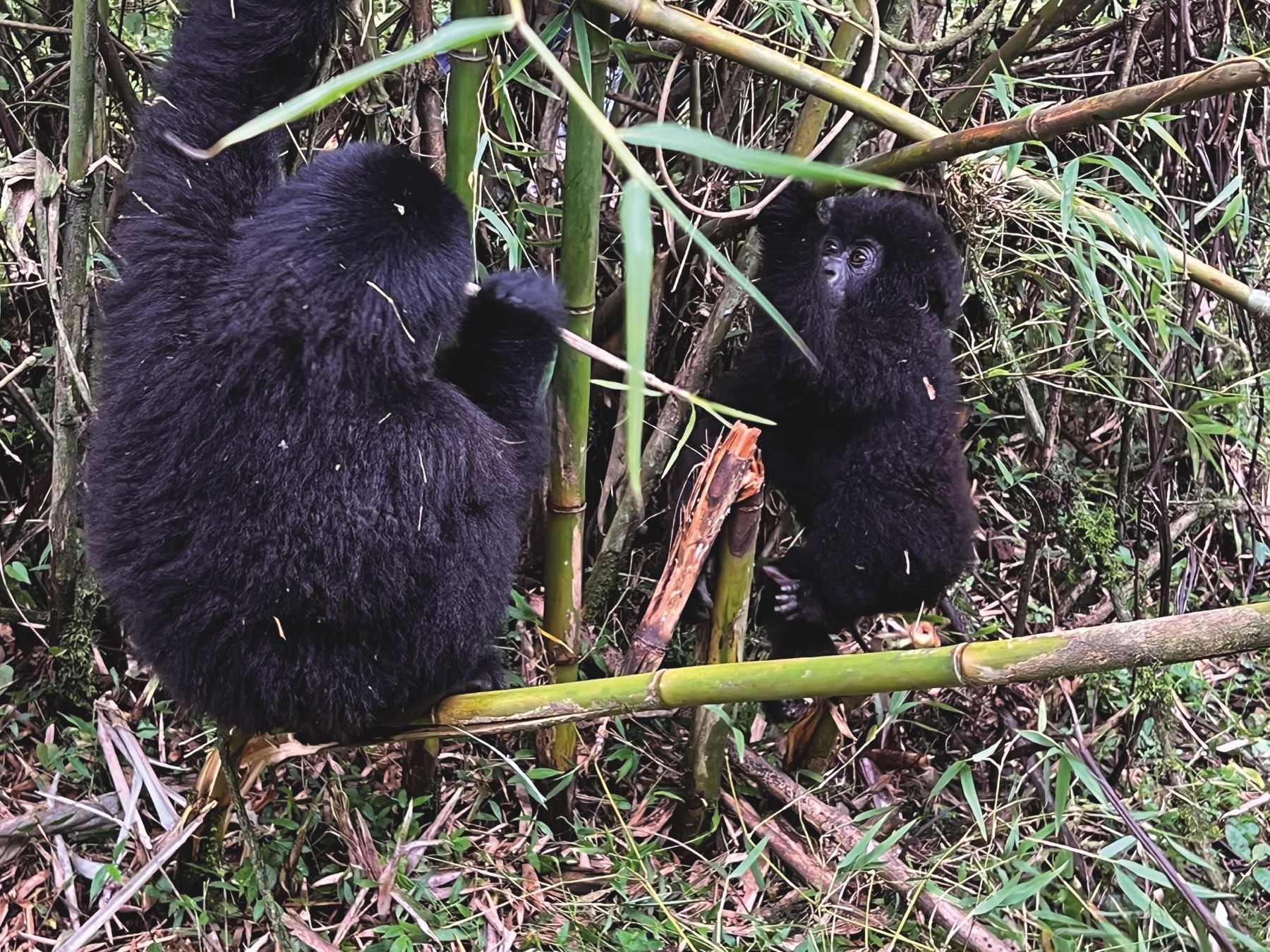
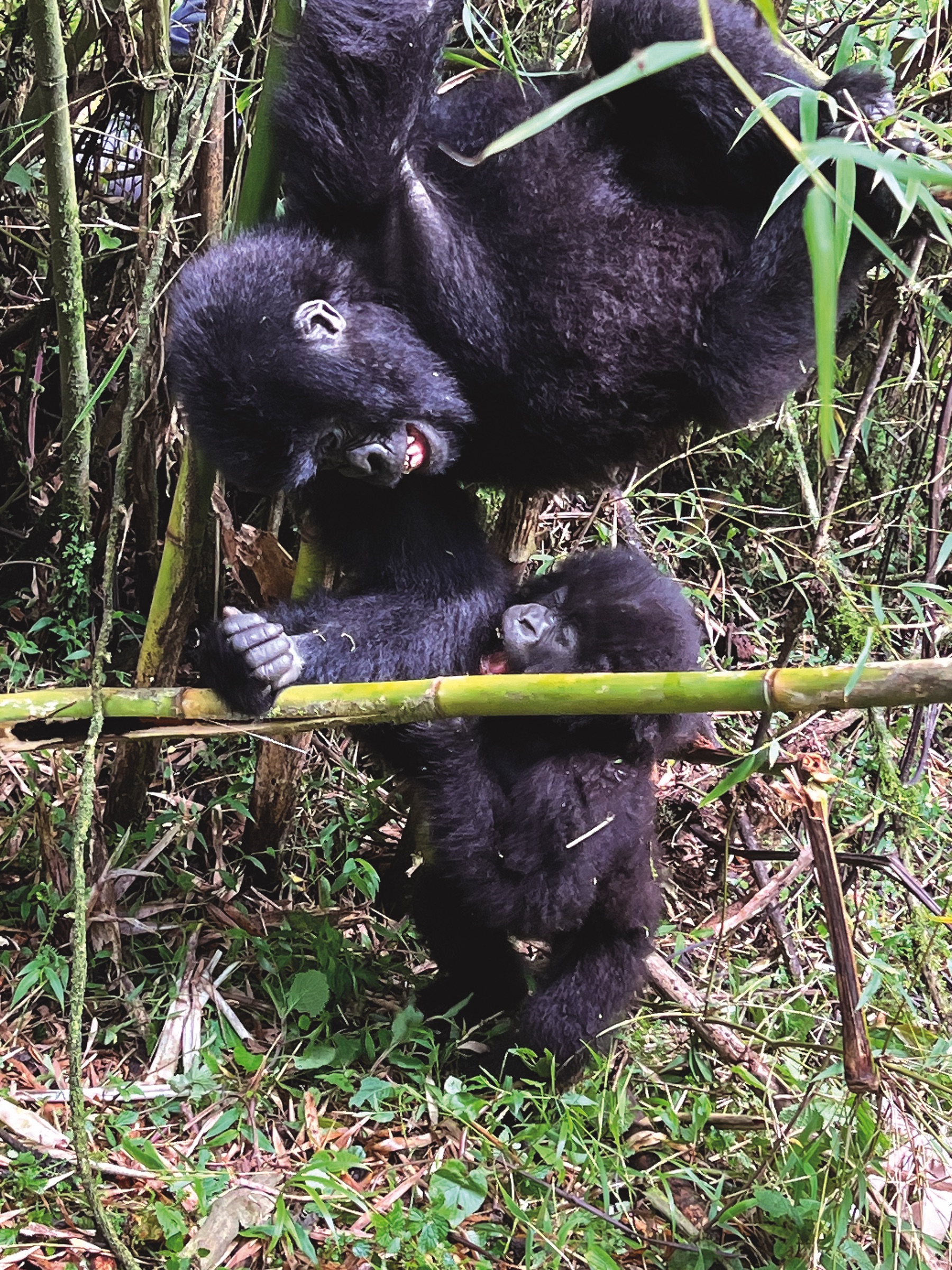
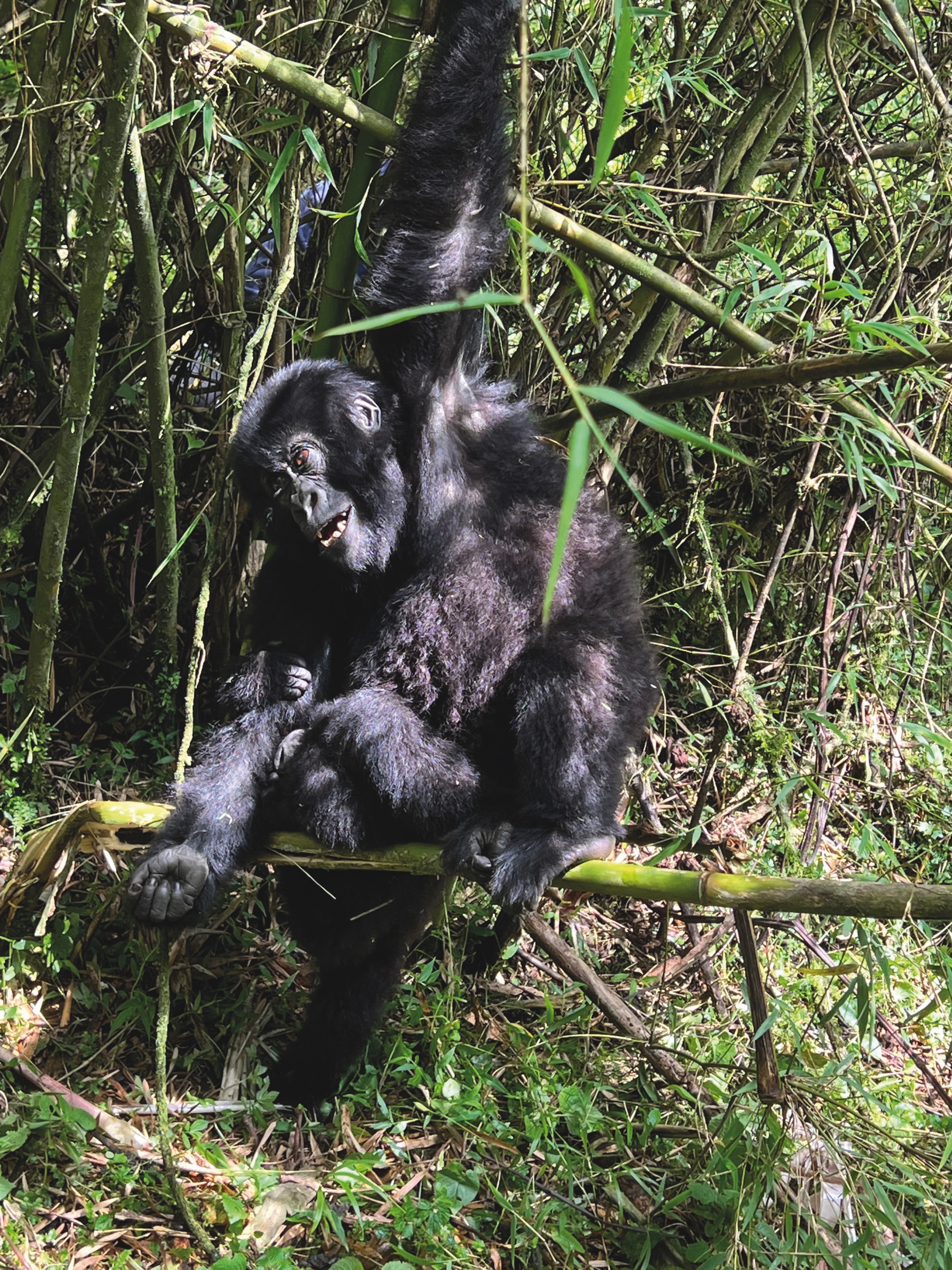
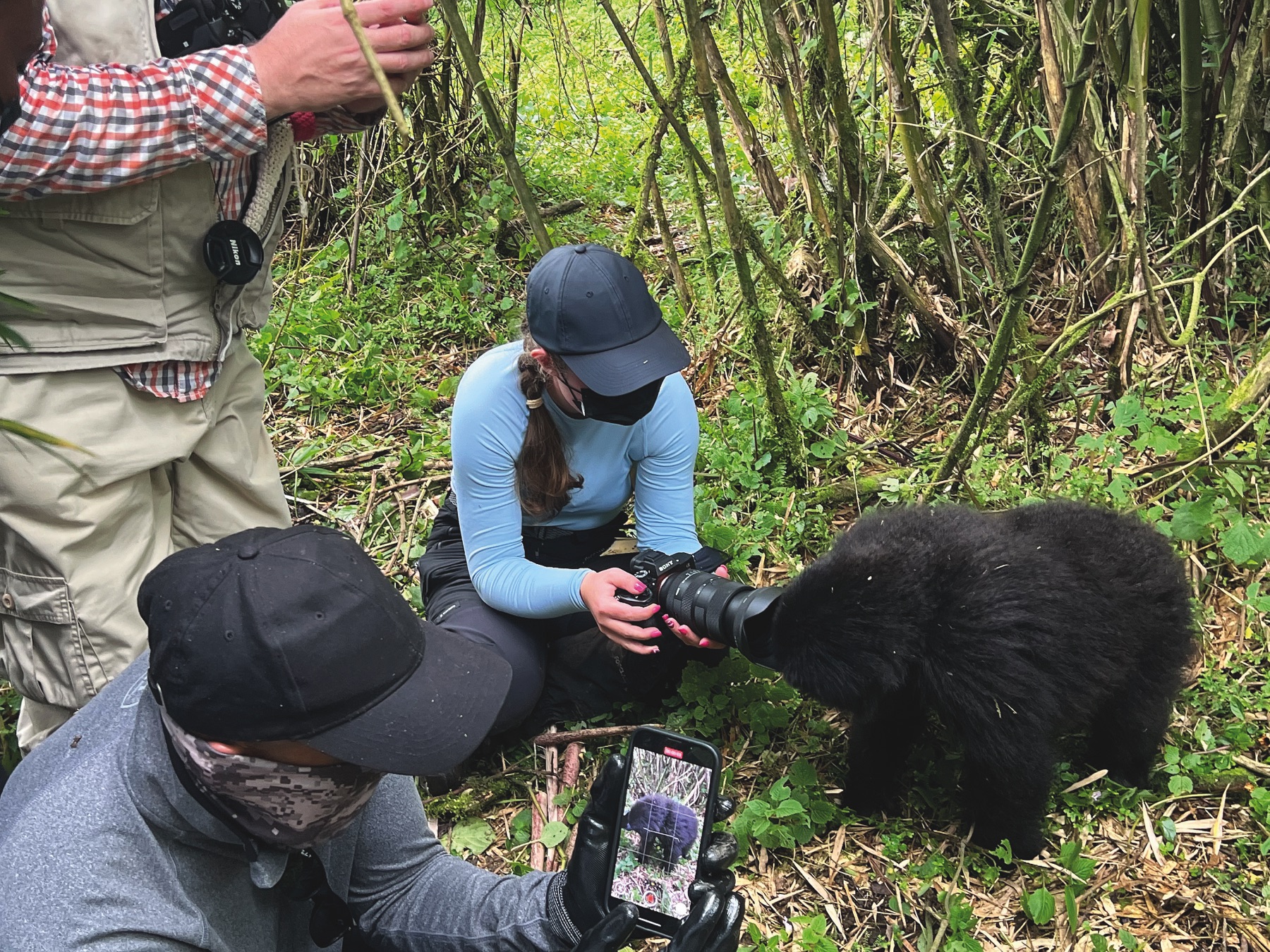
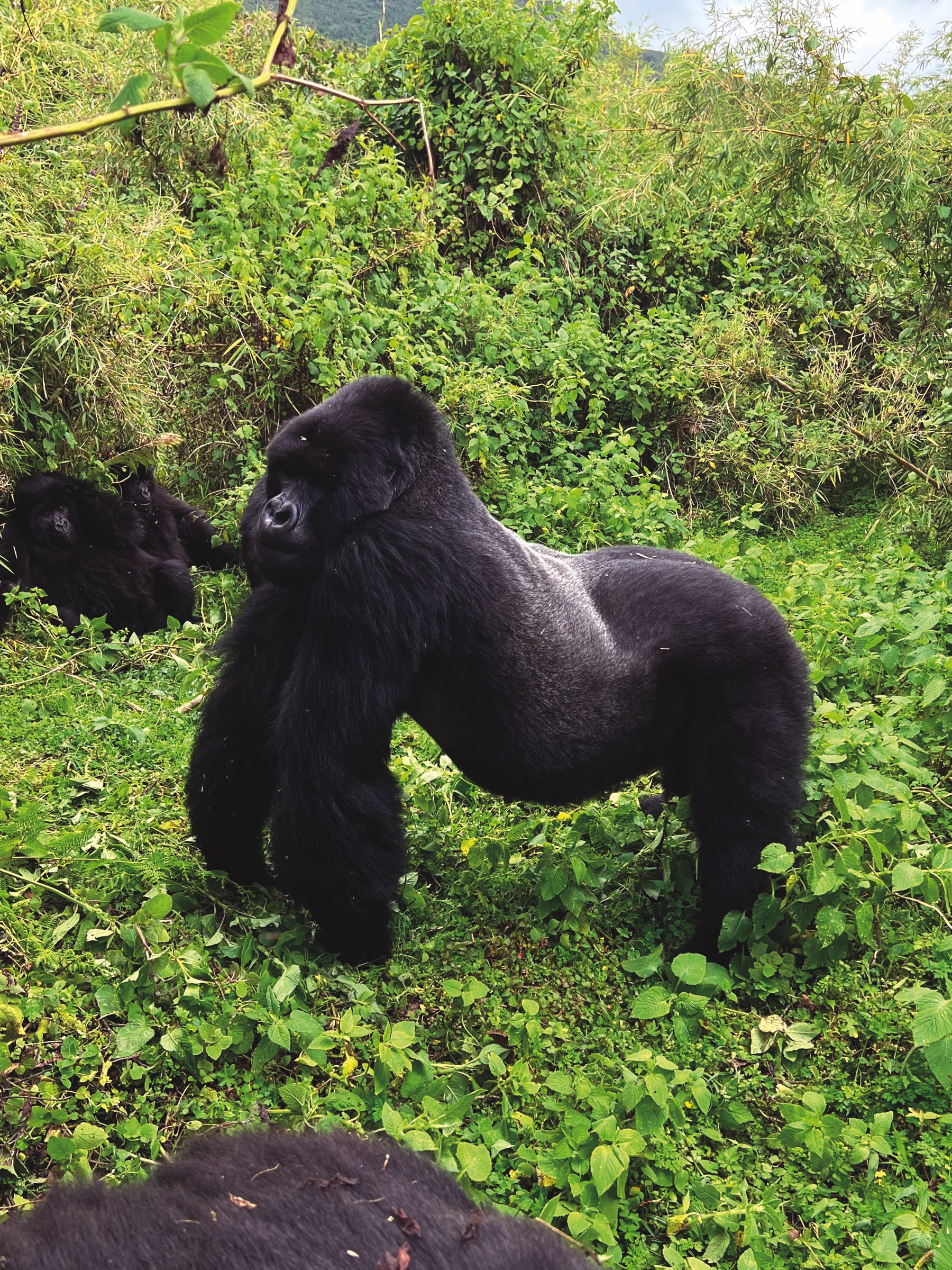

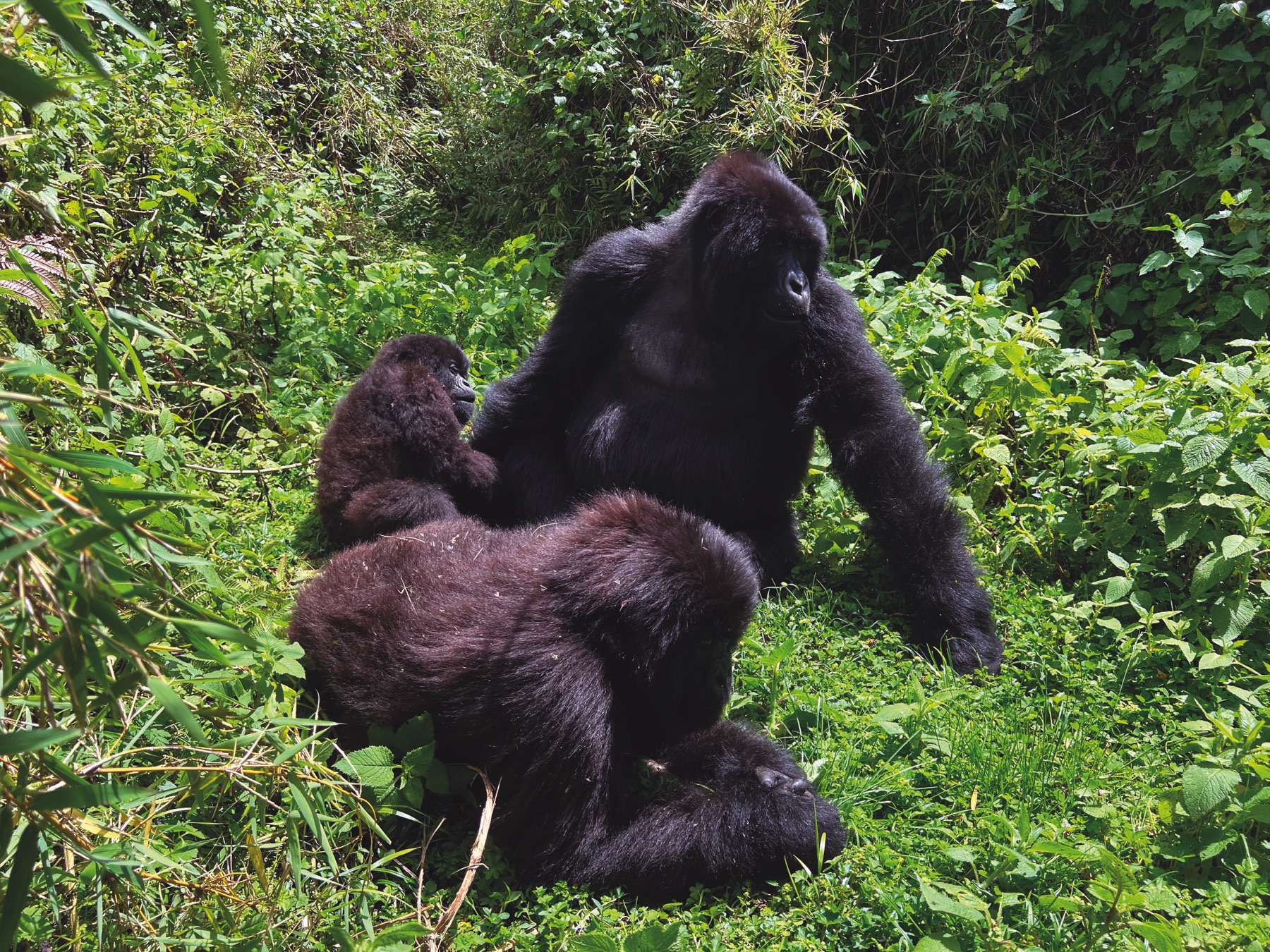
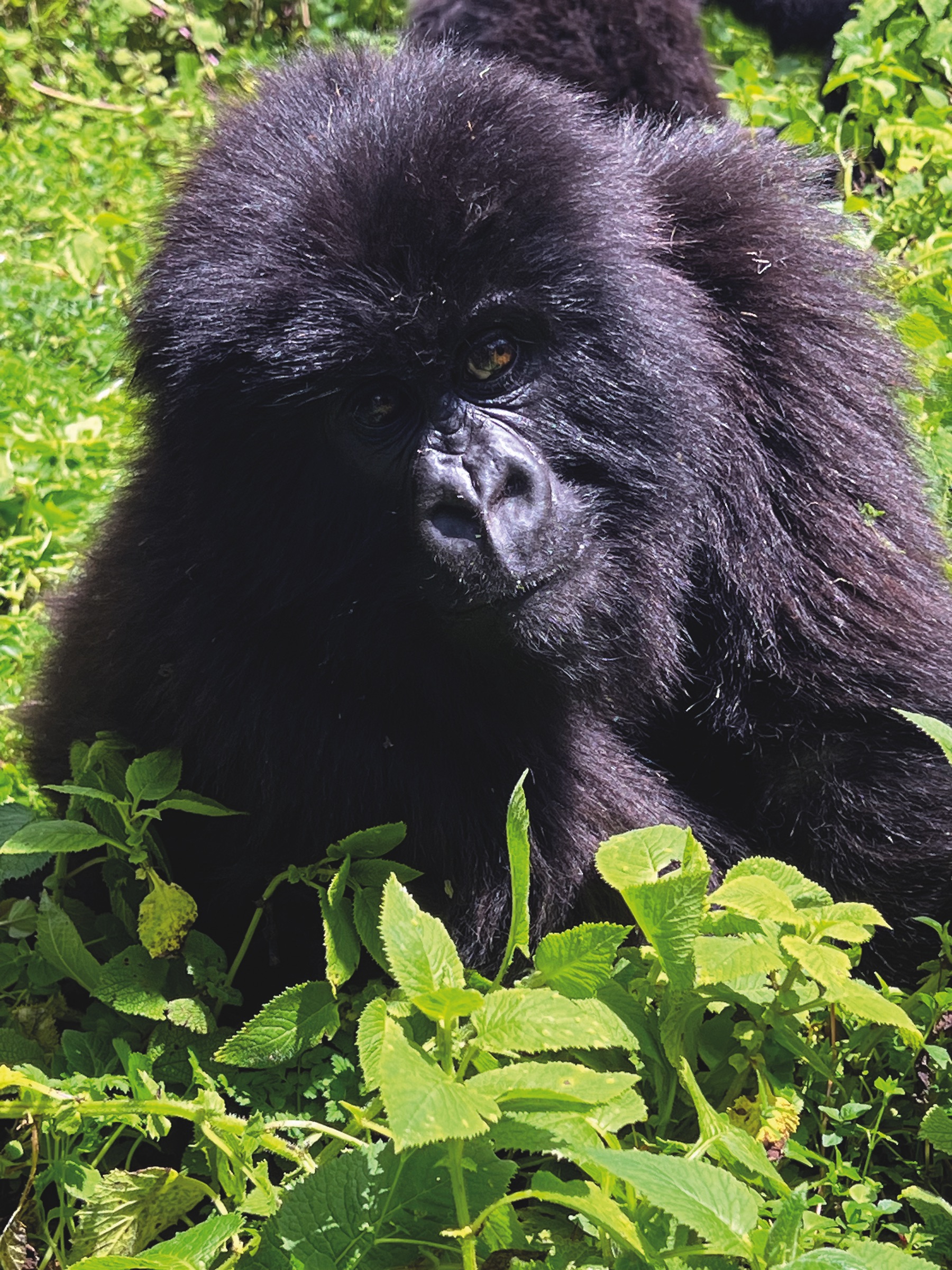
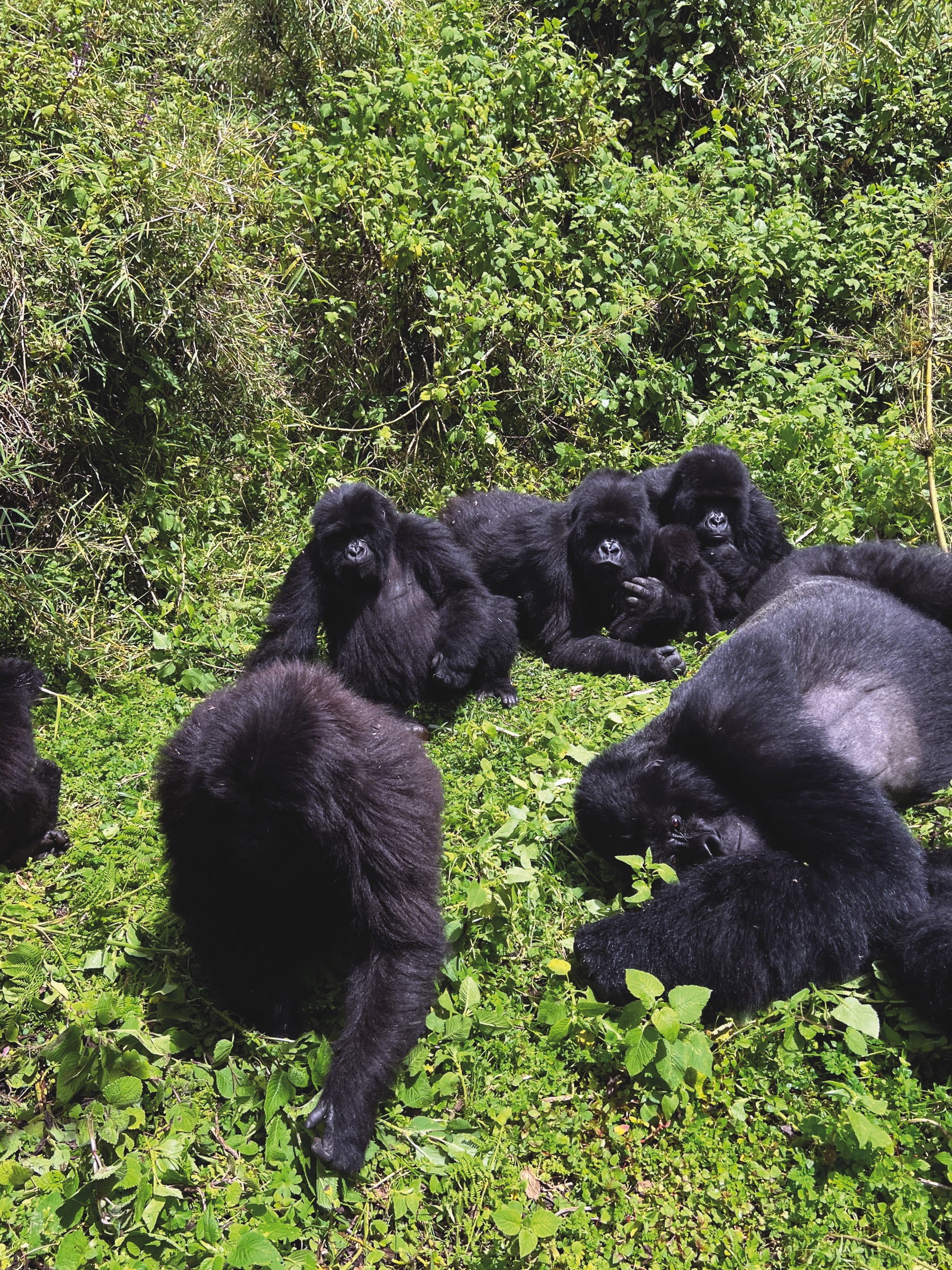
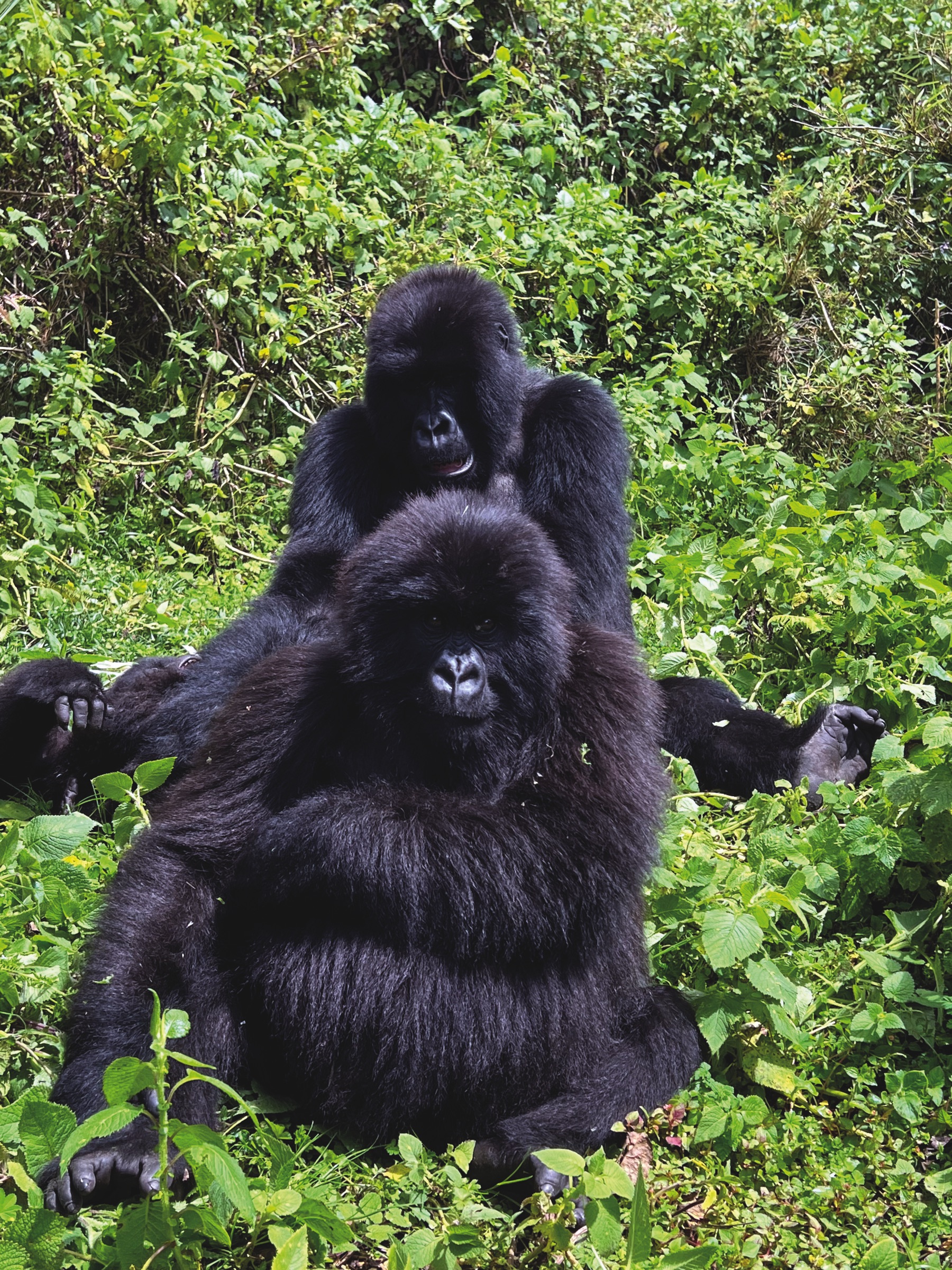
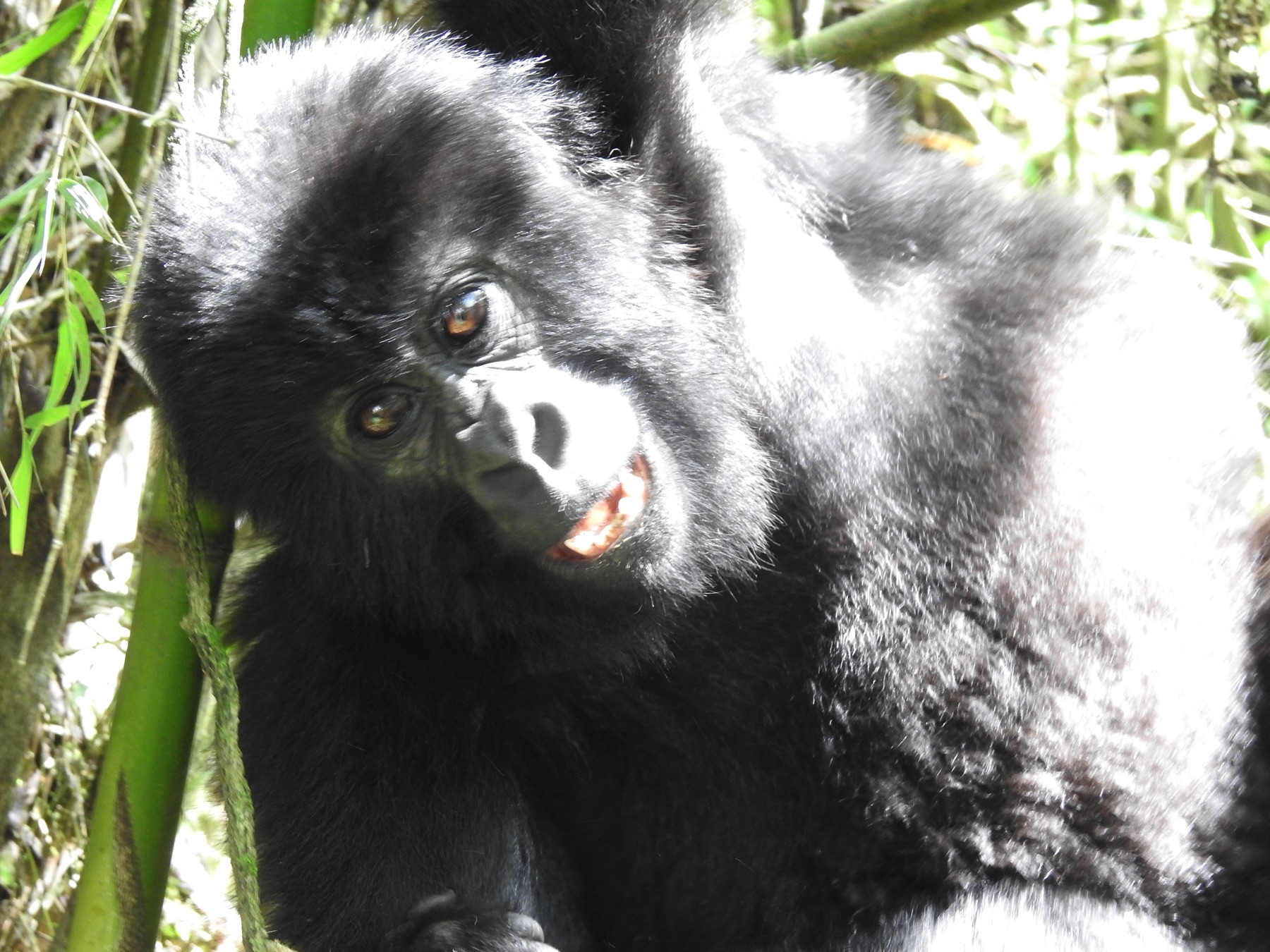
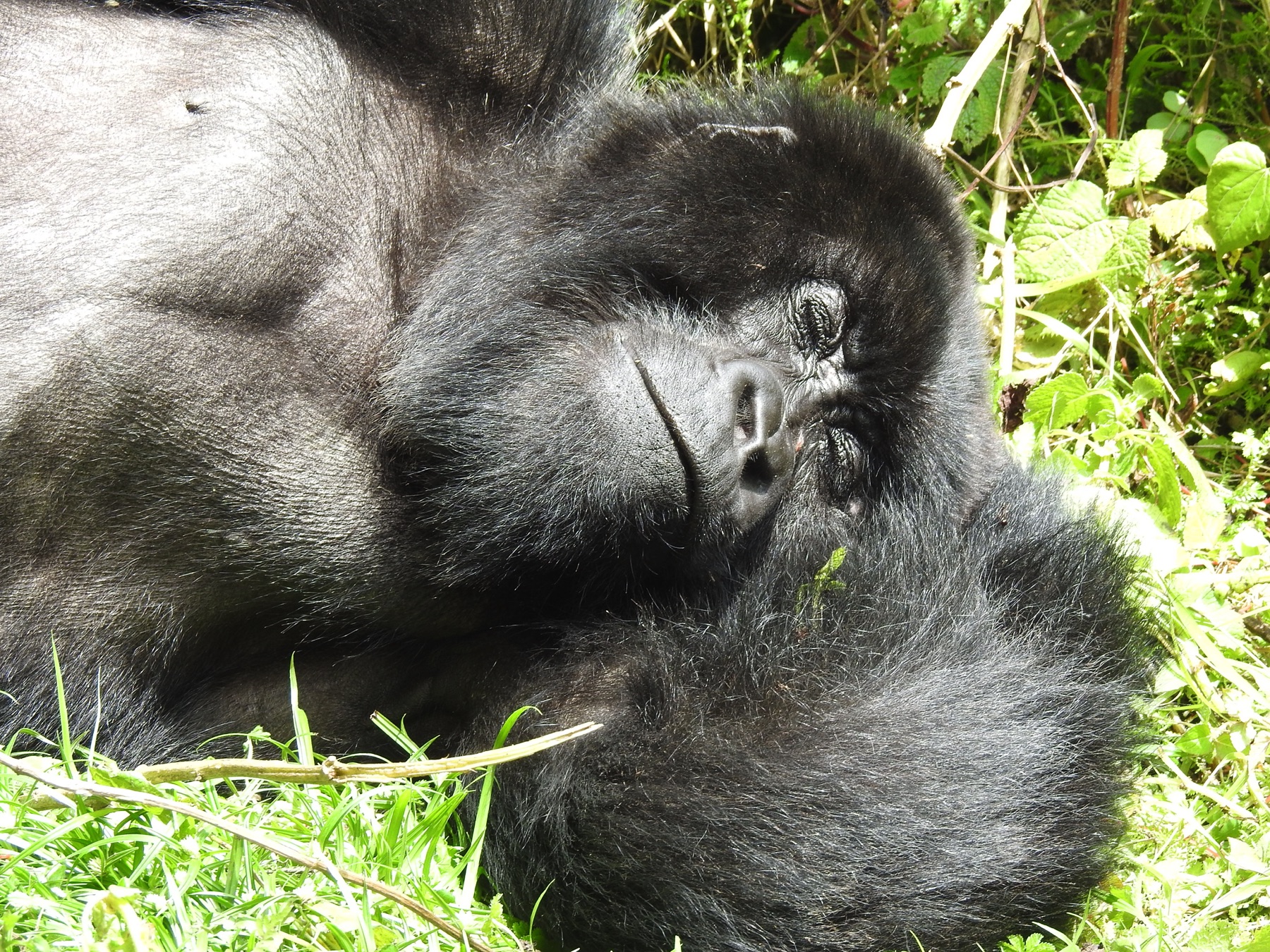
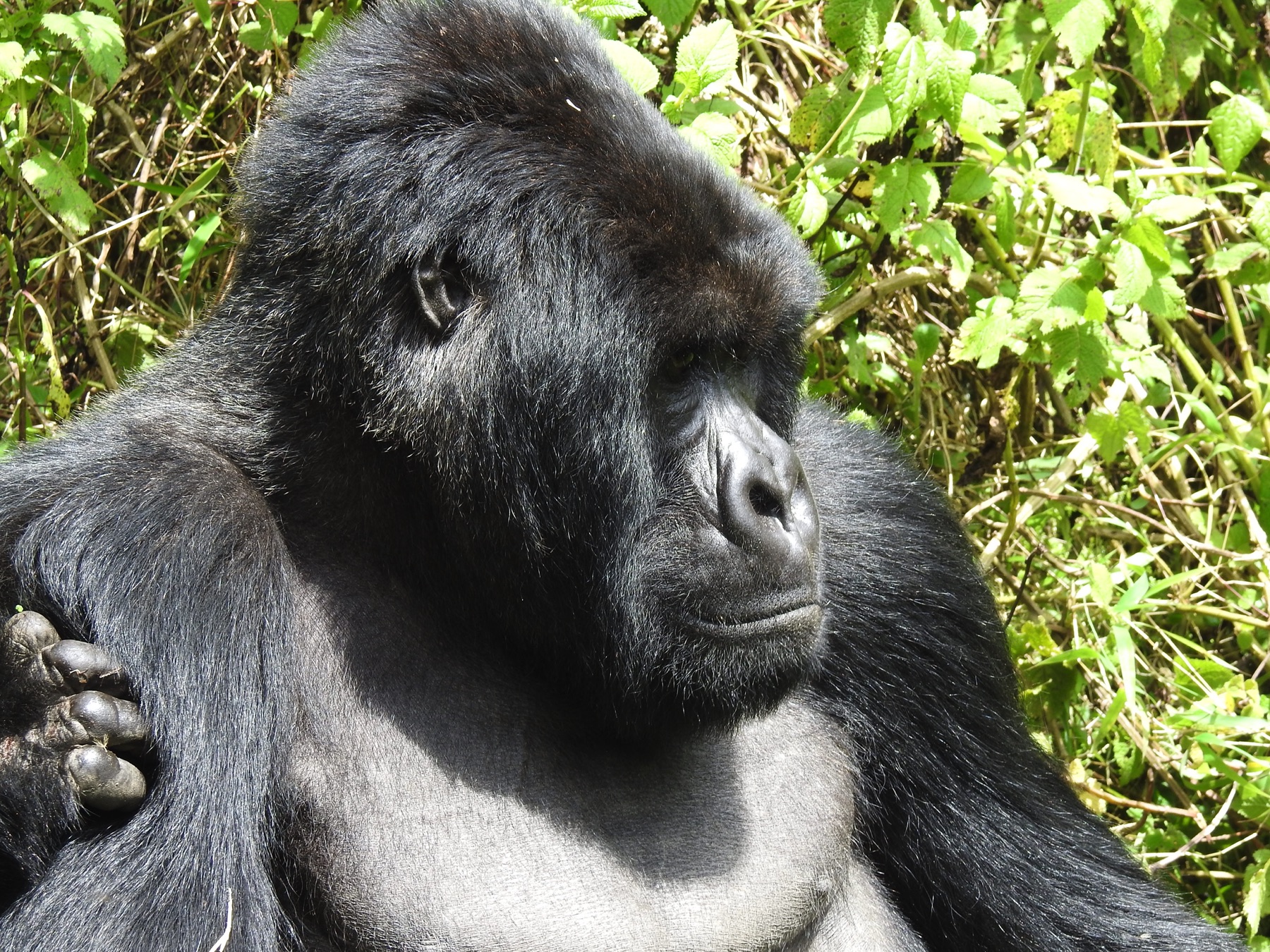
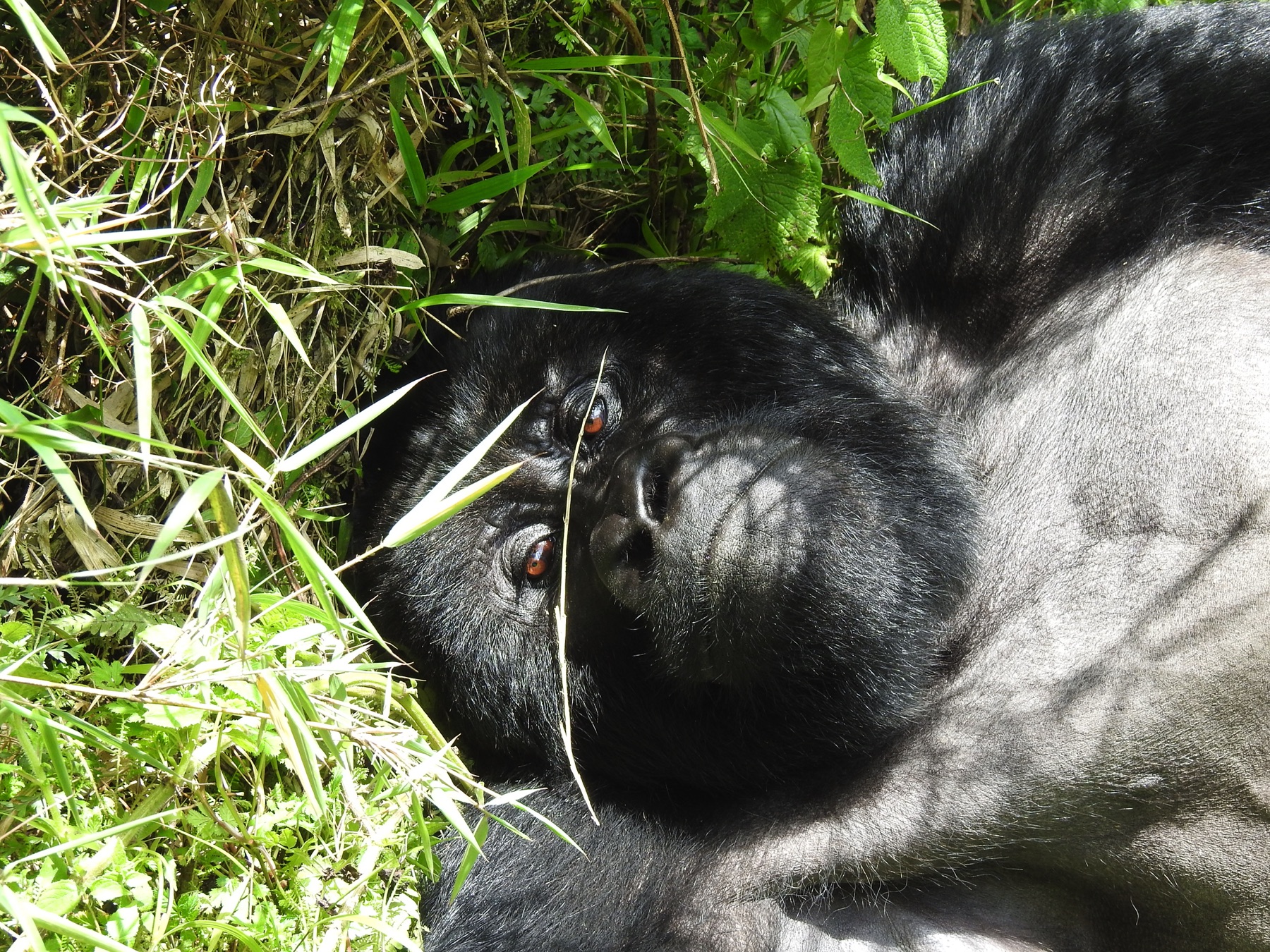
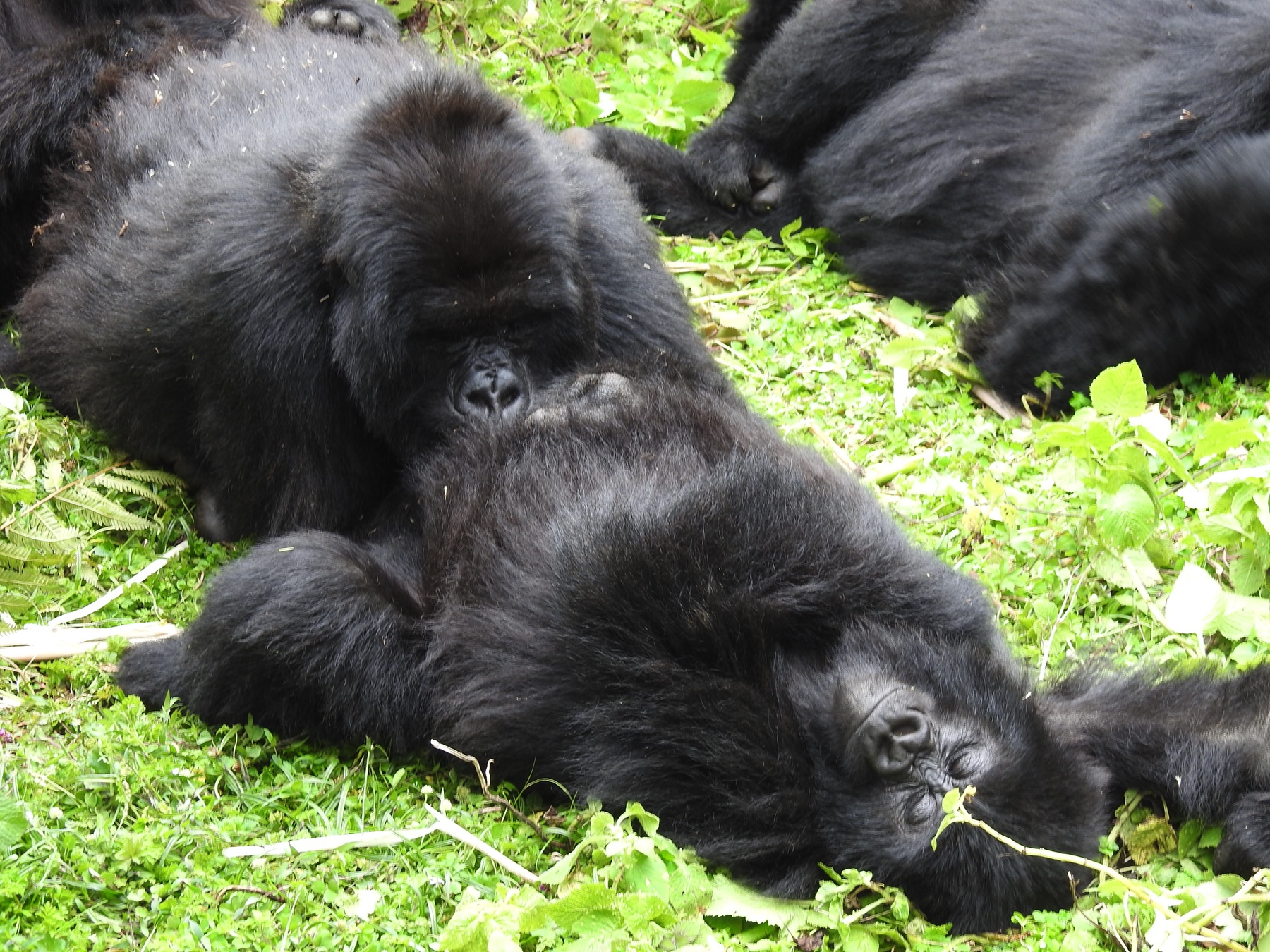
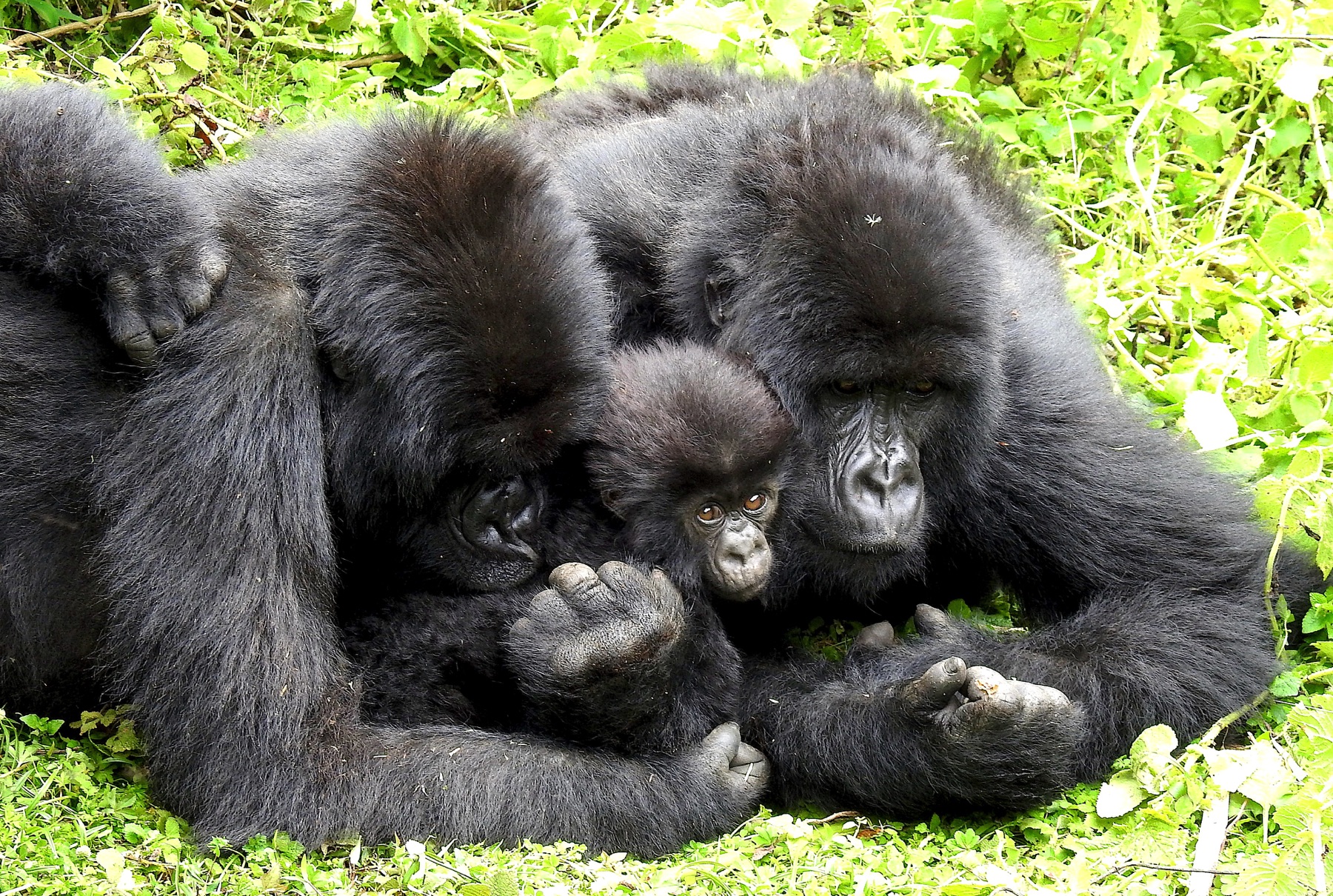
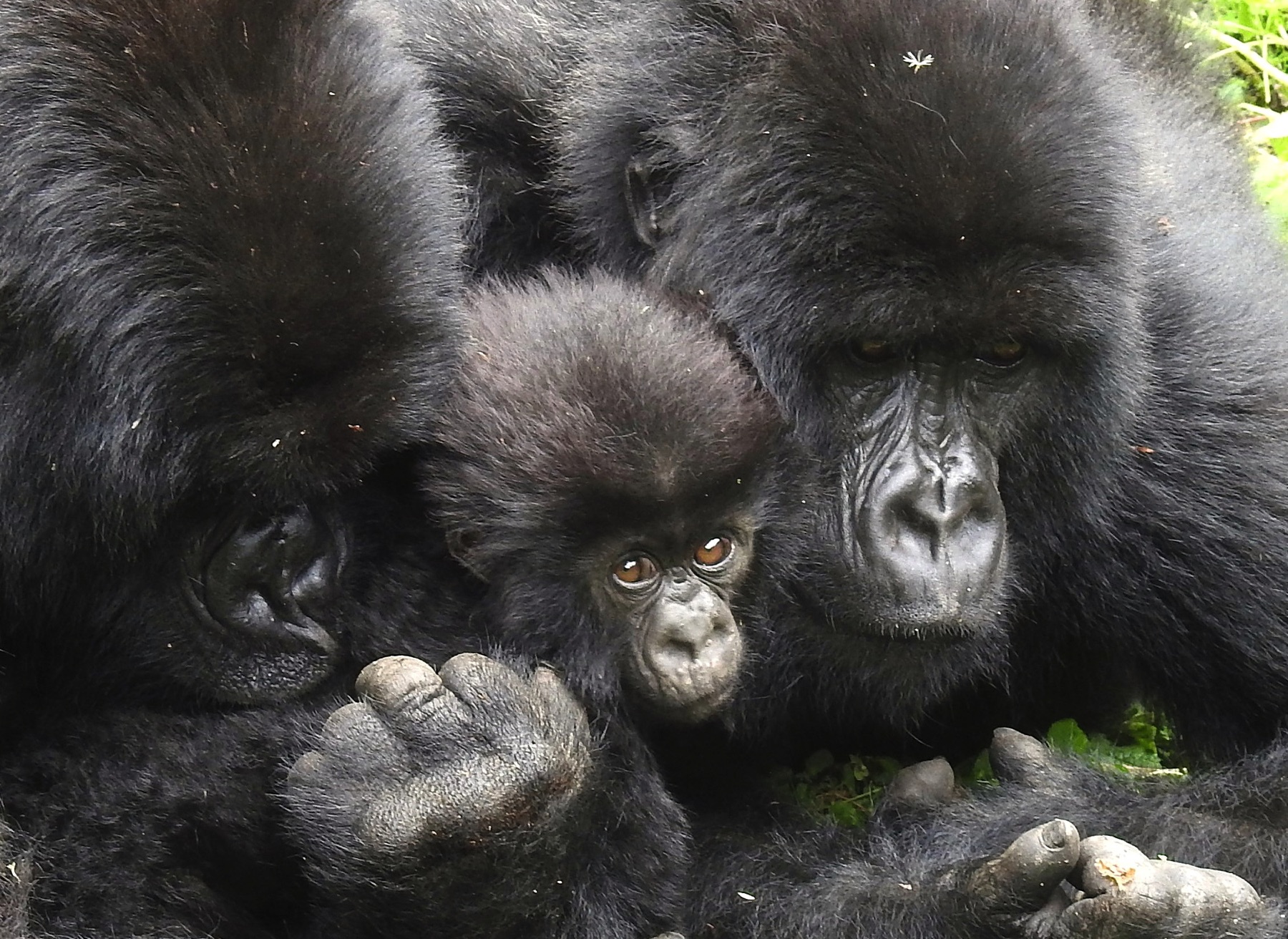
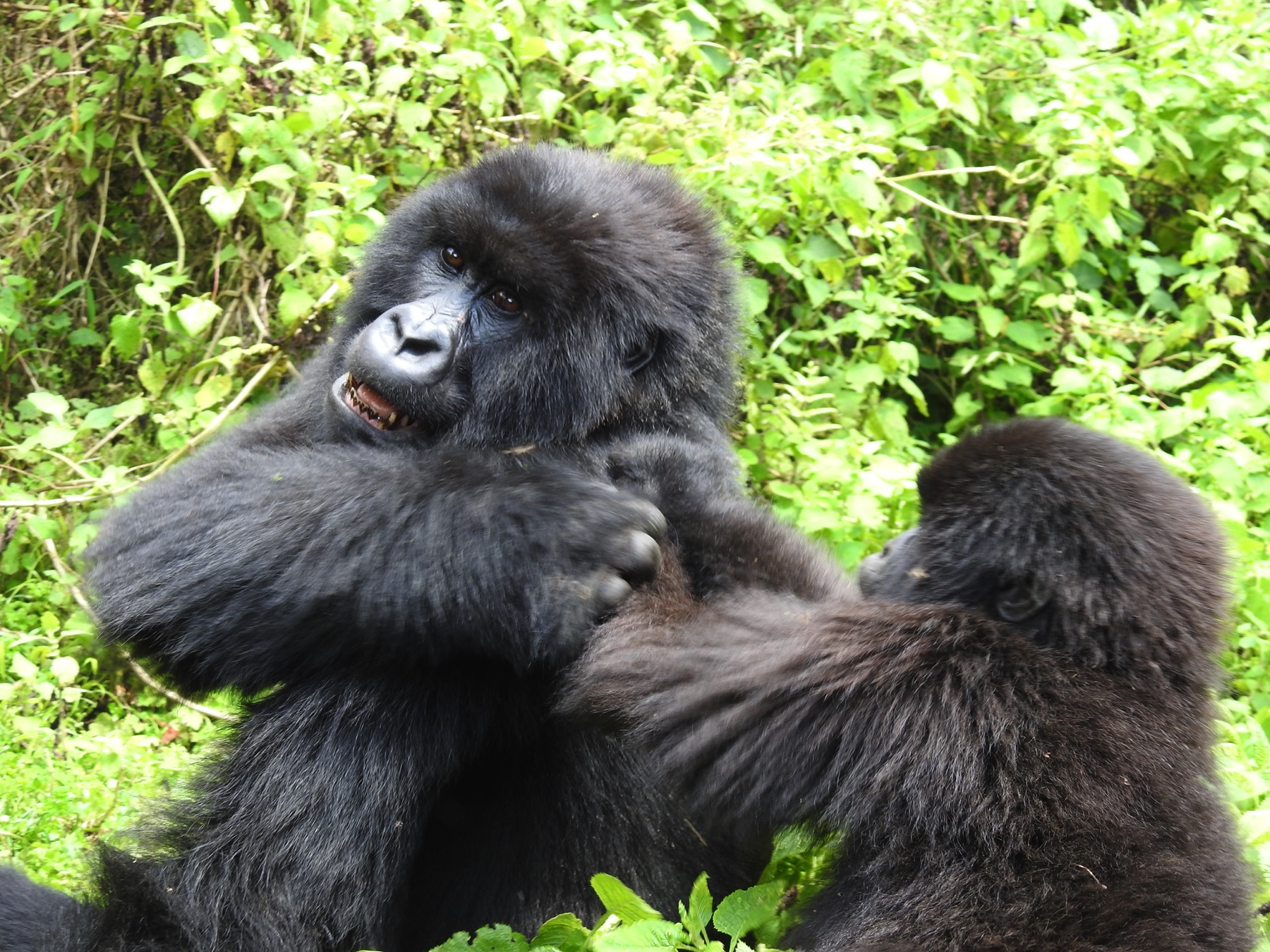
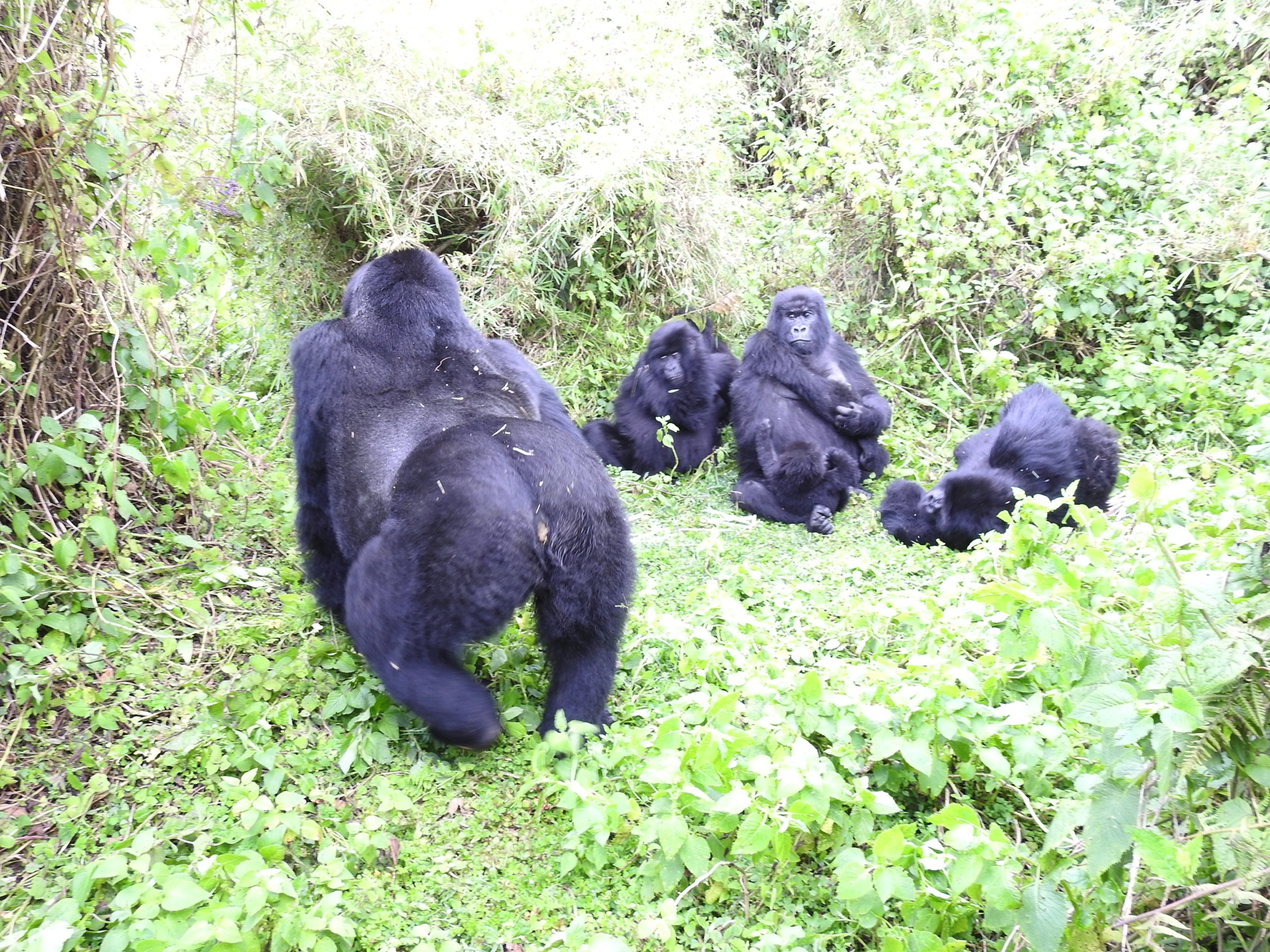
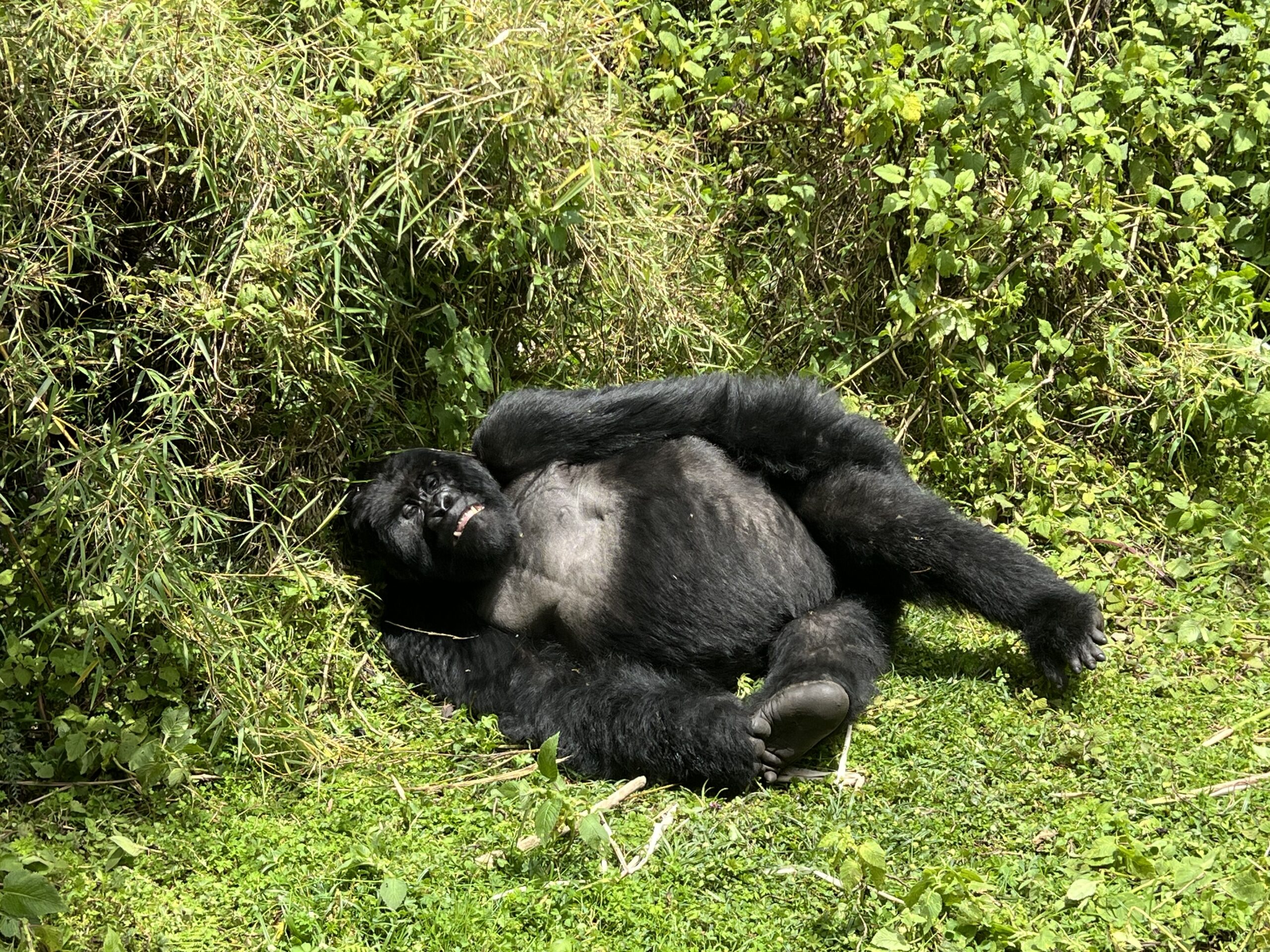
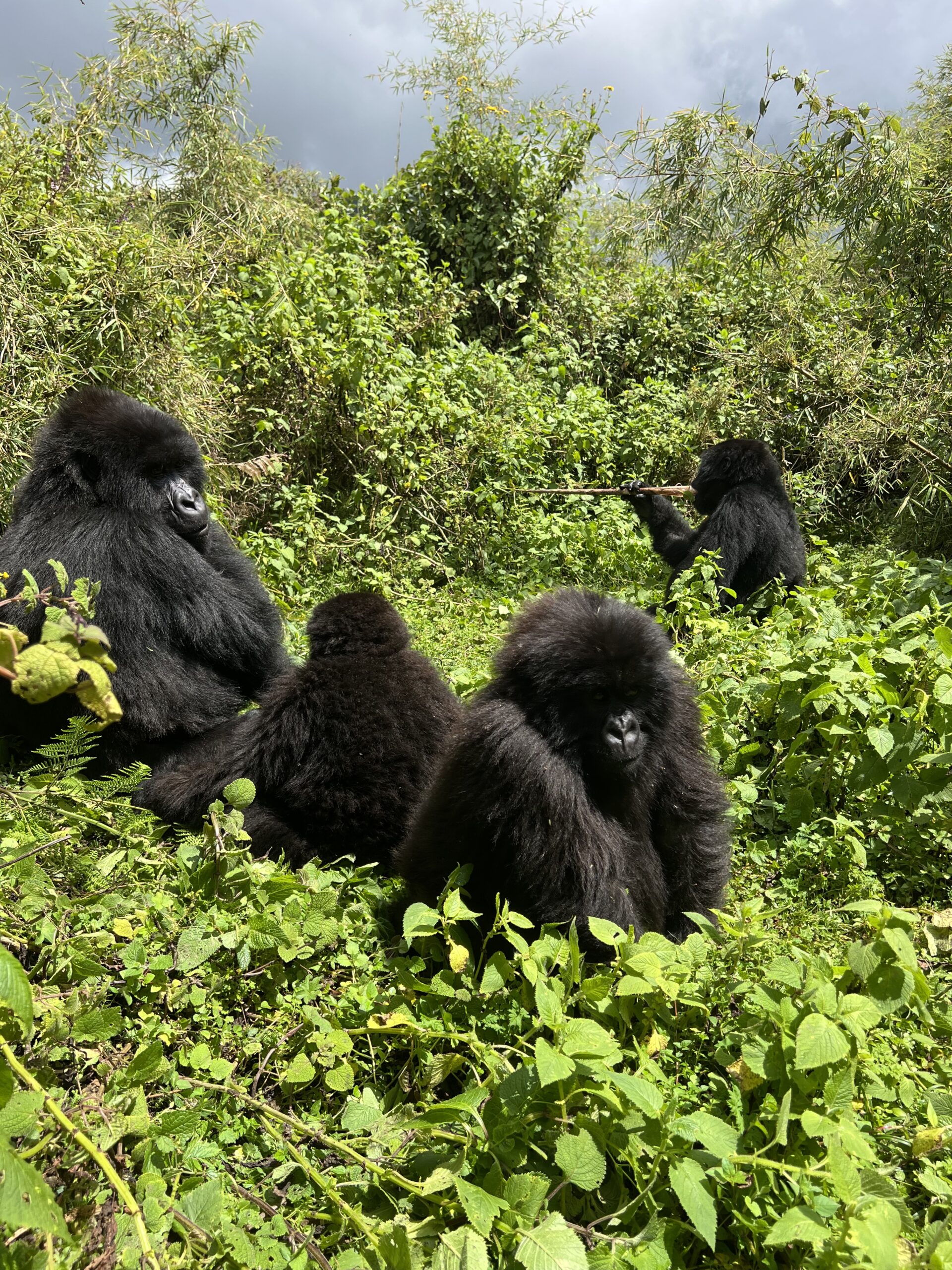
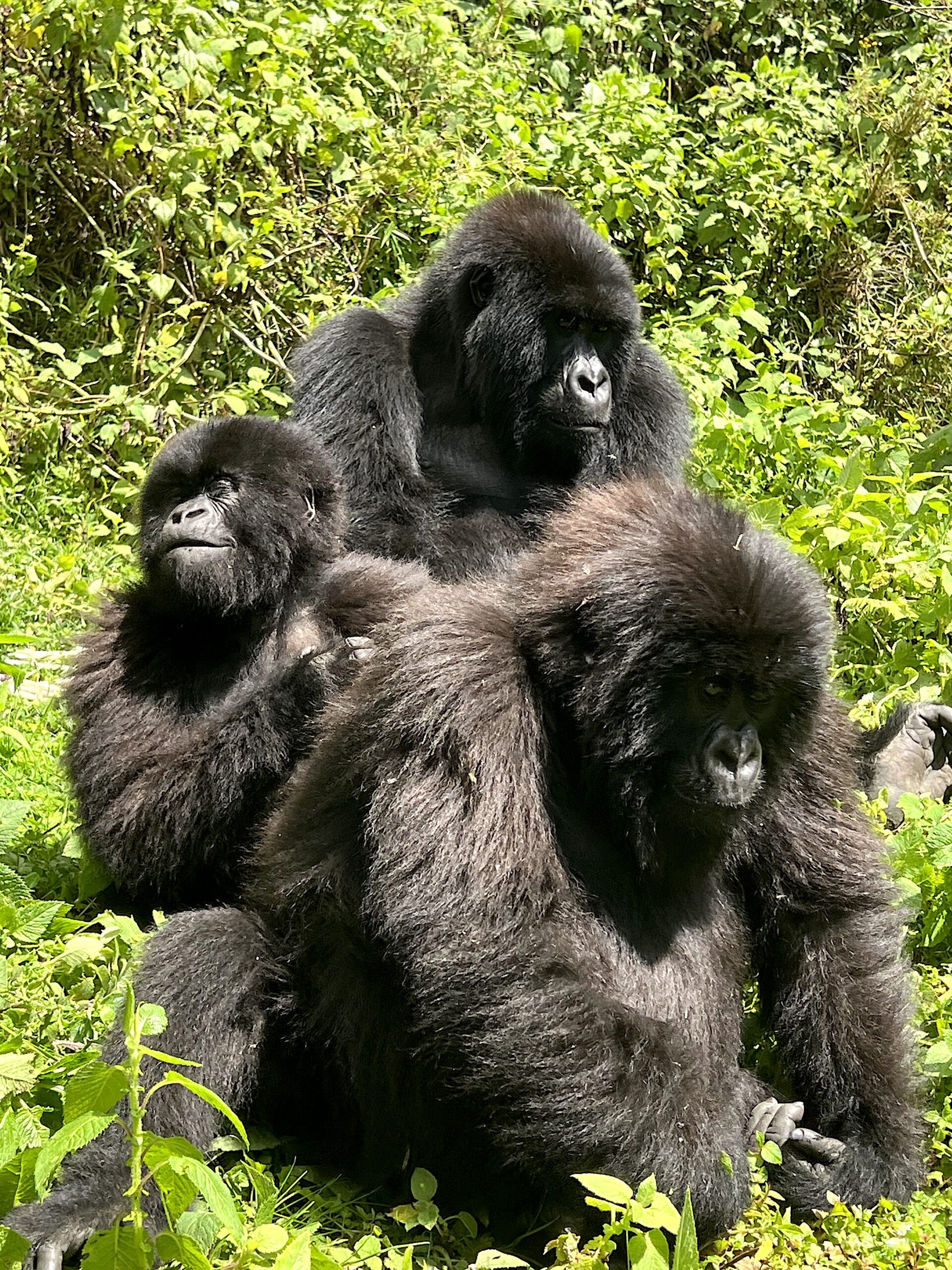
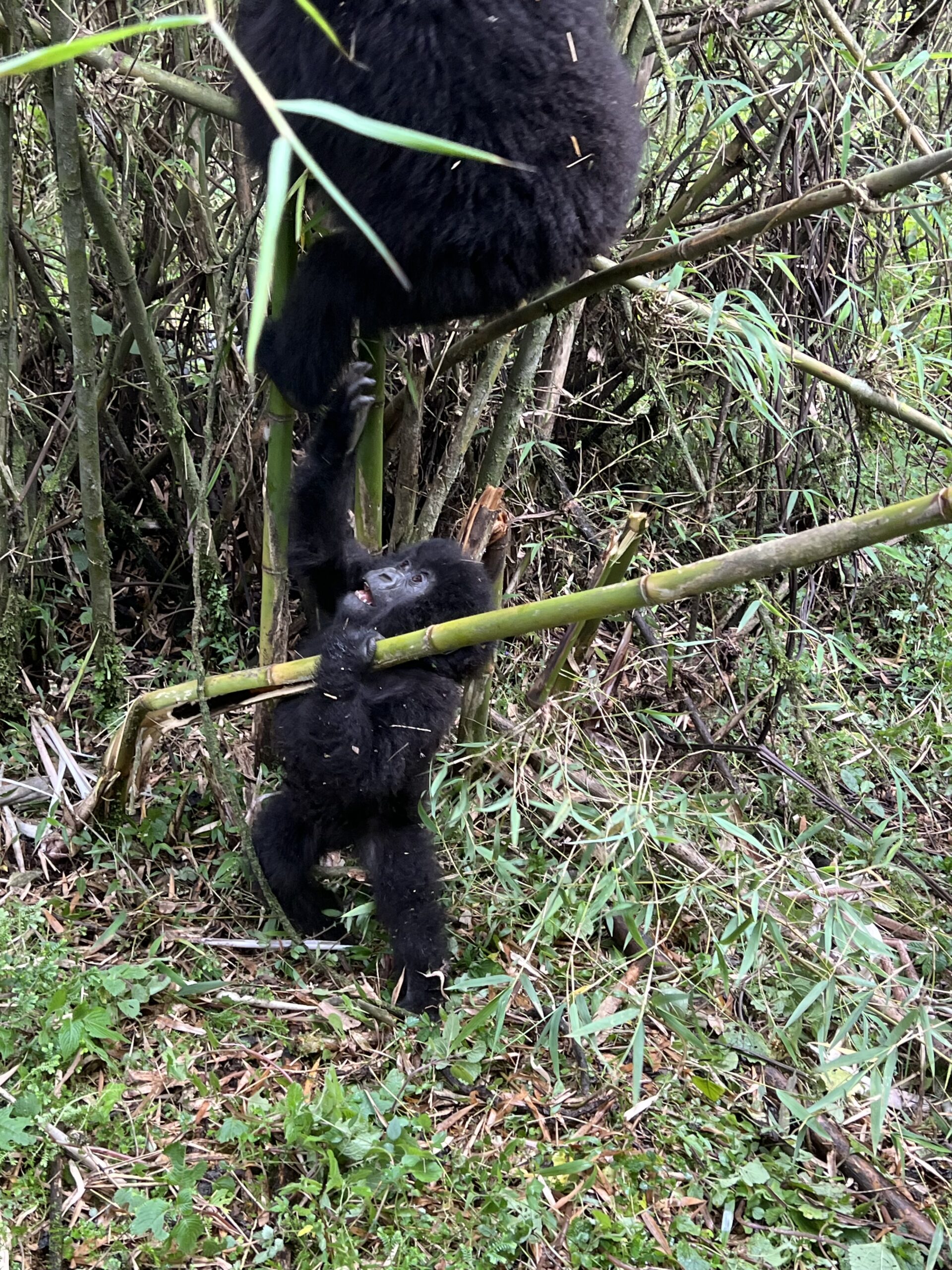
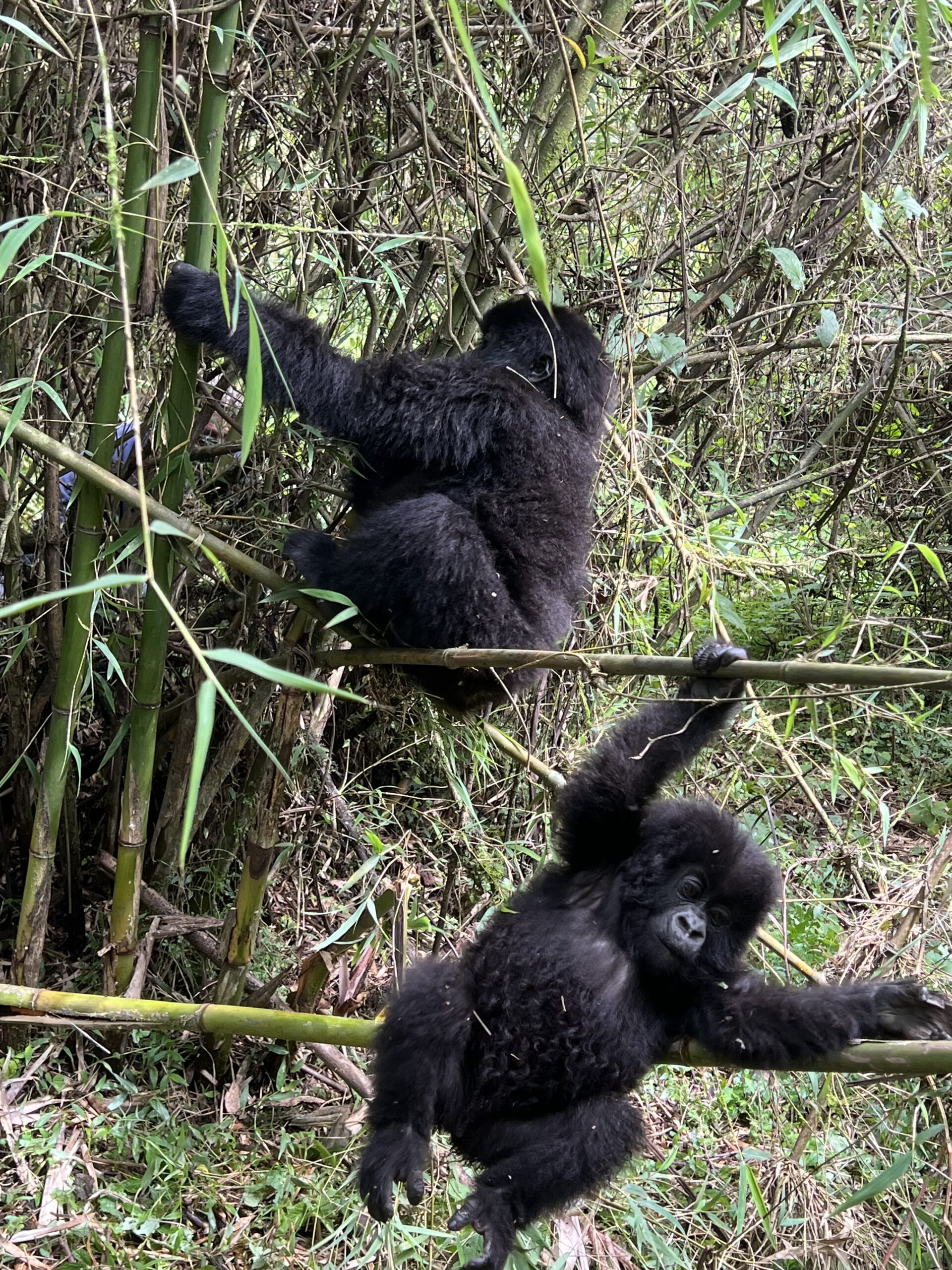
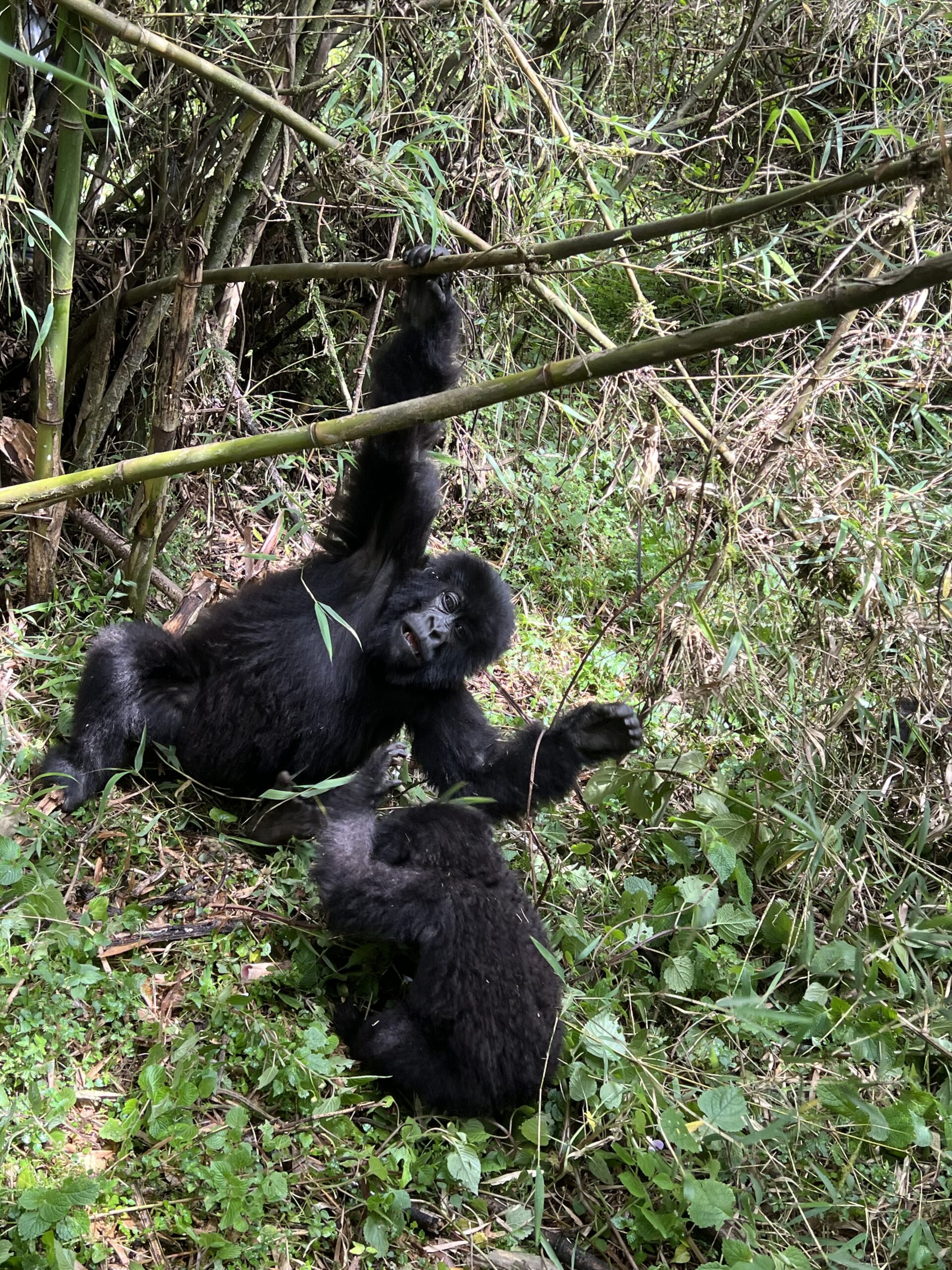
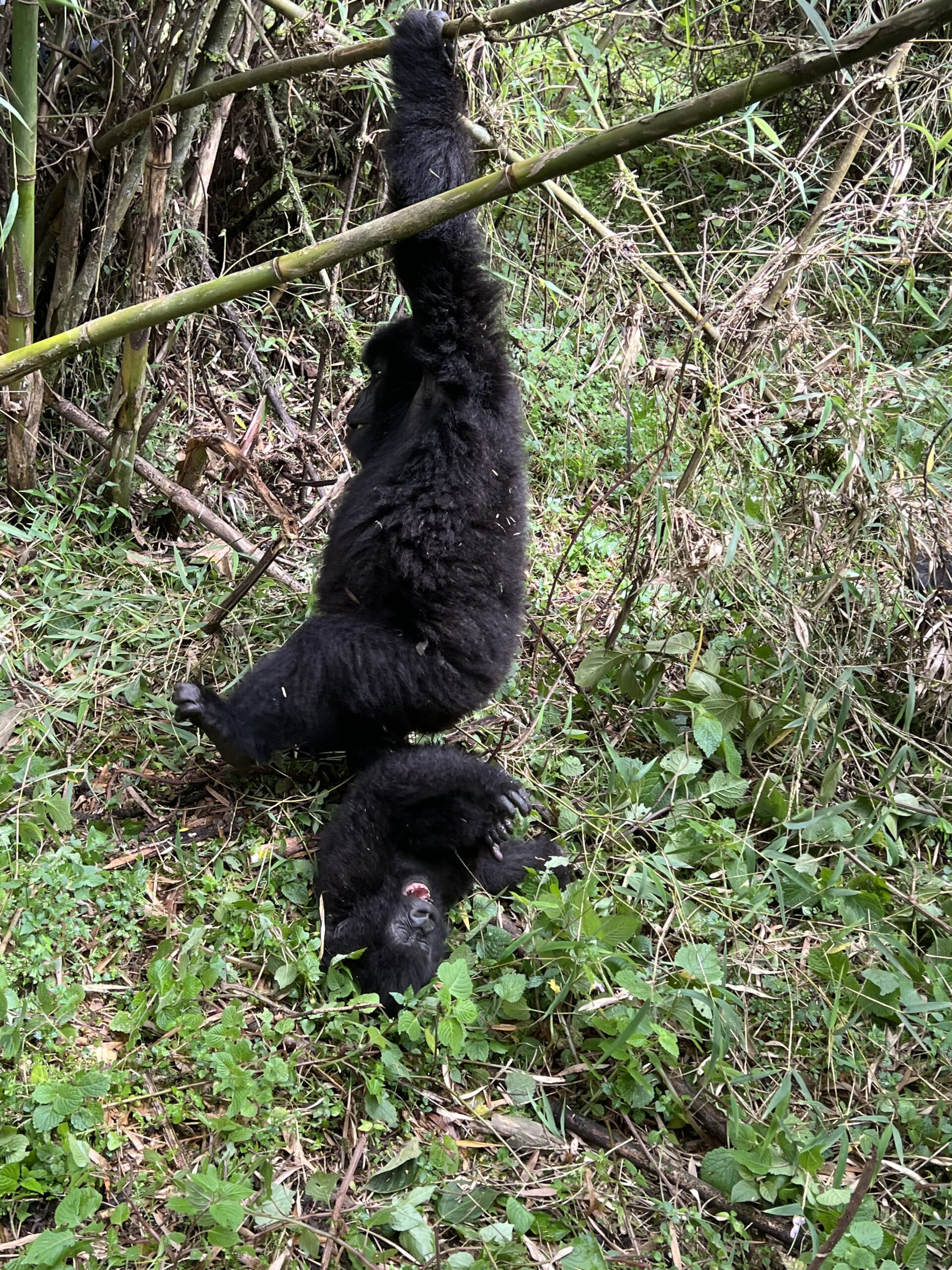
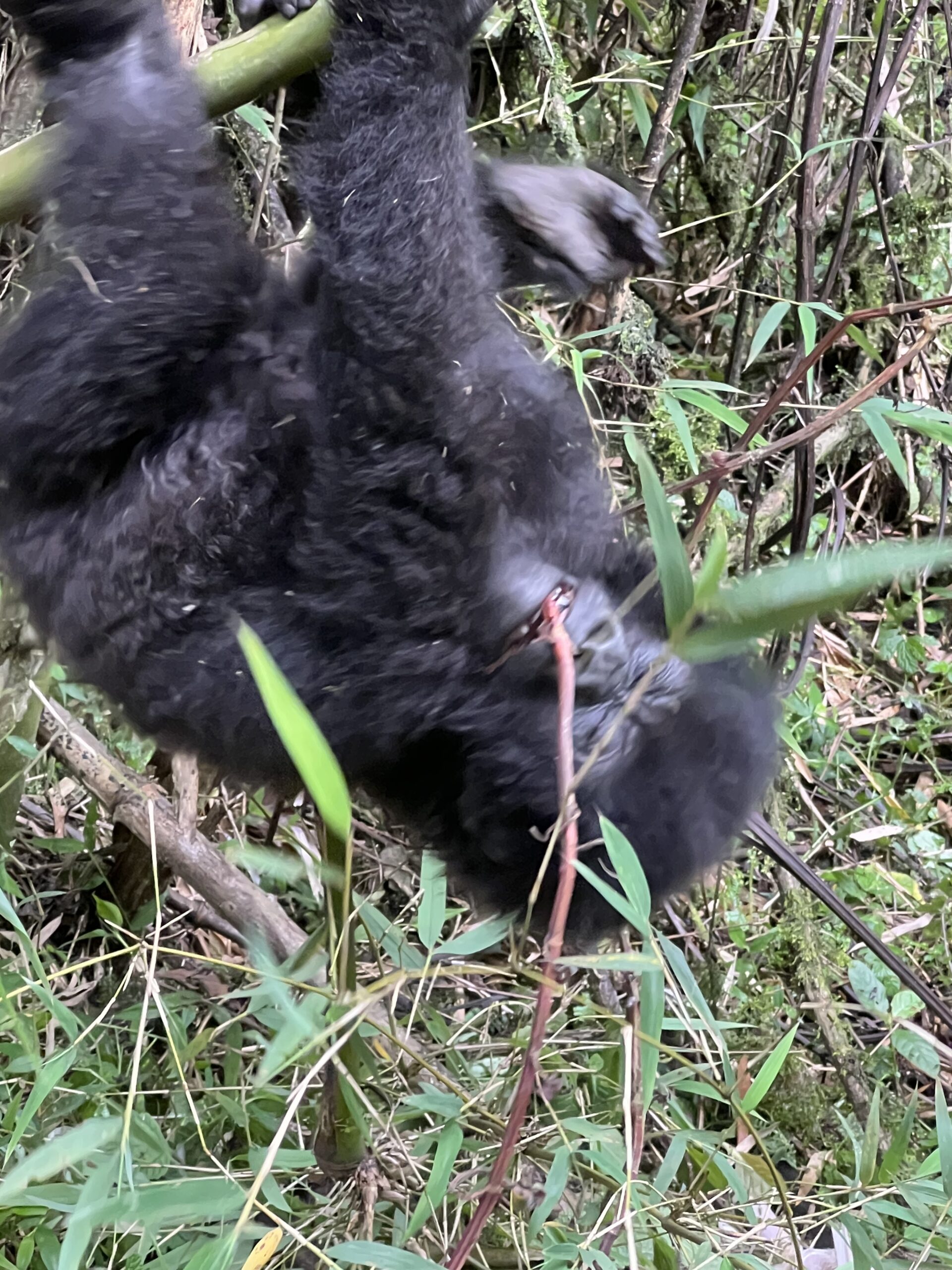
We then met the silverback Hirwa gorilla family: Isango Gato and Isango Gakuru (twins), Uburanga, and other members of the family, including the lovely baby Mushumbamwiza (or ‘Good Shepherd’) who was recently named at the 20th annual Kwita Izina, the mountain gorilla baby naming ceremony – a famous annual gorilla conservation event.
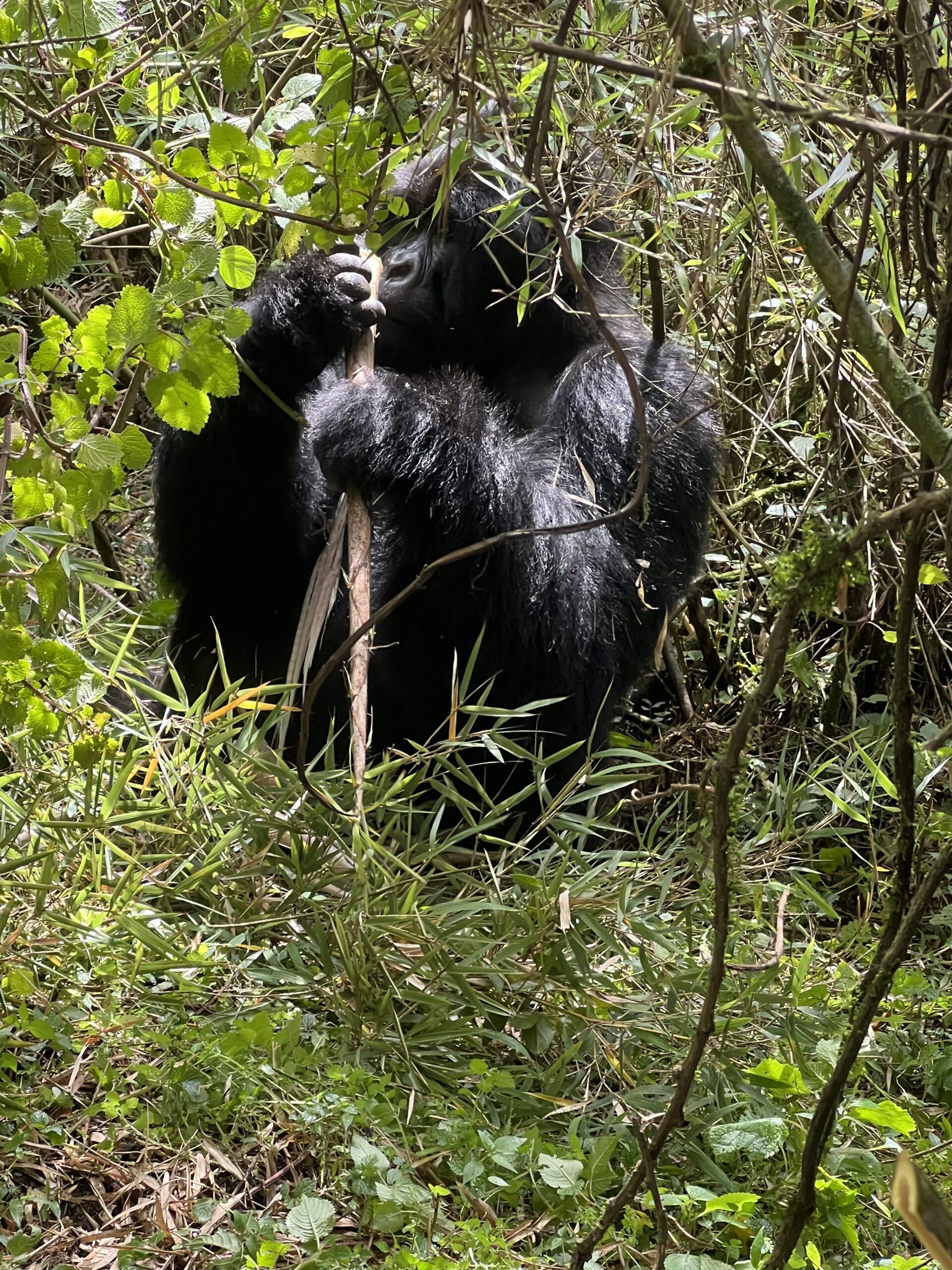
We were just a few meters away, watching the gorillas go about their daily lives. They were friendly, curious, and beautiful. They watched us, with their big beautiful and clever eyes, telling us “We are here for you, protect us for the next generations.”
Some of them “made faces” to the camera, showing us what they can do, and some were shyer. The mother gorilla with her small, sweet baby was looking at us without any fear, ensuring that her baby behaves nicely. More than an hour passed quickly, the Hirwa family left for their regular activity, and we left back to the park with memories we would cherish forever.


We went back to Kigali to catch our flight back home, but couldn’t leave the city without a last visit to our local home, the Marriott Hotel, which welcomed us with its beautiful lounge once again.

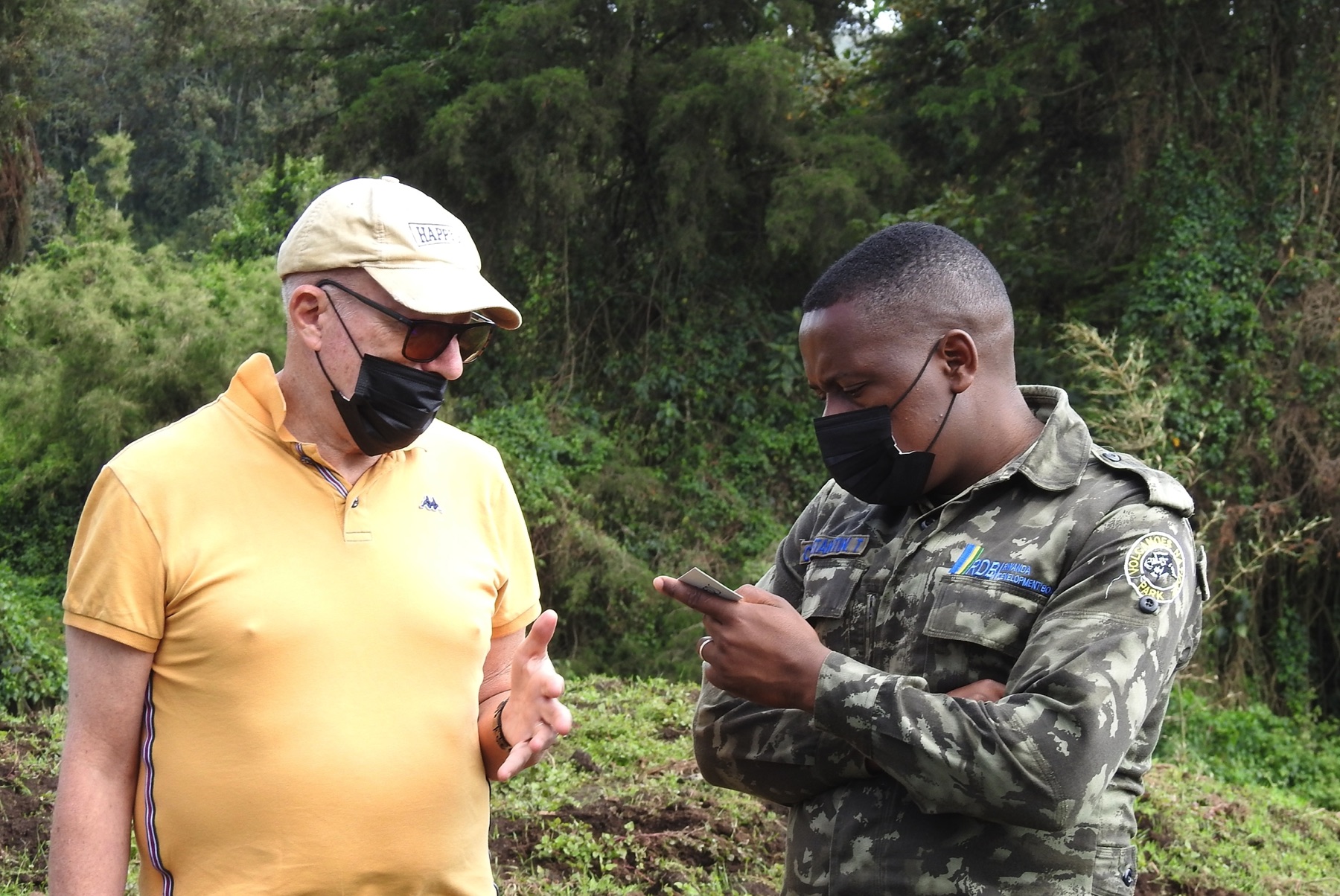
These are memories we will forever cherish. Thank you, Rwanda – such a beautiful country! We are grateful to H.E. Mr. Richard Masozera, the Ambassador of Rwanda to the Czech Republic, Mr. Gerard FJB Volkmar, the Consul and First Secretary, and Rwanda Development Board (RDB) for their big support. And special thanks to you, Maurice Twahirva from RDB, for supporting us during this big adventure, and for your friendship.
Further information on Rwanda can be found at:
https://visitrwanda.com/tourism/destinations/
https://visitrwanda.com/practical-information/
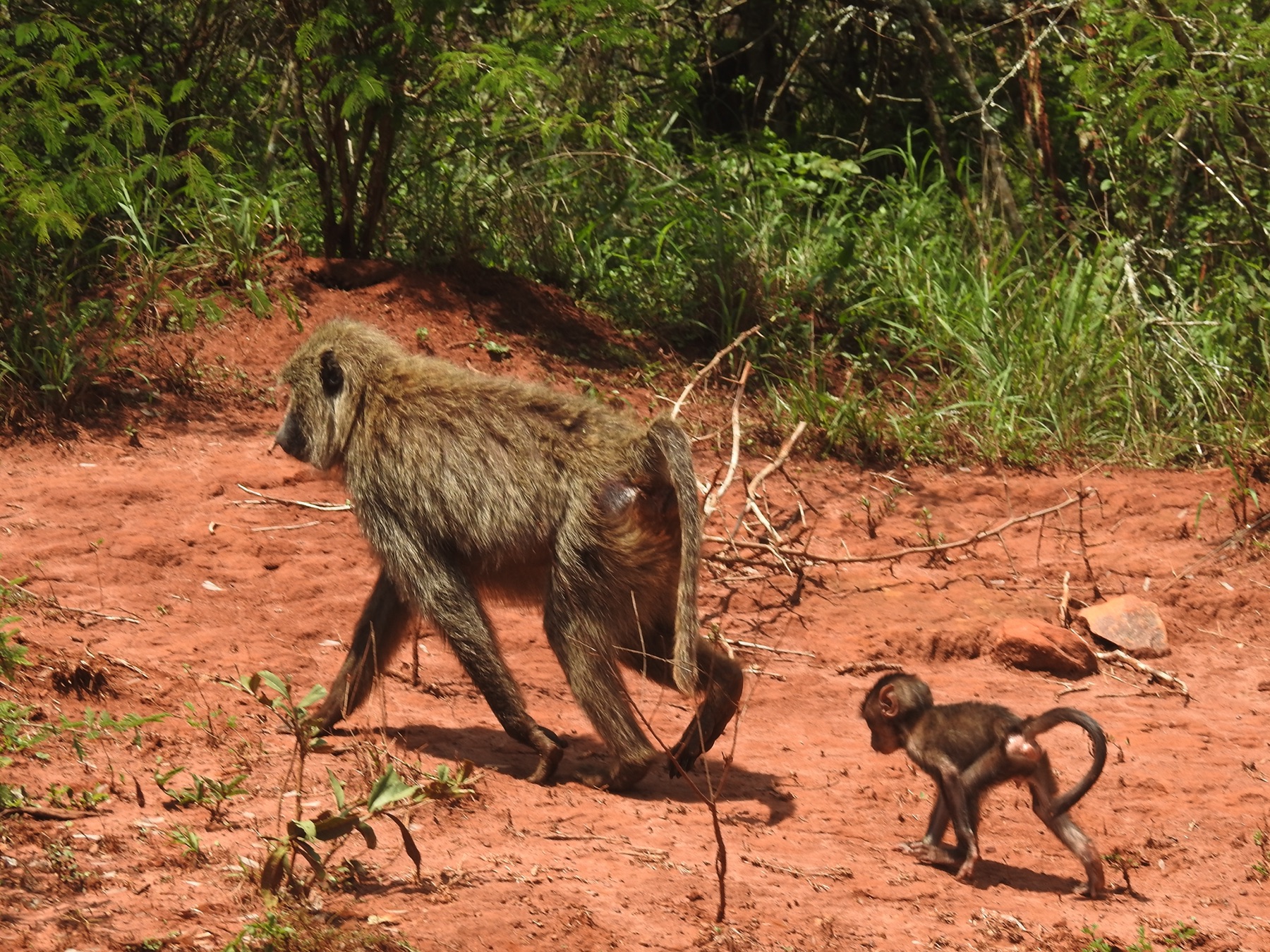
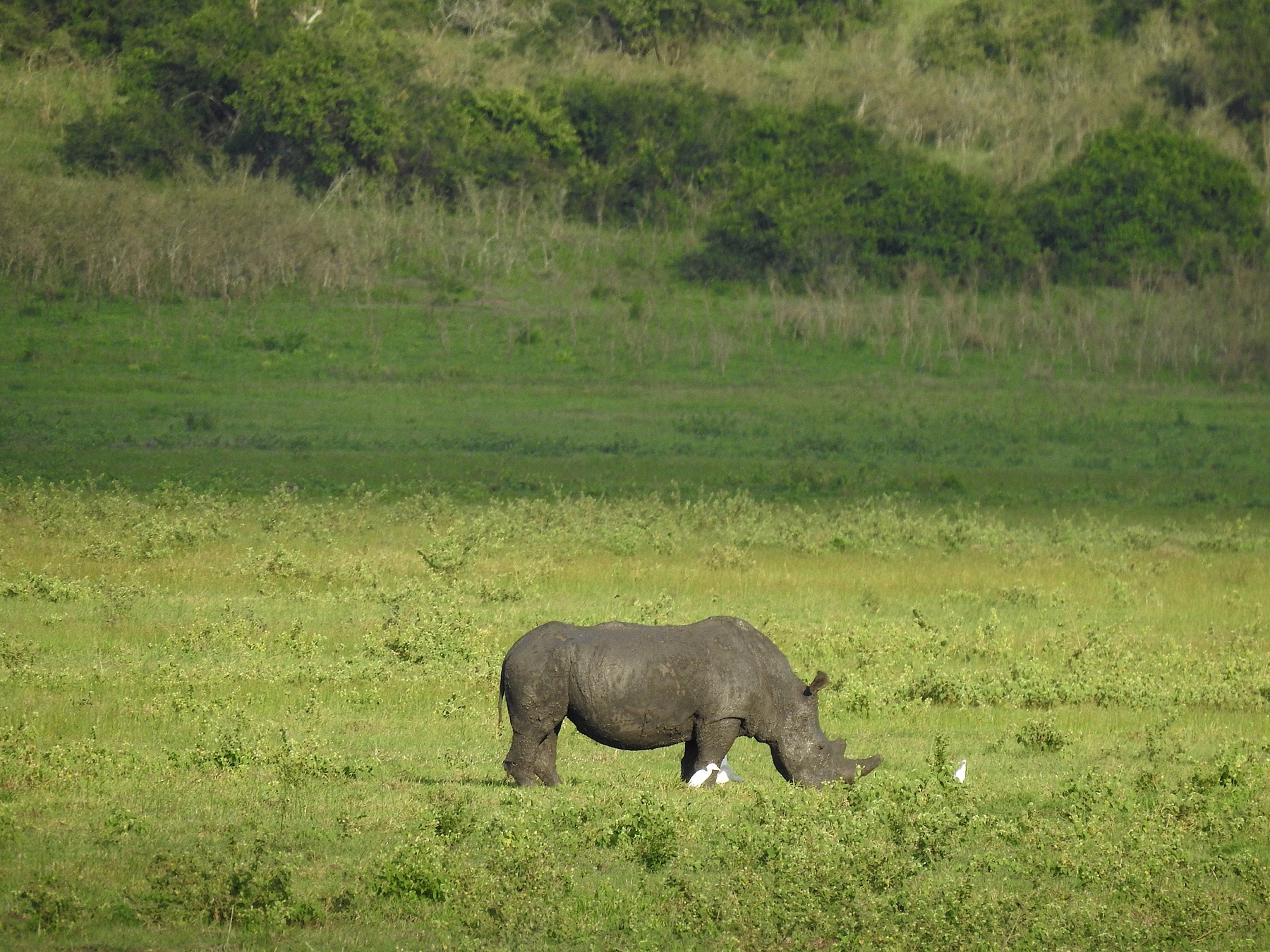
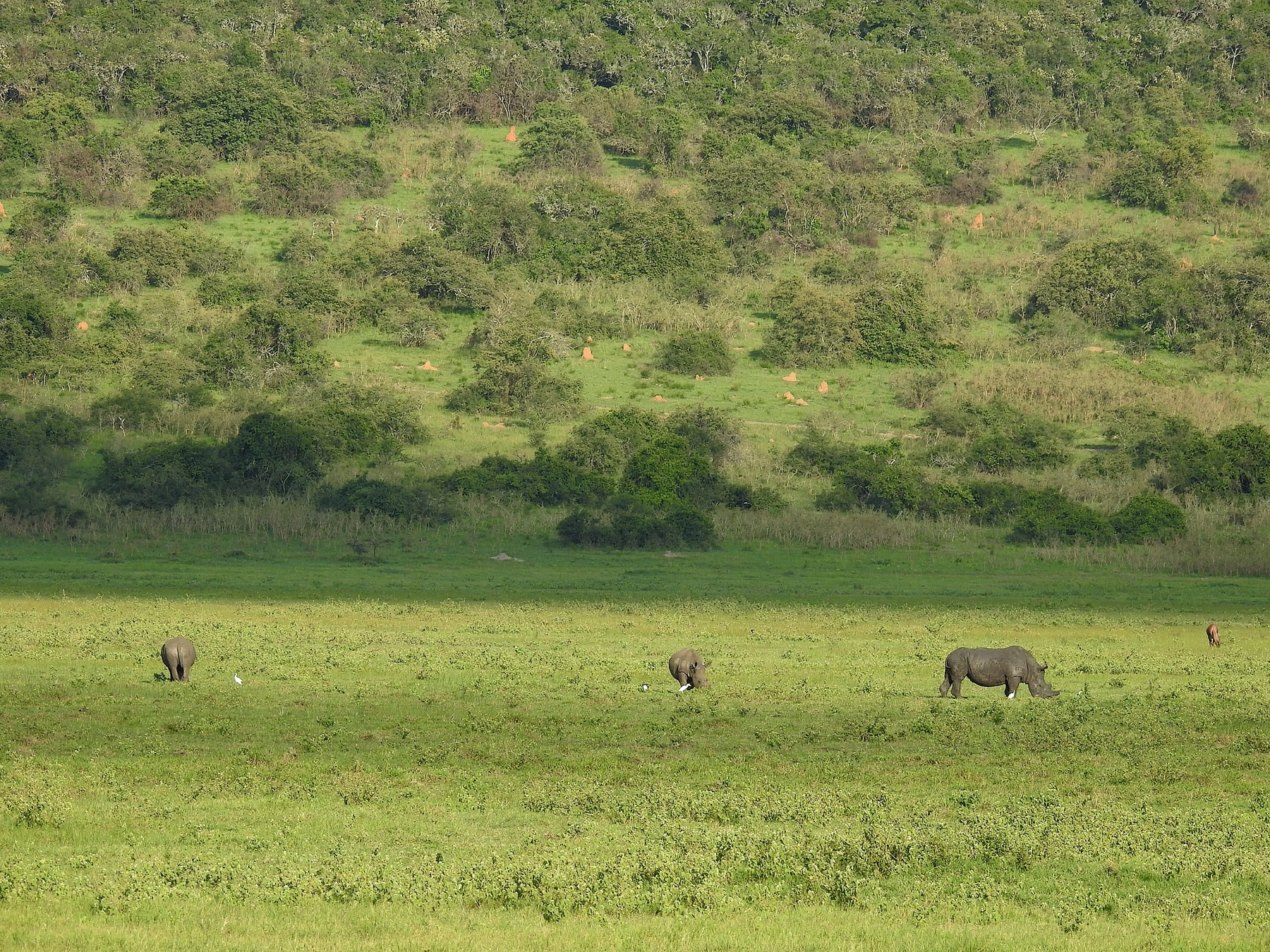
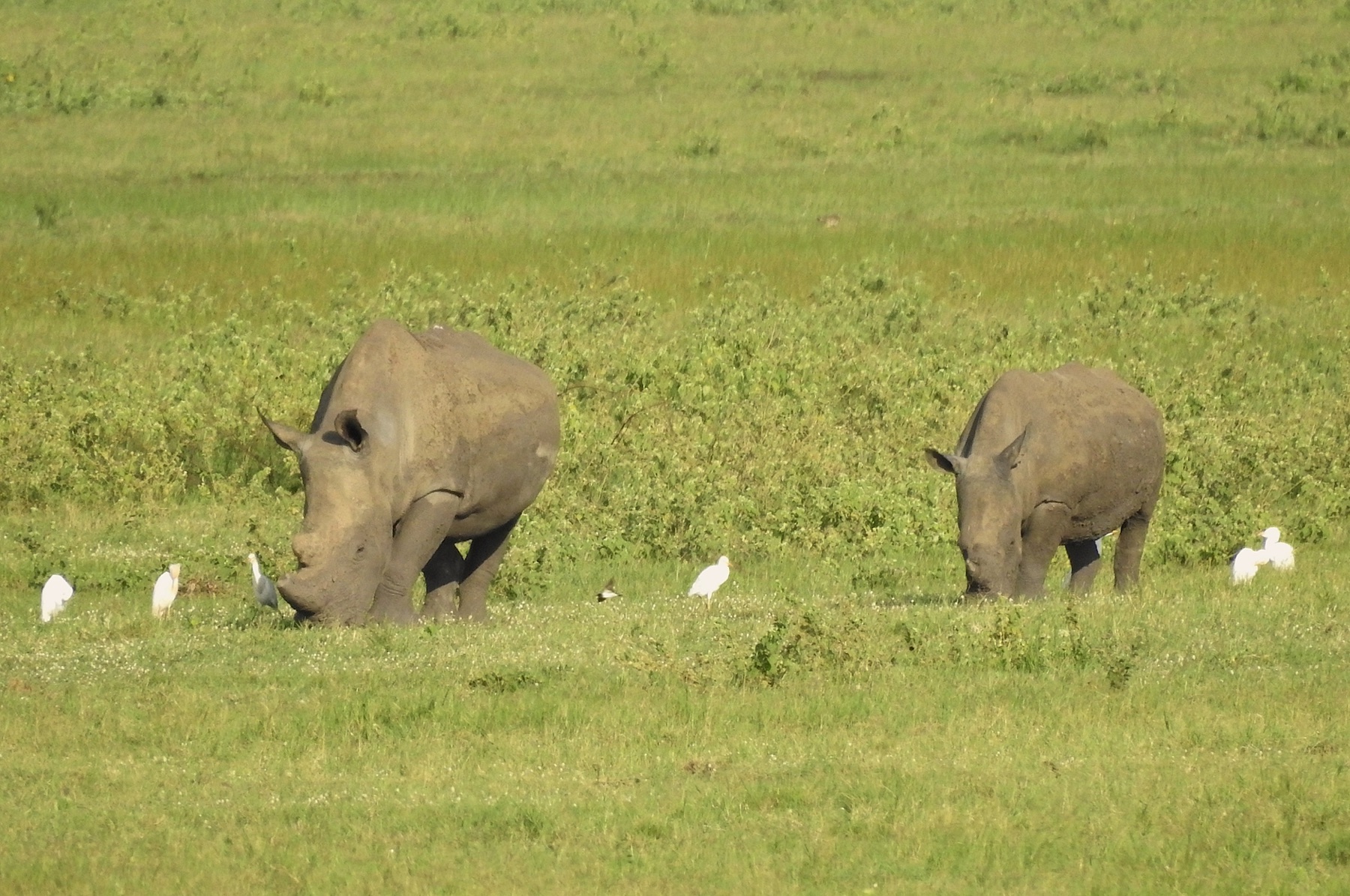
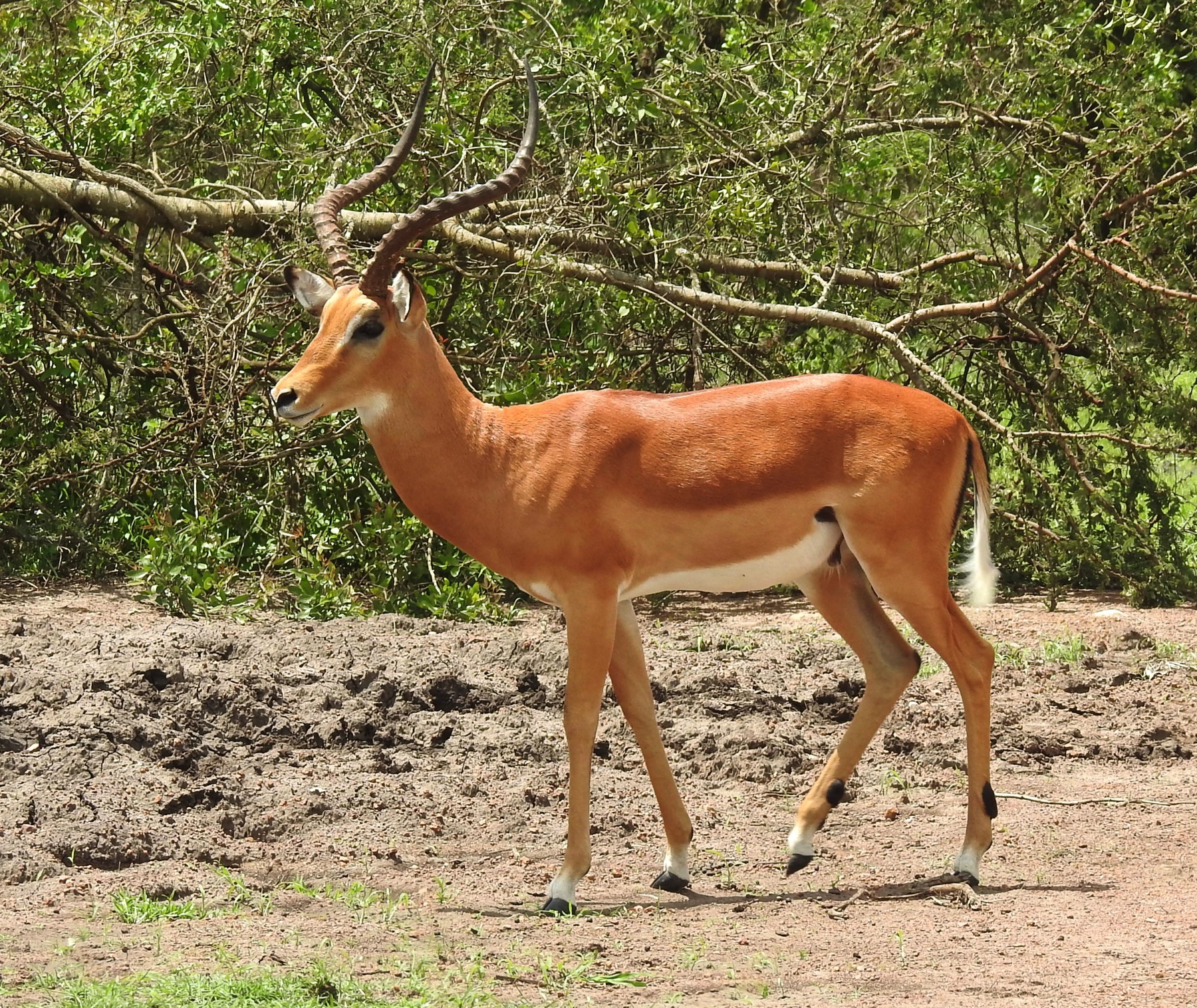
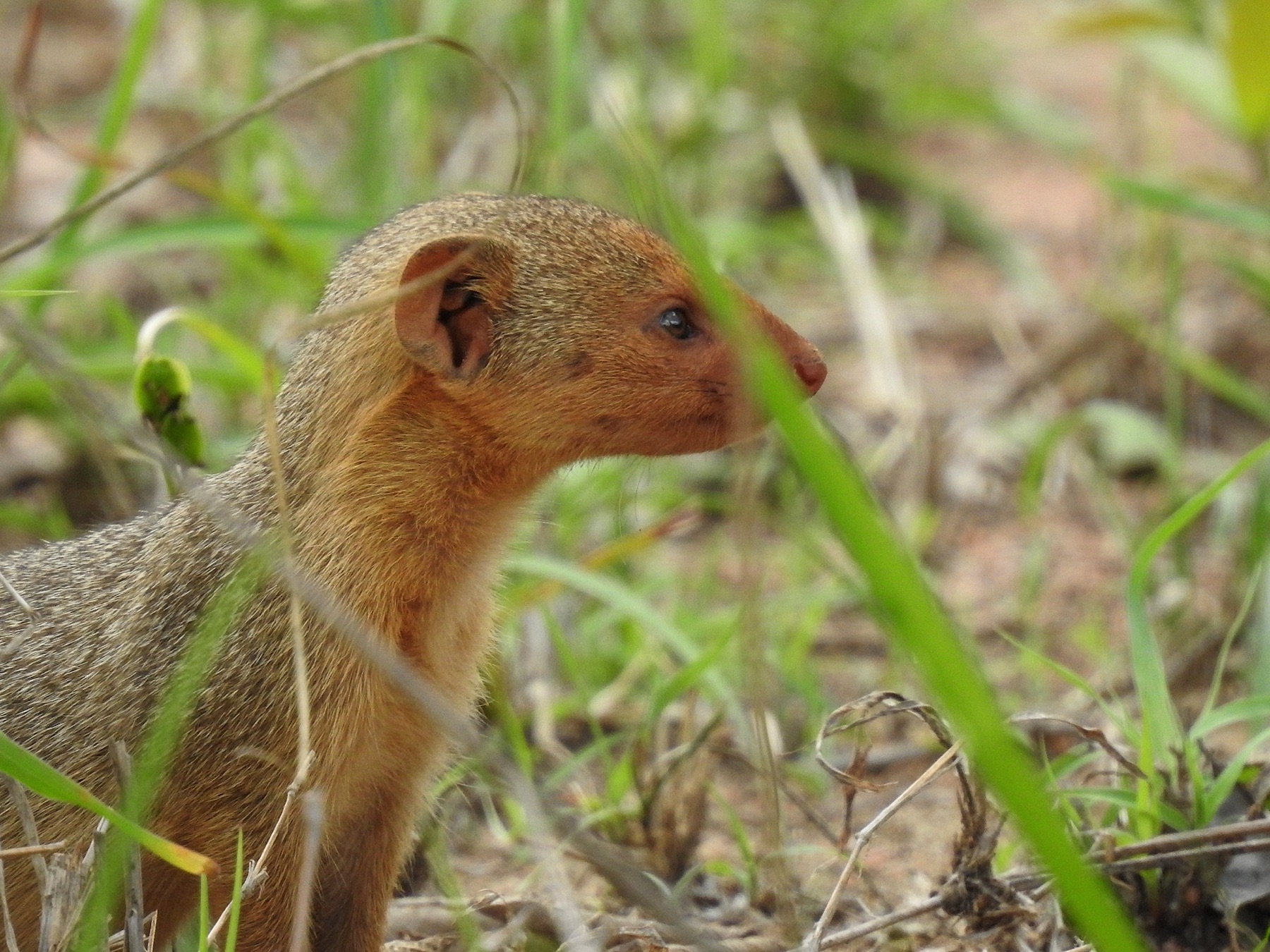
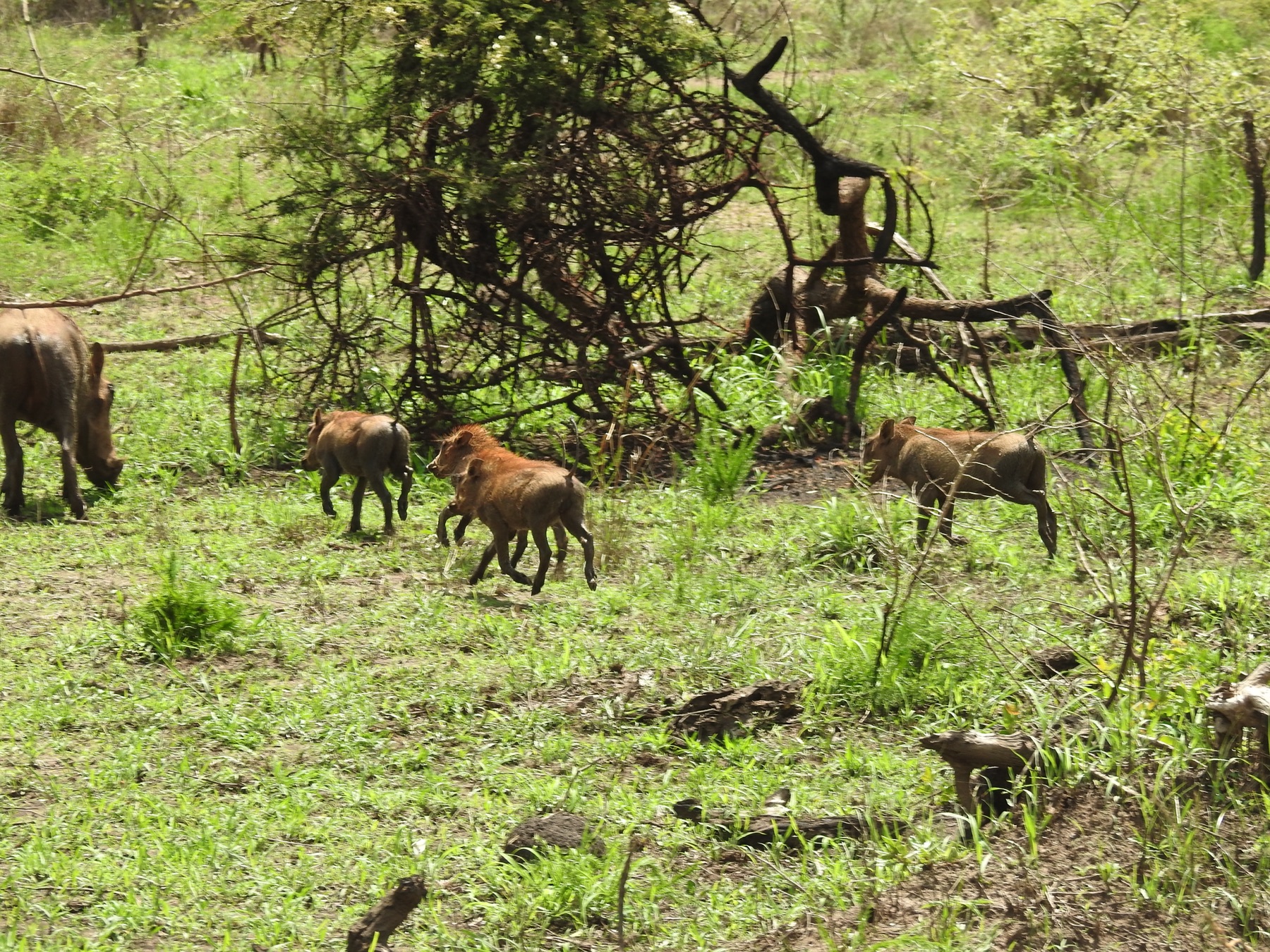
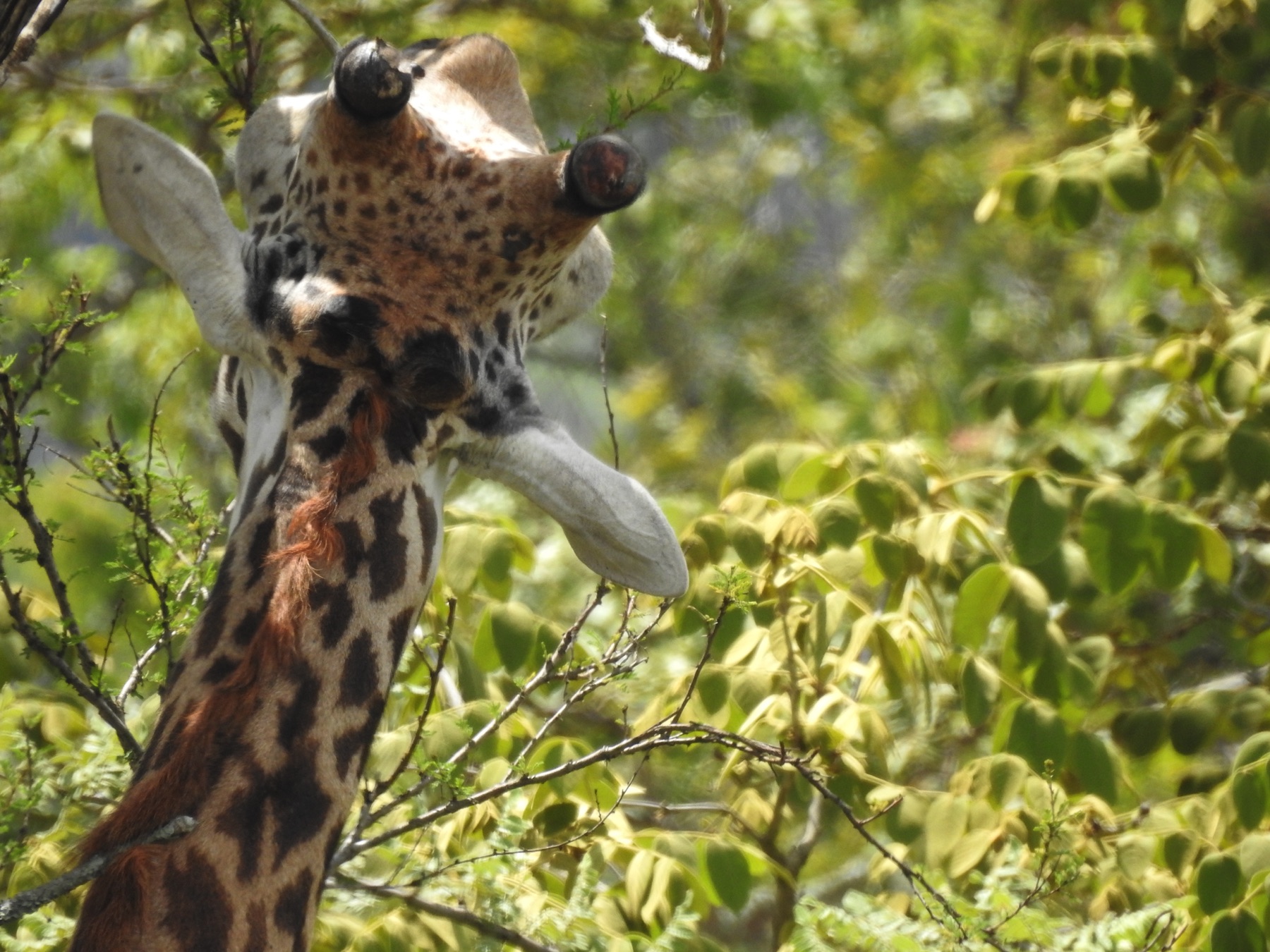
Here are the rest of the photos and a video from our trip:
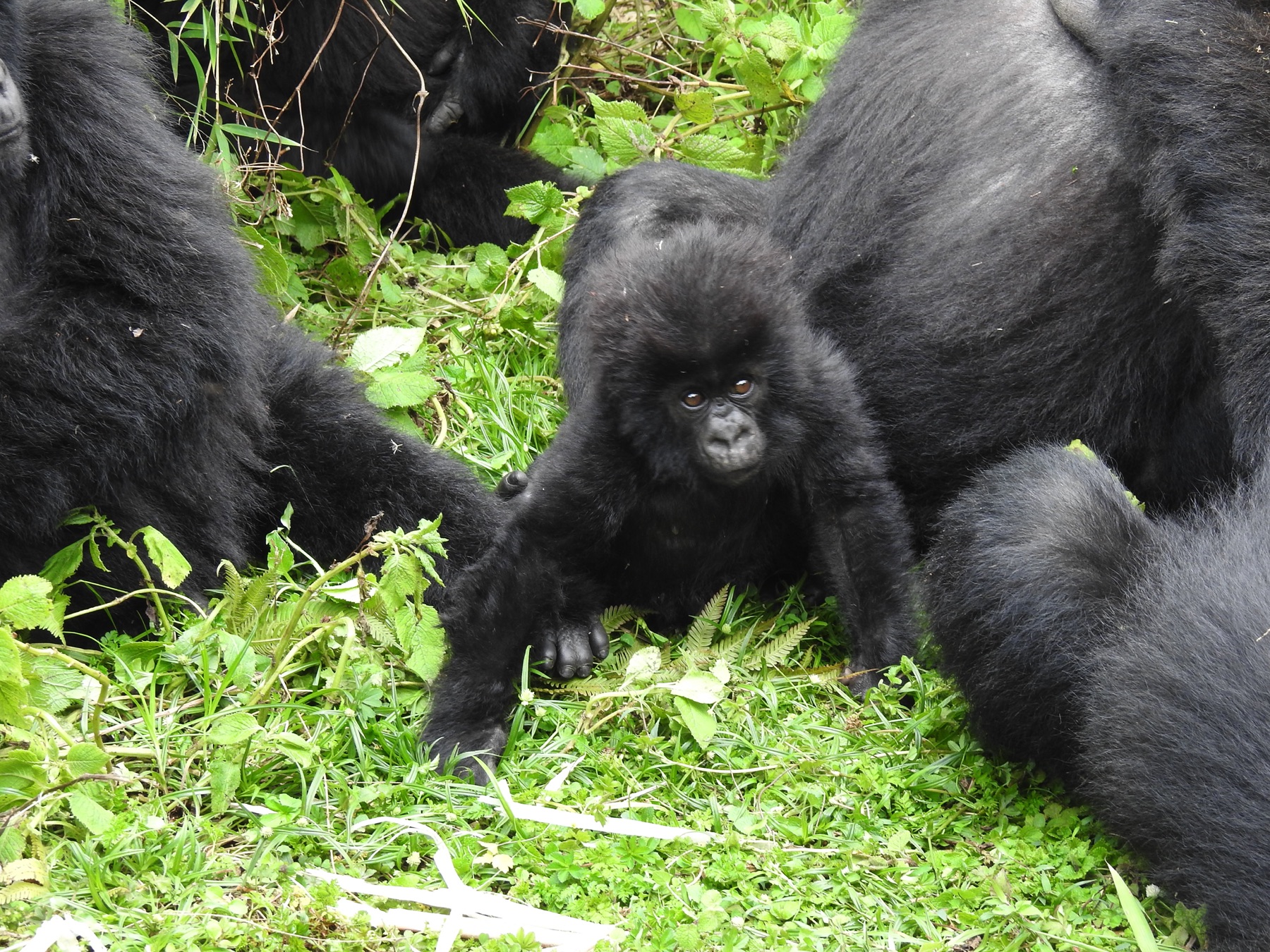
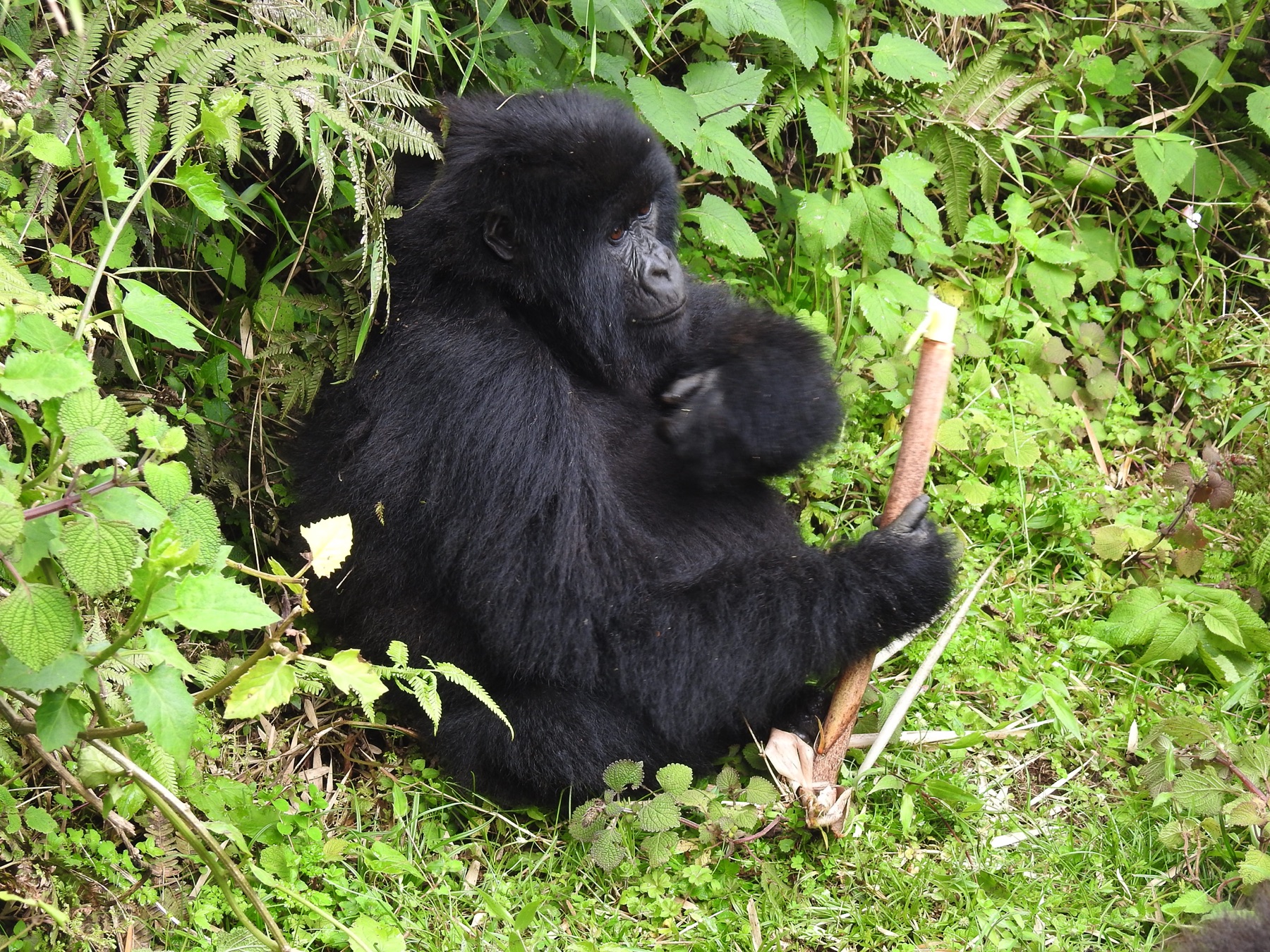
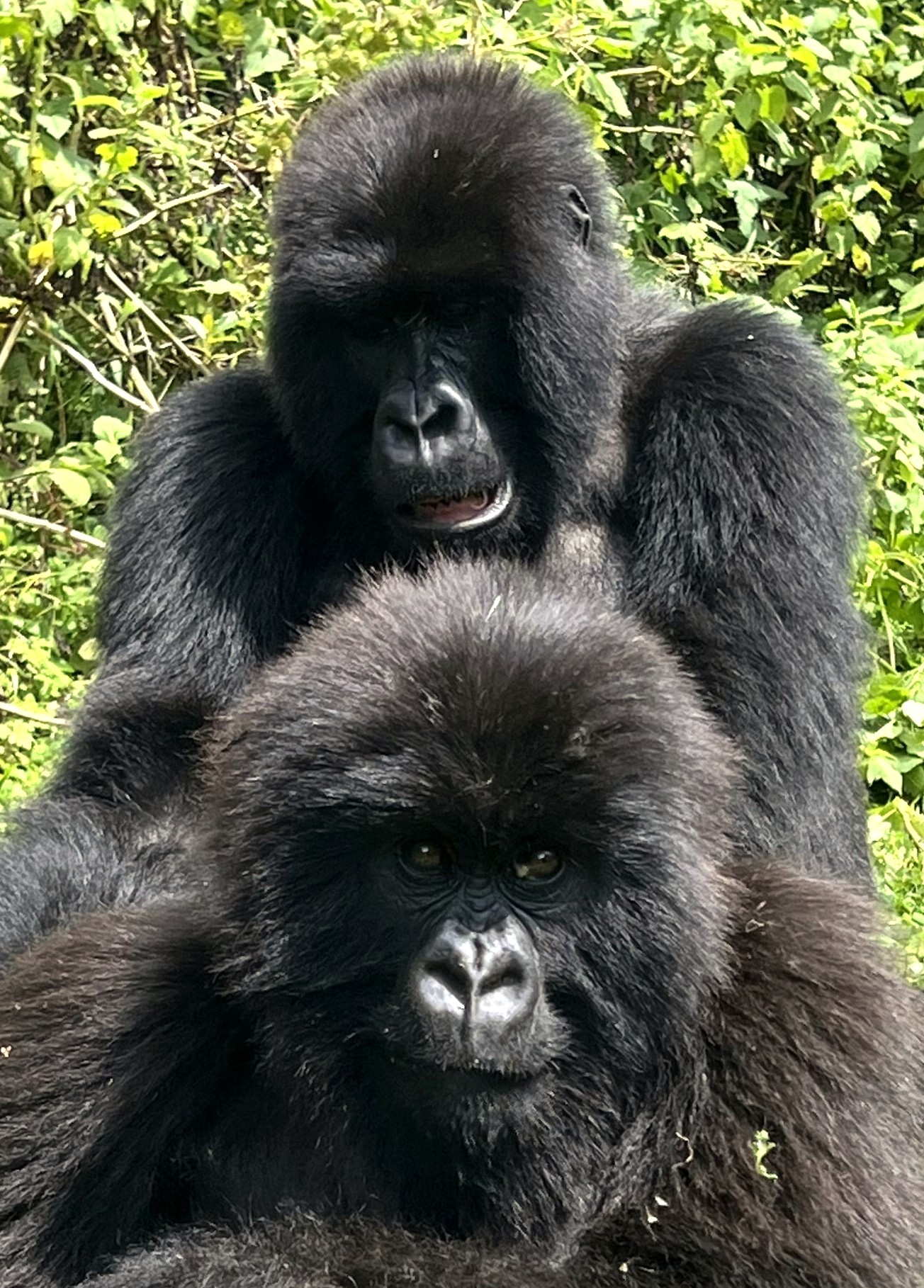
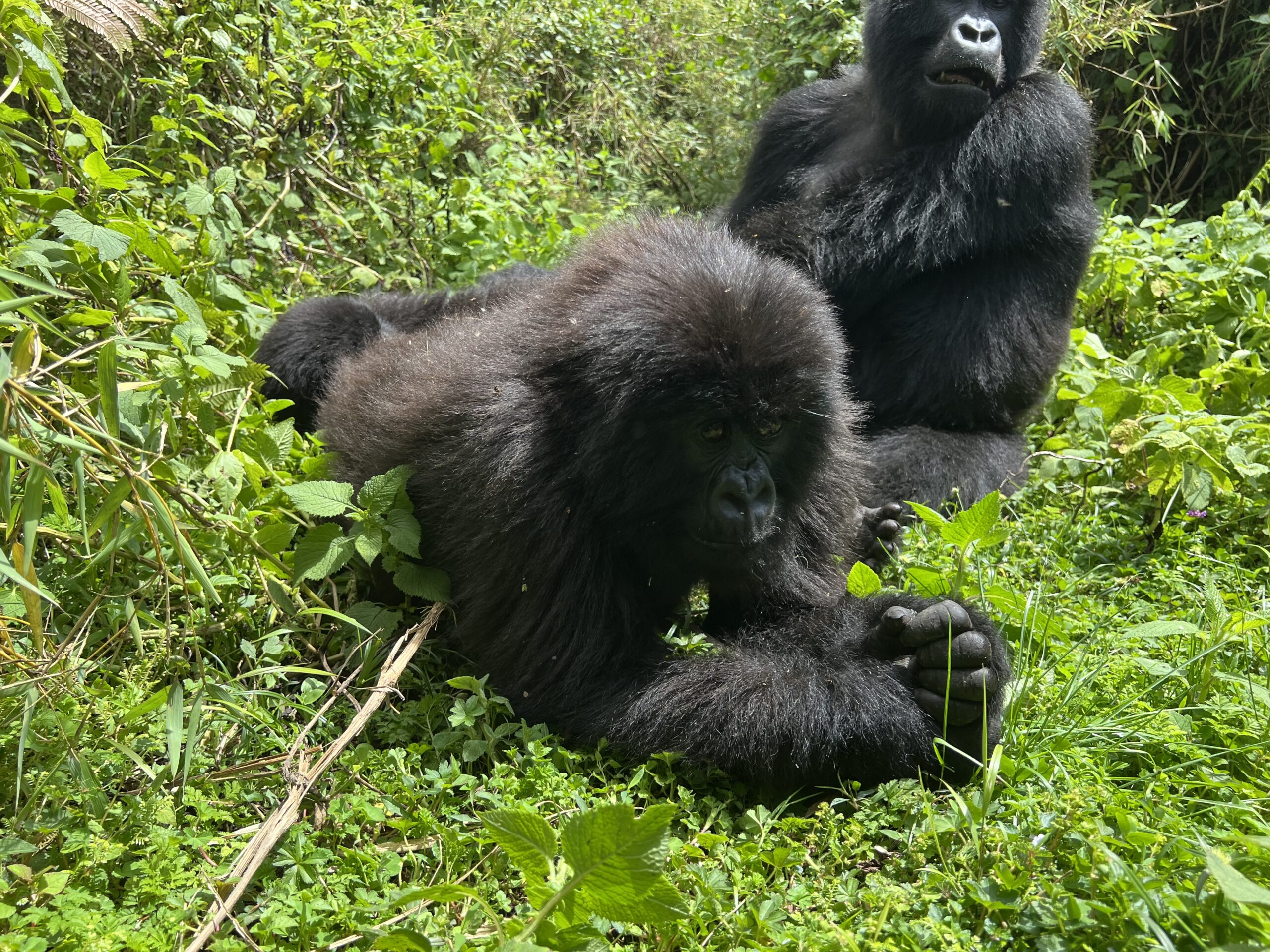
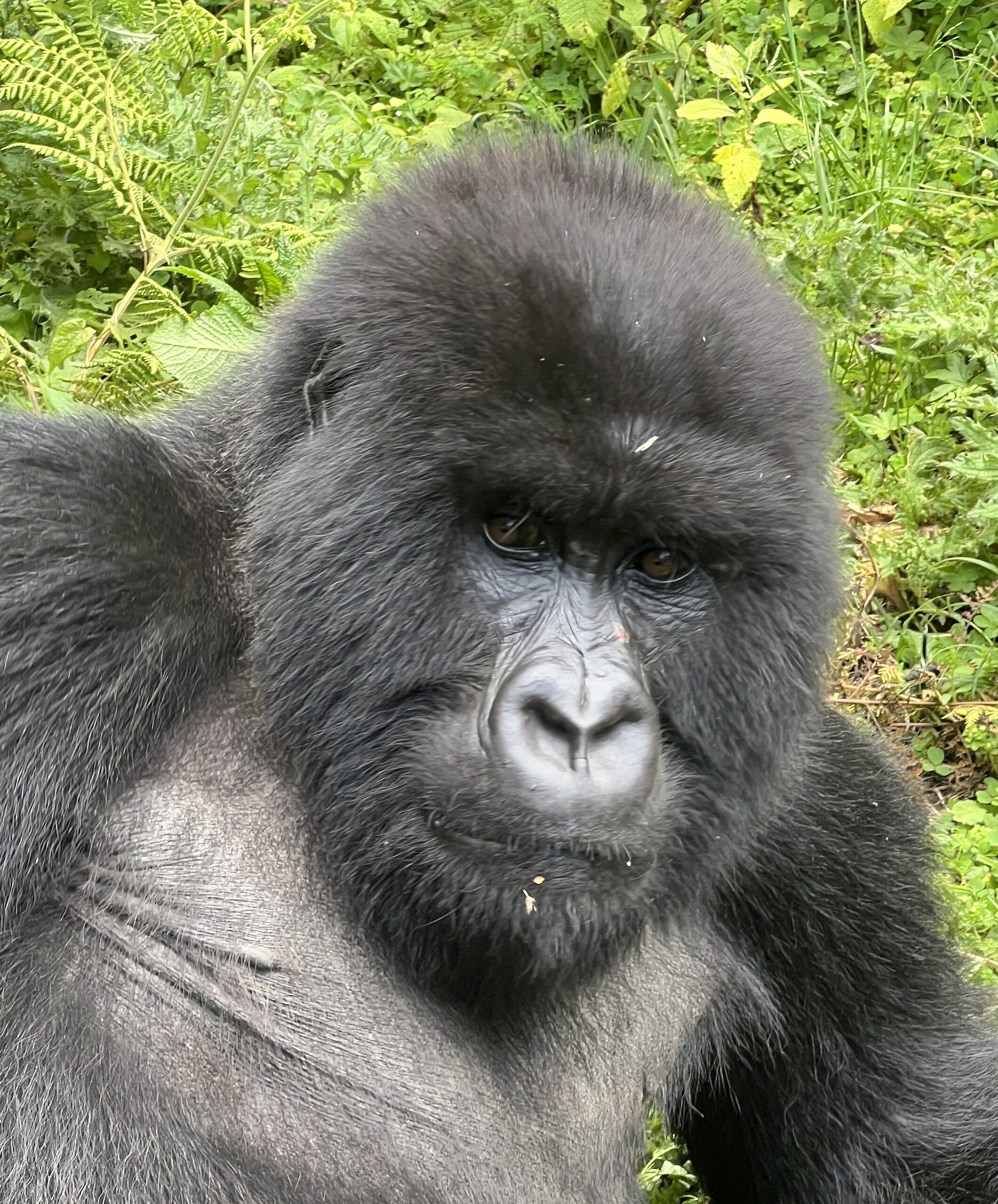
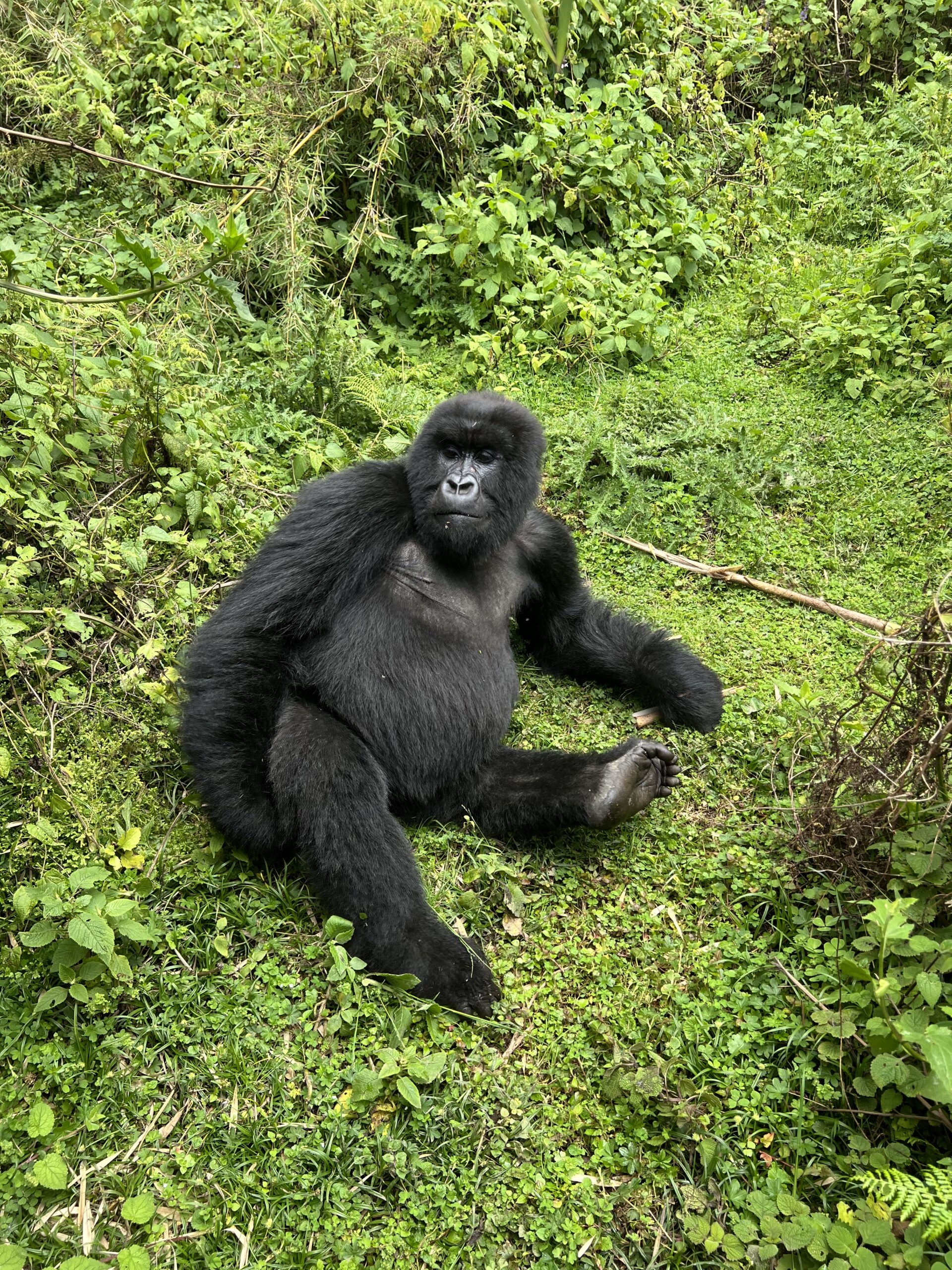
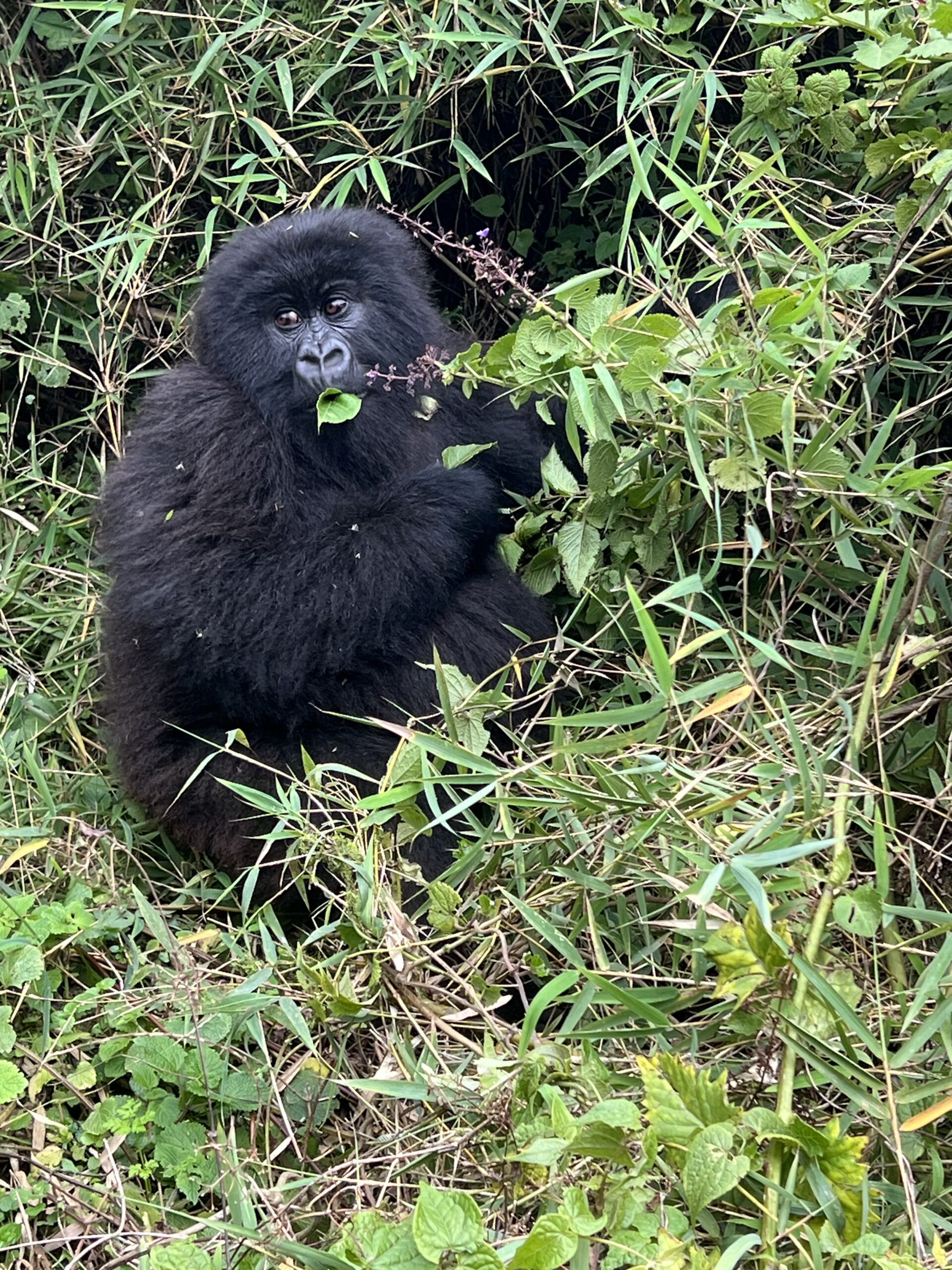
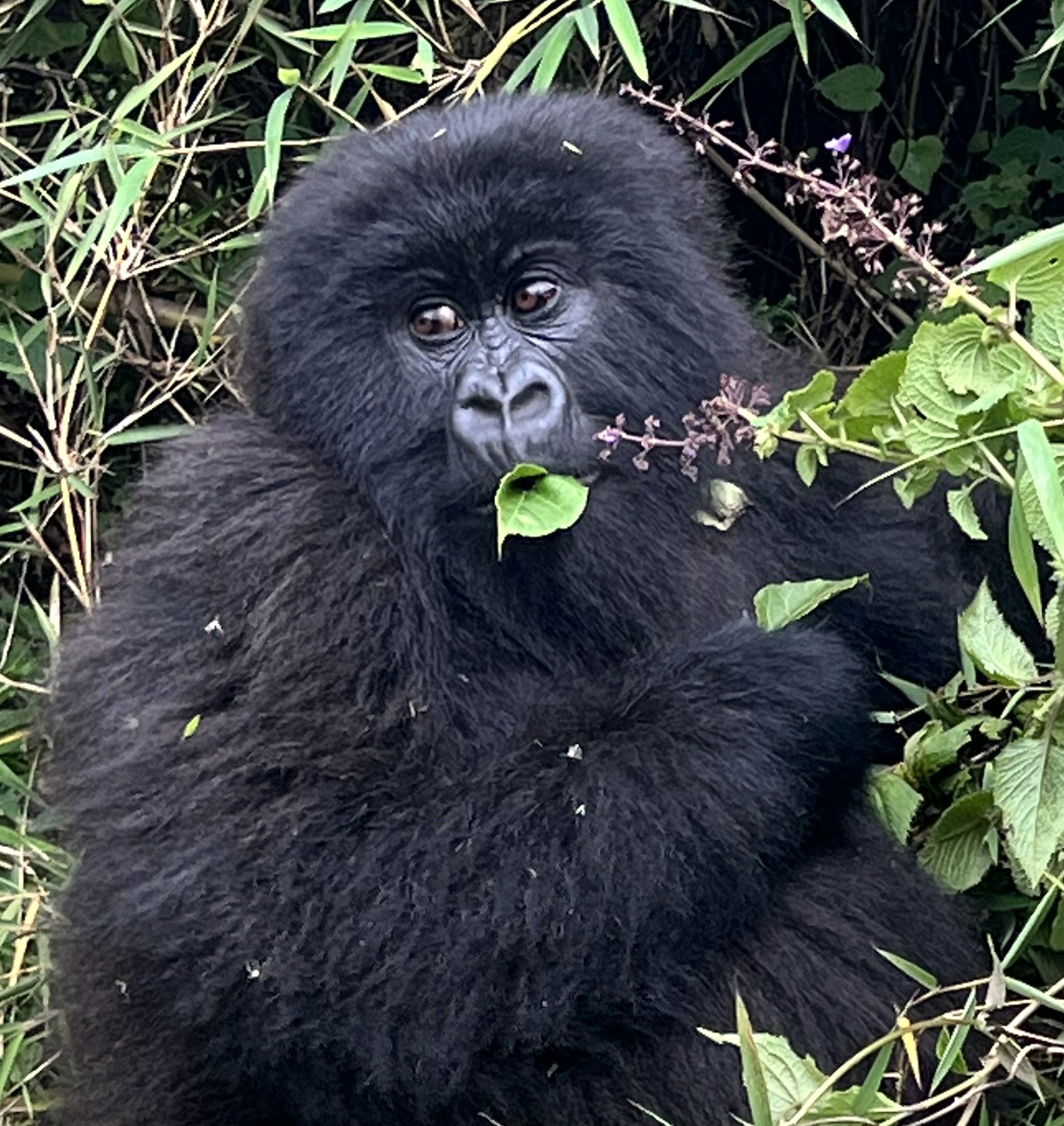
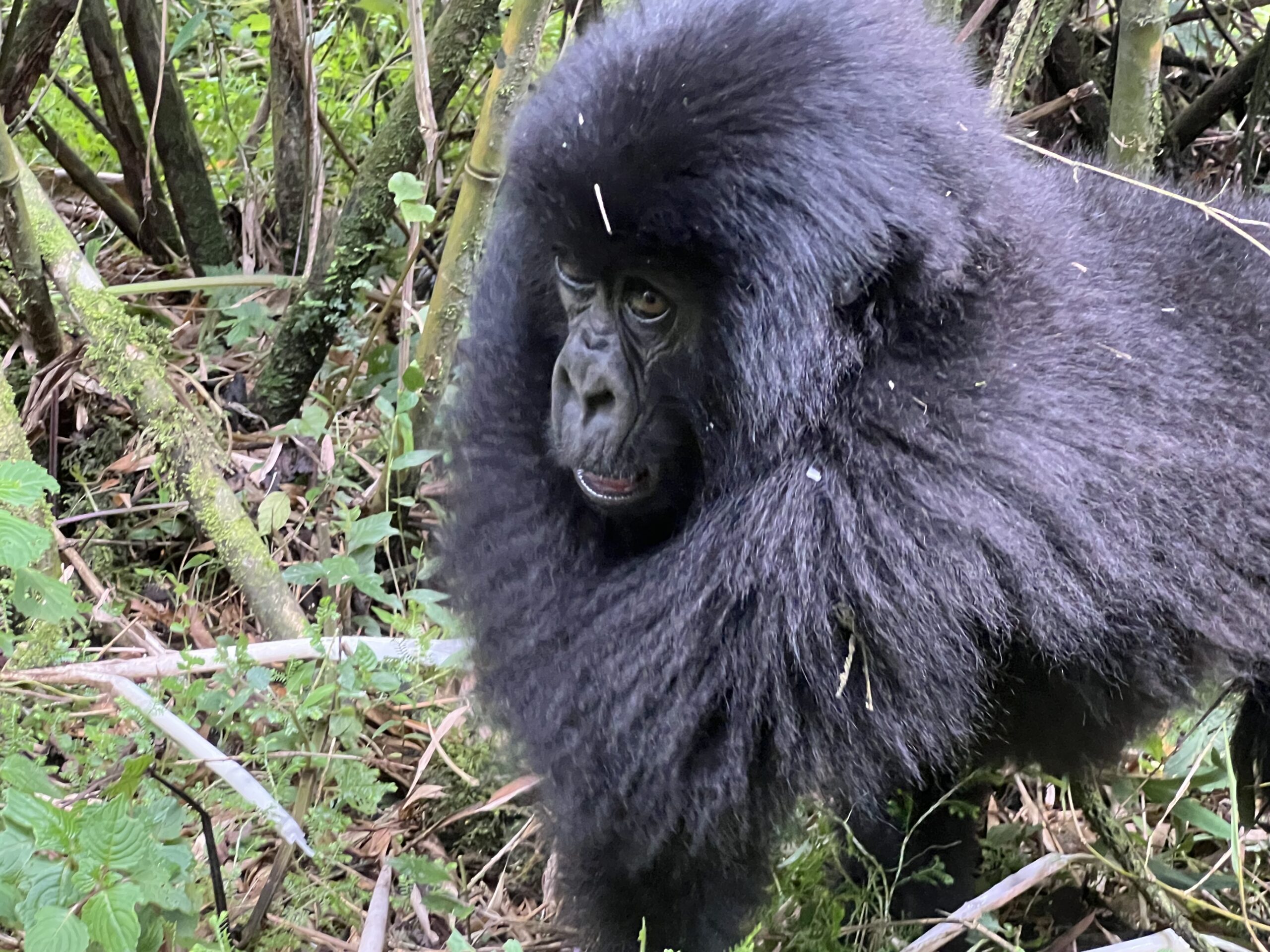
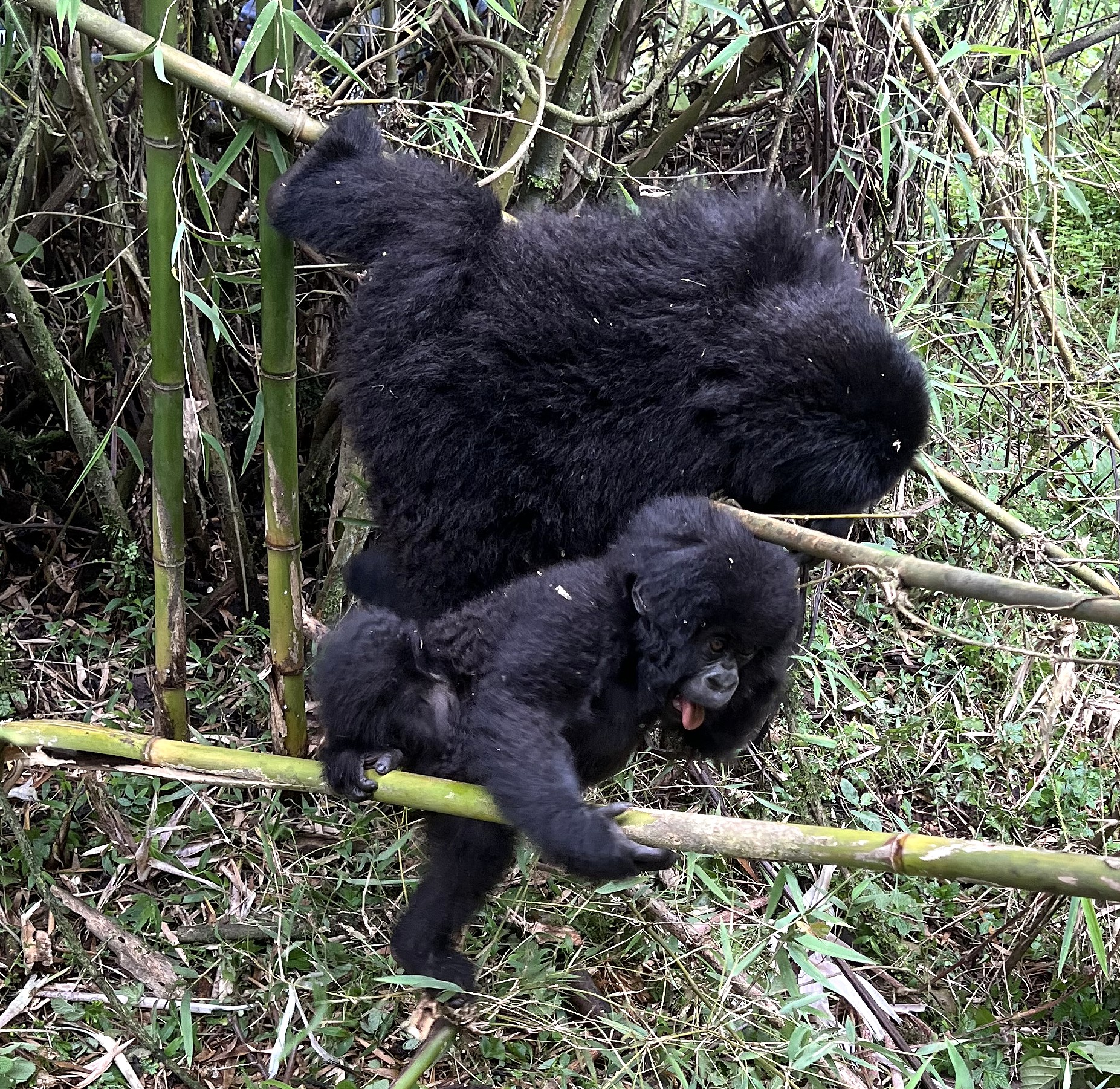
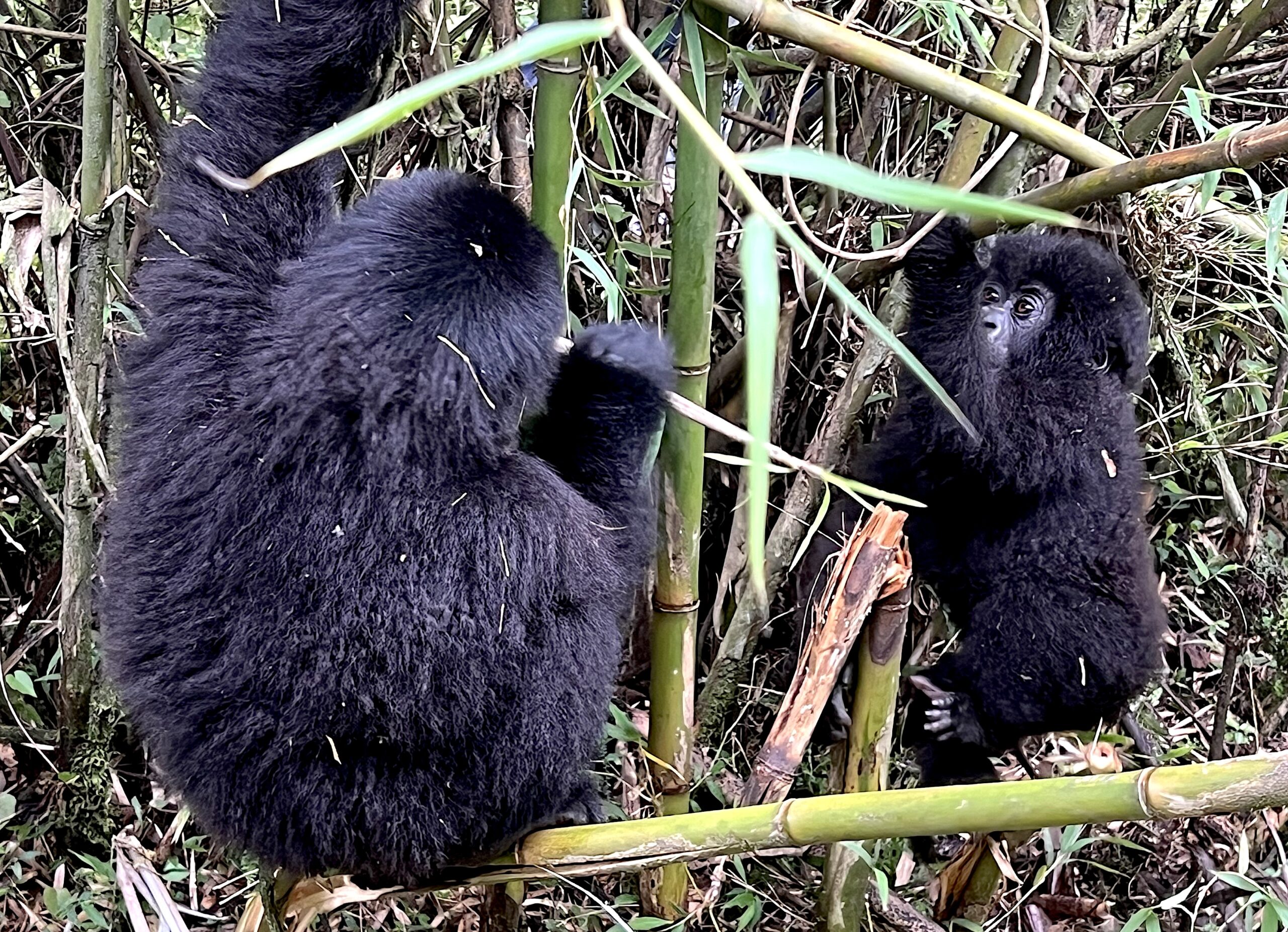
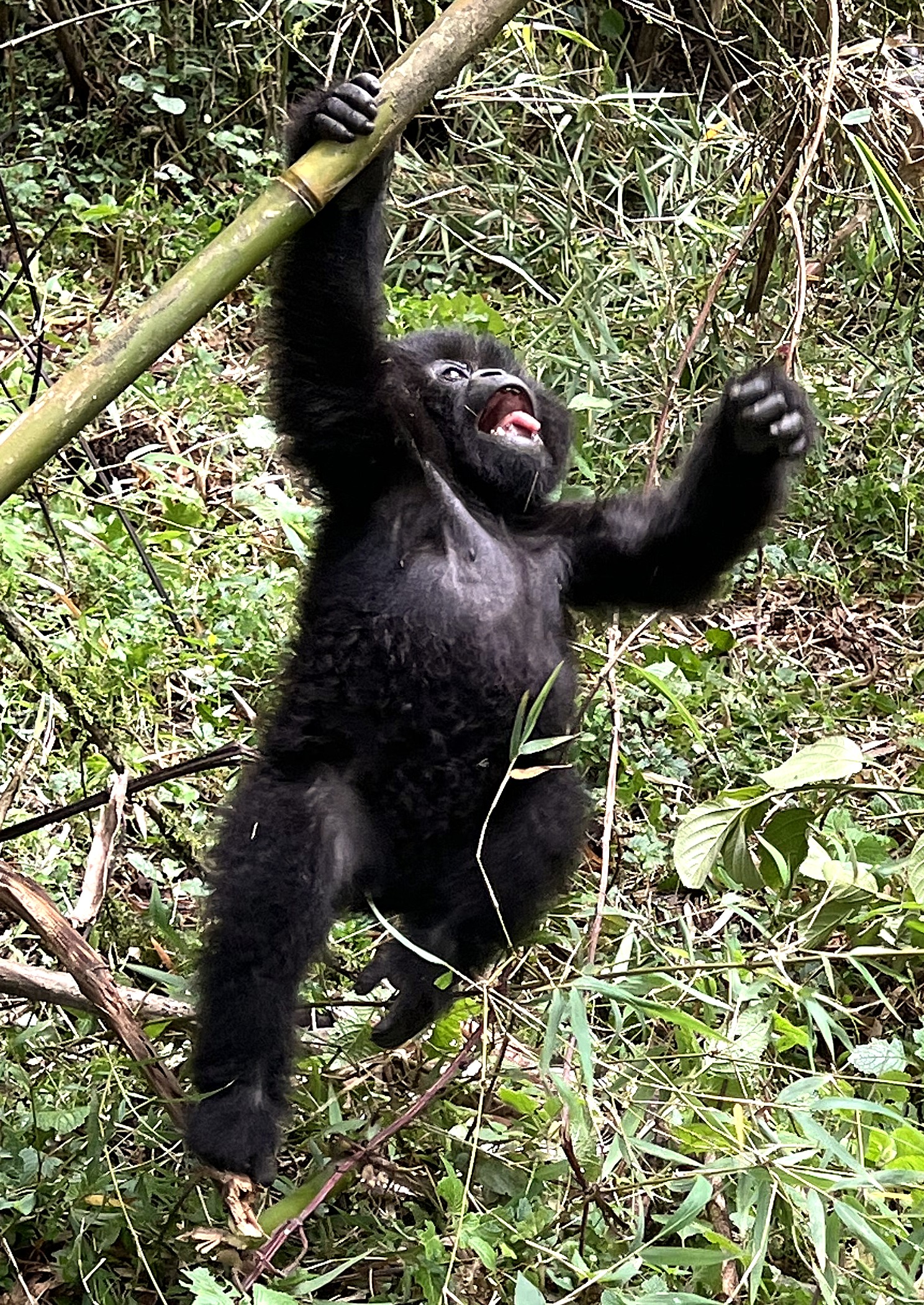
[…] About our photo “Curious Baby Gorilla” – The photo was taken on our trip to Rwanda. You can read the article “Visit Beautiful Rwanda” and watch more photos here: https://www.czechleaders.com/posts/visit-beautiful-rwanda/ […]