
Every institution relies on individuals with integrity and intellect
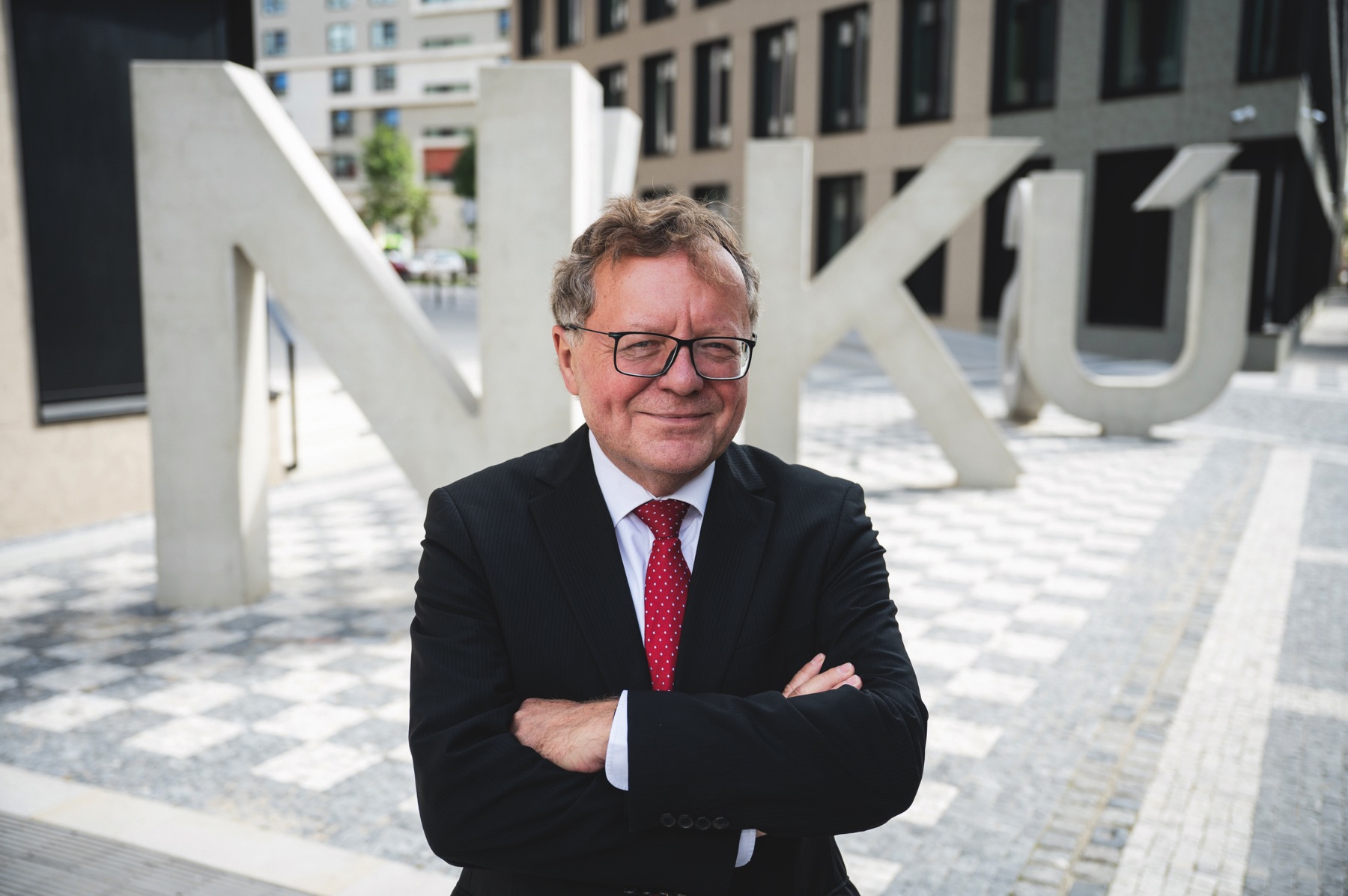
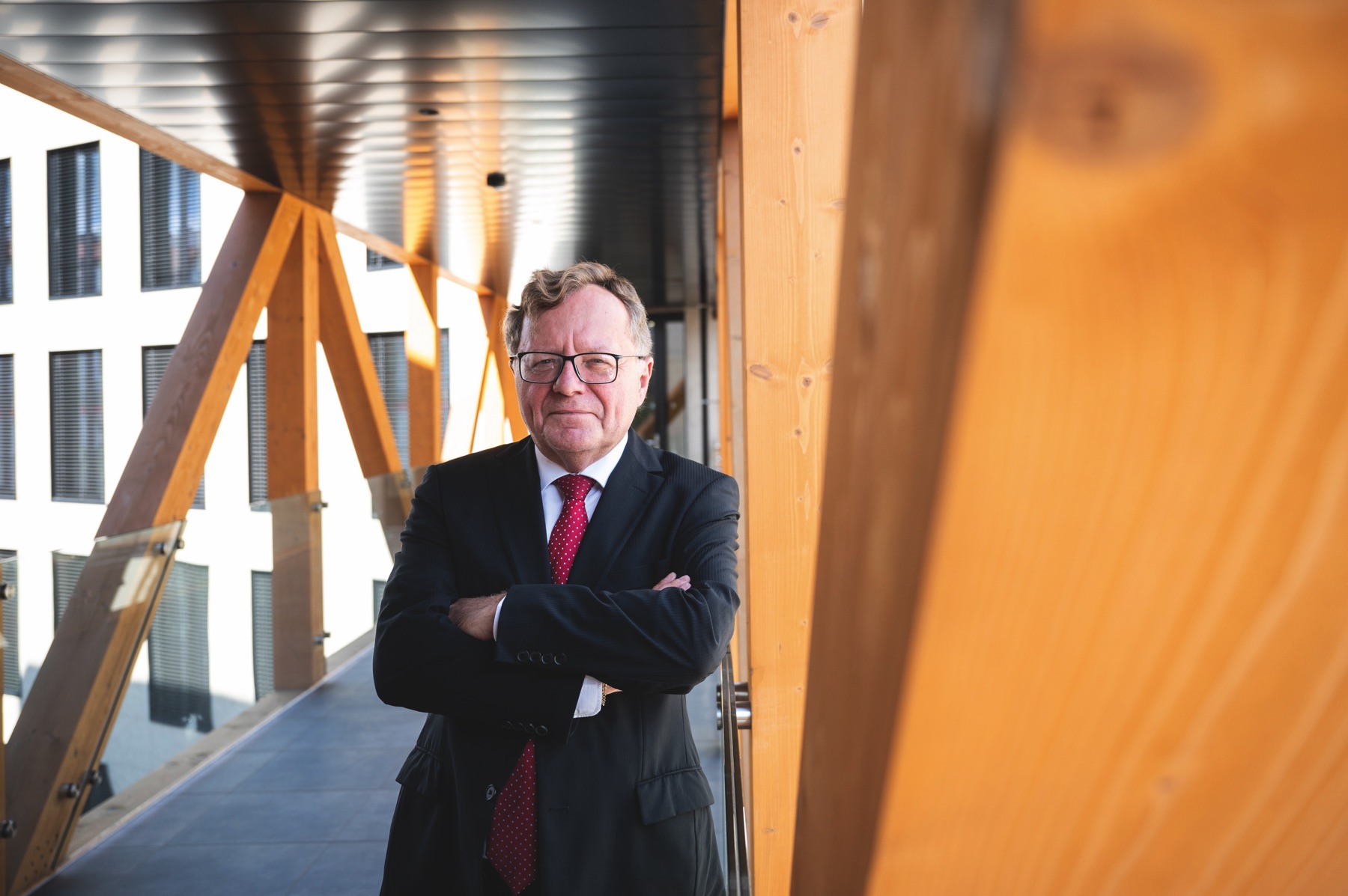
Miloslav Kala, President of the Supreme Audit Office of the Czech Republic
Text: Martina Hošková and M. Zisso; Photo: Archive
Could you briefly introduce yourself and the Supreme Audit Office you are responsible for?
My name is Miloslav, but my friends call me Míla. I am a father of three kids and a grandfather of four beautiful grandchildren. This is my greatest joy outside of work; my large – and thankfully healthy – family. I am also an enthusiastic amateur speleologist, photographer, and orchardist. The Supreme Audit Office (NKÚ) is a very important institution. It monitors how the state spends public funds, and reports its findings to those who can make a difference.
By those who can make a difference, you mean the government and members of parliament, right?
Exactly. Our main counterparts are the government, but primarily the Chamber of Deputies, which oversees the government’s activities. An equally important target group is the media and the public, because we are auditing the use of funds collected from Czech taxpayers.
Does the government have an obligation to resolve problems reported by the NKÚ?
The government reviews our findings and typically assigns the responsible minister to address the issues within a set deadline. We then monitor the implementation of these corrective measures and conduct follow-up audits to evaluate whether the problems have been resolved, how they were addressed, and whether the situation has improved.
How did you become the President of the NKÚ?
I used to work as a sales director in a large private company and then became mayor of Blansko, a mid-sized town in South Moravia, representing the Social Democrats. From there, I moved to the Chamber of Deputies, where I was elected in 2002 and again in 2006. When the opportunity arose to first serve as Vice President and later as President of the NKÚ, I was intrigued. I felt that the energy I would invest in the role would be returned many times over, which was not always the case as a member of parliament (smiles).
What is the most difficult part of being the President of the Supreme Audit Office?
Leading an organisation whose core mission is to identify shortcomings and deficiencies can sometimes make it challenging to maintain a positive outlook. But with some perspective, I still find the work meaningful, motivating, and deeply rewarding.
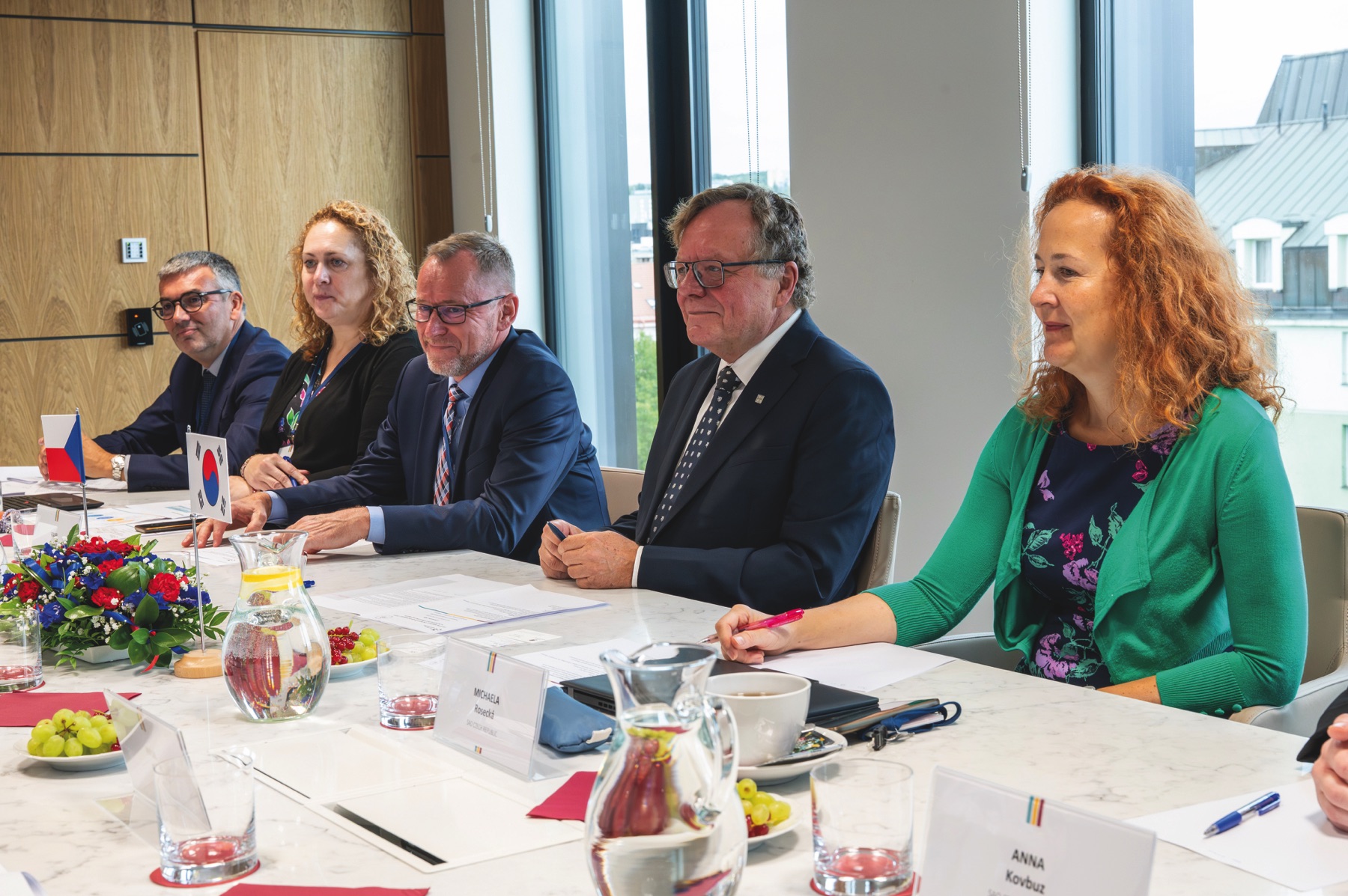
At a meeting with colleagues from the supreme audit institution of South Korea
What is essential for a supreme audit institution to fulfil its duties effectively?
First and foremost, independence – which is well protected in the Czech Republic. I am not worried about external influence on the NKÚ’s decisions. Of course, every institution relies on individuals with integrity and intellect. We take pride in selecting the best. Becoming an auditor at the Supreme Audit Office is no easy task – it requires continuous education throughout one’s tenure at the NKÚ.
Does being an excellent auditor make you a good member of the NKÚ Board?
Good board members do not necessarily have to be auditors. For me, it is someone who can see things in context and analyse them deeply. Someone who is capable of reporting objectively in a way that the audience can clearly understand.
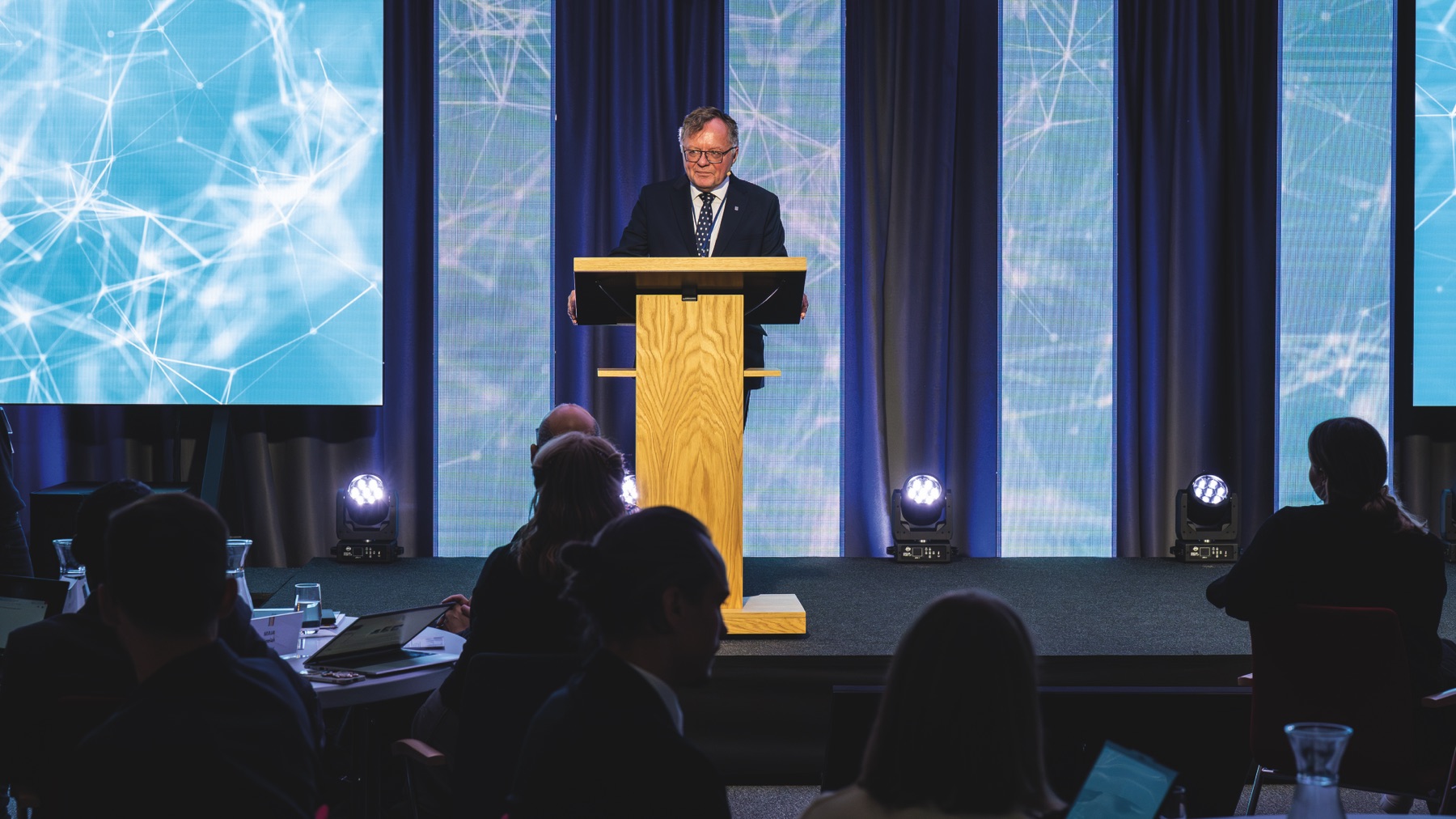
The 18th meeting of the EUROSAI working group on information technologies
Can you tell us about the key audit mechanisms the NKÚ is using for preventing and detecting fraud?
The NKÚ conducts three types of audits: performance, financial, and compliance. Each of them focuses on a different aspect of public spending and plays a role in both prevention and detection – not necessarily of fraud, but of inefficient use of public funds. Personally, I consider performance audits the most important, as they not only assess legal compliance but also whether the funds achieved the expected results – whether the “value for money” was beneficial for taxpayers. Sensitive financial information must be safeguarded.
How do you implement access control?
Our audits are highly standardised, both in methodology and in the legal mandate defined by the NKÚ Act and the Constitution. We cannot just do whatever we want – we must follow standard audit procedures. Information from each audit is collected in so-called “protocols”, which are confidential by law. We publish only the audit report, a structured summary and evaluation of the protocols. If an audit reveals information that could threaten national security or strategic interests, we can classify the results and discuss them with parliamentary and government bodies in a secure setting.
One of the key principles in financial control is the segregation of duties. Are there any conflicts related to this concept that need to be addressed?
The legal framework clearly defines the responsibilities of each institution. If there are friction points, we describe them in our audits. Personally, I see the fragmentation of responsibilities and decision-making as a bigger issue – especially in the distribution of EU funds, where too many bodies are involved. This often leads to inefficiencies and a loss of value before the funds reach their intended recipients. This naturally reduces the impact of such support.
Can you recall your greatest adventure while working at the NKÚ?
My entire term at the NKÚ has been a “wild ride”. Auditing is far from boring. But if I had to name one project, it would be the construction of our new headquarters. For years, I have worked to ensure that the Supreme Audit Office would have a headquarters that reflects its importance and independent status. I am proud to say that we completed it on time, within budget, and even received the ‘Building of the Year’ Award. That was a true adventure – lasting about eight years.
What is the weirdest thing you have dealt with?
Without being specific – some meetings with certain people have been quite strange.
You have been the president of NKÚ since 2013. Can you compare the situation before and now? Has it improved?
It is different. The nature of our findings has changed, as has the functioning of the state and its political leadership. Some issues have improved. For example, during my time as Vice President, our audits frequently identified violations of the Public Procurement Act. Today, this is no longer such a significant issue, but new problems have emerged. So, the situation is different, but I would not say it is necessarily better.
You were also the president of EUROSAI from 2021–2024. Please, tell us about this organisation and your role as its president.
To simplify it a bit, EUROSAI is like the EU for audit institutions. Every country has its own audit institution. And the European ones gather in this organisation. It has fifty-one members, including the European Court of Auditors. The presidency rotates among the member institutions. We have chaired it for three years during a very turbulent time – COVID, inflation, energy crises, and the war in Ukraine. That made holding this position all the more interesting. Our goal was to create effective, simple cooperation among the audit institutions. We tried to create conditions for fruitful international cooperation. We launched the BIEP (Benchmarking Information Exchange Project), a portal for auditors to share projects, documents, and exchange best practices. We also built an audit database for international benchmarking. Therefore, our effort was to foster strong connections among EUROSAI members and ensure optimal conditions for working together.
To wrap this interview up nicely, what is your vision for the next five years?
Internationally, if confirmed by the INTOSAI Congress in October 2025, we will join the leadership of one of its main committees. INTOSAI is the global umbrella for audit institutions. So, I see another opportunity to contribute to international cooperation, and this time in an even broader context than just the European one. On the national level, I would like to continue the work we have been doing – I truly value the efforts of my colleagues. But only a fool would think there is no room for improvement. I want to help take our work to the next level, and to create the best possible conditions for my colleagues – after all, that is one of my key responsibilities.