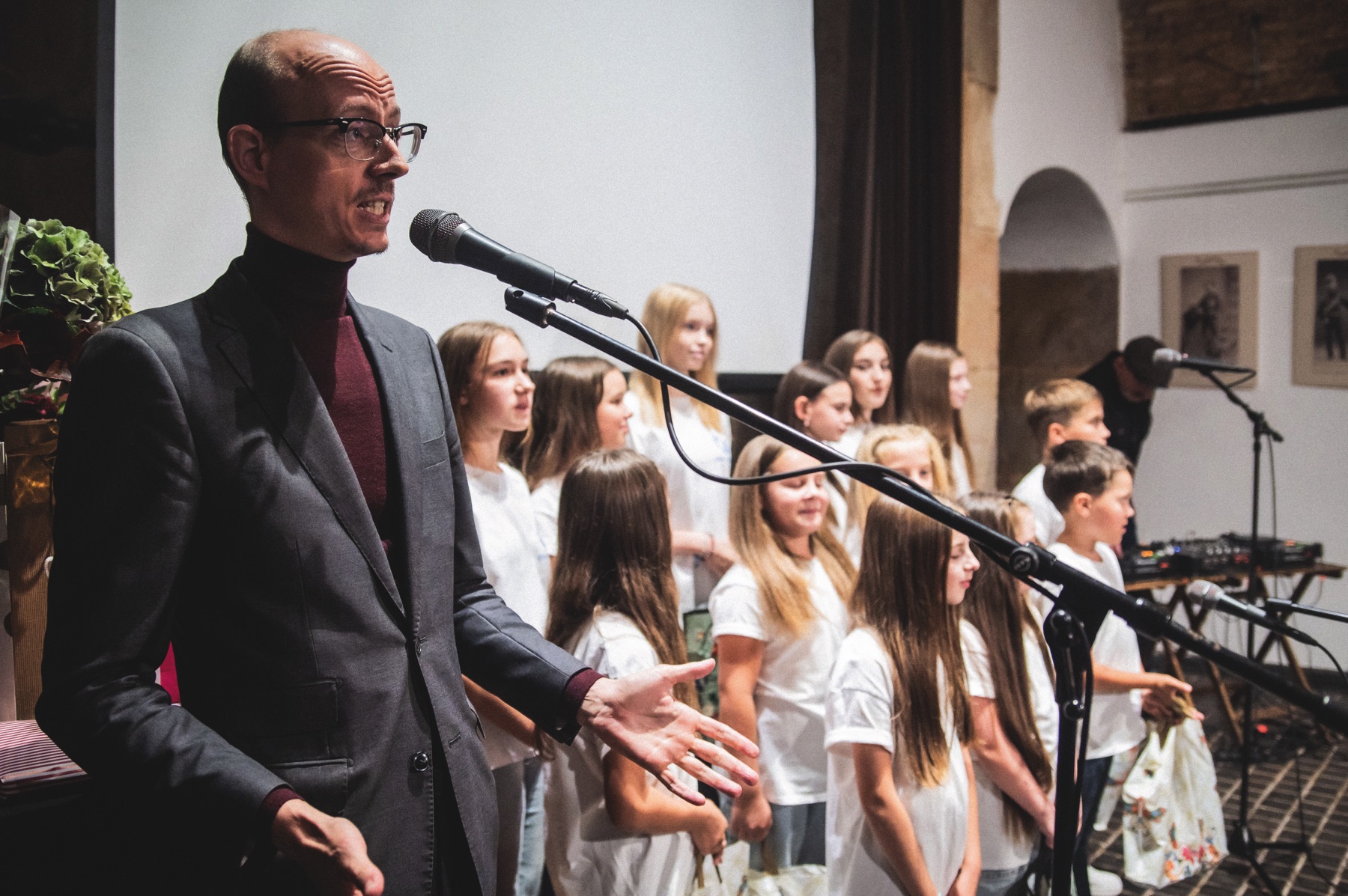

Know your place and do your job well
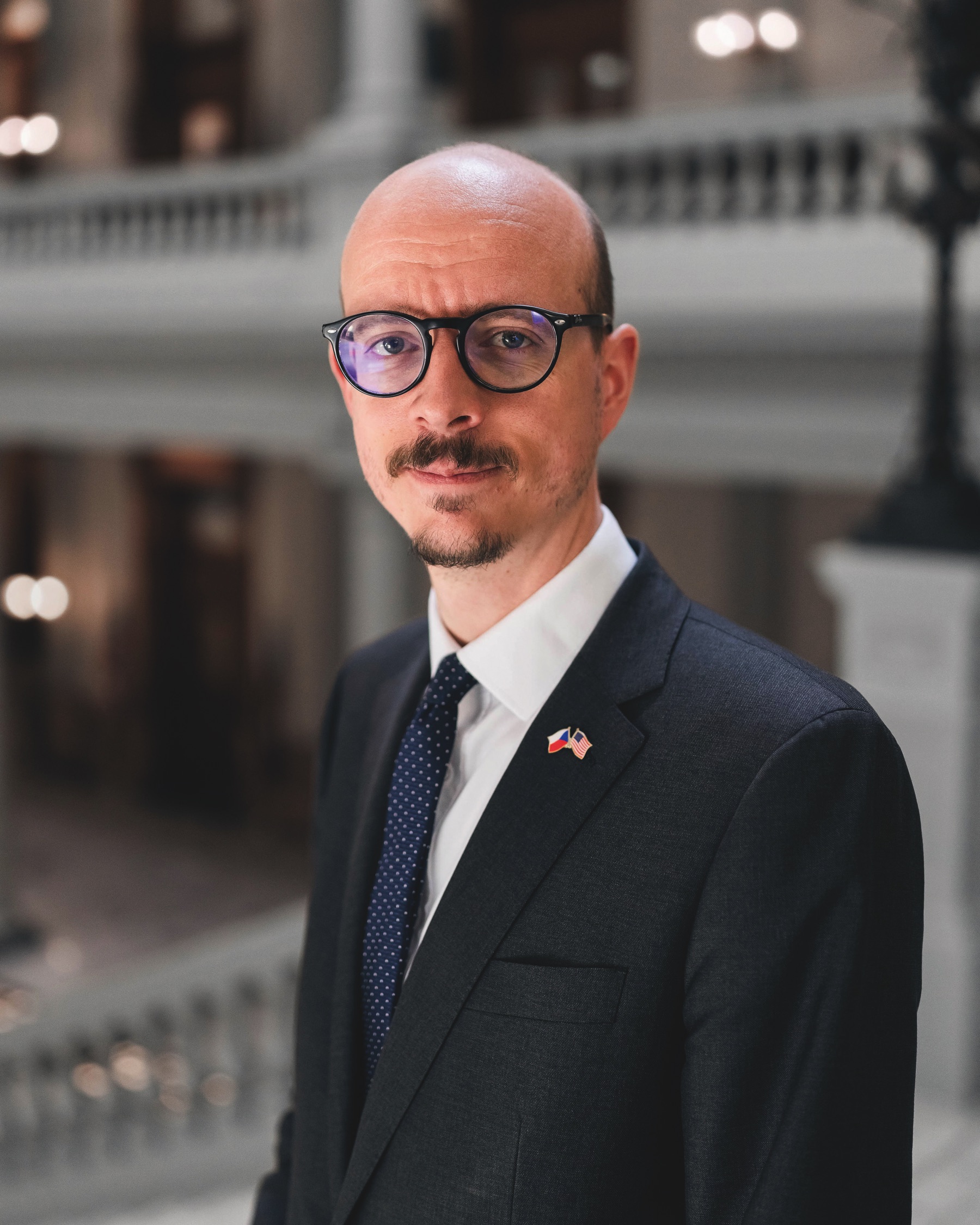
Martin Churavý, former Press Secretary to the Speaker of the Czech Chamber of Deputies
Text: Martina Hošková and M. Zisso; Photo: Archive
You are a civil servant, most recently known for serving as Press Secretary to the Speaker of the Czech Chamber of Deputies. What other roles have you held?
Before working for the Chamber of Deputies, I spent nearly ten years working for the City of Prague – first as an adviser to the mayor, and later as Head of the International and Protocol Affairs Unit at Prague City Hall.
I also spent a couple of years as Spokesperson for Prague 6, one of the city’s districts. Earlier still, I worked at the Political and Economic Section of the Czech Embassy in New Delhi, India.
Is it possible to pick the role you enjoyed the most?
Working for the city where I was born and raised was probably the most fulfilling experience. I had the privilege of leading a team of highly intelligent and seasoned professionals, and it proved to be an immensely educational role. During that time, I learned countless valuable lessons – not only about the job itself, but also about myself.
At Prague City Hall, you held the position of Head of International Relations and Protocol. Have you ever considered a diplomatic career?
Perhaps in my next life. In this one, I prefer to leave diplomacy to career diplomats.
You have given several interviews as a protocol expert. Is protocol really that important?
More important than many people might assume. Diplomatic protocol, social etiquette, and good manners all share one essential principle: consideration for others.
At their core, they are about being selfless rather than selfish. That is why these principles will never become outdated – and why they can be applied across countless social and professional contexts.
There are some politicians who seek to redefine the role of a civil servant. What is your perception of this role?
I am an avid fan of the classic British television series ‘Yes, Minister’. You will find all the answers there – particularly when it comes to the complex relationship between politicians and civil servants. One of my favourite moments of the show is when Sir Humphrey explains that the role of the civil service is not to implement the minister’s ideas, but to ensure that nothing actually changes. “Politicians,” he says, “come and go, while civil servants remain – patiently protecting continuity, procedure, and stability.” Brilliant!
What is the most difficult part of being a civil servant?
Coming to terms with the fact that you are meant to genuinely serve others. That is the very essence of public service – and also the hardest principle to uphold consistently over the years.
Is that the piece of advice you would pass on to the next generation of civil servants – to genuinely serve others?
Yes. Know your place, do your job well, and never mistake the attention attracted by the powerful people you work for as your own personal glory.
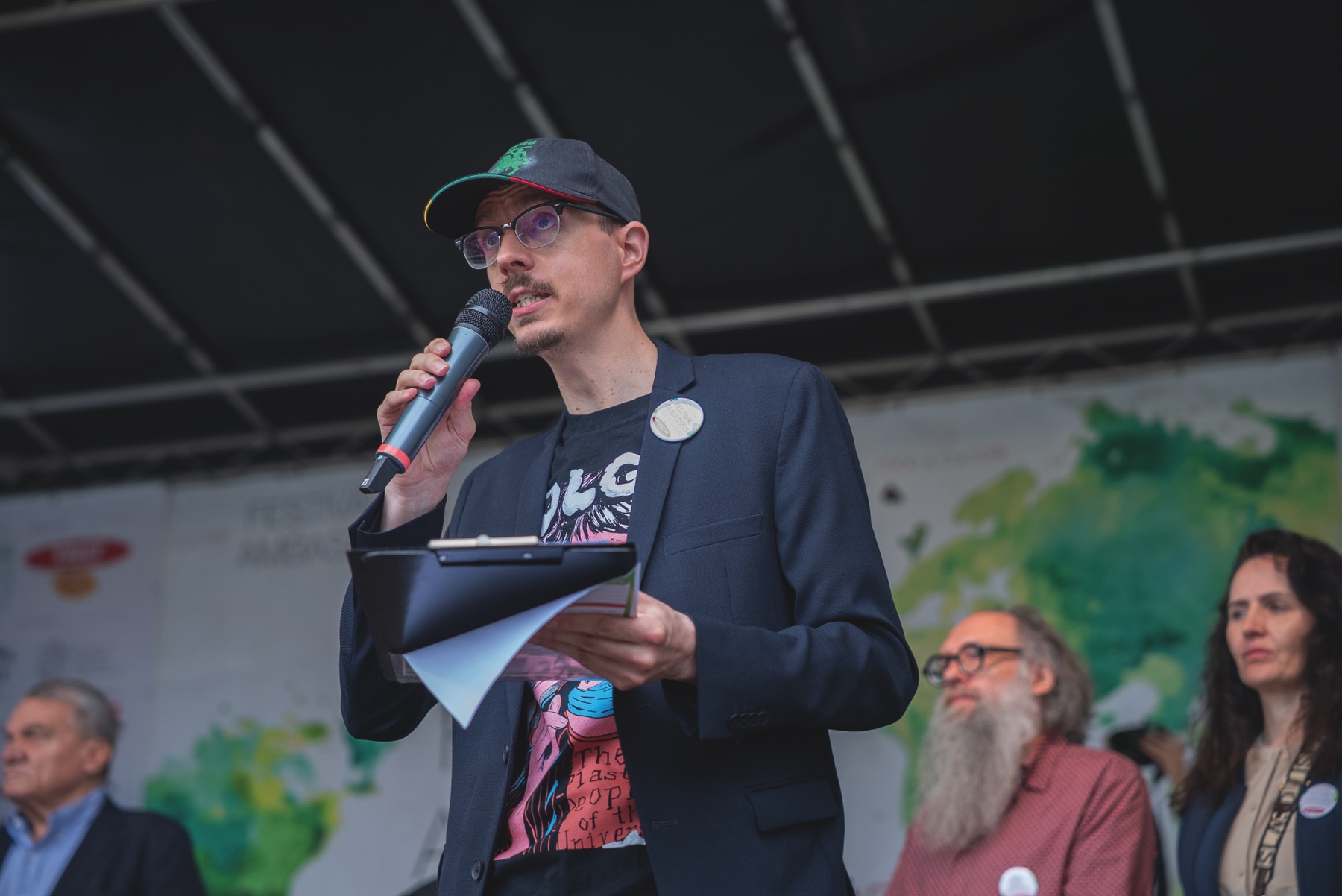
Moderating the Food & Culture Festival of Embassies
Can you recall the best adventure of your professional career so far?
I am not sure it qualifies as the best adventure, but hiding in an underground shelter during a Russian drone attack on Kyiv was certainly more adventurous than I would ever wish for.
Was there anything else just as unusual, perhaps even a bit weird, that you had to deal with?
During the visit of the head of the Tibetan Government-in-Exile to Prague in 2019, I was repeatedly contacted by high-ranking Chinese diplomats. They tried to persuade me to convince the Mayor of Prague not to meet the Tibetan leader.
The truly strange part was the way they reached out – late at night, through coded messages that deleted themselves immediately after being read.
What helps you relax in your free time?
I enjoy spending my free time with my beloved wife Monika. We like long walks, deep conversations, good food, and British films.
I used to be an amateur actor, mostly playing rather peculiar characters in Shakespearean comedies. Fortunately for the audience, I have since retired. Other than that, I enjoy black coffee in the morning and white wine in the evening. One might say I lead a fairly black-and-white life.
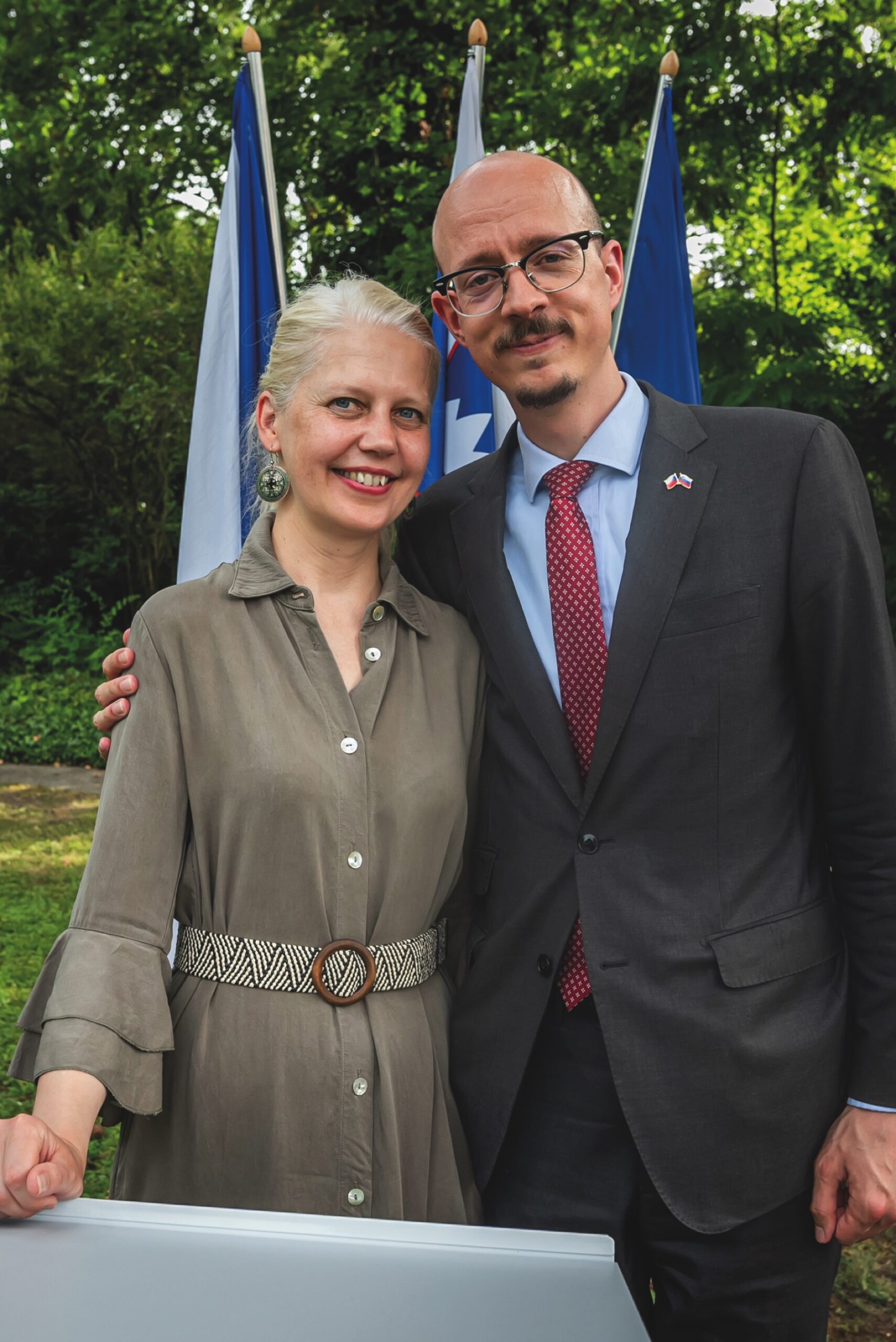
Martin Churavý with his wife Monika Granja
You made volunteering at the Olga Havel Foundation part of your life too, didn’t you?
It all started many years ago when I met my wife. She is the Director of the Olga Havel Foundation, so it felt only natural that I would help out whenever I could. Their charitable projects are undeniably impactful.
Moderating diplomatic events such as the embassies’ international food festival is another activity on your list. Is that something you enjoy?
Very much so. The Festival of Embassies began in Prague 6 about ten years ago. As you may know, Prague 6 hosts most of the embassies and ambassadors’ residences in the Czech Republic.
The original idea was simple: to allow diplomats to present their national cuisine and culture to local residents during one of the regular farmers’ markets held at Victory Square on Saturdays.
In the first year, 20 embassies participated. Last year, more than 50 joined. Over time, the festival has grown into one of Prague’s most popular cultural events. If you have never experienced it, make sure to come on July 6th this year.
Looking further ahead now, where do you see yourself in ten years?
Ten years is a very long time. Who knows what tomorrow may bring? That said, I do believe I will still be working with inspiring people on meaningful projects.