

NAVIGATING EUROPE IN THE AGE OF GLOBAL SYSTEMIC TRANSFORMATION
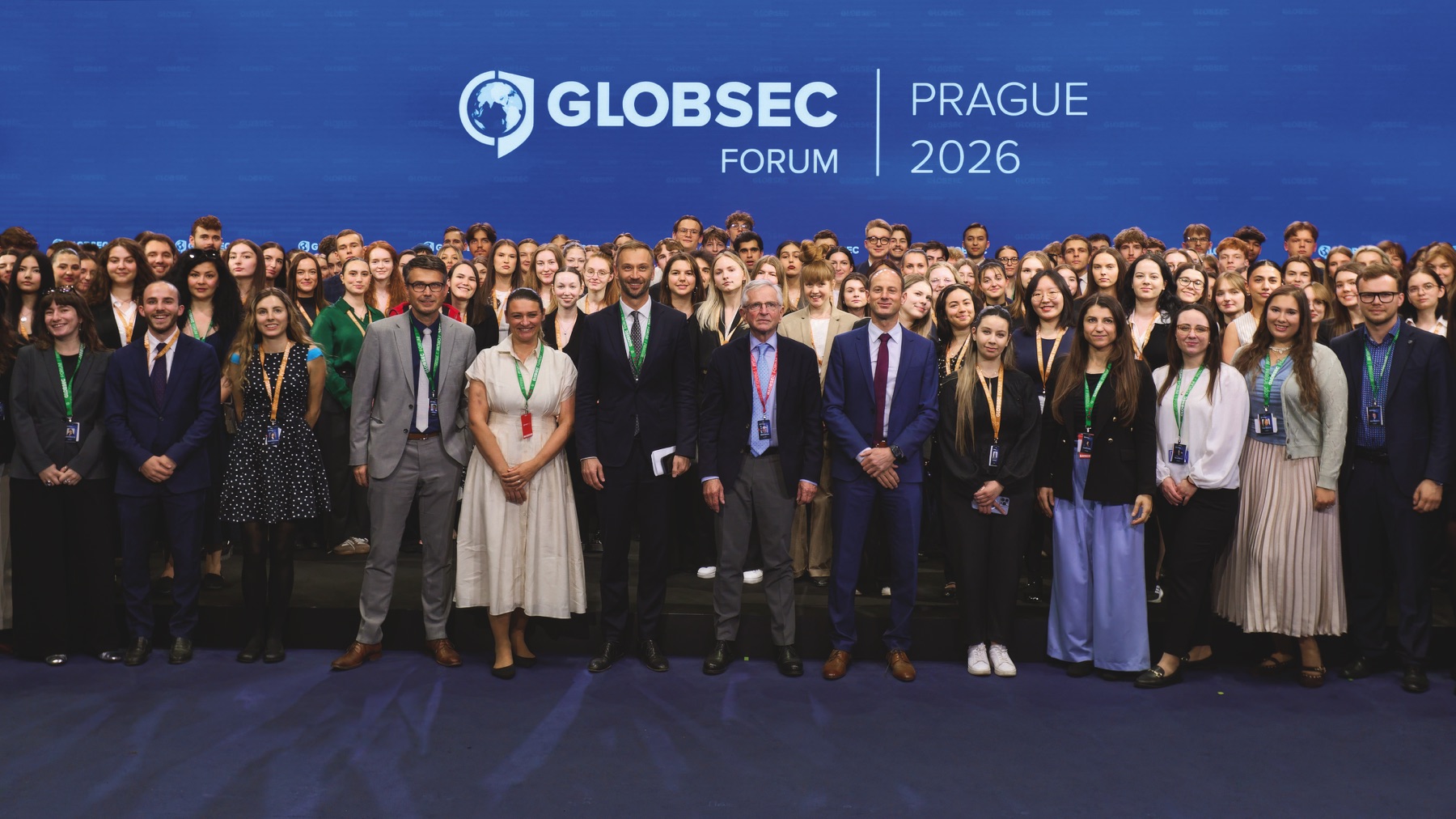
Family photo of the GLOBSEC team
Text: Filip Nerad, Director of Communications at GLOBSEC; Photo: Archive
The GLOBSEC Forum has firmly established itself as the premier international strategic conference in Central and Eastern Europe. This year’s event marked its third successful consecutive edition in the Czech capital, permanently cementing Prague’s role as a vital European hub for strategic dialogue. The Forum convened over 2,400 participants from a record-breaking 86 countries, including more than 50 political delegations and nearly 300 speakers.
Driving this prestigious platform is GLOBSEC – a global, non-governmental think tank with a wide network of offices spanning Brussels, Prague, Washington, Bratislava, Vienna, and Kyiv. GLOBSEC is dedicated to delivering world-class scientific research and analysis in the fields of security, economics, and geopolitics. In addition to its flagship annual conferences, the organization regularly hosts closed-door roundtables and specialized expert briefings, bridging the gap between key stakeholders in both the public and private sectors.
This year’s Forum was not about mourning the old world, but about navigating a massive, systemic transformation with a strong bias toward action. The mood among leaders has shifted from anxiety to a pragmatic realization: Europe must take the driver’s seat and shape its own future. Among the prominent global figures driving these discussions were Europe’s foremost statesmen, diplomats, global CEOs, and business leaders.
A major social highlight of the event was the prestigious GLOBSEC Awards ceremony held at Prague Castle, where the organization honored this year’s keynote speakers Roberta Metsola, President of the European Parliament, and Maia Sandu, President of Moldova, for their extraordinary contributions to strengthening European unity, democracy, and resilience.
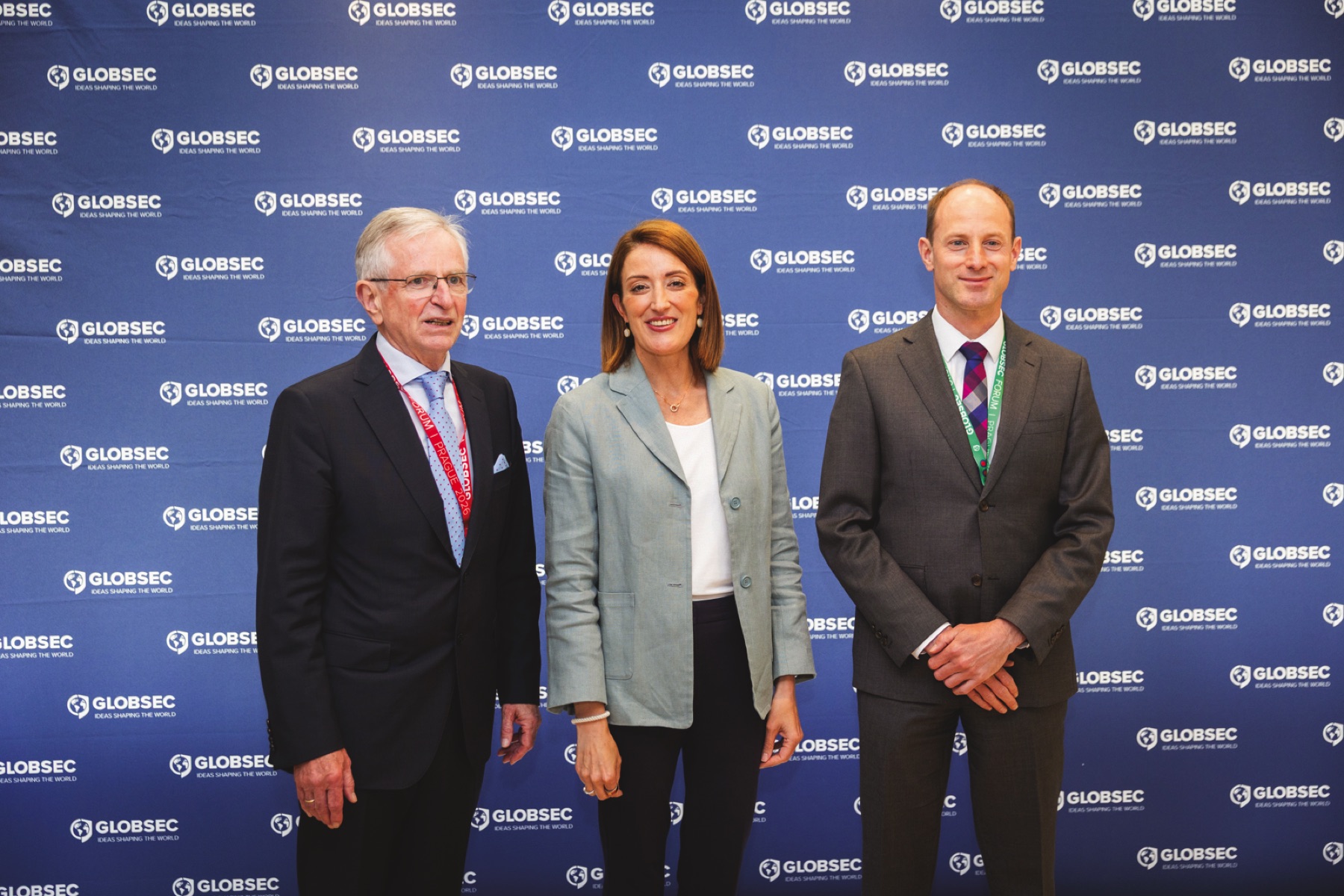
GLOBSEC Head of the Board Wilhelm Molterer, European Parliament President Roberta Metsola, and CEO Daniel Braun at the GLOBSEC Forum at the Hilton Hotel Prague
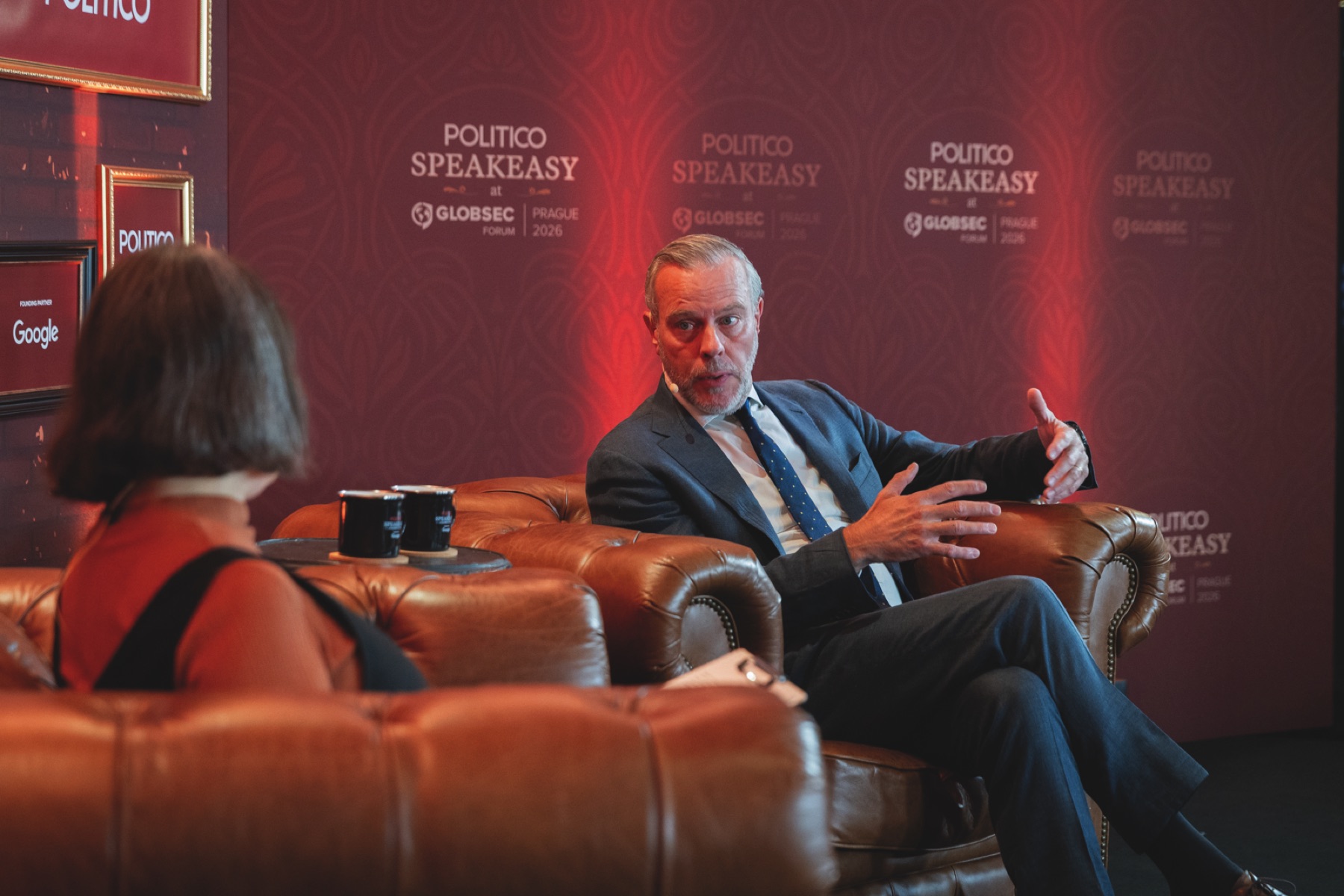
Admiral Rob Bauer at the POLITICO Speakeasy
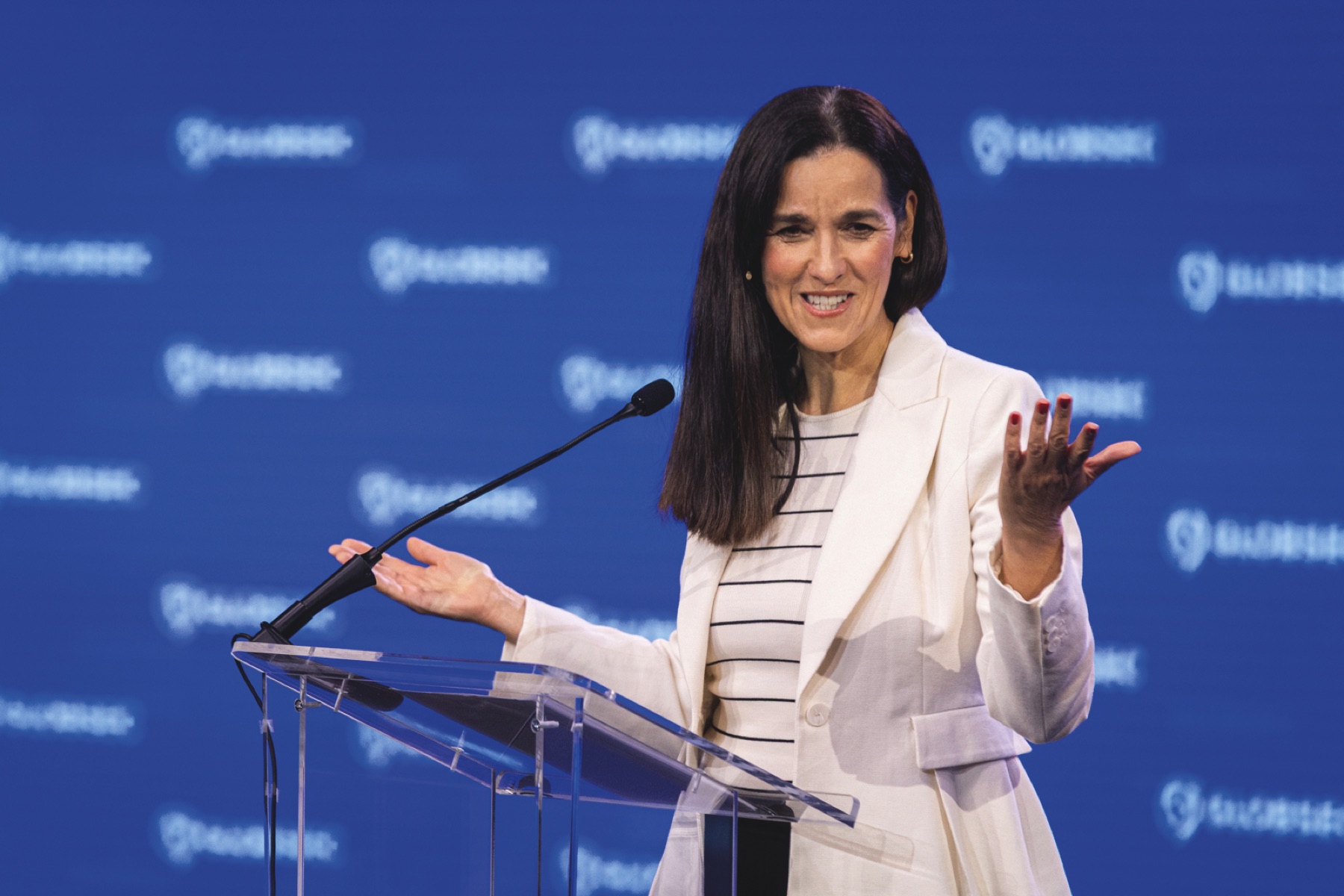
New Hungarian Foreign Minister Anita Orban at GLOBSEC Forum
The new security matrix: Ukraine as a provider of strength
One of the most profound shifts documented at the Forum is the completely redefined narrative surrounding Ukraine. The country is no longer viewed merely as a consumer of Western security. Instead, through its rapid adaptation of battlefield technology and artificial intelligence, Ukraine has become a crucial security provider and an industrial blueprint for the rest of Europe.
The message from military leaders and policymakers was unyielding: integrating Ukraine into the European security architecture is no longer a gesture of charity, but a prerequisite for European strength. With Russia engaged in a protracted confrontation and allocating roughly 8.5% of its GDP to the war effort, European defence investments must be urgently calibrated to deter future conflicts, not just manage the current crisis.
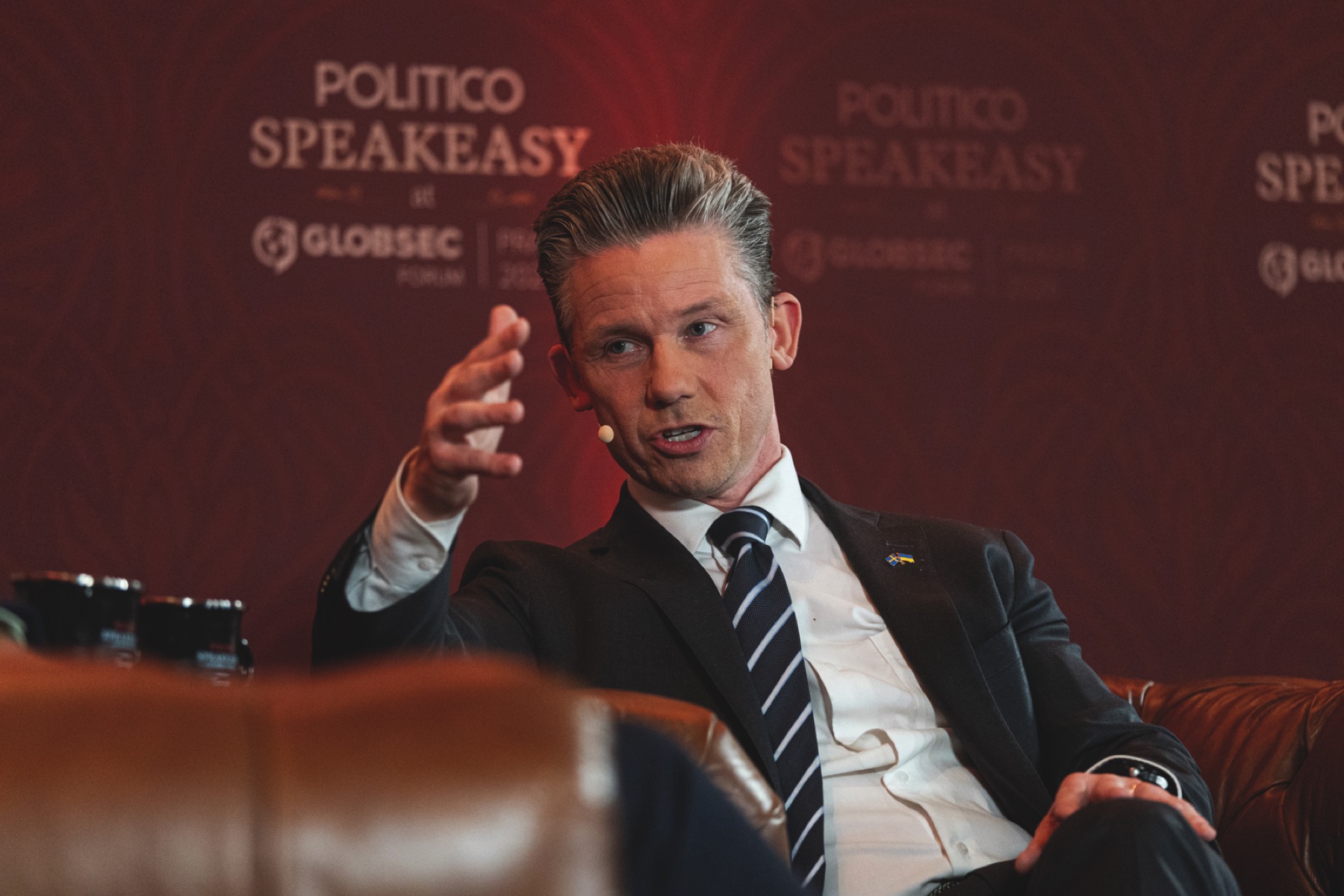
Swedish Defence Minister Pal Jonson at the POLITICO Speakeasy
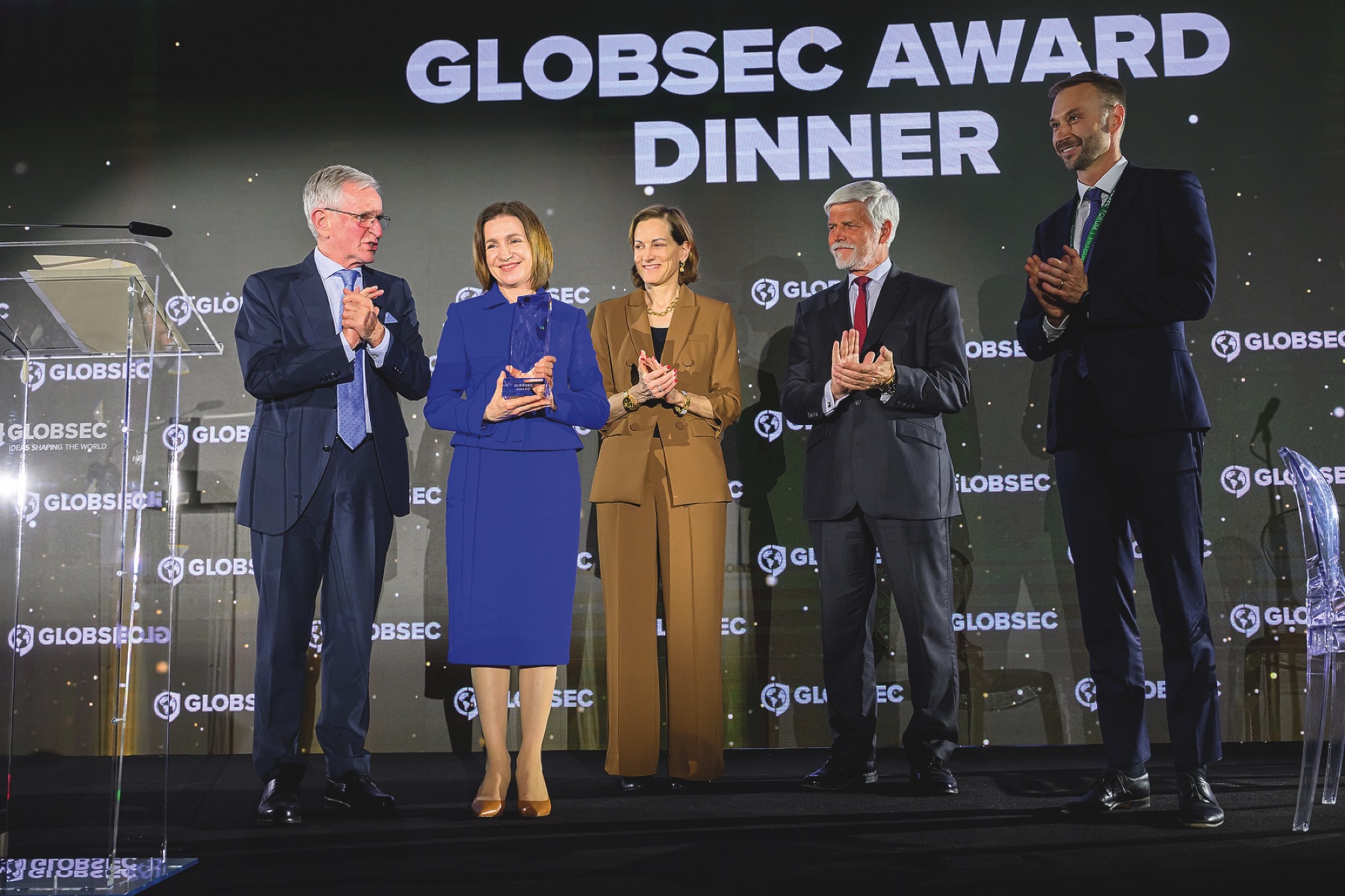
GLOBSEC Award for Moldovan President Maia Sandu
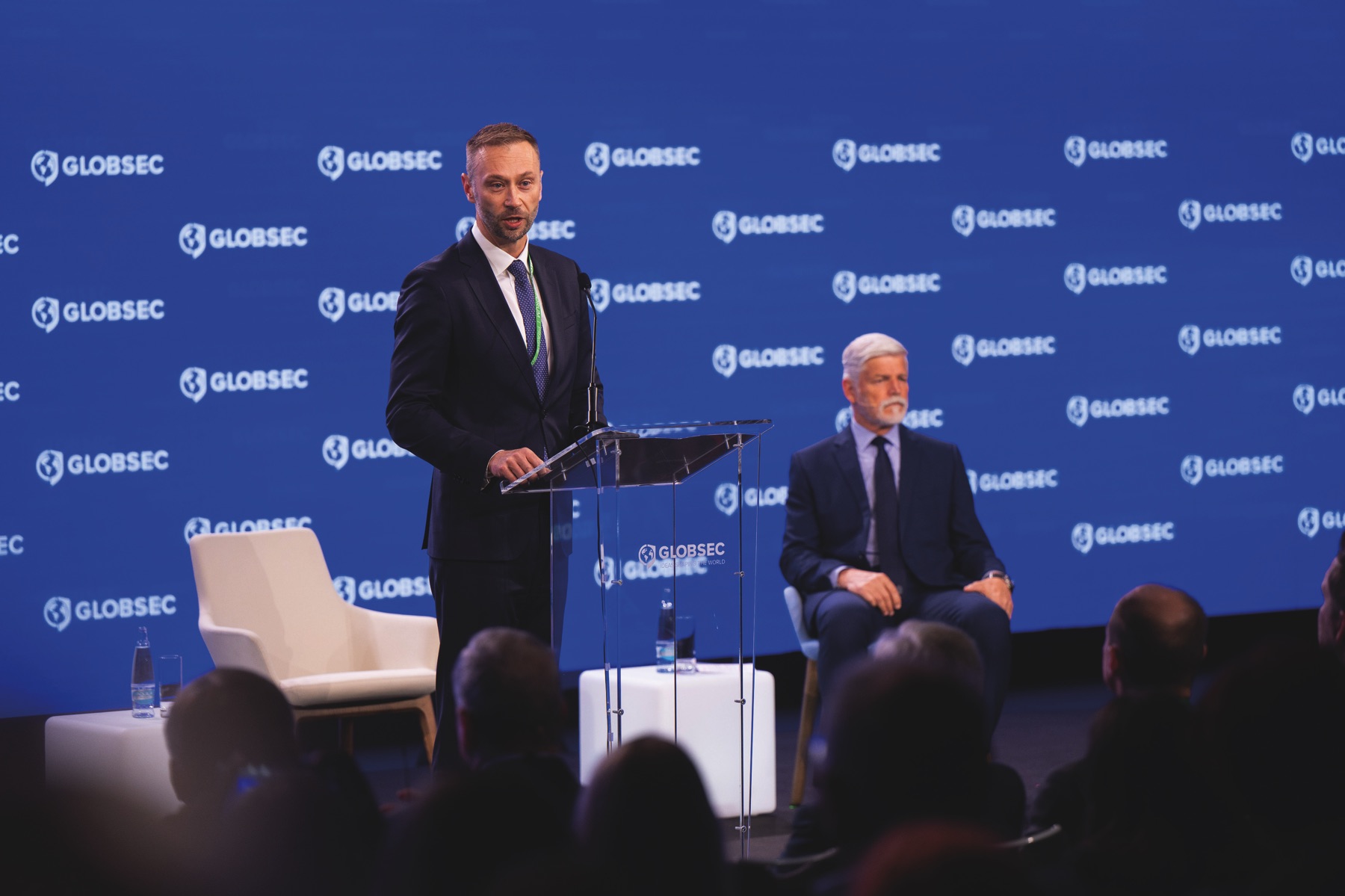
GLOBSEC President and Founder Robert Vass with Czech President Petr Pavel
Moving from regulatory influence to strategic power
A central pillar of the 2026 conclusions is that defence is no longer strictly a military matter – it is an industrial and financial challenge. While political will and funding are finally flowing into defence, significant structural bottlenecks prevent these finances from being transformed into actual industrial output. The Forum stressed that Europe can no longer rely solely on public spending to bridge its massive investment gaps. Mobilizing private capital at scale has become a matter of geopolitical survival. To achieve true sovereignty, European policymakers and the private sector must collaborate from the very beginning to build robust supply chains, secure semiconductors, and foster deep-tech scale-ups.
Furthermore, the rise of next-generation artificial intelligence models is transforming cyber warfare. Participants at the Prague GeoTech Summit, headed by Czech President Petr Pavel who opened the conference with his speech, warned that AI must be treated as a core issue of national sovereignty.
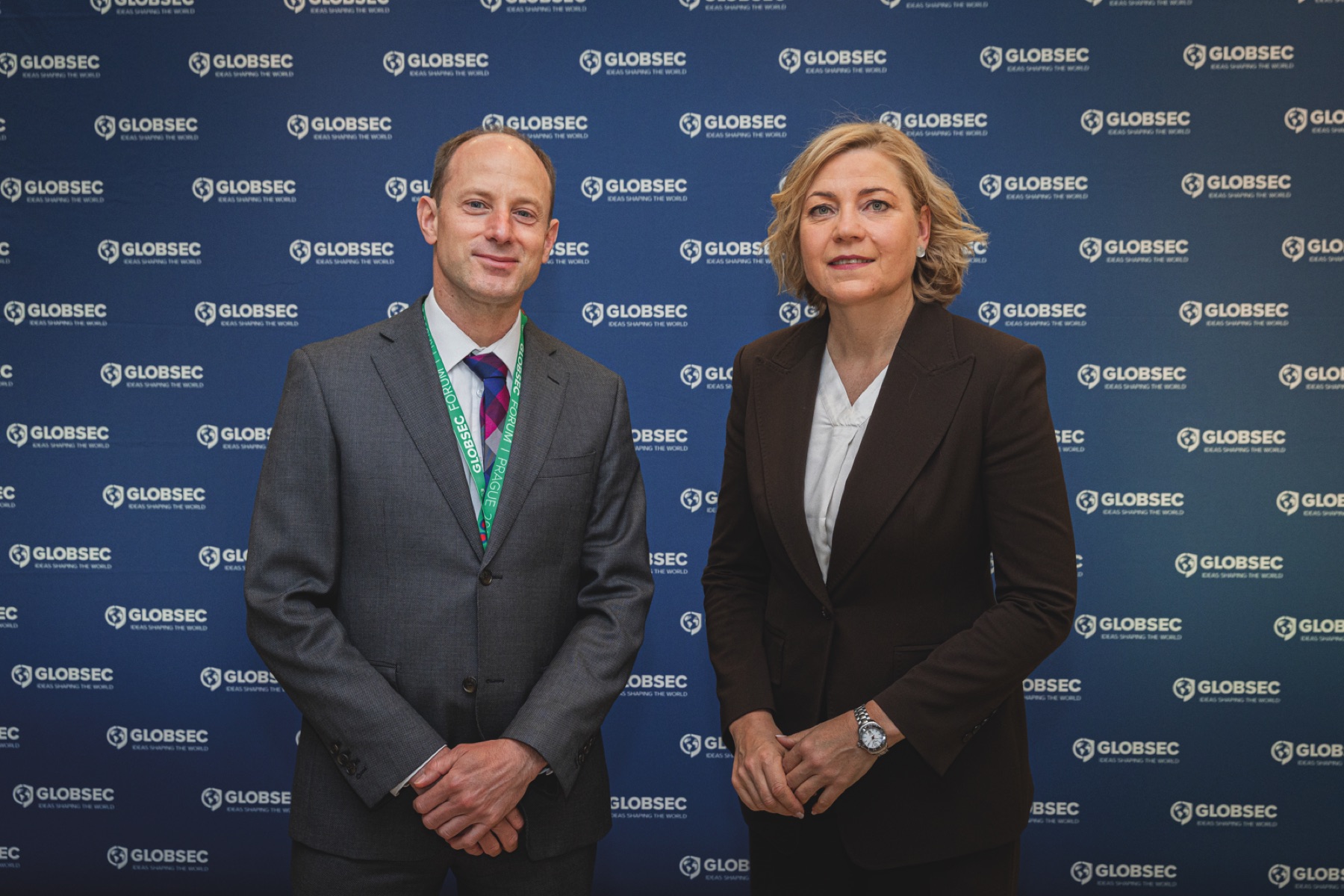
European Commission Vice‑President Henna Virkkunen with GLOBSEC CEO Daniel Braun
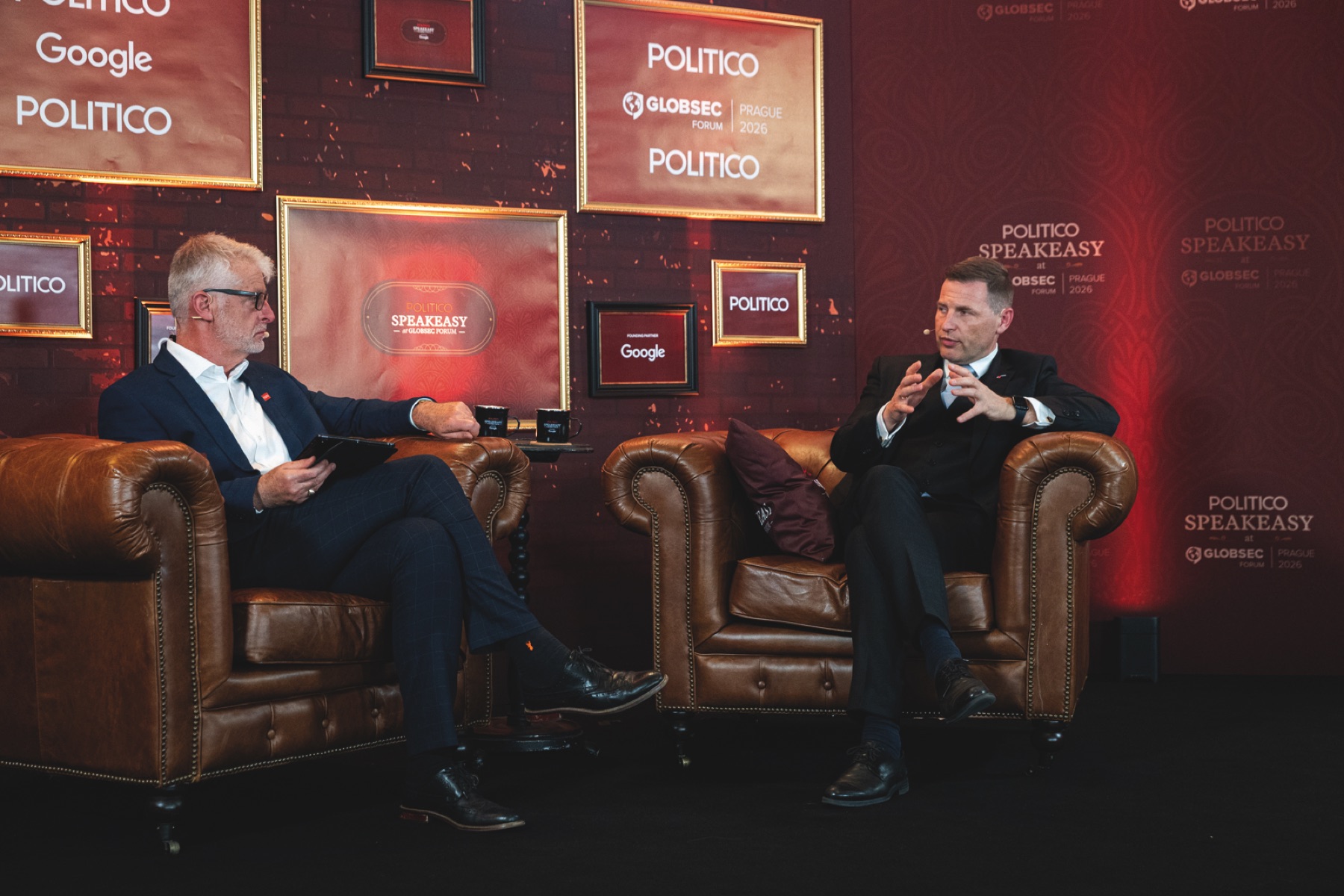
Estonian Defence Minister Hanno Pevkur at the POLITICO Speakeasy
Interconnected crises and the Middle East
The interconnected nature of today’s conflicts was heavily underscored by the presence of a record number of almost 20 foreign ministers from around the globe. Particular attention was paid to the volatile situation in the Middle East, specifically the crisis in the Strait of Hormuz. Discussions revealed deep concerns over the global economic fallout, as prolonged disruptions threaten energy supply chains, aggravate inflation, and risk triggering a severe fertilizer and food security crisis. The consensus in Prague indicated that an international coalition of the willing – potentially led by European powers – might soon be required to ensure freedom of navigation in the region.
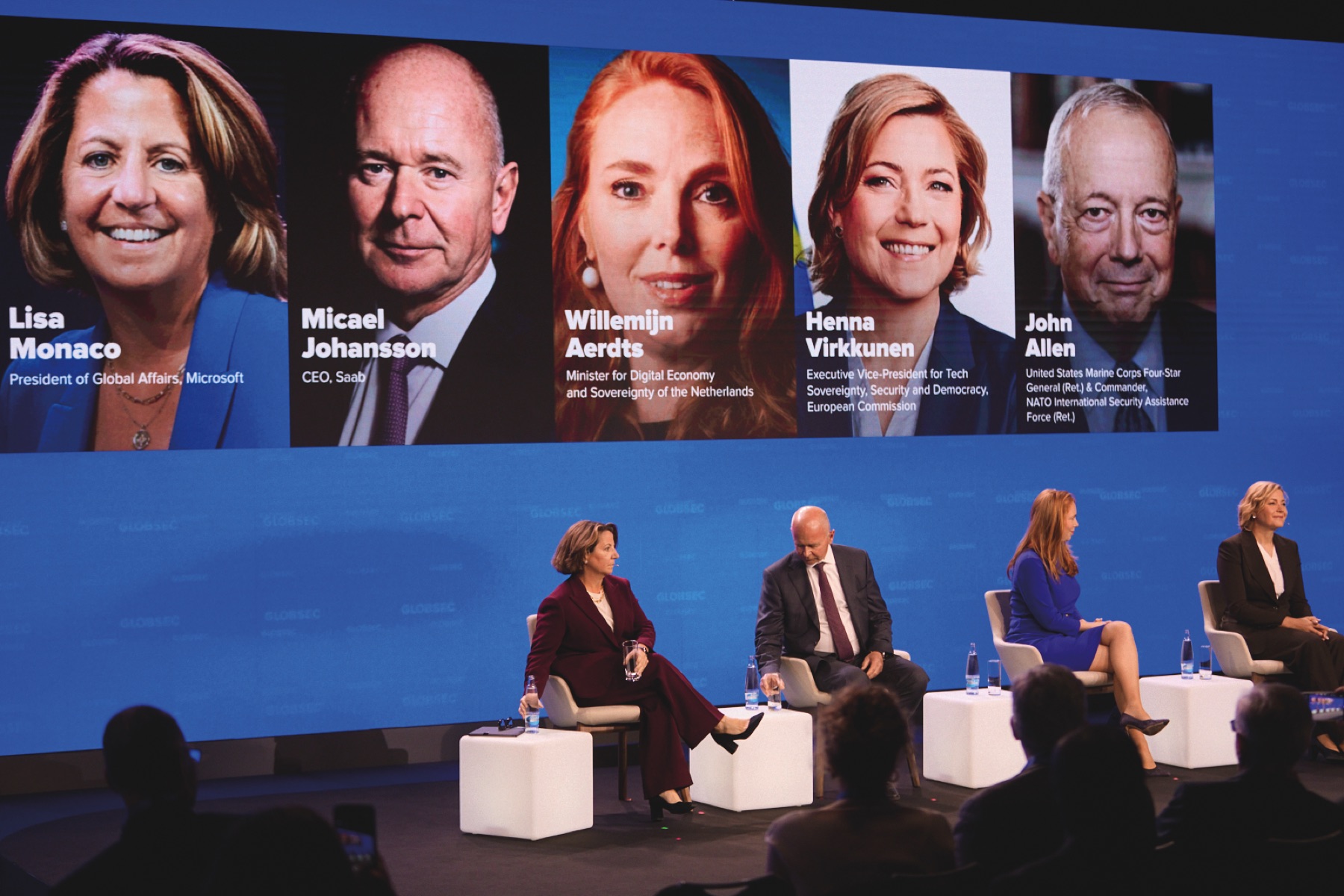
Panel with General John Allen, the heads of Saab and Microsoft, Dutch Minister Aerdts, and European Commission Vice‑President Virkkunen
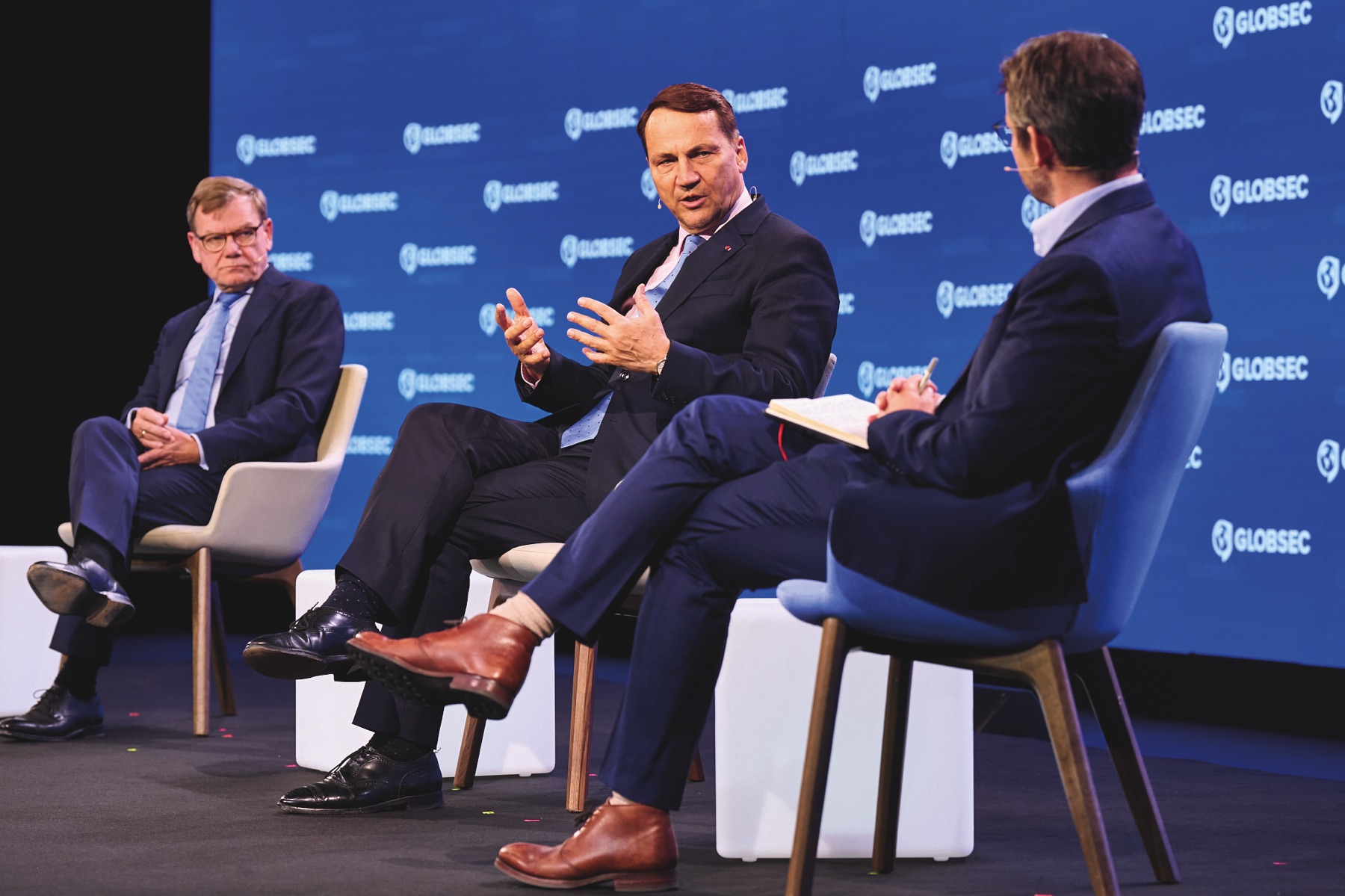
Polish Foreign Minister Radoslaw Sikorski and German Foreign Minister Johann Wadephul
A call for execution
The ultimate takeaway is clear: the era of comfortable assumptions has vanished. If Europe wants to remain a relevant global actor, it must back its democratic values with industrial scale, technological speed, and an unyielding execution of strategy. The choices made by leaders in the weeks following this Prague summit will determine the continent’s place in the emerging world order.
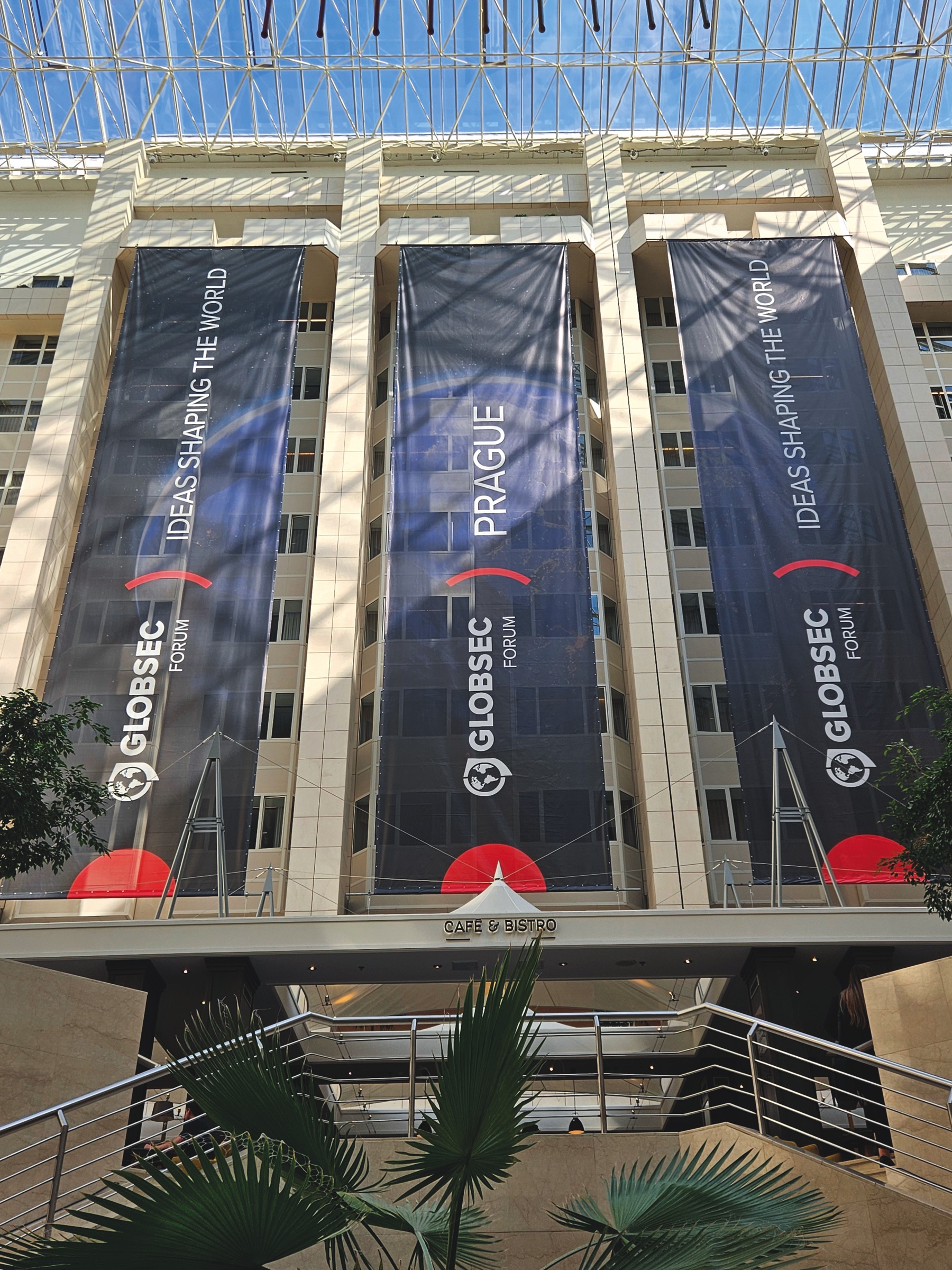
GLOBSEC Forum at the Hilton Hotel Prague
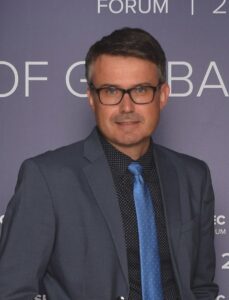 FILIP NERAD, is the Director of Communications and Marketing, Head of the Prague Office, and an analyst at the international think tank GLOBSEC. He spent 20 years in the Czech public media sector (Czech News Agency and Czech Radio) as a reporter, a correspondent in Germany, Brussels, and the Benelux countries, and later as a foreign policy analyst and head of the foreign news department. He received a Belgian beer knighthood for raising awareness of Belgian beer culture.