

The most important thing is not to lose your values
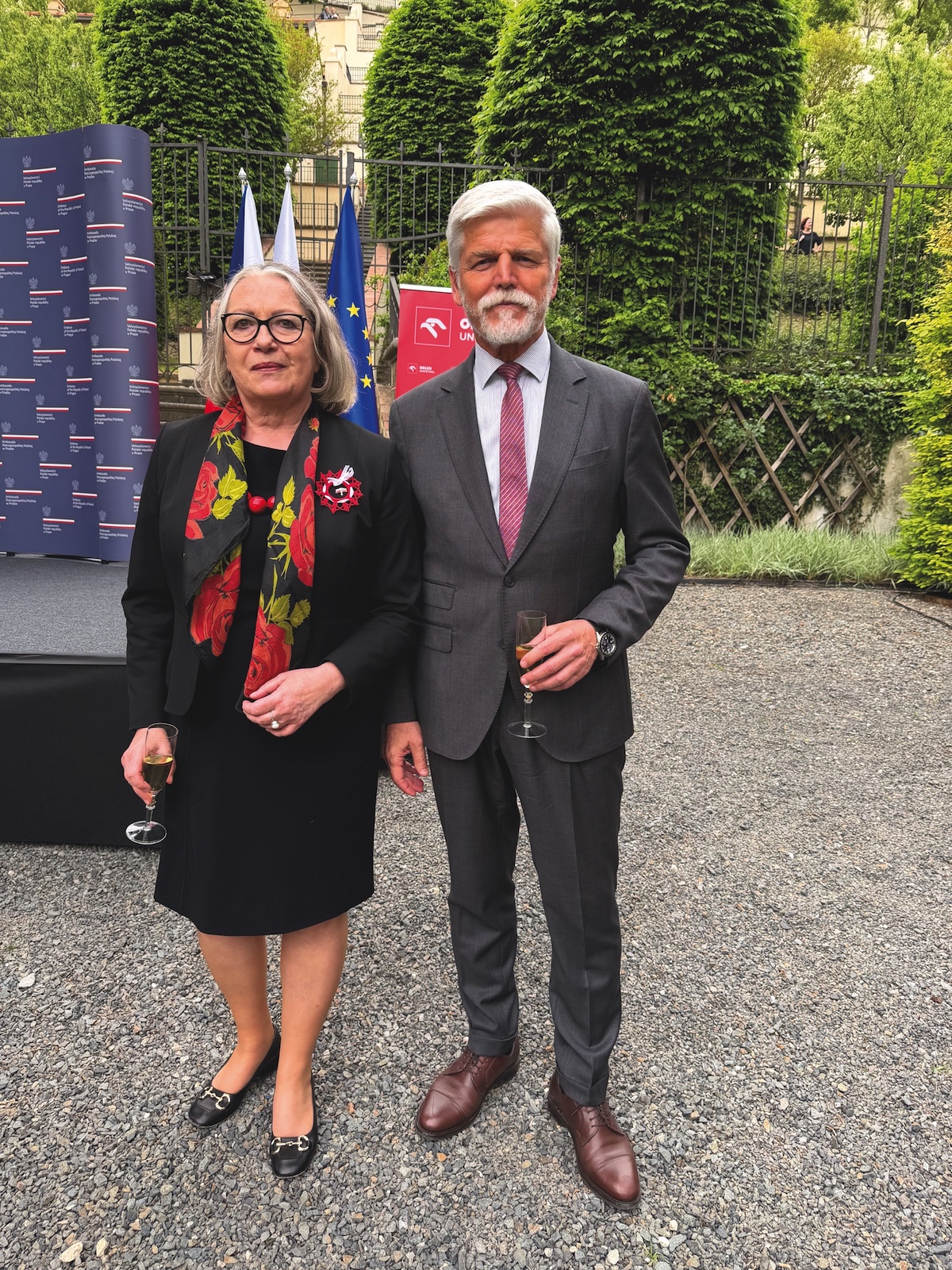
The President of the Czech Republic, Petr Pavel, and Ms. Barbara Krystyna Tuge-Erecińska, Chargé d’affaires of Poland
Text: Martina Hošková and M. Zisso; Photo: Marta Sawicka and archive
Can you tell us a bit about yourself and about the politically turbulent years in Poland during your youth?
I was born in Gdańsk, where I also went to school and later studied Nordic languages and culture at the university. At the time when I graduated from the University of Gdańsk in 1980, mass protests against communist rule began in the Gdańsk Shipyard, quickly spreading to other parts of Poland. As a result, the independent trade union Solidarity (Solidarność) was created.
Following my graduation, I started working for Solidarity’s international department.
In December 1981, the communist authorities imposed martial law in Poland, and Solidarity was declared illegal. I spent the rest of the 1980s in the underground opposition, helping political prisoners and their families. During that time, I worked closely with Lech Wałęsa, the recipient of the Nobel Peace Prize in 1983.
However, the most important event of that decade was the birth of my son, Łukasz. Thanks to him, I now have a wonderful granddaughter, Klara.
How did you go from being an underground dissident to becoming an ambassador in 1991?
In many ways, my path into diplomacy was shaped by a combination of circumstances and personal interests. After the fall of the communist system, my country needed to rebuild and recreate many institutions. Such a profound change in foreign policy required reliable people – those who genuinely supported the transformation – to serve as diplomats.
At the same time, there were not many people from the anti-communist opposition who spoke foreign languages and had knowledge of international relations. This is how I was asked to represent Poland in Sweden, a country I knew very well, whose language I spoke, and where I had many friends from different walks of life.
Looking back, my experience with Solidarity and witnessing the breakthrough of the 1989 free elections played a decisive role in shaping my professional path. In many respects, it was also a matter of historical timing – had Poland not regained its freedom, such opportunities would simply not have been possible.
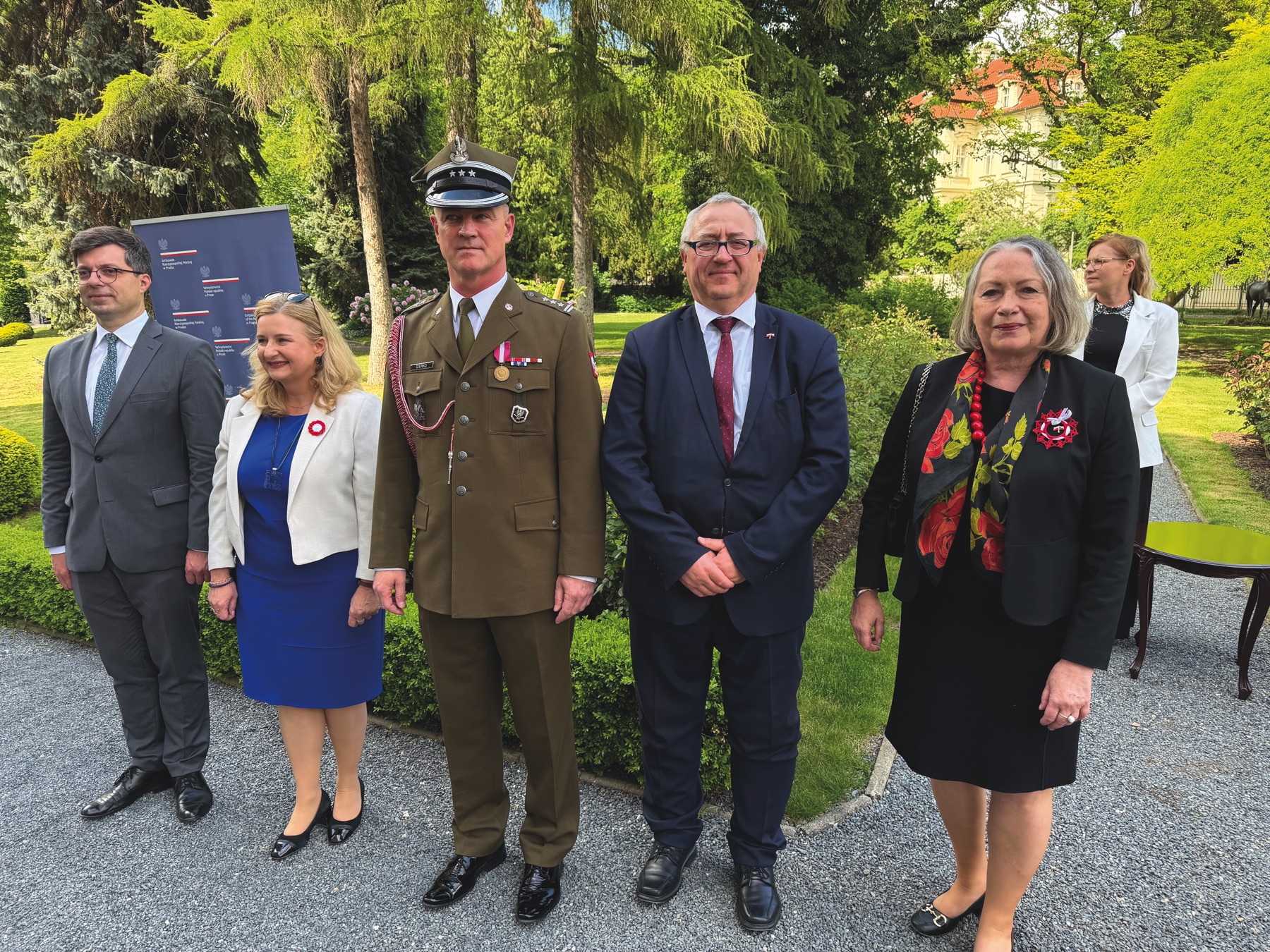
Polish Embassy team welcoming guests on the National Day
How has your experience of serving in Czechia been so far?
The Czech Republic is the fifth country in which I have served as a diplomat. I greatly appreciate its rich history, which is visible in many places, as well as its beautiful and highly diverse natural landscapes. I am also very impressed by its vibrant cultural and intellectual life.
What were your previous postings?
Throughout my diplomatic career, I have had the honour of serving as Ambassador of Poland in four countries: Sweden (1991–1997), Denmark (2001–2005), the United Kingdom (2006–2012), and Cyprus (2014–2018). In addition, I have worked in various senior roles within the Ministry of Foreign Affairs, and now I continue my service in the Czech Republic.
Each of these postings has offered distinct experiences and perspectives, enriching my understanding of both bilateral relations and the broader international context.
What does being a diplomat mean for your everyday life?
I have been a diplomat for over 30 years, including 20 years spent abroad as head of mission, so being an ambassador has effectively become my lifestyle. It has many exciting aspects, but it also comes with quite a few challenges.
One of them is that you are always on duty, at any time. Your priorities must always concern your country and its interests, even when you have personal matters that require your attention. That said, it is such a great honour and privilege to represent your country abroad. Undoubtedly, one can only be grateful for such an opportunity.
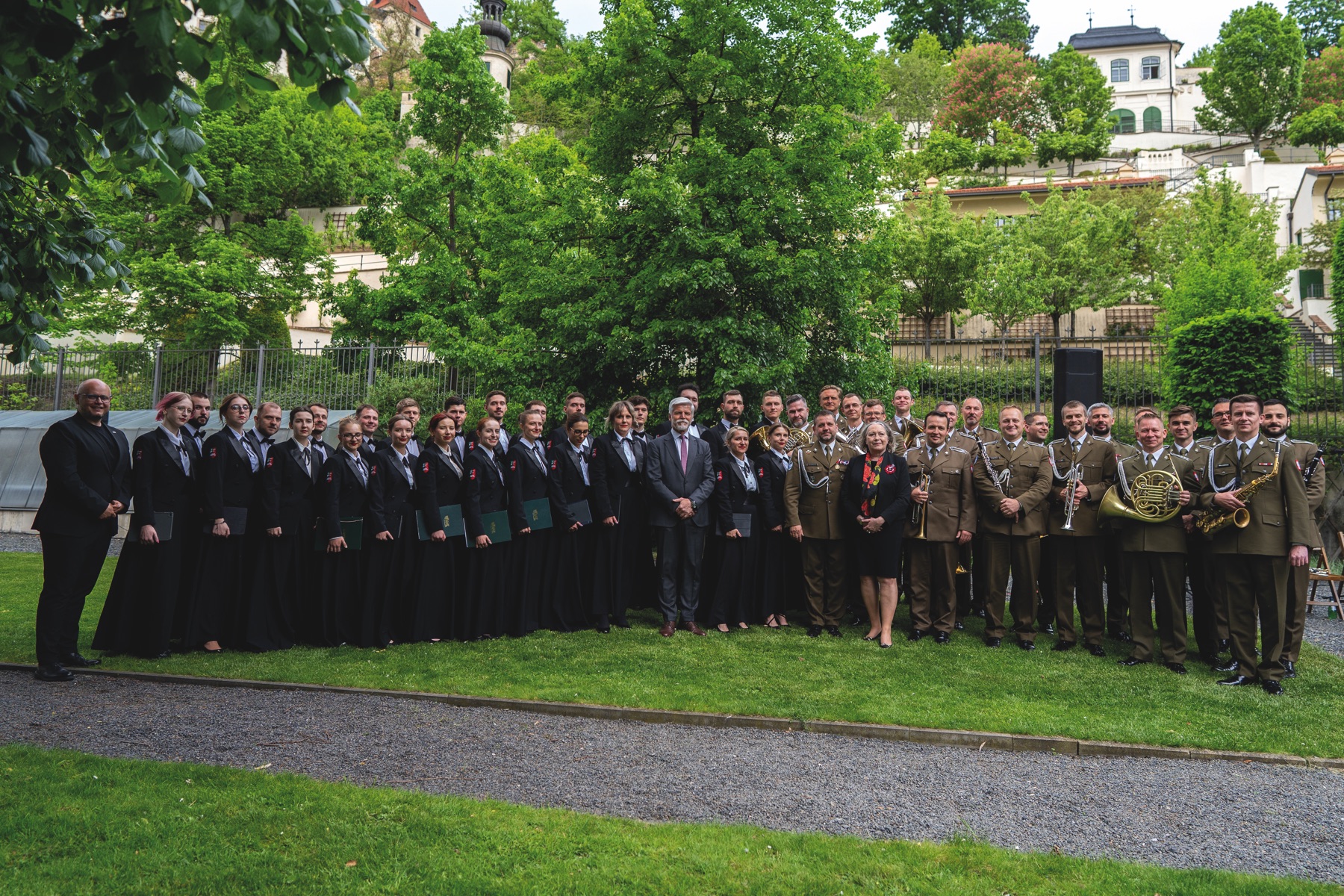
The President of the Czech Republic, Petr Pavel, and Ms. Barbara Krystyna Tuge-Erecińska, Chargé d’affaires of Poland, together with the choir and orchestra that arrived especially from Poland for the National Day event
Which part of the diplomatic role challenges you the most?
Interestingly, the most challenging aspects of diplomatic work are also what make it so fulfilling. The role requires operating in a highly dynamic environment, where situations can evolve rapidly and often unpredictably, demanding prompt and well-considered responses.
At the same time, this constant change is precisely what makes the work so engaging. Staying closely informed about global developments is not only a professional necessity but also something I find genuinely stimulating.
Life at an embassy is intensive and demanding – it requires resilience, commitment, and energy – but it also offers a deep sense of purpose and satisfaction that makes the effort worthwhile.
Is there an adventure from your years of service that stands out to you?
When I was in Sweden, the Chief of the Army offered me a parachute jump. I jumped in tandem with the commander of the special forces. It was an unforgettable and wonderful experience, and the view of the Stockholm archipelago from above will stay with me forever.
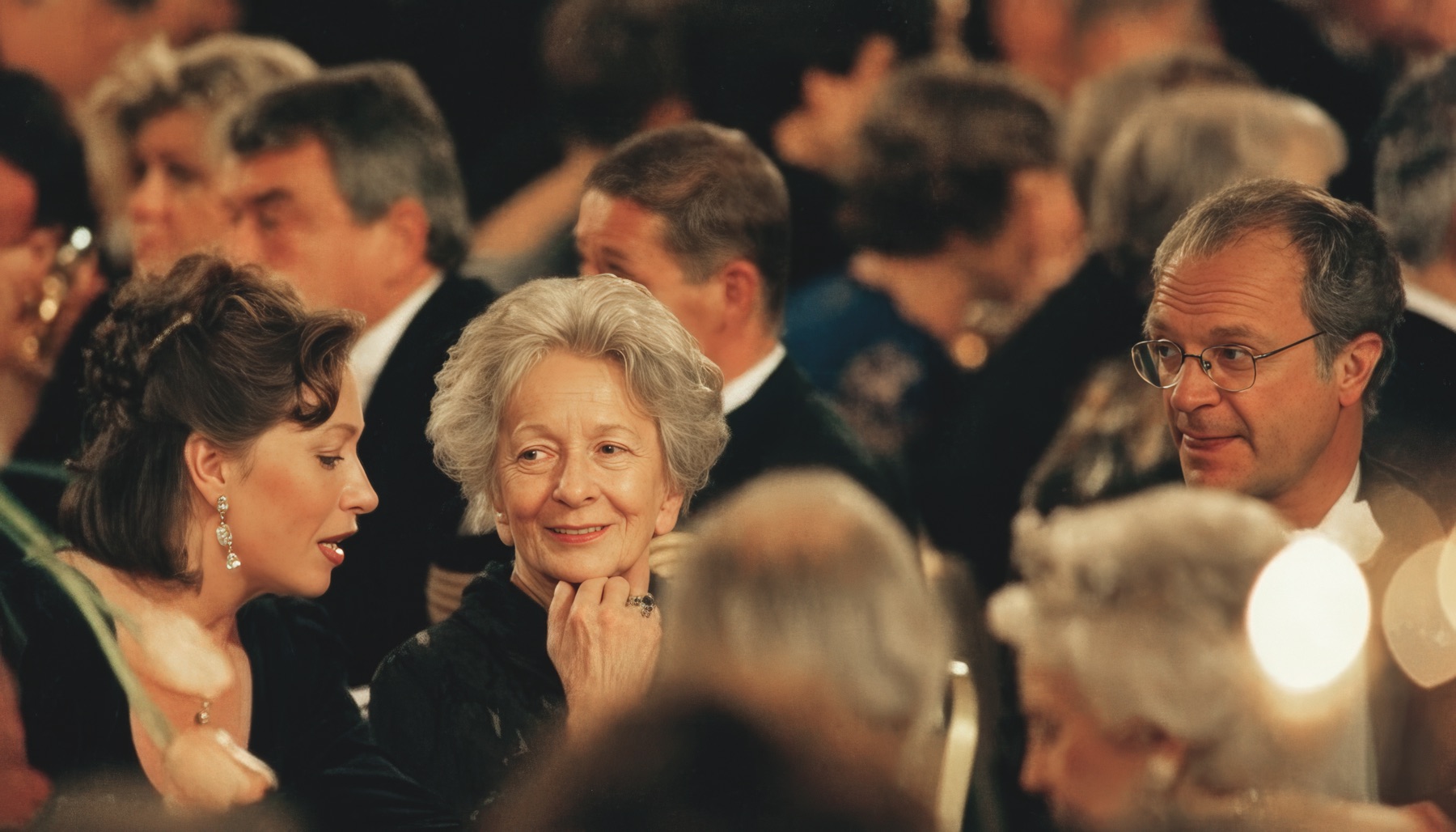
At the Nobel Banquet in Stockholm, December 1996. From right: H.M. King Carl XVI Gustaf of Sweden, Ms. Wislawa Szymborska, laureate of the Nobel Prize in Literature, and Ms. Barbara Krystyna Tuge‑Erecińska, then Ambassador of Poland to Sweden, who at 35 was not only the only woman at the Polish Embassy in Sweden but also its youngest staff member.
How do you like to spend your free time?
In my free time, I most enjoy not having to hurry or check my watch. I like slow mornings with a cup of coffee and a book in bed, with no plans for the day. Most of all, however, I cherish every moment spent with my granddaughter, although time with her is never lazy.
After all these years, what advice would you give to the next generation of ambassadors?
In the age of the internet and AI, remember that personal contact remains the most important tool in a diplomat’s work.
You were appointed as ambassador to Sweden at just 35, as the only woman at the embassy and the youngest member of staff. What advice would you give to young women in the diplomatic field?
From the perspective of 30 years in the Foreign Service, I believe that the most important thing is not to lose your values. Governments change, and so do political directions, and we must be ready to adapt.
However, it is equally important to remember that we are paid by taxpayers, and pleasing those in power is not part of our job description. To young women diplomats, I would say: do your best, believe in yourself, and do not be overly self-critical.
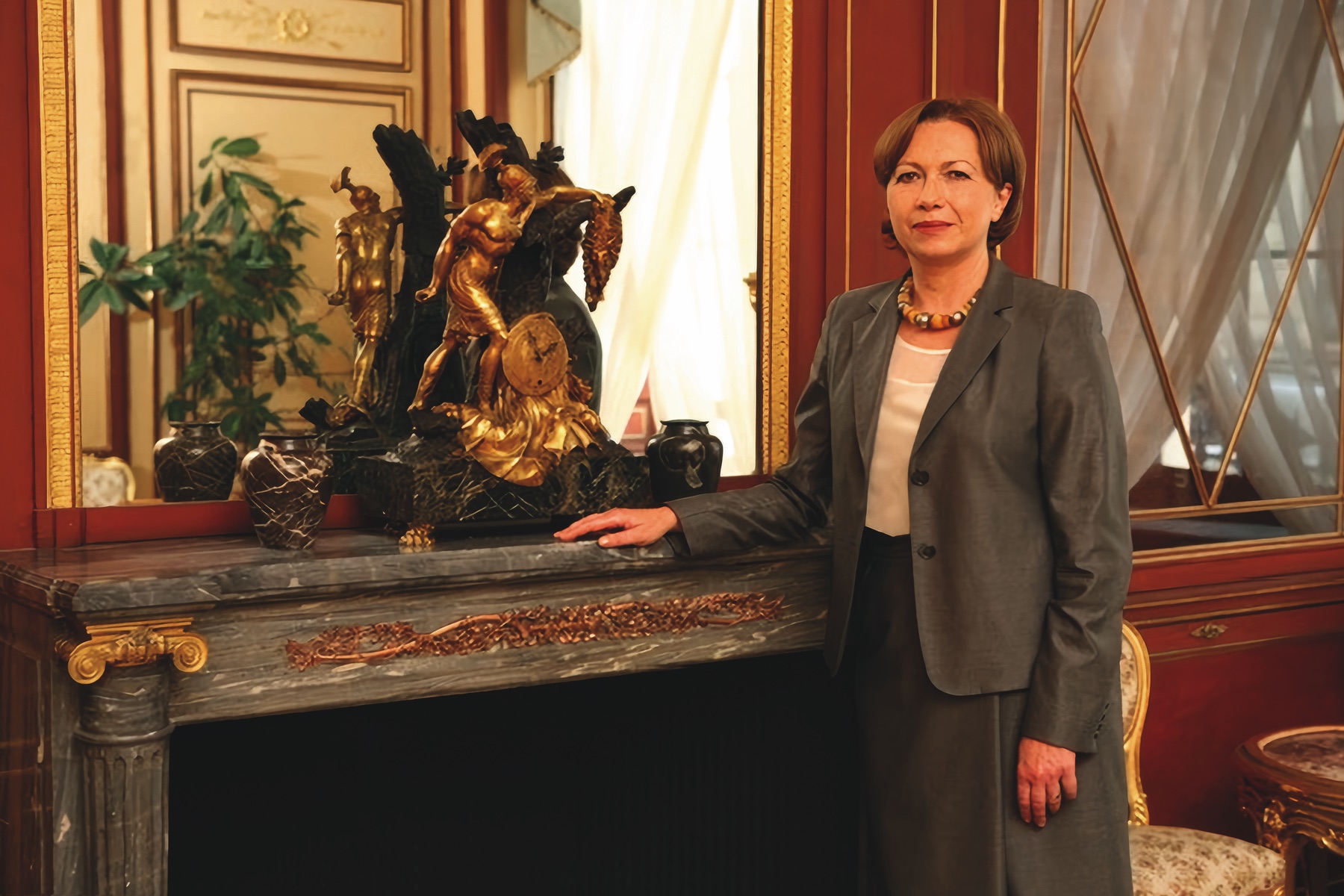
Ms. Barbara Krystyna Tuge-Erecińska, in her role as the Polish Ambassador to the United Kingdom 2006-2012
More and more Czechs seem to be choosing Poland for their holidays. Do you have any travel tips for them?
We are delighted to see that Poland is becoming an increasingly attractive destination for Czech travellers. In recent years, the number of visitors from the Czech Republic has grown significantly, with estimates for 2025 suggesting it may have reached around one million arrivals.
This positive trend has been supported, among other factors, by improved road and rail connections, including the Baltic Express train service.
While the Baltic coast continues to enjoy great popularity, I would also encourage Czech visitors to discover other exceptional regions of Poland. Lower Silesia, located close to the Czech border and known for its impressive and often mysterious castles, is certainly worth highlighting.
The Warmia and Masuria region offers unique opportunities to experience vast lake landscapes and a wide range of outdoor activities in unspoiled natural surroundings.
For those interested in untouched nature, rich cultural heritage, and well-developed cycling routes, the Białowieża Forest and the Podlasie region are also highly recommended.
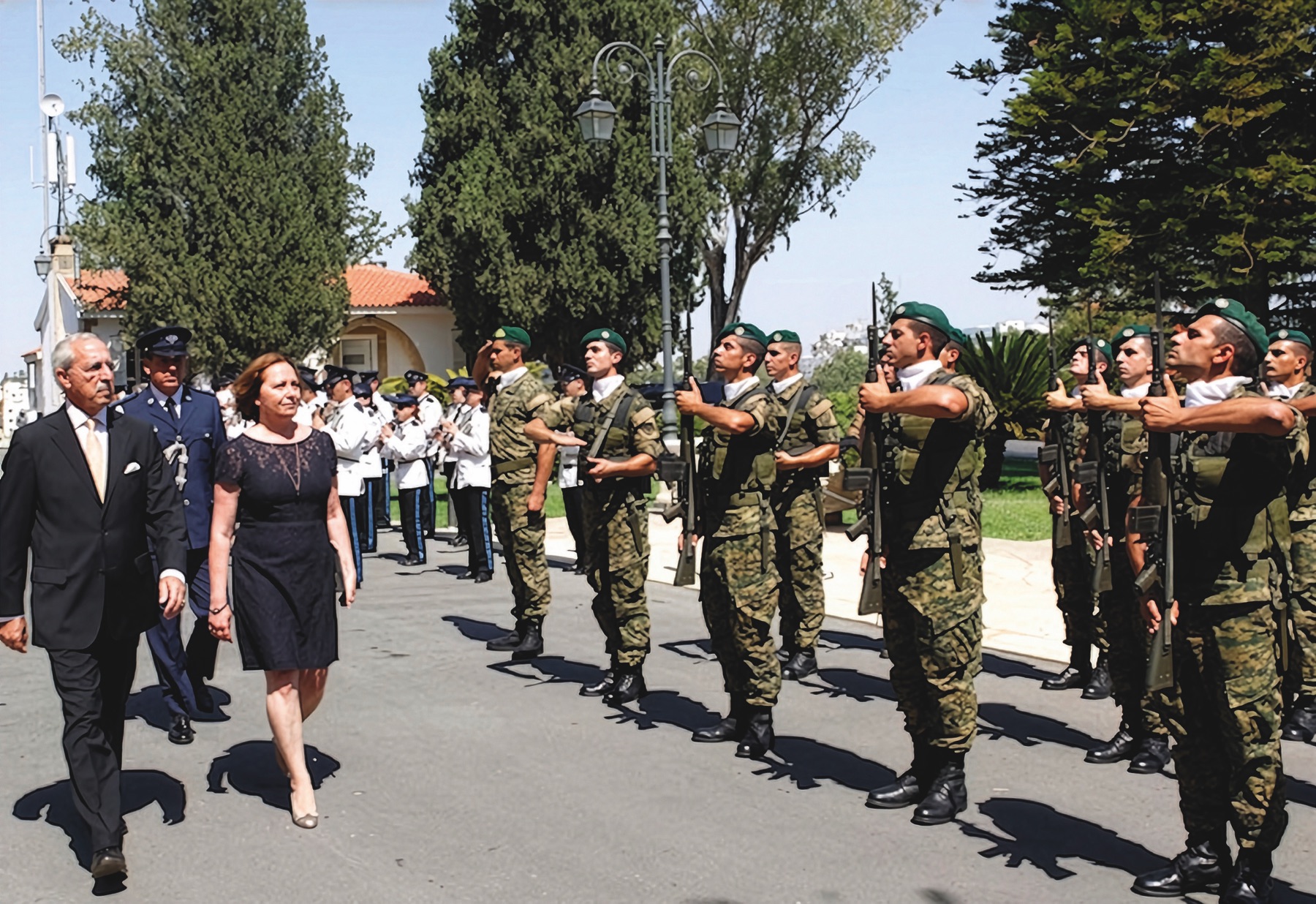
Nicosia, Cyprus — at the Presidential Palace on the way to present the letters of credence in 2014
What is the current status of Czech-Polish relations?
Poland and the Czech Republic have been neighbours and close partners for a long time, and over the years, we have built a very solid relationship in many areas.
As members of NATO and the EU, we work closely together on regional security and military cooperation. In that context, we are deeply grateful to the Czech army for sending the so-called HeliUnit to protect Poland’s eastern border.
On the EU forum, we also work hand in hand, and often speak with a common voice on key issues as partners from Central and Eastern Europe.
Given today’s volatile geopolitical situation, we also cooperate closely on energy security, thanks to the presence of Orlen Unipetrol on the Czech market, and cross-border infrastructure.
Today, the relations between Poland and the Czech Republic are very positive, and issues that were once considered sensitive have largely been resolved through dialogue and cooperation.
Besides, we are strong economic partners, with growing trade and investment on both sides. But just as important is our cooperation between people – especially in culture and education. For instance, there is the Czech Centre in Warsaw and the Polish Institute in Prague. These exchanges help us understand each other better and bring our societies closer together.
We truly value our Czech friends, and, of course, look forward to continuing this cooperation in a variety of aspects.
This interview takes place on the occasion of your national day. What wishes do you have for your country – and for the Czech Republic?
On the occasion of our national day, I wish Poland stability, prosperity, and unity, as well as the ability to meet future challenges with confidence and resilience.
For the Czech Republic and its citizens, I extend my sincere wishes for continued success, well-being, and further development. At the same time, I hope that the strong partnership between our two countries will continue to deepen – for the benefit of our citizens and for the stability and progress of our region as a whole.