

Differentiation will be built on depth and integrity
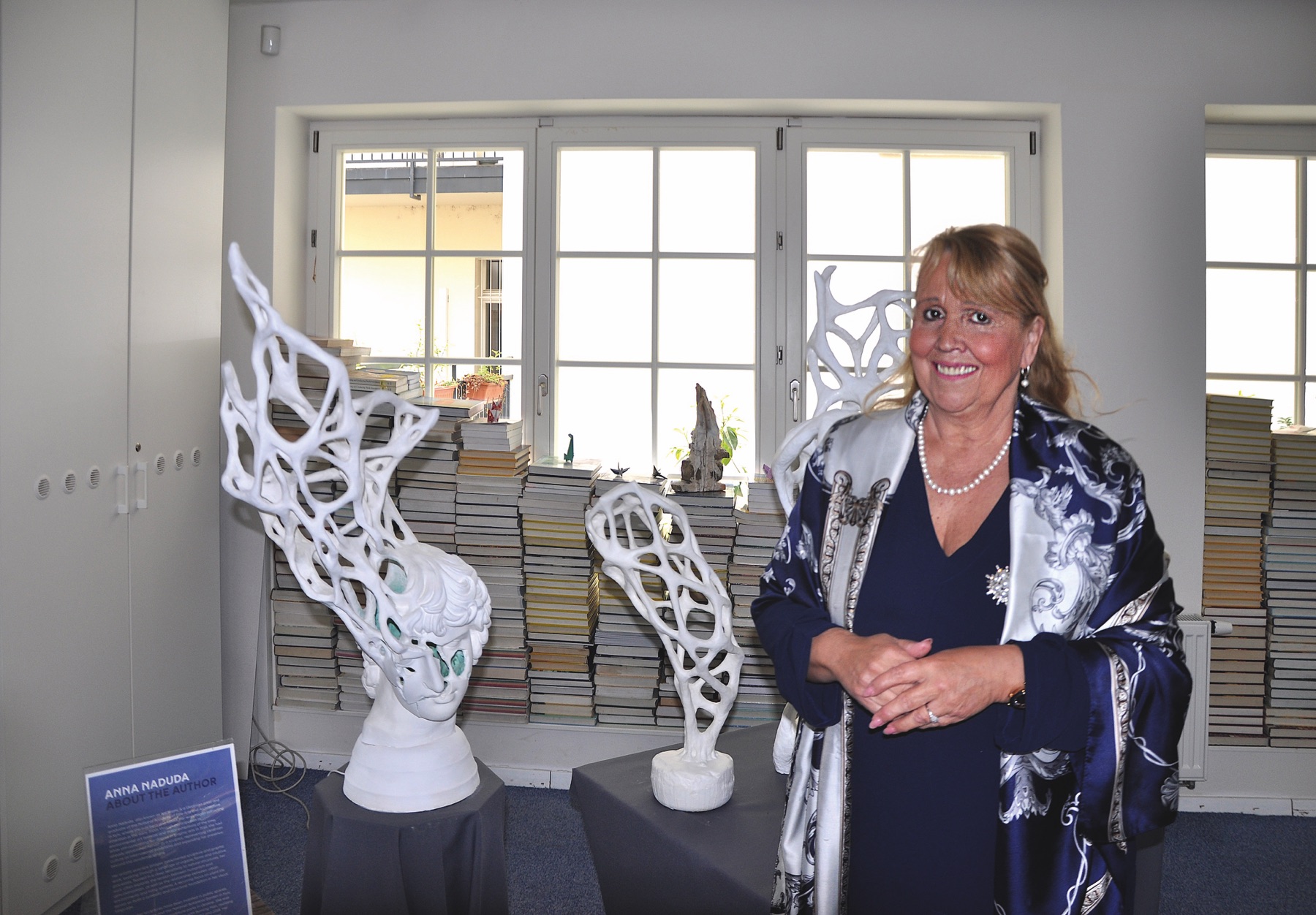
Radka Wildová, Vice Rector for Research and Academic Excellence at UNYP. Sculptures by UNYP teacher Anna Naduda
Text: Martina Hošková and M. Zisso; Photo: Archive
How did your path lead you to where you are today?
I’ve spent most of my career thinking about one fundamental question: ‘What does it actually mean to learn?’ That curiosity led me to pedagogy, and it never really let me go.
I began at Charles University in Prague, where I’ve been working since 1989, focusing on the development of initial reading literacy – how children first make sense of written language. Over time, that work expanded into teacher education, comparative education, and broader questions about how educational systems are designed and for whom. I served as Dean of the Faculty of Education at Charles University, and later as Vice-Rector for the Conception and Quality of Educational Activities.
From there, my path took me into policy. I served as Deputy Minister for Higher Education, Research, and Innovation at the Czech Ministry of Education, Youth, and Sports, a role that gave me a different vantage point on the same questions I’d been asking in the classroom. I also had the privilege of working closely with international bodies, including the Council of Europe and the European Commission, which deepened my conviction that education is always both a local and global endeavour.
Now I’m at UNYP as Vice Rector for Research and Academic Excellence, and I find that genuinely exciting. After years of thinking about what higher education should be, this feels like an opportunity to help build it, in an environment that is international by design, and where the questions I care about most are taken seriously every day.
In recent years, there’s been a noticeable shift in how students and parents view university education, with less of a focus on personal exploration and more on getting a job. Do you think universities are striking the right balance, and should they?
The shift is real, and to a degree it makes sense. Students and families are making significant investments and want to know that those investments will pay off. But framing “personal growth” and “career readiness” as opposites is, I’d argue, a false choice.
The skills we associate with personal exploration, critical thinking, navigating complexity, self-awareness, and cross-cultural communication are precisely the skills that make someone employable over the long term. They’re not soft extras; they’re the foundation.
The real work of a university is to weave these goals together thoughtfully. That means combining rigorous academic grounding with real-world experience, developing skills that transfer across contexts, and giving students the space to figure out who they are and what they stand for. That space isn’t a luxury. In a world changing as fast as ours, it’s what makes adaptability possible.
UNYP puts individual exploration and self-discovery at the heart of what it does. How do you make that philosophy feel relevant to students and families who are increasingly focused on concrete career outcomes?
“Explore You” isn’t a retreat from career outcomes; it’s actually the most practical path toward them. The job market is shifting so quickly that specific career paths can become obsolete, and many of the roles today’s students will hold don’t yet exist.
In that environment, knowing your strengths, understanding your motivations, and being clear about your values isn’t a “nice-to-have”; it’s the foundation for making career decisions that are both informed and sustainable.
Students who actively explore different fields, work on real projects, and reflect on their experiences tend to graduate with something rare: genuine self-knowledge. They can articulate what they want and why. That clarity doesn’t make them less career-focused; it makes them more so. “Explore You” isn’t about uncertainty; it’s a structured process of discovery that leads to better, more grounded choices.
AI is changing how students access and process knowledge faster than most institutions can keep up. What do you see as the most profound impact on higher education over the next decade, and what should universities be doing right now?
The most profound shift AI brings to higher education isn’t about tools or efficiency; it’s about what learning is fundamentally for. When knowledge is instantly accessible, memorizing and reproducing facts loses its value.
What rises in importance is the ability to ask the right questions, evaluate sources critically, recognize the limits of algorithmic outputs, and take responsibility for how you use them. AI will also transform how teaching and assessment work, from personalized learning pathways to a complete rethinking of what “student work” even means.
Universities shouldn’t treat this as a threat but as a structural shift to embrace. That means integrating AI meaningfully into curricula across disciplines, building digital and data literacy, and doubling down on critical thinking and ethical reasoning. It also means redesigning how we teach and evaluate, so that we’re cultivating deep understanding and creative thinking rather than surface-level reproduction that any model can now do in seconds.
Institutions that move proactively on this will come out significantly stronger.
With online degrees, hybrid programs, and micro-credentials all competing for attention, what will actually make a high-quality university stand out in the future?
As online learning, hybrid formats, and micro-credentials become the norm, the content a university offers will matter less as a differentiator. What will set institutions apart is something harder to replicate: the quality of the learning experience itself.
That means excellent teaching in dialogue with real research, genuinely individualized attention, a rich international environment, and meaningful connections to professional practice. It also means institutional integrity, transparent standards, consistent quality, and outcomes that can actually be demonstrated.
Technology and flexible formats will become table stakes, not competitive advantages. The universities that stand out will be those that genuinely engage students, challenge their thinking, and create environments that foster collaboration, innovation, and real growth. Differentiation will be built on depth and integrity, not delivery format.
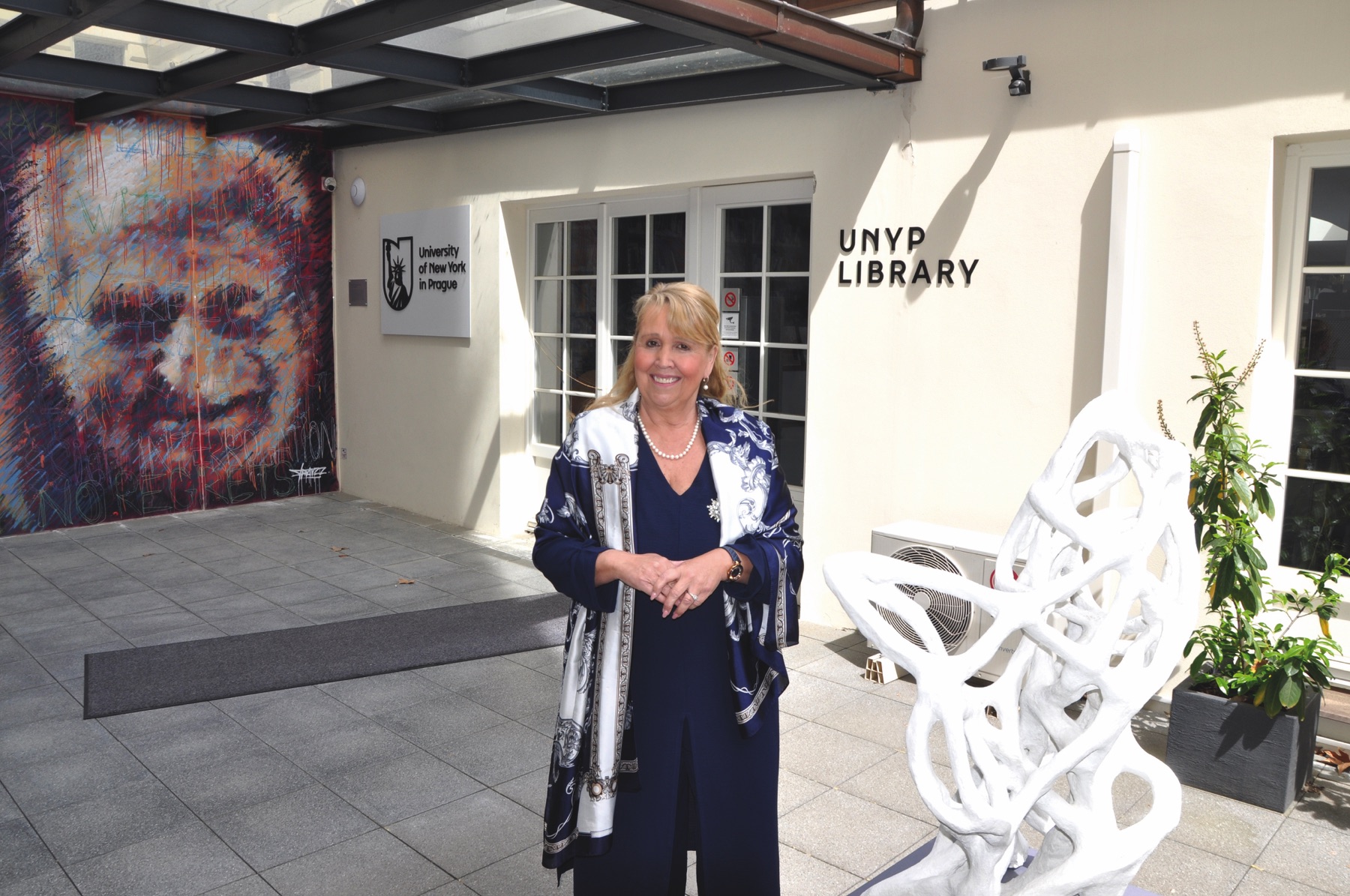
Radka Wildová, Vice Rector for Research and Academic Excellence at UNYP. Sculptures by UNYP teacher Anna Naduda
Most people associate research with academic careers. Why should it matter to a student who wants to go into business, diplomacy, or the private sector?
Research isn’t something that only matters if you’re heading into academia. It’s a way of thinking, and one of the most transferable skills a student can develop.
The ability to ask sharp questions, evaluate sources rigorously, work with data, and reach well-supported conclusions is valuable in business, public policy, and diplomacy. In a world saturated with information and misinformation, that disciplined thinking is a real competitive edge.
Engaging with research also builds analytical precision, systematic habits of mind, comfort with uncertainty, and the instinct to base decisions on evidence rather than impression.
Europe is facing a real demographic decline. How do you see that reshaping the sector, and is there an opportunity in it for institutions that are ready?
Europe’s demographic decline will intensify competition for students and likely drive consolidation across the sector.
Institutions will need to be clearer about their value, raise quality, and use resources more strategically. This pressure is healthy; smaller cohorts can allow more individualized teaching and deeper engagement.
Internationalization becomes more important, as does lifelong learning for working professionals and career changers. Institutions that adapt will serve broader populations across the full lifespan of education.
For internationally-minded families weighing their options, what is the real long-term value of studying in a genuinely international environment like UNYP?
The lasting value isn’t just language or a degree; it’s how it shapes thinking.
Daily contact with diverse perspectives builds adaptability, perspective-taking, and cross-cultural communication. Graduates gain not only credentials but networks and lived experience of diversity that compounds over a career.
If you had to name the competencies that will matter most over the next five to ten years, what would they be?
Critical thinking, working with data, complex problem-solving, and communication across disciplines and cultures. Digital literacy, including understanding AI systems and their limits, will be essential.
Meta-skills matter just as much: continuous learning, reflection, and adaptability. The strongest graduates combine expertise with flexibility, judgment, and responsibility.
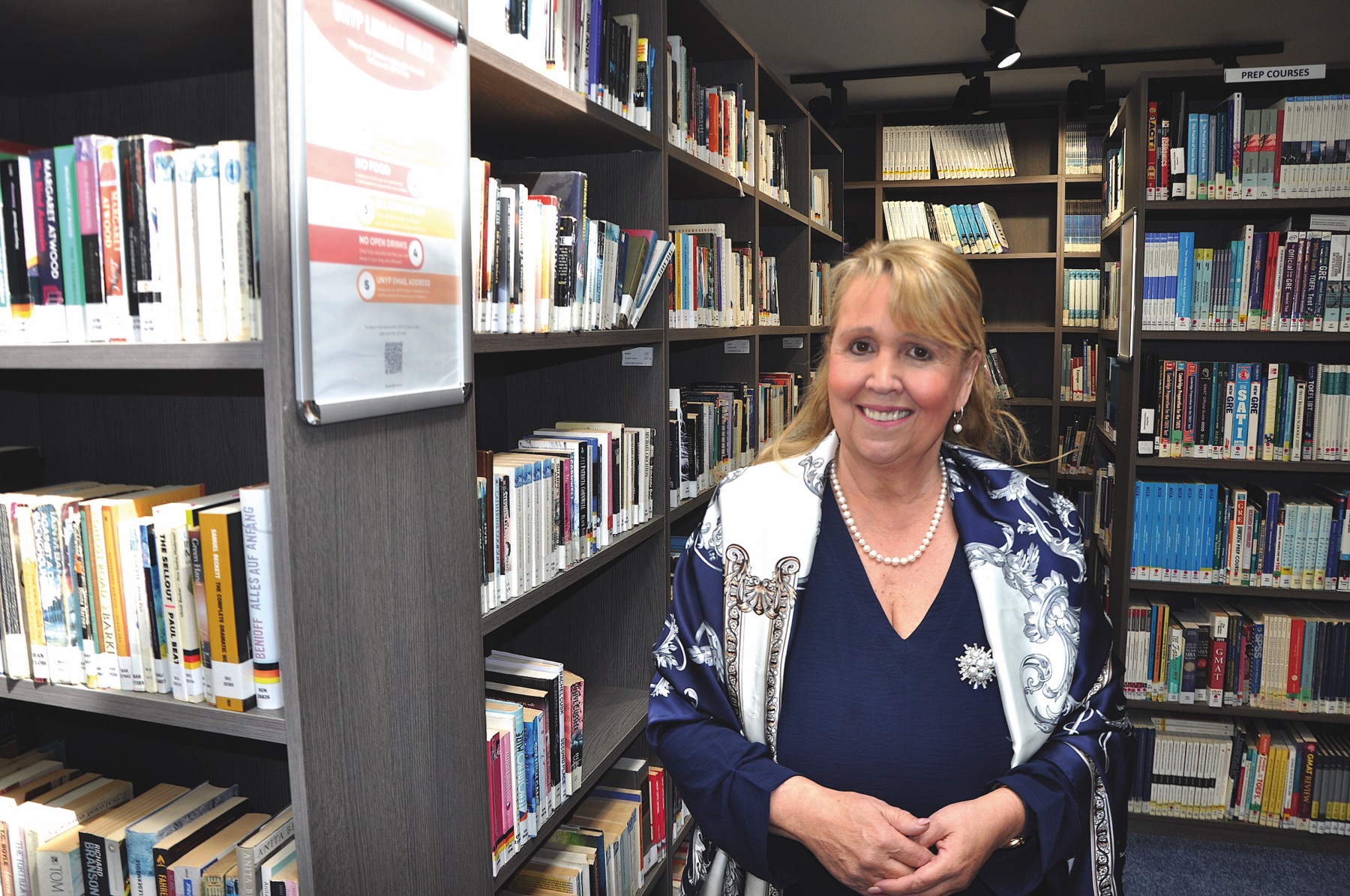
Radka Wildová, Vice Rector for Research and Academic Excellence at UNYP
What should parents actually be looking for when choosing a university?
Not rankings or name recognition alone, but the quality of learning: active engagement, critical thinking, real-world problem-solving, international exposure, and practical experience.
A common mistake is choosing based on prestige or trends rather than the student’s actual strengths and interests. The goal is not just knowledge acquisition, but the ability to keep growing throughout a career.