
With purpose and passion you can do great things – anywhere
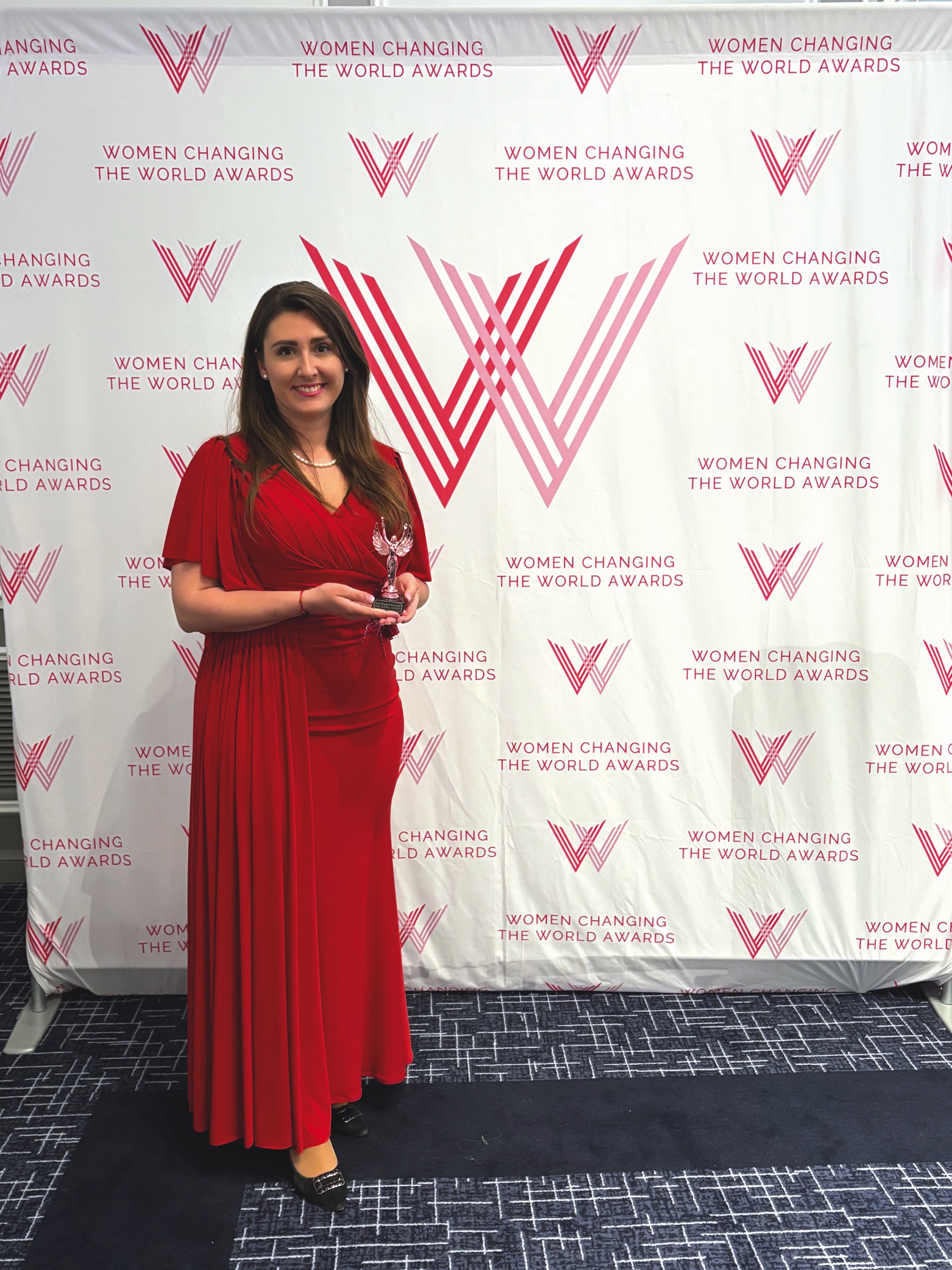
Alexandra Janečková, Crisis Manager and Philanthropist at the international WCWA in Paris, she was awarded third place
Text: Martina Hošková and M. Zisso; Photo: Archive
How would you describe yourself to someone meeting you for the first time?
I am a diplomat and crisis manager, and for nearly three years I have been leading the Crisis Management Department at the Slovak Ministry of Foreign and European Affairs. I hold a master’s degree in international relations and diplomacy, as well as a doctorate in security studies. I would also describe myself as a philanthropist, travel enthusiast, and dog lover. I am engaged in several charitable initiatives that support people in need and animals in shelters. In everything I do, I try to be proactive, useful, and to contribute to positive change.
Can you tell us more about your work at the Ministry of Foreign and European Affairs of the Slovak Republic?
I began my diplomatic career at the Ministry in 2018, initially as a diplomatic protocol officer. Two years later, I moved to the Department for Development Cooperation and Humanitarian Aid, where I supervised and coordinated all forms of humanitarian aid provided by Slovakia, as well as development projects implemented in the Middle East, Afghanistan, and Ukraine. During the COVID-19 pandemic, I volunteered for the Ministry’s repatriation team, which organized flights for Slovak nationals stranded abroad. It was an extremely challenging experience, yet also deeply constructive and formative. This was the first time I truly discovered the practical side of diplomacy, crisis management, and how immediate and direct its impact can be on people’s lives.
At the end of 2023, I became the Head of the Crisis Management Department – the first woman ever in this position – at a time marked by a rising number of conflicts and crises. Crisis management and preparedness is a vast and never-ending agenda, but it also gives you space to be creative and to bring forward your own initiatives. The most visible part of our work is undoubtedly the evacuation of civilians affected by crises: not only Slovak nationals stranded abroad, but also foreign citizens and even oncologically ill children from Gaza.
When did you realize that diplomacy was the right path for you?
I have always been drawn to international relations and foreign affairs. I studied this field at university, and throughout my studies I proactively sought out internships abroad. I gained experience at the European Parliament in Brussels, the Seimas Ombudsman’s Office in Lithuania, the OSCE and the United Nations in Vienna, as well as at the Spanish humanitarian NGO Pazy Cooperación in Madrid. After my internship in Spain, I was offered the opportunity to represent the organization at the UN in Vienna, as it holds special consultative status with ECOSOC.
None of these opportunities came by chance – I had to actively search for them. I wanted to make the most of every experience so that, one day, I would be a strong candidate for the Ministry of Foreign Affairs: someone who not only holds a university degree but also brings practical international experience and relevant skills.
You were awarded first place at the Women Changing the World Awards – Czech & Slovak 2025. What motivated you to participate?
I was nominated for my work in crisis management and humanitarian aid, and for its global impact. As a civil servant working for a national institution, I honestly did not expect that my work would attract such wide attention. I was surprised by the nomination itself, and even more so when I became a finalist in two categories – Public Sector, and the main category of Woman of the Year. Winning the regional WCWA was a deeply moving and emotional experience, especially when the winner was announced and the entire hall stood up, applauded, and congratulated me.
My job is not just a job for me. I see it as a mission, and I naturally follow the purpose I feel in this field. I truly found myself in this work. Receiving such a prestigious award and international recognition was something I never expected. There were so many remarkable and inspiring women across all categories – from the public sector, law, finance, healthcare, science, the non profit sector, investments, academia, business, innovation, the energy sector, etc. Thanks to WCWA, I had the chance to meet them and become part of an amazing community of women who support each other.
Do you believe women can change the world into a better place?
Of course. It does not matter in which field it happens, as long as you have a purpose and a meaning to follow, an inner voice that guides you, and the passion that fuels your motivation, you can do great things in any area and create positive change in the world. I also believe that women supporting women is essential for better and safer work environments, as well as for professional and personal growth.
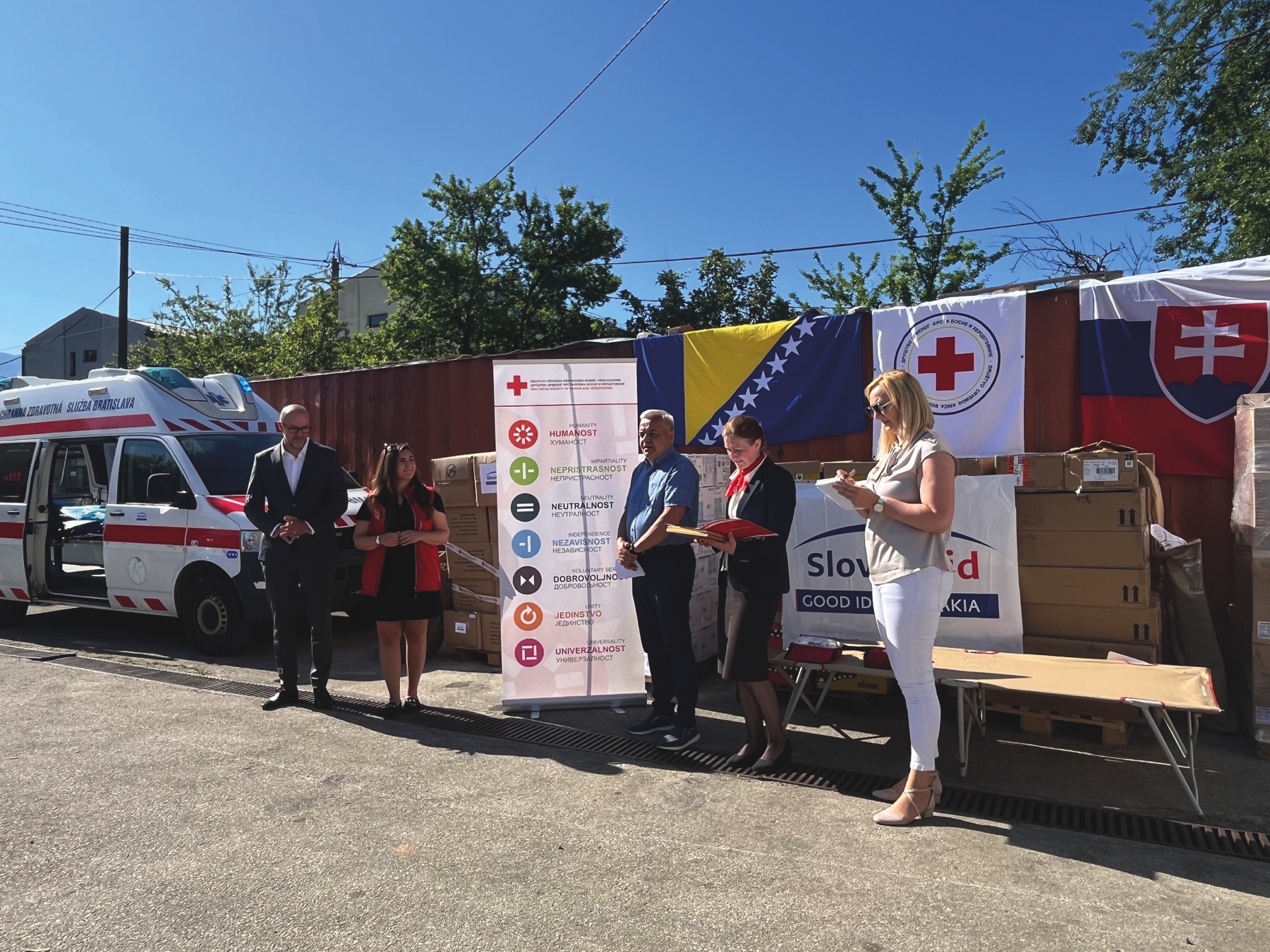
Bosnia Herzegovina Project
How did you become the strong woman you are today?
I think I simply try to be productive, to create a positive impact, to help people in need, and thus leave something meaningful behind. When I look back one day, thirty years from now, I want to be able to say that my life had a purpose, that I did something that mattered, and that I contributed to something greater than myself.
At the international WCWA in Paris, you were awarded third place. How did it feel?
The event in Paris was truly special and full of emotions. I felt proud and deeply honoured to represent both Slovakia and Czechia at such a prestigious international event. The summit and award ceremony brought together dozens of extraordinary women from around the world, highlighting many inspiring stories and important, challenging topics. More than 2,500 women from 97 countries were nominated. I am extremely proud to have won the global award, third place in the main category of Woman of the Year. It is a great international success not only for me, but also for Slovakia and Czechia, our two Eurocare nations. It proves that anyone can create impact and positive change, regardless how old we are or where we come from. The event created a space for celebrating achievements, sharing insights, and building connections for future cooperation. We heard many powerful stories, all united by one common thread: the courage and determination of women to overcome obstacles and transform challenges into something positive, not only for themselves, but also for others. I was accompanied by Kamila Paličková, to whom I would like to express my gratitude for her mentorship and support throughout this journey, as well as for bringing the WCWA to Czechia and Slovakia.
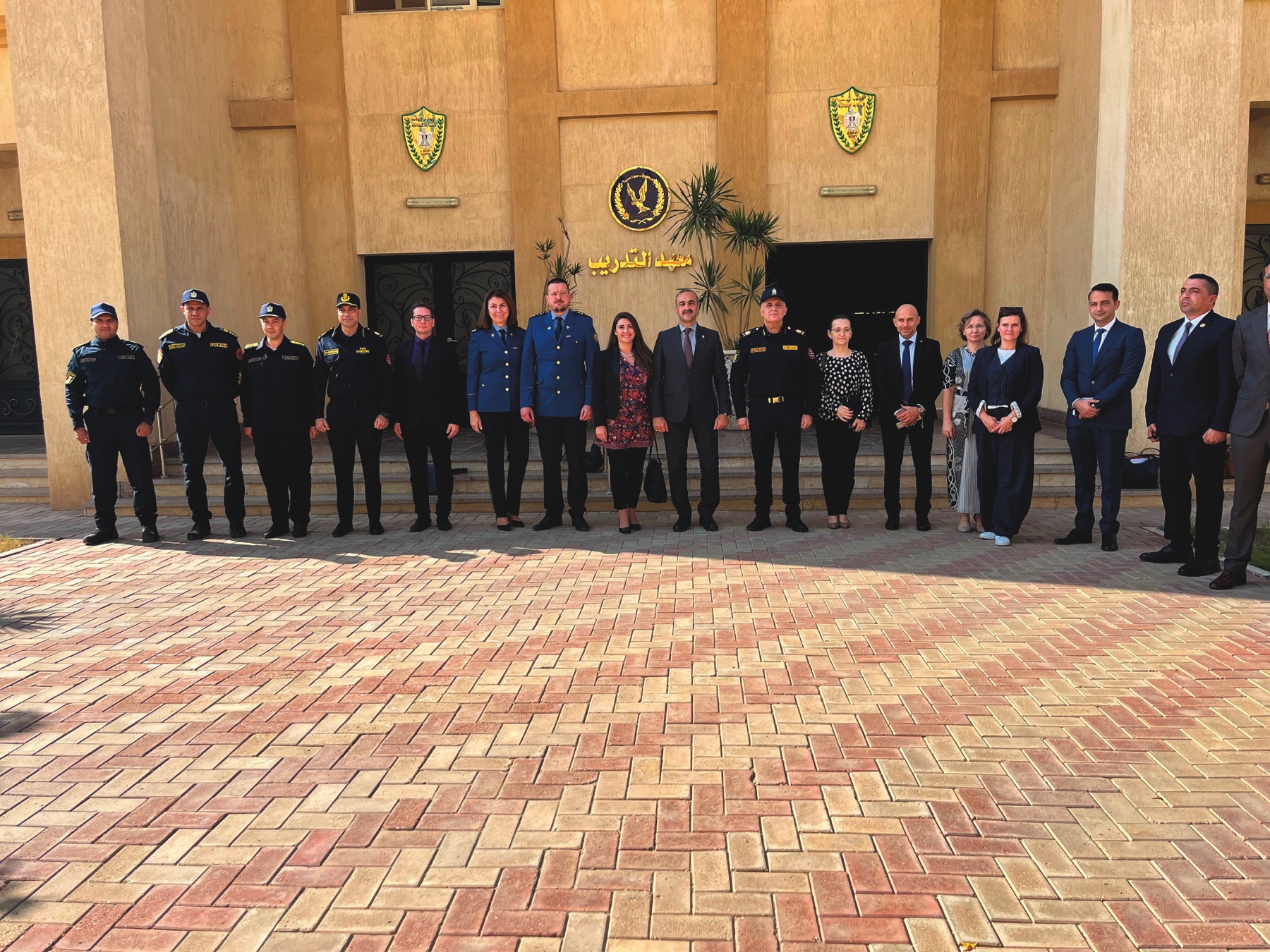
Egypt Civil Protection Project
How can women stand in solidarity with one another?
I believe women should stand together, inspire each other, and choose support over competition or comparison. It means listening with empathy, offering a helping hand when it is needed – especially to younger colleagues – and speaking up when someone is treated unfairly.
What do you do in your free time?
I enjoy travelling, especially to the Middle East, and spending time in nature. I love animals and I also enjoy gardening. I have fallen in love with scuba diving, which provides real relaxation for me. Under the sea, I have to focus on a series of technical steps, which allows me to clear my mind and shift my attention away from work and daily responsibilities.
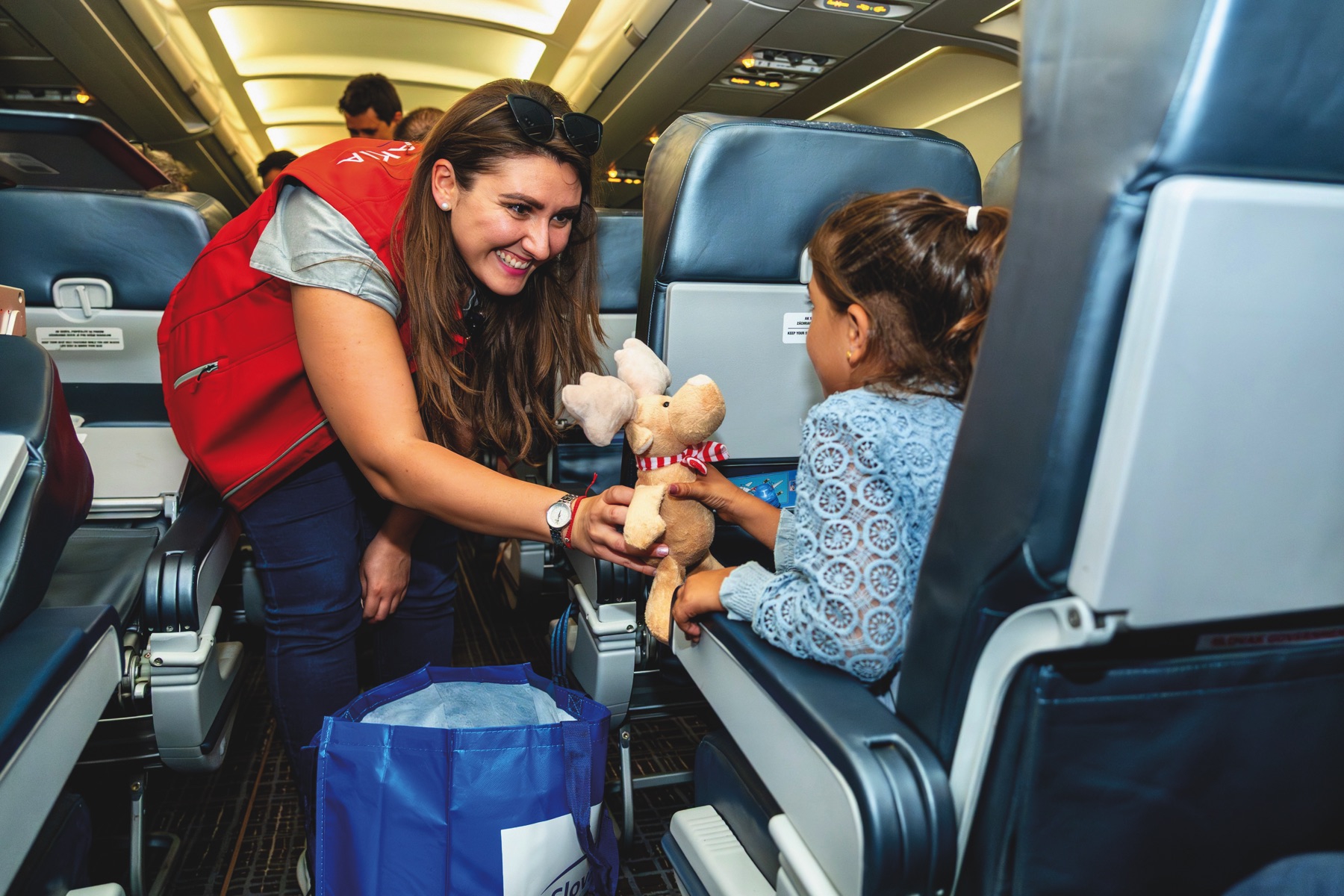
Eurocare
Which part of your work is the most difficult?
Working with people – especially in crisis situations – is the most difficult part of my job. I am not only dealing with the crisis itself, or the detailed logistics of bringing civilians home safely when conditions on the ground change from minute to minute, but I am also dealing with people, their emotions, and their reactions to distress. The situation can shift every moment, and we must be ready to adapt instantly, find solutions quickly, and navigate people accordingly. As a crisis manager, I have to be fully prepared not only for operational planning, but also for direct communication with those affected. The responsibility and pressure are immense.
What is the weirdest thing you have dealt with?
Throughout my career in crisis management, I have encountered many unusual situations. Perhaps the most specific ones came during the COVID-19 pandemic, when we were dealing daily with Slovak nationals stranded abroad. People in crisis often come with unconventional requests. One of the most challenging moments is when we have to repeatedly explain to evacuees that our priority is to save their lives, not necessarily all their belongings, especially when space on a rescue flight is limited.
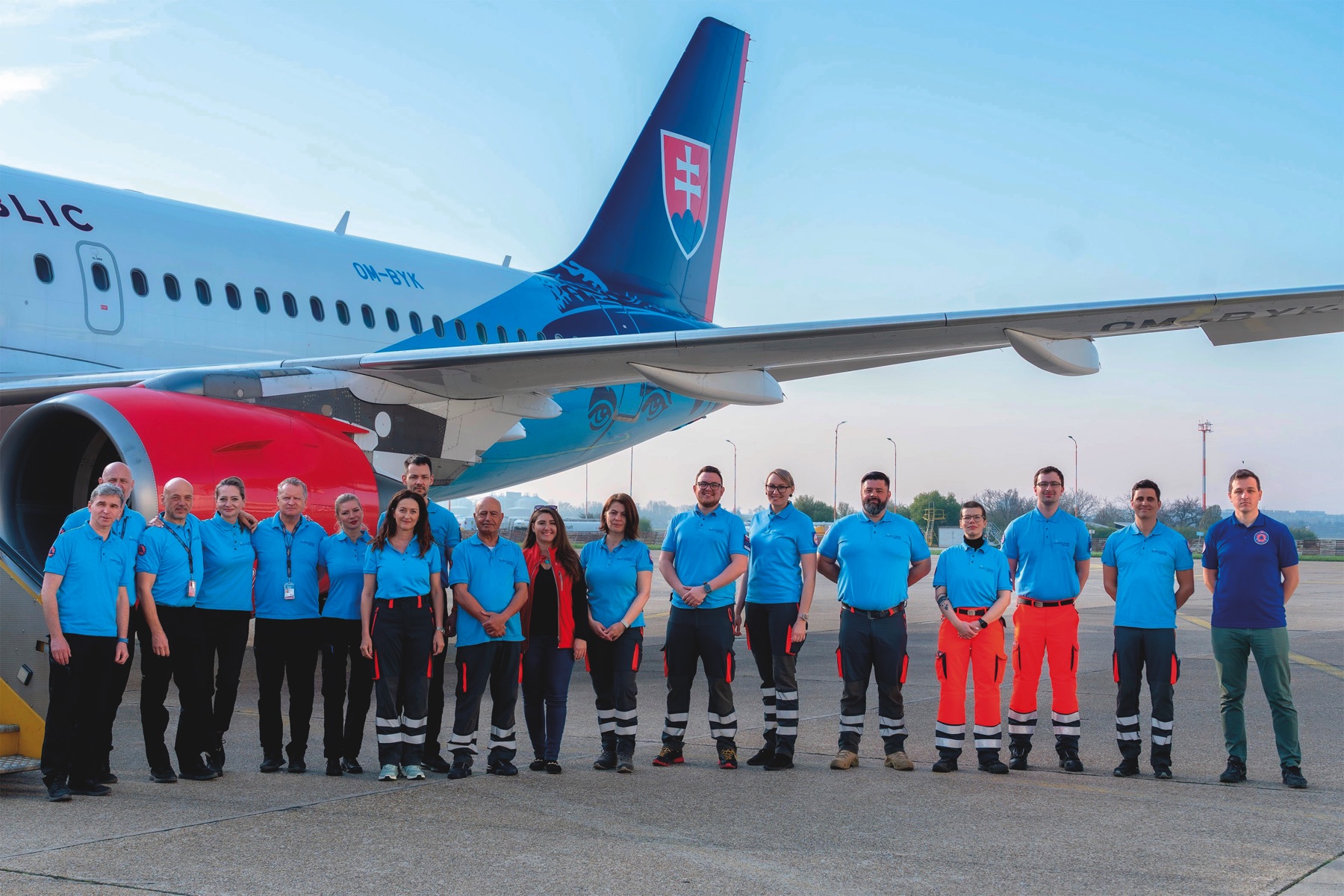
Evacuation team
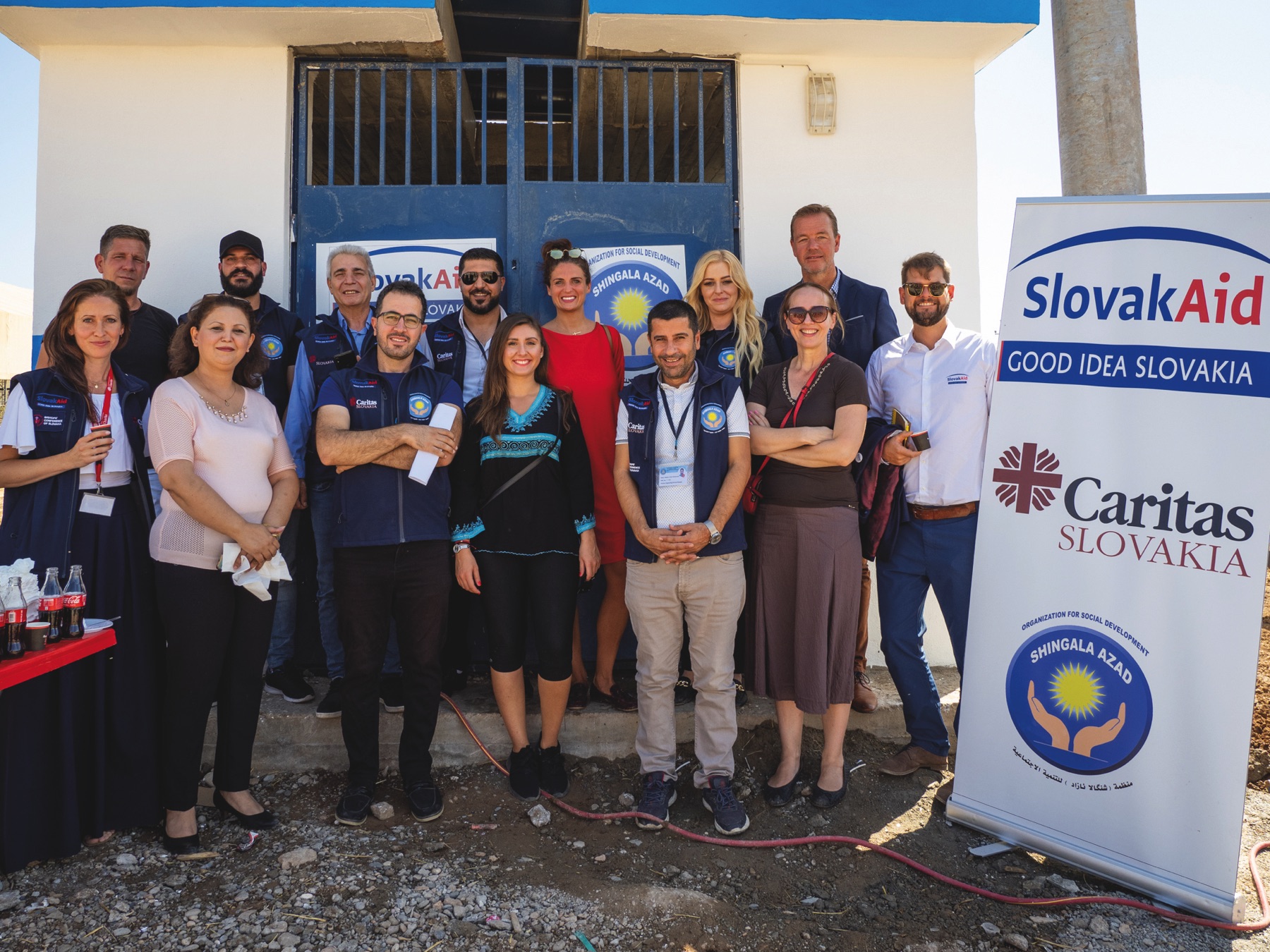
Iraq
Which experience has influenced you the most as a humanitarian and crisis manager?
Looking back, I would say it was my mission to Sudan with the United Nations. As a national humanitarian expert, and as someone who has always actively sought practical field experience, I had the opportunity to join a UN monitoring mission to South Darfur. The mission took place in December 2022, at a time when the combined effects of war, armed conflicts over land and resources, extreme weather, and poor harvests had left more than 15 million people in Sudan facing food poverty and hunger. It was a deeply moving and eye opening experience. We saw the cruel reality on the ground: people, including children, suffering from severe food insecurity and years of conflict. During the mission, we visited various refugee and internally displaced persons camps across South Darfur, as well as sites where humanitarian and development projects of the World Food Programme, UNHCR, and the EU were being implemented. What I saw there will stay with me forever. Malnourished and ill children, people living on the streets with no shelter, and lack of even the most basic necessities such as food and water – that was the daily reality we saw.
Among your achievements, which one are you most proud of?
I am very proud of every successful evacuation operation I have been part of, and of every human life I have helped to save during the seven years I have worked in this field. From navigating people in Afghanistan and contributing to their safe departure when the Taliban seized power in August 2021, to helping ill and injured children and students from Gaza get a chance for a better life. Besides the evacuations I helped plan, organize, and coordinate, I am also very proud of the international partnerships I have helped build and the practical agreements in crisis management and civilian evacuations that I have negotiated, and which will serve people for years to come.
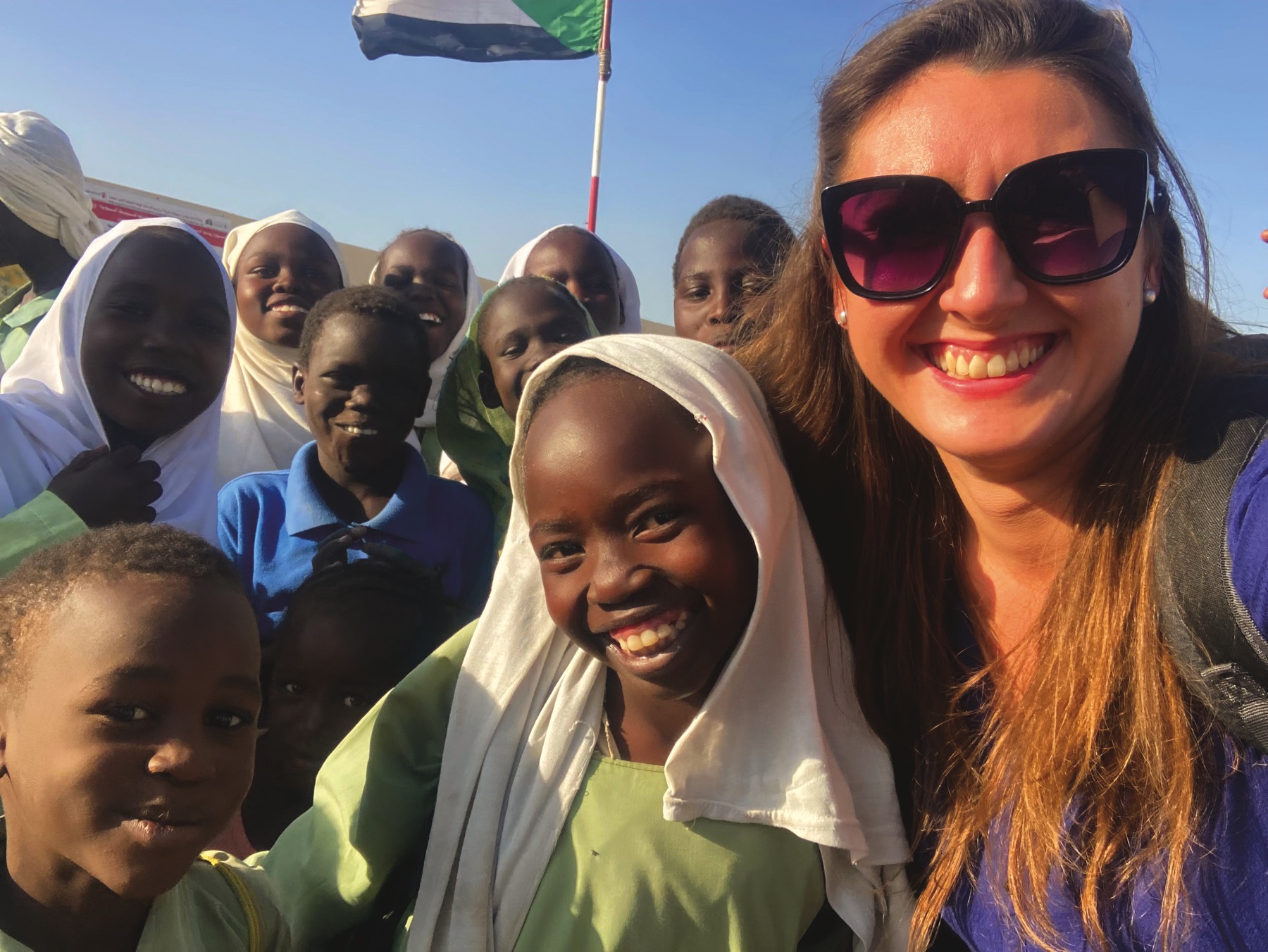
Sudan school and camp
Where do you see yourself in five or ten years?
I would certainly like to stay in crisis management, emergency response, and humanitarian aid, but ideally working even more in the field, directly with people in need. My dream is to one day work for the United Nations, an international humanitarian organisation under its umbrella, or a DG ECHO field office, preferably in the Middle East. As I have been actively involved in various charitable activities, I have also been considering establishing my own charity organisation. In addition, I would like to share my knowledge and practical experience by educating future crisis managers and security experts.
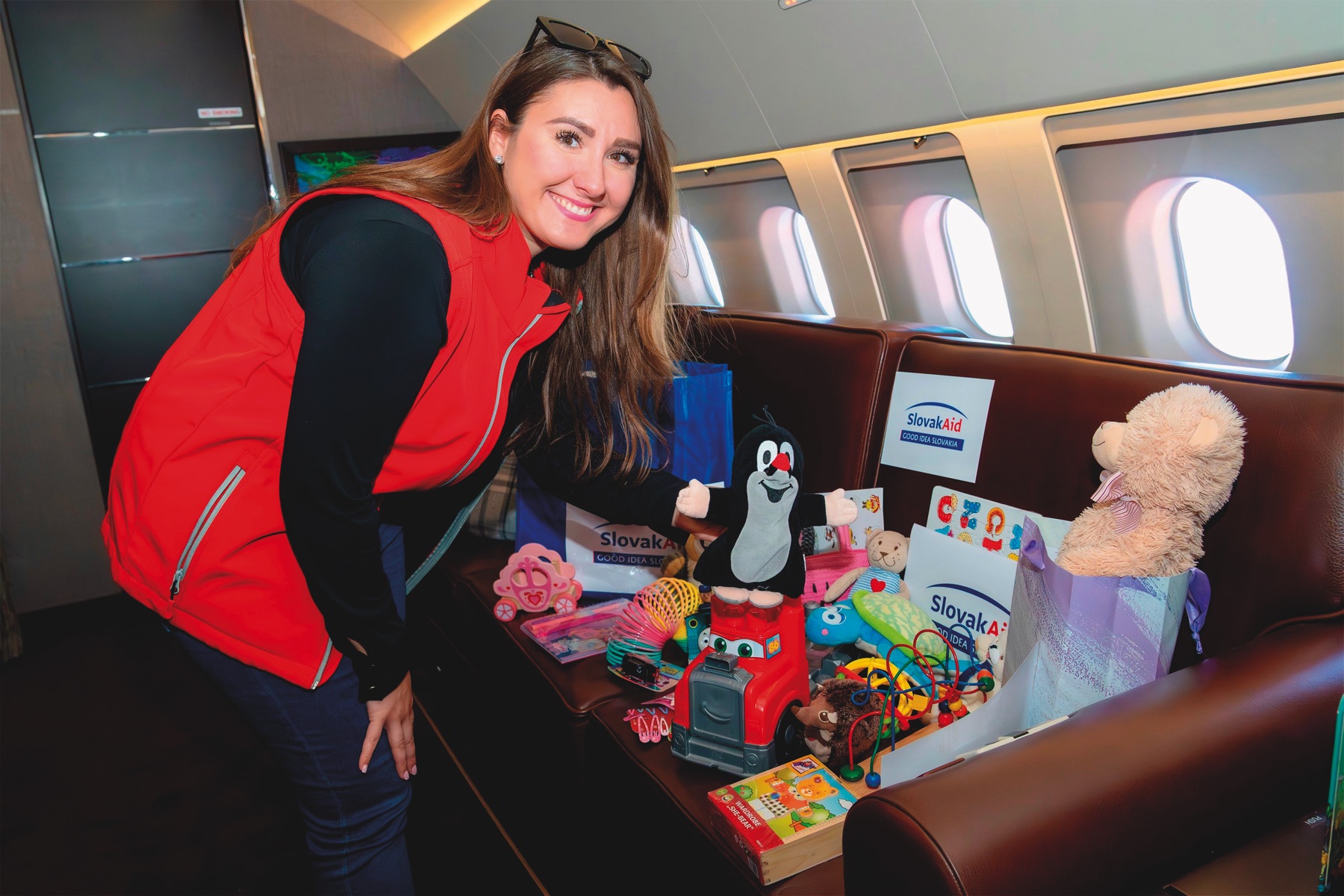
Slovak Aid
What piece of advice would you give to your future colleagues, and to the next generation as a whole?
Be authentic, be kind to others, and share when you have enough. Try to live sustainably and in accordance with your moral values and beliefs. Do not close your eyes to injustice, and do not remain silent when you see it. And above all, follow your dreams and your inner voice, especially when it shows you which path to take. There is nothing worse than the absence of satisfaction and fulfilment in life.
Read our earlier article here.