

Our pieces come to life through movement
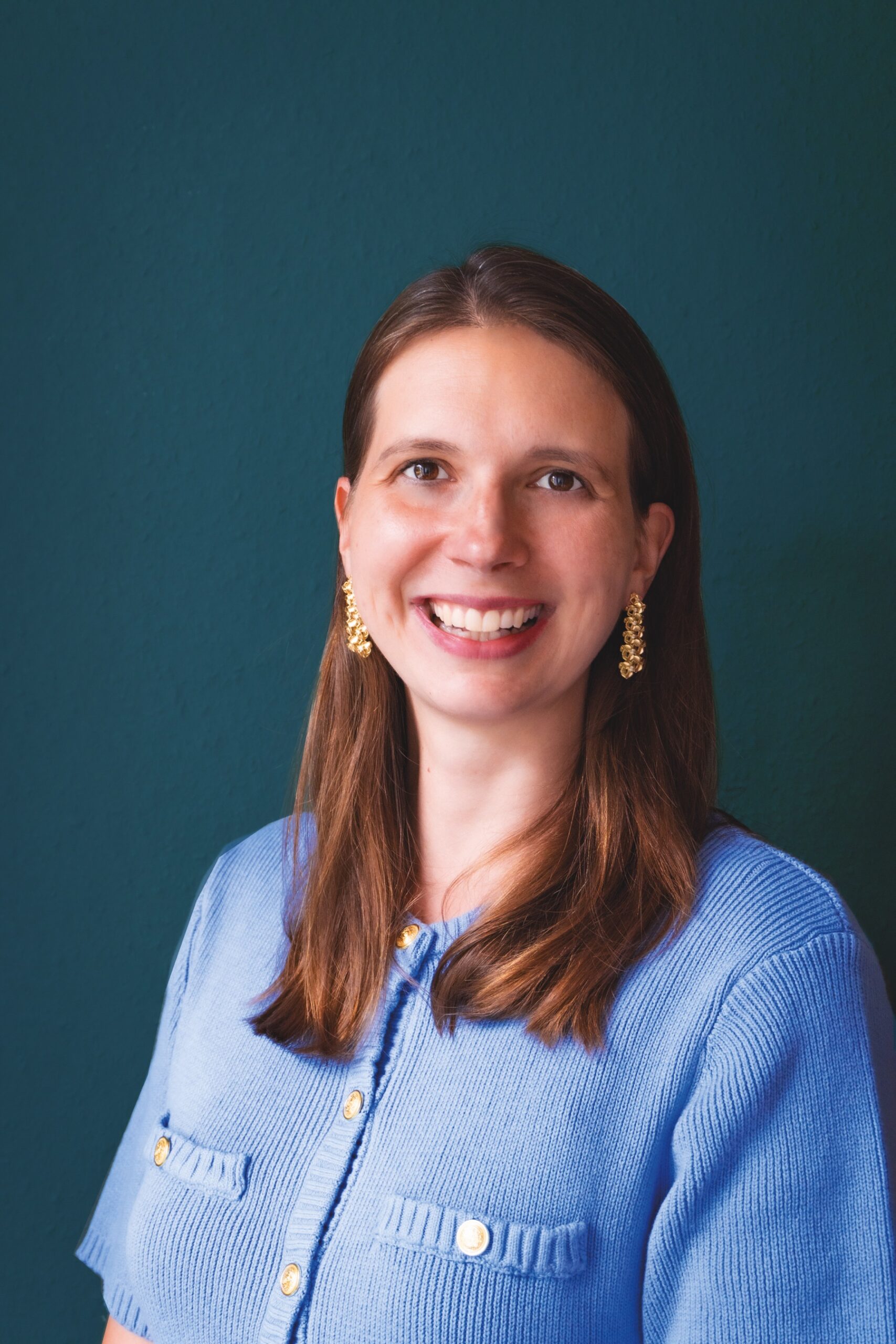
Marie Boltenstern, Founder of FABNORA, 3D printed jewellery brand
Text: Alice Botnarenco; Photo: Archive
You grew up close to your father, Sven Boltenstern, and the world of jewellery. What is one piece of advice or lesson from him that has stayed with you and still guides you today?
Through him, I learned to believe that anything is possible. He had an unstoppable combination of motivation, courage, and consistency, balanced with a sense of calm that is essential when turning ideas into reality. That mindset continues to guide me.
When did you realize you didn’t just want to continue your family’s legacy but redefine it?
It actually happened the other way around. I studied architecture and specialized in 3D technology. When I discovered a gold 3D printer that was new to the market at the time, I saw an opportunity to merge my passion with my family’s heritage. That’s when I decided to take over the business, with a clear vision to introduce something entirely new and evolve the brand.
You describe jewellery as “the smallest form of architecture.” Where does emotion enter such a structured, system-based process?
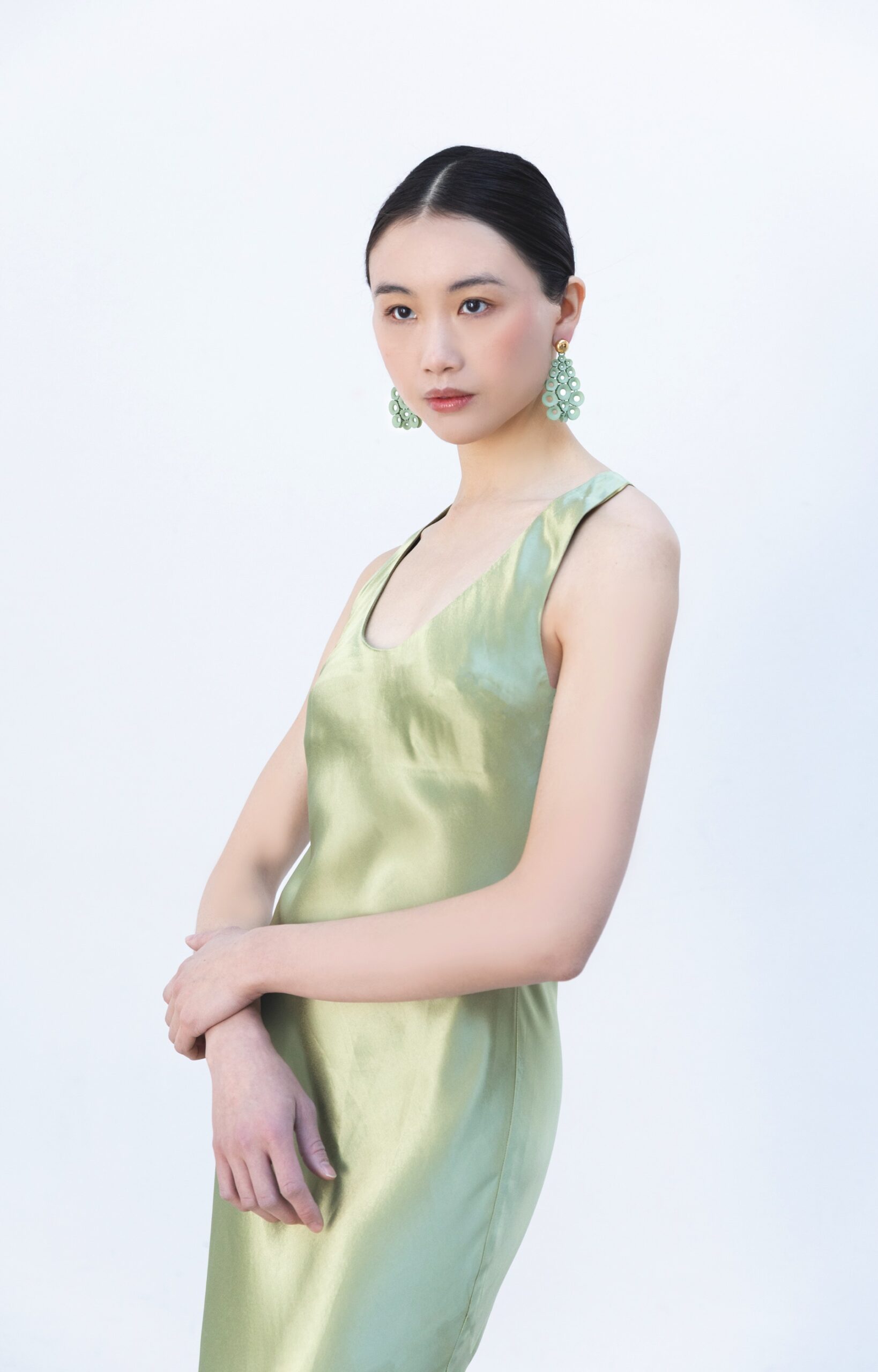
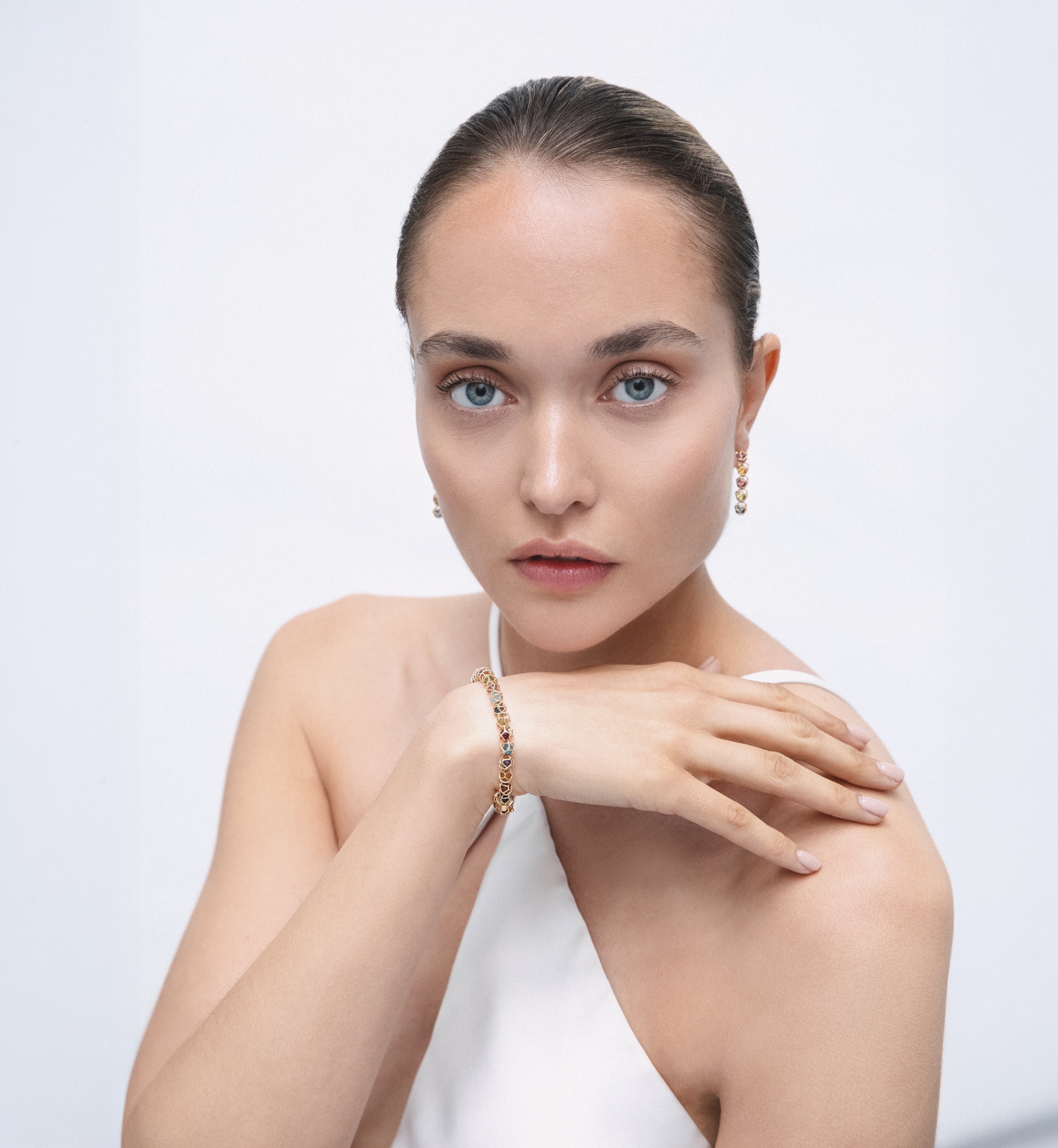
For both of our brands, the soft movement of the pieces is the core of their character – our pieces are designed to feel light and fluid on the body. What starts as a strictly mathematical code is transformed into something soft and expressive. This contrast between precision and unpredictability is what fascinates me most: while the 3D model is rigid and exact, I never fully know how the piece will move until it exists physically. This unique touch is what evokes the emotion in our clients.
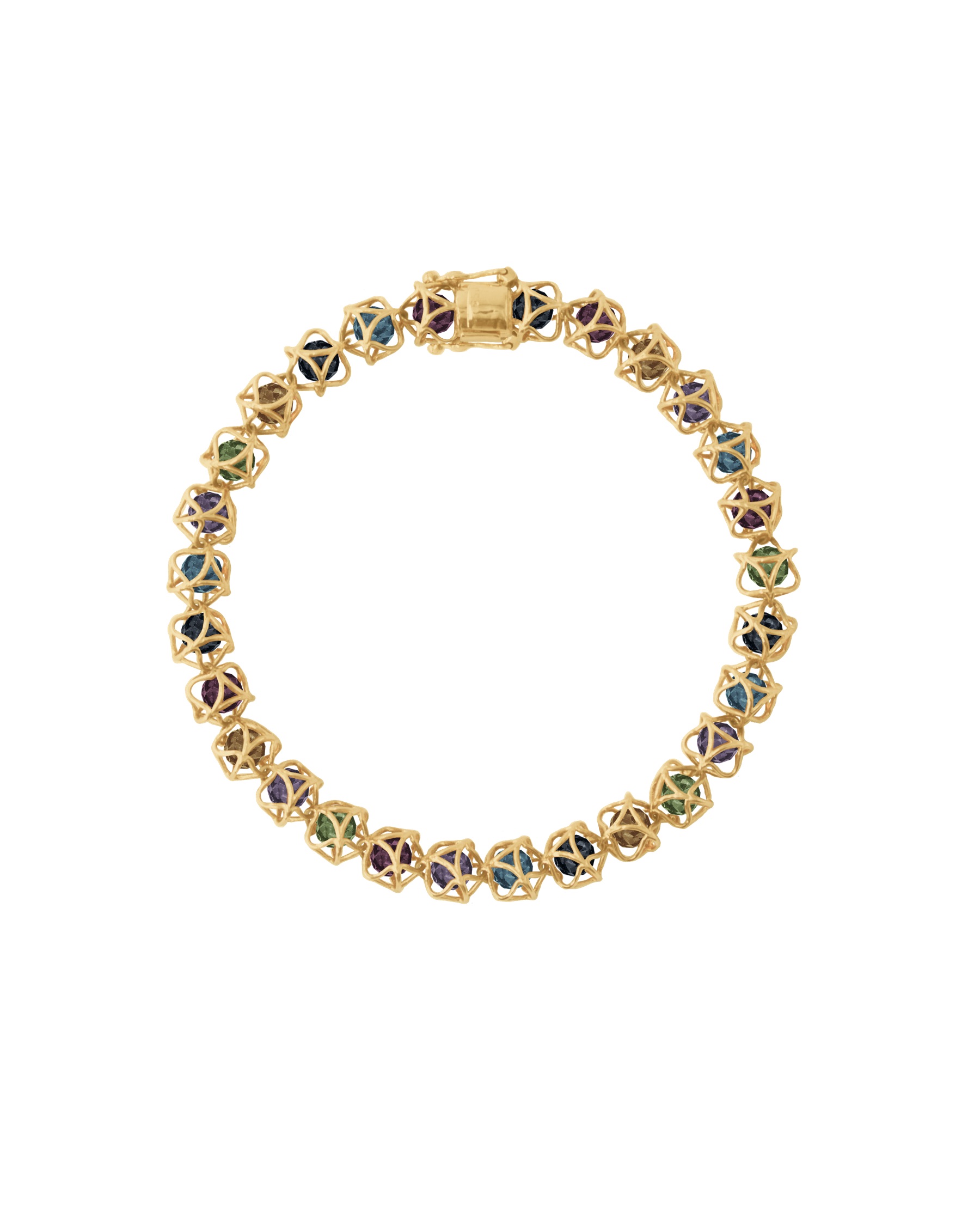
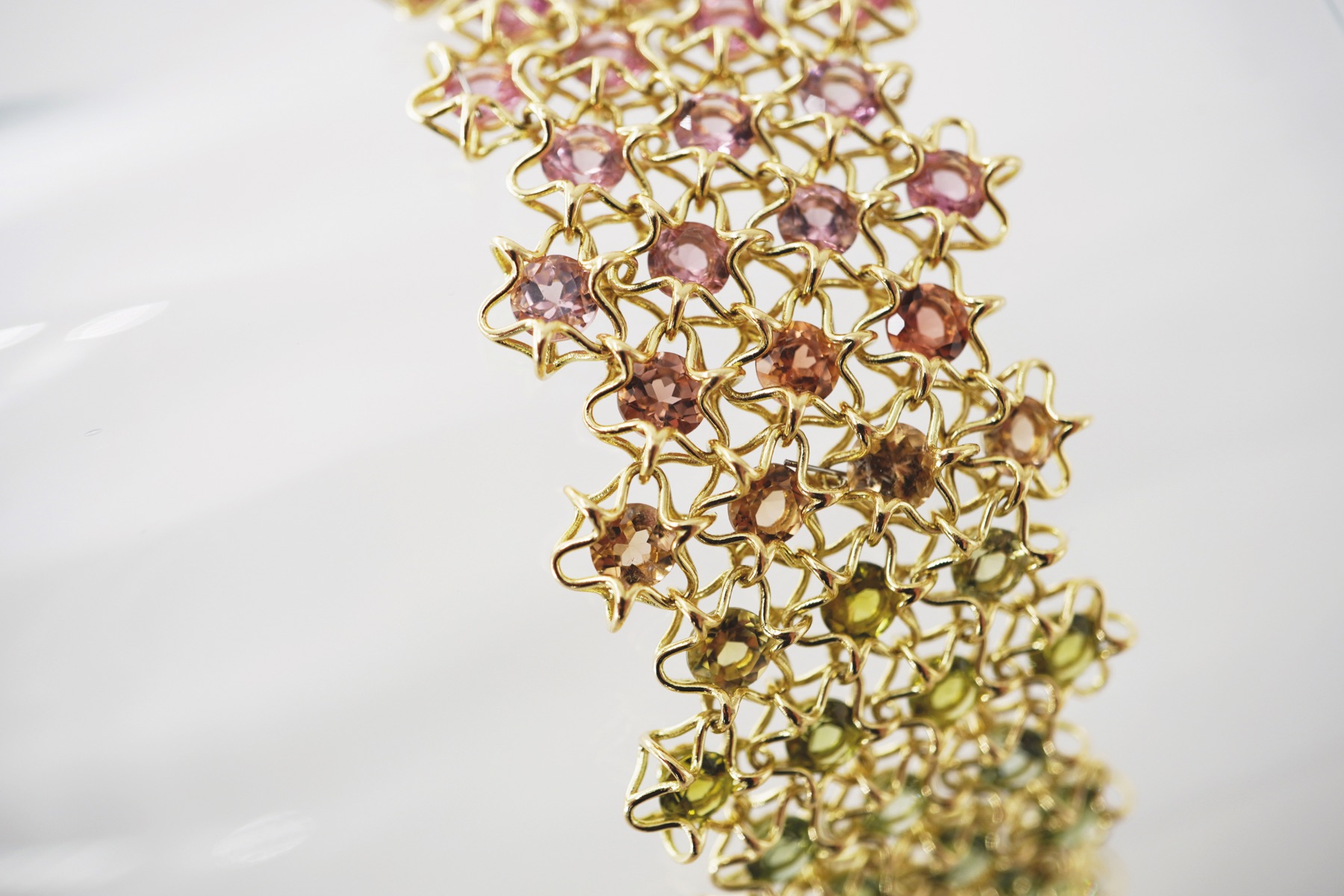
With FABNORA expanding to over 300 stores and receiving international recognition, what were the key steps that allowed you to scale successfully? And how challenging was it to adapt to this pace of growth?
Building the right team was fundamental. In Austria, we commissioned strong sales professionals who created the foundation for our growth and established confidence in the sell-through of our products. At the same time, a highly efficient internal team ensures smooth operations – from orders to delivery and customer service. A major milestone was when my husband, Raoul Boltenstern, joined as Managing Director three years ago, significantly strengthening our leadership and accelerating growth.
Today, your pieces can be discovered both in curated physical spaces and online. How do you see the relationship between these two worlds? Can digital ever replace the emotional and sensory experience of a physical space?
Our pieces truly come to life through movement, lightness, and touch, so physical spaces are essential for experiencing them fully. At the same time, the digital world acts as today’s business card – it introduces the brand and builds awareness. For us, the two complement each other and grow together.
You are pioneering 3D printing in fine jewellery. What did you see in this technology that others didn’t?
I’ve been deeply engaged in computational design and digital fabrication for nearly two decades. 3D-printed jewellery must be conceived in a way that cannot be achieved through traditional techniques – otherwise, the process wouldn’t make sense, as printing in gold is complex, time-consuming, and costly. We also developed a specialized finishing process tailored to this technology.
In order to achieve true high-end results it requires deep expertise in a niche field, as well as a significant investment in research.
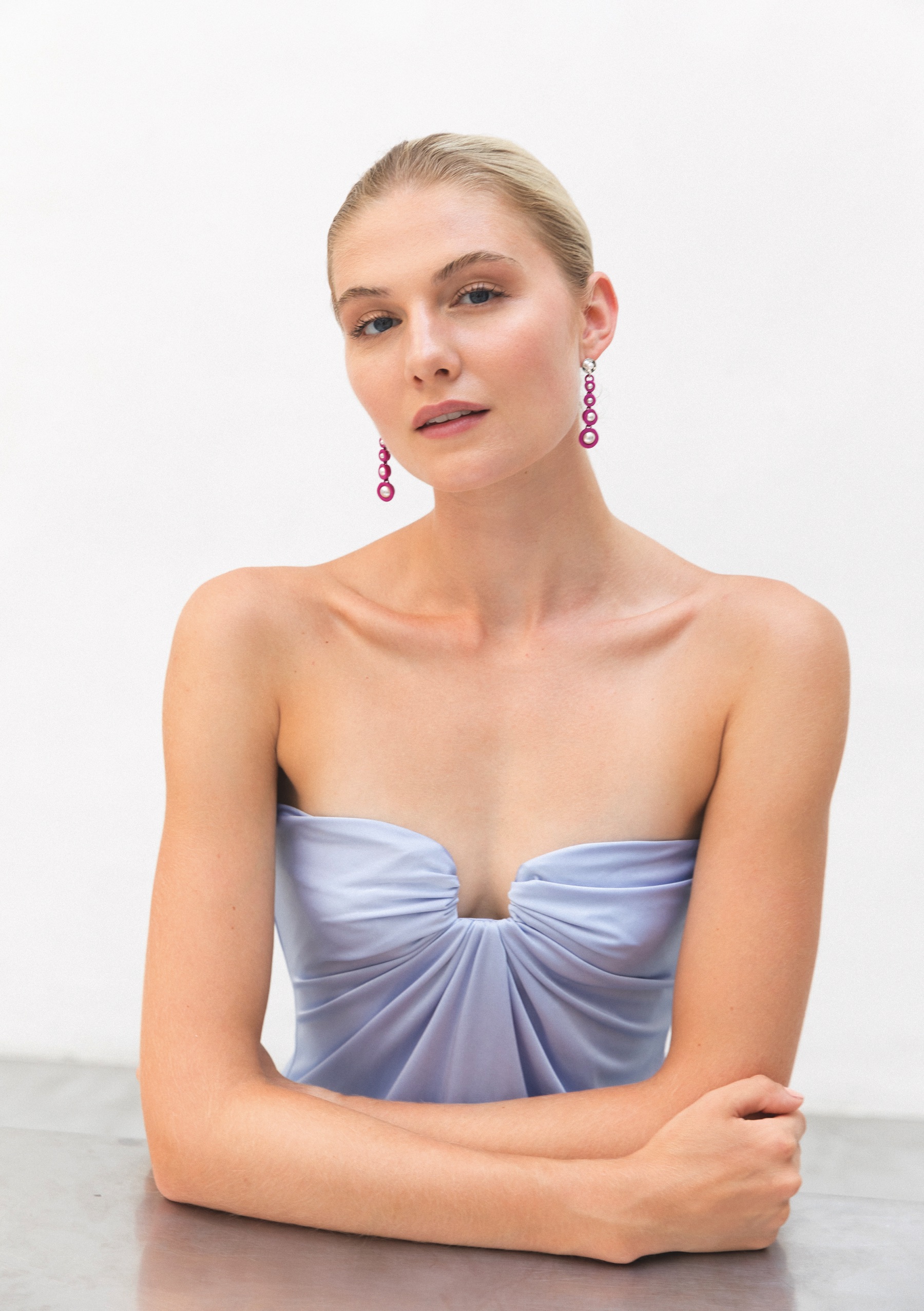
Sustainability is part of your approach. What does “responsible creation” mean to you today?
Across all our brands, we collaborate with manufacturers certified by the Responsible Jewellery Council. With BOLTENSTERN, we create timeless pieces meant to last for generations. With FABNORA, we focus on long-lasting, adaptable designs – the mix-and-match system allows pieces to evolve with personal style over time. Beyond products, we actively support women through mentoring initiatives and charity collections.
You operate between technology, design, and business. How do you stay creatively grounded?
Building a strong team was key; it allows me the space to focus on creativity. My husband and business partner complements the management with expertise in sales and finance. I’ve always enjoyed surrounding myself with inspiring people and building meaningful relationships, which fuels my creativity. Of course, balancing everything can be challenging, especially with our two daughters, who are one and two years old.
Behind this growth, there are always challenges. What has been one of the most difficult moments in building FABNORA?
Working with unconventional materials and designs naturally brings both enthusiasm and scepticism. As a new brand, building trust takes time. However, this uniqueness has ultimately become our strength, as well as a clear differentiator in the market.
Today, your pieces can also be discovered in Prague, in a curated boutique environment. How important is physical space and curation for your brand?
It’s extremely important. FABNORA is demi-fine jewellery that often requires a certain openness and confidence to wear. Presenting it in a curated, high-end environment helps meet customer expectations and enhances the overall experience. Many clients see FABNORA as a playful, modern complement to fine jewellery – perfect for styling and travel.
Are there books that have influenced the way you think or create?
Yes – The Craftsman by Richard Sennett deeply resonated with me in how it explores the evolution of craftsmanship through digital tools. For visual inspiration, I love the work of Ernst Haeckel. And for generative design, Endless Forms Most Beautiful by Sean B. Carroll is a constant source of inspiration, especially in how it connects natural structures with design processes.
And on a personal level, what has challenged you the most as a leader?
Learning to trust my intuition and not be overly influenced by others’ opinions. With experience, you realize there are many paths to achieving your goals – the key is maintaining focus and consistency.
As a woman leading in both design and innovation, how do you give back to other women?
I strongly believe in the idea that “you rise by lifting others.” Mentorship has been an important part of my journey, and I’ve been actively mentoring for several years. It’s not only about supporting others, it’s also an opportunity to reflect, share experiences, and continue learning myself.
 INTERVIEW BY ALICE BOTNARENCO a serial entrepreneur with over 20 years of experience who has built businesses across industries, from automotive to fashion, and launched initiatives dedicated to women’s empowerment. In 2009, she founded Women in Business NGO, a community supporting female entrepreneurs through education, mentorship, and networking.
Today, she continues her creative journey through ALISIA ENCO, her brand where art, culture, and storytelling come together as wearable expressions. Based in Prague, her work brings together creation and curation giving voice to women across art, design, and culture.