
Text: M. Zisso; Editing: Martina Hošková; Photo: Václav Pavlas and Archive
We travel all over the world – Africa, Asia, North America, and of course Europe. Living in the Czech Republic is a privilege: from the heart of Central Europe, so many destinations are just a short drive away. Traveling by car within the Schengen Area is wonderfully easy, even if rising fuel prices make it a little less cheap than it used to be.
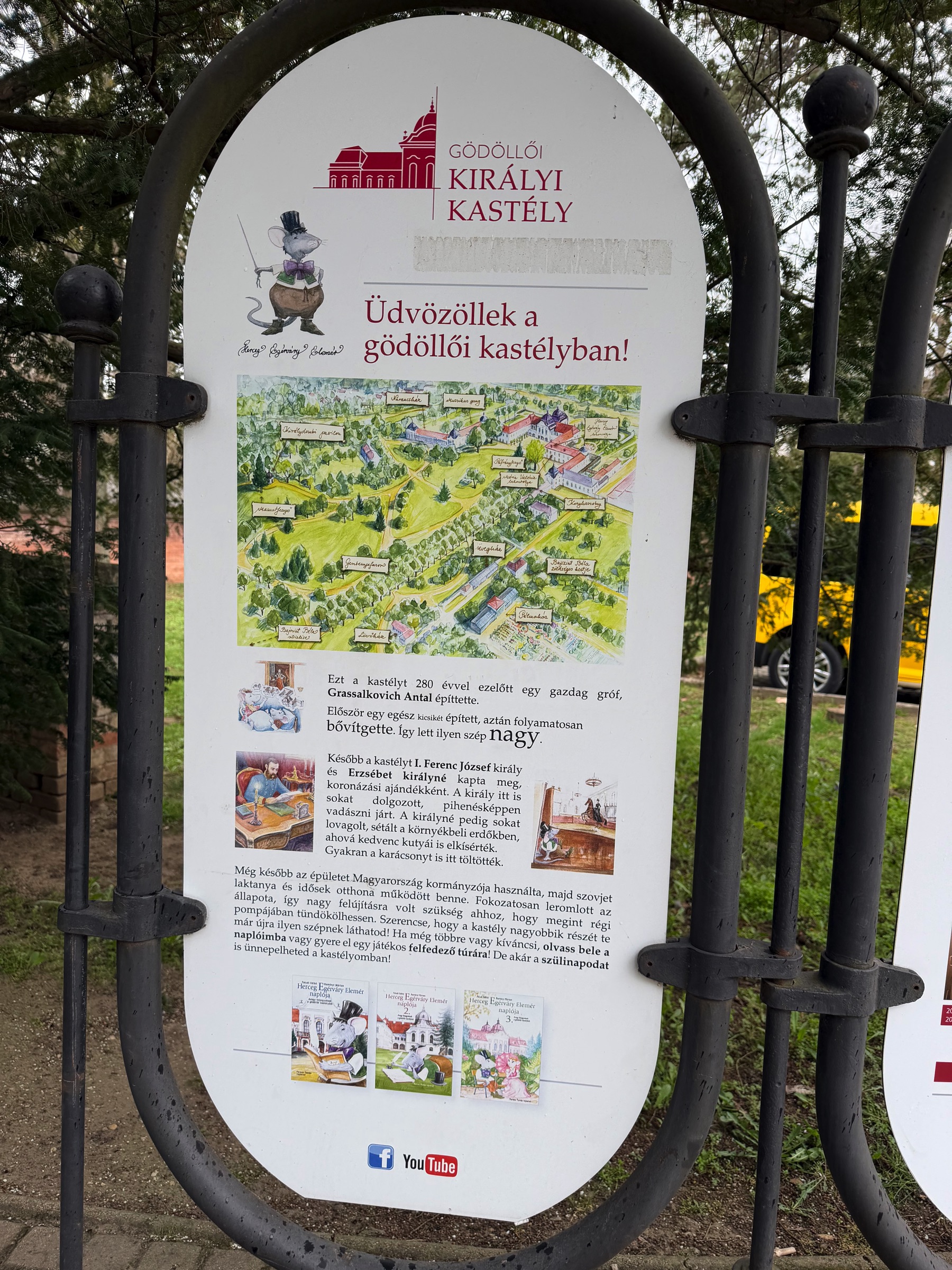
Our friends often ask us to write a travel article about countries close to the Czech Republic, somewhere we can visit with children and dogs, by car, over a single weekend. We waited for the right occasion, and then it arrived: a special exhibition at the Royal Castle of Gödöllő, “A. E. Köchert – Jeweller to Emperor and Crown”.
PART 1 – HUNGARY
Heading south to Gödöllő
Before driving to our neighbouring country, you need to buy both a Slovak and a Hungarian vignette. You can purchase them online through the official Czech site.
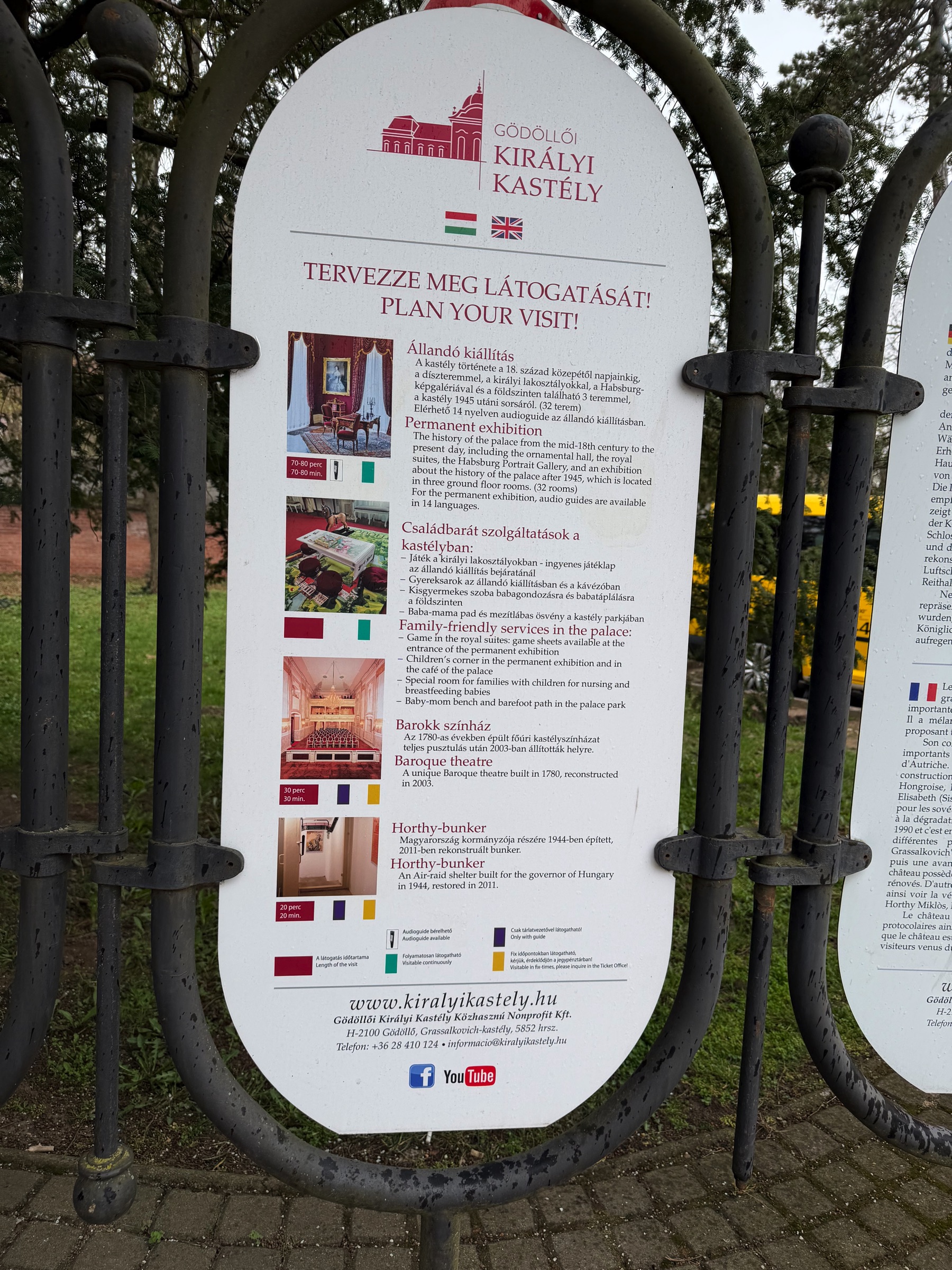
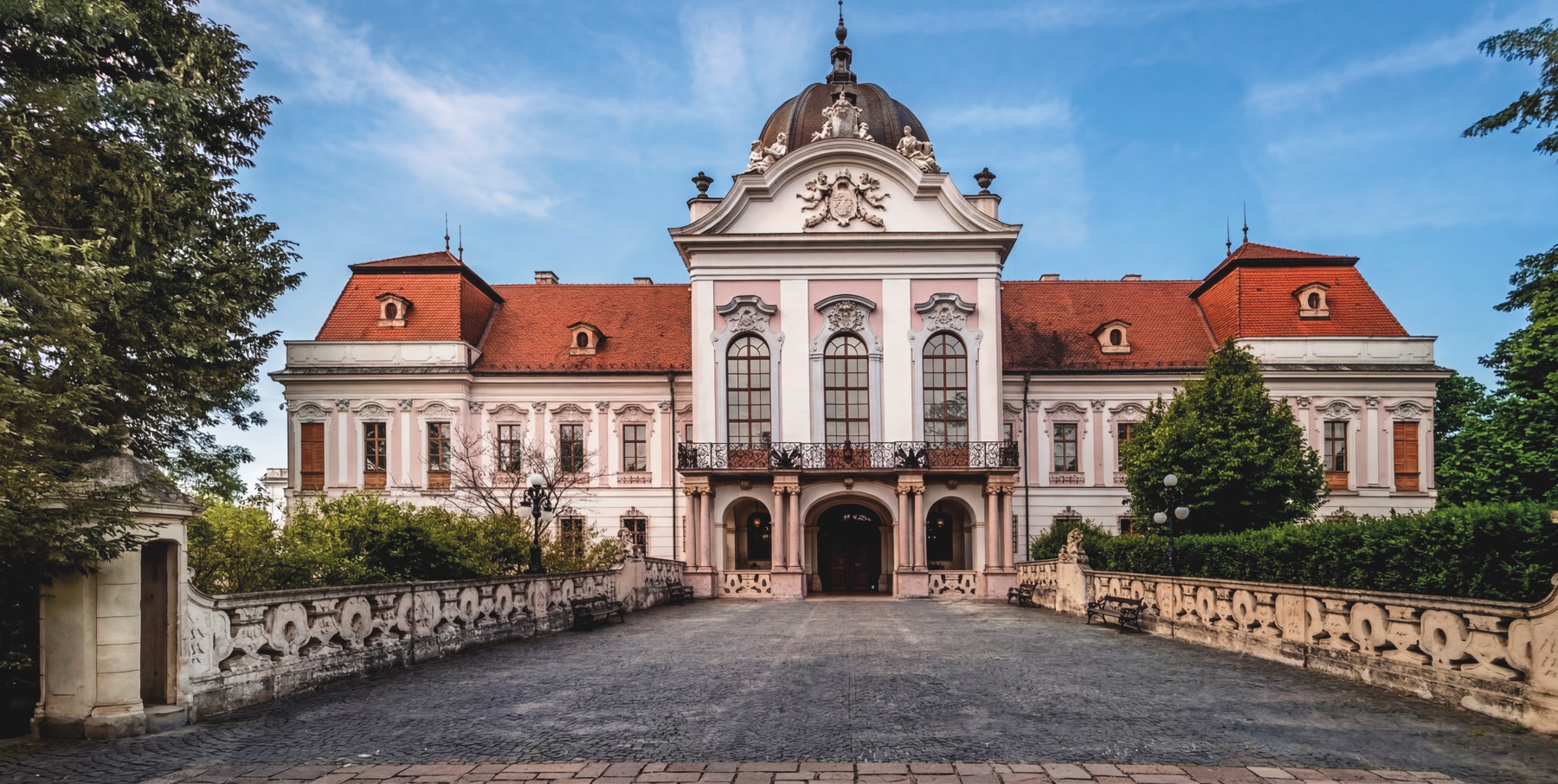
We set off early in the morning for the long drive. The distance from Prague to Gödöllő is 580 km, and according to Google Maps it should take just over six hours. Heavy traffic and roadworks in Hungary – combined with Google’s suggested shortcuts – stretched our journey a little. We arrived at the Royal Castle of Gödöllő around 1 p.m., greeted by a beautiful estate and a generously sized parking area.
Gödöllő Castle: a bit of history before you go
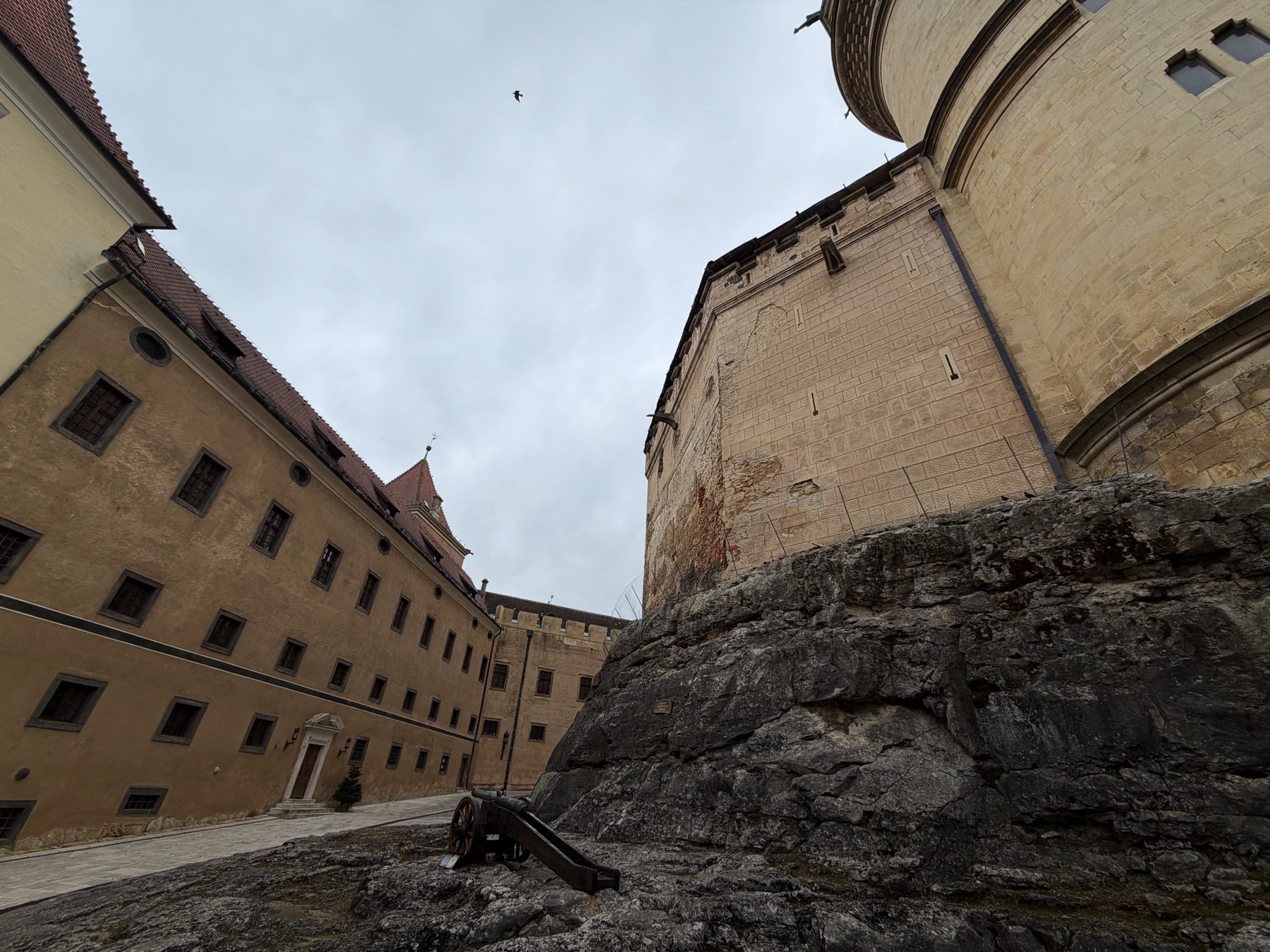
The Royal Castle of Gödöllő was founded by one of the most prominent Hungarian aristocrats of the 18th century, Count Antal I Grassalkovich (1694-1771). Construction began after 1735, and by 1745 the first U-shaped wing surrounding the inner courtyard – including the ballroom and the lord’s apartments – was completed, based on the designs of András Mayerhoffer.
Between 1746 and 1749, two additional wings were added: the southern wing housed stables and a hayloft, while the northern wing included the Roman Catholic church that still operates today. Queen Maria Theresa saw the castle in this form during her visit in 1751.
Grassalkovich continued expanding the estate throughout his life. His son, Antal II (1734-1794), added a Baroque stone theatre, and his grandson, Antal III (1771-1841), built the final northern wing, a new orangery, and transformed the French garden into a landscape garden. The castle’s architectural solutions later served as models for Hungarian Baroque residences.
The royal era
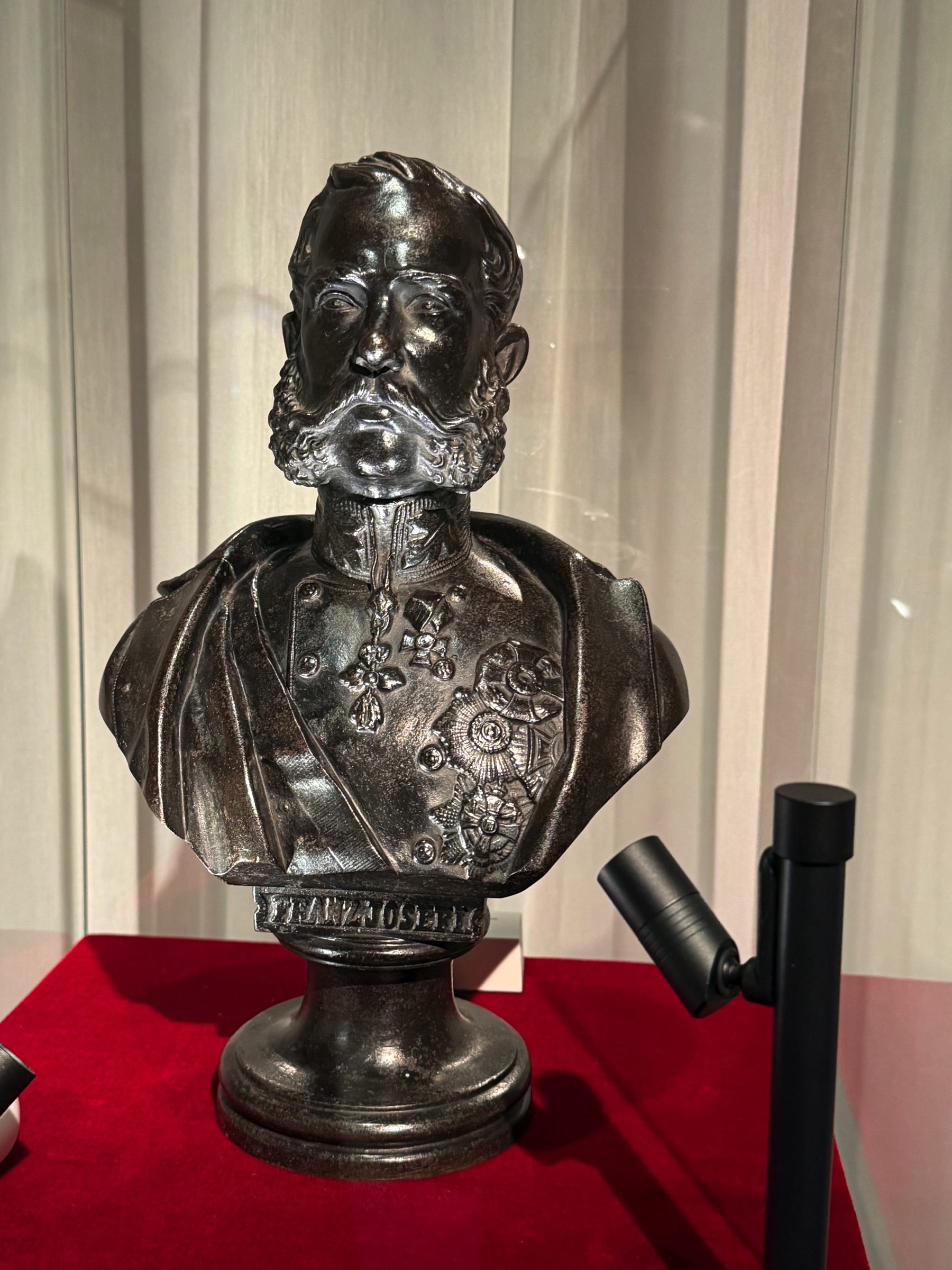
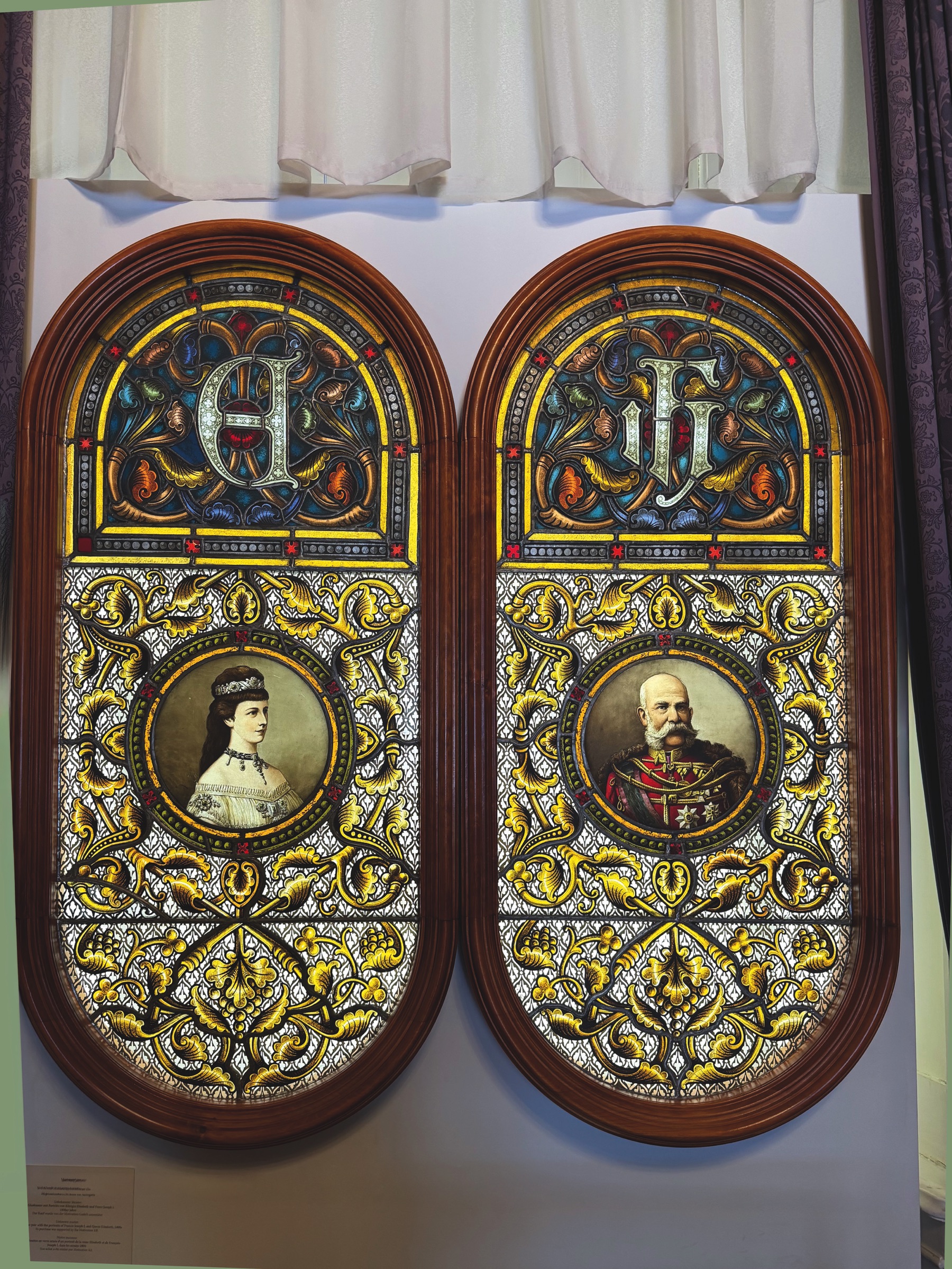
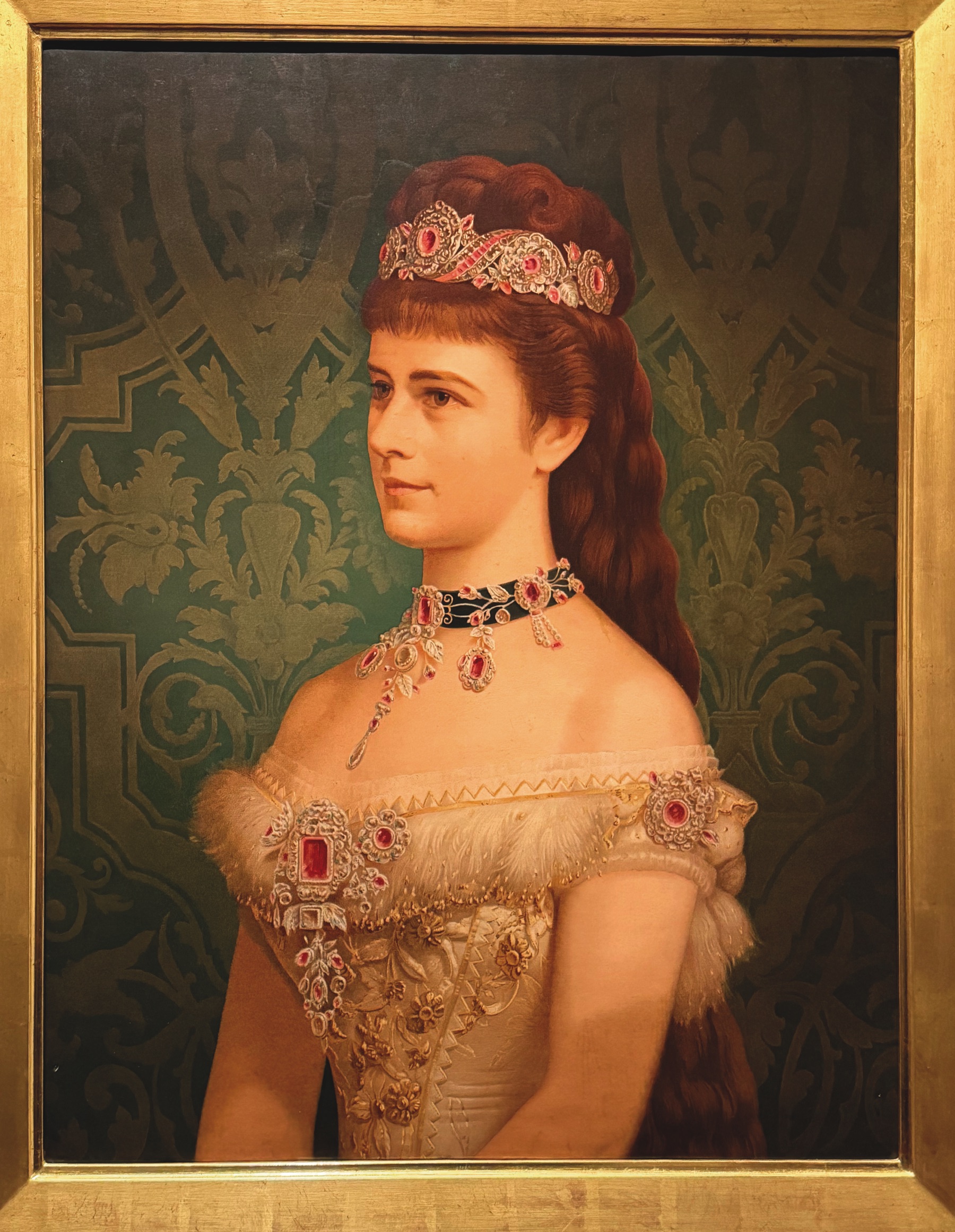
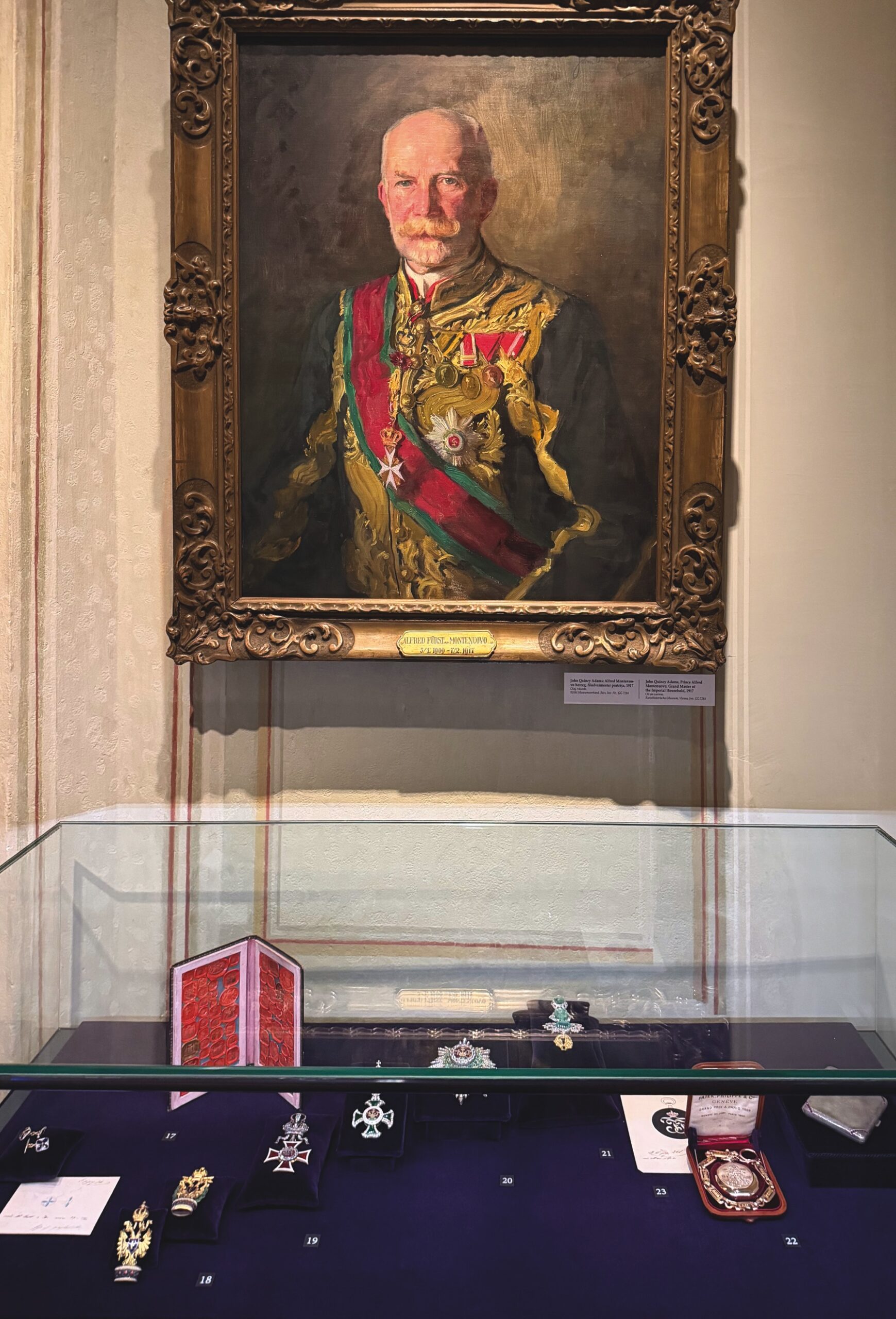
The castle’s second golden age began in 1867, when the Hungarian state purchased and renovated it as a coronation gift for Emperor Franz Joseph I and Queen Elisabeth (“Sisi”). The royal couple used Gödöllő mainly in spring and autumn. After Queen Elisabeth’s assassination in 1898, Franz Joseph visited less frequently, with his last stay in 1911. The monarchy’s collapse in October 1918 ended the royal period.
Sad decline and large-scale restoration
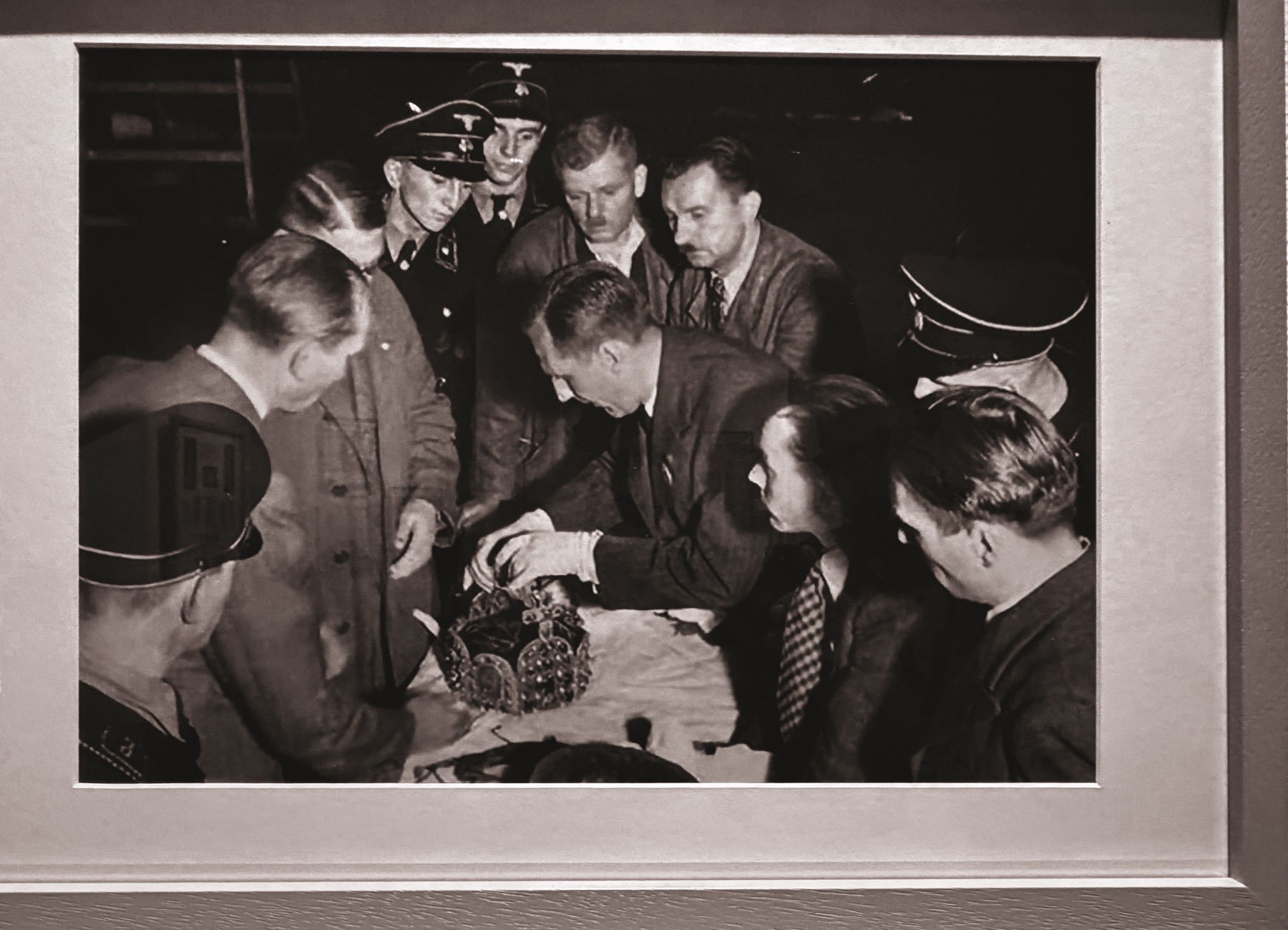
Although the building survived the Second World War structurally intact, German and later Soviet troops removed or destroyed most of its furnishings. From 1950, Soviet units occupied the farm buildings, while the main building – despite being declared a monument – was used as a social home. These decades of neglect led to the slow deterioration of the castle over time.
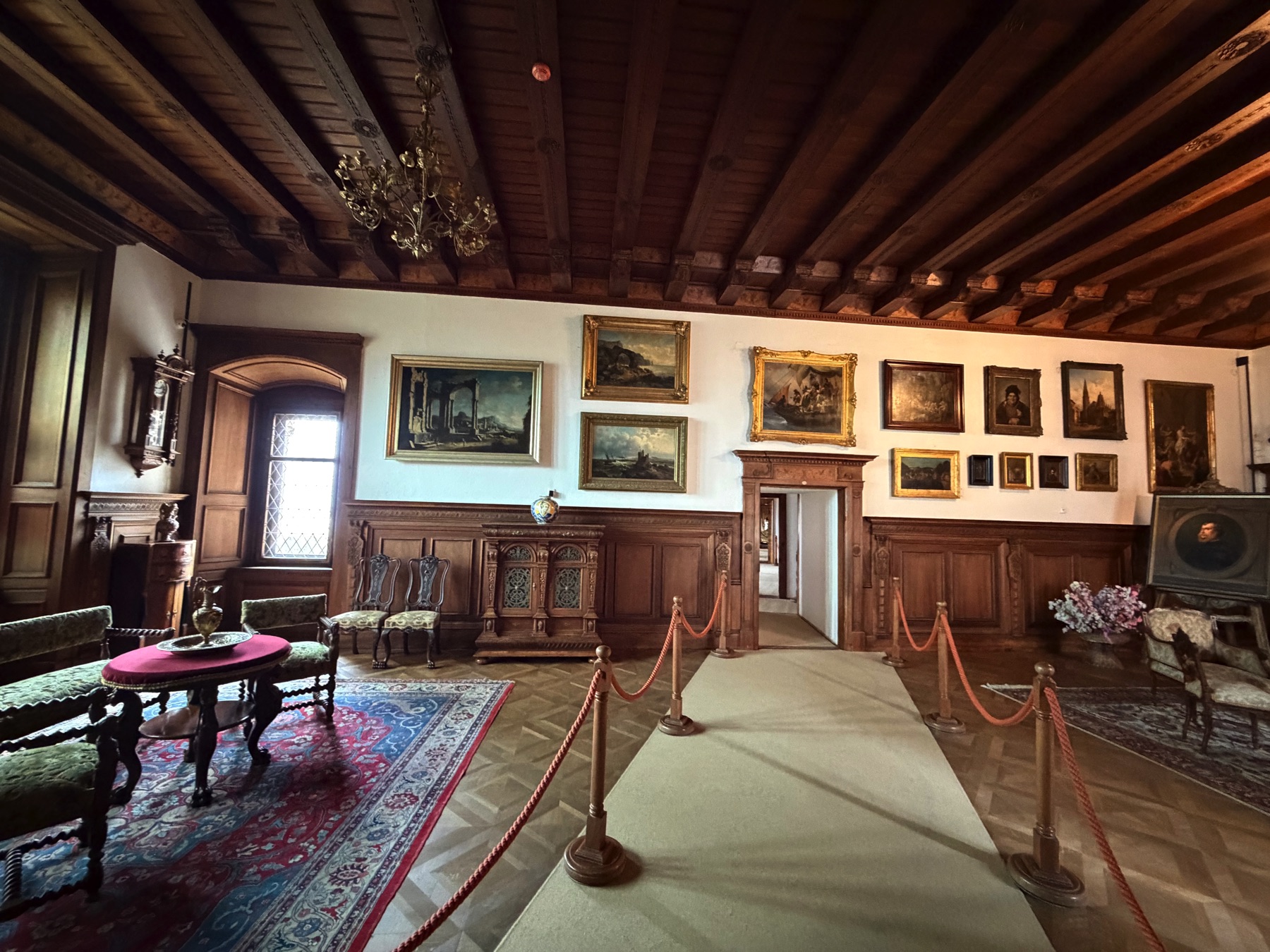
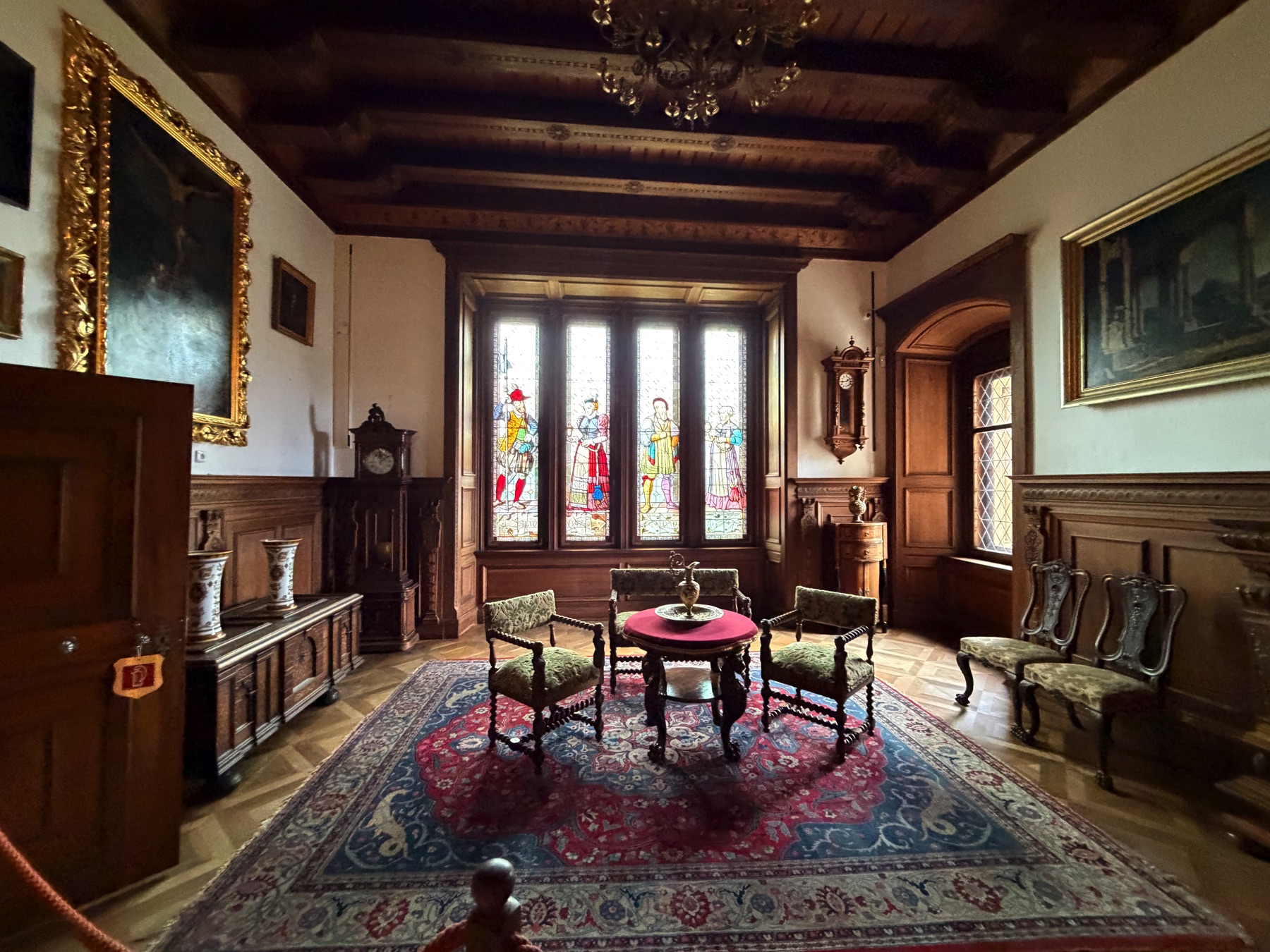
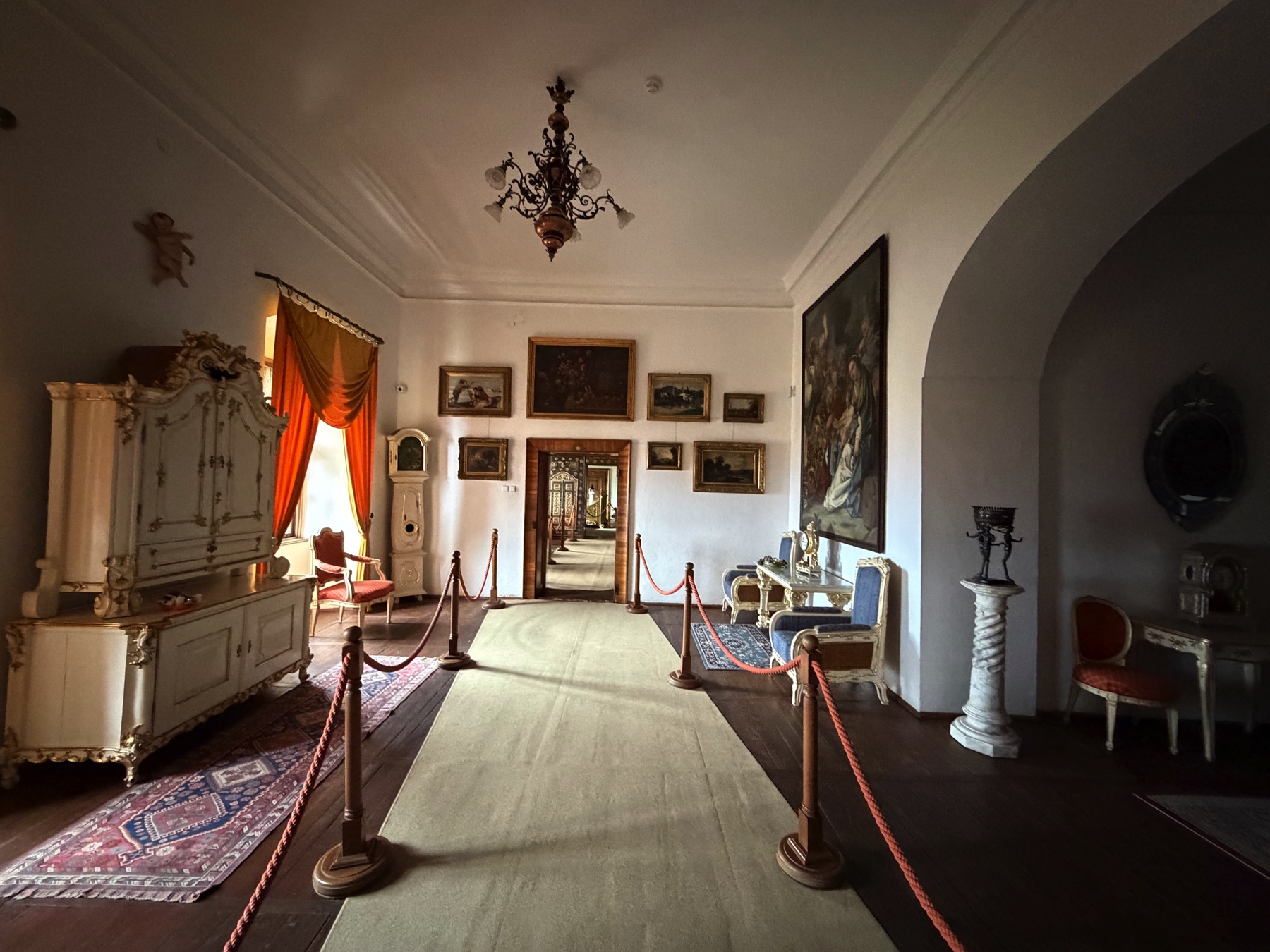
Conservation work began in 1985. Once the building was emptied, large scale restoration could finally start. The Gödöllő Royal Castle Public Benefit Nonprofit Company has coordinated the renovation ever since. The first permanent exhibition opened in the main facade wing in 1996, presenting the state rooms and royal suites, faithfully reconstructed from historical sources and telling the story of the monarchy’s Hungary and the personalities of Franz Joseph I and Queen Elisabeth.
Further restorations followed. New rooms in the royal suites were completed in 1997, followed a year later by the Queen Elisabeth memorial exhibition. On August 10th, 2001 – the 250th anniversary of Maria Theresa’s visit to Gödöllő – the permanent exhibition was expanded, with rooms evoking the Grassalkovich family and the castle’s Baroque period. The Baroque Theatre was renovated in 2003, and the Királydombi Pavilion opened in 2004. In 2010, the Rudolf and Gizella wings, the riding stables, the Baroque stables, and the bunker of Governor Miklós Horthy were fully renovated.
Stepping into the exhibition
Mr János Papházi, the Hungarian curator of the exhibition, welcomed us at the entrance of the Royal Castle and guided us through this remarkable display.
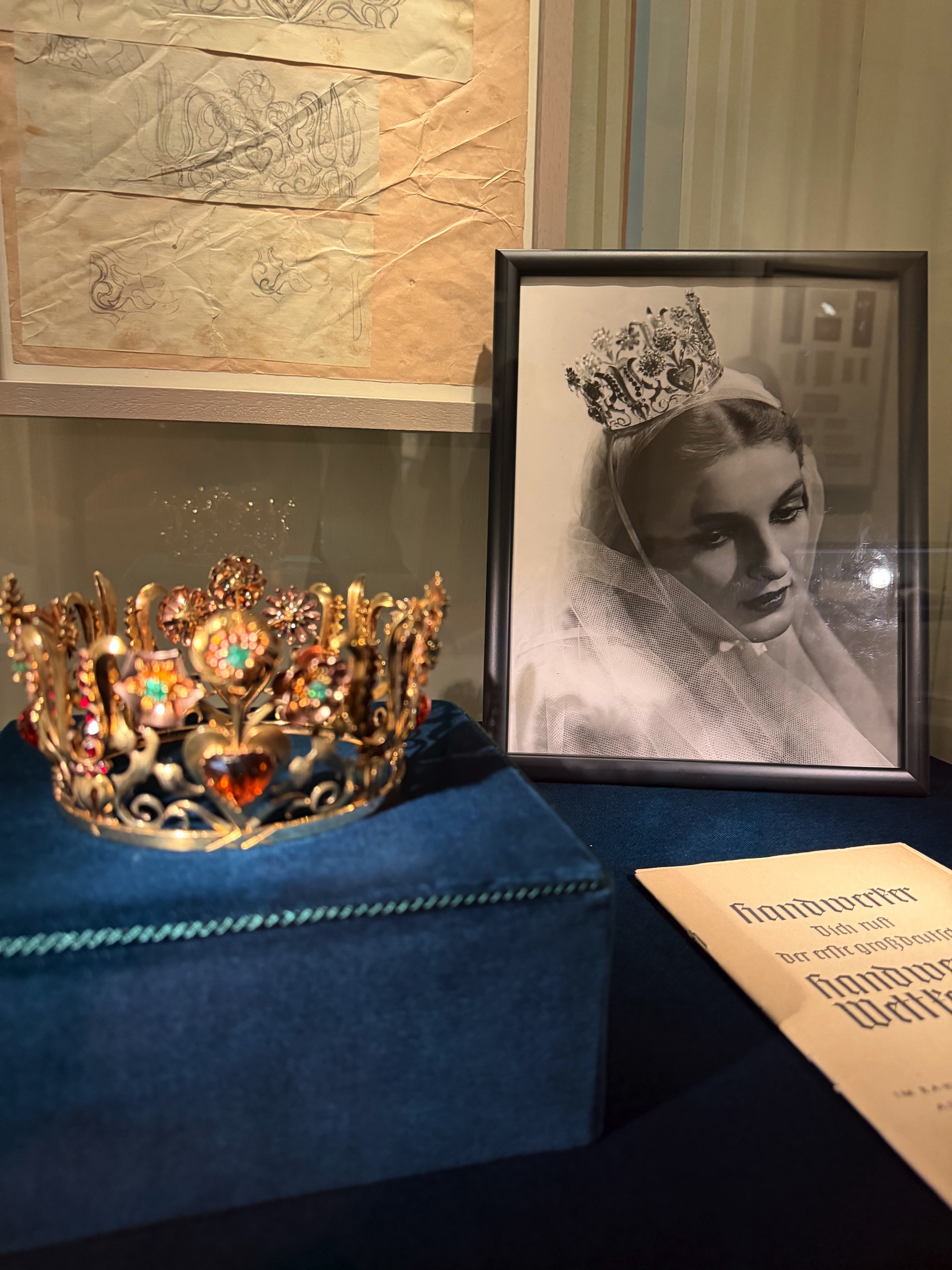
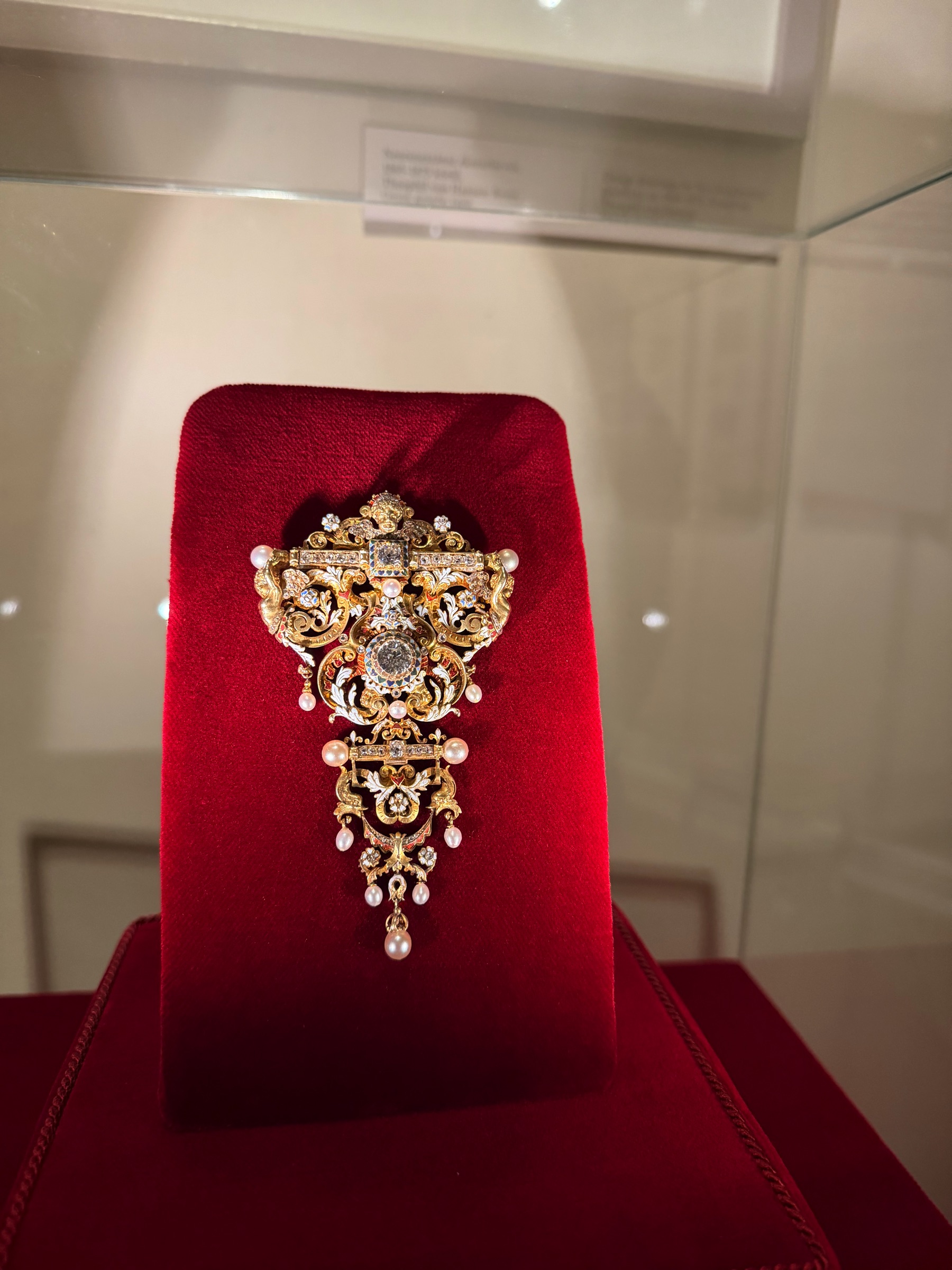
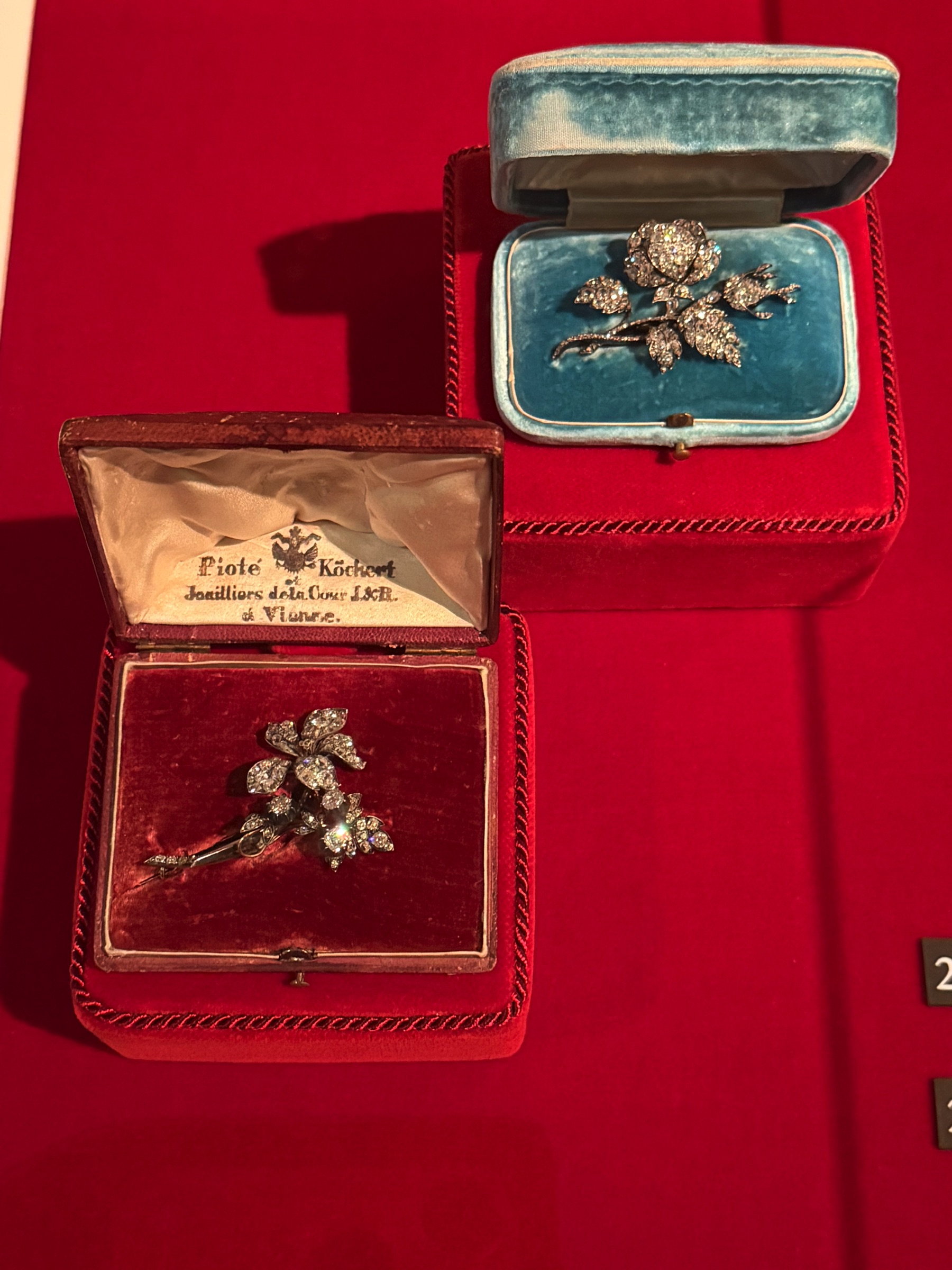
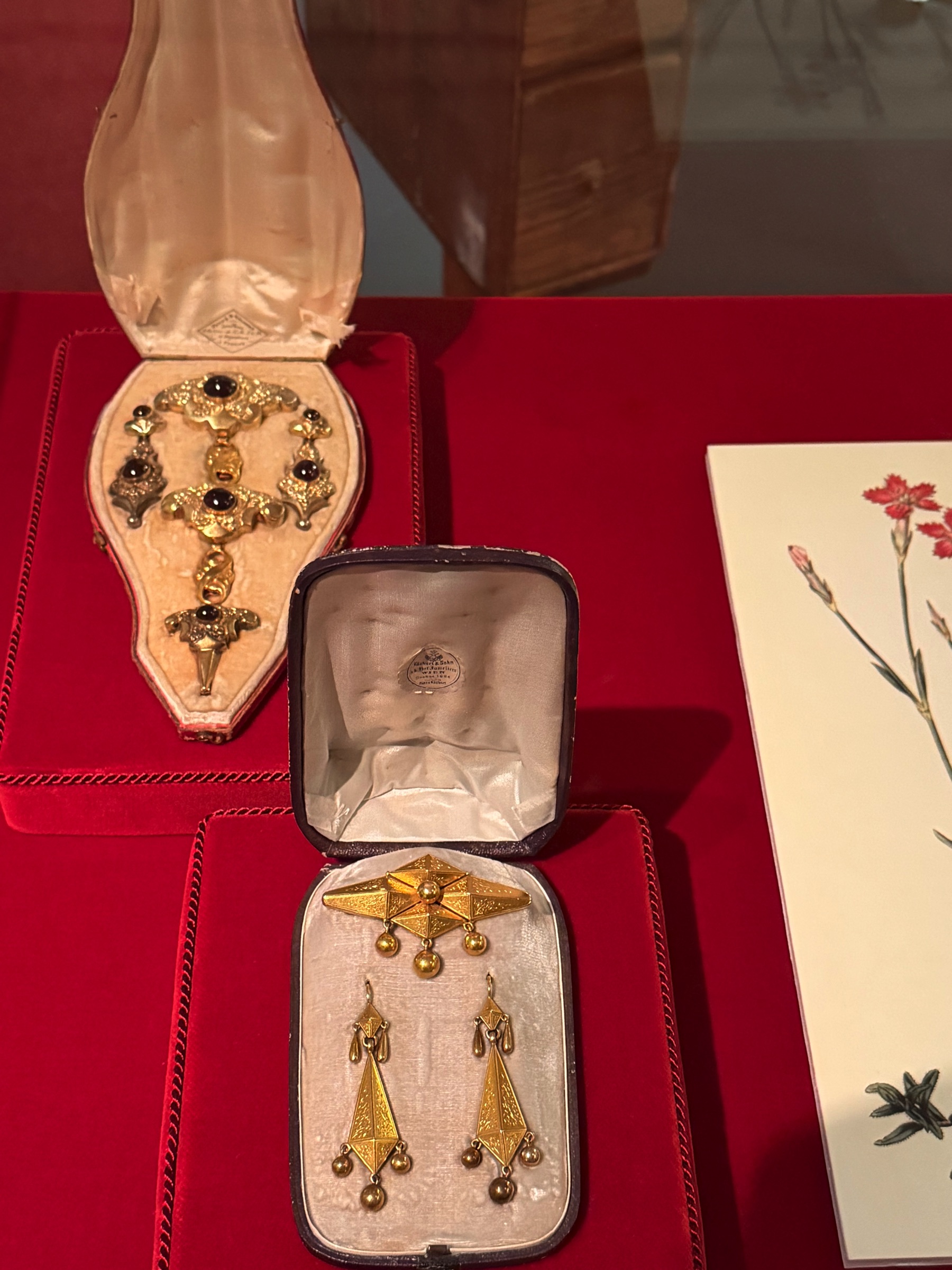
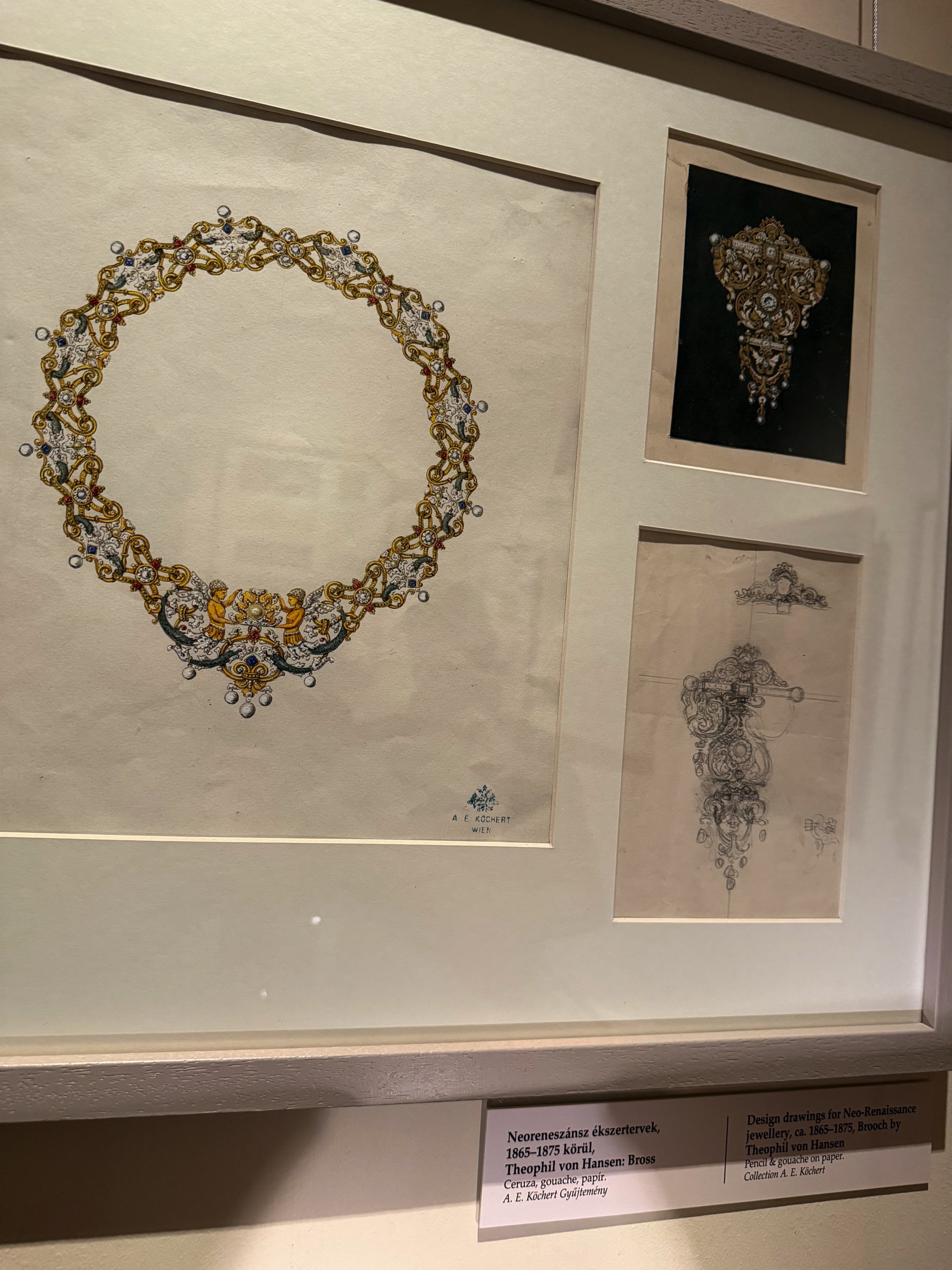
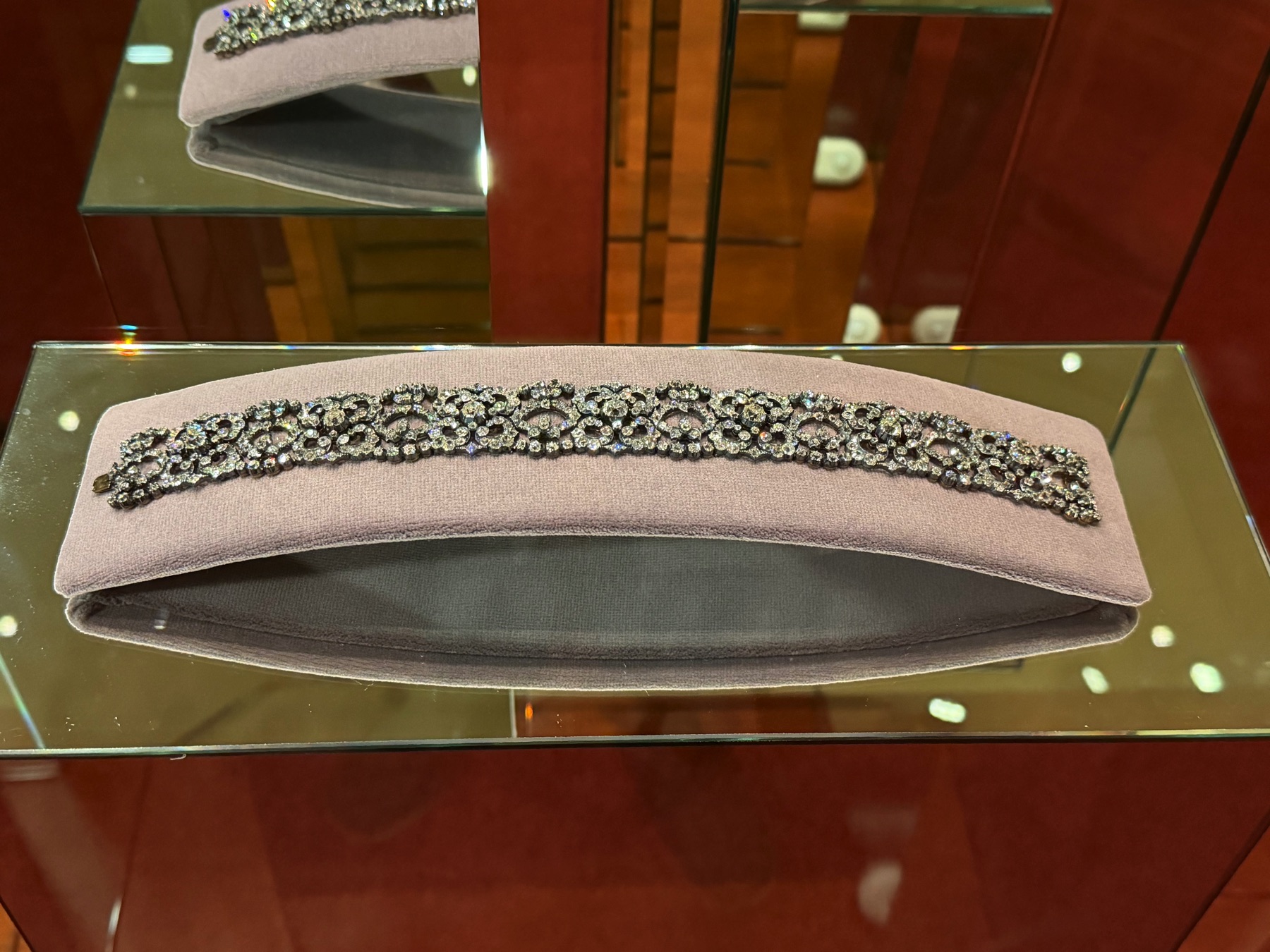
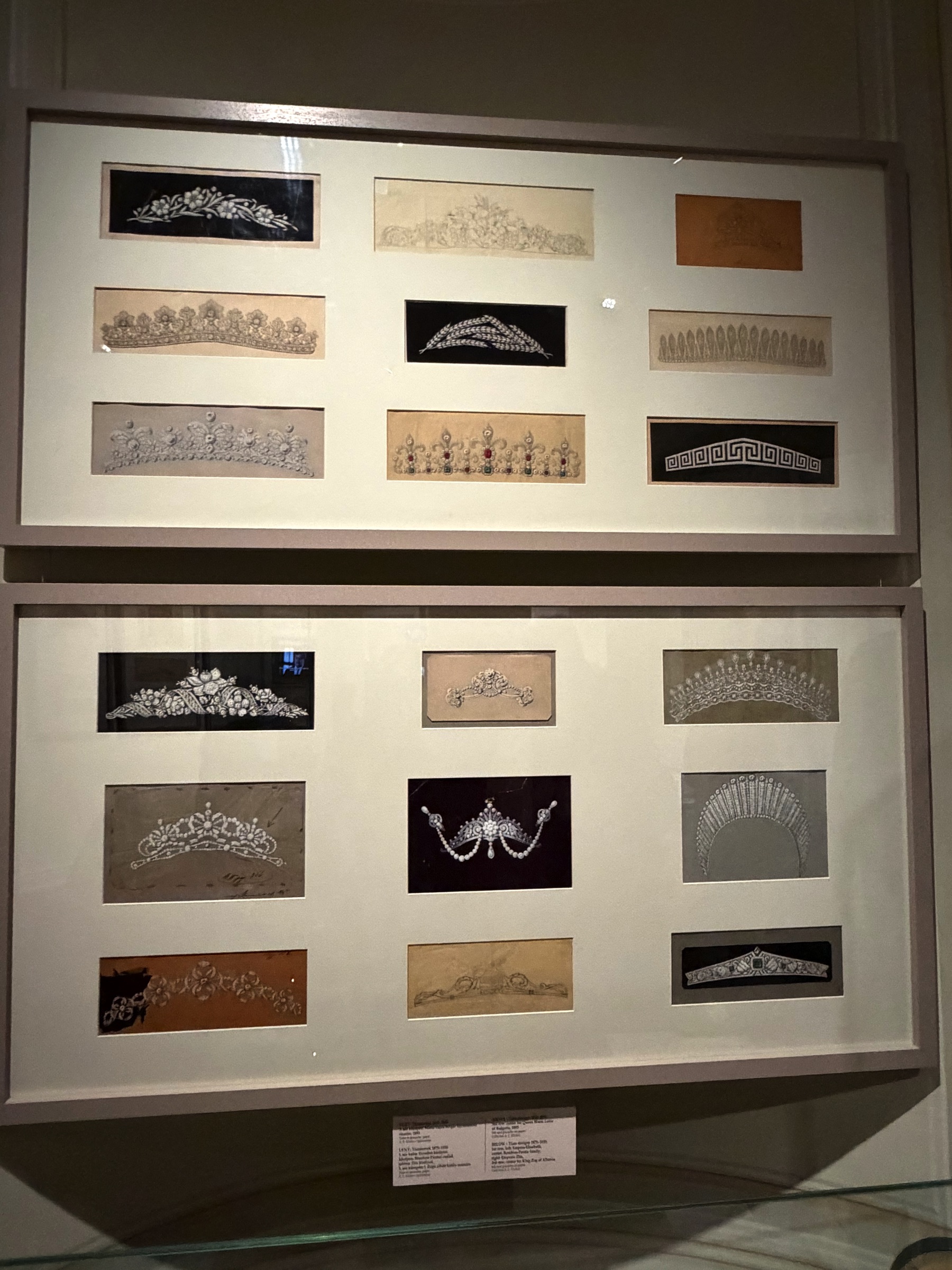
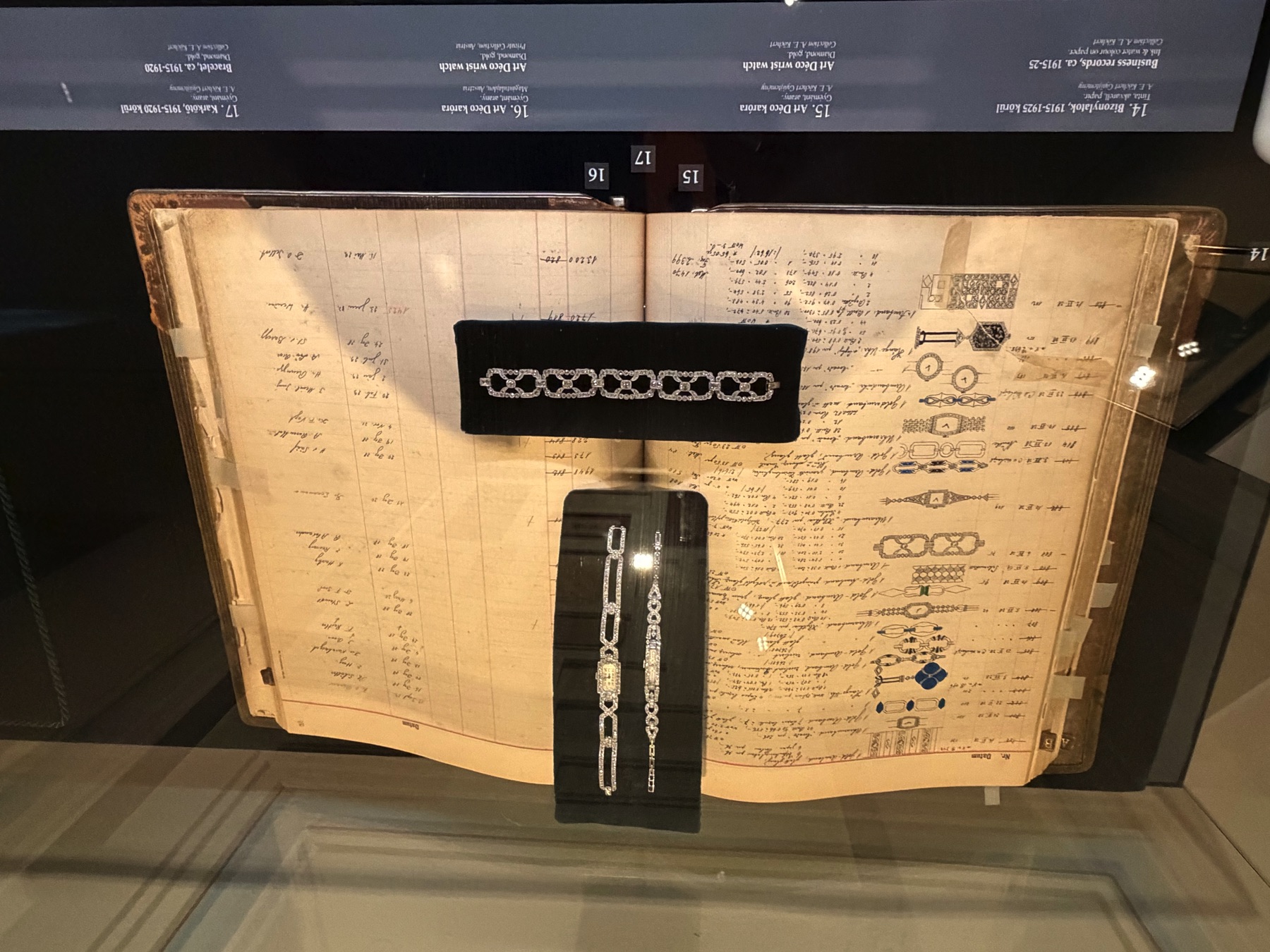
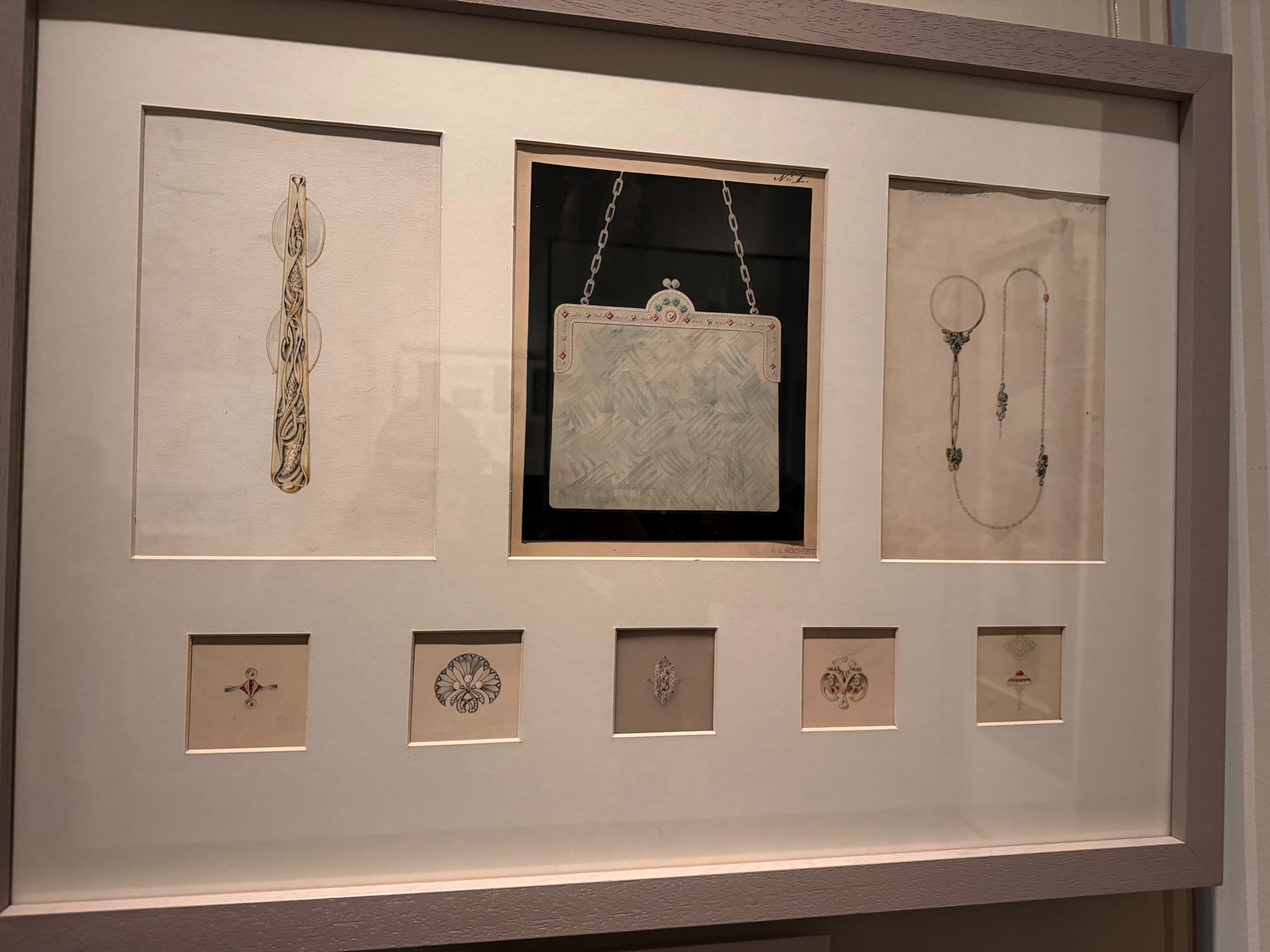
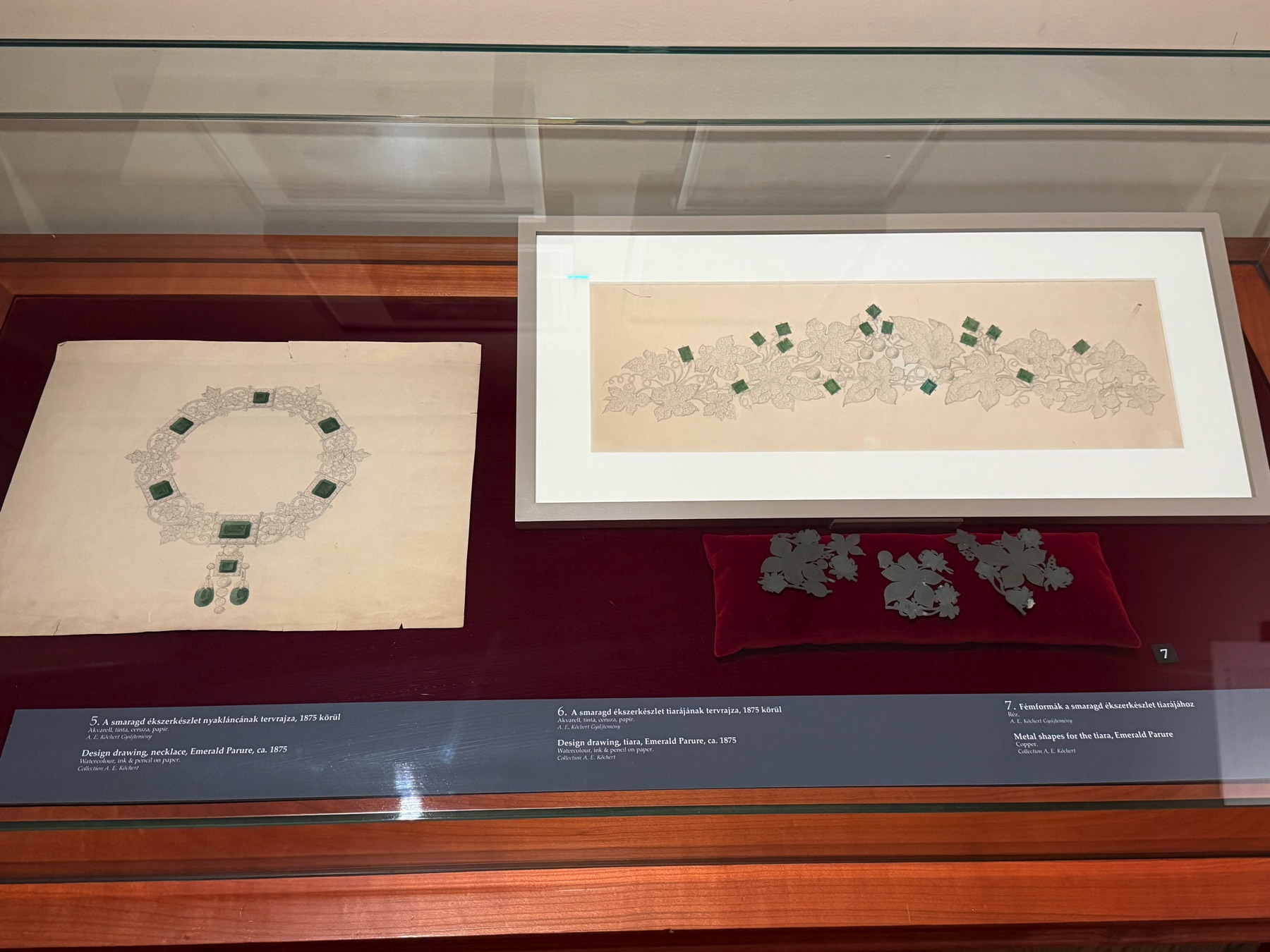
Inside, visitors can admire numerous pieces of jewellery of imperial and noble provenance, illustrating the 200-year history of the House of Köchert – distinguished jewellers whose most famous creations include Empress Sisi’s iconic diamond stars and a magnificent Neo-Renaissance brooch designed by Theophil von Hansen. Once owned by Empress Elisabeth, this brooch was shown to the public for the very first time.
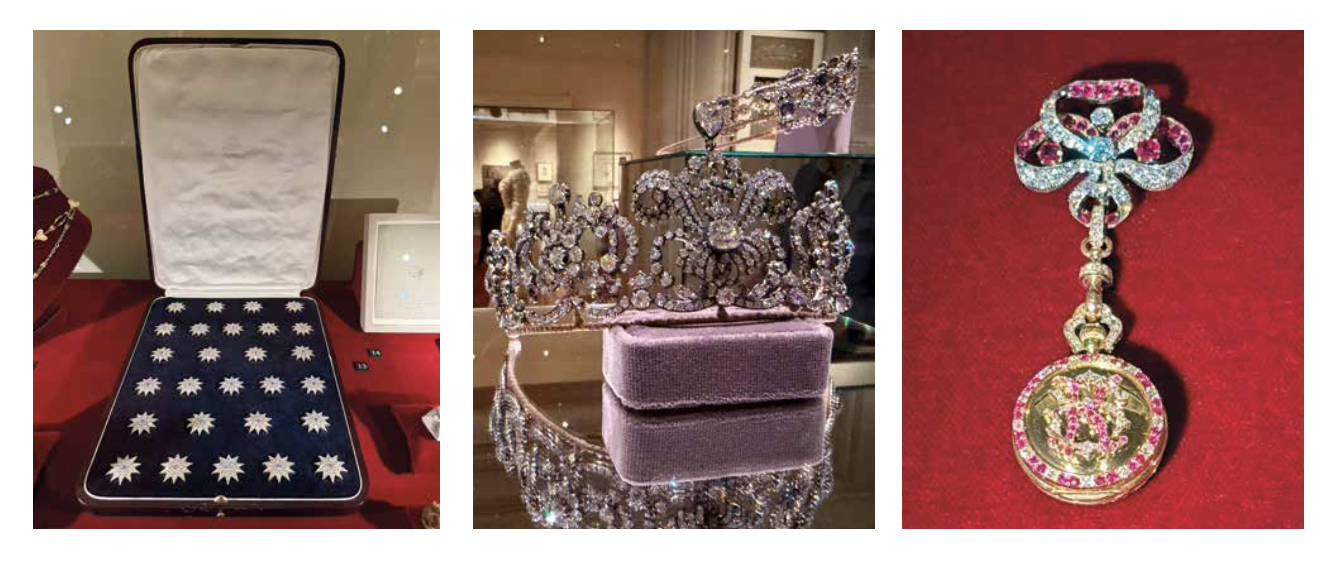
Jewellery adorned with imperial cyphers has been cherished for centuries. Such pieces not only expressed and deepened the bond between giver and recipient, but also signified the importance of the wearer, who had been honoured with a personal gift from the monarch.
One particularly beautiful example is a ring commissioned by Empress Marie Louise of France and crafted by the Austrian Court Jeweller A. E. Köchert. It was intended for the abbot of Kremsmünster Abbey in Austria, a place to which the Empress had felt a close connection since her youth.
Inside the Köchert exhibition
The exhibition begins with an introduction to the history of A. E. Köchert and opens with two remarkable pieces: a ring from Empress Marie Louise of France, gifted to the abbot of Kremsmünster Abbey, and a striking necklace presented by Emperor Franz Joseph to Karolina Winkler in recognition of her rescue of Crown Prince Rudolf in 1871.
We then continue into a room dedicated to Empress Elisabeth of Austria (or “Sisi”), Köchert’s most famous client and a frequent resident of the Royal Palace of Gödöllő. Among the highlights is a Neo Renaissance brooch made for the Empress after a design by Theophil von Hansen (ca. 1865-1875). The brooch was given to a courtier and later buried for decades when the family fled the Soviet advance, only to be rediscovered relatively recently.
Another centrepiece is the recreation of 27 diamond stars, created by Köchert for Empress Elisabeth and famously worn in her Winterhalter portrait.
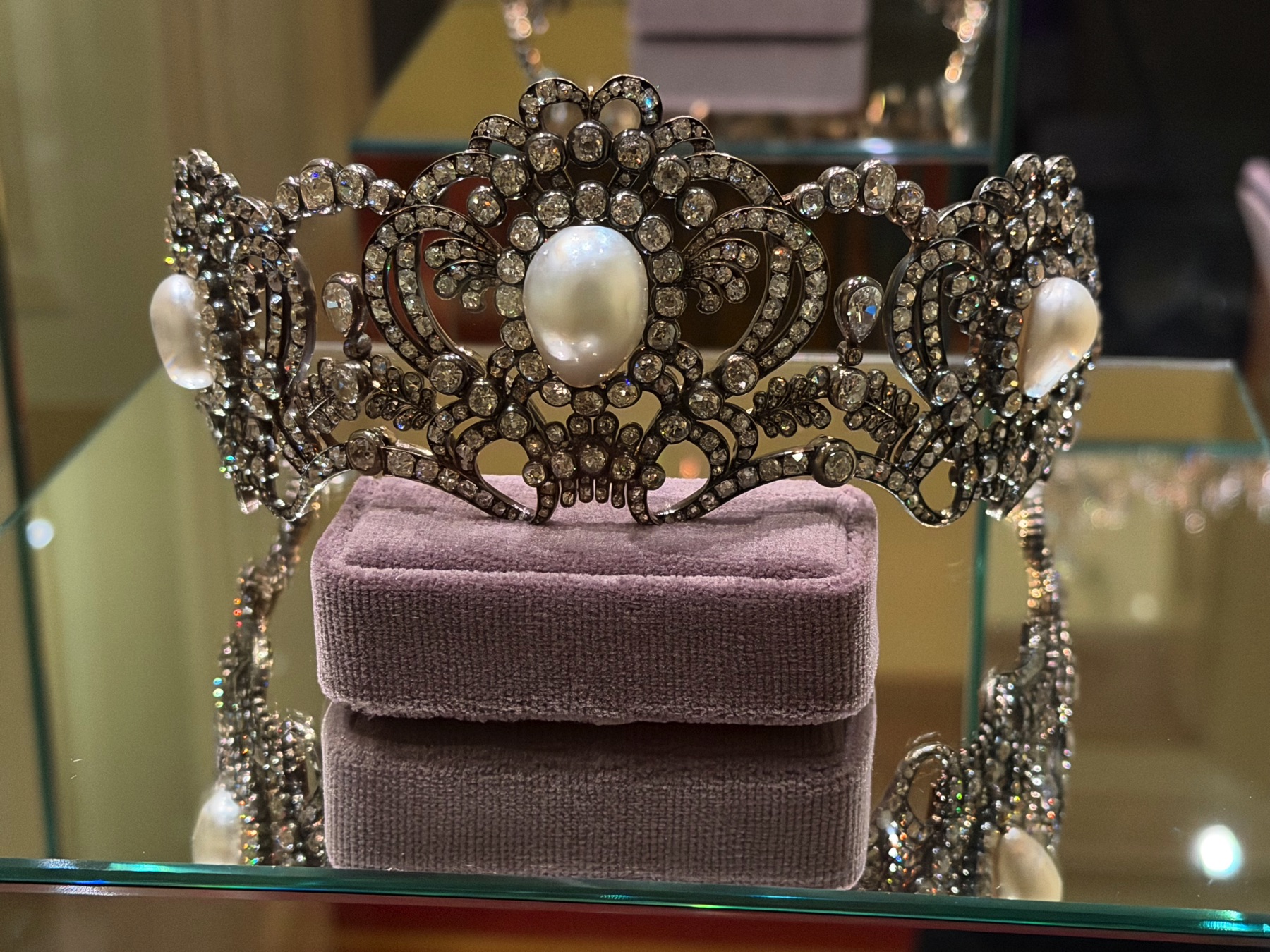
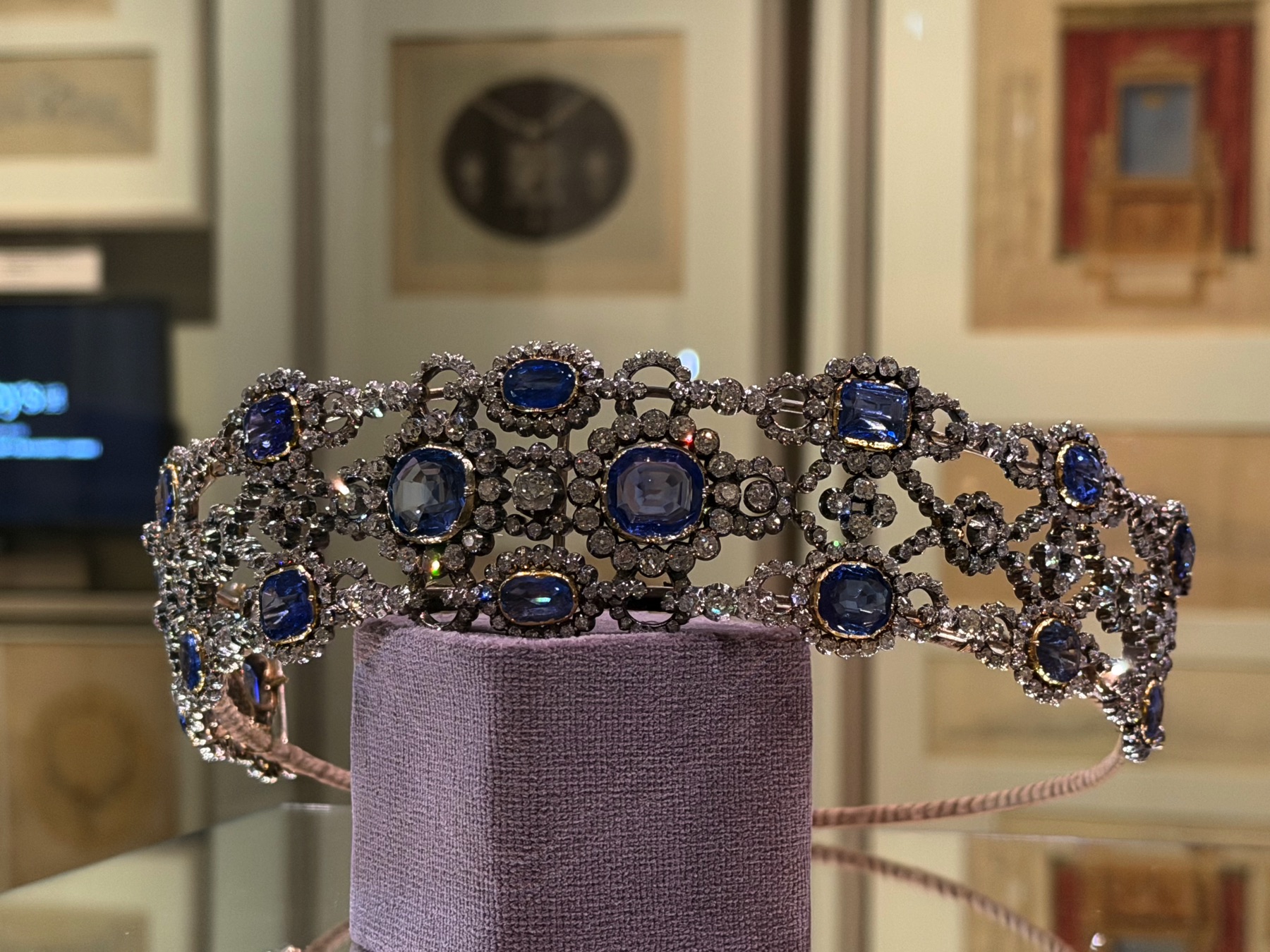
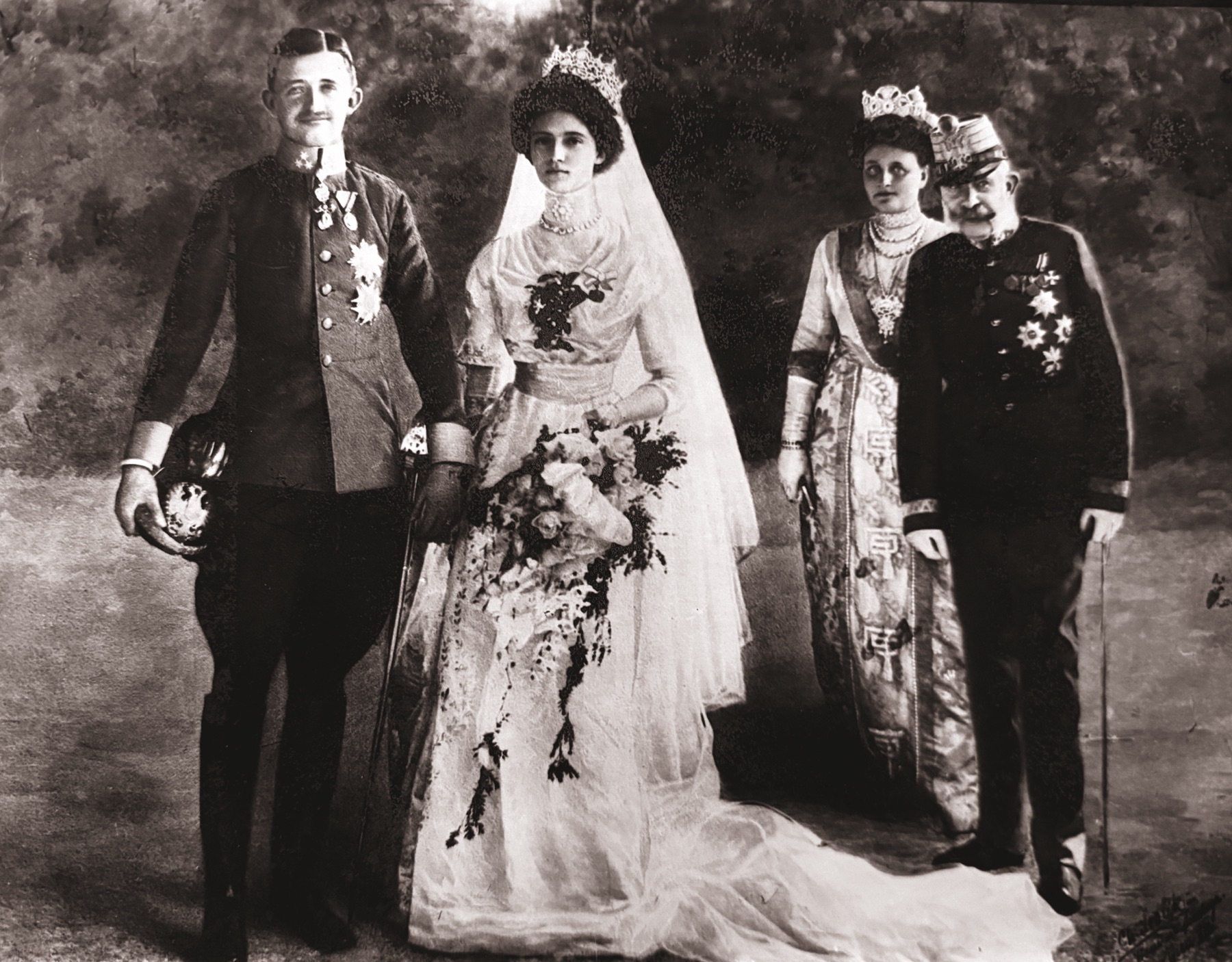
The highlight of the exhibition is the room devoted to tiaras, which includes Archduchess Marie Valerie’s Köchert Tiara. She acquired it in 1913, the year after the wedding of her daughter, Archduchess Elisabeth Franziska, to Count Georg von Waldburg Zeil Hohenems. The tiara remained in the family until it was auctioned in 2005, and now belongs to the Qatar Museums Authority.
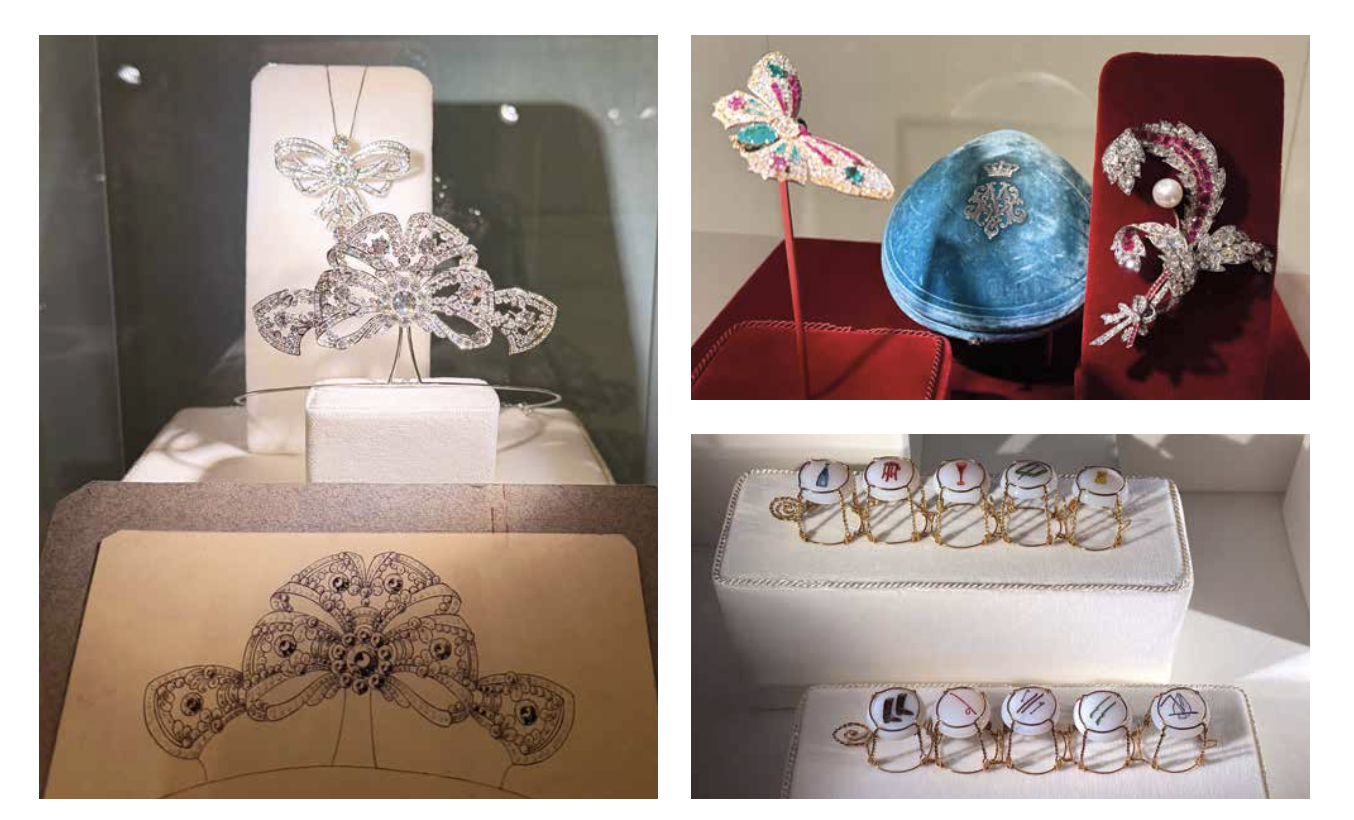
In the final room, we can see contemporary jewellery created by Köchert, including a bow shaped diamond tiara and brooch from 2011, the Mountain Pine Tiara made for Princess Caroline of Monaco and Hanover in 2007, a pair of Champagne Bracelets from 2009, and the Darling & Lolita Ring created for Princess Caroline in 2013.
A last look before leaving
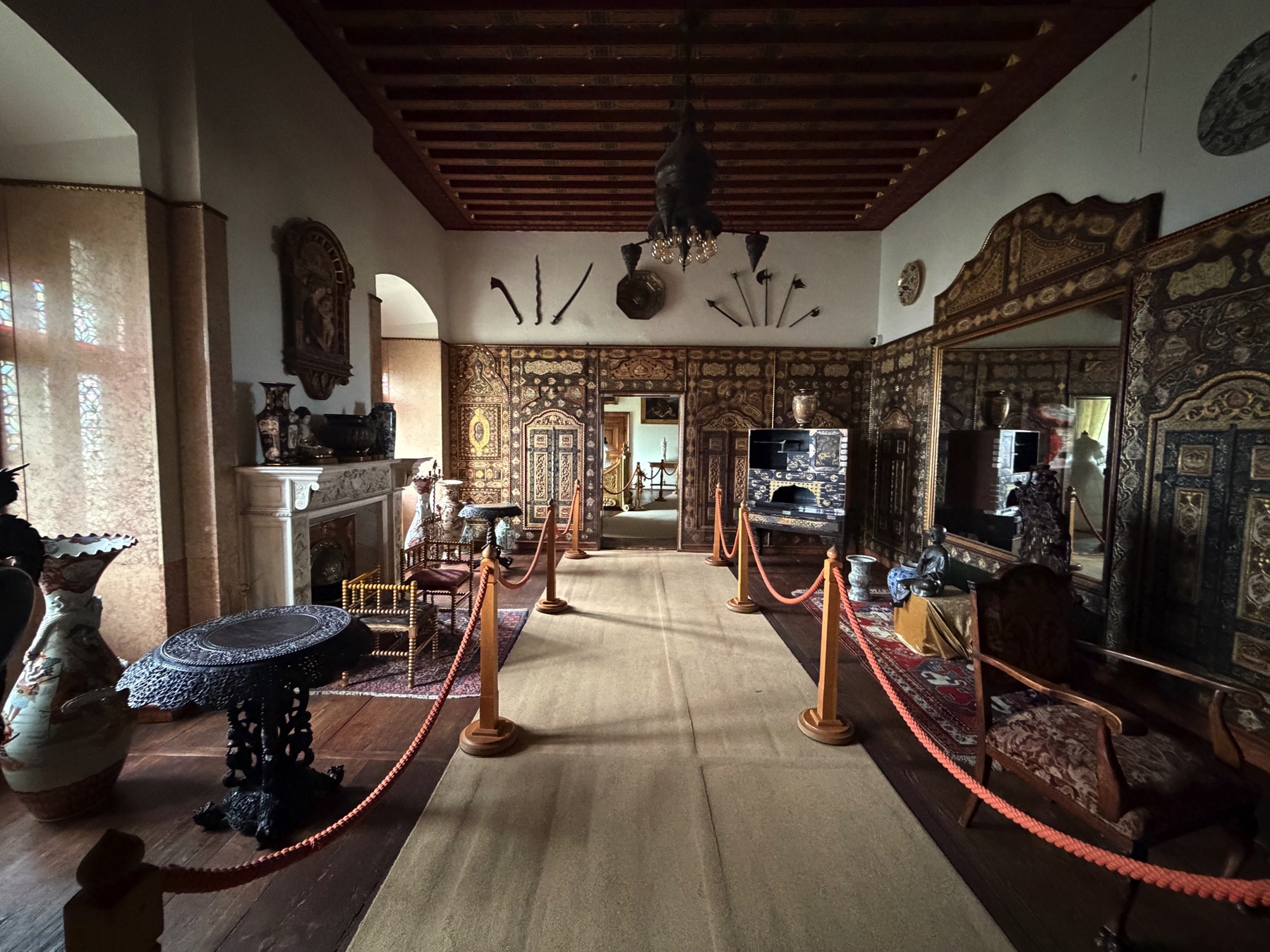
We also visited the other parts of the Royal Castle of Gödöllő, including the permanent exhibitions.
The Köchert exhibition was open until mid-April 2026, and I truly hope it will return so that more visitors can experience this beautiful display of historic jewellery.
After a small lunch at a lovely restaurant near the castle, we left Gödöllő and continued to Budapest, arriving in the late afternoon.
THE HOUSE OF KÖCHERT
Founded in 1814 by the French goldsmith Emanuel Pioté, the House of Köchert began as a small goldsmith’s workshop in Vienna. In 1819, Jakob Heinrich Köchert – originally from Riga – joined the atelier, later marrying Pioté’s sister in law and becoming a partner in the business. Trained in St. Petersburg, Köchert brought with him the refined art of mounting large gemstones, a skill that helped define the firm’s early reputation.
In 2014, the company celebrated its 200th anniversary with a special “Anniversary Collection” created in collaboration with leading Austrian artists. By 2022, after operating for three years amid extensive construction works, Köchert’s historic location on Neuer Markt emerged renewed and restored. Today, it once again stands as one of the most beautiful corners of central Vienna – a fitting home for a jeweller with more than two centuries of history.
Sources:
- https://kiralyikastely.hu
- https://royalwatcherblog.com/2025/12/06/kochert-exhibition-at-the-royal-palace-of-godollo/
- https://koechert.com/la-maison/?lang=en
Beautiful Budapest
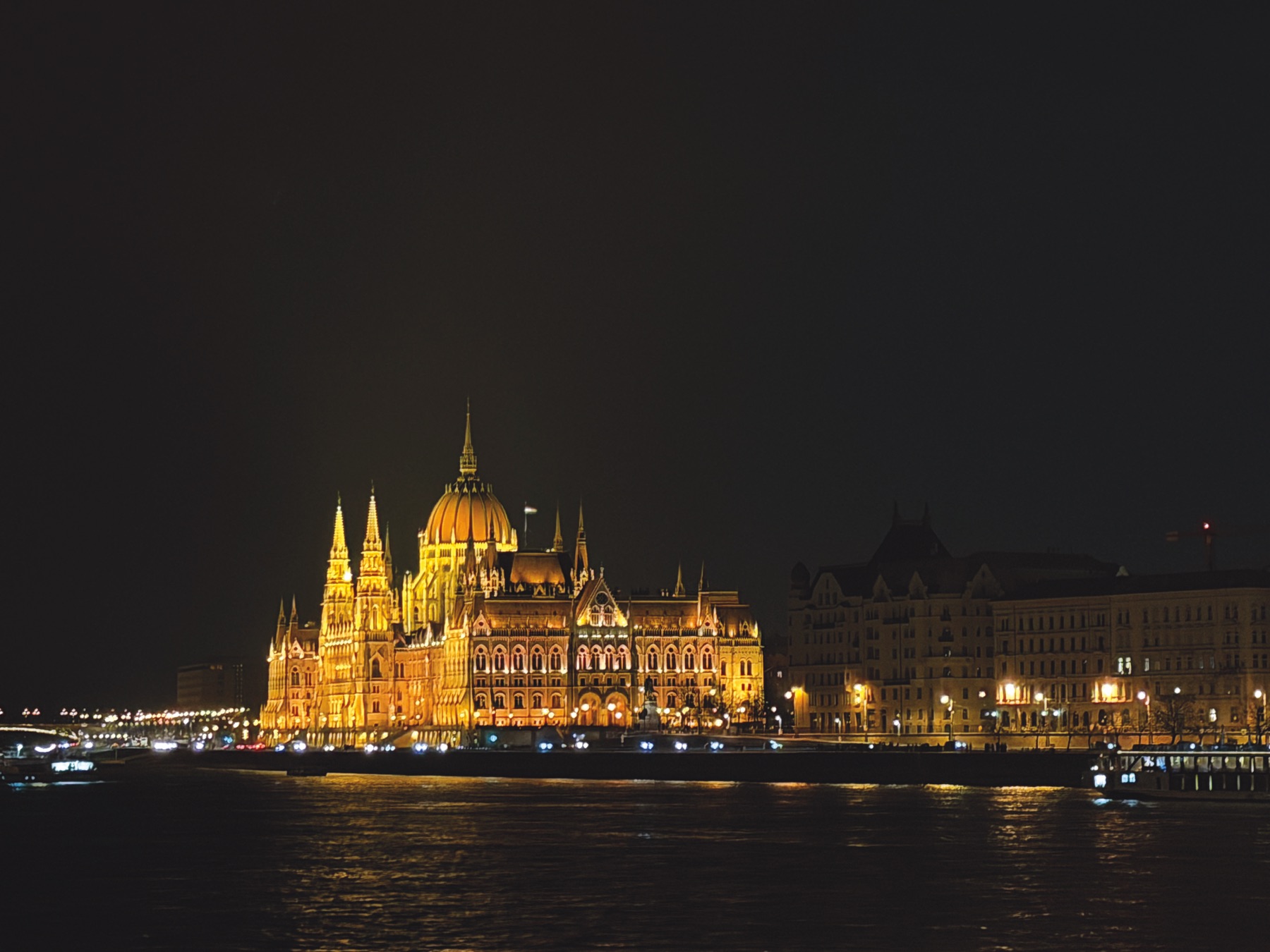
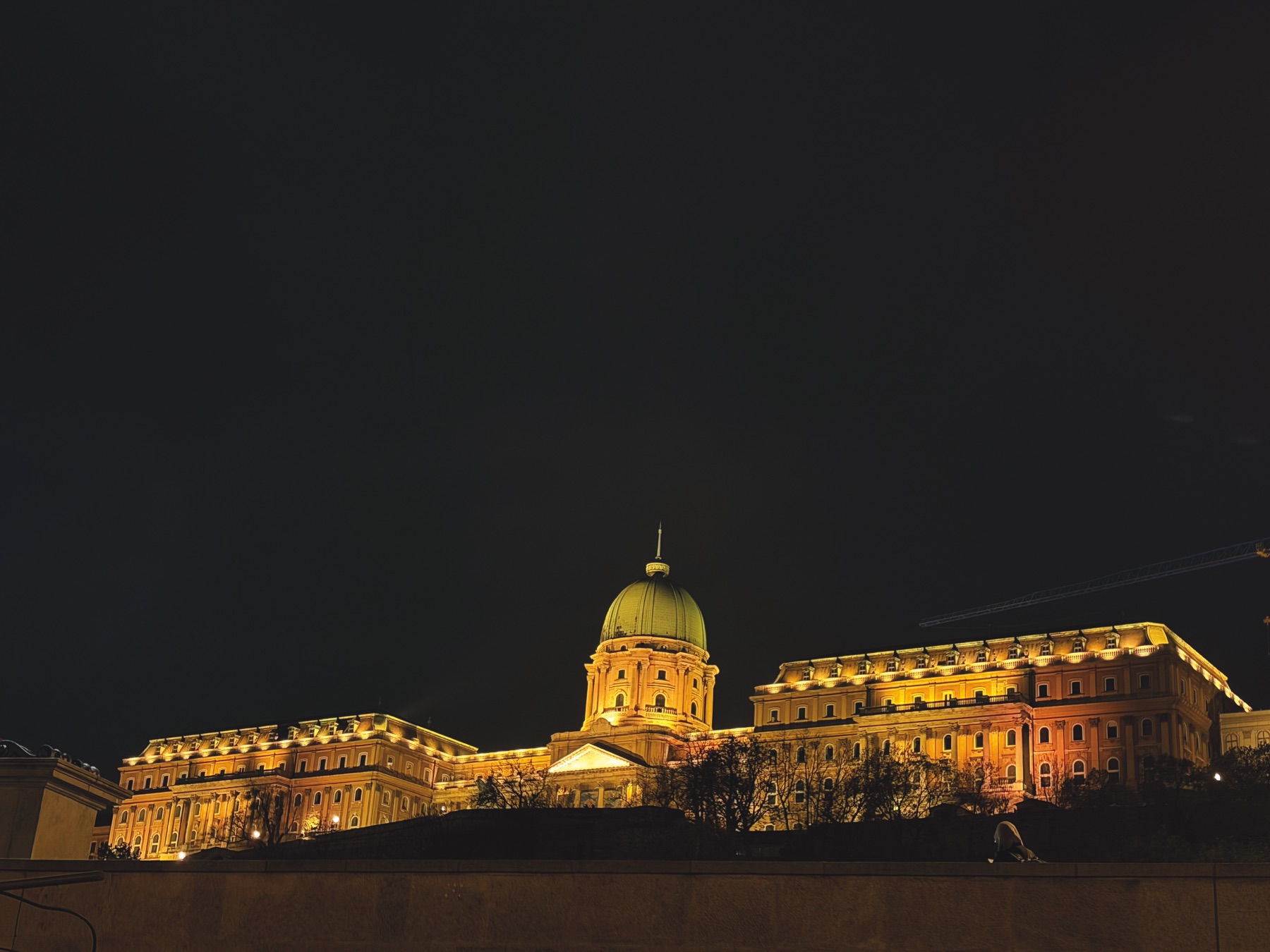
Budapest is a big beautiful city. We’ve visited it several times in recent years, and have already seen most of the main tourist attractions. This time, however, the weather greeted us with cold rain – and in Hungary, that kind of weather practically calls for a visit to the spa.
As tourists, we chose the most famous option: the Rudas Thermal Bath and Swimming Pool.
What to do in cold and rainy Budapest

The centrepiece of the complex is the Turkish bath, built in the 16th century during the period of Ottoman rule. Beneath its ten metre wide dome, supported by eight pillars, lies an octagonal pool that still forms the heart of the experience. The swimming pool, which operates as a therapeutic facility and includes a sauna, was added in 1896. From 1936 onward, the thermal bath was visited exclusively by men. In the drinking hall, guests can taste the waters of the Hungária, Attila, and Juventus springs, traditionally consumed for their healing properties.
Rudas is open daily from 6 a.m. to 8 p.m., with night bathing on Fridays and Saturdays from 10 p.m. to 3 a.m. During the week, the Turkish bath is separated for men and women, while weekends are co-ed, with bathing suits required.
We visited on a Saturday – a mixed day. It was very crowded, but the complex is large enough that you can still enjoy most of the facilities. Two things, however, did not match what was promised. At the bar, payment was only possible by credit card rather than with the electronic bracelet, which meant having to return to the locker room to retrieve our card. And, more importantly, there were no massage services available. Although all the massage rooms were empty, the reception insisted they were “fully booked”.
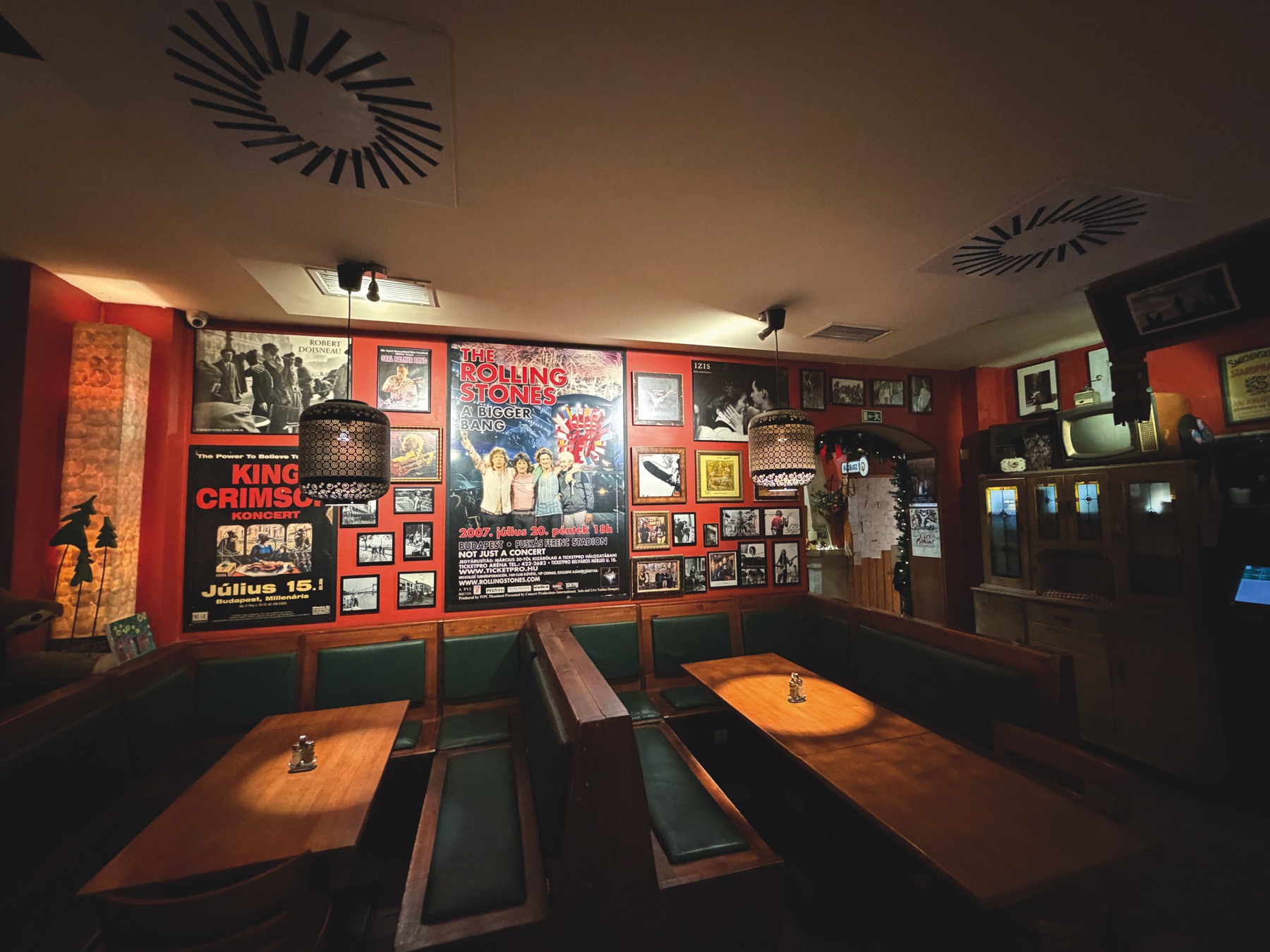
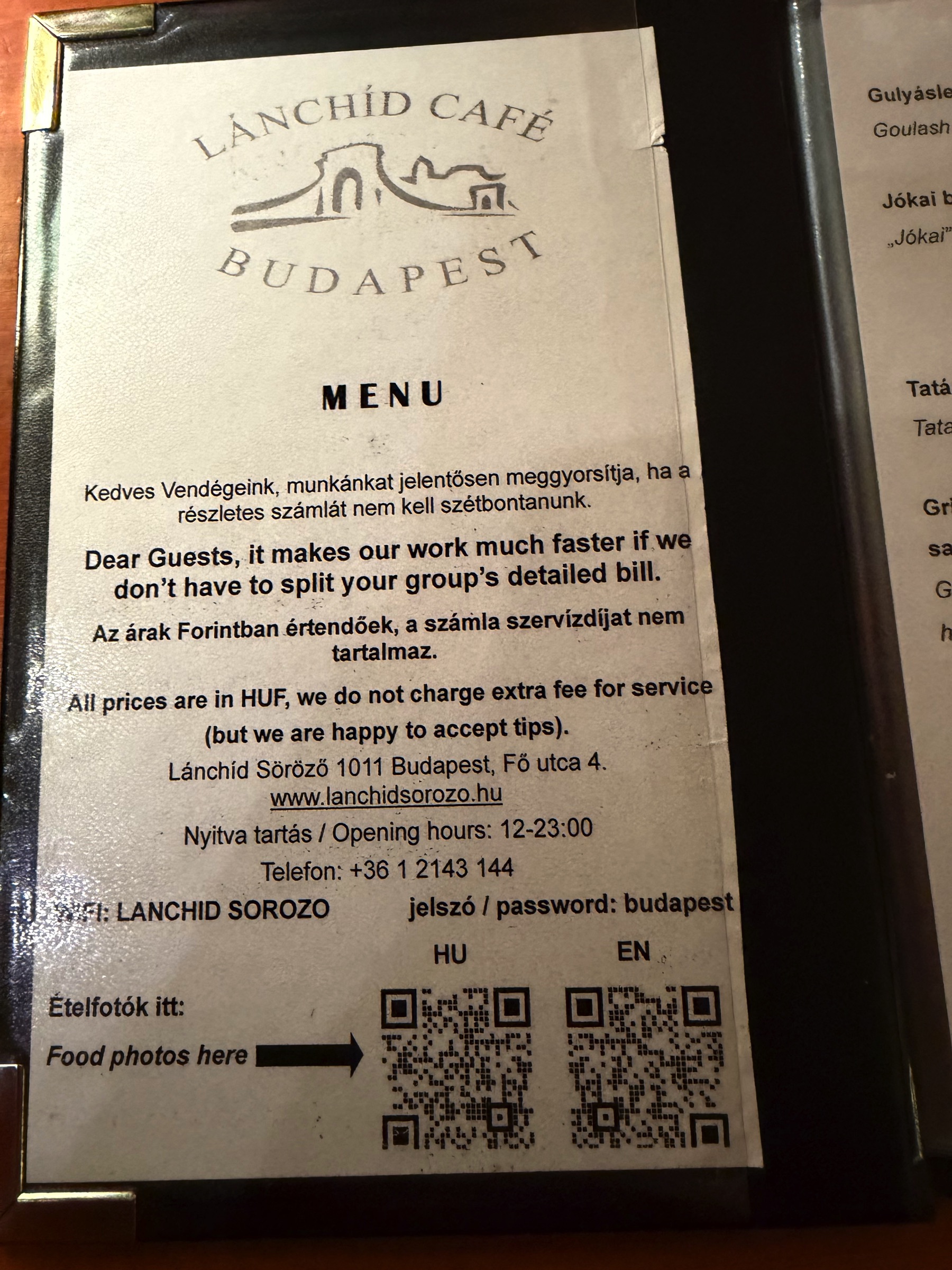
For dinner, we chose a very nice restaurant, Lánchíd Söröző. It offered a nice atmosphere, great design, good food and service – and, importantly, it didn’t feel like a tourist trap.
PART 2 – SLOVAKIA
Visiting Bojnice Castle in Slovakia
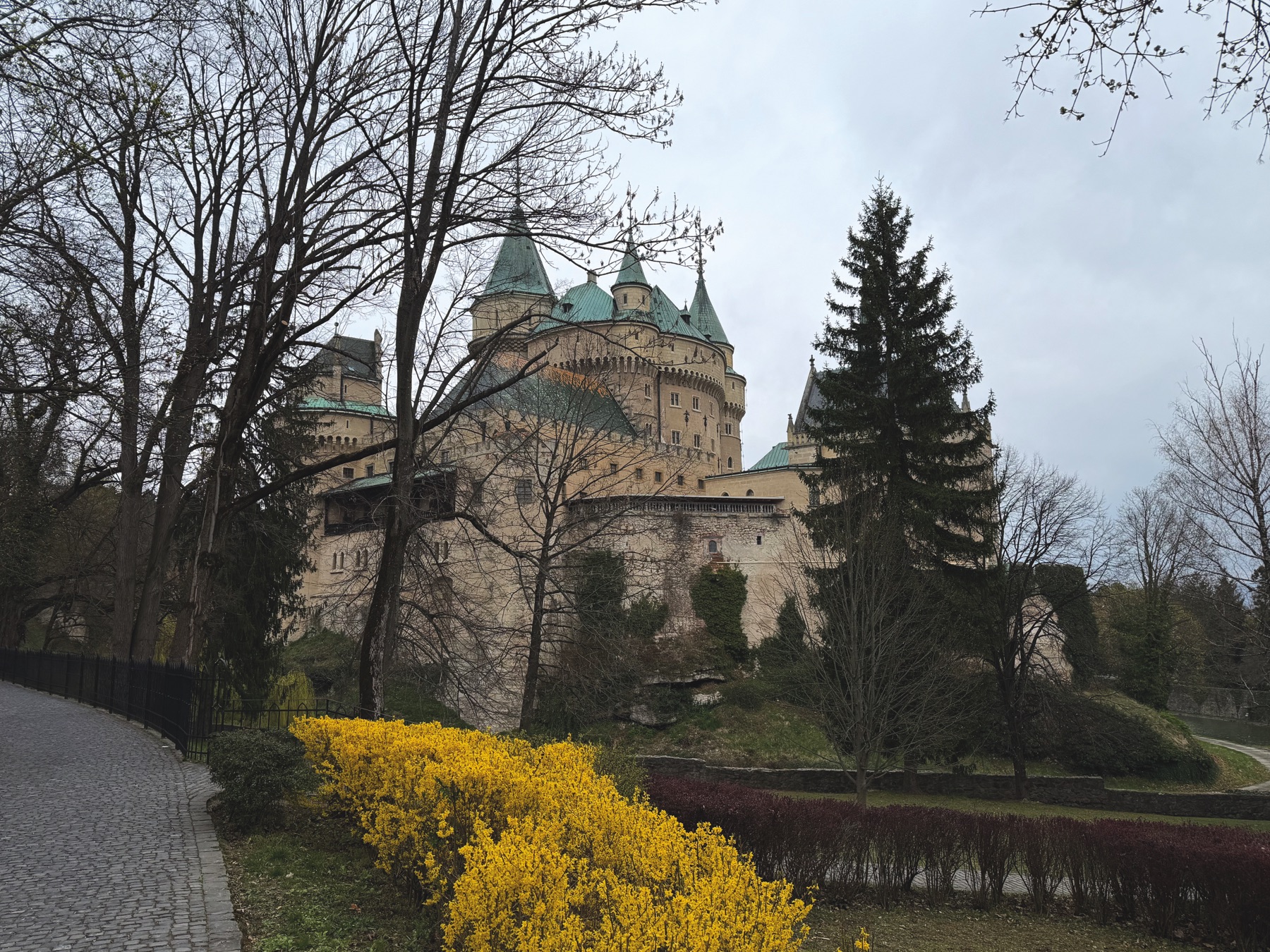
After a pleasant breakfast at the hotel, we left Budapest and began our journey home, with one very important stop along the way – Bojnice Castle in Slovakia. Its distance from Budapest is roughly 220 kilometres, and the drive (through a beautifully green landscape) took about three and a half hours.
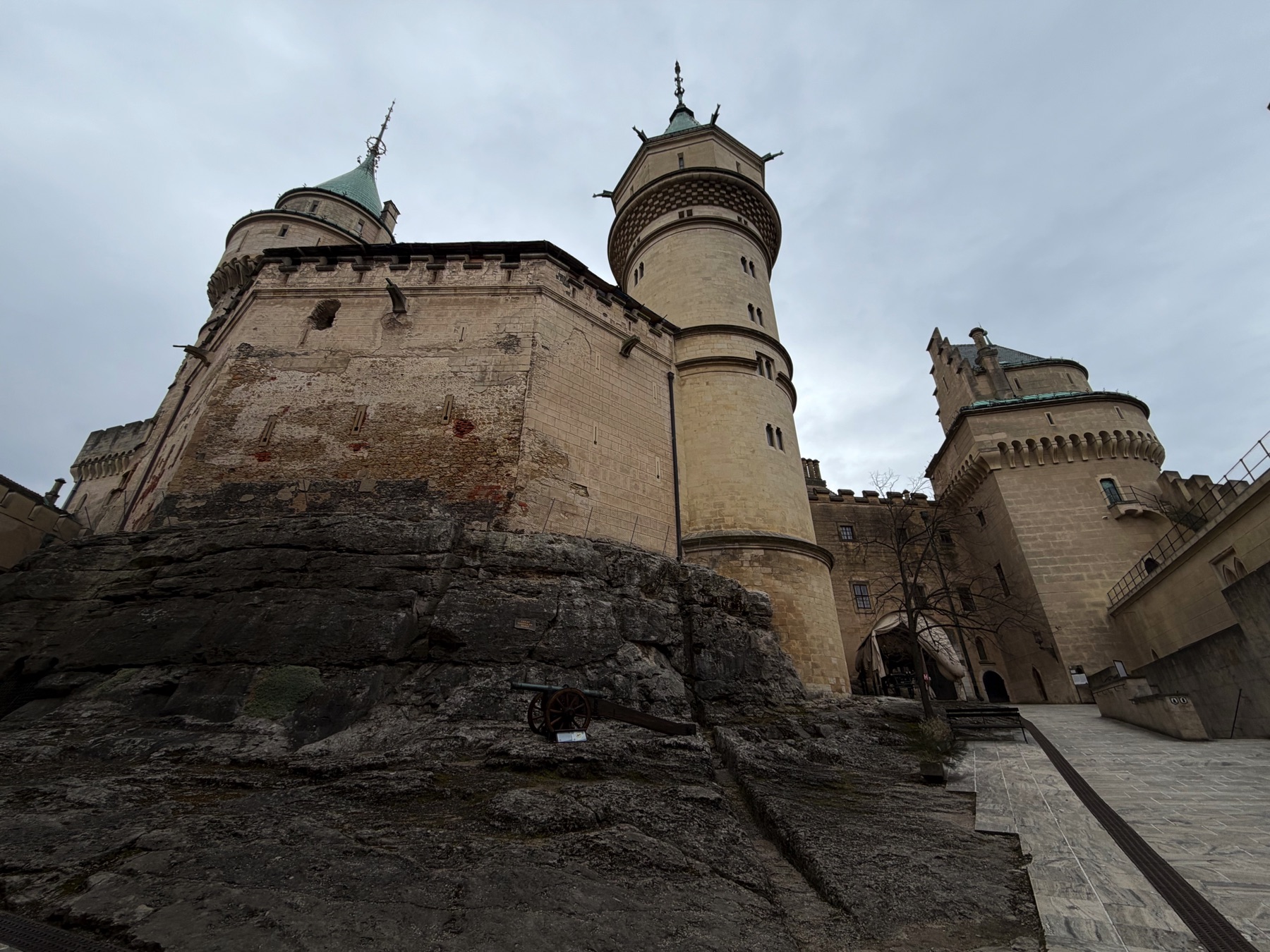
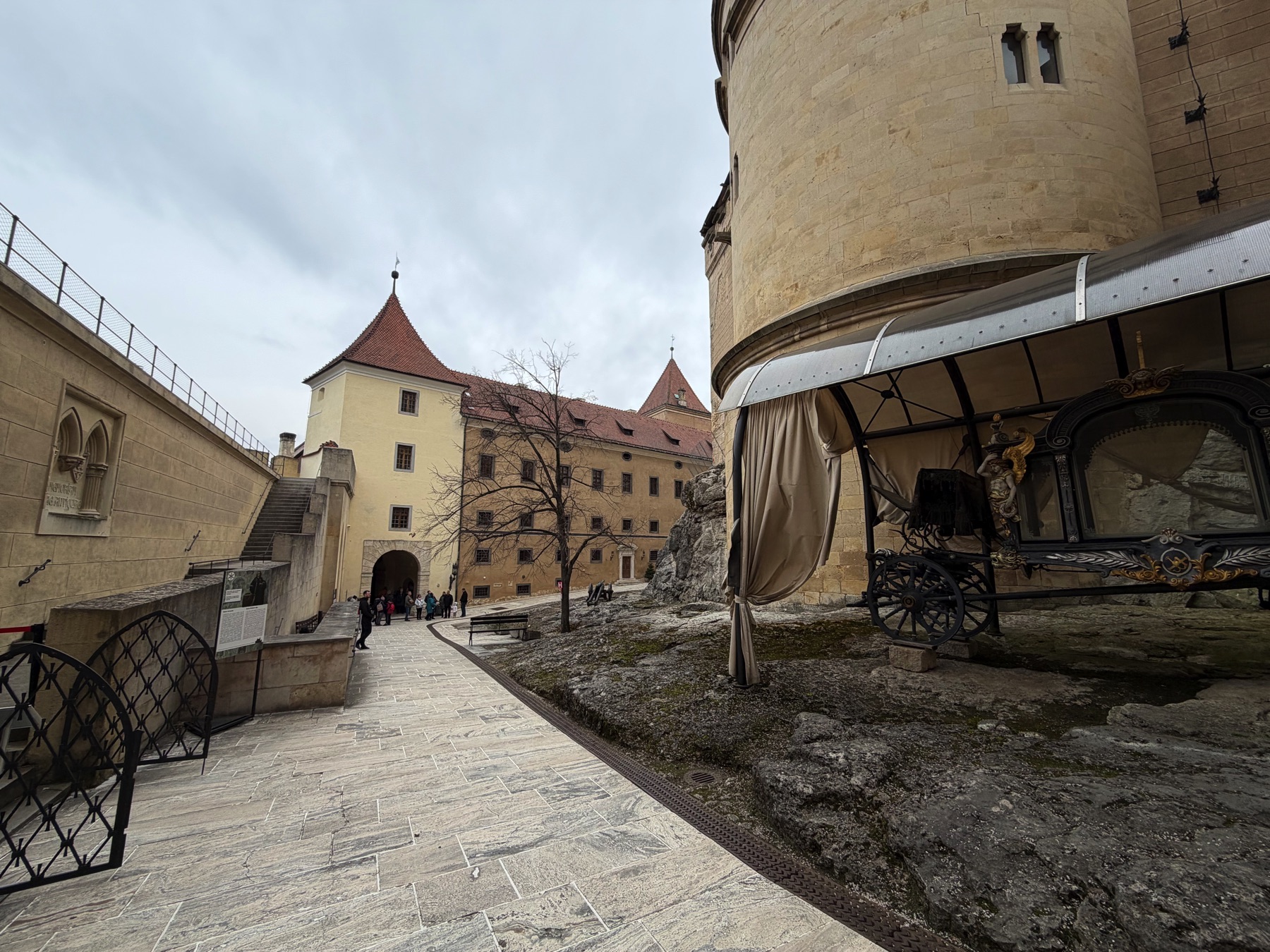
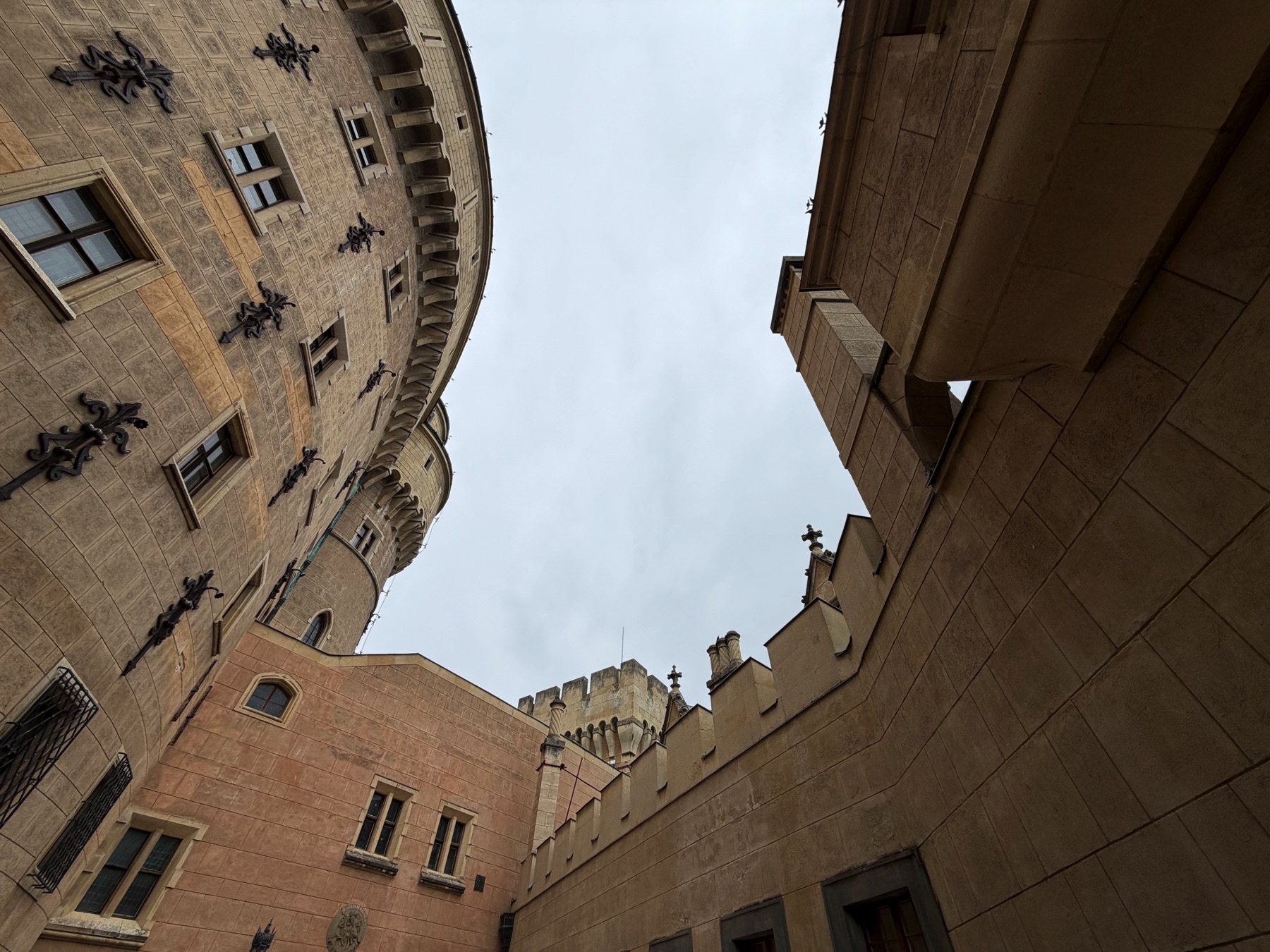
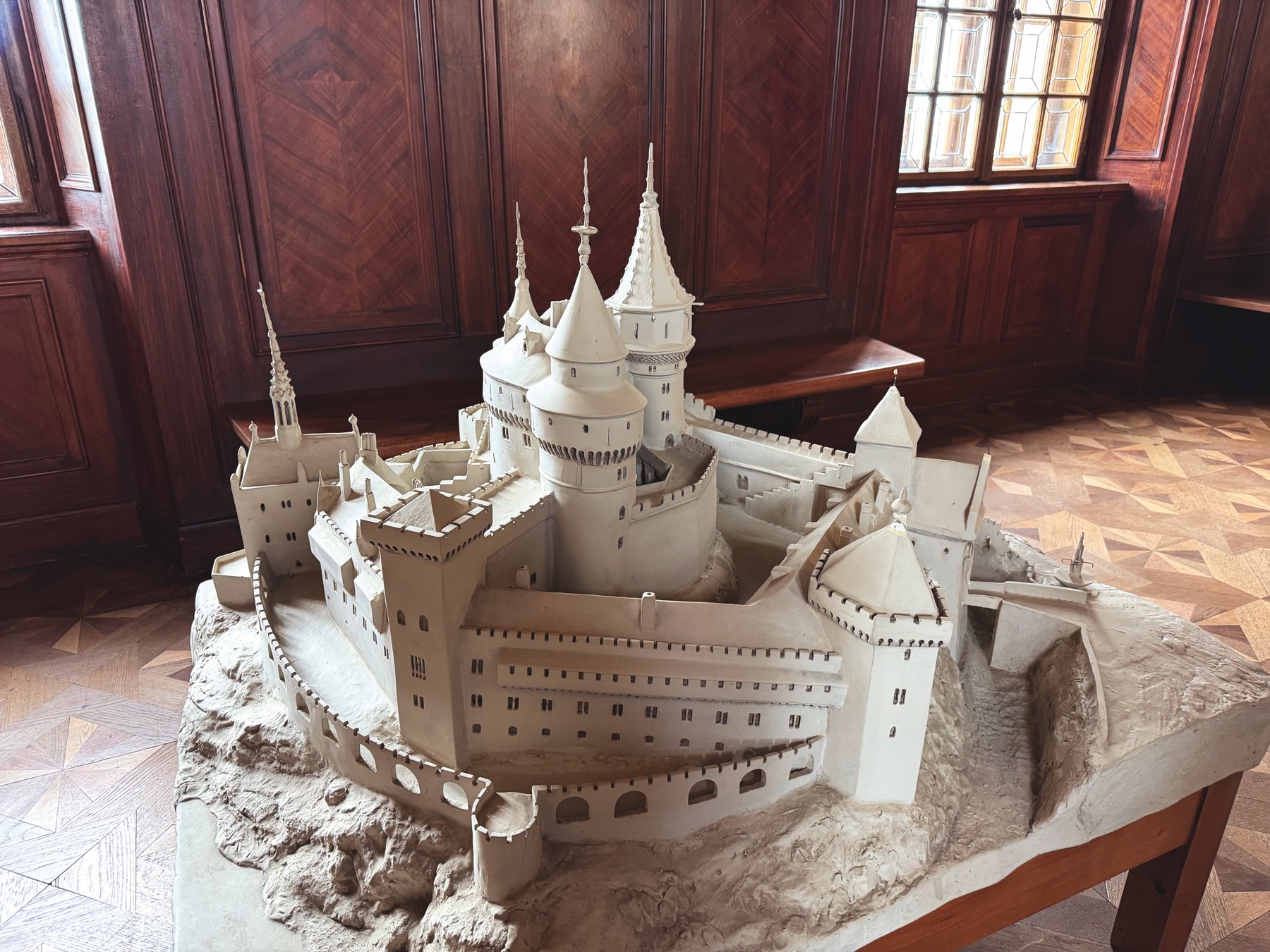
Bojnice Castle is one of Slovakia’s oldest and most significant monuments. It stands on a travertine mound above the town, and the first written mention of it appears in 1113 in the deed of the Zobor Abbey. The original structure was a wooden fortification, an evolution of an earlier hillfort, but during the 13th century the Poznań family rebuilt it in stone. At the end of that same century, the castle was seized by the powerful Hungarian nobleman Matthew III Csák.
In 1489, King Matthias Corvinus donated Bojnice Castle and its estate to his illegitimate son, Jan Corvinus. Later, in 1527, King Ferdinand I granted the castle to Alexey Thurzó, whose family transformed it into a comfortable Renaissance residence. In 1637, Emperor Ferdinand III gave the estate to Pavol Pálffy as a deposit in exchange for 200,000 guilders, and by 1645 the Pálffy family had become its rightful owners.
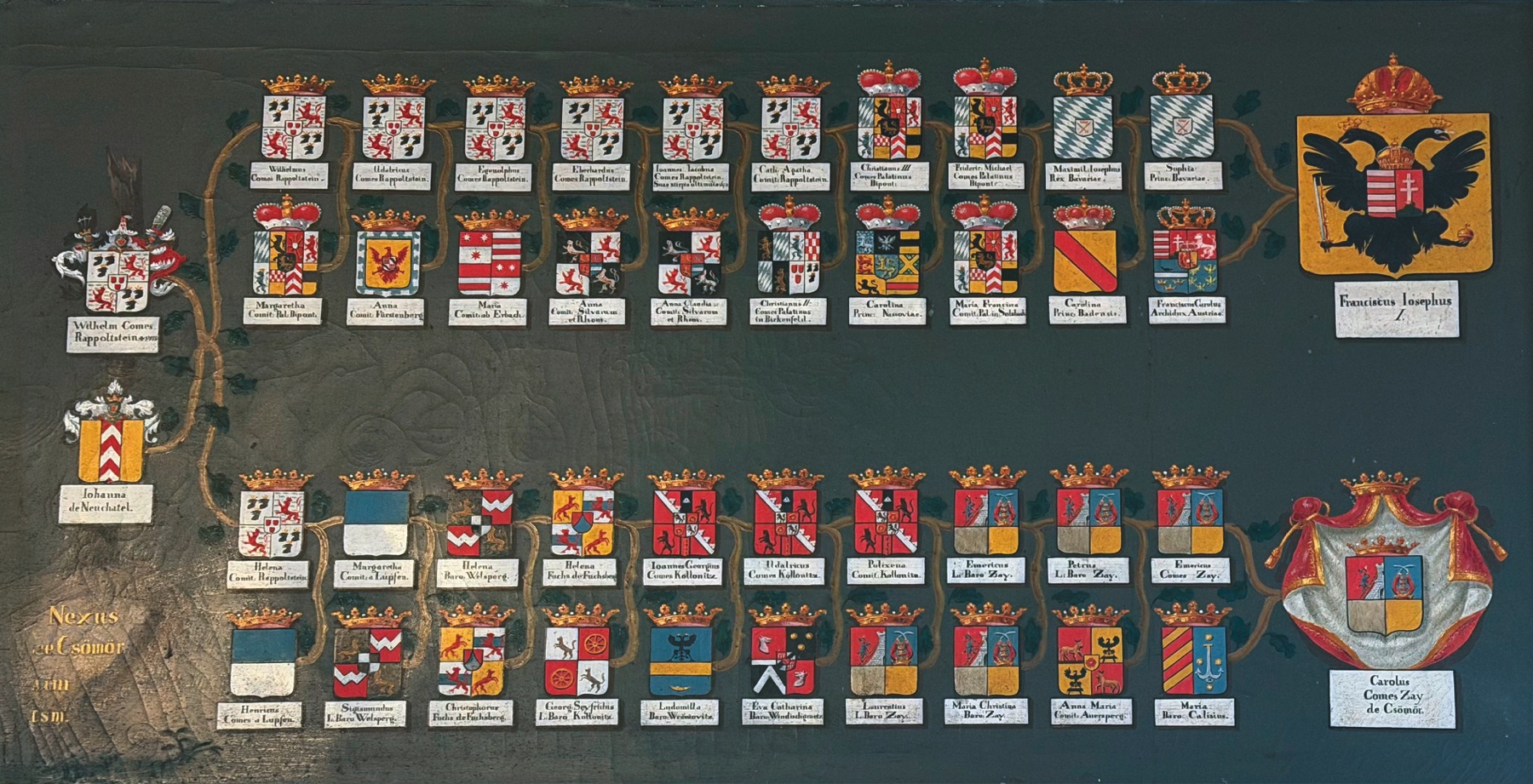
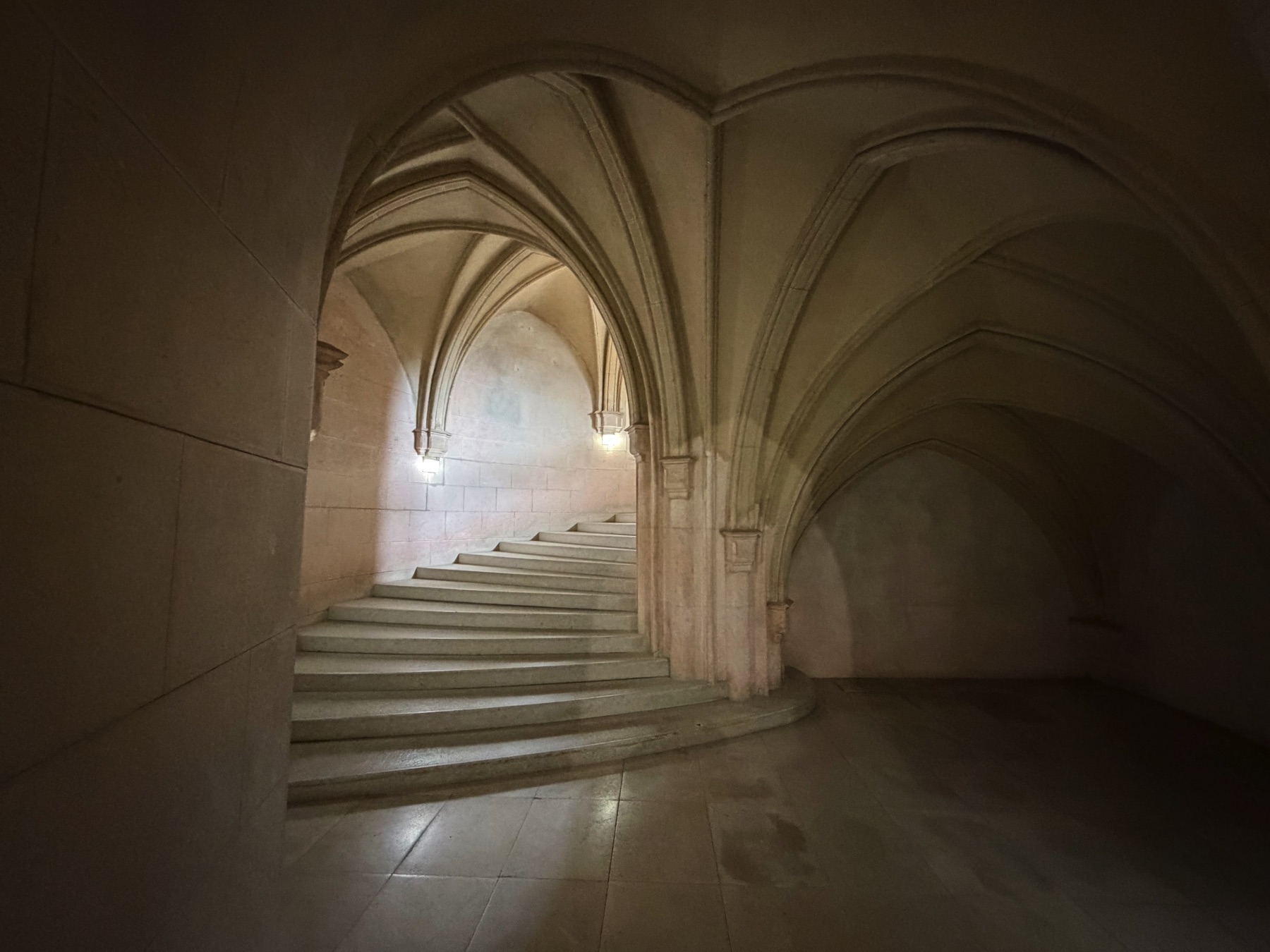
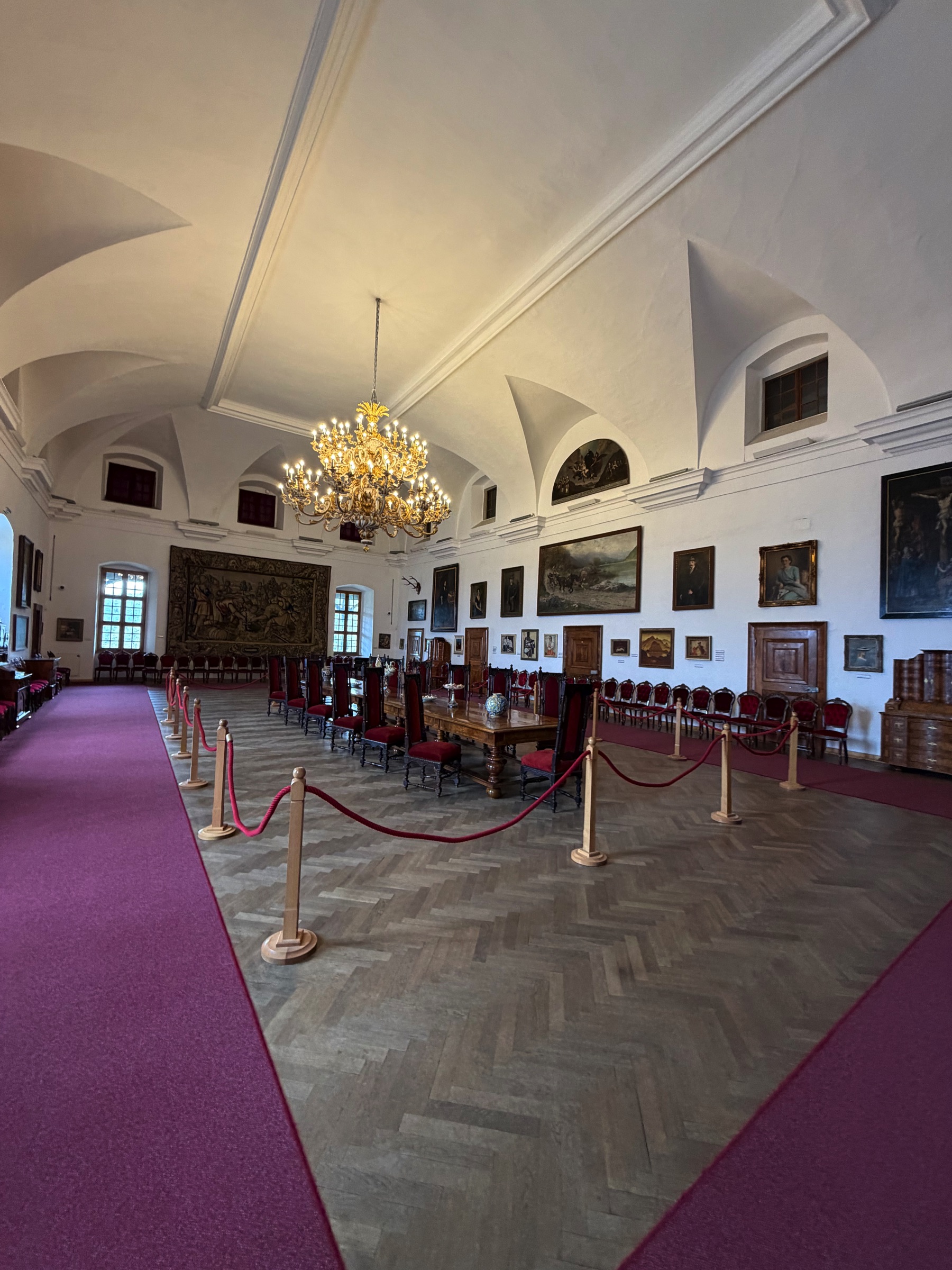
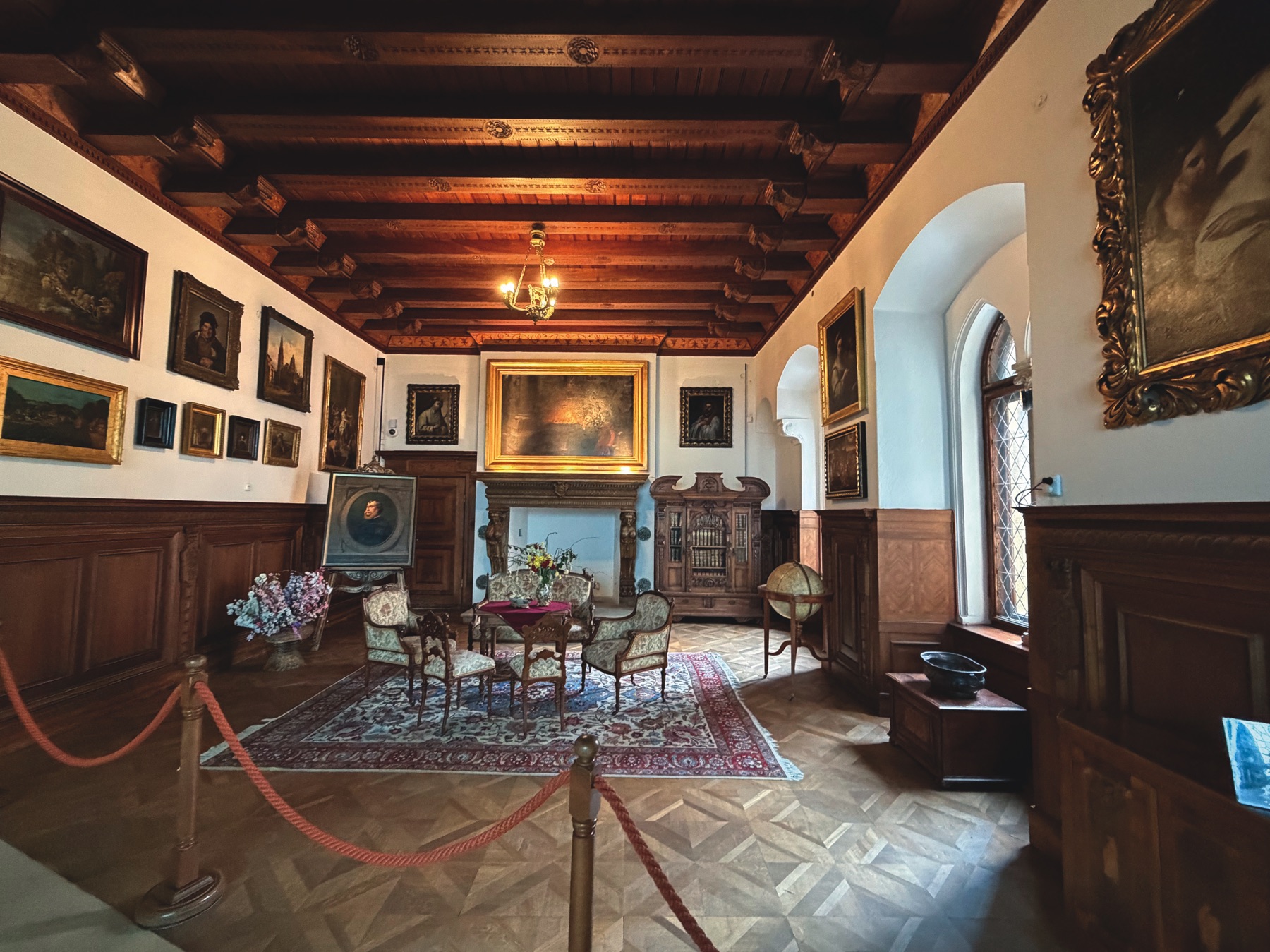
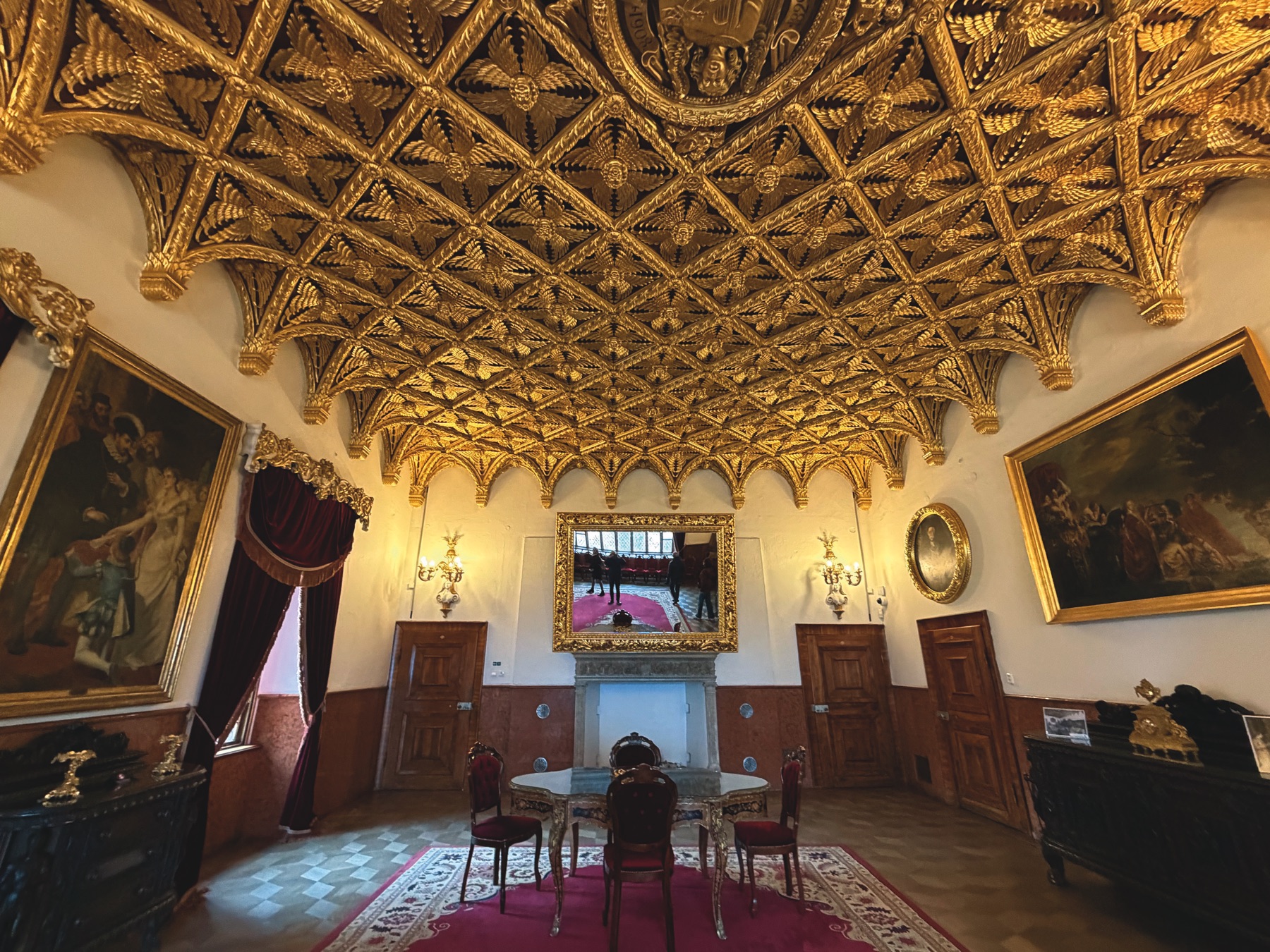
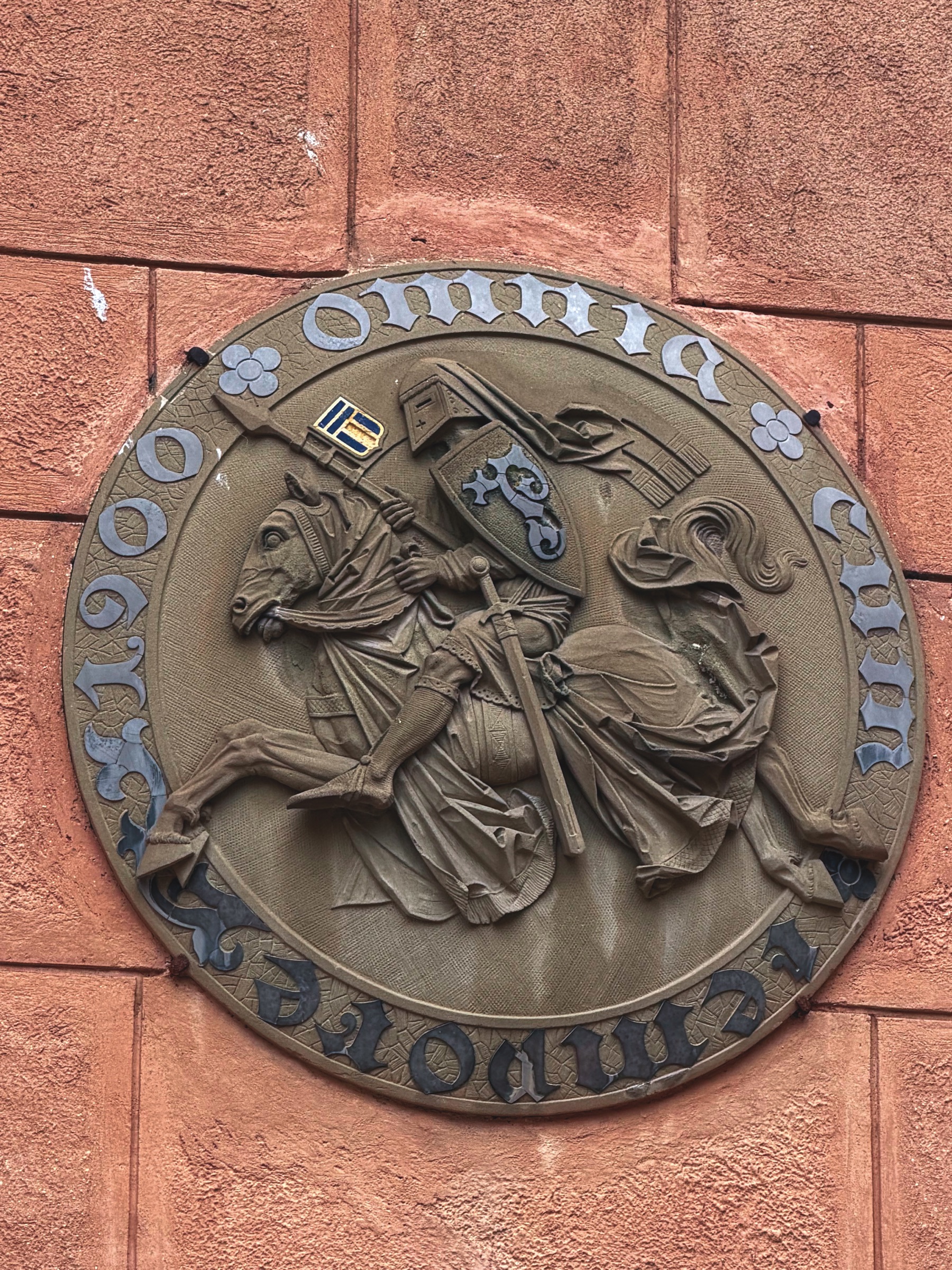
The last noble owner, Count Ján Pálffy, acquired the estate in 1852 and undertook a complete romantic reconstruction of the castle. He drew inspiration from the French Gothic châteaux of the Loire Valley, the papal palace in Avignon, Tyrolean Gothic castles, and early Renaissance Italian architecture. Although the renowned architect Jozef Hubert oversaw the works, he later admitted that he was essentially a tool in the hands of the wealthy count, who personally sketched, designed, and directed every detail. The Neo Gothic transformation took 22 years to complete, from 1889 to 1910.
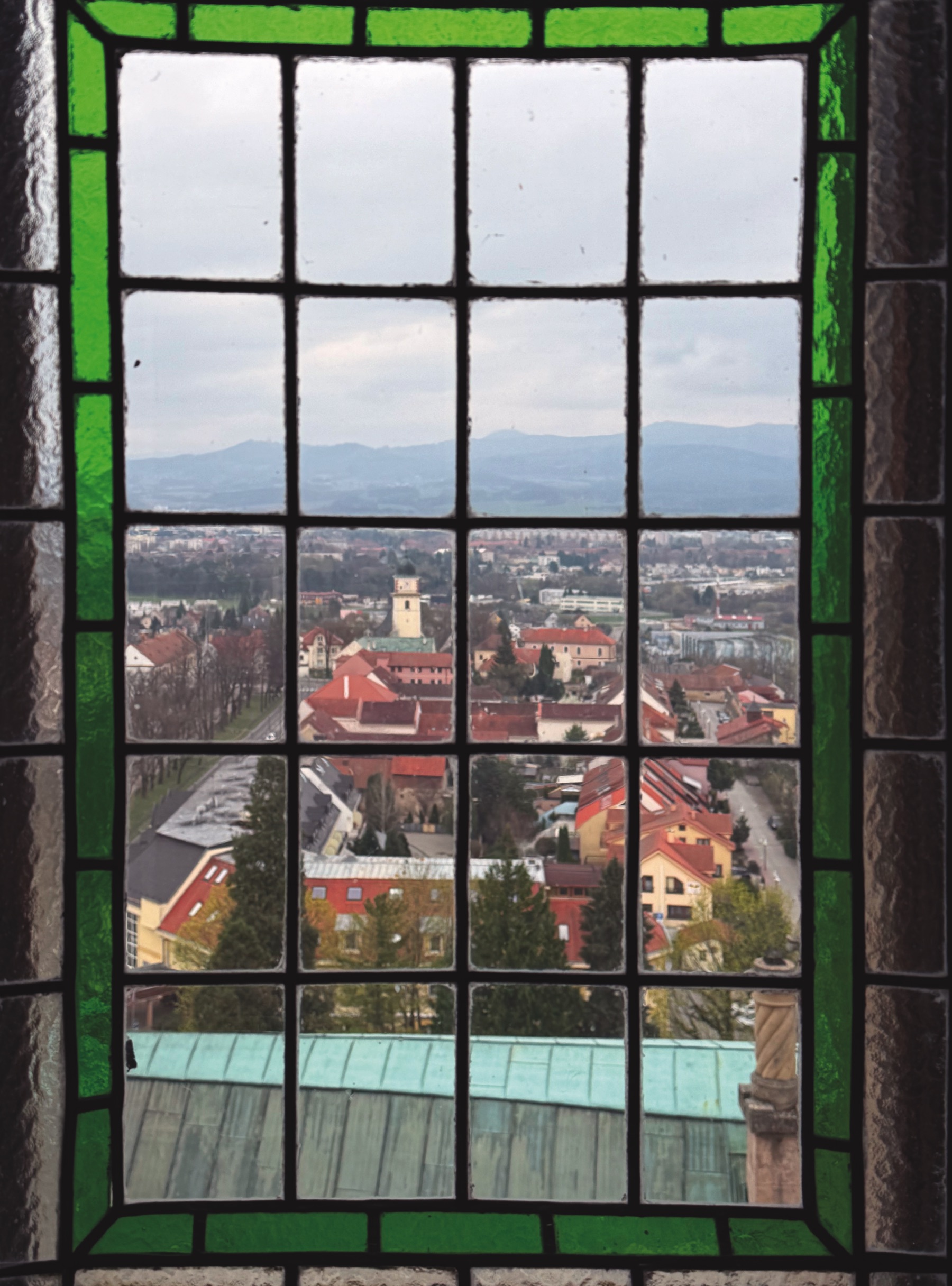
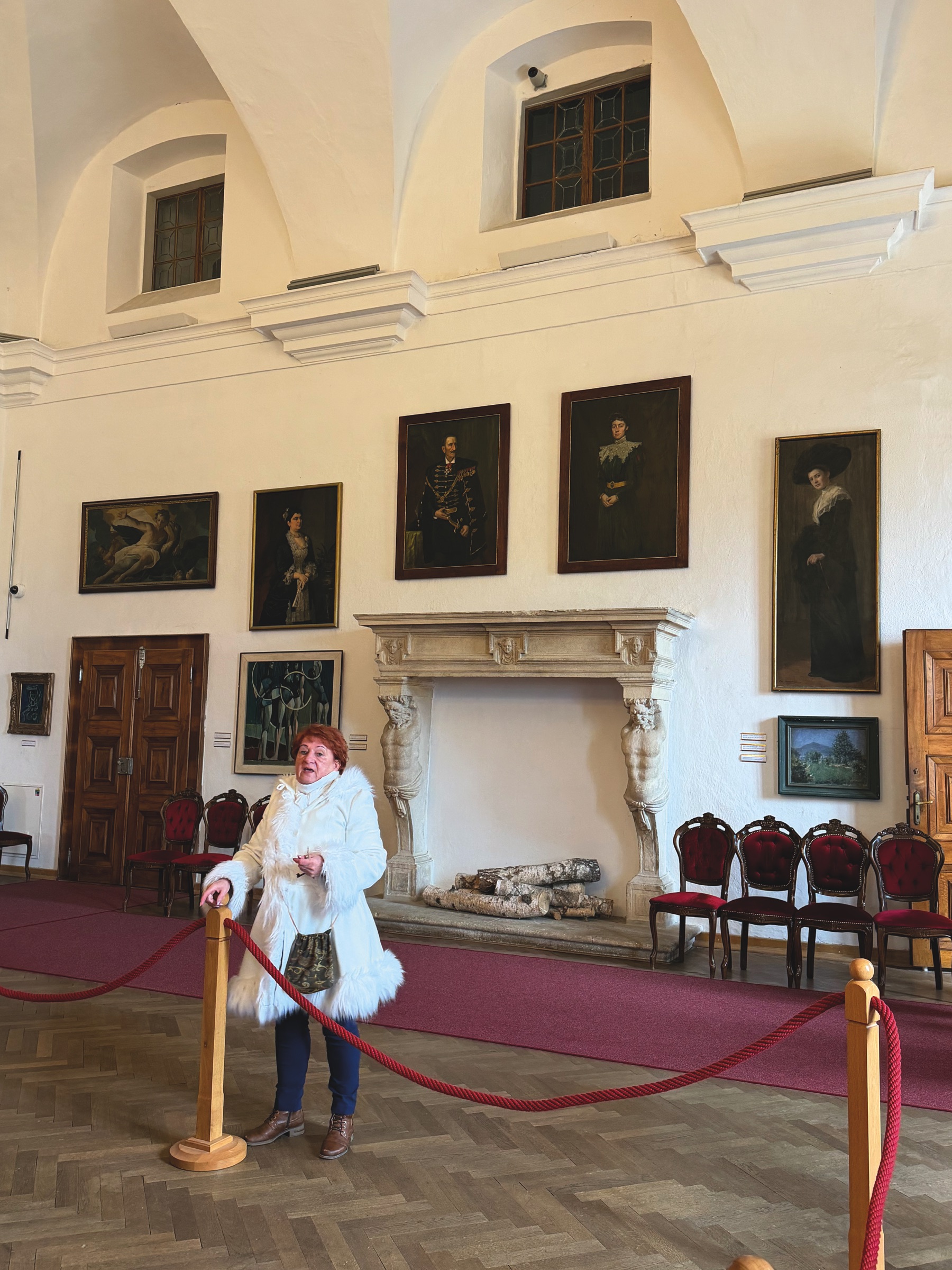
In 1939, the castle and its surrounding lands were purchased by the Baťa company. After the war, following the Beneš decrees, the property passed into state ownership. A museum – now part of the Slovak National Museum – was established in the castle in 1950.
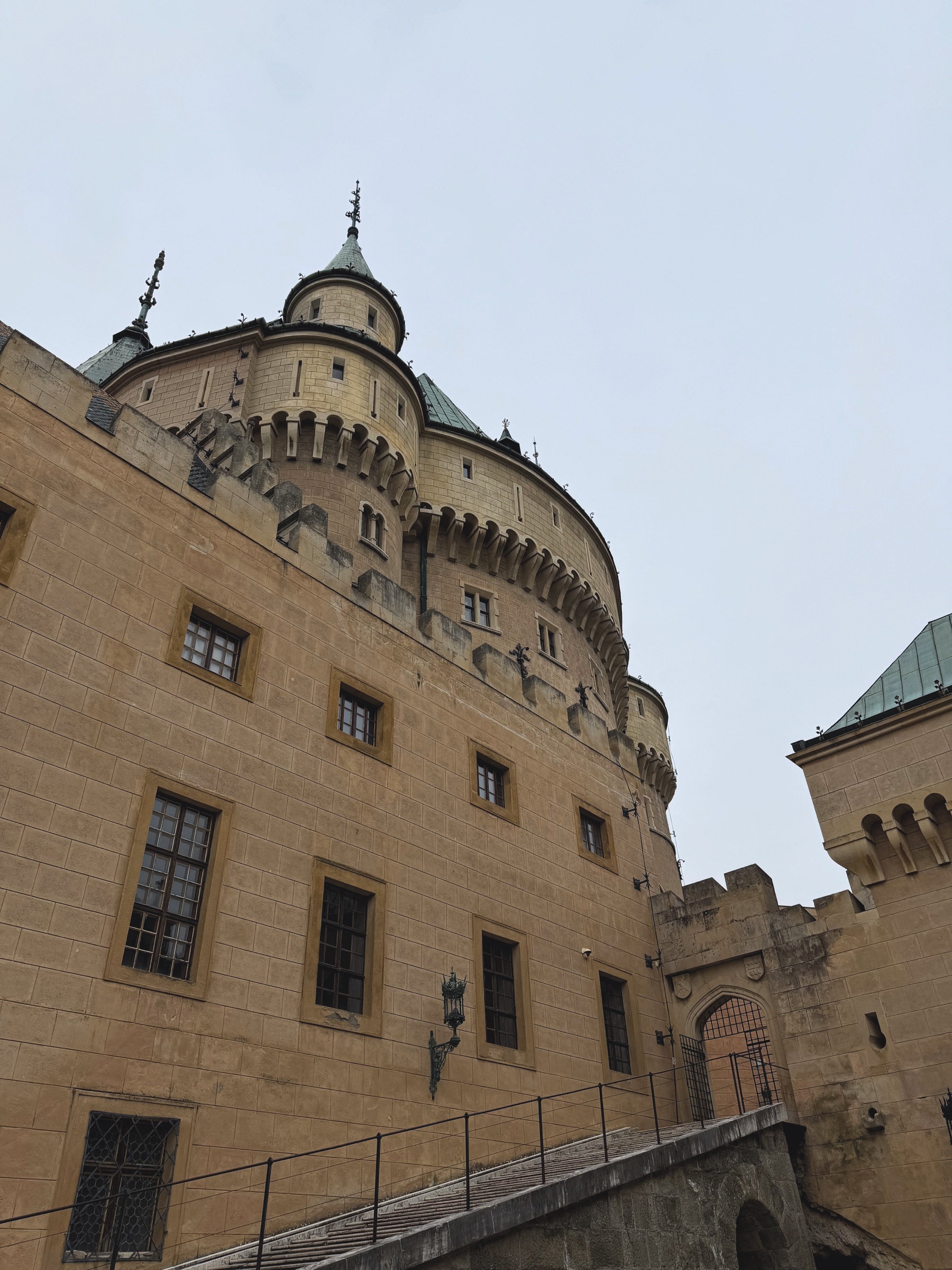
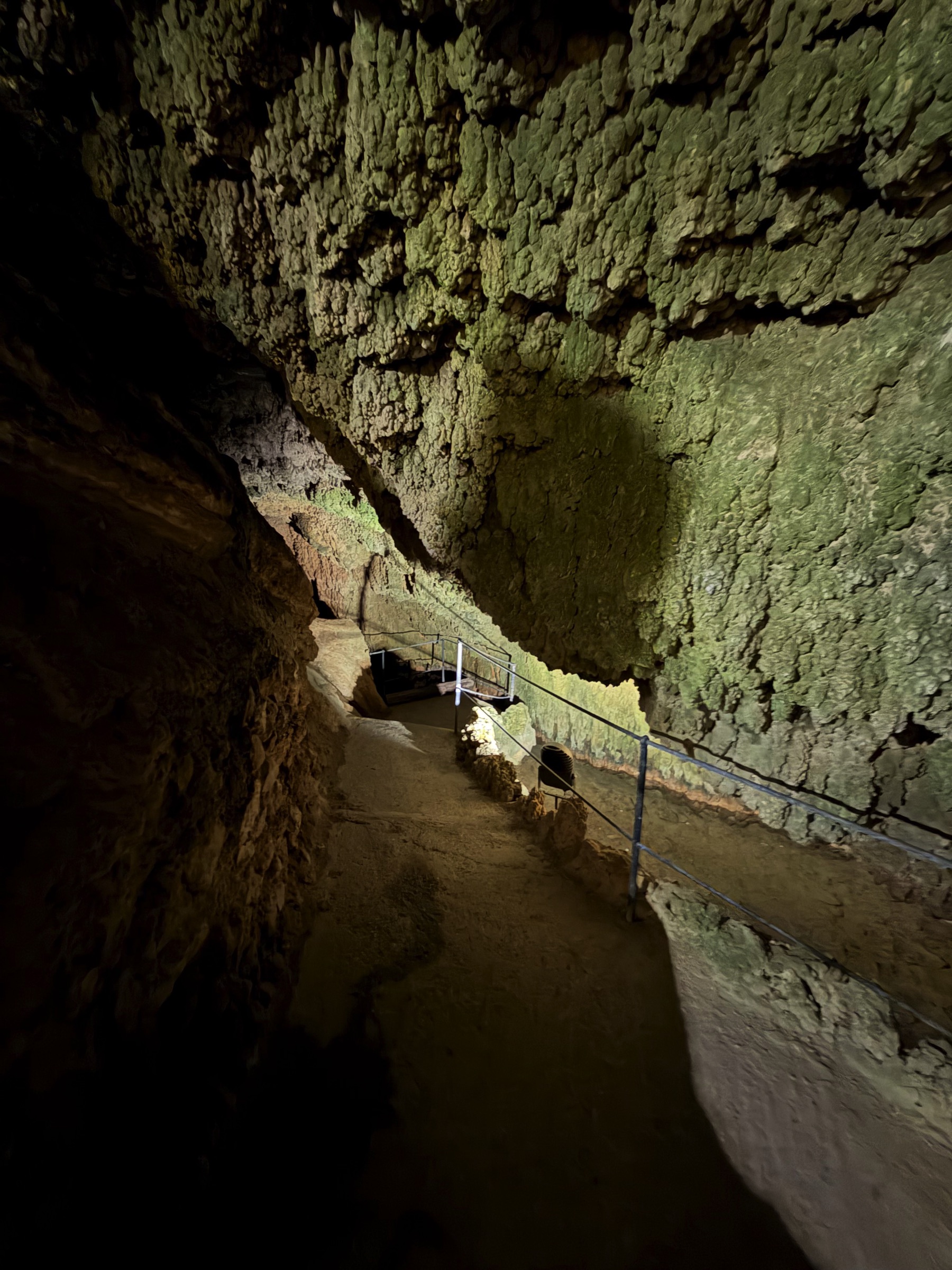
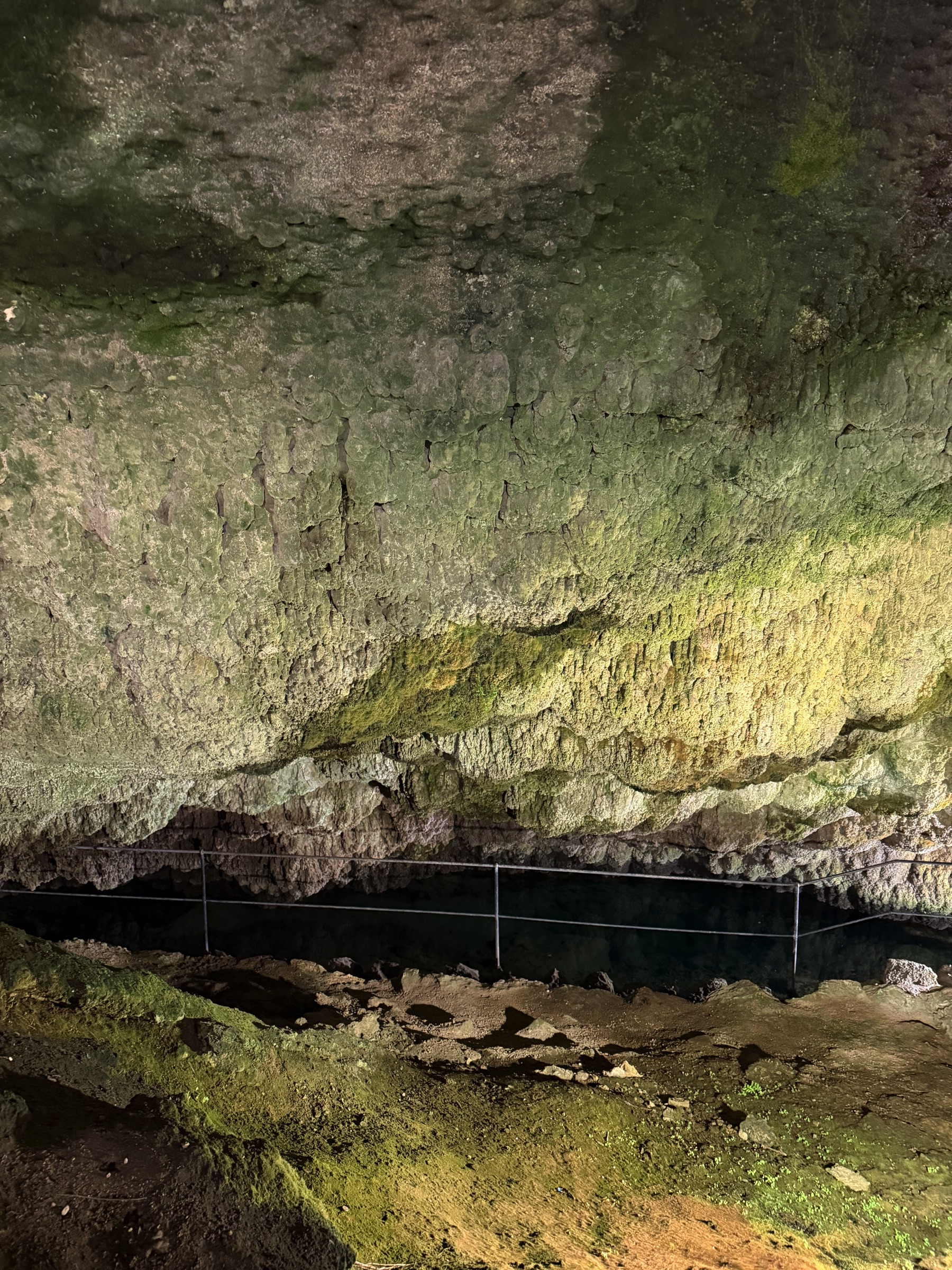
Bojnice Castle also hides a natural travertine cave beneath its courtyards. With a diameter of 22 metres and a height of 6 metres, it lies 26 metres below the fourth courtyard. The cave was formed by water seeping through fissures in the travertine mound, gradually washing away the stone and creating a circular chamber decorated with natural formations. It was first opened to the public in 1967.
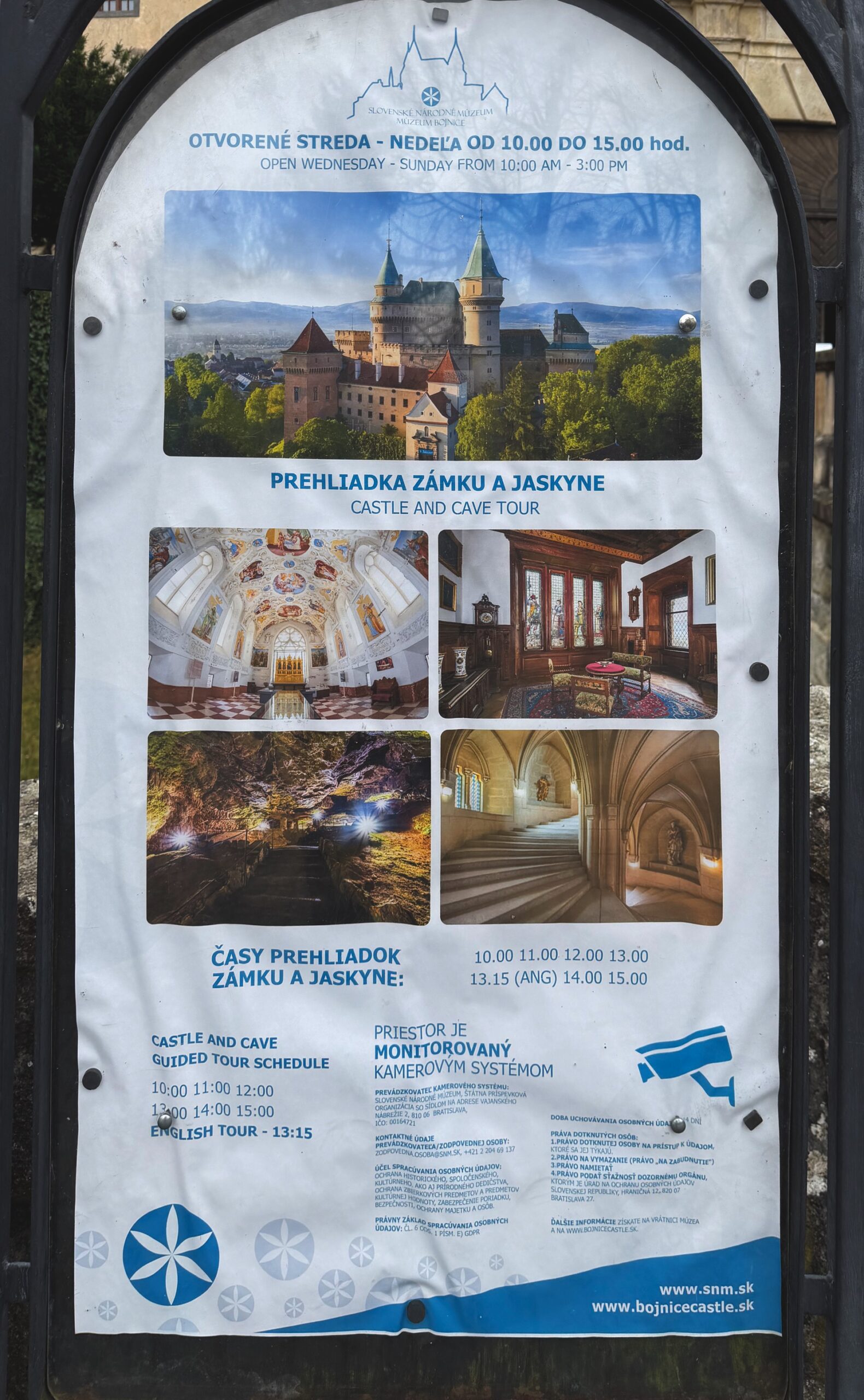
More information and opening hours are available here.
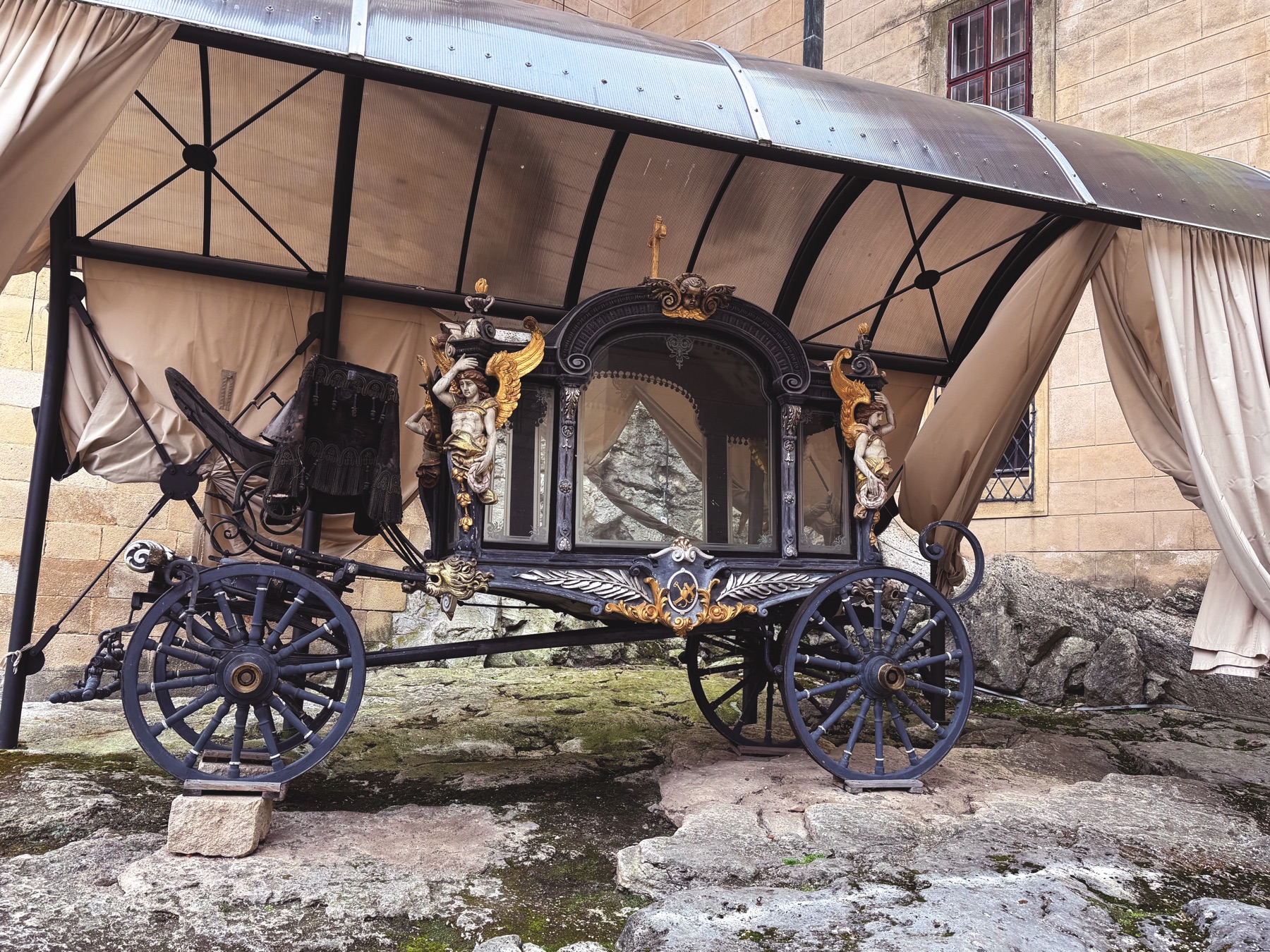
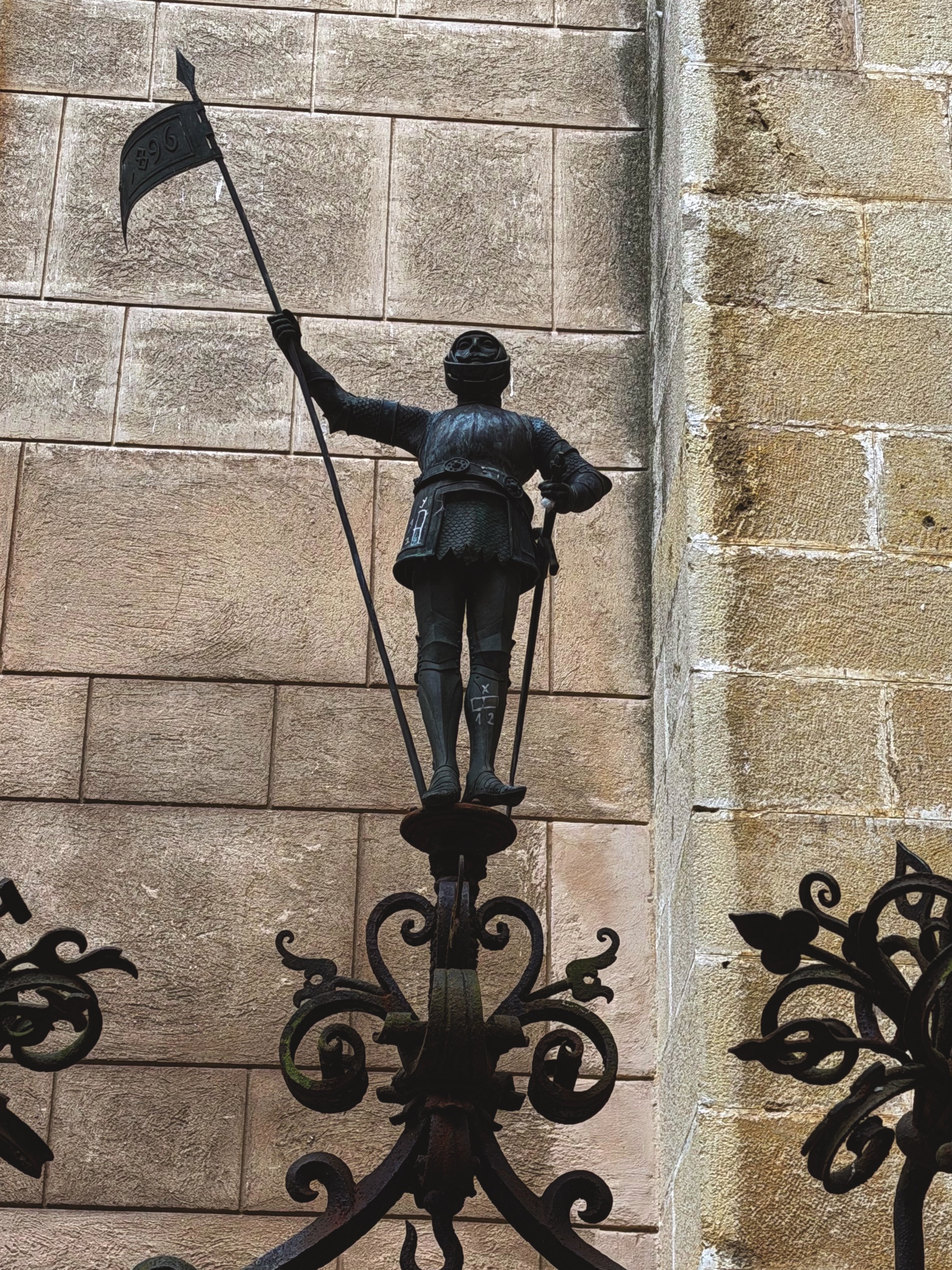
Exploring the Castle
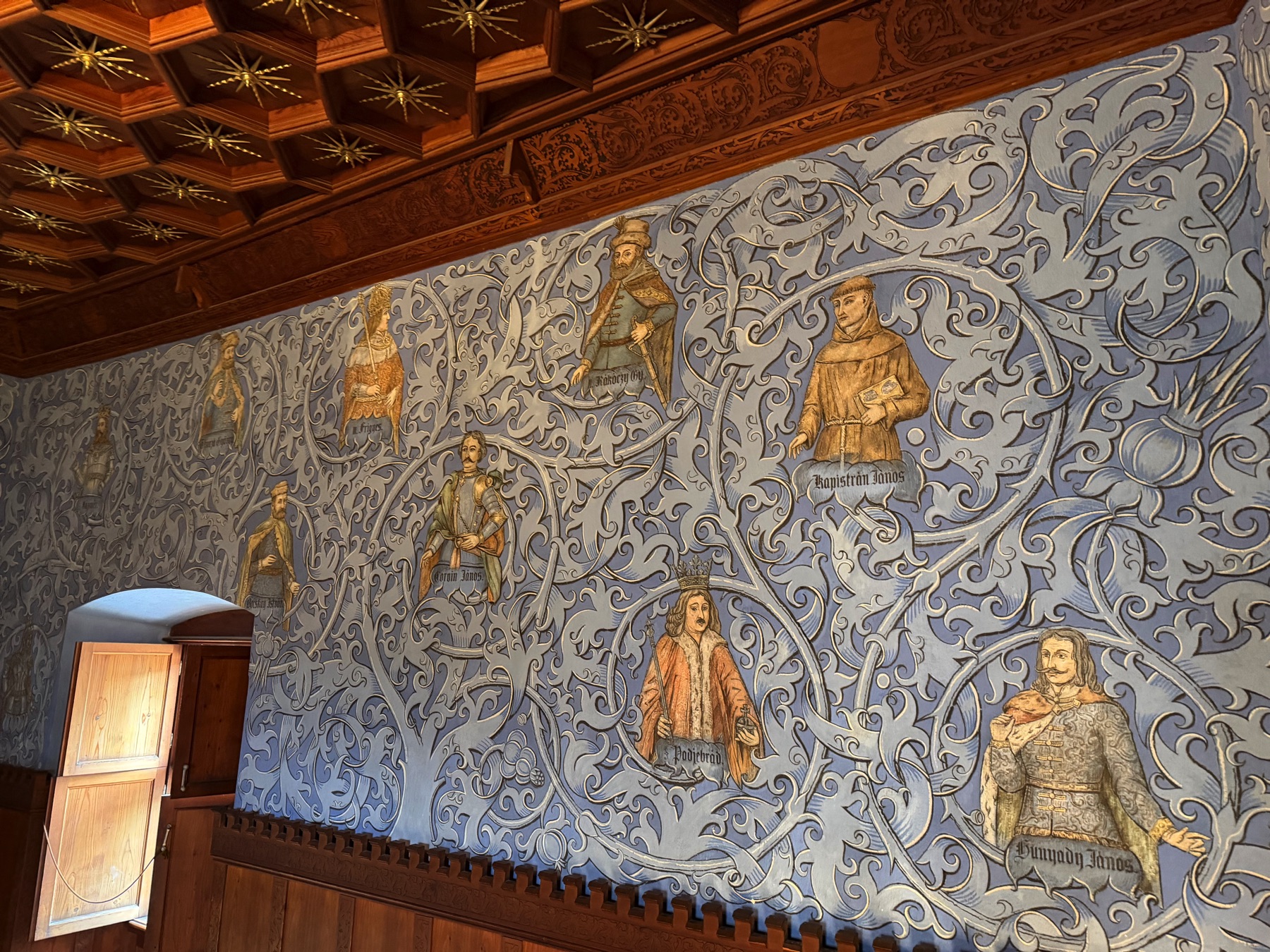
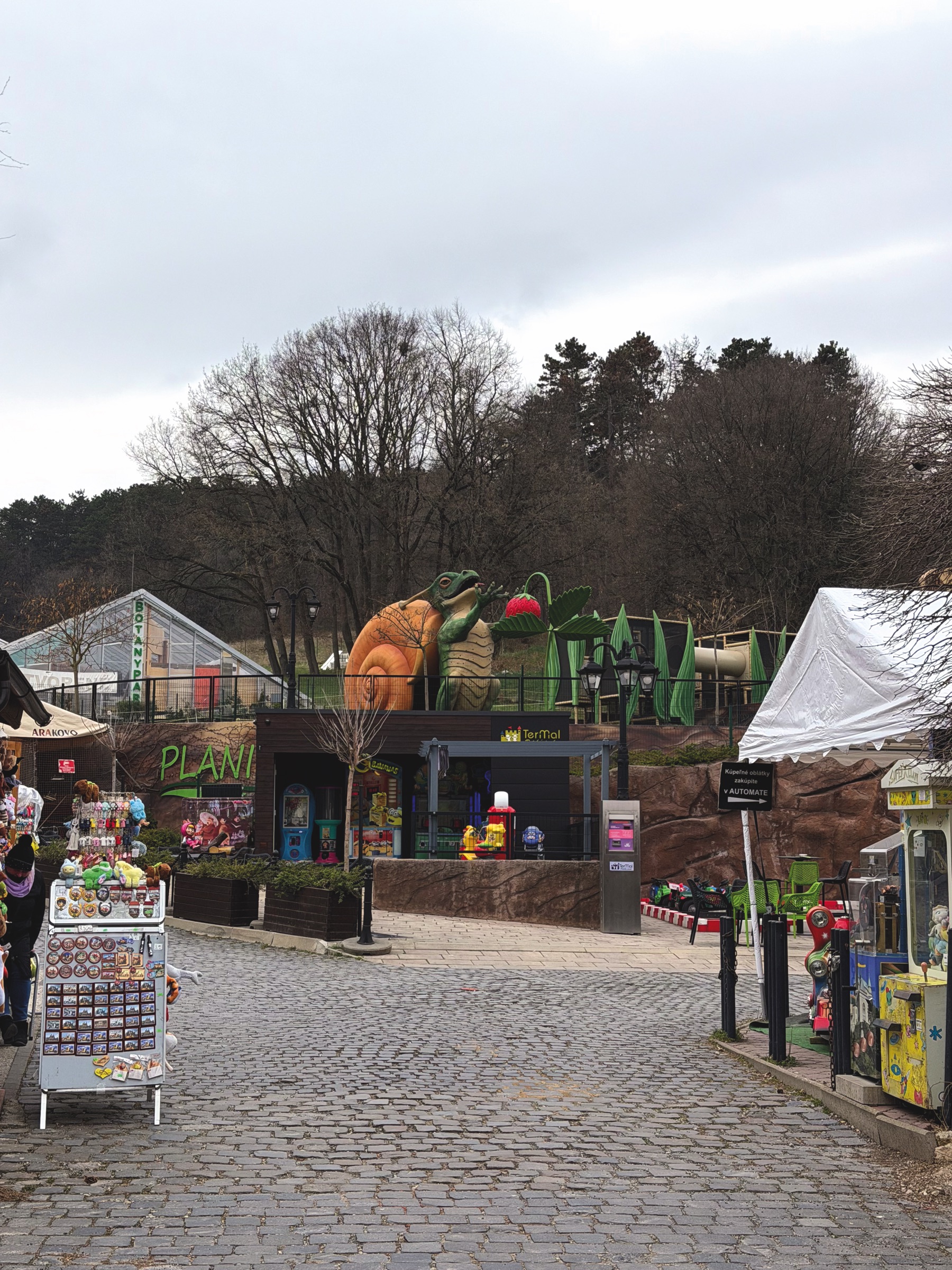
The castle can only be visited with a guided tour, offered in Slovak or English, so it is worth checking the schedule in advance. Our guide, Daniela, was highly experienced and led us through the castle’s beautiful rooms while sharing the stories behind them. The tour lasted about two hours, though you can easily spend more time on the grounds, especially if visiting with children. There is a botanical garden, and even a small theme park nearby.
The drive back home to Prague took us about five hours, bringing our journey to a close.
You can see more photos from the trip below: