

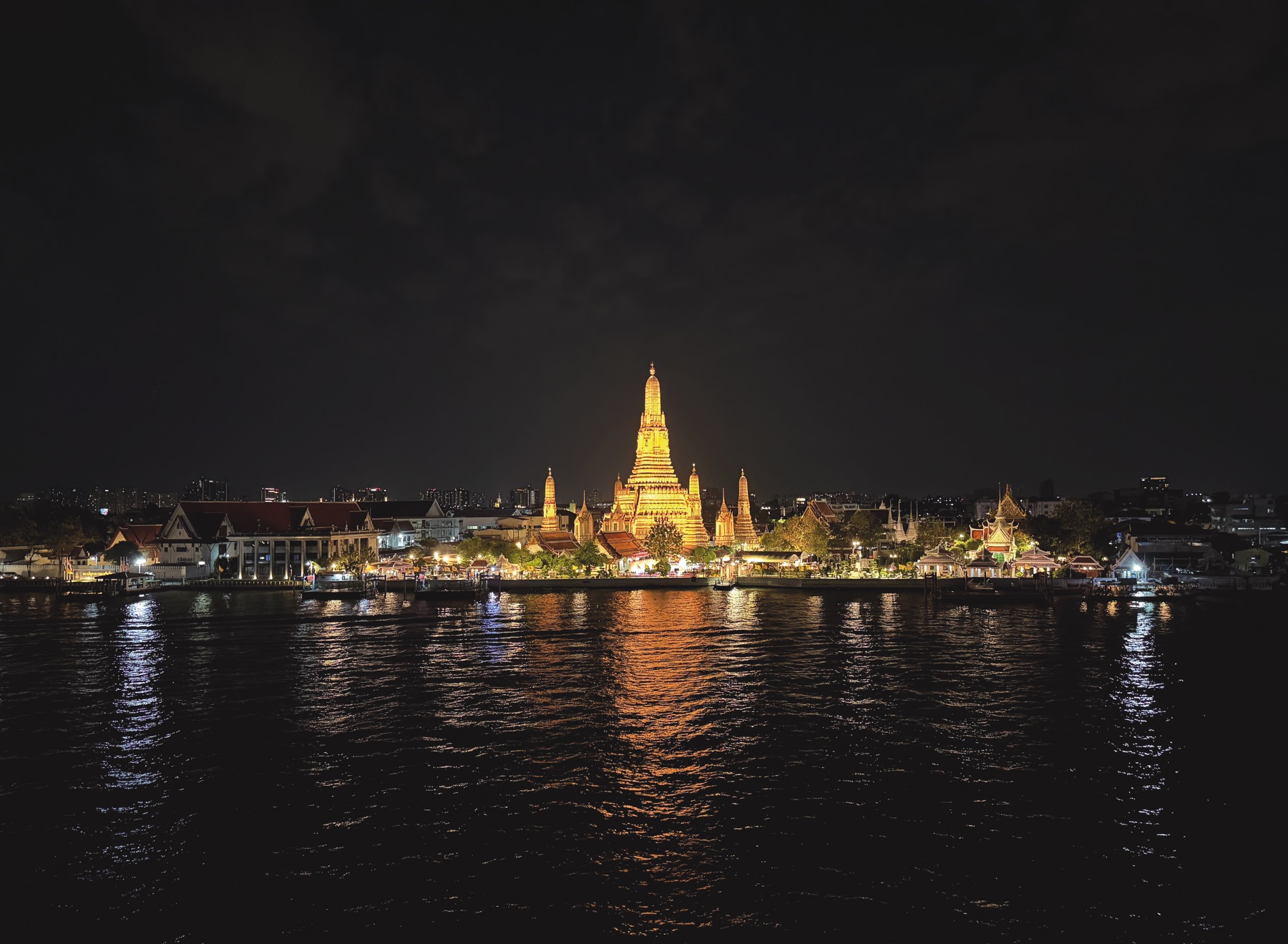
Wat Arun Ratchawararam Ratchawaramahawihan (วั ดอรุ ณราชวรารามราชวรมหาวิ หาร)
Text: M. Zisso; Editing: Martina Hošková; Photo: Václav Pavlas and Archive
Before we take you with us to northeastern Thailand, here’s a small note for our readers – and a thank you to the people who make our travels possible. To begin with, we hope the information and pictures in this and our previous articles will help you plan your next trip to this beautiful country.
We wouldn’t have been able to make all these trips without the support of the Royal Thai Embassy in the Czech Republic. We are grateful to H.E. Mr. Suwat Kaewsook, the former Ambassador of the Kingdom of Thailand to Prague, to the Ministry of Foreign Affairs of Thailand, and of course to Ms. Srisurath Sukavarodom – Counsellor at the Thai Embassy – for her great support and friendship.
Prague – Abu-Dhabi – Bangkok
Unfortunately, there are still no scheduled direct flights from Prague to Bangkok – let’s hope that changes soon. It’s a long journey, so choosing the right connection is essential – this time, we decided to fly with Etihad via Abu Dhabi – they offered a short layover, a good price, and a new aircraft.
Our route was Prague – Abu Dhabi – Bangkok. We left Prague Airport at 10:30 a.m., a very convenient time. The experience at Terminal 1 was smooth and pleasant; within a short while we were through all of the procedures and had time to relax before boarding. I am a Raiffeisen Bank client with a Mastercard credit card, which gives us free access to the lounge in Terminal 1, a spacious, comfortable place with great views and a friendly service – a perfect start to a long trip.
Our first flight to Abu Dhabi departed and arrived on time. It was a new Boeing Dreamliner, with comfortable seats even in economy, good service, tasty food, and plenty of entertainment options. We received a pillow, a blanket, and even – like in the good old days – a small gift, which later became our shopping bag.
Abu Dhabi Airport is large and modern. It took us about an hour to get from landing to our connecting gate, so keep this in mind when planning your own connections. The flight from Abu Dhabi to Bangkok also departed and arrived on time. This time it was a Boeing 777 – older than the Dreamliner, but still comfortable, with very nice service on board.
Procedures at Bangkok Airport were fast and friendly. Even though the queue was long, it moved quickly – just remember to fill out the ‘Digital Arrival Card’ (TDAC) within 72 hours before arrival. Our luggage arrived promptly as well. After buying a local data SIM card for my phone, we met our driver from the company we usually use, Beer Trekking Thailand Tour (mobile: +66 81 997 8805), who was waiting to take us to Surin.
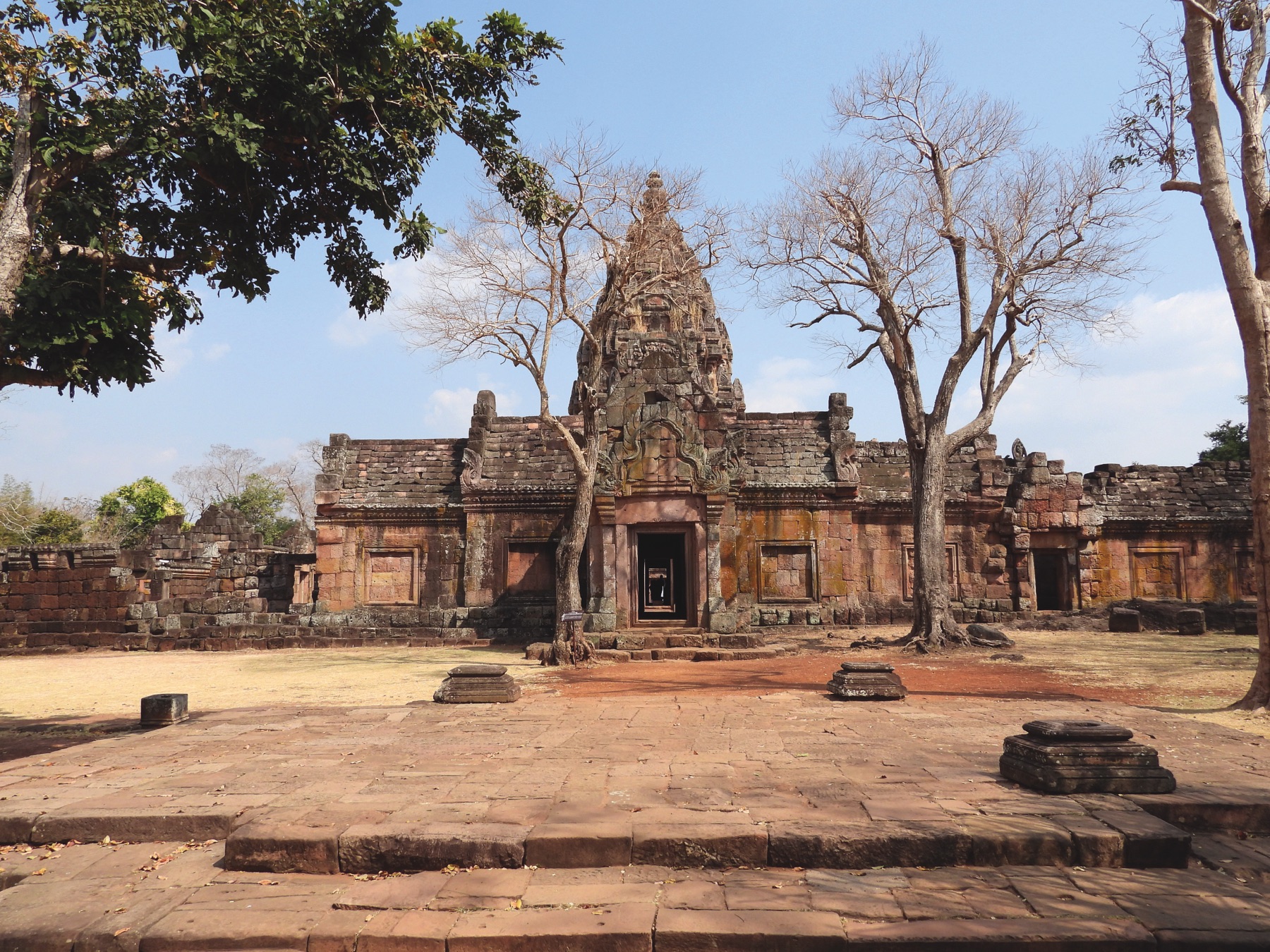
On our way to Surin
Our first stop was Prasat Hin Khao Phanom Rung Historical Park (ปราสาทหิ นเขาพนมรุ้ ง), also known as Phanom Rung Temple. This remarkable site comprises of important ancient monuments situated on the summit of an extinct volcano. The name Phanom Rung comes from the Khmer Vanamrung, meaning large mountain. It is one of the most famous Khmer historical parks in Thailand, and a major tourist attraction in Buriram Province.
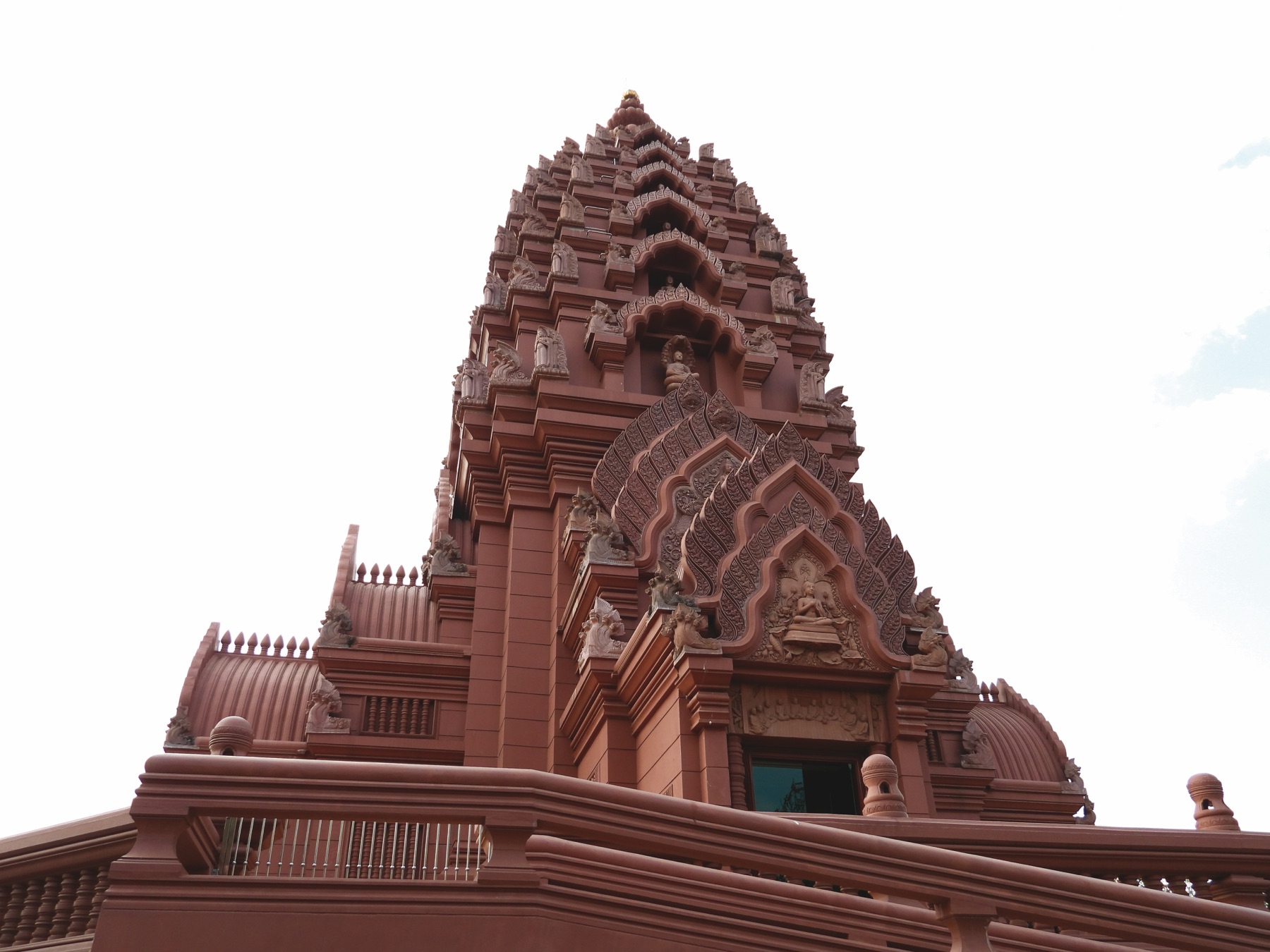
A one hour drive took us to Wat Pa Khao Noi (วั ดป่ าเขาน้ อย), whose name can be translated as the forest temple on the small mountain. It is a renowned monastery of the forest tradition, founded in 1936. This monument is far from ordinary – it takes the form of a prasat in neo Khmer style, inspired by the most beautiful Khmer temples. The impressive pink sandstone structure rises 31 meters high.
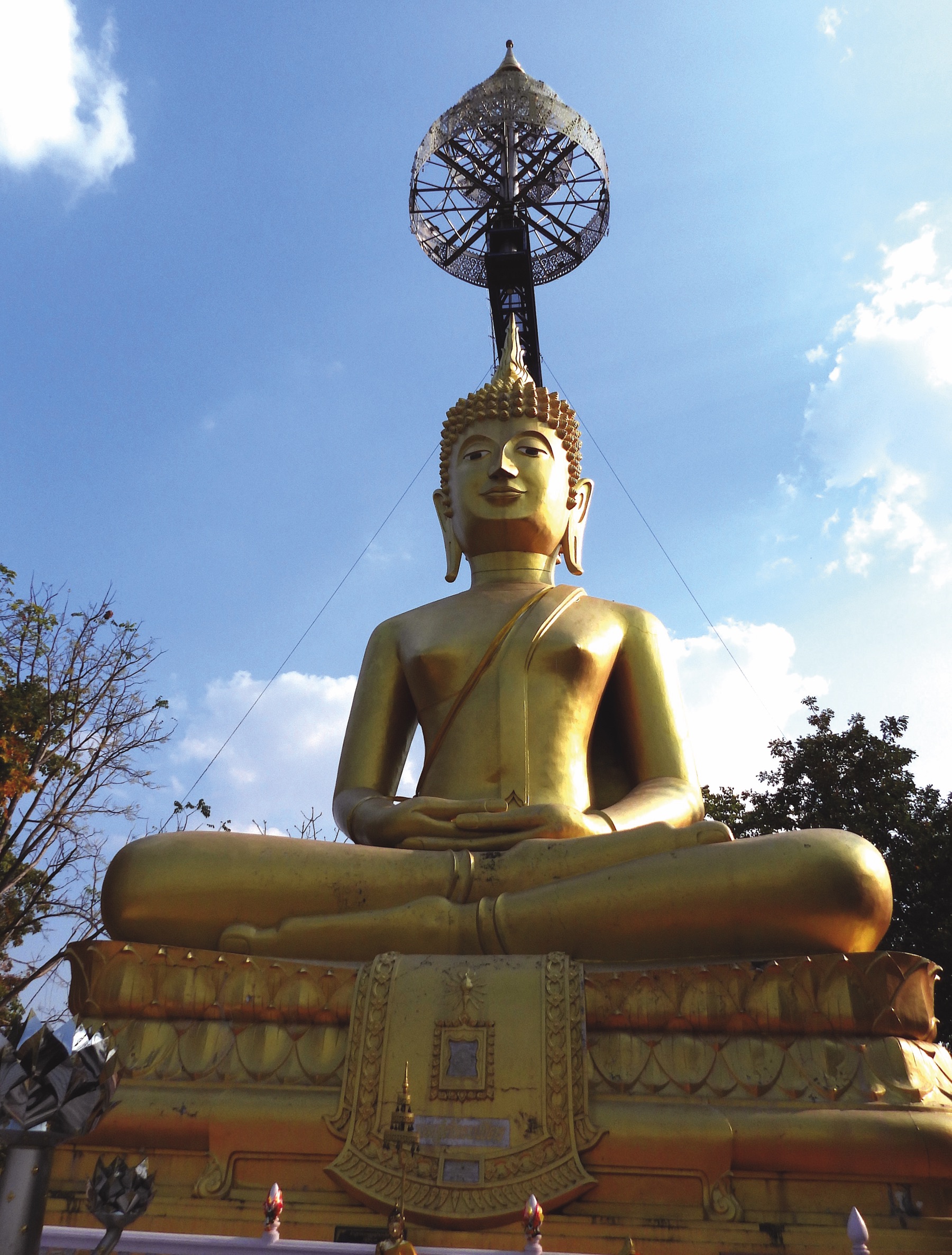
We then continued to Khao Kradong Forest Park (เขตห้ามล่าสัตว์ป่าเขากระโดง), home to the huge Phra Suphattharabophit Buddha image, a major symbol and landmark of Buriram. The statue stands on top of the Khao Kradong volcano, offering sweeping views of the surrounding landscape.
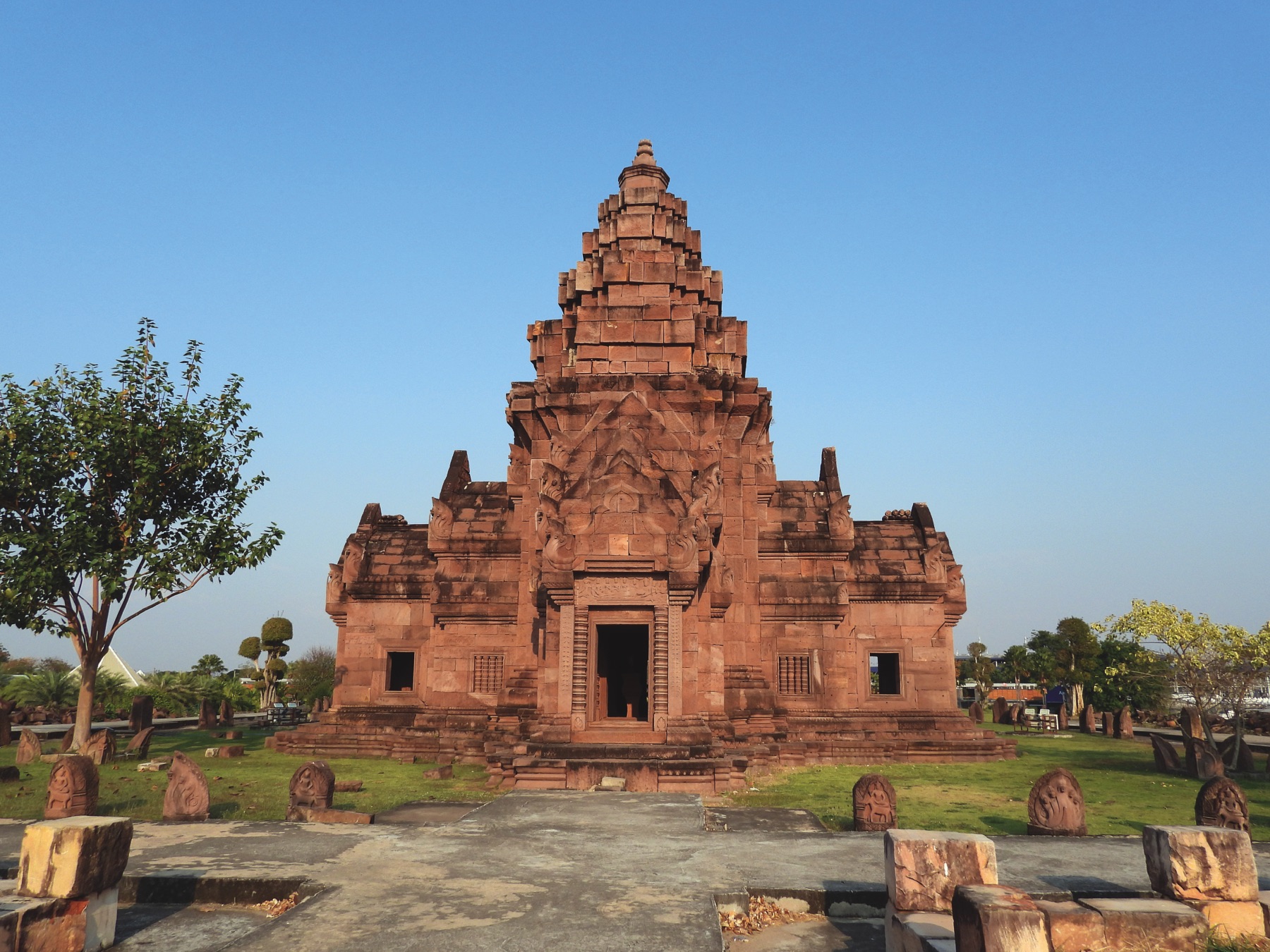
A quick stop followed at Buriram Castle (บุรีรัมย์คาสเซิล) in Buriram Town, located next to the Chang Arena sports complex.
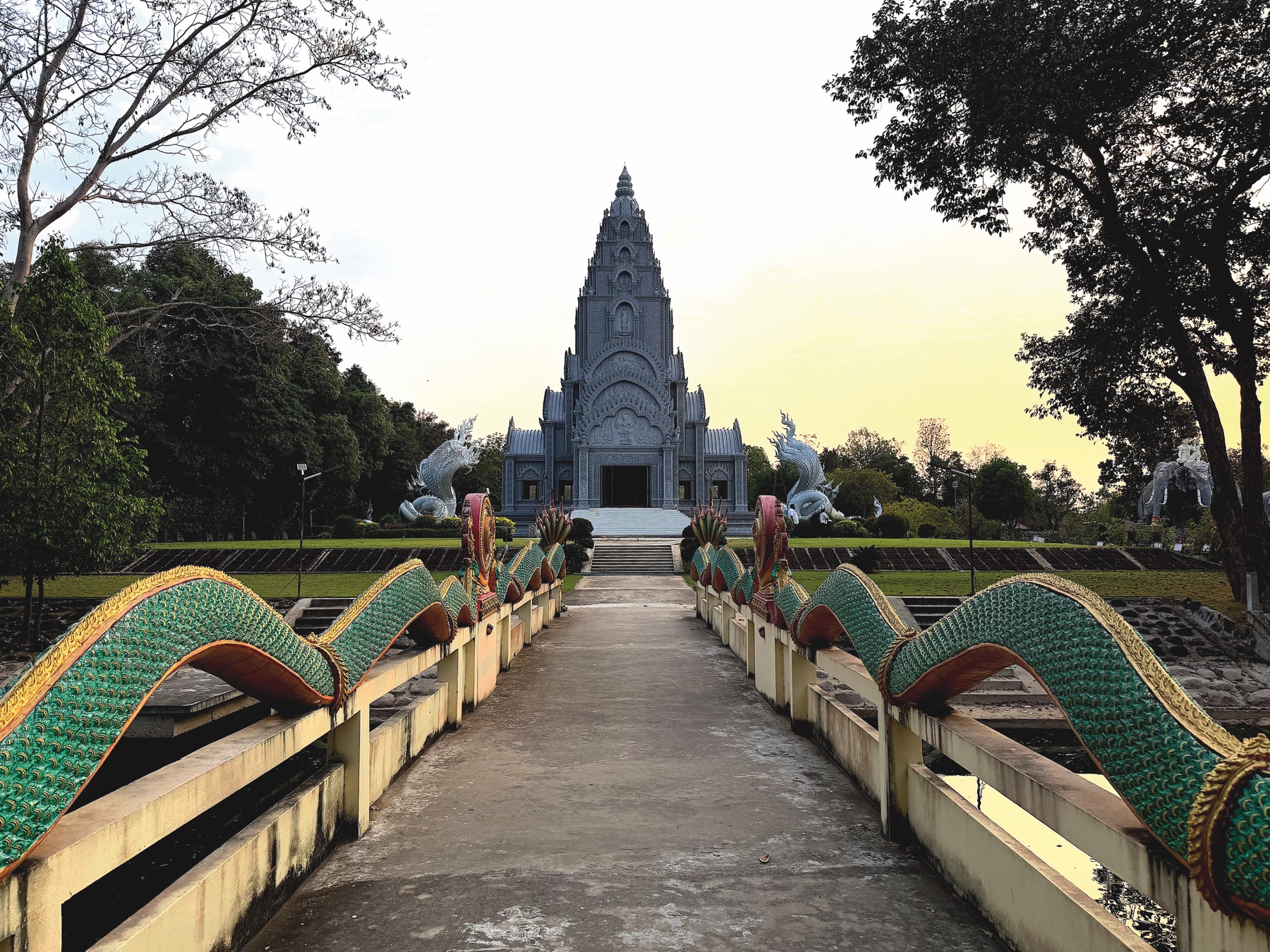
Our last stop on the way to Surin was Wat Mongkolrat (วัดมงคลรัตน์สุรินทร์), a famous temple especially well known among older generations as Wat Tako Luang Pu Phuan. The front of the pagoda features elephant statues and a naga (serpent) bridge leading up to it. Its grounds, surrounded by a pond and beautifully landscaped with trees, create a serene, forest like atmosphere.
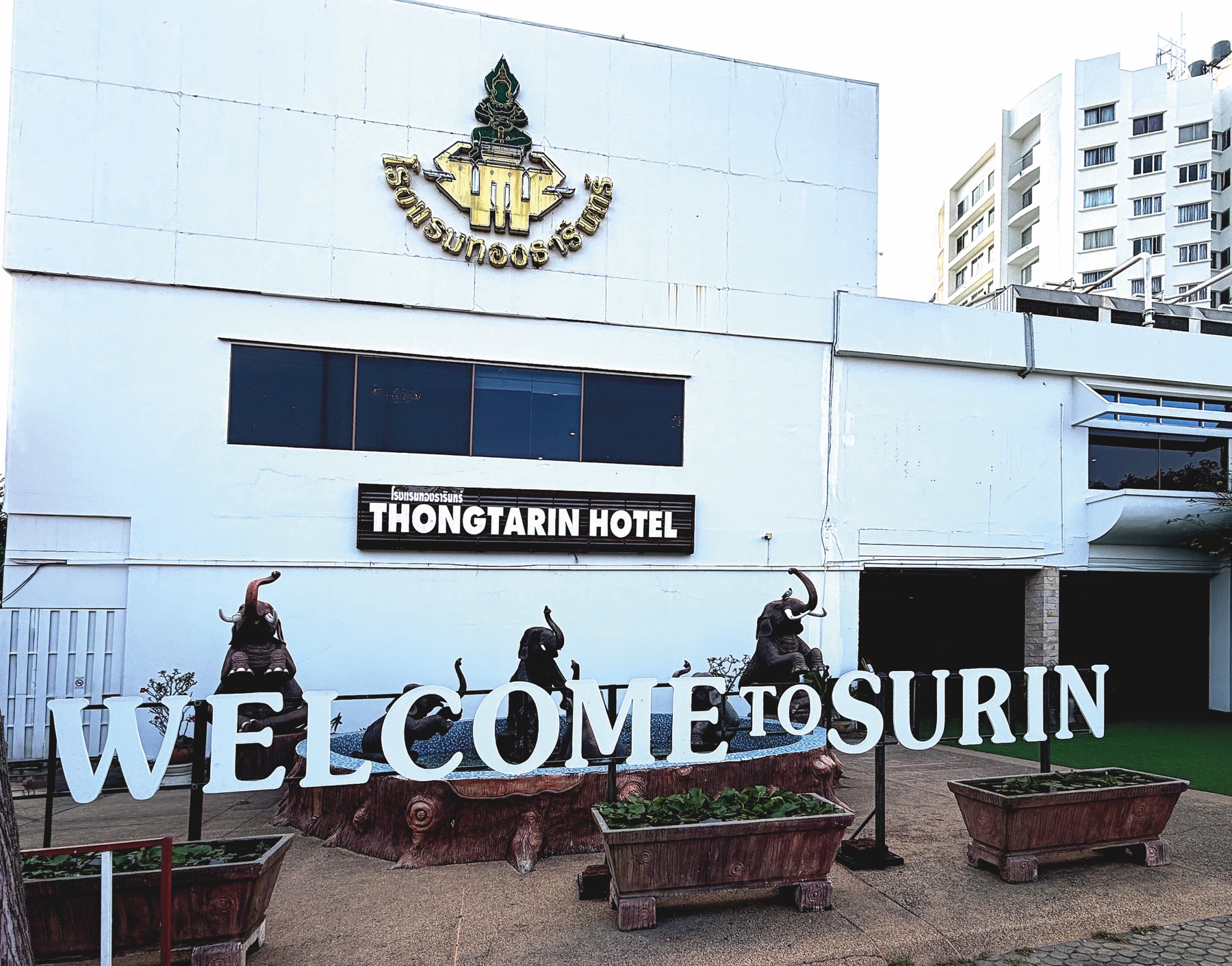
By late afternoon, we arrived at our hotel in Surin – the Thongtarin Hotel, a modern property in the city centre. We had a large, clean room, and the hotel offered several restaurants (Thai, a German beer garden, and a Chinese style restaurant), meeting rooms, and, of course, Thai massage.
Meeting the Ambassador
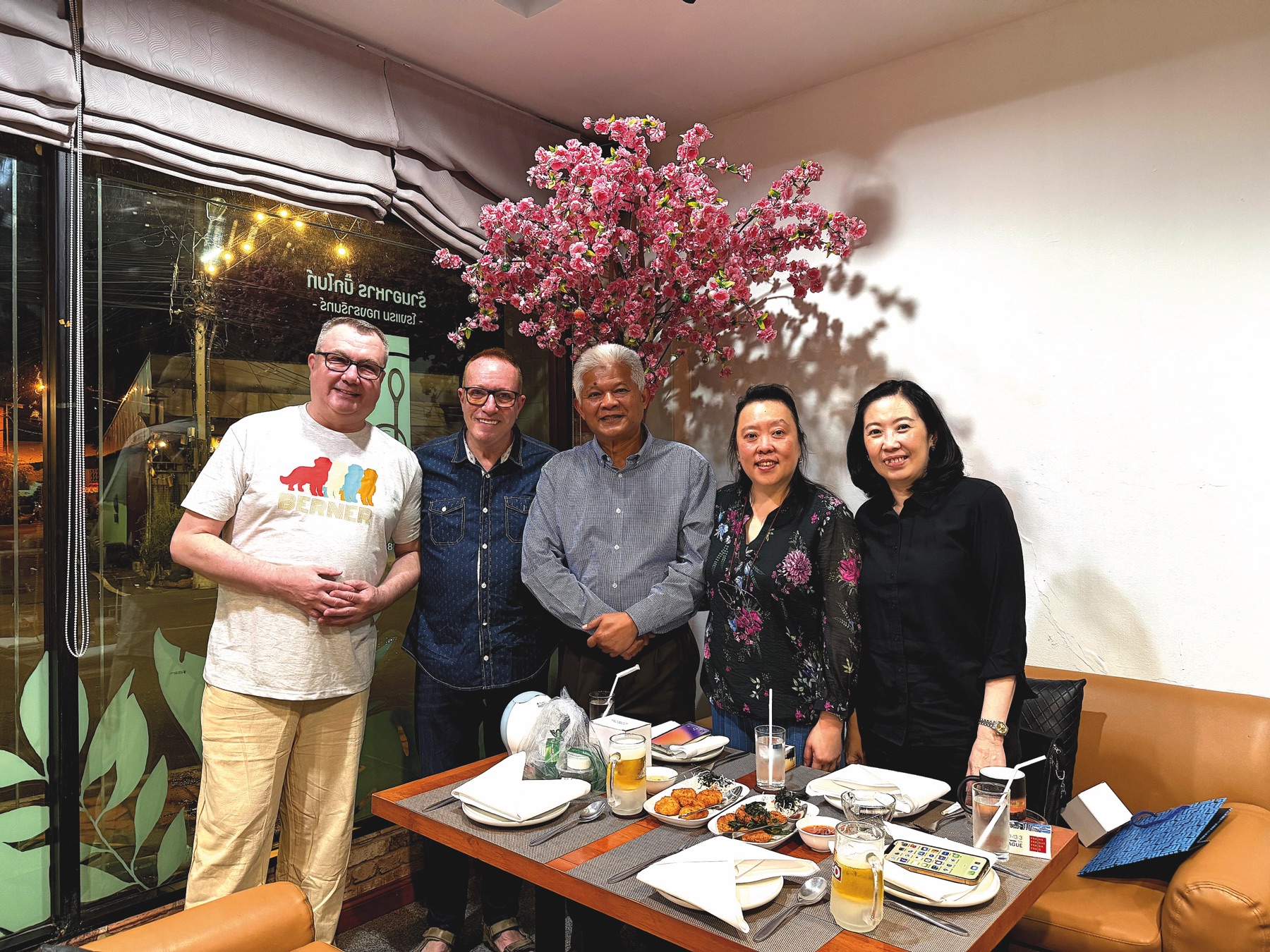
A few months ago, H.E. Mr. Suwat Kaewsook, the Ambassador of Thailand to the Czech Republic, left Prague and returned to Thailand, settling in Surin. We missed him, and this trip gave us the perfect opportunity to meet him and his spouse, Mrs. Patcharin Kaewsook.
We met at The Big Bite Restaurant, a Thai restaurant in Surin. Ms. Srisurath Sukavarodom (or Bo, as her friends call her), Counsellor at the Royal Thai Embassy in Prague, also joined us – she had travelled especially for this meeting, and helped us organise the entire trip. The evening was emotional, filled with memories of Prague and discussions of our plans for this trip. With delicious Thai food, warm company, and a heartfelt welcome, it was the perfect way to begin our time in Thailand.
Time passed quickly, and soon we had to say goodbye to the Ambassador and his spouse. We hope to see them again soon.
Exploring the Surin Area
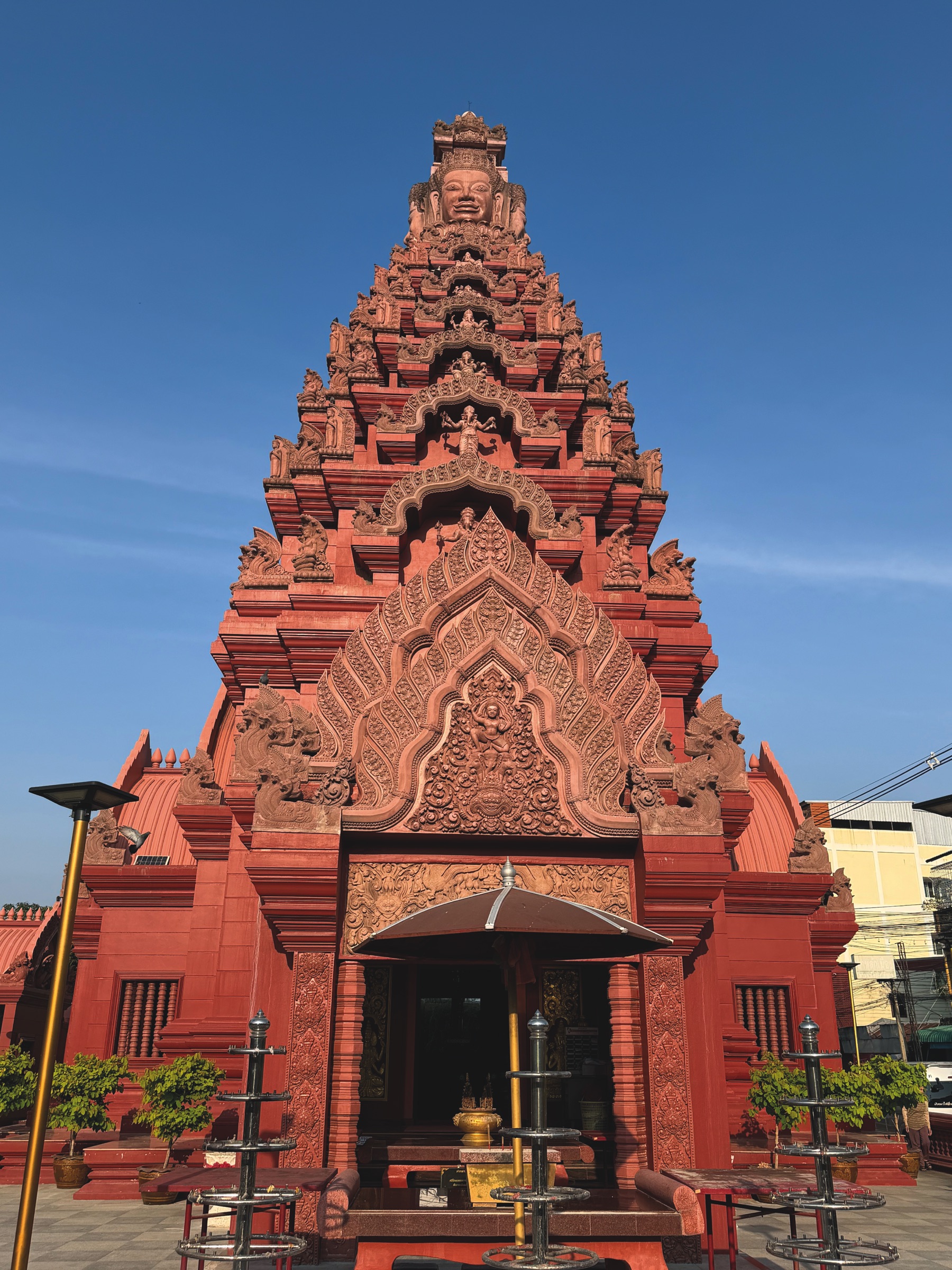
The next morning, we began exploring the Surin region. Our first stop was Lak Mueang Surin – the Surin City Pillar Shrine, an important spiritual site for the people of Surin. Originally, the city had no pillar shrine, but in 1968 the Fine Arts Department designed and built the current City Pillar and its elegant pavilion.
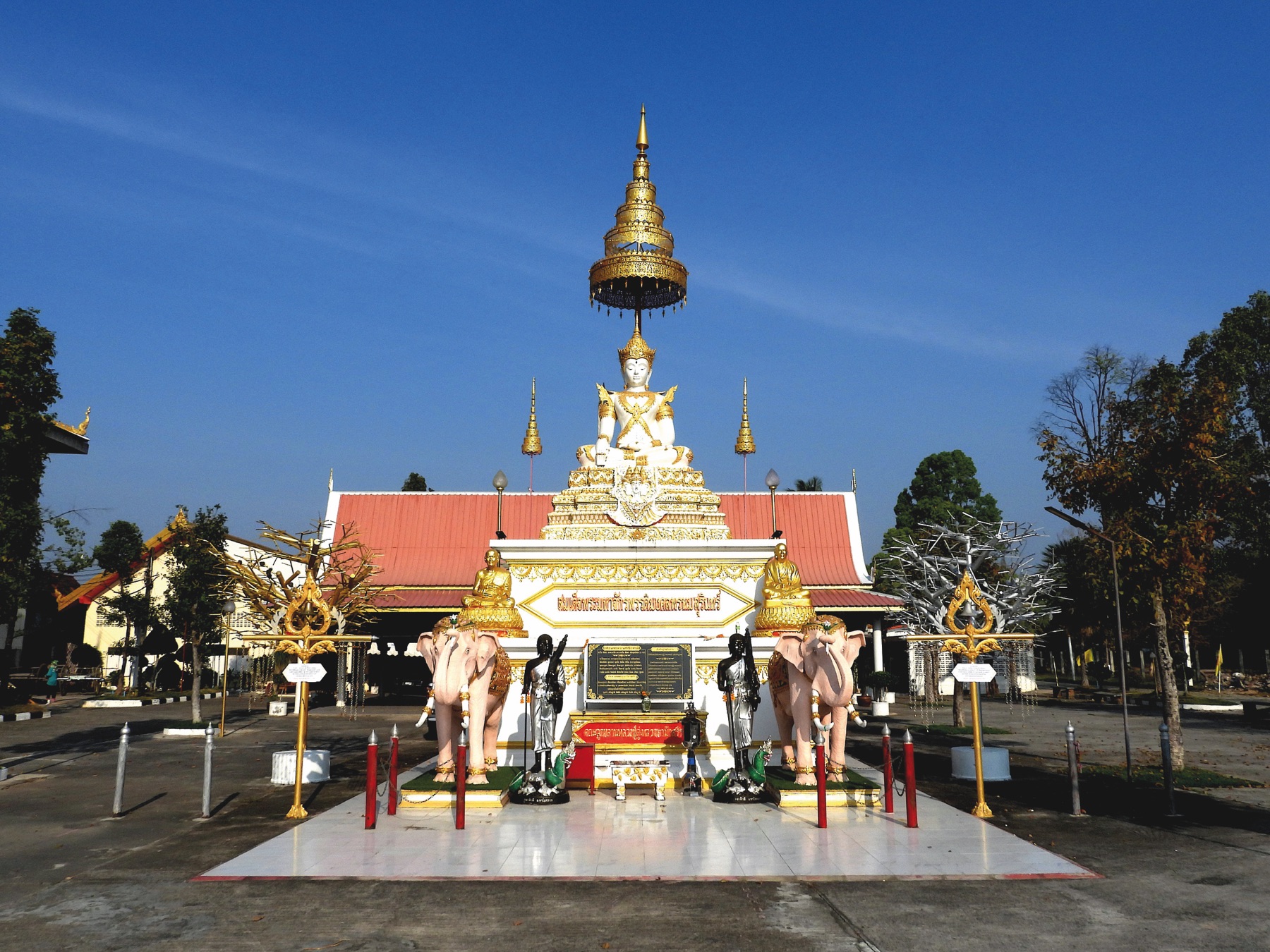
We continued to Wat Phrom Surin (วัดพรหมสุรินทร์ ), a centuries old peaceful temple featuring numerous elephant figures – a tribute to Surin, known as Thailand’s Town of Elephants, and its deep rooted elephant culture. The temple is noted for its beautiful traditional Isan style architecture.
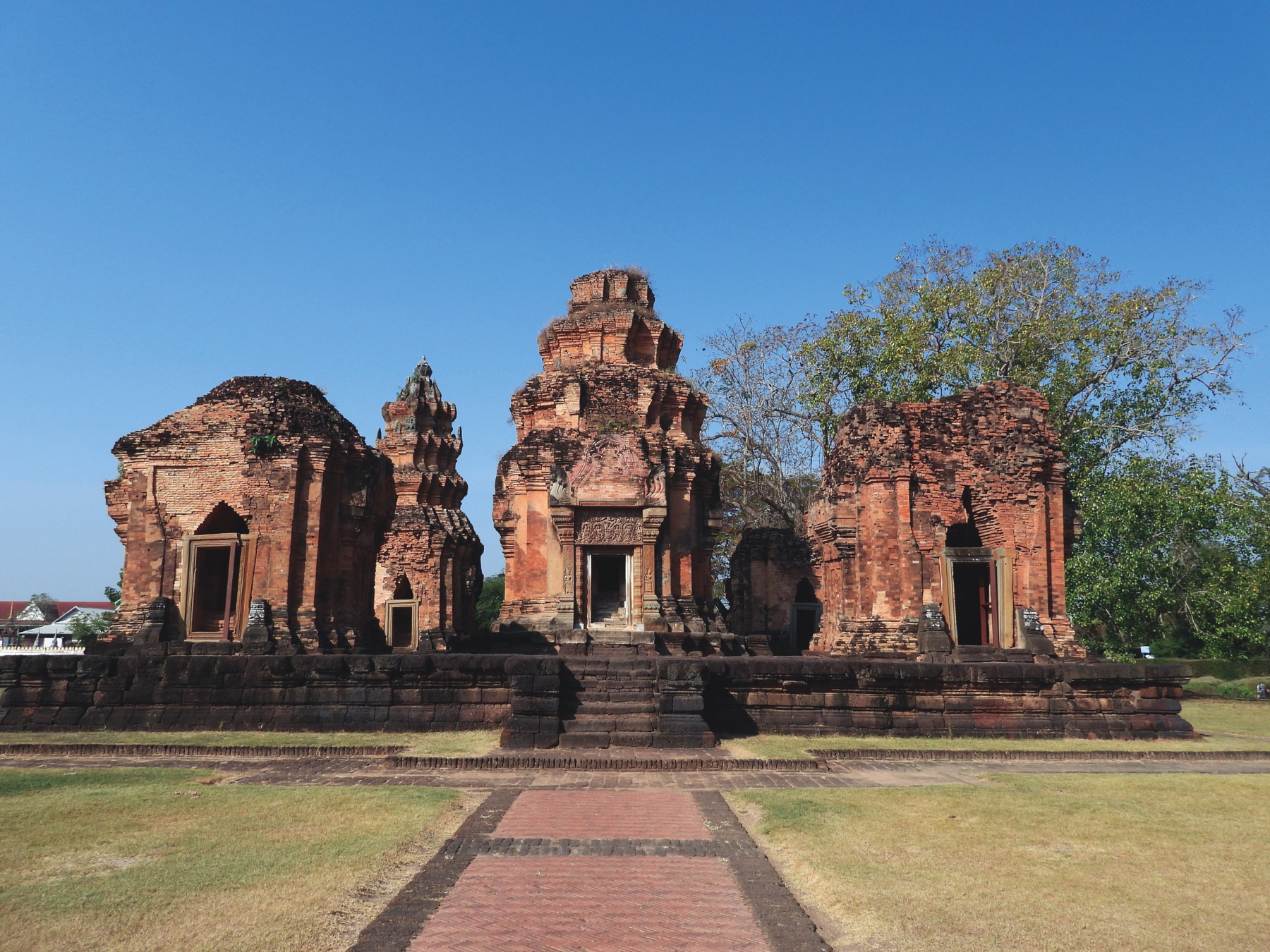
Our next destination was Sikornpoom Castle (Prasat Sikhoraphum – ปราสาท ศีขรภูมิ). Built in the ancient Khmer style of the Baphuon period, which continued into the Angkor Wat era of the 11-12th centuries, it originally served as a Hindu sanctuary dedicated to Lord Shiva. Around the 17-18th centuries, it was converted into a Theravada Buddhist temple. The structure remains one of the most impressive Khmer monuments in the region.
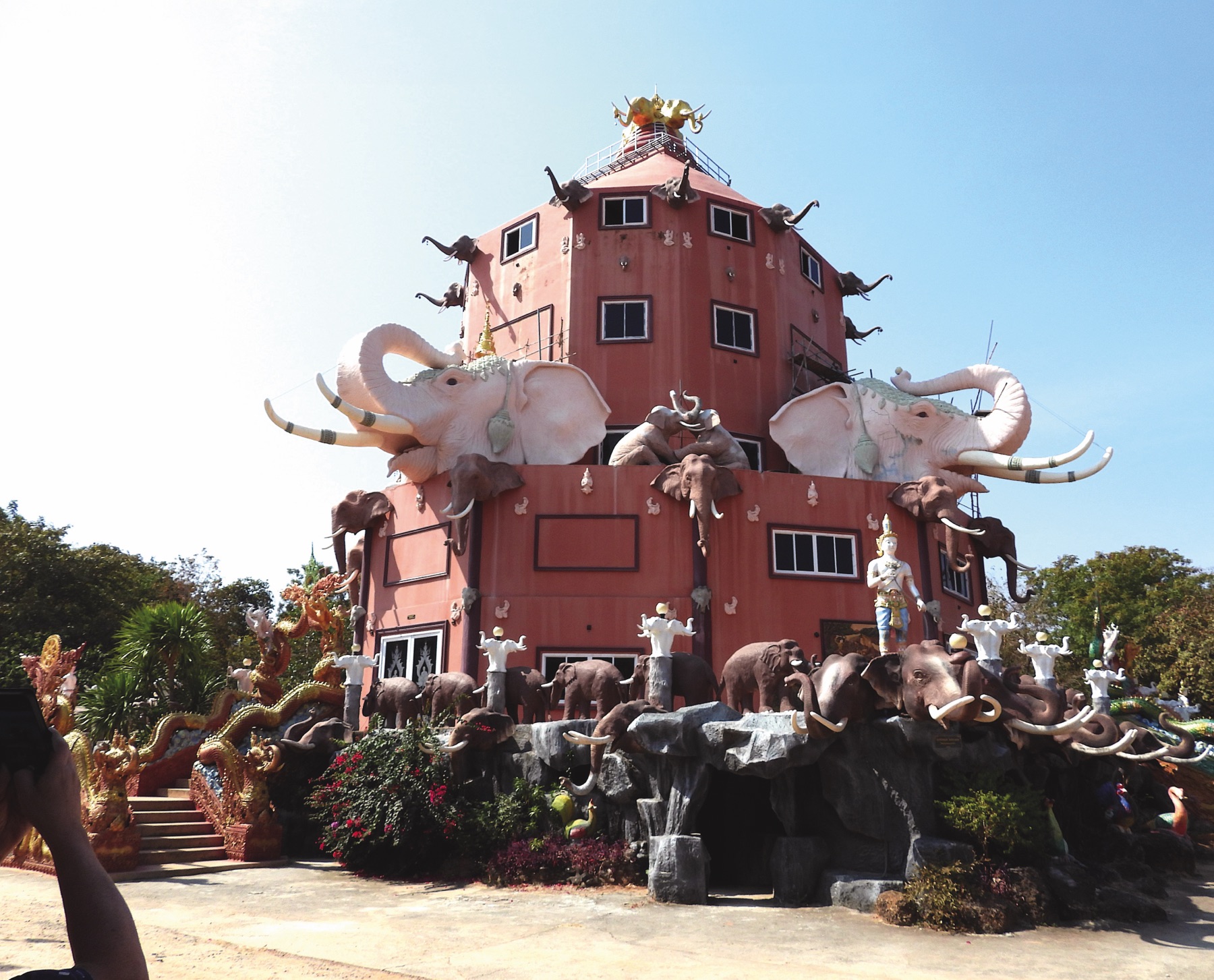
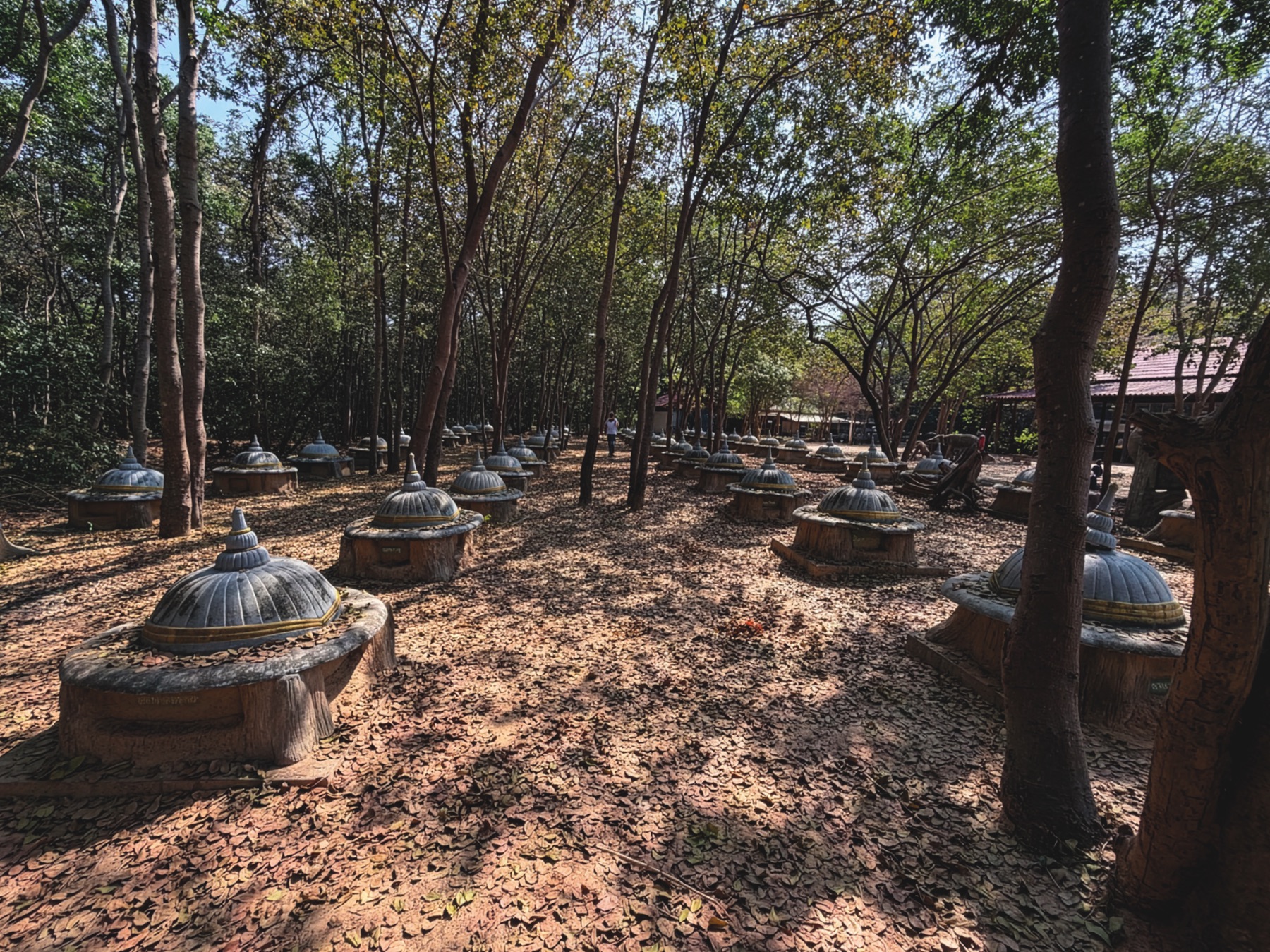
We then visited Wat Pa Achiang (วัดป่าอาเจียง), a unique temple with a powerful atmosphere. Here you can see the Elephant Graveyard, created after Dr. Prakrusamuh dreamt that an elephant he once cared for wished to “return home.” He then began building the cemetery, keeping detailed records of each elephant laid to rest there.
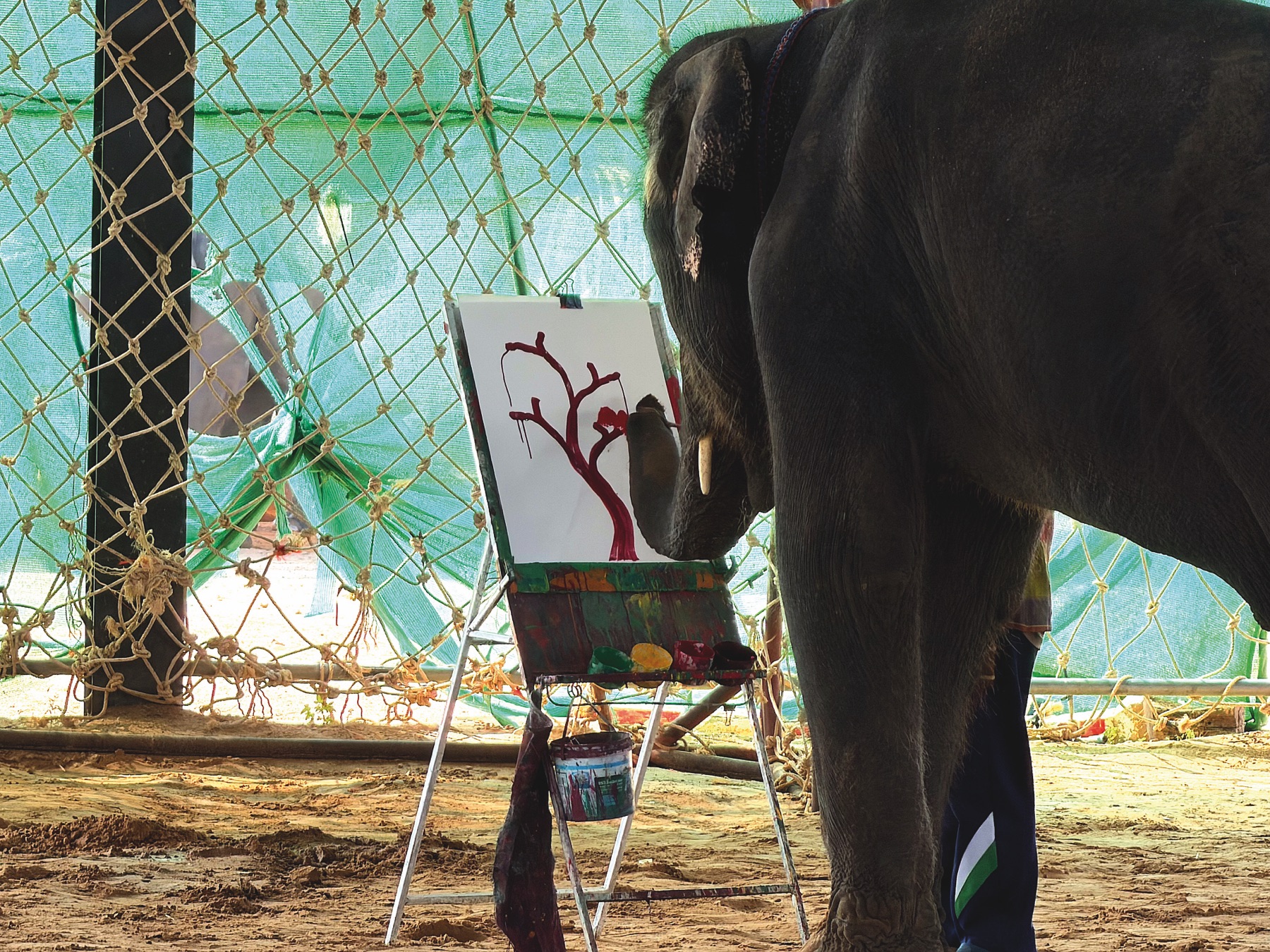
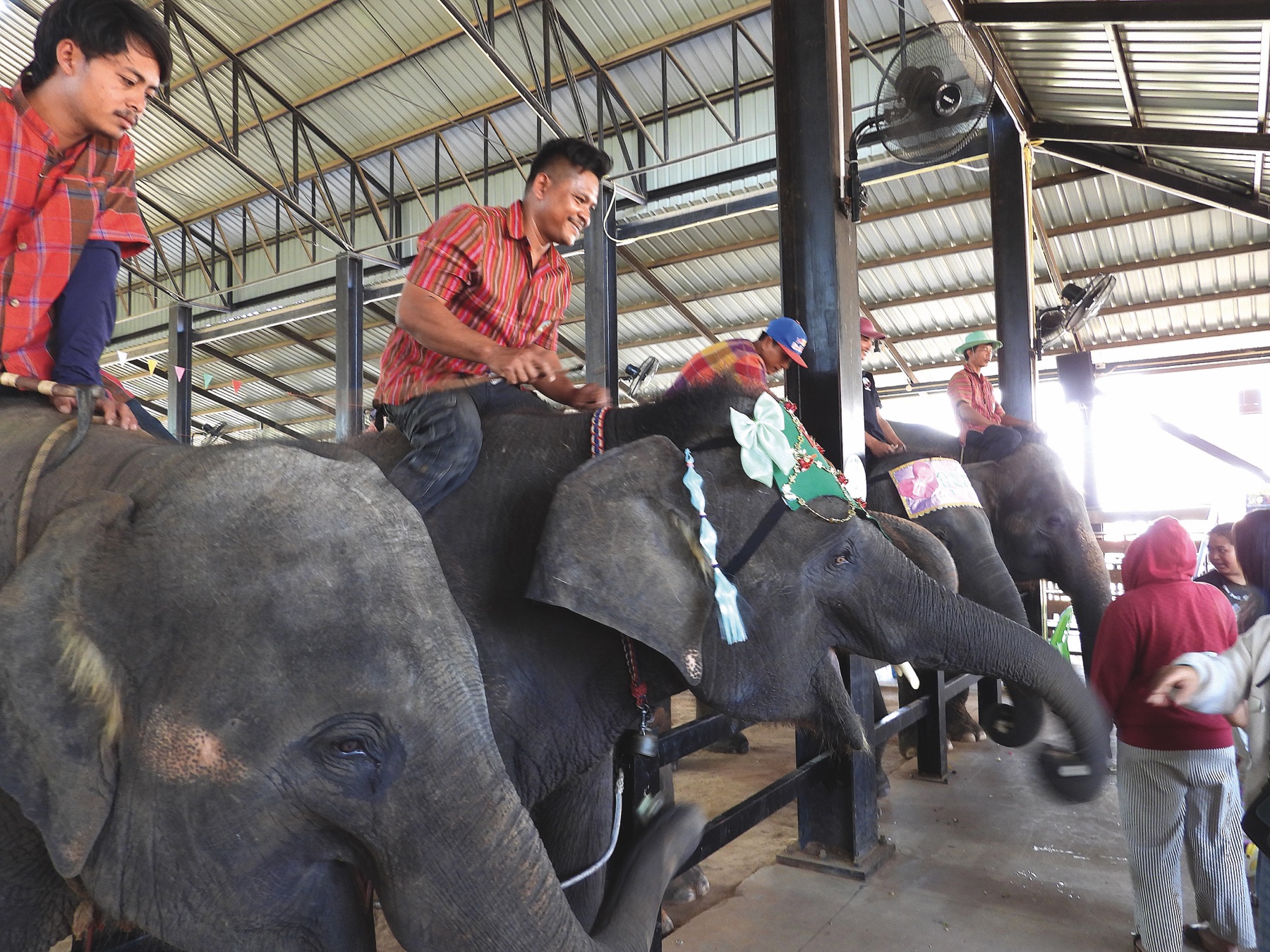
Our next stop was Elephant World, which hosts two daily shows at 10 a.m. and 2 p.m, with an entrance fee for tourists of 100 THB per person. This large complex, run by the Provincial Administration Organization of Surin Province, serves as a study centre where families can learn about the intelligence and abilities of elephants. The entertainment show is fun, and the elephants interact with the audience, receiving treats for their efforts (we’ve also included a video on our online magazine).
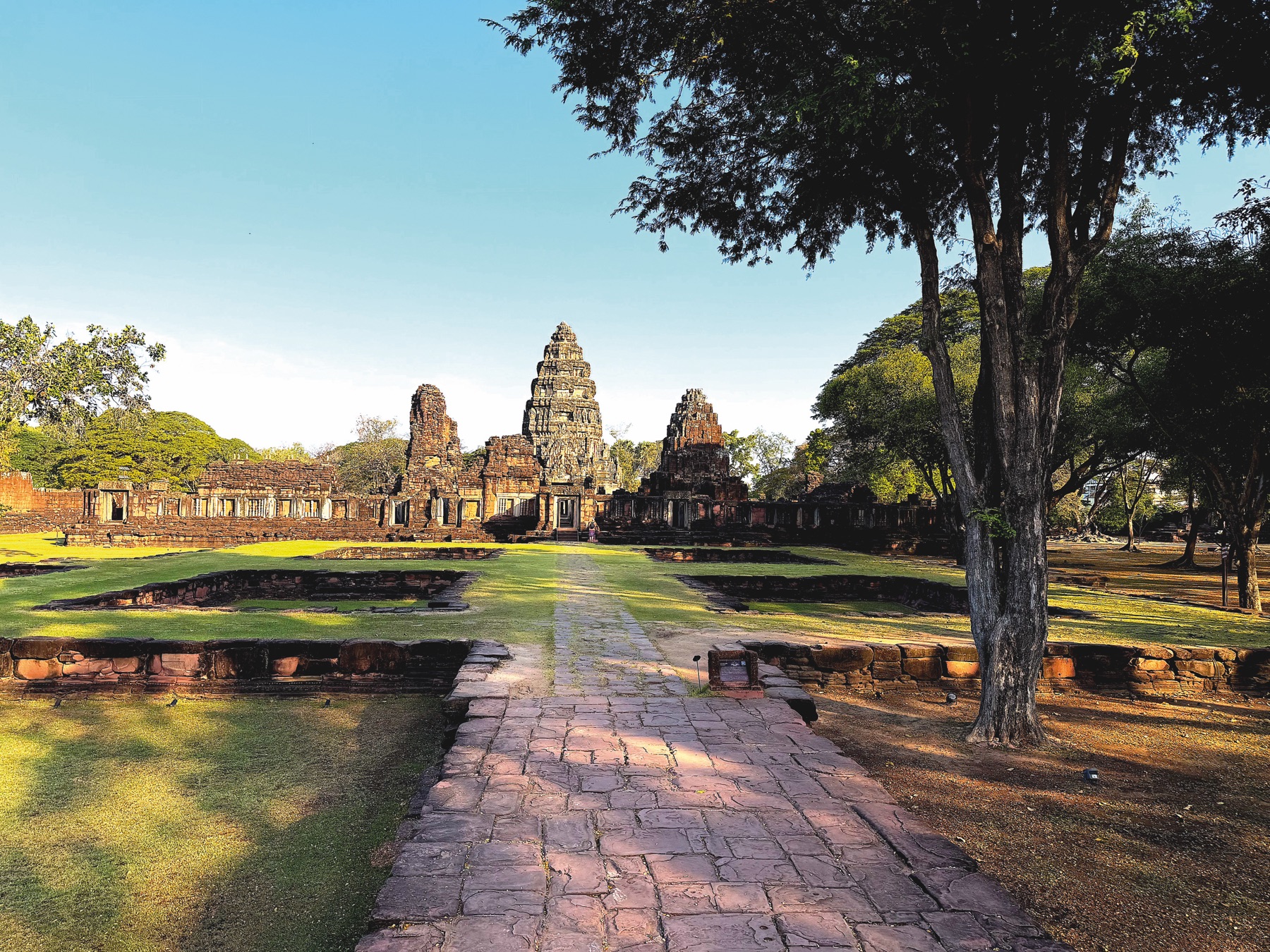
We spent the night in a small family run hotel in Phimai, so we could visit Phimai Historical Park (Prasat Hin Phimai – อุทยานประวัติศาสตร์พิมาย) early the next morning. It is the largest stone Khmer temple in Thailand and is considered a major centre, linking the Mun River basin to Angkor in Cambodia and to other states in the Chao Phraya River basin. The Fine Arts Department, in cooperation with the French government, restored this site between 1964 and 1968. The temple, reminiscent of Angkor Wat, is a Mahayana Buddhist structure built around the middle of the 16th century.
Returning to Bangkok
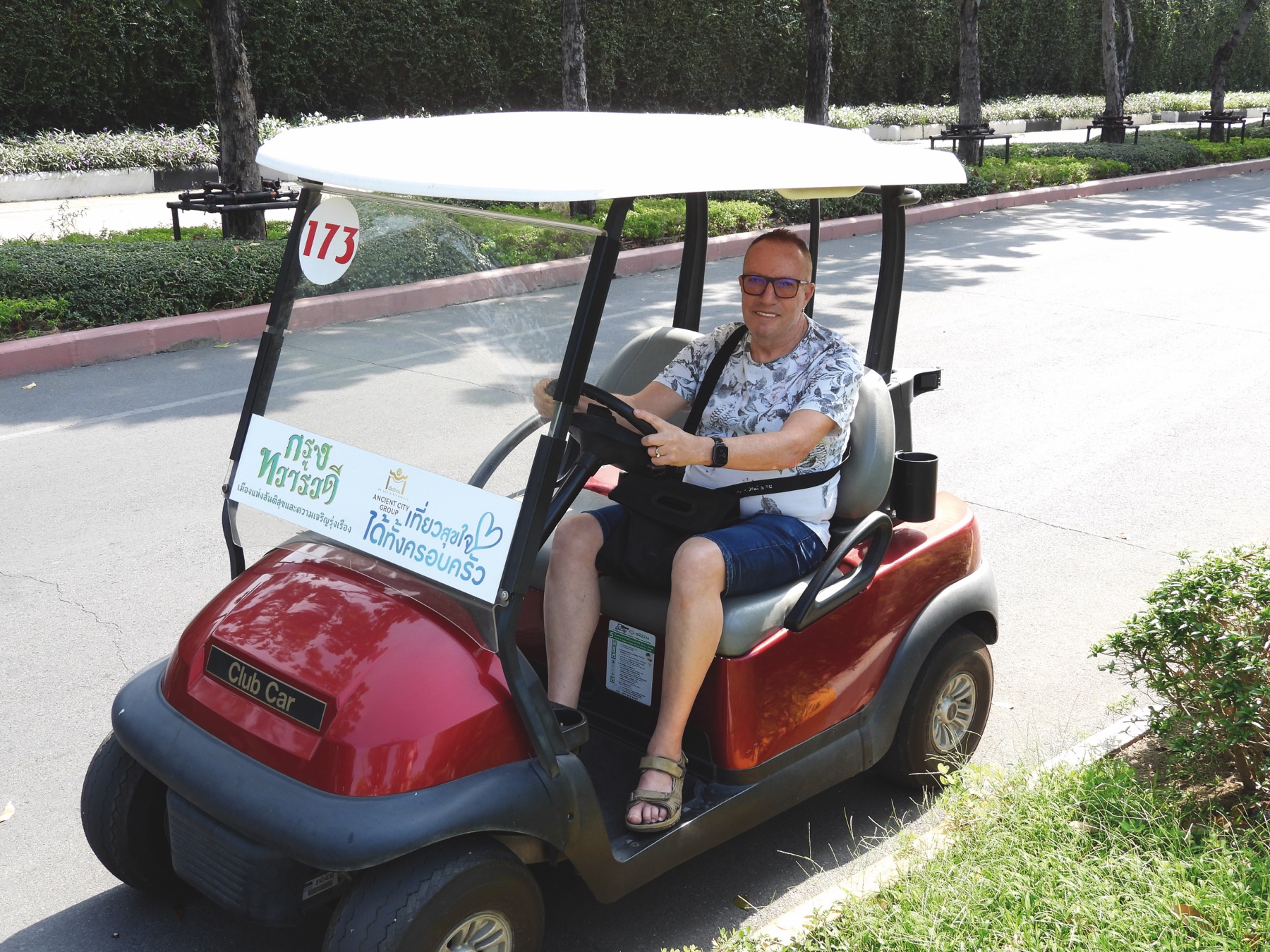
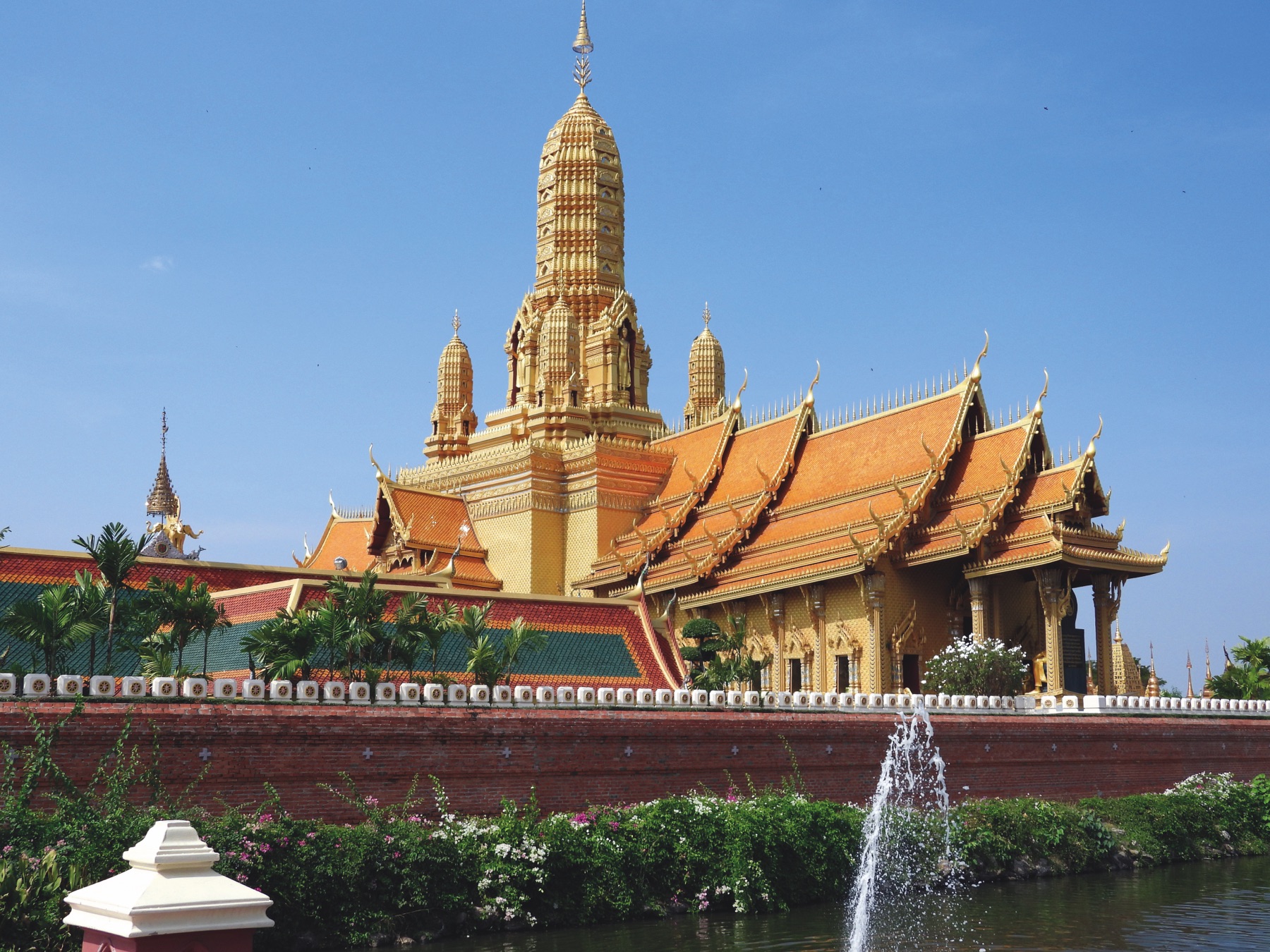
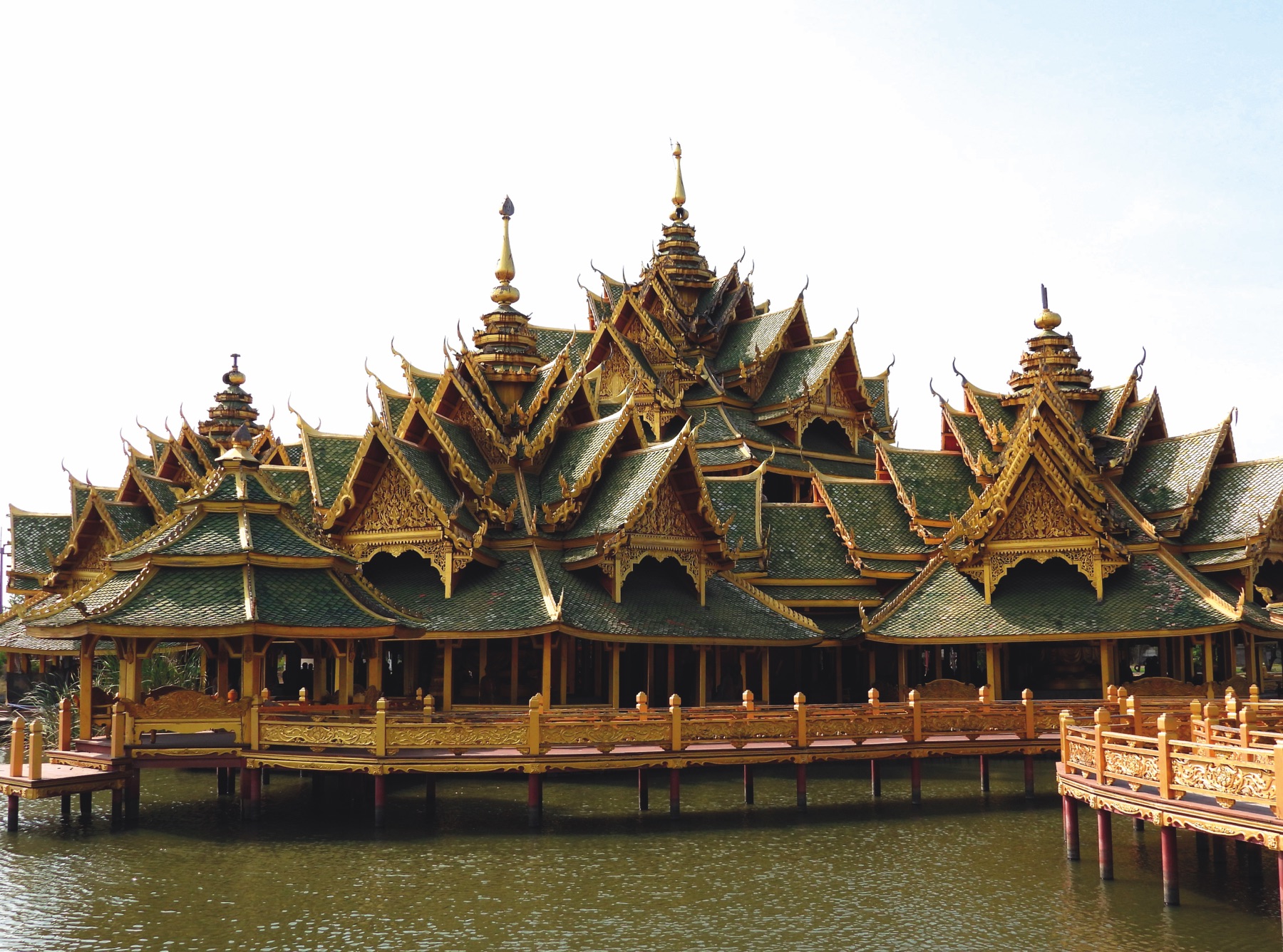
On our way back to Bangkok, we visited Ancient City, (เมื องโบราณ), one of the largest open air museums in the world. Here you can see significant Thai landmarks – castles, palaces, temples, and sculptures. Some are replicas, while others are original structures relocated from their original sites. The exhibitions are arranged by region, allowing visitors to appreciate the diversity of Thai culture. The experience feels like travelling across the entire country in a single day. We rented a golf car to explore the grounds, which is ideal for families.
Book your tickets in advance for a better price, and take your time in order to enjoy everything (www.muangboranmuseum.com/en).
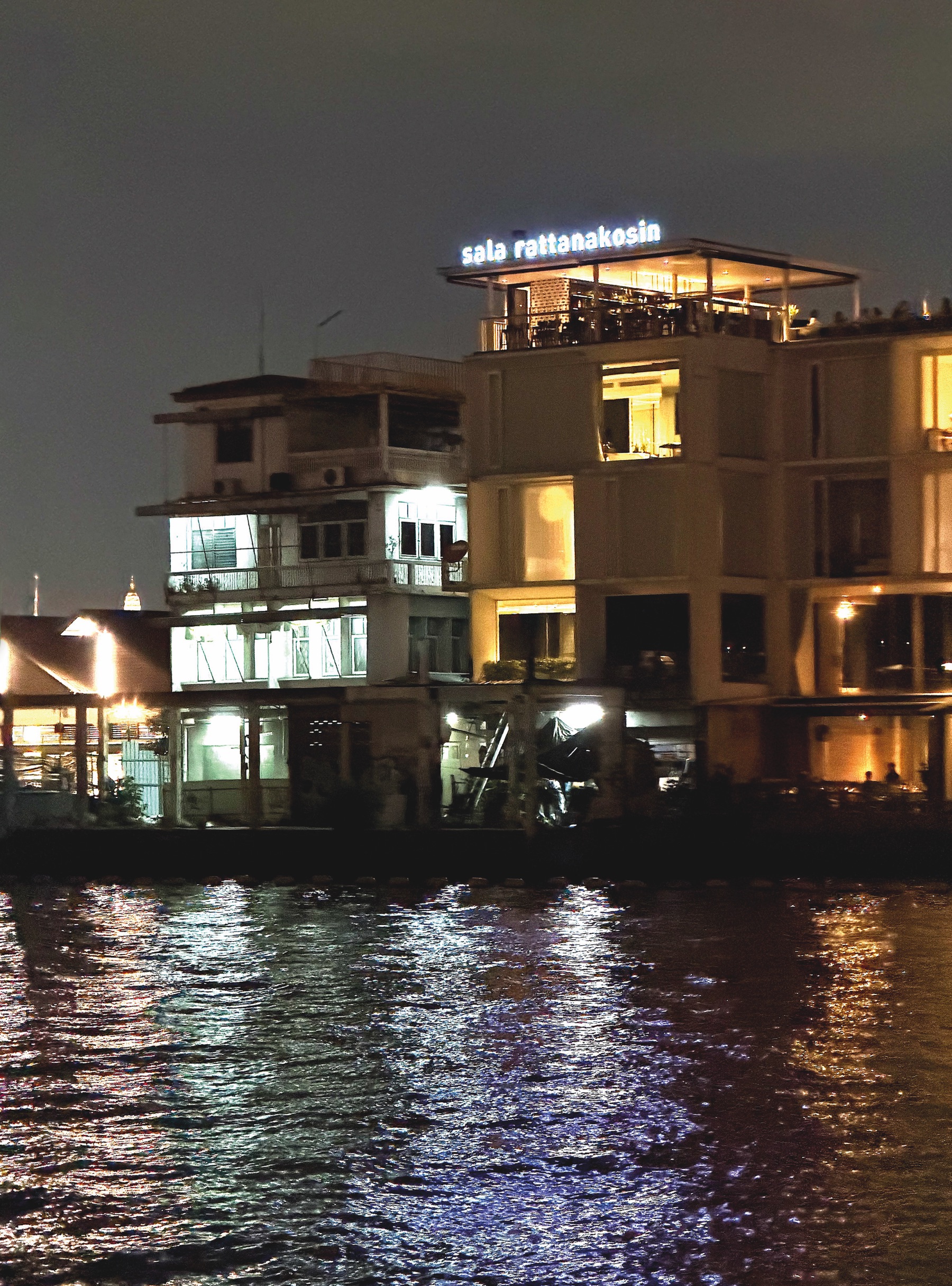
Bangkok welcomed us with its usual heavy traffic, made even more challenging by the construction of new bridges for the SkyTrain. I truly hope for a smoother future. Eventually, we arrived at our hotel – Sala Rattanakosin Hotel. Unfortunately, it was disappointing. It’s a small four storey hotel without an elevator. They describe it as an “excellent hotel with amazing views of Wat Arun, especially at night and for breakfast.” The location is indeed excellent, but you should book it only if you get the Wat Po Deluxe Room – we didn’t, and our view was of the backyard. To enjoy the famous panorama, we climbed to the rooftop restaurant. The view of Wat Arun Ratchawararam Ratchawaramahawihan (วัดอรุณราชวรารามราชวรมหาวิหาร) was spectacular, and nothing beats relaxing with a cold Singha beer and such a view. We received an unpleasant surprise, however, with our bill: almost 700 THB for two small beers.
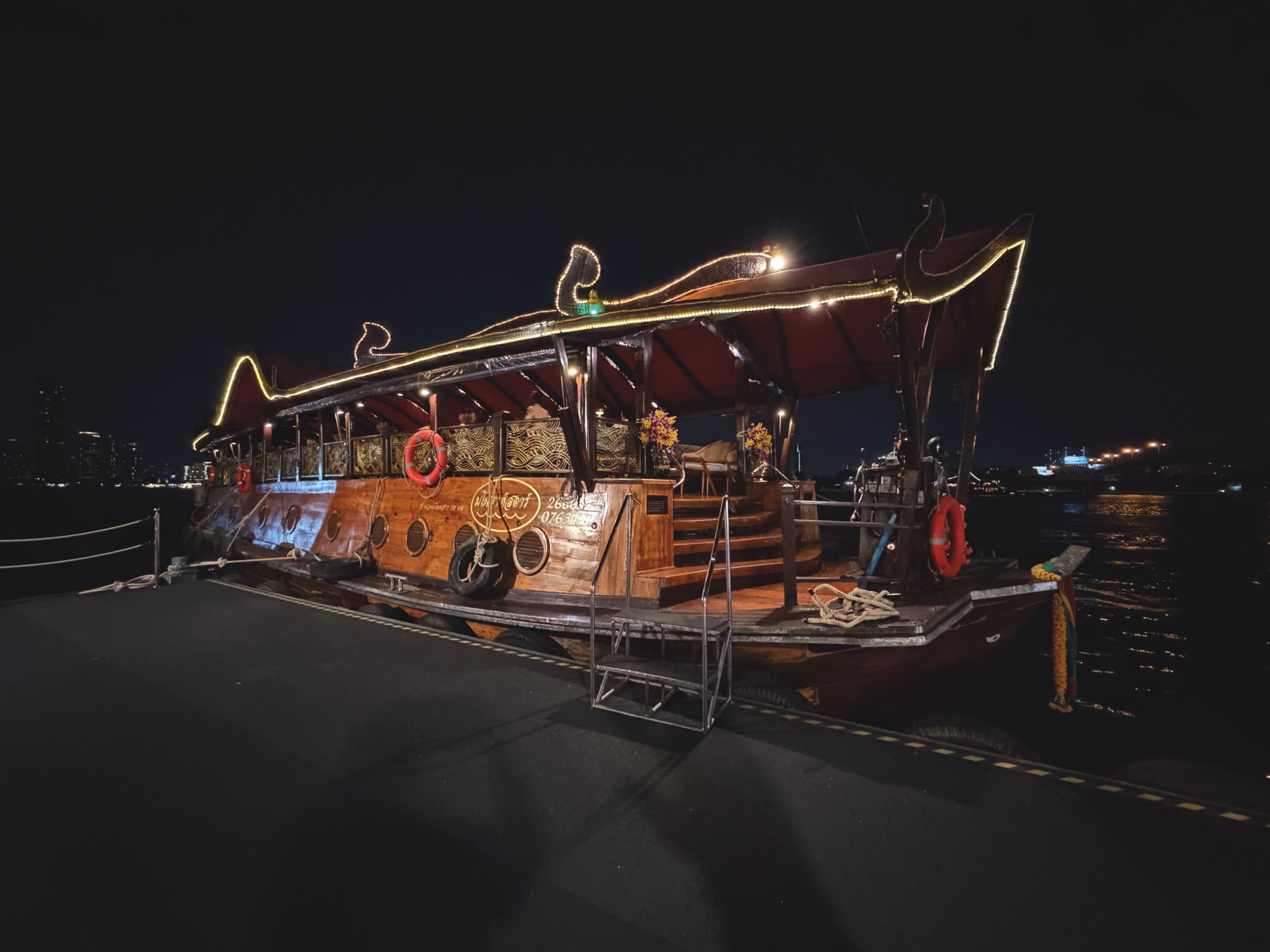
We quickly left the hotel and took a Bolt taxi to our night cruise on the Chao Phraya River. After so many visits to Bangkok, we finally decided to try this experience and see the city lights from the water. There are many options, from small boats to large vessels – we chose the Manohra Dinner Cruise. Boarding took place at the Anantara Riverside Bangkok Resort, a luxury hotel on the river. We arrived a few minutes before departure and were welcomed by friendly staff with a welcome drink, in a beautiful riverside setting.
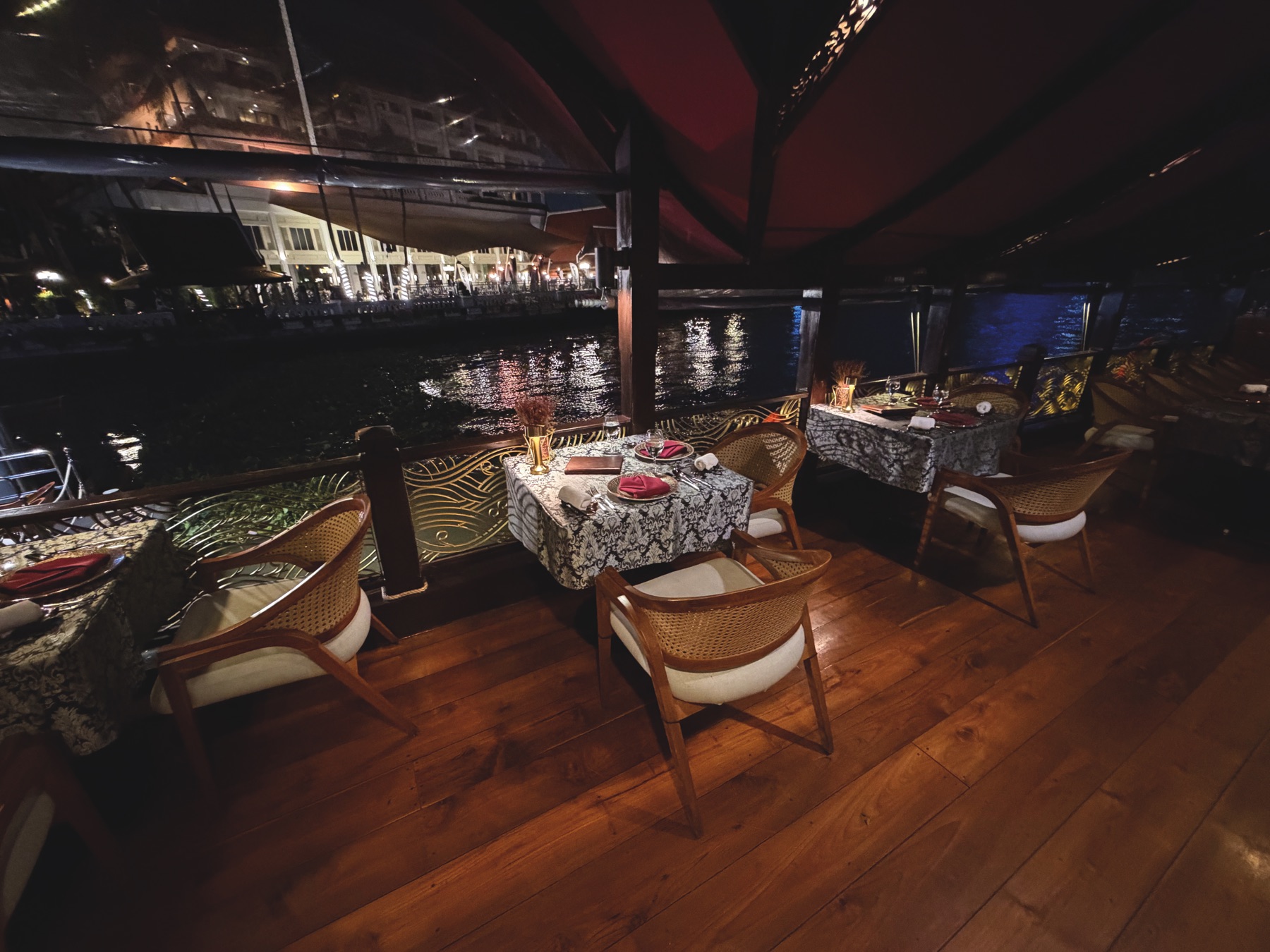
The boat was medium sized, with about fifteen tables. Each couple or group had their own private table, beautifully set in the manner of a fine dining restaurant. The boat moved slowly; even though it was a bit windy, we hardly felt it. Bangkok is a beautiful city, and during the cruise we could admire all the illuminated monuments along the river.
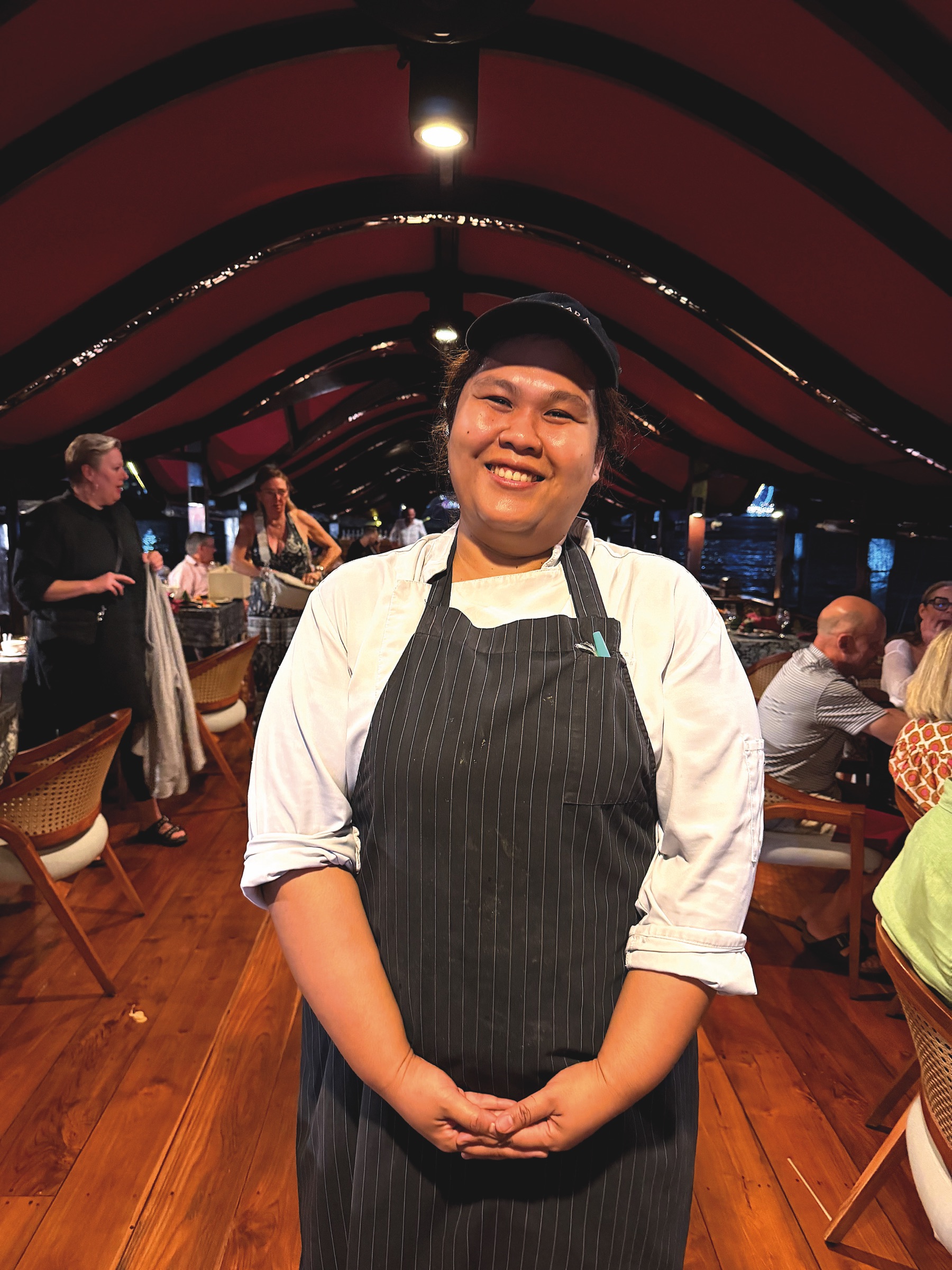
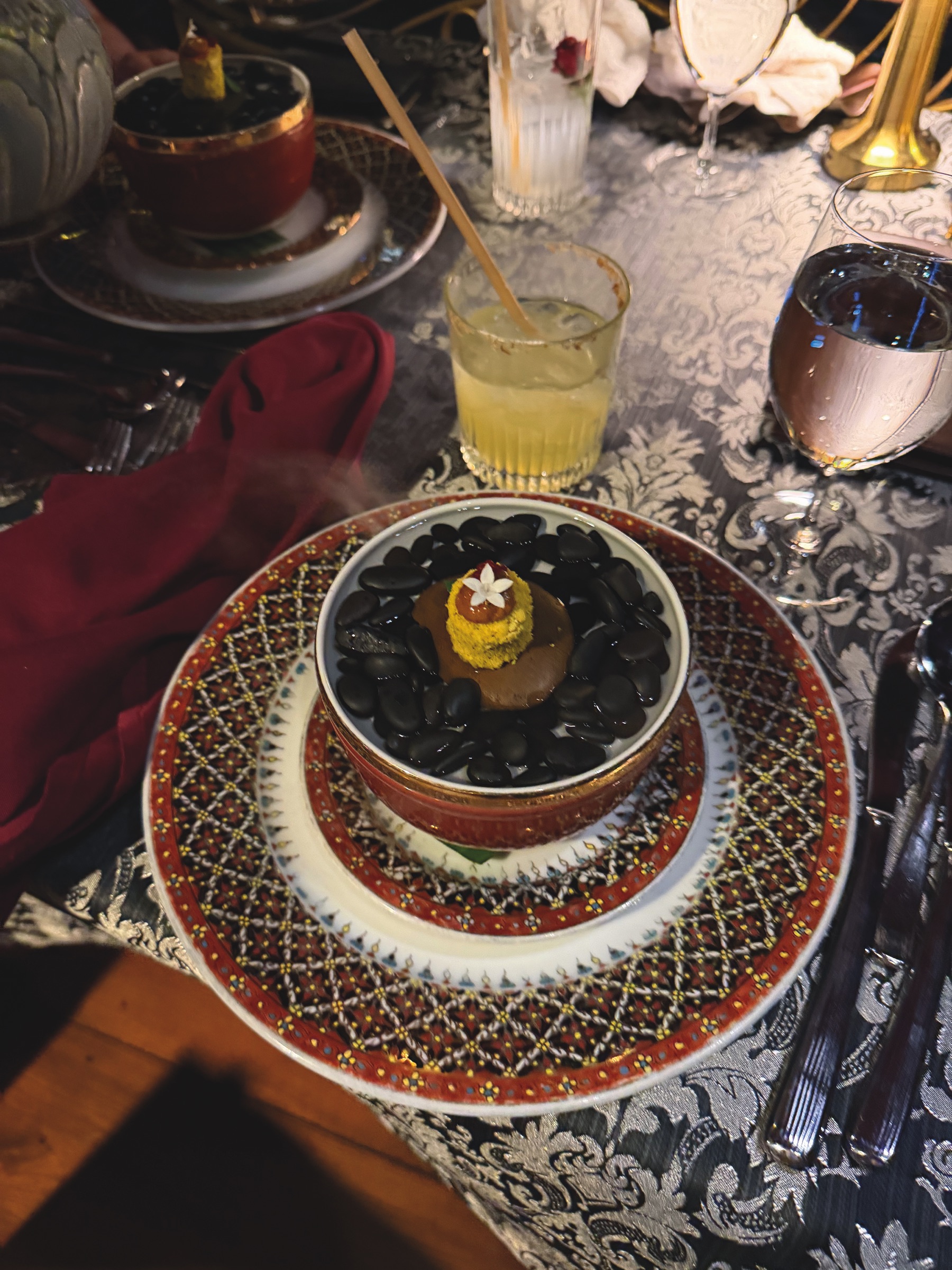
The service was professional and friendly, and the food was worthy of a Michelin restaurant. I was curious to meet the chef behind such excellent dishes. Near the end of the cruise, I asked if I could meet her on the deck. What a surprise it was when a young woman came to greet us – and all the guests applauded her.
After more than two very pleasant and delicious hours, the experience came to an end. If you want to enjoy a cruise in Bangkok, I can highly recommend the Manohra Dinner Cruise (www.manohracruises.com).
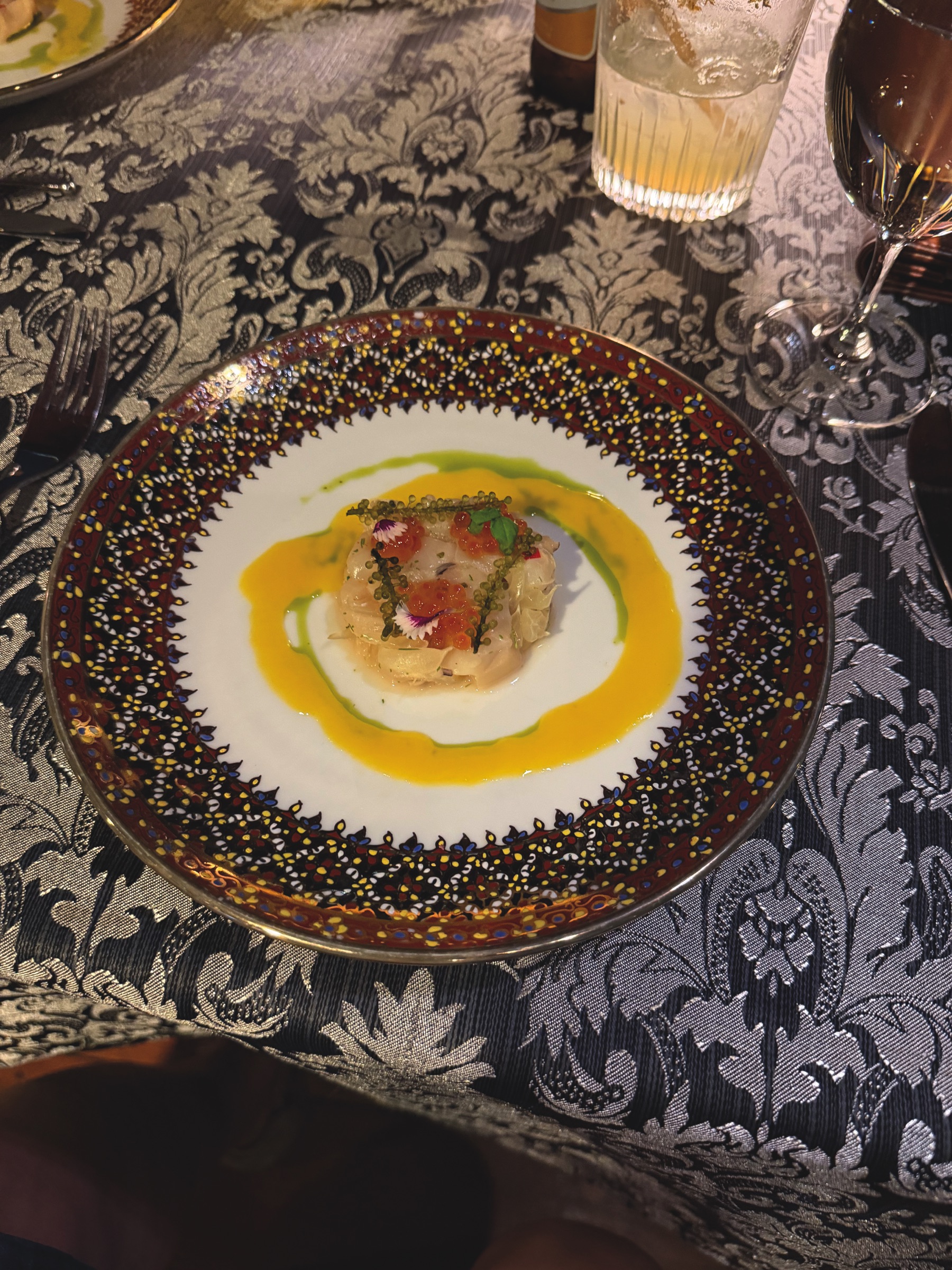
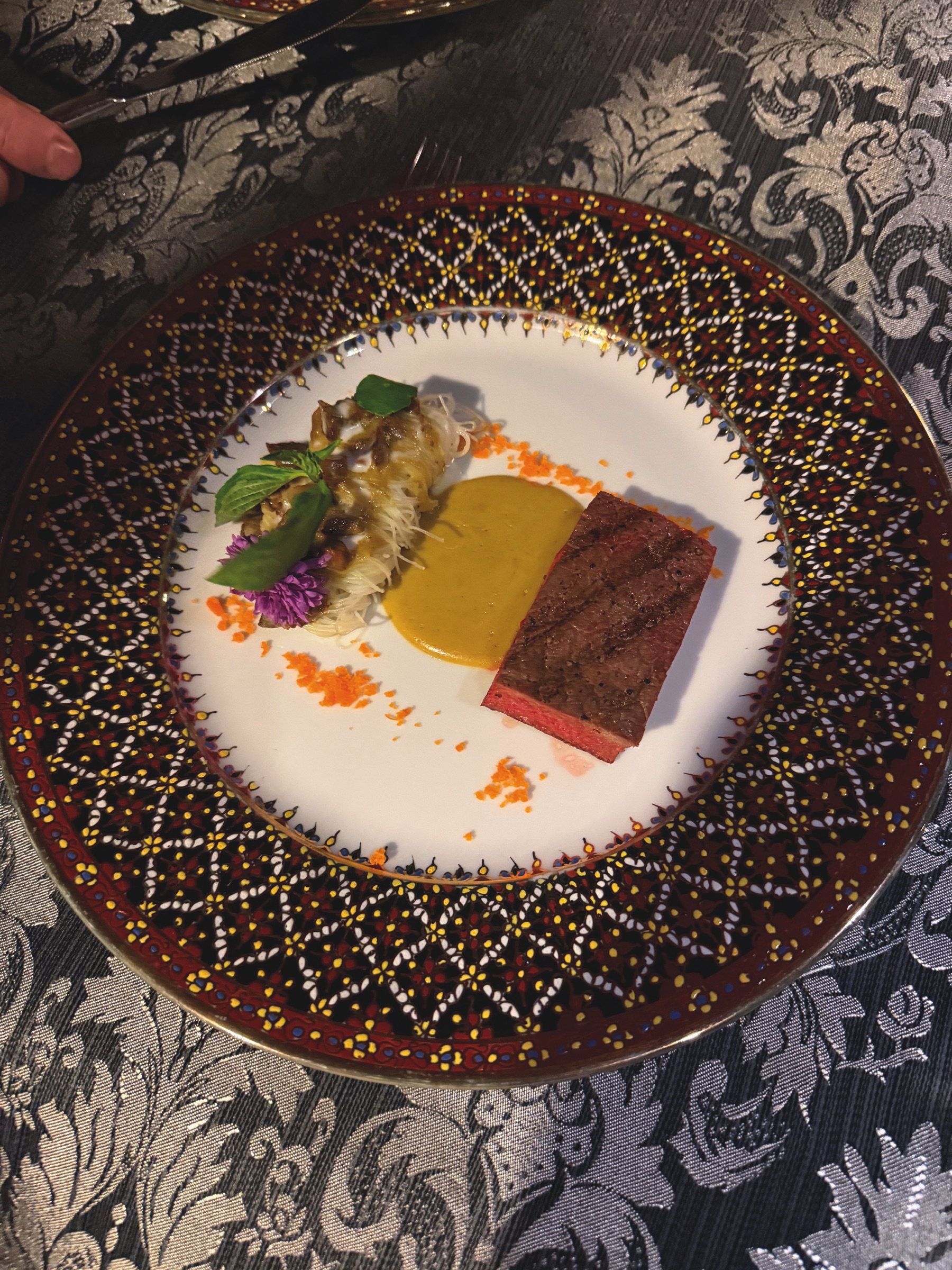
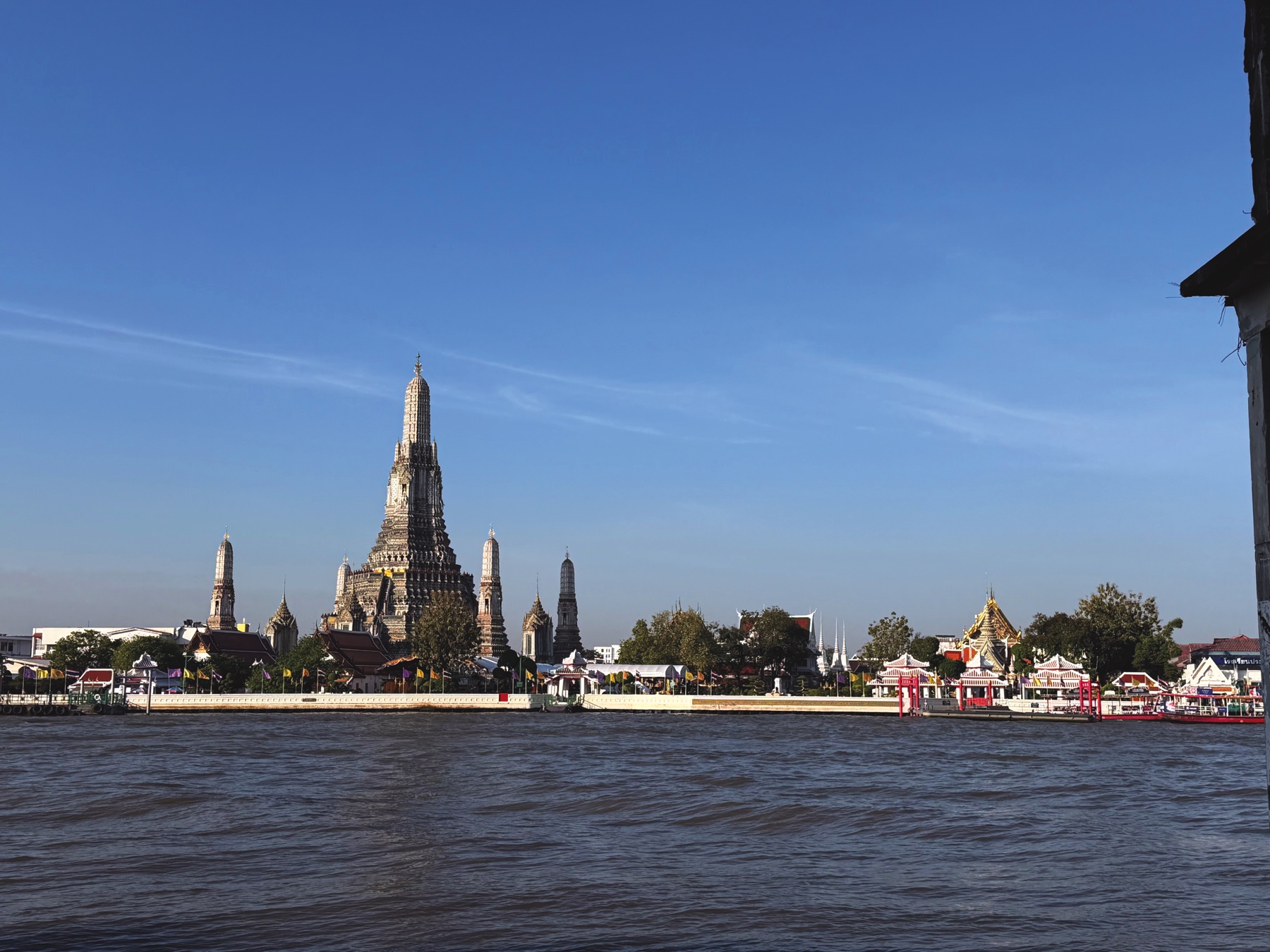
The next morning, at Sala Rattanakosin, breakfast was served on the terrace with a wonderful view, very good food, and a friendly service – the perfect start to a busy day in Bangkok.
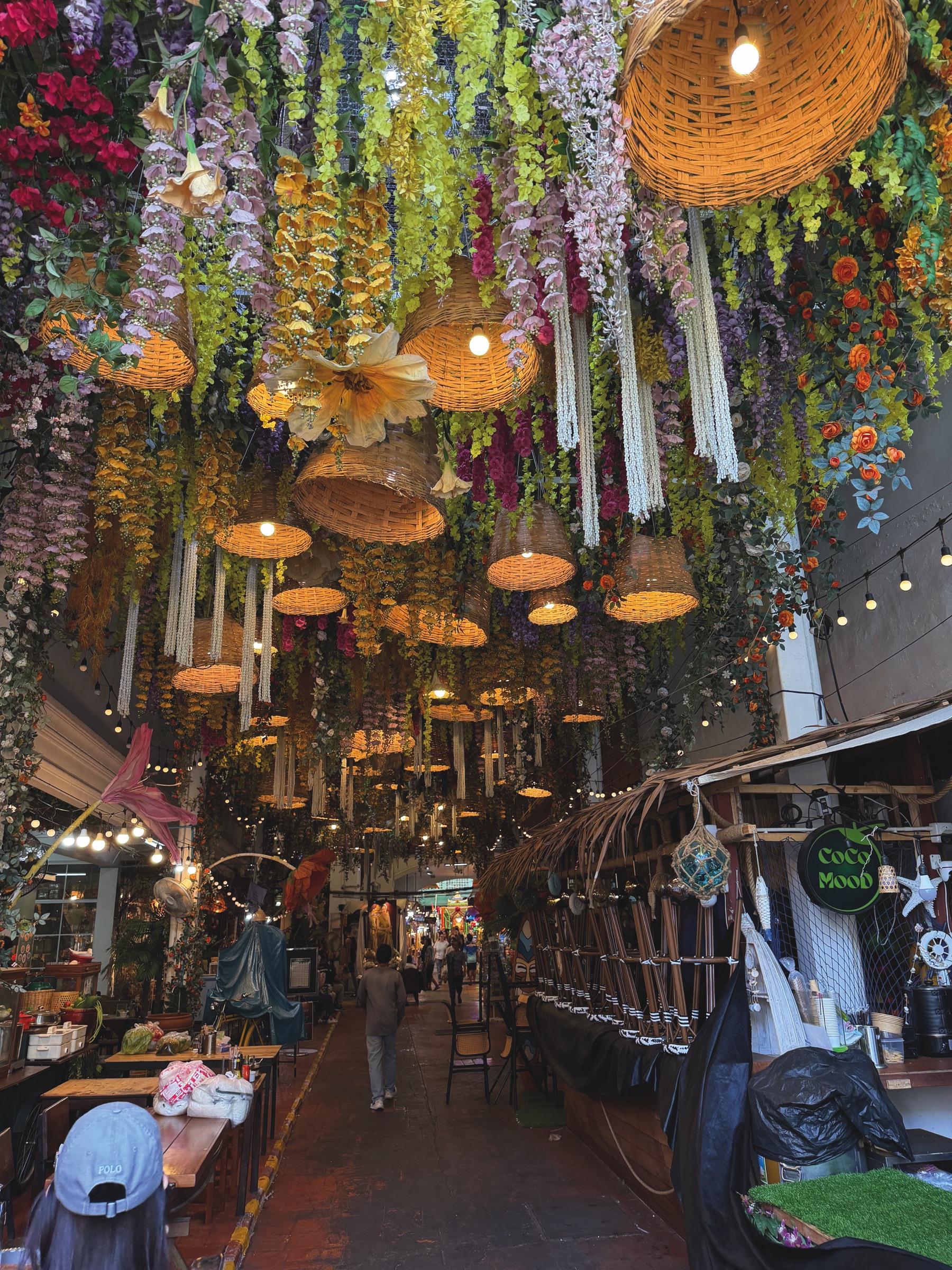
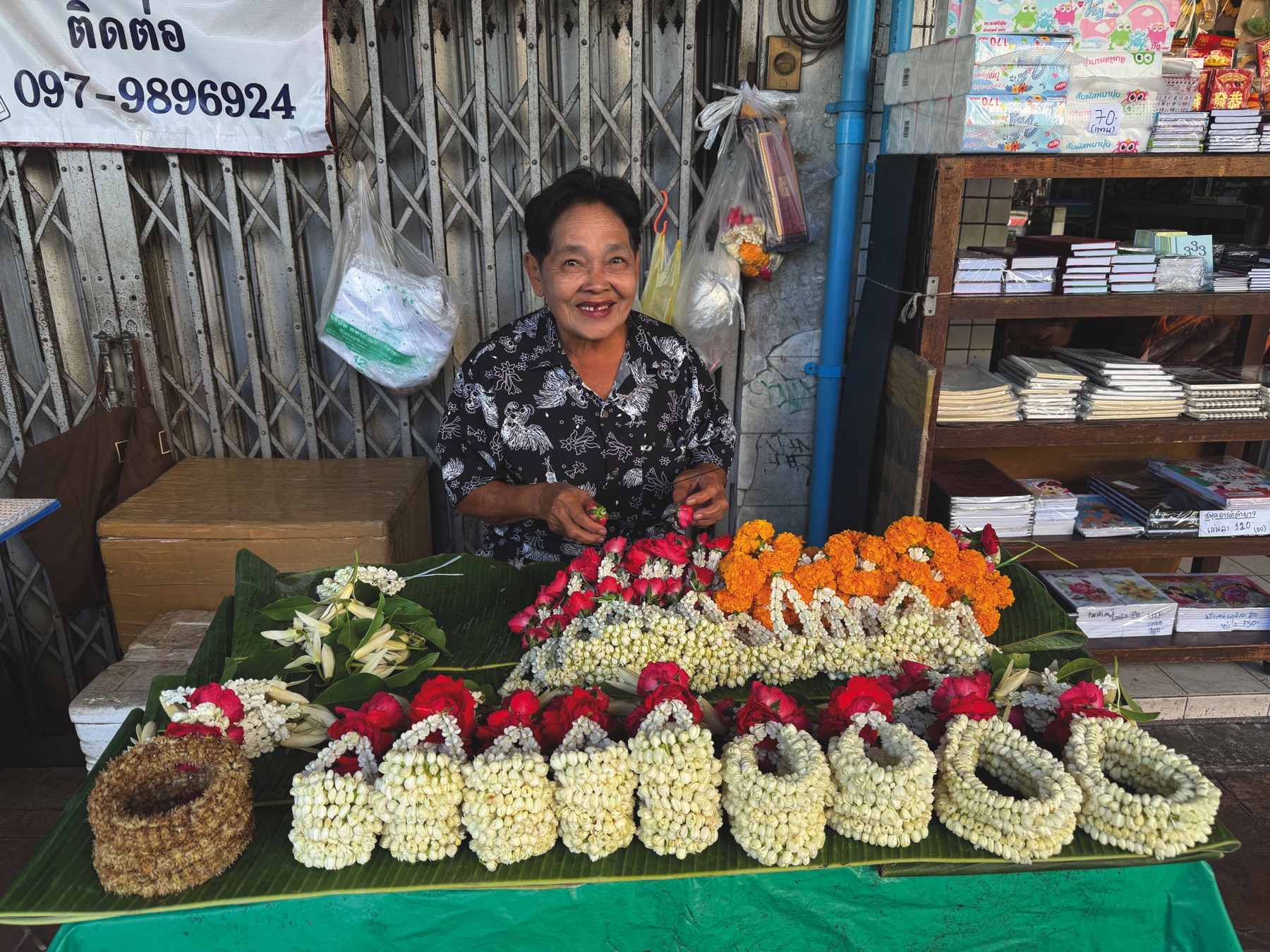
It’s not our first time here; we can almost call Bangkok our temporary home. Walking is the best way to explore the city, so we started with the Flower Market, the Thai Agriculture Market, and several temples.
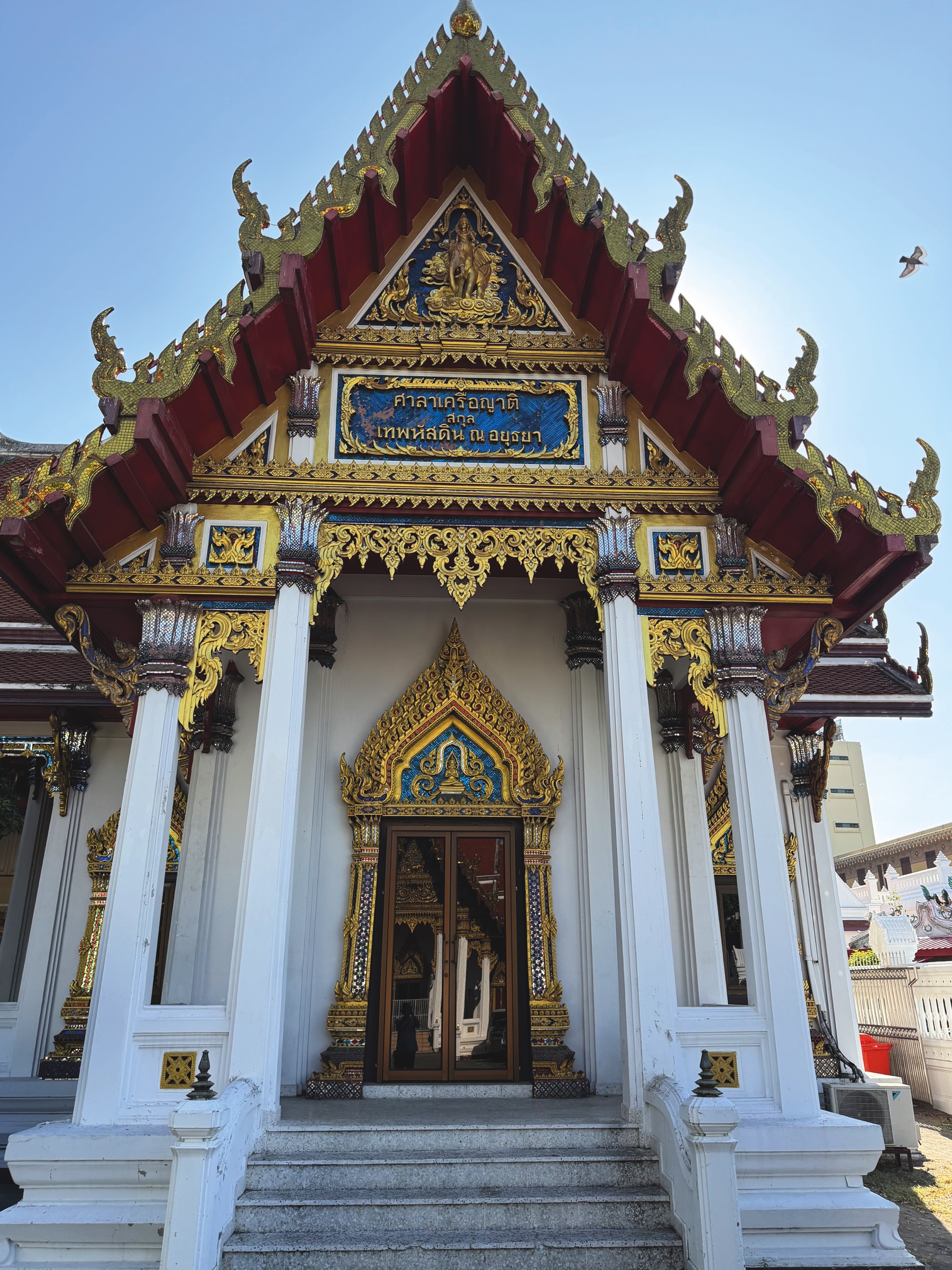
Wat Ratchaburana (วัดราชบูรณะ) – located at the foot of the Rama I Memorial Bridge, also known as Wat Liap, and one of the three principal temples of the capital (together with Wat Ratchapradit วั ดราชประดิ ษฐ์ and Wat Mahathat วั ดมหาธาตุ ), it has been regularly restored from the reign of King Rama I through King Rama VII.
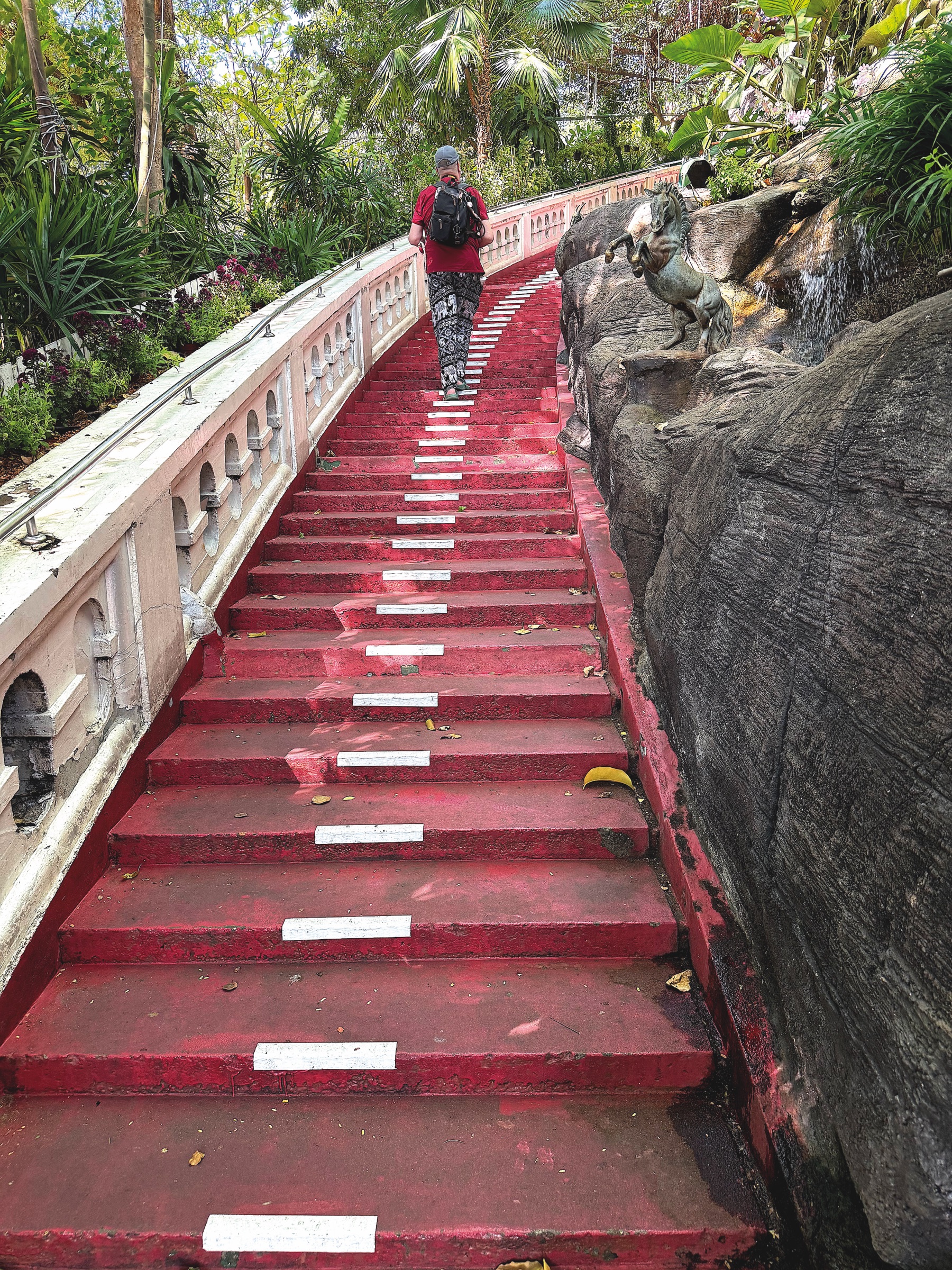
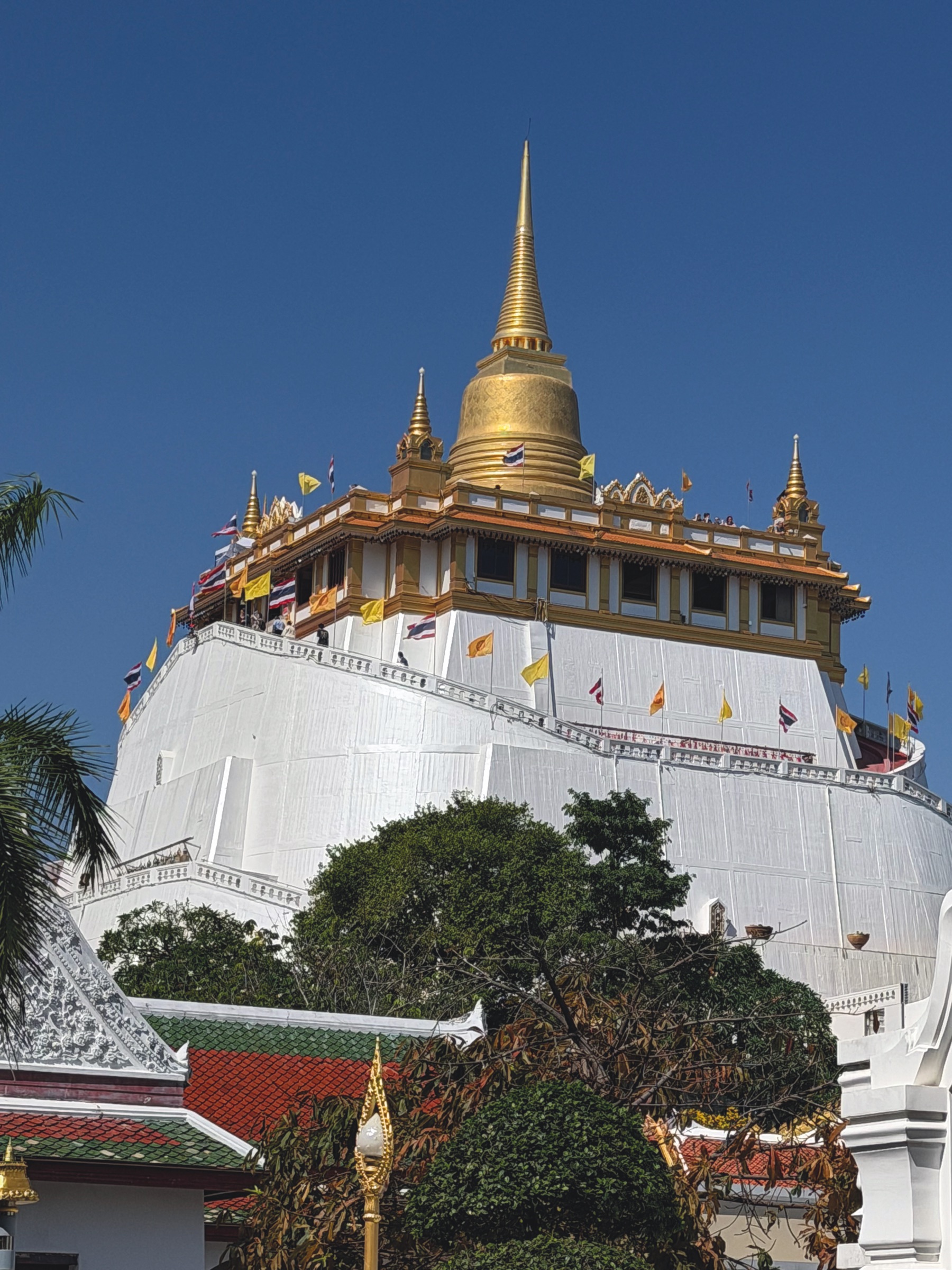
Wat Saket and the Golden Mount (วัดสระเกศและภูเขาทอง) – located on the only hill in Bangkok, this temple is of great significance for followers of the Lord Buddha. A climb of 344 steps takes you to the top, offering panoramic views of Rattanakosin Island.
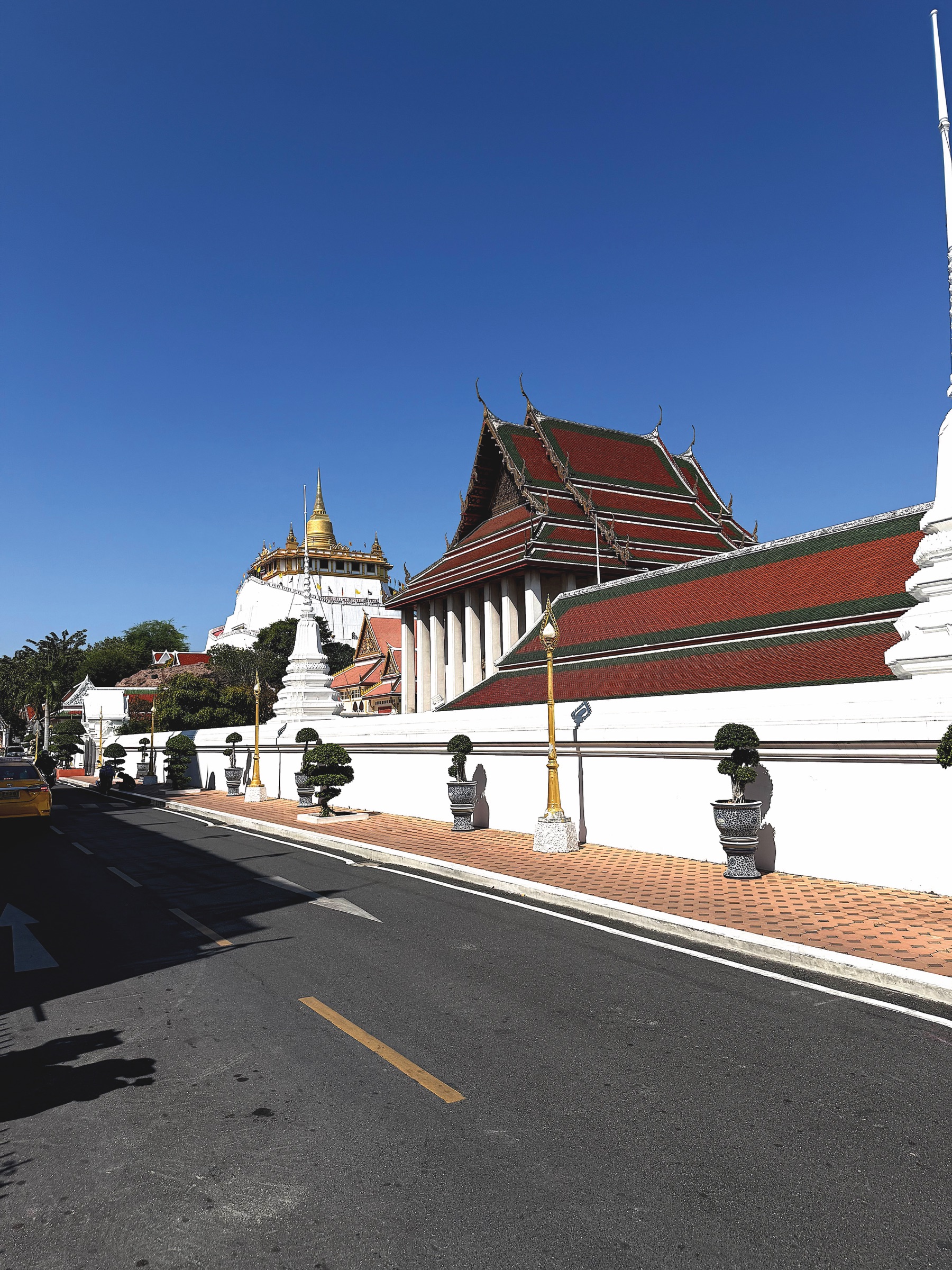
Wat Thepthidaram (วัดเทพธิดาราม) – built during the reign of King Rama III, it features a mixture of Chinese architectural styles. Sunthon Phu, one of Thailand’s greatest poets, lived here during his monkhood from 1840 to 1842.
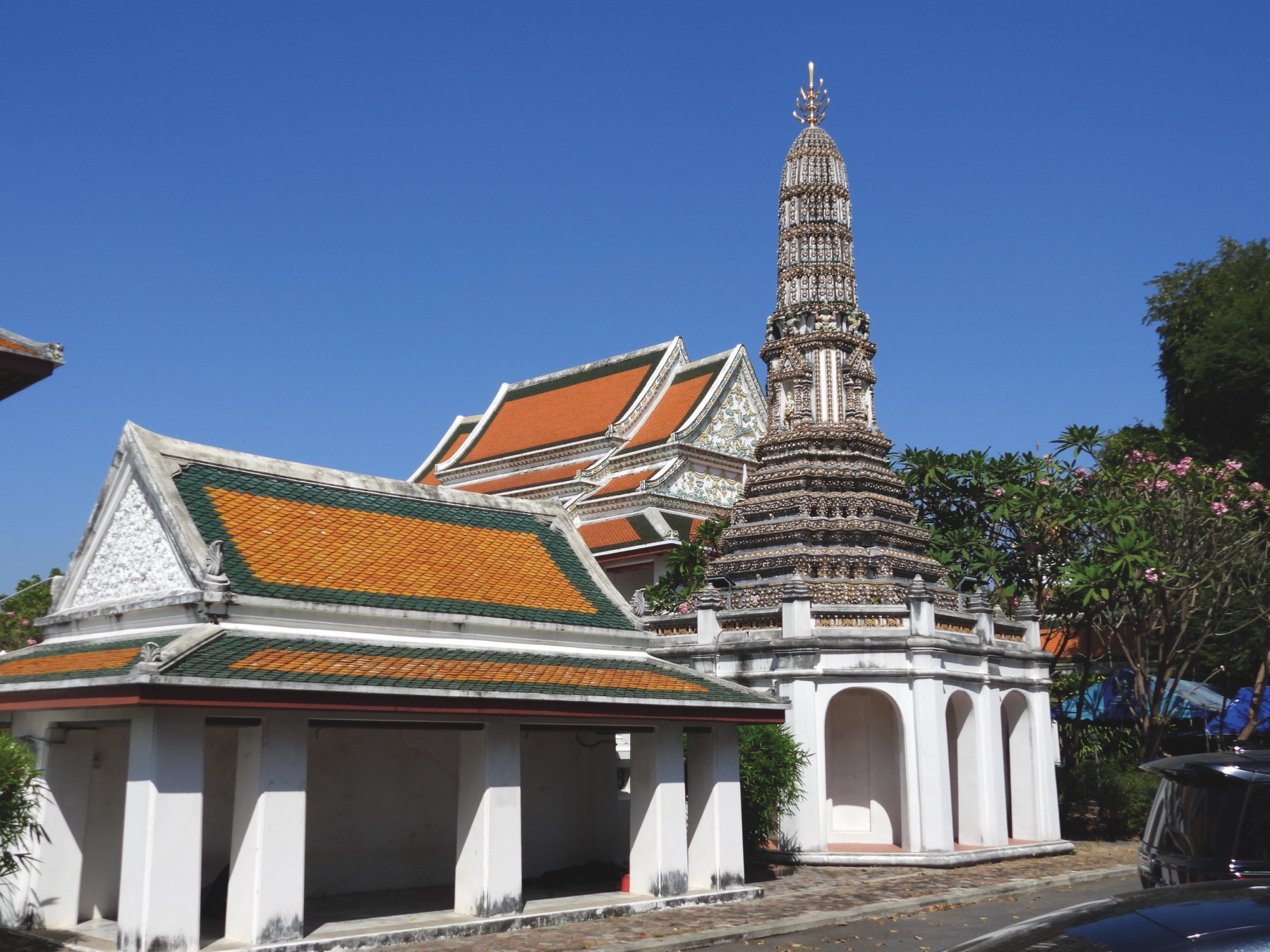
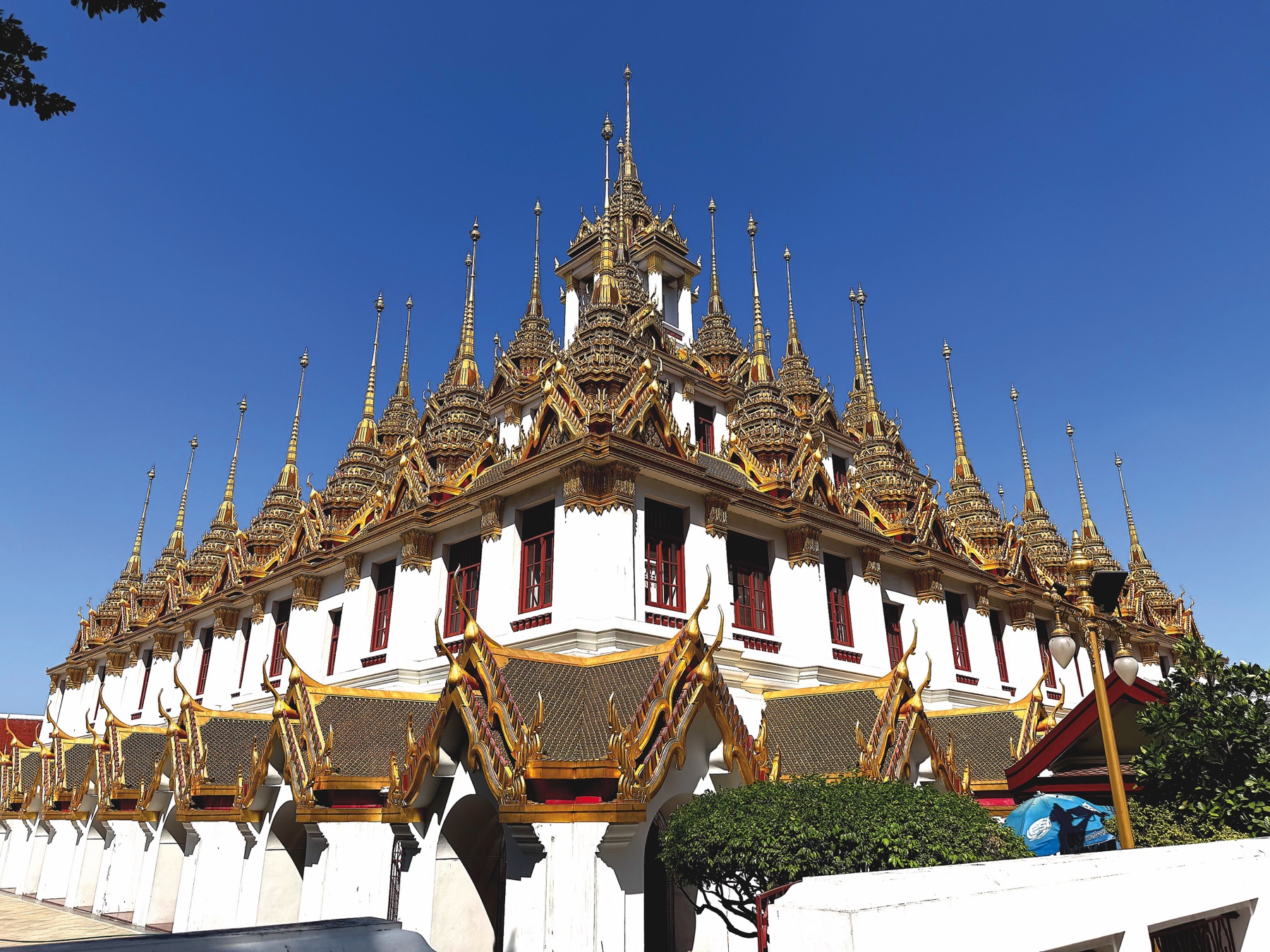
Wat Ratchanatdaram Worawihan (Loha Prasat) วัดเทพธิดาราม – built toward the end of the reign of King Rama III (1846) to honour his royal granddaughter, known as Queen Sommanat Wattanawadi, who later became the first consort of King Rama IV the Great.
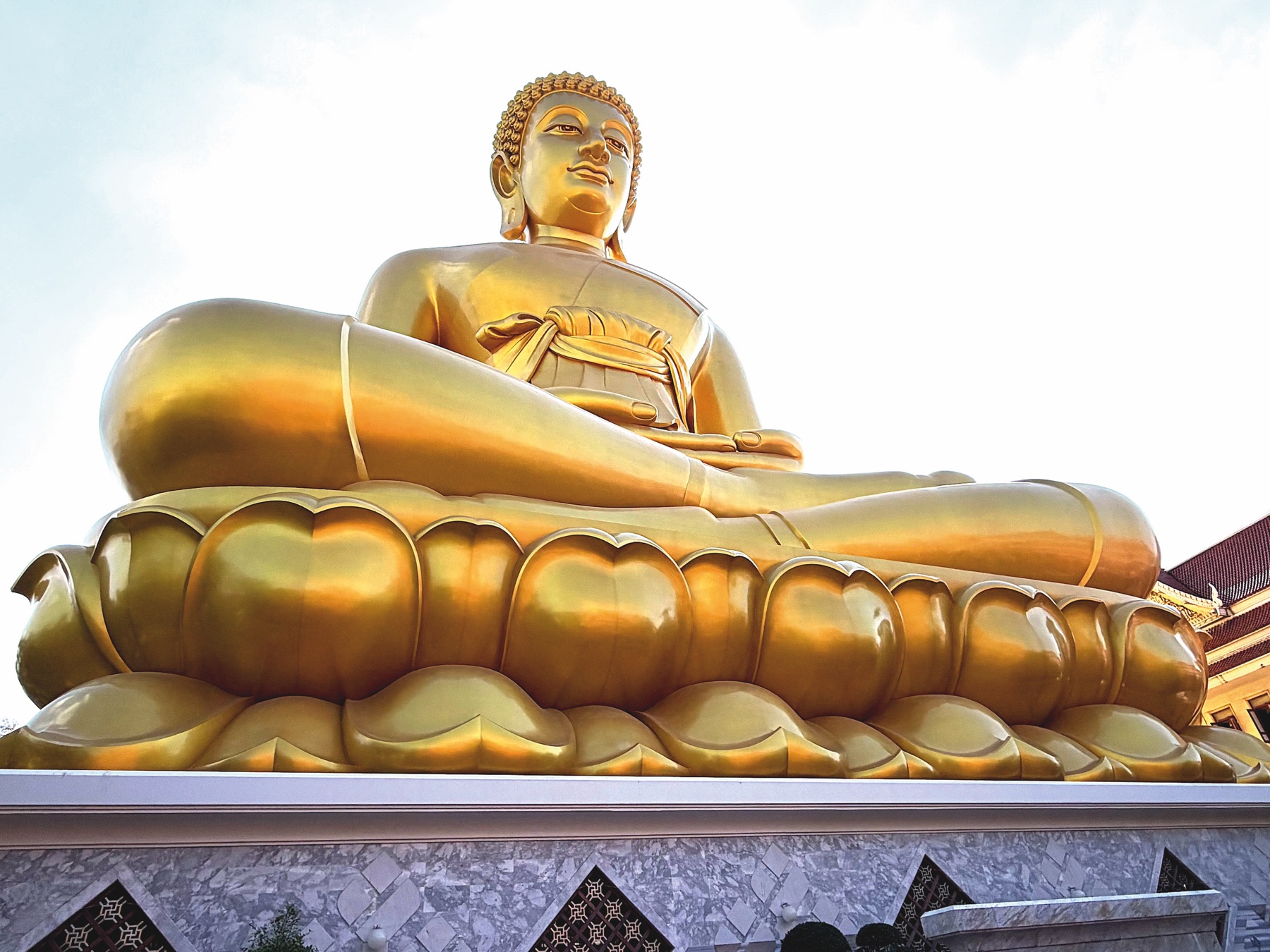
Wat Paknam Bhasicharoen (วัดปากน้ำภาษีเจริญ) – established in 1610 during the Ayutthaya period, and supported by Thai kings until the late 19th century. Wat Paknam is known for its charitable work and its nationwide project to promote the five precepts in Thai society. In 2012, Somdet Chuang completed the construction of a large stupa named Maharatchamongkhon, decorated with interior Buddhist art. In 2021, a massive bronze Buddha statue was added in front of the stupa, making the temple a popular attraction for international visitors.
After exploring Bangkok, we travelled to the Pasaya Factory (see page 28 for our article about it). The next morning, we woke up early to catch our flight to Surat Thani from Bangkok’s Don Mueang International Airport. Even at that early hour, traffic was heavy, and it took us 45 minutes to reach the airport. Check-in with AirAsia was fast and friendly, and the flight departed and landed on time.
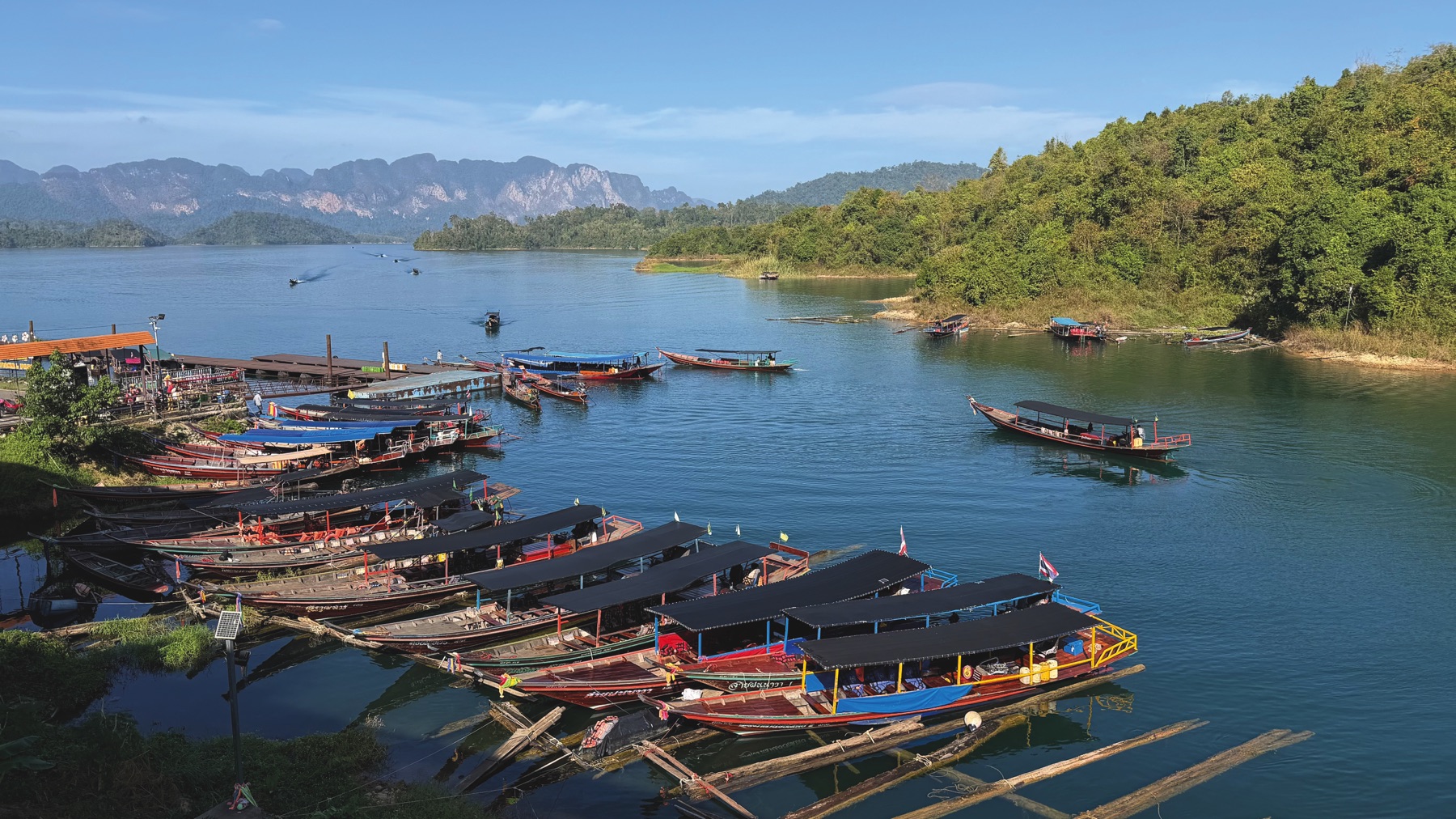
Exploring Khao Sok National Park
Our driver from Khaosok Travel was waiting to take us to the first destination of this adventure. We chose the 3 days, 2 nights Khao Sok – Cheow Lan Lake package, which included:
- 1 night at the Khao Sok River Canoe & Resort
- 1 night at The Laguna Chiew Lan
- Full board
- National Park entrance fees
- A local guide
- Accident insurance
- Transportation (car and longtail boat)
- Bamboo rafting
- A night trek at Khao Sok National Park
- A sightseeing tour of Cheow Lan Lake
- A visit to the Coral Cave
- Morning mist safari and wildlife-watching from the boat
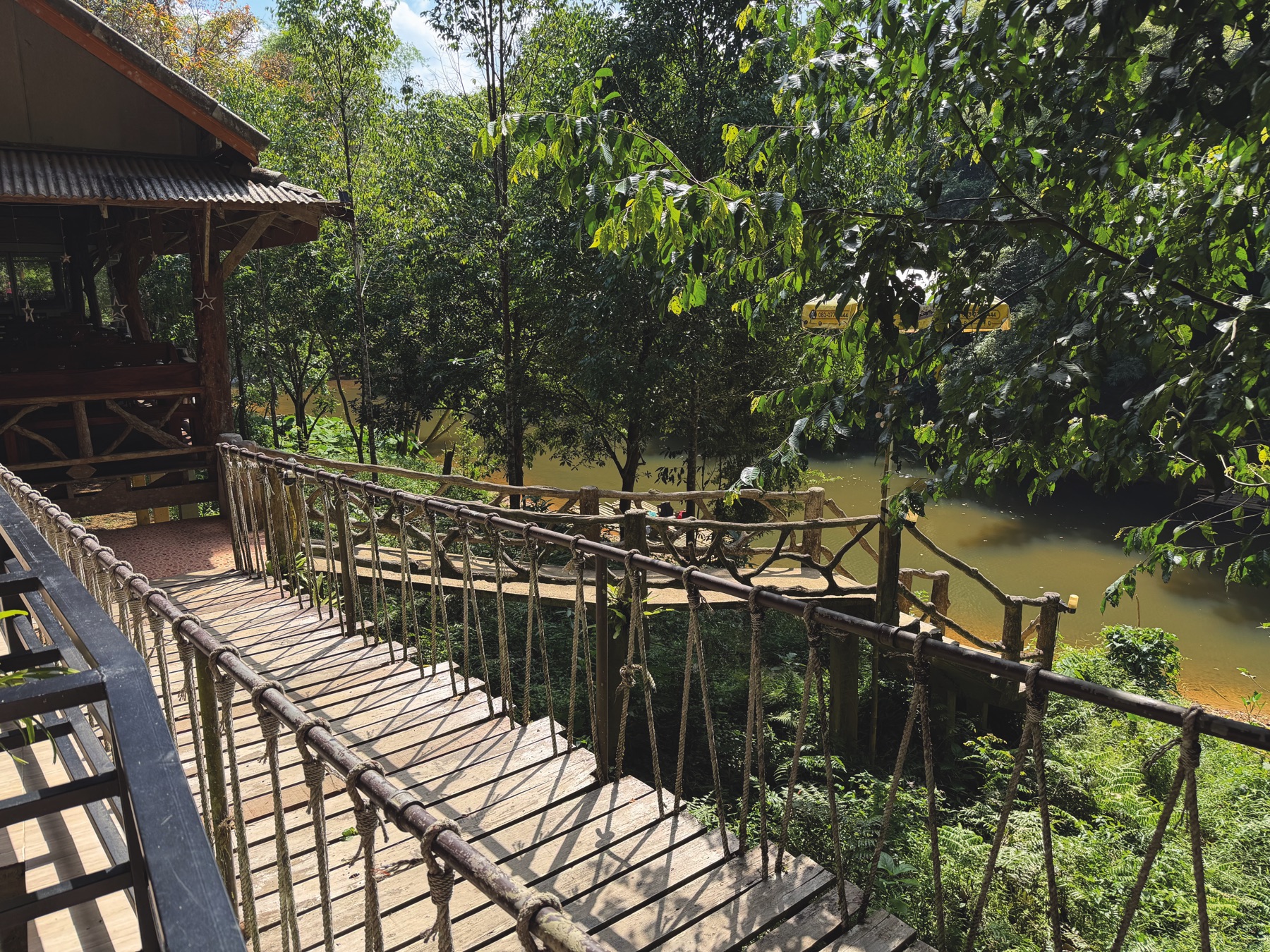
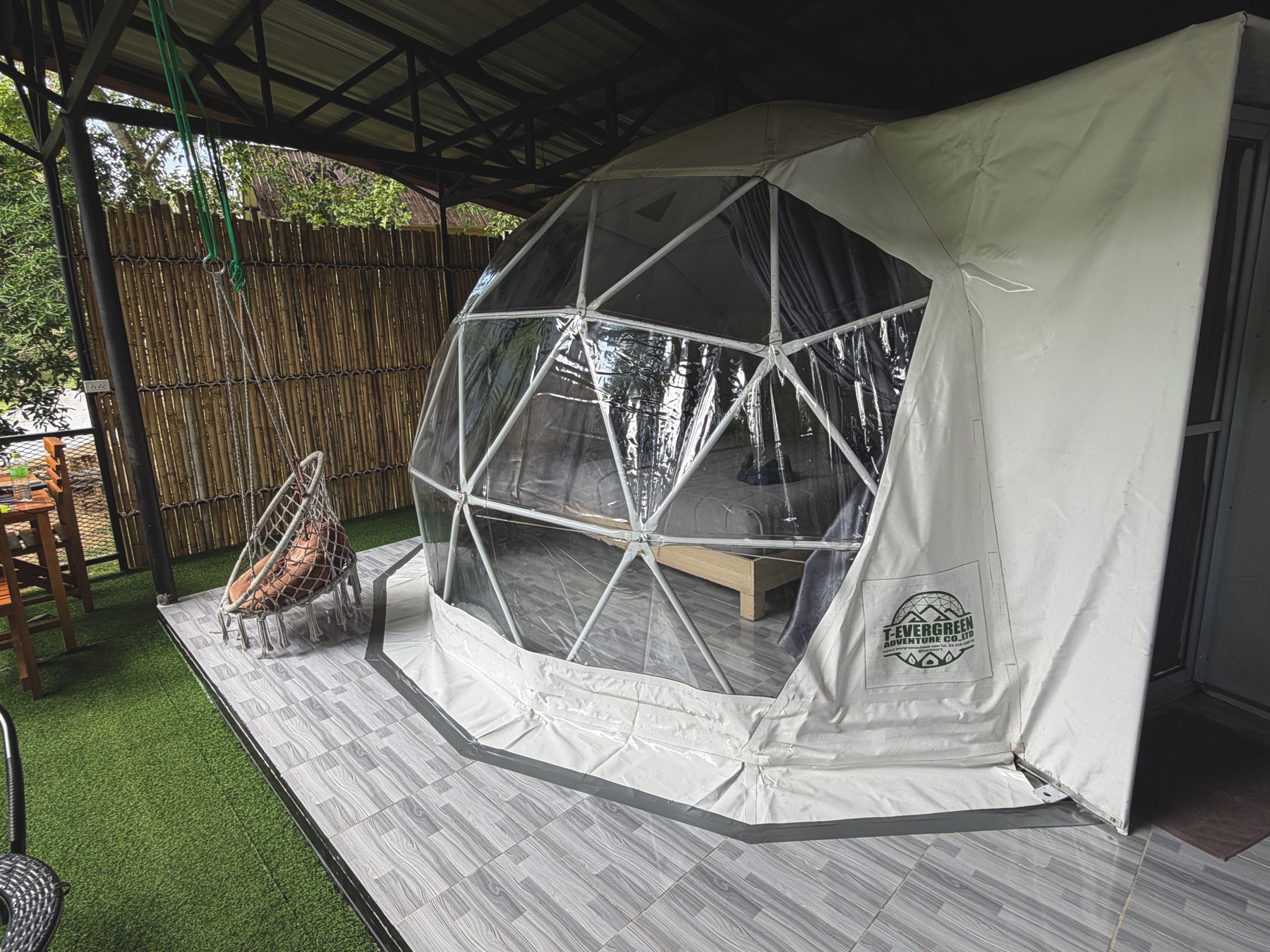
Our first stop was Khao Sok River Canoe & Resort, a unique place where each room is an individual bamboo house. To protect guests from insects, the bedroom is set inside a large tent with air conditioning. The terrace overlooks the river – peaceful and beautiful.
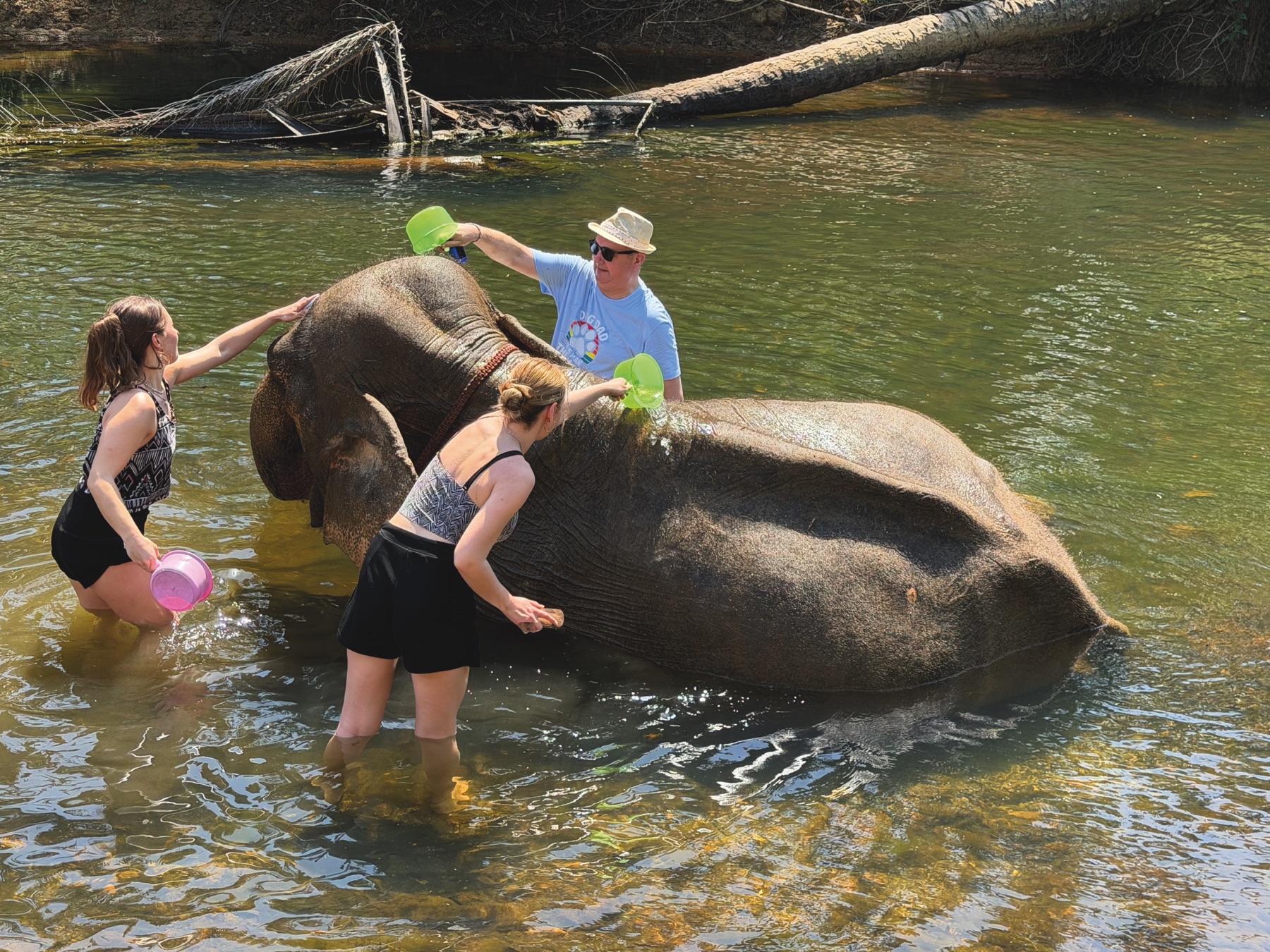
Nearby is a small elephant nature reserve, with a single elephant rescued from hard labour in northern Thailand. We were happy to walk her to the river and bathe with her – fun for her and for us – such a big, gentle animal finally living a better life. Back at the reserve, we prepared special food for her and fed her – a simple joy.
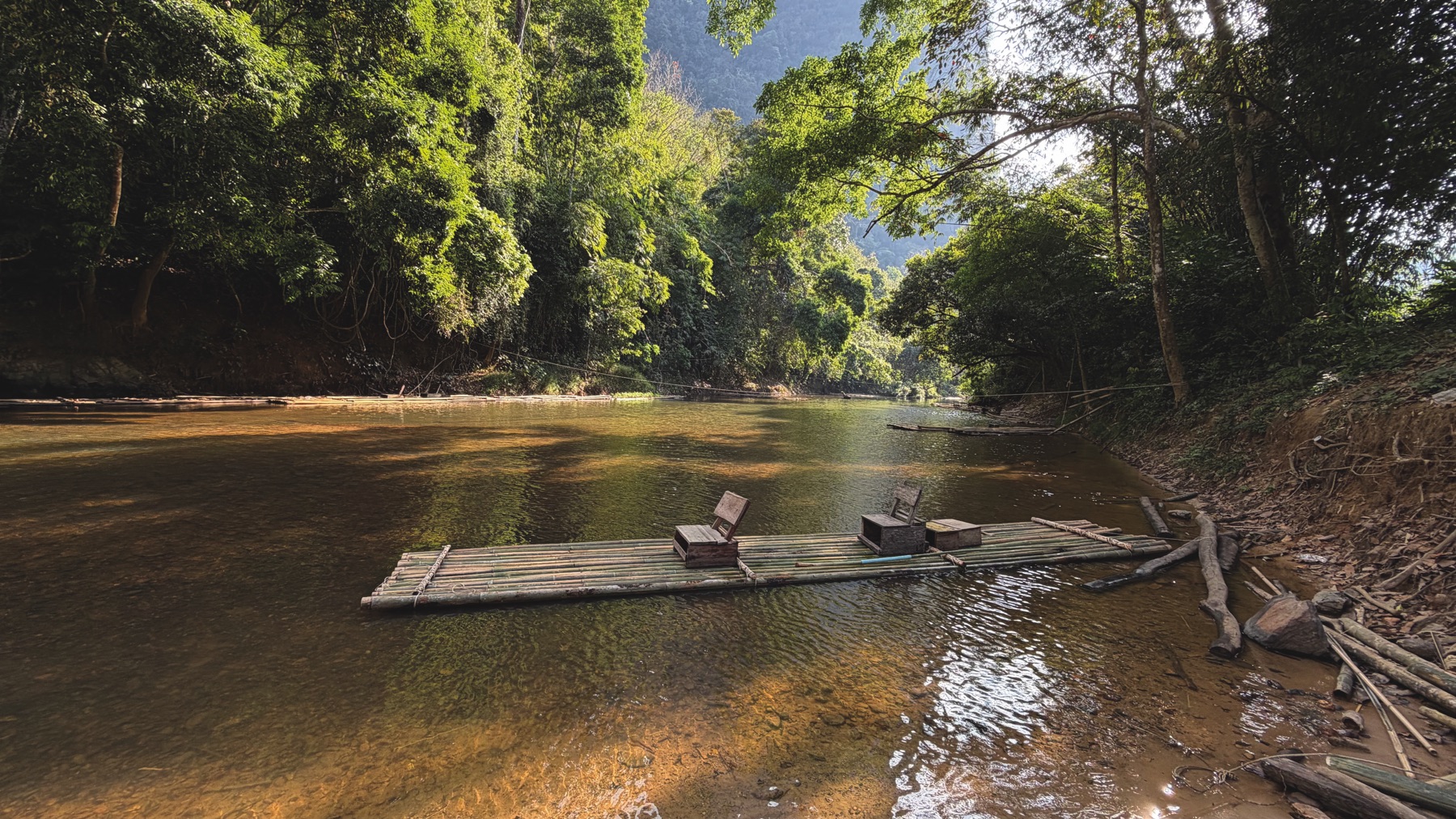
After a short rest, we went bamboo rafting. The river is shallow and calm, making the ride relaxing. Along the way, we passed families on large bamboo rafts, cooking food and enjoying loud music. After dinner, we joined a night trek at Khao Sok National Park with a local guide, searching for animals hiding in the forest.
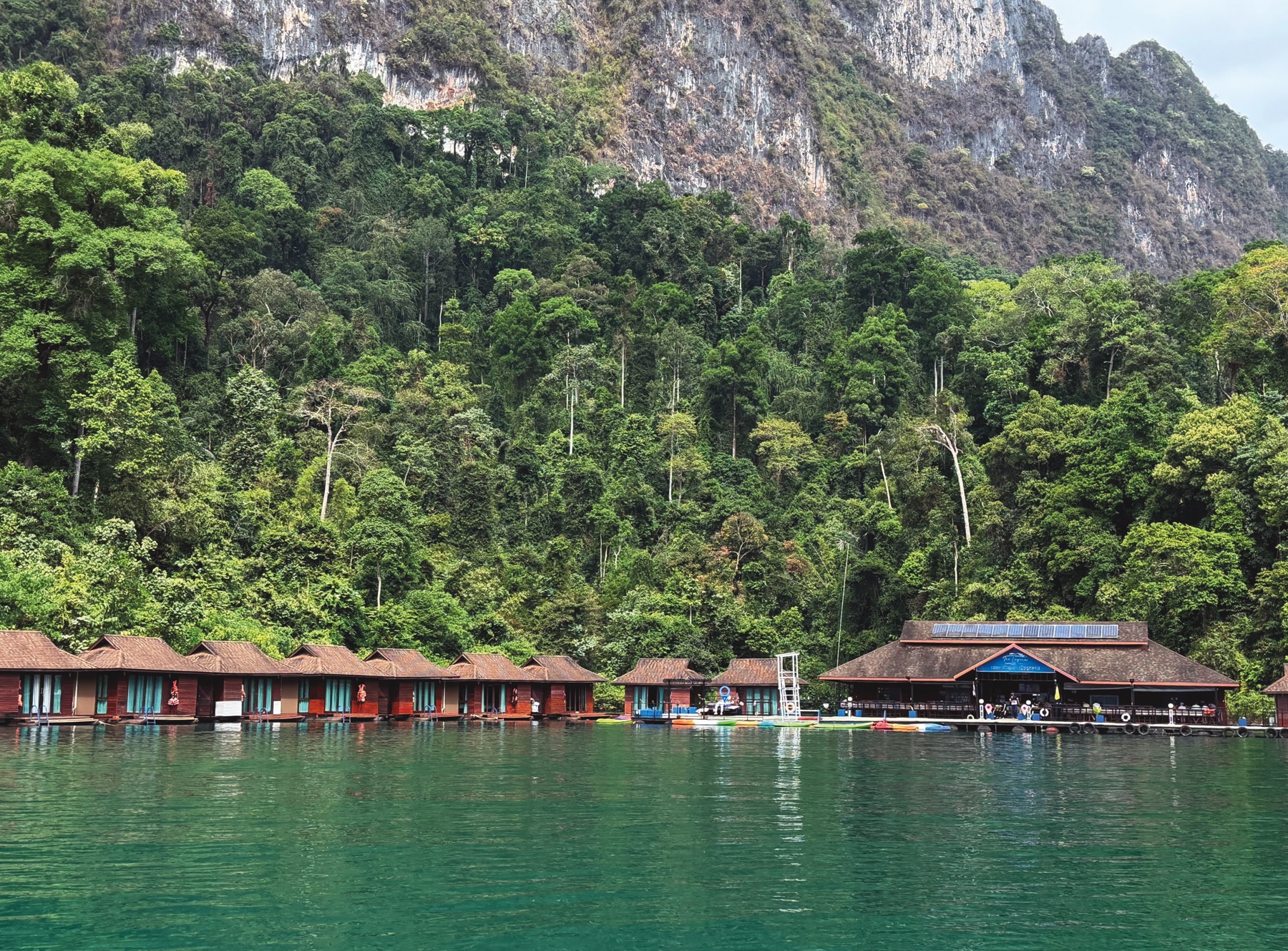
The next morning, we continued to Laguna Chiew Lan at Ratchaprapha Dam Lake (เขื่อนรัชชประภา). The floating hotel reminded me of a resort in the Seychelles, but less luxurious. Wi-Fi was available only at reception, and electricity ran from 6 p.m. to 6 a.m. Still, it was fun and unique to swim directly from our room into the lake. We visited the Coral Cave, and explored the area by longtail boat.
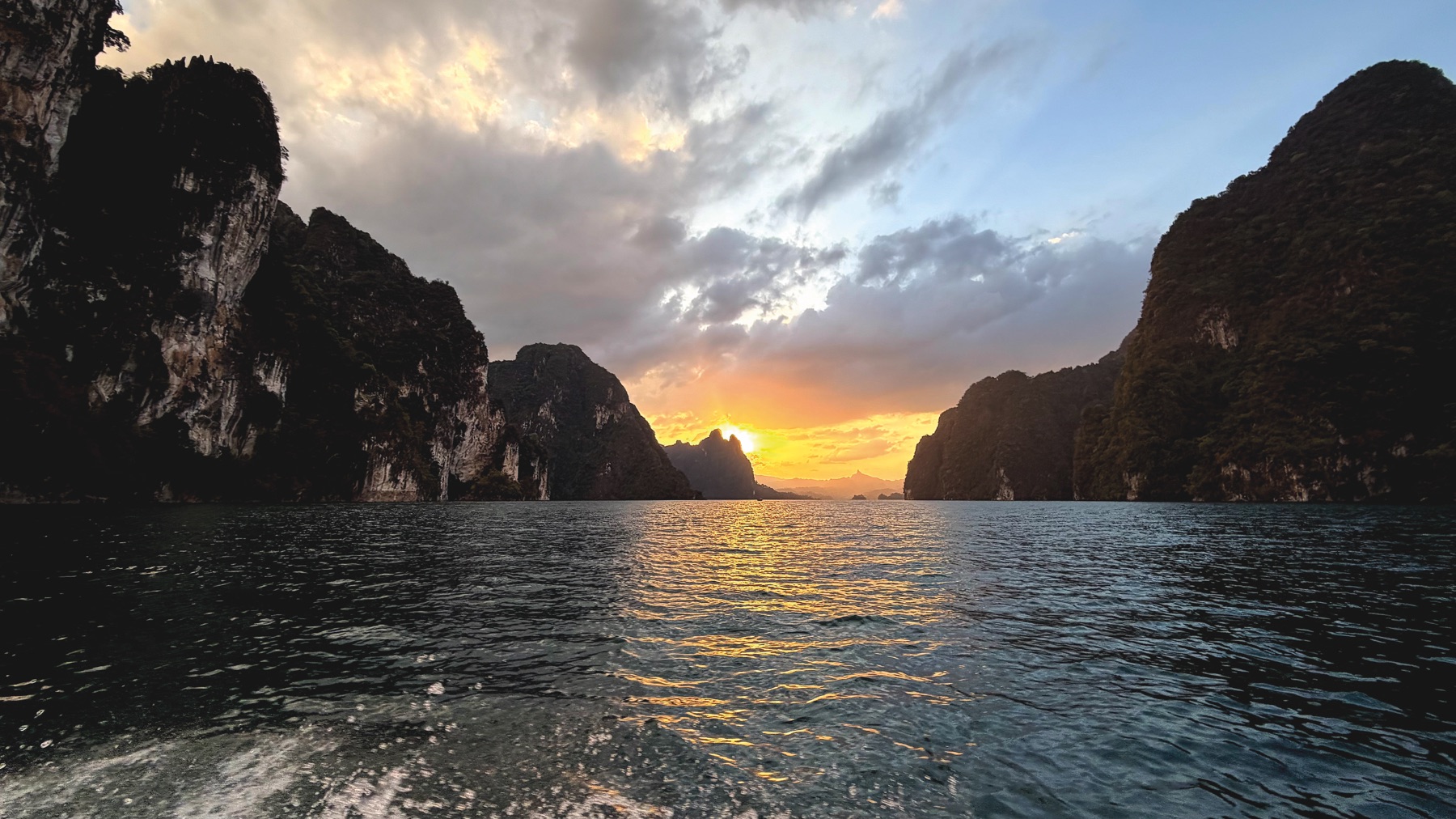
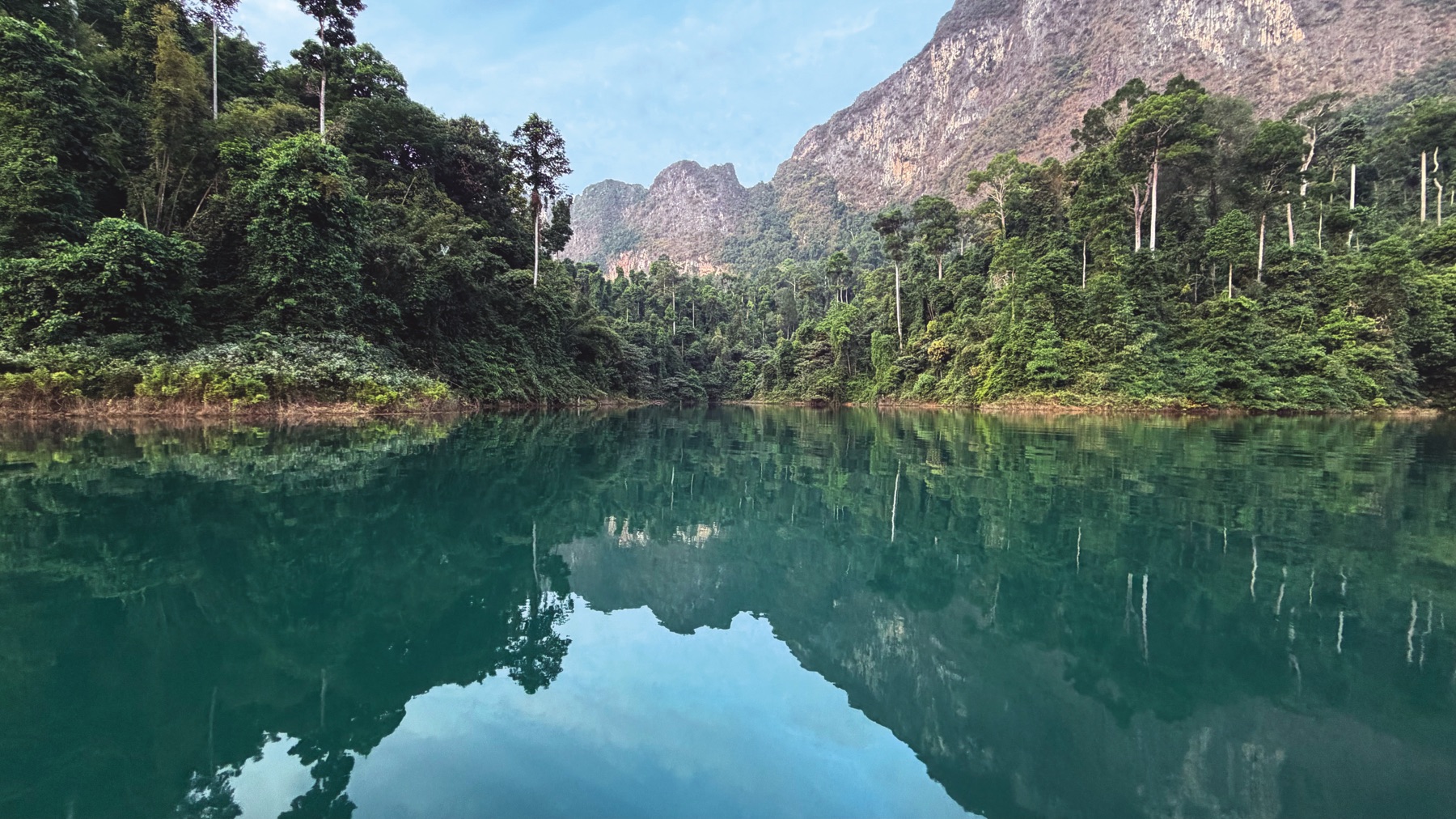
Early the next morning, we enjoyed the morning mist safari, watching wildlife from the boat. Afterwards, we returned to Cheow Lan Pier by longtail boat.
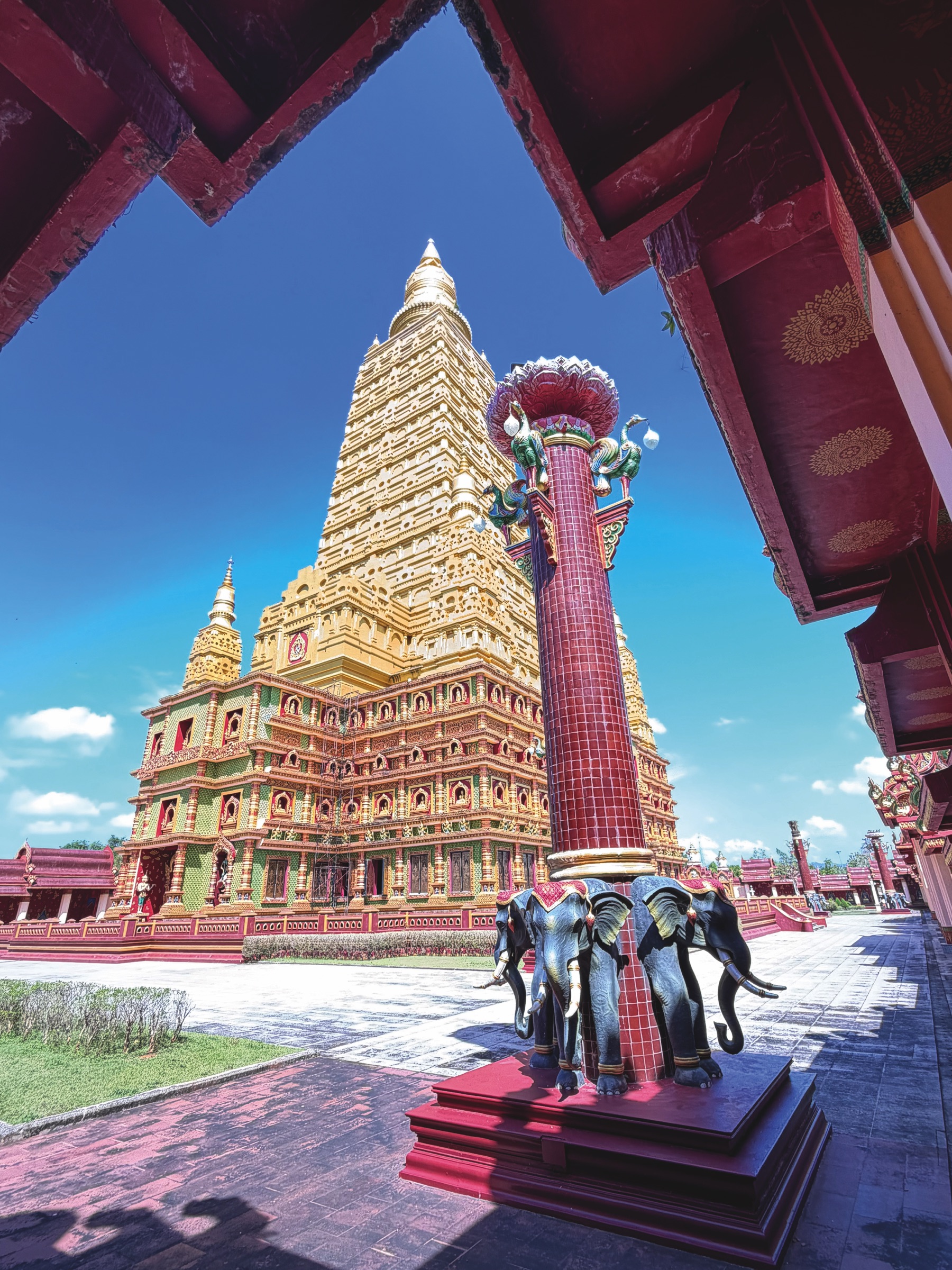
Our driver from Beer Trekking Thailand Tour was waiting to take us to Krabi, with a stop at Wat Maha That Wachiramongkol (Wat Bang Thong) – a Royal temple built around 1940. In 2002, the Mahatherasama Committee initiated the construction of a Buddhist site and a Mahathat Chedi to honour His Majesty. The highlight is the Phra Maha That Chedi, approximately 95 metres high, built to honour King Vajiralongkorn.
Adventures in Krabi
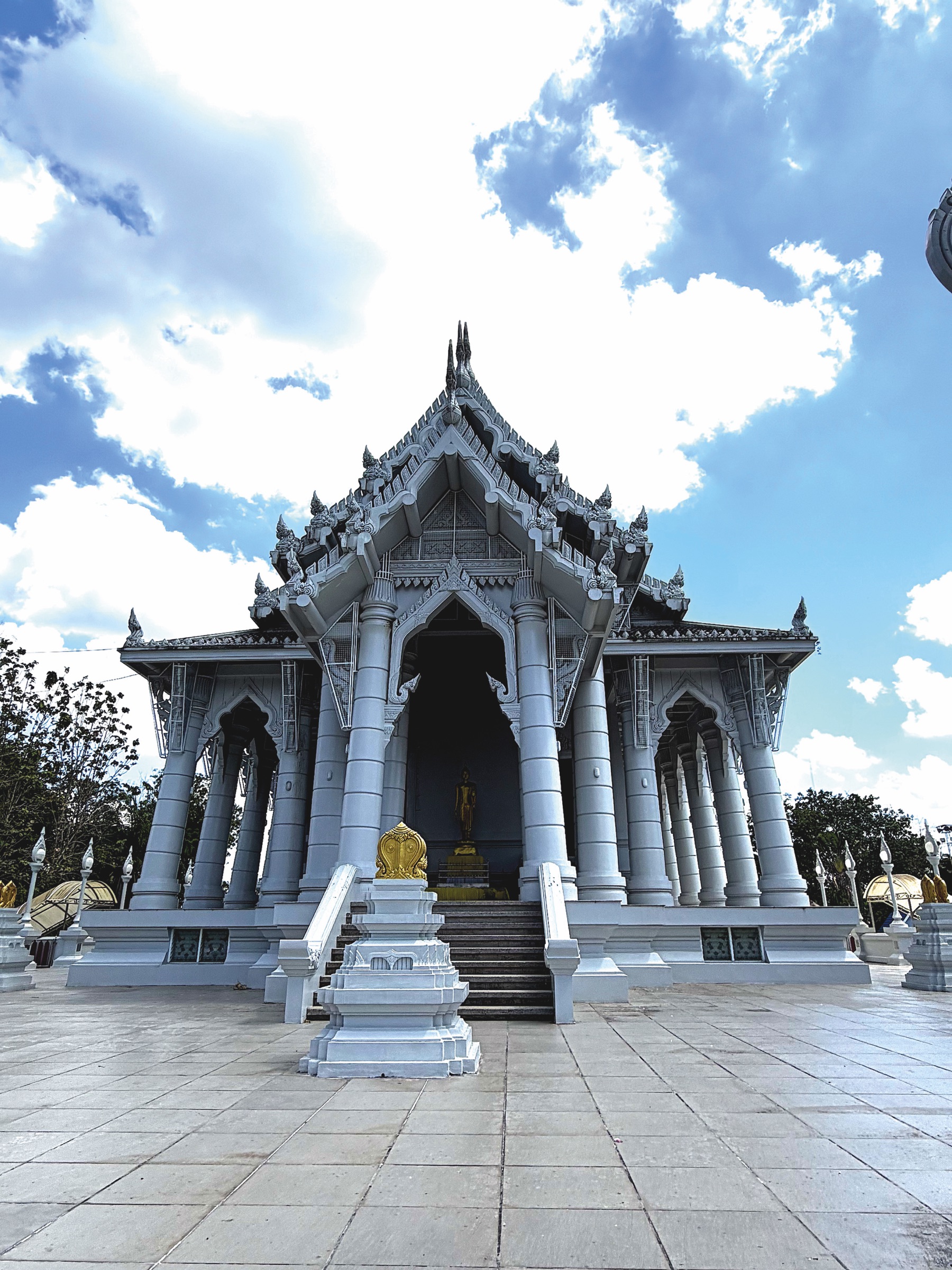
We also visited Wat Kaew Korawararam in Krabi – a striking white temple with a colourful interior.
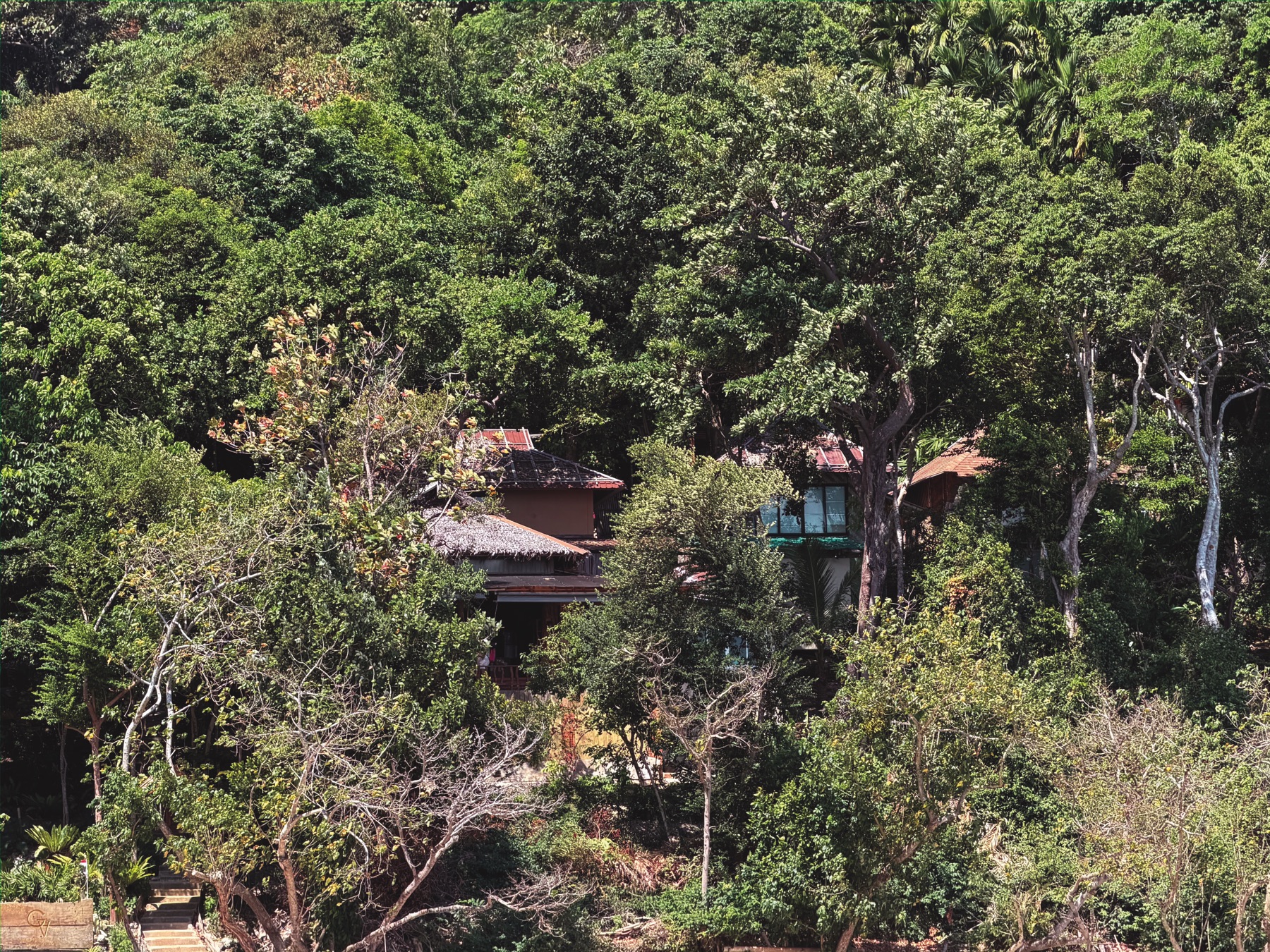
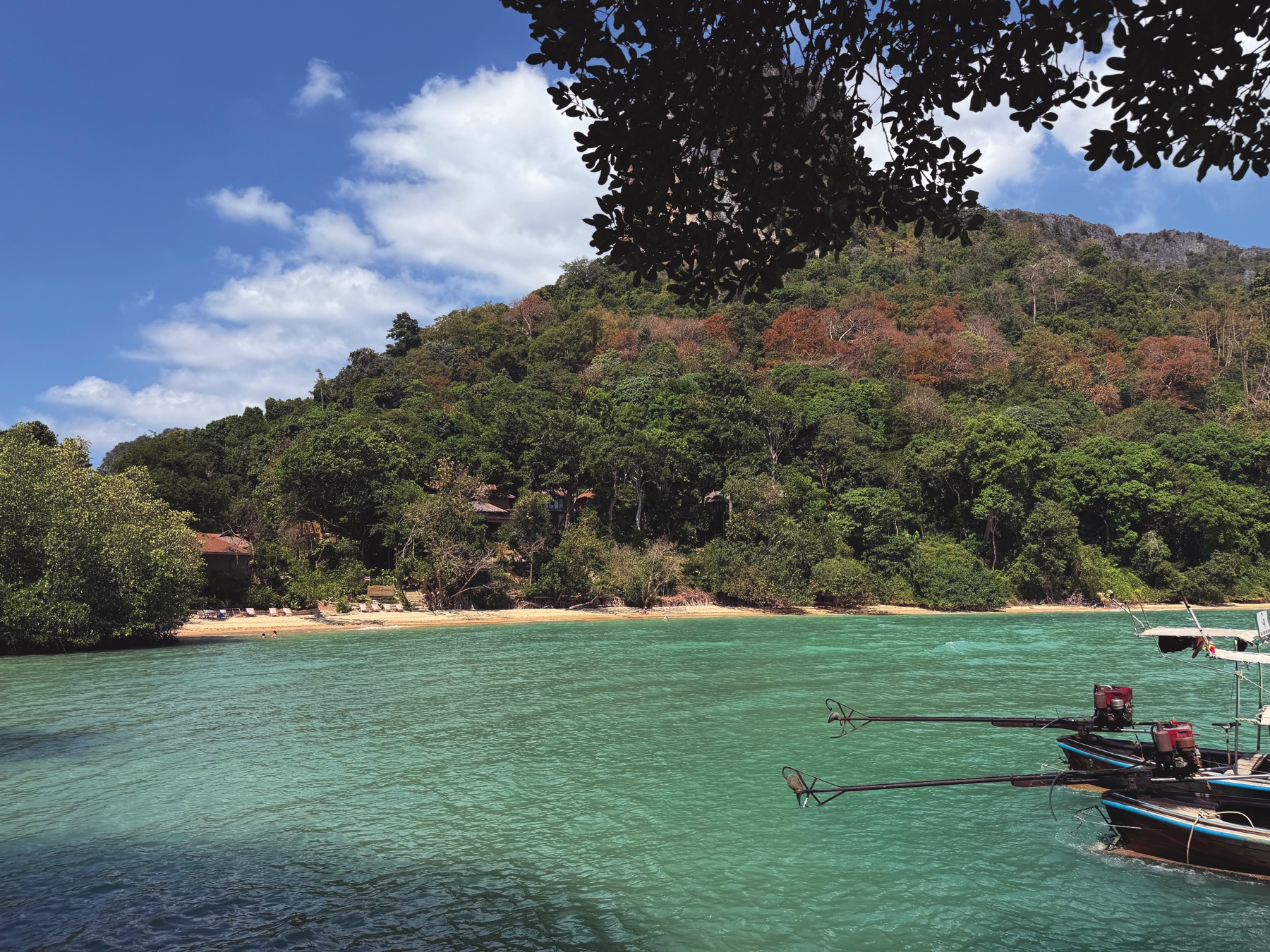
We continued to our final hotel, Railay Great View Resort & Spa. The only way to reach it is by longtail boat. A few times per day, the hotel provides a free boat from Ao Nam Mao Pier (ท่าเรืออ่าวน้ำเมา). Otherwise, you can take a boat for 100 THB to the Floating Pier at East Railay and walk about 900 metres to the hotel. We missed the hotel boat, and the private ride was quoted at 1,000 THB for less than 10 minutes. After some friendly negotiation, we agreed on a better price, and ten minutes later, we arrived in paradise.
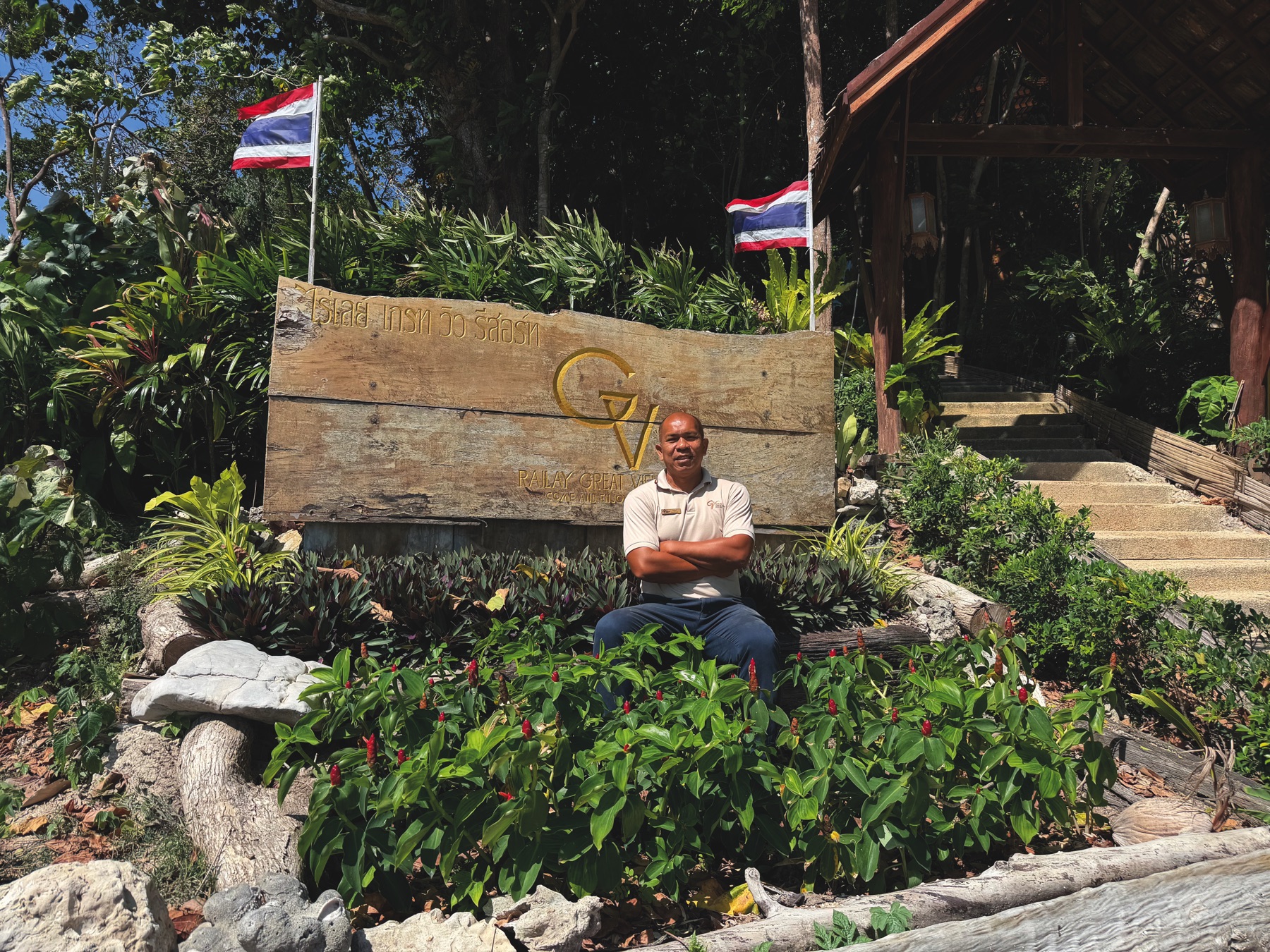
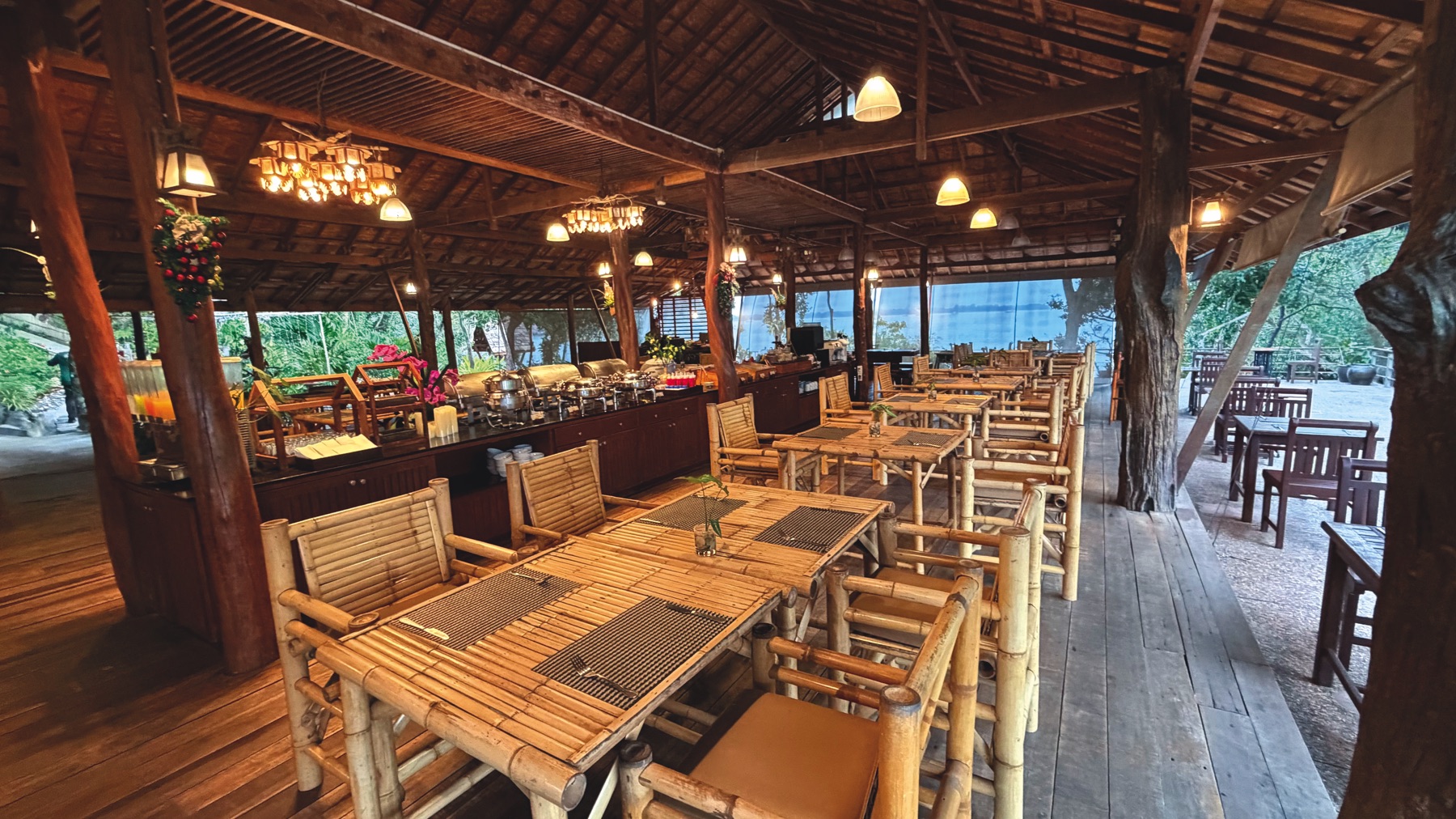
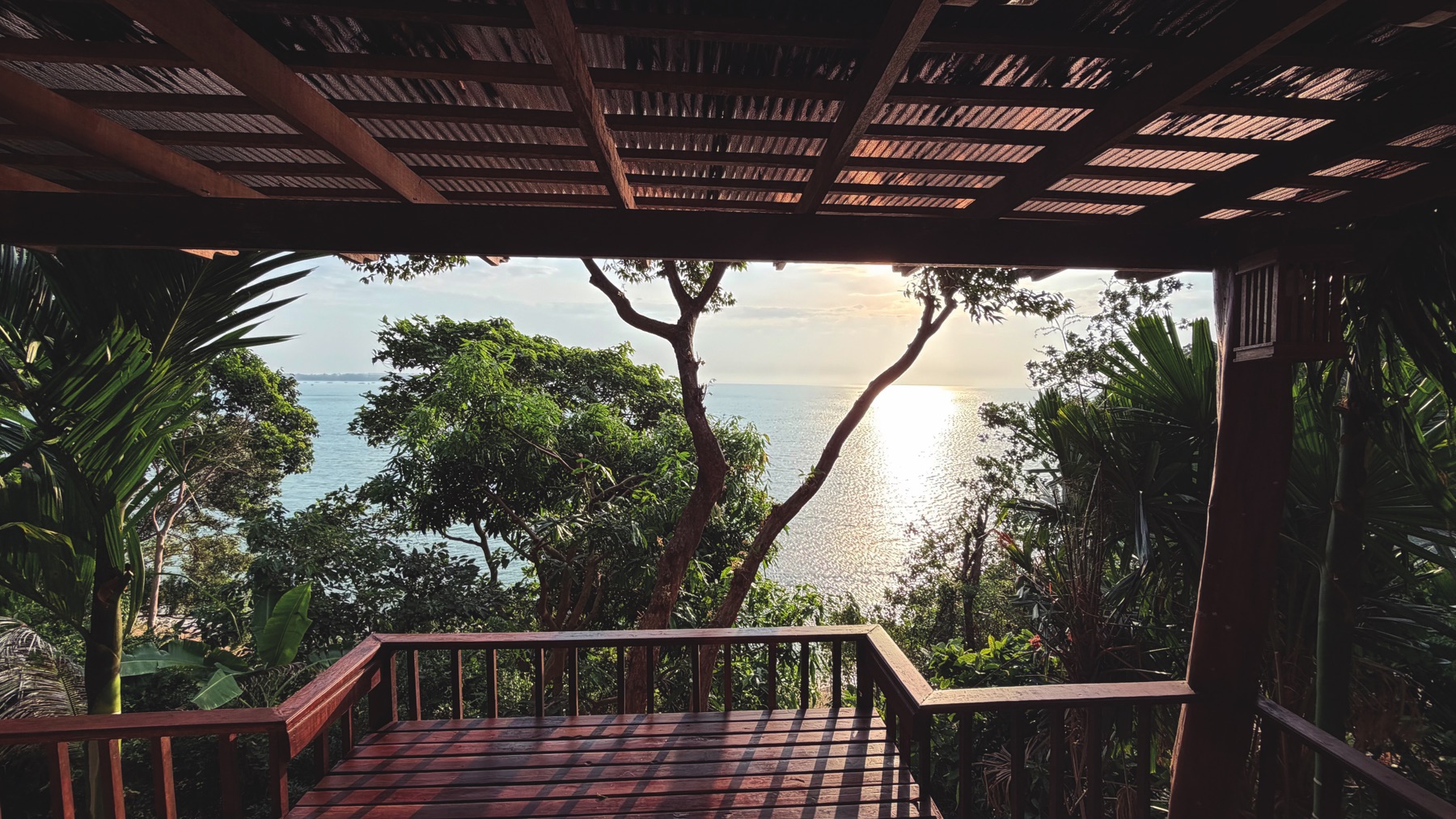
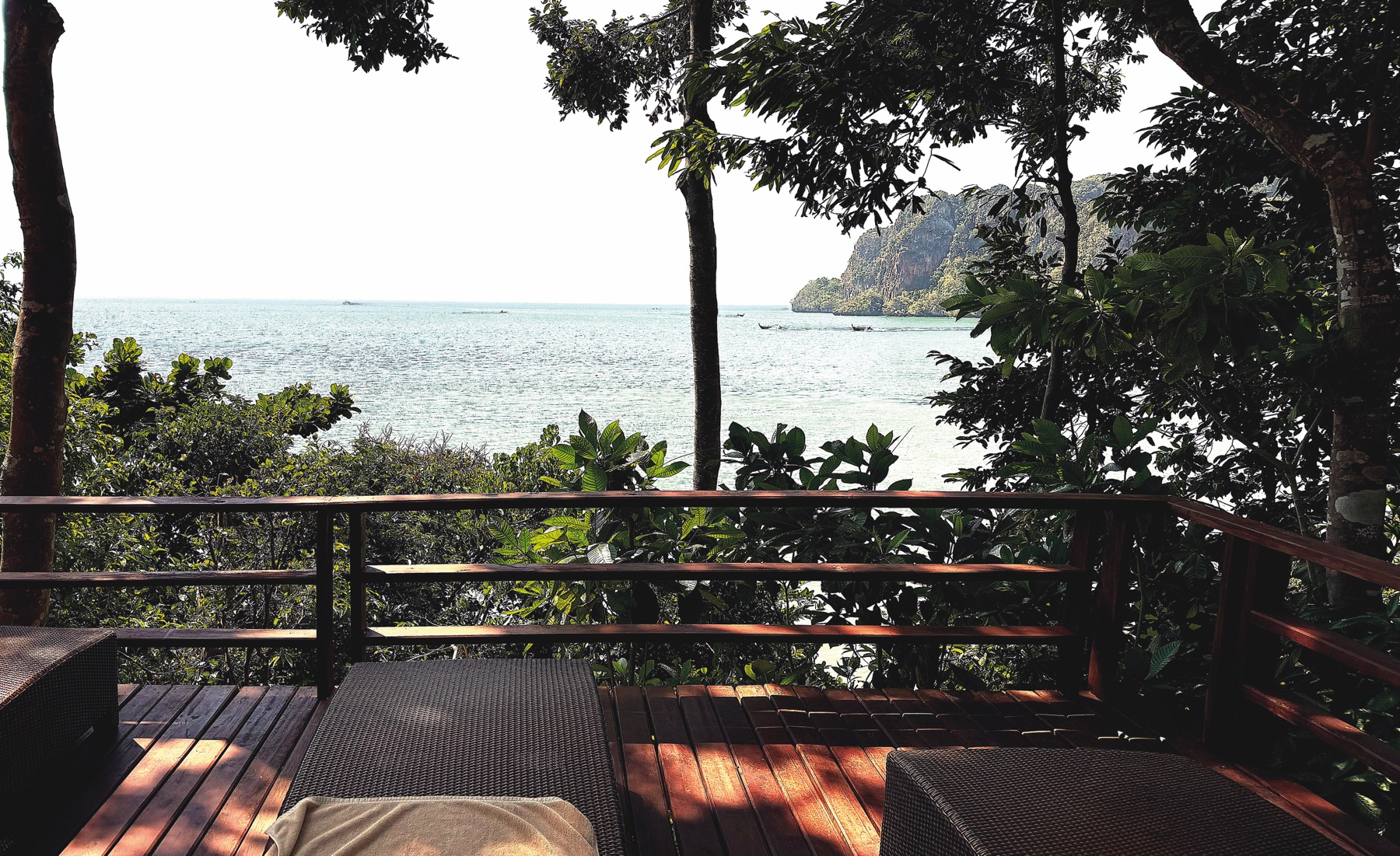
Railay Great View Resort & Spa has 40 rooms, each an individual bamboo bungalow with a large room, a spacious terrace, and – most importantly – a stunning view of the bay. The hotel sits at the “dead end” of Railay, with a private beach and a lovely pool. There is Thai massage, a Thai restaurant for dinner, a great breakfast, and poolside service. It’s a quiet place, yet still close to the restaurants, bars, and shops on the way to Railay West Pier.
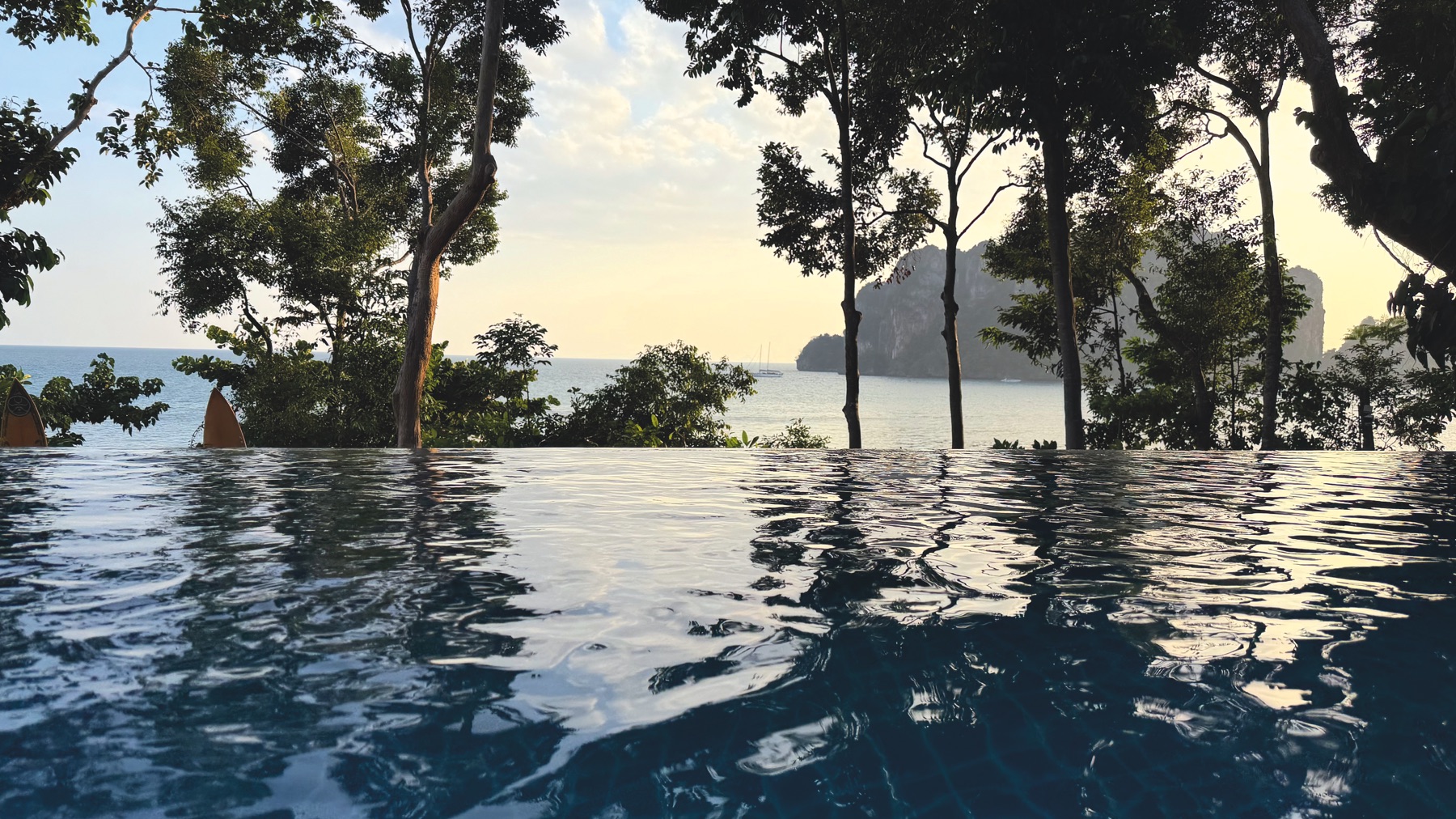
It was the perfect choice – waking up to a breathtaking view, watching spectacled langur monkeys in the trees, enjoying the quiet beach, and relaxing by the pool with a local beer and tasty food.
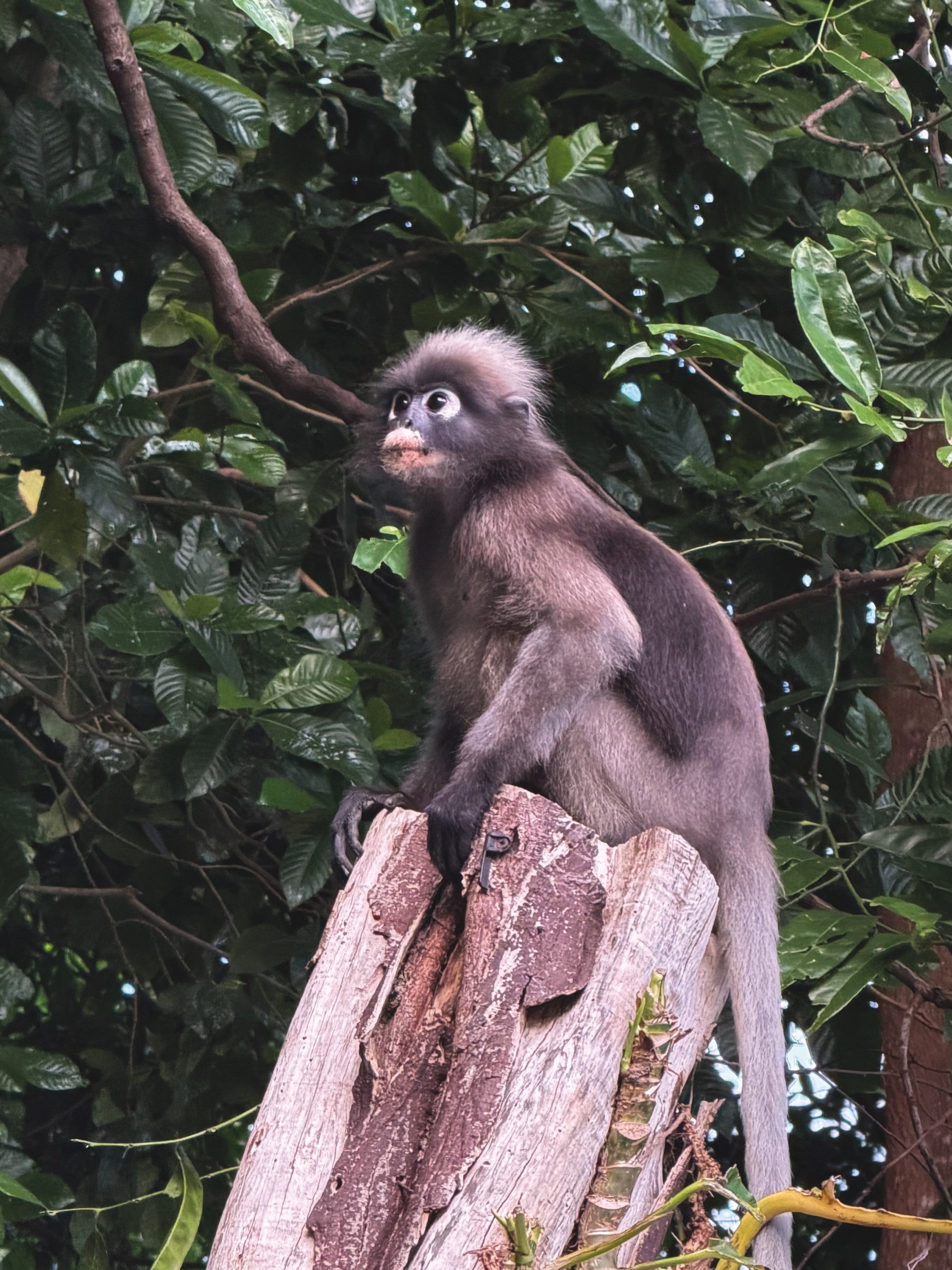
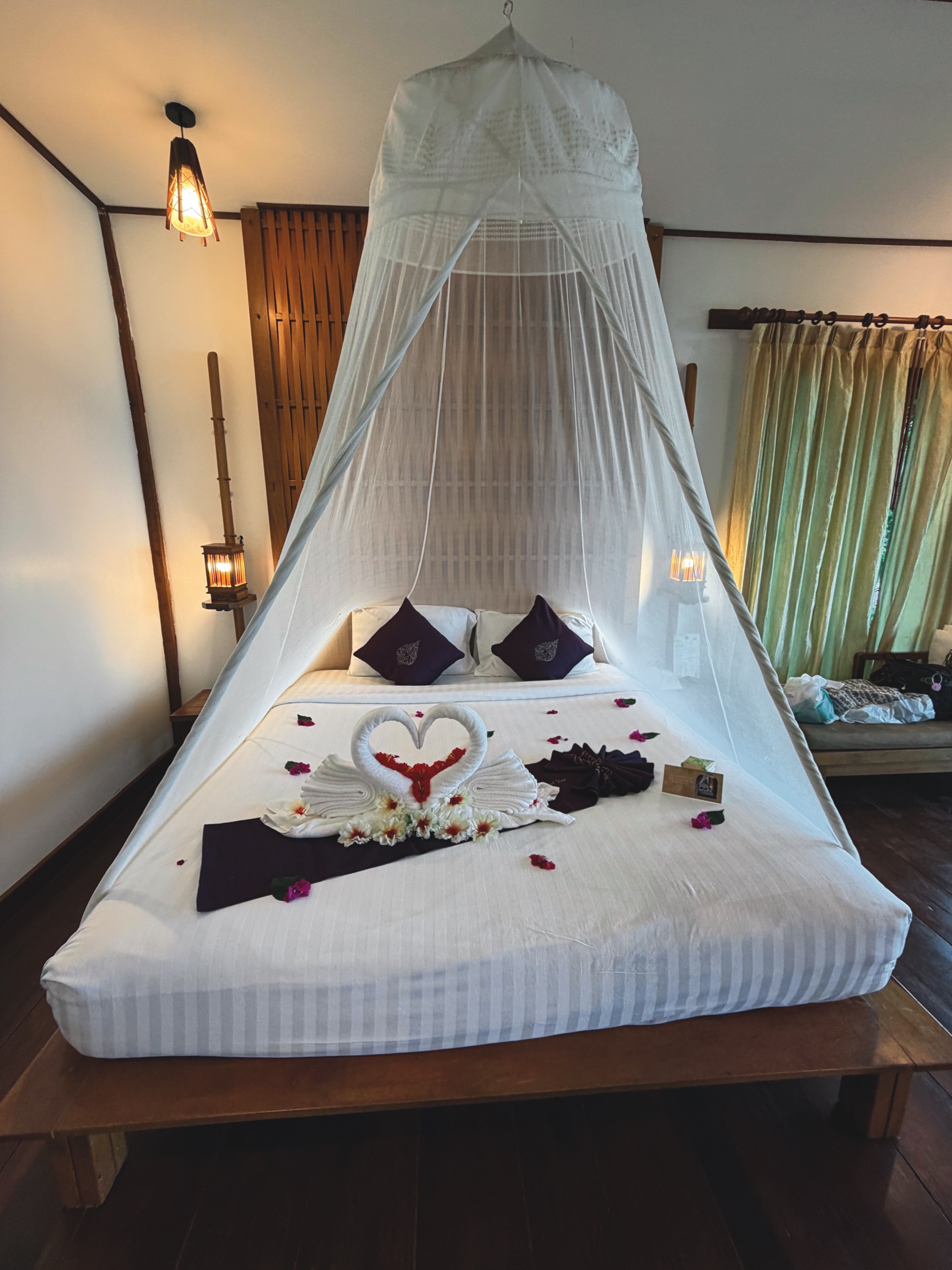
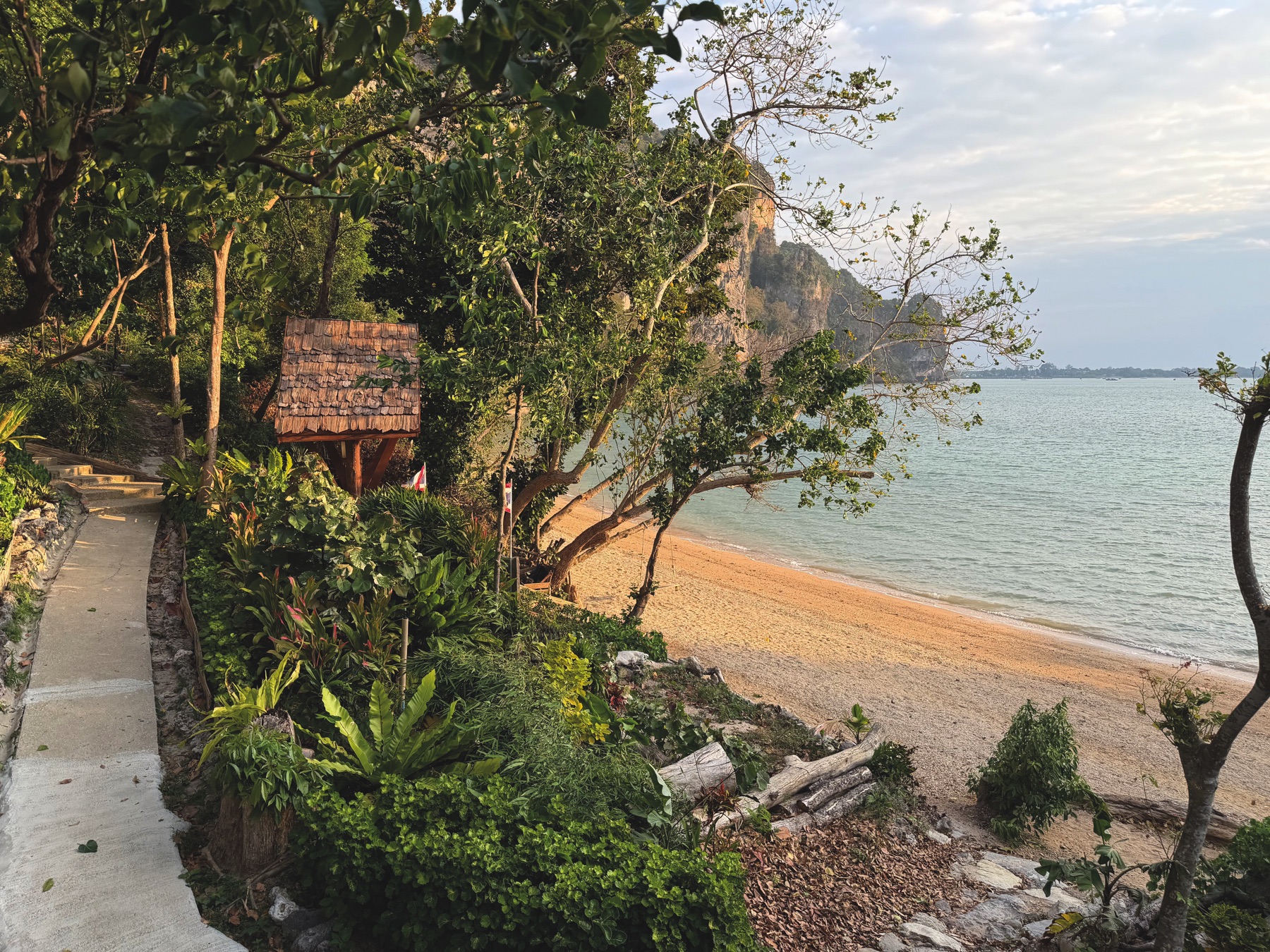
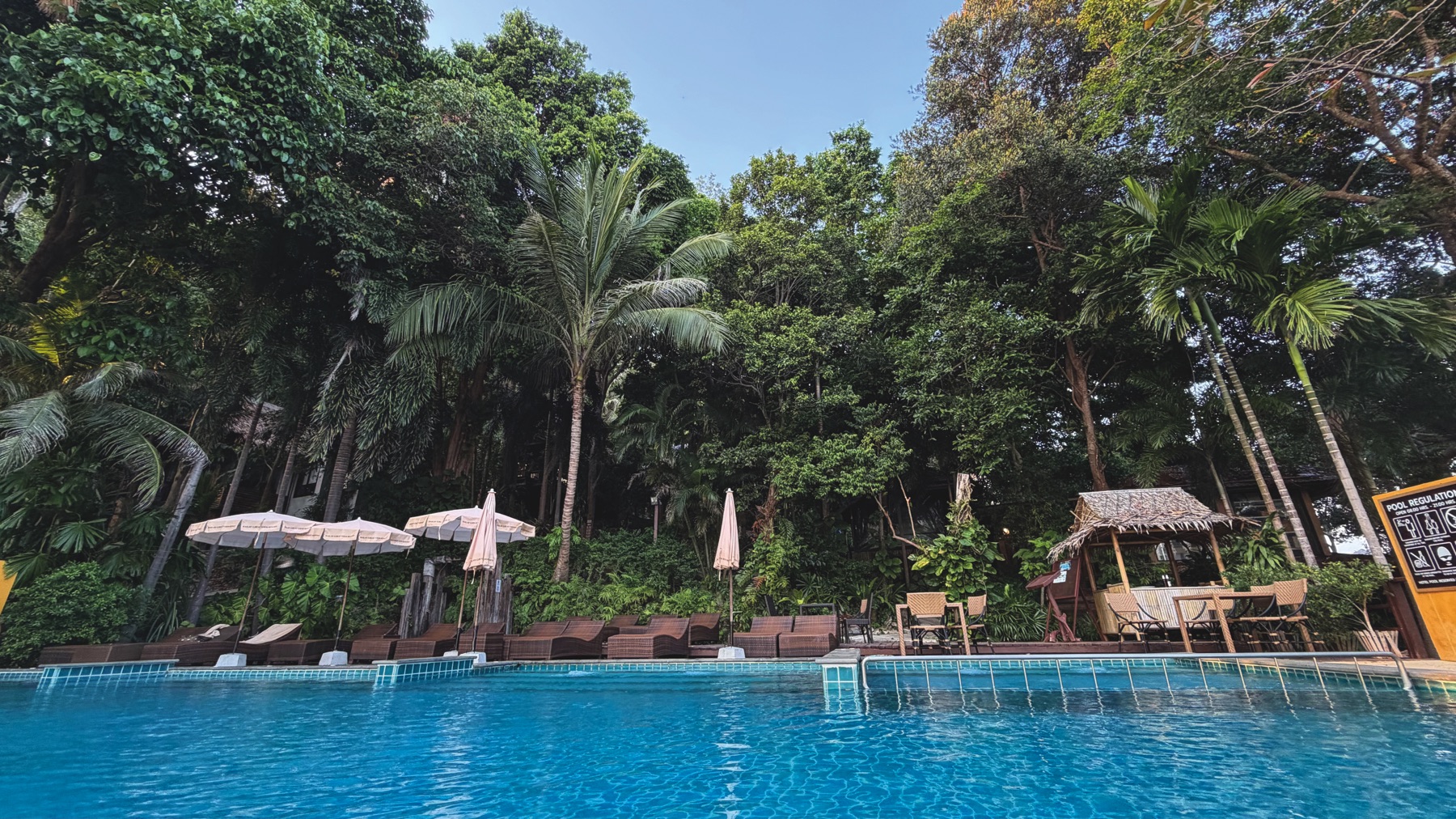
More information at: www.railaygreatview.com
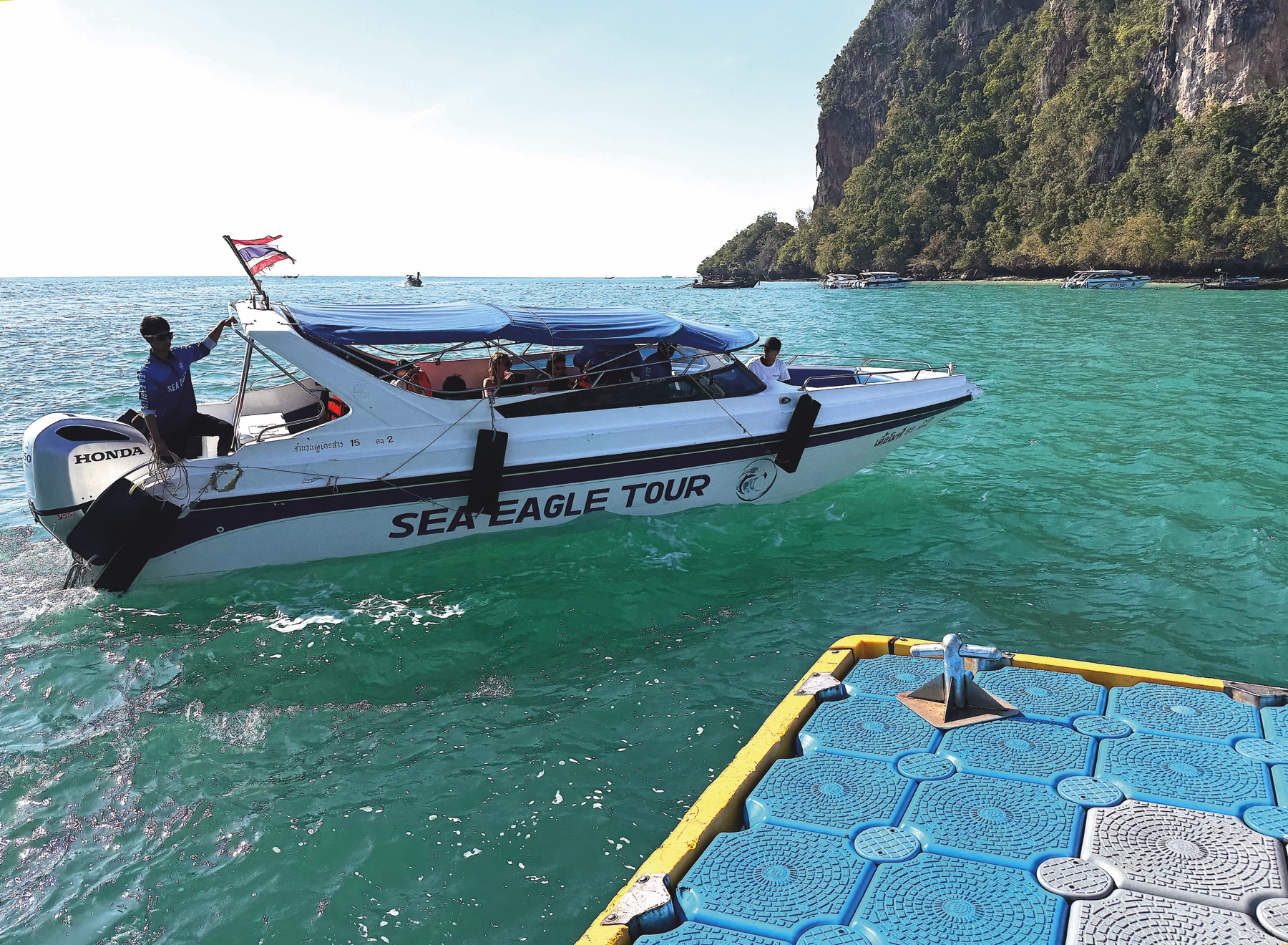
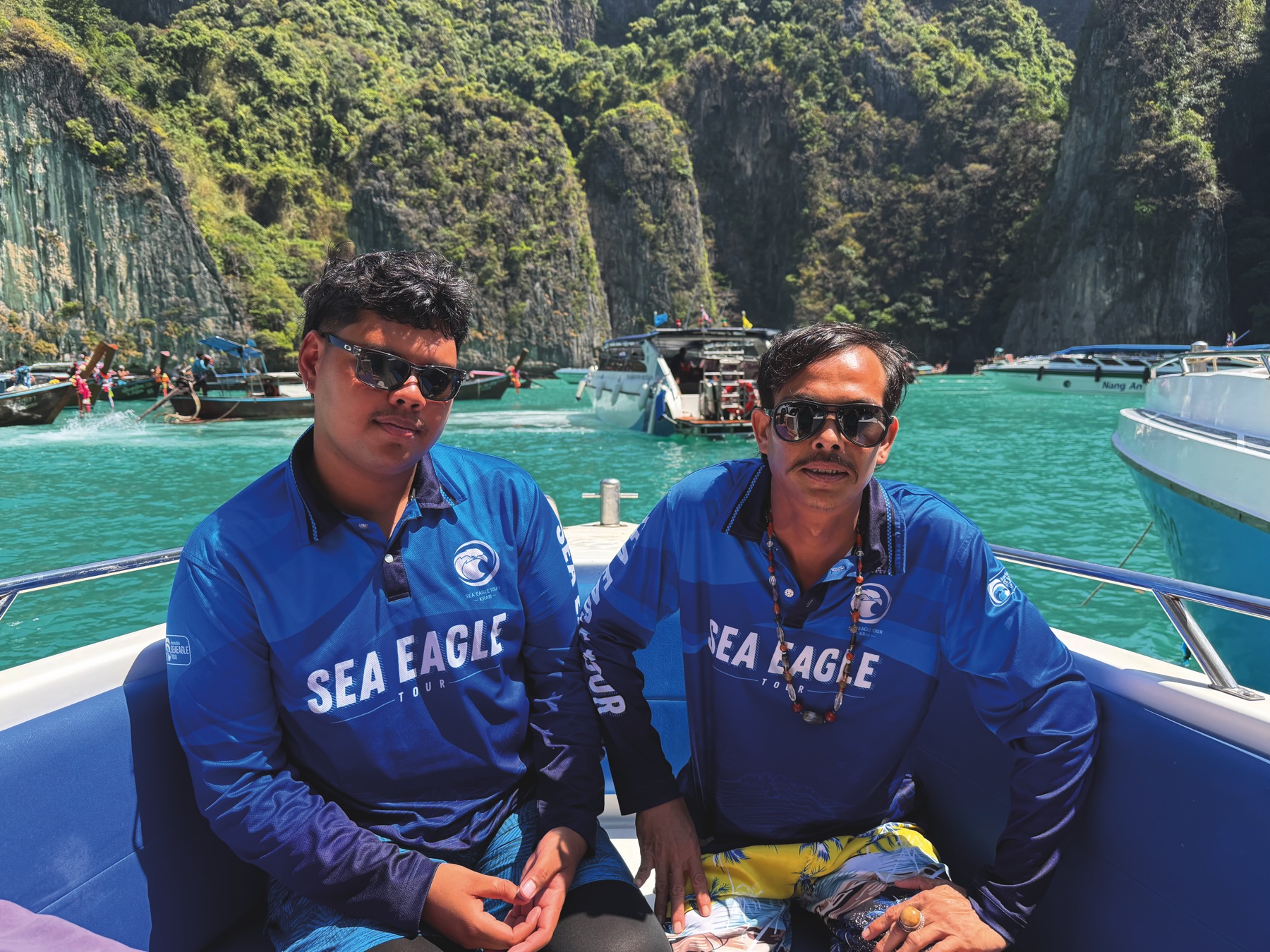
But we also wanted some adventure. We joined the popular Phi Phi Island by Speedboat tour organised by Sea Eagle Tour (www.seaeagletour.com/tour/phi-phi-islands-trip-by-speedboat).
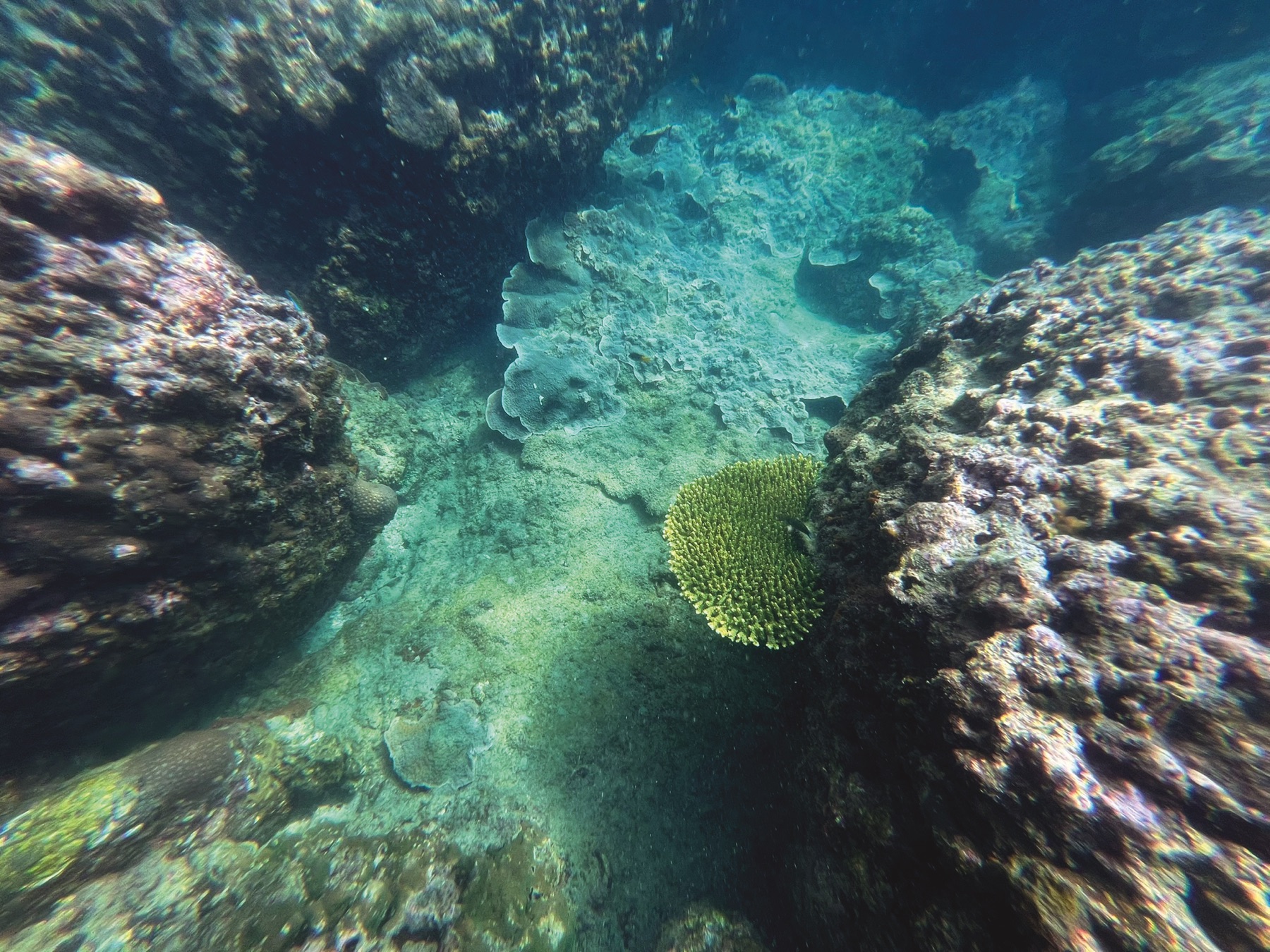
Pick up was at Railay East Pier, just a 10 minute walk from our hotel. We were 12 tourists on the speedboat, with four crew members. The Phi Phi Islands are famous among both Thai people and travellers worldwide – beautiful islands with white sand and turquoise water. We snorkelled, swam several times, and sunbathed at stunning spots.
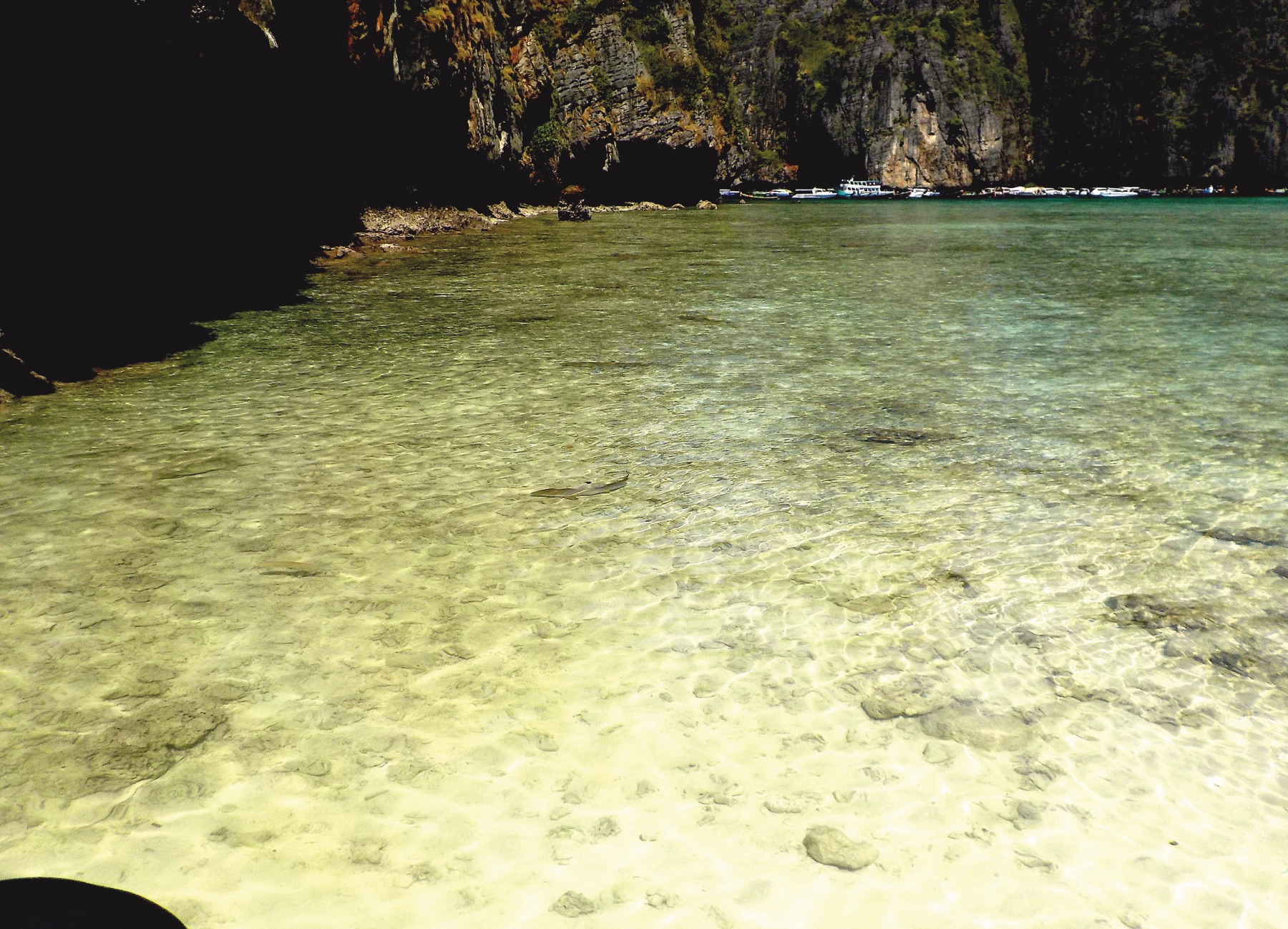
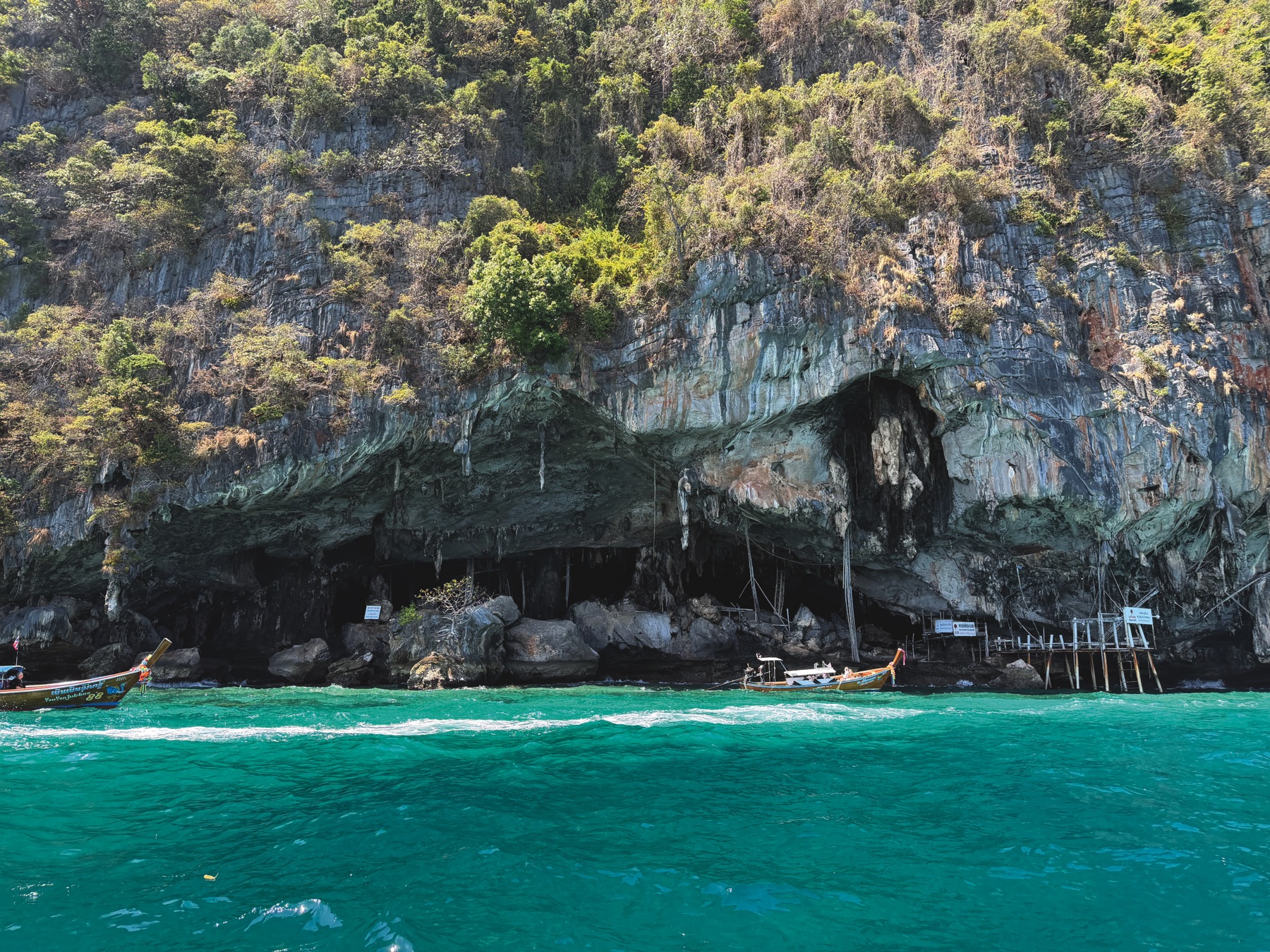
We visited Maya Bay (swimming is forbidden), saw baby sharks, and explored Ao Pi Le, Hat Noppharat Thara–Mu Ko Phi Phi National Park, and Pileh Lagoon (อ่าวปิเละ, หาดนพรัตน์ธารา, หมู่เกาะพีพี, ปิเละลากูน). It was a wonderful way of seeing the area. In the late afternoon, we returned to the hotel to relax by the pool.
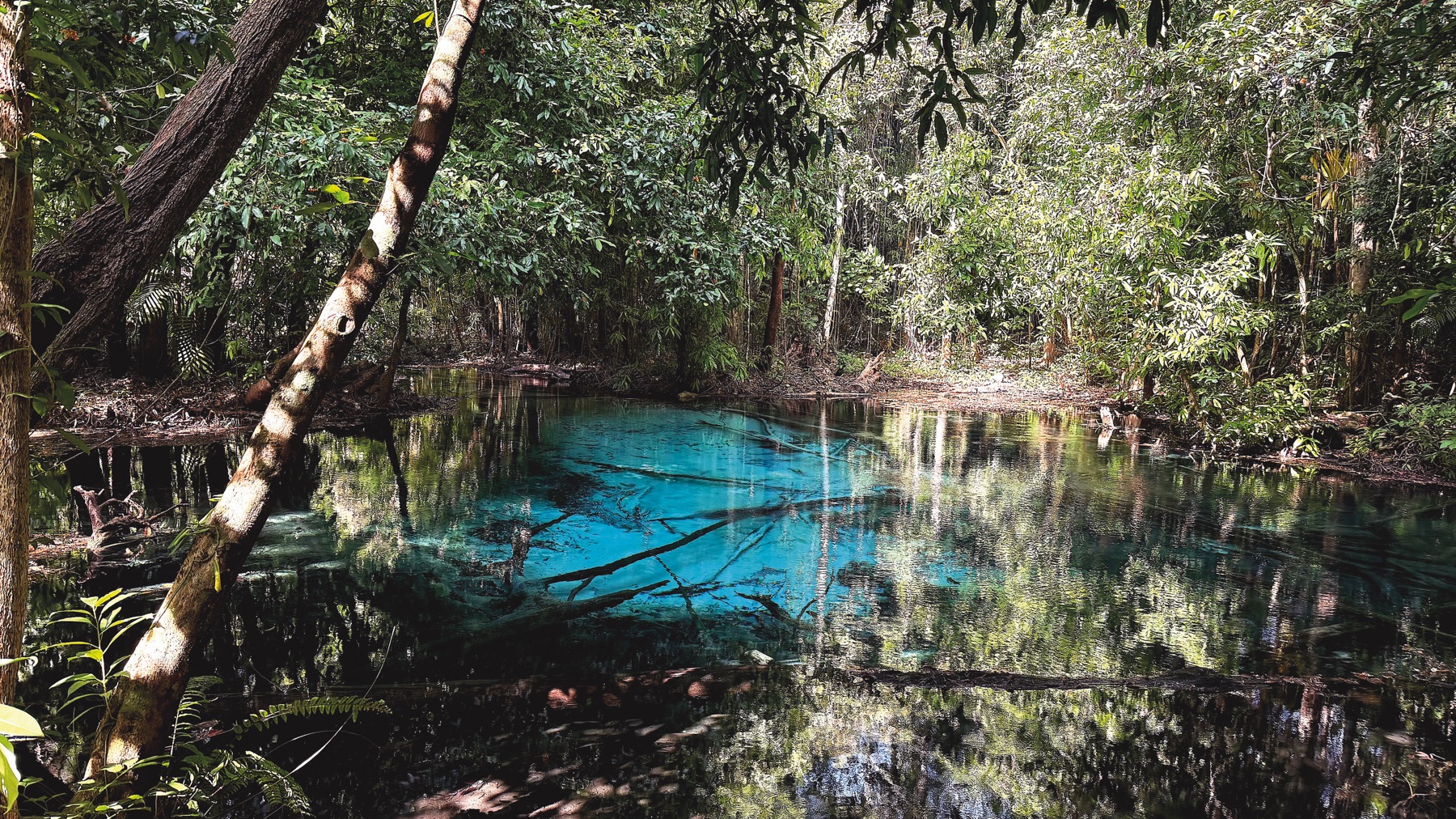
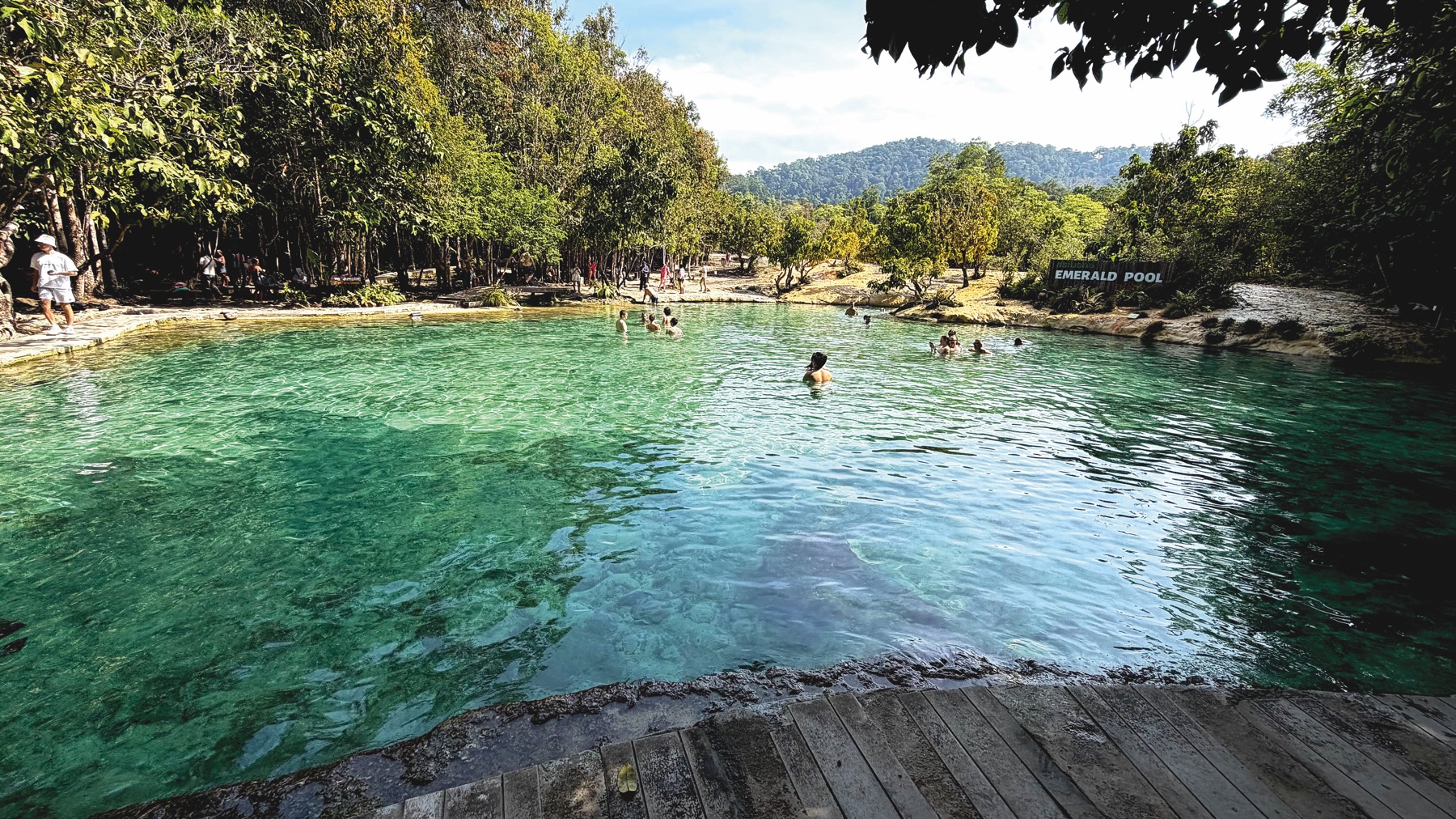
The next day, after a rich breakfast, we took the public boat to Krabi for another day of exploring. Our first stop was the Emerald Pool (Sa Morakot) สระมรกต in the Khao Phra Bang Khram Nature Reserve (เขตรักษาพันธุ์สัตว์ป่าเขาประ-บางคราม). Famous for its vibrant emerald green waters, it’s perfect for swimming or soaking in mineral rich water, which are believed to have health benefits. A 15 minute walk deeper into the reserve leads to the Blue Pool, a breathtaking sapphire blue spring. Swimming is strictly prohibited due to quicksand and fluctuating water temperatures.
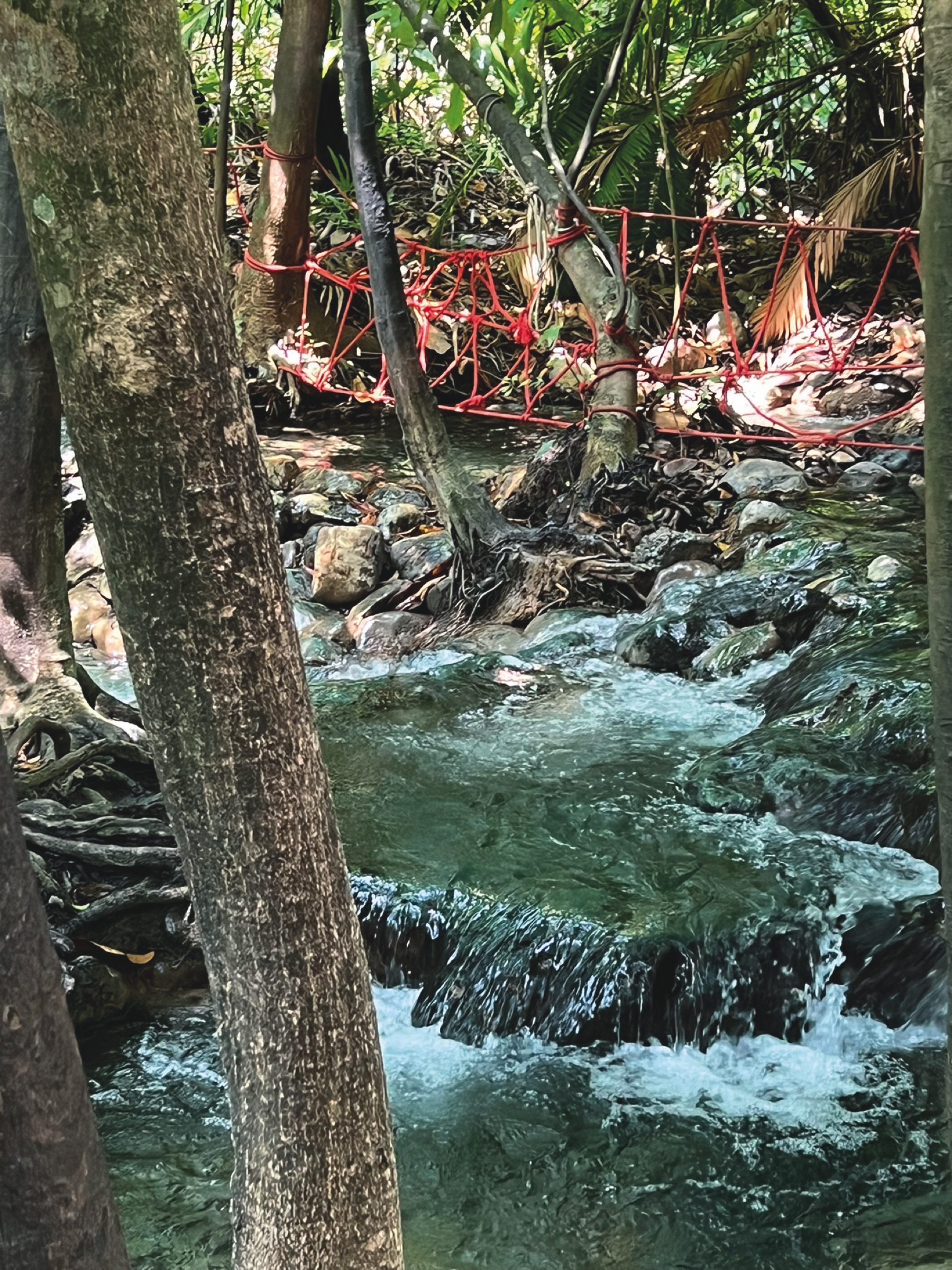
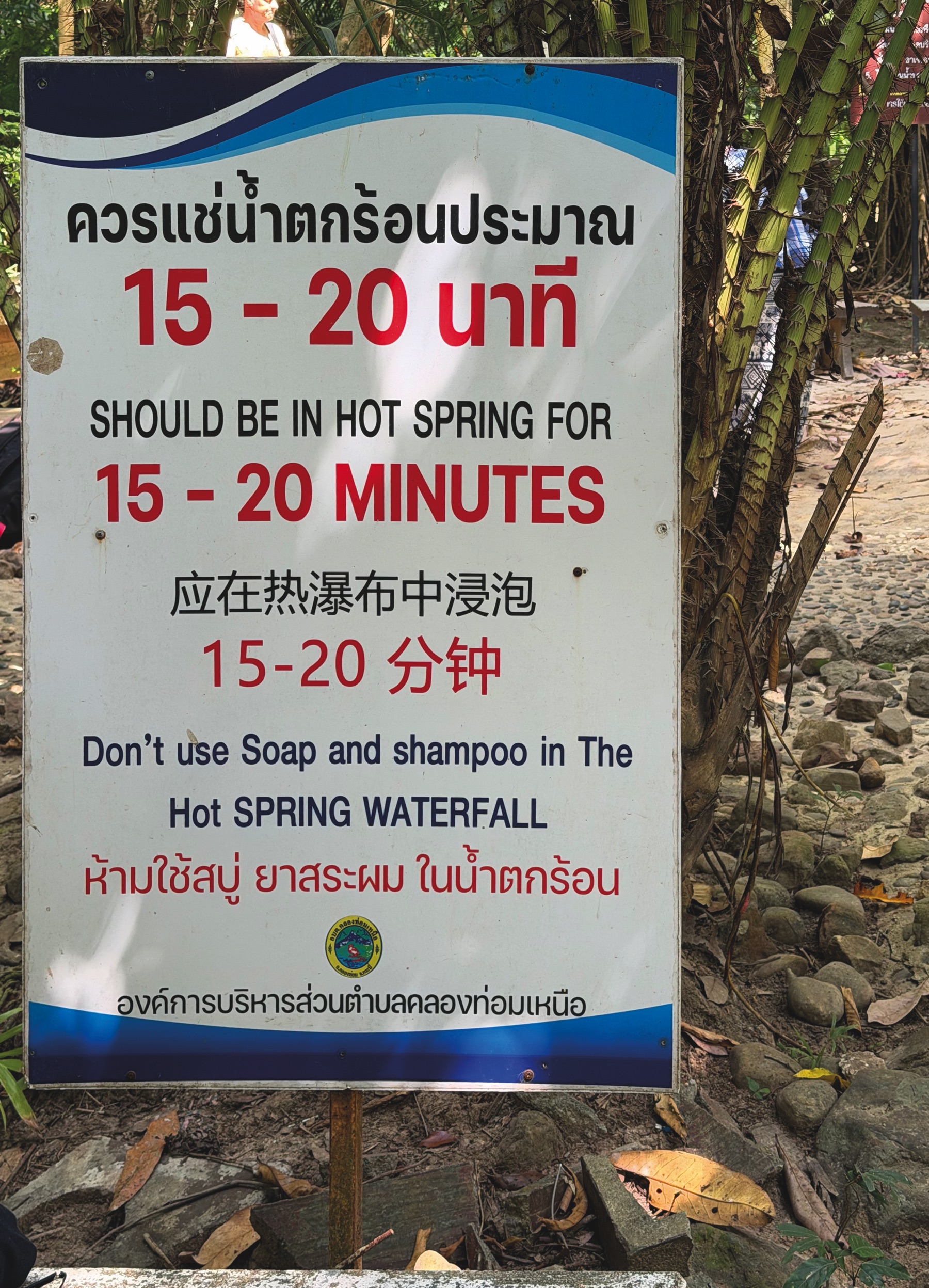
Next, we visited the Khlong Thom Nuea Hot Stream Waterfall – a natural hot waterfall with water temperatures around 40–50°C. The 5 metre tall waterfall has three levels, each with its own pools you can relax in, even on a hot day.
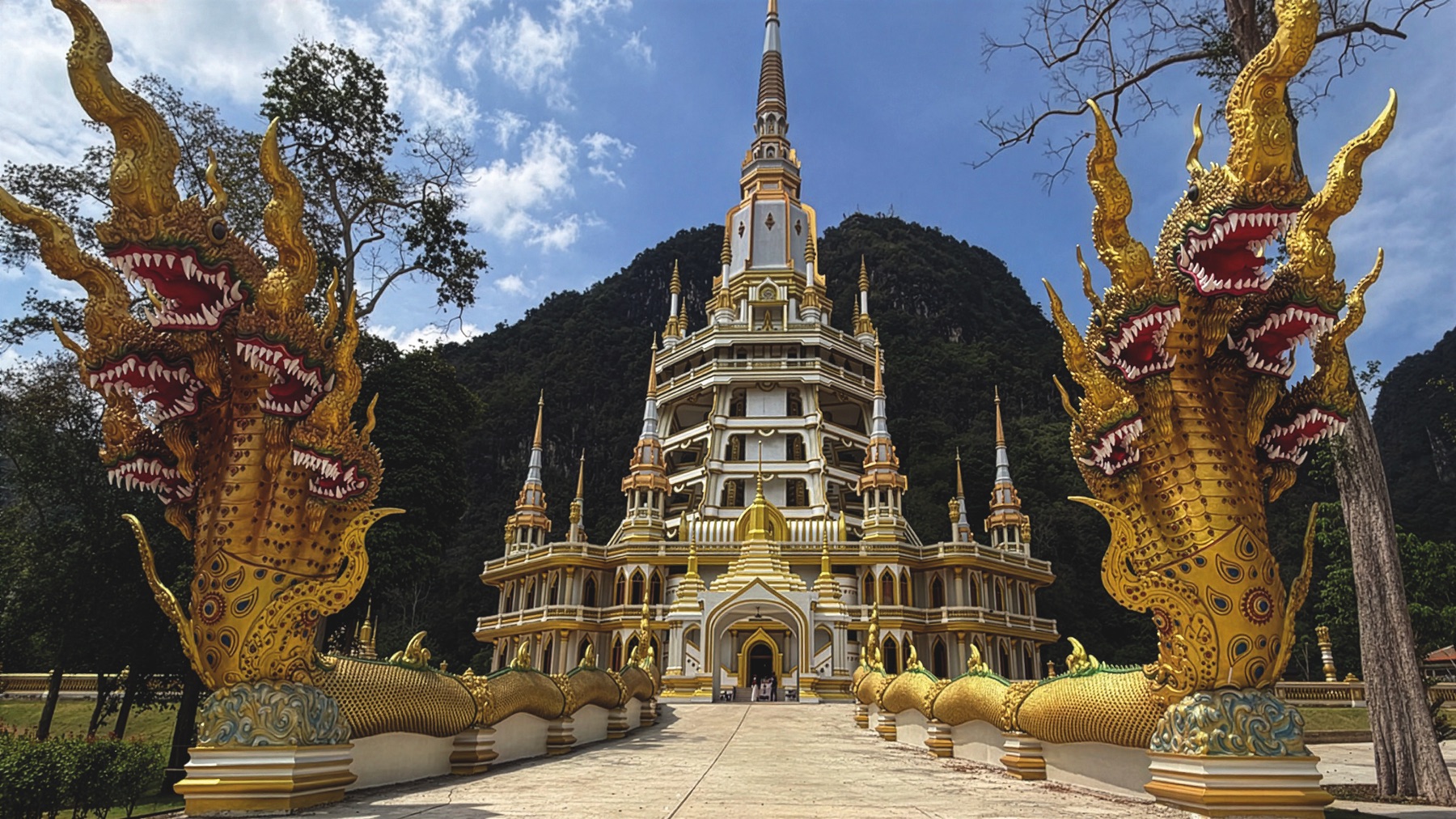
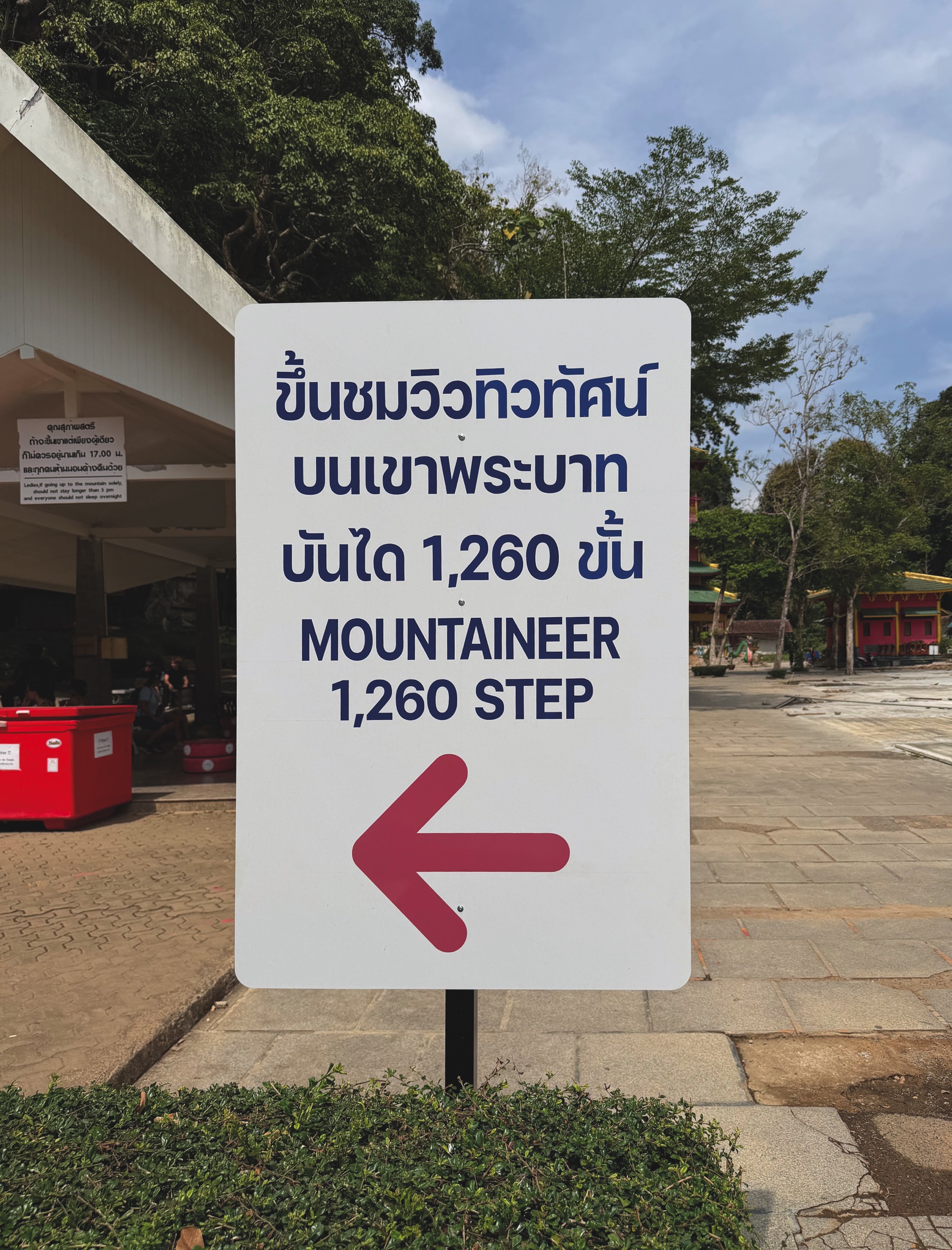
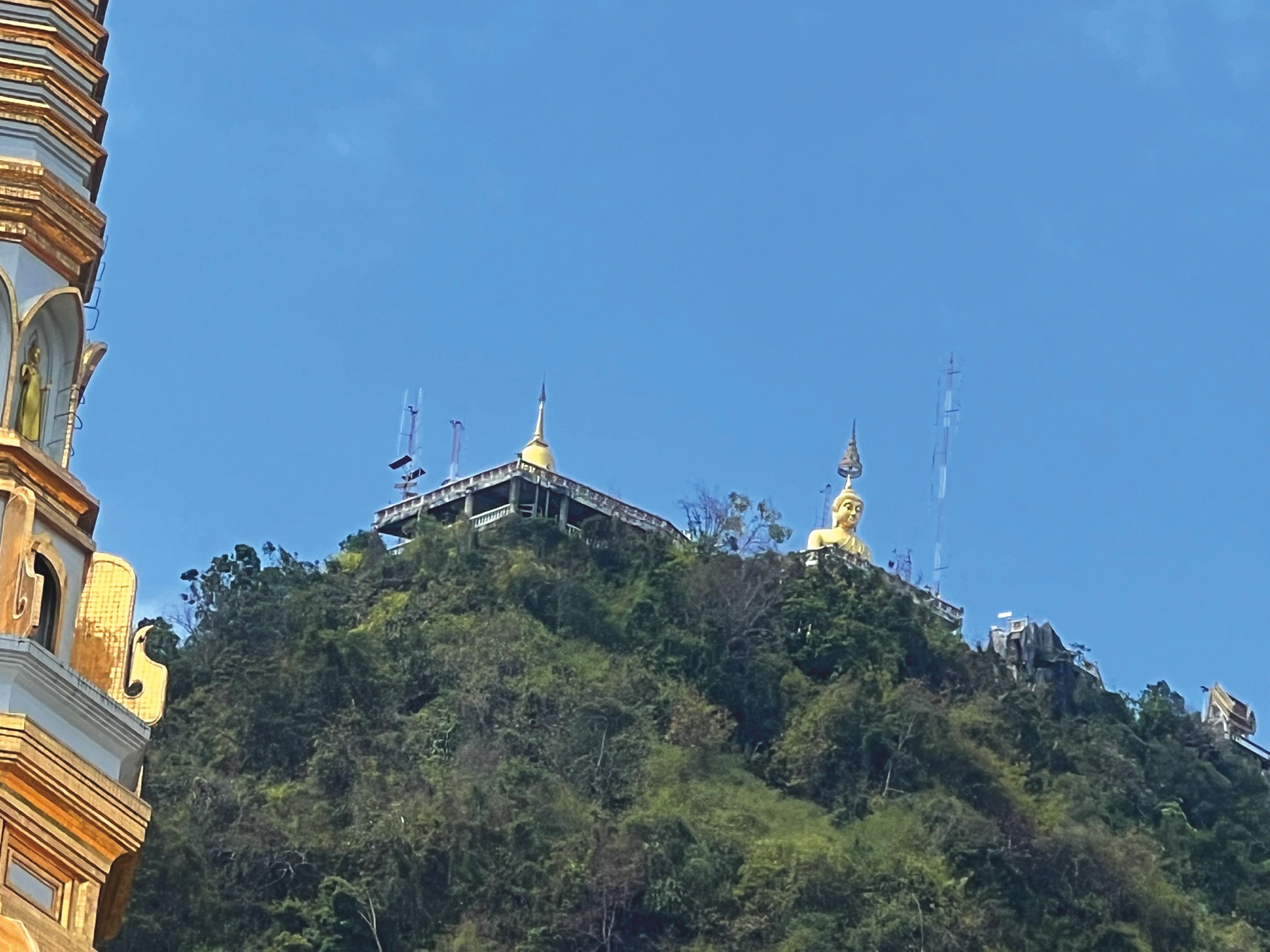
Our last stop was Wat Tham Suea (Tiger Cave Temple), known for tiger paw prints in the cave, tall Buddha statues, and the strenuous climb to the summit. The staircase has recently been rebuilt and now has 1,260 steps. I was in a lazy mood, so we skipped the climb and returned to our beautiful hotel to relax by the pool.
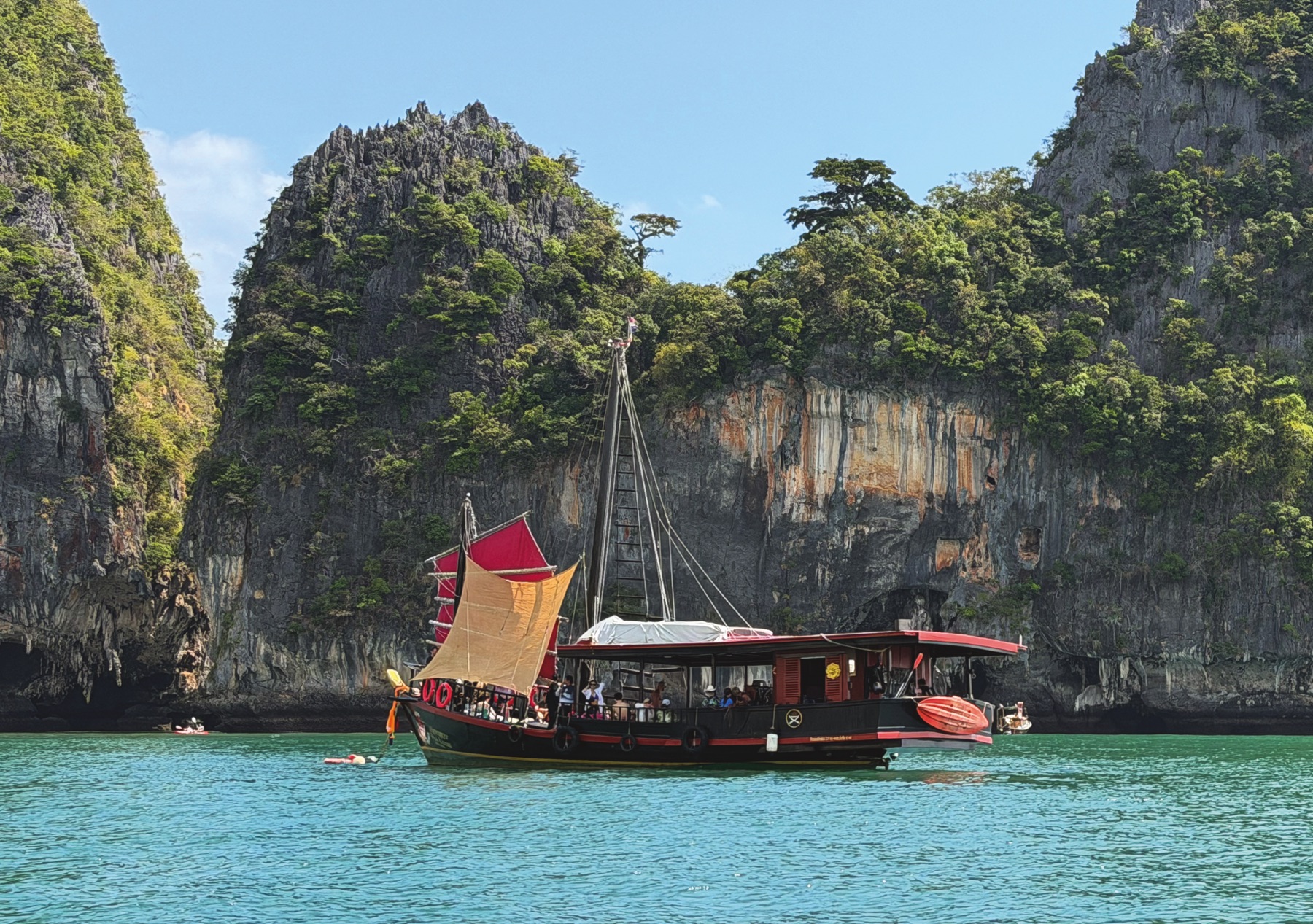
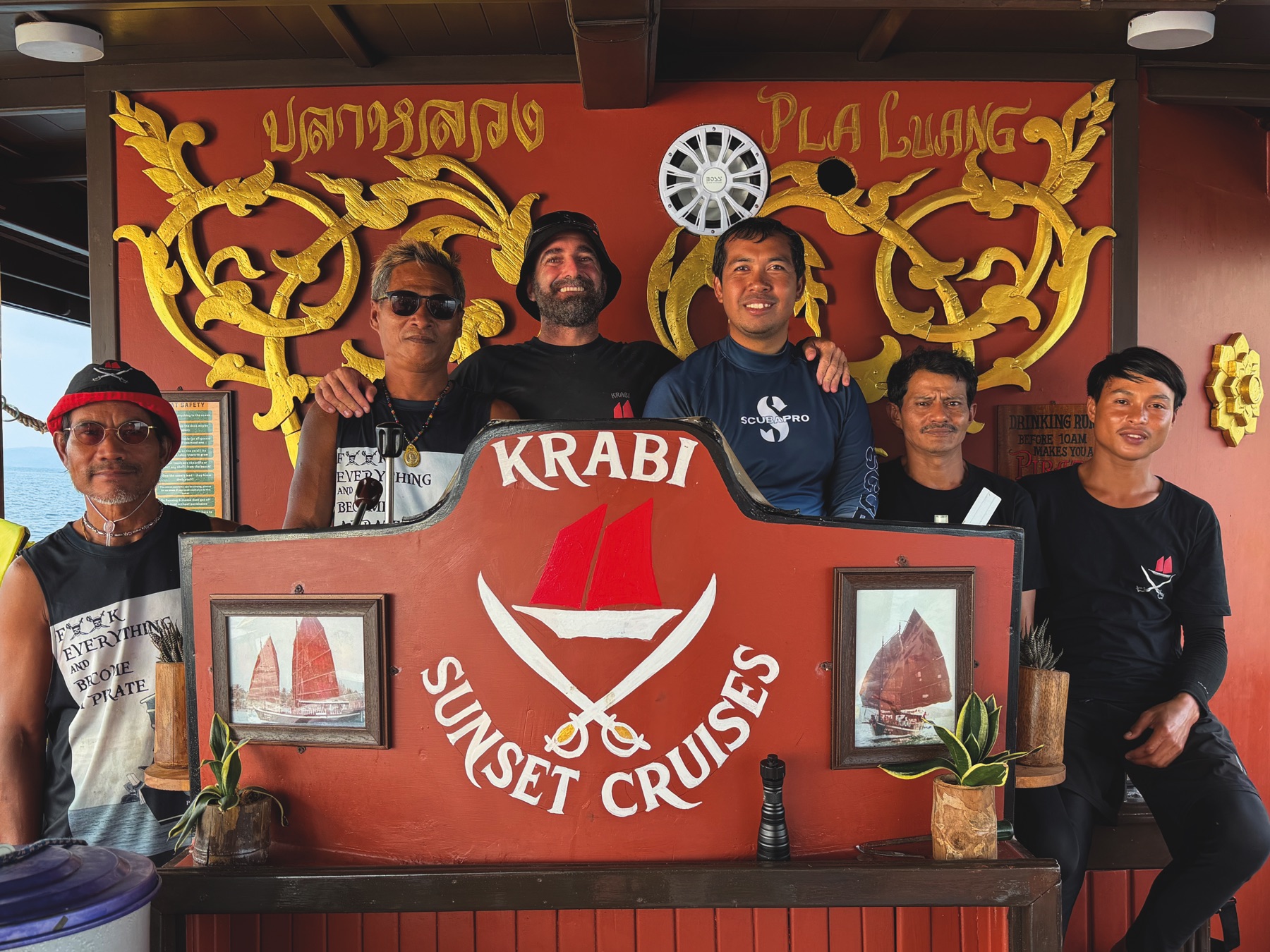
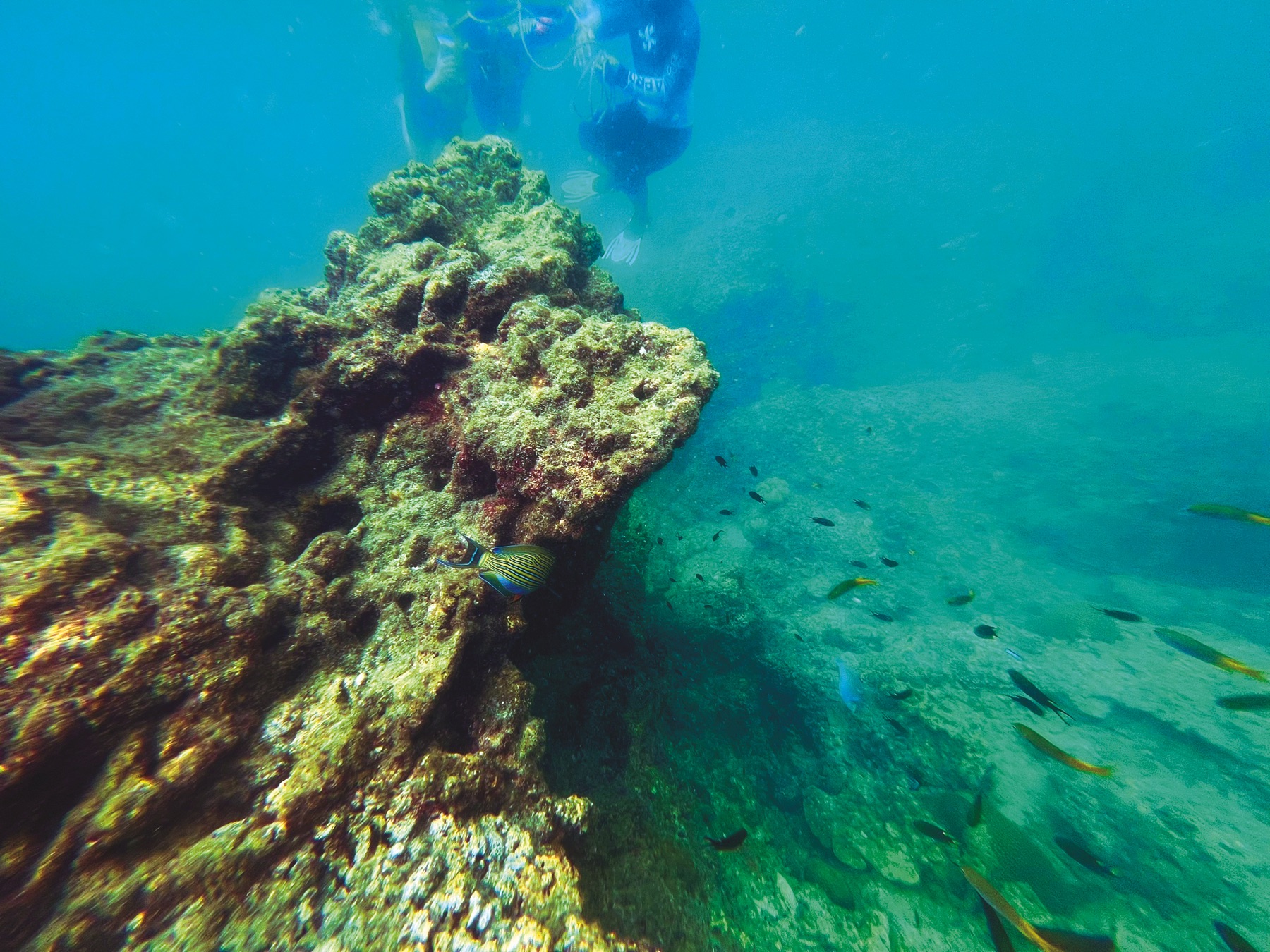
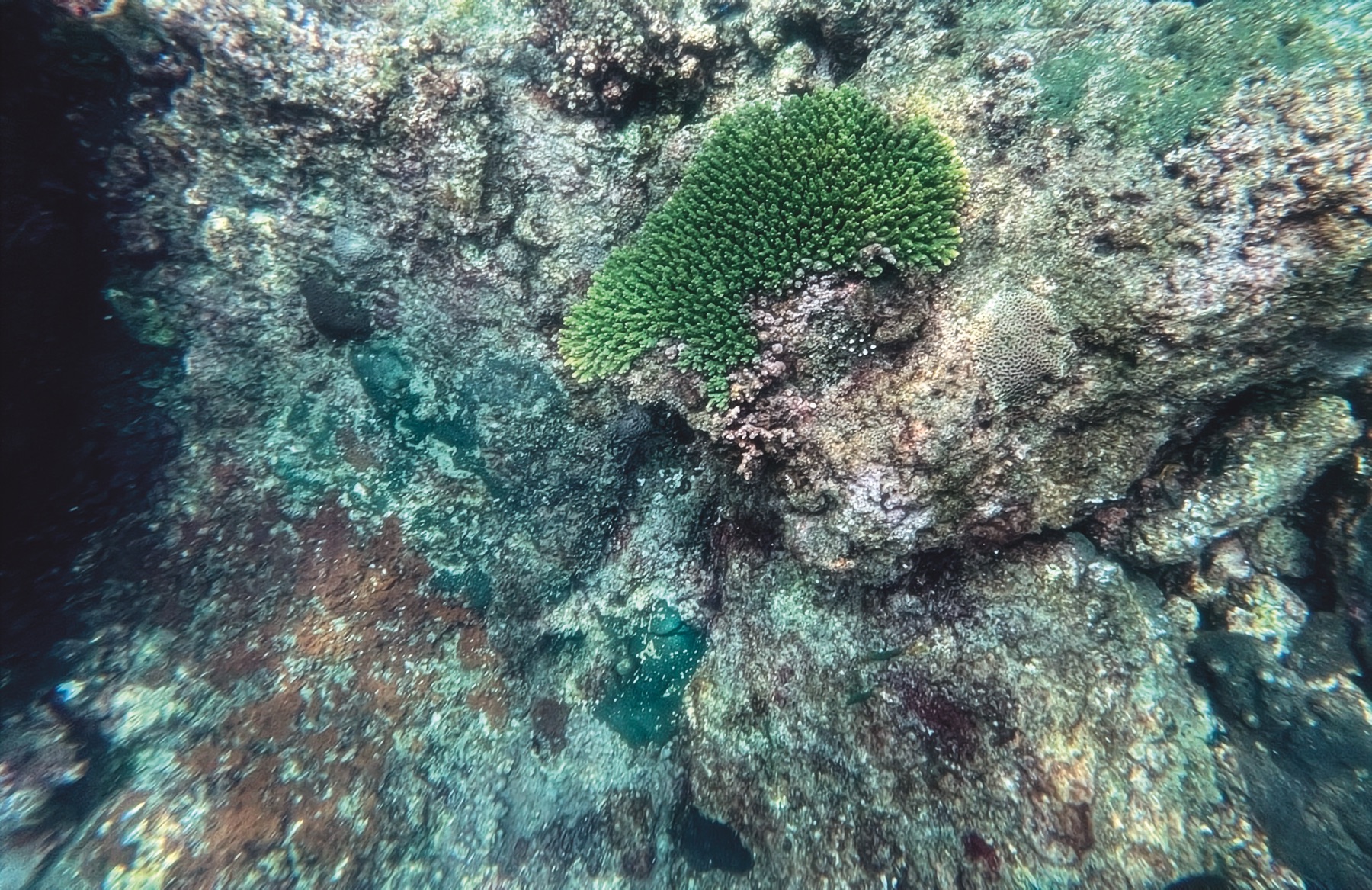
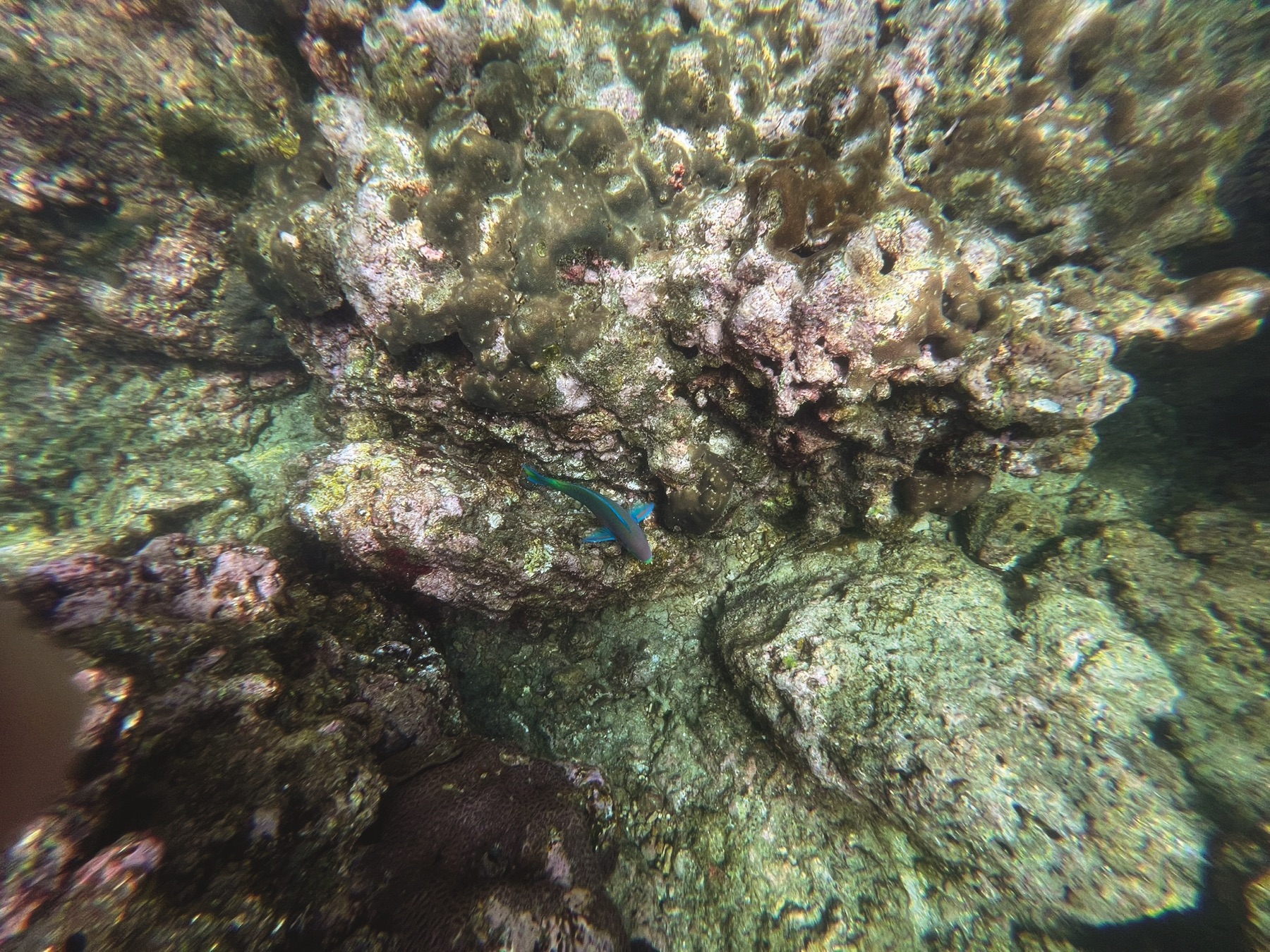
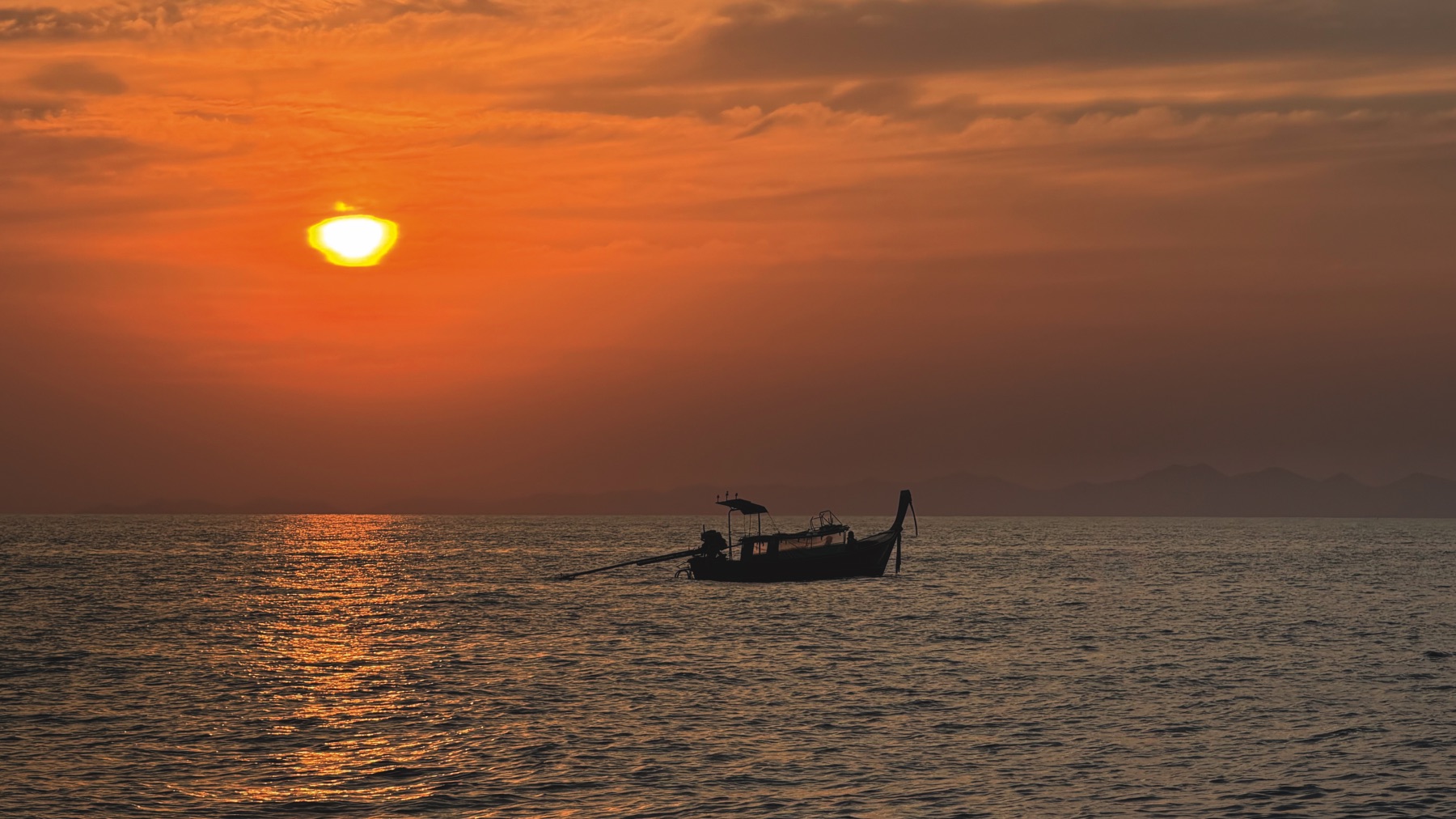
The next day, we chose a special sunset cruise: Krabi 4 Islands Sunset, Snorkeling Cruise & Bioluminescent Swim with Krabi Sunset Cruises (www.krabisunsetcruises.com/tour/sunset-cruise). Pick up was at Railay West Pier (about 15 minutes from our hotel) at 1 p.m. A longtail boat took us to the main vessel – a pirate style wooden boat. There were about 20 tourists on board, giving everyone plenty of space to relax in. We were welcomed with tasty drinks and lively music as we slowly cruised toward the islands for swimming and snorkelling. The sunset was magical. As darkness fell, we enjoyed a delicious Thai dinner and a final swim before returning to the hotel.
Our last day in Krabi was spent in a lazy mood – relaxing by the pool and enjoying delicious Thai food at a nearby restaurant.
Saying goodbye to Thailand – for now
All great holidays have to end. After a rich breakfast, we took the hotel’s longtail boat to Krabi, followed by a transfer arranged by the hotel manager to Krabi Airport for our first flight back to Bangkok.
What a surprise it was to discover at Krabi Airport that there is a direct flight from Krabi to Prague with Neos Airline! However, our flight to Bangkok departed on time, and from there we continued to Prague with Etihad Airways via Abu Dhabi. We flew economy class – the first flight was in the late evening, and the second, to Prague, was a night flight. The service and food were very nice, though I slept through most of the journey. We landed in Prague early in the morning, going from 30°C to –5°C.
Leaving Thailand is never easy. Each visit brings us closer to this beautiful country and its people. We return home grateful and inspired, already missing Thailand – and already looking forward to our next visit.
You can read our earlier articles about our authentic exploration of Thailand: