

Text: H.E. Mr. Vasyl Zvarych, Ambassador of Ukraine to the Czech Republic; Photo: Archive
As Ukraine and the international community commemorate this tragedy, particular importance is attached to the UNESCO Executive Board decision “40 years of the Chornobyl disaster: remembrance and lessons learned”, initiated by Ukraine. In this decision, UNESCO emphasized the importance of preserving the memory of Chornobyl, and of applying its lessons to strengthen global resilience and mitigate risks across all areas of its mandate. The lessons of Chornobyl must shape modern approaches to preparedness, resilience, and response to global challenges and threats.
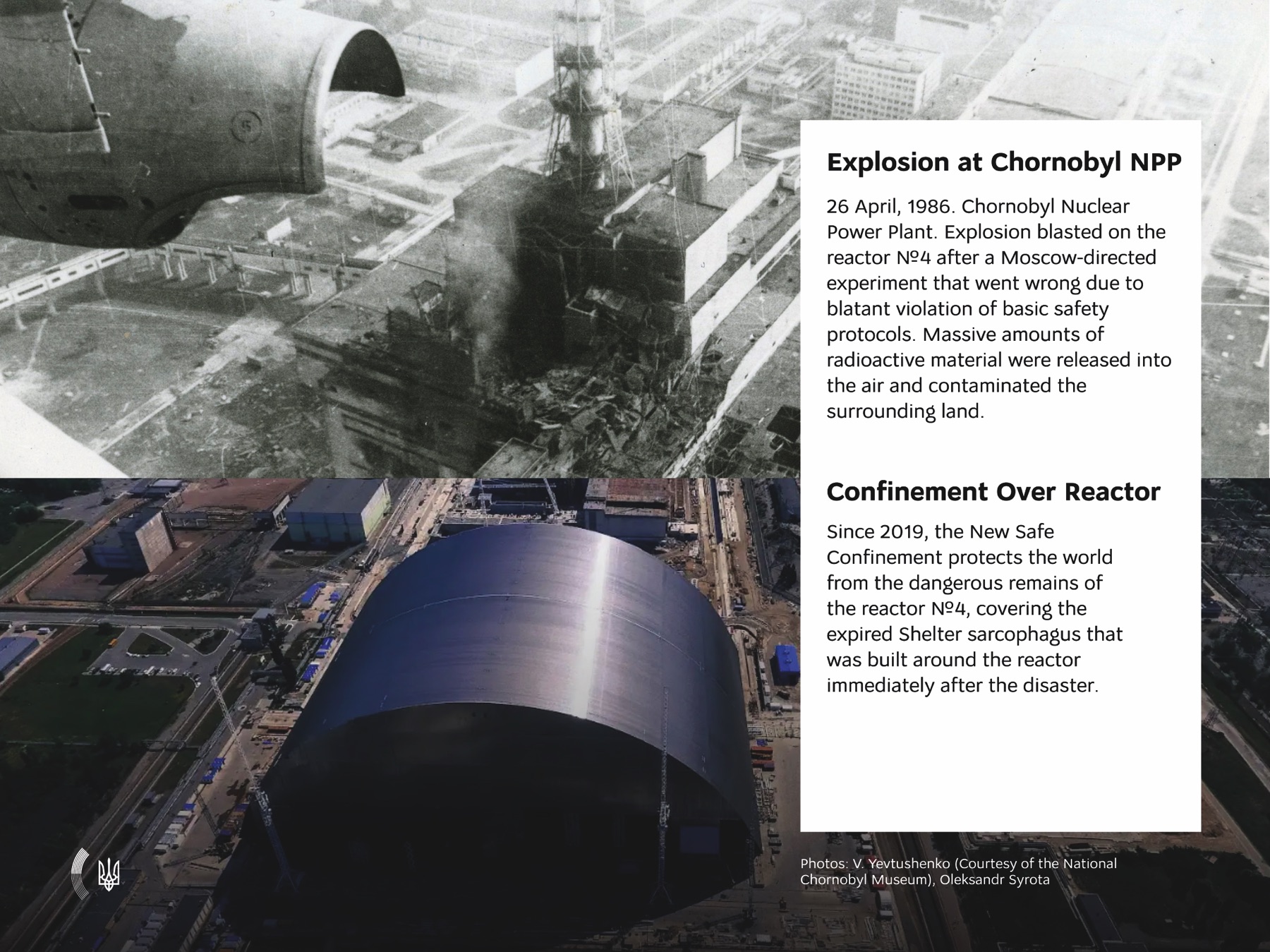
The Chornobyl disaster was the result of a reactor experiment conducted under Moscow’s orders, in blatant violation of fundamental safety protocols. It was not an unforeseeable accident, but a consequence of systemic negligence embedded in a political system that disregarded human life and suppressed critical information.
In the immediate aftermath of the explosion, Soviet authorities attempted to conceal the scale of the catastrophe. The world remained unaware of the disaster for at least two days, while Soviet citizens were deliberately kept uninformed for weeks.
The radioactive release did not remain confined to the region. Within ten days, contamination spread across Europe, with traces detected in Sweden, Norway, Poland, Austria, Switzerland, Germany, Finland, and the United Kingdom.
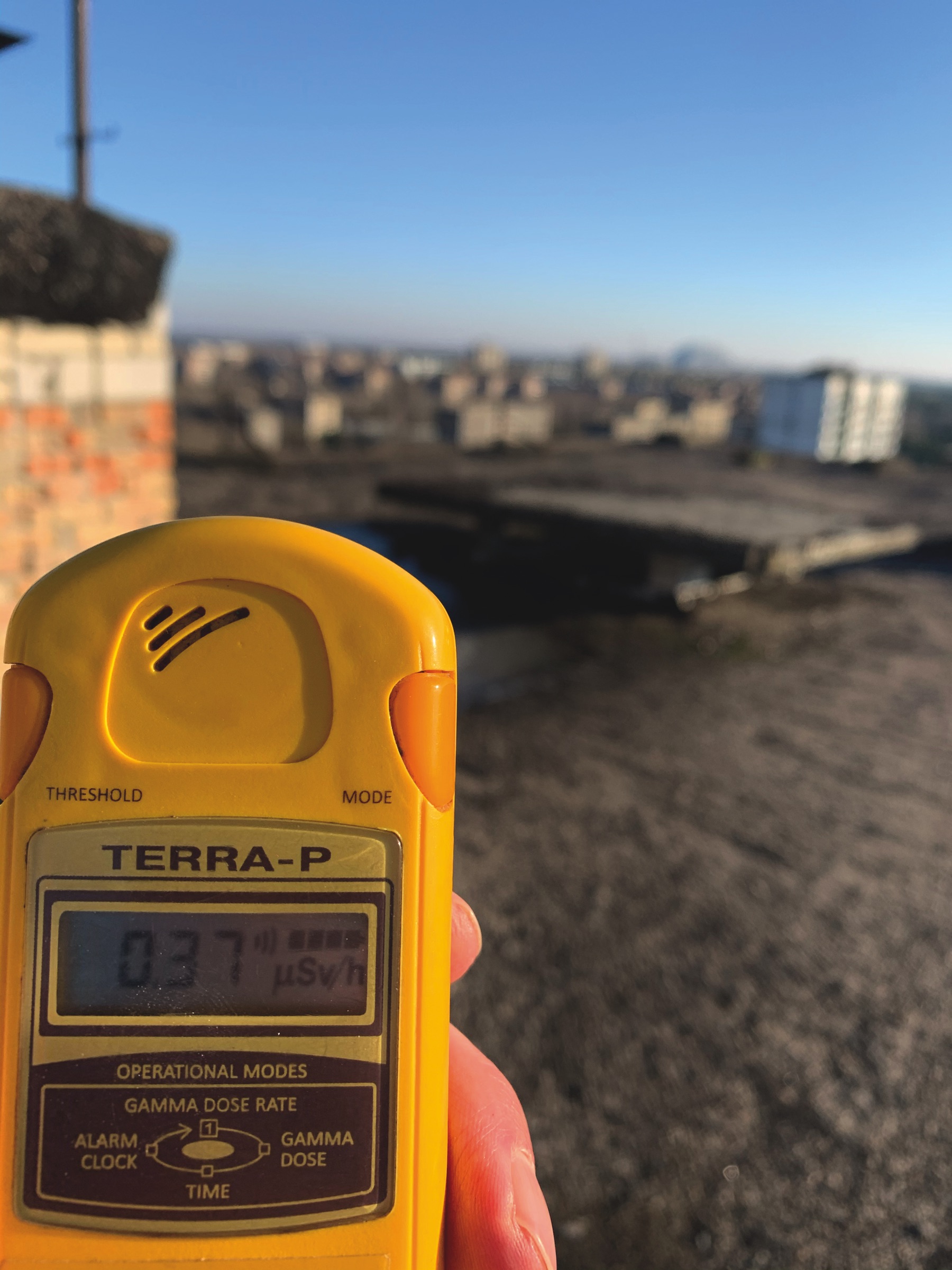
Inside the destroyed reactor, radiation levels reached approximately 20,000 roentgens – a level vastly exceeding lethal thresholds, where exposure to just 500 roentgens over five hours is fatal.
The Soviet authorities concealed the full extent of the disaster, falsified medical diagnoses related to radiation exposure, and classified contamination data until 1989.
In total, the disaster released radiation approximately 30 times greater than the atomic bomb dropped on Hiroshima. Over 145,000 square kilometres of territory were contaminated, and around 8.5 million people were exposed to radiation. Over 300,000 people were permanently displaced.
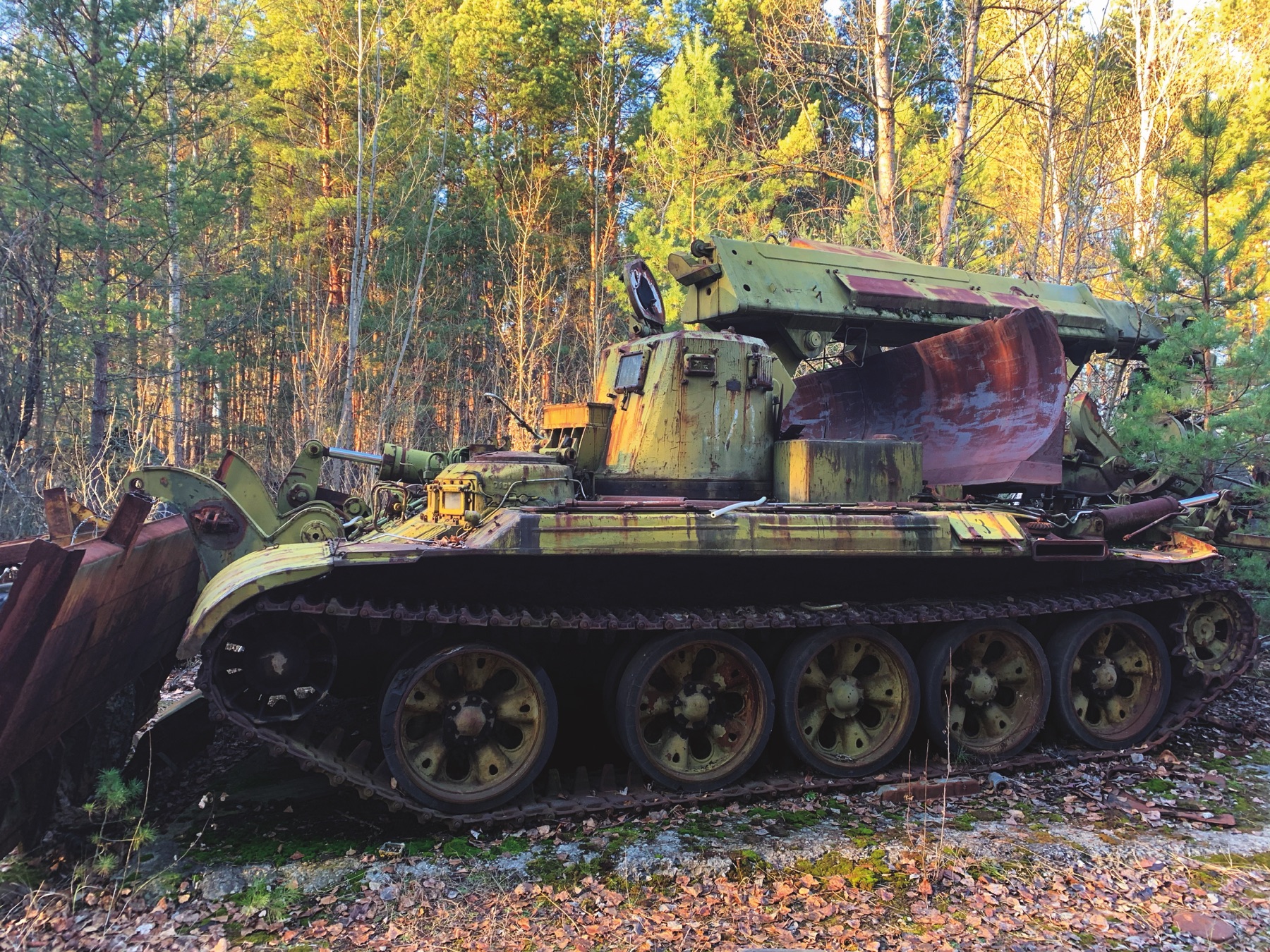
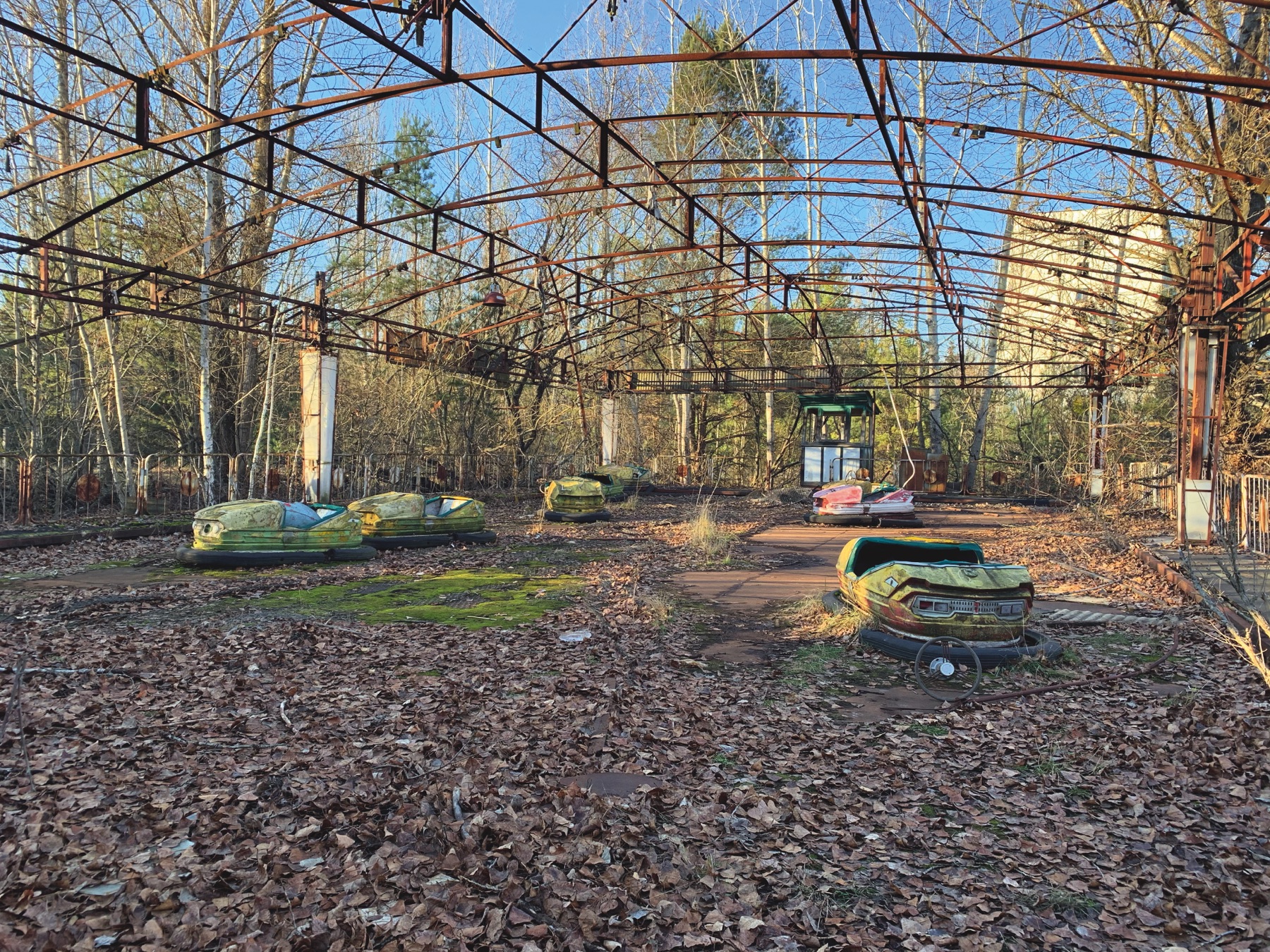
The Chornobyl Exclusion Zone still exists today, comparable in size to Luxembourg, and parts of it will remain uninhabitable for tens of thousands of years.
The long-term consequences of the disaster also contributed to the collapse of the USSR, yet, even nearly 40 years later, its legacy continues to shape global nuclear safety policy.
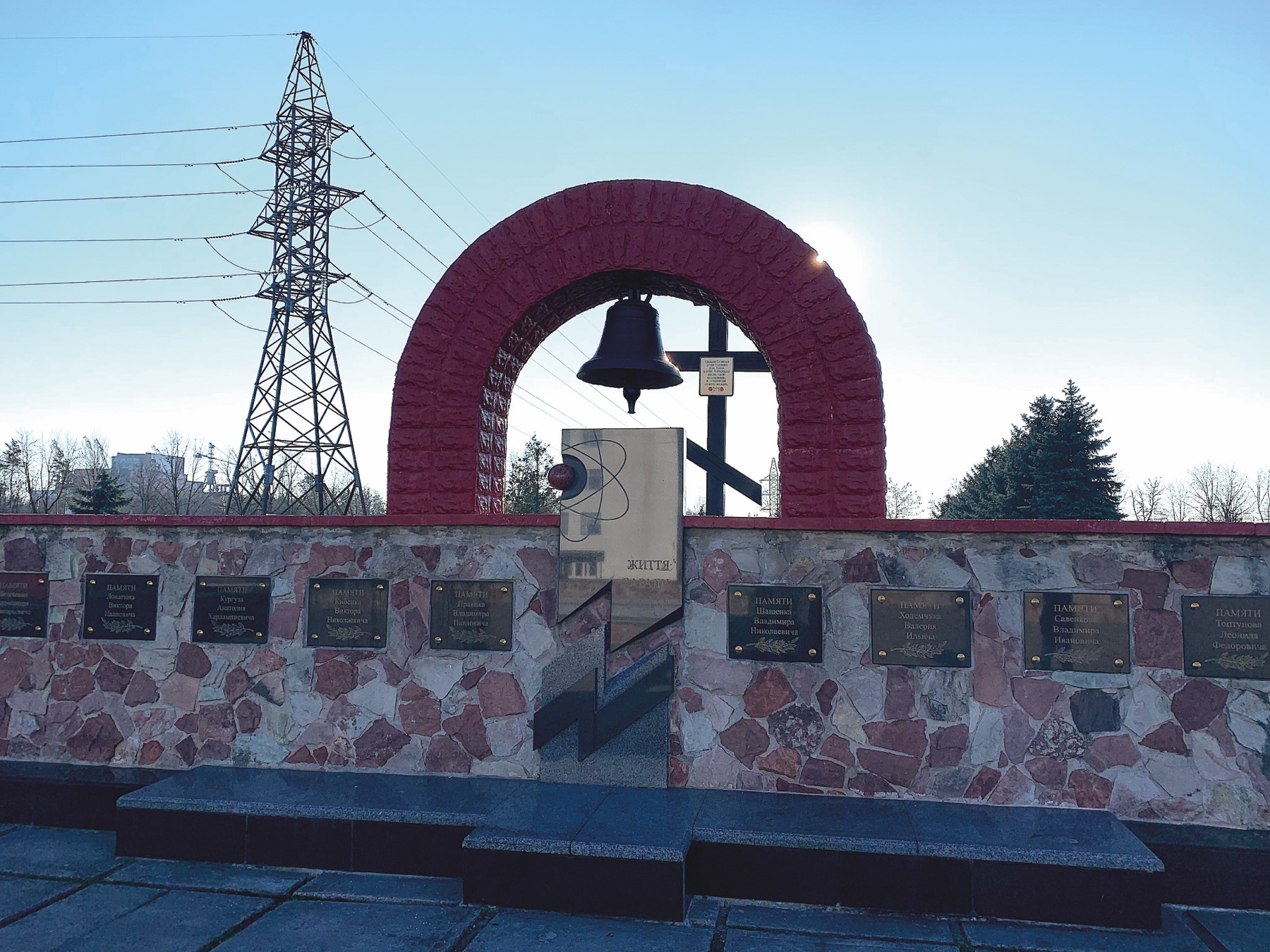
On this day of remembrance, we honour more than 600,000 liquidators – men and women who risked and sacrificed their health and lives to contain the consequences of the disaster, and protect the world from further catastrophe.
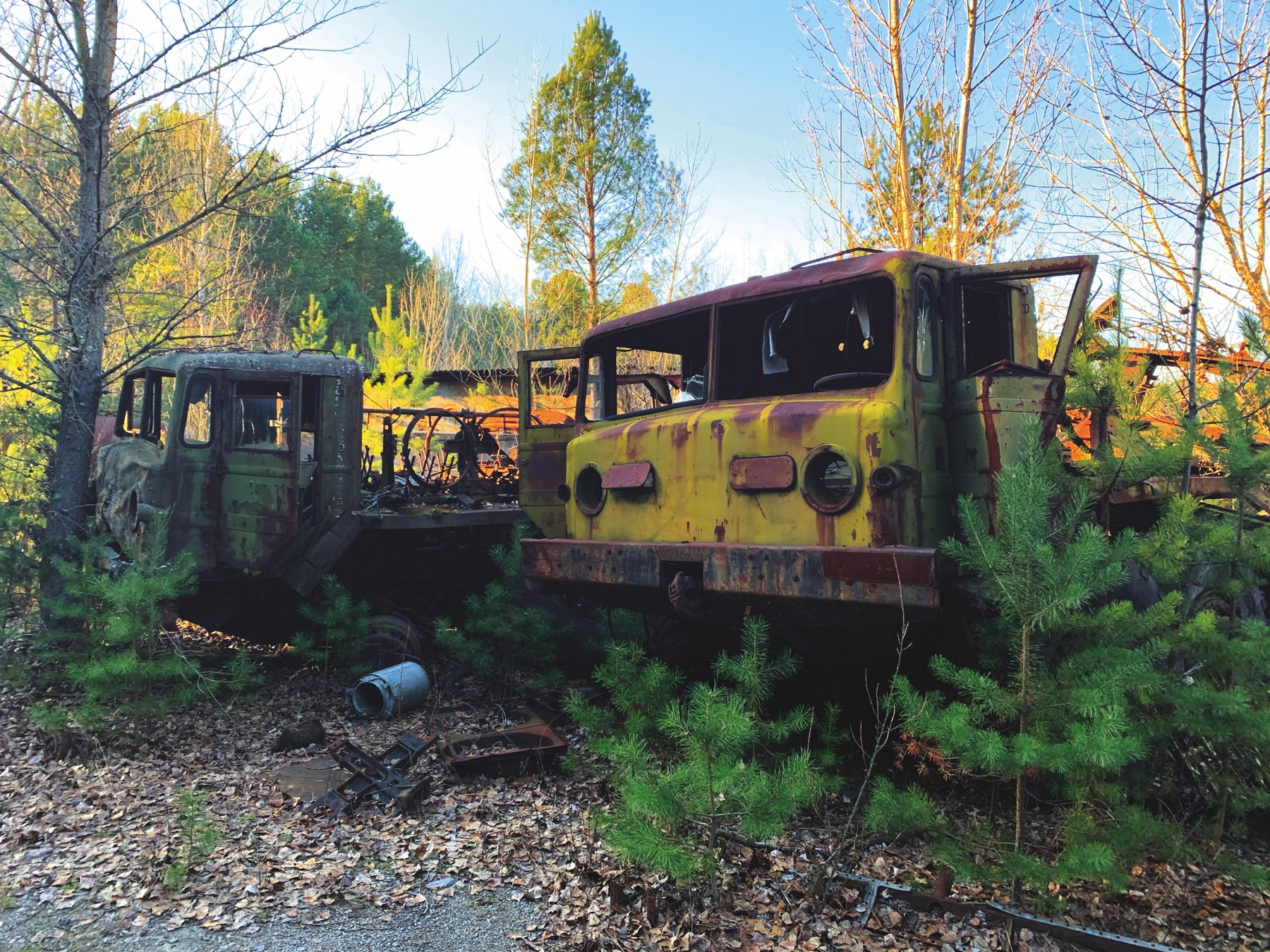
Their courage stands as one of the most extraordinary acts of collective sacrifice in modern history. Chornobyl is not only a story of tragedy and systemic failure; it is also a story of heroism – the heroism of ordinary people.
Today, that legacy continues through a new generation of energy workers, who safeguard nuclear infrastructure under equally demanding conditions.
At its core, Chornobyl exposed the inhumane nature of a system built on secrecy, coercion, and disregard for human life. It was a verdict on the Soviet system – its lies, its structural irresponsibility, and its suppression of truth.
The lessons of Chornobyl remain urgently relevant.
On February 24th, 2022, with the beginning of Russia’s full-scale invasion of Ukraine, the world once again faced a nuclear-related threat – this time as an instrument of warfare.
The Chornobyl Exclusion Zone was among the first territories seized by Russian forces. Only through the dedication of Ukrainian personnel, who continued operating under occupation in extreme conditions, was another nuclear disaster prevented. The estimated damage caused by the occupation amounts to approximately €100 million.
On March 31st, Ukrainian forces regained control of the site. However, 169 members of the Ukrainian National Guard – who had been guarding the facility – were forcibly taken to Belarus, and later to Russia.

It is evident that Russia has not learned from the history of Chornobyl. Instead, its actions reflect patterns reminiscent of the same disregard for nuclear safety that led to the 1986 catastrophe.
For the first time in history, an aggressor state has forcibly seized nuclear power plants. Russia’s occupation of the Chornobyl site was followed by the seizure of the Zaporizhzhia Nuclear Power Plant, both of which were subsequently militarized and used for political and military leverage.
This represents a fundamental violation of international law, as well as of the principles of nuclear safety established by the International Atomic Energy Agency (IAEA).
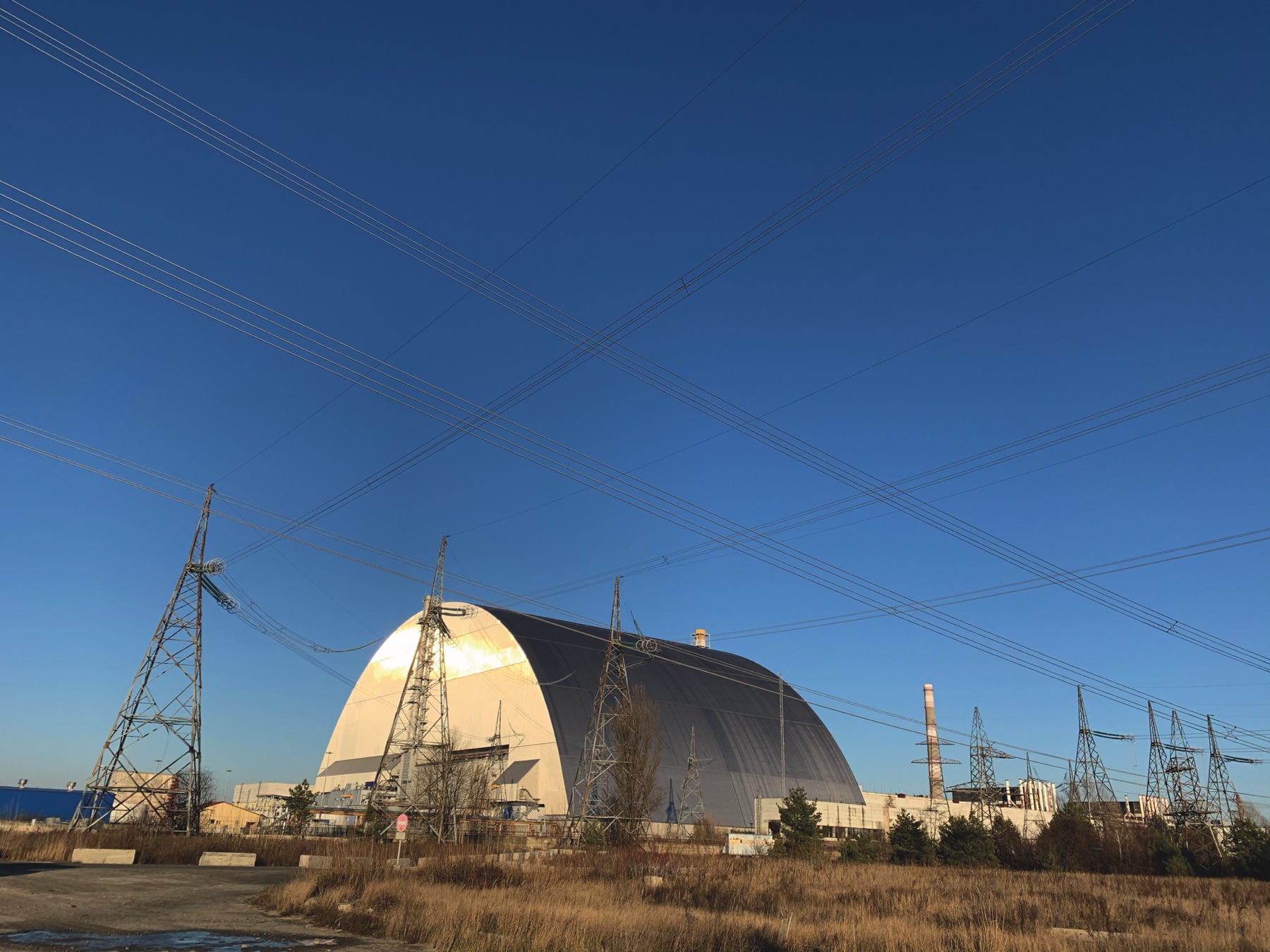
Serious incidents have repeatedly highlighted the risks. On the night of 13–14th February 2025, a Russian “Geran-2” combat drone struck the New Safe Confinement (NSC) at Chornobyl, damaging critical protective structures designed to contain the destroyed Unit 4 reactor. The strike affected both external and internal layers of the confinement and disabled key crane systems.
At the Zaporizhzhia Nuclear Power Plant, multiple incidents have been reported, including explosions and damage to emergency power systems. In March 2025, the IAEA confirmed damage to a diesel fuel tank essential for backup generators – a consequence of replacing licensed Ukrainian personnel with unqualified operators under occupation.
Across Ukraine’s operational nuclear power plants, Russian drone overflights and strikes on critical substations have repeatedly forced emergency reactor shutdowns. At several points, Europe stood uncomfortably close to a potential nuclear disaster.
The fact that such crises were prevented is due to the professionalism and resilience of Ukrainian nuclear engineers and operators, whose work continues to safeguard not only Ukraine but also the entire European continent.
The systematic escalation of nuclear-related risks in the context of Russia’s war against Ukraine has reached a level that poses a global security concern.
Russia’s strategy of nuclear intimidation echoes similar patterns observed in other authoritarian regimes, including Iran, demonstrating a dangerous convergence in tactics of nuclear coercion.
By seizing the Chornobyl and Zaporizhzhia nuclear power plants, Russia has violated every fundamental principle of nuclear safety and security. No state has the right to use nuclear infrastructure as a tool of blackmail.
Restoring global nuclear safety is impossible without the return of full sovereign control over Zaporizhzhia Nuclear Power Plant to Ukraine.
Due to Russia’s systematic use of nuclear facilities as instruments of warfare, and the threat it poses to global security, we call for stronger sanctions against Rosatom, restrictions on Russia’s participation in the International Atomic Energy Agency, and a firm international response to nuclear blackmail and terrorism committed by Russia.
Impunity in matters of nuclear safety endangers the entire world. The international community must act decisively to ensure political, legal, and economic consequences for violations that endanger global security.
Protecting Ukraine’s nuclear infrastructure is not a regional issue – it is a global responsibility. Every system that secures a Ukrainian nuclear power plant is, in effect, a guarantee that European cities can live in safety.
We must ensure that the principle of “Never Again” is not merely a historical slogan, but a lived reality enforced by international action.
And, above all, the world must not wait for a new Chornobyl.