
Author: H.E. Mr. Yashar ALIYEV, Ambassador of the Republic of Azerbaijan to the Czech Republic
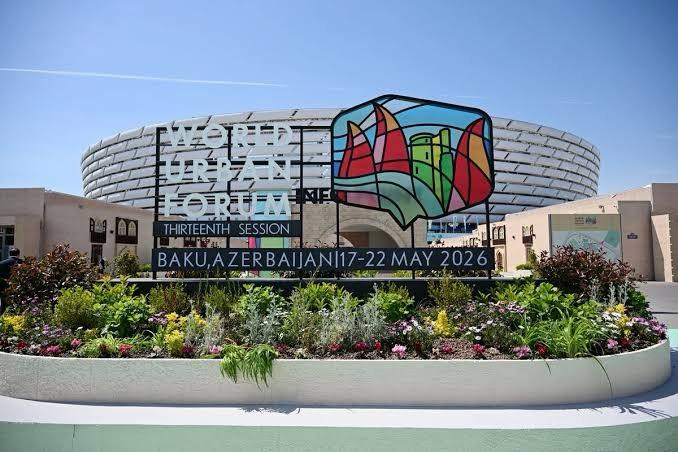
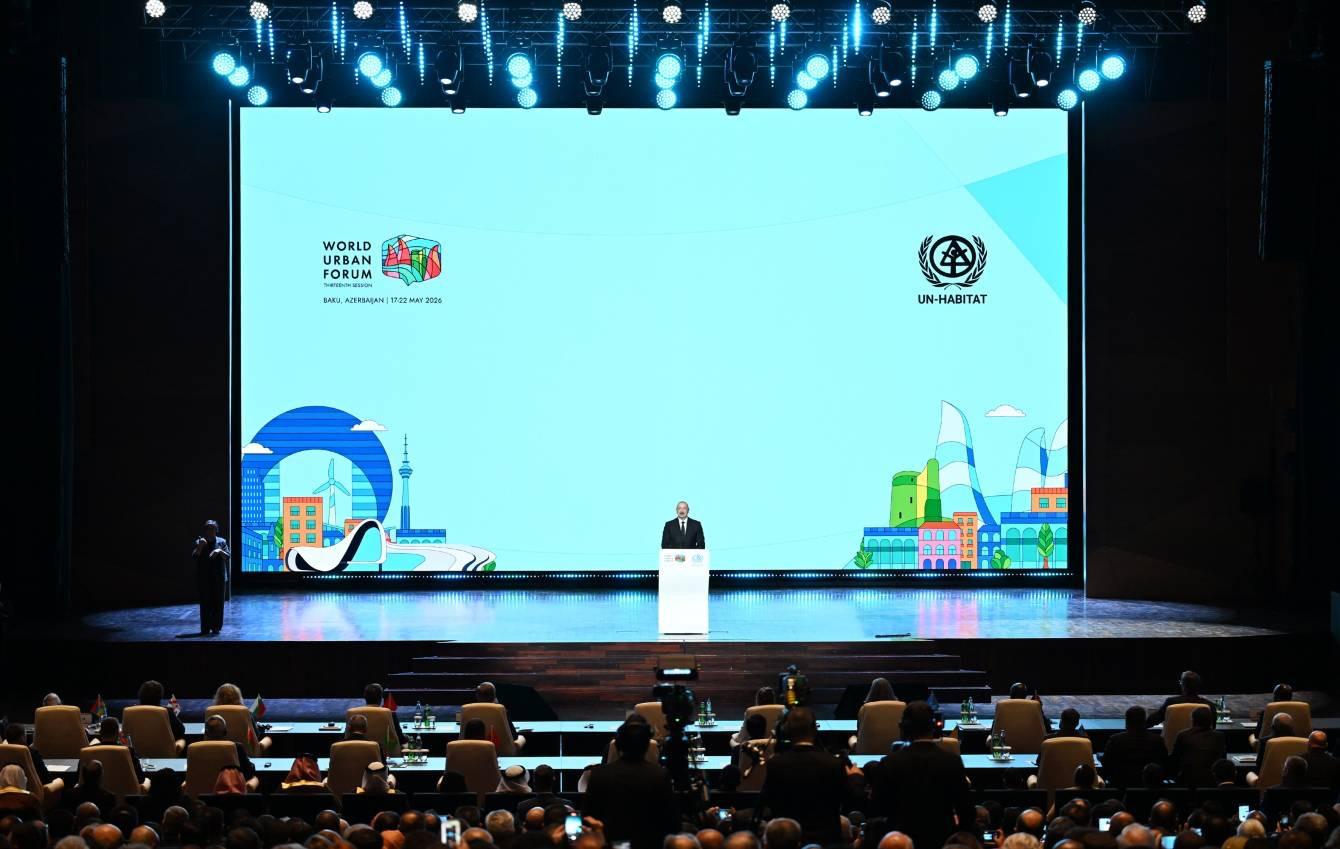
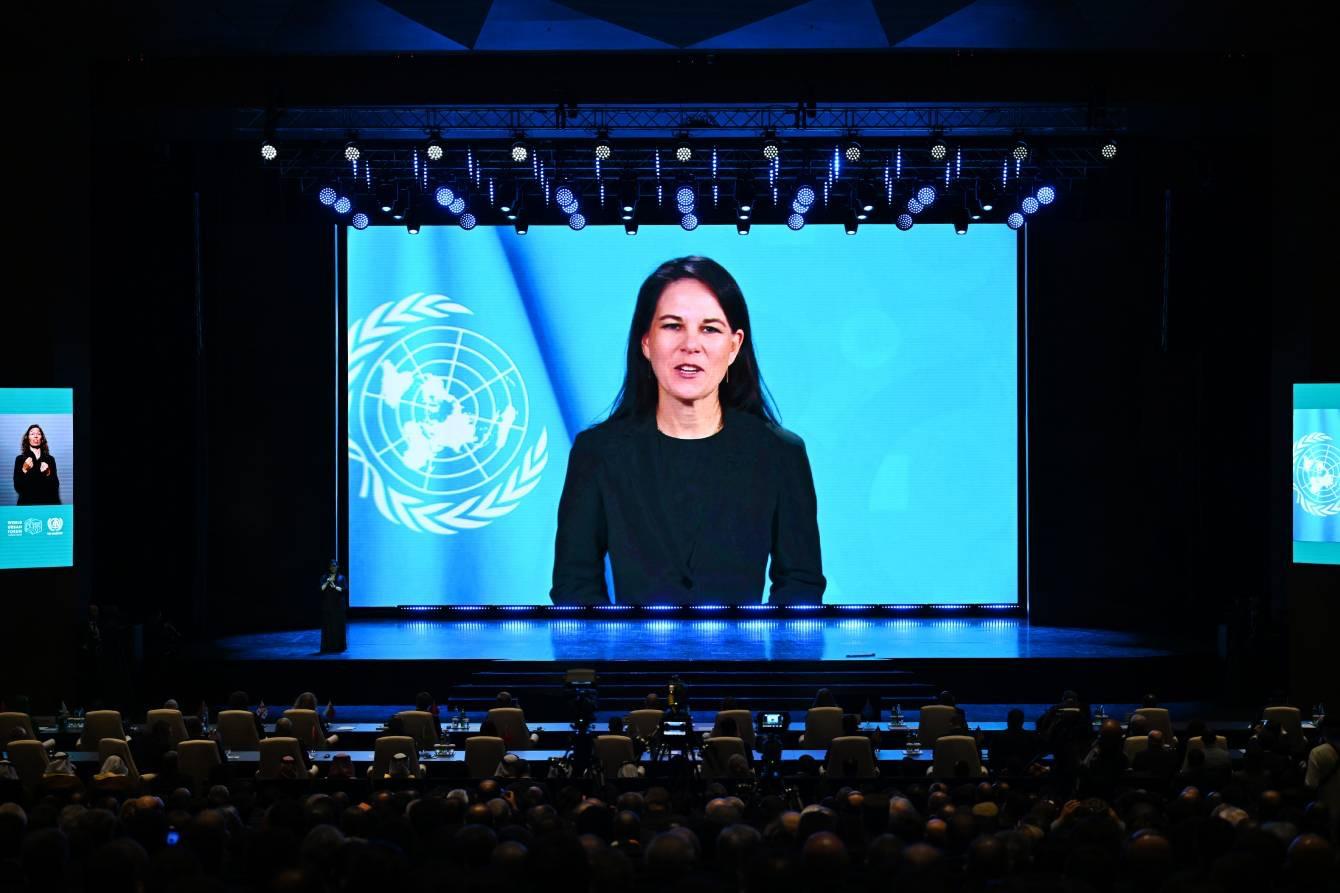
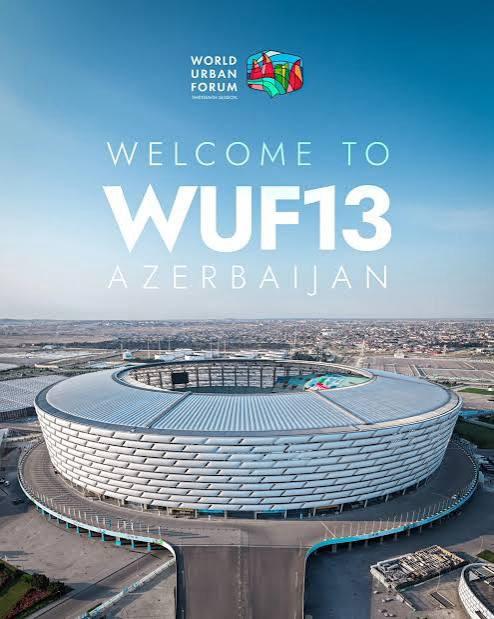
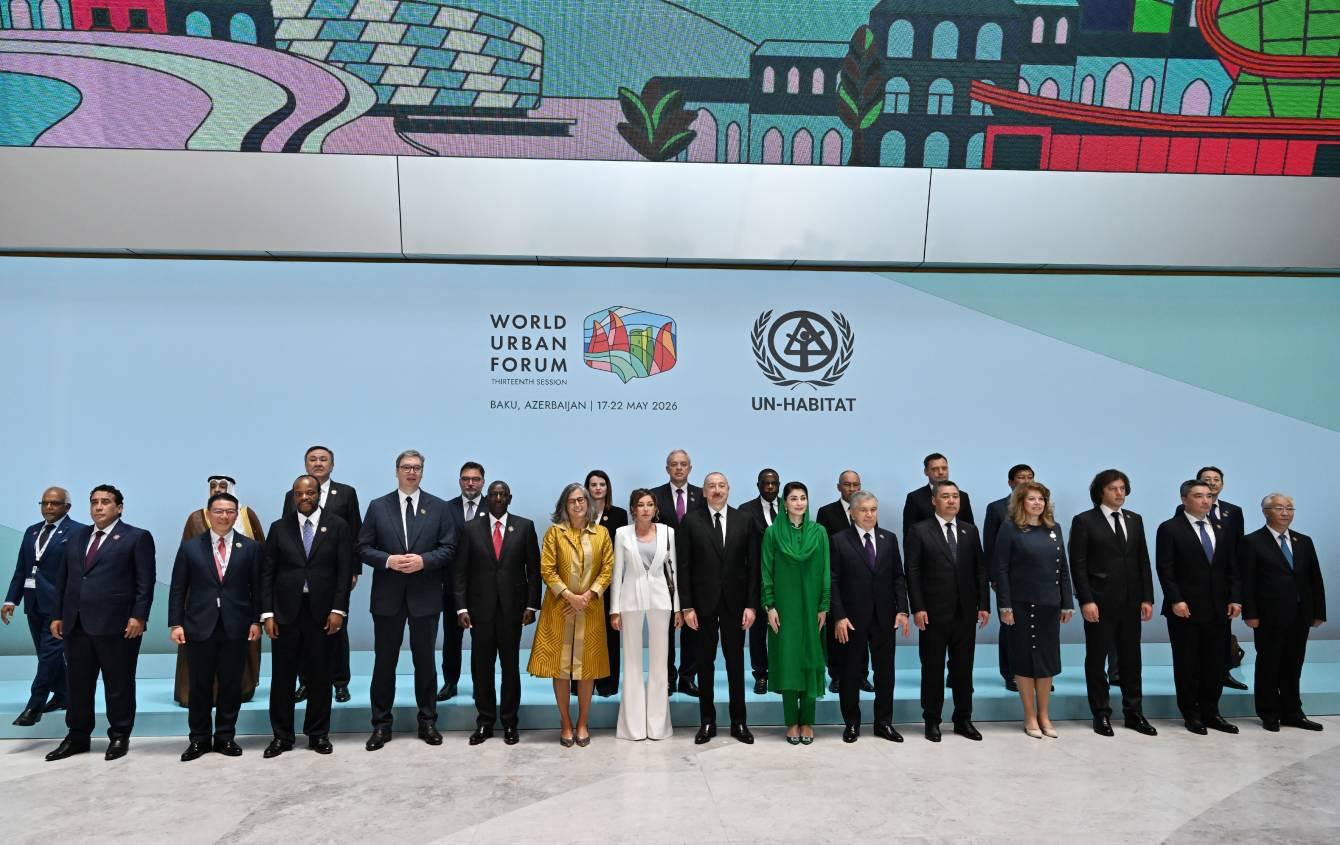
Following the successful completion of the 29th session of the Conference of the Parties to the UN Framework Convention on Climate Change (COP29), Azerbaijan hosted yet another major international event — the 13th session of the World Urban Forum (WUF13), held in Baku from 17 to 22 May 2026. Co-organized by the Government of Azerbaijan and UN-Habitat, the Forum brought one of the United Nations’ key global platforms for sustainable urban development to the region at a time when cities worldwide are facing growing pressure to become more resilient, inclusive, and technologically advanced.
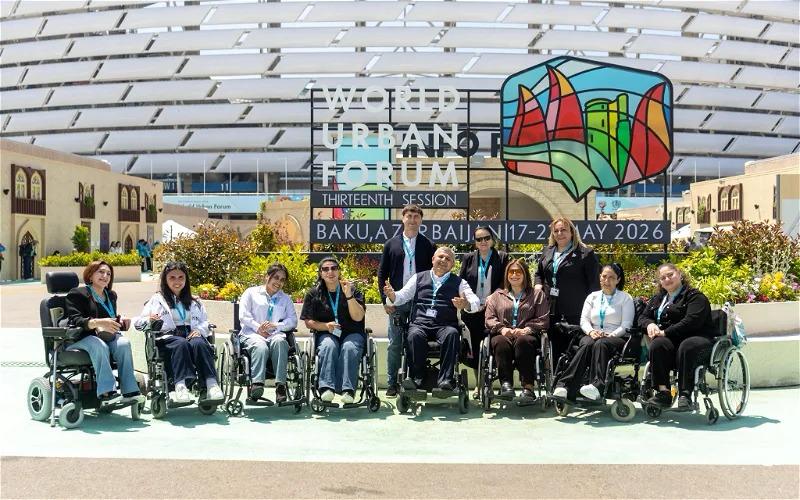
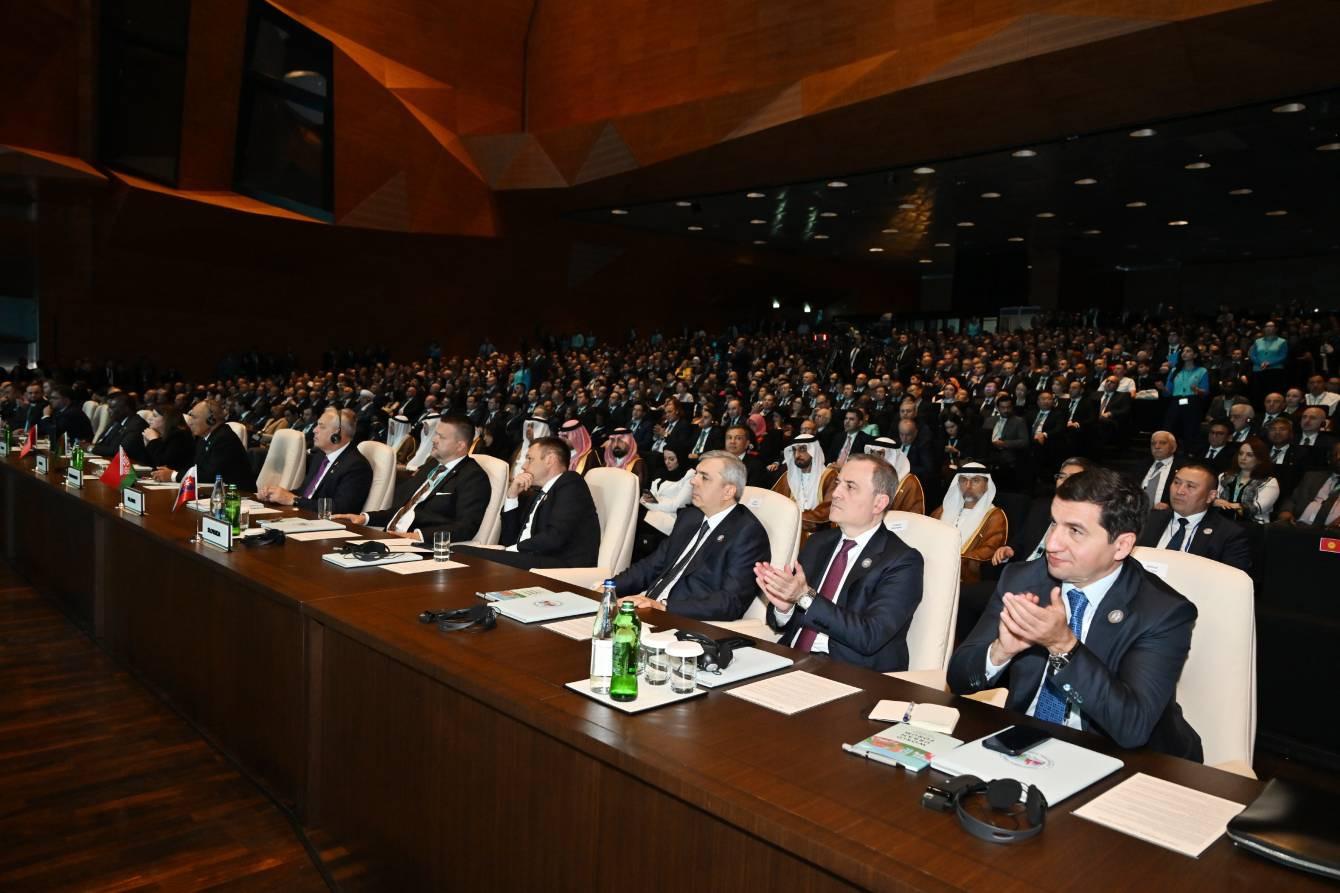
WUF13 became the largest and most attended edition in the history of the World Urban Forum, bringing together more than 58,000 participants from 176 countries, including heads of state and government, 88 ministers, 76 deputy ministers, 130 mayors, urban planners, and representatives of international organizations. Over six days, the programme featured nearly 580 sessions, including high-level dialogues, ministerial meetings, thematic discussions, and networking events, alongside a large-scale Urban Expo that brought together 260 exhibitors from 92 countries. Held under the theme “Housing the World: Safe and Resilient Cities and Communities,” the Forum placed affordable and adequate housing, climate resilience, sustainable infrastructure, and innovative urban solutions at the center of international discussions.
One of the principal outcomes of WUF13 was the presentation of the Baku Call to Action, which outlined 15 recommendations aimed at addressing the global housing crisis and accelerating sustainable urban development. The document emphasized the importance of expanding access to affordable housing, strengthening climate resilience, improving urban governance, mobilizing financial resources, and enhancing cooperation among governments, local authorities, and other stakeholders. The Forum also introduced several new initiatives, including the Baku Urban Award, the WUF Academy, the Practices Hub, and the Business and Innovation Hub, designed to facilitate knowledge exchange and translate innovative approaches into practical solutions.
Notably, WUF13 marked the first occasion on which the World Urban Forum was hosted in the South Caucasus, bringing the region into the center of global urban dialogue. Azerbaijan’s role as host reflected its consistent focus on urban transformation, smart city integration, and forward-looking infrastructure development. In recent years, the country has placed increasing emphasis on smart cities and smart villages, digital governance, renewable energy solutions, and modern urban planning. These priorities are particularly evident in the large-scale reconstruction and redevelopment underway in Azerbaijan’s liberated territories, where technological innovation and sustainability constitute integral elements of long-term planning. In this context, WUF13 provided an opportunity to showcase Azerbaijan’s experience, exchange international best practices, and establish new partnerships in sustainable urban development.
The successful organization of WUF13 also built upon Azerbaijan’s experience in hosting major international events, most notably COP29, which brought global attention to climate action and environmental sustainability. The hosting of these two landmark forums within a relatively short period highlighted the growing interconnection between environmental challenges and urban development, as cities remain central to both climate mitigation and adaptation efforts. While COP29 addressed the broader challenges of climate change, WUF13 advanced discussions on how climate commitments could be translated into practical solutions at the urban and community levels.
Within this broader framework, WUF13 represented not only a major international gathering but also a significant milestone in Azerbaijan’s engagement with the global sustainable development agenda. By bringing together a record number of participants, facilitating dialogue among diverse stakeholders, and contributing to the formulation of practical recommendations through the Baku Call to Action, Azerbaijan further strengthened its role as a platform for international cooperation and multilateral dialogue. The outcomes of the Forum are expected to contribute to the continued implementation of the New Urban Agenda and broader efforts towards achieving the United Nations Sustainable Development Goals.