AuthorMartin Hladík

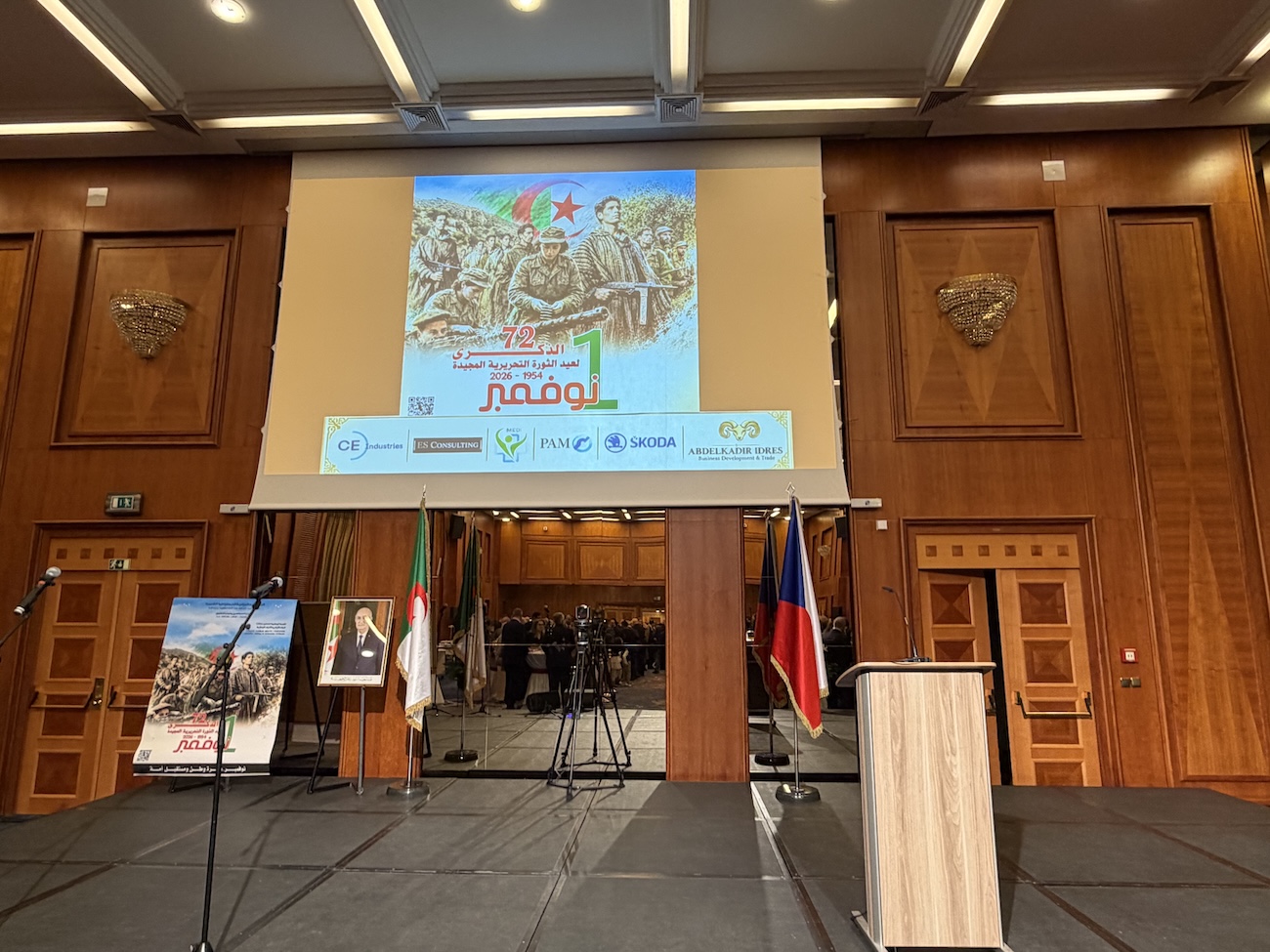
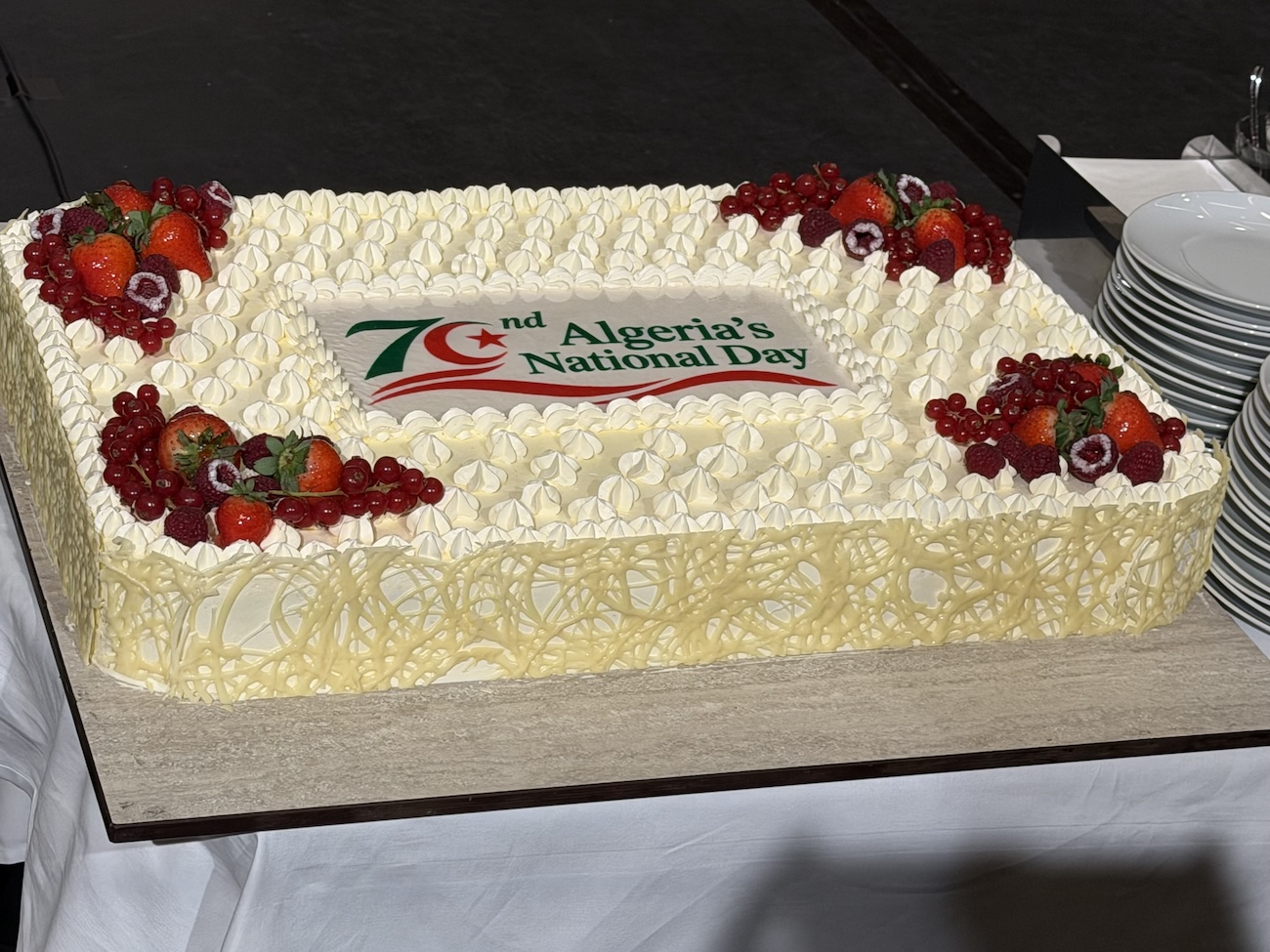
72nd Algeria’s National Day Celebration – November Revolution

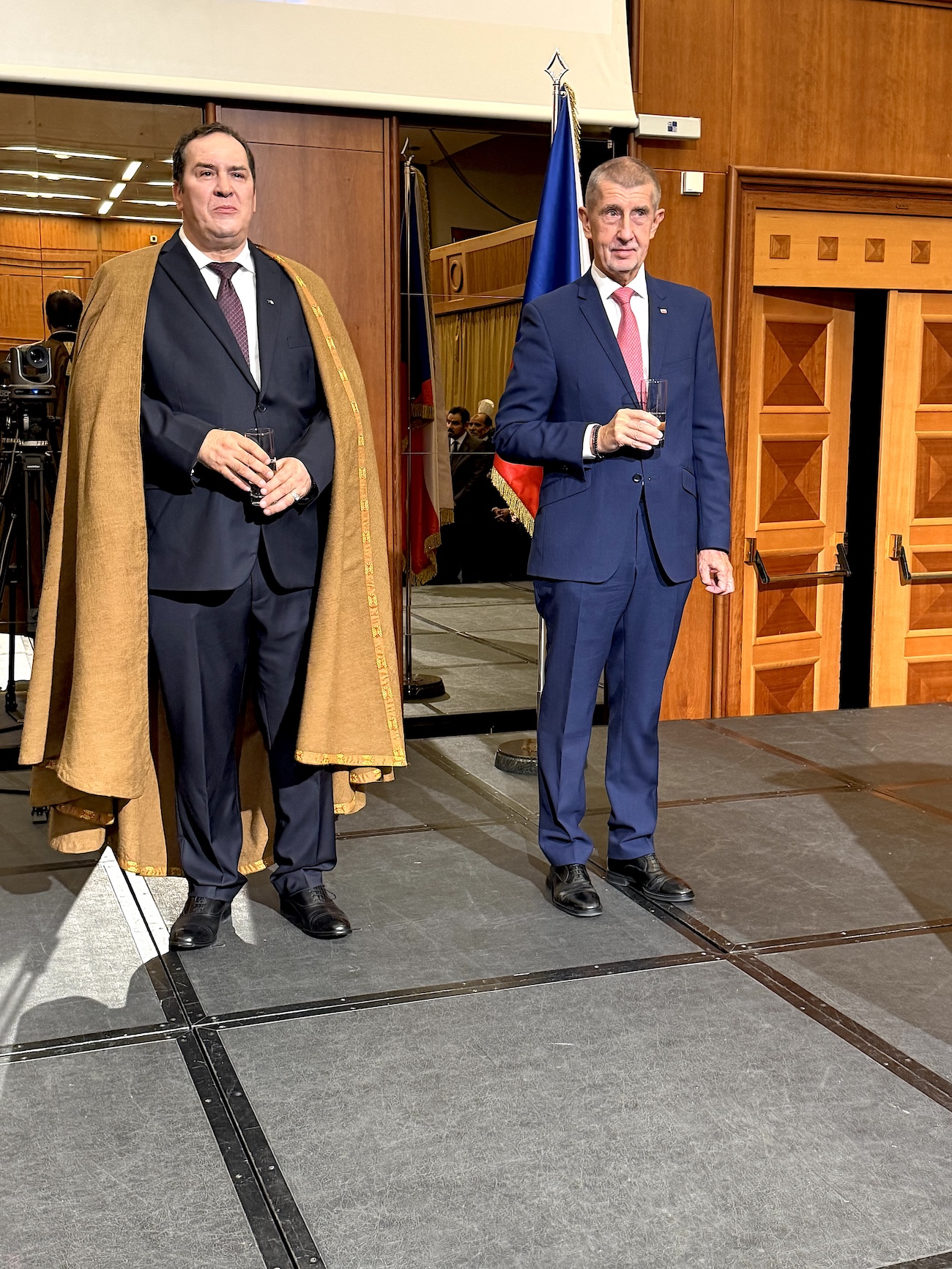
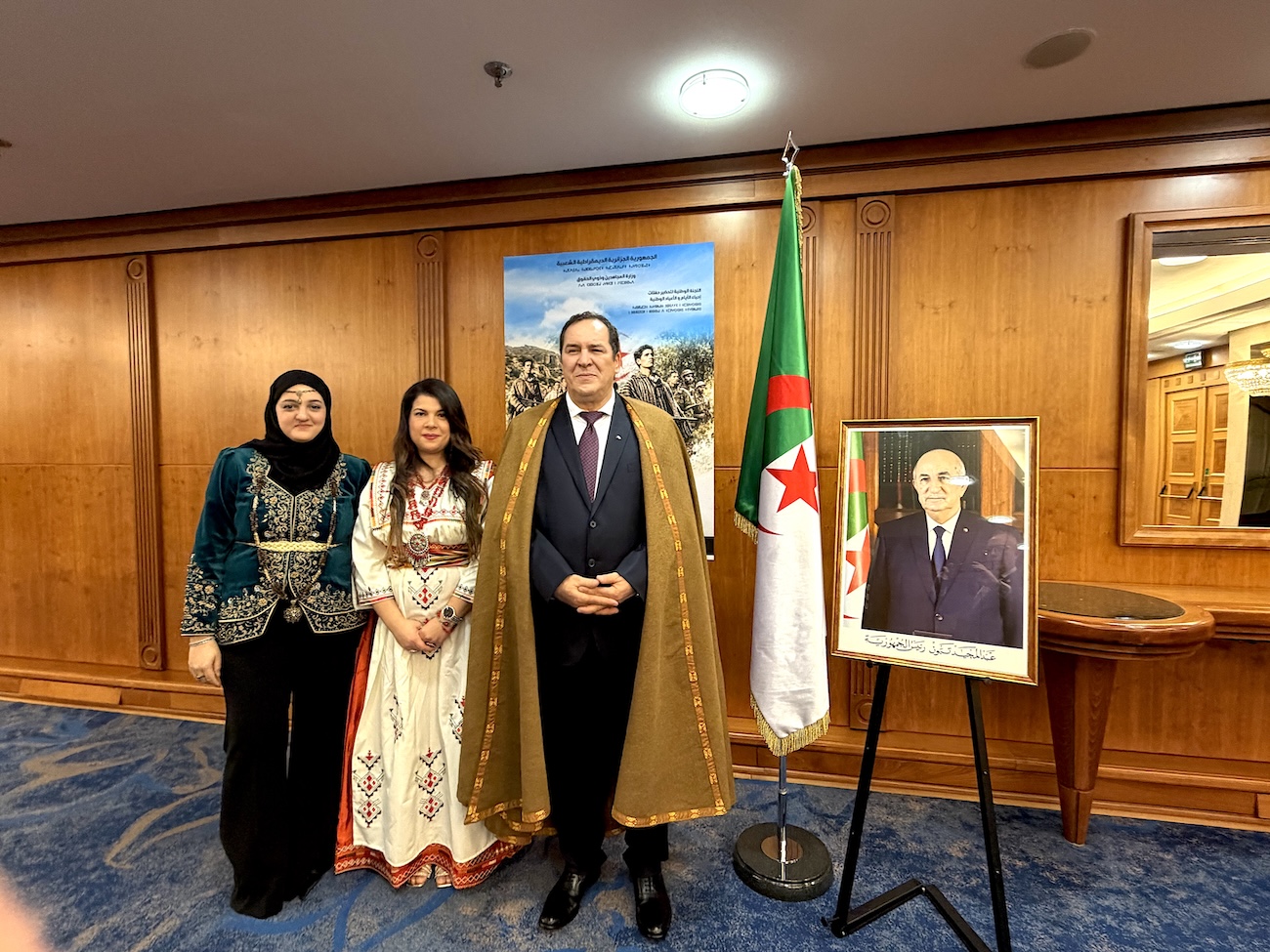
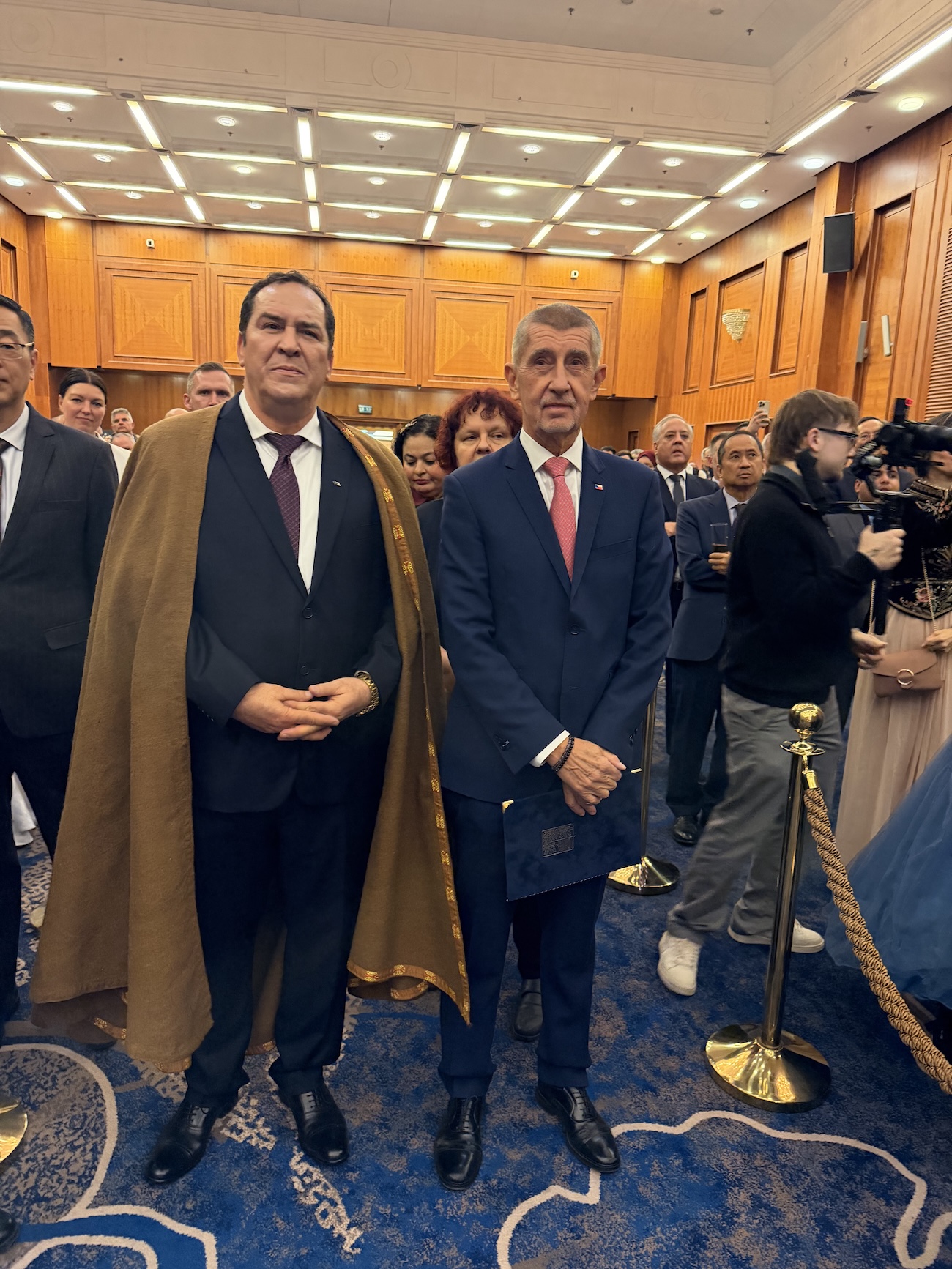
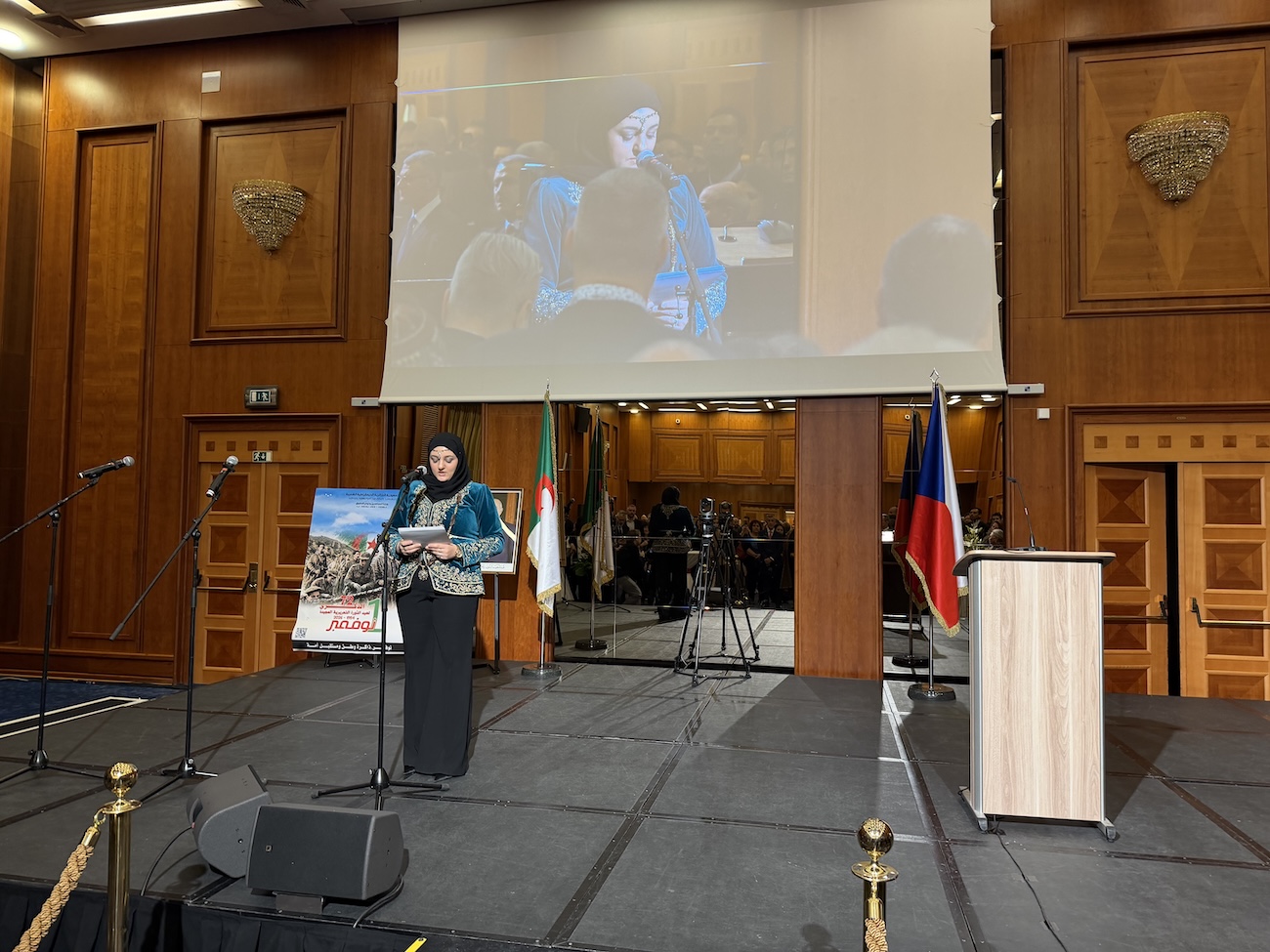
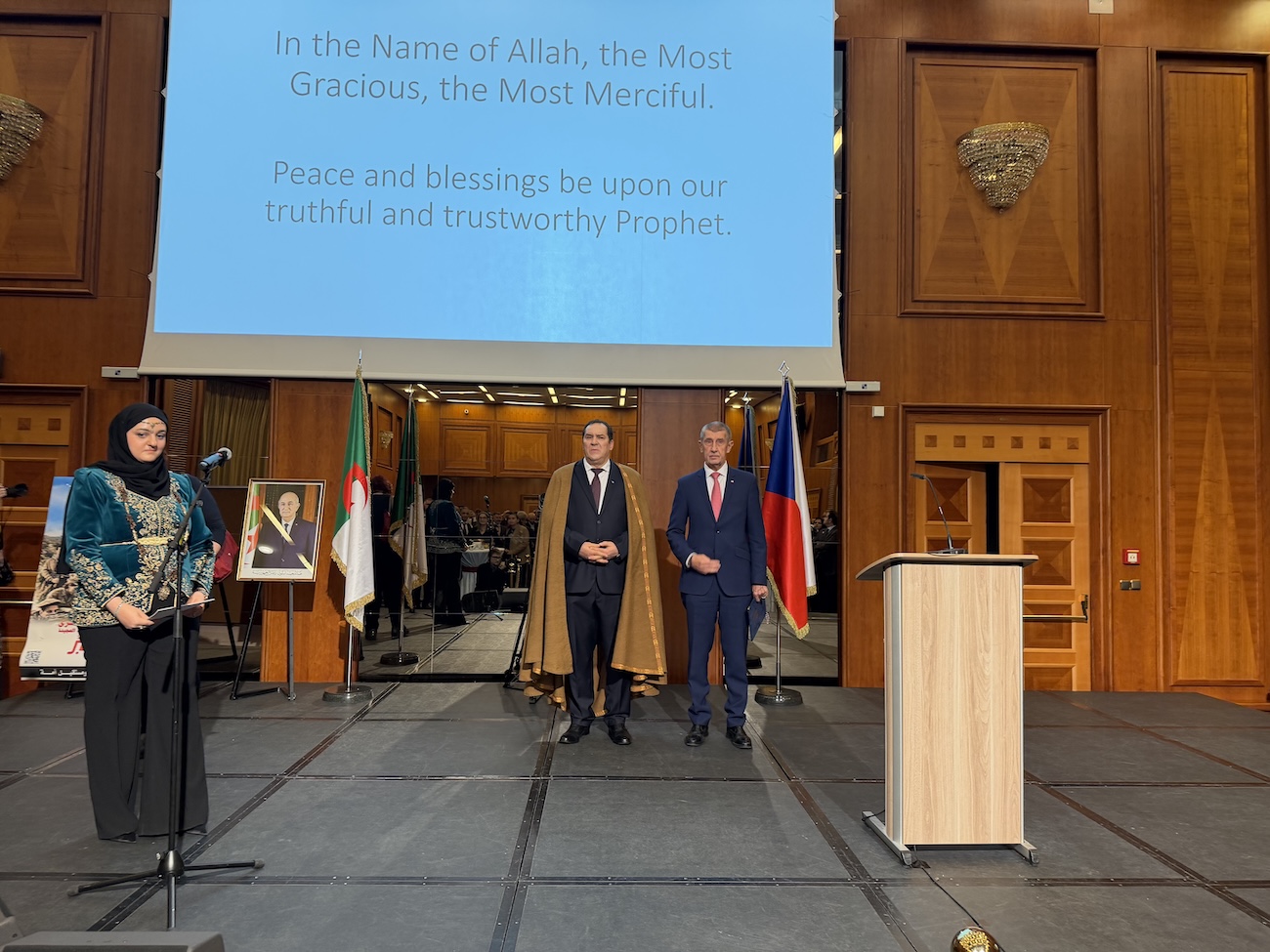
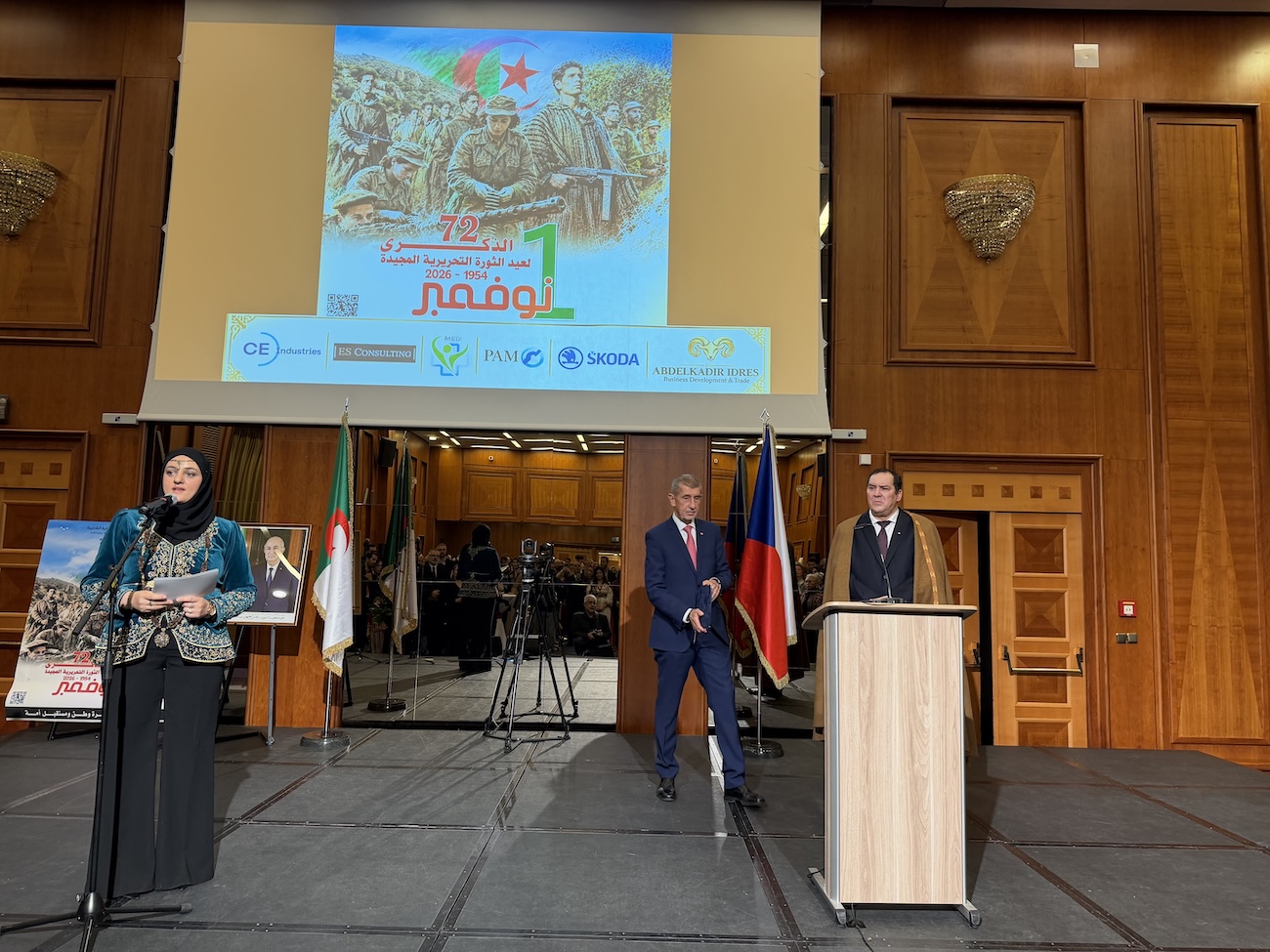
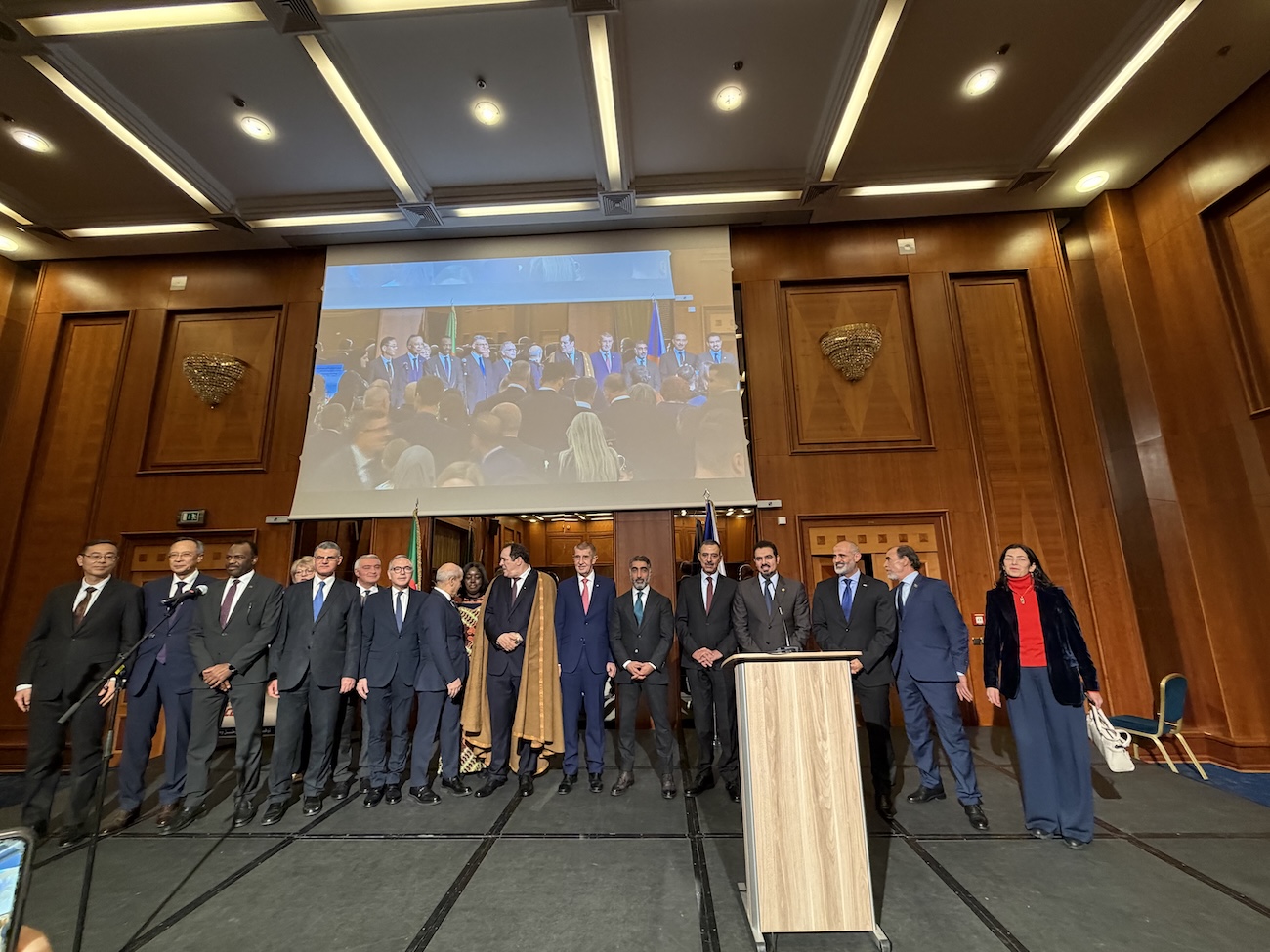
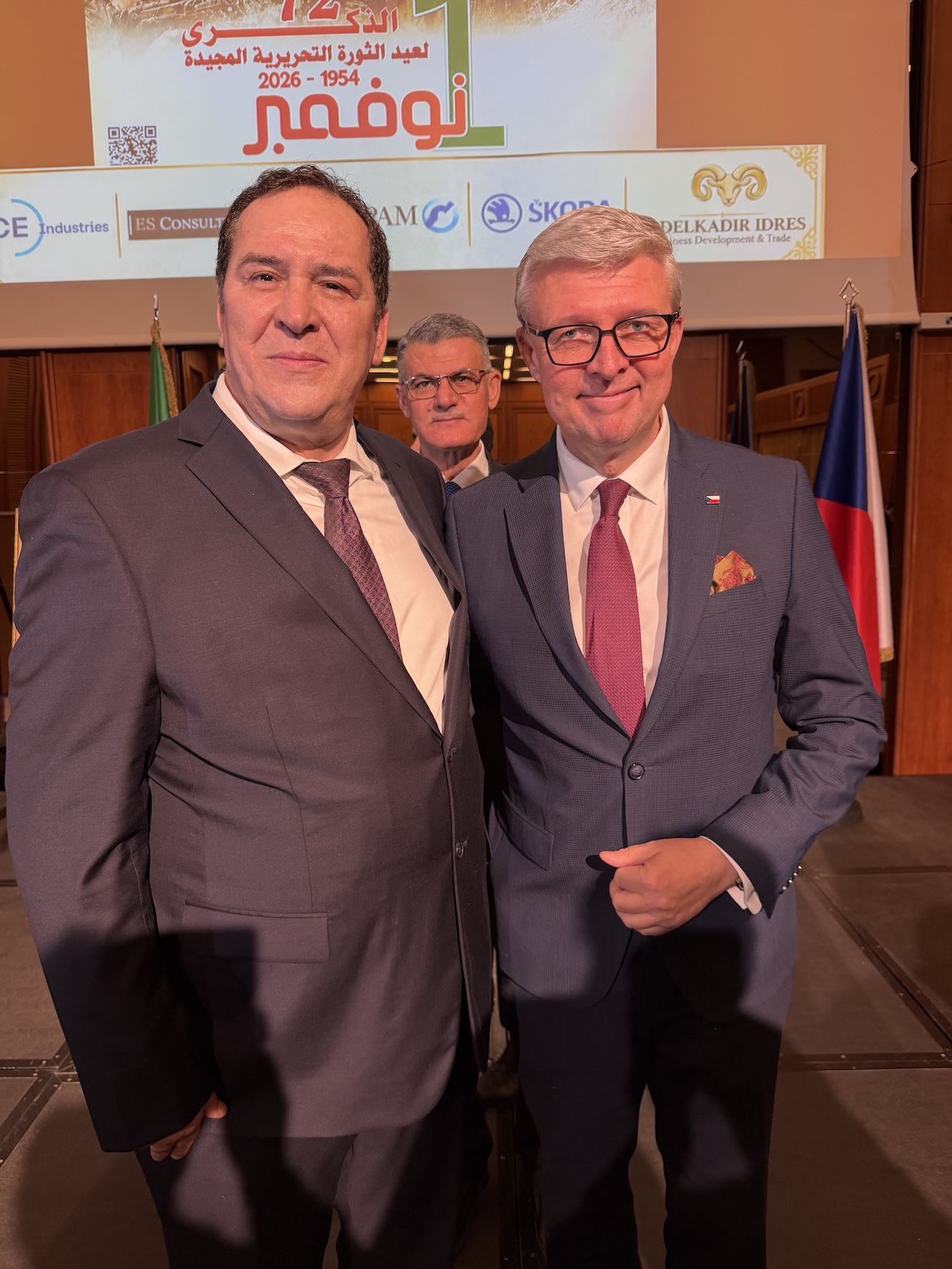
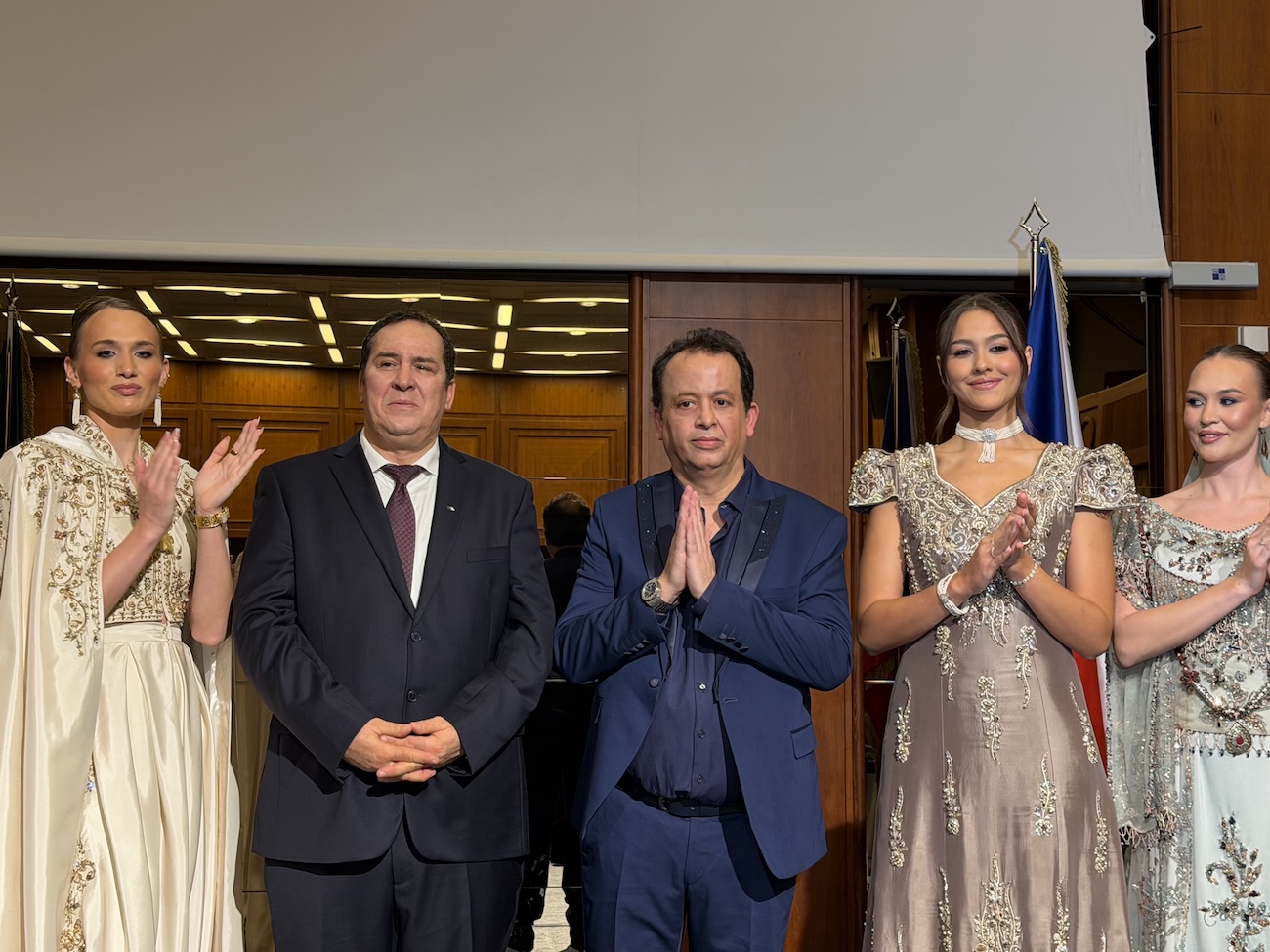
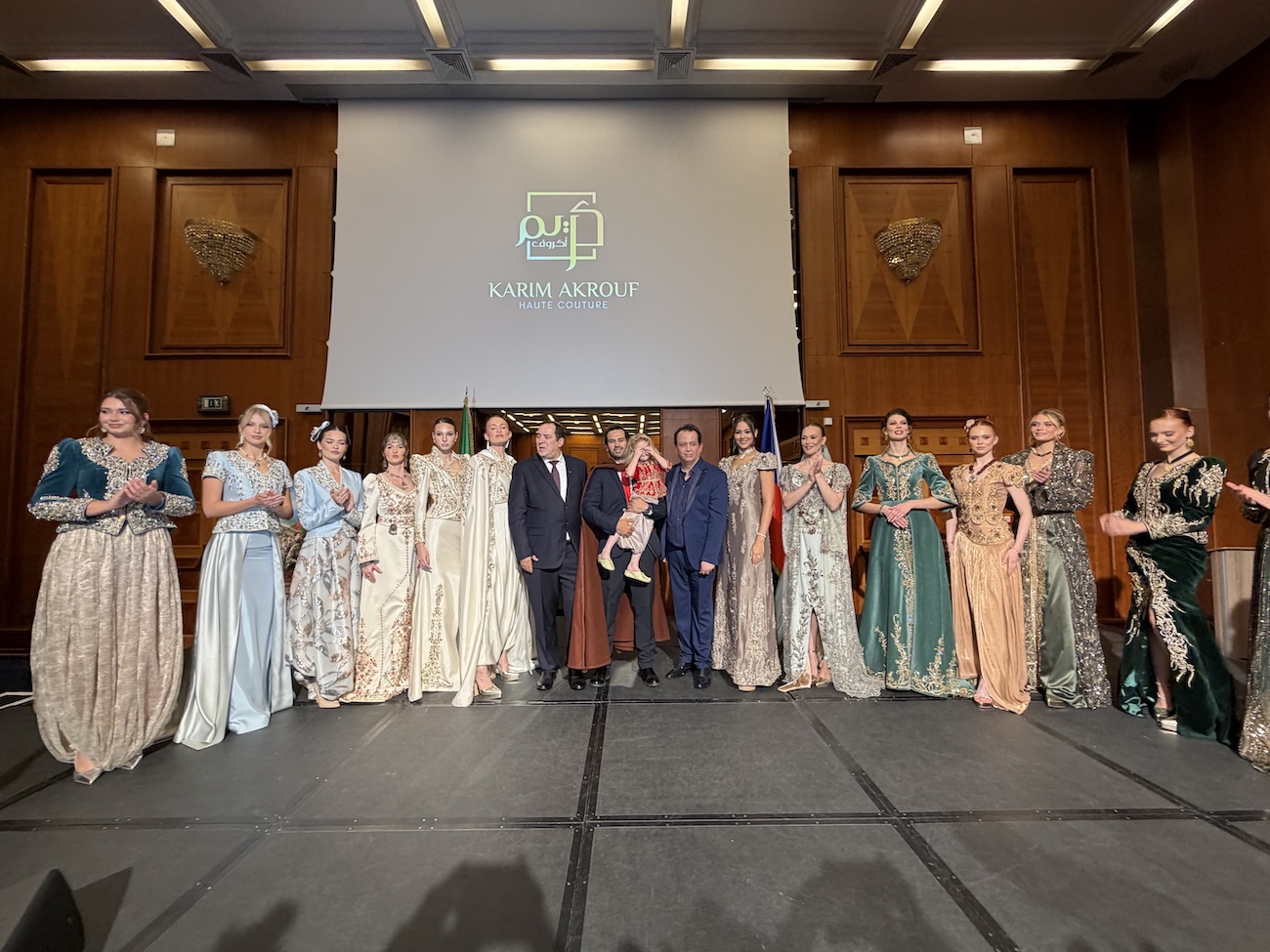
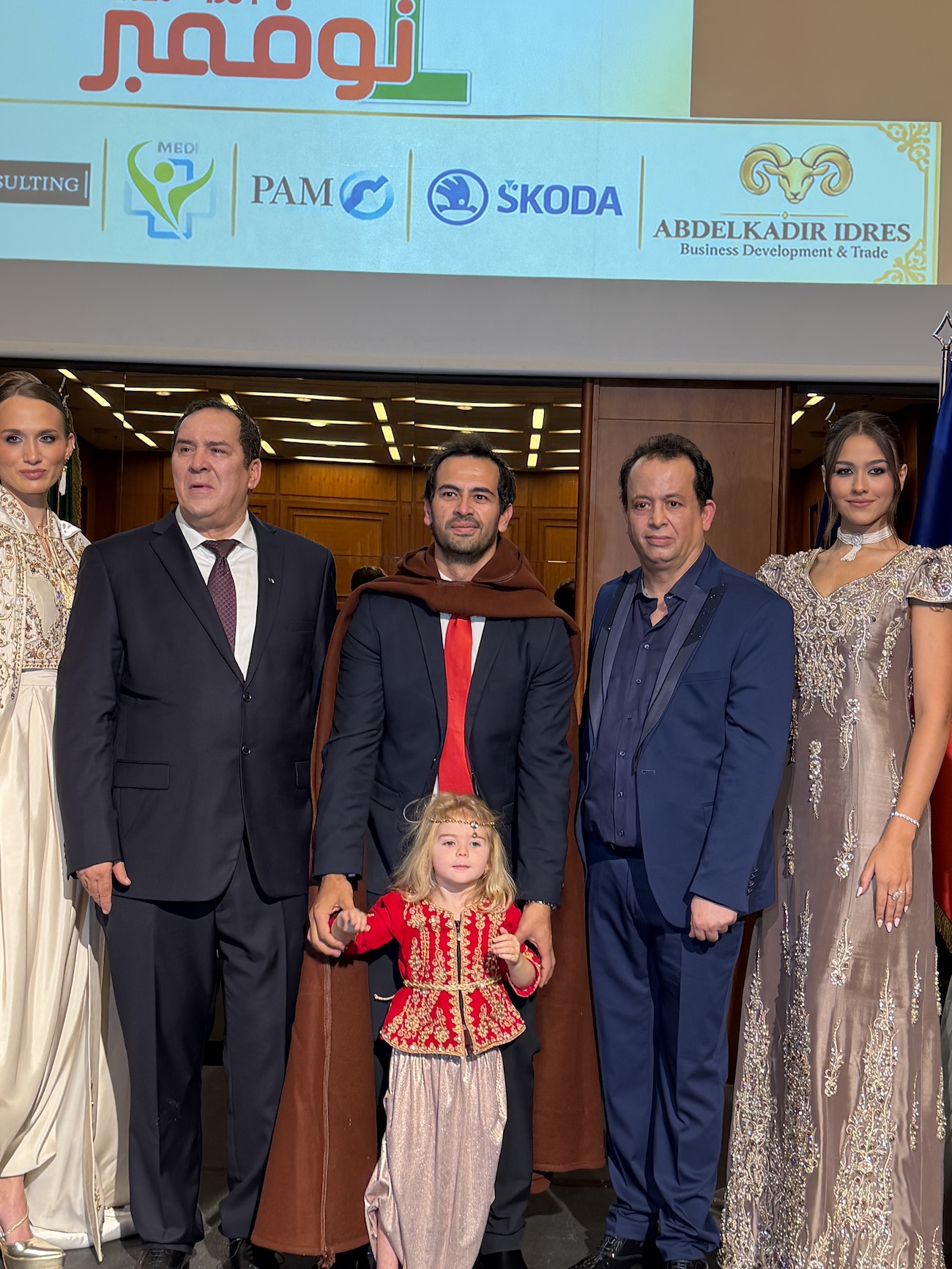
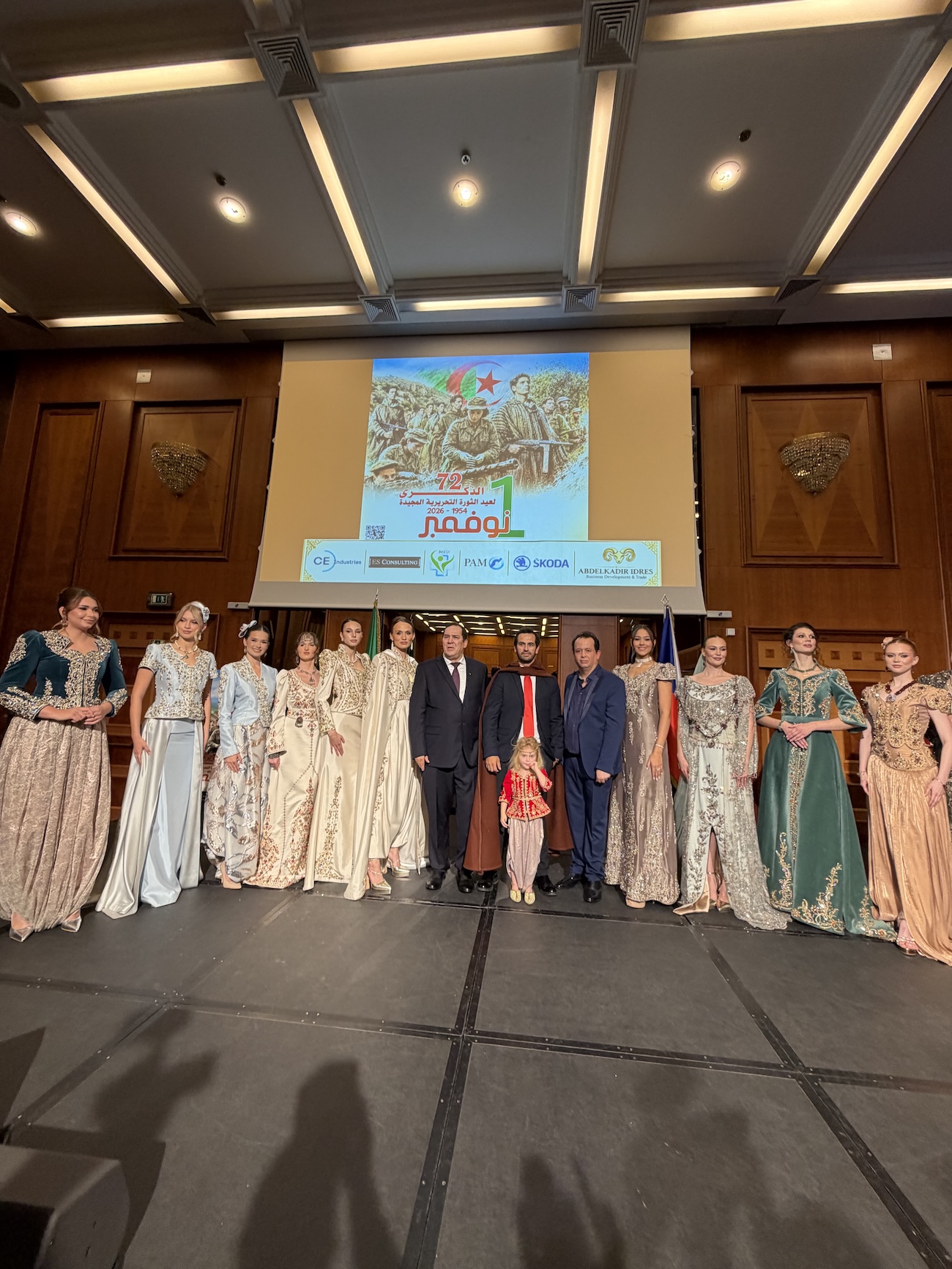
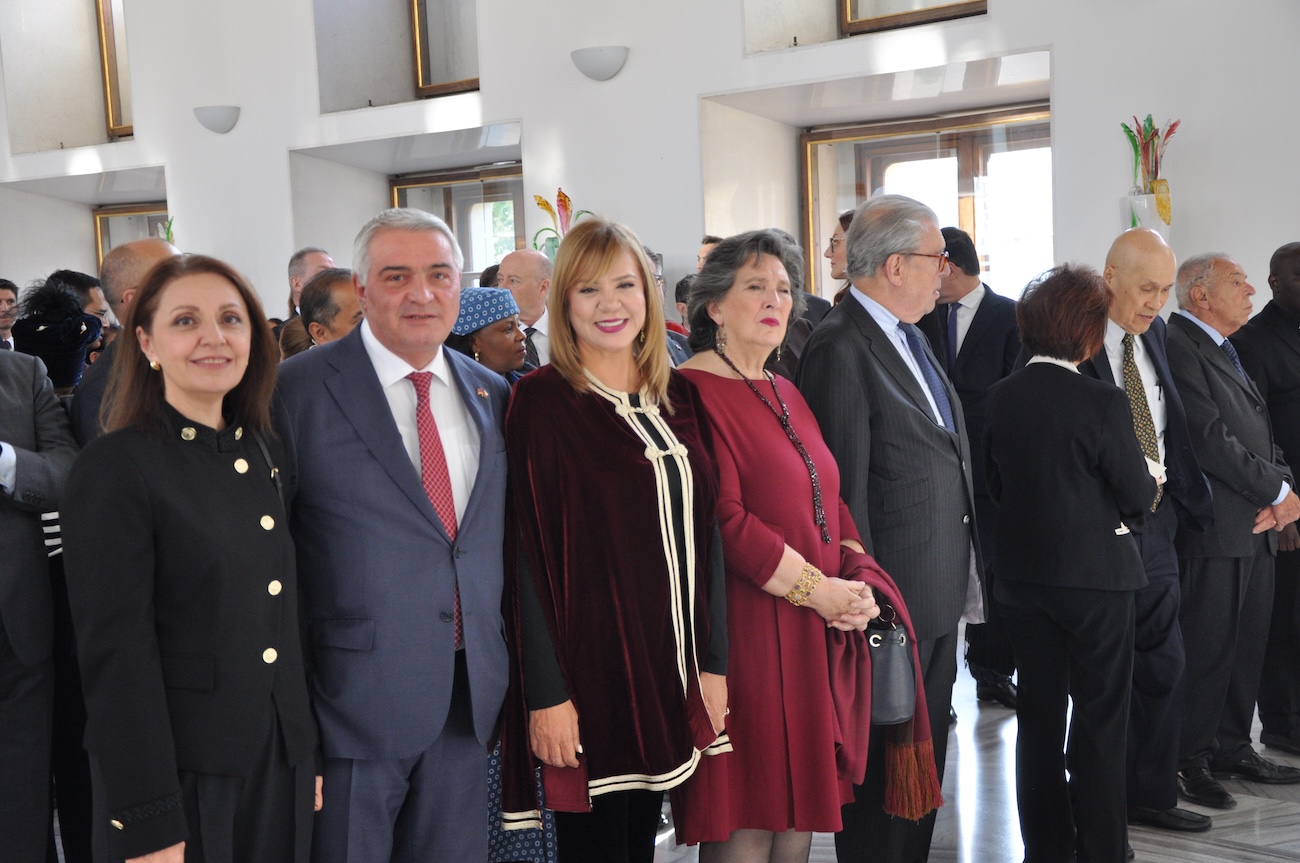
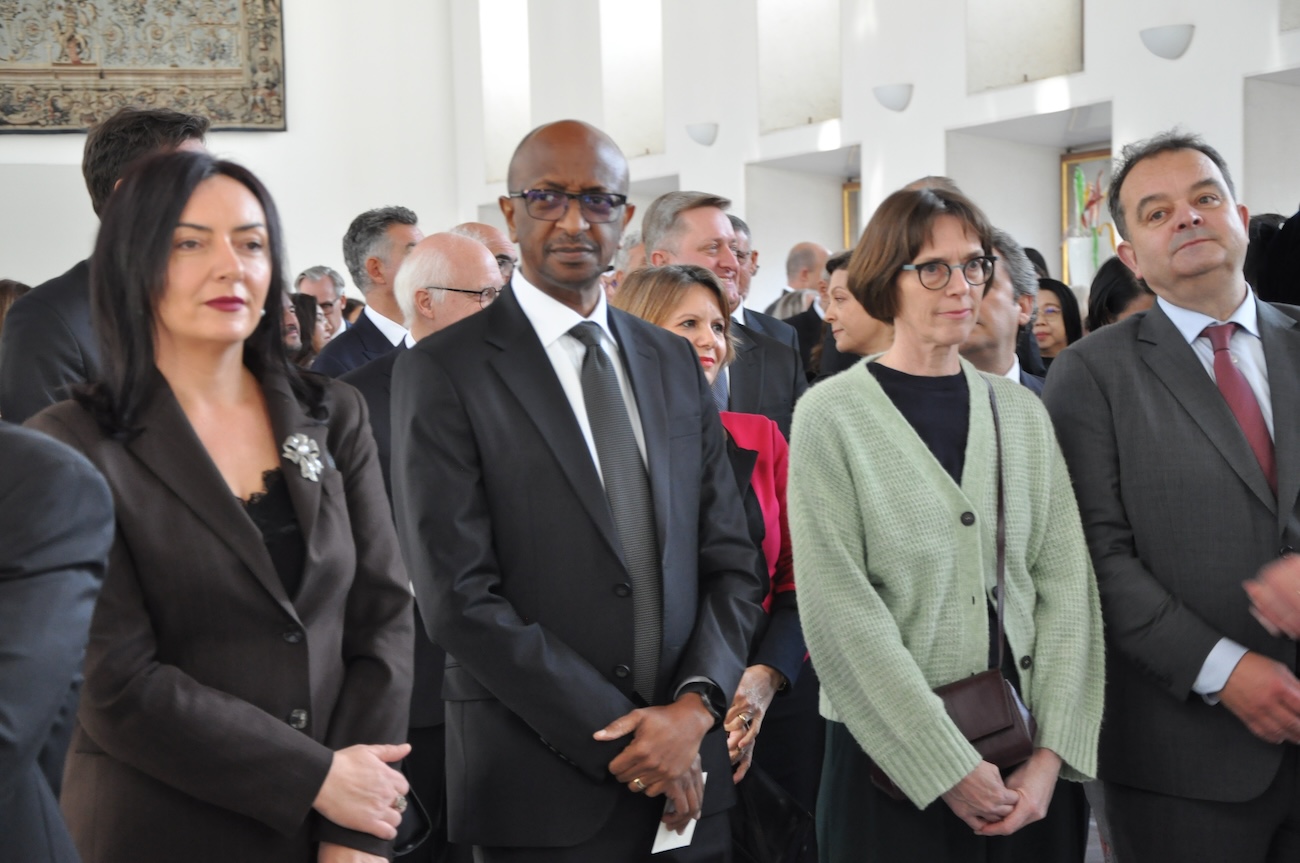
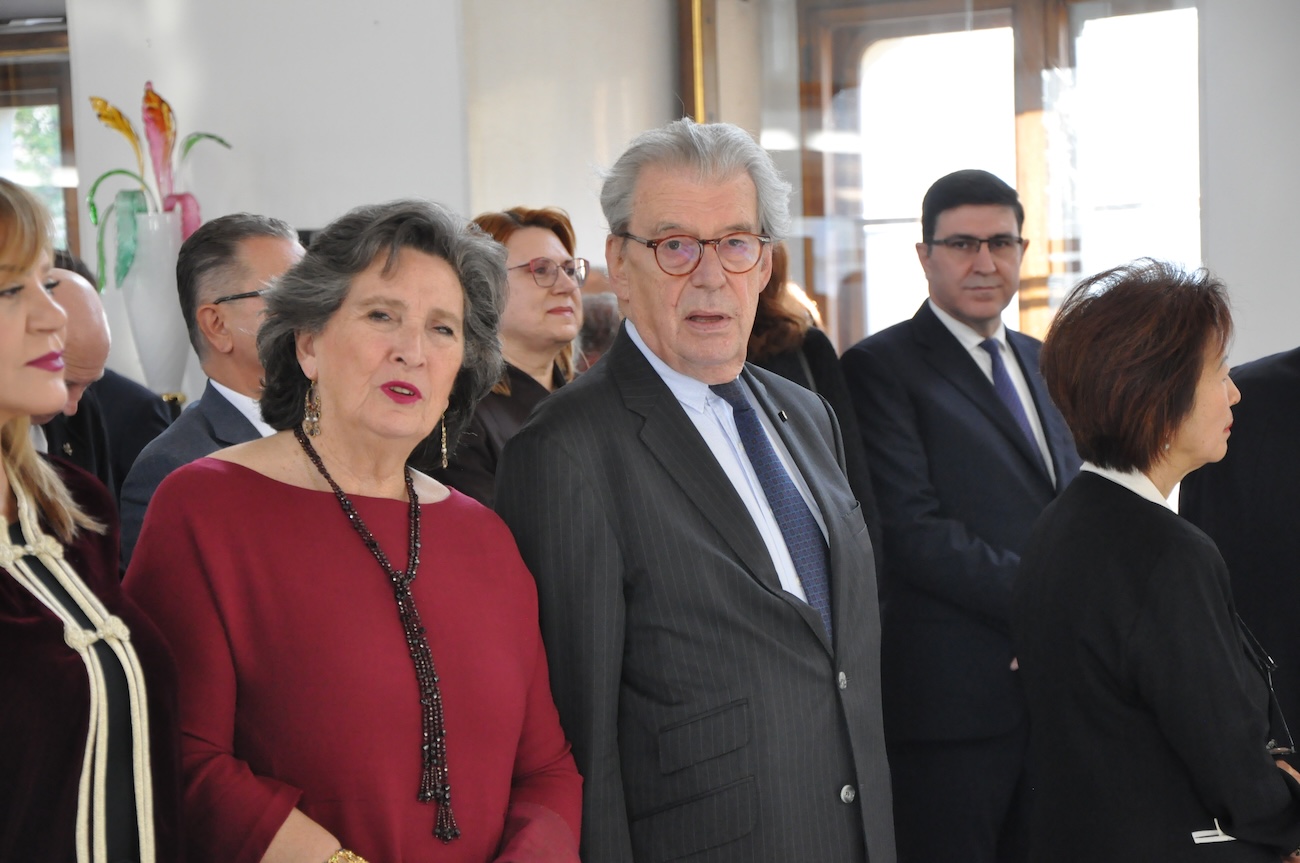
On the occasion of Algeria’s 72nd National Day, the Ambassador of the People’s Democratic Republic of Algeria to the Czech Republic, H.E. Mr. Mohamed Meziane, and his spouse hosted a reception at the Hilton Prague Atrium Hotel.

Mr. Andrei Babis, the Prime Minister of the Czech Republic, was the honored speaker.

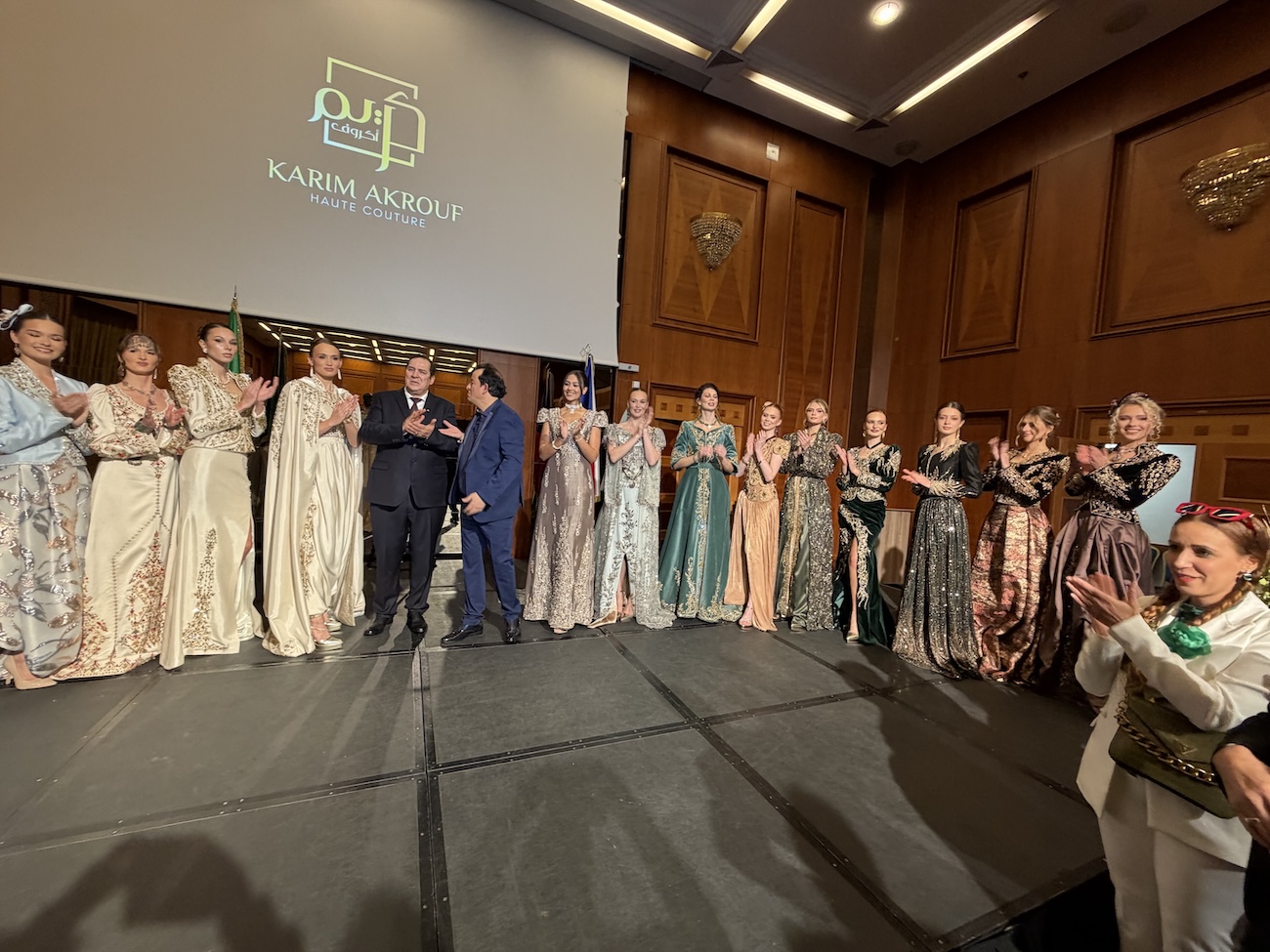
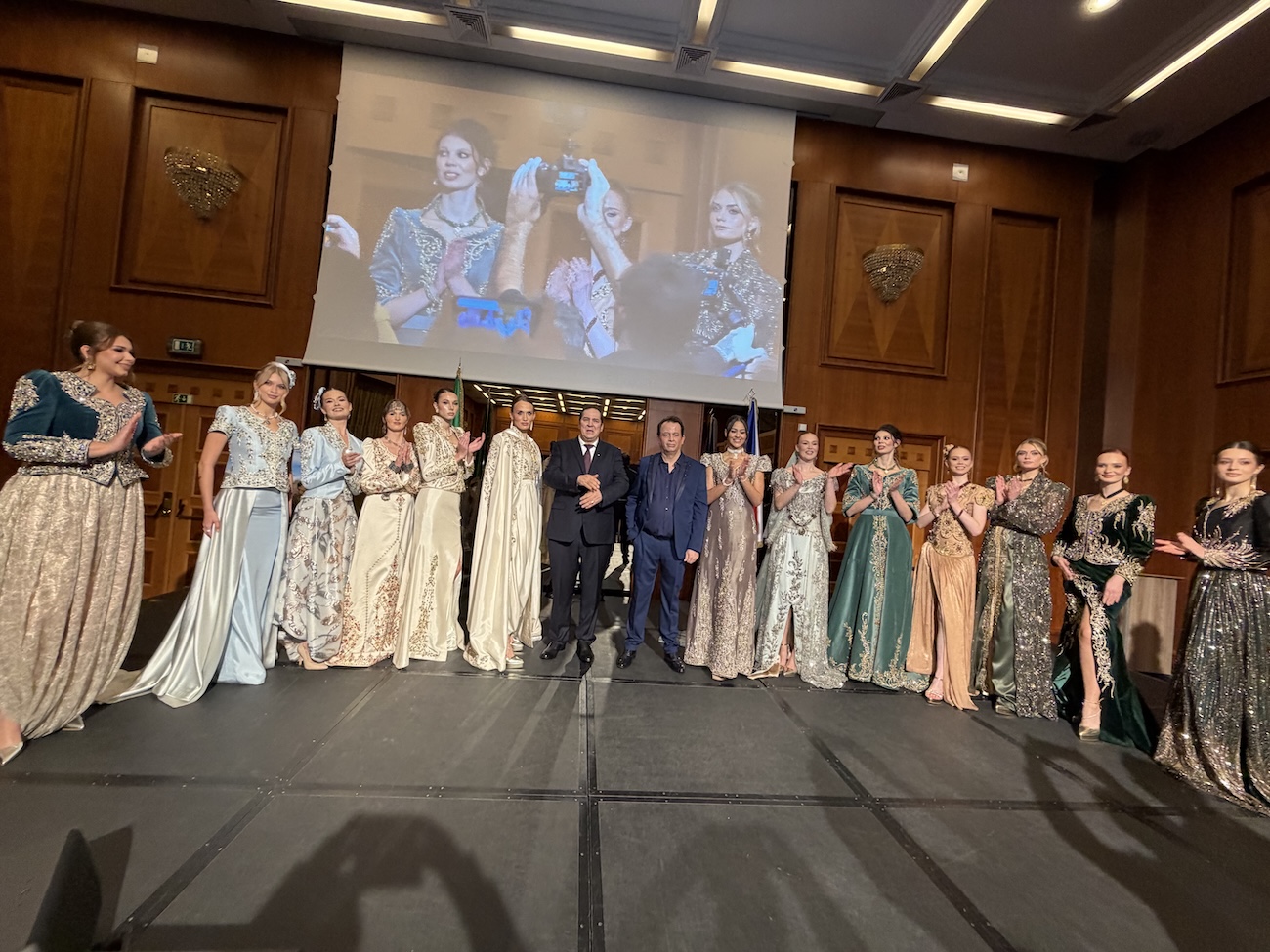
Mr. Karim Akrouf – Haute Couture, a very talented Algerian fashion designer, represents Algeria’s intangible cultural heritage. Through this collection, he paid tribute to Algerian craftsmanship and shared the inspiration it offers to contemporary haute couture.

Watch the video with the speeches of H.E. Mr. Mohamed Meziane, the Ambassador of the People’s Democratic Republic of Algeria, Mr. Andrei Babis, the Prime Minister of the Czech Republic, and the beautiful fashion show by Mr. Karim Akrouf.

Happy National Day, Algeria – يوم وطني سعيد للجزائر


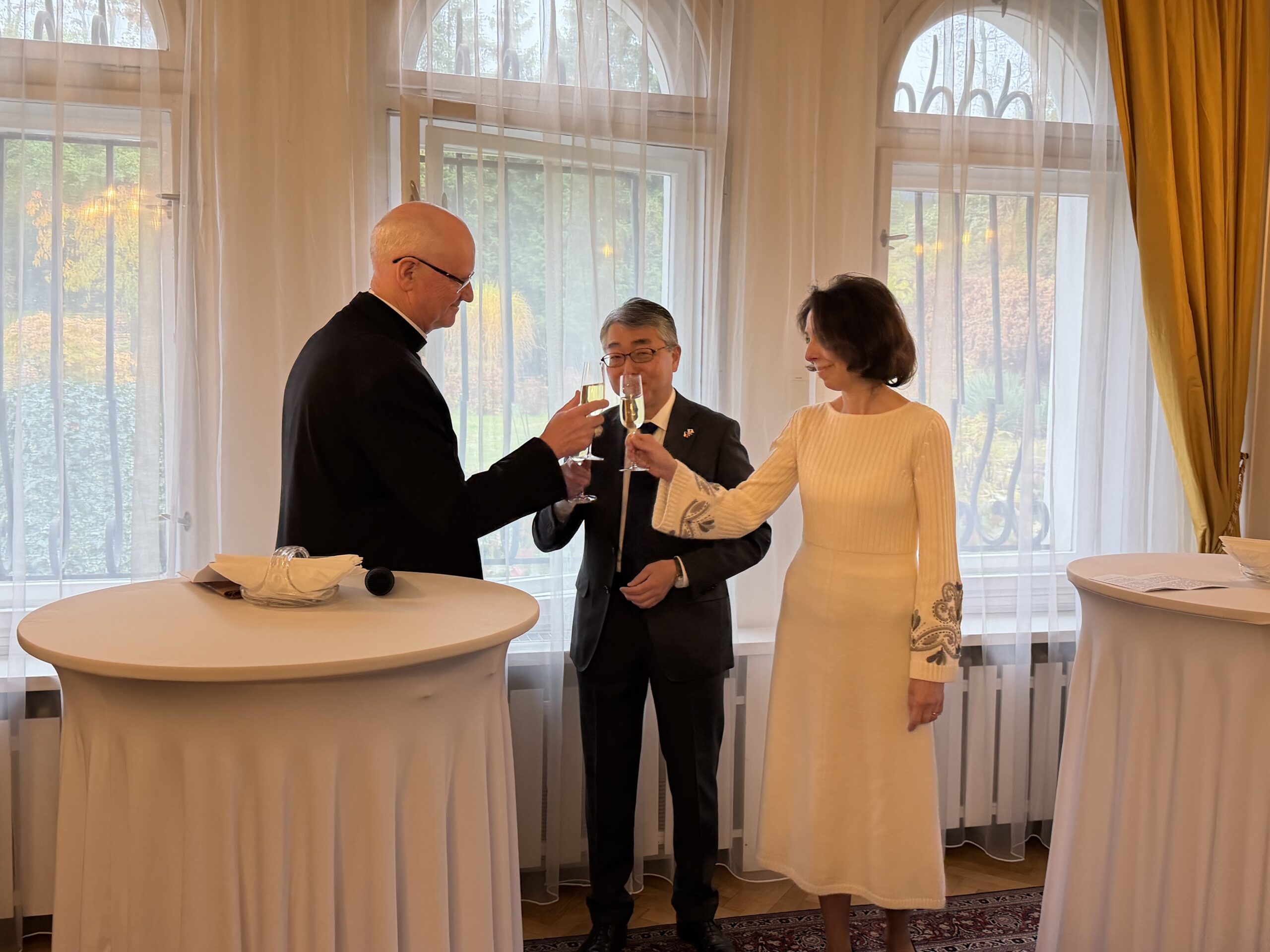
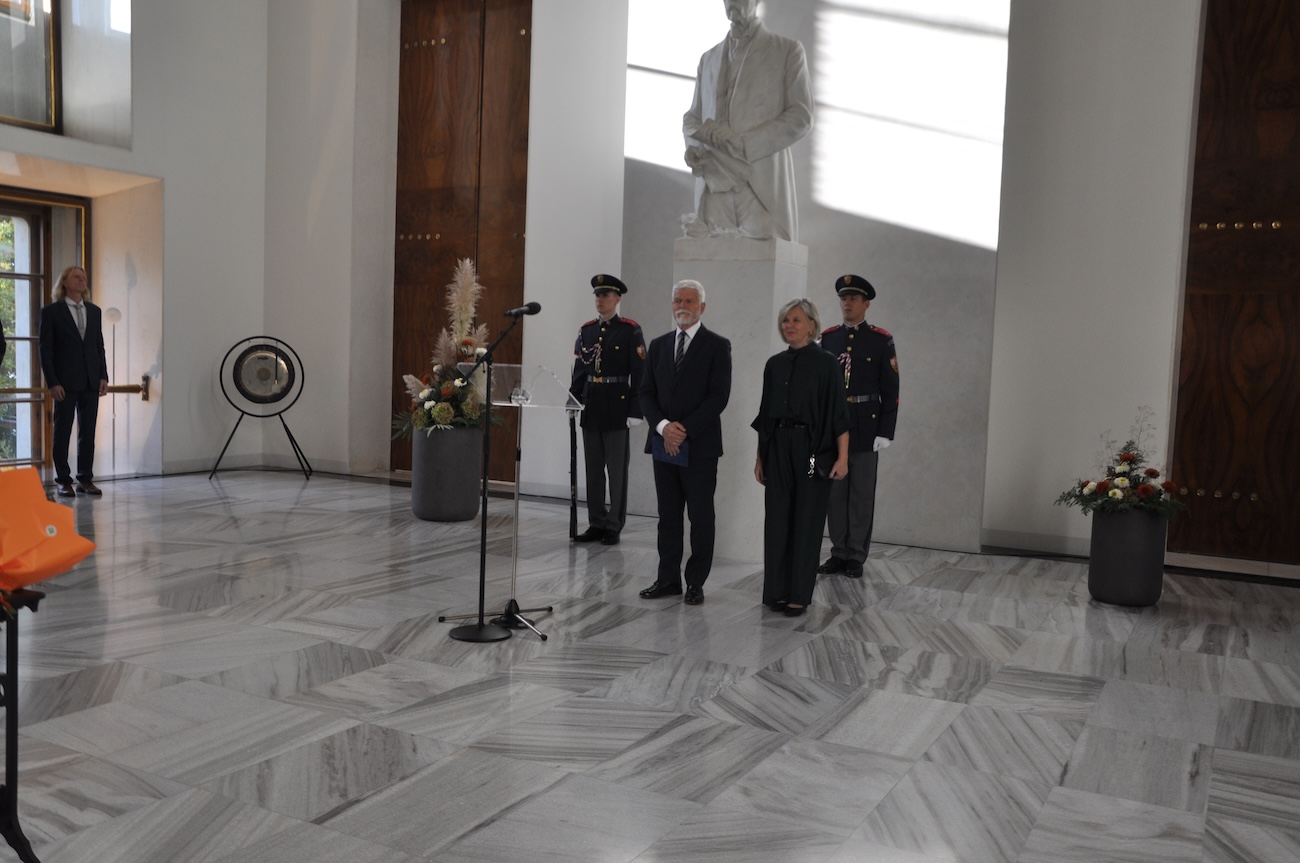
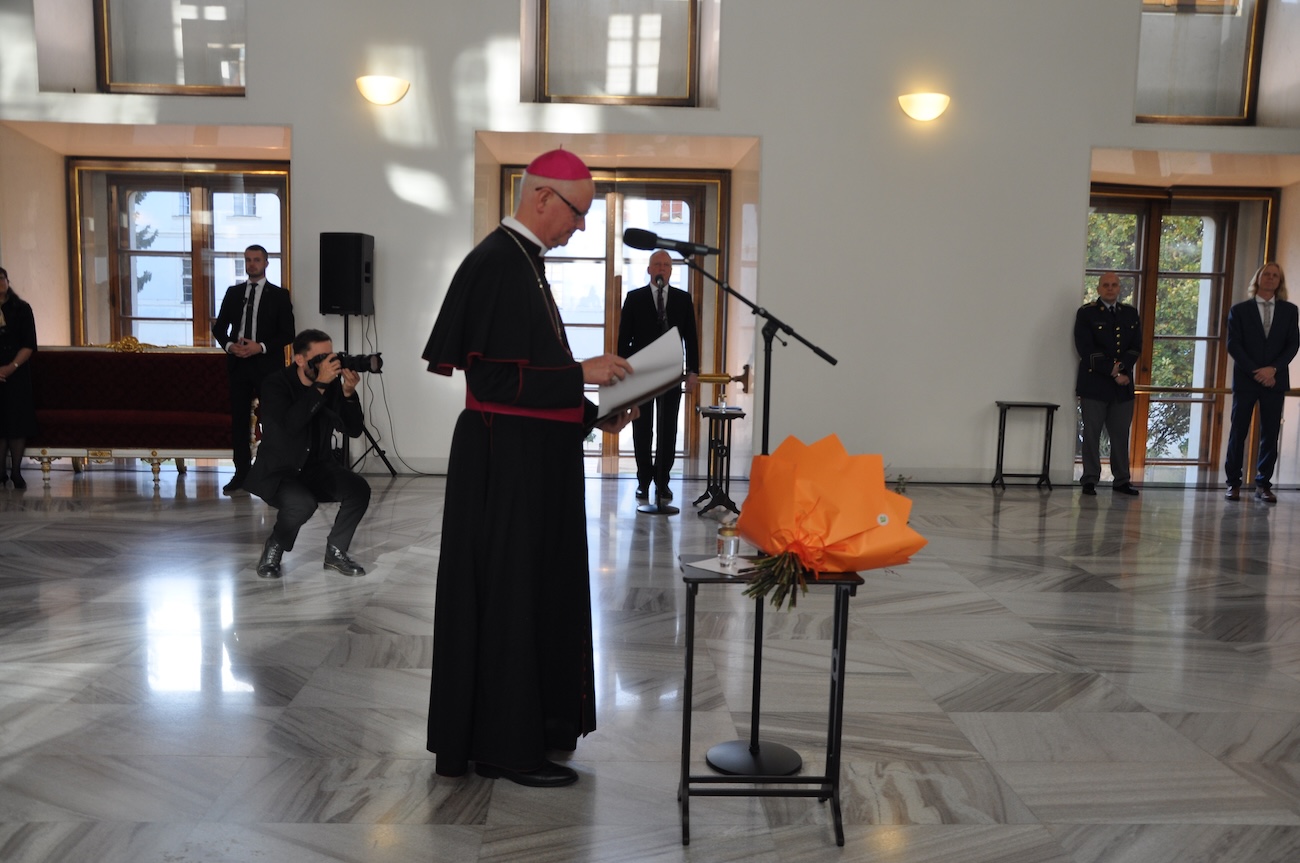
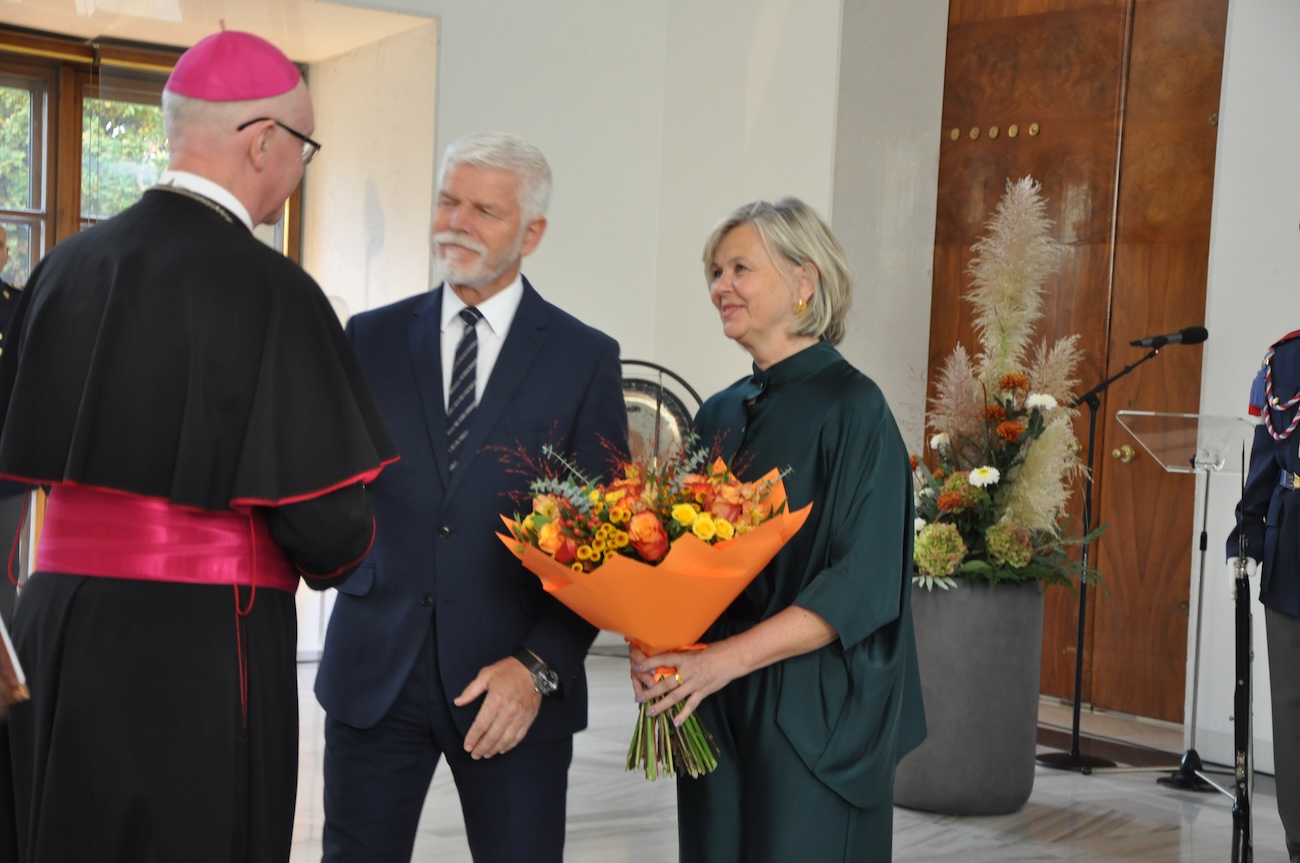
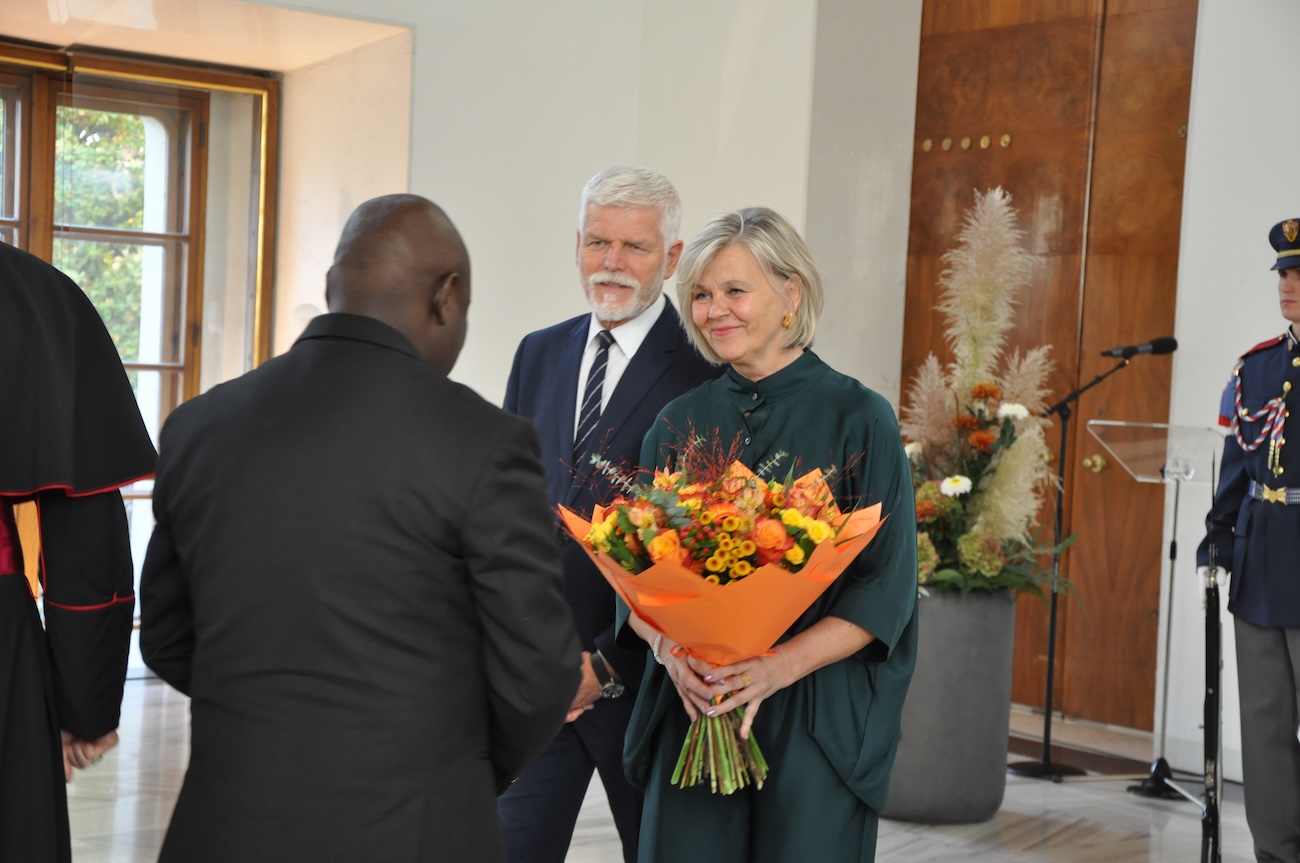
Farewell reception of H.E. Mr. Kansuke Nagaoka, Ambassador of Japan

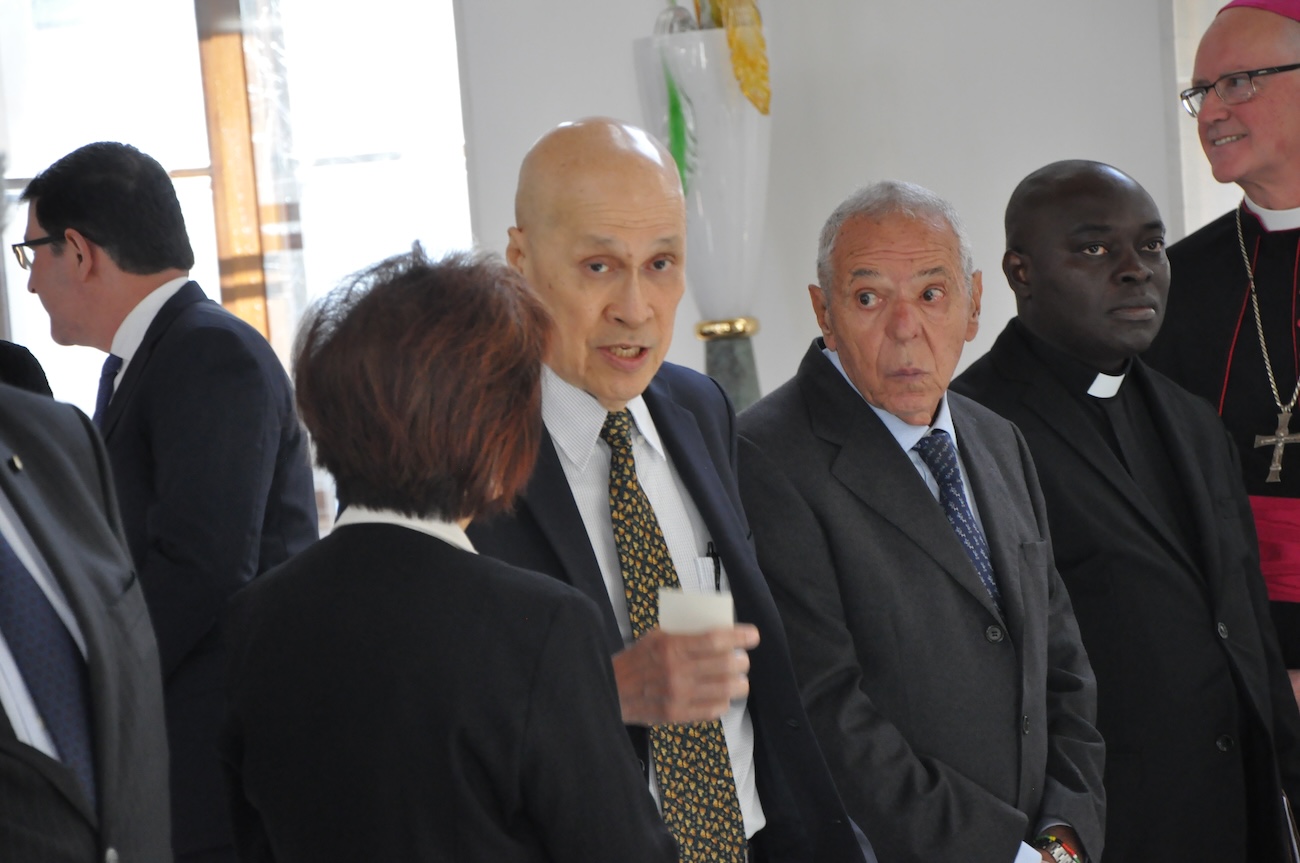
The Ambassador of Japan, H.E. Mr. Kansuke Nagaoka, hosted a farewell reception at his beautiful residence.

Watch the Video with selected sections of H.E. Mr. Kansuke Nagaoka, Ambassador of Japan, Mrs. Marie Chatardova, Deputy Minister of Foreign Affairs of the Czech Republic, and H.E. Most Reverend Eugene Martin Nugent’s speeches at the event.


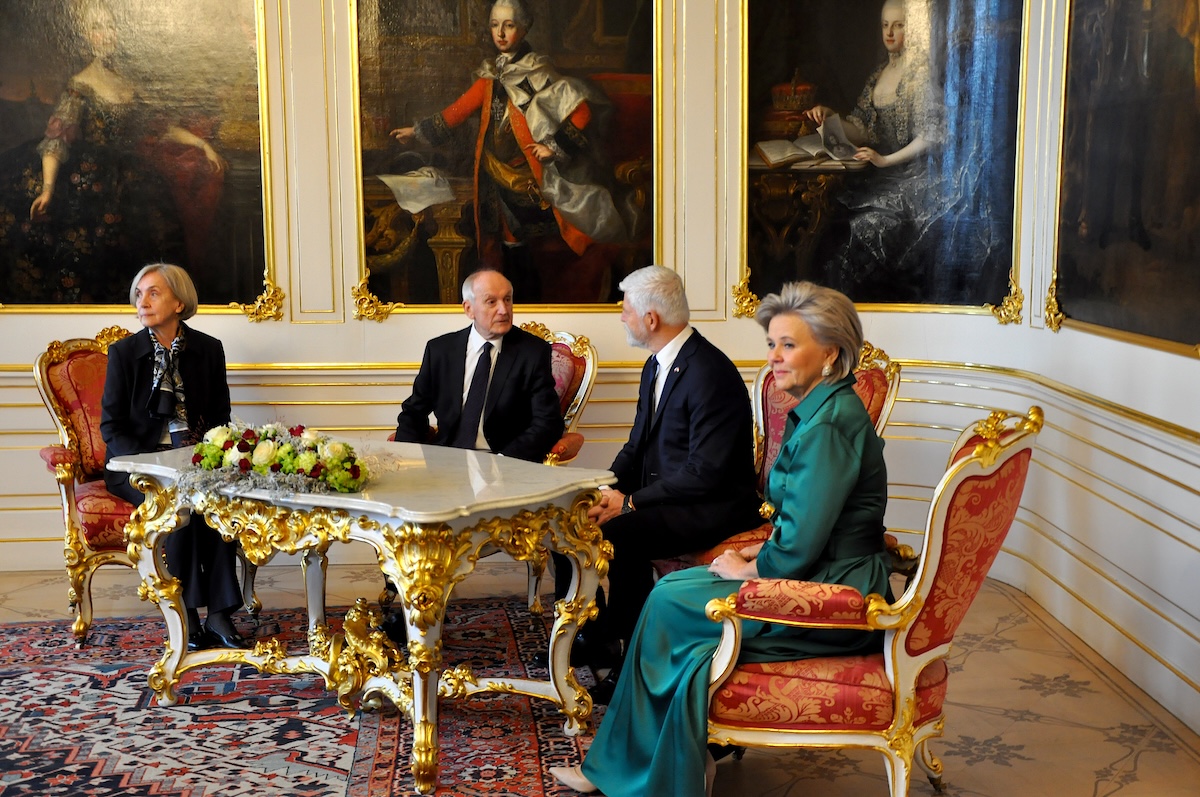
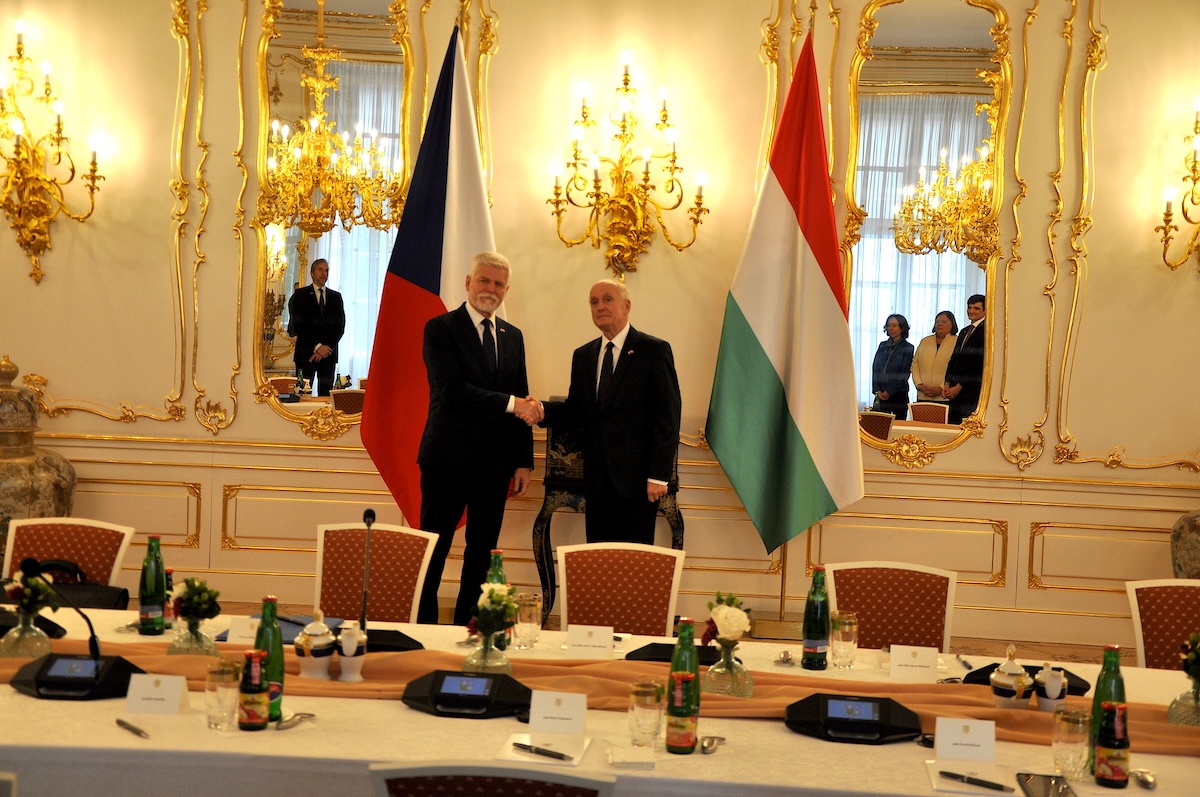
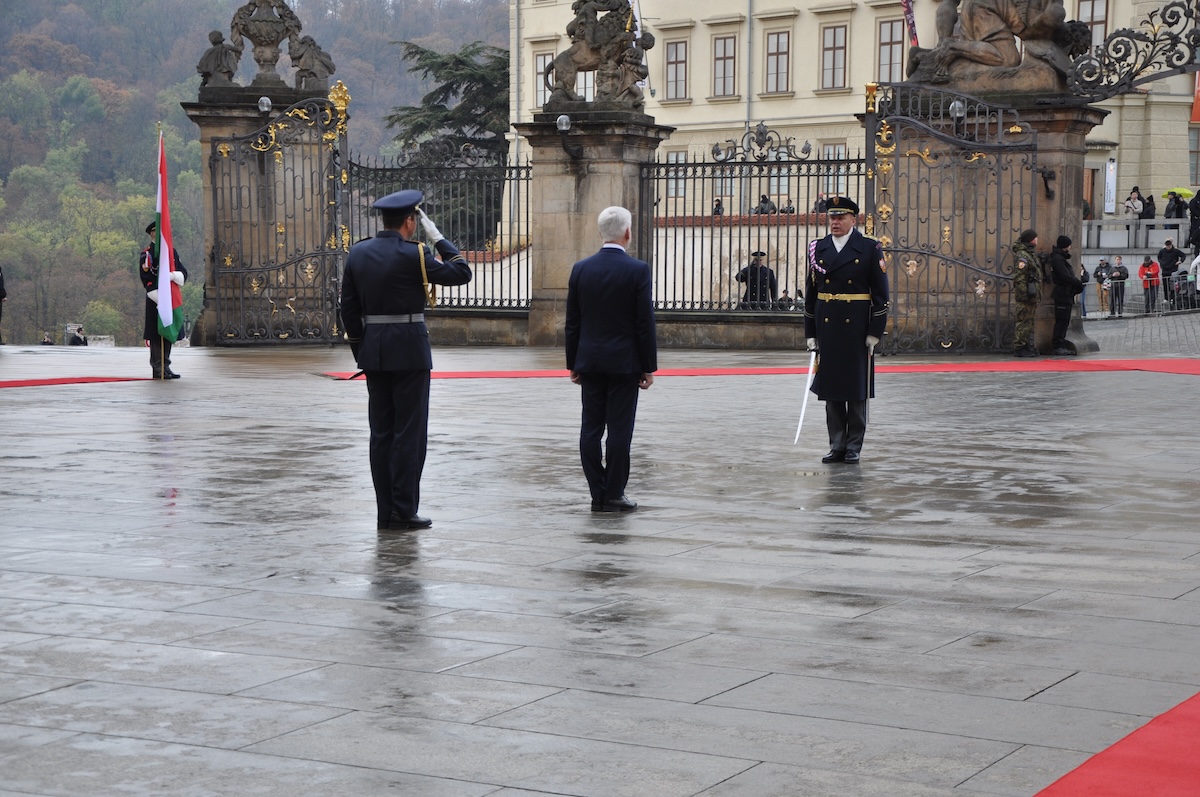
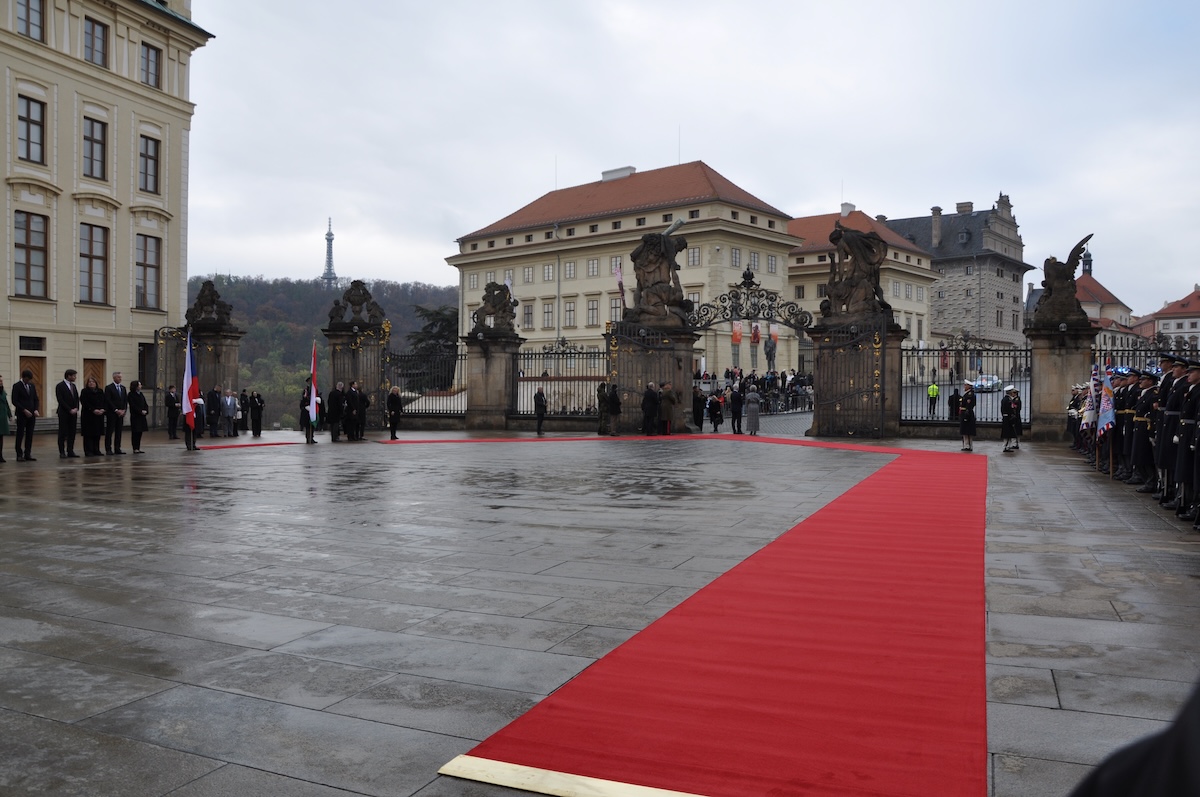
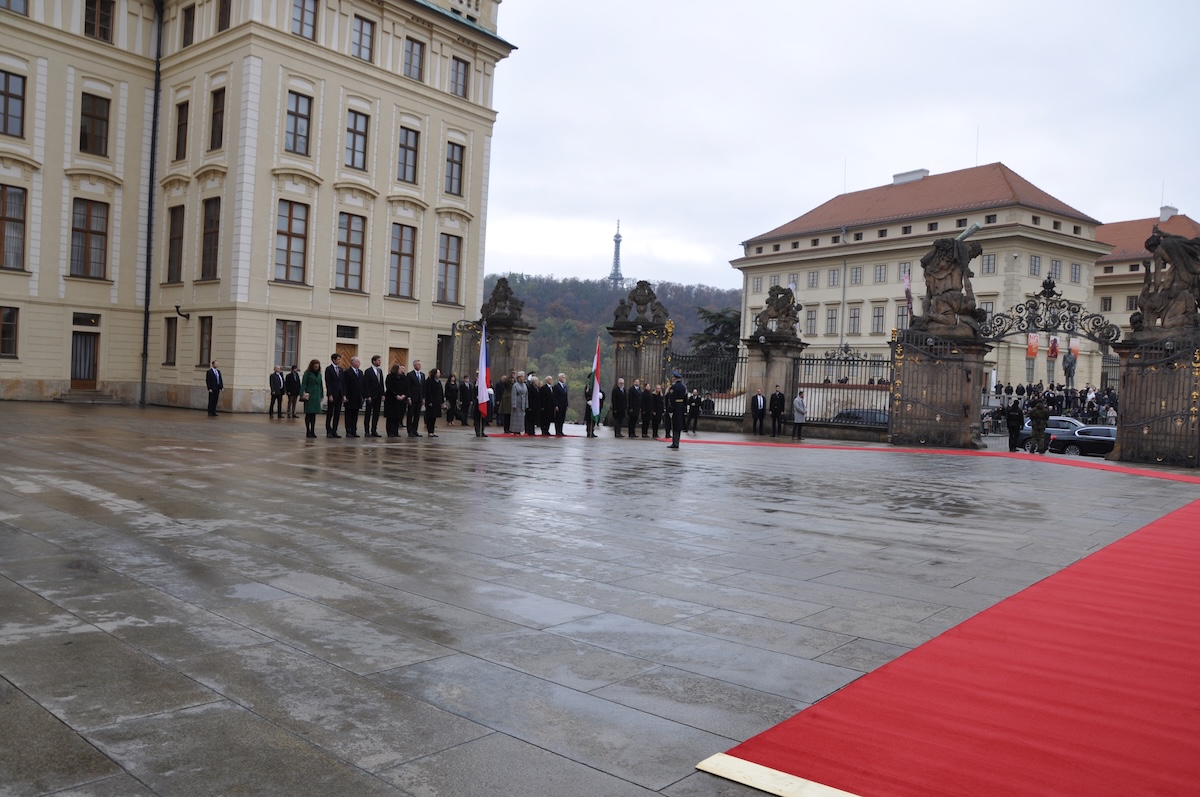
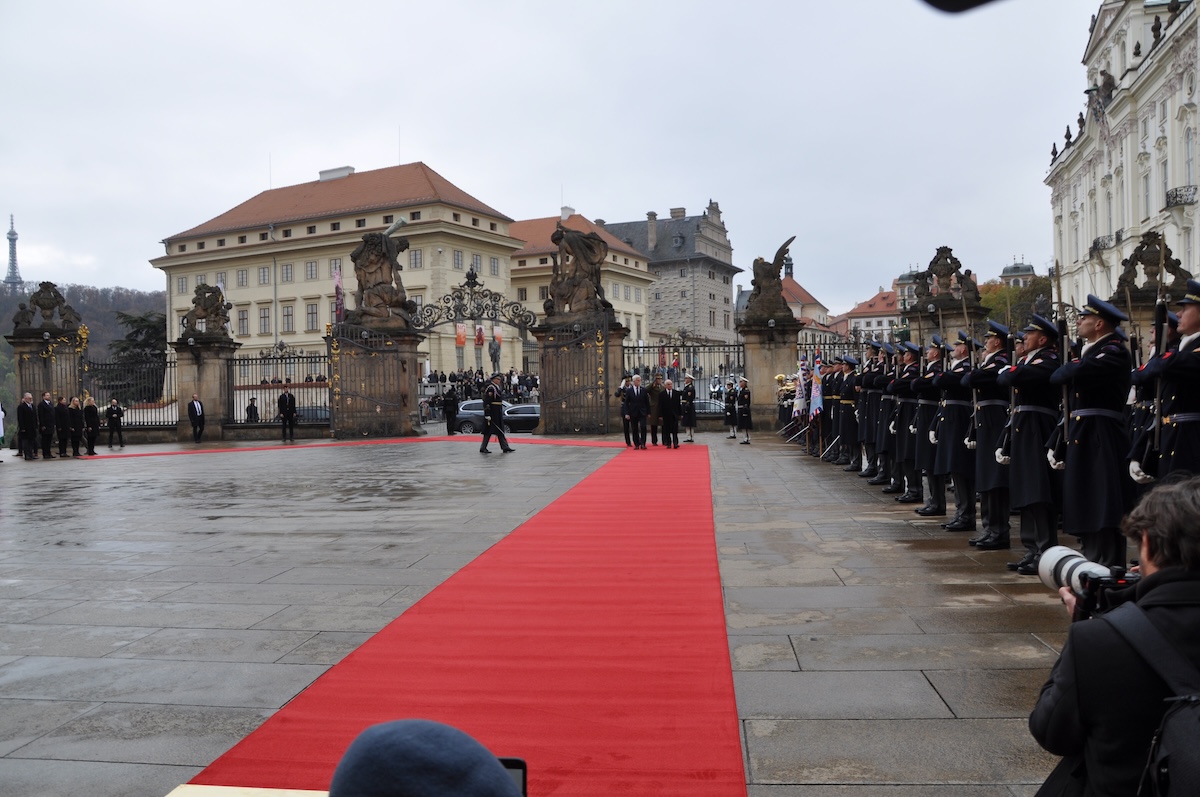
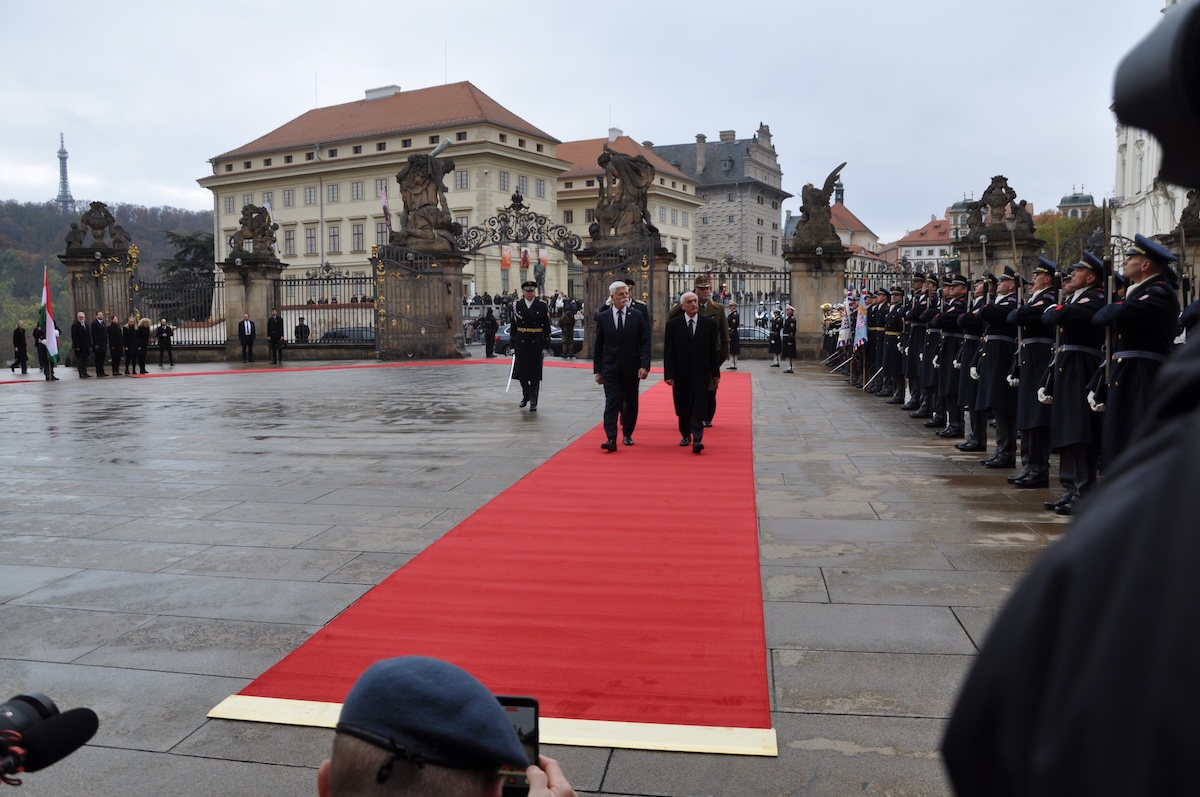
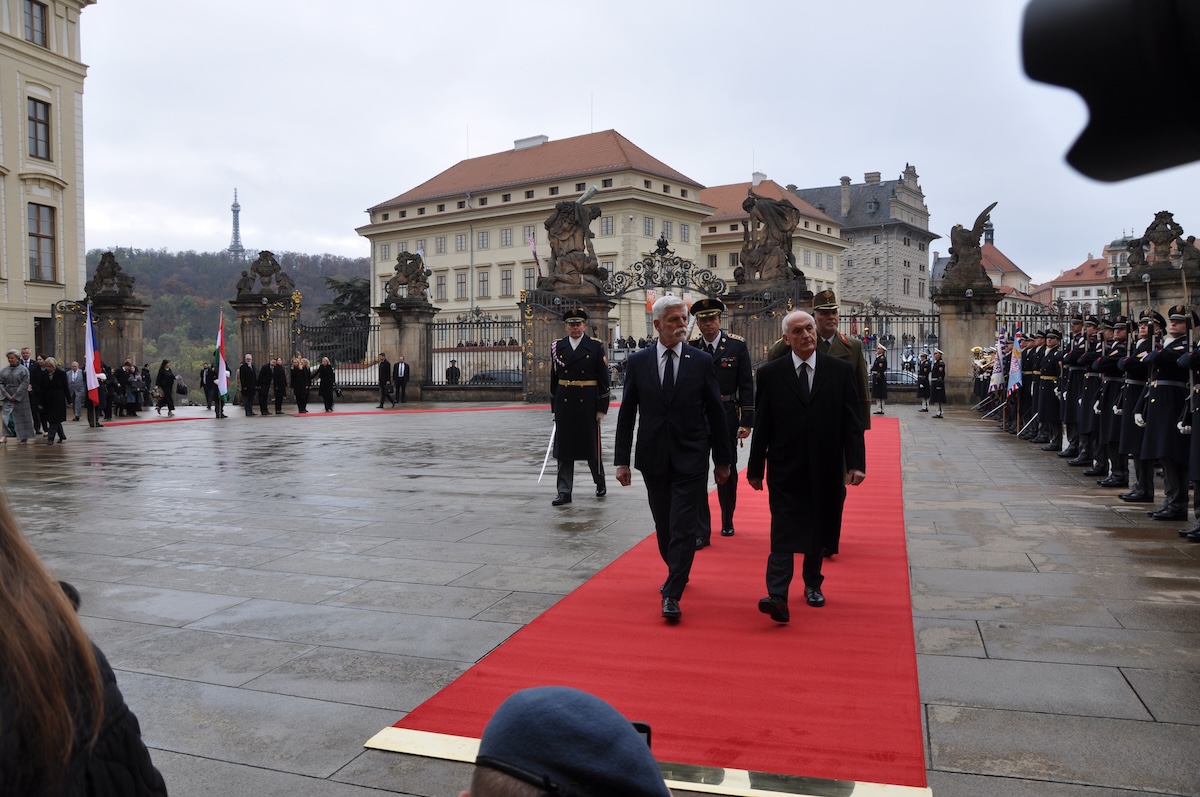
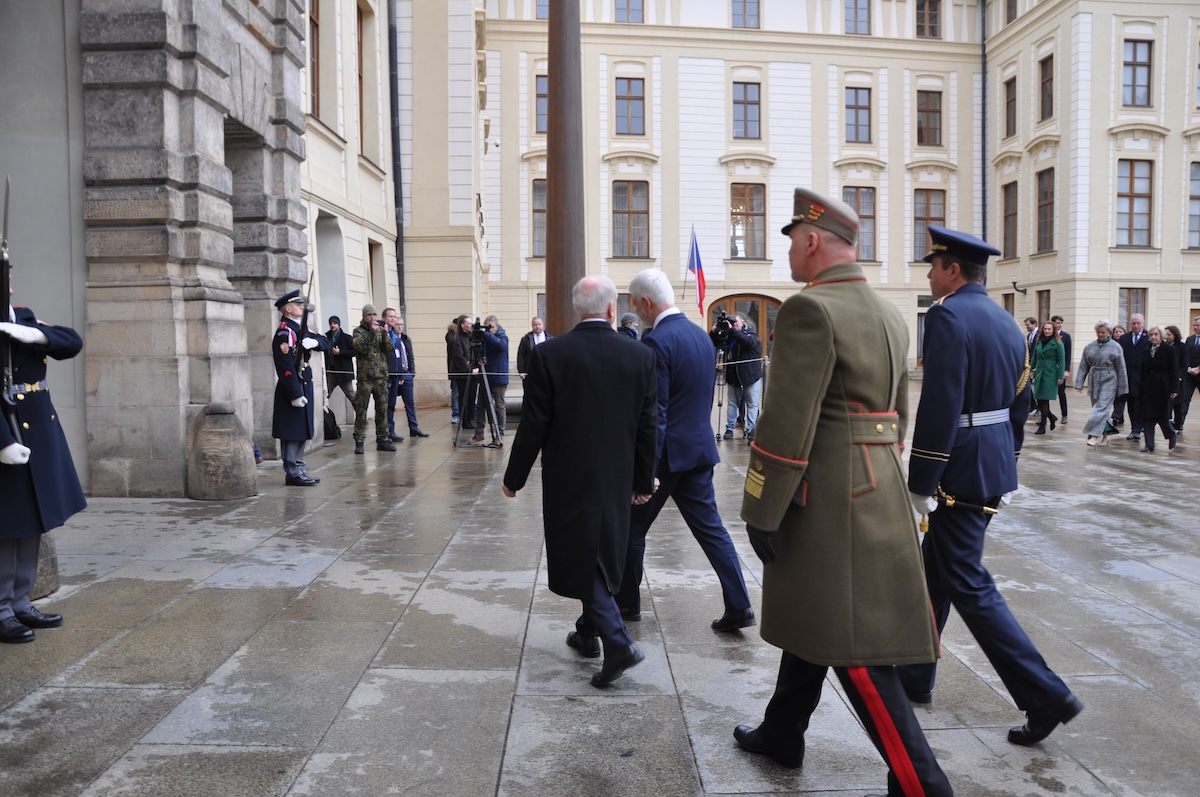
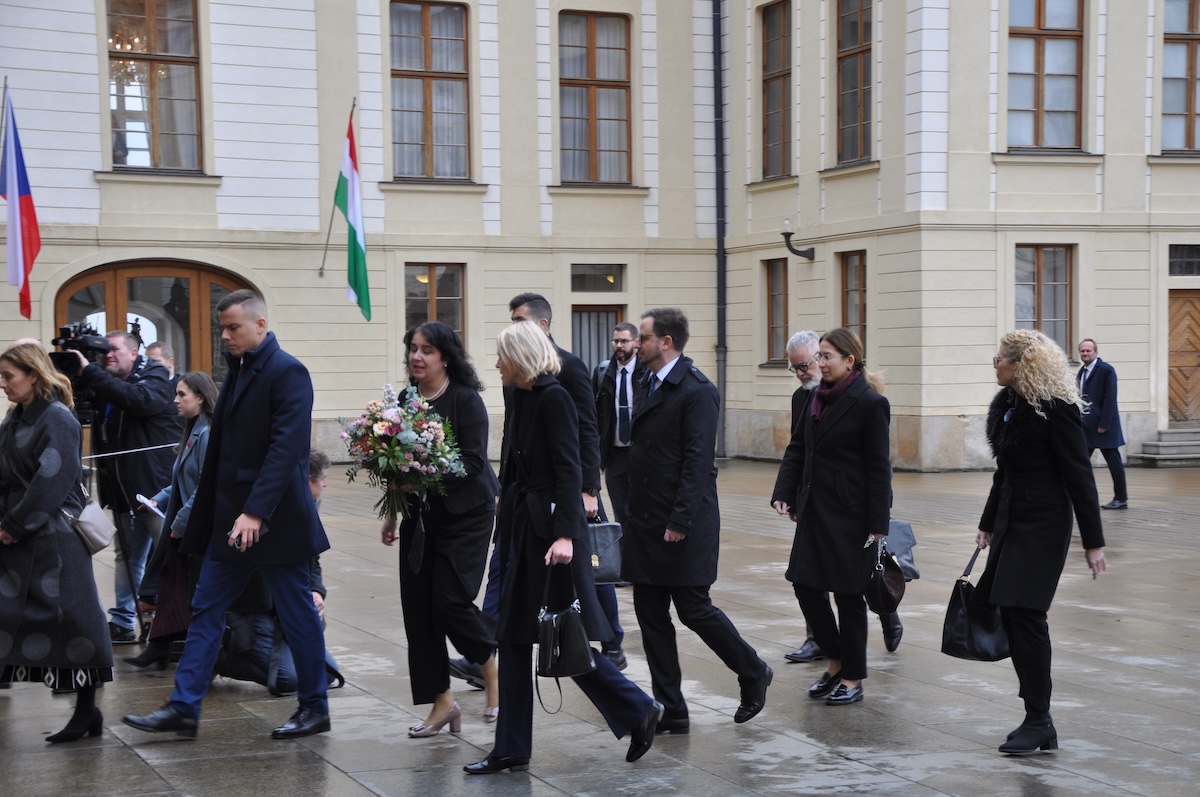
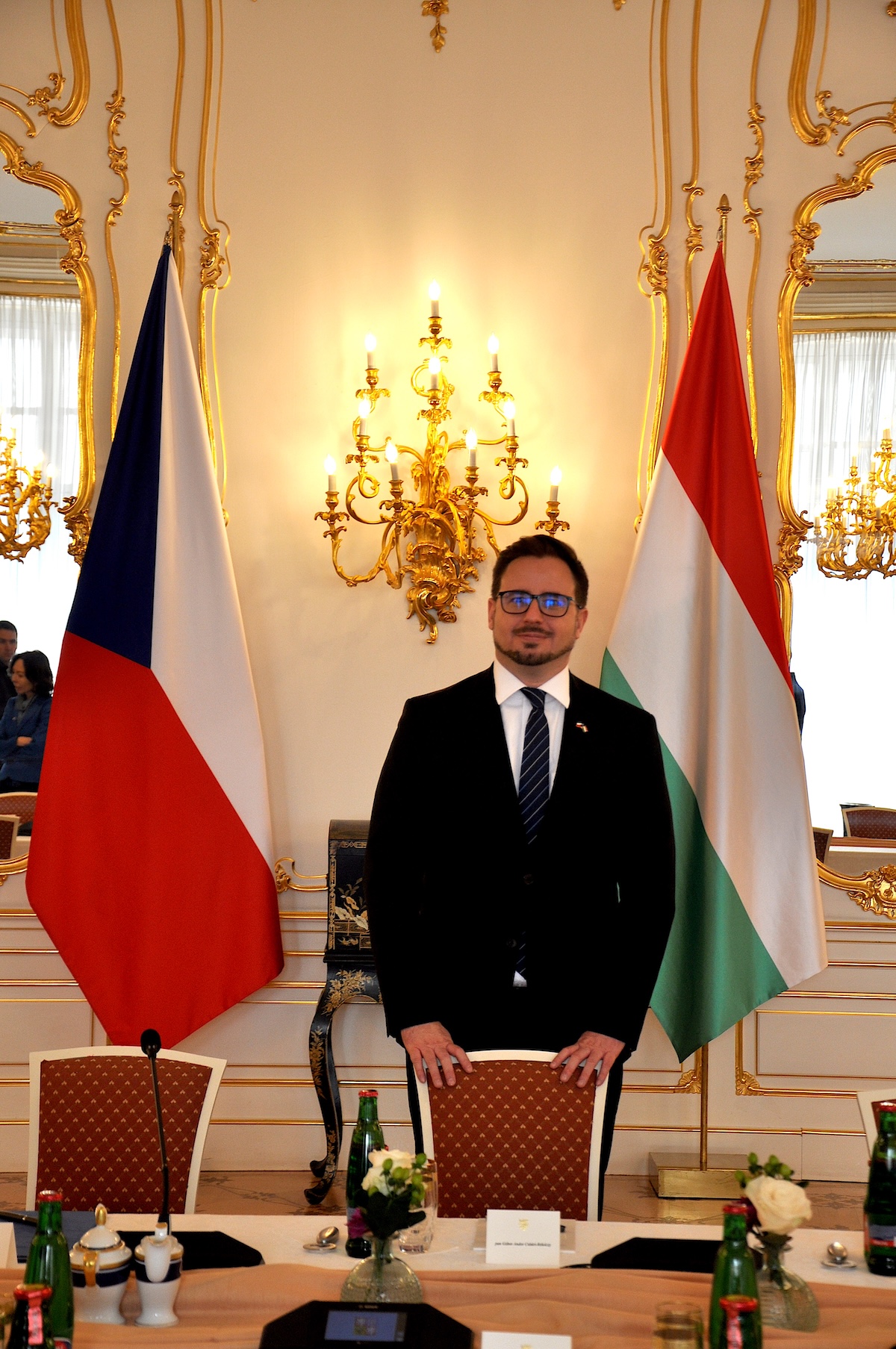
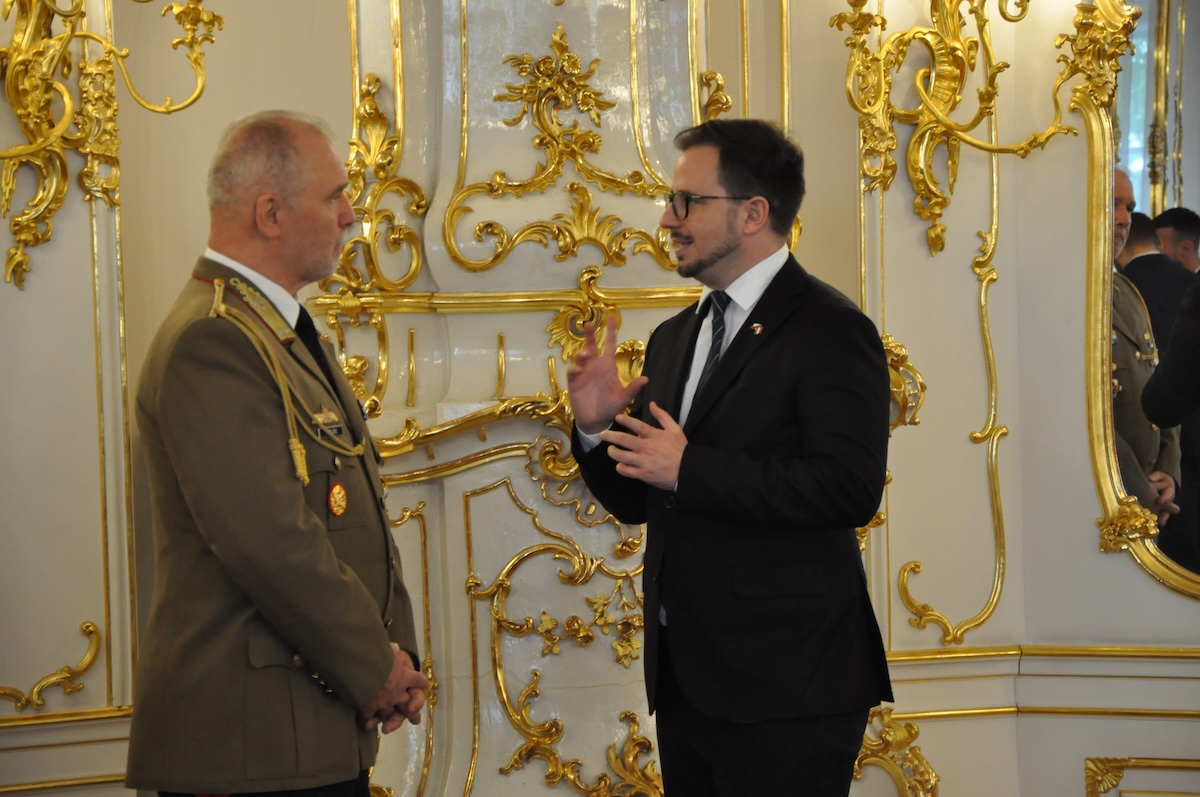
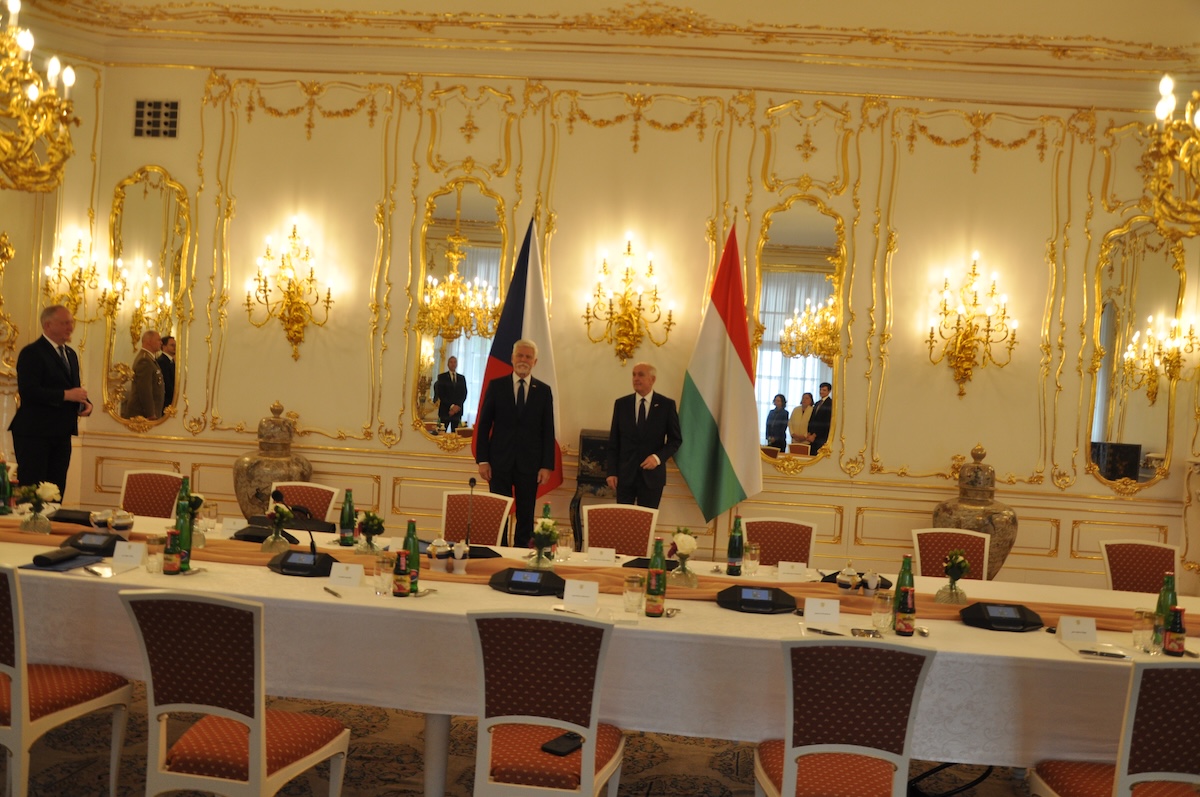
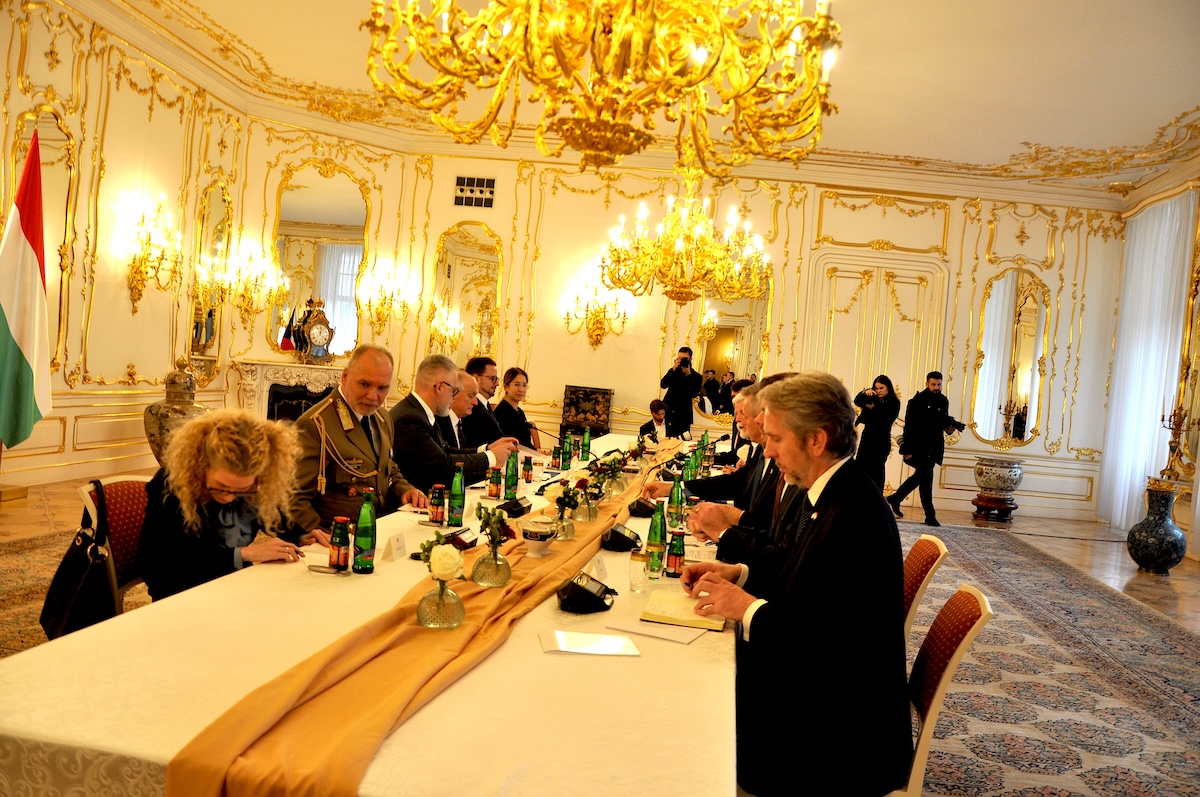
Petr Pavel, the President of the Republic, welcomed the Hungarian President, András Bak

The President of the Republic, Petr Pavel, and the First Lady, Mrs. Eva Pavlová, welcomed the Hungarian President, András Bak, and Mrs. Katalin Kövesdi, at Prague Castle on Tuesday, November 10, 2026.

The presidents discussed common priorities that both countries can promote at the European level. These include the support of nuclear energy, the protection of the external borders of the European Union, and the competitiveness of European industry.

They also discussed ways to contribute to the prosperity and security of Central Europe and the entire European Union through mutual cooperation.

“We also share the same view on how Europe should proceed in relation to Russia. That is, that it should have a unified view and speak with Russia about European security with one voice as a community of states that is self-confident and has a clear idea of ​​what security in Europe should look like,” said President Petr Pavel.

The meeting followed the presidents’ meeting in Slovakia last week. President Pavel also returned to the topics of his recent meeting with Hungarian Prime Minister Péter Magyar and other Central European leaders.

Watch the video with highlights from the reception.

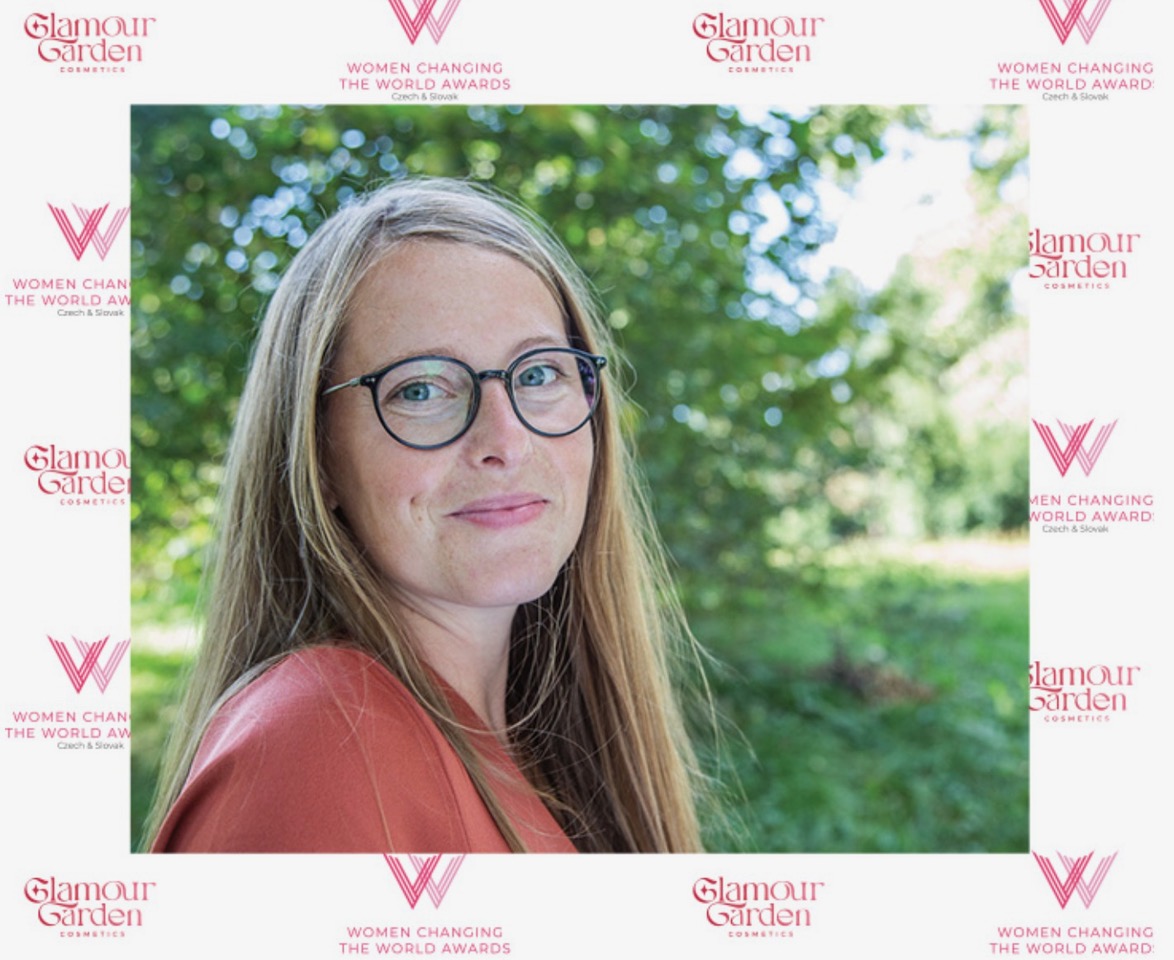
Meet The Women Reimagining Education For The Next Generation

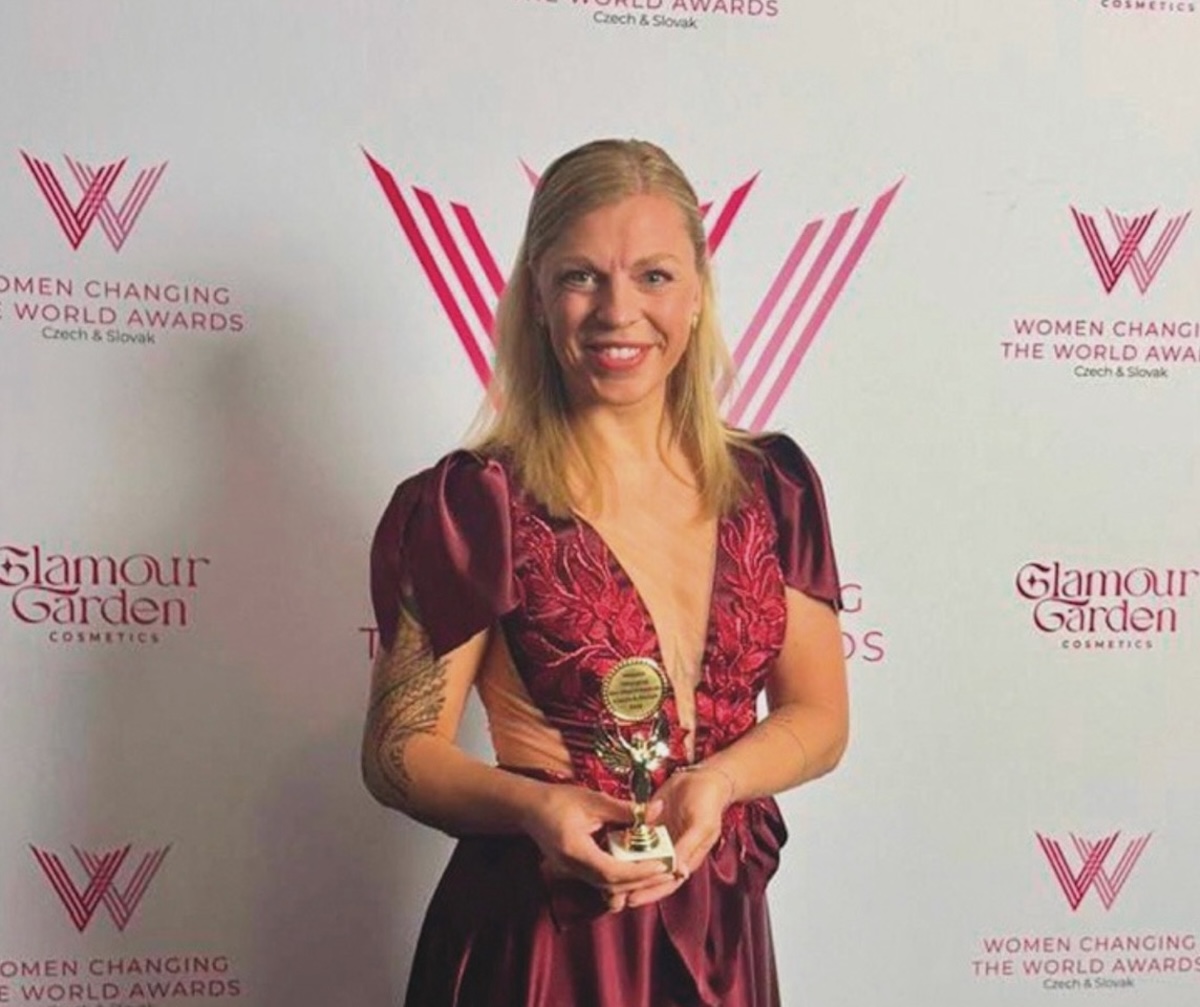
The future of education is not only about what children learn. It is also about the environments in which they learn to think, cooperate, take responsibility and understand their own potential. Meet three women recognised by the Women Changing the World Awards Czech & Slovak Edition for creating new models of education and preparing children for life beyond the classroom.

The Women Changing the World Awards Czech & Slovak Edition recognise women whose work creates measurable change in business, institutions, communities and society. In this week’s edition, we introduce three women whose leadership demonstrates a distinctive way of creating impact.

Silvie Kappelová

Silvie Kappelová founded the Žabka education centre and has spent more than fourteen years developing a non-directive, respectful approach to children’s education. Her work connects pedagogy, art and cooperation with families while responding to children’s natural developmental needs. Through seminars, counselling and work with hundreds of families, she advocates for greater trust, freedom and mental wellbeing in education. She is among the Czech pioneers of alternative and self-directed learning, showing that schools can function as living ecosystems built around relationships, creativity and respect rather than control alone.

Jarmila Baker

Jarmila Baker founded and manages the Tip Toes network of Czech-British nursery and primary schools, combining Czech and British curricula and educating hundreds of children. Drawing on international education experience, she has built a bilingual environment focused not only on academic outcomes, but also on character, empathy and independence. Her vision of school is that of a safe community where children and teachers grow together. It is a reminder that international education is valuable not simply because of language, but because it can broaden the way children understand themselves and the world around them.

Jana Merunková

Jana Merunková is an educator, author and founder of educational projects focused on financial and civic literacy, critical thinking and entrepreneurship among children and young people. As a fundraiser, she has secured more than CZK 100 million for educational initiatives and has helped build programmes supporting thousands of children from children’s homes, migrants and students preparing for independent life. She is one of the visible drivers of systemic change in financial education in Czech schools — helping ensure that young people leave education better prepared for the decisions adulthood will require of them.

Discover all Women Changing the World Awards 2025 winners → https://thewomenchangingtheworld.cz/edice-2025/winners-profiles/

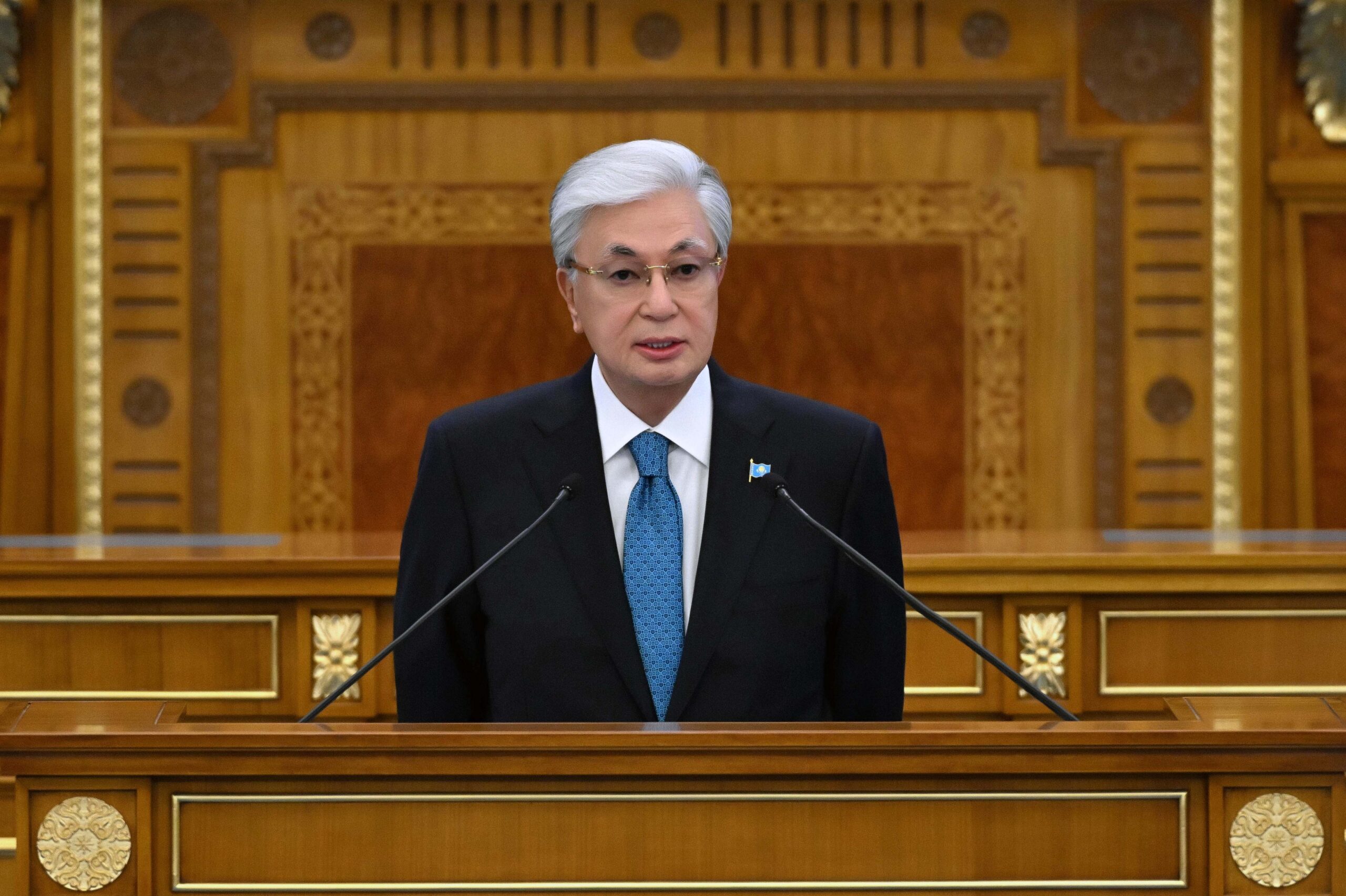
President Tokayev Outlines Kazakhstan’s Priorities for a New Historical Cycle

On 28 October 2026, President of the Republic of Kazakhstan Kassym-Jomart Tokayev delivered his annual Address to the People of Kazakhstan entitled “Kazakhstan’s Current Priorities in a New Historical Cycle.” Delivered in the year marking the 35th anniversary of Kazakhstan’s independence and following the entry into force of the new Constitution, the Address sets out the country’s strategic priorities for the next stage of its development.

The President identified the building of a Just, Strong, Clean and Progressive Kazakhstan as the overarching national goal. Against the backdrop of growing global uncertainty, he stressed that economic strength, technological advancement, modern infrastructure and national unity are essential to safeguarding the country’s sovereignty and improving the well-being of its citizens.

A major focus of the Address is large-scale infrastructure modernisation. The proposed nationwide People’s Construction programme is intended to accelerate the development of transport networks, energy facilities, utilities, housing, schools and healthcare infrastructure across all regions. Particular attention was also given to strengthening Kazakhstan’s transit and logistics potential, expanding industrial production, attracting investment and increasing the domestic processing of natural resources, including critical minerals.

Digital transformation and artificial intelligence were highlighted as key drivers of future economic growth. The President called for the practical application of AI across public administration, industry, agriculture and other sectors, as well as the development of a modern digital economy. Energy security, the expansion of electricity generation, more efficient use of water resources and increased agricultural productivity were also identified as important priorities.

The Address further emphasised the need to improve the business and investment climate, support small and medium-sized enterprises, maintain macroeconomic stability, curb inflation and raise real incomes. Reforms in education, healthcare and social support are intended to ensure that economic modernisation translates into tangible improvements in people’s quality of life. The President also underscored the importance of the rule of law, effective public administration, social responsibility and civic engagement.

The Address reflects Kazakhstan’s determination to pursue a consistent course of modernisation, strengthen its economic resilience and make full use of its strategic position in Eurasia. It also highlights opportunities for international cooperation, particularly in technology transfer, industrial development, infrastructure, energy, digitalisation and human capital development.

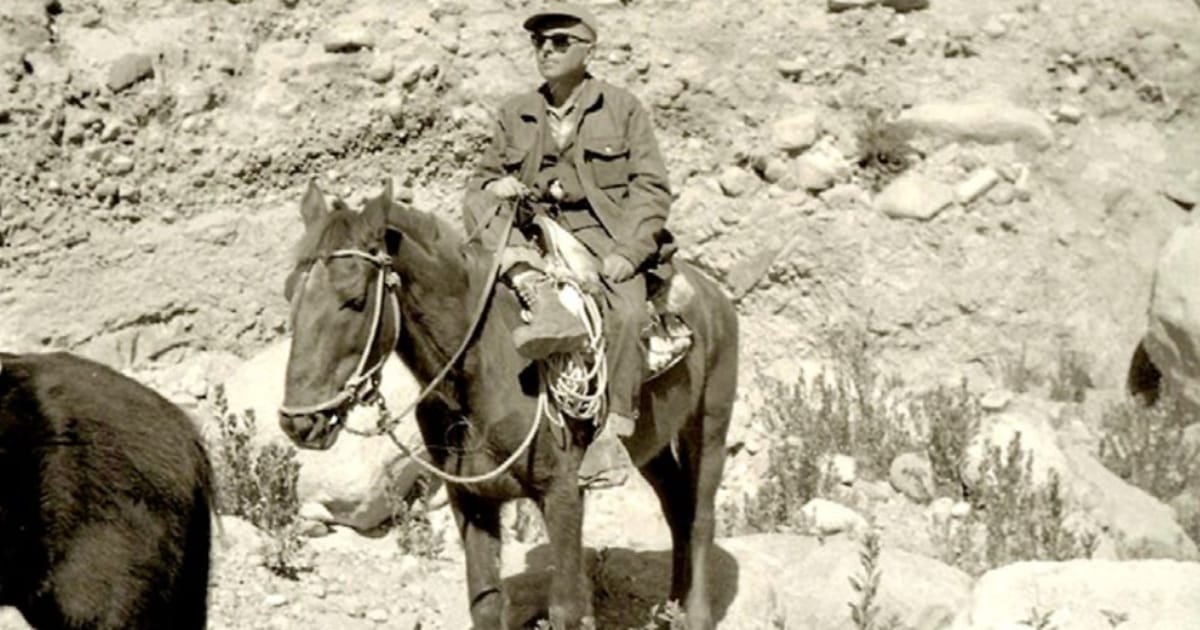
Daniela, la estudiante checa que viajó por todo Chile, de Puerto Edén a Chapiquiña, tras los pasos del etnógrafo Václav Šolc

Foto: Museo Nacional de Praga

Puerto Edén es uno de los lugares más recónditos e inaccesibles del planeta, en la isla de Wellington, a más de veinte horas en barco de Puerto Natales, en los canales patagónicos chilenos. Y Chapiquiña queda en el extremo norte de Chile, arriba en lo alto del desierto de Atacama, a más de cinco mil kilómetros de distancia de Puerto Edén. Hasta ambos lugares llegó la estudiante checa de doctorado Daniela Šnapková, quien viajó tras las huellas del etnógrafo Václav Šolc, su compatriota.

El etnógrafo checo Václav Šolc se encontraba en el norte de Chile, en Ollagüe, en la frontera con Bolivia, en una de sus investigaciones etnográficas, cuando un golpe de Estado derrocó el gobierno democrático de Salvador Allende.

See more here.

Author: Gonzalo Núñez

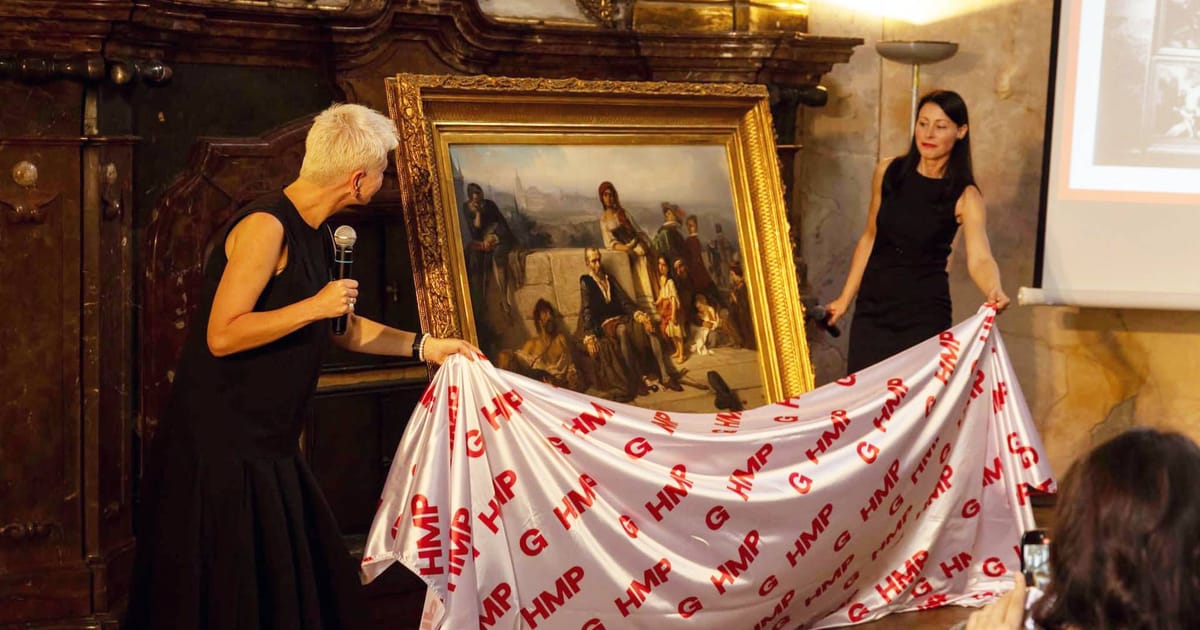
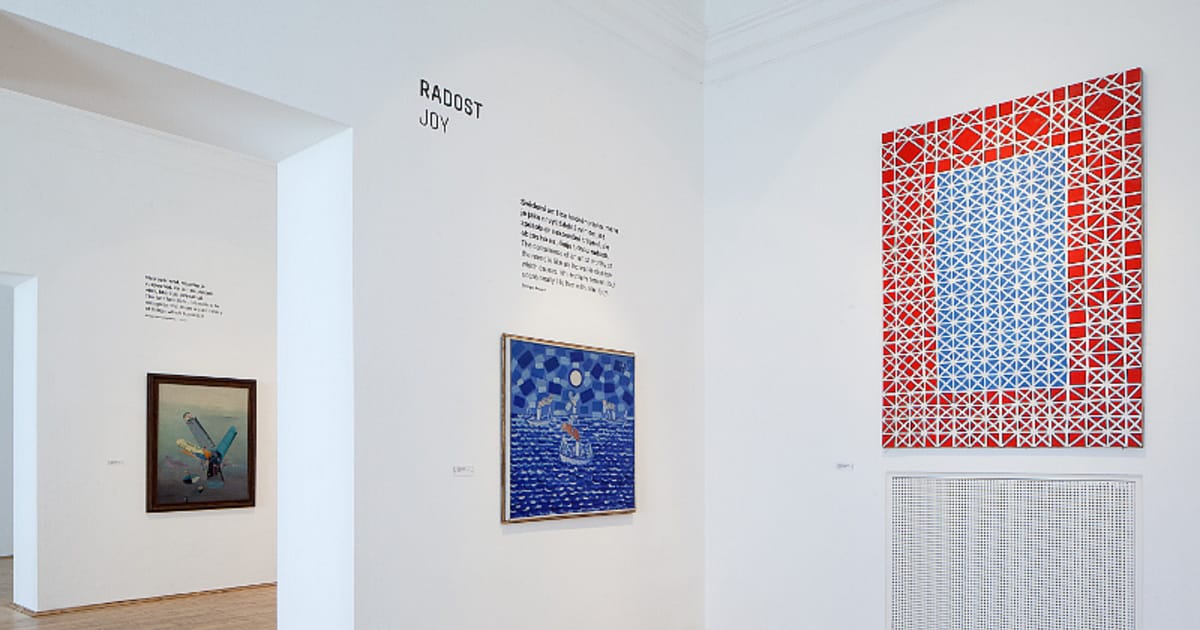
New exhibition explores Jaroslav Čermák, the 19th-century Czech painter who made his name in Paris

Photo: Jakub Demartini, GHMP

A new exhibition at the Prague City Gallery’s Municipal Library venue looks back at the life and work of Jaroslav Čermák, a Czech painter who enjoyed considerable success across Europe in the 19th century but gradually faded from public memory.

He was one of the most successful Czech painters of the 19th century, exhibiting in Paris and winning recognition across Europe.

See more here.

Author: Ruth Fraňková

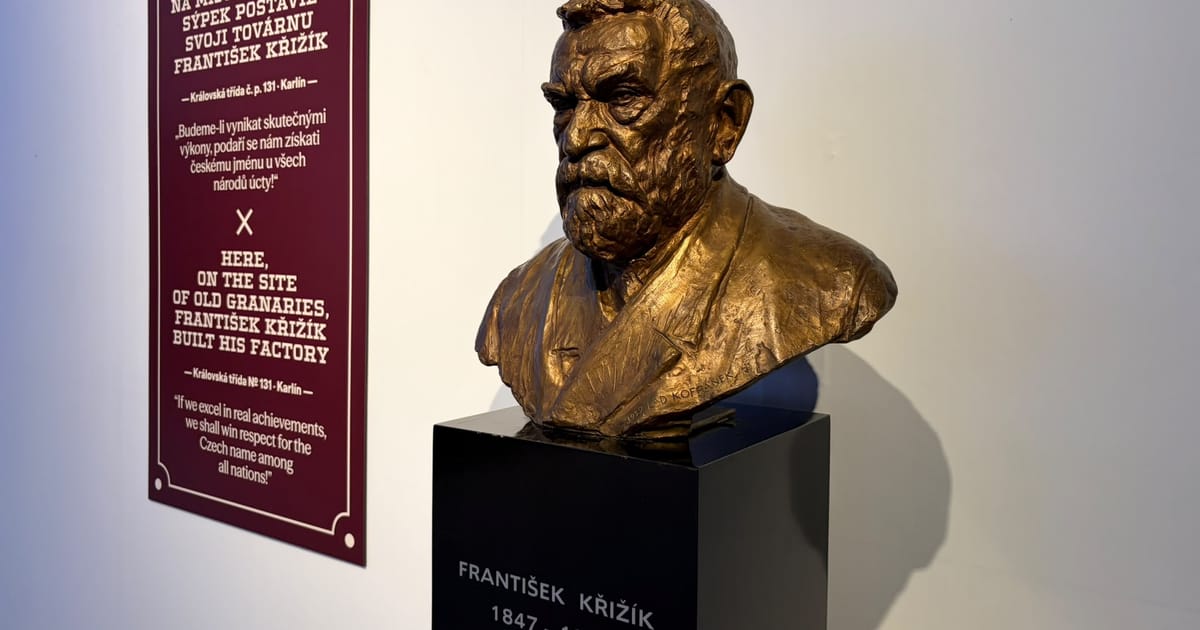
New exhibition celebrates the legacy of Czech inventor František Křižík

Photo: Josef Beneda, Czech Radio

A new exhibition dedicated to František Křižík, one of the pioneers of electrical engineering in the Czech lands, has opened at the National Technical Museum in Prague. Entitled František Křižík: A Knight of Electrical Engineering, it explores the life and achievements of the famous inventor.

Railway signals designed to prevent train collisions, an electric arc lamp that won a gold medal at the 1881 World’s Fair in Paris, Prague’s first electric tramway and the famous illuminated fountain at the 1891 Jubilee Exhibition: these are just some of the inventions and projects of František Křižík, one of the best-known Czech engineers and inventors of the late 19th century.

See more here.

Author: Ruth Fraňková

Suspected British spy and slave labourer gets royal honour: Jaroslav Peprník’s story

Photo: Vít Pohanka, Radio Prague International

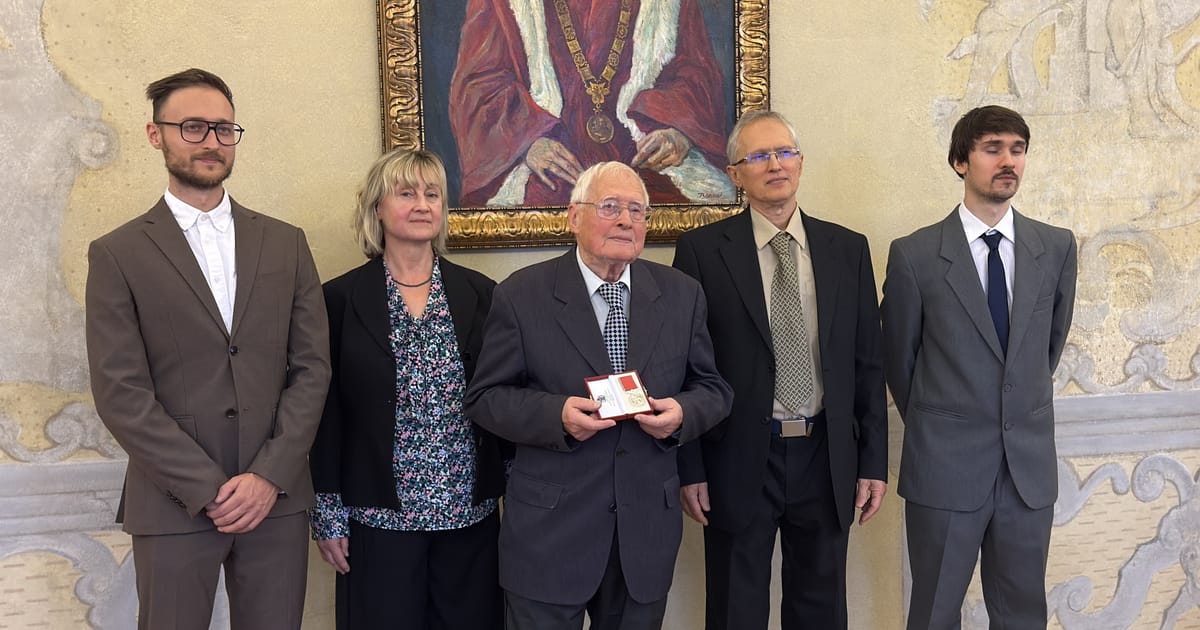
Jaroslav Peprník taught himself English from three books in his father’s library, pursued it through war and communist persecution, and helped generations of Czech students master the language. Now his lifelong contribution has earned him the British Empire Medal. In this personal episode of Czechast, Vít Pohanka revisits an earlier interview with his former teacher and speaks to British ambassador Matt Field about the royal honour.

For Professor Jaroslav Peprník, an interest in Britain once brought suspicion and years of punitive military service under communist rule.

See more here.

Author: Vít Pohanka

Czech astronaut Aleš Svoboda prepares for ISS mission: what makes a good astronaut?

Photo: Salik Sláma, Brno Observatory and Planetarium

Czech fighter pilot Aleš Svoboda is preparing for a mission to the International Space Station, marking an important step for Czech participation in European space exploration. Belgian astronaut Frank De Winne, a former head of the European Astronaut Centre, was directly involved in his selection. He told Czech Radio science reporter Martin Srb why he believes Svoboda possesses the qualities needed for the demanding assignment.

Belgian astronaut Frank De Winne, a veteran of two space missions and a former head of the European Astronaut Centre, was directly involved in Aleš Svoboda’s selection.

See more here.

Author: Vít Pohanka

A Grand Return to Bohemian Paradise: Drábské světničky Reopen After Five-Year Closure

Photo: Vít Černý, ČTK

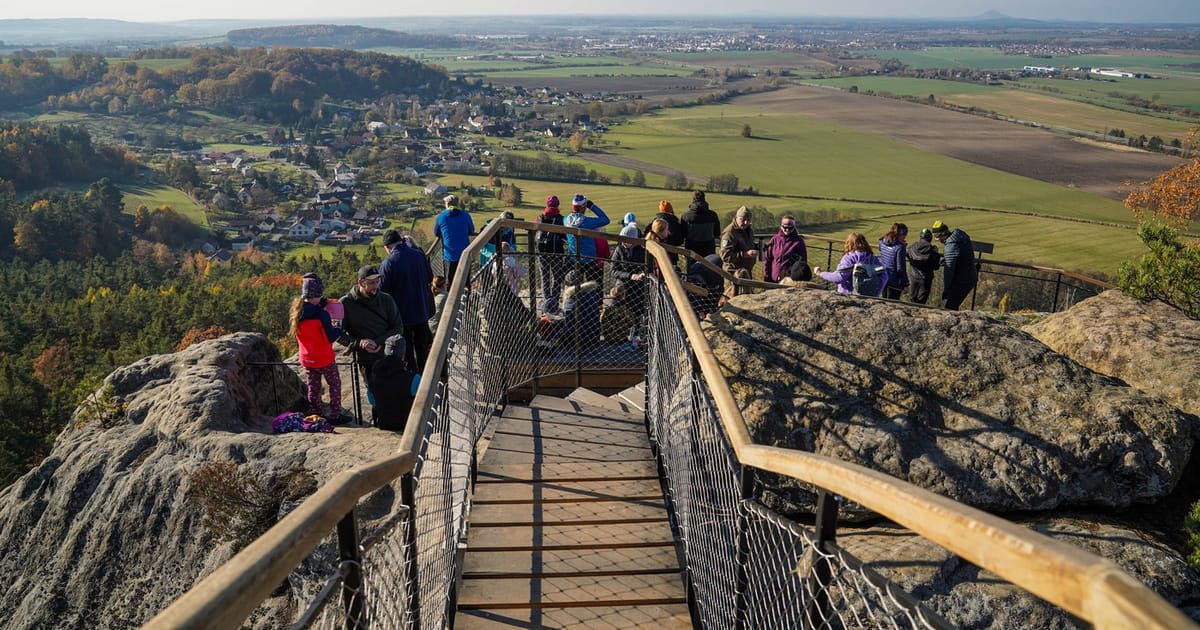
Drábské světničky, a historic rock castle in Bohemian Paradise, has reopened to the public following five years of restoration work on its visitor infrastructure. The site had been closed since 2021 due to extensive wear and erosion of the sandstone rock formations caused by excessive tourist traffic. A newly constructed system of elevated walkways now prevents direct foot contact with the fragile rock surfaces. The site will be open to visitors year-round, with free admission.

See more here.

Miroslav Beinhauer explores the complete piano works of Alois Hába

Photo: Supraphon

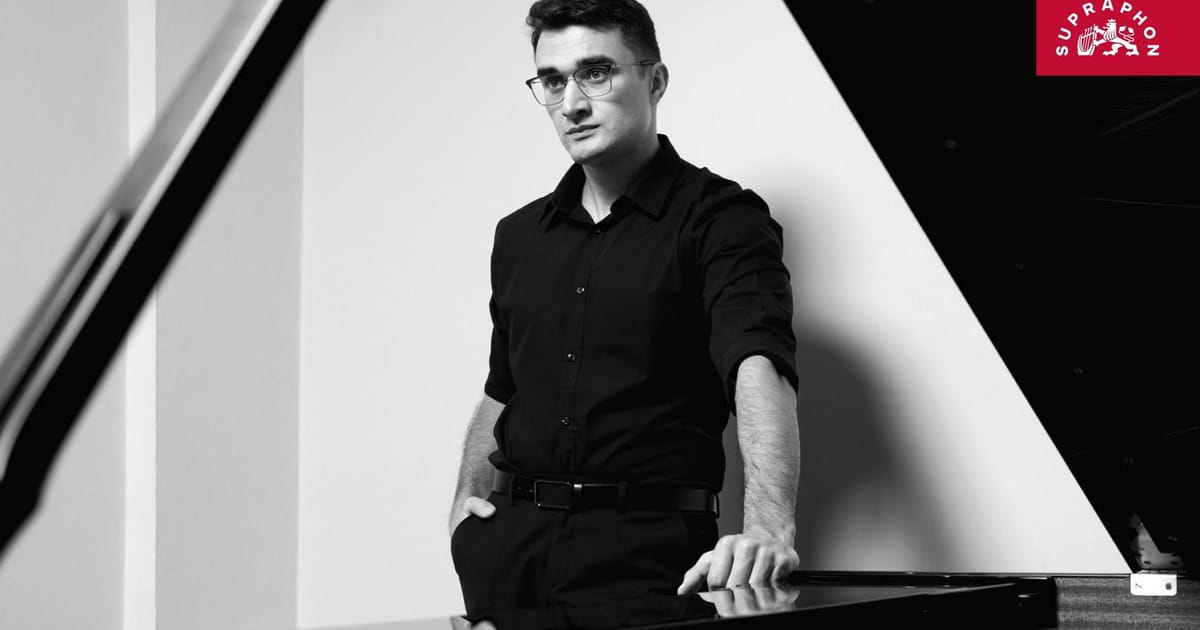
Czech pianist Miroslav Beinhauer has made a name for himself exploring lesser-known repertoire of the 20th and 21st centuries, with a particular interest in unconventional music.

Beinhauer is one of the few musicians able to play the unique sixth-tone harmonium developed by Czech composer Alois Hába, a pioneer of microtonal music.

See more here.

The kiss that made history: Smetana’s The Kiss celebrates 150 years

Photo: J.Broukal, Národní divadlo, Wikimedia Commons, CC BY-SA 4.0 DEED

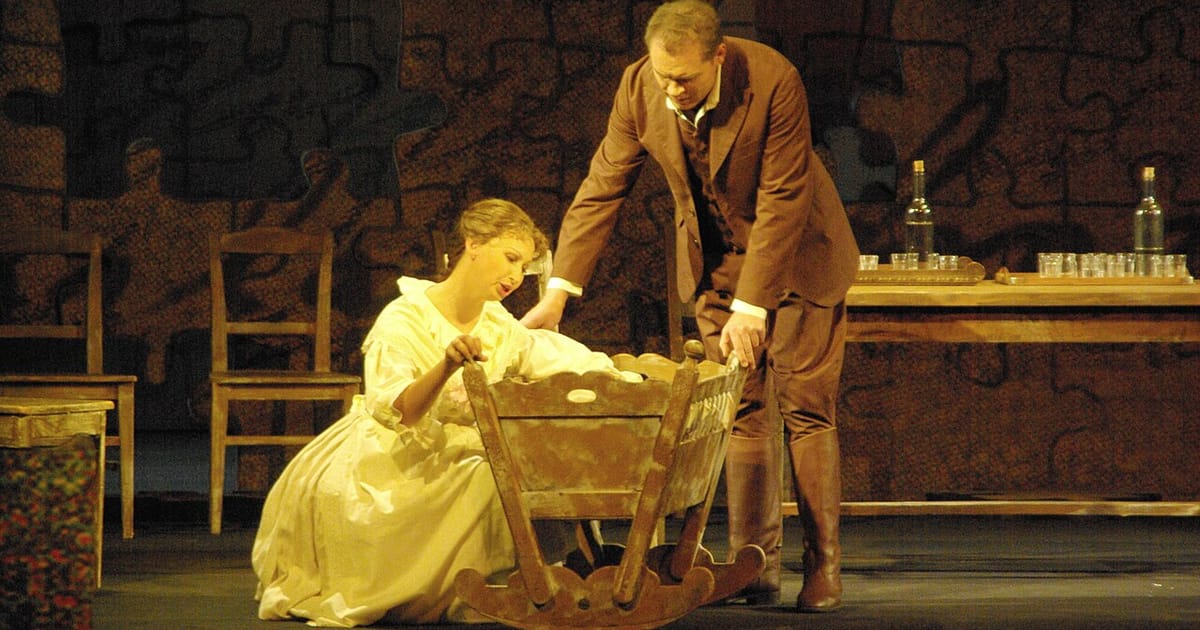
When it premiered at Prague’s Provisional Theatre on 7 November 1876, The Kiss was greeted with great enthusiasm. By then, Bedřich Smetana had already lost his hearing completely, yet he went on to create a work that would become one of the most popular Czech operas. Inspired by a short story by Karolina Světlá, it brought to the stage the world of the Czech countryside, with its humour, love and stubbornness. A century and a half later, The Kiss remains Smetana’s second most frequently performed opera, after The Bartered Bride, and one of the symbols of Czech musical culture.

At first glance, the story revolves around a minor disagreement between two people in love.

See more here.

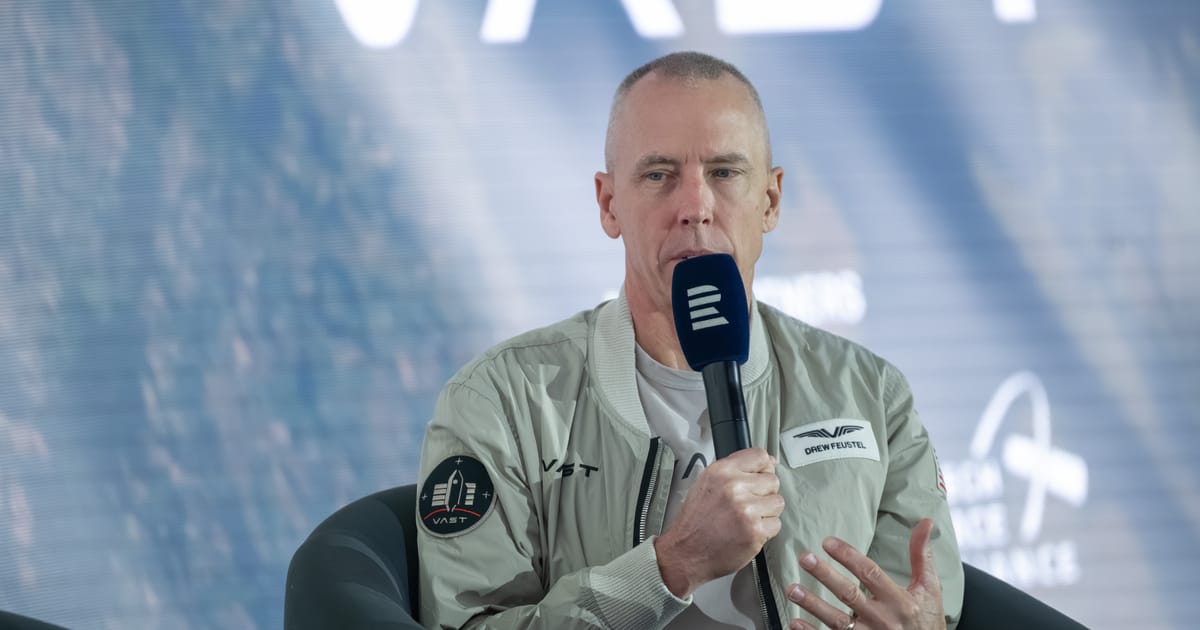
Andrew “Drew” Feustel: Czechs have made strong contributions to space science

Photo: Khalil Baalbaki, Czech Radio

On Monday, former US astronaut Andrew “Drew” Feustel was a special guest at Prague’s Planetarium as part of Czech Space Week. Feustel, whose wife Indira Feustel has Czech roots, famously took a Krtek (Little Mole) toy with him on two space flights, and enjoys close ties with this country. Both Drew and Indira Feustel were interviewed live on stage at the Planetarium in Prague by Czech Radio host Libor Bouček.

In this fascinating and broad-ranging talk, Drew Feustel reflects on his career, from his childhood fascination with science fiction to becoming an astronaut, repairing the Hubble Space Telescope and spending 197 days aboard the International Space Station.

See more here.

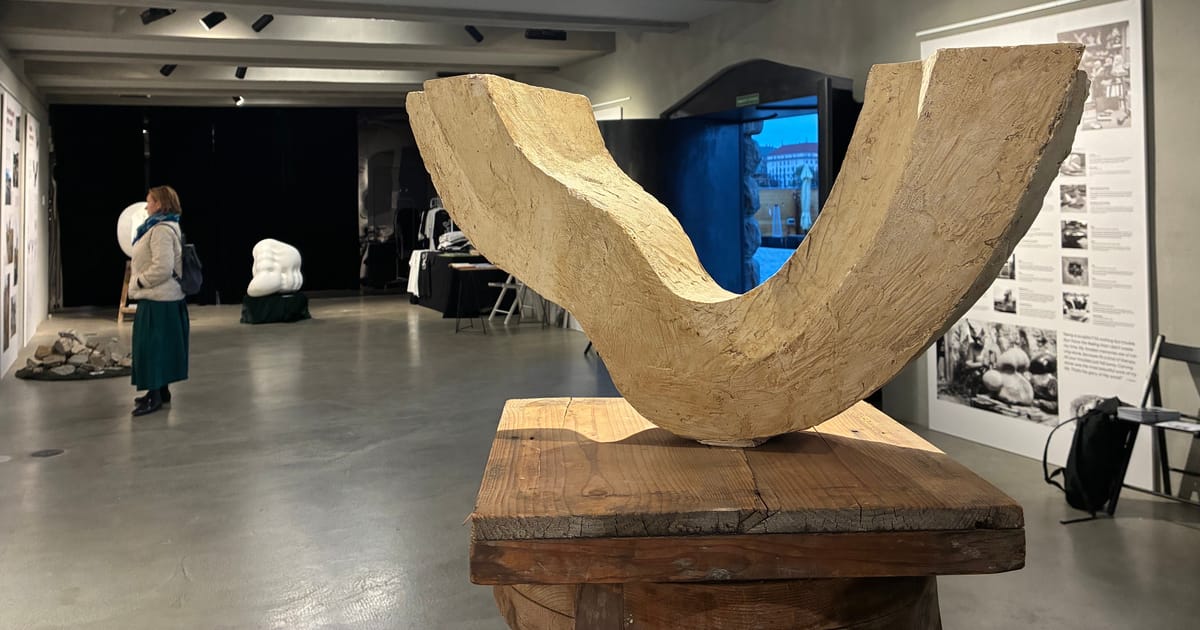
Exhibition explores story of iconic Barrandov Bridge sculpture and plans for its return

Photo: Ruth Fraňková, Radio Prague International

A new exhibition currently underway in Prague explores the story of Equilibrium, the iconic sculpture that stood beside the Barrandov Bridge for almost four decades before collapsing last summer. It also looks at plans to bring the sculpture back.

The six-metre-high, 15-metre-wide concrete sculpture was created by Josef Klimeš, regarded as one of the most important Czech sculptors of the second half of the 20th century.

See more here.

Author: Ruth Fraňková

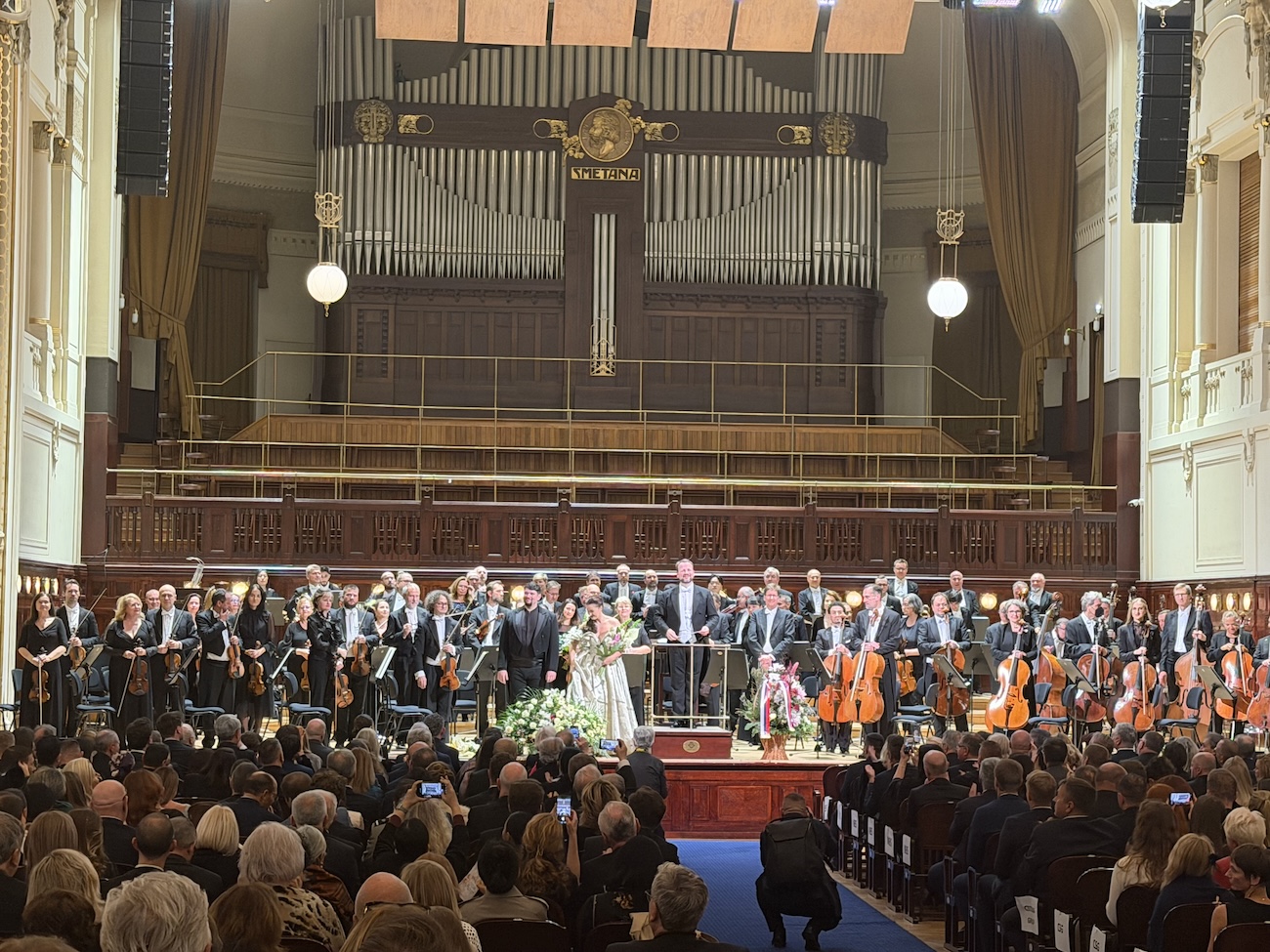
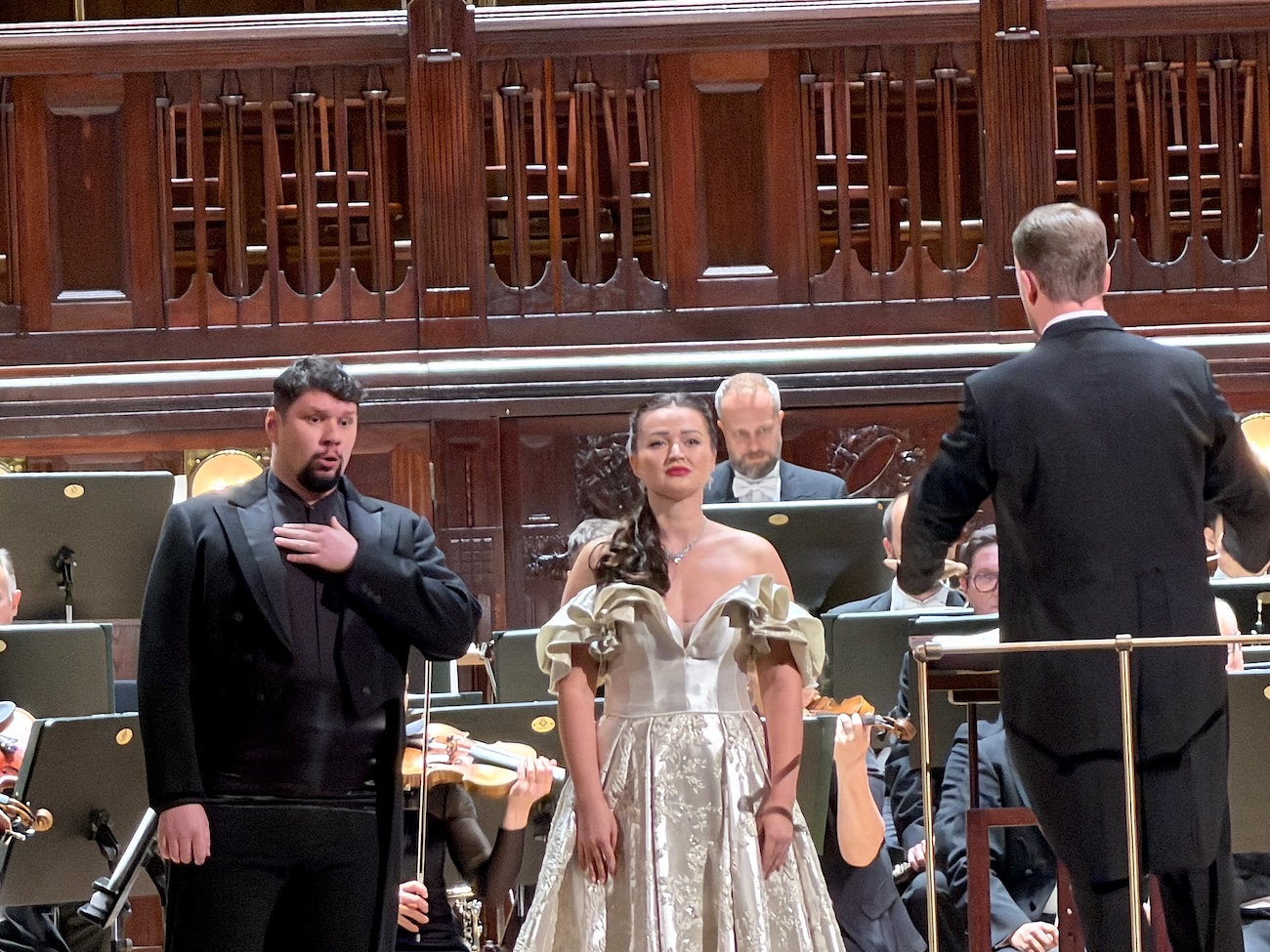
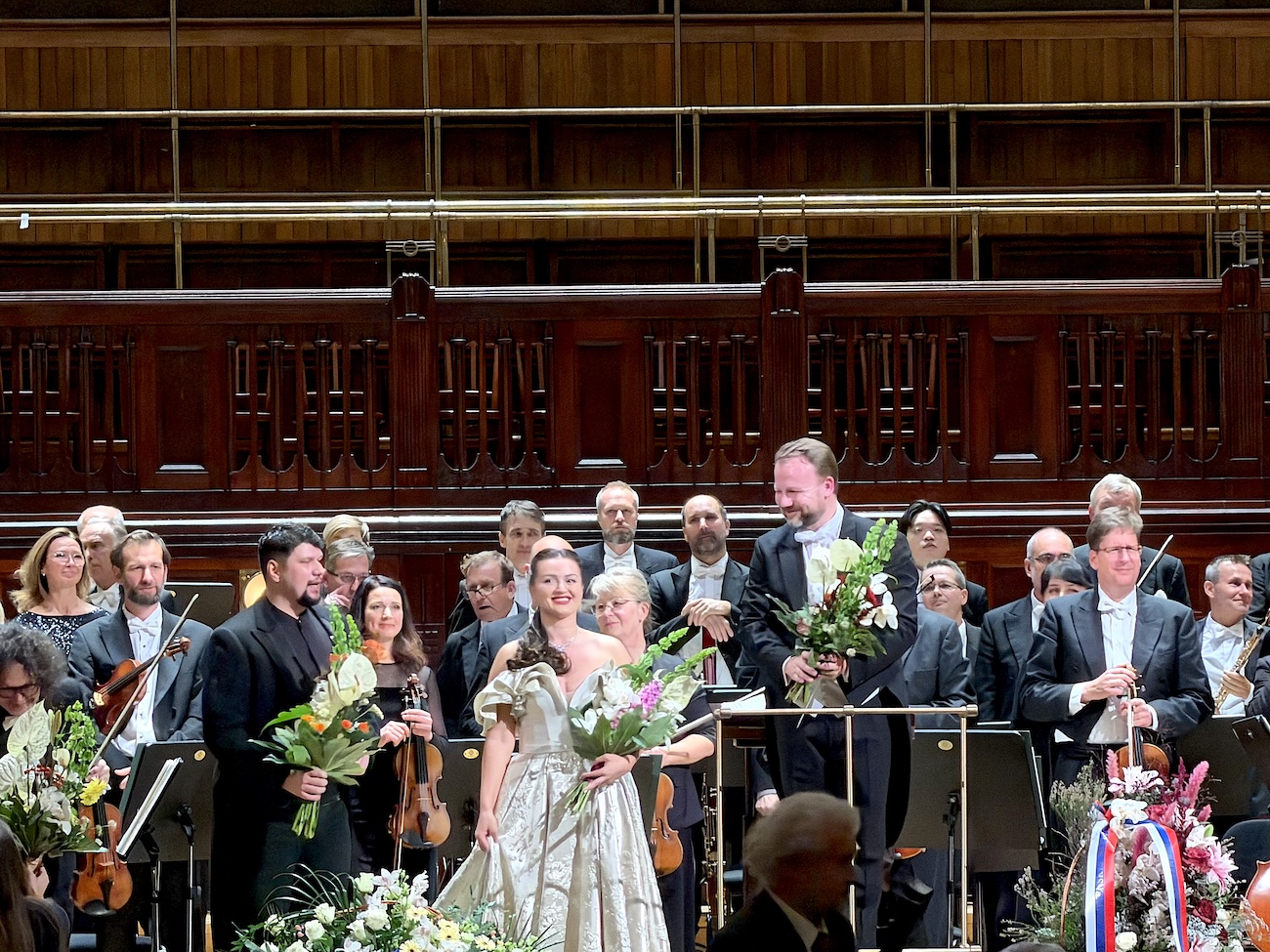
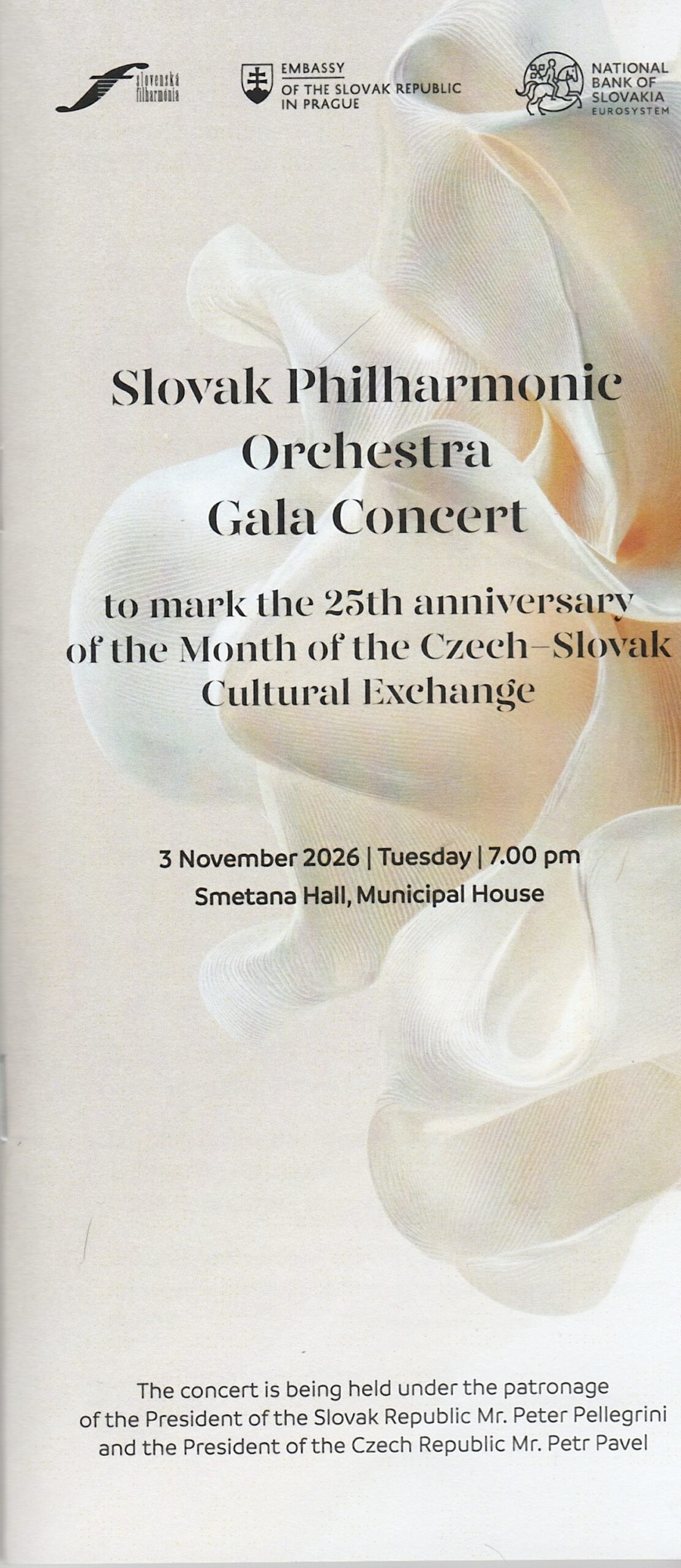
The 25th anniversary of the Czech – Slovak cultural Mutuality

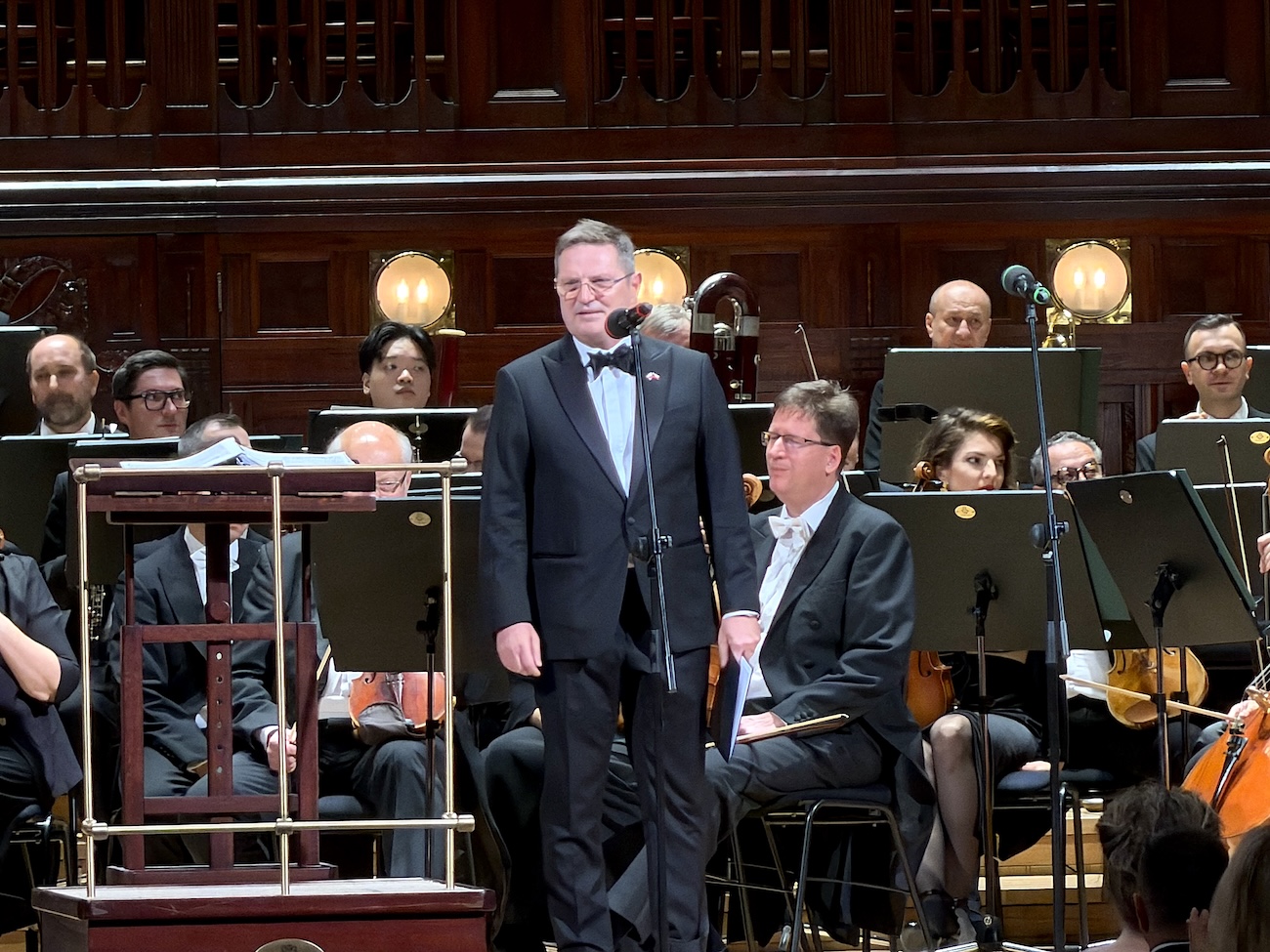
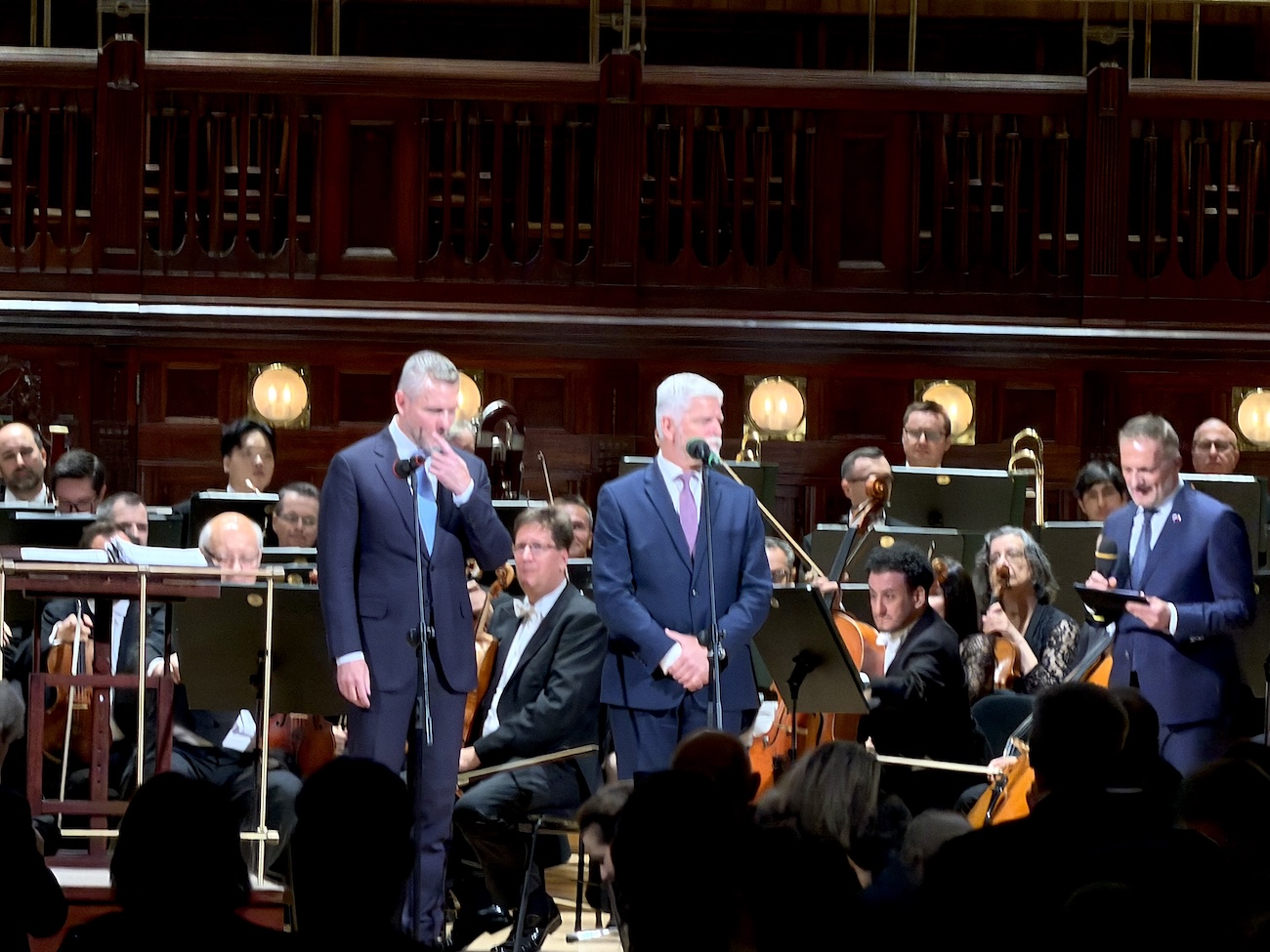
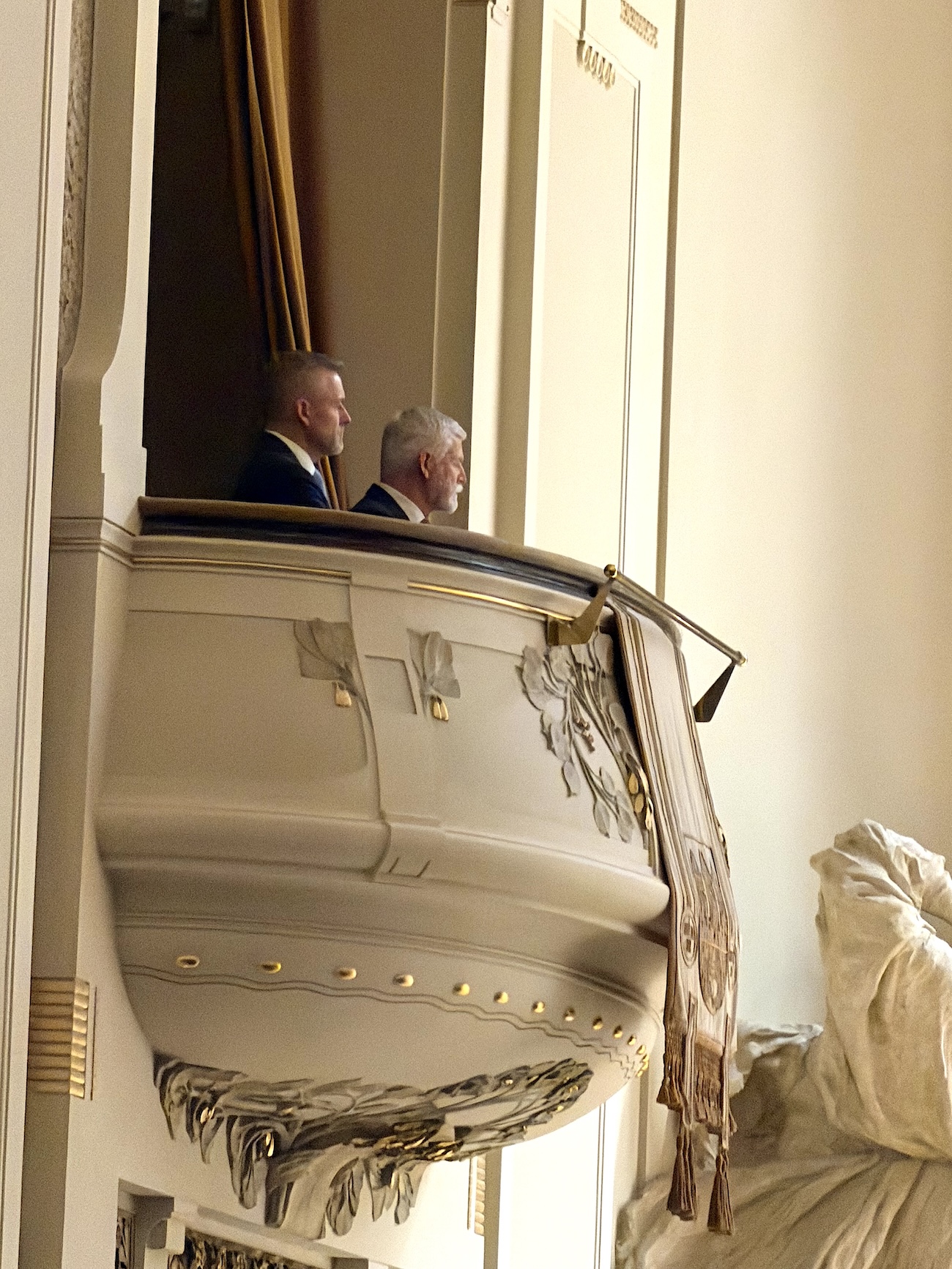
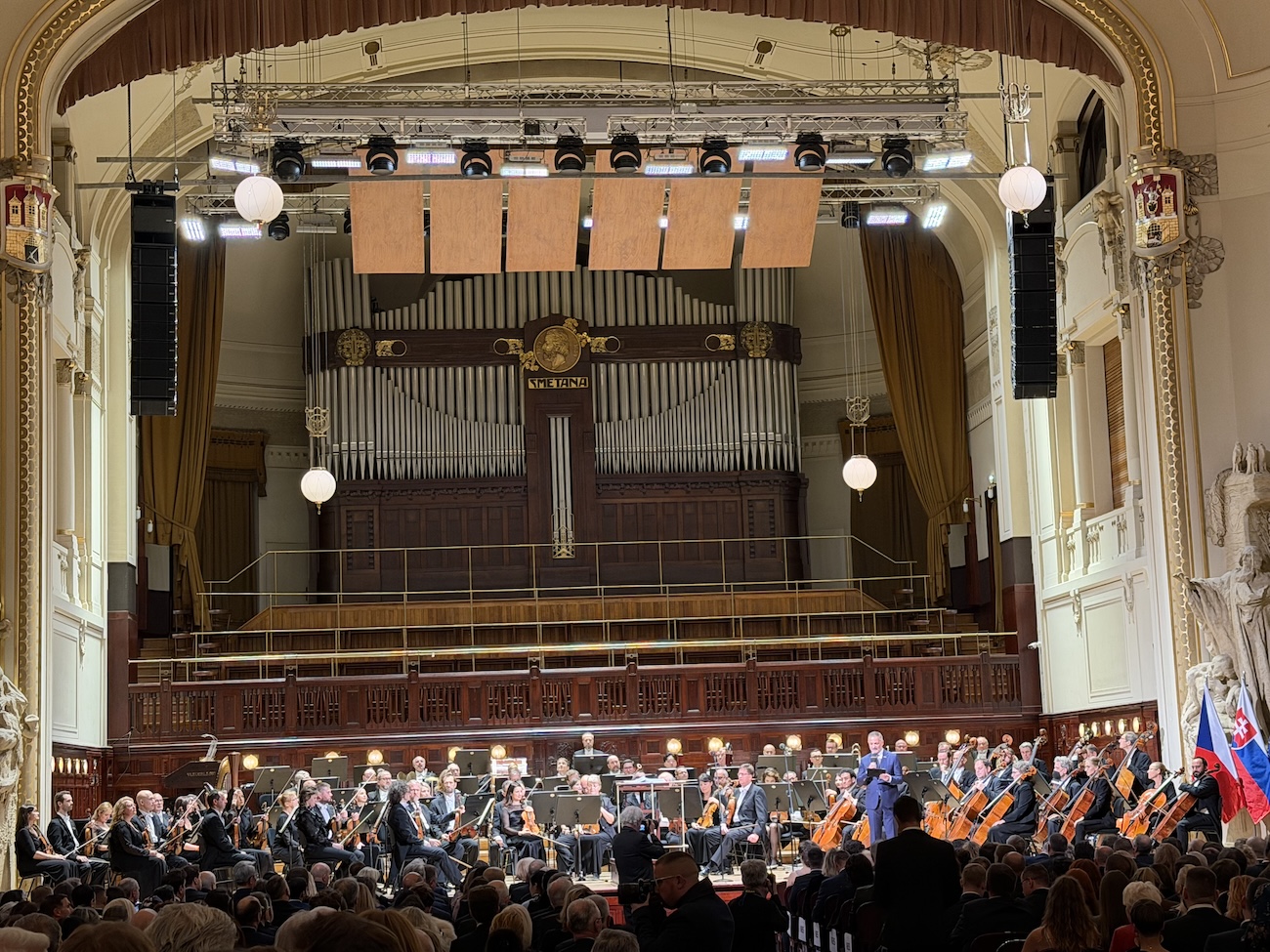
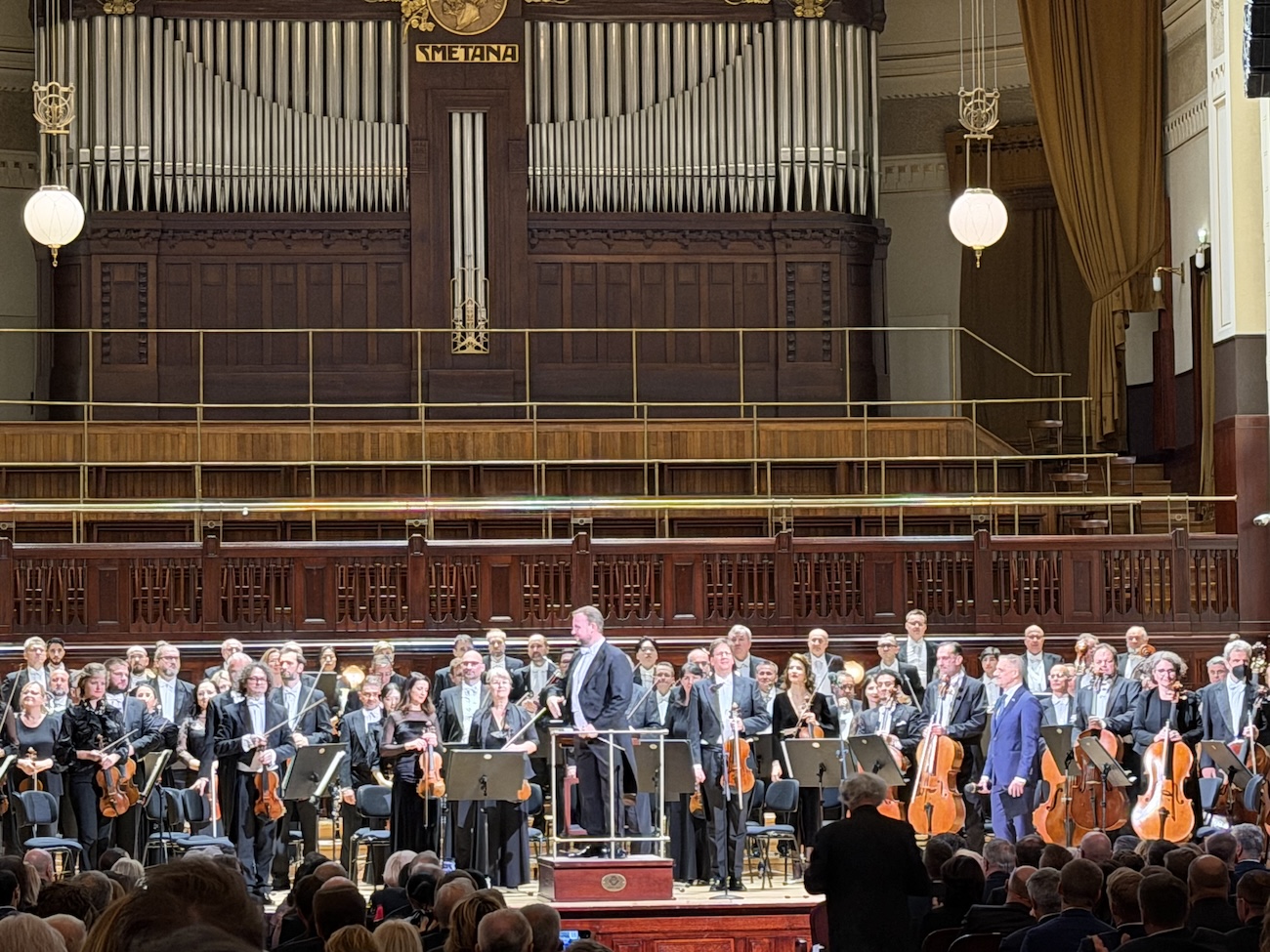
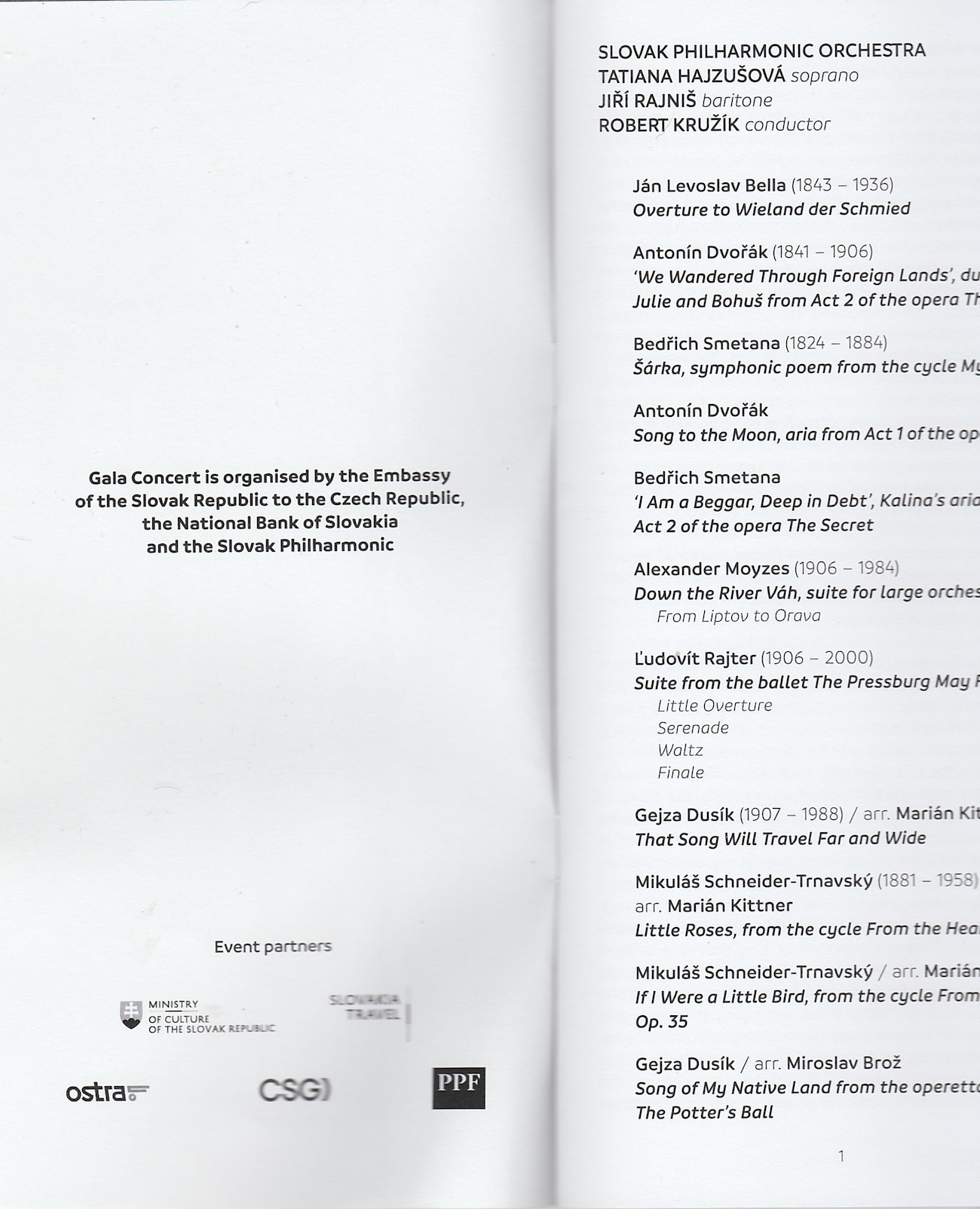
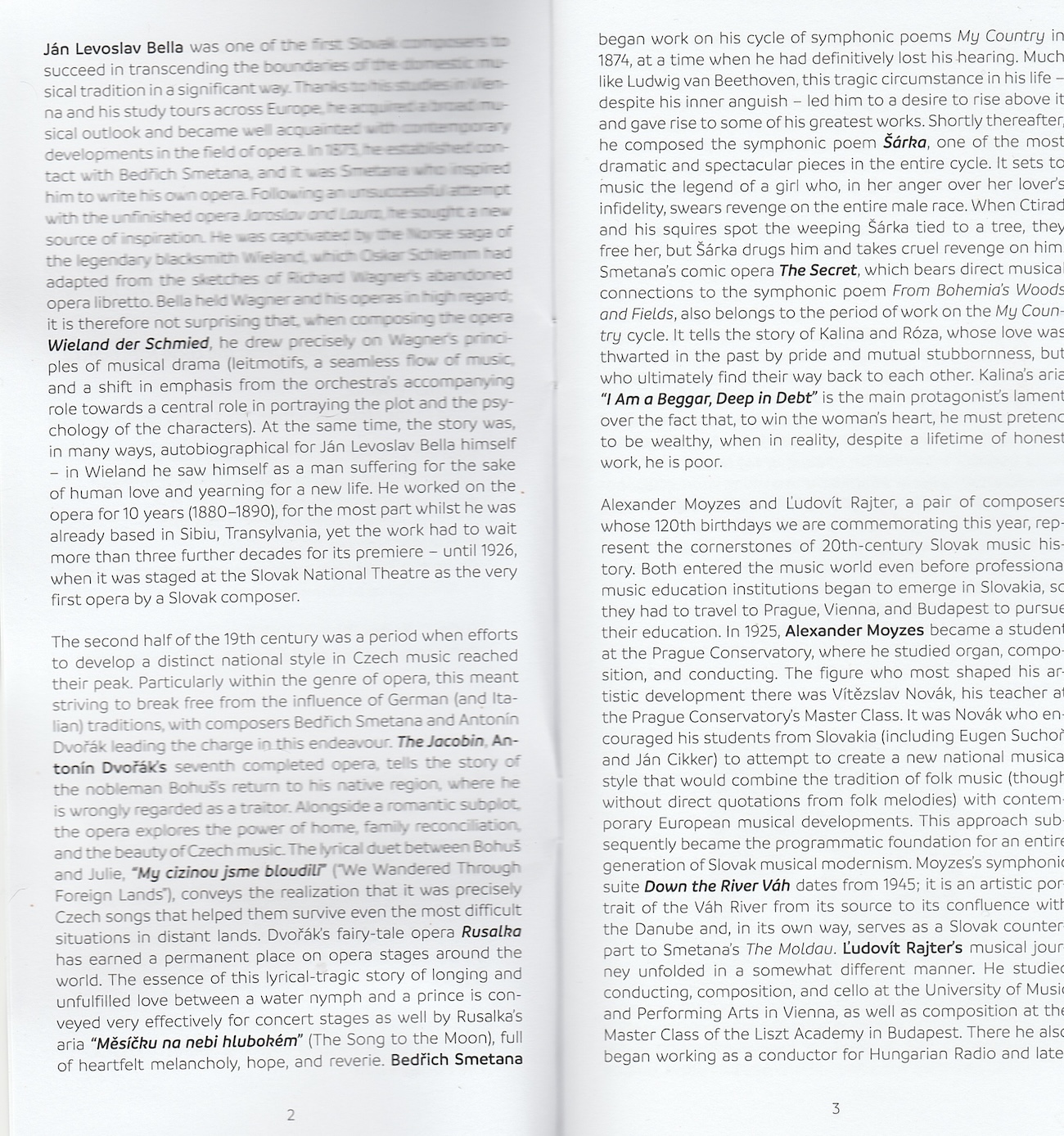
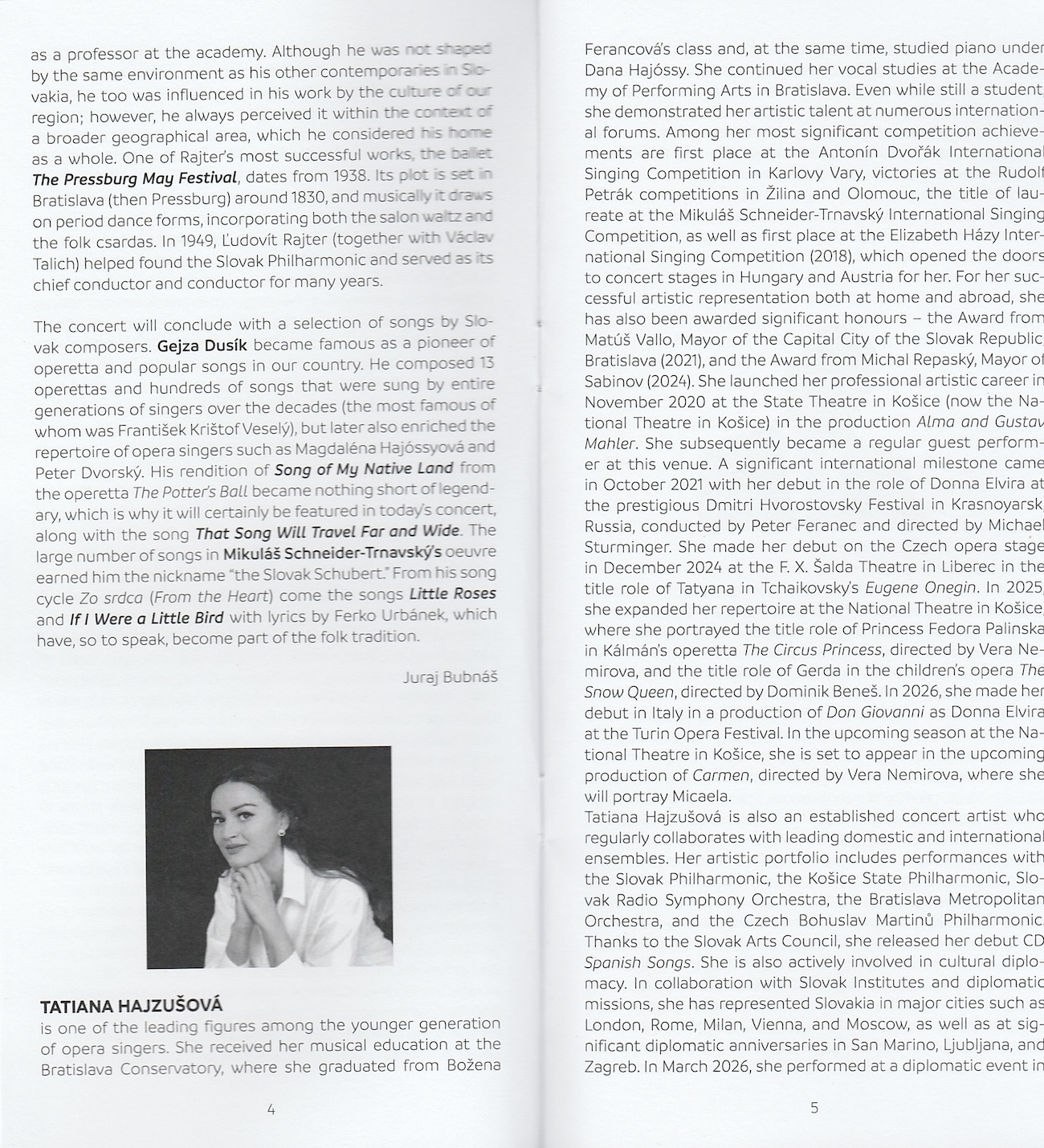
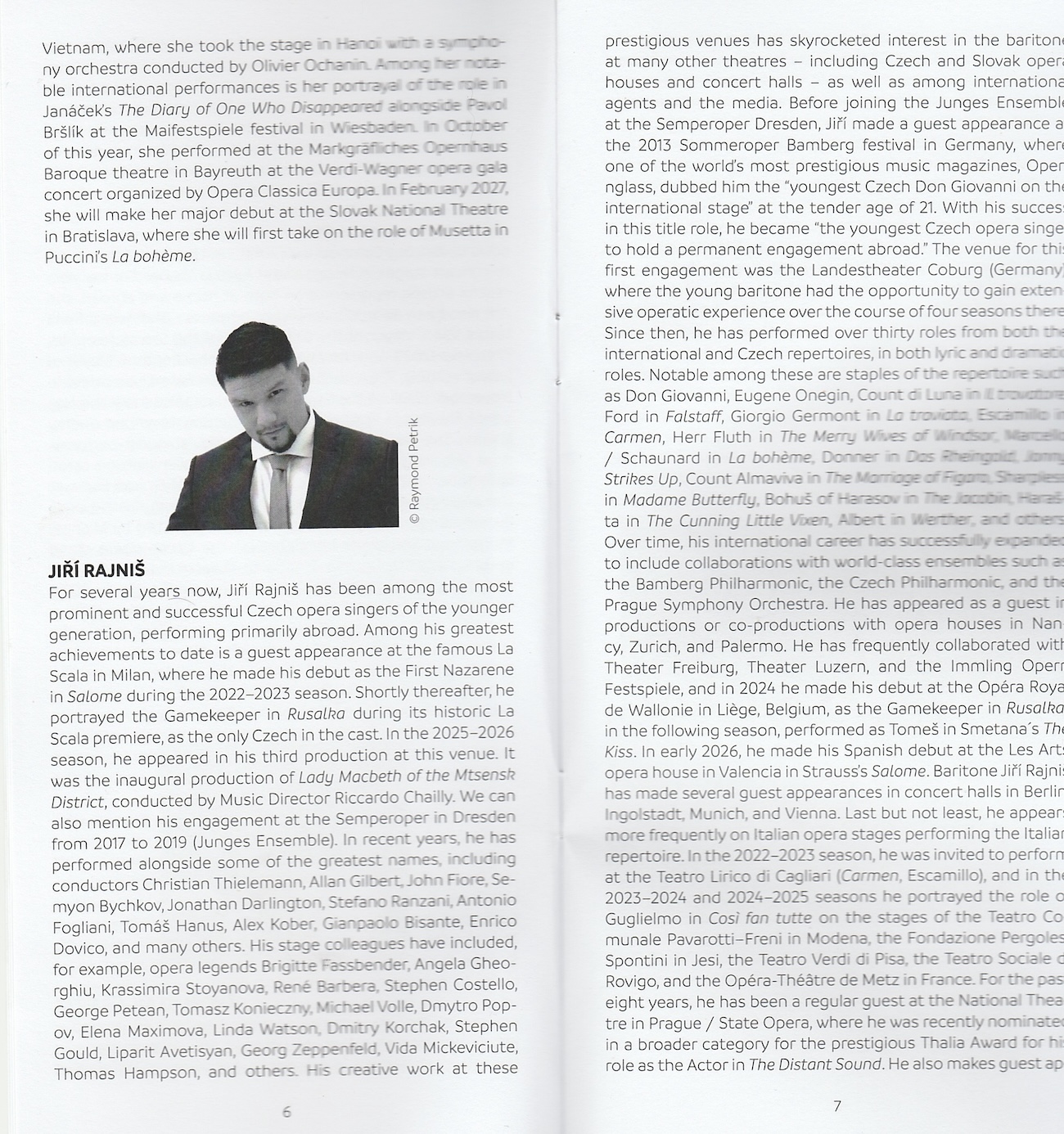
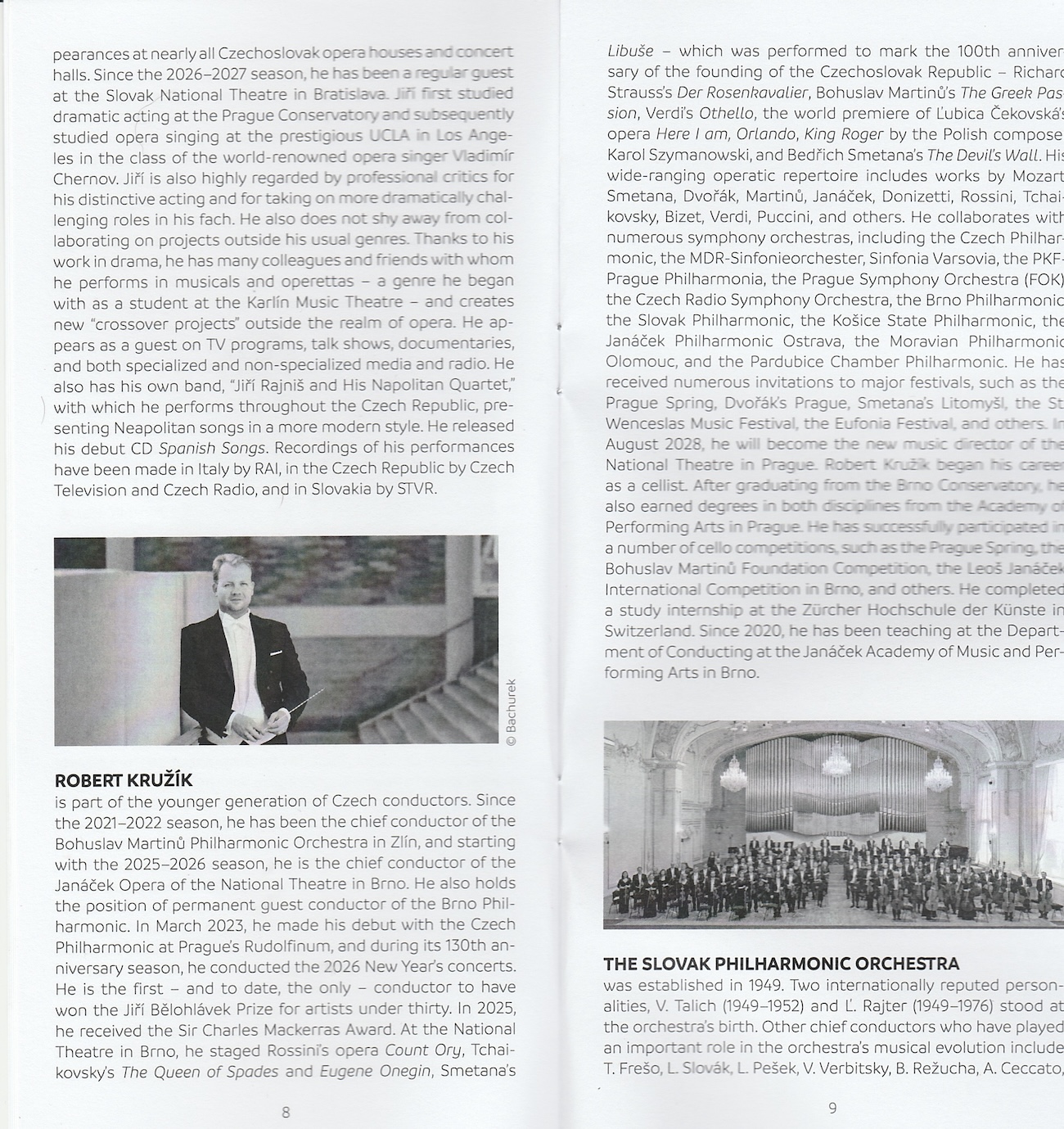
On the occasion of the 25th anniversary of the Czech – Slovak cultural Mutuality, H.E. Mr. Martin  Muransky, the Ambassador of the Slovak Republic to the Czech Republic, hosted a Gala concert at the beautiful Smetana Hall in the Municipal House in Prague.

The concert was attended by Mr. Petr Pavel, the President of the Czech Republic, Mr. Peter Pellegrini, the President of the Slovak Republic, Previous presidents of the Czech Republic, Mr. Vaclav Klaus and Mr. Milos Zeman, Ministers, members of the Parliament, Ambassadors and members of the diplomatic corps, and distinguished guests.

Watch the video with the speeches of H.E. Mr. Martin  Muransky, the Ambassador of the Slovak Republic to the Czech Republic, Mr. Petr Pavel, the President of the Czech Republic, and Mr. Peter Pellegrini, the President of the Slovak Republic.

The Slovak Philharmonic Orchestra, with Robert Kruzik – Conductor, Tatiana Hajzusova – Soprano, and Jiri Rajnis – Baritone, were wonderful, and received prolonged applause from the audience.

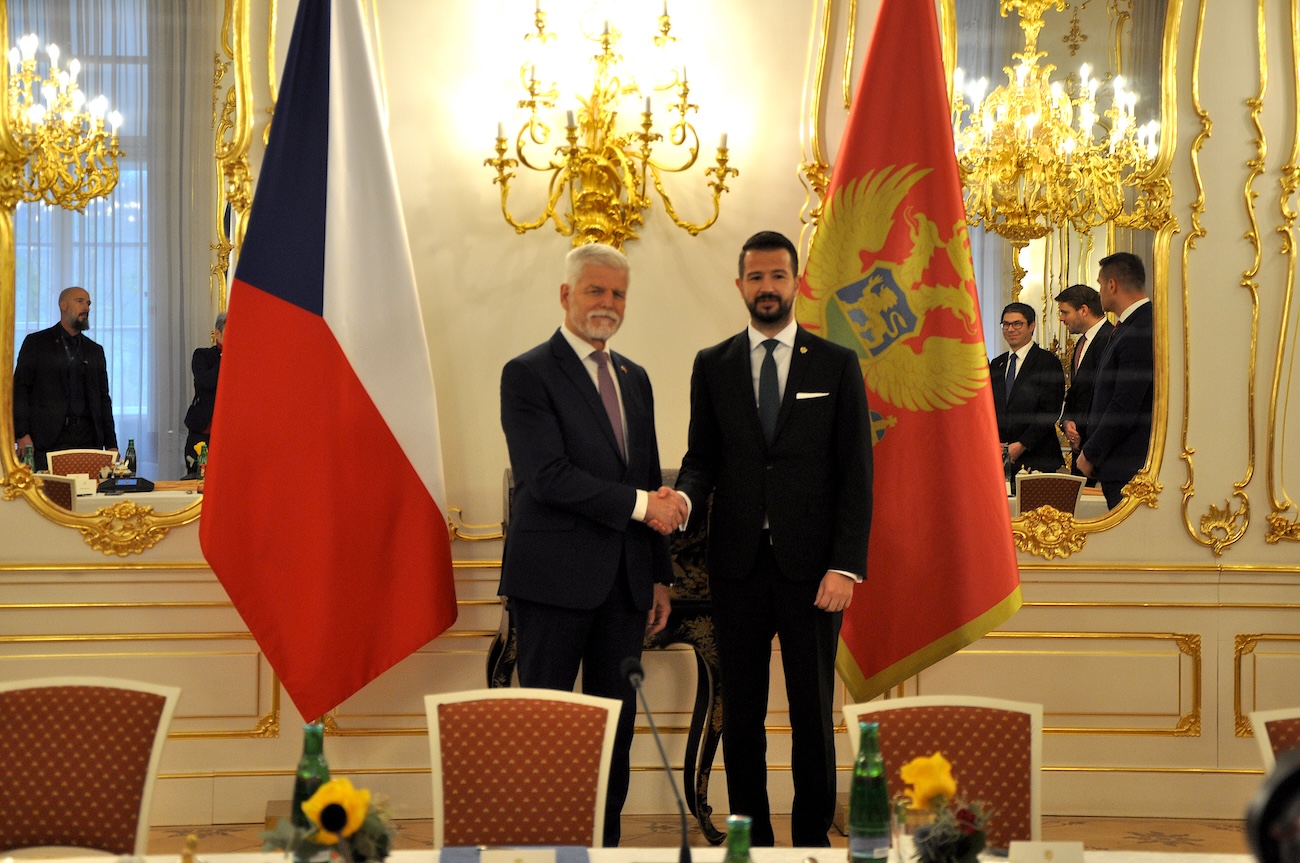
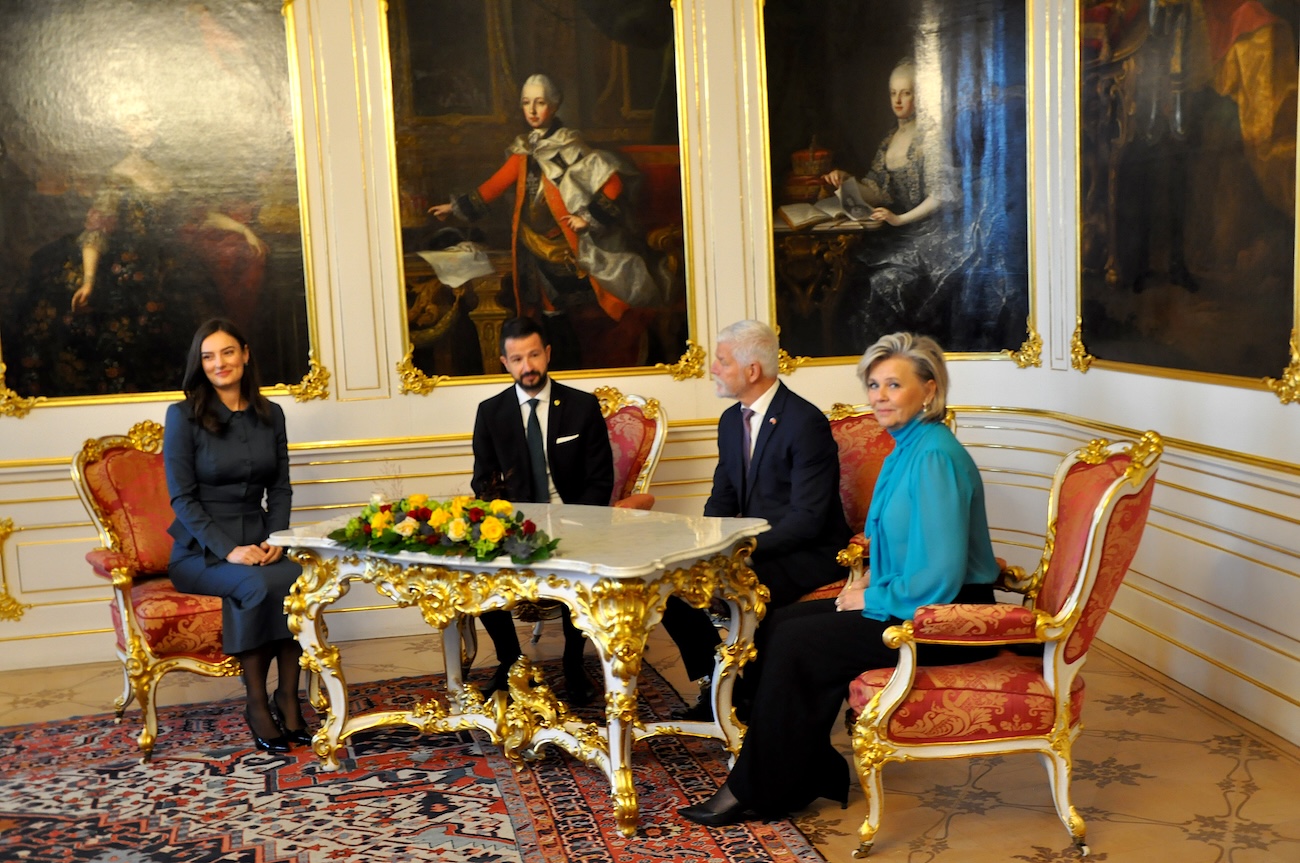
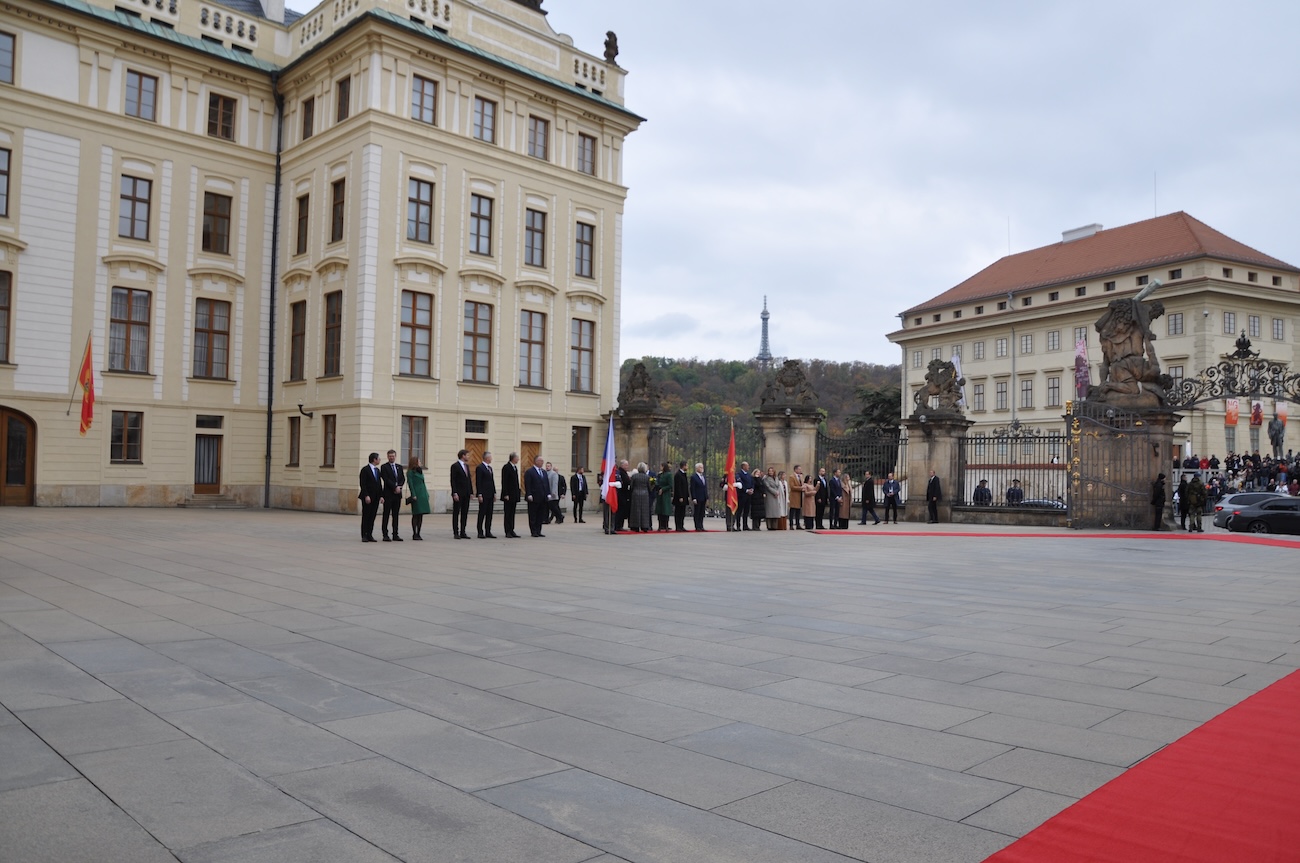
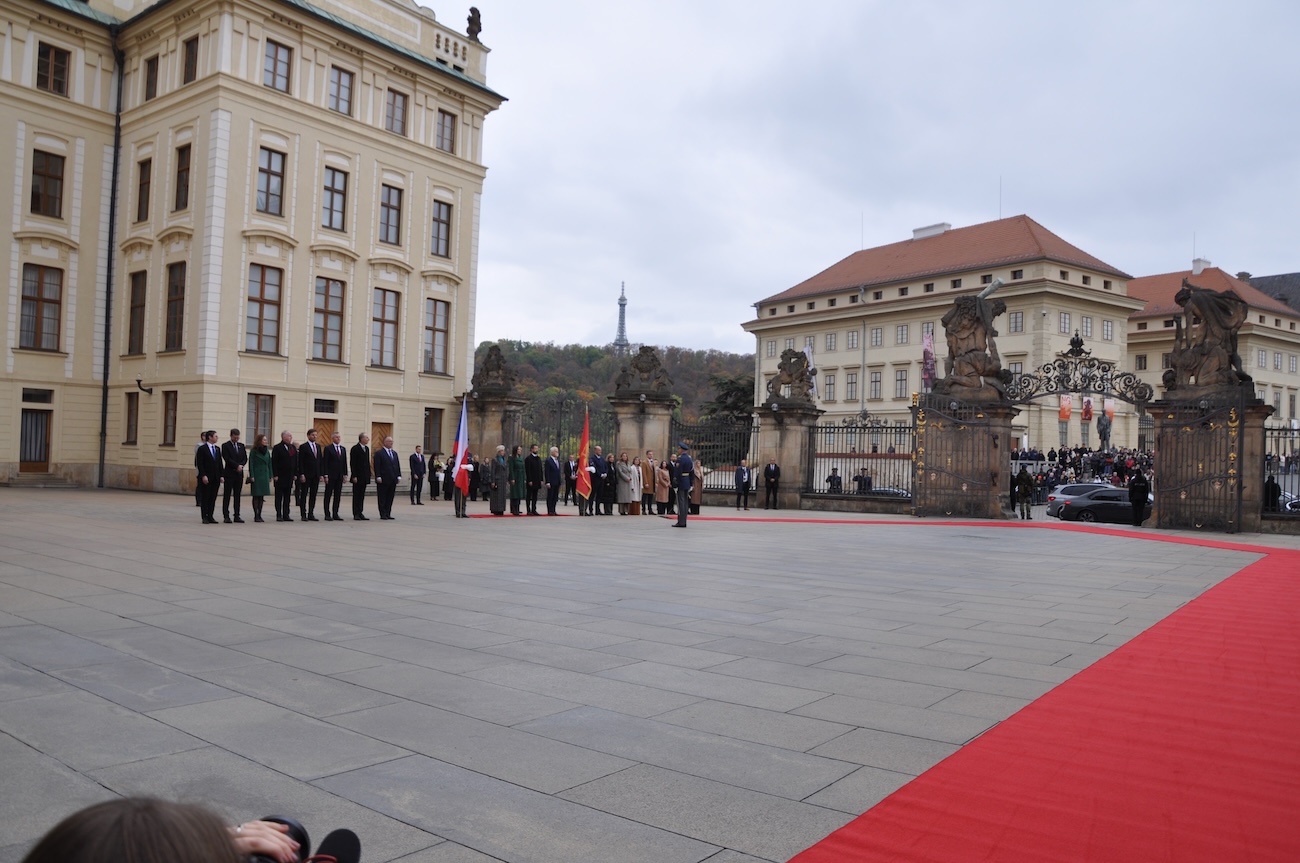
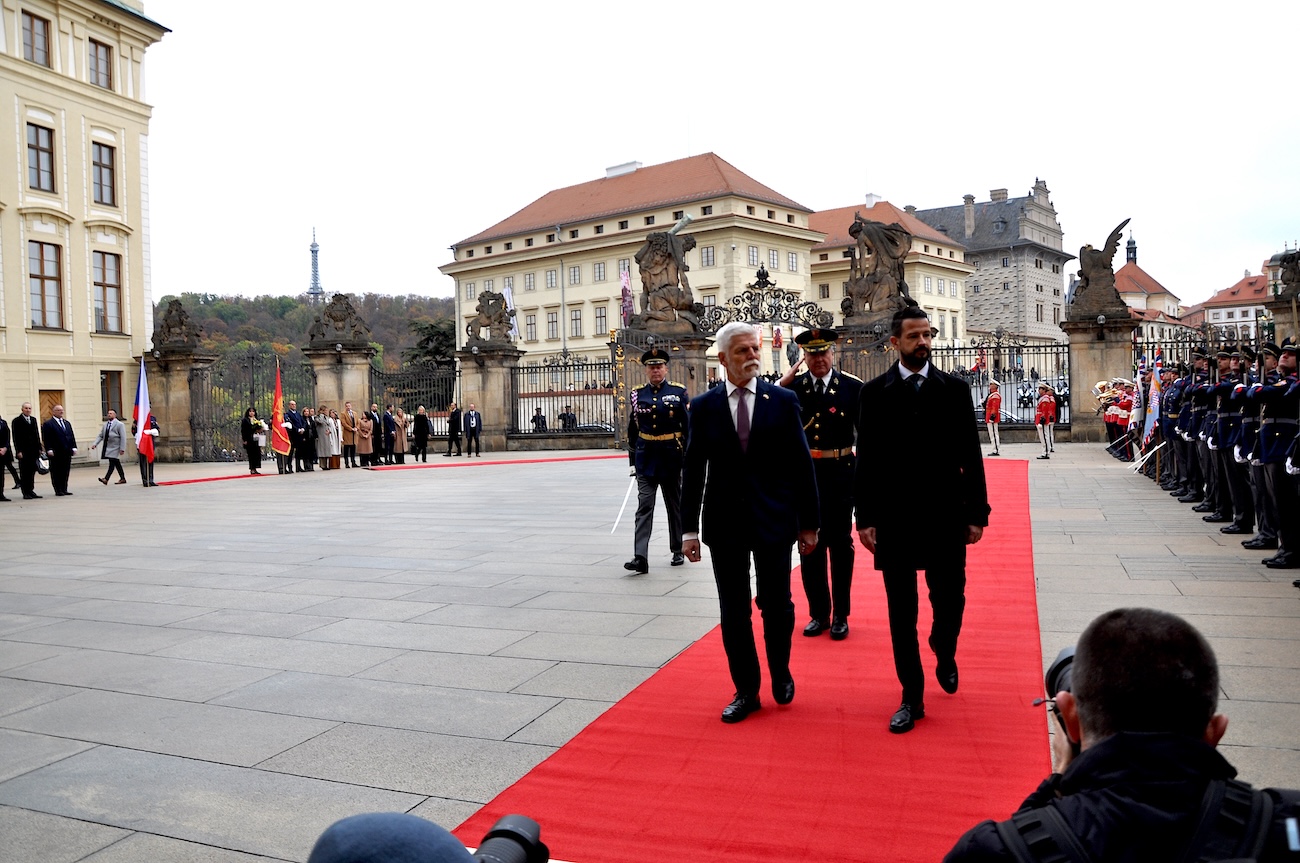
President Petr Pavel received President Jakov Milatović,  at Prague Castle

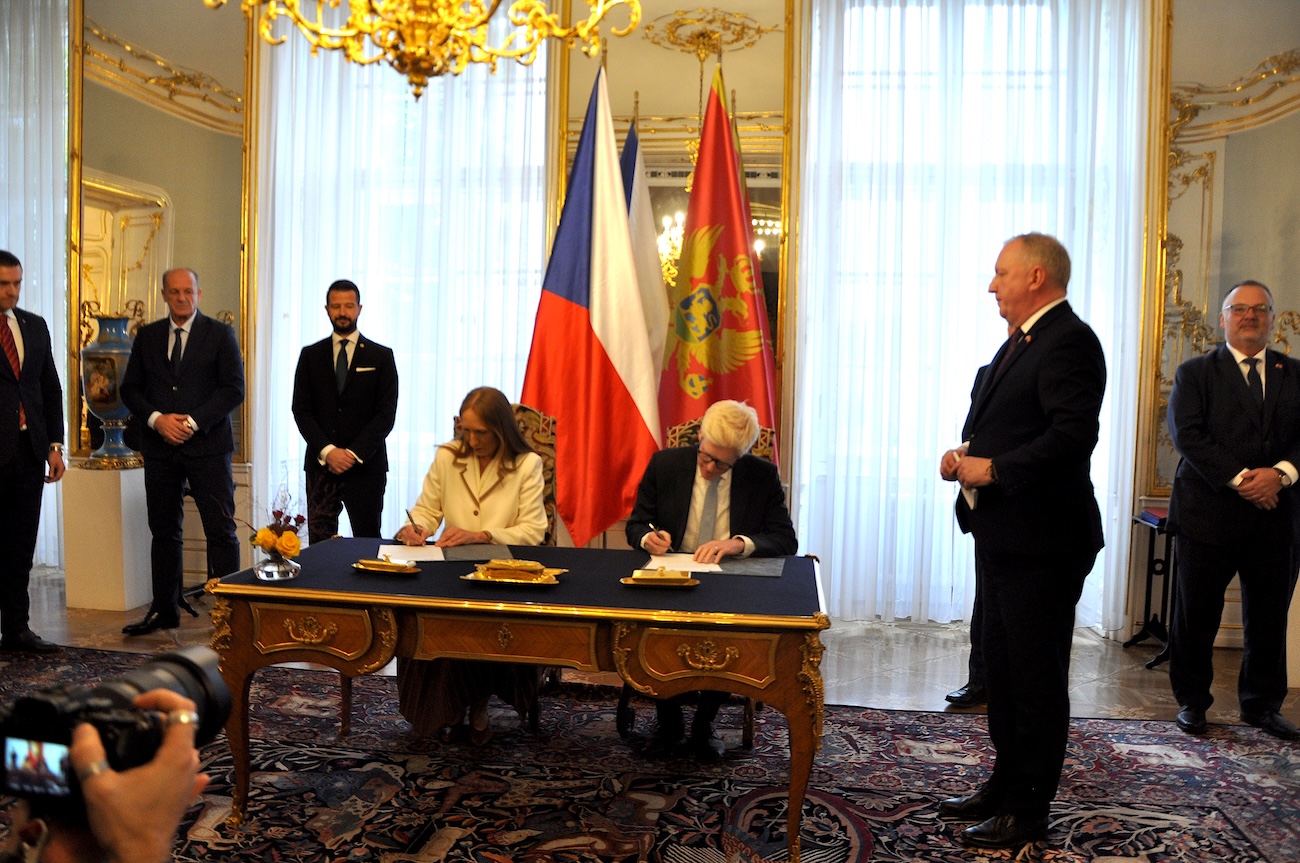
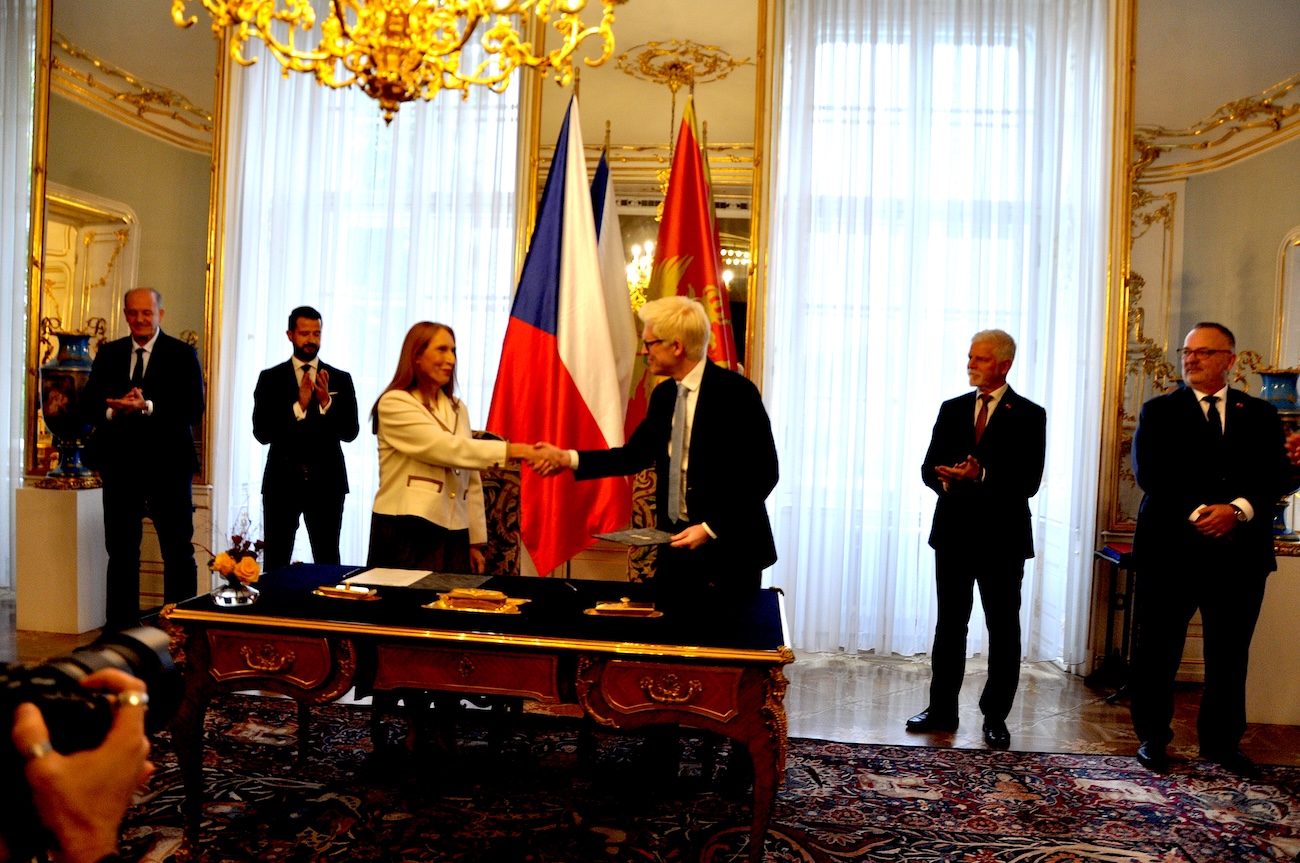
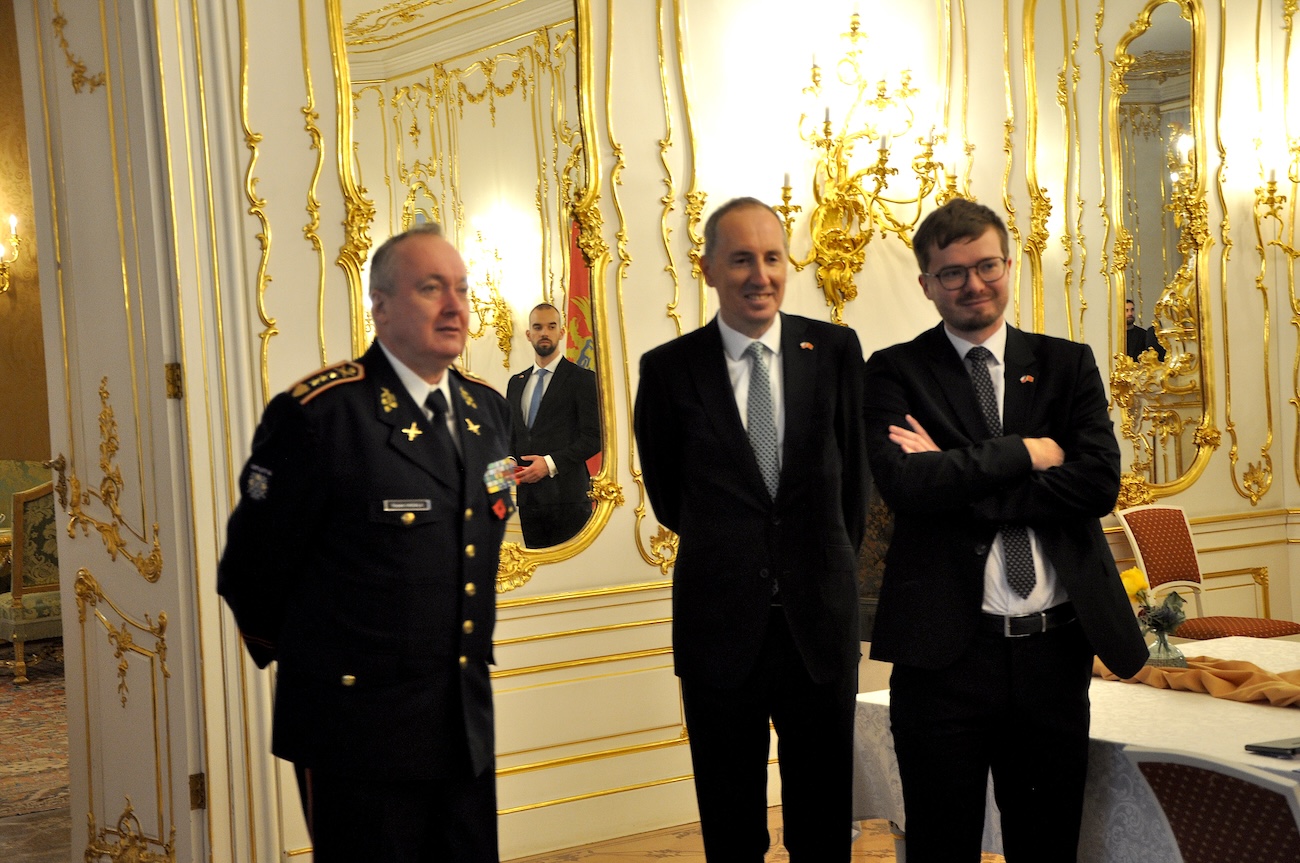
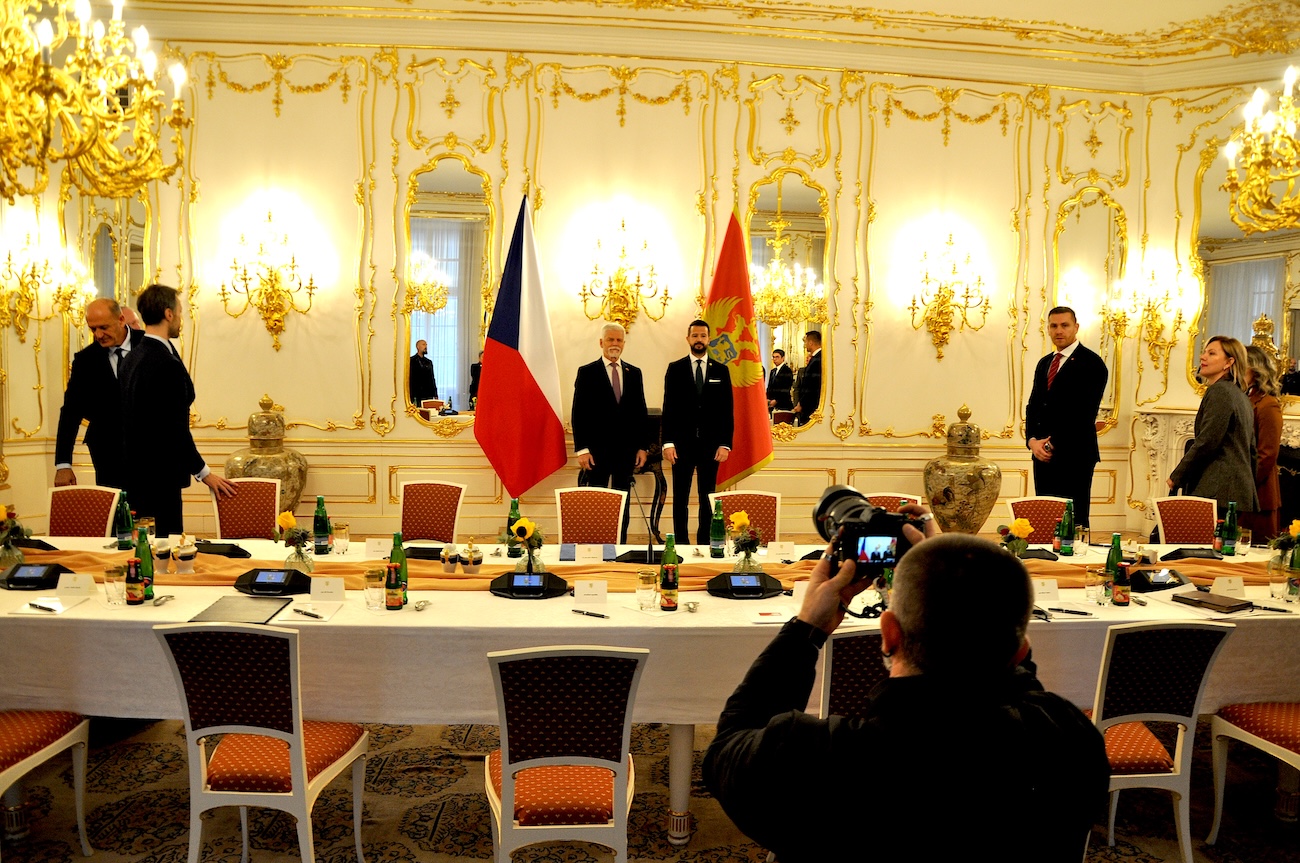
On 3rd  November 2026,  the President of the Republic, Petr Pavel, received the President of Montenegro, Jakov Milatović, at Prague Castle, who arrived in the Czech Republic for an official visit. Together with the First Lady Eva Pavlova, they also welcomed his spouse, Milena Milatović.

The talks focused on Montenegro’s European integration, security and other possibilities for cooperation, including science and research. The meeting followed up on President Pavel’s trip to Montenegro last year, which has already brought concrete results in Czech-Montenegrin relations.

The Czech Republic has long supported Montenegro’s accession to the European Union. President Pavel stated that its membership would be a strategic investment for the benefit of the entire EU and a positive example for other countries in the Western Balkans. The Czech Republic is ready to share experiences from its own accession process. The current situation in the Western Balkans and regional developments were also discussed.

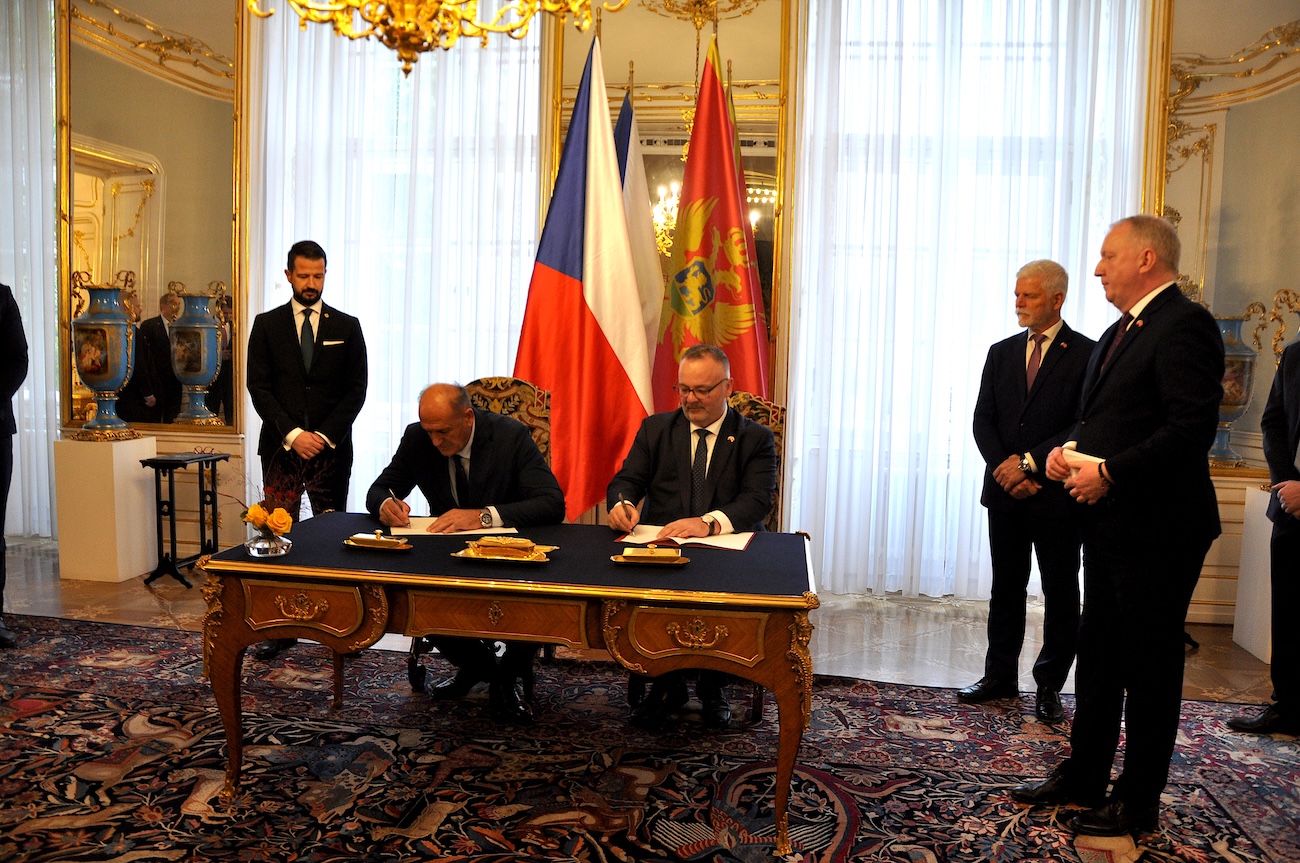
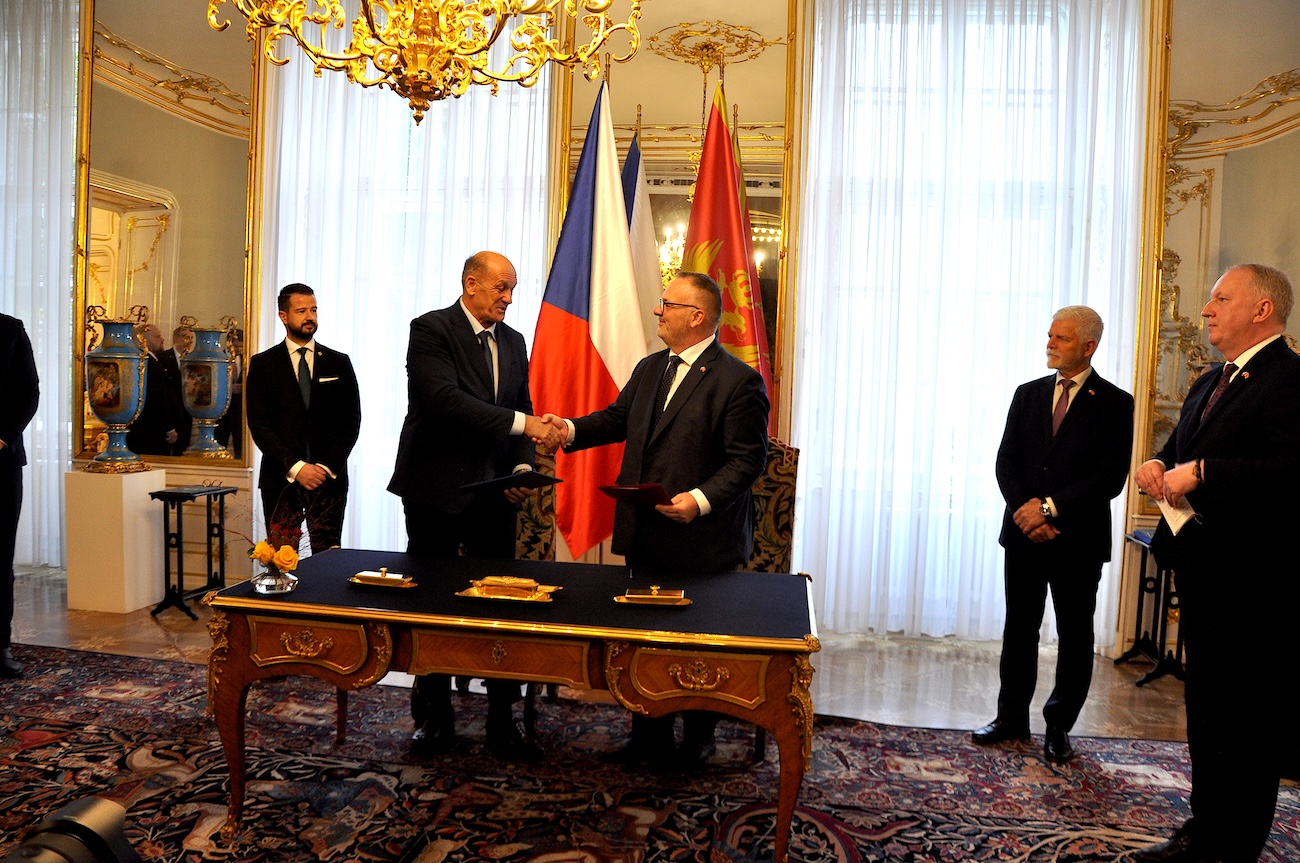
Both presidents also addressed defense and cybersecurity. On the sidelines of the visit, the transport ministers Ivan Bednárik ( Czech minister), and Radoš Zečević ( Montenegro), signed a memorandum that opens up further opportunities in rail transport, smart mobility and road safety.

An agreement was also signed at Prague Castle between the University of Montenegro and the European research organization ELI ERIC.

At the end of Tuesday’s program, the two presidents jointly opened an exhibition of Czech painter Jaroslav Čermák, whose life and work are closely connected with Montenegro, at the Prague City Gallery.

Watch the Video with highlights from the visit.

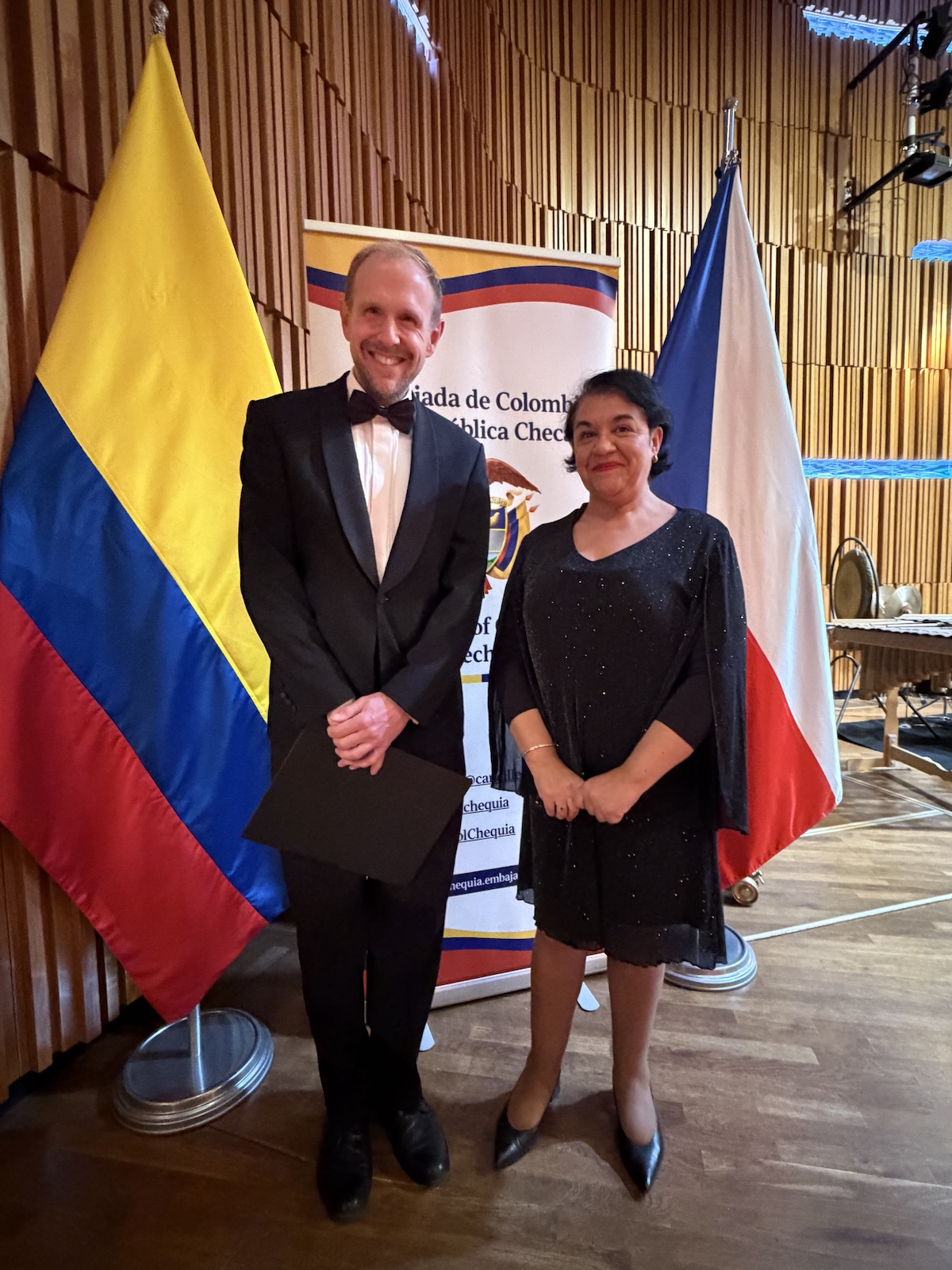
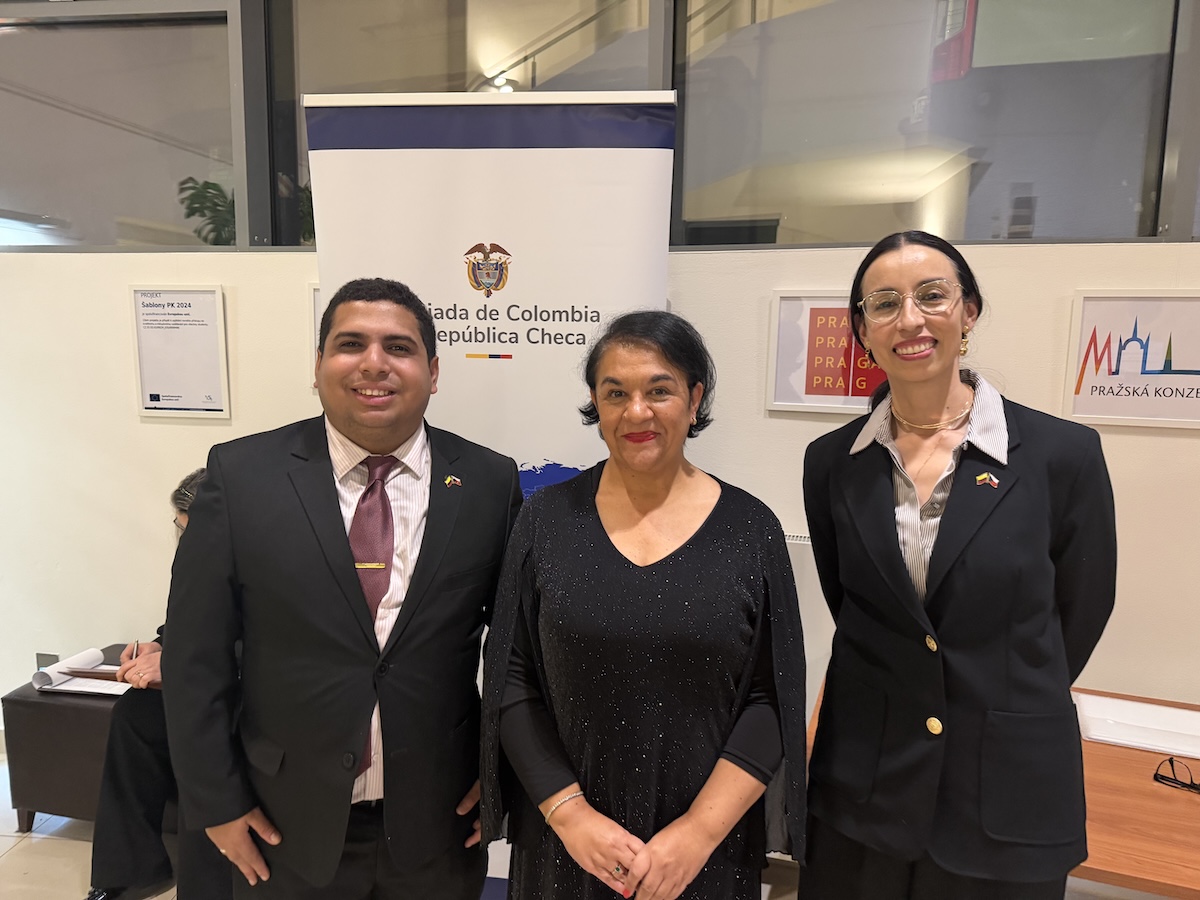
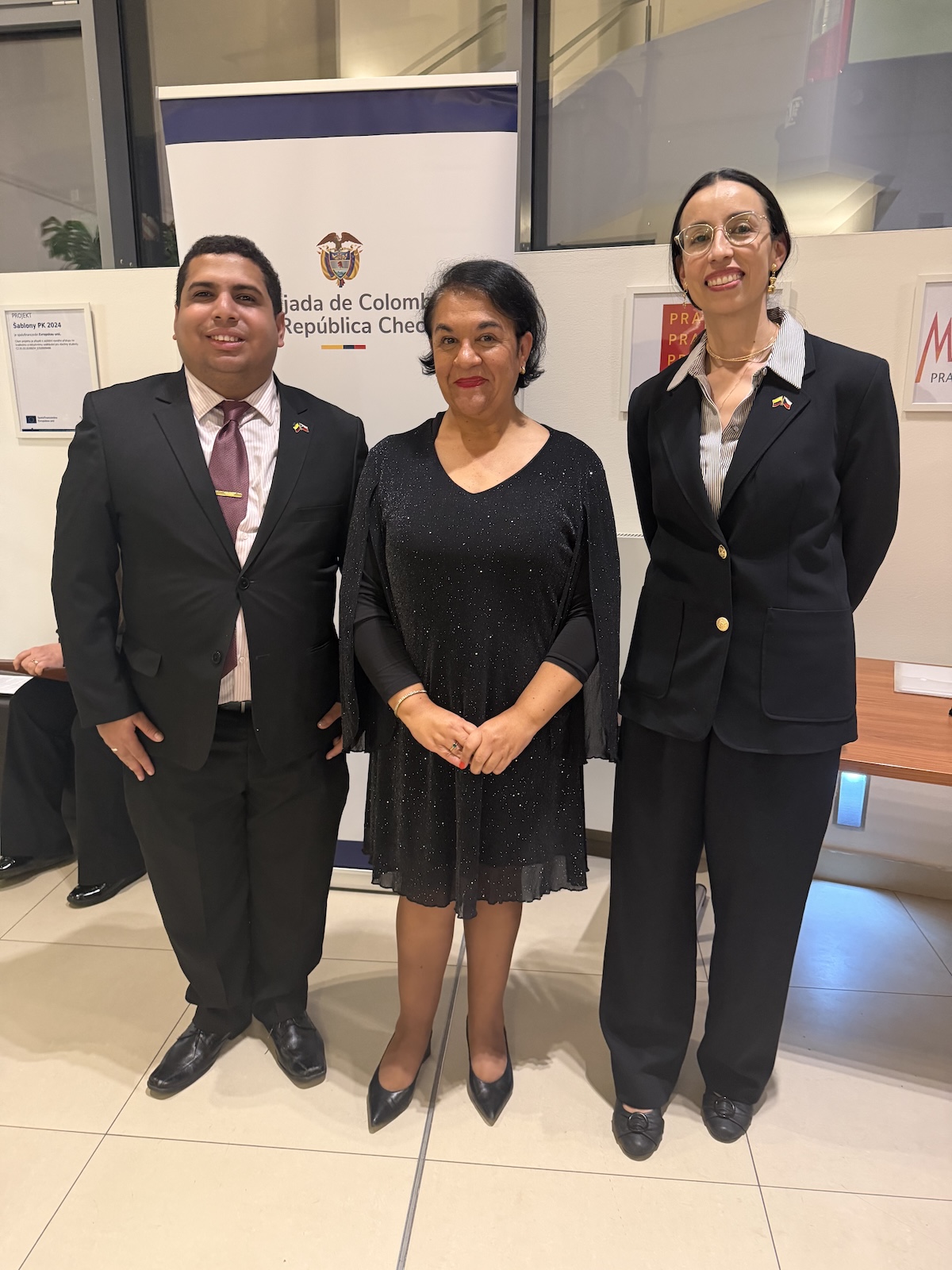
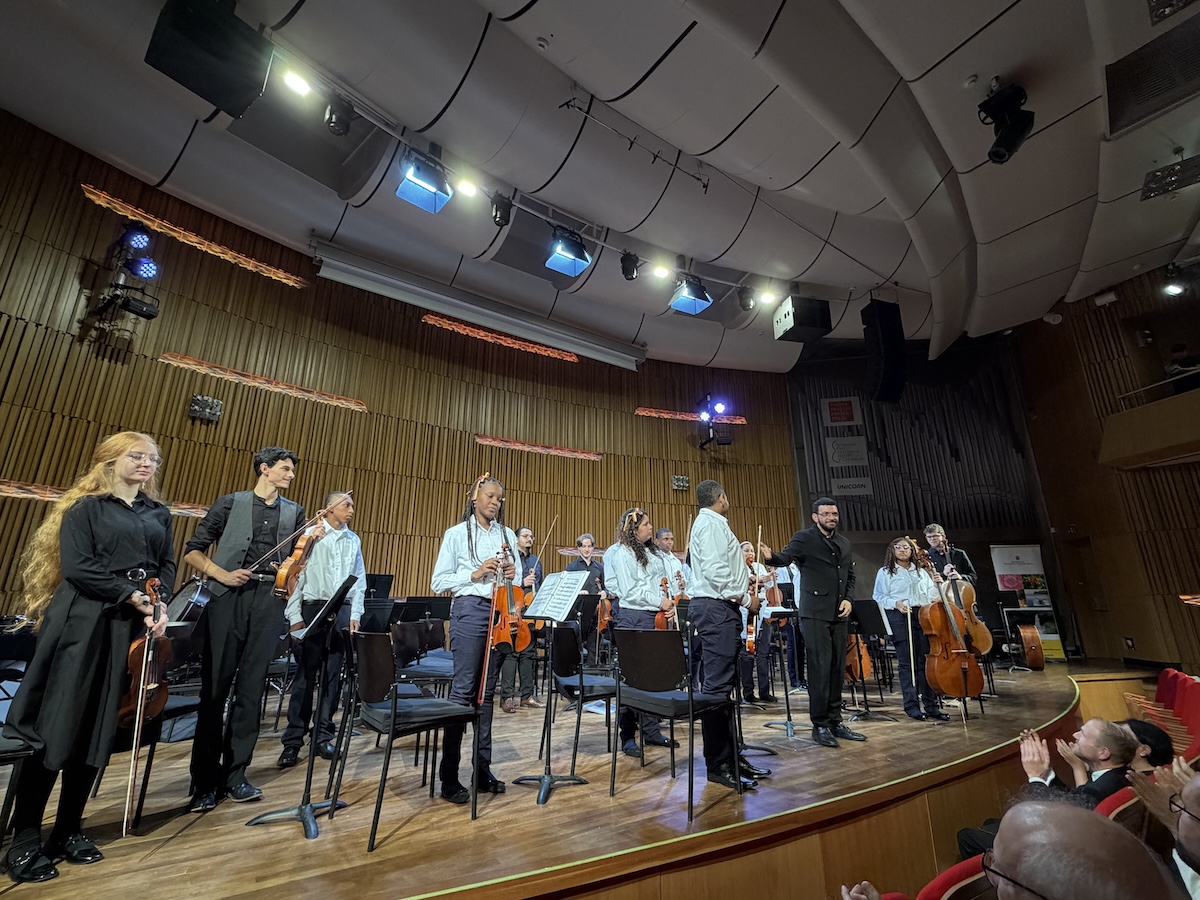
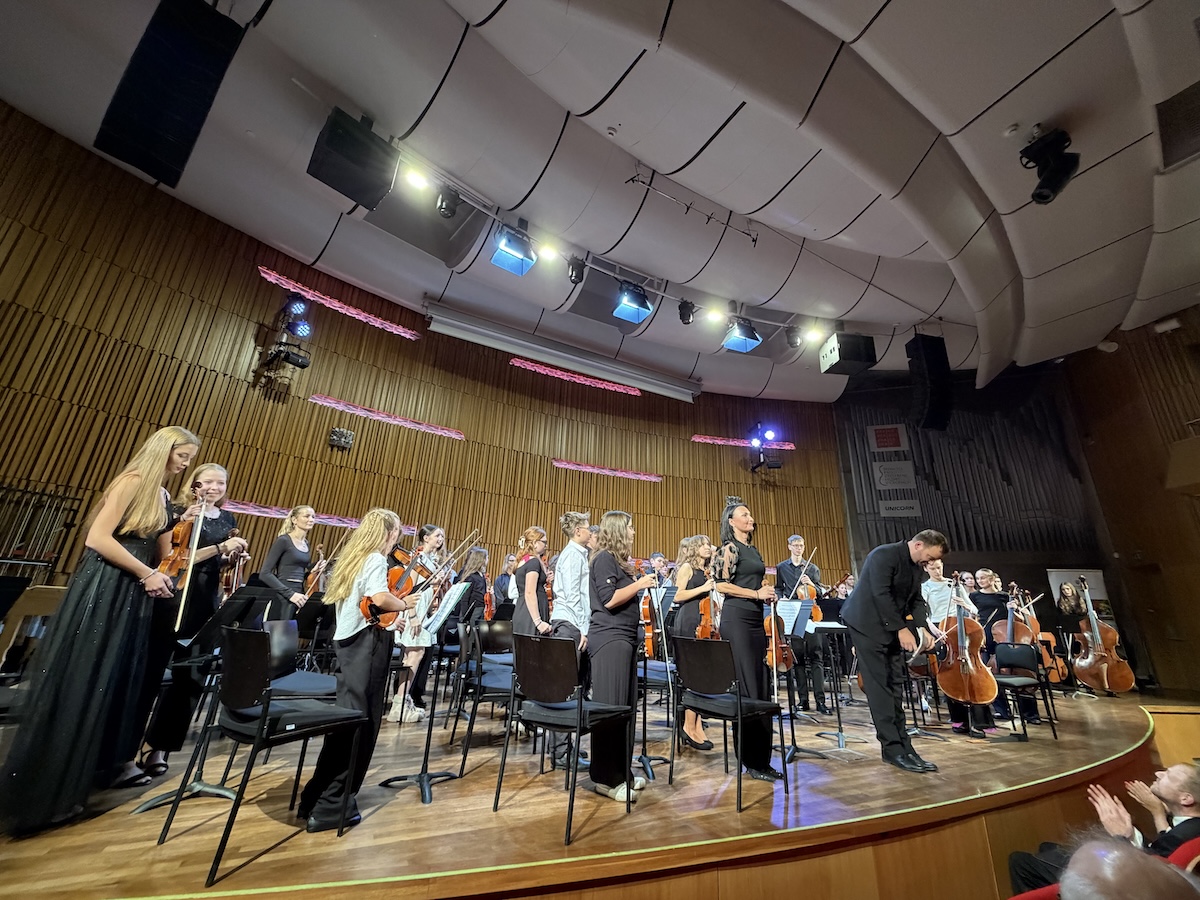
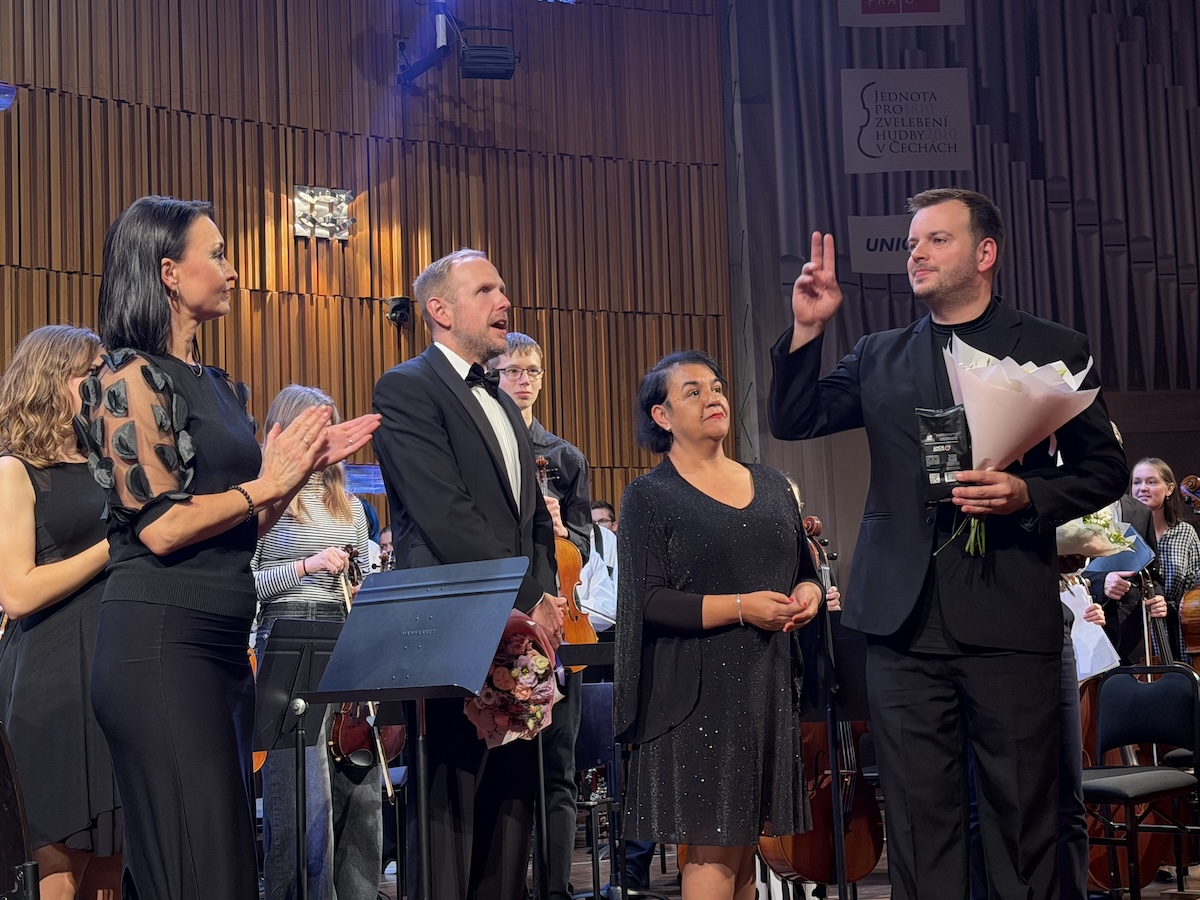
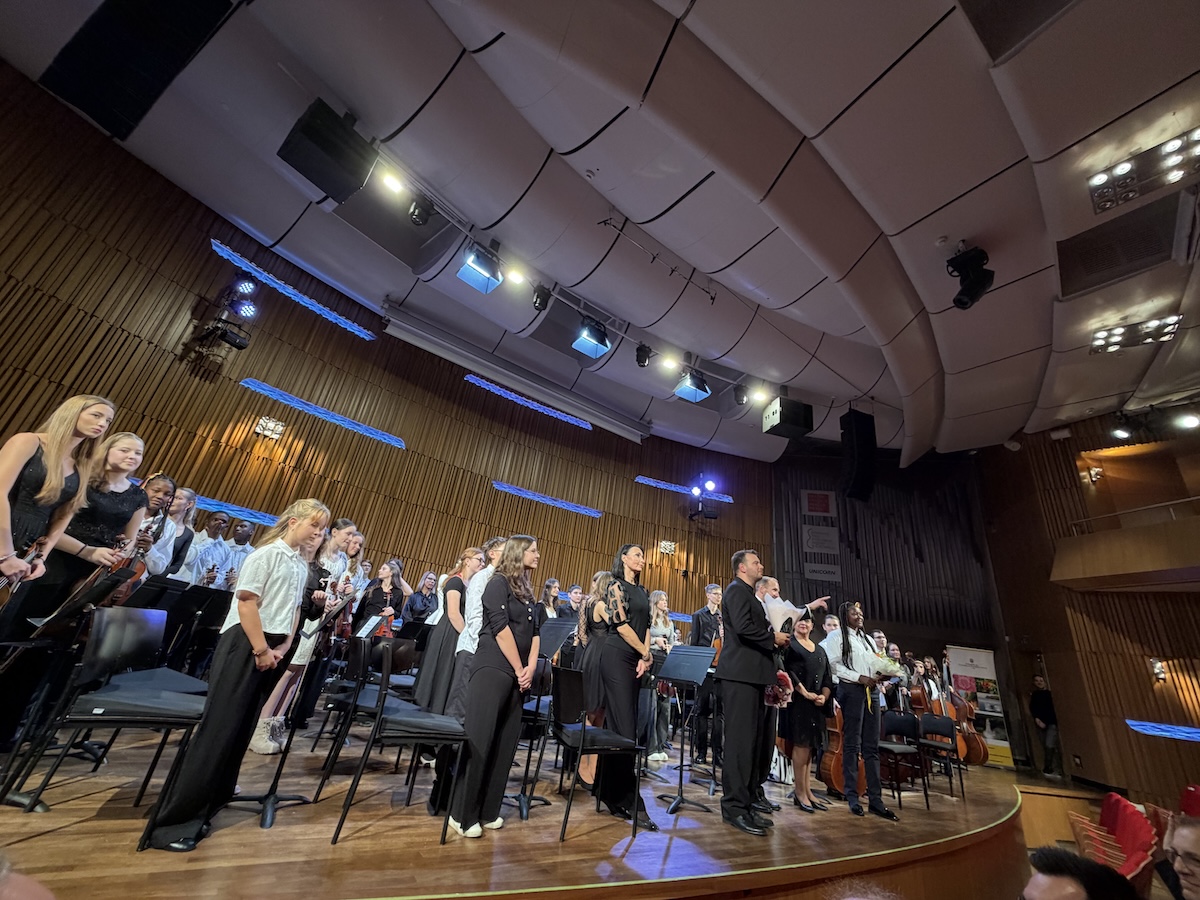
The Second Edition of the Youth Music Exchange Concert: Colombia – Czech Republic.

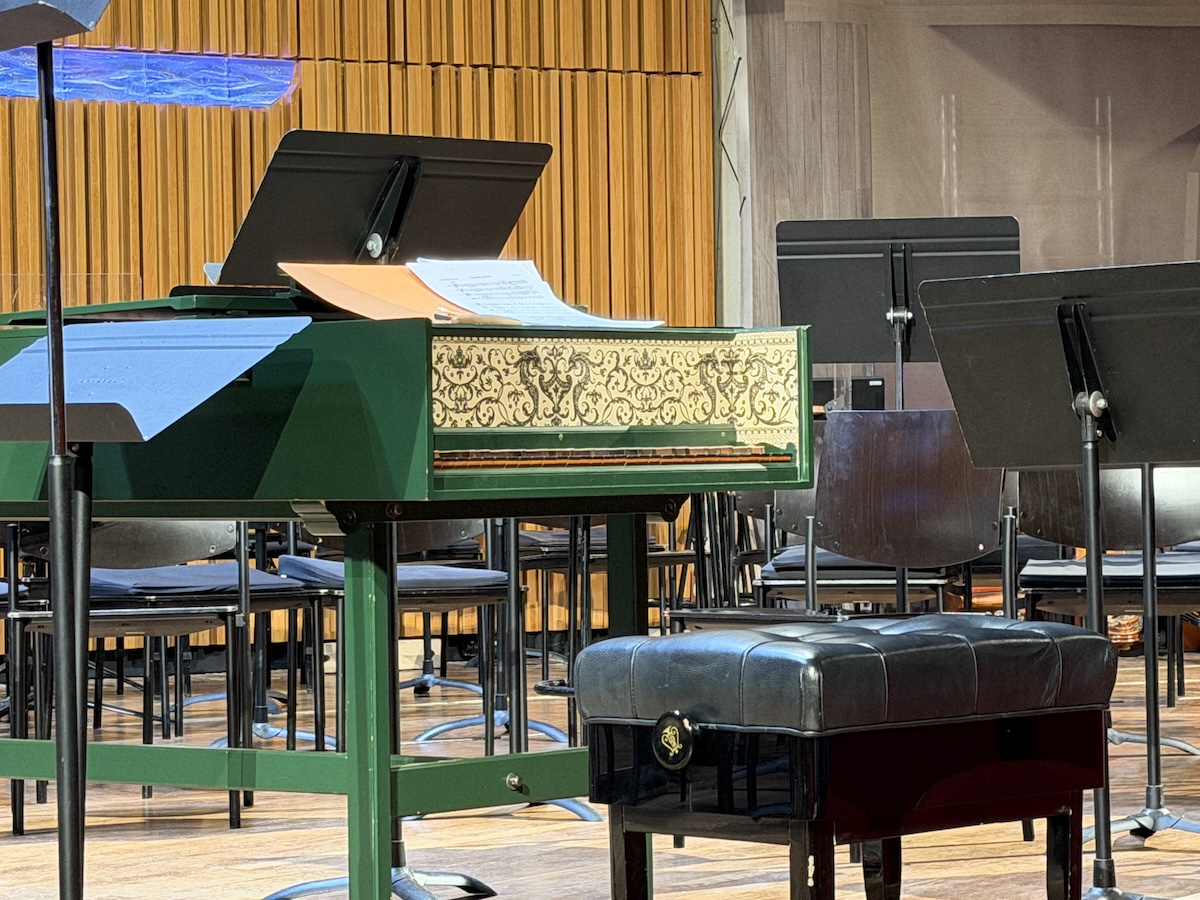
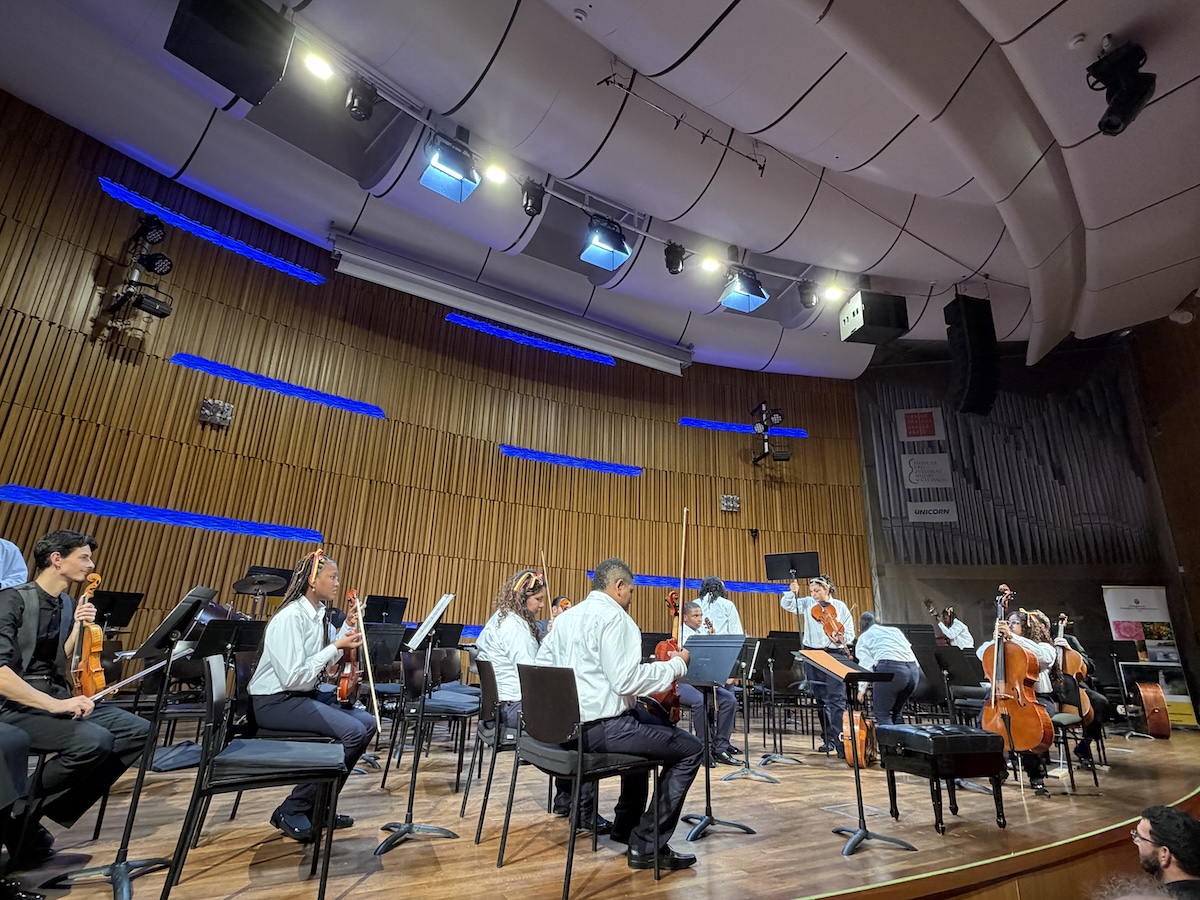
The Ambassador of Colombia to the Czech Republic, H.E. Mrs. Solangel Ortiz Mejía, in collaboration with the Prague Conservatory and the Pardubice Primary School of Arts (ZUŠ Pardubice), organized the Second Edition of the Youth Music Exchange Concert: Colombia – Czech Republic.

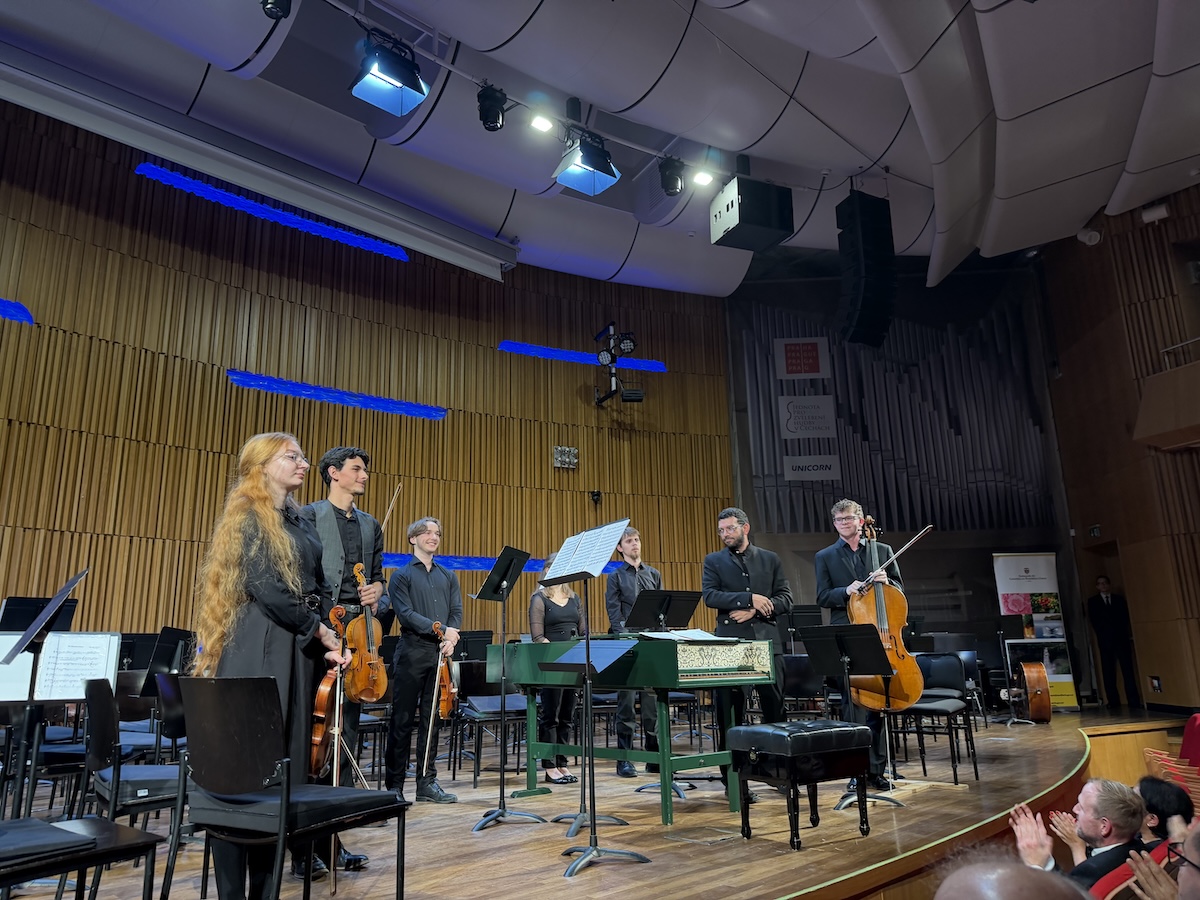
The concert took place at the Koncertní sál Pražské konzervatoře.

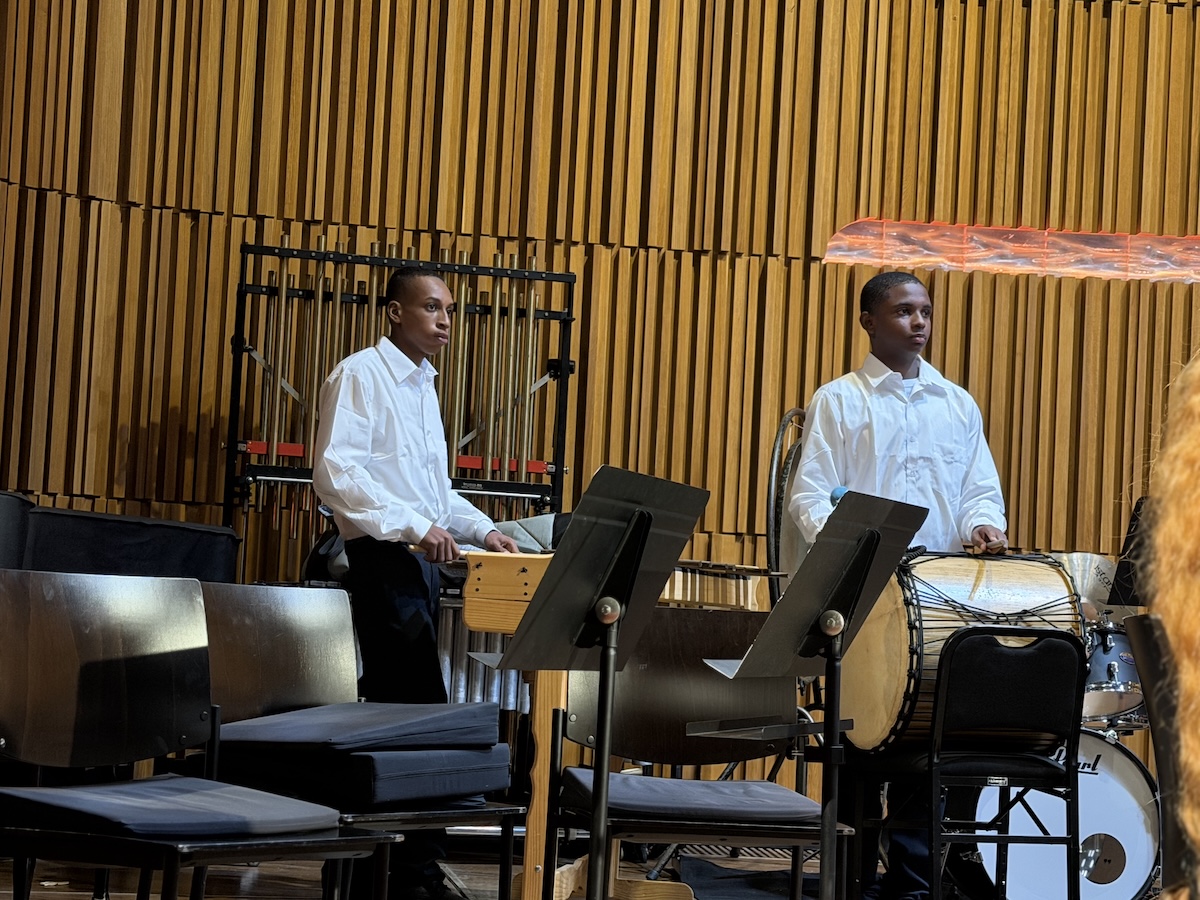
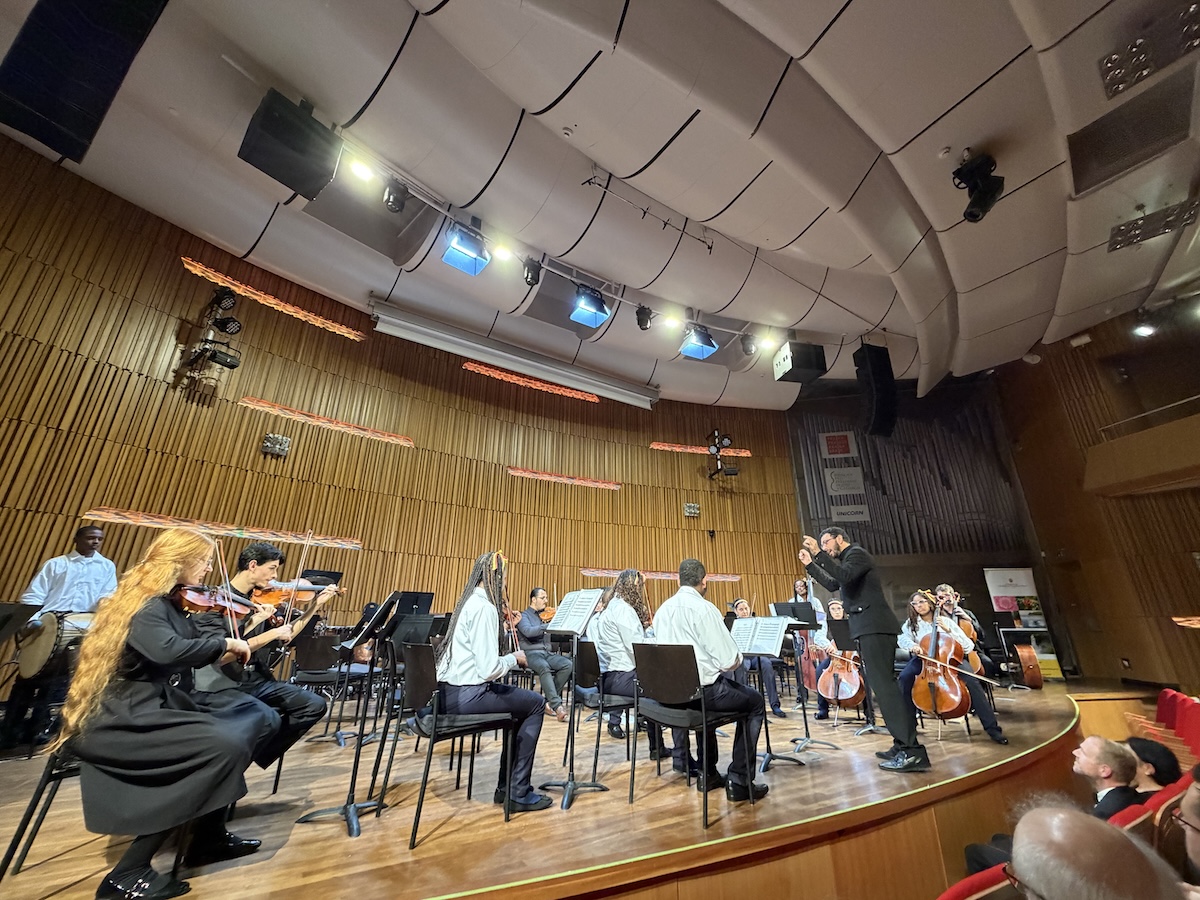
On this occasion, the concert featured members of the Lleras Symphonic Music Center of Buenaventura (Valle del Cauca, Colombia), together with talented students from the Prague Conservatory and ZUŠ Pardubice.

More than seventy young musicians shared the stage in a performance that brings together the finest Colombian and Czech musical traditions, offering an evening of cultural exchange and artistic excellence.

This event was organized within the framework of the Cultural and Sports Diplomacy Initiative of the Ministry of Foreign Affairs of Colombia.

 The program is designed to provide international opportunities for Colombian children and adolescents from vulnerable communities and areas affected by conflict who have demonstrated outstanding artistic and athletic talent. Through these experiences, the initiative seeks to support their holistic development and strengthen their role as positive leaders and peacebuilders within their communities.

The Ambassador & The Embassy would like to greet and express their sincere gratitude to Maestro Daniel Prokeš, Statutory Subdirector of the Prague Conservatory, who generously opened the doors of this prestigious institution to us and provided us with this wonderful space for the concert that we will have the privilege of enjoying this afternoon. The Government of the Republic of Colombia is truly honored to have your distinguished presence on the occasion of the Second Edition of the Colombia – Czech Republic Musical and Cultural Exchange Concert. We extend a warm welcome to the representatives of the Czech Republic’s authorities, both national and local; to the distinguished members of the Diplomatic Corps who are with us this afternoon; to the representatives of the media present here; as well as to all the guests, colleagues, and friends who honor us with their presence today. AGENDA DEVELOPMENT Welcome, everyone. We also extend our warmest greetings to the young Colombian and Czech musicians from Prague and Pardubice, their teachers, and all the people and institutions that made this meeting possible.

You can read more details in the attachments.

Watch the video with highlights from the concert.

Meet The Women Changing Public Service

Public service is often measured in systems, regulations and institutions. But at its best, it is about people: protecting them in moments of crisis, creating safer systems and building communities where everyday life works better. Meet three women recognised by the Women Changing the World Awards Czech & Slovak Edition for transforming public service through courage, expertise and long-term impact.

The Women Changing the World Awards Czech & Slovak Edition recognise women whose work creates measurable change in business, institutions, communities and society. In this week’s edition, we introduce three women whose leadership demonstrates a distinctive way of creating impact.

Alexandra Janečková

For Alexandra Janečková, diplomacy is not primarily ceremony or protocol. As head of crisis management at Slovakia’s Ministry of Foreign and European Affairs, she became the first woman in the country’s history to lead the department responsible for some of the most difficult situations citizens can face abroad. Her work includes coordinating evacuations, repatriation flights and humanitarian operations in conflict zones. She was involved in crisis response during the fall of Kabul and later led the largest evacuation in Slovak history from Israel and Jordan, bringing 266 people to safety, including citizens of 27 other countries and staff of the UN and EU. Her leadership shows public service in its most direct form: making high-stakes decisions when lives depend on them.

Irena Storová

Irena Storová is a pharmacist and public-sector leader who has helped modernise both Czech pharmacy practice and the state regulation of medicines. As Director of the State Institute for Drug Control, she led the institution through a period of significant transformation, strengthening digitalisation and helping advance the ePrescription system. Her work has focused on making regulation more effective while keeping patient safety at the centre. By connecting professional expertise with institutional leadership, she demonstrates how seemingly technical public administration can have a direct impact on millions of people who rely on safe and accessible medicines.

Růžena Balláková

Růžena Balláková represents another face of public leadership: the everyday work of transforming a municipality into a place where people genuinely want to live. As a mayor, she combines ecological responsibility, community building and careful economic management. Under her leadership, the municipality has attracted major investment and earned recognition including the Village of the Year award. Her approach shows that modern public administration does not need to be distant from citizens. It can be practical, human and rooted in the long-term quality of community life.

Discover all Women Changing the World Awards 2025 winners → https://thewomenchangingtheworld.cz/edice-2025/winners-profiles/

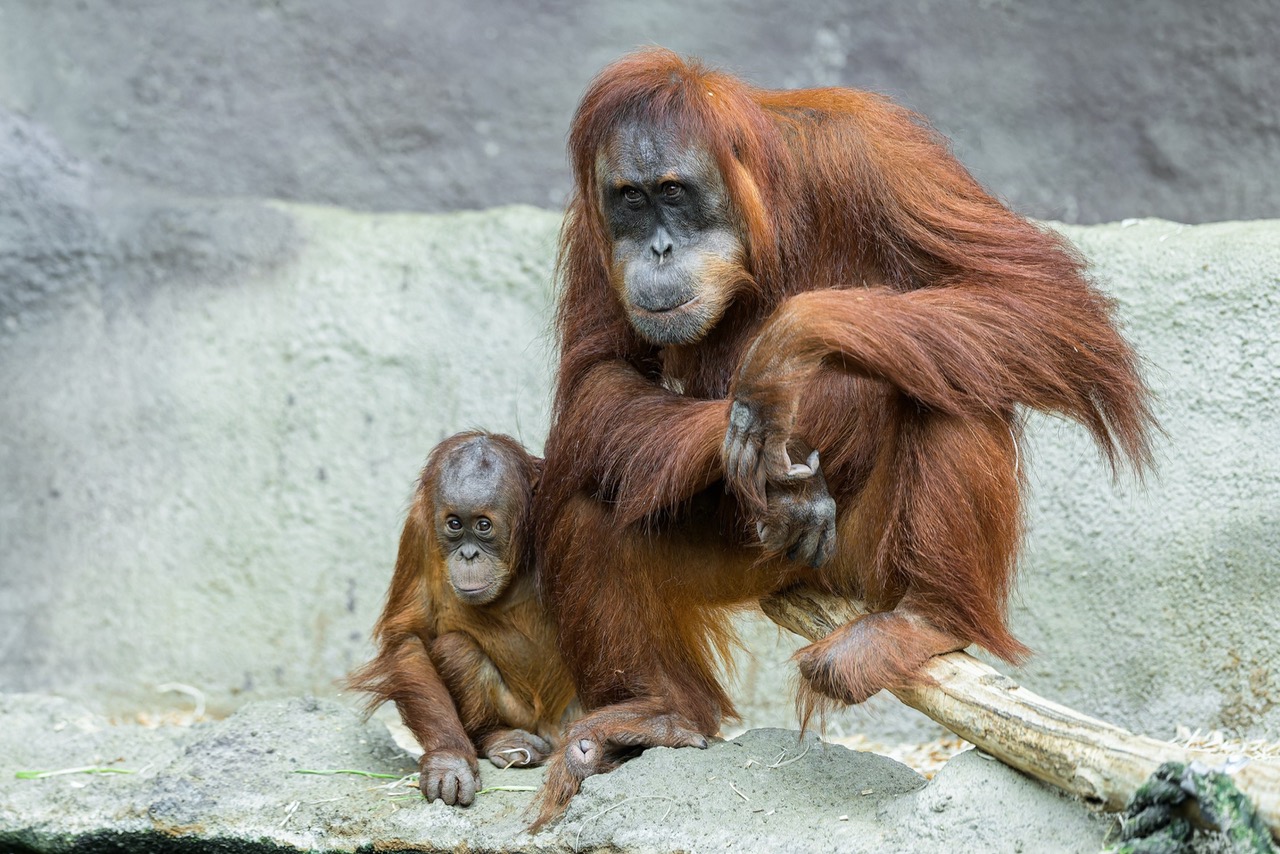
TRANSFER OF ORANGUTANS TO THE DJA RESERVATION IN PRAGUE ZOO

Thirteen-year-old female Diri and her first-born son Harapan, who was born in May 2024. Photo Petr Hamerník, Prague Zoo

Sumatran orangutans – male Paga, female Diri and their two-year-old son Harapan – were moved from the Indonesian jungle to the Dja Game Reserve yesterday. In the new gorilla pavilion, they found a temporary home before Prague Zoo rebuilds their existing exhibit.

The water moat that until now separated animals and visitors will be replaced by netting and glass. In addition, the apes’ living space will be significantly increased. They should return to the reconstructed habitat in about two years. In the meantime, the mentioned orangutans will live in the neighborhood of the gorilla family in the upper part of the garden, where they will inhabit the exhibit until recently inhabited by brush monkeys and kokodans.
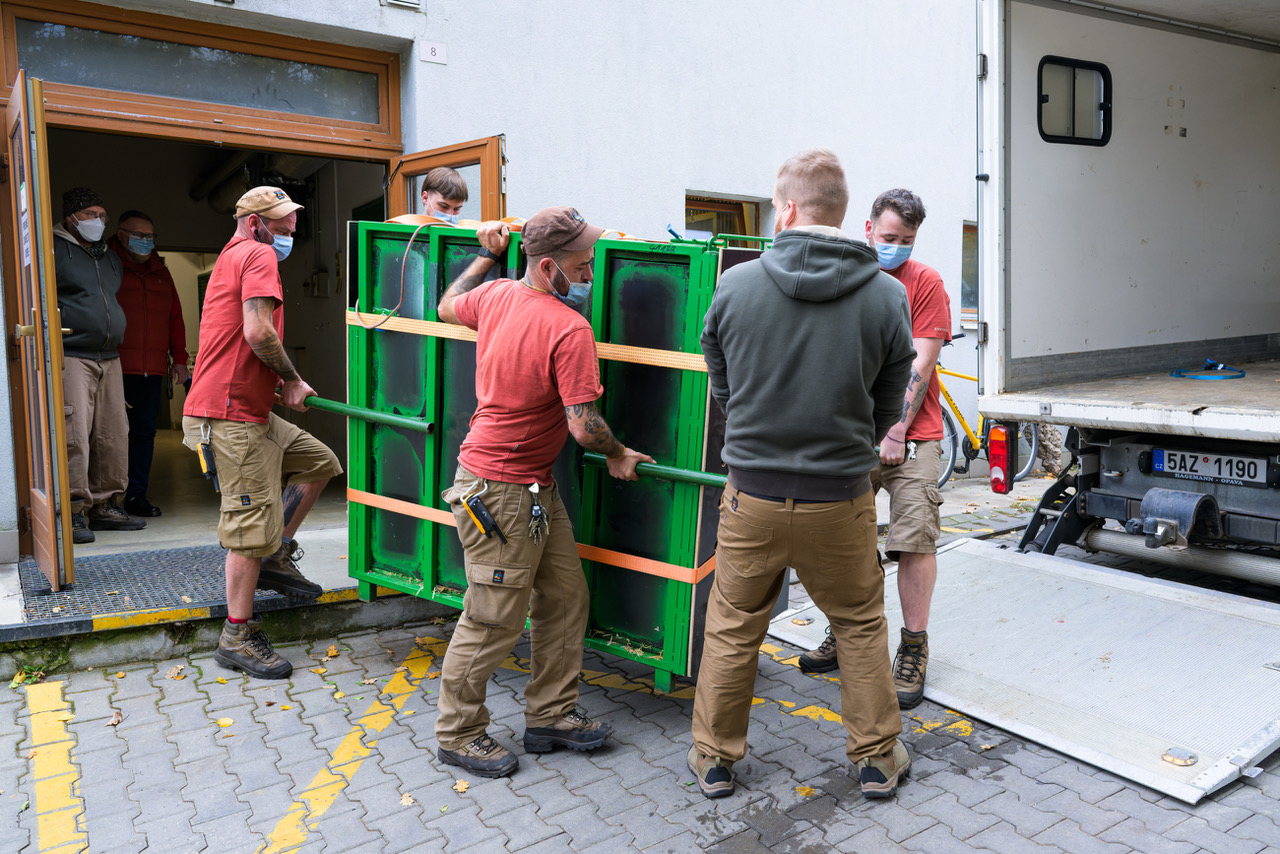
Loading crates with rare cargo. Photo by Petr Hamerník, Prague Zoo

The trio is now getting used to the back of the pavilion after the move, and will be on display during November. The fourth of the orangutans kept in the Prague Zoo, the old female Mawar, still remains in the Indonesian jungle.

“After long and thorough discussions, which we also had with leading European experts on orangutan breeding, the transfer of these three animals and the subsequent reconstruction are the best possible solution. The cub will be out of reach of the moat, and the popular orangutans will continue to be seen,” says Prague Zoo primate curator Jan Mengr.

Meanwhile, the 37-year-old female Mawar remains in her original place. “Orangutans are naturally solitary, and the female Mawar, who is afflicted with the ailments of old age, is not compatible with the rest of the farmed animals. With this in mind, and also considering that she herself is not in any danger near the water, we decided to leave her in the space she is used to until the beginning of the construction work,” he adds.
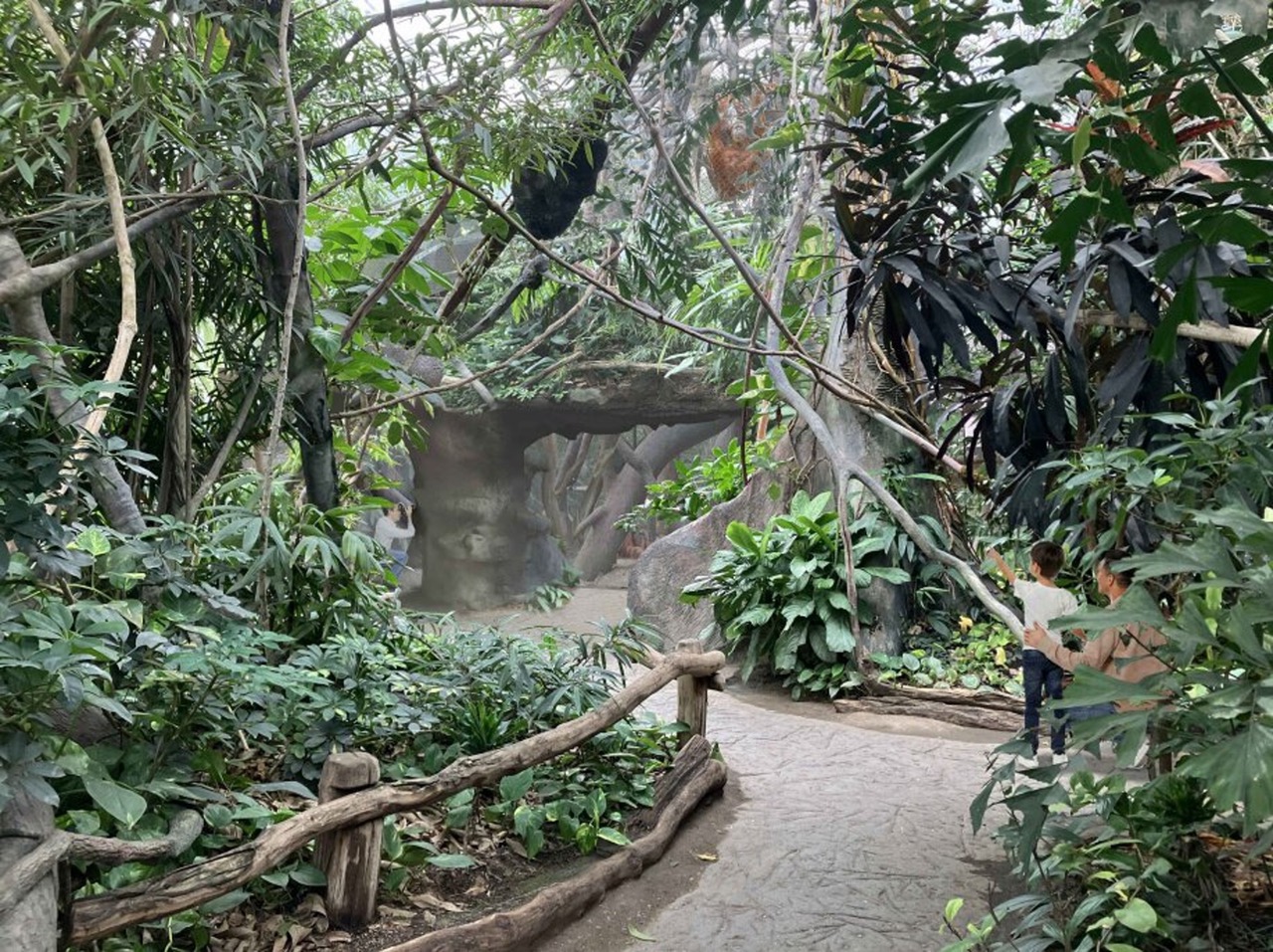
Initial visualization of the reconstruction of the Sumatran orangutan exhibit in the Indonesian Jungle pavilion. View in the direction of the visitor route from the stairs leading from the nocturne. Source Prague Zoo/AND architectural studio

The Prague Zoo is making changes after the five-year-old orangutan male Kawi drowned last year. Immediately after the unfortunate event, a system was installed to detect a fall into the water, which was used to immediately alert employees who had the means to catch a drowning primate. The area was also guarded by the staff of the visitor service. Despite the fact that the breeding of great apes near water barriers has been a proven practice of the most respected zoos in the world for years (we can name San Diego, Melbourne, Dublin, Frankfurt, Leipzig or Vienna), after the tragic accident it was necessary to come up with a different construction and technical solution for the exposition.

The Dja reserve has been preparing for the arrival of the orangutans for several months. Among other things, it was necessary to equip the ceiling of the selected exhibition with a protective net or to secure the lights, knowing the ingenuity of orangutans. Furthermore, it was necessary to install new ropes, replace the substrate and, last but not least, find a temporary home for Brazza’s cats and African brush-tailed possums. While the felines can live in the modern facilities of the pavilion, which is only a few years old, the brush birds have found a home in the Ústí nad Labem Zoo, for which the Prague Zoo once again sincerely thanks them for their help and collegiality.
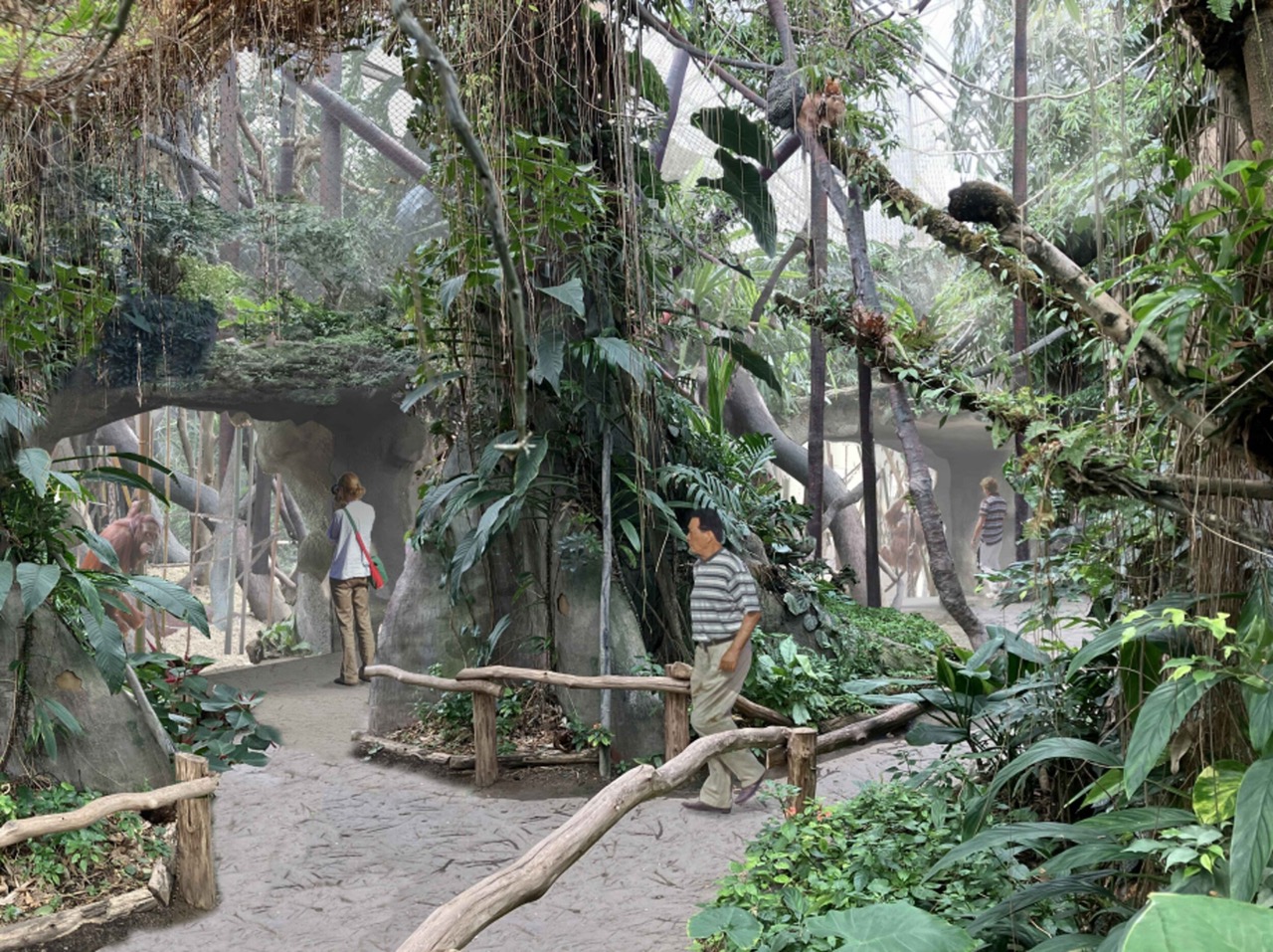
Initial visualization of the reconstruction of the Sumatran orangutan exhibit in the Indonesian Jungle pavilion. View against the direction of the visitor route from the current exhibit of Palawan porcupines. Source Prague Zoo/AND architectural studio

The transport of the orangutans itself went smoothly mainly thanks to the breeders who regularly trained them to voluntarily enter the transport crates. The transfer was done without the need to put the animals to sleep and lasted only 45 minutes.

The Prague Zoo will inform about the adaptation of the orangutans in the Dja Reserve and their transfer from the background to the exhibition through its usual communication platforms. It is currently not possible to photograph or film the relocated orangutans


Una vida entre Perú y Chequia: ¿de dónde es una persona que ha pasado el mismo tiempo en dos países?

Foto: Juan Muttoni, Radio Prague International

Daniel Gutiérrez vivió 19 años en Perú y está por cumplir 19 viviendo en Chequia. Aquí estudió, encontró el amor y se convirtió en padre. ¿Cómo se convive con las ganas de volver? ¿Qué consejos tiene para quienes quieren emigrar desde América Latina? ¿Y qué le diría a su yo de 19 años, antes de tomar el avión que le cambiaría la vida?

Cuando Daniel Gutiérrez dice “mi país”, se refiere a Perú.

See more here.

Author: Juan Muttoni

Democracy is not forever: President Petr Pavel’s warning to Czechia

Photo: Jakub Jirásek, iROZHLAS.cz

In his October 28 address marking the anniversary of Czechoslovakia’s independence, President Petr Pavel delivered a warning about complacency, political courage and the future of Czech democracy. He called for greater responsibility in national security, public finances, climate preparedness and public debate, arguing that freedom and democracy require constant effort. This special edition of Czechast presents his complete speech in English translation. As a bonus, it features a rare archival interview with legendary Czech-American filmmaker Miloš Forman, who was posthumously awarded the Order of the White Lion, Czechia’s highest state decoration, in 2026.

See more here.

Author: Vít Pohanka

Czechia receives rare books and publications from Czech-American communities

Photo: Martin Pfrogner, Radio Prague International

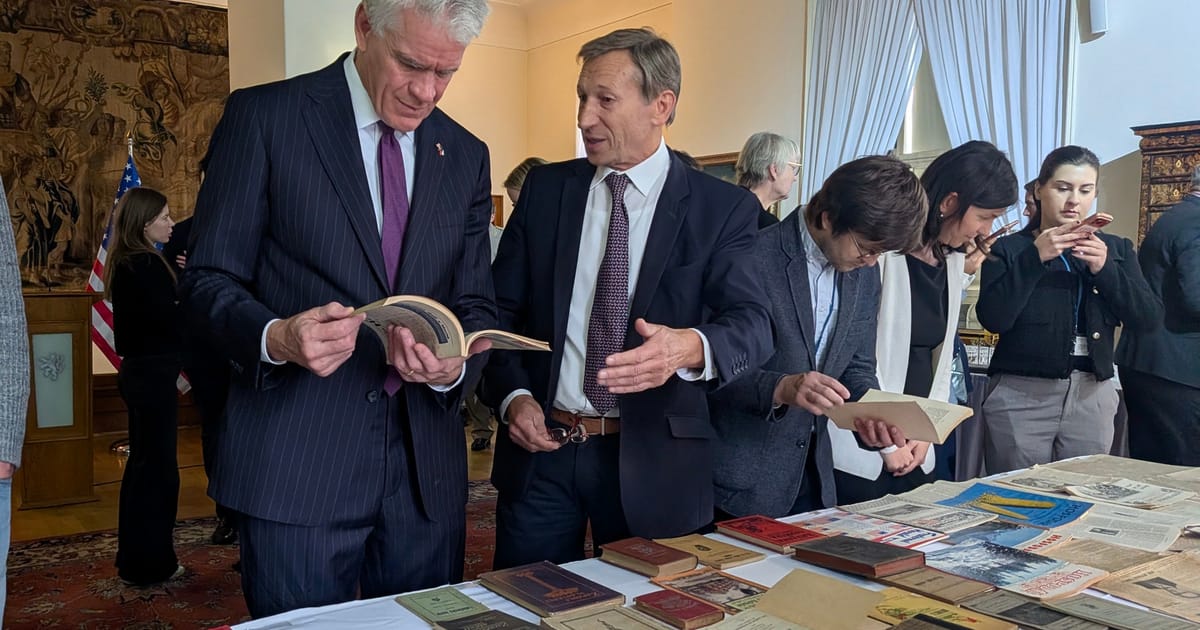
Czechia has received a collection of historical books and publications from Czech and Slovak emigrant communities in the United States. The collection was officially handed over at a ceremony at Černín Palace in Prague on Tuesday.

From the second half of the 19th century onwards, large numbers of Czechs and Slovaks emigrated to the United States in search of work and a better life.

See more here.

Author: Ruth Fraňková

Battle over Czech public television and radio funding: strikes, protests and political divisions

Photo: Lukáš Franc, Veřejnoprávně

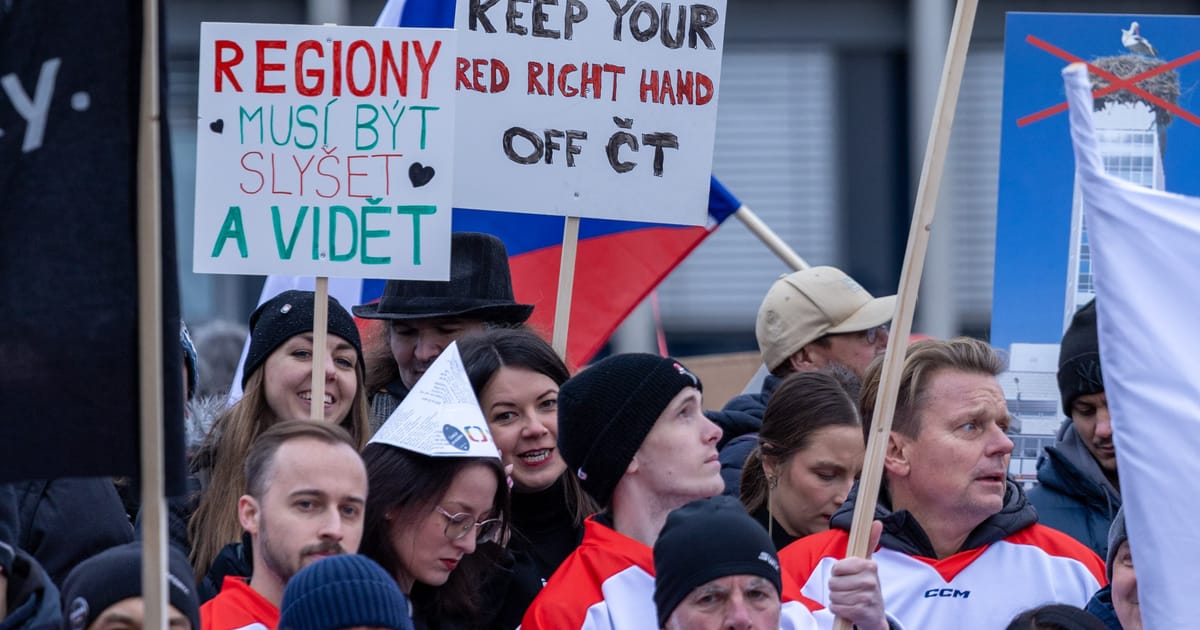
The Czech government’s plans to abolish television and radio licence fees have triggered strikes, demonstrations and a heated debate about the future of public-service broadcasting. Following a controversial parliamentary vote in the early hours of October 24, thousands of people gathered in Prague to protest against the proposed changes. In this episode of Czechast, Vít Pohanka brings together the views of leading politicians, Czech Radio Director General René Zavoral and demonstrators on Wenceslas Square.

The Czech government’s plans to abolish television and radio licence fees and replace them with funding from the state budget have provoked a wave of opposition, including a strike by public-service media employees and demonstrations in Prague and Brno.
See more here.

Author: Vít Pohanka

More Czechs turning to AI for health advice; doctors warn against relying on chatbots
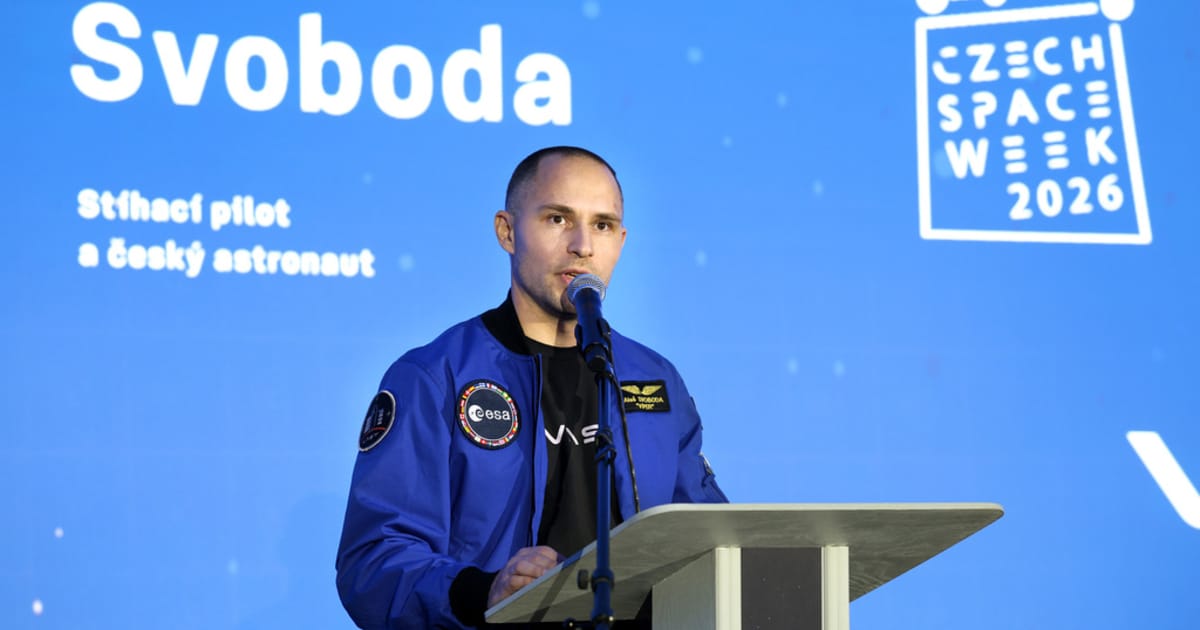
Photo: DP Photo / Profimedia

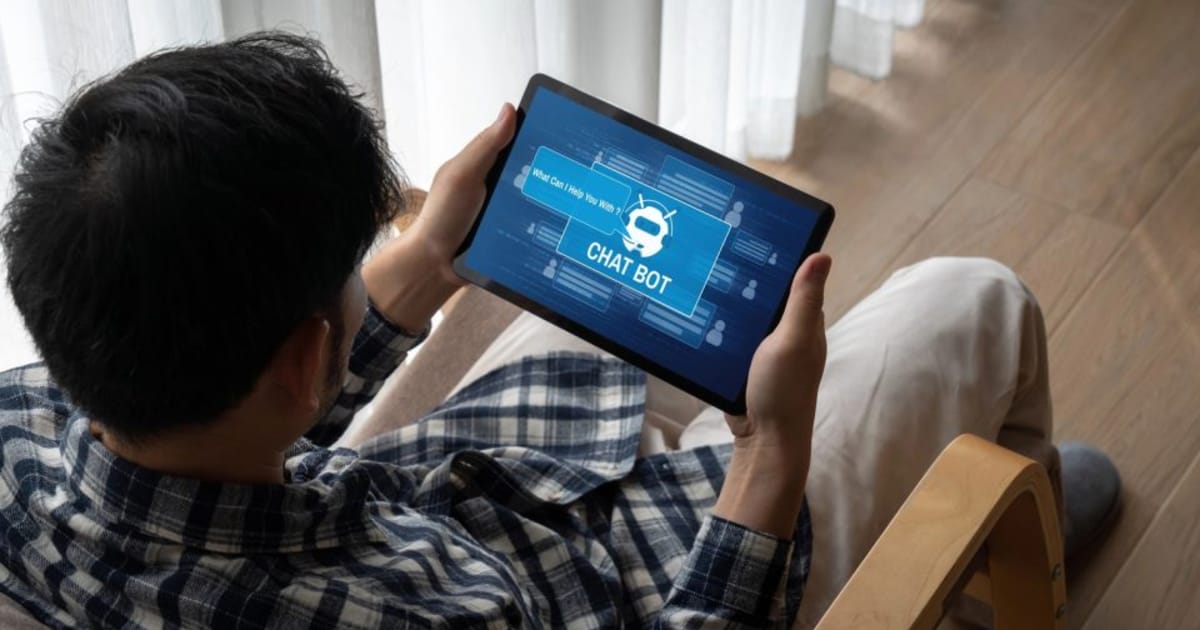
More people in Czechia are turning to artificial intelligence for health advice, including mental health support. While chatbots can help explain medical information and give basic advice on minor ailments, doctors warn that relying on them for diagnoses or treatment decisions can be dangerous. A new guide aims to help patients use the technology safely.

According to the results of a 2026 survey, one in two Czechs turn to AI for health advice.

See more here.

Author: Daniela Lazarová

Czechia tightens rules on foreigners with new residence law

Photo: Ondřej Tomšů, Radio Prague International

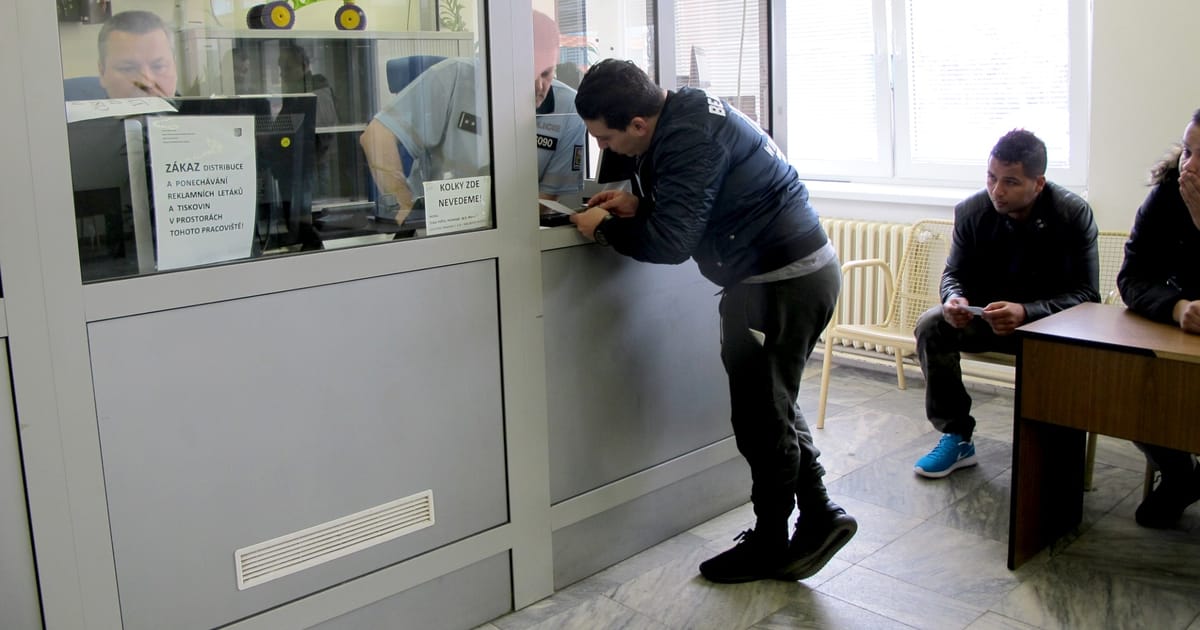
President Petr Pavel has signed an amendment to the Foreigners Act that tightens the rules governing the entry and residence of foreigners in Czechia. Under the new legislation, all foreign nationals staying in the country long-term will be required to register.

According to the Interior Ministry, which drafted the legislation, the law gives the government stronger tools to manage migration.

See more here.

A toy lion, a prehistoric Venus and a tram ticket: Czechia’s unusual cargo for space

Photo: Jan Schejbal, Ministerstvo obrany ČR / Česká cesta do vesmíru

Czech astronaut Aleš Svoboda could be heading to the International Space Station as early as next year. The national Czech Journey to Space project has now unveiled a selection of objects he may take with him, reflecting the country’s history, culture, ingenuity and everyday life.

The Czech flag, seeds from the linden, Czechia’s national tree, an excerpt from Karel Čapek’s play R.

See more here.

Author: Ruth Fraňková

I’m cold-blooded in these situations, says Czech “who saved the internet”

Photo: archive of Ondřej Surý

The international media have dubbed Ondřej Surý “the man who saved the internet” and “the unsung hero of the internet”. After serious flaws were recently discovered in PHP, a code used in most websites, the Czech – an expert in the field – managed to create a patch for the problem before attackers got a chance to do potentially enormous damage. I asked Surý what the specific risk to website operators had been.

“It was a RCE class of vulnerability, which means Remote Code Execution.

See more here.

Author: Ian Willoughby

Sports great Hašek demands legislation to block Russian athletes

Photo: Jana Přinosilová, Czech Radio

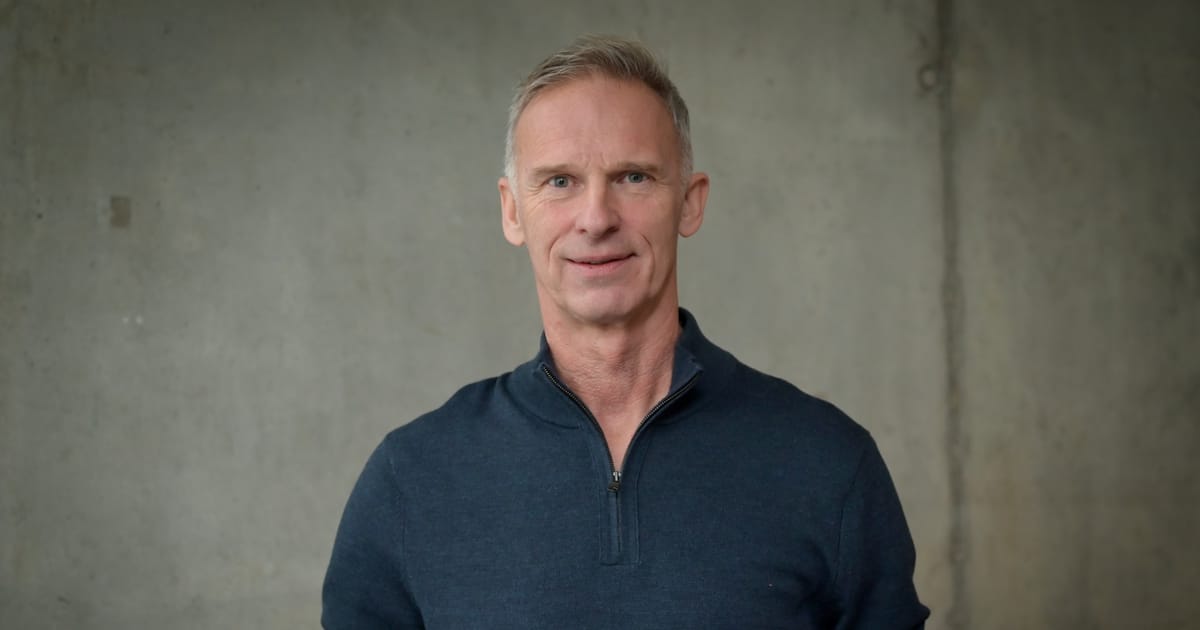
There has been a broadly critical response in Europe to a decision by a top sports court to overturn a ban on Russia in international ice hockey competitions. Here in Czechia, ex-player Dominik Hašek has demanded legislation to block events featuring Russians – and come out strongly against states withdrawing from hosting international championships over the situation.

On Friday the Court of Arbitration for Sport overturned a ban on Russian participation in competitions imposed by the International Ice Hockey Federation in connection with Moscow’s war on Ukraine.

See more here.

Author: Ian Willoughby

World’s parkour elite gather in Brno

Photo: Patrik Uhlíř, ČTK

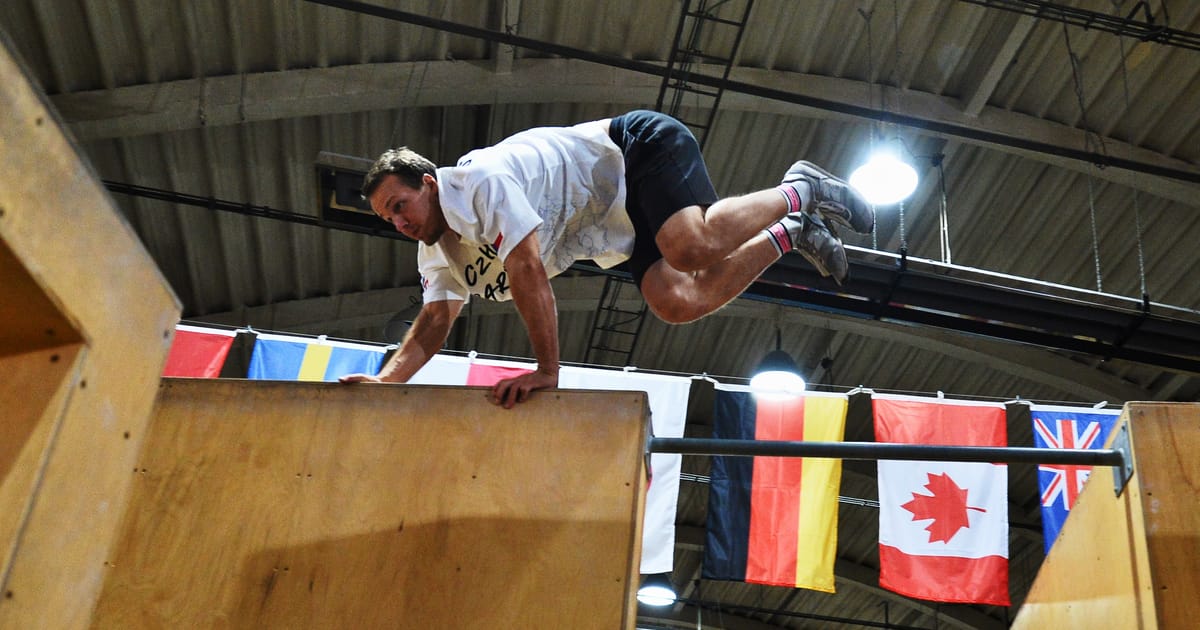
Overcoming obstacles, spectacular acrobatic jumps and races against the clock. Brno hosted athletes from around the world as it welcomed the Parkour World Championships, organised under the umbrella of the international organisation Parkour Earth. Pictured: Czech competitor David Sumara.

See more here.

Bree Nichols: American soprano with a passion for Czech opera 

Photo: Arthur Koff, archive of Bree Nichols

Bree Nichols is an American soprano and voice teacher based in Prague. A Fulbright alumna who came to the Czech Republic through the Fulbright programme, she is known for her sensitive interpretations of Czech vocal music and for performing more than a dozen operatic roles across a diverse repertoire.

She holds a Master of Music degree from the University of Georgia and a Doctor of Musical Arts degree from the University of North Texas.

See more here.

Author: Daniel Sywala

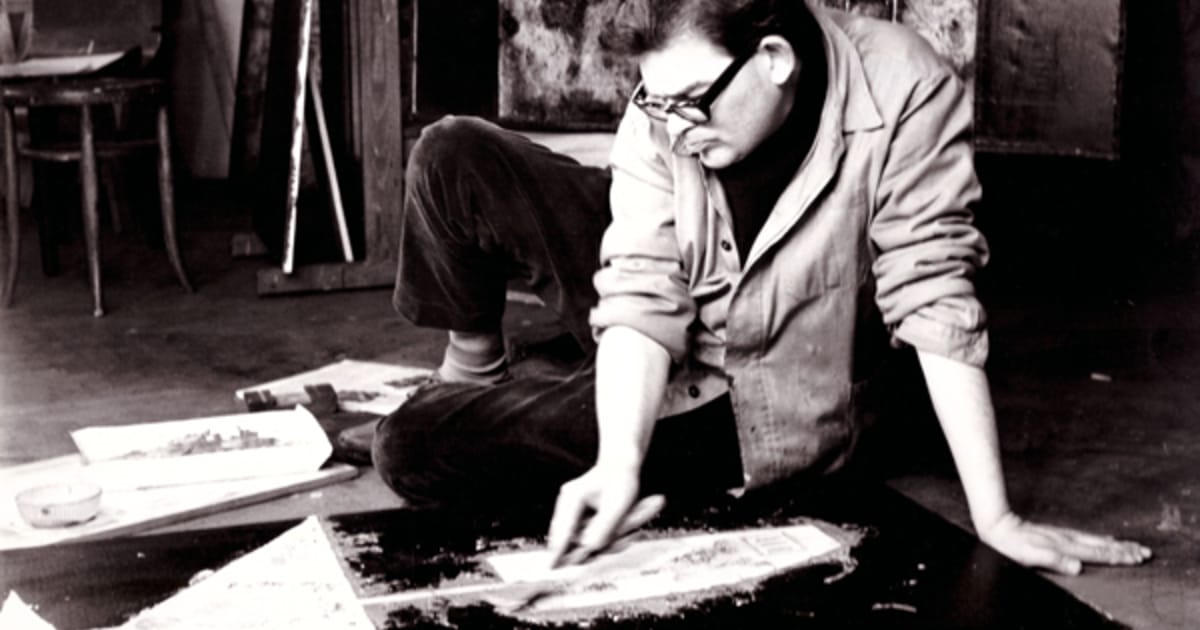
Mikuláš Medek: the painter the communist regime tried to silence

Photo: Emila Medková, Wikimedia Commons, CC BY-SA 4.0

Mikuláš Medek, one of the most prominent figures in Czech post-war art, was born on November 3, 1926. Despite bans imposed by the communist regime, Medek managed to create a body of work that is now regarded as one of the high points of modern Czech painting. The exhibition Defying the Ban and a forthcoming comprehensive monograph mark the centenary of his birth.

In the summer of 1963, something almost unthinkable took place in communist Czechoslovakia.

See more here.

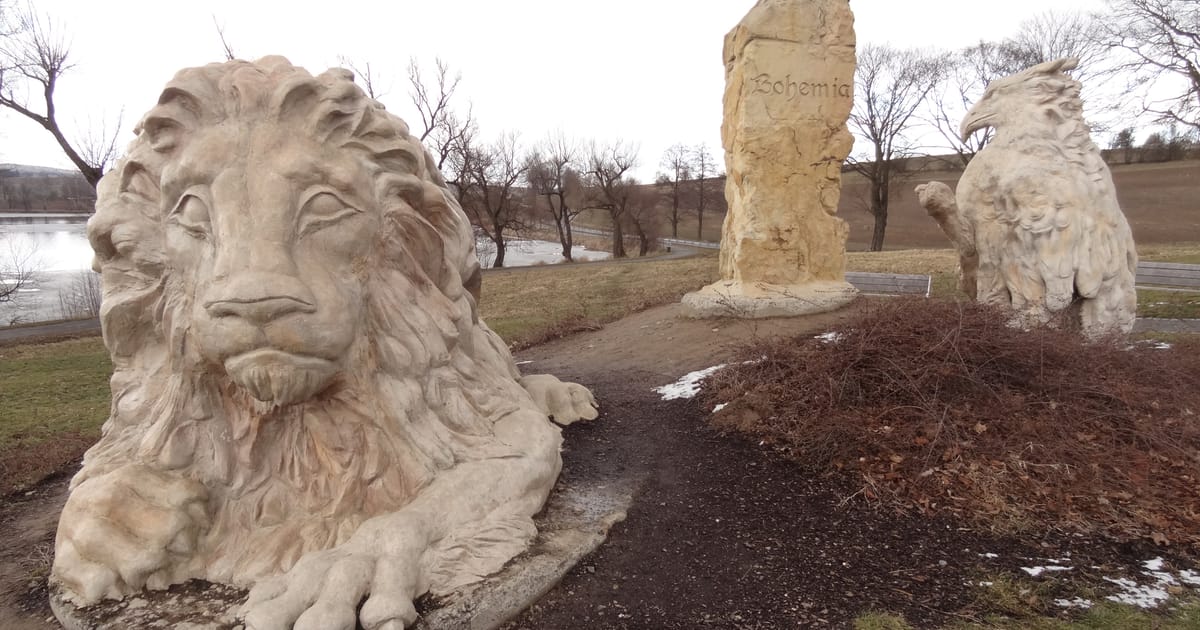
Bohemia versus Moravia: Does the old divide still matter in Czechia?

Photo: Martin Veselka, Wikimedia Commons, CC BY-SA 4.0 DEED

Moravia was once a distinct historical land, and some of its inhabitants still consider themselves Moravian rather than Czech. But the number declaring exclusively Moravian nationality has fallen sharply since 1991. In this episode of Czechast, Vít Pohanka explores the old boundary between Bohemia and Moravia and revisits interviews with a Moravian political activist and a historian who disagree about the region’s identity and future.

In the village of Herálec, the River Svratka once separated two communities belonging to different historical lands.

See more here.

Author: Vít Pohanka

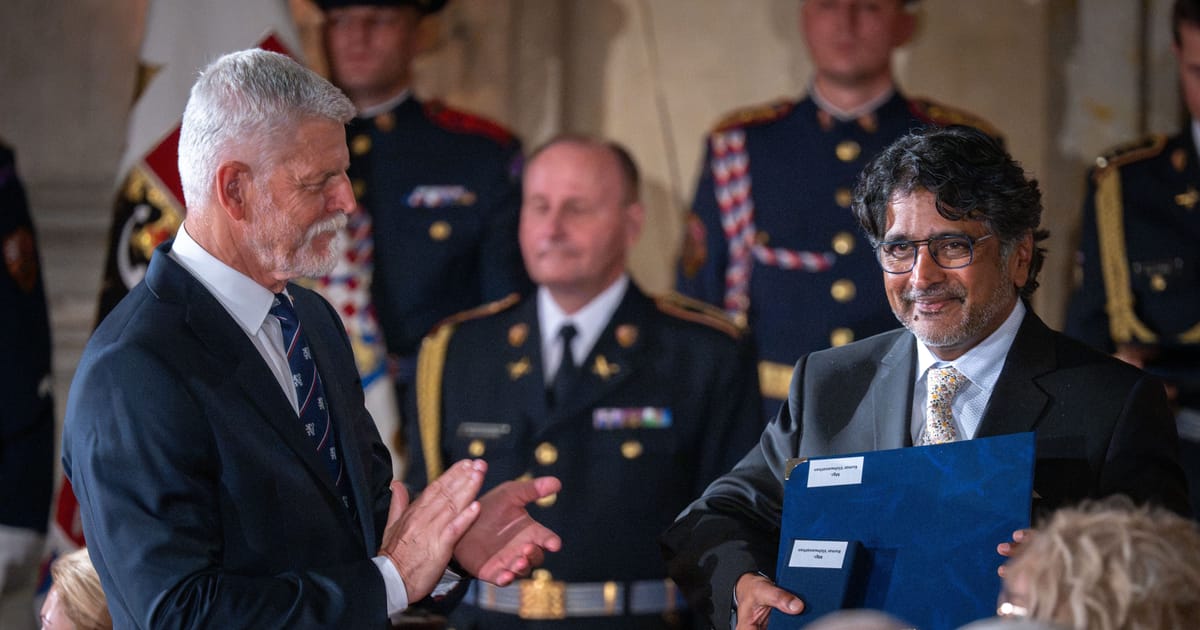
“I see a meaning in my life”: Kumar Vishwanathan on three decades of supporting Roma in Czechia 

Photo: Jakub Jirásek, iROZHLAS.cz

Among the recipients of state awards on Wednesday’s Czechoslovak Independence Day was Kumar Vishwanathan, an Indian-born social worker who has devoted decades of his life to helping Czechia’s Roma community. Vishwanathan quit a teaching job to work with Roma who lost their homes in flooding in Ostrava in 1997 and eventually helped set up the city’s Coexistence Village, which he still heads.

The Office of the President said you had received the Medal of Merit for “long advocating for a dignified life for the Roma and their co-existence with the majority society.

See more here.

Author: Ian Willoughby

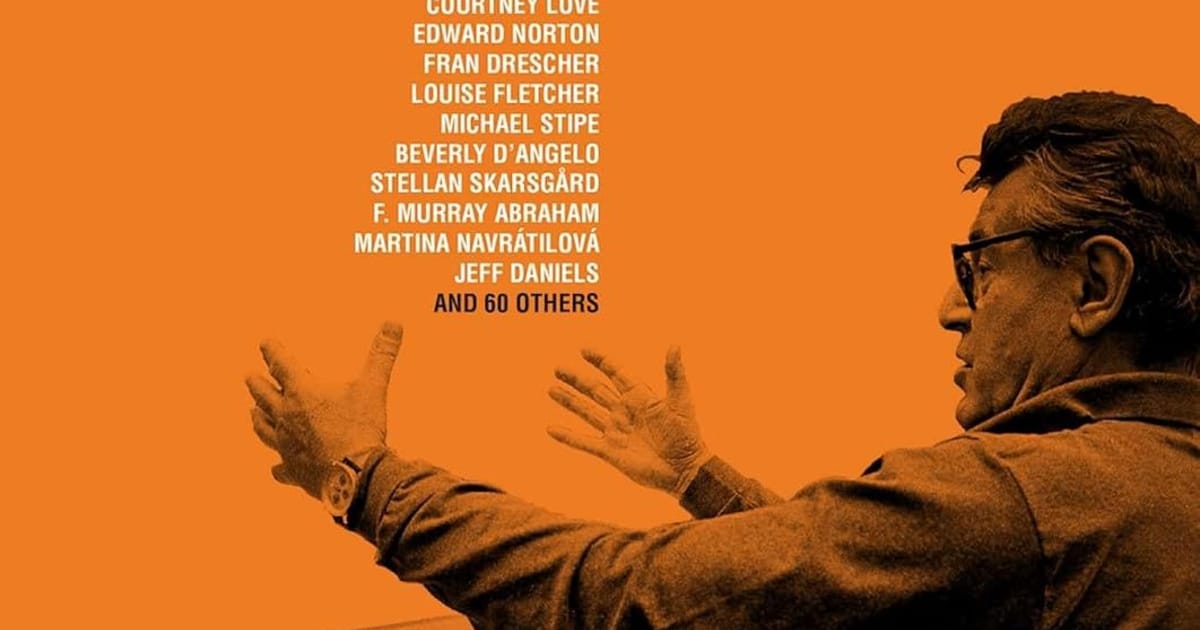
“The style never gets in the way of the story”: Andreas Halskov on the genius of Miloš Forman

Photo: Fayetteville Mafia Press

For the book Directed by Miloš Forman film scholar Andreas Halskov interviewed scores of people who knew or admired the late two-time Oscar winner, including such names as Michael Douglas, Robert De Niro and Courtney Love. The oral history explores Forman’s Czechoslovak origins and early films, as well as his subsequent career in the US, where for a period he was one of the most successful filmmakers in the business.

I presume that going into this whole project you already must have known quite a lot about Miloš Forman.

See more here.

Author: Ian Willoughby

Petr Pavel, the President of the Republic, and Mrs. Eva Pavlová received members of the diplomatic corps

On the occasion of the Independent Czechoslovak State Day, on Tuesday, October 27, 2026, President Petr Pavel, together with the First Lady, Mrs. Eva Pavlova, received members of the diplomatic corps at Prague Castle.

Watch the Video with the speech of President Petr Pavel and of H.E. Most Reverend  Eugene Martin NUGENT, the Dean of the Diplomatic Corps, and highlights from the reception.

The 35th anniversary of the Independence of the Republic of Kazakhstan

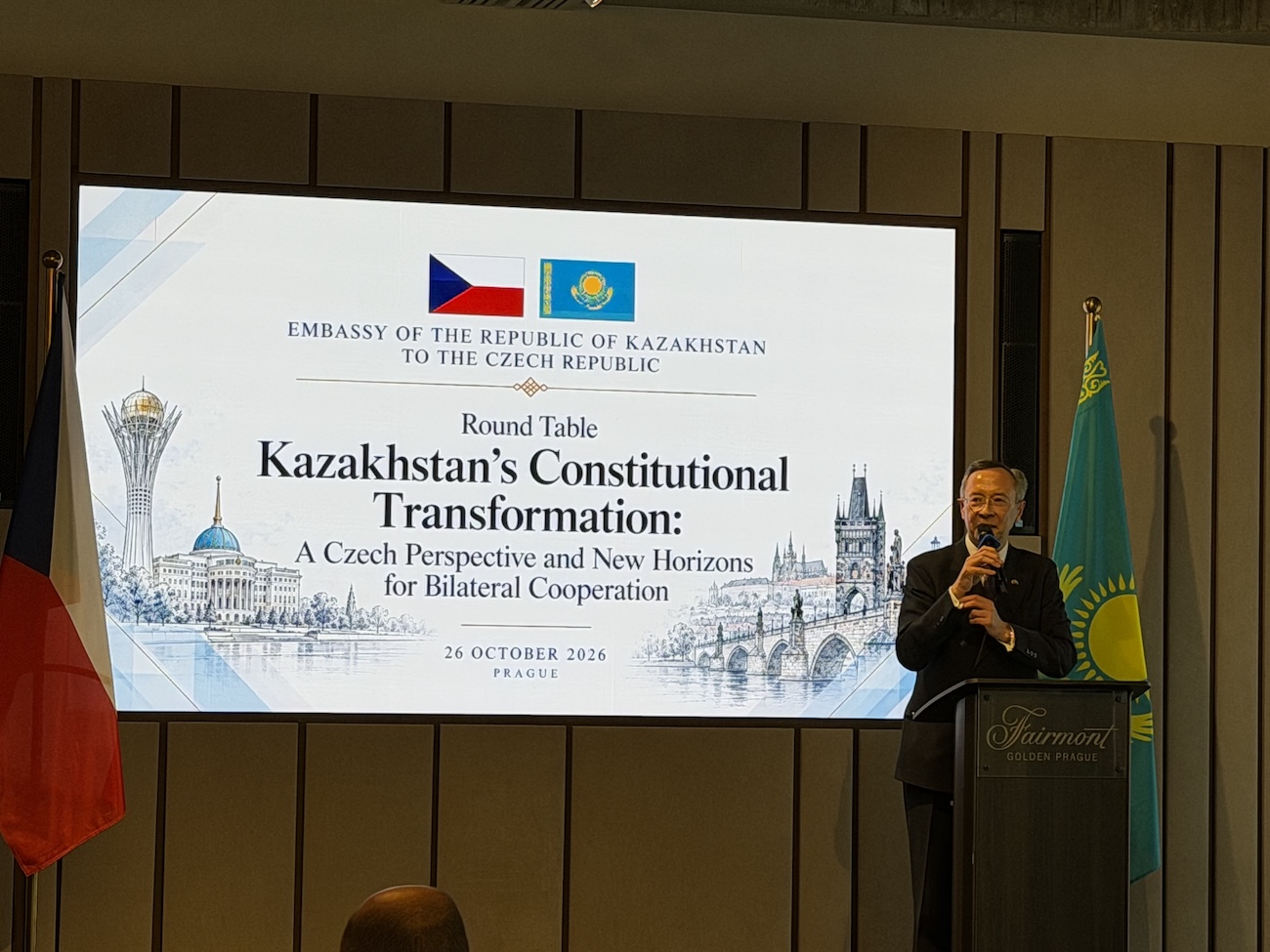
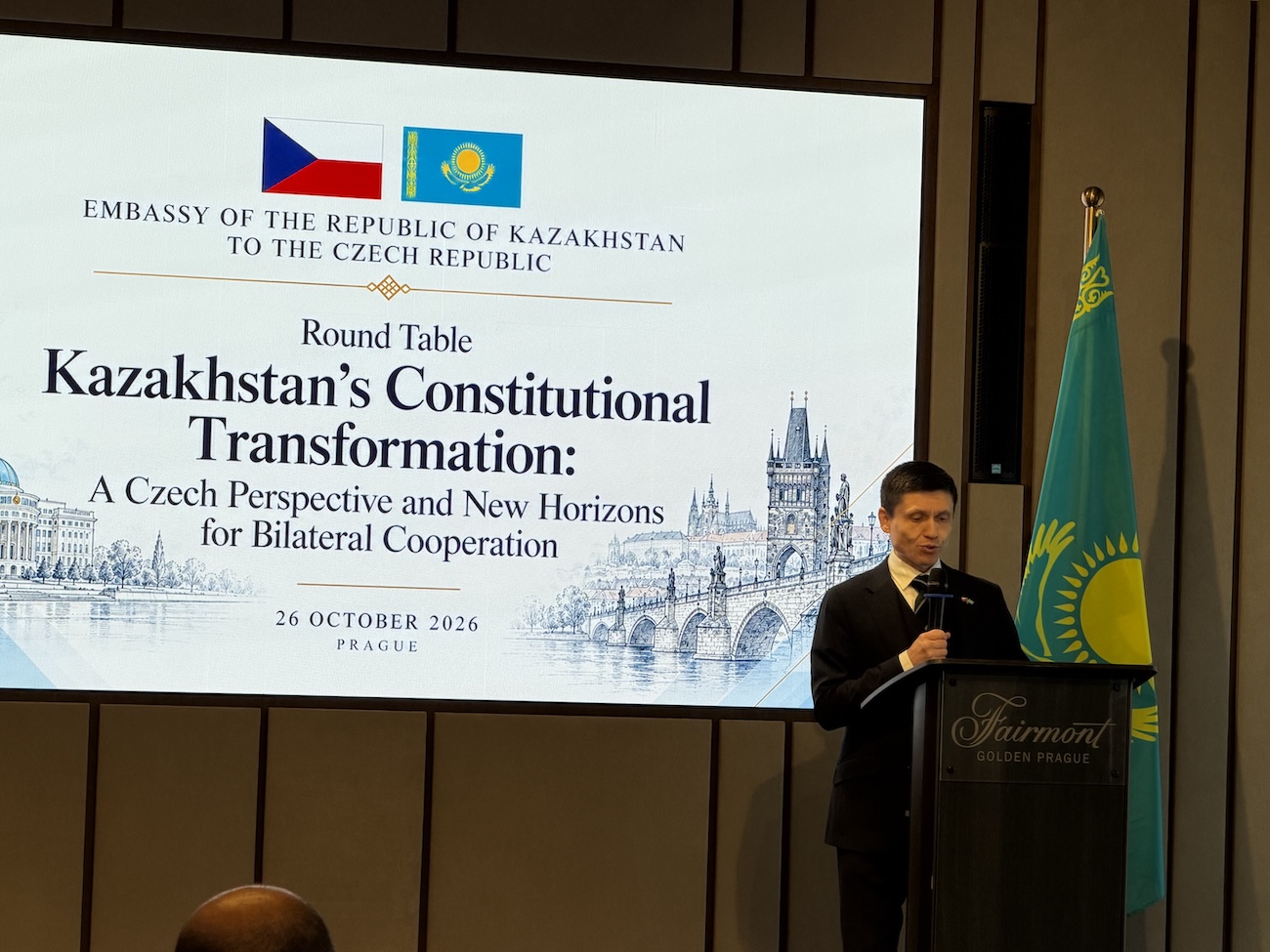
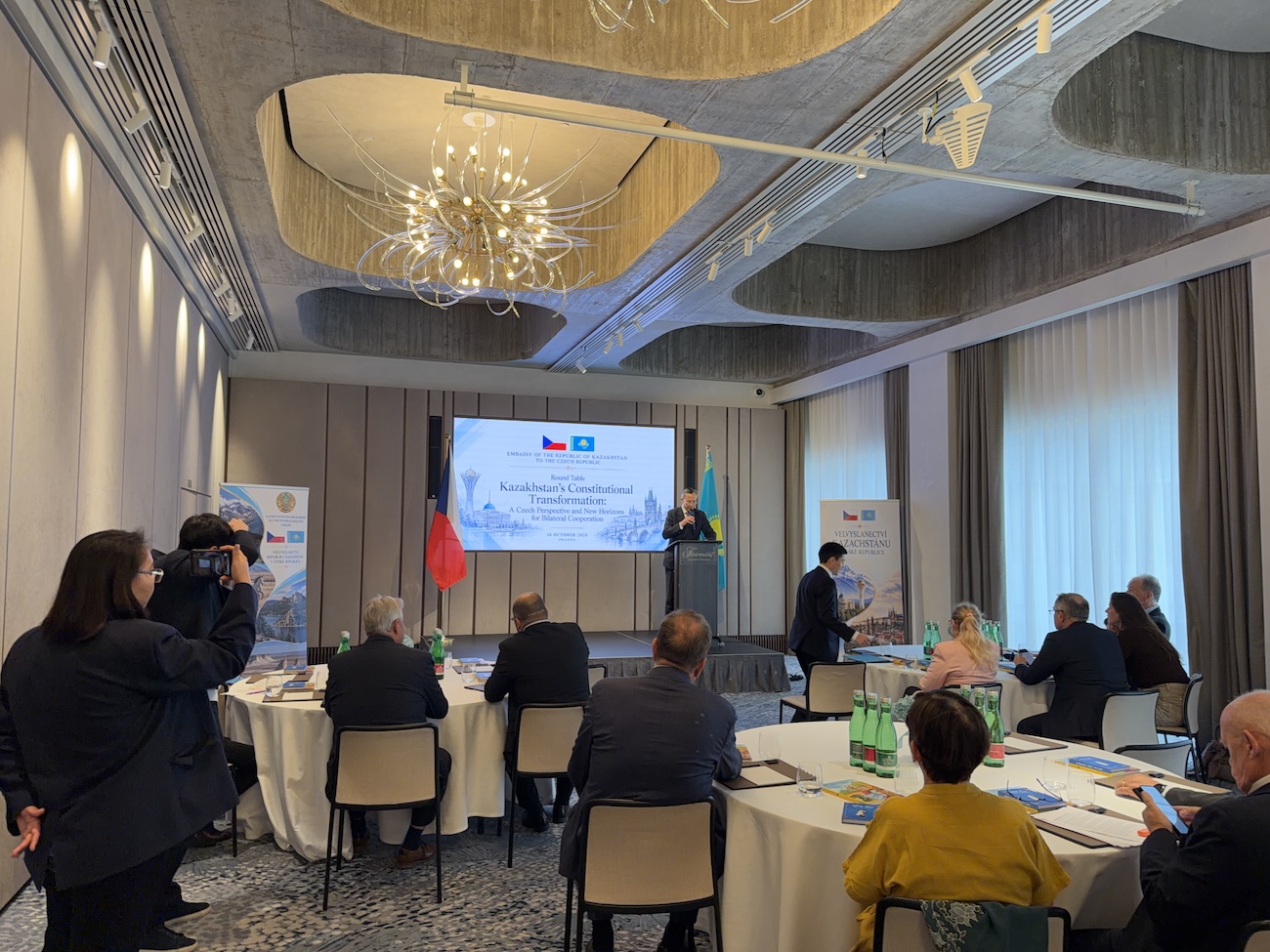
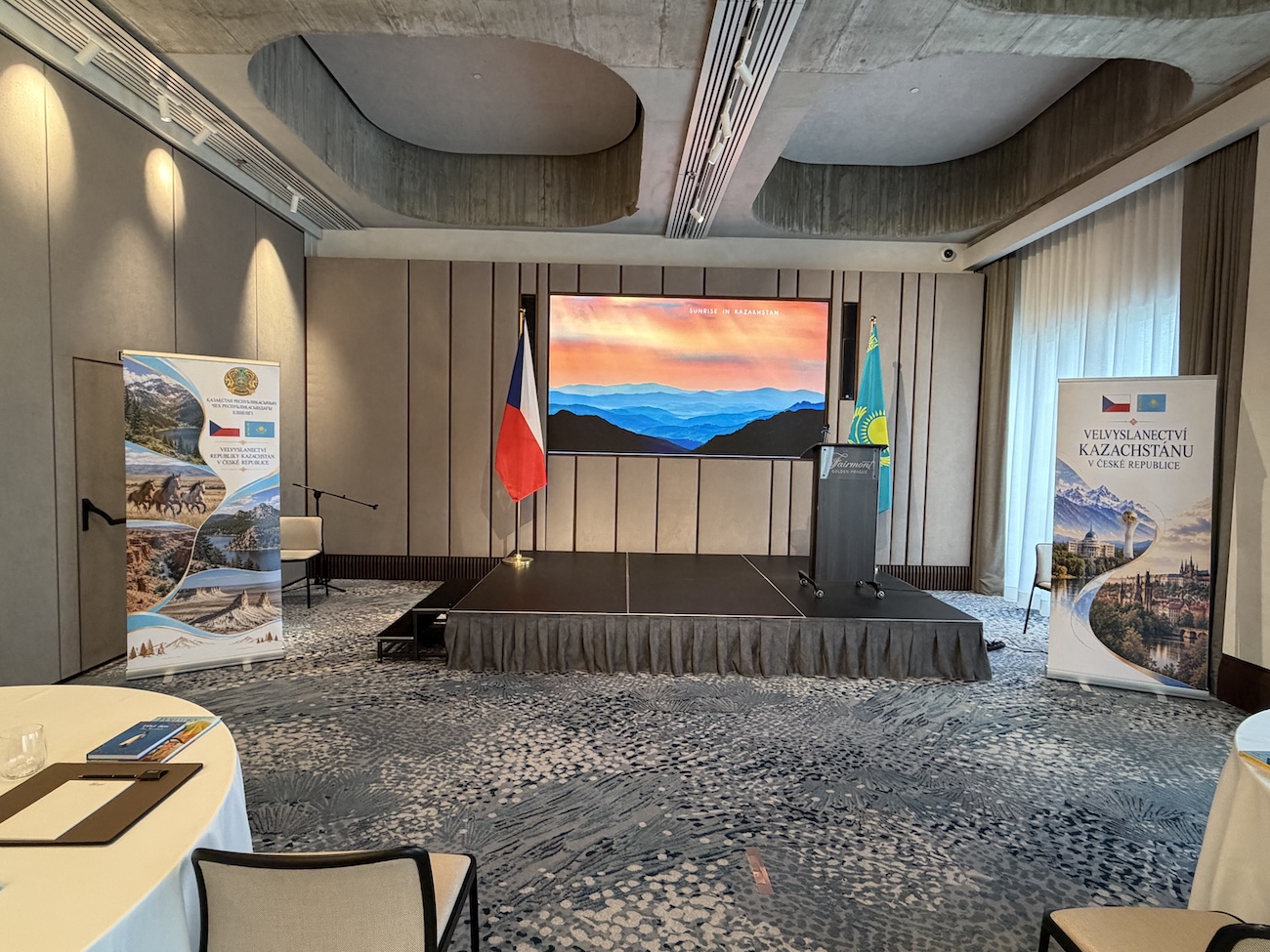
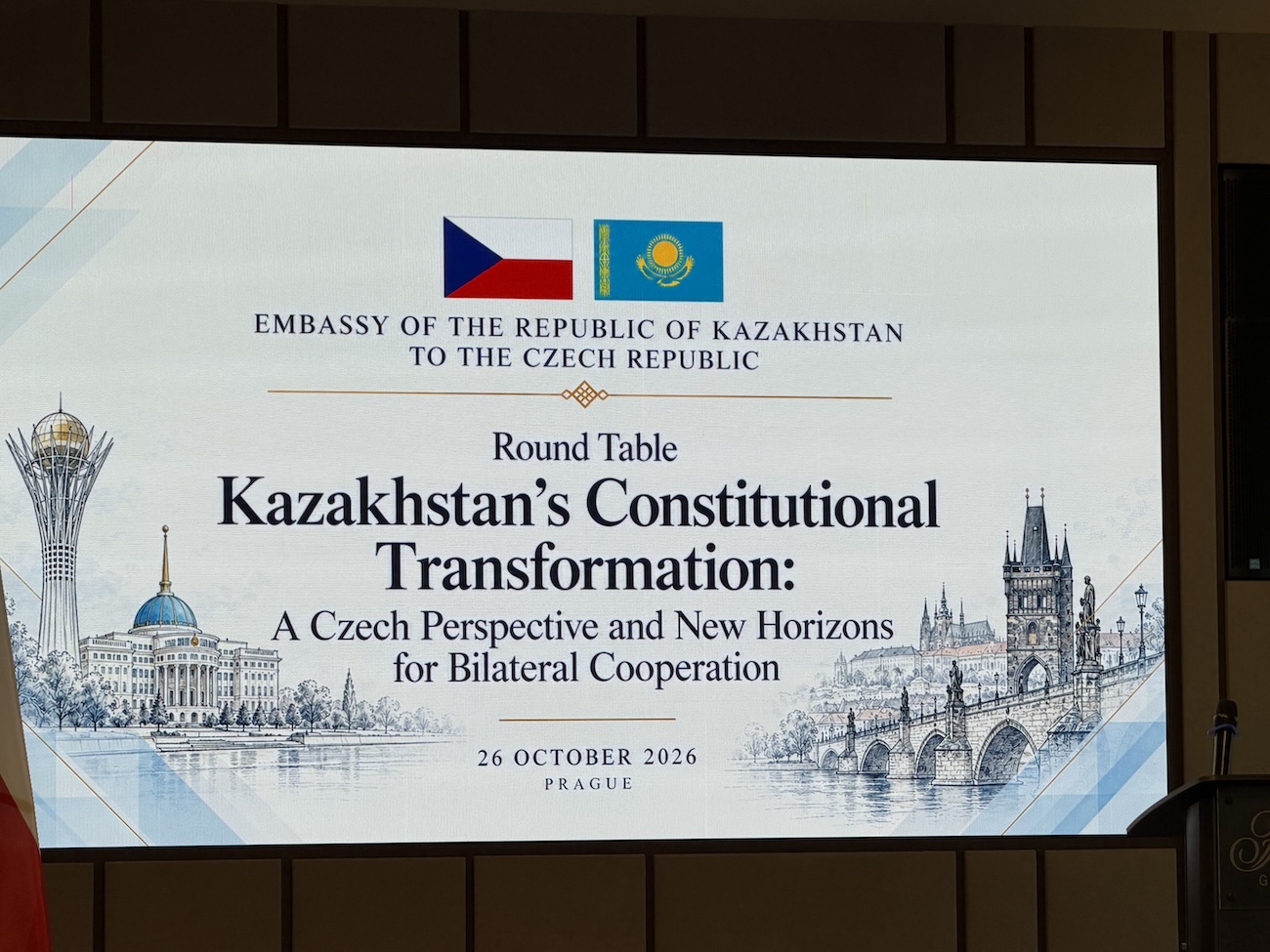
On the occasion of the 35th anniversary of the Independence of the Republic of Kazakhstan, H.E. Mr. Kairat Abdrakhmanov, Ambassador of Kazakhstan to the Czech Republic, organized a roundtable discussion on Kazakhstan’s constitutional reforms, the first elections to the new unicameral Parliament – the Kuryltai, and the significance of these developments for the further advancement of Kazakhstan-Czech relations.

The roundtable event took place at the Fairmont Golden Prague Hotel.

The event brought together prominent political figures and experts in political science, law, economics, and sociology. The discussion focused not only on Kazakhstan’s ongoing institutional transformation and its outcomes, but also on the broader significance of these developments and their potential implications for the further development of relations between Kazakhstan and the Czech Republic.

The roundtable also provided an opportunity to discuss the growing significance of Central Asia for the European Union, including the region’s geopolitical and economic importance, its role in strengthening connectivity between Europe and Asia, and the prospects for deeper Central Asia-EU cooperation. Particular attention was given to Kazakhstan’s role as a key partner of the European Union in the region and to opportunities to develop further Kazakh-Czech cooperation in this broader European and Central Asian context.

The discussion was held under the Chatham House Rule, allowing participants to speak freely.

In his opening remarks, H.E. Mr. Kairat Abdrakhmanov, Ambassador of Kazakhstan to the Czech Republic, said: In view of your extensive experience and expertise, my Embassy and I highly value your perspective on these issues.

At the end of the round table event, H.E. Mr. Kairat Abdrakhmanov, Ambassador of Kazakhstan to the Czech Republic, expressed his sincere gratitude for the participation in the roundtable discussion on Kazakhstan’s constitutional transformation and new horizons for bilateral cooperation.

Adding: Your valuable contribution to the discussion, thoughtful reflections, and insightful recommendations greatly enriched the exchange of views and helped foster a deeper understanding of Kazakhstan’s ongoing reforms, as well as the opportunities for further strengthening cooperation between Kazakhstan and the Czech Republic. We highly appreciate your willingness to share your expertise and perspectives, which made the discussion both meaningful and forward-looking.

I strongly believe that our meeting will serve as a further impetus for continued dialogue and fruitful cooperation for the benefit of our two countries and peoples.

Thank you once again for your time, engagement, and valuable contribution. I would be delighted to have the opportunity to meet you again and continue our exchange of ideas in the spirit of friendship and mutual understanding.

Meet The Women Making Sustainability Practical

Sustainability becomes meaningful only when it moves from statements and strategies into everyday decisions: how organisations operate, how communities protect their environment and how leaders redesign systems for the long term. Meet three women recognised by the Women Changing the World Awards Czech & Slovak Edition for turning sustainability into measurable action.

The Women Changing the World Awards Czech & Slovak Edition recognise women whose work creates measurable change in business, institutions, communities and society. In this week’s edition, we introduce three women whose leadership demonstrates a distinctive way of creating impact.

Gabriela Prachařová

Gabriela Prachařová manages a hotel in central Prague where she combines economic responsibility with environmental and social sustainability. She has introduced practical measures to reduce energy and water consumption, minimise waste and strengthen cooperation with local suppliers. At the same time, her understanding of sustainability goes beyond environmental metrics. She works to create a fair and safe workplace that supports women, foreigners and refugees in their professional development. Her approach demonstrates that responsible business is strongest when environmental performance and human opportunity are treated as parts of the same system.

Ilona Nezbedová

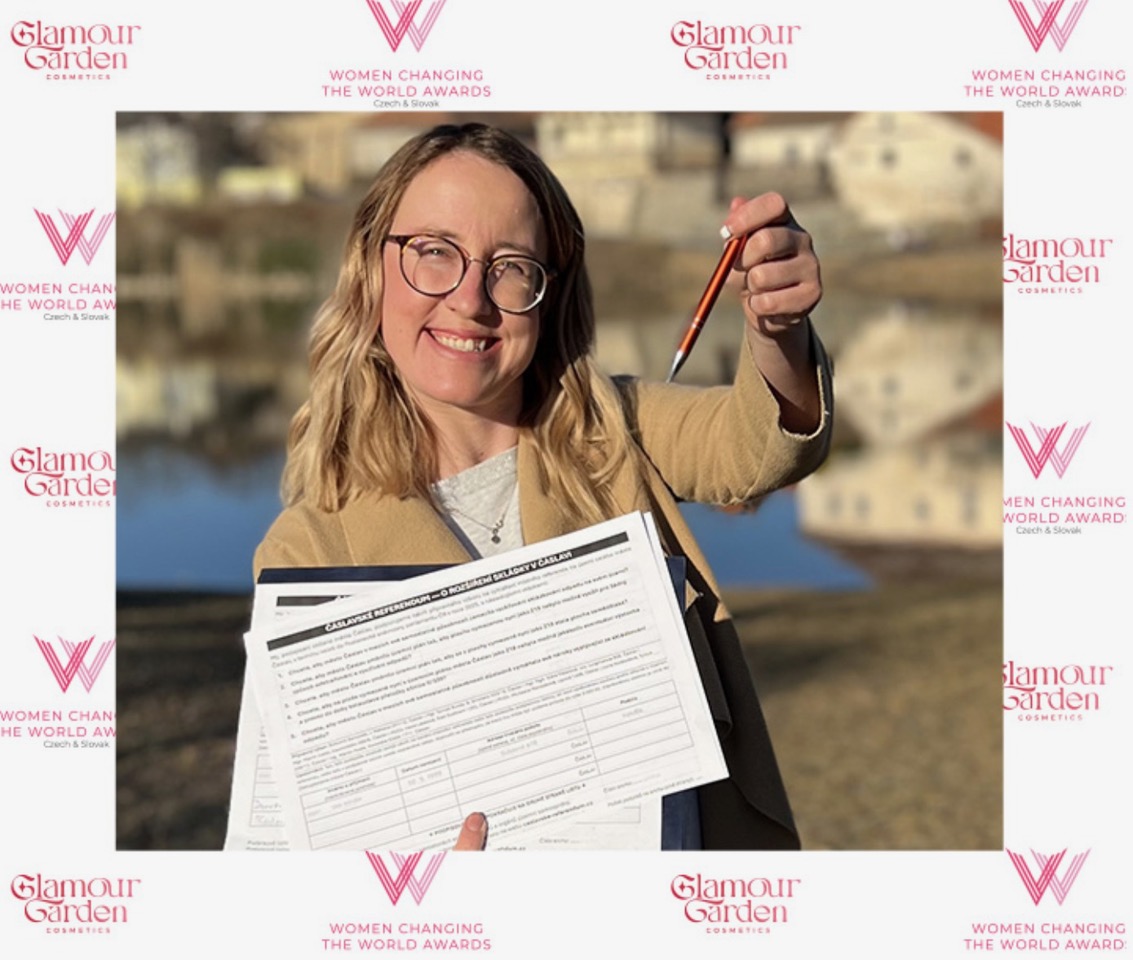
Ilona Nezbedová shows that sustainability is not only shaped in boardrooms or policy documents. As a citizen in Čáslav, she became a strong local voice against the planned expansion of a hazardous-waste landfill. What began as personal responsibility evolved into organised civic action capable of connecting people around the protection of the place they call home. Her persistence highlights an essential part of environmental change: communities need people willing to ask difficult questions, organise others and continue even when the issue appears larger than any individual.

Michaela Stachová

Michaela Stachová connects experience from humanitarian work, foundation leadership and strategic cooperation with business. At Business Leaders Forum, she develops and leads programmes that help companies move sustainability from intention to implementation — from organisational resilience to circular economy principles and leadership education. Her work is built on the idea that systemic change requires translation: ambitious goals must be turned into decisions, processes and competencies that organisations can actually use. She helps make that translation possible.

Discover all Women Changing the World Awards 2025 winners → https://thewomenchangingtheworld.cz/edice-2025/winners-profiles/

Independence Day celebrations in Czechia mark country’s 108th birthday

Photo: Tomáš Adamec, Czech Radio

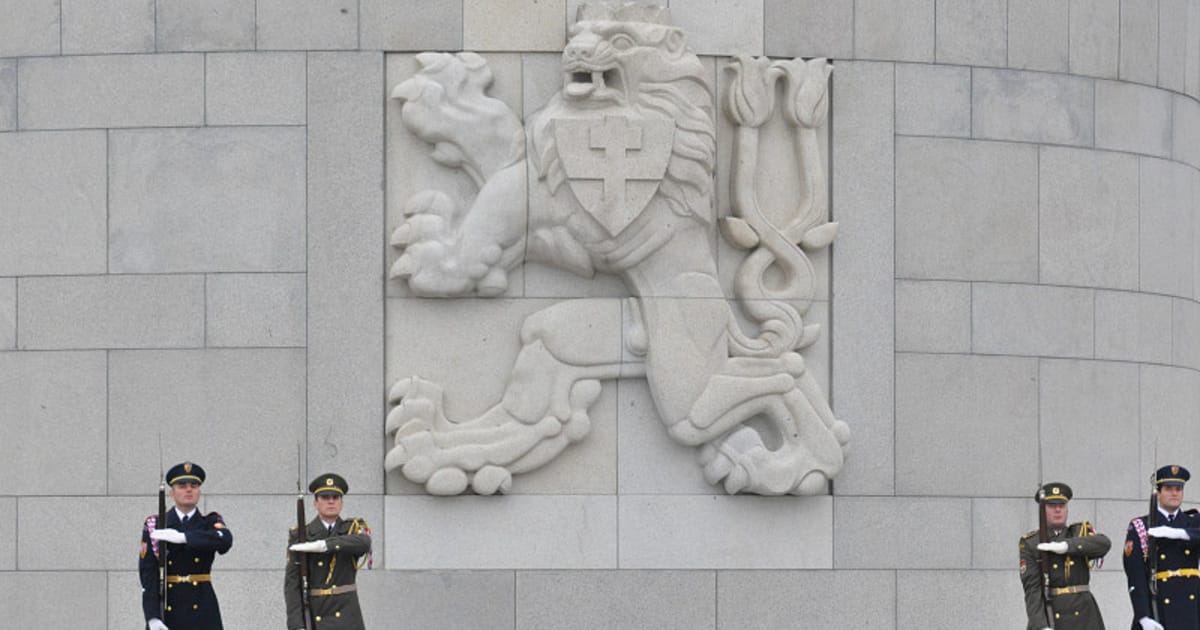
October 28th is Czechoslovak Independence Day, marking the establishment of Czechoslovakia in 1918. Czechs will commemorate the 108th anniversary of the birth of the Czechoslovak Republic with a host of events, including a ceremony at the Vítkov Memorial, remembrance events for the country’s first president Tomáš Garrigue Masaryk and an award giving ceremony at Prague Castle.

The celebrations of Czechoslovak Independence Day traditionally start with a commemorative ceremony at the Vítkov Memorial in Prague attended by the president, government officials, parliament representatives, church dignitaries and cultural figures who lay wreaths at the Tomb of the Unknown Soldier to pay homage to those who laid down their lives for the country.

See more here.

Author: Daniela Lazarová

“Donde sea que haya un mexicano, aunque sea el último confín de la Tierra, allí se celebra el Día de Muertos”

Foto: LATAM

El Día de Muertos es una tradición mexicana, quizás la más mexicana de todas, que se conmemora no solo en México, sino en todo el mundo. También en Chequia. Porque allí donde hay un mexicano, aunque sea en el último confín de la Tierra, allí habrá una celebración de Día de Muertos.

Casi que coincide con Halloween en el calendario y tienen similaridades, sí que las tienen, pero es otra cosa.

See more here.

Author: Gonzalo Núñez

October 1526: First Prague-Vienna mail route established

Photo: Česká pošta

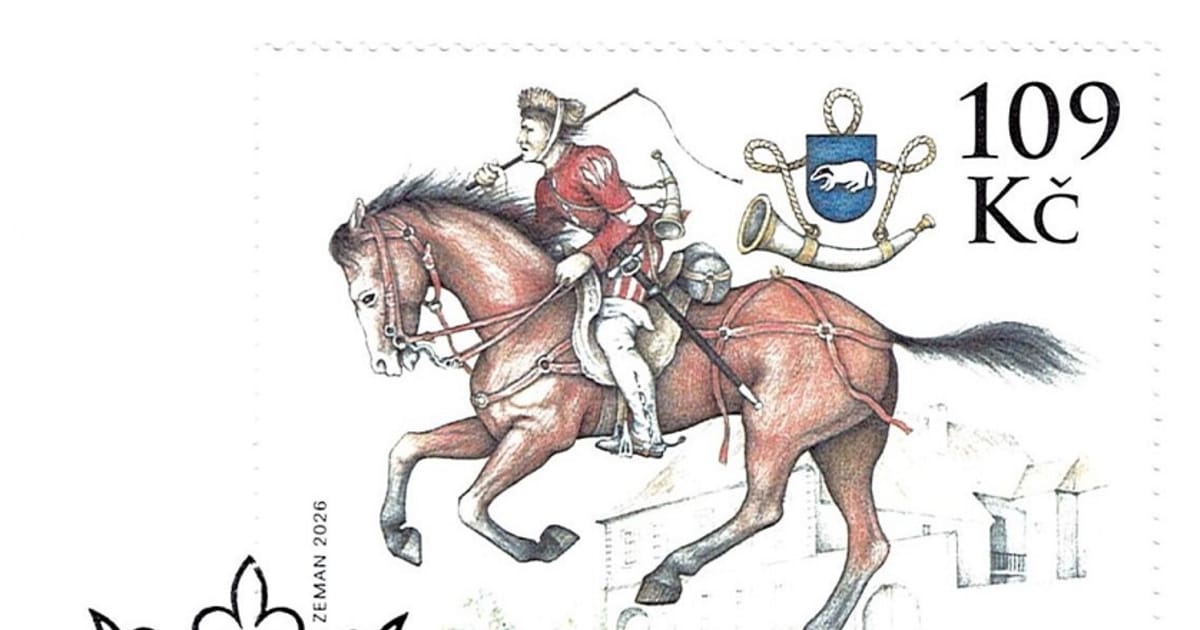
When Ferdinand I of Habsburg sought the Bohemian crown in 1526, he needed fast and reliable communications between Vienna and Prague Castle. This led to the creation of the first regular postal route in Central Europe.

The establishment of a regular postal service in the heart of Europe was not a response to the needs of ordinary people, but rather a calculated political move.

See more here.

Inside Prague’s bell tower, where communist secret police spied on Western diplomats

Photo: Prague City Tourism

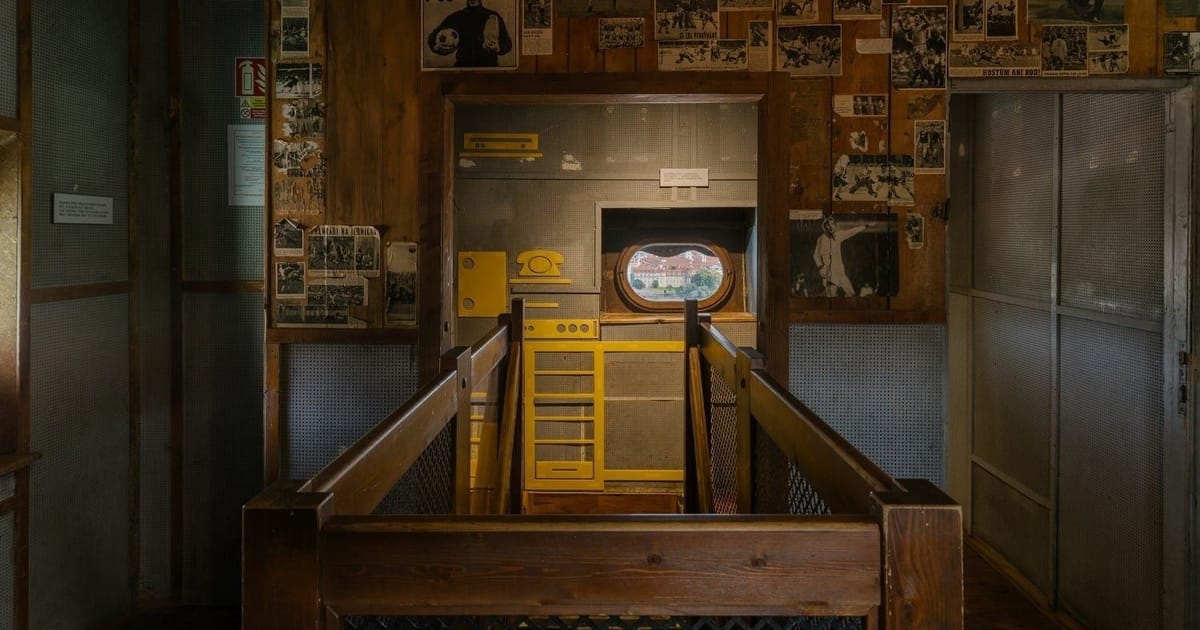
The St Nicholas bell tower in Prague’s Malá Strana once warned the city of fires. During the communist era, it served a very different purpose: the secret police used it to spy on Western diplomats. A new exhibition now invites visitors to discover the tower’s past.

The St Nicholas Municipal Bell Tower stands next to the Church of St Nicholas, just off Malostranské Square.

See more here.

Author: Ruth Fraňková

Unprecedented El Niño to hit Czechs in the wallet, experts say

Photo: AMO Archive

The current El Niño climate pattern has already reached unprecedented intensity, and scientists believe it will have a devastating impact when it approaches its peak in the months ahead. While the “Super El Niño” will mainly hit Pacific Ocean states, experts warn that Czechs will also feel it – in the prices of certain commodities.

Even before it has peaked, the present El Niño is breaking long-standing records.

See more here.

Author: Ian Willoughby

Pigs’ eyes, real skills: surgeons practise with cutting-edge technology in Prague

Photo: iSCOPE

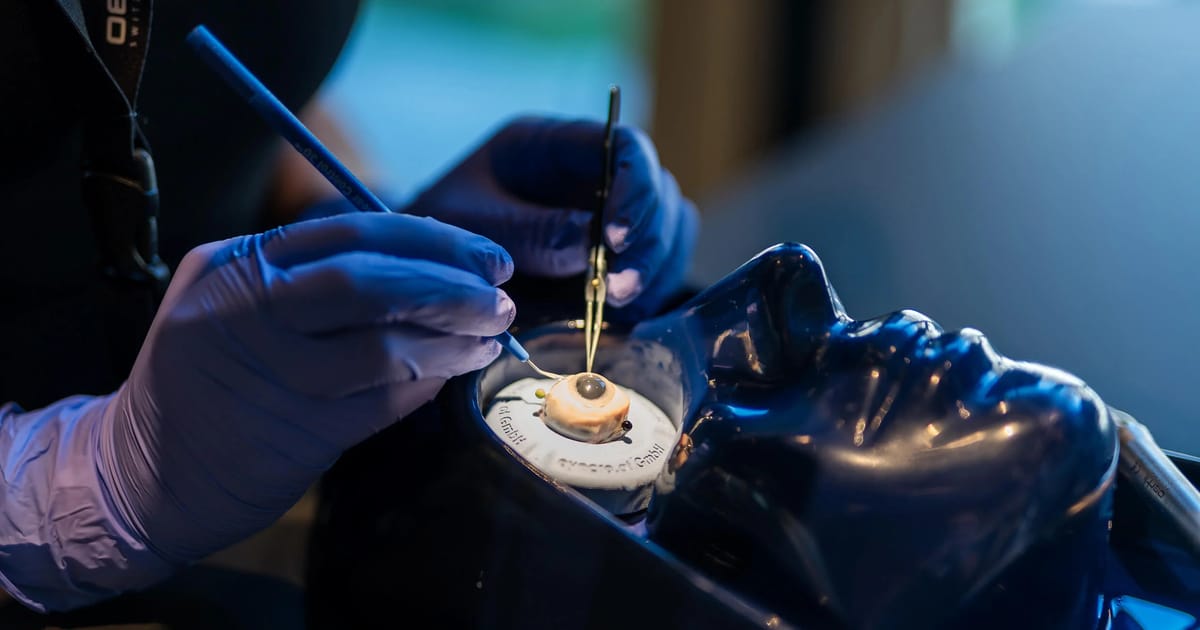
Prague hosted an international training event where ophthalmologists from 11 countries practised complex surgical procedures using artificial eyes, biological tissue and state-of-the-art technology. British eye surgeon Johnson Neo says simulation allows doctors to learn from their mistakes without putting patients at risk. The course also introduced participants to advanced microscopes, 3D imaging and techniques for dealing with complications during eye surgery.

A tiny surgical needle, a thread and a pig’s eye positioned under a microscope.

See more here.

Author: Vít Pohanka

Pavel Haas Quartet wins fresh accolade for Martinů’s string quartets

Photo: Barbora Němcová, Radio Prague International

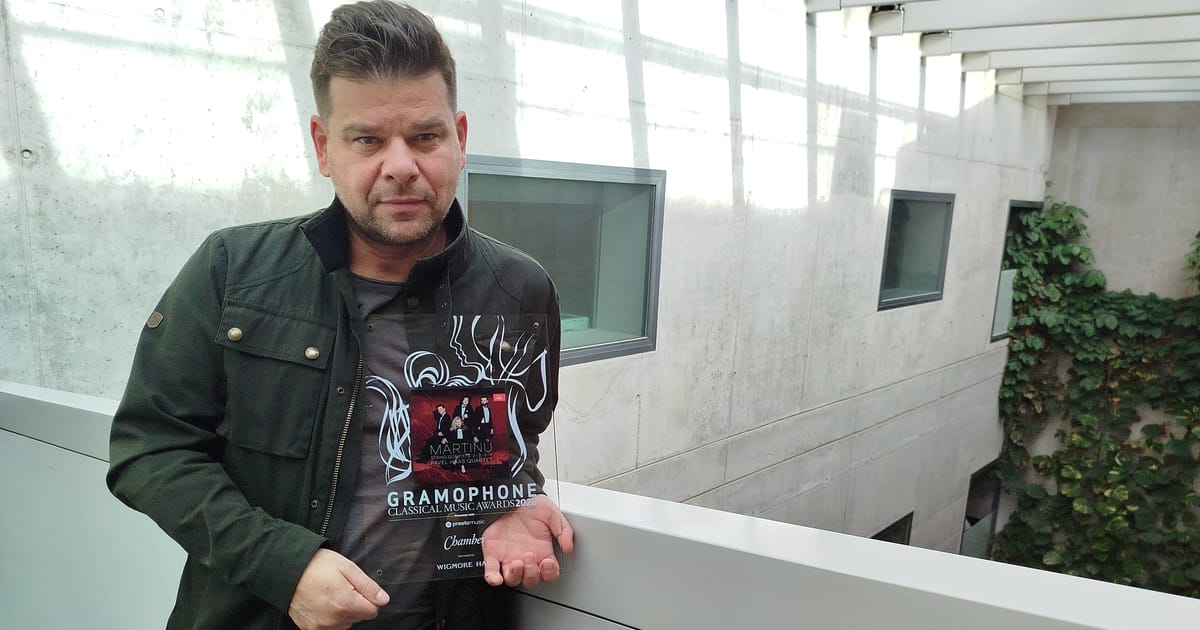
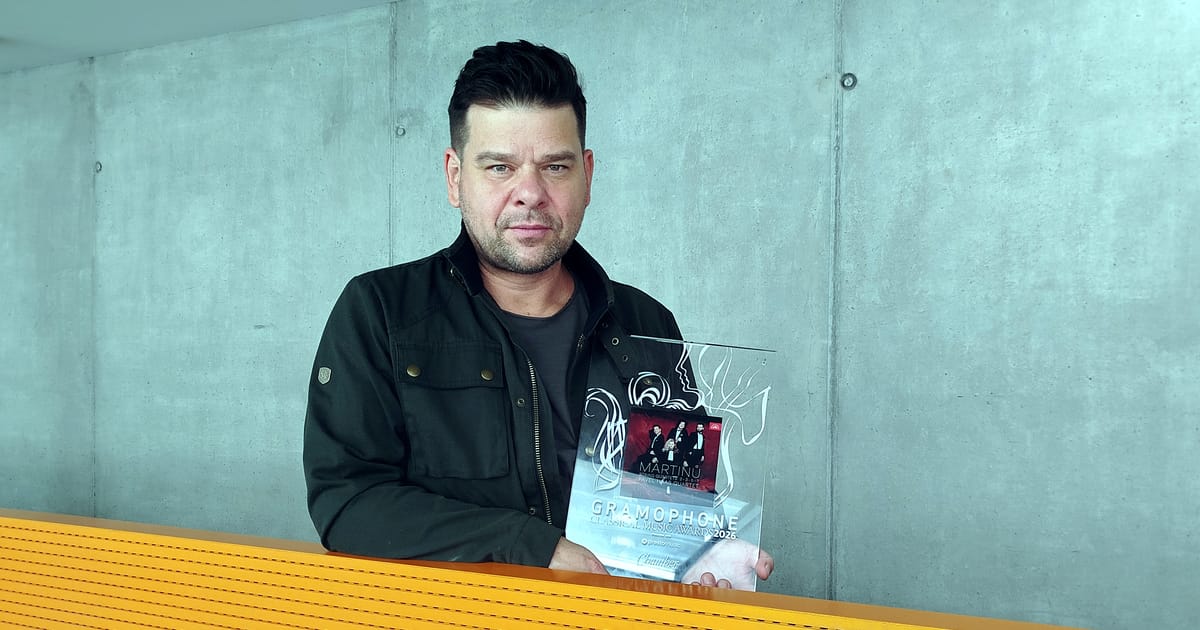
Earlier this month, the Pavel Haas Quartet made headlines once again when it won the prestigious Gramophone award for its latest album featuring Martinů’s string quartets. It was the 6th music “Oscar” for the internationally acclaimed ensemble.

The Pavel Haas Quartet is one of the Czech Republic’s most internationally acclaimed chamber ensembles.

See more here.

Two Czech cities, two different worlds: Ostrava and Český Krumlov

Photo: Paul-Henri Perrain, Radio Prague International

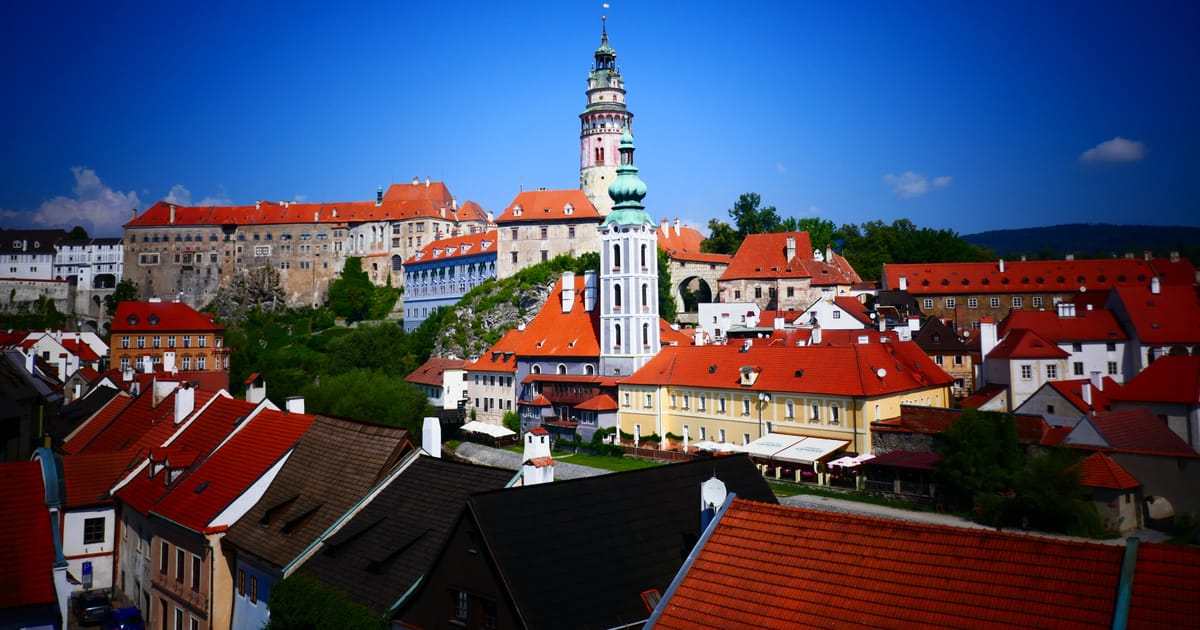
In this episode of Czechast, we travel to opposite corners of Czechia to explore two cities with very different histories and identities. Ostrava, once a powerhouse of coal mining and heavy industry, has to reinvent itself, while picturesque Český Krumlov has struggled with the consequences of mass tourism. Singer-songwriter Jaromír Nohavica, artist Jana Pešková and radio documentary maker Ivan Studený share their personal memories and explain what makes these places special to them.

Ostrava, near the Polish border, was built on coal mining and heavy industry.

See more here.

Author: Vít Pohanka

Gratias Agit Awards 2026: from preserving veterans’ legacy to promoting Czech music

Photo: © MZV ČR / MFA CZ

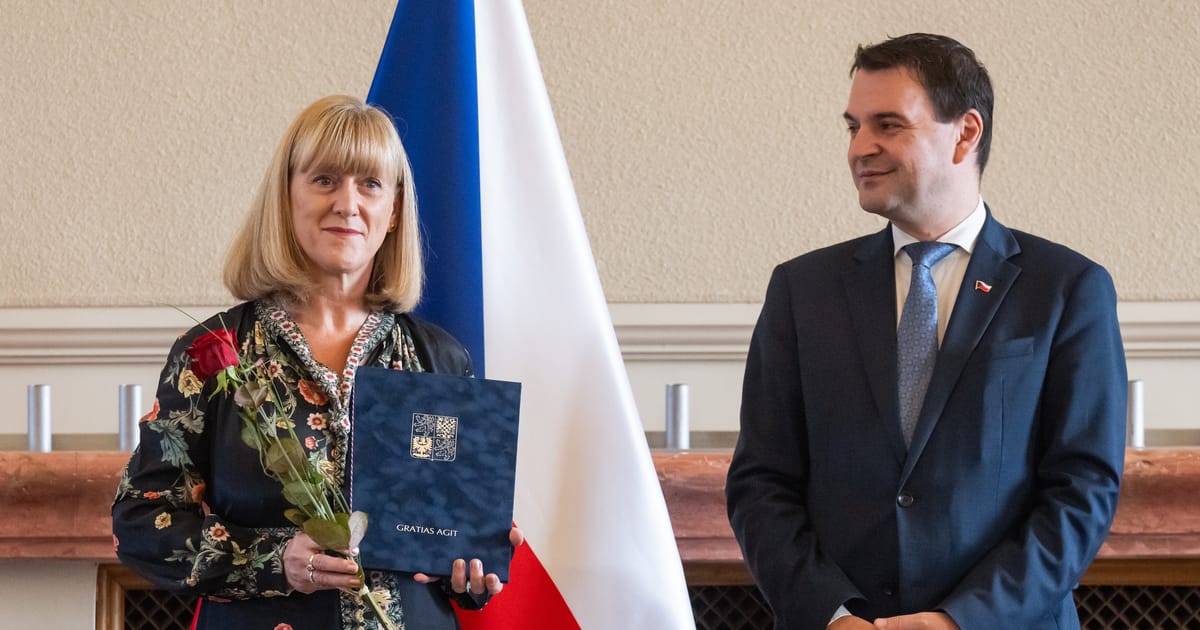
The Foreign Ministry has presented its annual Gratias Agit Awards to Czechs and foreigners for promoting the good name of Czechia abroad. This year, 12 personalities and one organisation received the awards. I attended the ceremony at Czernin Palace in Prague.

Foreign Minister Petr Macinka presented the awards on Thursday in the Great Hall of the Foreign Ministry’s headquarters.

See more here.

Author: Ruth Fraňková

More than tricks: How Czech freeskiers built a community on and off the slopes

Photo: Klára Kopřivíková

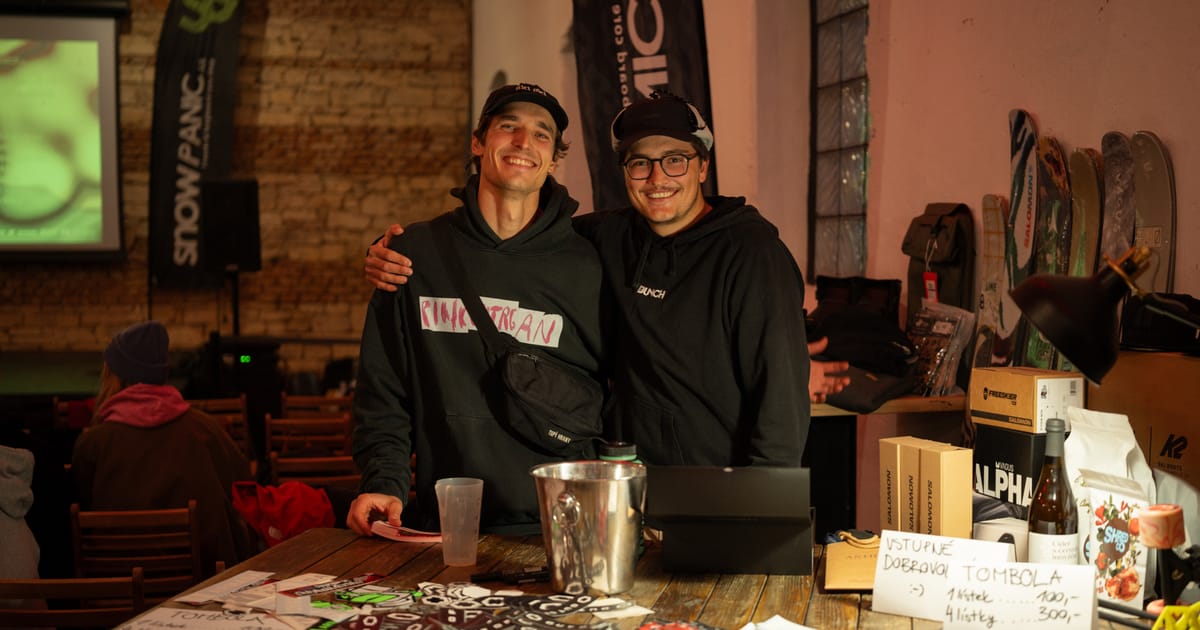
What started as friends premiering their amateur movies has grown into a meeting point for a community of freeskiers. At this year’s Prague premiere, films ranging from urban rail tricks to world-class freeriding showed why freeskiing appeals to beginners and professionals alike.

For the past eight years friends Šimon Bartík and Tomáš Kroczka have been premiering freeski short films to the tight knit Czech free skiing community.

See more here.

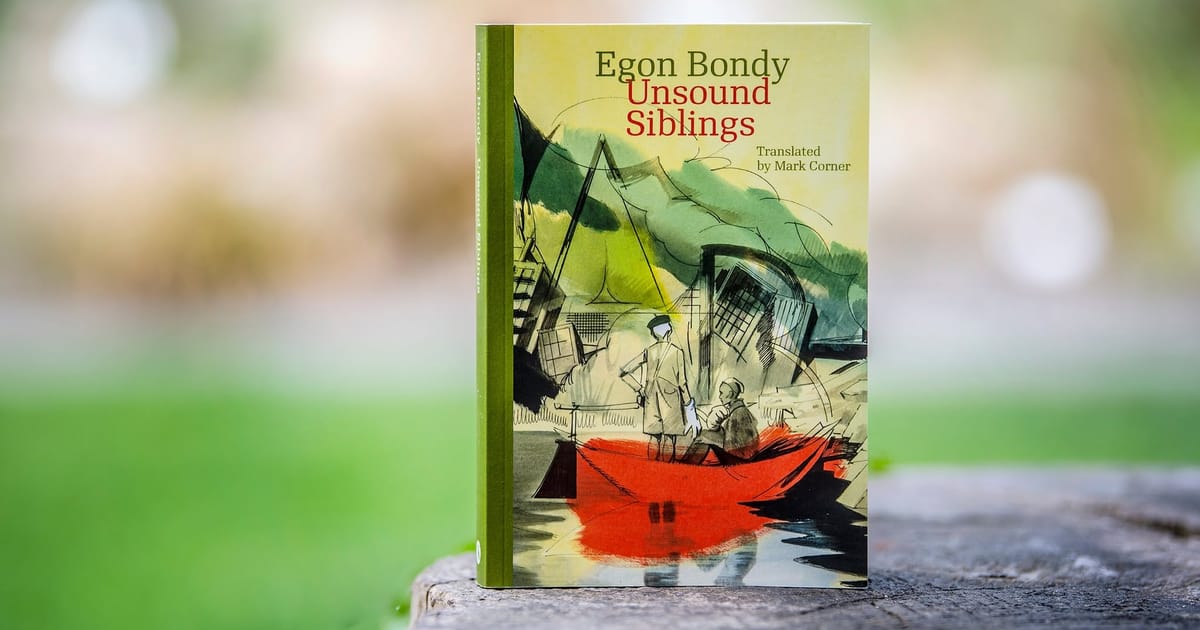
Unsound Siblings: 1970s Egon Bondy novel gets English translation

Photo: Karolinum

Egon Bondy’s 1973 novel Unsound Siblings (Invalidní sourozenci) was recently published in English for the first time. The book is regarded as a classic parody of Czechoslovakia’s Communist authorities and is a fascinating document of the underground world of that era. I discussed Unsound Siblings with David Vaughan, author of the afterword to the English translation.

“Not many people know Egon Bondy as a novelist.

See more here.

Author: Ian Willoughby

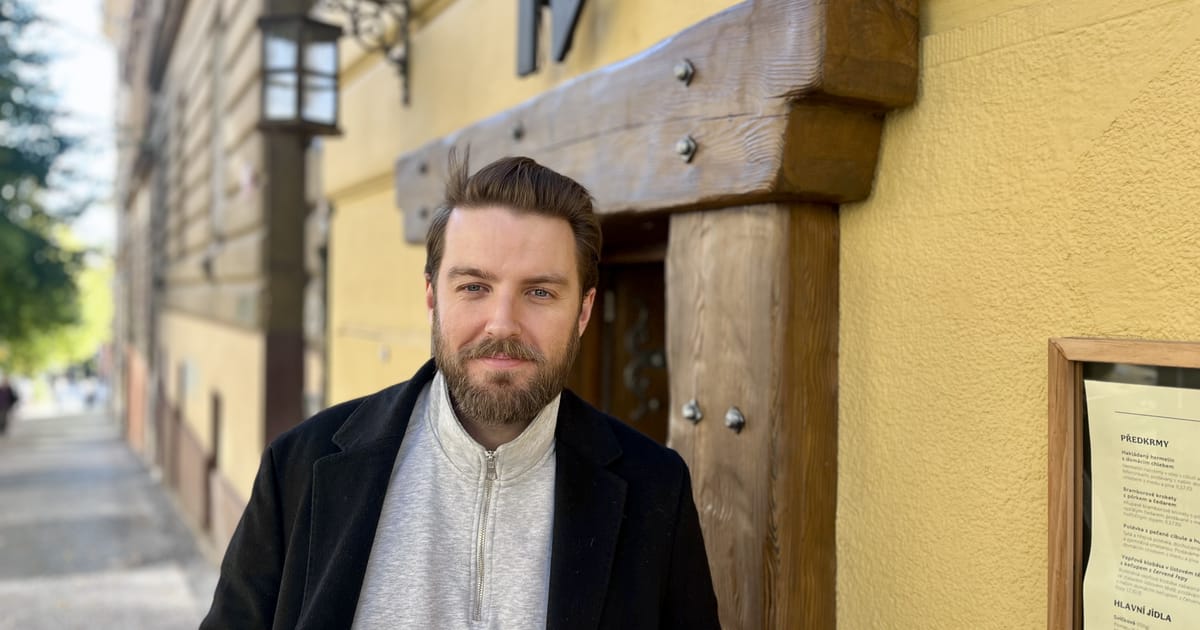
Kingdom Come: Deliverance star Luke Dale on becoming a Prague “innkeeper”

Photo: Ian Willoughby, Radio Prague International

Englishman Luke Dale first came to Prague as an actor in Kingdom Come: Deliverance, a video game set in Bohemia in the early 1400s that became a major international hit. Dale has since moved to the city, where he recently opened Nobleman. He describes it as a Czech classic pub with a medieval soul and a British twist, and his social media bios now list “innkeeper” among his activities.

What’s your own background? And what brought you here?.

See more here.

Author: Ian Willoughby

Ji.hlava at 30: Documentaries that changed the world

Photo: MFDF Ji.hlava

The Ji.hlava International Documentary Film Festival, one of the largest events of its kind in Central and Eastern Europe, opens its 30th edition on Friday. The program features more than 350 films from around the world, a retrospective section of films that changed the world and a special look back at the festival’s history using its own archive footage.

Over the past three decades, documentary film has become one of the principal ways of understanding an increasingly complex and interconnected world.

See more here.

Author: Daniel Sywala

‘Their stories are more relevant than ever’: Geraldine Manolas on preserving the legacy of Czechoslovak war veterans

Photo: Ondřej Deml, ČTK

Among this year’s recipients of the Gratias Agit Awards, presented by the Czech Foreign Ministry for promoting the country’s good name abroad, was Geraldine Manolas, a British-Czech citizen and granddaughter of Czechoslovak wartime officer Bohuslav Šulc, who served with Czechoslovak forces in Britain during the Second World War. Alongside her professional career, Manolas has devoted herself to preserving the memory of Czechoslovak war veterans in the UK and passing their stories on to younger generations.

I spoke to her at the award ceremony at Černín Palace in Prague about her work and the importance of keeping the veterans’ stories alive.

See more here.

Author: Ruth Fraňková

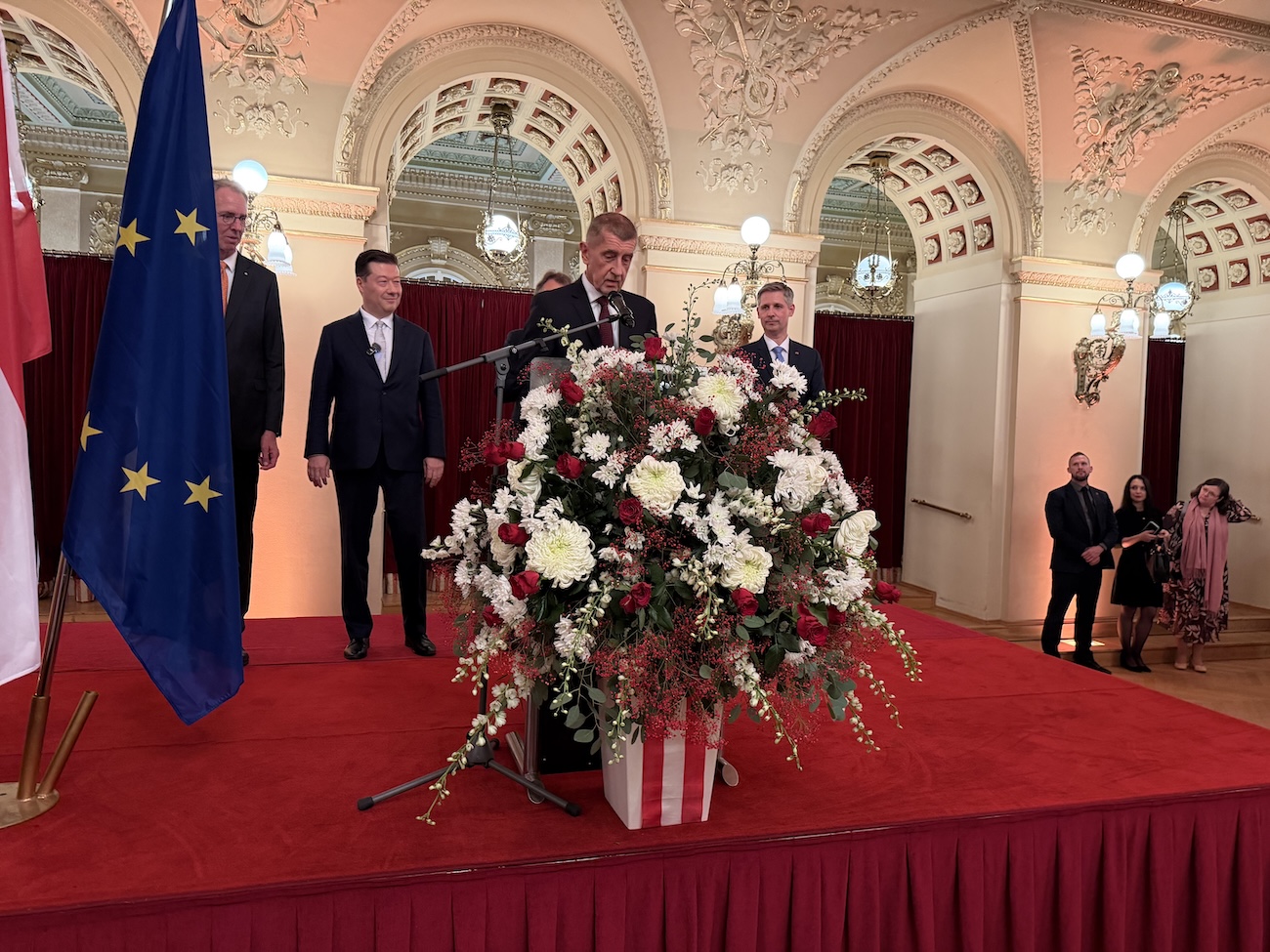
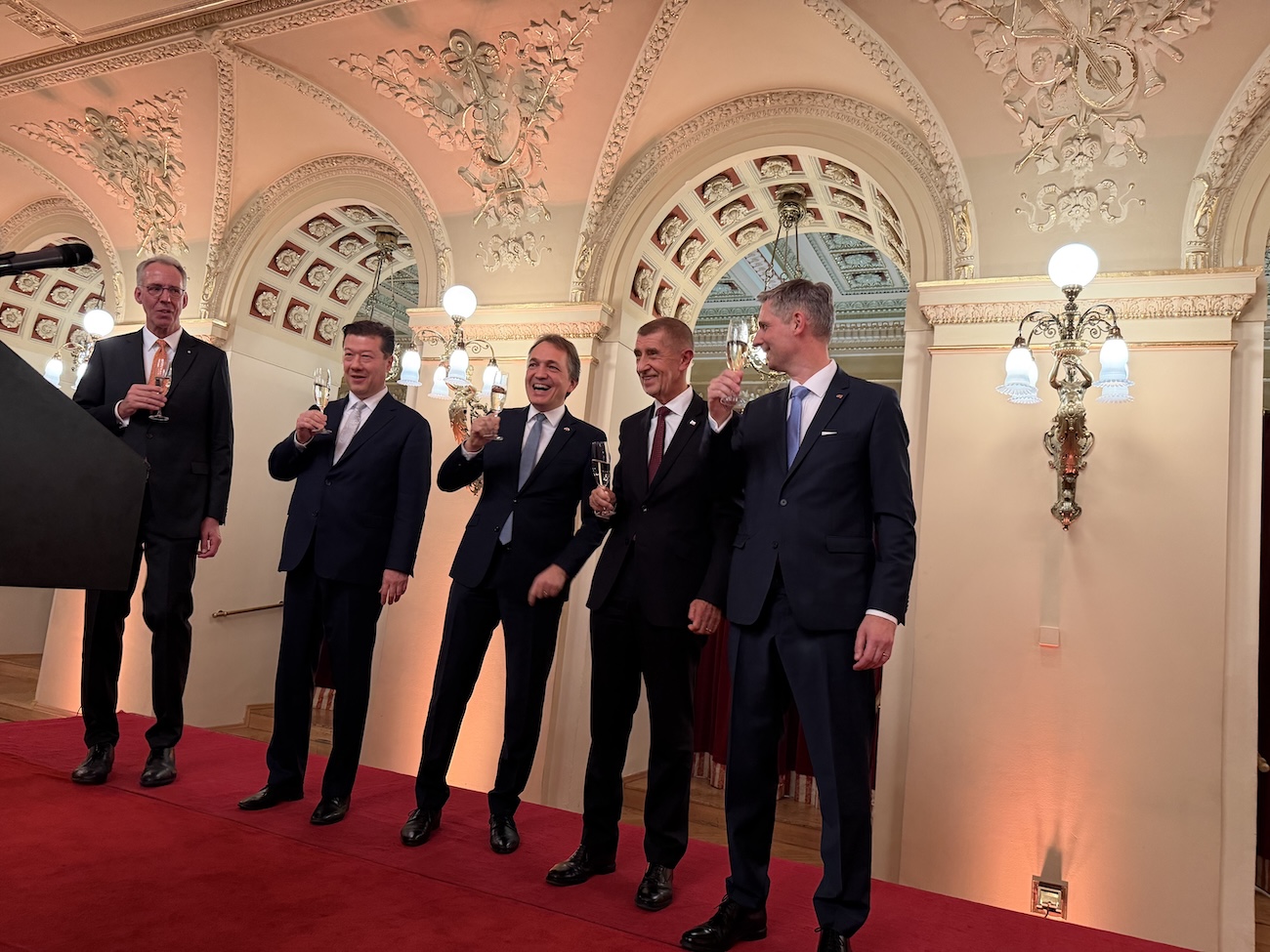
The 2026 Austrian National Day

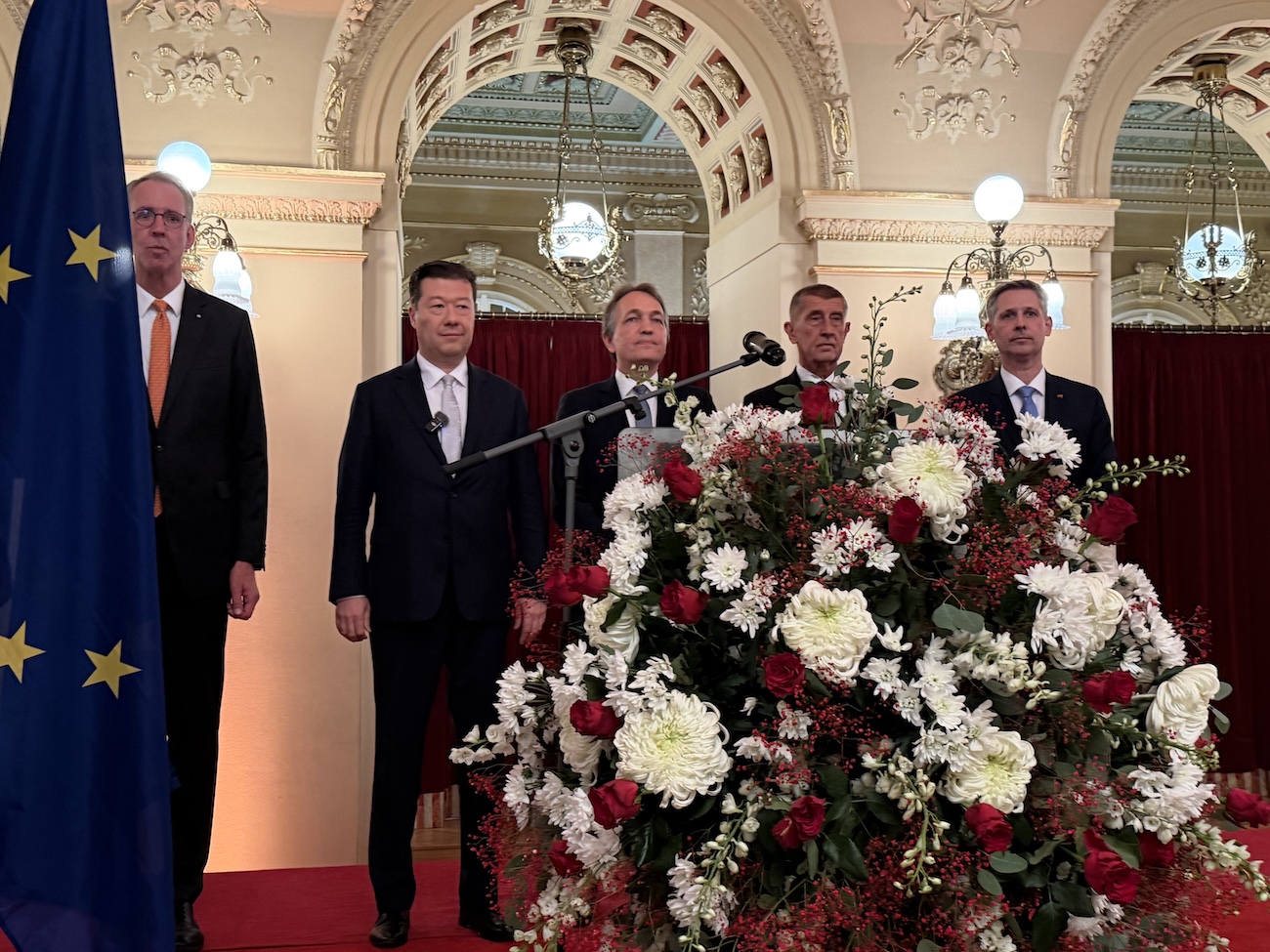
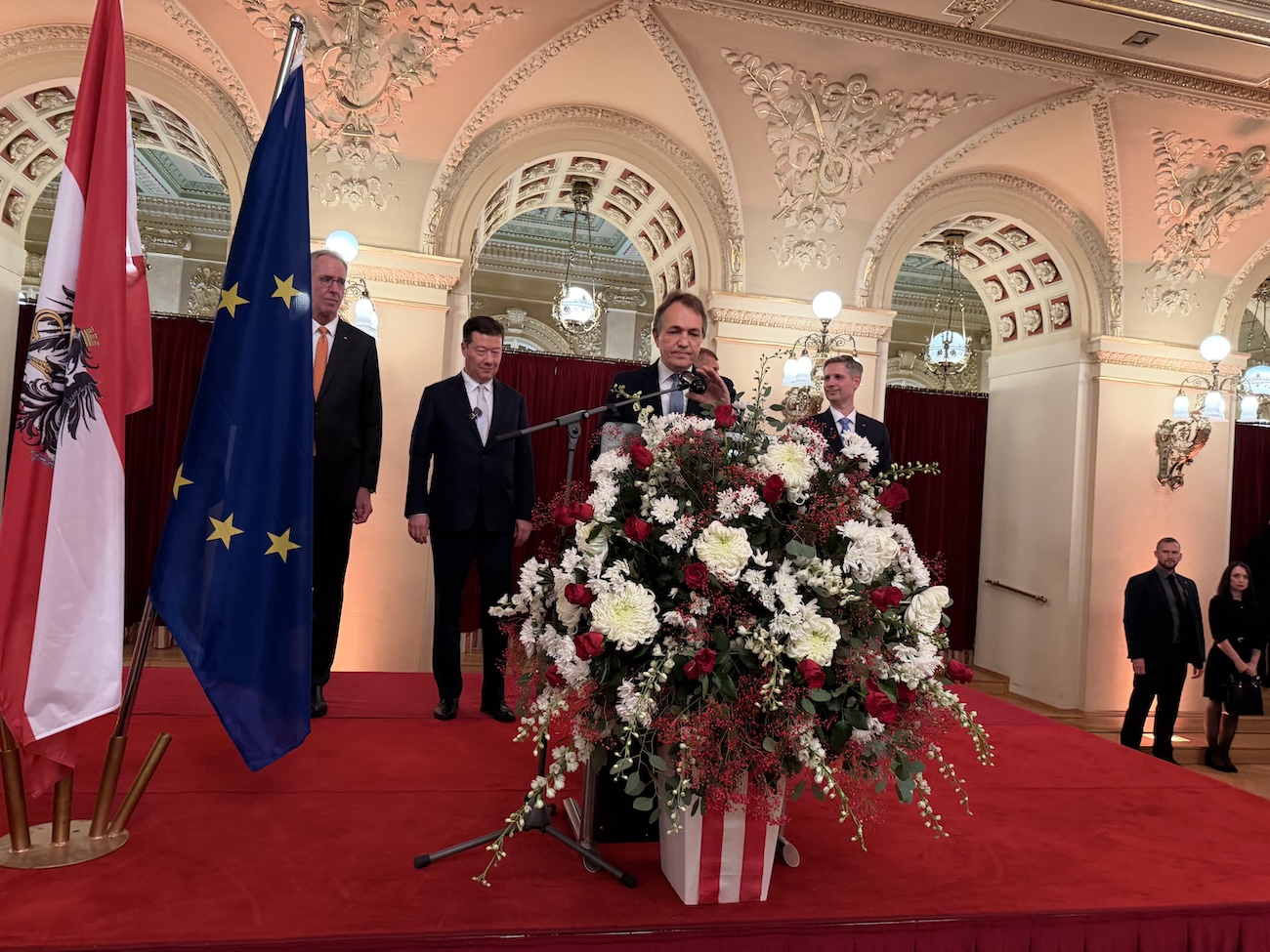
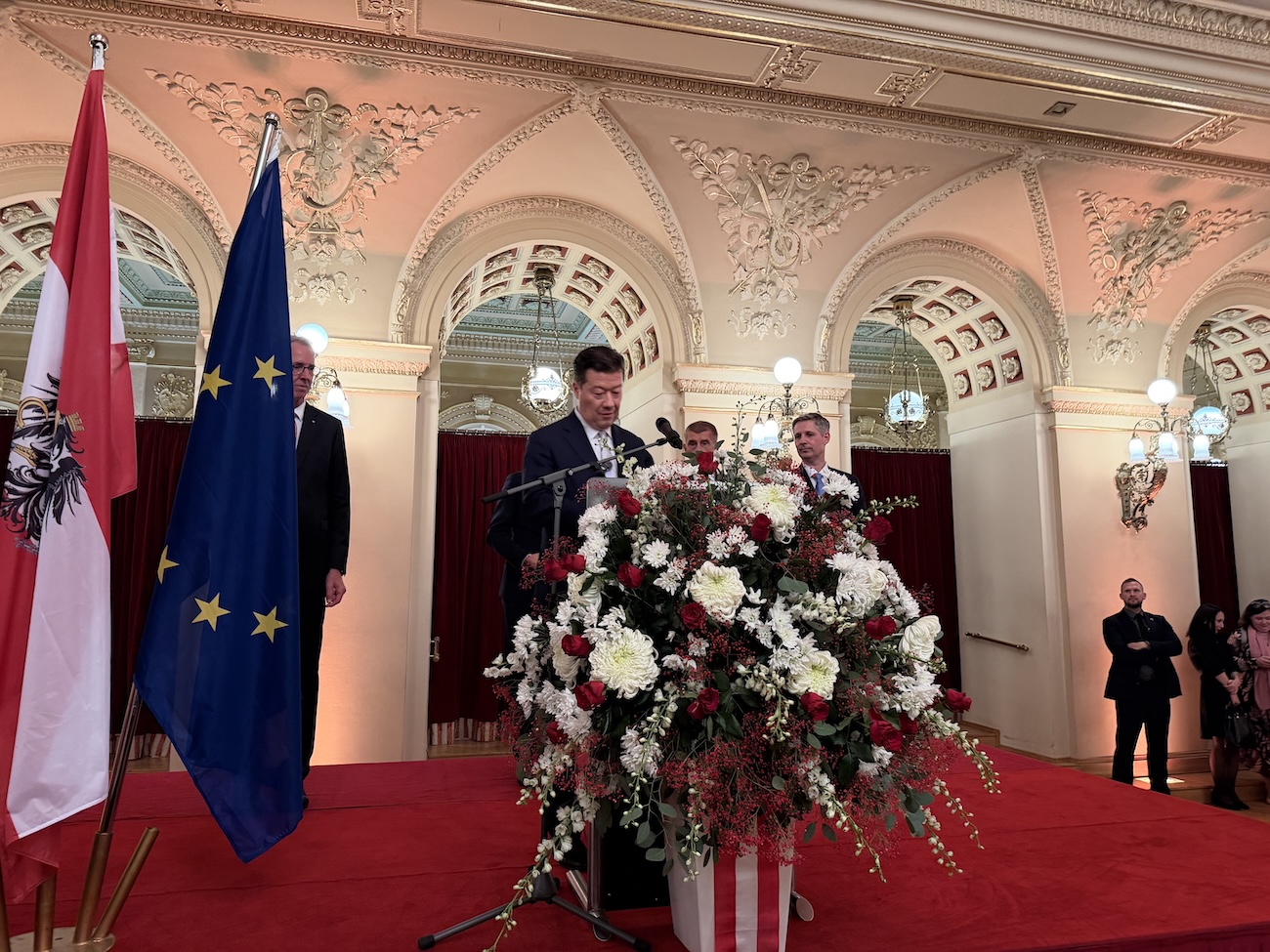
On the occasion of the 2026 Austrian National Day, H.E. Mr. Philipp CHARWATH, the Ambassador of the Republic of Austria to the Czech Republic, Mag. Klaus Hofstadler, the Commercial Counsellor, and Dr. Erwin Hanslik MRICS, President of the Association of Austrians in the Czech Republic, hosted a reception at the Beautiful Žofín Palace in the center of Prague.

The honored speakers were Mr. Andrej Babiš – the Prime Minister of the Czech Republic, and Mr. Tomio Okamura – The Speaker of the Chamber of Deputies, Parliament of the Czech Republic.

Watch the video of the speeches of H.E. Mr. Philipp CHARWATH, the Ambassador of the Republic of Austria to the Czech Republic, Mr. Andrej Babiš – the Prime Minister of the Czech Republic, and Mr. Tomio Okamura – The Speaker of the Chamber of Deputies, Parliament of the Czech Republic.

Happy National Day Austria – Alles Gute zum Nationalfeiertag Österreich

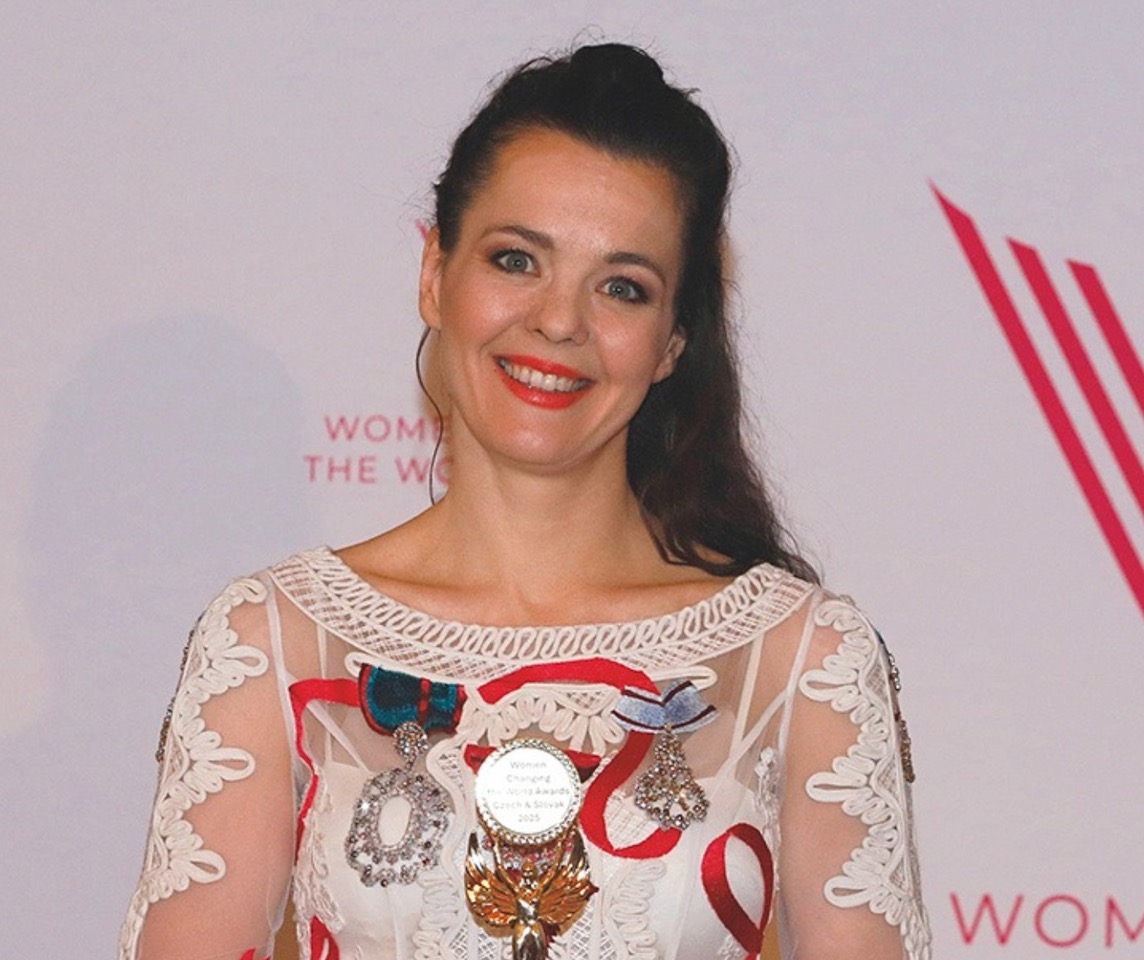
WOMEN CHANGING THE WORLD: MEET THE WOMEN EXPANDING THE CONVERSATION ABOUT HEALTH

HEALTH IS MORE THAN TREATMENT

Health is shaped not only by medicine, but also by dignity, access, education and whether patients are truly heard. Meet three Women Changing the World Awards winners who are opening new conversations around women’s health, migraine and personal responsibility for well-being.

Women Changing The World: Meet The Women Expanding The Conversation About Health

Some of the most important changes in healthcare begin before a new treatment is developed. They begin when an overlooked experience is finally taken seriously, when patients gain a stronger voice, or when people are given better tools to understand and care for their own health.

The Women Changing the World Awards Czech & Slovak Edition recognise women whose work creates meaningful impact across healthcare, prevention, well-being and patient advocacy. This week, we introduce the three 2025 award recipients in the Health category – women whose approaches are very different, but who share one important principle: health becomes stronger when people are informed, respected and involved.

Lilia Khousnoutdinova

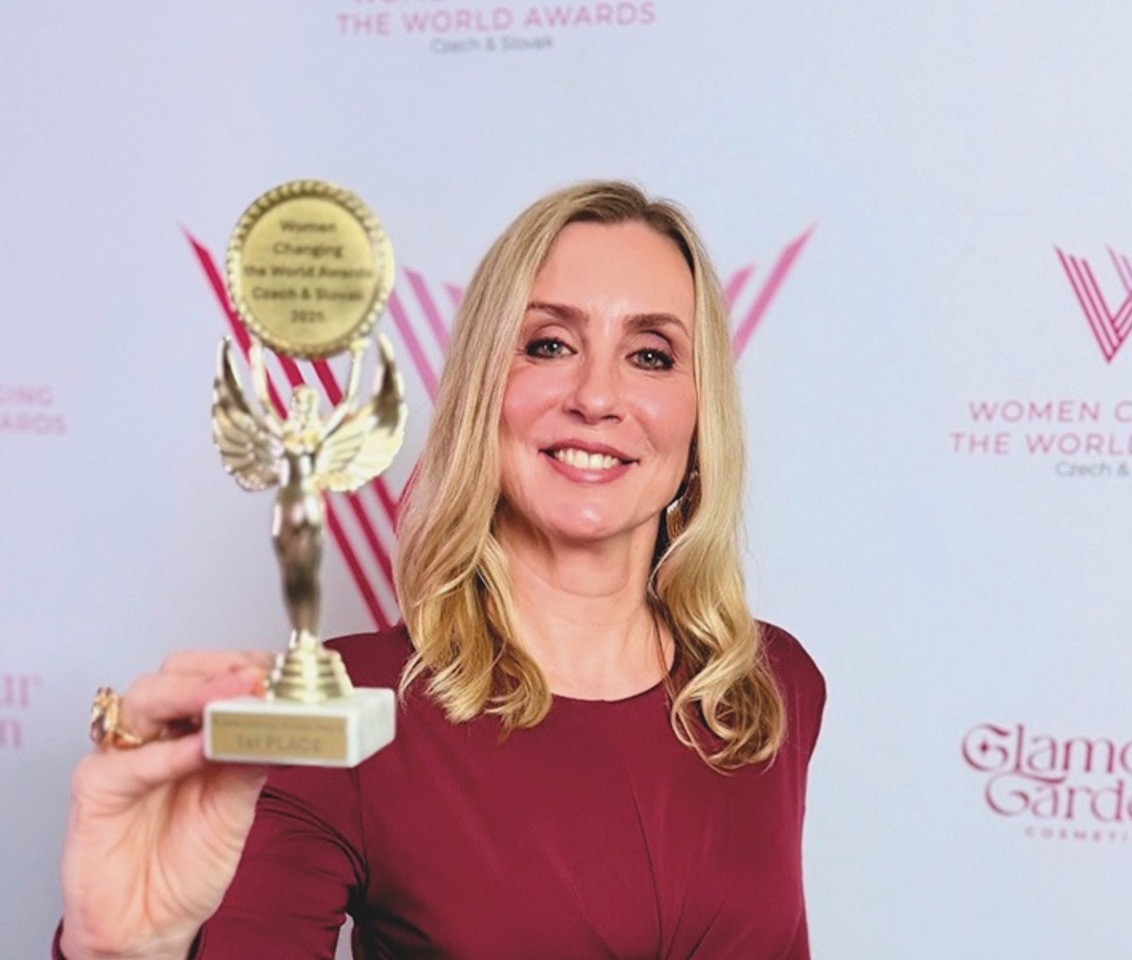
Women’s health, respectful care and systemic change | 1st place

Lilia Khousnoutdinova is a social scientist, writer, lecturer and philanthropist whose work has long focused on women’s health, reproductive rights and respectful maternity care. With an academic background that includes Oxford and the London School of Economics, she connects research, advocacy and practical projects. Through the Propolis 33 Foundation, she has supported access to midwifery services, including care for women in difficult social situations, while also working with professionals, parents and institutions. Her work shows that improving healthcare is not only about clinical outcomes; it is also about dignity, informed choice and creating systems that listen more closely to women’s real experiences.

Rýza Blažejovská

Patient advocacy and changing the perception of migraine | 2nd place

Rýza Blažejovská founded and leads Migréna-help after her own experience with chronic migraine revealed how easily an invisible illness can be misunderstood or minimised. What began as a personal experience developed into a patient organisation providing information, support and advocacy for people living with migraine. Through public campaigns, patient meetings and dialogue about access to treatment, Migréna-help has helped move migraine from the margins of public discussion into a more serious healthcare conversation. Rýza’s work is an example of how patient experience, when transformed into organised advocacy, can influence awareness, reduce stigma and help people feel less alone in navigating chronic illness.

Petra Uríková

Health education and practical self-care | 3rd place

Petra Uríková is a trained physician, therapist and educator who created the online platform Uzdrav sám sebe. Her work focuses on health education and on helping people become more attentive to their own bodies, habits and everyday choices. She teaches through online and live courses and draws on her medical education as well as her training and practice in traditional Chinese medicine and other complementary approaches. Rather than positioning health as something that happens only in a consulting room, her work emphasises learning, prevention and personal participation. Her contribution to the category reflects another dimension of changing health culture: making health knowledge more accessible and encouraging people to take an active role in their well-being.

These three women work in very different parts of the health landscape – from systemic reform and women’s reproductive health, through patient advocacy, to public education. Together, their stories show that changing health does not always begin with a breakthrough technology. Sometimes it begins by asking whose experience is missing, whose voice needs to be heard and what people need in order to participate more fully in their own care.

Discover more Women Changing the World Awards winners → https://thewomenchangingtheworld.cz

The President of the Republic received new ambassadors

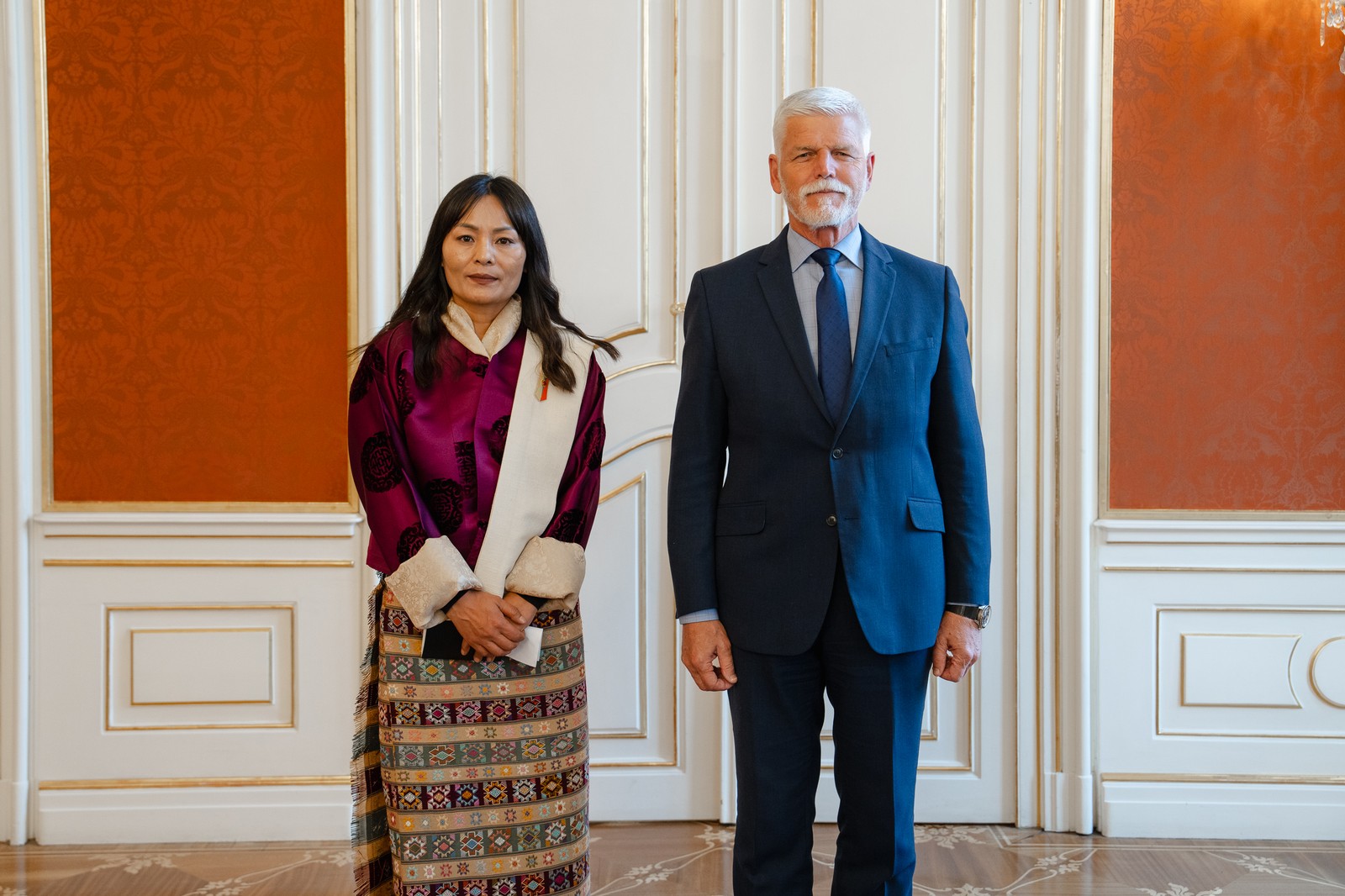
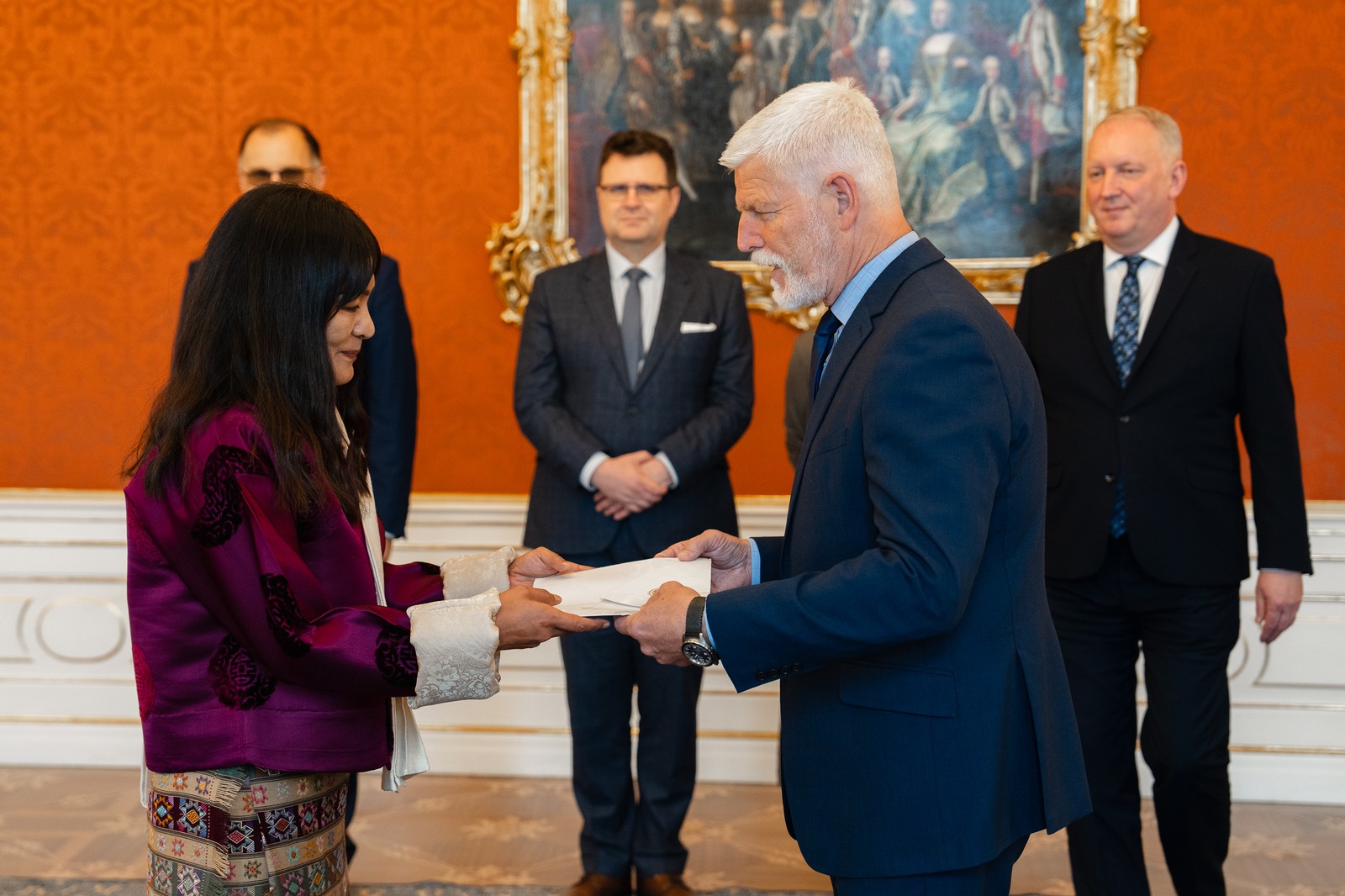
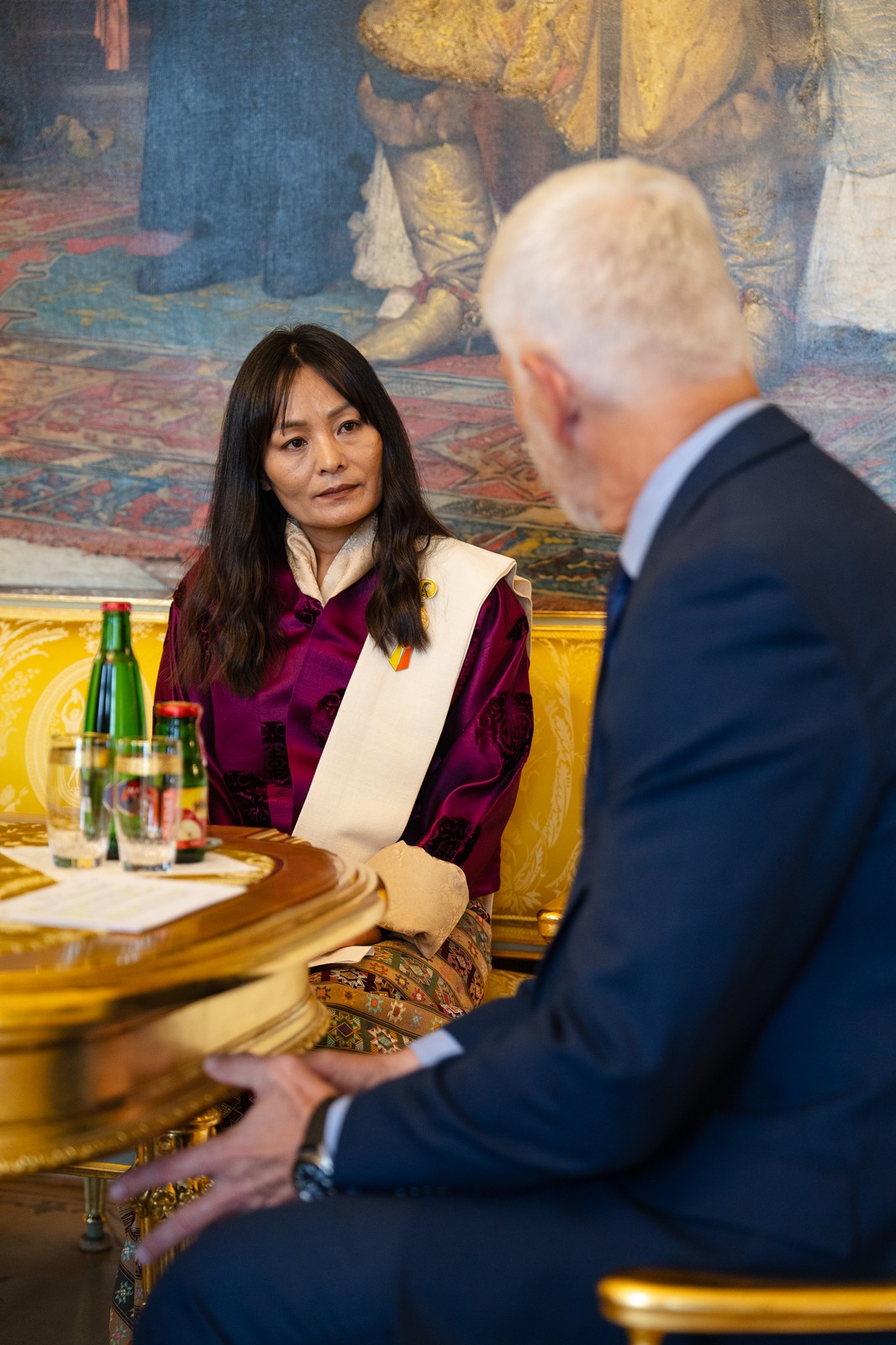
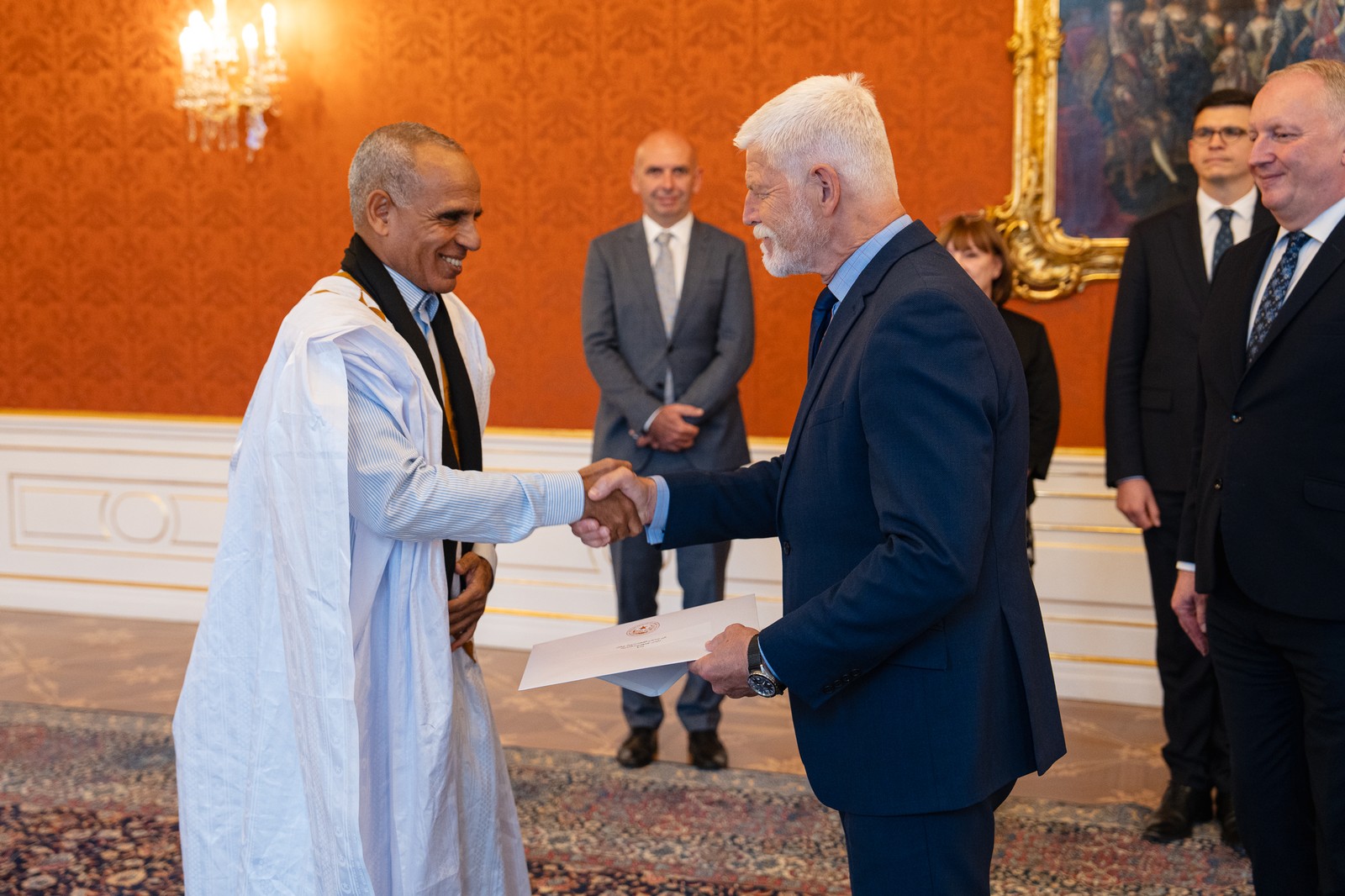
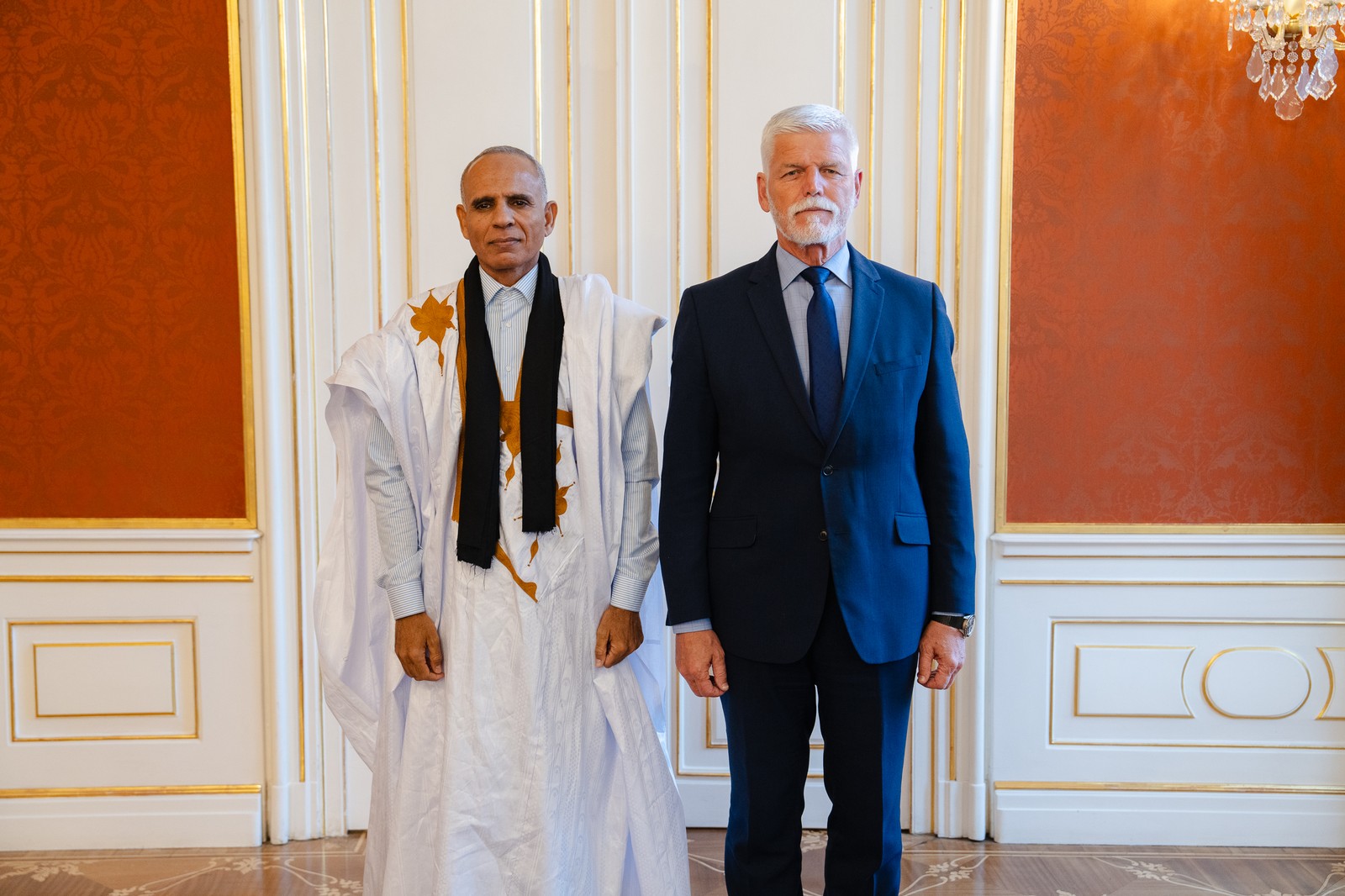
On Monday, October 19, 2026, at Prague Castle, the President of the Republic, Petr Pavel, received the credentials of the new ambassadors extraordinary and plenipotentiary:

H.E. Ms. Tshoki Choden, new Ambassador Extraordinary and Plenipotentiary of the Kingdom of Bhutan, based in Brussels

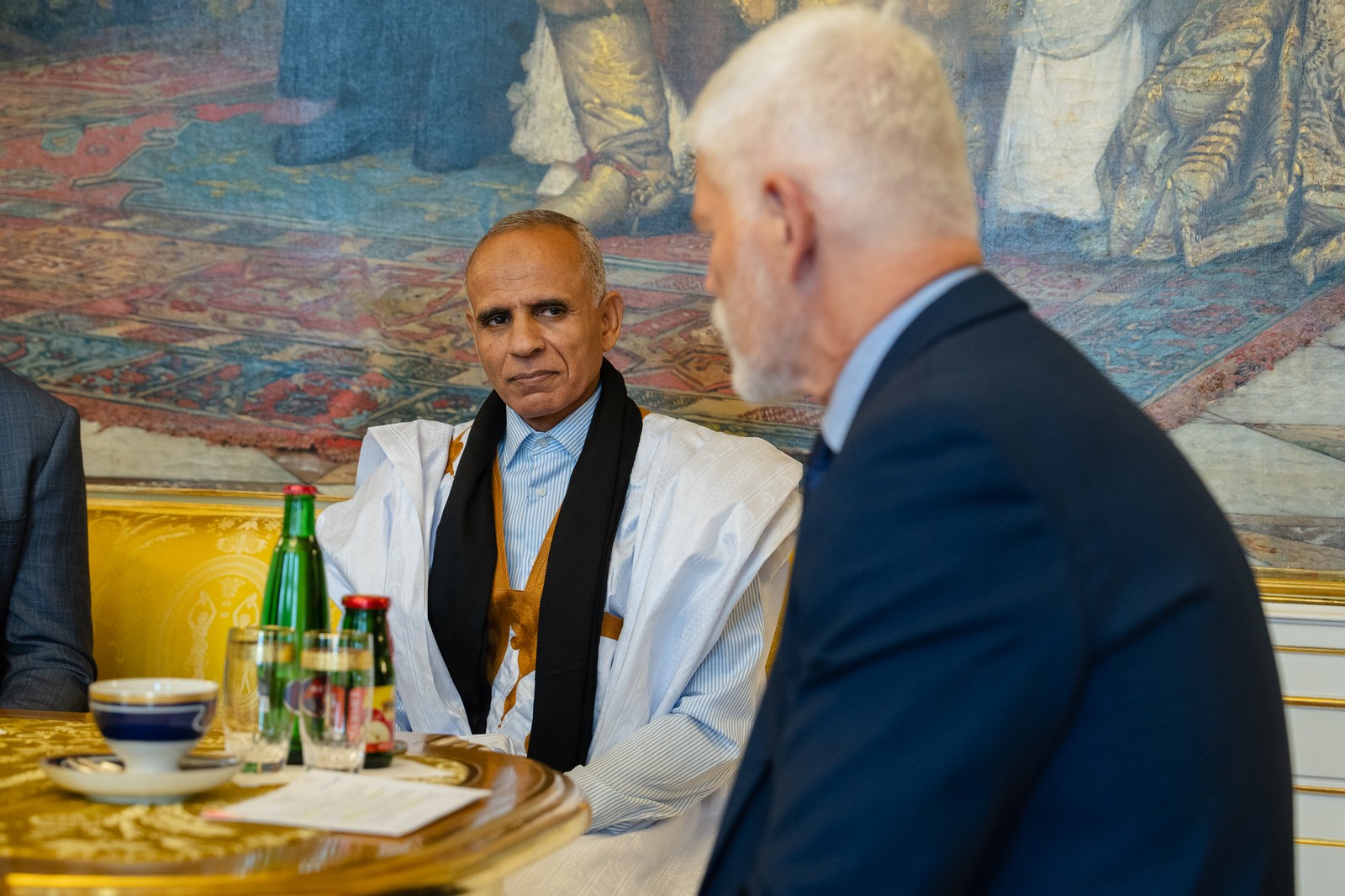
H.E. is Mr. Sidi Aly Sidi Aly, the new Ambassador Extraordinary and Plenipotentiary of the Mauritanian and Islamic Republics, based in Berlin.

photo: Tomas Fongus

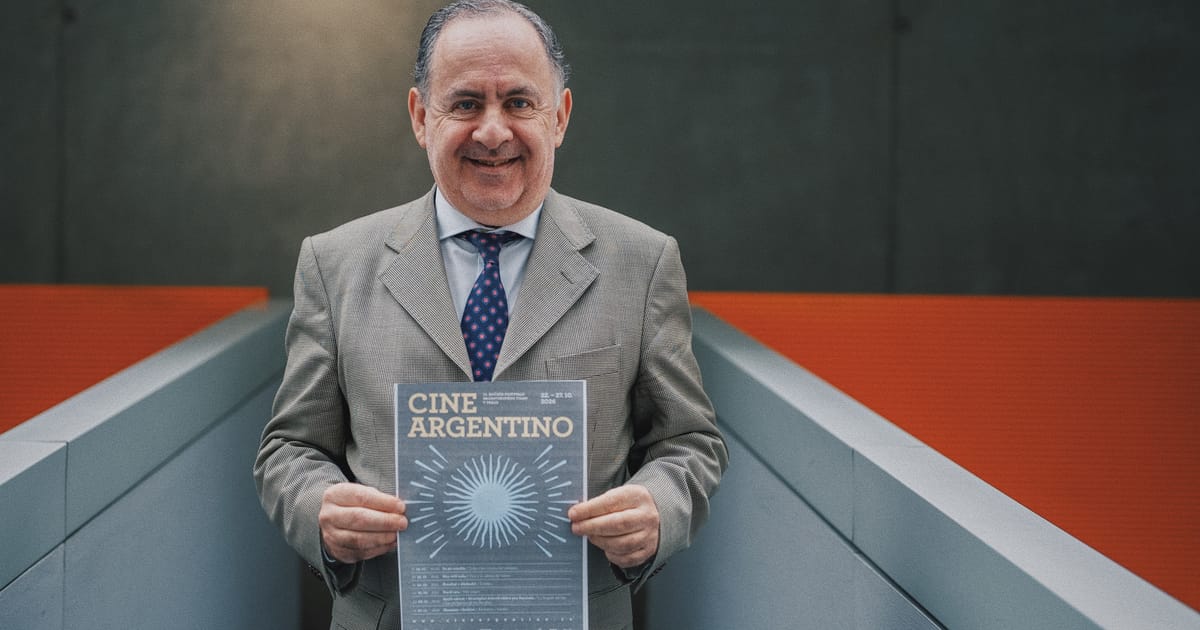
La pasión que no cambia: vuelve el Festival de Cine Argentino a Praga

Foto: Antoan Pepelanov, Radio Prague International

La decimoquinta edición del festival reunirá una vez más a la comunidad argentina en la capital checa con una rica programación que incluye comedias, dramas e historias de inmigración, además de películas que abordan temas tan variados como la identidad, el duelo, la espiritualidad y los debates contemporáneos sobre quién escribe, quién crea y qué significa hoy la autoría.

Puedes escuchar la entrevista completa haciendo clic en el play de la imagen principal.

See more here.

Author: Juan Pablo Bertazza

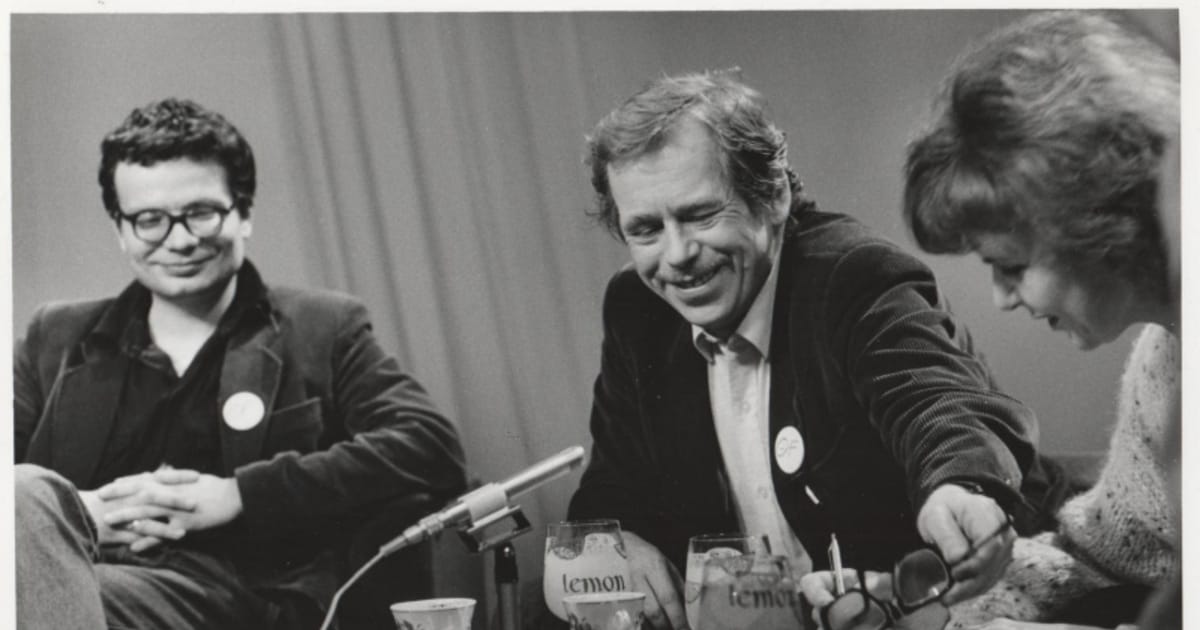
Václav Havel behind the scenes: Alexandr Vondra remembers

Photo: Archive of Alexandr Vondra

What made Václav Havel a leader people trusted? In Czechast, Alexandr Vondra recalls their years in the dissident movement and the transition from opposition to working at Prague Castle. Through memories of underground publishing, speechwriting and Havel’s gift for listening, he offers a personal perspective on the man and his legacy.

See more here.

Author: Vít Pohanka

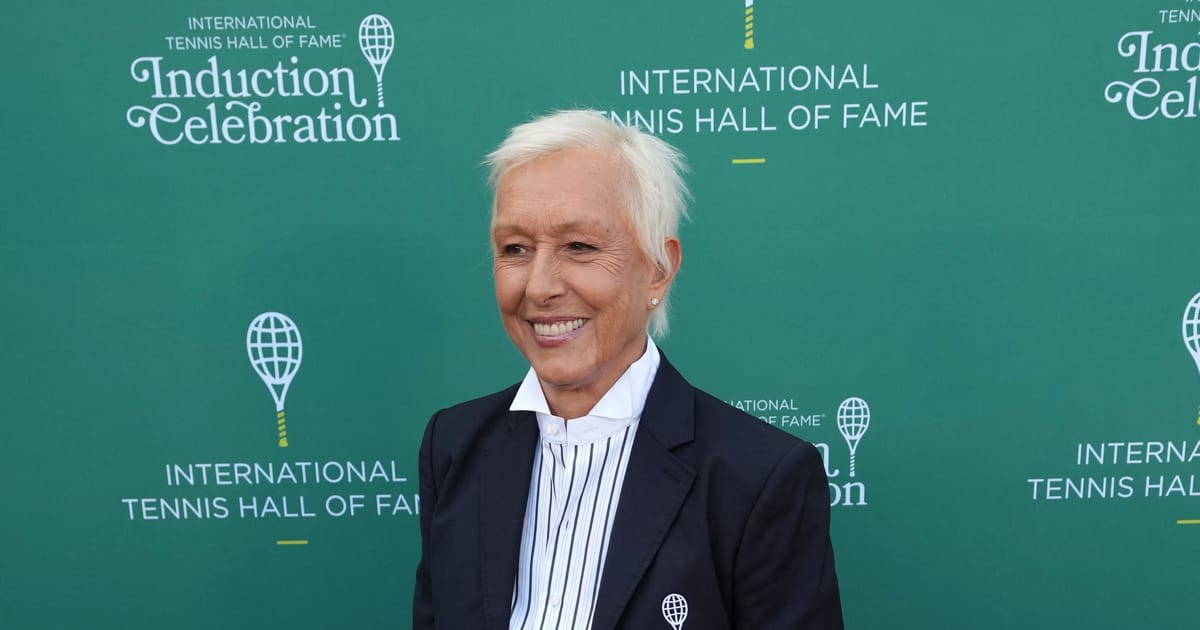
Martina Navrátilová at 70: from defection to 59 Grand Slam titles

Photo: Joe Buglewicz, Getty Images/AFP/Profimedia

When 18-year-old Czechoslovak tennis player Martina Navrátilová sought political asylum in New York during the 1975 US Open, she became overnight a symbol of resistance to communist rule and a rising star of world tennis. She lost her homeland but built an extraordinary career, winning a record 59 Grand Slam titles. Today, Navrátilová celebrates her 70th birthday.

The story of one of the greatest female athletes of all time began in what was then Czechoslovakia.

See more here.

Historic Spitfire returns to Czechia after decades abroad

Photo: Petr Bušta, Czech Radio

A historic Spitfire fighter aircraft that served with a Czechoslovak squadron of the British Royal Air Force during the Second World War has returned to Czechia after decades abroad. It was officially unveiled at Točná airfield in Prague, drawing hundreds of spectators.

The Spitfire made several low passes over Točná airfield before landing.

See more here.

Author: Ruth Fraňková

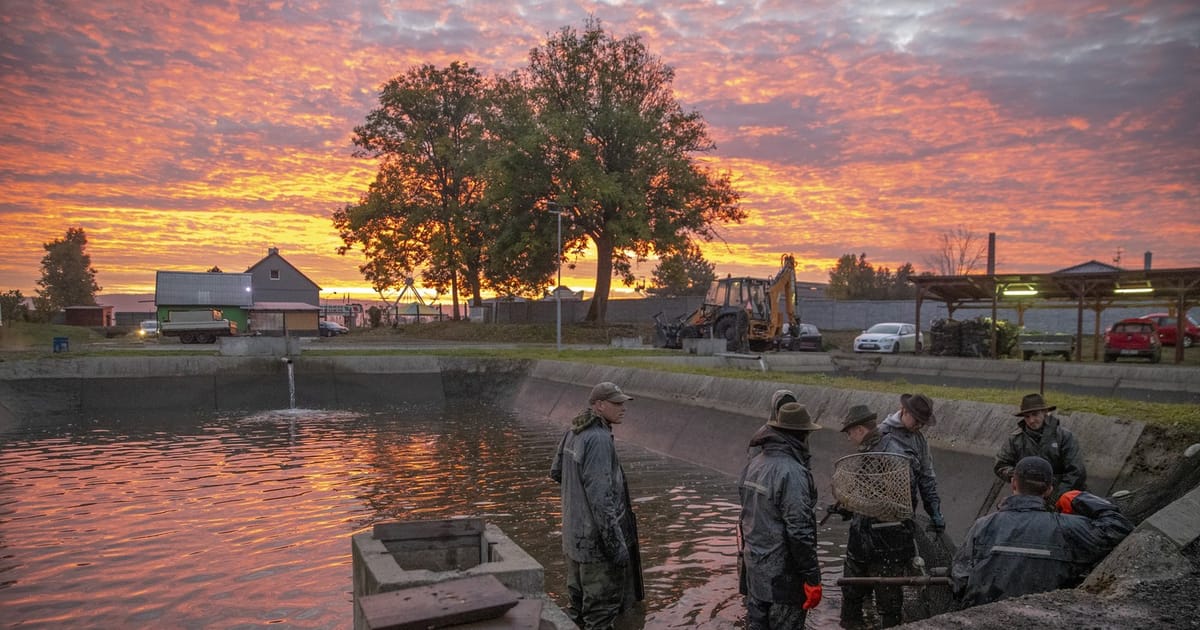
Traditional fish harvest at Šumvald village pond

Photo: Hana Dočkalová, MFDNES + LN / Profimedia

The traditional fish harvest in Šumvald offered several species of freshwater fish, including carp, grass carp, pike, zander, catfish and tench. There is good news for fish lovers: despite this year’s extreme heat and drought, supplies of fish are expected to be plentiful and fish farms are not planning any major price increases.

See more here.

House of Dreams: A journey into Freud’s childhood in his hometown of Příbor

Photo: Iva Havlíčková, Czech Radio

The father of psychoanalysis Sigmund Freud was born 170 years ago in Příbor, northern Moravia. The house where he was born is open to the public following an extensive reconstruction, and this year his hometown has prepared a special exhibition to mark the anniversary.

Called House of Dreams, the exhibition offers more than just a walk through the house where Freud was born.

See more here.

Author: Daniela Lazarová

Czech galleries explore art’s potential to improve mental health

Illustrative photo: GASK

Looking at paintings, creating art or attending a concert as part of mental health care. Cultural institutions are joining forces with experts from the National Institute of Mental Health to explore how cultural activities can support mental well-being. Together, they have established a National Platform for Prevention through Culture.

The idea of using art to support mental health is not new.

See more here.

Author: Daniela Lazarová

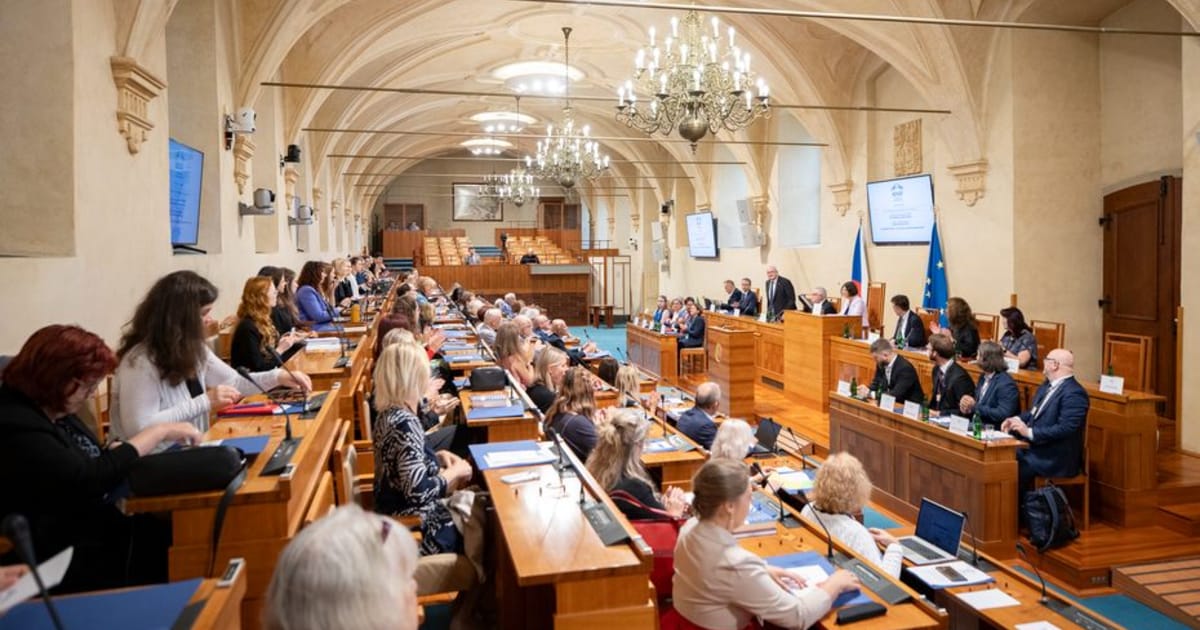
Why does Czechia have a Senate—and how much power does it have?

Photo: Senát PČR

Prime Minister Andrej Babiš’s ANO movement failed to win a single seat in Czechia’s latest Senate elections, leaving the opposition with a comfortable majority. In this special episode of Czechast, Vít Pohanka examines the results and why low turnout calls for caution when interpreting them. He also traces the Senate’s history and explains its powers, its role as a constitutional safeguard, and why calls to abolish it have so far failed.

See more here.

Author: Vít Pohanka

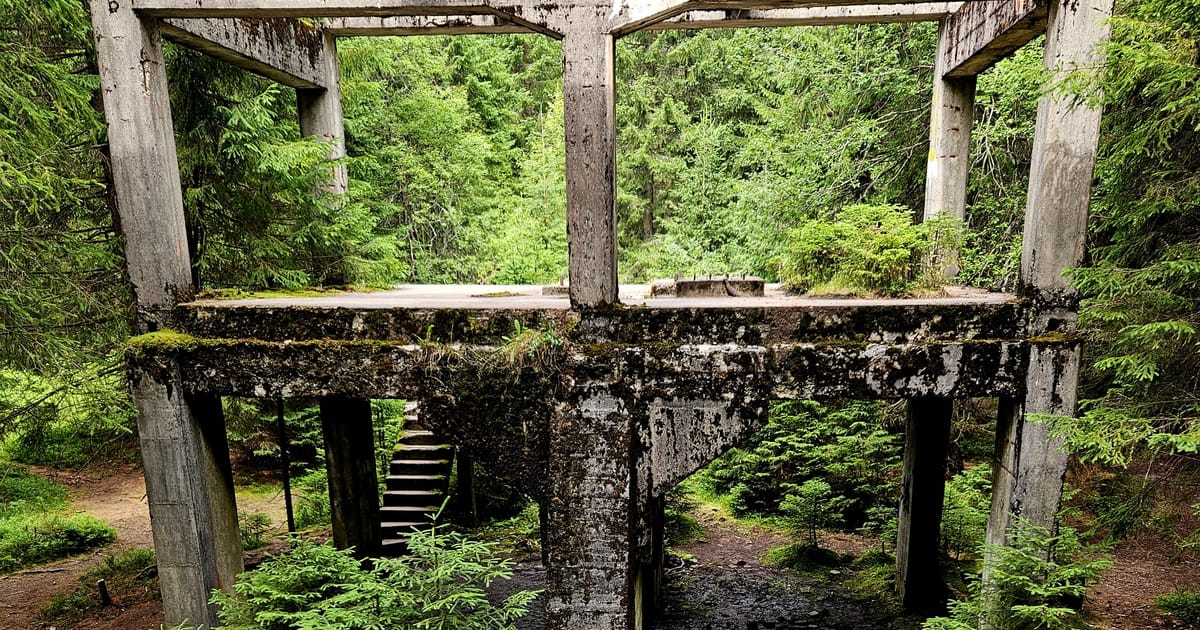
Archaeologists use scanning technology to reconstruct WWII tin mine in Ore Mountains

Photo: Štěpánka Budková, Radio Prague International

The former Rolava-Sauersack tin mine in the Ore Mountains was once a site of forced labour, built by the Nazis. Now, archaeologists are using scanning technology to create a virtual reconstruction of the abandoned mine, known for its striking concrete ruins and eerie atmosphere.

Tin mining in the Ore Mountains, situated along the Czech-German border in north-western Czechia, dates all the way back to the Middle Ages.

See more here.

Author: Ruth Fraňková

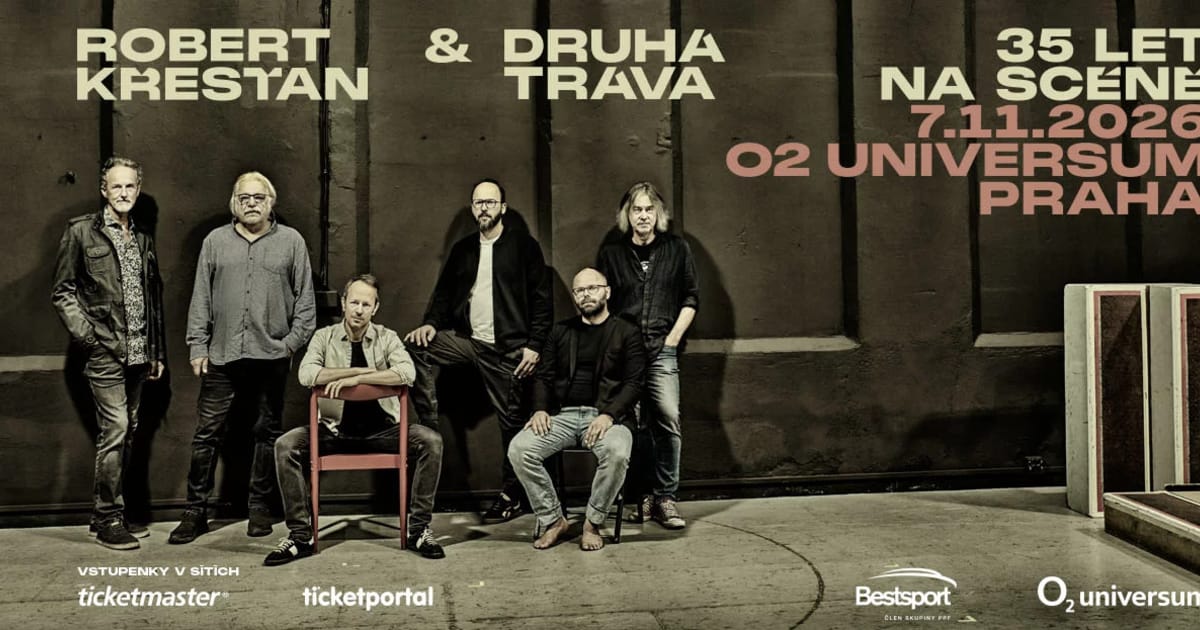
Bluegrass band Druhá tráva to mark 35 years with major concert 

The Czech bluegrass band Druhá tráva with Robert Křesťan were formed 35 years ago this year. Celebrations are set to culminate with a show in Prague.

Robert Křesťan, a lyricist, singer and guitarist, set up Druhá tráva in 1991 with banjo player Luboš Malina.

See more here.

“It’s unbelievable”: Pavel Haas Quartet wins latest Gramophone prize with Martinů: String Quartets

Photo: Barbora Němcová, Radio Prague International

Last week the Pavel Haas Quartet picked up a prestigious Gramophone award for the album Martinů: String Quartets Nos 2, 3, 5, 7. It is by no means the first Gramophone prize for the Prague-based classical ensemble, who BBC Music Magazine named one of the 10 greatest string quartets of all time. I discussed their latest success with cellist Peter Jarůšek.

“A few years back we decided to play Martinů’s quartets.

See more here.

Author: Ian Willoughby

“There was no censorship”: Tomki Němec on photographing Václav Havel

Photo: Khalil Baalbaki, Czech Radio

Tomki Němec is a Czech documentary photographer best known for his work with the late dissident playwright and president Václav Havel. He accompanied Havel from 1989 to 1992, a period he has described as one of the most powerful and positive experiences of his life. In 2016, he published a major collection of photographs of Havel. His new book, Václav Havel – Tomki Němec, Post scriptum, is coming out soon.

Speaking to Czech Radio, Němec recalled how he first started photographing Havel in December 1989, about a week before he was elected president.

See more here.

Author: Ruth Fraňková

Iconic Czech transmitter towers demolished

Photo: Vít Šimánek, ČTK

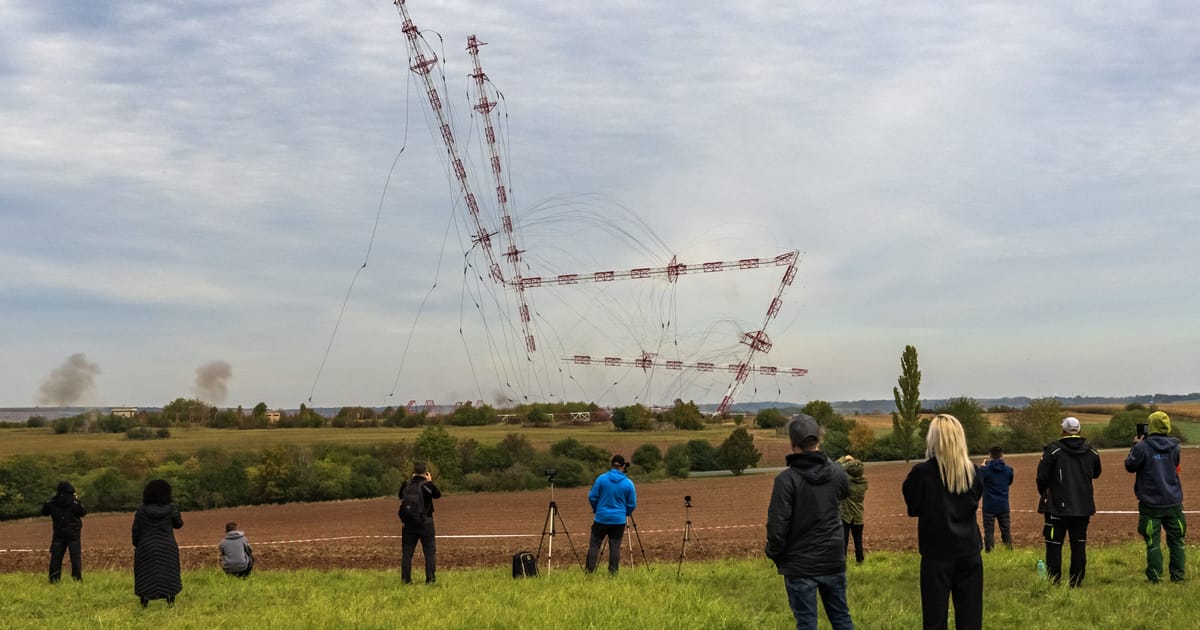
Two 355-metre-high radio transmitter towers in Liblice, Central Bohemia, were demolished on Thursday.

For nearly 50 years, the towers, which were 120 metres apart, had been the tallest structures in the country.

See more here.

WOMEN CHANGING THE WORLD: MEET THE WOMEN REDEFINING BUSINESS

MEET THE WOMEN REDEFINING BUSINESS

Businesses are built through numbers, systems and strategy. But behind every company that changes its market is someone who first saw an opportunity where others did not. Meet three entrepreneurs recognised by the Women Changing the World Awards Czech & Slovak Edition.

Women Changing The World: Meet The Women Redefining Business

Entrepreneurship is often reduced to growth, revenue and scale. Yet the businesses that leave a lasting mark usually begin with something more fundamental: the decision to enter a difficult space, professionalise an emerging field or create a better model for clients and customers.

The Women Changing the World Awards Czech & Slovak Edition recognise women whose business activity creates value beyond the business itself. This week, we introduce three women from the business category who have built careers in very different environments – heavy industry, professional coaching and veterinary care.

Shivani Tiwari

International business in heavy industry

Shivani Tiwari is an Indian entrepreneur who chose to start again in a new country and build a company in one of the most demanding and traditionally male-dominated industries. Since 2016, she has led SCHMIDT ROZMER s.r.o., developing it into an international supplier of technical components and industrial solutions. The company operates across Europe and the MENA region and works with major industrial partners, including steel and port-sector clients. Her story is a reminder that entrepreneurship is not limited to fashionable sectors. It can also mean succeeding in complex B2B markets where credibility is built through technical precision, discipline, reliability and long-term relationships.

Lenka Zelingrová, PCC

Professional coaching and leadership development

Lenka Zelingrová is a coach, entrepreneur and founder of Koučink Centrum, established in 2005. For more than two decades she has helped individuals, leaders, teams and organisations translate potential into practical results while also contributing to the development of professional coaching in the Czech Republic. She was among the founding members of the Czech ICF community and has worked to bring coaching into companies, education, healthcare and sport. Her business represents an important type of entrepreneurship: building not only a company, but also professional standards, education and an ecosystem around an emerging discipline.

Marta Kvasňovská Koudelková

Veterinary care and specialised services

MVDr. Marta Kvasňovská Koudelková is a veterinarian and owner of a veterinary clinic in Prague. Her work combines general medicine for dogs and cats with specialist services including tailored nutritional counselling and regenerative treatment using stem-cell approaches. In veterinary practice, innovation is often less visible than in technology or manufacturing, yet it can directly affect the quality of care and the relationship between professionals, animals and their owners. By developing a practice that combines medical expertise, specialised services and close client communication, she represents entrepreneurship rooted in expertise and everyday trust.

These women operate in completely different markets, yet their stories share the same underlying principle: a business becomes meaningful when expertise is transformed into value that others can rely on. From industry to human development to animal health, entrepreneurship can change a market one carefully built system at a time.

Discover more Women Changing the World Awards winners → https://thewomenchangingtheworld.cz

Let’s Help Our Ukrainian  Journalist Colleagues!

Dear colleagues,

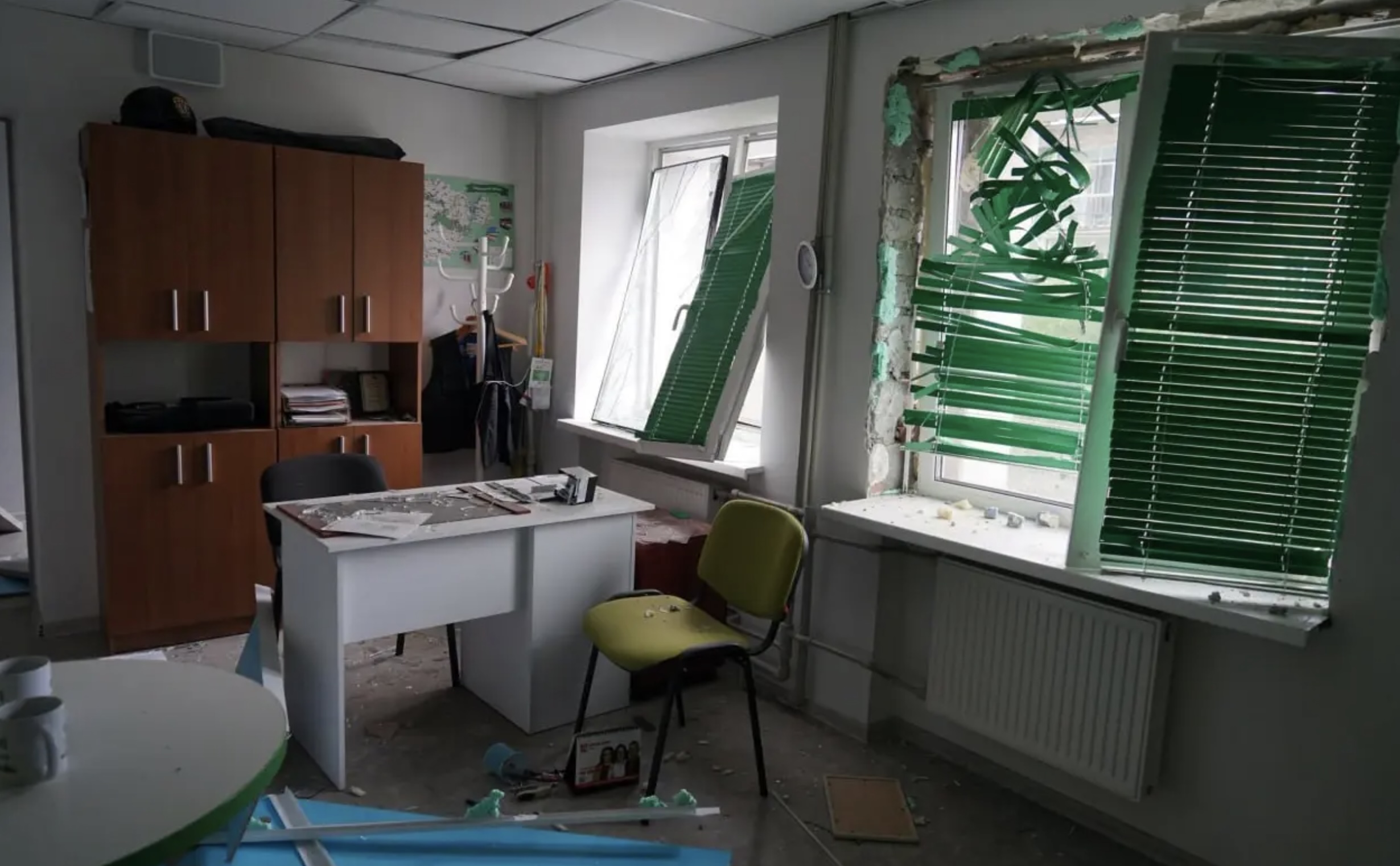
We are appealing to you to support Ukrainian journalists who, for more than four years of war, have been risking their lives to bring truthful and independent information directly from the front lines. Many have lost their newsrooms, work equipment, homes, and loved ones, or have been injured. Yet, they continue their work.

The Syndicate of Journalists of the Czech Republic has been assisting Ukrainian colleagues since the start of the Russian invasion. To date, we have provided 1.1 million CZK in support from our own funds. Now, we wish to expand this aid and are turning to you, our members, for help.

On October 9, we launched a public fundraiser titled “So the Truth Does Not Fall Silent: Aid for Ukrainian Journalists” via the Donio charity platform. The proceeds will go to the Solidarity Centers of the National Union of Journalists of Ukraine, which provide direct assistance to journalists in affected areas.

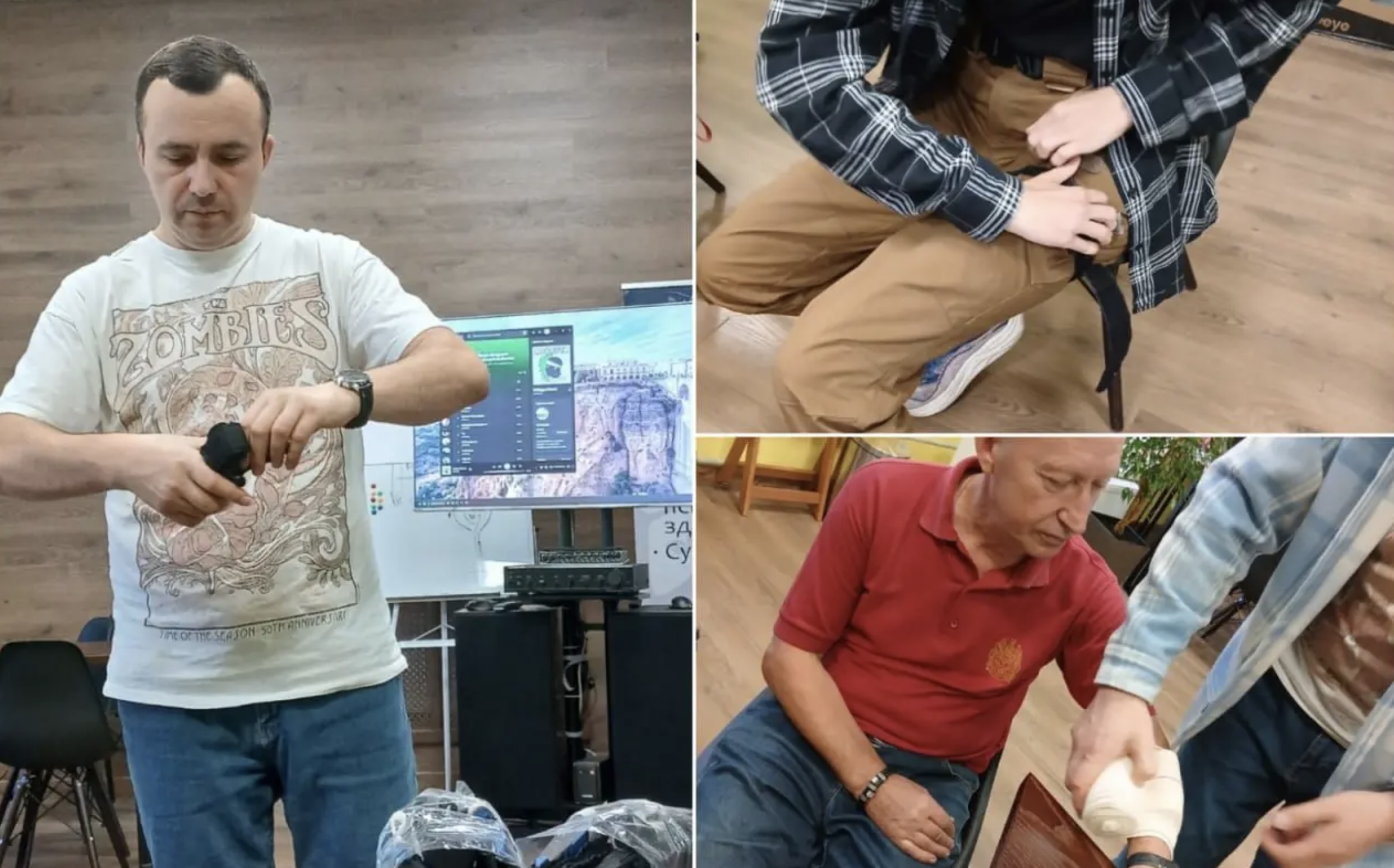
The funds raised will be used primarily to purchase protective gear, drone detectors, bulletproof vests, generators, and charging stations. They will also assist journalists who have lost their work facilities, as well as the families of colleagues who have lost their lives or gone missing while performing their journalistic duties.

We therefore call upon all members of the Syndicate of Journalists of the Czech Republic: Please join the fundraiser according to your means.

The size of the contribution does not matter; even a small amount can help. It is equally important to spread the word about the fundraiser—among colleagues in newsrooms, among friends, and via social media.

Journalistic solidarity should not stop at national borders. Today, our Ukrainian colleagues are facing conditions that are hard to imagine in our own daily editorial work. Yet, they are doing exactly what we do: seeking facts, verifying information, and informing the public.

Let us show them that they are not alone.


You can contribute directly via the fundraiser page:

https://donio.cz/pomoc-ukrajinskym-novinarum

We thank everyone who decides to help, as well as those who share this appeal with others.

Board of the Syndicate of Journalists of the Czech Republic

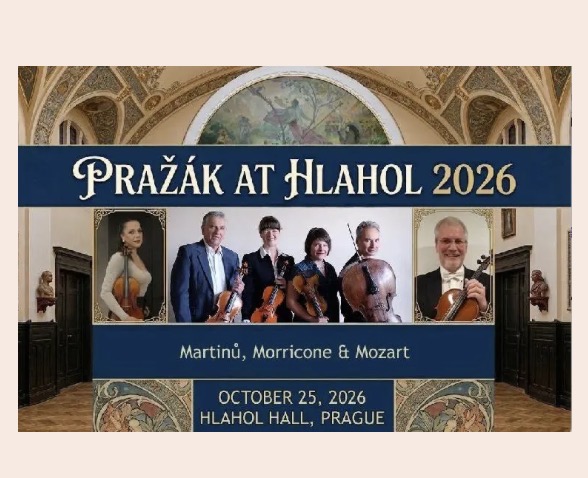
Pražák Quartet festival

We are excited to inform you that Pražák and Friends will return to Hlahol for a special concert on Sunday, October 25, 2026, at 11 a.m.
 

Last year’s festival of Pražák & Friends Festival, which took place at the historic Hlahol Hall during September and October 2025, was a big success.

The program for this year is :

  • Wolfgang Amadeus Mozart:String Quintet in G minor, K. 516 (1787)
  • Ennio Morricone:Vivo for String Trio (2001)
  • Bohuslav Martinů:Serenade No. 2, H. 216 (1932)
  • Bohuslav Martinů:String Quintet, H. 164 (1927)

Featured Artists

  • The Pražák Quartet
  • Eva Krestová (Viola, Czech Republic):Principal violist of the Czech Philharmonic Orchestra, international competition laureate, and frequent performer on stages from Carnegie Hall to Wigmore Hall (stepping in for retired founding violist Josef Klusoň).
  • Peter Sagaischek (Viola, Austria):Long-time principal violist and soloist with the Vienna Volksoper Orchestra, renowned international chamber musician, and frequent collaborator with top European ensembles.

Tickets are CZK 500 and are available at this link: Buy Tickets Here.

https://connect.boomevents.org/en/prazak/prazak-at-hlahol-2026

Todos los caminos conducen a Praga: domicilios que cimentaron la fama de la capital checa

Foto: Juan Pablo Bertazza, editorial Universum

En su flamante libro Direcciones de Praga, la periodista Stanislava Jarolímková revela cómo la capital checa puede leerse a través de sus domicilios: las trece direcciones de Kafka en el centro histórico, los orígenes de la Radio Checa en dos colinas emblemáticas, la vida de Langweil en un hogar ya demolido, el insólito lugar elegido por Rodolfo II para residir y la tradición inaugurada por Masaryk que se mantiene hasta hoy. A ese mapa se suma también la historia del parque de atracciones Matějská, que a lo largo de los años cambió de sede varias veces antes de instalarse en Holešovice, dejando tras de sí un rastro de anécdotas, episodios curiosos y alguna que otra sombra. Jarolímková ilumina la gran correspondencia que hay detrás de todos estos domicilios: cómo la ciudad moldeó la vida de sus habitantes ilustres y cómo ellos, a su vez, contribuyeron a construir la Praga de hoy.

Cada año se publican en Chequia entre 14.

See more here.

Author: Juan Pablo Bertazza

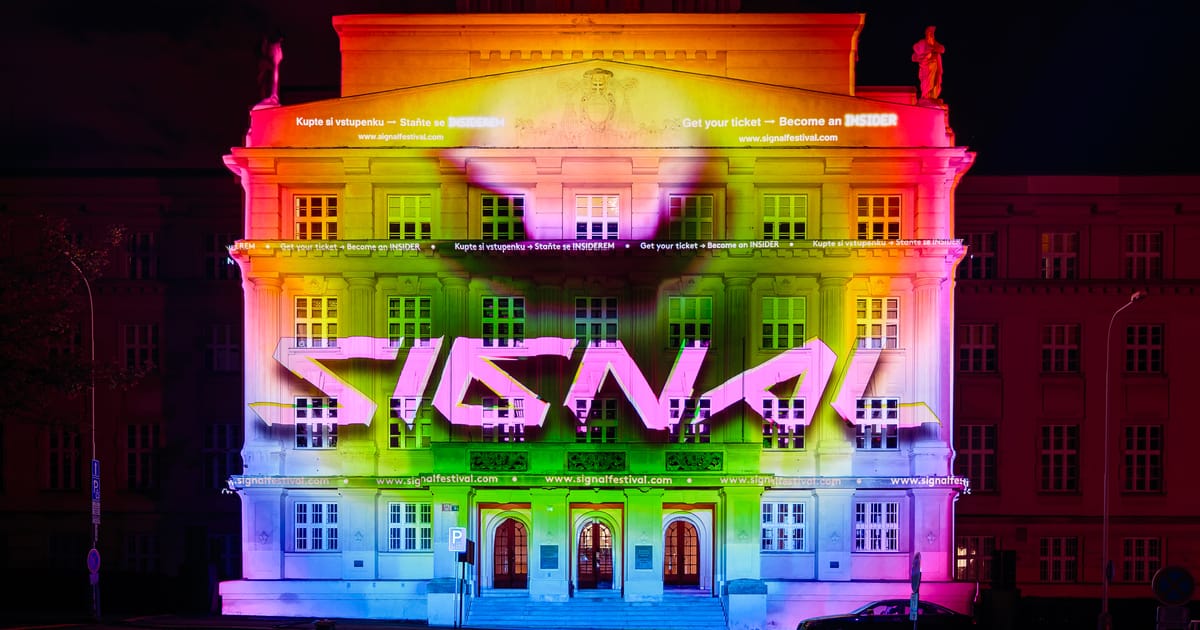
Dreams and visions take centre stage at this year’s Signal Festival

Photo: Signal Festival

The annual Signal Festival of light kicks off in Prague on Thursday, with 21 installations by Czech and international artists across the city. For the first time this year, the festival will take visitors to Dejvice and feature a dedicated zone showcasing student projects. I spoke to the festival’s programme coordinator, Daniel Burda, and started by asking him about this year’s theme, Dreams and Visions.

“It’s always somehow complicated because it’s a very conceptual approach, but given that we plan quite a long time ahead, we always set a theme that helps guide the artists when we launch our collaboration with them.
See more here.
Author: Ruth Fraňková

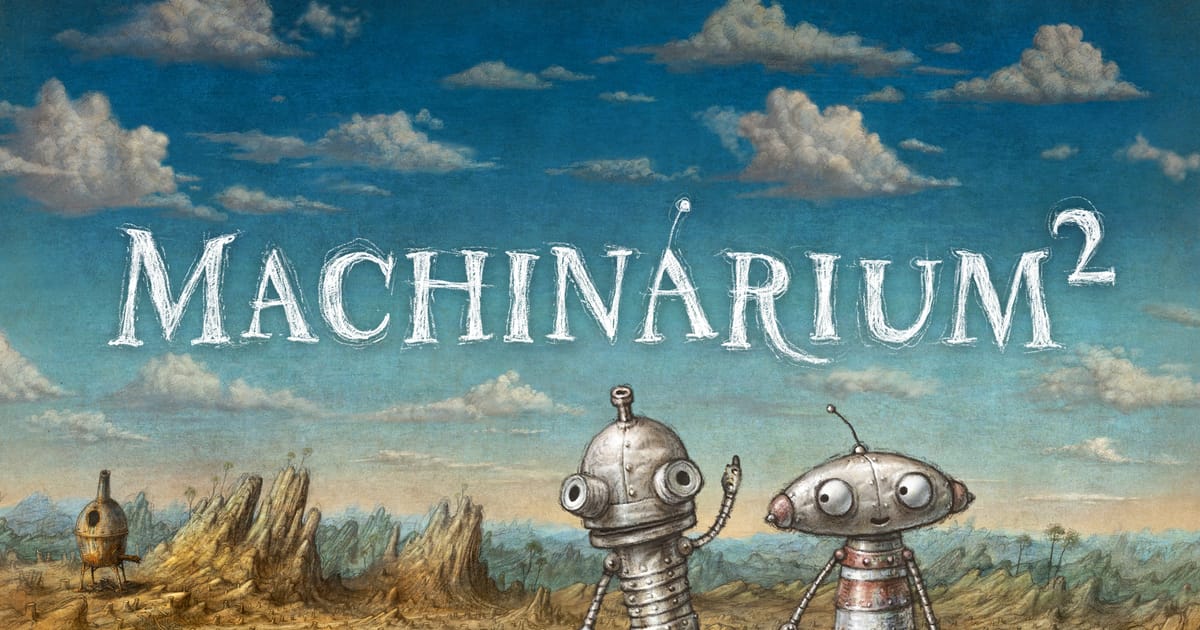
Amanita Design announces sequel to Machinarium, their globally most popular product

Source: Amanita Design

Czech computer games are currently one of the country’s biggest export articles, with games such as Mafia, Kingdom Come or Vietcong selling millions of copies worldwide. Now one of the top players in the Czech gaming industry – Amanita Design, is preparing a sequel to its most successful product.

Active since 2003, Amanita Design have released popular titles such as Samorost, Creaks, Phonopolis, but their most successful product is Machinarium from 2009.

See more here.

Author: Daniel Sywala

Climate change threatens rare Krkonoše mountain tundra

Photo: KRNAP

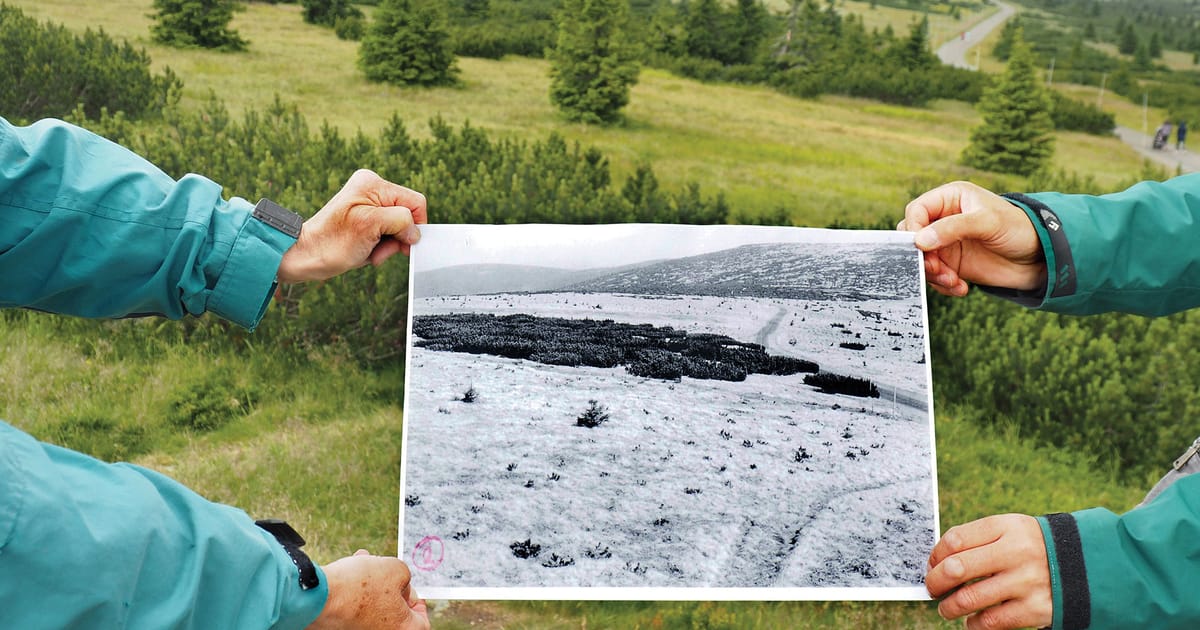
The unique Arctic-like tundra landscape of the Krkonoše Mountains in northern Czechia is gradually disappearing as rising temperatures allow shrubs, tall grasses and dwarf bushes to spread across the mountain ridges. The Krkonoše National Park administration is looking for ways to protect rare cold-adapted plants while respecting natural processes in one of the country’s most valuable and protected nature reserves.

The changes are increasingly visible on the slopes and summits, including Studniční hora, the second-highest peak in the Krkonoše range.

See more here.

Author: Daniela Lazarová

Young Brno scientist wins international award for early detection of heart failure

Photo: Marek Hensl, Czech Radio

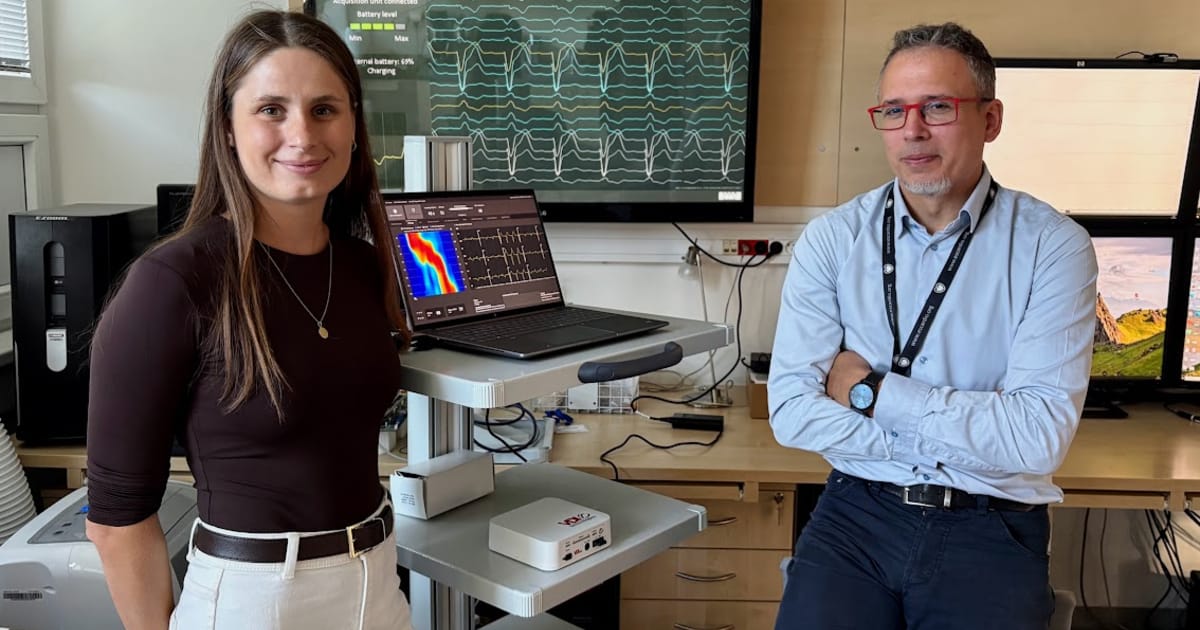
The human heart can show signs of trouble long before heart failure develops. A scientist in Brno is researching how routine ECG tests could help doctors detect these warning signs. Her work has won first prize in an international competition for young cardiovascular researchers.

Zuzana Koščová was born in eastern Slovakia but chose to pursue her scientific career in Brno, at the Institute of Scientific Instruments of the Czech Academy of Sciences.

See more here.

Author: Ruth Fraňková

Czechia: a crossroads for Europe’s migrating birds

Photo: Kranich17, Pixabay, Pixabay License

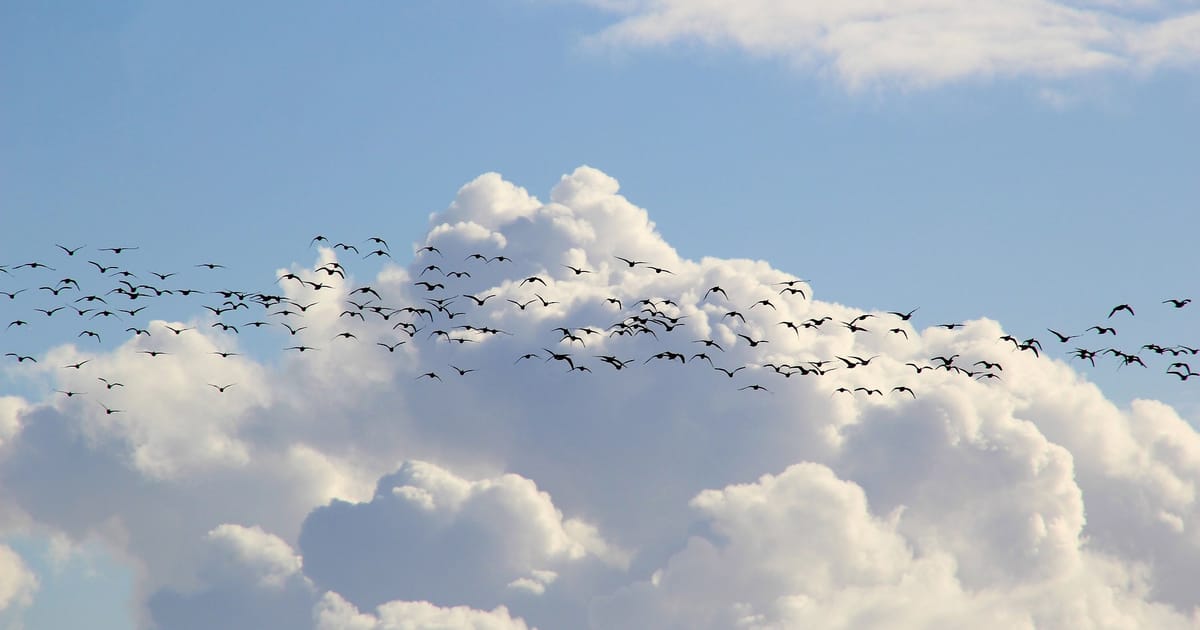
Czechia’s mountain passes are important corridors for birds migrating across Europe each autumn. In the Krkonoše and Jeseníky Mountains, ornithologists observe and ring birds travelling from northern Europe to wintering grounds as far away as India. But as winters become milder, some species are shortening their journeys or remaining farther north.

Two such corridors can be found in the Krkonoše, or Giant Mountains, along the Czech-Polish border, and the Jeseníky Mountains in northern Moravia.

See more here.

Author: Vít Pohanka

Soup that Helps: A local tradition with a charitable purpose

Photo: Veronika Janečková

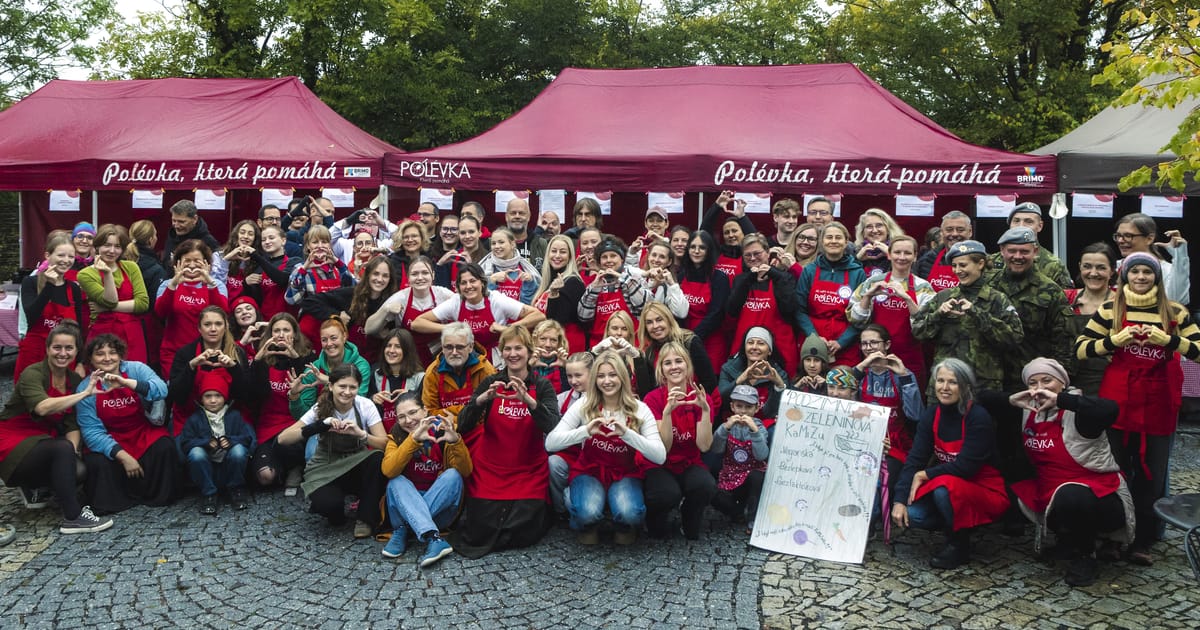
The Polévka, která pomáhá or Soup that Helps charity organization earned its record number of sales for a rainy day this weekend in the town of Brandýs nad Labem-Stará Boleslav north of Prague, raising over 300,000czk for the Brandýs Mental Health Center and the Help the Bees workshop in the city. Sierra Krueger-Wolfe was there.

Šárka Bartoníčková has been hosting Polévka, která pomáhá events in Brandýs nad Labem-Stará Boleslav since 2022.

See more here.

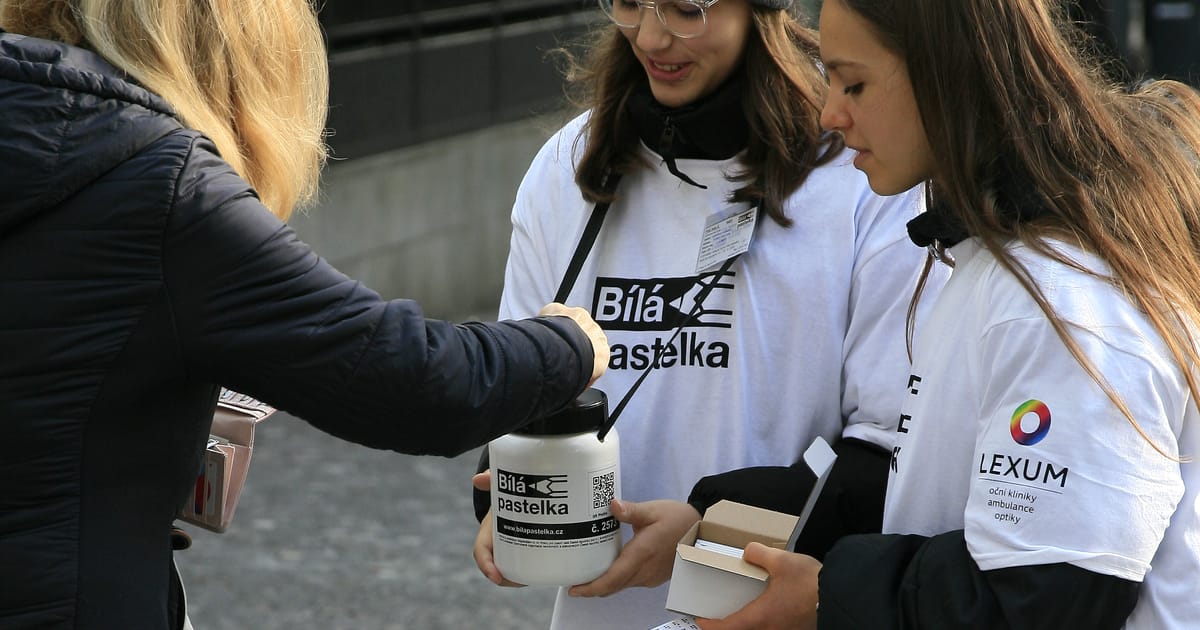
The broadest public fundraising campaign for visually impaired to kick off across Czechia 

Photo: Tamara Petržílová, SONS

The Bílá pastelka campaign held annually across Czechia will kick off in mid-October. It aims to help people with visual impairments to live more independent lives and enable them to engage in a broader scope of activities.

Mobility and orientation exercises, training of guide dogs and employment support for people with visual impairments.

See more here.

Author: Daniel Sywala

We Won’t Be Afraid: David Koller releases his sixth studio album

Photo: Klára Škodová, Czech Radio

David Koller, one of the best-known Czech rock musicians, has released his sixth studio album. Called Nebudem se bát, or We Won’t Be Afraid, it features a number of prominent guest artists, including the world-famous guitarist Al Di Meola. You can hear some of the tracks from the new album in today’s edition of Sunday Music.

See more here.

Author: Ruth Fraňková

Czechs have long tradition of homegrown foods – but why is trend on rise now?

Photo: Shutterstock

Czechs are among the leading nations in Europe when it comes to growing food at home. Indeed, a CVVM survey published this week found that no less than 70 percent of people in Czechia cultivate their own fruit and veg – 62 percent in their gardens and 8 percent on their balconies. But why is this practice so common? I spoke to Jan Vávra, an academic who does research in this area.

“It’s quite a high level, but it’s not surprising, because it’s a tradition.

See more here.

Author: Ian Willoughby

Petra Hůlová on The Long Version: “It’s not about my own story – it’s about my own experience of being used”

Photo: Karolína Němcová, Czech Radio

Czech author Petra Hůlová’s first novel, which came out when she was still in her early 20s, became a bestseller, and since then her works have been translated into over a dozen languages. Her latest title in English is The Long Version, translated by Hůlová’s regular collaborator Alex Zucker. Written from the perspective of a female author in her 50s, it explores themes of gender, potential abuse and intergenerational tensions.

What was the original spark for the whole idea of The Long Version? Or why did you want to write this book?.

See more here.

Author: Ian Willoughby

Prague exhibition puts Czechoslovakia’s forgotten lamp designers in the spotlight

Photo: Ruth Fraňková, Radio Prague International

A new exhibition at Prague’s Museum of Decorative Arts, part of this year’s Designblok, shines a light on mass-produced lamps made in Czechoslovakia from the 1950s to the 1980s. I went to have a look and spoke to the exhibition’s curator Eva Slunečková.

What was the initial idea for this exhibition? Who came up with the idea in the first place?.

See more here.

Author: Ruth Fraňková

Drought reveals gravestones of flooded village beneath Lipno reservoir

Photo: Václav Pancer, ČTK

Falling water levels at the Lipno reservoir in Southern Bohemia have uncovered dozens of gravestones from the former cemetery in Dolní Vltavice, a village that was flooded in the 1950s. Experts are now recovering the stones and considering how best to preserve them.

The Lipno reservoir was built on the upper reaches of the Vltava River between 1952 and 1958.

See more here.

Author: Ruth Fraňková

National Day of the Republic of Korea 2026

On the occasion of the National Day of the Republic of Korea, H.E. Mr. Dong Han YANG, the Ambassador of the Republic of Korea to the Czech Republic, and his spouse, and Mr. Keunwon PARK, First Secretary, and his spouse hosted a reception at the Marriott Hotel in Prague.

The Honored Speaker was Mr. Karel Havlicek – Deputy PM and Minister of Industry and Trade of the Czech Republic.

Watch the video with the speeches of H.E. Mr. Dong Han YANG, the Ambassador of the Republic of Korea to the Czech Republic, Mr. Karel Havlicek – Deputy PM and Minister of Industry and Trade of the Czech Republic, and highlights from the beautiful culture program.

WOMEN CHANGING THE WORLD: MEET THE WOMEN SHAPING TECHNOLOGY

MEET THE WOMEN SHAPING TECHNOLOGY

Technology is not only about what we build. It is also about the problems we choose to solve. From cybersecurity education and sustainable modular construction to artificial intelligence governance, meet three women using technology to create meaningful change.

Women Changing The World: Meet The Women Shaping Technology

Technology is often described through products, platforms and systems. But its real impact depends on the people who decide what those technologies should solve, whom they should protect and how responsibly they should be used.

The Women Changing the World Awards Czech & Slovak Edition celebrate women who bring technology into the real world – into families, companies, buildings and public life. This week, we introduce three women whose work represents very different, but equally relevant, dimensions of technological change.

Martina Sokolíková

Cybersecurity education and child protection

Martina Sokolíková is a police officer, lecturer and preventive specialist in cybersecurity, and the author of the educational project (Ne)Bezpečná síť. Her work focuses especially on protecting children in the online environment and helping parents understand the real risks connected with social media, gaming and digital communication. Rather than treating cybersecurity as a purely technical issue, she translates it into concrete situations families can recognise and act on. Her contribution lies in connecting professional knowledge, prevention and public education – making digital safety understandable before a problem occurs, not only after it has happened.

Gabriela Juřenčáková

Sustainable modular construction

Ing. Gabriela Juřenčáková is co-owner and designer at Eko modular, a Czech company focused on modular timber buildings. With a professional background in construction, timber structures and passive houses, she brought technical know-how into a business built around the idea that housing can be faster, more flexible and more sustainable. Together with her business partner and husband, she has helped develop Eko modular from an early entrepreneurial project into a recognised modular-building company with more than one hundred completed projects. Her work challenges the idea that modular construction means compromise – and instead shows how design, efficiency, sustainability and healthy living can be developed together.

Katarína Mikle

AI governance, data protection and responsible technology

Katarína Mikle works at the intersection of artificial intelligence, data, cybersecurity and governance. As CEO of POBEST and President of AISA – Slovak AI Alliance, she helps organisations approach AI not only as an opportunity, but as a field that requires transparency, security and clear responsibility. Her expertise includes AI governance, GDPR, information security and management systems, with a strong focus on helping companies bring emerging technologies under practical control. She represents a crucial part of the technology conversation: innovation is not only about moving fast, but also about knowing how to build trust, accountability and rules that allow technology to be used responsibly.

These three stories show how broad the meaning of technology has become. It can protect a child online, redesign how we build and live, or create the governance needed for responsible artificial intelligence. Technology changes the world most effectively when technical expertise meets human needs.

Discover more Women Changing the World Awards winners → https://thewomenchangingtheworld.cz

Fabrizio Corneli’s exhibition “L’ombra del mattino”

The Italian Institute of Culture of Prague organized the opening of Fabrizio Corneli’s exhibition “L’ombra del mattino”, at the beautiful Institute’s Baroque Chapel (Vlašská 34). 

An original project dedicated to the relationship between light, shadow and perception, the exhibition has been specially conceived to engage in dialogue with the spaces of our Institute.

Fabrizio Corneli transforms light and shadow into artistic matter. His installations invite visitors to observe space with new eyes, where unexpected images emerge from light and perception becomes an integral part of the artwork. Through a subtle balance of rigor and poetry, the artist reveals new possibilities of seeing, taking the audience beyond the boundary between the visible and the invisible.

The exhibition, organised by the Italian Cultural Institute in Prague under the patronage of the Embassy of Italy in Prague, is also part of the programme of the international design festival Designblok and the 22nd edition of the Day of Contemporary Art.

Fabrizio Corneli was born in Florence in 1958. He studied at the Academy of Fine Arts in Florence and simultaneously studied semiotics at the University of Bologna. From the beginning of his artistic career, he focused his work on the relationship between light and shadow, which became central elements of his artistic expression. His installations have been presented in museums, galleries, and cultural institutions around the world, and many of his permanent works are now housed in public spaces and private collections in various countries.

The exhibition will be open to the public from October 8, 2026 till 6 January 2027, in the Baroque chapel and other exhibition spaces of the Italian Cultural Institute in Prague.

Watch the video from the opening ceremony. Highlights of the speeches by H.E. Mr. Alessandro GAUDIANO, the Ambassador of Italy in the Czech Republic, Ms. Marialuisa Pappalardo, Director of the Italian Institute of Culture of Prague, and the very talented Fabrizio Corneli.

You can find more details about Fabrizio Corneli. Here: https://fabriziocorneli.net/

Open Tuesday to Saturday from 11:00 to 19:00. Baroque Chapel, IKI – Vlašská 34, 118 00 Malá Strana, Prague

FIRST BREEDING OF THE ORANGE-BREASTED LORIQUE IN THE CZECH ZOO

The young orange-breasted lorikeet is a European rarity. Its gender is visible to the naked eye thanks to the emerging orange bib, which is the domain of males. Photo by Petr Hamerník, Prague Zoo

The first-ever orange-breasted lorikeet cub is growing up in the Prague Zoo. This delicate parrot was successfully bred here for the first time in Czech zoos. The rarity is not only the rearing of a species that only three other institutions breed in Europe, but also the exemplary care of an inexperienced parental couple. Renowned as a breeder’s challenge due to their high demands for cleanliness, the Loríčci live mainly in New Guinea and nearby islands in several species. They are also known as “fig parrots”, because the flesh of figs is an essential part of their diet.

“The parent couple surprised us several times. First, with precise nesting activity and then by laying a healthy-looking egg. Thirdly, we were amazed to find out that the egg was actually fertilized, and I’m not afraid to say that in the end we were amazed that they took the offspring in an exemplary manner and raised it completely naturally. This is unusual for many bird species, and it is doubly true in the case of lorikeets,” says bird curator Antonín Vaidl, adding that the cub remains in the quiet background of the zoo.

The small orange-breasted lorikeet remains in the background of the zoo, specifically in the Indonesian Jungle pavilion, where it thrives in temperature and humidity adapted to forest species. Photo by Petr Hamerník, Prague Zoo

The little orange-breasted loon hatched on May 27 after about 20 days of incubation. Now the breeders know that it is a male. This smallest species of lorikeet has been kept by the Prague Zoo since 2018, when it acquired the first birds from the specialized bird park Walsrode in Germany. It can be seen in the exhibition on the Parrot Trail since 2022, while a year later the first chick hatched here. However, it died the next day. However, the current addition is in excellent condition and, at the age of four months, can almost be considered bred.

The Prague Zoo also reports success with other loris species. Red-bearded lorikeets settled in the garden as early as 1997, and the zoo is proud of more than thirty breedings of them, the first of which was successful in 2003. The golden-eared lorikeet from the Rákos pavilion is also an absolute rarity: in continental Europe it can currently only be seen in the Prague Zoo. This species was propagated by the team of curator Antonín Vaidl for the first time in 2022.

An adult pair of orange-breasted warblers. The male (left) has orange colored feathers over a larger body area than the female (right). Photo by Antonín Vaidl, Prague Zoo

The advantage of breeding several types of lorikeets is the possibility of placing the young under an experienced pair of another species. In the background of the garden, one chick is growing up in this way – it is a small red-bearded lorikeet with foster parents, golden-eared lorikeets. Two years ago, however, it was the other way around, when experienced redbeards took hold of a golden-eared cub.

Loríčci, despite their Czech family name, are not closely related to the better-known lories. But they are united by the New Guinea area of ​​occurrence and also by the way of obtaining food, when the birds often hang upside down from a branch. According to the International Union for Conservation of Nature, the orange-breasted lorikeet is classified as a “low concern” species. But the reason is probably the lack of data and observations due to living in remote forest habitat.

: An example of the mentioned interspecies fosters: A female red-bearded lorikeet feeds a small golden-eared lorikeet. The illustrative picture is from 2024. Photo by Petr Hamerník, Prague Zoo

Chequia en 30 minutos

Todas las noticias de política, cultura, deportes y ciencia, además de los reportajes y entrevistas en profundidad de Radio Praga Internacional. Todo lo que necesita saber de la República Checa. Siempre de lunes a viernes.

See the rest here.

Czech media unite against threats to journalists and restrictions on information

Illustrative photo: René Volfík, iROZHLAS.cz

Forty editors-in-chief from across the Czech media have issued a rare joint appeal to the country’s politicians. They are calling on them to reject violence and threats against journalists and to guarantee equal access to information from public institutions. The declaration follows several disputes over politicians’ treatment of the media, including the exclusion of a Deník N reporter from Foreign Ministry press conferences.

The declaration is entitled Základní hranice, which can be roughly translated as Basic Ground Rules.

See more here.

Author: Vít Pohanka

Bill Clinton: “I only wish Havel were around today”

Photo: Michal Doležal, ČTK

Among those paying tribute to Václav Havel on the 90th anniversary of his birth on October 5 has been former American President Bill Clinton, who in an interview with Czech Radio’s Jana Ciglerová shared memories of his political ally and their long friendship.

What do you think would be Vaclav Havel’s message today? What would be his contribution? What would be his view on events today?.

See more here.

“Europe is turning brown”: writer Denemarková delivers stark warning

Photo: Elena Horálková, Czech Radio

Czech writer Radka Denemarková has delivered a forceful defence of literature as a moral and political force at the Frankfurt Book Fair, where Czechia is “Guest of Honour”. She warned of the rise of authoritarianism, nationalism and manipulation of language, declaring that “all of Europe is turning brown”.

Denemarková began her speech by reflecting on the complex Czech, German and Jewish cultural heritage of the Czech lands.

See more here.

Author: Vít Pohanka

DesignBlok director on Václav Havel, light as a symbol of hope and the festival’s biggest edition yet

Photo: Filip Šlapal

The annual DesignBlok, Central Europe’s largest design and fashion festival, opens in Prague on Wednesday. The 28th edition, centred on the theme of light, brings together a record number of designers, studios and brands from Czechia and abroad. It is also the first event to take place in the newly restored Industrial Palace at Výstaviště. I spoke to DesignBlok director Jana Zielinski about what visitors can expect this year.

First of all, why did you choose light as the main theme for DesignBlok 2026, and how is it going to be reflected in the programme?.

See more here.

Author: Ruth Fraňková

Czech band Midnight Swimmers release album about greed, illusions and uncertainty 

Photo: Debora Loučková

Midnight Swimmers are a Czech indie-rock band with roots in London and Olomouc, now based in Prague. After releasing their debut EP Oceans & Seas, the band followed it up with their first full-length album, Odd Ones Out, in 2026. It is rated as one of the most perspective releases of 2026.

Musically, Midnight Swimmers move between indie rock, dream pop, with subtle references to the contemporary psychedelic scene.

See more here.

Author: Daniel Sywala

Some 3D printing materials may cause skin irritation, Czech study finds

Illustrative Photo: Profimedia

Experts from Charles University tested commonly used 3D printing materials and found that some of them can negatively affect human cells when used over a long period, potentially causing eczema or itching. The results of the Czech research have appeared in the prestigious scientific journal Nature Scientific Reports.

3D printing materials are widely used today in a growing range of everyday products, prompting Czech researchers to investigate how some of them may affect human cells with prolonged use.

See more here.

Author: Daniela Lazarová, Eva Kézrová

Jaroslav Ježek: Composer who combined jazz with Czech modernism

Jaroslav Ježek is a prominent 20th century Czech composer, pianist and conductor whose music became an inseparable part of the Liberated Theatre of Jiří Voskovec and Jan Werich.

Jaroslav Ježek was one of the most distinctive Czech composers of the interwar period, best known for the music he wrote for the Liberated Theatre in Prague.

See more here.

Author: Daniela Lazarová

Discovering Czechia through books: A Belgian reader on the country’s literary voice

Source: Bookmarked Places

Czech literature will be in the international spotlight next week when Czechia becomes Guest of Honour at the Frankfurt Book Fair, the world’s largest publishing trade fair. Seventy-five Czech authors are heading to Frankfurt for the event, which runs from October 7 to 11 under the motto “Czechia: A Country on the Coast.” Against that backdrop, Czechast speaks to Belgian intellectual-property lawyer and passionate reader Bart van Besien, whose Bookmarked Places project explores countries through their literature – and whose journey through Czech books has taken him from Bohumil Hrabal and Jiří Weil to contemporary writer Marek Šindelka.

For five days next week, Czech literature will occupy an unusually prominent place on the international publishing stage.

See more here.

Author: Vít Pohanka

Julia Bailey on honouring Galerie Rudolfinum’s legacy while delivering a fresh approach

Photo: Ian Willoughby, Radio Prague International

British art historian, curator and writer Julia Bailey has been the head of Prague’s Galerie Rudolfinum for two and a half years. Last month saw the publication of her book Painting Paranoia: Cold War Art and Anti-Communism. When we spoke at our studios, the conversation took in everything from her institution not having a permanent collection to the fact it shares the grand Rudolfinum with the Czech Philharmonic.

You’ve been living in Prague since 2018.

See more here.

Author: Ian Willoughby