

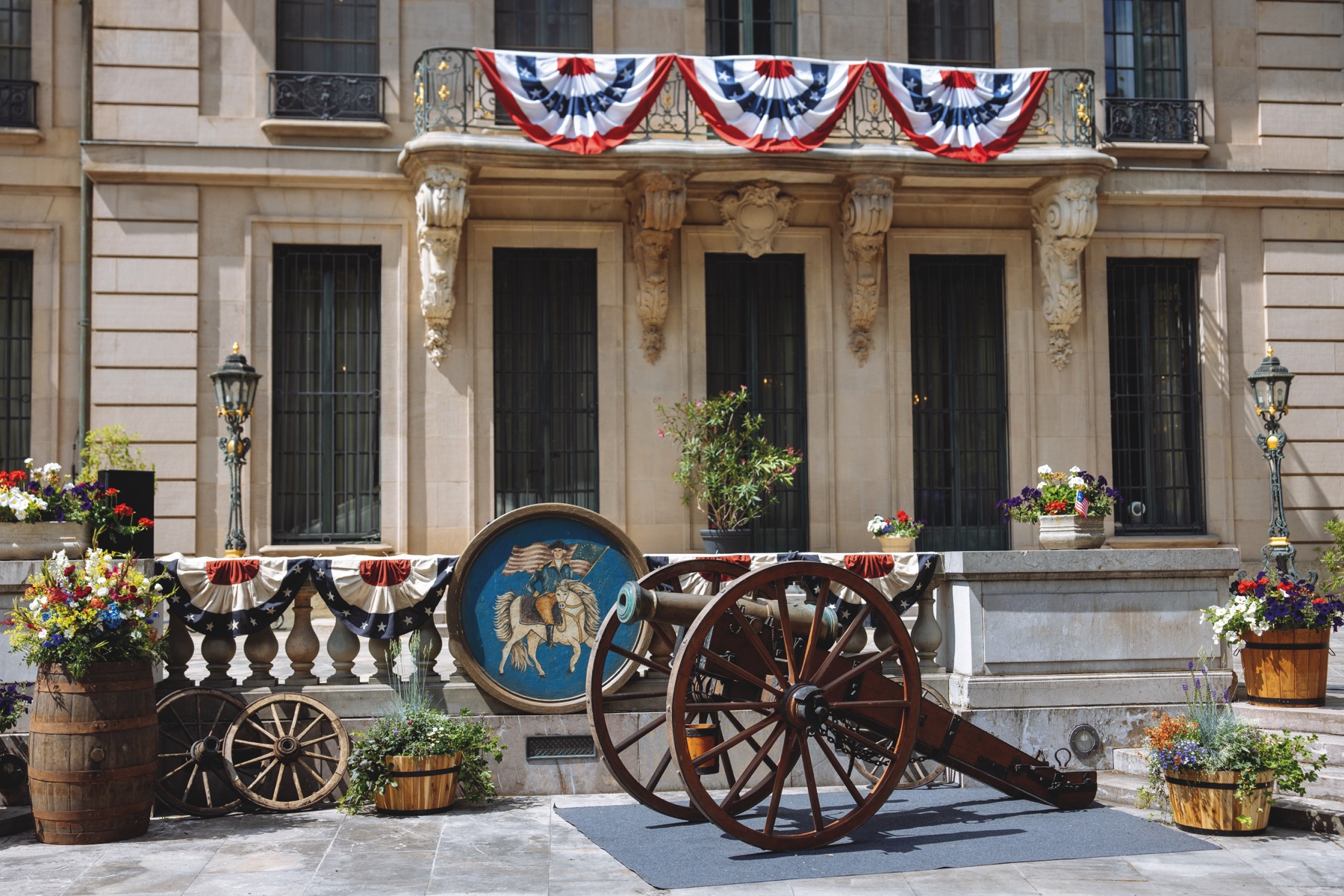
By H.E. Mr. Nicholas Merrick, Ambassador of the USA to the Czech Republic
This year, the United States marks 250 years since declaring its independence, making it the oldest continuous democracy in the world. It is an important milestone worth celebrating in the United States, but also further afield. We should do so not just as a look back at history as a case study, but as a reminder of ideas that still shape how we think about freedom today, including here in Czechia.
Two hundred fifty years ago, in Philadelphia, a group of delegates signed a document that would go on to change the world: the Declaration of Independence. That document has profound effects on my country, but also on so much of modern history.
Ordinary men, extraordinary risk
It is easy to think of the Founding Fathers as legendary figures from the start. But before they were remembered in textbooks, they were just 56 men – lawyers, farmers, merchants – who had comfortable lives under British rule. They did not have to rebel. They chose to take risks, subordinate their own self-interests, and aspire to ideals greater than themselves. And when they signed that declaration, they knew they might be signing their own death warrants.
What made them remarkable was not that they invented brand-new ideas. Ideas about human rights, and about governments existing to serve the people rather than rule over them, had been developing in Europe for generations. The American founding fathers took those ideas on topics like individual freedom and liberty, the rule of law, and the importance of self government, and wove them together as the basis of a new form of government that was different than the imperial monarchies of the time. That new system of government has proven both responsive enough and flexible enough to last 250 years.
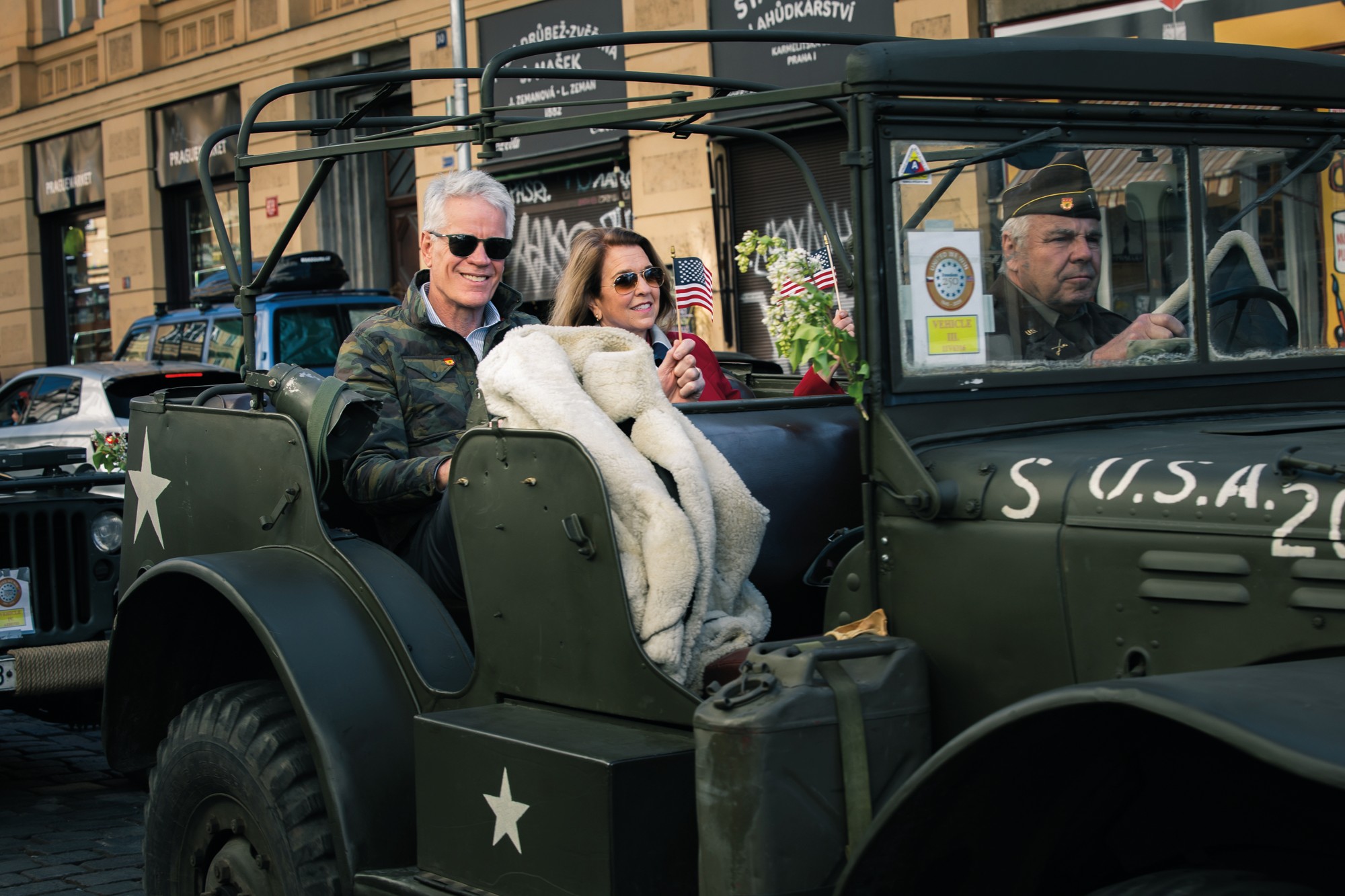
Convoy of Liberty
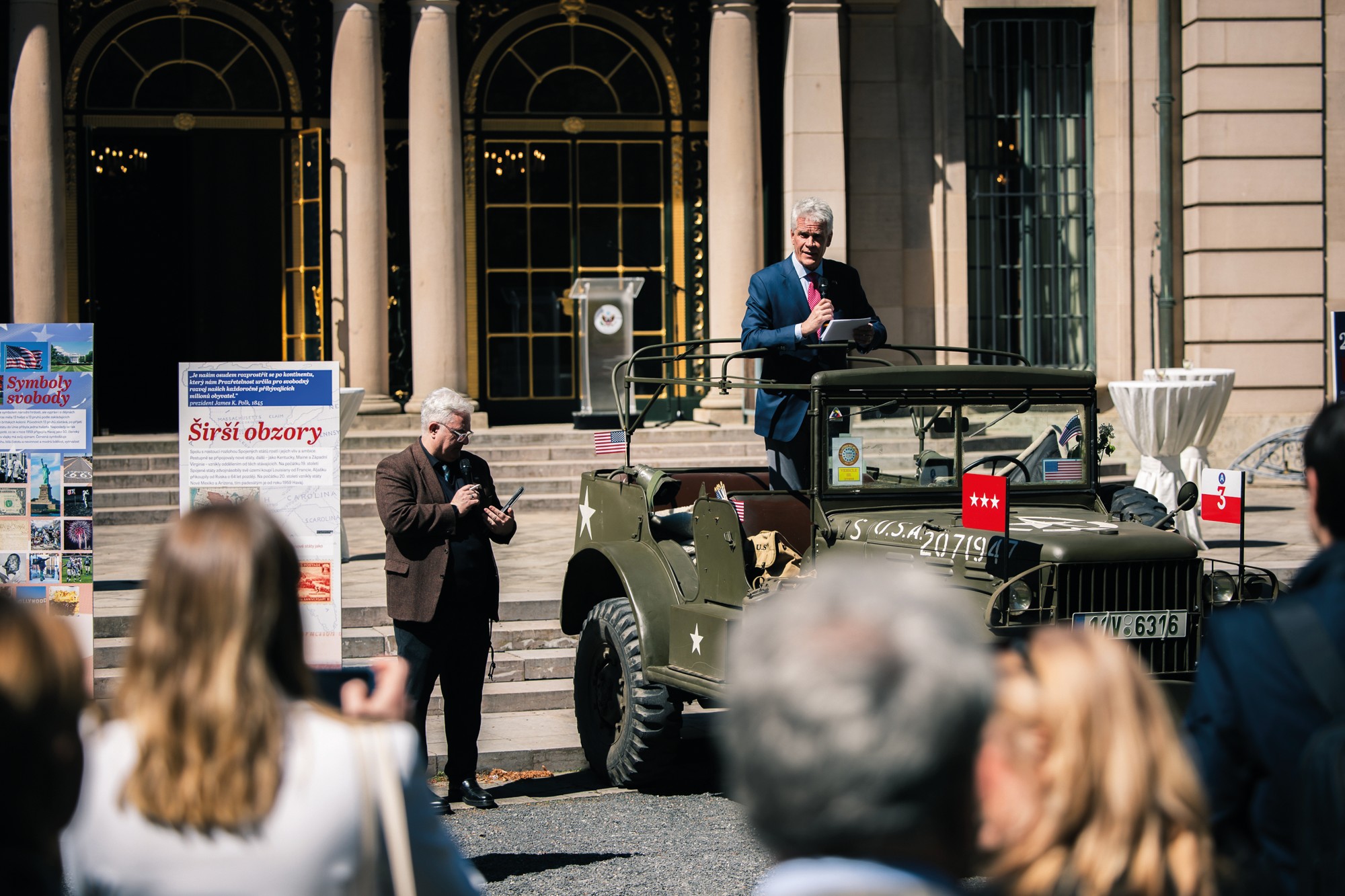
Convoy of Liberty
Strong Czech connections
Czech and American history have been intertwined since long before either country’s independence.
The first Czechs arrived in North America in the 1500s. One of them, Joachim Gaunz, a metallurgist born in Prague, is believed to be the first Czech – and the first recorded Jewish visitor – to set foot in America. Later, Augustin Heřman of Mšeno mapped the Chesapeake and Delaware Bay regions with remarkable accuracy, helping shape early colonial geography.
Between 1850 and 1914, roughly 400,000 people from the Czech lands crossed the Atlantic, drawn by cheap farmland and job opportunities. Today we have approximately 1.5 million Czech Americans, many of whom still proudly carry on the traditions of their homeland.
Two nations, one democratic spirit
The bond deepened dramatically in the 20th century. Tomáš Garrigue Masaryk –inspired partly by American democratic ideals, and by his American wife, Charlotte – built a close relationship with U.S. President Woodrow Wilson that helped secure American support for Czechoslovak independence after World War I.
It is a striking fact: the U.S. Constitution of 1787 and the Czechoslovak Constitution of 1920 share the same core structure – a republicbased government with power belonging to the people, manifested through a system of three branches of government, checks and balances, and a two-chamber parliament.
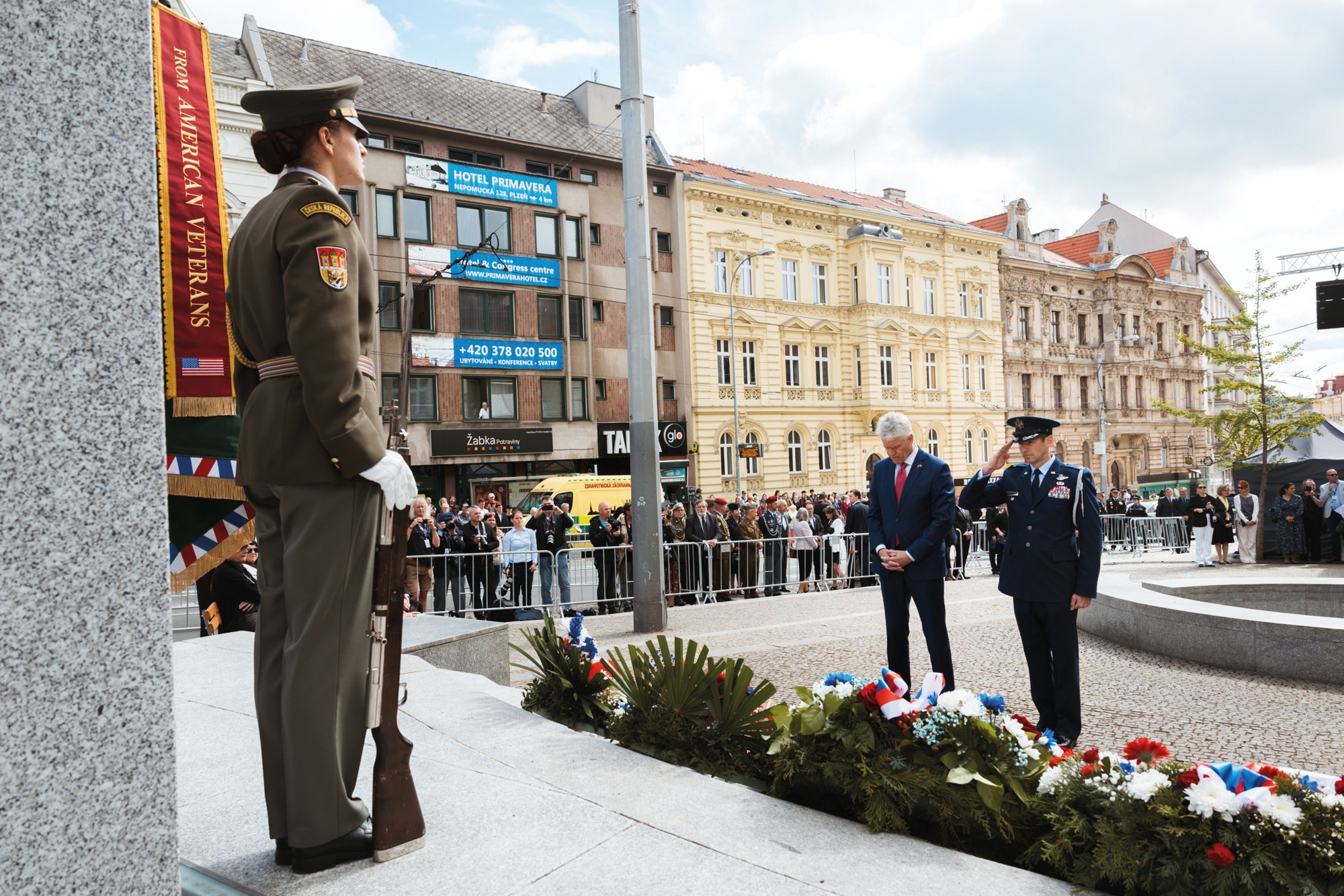
Pilsen Commemoration
That bond was tested, and proven, in World War II. American soldiers helped liberate western and southern Bohemia, and conducted air campaigns against Nazi industry in Moravia and Silesia. More than 130 American soldiers died and at least 400 were wounded fighting for Czechoslovak freedom. Towns and villages –including Plzeň – welcomed their liberators with celebrations that would later be revived after 1989.
During the Cold War, Radio Free Europe and Voice of America gave Czechs and Slovaks a lifeline to independent news behind the Iron Curtain. And when Václav Havel and thousands of citizens took to the streets in 1989, demanding change, the United States stood with them.
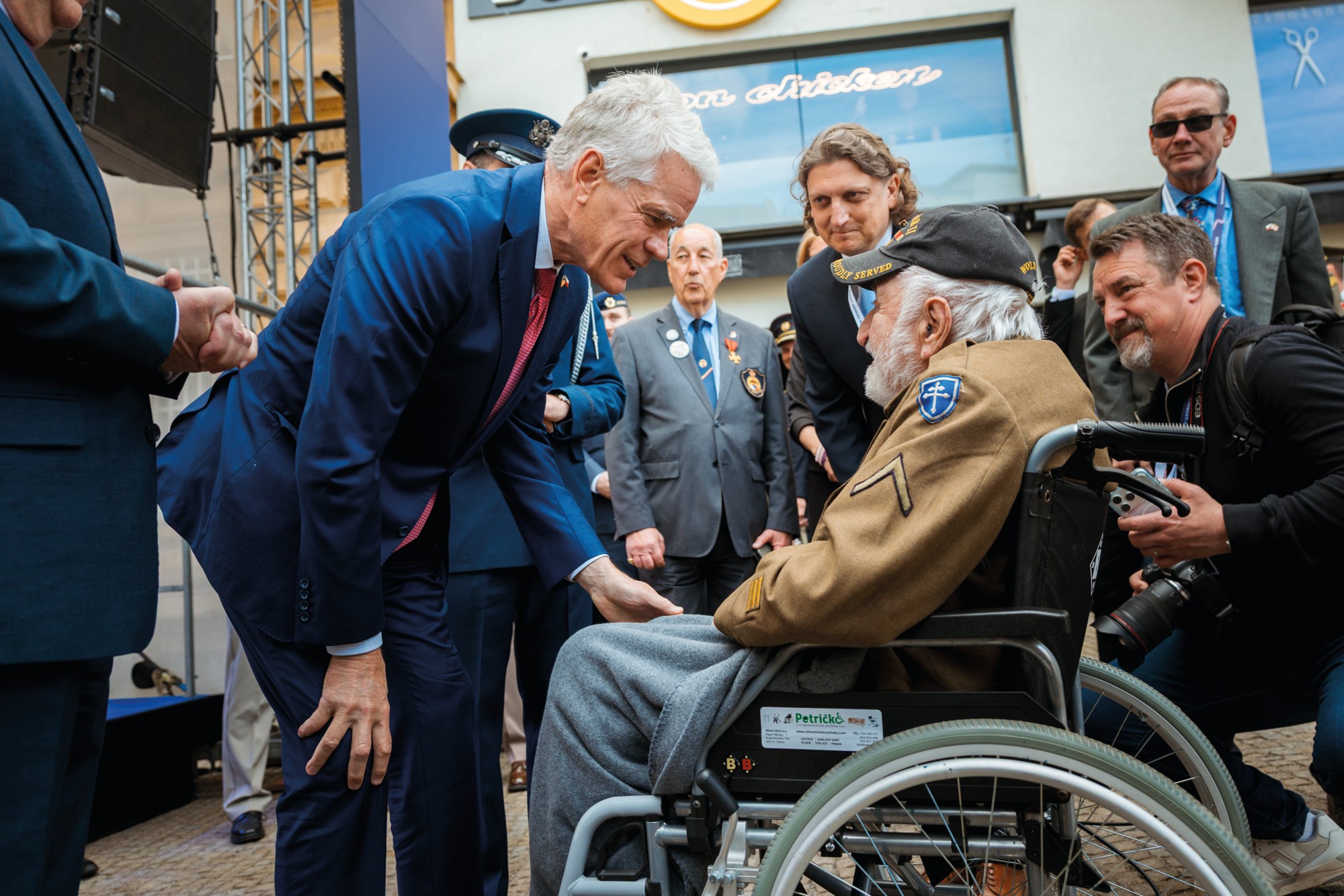
WW2 Veterans Visit
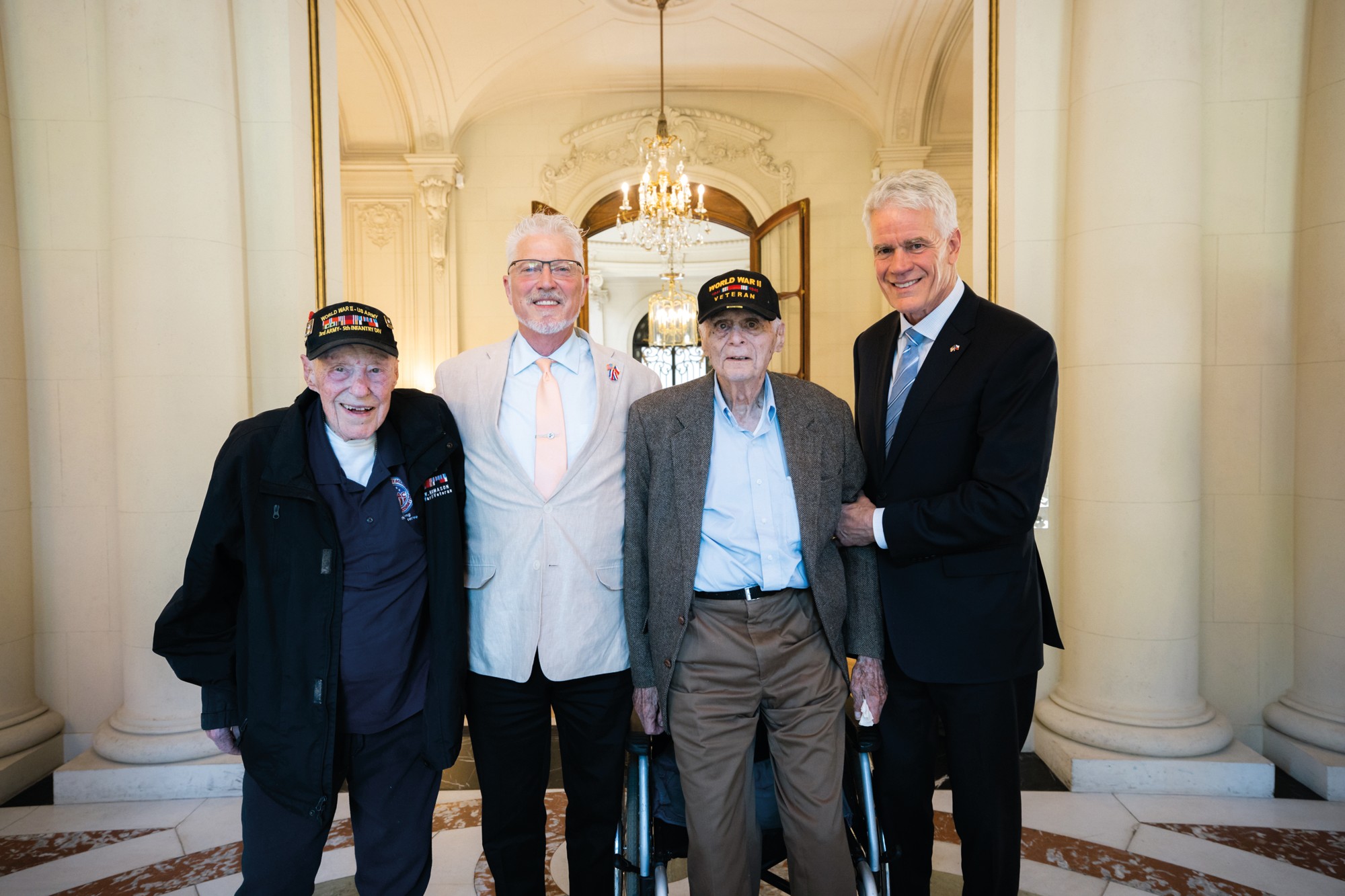
WW2 Veterans Visit
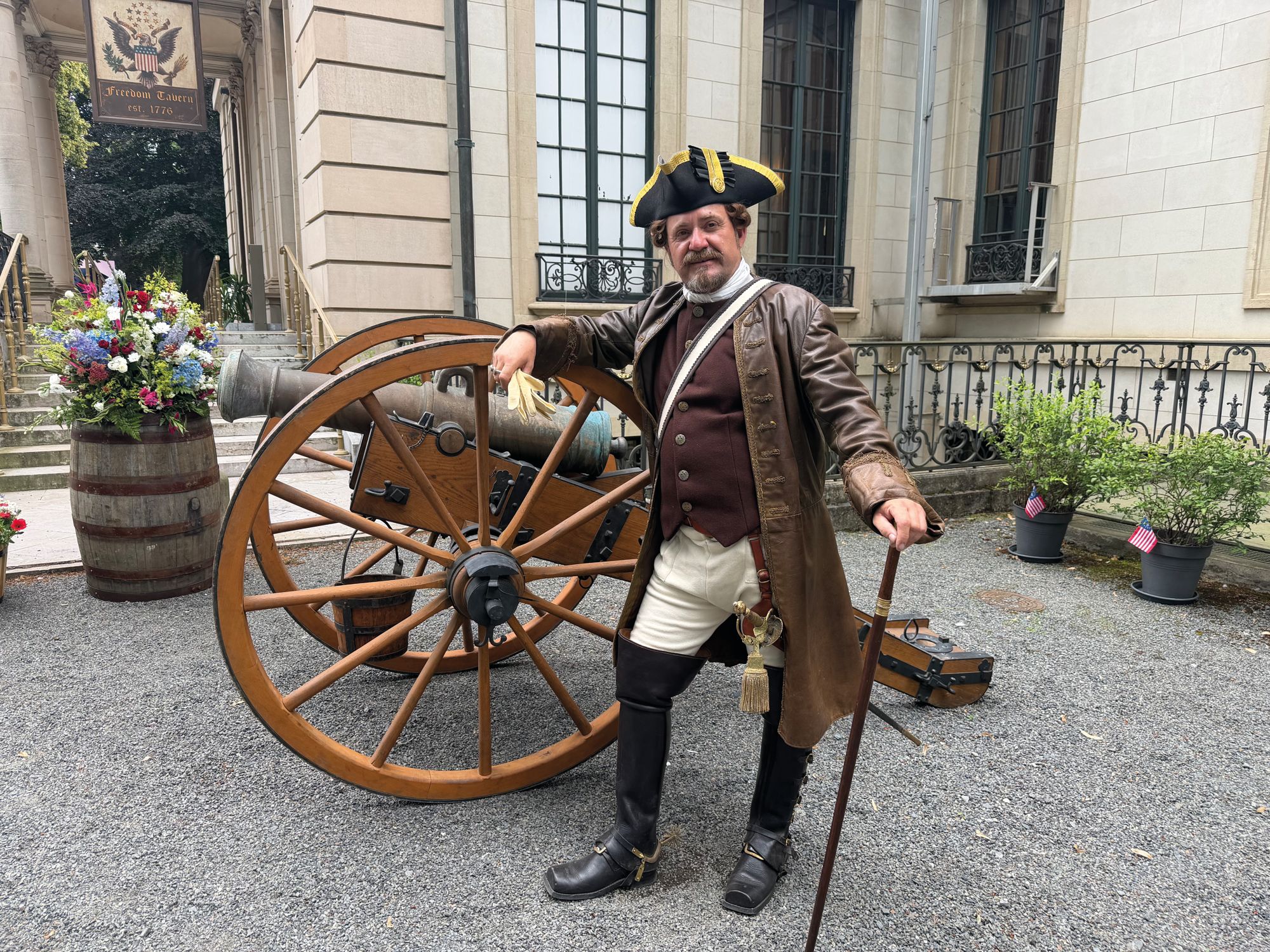
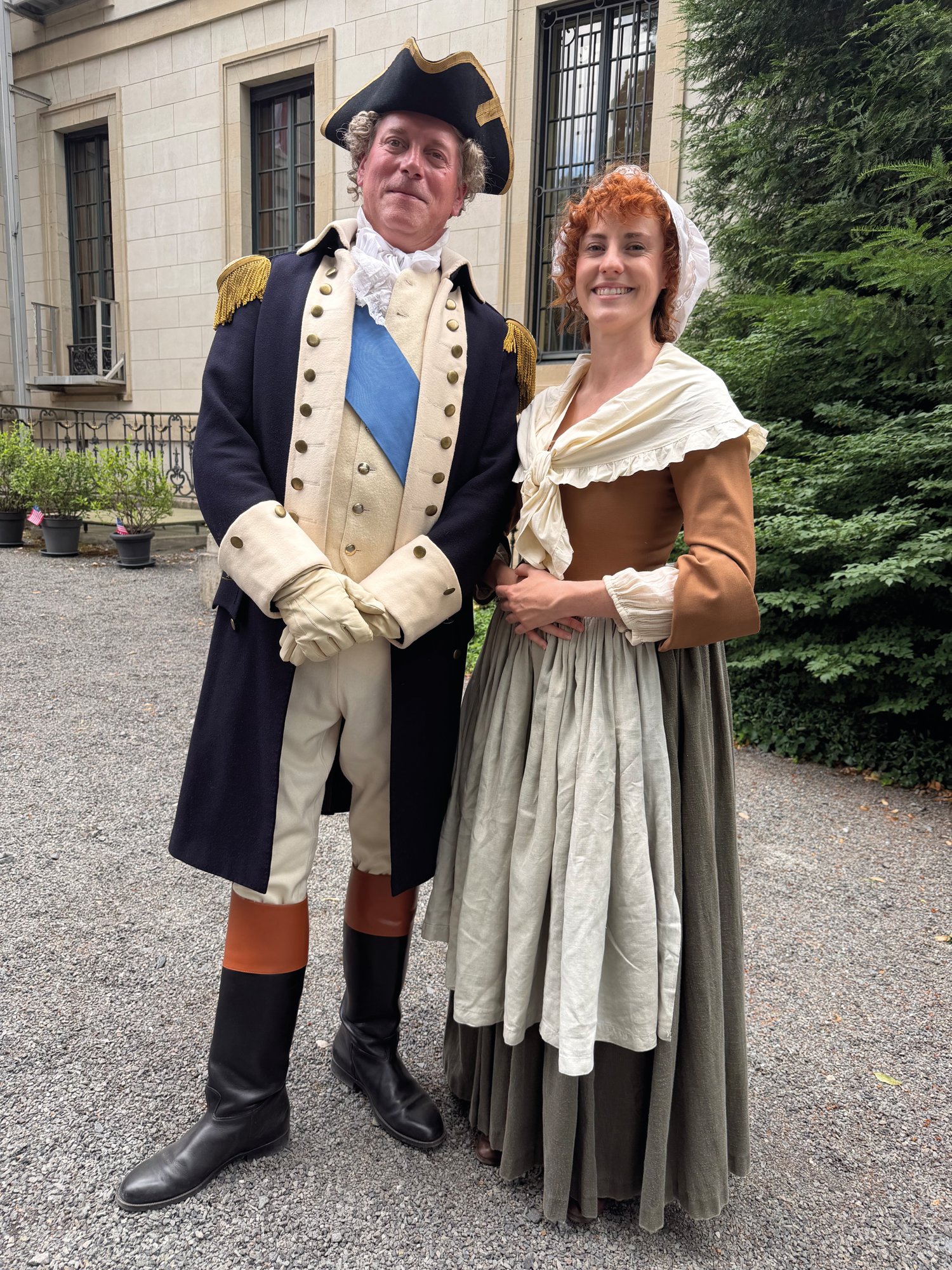
A modern friendship
Our partnership was reignited by the Velvet Revolution. Václav Havel addressed the U.S. Congress in 1990. President George H.W. Bush visited Prague the same year and gave the country a replica of the Liberty Bell – one that was rung again this year H.E. Mr. Nicholas Merrick, Ambassador of the USA and Petr Pavel, President of the Czech Republic during our Independence Day celebrations. And Madeleine Albright, born in Prague, became the first woman to serve as U.S. Secretary of State, helping guide the Czech Republic into NATO in 1999.
As President Bush once said in Prague: “Our countries share a history. We share a vision. And we share a friendship.”
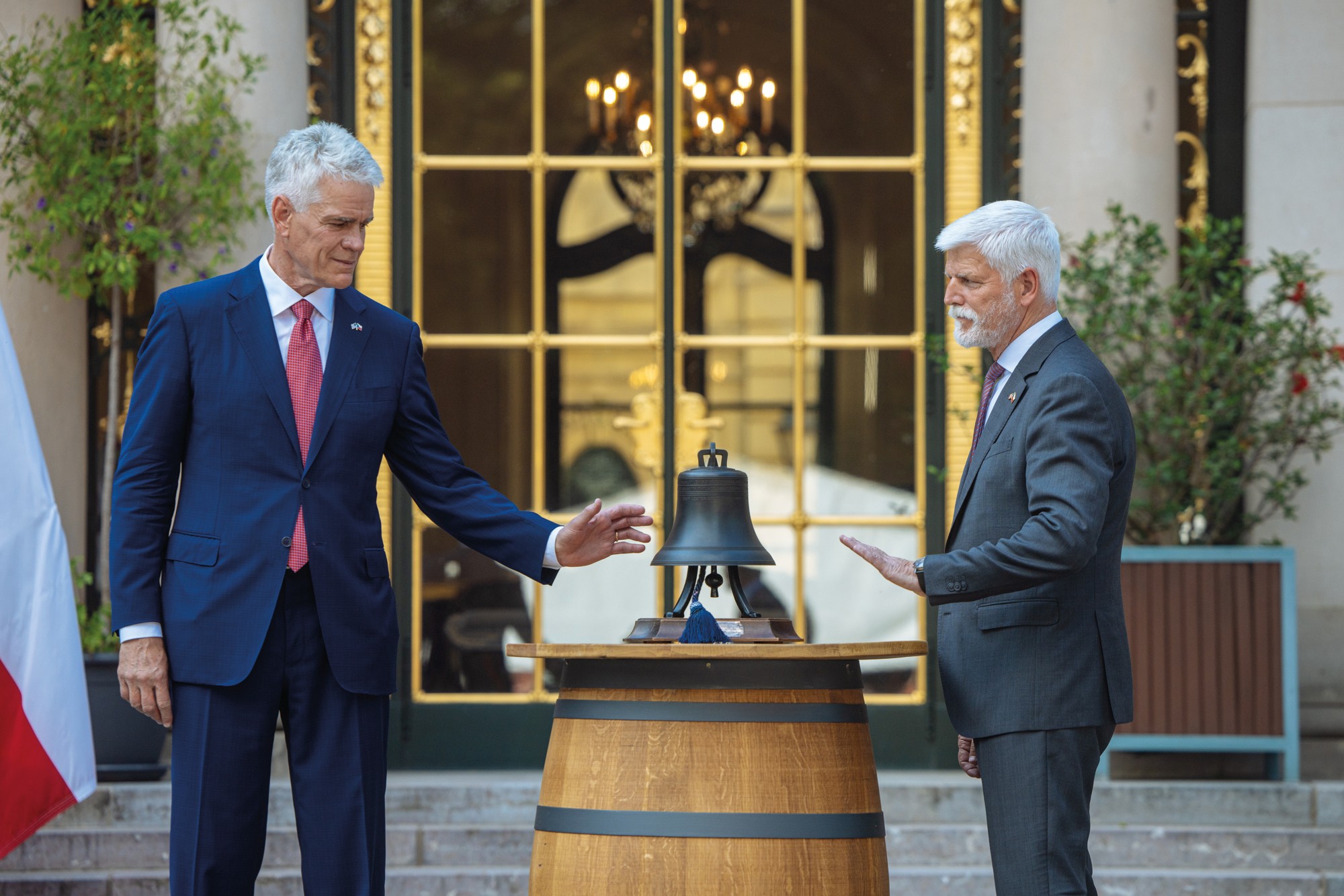
H.E. Mr. Nicholas Merrick, Ambassador of the USA and Petr Pavel, President of the Czech Republic
Looking to the future – together
That friendship is still building new chapters. This year, NASA’s Artemis II mission carried astronauts farther from Earth than ever before. Soon, Czech astronaut Aleš Svoboda will pilot a U.S. spacecraft to the International Space Station – the first Czech to do so, continuing a shared legacy of space exploration. We will work together on joint defense and energy projects; we will see more U.S. investment come to the Czech Republic and more Czechs investing in the United States. We will continue our robust peopleto-people ties. We will continue to build a safer and more prosperous world.
The Founders of 1776 gave the world more than a country. They gave it a model for turning bold ideas into lasting institutions, and a reminder that freedom requires responsibility. That spirit connects Philadelphia in 1776 to Prague in 1989 – and it is the same spirit carrying both countries forward today.