

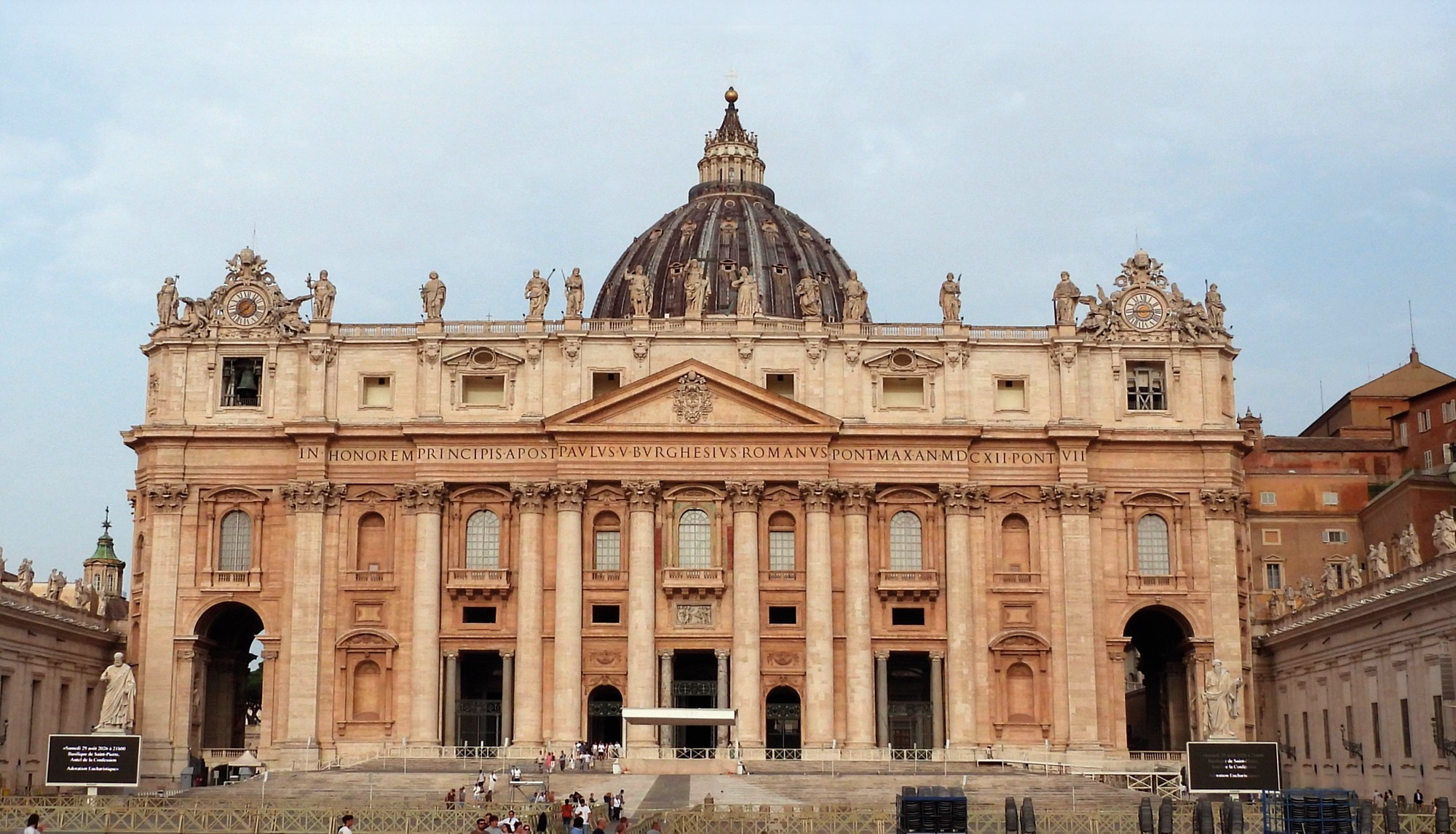
St. Peter’s Basilica
Text: M. Zisso; Editing: Martina Hošková; Photo: Václav Pavlas and Archive
In every issue, we publish an original travel article. This issue’s article is a special one: a gesture of gratitude to H.E. Monsignor Jude Thaddeus Okolo, for his great service in the Czech Republic.
A few months ago, we were looking for a way to show our respect and gratitude to H.E. Monsignor Jude Thaddeus Okolo, Apostolic Nuncio to the Czech Republic (2022–2026), who is ending his term in the Czech Republic and will soon start his new position in Haiti. A special visit to Vatican City, bringing beauty, faith, and humanity, was the best way to show it.
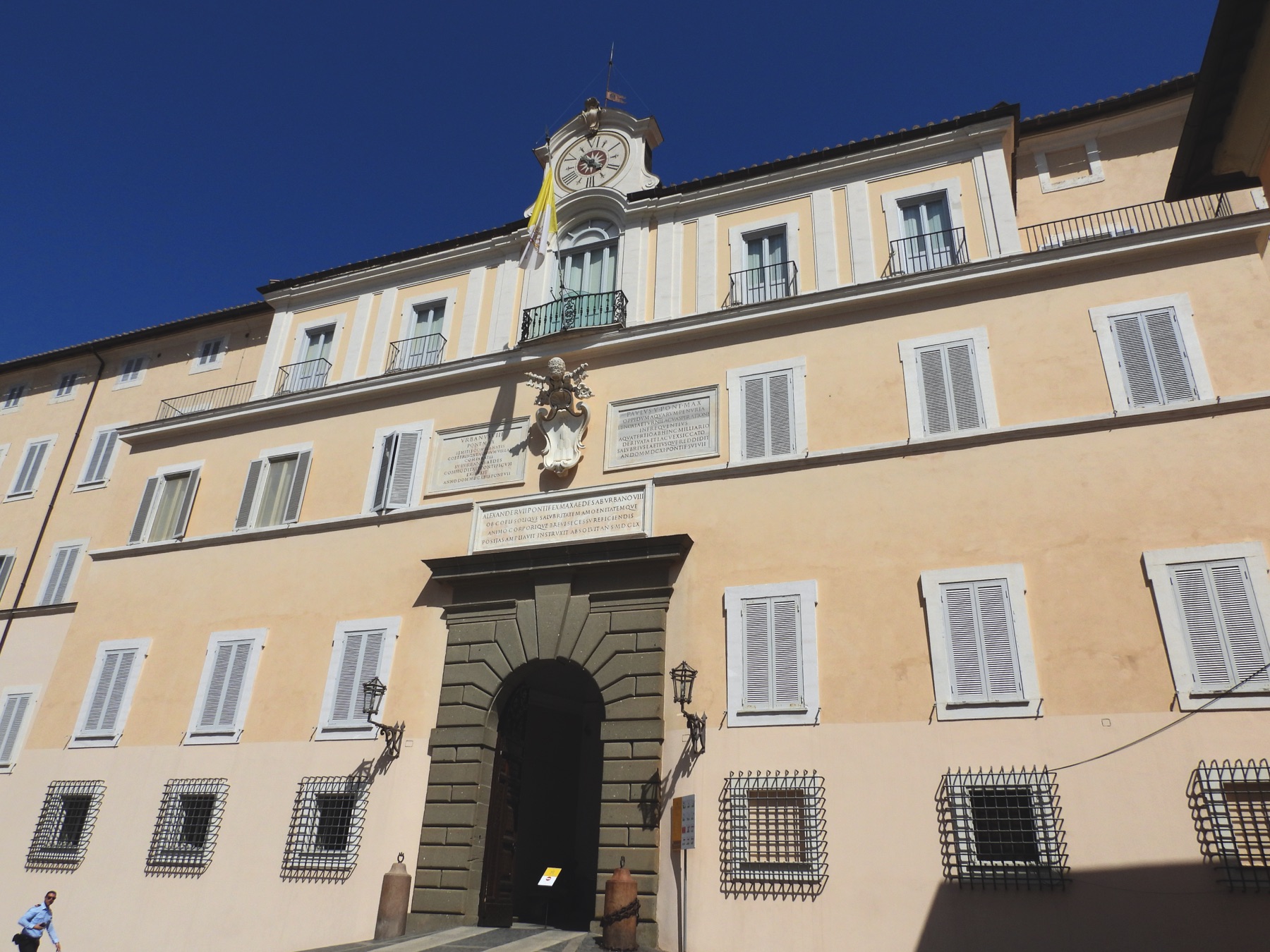
Palazzo Apostolico di Castel Gandolfo
We started our Vatican tour just a few km outside of Rome, at the Palazzo Apostolico di Castel Gandolfo (also known as the Papal or Apostolic Palace).
It is a complex of buildings in a garden setting in the city of Castel Gandolfo, overlooking Lake Albano. The complex includes the principal 17th-century villa, an observatory, and a farmhouse.
The palace has served for centuries as a summer residence and vacation retreat for the popes, with the main Apostolic Palace building serving as a museum since October 2016. It was designed by the Swiss-Italian architect Carlo Maderno for Pope Urban VIII, who began using it in the spring of 1626.
During World War II, an unknown number of Jewish refugees took shelter at the palace under the protection of the Holy See. Many people used the site as a refuge from Allied bombing raids in 1944. However, more than 500 people died in one such attack.
In October 2016, the palace was opened to the public for viewing without undergoing any structural changes.
Later, in June 2025, a communiqué of the Prefecture of the Pontifical Household was issued, which restored the palace to its status as a place of papal residency. The communiqué stated that Pope Leo XIV planned to take up residence in the palace for part of his summer holidays. In July 2025, Pope Leo XIV stayed at Castel Gandolfo for a six-week vacation, thus resuming the tradition of Castel Gandolfo being used as the pope’s retreat and summer home. However, the main Apostolic Palace at Castel Gandolfo still remains a museum. Pope Leo XIV stays at Castel Gandolfo once a week as part of his work and life routine.
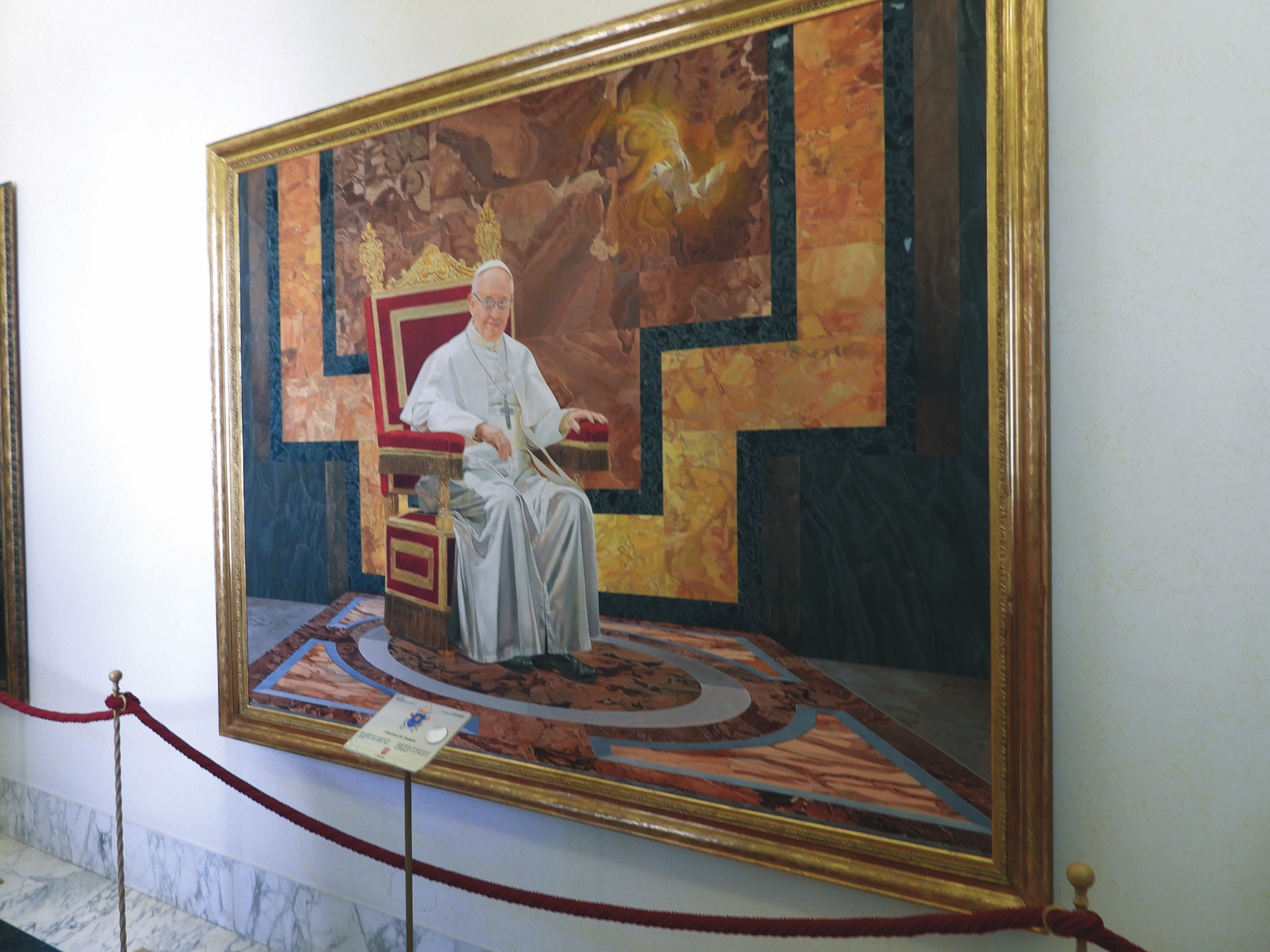
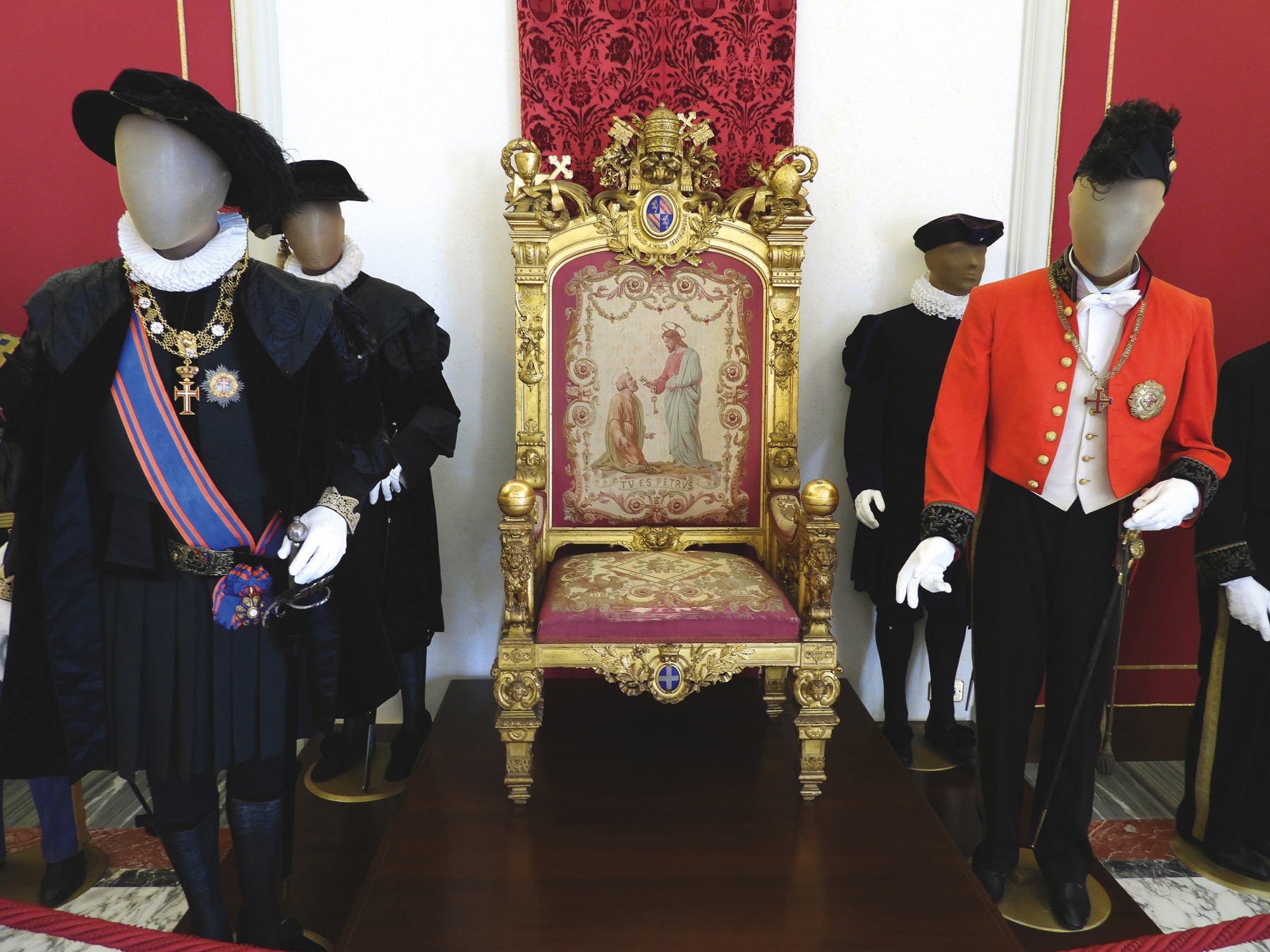
After visiting the Papal Palace, it was just a short drive to our Rome hotel near the Colosseum.
Basilica of San Giovanni in Laterano
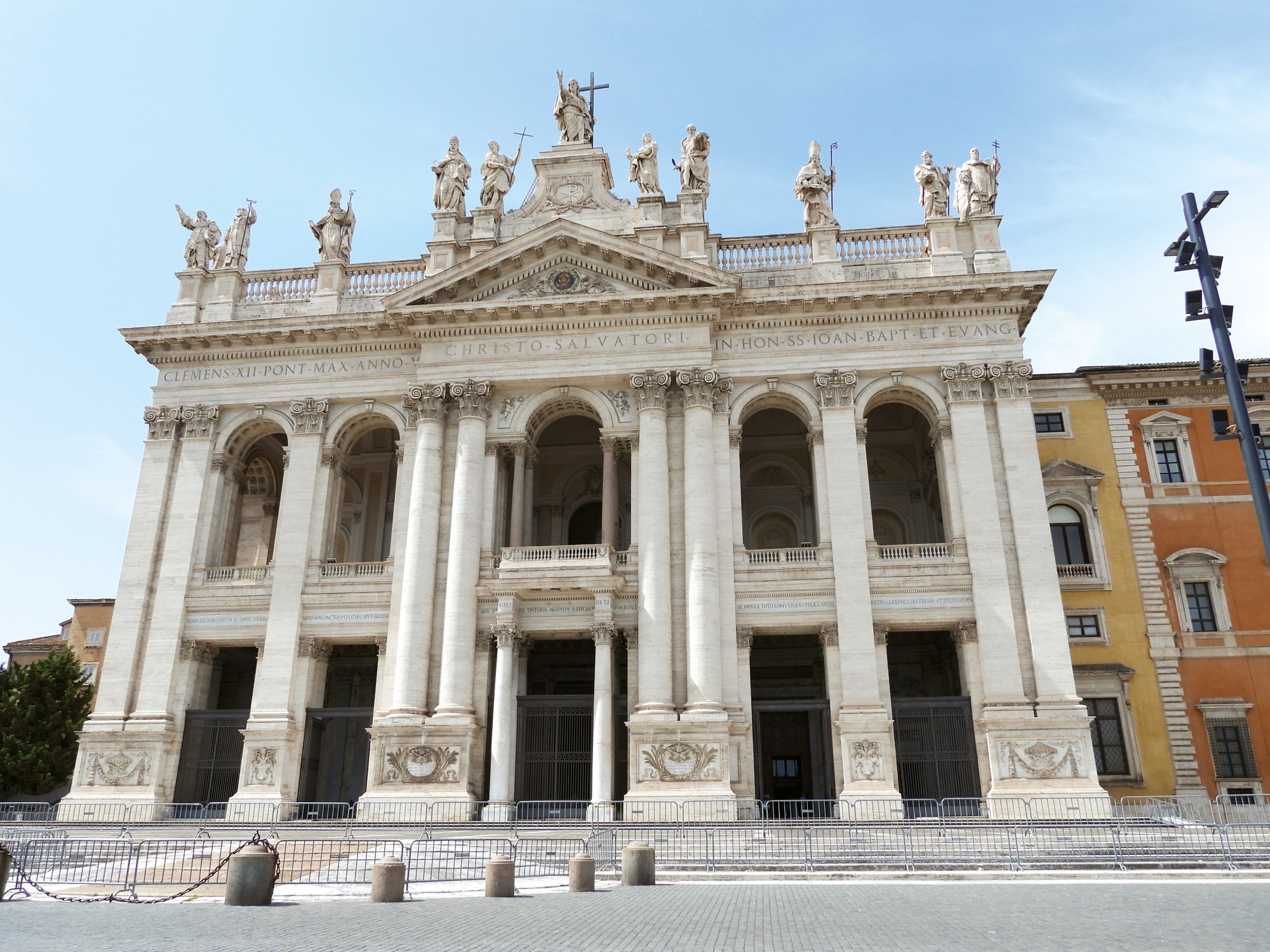
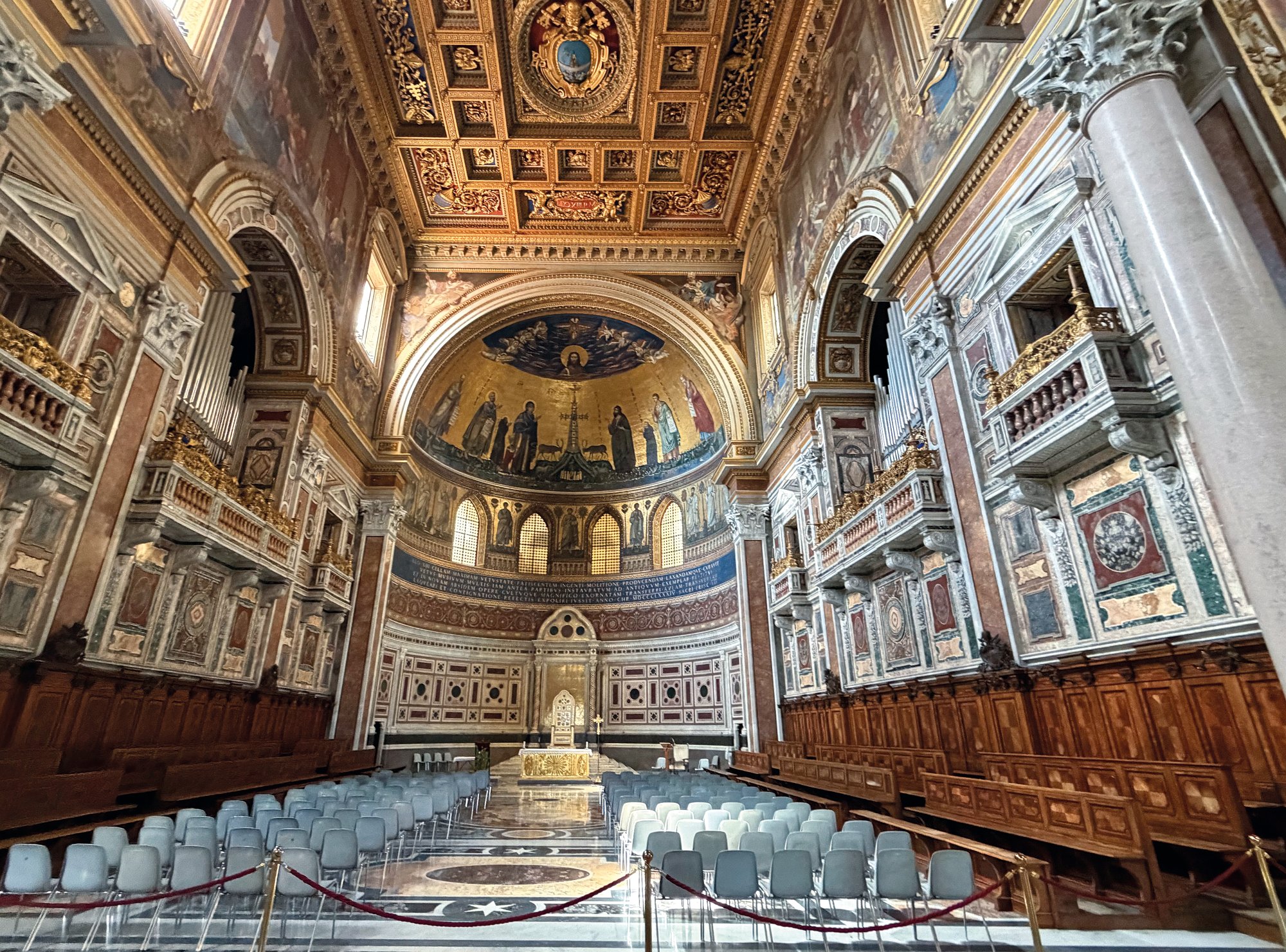
The Archbasilica of Saint John Lateran is the official cathedral of Rome and the mother church of the entire Catholic world.
Many people think of St. Peter’s Basilica as the main papal church, but San Giovanni in Laterano is the actual ecclesiastical seat of the bishop of Rome – the pope.
An inscription on the building calls it Omnium urbis et orbis ecclesiarum mater et caput, meaning “The Mother and Head of all churches in the city and the world”. It ranks higher than all other basilicas, including St. Peter’s. As the oldest public church in the West, it was built in the 4th century AD under Roman Emperor Constantine the Great, making it the first official Christian basilica constructed in Rome.
This historical papal centre served as the primary home of the popes for roughly 1,000 years before the papacy moved to Avignon and later settled in Vatican City. The adjacent Lateran Palace once served this purpose.
Six papal tombs remain in the basilica.
Basilica of Santa Maria Maggiore
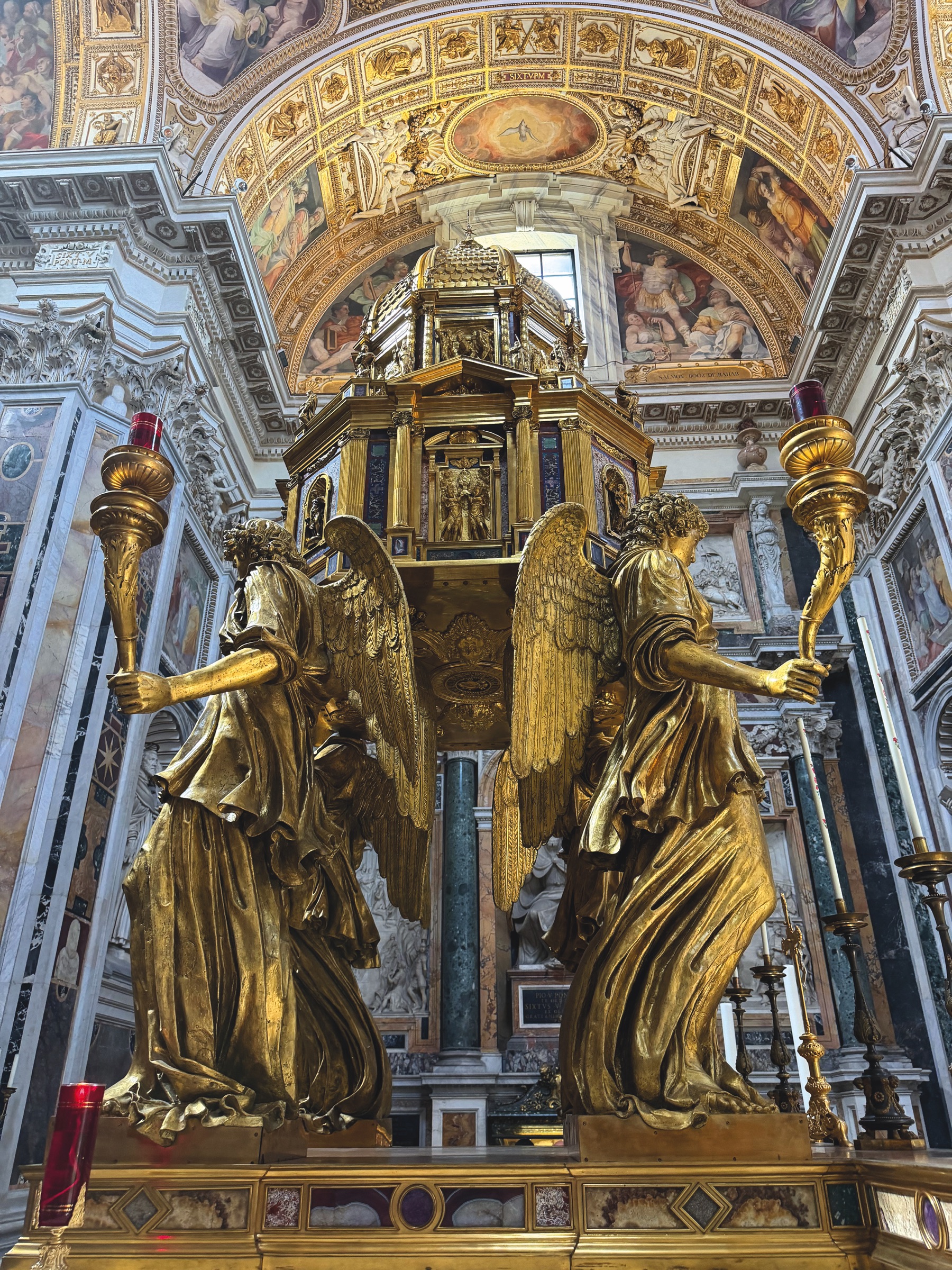
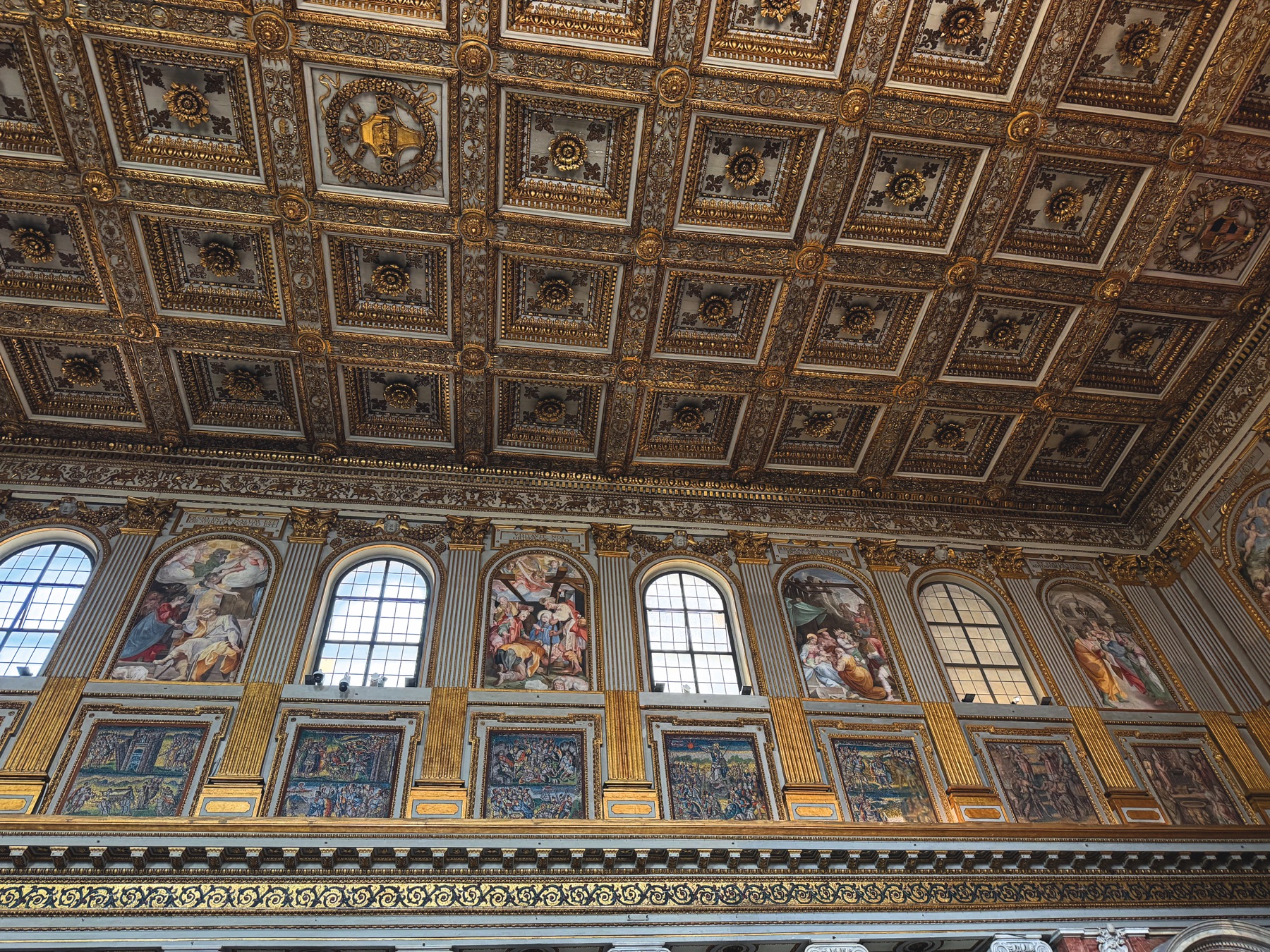
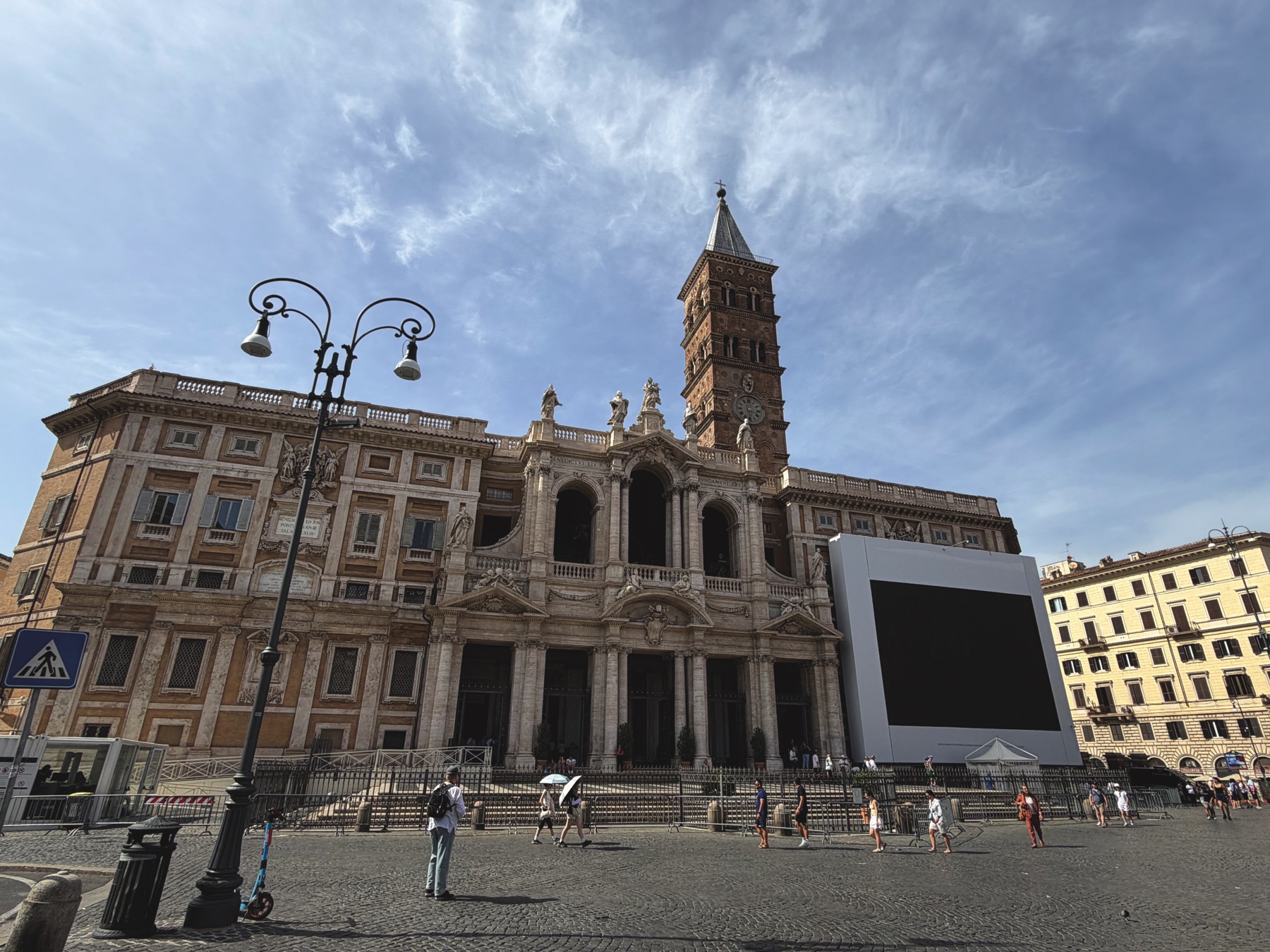
The Basilica of Santa Maria Maggiore, or the Liberian Basilica, is in Rome’s historic centre. It is the only basilica in Rome to have preserved its original early Christian structure, and is associated with the Spanish Monarchy and the King of Spain.
The Liberian Chapter is presided over by the Cardinal Archpriest and is composed of canons, all appointed by the Pope. This special college of priests is complemented by coadjutors, also appointed by the Pope, who together represent the clergy responsible for the liturgical and administrative care of the entire papal basilica.
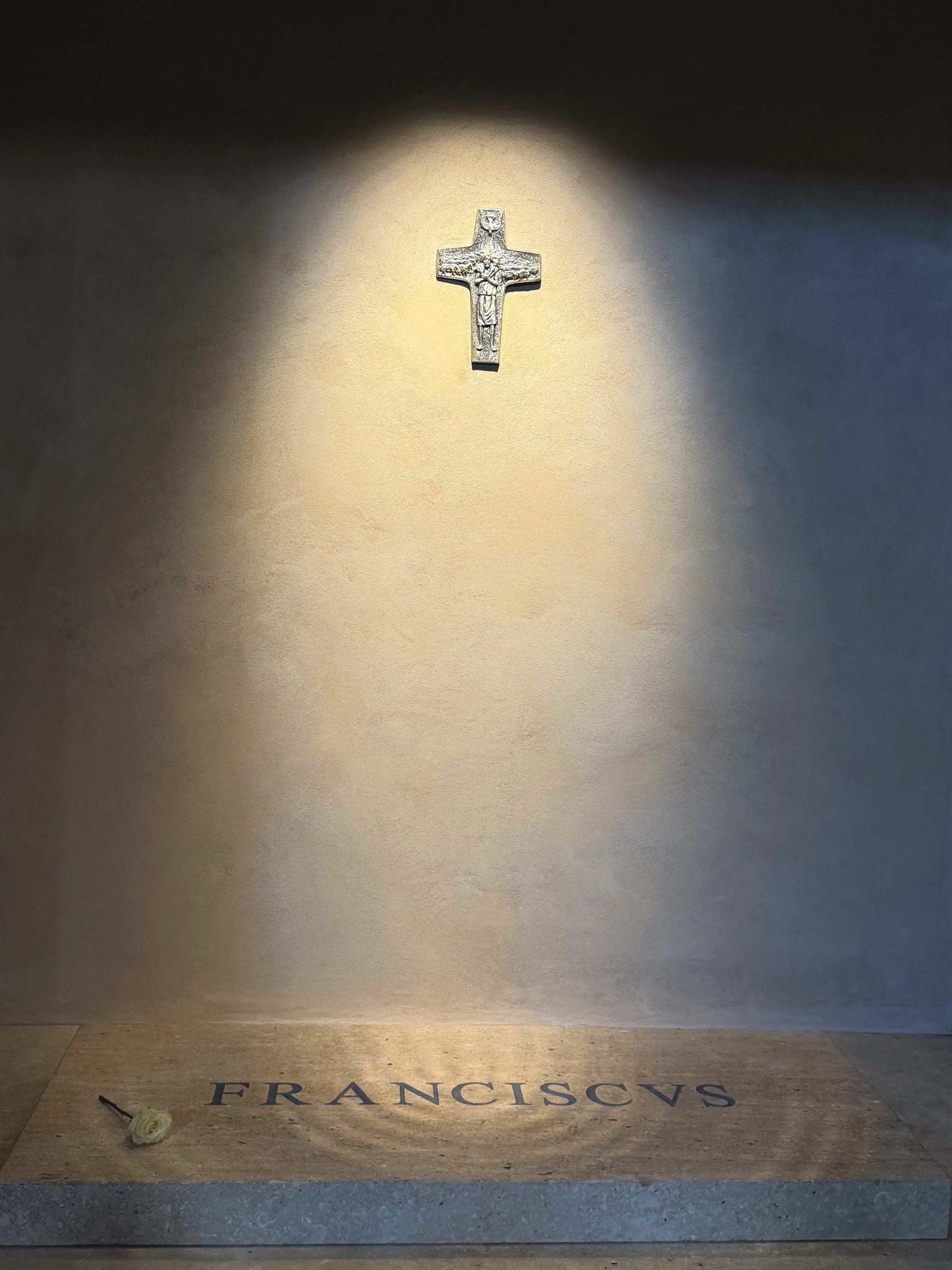
The Basilica of Santa Maria Maggiore houses the tombs of eight pontiffs. We paid our respects to the last pope, Francis (2013-2025).
You can read “Pope Francis – The Final Farewell” by H.E. the Most Reverend Jude Thaddeus Okolo, Apostolic Nuncio, here.
The Big Day – Visiting Vatican City
We had been looking forward to this day for over four months. We would like to express our appreciation to H.E. Monsignor Jude Thaddeus Okolo and to the Media Projects Office of the Dicastery for Communication for their kind support.
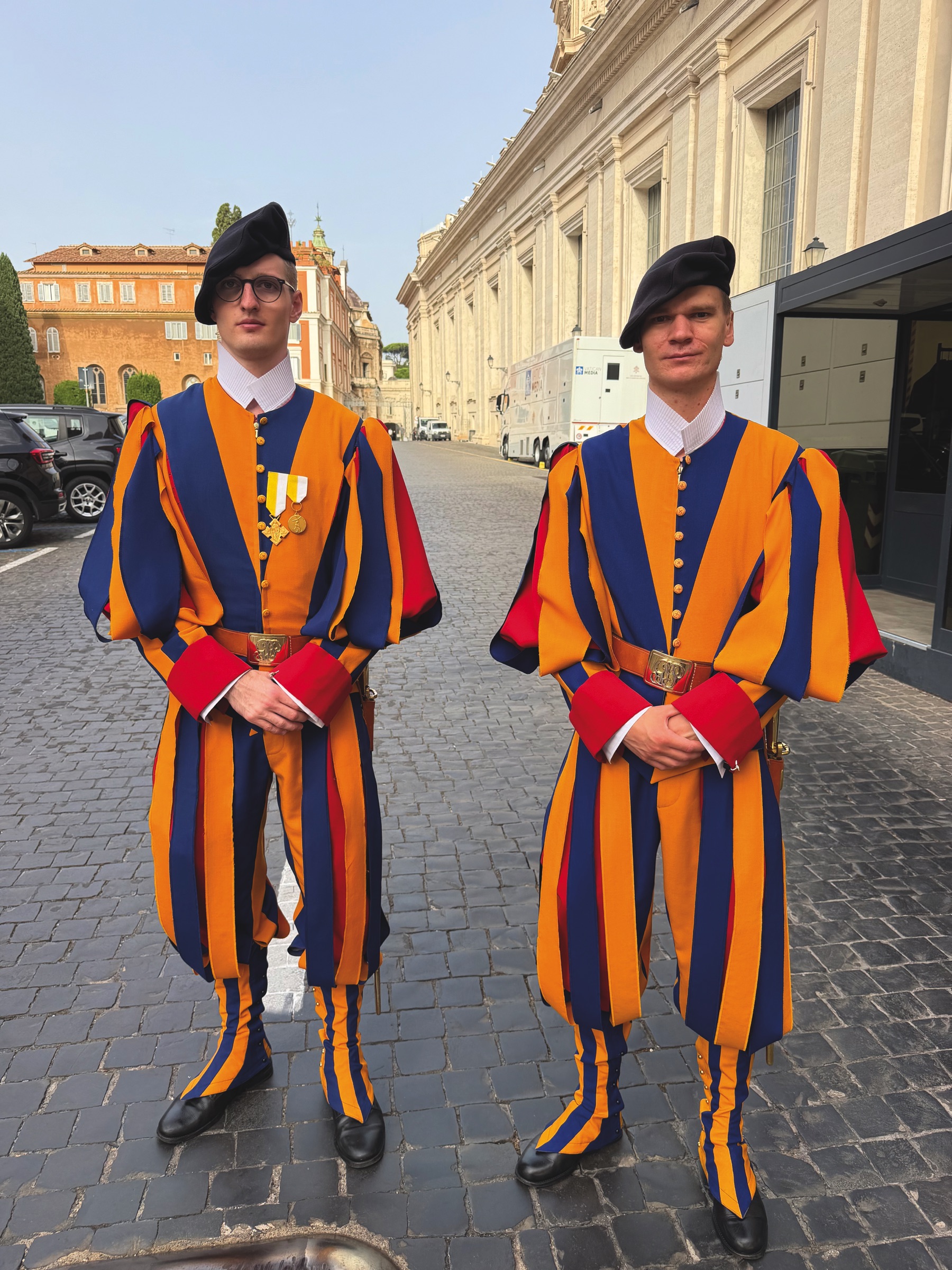
It was a hot day in Rome, about 39°C, but that couldn’t stop us from enjoying this special occasion. We had visited Vatican City a few times before as tourists; even so, the excitement was high.
Early in the morning, we met Mr. Antonino Puleo from the Media Office, who took us inside St. Peter’s Basilica via a special entrance.
Even though it was very early in the morning, the basilica was already full of people from all around the world. It is a holy place, and the visitors behaved accordingly.
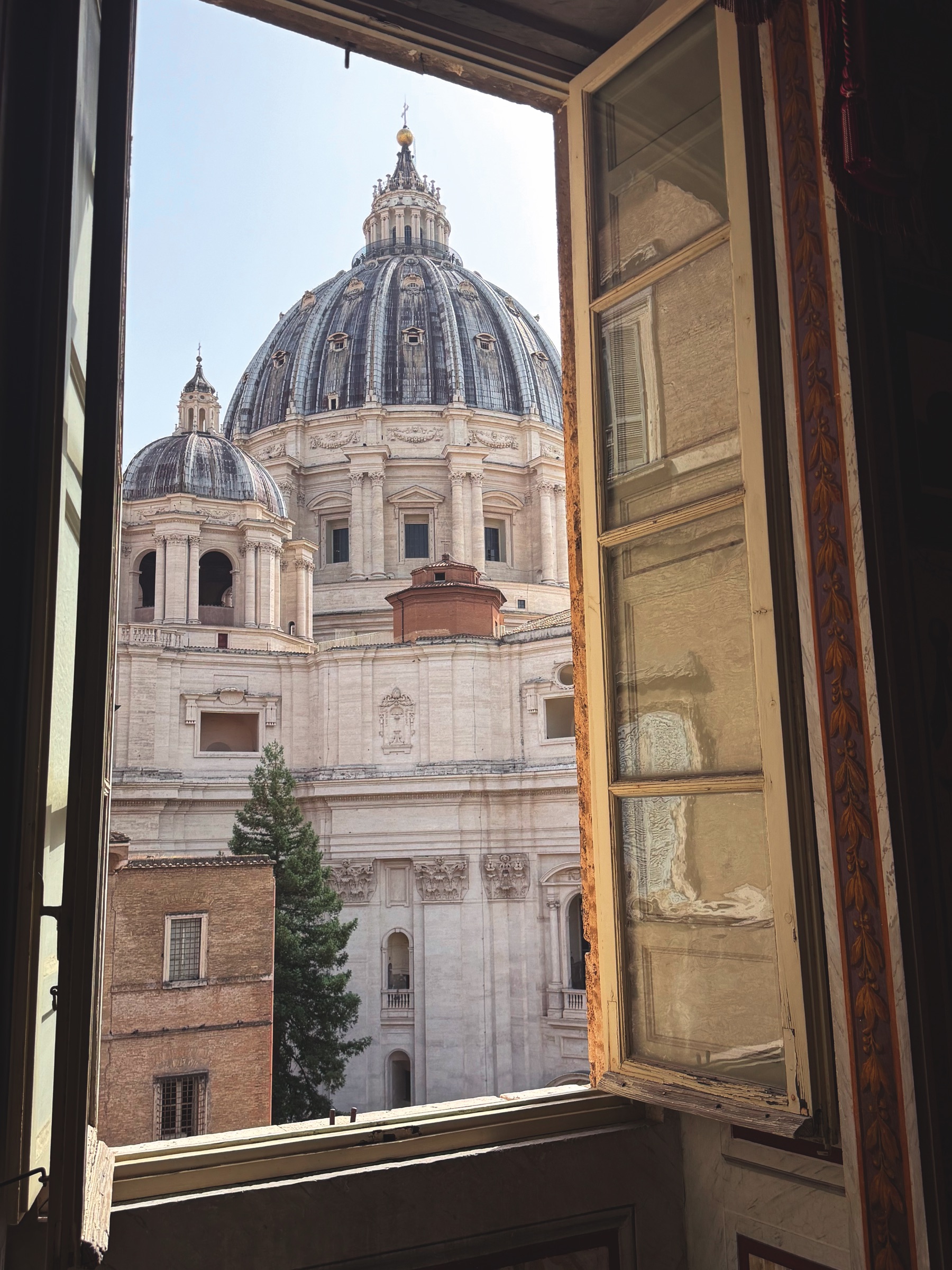
The Papal Basilica of Saint Peter in the Vatican, simply known as St. Peter’s Basilica, is an Italian Renaissance church located in Vatican City. It was initially planned in the 15th century by Pope Nicholas V (and then by Pope Julius II) to replace the aging Old St. Peter’s Basilica, which was built in the 4th century by the Roman emperor Constantine the Great. Construction began on 18th April 1506 and was completed on 18th November 1626.
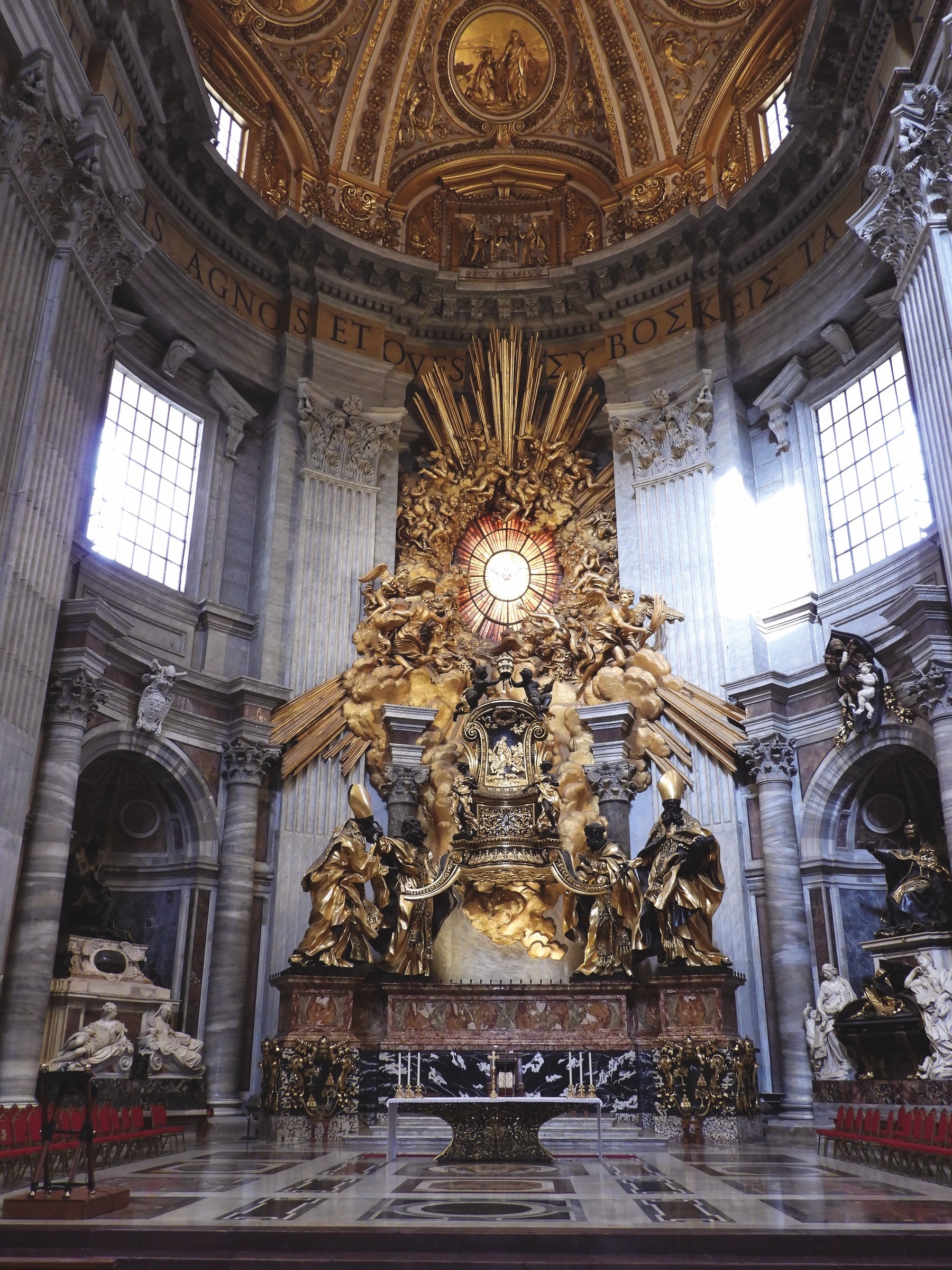
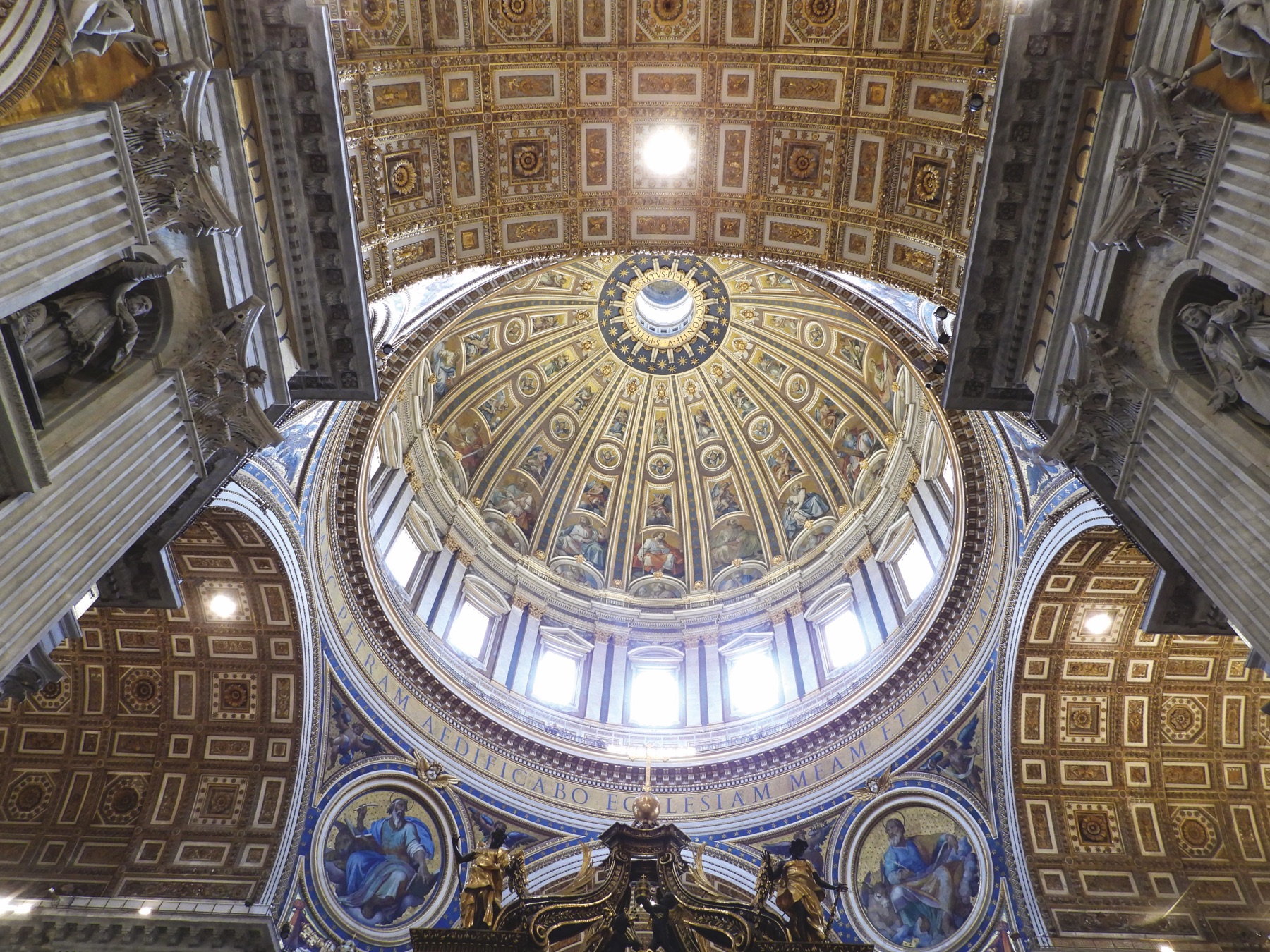
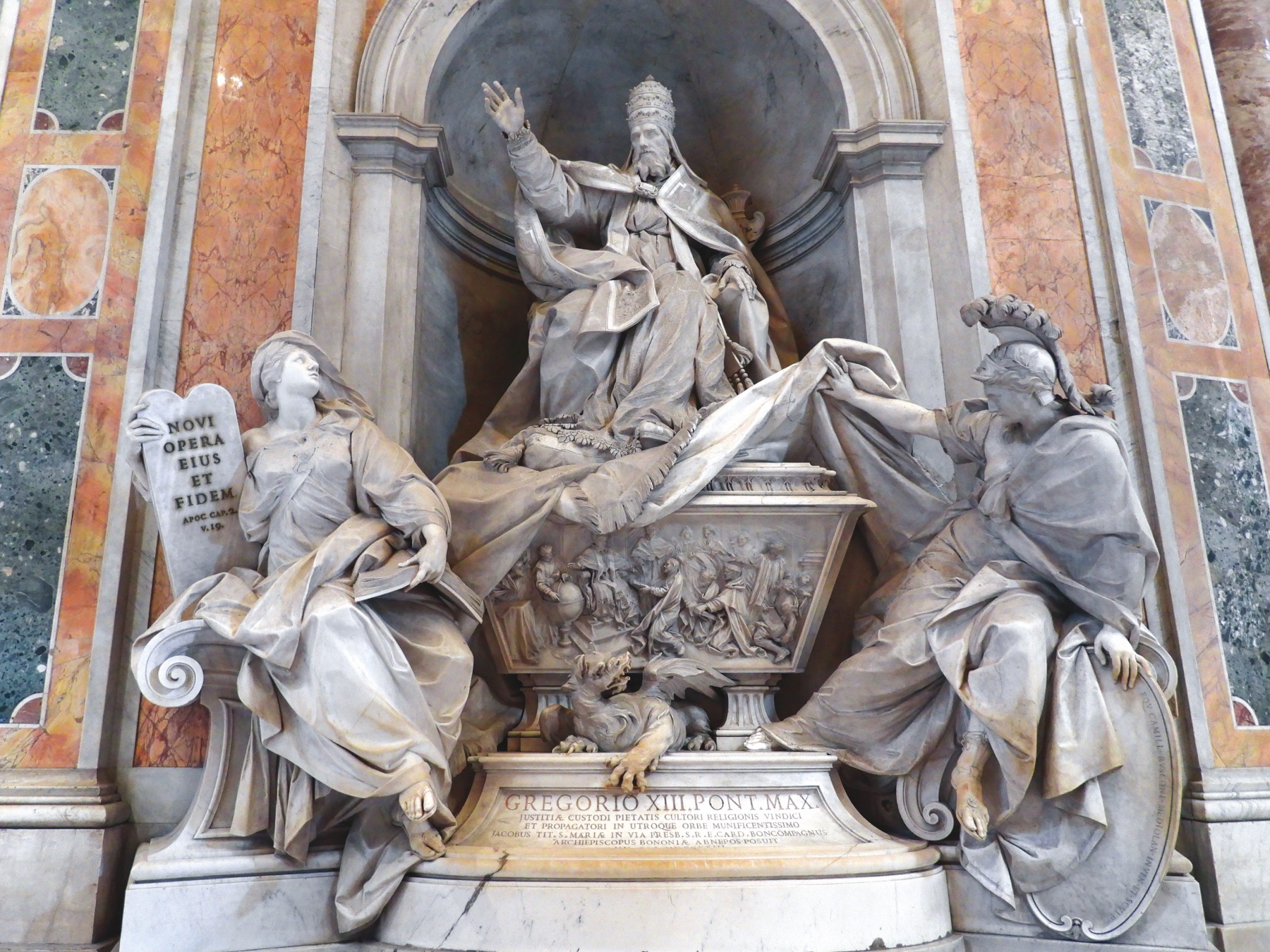
Designed principally by Donato Bramante, Michelangelo, and Carlo Maderno, with the piazza and fittings by Gian Lorenzo Bernini, Saint Peter’s is one of the most renowned works of Italian Renaissance architecture.
Saint Peter’s Basilica is the largest church in the world. It is the heart of Christianity, and a universal symbol of spirituality. You can explore the basilica by following a path of art and faith that reveals the deeper details of this extraordinary place and its priceless artworks, from Bernini’s majestic Baldachin to Michelangelo’s Pietà.
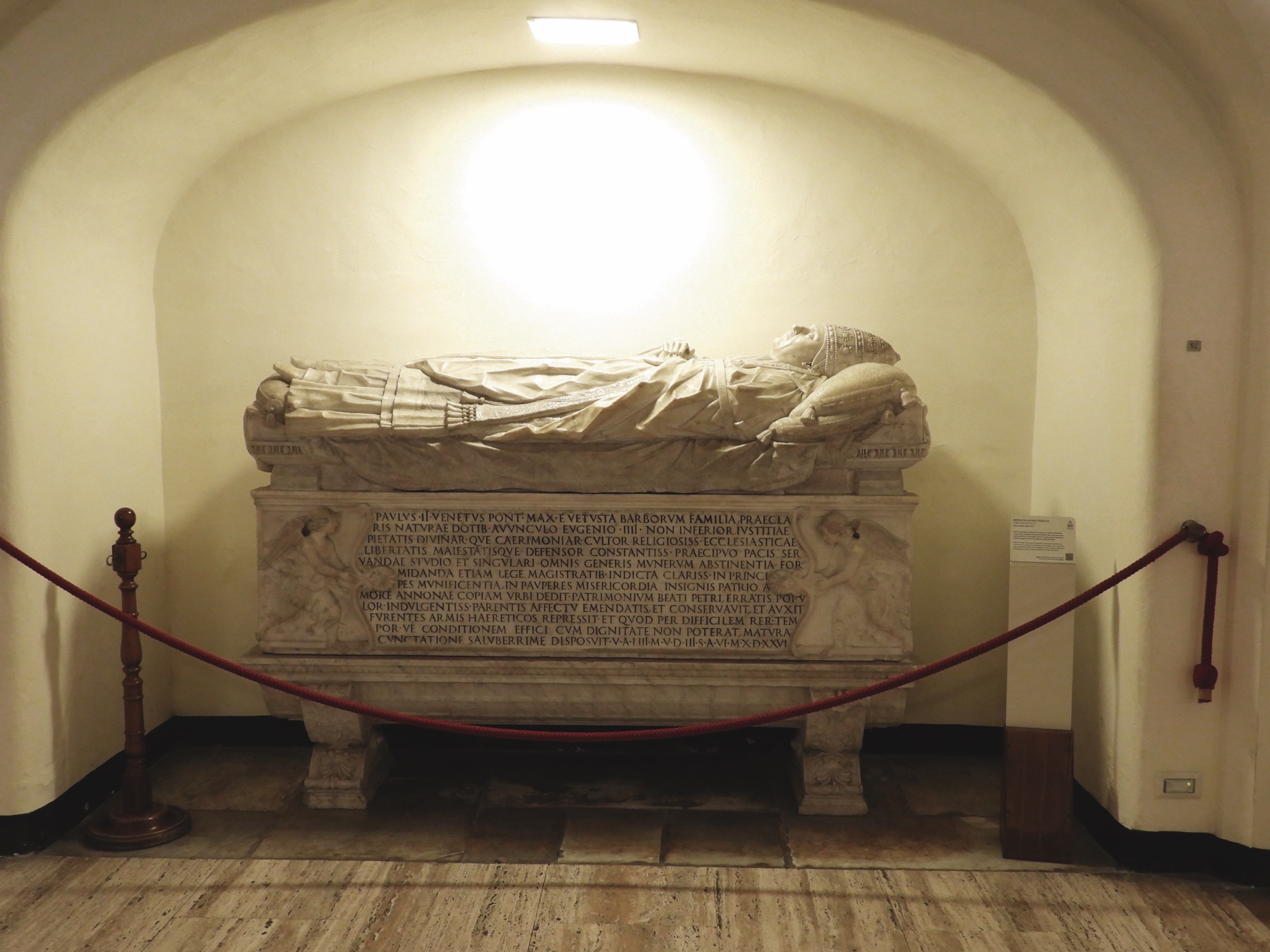
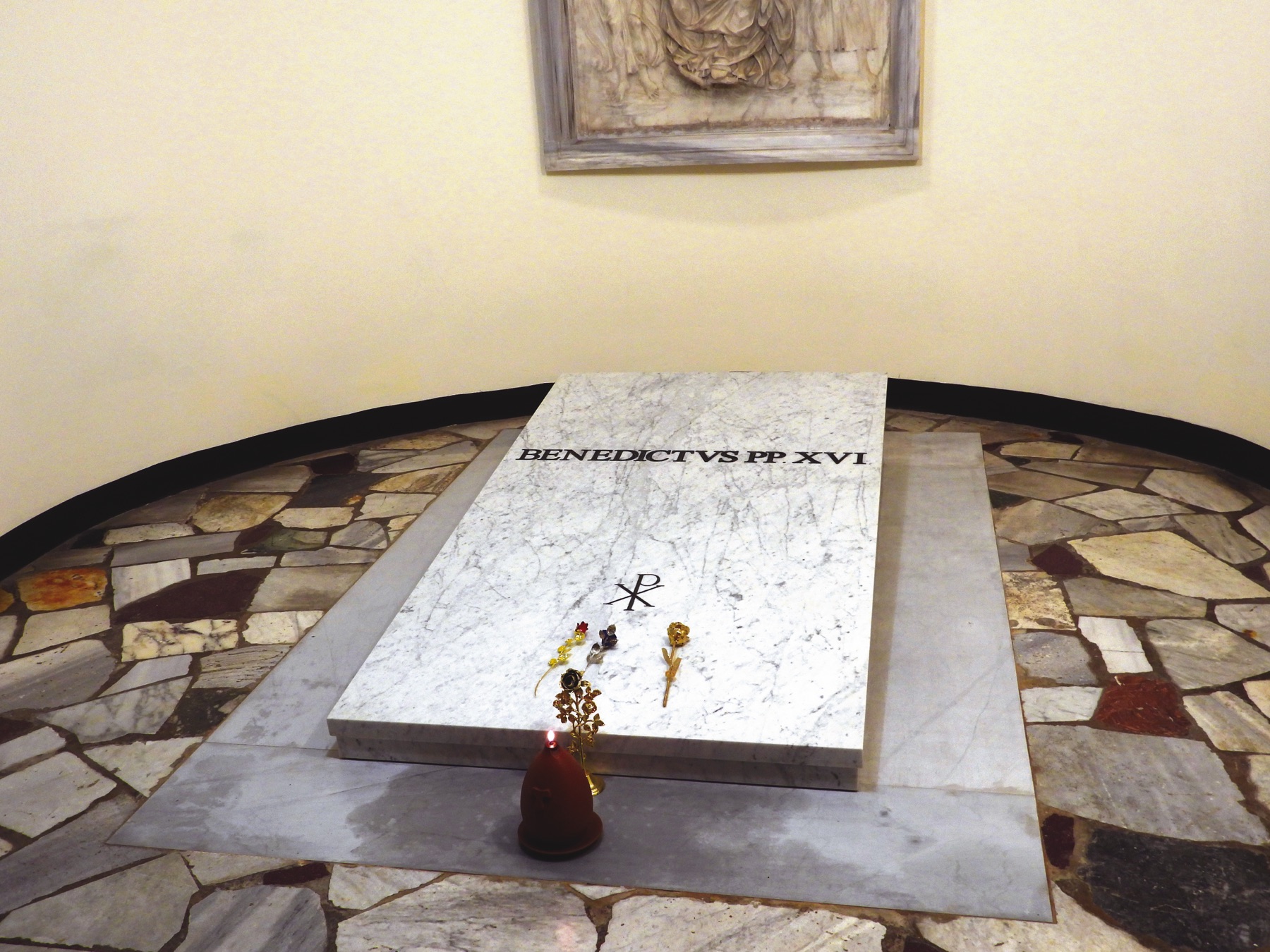
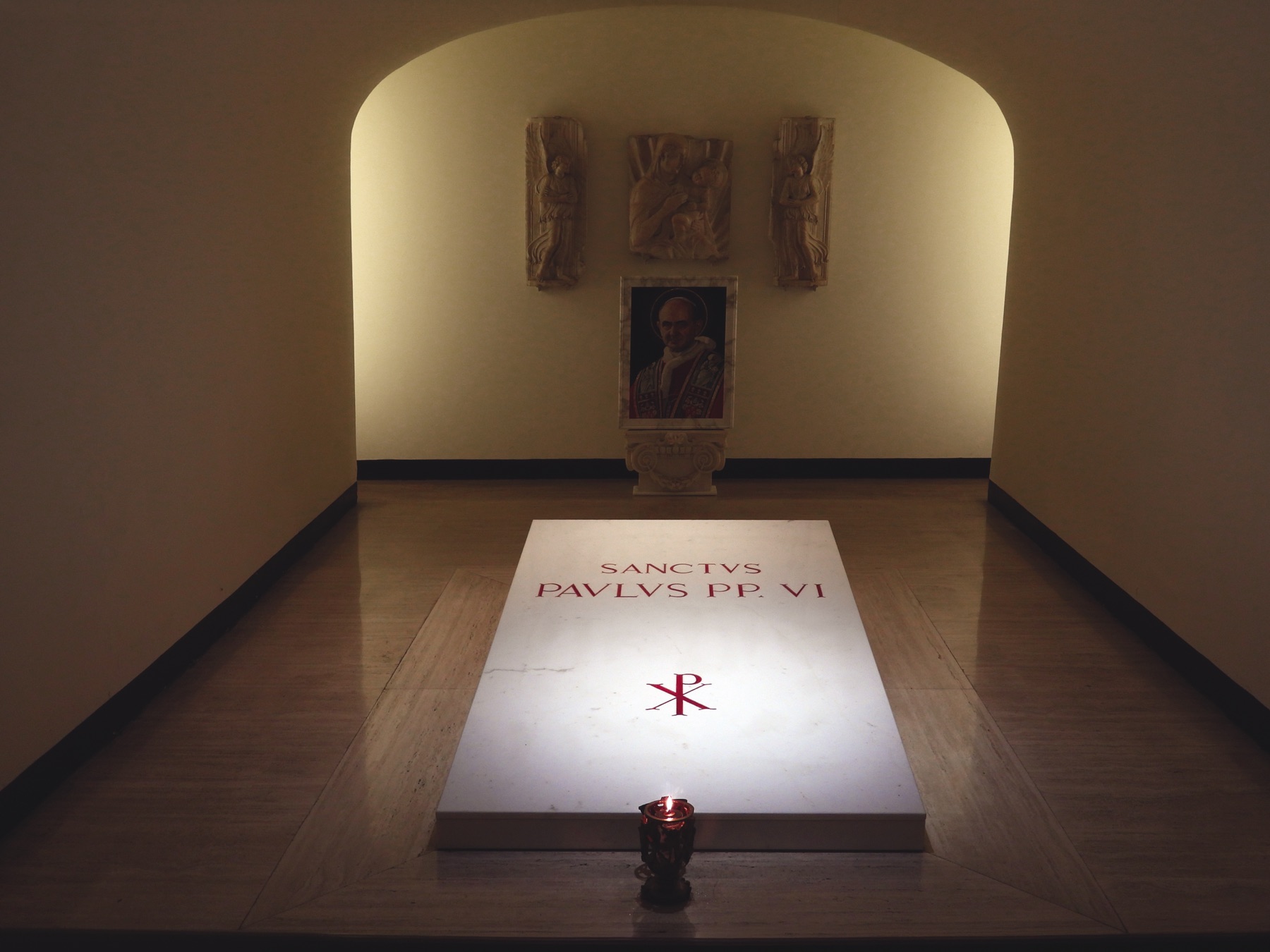
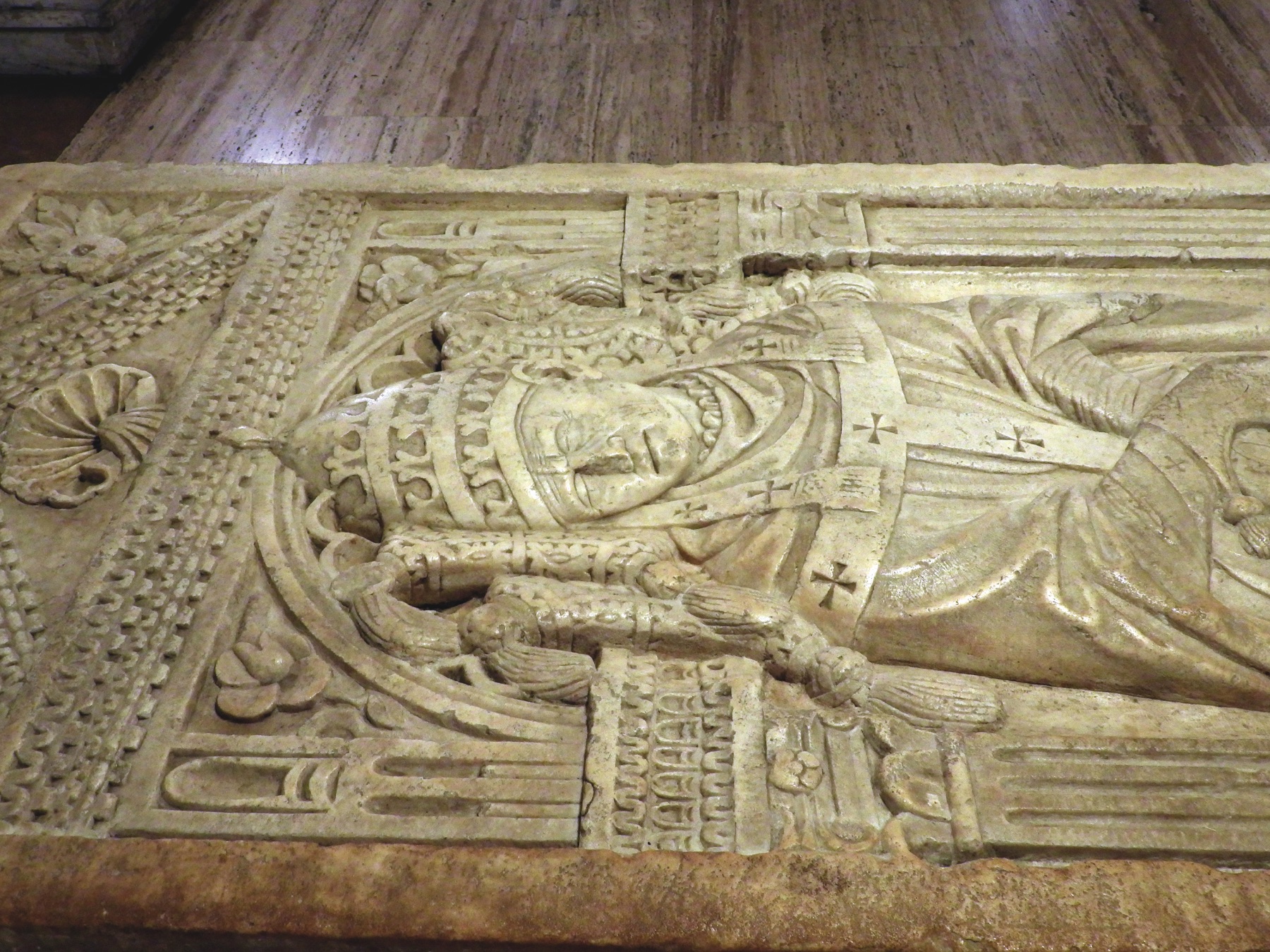
Catholic tradition holds that the basilica is the burial site of Saint Peter, chief among Jesus’ apostles, and also the first Bishop of Rome, i.e. the pope. Saint Peter’s tomb is directly below the high altar of the basilica, also known as the Altar of the Confession. For this reason, many popes, cardinals, and bishops have been interred at St. Peter’s since the early Christian period.
St. Peter’s is ranked second, after the Archbasilica of Saint John Lateran, among the four churches in the world that hold the rank of major papal basilica, all four of which are in Rome. It is also one of the Seven Pilgrim Churches of Rome. Contrary to popular misconception, it is not a cathedral because it is not the seat of a bishop.
The entire interior of St. Peter’s is lavishly decorated with marble, reliefs, architectural sculpture, and gilding. The basilica contains a large number of tombs of popes and other notable people, many of which are considered outstanding artworks. There are also many sculptures in niches and chapels, including Michelangelo’s Pietà. The central feature is the Baldachin, or canopy over the Papal Altar, designed by Gian Lorenzo Bernini. The apse culminates in a sculptural ensemble, also by Bernini, containing the symbolic Chair of Saint Peter.
Mr. Antonino Puleo specifically showed us several elements that are connected to Prague and the Czech Republic.
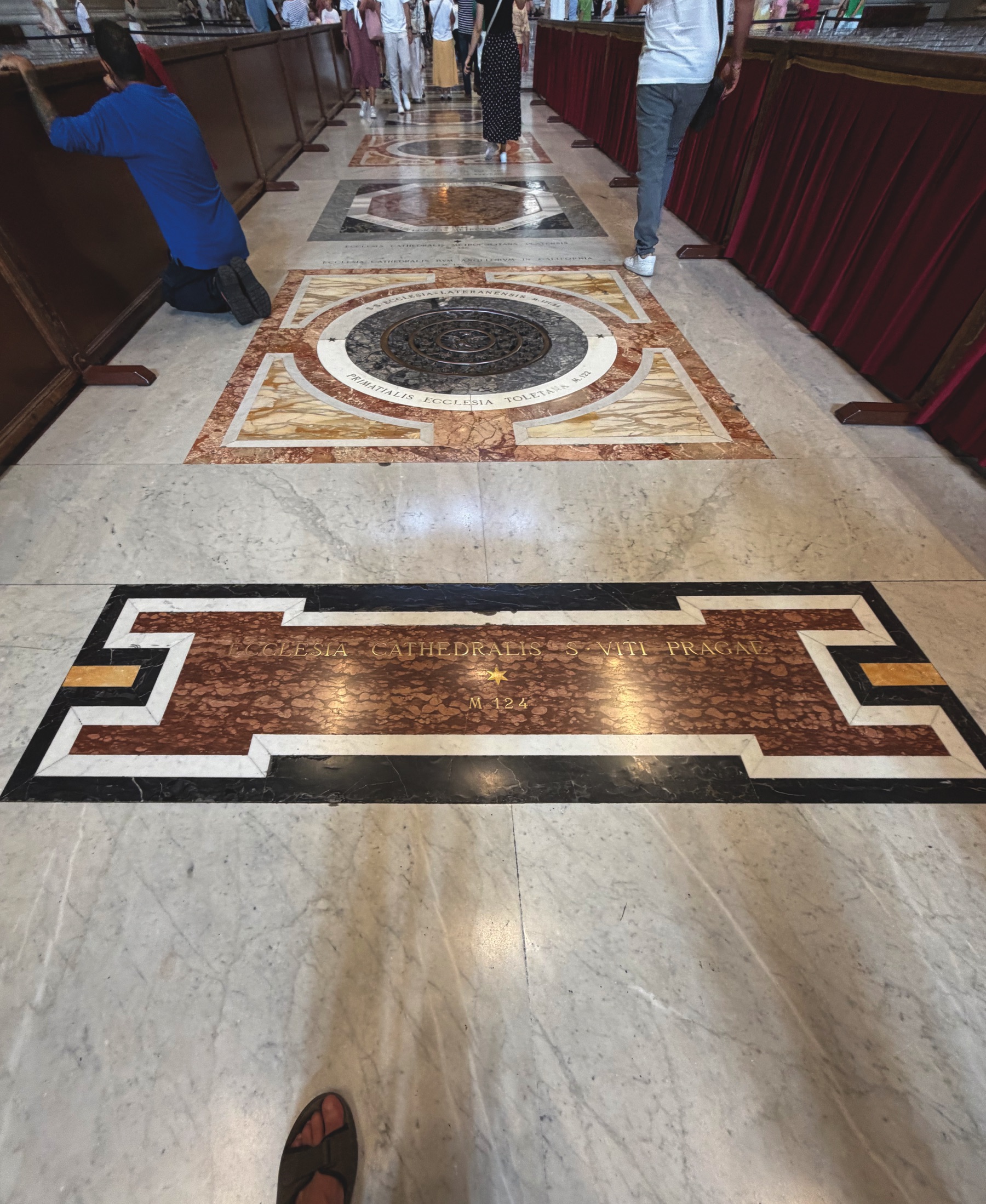
The size of St. Vitus Cathedral in Prague compared to St. Peter’s Basilica
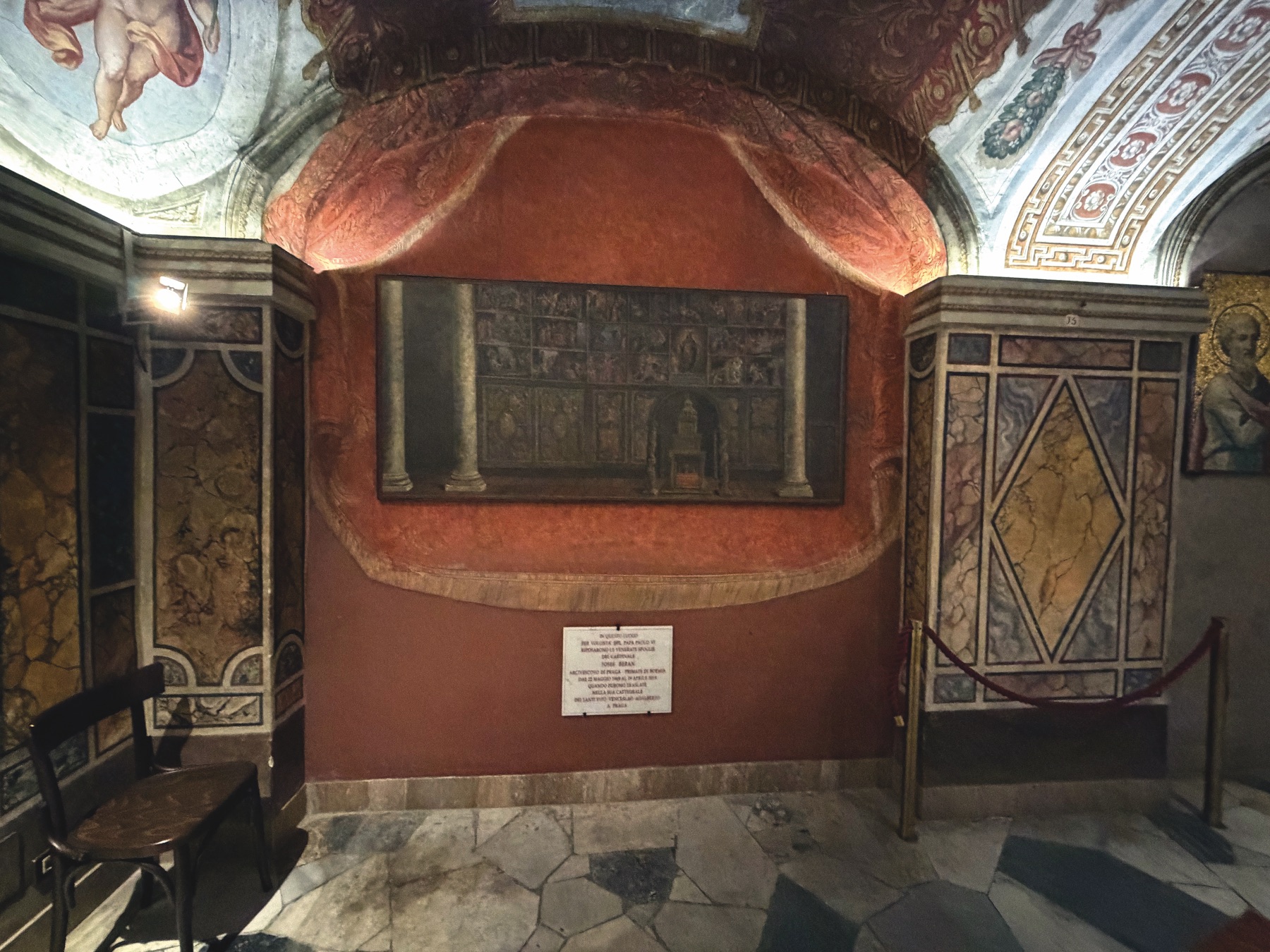
The original grave of the 33rd Archbishop of Prague, Josef Beran (1888–1969)
A few details about St. Peter’s Basilica
• Total length: 220 m
• Total width: 150 m
• Interior length including the vestibule: 211.5 m
• Length of the transepts in the interior: 137 m
• Width of the nave: 27.5 m
• Width at the tribune: 24 m
• Internal width at the transepts: 137 m
• Internal height of the nave: 46.2 m
• Total area: 21,095 m2
• Internal area: 15,160.12 m2
• Height from the pavement to the top of the cross: 136.6 m
• Façade: 51 m high by 114 m wide
• Vestibule: 71 m wide, 13.5 m deep, and 28 m high
• Internal columns and pilasters: 28 m tall • Circumference of the central piers: 73 m
• Outer diameter of the dome: 42 m
• Drum of the dome: 190 m in circumference, 20 m high, rising to 73 m from the ground
• Lantern: 19 m high
• The ball and the cross: 2.4 m and 4.9 m, respectively
• St. Peter’s Square: 340 m long, 240 m wide
• Each arm of the colonnade: 93 m long and 20 m high
• The colonnades have 284 columns, 88 pilasters, and 140 statues
• Obelisk: 25.5 m high. Total height with the base and the cross: 40 m.
• Weight of the obelisk: 326,800 kg
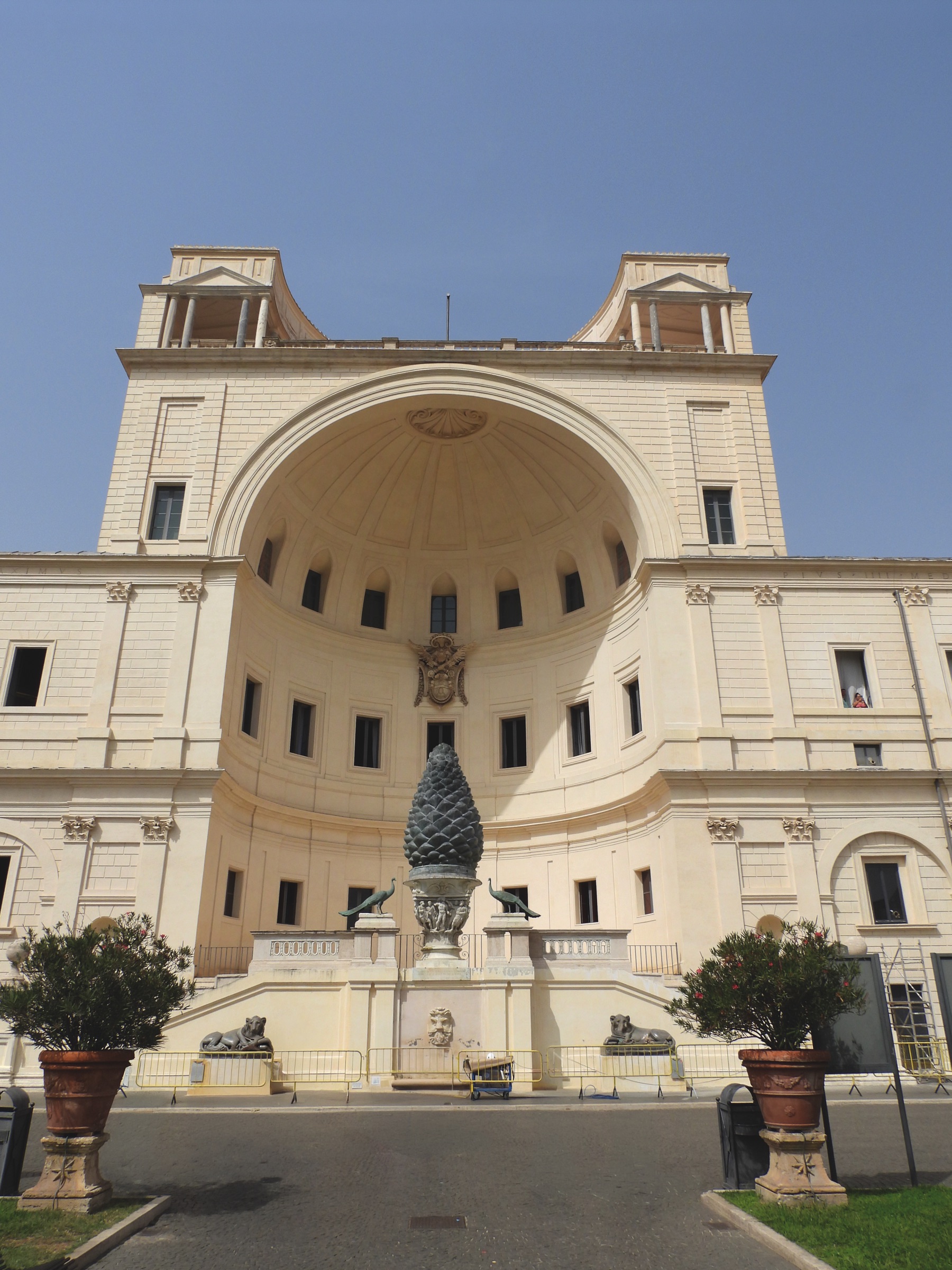
After more than two hours, we left this beautiful place and headed to the Vatican Museums.
We visited the Vatican Museums as regular tourists, buying our tickets online, waiting in a very long queue, and taking pictures, just like any other visitor.
Since our last visit to the museums, a few exhibitions had been reopened.
Pope Julius II founded the museums in the early 16th century. They display works from the immense collection amassed by the Catholic Church and the papacy throughout the centuries, including several of the best-known Roman sculptures and the most important masterpieces of Renaissance art in the world. There are 24 galleries and rooms in total, including the Sistine Chapel.
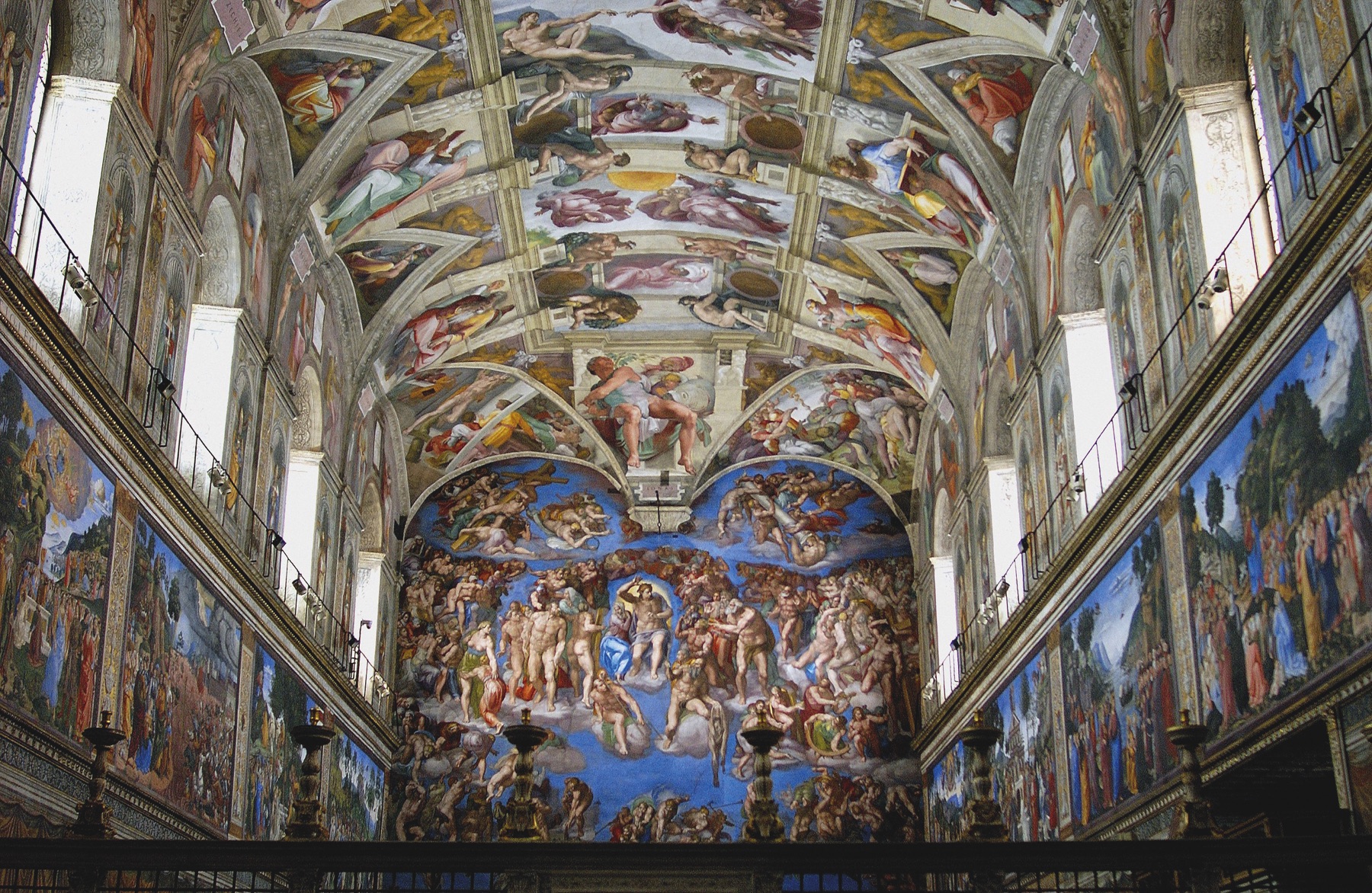
Picture from CTK. Credit: Larrea, Javier / LOOK-foto / Profimedia
The Sistine Chapel
Between 1508 and 1512, under the patronage of Pope Julius II, Michelangelo painted the chapel’s ceiling, a project that changed the course of Western art and is regarded as one of the major artistic accomplishments of human civilization. In a different political climate, after the Sack of Rome, he returned, and, between 1535 and 1541, painted The Last Judgment for popes Clement VII and Paul III. The fame of Michelangelo’s paintings has drawn multitudes of visitors to the chapel since they were unveiled five centuries ago. The Sistine Chapel also serves as the sacred site where cardinals gather to elect a new pope. You need three to five hours to visit the Vatican Museums and the Sistine Chapel. After a day full of unforgettable experiences, we left Vatican City.
This article was dedicated to the Vatican. In one of our future issues, we will publish another article, telling you more about our holiday in beautiful Italy.