

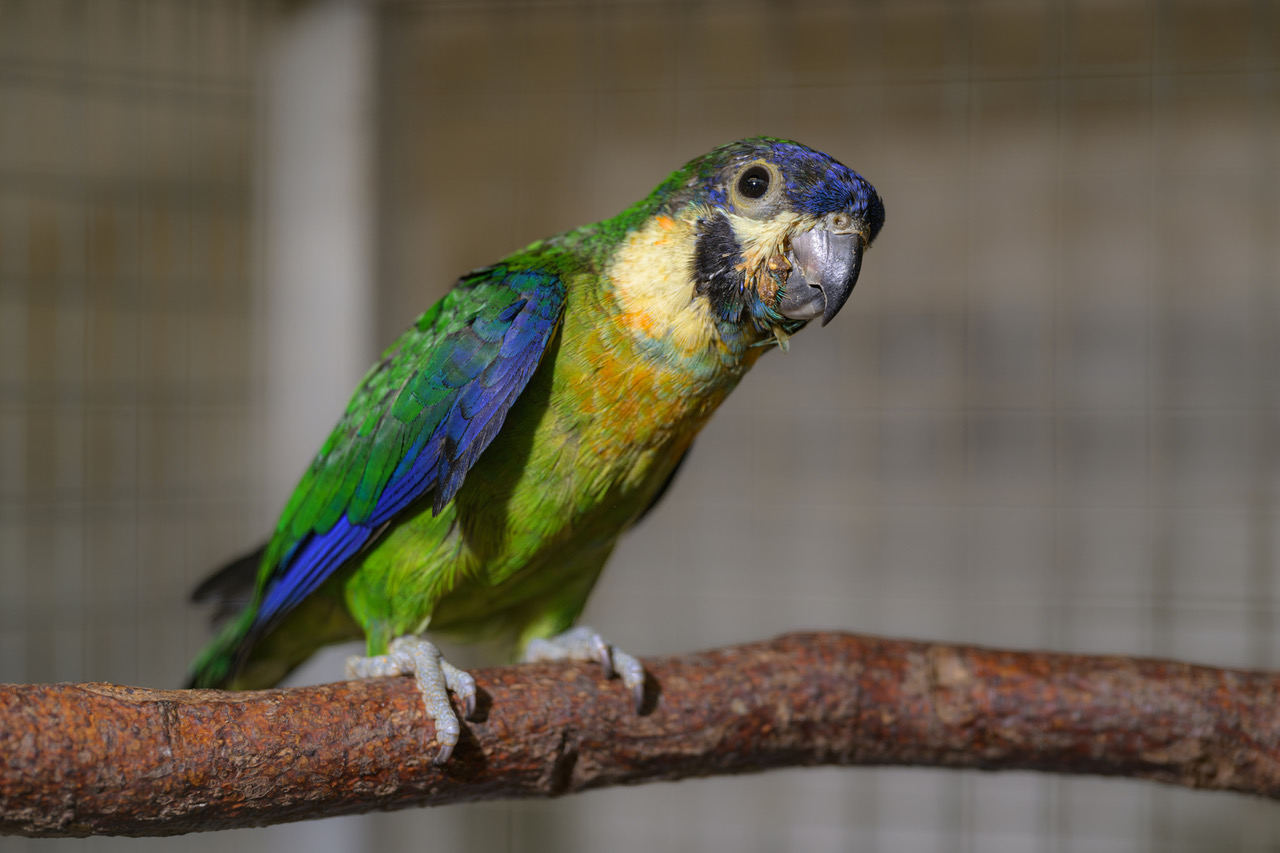
The young orange-breasted lorikeet is a European rarity. Its gender is visible to the naked eye thanks to the emerging orange bib, which is the domain of males. Photo by Petr Hamerník, Prague Zoo
The first-ever orange-breasted lorikeet cub is growing up in the Prague Zoo. This delicate parrot was successfully bred here for the first time in Czech zoos. The rarity is not only the rearing of a species that only three other institutions breed in Europe, but also the exemplary care of an inexperienced parental couple. Renowned as a breeder’s challenge due to their high demands for cleanliness, the Loríčci live mainly in New Guinea and nearby islands in several species. They are also known as “fig parrots”, because the flesh of figs is an essential part of their diet.
“The parent couple surprised us several times. First, with precise nesting activity and then by laying a healthy-looking egg. Thirdly, we were amazed to find out that the egg was actually fertilized, and I’m not afraid to say that in the end we were amazed that they took the offspring in an exemplary manner and raised it completely naturally. This is unusual for many bird species, and it is doubly true in the case of lorikeets,” says bird curator Antonín Vaidl, adding that the cub remains in the quiet background of the zoo.
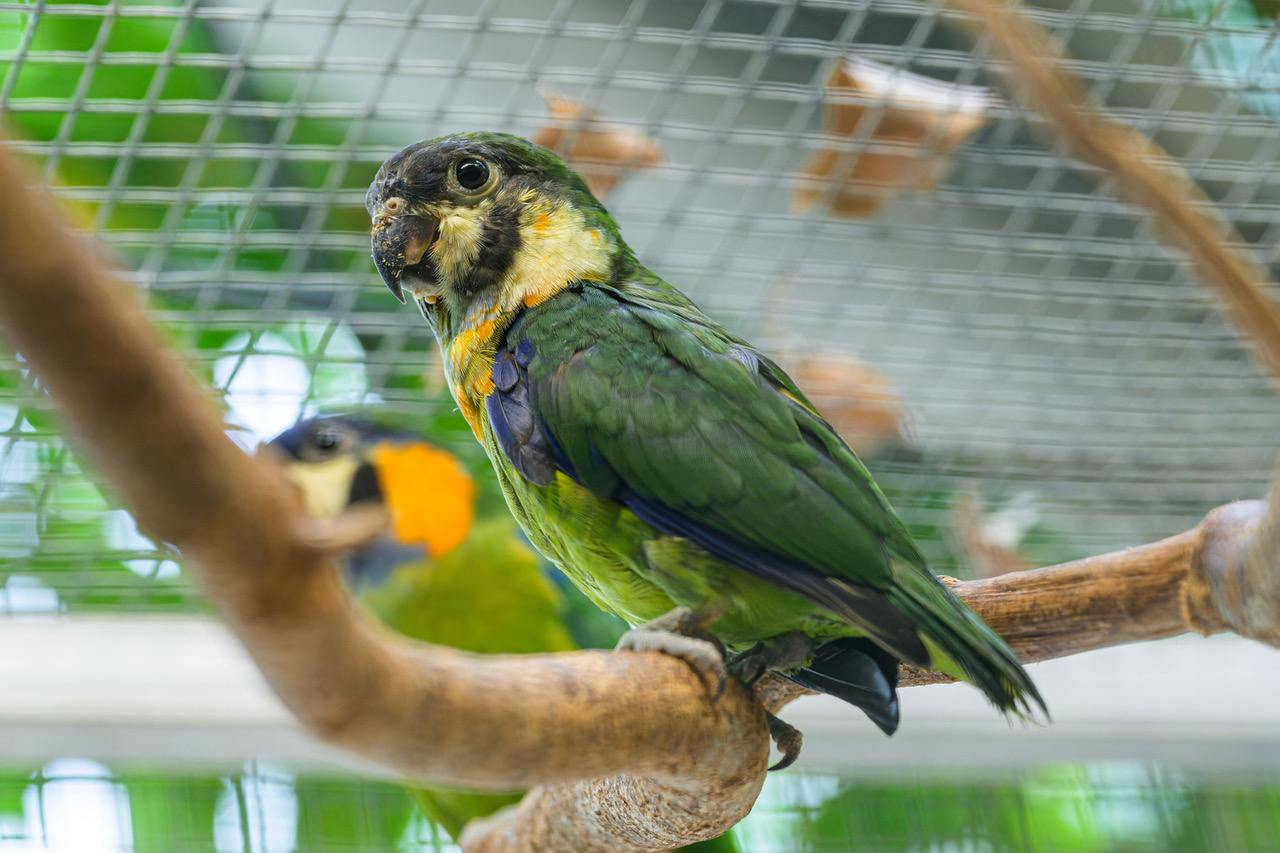
The small orange-breasted lorikeet remains in the background of the zoo, specifically in the Indonesian Jungle pavilion, where it thrives in temperature and humidity adapted to forest species. Photo by Petr Hamerník, Prague Zoo
The little orange-breasted loon hatched on May 27 after about 20 days of incubation. Now the breeders know that it is a male. This smallest species of lorikeet has been kept by the Prague Zoo since 2018, when it acquired the first birds from the specialized bird park Walsrode in Germany. It can be seen in the exhibition on the Parrot Trail since 2022, while a year later the first chick hatched here. However, it died the next day. However, the current addition is in excellent condition and, at the age of four months, can almost be considered bred.
The Prague Zoo also reports success with other loris species. Red-bearded lorikeets settled in the garden as early as 1997, and the zoo is proud of more than thirty breedings of them, the first of which was successful in 2003. The golden-eared lorikeet from the Rákos pavilion is also an absolute rarity: in continental Europe it can currently only be seen in the Prague Zoo. This species was propagated by the team of curator Antonín Vaidl for the first time in 2022.
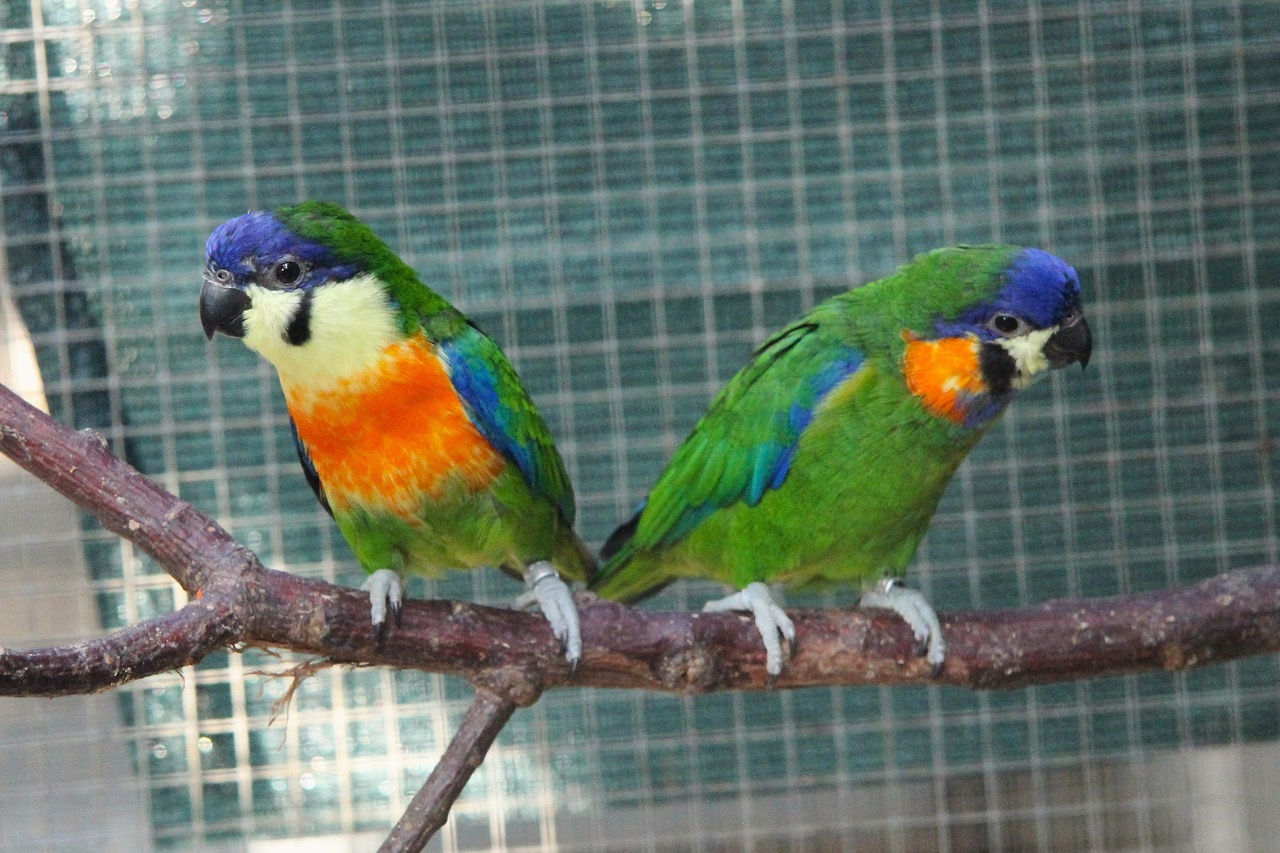
An adult pair of orange-breasted warblers. The male (left) has orange colored feathers over a larger body area than the female (right). Photo by Antonín Vaidl, Prague Zoo
The advantage of breeding several types of lorikeets is the possibility of placing the young under an experienced pair of another species. In the background of the garden, one chick is growing up in this way – it is a small red-bearded lorikeet with foster parents, golden-eared lorikeets. Two years ago, however, it was the other way around, when experienced redbeards took hold of a golden-eared cub.
Loríčci, despite their Czech family name, are not closely related to the better-known lories. But they are united by the New Guinea area of occurrence and also by the way of obtaining food, when the birds often hang upside down from a branch. According to the International Union for Conservation of Nature, the orange-breasted lorikeet is classified as a “low concern” species. But the reason is probably the lack of data and observations due to living in remote forest habitat.
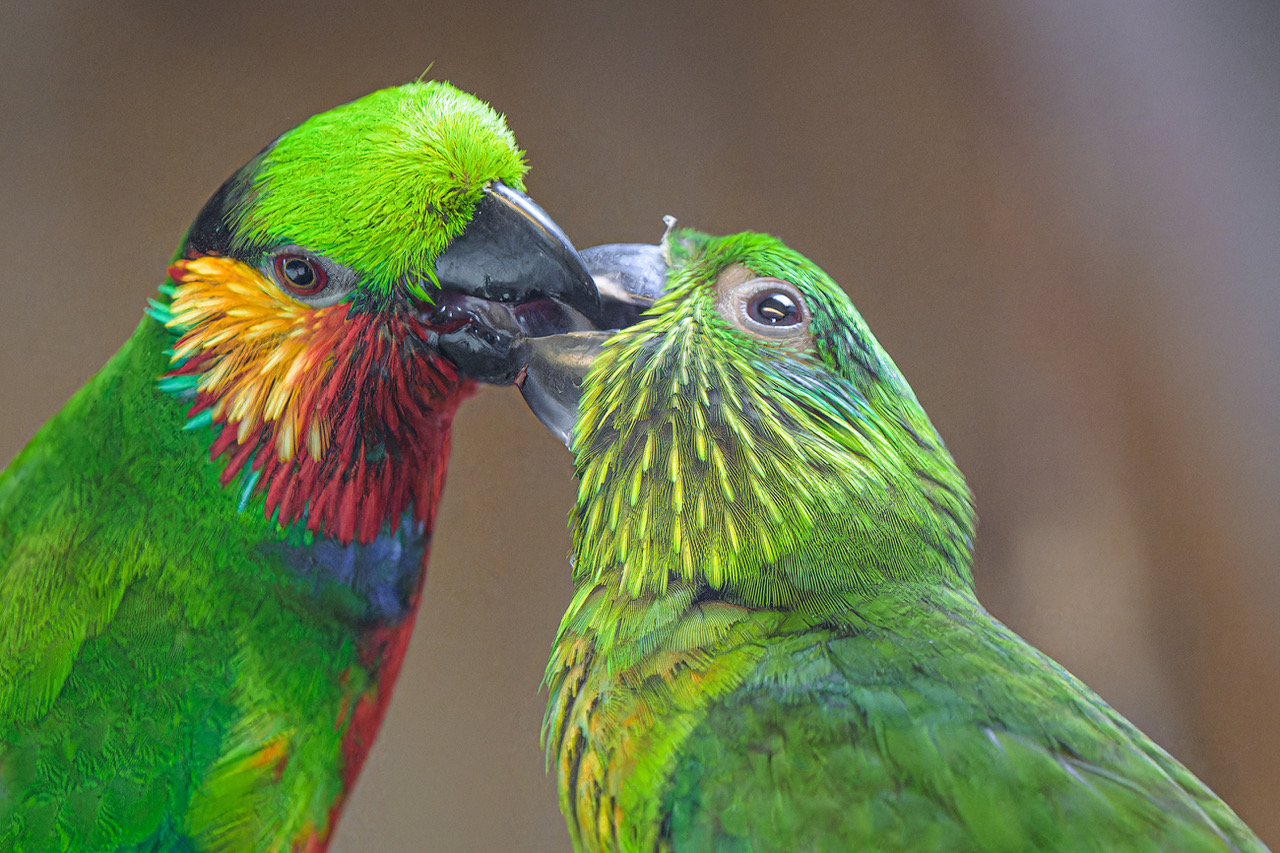
: An example of the mentioned interspecies fosters: A female red-bearded lorikeet feeds a small golden-eared lorikeet. The illustrative picture is from 2024. Photo by Petr Hamerník, Prague Zoo