Authoradmin

74th Republic Day of India

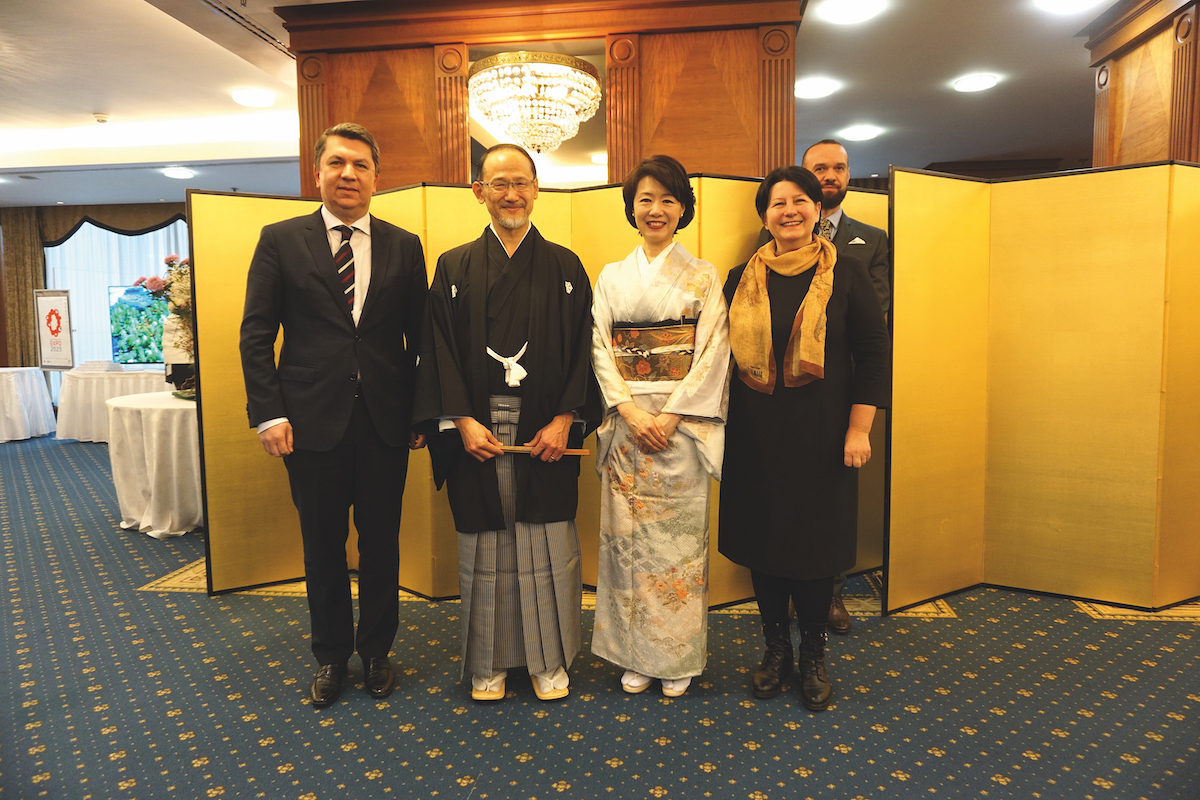
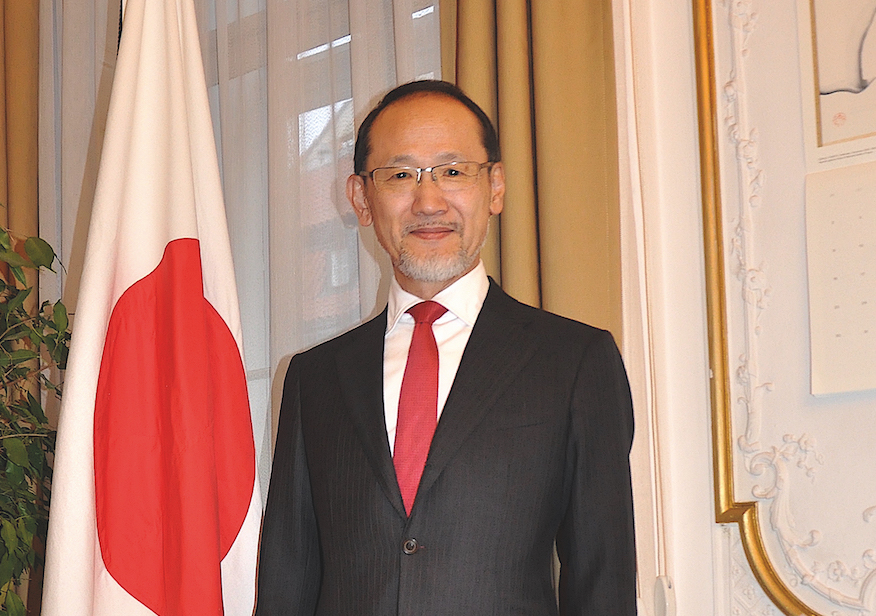
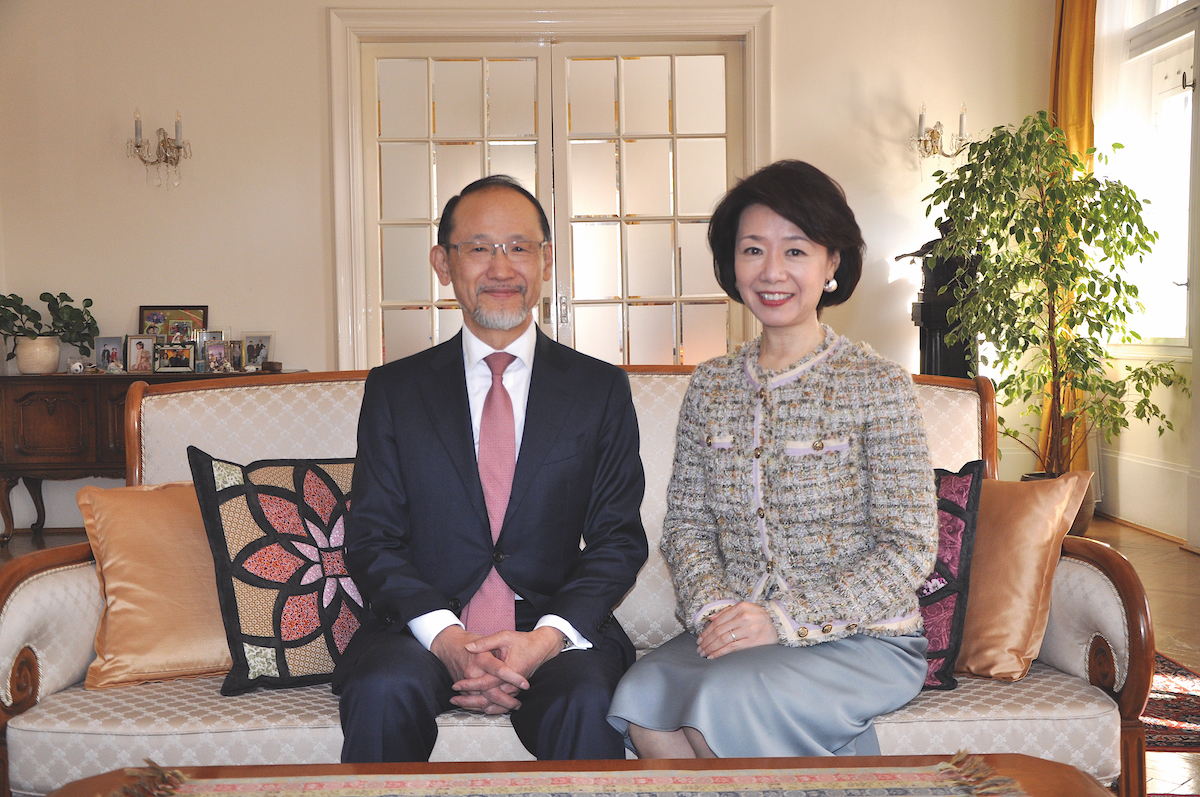
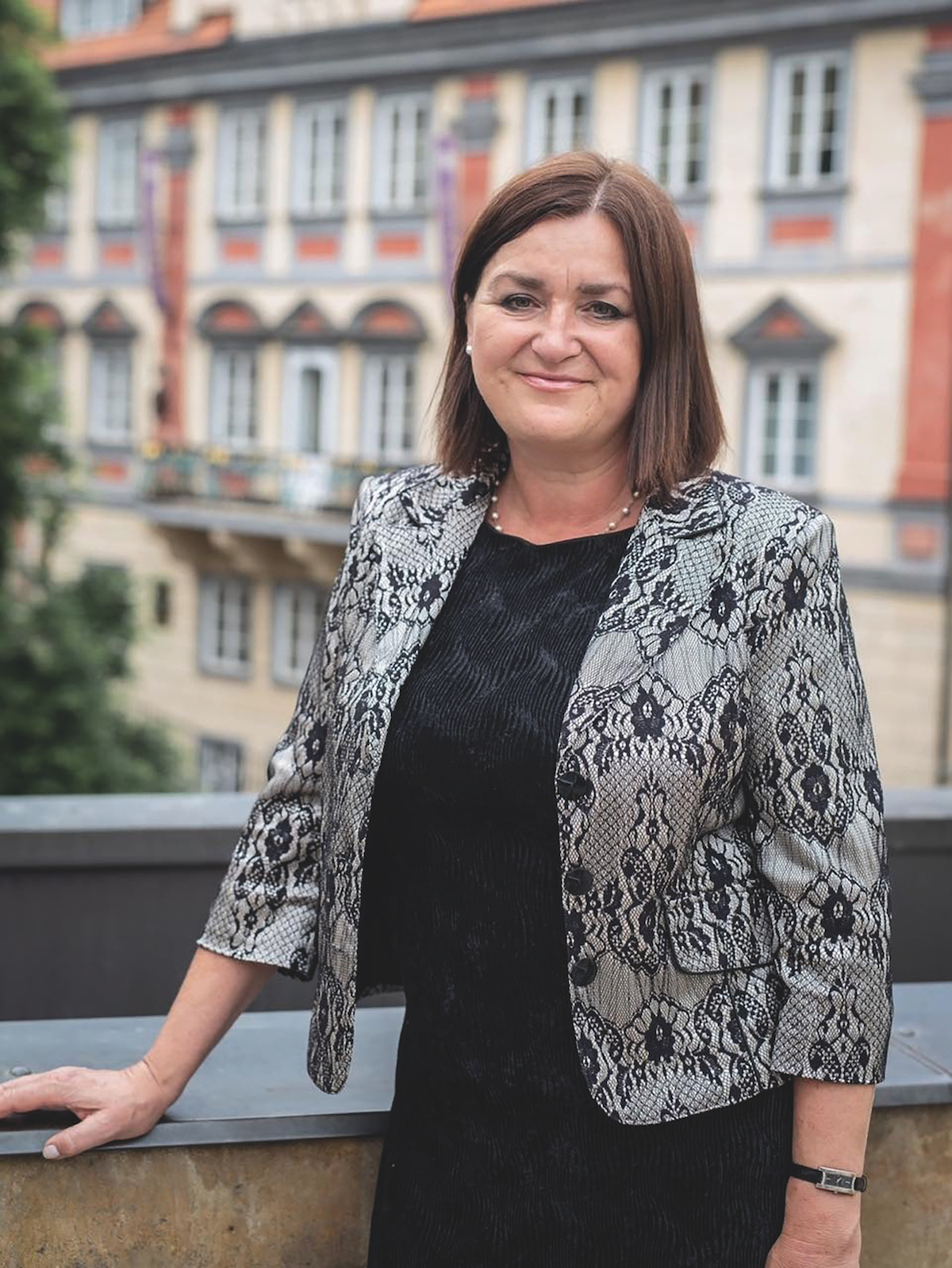
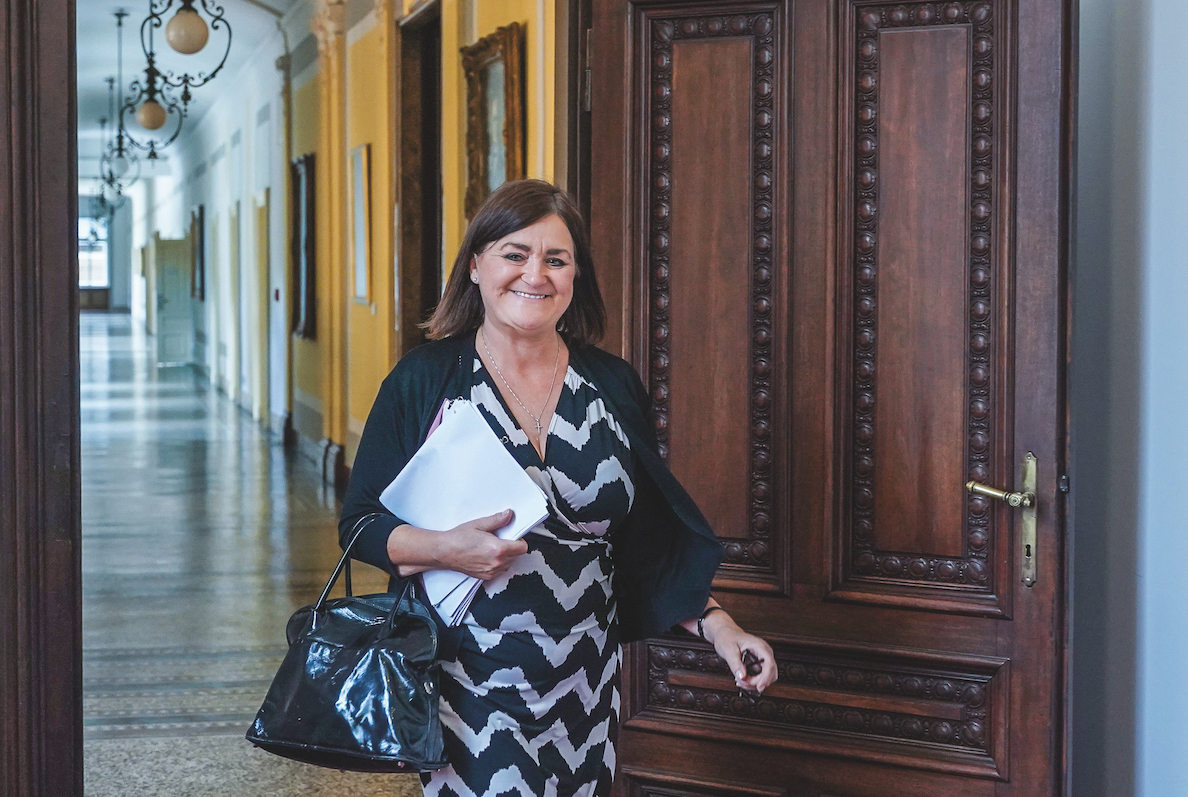
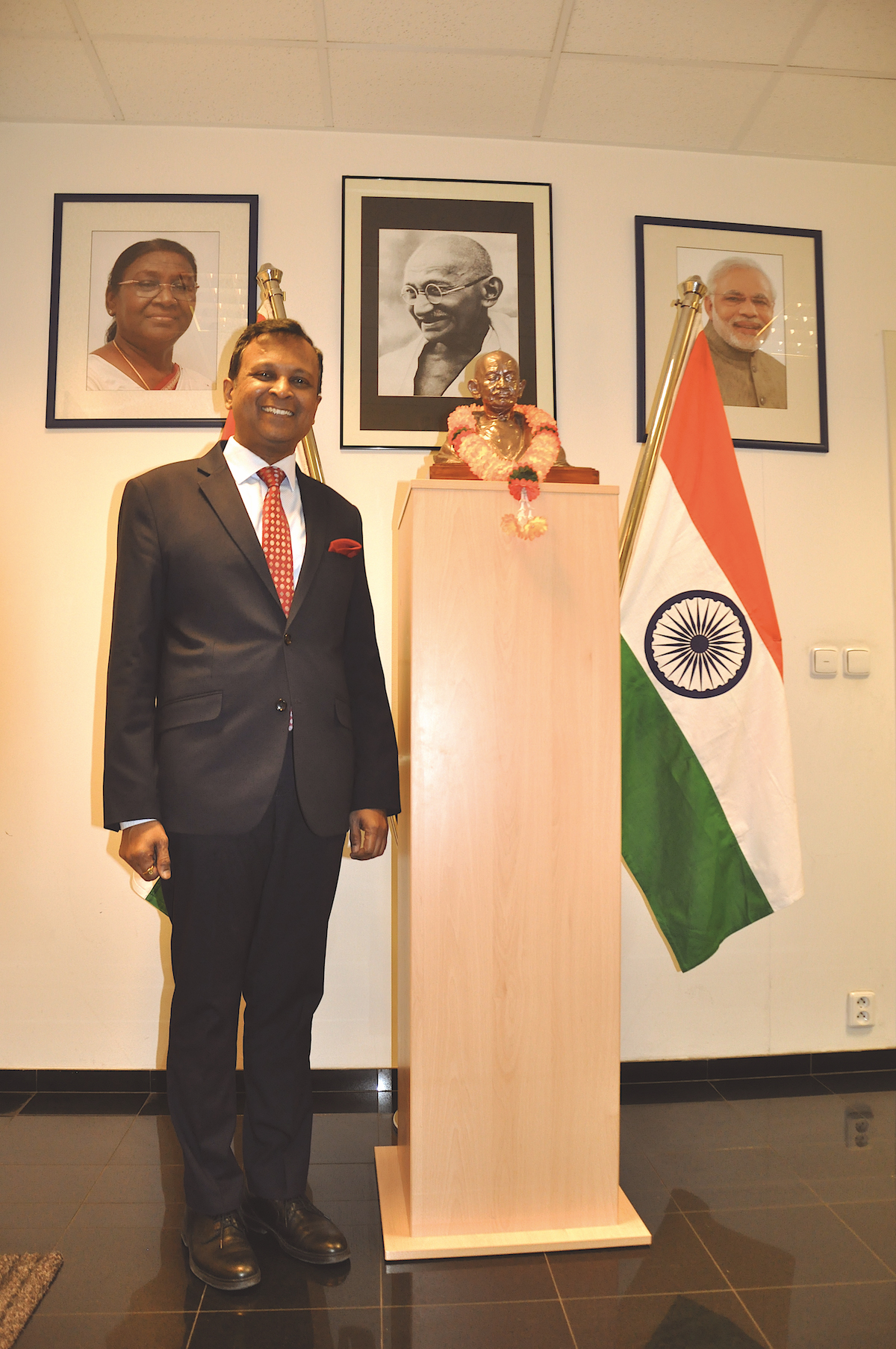
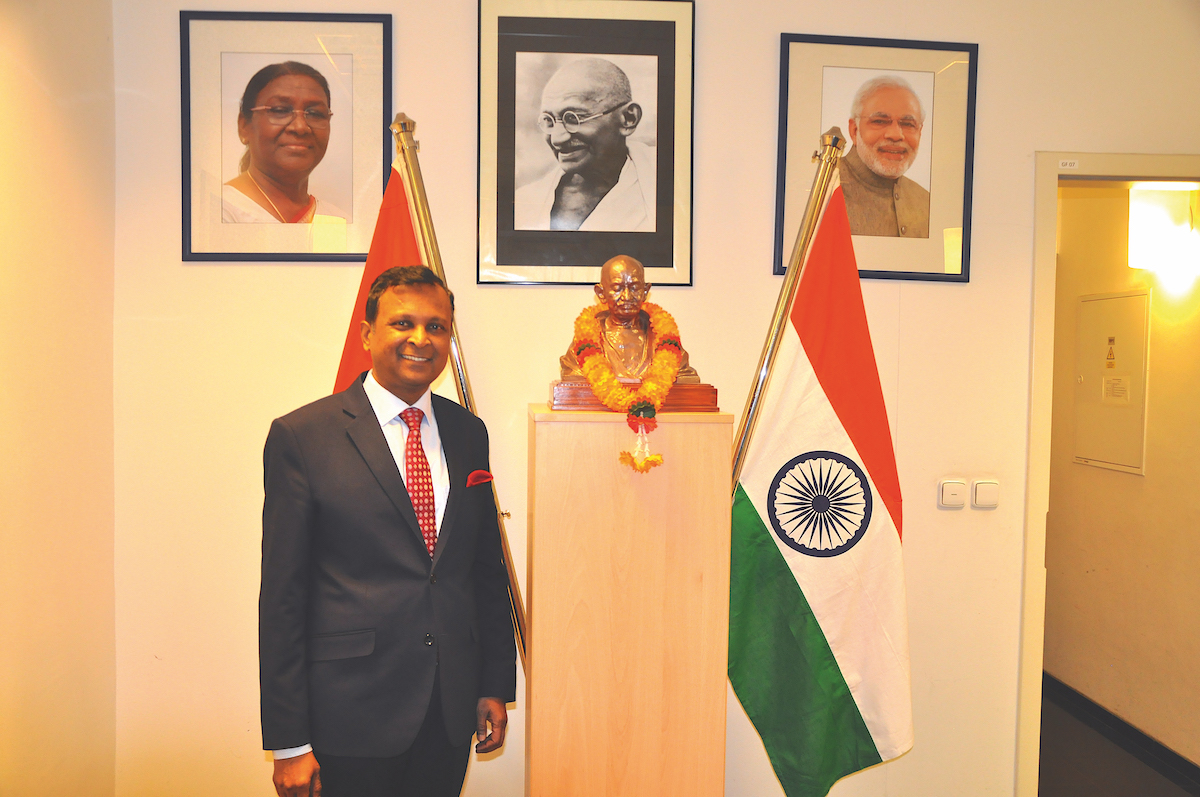
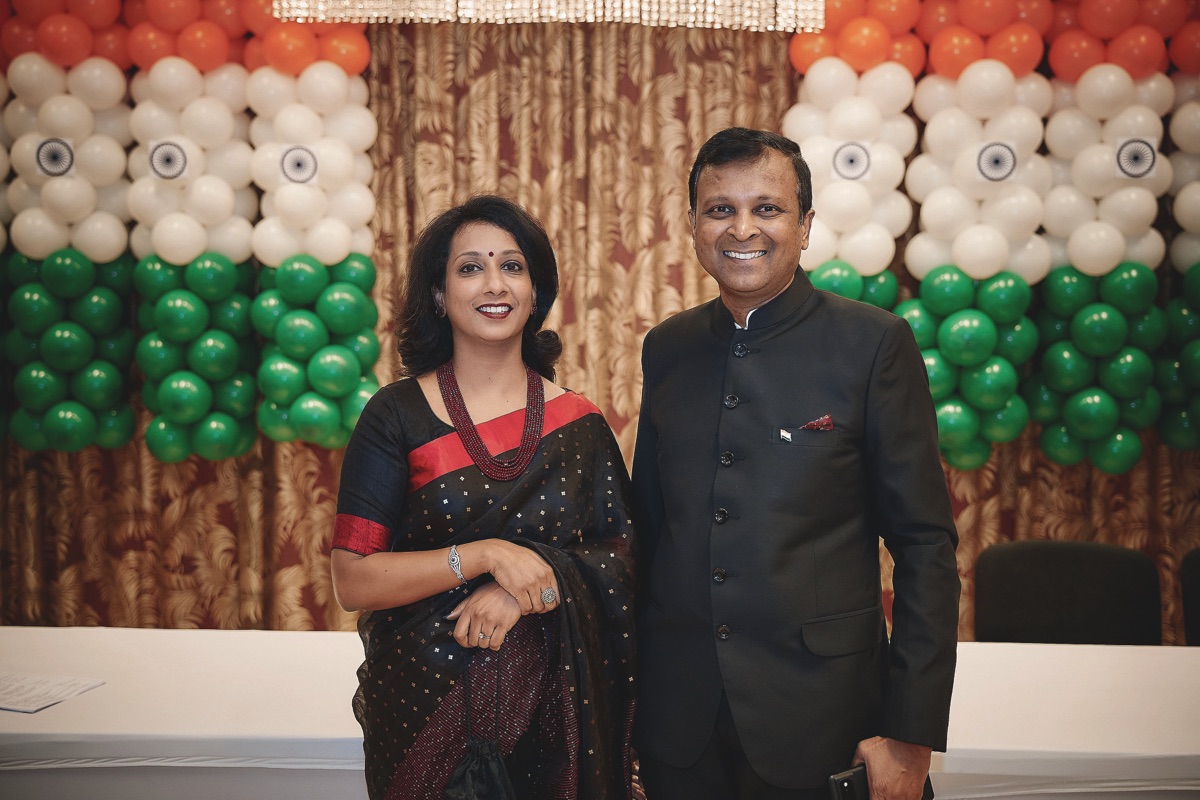
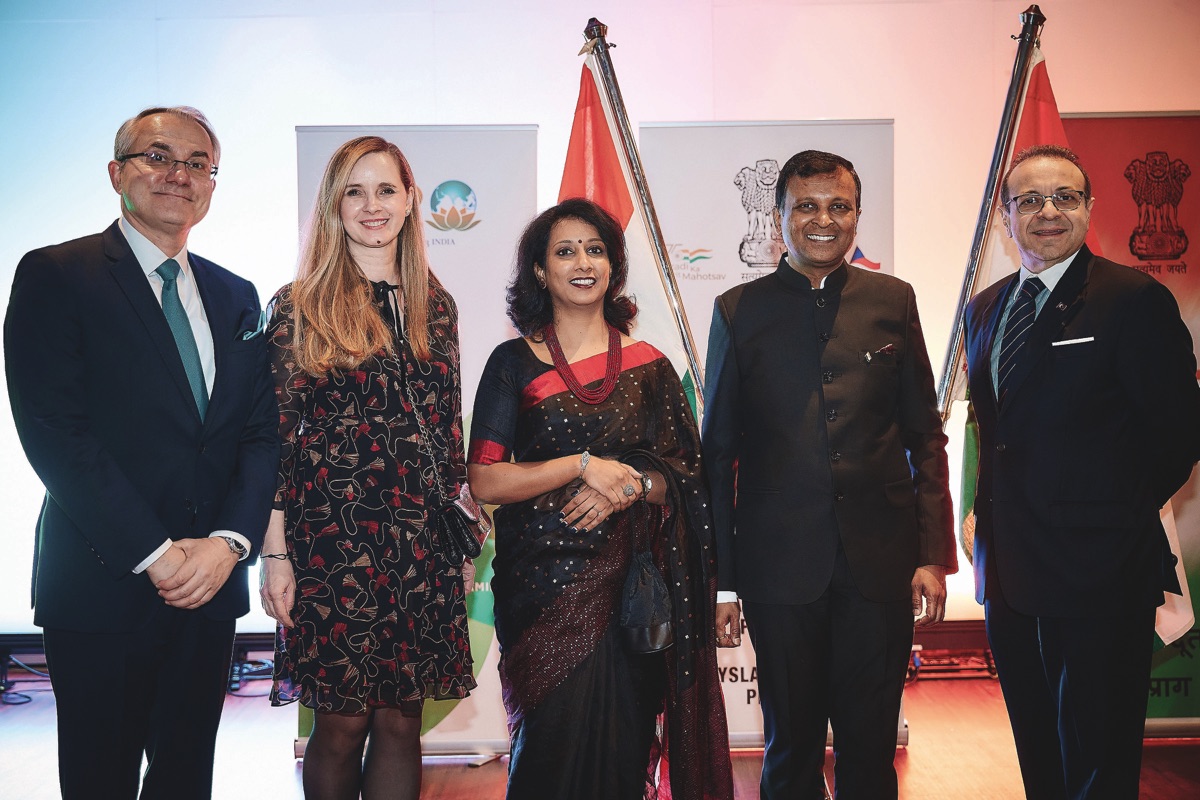
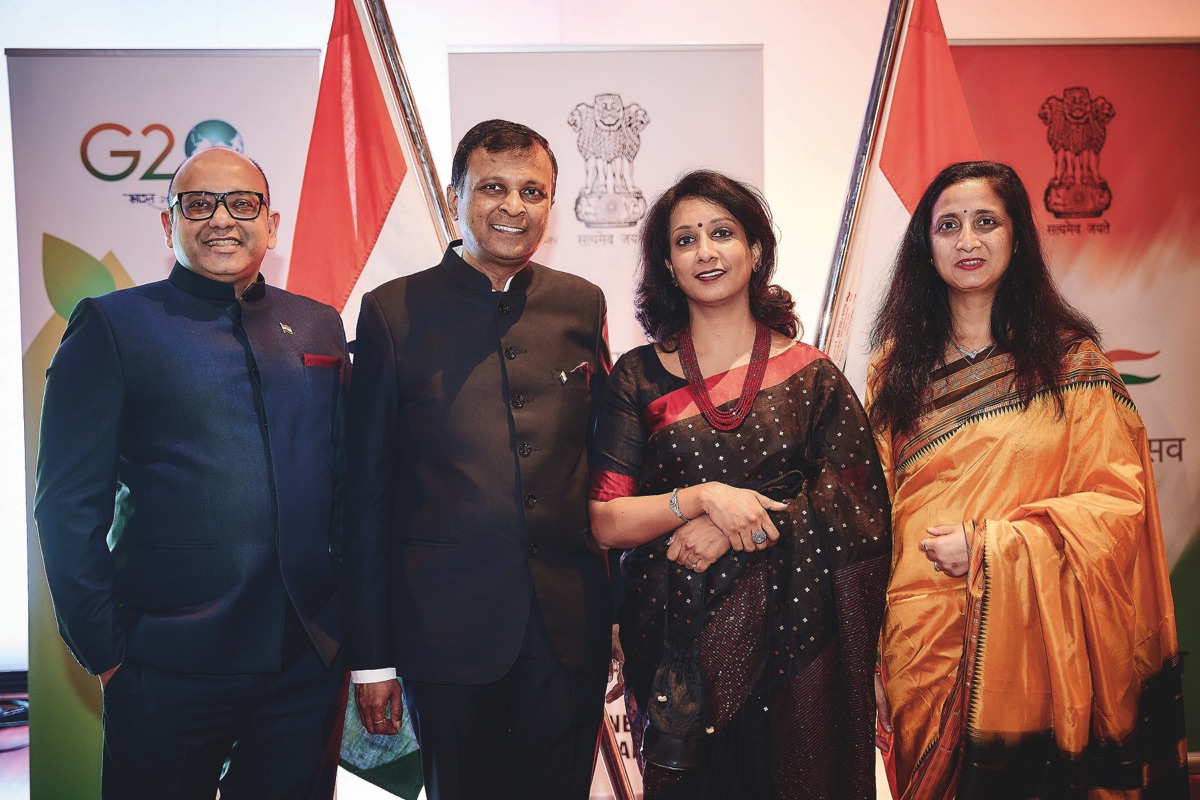
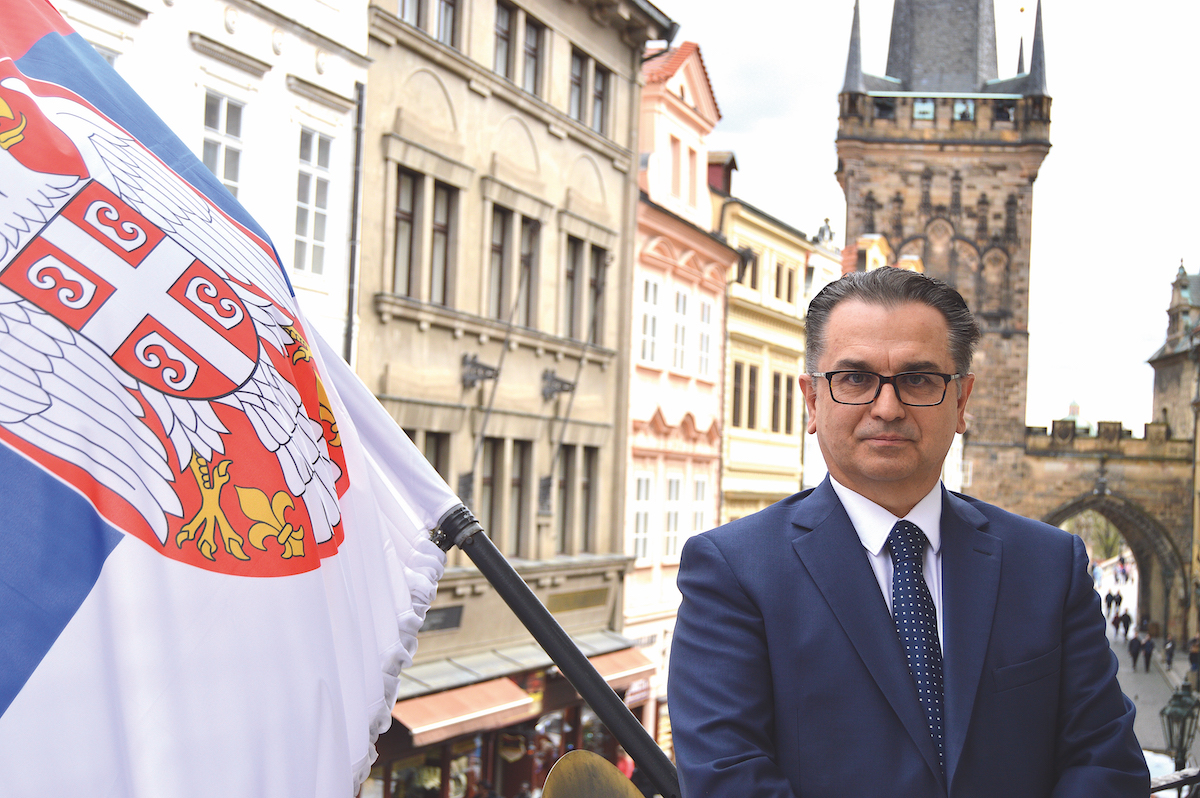
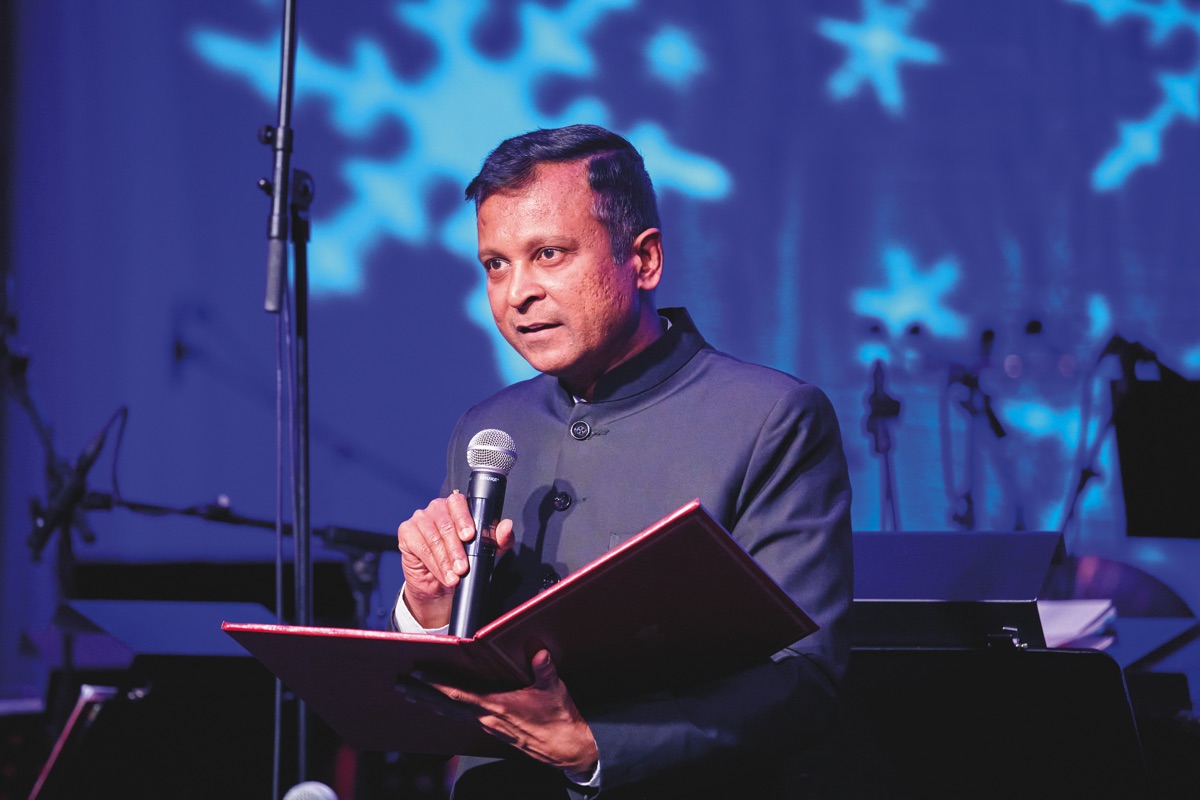
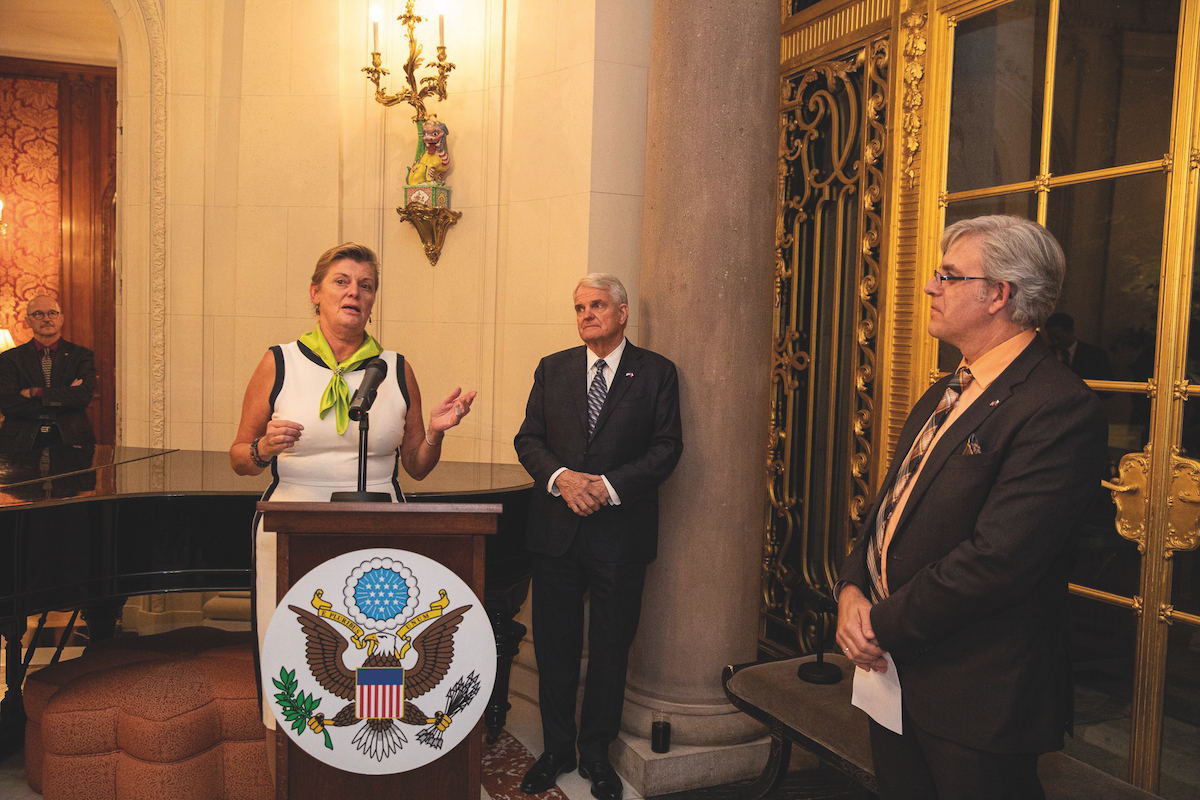
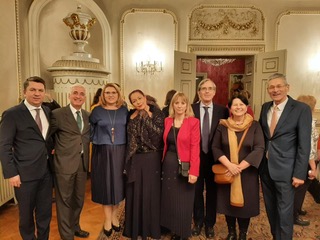
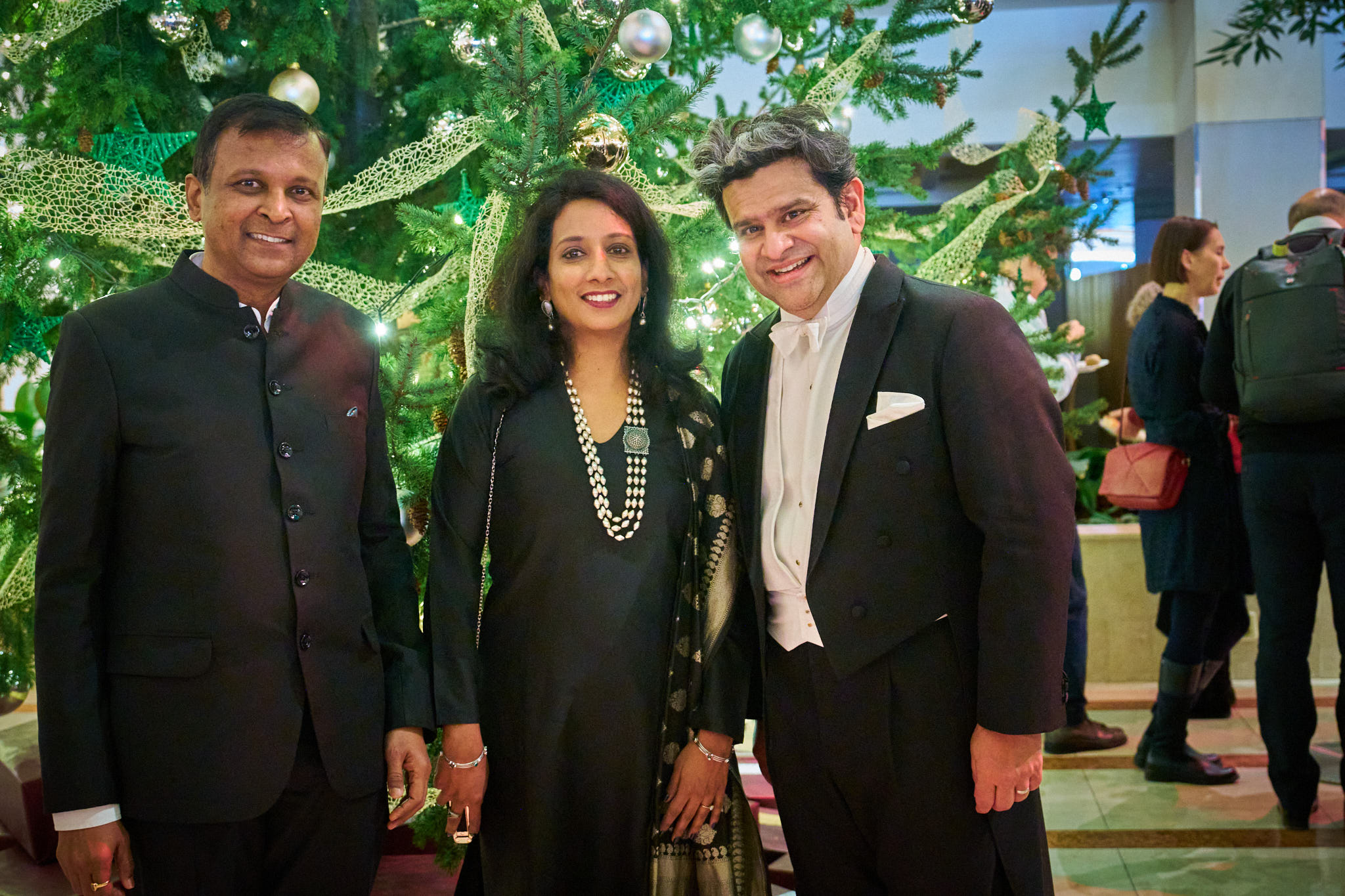
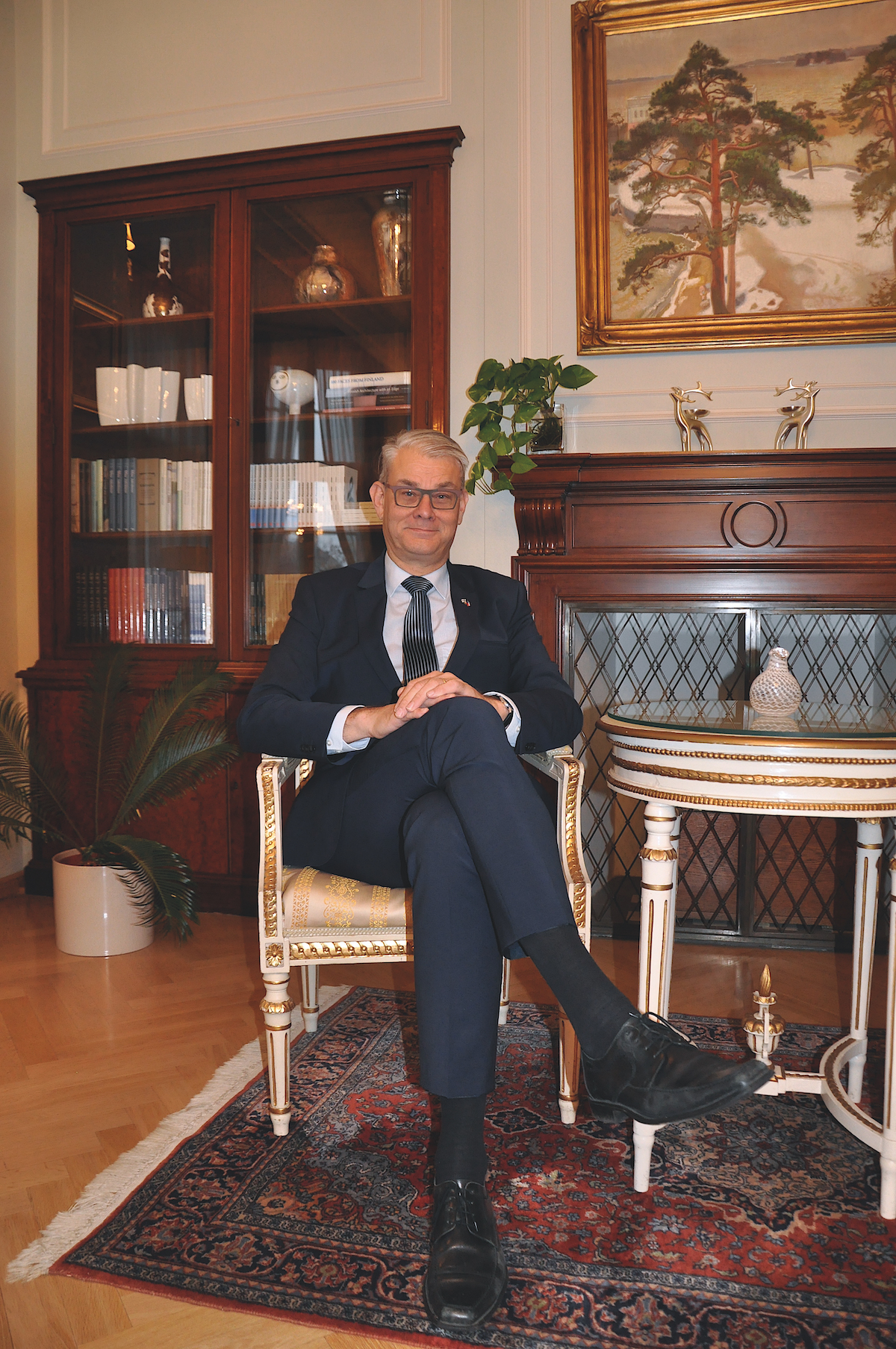
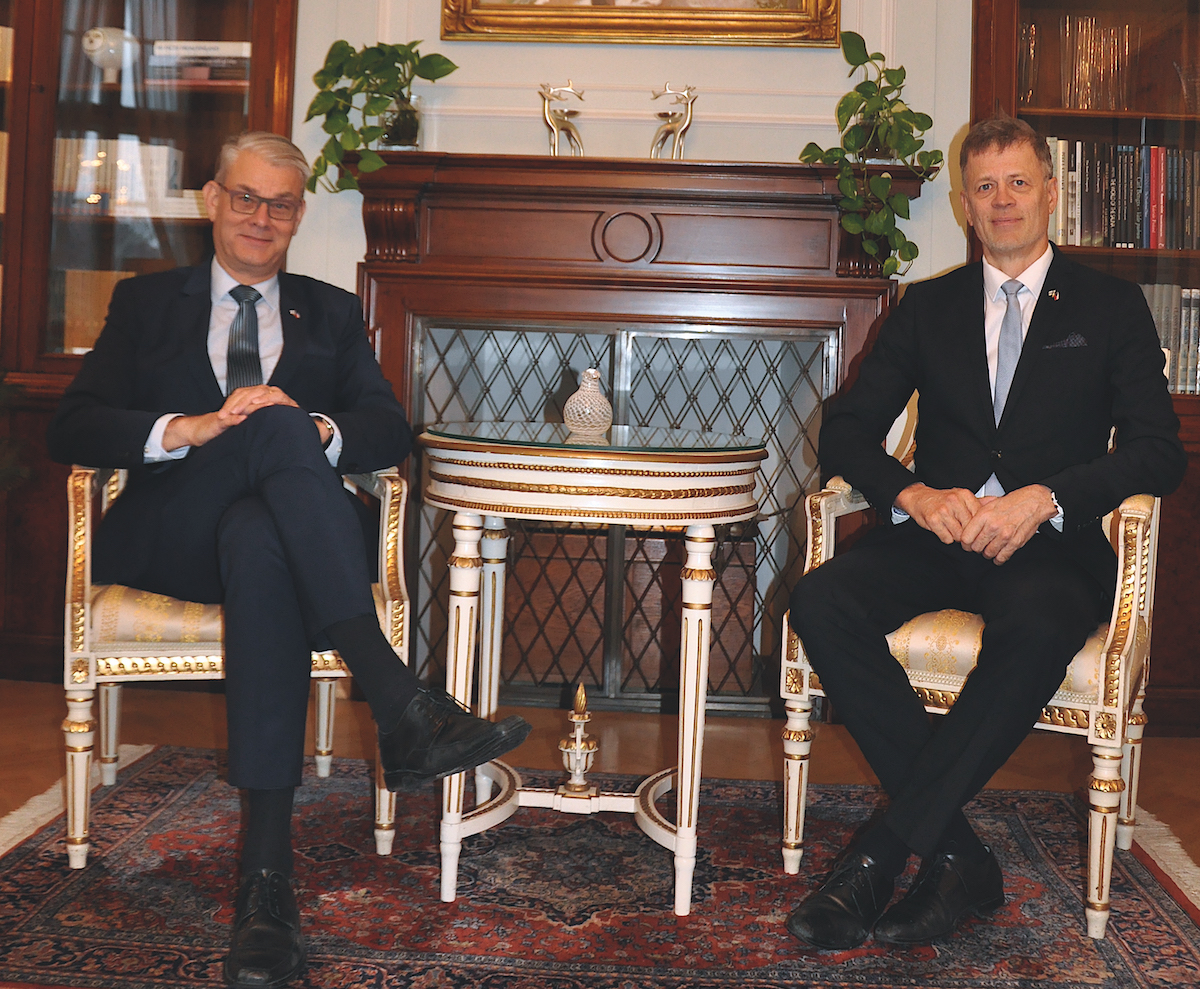
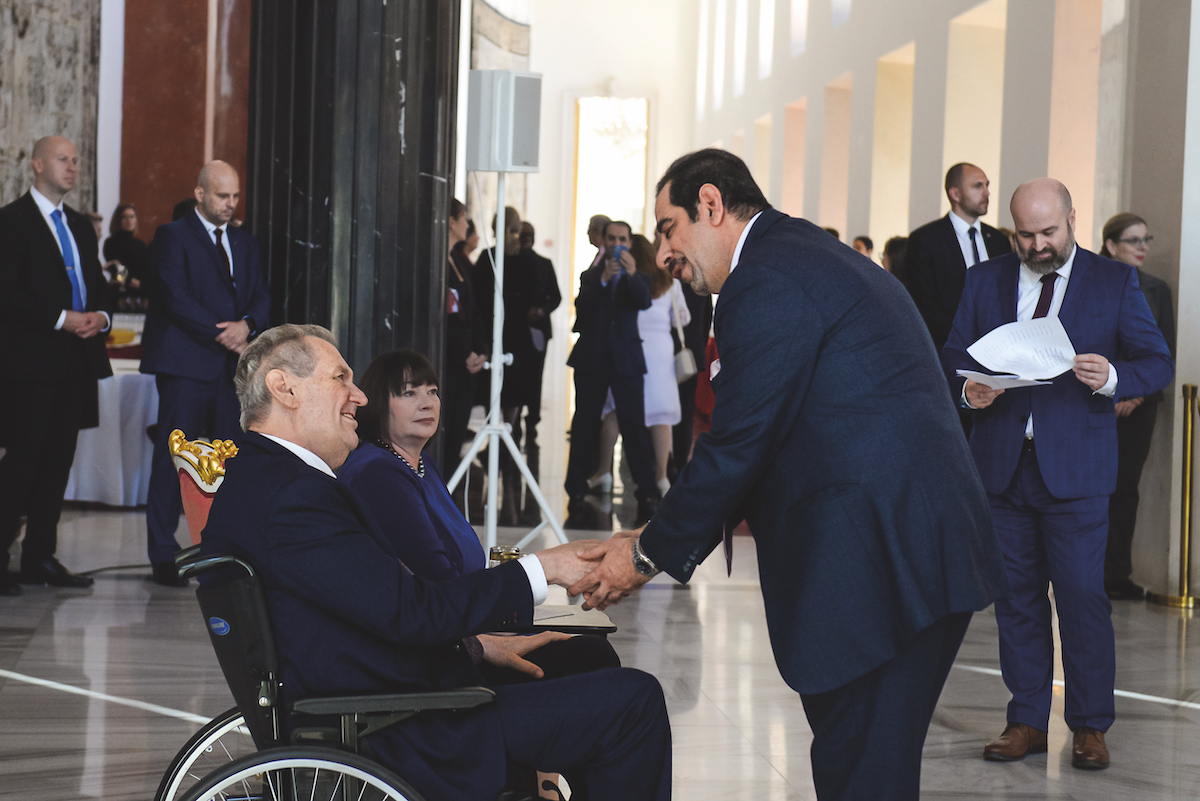
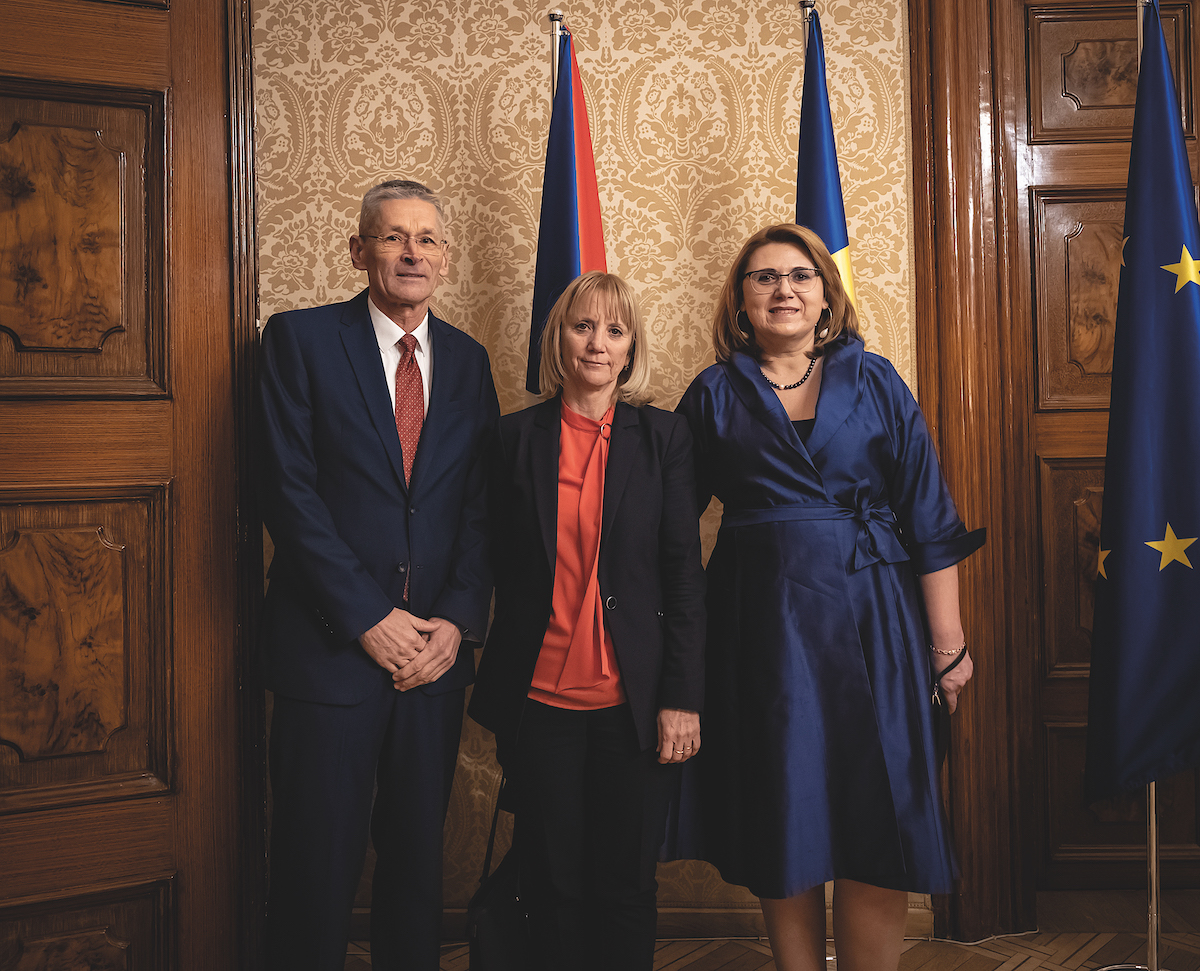
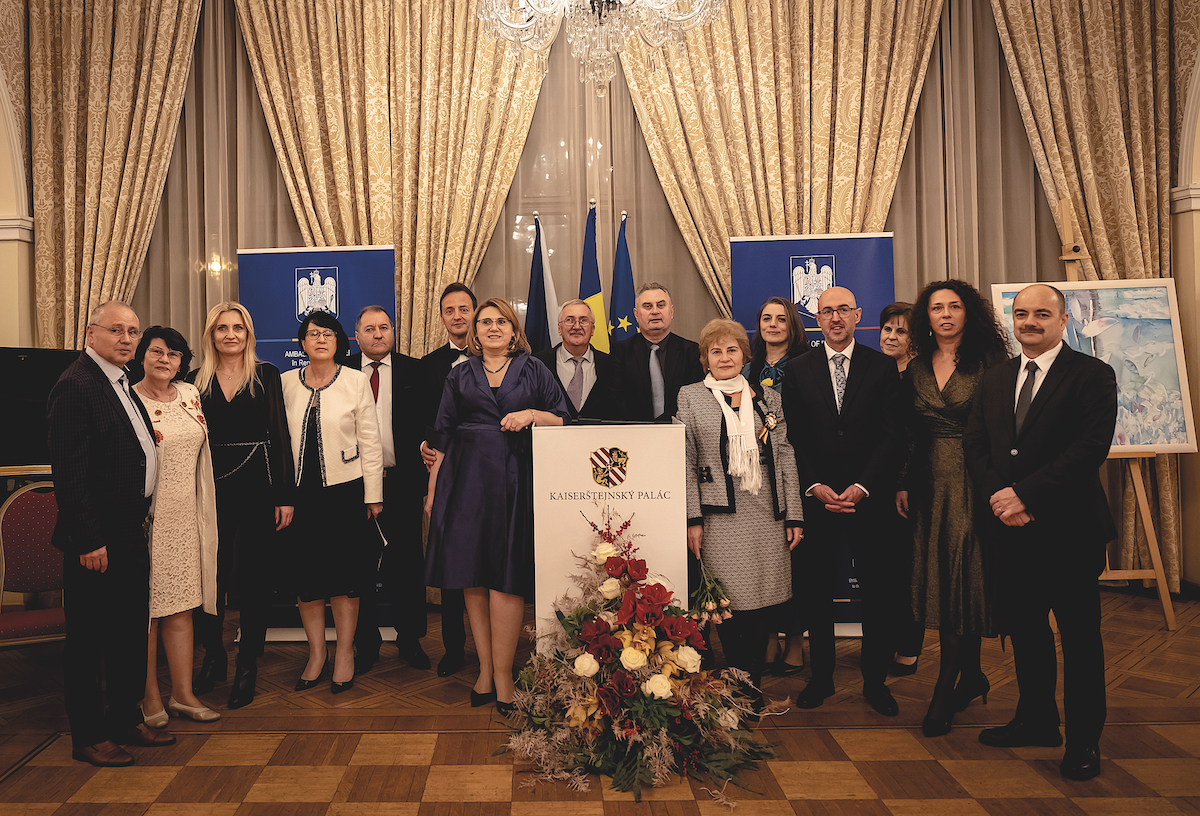
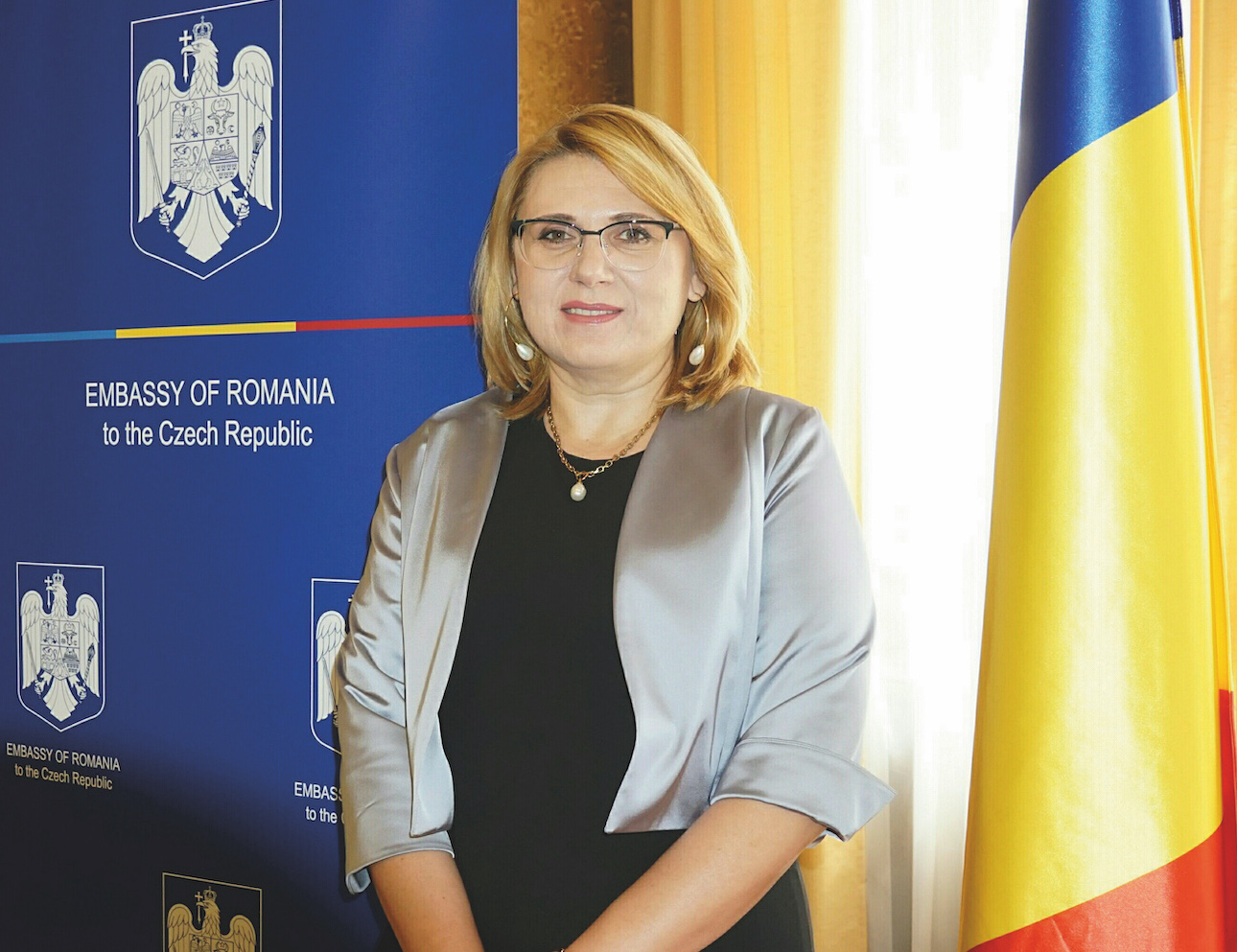
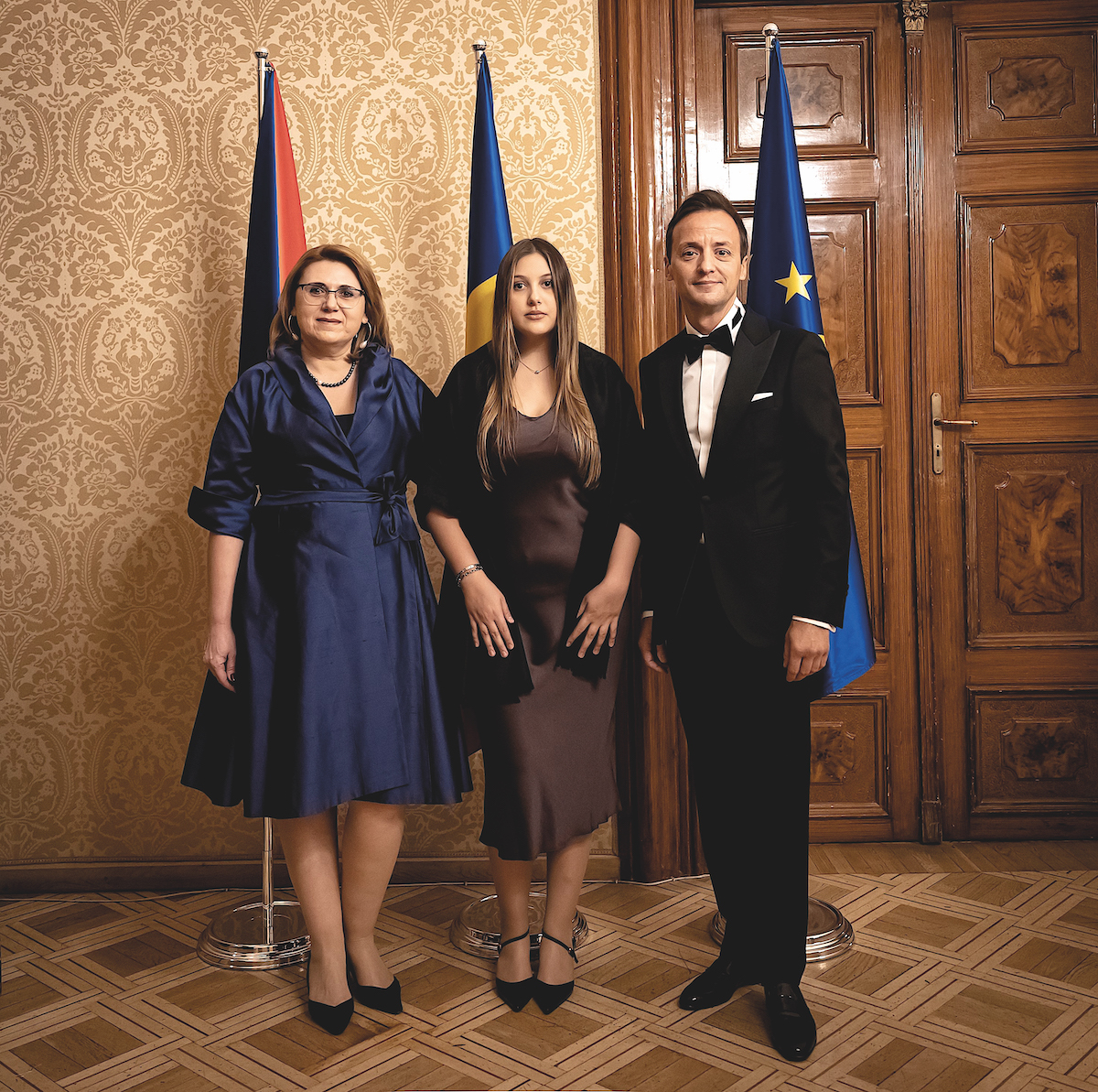
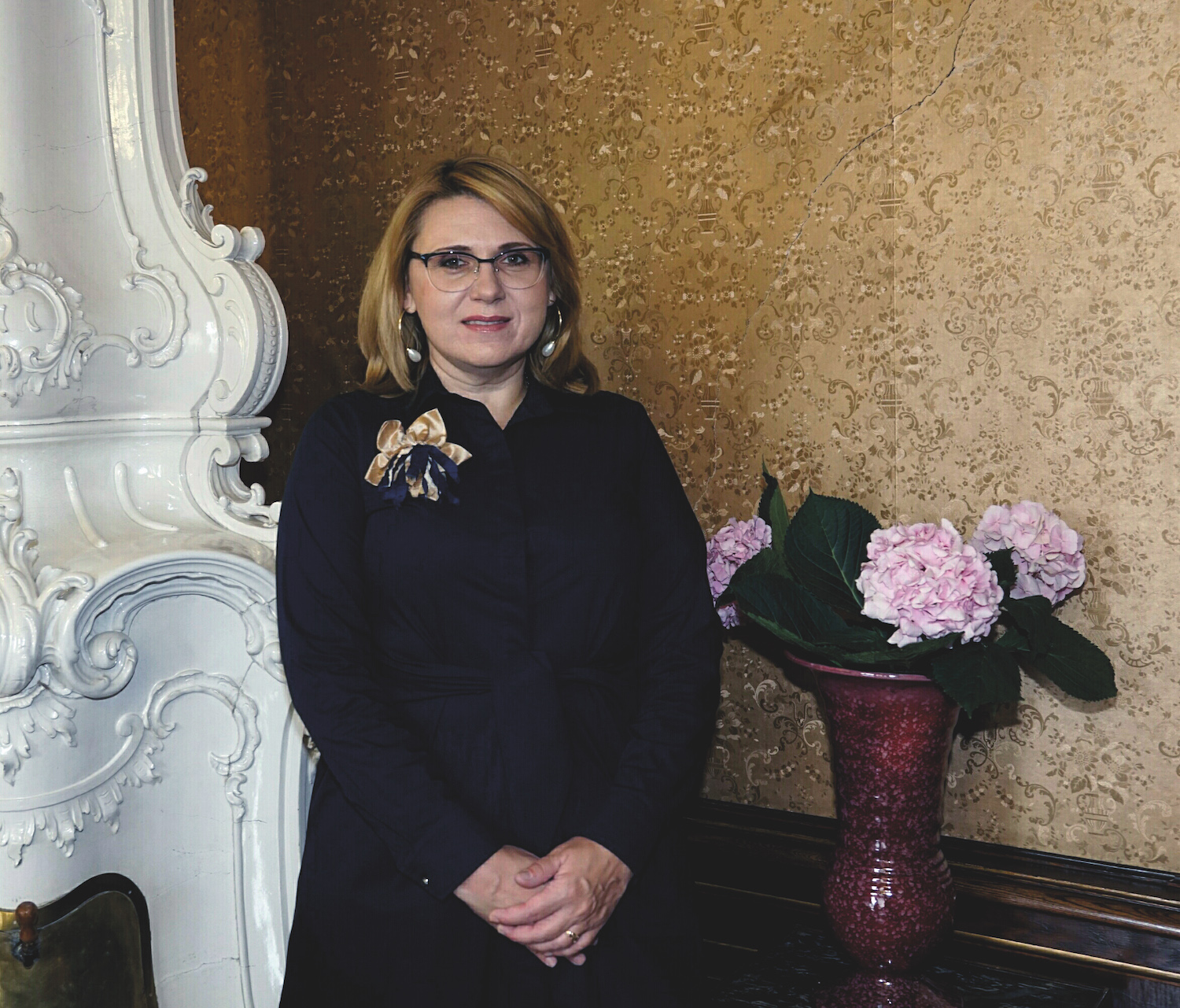
The Ambassador of India H.E. Mr. Hemant Kotalwar and his wife Mrs. Seema Kotalwar

Text: M.Zisso; Photo: Michael Bohm and Rahul Singh

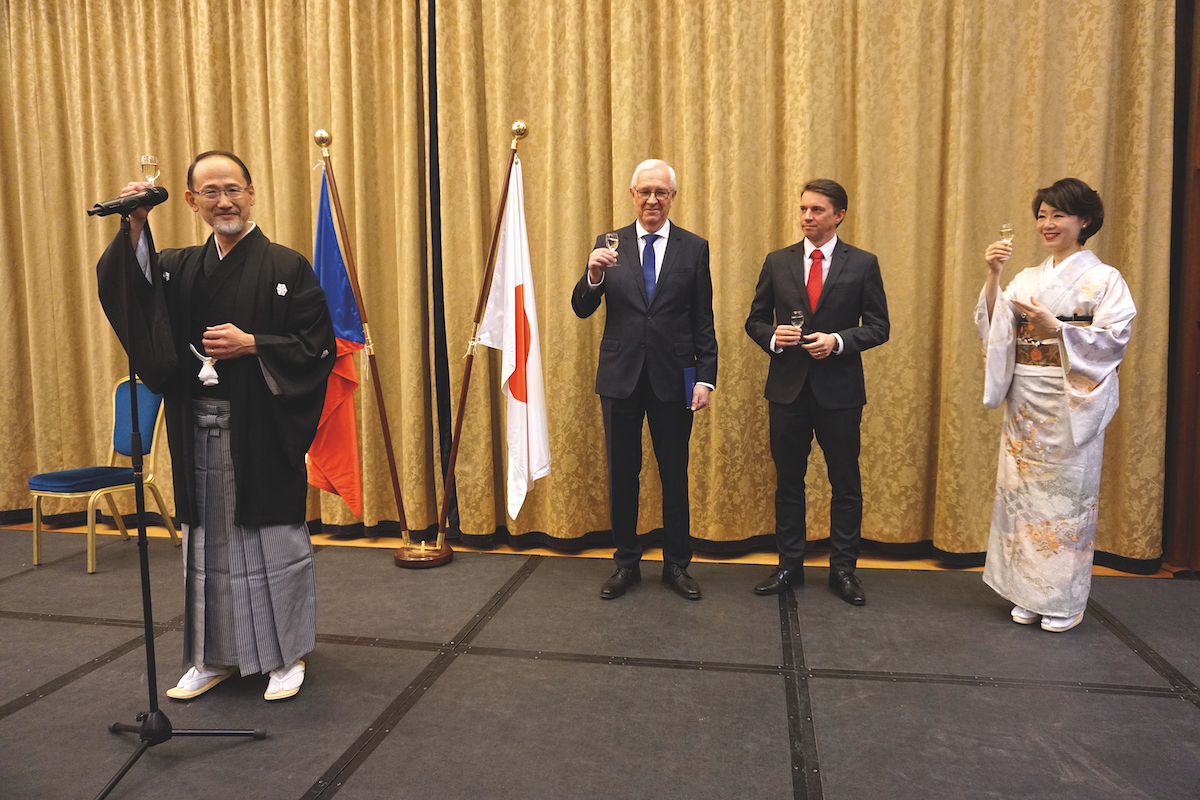
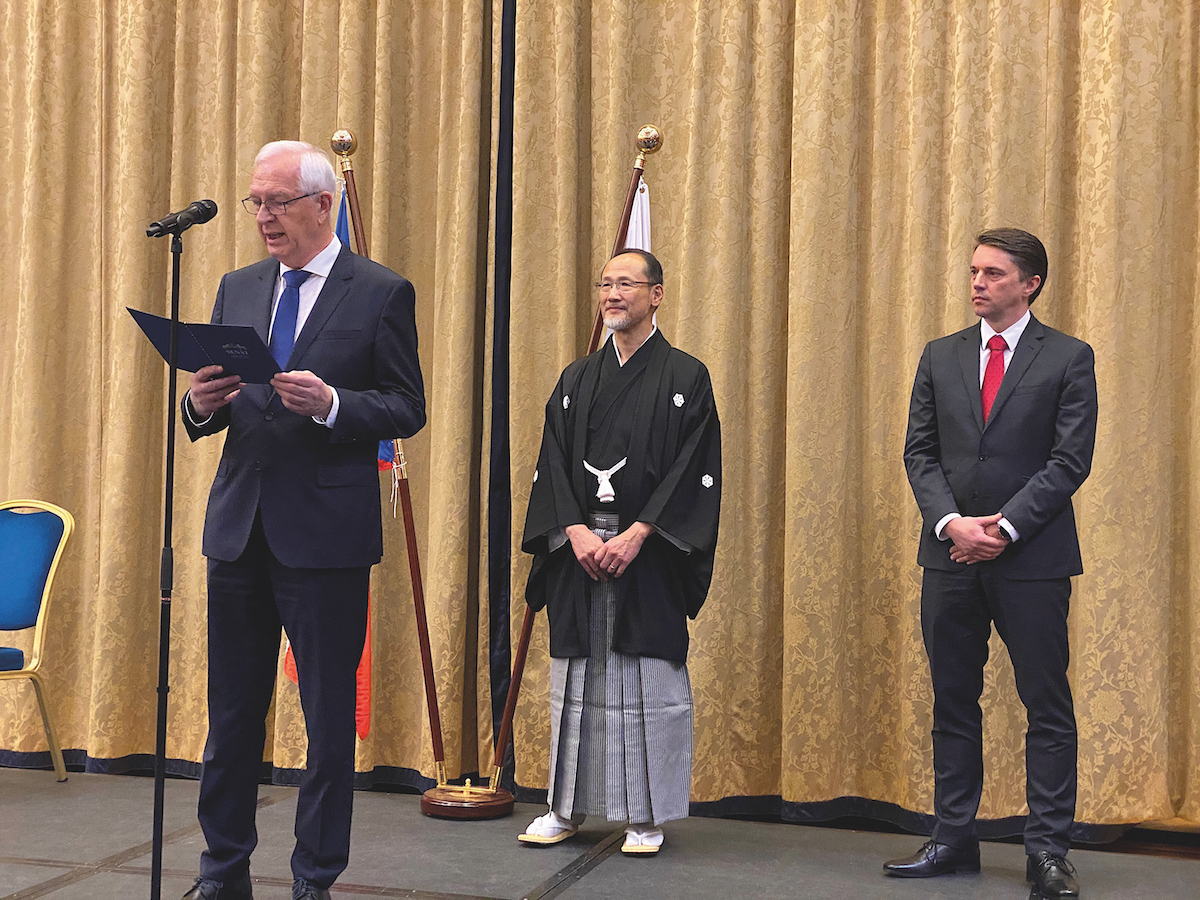
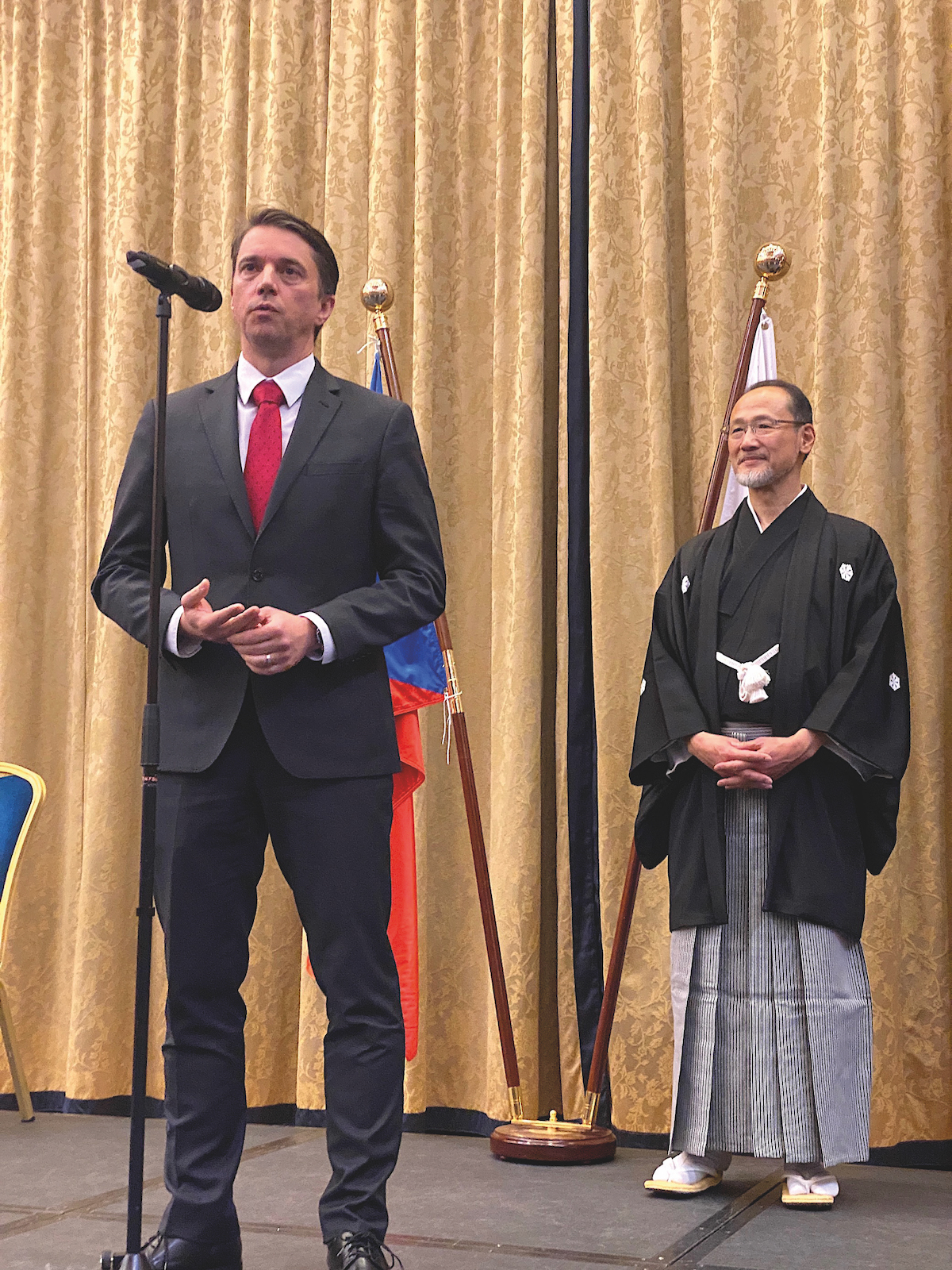
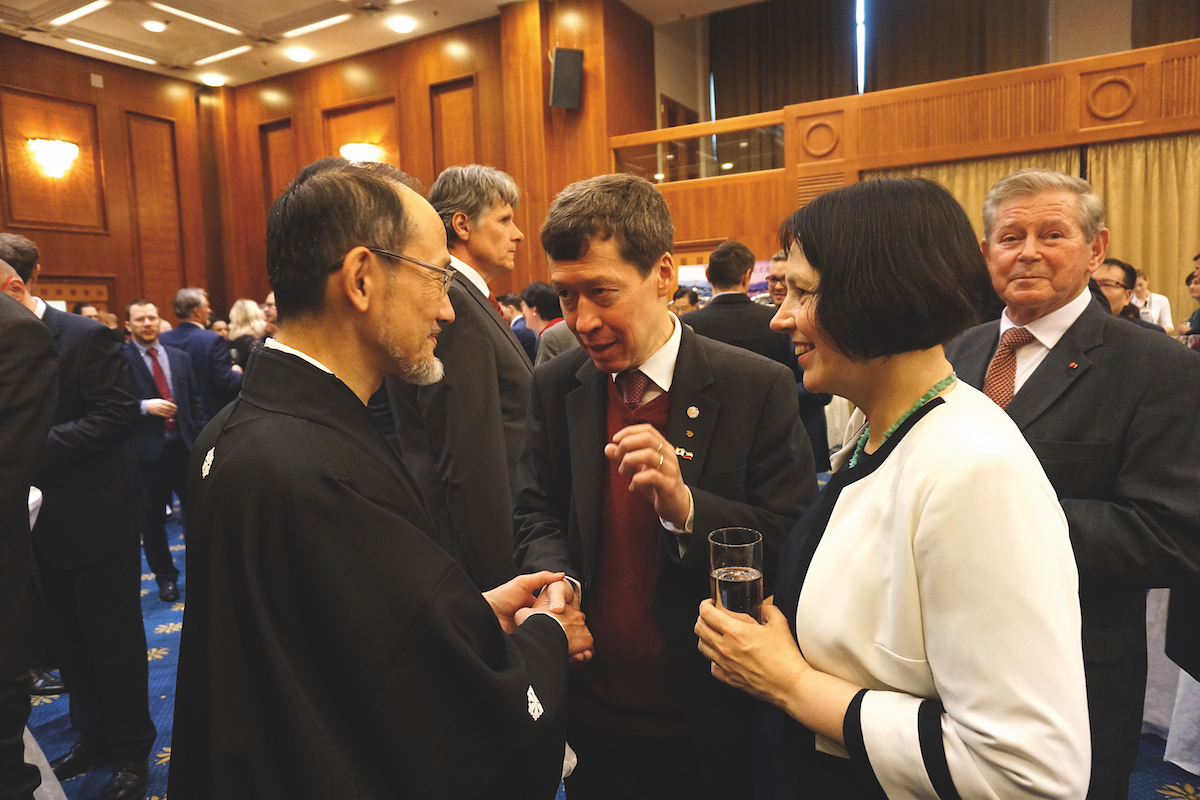
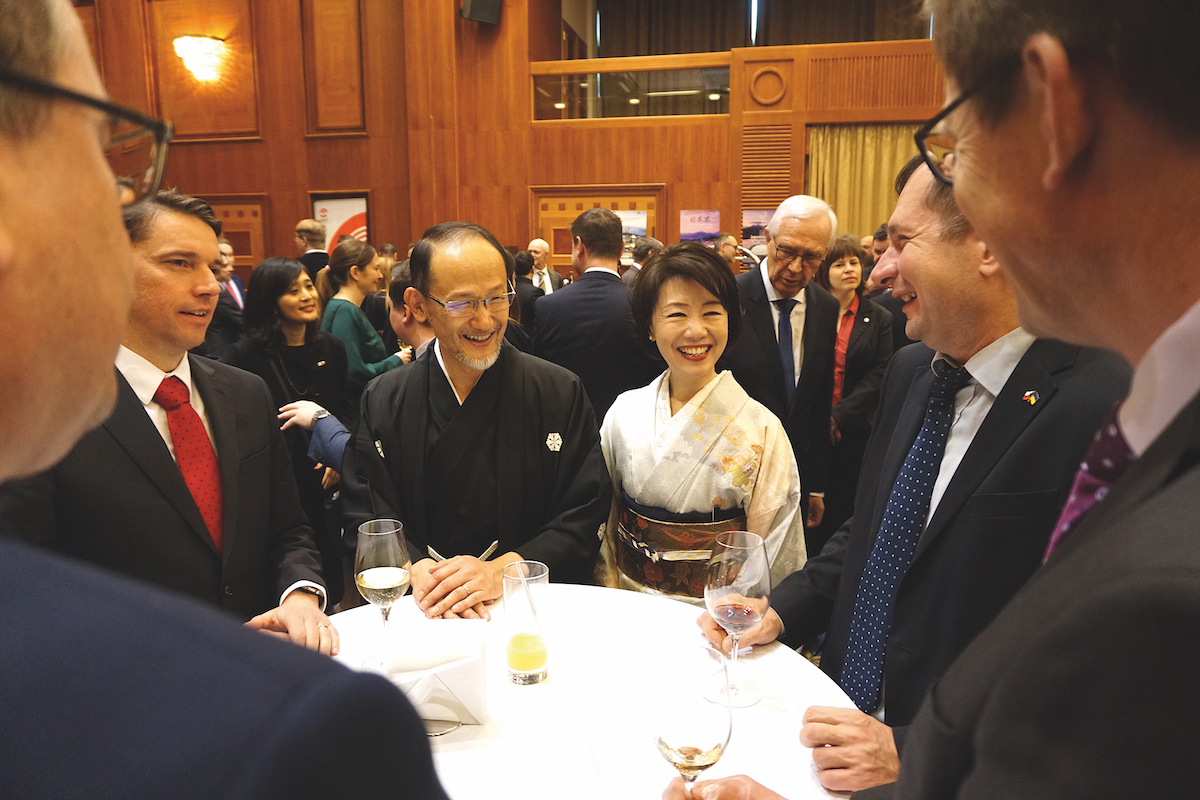
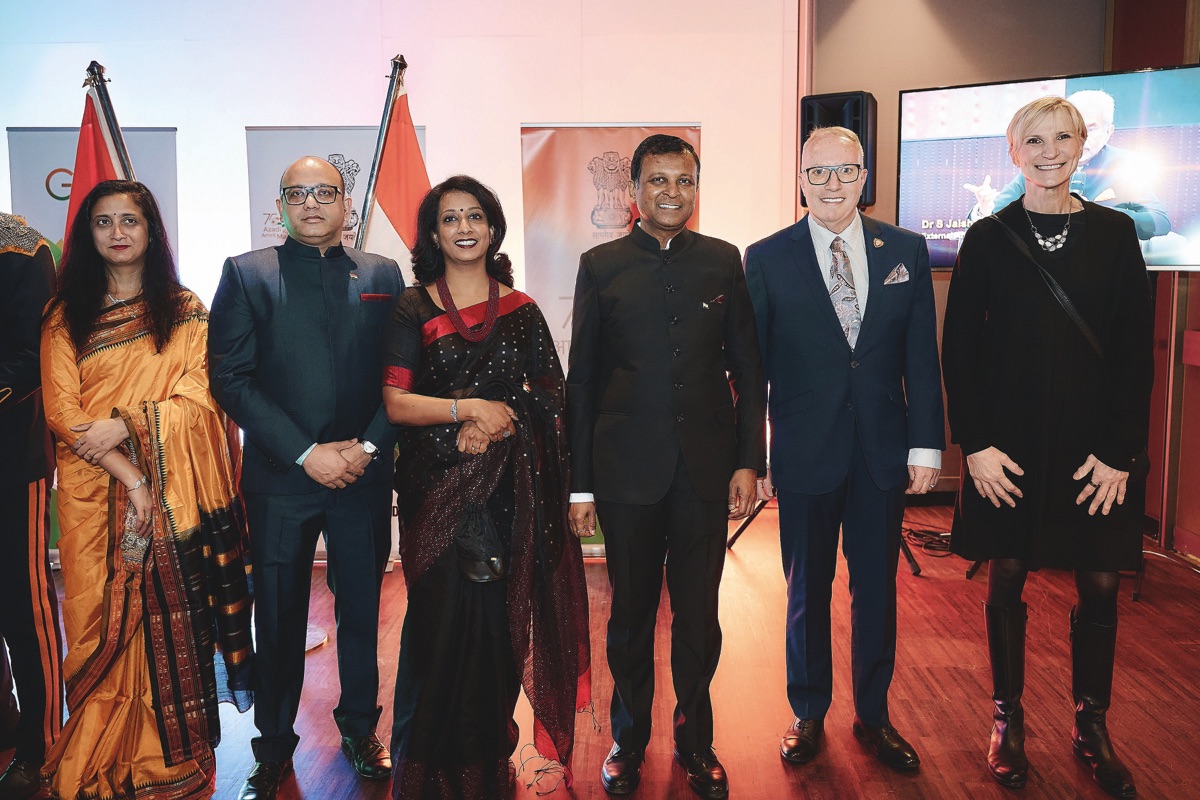
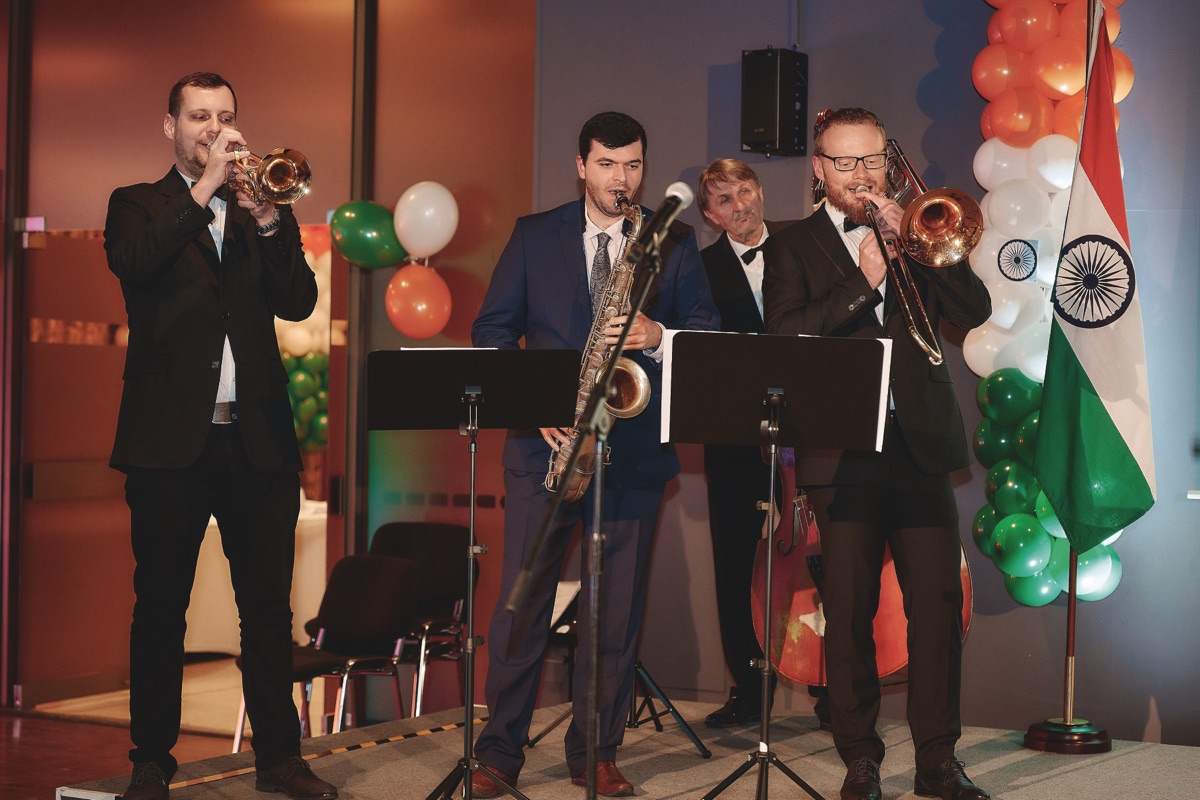
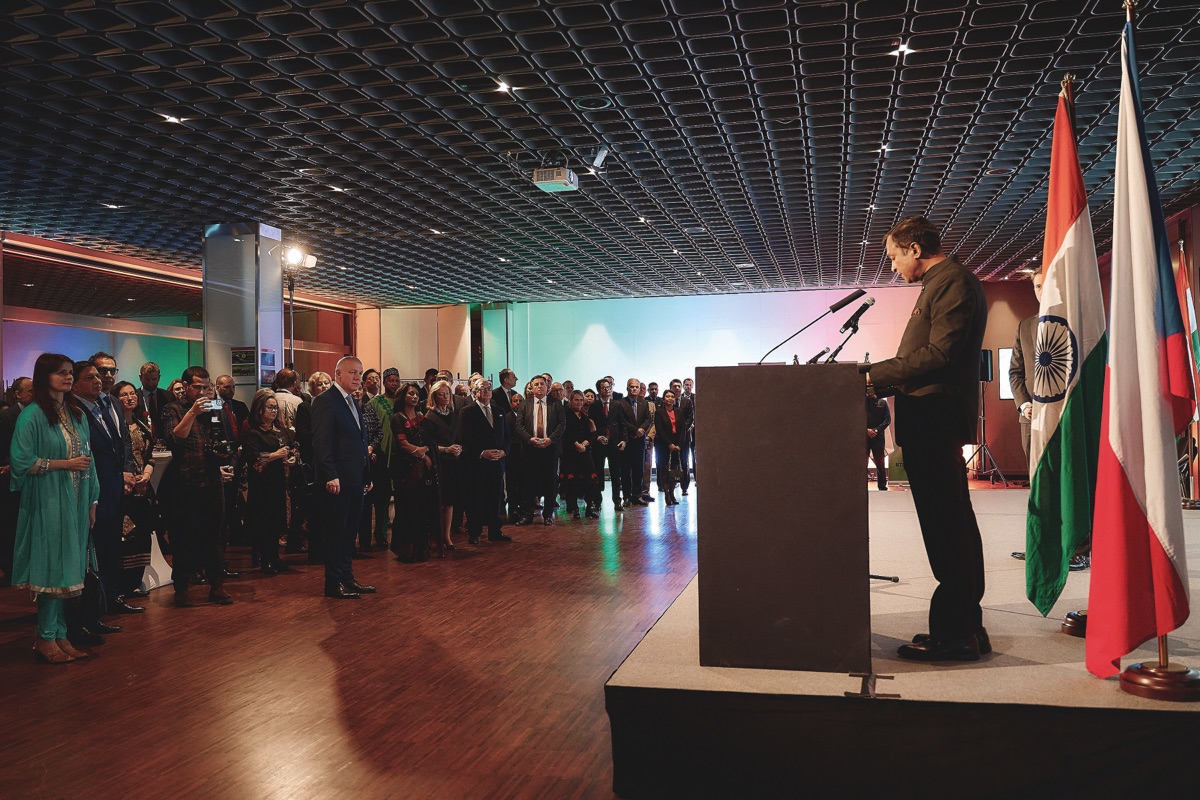
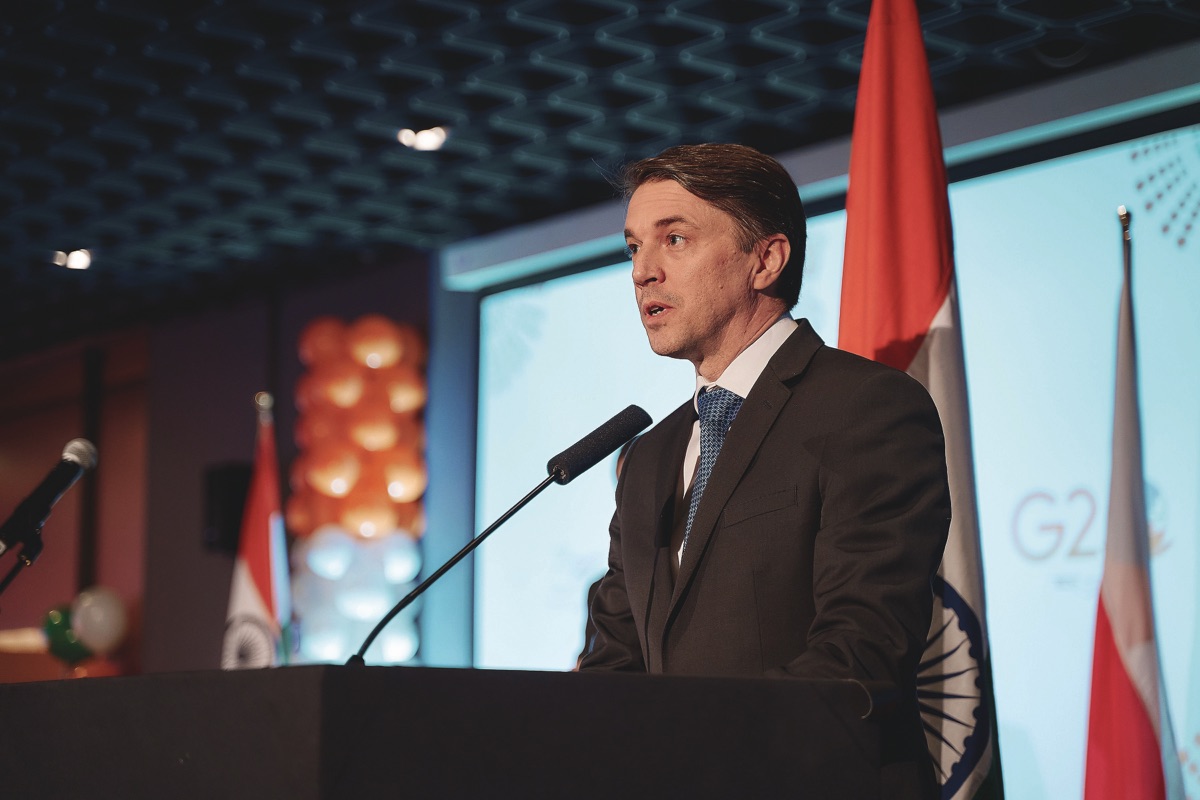
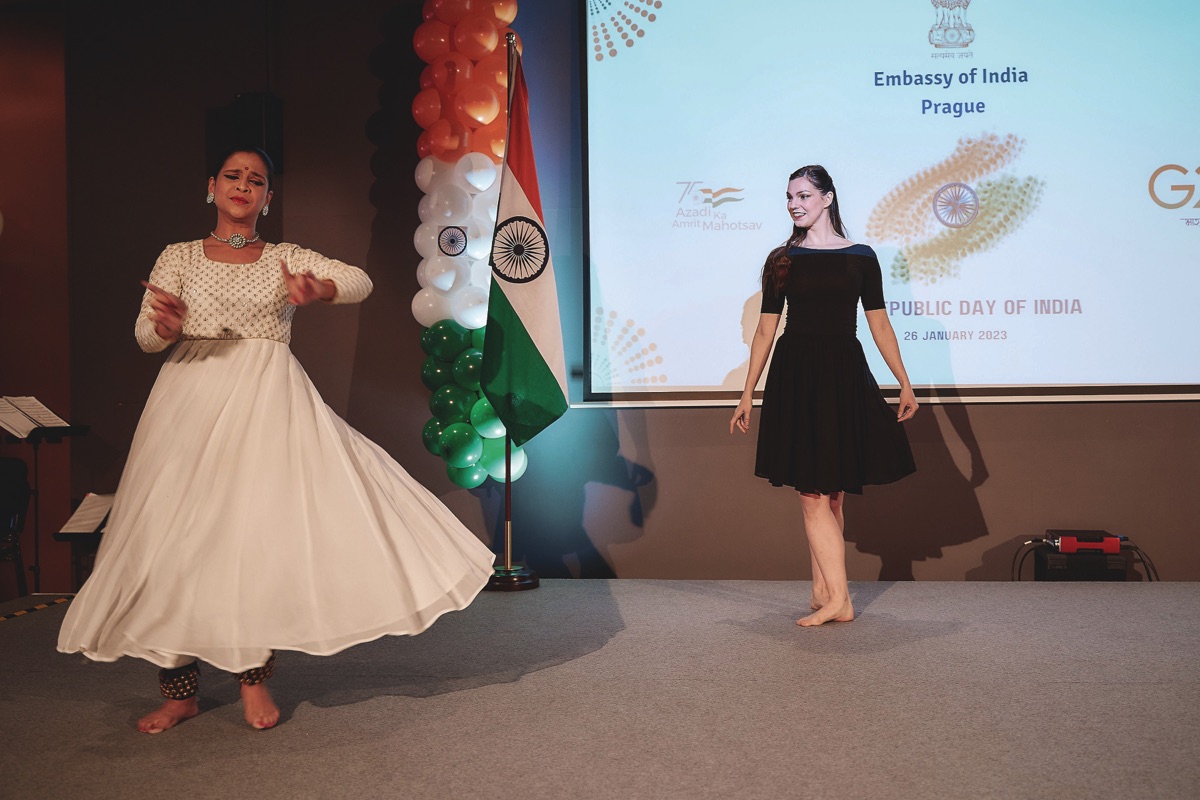
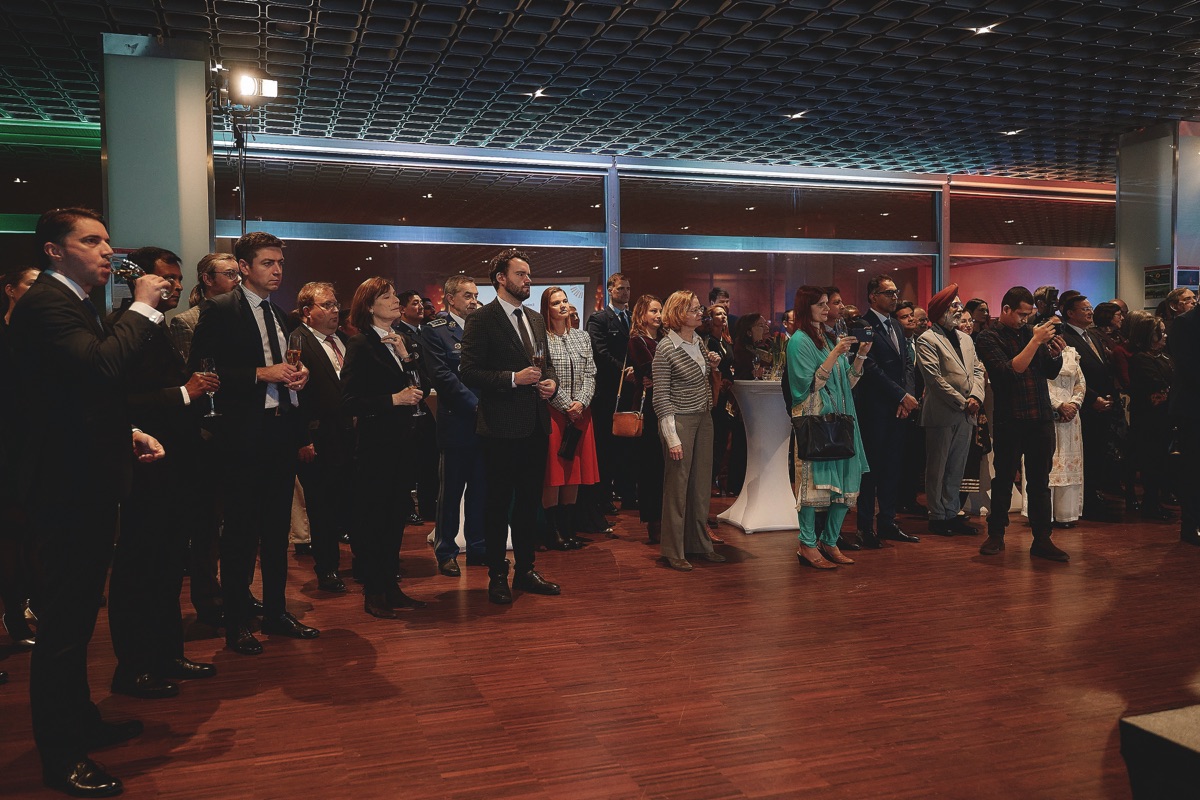
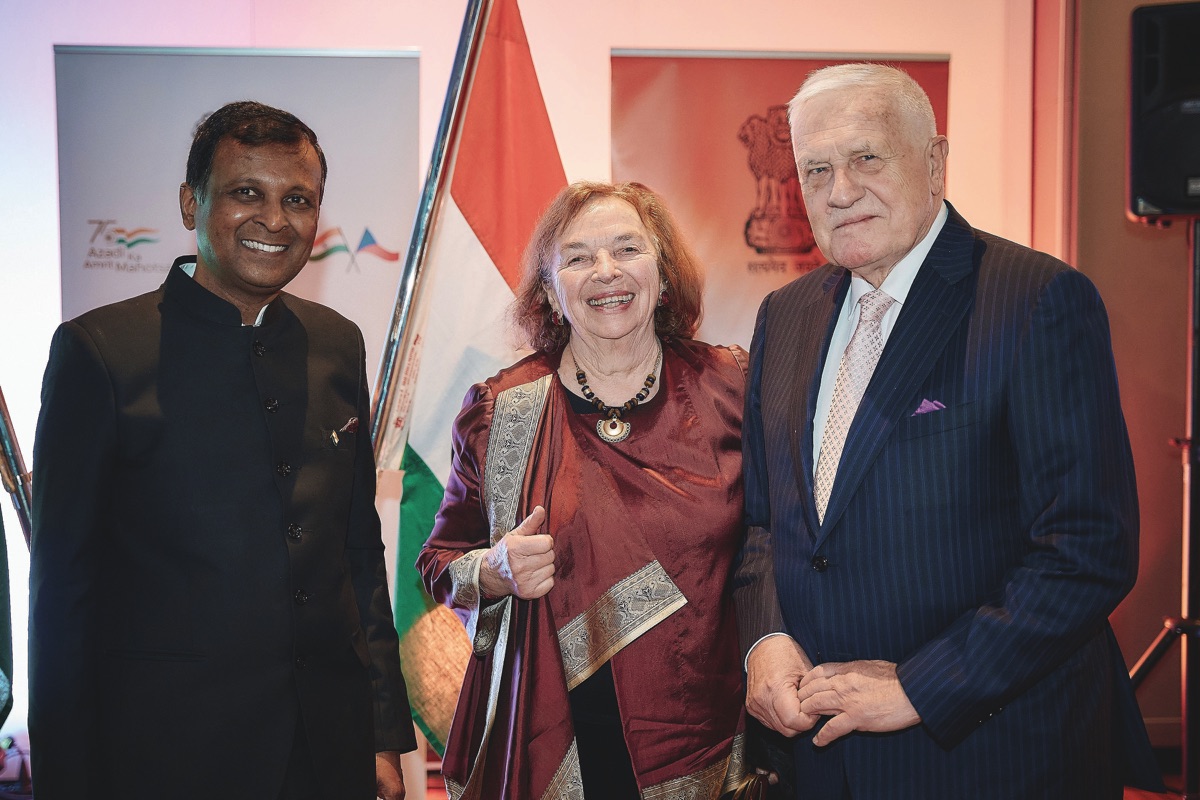
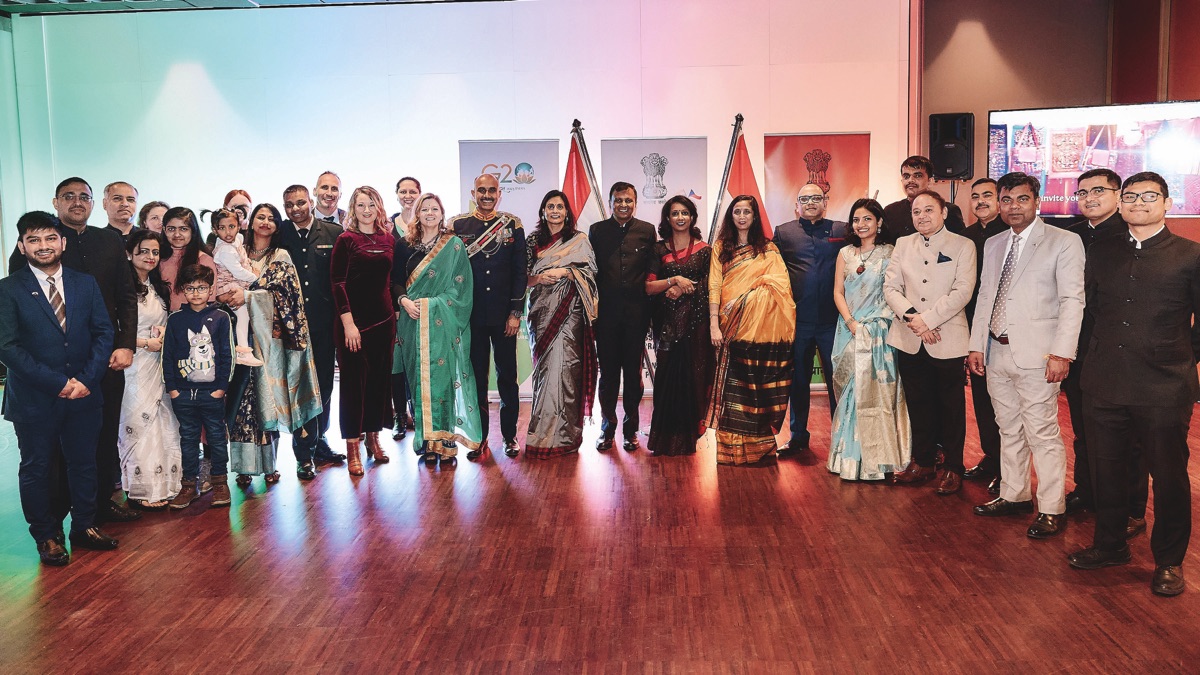
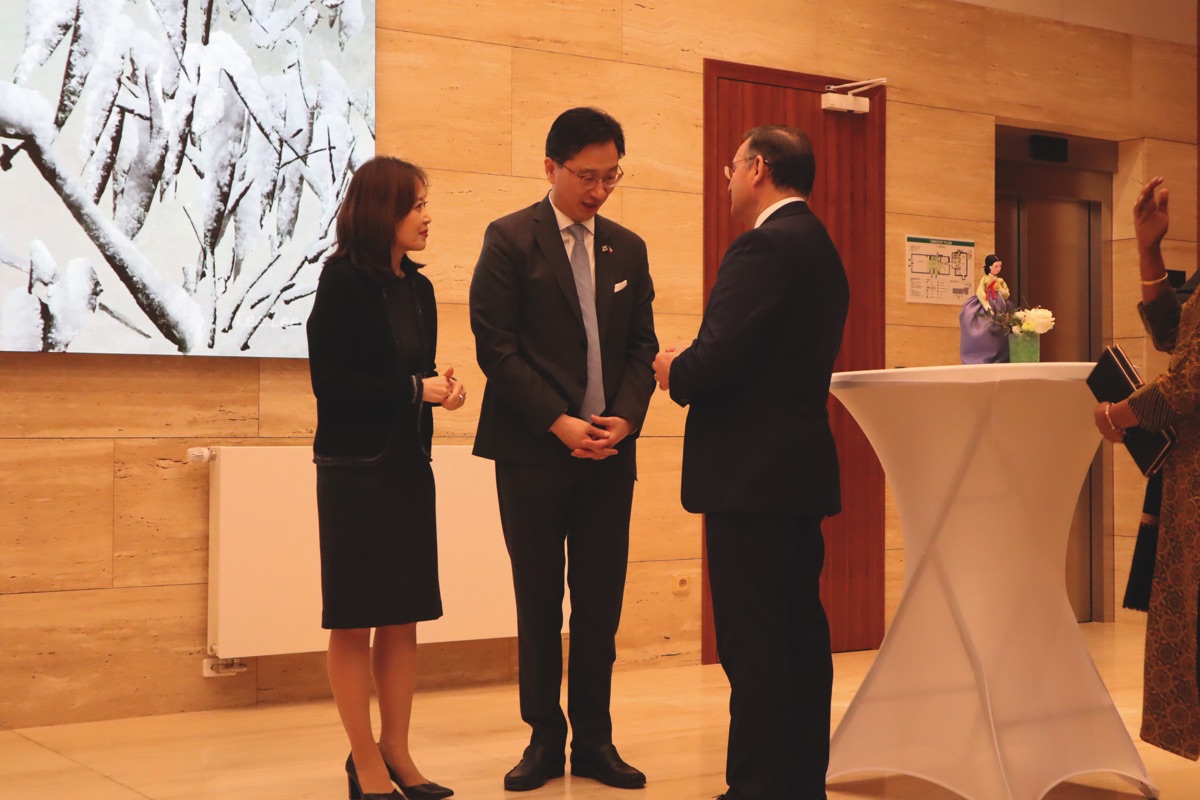
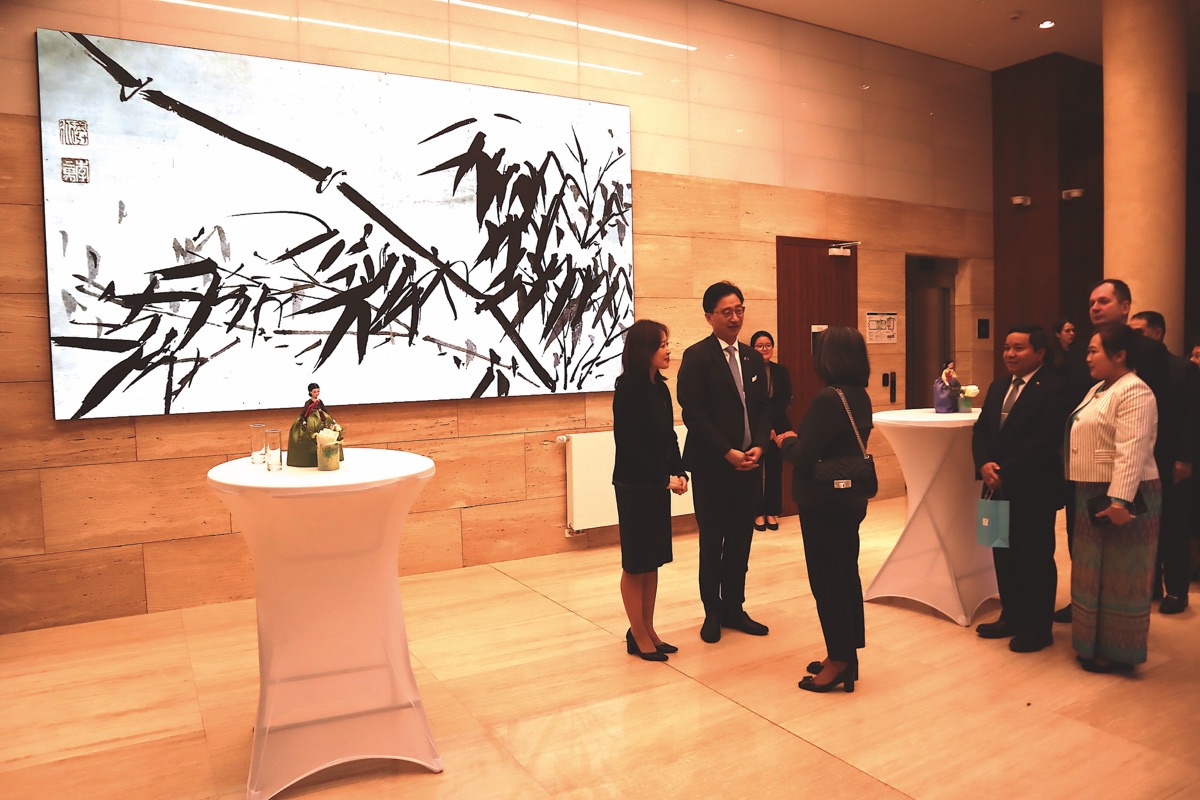
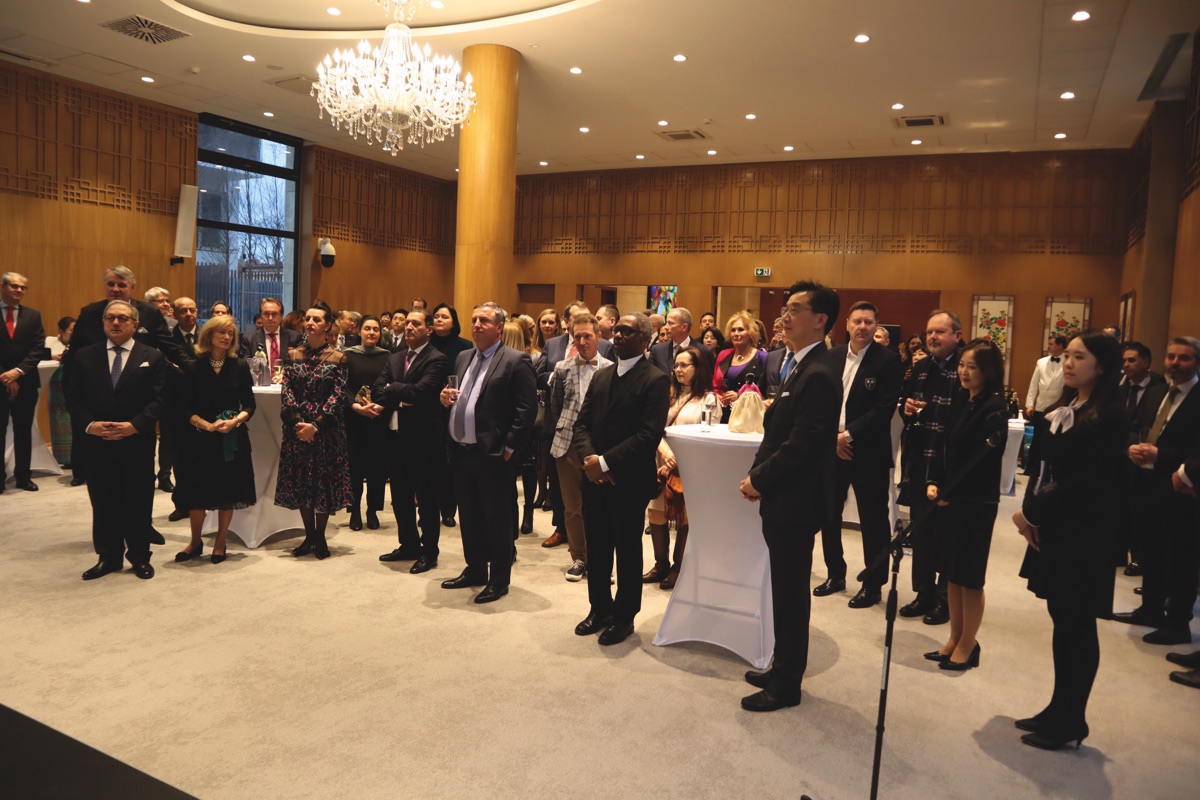
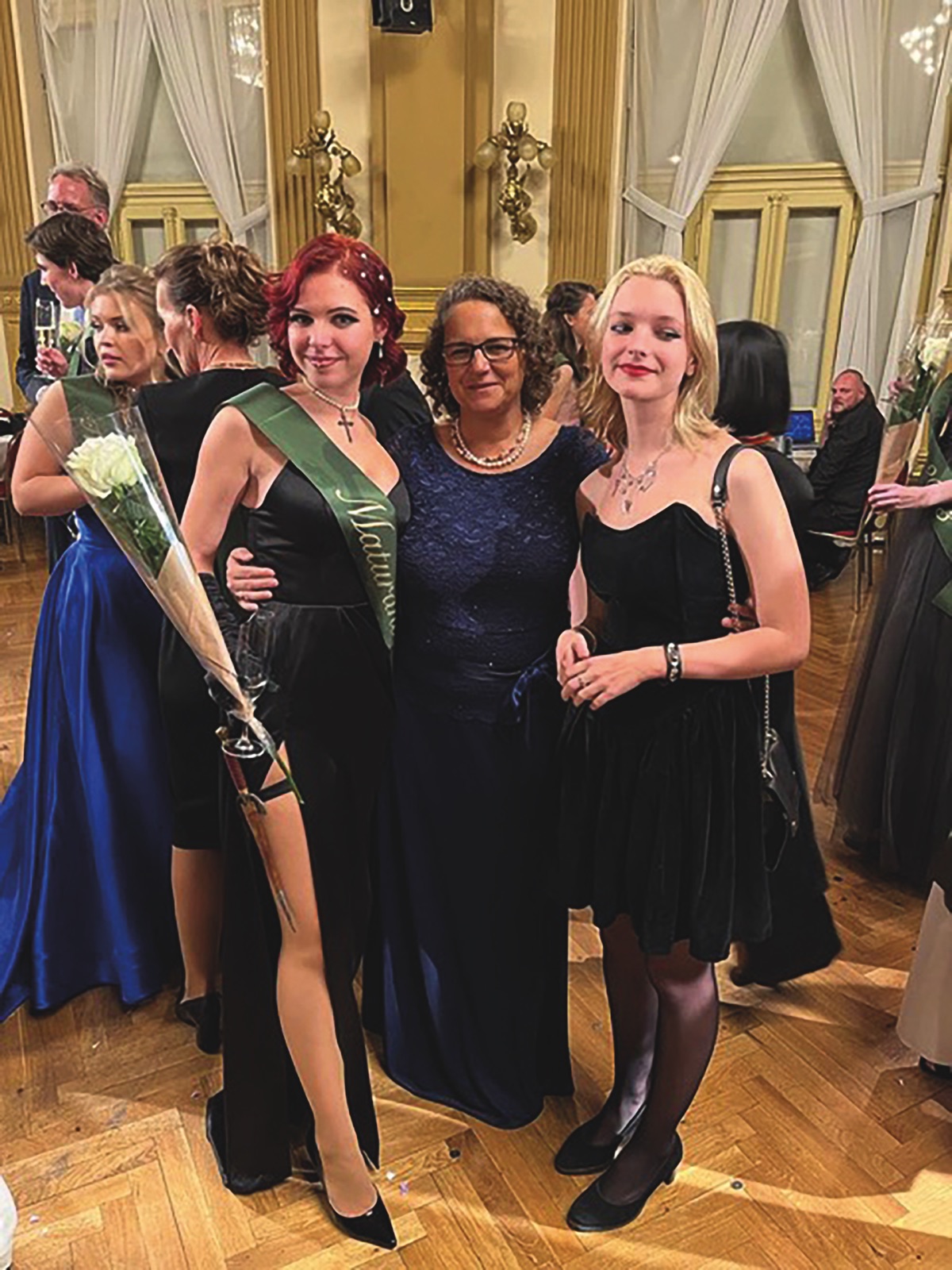
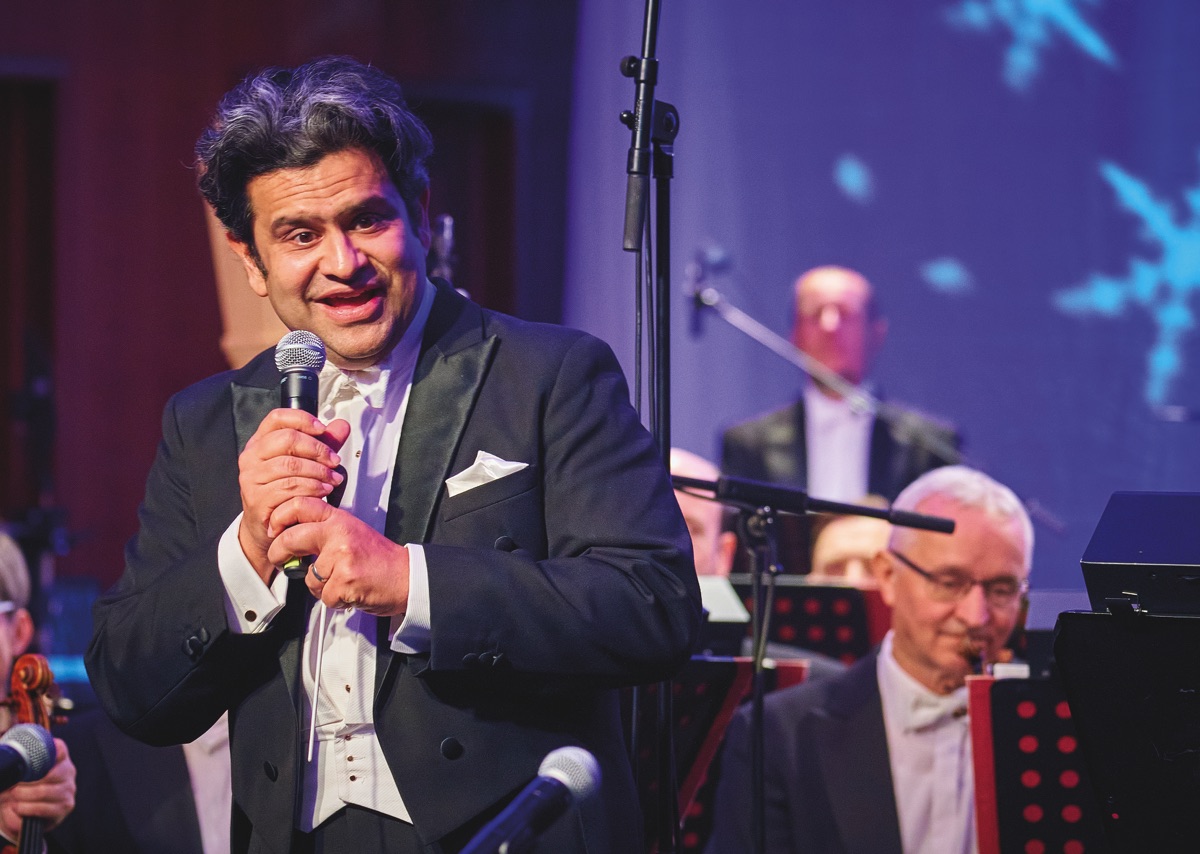
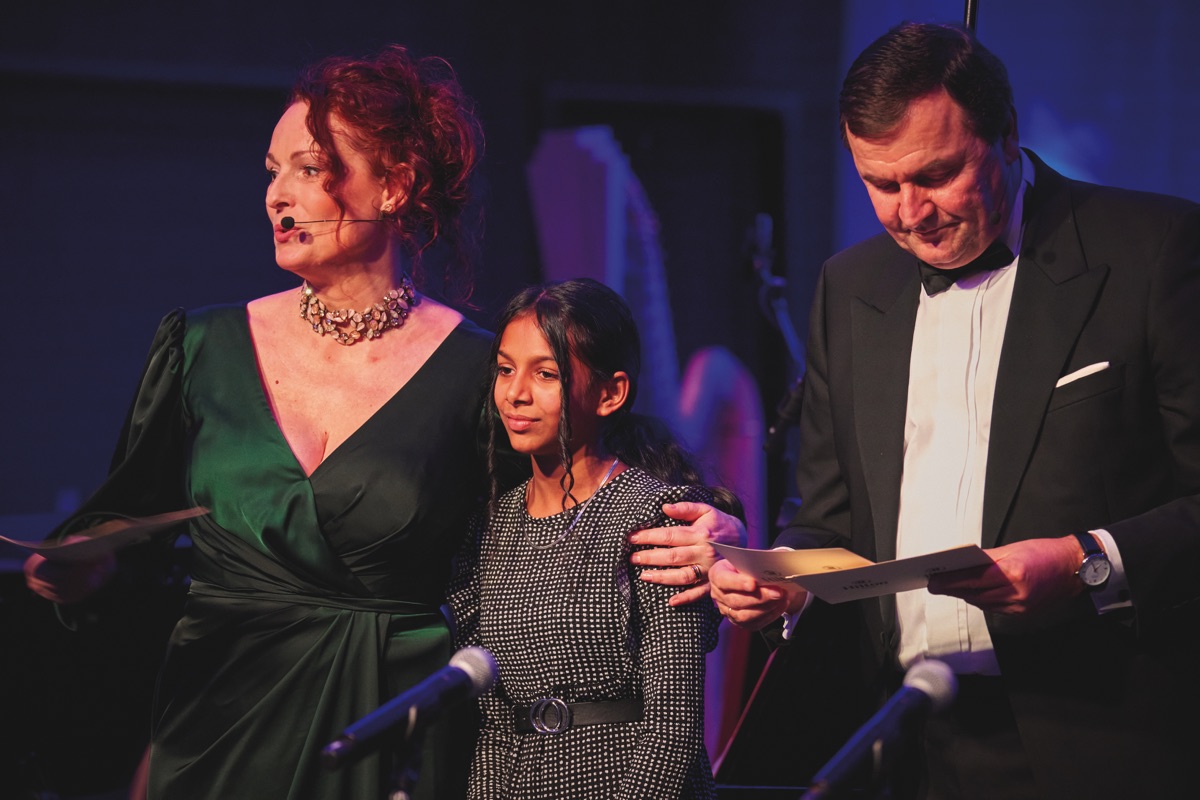
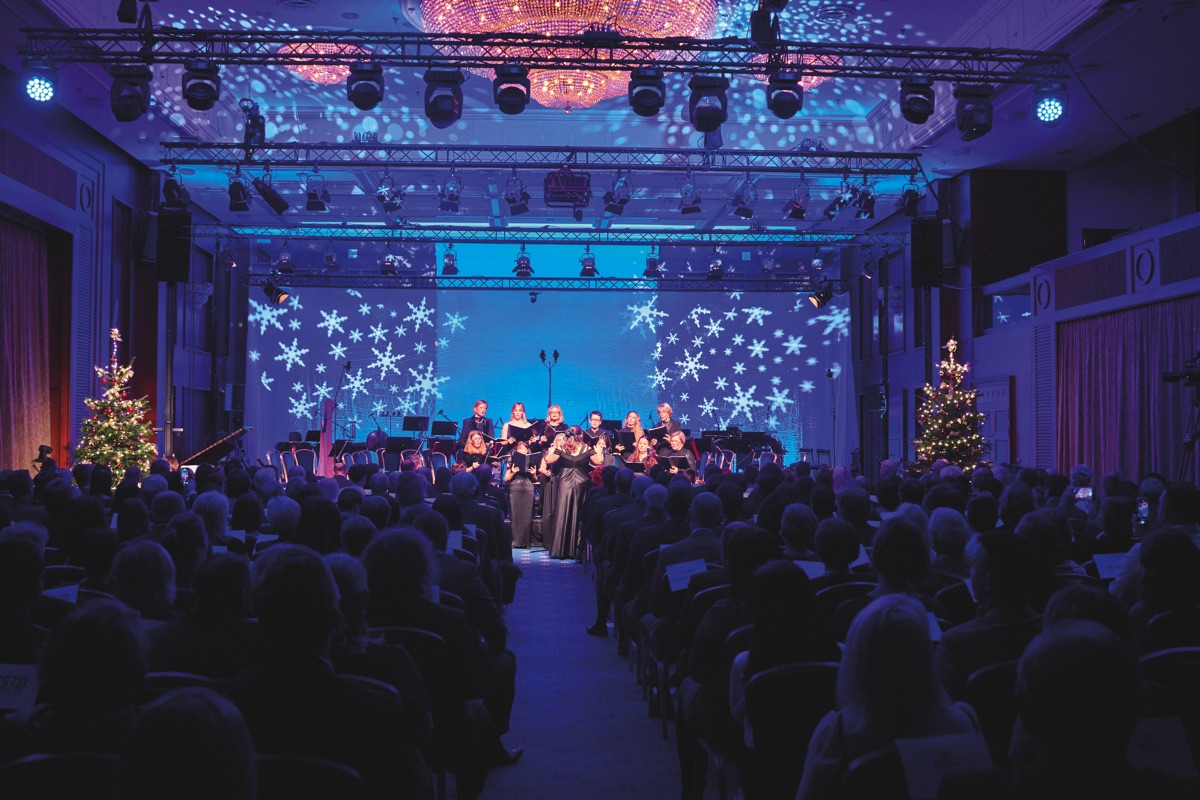
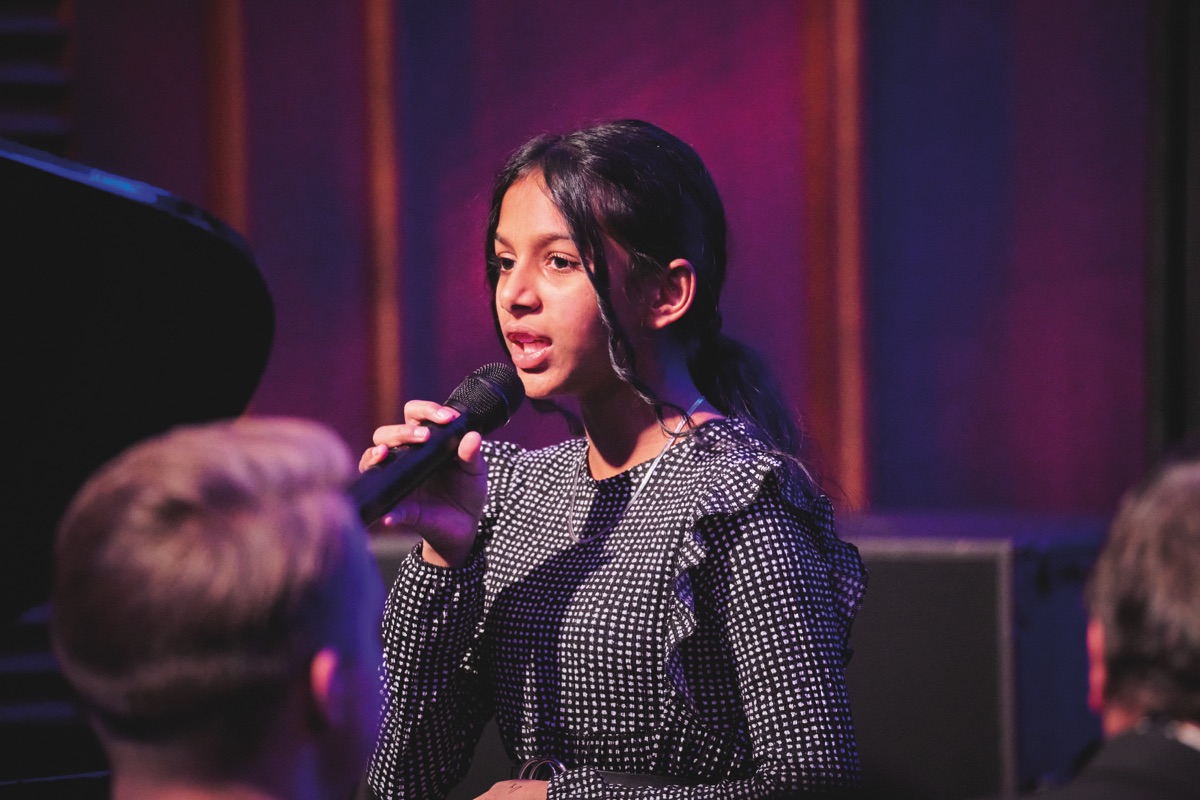
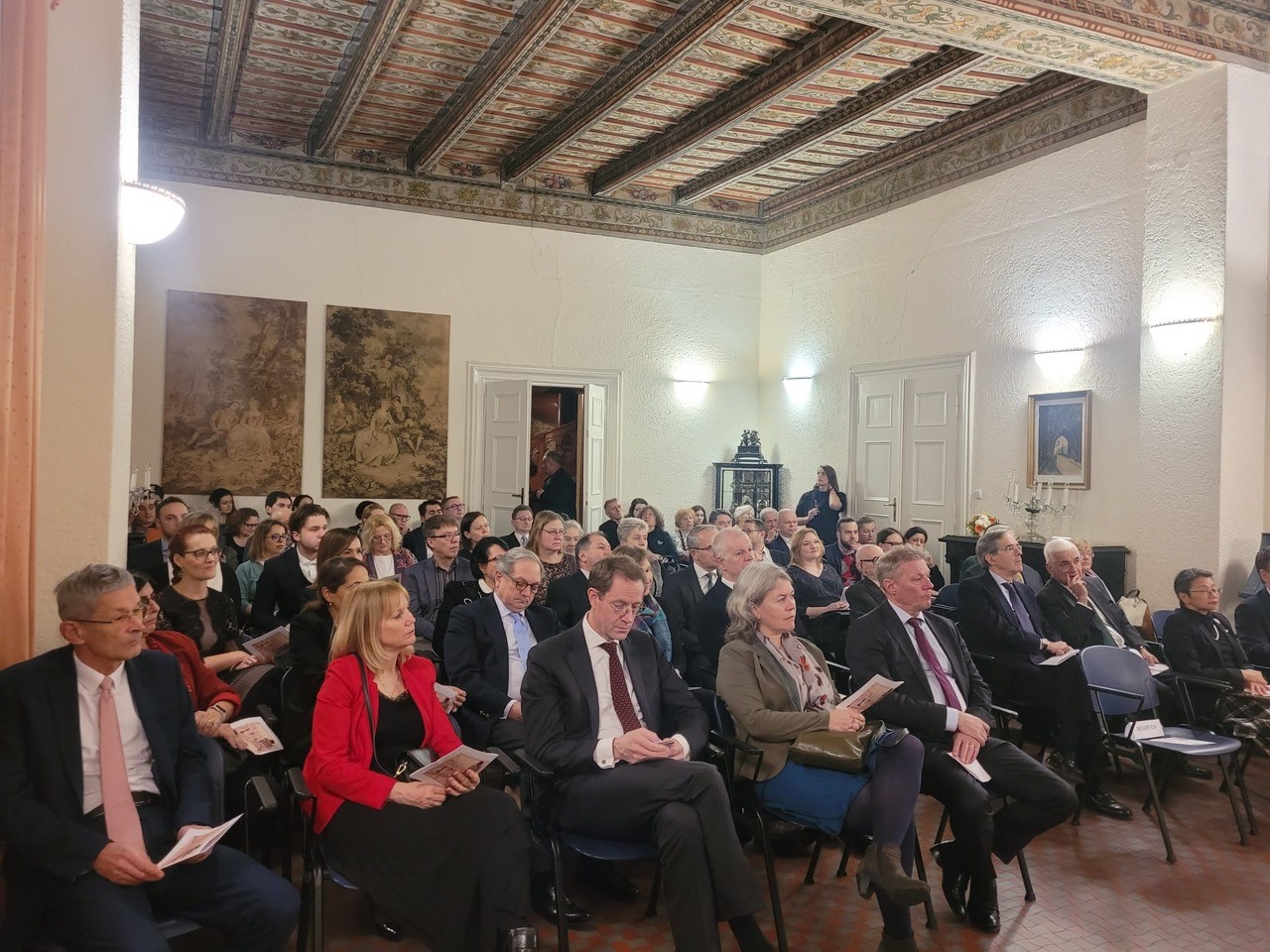
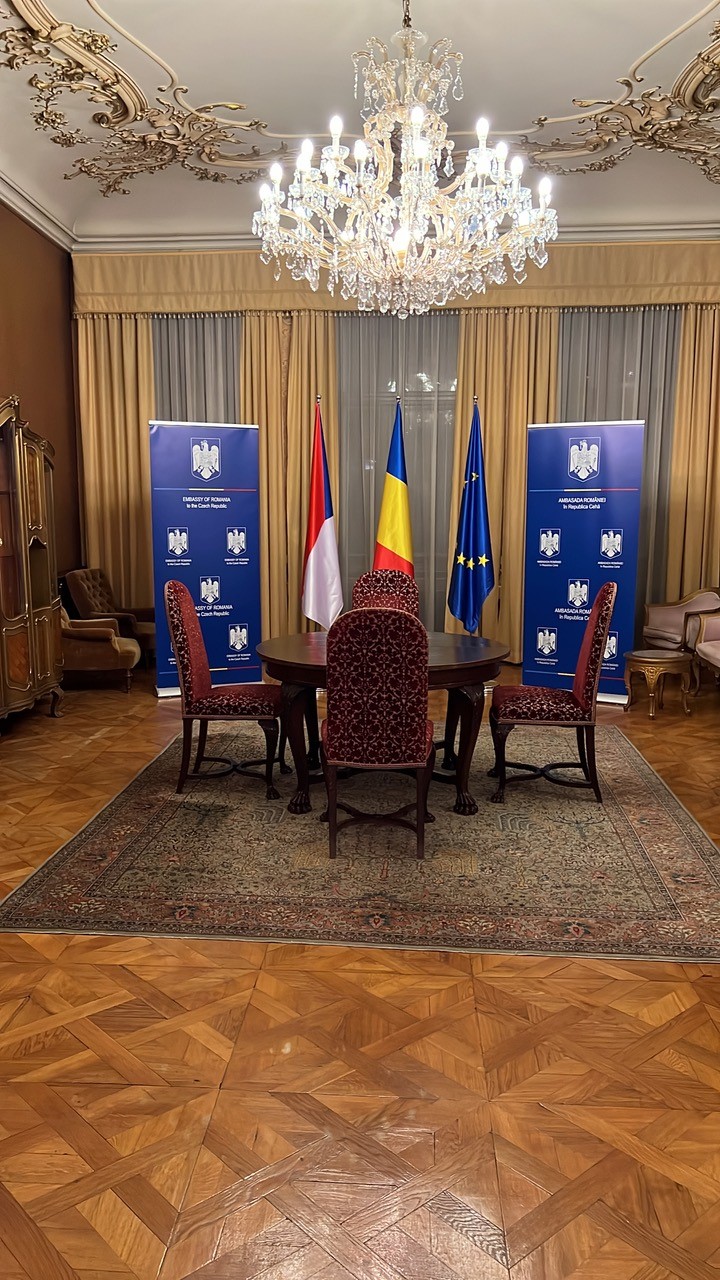
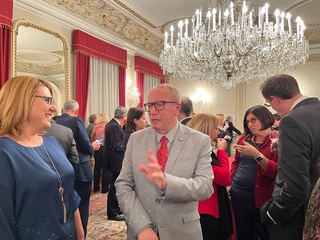
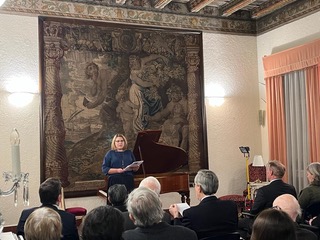
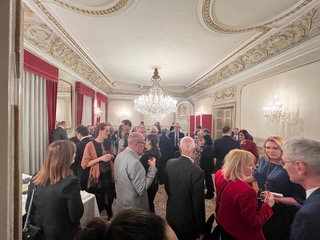
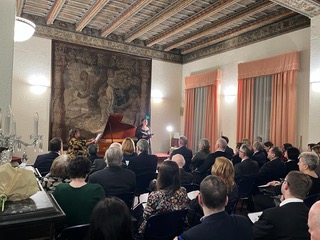
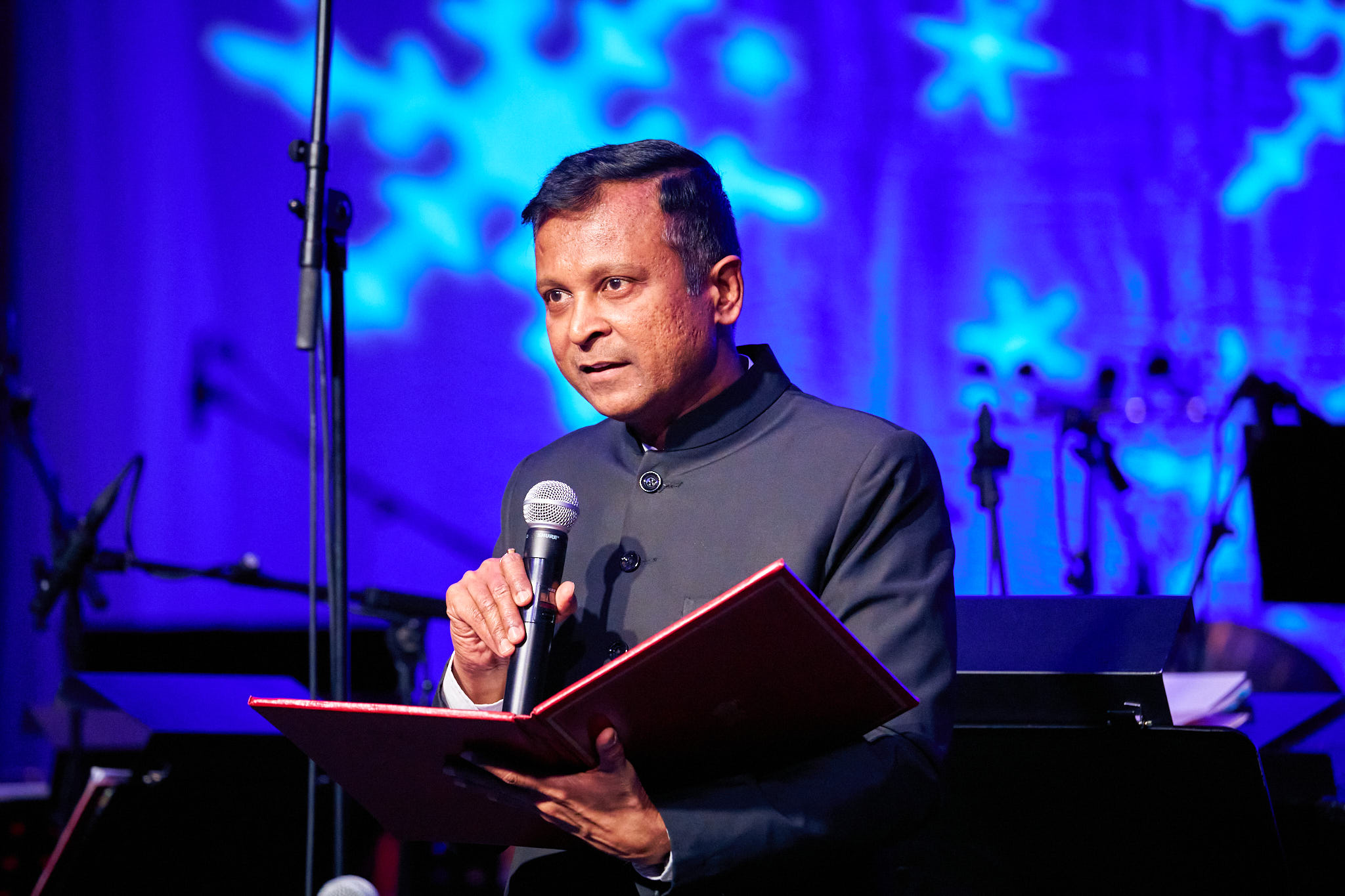
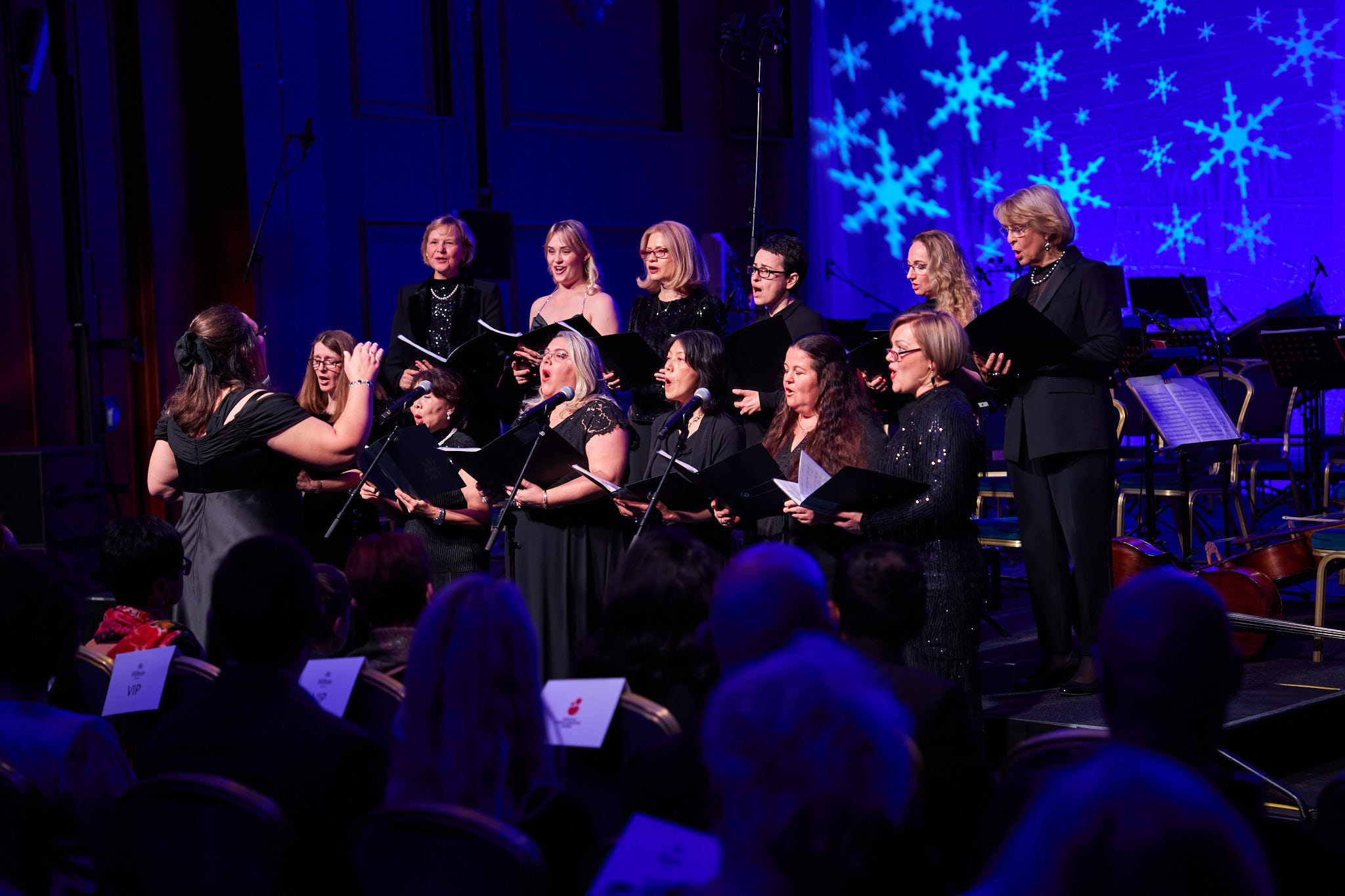
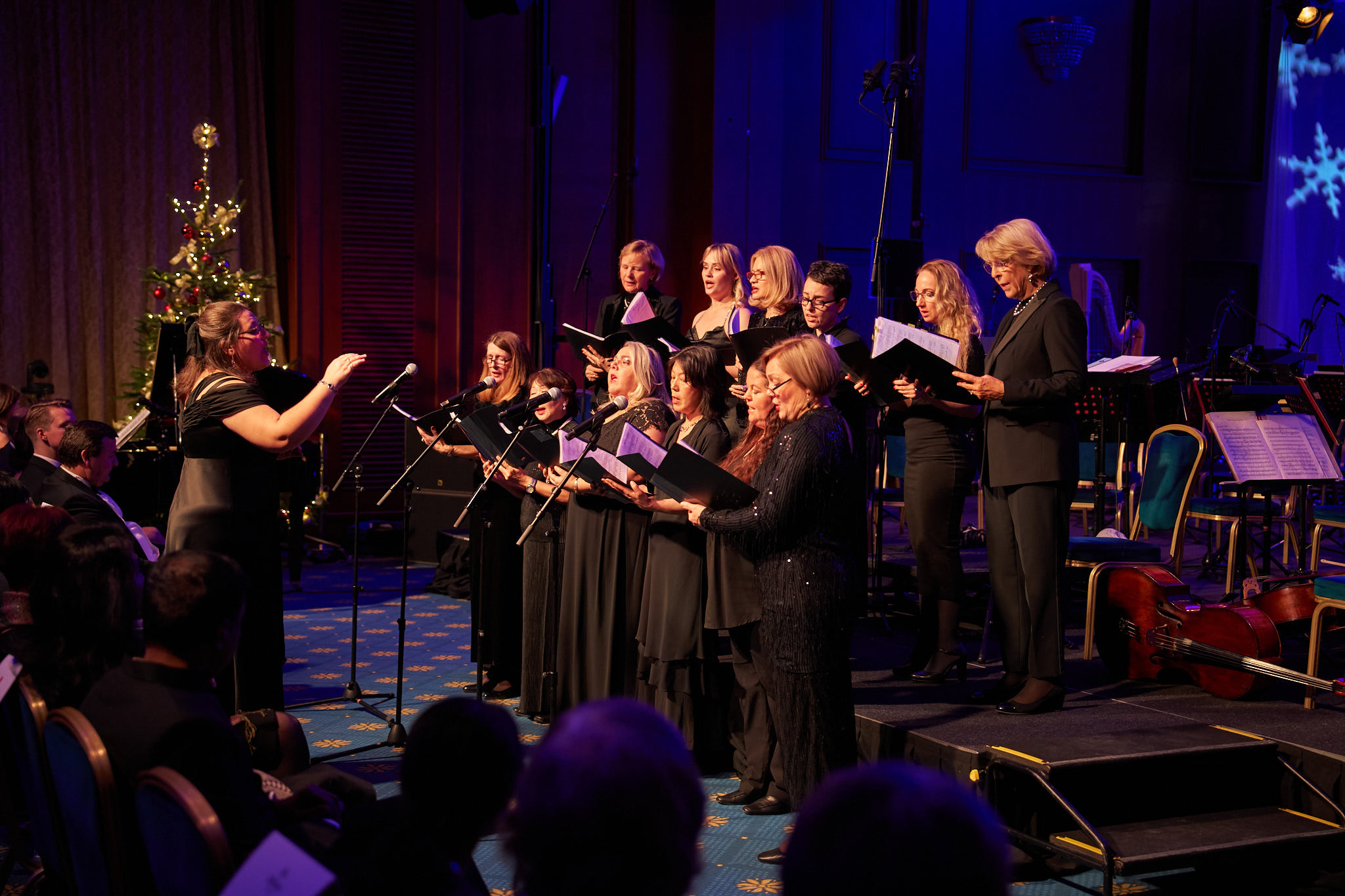
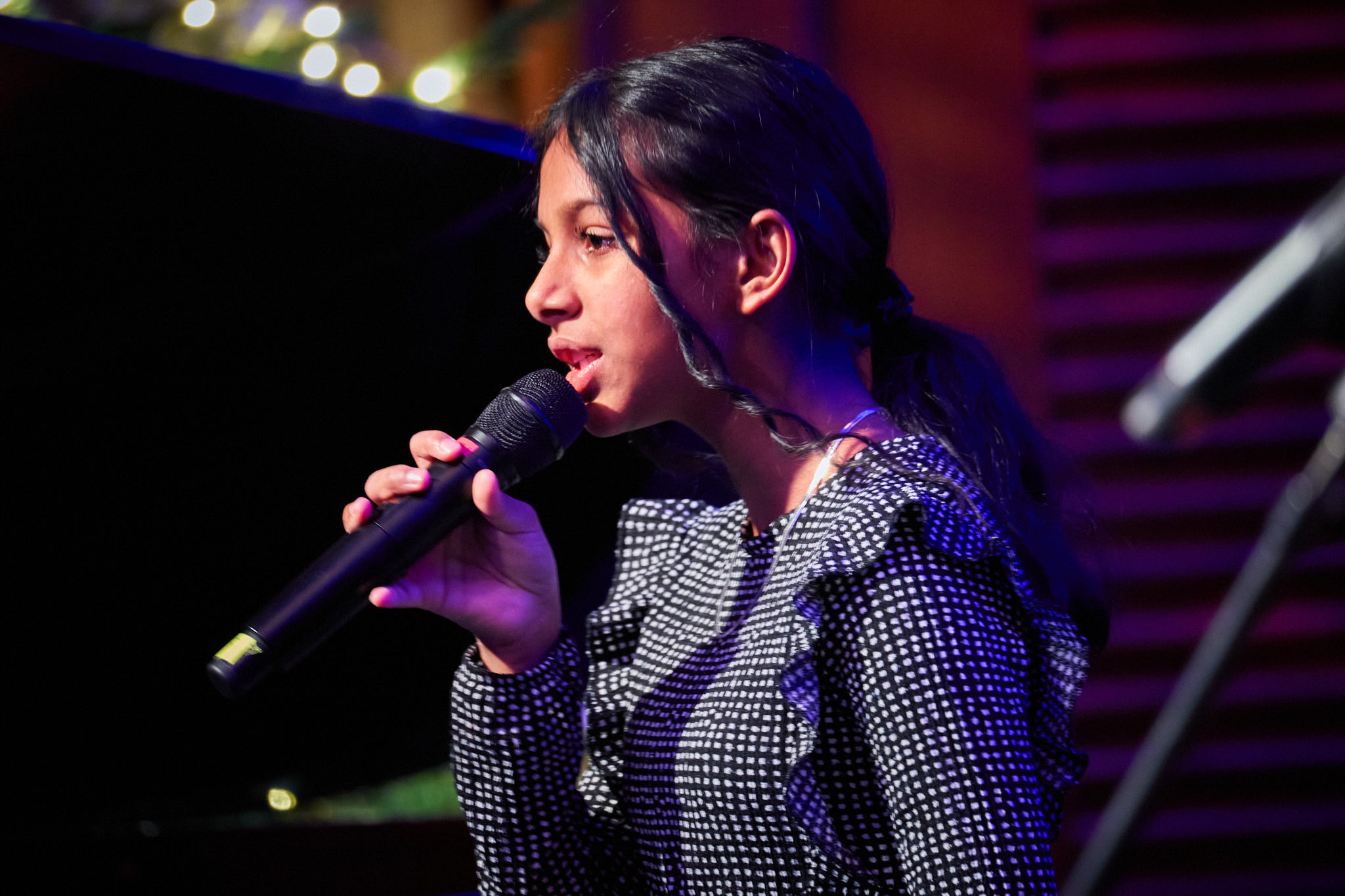
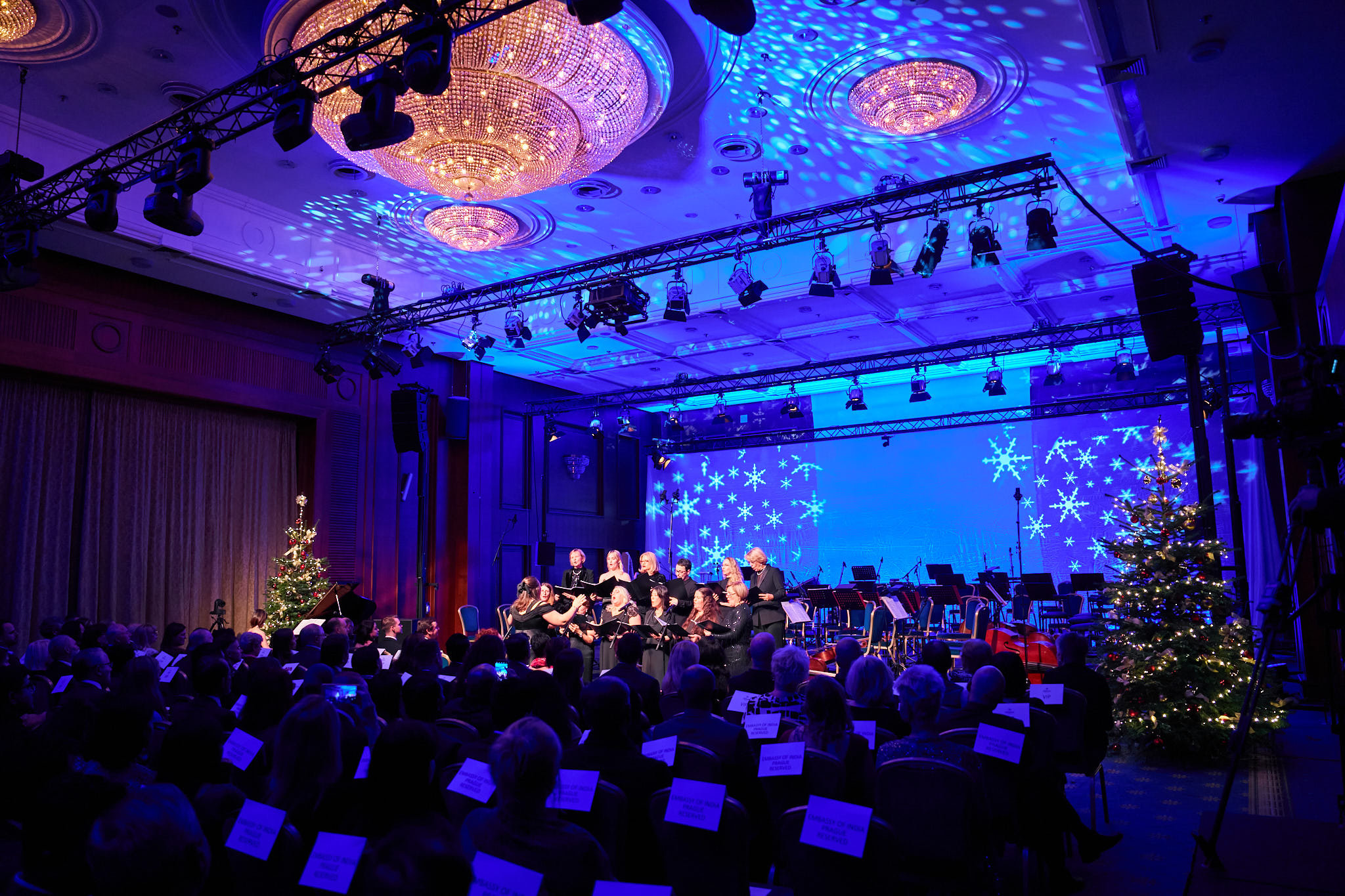
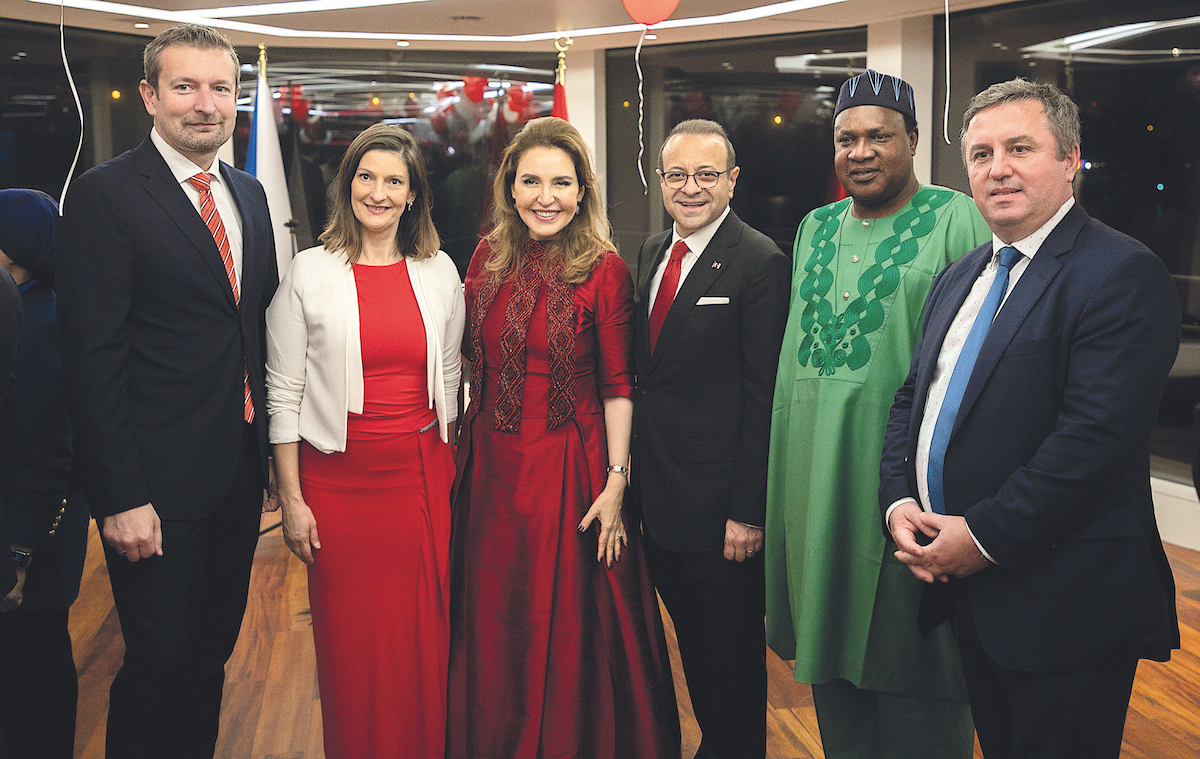
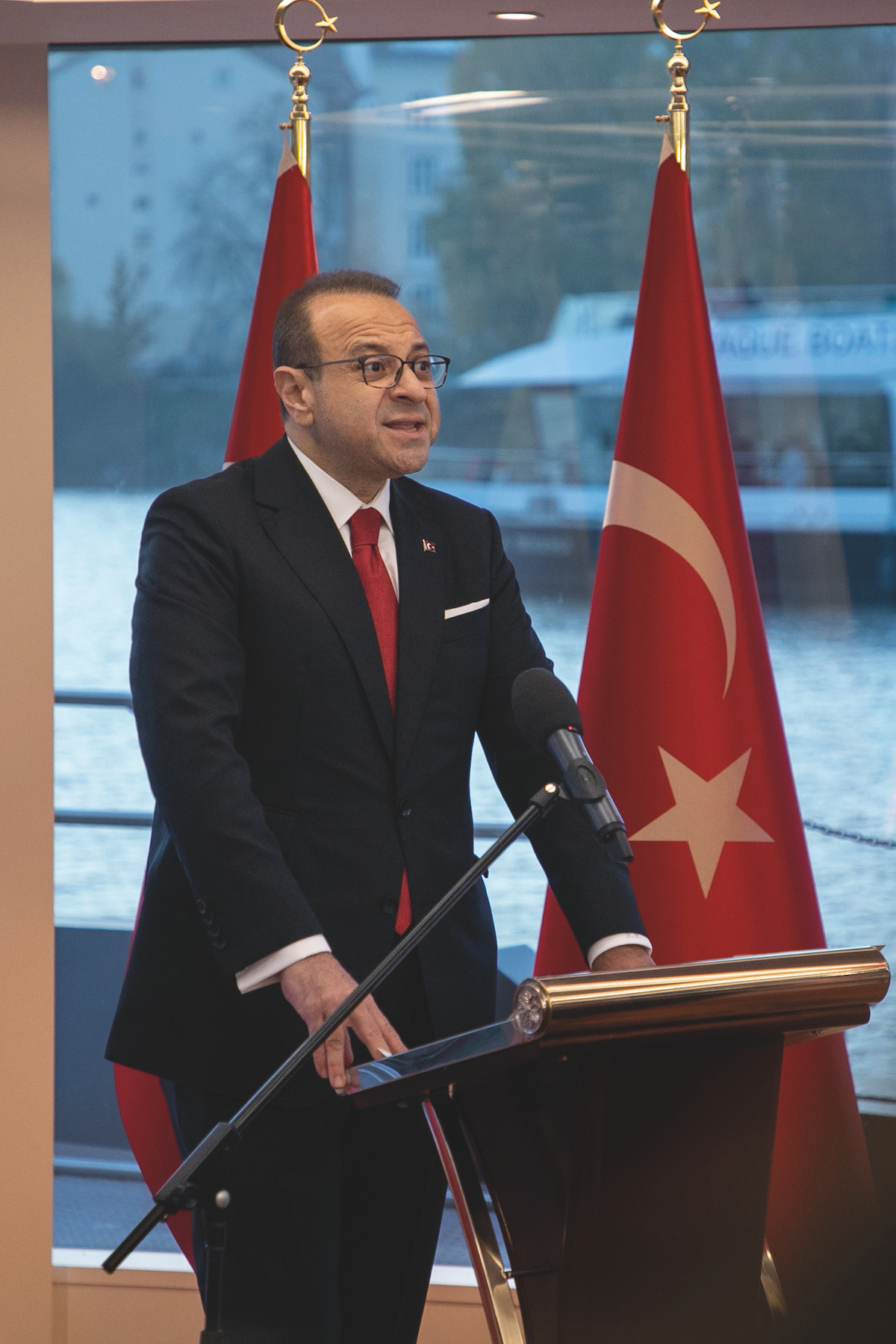
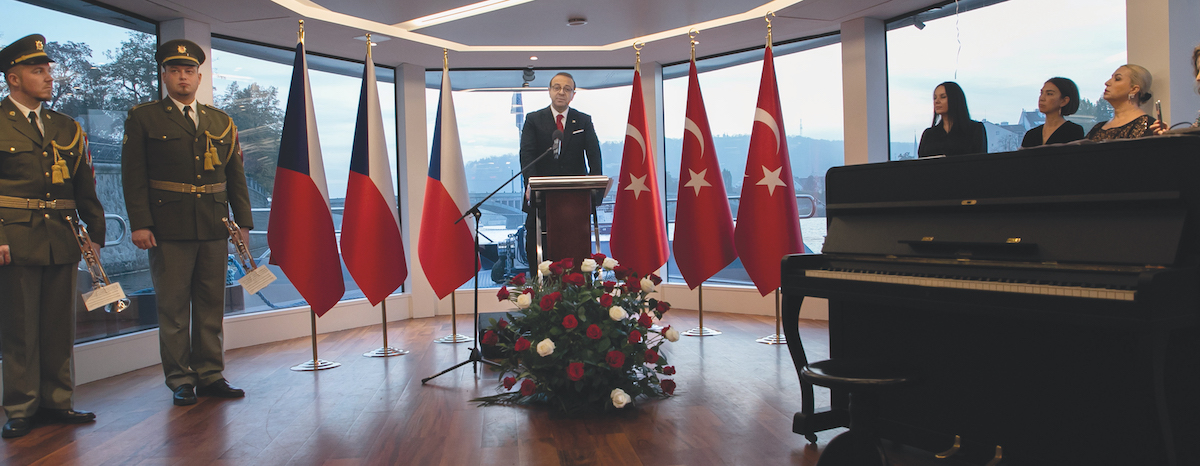
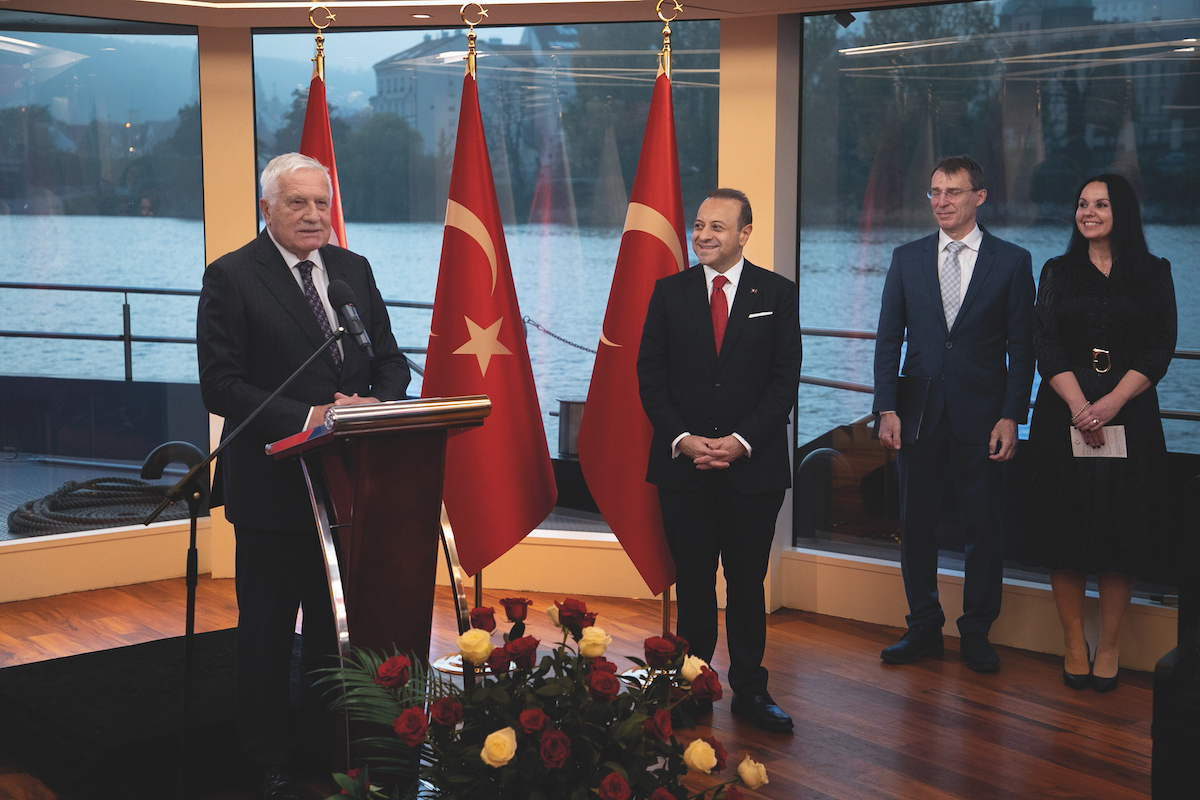
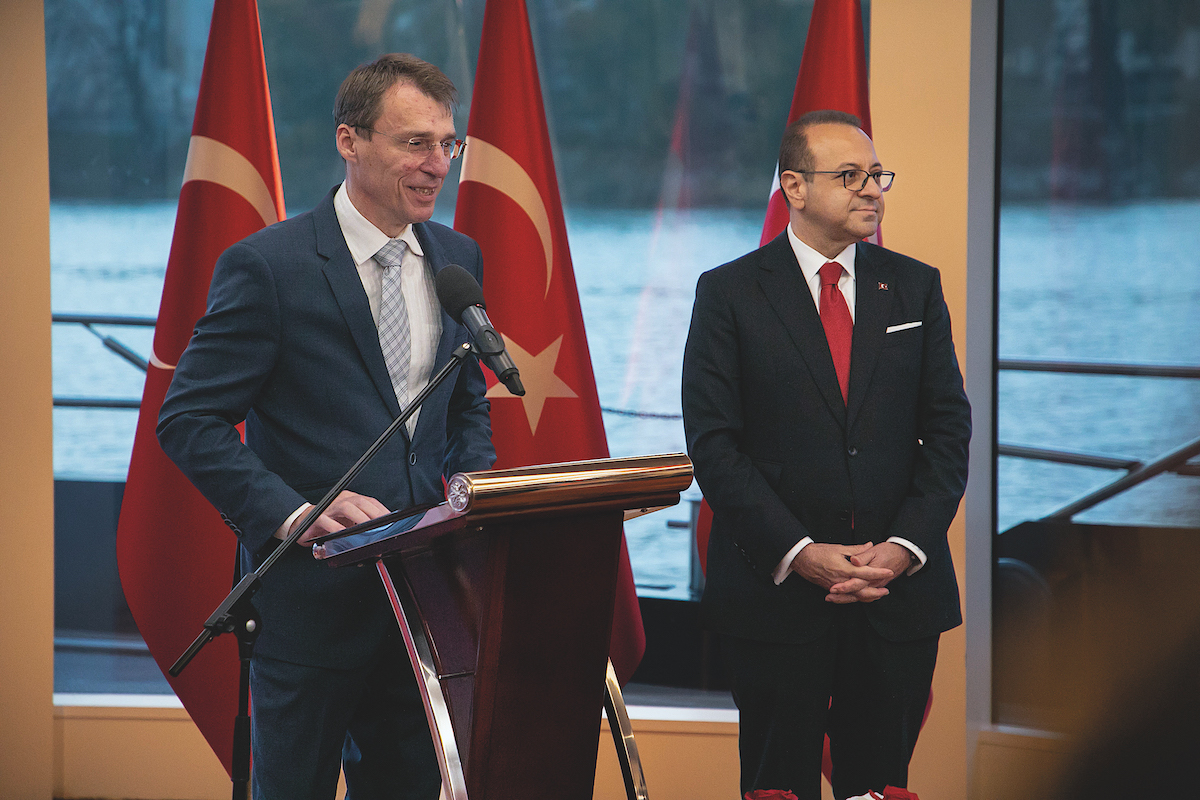
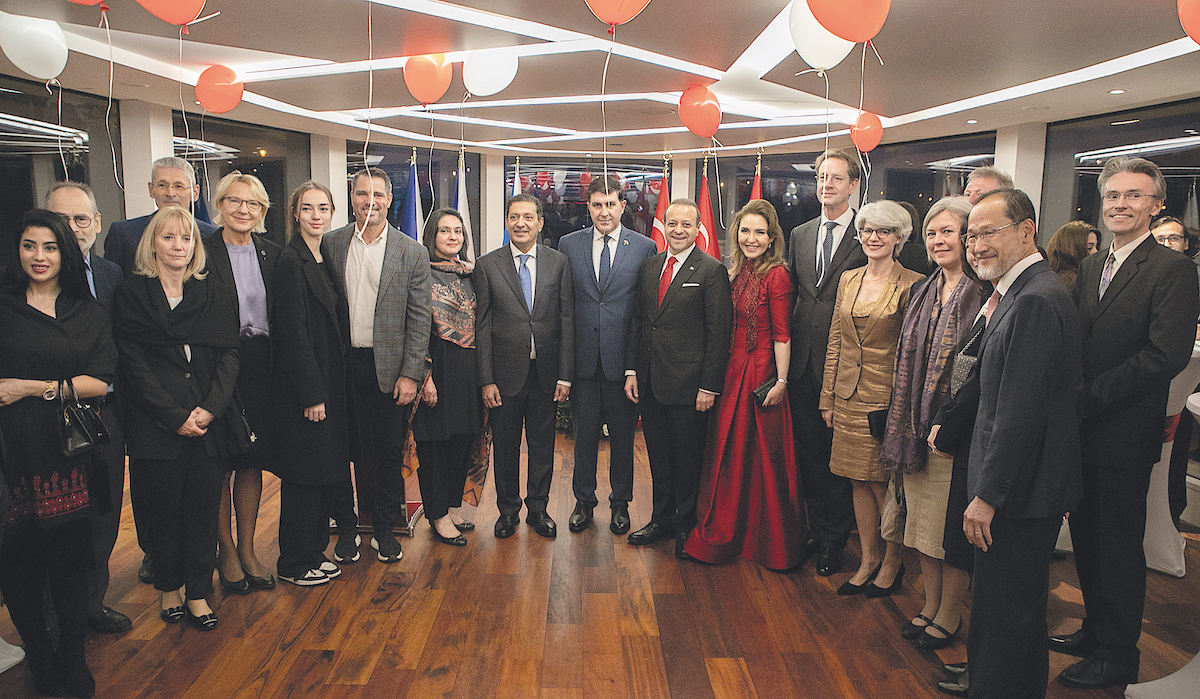
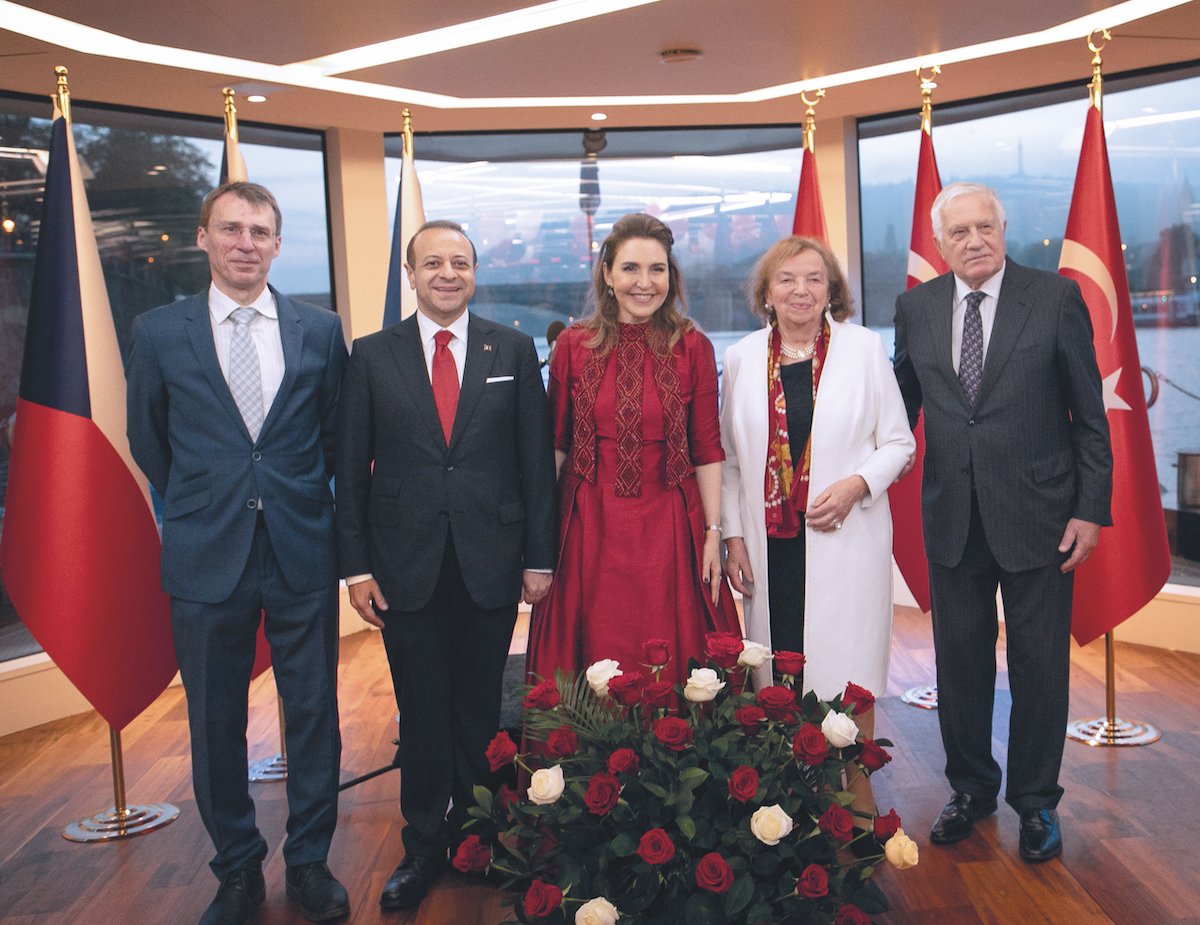
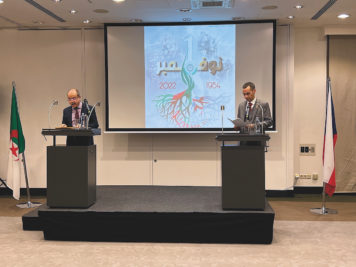
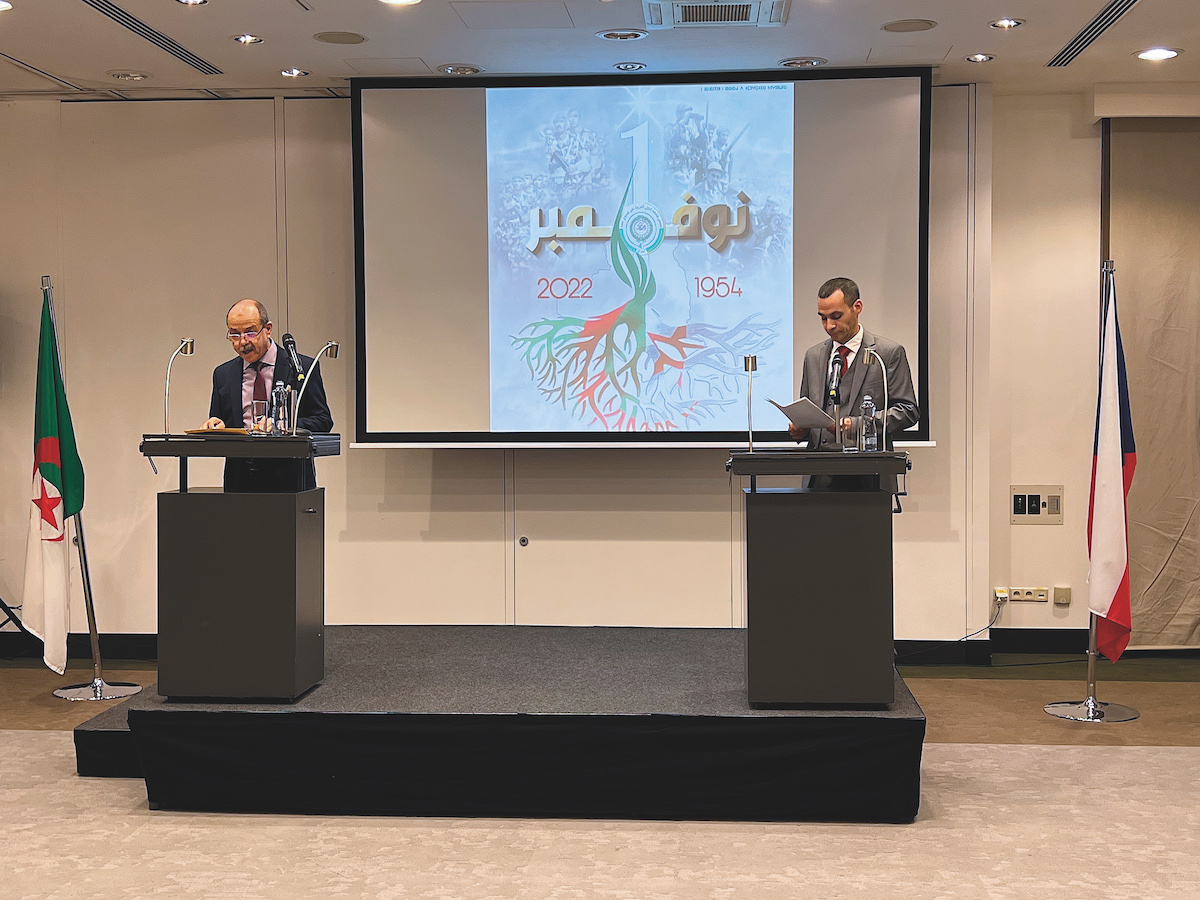
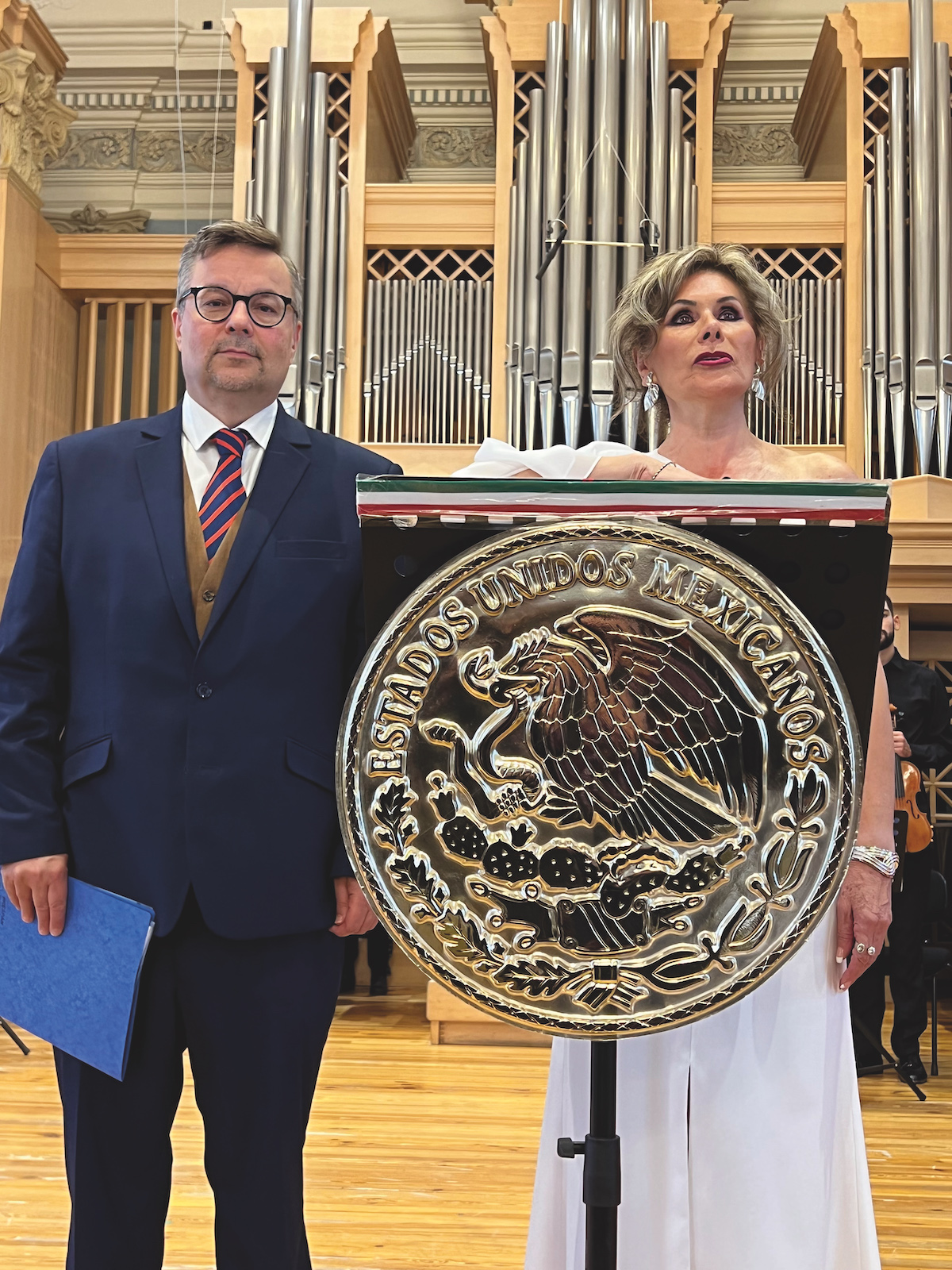
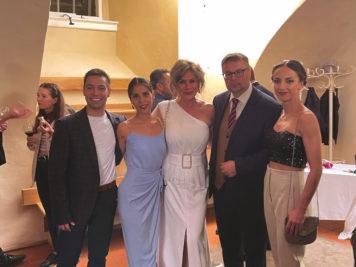
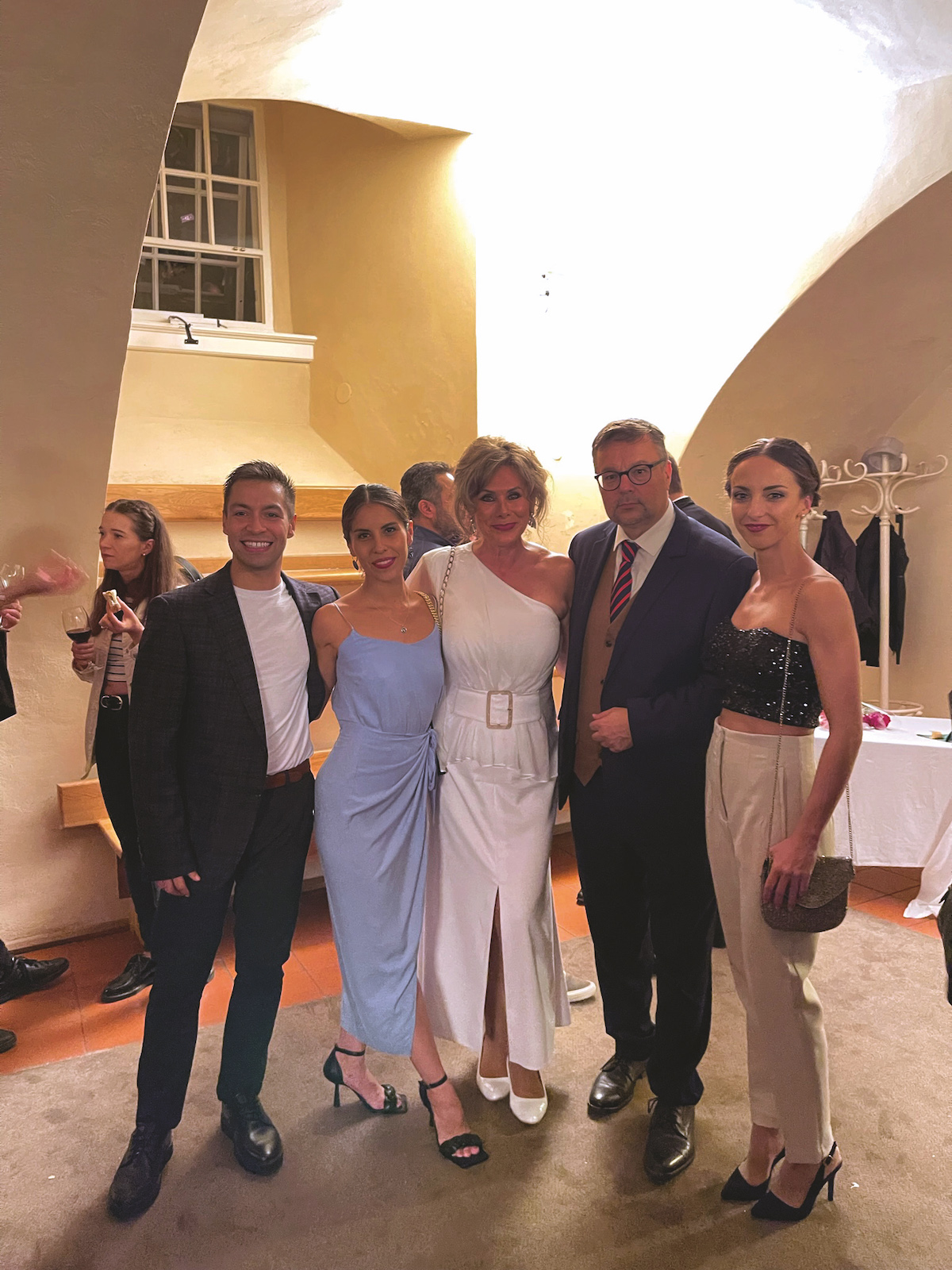
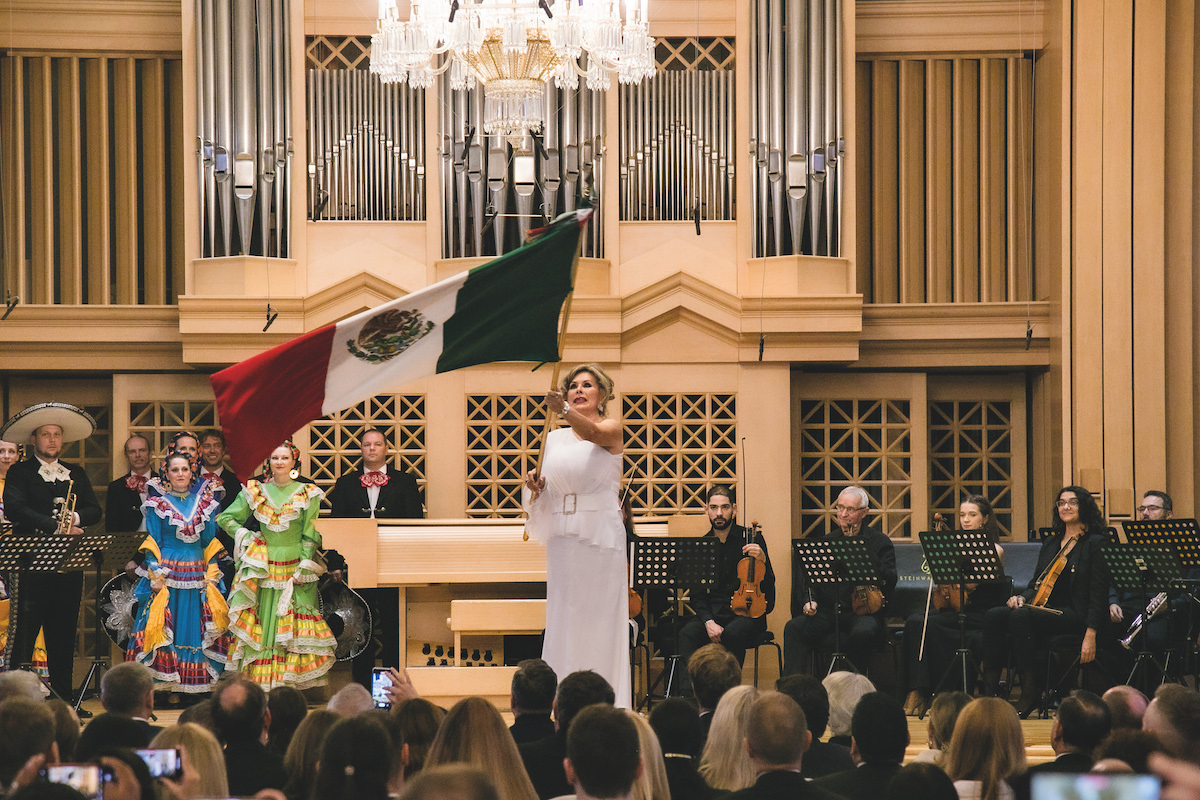
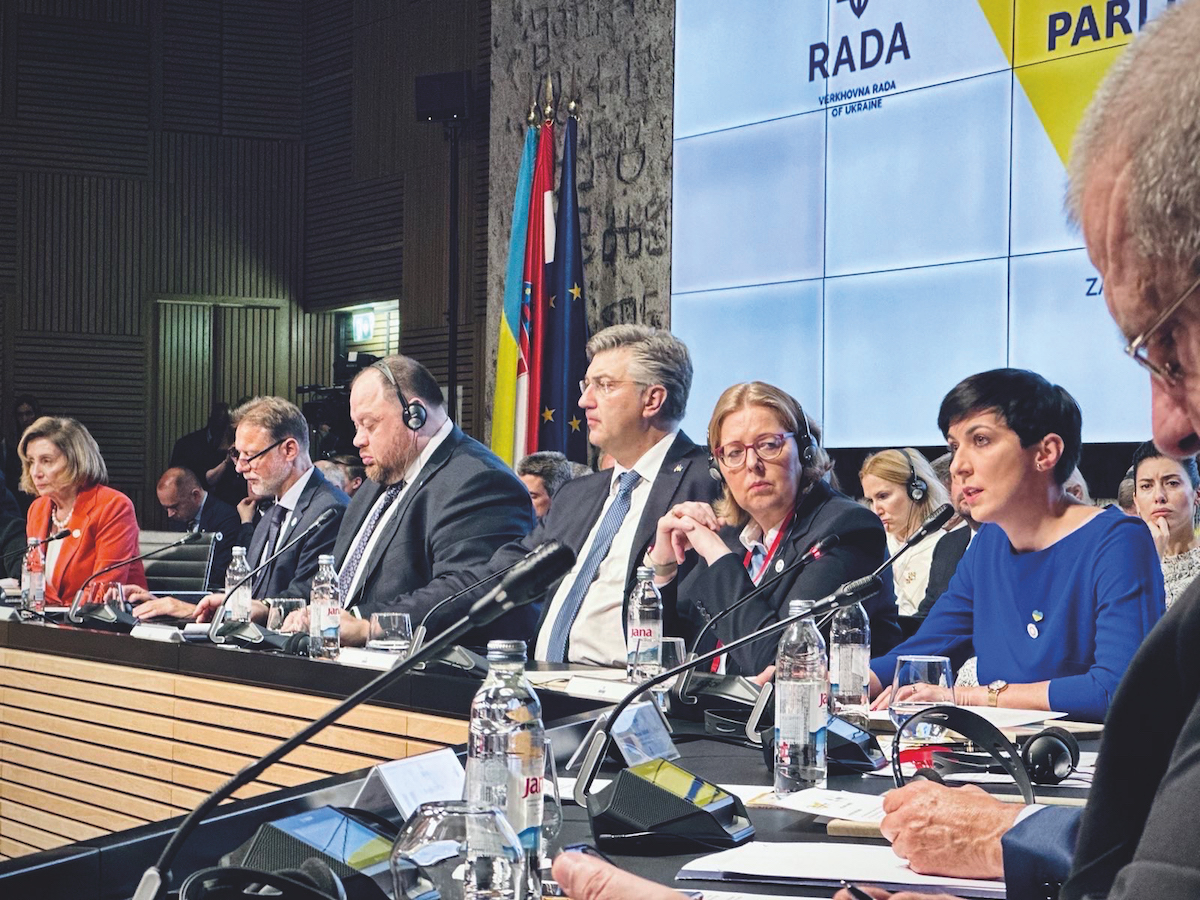
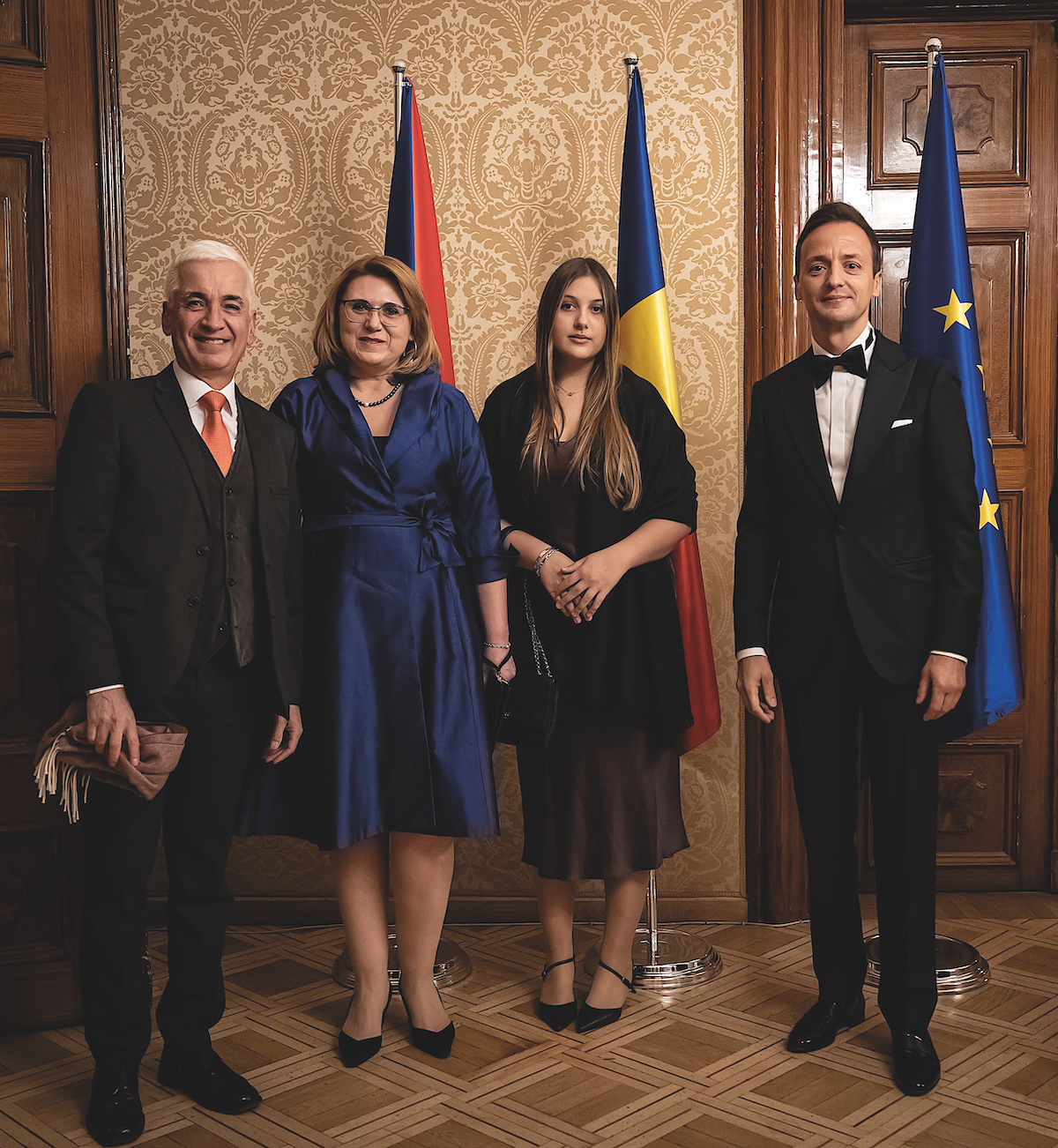
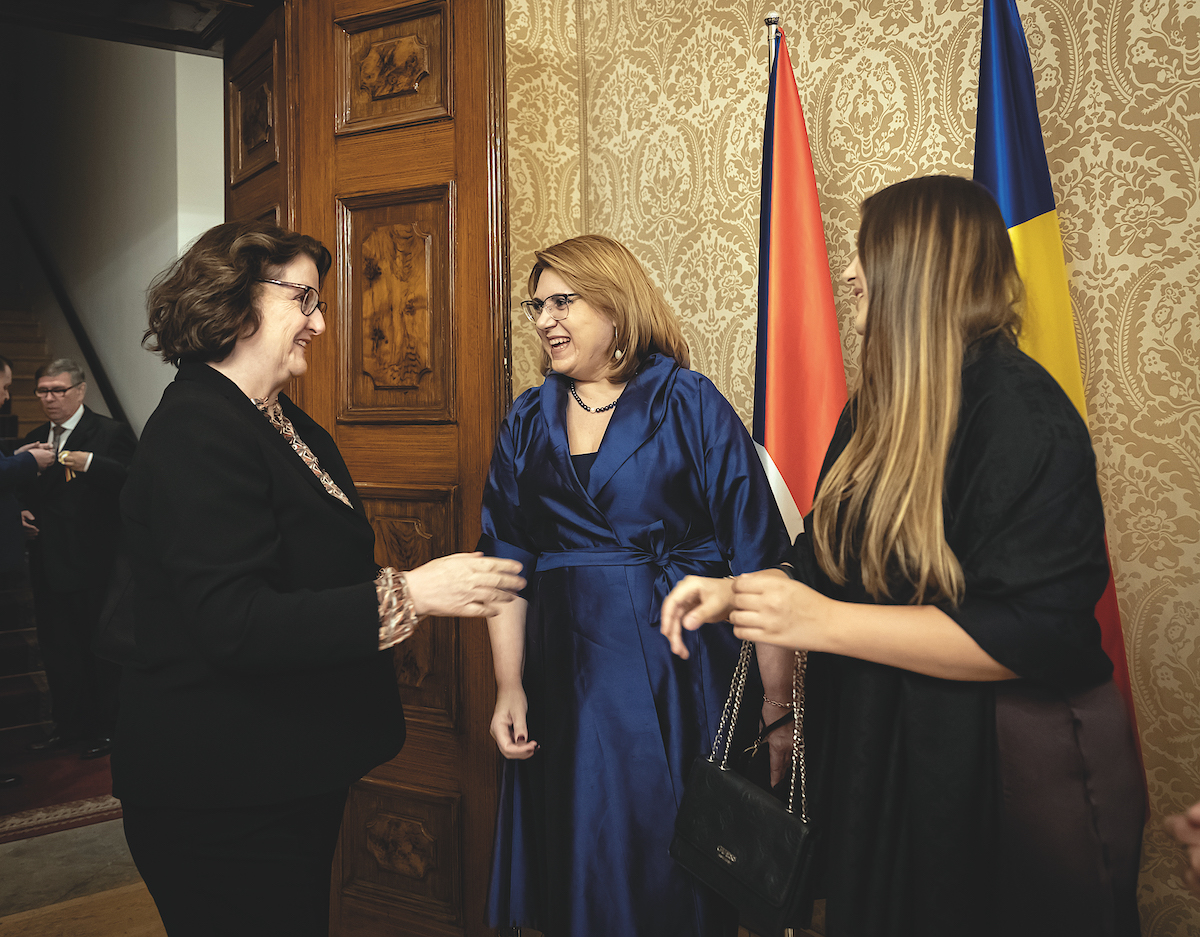
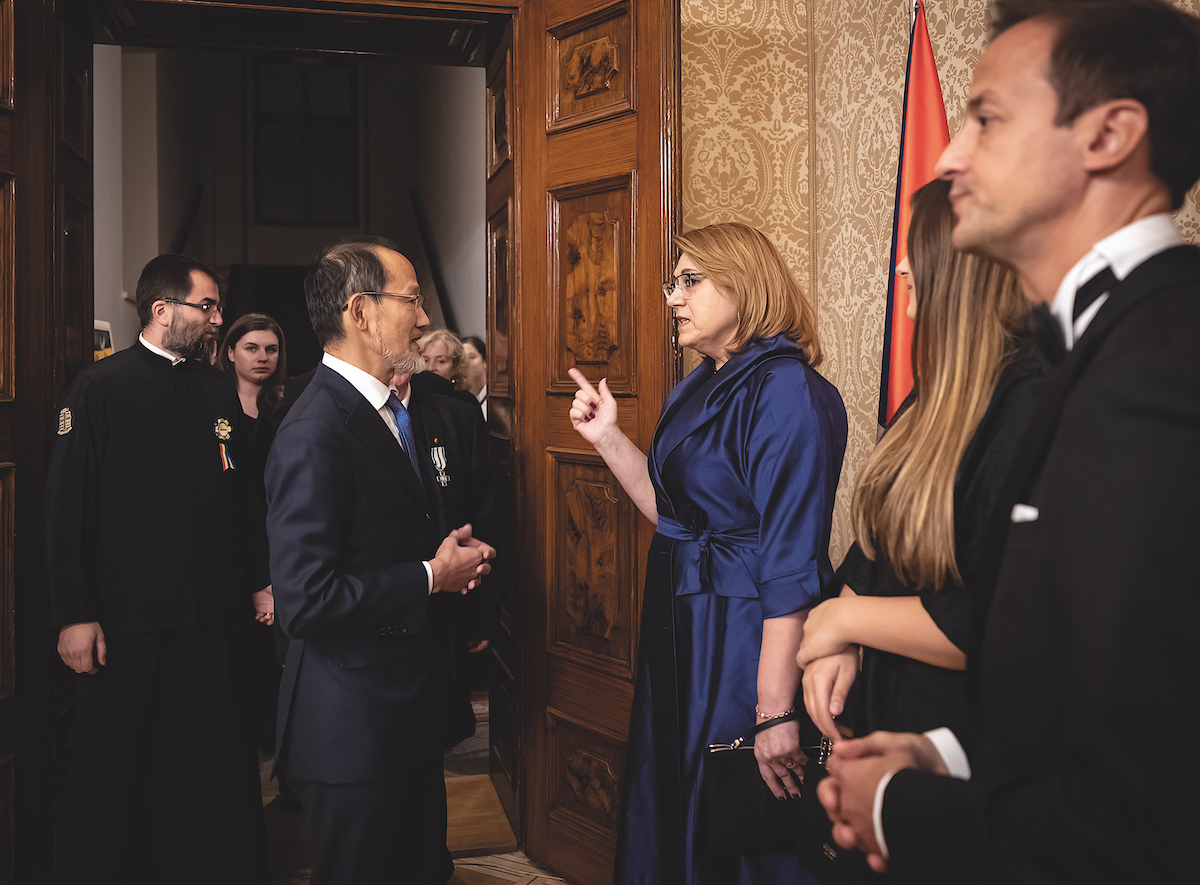
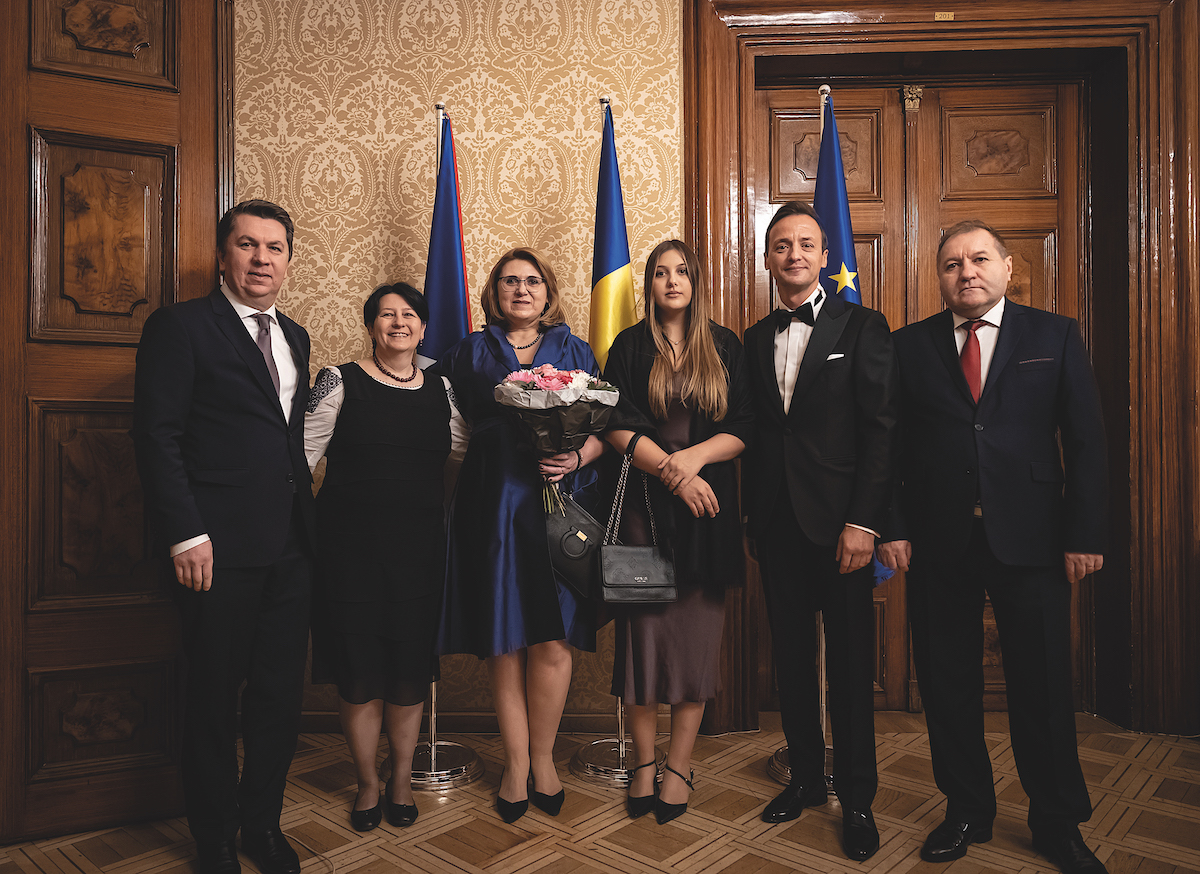
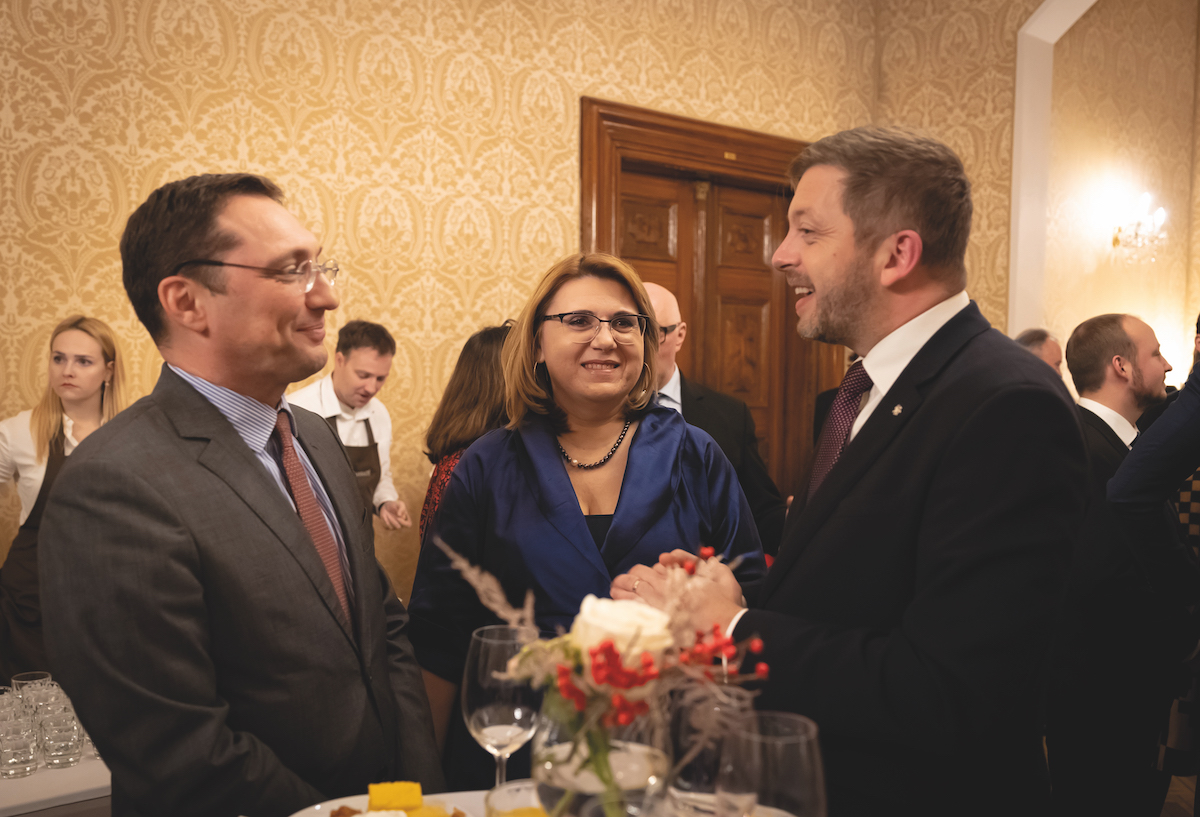
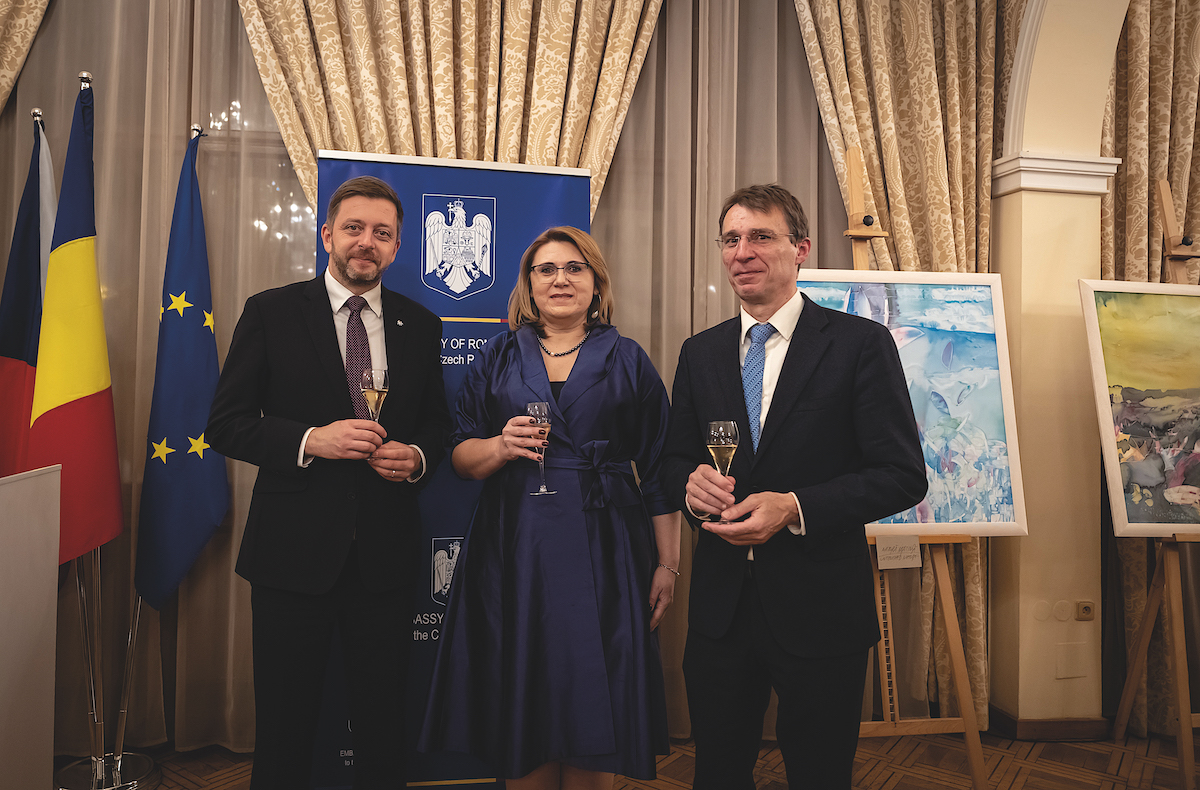
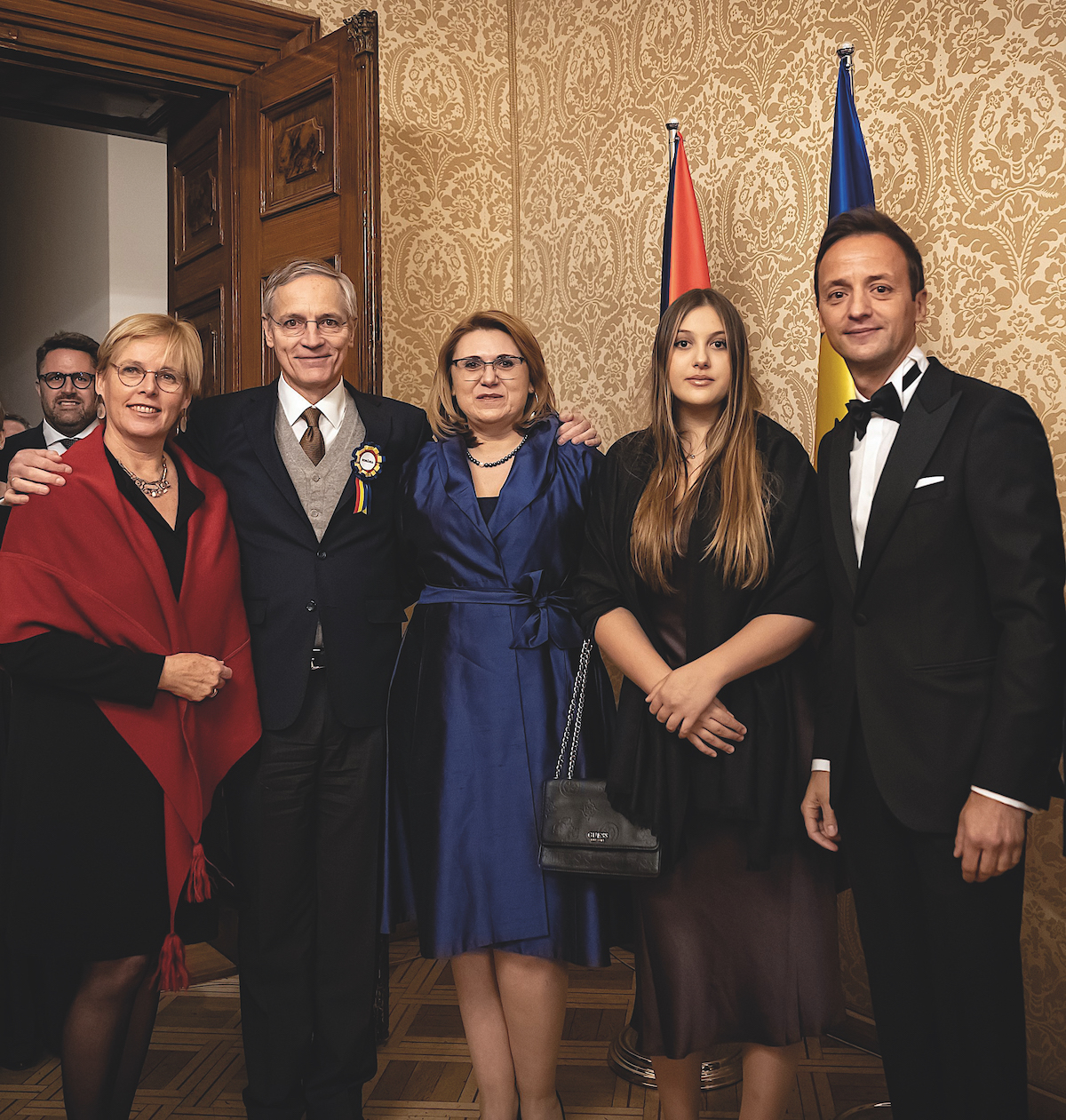
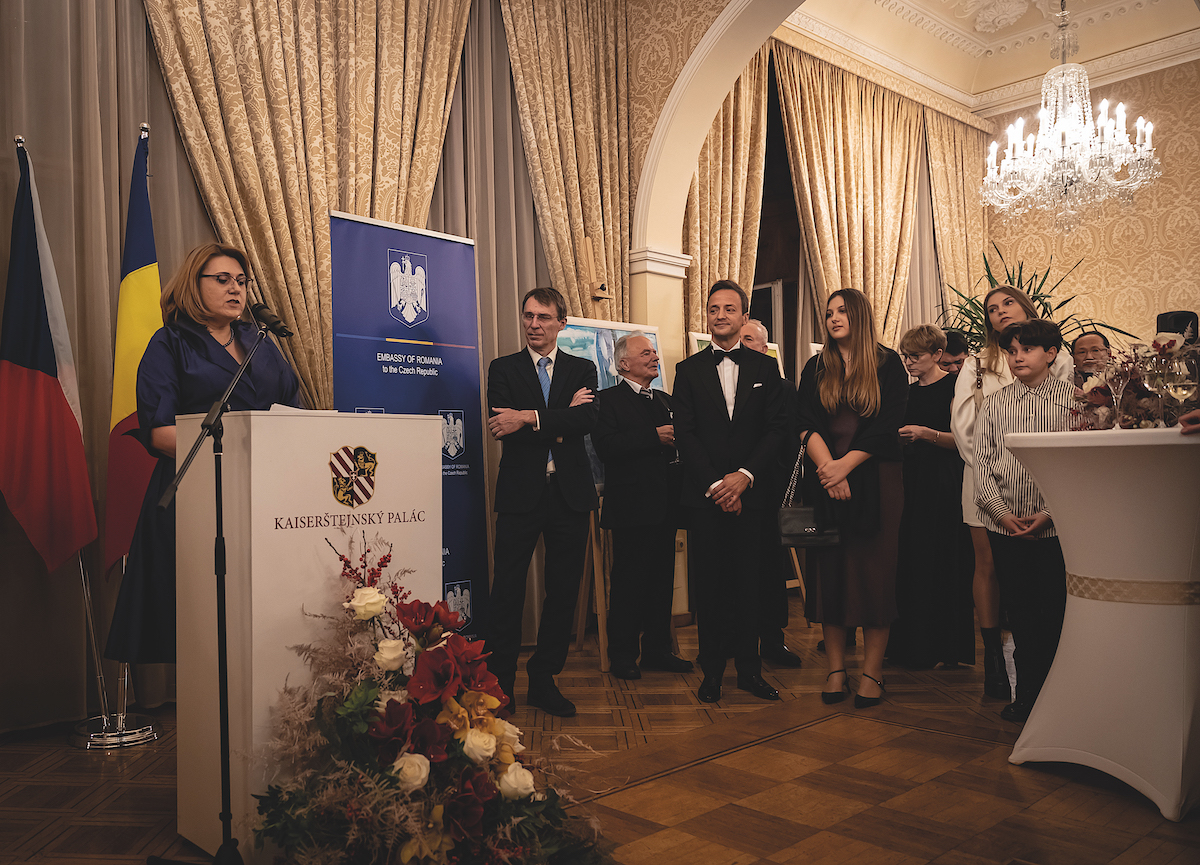
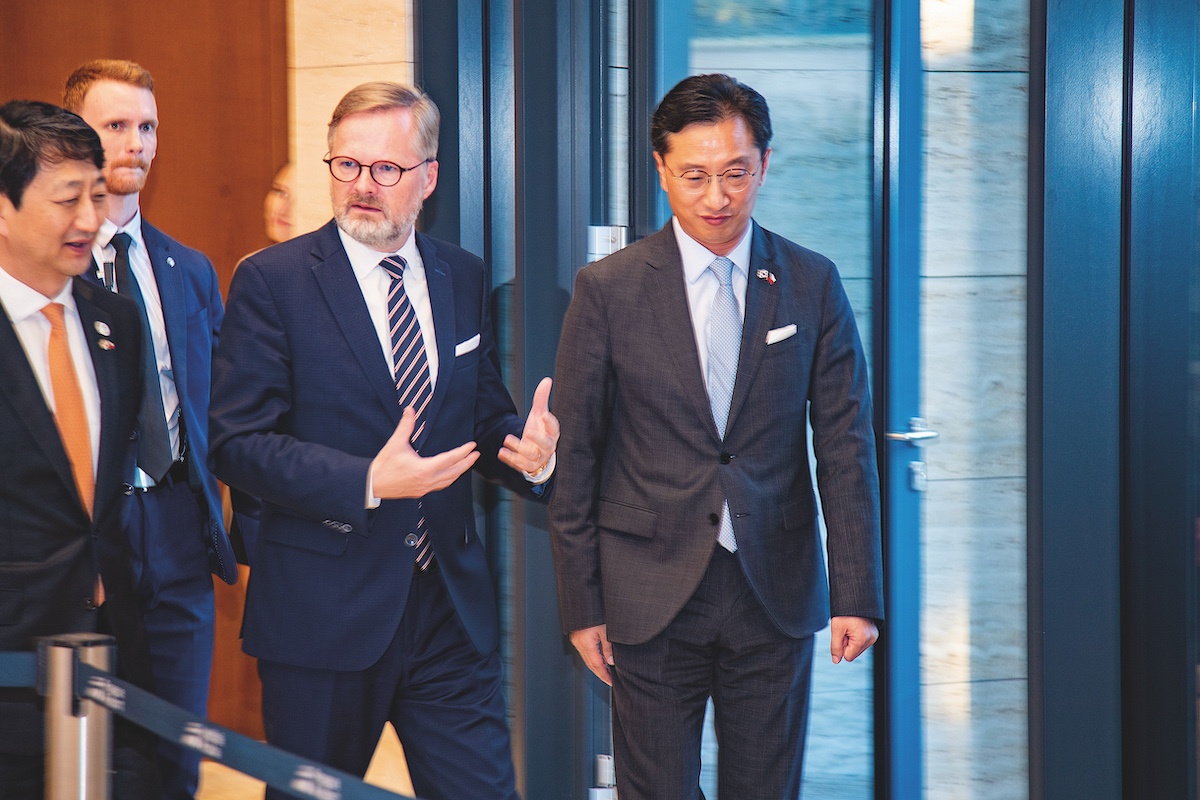
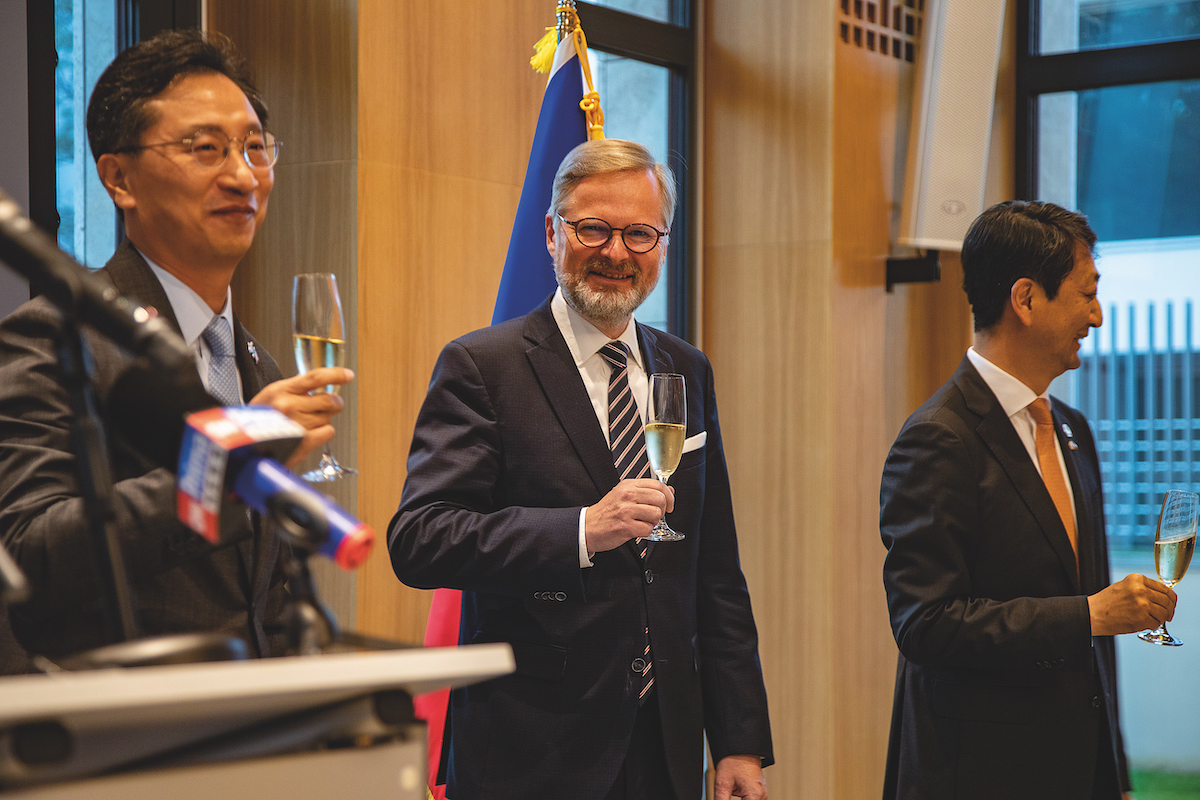
On the occasion of India’s 74th Republic Day, the Ambassador of India H.E. Mr. Hemant Kotalwar along with his wife Mrs. Seema Kotalwar held a reception at the Prague Congress Center.

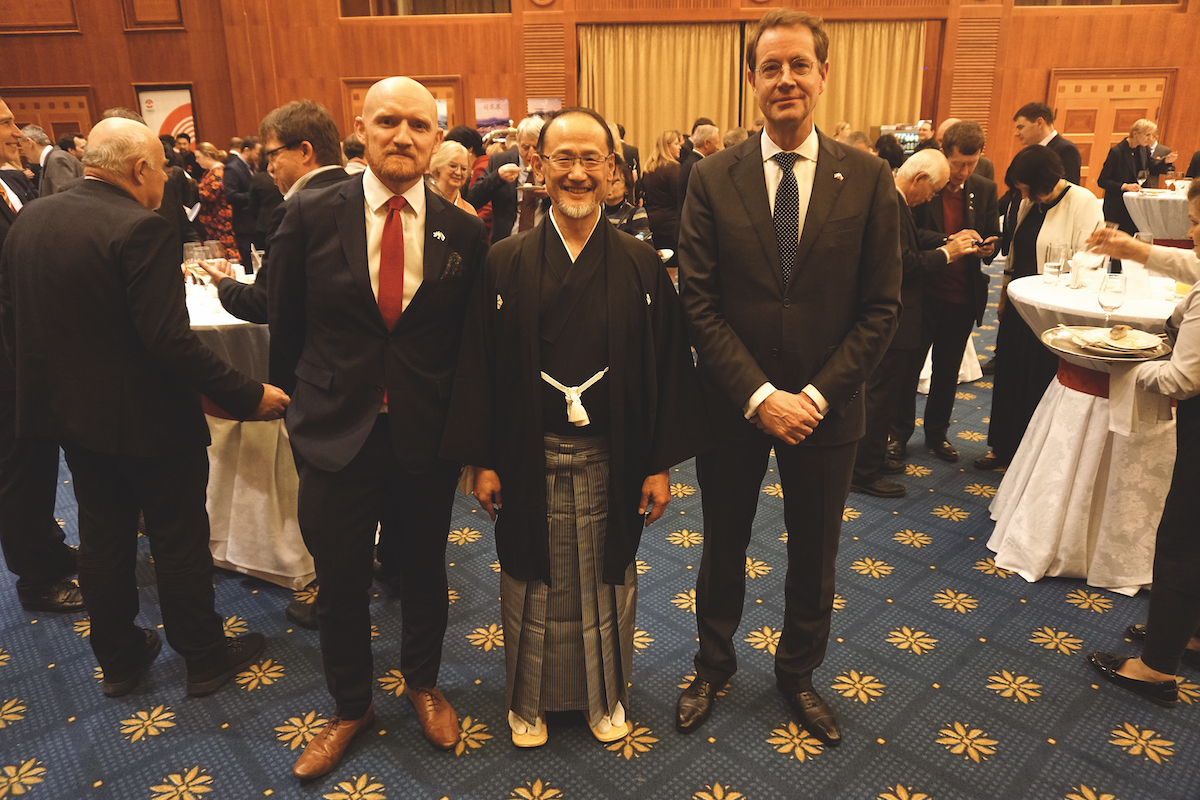
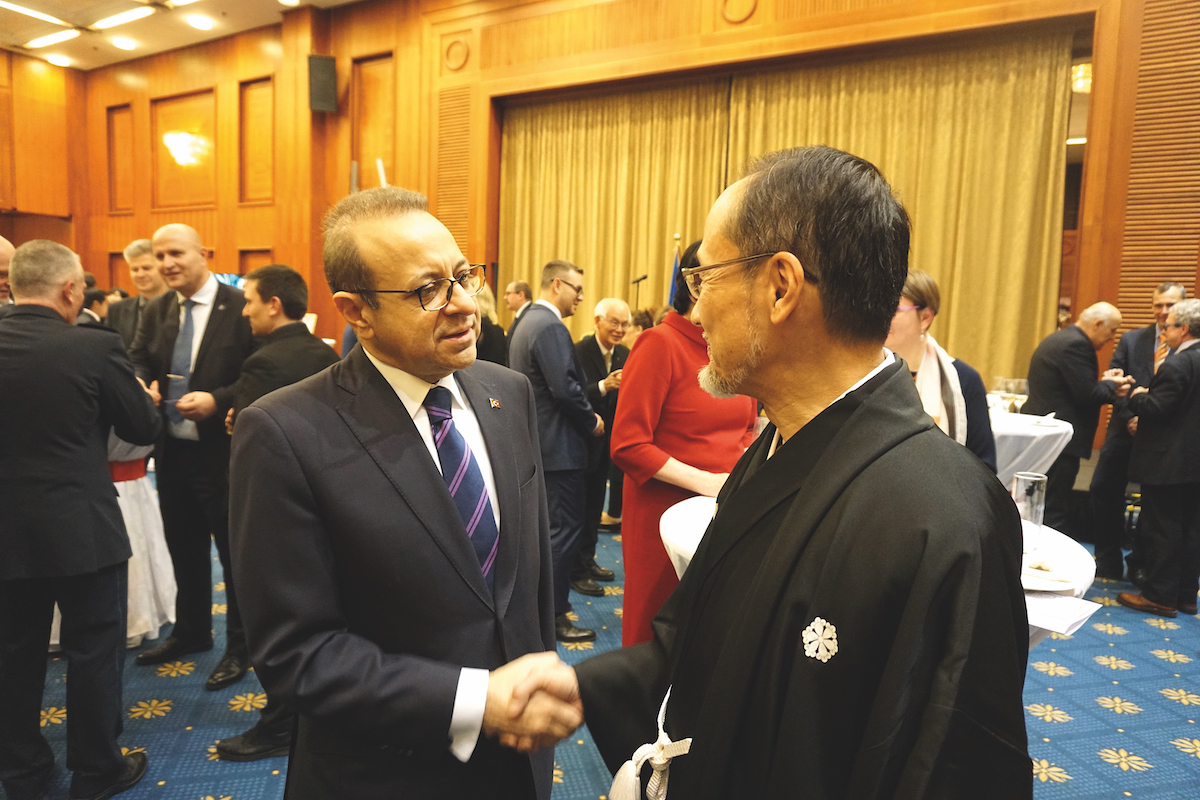
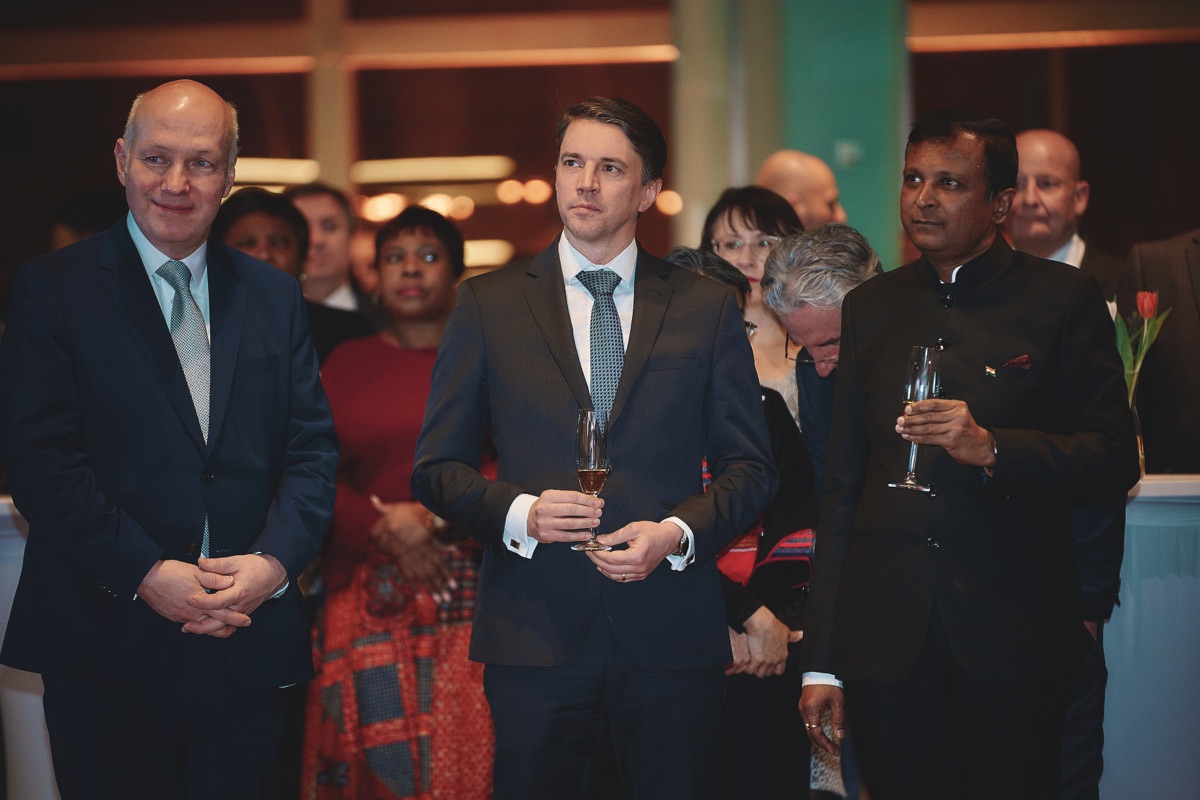
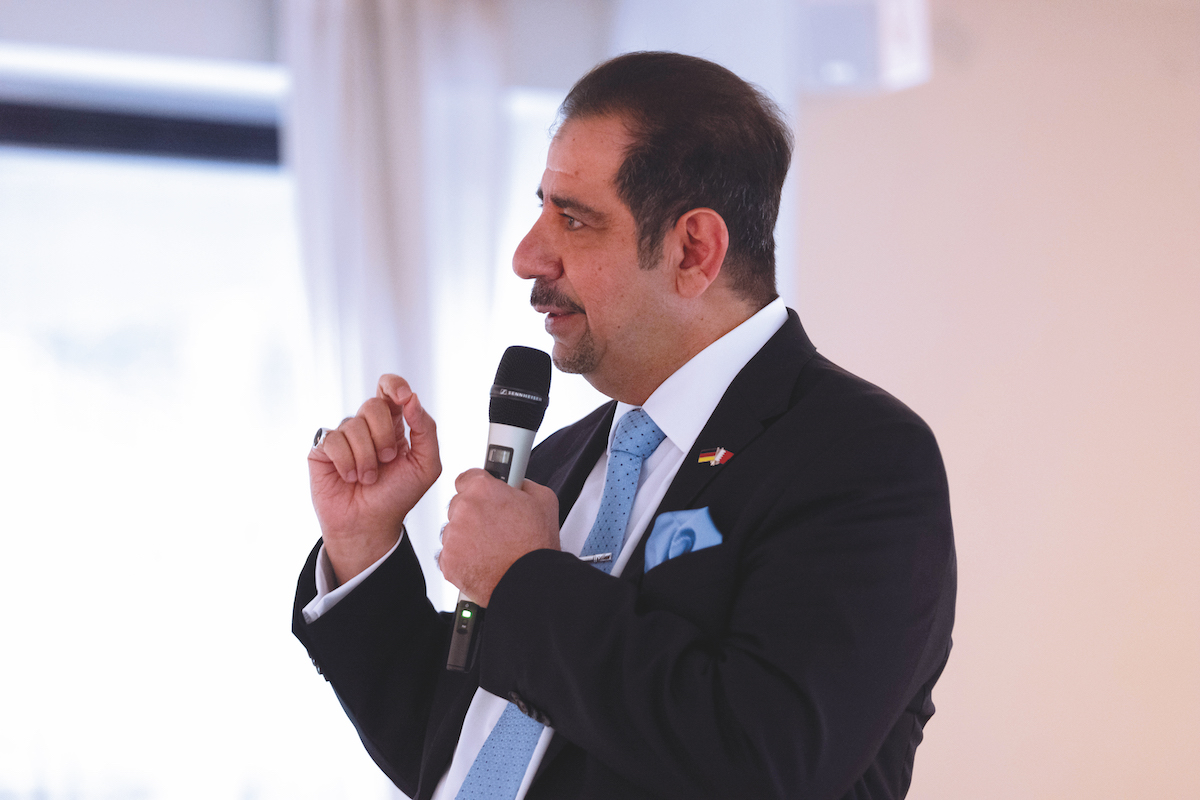
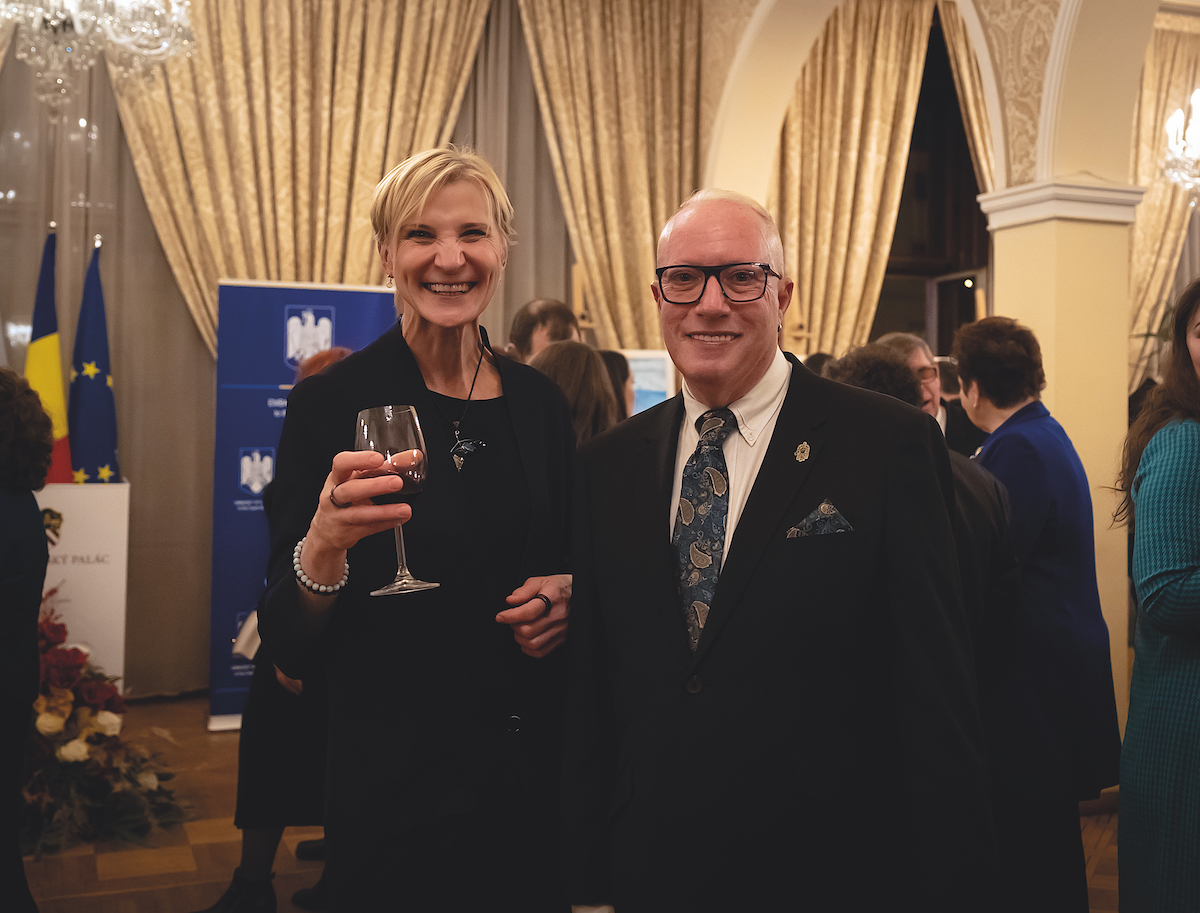
In front of many Ambassadors, government officials, members of the Czech Parliament and Senate, and distinguished guests, H.E. Mr. Hermant Kotalwar greeted the guests.

Here are selected sections of H.E. Mr. Hermant Kotalwar‘s speech at the event.

Welcome everyone,
to this reception in honor of our 74th Republic Day. Today is a day of immense pride for all Indians as we commemorate the adoption of our Constitution. On this day in 1950, our nation embarked on a journey to create a society built on the pillars of democracy, secularism, and federalism. This Constitution is not just a set of laws, but a promise to every citizen of India to secure justice, liberty, equality, and the inalienable right to dignity.

Last year, we commemorated a milestone of 75 years of our independence. This was a proud moment for
a diverse country like India. We have come a long way, from being a third-world agrarian economy to a bustling, industrialized and service-based economy.

We now stand tall as the fifth-largest economy in the world. But India‘s successes do not end there; we have also earned a name for ourselves on the global scene.

We are valued members of the global community for our contributions and leadership. A true testament to the resilience and determination of our people.

On December 1, 2022, India assumed the Presidency of G20, taking the reins of leadership in these uncertain times. The G20 theme of „One Earth, One Family, One Future“ serves as a powerful reminder of our collective responsibility to care for our planet, to come together as one family, and to work towards a brighter future for all. As India takes the helm of the G20, we are honored to carry this message of oneness and unity to the world.

In this journey India is proud and humbled to have the Czech Republic by its side, a country with whom it has a strong friendly relationship since historical times.

The Croatian Archeological Heritage Exhibition has arrived in Prague

Text: Sanjin Mihelić; Photo: Archive

Croatia has always been an intersection of various cultures

From the earliest prehistory, through antiquity and the Middle Ages, and until the Modern Age and present day, the territory of Croatia has always been an intersection of various cultures and traditions. This is on top of often diverse worldviews, whose interplay through the ages has helped lay the foundations and build the edifice of a modern European country, proud of its rich and diverse origins.

Only a year after the first 12 properties were inscribed on the UNESCO World Heritage List in 1978, three Croatian sites also made it onto there – the Historical Core of Split with the Palace of Emperor Diocletian, the Old City of Dubrovnik, and the Plitvice Lakes National Park. Since then, the Croatian segment of the list has grown, with a few other outstanding sites: Euphrasius’ basilica in Poreč, the Historical City of Trogir, Saint James’ Cathedral in Šibenik, and Starigrad Plain on the island of Hvar, in addition to three other transnational sites.

While one cannot overstate the beauty, importance, and cultural significance of these sites, they represent only the tip of the iceberg of countless archaeological and historical cultural monuments, which together make Croatia a unique cultural and historical landscape.

An exhibition is touring European capitals

The incredibly rich Croatian legacy has been explored and synthesised by the Archaeological Museum in Zagreb in an exhibition titled ‘Croatian Archaeological Heritage’, which was developed in cooperation with the Croatian Ministry of Foreign and European Affairs. The exhibition first opened in Brussels in 2011, and then began a tour of European capitals.

After London, Dublin, Budapest, Helsinki, Vilnius, and a number of other cities, the exhibition arrived in Prague, where it will remain on display at Skleňák Gallery until March, with the prospect of also visiting other Czech cities during the year. The exhibition in Prague was organized by the Croatian Embassy to the Czech Republic and Prague 6 District, on the initiative of the Croatian Ambassador H.E. Ljiljana Pancirov, to mark the 30th anniversary of the international recognition of the Republic of Croatia. The exhibition was opened by Mr Jakub Stárek, Mayor of Prague 6, at a well-attended public ceremony on 11th January.

Two dozen large-size posters, visible at all times as window displays at the Skleňák Gallery, lead the viewers through a journey of the most remarkable archaeological sites and monuments of this unique country. Throughout its history, continental Croatia generally belonged to Central European cultural, social, and political currents, unlike Adriatic Croatia, where the events and influences from the wider Mediterranean area often played a decisive role.

Learn about the particular features of different Ages

The ancient period in Croatia first started with the advance of the Greek colonists into the Adriatic during the mid-1st millennium BC, and reached its heyday with the establishment of Roman rule at the turn of the Common Era. Monuments of Greek architecture and culture are still visible today in several places on the Adriatic, most notably on the islands of Hvar (Pharos) and Vis (Issa), and in the surroundings of Split and Metković. A cultural property deserving particular attention is the Starigrad Field on Hvar island, an authentic cultural landscape, with a preserved system of land parcellation dating from the time of the first settlers from Greece. The most important Roman city in Croatia was Salona, the capital of the province of Dalmatia, originally an indigenous settlement and later a Greek and Roman colony. An important provincial centre at first, Salona rose to prominence in Late Antiquity as an important centre of the new religion – Christianity, which is corroborated by the attractively presented architectural remains in the Salona Archaeological Park, primarily the Christian complex at Manastirine.

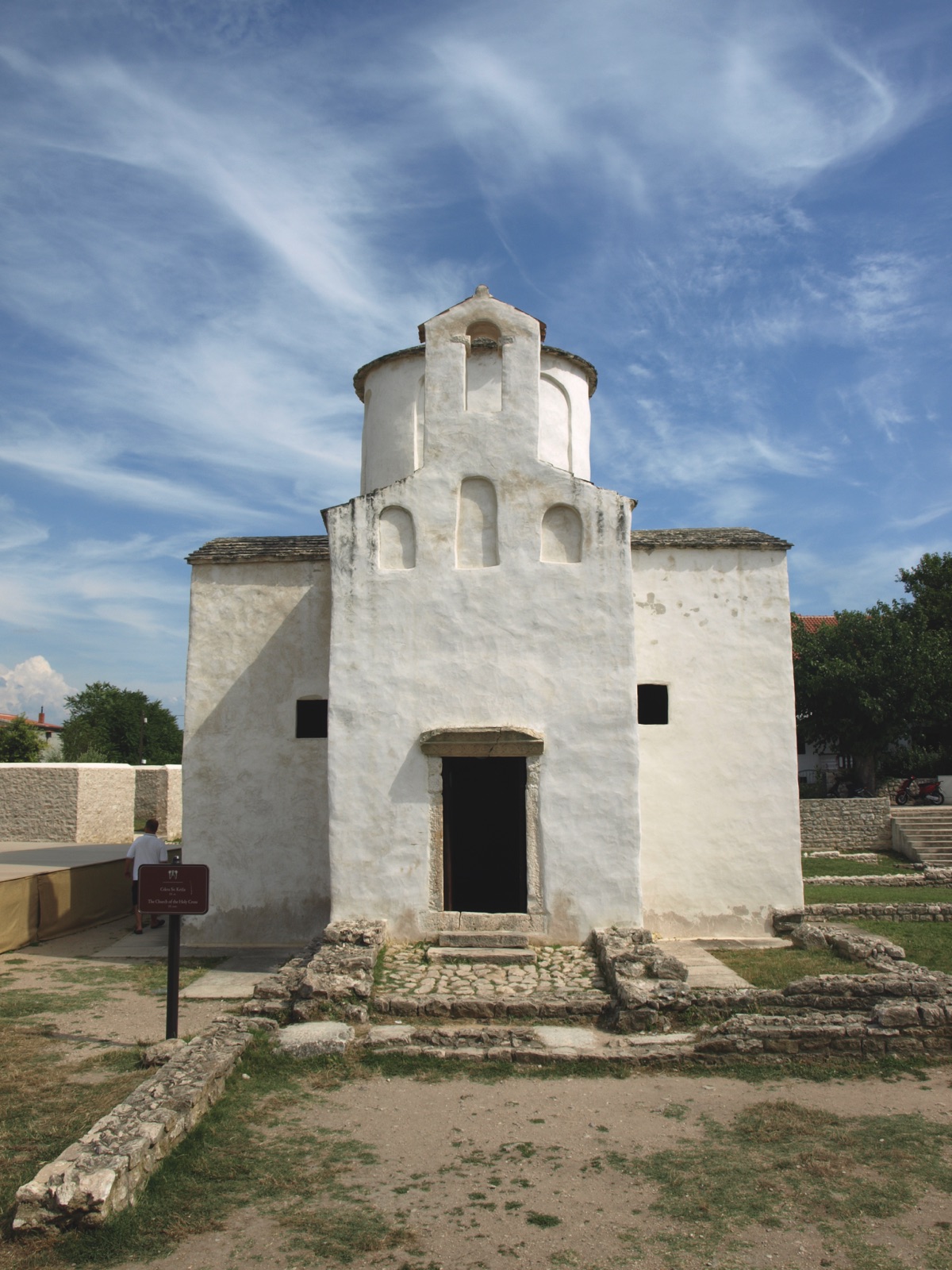
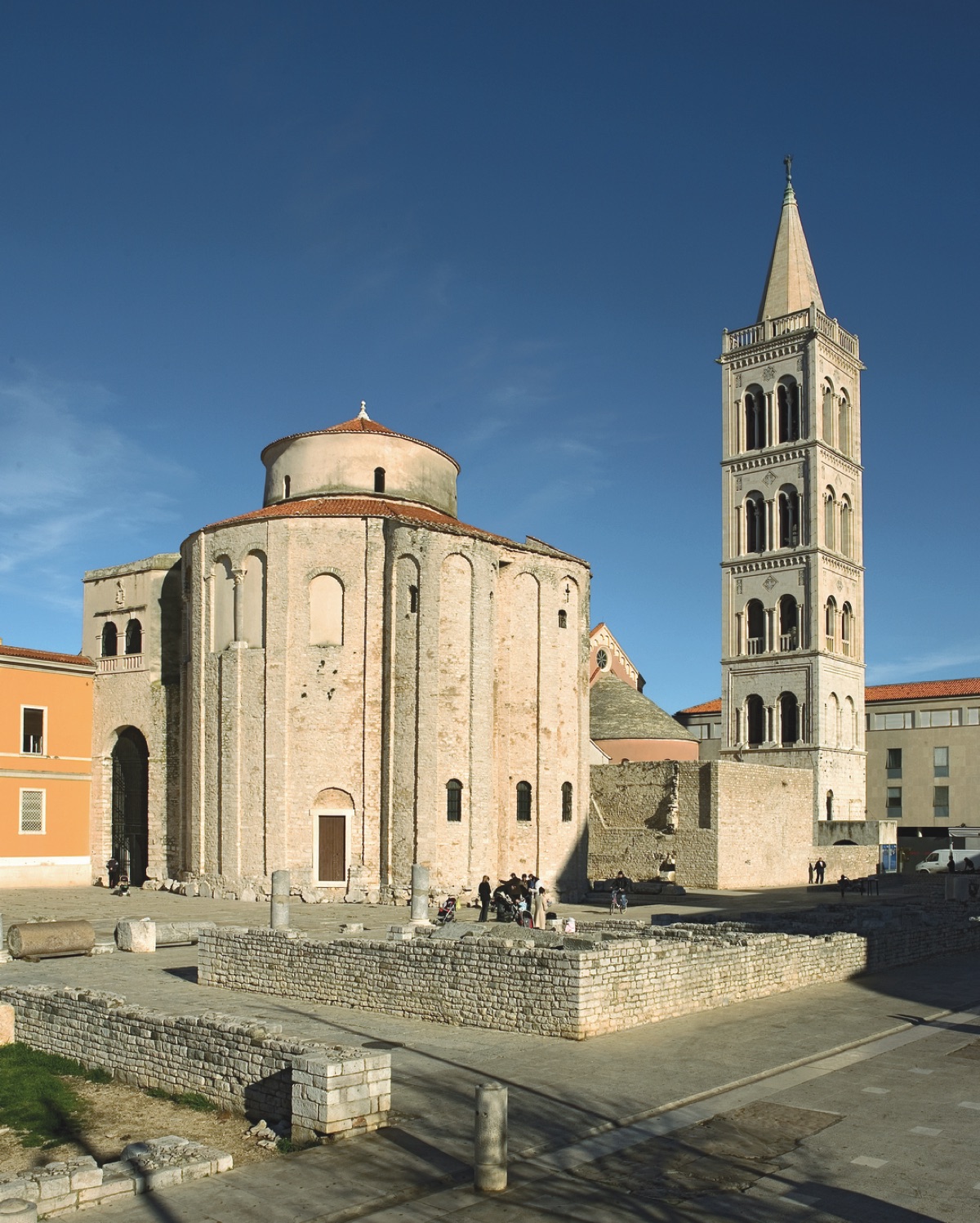
Among the high points of the Croatian Early Middle Ages, one can underline the time of the flourishing of the medieval Early Croatian Kingdom under the native rulers between the 9th and 11th centuries. The core of this kingdom lay in the coastal part of the state, in the hinterland of the ancient Dalmatian centres of Zadar, Trogir, and Split. The towns of Nin, Solin, Knin, Šibenik, and Biograd were the most significant seats of the early Croatian monarchs. The many small pre-Romanesque churches are the most remarkable and best-preserved archaeological monuments of this period. From the 9th century onwards, a specific angular variety of the Glagolitic script (or Glagolitsa) developed on the eastern Adriatic coast, known, for example, from the Baška tablet dating from 1100 – one of the earliest stone inscriptions in the Croatian language.

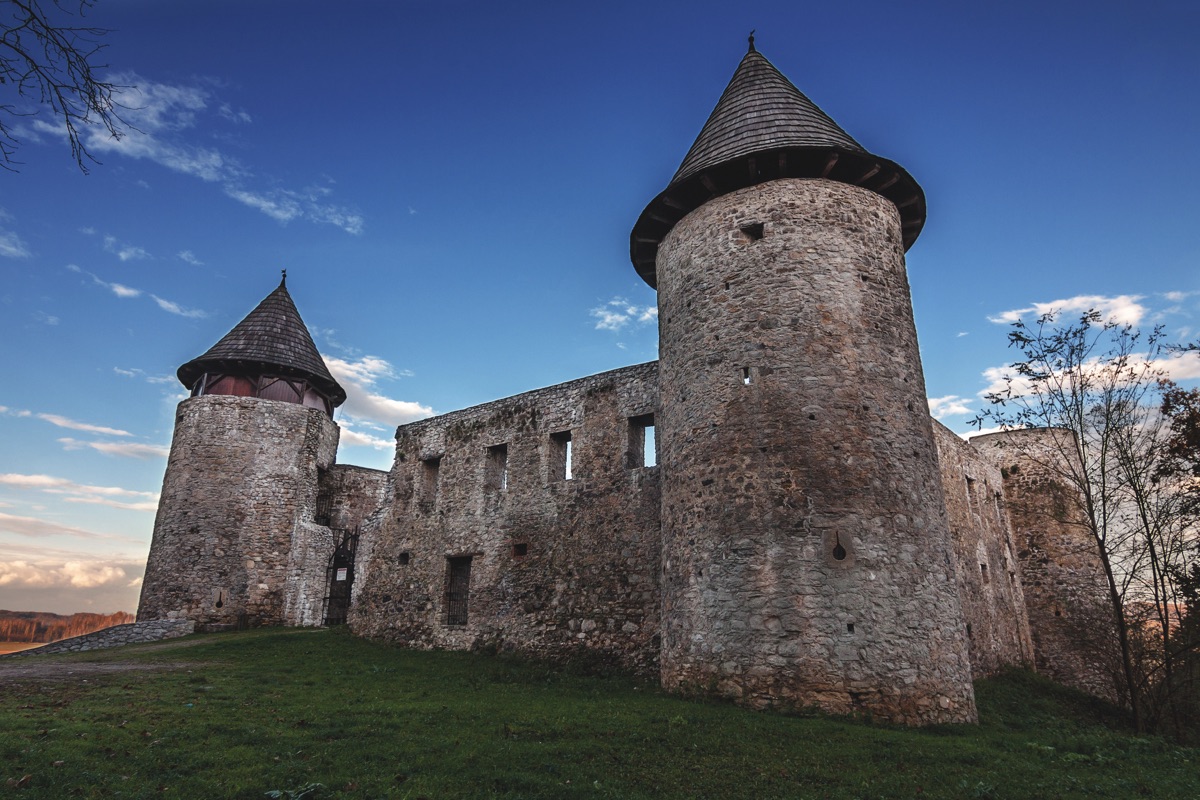
In the late medieval and early modern periods, Croatian lands were divided once again, with the Venetian Republic exerting political and cultural influence over most of the Adriatic coast, the Kingdom of Croatia in union with the Kingdom of Hungary, and later with the House of Habsburg dominating the continent. The preserved archaeological and cultural heritage clearly demonstrates this dichotomy, as can easily be seen in the Gothic and Renaissance architectural features still prominent in many coastal and island towns such as Hvar, Trogir, Rab, and Dubrovnik, as well as in the corresponding monuments and urban complexes on the continent, such as a number of fortified towns and fortresses, of which Veliki Tabor, Medvedgrad, and Karlovac are the most notable examples.


Sanjin Mihelić

Sanjin Mihelić is an archaeologist and heritage professional with over twenty years of experience in cultural heritage and project management, currently the Director of the Archaeological Museum in Zagreb and the President of the Iron Age Danube Route Association.

He is the author of numerous exhibitions, such as The Neanderthal Trail and Trade and Exchange in Prehistory. A regular speaker at archaeological, heritage, and tourism conferences; author of dozens of scientific and professional papers; project manager; main organizer of the Sense and Sustainability Conference on archaeological tourism; organizer of the Festival of EU Archaeology. He is also a member of several cultural institutions’ management boards, and a member of a number of national and international archaeological and heritage organizations and associations.

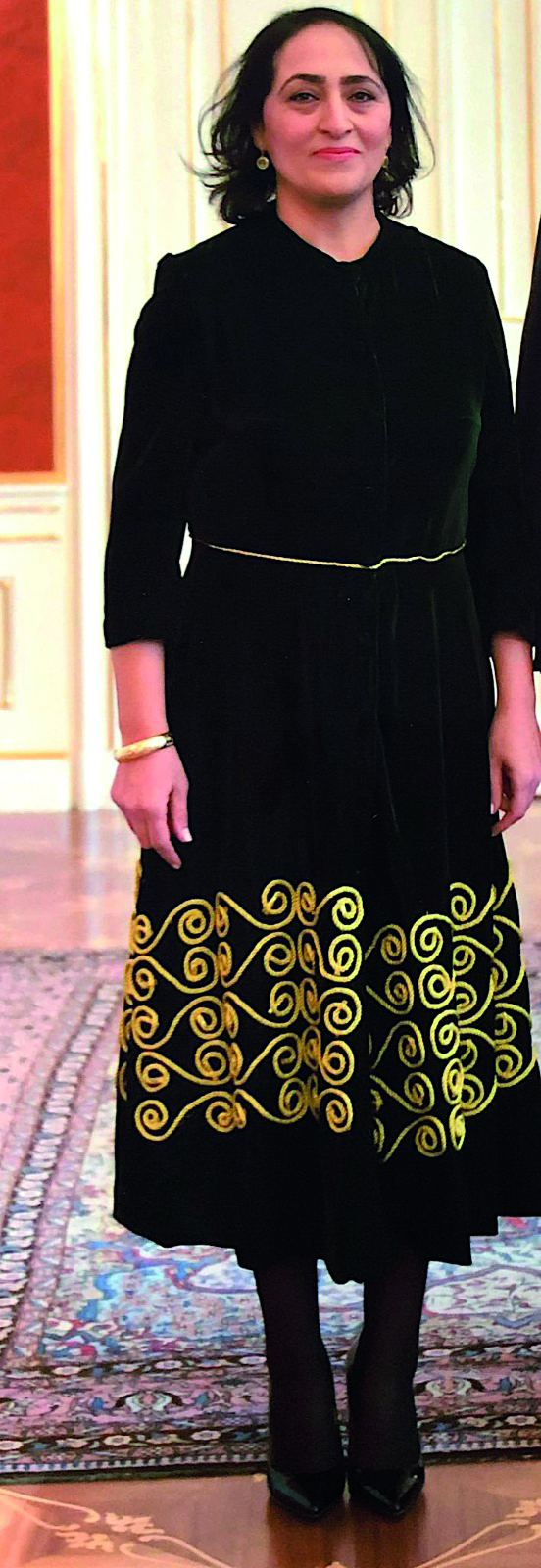
H.E. Yosra Souiden

“Tunisians have chosen freedom and dignity”

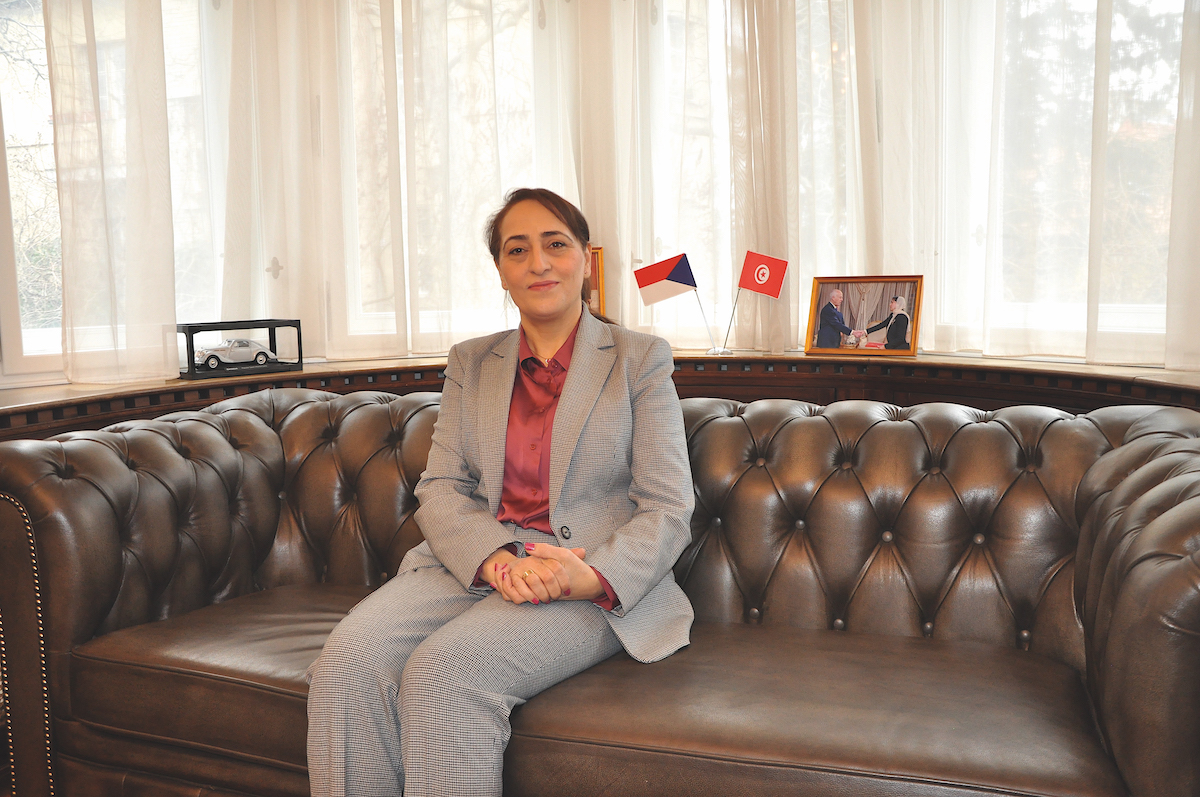
H.E. Yosra Soudien, Ambassador of Tunisia

Text: Martina Hošková and M.Zisso; Photo: Archive

“A career diplomat with 26 years of experience, a pure product of the Tunisian public schooling system”, is how Ambassador of Tunisia, H.E. Mrs. Yosra Souiden, describes herself. How does she see her home country? What does she love about her job? And does she think that Czech people know Tunisia well?

What made you become an ambassador?

Many reasons! But let me tell you that I love this job because it always knows how to keep its mysteries and charms; it’s a continuous adventure. Being a diplomat means being versatile and multi-skilled at work, and always willing to learn and adapt to all situations. In fact, the different missions we have can go from organising a visit of a high dignitary and participating in a meeting on disarmament or bioethics, to leading an economic delegation or organising a concert. After experiencing the work of a diplomat in several levels and positions, further serving my country as an ambassador seemed natural.

Can you tell us more about your rich diplomatic career?

I am a career diplomat with 26 years of experience, a pure product of the Tunisian public schooling system. After my legal and political studies in Tunis, I joined the Ministry of Foreign Affairs in 1997 and had an opportunity to represent my country in Paris, first as a cultural and scientific counsellor at the embassy, and then in our delegation at UNESCO. I also represented Tunisia in several instances at regional and international conferences.

At the beginning of my diplomatic career, I was in charge of political affairs regarding the Arab region, and then of those on multilateral relations and the UN, before joining the Presidency of the Republic as Diplomatic and Foreign Affairs Advisor to the President of the Republic in 2017 in charge of European, American, and multilateral affairs. That position had a great impact on my diplomatic career, and allowed me to top off my career with my nomination as ambassador.

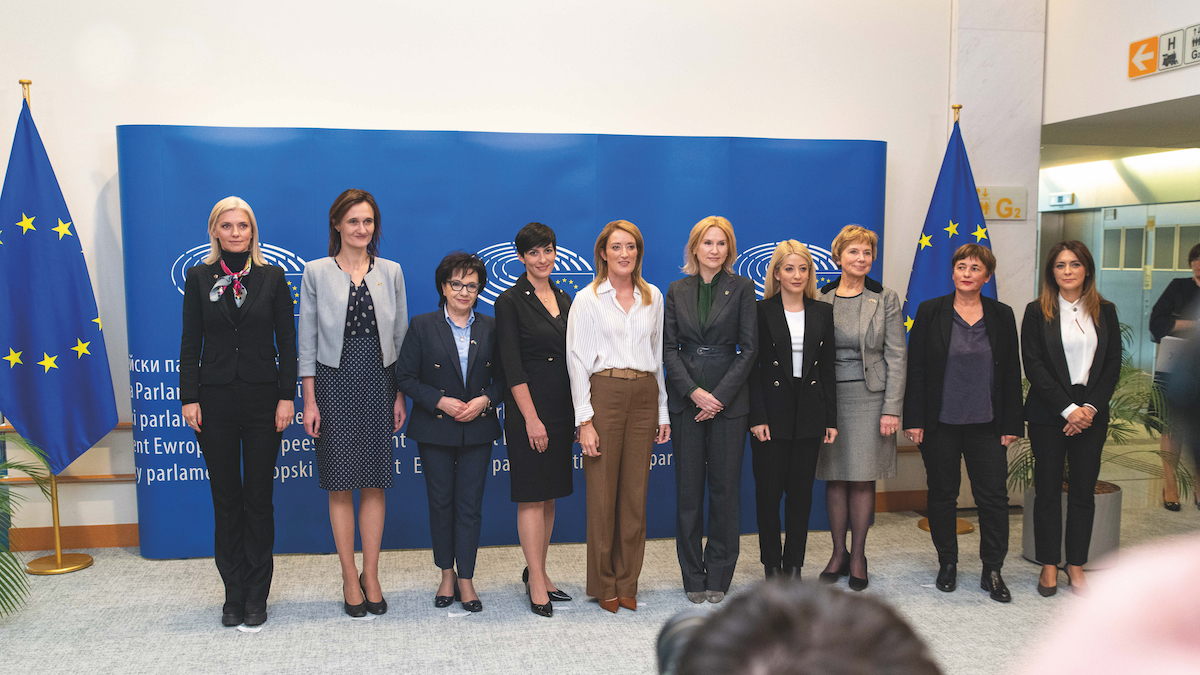
As an advocate for women’s rights in Tunisia and everywhere else, I fought with my peers so that women could access decisional positions. I am really proud to be a female ambassador and to share all these values with many other colleagues and partners, especially here in Prague, where the dynamic diplomatic community is reinforced by around 20 female ambassadors and chargés d’affaires.

What is the most difficult part of being an ambassador?

As a woman ambassador in a very friendly country with a long tradition of bilateral cooperation, I am very honoured and pleased to fulfil my mandate in such conditions. But as much as being an ambassador is a really exciting job, it has its downsides when it comes to family life. Finding a balance in this area can get complicated; to me this might be the most difficult part of being an ambassador, or a diplomat in general.

Can you give a piece of advice to the next generation of ambassadors?

I am not 100% sure that we will need ambassadors in the classical sense of the word in the future. Anyway, younger generations are going to need a lot of flexibility and wit to adapt to the new requirements of the job, particularly new technologies and the new international challenges.

What was your first impression of the Czech Republic after your arrival?

I first came to the Czech Republic in January 2020, and Prague looked like a winter wonderland with its numerous Christmas markets and weather that is so different from the Tunisian one I got used to. I was struck by the uniqueness of Prague; the city was incomparable to any other place I had been to.

Then, throughout the three years I spent in Czechia, I had the opportunity to build many friendships, and to discover the richness and refinement of Czech culture. I also had a chance to visit many cities in the Czech Republic, amongst which were the most famous cities of Brno, Karlovy Vary, and Český Krumlov. I must admit that this country has some of the most inspiring landscapes I have ever laid eyes on, making me understand why so many artists were inspired by the Czech Republic in their works.

It is a pleasure to hear that your first impression of Prague was so magical. Can you share more of your three-year experience in the country?

Time goes by very fast! Almost two years of this period were taken by the COVID-19 pandemic, and its related measures and restrictions. I think that this difficult episode of our lives will be unforgettable, especially for us diplomats. Indeed, direct contact is an indispensable tool in our work.

Despite that, I can say that during my stay in Prague I have had the chance and pleasure of representing the country of the Jasmine Revolution in the country of the Velvet Revolution. I met remarkable interlocutors, understanding and attentive to see peace and stability reign in Tunisia, which remains a close partner of Europe.

The strongest moment for me remains the gesture of friendship and solidarity that the Czech authorities expressed towards my country in July 2021, by offering Tunisia medical protective equipment at a time when the health crisis reached a critical level in my country.

H.E. Yosra Soudien, Ambassador of Tunisia

Tell us about Tunisia, please.

Tunisia is an ambitious country known for its cultural diversity and the 3,000 year-old civilisation of Carthage. My country’s position is a real geo-strategic asset for Tunisia, and has been for centuries: located at the heart of the Mediterranean Sea, it is a perfect pathway between the north and south of the

Mediterranean Sea, as well as between Europe and Africa. Moreover, Tunisia is a country with a young promising population that is qualified in several fields (such as medicine, engineering, law, etc.), and I believe that it is the result of the great choices Tunisia has made since its first years of independence. In fact, Tunisia has invested all of its resources in building a modern and liberal society, where education has been accessible to all citizens, serving as a social elevator, and where women’s rights have always been guaranteed by the Personal Status Code of 1956.

A group of four Tunisian civil society organisations were awarded the Nobel Peace Prize in 2015. What did they win the prize for?

As we just talked about, and it‘s important to remind it, Tunisia is a young, educated, and liberal nation that spoke out in 2011, demanding freedom, dignity, and employment, hence igniting the sparks of the Jasmine Revolution and embarking the country on a political, economic, and social transition. Since the process was not always easy from a political and economic point of view, and did not respond to the initial aspirations of the Tunisian people for a prosperous and stable democracy, Tunisia is now, after only a decade of transition, trying to rectify the process in order to consolidate its position as a lasting democratic experience in our region. In fact, the consecration of the democratic process, the protection of human rights, the rule of law, and fundamental freedoms are irrevocable and guaranteed as the foundation of social peace – for which Tunisia won a Nobel Peace Prize in 2015.

You represented your country in many multilateral conferences and forums, and you served as a representative of your country to UNESCO. Are such organisations still relevant today?

More than ever. The international system is, nowadays, an essential tool for diplomacy and international cooperation (whether bilateral, regional, or global).

Since the pandemic, it has been proven that not a single country can survive on its own. Climate-related issues are also a global concern, as well as globalisation as a whole, and the ongoing economic crisis we are facing.

Moreover, the fight against all forms of organised crime (such as the trafficking of weapons and human beings) and terrorist groups requires a combination of efforts and the exchange of expertise, making these international organisations relevant bodies.

What is the current status of Czechia – Tunisia relations?

I am pleased to tell you that the relations of friendship and cooperation between Tunisia and the Czech Republic, based since their creation on sincerity, mutual respect and trust, have been characterised during the past three years by a newfound dynamism. This especially resulted in the holding of a session of political consultations at the level of the Secretaries of State of the Ministries of Foreign Affairs, as well as many official contacts such as the visit of our Minister of Tourism. On the other hand, Czech people know Tunisia mainly as a tourist destination, and we would like to translate these friendship bonds into tight economic relations, reflecting the potential of both countries. Thus, we are organising a mixed economic commission this year, which will allow us to discuss together the means of strengthening and diversifying trade volume. Our trade in 2022 reached over 469,862,000 Euros, making Tunisia represent 11% of the Czech Republic’s trade with Africa, its 3rd biggest African supplier, and 4th biggest customer on the continent.

In this regard, the embassy makes every effort to promote Tunisia as a hub in Africa, and an open gate to many regional markets. Furthermore, we are working on connecting the economic operators of both countries in Prague, as well as in other dynamic regions of Czechia such as Brno and Zlín. A delegation of Tunisian businessmen visited Prague and Brno last November, and I hope that we could open up to various areas such as digital, mechanical, electrical, agrifood, and pharmaceutical industries, in which Tunisia is becoming a confirmed destination of foreign direct investments. In this context, I should also mention that we are benefiting from Czech expertise in the field of water treatment and management.

The prospects are promising, and, with my team, we will try to develop these exchanges.

You mentioned Czech tourists in Tunisia. Are you promoting your country to see tourist numbers rise even more?

Yes, it is part of our mission at the embassy to further increase this number, and to make my country, which is only a two- hour flight away from Prague, better known to Czech tourists. Although known as a seaside tourism destination, Tunisia attracts tourists all year round as it has plenty to offer in winter too. In fact, it is the most popular season for thalasso centres and spas, with visitors from all around the world. It is also in winter that Tunisian and European golfers flock to our golf courses.

You can explore the country’s cultural richness, with Carthage of course, but also Dougga, Bulla Regia, and the Roman amphitheatre of El Djem. There are also many other amazing sites and gorgeous museums like the Bardo in Tunis and the archeological museum in Sousse, well known for their exceptional collections of mosaics. The Tunisian Sahara is also becoming a popular destination for adventurers who enjoy racing and motorbike, 4×4, and quad bike adventures. Fortunately, after two years of the pandemic, the Czech tourist market is recovering, and even exceeds the levels witnessed before the health crisis. The figures of the Tunisian National Tourist Office recorded, in 2022, the entry of 111,243 Czech tourists (the 4th ranking nationality of tourists), against 12,692 in 2021 (an increase of +776.5%), and 107, 584 in 2019 (which was the reference year).

Tunisian officials certainly see this as a sign of the Czech people’s trust in our country. Perhaps it is also a sign of rapprochement, and we highly appreciate the cooperation between the two countries in the times of the pandemic, when Prague and Tunis put the two destinations on their list of safe countries and mutually recognized each other’s vaccination certificates.

There is no doubt that tourists can certainly enjoy their holidays in Tunisia. What about you – what do you do in your free time?

I love reading and music. During the numerous lockdowns we went through, I tried to do every activity I wanted to experience before, and I discovered the plastic arts, and, my favourite activity now, painting.

Lately, I have been trying to go sightseeing in the Czech Republic, and enjoy the beauty and cultural richesses of the country (my favourite city being Český Krumlov).

This interview is done on the occasion of your National Day. What are you wishing for your country? And for the Czech Republic?

There are many similarities between our two countries and people, whose histories are affectionately linked to the Velvet Revolution and the Jasmine Revolution. In my country, we can consider that we have succeeded in making great strides since 2010, and the political transition is underway, despite all the difficulties it has encountered. The most important challenge to win is to achieve great economic reforms, and the process has already begun. The same thing happened in the Czech Republic, and the results are impressive. Your model can only be an inspiration to us.

So, as we celebrate one of the most important events of sovereign, free, open, and modern Tunisia, the 67th anniversary of its independence, I believe that Tunisia can count on its national assets, its dynamic and ambitious youth, as well as on the support and understanding of its partners, to find the path of economic prosperity to which the Tunisian people aspire.

I wish for both Tunisia and Czechia to stay prosperous and stable. To my fellow citizens here in the Czech Republic, and to all Tunisians, I also extend my best wishes for prosperity and personal accomplishments.

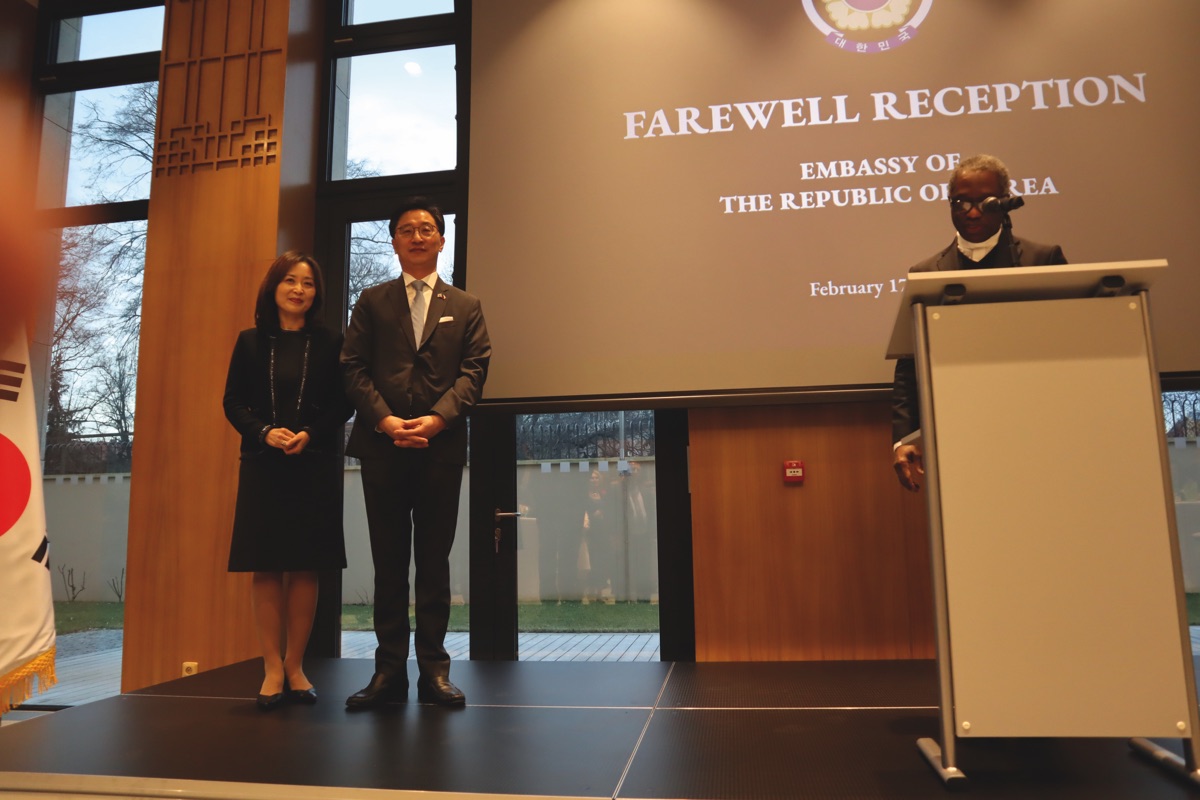
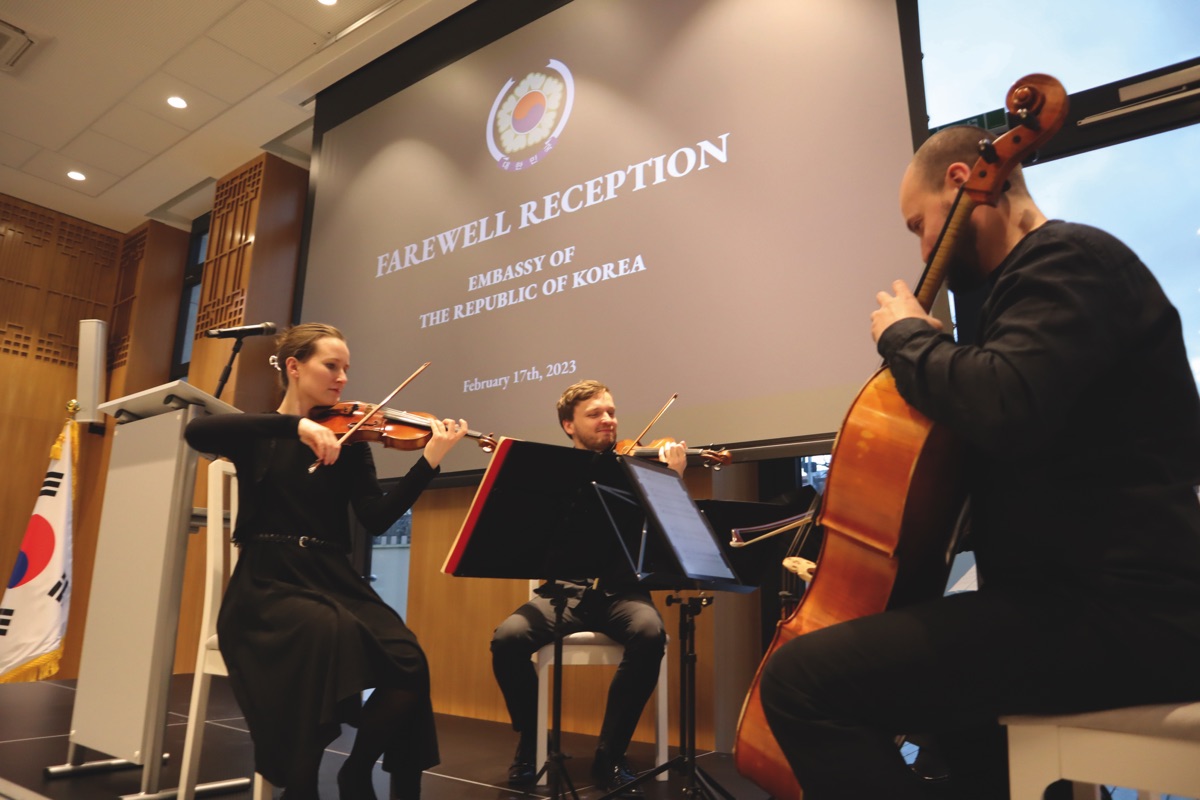
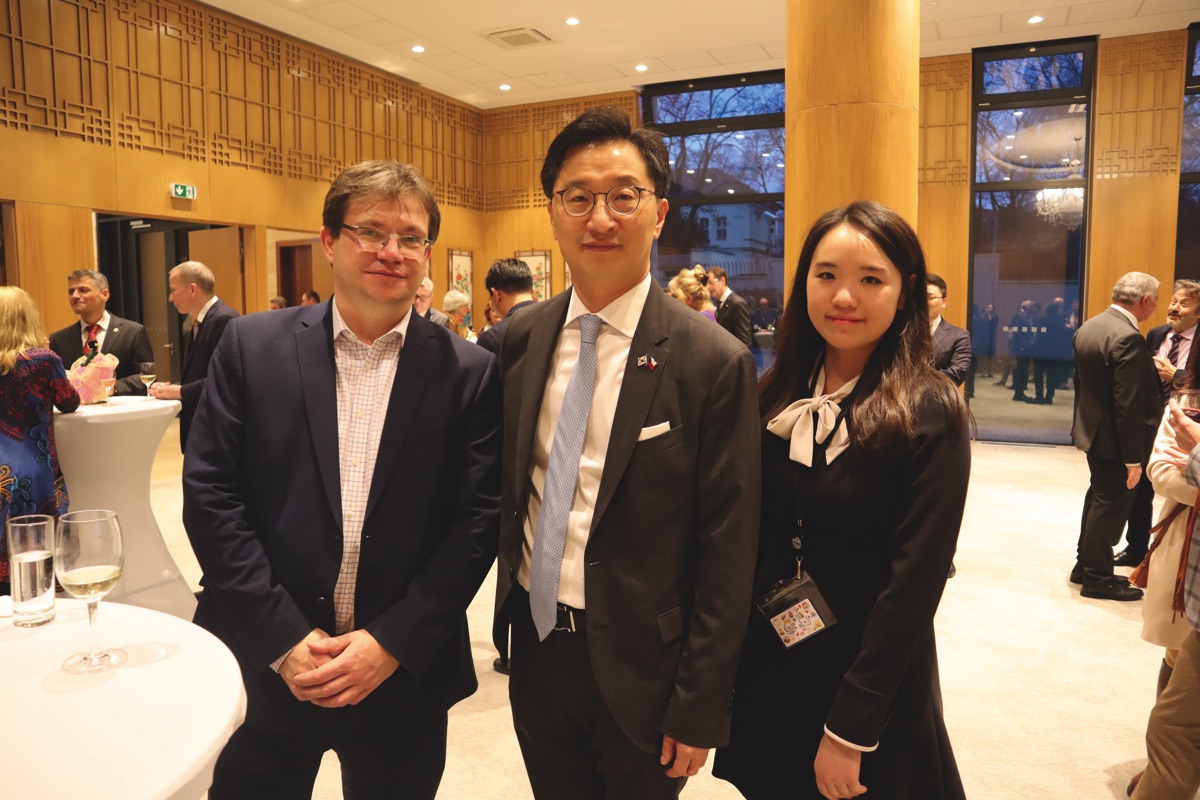
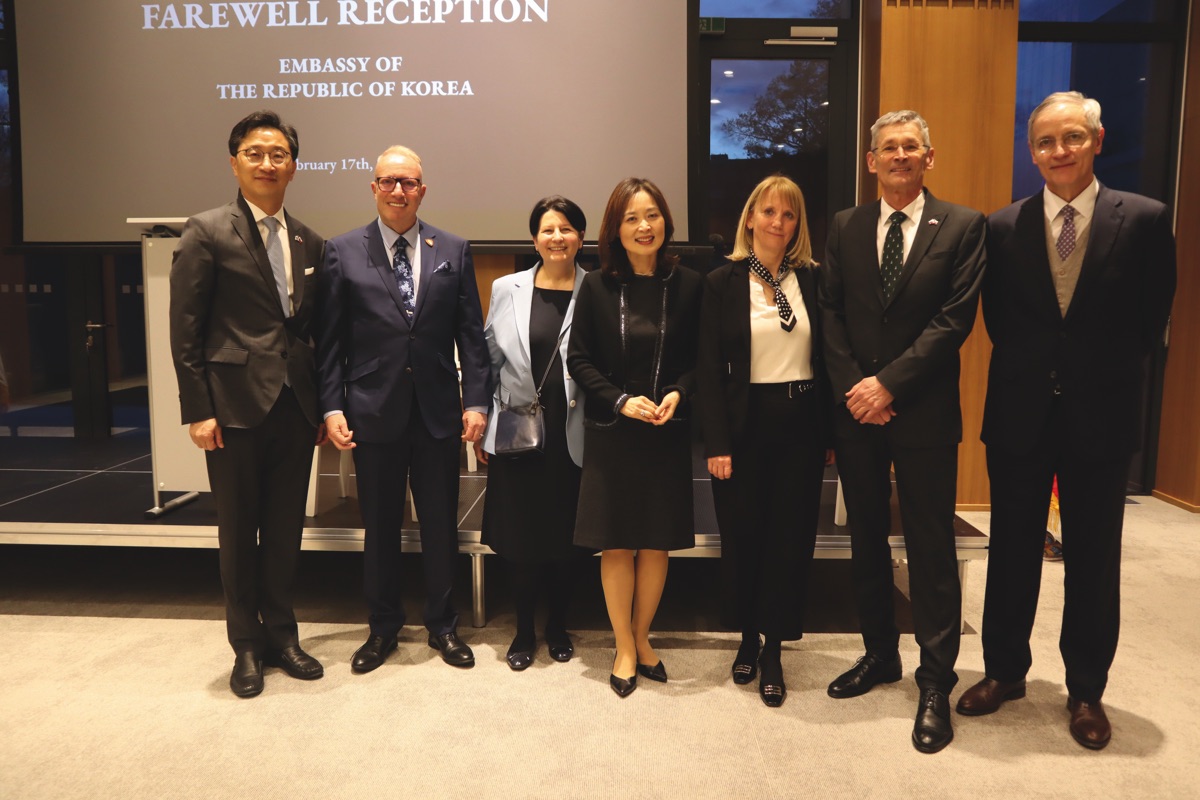
A farewell reception to H.E. Tae-jin Kim, Ambassador of Korea

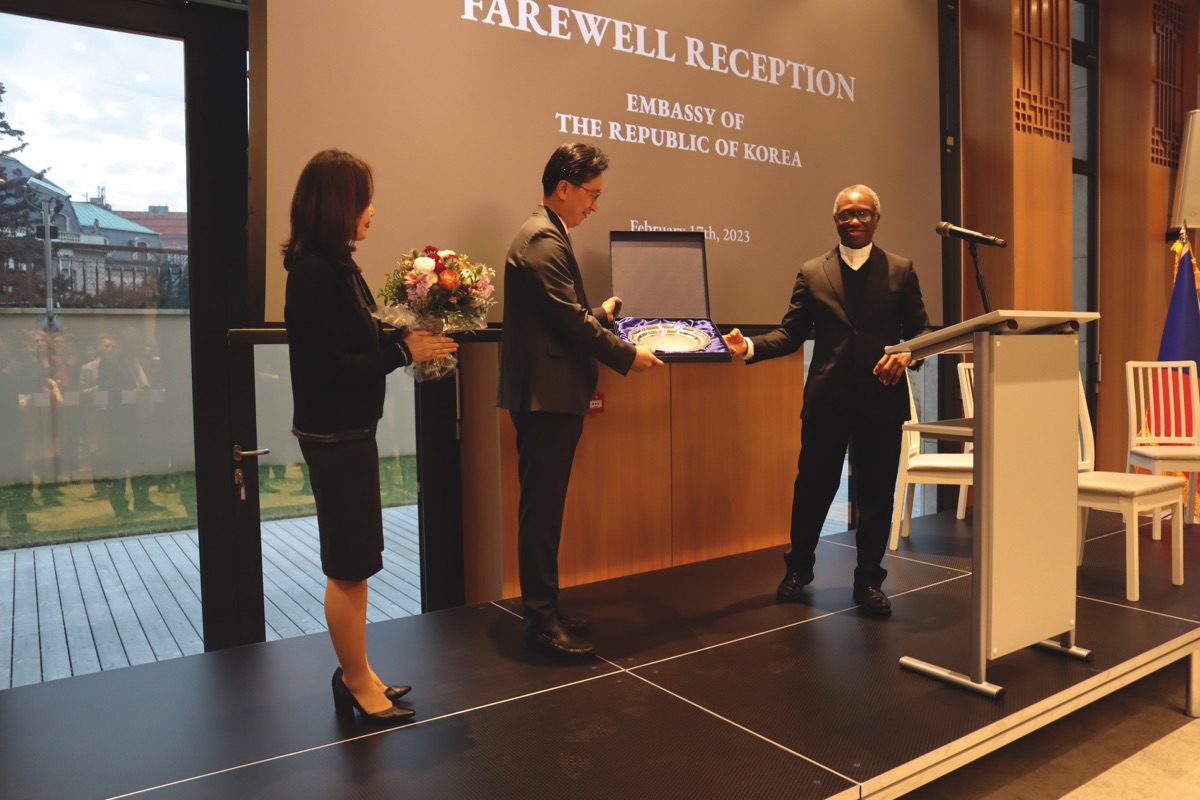
H.E. Most Reverend Jude Thaddeus Okolo, Vatican Apostolic Nunciature giving a farewell present to H.E. Mr. Tae-jin Kim, Ambassador of Korea and his wife from Ambassadors and spouses organization

Text: M.Zisso; Photo: Archive

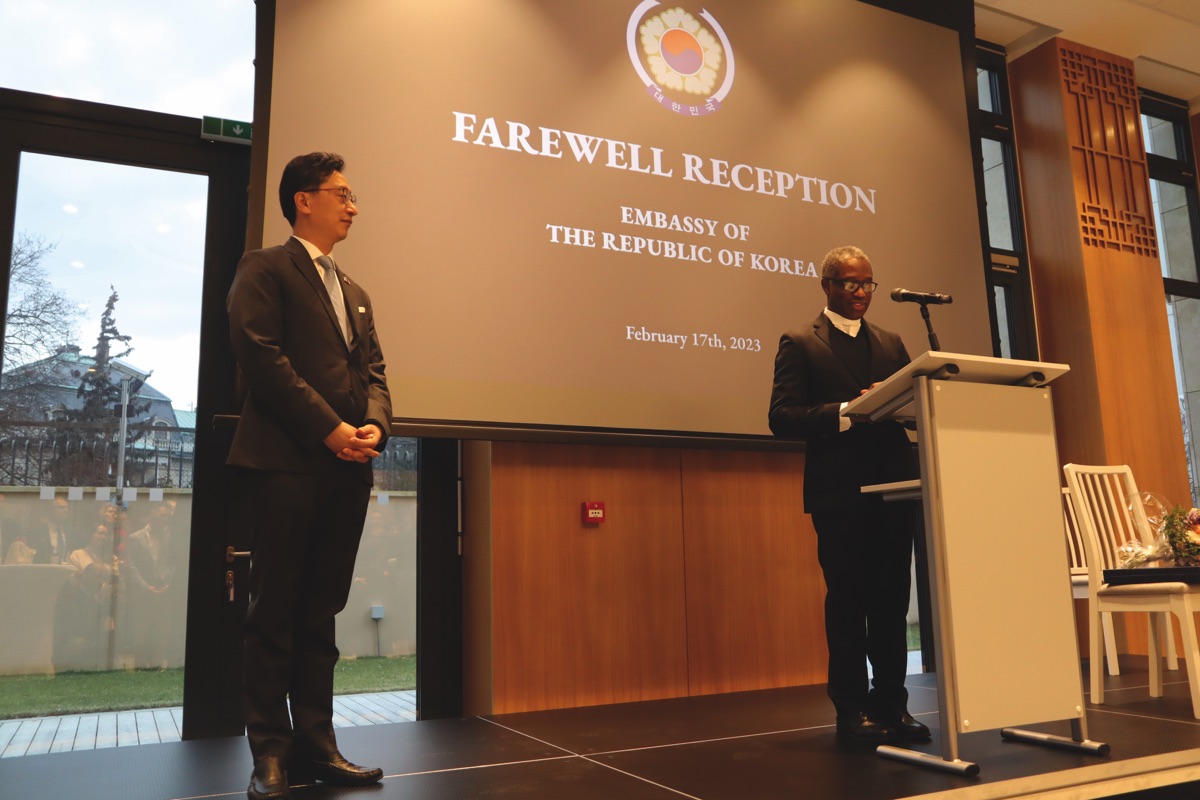
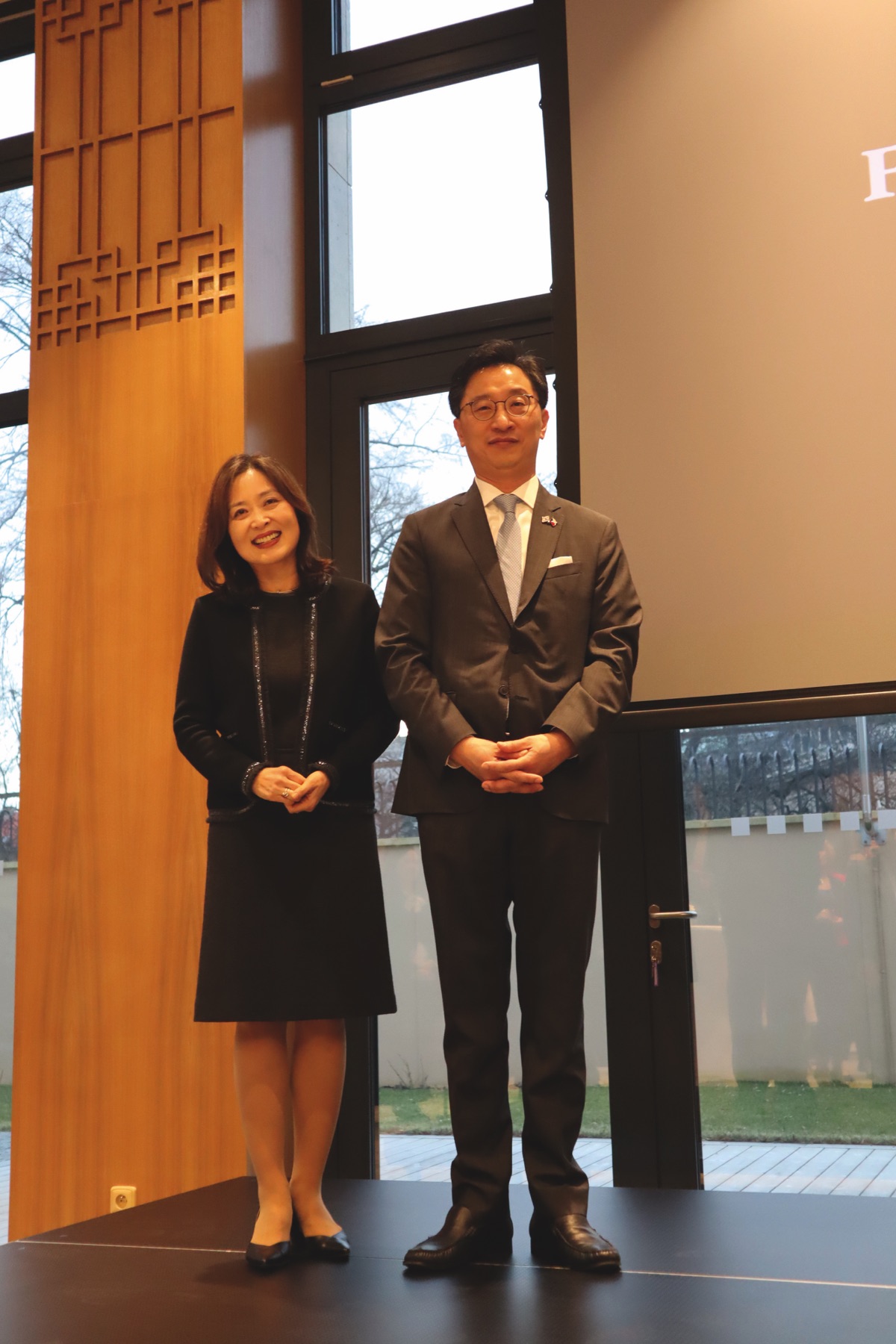
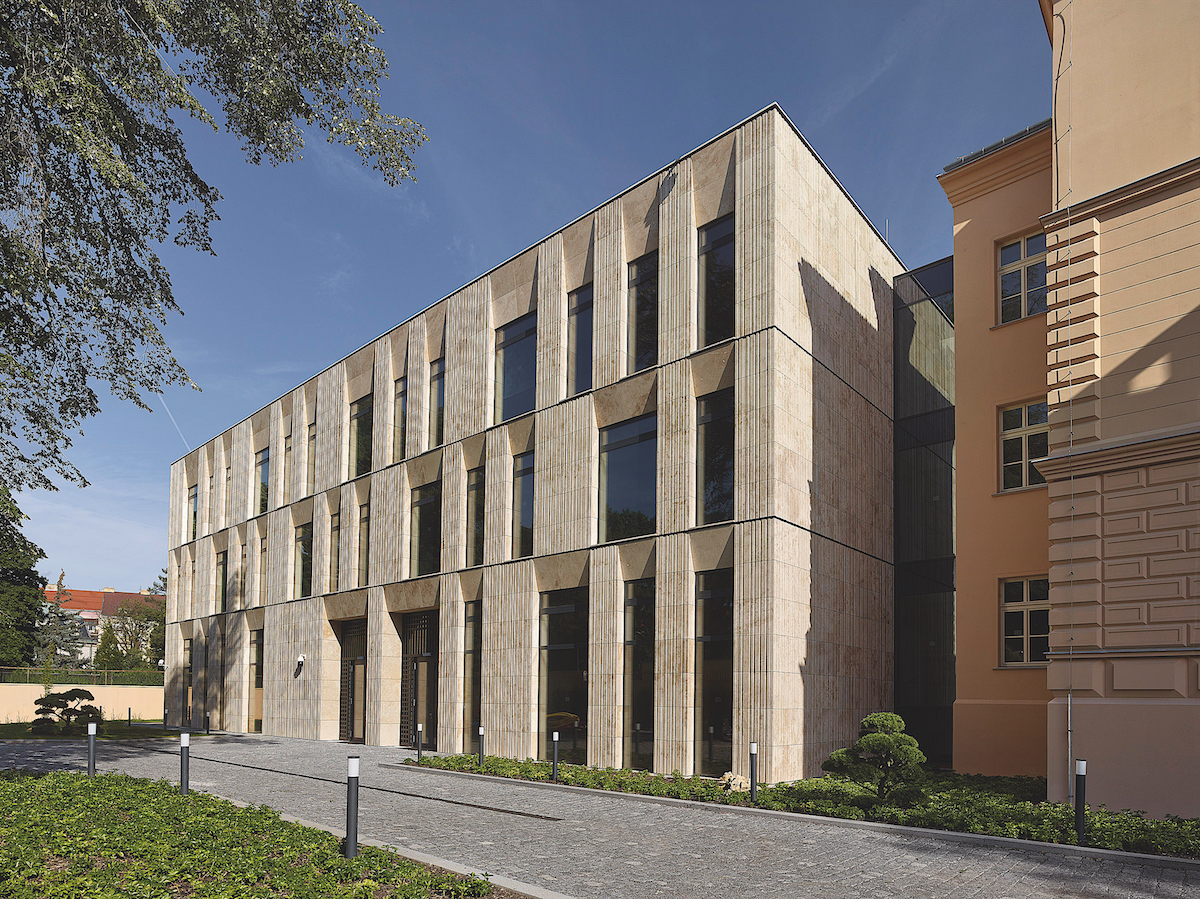
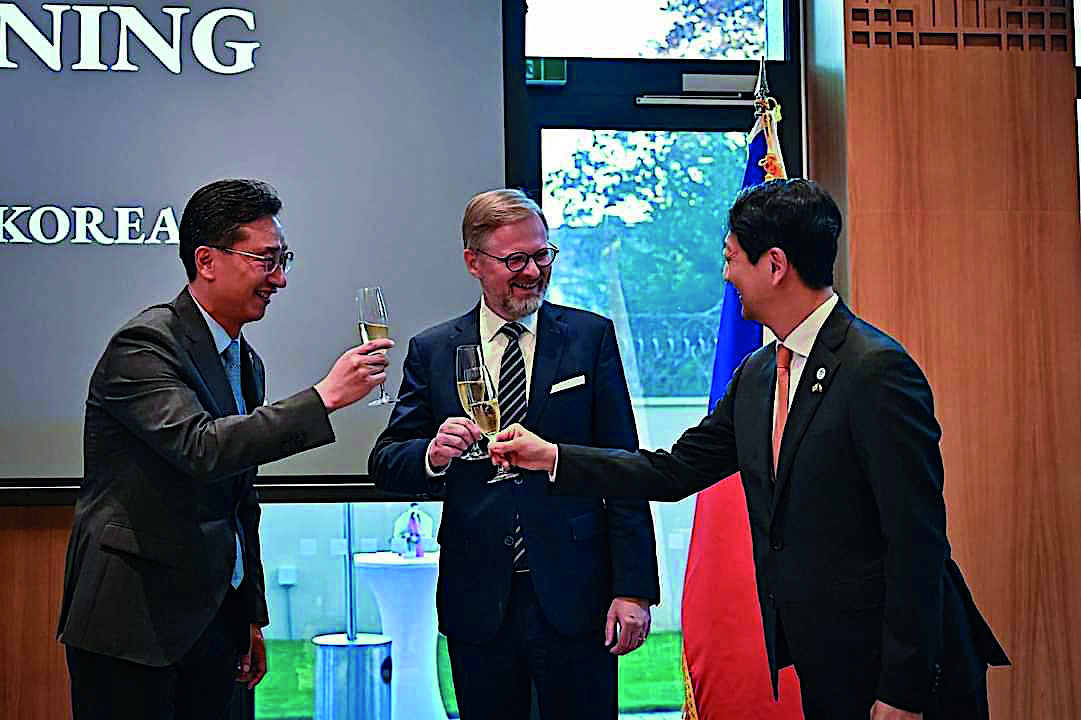
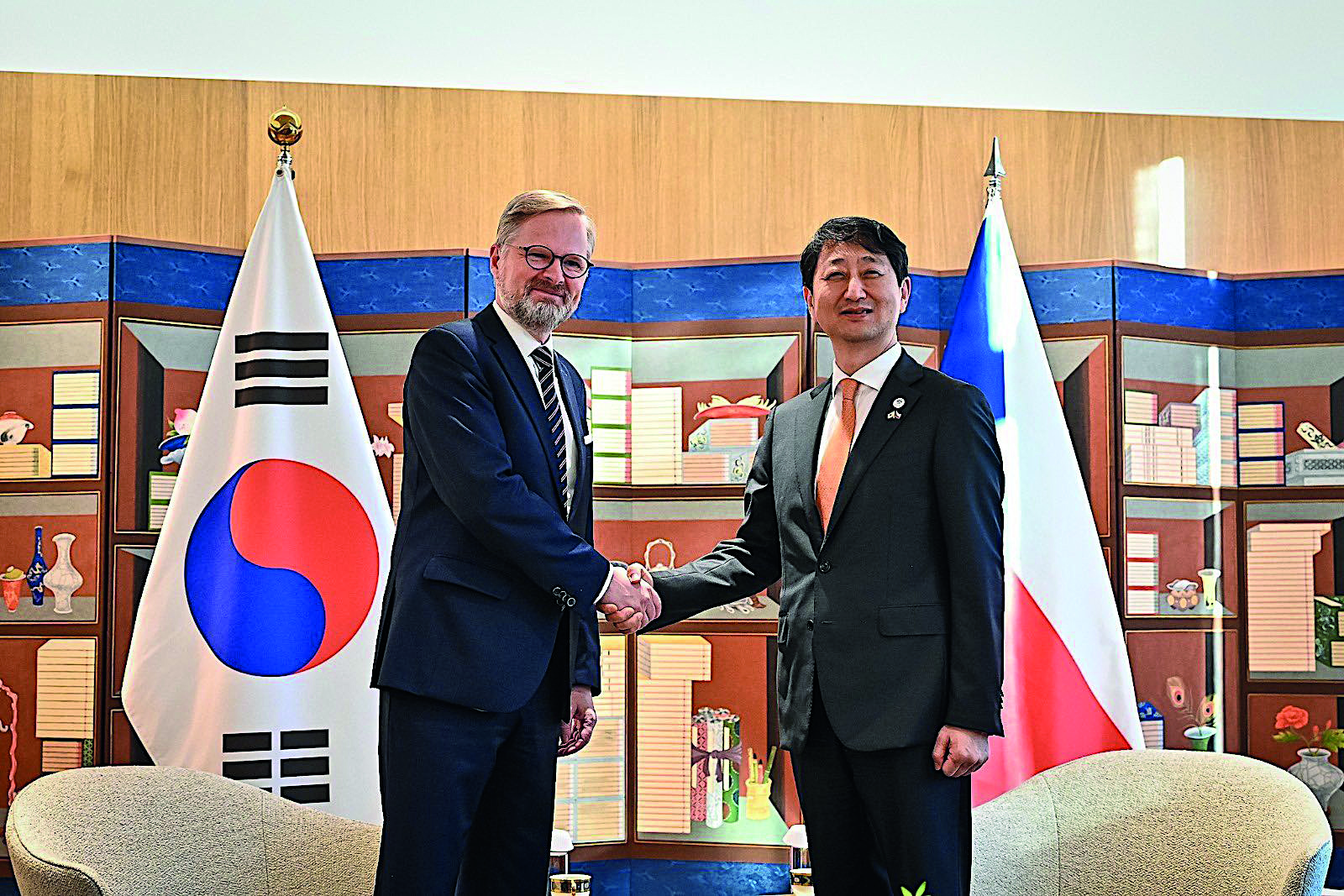
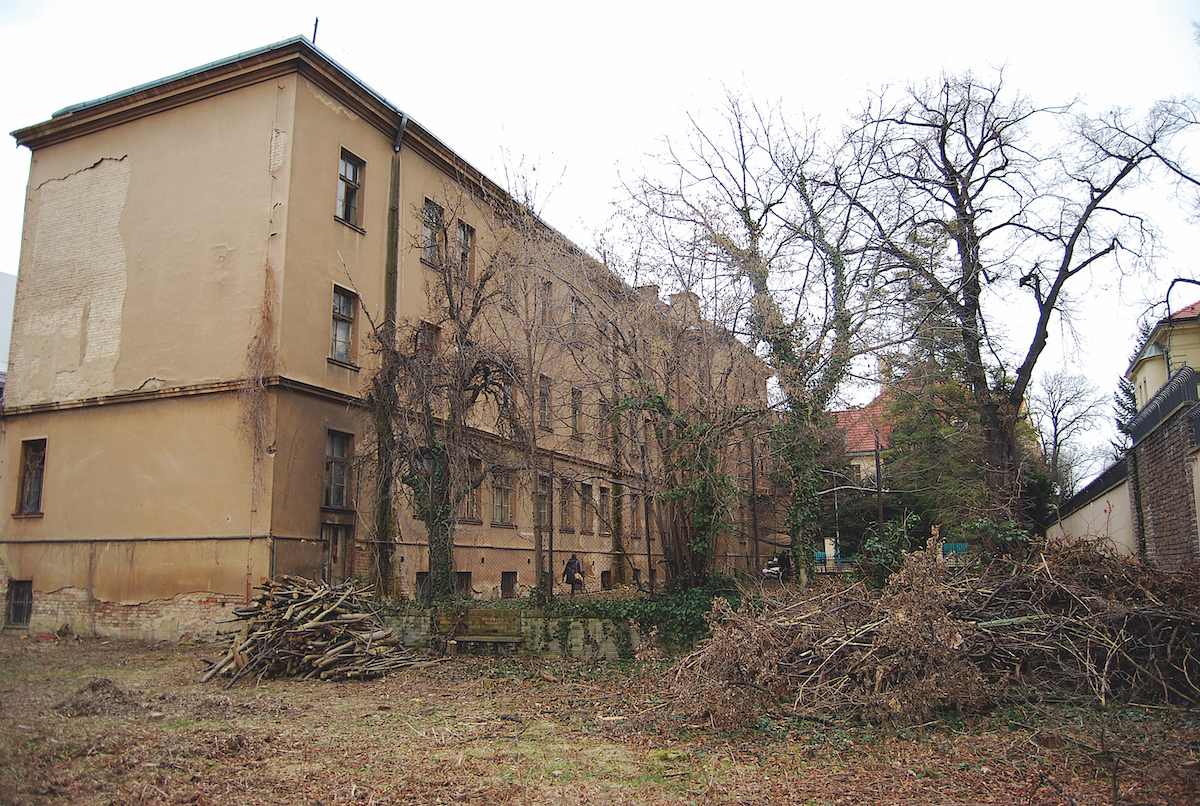
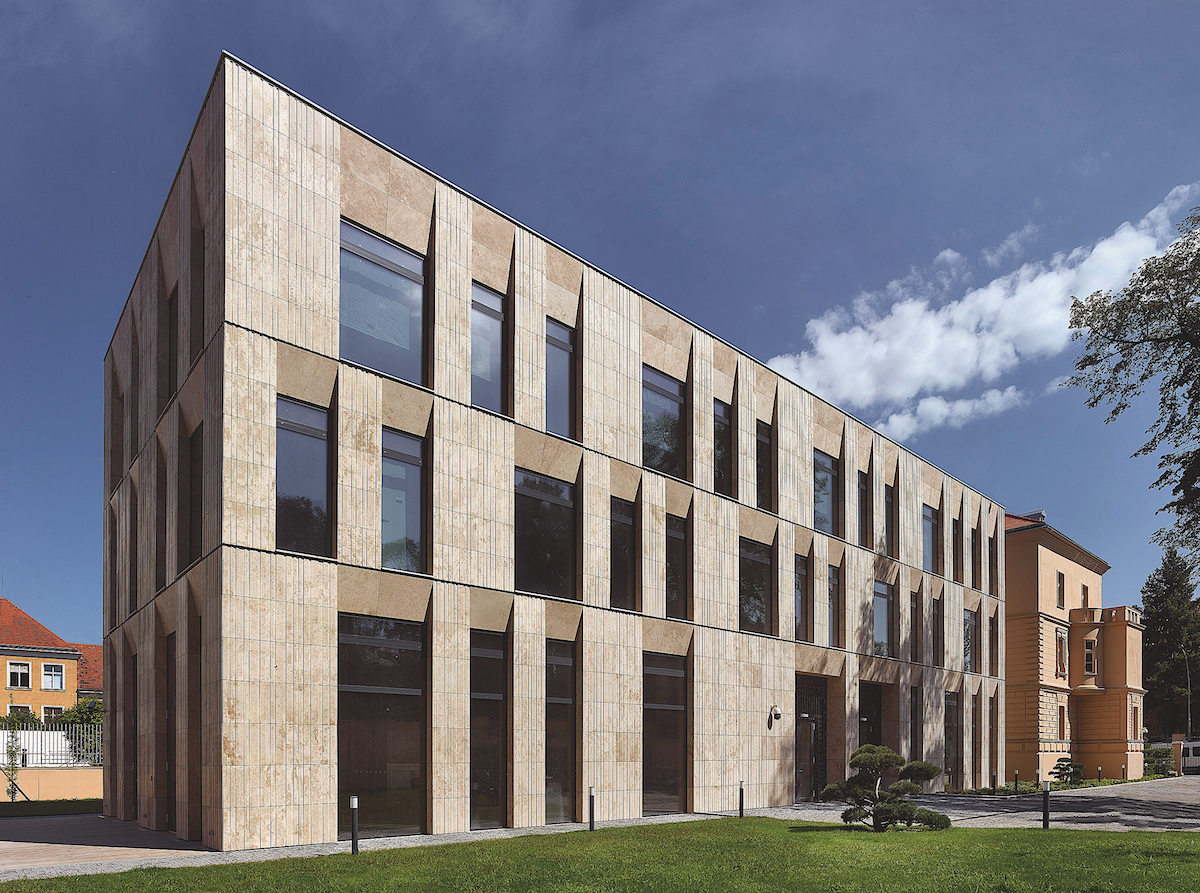
H.E. Mr. Tae-jin Kim and his wife hosted a farewell reception at the great hall, New Embassy building of the Republic of Korea. H.E. Mr. Tae-jin Kim, who is ending his role as Ambassador to the Czech Republic, was appointed as the Korean Deputy Minister of Foreign Affairs. We hope to see him again soon in Prague, acting in his new role.

We are bringing you the speech of H.E. Tae-jin Kim at the event.

„Distinguished guests and Excellencies, my dear fellow Koreans, It is with mixed emotions that I stand before you today, as I bid farewell to this beautiful country and its gracious people. My three years in Prague out of 32 years of diplomatic career has been an unforgettable time of dream. I have had the privilege of calling this place my second home and working alongside many dedicated and talented people.

The Czech Republic has left a lasting impression on me, with its rich history, stunning architecture, and warm-hearted people. It is no wonder that countless people from all corners of the world are drawn to this place. In fact, I am now half Czech, usually saying that „there is no place like Prague“ wherever I go. Except for maybe Korean cuisine – yes, I will never give up my Kimchi!

One of the highlights of my time here was the opportunity to learn from the Dean and my fellow ambassadors. Each one represented their own country and brought a unique perspective to our circle. Your exceptional dedication and professionalism have made a profound impact on me, and I will always cherish the joyful memories we shared together.

As the Korean Ambassador, I could witness the deep and abiding friendship between Korea and Czechia. Despite the relatively short diplomatic relationship of just over 30 years and the geographical distance, our bond has grown at a remarkable pace. I am proud to have played a small role in this.

Of course, there were times when diplomacy was challenging, particularly in working with a European country that is so closely tied to the EU and European identity. But I never doubted the strength of our relationship. The trust that Czechia has placed in us, combined with our passion for this country, have always been the key to our successful partnership.

The future holds many exciting opportunities to bring us even closer, with nuclear cooperation, further business investments and joint projects. While the economy has been the main driving force between us thus far, it is up to both our countries to ensure that this partnership extends into other areas as well. I have a firm belief that Czechia will continue to trust Korea, and that together, we can create a brighter future for us and the whole world.

Next week, I will be returning to Korea, but my heart will always remain here.

I am committed to continuing my support for Czechia and to further strengthening our relationship. I thank you all for what we did together, and may our paths cross again soon. If any of you find yourselves in Seoul, please do not hesitate to reach out to me.

Děkuju and Na shledanou.“

H.E. Laimonas Talap-Kelpša

“Lithuania is a very good place for business”

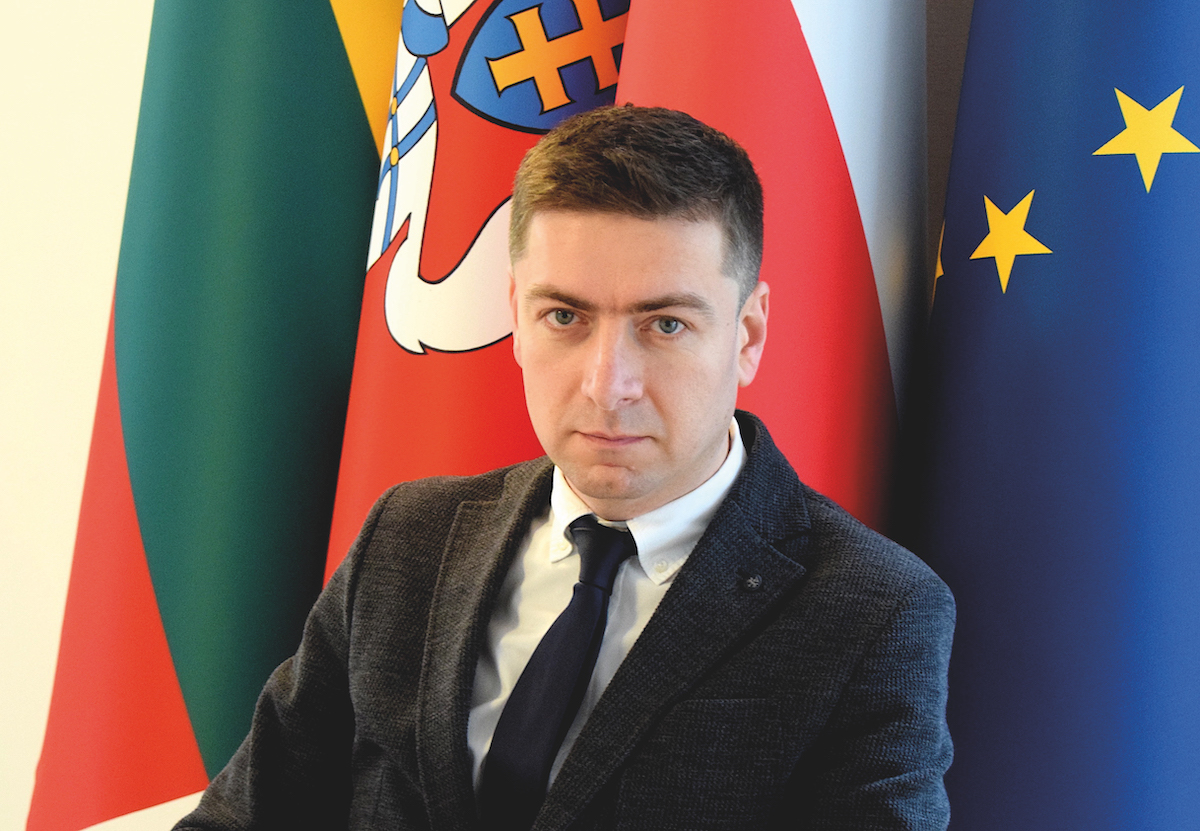
H.E. Laimonas Talat-Kelpša, Ambassador of Lithuania

Text: Martina Hošková and M.Zisso; Photo: Archive

When speaking about Czechia and Lithuania, H.E. Mr. Laimonas Talat-Kelpša, Ambassador of Lithuania, talks about a “relationship free of any trouble”. He supports his statement with the fact that “our trade hit an all-time record in 2022”, and that both countries have “a shared understanding of the past, a shared perception of contemporary challenges, and a shared vision of the future of Europe”.

Let’s get right to the point – what is the current status of Czechia–Lithuania relations?

How do you call a relationship free of any trouble? They’d call it ‘clear skies’ in satellite imagery. We have a perfect relationship that is based on a shared understanding of the past, a shared perception of contemporary challenges, and a shared vision of the future of Europe. The Czech troops have been deployed in Lithuania as part of NATO’s collective security mission, and our trade relations are soaring. Obviously, there still are areas to explore and expand, but the general outlook is extremely positive.

You are among the ambassadors who arrived in Prague two years ago, during the height of COVID-19. What were your first impressions?

I arrived in Prague in September 2020, just a few days before the second lockdown. I remember my wife and I going to the opening concert of the new season at the Rudolfinum, the fantastic performance and the staggering picture of a thousand people, all covered in facemasks… A few days later, the emergency was declared. That indeed was a weird moment. Imagine: we had just arrived and checked in at our hotel. And we discover a few days later that the hotel will stop even serving breakfast. All public life in the city came to a standstill. So, as a foreigner, you don’t even know where to get your food and other essentials from, not to mention the social contacts you are expected to build as a diplomat. This moment is vividly stuck in my memory as the emblem of my first date with Prague. At the same time, the lockdown gave us a rare opportunity to explore the city, emptied of its touristic crowds. To visit all the iconic streets and bridges when there is no one else but history and you.

I treat this starting period with gratitude and respect. Prague and I have passed through a difficult moment together, which makes us brothers-in-arms, as we say in our culture.

The Czech-Lithuanian relationship is free of any trouble. Can you say the same about our economic exchange?

Our trade hit an all-time record in 2022. The annual statistics will be available in March, but the numbers for January-November already indicate unprecedented growth. Thus, our trade volume in January-November crossed 1.3 billion Euros (with 1.1 billion Euros of trade in 2021). This is more than Lithuania’s trade with China during its best period.

We import electronics, plastics, Škoda cars, and pharmaceutical products from Czechia, while we export plastics, electronics, tobacco products, and optical lasers to Czechia. The fact that we trade in similar categories is a testament to the equal character of our partnership. Both Czechia and Lithuania have well-established industries, which increasingly join their hands and talent in mutually benefitting collaborations. Our membership in the EU Single Market makes the case even stronger. I expect that the unfolding transitions to digital and green economies will only consolidate our cooperation.

What stands behind the sensational growth of the Lithuanian economy lately?

‘Sensational’ is a strong word, but we must take two factors into account. One – Russia’s war in Ukraine, and two – China’s unprecedented economic pressure on Lithuania. No other European economy experienced the combination of both. And yet, despite these significant complications, the Lithuanian economy grew by 2.4%. The Central Bank had to revise its predictions several times during the year, and to everyone’s surprise, every time it was coming out with even more optimistic forecasts.

I believe we can single out three factors behind this spectacular performance. Firstly – the post-pandemic demand, when the companies and consumers started spending as never before. Secondly – the strong manufacturing base of the Lithuanian economy, which made us less vulnerable to the pandemic restrictions and post-pandemic disruptions than other European economies reliant on such industries as tourism. Lithuania attracted a total of 57 foreign direct investment projects in 2022, a significant share of it going to the construction of new plants and production facilities. Thirdly – heavy investment in the sectors of the New Economy, including hi-techs, fintechs, biotechs, and others. Today, biotechs generate almost 3% of the national GDP and laser production over 1%. As a leader in continental Europe by the number of licensed e-money and payment institutions, Lithuania is ranked in the TOP 10 of the Global Fintech Index. Add to this our complete independence in terms of energy supplies, and to our nearly complete insulation from the risks of authoritarian markets, and you realize Lithuania is a very good place for your business under these challenging circumstances.

How is the Russian war in Ukraine affecting your economy?

Initially, it has generated concerns about whether Lithuania is a safe place to stay. Our travel agencies had reported of certain groups cancelling their planned trips to Lithuania. But come on, Lithuania does not even have an immediate border with the warzone! Our companies had already borne the brunt of the Russian sanctions since the illegal annexation of Crimea, so, by and large, they have proven resilient to the most recent developments. Since 2014, we have diverted our energy supplies from Russia – now we import oil and gas through our own terminals in Klaipėda. Thus, the war is affecting us mainly through global fluctuations. We have to buy more expensive oil and gas, which reflects on the final energy bill.

We have to compete for industrial supplies with the companies that used to buy in Russia but no longer can. We have to divert public funds from economic investment to security and humanitarian spending. So, of course, there are implications. But they are minimal in comparison to what Ukraine has been suffering, and it is our obligation to help Ukraine win this war sooner.

H.E. Laimonas Talat-Kelpša, Ambassador of Lithuania

Is your country a popular destination for Czech visitors?

This is a very good question. The geographical distance between Czechia and Lithuania is the same as between Czechia and Croatia. But if 80+% of the Czech people have been to Croatia, how many do you think have visited Lithuania? The statistical number for the year 2021 is 3,200. Of course, this is not enough. Why people travel south and avoid travelling north remains a puzzle. The sun and the sea are only a small part of the answer. The sooner we get to solving this puzzle, the larger amount of Czech travellers will have the opportunity to come and see Lithuania and the other Baltic states.

The EU presidency of the Czech Republic has just ended. Were your expectations fulfilled?

First of all, I would like to compliment our Czech friends on their successful presidency. They had to steer the EU in very turbulent times, and had managed well. The EU has consolidated itself and remained united vis-à-vis the Russian aggression. New sanctions have been introduced. The energy shock taken under control. The support package for Ukraine, including military support, was secured. The EU has even overcome its previous stalemate regarding enlargement, with Bosnia, Moldova, and Ukraine receiving candidate status, and Croatia joining both Schengen and the Eurozone. I believe we all emerged more optimistic about the EU, and supportive of it, after the Czech presidency, including the Czech people themselves.

This interview is done on your National Day. Would you like to share a few words on this occasion?

On 16th February, we will celebrate the 105th anniversary of the Lithuanian Independence Restoration Day. It has its roots also here in Prague, because the first printed Lithuanian-language newspaper, which galvanized the national awakening in the 19th century, was produced and edited in Prague Vinohrady, on Balbínova Street. This Czech connection was hardly relevant to the newspaper’s contemporaries, as they were focused on different tasks. However, to our generation, it is a living reminder of how closely interconnected we, the Central European nations, are. I wish that we always remember and cherish our wider European roots, and build our future European house together. A house that definitely has a place for Ukraine.

H.E. James Komla Nyasembi

“Great results are obtained with passion, persistence, and consistency”

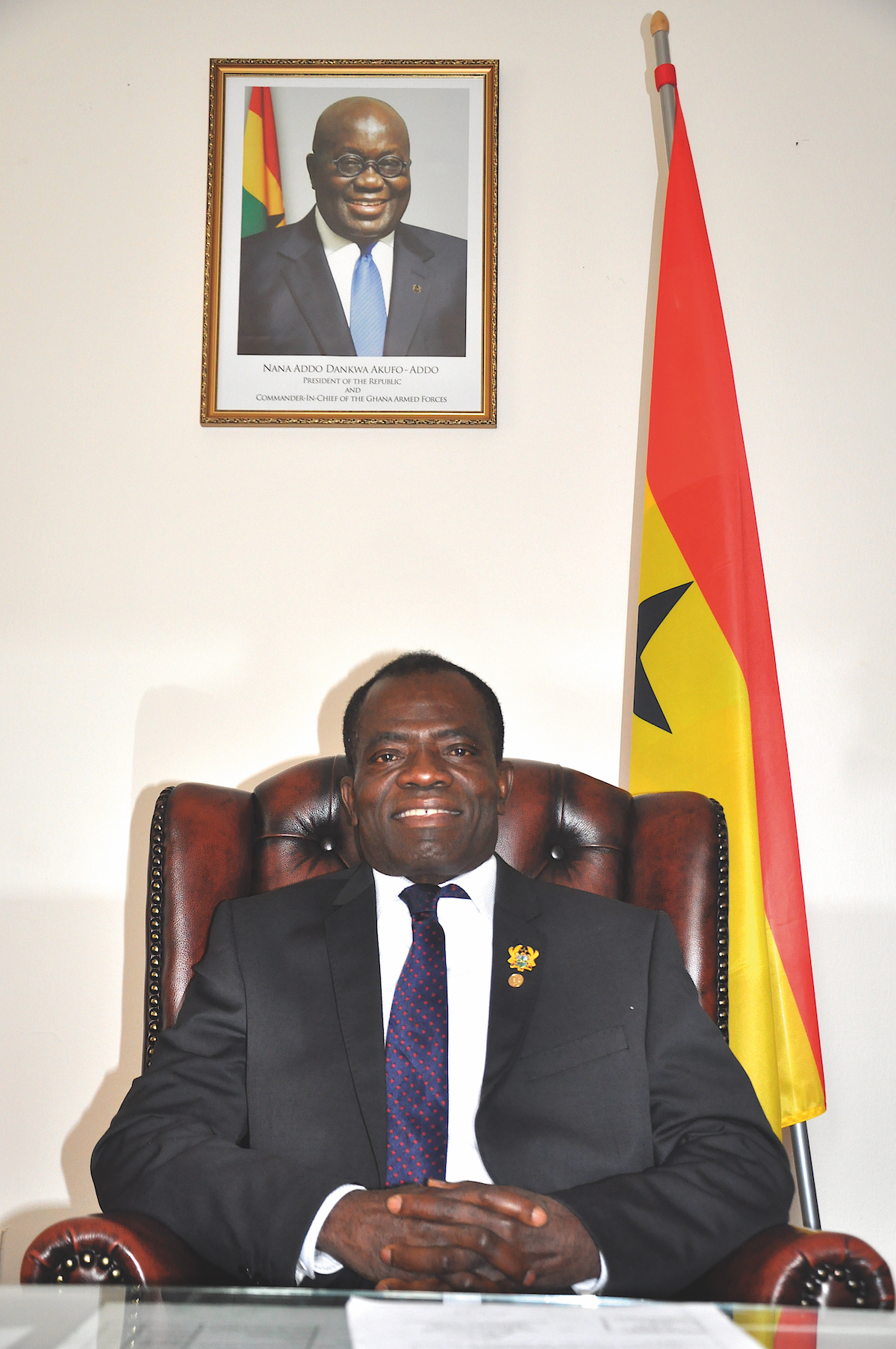
H.E. James Komla Nyasembi, Ambassador of Ghana

Text: Martina Hošková and M.Zisso; Photo: Archive

“Man proposes but God disposes,” believes Ambassador of Ghana, H.E. Mr. James Komla Nyasembi. In our case, God seems to be on his side, as his working efforts were awarded a successful diplomatic career, as well as on the side of Czechia-Ghana relations, which were established in 1959 and have continued in a friendly manner ever since. What did the Ambassador’s childhood in Ghana look like? How does he perceive the responsibilities of a devoted diplomat? And what can Ghana offer to Czech tourists and businesses?

Can we start this interview with you telling us a bit about your experience growing up in Ghana?

I am the second born in a family of nine, and I come from Agotime Kpetoe in the Volta Region of the Republic of Ghana. My village and Bowri in the Ashanti Region are noted for the hand-woven and adorable Kente cloth, of which Ghana is highly accredited for. Growing up in the village, I, as a young boy, learned how to earn money by weaving Kente cloth since that was the main occupation of our parents. I engaged myself in the Kente weaving industry, and earned enough money to see myself through secondary school, followed by Bishop Herman College at Kpando, which is one of the most prestigious sixth-form schools in the Volta Region.

Did you then proceed with your university studies?

Upon my graduation from the college, I had the intention to enter the Ghana Army in 1982, but as fate would have it, I later shelved the idea and decided to travel abroad for higher university education. I obtained a Bachelor’s and Master of Science Degrees in International Relations from the University of Ife, which is now Obafemi Awolowo University, Ile-Ife, in Nigeria. I also had the opportunity to attend the Ghana Institute of Management and Public Administration (GIMPA), and did other professional courses in Singapore and Thailand, just to mention a few.

Let me take this opportunity to convey my sincere appreciation to Prof. Edward Mensah of the University of Chicago, and to Prof. George Vukor Quarshie, for all of their assistance and support when in school. Indeed, great results are obtained with passion, persistence, and consistency.

I never gave up and God was on my side, and I made it to the top today.

Indeed, the position of an ambassador is the culmination of any diplomatic career. What made you become a foreign service officer in the first place?

This is a good question. You know, when you are young, you tend to have a lot of fascinating ideas of what lies ahead of you as a profession. In fact, you often cannot settle on one until reality stares you right in the face.

At university, and looking closely at the academic environment and my lecturers at the time, I made up my mind to be in academia, and to work rigorously to become a Professor of International Relations, my choice of course at the undergraduate and postgraduate levels. However, this could not materialise, and I had to look further afield for a career path. With no immediate option at the time, I went in for my National Service and was posted to the Public Services Commission. As God planned it, I met officers from the Ministry of Foreign Affairs, and from there I decided to join the Ministry and follow the career path of a diplomat.

Once you decided to join the Foreign Ministry, has your path been straight to the top?

I made my first move to join the Foreign Ministry in 1997, but failed because my superiors at the Public Services Commission would not allow me to leave. I stayed on until ten years later, when another opportunity came – and this time, I was successful.

My years with the Commission gave me the opportunity to acquire in-depth knowledge of the Civil and Public Services of Ghana, and made it possible for me to fit into the scheme of affairs at the Foreign Ministry. Thanks to hard work and a dedicated service, I went through the ranks as a career officer. Finally, in 2021, I was recommended for the position of ambassador by the Minister after 19 years at the Ministry, which was graciously approved by H.E. Nana Addo Dankwa Akufo-Addo, the President of the Republic of Ghana and Commander in Chief of Ghana. I was appointed an Ambassador of Ghana to the Czech Republic.

What are your impressions of Czechia?

I arrived in the beautiful and well-acclaimed United Nations heritage city of Prague on 27th September 2021. It means that I have been in the Czech Republic for a year and five months, to be precise. I arrived during the COVID-19 period.

I can vividly remember my first impression of a city with warm and loving people, ready to engage in conversation with foreigners and share a beer with them. In addition to the warmth of the nationals, the Czech Republic introduced itself to me as a country that protects everyone. The security of the capital city and the country as a whole is superb, and one can go around performing his diplomatic duties without any hindrance.

The layout of the city and its architecture reminded me of the city of Rome. The cathedrals, Charles Bridge, the Zoo, the great buildings of Prague 6, and the city’s history will forever remain in my memories. I noted that Prague, with its numerous tourists, never sleeps. I love the City of Prague and its inhabitants. There was truly a great transformation from socialism to capitalism, and the adaptation and the speed of development that took place in the Czech Republic are really tremendous and mind-blowing. The Czechs are hardworking people, and I am proud to be among Ghana’s ambassadors to serve in this country.

Where did you serve before being appointed to the Czech Republic?

As I already mentioned, I started my career with the Public Services Commission of Ghana after completing my National Service with the Commission in 1992. After working there for ten years, I left with the grade of Senior Administrative Officer/ Assistant Director I.

That period was followed by working for the Ministry of Foreign Affairs. After five years, I was posted to Rome in October 2005, first as a desk officer for Political and Economic Affairs and later as a Deputy Head of Mission. My duty tour in Rome ended in September 2009.

Back home in 2009, I served as Deputy Director at the Human Resources and Administration Bureau of the Ministry under the late Ambassador Ekow Yankey. This was until 2012, when I was posted to the Ghana Mission in Equatorial Guinea in Central Africa as Minister-Counsellor, and assisted the ambassador in the discharge of his duties. It was a challenging post, in the sense that I was not a Spanish scholar and depended on translators most of the time when dealing with local officials. The tour was fruitful in the end, and I returned home in August 2016. It’s worth noting that I earned my promotion to the grade of Director while serving in Malabo. Back at the Foreign Ministry in Accra, I served in various capacities at the Human Resources and Administration Bureau and the Americas Bureau, before I was appointed as Head of the Africa and Regional Integration Bureau, as well as Head of the ECOWAS National Office. Later, I headed the Ministry’s Policy Planning, Monitoring, and Evaluation Bureau, before my posting to the country’s mission in Cuba, Havana in January 2017 as Minister Plenipotentiary and Deputy Head for one year.

Then, I was crossed-posted to Lagos, Nigeria, where I spent three years as Ghana’s Consul General at the Lagos consulate. In August 2021, I was appointed as Ghana’s Ambassador to the Czech Republic. I am concurrently accredited to the Slovak Republic, the Republic of North Macedonia, Romania, Poland, and Hungary. As an ambassador, I presented my credentials to His Excellency President Miloš Zeman at the Lány Chateau on Monday 20th December 2021.

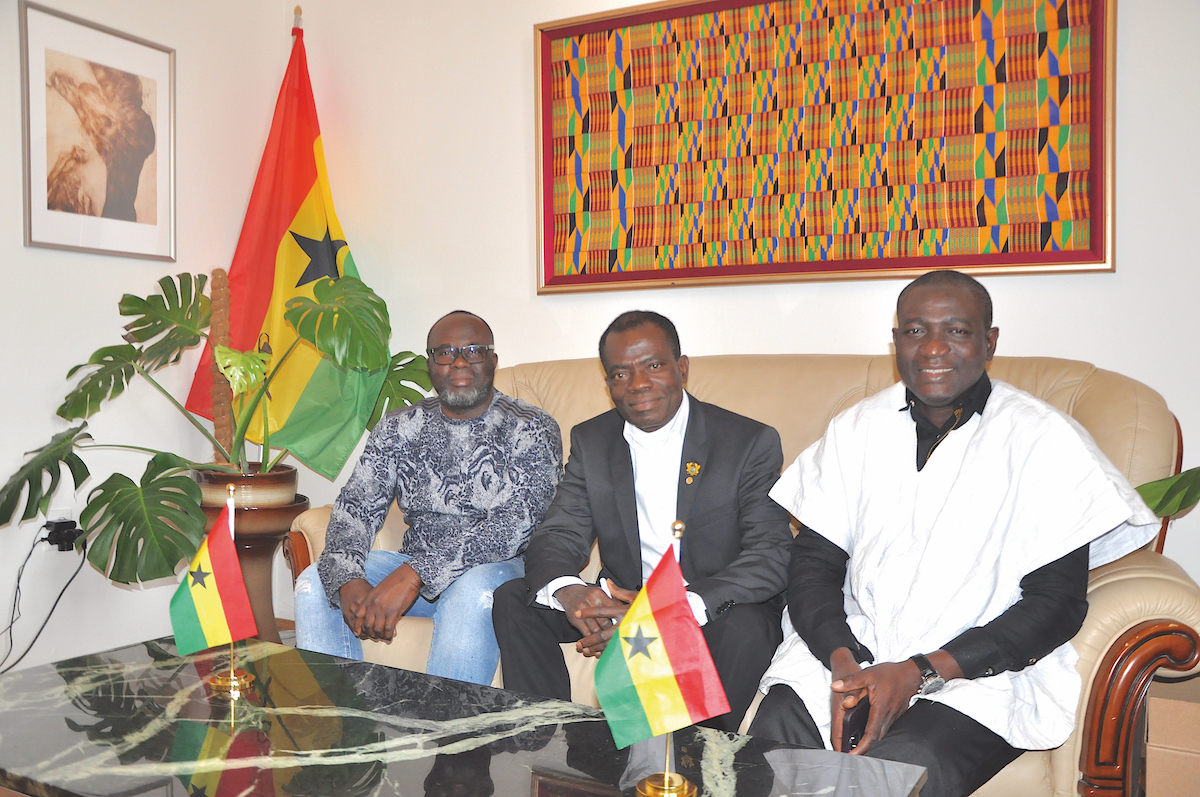
From right: Mr. Ahmed Tijani Abubakari, Deputy Head of Ghana Mission; H.E. Mr. James Komla Nyasembi, Ambassador of Ghana; and Dr. John Y. Logah, Ghanaian Neurosurgeon in the Czech Republic with a team who intend to setup a Ghana Bone Marrow Transplantation (BMT )

What do you find the most difficult part of being an ambassador?

The truth is that compliments from friends and colleagues become history once you report at the post and dive into action as an ambassador. First of all, you have to develop your own strategy on how to have an effective and efficient team in place in order to aid the work of the ambassador.

If the Head of Chancery, the Deputy Head of Mission, and the Secretary to the Ambassador are “seated well” and provide the needed support, then everything is all right and you can enjoy smooth sailing. A strong team provides magnificent results. And I do have such a team in place.

Some of the difficulties encountered by ambassadors in the discharge of their duties may relate to the following: a language barrier, a lack of effective planning for the mission, and an inability to attend all diplomatic meetings if two or three are planned for the same day. Another aspect of these difficulties may relate to satisfying the needs of your countrymen and women in the host country. Fortunately for me, a larger number of Ghanaians in the Czech Republic are in suitable employment, and respect the laws and rules of the country. Our students here are also hard working, and take their studies seriously.

Information gathering, negotiation, and getting the needed support from institutions in the host country are all vital to the success of an ambassador. The Ghanaian mission has enjoyed favourable relations with the Czech Foreign Ministry; hence difficulties are limited. My major challenge, unfortunately, is the lack of funds to carry out the planned activities. However, some Ghanaians who studied in Czechia are at the forefront and help to promote Ghana in many fields.

To summarize my answer, I can state that the difficulties are minimal with my strong team of officers and Ghanaians in the Czech Republic.

Can you give a piece of advice to the next generation of ambassadors?

For future ambassadors, I would like to point out the need for selfless devotion to duty, and a penchant for excellence in all activities they undertake in the host country. Interaction with the officials of their country of accreditation on a regular basis goes a long way to pave way for good relations, and for the sharing of vital information.

As I already said earlier, ambassadors, both career and political ones, should work closely with their staff and create a good working environment, where they can tap into ideas that will help accomplish their goals and aspirations in the complex fields of diplomacy in the changing world of the 21st century. Ambassadors should be conversant with their home country, and have pencilled down the needs of their people in order to be able to identify the opportunities that can benefit their country. Knowledge of the economic, cultural, political, social, and human resource potentials of their country can serve as a guide to what they need to do at their post.

Last but not the least, a newly appointed ambassador to any country of the world should be able to tour many parts of that country and learn about the history and culture there. Indeed, for effective diplomacy, an ambassador should have “foreign languages, strong analytical, organisational, and leadership skills, good judgement, and high integrity”, and should not shy away from colleagues.

Do you have any free time to enjoy yourself?

“All work and no play makes Jack a dull boy and all play and no work makes Jack a lazy boy” – so goes the saying, and this applies to all human beings, no matter their status in life. Apart from engaging in real diplomatic activities in the host country, I find time to watch football and take walks in parks around my area. I also appreciate nature; hence I find time for sightseeing and bird watching. Back home, I engage in activities such as gardening and engaging school children in tree planting, as well as other environmental activities.

Can you tell us more about your environmental activities?

I would begin by indicating that it should be the general concern of each one of us to prioritize issues relating to the protection of the environment. We all know that when the last tree dies, the last man also dies. Mother Earth provides all that we see around us, and if we neglect the protection of mother Earth we are digging our own graves, since the consequences will be unbearable to us. The over-exploitation of the world’s natural resources, the pollution of our oceans, rivers, and lakes, and the destruction of our forests are beginning to impact our lives in a negative way.

I have developed a strong interest in the environment over the past 30 years, and this compelled me to join the Evergreen Club of Ghana and serve as its General Secretary, with Madam Sukeena Bonsu as the Club’s Executive Secretary. The aim of the Club is to “draw the interest of children and youth into the protection of trees and the environment as a whole”. Based on the Club’s objectives, environmental clubs were established in some junior secondary schools in Ghana, with the support of teachers to instil environmental protection activities into the children. Tree planting is a major part of our activities.

I am currently working closely with a Slovak NGO engaged in the Planting of Trees for Peace Initiative. I strongly believe that the outcome will be beneficial to Ghana, especially in the area of forest protection and the degradation of the landscape in the mining communities.

Do your country’s natural resources make Ghana an attractive holiday destination?

Tourism is a key economic driver in Ghana. The tourism sector has generated foreign exchange earnings, and has created jobs and wealth, as well as stimulated other sectors. Ghana as a country has many breathtaking tourist attractions, thanks to our natural resources’ endowments.

Ghanaian wildlife species account for 222 mammals, 128 reptiles, 38 amphibians, and 721 bird species. There are also about 20 national parks and reserves, covering approximately 5% of Ghana’s total land surface. With waterfalls, Ghana can boast of Kintampo Waterfall, Wli Waterfall, and Boti Waterfall. With regards to animal sanctuaries, the country has Wechiau Hippo Sanctuary, Paga Crocodile Pond, Mole National Park, and monkey sanctuaries like Buabeng Fiema and Tafi Atome.

Tourists are also interested in Ghana’s African cultural heritage. Do you promote this side of Ghana too?

The country has over 30 forts and castles. Among the most visited are Elmina and Cape Coast castles, and Manhyia Palace Museum, which has historic relics and artefacts of Ashanti Kings. You can also visit quite a number of religious monuments, such as Larabanga Mosque, which is among the oldest mosques in West Africa. Other man-made attractions include the Akosombo Dam, conference facilities, hotels, casinos, art galleries, and bustling nightlife, among others. Ghana has over 30 festivals celebrated by different ethnic groups in different calendar months. Recently, the month of December began our greatest celebration season.

For those who enjoy sports, Ghana offers paragliding events that are held every Easter season, plus also sports such as soccer, boxing, golf, etc.

Promoting tourism requires showing the many available attractions to the Czech people and inviting them to visit Ghana. Above all, Ghanaians living in Czechia should always act as tourism ambassadors of Ghana. Cultural shows and concerts of our music in Prague and other cities should be encouraged.

The Czech – Ghanaian relations date back to the time of the Czechoslovak Socialist Republic. Did this era leave a great mark in Ghana?

Indeed, the political and economic ties between Ghana and the Czech Republic date back to Ghana’s First Republic, under Dr. Kwame Nkrumah. Diplomatic relations between Ghana and the Czechoslovak Socialist Republic were established in 1959. Since then, the Czech Republic and Ghana have maintained diplomatic missions and exchanged envoys at the ambassadorial levels in their respective capitals. Fifteen Ghanaian envoys have served in Prague, and I am the sixteenth on the list.

The Czech contribution to Ghana’s socio-economic development efforts is massive, and I can immediately recount the assistance in the establishment of strategic industries in some parts of the country during the First Republic. The Aboso Glass Factory, Saltpond Ceramics, Kade Match Factory, Komenda Sugar Factory, and the Kumasi Shoe Factory, among others, featured in Ghana’s economic development in the 60s. We need the Czechs back to revive some of these collapsed companies.

What is the current status of Czechia – Ghana relations?

Since my assumption of duty as ambassador, Ghana – Czechia relations have been given a boost, in both the political and economic spheres. A notable event behind this state of affairs was the successful visits of the countries’ representatives, which I would like to mention here.

  • The working visit of the Minister for Foreign Affairs and Regional Integration of the Republic of Ghana to Prague in February 2022.
  • The official working visit to Prague by the Deputy Minister for Foreign Affairs and Regional Integration of the Republic of Ghana in September 2022. While in Prague, the Deputy Minister held discussions with his Czech counterpart, Martin Tlapa, on bilateral and multilateral issues of interest to Ghana.
  • The visit to Accra by the Deputy Minister for Foreign Affairs of the Czech Republic, Martin Tlapa, and the fruitful discussions held on this occasion.
  • The visit to Accra by the first Deputy Minister for Foreign Affairs of the Czech Republic, Jiří Kozák, accompanied by a delegation of members of the Association of Manufacturers and Suppliers of Medical Devices, and representatives of financial houses, in July 2022. This visit was in order to discuss the ongoing projects of building regional hospitals, among other health issues. Note that the meeting afforded the two sides the opportunity to explore avenues for the enhancement of bilateral relations and cooperation on health, as well as peace and security issues within the West African and Sahel regions.
  • The visit to Accra by the Deputy Minister for Defence of the Czech Republic in July 2021, and the signing of the Memorandum of Understanding between the Government of the Czech Republic and the Government of Ghana on Defence Cooperation during the visit, which would enable the two sides to work closely in addressing security challenges both in Ghana and in the region.
  • The two-day exploratory visit to Ghana by the delegation of experts on cyber security from the Czech Republic, led by the Minister of Justice, Pavel Blažek, to discuss issues pertaining to cyber security with some relevant Ghanaian stakeholders. The discussions culminated in the proposals for practical collaboration.

The current status of the bilateral relations is also illustrated through the cooperation of the two countries in various international fora, including support for each other’s candidatures for positions at various multilateral institutions. Aside from the above, other activities under economic diplomacy have been through infrastructure development. For instance, the construction of 50 steel bridges across the country, the setting up of tram and railways in the Ashanti region of Ghana, and the ongoing building of hospitals, among others.


Ghana is celebrating its 66th Independence Anniversary this year, therefore we asked Ambassador Nyasembi for a few words on this occasion.

Firstly, I would like to say that Ghana is celebrating her 66th birthday. The proclamation of our Independence was made at the Polo Ground in Accra on 6th March 1957, when our first President, Dr. Kwame Nkrumah, declared: “At long last, the battle has ended! and thus, Ghana your beloved country is free forever.” He further stated that “our independence is meaningless unless it is linked up with the total liberation of Africa”.

On this occasion of the 66th Independence Anniversary of Ghana, it is my honour to extend to all my compatriots in the Czech Republic and countries of concurrent accreditation, warm felicitations. Sixty-six years of Ghana’s independence should make us all proud as a people, irrespective of our challenges.

I wish my countrymen and women peace, joy, love of one another, and God’s blessing in whatever venture they are into. Secondly, I also call for unity of purpose in tackling our current economic challenges, in order to create a better future for our children and mother Ghana. Let us resolve to live in peace, join our hands together in all spheres of life, and devote our thoughts and energies to building a better Ghana, and, for that matter, a better, prosperous, and resilient Africa.

To my compatriots, I would like to state that nation building is a collective enterprise and is the responsibility of all citizens, both at home and abroad. Therefore, I entreat everyone to contribute their quota to the building of a better nation.

We as a nation have suffered the pains of COVID-19, the terrible impact of the Russo-Ukrainian war, the downturn in our economy, and other challenges that may not allow us to celebrate our national day as planned. I therefore entreat each of us in the diaspora to contribute our quota to the building of a better and prosperous Ghana. I hope and believe that things will turn around for mother Ghana, and we shall have a grand 67th birthday celebration in 2024.

Let me use this opportunity to thank the government and the good people of the Czech Republic, and
to thank our development partners for the sound relations, friendship, and support received from them over the past six years.

As we commemorate our Independence Day, I wish to state that Ghana will continue to work towards global peace, security, democracy, good governance rule of law, and respect for human rights, which are the underlying factors for human prosperity and development in Ghana. We are confident that Ghana can count on the cooperation and support of the Czech government and people in her efforts to harness its resources for national growth and development. I wish to use this medium to invite the Czech business community to consider Ghana as a viable investment destination.

I would also like to invite the Czech people to visit and enjoy Ghana’s beautiful coastlines, forts and castles, flora and fauna, and the charm of the beautiful people of Ghana. Above all, we are inviting the business community to come and take advantage of the Africa Continental Free Trade Area (AFCFTA). Ghana is a viable investment and tourism destination.

Long live Ghana. Long live Czechia. Thank you!

Pavlína Prokešová

From New York to Prague

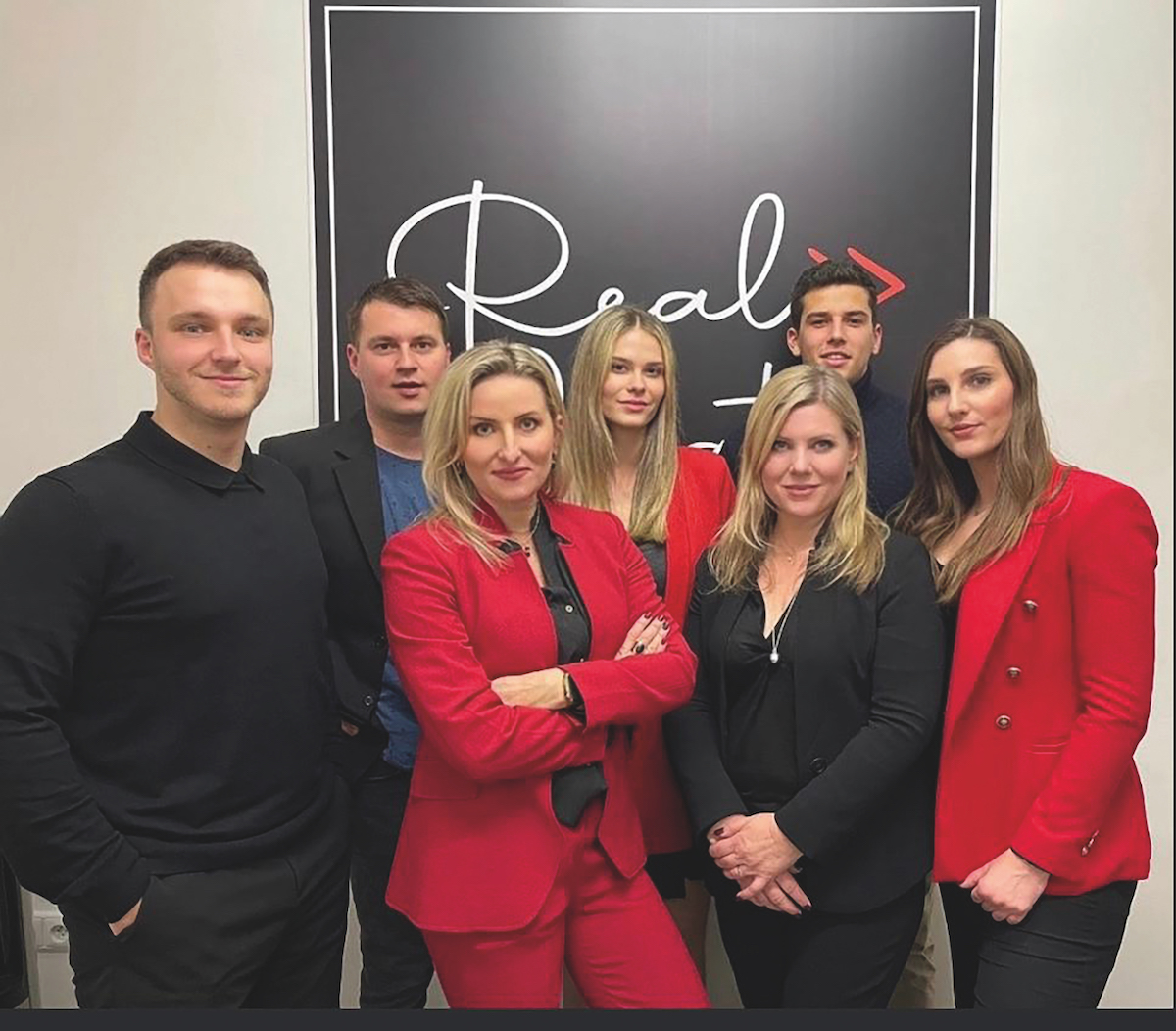
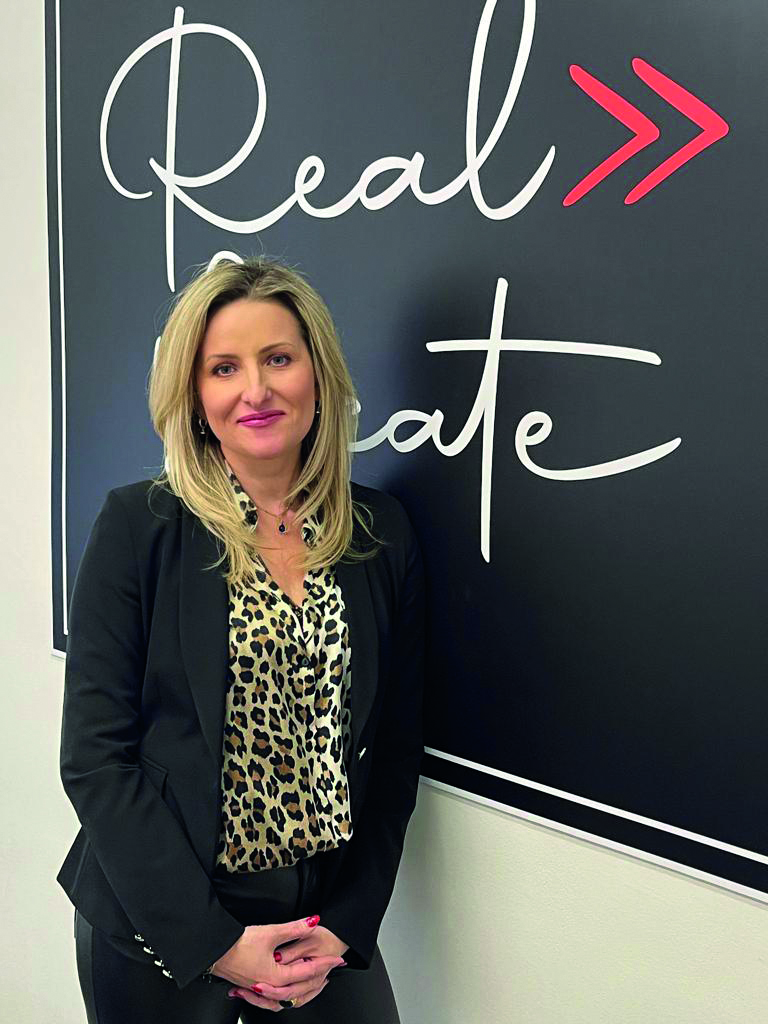
Pavlína Prokešová and the staff of Reallocate

Text: Martina Hošková and M.Zisso; Photo: Archive

Originally from Prague 8, upon the completion of her studies Pavlína Prokešová decided to try her luck and explore new adventures in New York City. Twenty years later, and with a ton of experience and success in the Real Estate field of NYC under her belt, she returned home to Prague. During the two COVID-19 years, she was able to establish RealLocate, a successful Real Estate and Relocation firm here in Prague centre. Let’s see what she has learnt about her business in the two different capitals.

They say, if you make it in New York, you can make it anywhere. What brings you back from the Big Apple?

Well, for me it is very simple – coming home. After 20 years of running a successful Real Estate Brokerage and raising a family in Manhattan, it was time to find the right balance between work and family life.

Were you planning to open a Real Estate Company in Prague?

Funnily enough, my plan was to put real estate to sleep and find new career opportunities. As it turns out, real estate is my destiny. My real estate career started with a stroke of luck – a housing need and assistance request by a few international students at the Charles University Medical Faculty. As a mother and someone who relocated to a foreign country at a young age, I can understand the worries of the student’s parents for one, and the struggles and obstacles that lay ahead of such a move. Even though Prague is a cosmopolitan city, many real estate professionals still do not communicate in a foreign language, nor do they provide extra customer service, which is common abroad.

I realized that expat communities in Prague are missing a comprehensive service provider for their real estate needs, one with adequate customer service, a continuous relationship, and follow-up.

Which services do you offer to your clients? Do you work only with expats?

Over the past two years, I was able to build the boutique firm RealLocate with a professional team of brokers. We are a team of seven, speaking English, French, German, Hebrew, and Czech. We cover all aspects of real estate services relocation, rentals, sales, property management, student housing, and investments. Our portfolio includes many properties in the city centre, so we do work with many expats. We also offer buyer’s agent service, which has become more popular in the past year. But to answer your question – our doors are open to all customers; we provide services to all.

How is the Prague real estate market, compared to the one in New York?

Well, many people have asked me the exact same question. In its principle, it is the same. I find Prague to be a city with more opportunities (than New York), and a place where you can grow and bring forth innovation. The main place for improvement is definitely the customer service area. One of the biggest advantages, at least for me, is forming connections with property owners and developers; I am a strong believer that with positivity and hard work, the sky is the limit. It has always worked for me.

What is your strategy for the current market conditions?

Over the years, I have experienced the real estate market’s ups and downs. It is just a matter of time before the market corrects itself and goes back to normal. From the point of view of an agent, it is important not to put all of your eggs in one basket – specifically now when sales are downshift to rentals. I strongly believe in being a hybrid agent, meaning doing everything (rather than just one specific thing) in order to survive the storm when it hits. My recommendation to my clients is to hold on to their property if they can, and to not panic. To my investors – the current market condition is a great environment for new investments, especially with rental prices rising.

Pavlína Prokešová, Reallocate

Since you are entering a market with already- established big players, what is your niche?

My main niche, I would say again, is the level of customer service. Understanding that our job does not end with the collection of the commission, but just begins. You can check our Google reviews. The fact that my company is a boutique and that overheads are low allows me to have very competitive pricing of our services in comparison to our competition. For me, it is about quality, not quantity.

What should we expect from RealLocate in 2023?

Our main focus is to secure and leave our mark on the Real Estate market. We were able to secure over 54,000m2 of residential leasing over the past two years. Our focus is BTR (“build to rent”) projects – projects with large amounts of units particularly for leasing only. We have a proven track record of effectively managing such projects. I believe that 2023 is a year of BTR, and we are ahead of the game. It is all about volume, and the technological optimization of the process.

Do you believe in giving back to the community?

Yes, I do! Life is all about balance. Every year we organize an event for new international students at Charles University. It’s comforting to already know someone on the first day of school. We are planning a few charity events this year to support a variety of organizations. The main purpose is to bring different business worlds together, and to do some good while networking. The next event will be supporting Agora7, an organization that takes care of and services senior citizens in need. This event will be held in March, and will also include art pieces of new and established artists in the form of an auction.

I heard whispers about “woman empowerment” – what does that mean to you?

As the daughter of a mother who has run a successful business for over 30 years, and the mother of two daughters, I want to lead by example. Women can do it all and enjoy the process while building their career and care for their families. I would also like to encourage women on maternity leave and stay-at-home moms who are looking to continue and grow their careers. Real estate is a platform that offers flexibility and financial Independence. I am always free for a coffee to discuss their options.

For further info, you can contact Pavlína at pavlina@reallocate.cz or her team at www.RealLocate.cz.

H.E. Danilo Alonso

“I am honored to serve my country as an ambassador – for the first time”

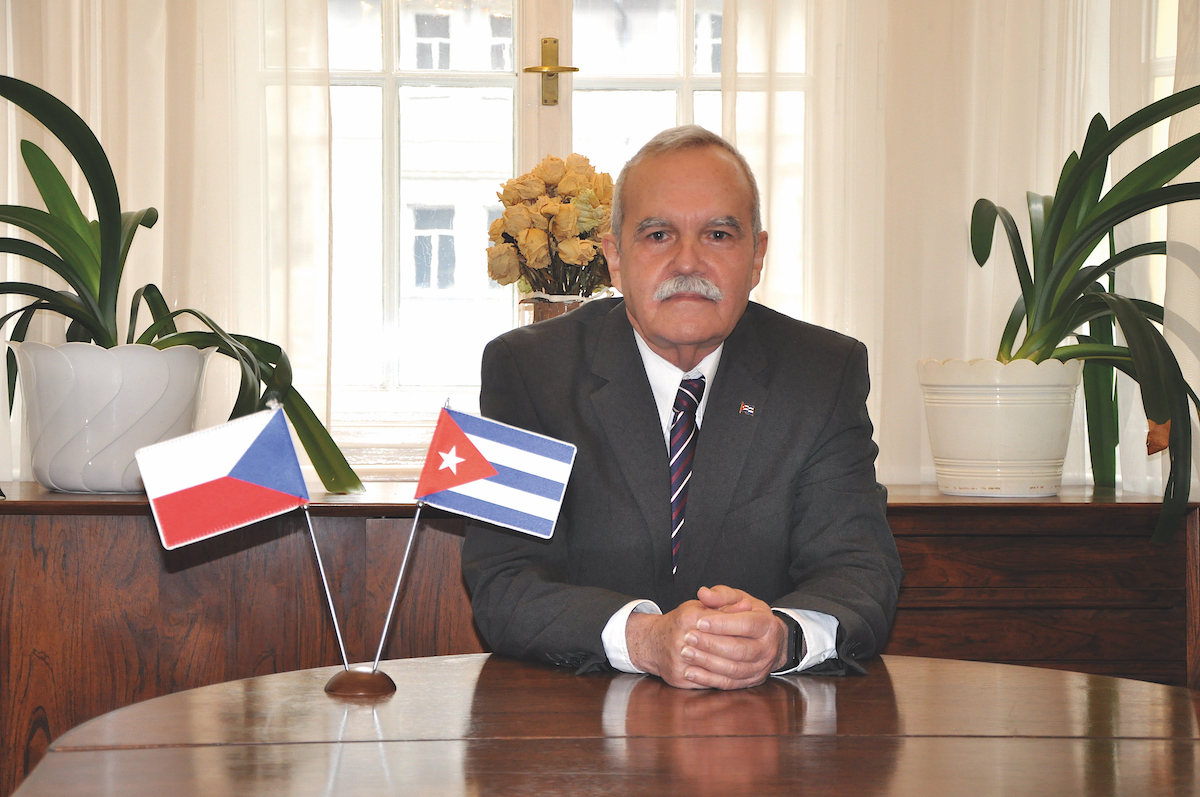
H.E. Danilo Alonso, Ambassador of Cuba

Text: Martina Hošková and M.Zisso; Photo: Archive

Not only is Prague the first place where H.E. Mr. Danilo Alonso has served as an ambassador of his country, but he is also the first Cuban ambassador in the Czech Republic since it was formed in 1993. As he says in our interview: “There are some issues on which we hold different positions, but there are more issues that unite us, and we work on them”. The Ambassador also acknowledges the fact that Cuba is among the Czech people’s favorite tourist destinations, and suggests visiting the Cuban Embassy’s stand at the annual Prague and Brno Tourism Fairs.

Can you tell us a bit about yourself and your professional career before being appointed as Ambassador of Cuba in Prague?

I was born in Havana, the capital of Cuba, in 1951. In 1973 I graduated from the University of Havana with a degree in Physics. I became a professor, and for over ten years worked in the Secretariat for Nuclear Affairs in Cuba. My duties consisted of attending to the preparation of personnel for nuclear activity in Cuba. In those years, I visited many countries where Cuba had students studying at universities. Among those countries was also Czechoslovakia, which I visited twice in the 80s. It was then that I was able to get to know Prague, and admire its architecture and the beauty that characterizes this city, for the first time. Since its foundation, I went to work for the Ministry of Science, Technology, and the Environment of Cuba, where I held various positions, including that of an advisor to the minister and vice minister, until my appointment as Ambassador to the Czech Republic.

You are not a career diplomat; how did you prepare for your ambassadorial duties?

Indeed, as you can see from my previous answer, this is my first experience as an ambassador. I consider it a high honor, having been proposed to occupy the position of Ambassador in the Czech Republic by the Ministry of Foreign Affairs of Cuba.

During my work in the science sector, I accumulated experience in short-term work missions to different countries in Latin America, Europe, and Africa, which certainly contributed to my preparation as an ambassador. Diplomatic work is a new and good experience for me.

You have been in the Czech Republic for four years. What did you learn about us Czechs?

My experience in the Czech Republic has been very positive and comforting. I have been able to meet interesting people, and see very beautiful and preserved places. I have also learnt about the character of the Czech people and your sense of responsibility and discipline, as well as the way you organize your work.

Many people in the Czech Republic know about my country, either because they worked there for a while, have relatives who did, or because they went to Cuba as tourists. In all cases, they keep very pleasant memories of their stay in Cuba and let me know (about it), which also makes us Cubans feel better. Unfortunately, during the four years we all lived through the experience of COVID-19, which prevented me from having further contact and visiting other regions of the country. Despite this, I have managed to visit several regions. I saw some factories, research centers, universities, schools, and social centers. I also met with local authorities and Czech friends, with whom I had the opportunity to share and talk about Cuba and the relations between both countries.

Did you have to change your lifestyle when you became a diplomat?

I believe that being an ambassador does not substantially change my lifestyle. It is a new experience for me, in which I have had the opportunity to meet colleagues from different countries and exchange experiences with them.

It is also a major responsibility to be the representative of my country before the Czech authorities, which I have assumed with dedication, and the desire to do the best possible job.

Can you give a piece of advice to the young people who wish to become responsible ambassadors in the future?

My advice to new ambassadors is very simple: prepare very well, study and learn every day, be well informed, and have a general and comprehensive knowledge of culture that allows you to talk about different topics, within reason. Don’t complicate things, and be grateful for the opportunity to meet new cultures and people.

Since you worked at the Ministry of Science, Technology, and the Environment of Cuba for many years, would you like to share a piece of wisdom in this respect here?

I do not think I am able to advise the Czech Republic on these issues. I can only say that collaboration, and scientific and technical cooperation between different countries, is a way to strengthen the bonds of friendship and brotherhood between people who live in different regions – it is an effective contribution towards peace between peoples.

In all countries, big or small, there are opportunities to collaborate and learn from each other. Science and technology, when used correctly, render an invaluable service to friendship and solidarity, and will allow us to build a better world for all.

Many Czech people find Cuba a fascinating holiday destination. Do you support this inclination?

I agree that Cuba is a very interesting tourist destination for the Czechs. Despite there being no direct flights between Prague and Havana, as there were in previous years, over 10,000 Czech tourists went to Cuba annually before the pandemic. In 2022, the Cuban tourist destination began to recover, and around 5,000 tourists traveled to Cuba. We hope that in 2023 this figure will multiply and reach its previous levels.

Cuba has tourist facilities in all of its provinces, beautiful beaches, a pleasant atmosphere, and above all very friendly people, who are always willing to help tourists and people who visit the country.

Czech tourists really like to tour Cuba, and among their preferred destinations are Viñales, Trinidad, Santiago de Cuba, the paradisiacal keys, and of course Havana and Varadero. In our consulate, there is tourist information about Cuba, supported by different media that those who visit us like a lot. At the Prague and Brno Tourism Fairs, we also have an annual promotional stand that is highly visited by attendees. Several Czech travel agencies organize trips to Cuba, and facilitate the stay of tourists in our country. The granting of tourist visas is also a very simple and expedited process.

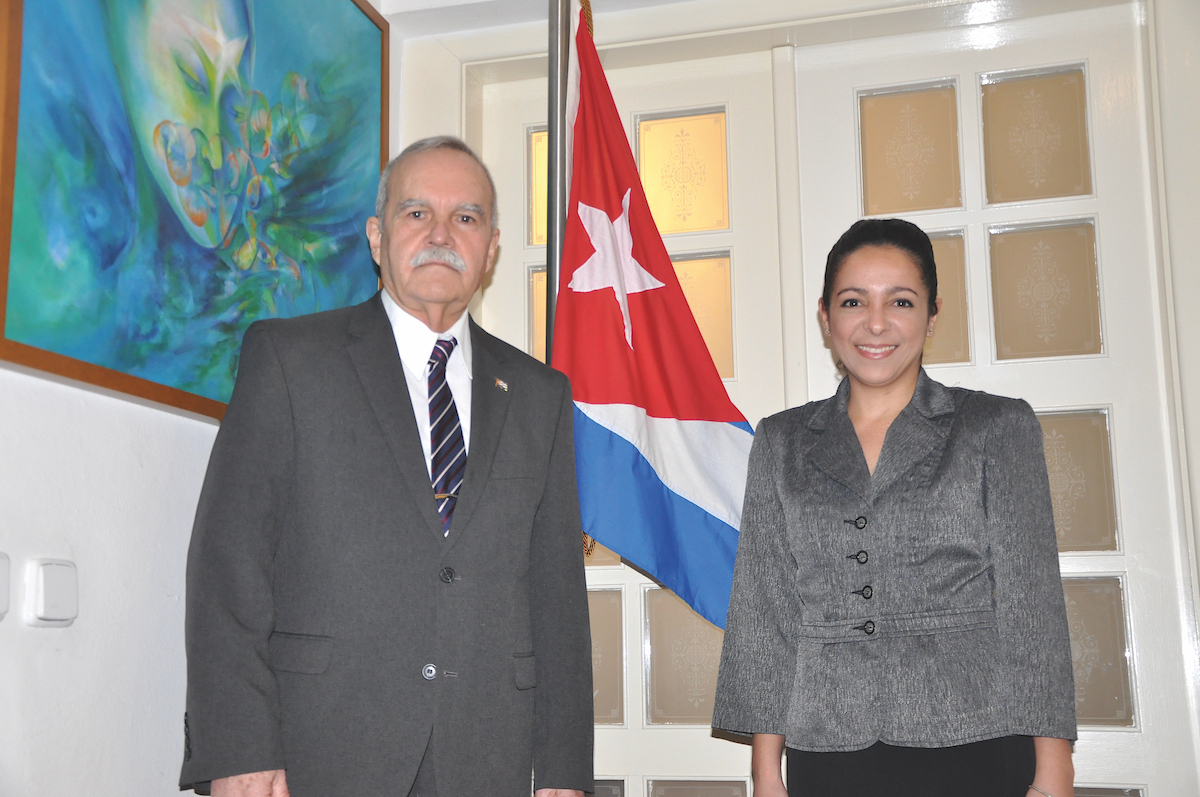
Ambassador Danilo Alonso and Vanesa Ortego Guerrero, First Secretary in charge of consular affairs

What is the current status of Czech – Cuban relations?

Relations between our countries are normal. Both countries have embassies in their respective capitals. A systematic exchange is maintained, and inter- chancellery consultations are carried out to analyze issues of common interest.

Cuba has thanked the Czech government for its moral support to achieve the elimination of the economic blockade that our country has been subjected to for over 60 years, and which constitutes a true violation of the human rights of Cubans.

There are some issues on which we hold different positions, but there are more issues that unite us, and we work on them.

I can’t forget to mention a commercial exchange between both countries, which we aspire to continue increasing. There is also an exchange in some spheres of science. I believe that there are areas of culture, health, and knowledge in which relations could be increased for the benefit of both countries.

This interview is done on the occasion of the National Day of Cuba. Do you have any wishes for your country and Czechia too?

I would like the relations between the two countries to continue to strengthen for the good of our countries and peoples.

For Cuba in particular, I would like the US government to eliminate the economic, commercial, and financial blockade that we have resisted for over 60 years, and that affects the Cuban economy so much, and to eliminate Cuba from the unfair list of countries that sponsor terrorism.

For both countries, I would like a world of peace and friendship, in which matters are resolved amicably and on equal terms. The world has urgent problems to solve such as climate change and sustainable development for all countries and regions. For that, friendship, collaboration, and peace without conditioning or impositions, are essential.

Many wishes may seem utopian at first, but sooner or later they will have to come true if we want everyone’s common home, the planet, to survive existing threats.

Bees are our friends. Let’s appreciate them more

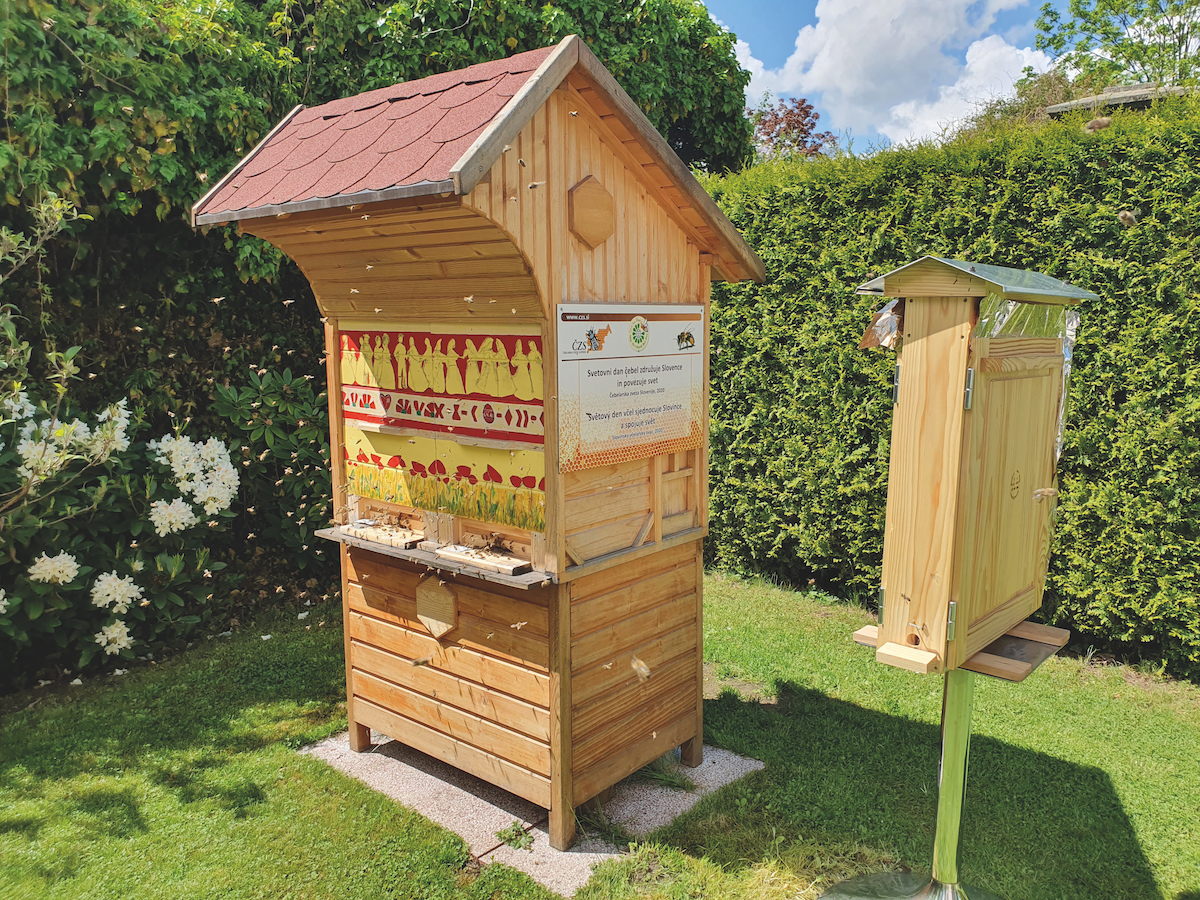
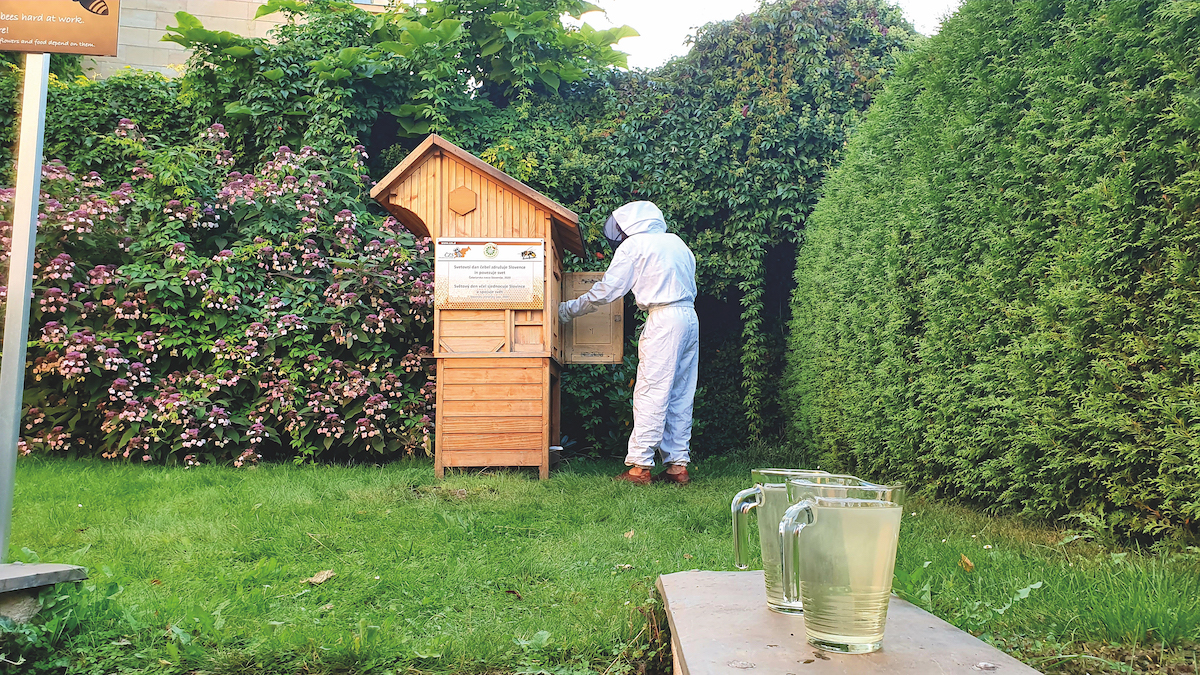
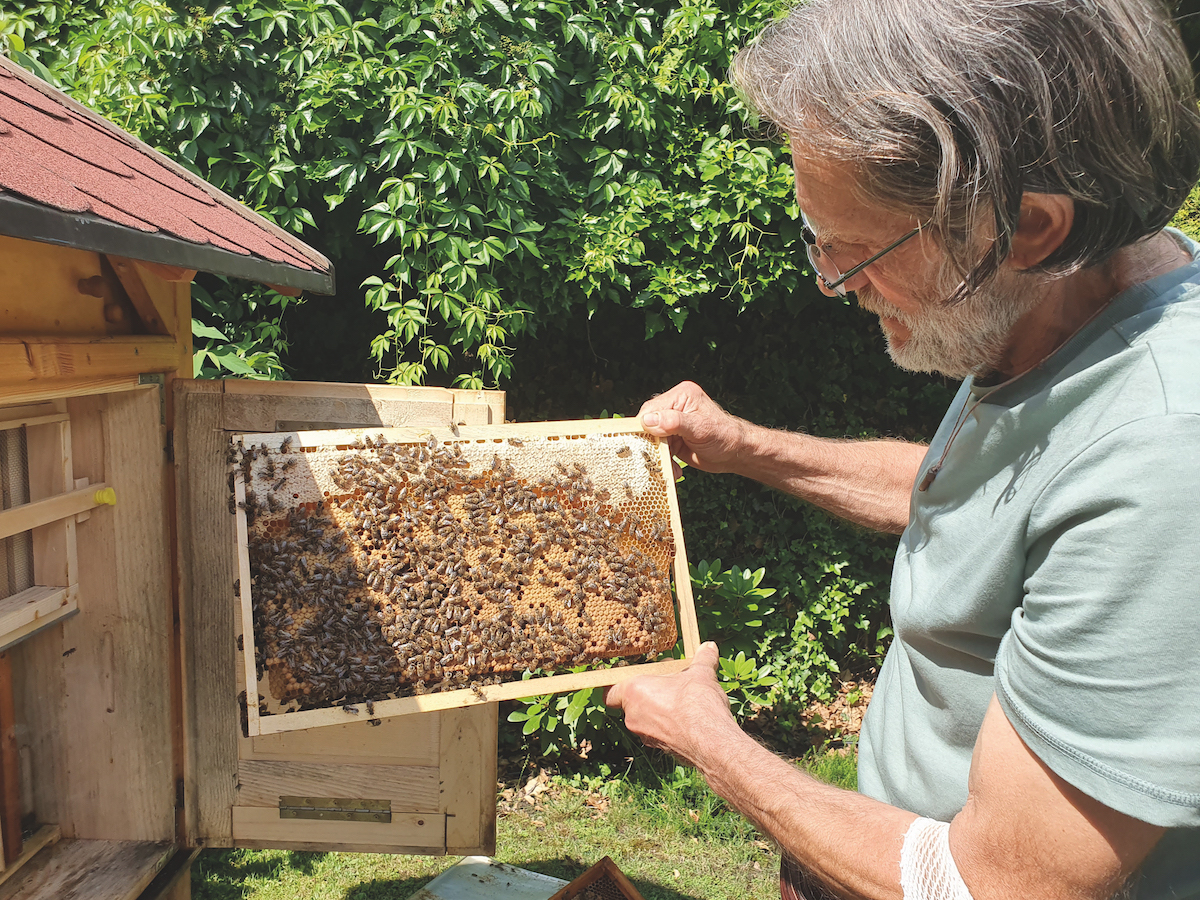
Beehive with observing beehive and bees –
At the Embassy of Slovenia in Prague garden, we have a two-storey beehive, a gift from the Slovenian Beekeepers’ Association. In June 2020, we settled two bee colonies in the apiary. One colony consists of one queen, up to 60,000 bees, and a few hundred to a few thousand broods

Text: H.E. Mrs. Tanja Strniša, Slovenian Ambassador to the Czech Republic and her husband Mr. Anton Strniša; Photo: Archive

World Bee Day and Slovenia

Did you know that it was Slovenia who proposed that the 20th of May be celebrated as World Bee Day? It happened on December 2017 at the United Nations, and the proposal was unanimously approved by all UN member states. World Bee Day was initiated by the Slovenian Beekeepers’ Association, and enjoyed immense support from the Republic of Slovenia’s government and the Food and Agriculture Organization of the United Nations. The date was chosen to honour Anton Janša, a Slovenian pioneer of modern apiculture, who was born on May 20th. Nowadays, World Bee Day is an important event that educates the public about the role of bees and the threats they face. It is celebrated globally to raise awareness about the importance of bees and their habitats. World Bee Day provides an opportunity for governments, organizations, and concerned citizens to promote actions that protect and enhance pollinators, improve their abundance and diversity, and support the sustainable development of agriculture. With the support of Apimondia (The International Federation of Beekeepers’ Associations) and the United Nations, World Bee Day highlights the significance of bees for food security, climate change mitigation, environmental conservation, and human well-being.

Nature and bees are one

Bees play a critical role in pollinating crops and wild plants, which is essential to maintaining biodiversity and food security. Bees and other pollinators are significant to our livelihood, as they help pollinate most of the crops that we consume. However, the bee population has been declining in recent years due to a variety of factors, including habitat loss, pesticide use, and climate change.

Without bees, we would not be able to solve the widespread issues of hunger and poverty. The celebration of World Bee Day encourages every concerned citizen and environmentalist to help protect bees and their habitats. It is important to support beekeeping and conservation efforts in order to maintain a healthy and sustainable environment for both humans and other species.

Save the bees!

We need bees, so do your part in protecting them. Some examples of what you can do to help:

  • Plant flowers in your garden, balcony, and / or on your windowsill
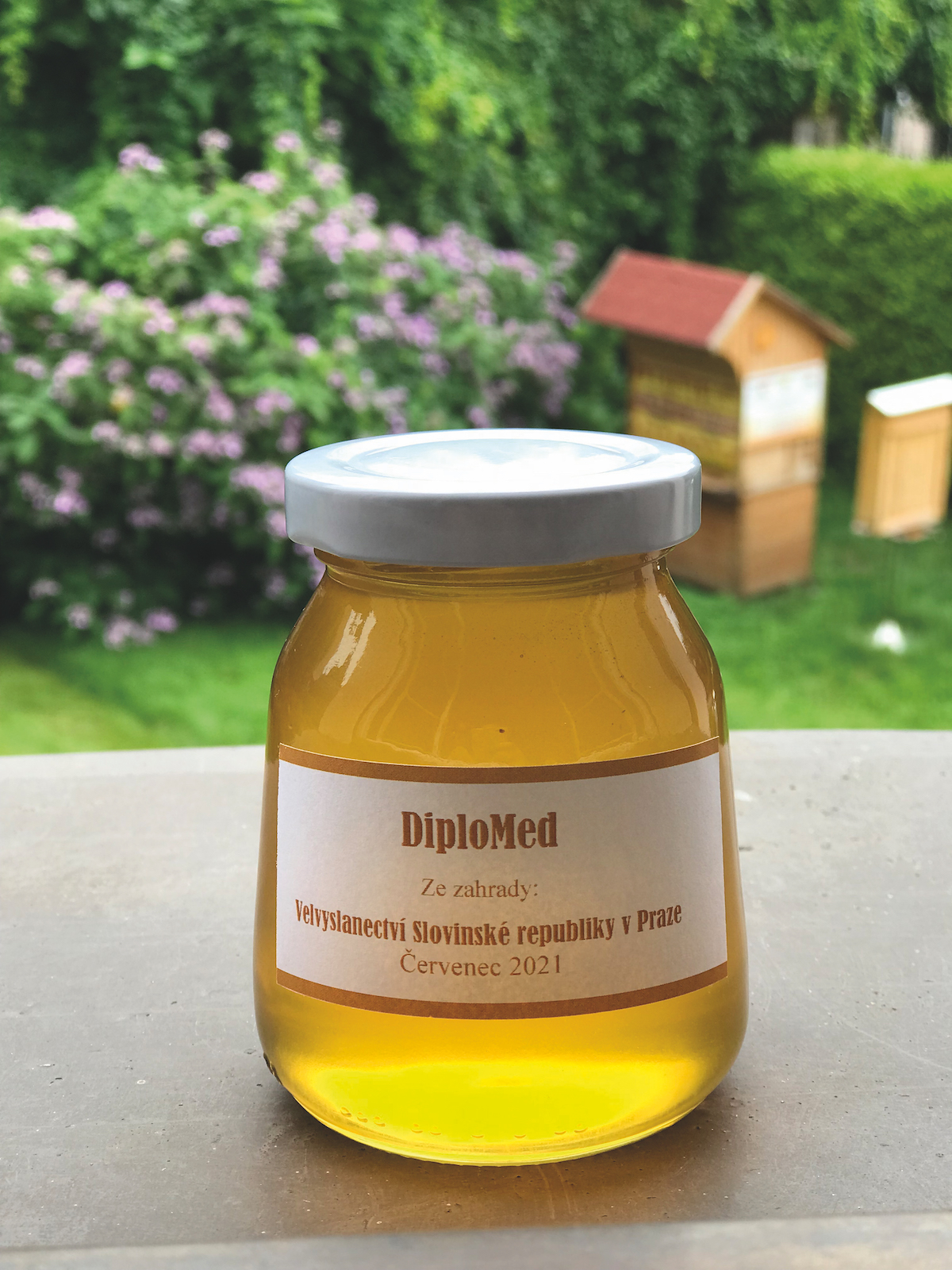
  • Buy raw honey from local beekeepers
  • Avoid using pesticides in your gardens
  • Let the plants in your garden grow, avoid cutting them too short
  • Raise awareness and share this information within your community

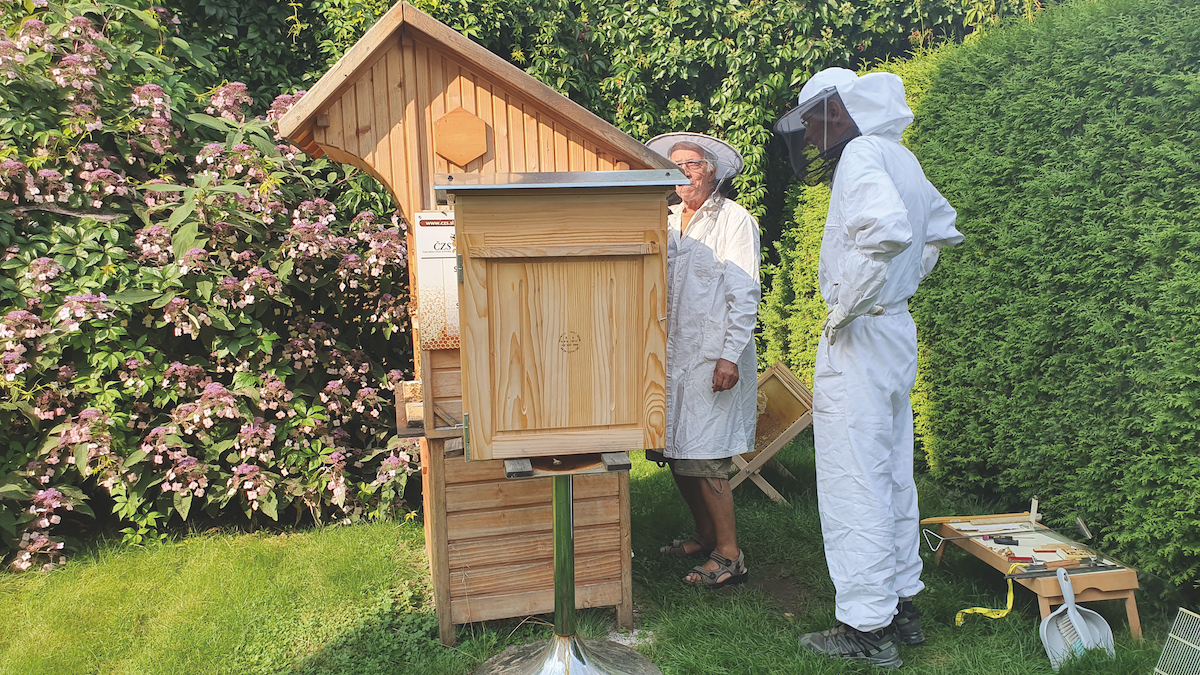
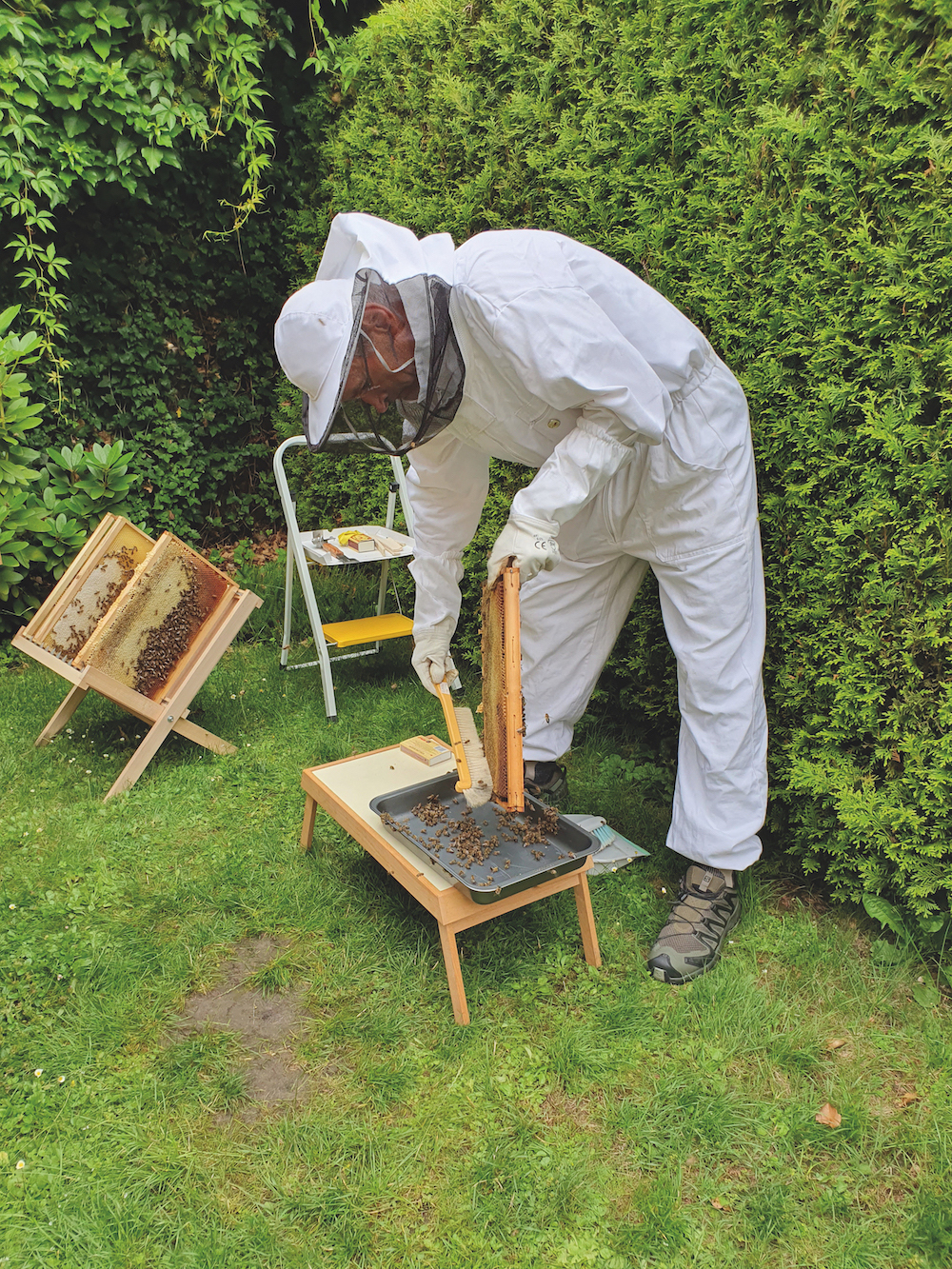
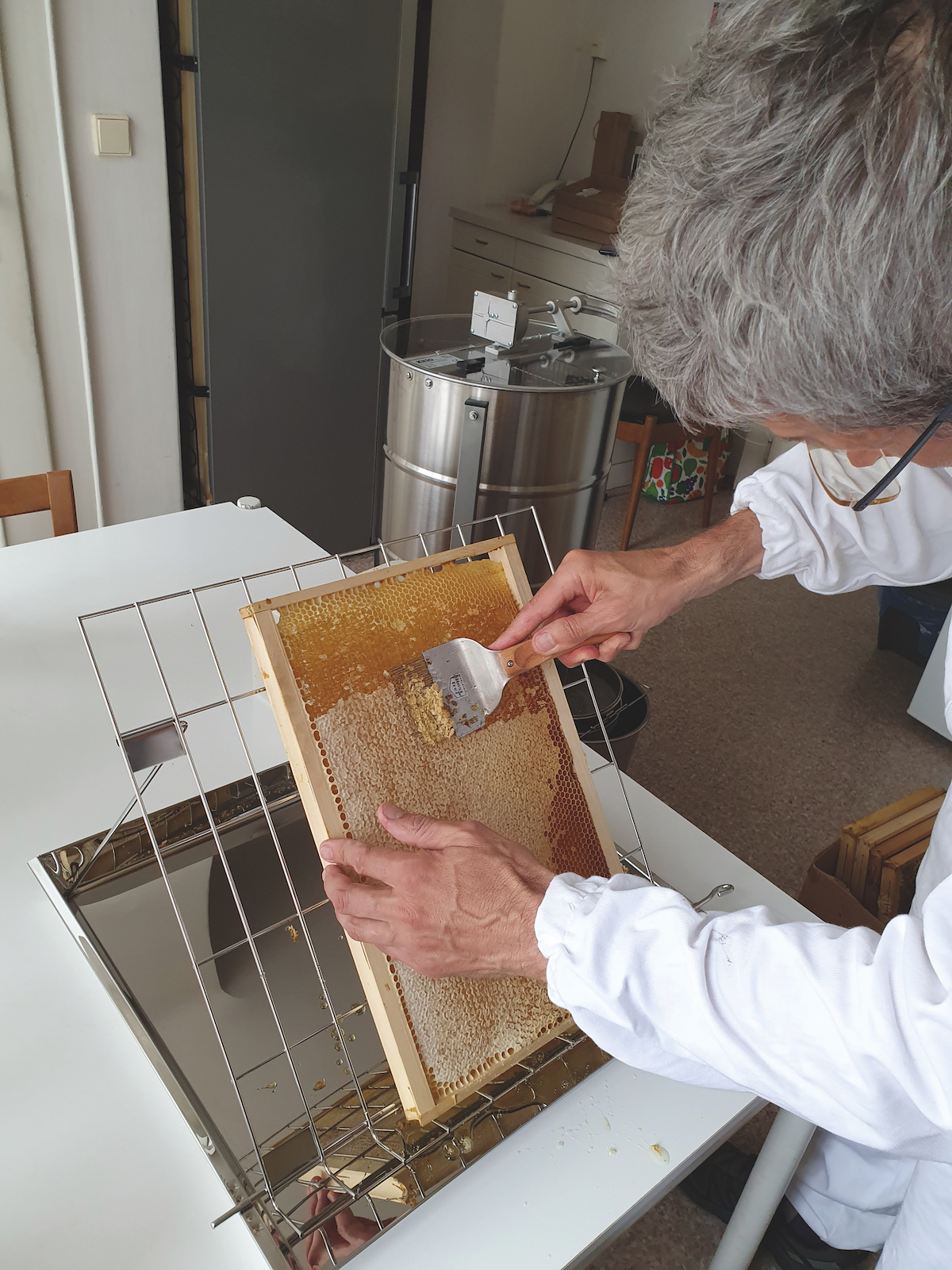
Bees also have a very significant role at the Embassy of the Republic of Slovenia in Prague, as they have lived in a traditional Slovenian beehive in the garden for over two years now. More specifically, it is Carniolan bees, from Slovenia, which are housed there. The bees at the Embassy are tended to by the Ambassador’s spouse, Anton Strniša, who has educated himself in beekeeping for this sole purpose.

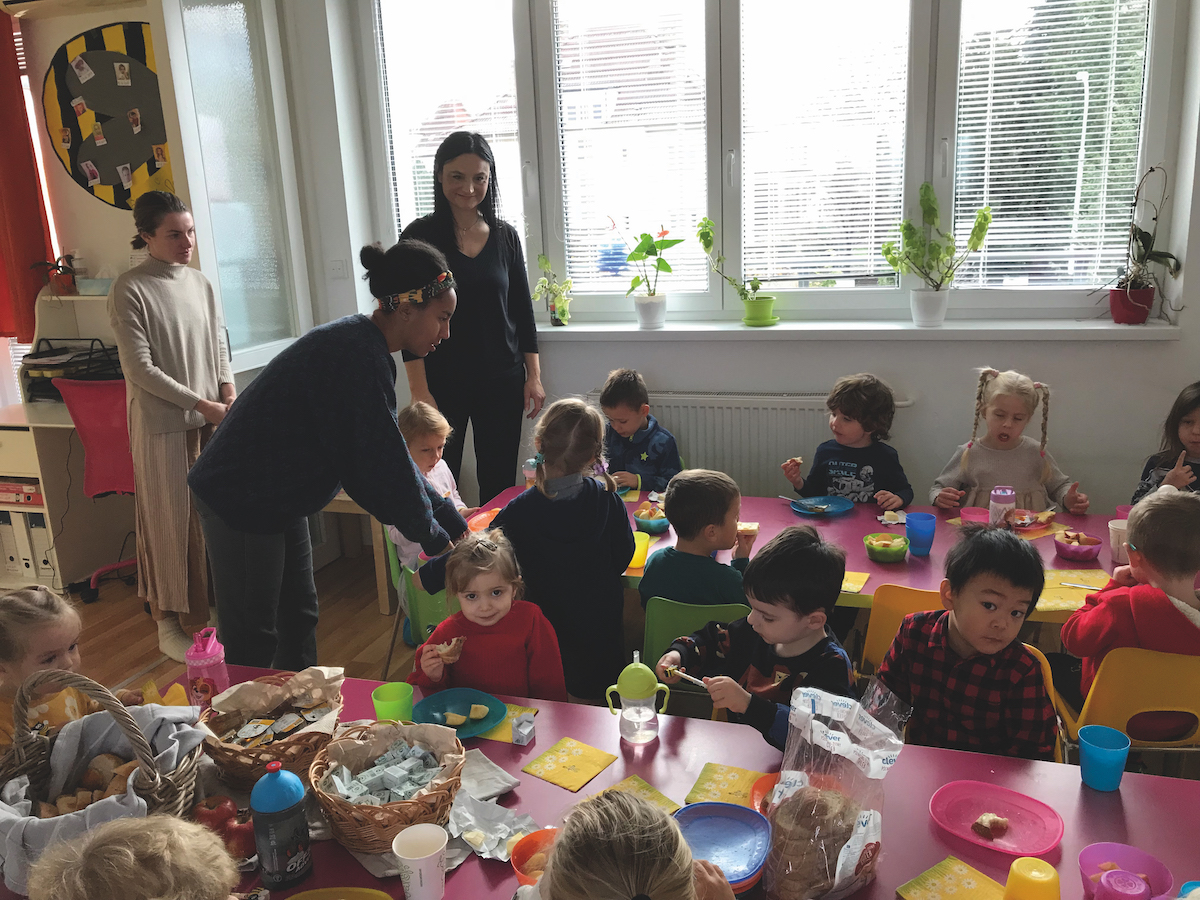
In the past few years, it has also become a tradition to celebrate the Slovenian Traditional Honey Breakfast, which consists of fresh bread, butter, milk, apples and, of course, honey. Every year it falls on the third Friday in November. The Deputy Ambassador, Nika Rotar, has been educating children about the importance of bees for the world through the medium of the honey breakfast in different schools in Prague. These are our small but important steps for the protection and well- being of bees.

Terezie Radoměřská

“We want our citizens to feel at home here”

Terezie Radoměřská, Mayor of Prague 1

Text: Martina Hošková and M.Zisso; Photo: Archive

“It is up to us to make sure that the locals will not leave the centre of the city, and that it does not become just an empty ‘museum’”, says Terezie Radoměřská, Mayor of Prague 1. The former Český Šternberk castle manager, member of the Šternberk family, and TOP09 political party explains what brought her to local politics, and what vision she has carried out.

You worked as a castellan at Český Šternberk, the castle that was restored by your uncle, Zdeněk Sternberg. Can you look back and tell us a bit about the castle?

It is obvious that Český Šternberk is the most beautiful castle in the world! No, seriously – it is one of the oldest castles in our country, founded by Zdeslav in 1241. This Zdeslav, originally Zdeslav from Divišov, began calling himself Zdeslav from Šternberk, and this is where the family name originates. What is interesting is that the castle is still owned by the family, precisely by my cousin Filip. The castle is originally early gothic, but was partially rebuilt in almost all architectonic styles of our history. And finally, the feature appreciated by many visitors – it is built high above the Sázava river, and as such it dominates very nicely to the river valley. Of course, my answer might be slightly biased, but the truth is that I am very fond of the castle and the region. It was a big adventure working there.

Back to the present time now. You are a member of the TOP09 party. What brought you here?I was politically active in the past as part of the liberal- conservative Unie Svobody party. So, when Karel Schwarzenberg, my distant relative and close friend, founded TOP09 I did not hesitate to join. When I got the offer to work for TOP09 in the education field I was very glad that I could help. Later, I felt the same as a general secretary of the party, and as an advisor in the senate. So, yes, it was Karel Schwarzenberg who brought me to TOP09.

How did you become the Mayor of Prague 1?

When you work in the back office of a political party for some time, meet the politicians daily, and know the legislation processes, it is only logical that one day you think it is time to take some of the political responsibility into your own hands. And that makes you think about where you can be useful.

I have lived in Prague 1 all my life, so it was a natural decision to work in this area. I was very lucky to find support, and meet many dedicated people in the regional TOP09 branch here. From this point, it was just one step to run for office. And becoming mayor? For this, I am grateful to the people who voted for me.

What is the mayor responsible for? Are the eight working hours enough for that?

I can see four basic roles for a mayor to fulfil. Firstly, the mayor is a statutory representative by law. This means he or she represents the municipality in formal acts such as signing contracts, official meetings, and negotiations. This relates to the second role, which is the social one – representing the municipality at various cultural, social, and diplomatic events and meetings, maintaining existing contacts, and establishing new ones that can contribute to the development of the district. The third role takes place on a management level.

The mayor is the head of the council, manages its meetings, and together with the councillors establishes a development strategy for the city. He or she must also work with the opposition to prevent conflicts which can divide the citizens. And the fourth role is being a person responsible to the citizens. The mayor must keep their doors open for the citizens at all times, always being prepared to meet, hear out, and, whenever possible, help the citizens. Personally, I find this role the most important, as it establishes a mutual trust between the citizens and the municipality administration.

And how many hours do I work?

I usually start at 8 a.m., because I still have to make sure my children are at school in the morning. Sometimes, I finish by 6 p.m., and then there are either some social events in the evening, or I study various materials at home. So, I estimate this to be about 12 hours per day on average.

You were elected as the Mayor of Prague 1 several months ago. Can you share some of your impressions so far?

First of all, it has been a big joy because it is a clear result of the long-time efforts by our TOP09 team. But it has also been a feeling of responsibility, not only to the people who voted for me but to the whole district. Originally, I was a history student. Maybe that is why I feel a deep responsibility to both the generations of the past and of the future. We are just temporarily managing the area for the future, but we will always be compared with our best predecessors, and will always be a good or bad inspiration for those who will come after us.

Where in Prague 1 do you see the most issues to be worked on?

The city of Prague – and especially our district – faces a big challenge with over-tourism and all of its related negative aspects. It is up to us to make sure that the locals will not leave the centre of the city, and that it does not become just an empty ‘museum’. Another problem is the traffic, which is a heavy burden for the central district, including the related problems with parking. We also need to pay enough attention to challenges connected with climate change, especially (by committing) to plant more trees.

I hope we can implement our program, and find solutions to the most significant challenges. We want to create a place where tourists are the welcome guests, who also act like guests. Where the locals can park, the centre does not look like a supermarket parking lot, and the summer temperatures do not climb so high that you cannot breathe. We would like – and this is very important for me – for our citizens to feel at home here.

What is your working strategy for Prague 1 for the next four years?

We would like to reduce alcotourism, not only by getting effectively in touch with local businesses but also by municipal police enforcing. We would like residential parking zones to be truly available for the residents. We would like to make the city greener, and to have local citizens be involved participants in the development of the district. We have so many topics that we cannot be sure if four years will be enough!

A mayor’s job tends to come with a lot of criticism. How will you handle that?

I think it is alright to criticize someone, as long as the criticism makes a point and is done in a decent manner. It makes me sad when someone, not knowing the true background of things, automatically accuses others of failing. On the other hand, I am learning not to pay attention to vulgarisms and dirty manners – though thankfully they are not too common – as they say more about their author than about me.

Four years from now, will people say that you were effective?

I hope so! We have a good team and good ideas, and we know how to implement them. But please, ask me this question again in four years.

Pavla Doležalová

“Interior design trends have become very diverse”

Pavla Doležalová, Chapman Taylor Prague

Text: Martina Hošková and M.Zisso; Photo: Archive

We first met with Pavla Doležalová at the networking event Trifecta, where she was a special guest and gave a presentation about a range of architecture and interior design services she and her team provide. She is head of the interior design team at Chapman Taylor’s Prague studio. Chapman Taylor is an award-winning global architectural practice, working from 15 studios around the world. We asked Pavla to talk about contemporary trends in interior design, and about the projects she and her team are currently working on.

Can you introduce Chapman Taylor to our readers, in case they haven’t heard of you yet?

Chapman Taylor is a global practice of award-winning architects, masterplanners, and interior designers. As a connected international business, we can offer a wide range of expertise to our clients through close collaboration between our studios. Chapman Taylor works across a wide range of sectors, and specialises in residential, retail, leisure, hospitality, and workplace design, as well as the combination of these in large- scale mixed-use environments.

Our Prague studio was established in 1998, and we work mainly in the masterplanning, mixed-use, residential, retail and workplace sectors.

So, Pavla, what are some of the interior design trends we should be aware of these days?

Interior design trends have become very diverse over the last few years due to a number of factors.

One issue we cannot ignore is the fact that we have recently spent more time at home because of the pandemic. This has forced people to slow down a bit, and think about how we use our private spaces, as well as what is important for our quality of life. We have also become more aware of our environment, and of the impact that we have as humans on the world we live in – where things come from, what we consume, and how we spend our money.

Interior design shapes how we decorate and style our homes, offices, restaurants, and hotels. It includes every aspect of the space from the moment we enter a building, starting with the colours, shapes, the selection of materials, how we use light, and which accessories we add for functional and decorative purposes. Every season there is pressure to use new colours, new textures, or newer and more sustainable materials.

Can you describe, in more detail, some recent trends and what drives them?

Underlying all these choices and changes in fashion is the importance of the different moods and atmospheres we can create. Over recent years, there has been a shift towards creating more serene environments and calmer, almost spa-like, experiences, perhaps to contrast with our often-hectic working lives.

As people travel more and get to see the world, there has also been a general move towards greater sophistication. This trend has been around for a while, but it is now expressed in a more relaxed way. The feeling of luxury still remains very important for some clients and in some sectors, especially in hospitality. It is now more of an elegant luxury, but it still retains that magic of not being too easily attainable. It is a treat to be deserved.

If we are talking about design motifs, then there is a trend towards shapes and forms that are gradually becoming more oblong, but soft-edged, and with a curvaceous silhouette.

When it comes to the colour palette, it is still tending towards natural shades with some seasonal accents, but what is more important is the combination of different textures in similar and complementary tones. The contrast of patterns and the gradation of colours stimulate our senses and help to heighten our experience of the ambience around us.

Working with light is incredibly important as it fundamentally affects our mood, health, and how we perceive the spaces we create. We work with experienced lighting consultants to ensure that we encapsulate the benefits of the right light spectrum, light source, and intensity into our projects.

The era of big central lights is over. It is now all about creating a combination of differing atmospheres that showcase what careful lighting can bring to different zones within the spaces we are creating.

How is the green movement reflected in recent trends?

There is an accelerating trend towards the use of sustainable materials that are kinder to the environment. This includes using local origin materials, and taking into consideration the entire product lifecycle – from sourcing, manufacturing, and the possibilities for future re-use and recycling. We have to target a circular economy approach in all of our projects, but especially for interior design, where the lifecycles between fit-outs are shorter than the whole lifecycle of the buildings we are working in.

We are also looking forward to seeing what new trends will be presented to the interior design world at Salone del Mobile in April, in Milan.

What projects are you currently working on with your team in Prague?

We are working on the interiors for the W hotel Prague, on Wenceslas Square. Our role is to provide complex interior design services, including technical support for the client and fit-out contractors. This includes liaison with the hotel operator, the concept designers, the heritage authorities, and the full consultant team – all right up to completion.

It is a very challenging, but extremely interesting, project, not just because of the high level of finishing standards for the W brand, but also because of the uniqueness of the architectural style, its history, and its incredible location. The building is an important landmark in Czech architectural history, and this heritage must be preserved for the future, whilst delivering the very best guest experience in the Czech hospitality market. So, it is a privilege and a wonderful experience for the whole team. We have also learned a lot working on this project, and believe that Hotel Evropa will retake its dignified and prominent space on the square very soon.

There are also several other exciting projects, some in the Czech Republic and some abroad, which we are already looking at. Some of these are really interesting, so I hope we can present them to you very soon.

Alexandra Udženija

“The city is supposed to serve its residents”

Alexandra Udženija, Mayor of Prague 2

Text: Martina Hošková and M.Zisso; Photo: Archive

Alexandra Udženija replaced her ODS political party colleague Jana Černochová as Mayor of Prague 2 in December 2020. She explains, however, that she has been “active in municipal politics in Prague 2 for 17 years” and that this city district is her “home, and means a lot”. What is she especially proud of? What are her City Council’s priorities? And how will she help the ageing population of Prague 2?

Can you tell us a bit about the relationship between you and Prague 2?

Prague 2 is my home, and a place that means a lot to me. I have been active in municipal politics in Prague 2 for seventeen years. My goal since the very beginning has been to improve the daily life of local residents.

In 2015, I was elected deputy mayor, and since then I have been focusing on health and social policy, which has always been very close to my heart. I founded two interest clubs – one for seniors, and one for children and parents – with various activities and benefits. I also established the Dvojka srdcem endowment fund, which, based on the patriotism of the residents, helps our neighbours in difficult life situations. The cohesion of our residents is very important to me, and Prague 2 is an example of how big city life does not have to be anonymous. In this sense, we will also focus more on working with local communities and associations.

You have been active in Prague 2 for seventeen years. How do you evaluate your work so far?

I am very proud that years of my work, and that of my colleagues and City Hall employees, are paying off. Prague 2 is among the best-rated city districts in terms of quality of life. Although it is a very busy part of the city, where thousands of people commute daily for work or just pass through, Prague 2 still maintains a friendly face for its residents. We have created a safe and clean place where citizens can work, raise their children, and spend their free time. We have proven that you can live in the very centre of a world metropolis while still having green parks, playgrounds, quality schools, and all the infrastructure needed for a quality life – right outside your window.

At Prague magistrate assembly

What makes municipal politics attractive to you?

The advantage of a municipal politician is the proximity to our citizens. Most of our decisions have a quick effect, so we can respond to current local issues. This is very different from the work of politicians at the national level, whose decisions tend to be lengthy and cumbersome due to legislative processes. At the same time, our policy in Prague 2 supports open and modern administration in the long term.

I have a good team of colleagues in the district council, and individual tasks are handled by real experts in the given area.

What do you envision being the top Prague 2 priorities for the next four years?

Prague 2 is a stable part of the city. At the end of January, as the City Council, we approved the Program Statement, which is our plan for the next four years. Due to the current uncertain economic situation and the energy price crisis, our main priorities are responsible management and the economy. 2023 will be a year of savings for everyone. Nevertheless, thanks to the long-term sound management, Prague 2 has enough finances to continue investing in its development.

Prague 2 is located in the city centre, and is therefore heavily burdened by traffic. At the same time, however, it falls within the urban conservation area and the Prague Heritage Area. My wish is to develop Prague 2, with respect to traditions and openness to new trends. We care for our part of the city, yet we do not forget that the city is supposed to serve its residents. Like other world capitals, Prague is struggling with the complex issue of how to solve traffic. We, in Prague 2, for example, are currently fighting against poorly set rules for micro-transport (bike-sharing companies). Scattered scooters often and dangerously lie in the middle of the sidewalk, and their careless users endanger pedestrians with their riding – these issues trouble Prague residents. Everything would be easier if traffic in Prague was managed more conceptually, and uniform rules were set.

Do you see any major challenges for you and your colleagues on the journey towards reaching your set goals?

Without a doubt, the leadership of the capital city of Prague is an important partner for city districts. In recent years, we have found ourselves in difficult situations due to different political leadership and different ideas. I believe that soon this situation will stabilize, and we will find a common way to manage our metropolis. Municipal districts need a stable partner for their planning, and the people of Prague need the certainty that Prague will only draw on its strengths.

Dealing with criticism is an inherent part of a politician’s life. What is your approach to this matter?

Politics has always been, and always will be, about finding compromises. I try as much as possible to perceive the opinions of my colleagues, as well as the opposition, and, last but not least, our citizens. I declared during my re-election that I want to continue to be the mayor for all, without distinction, and that my door is always open to everyone.

Alexandra Udženija, Mayor of Prague 2

Four years from now, which tasks would you like to have fulfilled for the people to say that you were successful?

We are entering this election period at a time of high inflation, and a price crisis in the energy market in connection with the war in Ukraine. That’s why we think of everyone who might need our help. We are looking for ways to help both families and individuals. We also support entrepreneurs who do not have favourable conditions for their businesses. We are trying to hold Prague 2 together.

We are planning an economic analysis of all of our properties that belong to the municipal district. We rent our apartments through public auctions. In short, we are looking for the most efficient way to rent apartments, including their renovations.

In my particular area, I consider the most important task to be to complete the preparatory work for the construction of a new social service centre. It is an ambitious but meaningful project for the city district. The population is ageing – within 20 years the number of seniors over 75 in Prague 2 will double – and it is necessary to provide care for these people. We already have a problem in Prague, with the lack of capacity to place elderly homes in order to provide them with the care they need. At the same time, it is our duty to take care of the older generations of our parents and grandparents.

Martin Skokan

Global Projects Managed Locally

Martin Skokan, NEECO Global ICT Services

Text: M.Zisso; Photos: Archive

We interviewed Martin Skokan in Neeco Global ICT Services’ modern office in Karlín. From its corner of the world here in Prague, the Neeco team supports multinational projects spanning more than 160 world countries. Founded in 2009, Neeco has consistently exemplified the potential for Czech companies to dominate on the world stage. The company partners with some of the largest equipment manufacturers like Versa, Dell, Lanner and Jabil and supports end customers like NTT, Air France KLM, and Telefonica to name a few. As one of the leaders in the organization, Martin is perfectly positioned to explain how a Czech company has grown to have such an impressive global influence. We spoke with Martin about his career at Neeco to learn more about this exciting and rapidly expanding industry.

Martin, when did you start your career with Neeco?

I joined the company in May 2012. So just shy of 11 years. It has been a truly insightful experience for me to witness a company grow from what I would describe as a start-up environment to a fully established organization that works with some of the biggest names in the ICT industry on a regular basis.

Can you speak a little bit about what you have learned or how you have grown since your first day with the company?

In my early days with Neeco, all of us had a very wide range of responsibilities so I learned a lot about the ICT industry quickly. In terms of personal growth, I accredit Neeco with my capacity for communicating in a professional manner. Years ago, I would have struggled to speak to a large group of people on topics as complex as communications technologies, especially in English. Over my career, I have been given many opportunities to practice this skill set and there has been a noticeable improvement for sure.

Additionally, I would add that my time at Neeco has improved my ability to lead. A few years ago, I was Neeco’s Technical Services Team Leader with 15 employees under my supervision. While my current role as Solutions Architect requires me to manage a smaller team, my experience leading the service desk was invaluable in terms of what it taught me about getting the best out of others.

Can you explain to our readers what a Solutions Architect does?

Absolutely, we are responsible for designing ICT solutions and deployment strategies for our premier clients. Neeco organizes every aspect of a project’s lifecycle, from delivery of hardware to on-site support, to project management all the way through to eventual maintenance and spare part replacements. Solutions Architects must understand the demands of each project in terms of location, required equipment, the scope of work, and other unique but critical variables. Our job is to understand these details and translate them into modern architectures that make the most of the client’s existing or planned infrastructure. We create strategies for the services and solutions Neeco provides. My colleagues and I are responsible for presales support and driving new business for the company.

Martin Skokan, NEECO Global ICT Services

When you think about all the deals you have made in your years at Neeco, which was your favorite and why?

About five years ago I worked on a large-scale project for our telecom partner Tata Communications to provide connectivity to Air France KLM offices in 22 APAC airports and over 150 local airline offices spread across the globe. I had the chance to visit 17 Asian countries with our partners from Tata. It was truly a master class in international salesmanship as I got to witness how my counterparts adjusted their strategies and tactics depending on the local culture we were working in. In Bali, our interactions with airport management were rather informal. The meetings in Tokyo were quite the opposite. I was even given a chance to demonstrate what I had learned when the Tata representatives were denied a visa to visit Saudi Arabia and it was up to me to secure the deal.

When you think about the next 5 years in the global ICT industry, what developments or advancements are you most interested in following?

In the past few years there has been a shift from industry giants like Cisco to smaller and more nimble equipment manufacturing providers like our partners— Versa Networks. The newer, more agile companies are disrupting the market and challenging these bigger, legacy companies. From our perspective, this is great as Neeco works well with the comparatively smaller players as we can fill in gaps in their portfolios like managed services, distribution and planning.

On a different note, the advancements in AI, like Chat GPT, will bring changes in almost every industry. Ours is no exception. From my experience I can say service desks will be drastically changed by developments in chatbot technology. I am fascinated to watch how this will impact our work.

H.E. Berislav Vekić

“In surgery and diplomacy, mistakes can be costly”

H.E. Berislav Vekić, Ambassador of Serbia

Text: Martina Hošková and M.Zisso; Photo: Archive

“I believe that doctors are among the best ambassadors of their countries”, declares H.E. Mr. Berislav Vekić, Ambassador of Serbia and renowned surgeon. Why does he think so? What are the most pleasant and unpleasant events he had experienced during his assignment in the Czech Republic so far? And how does he view the two countries’ past and present relationships?

How does a renowned surgeon become an ambassador in the first place?

First, allow me to express my gratitude to you for the invitation to conduct this interview. It is a privilege to speak to a magazine with such a discerning readership. I am proud and privileged to be an ambassador to the Czech Republic. My path in diplomacy was specific, and many of my colleagues were surprised when they found out. I enjoy the opportunity to advance my surgical profession with my work in the public service. It all began at the Serbian Ministry of Health, where I worked for nine years as state secretary. During this period, I was working on reforms for the Serbian healthcare system, amendments to healthcare law, health insurance, public health, digitalization, and e-health, as well as management of the COVID-19 pandemic. Now, I am on a new assignment here in Prague.

You were successful in the field of medicine, including 10 books that you have published. What made you change the course of your professional career?

It might seem odd to see a successful doctor- surgeon leave the scalpel and dedicate himself to diplomacy. Surgery is a dynamic profession, which requires great medical knowledge and experience, as well as the courage to make the right surgical move at the right time. There, you cannot afford a mistake. Similarly, in diplomacy, it is important to make the right move, as mistakes can be costly. However,

I must admit that surgery is exhausting. After 35 years in the operating room, when you reach the pinnacle of your professional career and finish teaching young colleagues surgical work, I believe it is time to leave and give way to younger people.

As a temperamental person with an inquisitive spirit, I was looking for a new challenge. I believe that doctors are among the best ambassadors for their countries – with international contacts and connections, they are the best promoters of their countries. The experience of working in the Government of the Republic of Serbia as State Secretary in the Ministry of Health for nine years helped me to get involved in politics, prove myself, and gain new experience. I made my rich experience available to the state, and I am proud that my long- term engagement in politics has been recognized.

I owe a great deal of gratitude to the President of Serbia, Aleksandar Vučić, that today I am the ambassador to the Czech Republic.

You have been in the Czech Republic for about two years. How do you feel here?

I have been in the Czech Republic for a year and a half. I visited Prague previously for business, but also several times as a tourist. Every time, I would discover something new that is even more beautiful and attractive, and it is no coincidence that Prague is called the „Golden City“ on the Vltava. The city looks like a museum, with many monumental sights such as Prague Castle, Charles Bridge, and Old Town Square, and with charming Prague restaurants and pubs offering delicious traditional food, beer, and a Bohemian atmosphere. I managed to briefly visit other cities such as Brno or Pilsen, and I am amazed by the appearance and cultural heritage that these cities have. What positively surprised me was the fairly even regional development. I was also positively surprised by the level of industrial development in the Czech Republic, as well as the traffic system in Prague.

What is the most difficult part of being an ambassador, in your opinion?

Being an ambassador has its positive and negative effects on one’s lifestyle. When you come to live and work in a foreign country, you meet new people, learn about a new culture and customs, and enjoy new tasks and challenges. The job of a diplomat is to adapt quickly, identify mutual interests for cooperation, start building new bridges of friendship, open many doors, and find a way to improve the cooperation between the two countries. During my stay in the Czech Republic, I have encountered a friendly and open relationship so far. There is great interest in the Republic of Serbia, and readiness to improve bilateral relations in many fields such as politics, economy, culture, science, and sports.

From left: Mr. Aleksandar Vučić, President of Serbia; Mr. Miloš Zeman, President of Czechia; and H.E. Mr. Berislav Vekić, Ambassador of Serbia

Can you share the most pleasant and unpleasant moments of your stay here so far?

If I had to single out the most beautiful event in the past year and a half while I have been in Prague, it would certainly be my meeting with the President of the Czech Republic, Miloš Zeman. It was a wonderful feeling to talk with a true friend of Serbia, a political authority, and a great statesman. Every word he utters carries great weight. There are few such presidential authorities in the world as Miloš Zeman. In the last week of January, I will have the honour and pleasure of meeting him again, because he will be on an official visit to the Republic of Serbia. Presidential elections have just finished in the Czech Republic, and I wish the future president much success in his work, with the desire to continue the successful and friendly cooperation between our two countries.

On the other hand, the most unpleasant event occurred last year, when I found out that vandals damaged the World War I Serbian army mausoleum and cemetery. Allow me to remind you that Jindřichovice was the largest concentration camp ever established by the Austro-Hungarian authorities during World War I. It was in the western region of the Czech Republic, along the border with Germany, near Karlovy Vary. It is estimated that around 10,000 Serbs (civilians and soldiers) were killed in Jindřichovice over four years. Honestly, it was strange to me that such things were happening in a consolidated democracy like the Czech Republic.

What is the current status of Czech-Serbian relations?

Throughout history, Serbia and the Czech Republic have always had excellent relations. In the 14th century, historical records confirm that two great rulers, Serbian Emperor Dušan the Strong and Czech King Charles IV, had excellent relations.

The continuity of friendly relations between the two nations is confirmed by the friendship between King Aleksandar Karađorđević and Tomáš Garrigue Masaryk. The first Czechoslovak president, T. G. Masaryk, was persecuted by the Austro- Hungarian army during World War I, therefore he travelled with Serbian passports that are still kept in the Czech Academy of Sciences. Today, the Republic of Serbia and the Czech Republic have no open questions. Bilateral cooperation has been established, which is confirmed by frequent visits at the highest political level. Trade in 2021 was at a record high and increased by 21%. All data indicates that 2022 will be even better, despite the severe economic and energy crisis, as well as the war events in Ukraine. Czech investments in the Republic of Serbia grow every year.

What recommendations can you give to Czech tourists travelling to Serbia?

Serbia is a beautiful country, with many authentic and beautiful landscapes. When you spend your vacation in Serbia, we recommend that you see the Kopaonik National Park (with the Jelovarnik waterfall), the Uvac nature reserve, Vlasin Lake, Semeteško Lake (with floating islands that represent a real attraction), Krupajsko Vrelo, Đavolja Varoš, Rajačke Pimnice, the Ancient Palace of Felix Romuliana, Serbian monasteries such as Studenica, Sopoćani, Žiča, and so on.

In recent years, Serbia has been developing rural tourism, which is very popular and enjoyed by an increasing number of tourists. Belgrade has become a famous European destination, attractive to all tourists around the world. Besides the old city, the Kalemegdan fortress, a new modern part of the city („Belgrade Waterfront“) has emerged. Tourists adore Belgrade, not only because of its rich historical program and large number of cultural events, but also for its rich nightlife. This includes restaurants by the Sava and Danube rivers, with traditional Serbian cuisine and wines that are becoming increasingly popular in the market. I try to promote Serbia as an attractive tourist destination at every opportunity. In addition, the embassy has contacts with the tourist organization of Serbia, hence we communicate with our colleagues from the Czech Republic regarding new trends and opportunities for cooperation in the field of tourism.

What do you do in your free time?

Frankly, I don’t have much free time. If I had to give a short answer, it would be that I take walks in nature, read, and write. I use my free time to spend more time with my family, and enjoy nature in famous Prague parks. I like to read quality literature, good books and novels, and also follow the latest professional medical journals. Finally, I also like to write, and classify my scientific achievements in the field of surgery. I am currently working on a surgical textbook for medical students.

Does your country want to join the EU and NATO?

Serbia has a clear European path, and wants to share European values. The Republic of Serbia is very keen to achieve this goal, and is fully aware of the importance of the tasks and challenges that lie ahead. Negotiations on the Stabilization and Association Agreement (SAA) between the European Union and Serbia began in November 2005, and this agreement, as well as the follow-up to the Transitional Agreement on Trade and Trade Matters (2005) treaty, were both signed in 2008.

After changing the methodology, we opened only the 4th cluster in December 2021, although we had also prepared the 3rd cluster. I would rather not comment on all the reasons for this long and difficult European journey of Serbia.

When we talk about NATO, the situation is different. Serbia wants to remain a neutral country. I think it is not yet the right time to discuss membership in NATO, even though all the surrounding countries of the Western Balkans have become members. The memories and suffering of the Serbian people since the NATO bombing in 1999 are still fresh.

Life in shelters, while planes are flying above you and rockets are falling, life under sanctions – it is something that cannot be easily forgotten.

In February, Serbia celebrates its National Day. What do you wish for your country?

The Statehood Day of the Republic of Serbia, on February 15th, is also the Day of the Constitution of Serbia, as well as the day of commemoration of the beginning of the Serbian Revolution – the first Serbian uprising. What I wish for my people, my Serbia, I also wish for the Czech people – which is peace and prosperity. We are living in difficult, uncertain times with the war in Ukraine. We are facing devastation and tragedy, where the innocent civilian population of two nations are suffering.

I hope that reason will prevail, and there will be peace and prosperity again. War has never brought anyone anything good. We will pray for peace.

David Kvasnička

Conquering Paradise

How Czech architect David Kvasnička is building five-star vacation resorts in Bali that double as incredible investment opportunities

David Kvasnička, Architect

Text: M.Zisso; Photo: Archive

After 23 years of designing residential and commercial buildings in the Czech Republic, David Kvasnička decided to move to Indonesia. David discovered Bali twelve years ago. Witnessing the rapid pace of advancement here, he decided together with his business partners, to develop in Bali. Their goal was to create and operate one of the most unique resorts in a world class holiday destination – Bali, also known as The Island of the Gods. We had an opportunity to speak with David about the chain of resorts built under the Neano brand. We discussed his successful Indonesian journey including the award winning Neano Escape, which opened in 2022 as well as his future endeavors with Neano Cliff and more.

On the edge of a bluff overlooking the clear blue waters of the Indian Ocean on one side, and the lush vegetation of Bali on the other David is leading his team to construct the biggest Neano Resort project so far. Neano Cliff is built on six acres of a private seaside sanctuary. The Cliff features 70 luxury villas, a restaurant that accommodates 500 people, a top-notch nightclub to host high-profile parties presented by world- class DJs, wellness and fitness facilities, swimming pools, a private beach accessible by an elevator, a heliport, and much more. Working an average of 12 hours a day, he organizes hundreds of workers and multiple heavy machinery vehicles, to elevate what has once protected wilderness into a tranquil vacation resort. One that still serves as a playground for the long-tailed Macaques monkeys who call the cliff their home.

David, thank you for finding time for a short interview. The first question is obvious- what drew your focus to Bali, specifically its east coast? Bali has tremendous business potential due to its great appeal for holiday travelers. It’s the perfect combination of pure exotics and a superb infrastructure for visitors. Travelers can expect comfortable accommodation in some of the world’s best hotels and villas, great cuisine, a high level of safety, a year-round tourist season, and a stable Indonesian economy. The average accommodation rates in Bali are over 70%, which is very high compared to the majority of other vacation destinations, including Europe, making it a fantastic investment opportunity as well.

When and how did you get involved in Neano projects?

Normally, it would be extremely hard to break into the development field in Bali as a newcomer. The competition is high, the amount of money involved is often incredibly large, and strong players control all the optimal spots. However, the Covid crisis changed the rules of the game and opened the window of opportunity for a small period of time. When the whole tourism industry was paralyzed during the pandemic, we decided to act fast and negotiate the acquisition of a perfect site for development. Also, a majority of construction projects were put on hold at that time. Therefore, we were able to put together a capable team in a comparatively short amount of time. Normally, contractors are booked out years in advance with other projects. This too changed in our favor. So together with my business partners, we took the opportunity, acquired the land, and started the development literally overnight. That is how the Neano project was born.

Can you describe the Neano resort and its philosophy?

I discovered the land where we developed the Neano resort five years ago. At the time I had no way of knowing if we would ever be able to develop this land but still, I felt connected with this area and consider it the real Bali. After we started building the five-star Neano resort, which opened in 2022, we discovered the cliff. We knew we had to build here and create an opportunity for others to experience this utter paradise. Neano Cliff is set to open in 2023 and we could not be more excited.

Can you name a few reasons that make the Neano Cliff development so unique?

The location itself and its spatial relationship with the water—nestled on a cliffside with panoramic views accessible by every guest. As I mentioned, this part of Bali, surrounded by untouched nature, is the truest representation of Bali from my perspective. Combining this natural beauty with the standard of accommodation our high-end, European clientele is accustomed to, sets Neano apart from other resorts.

From an architectural perspective, are there any specific features about the villas you would like to highlight?

Since my early childhood, I’ve been in love with creating beautiful and functional structures. We want to create a resort that is not only beautiful at first sight, but has a solid, high-quality buildout, able to withstand guests’ demands for decades. I am very busy making slight adjustments to the project, having discussions with construction companies, governmental bodies and legal entities to ensure our vision is fulfilled. From a purely architectural perspective, one big advantage of the cliff is that the villas can be placed in a cascading arrangement providing every villa with a breathtaking ocean view.

We have seen investment villas developed as a part of the resort, are there any available? What is on the horizon for Neano resorts?

All the villas are sold out but we are preparing an additional few to be built on the black sand beach located under the cliff as part of Neano Cliff Bali. I recommend anyone interested to get in touch with us.

Where can we find more information?

You can find information on Instagram @neano_cliff and website www.neanoresort.com.

Hilton Christmas Concert

Text: Markéta Šebková and M. Zisso; Photo: Archive

After a three-year break, Hilton Prague and Hilton Prague Old Town organized the 24th annual traditional Christmas Charity Concert featuring the Brno Philharmonic and accordion soloist Ladislav Horák, conducted by Debashish Chaudhuri. The Christmas spirit was brought by the International Ladies Chamber Choir Viva Voce with a special guest, 12 year old Terezka, a talented singer from the children’s house from the city of Most. The concert was organized under the auspices of the Embassy of the Republic of India in Prague and attended by many ambassadors including H.E. Hemant Kotalwar, the Ambassador of the Indian Republic. The evening was presented by Michael Specking, General Manager of Hilton Prague together with Czech actor Markéta Hrubešová. The event was held in support of the Tereza Maxová Foundation, whose Director Terezie Sverdlinová took over a cheque amounting to CZK 50,000 from Michael, Tanya Podgoretska, General Manager of Hilton Prague Old Town, and David Lesch, Executive Director of AV Media, main partner of the concert.

Salud! World-class wines from Argentina

The founder of Viña Cobos, American winemaker Paul Hobbs

Text: Rodrigo Schmidt, Productos Latinos and Martina Hošková; Photo: Archive

Mendoza and Malbec are a marriage made in heaven

The world already knows and appreciates Argentine wines. Malbec, a purple grape variety used to make red wine, is surging so much in the country that it has become a national variety of sort. The grape was rediscovered in the late 20th century, as the Argentine wine industry shifted its focus from jug wines to premium wine production for export, with the Mendoza region continually representing the heart of the winemaking industry in Argentina.

A popular but unconfirmed theory claims that Malbec is named after a Hungarian peasant, who first spread the grape variety throughout France. However, now it is Argentina, and the Mendoza region in particular, that is internationally recognised for producing varied and unique expressions of Malbec. Here, in the foothills of the Andes Mountains, between 800m and 1500m elevation, is where Argentina’s most highly rated Malbec wines originate from. While in France Malbec suffered due to unfavourable climate conditions such as winter frost or periods of rainy weather, the high-altitude zones of the Mendoza region offer everything that this grape needs to thrive wonderfully: an increased intensity of sunlight, no temperature extremes, well-drained sand-over-clay soils, and a developed irrigation system for semi-arid desert conditions.

Viña Cobos winery

Top-quality farming is a critical factor in making prime wines

When you look at a wine bottle label, what information will you typically get? It may be an umbrella brand, estate, variety and vintage, and appellation. The umbrella brand or the winery’s name communicates the producer’s unfailing quality guarantee. Every enterprise has a story to tell, and I would like to share the story of Viña Cobos winery, established in 1998 and recognised today for its mastery in producing world- class wines in Mendoza, Argentina.

The founder of Viña Cobos, American winemaker Paul Hobbs, is celebrated for his status as the pioneer who played the leading role in launching Malbec’s rise to fame, and for his contribution to helping elevate Argentina to the world-class wine region stage.

Today, Paul is the owner / winemaker of 7 wineries across 4 continents, namely in California, New York state, Mendoza, Cahors, Armenia, and Galicia. In 2013, Forbes Magazine called him the Steve Jobs of the wine industry.

In Viña Cobos, they continuously explore the terroir in Mendoza, and seek to apply the best practices according to the specific nature of each vineyard. Finding the right location for planting a vineyard is only the first step of a very long process. Extremely precise farming techniques are critical to maximize the potential of each property, and to finally reflect it in very special wines. The Viña Cobos team believe in non-invasive production, constant interaction with the vines, minimal intervention in the cellar, and strong attention to every detail. They are leaders in the concept of micro terroir, thus ensuring the highest possible authenticity of their outstanding wines. Furthermore, they acknowledge the key importance of sustainable management, achieving synergy between man and nature, and understanding each vineyard wholly.

Meet the first wine awarded 100 points in Latin America

As you already know, Viña Cobos makes wines that are authentic expressions of the different terroirs of Mendoza, Argentina. The wine portfolio of Viña Cobos is led by Cobos Malbec, an Argentine icon – the flagship to the world. Cobos Malbec Marchiori Estate 2011 was the first Latin American wine to obtain 100 points by famed wine critic James Suckling, followed later by 100 points for Cobos Malbec 2017. The portfolio is completed with Viña Cobos Vineyard Designate, Vinculum, Bramare, Cocodrilo, and Felino.

At the end of March the Cobos wines launch will take place, with the support of the Embassy of Argentina in the Czech Republic and Gran Fierro restaurant in Prague. The event includes the tasting of 6 different wines and food from Gran Fierro restaurant. See more at www.granfierro.cz.


Rodrigo Schmidt is a co-founder and co-owner of Productos Latinos s.r.o., a company focusing on importing and selling wines from many countries in the Czech Republic. Productos Latinos sells wines to restaurants, bars, pubs, cafes, caterings, and through their e-shop to individual customers. See more at www.merkenwine.cz.

Copenhagen is UNESCO-UIA World Capital of Architecture in 2023-2026

National Aquarium Denmark – photo: Astrid Maria Rasmussen

Text: M.Zisso

Long known as a pioneer in citizen-centric urban design and sustainability, Copenhagen will be the UNESCO-UIA World Capital of Architecture in 2023. Chosen in recognition of its strong legacy within architecture and innovative urban development, along with its high ambitions on climate, sustainability solutions and liveability, Copenhagen is only the second city in the world to hold this triennially awarded title, following Rio de Janeiro in 2020. The city will use the opportunity to showcase its architecture, sustainable developments and city planning solutions, engaging the public with events and experiences in a year-long programme managed by the City of Copenhagen.

Throughout 2023, the city will become a global forum for discussion about architecture and urban planning, with a focus on developing urban solutions that benefit future generations as it hosts the UIA (International Association of Architects) Congress on 2-6 July 2023. This event brings together some 10,000 – 15,000 key urban planners and architects in discussions around future-focused architecture, sustainable urban solutions, and urban design.

Widely known for its architectural and sustainability prowess, Copenhagen is home to a vast number of world-leading architectural practices including Bjarke Ingels Group (BIG), Henning Larsen Architects, Cobe, Gehl Architects, C.F. Møller, 3XN, Lendager Group, Dissing & Weitling, Lundgaard & Tranberg, Dorthe Mandrup, and many more.

Danish architecture is known for its focus on the human scale and its democratic approach, as well as its unique modern buildings that include a power plant with a ski slope on its roof called CopenHill, a bike-first urban design consisting of the bicycle snake bridge, and not to mention floating harbour baths, rooftop restaurants and recreation areas, and innovative residential buildings.

Source: Wonderful Copenhagen, the official tourism organization of the Capital Region of Denmark https://www.wonderfulcopenhagen.com

Pictures: https://platform.crowdriff.com/m/ smEkRpAGdOGpQNR_i

Special thanks to the Royal Danish Embassy in Prague

Simona Kalvoda

We spend 90% of our lifetime in buildings

Text: Martina Hošková and M.Zisso; Photo: Archive

Is the construction industry a big environmental polluter? Do you know what the average age of a Czech residential building is? And have you ever heard of the New Green Savings grant program? Whether yes or no, you will sure find out while reading our interview with Simona Kalvoda, the head of the Czech Green Building Council, whose members believe in promoting the principles of sustainable building in the Czech Republic.

Simona Kalvoda, Executive Director of the Czech Green Building Council and Stephen King, former US Ambassador

The Czech Green Building Council was founded in 2009, and you became its director four years later. Can you tell us more about your goals and activities?

As a member of the World Green Building Council, our Council was founded by companies who felt the need for a common approach to the issues of sustainability in the building sector, promoting green standards, creating a better legal environment, and sharing knowledge.

You can find all kinds of companies among our members, from one-man-bands through SMEs to big corporations. We are open to any participants interested in sustainability and its promotion. Recently, we have welcomed the Embassy of Canada – the first of its kind, which have had their building in Prague certified for sustainable standards.

At the end of 2013, the Czech Council was looking for a new director, and within the course of events I got the job. I think my advantage was my previous work experience with the dynamics, advantages, and challenges of running a not-for-profit association financed primarily by memberships. And I have always been interested in environmental issues.

Conference Green Building

I believe our readers have an idea of what to think of when you refer to a “green building” or a “passive house”. However, can you offer further insight from the Council director’s point of view?

A passive house is designed, constructed, and operated in a way that uses minimum energy for heating, hot water preparation, and other systems. It is ensured by an optimized design at the very beginning of the project, and further supported by solutions such as proper insulation, quality windows, well-designed shading, use of renewable energy resources, etc.

It is not only passive houses, but also sustainable buildings in general, that represent the future. Unfortunately, the construction industry, although undergoing fundamental changes, is still one of the biggest polluters. It is responsible for up to 38% of global CO2 emissions. New buildings are already built with certain energy efficiency standards that meet the ambitious requirements of the Paris Agreement. However, the biggest potential for improvement and mitigation of the climate change impact can be found in already existing buildings. In the Czech Republic, the average age of residential buildings is 50 years old. It is assumed that 80% of the current existing buildings will still be here in 30 years. That is why the deep renovation of existing buildings is equally important as the designing of new ones.

The reality is that money always comes first, and therefore it is important to ask: is it more expensive to build a sustainable building?

Actually, if you take the “green” approach from the beginning (i.e. starting from the planning and design stage), the extra costs are negligible. What you invest in technology and solutions you will get back through long-term savings during the operation of the building. Furthermore, modern buildings are designed to provide energy efficiency, but, more importantly, they should ensure a comfortable and healthy indoor environment. This means that there should be a large enough supply of fresh air, good quality acoustics, well- balanced natural and artificial light, a sufficient level of humidity, and a comfortable temperature. We spend up to 90% (!!) of our lifetime in buildings, so all these aspects have a strong impact on our wellbeing.

Are the European Union and Czech government supporting this construction approach – not only rhetorically but also financially?

There is a number of both EU and local grant programs that support the use of sustainable solutions. They not only support energy efficiency and savings, but also quality indoor environment, green roofs or rainwater, and grey water management in both new and renovated buildings. The best-known local grant is called ‘New Green Savings’, which supports, among others, the construction of family and multi-family houses that meet the “passive” standards.

The Green Building movement strives to improve people’s quality of life. Can you give us your advice for creating a better quality of life?

Prioritize and enjoy every moment. We have the privilege of living a luxurious quality of life. In my case, I best relax on the golf course or the ski slopes, depending on the season. Or I simply laze around with my family and friends in our country house with a nice glass of wine. However, we should certainly think about the quality of life of our children and further generations too, and behave and act in a way that is preserving it for them.

Special April Fools Column by Miroslav Bobek

Remarkable Research by a Lugash Scientist

Last year around Christmas the prominent Lugash ethnographer Charles Litton stayed in Czech Republic. Now I have received a draft of his scientific paper, which he titled “Christmas Fish: Tradition and Rituals in Czech Republic (Eastern Europe)”. Of course, I will remind him again that we are located in Central Europe, and I will have to help him correct some inaccuracies or outright factual errors. Nevertheless, his work is so interesting, that I am at least summarizing it in my column today, on 1st April.

 “For the ethnic groups living in Czech Republic, particularly for the majority Czechs and Moravians, Christmas is associated with demonstrative selling, killing and consummation of a fish called Eurasian carp (Cyprinus carpio). Despite the fact that most of the inhabitants of this region are atheist, the rituals in question reportedly follow the Western Christian tradition. This is only partly true: from the point of view of the religion the carp is the proper fasting meal, however the religion does not require its public selling or ritual killing. By an analysis of available sources, we discovered that in the 19th century the Prague Cardinal Schwarzenberg, whose family traditionally bred carps for consumption, contributed to the immediate connection between carp and Christmas and its popular street sale. Therefore, it was de facto a very successful marketing strategy, which persists until today despite the distance in time as well as in cultural development. Since the 19th century, according to our findings, there have been no substantial changes, neither in the way of selling (it is still realized from vats, as depicted among others by the Czech painter Josef Lada; 1867-1957), nor in the method by which it is killed (this is done ritually by the sellers in public, or by the buyers in their households; in Czechia, there is still a frequent ditty ʻGrandpa’s looking futilely for the carp under the wardrobeʻ – meaning a badly killed carp). The actual consumption of the carp takes place on the Christmas Eve. Strips of fish meat are coated with eggs and stale ground bread and after being fried they are served with a salad from potatoes, the recipe of which may show a Russian influence. It is necessary to mention that these old traditions and rituals persist in Czech Republic even in the 21st century not only in unchanged form but also in undiminished extent. Their documentation and research surely deserve more attention. Another crucial issue, which, however, would require the involvement of biologists, ecologists and sociologists, is the fact that due to the extensive maintenance of these traditions the ecosystems of many artificial reservoirs (so-called ‘ponds’), where these carps are fattened up, are completely degraded. In our opinion, this presents a much more fundamental problem than other questionable aspects of the above-described traditions and rituals, although these also are beginning to be criticised in the public space in Czech Republic.”

So much for the summary of Charles Litton’s extensive scientific work. I will not comment on it, although maybe just now, when our hearts are not tendered by Christmas carols and crowded shopping malls, is the right moment to discuss Christmas carps and first of all the condition of our ponds.

Written by: Miroslav Bobek, Director of Prague Zoo

Ramadan Kareem

The Czech & Slovak Leaders Magazine is wishing you Ramadan Kareem!

Picture of the day: Gazelles on the road

This article is part of a new column series written by Miroslav Bobek, Director of Prague ZOO.

The night before our departure from Khalkhgol in eastern Mongolia the night temperature dropped to -45°C, and when we wanted to refuel in the morning, it was impossible. The pump at the diesel tank was frozen. Fortunately, we had enough fuel to drive to the neighbouring district, where at the late morning temperature of -34°C it was already possible to fuel the car.

On the way to Khakghol, and also during the return trip, we could see small herds of Mongolian gazelles. They usually consisted of units and dozens of specimen, but this time – in the foggy and windy weather – they were no longer so alert; sometimes they even remained laying down in the steppe by the road. Twice I asked to stop, and I managed to get close enough in headwind to take quite good photos. I probably don’t have to say that in the wind and frost it was not pleasant at all.

But the gazelles themselves prepared the best photo for me two and half hours later. We arrived at a place where there were many hundreds of them on both sides of the road – and one of the herds decided to cross it. All I had to do was just drive closer, then lean my camera against the car door and take the picture you can see at today’s column.

This shot raised the interest of our Mongolian colleagues and later it was awarded the Picture of the Day on the server iNaturalist. It captures Mongolian gazelles within the context of their significant threat – which are linear constructions.

Mongolian gazelle occurs in eastern Mongolia with overlaps in adjacent areas of Russia and China, and particularly in autumn it migrates very long distances. Unfortunately, its migration routes are disturbed by fences, railroads and roads. A typical example was the construction of the railroad between Ulaanbaatar and Beijing at the end of 1950s, which was fenced from both sides, and which literally cut the area settled by Mongolian gazelles in two parts. Another example may be the fence which China built to fence off its entire territory. But it is not just about the constructions built in past times. Especially recently there has been a large-scale increase in roads in Mongolia and the traffic has been growing, along with export of raw materials to China. And the country wants – quite logically – to develop also in future decades. Just as logically, however, the plans for construction of more roads and especially railroads cause terror in the eyes of conservationists.

I don’t want to predict here the future of Mongolian gazelles. I do have one piece of good news. The census, held in May 2020, showed that there were about 2,200,000 gazelles. This was significantly more than expected.

By Miroslav Bobek, Director of Prague ZOO

Support the victims of the disaster earthquake

H.E. Mr. Egemen BAGIS, Ambassador of the Republic of Türkiye published the following statement on the Embassy’s Instagram page regarding Türkiye earthquake, worst disaster in 84 years :
 
Thanks for the overwhelming support and messages of condolences to our country, our nation, and our citizens who lost their lives during the earthquake that hit Kahramanmaraş, Hatay, Gaziantep, Kilis, Osmaniye, Adıyaman, Malatya, Diyarbakır, Şanlıurfa, and Adana provinces. We pray for a speedy recovery to the injured victims.

As a result of our initiatives regarding Turkiye’s international assistance request, the Czech Republic has dispatched an urban search and rescue team consisting of 68 experienced officials. Detailed bank information for those who wish to donate and support the victims of the disaster can be found in the link.


Děkujeme za obrovskou podporu a kondolence projevené naší zemi, našemu národu a našim občanům, kteří přišli o život během zemětřesení, které zasáhlo provincie Kahramanmaraş, Hatay, Gaziantep, Kilis, Osmaniye, Adıyaman, Malatya, Diyarbakır, Şanlıurfa a Adana. Modlíme se za brzké uzdravení zraněných obětí.

Na základě našich iniciativ týkajících se mezinárodní žádosti Turecka o pomoc vyslala Česká republika záchranný tým složený z 68 zkušených záchranářů. Podrobné bankovní informace pro ty, kteří chtějí přispět a podpořit oběti katastrofy, naleznete v odkazu.

Romania Culture Day

The Romanian Embassy in the Czech Republic organized on the occasion of the Romanian Culture Day a concert of lies on eminescian lyrics by the soprano Anda-Louise Bogza.

The event on Tuesday evening, January 17, 2023, held in the protocol rooms of the beautiful baroque palace Morzin Palace – Embassy of Romania in Prague, enjoyed a large presence of members of the Romanian community , representatives of the Acre diplomatic body, Czech-Romania Association, the community of the artistic environment.

In her speech (you can see full version below) the Ambassador of Romania in Prague, H.E Antoaneta Barta, stressed the special significance of the Romanian Culture Day, a holiday of major importance for all Romanians, in which we mark the birth of Romania national poet, Mihai Eminescu, a both in the Romanian space and in the international environment.

Name of international resonance, Anda-Louise Bogza is the protagonist of a brilliant career, the artist performing on well-known stages in Europe, Asia and America. Soprano Anda-Louise Bogza, accompanied by pianist Ladislava Kaspřiková, performed Eminescian poems on the music of composers George Stephănescu and Nicolae Bretan. The music program also included the arias by Ciprian Porumbescu on the occasion of the 170th anniversary of his birth and the commemoration of the 140th anniversary of his death.

The event was sponsored by Romanian Cultural Institute – Prague.

Ambassador’s Speech:

Your Excellencies,

Distinguished guests,

Dear friends,

I have the special pleasure of welcoming you at the celebration of Romania’s National Day of Culture. The 15th of January has become a day of major importance for all Romanians, marking the birth of our national poet, Mihai Eminescu.

The National Culture Day is a celebration of Romanian creativity, cultural heritage and knowledge, which is expressed both within the Romanian space and in the international environment. The cultural heritage is built at home, but it is kept alive through a permanent dialogue and cultural events abroad.

I am particularly happy to mark this day in Prague with a lconcert, performed by the soprano Anda Louise Bogza, accompanied at the piano by Ladislava Kasprikova.

A name with international resonance, Anda-Louise Bogza is the protagonist of a brilliant career, the artist being invited on well-known stages in Europe and allover the world. With a professional training at the “George Enescu” High School of Music in Bucharest and the Academy of Music in Prague, she made her debut at the State Opera and the National Theater in Prague, where she is principal soloist.

The program will include a recital of works from our Romanian national poet, Mihai Eminescu, based on the compositions of George Stephănescu and Nicolae Bretan, as well as fragments from the operetta “Crai nou” of the composer Ciprian Porumbescu.

2023 was also designated the Year of the composer Ciprian Porumbescu, another important landmark of Romanian culture. We were happy to share the joy of listening to some works from the musical creation of Ciprian Porumbescu.

Before concluding this short introduction, I would also like to mention a special connection between our national poet and Prague, which not everyone is aware of: his most famous photo – which you see on the invitation and on the music program in your hands was taken in Prague, in a studio of the photographer Jan Tomas in Vaclavske Namesti, Mihai Eminescu was then on his way to Vienna, where he later began his study of philosophy.

Every time we look at this portrait, we can say that we are actually traveling to Prague back in that time, in 1869.

Thank you, have a nice evening!

History of dissident literature under communism gets own special day

Source: VONS

A proposal put forward by a group of five coalition MPs to make October 12 the official Day of Samizdat was approved by the government this week. Although not a state holiday, the marking of the date as a significant day in the Czech calendar brings recognition to the people who risked and suffered persecution by the Communist state between 1948 and 1989 due to their “illicit” activities.

Miroslav Svoboda is a native of Plzeň who was involved in the publishing and distribution of samizdat materials in the west Bohemian city.

“I’m not from Prague so I wasn’t in the very centre of samizdat activity. But here in Plzeň we tried to self-publish some magazines, books and so on. Every once in a while we went to Prague and brought back what they’d published there. We also distributed petitions to release friends who had been jailed.”
See the rest here.

Author: Anna Fodor

“Havel was a great gentleman” – US banker with Czech heritage John Kotouc

Photo: Thomas McEnchroe, Radio Prague International

John F. Kotouc is the Co-CEO and Co-Chair of the American National Bank for the midwestern region of the United States. Descended from a family of Czech immigrants to Nebraska, he is also a member of the American Friends of the Czech Republic. He recently visited Radio Prague International’s studios and spoke to us, among other things, about the organisation and its aims.

“It is important for us that Americans have good relations with Czechs and vice-versa, so we try to act as intermediaries if necessary.”

“It is the most substantial Czech identified organisation in the United States. It is important for us that Americans have good relations with Czechs and vice-versa, so we try to act as intermediaries if necessary. It’s not an official government organisation, but rather a purely private charity foundation.”

How many members do you have and are they people with Czech heritage, or can it be anyone?

“Mostly they are people with a connection to the Czech Republic. That said, Norman Eisen [the former United States Ambassador to the Czech Republic] for example, is not Czech I think, but he is on the board too.” [Editors note: Norman Eisen’s mother is of Jewish origin from the former Czechoslovakia]
See the rest here.

Author: Thomas McEnchroe

Břevnov Monastery – the oldest monastery in Czechia

Photo: Archive of Břevnov Monastery

The Benedictine Monastery was founded 1,030 years ago on January 14, in 993 by the Bishop of Prague, St. Vojtěch, and Prince Boleslav II. Pobožný. It is still in use today.

With the founding of the monastery, the Benedictine order was given several villages in the locality, including one named Břevnová. The name was probably derived from the word břevno, a synonym for beam or log. However, since the monastery only served monks, the locals adopted the name Břevnov for the village.

See the rest here.

Author: Klára Stejskalová

Dollar Prync – Czechia’s gangster rapper

Photo: Film Servis Festival Karlovy Vary

Dollar Prync is a Czech Roma rapper whose tracks have garnered millions of views on YouTube and TikTok over the past years. Laced with Roma slang, his lyrics tell many stories about the poor in Prague’s Smíchov district.

Dollar Prynce has been making music for over a decade, but only came to fame relatively recently. Sometimes referred to as Czechia’s only real gangster rapper, Prynce’s music comes across as raw and authentic, not just because it is based around real experiences, but also because of his unapologetic style.

His more recent music was created in the UK where Dollar Prynce moved in the late 2010s where he set up a rap crew together with rappers EkoO, Dynamic and Bobby. Last year, he collaborated with Slovakia’s most famous rapper Rytmus, releasing the song Zbohatni alebo Zdechni (Get rich or die), referencing the famous 2003 50 Cent album Get Rich or Die Tryin’.

See the rest here.

Dinosaurs return to Beskids – in ice form

Photo: Dalibor Glück, ČTK

The theme of the 23rd annual ice sculpture festival at Pustevny in the Beskid Mountains is dinosaurs. In one tent there are 10 smaller statues, in another three large statues of prehistoric animals, including a statue of a nest with eggs.

See the rest here.

Paul Dubsky: ‘90s Prague was a Petri dish for budding entrepreneurs like myself

Photo: Ian Willoughby, Radio Prague International

Unlike the vast majority of the Westerners who moved to Prague in the “Wild East” days of the early 1990s, Paul Dubsky was still in his teens at the time. However, the Irishman wasted no time in getting in on the action and started his first business while still at school. Dubsky, who I myself have known for many years, is now preparing a new project. It’s his own brand of whiskey, linked to writer James Joyce, and will be released in limited quantities over nearly two decades. It also has a Czech connection.

You’ve been here for over 30 years. Last year was your 30th anniversary in Prague. What brought you here in the first place?

“I first came to Prague in the summer of 1990, so I guess it was seven or eight months after the Velvet Revolution.

“My father had a business here. He used to buy Czech textiles and sell them in Ireland, mostly selling flannelette for making flannelette pyjamas in Ireland.

“As you know yourself, we’d have single-glazed windows and the wind would come in under the front door in Irish homes.

“So wearing flannelette pyjamas was quite practical – and the best flannelette came from Czechoslovakia.

See the rest here.

Author: Ian Willoughby

“He wanted to wake up our citizens”: Jan Palach remembered

Photo: Anna Fodor, Radio Prague International

On 16 January 1969, Czech student Jan Palach set himself on fire on Prague’s Wenceslas Square in protest against apathy in the wake of the Soviet occupation of his country. He died three days later. Fifty-four years on, his actions are still relevant, says speaker of the Chamber of Deputies and leader of the TOP 09 party, Markéta Pekarová Adamová.

The top of Prague’s Wenceslas Square, just below the National Museum, was the venue for a memorial event to Jan Palach on Monday morning. It was there, exactly 54 years ago, that the 20-year-old Palach put down his coat and took out a bottle with the inscription “Éter” (Ether) from his briefcase. He opened it with a knife and, after briefly putting it close to his face, doused himself in the flammable liquid and set himself on fire.

See the rest here.

Author: Anna Fodor

David Krejčí makes milestone 1000th NHL appearance

Photo: Mary Schwalm, ČTK/AP

Czech ice hockey forward David Krejčí reached a career milestone on Monday when he played his 1,000th NHL regular season game. And he celebrated in style, notching up three assists as his Boston Bruins beat Philadelphia Flyers 6:0.

Krejčí, who is 36, led his Bruins teammates onto the ice and was treated to a loud ovation from the home crowd.

The club’s head coach, Jim Montgomery, later described the man from Šternberk as a Bruins legend who made all the players around him better.

Indeed the Czech, who was drafted 19 years ago, has spent all of his 15 seasons at the club and is only the seventh player in its history to reach the 1,000-game mark.

See the rest here.

Author: Ian Willoughby

Controversy over reforesting Bohemian Switzerland in wake of devastating blaze

Photo: Vít Pohanka, Radio Prague International

The Bohemian Switzerland National Park was one of the most beautiful corners of the Czech Republic. Last summer, however, it was ravaged by a devastating wildfire. Within a broad debate on restoring the region, there is controversy about whether people should let nature take its course or if they should help by replanting as many trees as soon as possible.

A few months after the wildfire, experts and the local inhabitants are locked in a dispute over how to proceed in the areas ravaged by the blaze. I recently visited the National Park with Tomáš Salov, its spokesman. He took me around the worst affected areas pointing out that, no matter how devastating it was, the fire did not completely destroy the forest.

“It is not a homogenous burnt and blackened area. It is rather a mosaic. There are places where the wildfire burnt with enormous intensity. Then there are patches that the fire touched only lightly, the trees are standing and only their bark is blackened, but as the ground is covered with fallen leaves, you do not see any signs of fire. So, for example, there is a valley called Pravčický důl. During the wildfire, it became something like a huge fire cauldron due to the unique terrain conditions and draft, and everything burnt down. There are only charred tree trunks left and the ground is still completely black. But the valley we are standing in right now remained largely untouched for some reason. Perhaps because of the wind direction or more moisture in the ground, the wildfire did not devastate this part of the park.”

See the rest here.

Author: Vít Pohanka

Czech scientists discover organism that is able to adapt to changes in its gene structure

A team of Czech scientists say that they have discovered a parasite with a uniquely chaotic gene structure unreadable to viruses. Their research has since been published in the prestigious science journal Nature. The team believes its findings could also help treat human diseases in the future.

The whole discovery began by studying a previously unknown parasite of the trypanosoma genus found inside a beetle near the ruins of Trosky castle. Leoš Valášek from the Institute of Microbiology at the Czech Academy of Sciences says that, unlike the vast majority of organisms, it was difficult to find where the parasite’s individual gene code starts and where it ends.

See the rest here.

Authors: Thomas McEnchroe, Andrea Skalická

Authentic Bohemian crown jewels on display at St. Vitus Cathedral

Photo: René Volfík, iROZHLAS.cz

Due to the huge amount of public interest, Prague Castle has extended the exhibition of the Bohemian crown jewels in St. Vitus Cathedral until next Tuesday. The exhibition, which opened to the public on Tuesday, was originally supposed to end on Saturday.

Since its opening on Tuesday, the exhibition has been viewed by an average of 4,300 people per day.

This week people have the rare opportunity to view the authentic Bohemian crown jewels which have been put on display at St. Vitus Cathedral along with a sacred relic – the scull of St. Wenceslas, the nation’s patron saint. They are being displayed on the occasion of the 30th anniversary of the founding of the modern Czech state.

St. Vitus Cathedral at Prague Castle, the seat of Czech kings, holds a priceless treasure: the Bohemian crown jewels which were used in the coronations of the country’s monarchs. The crown jewels are stored in a special chamber, which is secured with seven locks to which the country’s top officials have the keys. The collection is only displayed on rare occasions. In the course of the 20th century is was only shown to the public nine times.

The crown jewels include the crown of Saint Wenceslas, the royal orb and sceptre, the coronation vestments of the kings of Bohemia, a gold reliquary cross, and the sword of St. Wenceslas. The crown was made for the coronation of Charles IV in 1347, making it the fourth oldest in Europe. The royal orb and sceptre date back to the 16th century. It is believed that the originals, which lacked any precious stones, were considered too austere to adequately reflect the prestige of the Kingdom of Bohemia, so they were later replaced by artefacts made in an ornate, jewelled style that resembled the crown.

See the rest here.

Author: Daniela Lazarová

Czech scientists test new inhalable drug to treat Covid and other diseases

Photo: Andrea Skalická, Czech Radio

Czech scientists have developed a unique inhalable drug, which could help patients with Covid. Until now, it has only been available in solid form and has been used to treat other diseases. The liquid form of the drug, which is administered through an inhaler, is now undergoing clinical trials.

The new drug, developed by scientists from Charles University and BIOCEV research centre, is based on an active ingredient called bazedoxifene, which is currently used to treat osteoporosis and other symptoms of menopause.

Bazedoxifene works on the principle of blocking interleukin-6, a protein molecule involved in the regulation of the immune response.

The idea that it could be useful in the fight against Covid-19 occurred to Czech scientists immediately after the first outbreak of the pandemic in China.

See the rest here.

Authors: Ruth Fraňková, Andrea Skalická

Classical music bedtime stories for kids with Czech connection

Hannah Nepilová is a British classical music journalist with Czech roots who has written for Gramophone, The Times, and BBC Music Magazine, among many other well-known publications. Her passion for classical music is something she wants to pass on to the next generation and so began a side project – putting together bedtime stories for children which are narrated and accompanied by pieces of classical music. Her latest, The Snow Queen by Hans Christian Andersen, is set to music by Janáček – and she is planning more editions with Czech music or stories. I started by asking her where she got the idea for classical music bedtime stories from in the first place.

“After I had my first child, my son Joshua, which was four years ago now, I thought I’d quite like to do something on maternity leave. I began mixing together music with fairy-tales and put on a few live performances where I chose a fairy-tale or a classic children’s story and found pieces of classical music to insert at different points in it.

See the rest here.

Author: Anna Fodor

Largest audio-visual art gallery of its kind opens in Prague

Photo: Galerie Lumia

Prague’s recently opened Lumia Gallery offers the largest audio-visual light exhibition of its kind in Central Europe, featuring various installations such as a mirror labyrinth or a kaleidoscopic cinema. Its creators promise that the interactive light exhibits, that stretch over 800 square metres of space, will provide a unique experience by confusing visitors’ senses.

See the rest here.

Authors: Thomas McEnchroe, Jolana Nováková

Pavel Pecháček: Journalist who headed Czech RFE dies at 82

Photo: Šárka Ševčíková, Czech Radio

The Czech journalist and manager Pavel Pecháček has died in the United States at the age of 82. He joined the Czechoslovak section of Radio Free Europe after emigrating in the wake of the Soviet-led invasion and – after a stint at Voice of America – later became head of the station.

Pavel Pecháček was born in Prague in July 1940 and said he remembered being brought to the Terezín ghetto during the war while still an infant.

His father Jaroslav Pecháček had been interned there, as he recalled in an interview for Czech Radio.

“The Germans locked him up after an attempt at resistance that didn’t go well. He spent almost the entire war in jail. After the war, dad was working at government headquarters, as the secretary of Monsignor Šrámek. He found out that the Communists were planning to lock him up again, so he and my mum ran away from the house and escaped from Czechoslovakia. But that didn’t work out for us kids.”

See the rest here.

Author: Ian Willoughby

Conductor Jakub Hrůša wins another ICMA award

The Bamberg Symphony, led by Czech conductor Jakub Hrůša, has received the International Classical Music Award for best symphonic music for their 2022 CD featuring compositions by Austrians Hans Rott, Gustav Mahler and Anton Bruckner. The album has already collected the German Record Critics’ Award.

Hans Rott, an Austrian composer and organist born in 1857, wrote only one symphony during his short life and was nearly forgotten after his death in 1884.

While his symphony in E major has since been rediscovered and recorded several times, the one performed by the Bamberg Symphony is truly exceptional, according to the International Classical Music Awards.

The Bamberg Symphony’s interpretation is so convincing that we can say that no one else has advocated Rott’s music as profoundly as the performers on this recording, the jury stated on its website.

See the rest here.

Authors: Ruth Fraňková, Daniel Jäger

Quality and price of Czech beer threatened by climate change

Czechs are the world’s most prolific beer drinkers and their various brews are highly sought after in markets across the globe. But a joint study conducted by universities in the UK, US and China suggests that the production of “liquid bread”, as the Czechs call their favourite drink, may in fact be under threat.

At the centre of the problem lie the effects of climate change on the growing of barley, beer’s key ingredient, says Dabo Guan, a climate change economist at University College London who is one of the lead researchers involved in the study.

“Barley only grows in relatively cold places: Eastern European countries, Canada and Russia are the main production areas. So once the climate models tell us where there is a possibility of heat stress in the future, we can see that most of the Eastern European countries would suffer large losses in barley production.”

The vulnerability of the crop is also of great concern to brewing companies. For them, climate change is a major economic risk, says Ivan Tučník, who is in charge of sustainability at Czechia’s leading beer brand Pilsner Urquell.

See the rest here.

Authors: Thomas McEnchroe, Marina Vidal Rico

Injured wolf saved by crowdfunding efforts returned to wild

A wolf which was found lying in a ditch with serious injuries after being hit by a car in September spurred thousands of Czechs into action and started a crowdfunding effort to help save the animal’s life. Having now fully recovered, the wolf has been released back into the wild, despite previous reports that this would not be possible.

The injured wolf had been lying helpless in a ditch for several hours when some mushroom pickers came across him on a side road in the Karlovy Vary region back in September and alerted the local animal rescue station. He had been hit by a car but the driver did not report the accident, instead leaving him for dead by the roadside. The young male wolf was barely conscious, unable to stand, had a broken jaw, and was suffering from extensive injuries.

Although 2.5 million crowns was raised within days to help pay for his treatment and surgery, it was initially reported that he would not be able to return to the wild.

Read the rest here.

Authors: Anna Fodor, Dominik Hron, Radim Jehlík

The “fool’s graveyard” where Mozart was laid to rest in Forman’s Amadeus

Photo: Klára Stejskalová, Radio Prague International

The Bohnice “fools’ graveyard” is one of the darkest and most haunting places in Czechia, with a charged atmosphere heightened by the rumours associated with it. We look at some of the unlikely events that took place there.

The facts themselves are spooky enough – this is a graveyard where over 4,600 tortured souls were laid to rest –mental patients from the Bohnice psychiatric hospital, including soldiers who lost their minds in the trenches of the first world war, murderers, people who committed suicide and even children who were not given the last rites because nobody had called a priest in time. Thousands of mounds covered in ivy are a sea of anonymous resting places of people for whom no one cared or who needed to be hidden from the world. It is believed that among those buried here is Gavrilo Princip  – the man who assassinated Archduke Ferdinand d’Este – and thereby sparked World War I.

Read the rest here.

Authors: Klára Stejskalová, Daniela Lazarová

The Historical Match of Karel Poborský

Photo: Khalil Baalbaki, Prague Zoo

Ten years ago, Karel Poborský played a football match which none of its participants or spectators will ever forget. This match took place in the remote Cameroonian town of Somalomo; Karel played the first half for the Deux-Zéro Team and the second half for Lycée de Somalomo. And it was this match which launched our project Wandering Bus in January 2013.

It probably would not had been possible without Karel. When we announced in Somalomo our intention to guide the local pupils toward nature conservation and organize trips for them with the Wandering Bus, we were turned down. The distrust of whites there was deep and not without reason. I was thinking how to overcome it and I decided to address Karel Poborský. This was how he became the patron of the Wandering Bus and his popularity worked incredibly well. The Wandering Bus got a green light and the male part of population of Somalomo and its surroundings started intense football trainings in anticipation of Karel’s arrival.

The first trip of the Wandering Bus ten years ago led to the distant town of Limbe. Children and representatives of the parents, the teacher and the reserve guards, who participated in it, were excited. School children, none of whom had ever left Somalomo before, were immediately amazed by a tarmac road (they thought that the bus went out of the forest roads on a water surface) or by multi-storey buildings. But the peak experience was meeting the gorillas in Limbe. The children and adults saw them alive for the first time in their life, and not only as a meat on their plates.

Read the rest here.

Author: Miroslav Bobek

Pavel and Babiš in face-off for Czech presidency after tight first round

Image by Pexels from Pixabay

The next president of Czechia will be either Petr Pavel or Andrej Babiš. The ex-head of the Czech Army will go into a second-round run-off against the billionaire ex-PM and ANO chairman in a fortnight’s time.

Mr. Babiš had been in the lead through much of Saturday afternoon’s vote count, before Mr. Pavel rather dramatically overtook him with the counting of the very last districts in the country, eventually narrowly beating him, with 35.40 percent ahead of Mr. Babiš’s 34.99 percent.

The result rather corresponded to the pre-election polls, which on the final straight suggested Mr. Babiš and Mr. Pavel would take the first two places in the first round, ahead of the other perceived frontrunner, economist Danuše Nerudová, who came third.

See the rest here.

Author: Ian Willoughby

Hilton Christmas Concert

After a three-year break Hilton Prague and Hilton Prague Old Town organized the 24th annual traditional Christmas Charity Concert featuring the Brno Philharmonic and accordion soloist Ladislav Horák, conducted by Debashish Chaudhuri. The Christmas spirit was brought by the International Ladies Chamber Choir Viva Voce with a special guest, 12 year old Terezka, a talented singer from the children’s house from the city of Most. The concert was organized under the auspices of the Embassy of the Republic of India in Prague and attended by many ambassadors including H.E. Hemant Kotalwar, the Ambassador of the Indian Republic. The evening was presented by Michael Specking, General Manager of Hilton Prague together with Czech actor Markéta Hrubešová. The event was held in support of the Tereza Maxová Foundation, whose Director Terezie Sverdlinová took over a cheque amounting to CZK 50,000 from Michael, Tanya Podgoretska, General Manager of Hilton Prague Old Town and David Lesch, Executive Director of AV Media, main partner of the concert.

Charismatic red river hogs now on display at the Prague Zoo

One of the main Dja Reserve expositions was completed by two male African bush pigs. They will be sharing it with a group of De Brazza’s monkeys.

The two red river hogs have made themselves at home in the new gorilla pavilion. These two beauties came to Prague from Emmen Zoo in Holland. Photo Oliver Le Que, Prague Zoo

“The hogs moved into the pavilion yesterday; to start with, they stayed in the background facilities. Today, however, they plucked up the courage to venture into the exposition and carefully investigate the local substrate with their snouts,” said curator Jan Mengr. “The red river hog gets its name from its distinctive orange to reddish-brown fur and the fact that it stays near water bodies. Now, it is considered relatively common, but like the De Brazza’s monkey, it is often the victim of poachers. In some areas it is also attacked by farmers because it damages their crops. Last but not least, the hog is also threatened by habitat loss as human settlement expands in Central Africa.”

Prague Zoo’s brand-new pavilion – the Dja Reserve – opened to visitors on September 28th, 2022. Its main inhabitants are a family group of western lowland gorillas, which are kept company by mantled guerezas. In addition to De Brazza’s monkeys and red river hogs, visitors will meet African brush-tailed porcupines and Gabon talapoins as they make their way through the forest. The stylized Cameroonian village tops it all off with exhibitions of Gambian pouched rats and straw-coloured fruit bats.

The best way to get to the new pavilion is by bus – Nos. 234, 235 or 236 – which stop at the bus stop called Zoo Praha – Sklenářka. Apart from that, there is a footbridge to the Dja Reserve at the top of the grounds from the western edge of Elephant Valley and a path from the African House. What’s more, an additional entrance to the zoo, including a ticket office, has recently opened directly in front of the pavilion.

Prague Zoo’s director receives HIGHEST STATE AWARD from Mongolia

Text: M. Zisso; Photo: Archive

Mongolian President Ukhnaagiin Khürelsükh awarded Miroslav Bobek, Prague Zoo’s director, the “Order of the Polar Star” – the highest state decoration a foreign national can receive. The president’s advisor, Erdenetsogt Odbayar, presented the Order on the president’s behalf, and thanked Mr Bobek for his outstanding contribution to Mongolian nature conservation and the development of Czech-Mongolian relations.

Under the leadership of Miroslav Bobek, Prague Zoo, in cooperation with the Czech Army and a number of other organizations, has carried out a total of nine air transports of Przewalski’s horses to western Mongolia. However, it has also been supporting the long-term sustainability of their return to the wild and is now preparing a reintroduction project for eastern Mongolia.

“The awarding of the Order of the Polar Star is a great honour for both the current and past staff of Prague Zoo. They have contributed decades of hard work to rescuing the Przewalski’s horse and returning it to its original homeland,” said Miroslav Bobek on this occasion. “This award comes at a time when the twenty-nine mares we transported to Gobi B by CASA aircraft not only have had over eighty foals, but also ten grandchildren and even their first great-grandchildren. Our mission in western Mongolia is accomplished, we are now turning east.”

Miroslav Bobek went on to say that Prague Zoo’s projects for biodiversity conservation would be unthinkable without the support of the zoo’s founder and the public. He pointed out that five Czech crowns from every entrance fee to the zoo go to these projects.

Jan Vytopil, the Czech Ambassador to Ulaanbaatar, highlighted this award’s significance by stating “The award shows just how much Mongolia appreciates this Czech project for reintroducing Przewalski’s horses. The project is all the more important in a world that is facing a major decline in biodiversity everywhere.”

Przewalski horses in the area where they survived the longest and where they successfully returned – the Dzungar Gobi – also thanks to our zoo

Prague Zoo’s director shares his experiences regularly with the readers in his books. The first was published 10 years ago and was called “Bobbles from Bobek”, the latest came out this September under the Czech title “Ryšavý knihovník a jiné zápisky” and its Czech version is already on sale. The full English version is now on sale as well. In the Czech & Slovak Leaders magazine, you can find the four chapters dedicated to wild horses:

  1. The Last Wild Horse (Hopefully) without Question Marks
  2. Wilderness in the Scenery of the Metropolis
  3. A Century after Ali’s Arrival to Prague
  4. The Return of the Wild Horses – Heading East!

1) The Last Wild Horse (Hopefully) Without Question Marks

The scientific paper published last year by Timothy T. Taylor and Christina I. Barrón-Ortiz may not have a very catchy title – Rethinking the Evidence for Early Horse Domestication at Botai – however, it is very interesting. After reading it, I remembered one of my favourite kaleidoscopes. Simply turn it around and the coloured glass would rearrange to form a new, radically different pattern. The work in question is also like turning a kaleidoscope. Suddenly, it gives us a completely different picture.

It was assumed for quite a long time (although not everyone agreed) that the roughly five and a half thousand-year-old skeletal remains of horses found in northern Kazakhstan might well be the oldest evidence for their domestication. That it was the people of the Botai culture who bred and used these horses as livestock and riding animals, and that maybe it was these horses that gave rise to modern domestic horses. Examples of the evidence for the domestication of the Botai horses were provided by marks from bits on the preserved teeth or the vestiges of pits filled with decayed vegetative matter, which was thought to be the remains of horse dung.

A significant change to the majority view of Botai horses came in early 2018 with the work of 47 authors led by Charleen Gaunitz. It was entitled “Ancient Genomes Revisit the Ancestry of Domestic and Przewalski’s Horses”. Based on genetic analyses, it showed that the horses from the Botai culture were not the ancestors of our domestic horses (including mustangs and all other feral forms) and that they were much closer to another lineage – namely Przewalski’s horses. According to one of the extreme interpretations of the results obtained, Przewalski’s horses could even be the feral descendants of the domesticated horses of the Botai culture. If that were the case, then the Przewalski’s horse would be the only remaining representative of a unique lineage of horses, but not the “last wild horse”.

Cut and change the image again, now directly related to the work cited in the introduction. In it, Taylor and Barrón-Ortiz recapitulate the reasons why Botai horses cannot be considered domesticated. One of the weightier ones is the fact that the animals’ age composition, deter- mined from the skeletal remains, does not correspond to the age structure of horses in captivity. The authors then focused on assessing the damage to the teeth that was thought to have been caused using a bit. Amazingly, they found identical damage on the teeth of wild Pleistocene equids from North America! Thus, they were able to state that the damage found on the teeth of the Botai horses was probably caused by natural developmental defects and wear, rather than by contact with a bit. This is, of course, a very strong argument in support of their claim that the Botai horses were not domesticated; rather they were wild Przewalski’s horses that had been hunted extensively by the people of the Botai culture. What’s more, the bone finds come from places that seem to be made for such hunting.
Now the likely theory is that the Przewalski’s horse is not a feral descendant of a horse that was domesticated aeons ago, but it is, in fact, what we have always considered it to be: the last, and therefore currently the only, wild horse.

2) Wilderness in the Scenery of the Metropolis

On Monday afternoon, we released four Przewalski‘s horse mares into the almost twenty-hectare enclosure at Prague’s Dívčí hrady. Shortly after, when I saw two of them on the horizon with Prague’s Pankrác district in the background, I felt like I was in Nairobi National Park, where the high-rise buildings of the Kenyan capital loom behind giraffes.

As expected, releasing the mares, transported from our breeding station in Dolní Dobřejov, attracted considerable media attention. Another activity, which took place two days earlier, we didn’t even announce as it was far less conspicuous, although it was equally important to us: We released about one hundred and sixty crucian carp into the former mill race on the grounds of our zoo. It was the first step to help the return of this once completely common, but today extremely endangered fish, not only into our grounds, but, hopefully, into other Czech rivers and water bodies.

Releasing the Przewalski‘s horses at Dívčí hrady and the crucian carp in the former mill race in the zoo are both examples of our efforts to preserve the biodiversity of the local fauna and flora. Although our activities aimed at global conservation have gained far more renown, at least so far, our domestic efforts also have a relatively long history. For the most part, however, they have focused mainly on Prague Zoo’s grounds. For instance, the European ground squirrels did not simply turn up in the area below Sklenářka, it was all due to our colleagues, who released them there and then spent many years ensuring that their colony prospered.

An exemplary illustration of these activities is the revitalization of the zoo’s rock massif. Here we laboriously cut down false acacias and other unwanted vegetation, so that the bushy rock steppe and the vineyard once planted here could return. This restored environment has given many plant and animal species a valuable foothold, with perhaps the most visible indicator being the increase in the population of the critically endangered European green lizard. Just as a reminder: the main aim of releasing the Przewalski‘s horses at Dívčí hrady was also to restore the local steppe habitat.

Even though, despite the pandemic of COVID-19, we continued in 2020 and 2021 our efforts to develop our conservation projects around the world, our appetite for our domestic ones also increased. Having released the Przewalski‘s horses at Dívčí hrady, in the southwestern part of Prague, we started planning and later also undertook preparations to place European bison into a corral in the northeast of Prague. Now that’s something to look forward to!

The mares of Przewalski horse with the background of urban scenery, in the enclosure at Dívčí hrady

3) A Century after Ali’s Arrival to Prague

Three weeks after Prague Zoo celebrated its ninetieth birthday on September 28, 2021, a century had passed from the day when the first Przewalski’s horse arrived to Prague. It was Ali, the stallion, which the hippologist Prof František Bílek obtained from Halle. Bílek accommodated him to a school farm in Netluky at Uhříněves. It happened on October 17, 1921. Later, on January 23, 1923, the mare Minka followed. And these were the two Przewalski’s horses who became the founders of Prague breeding. Thus began the long journey which culminated with The Return of the Wild Horses to Mongolia.

However, in relation to one hundredth anniversary of Ali’s arrival to Prague let’s have a look not on what followed, but on what preceded the event. What was the journey of the last wild horses from central Asia to the West? General Nikolaj Przewalski obtained the first skull and skin of a Przewalski’s horse in 1878; the scientific description was done three years later. The first living Przewalski’s horses came to the natural reserve Askania-Nova (then in the Russian empire, today at the occupied part of Ukraine) in March 1899, and later more individuals followed them to Russia. However, at that time, the biggest and from our point of view the most important expedition was already underway, financed by German animal dealer Carl Hagenbeck. Its goal was to bring Przewalski’s horses to the West.

Hagenbeck entrusted a merchant Wilhelm Grieger with the organization of the entire event, who, after various mishaps, set off to Kobdo, todays Khovd, in the winter of 1900 – 1901. At that time, it was a Chinese fortress with about 1,500 inhabitants; today it is an administrative centre of the ajmag of the same name in western Mongolia with 30,000 inhabitants. As Hagenbeck later described, Grieger reached it by taking first the Siberian railway by Moscow to Ob, then from Ob by sledge about 250 versts (one verst is 1,066.781 metres) to Biysk and then with a lot of supplies and material he continued 700 versts on horses and camels. In Kobdo then with a help of Russian merchant Asanov, who already arranged capture of Przewalski’s horses for Baron Falz-Fein, he hired one hundred of Mongols and set off with them to look for wild horses.

The captures of the horses occurred at three places from 250 to 300 versts south of Kobda, in the area where we are returning the horses now. The capture process Carl Hagenbeck later described as follows: “The horses have a habit to lay down at the watering hole for several hours. Hordes of Mongols with their horses sneak to- wards them, taking cover, and at a given signal the entire company loudly shouting pounces on the resting horses that jump up and race into the steppe in terror. Only a huge cloud of dust can be seen. And from this cloud of dust individual spots start emerging in front of galloping riders, these are the poor foals that cannot yet run fast enough, and soon, when their strength is drained away, they remain behind the herd. They stop, with their nostrils flared by exhaustion and fear, frantically panting, and they are caught by a loop connected to a pole.” Let’s mention that many adult horses were shot down during that process…

It is curious that Grieger was successful beyond expectations, and because the original order was only for six foals, he drove two thousand kilometres on horseback (plus four days on a boat) to send a telegram to Hagenbeck with a question if he would be allowed to bring more horses to Europe. He was. In the end he set off for the return journey from Kobdo with 52 foals.

If the capture of Przewalski’s horses itself was apparently a horrifying spectacle, the transport of the foals was as just bad. Hagenbeck writes: “A large caravan that includes besides the captured animals their wet nurses (mares of domesticated horses – a note of M.B.) as well as animals transporting the travellers and their luggage, and thirty hired natives sets off for the long journey home. Heavily worried about the lives of the young animals Grieger slowly advances across mountains and valleys, in rain and sunshine, in heat and cold, to the nearest place connected to the world. In many mountains regions there is warmth of thirteen to twenty degrees during the day, while at night the temperature drops to the freezing point. For many of the young animals the hardships of the journey are too severe, they perished on the way despite all the care.”

Just the journey from Kobdo to Ob, from where it was possible to continue by boat, took according one of the later accounts fifty days. Pairs of foals were carried by camels. It is surprising that 28 alive foals of Przewalski’s horse arrived at Hamburg on October 27, 1901.

Two from these twenty-eight foals – a stallion later marked 11 M Biysk and mare 12 F Biysk – were purchased by Emperor William for the Agricultural Institute of Halle University. Two decades later the grandchildren of this couple of horses arrived at Prague: first the stallion Ali on October 17,1921, followed by the mare Minka, on January 21, 1923.
An aerial shot of Orkhon river in Mongolia

4) The Return of the Wild Horses – Heading East!

As soon as we arrived in Ulaanbaatar, the director of the Great Gobi B Protected Area, our long-time collaborator, Ganbaatar, gave me the best news I have heard since our transports of Przewalski’s horses started in 2012.

A third-generation foal has just been born in this reserve in western Mongolia! Shivers ran down my spine… In 2012, we transported four Przewalski’s mares from Prague to the Gobi by CASA military aircraft. One of them was Anežka. She had a daughter, Dodo, who gave birth to a filly, Sunder. Well, Sunder now has her own foal, Anežka’s great-grandson!

Naturally I was yearning to head west as soon as possible, to the Gobi B, but we’d flown to Mongolia to go in the opposite direction, to the easternmost part of the country. Why? When I was writing this column in Ulaanbaatar, there were exactly 938 Przewalski‘s horses in Mongolia (including the 100 foals born this year). They are found in Gobi B and Khomyn Tal in western Mongolia and in Khustain Nuruu in central Mongolia. This successful return of Przewalski‘s horses to Mongolia began in spring 1992, when two planes carrying “Przewalski‘s” from Europe landed in Ulaanbaatar shortly after each other – one with a shipment of horses for Gobi B and one for Khustain. However, there is a certain irony in the fact that much earlier serious consideration was given to returning the Przewalski‘s horses to eastern Mongolia. It never happened and only now is it being planned – by Prague Zoo in cooperation with many Czech and Mongolian organizations.

Just two days after our Ulaanbaatar meeting with Ganbaatar, we were criss-crossing the steppes of eastern Mongolia in off-road vehicles. We had returned to the Dornod area after more than two and a half years. This time, however, we were in far greater numbers. Not even COVID had stopped us working on our plan to return the Przewalski‘s horse to eastern Mongolia. Several Mongolian experts had gotten onboard – and now we finally had the opportunity to meet up and assess the pre-selected sites together.

Will there be suitable food for the horses? What about water sources? Where do the herders’ families live and where are their wintering grounds? What sort of profile does the terrain have and what are the winters like? What diseases might the Przewalski‘s be exposed to? Etc. etc. It wasn‘t always easy – for example, even the venerable professors were up to their thighs in mud to extricate a Toyota that had got stuck in the bog – but all in all, it was a great success. Next time, we will only take in two sites. One, with its scattered pine groves, is near the battlefields of the ‘opening battle of World War Two’ at Khalkhin Gol. The other, where bright yellow poppies were in full bloom at the time of our visit, is somewhat further southwest, near the Snake River.

There is still endless work ahead of us, but we believe that within a few years the Przewalski‘s horses will also return to eastern Mongolia. And I hope that one day I will see the foals of Anežka’s xth generation of descendants in the steppes there.

The very best buildings are both functional and beautiful

Text: Ivo Nahálka; Photo: Archina Design Studio Prague

Architects must remember that they create something for real people

Despite the building activities performed for the sake of experts, winning prizes in various (architectural) competitions, or building a personal monument, it does not work that way in everyday life. The real humility lies in the fact that I am going to create something – which I have to realize, as much as any other architect – for people, no matter what their preferences and tastes are, what they tend to like best, or what their feelings are. That environment is going to influence them greatly throughout their lives – both through the exterior for the people who walk around it, and for the people who are to live, work, and entertain themselves in that building.

The energies, in this case, are just a given reality. It is true that there are qualities of energy that people do not see but they are far more important to our healthy – both physical and spiritual – lives. An architect is given a gift of talent to create buildings on earth that have, embedded in themselves, all the principles of how such a building should properly look like. Geometrically, in placement, proportion, layout, relative details, color composition, etc. These are the supporting pillars 88 of architecture, like the five elements. That is why there are at least five laws in architecture as well. And one of them is function.
All ideas have potential – you just need to deploy it the right way

The energy comes from the universe in the form of an idea, when one is sitting over a blank piece of paper and has to come up with a building for a certain place that should meet certain criteria and functionalities. You put the first idea on paper, which has basically everything encoded in it, and you just need to develop all the elements of what makes architecture the regular architecture – proportion, size, and shape. Shape, of course, is associated with the flow of energies, where the ideal shapes in the universe are a circle and an oval. This is because the energy in these shapes flows in a vibration system that is close to a human being and has a very positive effect on people’s health – both their mental and physical state.

It is a comprehensive view – all in one. And it is also a view as I perceive it. I feel that I am just a facilitator who gets an idea, develops it on paper and adds some expert knowledge to it. My experience of seeing ideas come in has always convinced me that they already have the potential, that you just need to deploy it in the right way – and it all fully works. You just check the shape, size, and placement. If you look at historical buildings, they all have a function encoded in them, and their appearance indicates, “I am a hotel / a railway station / a town hall / a block of flats”.

Without criticizing, the buildings that have deviated from the path I have just described are very technical. Such buildings have no potential for beauty in detail or colour, they are basically just a purposeful result. In fact, the building has been guided from the beginning by the idea that it will be made of glass or concrete, so it suppresses the regularities as unimportant or secondary. The result is then a uniform building, which basically has no potential for anyone to recognise whether it is a block of flats or an office building, because the glass creates a very anonymous, cold, impersonal envelope, and the architect does not reflect a human being at all – people’s ability to perceive the beauty of the building, the details, the colours. These buildings are basically the same everywhere in the world.
Buildings should make us feel good

I like to go and look at the works of other architects and admire them – not as an architect, but as a person. Unfortunately, I have no reason to go and look at a glass building again. I do not want to criticize this approach, lest anyone takes it personally, but it makes me sad since I cannot see the good that should be there for people, to make them healthy, to make them better, when they work from morning until night in that environment.

At the same time, it is also related to ecology. Most buildings like this do get awards for being environmentally friendly, for being friendly to people – it is true, but unfortunately only on the outside. This is because the materials that are now mostly used are glass, concrete, and iron, which are basically incapable of storing energy – neither heat nor cold. Even if it is freezing outside and the sun shines on the building, it suddenly becomes so warm that it has to be cooled. And cooling is the biggest consumer of electricity, therefore 80% of what is paid for energy consumption goes into the cooling of such buildings. Not to mention the impacts on people’s health. The elements of Feng Shui that relate to how nature heals us – no matter who we are, what our tastes are, how old we are – work well. When people come into nature, they can feel the energy of beauty – with its diversity and vibration, which makes all people feel good immediately – begin to affect them. And buildings should have the same ability, so that we can leave some uplifting heritage behind us in this world.

Speaker of the House: EU needs Moldova and vice versa

Markéta Pekarová Adamová, Speaker of the House was received by the President of Moldova, Mrs. Maia Sandu

Text: M. Zisso; Photo: Archive

October 19, 2022 – The Speaker of the Chamber of Deputies, Markéta Pekarová Adamová, made an official trip to Moldova as the head of the parliamentary delegation.

The main part of the program was a working meeting with the Speaker of the Moldovan Parliament, Igor Grosu, with whom she discussed cooperation between the two countries‘ parliaments on Moldova‘s path to the EU. „Moldova‘s entry into the European Union, which has had candidate status since this year, is important not only for Moldova itself, but for the entire Union. The Czech Republic, as the country holding the presidency of the Council of the EU, can help Moldova in this by sharing its rich experience with cohesion funds and the accession process. Our future is common and should take place in one family of EU member states,“ said the Speaker of the Chamber of Deputies, Markéta Pekarová Adamová, after the meeting.

At the subsequent meeting with Prime Minister Natalia Gavrilita, the two politicians mainly discussed strategic issues of energy and current raw material security in the context of the Russian war in nearby Ukraine. Czech- Moldovan economic cooperation was also a topic. The Czech Republic is the fifth largest market for Moldovan exporters, and mutual trade is growing every year.

The Speaker of the Chamber was also received by the President of the Republic, Maia Sandu. The work program also included a discussion meeting with international relations students of the state university or a visit to a refugee facility and the organization SOS Autism. It helps local children with autism spectrum disorders. These projects, together with around five dozen others, are implemented as part of long-term development cooperation with the financial support of the Czech Republic.

One of the projects is also located on the border of Transnistria, where the parliamentary delegation headed at the end of their business trip. Transnistria is an internationally unrecognized region, which is formally still part of the Republic of Moldova, but which is de facto under strong Russian political-military influence. The Czech Development Agency has been financing the operation of the Hippocrates health and social center in the village of Dorotcaia since 2009.

„Moldova is very negatively affected by Russian aggression against Ukraine. In terms of population, the most war refugees go there. In addition, it has Russian occupation troops on its own territory. From our modern history, we ourselves know a similar situation all too well. It is therefore our moral duty to continue and support not only Moldova‘s pro-Western orientation in humanitarian and development projects, but also its territorial integrity,“ concluded Markéta Pekarová Adamová.

Tomáš Podzimek

“Magic is art and it is hard to judge yourself”

Tomáš Podzimek, Magician

Text: Martina Hošková and M. Zisso; Photo: Archive

Tomáš Podzimek is an example of what may happen when your child gets a magic kit for his 9th birthday. Now, he is 18, finishing high school, and at the same time performing at places such as the Dubai Expo and the Four Seasons, Prague. He talks to us about his school, family, best friend, and of course magic… especially about magic. He also recommends a popular trick to learn: “Making money appear is generally a good thing. Everybody can make it disappear.”

Dear Tomáš, can you please tell us about yourself?

I’m 18 years old. I started doing magic when I was 9. Since then, I’ve been practising and performing magic. I’ve discovered my passion for card magic, and nowadays I also like to perform on stage. I study electrical engineering and automation in Jičín. In February 2022, I performed at the Dubai Expo 2020, at the Czech Pavilion, and also did an interview for the Dubai national television, Dubai One. Later that year, I had a show at the Four Seasons hotel in Prague. Currently, I perform mostly at company events and team buildings, but also at conferences, celebrations, and weddings.

What made you become a magician?

When I was 9 years old, I got a magic kit as a Christmas gift from my aunt. I immediately opened it and started practicing the first tricks, and I performed them later that day. This was the day that sparked my passion for magic.

I will remember it for the rest of my life. After this, my long magical journey had begun.

You are 18 years old and still a high school student. How do you manage your student obligations along with your shows?

In elementary school I always managed to have good marks, and in high school as well. My dad likes to say, as a joke, that I got good logical thinking skills from him. When I need to perform magic after school, that is okay. But a small problem can come up when the magic show takes place at a time when I have my school classes (sadly every weekday from 8am until 2pm). It wasn’t a problem in the past though – I used to only miss a few school days a year due to magic shows. This year, however, is a bit different because I’m in the fourth year of high school, and in May I’ll have my final exams. On top of that, I’ve got more shows now. But I know that I can always go and communicate that to my school. I am really lucky to have great teachers. Also, studying electrical engineering helps, especially in magic.

Do your family, friends, and colleagues support you?

Yes, they have always been there for me. I’m so grateful to have very supportive family and friends. When I started with magic, I needed to get to magic conventions somehow. My granddad and grandmother were always taking me to these conventions and lectures, they enjoyed them, and they saw my progress in magic. Dad drove me to my shows. Sometimes it was in the next village, other times it was far from home. That was a huge help, without which it would have been so difficult to improve in magic.

Nowadays, I can drive a car, so I usually travel to shows with my amazing girlfriend. Luckily, I also have amazing friends – for example, my best friend Leopold Novák. He is kind, helpful, and supportive anytime I need advice. That’s because he is an amazing card magician, so he understands magic too, and we can help each other. Overall, that is a crucial thing in every industry – to have somebody who you can discuss your projects and share successes and failures with, and also learn from them together.

What was the first magic trick you ever learned?

The first trick that I learned was something simple, with a small piece of rope. It was the one from the magic kit.

I remember it wasn’t that good, although it was good for magic beginners. When I performed it for my first audience, my family, they liked it. When somebody asks me for a simple trick for beginners, I usually suggest card tricks. That ́s because basic card tricks are usually easy to learn, yet they are pretty effective. There is just one problem with card tricks – you need to carry cards with you all the time. So maybe, especially in the case of little kids wanting to start with magic, my suggestion would be a simple coin trick, like, for example, ‘vanish’ – people usually carry one or more coins with them. Making money appear is generally a good thing too. Everybody can make it disappear.

When did you perform your first magic show?

My first magic show, in public, took place in a magic competition in Jičín. Luckily, Jičín was just 20 kilometres from my home so my granddad didn’t have a problem driving me there. I was eleven and was pretty nervous. I had never performed in public or in front of other magicians before.

I prepared four card tricks, and competed with them. I came in 3rd in the juniors’ competition. Fortunately, the magicians there were so generous, and they gave me suggestions afterwards on how I could improve my magic. So, I’ve been doing magic for 9 years, and have been performing it in public since 2015. I was always a diligent student of magic, but had always taken it as a hobby. At the beginning of 2020, I flew to London for a magic convention because, as a young magician, I got free entry. The only thing I had to do to get (my free entry) was to perform in a charity show, which I did in Jičín again. This London event was one of the biggest magic conventions in Europe. Besides me, there were, I think, 10 other magicians from the Czech Republic, and, in total, around 700 magicians from all parts of the world. It was a full 3 days of magic performances, talks, and lectures. I never saw anything like that before, the atmosphere was so great. There, I realized that I’d love to do magic full-time, as a professional magician. From then on, I’ve been practising for many hours a day, every day.

What is your favourite magic trick, and why?

I’m gonna talk about two if that’s okay. The first one is for my stage show. In this trick, everybody in the audience gets four different cards. They shuffle the cards and throw one card away at a time. In the end, everybody is holding just one card. And the card is the same for everyone. I love this trick the most because everybody in the audience takes part in it. The only downside is that if I have a show for 500 people, then I would need 2,000 cards. On the other hand, the more people do this trick, the more powerful the trick is. Imagine seeing all the people with one card that matches yours – that is just a wonderful moment, which you rarely see in magic tricks. When you watch a magic show you usually don’t get involved in the magic trick, so it’s nice to have something like that.

Another favourite trick of mine is great for just a small group, or perhaps one person. I borrow their phones and make them disappear. No, just kidding, people don’t like it when you make their phones disappear. I borrow their phones and find a celebrity in them. Then they are asked to think of any celebrity. I correctly guess which celebrity it is, and voila! It is in their phone, which I haven’t touched from the beginning. Since nowadays we use our phones for many hours a day, magic with smartphones is very popular, and I try to incorporate and invent tricks with phones more, and include them into my magic.

What is magic? Is it science, art, a trick, or reality?

That is a difficult question. The answer may depend on the way each magician perceives magic. In my opinion, magic is art. That is because you aren’t just inventing a secret – how the trick is done – but also, which is more important, (you invent) how to present the trick to the audience. If I want to include a new trick in my show, I first must think about the presentation, so that it fits nicely into the show. I then must think about the effect and how to achieve it – the secret of the trick. Or, a company might want me to invent a custom magic trick, for example, like the appearance of their new product for product launch. I can’t only think of the secret and how to make it appear, but also need to think of the presentation so that it is engaging and memorable for the audience. And yes, some people do perceive magic as reality, as something that I can do. This happens very occasionally, but those people exist. It is hard to convince them that I don’t have any magical power, any gift from God. In the past, doing magic tricks meant just one thing, that you are a witch.

Do you consider yourself to be a good magician? What is it that makes a good magician?

I’d consider myself a good magician nowadays. If you’d asked me a year or two ago, I’d have probably said no. The biggest leap for me has come this year. Generally, it is hard to judge yourself, especially in the field of magic. If you are, for example, a programmer, then you are good when you write code fast and efficiently, and the code works great and with no bugs. In magic, there are many different aspects of being good. If the spectators laugh, are amazed, clap, if you have many shows, repetitive bookings, if people like your magic, and many more. After the show, I usually sit in a quiet place with a cup of coffee and try to think about what went fantastically that night, if there were any mistakes, and what things I could improve for the next show. I always put 100% of my energy into my show, sometimes 110%. Taking all those aspects into consideration, I’d consider myself a good magician, who, of course, has a lot of space for improvement.

Who do you consider to be the greatest magician in the world?

There are a lot of magicians that I like and admire. The greatest magician in the world for me would be David Copperfield. He is very well known all over the world because of his TV performances and specials. Nowadays, he performs almost every day in his theatre in Las Vegas. He is 66 years old, and has around 600 shows each year. That means two or three shows per day. And still, he invents new tricks, and improves his show all the time. Of course, he wouldn’t have to do as many shows as he does, but this tells you one thing – that he really loves magic art. Besides that, he collects magic, and has the biggest museum of magic history. His museum is a private one, but if you get lucky, you can visit. One day, when I get to Vegas, I’d really love to see his show. I believe it’s the greatest one in the world.

Can you share just one magician’s secret with us?

I never reveal any (magic) secrets. Or, actually, I do have a little secret. If you want something, dream it, and go for it. This secret is behind the greatest tricks of all time. There was an idea, at the beginning, a dream. Through a lot of effort, it was possible to form it into reality. Sometimes, it is impossible to reach it alone, or you might need help to achieve it. I once dreamt about having a show in the Four Seasons hotel in Prague. And after a few months of planning, it happened. The secret of magic for me is that anything is possible when you know the right way.

Where do you see yourself in 10 years, at the age of 28?

Celebrating my 28th birthday! No, really, that is a difficult question. But I’ve got one idea on my mind. I’d love to do a big stage show, not just for theatres, but also for big arenas. The show would be magical in every sense, a true experience. Suitable for people who speak English, as well as those who don’t. Generally, I think that a show like this could do well. This would of course take a lot of work, maybe even a big team. This idea might take more years than 10, or maybe less, I’m gonna see.

In the coming years, my goal is to perform more all around the world. For example, in the summer, I’d like to entertain hotel guests at different hotels. I’ve already been to Dubai, London, and Prague of course, and I’m very much looking forward to where the magic could take me next!

Speaker of the Chamber of Deputies in the Sejm: The key to Ukraine’s victory is Czech-Polish solidarity and intransigence against evil

Meeting of two Parliament Speakers: Markéta Pekarová Adamová and Tomasz Grodski

Text: M. Zisso; Photo: Archive

The Speaker of the Chamber of Deputies of the Parliament of the Czech Republic, Markéta Pekarová Adamová, led a parliamentary delegation on an official trip to neighboring Poland from November 7 to 9.

Together with the President of the European Parliament, Roberta Metsola, and a number of other foreign guests, she first took part in a memorial service on the grounds of the former complex of Nazi extermination camps in Auschwitz. The gathering was held to mark the anniversary of the anti-Jewish pogrom known as Kristallnacht.„The memory of the Holocaust has become part of our collective identity. And the names of those who were murdered in Auschwitz and elsewhere will not be forgotten. However, in today‘s world, hatred, and intolerance are increasing and we must increase our efforts to stop them,“ said Markéta Pekarová Adamová, in her speech.

From Auschwitz, the parliamentary delegation moved to Warsaw, where a working meeting followed with the Speaker of the Polish Sejm, Elzbieta Witek. „Our common strategic goal is the victory of Ukraine. The key to this is Czech-Polish solidarity with Ukrainian refugees and coordinated action against the Russian aggressor. Speaker Witek and I also agree that active parliamentary diplomacy plays an important role in all of this today. At the end of our meeting, I invited the Speaker to visit Prague,“ said Markéta Pekarová Adamová.

A meeting was also held in the Polish Parliament with Senate Speaker Tomasz Grodski. „The main topic of our meeting was the joint effort for complete raw material independence from Russia and the energy security of Central Europe. The construction of the Stork II gas pipeline would make a very significant contribution to both, the financing of which we are now working intensively together with our Polish colleagues from European sources,“ added the Speaker of the Chamber of Deputies, Markéta Pekarová Adamová.

The work program also included a meeting with the Czech diaspora, representatives of the Belarusian opposition, and an excursion to the Warsaw Transport Company, where they are now using subway cars from Škoda Transportation.„I see the supply of train sets for the Warsaw metro as one of the most visible export successes of a Czech company on the Polish market in recent years.

I am glad that the products of the Czech company will serve the inhabitants of the Polish metropolis in their daily lives. At the same time, it is proof of the dynamically developing trade and economic relations between our countries,“ concluded speaker Markéta Pekarová Adamová.

National Day of Turkey

Text: M. Zisso; Photo: Shubhranshu Chaudhary

On the occasion of the 99th anniversary of the proclamation of the Republic of Türkiye, the Turkish Ambassador to the Czech Republic, H.E. Mr. Egemen Bagis, along with Mrs. Beyhan N. Bagis, held a reception at the Grand Bohemia Boat in Prague.

In front of many Ambassadors, government officials, members of the Czech Parliament and Senate, and distinguished guests, H.E. Mr. Egemen Bagis greeted everyone in the name of Turkish President, His Excellency Recep Tayyip Erdogan, and his.

It is a great and fortunate coincidence that the two nations celebrate their national days one after another on the 28th and 29th of October. Allow me to express our sincere thanks to the military band of the Czech Defense Ministry, Director of the Ankara State Opera & Ballet Ms. Feryal Türkoğlu and the head pianist of this esteemed institution Ms. Esra Poyrazoğlu, for their performance of the Turkish and Czech national anthems.

October 29, 1923 marked the dawn of a new era for Turkey as the proclamation of the Republic was greeted with applause in our Parliament. The Republic‘s founding father Mustafa Kemal Atatürk, who led Turkey to victory in the War of Independence, was unanimously elected as our first President. Ever since the proclamation of the Republic, my country has achieved comprehensive and far-reaching political, economic and social reforms which have firmly anchored Turkey among the democratic and modern nations of the world.

After decades of peace, the conflict in Ukraine has once again brought war to Europe’s doorsteps. The repercussions of this war can be felt all across Europe and the world, as soaring inflation and the food and energy crisis impact everyone. It is times like this where humanity must work together to overcome shared challenges.

The main pillar of Turkish foreign policy is based on Atatürk’s visionary foresight ‘‘Peace at home, Peace abroad’’. Since the beginning of the war, Turkey has maintained a balanced position and worked hard to serve as a diplomatic outlet to bring the parties together. Through our cooperation with the United Nations, and under the leadership of President Recep Tayyip Erdogan, our country was able to broker the Black Sea Grain Initiative, which unblocked over 9 million tons of grain, which we hope will resume again soon. Turkey also mediated a prisoner swap, bringing more than two hundred Ukrainians and Russians home to their families. Our country hopes to build on this diplomatic success and work towards ensuring a ceasefire.

The common values that we share with the Czech Republic, coupled with common objectives on many foreign policy issues, constitute the essential ingredients of the cooperation between our two countries. Despite the pandemic, I am pleased to announce that bilateral trade between Turkey and Czechia will exceed the target of 5 billion USD by the end of this year.

There is every reason to believe that relationship between our countries will become even stronger in the years ahead.

It is an exceptional honor for me to express my heartfelt gratitude to Gazi Mustafa Kemal Atatürk, founder of the Republic of Türkiye, our War of Independence, martyrs and all our fallen heroes.

H.E. Alberto Moreno Humet

“Spain is a country of great diversity”

H.E. Alberto Moreno Humet, Ambassador of Spain

Text: Martina Hošková and M. Zisso; Photo: Archive

The new head of the Spanish Mission to Prague, Mr Alberto Moreno Humet has just arrived in the country. During our brief interview we unfortunately forgot to ask his opinion on the common Czech meal “španělský ptáček” (Spanish birdie), but have managed, on the other hand, to learn a bit about his first impression of the Czech Republic, the diversity of Spain, and the increasing possibilities for learning the Spanish language at Czech schools.

You have just arrived in the Czech Republic. Can you introduce yourself and tell us about your first impression of this country?

I was born in Barcelona, and have studied Journalism and International Relations. I became a diplomat in 1985, and have made most of my career in Europe. Only at the beginning, when I still was a young diplomat, I was sent to Angola. Since then, I have always been appointed in Europe: Luxembourg, Belgium, Andorra, France, and currently here in the Czech Republic.

Czechia is a wonderful country, and I am impressed by the city of Prague, where walking around is a pleasure. Clean, nice, and with a great care given to the houses and the monuments. There are also many parks. It is a nice place to get lost in.

Besides the possibility of getting lost in a strange city, are there any other difficult parts of being an ambassador?

In my opinion, there is no part more difficult than the rest. It really depends on the country you are sent to, on the level of bilateral relations, the existence of an open conflict, etc. What you have to do as an ambassador is to deal with these situations and be prepared for any changes that may occur.

I admit Angola was difficult in 1985, and there were many situations we could talk about, but overall, it was an interesting experience.

Spain, with its sea, mountains, and cultural heritage is a great holiday destination. How do you promote your country in this regard?

We try to show the great diversity of our country. Spain is a country of beaches and sun, wine, guitar, and flamenco, but Spain is also so much more. We drink wine, but we drink even more beer, we play the guitar, but we also play the bagpipes, we have a lot of sun, but also big mountains and a lot of rain in the north. We speak Spanish, but also Catalan, Galician, and Basque, we have a very rich culture and many different cultural traditions. That is Spain. And much more.

How do you characterize the status of Czechia-Spain relations?

The relations are very good, and they are further improving. We are strengthening our political and economic ties. Both countries are an important partner for each other.

Spanish tourists are coming to the Czech Republic in large numbers, and we hope that very soon we will reach the level we had before the COVID-19 situation. The same can be said in relation to Czech tourists coming to Spain.

The presence of Spanish language and culture in the Czech Republic is constantly increasing in the formal school system and in higher education. There are six Czech-Spanish public bilingual secondary schools all over the country as a result of the great cooperation between both countries, and Spanish is studied as a second or third foreign language in more than 150 primary schools and 250 secondary schools.

The presidency of the Czech Republic in the EU Council started in July. What are you, as a representative of your country, expecting?

I expect a good presidency, and the Czech government is succeeding in doing so. Our prime minister and many ministers have already been here, and everything has been very well organised. So far, we have had no problem. We are following the Presidency very closely, because all this experience will be useful to us soon since Spain will hold the EU Presidency in July 2023.

For a diplomat, being present in the presiding country always means even less free time than usual. Therefore, I cannot rest much right now, and my hobbies, like walking and spending time with my family and friends, will have to wait. Now, as I was saying before, our relations are very good, but I would like to improve them even more.

H.E. Andreas Künne

“We are neighbours cooperating in the heart of Europe”

H.E. Andreas Künne, Ambassador of Germany

Text: Martina Hošková and M. Zisso; Photo: Archive

For a diplomat, it is “a top priority, getting to know people and establishing networks. Something which proved to be somewhat complicated in the beginning of my term here because of COVID-19”, points out Mr. Andreas Künne, German Ambassador in Czechia. Nevertheless, he describes his appointment here as having “a very dense agenda with a number of highlights”. What moments have been the most remarkable for him so far? Does he consider the United Nations useful? And how does he view the current Czech Presidency of the EU Council?

What brought you to the profession of ambassador?

Being curious, fascinated by other languages, cultures, and countries, being a bit of a policy aficionado, and never having lived in any place for longer than seven years even as a child all combined to make the foreign service a logical choice for me. And when joining the diplomatic service, to eventually be an ambassador probably is top of the wish list for any hopeful young diplomat. It definitely was the case for me. Then again, when you look back at a career, especially a somewhat successful one, things appear to be inevitable – but they are not. Saying that dedicated, hard work made me become an ambassador would thus be just part of the answer. Having had the good fortune of being at the right place at the right time is at least an equally important part.

You have been in the Czech Republic for over a year. Can you share some of your impressions and highlights of that time?

A diplomat’s job description includes, as a top priority, getting to know people and establishing networks. Something which proved to be somewhat complicated in the beginning of my term here because of COVID-19. Fortunately, it seems that this pandemic is no longer dictating our daily lives, and I make full use of meeting people wherever and whenever I can.

Since I arrived in August 2021, we have had a very dense agenda with a number of highlights. For me, it all started with the successful and fruitful visit of Federal President Steinmeier in August 2021. Right after the elections in our two countries last fall, we had a truly historic number of bilateral visits here in Prague. Chancellor Scholz was here twice, as were Foreign Minister Baerbock and Vice Chancellor Habeck, to name but a few. The sheer number of delegations coming to Prague and the Czech Republic over the last fifteen months underlines the high quality of our relations. This also holds true for relations between the neighbouring federal states Bavaria and Saxony and the Czech Republic. Both Prime Ministers met Prime Minister Fiala, and almost all cabinet members from both Dresden and Munich visited their Czech counterparts over the last ten months. This is all the more important since cross-border relations are at the heart of our relations – the more stable and sustainable they are, the more resilient our relations are also on the national level.

On a lighter note, I am very happy that, after a long COVID-induced pause, we were able to invite the public to an open-door day at our embassy at Lobkowicz Palace, when we welcomed over 5,000 visitors. Having a flash mob orchestra and choir perform the Czech, German, European, and Ukrainian anthems at Lobkoviwcz’s historic balcony was truly a ‘goosebumps’ moment and a very special highlight.

What is the most difficult part of being an ambassador in Czechia?

The most difficult thing is learning Czech. I am afraid it will take me ages to come to a point when I am satisfied with my linguistic proficiency… Having said that: I am pleased that many young Czechs are learning German, and that the number of Germans learning Czech is increasing as well. This reflects the traditionally close cultural and economic ties between our two countries. We are very important trading partners for each other, have strong cultural and interpersonal ties, and a long common border. In addition, being a convinced advocate of multilingualism, I hope that at least two foreign languages will remain compulsory subjects at Czech schools. In a united Europe, languages are the key to good relations.

Coming to geopolitics, it is crystal clear that the Russian war of aggression against Ukraine is a defining moment for our future in Europe. In these times, it is essential that Berlin and Prague are in constant contact on this. My main role as an ambassador is to deepen mutual understanding of our respective positions, to act as a kind of interpreter. It’s not always easy, but it is definitely a crucial element of my job here.

You love your job and times are busy. However, do you manage to enjoy some hobbies too?

Honestly, there is not enough free time for discovering the Czech landscape and culture. The Czech Republic is a wonderful country, with inspiring people. I am a fan of both classical and jazz music, and the range and diversity Prague has to offer in this respect is just amazing. Plus, I can sometimes combine work and satisfy my cultural appetite at the same time, for example when I attend the ground-breaking performances of long-forgotten works by authors oppressed and killed by the Nazis, which the Národní divadlo, under Per Boye Hansen’s leadership, has been bringing back to the Czech and Central European cultural scenes. The Federal Foreign Office supports this in the framework of the “Musica Non Grata” project. For me, personally, this is a highlight of our cooperation, and I warmly recommend attending one of the operas, concerts, and other performances until the end of 2023.

H.E. Andreas Künne, Ambassador of Germany

You served as a representative of your country to the United Nations for many years. In your opinion, is the UN still relevant today?

If we did not have an organization such as the United Nations, we would have to invent it. The UN is the only truly international organization, and it is the only organization capable of bringing together the world’s leaders. Consequently, the UN, its agencies, and its organizations are indispensable when it comes to trying to find global solutions to global challenges, such as climate change, safeguarding biodiversity, or global health, to cite just a few examples. Given how diverse we are on the planet, it is inevitable that the solutions we manage to find are compromises, sometimes just the lowest common denominator.

Obviously, the UN has its issues. It is quite clear, for example, that the UN Security Council urgently needs reform. That an aggressor gets away with his aggression just because he happens to be a permanent member of the Council is a relic of times we had believed long gone. We need to put even more effort into reforming the UN. The Czech Republic and Germany can play an important role in safeguarding the UN’s achievements while, at the same time, pushing for reforms.

What is the current status of Czech–German relations?

Our relations have never been better. Thanks to the dedicated efforts by both sides, contacts are deepening not only in politics and diplomacy, but also in trade, science, culture, education, and many other sectors.

The German Embassy in Prague is a good example of this.

We are working to ensure that our cooperation in the heart of Europe is beneficial for both the Czech and German sides. Just a few cases in point, as illustrations: We support student exchanges and cross-border student internships, including by improving language proficiency. We host a number of events at Lobkowicz Palace, such as scientific workshops, discussions with Czech and German leaders on strategic issues, and seminars concerning Czech-German relations. Contact and networking between Czech-German experts and the public are very important to us. Thanks to this, I see how people, especially young people, truly appreciate contact with their neighbours across the border. But then again, stating that our relations are better than they have ever been does not mean that they could not improve even more. The Czech Republic and Germany can be crucial factors in moving our common European agenda forward. I believe we still have some untapped potential here. And it is our job at the Embassy to move this forward, together with our Czech and German partners.

The presidency of the Czech Republic in the EU Council started in July of this year. How do you, as a representative of your country, feel about our performance?

The Czech presidency is taking place in very turbulent times. We’re still grappling with the consequences of the COVID-19 pandemic, and the war in Ukraine, the energy crisis, and inflation have become the most pressing issues. I believe the Presidency is extremely successful. Sometimes, I do have the impression that the tremendous efforts and the truly great successes of the Czech negotiators on all levels are not sufficiently recognized by the Czech political and media scenes. As an outside observer, I cannot but congratulate the Czech Presidency. It is thanks to the Czech negotiating skills in Brussels that good progress could be made on many important dossiers. Czech negotiators paved the way for coming to terms with the Russian aggression, concerning both our position vis-à-vis Moscow and getting our own European house in order.

What are you wishing for your country and for the Czech Republic?

I would wish that we further expand and intensify our relations and our cooperation. Whether in politics, business, science, or culture. Above all, however, I would like to see this cooperation and dialogue involve more and more citizens, and especially young people. In the border regions in the first place, but also beyond them.

I hope that we will intensify efforts to learn each other’s language, enabling us to get to know each other even better. This includes being absolutely clear and fair about our history, on both sides. We have so much in common, as we both are in Central Europe.

We owe it to our children to lay the groundwork for a joint future in a strong, resilient, and successful Europe. Therefore, I wish us all that we become true Europeans, being proud of our national identities, proud of where we come from, but being just as proud of our common European heritage. Looking at the near future, as the festive season approaches, I would like to wish everyone a Merry Christmas and a healthy and happy New Year.

Algerian National Day Reception

H.E. Mr. Belkacem Zeghmati, Ambassador of Algeria

Text: M. Zisso; Photo: Archive

On the occasion of the 68th Algeria’s National Day Celebration The Ambassador of Algeria H.E. Mr. Belkacem Zeghmati, hosted a reception at Diplomat Hotel Prague.

Here are selected sections of H.E. Mr. Belkacem Zeghmati speech at the event:

The first of November 1954, and related events in Algeria, on the internal and external levels, was a historical and articulated turning point that changed radically and deeply the history course of the Algerian people.

My country, Algeria, since its restoration of its full national sovereignty, has been working hard to continue the battle of development and construction, and as an active member of the international community, has never spared any effort to contribute to achieving international peace and security around the world. The Algerian diplomacy, thanks to its historical depth and long experience, has never contributed to the exacerbation of disputes between countries, peoples and nations. On the contrary, it always stands at the same distance from the parties to disputes, calling each time to give priority to dialogue and negotiation as a civilized manner in the sense of resolving disputes and avoiding all forms of violence and use of force.

H.E. Pasi Tuominen

“The business is changing”

H.E. Pasi Tuominen, Ambassador of Finland

Text: Martina Hošková and M. Zisso; Photo: Archive

Finland has been one of my favourite countries ever since my Finnish friend Maarit told me a long time ago that she only had a studio apartment, but with its own sauna, of course. Now, the new Ambassador of Finland to the Czech Republic, Mr. Pasi Tuominen, follows tradition by saying, “I really like ice swimming and will continue it here if possible”. We’ll keep our fingers crossed for you, Mr. Ambassador.

You were officially accredited as Finland’s ambassador to Czechia in July of this year. Can you tell us a bit about yourself and your impressions so far?

Regarding myself, I can say that I feel almost as young as I was when entering the foreign service in 1997. Recently, less than twenty years ago, I have found some grey hairs. My daughter has grown up and studies in Helsinki, and we are enjoying Prague with my wife Marjut Kuokkanen. I love ice swimming and will continue it here if possible. Like all Finns, we have a summer cottage back home, to be precise actually two, one at a lakeside and the other with a field view.

And my impressions of the Czech Republic? Friendly, polite, and welcoming. It really feels good to be here and sense that Finland is an interesting partner for Czechs.

In my free time, I like to learn about Czech and Slovak society. I have recently taken up Czech lessons, so I try to work on my language skills. The study of languages is my big passion. My wife and I have been living in the Czech Republic for quite a short time yet, so we like to walk around the town a lot and explore not just Prague but the whole beautiful Czech Republic.

What is the most difficult part of being an ambassador?

Leaving the country where one has served. In four years, you have learnt the local politics, colleagues, and culture, and are now able to navigate through society. You have most likely made friends as well. And then, all of a sudden, you are in another culture because of the rotation system. However, I must admit, this is one of the best, nicest, and most rewarding parts of being an ambassador at the same time, too.

Before coming here, you were assigned to other countries by the Ministry of Foreign Affairs, and prior to that, you were in Lebanon with UNIFIL (United Nations Interim Force in Lebanon). Based on your experience, can you give a piece of advice to the next generation of ambassadors, please? The business is changing, be interested in everything around you, especially in digitalization. Next-generation diplomats must understand not only human interaction but also the digital environment. You may not have a car and driver, so be prepared to use public transport or a bicycle.

Your country applied for NATO membership. What benefits can be expected from that?

NATO membership will strengthen Finland’s security in the changed security environment, and improve stability and security in the Baltic Sea region and Northern Europe. Finland’s strong defence capability and resilience to crisis will also strengthen NATO and the collective defence of the Alliance. With Finland and Sweden becoming NATO members, the threshold for using military force in the Baltic Sea region will rise, which will enhance the stability of the region in the long term. NATO is a stabilizing actor in the Baltic Sea region.

When Finland and Sweden join NATO, all the Nordic countries will be NATO members. This means that the Nordic countries can advocate together for issues important to them within the Alliance.

Finland is a holiday destination favourite. How do you promote your country?

By now, everybody knows that Finland is cool. It is a good destination in the summer because it is not too hot, and in the winter because it is nice and cold. Nature is one of the advantages of Finland, but you can also find fine dining and cultural events in the middle of nowhere. As an example, I can mention Mänttä-Vilppula, a fantastic culture town about 300 kilometres north of Helsinki. In the middle of the forests.

The presidency of the Czech Republic in the EU Council started in July this year. What are you, as a representative of your country, expecting?

Success.

Indeed. What about the status of Czechia-Finland relations, can you evaluate that?

Bilateral relations are excellent. We are very much like- minded partners, the cooperation is based on shared values, and EU membership, plus Finland’s and Sweden’s accession to NATO, will further deepen our relations.
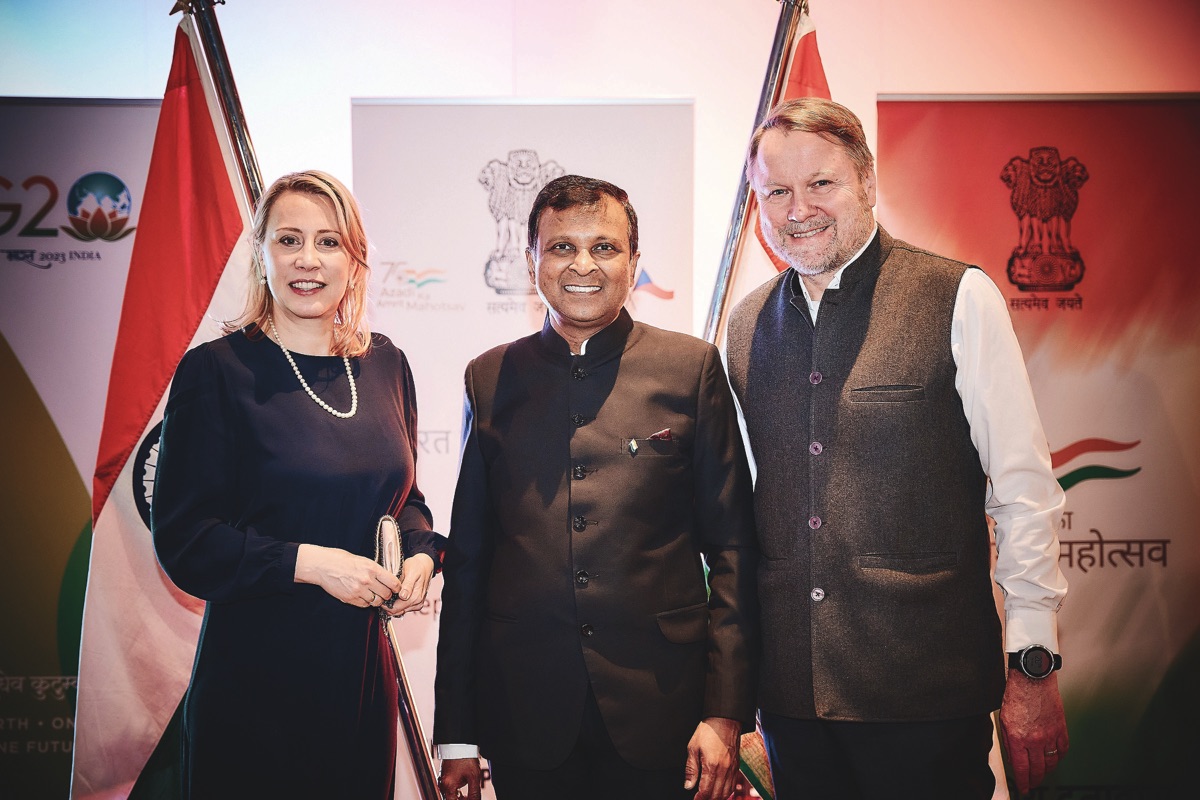
This interview is done on the occasion of your National Day. What comes to your mind in this context?

Independence has never been self-evident in Finland. We have a country, which is worth defending, and I hope that the will for that becomes even bigger. Trust in authorities and politicians has been very high and I hope it remains this way. The future must be built by new generations, and climate change requires us to find sustainable solutions and the replacement of fossil energy. It is important also for our security.

H.E. Ilirian Kuka

“The Czech EU Presidency always marks a major event for Albania”

H.E. Ilirian Kuka, Ambassador of Albania

Text: Martina Hošková and M. Zisso; Photo: Archive

The current Albanian Ambassador to the Czech Republic, Mr. Ilirian Kuka has been with the embassy here since 2014. In our interview he, among other things, drew attention to the fact that Albania’s greatest European Union integration milestones both happened during Czech presidencies. “We are very pleased with the strong support that all Czech political parties have shown towards Albania’s EU integration aspiration. We have found a strong ally in Czechia”, said the Ambassador appreciatively.

Before becoming an ambassador, you had an interesting and successful corporate career. How did that change come around?

To start from the very beginning, let me talk about Tirana, my hometown. Here, I was born, grew up, and in 1993 graduated from the University of Tirana, Albania. After this graduation, I moved to Italy to continue my studies at the University of Bari, graduating there in 1997 with the diploma of Doctor of Sciences in Engineering. Later that year, I moved to Boston, Massachusetts in the USA to further my education and start a working career. After working in different multinational companies such as State Street Corporation, Gillette Company, Procter & Gamble Co., etc., I moved back to Tirana in 2005 to take over the role of General Director of AlbTelecom a.s., the state-owned, largest telecom company in Albania. The government at the time hired me to run and prepare the company for privatization, which was completed in 2007.

In 2008, I founded and managed an investment company focusing on investments in CEE and the Balkans region, with the main investment activities being in Albania, Kosovo, and the Czech Republic. From 2014 to 2018, I assumed the role of counsellor at the Embassy of Albania in Prague, focusing on economic diplomacy. In 2018, after completing the posting, I returned to Tirana just to be assigned as an Ambassador of the Republic of Albania to Czechia, presenting my credentials to President Miloš Zeman on 6th December 2018.

Joining the embassy in Prague 8 years ago, you must have had plenty of time to experience this country. What is your impression?

I have a strong attachment to the Czech Republic, and to Prague in particular. As you said, I was posted here for the first time in March of 2014, being in charge of business and economic affairs between Albania and Czechia. Prague is my favourite, with its architecture, parks, museums, services, small coffee shops, and nice restaurants. I have been to many places here, but if I am to name but one, I can say that I am very much attached to “Staroměstské náměstí” with its magic and history that almost every old building can offer. It simply surprises me every day anew.

I have also visited many places outside of Prague, but feel that I have not travelled enough. Every time I go to a new place, I promise myself that I will have to come back because of the nice feeling I get during the visit. I have visited all regions, but in the South Moravian region I still have a few cities that I need to see.

Do you enjoy your ambassadorial role? Does it fit your preferred lifestyle?

Serving as an ambassador is a very demanding engagement with strict boundaries, but at the same time it is also very rewarding. It is a position that gives you the possibility to make a difference on many levels, especially in the relationship between countries. The Czech Republic is a very central country, and has become a very important factor in the regional and European political scene, which has also intensified our work as an embassy and increased the number of activities that we need to follow. As a result, we all have less time for our families, which I think has a major impact on our lifestyle.

Albania is a NATO member state, and wants to join the EU as well. Do you feel supported in your efforts?

Albania became a full member of the NATO Alliance on 1st April 2009. For EU membership, we applied on 28th April the same year, during the first Czech presidency, and on 19th July 2022, during the second Czech presidency, Albania was approved to officially start the EU integration negotiations. It is quite interesting that both of Albania’s integration milestones happened during Czech presidencies. We are very happy for the strong support that all Czech political parties have shown towards Albania’s EU integration aspiration. We have found a strong ally in Czechia, one that is always pushing back the sceptical countries in order to complete the integration of Albania and all other Western Balkan countries (into the EU).

NATO membership and EU integration are not just about benefits, economic or political. It is more about a place of belonging. With the fall of communism in the 1990s, we got a taste of what the democratic world can be. Albanians have gone through a very harsh dictatorship during the time of communism. This is a reminder for our experience to not be repeated, and this is one of the reasons why 94% of the Albanian people are in favour of joining the EU.

H.E. Ilirian Kuka, Ambassador of Albania

You have mentioned the current presidency of the Czech Republic in the EU Council. Is there anything you would like to add?

We had been expecting a stronger focus on the integration process of the Western Balkans, and this materialized from the first days of the Czech presidency. We were very supportive of the European Political Community summit, organized very well by Czechia. The political agendas of our countries are similar, focusing on promoting equality, prosperity, and protecting human rights. Albania has been promoting these values during our current term as a non-permanent member of the UN Security Council, and Czechia has been doing the same during its EU presidency term. Both our countries have aligned fully in supporting Ukraine and strongly condemning the Russian aggression.

Considering all you have said so far, can we evaluate the status of Czechia-Albania relations as being very good?

Indeed, the status of our bilateral relations is at its highest level. As I have already mentioned, Czechia has been a strong supporter and advocate of Albania’s EU integration process. During the Czech EU presidency, it was decided to organize two major events in Albania:

– The Ministerial of Interior and Justice EU / Western Balkan, taking place in Tirana on 3-4th November 2022 and
– The Summit of EU / Western Balkans being held in Albania in December of 2022.

Both events reflect the importance given to the integration of the Western Balkans into the EU, and the great status of the political relationship between Czechia and Albania.

What about the relations between common people?

Czech people have been discovering Albania in recent years. Before the pandemic, the number of Czech visitors was increasing by double digits every year. This year, we have seen the same energy in visitors, and direct flights were increased to four times per week during the summer season. The flights were almost fully booked, which makes us believe that upcoming numbers will be even higher than pre-pandemic ones. In Albania, Czech tourists are discovering our nature, mountains, sea, culture, and food, but more importantly, they are discovering the friendliness and harmony of the Albanian people. I am very happy that many Czechs are falling in love with Albania and are becoming our returning visitors. Of course, the Embassy has done media campaigns and participated in different events, presenting to audiences what Albania has to offer. We can already see the supportive role of the positive feedback coming from people that have already visited Albania. These satisfied visitors are not returning alone from Albania, but are bringing along their positive experiences.

You are giving this interview on the occasion of your National Day. Do you have a special wish for your country?

This year, on 28th November, we will commemorate 110 years of Albania’s independence. My wish for Albania is to prosper as a dignified member of Europe, together with other democratic countries, in a safer world without war and with less injustice.

2022 is also the year of the 100th anniversary of establishing diplomatic relations between Albania and Czechia (Czechoslovakia). On this anniversary, I wish for us to continue the strong relationship between our countries, for the benefit of both our peoples.

Let’s invite natural stone back into our interiors

Text: Dmitri Babich; Photo: Archive

How to choose the right stone

Natural stone has been one of the most used elements in construction since the beginning of time, due to its excellent characteristics. Today, we can see a great comeback of natural stone, and the key to keeping the current trend fresh is using it in small doses, by which I mean in accents and statement pieces (rather than in amounts that overwhelm the eye). In this case, less is infinitely more.

How do you choose the right stone for your project, though? Well, the choice is greatly based on your personal preference. There is a wide spectrum of colors and patterns, so choosing the right color of stone is vital. Some shades can subtly tie the whole project together, whereas others draw in your eye and attention. Lighter shades expand the space, while darker hues add mood. Each stone has a distinct personality, and it is important to find the one that the project resonates with the most.

There are also practical aspects to selecting your stones, however. Not all stone is suitable for all jobs. For example, it is not recommended to use marble or onyx on a kitchen countertop, as the materials are softer than granite or quartzite and will require a lot more looking after. Therefore, when choosing the right stone, it is important to consider the purpose of the project and consulting about your ideas with a natural stone specialist. Budget is another important factor to consider, as the range in price of natural stone is almost as huge as the range of available colors.

Nature is strong in creating uniqueness

Materials like marble, granite, quartzite, and onyx are not only practical, but are also beautifully unique. No two slabs are identical, and every piece has its own character – this is what makes natural stone so attractive, as it allows every project to have its own uniqueness, without the need for a special design. Mother nature still holds the upper hand in this. What’s also interesting about natural stone is the fact that flat surfaces are not the only way they could be utilized – with the right tools and skills it is easy to work on them to create amazing, curved shapes, sculptures, and carvings.

Another reason why natural stone is such an amazing material is that it has such a huge range of possible finishes, resulting in the same material looking completely different with a different surface finish. Almost no engineered products have such a choice in surface finishes. Besides the standard polished and honed finish, there are also flamed, brushed, leather, acid washed, split faced, sandblasted, tumbled, textured, sawn, and custom 3D design surfaces. This gives designers and projects such an amazing tool to be able to use the same material in different parts of the same project, as each finish can also create a completely different 58 look if applied horizontally or vertically.

Natural stone wins over engineered materials

Natural stone has many advantages over engineered materials. Firstly, as we already mentioned, natural stone is more unique in its colors and patterns, and can be more beautiful than anything man-made. Secondly, natural stone can be just as durable as any engineered material, and sometimes withstand even more. It can be restored, re-polished, and repaired, though that is not possible to do with quartz or porcelain. Thirdly, the cost of natural stone in comparison to engineered materials can be considerably lower. You can find quarries of natural stone all over the world, which makes some materials cheaper because logistically they have lower costs. Last but not least, natural stone is a “green” material. The process of quarrying, cutting, and processing has a much lower carbon footprint than many alternatives.

Natural stone can sometimes be considered a luxury product but it is not always expensive, and thanks to modern technology it can even be cheaper than many other types of products for interiors or exteriors. For example, 2cm-thick slabs of Italian white marble could cost as low as €50-60/m2 (1.250-1.500 Kc/m2) in Prague. Obviously, materials like Onyx or Brazilian quartzite can easily cost over €500/m2 (12.500 Kc/m2). Of course, you need to consider the cost of work as well, but with the right natural stone supplier, controlling all the costs is easy.


Dmitri Babich

Dmitri Babich,

founder and CEO of KNF Marble & Granite s.r.o., is a natural stone specialist with over 17 years of experience in the industry. The company supplies natural stone for private and commercial clients in the CR and Central Europe, and delivers, as well as develops, custom projects with natural stone in both exterior and interior aspects. www.knfmarble.com

Viva MEXICO Viva Republica Checa

Mariachi Azteca de Praga

Text: M. Zisso; Photo: Carlos Casasola

On the occasion of the 212th Anniversary of the Independence of Mexico, and 100 years of diplomatic relations with the Czech Republic, H.E. Ambassador Leonora Rueda hosted a special reception at the beautiful Bohuslav Martinů Hall of HAMU.

Here are selected sections of H.E. Leonora Rueda’s speech at the event:

212 years ago, in the early morning of September 16th of 1810, Mexicans started the Movement of Independence, at the call of Father Miguel Hidalgo y Costilla, nurtured by the ideals of freedom and self- determination that had been emerging in Europe and North America, as well as by the conditions of living of the natives. After 11 years of fiercely struggles, in September 1821, Mexico raised as a free sovereign country.

During the 20th Century, after the Revolution and the establishment of the Constitution of 1917 – in force up to the date, Mexico solidified its integration as a democratic federal republic. Today, when we talk about Mexico, we refer to a country of 128 million people, with an ancient heritage, a cultural richness and a solid macroeconomic framework on the rise, despite pressing global conditions like climate change, international organized crime, the aftermath of COVID-19, and the impact of the war in Ukraine.

Today, it is the 15th largest economy worldwide and a leading exporter: the 11th in the world and the 1st in Latin America.

With Europe, we have an ongoing and successful Free Trade Agreement signed in 1997. But after more than 22 years, things have changed. That is why we hope that the Modernized Global Agreement Mexico-EU, coping with those changes, gets the necessary ratification under the Czech Presidency of the EU Council.

This would be the “cherry on the cake” for the celebrations this year of the Centenary of the Establishment of Diplomatic Relations between our two countries. Throughout these 100 years, Mexico and the Czech Republic have maintained excellent friendly bonds, based on mutual respect, understanding and economic cooperation. The birth of Czechoslovakia in 1918 is tied in time with the consolidation of the Mexican republic.

The communion of interests and ideals between our countries were revealed in many of the historical processes during the 20th century. Let ́s just recall President Lazaro Cardenas’ allegations against the Pact of Munich of 1938 at the League of Nations; the Mexican condemnation of the Soviet intervention in 1968.

In the XXI century, the dynamism of our economies has positioned Mexico as the main trading partner of the Czech Republic in Latin America, with around 1.8 billion dollars last year and a growing interest regarding investment opportunities. Likewise, Mexico remains on the list of Czech tourism; the scientific and technological cooperation has enhanced and the student exchanges are steadily increasing, as well as an important inter-parliamentary dialogue.

Despite the geographical distance, I am convinced that we will continue working, hand in hand, for the construction of more bridges of friendship and cooperation for many centuries ahead.

The war started in Crimea, it will also end in Crimea!

Text: M. Zisso; Photo: Archive

October 25, 2022 – Speaker of the Chamber of Deputies Markéta Pekarová Adamová spoke and actively participated at the First Parliamentary Summit of the International Crimean Platform which took place in the building of the National and University Library in Zagreb and was attended by more than four dozen heads of parliaments and their delegations representing signatories of the International Crimean Platform from around the world. In her contribution, she emphasized the need for continued support for defiant Ukraine and the establishment of an international criminal tribunal for crimes of Russian aggression. In addition, the Speaker of the House signed a memorandum of understanding with her Ukrainian counterpart Ruslan Stefančuk in Croatia. „The main purpose of the memorandum is to support the principles of parliamentary procedures and to build the institutional capacity of the Verkhovna Rada of Ukraine in connection with the post-war reconstruction and integration process of the country into the European Union. Specifically, it is mainly about the issue of increasing the openness of the parliament to the public, training professional staff and sharing experience and knowledge between individual legislators,“ concluded chairperson Markéta Pekarová Adamová.

The opening of the summit included speeches by the speakers of the Croatian and Ukrainian parliaments, Gordan Jandroković and Ruslan Stefančuk, as well as Croatian Prime Minister Andrej Plenković. Ukrainian President Volodymyr Zelenskyy addressed the summit via video greeting.

„I am convinced that all criminals must be held accountable. I therefore insist on the establishment of a special international criminal tribunal for the crimes of Russian aggression in Ukraine. If we fail in this effort, it will be a severe blow to the international order based on shared humanistic values,“ said the speaker of the House of Representatives, Markéta Pekarová Adamová, among other things, in her contribution to the conference. Among the special guests of the conference, together with the Speaker of the Czech House, the Speaker of the House of Representatives of the United States Congress Nancy Pelosi, the Speaker of the Federal Assembly of the Federal Republic of Germany Bärbel Bas and the Speaker of the NATO Parliamentary Assembly Gerald E. Connoly spoke. At the end of the summit, a joint declaration was approved.

The Crimean Platform brings together international partners from 2021 with the aim of jointly facing the effects and threats of the illegal occupation of Crimea by the Russian Federation.

H.E. Phasporn Sangasubana

“When you find a like-minded friend, you want your relationship to grow”

H.E. Phasporn Sangasubana, Ambassador of Thailand

Text: Martina Hošková and M. Zisso; Photo: Archive

“…Thai cuisine, Thai massage, and the Buddhist way of life. All of these are a perfect combination for a holiday destination,” promotes her country the Ambassador of Thailand, Mrs. Phasporn Sangasubana, and I have no doubt that many of us Czech people are nodding our heads in agreement. Meet the eldest child of a diplomat’s family, who had no passion for this profession at first, but then ended up proudly serving her country for three decades.

We have briefly revealed some information regarding your background already. Can you tell us more about yourself, please?

As you said, I was born into the humble family of a diplomat. I am the eldest child of the family which means I am the boss. My parents have always encouraged me to have confidence in myself, and thanks to that I love to have adventures and challenges in my life. In the same way, due to the love and care that I received from my family, I was taught to perceive life in its fullest form. The truth is that nothing is just rosy in life. However, together with my family, I am proud to be Thai and I love to contribute as a member of Thai society.

As a child of a diplomat, I had no passion for the idea of me becoming a diplomat myself, as I had seen my father’s working life since my early childhood. In the hard times, though, my father asked me to do just that, and I gave him my promise. Voila! I passed one of the most challenging exams of my life, and became a full-fledged diplomat in 1987. Since then, three decades have passed. And in 2017, I was promoted to Ambassador of Thailand.

You have been serving in the Czech Republic for one year so far. What is your experience of a diplomat’s life in our country and elsewhere?

First, I have to say that Prague is not an unknown place to me, as I have visited this beautiful city many times as a tourist. I am certainly honored to have the opportunity to live and work in the Czech Republic. I appreciate the Czech Republic for its beauty in historical, cultural, and natural aspects, and the good and hospitable nature of the people. During my 35 years of service in the Ministry of Foreign Affairs of Thailand, I have been posted in six countries. I am very happy that the Czech Republic is where I serve my last posting before retirement.

The professional background of 35 years of service certainly gives you the right to give advice to the young generation of diplomats. Can you share some of your experience with our readers?

As a member of a diplomat’s family, I have been groomed to the challenging and hectic lifestyle of this profession since childhood. The position of an ambassador is another honorable hat that I am wearing. In all positions, I have been committed to full responsibility and dedication.

One (piece of advice) is to do your very best every day, and with an open mind. Challenges can be changed into opportunities by this mindset. You need to be observant, to be able to have “a good story to tell” in all circumstances. It also helps if you enjoy travelling and being exposed to new people and environments, as I do.

Thailand is known as a popular holiday destination. How do you promote your country?

Thailand is fortunate to possess a treasure of natural landscapes from beaches to mountains, as well as a rich cultural heritage such as Thai cuisine, Thai massage, and the Buddhist way of life. All of these are a perfect combination for a holiday destination.

Even though you can say that a good product sells itself, we, in fact, owe a big part of our success to the efforts of the Tourism Authority of Thailand and their offices all over the world. More precisely, Team Thailand, which comprises of the Royal Thai Embassy and other government offices in a particular country, regularly collaborate on organizing events about Thailand. And what they all have in common is including tourism elements in their context.

I would also like to mention that Thailand now positions our tourism as green travel. We are the first country to implement the UNESCO Sustainable Travel Pledge nationwide. More than 500 hotels have signed the pledge to eliminate single-use plastic and promote local culture, such as using local elements for decoration.

What is the status of Czechia – Thailand relations?

Both Thailand and the Czech Republic have enjoyed amicable relations for almost 50 years, but our connections can be dated back to the time of the royal visit of King Rama VII and Queen Rambhai Barni to Czechoslovakia in 1934, or even earlier to the historical record of the first presence of Czech missionaries to Thailand in the 17th century.

Both countries share common values, from human rights and democracy to a sustainability approach. Certainly, when you have found a good like-minded friend, you expect your relationship to grow into a partnership.

That is what is being promoted by both sides. There are more areas where we can create synergies – Thailand can provide food security, share the concept of sustainable development through the Sufficiency Economy Philosophy for development, and collaborate on cyber security and the space program. At the same time, Czechia can become another education destination for Thai students, as well as a partner in two-way tourism.

In any case, I look forward to celebrating the 50th anniversary of Thai – Czech diplomatic relations in 2024.

H.E. Phasporn Sangasubana, Ambassador of Thailand

The Czech Republic started its second EU Council presidency term in July. What are you, as a representative of Thailand, an ASEAN member state, expecting in this regard?

I applaud the outward-looking perspectives of the Czech Republic. The Prague high-level dialogue on the Indo-Pacific has expanded beyond the policymakers to engage with the business and academic sectors, resulting in the well-reflected views of society in the region. I myself witnessed the Czech Republic’s approach of transforming “words” from dialogue into “actions”.

I appreciate the Czech Republic for forging practical relationships with non-EU countries like Thailand and other ASEAN member states, on contemporary agendas like environment, space technology, and cyber security. My expectation is that Czechia is able to instil many constructive initiatives, Indo-Pacific being one of them, created under its presidency into the EU agenda so that they are active and will become more meaningful under subsequent presidencies. ASEAN is a dynamic and high-potential region that has a lot to offer – for example, abundant resources (especially human capital), and growing markets.

So, I look forward to the 45th anniversary of ASEAN-EU relations, occurring under the presidency of the Czech Republic in the EU Council, at the end of this year.

You are giving this interview on the occasion of the National Day of Thailand. Do you have any wishes for your country on this special day? And maybe for the Czech Republic too?

I think I may sound like a beauty pageant contestant now, but let me share my wish for peace all over the world, including for both Thais and Czechs. Whenever a conflict arises, no matter which corner of the world, everyone is affected by its ripples.

H.E. Gunta Pastore

“It is extremely easy to work with Czech partners”

H.E. Gunta Pastore, Ambassador of Latvia

Text: Martina Hošková and M. Zisso; Photo: Archive

If you are Czech and haven’t been to Latvia yet, chances are that after reading our interview with Latvian Ambassador Ms. Gunta Pastore you will suddenly feel the urge to change that. Not only does she give us a list of things we have in common and explains what “Sveiks, Švejk!” means, but she also expresses her high appreciation of the beauties of both countries… which, of course, produces the same effect in the recipient. And through all this beauty, a whiff of the current situation in Europe suddenly penetrates, as she speaks about the most positive element of our cooperation.

You are a career diplomat, working for the Foreign Ministry of Latvia for almost 30 years. Can you tell us more about yourself?

I am from a beautiful place in Latvia, called Piebalga. It resembles your Moravia, with scenic landscapes and deep-rooted cultural traditions. I have a great family, with many traditional get-togethers that usually bring us to my grandparents’ place.

I have always been interested in foreign policy and international relations. I have earned a PhD in International Relations in parallel to my day-to-day work – apparently, my job is also my hobby. Before the Czech Republic, I was posted to Denmark, Sweden, and the UN in Geneva, while a big part of my working life was spent in the Ministry headquarters, including the time when Latvia sought accession to the European Union. Therefore, I understand the great value of European cooperation.

You arrived in the Czech Republic four years ago. What has been your impression of it?

I am fascinated by the vibrant cultural life of Prague and its rich architecture. It is impressive how Czechs take care of their cultural heritage. I also get a certain feeling of home in Prague because the same exact Škoda trams that rumble through the city are also the ones we have in Riga.

During my stay here, I have seen most of Czechia, and its beauty never stops surprising me. But most of all I admire the Czech people. They are proud to be Czechs. They are hard-working and creative, and they also know how to enjoy a glass of beer. I love the very special Czech humor. During my stay here in Czechia, I have made great Czech friends.

It is extremely easy to work with Czech partners – they are open, supportive, and efficient. And, of course, in Prague, we have a very active diplomatic life, with so many great colleagues. A very special diplomatic activity here in Prague is the annual joint Nordic-Baltic National Days celebration, which brings our region closer to the Czechs. This year we celebrated it for the 14th time.

You mentioned that you love travelling. What else do you do in your free time?

Usually, I love doing sports and travelling – in Latvia and elsewhere. And as I engage in all this in Czechia,
I am inspired to do it even better. Czech people are great at sports, they know how to bike, to hike. Riding a bicycle has also allowed me to explore different parts of Czechia which are not in the typical travel guide.

Your country is a beautiful holiday destination. What can you tell us about your homeland in this respect?

While living outside Latvia, I have come to appreciate the beautiful nature of my country even more – the Baltic Sea with its coastline of white sand, the vast forests. There are not that many countries in the world where people can go to the forest to pick berries and mushrooms.

Nature is what binds Latvian people to their land and culture. Singing is another local tradition that unites Latvian people both at home and abroad. The Latvian Song and Dance Festival is an official part of the UNESCO Masterpieces of the Oral and Intangible Heritage of Humanity. It gathers around 50,000 choral singers, folk dancers, and tens of thousands of viewers.

Latvian cities, especially Riga, offer plenty of options for those who enjoy walks, lively cultural scenes, iconic art-nouveau architecture, and medieval buildings in Old Riga.

Like Czechs, Latvians love beer. Although they drink less of it in a year than the Czechs do, they still cannot let go of the frothy drink. When Czechs crave the taste of home while visiting Riga, it is available on almost every corner, sometimes even in stylish settings, such as a pub called Sveiks, Švejk! (Hi, Švejk!).

Both Latvia and the Czech Republic are ice-hockey nations. Next year, Latvia is hosting the World Championship, and the year after it will take place in Czechia.

Celebration of Latvian National Day at the Embassy in Prague, with the Latvian diaspora and Czech friends

What is the current status of Czech – Latvian relations?

We have excellent and friendly relations, and I am sure we will continue to build strong bonds in politics, economy, security, culture, and people-to-people contacts.

The most positive element of our cooperation is the presence of Czech soldiers in the NATO mission in Latvia, where they are together with nine other nations in the Canadian-led battlegroup.

Cultural cooperation is particularly prominent. Artists and musical bands perform in concert halls, while museums and galleries exhibit visual arts. Joint co-production of films has gained momentum, and Latvian movies were shot at Barrandov Studios.

The presidency of the EU Council is one of the most important rights and demanding tasks of EU member countries. How do you rate our current performance?

The Czech Presidency of the EU Council is doing impressive work in a complicated international environment.

Latvia shares all of the Czech Presidency priorities, but most of all we appreciate the very firm support that the Czechs are offering to Ukraine.

The Czech Presidency is really fulfilling its motto, “Europe as a Task: Rethink, Rebuild, Repower”, and showing its leadership in the European Union.

This interview is for your National Day. Can you make a wish on this occasion?

My wish goes to people in both Latvia and Czechia – cherish your legacy of independence, and safeguard the statehood of your country! Whatever we do and wherever we go, let us remember our roots.

Filip Křesťan

“Metrostav operates in more than 15 European countries”

Filip Křesťan, Production and Technical Director of Metrostav

Text: Martina Hošková and M. Zisso; Photo: Archive

To find a Czech person who has never heard of Metrostav is a mission impossible. It is the biggest Czech construction company, with a 50-year-long history, originally founded to build the Prague metro. Later on, it successfully expanded its activities into other segments of the construction market as well. Since 1991, it has begun to establish subsidiaries, and further development has continued. In this interview, we talked to the Production and Technical Director of Metrostav, Filip Křesťan.

Can you tell us about yourself and your work with Metrostav? Why did you choose this company?

I joined Metrostav back during my studies at the Faculty of Civil Engineering. The world of the so- called “big construction” fascinated me so much that I immediately knew what I wanted to do in life. I am a person who likes to see materialized work behind me, and this is what makes our field unique.

What I specifically like best about Metrostav is the people. Our company is based on our people and a respect for their work. Many of our employees have been working here for decades. We are always trying to develop our technologies and set the trend in the construction industry. We give space to young colleagues to find employment with us, and to develop. Experienced builders teach young people the craft of building, and young people in turn bring in the new trends of modern times.

Before we come to modern times, what about a few words about Metrostav’s history?

Metrostav was founded in 1971 as a spin-off of the national company Vodní stavby, with the purpose of building the metro in Prague. In 1991, it was transformed into a joint-stock company, and gradually began activities in other sectors of the construction market.

Now, it operates in all segments of the construction industry, constructing not only underground structures but also transport, civil, ecological, and industrial structures. Metrostav continues to focus on its original segment – underground construction. Excavations are also carried out, using NRTM Drill&Blast, and TBM technologies. We are one of the few companies that excavate tunnels, subways, collectors, and other specific projects, while also using traditional mining methods.

You became the company’s Production Director last year. Has it changed anything in your life?

I have been in this position since July 2021. The view of the construction environment is more complex. In my work, I encounter a more diverse character of buildings, some of which I did not have much experience with before. Fortunately, the basic building principles are the same everywhere, and I can follow them.

In my free time, I keep my old habit of active relaxation. I am an active person and enjoy all kinds of sports, but mostly you can see me biking or skiing. When I exercise, I best clear my head, and get the best ideas too.

Today, Metrostav is the largest construction company in Czechia, and the third largest in Central and Eastern Europe. How many countries does Metrostav operate in?

Currently, Metrostav builds all over Europe. Most of our projects are in Scandinavia, in the segment of bridges and tunnels. We have other projects in Germany, for example. We operate in over 15 countries in Europe. The current situation is very complex, mainly because it is unstable and difficult to predict. I hope that the situation will stabilize soon, and that the decline in construction production expected today will not be so great. Metrostav will definitely handle this difficult period, and will be much stronger and more resilient once again.

Metrostav certainly is a big player in the market. What will happen if you could not participate in new public contracts for some time? How will it affect the construction market situation?

From my point of view, non-participation in public contracts will affect the entire Czech construction industry. During the celebration of 30 years of the Czech Chamber of Authorized Engineers and Technicians, when the chamber selected the 30 most important buildings of the last 30 years, Metrostav’s signature was on half of them. From this point of view, the construction market will be significantly affected.

What has been your greatest construction adventure so far?

The construction profession is all about implementing technical solutions, so we need to be prepared to carry out construction and we don’t like adventures. From a technical point of view, a very interesting building was the construction of the building above the Strahov Tunnel, where we built a residential house on the steel bridge, which spanned the two tubes of the tunnel.

I know it is like asking a father which child he loves best, however, is this the project you are most proud of?

I like all of the buildings, each of them was a great experience for me. Among those that influenced me the most was the above-mentioned Sacre Coeur 2 project above the Strahov tunnel, and for example the River Diamond in Prague Karlín, the River Park hotel Kempinski in Bratislava, and the Medvědín apartments in Špindlerův Mlýn. Even more than individual buildings, I am influenced by the people I work with and gather experience from. I have been very fortunate to have colleagues like that, and I thank everyone for their cooperation.

What is the biggest challenge and opportunity that you see ahead of the company right now?

We live in uncertain times, which we have not been used to for a long time. Dealing with the specific problems of the present will be difficult and complex, but Metrostav will certainly manage this time, just as it has managed many complex and demanding periods and constructions. Regarding technical and implementation challenges, we have plenty of them all the time. However, it will be very important for us to maintain and develop our construction art so that we are still able to carry out challenging projects, and at the same time also attract new and young technicians and craftsmen into the industry.

H.E. Abdulla Abdullatif Abdulla

“Being an Ambassador means being the face of your country abroad”

H.E. Abdulla Abdullatif Abdulla, Ambassador of the Kingdom of Bahrain

Text: Martina Hošková and M. Zisso; Photo: Archive

The Kingdom of Bahrain is a small, archipelagic country on the Arabian Gulf, mostly known to Czech people as a holiday destination. Bahrain’s economy benefits greatly from its rich natural resources, but it is also leading in its financial services, technology innovation, logistics, and tourism sector to diversify its oil-based economy. It is also home to the world’s largest aluminium smelter ex-China. Since 2019, the Non-Resident Ambassador of the Kingdom of Bahrain to the Czech Republic has been Mr. Abdulla Abdullatif Abdulla.

This interview is done on the occasion of your National Day. Do you have any wishes for your country?

On the occasion of the Kingdom of Bahrain’s celebration of the National Days, in commemoration of the establishment of the modern Bahraini State as an Arab and Muslim state, founded by Ahmed Al Fateh in 1783, and the anniversary of His Majesty the King’s Accession to the Throne, I congratulate His Majesty the King, His Royal Highness the Crown Prince and Prime Minister, and the peoples of the Kingdom of Bahrain on this national celebration, and wish my country further prosperity and progress on all levels. I also wish the Czech Republic and its people happiness, health, and prosperity.

Can you please tell us about yourself?

I have a Master’s Degree in Business from Strathclyde University in Scotland. I am a humble and social person, which I believe are important characteristics for being a successful Diplomat. Aside from serving in London as a diplomat and Deputy Head of Mission, an Ambassador at the Permanent Representation of the Kingdom of Bahrain to the United Nations offices in both Geneva and Vienna, and Ambassador to the Federal Republic of Germany, I also served as Undersecretary in the Ministry of Foreign Affairs from 2009 to 2017. Holding the position of undersecretary was an exceptional opportunity to serve my country, and had allowed me to learn a great deal in the diplomatic field.

What made you become an Ambassador?

Hard work, dedication, and passion towards what you do are always the driving factors. The desire to not only represent Bahrain on a bilateral or multilateral level but to increase knowledge about it, and also to promote Bahrain and all the existing opportunities it has to offer (the rest of the world).

You are the Ambassador to the Czech Republic, Bulgaria, Poland, Hungary, Finland, Romania, and Slovakia, with a Residence in the Federal Republic of Germany. How often do you visit the Czech Republic?

Since I have been appointed as the Non-Resident Ambassador to the Czech Republic residing in Germany, I have visited the Czech Republic numerous times. My most recent visit was in October, by invitation of His Excellency Miloš Zeman, President of the Czech Republic, on the occasion of the National Day of the Czech Republic. During the two-day event, His Excellency the President of the 38 Czech Republic held a meeting with ambassadors to the Czech Republic, and a ceremony to honour Czech and international figures for their service in various fields.

How many countries have you served in so far?

I served in London as a Deputy Head of Mission for five years from the year 2000 to 2005. In 2006, I was appointed as the Permanent Representative of the Kingdom of Bahrain to the United Nations offices in Geneva and Vienna, and Non-Resident Ambassador to Austria, until 2009. In October 2017, I was appointed as Ambassador to the Federal Republic of Germany, and Non-Resident Ambassador to the Czech Republic, Bulgaria, Poland, Hungary, Finland, Romania, and Slovakia.

Can you give a piece of advice to the next generation of Ambassadors?

Being an ambassador means being the face of your country abroad. Everything you do, do it with passion and love for your country in mind. Building bridges and new relationships, seeking opportunities that will benefit your country and people, as well as the other (country), and reflecting the true Bahraini values while abroad is of utmost importance for any ambassador.

How does being an ambassador fit into your lifestyle?

Learning about the different histories and cultures of countries has always been interesting to me, and it is something I like to experience hands-on. Being the Ambassador to the Federal Republic of Germany, and a Non-Resident Ambassador to seven other countries, all of which I have visited whether for work trips or on holiday, has given me this opportunity.

Bahrain is known as a great holiday destination. How do you promote your country?

Bahrain has always been a tourist destination for people all over the world. The diversified historical and cultural aspect of Bahrain, along with its archaeological and historical sites, which reflect its rich history and civilization, has been the main attraction to tourists travelling from both the East and West. Bahrain is known for its religious tolerance and freedom. The historic visit of His Holiness Pope Francis and His Eminence Sheikh of Al-Azhar to Bahrain this month reflects the Bahraini values of peace, coexistence, and mutual acceptance. Tourists and visitors to Bahrain, no matter their faith, religion, or background, will feel the authenticity and openness of Bahrain. Christians, Jews, Hindus, Buddhists, and Muslims of all sects all have their highly respected places of worship.

The Kingdom of Bahrain also hosts international events, which witness thousands of visitors and attendees from all over the world, like Bahrain’s success in hosting and organizing the Formula 1 World Championship since 2004, and many more international exhibitions ranging through economic, cultural, and environmental (themes), like the Bahrain International Air Show.

What is the current status of Czech – Bahraini relations?

The Kingdom of Bahrain and the Czech Republic first established diplomatic relations on 14th June 1994, and since then both countries witnessed the building and strengthening of their bilateral relations in many fields. Up until now, both countries have signed a number of agreements and memorandums of understanding in various sectors, like investment, transport, health, and others. Our relations have also witnessed the exchange of high-level visits. The Kingdom of Bahrain acknowledges the potential in strengthening and increasing our bilateral relations with the Czech Republic to further heights, and in exploring new ways in which our countries can work together to advance our shared interests.

The presidency of the Czech Republic in the EU Council started in July this year. What are your opinions in this regard, as a Bahraini diplomat?

Firstly, let me congratulate the Czech Republic on assuming the important role of the Presidency of the EU Council and dealing with a lot of challenges successfully. The European Union is one of the main partners of the Kingdom of Bahrain and the GCC countries, and these relations are continued by the Embassy of the Kingdom of Bahrain in Brussels and the European Union Delegation to Bahrain based in Riyadh. On the 21st of November, the Kingdom of Bahrain hosted the second meeting for EU Ambassadors to Bahrain with the participation of His Excellency Dr. Abdullatif Bin Rashid Al Zayani, Minister of Foreign Affairs of the Kingdom of Bahrain, where both sides discussed ways to further improve cooperation. There are still further areas of cooperation between the Kingdom of Bahrain and the EU that should be studied and discussed, not only with Bahrain but also at the level of the Gulf Cooperation Council (GCC), in order to gain a stronger and more strategic partnership. I would also like to mention the mutual interests and shared values between the Kingdom of Bahrain and the EU in preserving peace and security in the region and beyond, the post-COVID-19 economic recovery, and promoting coexistence and tolerance.

H.E. Bettina Kirnbauer

“The relations between Austria and Czechia are the best they’ve ever been”

H.E. Bettina Kirnbauer, Ambassador of Austria

Text: Martina Hošková and M. Zisso; Photo: Archive

“History shared by Austria and the Czech Republic still has a role to play,” says Ms. Bettina Kirnbauer, Ambassador of Austria, and continues: “however, my strongest impression is how future-oriented our bilateral cooperation is”. In our interview, she speaks about her 30 years in diplomatic services, the relations between our countries, and recommends reading the Austrian- Czech history book “Nachbarn-Sousedé” to learn more about our common past.

Tell us about yourself, please.

I grew up in Vienna, a city I am very fond of. I studied law and German literature at the University of Vienna, and then joined the Austrian Foreign Service. I must confess that in spite of working as a diplomat for over 30 years, I still find my work exciting and rewarding. There are so many interesting topics and impressive people to meet, really a lot of diversity. I am still learning something new each day.

What made you become an ambassador?

I have always been fascinated by international affairs, and by the opportunities to use constellations of influence and mutual interest to contribute to a better world. I had not really planned to become a diplomat until, during my internship at an Austrian court of law, I one day saw the announcement for the entrance exam for the diplomatic service of the Republic of Austria, the so-called examen préalable. I immediately decided to go for it.

You have been in the Czech Republic for two years already. Can you share some of your impressions and highlights of that time?

My strongest impression is how future-oriented our bilateral cooperation is. This is for instance reflected in the growth of mutual Czech and Austrian investments. As of 2021, Austrian direct investments in Czechia amounted to almost 17 billion Euros, and thus secured jobs for around 100,000 employees in the Czech Republic.

Due to the complex history shared by Austria and the Czech Republic, the past, to a certain degree, still has a role to play. The history book Neighbours “Nachbarn – Sousedé” (2019 in German / 2020 in the Czech language), written jointly by Austrian and Czech historians, was a milestone in this respect. Another important step was the recent unveiling of a memorial plaque at the Terezín Memorial for Jewish Austrians who had been deported to the Theresienstadt Ghetto by the Nazi regime.

Can you compare your current time in the Czech Republic to 1998-2001, when you served here as Deputy Ambassador?

As neighbouring countries, Austria and Czechia have always closely cooperated. However, the accession of the Czech Republic to the European Union has taken our cooperation to a new level. Nowadays, we are partners in the EU.

How does being an ambassador fit into your lifestyle?

Being an ambassador is almost a lifestyle. There is little free time. However, I like to read science fiction. Recent books I enjoyed were by Neil Gaiman and Vladimir Sorokin.

What is the best adventure you have had?

Being part of the Austrian team responsible for the organisational support of the Iran nuclear talks in Vienna in 2014-2015 was a challenging and intense time for me. When Iran and the P5+1 confirmed the agreement on the Joint Comprehensive Plan of Action JCPOA on 14th July, 2015 at the United Nations in Vienna, this was a very special day for me.

What is the most difficult part of being an ambassador?

The most difficult part of being an ambassador in a neighbouring country such as the Czech Republic
is that there is so much to do and so little time to do it. Since so much more could be done to further our relations, I sometimes have to make hard decisions on what to focus on.

You are a traditional holiday destination for Czech people. How do you promote your country?

The scenic beauty of the Austrian Alps, which in winter offer one of Europe’s finest skiing, as well as the cultural richness of cities such as Vienna and Salzburg, attract many Czech guests. We try to make our Czech guests feel at home in Austria. The long-standing Austrian hospitality expertise and the quality of service of our hotels offer a unique experience to our guests.

What is the current status of Czechia – Austria relations?

The relations between Austria and Czechia have never been as good as they are now. Let me mention, for example, the exemplary cooperation during the terrible tornado that hit Southern Moravia in 2021. Austrian Red Cross helpers were immediately on the scene to help treat the injured.

The presidency of the Czech Republic in the EU Council started in July. How would you rate it?

The Czech Presidency is doing an excellent – and difficult! – job in tackling the daunting challenges Europe is currently facing. Supporting Ukraine in view of the unacceptable Russian aggression is the top priority of the Czech Presidency. The Czech Presidency really promotes an EU consensus towards Ukraine and the brutal Russian attacks.

This interview is done on the occasion of your National Day. What do you wish for your country? And for the Czech Republic?

Given the war in Europe, my wish for both countries is that freedom, peace, and democracy shall prevail. To quote the Austrian Federal President Alexander Van der Bellen: “Our solidarity, our compassion, our common will to live in freedom and peace are stronger than any aggression. We stand with Ukraine.”

Cornel & Kristina Boda

“There’s definitely a lot to look forward to”

Cornel and Kristina Boda, Owners of Cobra

Text: Martina Hošková and M. Zisso; Photo: Archive

We met the co-owners of the Cobra family company, Cornel Boda and his daughter Kristina Boda, for a joint interview about themselves, running the family business together, and their field of expertise – doors. The moment in the interview that might bring a smile to the faces of many is Kristina talking about herself 10 years from now, saying “I see myself in the company, maybe with a little successor of my own”. This is yet to be disclosed. For the time being, we can only inform you about the birth of Cobra, which was back in 1991.

Cornel, you come from Romania. How did you build the largest supplier of door hardware in the Czech Republic?

I was born in Bucharest, Romania, and grew up there. After I finished the compulsory military training, I applied to university and was enjoying my younger years.

I met a girl from the Czech Republic and we got married, that’s how I ended up here. I didn’t forget where I came from, either. The truth is, in the beginning, I didn’t have much contact with Romania, but then I started seeing my sister there and we reunited. I began thinking about starting a business there as well, so I expanded Cobra to Romania. I opened a real estate business there, which blossomed into the construction of a new modern apartment building, right in the downtown area.

Kristina, how did the story go for you? How did you join your family business?

Well, my parents wanted to give me the best possible education, so I studied at an English College here in Czechia right until I graduated, and then did my bachelor’s degree in London. However, since I was always around Cobra from my early childhood, I knew I wanted to continue the legacy. You see, for me, it was absolutely obvious I would return to Prague and work here.

Can you tell us more about “door hardware”, and your clients?

Our biggest clients would be door manufacturers, because that’s who will offer you our door handle the moment you choose this element for your future apartment. We also sell to door and kitchen design studios etc., where people also come to choose their doors and handles for a new apartment or a reconstruction. Last but not least, our great clients are the DIY hobby markets. Altogether, we have customers from the Czech Republic, Slovakia, Romania, Austria, and Croatia.

How should we go on about choosing the right door hardware? What are your expert tips?

Good question. Door hardware is a part of everyday life, and therefore it is necessary to pay adequate attention to its purchase. Both design and finishing play a big role in the final choice, however, there is an abundance of shapes, types, and combinations of fittings on the market. What you need to do is to choose a type that matches the interior design and expected use. What matters is timing. It often happens that you want to choose something too late because the items were already chosen by someone else, and you can’t decide on anything different.

What are your hottest products right now? And what can we expect in the future?

Before the COVID-19 pandemic, we launched a collection of premium Q handles – Ultima, Spectra, and Infinity. In cooperation with the renowned designer Petr Novague, we developed handles that are modern, elegant, timeless, and solid. And what is most important – they are user- friendly and fantastically ergonomic. The entire collection has won the world’s most important design awards, including the Red Dot, which we are really proud of.

As of now, we are working on adding more products to this line, such as pull handles and fixtures for sliding doors. We are also working on a new variation of security- focused, easy lock handles. There is definitely a lot to look forward to!

Are you going to expand to new fields? Security systems, smart locks…

For that kind of security system and smart locks, you need to have a special team who knows how to set it up, and especially service it, which is not convenient for us at the moment.

Cornel, how is it to run the company that you founded, together with your daughter?

As a founder, I often have a certain point of view, and Kristina does not. It is exactly because she is not burdened by the past like me, and therefore has a fresh eye. But then again, things often need to be looked at from both perspectives.

What about you, Kristina, how do you feel about working with your father?

As he says, sometimes it is difficult to see eye to eye, but when we talk it through and lay all perspectives on the table, we always come to an agreement. We don’t live together, but we talk about work whenever we see each other, which means not only at work. When we disagree, we both try to push our opinion forward, but, in the end, we talk it through.

One more question for you, Kristina. Where do you see yourself and the company in 10 years?

I see myself in the company, maybe with a little successor of my own and my father overlooking it from a house in the Caribbean, where we could all come for a holiday. And as for the company, I still see it as number one on the market in its field, with a growing turnover.

It’s the end of 2022, can you both have a New Year wish to conclude our interview with?

We wish for everyone to stay healthy, because that is the most important thing of all. And secondly, we hope that the war and economic situation will return to normal, and we will all be able to continue to live and carry on doing business in peace.

Welcome to the new DJA Reserve in Prague Zoo!

Text: Miroslav Bobek; Photo: Archive

The Dja Reserve, as we called the new gorilla pavilion, is open! It is a culmination of years of work, to which many of us devoted a piece of our lives.

Our journey to the new pavilion

The impetus to start preparing and promoting this project arrived in the form of the floods that affected the lower part of the Prague Zoo grounds in June 2013. In the summer of the same year, I picked a place where the pavilion could stand. It had to meet two main conditions – to have a favourable microclimate and to enable the construction of a sufficiently large building and enclosures. This was matched by terrain depression below the vineyard house Sklenářka covered with natural seeding vegetation, at the end of the giraffe enclosure.

And then the real martyrdom began. Even though we had expert studies done that made it clear that the new pavilion would not disturb the landscape character of the Troja basin or degrade the distant views, we had to fight a long fight to overcome all objections against its construction. After all the delays, we finally started building in October 2019.

We designed the new pavilion to give visitors the experience of travelling through Cameroon. After all, we named it the Dja Reserve after the area in Cameroon where we help protect lowland gorillas and nature in general. Its construction was not easy, as it is a completely atypical and, in many ways, innovative complex… In addition, the COVID-19 pandemic made our situation even more complicated. But this year in April, we got the much-desired approval, and we were able to start finishing work and settling the pavilion with animals. The last to arrive in September were a male gorilla Kisumu and Moja ́s daughter Duni.

A walk through the Dja Reserve

Even before entering the Dja Reserve, visitors already find themselves on red African soil, and children can participate in our programs on the Wandering Bus. It is an authentic vehicle that transported hundreds of schoolchildren between the Dja forests and the Cameroonian capital city of Yaoundé. When it reached the end of its life, we had it moved to Prague.

The entrance part of the pavilion interior is designed to evoke a journey along the unpaved roads of the Cameroonian countryside to a village on the edge of the forest. This is represented by a school classroom, which, by the way, is equipped with authentic desks. In this stylized village, there is also the first exhibition with animals. Visitors are introduced to Gambian pouched rats and fruit bats. Behind the village, a tropical rain forest begins, first the secondary one – i.e., grown after the original vegetation was cut down – and behind it the primary one, almost untouched by man. We did our absolute best to create its believable illusion. The modelled trunks are complemented by a number of live plants, and sprinkling with water ensures the appropriate humidity. The surround sound mixed from authentic recordings made in the Cameroonian forest then further strengthens the credibility of this illusion. On the way through this „Trojan“ forest, visitors pass an exhibition of African porcupines and Gabon talapoins and a 3D wall with animal models, after which a view of a „clearing“ opens in front of them, which is now inhabited by the colourful De Brazza monkeys.

The highlight of the indoor tour is, of course, the extensive exhibition of our family group of gorillas, accompanied by mantled guereza. I don ́t know if there is an indoor exhibition for gorillas with a comparable area anywhere in the world… and I think the visitors ́ area with the auditorium is surprisingly generous too.

This is followed by the exit part of the pavilion with a souvenir shop, complete with authentic artifacts from Central Africa.

Outside, visitors come to the spacious enclosure of the gorilla family group which includes the two new gorillas, Kisumu and Duni. It is dominated by a fallen forest giant and several mature trees. An auditorium and other attractions have been built here as well, especially a view of the Dja Biosphere Reserve ranger station.

Miroslav Bobek

We are waiting for you!

Before it opened, our Dja Reserve was twice visited by the British zoo expert and evaluator Anthony Sheridan. After his second visit he wrote to me:

“I congratulate you on the really magnificent Gorilla exhibit which is the best I have seen in its truly immersive experience for visitors; its link with the Dja Reserve in Cameroon is very well presented and is a real contribution to educating your visitors about the need for in-situ conservation measures there. Amongst several notable features in the indoor exhibit are the special multi-layer glass windows enabling the Gorillas to escape the sounds of visitors whilst the visitors still being able to hear the Gorillas! The sounds of the forest are another great feature. I believe this milestone exhibit will be of great interest and help to other Zoos wishing to invest in new and improved developments for Gorillas and other primates.”

Let’s hope so… Of course, we are anxious to hear what you, the visitors, have to say about the Dja Reserve. I hope you like it at least half as much as Anthony did.

National Day of Romania

H.E. Mr. Roberto Alejandro Salafia, Ambassador of Argentina and H.E. Ambassador Antoaneta Barta with her daughter and husband

Text: M. Zisso; Photo: Adriana Elena Bunea

On the occasion of the National Day of Romania, H.E. Ambassador Antoaneta Barta hosted a special reception at the beautiful Kaiserstein Palace.

Here are the highlights of her speech:

It is the first National Day reception after a two years break caused by the COVID-19 pandemic and the first one I am hosting in my capacity as Ambassador of Romania to the Czech Republic, which gives me an additional reason to be particularly pleased to have so many Romanian and Czech partners and friends here with us.

This year was marked by the Czech Presidency of the Council of the European Union, which was a good opportunity to intensify bilateral meetings in the margins of the informal Councils held in Prague. The Czech Presidency H.E. Mrs. Tanja Strnisa, Ambassador of Slovenia, Mr. Toni Strnisa, and H.E. Ambassador Antoaneta Barta has been a trigger for more bilateral cooperation between Romania and the Czech Republic in several fields, from trade and economic cooperation, to justice and home affairs, tourism or energy.

2022 has been therefore a very good year for the bilateral relations between Romania and the Czech Republic, both at political level and in the economic field. In terms of trade, the Czech Republic is a significant economic partner for Romania, ranking 8th in the EU and 10th worldwide in our foreign trade. In 2021, the total volume of trade between Romania and the Czech Republic has reached a record level 5.1 billion Euros, 15.8% higher than the previous year.

This year was also marked, unfortunately, by Russia’s war of aggression against Ukraine, a war that is literally at our border. Romania, like the Czech Republic, is very strongly engaged in supporting Ukraine.

2022 is also the year of several important anniversaries for Romania: 15 years since we joined the European Union and 20 years since we received the official invitation to join NATO, at the NATO Summit which took place in Prague, in 2002 and 160 years since the establishment of the Ministry of Foreign Affairs of Romania. 160 years of modern Romanian diplomacy – 160 years of concrete and valuable contribution to the development of Romania‘s international relations, to the democratic path of the Romanian state. On the occasion of the National Day of Romania, I wish for both Romania and the Czech Republic to stay strong together in defence of our shared values, and to remember past solidarity and common history as a strong impetus for closer cooperation in the future.

H.E. Antoaneta Barta

“Romania and Czechia are traditional partners that need to rediscover each other”

H.E. Antoaneta Barta, Ambassador of Romania

Text: Martina Hošková and M. Zisso; Photo: Archive

The relationship between Romania and Czechia has solid foundations. We can mention the historical Czech minority in the Romanian Banat region, the contribution of the Romanian army to the liberation of Czechoslovakia in the Second World War, the decision of Romania not to participate to the Soviet bloc invasion of Czechoslovakia in 1968 and the current increasing political and economic cooperation. The fact that the two countries are members of the European Union and NATO creates the framework of a close coordination, especially given the fact that both strongly support Ukraine in the context of the Russian aggression. Romania’s Ambassador to the Czech Republic is Mrs. Antoaneta Barta, who gave us this interview on the occasion of the National Day of her country.

Becoming an ambassador is a career highlight and dream of many diplomats. How did you become one?

I joined the Ministry of Foreign Affairs of Romania in 1999 after completing my studies in Political Sciences and European Studies at the University of Bucharest. It was 10 years after the fall of the Iron Curtain, a completely new situation that opened a whole different world and perspectives that I was eager and curious to explore as a career diplomat.

Since then, I have had several management positions in the MFA headquarters, focusing on EU issues. Becoming an ambassador was, therefore, a result of a 22 years-long diplomatic career, during which I had accumulated experience and expertise in several fields, with a focus on EU affairs and bilateral relations.

You were appointed Ambassador of Romania to the Czech Republic in January 2021. Can you share your impressions of representing your country here?

I feel very glad and honoured to serve my country in the beautiful capital of the Czech Republic. Despite the lockdown caused by the COVID-19 pandemic I have had a very positive impression of the city and its people, and have enjoyed getting to know many Czech interlocutors, promoting my country and our bilateral relations with the Czech Republic. I also feel very privileged to work in a beautiful building, right in the historical heart of the city, in Malá Strana, on Nerudova street. The Embassy of Romania is hosted in one of the most impressive Baroque palaces of the area, the Morzin Palace. It has been the property of the Romanian State since 1937 during the mandate of Nicolae Titulescu, a visionary minister of foreign affairs, a most distinguished European diplomat, and twice elected president of the general assembly of the League of Nations. Living and working in Prague, a city bearing so many testimonials of Europe’s medieval and contemporary history, is a very special experience.

I enjoy taking walks through the mysterious narrow streets of Malá Strana up to Prague Castle, where one can find enchanting museums, restaurants, and maybe the best panoramic views of Prague. Crossing the Charles Bridge and taking a stroll through the Old Town, passing the Square and taking a glimpse at the astronomical clock, admiring the elegant facades and boutiques with hidden antiquarian gems in Josefov, or attending the extraordinary performances at the Rudolfinum or Národní divadlo, are some of the many pleasant and rewarding activities. I also admire the passion of our Czech friends for nature, and enjoy taking long strolls with my daughter Teodora and our dog Aris through the generous green parks and surrounding forests.

Are there any difficult parts of being an ambassador?

As an ambassador in a very friendly country with a long and rich tradition of cooperation with Romania, I am in a fortunate position of not having a difficult task in fulfilling my mandate.

The profession of a diplomat is mainly about building bridges, opening doors, and finding new ways of cooperation. I am happy to say that during the encounters I have had so far in the Czech Republic

I have met a lot of openness and interest towards my country, as well as willingness to further extend our bilateral cooperation in the fields of political coordination, economic and commercial exchanges, and people-to- people contacts.

Of course, there are challenges that need to be tackled – and I would mention, for example, the assistance for the Romanian citizens transiting or residing in the Czech Republic during the COVID-19 pandemic – but with a good team at the embassy, and in cooperation with our Czech partners, we managed to solve these issues.
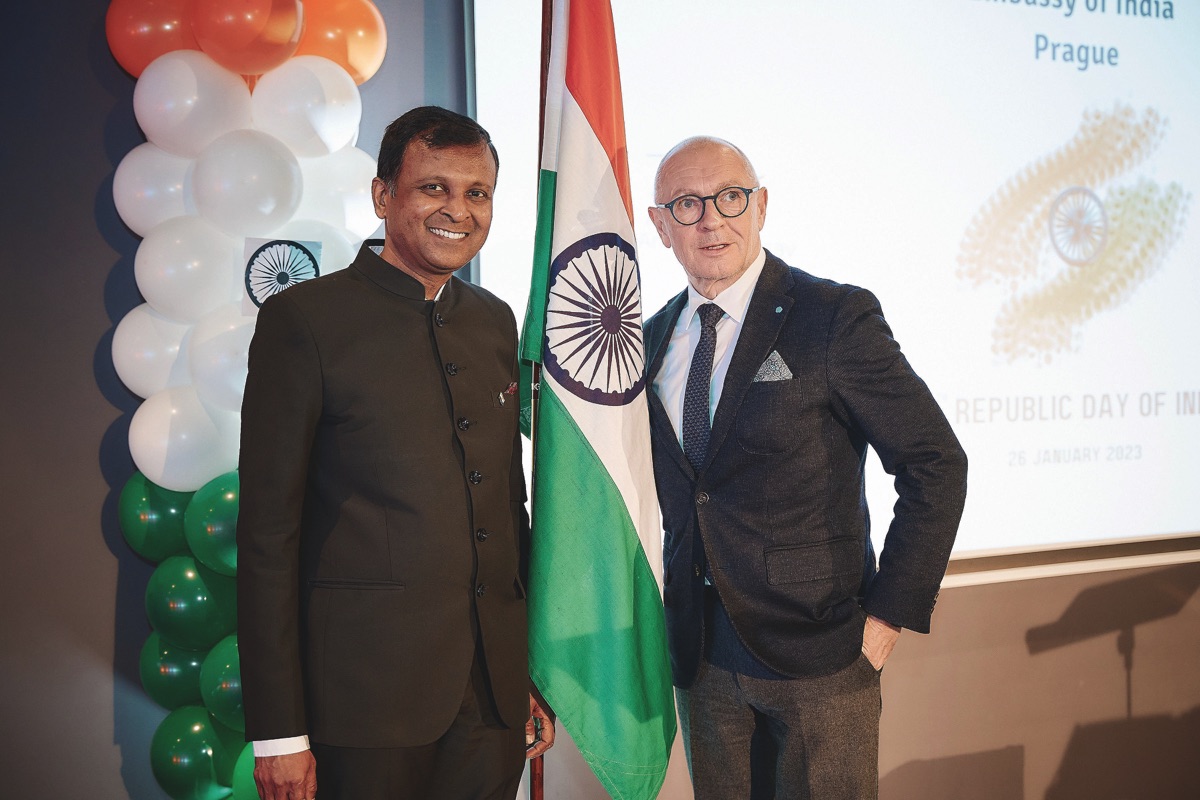
Does fulfilling your mandate also include promoting your country as a tourist-worthy holiday destination?

Indeed, Romania is a great destination for tourism, with an important tradition in this country. Many Czechs used to travel to Romania during the communist times, to enjoy the beautiful beaches of the Black Sea or to hike in the Carpathian Mountains.

Today, Romania still represents a generous and diverse destination for Czech tourism, offering adventurous hiking trails in high mountains, preserved natural landscapes, archaic villages, the unique Danube Delta and the Black Sea, historic cities, diverse food, and great wines. One of our objectives is to give a new impetus to cooperation in the field of tourism, and we are in contact with professionals from both countries to find the best ways of increasing the number of Czech tourists to Romania and diversifying the offers for the Czech market. Geographic proximity and people-to-people connections, including the Czech minority in Banat, also play an important role in boosting tourism.

Can you elaborate a bit further on the overall status of Czechia-Romania relations?

Romania and the Czech Republic are traditional partners in the region, with very good bilateral relations favoured by common history, similar recent paths, convergent opinions, and evaluations regarding the current European and international agenda. We are both strongly pro- European and pro-transatlantic countries, which defend the same fundamental principles and share common interests and values.

Major historical events such as the establishment of the Little Entente, the participation of the Romanian army in the liberation of Czechoslovakia in the Second World War, or the refusal of Romania to participate in the invasion of Czechoslovakia in 1968 represent solid premises for enhanced cooperation. In 2020 we celebrated an important moment for our bilateral relations: the anniversary of 100 years since the establishment of diplomatic relations between our countries. Last year, we celebrated 100 years since the creation of Little Entente between Romania, Czechoslovakia, and the Kingdom of Serbs, Croats, and Slovenes.

Romania and the Czech Republic are strongly connected by the growing Romanian community in the Czech Republic and the historical Czech minority, present in Banat, in the Western part of Romania. They play a significant role in bringing us closer to each other by creating special people-to-people bonds.

The Czech Republic is also a significant economic partner for Romania, ranking 8th in the EU and 10th worldwide in our foreign trade. Economic cooperation is an important pillar of our bilateral relations, which we are interested in developing further. In 2021, the total volume of trade between Romania and the Czech Republic has reached a record level 5.1 billion Euros, 15.8% higher than the previous year. The current geopolitical and economic developments offer new opportunities for cooperation at a bilateral level in new and significant fields such as energy, transportation and logistics, tourism, agriculture, and food security.

The Romanian-Czech relations therefore have a solid foundation, a lot of potential, and a strong impetus for more cooperation in the future. As I like to say, we need to rediscover each other and work more closely together, because we have all the right premises to do so.

Romania has a long border with Ukraine. How is the war there affecting your country?

Russia’s aggression against Ukraine has fundamentally changed European security and has had a multidimensional impact on our countries. It is a game changer that should prompt us to cooperate even more closely together – in the region, in the EU, and in NATO. Romania and the Czech Republic are both strongly engaged in supporting Ukraine – politically, militarily, and with humanitarian aid – in the context of the Russian aggression.

Moreover, the impact of the war in Ukraine became the top priority of the Czech Presidency of the EU Council, in all its aspects – support for territorial integrity, humanitarian assistance, and post-conflict reconstruction. Romania, as a frontline state having the longest external border with Ukraine, acted quickly and efficiently in support of our neighbouring country, both at the governmental level and at the level of civil society. We have sent humanitarian aid to Ukraine and received refugees on our territory, offering them support, accommodation, medical assistance, and support for social integration. In addition, we have set up a logistic hub in Suceava to collect and transport international humanitarian donations to Ukraine. We have taken all steps to streamline transit at the border crossing points and increase the capacity of our ports on the Danube and to the Black Sea, which became the main transit hubs for Ukrainian grain export.

The aggression of the Russian Federation against Ukraine has extremely strong effects on the Eastern Neighbourhood of the EU, especially Moldova, which you also share a border with. Does Romania take any actions in this regard?

The Russian aggression has increased the risk of regional destabilization, and the Republic of Moldova is the most vulnerable neighbour of Ukraine in the current context of this illegitimate war.

Given the special relations we have with the Republic of Moldova, based on the community of language, culture, and history, we have stepped up our bilateral support and raised awareness at the European level about the need to step up the engagement in support of this country with a pro-European leadership, in order to avoid further deterioration of the socio-economic situation.

A historic decision was the granting of candidate status to the Republic of Moldova at the June European Council, a decision for which Romania made sustained efforts, and which demonstrated the unity and strategic vision of the EU.

I would like to mention here another important initiative of Romania – the launching, together with Germany and France, the Moldova Support Platform. After the first meeting in Berlin in April, Romania hosted a second meeting on 15th July in Bucharest. We were satisfied to see the important financial support pledged by the participants – 615 million EUR, including 432.3 million EUR as direct grant assistance, which comes on top of the 659.5 million EUR of direct financial support for Moldova pledged at the inaugural Ministerial Conference in Berlin.

We are already working with the Republic of Moldova on the implementation of a 100-million-Euro project-based grant. At the same time, we recently disbursed direct budgetary support of 10 million Euros, announced in the framework of the Moldova Support Platform wit a view to assist Chisinau and its economy through these troubled times.

Also, on 14th October 2022, among other measures to help the Republic of Moldova ensure its stability in the energy sector, Romania started delivering electricity to the Republic of Moldova, after Ukraine stopped its supplies to the country in the context of the Russian attacks on Ukraine’s critical power plants.

We will continue and intensify our efforts to stimulate international financial assistance and to support the reforms, which are particularly relevant now, given the Republic of Moldova’s accession path.

As a child, I remember big Romanian ports, especially Galați, my hometown. Can Romania once again become the gate to Europe from the East?

I am glad you asked this question, since transport routes on the Danube and the Black Sea are subjects of growing interest in the dialogue between Romania and the Czech Republic. As mentioned in my previous answer, one of the consequences of the Russian aggression against Ukraine is that the Black Sea port of Constanţa, as well as the port of Galaţi, on the Danube, have become main transit hubs for Ukrainian grain export, and not only that.

The increase in fuel prices, the major disruptions in transports and supply chains for various goods caused by the war in Ukraine, and the overcrowding of the traditional west-European sea routes justify the interest in shipping goods to and from the Czech Republic and the wider Central Europe region using the facilities of our ports, the Danube, and the interconnected railway networks in a more efficient way.

I am glad to recall that, in June of this year, the Embassy of Romania organized a conference entitled “Romania‘s Black Sea Port of Constanta – a Strategic Hub for Europe”, with the participation of many officials and companies. The conference focused on promoting the strategic location of the port of Constanţa and the ports on the Danube River, and gave the opportunity for important business contacts.

H.E. Antoaneta Barta, Ambassador of Romania

On 11th October, Romania was re-elected as a member of the UN Human Rights Council for the 2023-2025 period. What are the implications for Romania, and your priorities as a Council member?

Romania was proud to experience impressive support for joining the UN Human Rights Council for the 2023-2025 mandate. In the General Assembly, an overwhelming majority of UN member states voted in favour. Romania will serve for the third time in the Human Rights Council, after our successful mandates in 2006-2008 and 2011-2014.

Our future membership is consistent with our commitment to multilateralism, the rule-based international order, and the comprehensive approach to peace and security, and also sets in a wider global engagement for democracy and human rights.

We have a strong determination to focus on those main priority areas, where we believe our experience and proven commitment may generate positive transformations and a meaningful impact on the work of the Council. These include fostering democracy, human rights, and the rule of law, protecting and promoting the human rights of women and girls, countering discrimination, xenophobia, and racism, and enabling freedom of expression.

Another important date to mention is 1st July this year, the beginning of the Czech presidency in the EU Council. What expectations do you have, and will Romania become part of the Schengen area anytime soon?

As I mentioned, the Czech presidency of the Council of the European Union was deeply marked, and rightly so, by Russia’s aggression against Ukraine, as well as its consequences.

Romania has expressed its full support for the Czech Presidency and the successful accomplishment of its objectives, which we fully share. This support was also reconfirmed during the visit of the Romanian Minister of Foreign Affairs, Bogdan Aurescu, to Prague, on 18th August 2022, when the two ministers had an in-depth exchange of views on the main topics on the agenda of the Czech EU Presidency.

We welcome the fact that the Czech government has succeeded in promoting and maintaining unity and solidarity among EU member states. Our expectation is that the EU remains united and committed to defending its own values during these challenging and volatile times.

We can say that the success of our host country at the helm of the EU is a success for Europe as a whole. Regarding Romania’s Schengen accession, we appreciate the strong support of the Czech authorities for this legitimate objective of my country. We are also grateful to the PRES CZ for having included the subjec of enlargement of the Schengen Area among the Presidency’s top priorities, and for actively pursuing this goal. At the same time, the resolution adopted by the European Parliament on 18th October sends an important political signal, and reiterates the broad institutional support for this objective.

As you know, Romania has already been fulfilling all the necessary criteria for joining the Schengen space since 2011. Also, in the context of the Ukrainian crisis, Romania proved, once more, that it has both the capacity and the commitment to face major challenges and to ensure effective management of the EU external border. Completing the integration of the Schengen Area will not only be a response to our country’s legitimate expectations over 15 years after its accession to the EU, but will also represent a step forward towards meeting our common goal, which is building a stronger, more resilient, and more cohesive Union.

You gave this interview on the occasion of your National Day. What do you wish for Romania? And for the Czech Republic?

Both Romania and the Czech Republic celebrate on their National Days historic events that marked a new geo-political era – the creation of the modern Romanian State on 1st December 1918, and the creation of Czechoslovakia on 28th October 1918, after the end of the First World War and the dissolution of the Austro- Hungarian Empire. 104 years later, we are experiencing turbulent times once again, with a war in Europe, at our borders.

In such times of crisis, I wish for both Romania and the Czech Republic to stay strong together in defence of our shared values, and to remember past solidarity and common history as a strong impetus for more cooperation in the future.

To my fellow citizens here in the Czech Republic and to all Romanians I extend my best wishes for peace, health, prosperity, and personal accomplishments.

La mulți ani România!

EU meeting

Text: M. Zisso; Photo: Archive

Speaker of the Chamber of Deputies Markéta Pekarová Adamová organized a meeting of chairpersons of EU parliaments in Brussels to discuss the situation of Ukrainian refugees. The meeting was also attended by the Deputy Speaker of the Ukrainian Legislative Assembly, Olena Kondratiuk. The main topic of the meeting was the issue of Ukrainian war refugees. At the end of the meeting, a joint position was adopted condemning Russian attacks against the civilian population in Ukraine.

Joint statement condemns the wave of Russian attacks against civilian targets in Ukraine.

Barbaric rocket attacks on playgrounds, footbridges, energy facilities, museums and busy streets of Ukrainian cities are unjustifiable and will never be forgotten. It is time that we all support a special international tribunal that will hold all perpetrators of war crimes accountable. Impunity for war crimes cannot be tolerated.

In this context, we recall the resolution of the European Parliament of October 6, 2022 on the escalation of Russian military aggression against Ukraine, which calls for the prosecution of Putin and all relevant Russian civilians and military officials and their representatives responsible for the preparation, initiation and conduct of the war in Ukraine.

We call for continued support for Ukrainians in Ukraine and other countries, including women, children and the elderly, who have been forced to flee their homes as a result of brutal Russian aggression.

Embassy of the Republic of Korea house – from an ugly duck to a beautiful swan

Text: M. Zisso; Photo: SIAL architects and engineers – Liberec

Few weeks ago the Embassy of the Republic of Korea celebrated the Grand Opening of the New Chancery of the Embassy The Ambassador H.E. Mr. Tae-jin Kim hosted an event attended by the Prime Minister Mr. Petr Fiala, Presidential Envoy and Minister for Trade of the Republic of Korea Mr. AHN Dukgeun, members of the Parliament and the Senate of CR, Ambassadors and other distinguished guests.

We are bringing a special story of this beautiful building. The project of the Embassy of the Republic of Korea in Pelléova Street in Prague 6 uses the concept of the reconstruction of the original villa in the street front and the construction of a new wing in the garden part of the property. The restoration of the neo-Renaissance form of the villa corresponds to its original state before 1909. The new mass of the west wing is designed as an architecturally contemporary building.

The story of this project began in the archives of the National Institute of Monuments, where we discovered that the site and the ruin standing on it have a long and interesting history, although the current state did not in the least indicate such a thing.

The historic facade and its elements of existing building were almost completely destroyed, and only tiny and innumerable relics reminded of its original beauty. However, the original main structure of the villa survived, hidden under insensitive recent modifications.

The idea of rejecting total demolition, removing only the worthless later additions and returning the house to its original appearance and beauty suddenly became more and more clear and obvious. Even though such a solution is always more complicated and more time consuming, architects and the client were together convinced about the rightness of their decision to respect the history and genius loci of the site and its surroundings. The way to the realization of the project was thus opened…

The historic street villa was restored and preserved as an independent separate building, which is connected with the new building of the west wing by a subtle glass neck.

The restoration of the neo-Renaissance appearance of the villa corresponds to the original state before 1909. The basis for the design was the original documentation of the building in the various stages of construction. Historical morphology and details were returned back on the facades. The most valuable interior parts of the villa were renovated using the preserved original elements or their copies.

The new mass of the west wing is designed as an architecturally contemporary building with a flat roof, the design of the facades reflects the villa and residential character of the surrounding buildings. Facade travertine cladding is provided with vertical grooves, transparent parts are formed by low-reflection glazing.

From left: “SIAL architects and engineers – Liberec” design company key personnel, project director: Jiří Tauš, chief architect: Jiří Buček, cooperative architect: Jiří Chmelík, construction drawings: Petr Kadavý, chief structural engineer: Zdeněk Dřevěný, interior design: KPEC EU – MAPGROUP (Korea)

The garden part of the embassy is adapted for social events. The grassy parts with existing mature trees are complemented by residential decks.

H.E. Feng Biao

“Each country has its own historical traditions”

H.E. Feng Biao, Ambassador of China with Miloš Zeman, President of Czech Republic

Text: Martina Hošková and M. Zisso; Photo: Archive

“China has a history that includes a million years of humanity, 10,000 years of culture, and more than 5,000 years of civilization”, proudly says the new Chinese Ambassador in the Czech Republic, Mr. Feng Biao, and continues: “It is important to seek common ground while shelving differences, and to achieve harmony without uniformity.” How is the new Ambassador feeling in Czechia? What does he say about the relationship between the two countries? And how does he see the relationship between his country and the world?

Mr. Ambassador, you arrived in the Czech Republic on 14th October this year. Before, you worked in Chinese embassies in Syria, Egypt, and Sudan. What were your first impressions of our country?

Thank you for asking this question. It is a great honour for me to be the new Chinese Ambassador to this beautiful country. Actually, I feel at home here. First of all, my hometown is in the south of the Yangtze River of China, which has a similar climate and environment to that of the Czech Republic, with beautiful scenery, frequent rain, and moist air.

Secondly, both our countries have time-honoured cultural traditions and good aspirations for the prosperity and development of human civilization. Our two countries have rich cultural resources for exchange, and can work together to promote dialogue and mutual learning among civilizations.

Thirdly, China and the Czech Republic enjoy a traditional friendship. Czechoslovakia was one of the first countries to establish diplomatic relations with the new China in 1949. In the early days of the People’s Republic of China, the Czech Republic donated agricultural machinery and equipment to China. During the fight against the COVID-19 pandemic, China and the Czech Republic supported each other, and China helped provide a large amount of pandemic-prevention supplies to the Czech Republic. China and the Czech Republic have helped each other through difficulties in different historical periods, demonstrating the friendship between our two countries and two peoples. I hope that in the new era the two countries will continue to strengthen their friendship and cooperation, for the well-being of both countries and peoples.

What do you consider the most difficult part of being an ambassador?

As the title itself suggests, an ambassador is a representative from one country to the other in order to promote friendship and ties between the two countries and peoples. The most difficult thing about being an ambassador is having the way of thinking needed to deal with problems and resolve conflicts. Each and every country and nation has its own historical traditions, cultural heritage, basic national conditions, and ways of thinking. It is important to seek common ground while shelving differences, and to achieve harmony without uniformity in order to bring people closer to each other. During my tenure, I will do my best to consolidate mutual political trust, expand economic cooperation and trade, and strengthen people-to-people exchanges between China and the Czech Republic. I will make unremitting efforts to promote the steady and long- term development of the China-Czechia strategic partnership, improve the well-being of our people, achieve common development, and write a new chapter of China-Czechia friendship.

China is a large country that has a lot to offer to travellers. Can you introduce the natural and cultural heritage of your motherland, please?

Thank you for your interest in my motherland. As one of the countries with the longest history in the world, China has a history that includes a million years of humanity, 10,000 years of culture, and more than 5,000 years of civilization, and the Chinese civilization is the only civilization in human history that has lasted for over 5,000 years without interruption. For a long time, the Chinese civilization has exchanged knowledge with other civilizations and learned from each other, contributing to the world with profound systems of thought, rich achievements in science, technology, culture and art, and unique institutional creations. As a matter of fact, the Chinese civilization has profoundly affected the progress of world civilization. Today, China has a rich and profound cultural heritage, with 518 items in the first batch of the national list of intangible cultural heritage, and 42 items recognized as UNESCO intangible cultural heritage. Chinese literature, calligraphy, music, drama, tea ceremonies, porcelain, etc. have a unique sense of beauty, and reflect the peaceful, optimistic, and open traits of the Chinese people.

As you said, China is a vast country, and covers an area of over 9.6 million square kilometres. It has a beautiful landscape, with 318 national 5A-rated scenic spots and 45 national tourist resorts. By July 2021, the total number of China‘s world heritage sites had reached 56, among which 38 are cultural sites, 14 are natural sites, and 4 are mixed sites, including the Great Wall and the Forbidden City of Beijing. Different regions in China have various scenes and customs, and China’s regional cultures are diverse and colourful.

Moreover, China has enjoyed a rich food culture since ancient times, which emphasizes the seasonality, appearance, meaning and nutrition of food. The renowned Eight Cuisines of China are Anhui, Guangdong, Fujian, Hunan, Jiangsu, Shandong, Sichuan, and Zhejiang. These cuisines have distinctive culinary styles, and I believe our Czech friends will find their favourites among them.

With this interview, I would like to extend a warm welcome to our Czech friends to visit China, and experience a real and wonderful China.

Thank you for this really nice overview of the enjoyable features that are part of the colourful country of China. Now, can you describe the current status of Czech-Chinese relations?

This is an important question. The Czech Republic was one of the first countries to recognize the People‘s Republic of China. This year marks the 73rd anniversary of the establishment of diplomatic relations, and the 6th anniversary of the establishment of a strategic partnership between China and the Czech Republic. History shows that friendly cooperation has always been the mainstream of China-Czechia relations, and mutual benefit and win-win results are the foundation of bilateral cooperation. In particular, since the Czech Republic joined the Cooperation between China and Central and Eastern European Countries (the China-CEEC Cooperation) in 2012, the China-Czechia practical cooperation has continued to reach new levels.

According to the Czech Statistical Office, the bilateral trade volume between China and the Czech Republic increased by 120% from US$17.4 billion in 2012 to US$38.3 billion in 2021. Currently, the Czech Republic is China‘s second-largest trading partner in Central and Eastern Europe, while China is the Czech Republic‘s largest trading partner outside the EU. In addition, according to the statistics of the Chinese Embassy in the Czech Republic, Chinese investment in the Czech Republic increased from less than US$300 million in 2013 to US$1.7 billion in 2021. There are now more than 50 Chinese enterprises in the Czech Republic, covering traditional manufacturing sectors such as automobiles, machinery, home appliances, and chemicals, as well as emerging sectors such as information technology, new energy, and e-commerce.

China attaches great importance to the development of its relations with the Czech Republic, regards the Czech Republic as an important cooperative partner, and firmly believes that maintaining and growing a sound relationship between China and the Czech Republic best serves the common interests of the two countries and two peoples. For some time now, a small group of people in the Czech Republic, out of ideological prejudice and other reasons, have been interfering in China‘s internal affairs, undermining China‘s interests and causing adverse impacts. It should be pointed out that this group of people are incapable of preventing the people of the two countries from further developing friendly relations, let alone blocking China‘s development and progress. China stands ready to work with the Czech side, on the basis of the principles of mutual respect, equal treatment, and mutual benefits, to strengthen friendly cooperation in various fields, promote the sustained, sound, and steady development of bilateral relations, and create more benefits for the people of both countries.

The waiting time for a new electric car in Czechia has now exceeded one year. Since China is a leader in the field of new energy vehicles, I would like to ask when we would be able to find them, and especially the BYD SUV atto 3, on sale here.

This is a very interesting question. Thank you. In recent years, China has been making great efforts in developing a new energy vehicle (NEV) industry, and has more than 70 NEV brands. Now, there are around 600,000 NEV-related enterprises operating in China. In 2021, the output of new energy vehicles in China reached 3.545 million units, with a year-on-year growth of 159.5%. The sales volume was 3.521 million with a year-on-year growth of 157.6%, ranking the first in the world for seven consecutive years. The Chinese NEV industry strives to innovate technology, reduce costs, optimize services, and improve their brand image, and is rewarded with an increasing reputation in the global markets. In 2021, China exported 310,000 new energy vehicles with a year-on-year increase of nearly three times, accounting for one third of the world’s export volume and making China the largest NEV exporter in the world. From 2021 to 2026, China’s production and sale of new energy vehicles are projected to grow at an average annual rate of over 40%.

At present, there are several Chinese NEV brands selling in the Czech Republic. SAIC MG is one of them, and the sales volume of SAIC MG has been nearly 300 units in 2022. Some other brands are actively exploring the Czech market at the moment. I hope Czech customers could have the opportunity to buy the BYD atto 3 and other models from local dealers in the near future, and we look forward to more and more trade and investment cooperation between China and the Czech Republic in the field of new energy vehicles.

H.E. Feng Biao, Ambassador of China with Miloš Zeman, President of Czech Republic

This interview is given on the occasion of the National Day of China. What wishes do you have for your motherland, and for the Czech Republic?

In the 73 years since the founding of the People‘s Republic of China on 1st October, 1949, and especially in the over 40 years of reform and opening up, China has made impressive achievements in development, and both its comprehensive national power and the living standard of the Chinese people have improved significantly. We have completed the historical task of eradicating absolute poverty and finishing building a moderately prosperous society in all respects, and have embarked on a new journey toward building a modern socialist country in all respects. In 2021, China‘s GDP reached 114 trillion yuan (approximately CZK 376 trillion) and accounted for 18.5% of the world economy. China has firmly remained the world’s second-largest economy. It has entered the ranking of the most innovative countries of the world, with the second highest nationwide R&D spending and the largest cohort of R&D personnel in the world, and has achieved major successes on multiple fronts, including manned spaceflight and Moon and Mars exploration. China has built the world‘s largest education, social security, and healthcare systems, and is recognized as one of the safest countries. The average life expectancy of the Chinese people has risen to 78.2 years.

Just as China cannot develop in isolation from the world, the world needs China for its development. In 2021, the total value of China‘s trade in goods and services grew to US$6.9 trillion, the stock of its investment in foreign countries exceeded US$2.6 trillion, and the cumulative foreign direct investment in China exceeded US$2.6 trillion. From 2017 to 2021, China ranked second in the world in attracting foreign investment for four consecutive years, and its outbound investment flows were among the top three in the world. China has become a major trading partner for over 140 countries, and has contributed up to 38.6% on average to and has become the main engine for world economic growth. We‘ll be steadfast in deepening reform and opening up across the board, as well as in pursuing high-quality development, and will create many more opportunities for the world through China’s own development.

I would like to take this opportunity to wish for my great motherland to be strong and prosperous, for my compatriots to be happy and healthy, and for the early realization of the Chinese dream of the great rejuvenation of the Chinese nation. Meanwhile, I sincerely wish the Czech Republic peace and prosperity, and a brighter future for China-Czechia relations.

H.E. Antonios Theocharous

“After 5 years it is time for farewell”

H.E. Antonios Theocharous, Ambassador of Cyprus

Text: Martina Hošková and M. Zisso; Photo: Archive

Mr. Antonios Theocharous, Ambassador of Cyprus, has successfully represented his country in Czechia for five years. In his farewell interview, we asked him to share his point of view on the time of his mission here, as well as some other issues. Enjoy the reading… and who knows, it might even inspire you to learn more about the Ambassador’s homeland, and spend your next holiday in Cyprus – a warm, friendly island country in the Mediterranean Sea.

Can you please introduce yourself a bit to our readers?

I was born in 1971 in Limassol, where I lived until 1989, attending elementary and high school. Those carefree school years were interrupted by serving in the Cypriot army, due to the consequences of the Turkish invasion in 1974 and the ongoing occupation.

This was followed by university studies in the UK, in the field of economics. At the end of my studies, and after passing all the stages of both the written and oral exams, I joined the diplomatic service of the Republic of Cyprus. I wanted to serve my country by communicating the Cyprus issue, and discovering different possibilities for strengthening the relations of Cyprus with other countries. This was only possible with hard work and effort.

You have been in the Czech Republic for five years instead of the usual four. How did that happen?

I arrived in Prague in September 2017 with the instructions from Nicosia to re-operate our embassy, which had suspended its operations due to the financial crisis in 2013.

Thus, the first two years were mostly spent on the administrative and organizational issues related to the operation of the embassy. At the same time, the embassy was promoting bilateral cooperation with the Czech Republic, as well as serving the public – especially Cypriot citizens. A turning point that will not be forgotten was the pandemic, and, as it was throughout the whole world, its negative consequences on the economy and society in general. This was also the reason why I have stayed in the Czech Republic one year longer than expected.

How many countries have you served in before coming to Prague?

So far, I have been based in five countries: Austria (with parallel accreditation to Slovakia, Croatia, Slovenia, Liechtenstein, OSCE, and the UN Office in Vienna), Greece (Consul General in Thessaloniki), Germany, Hungary (with parallel accreditation to Bosnia and Herzegovina) and currently the last mission has been to your country, the Czech Republic.

As I already mentioned before, the period of the COVID-19 pandemic has undoubtedly had the biggest impact on my duties in Czechia. Since the airports and means of transport were closed, several Cypriots were stranded in the Czech Republic and the embassy had to intervene to help them return to Cyprus.

Does the role of ambassador affect your lifestyle?

Of course, being an ambassador has both positive and negative effects to one’s lifestyle. It’s a matter of dealing with them in good spirits and always being optimistic. Living far away from your hometown and family is not easy, but it is also challenging in terms of meeting new people and making new friends. The little free time I have I mostly devote to my loved ones and to relaxing by watching TV – Greek comedies and series.

Cyprus is an attractive holiday destination for Czech people. How do you promote your country?

Cyprus organizes promotional events in collaboration with local agencies. For example, in the summer the Botanical Garden of Prague presented an exhibition with plants from Cyprus, as well as the book „Botanical Journeys through Cyprus“. The embassy also hosted an event and presented Cypriot flavors by offering Cypriot halloumi cheese and the alcoholic beverages koumandaria (sweet wine) and zivania (shots). That is what the person visiting Cyprus will see, smell, and taste.

In previous years, the Embassy of Cyprus took part in the Festival of Embassies, where people could taste traditional food of different countries. Furthermore, we distribute quite a lot of promotional material on every occasion, like the European Day, Festival in Brno etc.

The EU Council presidency of the Czech Republic started in July. What are your expectations in this regard?

Cyprus expects the Czech Republic to lead the effort to restore peace in Ukraine, remove Russian occupation troops, and show respect for Ukraine‘s sovereignty and territorial integrity. Having said that, we expect that the Czech Republic will do exactly the same and without discrimination in the case of Cyprus, which has also been under occupation since 1974.

This interview is a farewell after your five years in Prague. Can you make a wish for our countries on this occasion?

Let me say that our bilateral relations within the framework of the EU are at a very good level, with the prospect of further improvement. I wish both of our countries freedom, peace, security, and prosperity.

Let’s act together to create a CLIMATE-RESILIENT LANDSACPE

Text: Eva Volfová; Photo: Archive

Why we need to protect biodiversity

Healthy ecosystems provide food and food security, clean water, carbon sinks, and protection against natural disasters caused by climate change. They are essential for our long-term survival, wellbeing, prosperity, and security, as they are the basis for Europe’s resilience. But despite EU and international efforts, biodiversity loss and the degradation of ecosystems continue at an alarming rate, harming people, the economy, and the climate.1) During the Czech presidency of the EU Council, we started negotiations on the new European Nature Restoration Law. It admits that nature has been degraded to a large extent, and that we need to restore it in order to survive. Climate and biodiversity crises are two sides of the same coin, which is the “unsustainability” of our civilization’s way of life.

Political will and funding can be mobilised

Tackling biodiversity losses, protecting our nature, and doing everything possible to maintain sustainability are one of our most important common goals. Biodiversity is the absolute basis of life. Protecting and restoring biodiversity is the only way to preserve the quality and continuity of human life on Earth. The COVID-19 pandemic has once again shown us the fundamental importance of ecosystems and biodiversity for our health, and for our economic and social stability.

The rapid and massive response to the COVID-19 pandemic demonstrated that enormous political will and funding can be mobilized when humans perceive an existential threat. It is imperative that the climate and biodiversity crises be communicated as similar threats as well.2)

Protecting biodiversity is a global challenge, and the next decade will be decisive. Our wilderness is disappearing before our eyes, and more species are being put at risk of extinction than at any other point in human history. In the last four decades, global wildlife populations fell by 60% as a result of human activities3). Global efforts have largely been insufficient up until now. Climate change is largely negatively affecting biodiversity in all ecosystems, including critical and vulnerable ones, as well as intact and wilderness areas. Nature cannot afford any half-measures or lack of ambition. In this spirit, the EU and Czechia, as the current Presidency of the Council, are committed to doing their utmost to reverse the negative trends.

We must shift from theory to action

For decades it has been known what we need to do. We have had a lot of international conventions, strategies, commitments, and instruments, but for a long time it has been obvious that it is still not enough. In the 30 years of its existence, our law on nature and landscape protection has never been fully implemented. We have settled for half-measures in nature conservation, which have only slowed the decline, but real change is admitting that the negative trends have not been reversed and coming up with a truly viable solution, which will finally reverse decades of exploitation.

It is evident that political attention and will is indeed shifting towards more recognition of nature and climate-related issues. We need to shift from theory to action.

If we are to have any chance at all of halting the decline in biodiversity, mitigating climate crisis, increasing water retention, being more resilient to climate change, etc. then we need large-scale implemented local solutions involving all actors. Conservationists alone cannot “save nature” on their own, despite their best efforts. They can offer experience with sustainable practices, but these cannot be merely applied in protected areas. The concept of sustainable land use, which can go hand in hand with nature conservation, is also appropriate given the current priority of food and energy security.

Sometimes, we have to just let nature do its job

Sometimes, we only have to let nature do its job for transformative regeneration to occur. A good example is the forests of the National Park in Bohemian Switzerland, which was hit by a strong fire this year. A natural phenomenon is taking place there, which will help start the natural regeneration of the area and will allow for the creation of multi-species, resilient forests in place of the former spruce and pine monocultures. This restoration is already underway there.

As a species, humankind only has a limited amount of time left to effectively use the knowledge we have accumulated to collaborate broadly in order to restore landscapes and ecosystem services so that we can survive on this planet.

1) https://environment.ec.europa.eu/publications/nature-restoration-law_en.

2) Prague Manifesto for Biodiversity Conservation – ECCB 2022.

3) https://ec.europa.eu/ environment/biodiversity/business/biodiversity/index_en.htm


Mgr. Eva Volfová

She studied environmental protection at the Faculty of Science of Charles University in Prague. Currently, she works as a Deputy Minister of the Environment. She worked as an adviser to the deputy for the environment at the Regional Office of the Pilsen Region. She is a forensic expert in the field of nature protection. She was involved in the preparation and implementation of Natura 2000. she did field mapping of habitat types, expert site proposals, management plans, monitoring, appropriate assessments. She is a member of non-governmental organizations: Ametyst, Czech Botanical Society, and Czech Ornithological Society.

Josef Čapek: Avantgarde Czech painter inspired by Cubism

Josef Čapek was a Czech painter, writer, photographer, graphic designer and book illustrator. He is the elder brother of the writer Karel Čapek, with whom he worked closely, and contrary to popular belief it was Josef who coined the word “robot”.

See the rest here.

Czechs increasingly attracted to “digital nomad” lifestyle

“Digital nomad” is a phrase that many of us have been hearing increasingly frequently in recent years. In 2021, Merriam-Webster even added the term to their dictionary. And Czechs are no exception to this trend – more and more of them are getting a taste for the digital nomad lifestyle too.

26-year-old Martin Koudela works as a freelancer, doing marketing for luxury hotels and managing development projects, and is currently working remotely while travelling in South-east Asia. He told Czech Radio how he likes to arrange his day.

“I probably wouldn’t like to be in one place for half a year; I prefer travelling a little then working a little – that kind of combination of working for three or four hours in the morning, then going exploring, working again for a while in the evening, then moving somewhere else…”

See the rest here.

Author: Anna Fodor

A Stitch in Time: Part 5 – On Cowsheds and Velvet Dresses

Photo: archive of Johana Trejtnar

In this episode we have four stories set in the Czech or Moravian countryside, tales of ordinary people living through times that were anything but ordinary. Three of them take us back to the Stalinist years of the early 1950s in Czechoslovakia, and the fourth story is more universal, a tale of good advice well taken.

In her story The Blue Velvet Dress, seventeen-year-old Johana Trejtnar tells us about a dress made by her great-grandmother, who was a seamstress in the mountains of north-eastern Bohemia. “I feel that a lot of what I live today comes from everything that my ancestors went through,” Johana says.

The following extracts gives us a flavour of Johana’s writing:

She touched the soft material for the future dress, buried her fingers in it, imagined her daughter, walking down the street in the beautiful blue velvet, and for a moment she got lost in the back of her mind, in a maze of spools and buttons and years long past. Only the toll of the faraway church bell urged her to get up, blow out the candle, carefully fold the fabric into the darkness of a closet to be continued the next day and get to bed.

The dress has remained in the family to this day – and was the inspiration for the title of this whole series: A Stitch in Time.

See the rest here.

Author: David Vaughan

December 1922: Artists Květa and Jitka Válová are born

Photo: GASK

The acclaimed Czech artists Květa and Jitka Válová, who were twins, were born 100 years ago, on December 13, 1922.

The sisters shared a date of birth, a lifelong home in the formerly industrial town of Kladno, near Prague, and great artistic talent.

That said, the large-format paintings of each are different, bearing a personal signature and style. The pair were part of the art group Trasa, which also included sculptor Olbram Zoubek, among others.

After the war the Válová girls studied under the great Czech Cubist artist Emil Filla.

They were financially supported by their mother (they had lost their father at a young age) and artist friends. Jitka painted on the ground floor of their Kladno home while Květa had a studio on the first floor.

Jitka was interested in animals and their fight for survival, nature and man. Květa’s art is more spiritual.

However, in the 1950s, no artist who did not work in the socialist realist genre had it easy. Communist writer Marie Majerová said they were a black stain on “red Kladno” and they were barred from exhibiting.

Read more here.

Author: Ian Willoughby

Czech classical music great Antonín Dvořák

Photo: public domain

Along with Bedřich Smetana, Antonín Dvořák is perhaps the best known Czech composer. Contemporary accounts from the time of his life show that it was not just Dvořák’s music that made an impression on people, but his character as well.

The musical legacy of Antonín Dvořák is one of the bastions of European cultural heritage. During his lifetime the composer became one of Europe’s most important symphonists and writers of oratorios and chamber works. From the 1880s onwards his music was performed by leading artists in the most celebrated venues of Europe, the United States, Canada, Russia and Australia. Towards the end of his life Dvořák was frequently described as the world’s greatest living composer.

Read more here.

Author: Thomas McEnchroe

Josef Mánes: the pioneer of modern Czech art

Photo: Národní galerie Praha

Josef Mánes left a rich legacy to the Czech Republic – but also fell afoul of a mysterious curse. What is the identity of the woman with the mysterious smile in his painting Josefína, “the Czech Mona Lisa”? And what is the curse of the astronomical clock? Find out more in the first instalment of our new series on Czech painters.

Source

Clay Sculptures: Terracotas by 15th⁠–⁠19th Century Italian Masters

Clay Sculptures: Terracotas by 15th⁠–⁠19th Century Italian Masters in the Collection of the National Gallery Prague organised by the National Gallery Prague in collaboration with the University of Chemistry and Technology Prague and the Institute of Archaeology of the Czech Academy of Sciences.


This small exhibition will offer visitors insight into the research methods used for the analysis of works of art not only from the artistic and historical points of view, but also from the perspective of natural sciences. The exhibition’s attractive format will be instrumental in revealing the benefits of the interdisciplinary collaboration among art historians, restorers, natural scientists, and specialists from the University of Chemistry and Technology. Only thanks to their joint work, and with the help of technology and the latest non-invasive analyses, can visitors look beneath the surface of artworks, learn the essence of material analysis processes, and especially discover the contribution of research to restoration and day-to-day care of cultural heritage. The theme of the exhibition responds to the long-term interest of permanent exhibition visitors in exact research and the methods of art restoration. The project will present the collaboration of researchers in humanities and natural scientists as well as their joint results.
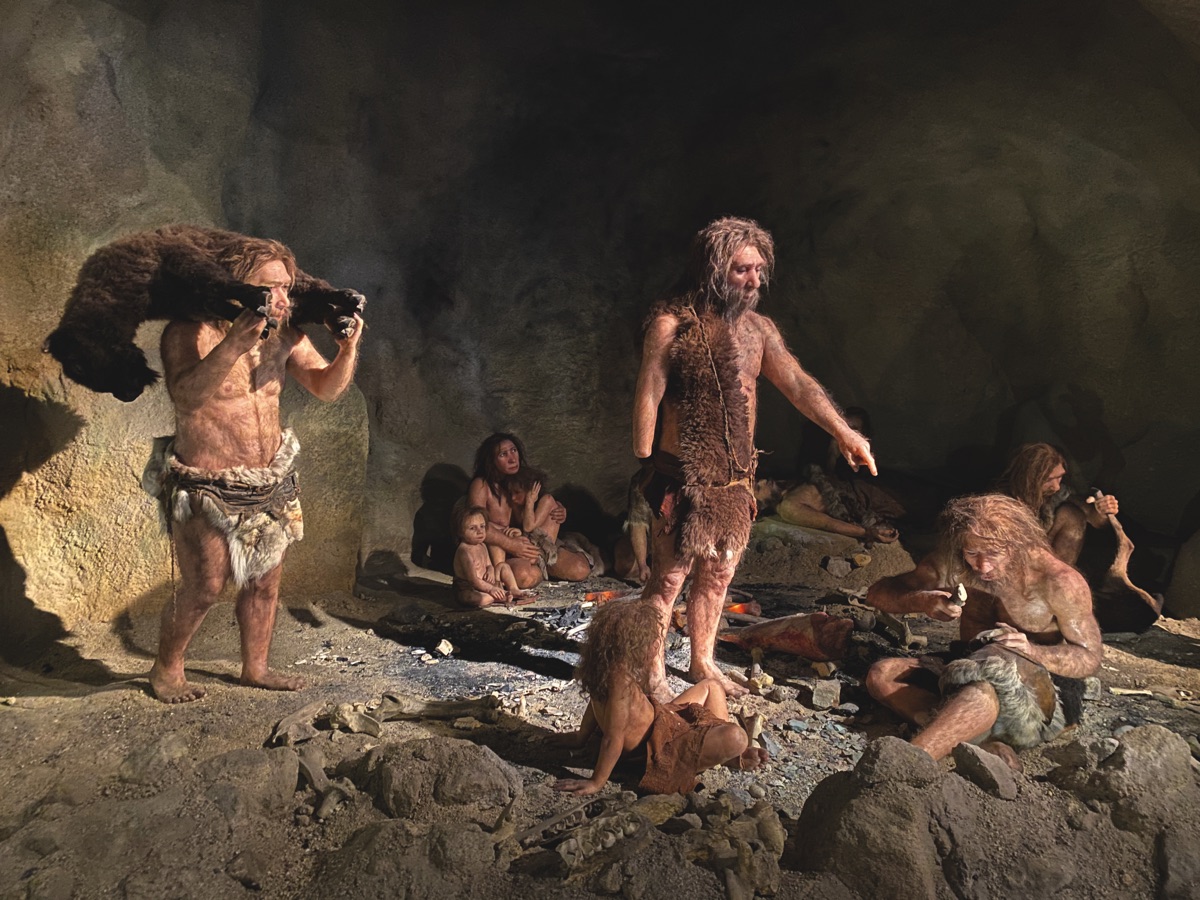
Curator: Olga Kotková

Representatives from the global multi-stakeholder community discussed the Future of the Internet in Prague

Photo source: Twitter

A High-level multi-stakeholder event on the Future of the Internet took place in Prague, Czech Republic, on 2 November 2022. The event included plenary sessions as well as workshops, where government representatives together with stakeholders discussed concrete actions to deliver on the internet’s promise of connecting humankind and helping democracies to thrive, as reflected by the principles in the Declaration. The second bloc of the event was focused on disinformation.

The event, organised by the European Commission in coordination with the European External Action Service and the Czech Presidency of the to the Council of the European Union, bringed together representatives from the global multi-stakeholder community to promote the overarching DFI (Declaration on the Future of The Internet) partners endorsed vision for an Internet that is open, free, global, interoperable, reliable, and secure. The event was focused on sharing solutions to implement the principles enshrined in the Declaration on the Future of the Internet (DFI).

Photo source: Twitter

Ursula von der Leyen, President of the European Commission, said :

“The Internet has brought humanity together, like never before in history. Today, for the first time, like-minded countries from all over the world are setting out a shared vision for the future of the Internet, to make sure that the values we hold true offline are also protected online, to make the Internet a safe place and trusted space for everyone, and to ensure that the Internet serves our individual freedom. Because the future of the Internet is also the future of democracy, of humankind.”

Photo source: Twitter

Disinformation in the region of Central-Eastern Europe, addressed in the event

Against this background, the event included plenary sessions as well as workshops, where government representatives together with stakeholders discussed concrete actions to deliver on the internet’s promise of connecting humankind and helping democracies to thrive, as reflected by the principles in the Declaration.

The second bloc of the event was focused on disinformation. It showed how to translate the DFI principles into concrete actions, with a particular focus on pro-Russia related disinformation in the region of Central-Eastern Europe. During this part, a presentation made by policy makers and experts in the field provided an overview of the main issues related to disinformation, followed by a high-level panel that will engage policy makers platforms and civil society organisations to discuss how such issues can be addressed through the new co-regulatory framework and the strengthened Code of Practice on Disinformation.

The agenda of the event can be accessed here.


NGI: A program that funds solutions in the fields of the DFI

Next Generation Internet is an initiative of the European Commission, which aims to shape the Internet for the future as a powerful, user-centric (Internet of Humans) ecosystem that meets the fundamental needs of the population.

The NGI programme is supporting solutions in the fields of the DFI and it funds the best research and innovation projects in the field of the Internet, ultimately addressing the need for a more fair, safe, resilient, sustainable, human-centred and decentralized internet. Equity, Diversity and Inclusion are the backbones of this envisioned future.

So far the NGI has funded more than 600 innovators with inclusive and trust-based complementary technology building blocks including services, applications, decentralized ledger technologies such as blockchain, data portability, AI, machine learning, networking, hardware and open source software.

Projects cover a broad range of subjects from private search, instant messaging and remote working tools with data privacy, health, energy, finance, supply chains, research, knowledge management and responsible media platforms.

Czech NGI-funded projects:

https://www.ngi.eu/discover-ngi-solutions/?country=1685

How was the International Trebbia Award created?

Photo: Archive

In 1143, the Premonstratensian Canon founded the Strahov Monastery on the Prague hill Hradčany. In the years 1602–1612, the Premonstratensians and Emperor Rudolf II had a church built in gratitude for Prague having avoided the plague. This church was named after the French Saint Roch, who, at the turn of the 13th and 14th centuries, helped wherever the plague appeared. When Saint Roch himself fell ill, he left France and went across the Alps to northern Italy, where he lived for many years in a shack on the banks of the Italian river Trebbia. According to the legend, an angel visited him and healed him from his illness.

In 1993, the MIRO Gallery, founded in Berlin in 1987, moved to the Church of St. Roch on Hradčany in Prague. In 2000, the MIRO Company initiated the formation of an international award named after the Italian river Trebbia. This award was created as an expression of gratitude to entrepreneurs, patrons, and artists across all artistic genres. The Trebbia Gala Evening has been one of the most prestigious international events in the Czech and Slovak Republics over the past 20 years. The Trebbia International Awards are presented annually to laureates from many countries around the world in a live broadcast by Czech and Slovak Television, and on the Trebbia Foundation YouTube channel from 20:00 CET, with a simultaneous English translation. A replay of the Trebbia Gala Evening was broadcasted a week later on TV Noe in the Czech and Slovak Republics.
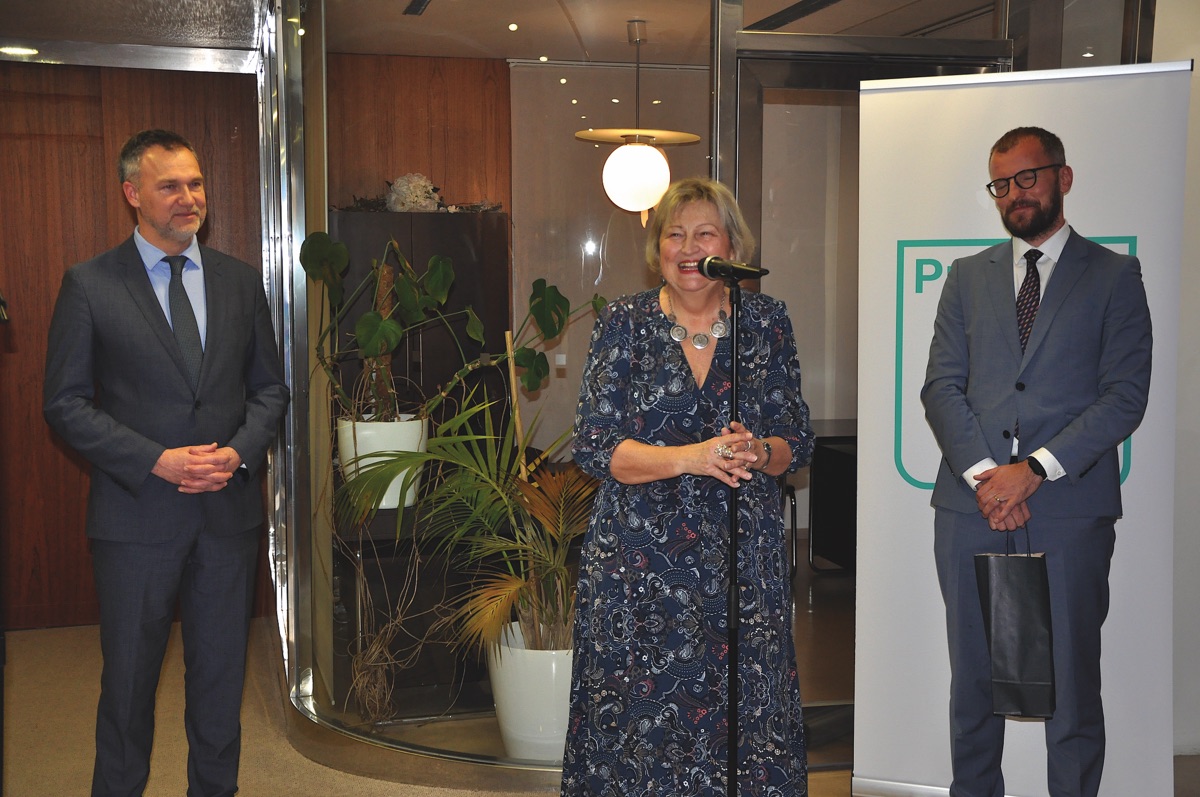
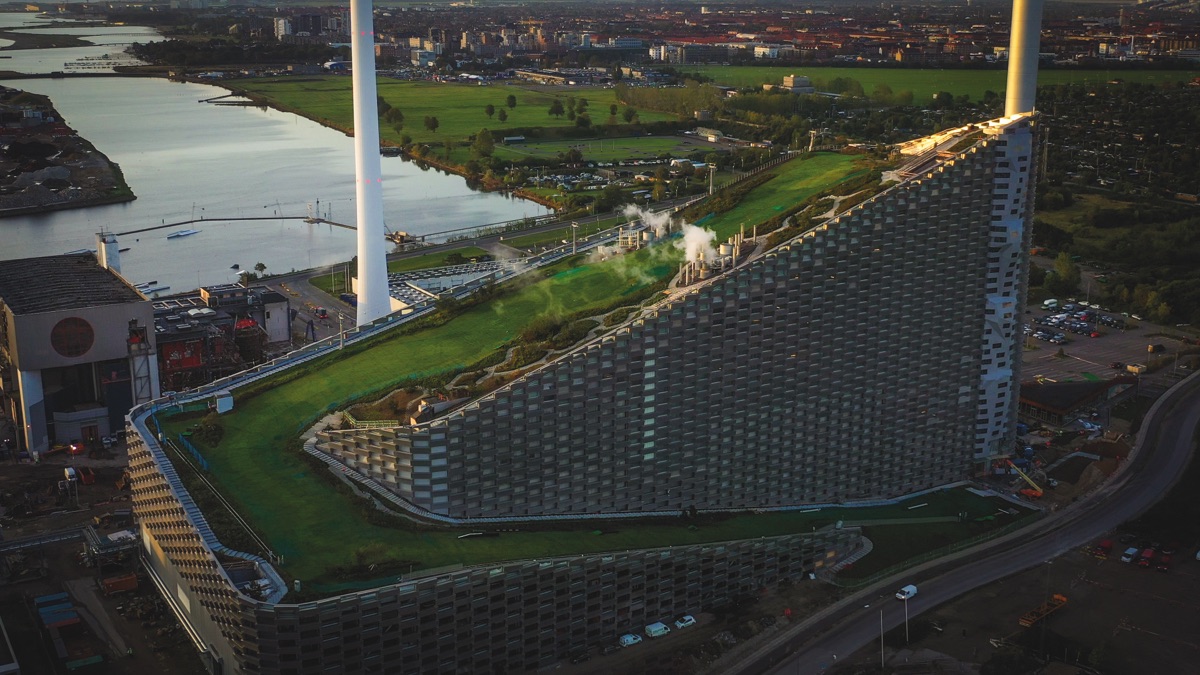
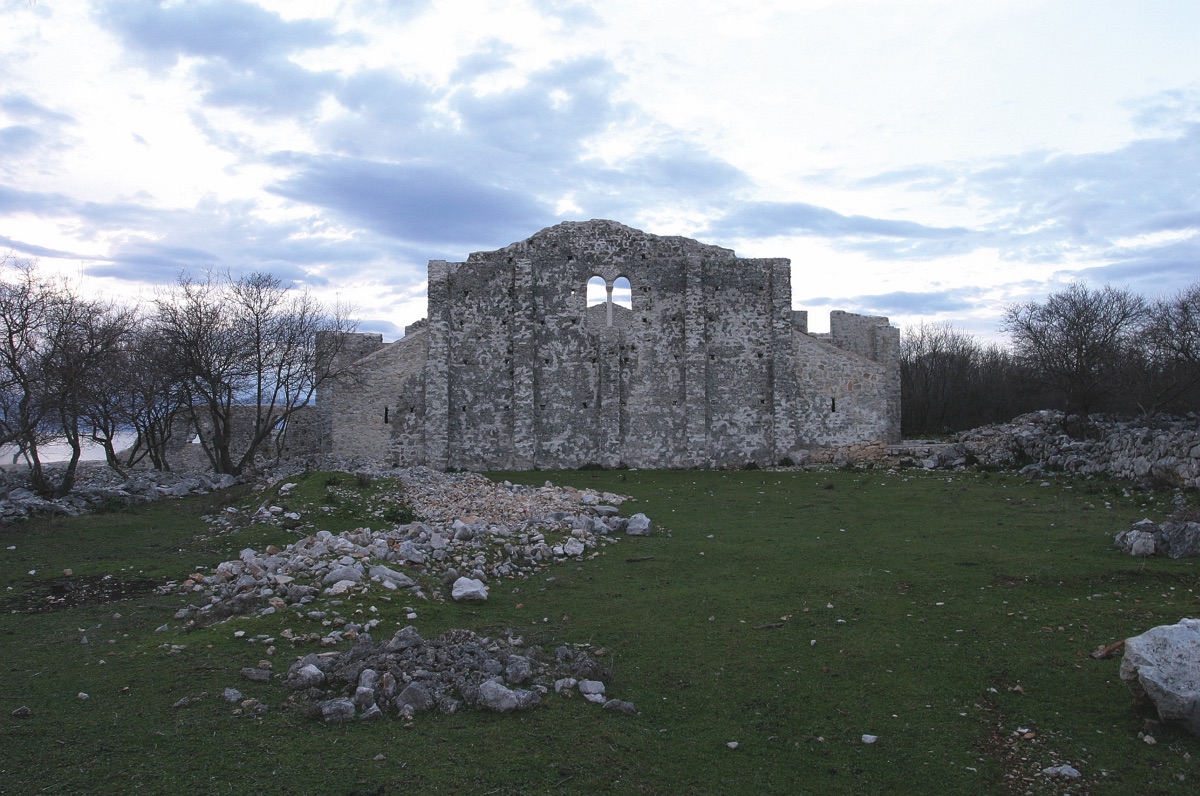
Between 2001-2022, the International Trebbia Awards was awarded to 118 laureates from 31 countries around the world (Australia, Bosnia and Herzegovina, the Czech Republic, the People‘s Republic of China, France, India, Ireland, Italy, Israel, Japan, Cambodia, Kenya, Kuwait, Laos, Hungary, Mexico, Monaco, Mongolia, Poland, Austria, Russian Federation, Slovakia, United Kingdom, Federal Republic of Germany, Spain, Switzerland, Tajikistan, Turkey, Ukraine, USA, and Venezuela).

Ivo Nahálka

“A hotel tests your skills until the last minute”

Text: Martina Hošková and M. Zisso; Photo: Archive

In the historical center of Prague, it is quite an impossible task to find an architecturally uninteresting building, and it is right here where the Archina Design Studio is located, in the Mozarteum building. The interior of the studio itself is inspiring as well, which is further supported by the list of project designs the company has in its portfolio. The list is rather long, but let us name some well-known hotels, such as Don Giovanni, Imperial, King’s Resort, Palace Hotel, and Crowne Plaza Prague Castle. Ivo Nahálka is the long-time leader of the studio and a renowned architect, especially in the hotel construction sector.

You are well respected as an experienced hotel project design studio. Why have you focused on this demanding sector? Do you enjoy challenges in life?

First, let me set one thing straight. Sometimes, the public – even the professional public – thinks that our studio focuses solely and specifically on hotels. This is not the case. However, if you look through our list of implemented project designs, you will see that our main professional focus has come about by coincidence. In my second year of university, I chose a very complex design in Pankrác, Prague, next to the Congress Center. I took part in several competitions with that design. Right after graduation, I joined a team of architects who were designing the hotel in the end, and the project was implemented. This is the key point where my professional career really started, and this project was followed by more and more hotel project design implementations, addressing investors and hotel companies with something that the hotel world needed. It is the difference, the beauty…

What is it that makes hotel project design so challenging and unique?

A hotel is your second home when you are travelling, and you need to feel comfortable there, no matter what your preferences are. It is not a question of taste, style, or services at all. If the services provided are of high quality then it is a regular upgrade and guests are likely to come back. But it is primarily about how they perceive the hotel – the building, its interiors, and how everything is arranged to make them comfortable to sleep, work, attend a conference, go out for entertainment, swim, exercise, enjoy good cuisine there… The complexity of hotel construction is high because several functions are accumulated in one building – basically, all the normal activities that people do from morning to evening, and from evening to morning, in some rather short periods of time and in one place. Hotel construction tests the architect in a highly challenging way. The result should support the success of a particular hotel project so that its guests will be happy to return there. The architects will actually support the hotel’s operations, in terms of the hotel’s economic results, with their design. Then, the investors will come back to you as well. Making a mistake – or multiple mistakes – in a hotel design means that no one will ever award such a job to you again. Given the number of international hotel companies, the awareness of who is really able to create a successful product in this sector is spreading rather quickly.

You have been in business for so long that you actually now get contracts to redesign hotels that you have already once designed years ago. How do you feel in such situations?

It is very satisfying to go back to an original project design and replace the interiors with new ones. Honestly, I am really very happy when the interiors are just changed in a routine way so that their basic design remains virtually the same. A large part of the clientele appreciates when the interior is the same, and guests return to the environment they are used to. It is the same as at home – or at least it used to be the case – that the basic character of the interior is the same, and you do not tend to keep changing things in order to follow the latest trends and fashions. Architecture did not work that way before.

This was due to the fact that the buildings that were constructed were unique, one-of-a-kind, and filled with beauty and high-quality materials. The details were crafted with great quality, which means that the buildings, in terms of their exteriors and interiors, survived for hundreds of years. You can only come in and replace something if it is damaged in some way. But nobody tended to change anything fundamental because they knew those buildings were successful and always worked well economically. Therefore nobody changed the key features and functionalities.

It actually came back to me in a good way as well, in the sense that not only are the hotel owners coming back to us (as long as they are the same ones who built the hotel), but all those buildings are still hotels today – they have survived two waves of crisis and they are still functioning. As an example, I was recently at the Don Giovanni Hotel and could not find a parking space there at all. In spite of 94 the times being what they are, the hotel is exceptionally successful. It is, of course, created by the clientele, but also by those who run the hotel and have been able to sell that added value of service, of good cuisine. It is just that the hotel is so beautifully alive, it is full… It makes me happy from the point of view that not only can I afford to replace the interior, but I am able to honor the spirit that has been set up there from the beginning. This is the answer to your question.

Some buildings, including hotels, are entirely the work of a single architect, who designed them down to the smallest detail, including wallpapers, tea service, and spice sets. Are you in favour of such an approach?
Yes, I am, and let me explain why. Not only is it my personal conviction, but also if we go back to the past, we can see that there was no distinction then either between who was the architect of the building and who arranged for the interiors. Investors expected the architect they approached to design the building completely, down to the last doorknob. It exudes a tremendous power of beauty, which is extremely important for the joy and quality of life. Plus, there is another powerful energy hidden there and that is the unity of expression. It is basically what makes buildings unique.

I always like to mention the Municipal House as an example. When you go through the building as a whole, letting go of all opinions and tuning into your own feelings, you are bound to be amazed at the end of your tour of the building. Just how could it ever have happened that someone, like the two architects (Osvald Polívka and Antonín Balšánek), managed to design such a beautiful building, where even the interiors are absolutely perfect? It is like walking through a dream where everything is in harmony, in accord, with no contrasts anywhere. At the same time, it is never about something being boringly repetitive. On the contrary, it has such a huge power that you do not even think that there should be anything else since the synergies completely engulf you. And it is the work of the whole orchestra around the architect – the craftsmen, the artists – who create that harmony, because the architect wanted to enrich the building and he approached well-known artists to create a great result. It is more than just a unique building because it includes unique artworks that give it an even greater stamp of originality and beauty. That is how I think all buildings should work, and why I love working on designs where investors give us their confidence by ordering the design of the interiors as well. That is also precisely the wonderful challenge of being able to finish a building completely. We also design the place settings and chinaware, and take it down to the last detail. That is why you enter the house, and even after a while still feel that you are in a harmonious environment.

You mentioned investors. Have they changed during your time in the building and architecture industry?

In essence, the investor who wants to build a hotel does not change. It used to be more about the investor having their own professional team, and quite often they were also hoteliers. Today you can meet multiple entities; it is usually an investor that wants to invest but does not fully understand hotels, who hires a hotel company, and awards the construction contract to a construction company. Still, otherwise, the essence is always the same. For me, the challenge is always to create – whether it is an extension, an annex building, a refurbishment, a combination, or a newly constructed building – a product that meets the expectations of the investor, as well as those of the hotel company. It means meeting the standard requirements and creating an original building that is able to attract people with its good energy, which people also love to come back to. This just shows that beauty makes sense, because it will also support economic success. In the case of a hotel, it is a regular disaster when something goes wrong. It means throwing out the entire interior, or redesigning the layout. A hotel tests you until the last minute – through construction and interiors, where mistakes are immediately apparent and cost big money. This means that it is not about some “what I would like” type of creation, but that it must have the appropriate inherent attributes.
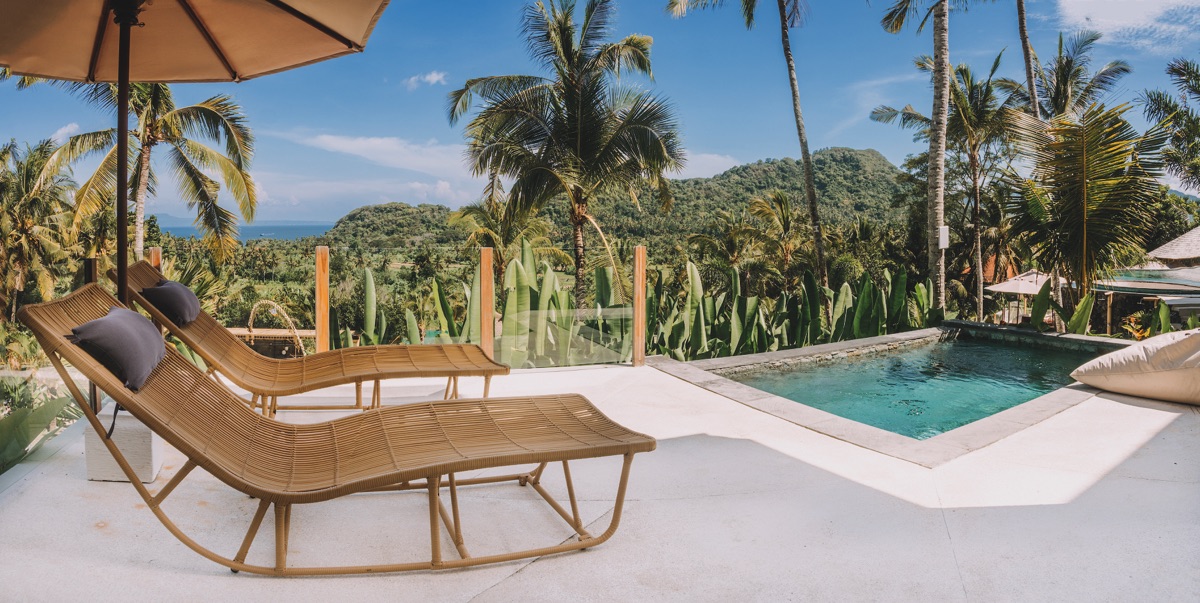
Philippine Embassy National Day and Farewell

Text: M. Zisso; Photo: Archive

The Philippine Embassy celebrated the National Day and farewell to H.E. Ambassador Ombra T. Jainal at Augustine Hotel.

Celebrating with Turkey

Text: M. Zisso; Photo: Özgür Öztürk

H.E. Egemen Bağış, the Turkish Ambassador to the Czech Republic, is very well known for his hospitality

15th July was the anniversary of the most important Turkish day – Democracy and National Unity Day. A special event was held at the Turkish Embassy residency on 30th August, with over 200 leading intellectuals, business people, politicians, and diplomats in attendance to celebrate the victory day.
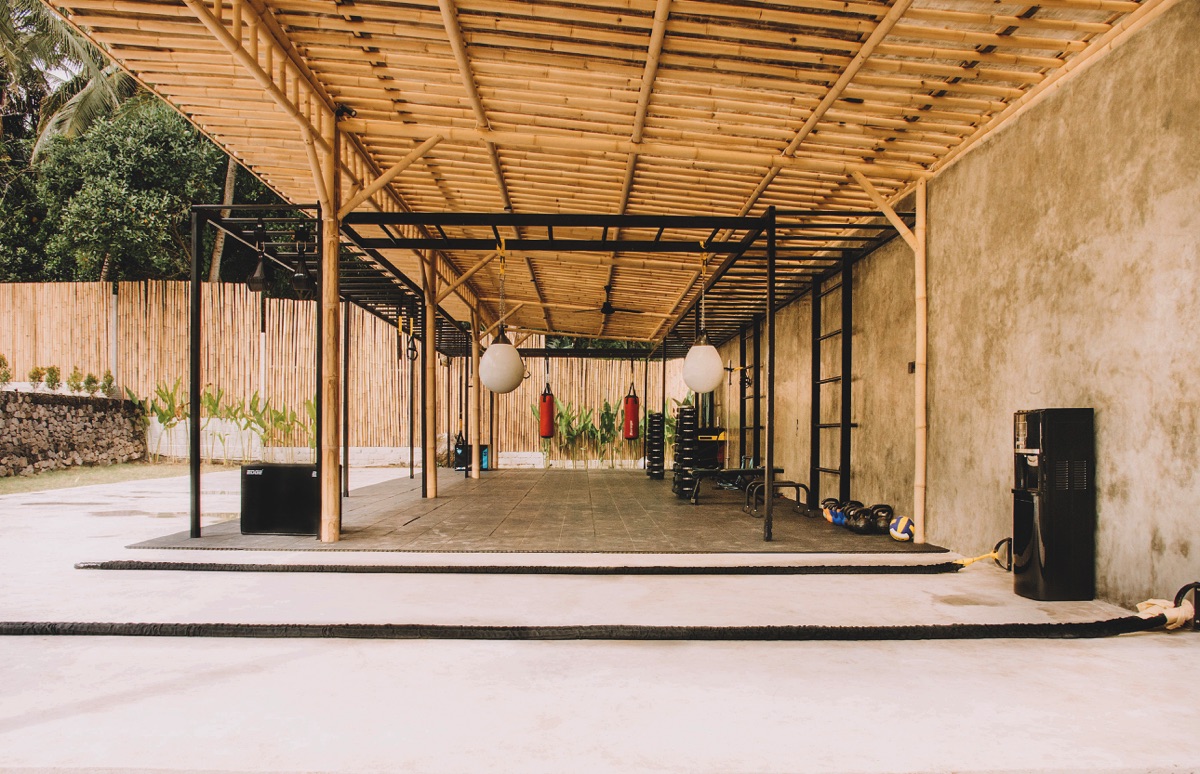
H.E. Egemen Bağış read a special message from Turkish President Mr. Recep Tayyip Erdogan for this important day.

Taiwan must remain an island of FREEDOM

The Speaker of the Chamber of Deputies, Markéta Pekarová Adamová and the Chairman of the Legislative Court of the Republic of China (Taiwan), You Si-kun

Text: M. Zisso; Photo: Archive

The Speaker of the Chamber of Deputies, Markéta Pekarová Adamová, held talks with the delegation led by the Chairman of the Legislative Court of the Republic of China (Taiwan), You Si-kun.

The main topic of the meeting was closer mutual cooperation at the parliamentary level.

“Despite the considerable geographical distance between our countries, we and Taiwan share a very strong bond of shared democratic values. From our own history, we remember all too well what it is like to live in the sphere of influence of a usurping totalitarian power,” pointed out Speaker Adamová.

Among the specific areas of intended closer cooperation, the Speaker of the Chamber of Deputies specifically mentioned the exchange of know-how in the field of cyber security and hybrid threats. In the future, educational exchange visits of office employees would also be considered.

At the end of the meeting, the speaker of the Taiwanese legislature officially invited the speaker of the Czech House of Representatives to visit Taiwan.

The Chairman of the Legislative Court of the Republic of China (Taiwan), You Si-kun and Speaker of the Chamber of Deputies, Markéta Pekarová Adamová

„I really appreciate the invitation. I am sure that such a journey will follow on seamlessly from the mission of Senate President Miloš Vystrčil 2 years ago, and will contribute to the further deepening of the promising cooperation between our parliaments. At the same time, we will use this route to develop our business relations, and the political delegation will also be supplemented by representatives of Czech businessmen,“ added Speaker Adamová.

Karolína Křížová: People in Czechia are starting to take the problem of sexual violence seriously

Photo illustrative: Michaela Danelová, Czech Radio

When the #MeToo campaign resonated in the Western world many Czechs were openly sceptical and even ridiculed what they considered to be a typical excess of Western feminism. Then two cases of multiple rape made media headlines – one involving Dominik Feri, at the time the youngest MP in the lower house of Parliament, and the other Jan Cimický, a well-known and respected psychiatrist who is now charged with 28 cases of rape committed mostly on his patients over the years. These cases appear to have been an eye-opener for many in the country.

I spoke to Karolína Křížová from Konsent, an NGO which focuses on preventing sexual violence and creating a safer environment for women, to find out her take on these two cases and the public response to them.

“It says a lot about how things are shifting in the society. Because when the first affair happened – which was the case of the young politician – many of the victims who came forward were denigrated and there were doubts among the general public about whether they were not making false accusations, whether it was not a conspiracy to bring him down. That must have been very difficult for all the victims.

See the rest here.

Author: Daniela Lazarová

Independence Day celebrations in Czechia mark country’s 104th birthday

Photo: Tomáš Adamec, Czech Radio

October 28th is Czechoslovak Independence Day, marking the establishment of Czechoslovakia in 1918.  Czechs will commemorate the 104th anniversary of the birth of the Czechoslovak Republic with a host of events, including the traditional ceremony at the Vítkov Memorial, remembrance events for the country’s first president and an award giving ceremony at Prague Castle.

Czechoslovak Independence Day traditionally starts with a commemorative ceremony at the Vítkov Memorial in Prague attended by the president, government officials, parliament representatives, church dignitaries and cultural figures who lay wreaths at the Tomb of the Unknown Soldier to pay homage to those who laid down their lives for the country. President Miloš Zeman, who had to miss last year’s event due to ill health, has confirmed that he will attend the ceremony this year.

In the course of the day, Czechs around the country remember Czechoslovakia’s first president T.G. Masaryk. Official wreath-laying ceremonies take place at Masaryk’s graveside in Lány and his statue on Prague’s Hradčany Square but people also make their way to the hundreds of busts, statues, monuments and plaques dedicated to Czechoslovakia’s co-founder in towns and villages around Czechia to lay flowers and light candles. Often, a live band will play President Masaryk’s favourite song Ach, synku, synku.
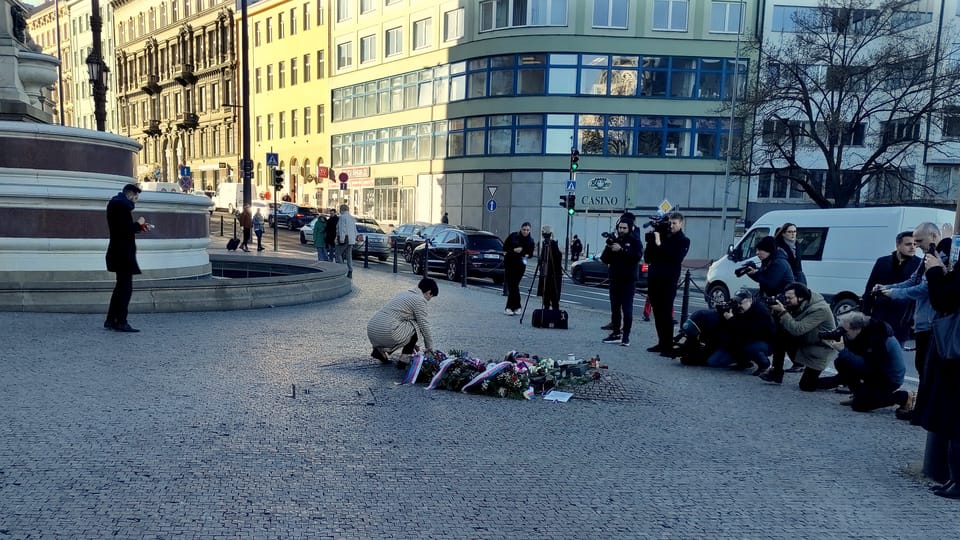
A ceremonial change-of-guard at Prague Castle at midday traditionally attracts a crowd of onlookers. Meanwhile, inside Prague Castle President Zeman will appoint new army generals. In previous years, Miloš Zeman attended the swearing-in ceremony of army recruits on Hradčany Square on the day of the national holiday. This year, however, the event took place in the barracks in Brno a day earlier.
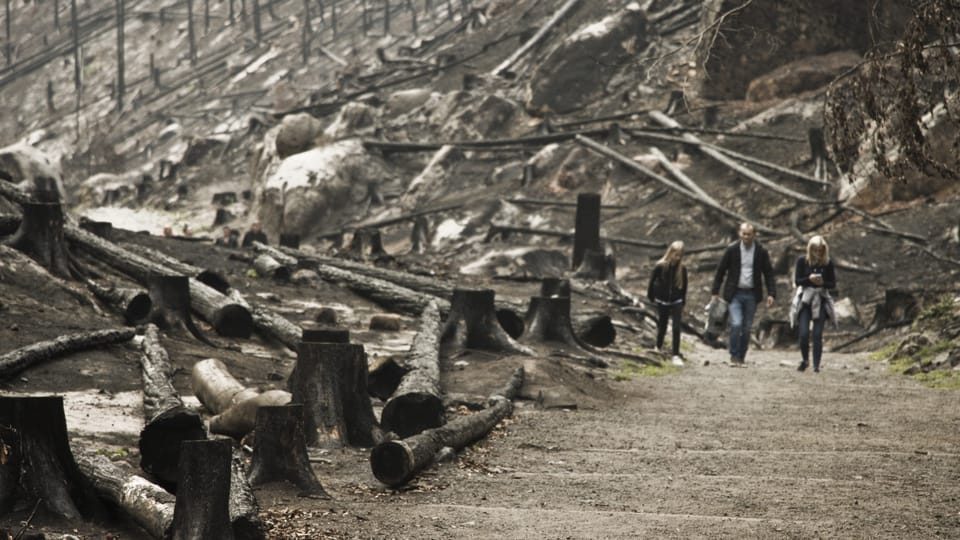
The Czechoslovak Legionary Community will honour fallen legionnaires on Emauzy Square and in the evening the Prague Symphony Orchestra will perform a Concert for the Republic at the Prague Municipal House.

See the rest here.

Author: Daniela Lazarová

Thousands attend Prague rally in support of LGBT rights

Photo: David Taneček, ČTK

Thousands of people gathered on Wenceslas Square in Prague on Wednesday evening to call for an end to prejudice against LGBT+ people, which led to the homophobic murder of two young men in Bratislava earlier this month.

Several thousand people gathered on Prague’s main square on Wednesday evening to raise their voice against homophobia. Human rights activists, singers, actors and public figures denounced the murders and blamed the Czech and Slovak governments for dragging their feet in giving LGBT people equal rights, which they say fueled prejudices and hatred against them.

Viktor Heumann from the NGO Transparent said the system itself was intended to root out anyone different.

“What occurred outside the queer bar Teplaren in Bratislava two weeks ago was hatred in its worst form. Hatred that is directed against all of us who are different, against the whole LGBT community. This terrorist act, which ended the life of Juraj and Matuš, stems from an evil that is not visible, a systemic violence which is part of the order we live in, the legal order that impacts our everyday lives. This system aims to erase our trans-identity, aims to make us invisible and force us out of the majority population. It aims to “normalize” our appearance, our behavior and our bodies. “

See the rest here.

Author: Daniela Lazarová

Museum of Literature opens in Prague

Photo: Anna Pleslová, Museum of Literature

After nearly seven decades, the National Literature Memorial has left its premises in Prague’s Strahov Monastery and moved to its new headquarters in the district of Bubeneč. Last week it opened to the public under the name Museum of Literature.

The National Literature Memorial was established in Czechoslovakia in the 1950s and for nearly 70 years it was located in the Strahov Monastery. After the building was returned to the Premonstratensian monks, the institution started looking for new premises.

A few years ago, it acquired the so-called Third Pestchek Villa located in close proximity to the city’s Stromovka Park, built by the wealthy Jewish family in 1930.

After extensive renovation, it opened to the public under the new name of Museum of Literature. Along with the name the institution also introduced a new concept of exhibiting its many valuable items.

Read the rest here.

Author: Ruth Fraňková

140 years since the premiere of Dvořák’s opera Dimitrij

Dimitrij, which premiered in Prague at the New Czech Theatre on October 8, 1882, was Antonín Dvořák’s most ambitious grand opera. Set to a libretto by Marie Červinková-Riegrová, with a plot derived from Ferdinand Mikovec’s Dimitr Ivanovič – itself based upon Friedrich Schiller’s incomplete Demetrius – the opera was a great popular success.
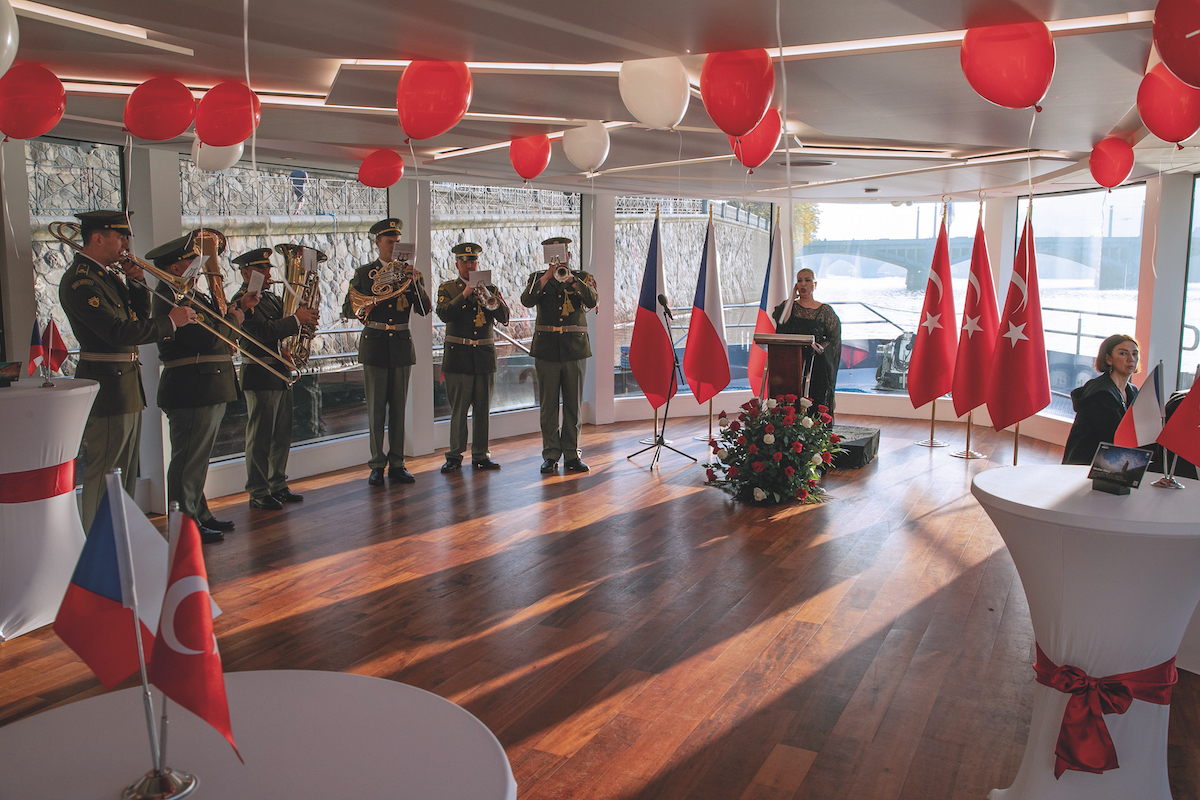
In the early 1880s, Dvořák was breaking into the international scene with his Moravian duets and Slavonic Dances. Negotiations about the foreign release of his latest comic opera The Cunning Peasant were looking promising, and the composer was looking for a sufficiently ambitious libretto on a universal theme which he could write a serious opera about. He was offered the libretto Dimitrij, written in 1877 by Marie Červinková-Riegrová, daughter of the politician František Ladislav Rieger, and was immediately enthusiastic about it.

He began composing during May 1881, and after a brief interruption in October 1881 to write a string quartet, he completed it in September 1882. When composing the music, Dvořák often consulted the librettist and made a number of adjustments, the most significant of which was the omission of the last act (a traditional grand opera has five acts, but Dimitrij atypically has only four).

The story is based on an episode from Russian history, the short reign of the first pretender to the Russian throne, known as Lydimitri I, a fugitive monk who pretended to be Dimitri, the son of Tsar Ivan IV, and who with the help of the Polish military took control of part of Russia after the death of Tsar Boris Godunov.

See the rest here.

Hello, Prague!

Photo: Samantha Cristoforetti, ISS, Mission Minerva

Last week the European astronaut Samantha Cristoforetti greeted the Czech capital on Twitter from the International Space Station, attaching a picture of the city from space. Prague was hosting the European Space Week at the time.
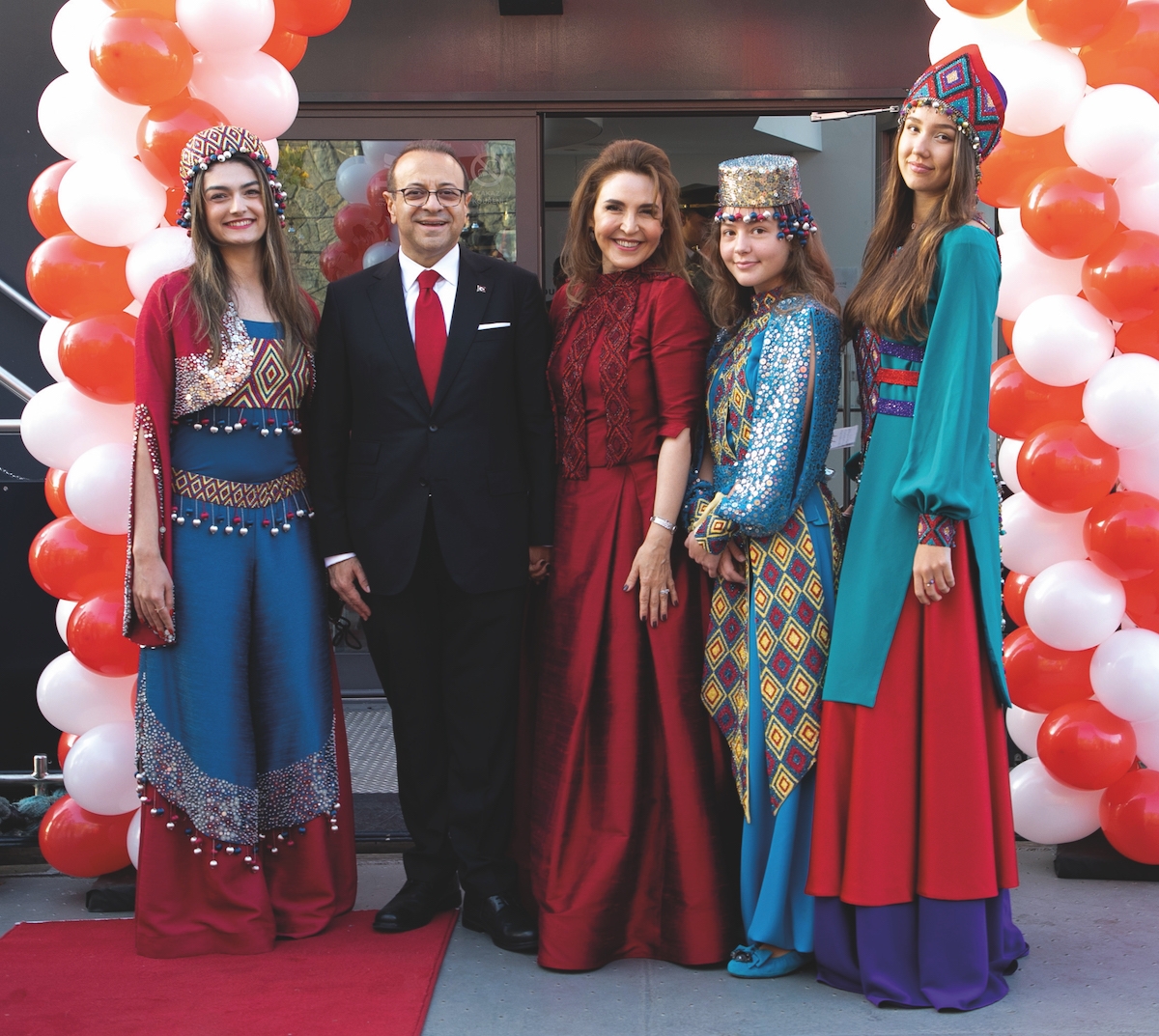
Source