Authoradmin

Ondřej Soška

Like the Olympic Games without sports

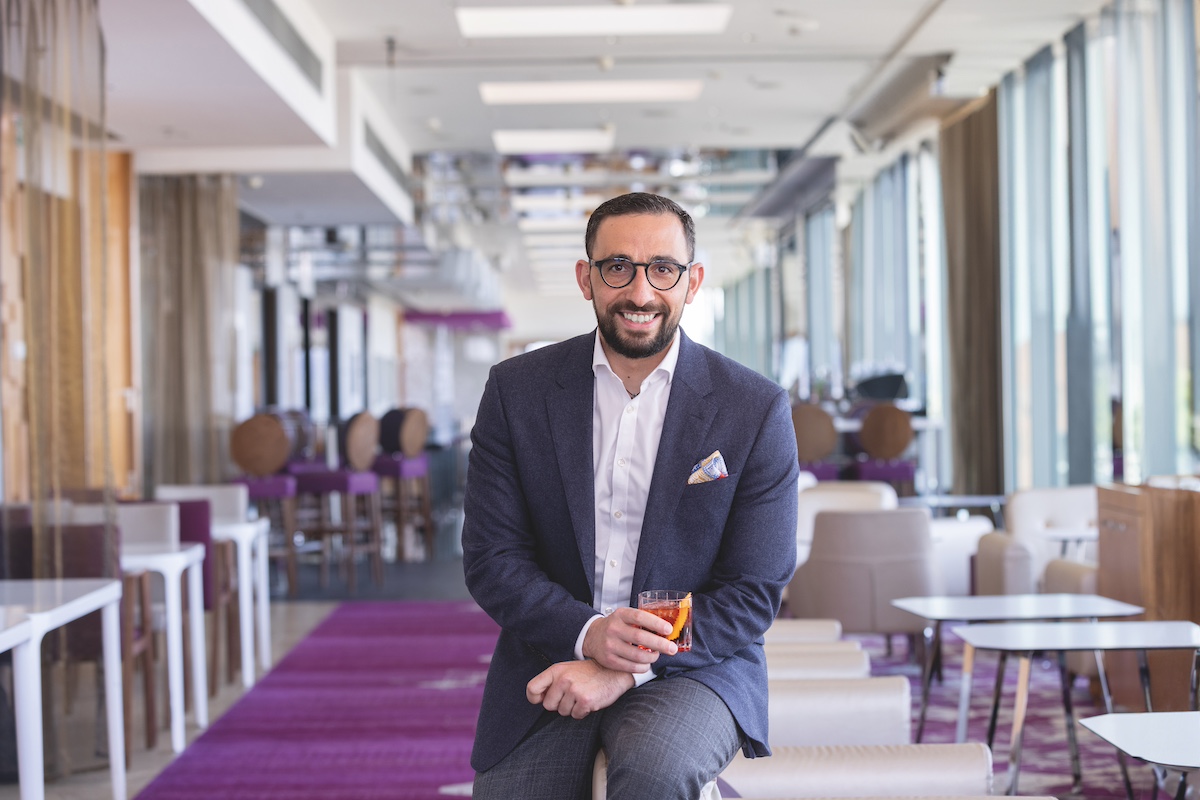
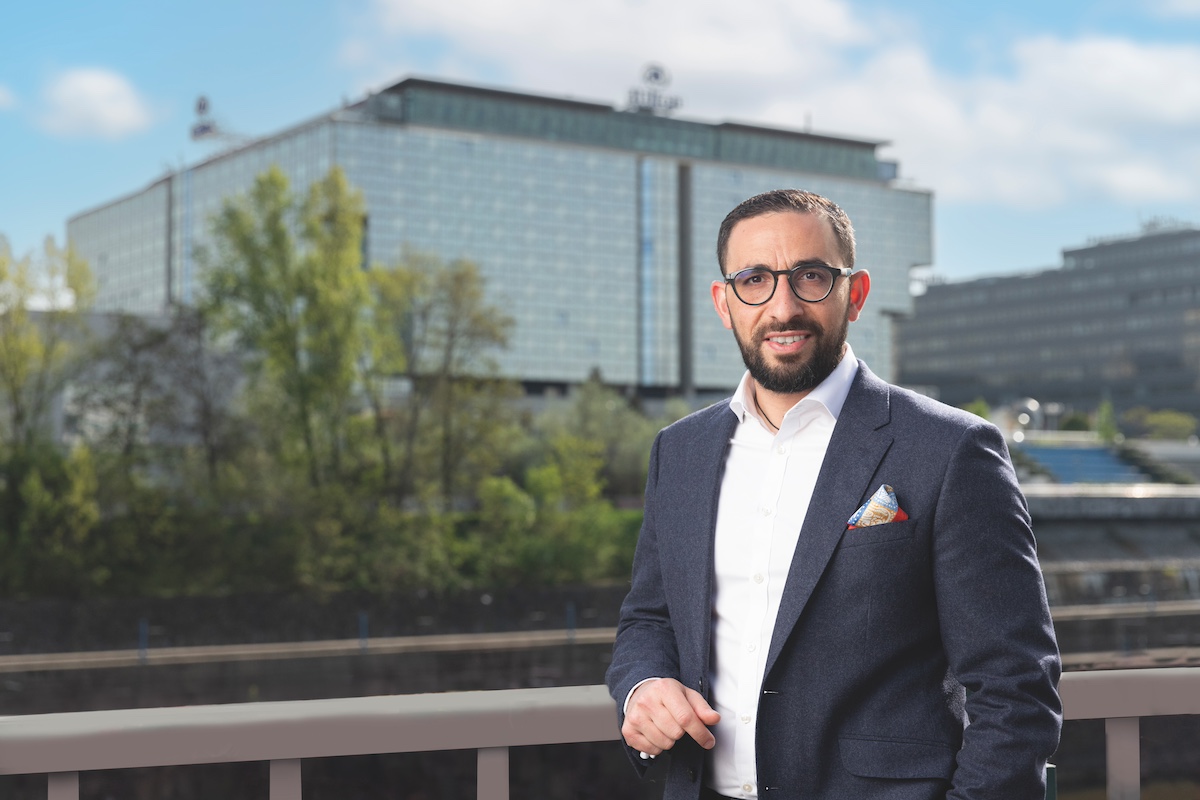
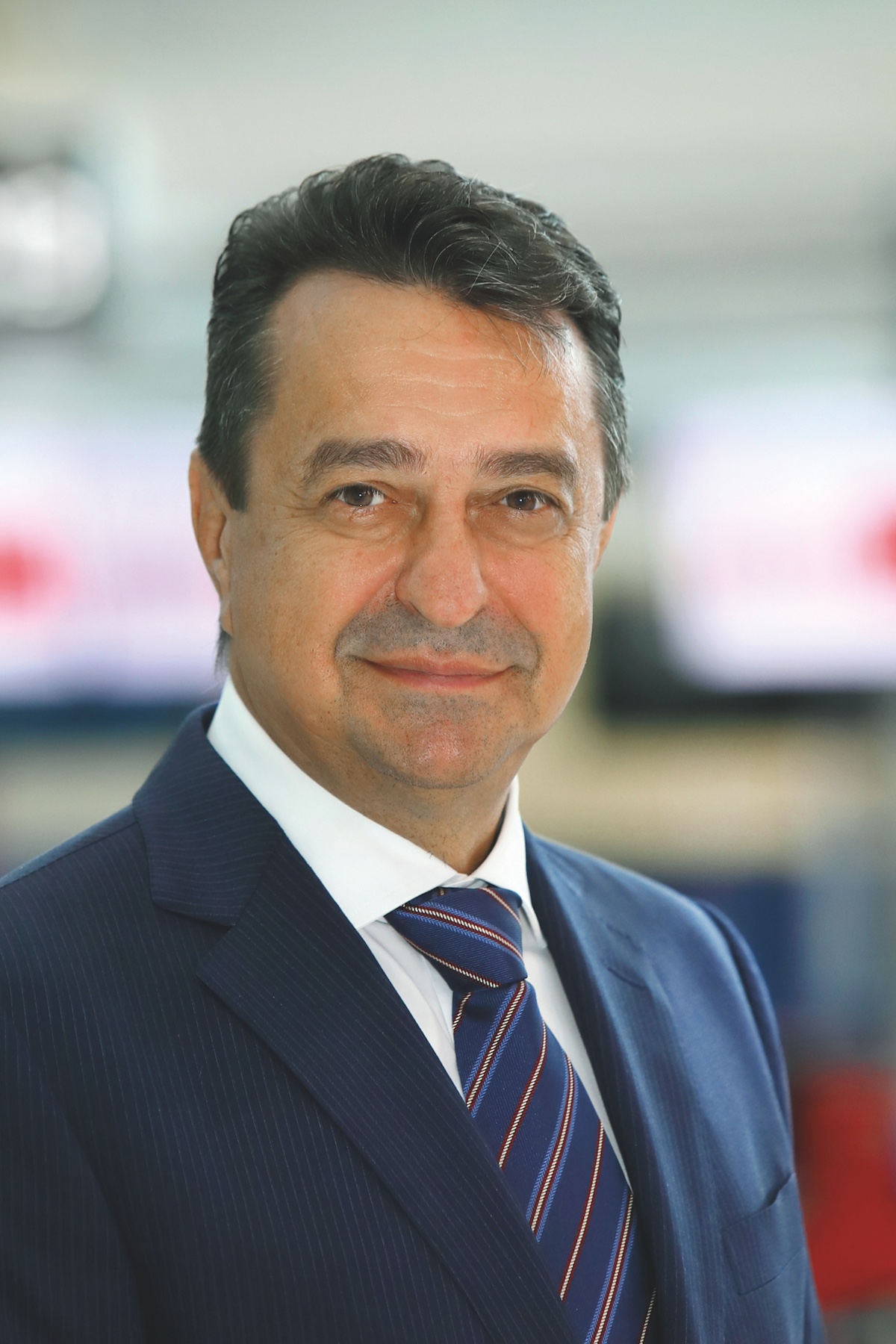
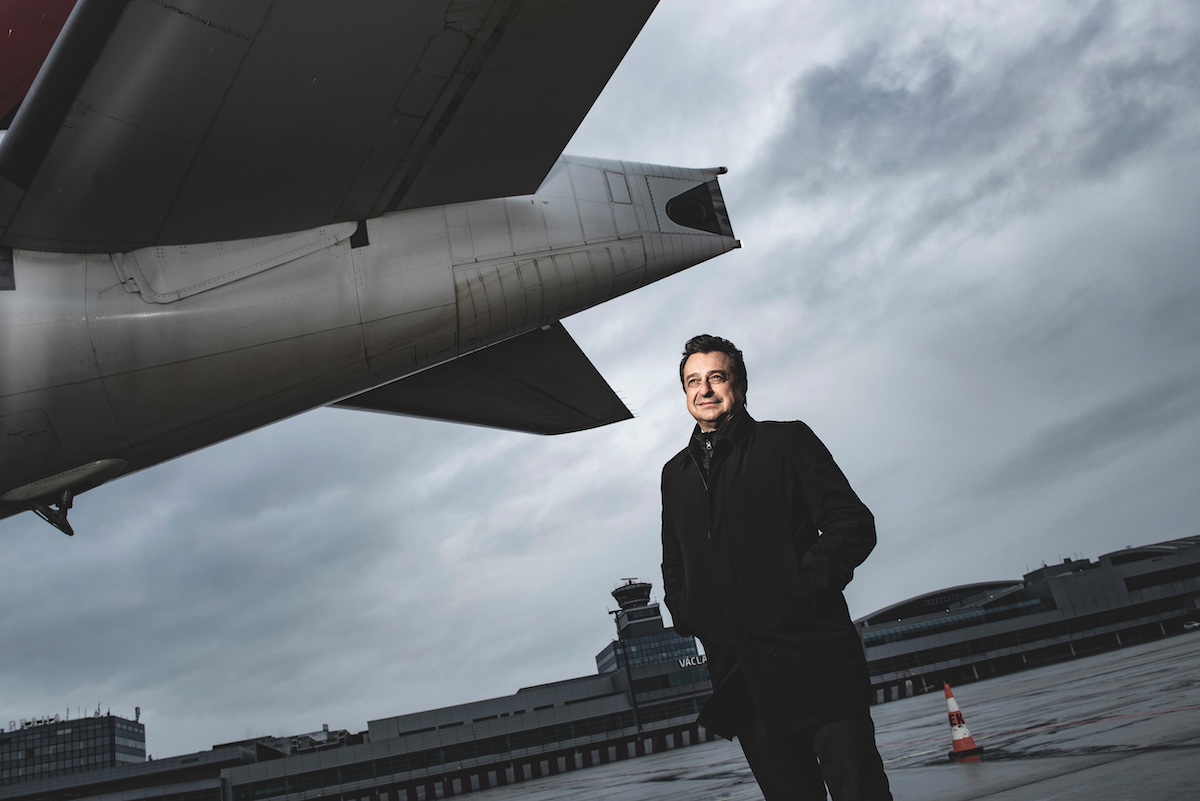
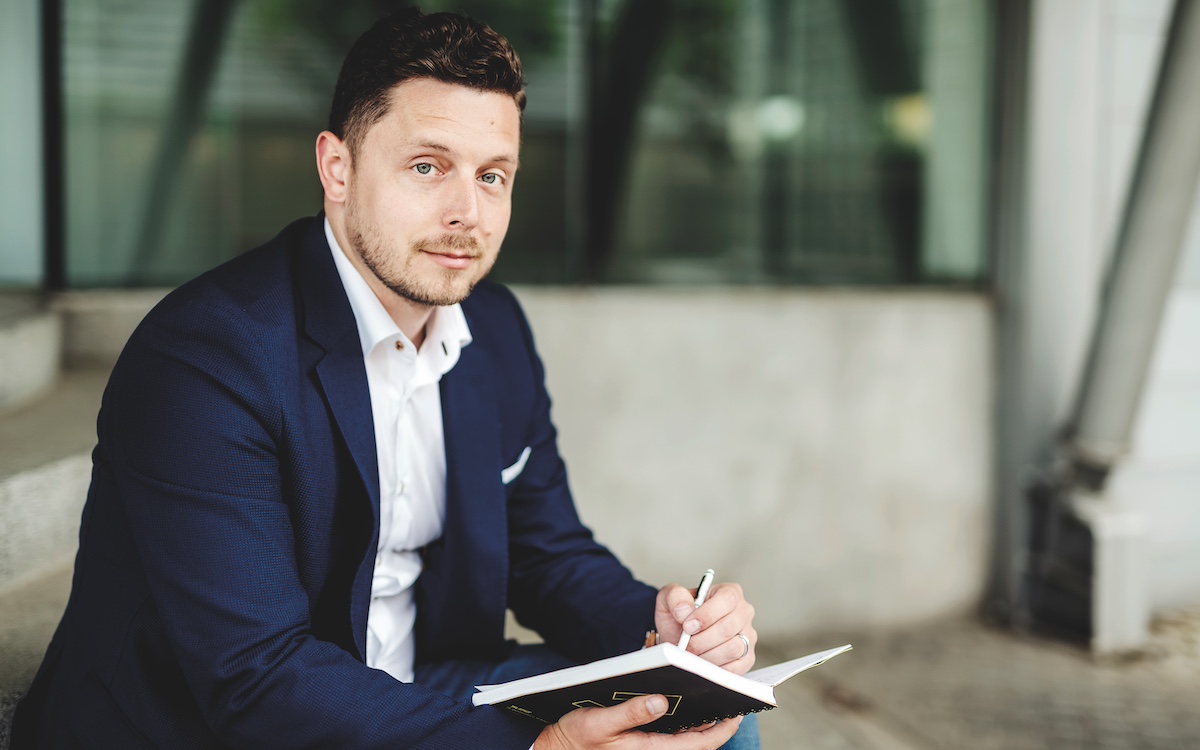
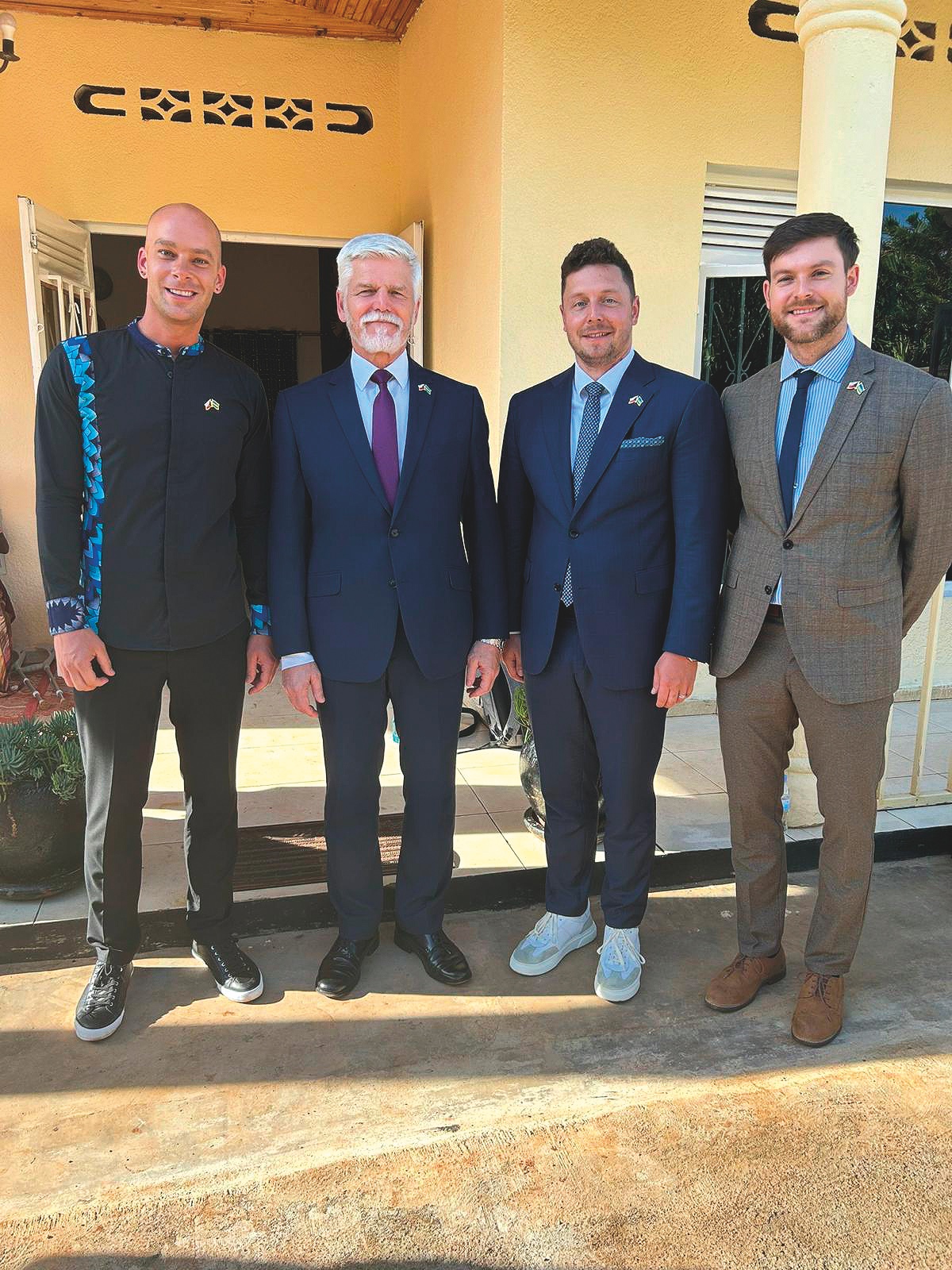
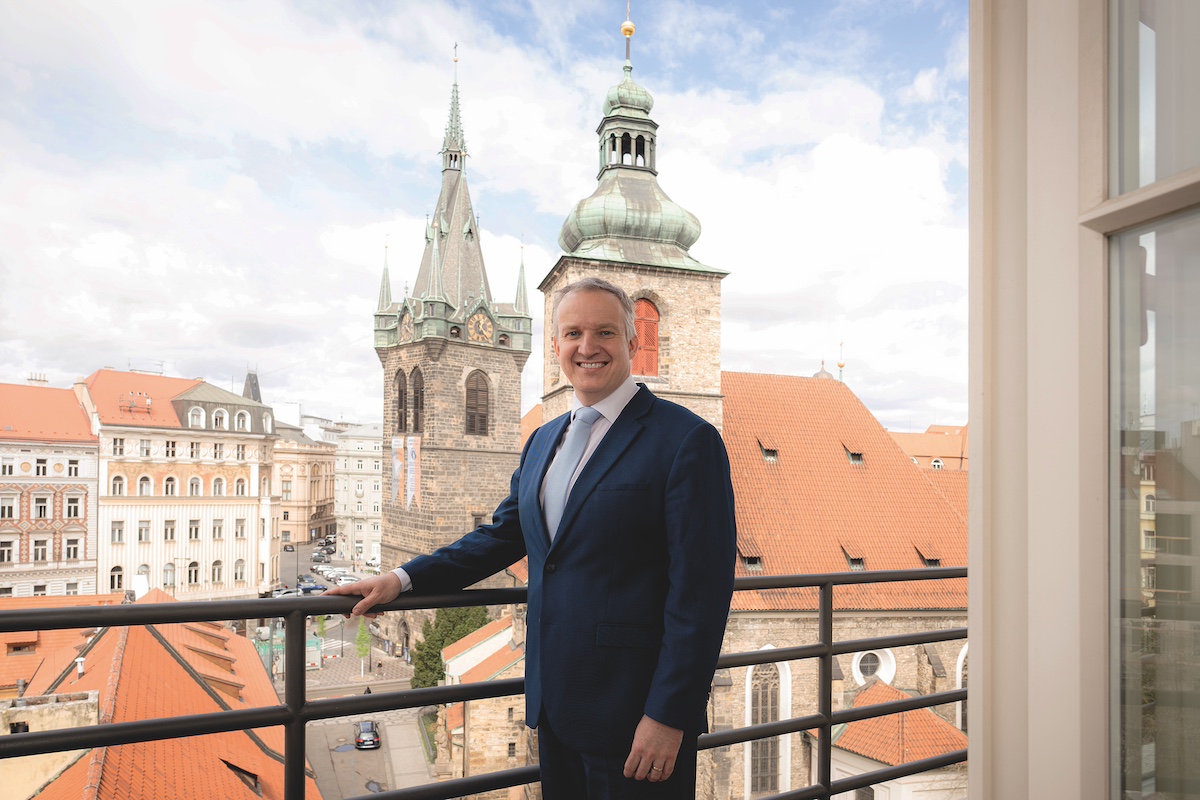
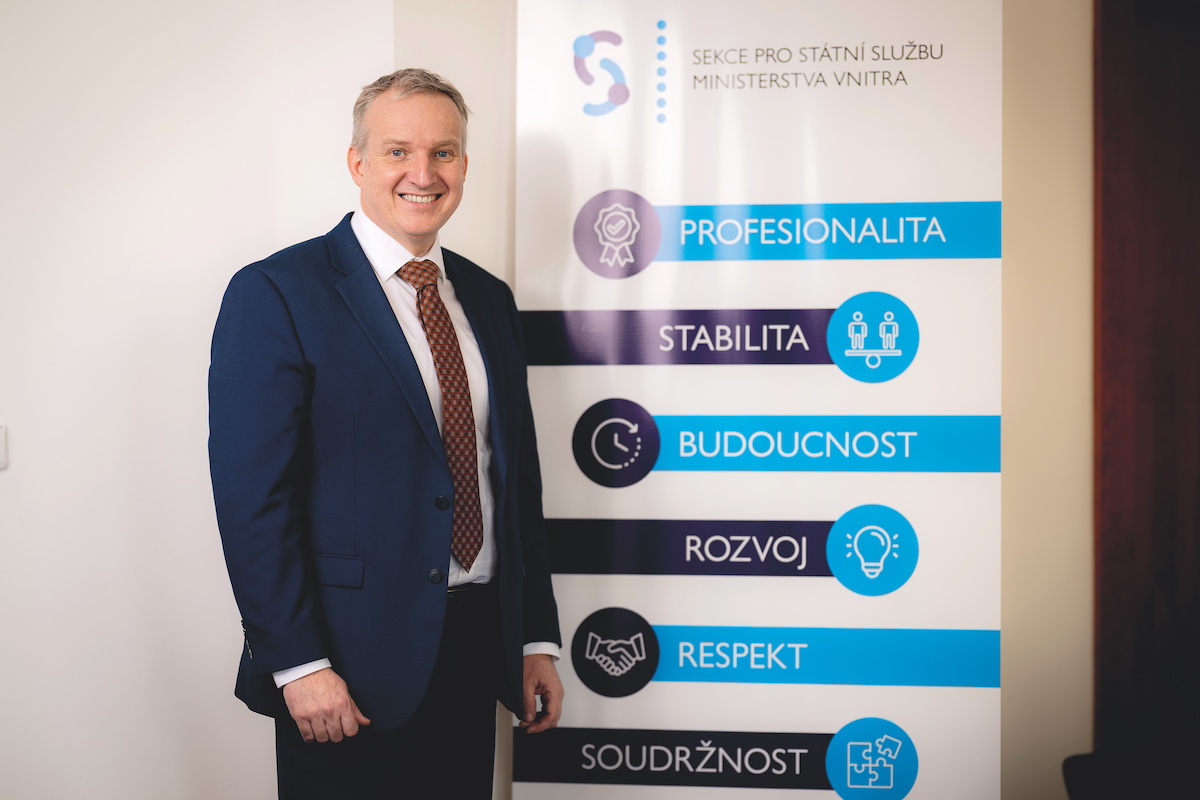
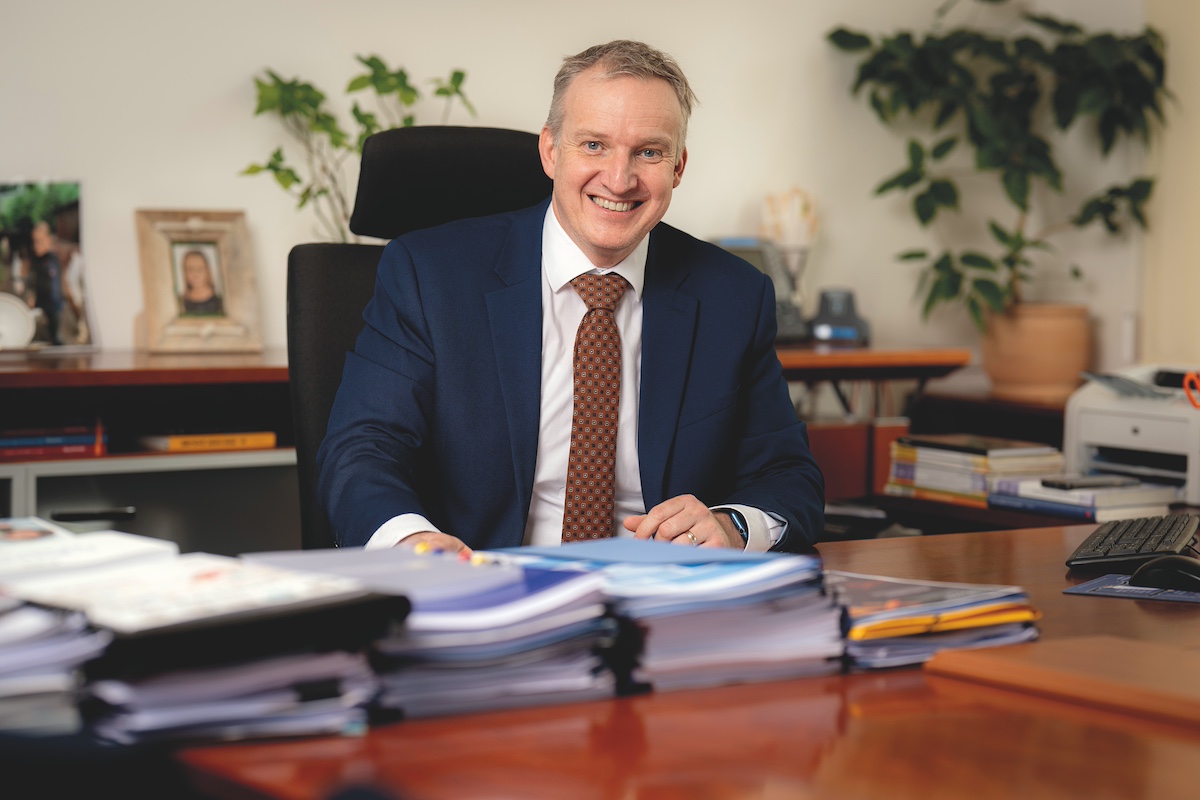
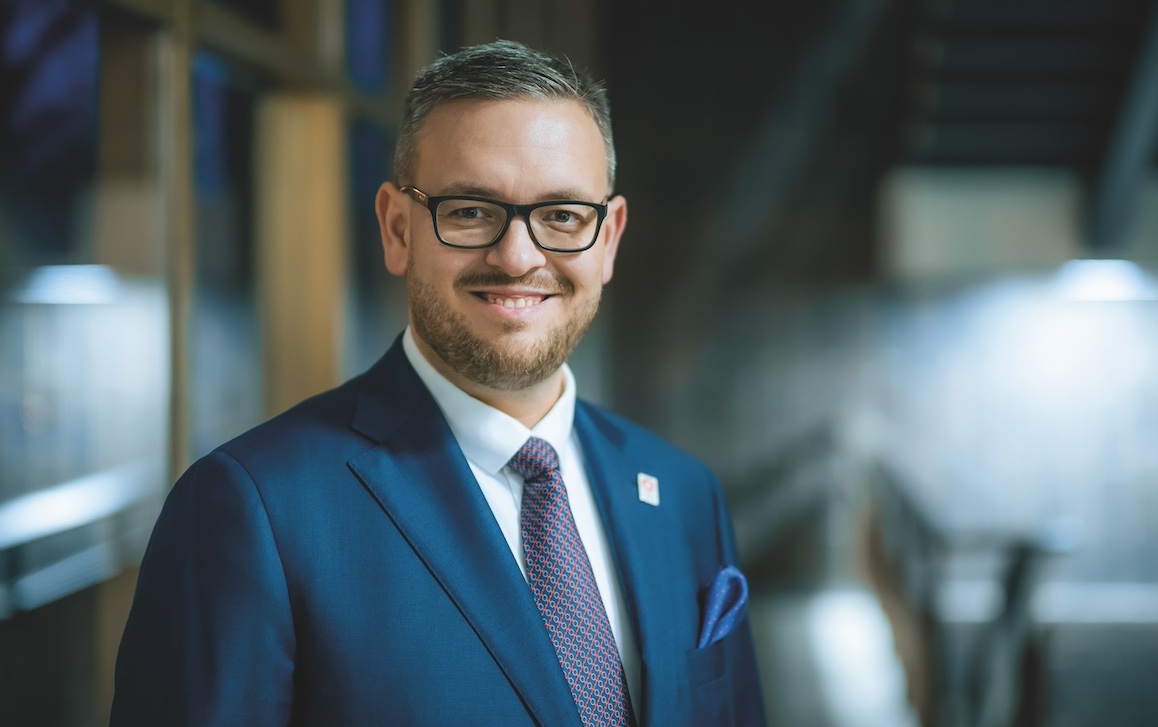
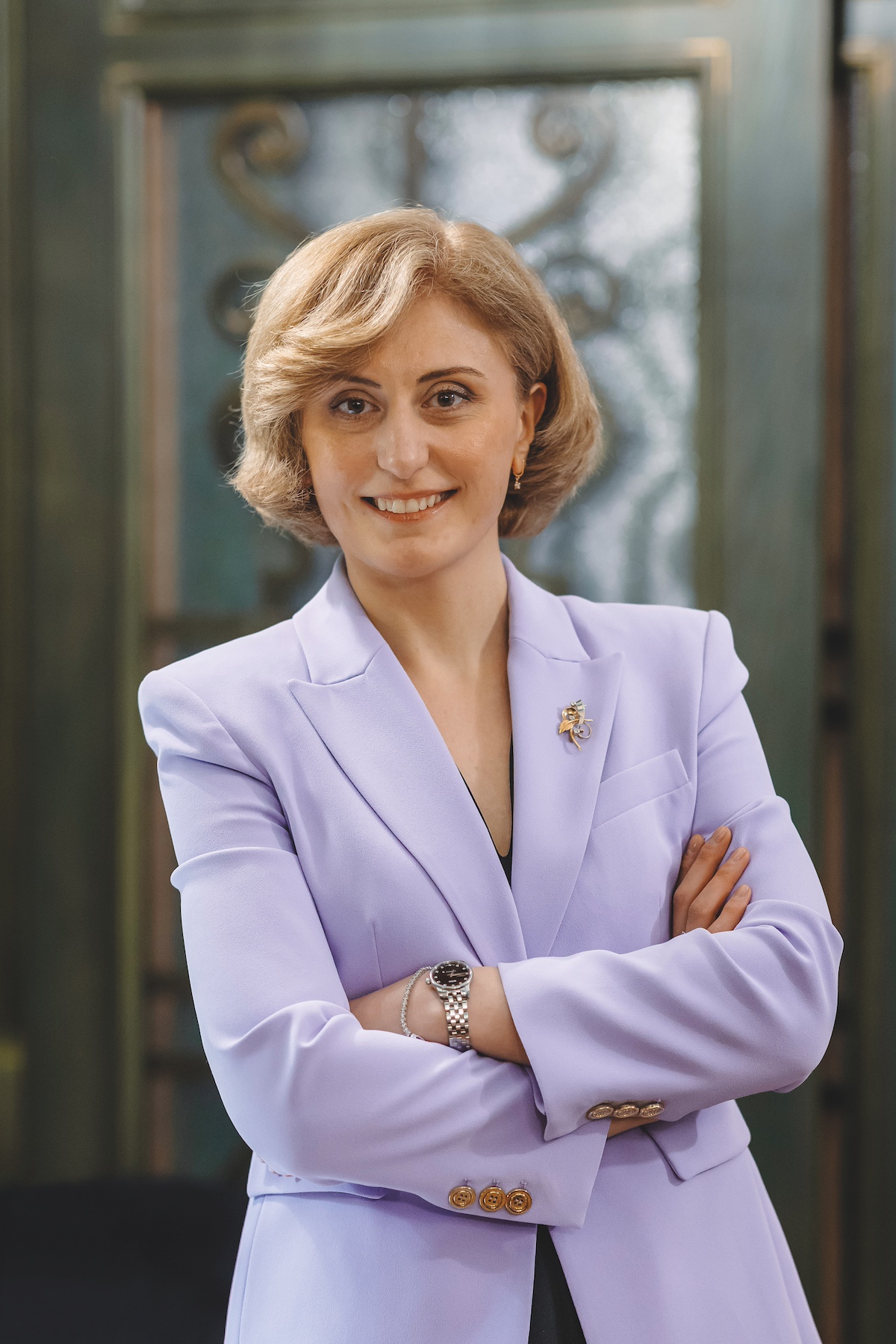
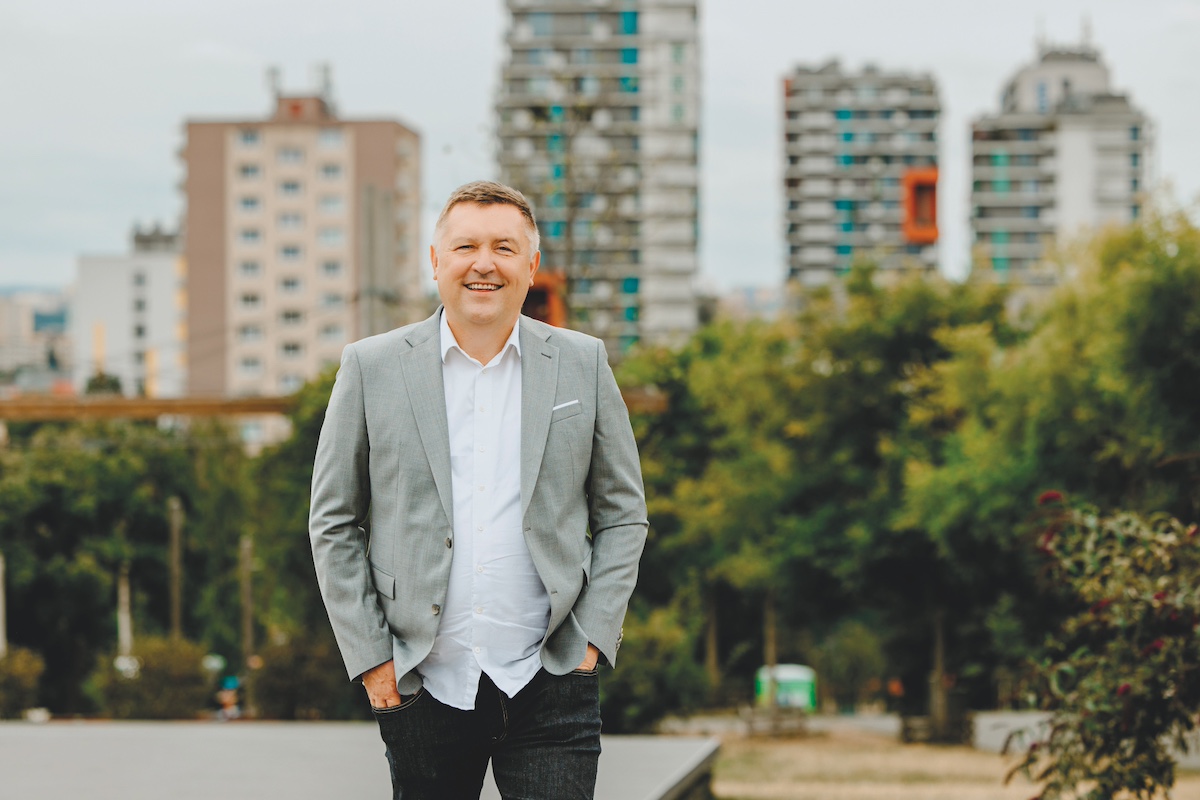
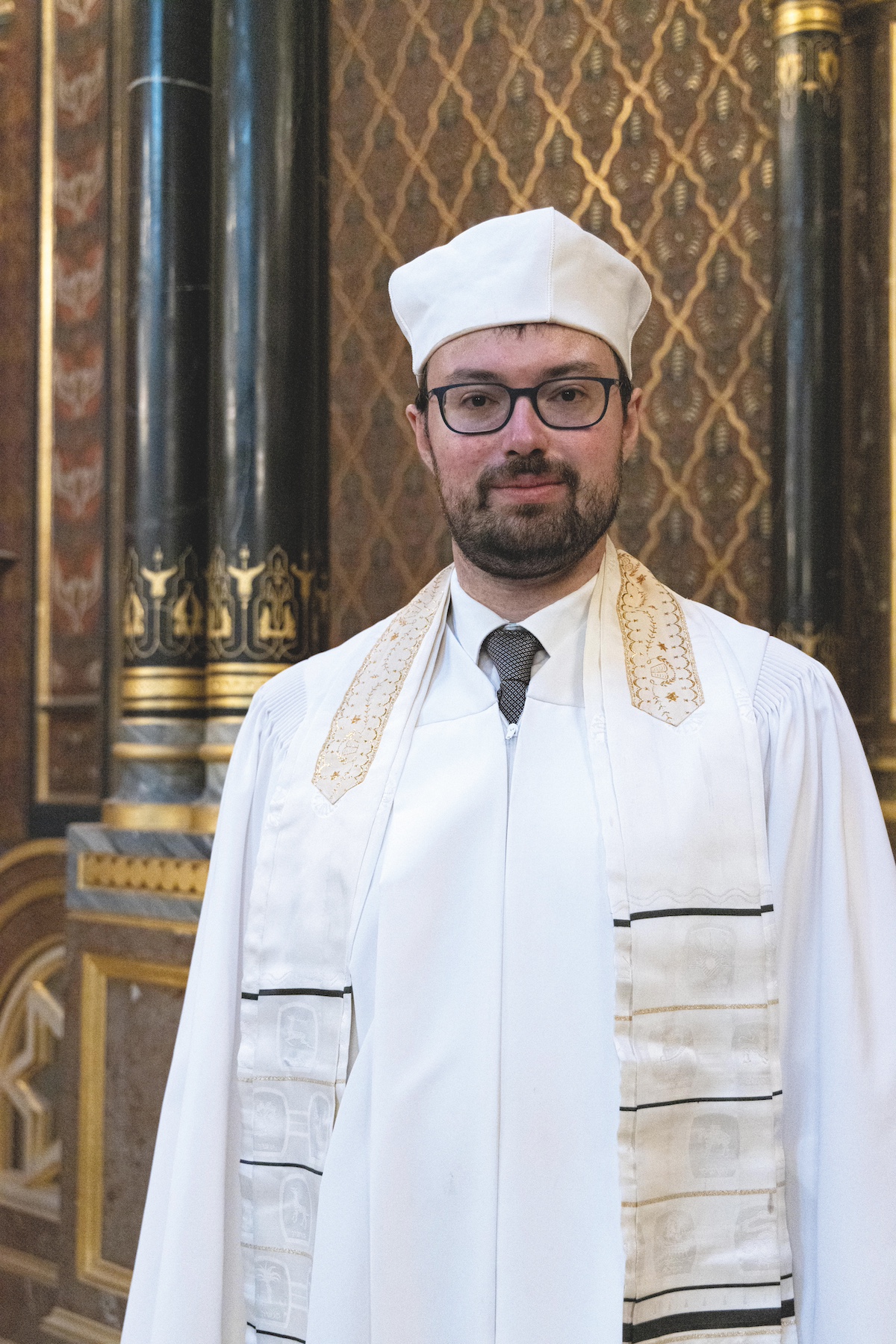
Ondřej Soška, Czech Commissioner General at World EXPO 2025

Text: Martina Hošková and M.Zisso; Photo: Archive

161 countries and 9 international organisations will take part in EXPO 2025 in Osaka, Japan. World EXPOs are the largest social, business, and cultural events in the world,” describes Ondřej Soška, Czech Commissioner General at World EXPO 2025. “The organizers anticipate an exceptionally high number of visitors – up to 30 million. The central theme is ‘Designing Future Society for Our Lives’, and we want to showcase that Czechia is the home of a creative nation.”

Can you explain what makes a person take on such a difficult role?

I hold a special place in my heart for Japan, its culture, and its way of doing business. The one semester I spent in Japan had a significant impact on my life and way of thinking. Besides, I believe the World EXPOs offer a unique opportunity to strengthen the national brand, and provide international exposure for innovative and promising companies. Therefore, I wanted to make use of my international experience in order to fully utilize the potential of the EXPO 2025 Osaka, Kansai, for our country and businesses.

How important is it for a country to participate in an international event like EXPO?

World EXPOs are the largest social, business, and cultural events in the world. Held every five years, they last six months and regularly attract tens of millions of visitors. They provide a unique global platform for nations, major companies, and organisations to showcase their latest ideas, solutions, and technological innovations. They can be seen as the non-sporting equivalent of the Olympic Games, and as an excellent platform for building a national brand.

The next EXPO will take place from 13th April to 13th October 2025 in Osaka, Japan, in the Kansai region, home to over 20 million people. The organizers anticipate an exceptionally high number of visitors — up to 30 million. For Czechia, this event presents a unique opportunity to showcase itself not only to professionals but also to the general public, fostering the development of both business and political relationships with one of the world’s strongest and most stable economies.

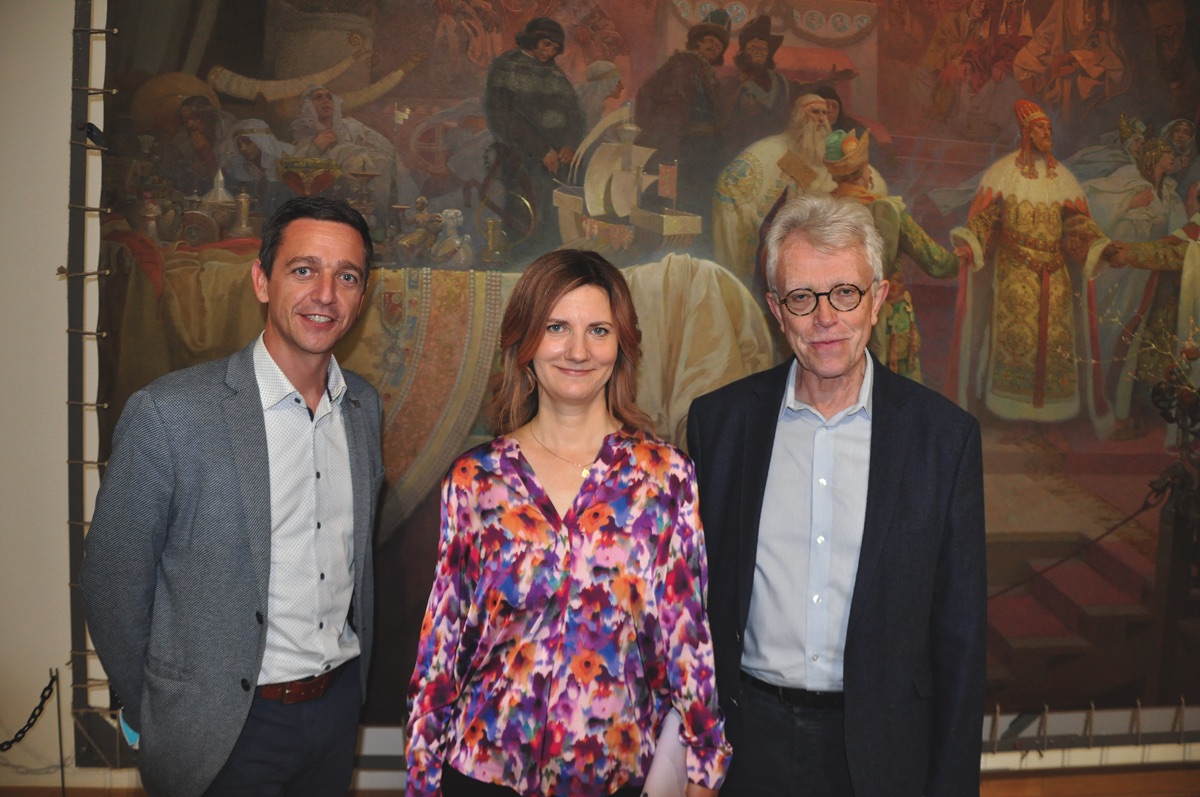
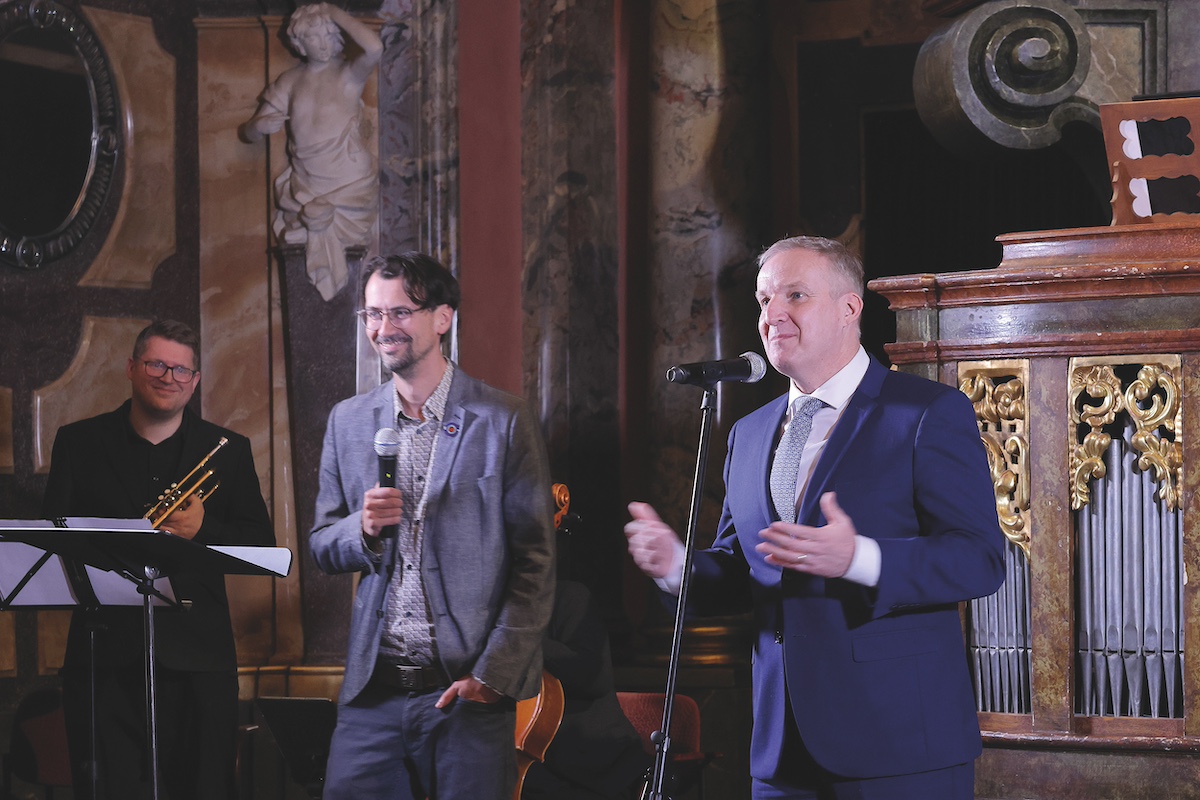
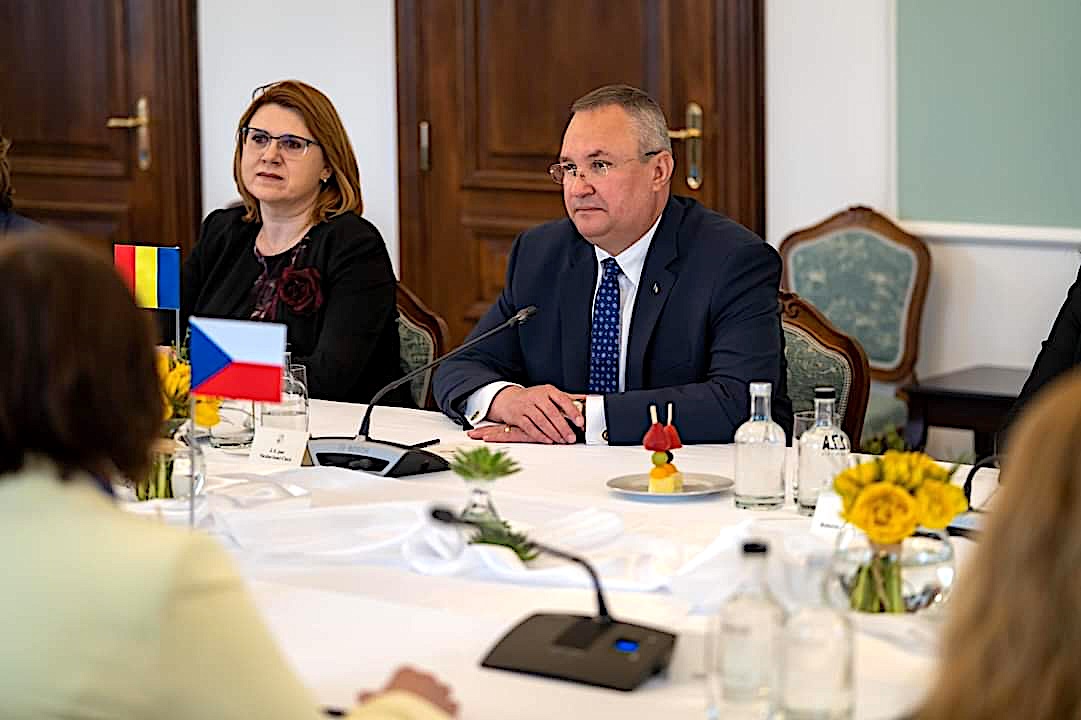
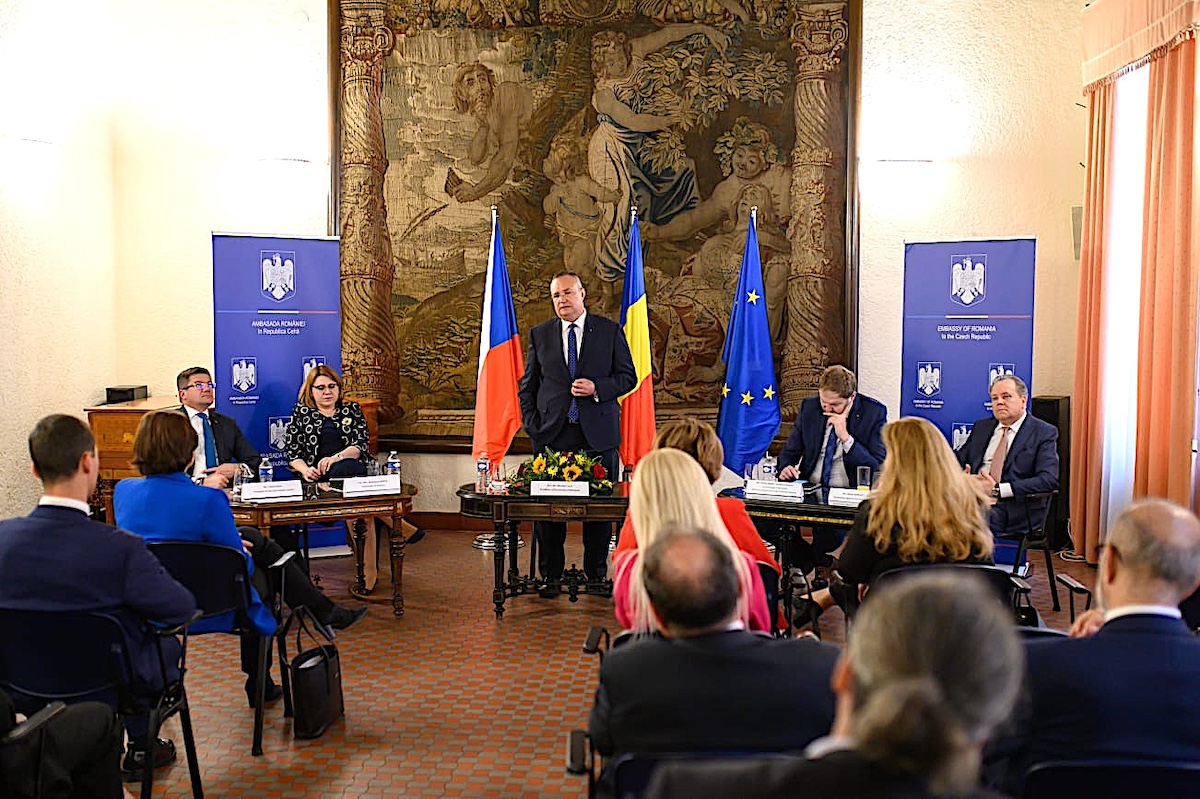
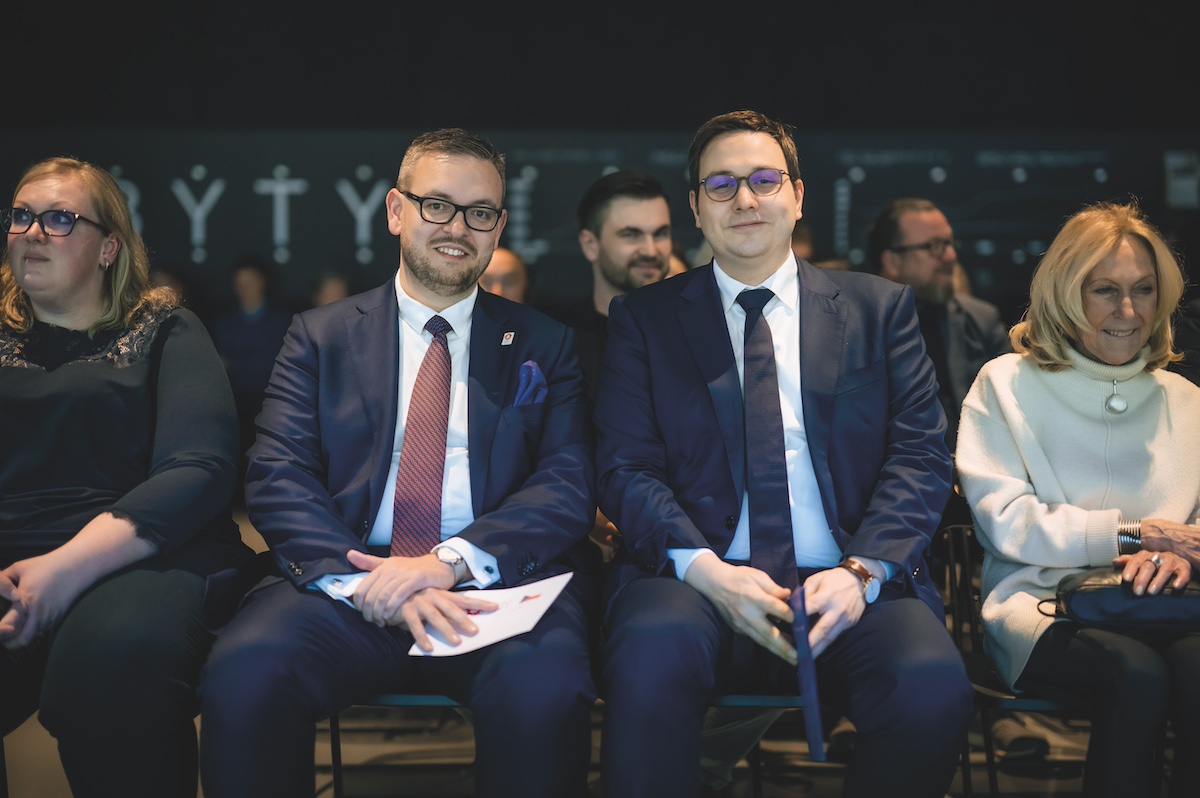
Ondřej Soška and Jan Lipavský, Minister of the Foreign Affairs of the Czech Republic

What are you aiming for, in terms of the Czech participation?

We have several goals. Firstly, it’s to support Czech exporters in their business efforts – not only in Japan but throughout the entire Asia-Pacific region. Many studies have proven the effectiveness of the return on state investments in export support. In addition, we want to help attract new investors and expand existing investments in Czechia. Incidentally, Japan is the second largest foreign investor here, employing over 50,000 people. We also aim to further expand scientific research cooperation between Japanese and Czech research institutions, and help attract Japanese tourists to regions beyond Prague.

Above all, participation in EXPO 2025 will be an excellent opportunity for companies to expand not only in Japan but also in the wider Asia-Pacific region, where access is not always easy. In Asia, the perception of a state is much stronger than in Europe, and if a company works with the state and participates in the national pavilion then it carries much more weight and relevance in the eyes of local partners. Of course, some companies may not have ambitions to expand into Asia but still perceive EXPO as a prestigious event, as well as a great reference project for domestic and international partners. Ultimately, this could lead to expansion into new markets or increased order volumes. This idea is supported by the experiences of companies such as Koma Modular, GreenTech, and the Czech Mint, who took part in the Czech pavilion at World EXPOs in the past. For regions and cities, the focus is mainly on attracting tourists and investors.

How will the Czech Republic contribute to the central theme of the EXPO 2025?

The central theme chosen by the organizers is ‘Designing Future Society for Our Lives’. They aim to inspire visitors to contemplate how they want to live, and how they can maximize their personal potential. The Japanese recognize that we live in challenging times, with emerging social issues. On one hand, economic inequality is increasing, and new armed and social conflicts are emerging. On the other hand, the incredible pace of innovation and development is bringing revolutionary technologies, including artificial intelligence and biotechnologies, which are and will continue to bring unprecedented changes to human life. The EXPO site will be conceptually divided into three parts, with participants highlighting one of the three sub-themes in each section: Saving Lives, Empowering Lives, and Connecting Lives.

Czechia, with its national theme of ‘Talent and Creativity for Life’, will be part of the ‘Empowering Lives’ section. We aim to present Czechia as a confident and competitive country, emphasizing sustainability, safety, education, and innovative potential. We want to showcase that Czechia is the home of a creative nation, and that Czech ideas have transcended national and continental borders. We have a lot to offer to the world. Thanks to Czech talent and creativity, we are capable of offering solutions to some of the challenges that contemporary society and the world are facing. We want to be part of the discussion through our business program, which is open not only to Czech and Japanese companies but also to leaders in selected discussions.

Recently, Czech Foreign Minister Jan Lipavský signed the Japanese-Czech Air Service Agreement, planning on establishing direct flights between the two countries. Do you therefore expect many Czechs to visit EXPO 2025?

The signing of the Japan-Czechia Air Service Agreement is a necessary step forward in establishing direct flights. I fly to Japan every 6 to 8 weeks, and although I’m used to travelling extensively, I must say it’s challenging. Direct flights will significantly ease many things. I’m pleased that the current Czech Ministers of Foreign Affairs and for Local Development are intensely focused on this issue. If we manage to establish direct flights, it will be excellent news for Czech tourists and Czech companies. The Yen has weakened considerably, making Japan more affordable for us. Moreover, for those considering a visit to Japan, next year will be the best and most ideal time. Besides experiencing the beauty of Japan, people will be able to see the whole world in one place, and take away unique experiences from the World EXPO 2025. Business representatives will be able to make contacts and potential contracts, and will be able to establish new collaborations. Such opportunities don’t come along every day.

Ondřej Soška and H.E. Mr. Kansuke Nagaoka, Ambassador of Japan to the Czech Republic

Tell us about the Czech Pavilion – will it be in one of the best locations on the EXPO site?

That is correct. The Czech National Pavilion will be located in Osaka, Japan, almost at the intersection of the coastal promenade and the main boulevard. I believe the pavilion will offer a dignified backdrop for Czech participation in EXPO 2025, which will take place from April to October 2025 on the artificial island of Yumeshima in Osaka Bay. The pavilion will feature a permanent exhibition, a multifunctional auditorium, facilities for business meetings, a restaurant, a VIP lounge, and, in front of the pavilion, there will be a relaxation area with a view of the sea.

International architecture magazines and websites are already discussing national pavilions, especially those of Switzerland, China, Japan, and Czechia. However, many countries have, for various reasons, decided not to build their own pavilion design. To put this in perspective, 161 countries and 9 international organisations will take part in EXPO 2025, and around 60 countries had originally planned to build their own architecturally unique pavilion. Although many countries are still undecided, looking for a construction company, or waiting for building permits, the most critical and as yet unconfirmed reports suggest that only about 40 countries will build their own pavilions (so-called Type A).

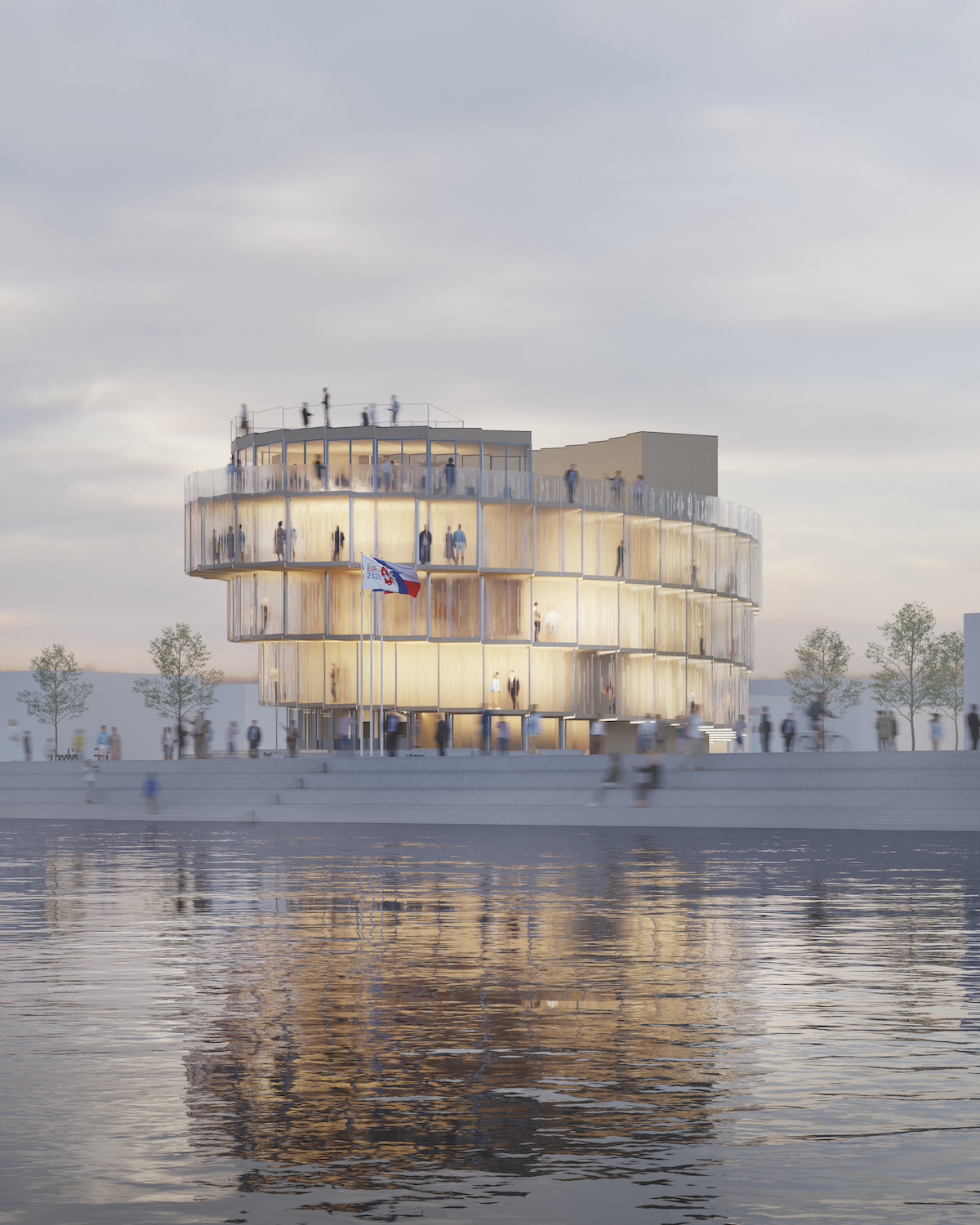
The design of the Czech National Pavilion by Apropos Architects – architects Tomáš Beránek, Michal Gabaš, Nikoleta Slováková, and Tereza Šváchová – has mainly been discussed due to its crystal spiral shape, with a facade made of Czech artistic glass. Less talked about, however, is the fact that the entire supporting structure will be made of wood, specifically a system based on cross-laminated timber (CLT) panels. It is expected that up to 15,000 visitors will pass through it daily, but many more people will see it from the outside. The spiral should be clearly visible from about one-third of the wooden ring. Therefore, the Czech National Pavilion will be our largest exhibit, and a jewel on its own.

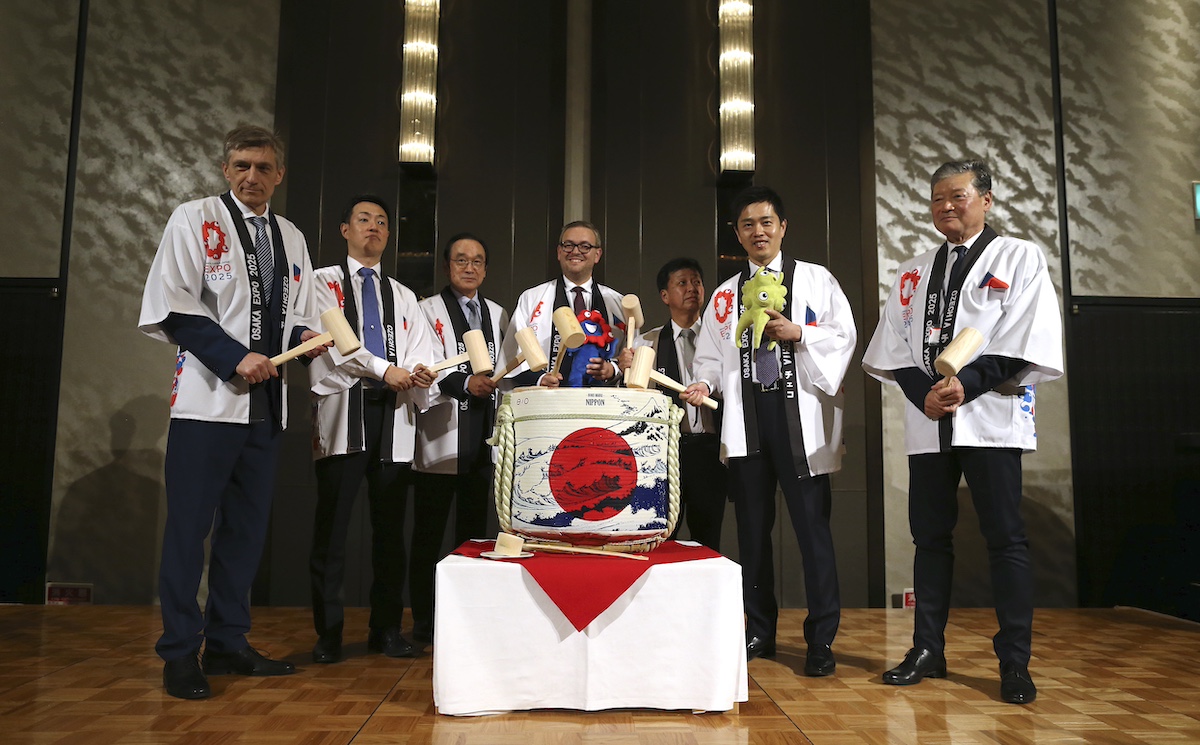
H.E. Mr. Martin Klučar, Czech Ambassador in Tokyo Yokoyama Hideoyuki, Mayor of Osaka City Haneda Koji, Commissioner General of the 2025 World Exposition in Japan Ondřej Soška, Czech Commissioner General at EXPO 2025 Murao Kazunori, President of Daisue Construction Co., LTD Yoshimura Hirofumi, Governor of Osaka Prefecture Ichinoki Manatsu, Deputy Secretary General of the Japan ́s Association of EXPO 2025

How far along are you with the construction of the pavilion?

In mid-April, we introduced the Czech National Pavilion in virtual reality at the headquarters of Virtuplex.The virtual model at a scale of 1:1 helped us and the architects to perceive all distances, views of the interior and exterior, and catch all sorts of defects. On this occasion, we signed a contract with the general contractor, the Japanese construction company Daisue. I’m delighted that we are finally building the pavilion with a company that has been in the Japanese construction market since 1937, is based in Osaka, and has almost 600 employees. They’re also known for their dynamic approach to innovation and sustainability, which is great because our pavilion will be innovative in many ways.

But let’s get back to the construction. Preparatory work began almost immediately after the contract was signed, and a month later, on 15th May 2024, a ground- breaking ceremony was held in Japan on the site on which the Czech National Pavilion will be built in the coming months. We are aware that the construction schedule is tight, but it’s a matter of national prestige. We are working day and night, both in Czechia and in Japan, to make it happen. We have verified delivery deadlines with all subcontractors, so unless some truly catastrophic scenario occurs, we will meet everything.

EXPO 2025 Czech Pavilion, Apropos Architects

Which Czech companies are going to exhibit at the EXPO?

I would like to emphasize that World EXPOs are not traditional trade fairs where companies exhibit their products. It is a unique global platform for building a national brand, and the most powerful tool of economic diplomacy. They are held every five years, last for six months, and are visited by tens of millions of people. In Osaka, for the first time in modern history, we will divide the pavilion into sections for the public and for professionals. Companies will be able to participate in thematic conferences, effectively present themselves to potential customers, and develop their existing business relationships. For these purposes, the pavilion will have a multifunctional auditorium, a lounge, and a meeting room. For the 26 weeks of the EXPO, we are preparing a variety of interesting business themes that will allow Czech companies to present themselves in Japan in the best light. These include, for example, nanotechnology, fintech, space technology, cybersecurity, and the circular economy. Those interested in cooperation can contact partnership@expo2025czechia.com or fill out the questionnaire on the website www.expo2025czechia.com. Companies such as Elmarco, a leading supplier of technology for the industrial production of nanofibres, and AtomTrace, which uses technology to provide in-depth understanding through the analysis of materials, are preparing for the EXPO.

We have a year to go until the opening of EXPO 2025. Are you looking forward to it?

Of course, I’m very much looking forward to the World EXPO. However, we still have a lot of work ahead of us. We need to build the pavilion, complete the visitor path, announce and finalize several public tenders, and secure relevant partnerships. All of this is for an event that will take place on the other side of the world. I often say that diamonds are formed under pressure, and I believe that the Czech National Pavilion will be such a diamond. My entire team, which is not particularly large, is putting an enormous amount of time and effort into the project. I usually compare this situation to running a marathon at a sprint’s pace. Due to the pandemic and the postponement of the previous EXPO by a year and a half, we have less time for preparations, and, frankly, it’s a challenge. But I welcome challenges.

Ondřej Soška was appointed by the Government of the Czech Republic as the Commissioner General at EXPO 2025 Osaka, Kansai, Japan on August 24th, 2022. He is a manager, with over 20 years of experience in both the private and public sectors. He gained experience in Europe, the USA, the Middle East, and the Far East. He is a founding member of an association of Czech companies, entrepreneurs, and managers in the Middle East – Czech Business Council in Dubai – where he worked as Vice President between 2014 and 2020. Mr Soška holds a Bachelor’s degree in Business Administration from Coventry University (UK), and a Master’s degree in Economics and Management from the Silesian University (Czechia). He also studied at the J. F. Oberlin University in Tokyo, Japan. He is fluent in Czech and English, and speaks basic Japanese.

H.E. Mateusz Gniazdowski

“We became acutely aware of how close we are”

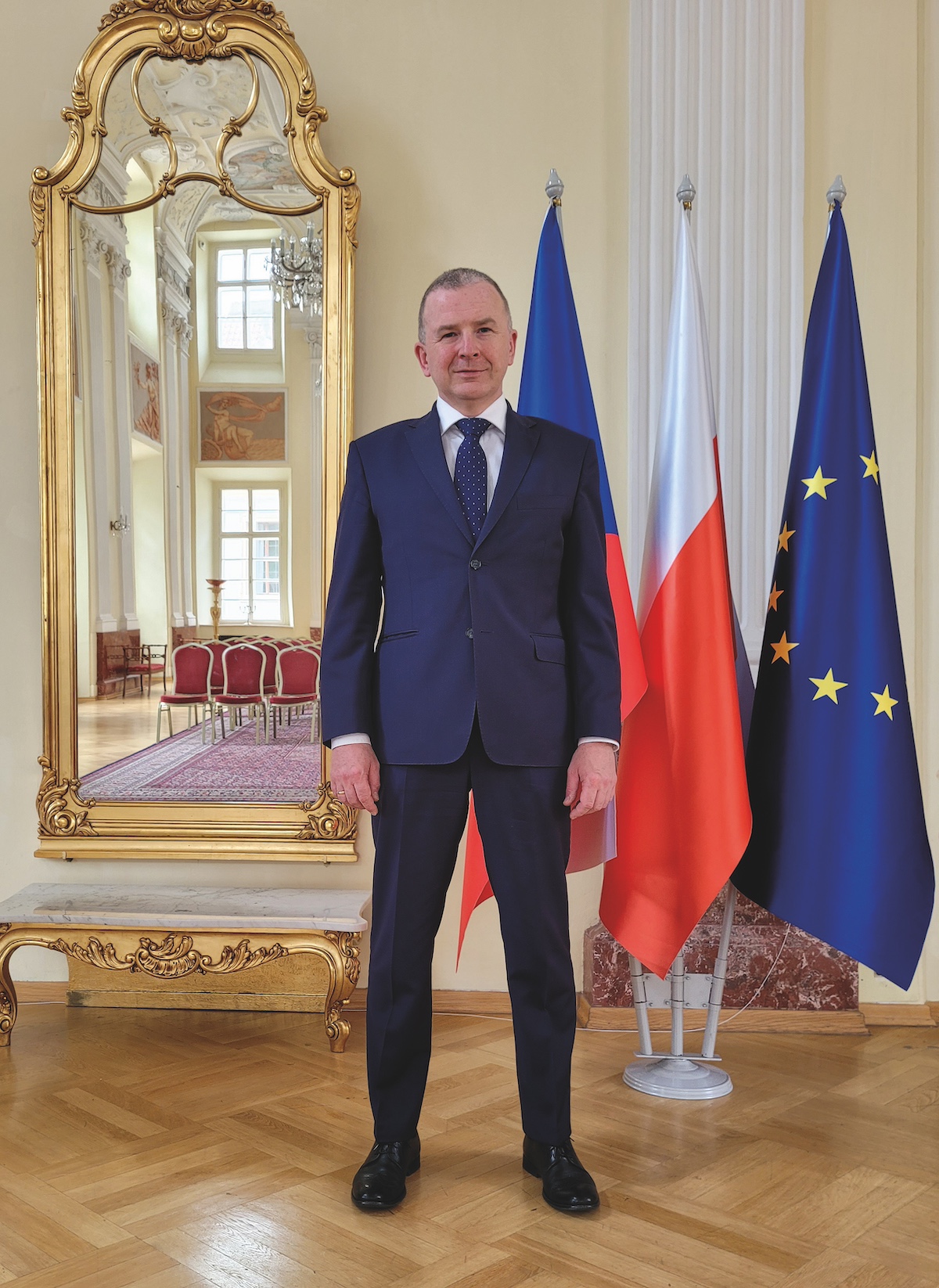
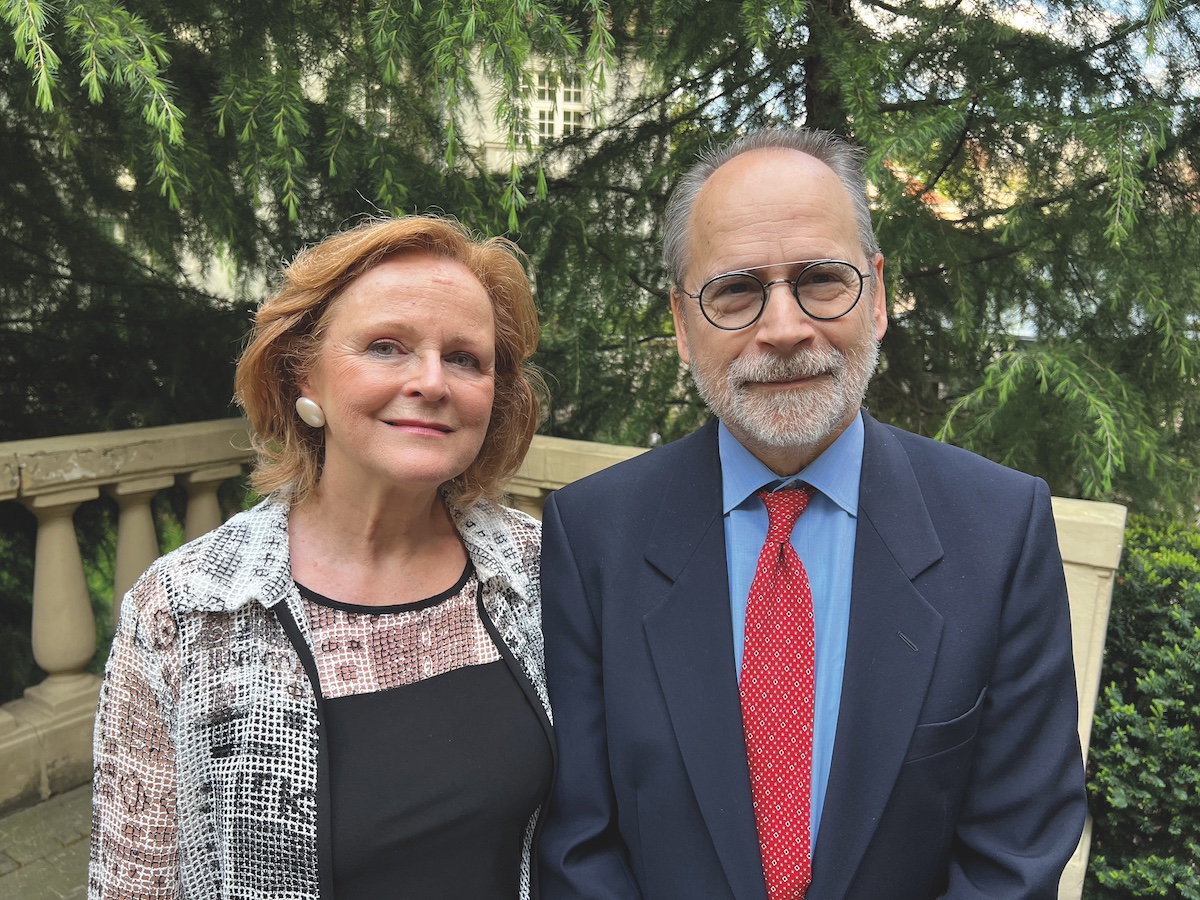
H.E. Mr. Mateusz Gniazdowski, Ambassador of Poland

Text: Martina Hošková and M.Zisso; Photo: Archive

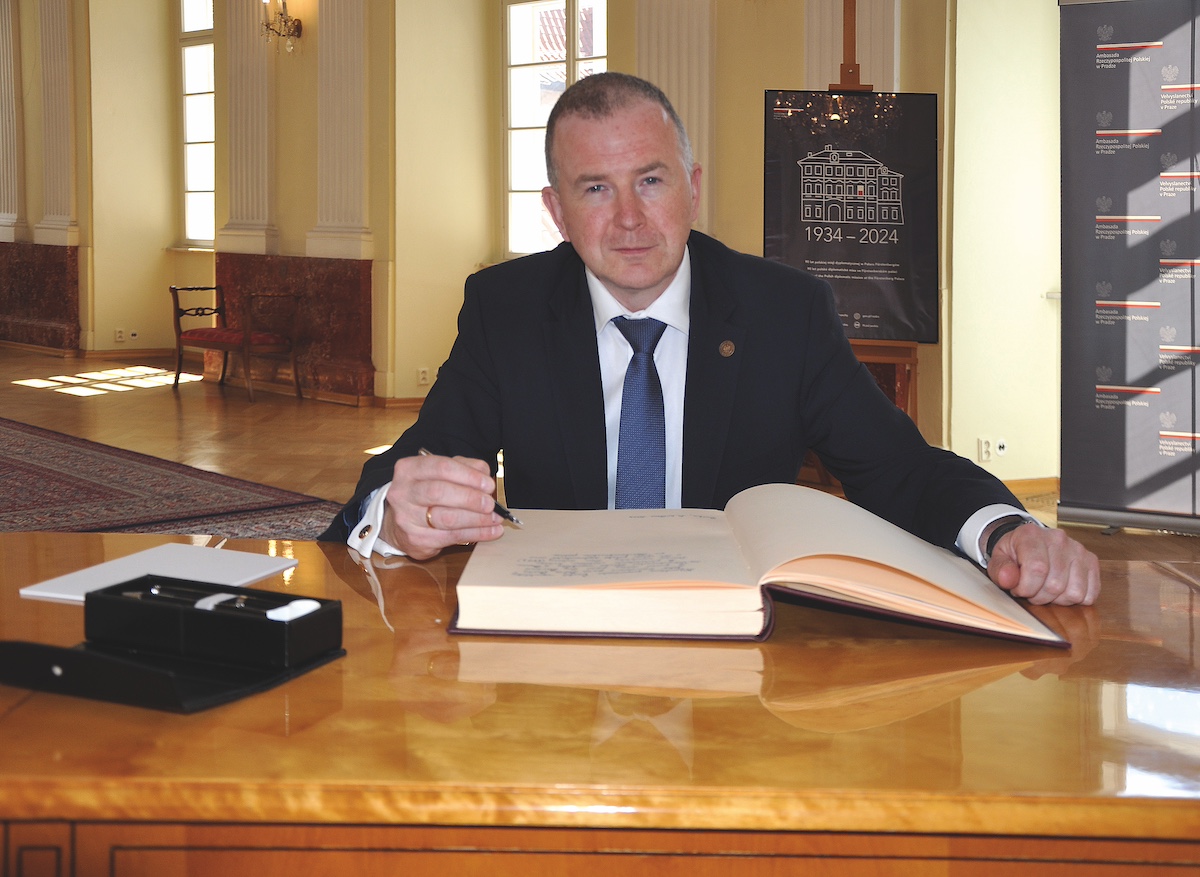
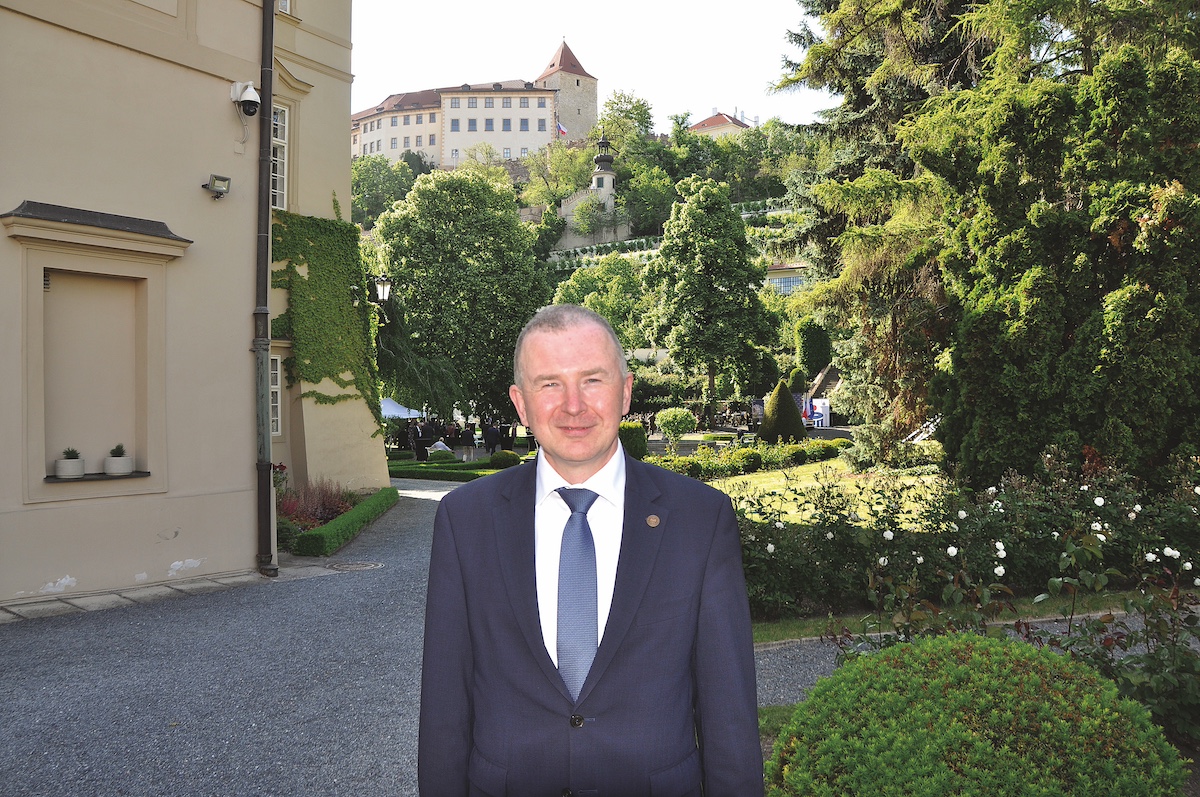
H.E. Mr. Mateusz Gniazdowski, Ambassador of Poland, has always paid attention to Czechia, be it in his analytical work, academic work, or as a practitioner. “I was able to treat my mission as a more intensive continuation of my previous activities,” he confirms. “Poland takes over the presidency of the V4 from the Czechs in mid-2024, which further prompted our two countries to coordinate more closely. In these extremely difficult times for Europe and our region, Polish-Czech cooperation is intense and friendly.”

Can you tell us about yourself?

I have the honour to have served as Ambassador of the Republic of Poland to the Czech Republic from September 2022. I have been professionally involved in Polish foreign policy since 2004. In the year of Poland’s accession to the European Union, I started working at the Polish Institute of International Affairs (PISM), later working at the Centre for Eastern Studies (OSW) – a state analytical institution subordinate to the Prime Minister’s Office.

I headed OSW’s Central European Department, and in 2016 became OSW’s deputy director. Before that, I defended my doctoral thesis on the history of Polish- Czechoslovak relations at Komenský University in Bratislava, which I wrote at the Institute of Political Science of the Slovak Academy of Sciences.

My wife is a professional diplomat, who has worked at the Ministry of Foreign Affairs since 2006 and was deputy director of the Polish Institute in Prague from 2017 to 2020. It is also for this reason that we have been connected to the Czech Republic for years. Our two teenage daughters have spent a large part of their childhood and education in Prague.

How did you become an ambassador?

While working at PISM and later at OSW, and dealing with Central Europe, I paid a lot of attention to Czechia. This went beyond analytical work – in my academic work, I dealt with Polish-Czech relations, as well as with public diplomacy as a practitioner. In 2013, Foreign Minister Radosław Sikorski appointed me chairman of the Programme Board of the Polish-Czech Forum – a bilateral grant and advisory instrument affiliated with the Foreign Affairs Ministries of both countries, supporting Polish-Czech cooperation.

Foreign Minister Zbigniew Rau offered me the ambassadorial post in Prague in February 2022, when Polish-Czech relations were in crisis over a dispute over the cross-border effects of mining at the Turów lignite mine. My nomination presented me as an expert, which was demonstrated in a hearing before the Foreign Affairs Committee of the Polish Sejm and the acceptance of my candidature by acclamation by all members of the Committee, regardless of party affiliation.

H.E. Mr. Mateusz Gniazdowski, Ambassador of Poland

Did you have to change your lifestyle after assuming the ambassadorial post?

I took up the post fully aware that I would no longer be the master of my own time – it is a most important lifestyle change. However, my previous work in analytical positions included a number of aspects that allowed me to enter the world of diplomacy without major problems. The international contacts to date, the many friends in Prague, the constant networking, the advisory work and promotion of Polish analytical thought, as well as the public diplomacy carried out in the Polish-Czech Forum, meant that I was able to treat my mission as a more intensive continuation of my previous activities. One change I did have to get used to was the large amount of time-consuming traditional rituals that still characterise this rather conservative profession: the work of an ambassador.

You have been in the Czech Republic for a year and a half. Can you share your impressions?

My first impressions were very good – I encountered friendliness and openness. After several years of vacancy or staffing problems for the head of the Polish diplomatic mission in Prague, I heard the word ‘finally’ more or less clearly everywhere.

I arrived in September 2022, when the Turów agreement was already being implemented. There was a general expectation in Prague that this impetus should be used for a ‘new opening’ in Polish-Czech relations. And, even more importantly, Russia’s full-scale invasion of Ukraine was underway, bringing our countries together in support of the invaded country. Poland and the Czech Republic cooperated closely from the first hours of the invasion. We became acutely aware of how close we were, and how similar our threat perception and common values were.

From the beginning, the friendly contacts in the diplomatic corps were a huge support for me. I am very grateful to my colleagues for their kind reception. My first two courtesy visits – to the Lithuanian ambassador and the German ambassador – were particularly memorable.

What is the most difficult part of being an ambassador?

A difficult question. In a position like this, sometimes you have to be able to say ́no comment ́, although the nature of an expert and advisor who has had no problem with being candid over the years may suggest otherwise…

You mentioned not being the master of your own time anymore. Do you have any free time at all then?

Working as an analyst, I did not break with historical research, and published at least one academic article every year. Paradoxically, I wrote one of my last research papers before coming to Prague (not knowing about the appointment yet) about the work of the Polish embassy in Prague in the early 1990s. I no longer have time to write historical studies, but I sometimes try to find a moment to read a history book. I am often away from Prague on business, especially in the Polish-Czech border regions, and I like to return there sometimes in my free time too.

You are an expert on the internal and foreign policy and regional cooperation of the Central European countries, especially the Visegrad countries. How do you see the situation now and in the future?

I came to Prague during a crisis in Visegrad cooperation. At that time, differences in attitudes towards Russia’s revisionist policy were already affecting the intensity of this cooperation. The Slovak presidency of the V4 was characterised by restraint, which was also assumed by the Czech side. Complications were already demonstrated at the planning level by the fact that the programme of the Czech V4 presidency was, for the first time, not agreed and accepted as a joint document, but only acknowledged as a Czech proposal. The change of government in Slovakia and the perplexities in Czech-Slovak relations further complicated this cooperation.

Poland takes over the presidency of the V4 from the Czechs in mid- 2024, which further prompted our two countries to coordinate more closely. It was possible to introduce the custom of Polish-Czech meetings ahead of some V4 meetings – thus Prime Ministers Donald Tusk and Petr Fiala met in Prague, and a bilateral visit by Foreign Minister Radosław Sikorski preceded a meeting of V4 ministers. The Prague meetings of the V4, including the heads of states and presidents of Parliaments, were frank discussions that con- firmed differences in views on security issues and values, but also showed the need for continued cooperation, as well as a certain scope of common interests.

The V4 has its achievements and potential, but, as Mr Sikorski recently mentioned in the Sejm, it has changed its nature and “using an instrument inappropriately could damage it”. The V4 will therefore be useful for sectoral cooperation on infrastructure issues, or for efforts to protect the external borders of the Schengen area. Infrastructural cooperation in our part of the EU is also supported by the Three Seas Initiative. This is a further format that provides an opportunity for the Czechs to cooperate in the Baltic Sea region. For the security issues of NATO’s eastern flank, especially concerning improving coordination between the allies from the Baltic Sea to the Black Sea, the Bucharest Nine (B9) format also serves a useful function.

H.E. Mr. Mateusz Gniazdowski, Ambassador of Poland

Poland is perceived as a pleasant holiday destination by a growing number of Czech people. How do you promote your country?

I have been dealing with Czechia and Polish-Czech relations for over two decades, and there has never been such a good situation for the promotion of Poland in Czechia as at present. Poland has become a positive reference point in many areas, such as the development of transport infrastructure, digitalisation, defence, and the use of EU funds. Due to price differences, many Czechs come to Poland to go shopping, and have started to appreciate Polish products. And yes, in recent years, an increasing numbers of Czechs have also been coming to Poland for holidays.

We are trying to promote what Poland can offer to Czechs more actively; an office of the Polish Tourist Organisation has been operating in Prague for a year now. Our priority is to invite people to Poland. It is not just about business – a trip to Poland is the best possible promotion of our country, a panacea for all stereotypes and prejudices, which are slowly becoming obsolete. Sociological studies show that sympathies for Poland are steadily growing. We started at the beginning of the 1990s from a very low level, and Poland is now among the countries most liked by Czechs. If I might add, we are beaten only by countries very much historically close to the Czechs such as Slovakia and Austria, which provides a reason for satisfaction.

Can you evaluate the current status of Czechia-Poland relations in more detail?

As I mentioned, in these extremely difficult times for Europe and our region, we have good momentum in our bilateral relations. This applies to political, as well as economic and social, issues. Our trade volumes are impressive (reaching €33 billion in 2023). After Germany, Czechia is the second destination of Polish exports (€22 billion). Foreign Minister Sikorski, speaking in the Sejm about Polish foreign policy priorities, mentioned that Poland’s most important partners in the EU are Germany and France, while, at the same time, Czechia was identified – along with the Nordic countries, Baltic states, and Romania – as “our very valuable and future-oriented allies”. The minister added that “these are countries with whom we understand each other without speaking” – but this does not mean that we do not talk!

President Petr Pavel followed his election with a visit to Poland after his traditional first visit to Slovakia. This year, Prime Minister Donald Tusk and Foreign Minister Sikorski have already been in Prague, and, on the occasion of the V4 summit, the presidents of both chambers of the Polish parliament also visited Prague. Intergovernmental consultations are to take place in the autumn. Polish-Czech cooperation is intense and friendly.

This interview is done on the occasion of Poland’s national day. What do you wish for your country? And for the Czech Republic?

Our countries and nations have passed a tough test with flying colours – supporting the invaded Ukraine, welcoming refugees, and correctly diagnosing the dangers of Russian imperialism and revisionism. I would like us to better realise that we are passing the test exemplarily. This not only gives us legitimate moral credit, but will also strengthen our security in the long term and translate into economic strength for our region. We have been co-creating Europe for over a thousand years. Let us today have the courage to co-create the European Union on a fully-fledged basis and to clearly articulate our interests and expectations.

My wish for all of us is that Central Europe will emerge from this time of war and crisis stronger, making the entire European Union stronger and more resilient. Our national holiday on the third of May commemorates one of the first constitutions in the world – the Constitution of the Polish–Lithuanian Common- wealth (1791), which remains to this day a source of inspiration as an example of cooperation for state reform in the spirit of freedom and independence.

To the readers of Czech & Slovak Leaders magazine, I wish you all the best, and I would like to thank the editorial team for your activities supporting the integration of the diplomatic corps in an atmosphere of understanding and cooperation.

H.E. Tea Maisuradze

Living and Working Among Friends

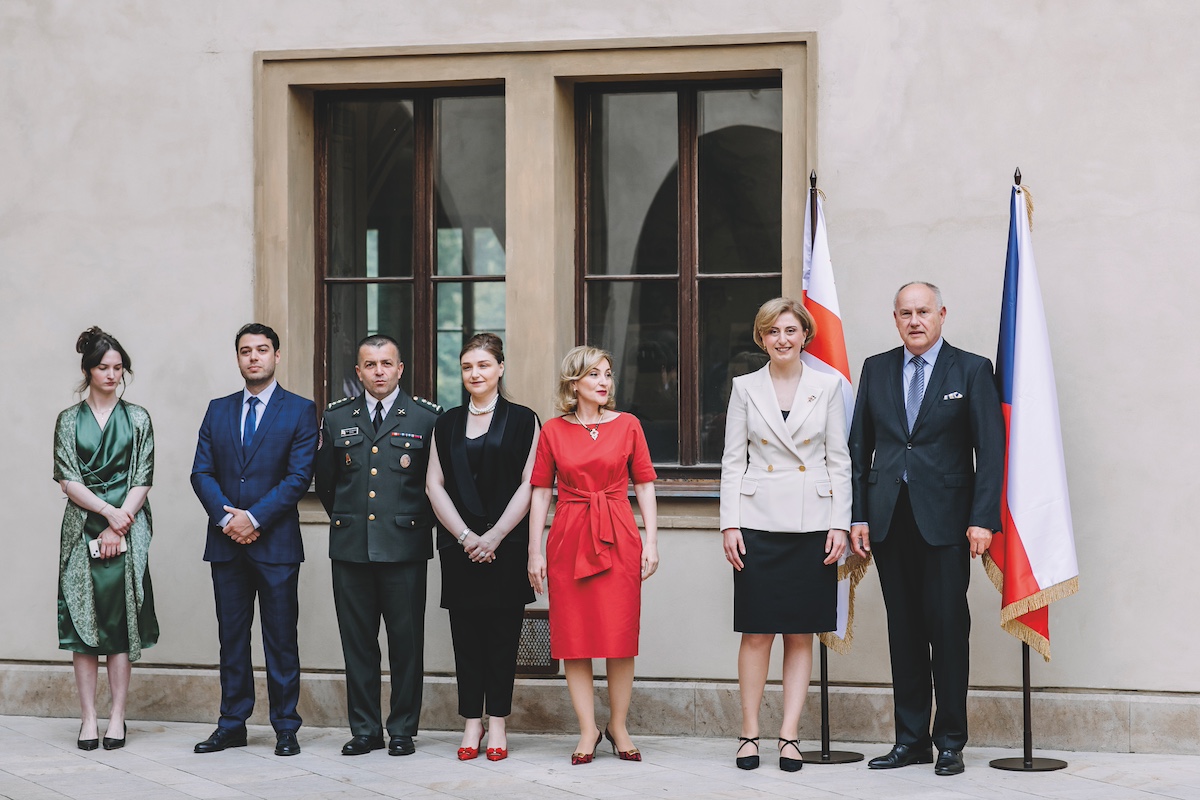
From right: H.E. Mr. Petr Kubernát, Ambassador of the Czech Republic to Georgia; H.E. Ms. Tea Maisuradze, Ambassador of Georgia to the Czech Republic; Ms. Nino Kochorashvili, Senior Counsellor at the Embassy of Georgia; Ms. Julieta Svanidze, Consul at the Embassy of Georgia; Colonel Vepkhvia Chalabashvili, Defense Attaché of Georgia to the Czech Republic; Cpt. Giorgi Alavidze, Police Attaché of Georgia to the Czech Republic; Ms. Mariam Orjonikidze, First Secretary at the Embassy of Georgia (Photos by Adam & Costey Studio)

Text: Martina Hošková and M.Zisso; Photo: Adam & Costey Studio

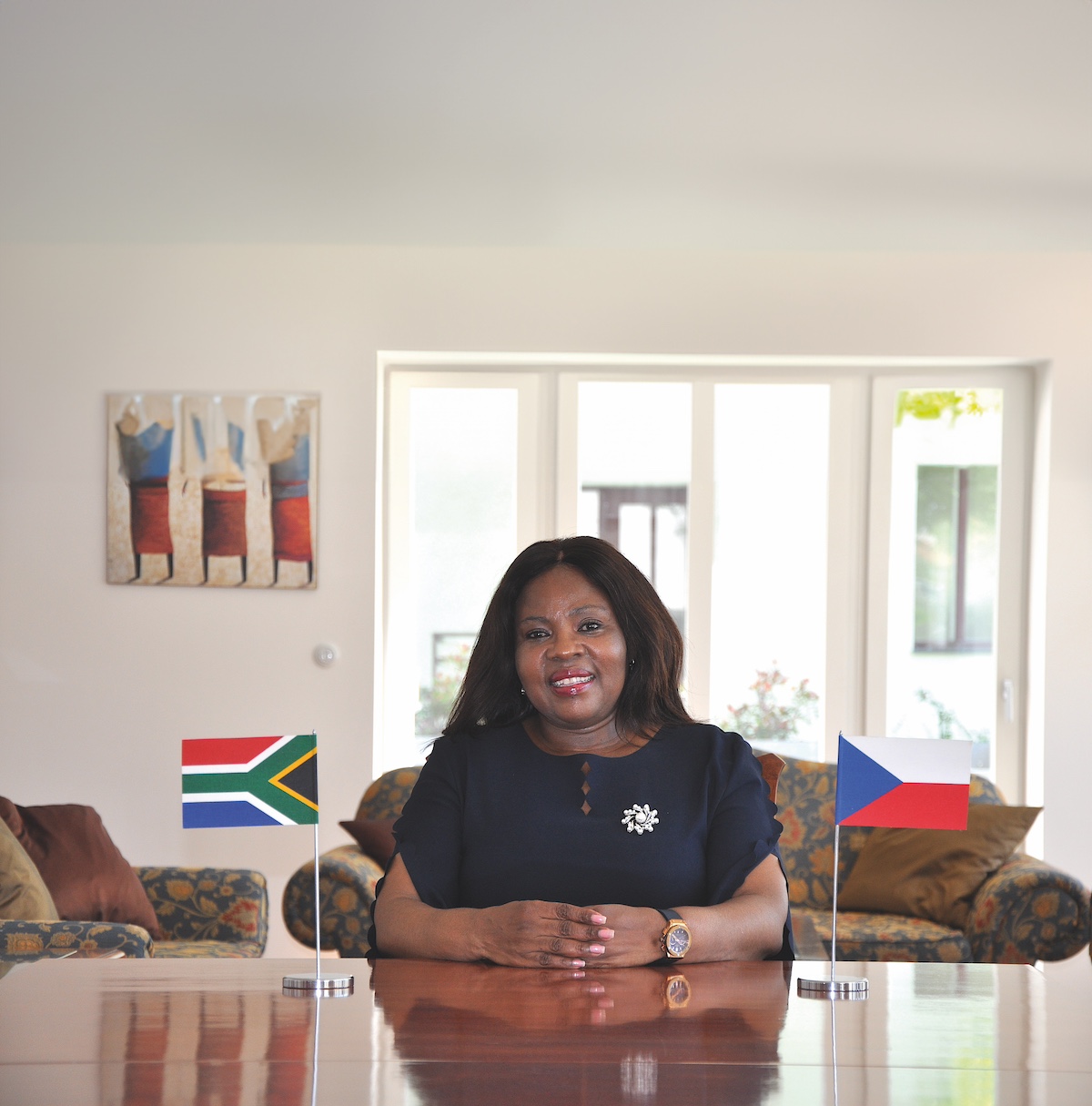
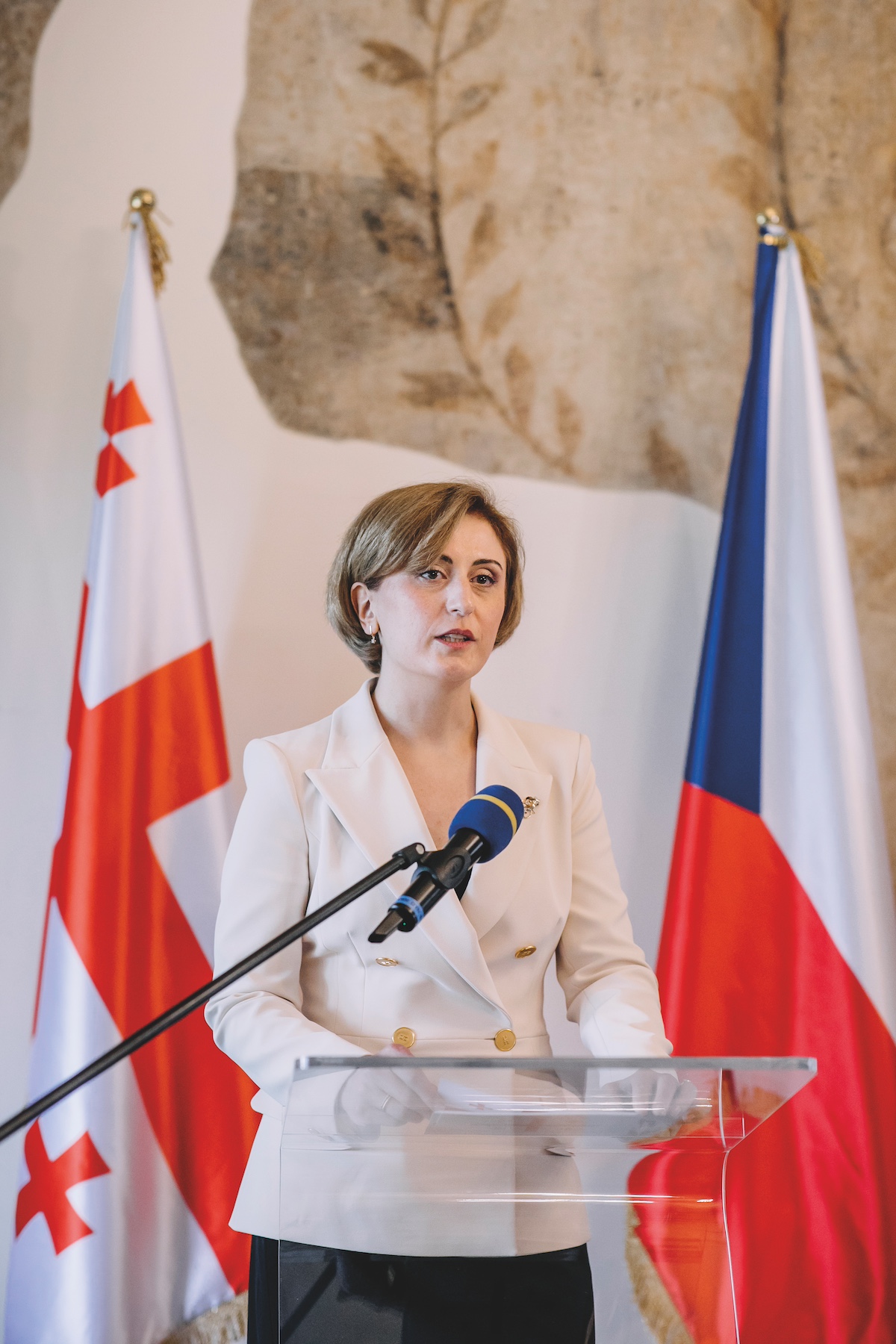
“Georgia is the land of the first Europeans, where Europe’s highest settlement, Ushguli village, is located,” says H.E. Ms. Tea Maisuradze, Ambassador of Georgia. “We are glad that a new direct connection between Tbilisi and Prague will be resumed from May 2024. Last year, Georgia welcomed nearly 14,000 visitors from Czechia, and we hope that this number will increase. As one of the oldest Christian countries, Georgia offers a wealth of magnificent experiences.”

Who is Tea Maisuradze, in one sentence?

I am a career diplomat, and a fervent advocate for women’s rights, equality, and equity.

How did you become an ambassador?

My journey towards becoming an ambassador was fuelled by a lifelong aspiration to enter the diplomatic field, a dream that took root in my early childhood. My academic pursuits in International Relations naturally led me to the Ministry of Foreign Affairs of Georgia upon my graduation in 2006. Serving my country as an ambassador is a privilege, an honour, and a profound responsibility. My motivation stems from a desire to contribute to Georgia’s security, stability, and its path towards European and Euro-Atlantic integration.

It has been about a year since you arrived in Prague. Can you share your impressions?

It has been a profound honour to serve as a Georgian Ambassador in Czechia, marking my second ambassadorial assignment.

I enjoy living in one of the most beautiful capitals in the world. The enduring beauty and architectural magnificence of this capital city continue to captivate me daily.

The shared values for freedom and democracy, as well as the common history of Soviet occupation, lay a strong foundation for mutual understanding and collaboration between our countries. Moreover, it is always an advantage to represent your country in a partner country, and to live and work among friends.

Which countries have you served in before?

Before coming to the Czech Republic, I had the honour to work in Georgian Embassies in Austria and Latvia. These postings afforded me invaluable experiences and fond memories, enriching my diplomatic career.

H.E. Ms. Tea Maisuradze, Ambassador of Georgia

How do you perceive the role of ambassador?

The role of an ambassador, while rewarding, demands that personal life often must be scheduled around professional duties. The diplomatic profession requires constant commitment, but it is a commitment I embrace whole- heartedly, living by the maxim “Find a job you love, and you will never have to work a day in your life”.

Does the constant commitment allow you to relax in your free time?

I find relaxation in music, drawing, and spending free time with my two Jack Russell terriers. Cooking and reading historical and scientific literature are also among my favourite ways to relax.

It is not new to say that Georgia wants to join the EU and NATO. Have you seen any development in this regard?

Becoming a member of the EU and NATO is a top priority of Georgia’s foreign policy. This is a value-based historical choice of the Georgian people, supported by more than 80% of the population, and enshrined in our constitution.

My country has been defending the European choice, at the expense of existential risks, throughout its history. Still struggling against the Russian military occupation, Georgia has been strengthening its democracy, and is pursuing the goal of full-fledged EU and NATO membership.

We are happy that last year, due to our dedication towards European integration and the support of our partners, the EU made a wise decision to grant the candidate status to Georgia.

At the Bucharest Summit in 2008, the Allies decided that Georgia would become a member of NATO. Since then, with the help and support of the Allies, we have significantly developed our defence and deterrence capabilities, now having all practical tools to prepare for membership.

For two decades, Georgia has been actively contributing to the common Euro-Atlantic security through its participation in NATO-led operations, being the largest per-capita contributor in Afghanistan. In many ways, aspirant Georgia is already acting as an Ally, and we have proved on multiple occasions that we are willing and able to assume the responsibility of collective defence.

Achieving membership in the EU and NATO not only aligns with our historical aspirations but essentially contributes to Regional and European Security architecture.

In light of Russia’s ongoing war in Ukraine, our partners and allies are more united on the enlargement policy.

H.E. Ms. Tea Maisuradze, Ambassador of Georgia

For many Czech people, Georgia has great potential to become an excellent holiday destination. How do you promote your country?

Located on the crossroads of East and West, Georgia is famous for its oldest civilization, ancient history, and unique culture. The mix of two continents creates Georgia’s distinctive identity.

As one of the oldest Christian countries, Georgia offers a wealth of magnificent experiences. The Caucasus Mountains, the Black Sea coastline, and the vineyards of Kakheti, together with the world-famous Georgian hospitality, make Georgia a four-season destination and inspire all types of travellers. The uninterrupted winemaking tradition in Georgia stretches back over 8,000 years, and represents the central element of not only Georgian cuisine but culture as well. The ancient Georgian traditional Qvevri winemaking method is inscribed on the representative list of the Intangible Cultural Heritage of Humanity.

Georgia is the land of the first Europeans, where Europe’s highest settlement, Ushguli village, is located. Today, many of the cultural and architectural heritage of Georgia represent UNESCO sites.

We are glad that the direct connection between Tbilisi and Prague will be resumed from May 2024. “Georgian Wings” will operate flights twice a week, which will create the second direct link between Georgia and Czechia, along with the already existing Kutaisi-Prague flights. Increased air connection will be beneficial not solely for tourism purposes, but will also further tighten people-to-people connections, promote business ties, and deepen economic cooperation in many aspects. Last year, Georgia welcomed nearly 14,000 visitors from Czechia, which is approximately a 60% increase. We do hope that this number will increase even further, and that more visitors from Czechia will discover and explore Georgia.

What is the status of Czechia – Georgia relations?

We enjoy a good relationship, friendship, and partnership with the Czech Republic. Czechia is a strong supporter of Georgia’s foreign policy priorities, and, first and foremost, Georgia’s integration into NATO and the EU. Czechia has always rendered its firm and vocal support towards the territorial integrity and sovereignty of Georgia, against the Russian aggression and the ongoing occupation of Georgia’s territories by Russia.

Last year marked the 30th anniversary of the establishment of diplomatic relations between Georgia and the Czech Republic. Our bilateral relations are intense, and continue to develop dynamically. The frequency of visits and meetings is proof of the excellent cooperation our two countries enjoy.

In recent years, Czechia has become a significant development cooperation partner, and is one of the top investor countries in Georgia.

This year, the Czech Republic marks 25 years of membership in NATO, and 20 years of EU membership. Seizing the opportunity, I congratulate Czechia on this milestone and emphasize the importance of cooperation regarding European and Euro-Atlantic integration. Czech devoted advocacy on the way to Georgia’s European and Euro-Atlantic Integration, as well as experience-sharing in the process of accomplishing our goals, is highly valuable for us.

This interview is done on the occasion of your national day. Let us use this opportunity to make a wish for our countries, will you?

Indeed, Georgia celebrates its Independence Day on May 26th. On this day, in 1918, the first Democratic Republic of Georgia was established. With this, the statehood, which dates back to ancient times, was restored after the annexation by the Russian Empire in the 19th century.

The values of European Democracy laid the foundation for the Constitution of the First Democratic Republic, which, due to the progressive ideas it embraced, was remarkable even in Europe of that time. Regretfully, the short-lived democracy fell victim to the invasion of the Red Army in 1921. Regaining freedom after seventy years of Soviet occupation did not come effortlessly, but with the enormous sacrifice of our heroes that we honour today.

My wishes for Georgia encompass full reintegration within its internationally recognized borders, and its membership in the EU and NATO.

To the Czech Republic, I extend my best wishes for continued prosperity and success, in solidarity with our shared aspirations and values.

Feeling Pride in the Spanish Hall of Prague Castle

A FAREWELL MESSAGE FROM THE AMBASSADOR OF SPAIN, H.E. MR. ALBERTO MORENO HUMET

H.E. Mr. Alberto Moreno Humet and his spouse

On 29th September 2022, I arrived in Prague, knowing that it would not be a long stay and that it was my last posting as a diplomat and as Ambassador.

I knew Prague from a previous visit I had made years ago, and I remember that the Embassy had taken us to dinner at a restaurant that I have been unable to find the entire time I have been here, and I must say that I have looked for it.

I arrived with great enthusiasm, but without knowing what I would find here, and what my life in Prague would be like. It has to be said that Prague is trendy in Spain, and that it is a popular tourist destination. The challenge is that this creates very high expectations, and sometimes the reality is not what we imagine it to be.

So, I landed in Prague with previous impressions and with high expectations, and, now I can say it – not only did Prague not disappoint me, but it has surpassed the high expectations I had formed of it. I fell in love with the city a few days after arriving, and if I ever disappear, look for me in Prague.

I am aware that the Czech Republic is much more than just Prague, so I have taken every opportunity to visit the country, and today I can proudly say that I have been to every region of the Czech Republic – from Ústí nad Labem to Ostrava, and from Bohemia to Moravia / Silesia. I have visited the second oldest university located in Olomouc, and the wonder of Český Krumlov. I have strolled through the functionalist city of Zlín, and attended the film festival in Karlovy Vary. However, I have been to Pilsen three times and have not been able to visit the brewery. Obviously, I will have to come back.

During this time, I have met many people, and I have always tried to learn and understand the Czech character and culture – it is the product of a rich, sometimes challenging, history, but one whose upheavals have shaped the personality of the Czech people.

As Europeans, we have many things in common, including history, and it is with a sense of pride and satisfaction that I attend the important official events taking place in the Spanish Hall of the Castle.

Nevertheless, I would like to think that as Europeans we have learned something from our common history. I would also like to think that, through this collective project called the European Union, we are building a future in which we will banish negative values such as hatred, violence, and racism, in order to create a new Europe based on solidarity, tolerance, and respect for human rights and democracy.

I am happy to think that Czechs and Spaniards (and many more) share these values, and are building a better future together.

MOBI WILL BE HALF A YEAR. THE LITTLE GORILLA IS LEARNING TO WALK AND CARES ABOUT HER SISTER GAIA

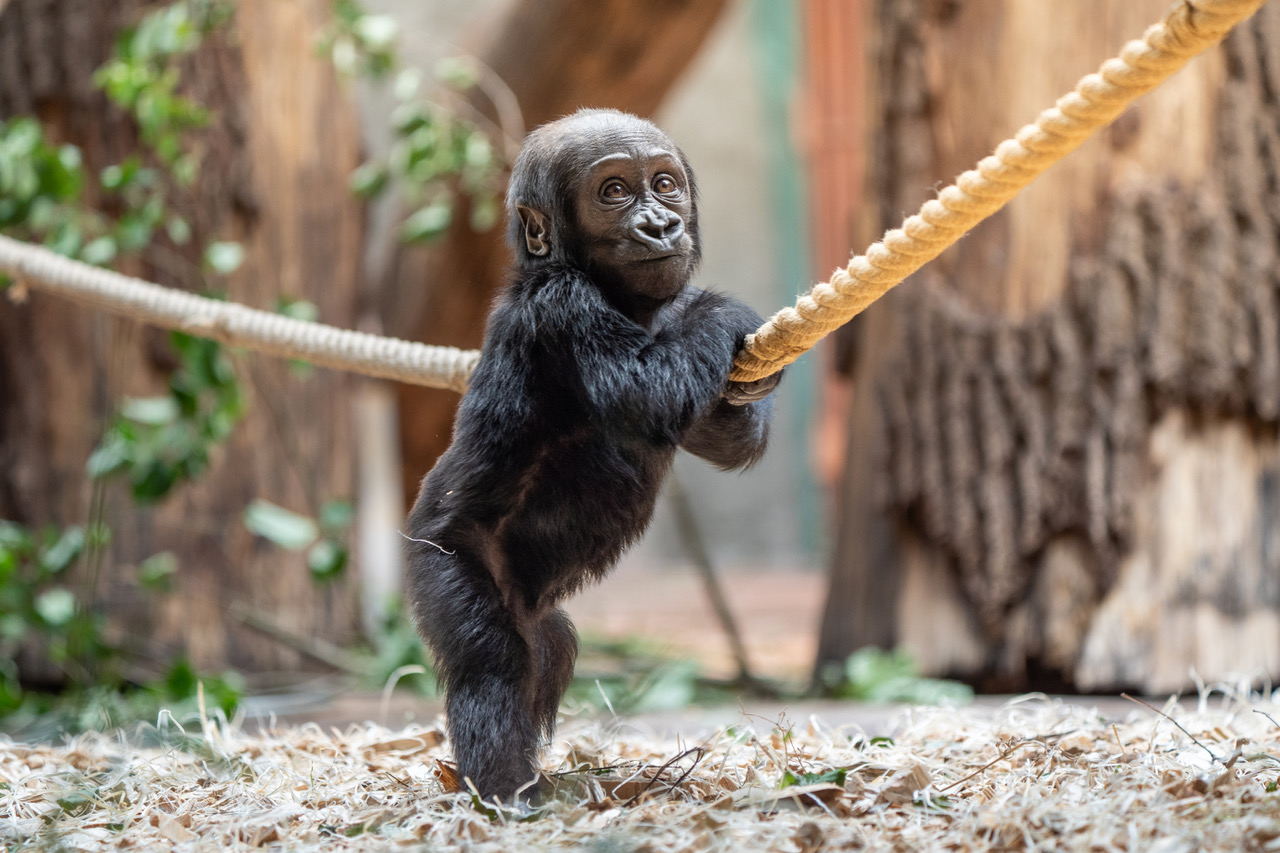
Mobi clings to the rope in the exhibition and observes visitors to the Dja Reserve pavilion. Photo by Oliver Le Que, Prague Zoo

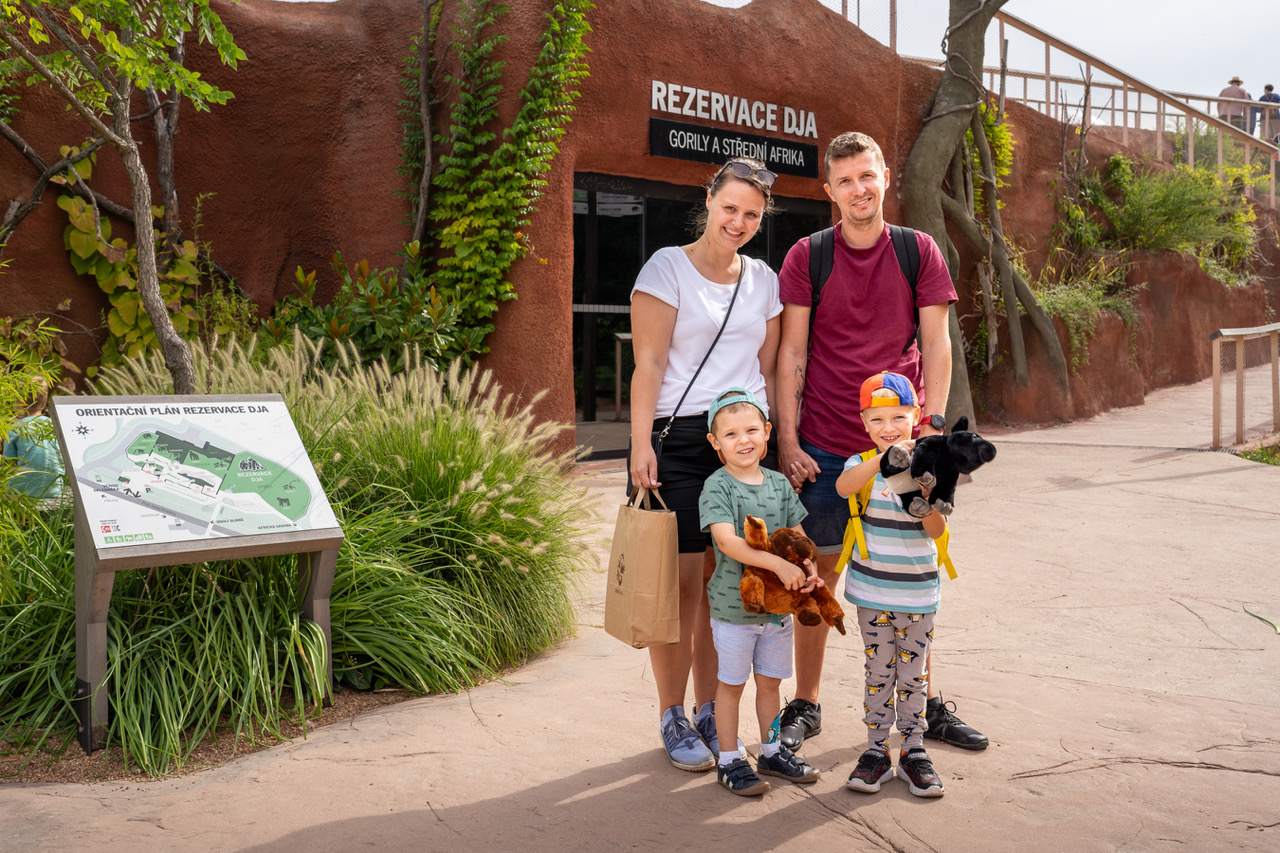
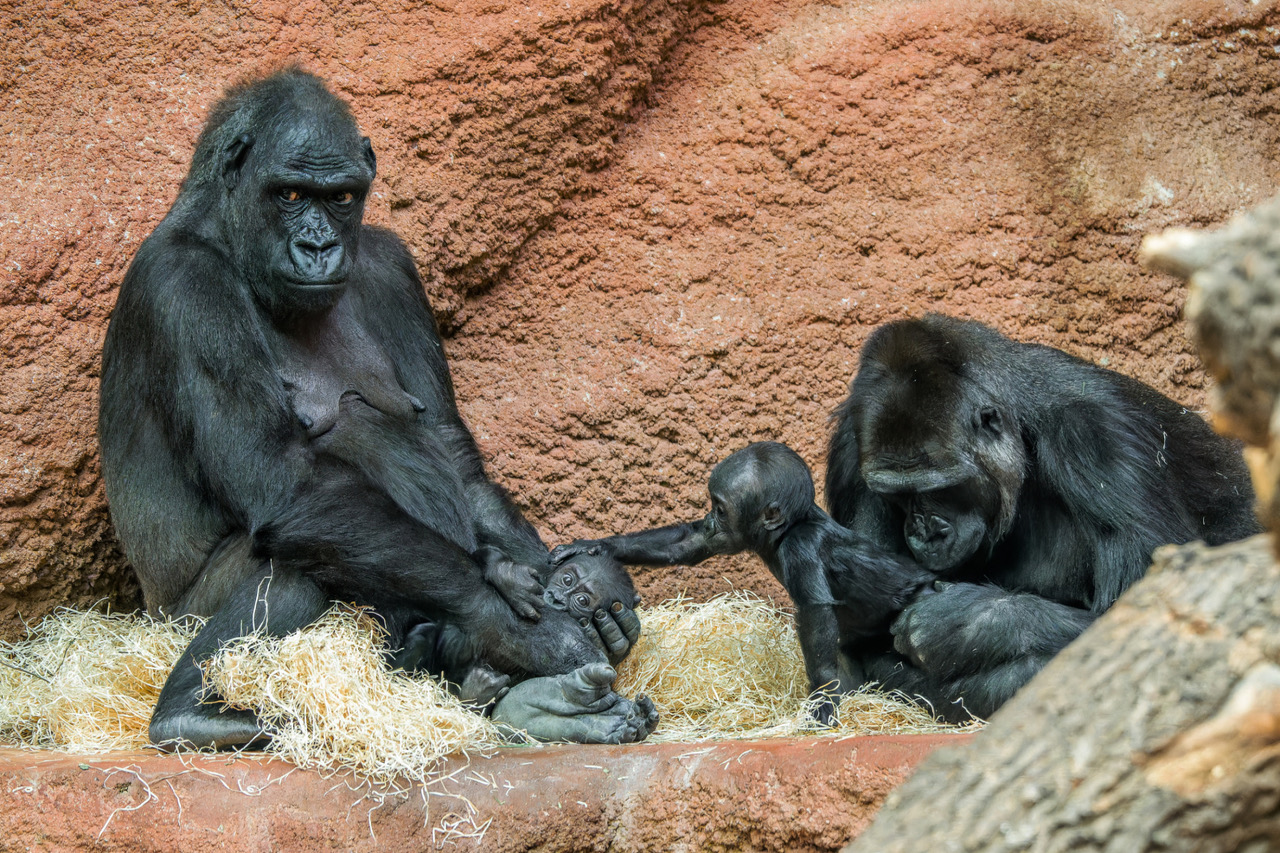
Female gorilla Mobi, born in January at the Prague Zoo, is the current star of the Reserve Dja pavilion. She is learning to walk and hang on a rope, while her mother Duni allows her to go on increasingly daring expeditions around the area. The almost six-month-old cub is also trying to communicate with the cloaked gueres that inhabit the same exhibit, and through the glass with the visitors as well. Mobi also started looking for contact with the second cub, the two-and-a-half-month-old Gaia.

“The period that we have all been looking forward to here is coming. Baby gorillas are finally starting to interact,” says the director of the Prague Zoo, Miroslav Bobek. “As beautiful as it is to see the two cubs together, perhaps even more impressive is tiny Mobi playing with her father, the mighty Kisum. A male silverback allows his firstborn daughter to touch his face and rummage through his fur. It never ceases to amaze me how strong the bonds these primates form with each other.”

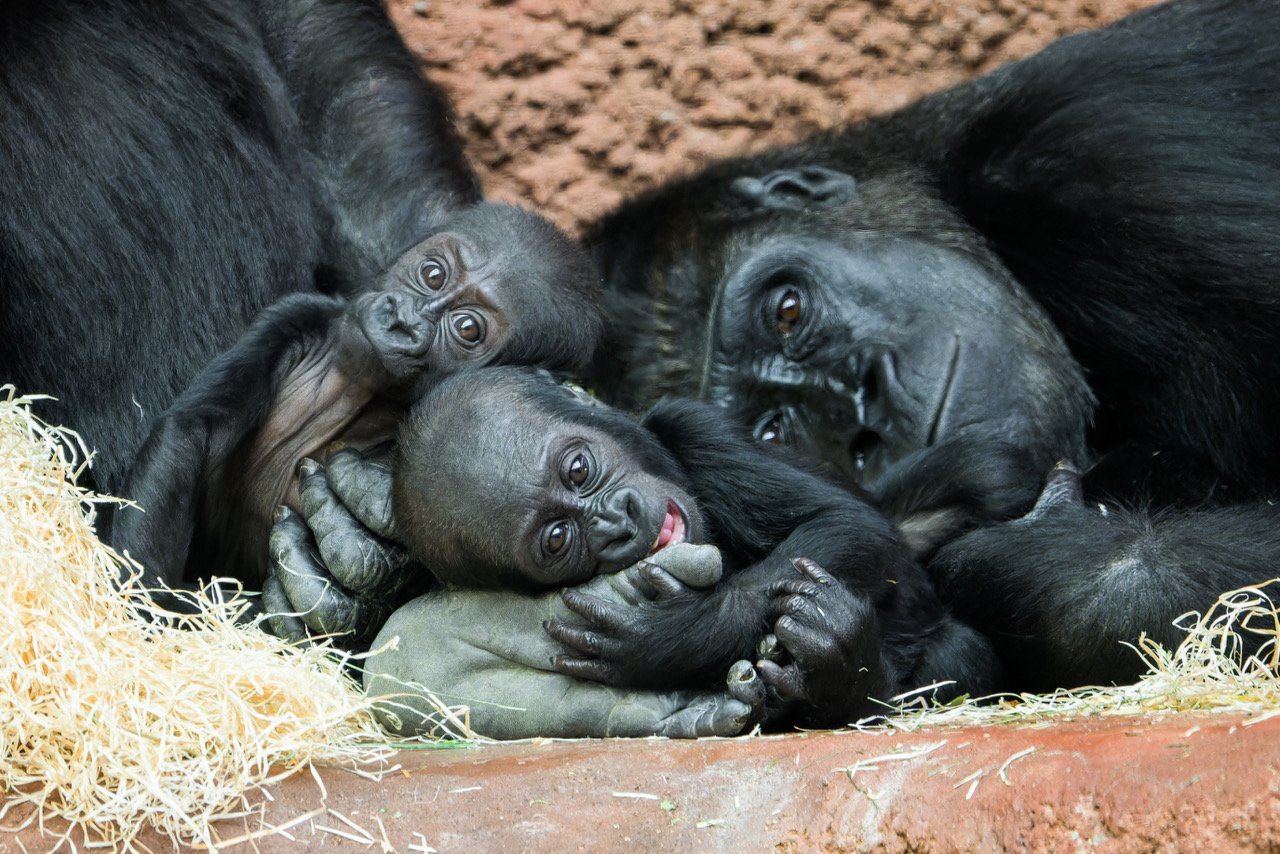
Baby gorillas already know about each other and spend time together more and more often. From left, Gaia, Mobi and her mother Duni. Photo by Petr Hamerník, Prague Zoo

The female Mobi, whose half-year birthday awaits on July 2, is already trying to swallow the food of adult gorillas – vegetables, leaves or a bite from branches, in addition to sucking mother’s milk. So far she just chewed it up and spit it out.

“Mobi waddles around the exhibit and when a gorilla drops a bite from its mouth, she tries to chew it herself. She also swallows and digests the new solid food – the change in color of her droppings is proof for us,” explains Martin Vojáček, chief primate keeper of the Prague Zoo. “Gaia is only sucking milk so far, but we just found out that her two lower incisors have already cut through. Both cubs are developing completely healthily and the situation in the whole troop is very calm. It’s still true that eight-year-old Ajabu is the biggest provocateur, and it’s nice that his wish to play with the cubs is slowly coming true,” he adds.

It is best for visitors to the Prague Zoo to come to the Dja Reserve around 10 am or 3 pm. Gorillas are active feeding at that time. During the current summer temperatures, a family of lowland gorillas can also be found in a large outdoor enclosure. The whole group prefers to go there after 4 p.m. With the exception of the indoor pavilions, the Prague Zoo is currently open until 9 p.m.

At the age of less than half a year, Mobi is very inquisitive and under the increasingly benevolent supervision of her mother Duni (right) shows an interest in her surroundings. The female Kijivu (and also Moba’s great-grandmother, left) lends her daughter Gaia a careful touch without any problems. Photo by Petr Hamerník, Prague Zoo

General Commissioner of the Czech participation Ondřej Soška was elected to the steering committee of the world exhibition EXPO 2025

On Wednesday, June 26, 2024, Ondřej Soška, ​​general commissioner of the Czech participation in the world exhibition EXPO 2025, was elected to the so-called Steering Committee. He thus became one of the six representatives of the European Union, who will have greater influence in negotiations with the Japanese organizers and will be able to better promote Czech and European interests

“I greatly value being elected to the steering committee, and at the same time, I feel a great obligation to those who have placed their trust in me. I know from my predecessors that the Steering Committee is a key body in the preparatory phase of the World Exhibition and during it. At the beginning of June, we organized a successful coordination meeting of the participating states of the European Union at the Ministry of Foreign Affairs in Prague. We wanted to show on the one hand that we take the Czech participation in the world exhibition in Osaka, Japan extremely seriously, but also that we are able to organize a high-quality and interesting event in the way we plan to do it in the Czech national pavilion next year,” explains the general commissioner of the Czech participation in the world exhibition Ondřej Soška and adds: “Representatives of European countries also noticed this fact and suggested me as a nominee for the steering committee.”

Commissioner-General Soška was elected to the Steering Committee during the International Meeting of Participating Countries, which took place this week in Nara, Japan, a regional business center and tourist town about 30 kilometers from Osaka. They will be among the representatives from France, Italy, Holland, Romania, and Slovenia (for the EU), but also for example the USA, Great Britain, Switzerland or Brazil.

The Steering Committee is a management committee composed exclusively of commissioners general of the participating countries, who are elected from among the member states of the International Bureau for Exhibitions (BIE). It currently has 26 members. The committee represents the interests of the member countries, manages the discussion with the host country, and is also supposed to be the closest partner of the Japan Association for EXPO 2025. Its goal is to make daily operations as easy as possible and make preparations for the world exhibition more efficient.

At the beginning of the first meeting of the Steering Committee, its members elected the chairman, the Swiss Commissioner General Manuel Salchli. He has been involved in world exhibitions for almost 20 years and is one of the most experienced members of the committee. Vice-chairmen became commissioners general from China, Mali, and Peru. However, the first meeting was not only a protocol meeting, but given that there are only 290 days left until the start of EXPO 2025, the committee discussed with representatives of the organizers a whole range of issues that arose from the meeting within the framework of the two-day International Meeting of Participating Countries. Among the topics discussed were operational issues of national pavilions, opportunities for international cooperation at business conferences or rules for the operation of commercial spaces.


About the Czech pavilion at EXPO 2025

In December 2022, after more than twenty years, the Office of the Commissioner General announced an open anonymous architectural competition for the design of the national pavilion for EXPO 2025. 38 competition teams applied for it, from which an expert jury led by the world-renowned architect Eva Jiřična selected the winning design in March 2023 in the shape of a glass spiral by Apropos Architects. The supporting structure of the building will be made up of modern wooden panels, while the facade will be made of art glass, which has a centuries-old tradition in the Czech Republic. The national pavilion will offer a worthy background for the Czech participation in EXPO 2025, which will be held from April to October 2025 on the artificial island of Yumeshima in the Osaka Bay. The pavilion will have a permanent exhibition, a multifunctional auditorium, facilities for business meetings, a restaurant, a VIP lounge, and in front of the pavilion there will be a relaxation area with a view of the sea for visitors.


About Czech participation in EXPO 2025

The Czech Republic will participate as an independent state in the EXPO world exhibition for the sixth time. Ondřej Soška, ​​who won the selection procedure of the Ministry of Foreign Affairs with his concept and theme “Talent and creativity for life”, holds the position of general commissioner from September 2022. The Czech Republic should be presented in Osaka not only with what the Japanese know very well and have admired for a long time, for example Czech glass and classical music, but especially with Czech innovations, nanotechnologies, promising startups, and regional talent.

You can find more information on the website of the Czech participation in the world exhibition EXPO 2025. You can also follow us on Twitter, LinkedIn, Facebook, Instagram and YouTube.

From January 2023, the Office of the General Commissioner is part of the network of Czech Centers.

50th Anniversary of Diplomatic Relations between the Kingdom of Thailand and the Czech Republic

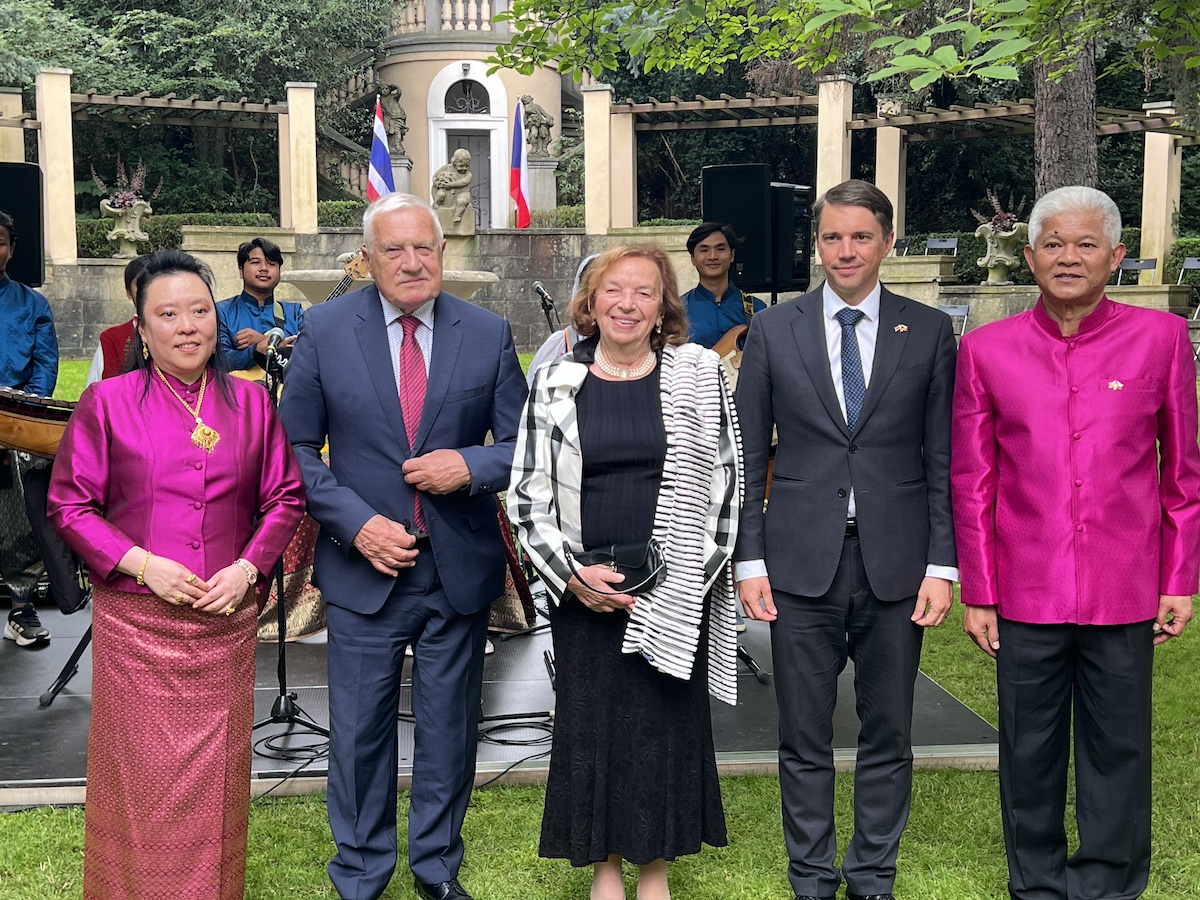
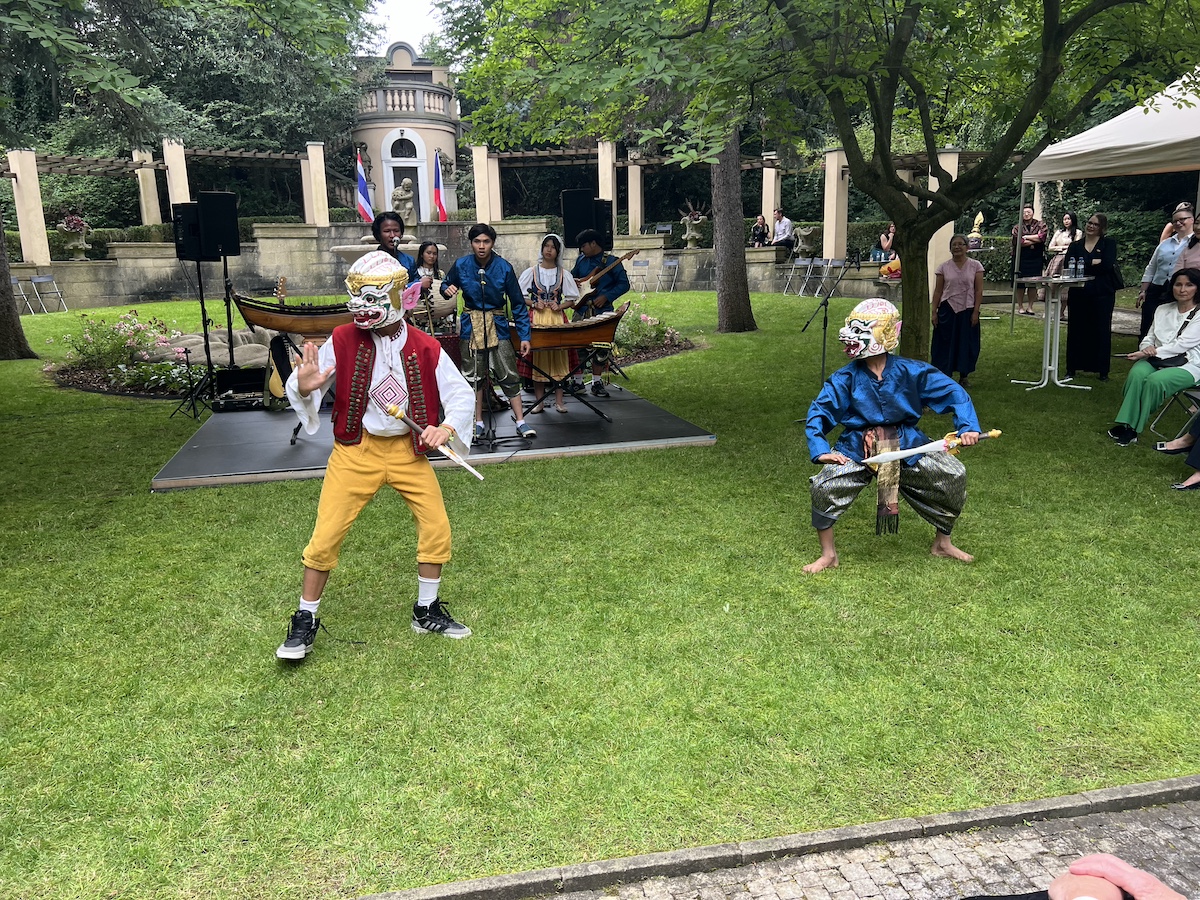
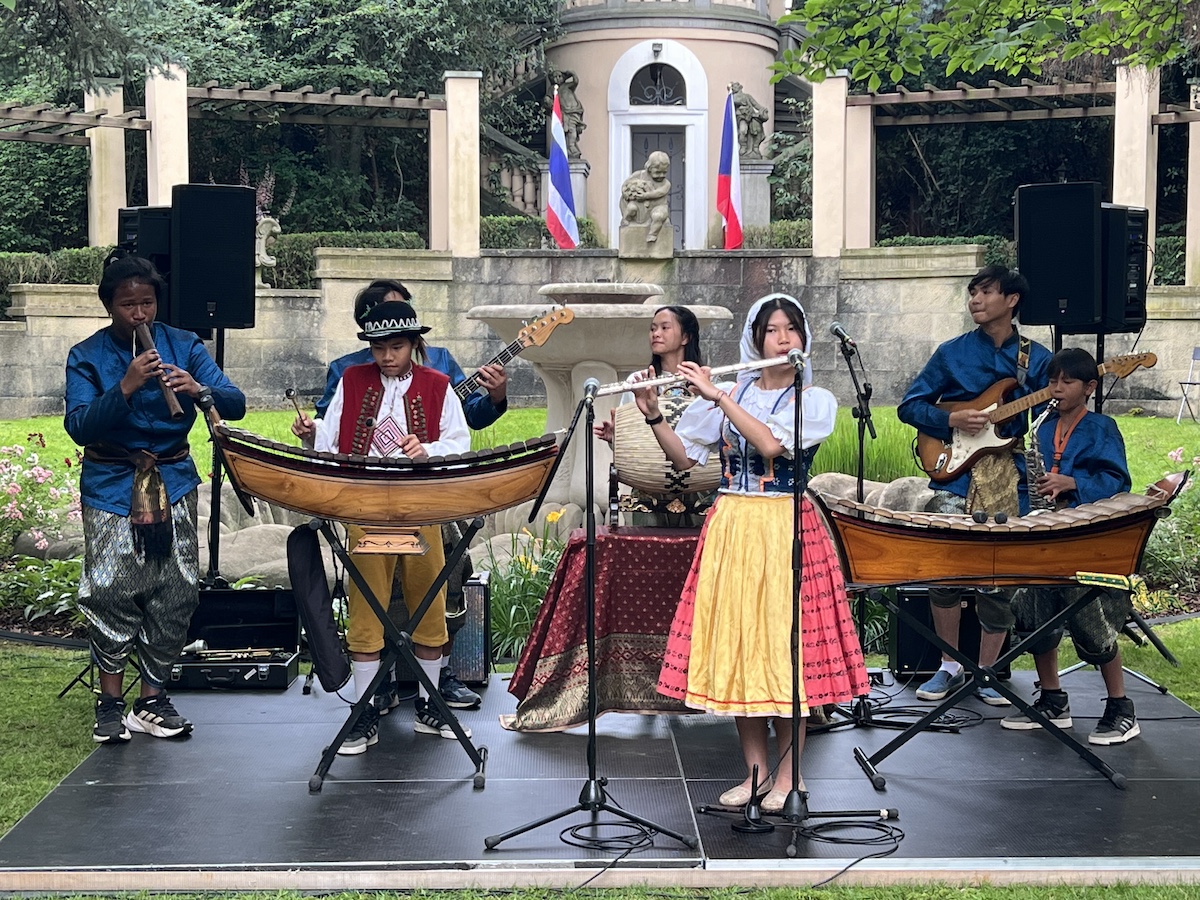
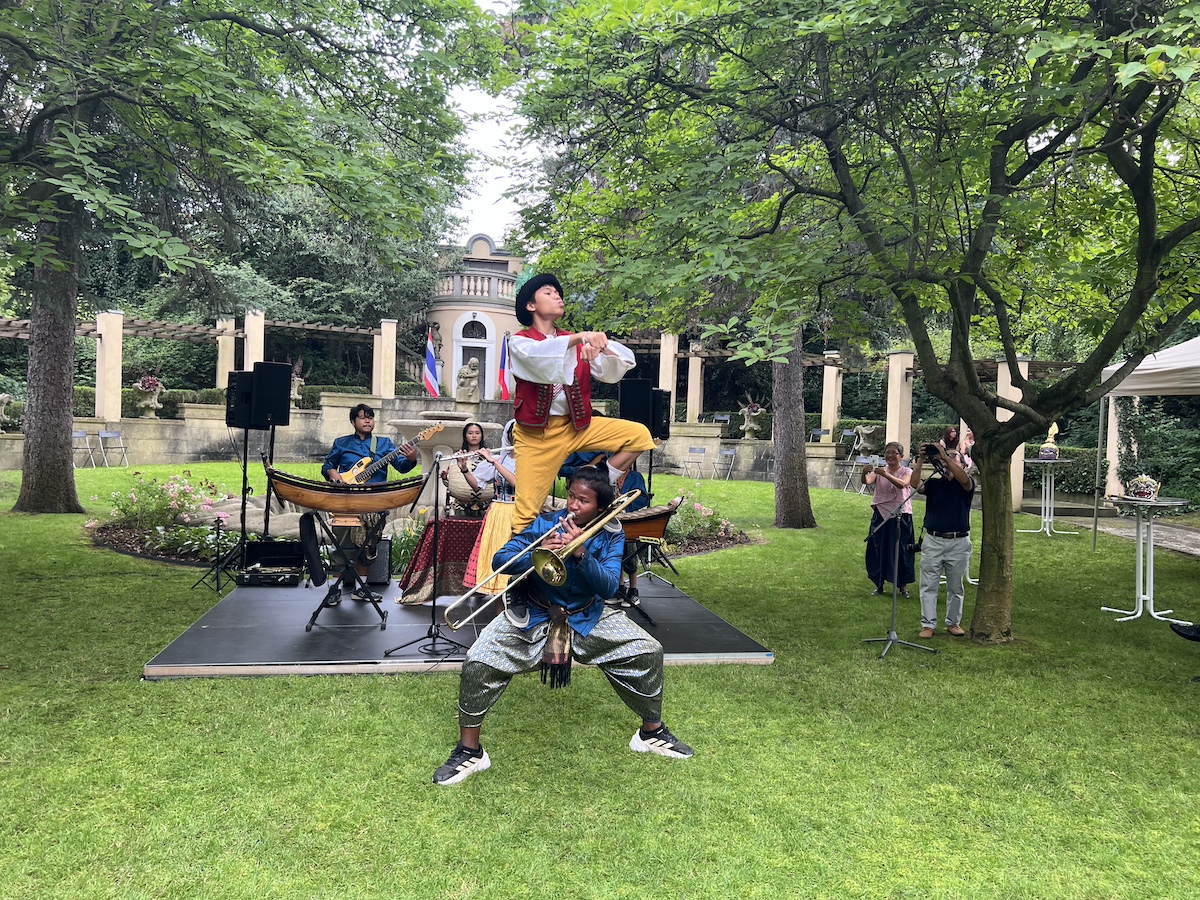
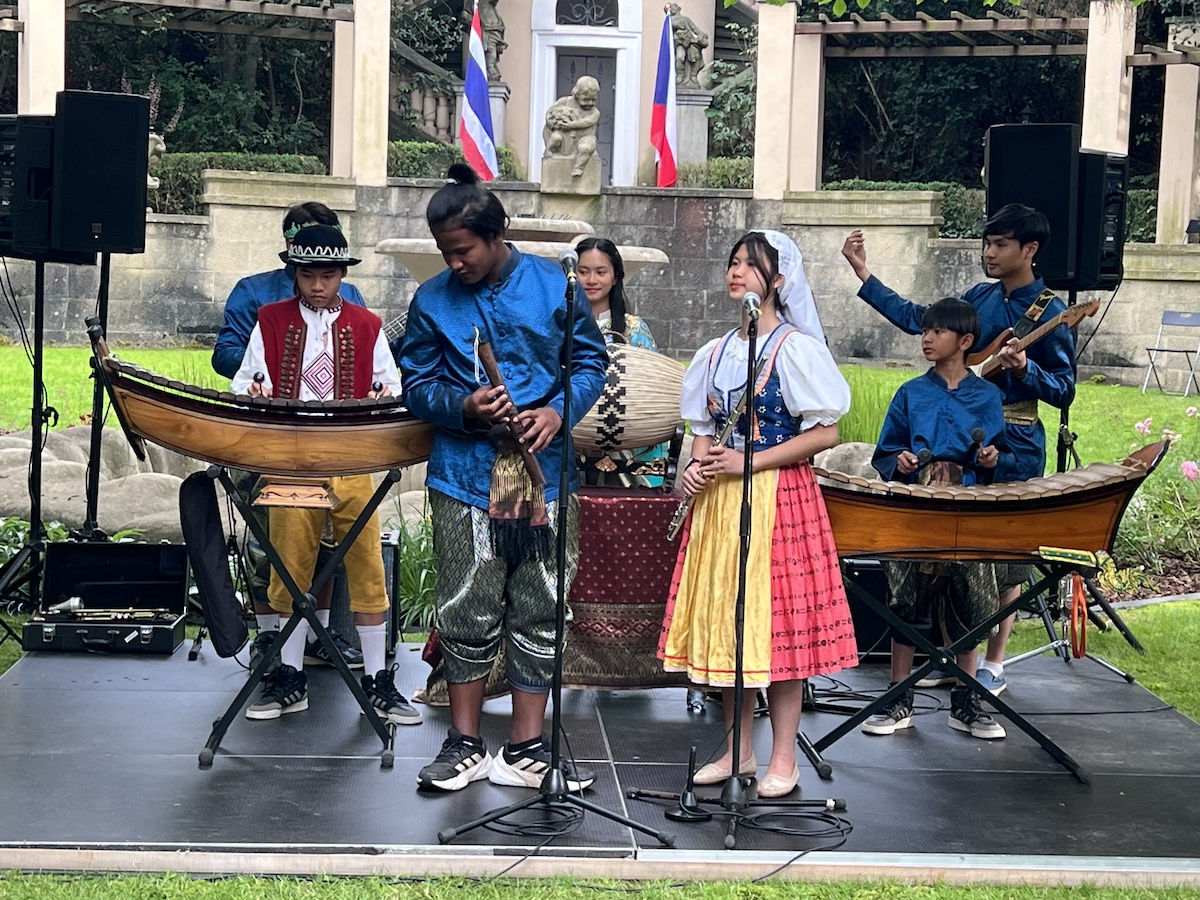
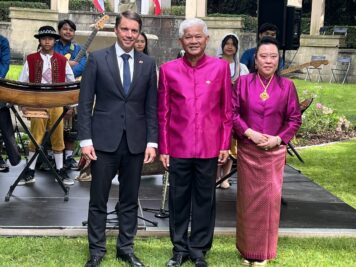
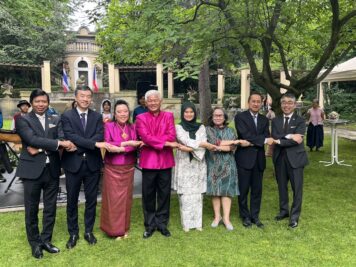
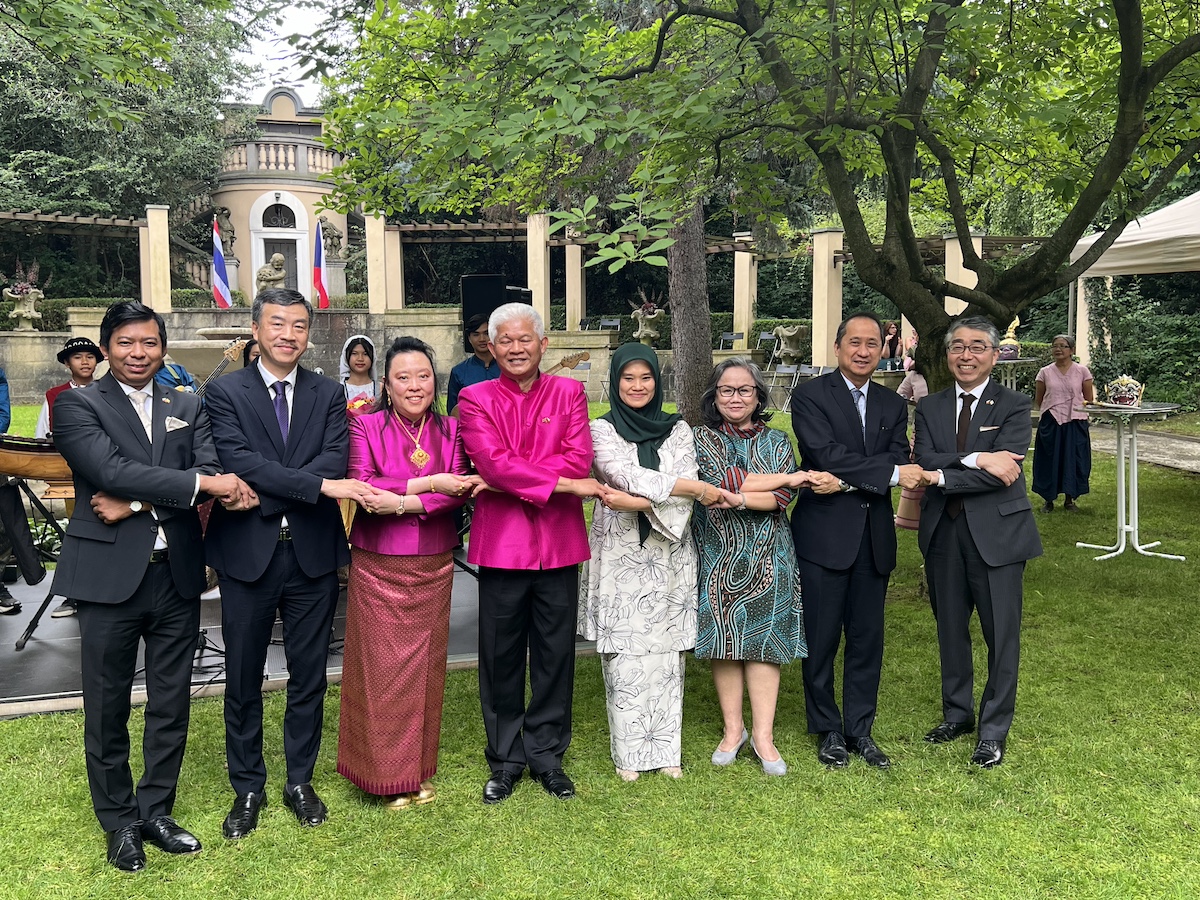
On the occasion of the 50th Anniversary of Diplomatic Relations between the Kingdom of Thailand and the Czech Republic, The Ambassador of the Kingdom of Thailand H.E. Mr. Suwat  Kaewsook and Mrs. Patcharin Naewsook host a Thai cultural event in the beautiful garden of the Thai Ambassador’s Resident.

H.E Mr. Václav Klaus Former President of the Czech Republic, his spouse Mrs. Livia Klausová, and Mr. Jiří Kozák – Deputy minister of foreign affairs of the Czech Republic were the honored guests.

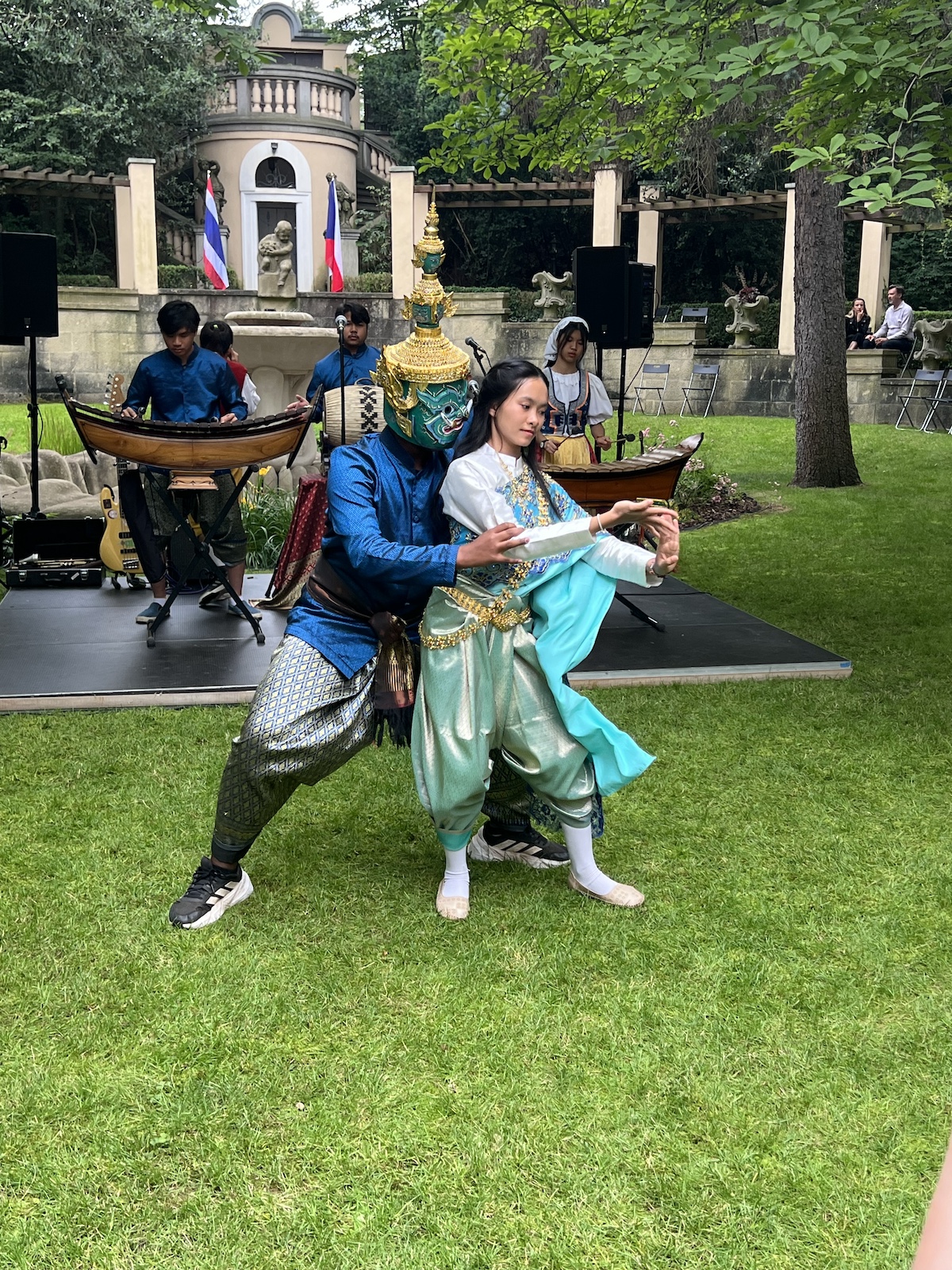
The guests enjoyed Traditional Thai Music, Dance, and Khon masked dance as part of exploring the charm of Thailand from a very talented young Thai band.

Watch the Video from the event:

The Statehood Day of the Republic of Slovenia

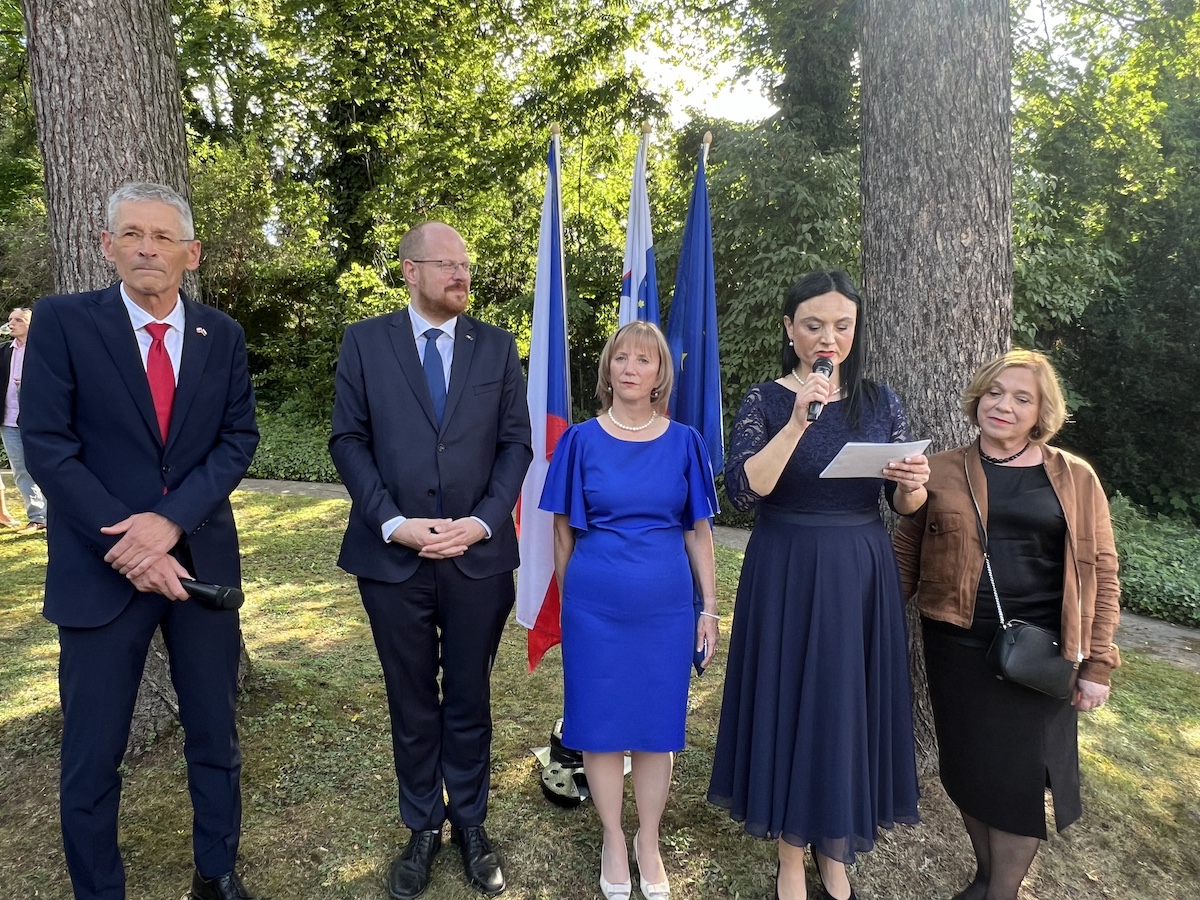
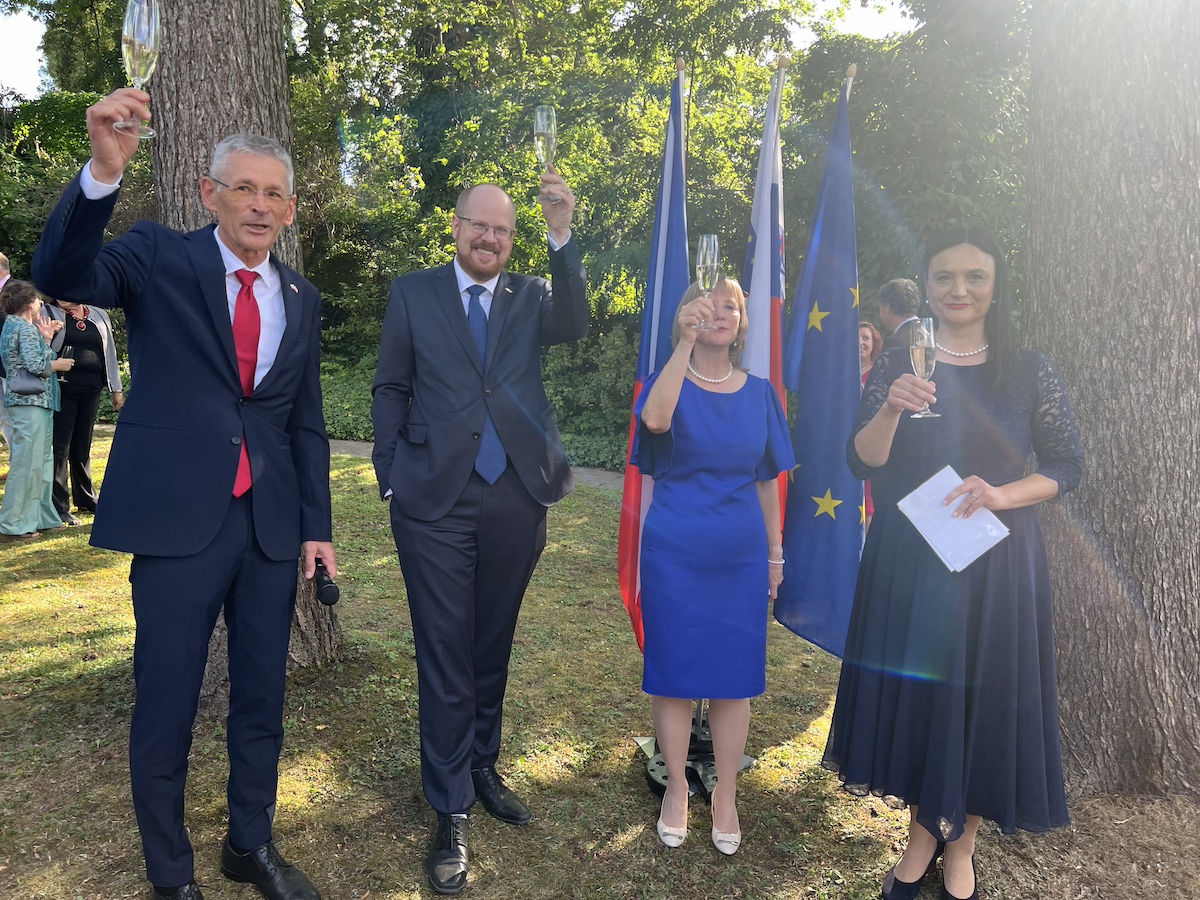
On the occasion of the Statehood Day of the Republic of Slovenia and the end of the Ambassador duty in the Czech Republic, H.E. Mrs. Tanja Strniša and Mr. Toni Strniša host a reception at the Embassy’s beautiful garden.

Mr. Eduard Hulicius – Deputy minister of foreign affairs of the Czech Republic was the honored guest.

Watch the video with the speech of H.E. Mr. H.E. Mrs. Tanja Strniša – Ambassador of the Republic of Slovenia and Mr. Eduard Hulicius – Deputy minister of foreign affairs of the Czech Republic.

We will miss the Ambassador and Toni.

The New Home for Wild Horses

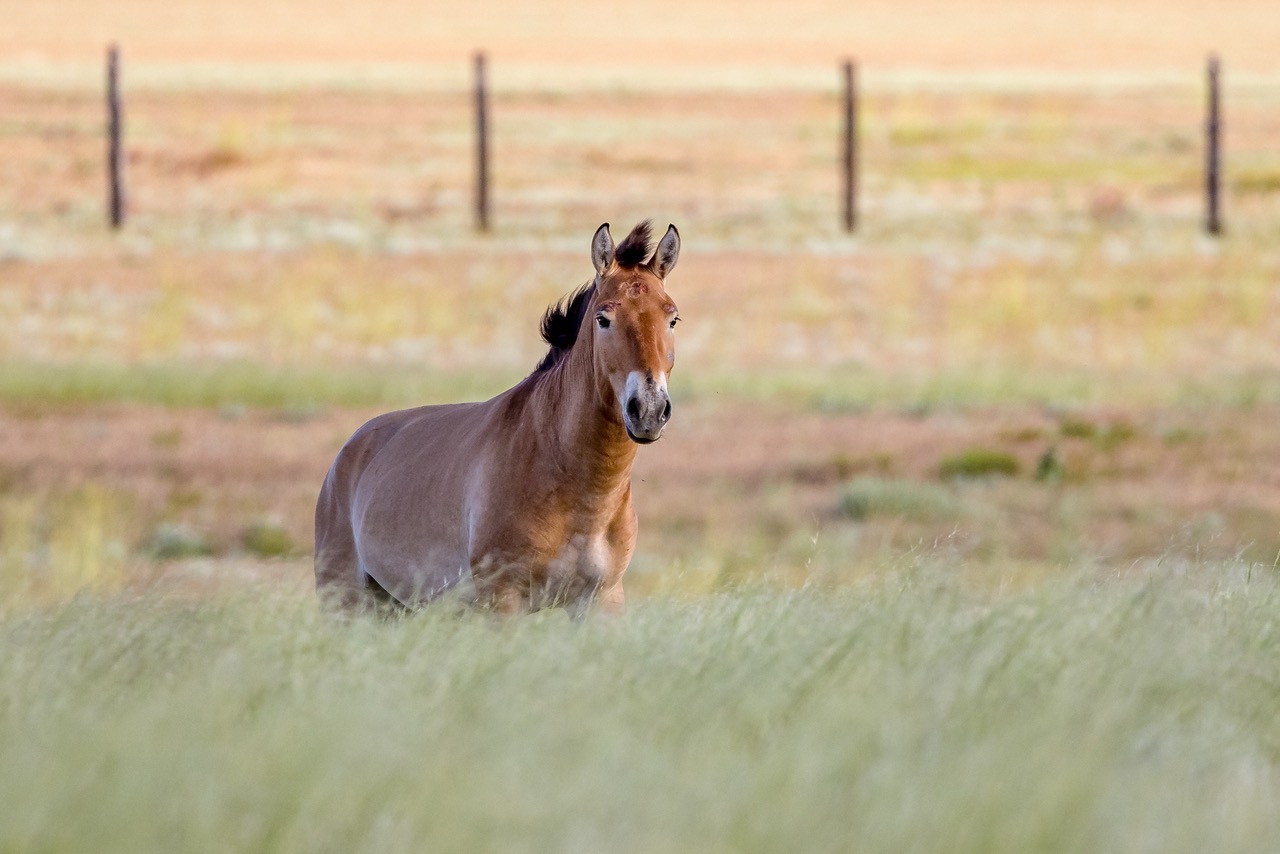
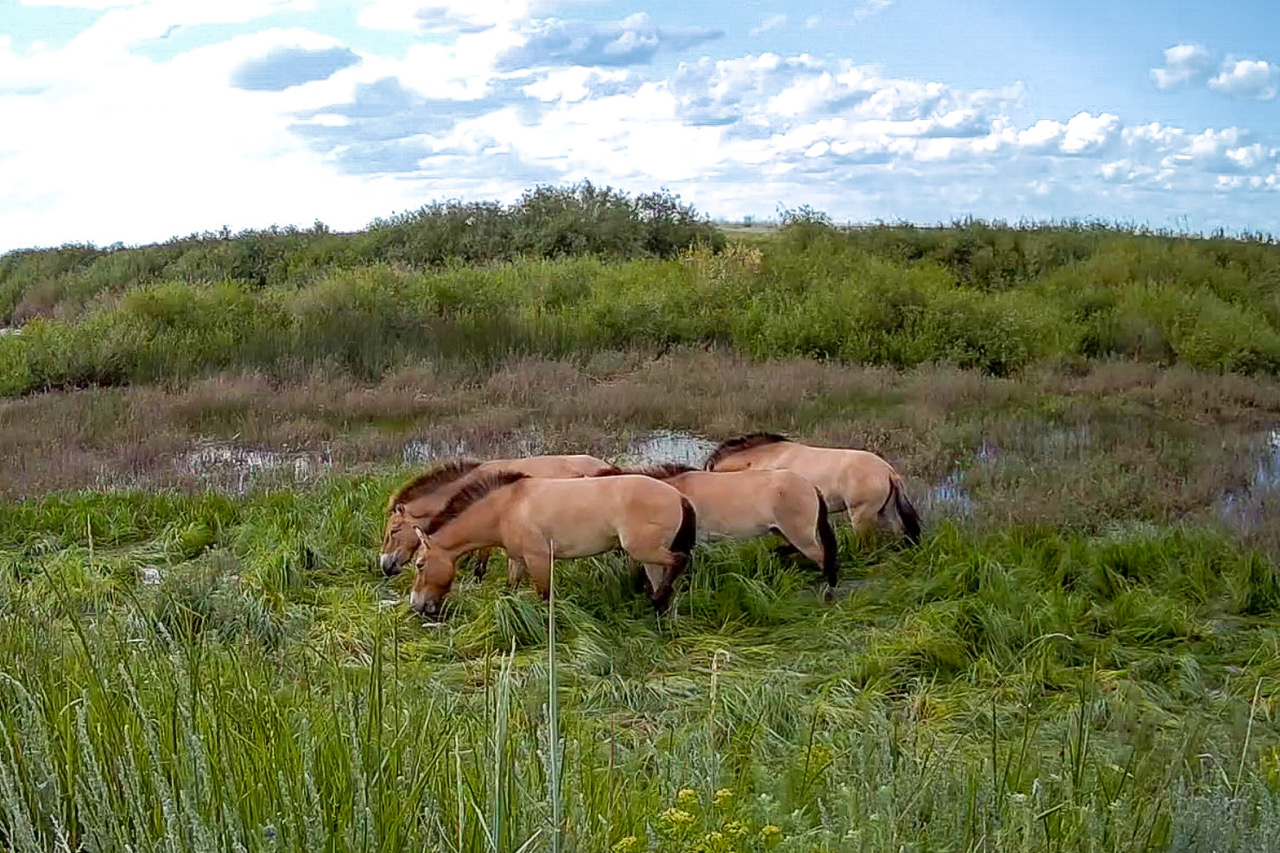
We walked through the large acclimatization enclosure in Kazakhstan’s Golden Steppe and looked around in vain for the three Przewalski’s horses that we released here. Finally, we noticed a movement in the distance. But it was only a solitary saiga.

I was beginning to worry about what could have happened. David flew the drone to check the parts of the enclosure that were out of our sight. Again nothing. And then, to my delight, three horses’ heads emerged from the tall reeds at the watering hole. Zorro, Ypsilonka and “my” Zeta II. All three Przewalski’s horses looked at us, they came closer as if they wanted to get a better look at us, and measuredly ran away. After two days and three nights they were at home in the enclosure.

Zorro in the acclimatization enclosure in Alibi last Friday morning. Photo Miroslav Bobek.

But the four “Berlin“ mares, which we had released to the second enclosure the previous evening, were still very  restless and kept to the fence. We left them alone and went to load our luggage to move to Arkalyk and from there to return to Prague. However, three of our staff – including Ganbaatar, who has tremendous experience from Gobi – remained in the reintroduction centre together with our colleagues from Kazakhstan to monitor the acclimatization of the horses.

Despite the glory that accompanied the arrival of our first plane a few days ago, only the return to Arkalyk made us feel how local people appreciate our project. When I went out to have an espresso, guests in the coffee shop recognized me, started asking me questions and taking photos with me. When one of the soldiers went to have a haircut, he didn’t have to pay anything because he brought wild horses. And when my colleagues visited a local museum, they got free entry as well as the guide.

The return of the wild horses aroused enormous interest in Kazakhstan, and it gradually began to spill over the world. It is written about almost everywhere, which creates an interesting contrast to the lack of interest of part of the media in our country. On the other hand, the Instagram reel capturing releasing of Zeta II has already received 6 million of views.

It took us the whole of Sunday to return home by the military plane with two stopovers. Still on the way I received an unexpected message from the acclimatization centre in Alibi:  “We went to see Zorro and the others in the afternoon,” the researches Martina and Anna wrote. “After barely a half-an-hour of recording we saw the first mating attempt with Zeta II. According to all indications she is already in heat the fifth day after arrival, and she is receptive to the stallion.”

After my return, in between taking care for backlogs and writing thank you messages to all who helped us, more and more news is coming about our horses in Kazakhstan. Shortly: also “Berlin” mares started looking better and a camera trap captured them going to drink as well. And Zorro repeatedly mated Zeta II.

“Berlin” mares at the watering hole. Photo from camera trap.

By: Miroslav Bobek

End of Belgium EU Presidency 2024

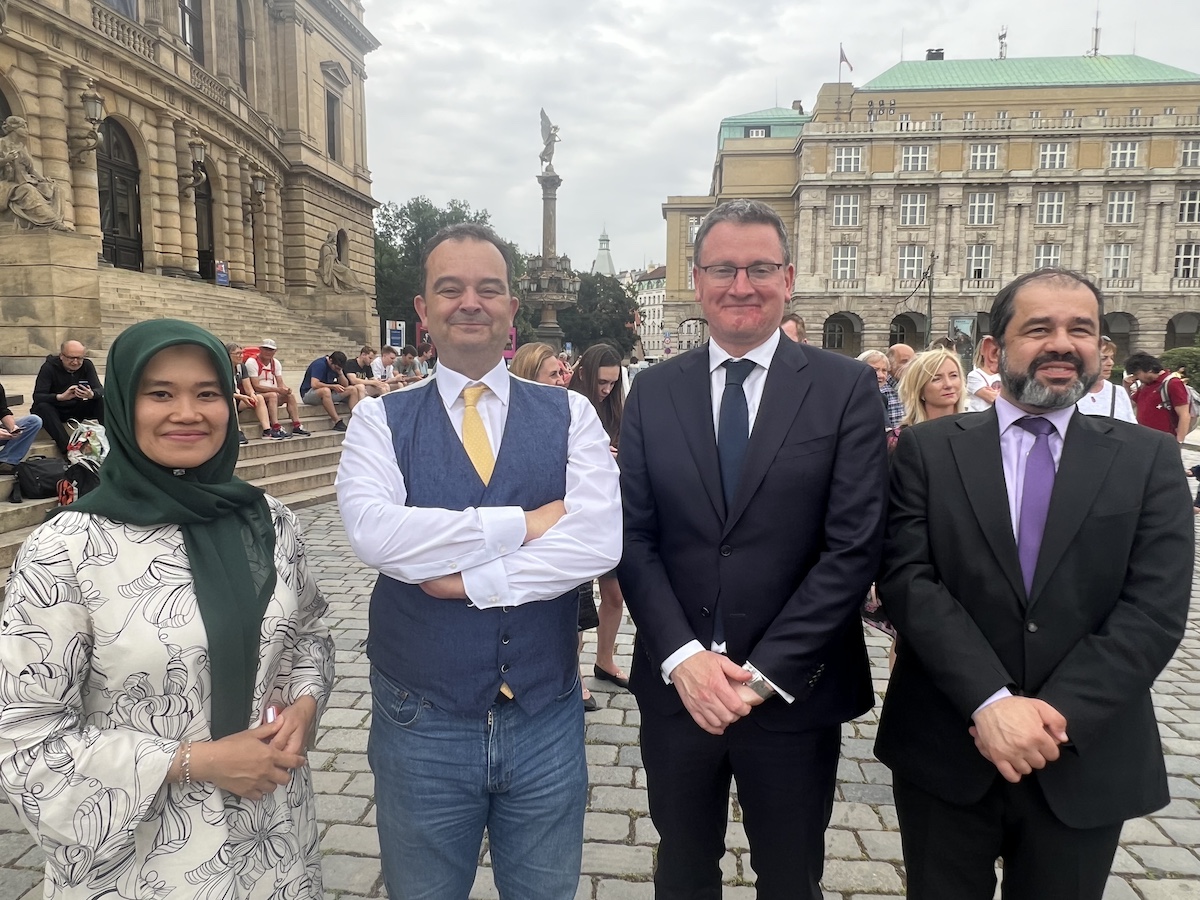
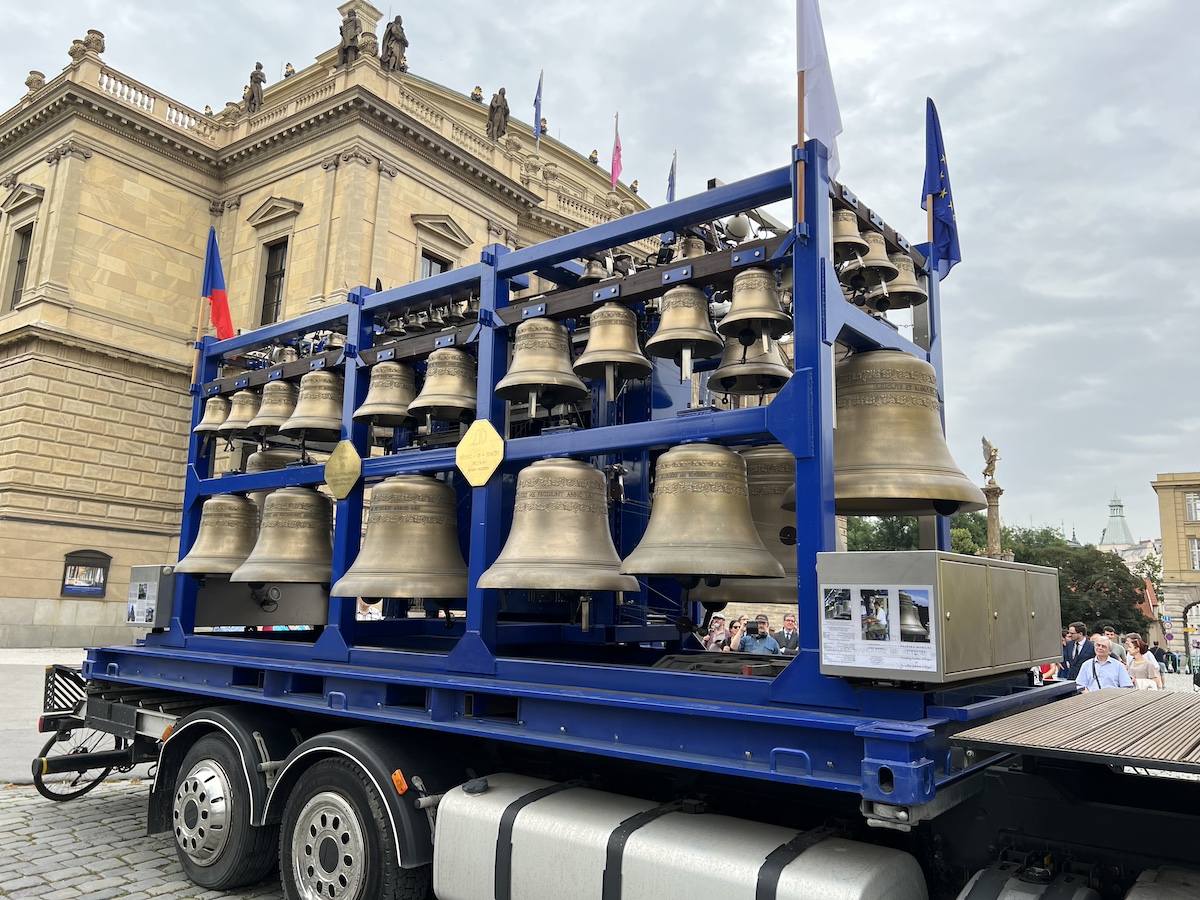
To mark the end of our Presidency of the Council of the European Union 2024, The Ambassador of the Kingdom of Belgium H.E. Mr. Jurgen Van Meirvenne organize a Belgian Carillon Concert in front of the Rudolfinum (Namesti Jana Palacha), Prague 1.

Watch the Video from the event:

US Onsemi to make record investment into chip production in Czechia

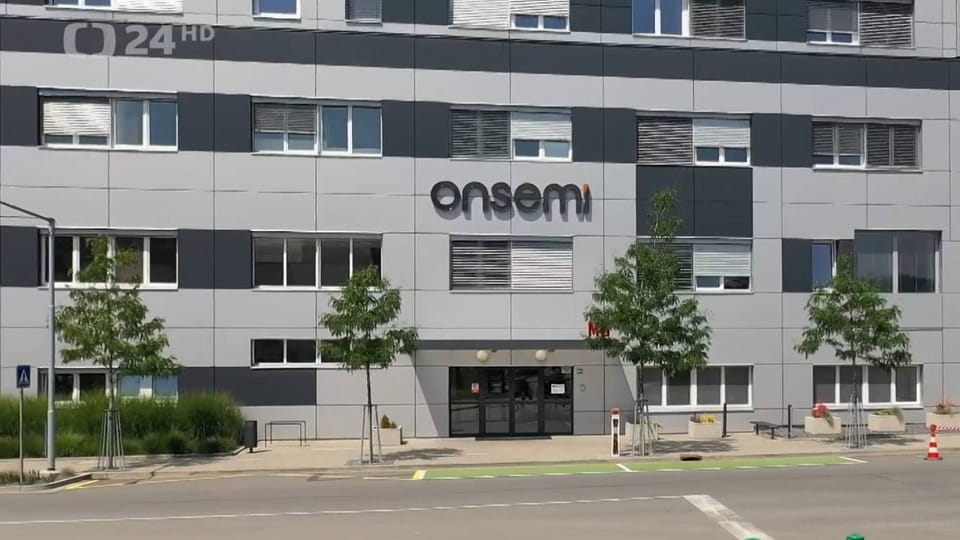
Photo: Czech Television

US chip maker Onsemi is planning to invest $2 billion in its production facility in Rožnov pod Radhoštem–the biggest single foreign investment in Czechia’s modern history. The company’s chip production in Czechia would shoot up by hundreds of percent, boosting value-added production, creating thousands of new jobs and contributing more than CZK 6 billion annually to the country’s GDP.

Onsemi considered three possible locations for its planned 2 billion dollar investment –the US, South Korea and its existing production facility in the eastern Czech town of Rožnov pod Radhoštem. Czechia won out largely thanks to its automotive industry. The company’s intelligent power semiconductors are essential for improving the energy efficiency of applications in electric vehicles, renewable energy and AI data centres. Forty percent of its production goes into the car industry and Germany’s Volkswagen, which owns Skoda Auto, is a strategic partner for Onsemi.

Prime Minister Petr Fiala said the expansion of chip production in Rožnov would be a significant boost for the Czech industry.

See the rest here.

Author: Daniela Lazarová, Sources: Český rozhlas, Česká televize

“Czech Bach” Jan Dismas Zelenka

The third part of our video series on Czech Music Greats is devoted to the work of Jan Dismas Zelenka, known as the “Czech Bach”.

Zelenka, who was born in Lounovice pod Blaníkem in 1679, is considered on one of the most significant Baroque composers, yet his music was largely forgotten after his death and was only rediscovered more than a century later. Today all his works are available in digitized form and have become increasingly popular with the public.

Source

Czech research highlights rapid decline in Europe’s biodiversity

Photo: Jaroslav Kafíčko Petráň, archiv Ptačího parku Josefovské louky

The diversity of plants in Europe’s forests, wetlands and meadows is rapidly declining. This long-term trend has been confirmed by data collected by botanists from Masaryk University in Brno in collaboration with their European colleagues. To assess the changes in flora, vegetation and habitats, they created the largest database to date. I asked Milan Chytrý from the university’s department of zoology and botany how they collected the data:

“We simply sent invitations to our colleagues from across Europe asking them to take their data and enter them into a single database.

“The thing is that many botanists and plant ecologists across Europe collect data on species composition of flora in specific locations and many of these observations are repeated in time on the same location.

“They are usually used for analysis of species change in a small region, maybe in a specific habitat like in a single forest or single grassland, but they have never been integrated into one database, so that was our aim.

See the rest here.

Author: Ruth Fraňková

Prague based actress Róza Andělová: Getting into English-speaking theatre is pretty easy here

Photo: Michael Džindžichašvili, Czech Radio

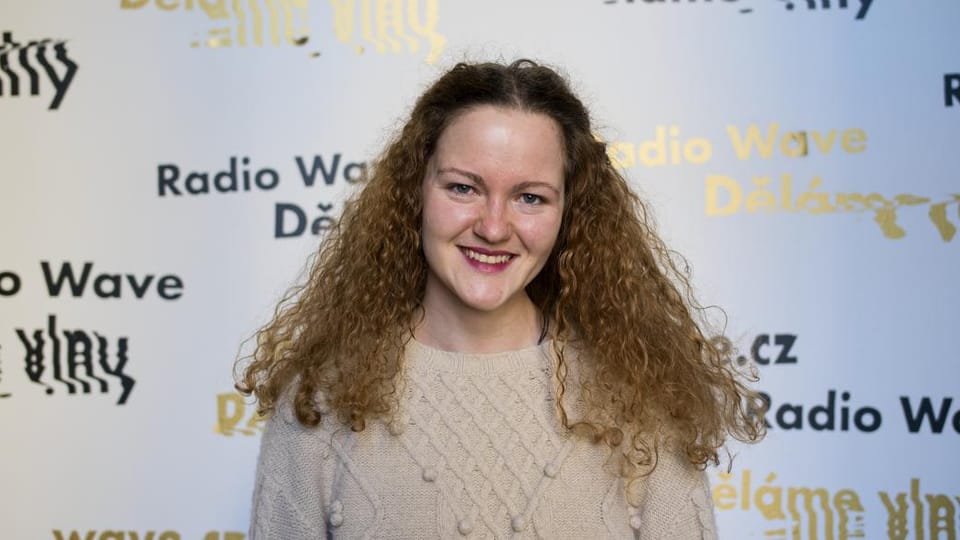
Róza Andělová is a budding young Czech actress who studied French and English literature at Charles University. Magdalena Kadula invited her to Radio Prague’s studio to talk about her work, the opportunities for English-speaking actors and actresses in Prague and how she happened to get into acting in the first place.

“That’s a very short story I’m afraid. I think it was, kind of, by accident. I’ve always loved all things, film and theatre. I started from theory, basically. I took a few courses at Charles University while I was doing my BA. From then it kind of spiralled into this wonderful thing.

“I actually saw an ad on Facebook. Now people joke about it because that’s how I get most of the casting calls – it’s through Facebook out of all things. It was this open call for a FAMU-New York University collaboration, and I ended up getting the part. It was, as I say, kind of by accident, but it was a wonderful experience.

See the rest here.

Author: Magdalena Kadula

Czechast about Great Moravia Part 2

Photo: Vít Pohanka, Radio Prague International

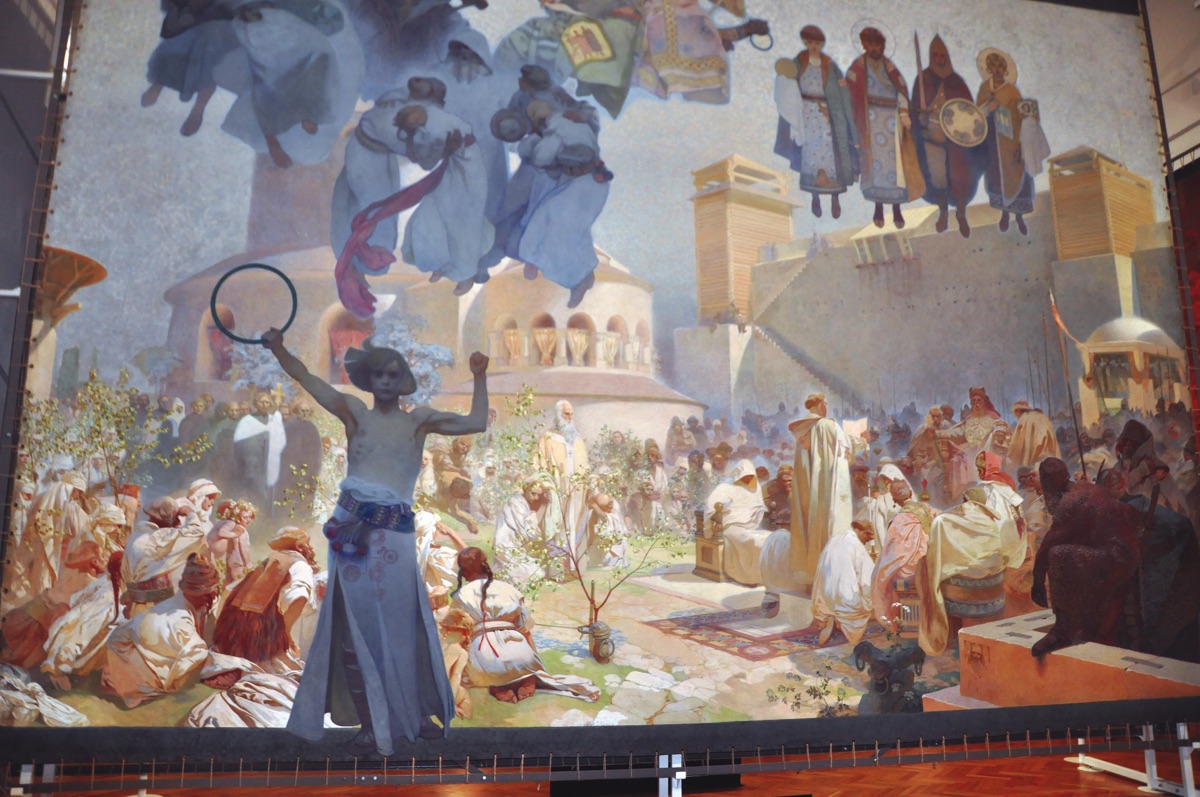
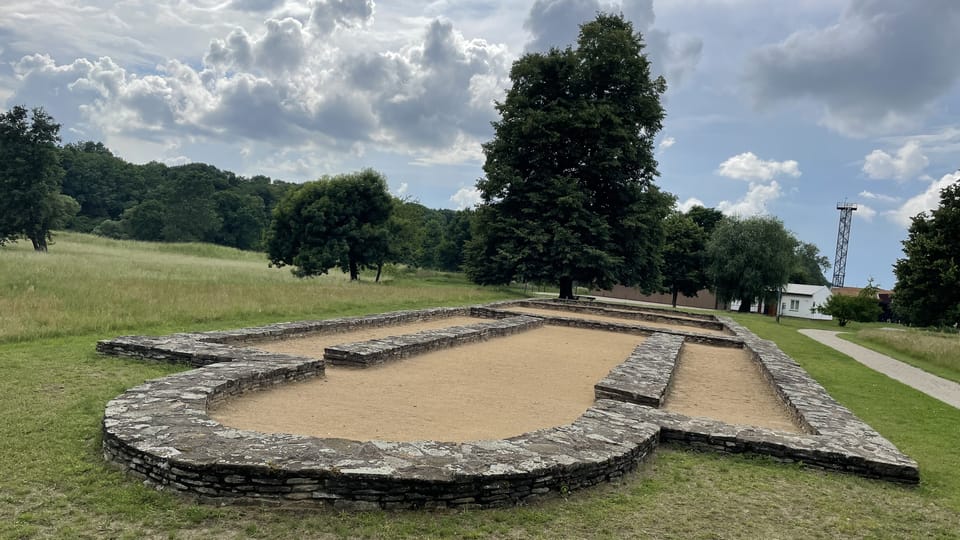
Czechast from and about Mikulčice-Valy, an archaeological site that preserves the remnants of a significant Slavic settlement from the times of the Great Moravian Empire.

After stopping at the Monument of Great Moravia in Staré Město near Uherské Hradiště, Don Sparling traveled with Czechast some 60 kilometers south to Mikulčice-Valy. It is an archaeological site that preserves the remnants of a significant Slavic settlement from the times of the Great Moravian Empire.

“You can still see the traces of the original terrain. It shows, ehere the fortifications and the various buildings stood. It is actually quite impressive,”.

See the rest here.

Author: Vít Pohanka

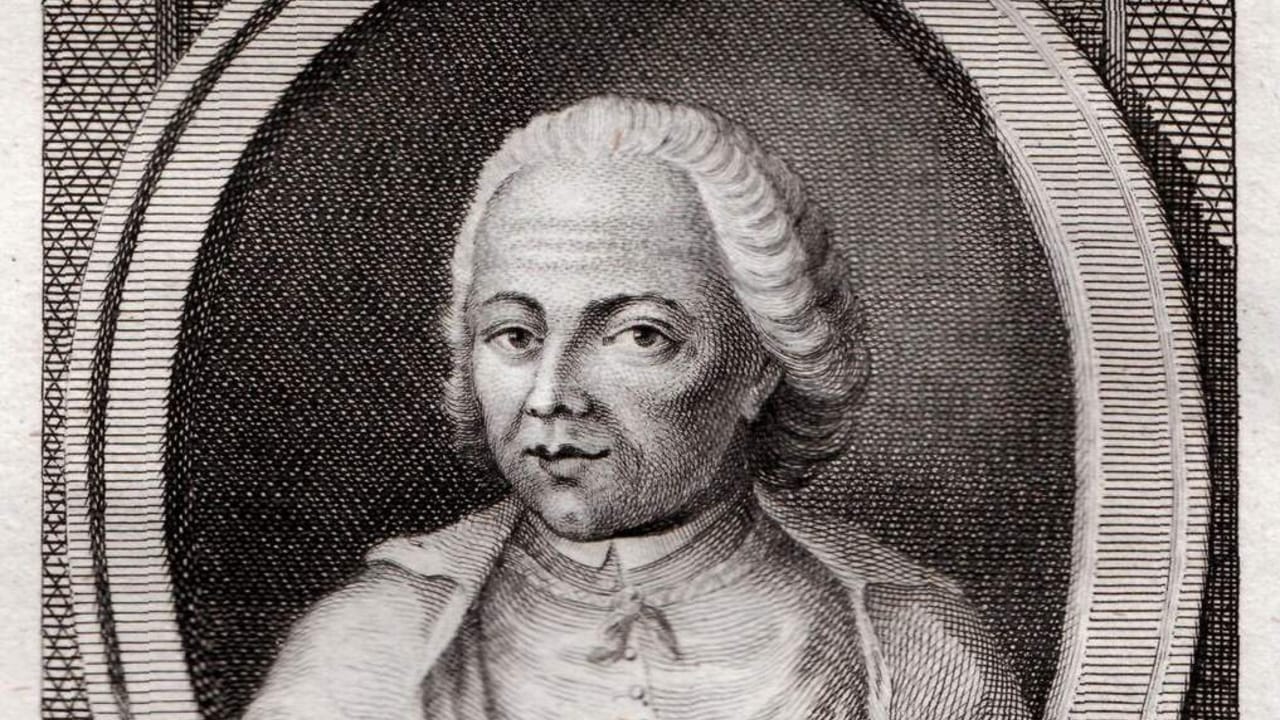
270 years ago Czech scientist Prokop Diviš built world’s first grounded lightning conductor

Source: 87 Abbildungen Böhmischer und Mährischer Gelehrten und Künstler, in Kupfer gestochen und verlegt von Johann Balzer, Prag 1772/Wikimedia Commons, public domain

The discovery was made in the garden in Přímětice near Znojmo, where Diviš worked as a parish priest and conducted scientific experiments. The main function of the “weather machine” was to permanently balance the tension between the sky and the ground and avert the discharge itself.

The base of the machine was a horizontal iron cross mounted on a forty meter post. The arms of the cross were supplemented by additional poles with 12 metal boxes containing layers of iron filings and 400 metal spikes. The entire structure was connected conductively to the ground by three chains. The erection of the device took place on 15 June 1754 with it functioning as a lightning rod. Diviš made observations of the self-assembled device during every storm and wrote the results in a large treatise “On the Nature of Atmospheric Electricity,” which he dedicated to Empress Maria Theresa.

See the rest here.

Icons of the early 2000s Holki celebrate 25 years on stage

Photo: David Sedlecký, Wikimedia Commons, CC BY-SA 4.0

The era of the rise of hip hop, the growing popularity of music videos, and the influx of boy bands and girl groups – all of this describes the early 2000s perfectly. While the world was ruled by Backstreet Boys, ‘N Sync or Spice Girls, Czechia was dominated by Lunetic and Holki.

The year was 1999 and four girls emerged as winners from an audition organised by Petr Fider. Two blondes, a redhead, and a black-haired girl are a perfect match vocally with a powerful presence on stage. Klára, Kateřina, Radana, and Nikola took off to almost instant success and rocked the Czech charts and discos.

With their first song, Už mi nevolej (Don’t call me again), they rocketed off to their most famous years. With this hit, they got into the consciousness of the listeners, and clearly defined their target group. Holki have always been oriented towards teenagers, especially girls. In 1999, they released their first album S láskou (With love), and burst onto the Czech music scene with an album full of catchy dance tunes. Apart from Už mi nevolej, the song Můj kluk (My boy) became an instant hit.

See the rest here.

Author: Bětka Horáková

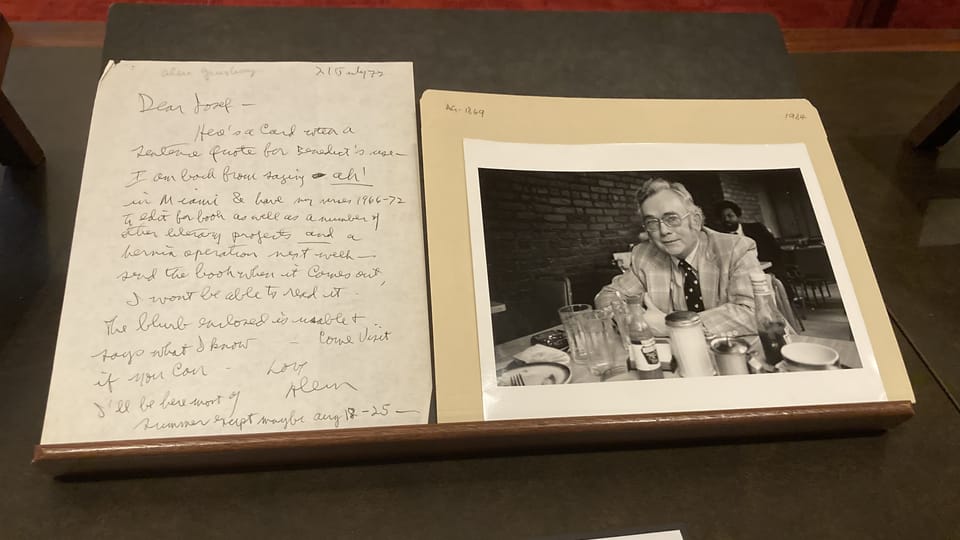
Rarely-displayed Josef Škvorecký manuscripts exhibited in Toronto

Photo: Pavel Novak, Czech Radio

The Czech-Canadian émigré author and publisher Josef Škvorecký wrote his novels and stories on reams of paper. After his death in 2012, he left behind over 140 boxes of documents, manuscripts and personal correspondence, which he donated to the university library in Toronto. These are rarely shown to the public – but recently they were put on display during a conference for Czech teachers in North America.

The original writings and manuscripts of Josef Škvorecký are nowadays kept mostly in the library archives of the University of Toronto. John Shoesmith works at the university’s Thomas Fisher Rare Book Library.

“This is the largest rare book library in Canada. We have somewhere along the lines of 800,000 volumes of books, 5,000 linear metres of manuscript material. The Škvorecký material is part of a large collection of archival material we have here of various Canadian writers – Margaret Atwood, Leonard Cohen, Sheila Heti.”

Shoesmith’s description of Škvorecký points to the fact that in Canada, he is largely considered to be a Canadian author, despite the fact that he is mostly published in Czech. Škvorecký spent half of his life in Canada, publishing Czech and Slovak books that were banned in Czechoslovakia during the communist era. He also taught literature, creative writing and film at the University of Toronto from 1971 until his retirement in 1990.

See the rest here.

Authors: Anna Fodor, Pavel Novák, Source:Czech Radio

Czechs read less news, citing powerlessness and news fatigue

Avoidance of the news is at a record high, according to the Oxford-based Reuters Institute for the Study of Journalism, which produced the 168-page Digital News Report 2024 analysis. Nearly 39 percent of people worldwide said they sometimes or often actively avoid the news, up 10 percent from 2017. So how are Czechs doing in this respect?

Czechs are reading less news than ever before in Czechia’s modern history. That is largely because in Czechia trust in the news media is at 31 percent, below the EU average, down eight per cent since 2015. Other trends reveal that powerlessness and media negativity contribute to this downward spiral. At the same time, negative polarizing content and fake news are on an upward trajectory.

See the rest here.

Author: Jakub Ferenčík

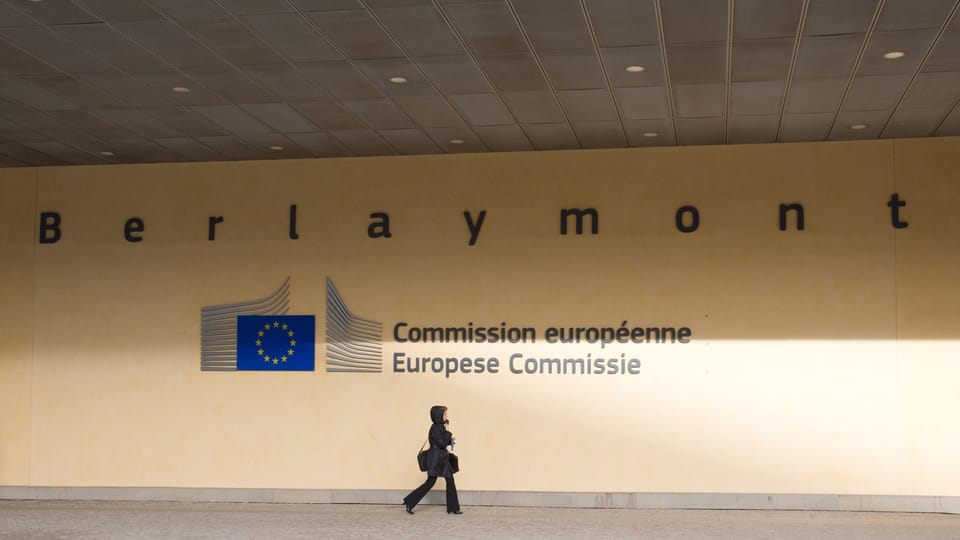
Nerudová, Síkela in frame for Euro Commissioner – which most fits bill?

Photo: Radio Prague International

The Mayors party, who have a say in the matter under the coalition deal, have announced they will put forward both Danuše Nerudová and Jozef Síkela for next Czech European commissioner – with the government to decide on a candidate by August. I discussed the pair’s chances, and other aspects of the process, with Klára Votavová of the think tank Europeum.

The government will decide soon on their candidate for next European commissioner. Already we’ve seen Prime Minister Fiala saying that Czechia would like an economic portfolio. But can countries, especially smaller ones like Czechia, actually influence this?

“I think it’s fair to say that not being a country that’s in the Eurozone can be somewhat limiting in these ambitions.

“The Czech Republic has pretty much always wanted to get a strong economic portfolio. This is not a new ambition.

“Maybe the closest we have ever got to that was Social Affairs, with Vladimír Špidla, 15 or 20 years ago.

“The Czech Republic has always been very keen on the single market – that’s really one of the key tenets of Czech EU policy – and in that sense it makes sense that the country wants it.

“But at the same time maybe if we shift our focus to other issues, such as security or energy, then I think that we have a better chance than in the single market, for example.”

See the rest here.

Author: Ian Willoughby

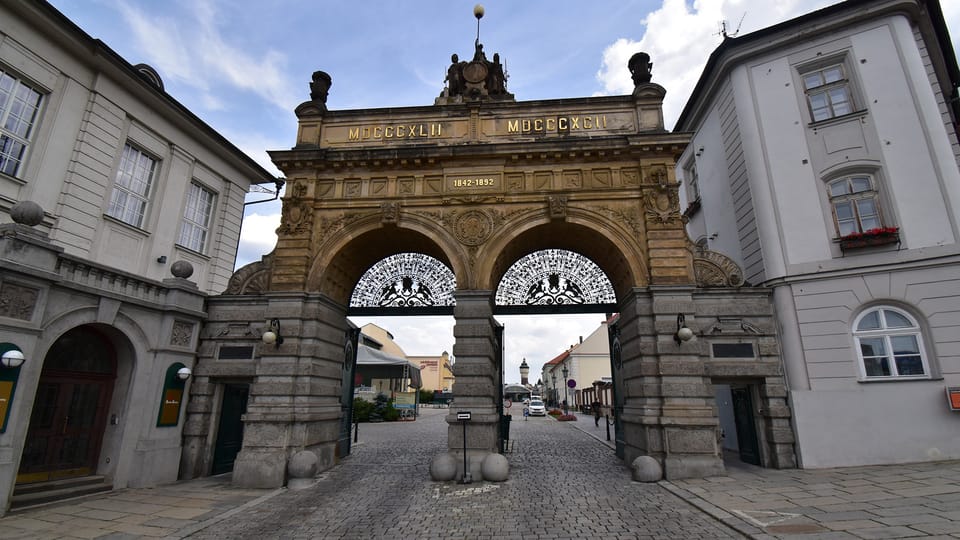
Plzeň – cradle of the world-famous golden brew

Photo: Ondřej Tomšů, Radio Prague International

The west Bohemian city of Plzeň is without doubt synonymous with beer. It was here that the world’s first-ever Pilsner lager was brewed in 1842. But Plzeň, which has a population of around 170,000 people, has much more to offer than just the golden brew, for instance, the second largest synagogue in Europe or striking interiors designed by the world-renowned architect Adolf Loos.

The city of Plzeň, which lies on the confluence of the Mže and Radbuza rivers, was founded in 1295 by a decree issued by the Czech king Wenceslas II. Located on the intersection of important trade routes linking the Czech lands with Germany, it soon became a busy trade centre and by the 14th century, it was third largest town after Prague and Kutná Hora.

See the rest here.

Author: Ruth Fraňková

Karlovy Vary’s Och: Steven Soderbergh is one of my dream guests

Photo: Film Servis Festival Karlovy Vary

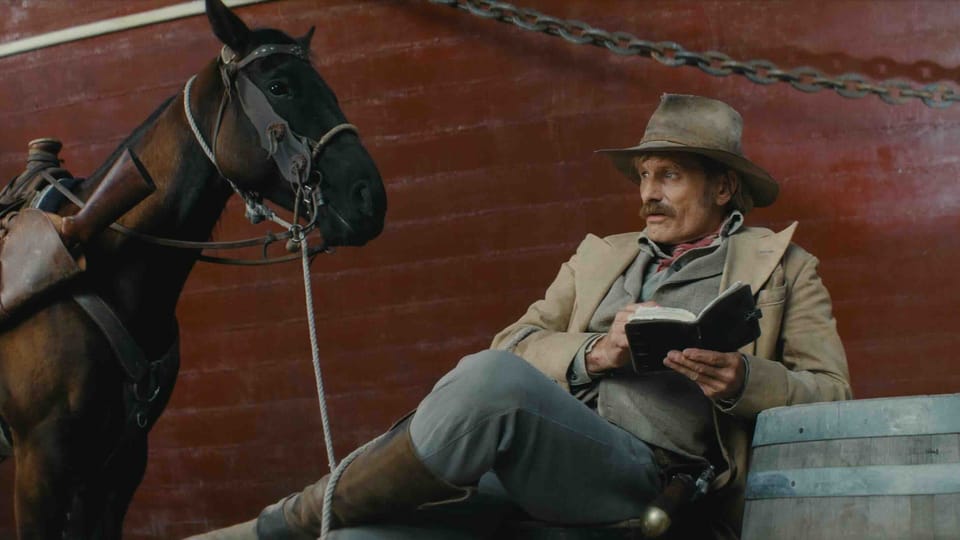
The star guests for this year’s Karlovy Vary International Film Festival – which gets underway in nine days – have just been revealed. Audiences can look forward to Hollywood stars such as Viggo Mortensen, while Oscar-winner Steven Soderberg will be the most successful director in attendance. I discussed the big guests, and more, with the festival’s artistic director, Karel Och.

You’ve just announced the star name actors coming to this year’s Karlovy Vary: Viggo Mortensen, Daniel Brühl and Clive Owen. How exciting is it for you to be bringing those names to this year’s festival?

“It’s extremely exciting and it’s been extremely exciting for a while now, ever since we got the confirmation, for many reasons.

See the rest here.

Author: Ian Willoughby

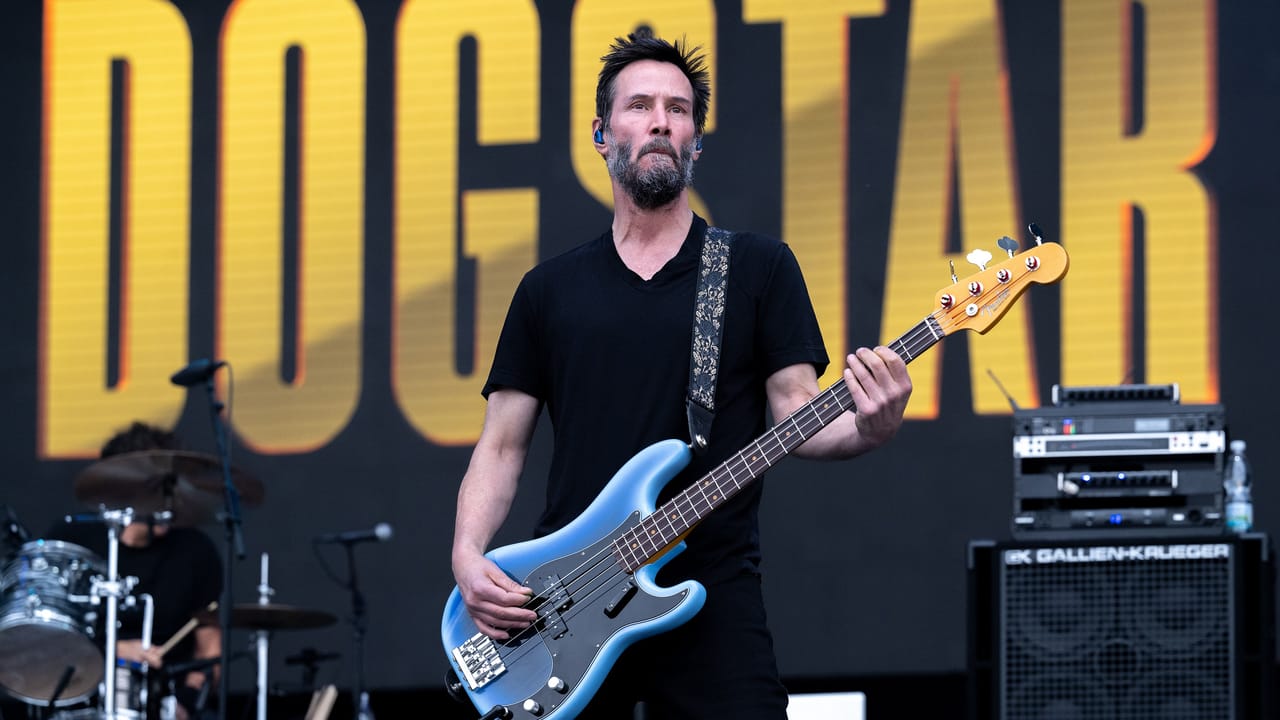
Keanu Reeves at the Rock for People Festival

Photo: David Taneček, ČTK

Dogstar pulled the crowds at the Rock for People festival in Hradec Kralove. They appeared at the festival within their 2024 summer tour to support their latest album Somewhere Between the Power Lines and Palm Trees.

Source: ČTK

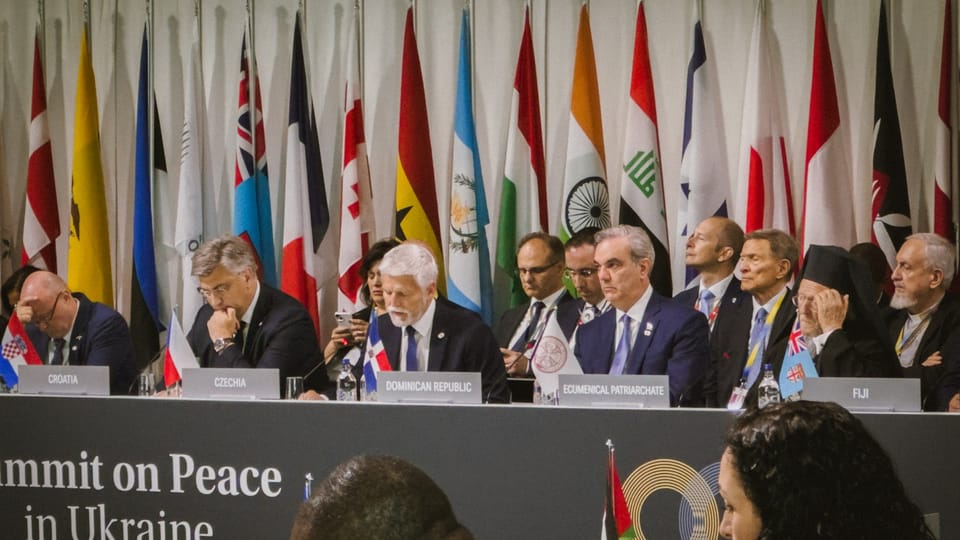
President Pavel on Swiss summit: The show of unity was of crucial importance

Photo: Zuzana Bönisch, Office of the President

The two-day peace summit on Ukraine held in Switzerland over the weekend was attended by 93 countries from around the world. Russia and China were notably absent. And the BRICS member states present failed to sign the joint declaration on the agreement reached. So how effective will it be in paving the ground for peace-talks and what was the Czech contribution to the debate?

The joint declaration, signed by 80 countries, reflected the basic agreements reached in the course of the two-day debate. Most importantly, it stated that the “territorial integrity” of Ukraine must be the basis for any future peace agreement. It called for the release of war prisoners and the return of all deported and displaced Ukrainian children, and further stressed that nuclear energy installations in Ukraine must be kept safe.

See the rest here.

Author: Daniela Lazarová, Sources:Český rozhlas, Česká televize

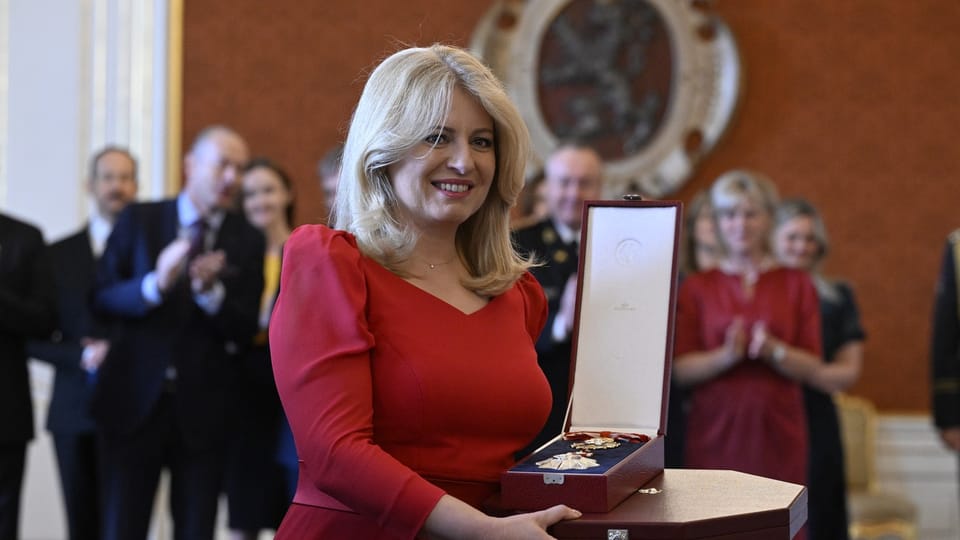
Čaputová receives highest Czech honor on last visit to Prague

Photo: Kateřina Šulová, ČTK

Czech President Petr Pavel and his wife Eva received the outgoing Slovak President Zuzana Čaputová and her partner Juraj Rizman at Prague Castle on Thursday. With the trip, Čaputová has concluded her farewell foreign visits before the end of her five-year mandate.

“The Order of the White Lion of the Civil Group, First Class, presented to Zuzana Čaputová, President of the Slovak Republic, for outstanding merit to the benefit of the Czech Republic.” 

On Thursday, President Petr Pavel presented the highest decoration of the Czech state, the Order of the White Lion, First Class, to the outgoing Slovak President Zuzana Čaputová for her contribution to the development of relations between the two states. In return, she awarded him with the highest Slovak state decoration, the Order of the White Double Cross, First Class.

Author: Jakub Ferenčík

See the rest here.

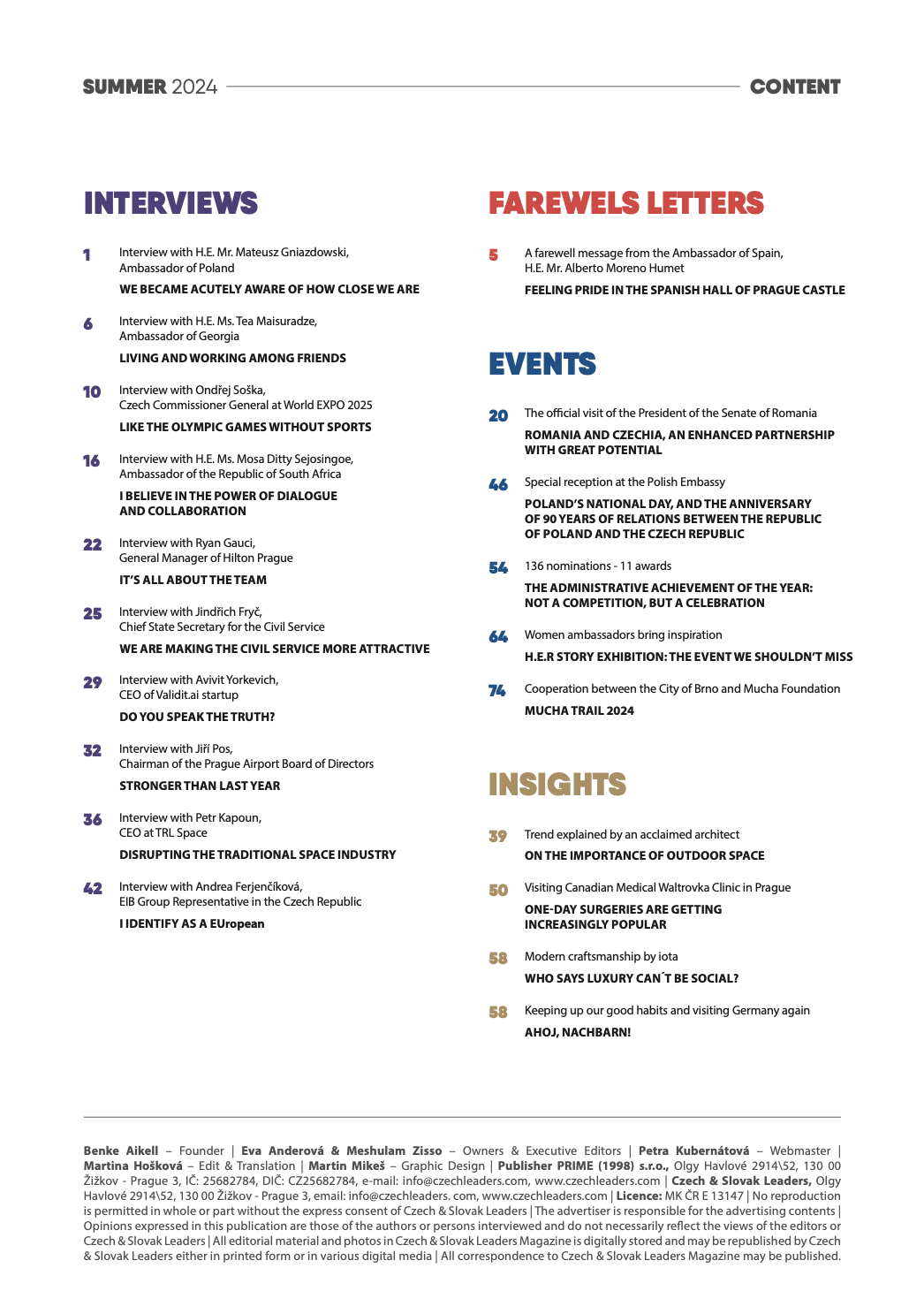
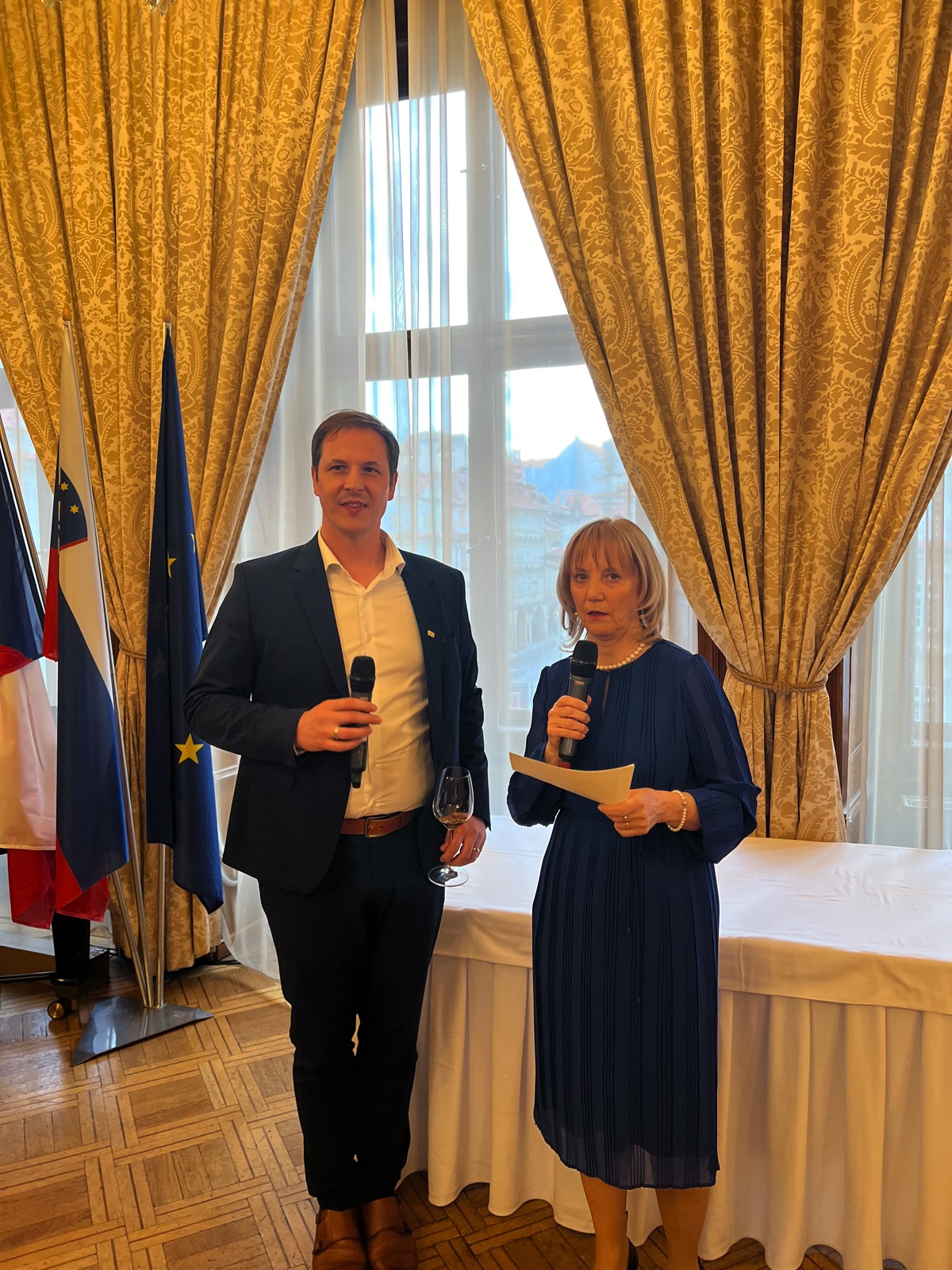
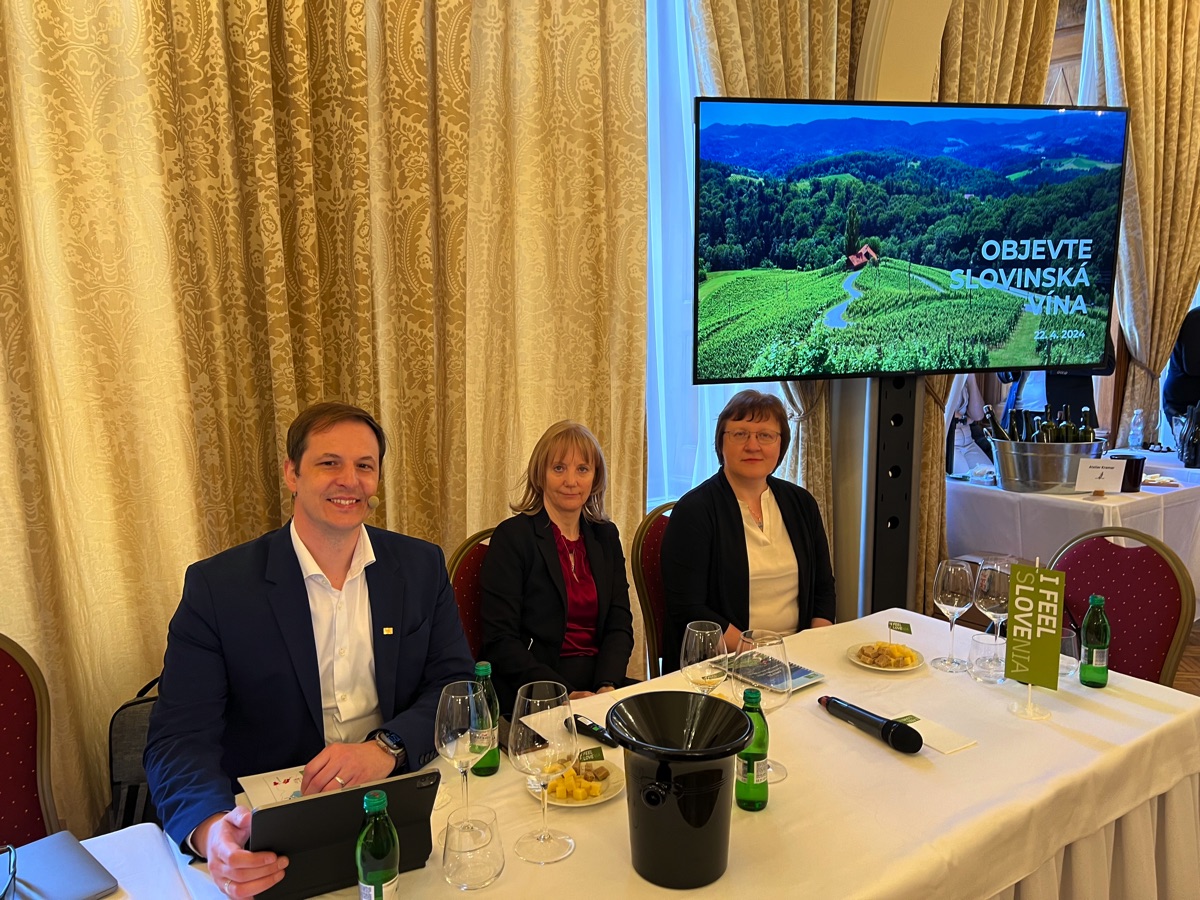
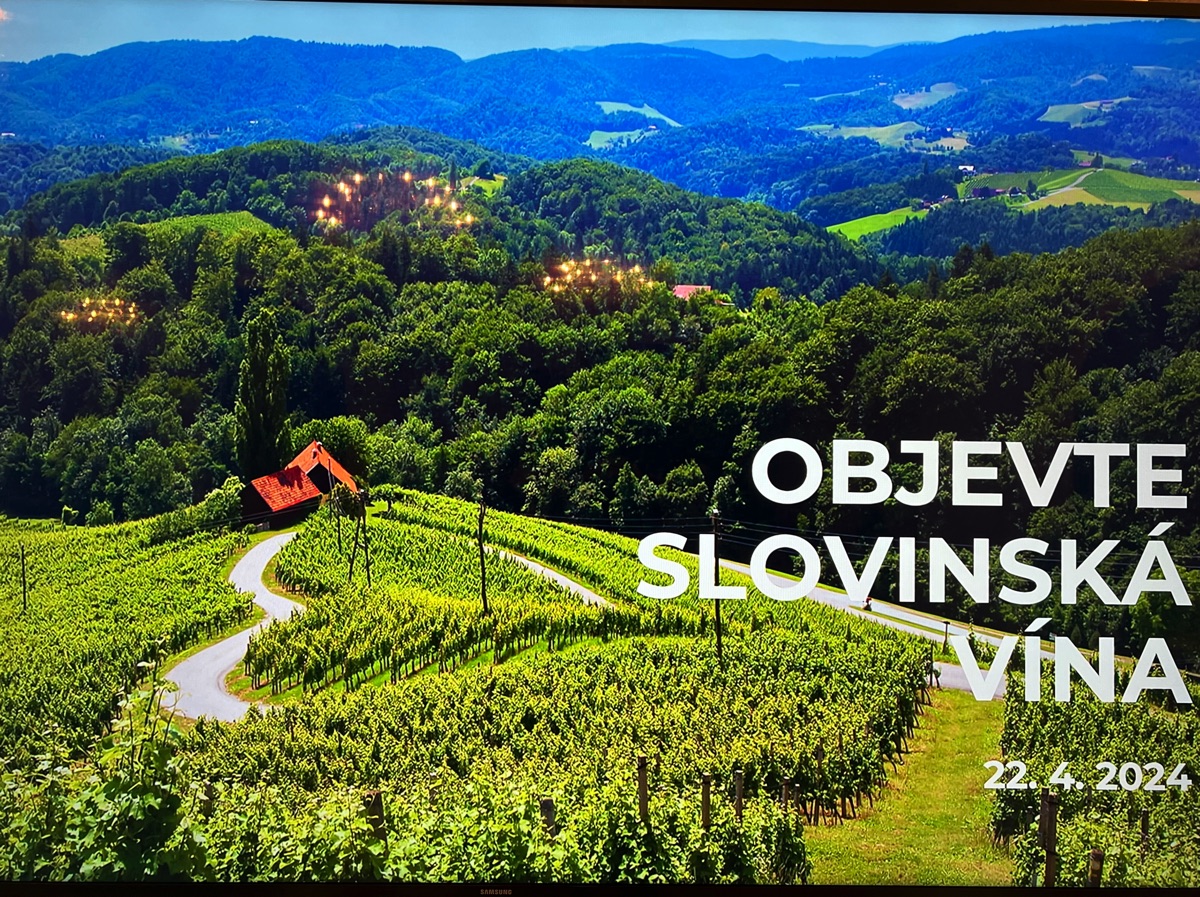
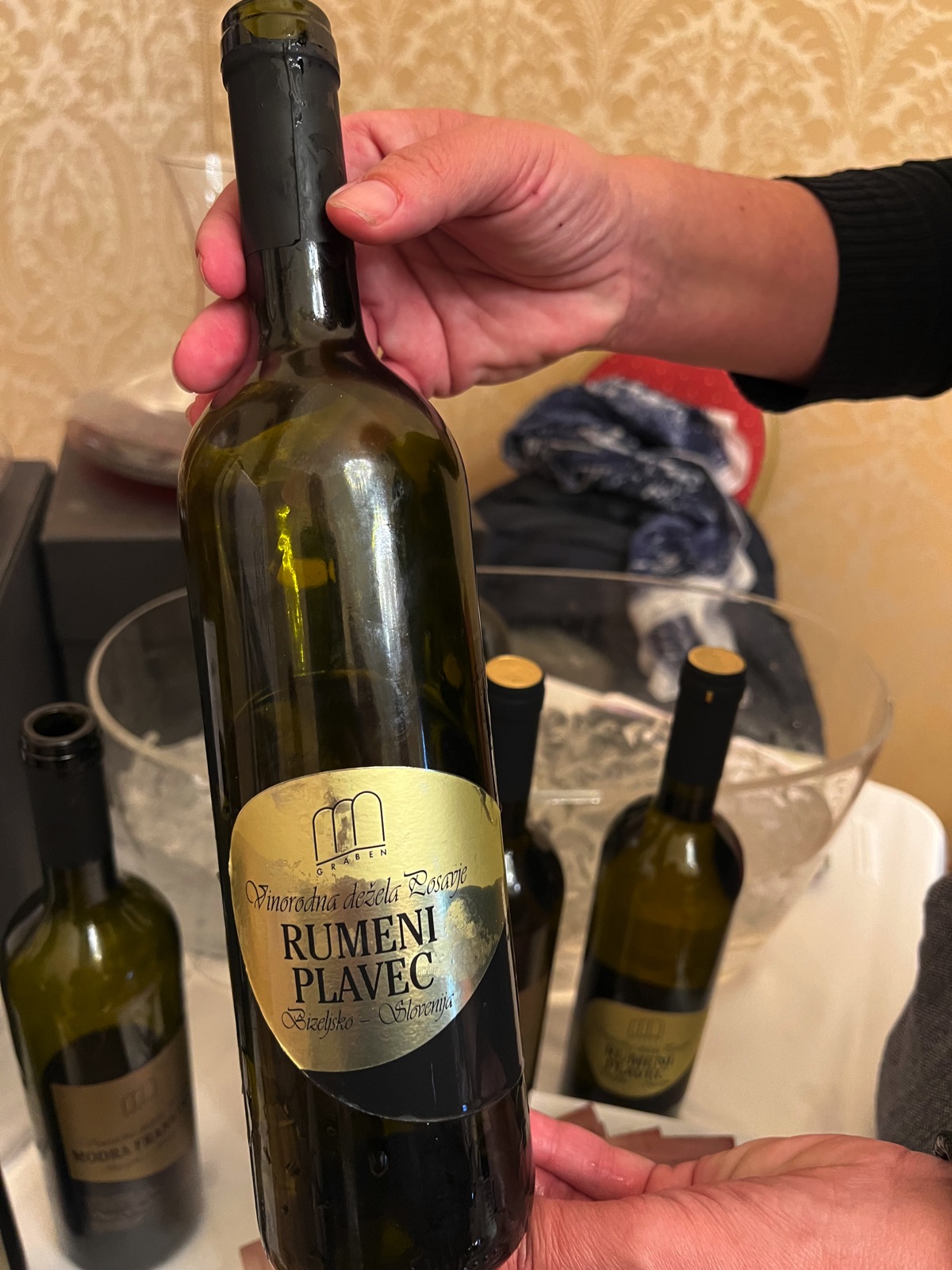
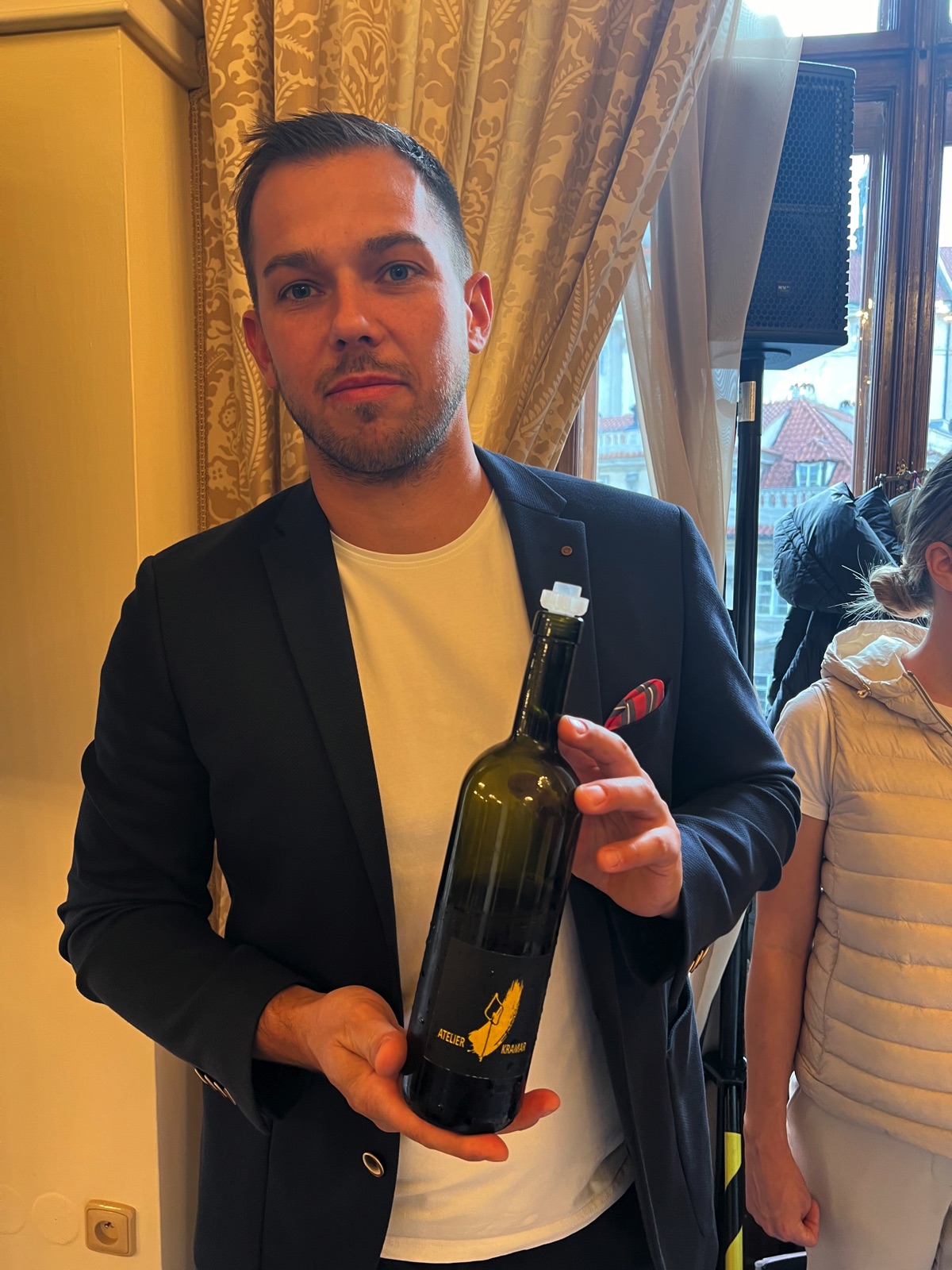
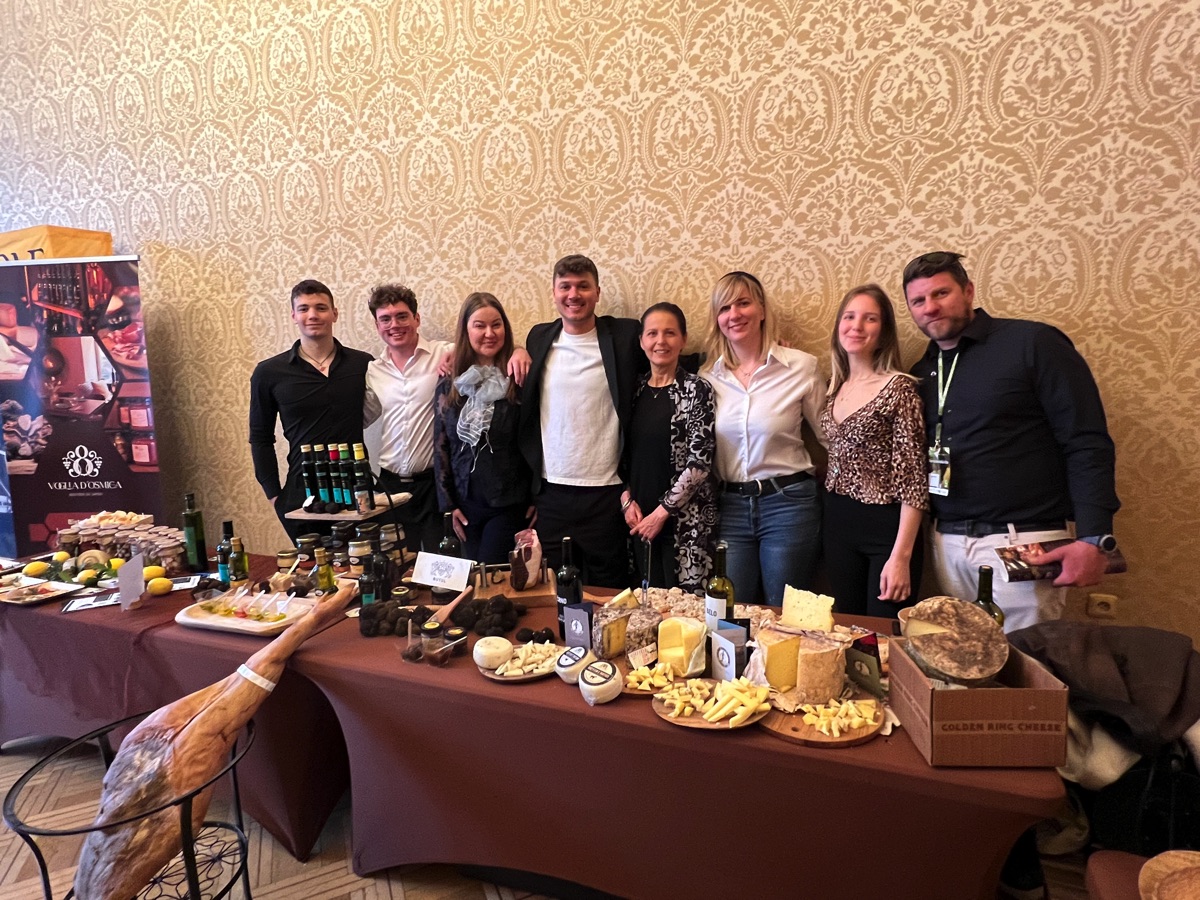
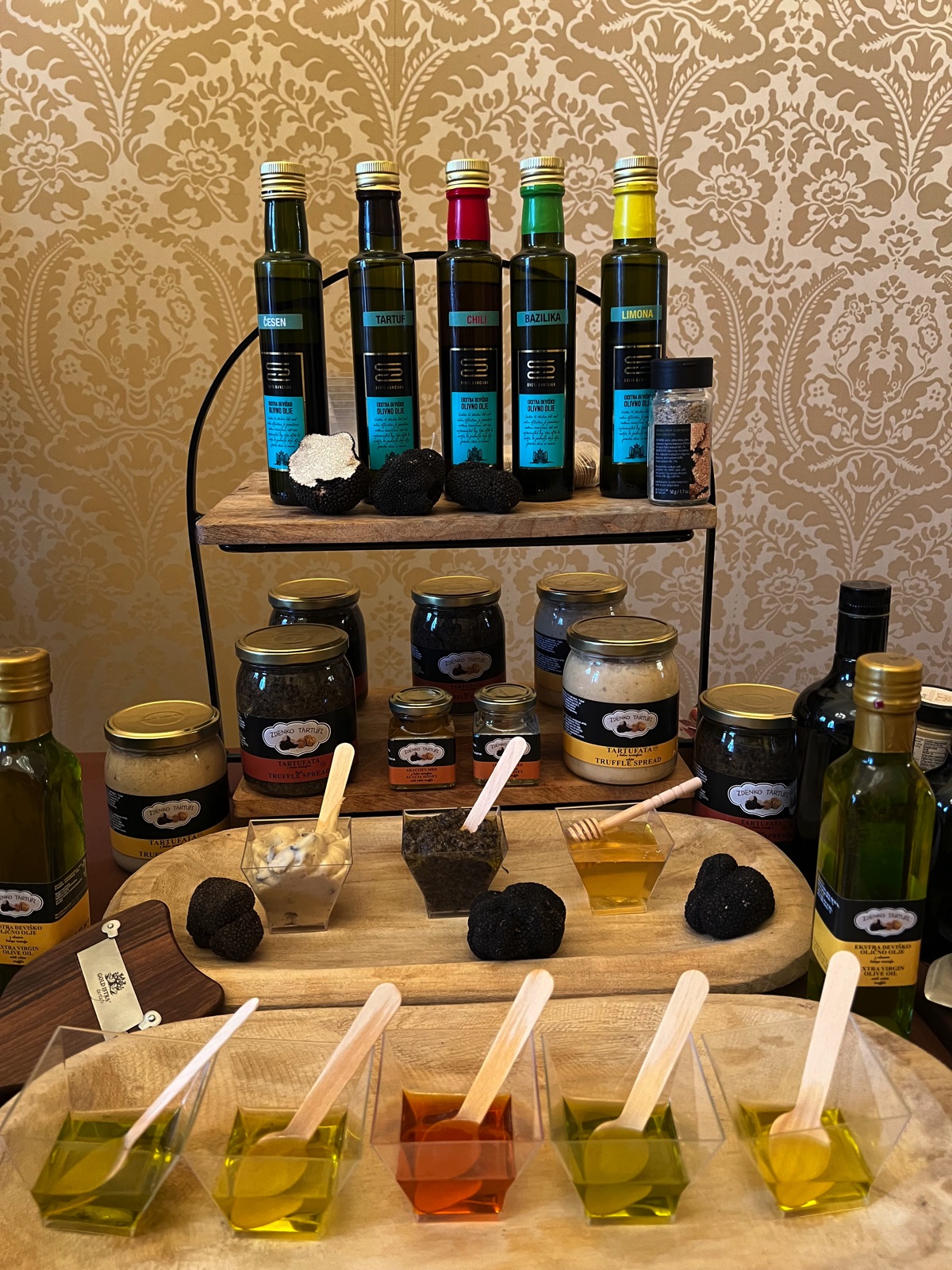
Slovenian wines and the presentation of the main tourist regions of the country

Under the auspices of the Embassy of the Republic of Slovenia in Prague and the Ambassador H.E. Ms. Tanja STRNIŠA, an event dedicated to the tasting of Slovenian wines and the presentation of the main tourist regions of the country took place at Kaiserštejnský palace, Malostranské nám Prague.

In the program:

Tasting of selected wines

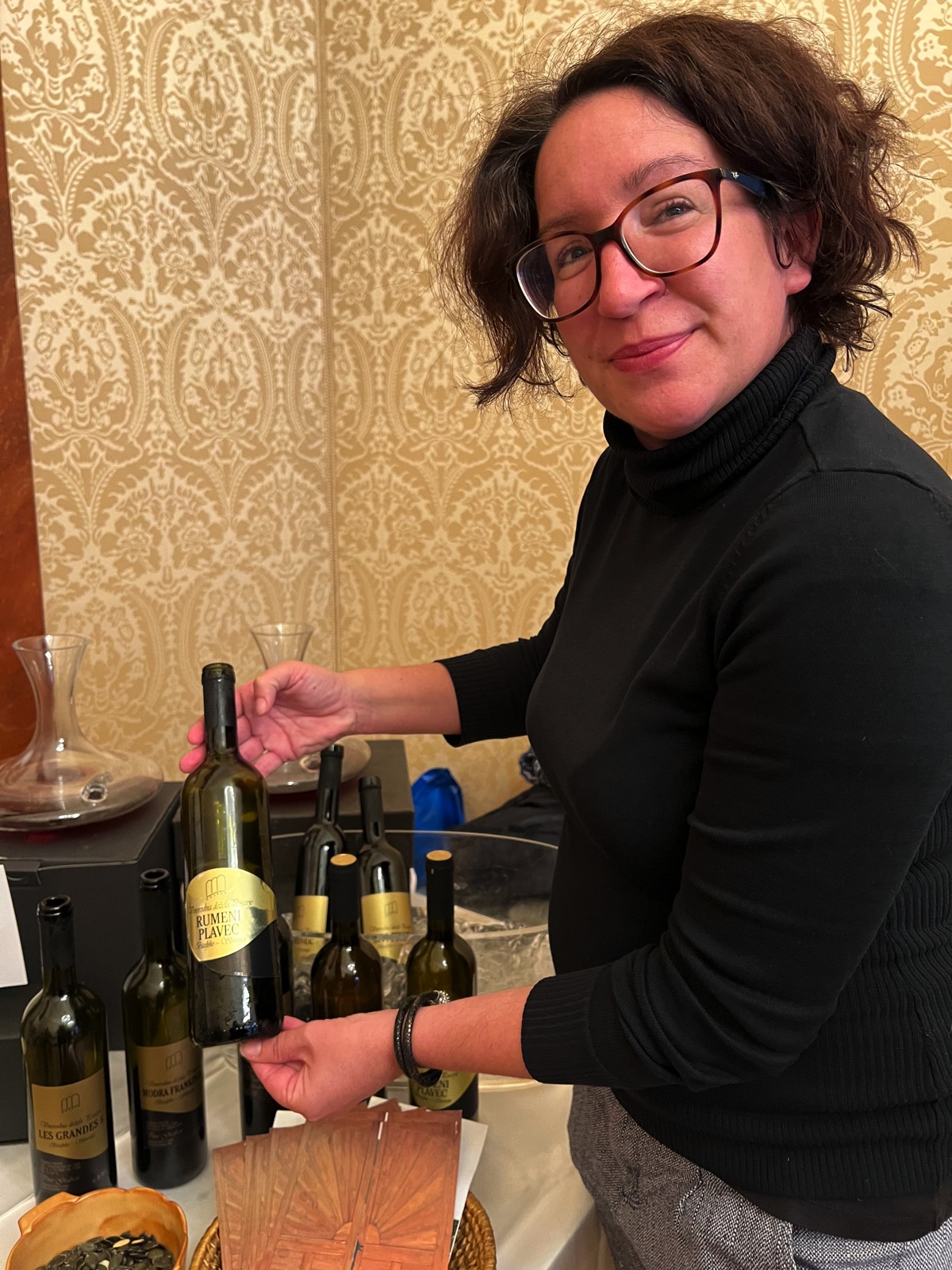
Meeting with more than 60 Slovenian winemakers

Presentation of traditional winemaking procedures and technologies

Meeting with representatives of Slovenia and the Queen of Wine 2024

Presentation of regions of tourist interest, including tasting of local products

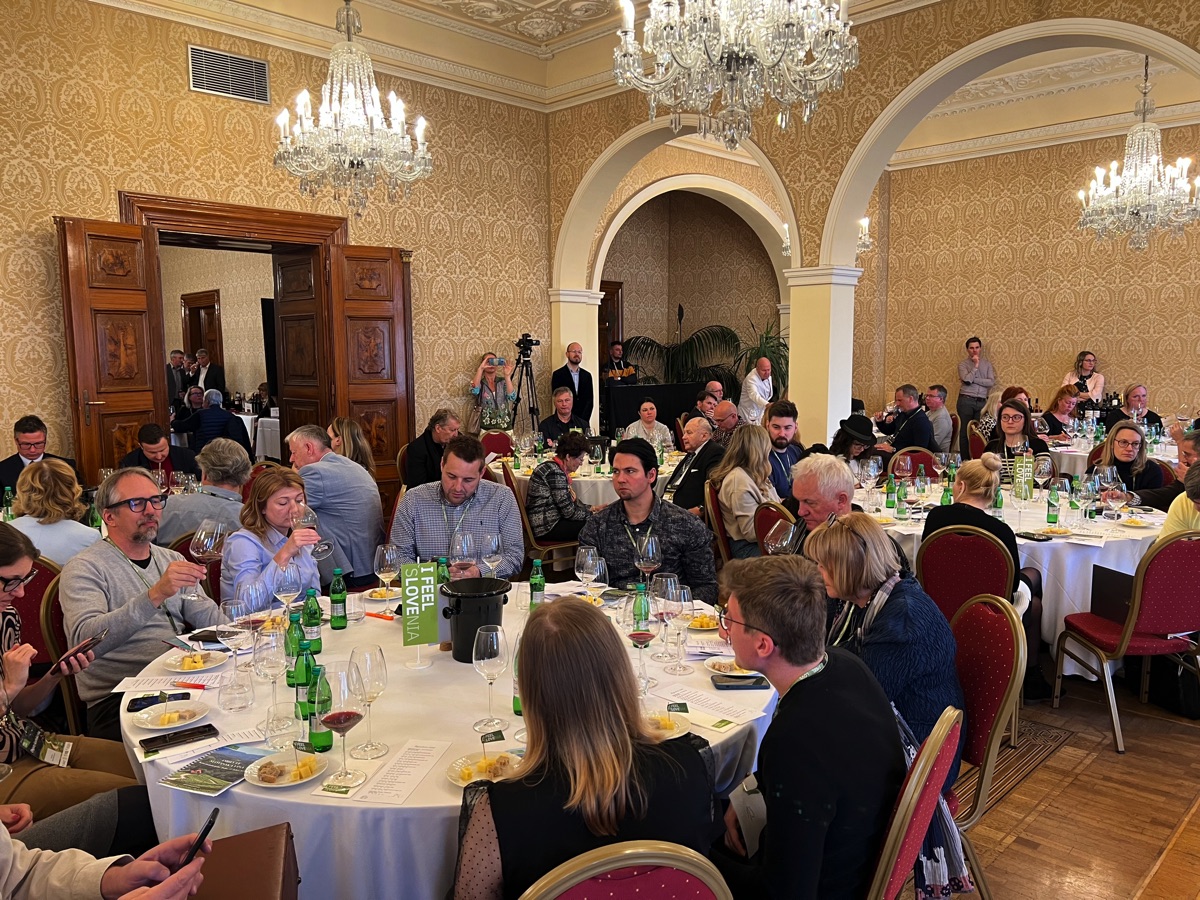
The Place was full of members of the media who were able to taste more than 20 different wines.

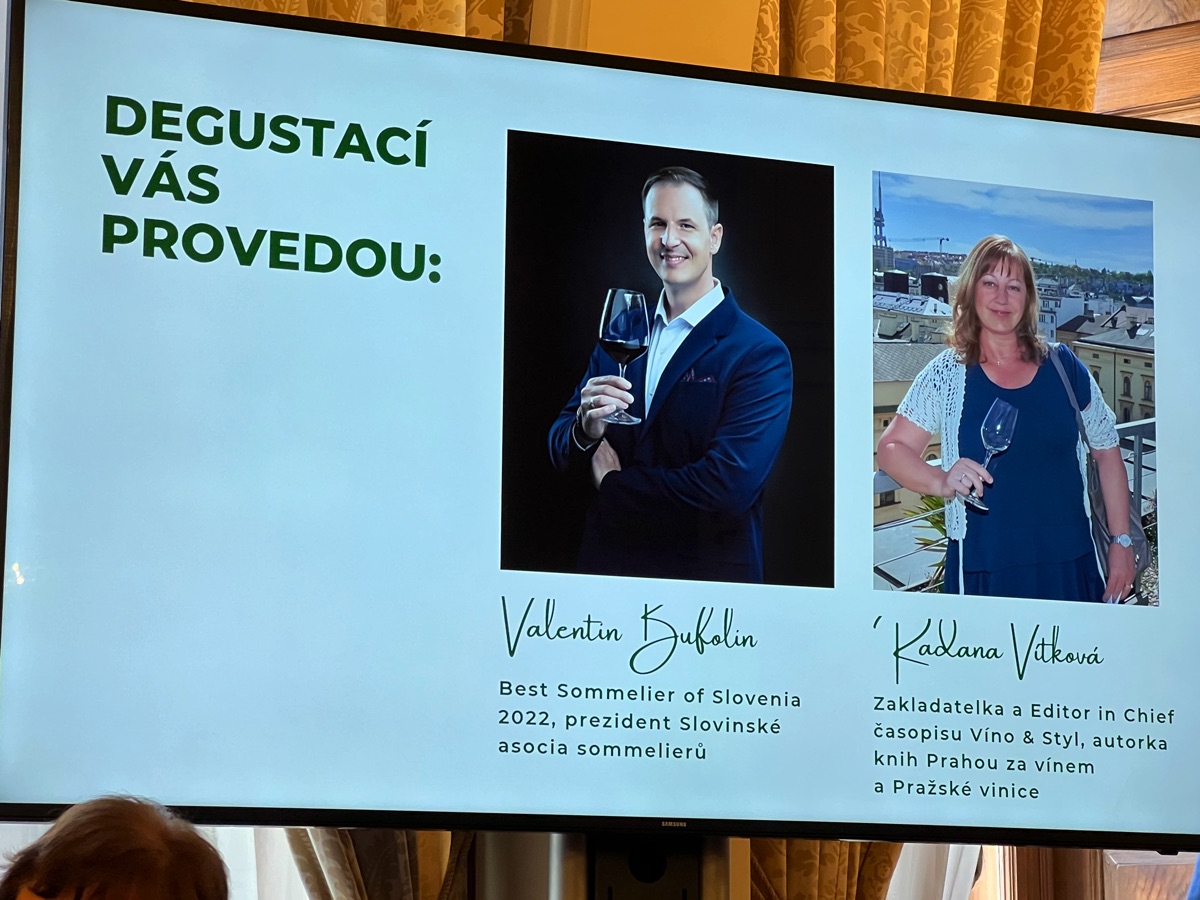
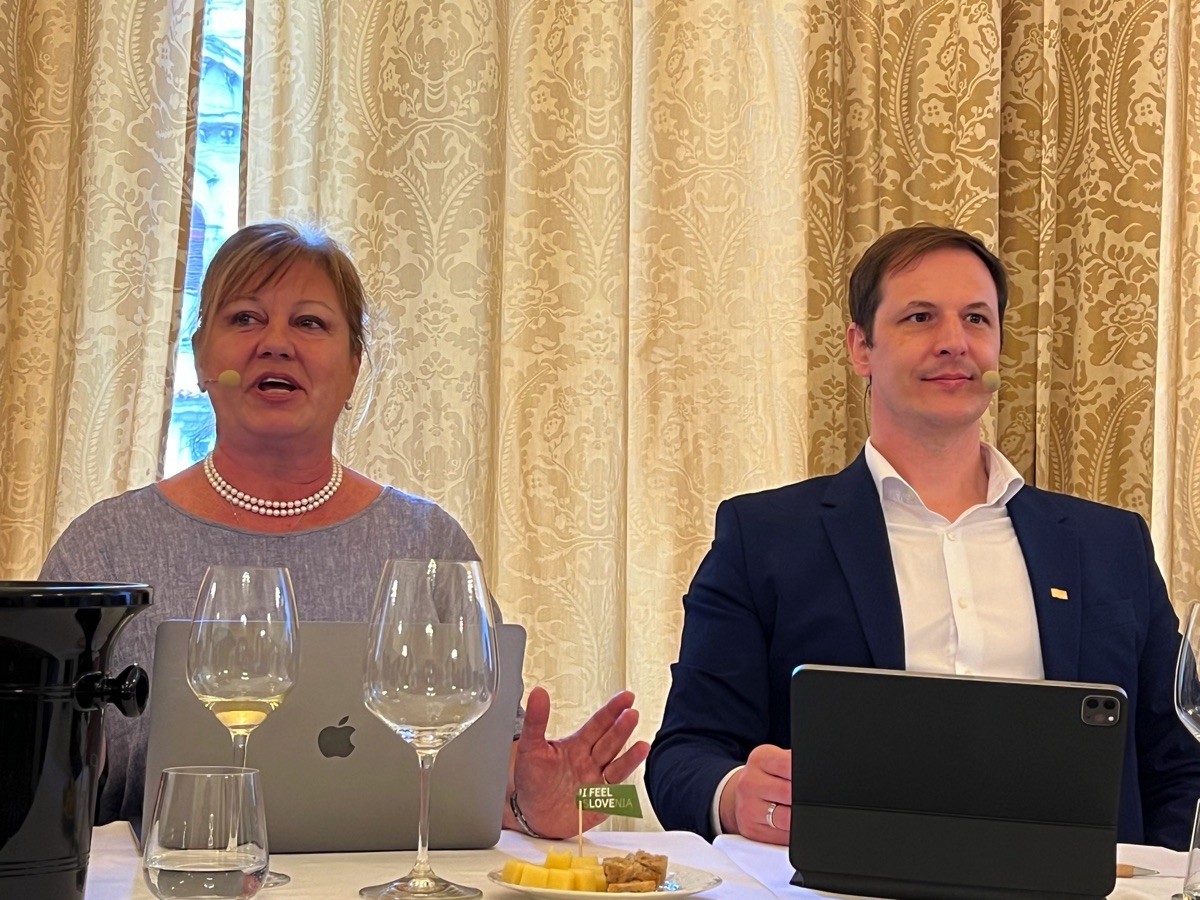
The first part of the event was instructed by Valentin Bufolin – the best Sommelier in Slovenia and Rolanda Vitkoba – Editor in Chief of the Vino & Styl magazine.

You can watch selected parts of this event.

The second part took place in the evening with Ambassadors, distinguished guests, and members of the Slovenia community in the Czech Republic.

The guests were welcomed by H.E. Ms. Tanja STRNIŠA, Ambassador of Slovenia in the Czech Republic – You can watch her speech and taste wine and delicious food from Slovenia.

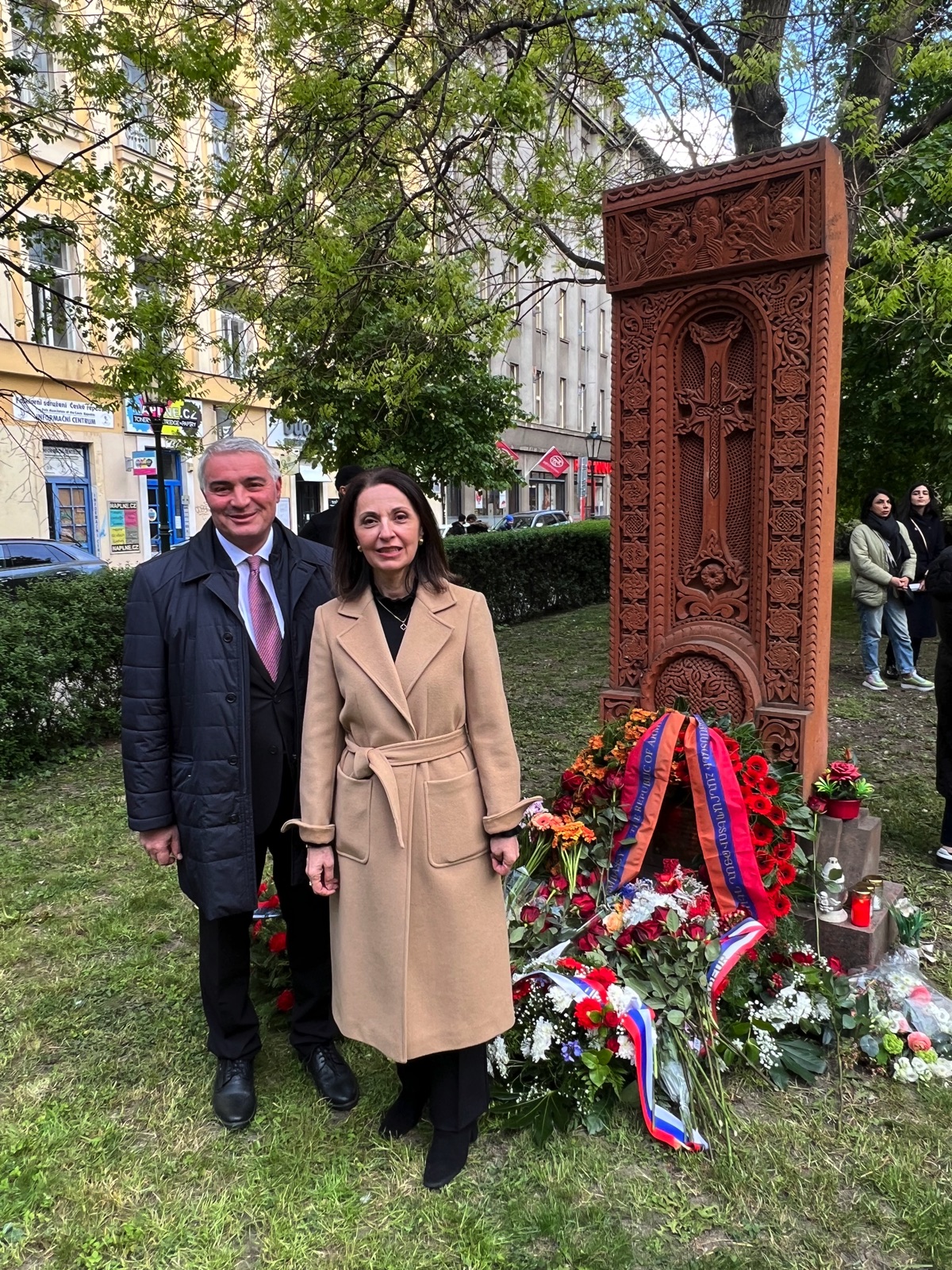
109 anniversary of the Armenian Genocide

Since the 1920s April 24th is the day Armenians commemorate the victims of the Armenian Genocide, the most tragic element of Armenian history.

On April 24, 1915 hundreds of Armenian Intellectuals: poets, musicians, publicists, editors, lawyers, doctors, and deputies, were arrested in Constantinople under warrants issued by the Turkish authorities. They were all sent into exile and were horrifically slaughtered. The annihilation of the Armenian Intellectuals was part of a systematic, fiendish plan to exterminate the Armenian people in their homeland. It was the first state-planned Genocide of the 20th century.

On April 24, 1965, Soviet Armenians organized rallies to demand the recognition of the Armenian Genocide, thus, breaking an era of silence that was created during the Soviet rule regarding this issue.

A mourning procession of hundreds thousands of Armenians, which includes local Armenians as well as Diasporans, begins in a silent march that moves to the Armenian Genocide Memorial every year on April 24. As each mourner brings flowers to place around the eternal fire, a sea of flowers can be seen encircling the area creating a solemn visual impact.

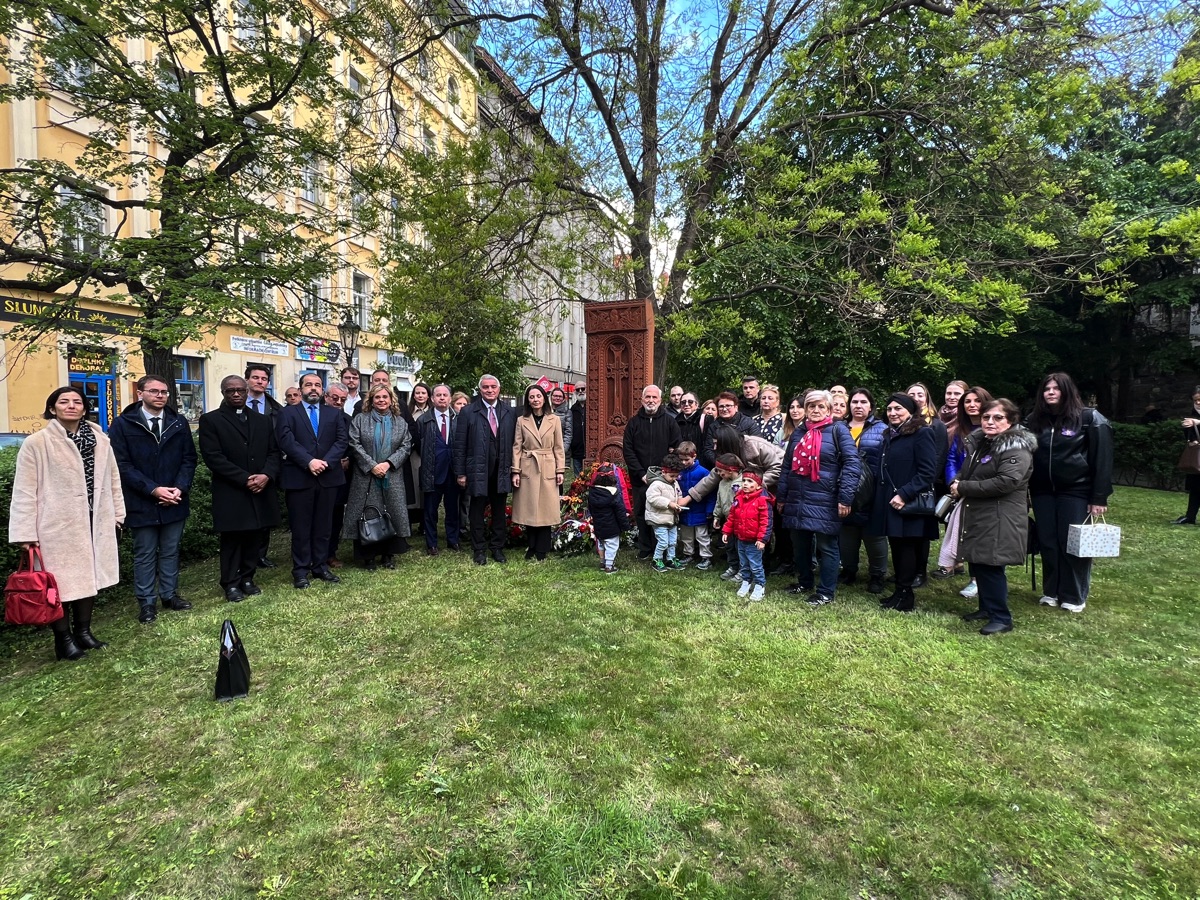
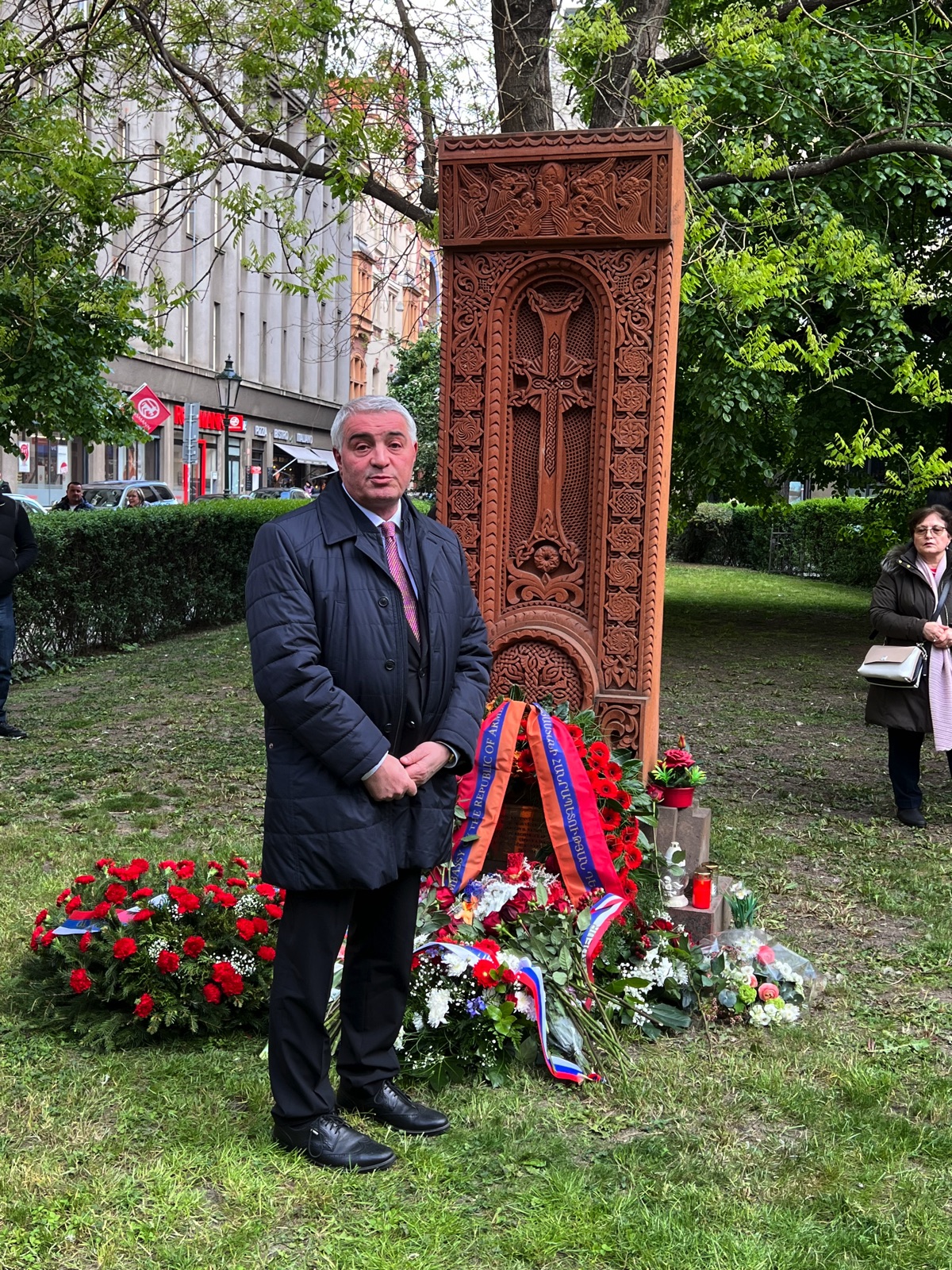
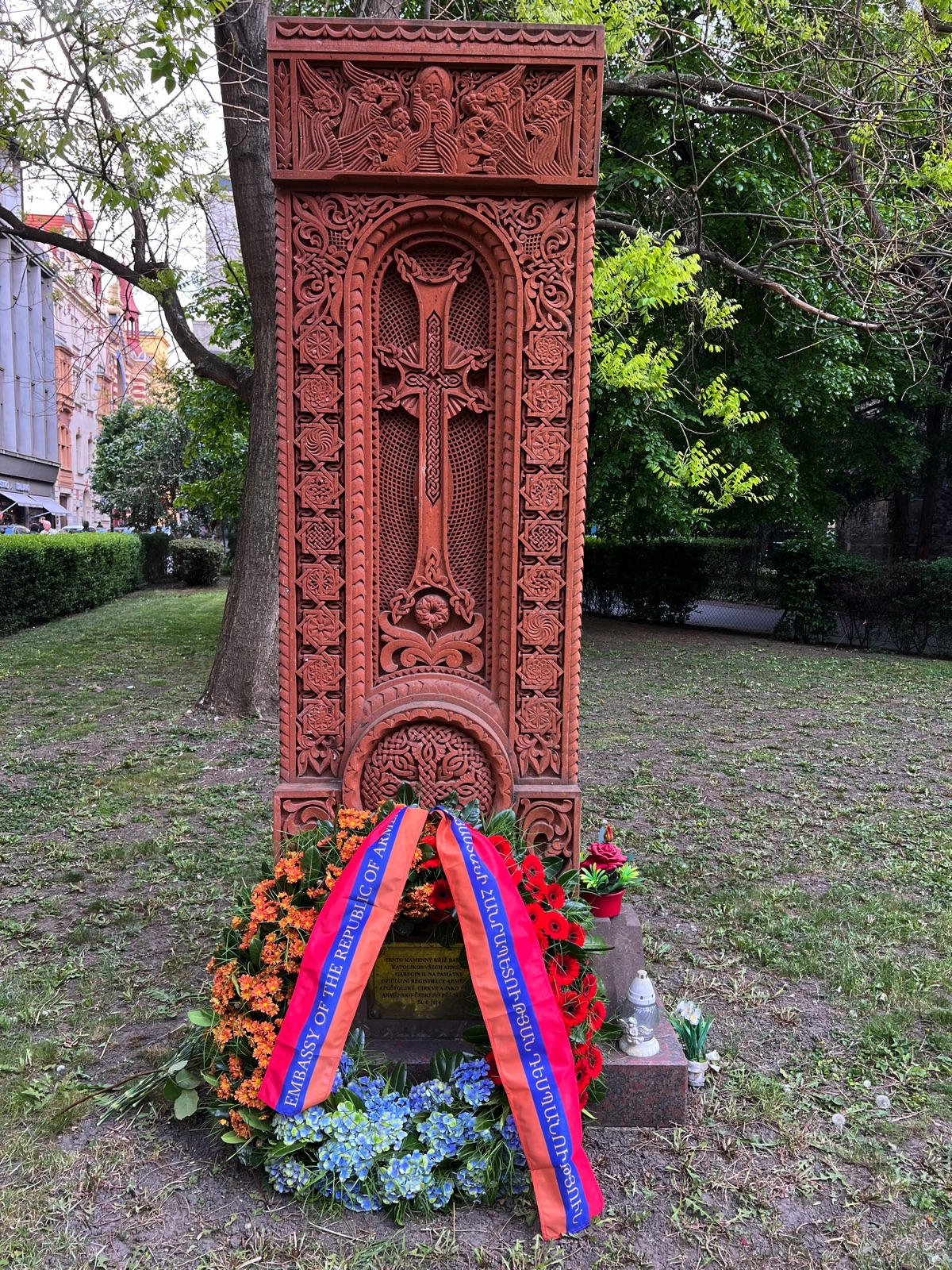
In Prague H.E. Mr. Ashot HOVAKIMIAN, Ambassador of the Republic of Armenia together with many other ambassadors and members of the Armenia community, got together to remember and honor the victims.

Watch the Speech of  H.E. Mr. Ashot HOVAKIMIAN, Ambassador of the Republic of Armenia

The Kingdom of the Netherlands King’s Day

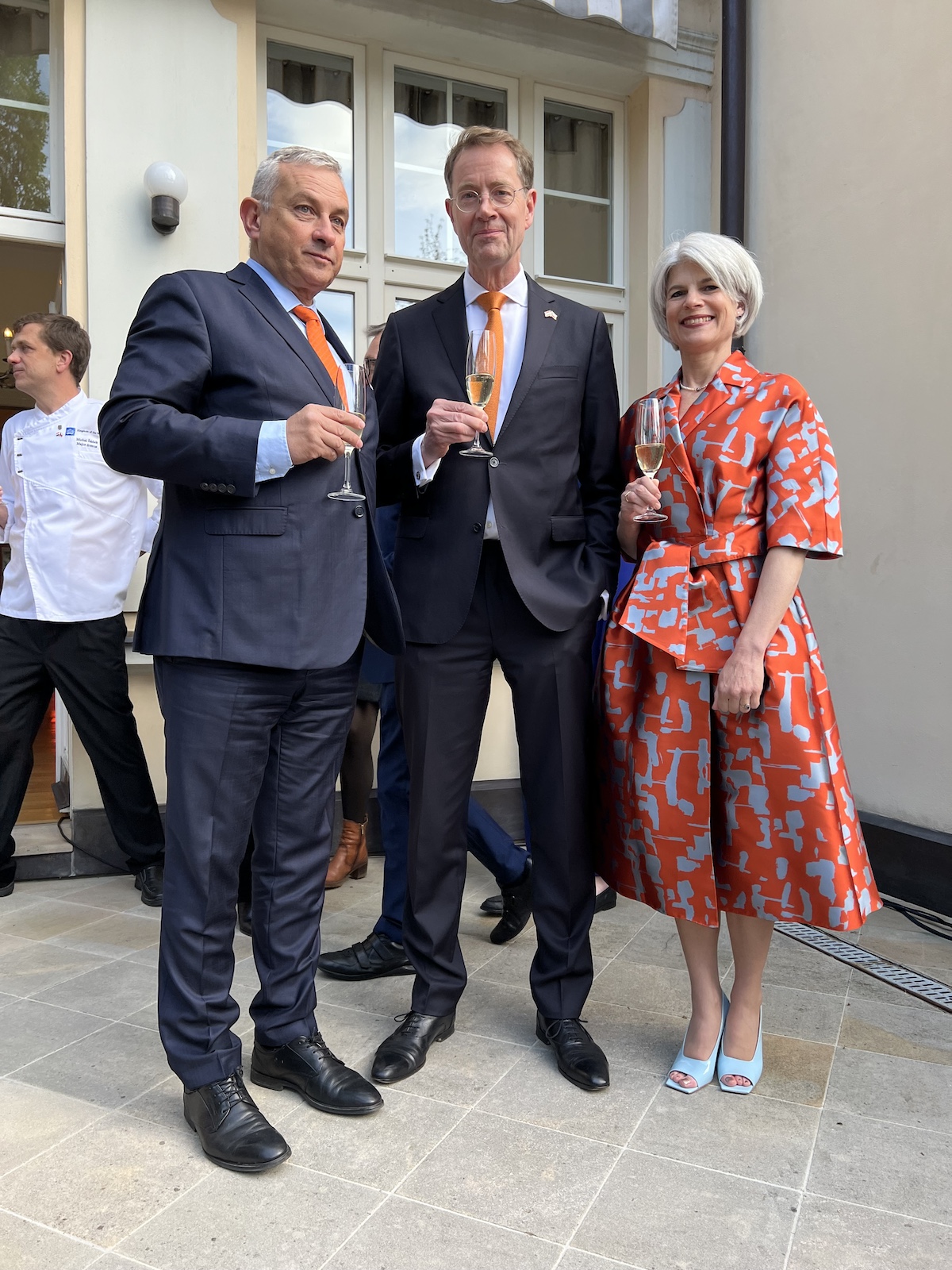
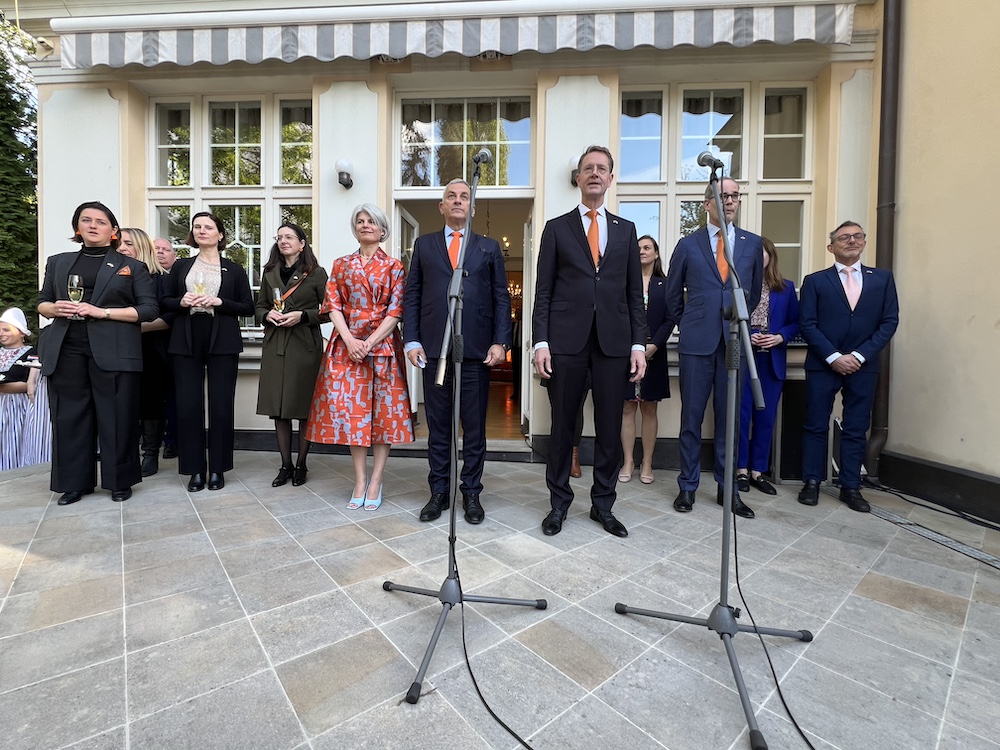
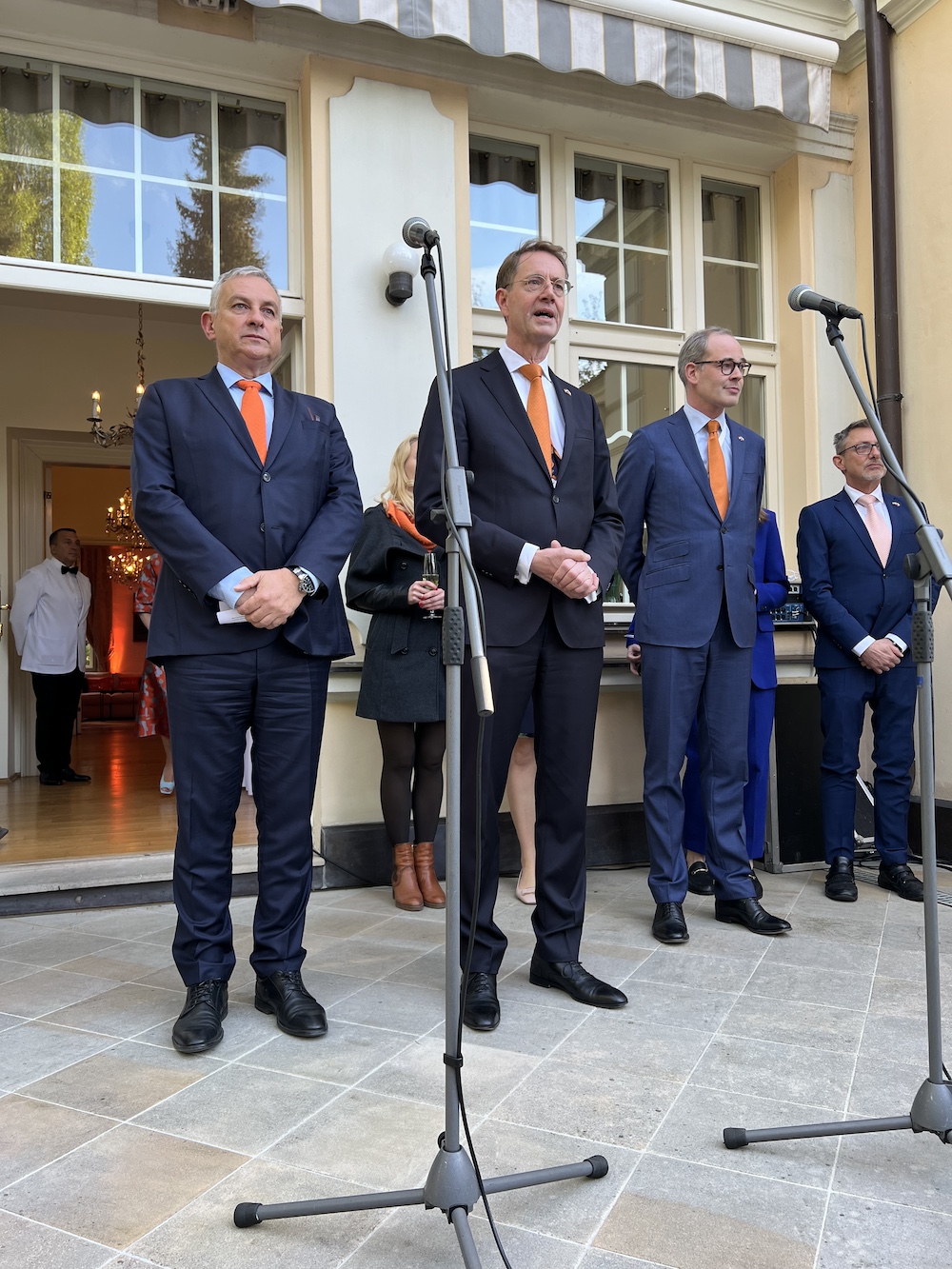
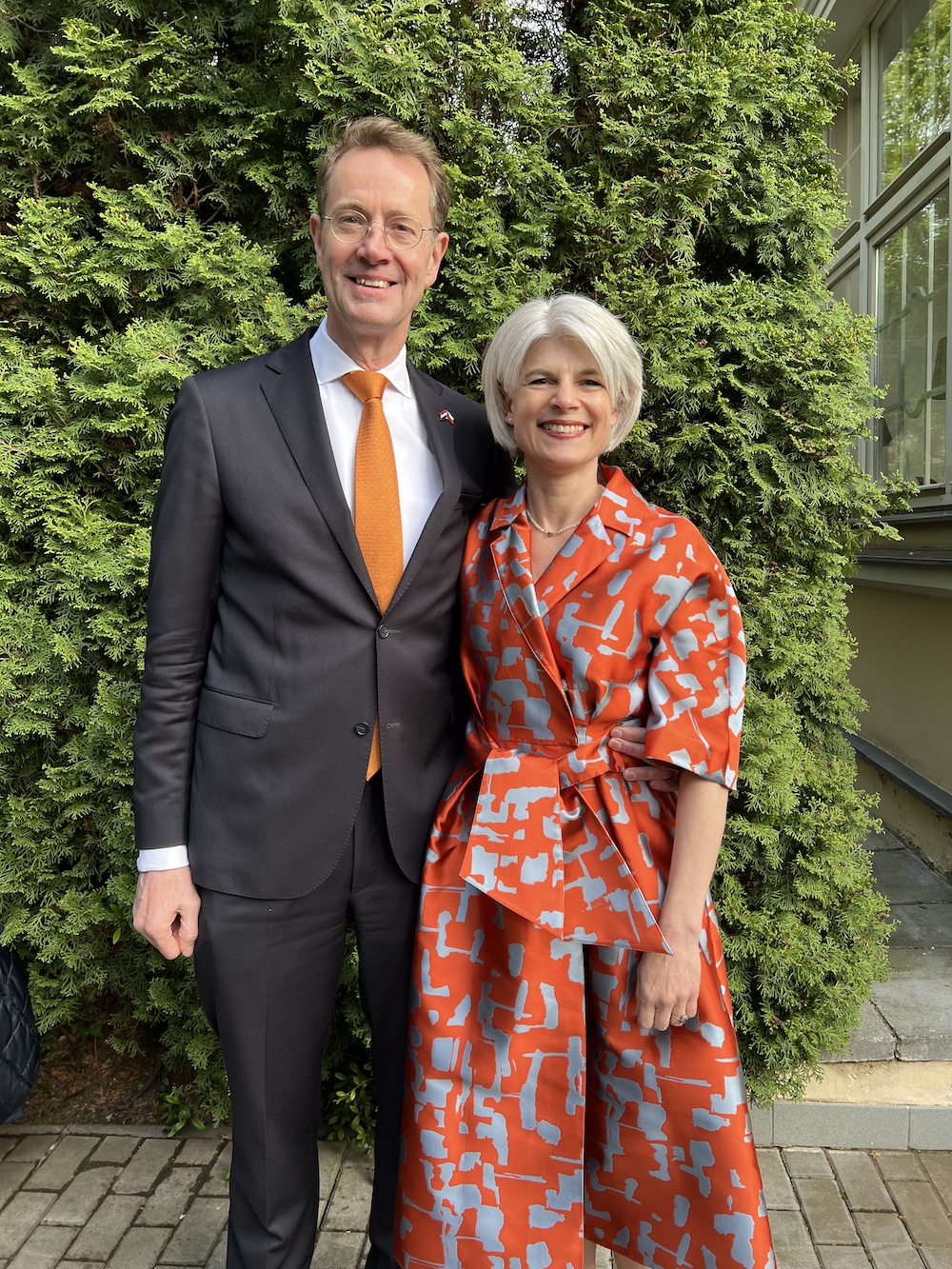
On the occasion of King’s Day, the Ambassador of the Kingdom of the Netherlands, H.E. Mr Daan Huisinga, and Mrs Anne Huisinga-Paret host a reception at the Ambassador’s Residence garden

Mr. Jozef Síkela Minister of Industry and Trade was the honor guest for the 3rd year.

Watch the Video with the speech of H.E. Mr Daan Huisinga – Ambassador of the Kingdom of the Netherlands and Mr. Jozef Síkela Minister of Industry and Trade of the Czech Republic.

Happy Orange King’s day!

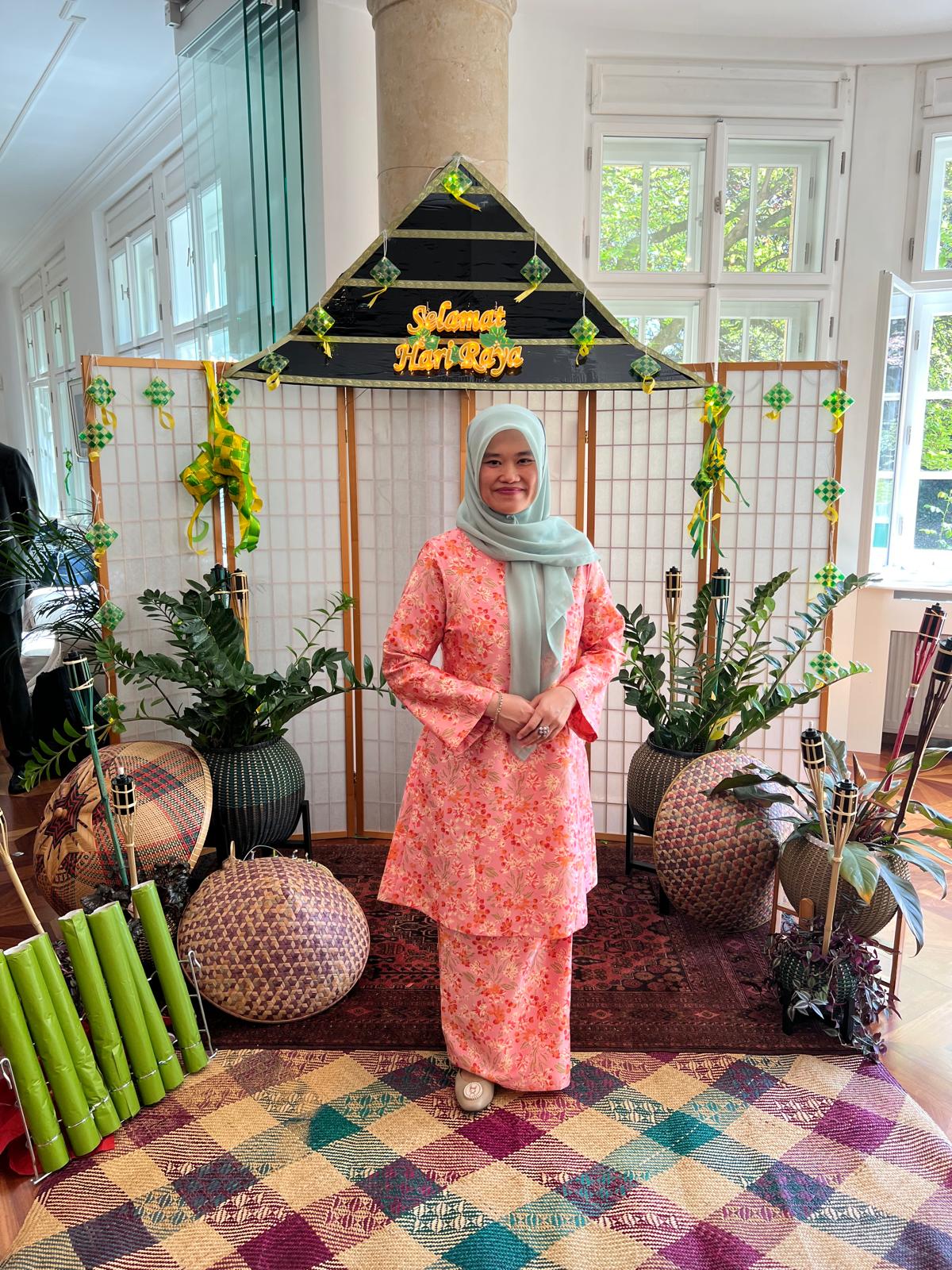
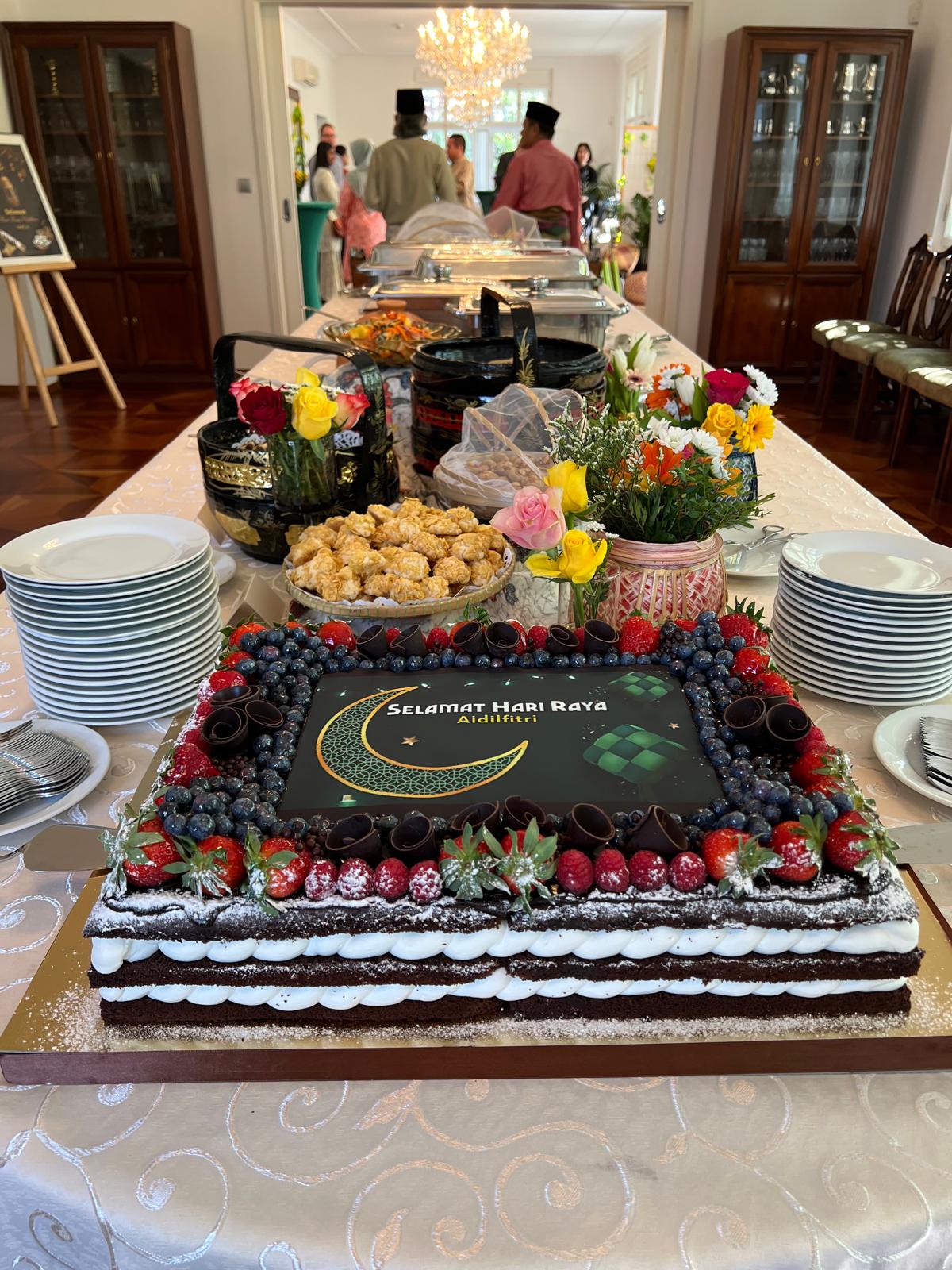
Hari Raya Aidilfitri Open House

H.E. Ms. Suzilah Mohd Sidek, Ambassador of Malaysia, hosted a Hari Raya Aidilfitri Open House at her beautiful residence.

Hari Raya open houses are the ultimate celebration of Malaysian hospitality, where family, friends, and even strangers gather to share mouth-watering traditional food and good company.

It’s a cultural event where doors are kept wide open, and everyone is welcome to join in the festivities

At its core, the Hari Raya open house symbolizes unity’ generosity and communal harmony. It reflects the Malaysian ethos of “Muhibbah” – the spirit of tolerance and understanding across different ethnic and religious boundaries, making it an exemplary practice of Malaysia’s multiculturalism.

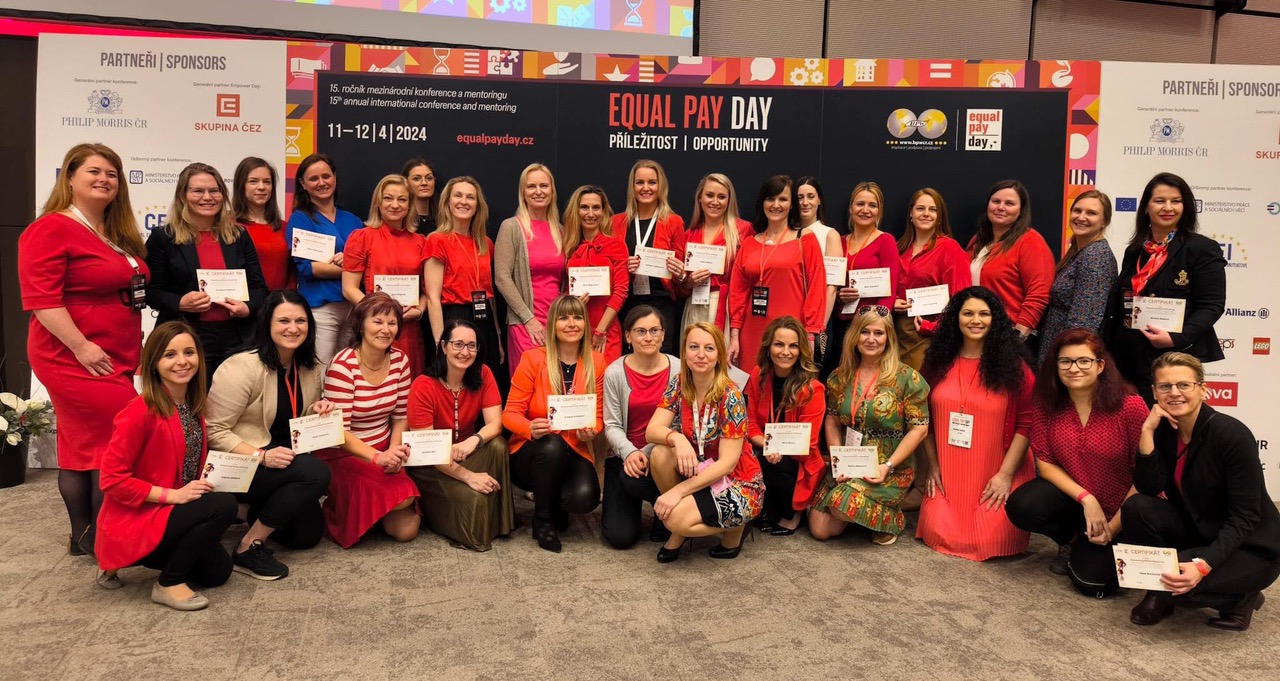
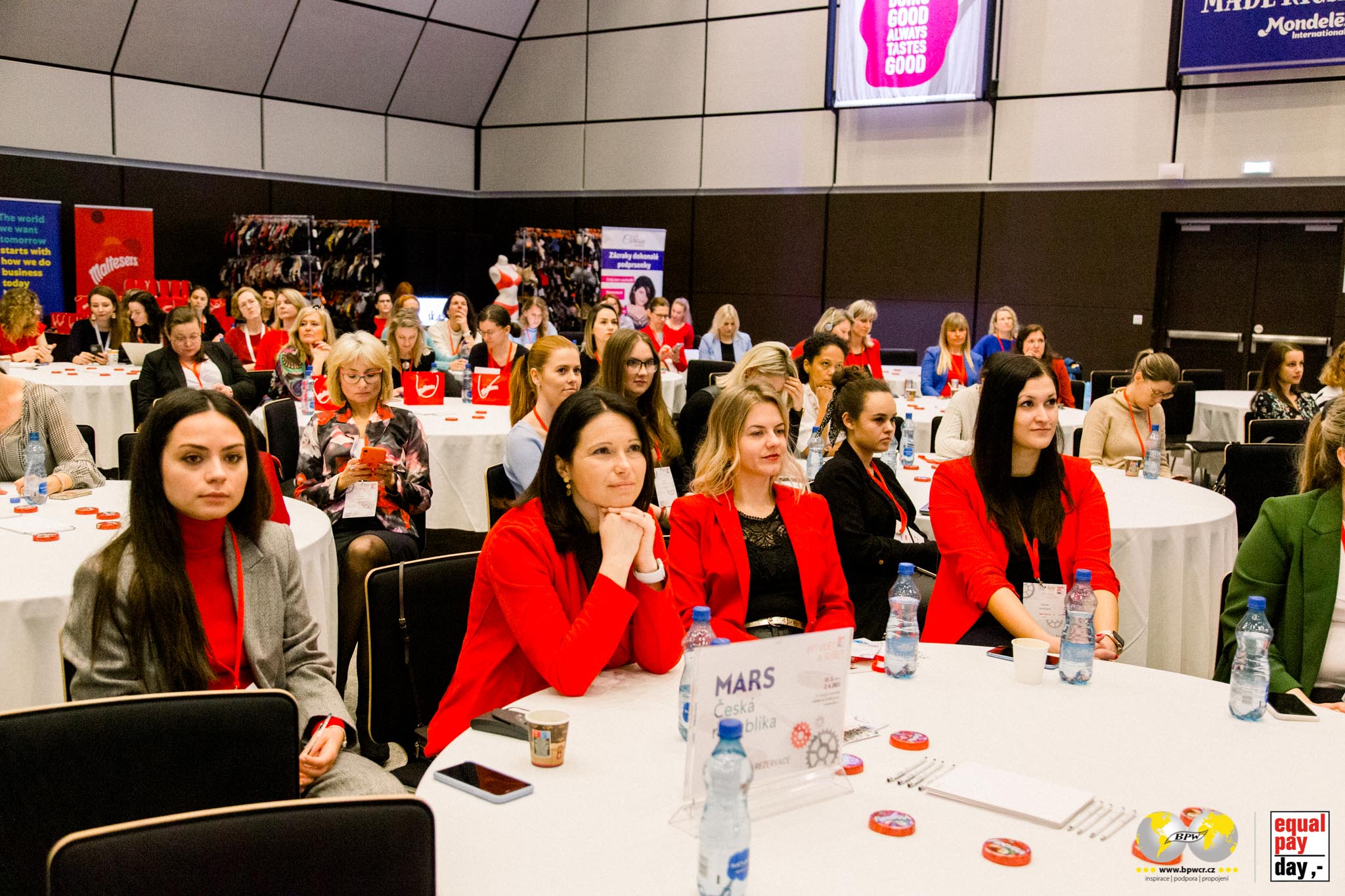
The 15th anniversary of Equal Pay Day

According to Eurostat, women in the Czech Republic earn on average 17.9% less than men, which means that they work 65 days longer on average to reach the same remuneration as men. This is the third worst result among EU countries. The goal of the Equal Pay Day conference is to draw attention to this issue, open public discussion, and help find solutions to make pay fair. At the same time, it also significantly contributes to strengthening the position of women in society and on the labor market by presenting female role models, sharing experiences, education, and mentoring.

“The issue of equal opportunities is a societal issue, and for it to be successful, men must be involved in its solution. The difference in wages between men and women is unfair not only to women but above all to entire families,” says Lenka Šťastná, founder and president of the non-profit organization Business & Professional Women CR, which organizes EPD. “The Czech Republic is moving forward very slowly. We keep coming up against the prejudices we are brought up with. There are preconceived notions of what is a typically female and typically male profession.”

According to Frederik Jorgensen, the ambassador of Sweden, which traditionally ranks first in the Gender pay gap index, “the Czech Republic should arm itself with patience, as quick successes in this area cannot be expected.” In Sweden, the representation of women in influential positions is exceptionally high in private companies even in politics, yet it is “only 36% of women on the boards of large companies and 12.1% of women in the position of general directors. “There’s no reason why the number shouldn’t be higher,” he added during the ambassadors’ panel discussion, where he spoke alongside the ambassadors of South Africa, Malaysia, Denmark and a representative of the Central European Initiative (CEI).

The opportunity for change is still here

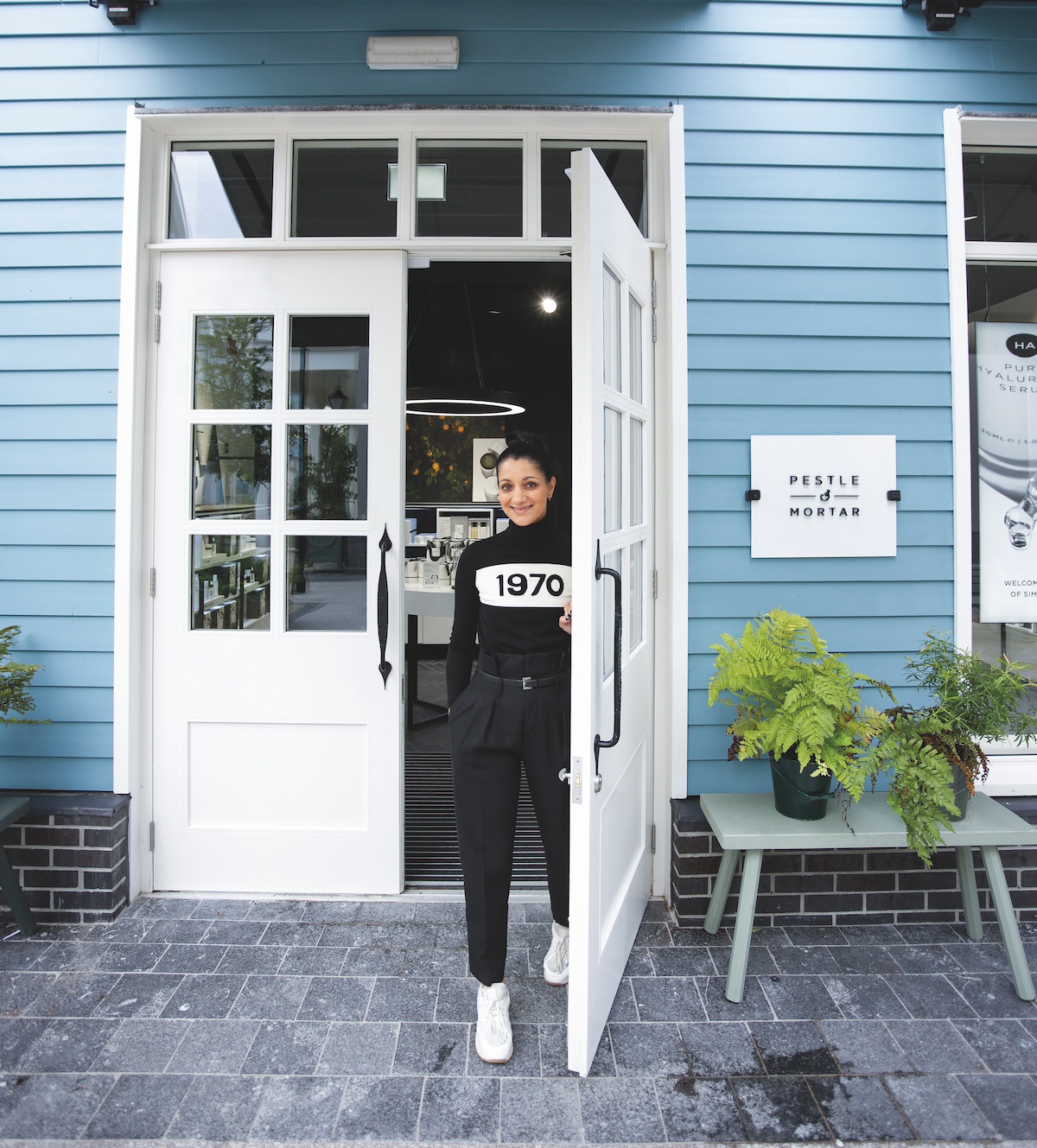
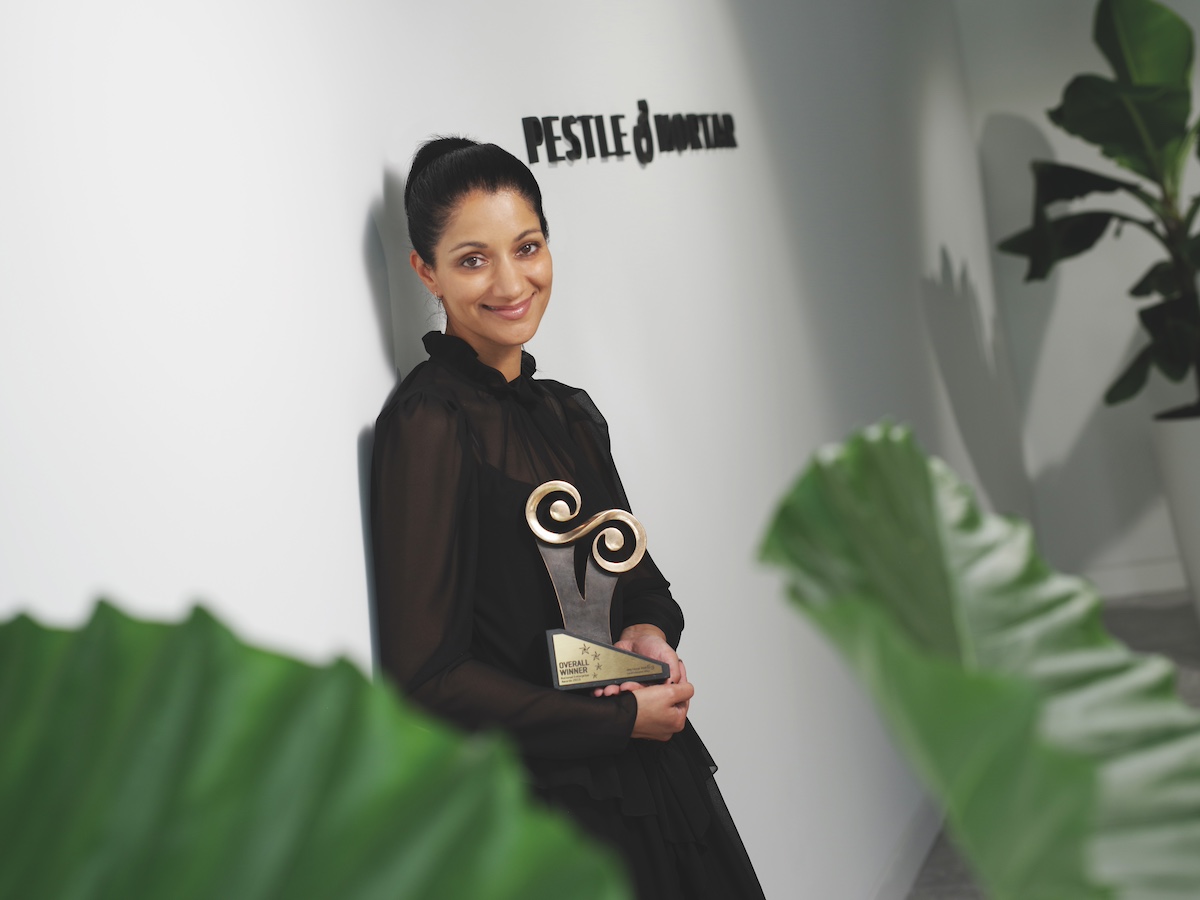
That is why this year’s conference was subtitled Opportunity. The opportunity that equality means for companies, households, women themselves and for the Czech economy. As it turns out, there are already a number of companies whose example shows the way. Representatives of such companies as Philip Morris, Danone, Mars, GasNet, Lego, VML, ČEPs, Skupina Nova or Pestle & Mortar shared their inspiring strategies.

“At Philip Morris, we purposefully focus on a sufficiently high representation of women in management. In practice, we often encounter a lack of women interested in growing into these positions,” says Andrea Gontkovičová, Chairman of the Board and CEO of Philip Morris for the Czech Republic, Slovakia and HU, which was the general partner of the conference. “For us, it is important that women’s interest in career growth is authentic, so that women do not seek to obtain an influential position just because they are forced into this situation. They can then draw strength from their own decision in moments when they encounter a barrier in their career or find themselves at some of the crossroads in life.”

The expert partner of the conference this year was the Equal Remuneration project of the Ministry of Labor and Social Affairs. In her presentation, Lenka Simerská, the main manager of the project, dispelled disinformation spreading around the legislation requiring transparency in remuneration. “Transparency means the right to information: how much is earned for a given position in the company where you work, plus the possibility to ask why I am where I am. And this information should already be heard during the interview,” said Lenka Simerská. And finally, she advised women: “Act as if the legislation already applies, ask about money. Let’s turn it into an opportunity!”

Record attendance

This year’s jubilee year saw record participation, including a record number of foreign performers from 15 countries around the world, as well as the number of mentees, which exceeded two thousand.

The international reputation of the Equal Pay Day conference is underlined by the support of leading international institutions such as the Organization for Economic Co-operation and Development (OECD) and CEI, which designated it as a flagship event this year. According to Lenka Šťastná, their cooperation is not only a recognition of the efforts made so far, but also the key to expanding the reach and influence of the conference. It is precisely thanks to the support of CEI that this year’s edition can rightfully bear the designation of international.

In a speech for EPD, Ulrik Vestergaard Knudsen, OECD Deputy Secretary General, emphasized that the promotion of gender equality is a strategic policy of the OECD and listed three key measures that are necessary to change the current situation. “First, it is necessary to continue to support the more equal use of parental leave by fathers and mothers. Second, it is very important to ensure continuous and affordable formal childcare and out-of-school services for all young children. And third, policymakers can reduce the fiscal disincentive to work, ie. to ensure that the tax and benefit system does not favor single or main earner families,” he said.

The European Commission includes the EPD campaign and conference among the important measures of the EU and its member states to support equal pay. This topic is gaining importance together with the newly created obligation to implement ESG sustainable business principles and related non-financial reporting (CSRD). Among the metrics that must be monitored and reported under the “S” pillar are, among others, the gender pay gap, the level of representation of women in top management and equal opportunities, diversity and inclusion. And that’s exactly what the Equal Pay Day conference is dedicated to.

The next edition of the conference will take place on 25-26 March 2025 again at the Clarion Congress Hotel in Prague.

Equal Pay Day 2024 in numbers:

16 nationalities

36 speakers at the conference

812 participants

78 female mentors

2,180 mentees

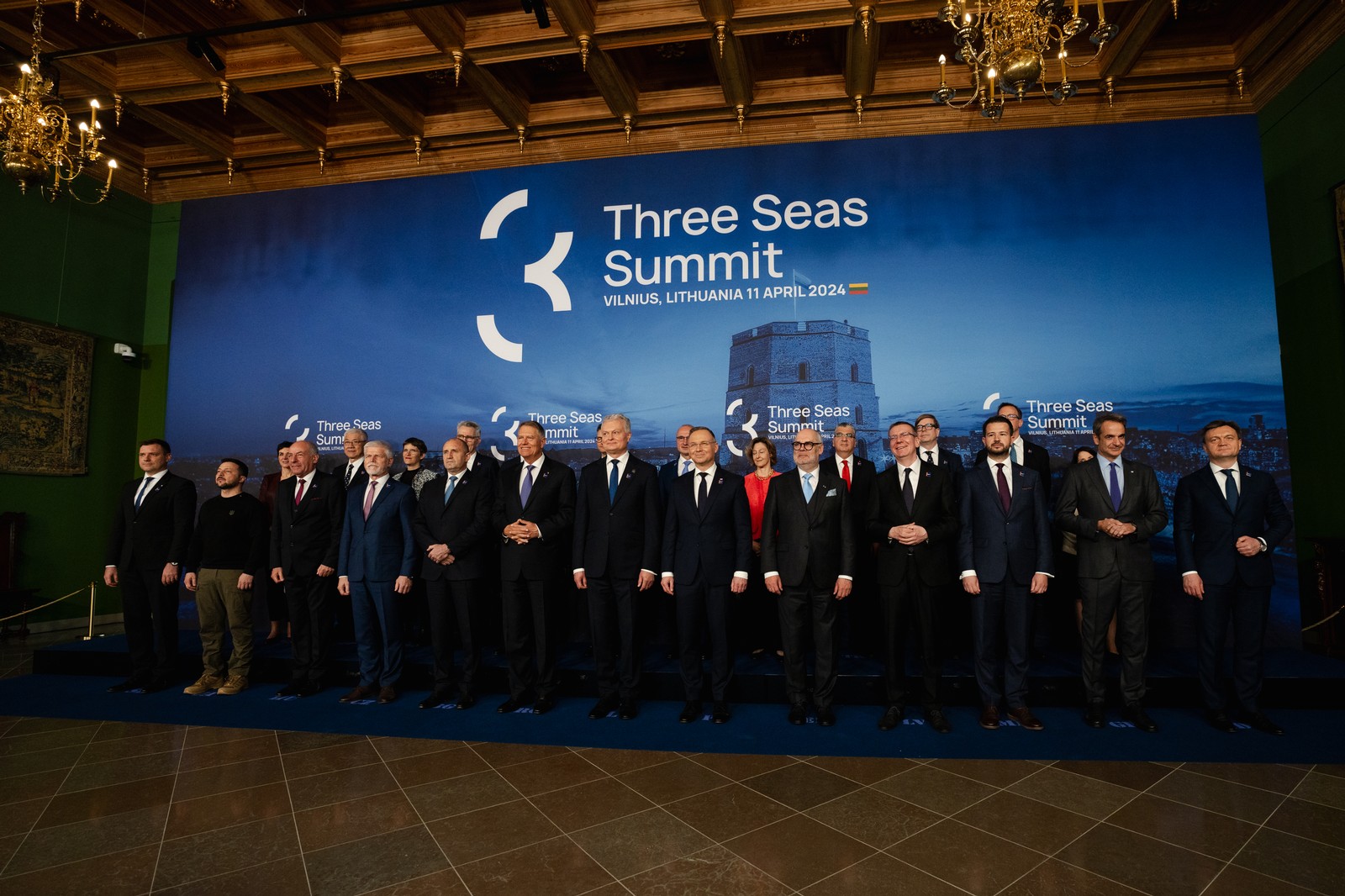
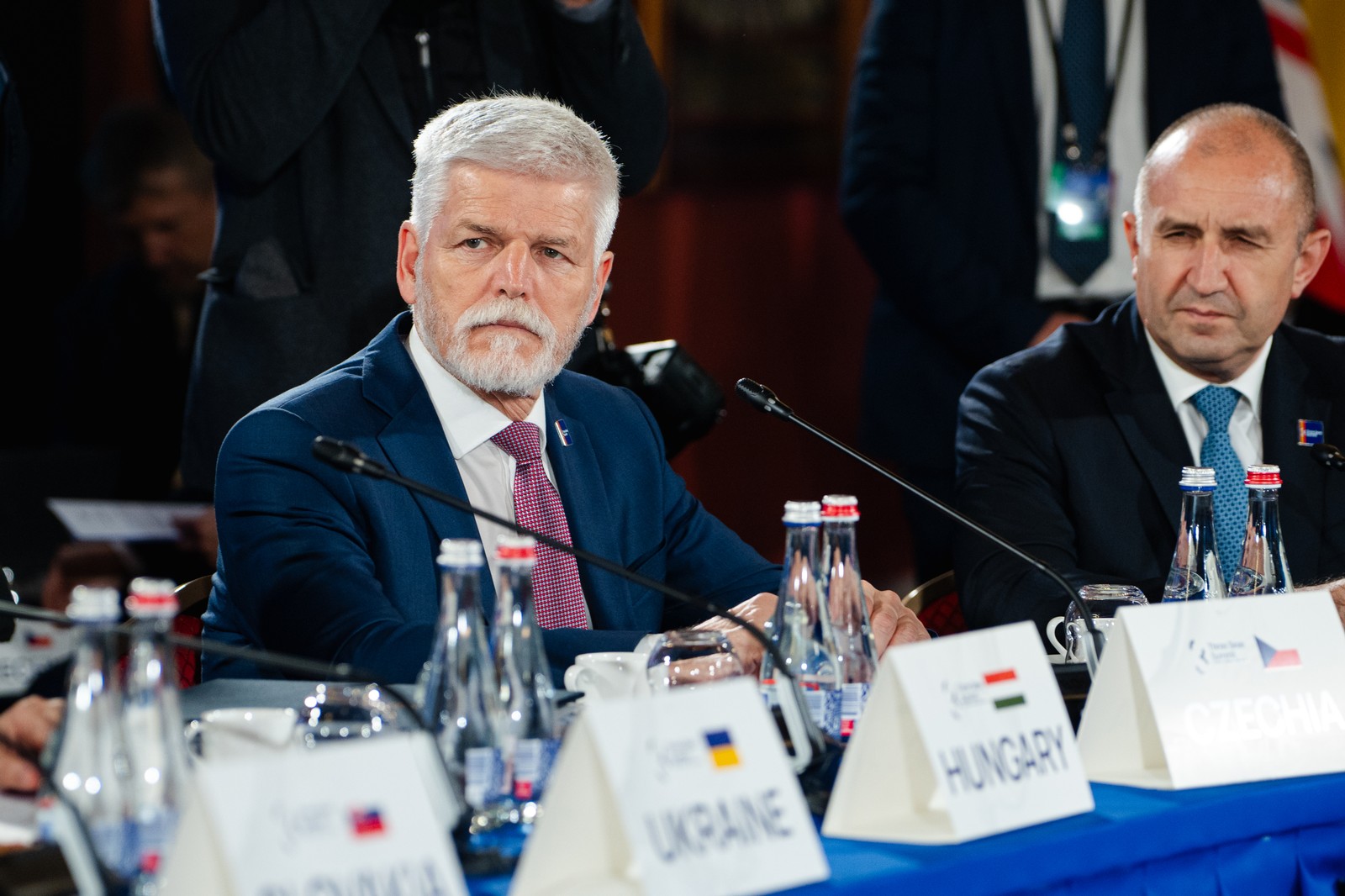
President Pavel participated in the summit of the Three Seas Initiative

On Thursday, April 11, 2024, the President of the Republic, Petr Pavel, went on a one-day working trip to Vilnius for the summit of the Three Seas Initiative, which unites thirteen countries from Central and Eastern Europe.

The summit aimed to strengthen the resilience and competitiveness of the region through deepening cooperation in the energy, transport, or digital economy sectors. For example, a concrete project is to connect the transport infrastructure using high-speed lines, which could connect the Czech Republic and Poland via the Baltic states in the future.

“The main goal of this summit of the Three Seas countries was, on the one hand, to express continued support for Ukraine, with absolutely specific promises, agreements and at the same time with specific projects. And the second was to emphasize cooperation between member countries and partner countries in the three key areas, that is primarily energy, transport infrastructure, and digital technology,” said President Pavel.

The representatives of the states also confirmed their unequivocal support for Ukraine and their readiness to participate in its reconstruction. President Pavel was among the main speakers of the plenary session.

At the same time, the President used his business trips to attend several bilateral meetings with international partners. Among them with Ukrainian President Volodymyr Zelensky and Sesto head of state Alar Karis.

Photo author: Tomáš Fongus, CPR.

American Franchises Looking for Czech Partners

Ambassador Bijan Sabet and the Commercial Service of the U.S. Embassy in cooperation with the Czech Franchising Association (ČAF) are organizing a presentation of American franchise brands that are looking for partners/master franchisees in the Czech Republic.  This was the 4th presentation and more to come.

Ambassador Bijan Sabet hosted the presentation of Mobile Outfitters, RAVE Restaurant Group/Pizza Inn, The Wendy’s Company, and Wyndham Hotels & Resorts at the Beautiful Ambassador residence

Mr. Jamal Suboh – Director of Development and support at Mobile Outfitters, shows the best way to protect your mobile  

Veronika ( Lukesova) Novakova – present the Pizza Inn

Ms. Meg Tagodzinska – Developer Manager – Central & Eastern Europe at Wyndham Hotels & Resorts – the biggest Hotel chain worldwide, presents this biggest company and what kind of partners they are looking in the Czech Market

Wendy’s International – the 3rd biggest burger chain worldwide, presents its company and the opportunities in the Czech Market.

FIRST ZOO IN THE WORLD! PRAGUE ZOO PROPAGATED KETUPU PELOVA

The young fish-eating owl Ketupa Pelova can be easily observed at the age of three months in the aviary near the Penguin Pavilion. Photo by Petr Hamerník, Prague Zoo

The Prague Zoo is currently rearing a young fish-eating owl Ketupa Pelova. It was hatched here at the beginning of this year and after initial fluctuations in weight and occasional reluctance to eat, the bird is now vital and thriving. The Prague Zoo is therefore well on its way to breeding one of the largest living owls ever, as the first zoo in the world. In addition, the little “fish owl” is now back with its parents in the aviary next to the Penguin Pavilion. Visitors can thus see the extremely rare cub with their own eyes.

“In the fall, we kept both of our pairs of ketup Pels in indoor quarters so they could concentrate on nesting. Our efforts were rewarded by the nesting of one of the pairs. At the beginning of the year, we observed changes in the behavior of both adults, and we soon discovered a young one under them,” says bird curator Antonín Vaidl.

At first, the mother warmed and fed the young, so the parents were left with peace and also plenty of food. But just a few days later, the situation changed. “A week passed and unfortunately we found out that the chick had been kicked out of the nest. We also found him hypothermic, which is why we placed him in an incubator and proceeded to rear him in breeding care,” adds Vaidl. According to him, returning to the nest would be too risky.

Prague’s young ketupa Pelova is a significant addition on a global scale: the Prague Zoo is the only zoo that has managed to breed this rare species. Photo by Petr Hamerník, Prague Zoo

The cub was subsequently fed by hand with young mice and rats, and later with fish. Pelova’s ketupas belong to the so-called “fish” or “fishing owls”, whose food in the wild is almost 100% fish. The ketupa look out for their prey from perches low above the surface or search for it while wading through shallow water. They will not disdain even frogs, crustaceans, or a small crocodile.

At the end of winter, the Prague chick continued to willingly accept food and thrive, so at the end of March it was returned to the parents’ improvised nest cavity, where they could gradually get to know each other through the grate in the inlet opening. So far, it cannot be said that it was a complete “adoption by their own parents”, as was the case in the past at the Prague Zoo, for example, with the breeding of Javan grebes or last year with kea nesters, but a large dose of tolerance of the cub on the part of the parents is evident. This step is important for his socialization. Thanks to the return to the aviary, the cub is also easily visible from the visitor areas.

Pelovy’s ketupa chick (on the right in the photo) is characterized by light coloration and remnants of down feathers. Visitors can easily recognize him alongside his parents. Photo by Petr Hamerník, Prague Zoo

Prague Zoo has been breeding Pelovy ketups since 2019, when it acquired the two mentioned pairs from a specialized owl breeding center in Monticello, Italy. It thus became the only public institution in the world where this species can be seen. In nature, ketupa Pelovy inhabit sub-Saharan Africa. These are some of the largest owls in the world – in adulthood they can weigh up to two kilograms and have a wingspan of one and a half meters.

First time affordable housing from the EU

Affordable housing has the green light from the European Commission. Twenty years after joining the Union, the Czech Republic can finance affordable apartments from public sources for the first time.

Minister for Regional Development Ivan Bartoš and the State Investment Support Fund negotiated with the European Commission the support of affordable housing in the Czech Republic from public funds. Thanks to this, the state can finance the creation of rental apartments with a lower than market rent, for example for young people under 35 or beneficial professions in the regions. Subsidies and favorable loans for affordable housing projects will be available to municipalities and private entities – already this year it will amount to approximately two billion crowns.

Until now, the state has financially supported the creation of social housing, which roughly 130,000 people in the Czech Republic can afford. Support for affordable housing, i.e. standard rental apartments even for the middle class, has not yet been possible. This was hindered by the lack of approval from the European Commission that it was in line with public aid rules. “Abroad, the affordable housing sector plays a key role in managing the housing crisis, but in our country, none of the previous governments even tried to negotiate it with the European Commission. In about a year, we managed to agree on everything necessary, and in the second half of the year, we launched the first program. About two million people in the Czech Republic meet the conditions for the target group,” said Deputy Prime Minister for Digitization and Minister for Regional Development Ivan Bartoš.

As part of the so-called notification, the twenty-seven countries notify the European Commission of their intentions to support certain areas from public resources. They must prove that they will not disrupt the free market, or prove that the social benefit of public support outweighs the risks. Only then can the European Commission confirm that the specific plan complies with the rules and is compatible with the internal market. “The decision of the European Commission allows us to provide support to the affordable rental housing sector in the amount of twelve billion until 2030. For the first three years, we have secured funding from the National Recovery Plan. Municipalities and other legal entities can apply for the program. It will be a combination of subsidies and favorable loans, so the invested funds will be returned to the state and will support other housing projects in the future,” adds Daniel Ryšávka, director of the State Investment Support Fund (SFPI).

The costs of construction, renovation or purchase of available rental apartments will gradually be recovered from the rent. In the long term, this will remain below the market level of rental housing in the given location and of comparable quality. “We want there to be a decent alternative for people who, for various reasons, cannot afford or do not want their own housing. We will be happy if as many municipalities as possible apply for support – according to the survey, most of them are dissatisfied with their housing stock. At the same time, we tried to set everything up so that affordable housing is also interesting for the private sector,” Bartoš declared. Subsidized apartments will be, for example, for young families, teachers, health professionals and people who do not own real estate and do not belong to the top 20% of the population with the highest incomes.

The European Commission has previously approved the notification of affordable housing programs for example in Ireland or Sweden. “The example of Ireland shows that promoting affordable housing has positive effects on the market. At a time of high mortgage rates and falling demand for real estate, construction companies can focus more on affordable rental apartments. Thanks to this, there is no such sharp decline in overall construction during crises,” added Bartoš.

The support for affordable rental apartments is part of the broader reform of Housing for Life implemented by the MMR. Among other things, it also includes a new construction law or a draft law on support in housing. The department cooperates with the European Investment Bank and other institutions to find suitable affordable housing projects and sources of financing. It also offers municipalities financial support for the preparation of housing projects and related expertise directly in the regions.

Angkor Wat Means the City of Temples

CAMBODIA’S 8TH WONDER OF THE WORLD

Text: M.Zisso; Photo: Václav Pavlas

One of the benefits of being a frequent flyer is collecting miles that will let you get an upgrade or free tickets. Who hasn’t dreamt of flying around the world “for free”? I decided to fulfil that dream. For several years, I have been accumulating miles, and was now starting to finally realize my dream. This time, it was a short three-day trip to Cambodia.

Angkor Wat Temple – the 8th Wonder of the World

The temple was built by King Suryavarman II at the beginning of the 12th century. Unlike other temples, Angkor Wat is facing west. First, it was a Hindu temple dedicated to Vishnu, but at the end of the 14th century it transformed into the current form of a Buddhist temple. During its existence, it was destroyed in the regional wars, but has always been renovated by the rulers of the country.

One of the first Westerners who visited the site (in 1586) was Antonio da Magdalena – a Portuguese monk who was astonished by the temple and its unique shape, unparalleled in the world. Gradually, the temple has become the symbol of Cambodia, and a source of national pride. It has appeared on the Cambodian flag (in various forms) since 1863, being the only structure that appears on a national flag worldwide.

Day 1 – The Beginning

Before our trip could even take off, we had to make a few arrangements. First, we found reliable “babysitting” for our sweet dogs, then packed light, and finally we selected a flight to Cambodia. There are no direct flights to Cambodia from Prague. Instead, you can fly via Bangkok (one of my preferred cities anyway) and then take a Bangkok Airways short one-hour flight to Siem Reap, Angkor airport, which is small but also cozy and modern. On the Cambodia Visas Travel Requirements website, you will find all the legal information necessary. Read it before departure.

Upon our arrival, we were instantly greeted by hot and humid weather that felt like a Mediterranean summer. We were staying at the Angkor Village Hotel, at Wat Bo Road, not far from the local market. The central hotel location was really important, especially for those of us who want to enjoy some independent activity in addition to guided tours. You can go shopping around and enjoy the local bars and restaurants in the evening. Our hotel was beautiful, with 50 rooms in a traditional style, a personal service, and reasonable prices.

Since we arrived earlier than expected, we went to check the local market. It was full of colors and exotic fruits. We were feeling at home… Back in our hotel, we managed to take a swim at their small but very romantic pool, which was followed by a traditional dinner at the hotel restaurant.

Day 2 – Temples and More Temples

The next day, at 5am, we went to explore the place. We wanted to arrive in time to see the sunrise at the Royal Angkor Wat temple. With a local tour leader, and in an air-conditioned car (compulsory in such wet weather), we reached the entrance to the temple to purchase the tickets. You can find out more about the tickets at: www.angkorenterprise.gov.kh/.

The night before, the first rain fell, heralding the end of the dry season. In the morning, the sky was still overcast, and we did not see the sunrise in all its glory. However, that couldn’t spoil the greatness of the experience. Slowly, the dawn light revealed the temple to us in all its glory. When you see it, you cannot help but ponder how they built this wonder hundreds of years ago, and realize the trueness of Antonio da Magdalena’s statement, dating back nearly 500 years, that it is impossible to describe this unique structure and beauty in words.

We were planning on returning to the Angkor Wat main temple again later on. However, to take advantage of the relatively mild weather in the morning, we went to visit a few other temples of the royal complex: Sra Srang, South Gate, Bayon, Baphuon, Phimeanakas, Leper King Terrace, and Elephant Terrace. And then – to feel like Angelina Jolie playing Lara Croft – we headed to the Ta Prohm temple. Here it was, incredibly beautiful, with trees growing wild and huge roots, just like in the movies…

After a short break, we returned to the Angkor Wat main temple to explore it and see the sunset. The temple’s stunning beauty covers a vast area, and is divided into three floors. Our local guide directed us to the depths of the place, explaining that the wall engravings there have been kept intact for hundreds of years, and finally let us climb to the top floor overlooking the temple in all its glory. Going up was relatively easy, although at about a 50-degree angle, dropping to the lower level was a bit more complicated.

We took our last glance at this wonder, which of course looks much more impressive from a distance, in part because it’s not that obvious how the ravages of time gradually take their toll. As a traveler, I always feel it is a must to see a bit more of the local culture and people. So, we didn’t hesitate, and, in the evening, enjoyed a traditional Cambodian dinner, alongside a two-hour show (with a traditional dance performance) at Apsara Theatre, located opposite our hotel.

Day 3 – Village Life is Different

On the third day, we went to see a different aspect of Cambodian life – the Tonle Sap Lake area, and the fishing village of Chong Khneas. An experience not to be missed. The houses are built on stilts, and you can see the houseboats move with the flow of water from place to place when the rainy season starts. The Cambodians living here are “real” – there are authentic fishing river guides who wear farm clothes and offer caged alligators as pets or for the leather industry. You can see the poverty of the people living here – there are sheds, without running water, but with a TV, and a generator that provides electricity.

It was a short trip, just a quick colorful glimpse of Cambodia. If you love Thailand, you will fall in love with Cambodia too. And remember, we were only 40 minutes from Bangkok, and were able to see the world a little bit differently, in a way that was much more authentic and less commercialized.

PRACTICAL TIPS

  • The visa system at the airport – you will need a passport photo and cash.
  • Choose a small and exotic hotel with a central location. Every major hotel chain already has a hotel in the area too.
  • Organize the tours in advance or on the spot: through a travel agent, directly with the hotel, or online.
  • Remember to bring a hat with a brim, and preferably bottled water that you’ll finish quickly. Do not worry, though – you can get a soft drink everywhere.
  • Ask the hotel to arrange a transfer from the airport and back – almost the same price as a taxi, but much more efficient.
  • Do not get fooled by tuk-tuk drivers’ offers to show you the place.
  • Bargain in the market, be polite but quite decisive.
  • Bring cash, it’s much easier. No need to convert to local money though – everybody prefers dollars.
  • Remember to tip your guide, driver, etc. depending on the quality of the service you received.
  • Departure tax is now included in the price of your flight ticket.

Dalibor Stoszek

“Obesity, poor lifestyle, and stress – avoid these and you’ll also avoid chronic illness”

Canadian Medical / Waltrovka, Prague 5

Text: Martina Hošková, M.Zisso; Photo: Archive

“The Czech population is facing a number of chronic diseases, the cause of which, in addition to heredity or age, is mainly poor lifestyle and obesity. That’s why I put prevention first, and recommend regular preventive check-ups with your general practitioner,” explains Dr. Dalibor Stoszek, Head Physician at AFI Clinic. Every year, his clients undergo a much broader examination, which is the basis for possible diagnosis and subsequent specialized treatment. Digitization of patient information and its secure sharing among practitioners, specialists, and nurses not only within Canadian Medical clinics is extremely helpful in this continuous complex care.

Which chronic diseases are most commonly diagnosed in your practice?

Without relying on statistics, I am quite sure it is a trio of high blood pressure, high cholesterol levels, and diabetes. In this regard, we probably won’t differ from other facilities or practices. In our clinics specifically, we are also seeing an increasing incidence of mental health issues, particularly anxiety, depression, and sleep disorders. A large number of people also suffer from back pain.

Do we know the main causes of the most common chronic diseases?

The former, in addition to age and genetics, are clearly associated with poor lifestyle and obesity. The latter, along with generally higher societal stress, are influenced by the spectrum of our clients, who are often performance-oriented and under a lot of pressure. And back pain is a combination of both. To illustrate with an example, many clients come in with a “slipped disk”, but that’s just a marginal cause of their back pain. Most back problems result from faulty posture or working position.

What is the influence of genetic factors on the predisposition to chronic diseases, and how does it affect diagnosis and treatment?

The inquiry about the occurrence of monitored diseases (especially tumors, high blood pressure, cholesterol, cardiovascular diseases, and diabetes) is part of the initial examination conducted by a general practitioner, and is updated at each preventive check-up. Hereditary cancer diseases are relatively rare, accounting for about 5-10%. In women, it typically includes breast and gynecological tumors, and in both genders, colorectal tumors. In such cases, we recommend genetic testing at a specialized clinic, along with additional steps such as breast ultrasound or stool examination for hidden bleeding, or even preventive colonoscopy at a younger age than recommended for the non-risk population. Strong genetic predisposition is also observed in type 2 diabetes, which typically develops at an older age and is associated with obesity. If we have this information, we actively focus on addressing overweight or obesity. If both parents have diabetes, there is a high likelihood that you will have it too. However, the age at which it develops makes a significant difference, and that difference is influenced by lifestyle choices, particularly diet and weight management. In families with frequent early-onset cardiovascular events (heart attack or stroke), it is necessary to investigate inherited disorders of cholesterol metabolism.

Does it make sense to undergo genetic testing in case of a family burden?

As I mentioned above, patients suspected of cancer, especially breast, ovarian, and colon cancers, are referred to genetic counseling or oncology centers where genetic consultations are conducted. Individuals suspected of having genetically determined high cholesterol levels are referred to preventive cardiology centers or lipid centers for detailed analysis, and, if necessary, an examination of the extended family is recommended.

And what is your view on commercial genetic testing?

I would be cautious about extensive commercial genetic testing for otherwise healthy people. Everyone naturally faces some level of risk for certain diseases, we are not robots. Unfortunately, I have also had a patient who, based on a thick book of his risk analysis, kept demanding more and more tests, and basically lived in constant fear of some disease. It is simply a matter of setting a reasonable limit. This is primarily the role of the general practitioner, who knows the patient best.

What impact can lifestyle and dietary habits have on the development and progression of chronic diseases?

An absolutely crucial one. However, proper lifestyle management is a topic that would require several hours or books to fully describe, and I am afraid I am not capable of doing it justice here. Nevertheless, the most important thing is to find the courage to make changes in your lifestyle. My fellow practitioners are well educated in this area, and know where to refer the patient if necessary. Our team includes professionals such as a nutritionist and a psychologist, among others.

“At Canadian Medical, we offer annual check-ups to all clients.”

Can you describe how chronic diseases can influence each other, and how it affects the patient’s overall health?

I would like to take obesity as an example. This is by no means just a cosmetic problem, let alone an isolated one. Obesity leads to increased blood pressure, cholesterol, and diabetes. Each of these three diseases individually, and much less in combination (which is basically the rule), leads to an extreme risk of heart attack, stroke, or kidney failure. Obese people have joint and back problems that make it difficult to lose weight to some degree. Immunity declines, infections become more severe, recovery takes longer, and the consequences of conditions like COVID or the flu are more severe. The constant feel of illness leads to problems with mental health and sleep, which in itself is another independent risk factor for cardiovascular diseases. And that is “just” obesity. And given the obesity pandemic, we are facing an unimaginably serious problem.

What prevention and screening methods do you recommend for reducing the risk of the most common chronic diseases?

The basic recommendation is to attend preventive check-ups with your primary care physician. By law, they are recommended at two-year intervals, which should be sufficient in most cases. However, at Canadian Medical, we offer annual check-ups to all clients, because we prioritize preventive medicine. These check-ups include updating all the important information about the patient, the so-called medical history or anamnesis, as well as additional examinations according to age and risk factors. For example, blood tests for sugar and cholesterol levels, urine analysis, referral to mammography for women over 45, stool tests for hidden bleeding from the age of 50, and many others. The basic set of examinations is determined by law for everyone. Our clients undergo a much broader scope of examination so that we can gather as much information as possible while avoiding unnecessary burdens on the patient.

How do you deal with comorbidities in patients suffering from more than one chronic disease?

That is a daily bread for practitioners, and their most important role in patient care. As life expectancy increases, the number of these so-called polymorbid patients also goes up. All information should be gathered by the practitioner, sorted, put into context, and monitored, for example medications that should not be taken together. The Czech system is characterized by the fact that patients can visit as many specialists as they want without restriction or control. And since we don’t have digitized documentation, as a practitioner, I often have no idea about it.

What do you think the solution is?

At Canadian Medical, we have practitioners who avoid unnecessary referrals to specialists, but, more importantly, we share all data within one system. This significantly reduces the risk of adverse drug interactions and repeated examinations.

What are the current trends in the treatment of chronic diseases?

In treatment, for example, applications are used to monitor and evaluate certain bodily functions. There is a huge expectation for the rise of artificial intelligence, which is a topic that could fill an entire article. This question cannot be fully answered in one response, but as an example, I can mention smartwatches. There are a considerable number of patients we examine for what’s called palpitations, which are sensations of rapid or irregular heartbeat. The problem is that these sensations are often fleeting, lasting seconds or minutes, and by the time emergency services arrive or the patient is examined in the clinic, they are symptom-free, and their electrocardiogram (EKG) appears normal. Even 24-hour monitoring may not capture the moment of symptoms, leaving uncertainty about whether this is a rhythm disorder that requires treatment. Here, smartwatches with EKG monitoring can be of great service, as they can record the EKG waveform at the moment of symptoms with sufficient quality to evaluate the severity of the finding. Thus, they can help with proper treatment or (mostly) reassure the patient that it is a completely harmless sensation.

What about your devices and digitization? Do your patients have to go from doctor to doctor with a folder of printed medical records?

Canadian Medical has the vast majority of specialties in our clinics. All examinations conducted by our practitioners or specialists are shared in digital form, and are available to doctors and nurses for follow-up care. Most examinations conducted in surrounding facilities, such as university hospitals, are also available in our system. A huge advantage is our myCANADIAN application, where clients can browse their results, findings, medical reports, and also prescriptions.

How do you support patients in their efforts for self-control and self-management of their health while living with a chronic illness?

One of the great advantages of our doctors is the sufficient amount of time allocated to each patient. In most cases, we have the time to properly explain everything the patient needs to know about both treatment and prevention. We strive for an Anglo-Saxon approach to patient care. This means that the patient should receive maximum information from his doctor, have the opportunity to ask questions, actively participate in their treatment, and have the right to make informed decisions. Foreign clients are accustomed to and expect this approach, and undoubtedly, Czech clients appreciate it as well.

As part of your practice, you worked in the UK and Saudi Arabia. Are they very different worlds in terms of prevention and healthcare compared to the Czech Republic?

Saudi Arabia is a completely different world. On one hand, you have extremely wealthy patients who are cared for by the best specialists in the West, in facilities with no limits. On the other hand, there are people who don’t even have basic healthcare. Not to mention the workers from Bangladesh or the Philippines. The healthcare system in the United Kingdom has its fair share of problems, but the reason I went there to learn and work is the significantly different primary care provided in outpatient settings. In comparison to our system, English practitioners have unimaginably greater authority and fewer restrictions. However, they also have more responsibilities and must care for children, pregnant women, contraception, hormonal treatment, and so on.

Referring a patient to a specialist requires careful consideration and justification, ensuring that as a practitioner, you have done everything you could. Specialists are scarce and extremely expensive for the system. That’s why the demands on British practitioners are very high, and many competencies (which Czech practitioners may not even think about) are transferred to nurses.

Working in healthcare is generally demanding. How do you relax, and what do you like to do in your free time?

It may sound cliché, but my family is my biggest anchor. I have a seven-year-old daughter, and since I am away from home four days a week, I try to spend as much of my remaining time with her and my wife as possible.

In the winter, we spend a lot of time skiing, and in the summer, we enjoy the mountains together. And thanks to my fantastic wife, I can also travel and ride my motorcycle, which helps me clear my mind wonderfully.

Dr. Dalibor Stoszek is a Head Physician at AFI Canadian Medical Clinic. He is an experienced doctor, with international experience and a diverse professional history. He graduated from the Faculty of Medicine at Palacký University in Olomouc and subsequently obtained certifications in internal medicine, emergency medicine, general practice, and family medicine in England. In addition to his work as a general practitioner, he also maintains a practice in emergency services. He has further developed his professional skills abroad, in Saudi Arabia and England, and through volunteer work in several sub-Saharan African countries. His work experience as a general practitioner in England has been most beneficial for his current career. The role of a general practitioner there encompasses all fields in great depth, and he strives to apply this concept at Canadian Medical as well.

Do You Fancy a Whole Fleet in One Car? The Future is Here

Text: Martina Hošková, M.Zisso; Photo: Archive

You might know the Lego 3-in-1 building kit, which, thanks to its clever design, offers the possibility to build three different models from a single set of pieces. A similar project is being intensively prepared by the South Korean carmaker Kia, titled Platform Beyond Vehicle cars, or PBV for short. PBVs are scheduled to be launched in the domestic Korean market in the second half of 2025, after which they will enter markets around the world, including Europe with the Czech Republic and North America, in the first quarter of 2026.

How does the several-in-1 concept work?

Modular technology offers the possibility of the basic platform of the car, with the driver’s compartment remaining the same while the rear section can be changed according to the current needs. Specifically, you can look forward to a new product called Platform Beyond Vehicle (PBV), which Kia unveiled at the CES advanced technology trade show in Las Vegas, USA.

Kia demonstrated the functioning of the system using three different concepts: the PV5 – in three all-purpose variants, the PV7 – offering the largest interior space and longest range, and the PV1 – the smallest car for short-distance transport. This clearly shows that we really are talking about several cars in one here. They will all use electric drive, as well as Level 4 autonomous driving and advanced Artificial Intelligence technology.

With this concept, Kia explains, you can enjoy driving a van during the week, a family minivan on weekends, and perhaps a small camper for a vacation.

It is expected to be appreciated mainly by companies that do not plan to purchase multiple cars for their fleet, but will instead use a single car with a cleverly thought-out concept.

A competitive price in the Czech market

“The design strategy is to allow the use of a single chassis to meet different mobility needs. Behind the fixed cab, otherwise known as the ‘driver’s zone’, various interchangeable super-structures or ‘life modules’ can be attached to the base vehicle via hybrid electromagnetic and mechanical coupling technology, turning the PBV into a taxi during the day, a delivery van at night, and a personal recreational vehicle on weekends,” explains Ho Sung Song, president and CEO of Kia Corporation, adding: “It is still too early for specific information on prices, given the launch date of these cars on the Czech market. However, we recognize that it is important to develop a range of affordable PBVs to meet different customer needs and maintain a strong market position. We will ensure that our offering is price competitive.”

According to Kia, the range of applications will be very broad. The hybrid mechanical and electromagnetic principle will ensure simple and fast conversion. With regards to the actual swapping process, the carmaker says there will be no complications thanks to the modular Easy Swap technology. The PBV design requires no welding, which allows for considerable flexibility. All PBVs are equipped with a modular rail system in the ceiling, floor, and side panels for easy adaptation between different vehicles. In addition, thanks to automation, the “conversion” can be easily controlled using a smartphone or tablet.

Kia’s confidence in the whole concept is evident by the fact that it plans to open a factory in South Korea – specifically at Autoland Hwaseong, near the capital Seoul – with an annual capacity of up to 150,000 such vehicles in 2025. The construction costs will reach USD 758 million. PBVs are scheduled to be launched in the domestic Korean market in the second half of 2025, after which PBVs will enter markets around the world, including Europe with the Czech Republic and North America, in the first quarter of 2026. Intensive negotiations are currently underway with partners such as Uber, Coupang, CJ Logistics and Kakao Mobility in connection with the transport of people and goods, including robotaxi. This, to some extent, is also linked to Kia’s other plan to produce a total of 1.6 million electric vehicles per year by 2030.

The Fassati Art Festival: Thank You 2023, and Welcome to 2024

Soprano Markéta Fassati with members of Fassati Ensemble – Adam Pechočiak, Kristýna Bělohlávková, Dana Truplová, Adéla Štajnochrová, David Pavelka, Václav Zajíc, and Anna Kostková (from the left).

Text: Martina Hošková, M.Zisso; Photo: Miroslav Lepeška

The main idea of this festival was designed by first-class soprano Markéta Fassati, who guarantees the uniqueness of your experience. Founded in 2018, the festival bid adieu to 2023 with its 10th jubilee gala evening in December. The event was held in the Advent spirit, and took place in the newly renovated historical premises of the Prague Clam-Gallas Palace. For 2024, two similarly exceptional gala evenings are planned.

The Fassati Art Festival was founded in 2018, and represents an artistic project full of extraordinary experiences and fascinating personalities. The main idea of the festival was designed by soprano Markéta Fassati, who guarantees its uniqueness. The Czech lands are historically renowned worldwide for their diverse artistic talents, and the Fassati Art Festival aims to continue this tradition. The entire festival also has a charitable mission. A long-term partner of the festival in this field is the Food Bank, with which it has been cooperating very successfully for many years.

Each gala evening is held in a unique – and always different – exclusive environment. Each concert features an exceptional programme of works performed by top artists, with each having its own original theme.

The 10th Gala Evening was held in the spirit of Advent, and took place on 7th December 2023 in the newly renovated premises of Clam-Gallas Palace, in the heart of Prague. It is a unique Baroque palace building in Prague’s Old Town, situated in an important central position on the so-called Royal Route. The palace has undergone a costly reconstruction, and we would like to thank the Mayor of Prague, doc. MUDr. Bohuslav Svoboda, CSc., for the patronage and lending of the palace.

Before the concert, Markéta Fassati’s new album, titled Ave Maria, was solemnly blessed. The godfathers were the Mayor of Prague 1 Terezie Radoměřská, Mons. Tomáš Halík, and the Director of the Municipal House Vlastimil Ježek.

The concert featured festive Advent melodies and compositions from the new album for soprano and orchestra, performed by Markéta Fassati and the Fassati Ensemble.

The experience of the gala evening was enhanced even further by several outstanding exhibitions. A unique private collection of graphic works by the world-famous artist Le Corbusier from the Palbric Art Foundation Gallery, designer coins by academic sculptor Michael Vitanovský from the collector’s edition of the BHS company, dazzling jewellery by the goldsmith family studio SALABA, as well as an exhibition of Czech brooches – these were handmade jewellery, made of minerals and the rejuvenating touch of Hydrafacial instrumental cosmetics.

For 2024, two more remarkable gala evenings are scheduled to take place. For more information, go to www.fassatiartfestival.com.

Mons. Tomáš Halík, Soprano Markéta Fassati, Mayor of Prague 1 Terezie Radoměřská, and Chairman of the Board of Municipal House in Prague Vlastimil Ježek (from the left).

REAL HOMES ARE A MIX OF THE OLD AND THE NEW

Co.de co-owners Markéta and Lukáš with their assistant

Text: Martina Hošková, M.Zisso; Photo: Archive

Have you ever enjoyed the many relaxing walking trails and city views of Prague’s Vítkov Hill? This green area creates a natural borderline between two distinctive neighbourhoods: Karlín on one side, and Žižkov on the other. And it is in the latter neighbourhood, located right below the hill, that this original concept store and cosy café is – which we would like to draw your attention to, and suggest as a great spot to finish your next trip to the neighbourhood with. “We love to mix the old with the new because that is where the real home is,” says Markéta Rašková, co-owner of Co.de coffee and design shop on Husitská street. Why not try something new next time as well?

Drink. Eat. Shop. Relax.

The life paths of Markéta and Lukáš, the co-owners of Co.de, crossed in England, and it was also back then that they got the idea of a home design store combined with a café. After 12 years in England, the time was ripe for some major changes in their lives. They decided to move to Czechia, and together transform this nice dream into a reality. “Žižkov attracted us with its character, history, and special charm,” remembers Markéta. “A few days after finding our current location, we quit our jobs and started renovating the space ourselves. Within four months, we opened our dream!”

Inspired by the English approach to life and the character of Prague’s genius loci, Co.de wants to be a combination of both, and suit – as well as inspire – the taste of the locals. The primary concern is the quality, combined with a unique story behind each piece being offered here – both in home furniture and refreshments. In the shop, you can expect a fine selection of interior home pieces, especially from smaller manufacturers. Many of those manufacturers also pride themselves in their sustainable label. In the café, only quality and fresh ingredients are used in order to allow you to indulge in the honest taste of the drinks and food offered here.

“The mix of what we like, what we cherish, what reflects our personality – that should be our home.”

Making our homes bolder

“In the interior, we love to mix the old with the new because that is where the real home is. The mix of what we like, what we cherish, what reflects our personality – that should be our home. We hope to inspire people to make their homes bolder, more colourful, more unique, and different than what their neighbours next door have :). Our mission is to bring soul to your home,” describes Markéta in regards to Co.de’s vision.

In the shop, you can find modern, as well as vintage, decorations such as vases, candleholders, bowls, shelves, hangers, mirrors, and clocks, all of which can be easily combined together in modern, bohemian, scandi, or even traditional homes. A big portion of home textile is the pillows – cotton, wool, or velvet materials. In terms of lighting, there is a nice selection of hanging lights, floor and table lamps, and especially hanging rattan lights – hand-made very precisely, in a very high quality, beautiful, and modern design, so that people can easily include them in modern interiors as well.

Homemade desserts are made from quality ingredients

A notable part of the shop’s items is high-quality furniture. Many pieces they sell in Co.de are unique, whether they are original (vintage), newly made but looking ‘aged’, or are of a brand-new modern style. Original (vintage) furniture pieces such as cabinets, TV consoles, side tables, dining tables etc. are retouched and repaired as necessary – but the main point is that people can appreciate the history and feel of the piece, with its beautiful patina and marks of time. “We have pieces of furniture that are refurbished, with every little detail made to meet the needs of everyday use so that people should not be afraid to purchase such a piece – it’s not going to be just for décor, it’s fully functional!” ensures Markéta.

The second mentioned category of the new but ‘aged’-looking furniture includes pieces such as cabinets, dining chairs, dining tables, and chests of drawers made out of reclaimed wood, with their original patina and marks of the time – so they look old, but they are newly-made. These are also very original pieces of furniture; every piece could be slightly different. This furniture is made from FSC reclaimed recycled wood, which is the only globally recognisable certification for sustainability in this field.

The last category of new modern-style furniture offers items such as dining tables, chairs, cabinets, racks etc. made in modern and chic designs – a great quality for the price tag. As the owner concludes, “In terms of what sort of styles people can find at our place, it is rather wide as we bring to life bohemian and eclectic styles, which are rising in popularity everywhere (and especially outside of the Czech Republic), but are slowly gaining popularity here as well. However, we also love the modern urban style – where you can combine a bit of scandi, light industrial, and a more classic style, but with focus on quality, materials, and even sustainability.”

“We hope to inspire people.”

Co.de café is open every day

Serving honest food

Co.de café was inspired by similar places in England. Open every day, you can make it your “home office” Monday to Friday, as well as a chill stop on weekends – and feel free to bring your fur babies along, it’s no problem at all! Waiting for you are homemade carrot cake, lemon cheesecake, Pavlova roulade, chocolate brownie with salted caramel, granola, and nut cookies, to name a few currently on the menu. “We bake according to our tried and tested recipes that we have collected from our travels, or that we are currently inspired by,” says Markéta.

There’s something for those who don’t have a sweet tooth as well, of course – homemade sandwiches from local artisan bakeries pastries like paninis, bagels, and grilled sandwiches. Their coffee comes from a local coffee source roaster as well, and in summer, you can enjoy a cold brew, matcha latte, espresso tonic, and other iced coffees.

Hilton Christmas Charity Concert

CZK 100,000 DONATED TO TEREZA MAXOVÁ FOUNDATION HELPING CHILDREN IN NEED

Charity Cheque hand over to Tereza Maxová Foundation

Text: M.Zisso; Photo: Archive

On Wednesday December 20, 2023 Hilton Prague and Hilton Prague Old Town organized the 25th edition of the annual Christmas Charity Concert featuring the Karlovy Vary Symphonic Orchestra and soloist Jiří Stivín, conducted by Maestro Debashish Chaudhuri.

The Christmas spirit was brought by the International Ladies Chamber Choir Viva Voce with a special guest, Charlottka Hrubá, a talented pianist from the Tereza Maxová Foundation.

The evening was presented by Michael Specking, General Manager of Hilton Prague together with Czech actress Markéta Hrubešová.

The event was held in support of the Tereza Maxová Foundation, adopce.com project, whose Marketing & Operations Manager Petra Zapletalová took over a cheque amounting to CZK 100,000 from Michael Specking, General Manager of Hilton Prague, Tanya Podgoretska, General Manager of Hilton Prague Old Town, David Lesch, CEO of AV Media, and Vlastimil Vyskočáni, Director of Business Segment at ČEZ ESCO, main partners of the concert.

Special thanks also go to the partners of the concert, especially the main partners – AV Media, ČEZ ESCO and Gesto Computers.

Colors of Woman, 35 Years of Infinity

Helena Kroftová Leisztner, Mayor of Prague 1 Terezie Radoměřská, and Eliška Hašková Coolidge (from left)

Text: M.Zisso; Photo: Jaroslav Tatek

Renowned artist Helena Kroftová Leisztner is celebrating 35 years of her award-winning art collection – a milestone marked by a special exhibition event called “Colors of Woman”. The event took place at the luxurious Augustine Hotel in Prague.

The “Colors of Woman” exhibition was held under the auspices of the Municipality of the Capital City of Prague and the Prague 1 district under the leadership of the Mayor of Prague 1, Mrs. Terezie Radoměřská.

It was attended by approximately 160 VIP guests, including dignitaries, celebrities, and public figures from the spheres of diplomacy, politics, culture, and fashion, adding a layer of prestige to this unique celebration.

Helena Leisztner, an important painter, photographer, and clothing designer, is known for her unique fusion of artistic expressions. Her multimedia Art & Fashion shows appeal to audiences not only in the Czech Republic but also in the international scene. Ms. Leisztner’s motto, “Intuition is a goddess for all of us,” resonates throughout her work and seminars.

Ms. Leisztner’s artistic journey was strongly influenced by her travels – in her works, we can find cultural elements from Spain, Latin America, and Thailand. This exhibition presents her techniques – with an emphasis on lines emanating from the center, symbolizing infinity and harmonious energy – and explores the sensual and emotional aspects of the female body.

One of the highlights of Ms. Leisztner’s career was her participation in the International Exhibition of Modern Art in Paris, at La Coupole, with “Eden”, a magical 3D effect painting, accompanied by her poetry.

In addition to her artistic activities, Ms. Leisztner is actively involved in charitable activities. As a founding member and president of the Czech Association of Friends of the National Women’s Museum of Art in Washington, she supports various foundation projects, including young and disabled artists.

The Augustine Hotel hosting the event is a historical gem and a work of art in itself, combining elegance and modern luxury. This 13th century former monastery hotel provides a choice backdrop for cultural events and exhibitions, making it the perfect location for this exhibition.

Martin Valovič

“I stand by our election promises”

PRAGUE 10 GAINED 250 MILLION CZK THANKS TO PRIVATE SECTOR PARTICIPATION IN PUBLIC EXPENDITURES.

Martin Valovič, Mayor of Prague 10

Text: Martina Hošková, M.Zisso; Photo: Archive

As a local patriot, I wanted to contribute my energy and ideas to improving the place where I have lived my whole life,” explains Martin Valovič, Mayor of Prague 10 district. “Being a mayor is a beautiful job, and I appreciate the trust that the citizens and neighbours of Prague 10 have placed in me. I want to complete projects such as the reconstruction of the surroundings of Strašnická metro station, in order to show people that they have put their trust in people who have energy and determination.”

What would you like to tell our readers about yourself?

I became Mayor of Prague 10 two years ago, and since then I, together with my colleagues and coalition partners, have been constantly working on improving our district to make it an even better place to live.

As a graduate in architecture and a local patriot, I am responsible for urban development and the revitalisation of public spaces. This year, we are restoring the vicinity of the Botič creek. The pedestrian promenade will get a new surface, and new concrete terraces will be built near the Botič. All this will extend the recreational purpose of this popular leisure area.

Before entering politics, I had been in business for many years.

I have built two successful project and production companies. Therefore, I have also included the support of local small businesses in my list of priorities.

You are a member of the ODS political party. Do you draw your inspiration from there?

I have joined the Civic Democrats mainly because of the values and ideas this party represents. Its DNA firmly encodes such values as individual freedom, free market, and personal responsibility. In this concept, the state is a guarantor of fair and understandable rules, still able to show solidarity and offer help to those in need. It was the ODS that helped with the transformation of the Czech economy after the Velvet Revolution in 1989, and who had assisted in putting our country back on the European map.

As you said, you became the Mayor of Prague 10 two years ago. What brought you into local politics in the first place?

As a local patriot, I wanted to contribute my energy and ideas to improving the place where I have lived my whole life. As an architect, I was troubled by the condition of some public spaces, and by the lack of a clear urban strategy. Thus, I have entered politics because actions are better than words.

What actions do the responsibilities of your current position allow you to perform?

Being a mayor is a beautiful but demanding job that has no office hours. You become the face of the place where you live, and which you of course care about. The representative role is only a small part of my daily agenda, particularly when we speak of such a diverse and large district as Prague 10. In terms of population, it is equivalent to a regional city such as Liberec or Olomouc.

In addition, the mayor has to be a good moderator of discussions, as well as a mediator of disputes. There are various groups and diverse interests in the public space. Finding a compromise is challenging on some topics, but it is important.

An informal competence of the mayor is the ability to set the agenda. I would like to use this ability to popularise the beautiful villas in Strašnice, or to bring back the name Jindřich Waldes. In the First Czechoslovak Republic, this businessman’s name was known worldwide. He was nicknamed the Baťa of Vršovice. His snap buttons were produced and sold all over the world. Then World War II, and the Nazi occupation, came. Waldes died on his way to America. This disaster was then completed by the Communists, after the coup. I think this is our debt to him, to bring his name back from obscurity. Our first foray is the “Prague 10 Entrepreneur of the Year” poll, which we launched last year. The main prize is named after Jindřich Waldes.

“In terms of population, Prague 10 is equivalent to a regional city such as Liberec or Olomouc.”

Of course, you were already active before becoming mayor. As deputy mayor, you were the first to publish a detailed list of investor requirements. Was it helpful?

Thanks to specific and understandable rules for investors, the district has already gained CZK 250 million, and more contracts are currently being prepared. We are using the funds to increase school capacities.

When we were preparing the methodology, titled “Private Sector Participation in Public Expenditures”, in cooperation with the Department of Spatial Planning at the Faculty of Architecture, Czech Technical University in Prague, I was sure of the benefit of such a document. However, reality has exceeded my expectations. This methodology is also appreciated by investors, as they can cooperate with the city transparently.

In return, they have the assurance that the financial resources will be fully used for prearranged public beneficial purposes. In our case, we are mainly talking about the growth of school capacities.

If you could highlight one single project that you have on your agenda as mayor, which one would that be?

Time flies by unbelievably fast. As I said earlier, being a mayor is a beautiful job, and I appreciate the trust that the citizens and neighbours of Prague 10 have placed in me.

A lot has happened in those two years. Yet, I would like to highlight the project that will run through these four years like an ongoing thread, and that is the reconstruction of the villa of Karel Čapek.

Together with colleagues, we have the ambition to make this exclusive space a house museum that will be as famous as the Tugendhat villa in Brno.

What are the most troublesome problems for Prague 10, in your opinion? Do you share them with other Prague districts?

One of the big problems that we identified last year with other Prague mayors is the underfunding of Prague’s education system. It’s not just about its capacities, but mainly about low contributions. Although all costs have skyrocketed in recent years, the contribution per pupil has not changed for many years.

A major local topic is the tug-of-war over the future of the Bohdalec-Slatiny brownfield site. A few years ago, we prepared a territorial study for this extensive area, which included the creation of a new green district. Last year, the designers from the Railway Administration showed interest in this site. They wanted a huge sorting station to be built there. Eventually, we managed to find a compromise, and a huge barrier will not be built in the heart of Prague 10.

What are the main challenges for you and your colleagues?

Together with my colleagues, we agree that it is necessary to heal the finances of the municipal district in the following years.

I would like to have a balanced budget at the end of the election period. However, this plan is being complicated by the current economic situation, rapidly rising inflation, and energy prices.

Instead of one-off cuts, we are focused on systematic savings and on reducing the energy performance of buildings. And, of course, we must figure out what to do with the old town hall building in Vršovická after our move to Strašnice. This building, from the second half of the 1970s, requires a complete reconstruction. The building’s shell is in a state of disrepair, and there is also a danger of the windows falling down.

The repair costs are astronomical, and Prague 10 cannot afford them. We are currently having an economic analysis prepared by an external company. The analysis will tell us how to proceed with this building.

I must also mention the revitalisation of parks, and the care of green vegetation. The successful revitalisation of the northern part of Solidarity Park has won the Municipal Project of the Year award, in the public green vegetation category.

A mayor’s job comes with a lot of criticism. How do you handle that?

I take constructive criticism as an essential part of the debate. No man is infallible. Life is not black and white, and the opinions, positions, and life experiences of each of us differ. Criticism is also the job description of the opposition. I respect that. What is not close to me, and I will not say that it does not bother me, are various false attacks and accusations that occasionally appear in the public space.

What are your strategy and plans for the next few years?

I want to complete projects such as the reconstruction of the surroundings of Strašnická metro station, in order to show people that they have put their trust in people who have energy and determination. My colleagues and I stand by our programme declaration and election promises, and I believe that we will manage to fulfil most of them. I want to continue meeting people and the business community, and talking to them about topics and things that interest them, and which I can help them with.

Two years from now, after four years of acting as mayor, will people say you were effective?

That will be shown by the elections. They are the ultimate litmus test.

Tomáš Portlík

“Many problems have solutions when you are tenacious and persistent”

Tomáš Portlík, Mayor of Prague 9 (Photo: Anna Vacková)

Text: Martina Hošková, M.Zisso

“I am old school. I believe that a politician should have a long-term vision, and well-thoughtout concrete steps to implement it,” says Tomáš Portlík, Mayor of Prague 9. “My mom would tell you that I got into politics when I was six years old, complaining about what I was missing at home. But seriously. Look at the map of Prague 9 today and compare it with a map that is ten or twelve years old. Look at today’s spatial plan, and you will see where our priorities are.”

Tell us about yourself, please.

What would you like to hear? I follow traditional values, but I’m not afraid of change. I bet on individualism, but I have a great team of colleagues around me at the town hall. I consider healthy self-confidence to be important… Or is it that I was born in Prague, still live here, I got married here, and have two children?

You joined ODS at the age of 18. Who is your inspiration in this regard?

Our family has always been right-wing. My parents – and also my grandfather, who emigrated and lived in exile – taught me that one is responsible for their own life. At the age of eighteen, the politics of the ODS appealed to me. It represented a realistic view of the world for me. In addition, I knew Mr. Jaroslav Kubera, a former senator who lived with us in Prosek. His specific, healthy approach to life and his work in politics influenced me a lot. I still try to follow what he taught me. In other words, the task of a politician is to develop society so that people, if possible, make their own decisions about their lives as much as possible. They should not feel that a politician is a messenger of truth who dictates their life. I want a functioning public administration that manages a debt-free budget and brings maximum benefit to citizens. Those who claim that they know how to spend our money better than us are wrong. Although lower taxes bring less to the state treasury, the state does not have to take care of all its citizens just to please them, but it has to take care of those who have found themselves in a difficult social situation through no fault of their own.

Before entering the world of active politics, you engaged in business. What made you change your life course?

My mom would tell you that I got into politics when I was six years old, complaining about what I was missing at home. Once, she couldn’t take it anymore, and advised me to complain to the local committee. So, I started sending letters to the town hall as a small child. But seriously.

I joined ODS in 1997, and didn’t want any party positions for a long time. This changed when I felt that healthy competition and support for individuality was disappearing from ODS, and I started to get involved in the party, and in municipal politics. In 2006, I successfully ran for the City Council of Prague 9. I realized that I could influence things in my place of residence from the position of a representative or councillor. At that time, like many of my friends, I was troubled by the state of green areas in Prague 9, the slow pace of regeneration of children’s playgrounds, and the lack of funds for investments.

I was also troubled by other related issues, such as lack of places in kindergartens, the housing policy, the non-progressing “privatization”, few cultural events in the district, and, above all, the desperate state of my childhood favourite Friendship Park in Prosek. Many of those problems had solutions, you just had to be tenacious and persistent.

How did you become Mayor of Prague 9?

That was a natural progression. For three electoral terms, I was the deputy mayor responsible for the finances of Prague 9. Pretty soon, we managed to achieve a balanced budget, and started fulfilling the plans with which I entered municipal politics. During all that time, Jan Jarolím was the mayor of the ninth city district and my mentor. Then, when he quit in March 2021 at his own request, he handed over the mayor role to me to continue fulfilling the long-term concept of the development of our district. The big tasks included, for example, the construction of a brand-new Elektra Primary and Kindergarten with 33 classrooms, as well as the expansion of Friendship Park, and the preservation of the relaxing part of Prosek and Střížkov, which I personally consider a significant achievement.

What are the duties of a mayor?

All duties of the mayor are governed by the Act on the Capital City of Prague. I see the role of mayor as a responsibility for the part of the city that I manage, and for the people who live in it. It’s not a job with typical office hours, but I knew that when I decided to do it. I like Prague, and I like the ninth district, so I enjoy improving the place where we live together.

You were elected the Mayor of Prague 9 more than two years ago. How do you remember that time?

I took over the position after a difficult COVID-19 period, at a time when we still had to deal with the consequences of the pandemic, and above all ensure the safe return of children to schools. We did our best for this, and were successful in implementing rational anti-epidemic measures. We were the first in the republic to start testing various methods of testing children for COVID-19, including the so-called “pooling method” – an evaluation using collective PCR testing, or testing from wastewater at schools. We were also successful with a lawsuit in the Supreme Administrative Court, which aimed to end the government’s record for the length of school closures and return pupils to face-to-face classes.

“I like Prague, and I like the ninth district, so I enjoy improving the place where we live together.” (Photo: Archive)

What do you see as the major problems in Prague right now, in both your district and in general?

All of Prague, in my opinion, most needs stability, vision, consolidated finances, a modern approach, and an open mind. I am a supporter of the fact that it does not have to be divided by some kind of ideological war, but its representatives should find a balance between different groups of voters. Take transportation for example. I myself ride a bicycle, scooter, motorscooter, or motorcycle, but I also drive a car. And I walk too. In Prague 9, I support all modes of transport, and it works. So why wouldn’t it be possible in the whole of Prague? There are areas, such as transport and education, which have an impact on all city districts. Back in 2015, I had already initiated the creation of the “Assembly of Mayors” of the city districts. Originally consisting of Districts 1-22, and now of all 57 districts, we are negotiating together with the Capital City Townhall on topics such as the fair distribution of money between city districts, parking in the capital, ensuring a sufficient number of places in schools, and so on.

What are the main challenges you and your colleagues face?

Challenges relating to the fact that, in recent years, the ninth district has been developing in the most dynamic way, compared to the whole of Prague. Over 30% of all apartments in the capital were newly built here. At the same time, we increased the number of places in our schools, built cycle paths, expanded parks, and built playgrounds and community centers, but also saved green areas from development. However, the last generation of politicians did not say which direction Prague should develop in, what the target state of the population should be, what the level of population density should be, et cetera. Many residents believe that there is already a lot of development, and that every meter of green area needs to be protected. But compared to cities in other countries, the population density in Prague is one of the lowest. And if the city is to develop, and at the same time we are to behave ecologically, we must build a city within the city, and not expand it into the fields. And if we don’t want to take up square meters in the park, it’s only natural to build high buildings. It is more generous with public space, and cheaper in terms of construction costs and running economics. But when I recently mentioned that high-rise buildings would suit Prague 9, there was an avalanche of criticism.

Certainly, a mayor’s job always comes with lots of criticism. How do you react to that?

I try to learn from the constructive criticism. Unfortunately, the principle of how politics works has changed with the rise of the use of social networks, through which a negligible group of the population imposes their views on you with a “high” number of likes, and criticizes you. I am old school. I believe that a politician should have a long-term vision, and well-thoughtout concrete steps to implement it. That’s why, in Prague 9, we have been involving our residents in all major development projects for a long time. Of course, we cannot avoid criticism. But, I try to listen to people, convince them of our plans, look for solutions acceptable to the majority, and explain them – especially when they are not among the most popular. And then, of course, take responsibility for them.

What are your plans for the next few years then?

I have many plans, but the most important ones are related to education. Last September, we opened the new Elektra Elementary School and Kindergarten. Over the past thirty years, we were the only district in Prague that has built a school for 800 children from the ground up. We are now starting the project preparation of Elektra II, so that in two years a specific campus, including kindergarten, primary, and secondary education, will begin to grow in Vysočany. We also have a concrete plan for the reconstruction of all the schools and kindergartens we run, because children learn better in a modern environment. The changes should also affect the pedagogical work in our schools. I would like to see kids winning competitions in math, physics, and other subjects, so that they have different approaches, options, and alternatives to choose from without having to go to a private school. I would like us to support talented students, to have the best teachers in our schools, and for all children – regardless of the socio-economic status of their parents – to have the same conditions at the start of school.

After you leave the mayor’s chair, will people say you were effective?

Just ask them. Or look at the map of Prague 9 today and compare it with a map that is ten or twelve years old. There used to be factories in Vysočany, in the area of Poděbradská and Kolbenova Streets, and not even a square meter of land belonged to the town district. Today, there are thousands of apartments including civic amenities, and a cycle path that connects Prague 8 with Prague 14 across Prague 9. We built parks here – Pod Lávkou, Zahrádky, the large Třešňovka orchard underwent revitalization, and the new meanders on the Rokytka River were awarded for their contribution to the micro-climate of the area. We acquired land there for the construction of school facilities, and built the first school buildings on them.

We prevented the mass construction of housing estates in Prosek. And if you look at today’s spatial plan, you will see almost thirty hectares of new areas in it since last year, which belong to the administration of the City of Prague 9, and are treated and managed as green areas, not as building land. This is also the case with my heart’s desire – the central Friendship Park in Prosek, the area of which we expanded from 8.5 hectares to almost 13 hectares. The cultural events we organize in Prague 9 have also multiplied rapidly. At the same time, I get the greatest joy from open-air concerts in our parks, both new and revitalized.

Magical Moments at Hilton Prague

FAREWELL TO THE GENERAL MANAGER OF HILTON PRAGUE MICHAEL SPECKING AND WELCOME TO HIS SUCCESSOR, RYAN GAUCI

Text: M.Zisso; Photo: Archive

From left: Ryan Gauci, Simon Bender, and Michael Specking

On January 10, 2024, The Hilton Prague celebrated a memorable farewell event for its esteemed General Manager, Michael Specking, who was retiring after nearly 17 years at Hilton Prague.

The event brought together ambassadors, clients, business partners, and other special guests to bid him farewell and welcome the new General Manager, Ryan Gauci.

The evening unfolded in the mystical ambiance of “Alchemist”, filled with enchantment, time travel, and captivating performances. The highlight of the evening was the symbolic passing of the key, as Michael handed it over the Ryan.

The Hilton ́s longtime manager used the occasion to express his gratitude in his speech, parts of which we are bringing to you here:

“Dear Excellences, loyal clients, my favourite colleagues, and good evening to my better half – Claudia.

Today, I stand here not as the general manager who selects the best mattresses or introduces the latest technology – no, today I stand here as the freedom fighter who can finally press the check-out button for myself! After over 42 years in the hotel business, and more than 16 years with Hilton Prague I retire to take a well-deserved nap – without the fear of complaints about pillows that are too hard.

Together, we fought battles against rebellious coffee machines and experienced epic dramas over forgotten toothbrushes.

I look forward to spending my days without the worry of overbooked rooms and missing mini shampoos. But I promise not to forget that the real luxury in the hotel lies not in the number of stars, but in the friendliness and dedication of the team.

So, a big thank you to my team who have worked so hard all these years that even the maids have muscles like Schwarzenegger, my chefs cook like the Bocuse and the service is miles ahead of those that serve at George 5 in Paris. You managed to make guests believe that we are wizards who can transform rooms into pristine oases in the blink of an eye and do the same when it comes to culinary surprises.

To my management team – big thanks for being my rock through thick and thin. Despite the ups and downs, we always found a way to turn it into a good laugh.

Cheers to a team that knows how to make work fun! and to Marta, my PA.

Another great appreciation to my colleagues for your endless support. And to my bosses who figured well how to occupy me with reports and statistics – gosh how many budget presentations!

To my and our clients here my big, big “děkuji” for your loyalty and support in all these years here in Prague.

To our owners I extend my greatest gratitude for holding on so long with me. But joke aside, cheers to you for joining the event tonight!

And to my better half – a big shout out to my wife for putting up with my work stories for all these years without falling asleep! Cheers to you Claudia, in crime and in retirement!

To my successor Ryan: May your coffee be strong, your minibars never empty, your guests never get too creative with their room décor, ensure happy team members turn deadlines into ”dead laugh” lines, delight the boss, and satisfy your proprietor. I know for sure – you will make it.

And to myself? May my retirement be as relaxing as a late check-out at no extra cost!

I now pursue my new career as a siesta master and pillow fluff expert!

Thank you, ahoj, goodbye and Auf Wiedersehen.”

Michael Specking is passing the key to Ryan Gauci

Ryan Gauci, the new General manager, addressed the gathering with enthusiasm and gratitude. He shared his excitement about the opportunity to lead the flagship Hilton Prague into a new chapter aiming to continue the hotel’s tradition of providing exceptional services and memorable experiences.

Adding to the significance, Hilton representatives Mr. Dominique Piquemal, VP Luxury Operations EMEA, and Mr. Ben Bengougam, SVP HR EMEA took the stage. They expressed appreciation to Michael Specking for his contributions and extended a warm welcome to Ryan Gauci, wishing him all the best in his new role.

Sonia Deasy

“Standing out in a sea of serums”

Sonia Deasy with her father

Text: Martina Hošková, M.Zisso; Photo: Archive

Driven by the belief that skincare shouldn’t be complicated, Sonia Deasy created a line of simple, highly effective skincare products. Almost 10 years ago, she launched the brand in her home country of Ireland with a single product: Pure Hyaluronic Serum. “I believed I could make a product that stood out in a sea of serums,” she says. “Some people thought I was crazy. There were hyaluronic serums everywhere. But here’s the thing: I didn’t like any of them.”

Who is Sonia Deasy?

I’m Irish of Indian origin, 48 years old, and mum to five children. When I started Pestle & Mortar in 2014, they ranged in age from 10 down to 4. As cofounder, my husband works closely with me in Pestle & Mortar, and, before establishing our company, we also worked together in our portrait photography studio. So, we continue to live and work together in Kildare County, Ireland.

What made you think about going into the skincare business?

As I said, I was working alongside my husband Padraic in our portrait photography studio. During my work with the models, I noticed that many of their skin problems came to light under the camera lens – mainly dryness and flakiness. These girls, women, and mums, were busy, busy people, and they cared about how their skin looked – but they just hadn’t figured out a simple skincare routine to suit their lifestyle and pocket.

My skin often suffered the same fate, especially when I was travelling, and I grew frustrated with all the complicated options sitting on skincare shelves that I couldn’t understand! I wanted simple skincare that worked – and I just couldn’t find it.

“I decided to create skincare products that would be simple to use, easy to understand, and highly effective.”

Can you recall the moment of actually deciding, ‘yes, I will start a new skincare business’?

The breakthrough moment for me was this simple realisation: Many women had the same problem as I did.

They didn’t know what skincare products to choose, and felt confused by the industry and its marketing. Expensive products left them feeling frustrated because they didn’t always work. A dull, lifeless complexion affected their confidence, and they didn’t feel comfortable with their natural skin. So, I decided to create skincare products that would be simple to use, easy to understand, and highly effective.

You dared to launch your brand with just one product. What was the reasoning behind such an unusual decision?

In a single sentence, my driving motivation was ‘skincare shouldn’t be complicated’. And to this day, Pestle & Mortar is known for its less-is-more ethos when it comes to caring for your skin.

Yes, almost 10 years ago, I launched the brand with a single product: Pure Hyaluronic Serum, now a cult-favourite beloved by beauty influencers far and wide. Launching a skincare brand with a single product is unusual – in fact, some might say it’s insane! And some people really did think I was mad – I was intending to launch a skincare brand with a single product, AND it was a product with which the market was already flooded. I mean, there were hyaluronic serums everywhere.

But here’s the thing: I didn’t like any of them.

Sonia Deasy, National Enterprise Winner 2019

How did you create your now globally successful skincare routine?

I was determined to create a hyaluronic serum that provided instant results and didn’t feel sticky or tacky on the skin. I spent 18 months getting the formulation right and researching the market.

I believed I could make a product that stood out in a sea of serums, and I knew the story behind my brand would connect with people. The remarkable success of our first product, Pure Hyaluronic Serum, catapulted the brand onto the global stage. Fast forward 10 years, and we are now proud to offer a comprehensive line-up of straightforward, yet exceptionally effective skincare products.

At Pestle & Mortar, we combine high-performance active ingredients with healing natural extracts to create simple skincare that works. My heritage informs our formulations, and that is why they are unique. I come from six generations of Indian medicine men. Medicine men in India use ayurvedic wisdoms to mix food-based medicines to cure common ailments – I grew up with ayurvedic food philosophies and a back-to-basics approach to beauty and wellness rooted in Indian Natural Healing philosophies, and that’s what inspires my formulations. I was taught that if you are healthy, you look beautiful, and that natural beauty is best. At Pestle & Mortar, we create simple solutions for beautiful skin by combining natural healing ingredients with cutting-edge scientific active ingredients.

If you could share one thought with your customers, what would you tell them?

My passion runs deeper than just wanting to fix skin concerns. I believe everyone is beautiful. At Pestle & Mortar, we’re not just about making effective skincare. We want to empower women to care for their natural beauty properly, so they can look and feel their best every day.

Sonia Deasy, is co-founder and CEO of Pestle & Mortar, an Irish skincare company launched in 2014. As a busy mother-of-five, Sonia understands how difficult it can be to find a daily skincare routine that is both simple and effective. Pestle & Mortar’s philosophies are rooted in Sonia’s Indian heritage in Natural Healing. For six generations, her family have practised as medicine men in India. Pestle & Mortar is now stocked in 21 countries across 3 continents, and the brand has been endorsed in some of the most prestigious international magazines including Vogue, Vanity Fair, and the New York Times. Customers in the Czech Republic can buy her top-quality cosmetics at www.notino.cz, among other places.

David Maxa

“Progressive Judaism embraces necessary changes”

Visit of the delegation of the World Union for Progressive Judaism at the Spanish Synagogue in Prague, from left: Ben Fantini, Vice Chair of the European Union for Progressive Judaism; Andrew Keene, Vice Chair of the World Union for Progressive Judaism; Rabbi Sergio Bergman, President of the World Union for Progressive Judaism; Carole Sterling, then Chair of the World Union for Progressive Judaism; Rabbi David Maxa; Liz and Jim Breslauer; and Sonja Guentner, then Chair of the European Union for Progressive Judaism
(Photo Courtesy: Sheilla Pallay)

Text: Martina Hošková, M.Zisso

“In a world experiencing a pandemic of uncertainty, religious leaders must offer spiritual guidance amidst challenges like war conflicts, climate change, the rise of extremism and totalitarian regimes, and all sorts of crises,” says David Maxa, a Progressive Judaism Rabbi living in Prague. “It’s crucial to note that next to Orthodox Judaism, Progressive Judaism has deep historical roots in the Czech Republic, evident in landmarks like the Spanish Synagogue in Prague, constructed in 1868.”

Can you share an overview of your current roles as the Progressive Rabbi in the Czech Republic, and your leadership positions in various international organizations?

I live in Prague, where I serve as the Rabbi of the Progressive Jewish Community ’Ec chajim’, which I co-founded in 2019. Additionally, I play a role in the Federation of the Jewish Communities in the Czech Republic, supervising the agenda of the Progressive stream of Judaism, and serving as the Rabbi for the Jewish communities in Liberec and Děčín. I also oversee Progressive Judaism in the region; since 2021, I’ve been the Convenor of the Central European Beit Din (CEBD), the rabbinic court for the Progressive stream in the Czech Republic, Hungary, Poland, and Slovakia. In 2022, I became a member of the ROI Community of Schusterman Family Philanthropies, which unites innovative Jewish and Israeli changemakers to address complex challenges in Jewish communities, Israel, and the world. A year later, I was elected an Executive Board Member of the World Union for Progressive Judaism (WUPJ), the international network of Jewish communities, serving an estimated 1.8 million members worldwide in more than 1,250 congregations in over 50 countries.

Rabbi David Maxa at the Spanish Synagogue in Prague (Photo Courtesy: Sheila Pallay)

What factors influenced your decision to become a rabbi?

My father’s survival in the Holocaust profoundly shaped my identity, connecting my Jewish roots with poignant memories. After his passing, I embarked on a journey to explore my Jewish identity beyond the historical context. Studying Jewish Studies at Prague’s Charles University exposed me to the story of Rabbi Richard Feder, who accompanied the Czech Jewish community in Ghetto Terezín, ultimately inspiring me to pursue the path of becoming a rabbi. Along this transformative journey, I was fortunate to connect with individuals whose great inspiration and unwavering support became the cornerstone of my pursuit, which led me to study for the rabbinate in Germany and Israel. Additionally, I had the privilege of undertaking internships in the USA and the UK, broadening my understanding of global Jewish communities.

I achieved my rabbinic ordination in 2020.

Can you elaborate on the distinctions between Progressive Judaism and Orthodox Judaism?

Both streams share common roots, but they began diverging in the 18th and 19th centuries when confronted with the challenges of modernity. Progressive Judaism embraces necessary changes, exemplified by full gender equality in all religious questions, inclusivity of diverse Jewish backgrounds, and recognition of same-sex relationships – in contrast to the more conservative approach of Orthodox Judaism. Despite different approaches, it’s essential to note that both streams also have much in common as they share a commitment to tradition, a love for Judaism, and respect for the Torah. Additionally, it’s crucial to note that next to Orthodox Judaism, Progressive Judaism has deep historical roots in the Czech Republic, evident in landmarks like the Spanish Synagogue in Prague, constructed in 1868 as the centre of the local Progressive community. This historical context enriches our Progressive Jewish tradition with a unique connection to the local history and culture.

In your view, is a rabbi inherently a leader? How does this role evolve over time? Could you provide insights into your daily agenda?

Certainly, a rabbi must be a skilled leader, and the traditional notion of a rabbi solely devoted to study is outdated. As a community rabbi, I actively contribute to development strategies, support fundraising efforts, and initiate outreach projects to meet the evolving needs of our communities. Additionally, a rabbi serves as a leader of services and a spiritual guide. Beyond these roles, I am deeply involved in organizing interfaith and intercultural dialogues, as well as charity events. As an illustration, last November, in collaboration with the Israeli Embassy, our community organised a significant charity event for Kibbutz Kfar Azza in Israel, which was profoundly devastated by the Hamas terror attacks on the 7th of October 2023. The fundraiser received the honour of H.E. Anna Azari, the Israeli Ambassador in Prague, who graciously supported the event with her auspices.

Reflecting on your personal experience, what qualities do you believe are essential for aspiring rabbis?

Well, every rabbi is different, but I would say that every aspiring rabbi must respect Judaism and the Torah, long for knowledge in the broadest sense, do their best to understand the world and its changing needs, and care for people. And what about God? Love for God is truly important, but without approaching God through these previously mentioned skills, one would risk becoming a mere fanatic. Being an empathic listener, eloquent speaker, open-minded thinker, and humble leader are also important features, and sometimes a decent singing voice helps.

Rabbi David Maxa with some members of the Central European Beit Din, from right: Rabbi Anita Kantor from Hungary, Rabbi Misha Kapustin from Slovakia and Rabbi Tomáš Kučera from Germany (Photo Courtesy: Leona Kalvodová)

As the founder of the Progressive Jewish Community ’Ec chajim’, what key elements were crucial in building a successful community from scratch?

A successful start required a clear vision, team synergy, and the ability to analyse demands. I take great pride in our community’s cohesive team, understanding that leadership involves skilfully surrounding oneself with the right people who possess the right kind of skills. My deepest gratitude goes to those who trusted us and invested their time, energy, and financial resources in supporting our vision. This fundamental aspect remains paramount for every new project we launch. It’s important to acknowledge that thriving Jewish communities are essentially masterpieces of philanthropy, reflections of dedication and commitment from those aiming to leave a lasting legacy and support meaningful causes. The ability to effectively convince and inspire individuals to align with the vision becomes a pivotal aspect of community building.

What is your vision for the future of your community?

We are committed to advancing the renewal of Progressive Judaism in Prague. With ’Ec chajim’ experiencing unprecedented growth, our strategies encompass addressing increasing demand, expanding our physical facilities, and diversifying our community’s portfolio of activities. This positive challenge motivates us to explore avenues for expansion and ensure that our community’s evolving needs are met, enabling us to continue thriving.

Chanukkah celebration at Maisel Synagogue in Prague, from left: Jakub Szántó, Czech journalist and writer; H. E. Anna Azari, Ambassador of the State of Israel; and Rabbi David Maxa (Photo Courtesy: Karel Cudlín)

Looking forwards, what do you perceive as the major challenges facing religious leaders?

In a world experiencing a pandemic of uncertainty, religious leaders must offer spiritual guidance amidst challenges like war conflicts, climate change, the rise of extremism and totalitarian regimes, and all sorts of crises. The endeavour to inspire people to lead fulfilling lives despite fears is a constant one, a commitment I make not only as a religious leader but particularly as a father of two children. Furthermore, the duty extends to actively contributing to global improvement and inspiring others to do so, guided by the wise Jewish saying: “It is not your duty to complete the work, but neither are you free to desist from it.” One tangible example involves addressing the unfortunate growth of antisemitism. Collaborating with others, I am working to convince Czech universities to adopt the IHRA definition of antisemitism, a pivotal measure in preventing antisemitism in the future, even though the task proves more challenging than anticipated.

Htuann Naung

“Being a diplomat is the greatest adventure of my life”

Mr. Htuann Naung, Chargé d’ Affaires of Myanmar

Text: Martina Hošková, M.Zisso; Photo: Archive

Myanmar is the largest inland area within the Southeast Asia region, with 56 million people. It offers an incredible cultural variety, and its diverse beauty ranges from snow-capped Himalayan mountaintops to vast underwater reefs. I would like to extend my invitation to the people of Czechia to visit Myanmar,” says Mr. Htuann Naung, Chargé d’ Affaires of Myanmar, adding: “I am certain that in the future we can further strengthen the friendship and mutually beneficial cooperation between the two countries.”

Can you tell us a bit about yourself?

I am currently taking responsibility as the Head of Mission of the Embassy of the Republic of the Union of Myanmar in Prague, in the capacity of Chargé d’ Affaires. Although I graduated in Veterinary Medicine, I decided in the end to serve my country and our people as a diplomat since I have always been interested in this field. That is also why I studied International Relations and Diplomacy at the Australian National University in Canberra. This is my second time in Europe, as I had previously attended the Federal Foreign Service Academy of Germany in 2010 for diplomatic training. I came to Prague together with my beloved wife.

You have been in the Czech Republic for about a year now. What are some of your impressions?

I arrived in this glorious city, Prague, on 7th August 2023. Since then, I have been enjoying life in this passionate country while learning about its history, culture, lifestyle, legendary traditional cuisine, well-preserved countryside with beautiful national parks, vast fields and gorges, as well as the heritage values of the Czech people. I am also impressed by the preservation of historical monuments, castles, and chateaus in this central European country, and its prestigious production of beer, crystals, and so on. Indeed, I have much respect for the technological advancements and innovative creativity here. Living in Prague is amazing! Its flowing river, famed bridges, and narrow cobbled streets are breathtaking and charming. The views of iconic sights such as Charles Bridge, Prague Castle, and elegant Wenceslas Square are an integral part of my daily working life now.

Myanmar is still rather an exotic and little-known country for Czechs. Would you like to give us some basic facts?

My country is famous for its rich history, culture, and lovely smiling people, as well as its natural resources such as oil, natural gas, teak, jade, gems, and other minerals. It is the largest inland area within the Southeast Asia region with 56 million people, neighbouring Bangladesh, India, China, Lao PDR, and Thailand. Myanmar is also known as “the golden land”, radiant with a crown of shimmering gold. It offers an incredible cultural variety, and its diverse beauty ranges from snow-capped Himalayan mountaintops to vast underwater reefs. In 1948, we gained independence from Britain. After that, Peace, Union spirit, and Solidarity have been taking vital roles for the interests of the state and people. Under the 2008 Constitution of Myanmar, the country practices a parliamentary-based multi-party democratic system. Ancient cities and historical sites across the country provide proof of the development of past civilizations and king dynasties. The country is recognised for having many colourful and exciting festivals throughout the year.

Myanmar is also a member of the ASEAN group. What activities does this organisation engage in?

Of course, Myanmar is one of the members of ASEAN, sharing our belief in creating a peaceful and prosperous place together for our people. Myanmar has been actively participating and contributing to ASEAN, in our efforts to reach our common goals successfully and build one fine community to closely collaborate with other regional partners and multilateral institutions, including the European Union. Here, we have the ASEAN-Prague Committee of the six embassies of ASEAN member countries, in order to promote the image of ASEAN, share common views between ASEAN and EU, and enhance culture, food, and public diplomacy with the government of the Czech Republic. Last year, our committee conducted several events such as ASEAN Day, the ASEAN+3 Film Festival, a donation to the Czech Food Bank Federation, several engagements with both central and local Czech governments, a series of seminars and roundtable discussions in universities, and culture and food promotion and awareness activities across the country.

Does your personal lifestyle fit your diplomatic role well?

I can definitely say that there is an excellent match between my career and my dream lifestyle. A few years after my graduation, I made the best choice ever and decided to join the Foreign Service – after realising what my assumptions and perceptions were. Being a diplomat makes me motivated to put all my energy into the daily work, and take joy in performing diplomacy. There are different approaches to a diplomat’s life, but I am sure that the way I execute my duties is in line with my motivation and dreams.

What is the best adventure your diplomatic career has brought you?

A diplomat’s life itself has been the greatest adventure of my life. I have some great memories of taking part in peace negotiations, conference diplomacy, and multilateral engagements, as well as diplomacy in hard times.

I believe that learning from every single experience makes every little piece unforgettable for all diplomats.

“Both countries have great opportunities to cooperate.”

How do you spend your free time?

Exploring my nearest surroundings is one of my favourite activities to do in my spare time. It always allows me to learn something new about the host country, and to travel in order to observe the nature, history, and beautiful hearts of the local people. Reading also helps me think outside the box and use my imagination. Keeping myself fit and active by attending the gym is also an option.

Do you promote your country as a holiday destination?

Concerning tourism, Myanmar is surely a destination country for world travellers. There are so many charming places to be explored. I would like to extend my invitation to the people of Czechia to visit Myanmar. Enjoying every experience in my country in the most authentic way will be a lifetime memory for everybody. Myanmar – be enchanted! We offer a really unique Asian culture that differs from many other destinations, with towering mountains and untouched islands, and scattered with sparkling pagodas, British colonial architectural heritage sites, and much more to delve into.

What is the current status of Czech-Myanmar relations?

Our countries established diplomatic relations on 3rd January 1956, and it will be the 70th anniversary soon. With Czechoslovakia at the time, we had established extensive economic relations. There are factories producing tires, tractors, and fuel injection systems for engines, as well as a sugar mill, a brewery, and a hydropower station in Myanmar, all built by Czech companies. Both countries have great opportunities to cooperate, especially in agriculture, science and technology, the health sector, education, tourism, environmental conservation, and heritage site preservation. Nowadays, hundreds of Myanmar students are currently studying in the Czech Republic at different universities, ranging from engineering to economics, international relations to the sciences. We have been maintaining and promoting cooperation in all possible areas for the benefit of both countries and citizens. I believe there are many matters we could work out together in order to promote bilateral relations and harmonious development.

This interview is done on the occasion of your national day. What are you wishing for your country? And for the Czech Republic?

Our Independence Day, or National Day, commemorates the importance of the territory, sovereignty, and national identity of our country. This year, we are celebrating the 78th anniversary of gaining our own independent status and rights. I wish peace and wellbeing to all the citizens of Myanmar, and urge them to work together in shaping a Union based on trueness, democracy, and federalism, in order to forge the strength of our national unity. Although the country encountered different terrible dangers that posed threats to the disintegration of the Union and sovereignty, our Union spirit and Solidarity will always be essential to us and to the new generations. As far as the Czech Republic is concerned, I am certain that in the future we can further strengthen the friendship and mutually beneficial cooperation between the two countries, as well as construct bilateral cooperation in various areas for the benefit of our peoples, and in the interests of strengthening stability and security in the Indo-Pacific region.

H.E. Ayesha Ali

“Enhancing an already strong relationship”

H.E. Mrs. Ayesha Ali, Ambassador of Pakistan

Text: Martina Hošková, M.Zisso; Photo: Archive

“Pakistan is the fifth most populous country in the world, with a large middle class. We also have one of the best foreign direct investment regimes in the world, and collaboration possibilities are immense,” says H.E. Mrs. Ayesha Ali, Ambassador of Pakistan. “Next year we celebrate 75 years of the establishment of diplomatic relations between our two countries. I look forward to working with my Czech counterparts to further enhance our robust bilateral relationship.”

Can you tell us about yourself?

Thank you for the opportunity. I am a Pakistani diplomat. It’s been over five months now since I arrived here to take up my responsibilities as the Ambassador. The Czech Republic is a wonderfully dynamic country, and I look forward to working with my Czech counterparts to further enhance our robust bilateral relationship.

Which countries did you serve in before your current assignment?

Before coming to the Czech Republic, I had the honour of serving my country in several capitals of the world including Tokyo, Washington, D.C. and New Delhi. In my last assignment I served as Consul General in New York.

You have been in Prague for only about five months. What is on the top of your to do list?

The Czech Republic is a very important country for Pakistan. It is the heart of Central Europe, and is important both bilaterally and as a member of the European Union. Pakistan has had a longstanding cooperative partnership with the Czech Republic, which has expanded over the decades to all segments of the bilateral relationship, including political, trade, economic, cultural, and people-to-people interaction. It is a country with a rich history, and dynamic people and economy. I look forward to building on the strong relationship between our two countries in all these areas.

The wild beauty of Pakistan may be very tempting for Czech tourists. Do you work on promoting your country here as a holiday destination?

Yes, Pakistan is a country of varied landscapes, which also makes it a very attractive destination for tourism and adventure sports. The Embassy works with several local partners to promote Pakistan’s rich culture, tourism, and culinary and sports heritage. We engage with several tourism / cultural and other organizations in the diplomatic community and beyond, and are focused on increasing people-to-people interaction through visits, exhibitions etc. Our special focus is on the young people of the Czech Republic – in this context we intend to reach out to universities, schools, and colleges to inform them about Pakistan, and encourage them to visit. We have some of the highest peaks in the world, and it is an area of special interest for Czech mountaineers. We look forward to increasing tourism collaboration between the two countries.

What is the most difficult part of being an ambassador?

Being a Representative / Ambassador of a country is a big responsibility. All Ambassadors endeavour to maintain the best possible relationships with the country of their accreditation, keeping the ties strong and enhancing them through their endeavours.

“I look forward to working with my Czech counterparts.”

What is the best adventure you have ever had thanks to your diplomatic career?

It is always challenging, in a positive way, to live and work in a country other than your own. The diplomatic life offers you several such opportunities, which go a long way towards personal and institutional capacity building. The Czech Republic, with its unique language and history, offers several such opportunities, and I am excited to be here.

What do you do in your free time?

I like to read books and work out. I am increasingly focused on my health goals, and on promoting a healthy lifestyle in Pakistan.

The Czech-Pakistani Chamber of Commerce was created and registered in May 2020, pursuant to the consistent economic outreach by the Embassy of Pakistan. What can Pakistan offer to Czech businesses and industries?

Pakistan and the Czech Republic have a strong economic and trade relationship that continues to grow. Pakistan is the fifth most populous country in the world, with a large middle class. Pakistan also has one of the best foreign direct investment regimes in the world, and offers opportunities for investment in all possible sectors, including automotive, machines & tools, mining, agriculture, and IT & energy (to name a few). As these are also strong-performing sectors of the Czech economy, collaboration possibilities are immense. We welcome Czech investment, and want to expand our bilateral trade ties beyond the traditional and into new areas for mutual benefit. The Special Investment Facilitation Council (SIFC) of Pakistan, in this context, is very important, and we have been sensitizing our Czech counterparts regarding opportunities offered by the SIFC.

To conclude, how do you see the state of relations between our two countries?

Pakistan is a diverse, dynamic, and resilient country, with strong institutions and a robust network of international partners. We are focused on building a strong economically dynamic future for our younger generation. We look forward to continuing to play our responsible and leading role in the community of nations as a reliable partner for all our friends, including the Czech Republic. Pakistan and the Czech Republic have a long history of cooperative partnership, spread over decades. Next year we celebrate 75 years of the establishment of diplomatic relations between our two countries. Both sides are focused on enhancing bilateral ties in all areas of cooperation, to the mutual benefit of the people of both countries.

H.E. Albesjana Iberhysaj-Kapitaj

“Euro-Atlantic integration remains the strategic orientation of my country”

H.E. Ms. Albesjana Iberhysaj-Kapitaj, Ambassador of Kosovo submitting letter of credentials to the Czech President Petr Pavel

Text: Martina Hošková, M.Zisso; Photo: Archive

“At the age of 16, the Republic of Kosovo stands as the most pro-EU country in the region and beyond, with over 95% of our citizens expressing an unwavering desire to join the European Union,” declares H.E. Ms. Albesjana Iberhysaj-Kapitaj, the first Ambassador of Kosovo in Czechia. She further emphasises: “Kosovo is committed to actively pursuing our independence and democracy and integrating into the European Union and NATO, while fostering a profound friendship with the USA.”

Can you please introduce yourself to our readers?

I am a career diplomat who was lucky enough to join the diplomatic service 15 years ago, just a few months after the establishment of the Ministry of Foreign Affairs. Being a lawyer profiled in international relations coupled with a Master’s degree in French language and literature, I embarked on my diplomatic journey in the Department for Legal Affairs and International Agreements. The initial years of my career were undeniably golden, providing invaluable personal experience and significance for both the institution and my young country, which had only declared its independence a year prior.

What was some of that valuable experience collected during those early years?

Those early years were marked by colossal and intense work undertaken alongside my colleagues at the ministry, filled with great pleasure and, above all, immense pride. From the beginning, we constituted the foundations of a pivotal department tasked with crafting the initial legal framework, from drafting laws to conducting exchanges of verbal notes. It’s worth noting the privilege of collaborating with a director from whom I learned a lot. Additionally, I must underscore the invaluable support extended by our international allies, particularly the Americans, who generously shared their expertise with us. Throughout that period, I seized the opportunity to attend advanced diplomatic courses offered by prestigious academies such as the Diplomatic Academy of Vienna, the National School of Administration/ENA, and the Clingendael Institute of the Netherlands, among others.

How many countries have you served in up until now?

The Czech Republic is the third country I have served in so far. I commenced my first foreign assignment at our Embassy in Paris as a Counsellor. Alongside diplomatic duties, I also undertook the crucial responsibility of operationalizing Kosovo’s visa system for countries under the visa regime.

After a few months of service in Paris, at the suggestion of the Ministry, I transitioned to the General Consulate in Strasbourg. For us, it represented the foundational unit of our forthcoming permanent mission at the Council of Europe. As Kosovo’s membership in this significant international organisation, renowned as the guardian of human rights, stands as a priority for us this year, I would like to express the following:

The Republic of Kosovo’s full membership in the Council of Europe (CoE) is imperative to strenghten the protection of human rights and the well-being of citizens without discrimination. Hence, I take this opportunity to extend my gratitude to the countries that supported our successful first phase of membership last year and kindly ask member states to back us through their representatives in the CoE, aiming to bring the ongoing process to a successful conclusion.

Most recently, after a year of returning to Pristina, where I served as the head of the Department for Legal Issues and Treaties, I assumed a position in New York. At the Consulate General of the Republic of Kosovo in New York (2020-2022), I served as the Deputy Head of Mission. Aligned with the country’s strategic objectives, I focused on enhancing visibility and engagement with the United Nations, coordinating the Security Council’s periodic reporting agenda, and fostering relations with Permanent Missions accredited to the UN.

Both missions, in Strasbourg and New York, were a special experience professionally and personally. The experience gained in multilateral missions, where the primary work is the advancement of relations with the states represented in the organisation, is unique.

H.E. Ms. Albesjana Iberhysaj-Kapitaj, Ambassador of Kosovo together with Dr. Vjosa Osmani-Sadriu, President of the Republic of Kosovo at the forum 2000
INTERVIEWS

Tell us about your country.

It’s a privilege and honour to represent Kosovo in a welcoming nation like the Czech Republic. Known as the land of the youngest Europeans, Kosovo epitomises exceptional talent, and unwavering European fervour. Despite the scars of war that once ravaged our land, Kosovo has risen to become one of the most vibrant democracies in the region. With the support of our friends and allies, the Republic of Kosovo has consolidated its democratic institutions and elevated its international subjectivity as a trustworthy and committed partner to democracy, human rights, and liberal democratic values. At the age of 16, the Republic of Kosovo remains the most pro-EU country in the region and beyond, with over 95% of our people expressing their uncompromising desire to join the EU. Euro-Atlantic integration remains the strategic orientation of my country.

As a young nation, we proudly celebrate the tenure of our second female president, alongside a record of two women serving as deputy prime ministers, one of whom also holds one of the five ministerial positions held by women. Moreover, our parliament boasts 43 female members, with 34 of them elected without the need for quotas. This marks a historic achievement, with women occupying nearly 40 percent of the total parliamentary seats.

For potential foreign investors, Kosovo offers an environment rich with highly talented, techsavvy, and multilingual youth, with 70% of the population under the age of 35. Our nation boasts a low and fiercely competitive tax system, coupled with a modern legal infrastructure aligned with EU legislation. Kosovo leads the region with the highest rate of internet users, with 93% of the population having access, propelling the ICT sector to remarkable heights. A testament to our skilled youth, particularly in the ICT sector, is the success story of hightech company Gjirafa, a fusion of Kosovo talent and Czech and US investment.

Today, Kosovo is not merely taking steps but rather leaps toward democratisation, as recognized by international indexes in areas such as the rule of law and transparency. In essence, Kosovo is showcasing its transformative spirit to the world across various sectors, including the economy and beyond.

What was your path to becoming the Ambassador of Kosovo?

My journey to becoming the Ambassador of Kosovo was deeply influenced by my early interest in international politics, which manifested itself from a young age. Even as my peers pursued different interests, I found myself drawn to following news editions, much to the amusement of some friends.

My childhood was spent enduring the challenges of living under the regime of Serbia, where opportunities were scarce, and isolation from the rest of the world was pervasive. School buildings catered primarily to the Serbian community, leaving us, the Albanian majority, to endure lessons in overcrowded classrooms with shortened schedules and inadequate resources. At that time, my country, my community, did not have ambassadors to represent us – even in local institutions, the representation was done by others for us. Being under constant repression, our only option was strengthening ties with powerful countries, with friendly countries such as the USA and European democracies.

Our aim was to establish strategic alliances with democratic countries who listened to our concerns, and, as they proved, were ready to help us gain our freedom.

Guided by the motto ‘An independent, democratic, integrated Kosovo in the European Union and in NATO, in permanent friendship with the USA,’ our esteemed leader Ibrahim Rugova, and the peaceful movement he championed, paved the way for Kosovo to forge meaningful friendships and powerful alliances. Through our liberation war, following the NATO intervention to put a halt to Serbia’s war crimes, crimes against humanity and genocide against the people of Kosovo, and the support of the democratic world, we achieved our goal of freedom and independence.

What truly inspired my path toward diplomacy was the desire to bolster the international presence of my country and garner support from friendly nations like the Czech Republic. Additionally, I was driven by the goal of advancing Kosovo’s Euro-Atlantic integration and fostering strong bonds between our two nations.

H.E. Ms. Albesjana Iberhysaj-Kapitaj, Ambassador of Kosovo with Karel Schwarzenberg, former Minister of Foreign Affairs of Czechia

Can you share some of your diplomatic work highlights?

Undoubtedly, my two-year tenure in the Czech Republic has been an exceptional experience. Diplomatic engagement in Czechia is dynamic, underpinned by a steadfast commitment to democracy and human rights. Notably, we closely monitored the Czech presidency of the European Union, during which I commend our Czech friends for their successful presidency.

It was during the Czech presidency of the Council of the European Union that we achieved a breakthrough in the protracted visa liberalisation process for Kosovo. This achievement was largely due to the commitment and strategic vision of the Czech government for the future of the European Union. Consequently, we entrusted Kosovo’s application for EU membership to the Czech Presidency, marking a historic stride toward our integration into the European Union.

Additionally, we closely observed the Russian aggression against Ukraine. In this context, we admire the unequivocal support of the government of Petr Fiala for Ukraine, including its commendable efforts in welcoming a record number of refugees.

What is the most difficult part of being a diplomat?

The most challenging aspect of being a diplomat lies in the profound impact it has on our families. While diplomacy offers numerous opportunities and privileges, it also entails immense responsibility. Our assignments and relocations affect not just us, but our families too, particularly our spouses, who often make sacrifices in their own careers to support us. I am fortunate to have a supportive husband and children who stand by me during my missions abroad, facilitating my commitments. Despite the benefits of forging new connections, the constant upheaval of relocating poses a significant challenge for us all.

How do you spend your free time?

As an ambassador, my role often demands a significant portion of my time and attention, given the responsibilities associated with representing my country and fostering diplomatic relations.

Despite the demanding nature of my position, I am passionate about reading. While my schedule may be hectic, I prioritise time for reading, which serves both as a leisure activity and a professional pursuit. Specifically, I am drawn to books with themes rooted in international relations, geopolitics, and current events. Exploring this kind of literature not only enhances my understanding of global affairs but also enriches my perspectives as an ambassador. Beyond reading, I cherish opportunities to explore historical sites and immerse myself in nature. Prague, with its rich history and abundance of museums, offers a myriad of cultural experiences. Yet, it’s not just Prague; other cities like Český Krumlov, Karlovy Vary, and Liberec have captivated me with their natural splendour and fascinating histories.

What is the current status of Czechia – Kosovo relations? You have already worked in the Prague Kosovo Embassy for some years, but only became an ambassador a few months ago. What has changed?

I proudly emphasize that the Czech Republic was one of the first countries to recognize the independence of Kosovo, just three months after the Declaration of our Independence.

Czechia remains dedicated to facilitating Kosovo’s membership in international organizations and integration into Euro-Atlantic institutions. Over the years, bilateral relations between our countries have flourished, evident in the heightened frequency of official visits and the unwavering support from across the political spectrum in both nations.

Furthermore, we observe a growing dynamism in economic exchanges and people-to-people contacts, underscoring the depth and breadth of our partnership.

It was during the Czech Presidency of the European Union Council that the commitment and strategic vision of the Czech government paved the way to finally conclude the protracted visa liberalization process for Kosovo, a milestone for which we will always be grateful. Consequently, it was under the Czech Presidency of the EU that we entrusted the submission of Kosovo’s application for membership in the European Union, symbolising a historic stride toward our European future.

While the relations between our countries have evolved over the years, the bilateral relationship between Kosovo and the Czech Republic has been marked by a specific dynamic due to opposing attitudes towards Kosovo’s independence from former Czech Presidents. Their divergent positions created challenges that hindered the elevation of diplomatic representation to an Ambassadorial level between our two nations.

Due to these challenges surrounding the opposing attitudes towards Kosovo’s independence, I was initially accredited as Charge d’ Affaires en pied until October 7th of last year. On that significant date, I had the honour of submitting my letter of credentials to President Pavel, whose invaluable support enabled me to become the first accredited Ambassador of Kosovo in the Czech Republic. This accreditation marked an extraordinary moment of pride, manifesting a significant milestone in our bilateral relations. Today, I am proud to assert that our bilateral relations are historically at their peak, reflecting the mutual dedication and collaboration between our two nations.

Can you share some of your impressions of becoming the first accredited Ambassador of Kosovo in Czechia?

Becoming the first accredited Ambassador of Kosovo in Czechia was an immensely historic and emotional moment for me. The handover ceremony, along with the Czech protocol, was truly magnificent. I extend my heartfelt gratitude to all the staff involved in organising the ceremony, both from the office of President Pavel and from the Ministry of Foreign Affairs. I am deeply thankful to everyone who attended the ceremony and offered their support. The warmth and smiles on the faces of those present, as captured in the photos from that day, demonstrated their shared emotions and support during this significant occasion. I want to express my sincere appreciation publicly to all involved and commend the flawless organisation of the ceremony. It was a moment I will cherish forever, marking a new chapter in the diplomatic relations between Kosovo and Czechia.

This interview is done on the occasion of your national day. What are you wishing for your country? And for the Czech Republic?

As we approach the celebration of February 17th, 2008, a pivotal day in the history of Kosovo, marked by a new era for our people, I reflect on the remarkable journey that has brought us to where we stand today. On this important occasion, we honour our past, recognizing the determination, perseverance, and liberation struggle of our people, which paved the way for the emergence of a sovereign, democratic, and multi-ethnic state.

Our independence was achieved through the unwavering belief in our right to self-determination, statehood, freedom, and democracy, supported by our friends and allies, including the Czech Republic. To all our compatriots, I extend warm wishes for a joyous Independence Day, filled with the hope for new successes and achievements.

To our esteemed Czech friends, I express heartfelt gratitude for their steadfast support and partnership. I am proud and honoured to serve in the Czech Republic, witnessing the deepening of our bilateral and multilateral cooperation across diplomatic, economic, and people-to-people spheres.

I am confident that the enduring partnership between the Republic of Kosovo and the Czech Republic will continue to flourish and thrive in the years ahead.

H.E. Saylín Martínez Tarrío

“Cuba, a unique destination in the Carribean”

H.E. Mrs. Saylín Martínez Tarrío, Ambassador of Cuba

Text: Martina Hošková, M.Zisso; Photo: Archive

“I am deeply pleased that Czechs are interested in Cuba, and it is one of our priorities to continue promoting the Island as a tourist destination,” expresses H.E. Mrs. Saylín Martínez Tarrío, Ambassador of Cuba. “Last October, a direct flight between Czechia and Cuba was inaugurated, the first in over 15 years. Now, not only historical ties of friendship unite our peoples.”

What brought you to the career of diplomat?

I became a diplomat because it is a unique profession, which provides us with the opportunity to have extensive knowledge about different themes and countries, and at the same time allows us to promote ties between our governments and peoples, and to identify common interests that unite us, beyond the differences.

I am passionate about the fact that diplomats live in a constant learning process and that our daily tasks are profoundly diverse, which makes this a challenging, and, at the same time, very enriching profession. Transitioning through diplomatic life to the position of ambassador is, personally, a very high honor, which also implies great responsibility.

It’s been less than a year since your arrival in the Czech Republic. What have your first impressions of the country been?

The Czech Republic is a very welcoming country. Prague is a beautiful city, with architecture that makes you fall in love with it. I have also already had the opportunity to visit other regions, and have enjoyed unique landscapes. I am very impressed by the Czechs’ feelings towards nature – that need for closeness, to be in contact with nature, is an element that identifies them as a society, which I find extremely interesting.

These first few months have been a time of intense work, establishing numerous relationships, learning a new culture, and adaptation. I sincerely appreciate the many expressions of affection for Cuba that I have received since my arrival.

What country did you serve in before your current post?

My previous diplomatic position was at the Embassy of Cuba in the United States. It was a very interesting professional experience.

I arrived in Washington D.C. shortly before the reestablishment of diplomatic relations between Cuba and the United States. I was there on July 20th, 2015, the day the Cuban flag flew again at our Embassy. This was a period of intense work, which served to show what two countries with differences can do for the benefit of their peoples if they build a civilized and respectful bilateral relationship.

Does being an ambassador fit into your lifestyle?

I very much enjoy the dynamics of the diplomatic work. They fit my lifestyle without major complications. However, the high number of responsibilities that we ambassadors assume, and the fact that our agendas are always busy, means that, sometimes, there is little time left for ourselves and our families. As a female ambassador and mother of two children, it is also a priority to find the right balance between the obligations that come with diplomatic life and the urgent need to spend quality time with my children, as well as accompany them during this experience.

What is your piece of wisdom for the next generation of ambassadors?

We live in an increasingly complex world; therefore, it is vital that respect remains a fundamental premise in the diplomatic exercise, and that the vocation of service always prevails in our performance.

“I sincerely appreciate the many expressions of affection for Cuba that I have received since my arrival.”

Cuba has long been an attractive, holiday destination for the Czech people. How do you promote your country?

Cuba is a charming country, a unique tourist destination in the Caribbean. We are a country with a tropical climate all year round, crystal clear beaches, fascinating nature, the best tobacco in the world, internationally recognized rums, and a historical and cultural wealth that makes a visit to the Island unforgettable. Other features that distinguish us are the hospitality of our people and a typical gastronomy, full of flavour, which is the result of the fusion of Spanish, African, Aboriginal, and Caribbean cuisine.

Although there are various flight routes to Cuba, we are very pleased that last October, a direct flight was inaugurated that connects the cities Bratislava – Prague – Santa Clara, in the center of the Island. This is the first non-stop flight from the Czech Republic to Cuba in over 15 years. With a weekly frequency during the winter period, this flight opens new opportunities for Czech tourists to discover Cuba and its natural beauties, which range from the well-known Varadero beach, through the paradisiacal cays, to places such as Trinidad, Cienfuegos, Viñales, and the historic center of Old Havana, all declared world heritage sites.

I am deeply pleased that Czechs are interested in Cuba, and it is one of our priorities to continue promoting the Island as a tourist destination.

What is the current status of Czech-Cuban relations?

There are longstanding relations between Cuba and the Czech Republic. Historical ties of friendship unite our peoples. We work to strengthen bilateral ties in areas of common interest. We maintain exchanges of political dialogue. In fact, the bilateral meeting of Inter-Chanceries Political Consultations was held in Havana, last February 6th, led by Deputy Minister of Foreign Affairs of Czechia, Jiří Kozák, and Cuban Deputy Foreign Minister, Anayansi Rodríguez.

The strengthening and diversification of our economic-commercial relations is one of our priorities. It is an area where there is potential for Czech business in sectors such as energy, agriculture, and industry. There are also investment possibilities in Cuba. We are, likewise, pleased with the participation, in recent years, of an official Czech delegation at the Havana International Fair. For this event, the Deputy Minister of Industry and Trade, Edvard Kožušník, traveled to Cuba, last November, accompanied by a group of Czech companies with businesses and commercial interests in Cuba.

On behalf of the Cuban people, I thank the government of the Czech Republic for supporting the resolution “Need to end the economic, financial and commercial blockade imposed by the United States government against Cuba”. The blockade is the longest system of coercive measures that has ever been applied against any country, and violates the right to life, health, education, and wellbeing of all Cubans.

This interview is done on the occasion of Cuba’s national day. What are you wishing for your country? And for the Czech Republic?

I wish prosperity for both countries. To the Czech Republic and its people, my best wishes for 2024. I also wish for a Cuba without a blockade. For over 60 years, the blockade has caused numerous difficulties to our people and to our country’s economy. It is a cruel inhumane policy that must end.

H.E. Dantcho Dobrinov Mitchev

“Returning to Prague after 10 years”

H.E. Mr. Dantcho Dobrinov Mitchev, Ambassador of Bulgaria

Text: Martina Hošková, M.Zisso; Photo: Archive

The current Ambassador of Bulgaria, H.E. Mr. Dantcho Dobrinov Mitchev, is no newcomer to Czechia.

This is already his third assignment in the Czech Republic, and his children grew up here, studied here, and now have their own “Czech” professional careers. No wonder he feels that his arrival was “more like a return from a long vacation”. Neither does it come as a surprise for the Czechs that he describes the bilateral relationship between our countries with one single word – excellent.

How did you become a diplomat?

I was born in 1960 in Sofia, where I attended a French-language high school and then studied history at the Sofia University of St. Clement of Ohrid. Until the democratic changes of 1989, I had been very enthusiastic about historical research, but the division of Czechoslovakia opened up an unexpected opportunity for me, and in early 1993 I found myself as a cultural attaché at the newly opened Bulgarian embassy in Bratislava. From that moment on, my professional life was divided between working at the headquarters of the Ministry of Foreign Affairs of the Republic of Bulgaria and working in a number of representative offices abroad.

Which countries did you serve in before your current assignment to Prague?

I have to say right away that my current position at the Embassy of the Republic of Bulgaria in Prague is already my third official stay in the Czech Republic, and therefore my arrival on 20th February 2023 was more like a return from a long vacation for me and my wife. We were welcomed here by many old friends and colleagues, as well as our two children – a son and daughter – who grew up here, studied here, and have their own Czech careers. Just imagine how wonderful it was to be able to have our whole family together again, and not have to travel thousands of miles by airplane. Otherwise, my first impression after about a decade of absence in Prague was that everything is in its place, everything is running as it should, but life has not stopped – on the contrary, there is progress in all areas, and the Czech Republic has become an even better place for its citizens and guests to live in!

In addition to Slovakia, I have previously worked in France, twice at the Bulgarian Embassy in Prague, in the Republic of North Macedonia, and most recently in Georgia. I’m sure I’ve been lucky with people, but I have good friends and acquaintances in all these places, and, looking back, I can’t complain about my business contacts. By the way, I have always felt that if a diplomat does not know the language of the country in which he is working, his work is much more difficult, and is imperfect, to some extent. Of course, political life can be followed through translations of official announcements and information in the media, but tell me, how can a foreigner penetrate the Czech spirit if he does not understand what is being sung in a song played by a brass band in a country pub? Or when he can’t discuss anything with a guest at the U černého vola, and, when he comes back the next time, be known and welcomed with joy? In that sense, I feel somewhat privileged and in the right place.

What are your ambassadorial responsibilities and how do you feel in this role?

The position of Ambassador Extraordinary and Plenipotentiary is new to me, and I cannot say that it is easy to get used to. After all, an ambassador is the highest representative of his country in the receiving country, and every minute of his life and every action and utterance he makes is also, in a sense, official. But, in a friendly and allied environment, which is the situation in the Czech Republic, I believe my adaptation is already coming to an end. All the more so as over the years I have met and worked with many Bulgarian and foreign ambassadors, from whom I have mainly drawn good practice, but I think I have also learned from some mistakes that I try not to repeat.

In addition to his representative duties, the Ambassador’s duties include the trivial, but, in essence, rather difficult management, of a complex organism called the “Representative Office”. This includes human resource management – in our case also the administration and management of substantial real estate belonging to the Bulgarian State – and many other ‘managerial’ functions. All of this takes a lot of time and requires specific knowledge, but also a lot of tact and attention. Fortunately for me, the small number of staff at the Bulgarian Embassy in Prague are experienced, qualified, and have my complete confidence in our joint work.

What do you consider to be the most amazing moments of your career?

One of the incredible events of recent years for me was a several days-long visit to a deserted Caucasus valley (I won’t specify which one), on the border between Georgia and Russia, where only one extraordinary person lives – a Georgian hero from the wars with Russia in the Caucasus over the last 30 years. His great-grandfather died fighting for the liberation of Bulgaria in 1878. This place is unimaginably beautiful, and at the same time extremely dangerous to life… and I would like to go back there for a long time.

My most beautiful moments, apart from my family experiences, are connected more with the activities of the consul, which I have devoted many years to. Each case of successfully providing assistance has brought me both professional and personal satisfaction – whether it was the issuing of a simple administrative document, or the evacuation of Bulgarian citizens from natural disaster and conflict areas.

I have witnessed dozens, perhaps hundreds, of instances where my modest contribution has helped a Bulgarian or a foreign citizen during their time of distress. But the best I felt was when, in the then Republic of Macedonia, between 2011 and 2014, I handed out Bulgarian passports to local Bulgarians who finally dared to return to their roots. But that’s a big topic that I’d like to talk about more on another occasion.

There are situations in the lives of diplomats that bring along some weird experiences too. Do you recall some of those?

The strangest cases in my practice are also from the consular sphere, and one happened again in Georgia: a drug dealer came to the embassy and said that he was drunk, the drug shipment had left without him, and it would be better if he surrendered to the authorities because nothing good was waiting for him… No one believed him, but it turned out that he was telling the truth, and, as a result, the competent authorities of several countries unravelled a complex smuggling network.

Before 1989, Bulgaria was a great summer holiday destination for the Czech people. Is that still true today?

As you say, for over 60 years, Bulgaria has been a traditional holiday destination for Czech citizens, with the golden sandy beaches of the Black Sea always the preferred destination. There is hardly a Czech family that has not been to Bulgaria at least once in the last decades. After the opening of the borders in the 1990s, the decline in quantity occurred quite naturally, but gradually everything came together, and the loyal lovers of the Bulgarian sun, sea, and good food returned.

In recent years, Bulgaria’s winter resorts, with their many ski trails, have also become increasingly popular. I’m often surprised by the knowledge of the Bulgarian mountains among Czech tourists, many of whom have been to places I’ve only heard of. The promotion of the tourism sector is very important for attracting guests, and therefore the Ministry of Tourism devotes the necessary attention and resources to it. We use all the traditional and modern methods of public communication, but I admit we wish we had more. I can point to transport as the basic problem for increasing the number
of Czech tourists in Bulgaria.

The distance (1700-1800km from Prague to the Black Sea) is somewhat more than acceptable for individual car travel, and air transport relies mainly on charter flights.

What do you like to do in your free time?

As a high school and college student, I spent many years as an underwater archaeologist. Even though I’m no longer doing it as part of an exploratory expedition, I still like to delve into the world of silence whenever I get the chance. I hope my health will allow me to continue doing so. And on land, I like to practice the Czech national sport of mushroom hunting in the beautiful forests of Bohemia, Moravia, and Silesia. Last season, however, did not seem to be very successful…

“Bilateral relations between the Czech Republic and the Republic of Bulgaria can be described in one word: excellent!”

How do you see Bulgaria within the European Union?

The Republic of Bulgaria has been a member of the EU for 17 years, and this is so natural and normal that it is difficult to explain to some of our young compatriots how the state functioned less than two decades ago. Today, we look to the EU as a stable field for equal partnership, guaranteed development, prosperity, and security of the Bulgarian state and nation.

It is for this reason that we are seeking to become part of the Euro area (it is planned that this will happen from 1st January, 2025), and to be finally recognised for the strict protection of the common European borders by fully joining the Schengen area. The so-called air and sea borders will be opened for Bulgaria and Romania in March this year, but we are insisting on a specific date for full accession to Schengen this year. The point is that more than 95% of our country’s trade flows across land borders, and the unfounded claims of a single member state of the Schengen Agreement are costing our economy billions and putting us at a disadvantage vis-à-vis our EU partners. We insist that all the binding technical criteria have long since been met, and that the imposition of new conditions and obstacles to our full membership violates the Union’s spirit of solidarity and mutual assistance.

What can you say about the current Czech-Bulgarian relationship?

Bilateral relations between the Czech Republic and the Republic of Bulgaria can be described in one word: excellent! Based on long-standing contacts and traditions, the two countries today maintain a super-standard relationship, where they are partners in all areas of public and economic life. Within the EU and the international organisations of which we are members, consultation on important issues and the reconciliation of views is a daily occurrence, and I do not recall any instance where our countries have disagreed or have had a difference of opinion. Economic cooperation and investments are of particular importance to Bulgaria, which is why we are constantly striving to create and improve conditions for our foreign partners. As a positive factor for Czech-Bulgarian relations, I cannot overlook the Bulgarian national minority in the Czech Republic, whose members include many prominent personalities in Czech culture, art, science, and business.

To conclude, please feel free to make a wish on the occasion of the National Holiday Bulgaria celebrates in March.

In the context of the upcoming celebration of the National Day of the Republic of Bulgaria on 3rd March, the Day of Liberation from Ottoman rule, I would like to recall the enormous merits of a number of great representatives of the Czech nation in the construction of the new Bulgaria. Experts in scientific and educational fields such as K. Jireček and the Škorpil brothers, industrialists like the Prošek brothers, and artists like J. Mrkvička invested a lot of resources, work, and enthusiasm in building a modern Bulgarian state over a hundred years ago. I wish for both nations to continue to have such visionaries, so that they can enjoy peace, creative atmosphere, and prosperity!

H.E. Ingrid Brocková

“I am amazed by the robustness of our relations”

H.E. Ms. Ingrid Brocková, Ambassador of Slovakia

Text: Martina Hošková, M.Zisso; Photo: Archive

“Slovakia and the Czech Republic have been independent states for 30 years already. There is a younger generation, which does not have the sentiment or emotions of a joint state. That is why we need to promote Slovakia here as in any other country in the world by presenting our culture, promoting tourism, and cultivating language, especially among the younger generation,” states H.E. Ms. Ingrid Brocková, the new Ambassador of Slovakia to the Czech Republic.

Please tell us about yourself.

I am the new Slovak Ambassador to the Czech Republic, having arrived in Prague in September 2023. I have worked for the Foreign Service for almost 30 years, with a short break of 7 years while working as the Country Manager in the World Bank. Throughout my career, I have focused on economic diplomacy, development assistance, and cooperation with international institutions. I was privileged to be a part of establishing our Foreign Service, as well as working on the existential priorities of the Slovak Republic such as accession to the OECD, the EU, and NATO.

What made you decide on a professional diplomatic career?

It was an interest in international relations, my professional life, and definitely also the changes and opportunities in the Slovak Republic after the establishment of Slovakia as an independent state in 1993. It was just after my university and PhD studies, working in the private sector while finishing my studies at the Institute of International Relations at Comenius University in Bratislava. Becoming the Ambassador was never my priority goal, rather it was engaging in international relations.

How is it going at the Embassy in Prague so far? You have only been here for a few months…

It has been a very intensive few months, as the Slovak – Czech relations always are. This particular period is even more so because Slovakia has a new Government.

I am very pleased that the tradition of the first official top representatives’ visit to the Czech Republic was confirmed. Our President visited Prague three times in the fall. Personally, every day I am amazed by the robustness of our relations, and by the scope of the young Slovak diaspora living in the Czech Republic.

Which countries have you served in up until now?

I was privileged to serve my country as the economic diplomat in Washington, D.C., which also allowed me to study at the SAIS Johns Hopkins University (achieving a Masters in International Public Policy). I was also the Permanent Representative and Ambassador of Slovakia to the OECD in Paris twice.

Does being an ambassador fit your lifestyle?

Diplomacy is a mission and hierarchical service. If one is young, it is much easier to travel, to live in other country. It is more challenging when it comes to family life. I am blessed by a husband who is fully understanding of my duties and obligations. And we try to enjoy everything what comes with the job.

Zuzana Čaputová, President of Slovakia and H.E. Ms. Ingrid Brocková, Ambassador of Slovakia

What do you consider the best professional adventure you have experienced?

With all due respect, we can call it an adventure or a professional challenge – it was the accession process of my country to the OECD, the EU, and NATO. It took quite a long time, a lot of effort and determination, and a systemic whole-of-government approach. Being the Vice Minister of the Ministry of Foreign Affairs up until recently, the professional adventure was to generally address the corporate culture and professionalism of our diplomacy.

On the other hand, what is the weirdest thing you have dealt with?

In a way, the corporate culture – the agenda of gender equality, inclusion, and diversity. Here, the diplomacy of each country hasaroletoplay–toleadby example in own country, and to point out what the standard is and isn’t anymore. As a diplomat, inspired by examples of good practice from other countries, you can bring inspiration back home to improve your system.

What is the most difficult part of being an ambassador?

The most challenging is the variety of issues the ambassador and embassy deal with on a daily basis. Today, diplomacy is no longer only a political, discrete agenda, but it is more about sectorial topics and trends such as climate change, energy, migration, labour market, investment, disinformation etc. In addition, we have new tools for communication. Social media is a new phenomenon. Diplomats need to reach out to the wider public.

How do you enjoy your free time?

Free time? Number one is sports, to clear up the head. Thanks to compensating for my workload I have finished four marathons, I do ski alpinism, and I like hiking – escaping to nature. Another way is our garden – flowers and herbs. I am proud to be the founder of a book club, which has existed for over 20 years – another dimension or way to escape from the daily routine.

Can you give a piece of advice to the next generation of ambassadors?

Diplomacy is a very enlightening and inspirational profession, and you must often be really creative – especially in the case of small countries with limited capacities.

I would encourage all young people to be interested in the trends and development. Many challenges are of a global nature, and the younger generation has different views and approaches to many of them. We have to talk more and cooperate. When choosing diplomacy, the aspect of serving your country is also very strong.

Petr Pavel, President of the Czech Republic and H.E. Ms. Ingrid Brocková, Ambassador of Slovakia

Do you promote Slovakia in the Czech Republic? Is there a need to do this?

Slovakia and the Czech Republic have been independent states for 30 years already. There is a younger generation, which does not have the sentiment or emotions of a joint state. That is why we need to promote Slovakia here as in any other country in the world by presenting our culture, promoting tourism, and cultivating language, especially among the younger generation. In Czechia, we have the Slovak Cultural Institute and the Slovakia Travel Agency representatives, these are the key vehicles in our effort. And it is also natural part of daily work of the team at the Embassy.

What is the current status of Czechia-Slovakia relations?

The Slovak and Czech relations have always been unique. For the future, however, we need to work intensively on their substance and relevance to the interests of both countries. The agenda is very demanding and wide – from political formats such as the joint sessions of the governments and parliaments, to the economic topics such as energy security, connectivity, and competitiveness. The priority focus also includes promoting people-to-people contacts, especially among the younger generation.

This interview is done on the occasion of your national day. Do you have a wish for both countries?

To both countries, I wish to preserve the uniqueness of our bilateral relations, and to be reliable partners and allies to the wider transatlantic economic and security community.

H.E. Alan Gibbons

“The EU will continue to evolve positively”

H.E. Mr. Alan Gibbons, Ambassador of Ireland

Text: Martina Hošková, M.Zisso; Photo: Archive

From being the youngest of twelve children in an Irish farming family and reading newspaper headlines to his father on the way to school, to the assignment as the head of the Embassy in Prague; that is what the path of gaining experience has looked like so far for H.E. Mr. Alan Gibbons, Ambassador of Ireland. What does he love about his dream job? Why does he expect some celebrations connected to both countries this year? And what does he have to say about the past and current state of the European Union?

Tell us about yourself.

I am the youngest of twelve children – which was a 1950s Irish family, although I was not born until the 1970s. I grew up in the countryside near the town of Kilkenny, in the southeastern part of Ireland. My parents were farmers, so there was always work to be done, but great to have lots of older siblings to clear the path ahead. I am married, and my spouse is a university professor in Dublin, joining me in Prague outside term time.

What brought you to a diplomatic career path?

My interest in the world outside came firstly, I think, from my parents. As a primary school child, each morning on the way to school with my father, we would stop and get the daily newspapers and it was my job to read the headlines, while he drove the car. News and current affairs were always an important part of discussions around the family dinner table while I was growing up. So, studying Economics and Political Science in university was a natural progression of those interests. While in university, I had the opportunity to study for a year abroad under the European Union’s Erasmus programme. That year in Belgium provided a great framing for me of Ireland’s place within the European Union. After completing a further year of post-graduate studies, my mother, who was both hugely committed to education and had a keen interest in politics, drew my attention to the fact that the Irish Foreign Ministry was recruiting – I literally jumped on my bike and rode to the recruitment centre to submit an application just ahead of the deadline. Following a recruitment process, I was eventually accepted.

How many countries have you served in up until now?

I have had the opportunity to undertake six assignments in five different countries during my career to date. I have been very fortunate to have had a real mix of roles – in bilateral Embassies, in Copenhagen, Washington D.C., and now in Prague; as well as in multilateral settings, including in our Mission to the UN in New York. I also had the opportunity to undertake a number of secondments to work within other organisations for a period, including with the Slovenian Foreign Ministry in Ljubljana, with the Asian Development Bank in Manila, as well as with Ireland’s Prime Minister’s (Taoiseach’s) Office in Dublin.

Being an ambassador and your lifestyle – is it a good fit?

To represent your country abroad is a great honour, and to do that at the level of Ambassador is the honour of a lifetime. As my assignment to Prague is my first as an Ambassador, I have been very fortunate to come to work with a great team of colleagues who have been absolutely invaluable to undertaking the role. The role works well with my personal – as well as professional – interest in societies and their political, economic, and cultural relations. To be honest, it’s a dream job.

Does the dream job have some not-so-easy aspects too?

As mentioned, my spouse is a university professor in Dublin, so during the teaching term he is based in Dublin. Outside term time, he is able to work remotely from here in Prague, which allows us to be together.

Fortunately, Prague and Dublin are just a two-hour flight away and the air links between the cities are extremely good, with multiple direct flights in both directions every day of the week, so we manage to make bilocation work.

Petr Pavel, President of the Czech Republic and H.E. Mr. Alan Gibbons, Ambassador of Ireland

It hasn’t been long since you arrived in Czechia. What have your first impressions been?

That is very true, I arrived in the Czech Republic at the very end of the summer last year, so have been here for just a few months. My initial impressions have been hugely positive. I am so fortunate to have great colleagues, a very active and welcoming community, and have benefitted from very warm welcomes in my interactions. Prague, of course, is an amazing and engaging city.

I am looking forward to getting out to visit as much as possible of the beautiful Czech lands, beyond Prague, during the coming months.

Can you evaluate the current status of Czech-Irish relations?

I am very fortunate that the state of Czech-Irish relations is excellent, so I will have the opportunity to build on very strong foundations of friendship and cooperation. Across almost every facet of our relations, Ireland and Czechia share similar approaches – both being Members of the European Union, we share a broad set of values, interests, and perspectives. As smaller, open, trading economies, we both rely on the international rules-based order, grounded on a strong and effective multilateral system, to provide the framework for the peace and prosperity enjoyed by our people. At times of turmoil this is all the more the case.

The economic, trade, and investment relationship between Ireland and the Czech Republic is strong and growing. Fortunately, like any good and sustainable relationship, our economic relationship is strong in both directions, with each country playing to its strengths. Ireland is a top twenty trade partner for Czechia, while the Czech Republic is a priority market for Ireland.

2024 marks the twentieth anniversary of the Czech Republic’s entry to the European Union. That happened on 1st May 2004 at a ceremony in Dublin, while Ireland held the Presidency of the Council of the European Union. Marking, and indeed celebrating, this significant milestone will be a great opportunity to mark the strengthening of our cooperation and partnership. We will actively participate, including with some visitors from Ireland, in a number of celebratory events to mark this important anniversary.

I have to mention also the strength and vitality of the cultural links between Czechia and Ireland, whether it is the interest in Irish music, song, and dance, or Irish literature – in either the Irish or English languages – there is a very deep well of engagement on the part of large numbers of Czech people. The Centre for Irish Studies at Charles University does extraordinary work in this area, which the Irish Government is proud to support.

Ireland joined the EU much sooner than Czechia, in 1972. Did the reality meet the expectations?

Last year saw Ireland mark our fiftieth anniversary of joining the EU, or the European Economic Community as it was then known. We were beneficiaries of the first enlargement of the EU in January 1973. The previous year, in a referendum, the Irish people had voted to approve accession, with more than 83% voting Yes.

The last fifty years of EU membership have been transformational for Ireland. That has not just been in economic terms – gaining access to a vastly larger market for our goods and services exports, as well as in the early decades, significant Cohesion support – but perhaps just as importantly, EU membership has seen Irish society evolve and open up, and become a far more diverse and inclusive place for all.

In spite, or perhaps because, of the major challenges which Europe has faced over the last decade and a half, Ireland remains a committed and steadfast Member of the European Union. Critically also, the EU remains extremely strongly supported by the Irish people. The Irish people value and appreciate the solidarity and support provided by the EU, as well as the vast opportunities that abound.

Which changes and improvements should the EU pursue these days?

The European Union is a unique construct internationally. Nowhere else in the world have 27 sovereign countries come together freely to decide to endeavour to do more and better together than any one of them could do individually. That in many ways is the genius of the European Union – it is a voluntary coming together. The Member States are part of the Union because they want to be, and they see utility in such close and wide-ranging cooperation. It is a Union of compromise and negotiation, where Member States do not necessarily get all they want all the time, but it is very clear that the EU delivers for our citizens on a daily basis and has presided over an extraordinary zone of peace and prosperity.

The EU has throughout its existence changed and evolved to respond to the realities, and also to the opportunities, of the time. Those realities and opportunities have included expanding from an initial group of just six countries, to today including 27 European countries freely and voluntarily cooperating. The Enlargement of the EU is again very much centre stage in terms of EU policy discourse. As has been the case throughout its history, I am absolutely confident that the EU will continue to evolve to address realities and opportunities, and that will be done on the basis of negotiation and compromise.

“My assignment to Prague is my first as an Ambassador.”

Based on your experience, can you give a piece of advice to the next generation of ambassadors?

Firstly, I would congratulate that next generation. It is a really great job that they are assuming. Serving as your country’s Ambassador is an opportunity to make a contribution, and is of course a responsibility. Diplomacy is as important today as it has ever been. I would encourage someone taking up the role to retain their openness and curiosity. To get beyond the Embassy as much as possible, and to interact and engage outside. And perhaps most importantly, to enjoy the experience.

This interview is done on the occasion of your national day. Do you have a wish for your country? And perhaps for the Czech Republic?

Yes, we celebrate Ireland’s National Day, St. Patrick’s Day, on and around 17th March each year. It is a golden opportunity to highlight the role, contribution, and potential of our small country, which is dynamic, outward-looking, and welcoming.

This St. Patrick’s Day – my first in the Czech Republic – I look forward to further strengthening the already excellent relations between Ireland and Czechia, through a series of events and engagements which the Embassy will collaborate on with our Czech friends, as well as with the Czech Irish Business and Cultural Association (CIBCA), the Centre for Irish Studies at Charles University, and the Prague Hibernians GAA Club, among others.

On this St. Patrick’s Day, I wish for a peaceful and prosperous year ahead for both Ireland and the Czech Republic.

H.E. Athanassios Paressoglou

“Through diplomacy towards a meaningful impact”

H.E. Mr. Athanassios Paressoglou, Ambassador of Greece

Text: Martina Hošková, M.Zisso; Photos: Archive

“It always fascinates me to find myself in a new capital, where I can interact with the local people, learn their language, history, and culture, while at the same time working to promote relations with my own country of origin,” says Mr. Athanassios Paressoglou, Ambassador of Greece to the Czech Republic. “My passion for fostering international relationships and understanding between cultures was another driving force behind my decision to become a diplomat.”

Can you tell us about yourself, please?

First of all, I would like to thank you for giving me this opportunity to communicate with your magazine’s readers.

I was born in Athens, Greece. After completing my secondary studies in the Greek-French High School “Lycée Léonin”, administered by the Catholic Monastic Community of the Marian Brothers (Frères Maristes), I studied law at the Law Faculty of the University of Athens. I then obtained four different Masters degrees, in “Public International Law and International Organizations” (Sorbonne Paris I University), “Geography and Planning”, (Sorbonne Paris V University), “International Relations, UN system 1945-present” (UN International Diplomatic Academy, Paris), and “Modern Turkish Studies” (School of Oriental and African Studies, University of London).

In 1992, I joined the Hellenic Ministry of Foreign Affairs and thus began my career as a diplomat. I am interested in history and culture, and like reading history books and novels. I also like to communicate directly with foreign people in their own language – that’s why I spent a lot of my time, especially when I was young, learning several foreign languages.

With four different Masters degrees, you must have had a whole lot of career paths to choose from. What made you decide to become a diplomat?

I was inspired to become a diplomat by my academic background in international relations, as well as my profound belief in the power of dialogue and diplomacy to resolve conflicts. My studies provided me with a deep understanding of global politics and the complexities of international affairs. This knowledge, combined with a strong commitment to peace and global cooperation, naturally led me to a career in diplomacy. Additionally, my passion for fostering international relationships and understanding between cultures was another driving force behind my decision to become a diplomat.

From a young age, I was fascinated by learning about other countries’ cultures and history, and by global affairs and the intricate ways in which countries interact. This interest, coupled with my desire to actively contribute to creating a more connected and peaceful world, made diplomacy the perfect career choice for me. As a student, I had realized that, through diplomacy, I could not only represent my country’s interests but also work towards global cooperation and understanding. This conviction solidified my decision to pursue a career where I could make a meaningful impact on international relations.

You have already been working in the Czech Republic for three years. Can you share some of your impressions and highlights of that time?

I arrived in Prague in November 2020, during the COVID-19 lockdown. It was a very particular period, and not the easiest one to begin my tenure here. This was because I didn’t have the opportunity to fully exercise my duties due to the COVID restrictions, which lasted until June 2021 and did not allow for normal diplomatic activities and social life.

We couldn’t have any personal or joint meetings with my colleagues or travel around the country, and there were no receptions being held by embassies. Most contacts were via video meetings, with a few live meetings with masks on and plexiglas windows, which was quite a frustrating experience. Nevertheless, the silver lining was that I had ample time to really enjoy Prague. It was quite special to discover this beautiful city with practically no tourists around, as if it was a city available only for me!

After the end of the COVID restrictions, and during the past two years, I had the opportunity to travel to a big part of the country, from Karlovy Vary and Plzeň to Krnov, close to the Polish border. Krnov is where a large Greek community lives, dating back to 1948-49 when political refugees came to Czechoslovakia after the Greek Civil War, in the aftermath of World War II. I also had the opportunity to visit Brno (on many occasions), Olomouc, and finally Terezín, which is not so far away but is still a very important place historically. Now, I am looking forward to visiting České Budějovice, Český Krumlov, Ostrava, Zlín, and other places in this beautiful country.

Czechia is your first ambassadorial appointment. How many countries did you serve in before reaching this point?

This is my fifth country. In 1997, I was posted as Consul of Greece at our Consulate General in Paris, France, where I served until 2001. Then, from 2001 to 2004, I was Consul of Greece at our Consulate General in Istanbul, Turkey. I then returned to Greece. Two years later, I was posted as deputy head of mission at our Embassy in Madrid, Spain, until 2010. I then returned to Athens, and from 2014 to 2017 I served at our Embassy to the Holy See in Rome. After that, I went back to Athens again, where I assumed my duties as director of the Diplomatic Cabinet of the Greek Minister of European affairs. Finally, in November 2020, I was appointed as Ambassador of the Hellenic Republic to the Czech Republic, as you correctly said, in my first ambassadorial appointment.

How does being an ambassador fit into your lifestyle?

I could say that my profession really fits perfectly into my lifestyle. Actually, this was one of the reasons why I decided to become a diplomat. I really enjoy living in a new country for a certain length of time, where I can discover a new culture, traditions, and way of living. It always fascinates me to find myself in a new capital where I can interact with the local people, learn their language, history, and culture, while at the same time working to promote relations with my own country of origin. Additionally, I believe that I am a sociable person and I really like to come into contact with other people – a fact that perfectly matches the needs of a profession with intense social activity such as that of a diplomat.

Of course, there are also some negative aspects in this life because you have to live far away from your friends and other beloved family members, but, as I said earlier, this is quite balanced by the new acquaintances and friendships you can make during your stay in the host country. All these experiences make you feel like a citizen of the world rather than the citizen of a specific country, and you realize that all people all over the world share the same concerns, problems, and challenges.

Is living far away from your home the most difficult part of being an ambassador?

The most challenging aspect of being an ambassador often involves navigating complex diplomatic situations, managing international relations delicately, and balancing the interests of your home country with those of others. Additionally, ambassadors are expected to have the right answer to any kind of topic and need to be well informed on foreign policy issues and on the socioeconomic issues of their own country, as well as of the country where they are accredited to, and be able to explain things in a very convincing way. All this requires everyday learning and following the news closely and constantly, which can be quite tiring. Finally, it is also very important for an ambassador to closely cooperate with his colleagues, and to be able to unite his Embassy’s staff, promoting teamwork in order to achieve the Embassy’s goals in an effective and efficient way.

Can you give a piece of advice to the next generation of ambassadors?

Effective diplomacy requires a combination of cultural sensitivity, strong communication skills, and a genuine commitment to understanding diverse perspectives. New ambassadors should be open-minded, foster genuine relationships, prioritize collaboration for positive global impact, and cultivate diplomatic skills, all in order to build bridges in an increasingly interconnected world.

Greece is a popular holiday destination for Czech people. How do you promote your country?

Greece is indeed a major tourist destination for Czech citizens. Only in 2023, over 650,000 Czechs visited Greece. To attract more visitors from the Czech Republic, we focus on showcasing our country’s rich historical heritage, as well as unique cultural and natural attractions. Greece is a very beautiful country with very high mountains, almost 3,000 islands, and amazing landscapes and beaches. We actively collaborate with Czech travel agencies to create tailored travel packages that highlight our scenic landscapes, historical sites, and vibrant local festivals. Additionally, we leverage social media and digital marketing to reach a wider Czech audience, sharing engaging content that highlights the beauty and diversity of our destinations. We also participate in international travel fairs in the Czech Republic, in order to directly connect with potential travellers and provide them with a taste of what they can experience in our country. Understanding the preferences of Czech tourists, we promote our country by highlighting aspects that resonate with them, such as outdoor activities and culinary experiences. We have developed multilingual resources, including Czech language brochures and websites, to make our country more accessible to Czech visitors.

Our promotional efforts also include fostering direct flights and travel connections between major Czech cities and our tourist destinations, making travel convenient and inviting. By emphasizing our warm hospitality and diverse attractions, we aim to make our country a top choice for Czech holidaymakers.

What do you do in your free time?

I really enjoy wandering around Prague because many of the most interesting sights in the historic centre of the city are only accessible on foot. Every time, I discover new beautiful buildings or iconic streets and places. I also take walks in the beautiful parks of the city when weather conditions permit, and I enjoy frequently attending concerts and operas, which are an integral part of the cultural life of this city, at the State Opera, the National Theater, and the Rudolfinum. Finally, on weekends, I often enjoy travelling around Czechia in order to discover new beautiful places, cities, and villages.

Can you give us a few words on the current status of Czech-Greek relations?

First of all, I would like to highlight the longstanding and cordial relations between the Czech Republic and Greece. These two nations, although geographically distant, share a rich history of diplomatic collaboration and cultural exchange.

Dating back to the establishment of diplomatic ties in 1920, the Czech-Greek relations have been characterized by mutual respect and a commitment to fostering cooperation. Over the years, both nations have worked together in various fields, including trade, education, and cultural endeavours, contributing to the strengthening of their bilateral bonds. Greece cooperates with Czechia, an important EU partner and NATO ally, in a very successful way, promoting our common interests within the European Union and continuously deepening our bilateral relations.

Economically, the Czech Republic and Greece have found common ground, with trade partnerships growing steadily. This collaboration has not only boosted economic growth in both countries, but has also laid the foundation for future business endeavours and investments.

Cultural exchange plays a pivotal role in the Greek-Czech relationship. From the rich history of Prague to the ancient wonders of Athens, our nations have embraced the opportunity to share and appreciate each other’s cultural heritage. The sharing of traditions, art, and heritage has enriched the cultural fabric of both nations. Through initiatives like cultural festivals, language programs, and artistic collaborations, our two countries have deepened their understanding and appreciation of each other’s unique contributions to the global cultural mosaic.

Moreover, the strong educational ties between Czech and Greek institutions have facilitated academic exchanges, fostering a spirit of learning and innovation. Students and researchers from both nations have had the opportunity to engage in collaborative projects, further enhancing the intellectual capital of our societies.

As we reflect on the journey of Czech-Greek relations, let us not only celebrate the achievements of the past but also look forward to a future marked by even greater collaboration. Together, we can continue to build bridges, promote dialogue, and create a world where the enduring friendship between the Czech Republic and Greece serves as a beacon of unity and cooperation.

This interview is done on the occasion of your national day. What are you wishing for your country, and for the Czech Republic?

On the occasion of this significant national day, my foremost wish for Greece is continued peace and prosperity. I wish for my country to achieve new heights in sustainable development and global cooperation. I also hope for advancements in education, healthcare, and technology that benefit all citizens, fostering an inclusive and progressive society. For the Czech Republic, a nation with a rich cultural heritage, vibrant history, and a resilient spirit, I extend my wishes for enduring peace and stability.

I also wish continued economic growth, cultural flourishing, and an ever-strengthening role in the European Union, as this year we are celebrating the 20th anniversary of Czechia’s accession to the EU. May both our nations continue to strengthen our bonds and work together, collaborating towards mutual growth and understanding in the international community.

H.E. Gita Kalmet

“Suddenly, everything acquired a larger significance”

H.E. Ms. Gita Kalmet, Ambassador of Estonia

Text: Martina Hošková, M. Zisso; Photos: Archive

“I have noticed that some people still think that the Republic of Estonia was formed after the collapse of the USSR, which is not true, so I deliberately mention the first Republic of Estonia 1918-1939,” points out H.E. Ms. Gita Kalmet, Ambassador of Estonia. “When I arrived in the Czech Republic to assume my role as Ambassador, we celebrated the 100th anniversary of diplomatic relations between Estonia and Czechoslovakia. A year later, on 24th February 2022, Estonia’s Independence Day, the war began. Suddenly, everything acquired a larger and more profound significance.”

Tell us about yourself, please.

I was born in Estonia, in the old and historic capital city of Tallinn, where I also went to school and university. Back then, we couldn’t travel anywhere in the free world. I could only think and dream about travelling. I remember going to the airport sometimes during my university days –just like that, I liked the atmosphere, and the feeling. I liked to imagine that I too could fly abroad somewhere. I must have dreamed so efficiently that now these foreign lands of my dreams are part of my profession.

You were also an actress for some time, and your whole family is in this field. Does your talent help you be a better diplomat?

It depends on what you mean by talent. If (you mean) the ability to impersonate someone else on stage – which actually requires a keen eye, and perhaps a more sensitive, intuitive sense towards other people, a certain perspicacity – then yes, this could be considered a useful attribute for a diplomat.

How did you become an ambassador?

I am a career diplomat, not a political appointee, which means that before becoming an ambassador I worked for many years in the Estonian Foreign Service. Entering the Foreign Service, a person may think that she would like to become an ambassador, just as a child learning the alphabet may want to become a writer. What will become of this wish in the future depends on the person’s perseverance and talent, but certainly also on luck. And the definition of luck in this situation can mean whether you are surrounded by the right people – those who notice your work and want to support and promote you.

When Estonia reestablished its independence in 1991, and had again become an independent country like in 1918-1939, the Estonian Diplomatic School was also founded. This is where my path to the Estonian Foreign Service began. I deliberately mention the first Republic of Estonia in 1918-1939, because I have noticed that some people still think that the Republic of Estonia was formed after the collapse of the USSR, which is not true. My generation grew up with grandmothers and grandfathers who all remembered and told us about Estonia’s independence. This idea of Estonia’s independence and freedom has shaped me in many ways.

Which countries have you served in so far?

I have worked in embassies in France, the Netherlands, and Canada, and now in the Czech Republic, but, in addition, I have worked for shorter periods in Bosnia-Herzegovina and Great Britain. Any country you have ever served in will never be foreign to you again. Let’s say that you still follow the developments there from the corner of your eye. I have learned a lot from these postings. For example, I was in Bosnia after the war in Yugoslavia, and what I experienced there made me much more humble, and taught me humility in the face of the disaster that people have gone through there.

What is the most difficult part of being an ambassador?

I guess what someone likes or dislikes about being an ambassador varies from person to person. Rather, I would see it as a great responsibility, but also a privilege, to represent the country.

A responsibility, because the homeland expects you to be its eyes and ears in a foreign country, that you notice everything and pay attention 24/7. Sometimes it might get a little overwhelming.

A privilege, in the sense that you can live in a foreign country and get to know it from the inside, so to speak. Your host country even supports and assists you in every way. Thanks to your work, you can see wonderful places, meet admirably smart people, read books, listen to music, and explore art that you were not familiar with before – what else can you call that but a privilege?

Is that what you do in your free time?

In this regard, my favourite time is Saturday and Sunday mornings because they belong to me, the day itself can be spent writing reports. In spring and summer, I go with a book over the Petřín hill to the Kinský garden, and sit on a bench and read in front of a small pond and a waterfall. This is pure luxury. Last summer, I read Madeleine Albright’s “Prague in Winter” on weekend mornings like this. It’s not an easy read, a little bit at a time. The early hours of the morning are quiet, there is not a soul in the park, only me and Madeleine. Albright is an excellent guide to Czech history. In her tactful way, she conveys to the reader her deep affection for Czechia, which permeates the entire book.

Can you give a piece of advice to the next generation of ambassadors?

When trying to think about whose advice has influenced me most as a diplomat, it was probably Sir Robin Fearn, a former distinguished British diplomat. I was lucky to have a chance to study at Oxford University’s Foreign Service Programme, and Sir Robin was our tutor. I have benefited a lot from his tactful counsel. Honesty, dignity, and respect towards the other, I believe, were the keywords for serving as a diplomat. He taught us to never yield to the temptation to make things look better in our reporting, never exaggerate, never forget… and, of course, a diplomat must have a healthy dose of curiosity, a desire not only to learn about his country of residence but also to understand it.

I can say with full conviction that technical solutions have not changed the nature of diplomacy much – despite the fact that we live in a digitalized world, and can communicate with each other using all possible technical gadgets, there is no better means of communication than meeting another person face to face.

“History is not some sort of abstract concept. Our life is simply a continuation of history.”

You have already been in the Czech Republic for over two years. Can you share some of your impressions and highlights?

My arrival in Prague was already a highlight in itself. It was late at night; we drove through the dimly lit empty streets of the old town to Malá Strana. The atmosphere was pretty mesmerizing. Strangely, I felt as if I knew the place. The feeling reminded me of Andersen’s fairy tale ‘The Princess and the Pea’, where the princess made her way through the winding streets of the city to the gate of the royal castle. Later, I learned that Andersen might have written this fairy tale in Prague. So, there is something magical about Prague that makes the fantasy work.

One of the highlights that I will definitely not forget was seeing Prague turn blue and yellow within a day of the start of the war in Ukraine.

The response of the Czechs to the war, the readiness to oppose an adversary, to help Ukrainians, and at the same time the tremendous support to Ukrainians – that is the supreme expression of solidarity.

What is the current status of Czechia – Estonia relations?

In 2021, when I arrived in the Czech Republic, we celebrated the 100th anniversary of diplomatic relations between Estonia and Czechoslovakia. Together with our Latvian and Lithuanian colleagues, we wrapped up those 100 years into a beautifully-designed exhibition without giving much thought to the history that we were presenting, until history, we could say, caught up to us – in 2022, on February 24th, on Estonia’s Independence Day. The war began. Suddenly, everything acquired a larger and more profound significance. We understood that history is not some sort of abstract concept. Our life is simply a continuation of history. In the Czech language war is válka. Regrettably, that is one of the first words I picked up in Czech without making an effort to learn.

Estonia’s relations with the Czech Republic have always been cordial, even friendly, but distant in a way. Ukraine has brought us together, since suddenly we became brothers in arms. In the EU and NATO, we are very likeminded partners and allies.

This interview is done on the occasion of your national day. What are you wishing for both of our countries today?

Since February 24 is Estonia’s birthday, the biggest gift to Estonia would be if Ukraine wins the war and restores its independence and sovereignty. I know that Czechia would also be very happy with the same gift.

I wish that neither Estonia nor the Czech Republic will be tested by history again, as our nations were tested in the last century, so that neither Estonia nor the Czech Republic should feel again that they are left alone… as they once were in the past…

I wish that the entire military arsenal that both Estonia and the Czech Republic are currently busy acquiring stays in the warehouses, that it is never really needed.

ADIEU AFTER 16 INCREDIBLE YEARS

A FAREWELL MESSAGE FROM MICHAEL SPECKING, GENERAL MANAGER OF HILTON PRAGUE

“I want to express a big thank you my amazing wife, Claudia.”

Dear readers,

As I prepare to bid adieu to this vibrant city after 16 incredible years at Hilton Prague, I am filled with a mix of nostalgia and gratitude. Prague has been more than a city; it has been a welcoming home that I’ve had the privilege to enjoy with my family.

My time here has been an exceptional journey, marked by the city’s remarkable beauty, its rich culture, and the warmth of its people. Leading the team at Hilton Prague has been an honor and a pleasure. The team’s hard work, dedication, and commitment to delivering exceptional hospitality have been the driving force behind our successes, making each guest’s stay memorable.

Beyond the hotel, Prague’s charm and the relationships and friendships made along the way have left an indelible mark on me. I’ve cherished every interaction, every experience, and every opportunity to explore this remarkable city.

I’m deeply thankful to the Prague community, our Embassy collaborators, representatives of various communities, and all those who have supported and enriched my tenure here.

I want to also express a big thank you my amazing wife, Claudia. Her encouragement and understanding have truly been instrumental for me to succeed in my role.

The time has come for me to accept another challenge in my life, and to take a well-deserved rest with my family.

To my successor, Ryan Gauci, who will steer the ship at Hilton Prague, I extend my best wishes. May your time here be as rewarding and fulfilling as mine has been.

With heartfelt gratitude and warm regards,

Michael Specking

IN A MODEST VILLAGE AS WELL AS PRAGUE: ENTHUSIASM AND ENERGY RESONATED EVERYWHERE

A FAREWELL MESSAGE FROM H.E. MR. HEMANT HARISHCHANDRA KOTALWAR, AMBASSADOR OF INDIA

As I bid farewell to the enchanting Land of a Thousand Spires, my thoughts meander back to the days when my family and I first set foot in this historically rich country, amid the throes of the COVID-19 pandemic. Strolling through the deserted streets of Prague, we were treated to a visual feast of the city’s exquisite architecture. Every twist and turn revealed scenes reminiscent of picture postcards, captivating our senses with an undeniable charm. It was only natural that I found myself enamoured with this Bohemian haven. As the country emerged from the shadows of lockdowns, I soon discovered an array of surprises awaiting me, adding an extra layer of wonder to this remarkable journey.

My first visit beyond Prague holds a special place in my heart – a visit to Komárovice, a charming village nestled in Moravia, home to a mere 100 residents. What truly captured my attention was the mayor’s office, boasting a room dedicated exclusively to India. Engaging with the villagers, I could feel the profound respect they held for the distinguished resident of Komárovice, Professor Vincenc Lesný. Hailing from this very village, Professor Lesný made a lasting impact by closely collaborating with prominent Indian national figures. His associations extended to working alongside

Nobel Laureate Rabindranath Tagore, former Prime Minister Jawaharlal Nehru, and Subhash Chandra Bose. From 1920 onward, spanning more than two decades, Professor Lesný played a pivotal role as a key point of contact for Indian leaders journeying through Europe.

As an Indian diplomat familiar with foreign policy discussions typically cantered in the national capital, my time in the Czech Republic was truly inconceivable. The idea that a modest village would not only take pride in one of its residents, an academic, but also value his noteworthy collaborations with India, surpassed the boundaries of my wildest imagination. Throughout my stay in this country, I came to realize that my experience in Komárovice was not an isolated incident. Similar enthusiasm and energy resonated in every town and village across Czechia. The nation, indeed, opened my eyes and fostered an appreciation not only for the quality of education, but also for nurturing universal and moral values amongst its citizens.

Representing India in this beautiful country with a historic connection was indeed a humbling experience. Working with the brightest minds – from politicians to bureaucrats, academics to scientists, industry leaders to entrepreneurs, and journalists to artists – not only helped me appreciate our longstanding relations but also motivated me to further strengthen and enhance bilateral ties. As an Indian Ambassador, there can be no greater gift than witnessing the everyday momentum in our bilateral relations. Lastly, I would like to express my gratitude to Eva and Mesh for offering a distinctive platform such as the Czech & Slovak Leaders magazine, which allows diplomats like me to share our perspectives.

LIKE THE WATER OF THE VLTAVA, I’M LEAVING PRAGUE

A FAREWELL MESSAGE FROM H.E. MR. HIDEO SUZUKI, AMBASSADOR OF JAPAN

H.E. Mr. Hideo Suzuki and his wife

Dear friends,

“The flow of the river is ceaseless, and its water is never the same. The bubbles that float in the pools, now vanishing, now foaming, are not of long duration” (“Hojoki”, 13th century, translated by Donald Keene)

Such should be the life of a diplomat. Like the water of the Vltava, I’m leaving Prague.

In 1212, when this masterpiece of Japanese literature was written by Kamo-no-Chomei in his grassy cabin in the Kyoto suburbs, ten thousand kilometers far west, Přemysl Otakar I was consecrated as the first King of Bohemia. Just a coincidence of chronicle. But this is a reminder of the long history and rich cultural traditions that both countries uphold and cherish. And this made me very proud of serving my country in Czechia.

Aesthetics represented by architecture, design, art and crafts, performing arts, and music is another aspect we share in common. A plethora of architects and artists, both Czech and Japanese, have travelled back and forth to literally cement our friendship. Industrial / technological prowess, which I believe is also part of creation and art, is one more instance of symbolism that explains why we feel so close to each other.

My wife and I never missed a single time or opportunity to explore, all around the country, the testimonies of these bonds that unite our two peoples. And we were always received so warmly and so generously.

In February 2024, a new bridge linking the two countries was signed by the two Ministers of Foreign Affairs, Ms. Kamikawa and Mr. Lipavský: the aviation agreement that paves the way for direct flights.

If it were 800 years ago, Kamo-no-Chomei could have met Otakar I, and would have added several comparative paragraphs on the ephemeral of power in his immortal essay.

What is certain is that I will make the best use of this agreement, by coming back to Czechia to meet you all again.

On this occasion, I and my wife Atsuko would like to thank all Czech leaders and people who kindly helped us in performing our duties, as well as the colleague Ambassadors and spouses for their friendship.

Děkuji moc a nashledanou!

The Truth about Olgoi-khorkhoi

Photographing Tartar sand boa was a challenge: it immediately disappeared into the sand. Photo Miroslav Bobek

The mystical olgoi-khorkhoi was once a great mystery. This is no longer the case; we know the truth about it. Now you can even come and see the animal, which used to be its archetype.

But first, let’s summarize the amount of information on olgoi-khorkhoi have been collected by various researchers. Here we are: It is supposed to resemble a large intestine filled by blood and most often it is referred to as a sand worm. After all, both is included in its Mongolian name, where “olgoi” means large intestine and “khorkhoi” means worm. The fact that both ends of olgoi-khorkhoi look the same supports these comparisons; it has no noticeable head or tail. Its dimensions are told to vary from a half to one-and-half metre and it is said to live in the sand dunes of Mongolian Gobi. There it is buried in the sand, but in June and July it appears on the surface. When moving, it does not slither forward but moves as if rolling to the side. It is extremely dangerous: It can kill a person on a distance of several metres. Perhaps it spews a poison, perhaps it generates an electric discharge. At the same time before attacking, it raises one end of the body and changes its colour.

The curator of reptiles Petr Velenský shows the head and the tail of Tartar sand boa at the same time. Photo Miroslav Bobek

The Russian palaeontologist and writer I. A. Yefremov, who got to know Mongolia very well, wrote in the 1940s about olgoi-khorkhoi: “It is a legend, but so widespread among the Gobi inhabitants, that this mysterious worm is in various regions described identically down to smallest details. It would lead one to believe that the core of the legend is true. It seems that there is indeed a strange creature still unknown to science living in the Gobi Desert – perhaps a relic of ancient inhabitants of Earth, extinct a long time ago.”

However, decades of exploration did not lead to any discovery of a creature unknown to science. And they could not.  Olgoi-khorkhoi was created by the superstition and fantasy of Mongolian herders, from a creature that they can meet only rarely and that is outside of their everyday experience – Tartar sand boa. It is this snake which corresponds to most of the characteristics of olgoi-khorkhoi, which I described in the opening paragraphs. The only exception is inflating a part of the body before an attack, changing colour and of course the ability to kill a person from a distance.

Tartar sand boa literary swims into the sand. Photo Miroslav Bobek

Tartar sand boa lives in Mongolia approximately in the same areas where olgoi-khorkhoi should occur, and like olgoi it appears mostly in the fullness of summer. Indeed, it moves in a peculiar way; it slips into a sand and disappears into it after a few waves. Males usually measure up to half-a-metre, and females usually don’t exceed 70 cm, but some individuals can reach a length of over a metre. Well, that is a real “worm”! The coloration of the Tartar sand boa is very variable, so with a bit of imagination it can also resemble a “large intestine filled by blood”. However, the most important thing is that the Tartar sand boa has a thick, cylindrical body, so with a brief survey it is hard to distinguish the head from the tail. It has to do not only with digging its way under the surface but also with defence. When threatened, it can hide its head and expose the tail to the enemy. Besides defecation it is also able to excrete strong-smelling cloacal secretions. There are no doubts! The correspondence with the descriptions of olgoi-khorkhoi is extraordinary!

After all, come and see the Tartar sand boa alias olgoi-khorkhoi with your own eyes. From today you can see it in the newly opened Gobi exhibit in Prague Zoo.

Written By: Miroslav Bobek

Exhibition of the world of Oldřich Kulhánek’s banknotes at the Czech National Bank

From 27 March the unique exhibition of the first artistic designs of Czechoslovak banknotes from the 1970s, the satirical Funny Money, and the life stories of contemporary banknotes will be open in the Visitor Center of the Czech National Bank (ČNB). The unique exhibition The World of Banknotes by Oldřich Kulhánek will be open to the public.

Entry will be free.

The exposition with many symbols and details thought out to the last point guides visitors through the banknote work of the Czech painter, graphic artist, and illustrator Oldřich Kulhánek. People will be able to familiarize themselves with the first designs of Czechoslovak banknotes, which the author created at the beginning of the 1970s. There will also be satirical Funny Money lithographs and money that is still used today.

“According to contemporary sources, Oldřich Kulhánek had a unique view of the world inspired by man and humanity. Because he was able to capture it artistically and render it in an original way, sometimes with a number of symbols, the current Czech banknotes are an absolutely unique combination of art and protective elements,” says Karina Kubelková, a member of the banking board of the Czech National Bank, adding: “An artistic design that honors Czech history and tradition, at the same time, it does not come at the expense of safety. On the contrary. It makes it possible to have a whole range of protective features on domestic currency.”

“During the processing of each banknote, Oldřich Kulhánek first familiarized himself in detail with the personality he was portraying,” points out CNB chief archivist and exhibition curator Jakub Kunert, adding: “He wanted each design to perfectly capture the life story of the artistically captured person.” Thanks to this, this Czech painter, graphic artist and illustrator became a true storyteller of Czech history, or rather the fates of important representatives of the Czech nation.”

The exhibition The World of Banknotes by Oldřich Kulhánek consists of several blocks. The first is devoted to the artistic personality of Oldřich Kulhánek. The second focuses on his early work from the early 1970s, which was never realized. They follow the 1990s, when this painter, graphic artist, and illustrator was chosen by the Czechoslovak State Bank to design new banknotes. After processing the two hundred kroner, there was an offer to create seven more banknotes, which later became the currency of the independent Czech Republic. Part of the exhibition concerns the motifs of contemporary Czech banknotes, and Kulhánk’s unique view of currency, including foreign currency, is represented by the exhibition block of satirical lithographs Funny Money.


Exhibition “The World of Oldřich Kulhánek’s Banknotes”

 From March 27, 2024, Tuesday to Friday 9 a.m. to 5 p.m., Saturday 10 a.m. to 6 p.m.

  • Where: CNB Visitor Center, Na Příkopě 28, Prague 1

Entry is for free.

Spring vacation of the Czechs – domestic destinations and active rest prevail

A total of 56% of Czechs plan to spend their spring vacation in their country this year. Most often in the South Bohemian and Central Bohemian regions. They then stay at the place of residence for an average of six days. They envision rest with lighter sports activities and visiting cultural monuments as the main content of their free time. On average, they are going to spend 6,713 crowns per person for the entire period. 42% of Czechs are planning to go abroad in the spring. On the contrary, roughly a third of Czechs do not plan on spring vacation at all. This follows from the current survey of the Czech Tourism Office – CzechTourism.
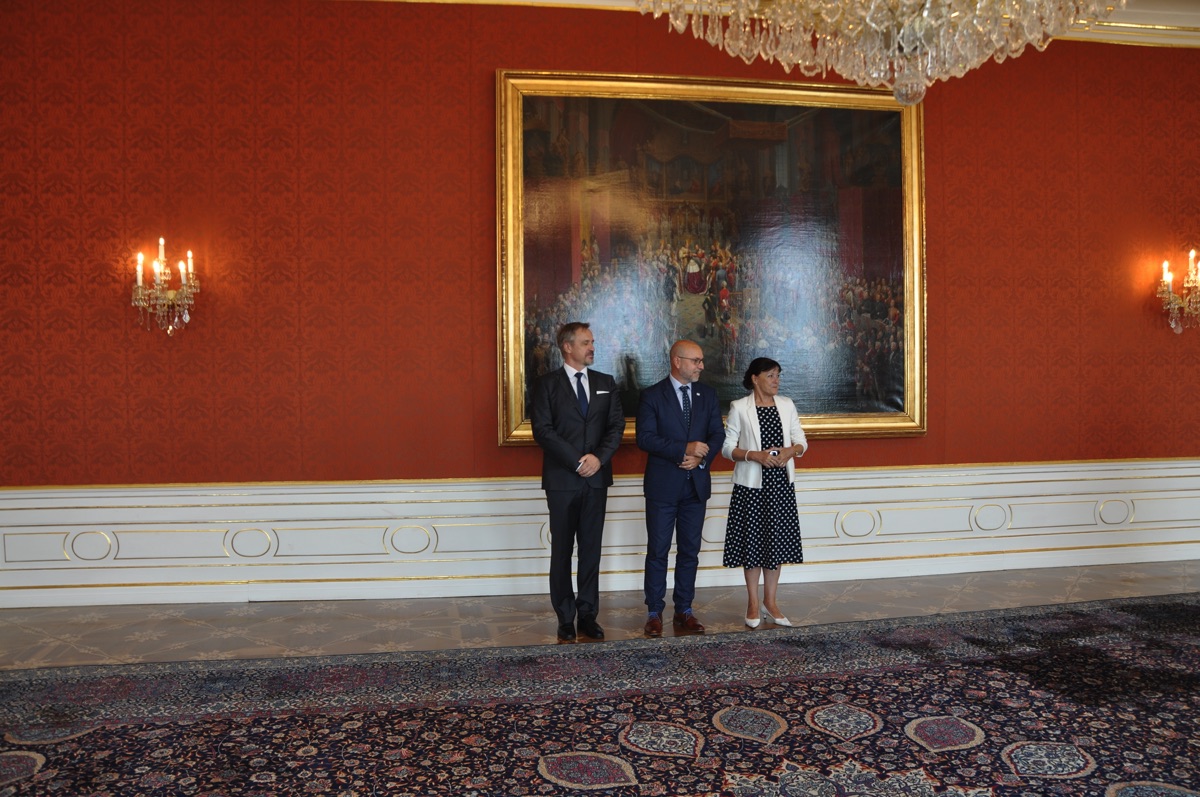
The share of those who want to enjoy the spring holiday in the Czech Republic fell by two percentage points in a year-on-year comparison. The length of domestic leave was slightly shortened, by one and a half days, while planned expenses increased by 565 crowns. Almost half of those interviewed then prefer a spring vacation as part of a long weekend and in the company of family.

“The main reason why Czechs do not plan a spring vacation in their country is the fact that they are simply not in the habit of going there. And they expect more holidays in the summer. This is related to the second factor that affects the decision of Czechs to go abroad – finances. If they don’t have enough, they’d rather save up for a longer vacation in the coming season. Nevertheless, we can state that compared to last year, the share of those who decided to spend their holiday abroad in the spring has increased, from the original 37% to the current 42%,” sums up the director of the Czech Tourism Office – CzechTourism, František Reismüller, and adds: “In this respect the new night train line of the European Sleeper company, which runs from Brussels to Prague and back without a single transfer, is definitely worth mentioning. It connects four countries and four European capitals on one route. Of course, it is interesting not only from the point of view of the Czechs’ plans, but also as an alternative transport option for foreigners heading to the Czech Republic.”

The trend is rest with lighter sports activities

A third of people prefer a relaxing stay with lighter sports activities. A total of 17% of people head for cultural monuments and 16% of travelers are followers of passive relaxation. As part of the active nature of the holiday, hiking (68%) and easy walks (54%) are popular. Popular activities include cycling with the family (24%) or water sports (16%). More than half of respondents are inspired by tips and recommendations from friends or family, and 40% choose a destination based on a map with tourist attractions.

“Hiking is one of the most popular outdoor activities actively practiced by Czechs. It is therefore no surprise that they also want to spend their holidays in this way. We have the best tourist signage in the world. Travelers to and around the Czech Republic can enjoy, among other things, over 44 thousand km of hiking trails and 40 thousand km of road cycling routes. In recent years, we have observed a growing trend in the case of long-distance walking routes, in which the Czech Republic is not lagging behind when requested. Domestic and foreign tourists can find quality products here, such as the hiking adventure along Hřebenovce through the Czech Switzerland or the Lužnice trail, which is proud of the award It is also worth mentioning the Czech Trail, which has already been visited by over a hundred thousand people, and its growing popularity is also confirmed by the viewership figures of the program of the same name on ČT 2. And last but not least, active tourism enthusiasts will also find something to do in the Czech Republic, and at the same time cultural and gastronomic experiences. You just have to choose from a wide range of thematic walking routes, such as the Krkonoše beer trail, the unique glass trail in the north of Bohemia, the Křišťálové údolí or the wine trails in South Moravia and Slovakia,” sums up the active tourism product manager of the Czech Tourism Office, CzechTourism Antonín Novak.

Czechs will pay more for spring vacation this year, they mainly want to live in boarding houses

Czechs plan to spend 565 crowns more than last year on their spring vacation, an average of 6,713 crowns per person. The biggest part of the expenses will be for accommodation (46%), another important item is meals in restaurants (18%) and 11% of expenses they want to spend on services such as tickets, culture, museums or monuments.

Half of the people planning a spring vacation in the Czech Republic stay in a boarding house. Another often preferred type of accommodation is higher category hotels (30%) and free private accommodation (20%). When choosing accommodation for a spring holiday in the Czech Republic, the most important factors for respondents are price (90%), own experience (89%) and range and quality of services (85%). Almost a third of those surveyed will go to the same or a familiar place, and almost half will then visit a destination they have not been to before. They most often get to the place by car or motorbike. One of the guides when deciding where to go is also the places where a movie, fairy tale or series was filmed. In the last five years, half of the tourists in the Czech Republic decided to visit film locations.

More Czechs will go abroad this spring than last year

42% of Czechs are planning a spring vacation abroad, which represents a year-on-year increase of 5 pp. Especially younger people under 29 (54%) go abroad. With increasing age, the willingness to travel a longer distance decreases. For example, in the category over 75 years old, only 35% of respondents choose this option of spring vacation. The main reason is the fact that they simply don’t go abroad at this time of year (56%) and also the lack of finances (47%).

Most Czechs also spend Easter in the country

The above data also confirm the Czechs’ plans for this year’s Easter holidays. Most Czechs will spend it in their own country, both for financial and time reasons. According to the data currently available to CzechTourism, which are based on the DataRhymes analysis, almost 59% of accommodation is booked throughout the Czech Republic through the largest booking platform Booking.com. Most of them in Prague, in the Karlovy Vary, Zlín and South Moravian regions. For comparison, last year people booked over 70% of accommodation for Easter in the Czech Republic, but it should be noted that, on the one hand, the Easter holidays did not fall until the second weekend of April in 2023, and on the other hand, the number for this year may still change before Easter.
“If we look directly at specific destinations, then this year people are most often heading to Český Švýcarsk, Mách region, Broumovské, Plzeň and West Bohemian spas for Easter this year. On average, they pay 2,993 crowns for accommodation during Easter. Most of it in Prague,” summarizes Petr Janeček, head of the Tourism Institute of the Czech Tourism Center – CzechTourism, adding: “For this year, we are working with a prediction of over 66%, of which the highest occupancy during Easter should be in Prague, Ústí, Zlín and South Moravia region.”

The travel of domestic tourists has come to the fore more and more in recent years. In 2013, the ratio of domestic and foreign tourists staying in mass accommodation facilities in the Czech Republic was almost the same. Last year, this share was almost 60 to 40 (57% and 43%) in favor of domestic tourists.

EASTER IN THE PRAGUE ZOO

The Gobi exhibition (not only) for Převalský’s horses was opened by the Prague Zoo on Saturday. During the coming weekend, those interested can get to know it during special guided tours, which start at 2 p.m. both days at the top station of the cable car. Photo by Petr Hamerník, Prague Zoo

The Easter weekend at the Prague Zoo will offer a treasure hunt, free guided tours of the new Gobi exhibit, and an excursion to the Bird Wetlands, which a few days ago were inhabited by the rarest ducks in the world, the impressive Parana guinea pigs.

There will also be a special meeting with the three-month-old female gorilla Mobi on both weekend days.
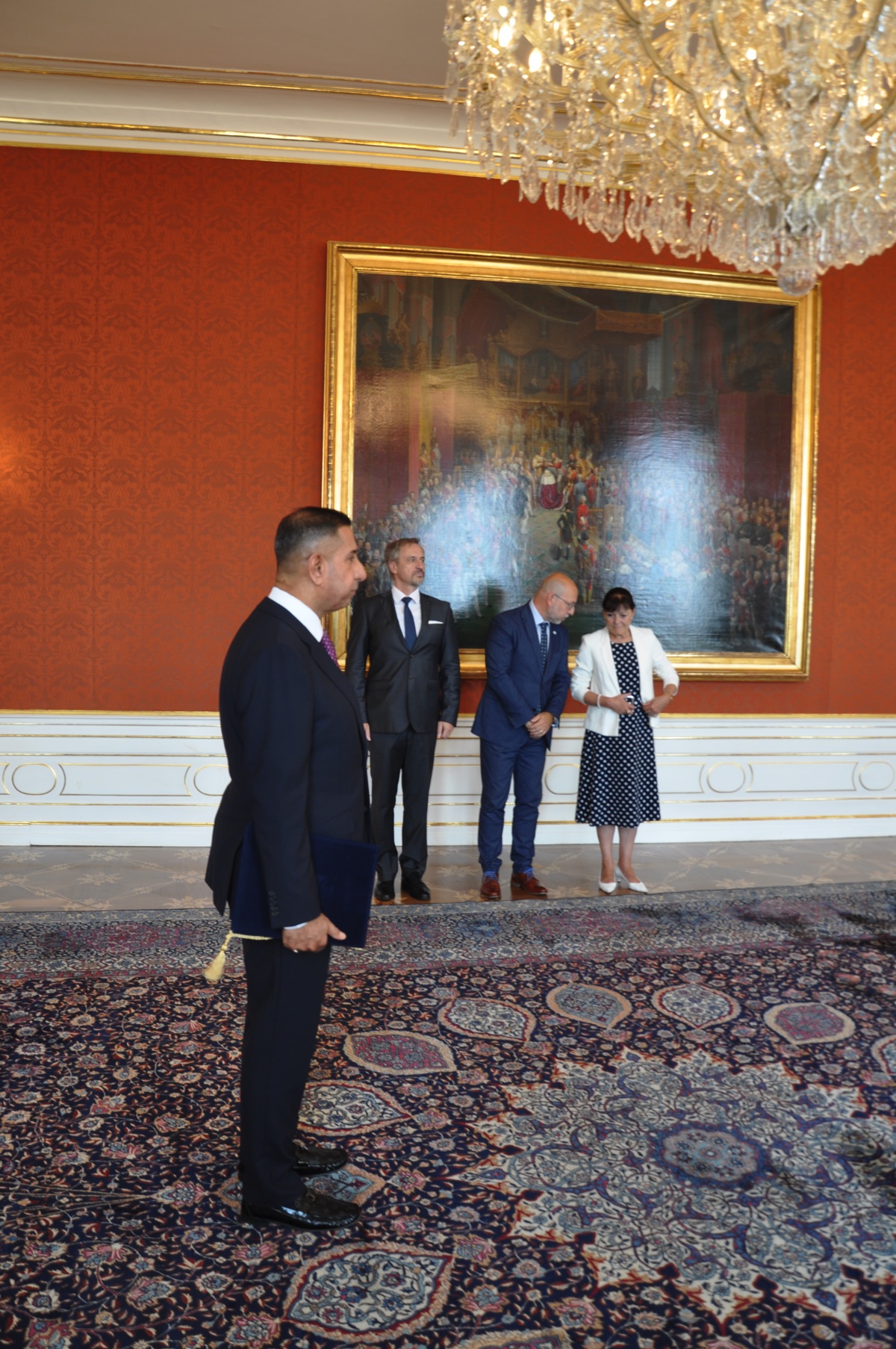
On Easter Monday, visitors can enjoy a themed program with more than twenty species of animals across the zoo, while some encounters are new this year – for example, feeding manulas or encounters with the popular capybara. There will also be sea lion training at Easter or egg-eater feeding.

On Monday, April 1, the April Fool’s Day telephone line for Mr. Hippo will also be in operation. The full program for the upcoming long weekend can be found below.

A new species at the Prague Zoo are the charismatic desert cats. Their commented feeding at 15.30 is therefore also a novelty of the just started main season. Photo by Petr Hamerník, Prague Zoo

March 29: Good Friday at Prague Zoo

On Good Friday, according to legend, mountains and rocks open up and release their treasures. Come to the zoo to play Family Tracker. A reward awaits the successful solver!

10.00 – 16.00 Treasure hunt

Fun and knowledge for the whole family with a reward at the end.

10.00 – 16.00 Commented feeding and meetings

The complete schedule of Friday meetings and feeding can be found here.

You can get to know the rarest ducks in the world, the Paraná guinea pigs, which you can only see outside of Brazil at the Prague Zoo during extraordinary guided walks. On Saturday and Sunday, they will start at 11 a.m. at the cross-country radar between the Animal and Reptile Pavilion and the Bird Wetlands. Photo by Petr Hamerník, Prague Zoo

March 30 and March 31: Easter weekend at the Prague Zoo

Explore all the spring news of the Prague Zoo!

11.00 Excursion to the world’s rarest ducks, the Paran guinea fowl

Go on a guided walk through the Bird Wetlands with a guide.

meet the guide at the cross-country radar

14.00 Expedition to Gobi

Explore the newly opened exhibition complex (not only) for Převalský’s horses.

meeting with the guide at the top station of the cable car

16.00 How is the little Mobi doing in the Dja Reservation

Enjoy the sight of the almost three-month-old female gorilla and find out what’s new with her.

meet the guide at the Wandering bus before entering the Dja Reserve

10.00 – 16.00 Commented feeding and meetings

The complete schedule of weekend meetings and feeding can be found here.

Easter feeding of more than two dozen animal species awaits Prague Zoo visitors throughout Easter Monday. People will find out how Wagner’s bakers handle eggs, for example, at their paddock at 1 p.m. Photo by Petr Hamerník, Prague Zoo

April 1: Easter Monday at the Prague Zoo

Easter guided feeding and meeting with animals across the Prague Zoo grounds.

  • 10.00 meeting at the raptors – vulture aviaries at the southern entrance
  • 10.00 a.m. meeting with amphibious hippos – Hippo Pavilion
  • 10.30 feeding of Cape grebes – Africký dům
  • 10.30 feeding of giant and red-necked kangaroos – Darwin Crater
  • 11.00 meeting at the capybara – enclosure of capybaras and anteaters in the lower part of the zoo
  • 11.00 feeding of penguins and steamer ducks – Penguin Pavilion
  • 11.00 meeting with the northern Nubian giraffes – African House
  • 12.00 meeting with lowland gorillas – Méfou Center
  • 12.00 meeting with lowland gorillas – Dja Reserve
  • 12.30 feeding of the African egg-eater – Africa up close
  • 13.00 meeting with the pink flamingos – exhibition in the lower part of the zoo next to the gibbons
  • 13.00 feeding of Wagner’s peccaries – Plains
  • 1.30 p.m. demonstration of South African sea lion training – sea lion pool in the lower part of the zoo
  • 14.00 meeting with common wombats – Darwin Crater
  • 14.00 meeting at the horses of Převalský – new Gobi exhibition at the upper station of the cable car
  • 2:30 p.m. meeting with Indian elephants – view of the Valley of Elephants opposite the wolves
  • 2.30 p.m. lemur feeding – Lemur Island
  • 15.00 meeting with lowland gorillas – Dja Reserve and Méfou Center
  • 15.15 meeting with water birds – Bird Wetlands
  • 3:30 p.m. manula feeding – new Gobi exhibition at the upper station of the cable car
  • 16.00 meeting at the bear-like devils – Darwin’s Crater

The training and feeding of South African sea lions is very popular among visitors to the Prague Zoo. On Easter Monday at 1:30 p.m., the sea lions will also receive a special Easter treat – fish frozen in the shape of eggs. Photo by Petr Hamerník, Prague Zoo

April 1: Call the hippo to the Prague Zoo

Those interested can call Mr. Hroch on the special April Fool’s line at 296 112 300 from 10 a.m. to 3 p.m.

New Products and Experiences: an opportunity for mountain tourism

Offering more diverse experiences and investing in talented people will play a key role in helping mountain areas grow tourism in a sustainable and responsible manner.

The 12th World Congress on Snow, Mountain and Wellness Tourism (20-21 March 2024, Andorra) identified key challenges, among them climate change and evolving consumer trends, while recognizing the role tourism can play in the protection of the fragile mountain ecosystem, the building of resilience for mountain communities, and the preservation of the local heritage.

Five Years of Action

Held in the framework of the United Nation’s Five Years of Action for the Development of Mountain Regions, the Congress focused on medical and wellness tourism, sustainability, the promotion of premium segments in mountain areas, emerging tourism products and the attraction and retention of human talent.

Also on the agenda was ensuring the importance of measuring the flow of visitors to mountains, representing the vital step towards unlocking the potential of the sector, promoting evidence based policies and ensure its sustainable management, according to a UN Tourism report, jointly developed with the Food and Agriculture Organization of the United Nations (FAO) and the Mountain Partnership (MP) presented at the event.

Opening the Congress, Prime Minister, Xavier Espot, stated: “Tourism in Andorra has recovered pre-pandemic numbers, with more than 9 million tourists and 12 million overnight stays in 2023. However, it is important to seek a balance that ensures environmental continuity and the well-being of people, moving towards a model based on sustainability to find the balance between quantity and quality. Tourism should not be perceived as a problem, but as part of the solutions to the great challenges that the future brings, because a tourism that is respectful of nature, culture and society guarantees resources for the future.”

Natalia Bayona, Executive Director at UN Tourism, recalled that “Tourism is a lifeline for many communities in mountain regions. At the same time, it can play a leading role in protecting these important ecosystems. It can provide new opportunities for conservation and drive the development of local communities. I trust that this Congress will help us move towards a better, more innovative, inclusive and sustainable growth for people and planet.”

High-level panel looks into polices for mountain tourism development

A high-level panel on policies that promote diversification, innovation and sustainability for mountain destinations gathered Jordi Torres Falcó, Minister of Tourism and Commerce of Andorra, Rosana Morillo Rodriguez, Secretary of State for Tourism of Spain, and Alessandra Priante, President of the Italian National Tourism Board (ENIT). Participants stressed the importance of creating a strong framework that aligns all related stakeholders towards a common vision for the development of sustainable, resilient, and inclusive mountain tourism that benefits its communities directly.

Exploring health tourism for mountain development

As an outcome of the 2022 edition, the 2024 Congress included a new focus on health (medical and wellness) tourism, a segment where mountains can offer important added value and have a competitive advantage. This reflects the shift to diversify mountain tourism products, create demand all year around and address the demand of today’s tourist.

Experiences in this segment were presented by speakers such as Csilla Mezősi, Secretary-General of the European Spas Association, Lászlo Puczko, CEO of Health Tourism Worldwide, Joan Muro, President of the Health Tourism Association of Andorra Health Destination and Emma Haefeli, Marketing Director of CHENOT GROUP (Switzerland).

Tourism for rural development

Recalling how tourism can be a driver of rural development, promoting the valorisation and preservation of local culture and values of mountain communities, the Congress also counted with the participation of representatives from three Best Tourism Villages by UN Tourism: Saas-Fee of the Swiss region of Valais (BTV in 2021), St. Anton am Arlberg of Austria (BTV 2023) and Ordino of Andorra (BTV in 2023). These villages presented how they stand out in addressing seasonality by diversifying tourism products in an innovative and sustainable manner.

Over 300 participants from 14 countries gathered in Andorra, with many also joining via livestreaming. Speakers included, among others, representatives from Slow Food Carinthia in Austria, National Geographic, l’Agence des Pyrénées, the Sustainable Alpine Tourism Initiative, Pic du Midi, the Creative Tourism Network, Mabrian (Spain), Horwath HTL, as well as leading education institutions such as CETT Barcelona and the Bella Vista Institute of Higher Education of Switzerland.

Minister of Tourism and Commerce of Andorra, Jordi Torres Falcó, concluded: “This year we have introduced a new segment, wellness, demonstrating that in the tourism sector we evolve and adapt to new tourism trends. We also face the need to continue working to advance the Congress, allowing us to respond to the needs of the sector, providing knowledge and tools to improve the mountain tourism offer and, at the same time, become a laboratory where we can delve deeper into topics as varied as the integration of tourism in local communities, or education and training”.

Source : UN Tourism

The new railway line will offer a connection between Brussels and Prague without a single transfer

Four countries and four European capitals on one route. They are newly connected by the extended night train line of the European Sleeper company leading from Brussels to Prague. From March 26, 2024, people can travel three times a week from Belgium to the Czech Republic and back. The journey will take approximately fifteen hours. New stops have been added, in Dresden, Bad Schandau, Děčín, Ústí nad Labem and Prague. People can also reach us from Paris or London with a single transfer in Brussels

Less than ten months after the launch of the direct train line from Brussels to Berlin, the first passengers can ride all the way to Prague.

The first connection left the Belgian capital on Monday, March 25, 2024. He will make his return trip a day later. It will travel in each direction three times a week and will stop at the stations Brussels, Antwerp, Rotterdam, Amsterdam, Berlin, Dresden, Bad Schandau, Děčín, Ústí nad Labem and Prague.

The train will depart from the capital of the Czech Republic every Tuesday, Thursday, and Sunday at 6:04 p.m. It will arrive in Brussels the following day at 10:27 a.m. The price of tickets with a seat starts at 49 euros in a seat section and 79 euros per bed in a shared bed section.

Trains offer an attractive alternative to other modes of transport and produce 7-10 times less emissions than, for example, airplanes. Another significant advantage of night trains is their ability to convert long distances into a mere overnight journey, allowing passengers to travel efficiently while sleeping. A person arrives at the destination in the morning rested and refreshed and has the whole day at his disposal. The price of the ticket includes accommodation, so the night train saves money on the hotel. Another advantage and saving of time and money also stems from the fact that the train usually stops right in the center of cities. Therefore, it is not necessary to travel frequently to and from the airport.

“The history of railway transport in the Czech Republic dates back to the 1820s. It serves us now and has huge potential for the future. Not only is it environmentally friendly, but thanks to its dense rail network, it offers many options for travel. You can get practically anywhere by train. In addition, this line has another added value – through it we can support tourism in the regions much better. The set also includes a cycle wagon and will stop in Děčín and Ústí nad Labem, among others. In practice, this means that cyclists and hiking enthusiasts do not have to go all the way to Prague. They can enjoy, for example, a cycling trip on the Elbe trail or a walking adventure through Hřebenovce through Czech Switzerland, the gateway to which is the city of Děčín,” says František Reismüller, director of the Czech Tourism Office – CzechTourism, adding: “Due to the size of the wagons, this mode of transport also offers much more space, and thus comfort. As part of our mission, we certainly want to continue to support similar projects that connect the modern world and strengthen the sustainability of tourism both in the Czech Republic and across Europe.”

“On the occasion of the first run of the night train, we brought representatives of the Dutch and Belgian media and fourteen Belgian travel agencies that specialize in selling train travel or are considering including this product in their offer. In addition to Prague, which is of course still the biggest attraction, we presented them with Pardubice and Mělník as alternative options for a trip by train from the capital. The next press trip will take place in May, when we will show its participants how tourists can spend an active vacation in the Ústí Region. Travelers from the Netherlands and Belgium often look for this type of vacation. For example, roughly 7% of Belgians and almost 11% of Dutch people who come to the country spend it on bicycles,” adds Petra Palečková, director of the foreign representation of CzechTourism Benelux.

Tourists from Belgium and the Netherlands are among the foreign visitors who come to the Czech Republic in greater numbers. Last year, a record 261,820 Dutch people chose the country as their holiday destination, about 5 pp more than in 2019. On average, they spent 3.73 days here, and the reason for their trip was mainly recreation. A total of 62% of them went to Prague. When it comes to accommodation, they mainly chose some of the collective accommodation facilities.

Compared to the pre-covid period, the number of Belgians fell by 14 p.p., and a total of 94,034 arrived. On the contrary, the length of their stay increased slightly. On average, they spent almost four days in the Czech Republic. Like the Dutch, they came to the country mainly for recreation and lived in one of the collective accommodation facilities. Again, they most often headed to the capital, with 67% of them choosing it as their destination.

Both Dutch (42%) and Belgians (69%) most often arrive in the Czech Republic by plane. The second most popular means for tourists from the Netherlands (39%) and Belgium (22%) is a car or motorbike. As another mode of transport, the Dutch (13%) and Belgians (4%) choose a motorhome, and the same two percent use the train when traveling to the Czech Republic.

European Sleeper is not a traditional carrier. The organization was founded in the Netherlands as a cooperative that wants to restore night trains. Small investors supported the start of the company with half a million euros. In the next round, membership shares in European Sleeper were sold for 2 million euros and the number of members grew to 3,500. This created a community of fans of night trains, which is actively involved in the cooperative’s activities. In the following years, it plans to launch a new line connecting Amsterdam, Brussels, and Barcelona.

Francophone concert “Sous le ciel de Prague”

H.E. Ms. Maria-Antoaneta Barta, Ambassador of Romania, organized “Sous le ciel de Prague” – an exceptional concert in an unforgettable atmosphere: Medeea Marinescu and Emy Dragoï – Acordeon Jazz performed at Café Lucerna, one of the emblematic places of the Czech capital, on the evening of March 15, 2024, chansonettes and traditional Romanian songs, in the concert dedicated by the Embassy of Romania to the Francophonie Days.
The show, organized with the support of ICR Prague, impressed the large audience present. We thank the artists for a unique concert, which will remain in the memory of the cultural events in Prague.

Ireland National Day – Saint Patrick

On the occasion of Saint Patric and National Day of Ireland , H.E. Mr. Alan GIBBONS – Ambassador Ireland host a reception at Kaiserstejnsky palac.

In front of many Ambassadors, government officials, members of the Czech Parliament and Senate, and distinguished guests, H.E. Mr. Alan GIBBONS, Mr. Martin Dvořák – Minister for European Affairs greeted the guests.
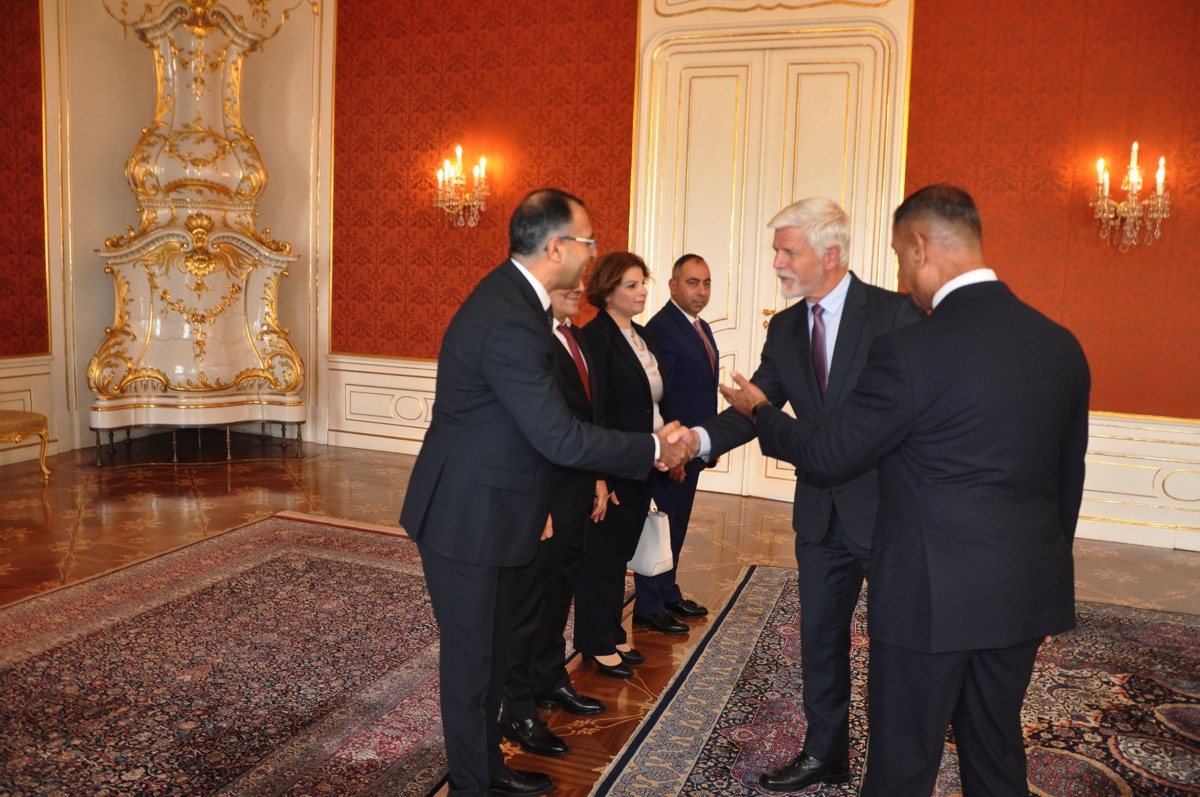
Here are selected sections of the Ambassador and the minister’s speech.
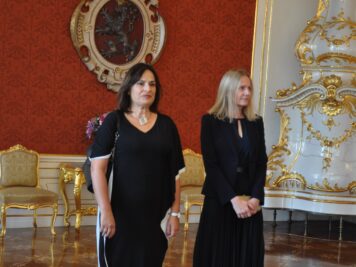
Indra Svatek – Behind the Curtain

The photography exhibition “Behind the Curtain” by Jindrich Svatek presents a part of his works created between 1983 and 1991. Capturing the Prague Jewish community, during the totalitarian regime, when all religious communities were under the scrutiny of the State security.

The photographs were limited to events when, according to Jewish religious law were allowed. The photographs capture occasions such as weddings, funerals, Hanukka, and Purim parties or services on weekdays or Sundays.

The result is a remarkable historical document and a collection of artistically high-quality photographs.

We appreciate the support of the Jewish community of Prague and Druckvo, splo. S.r.o that make this exhibition possible.

The exhibition is open till 29.5.2024 at Jeruzalémská Synagogue – Jeruzalémská 1310/7, Prague 1

Every day from 10 am to 5 pm, except Saturdays and Jewish Holidays.

Markéta Pekarová Adamová – Speaker of the House of Representatives: Support for Ukraine, Moldova and EU enlargement in the Western Balkans are fundamental pillars of the security of the Danube

The Speaker of the Chamber of Deputies, Markéta Pekarová Adamová, took part in the 9th international conference of heads of parliaments of the countries of the Danube Region in Vienna. The main topic of the meeting was regional security. According to the Speaker of the Chamber, the participants can contribute to this in particular by supporting Ukraine, Moldova, and the policy of gradual enlargement of the EU to the countries of the Western Balkans.

Another topic discussed was the connection between education and the effective defense of democratic values and institutions.

“The security of the Danube will depend on the development of Russian aggression against Ukraine. Moldova also fears a similar development as there. It is therefore necessary to prevent the Russian aggressor in his imperialist efforts through the coordinated action of the international community.

The best way to achieve this is to persevere in supporting both tested countries and at the same time work on the gradual expansion of the European Union to the states of the Western Balkans,” said the Speaker of the Chamber of Deputies, Markéta Pekarová Adamová, during the joint meeting.

In addition to the key issue of regional security, the international conference in the Austrian capital was also focused on the topic of education in connection with democratic governance, the effective defense of the institutions of the modern rule of law, and liberal values.

“The Russian-led disinformation campaigns have been threatening the internal cohesion of the Danubian states for a long time. Therefore, it is necessary to further strengthen our resilience and keep in mind the diversity of threats we face. I am convinced that the EU’s military and civilian missions aimed at solving hybrid threats are, in this regard, very effective tools for our active support of countries such as Ukraine, Moldova and Bosnia and Herzegovina,” added the Speaker of the House of Representatives, Markéta Pekarová Adamová.

Part of the European Union’s Strategy for the Danube River is EU member and non-member states whose territories extend into the Danube River basin. Austria currently chairs the group.

OPENING OF THE GOBI EXHIBITION AND START OF THE 93RD SEASON OF ZOO PRAGUE

The opening of the new Mongolian Gobi exhibition and the opening of the 93rd main season of the Prague Zoo will be attended by the President of the Czech Republic, Petr Pavel, and the Minister of Environment and Tourism of Mongolia, Bat-Erdene Bat-Ulzii, on Saturday, March 23.

The festive event will start at 1 pm at the top station of the cable car.

Prague Zoo will open the long-awaited exhibition of Mongolian fauna called Gobi. In it, Převalský’s iconic horses will find a home, returning to the Troy area after three years. Visitors can also look forward to manulas, who have earned the nickname “the grumpiest cat in the world”, a number of other interesting mammals and reptiles, as well as the mythical Olgoi chorchoi. The opening of the Gobi will take place at 1 pm near the cable car’s upper station, preceded by the opening ceremony of the main season at 11 am at the Education Centre, which will traditionally be attended by famous faces. The varied program will conclude at 3 pm with the presentation of the world’s rarest ducks, Paran’s guinea fowls, near the boatbill exhibition in the Bird Wetlands.

Visitors will enjoy live music, a festive parade, and free face painting for children.

From Saturday, the Prague Zoo will also extend its opening hours – its gates will not close until 6 p.m.

Prague Easter Markets

Prague Easter Markets are open daily from 16.3.2024 to 7.4.2024, from 10 am till 10 pm.

The best known market is at the Old Town Square – Producers, craftsmen, and sellers offer typical Easter goods and gifts at dozens of decorated stands. Several types of eggs will be available to buy. In addition to blown eggs, also wooden and wire ones. There will also be ceramics with spring flowers and typical young animals, as well as tablecloths and blankets with flower motifs.

The center of events at the market is a traditionally decorated birch tree, under which there is a cultural program in the afternoon. Professional and amateur song and dance ensembles will appear here, as will national and folk groups from various parts of the Czech Republic and other countries.

The unmistakable magic of the Easter holidays is also created by special foods. Visitors will enjoy popular gingerbread or Czech sausages.

and Wenceslas Square offers a wide range of traditional Easter goods – hand-painted eggs, Easter bunnies and chickens, whips, Easter pastries (hot cross buns, Judas buns, lamb-shaped pastries), Easter decorations, candles, hand-made products, wooden toys, products made from twigs.

The smell of traditional hot foods and drinks, the sale and demonstration of crafts before your eyes – all this helps create an atmosphere that you certainly won’t want to miss.

Czechast With Julia T. Bailey, new director of Galerie Rudolfinum

Photo: Vít Pohanka, Radio Prague International

“I am here to stay,” says Julia Tatiana Bailey, new director of Galerie Rudolfinum, one of the Prague’s leading art venues.

Rudolfinum is a place where history and culture intertwine like the intricate melodies of a Dvořák symphony. This grand building, with its neo-Renaissance flair, was constructed between 1876 and 1884, by Česká spořitelna – the Czech Savings Banks. It was built as an art museum and a concert hall. Designed by architects Josef Zítek and Josef Schulz, the Rudolfinum was named in honor of Crown Prince Rudolf of Austria and has been a beacon of culture and art in Prague for over a century.

Originally built to promote art and music, it was part of a grand plan to celebrate the Czech lands’ cultural revival. But when Czechoslovakia gained independence and a building was needed for its new parliament, Rudolfinum was selected. It served as a Chamber of Deputies or the lower house of the Czechoslovak parliament between 1918 and 1939. When Germany occupied Czechoslovakia they dissolved the parliament. So, the functional and artistic rehabilitation of the Rudolfinum was brought about–somewhat paradoxically–by the years of World War II. Ever since its end then it has been the home for the Czech Philharmonic and Galerie Rudolfinum.

See the rest here.

Author: Vít Pohanka

Study involving Czech scientists confirms first human presence in Europe 1.4 million years ago

Photo: Roman Garba, GEBCO/Czech Academy of Sciences

The oldest known human settlement in Europe lies in western Ukraine. New findings by an international team of scientists have confirmed the oldest stone tools on the site date roughly 1.4 million years ago. The study, published in Nature, proves that the “first Europeans” entered the continent from the east. I discussed the findings with Roman Garba from the Institute of Nuclear Physics of the Czech Academy of Sciences, who led the research team.

The archaeological site in Korolevo has been known for decades. Why have you only made the discovery now?

“The answer is quite simple. At that time — it was excavated 30 or 40 years ago — the dating methods which we applied, using cosmogenic nuclides, were not yet available. They only appeared around 20 years ago and in archaeology they have only been used for the past 10 or 15 years. So it was not possible to securely date these oldest archaeological layers.”

How exactly did you prove that the oldest known settlement site is at Korolevo?

“The site is located in a quarry, where they exposed a 12- to 14-meter- high profile of loess-paleosol [past soil layers preserved in a geologic section] with stone artefacts. The lowest, seventh layer, consisted of primitive stone tools.

“This layer was created there before the so-called paleo-magnetic reversal, which took place around 800,000 years ago. So it was clear that the bottom layer with the stone artefacts is around one million years old.

See the rest here.

Author: Ruth Fraňková

“They didn’t get to experience the world”: Roma children born and killed in camps get monument

Photo: Radek Petrášek, ČTK

This month a monument was unveiled in Liberec entitled To Children Who Didn’t Get to Know the World. The memorial is specifically to Roma children who were born and died in WWII camps – and follows years of research by historian Ivan Rous and others.

Czechia’s best-known WWII Nazi concentration camp for members of the Roma minority was in Lety, south Bohemia. A pig farm was built on the site in the 1970s and only demolished in 2022, after – following long years of discussion – the facility had been purchased by the Czech government. A new memorial to the victims of the Roma and Sinti Holocaust is planned there.

See the rest here.

Author: Ian Willoughby

Opening Ceremony of Holiday, Region world, for Caravan, for Boat and press conference by Czech Tourism

The latest trends in travel, the current preferences of tourists, or activities of the Czech Republic to support tourism. This is just a small list of what will be offered at one of the largest domestic tourism trade fairs, HOLIDAY WORLD & REGION WORLD, at the exhibition center in Prague’s Letňany, which starts on 15.3.2024. It offers presentations by more than three hundred exhibitors from 24 countries.

Visitors to this year’s 32nd year of the fair will find in one place a wide portfolio of domestic and foreign exhibitors, new and popular destinations across the continents, or tourist pearls of the Czech Republic. Experts and the general public can look forward to the accompanying program.

Professional activities are also a traditional and inherent part of the fair. Including the 12th annual Tourism Forum, organized by the Czech Tourism Center – CzechTourism.

New Issue Preview

Take a look at the content page of our latest issue, coming soon!

Unique Exhibition to Celebrate International Women’s Day

The Women’s Ambassadors in Prague organized a unique exhibition to celebrate International Women’s Day 2024.

Photo portraits of all 18 women ambassadors in Prague.

The photographer is US Ambassador H.E. Mr. Bijan Sabet, with stories by H.E. Ms. Martina Mlinarevic – Ambassador of Bosnia & Herzegovina, and designed by Ms. Amila Hrustic Batovanja –  a Creative woman from Bosnia & Herzegovina living in Prague.

At this event also participate a group of  Ukrainian girls supported by Unicef.

This exhibition will be on display in public spaces to encourage and give examples to young girls to fulfill their dreams.

Watch the video with the speech of H.E. Mrs. Antoaneta Barta – Ambassador of Romania in Prague, who hosts the exhibition at the beautiful Romania Embassy.

Of the US Ambassador H.E. Mr. Bijan Sabet – the Photographer and of H.E. Ms. Martina Mlinarevic – Ambassador of Bosnia & Herzegovina.

Name for the Granddaughter of Famous Moja

Photo By: Miroslav Bobek

Today, on Saturday, February 10, we published the name of the gorilla female, born in Prague Zoo at the very beginning of this year. Sure, I will write it at the end of this text, but first about selecting the name. In fact, this time we proceeded in a completely unconventional way. We asked the children from Cameroonian town Somalomo, where our educational project Wandering bus is based, for a basic set of proposals. Then in the zoo we selected ten names from this set and in the end the Czech public decided.

We received a total of 67 suggested names from Somalomo. The truth is that they didn’t come only from children, as we had originally imagined, but the other part of the assignment, namely that the suggestions would be in the local Badwe’e dialect of the Koonzime language, had already been fulfilled. After all, in this dialect our gorilla fairy tales with the main character Moja, the grandmother of the recently born baby, were published as the very first bound book.

When reading the suggestions coming from the edge of the Dja Biosphere Reserve I realized that it was quite an impressive insight into the local perception of the world. The very first name, Koh’Eloo’h, caught my attention. I even pushed it through to the first ten; it had no chance to win, but it carried a remarkable message. Koh’Eloo’h is a “transitional liana” symbolizing crossing a river, separating the hostile world, from which people are fleeing, from the new world, where people settle permanently… In contrast, the proposal Nzing quite surprised me at the first moment. It means the tin roof of a house. But then I realized that living under a tin roof is in the Dja area a symbol of prosperity, and the name Nzing either refers to the gorilla house or is supposed to help its wearer to reach a higher standard of living.

A total of 44,601 people voted on iDnes.cz in the first round for the ten suggestions which we selected. They sent three names to the final “shootout”:

  1. Mobi, which means “heiress” (or also “successor”). It was proposed by the twenty-year-old high school student in Somalomo Philone Mamkobene.
  2. Ekiba, meaning “thanks” submitted by the eleven-year-old Somalomo grammar school student Paméla Imelda Meva’a Ndoum.
  3. Mosâmom, the name with probably the strongest drive, meaning “the one, whose birth means end of the war between people and animals”. This mane originates from the wise chief of Somalomo township, 82 year old Georges Benjamin Mampomo.

29,981 people then decided between Mobi, Ekiba and Mosâmom. And I dare say they made a very good decision – although any of the three last options would be very good choice. However, the winner is Mobi!

By Miroslav Bobek, Director of Prague Zoo

Speaker of the House of Representatives in Azerbaijan: A prosperous common future must be taken care of today

The Speaker of the Chamber of Deputies of the Parliament of the Czech Republic, Markéta Pekarová Adamová, ended her three-day working trip through the South Caucasus in Azerbaijan. In Baku, she discussed mutual Czech-Azerbaijani interparliamentary and business cooperation with the Speaker of the National Assembly, Sahiba Gafarová. She then honored the memory of the victims of Soviet repression in Baku’s Alley of Martyrs.

“The president and I followed up on our joint conversation from last December in Prague. However, the parliaments of our countries are united not only by cooperation at the highest level but also at the level of inter-parliamentary groups of friends. In this regard, our legislators are even one of the most active groups of all,” said the Speaker of the Chamber of Deputies, Markéta Pekarová Adamová.

In addition, the year before last saw the signing of a memorandum on the Czech-Azerbaijani strategic partnership in the field of energy. Last year, when both countries commemorated the thirtieth anniversary of the establishment of diplomatic relations, the first joint meeting of the working group took place on this topic.

“At the end of our meeting, I wished Madam Speaker good luck in organizing the COP 29 UN Conference on Climate Change. This year it will be held in the capital of Azerbaijan. The topic of global climate change naturally also unites us. At the same time, it presents us with a difficult challenge that can only be met through a coordinated global effort. We need to take care of a prosperous common future today,” added the speaker of the Chamber of Commerce, Markéta Pekarová Adamová.

The speaker of the chamber also discussed with her partners the situation in the South Caucasus region and the possibilities of resolving disputes between the two countries visited. “A stable and prosperous South Caucasus is in the interest of the Czech Republic. Russia has always benefited from the disputes between Armenia and Azerbaijan in the long run. This is definitely not in our interest and we are trying to use good relations with both countries to ease the tension. Both Armenia and Azerbaijan appreciate that it was precisely in Prague during the Czech Presidency of the Council of the EU that a breakthrough meeting took place between them. I firmly believe that the long-standing conflict will soon be put to an end,” the chairwoman added.

As part of the program, the speaker also honored the memory of the victims of the bloody Soviet repression by symbolically laying flowers in Baku’s Alley of Martyrs.

The Speaker of the House discussed political and economic cooperation in Armenia and visited the observation mission at the Armenian-Azerbaijani border

The Speaker of the Chamber of Deputies, Markéta Pekarová Adamová, visited Armenia at the head of a parliamentary delegation.

In Yerevan, she held talks with her counterpart Alen Simonyan, Prime Minister Nikola Pashinyan and President Vahagn Khachaturyan. She also visited the EU monitoring mission at the Armenian-Azerbaijani border, where Czech observers also operate. The parliamentary delegation was also accompanied by a business mission and university representatives. From Armenia, the delegation continues to neighboring Azerbaijan.

“We have long-term cooperation with Armenia and support its pro-European orientation. A political turn has recently begun to take place in Yerevan in connection with the growing realization that the Russian Federation represents an extremely unreliable partner. We support Armenia not only within the framework of the Eastern Partnership but also, for example, with bilateral projects to strengthen civil society,” said the Speaker of the Chamber of Deputies, Markéta Pekarová Adamová.

As part of the work program, the parliamentary delegation also visited the EU civilian monitoring mission on the Armenian-Azerbaijani border. 6 Czech observers are currently working in the area there.

“In the case of Nagorno-Karabakh, we support the mediation role of the European Union. We are discussing with partners from both sides of the dispute how the EU and our country can concretely contribute to the most sustainable peace and prosperity. From our point of view, it is clear that only Putin’s Russia benefits from the mutual disputes between Armenia and Azerbaijan,” added the speaker of the House of Representatives, Markéta Pekarová Adamová.

The parliamentary delegation, made up of MPs from across the political spectrum, is also accompanied by representatives of the National Museum, Charles University, CTU, and several IT companies. They intend to deepen the already functioning Czech-Armenian business cooperation or to penetrate promising Caucasian markets.

“It is in the field of IT that Armenia has recently gained a significant profile, and interesting new opportunities are being created here for our companies. That is why a business forum was also held at the Yerevan Technology Center. There is also very active cooperation between the Czech Republic and Armenia in the field of culture and education. For the purpose of its further development, a memorandum was concluded between the National Museum and the Armenian Historical Museum,” concluded chairwoman Markéta Pekarová Adamová.

The delegation will immediately continue its work program in neighboring Azerbaijan, where its members will, among other things, meet with the Speaker of the National Assembly, Sahiba Gafarova.

The second year of the Chamber of Deputies campaign against cancer focuses on prevention, education and the state of oncological treatment in the Czech regions

On the occasion of World Cancer Day, the Voice of Oncology Patients Association organized the second annual Chamber of Deputies against Cancer event in the Chamber of Deputies. Its purpose is once again to raise awareness of this disease and at the same time to practically inform employees and members of the House of Commons about related preventive measures. This year, special emphasis is placed on comparing the situation of oncology treatment in individual Czech regions.

Employees and elected legislators of the Chamber of Deputies of the Parliament of the Czech Republic have the opportunity to visit the second year of the event called the Chamber of Deputies against Cancer in the Chamber of State Acts. The event, organized by the Voice of Oncology Patients, aims to remind people about prevention, screening programs, and the importance of early diagnosis and treatment of oncological diseases.

“Up to 28,000 people die of oncological diseases in our country every year. As we unfortunately see, this disease does not escape anyone. Often also due to neglected prevention. We believe that by continuing the House of Representatives campaign against cancer, we can contribute not only to the necessary awareness but also to increased attention paid to prevention,” said the Speaker of the Chamber of Deputies, Markéta Pekarová Adamová.

The event, which takes place as part of the recent World Cancer Day, is organized by patient and support non-profit organizations united in the Voice of Oncology Patients association. This year, the event focuses on informing about the situation of oncological treatment and involving citizens in screening programs in individual regions. Until Friday, February 9, roll-ups with data will be displayed in the premises of the Chamber of Deputies, and members of the Voice of Oncology Patients will be available on-site for questions, education, and a demonstration of breast and testicle self-examination.

“It is a sad truth that every third citizen of our country will encounter an oncological disease. The aim of our activities is therefore to spread awareness and information about effective methods of prevention and at the same time focus our professional work based on scientifically verified data from individual domestic regions,” added Petra Adámková, chairwoman of the Voice of Oncology Patients Committee.

The event was sponsored again this year by the Speaker of the Chamber of Deputies Markéta Pekarová Adamová, the Minister of Health of the Government of the Czech Republic Vlastimil Válek and the Chair of the Parliamentary Committee for Health Zdenka Němečková Crkvenjaš. “Citizens’ awareness and active prevention is an essential tool in the fight against cancer, because if cancer is detected at an early stage, treatment usually has a greater chance of success and can significantly increase the patient’s quality of life. In the Czech Republic, we have one of the most generous offers of screening programs in the world, and we continue to strengthen it. And patient organizations have an irreplaceable role in the fight against cancer, for which I thank them,” added Health Minister Vlastimil Válek.

“A revolution in medicine. This is what has been going on for the last ten years in the field of cancer treatment of almost all types. I know from my experience that a diagnosis of melanoma, i.e. skin cancer, was almost certainly a death sentence 25 years ago. This is no longer the case today. And colleagues in other fields are in a similar situation. Even a four-centimeter lung tumor does not have to mean a complete disaster. In general, previously hopeless cases survive for many years. However, one fundamental and important thing applies to the treatment of any cancer. The earlier the disease appears, the greater the patient’s chance of treatment and recovery. Therefore, one of the most important parts of treatment is prevention. Therefore, please get yourself examined according to the doctors’ recommendations. You might save your life by doing so,” concluded Zdenka Němečková Crkvenjaš, chairwoman of the parliamentary health committee.

Visit Czechia 2023 data

Last year, almost 10 million foreign tourists (43.3% of the total) stayed in mass accommodation facilities in the Czech Republic. Another almost 12.5 million guests were Czech citizens (56.7%) who decided to spend their vacation in one of the local accommodation facilities. Overall, the number of tourists who went to the Czech Republic exceeded 22 million last year, an increase of 13.5% year-on-year. In general data, tourism is thus returning to pre-pandemic numbers. The share of Czech and foreign tourists is also gradually reversing.

During the whole of last year, Germans (2,307,282, year-on-year + 25%), Slovaks (875,742, year-on-year + 12%), and Poles (762,112, year-on-year + 24%) made decisions for the local region. The “jumpers of the year” are the citizens of Taiwan (a Chinese province), who came to the Czech Republic by 931% more than in 2022 (a total of 142,136) and South Korea (year-on-year increase of 250%, a total of 234,810 people ). More than 100% increase is also in the case of visitors from China, Japan, Thailand, or perhaps New Zealand or Australia. The most frequent destination was Prague, the South Bohemian and South Moravian regions.

“The total number of tourists who stayed in mass accommodation facilities in the Czech Republic increased year-on-year. This brings us to pre-covid data. But what has changed is the ratio of foreigners and locals. While in 2019 domestic tourists made up 50.5% of the total number of guests staying, last year it was already 56.7%. At the same time, it is precisely foreigners who spend more than residents on trips to and around the Czech Republic. Last year, citizens of Germany, Slovakia, Poland, the USA and Great Britain chose the Czech Republic as their holiday destination most often. We will focus our biggest campaign this year not only on them, but also on other markets selected using an exact method according to their creditworthiness. Through it, we want to arouse interest in new segments and products and attract more foreigners to us,” sums up František Reismüller, director of the Czech Tourism Headquarters – CzechTourism, and adds: “Tourism significantly helps the domestic economy, before Covid it accounted for 3% of our country’s GDP. So it is worth investing in it. And in this regard, it is certainly worth mentioning that we can strengthen the visibility of the Czech Republic abroad and at domestic events thanks to the fact that we managed to negotiate an increase in the budget for tourism by 27 million crowns compared to 2023. We currently have CZK 400 million available for these activities, and I would like to thank the Ministry for Regional Development for that.”

In the 4th quarter, a total of 4,658,434 guests stayed in mass accommodation facilities. 8% more than in the same period of 2022. Foreign (2,332,309 persons, 50.1%) and domestic guests (2,326,125 persons, 49.9%) participated in a similar proportion. Compared to 2019, 11% more residents traveled around the Czech Republic, 10% fewer foreigners. Citizens of Germany (542,308, year-on-year +6%), Slovakia (202,860, year-on-year +5%), the United Kingdom (135,146, +39%), Poland (130,754, year-on-year + 5%) and the USA (126,116, year-on-year +29%).

In the 4th quarter of 2023, the most tourists stayed in all types of accommodation facilities in Prague, approximately 2 million. It was followed by the South Moravian region with approximately 416 thousand guests and the Karlovy Vary region, with a total of 318 thousand travelers staying overnight in Vekterem. Tourists from abroad also stay the longest in the latter region, spending an average of 4.84 days, while the national average for 2023 is 3.44 days.
As far as hotels are concerned, a total of 1,200,573 guests visited them in the Czech Republic in December of last year alone. Of this, 37.4% were residents (449,027) and 62.6% were foreigners (751,546). The largest part of foreign guests who chose this type of accommodation at the end of last year came from Germany (174,616, year-on-year + 13%), the United Kingdom (51,683, year-on-year + 44%), Slovakia (50,997, similar to last year), Italy (40,814, year-on-year +32%) and the USA (39,968, year-on-year +29%).

At the same time, direct air connections play a vital role in the travel industry. CzechTourism works intensively on them with Prague Airport and other entities. Last year, among other things, the lines Prague – Seoul and Prague – Taipei were put into operation, and work is being done on the following years.

The Chamber of Deputies will commemorate the anniversary of the Czech Republic’s entry into the EU with a visit by the President of the European Parliament and conferences focused on the young generation and diversity

This year, the Chamber of Deputies of the Parliament of the Czech Republic will commemorate the 20th anniversary of our country’s entry into the European Union. On that occasion, several thematic activities and related events will take place in the lower chamber.

Everything will start already on February 14, when the President of the European Parliament, Roberta Metsola, will visit the Chamber of Deputies. “The President last visited Prague shortly before the start of the very successful Czech presidency of the EU Council the year before last. I look forward to continuing our discussion on the challenges we face together in the European Union,” said the Speaker of the Chamber of Deputies, Markéta Pekarová Adamová.

On March 25, a student simulation of the proceedings of the Chamber of Deputies called “I am a Member of Parliament” will take place. This time, the discussion in the plenary session of the parliamentary chamber will be devoted specifically to European topics that Czech legislators are currently dealing with.

From April 24 to 25, the Chamber of Deputies will also host a two-day conference focused on the significance and contribution of the past two decades of our country in the family of EU member states. The conference will bring together veterans participating in the Czech journey to the EU and today’s students who were already born in united Europe and have lived their whole lives in it.

“We want to not only celebrate this year’s round anniversary but above all to use it to highlight the indisputable advantages resulting from our membership in the European Union. We intend to focus especially on the young generation, who are the real future of Europe and for whom the future is precisely a united Europe,” said Speaker of the Chamber Markéta Pekarová Adamová on the occasion of the upcoming jubilee.

The European Day of Diversity will take place on Friday, June 7. It is a conference traditionally organized by the Business for Society alliance and is the traditional ceremonial end of May – the pan-European month of diversity. “The topic of diversity is directly linked to the basic motto of the European integration project itself – unity in diversity”, concluded the chairwoman Markéta Pekarová Adamová.

What will be the name of the Female Gorilla born a month ago?

On Monday, February 5, Duni started carrying her cub on her back. According to breeders, the little female has an excellent grasping reflex. Photo by Oliver Le Que, Prague Zoo

On Saturday, February 10 at 2 p.m., we will announce the name of the female gorilla, who was born on January 2, in the Dja Reservation pavilion at the Prague Zoo. Her “godfather”, together with the mayor, Mr. City of Prague Bohuslav Svoboda, and his deputy for the environment Jana Komrsková, and the popular YouTuber Karel “Kovy” Kovář.

An accompanying program will be prepared for visitors – an African drumming performance, free thematic face painting, or a game station in an authentic Cameroonian school classroom.

The name for the baby gorilla was chosen by the Czech public in a two-round poll. From the original ten proposals in the Badjoué dialect, which came from Cameroonian children living in the Dja Biosphere Reserve, the three names Ekiba (thanks), Mobi (heiress), and Mosâmom (the one whose birth will end the war between humans and animals) advanced to the second round of the poll. .

Duni regularly checks and examines her one-month-old daughter. In doing so, it usually stretches it, which benefits the baby’s health. Photo by Oliver Le Que, Prague Zoo

The female gorilla was born in the Dja Reserve pavilion on January 2 in the evening. This is the first offspring of the female Duni and the male Kisuma and the first ever baby gorilla in the new gorilla pavilion, which the Prague Zoo opened in autumn 2022. Photo Petr Hamerník, Prague Zoo

Greek Tourism Workshop

The Ministry of Tourism, Ministry of Rural Development & food of the Hellenic Republic, the Embassy of Greece in Prague, and the Greek National Tourism Organization organized a workshop for professionals to promote tourism to Greece.

After a morning full of B2B meetings, H.E. Mr. Athanassios Paressoglou, Ambassador of Greece greeted the guests. Here are selected sections of the Ambassador’s speech.

Distinguished guests, I want to congratulate the organizers for this important initiative which brought together tourism businessmen of our two countries this morning to further enhance our bilateral cooperation in this sector. In a few minutes will follow presentations of the amazing landscapes and the big tourism potential of some of our beautiful regions, namely Eastern Macedonia and Thrace, Central Macedonia, and last but not least the island of Crete.

Dear guests, allow me to point out that the tourism sector, as a strong pillar of Greece’s economy has made huge progress during the last years. Thanks to the great climate, the variety of the landscapes, the steadily improved infrastructures, and the extension of the tourism season, Greece offers nowadays numerous attractions and various types of alternative tourism such as cultural, religious, medical, gastronomic, or conferential tourism.

I would also like to highlight that Greece has been a very popular destination in recent years for Czech tourists. Particularly last year, according to the available data, more than 640,000 tourists from Czechia visited Greece, traveling by plane or by car. This marks a significant increase of approximately 30% compared to the previous year.

In conclusion let me point out that our Embassy, in constructive cooperation with other competent institutions, mainly with the Greek National Tourism Organization (EOT), works to promote Greek tourism in the Czech Republic and is always at your disposal to support you.

After the Ambassador Mrs. Nikoletta Nikolopoulou – Director of the Greek National Tourism Organization office of Poland and the Czech Republic greeted the guest, adding very useful data about tourism between the 2 countries. A very interesting presentation was given by Dr. Kyriakos Kotsoglou – Vice Governor of Create and Mrs. Eleni Vougioukalaki – Head of the tourism department.

Chinese New Year celebration and 75th anniversary of the establishment of diplomatic relations between China and the Czech Republic

To celebrate the 2024 Chinese New Year of the Dragon H.E Mr. Feng Biao – The Ambassador of People’s Republic of China to the Czech Republic organized a concert at the Prague Municipal Libary of Tradition Chinese music Performer by the Orchestra of Zhejiang Conservatory of Music.

H.E Mr. Feng Biao welcome the guest with a nice speech. We are bringing a part of the Ambassador speech translated to English.

Ladies and gentlemen, friends: Good evening!

Welcome to the “Happy Chinese New Year” concert. First of all, on behalf of the Chinese Embassy, I would like to express my heartfelt thanks to all of you for your care and support for the development of China-Czech relations!

Tonight’s concert is a cultural feast to celebrate the Chinese New Year. Artists from Zhejiang Conservatory of Music, will perform folk tunes from various parts of China as well as representative Czech music, which will surely bring you a pleasant surprise. We also look forward to the wonderful performance of the Czech Folklore Group MATENÍK.

Ladies and gentlemen, friends! Tonight’s concert is also the first event to celebrate the 75th anniversary of the establishment of diplomatic relations between the People’s Republic of China and the Czech Republic. Over the past 75 years, our two countries have deepened friendship and co-operation, promoted people-to-people exchanges, enhanced mutual understanding and achieved fruitful results. From a new starting point, China is ready to strengthen exchanges and cooperation with the Czech Republic in various fields and jointly promote the continuous development of China-Czech friendly relations. We believe that with the joint efforts of both sides, the future of China-Czech relations will be even brighter!

Finally, I wish you all good health, success, and all the best in the Year of the Dragon! Thank you!

It was a great concert performed by the talented Orchestra of Zhejiang Conservatory of Music and was a big joy to all the guests in the Municipal Library. Almost at the end of the concert we had a nice surprise – A traditional band from Moravia  Czech Folklore Group MATENÍK.

performer a traditional sond and at the end a join of Orchestra of Zhejiang Conservatory of Music and the Moravian Band performed together to the applause of the large crowd that filled the hall.

Happy New Chinese – Year of the Dragon

Ahoj, Nachbarn!

Text: M.Zisso and Martina Hošková; Photo: Václav Pavlas

This year’s Czech-German cross-border campaign Ahoj Nachbarn! – Hallo sousede! was created thanks to the cooperation of the CzechTourism office in Berlin and the German Tourist Board office in Prague. Residents of both cities also joined in, often posting on social networks and giving their neighbors tips on what to visit in their home countries. To be good neighbors, we also decided to take a short weekend trip to Germany – enjoying the special German atmosphere.

German tourists are No. 1 in Czechia

Germany has long held the 1st place in the number of foreign tourists visiting the Czech Republic. “A total of 178,891 Germans arrived at domestic hotels in August this year, which was 9% more than last year and even 13% more than in August 2019, before the Coronavirus pandemic. Among the foreigners who visited the Czech Republic, guests from Germany won an imaginary gold medal, they were the most,“ says František Reismüller, director of the Czech Tourism Center – CzechTourism.

Natural monuments, gastronomy, castles, and sustainable travel. These were the themes of this year’s Czech-German cross-border campaign Ahoj Nachbarn! – Hallo sousede!, meaning ‘Hello neighbor!’ in the funny mix of respective languages. “We focused primarily on sustainable tourism. Cross-border travel concerns not only attractive border areas, but also other regions of both countries,“ says Jan Pohaněl, head of the German Tourist Office for the Czech Republic.

To be good neighbors, we decided to take a short trip to Germany – a short weekend trip, enjoying the special German atmosphere.

Off to Ensdorf, we go!

We loaded the car for a short trip with our two dogs, who are happy to travel around.

After about three hours (256 km), we reached our first stop – Salesians of Don Bosco’s Monastery in Ensdorf, Bavaria. It was a house of the Benedictine Order, dedicated to Saint James. The monastery was founded in 1121 by Pfalzgraf Otto of Wittelsbach. It was dissolved in 1556 but restored in 1669, only to be dissolved again in 1802 in the secularization of the period.

The premises were taken over in 1920 by the Salesians of Don Bosco, who still occupy them. Today, they focus their offerings primarily on ensuring that young people’s lives are successful. The educational center is a popular destination, especially for school classes, “orientation days”, and school camp stays. Youth work groups, choirs, and music groups find a variety of opportunities to hold leisure activities, seminars, or rehearsal days here.

Our second stop – Ellwangen

After two more hours of driving (180 km), we reached our next stop – walking through Ellwangen town center and having lunch.

We then visited Ellwangen Palace…

In the 17th century, the castle was converted into a four-wing palace in the Renaissance style. Later, it was given a baroque interior design, with the installation of a representative staircase and ceiling paintings by the well-known fresco painter Christoph Thomas Scheffler. After secularization in 1802/03, the residence was, among other things, briefly an appanage palace for Napoleon’s brother Jerôme, King of Westphalia. In addition to impressive baroque nativity scenes with over 100 figures, the museum also houses a collection of the violinmaker Benedict Wagner. A special feature of national importance is the faience and porcelain from the Schrezheim faience factory.

…and Schönenberg Pilgrimage Church.

Third time’s the charm – Sommerhausen

Our third stop was at Sommerhausen, which required a bit over an hour’s drive (100 km) again. We checked-in at Hotel Ritter Jörg. Sommerhausen is a very small, beautiful, and picturesque town, with nice coffee bars and restaurants.

We had dinner at the hotel restaurant. It is a family restaurant, and the owner is a woman from Italy, running the place with her family. The food was very delicious.

New morning, new experience – Würzburg

The next morning, after a very nice breakfast, we left for the big city nearby (14 km) – Würzburg – to visit the Würzburg Residence.

The Würzburg Residence was built in its entirety, with short interruptions, almost within a single generation. The architects drew their inspiration from an area extending from Vienna to Paris, and from Genoa and Venice to Amsterdam. The building embodies the attainments of Western architecture of its day, French château architecture, Viennese baroque, and the religious and secular architecture of northern Italy, and is a synthesis of the arts of astonishing universality.

The Würzburg court architect, Balthasar Neumann, who was entrusted with the coordination of the massive building project, had to work not only with the leading architects of Germany and France – Lucas von Hildebrandt and Maximilian von Welsch, and Robert de Cotte and Germain Boffrand – but also with numerous artists such as the Italian Antonio Bossi, the„ornamentation genius“ of the Würzburg Residence, the gifted sculptors and woodcarvers Johann Wolfgang van der Auwera from Würzburg and Georg Adam Guthmann from Munich, and not least with Giovanni Battista Tiepolo, the greatest fresco painter of the 18th century.

There is an interesting story behind the Tiepolo’s fresco ceiling.

The Würzburg Residence was destroyed by the fire-bombing of that city by the Royal Air Force on March 16th, 1945. Balthazar Neuman’s cove vault—with Tiepolo’s frescoed ceiling—held up. Against all odds, it survived the bombing, the fire that followed, and the war. Lt. Skilton became a Monuments Specialist Officer in Europe, where he rescued works of art in France and Germany. US officer of the monuments and fine arts section Lt.John D. Skilton arrived in Würzburg after the bombing with the assignment of saving the Tiepolo frescoes over the Grand Staircase and in the Imperial Hall (Kaisersaal). It was almost a one-man work – “For several weeks, Skilton collected lumber to repair the roof. He eventually found a stash of logs near Ochsenfurt, which he floated down the Main River to Heidingsfeld. After personally financing a sawmill to cut the logs, Skilton supervised a team of German architects, engineers, and laborers who worked diligently to repair the roof before rain could destroy the magnificent ceiling. The project, begun under Skilton’s supervision in 1945, was not completed until 1987.”

A happy ending – Weiden in der Oberpfalz

On the way back, we made a stop at Weiden in der Oberpfalz to visit Dehner Garten-Center and a stop for a nice lunch at Restaurant Pallas on Unterer Markt. Auf Wiedersehen, Deutschland!


International Charity Festival traditionally at the Hilton Hotel Prague

Text: Martina Hošková and M.Zisso; Photo: archive

A unique charity event was organized by the Diplomatic Spouses Association (DSA) and supported by the First Lady, Mrs. Eva Pavlová. Its already 21st year was yet again a memorable moment of solidarity, where over 1 million CZK was collected, which will be distributed to Czech humanitarian and charitable organizations.

The numbers show the vast planning and organizing behind the festival: about 2,000 tickets were sold, and 600 people from all the different Embassies helped make this event function smoothly, which included 40 ambassadors, 50 volunteers, and 41 stalls.

Over 1 million CZK was collected, which will be distributed to Czech humanitarian and charitable organizations. The Diplomatic Spouses Association will announce a public tender, and then decide together which projects they will support. The rich cultural program of the 21st year got the attention of all the guests, even with some spontaneous dance from the participants and the guests.

The First Lady Mrs. Eva Pavlová, visited all the stalls in the market, speaking with the people there and getting a few presents, some of them very sentimental, like from the Kosovo Ambassador. It was a necklace made by women, who were raped during the war, as part of their healing treatments.

We are looking forward to the next year’s 22nd International Charity Festival!

First Lady of the Czech Republic Mrs. Eva Pavlová (right) and Mrs. Carla Marsili, spouse of the Ambassador of Italy, and head of the Diplomatic Spouses Association

Mrs. Carla Marsili, spouse of the Ambassador of Italy, and head of the Diplomatic Spouses Association, made a speech at the festival whose highlights we are bringing to you.

“Good morning and welcome to everyone to the opening ceremony of the 21st International Charity Festival organized by the Diplomatic Spouses Association.

First of all, I would like to thank Mrs. Eva Pavlová for being here with us today. Special thanks also go to the ambassadors who supported us with embassies making this event happen.

Many thanks to the Hilton Hotel and its staff who never failed to assist us with every need.

Thanks to all the many sponsors who gave their precious support. They are so many that it is impossible to name them all. You can see their names on the monitors inside and outside the hall. Thanks to our volunteers, students from Drtinova School, SKOLAEUPRAHA, Faculty of Law at Charles University, and Park Lane International School, who are numerous today and who will make this day enjoyable for everyone.

Thank you to the Litle Mole International preschool that takes care of the kids‘ corner.

Thanks to all the members of the Committee for the excellent and restless work. Between the Committee Members, an absolutely special mention goes to Mrs. Svetlana Codreanu, spouse of the Ambassador of Moldova.

Dear Mrs. Pavlová, your support was essential for all of us to put together so many stakeholders.
Knowing that we had your support, made it clear to us that our goal was to stay committed and work hard to be active to help those in need.

This is an event that aims to raise funds to help several charities in the Czech Republic. In particular, we will be proud to donate a portion of the proceeds to the association NEDOKLUBKO whose work we had the opportunity to know thanks to Mrs. Pavlová. It is an association that helps to give hope to preterm infants and their mothers and families.

What a joy if some of these children will be able to grow thanks to the small contribution we can collect today! This is a very special edition of the International Charity Festival:

  1. Because it is back after four years of hiatus due to well- known reasons.
  2. Because it takes place in a very difficult moment in the international scene.
  3. BUT I tell you that this festival is also very special because we, representing more the 50 countries, worked in total cooperation, friendship, and harmony. Each country, side by side in peace!

What a joy if this could be a reality even out of these doors! For all these reasons this festival will be a wonderful one: we have the shows, music and dances, lots of any kind of items from all around the world… we are sure that it will be a success… and fun…and that we will rescue a lot of money for charity!!

Thank you very much for coming! Now, let‘s go to officially open it!!”

How to play the game of stained glass

Text: Martina Hošková and M. Zisso; Photo: archive

Czech glass is a masterpiece, appreciated all around the world for hundreds of years. What happens in this field when an original artistic vision marries the technical reality? Let us appreciate together the 30-year-long success story of Jitka and Richard Kanta, artists and owners of Skloart – a unique Czech manufacturer of stained glass from the Karlovy Vary region.

“Stained glass is a special kind of glass art. You can think of it as a game of small colorful glass pieces that are assembled into a variety of designs, reminiscent of a popular free-time activity – the puzzle,”say Jitka and Richard Kanta, artists and owners of the Skloart company.

This old artisanship of fragile beauty has been a predominantly male affair since the very beginning. Although the colorful mosaic window fillings have appeared since antiquity, the largest development of classic stained glass was in relation to the construction of medieval cathedrals, churches, and monasteries. In the 19th century, smaller pieces’ techniques were developed that led to the production of design items and jewelry. That presented an opportunity for women, considering their finesse and imagination. In the 1960s, women finally fought their way into this art and crafts industry.

At the top, among the many contemporary designers involved in this unique glass industry in the Czech Republic, is also a woman – Jitka Kantová (born Folprechtová). Born in Most, North Bohemia, her mother

was a painter from a deeply religious German family, and her painter friends and professors were really inspiring for young Jitka. In 1993, she first encountered stained glass – it was a huge impulse that led her to leave her current artwork, and become fully devoted to this field of art.

After marrying Richard Kanta, they started working together. Their first major work was a restoration of the stained glass in the Art Nouveau Elementary School in Louny. Richard is very technical, and has always, from the beginning, turned his wife’s artistic vision into technical reality.

Their family business is located in the historical town of Lubenec, on the way from Prague to Karlovy Vary. One of the latest masterpieces made in Lubenec was an excellent stained-glass work for the 700th anniversary of the birth of Charles IV. Visitors of the Kantas’ workshop can learn about the entire creation process. “If you don’t work on new ideas every day, and don’t put your soul into your craft, you won’t last long,” says Jitka Kantová. Besides window ornaments, the Kantas create other original items as well. Their works can be found all around the world, and in galleries too, where you can admire their lamps, jewellery, vases, candlesticks, paintings, tiny hanging stained-glass Christmas decorations, and other artistic pieces.

Jitka has a vision for the future:

“We would mainly like to finish our ongoing projects in Lubenec, where we would create a place for people of goodwill to meet. This would be a place that will inspire the younger generation towards a new interesting direction, but also a place to rest and relax. Even today, there is a museum of stained glass, an unusual and beautiful nature trail, and a renovated lookout tower in our town. We would like to bring life back to this place, and make it a center of art, ideas, meetings, and creative thinking.”

Source: the book by Ivan Černý and Jitka and Richard Kantovi, 30 let s vitráží

Do you like dogs?

Bára Hošková, Founder of ForDogs rescue

Text: Martina Hošková; Photo: Archive

If you are like most Czech people, then you must love our best friends – dogs, of course. You can find our furry babies in almost every other household, and usually they live happily as full members of a family. For those who don’t, luckily there are still good people out there who give them hope to escape bad living conditions, and start a new life in a newly-found loving home. This Christmas time, we have decided to introduce you to the ForDogs rescue, with the hope of supporting their efforts through people’s loving hearts and goodwill.

A shelter or rescue?

If you are interested in supporting or adopting a dog from either a shelter or a rescue, you probably want to know the differences between the two. Or maybe you didn’t even know there was a difference. The words “shelter” and “rescue” might seem interchangeable, but they’re actually not.

Buddy, in the rescue for almost four years before he found a new home

Both dog shelters and dog rescues do the same general thing – which is rescue dogs, and try to find them good permanent homes – so what is the difference? To find out, we asked Bára Hošková, the founder of the ForDogs rescue in Svárov, near Prague. “A shelter is funded by city or state tax money,” Bára told us. “It is the first stop for a dog that has been found as a stray. A rescue, on the other hand, is a nonprofit entity run by volunteers in their free time and funded by donations. Rescues like us will take dogs who typically are neglected or even abused by their owners, or those whose loving human parent has passed away okay, we will order a neuter, and, if necessary, vaccinations. Everything is handled individually, according to the specific dog and their physical and mental condition. If any problems are detected, the dog undergoes further necessary examinations, and we proceed according to the veterinarians’ recommendations.”

Of course, different dogs have different biological needs and characters. Therefore, in the ForDogs rescue, they strive to get to know each dog very well in order to be able to find the optimal dog- household match every time. The rescued dogs are also being socialized and given some basic training here (like walking on a leash), before being offered up for adoption. Only when everything is alright, an ad is published, and new owners may start flocking.

The moment someone shows interest in a particular dog, they are invited to a non-binding personal visit where everything can be discussed. They may even take the dog for a walk, if possible. On their first visit, and there is nobody to take care of them now. Quite regularly, we also accept pregnant dog moms who later give birth to several baby dogs in our rescue.”

What such a dog’s journey looks like The ForDogs rescue helps dogs in need, who usually come here directly from their previous owners through a gift contract. Mostly, they are dogs from underprivileged families, whose owners were now deceased, or are semi-wild dogs from overgrown packs. The individual condition of the dog differs depending on where they come from. Many are fearful, unsocialized, full of fleas, and suffering from health problems. However, a dog may also end up here just because the owner realized they don’t have time for them. The ForDogs rescue thus becomes a temporary home for newborn puppies, young dogs, as well as old senior dogs. Everything here is organized with one final goal: find the dog a new loving home, and get them adopted.

Olda, 4 years old, waiting for a new home

“The process from receiving a dog to their adoption varies in length, depending on the condition in which the dog arrives,” explains Bára Hošková. “Usually, if it is not acute, we let the dog lie down for a day or two, and then take them to the vet for an initial checkup: we have their blood taken, their heartbeat listened to, and their whole body checked. If everything is the potential new owners go home still without the dog, but full of impressions and information. They then have the space at home to think everything over with no rush, and make decisions based not only on emotions. If neither ForDogs nor the people interested find any problems, they will take the dog home with them on the next visit. However, this is not the end of the story for the rescue volunteers – they want to know how the adoptee is doing, if the new owners have any problems, and if ForDogs can help in any way. This year, they saw over 60 dogs off to their new homes, a total of approximately 500 dogs during their entire period of operation.

From left: Jed, Vincek, and J.T. playing in the rescue; Jed and Vincek are still waiting for their new homes

How can you help?

As we explained above, dog rescues like ForDogs are volunteer associations, where people work for free in their free time and have to secure the necessary funds themselves as well. They are not funded by the state. All of us who have ever had a dog ourselves can clearly imagine how expensive the care is – and here we are not talking about one healthy dog. “Our budget depends on the number of dogs we receive during the year, and on their condition. The biggest expense is veterinary costs,” says Bára Hošková, and continues: “If the dog has no health problems, the average veterinary cost is about CZK 5,000 per dog. But if he has a medical problem, the amount can easily climb to tens of thousands per dog. Another big expense is the purchase of equipment to accommodate the dogs and increase their comfort. We must always think carefully about how many and what kind of dogs we can accept and take care of.”

So, what can we, the public, do to ensure that every dog has a home? Be responsible. Think before getting a dog. Consider it a commitment for the next 15 years. Do not breed dogs. Don’t be afraid to adopt a rescue dog – they are often absolutely amazing dogs who were just unlucky in life. Last, but not least: most rescues like ForDogs are grateful for any material and financial aid, in any amount.


ForDogs is a dog rescue in Svárov, near Prague, founded in 2016, whose goal is to find new loving homes for dogs in need. It is run on a volunteer basis, with no funds from the state.

You can contribute to their transparent bank account number 3500035000/2010.

Heartful thanks from all the dogs!

www.fordogs.cz

Zdeněk Kuneš

“On a mission to build the biggest resort in Krkonoše”

Text: Martina Hošková and M.Zisso; Photo: Archive

The Krkonoše is a mountain range packed with superlatives. They are the highest, have the only Alpine range in Czechia, and their flora and fauna are unbelievably diverse. It’s no wonder that they are also the most visited mountains in the country – for both the summer AND winter holidays. Many locations here are notoriously known as synonyms for holidaying in nature, such as Špindlerův Mlýn, Pec pod Sněžkou, and Černý Důl. And the latter is the home of Resort Aurum, owned and managed by Czech venture capital holding Neeco Group. Mr. Zdeněk Kuneš is one of the key managers making sure that this resort serves as a perfect year-round wellbeing spot for its guests.
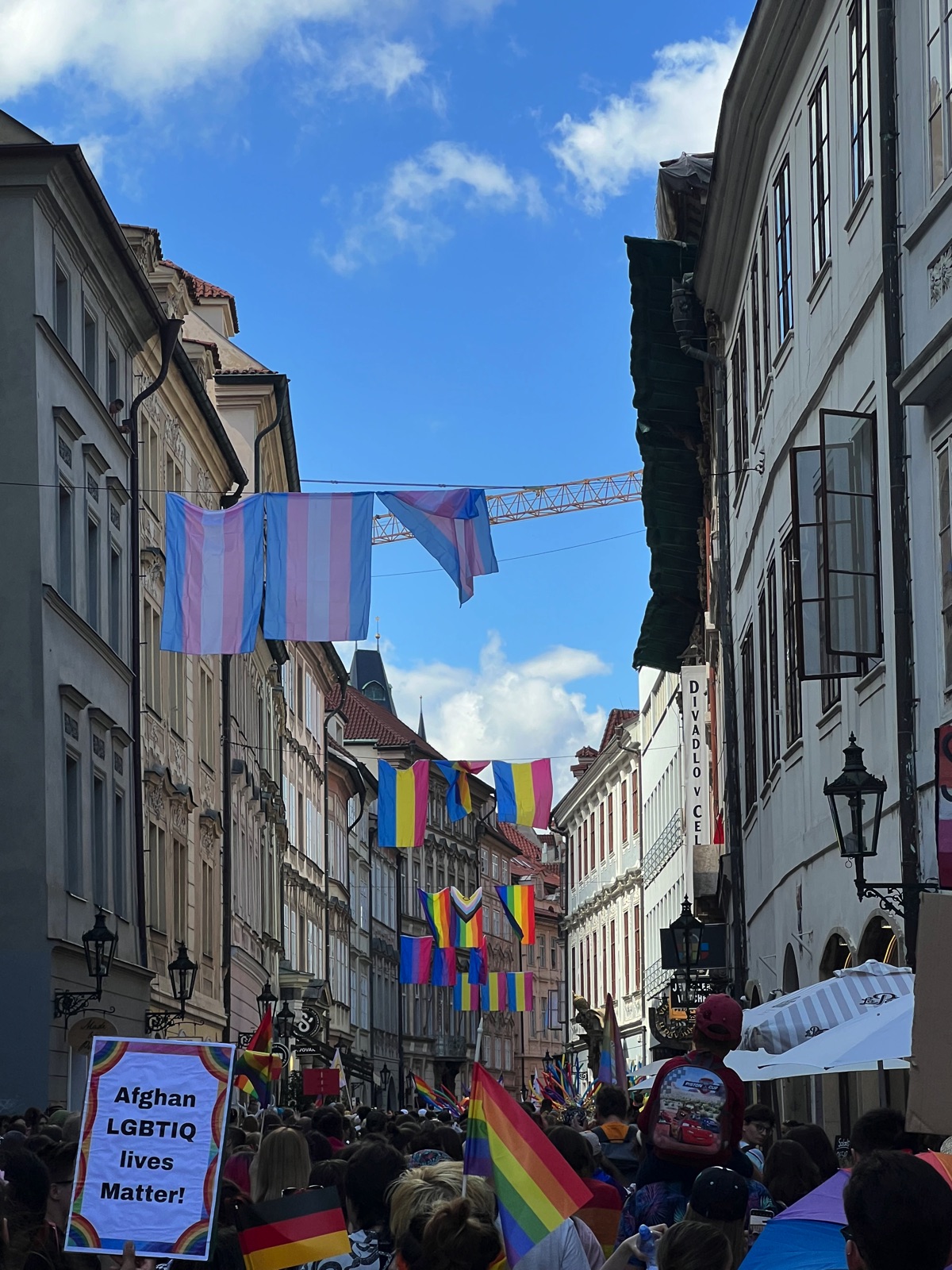
Let’s start our talk about Aurum Resort by going back – why did Neeco Group decide to invest in Krkonoše resort?

I believe that we had been considering the investment into the Krkonoše region for a couple of years, and when the offer to acquire the original Hotel Aurum came, we found it to be a perfect match with our expectations. The hotel is located in the beautiful small mountain town of Černý Důl, in the picturesque part of the Eastern Krkonoše. We saw a great amount of development opportunities here.

How long have you had a presence in these mountains?

The first acquisition of Hotel Aurum was done back in 2019. In a relatively short time, we have projected a future expanded resort on paper, and added other properties and land in order to create a solid foundation for a future systematic and consistent resort development. That includes nearly one million square meters of land in Čistá, where the golf course was originally planned. Now, with the necessary space acquired, we are building a resort focused on holistic visitor experience, under the baton of Resort Aurum brand.

What are your main areas of focus today?

We are currently busy with an extremely exciting project: the reconstruction of the central Resort Aurum buildings. It features guest rooms, a restaurant, a bar, and extensive facilities such as entertainment, wellness, spa, fitness, cosmetic, and indoor pools. At the same time, we are renovating nearby exterior areas and / or building new ones, such as a multipurpose indoor sports hall. This project will be completed in the summer of 2024. With such extensive guest facilities, we are unique in the whole of Krkonoše.

It seems like a lot of focus on sports and fitness.

Yes, this is the direction we have decided to take from the very beginning, as we feel there is a lack of similar offerings in the Czech mountains. Today, our guests want to receive a real, holistic, wellbeing-oriented experience. The main building itself offers a lot of fun, and, together with the mountains around and planned outdoor fitness features, I can say what we offer is exceptional. This is also our competitive advantage for the future, and the way to keep the resort full during both season and off-season periods. Furthermore, we are partnering with a lot of sports organizations to create a place for retreats and training camps, as well as sports events and contests.

Zdeněk Kuneš, Neeco Group with a happy client of Aurum Resort

We started by looking back, now let’s conclude by asking about the future. What is the next big thing for you in Resort Aurum?

Again, I do not want to spoil the work of our marketing folks, however, to uncover a bit, we are finishing the last preparation steps to start the buildouts of some massive ecological projects located in the area, unparalleled within the entire Czech Republic. Use of renewable energy, organic farming, self-sufficiency, and carbon neutrality is the name of the game, so stay tuned for future announcements.

Ondřej Gros

“Prague 8 is simply my area”

Ondřej Gros, Mayor of Prague 8

Text: Martina Hošková and M.Zisso; Photo: Archive

Ondřej Gros was elected Mayor of Prague 8 municipal district five years ago. He was born here, went to kindergarten and primary school here, graduated from the grammar school here, and, as he says, “still wants to live here”. Among his most inspiring political figures he mentions the Teplice’s late Jaroslav Kubera, which corresponds with his belief that “the state should serve the people, not the people the state. Bureaucracy must be reduced, not increased”.

You became politically active long before being elected Mayor of Prague 8. What has your path been so far?

I became politically involved in May 1997 by joining the ODS political party, for which I have been elected as a representative in Prague 8 six times since 1998. In the years 2010-2014, I became a deputy mayor, and in the following period of 2014-2018 I chaired the opposition club of the representatives of the ODS. In 2018, I was elected Mayor of Prague 8.

Do you feel inspired by your party colleagues and their ideas?

I take my primary political inspiration from two historical greats of world politics: Ronald Reagan and Margaret Thatcher. And domestically from the Teplice phenomenon of Jaroslav Kubera, also an ODS member, who unfortunately passed away several years ago. I think he is greatly missed in our politics. Thanks to my conservative and right-wing background, I am convinced that the state should serve the people, not the people the state. Bureaucracy must be reduced, not increased. And schools are supposed to teach children how to think, not what to think.

Mayor Ondřej Gros presented the Mayor’s Award of Prague 8 Opera Pragensia to Mr. Serge Borenstein for the construction of Karlín

Now, you are a mayor. How well do you know “your” Prague?

I have a lifelong relationship with Prague 8, one of the largest urban areas of our capital: I was born here, went to kindergarten and primary school here, graduated from the Grammar School at Libeňský Castle, and I still want to live here. Prague 8 is simply my area.

I have been involved in municipal politics for 25 years. I was deputy mayor for a term, and I have also experienced the role of being in opposition. I think that my experience was decisive for those colleagues, who supported my bid to become mayor.

What roles are performed by the mayor?

It is only a slight exaggeration to say that the person sitting in the mayor’s chair is the one who “is to blame for everything”. At the same time, our system has also been set up so that the mayor is just one of the town councillors. Nevertheless, the roles are numerous, starting with that of a celebrant, through to the chairman of the town council or municipal board, and on to the social obligations – where the mayor officially represents the borough.

The only lighthouse on the Vltava, located on the Libeň island, has been helping for twelve years

How do you clear your head after being subjected to the excessive criticism?

It isn’t always easy, but you can’t take the statements posted on social media too personally or think about them much. Doing that would not be good for anybody’s mental health. Luckily, I have a great family, and I owe a great deal of gratitude to my wife and daughter. I also still play football actively in the legendary Hanspaul league, which gives me a chance to clear my head. That is, if we don’t lose too badly. Unfortunately, there is not much (free) time now, but I am trying to have hobbies. As I already said, I like sports. I like traveling, especially behind the wheel of an Alfa Romeo, like I did to Nordkapp in Norway or the Gallipoli peninsula in Turkey, for example. And I am also interested in history. History helps me in my political work too. When studying history, we can find answers to our current questions and problems – not for nothing is it said that those who do not learn from their history are doomed to re-live it again.

Can you share some of the impressions and experiences that you have collected during your five years of being mayor?

I was elected Mayor of Prague 8 in 2018. The COVID-19 crisis and the associated never-ending state of emergency, when society was subjected to great anxiety and uncertainty, broke out after a year and a bit. And just as that nightmare ended, the Russian aggression in Ukraine arrived on the scene. It was associated with a wave of refugees, and an incredible rise in energy costs. In addition, we naturally also dealt with the “everyday” problems in the borough. It can be said that there hasn’t been a moment’s peace during the five years to date. But we definitely should manage everything together.

What are the “everyday” problems of Prague 8?

The thing that troubles us most is the feeling of unsafety, especially in the environs of the metro stations. This problem is a never-ending struggle that can only be resolved through the development of the localities in question, and, of course, by also reinforcing the municipal police patrols. However, this cannot be achieved without cooperation from the leadership of the City of Prague. The second major problem in Prague is traffic, because we are sorely lacking ring-roads. However, this is also starting to be resolved thanks to Minister Kupka.

Mr. Onřej Gros, Mayor of Prague 8

Can you share some of the plans you as mayor have for the coming years?

I don’t like making big plans because the term of office often ends before any long-term projects can be prepared. Then, they have to be completed by your successors. However, I will be pleased if people like living in Prague 8, we manage to build the new school on Rohan Island, security is improved, and Prague 8 becomes one of the greenest boroughs.

Imagine four years from now – will people of Prague 8 say that you were effective as mayor?

I guess I’ll find out at the next elections. I don’t know any other reliable way of ascertaining that. However, we still have three demanding years before us, and I haven’t yet decided if I intend to stand again.

Adam Jílek

“Painting totally absorbed me”

Adam Jílek, Painter and Printmaker

Text: Martina Hošková and M.Zisso; Photo: Archive

Adam Jílek is a young talented Czech artist whose distinctive images will affect anyone with a little bit of perception. “I paint human characteristics embedded in an animal form, I take inspiration from all around me,” he says. “It is not always about light topics or positive human qualities. Animals are often seen as fragile, and untainted by negative human qualities such as resentment, evil, or envy. Through the animal, especially its face, I can convey these topics in a much more digestible form.”
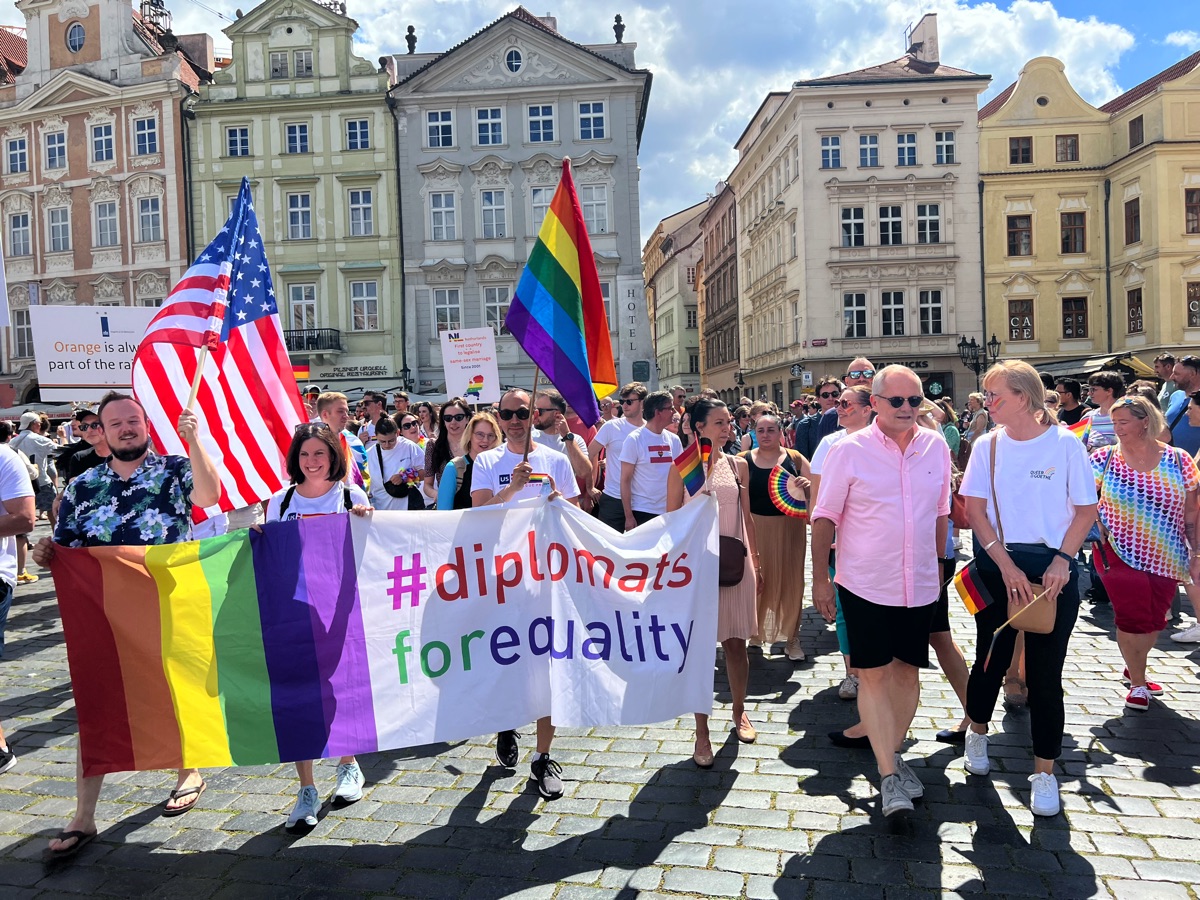
We have briefly introduced you in the introduction to this interview. Can you add some more words for those who do not know you yet?

For those who do not know me, I am a graduate of the Academy of Fine Arts in Prague. I paint realistic pictures, with the central motif of animals. I endow them with human qualities. It is a kind of satire, with a touch of humor and exaggeration.

What made you become an artist?

To some extent, it was more of a coincidence, or perhaps fate. I’ve always enjoyed painting, but I never planned to do it more, or even make a living out of it. I played baseball at the top level, and when I was choosing a high school I chose an art school based on the light tuition, and also to have more time for sports. After starting, painting absorbed me, and my life changed almost 180 degrees. It was a process before I„learned“ the various basics, crafts, and other procedures. But suddenly I started creating something that could be physically seen and had lasting value. And that consumed me. Creating is a basic human need, it gives a person meaning.

You say that painting absorbed you. Have you had any other life adventures besides it?

There were a lot of them, but I usually have the most intense experiences from traveling. I like to travel, and often enjoy exploring nature. I like the experience of a hike when I only have a backpack and an old phone, and I’m in the mountains for a week. One of the last intense experiences was in Iceland, when our car broke down and we had to walk several tens of kilometers to look for help in the nearest village. Or, a slightly worse moment (although thankfully with a good ending too), was when I was walking through the rocky valley and at one point a large part of the rock above me broke off and huge chunks of rock started to fall from it. I was stuck and scared, and the stones were falling everywhere and bounced off of each other. I was there alone. It only lasted a few minutes, but it felt like forever. That was probably one of the worst moments ever.

Adam Jílek, Painter and Printmaker

It looks like your life really is full of experiences. Which would you say were most significant to you?

As I said, I like to travel, explore nature, do recreational sports, and also visit historical monuments and interesting places – not only in the Czech Republic.

I really enjoy architecture and design. I keep collecting many experiences throughout my life. However, the most demanding one was the death of my professor at the university. It was very unexpected, and it hit me hard. It took me a while to process. This event also significantly influenced my further functioning at the university and in my work.

You were born in Prague. What effect does that have on your work?

I never thought about it, to be honest. But, probably due to the mindset and the fact that it is simply a bigger city, people are open to art. It is everywhere, in all spheres of life. There are also several art schools here. And, last but not least, there are contacts and opportunities here to present my work.

From left: Pavlína Prokešová, CEO, RealLocate with Adam Jílek and Jaromír Šimek from JT Banka at “Art for sharing” charity art community

Who are your biggest artistic influences?

There are many artists (who have influenced me). I love and admire the old masters. I am fascinated by classical painting, which was created without all the possible technological conveniences of today. From the preparation process, through mixing colors and stretching the canvas, to the technique itself and the precision of the painting.

As part of my studies, I changed several professors, and have tried different styles and techniques. This turbulent period of study was reflected in every phase of my work, including the current one. I was and still am close to Professor Zdeněk Beran.

Where do you find your motivation?

I wouldn’t be able to live without painting. I just enjoy the process – the peace of sitting down at the easel and being alone and painting. Since I paint human characteristics embedded in an animal form, I take inspiration from all around me – both from my personal experiences and my feelings about society (which is widely divided), and from the absurdities and senselessness of humanity, such as wars and similar events that have been repeating forever. It is not always about light topics or positive human qualities. Animals are often seen as fragile, and untainted by negative human qualities such as resentment, evil, or envy. Through the animal, especially its face, I can convey these topics in a much more digestible form, lightheartedly, often with humor and exaggeration. Thanks to this, the meaning remains somewhat hidden. It also lets me play with the double entendre. My goal is not to serve and impress upon the viewer my idea with which I painted the picture, but rather the opposite: I’m happy when everyone interprets the picture in their own way.

When is your favorite time of day to create?

I prefer to create in the evening, when there are no distractions. I love autumn and winter. It is dry and cold outside, while in the studio it is calm and warm. I play my favorite music and paint.

We met at a social charity event. Is art important to society today?

I think it is important, and very much so. Art captures the present, or at least the current social mood, of the time in which the artist lives. And although many times the current generation does not appreciate it at the time, it is very valuable in retrospect to look at the given time through individual works. And you don’t always have to be able to read between the lines to understand what the author wanted to say with the work – through it, you can absorb the atmosphere of the given period, and the feelings of its author and society. It develops human imagination and fantasy. I cannot imagine life without music, literature, and visual arts.

Dress design for Beata Rajská

You created a fashion collection with Beata Rajská. Are you planning more collaborations in the future?

Our collaboration came about completely by chance. Over time, we met at various social events until one day, while talking, we thought that we could come up with something together. Beata already had ideas for her new collection in her head. She had a certain idea, and I tried to portray it here. It succeeded, and you already know the result.

I am very happy about that. I respect Beata, not only as an excellent designer but above all as a person. I don’t have anything similar planned yet, but I’m not opposed to further collaborations. I like it when I can go beyond the boundaries of classical painting – it gives my work a completely different dimension.
Where do you see yourself in 10 years?

Professionally, I hope to keep creating. I can‘t imagine life without painting, it is everything to me. I would like to establish myself more abroad. I often think about the future, but I would not like to fixate on specific ideas and plans.

Czechia welcomed the President of Moldova

Official welcoming ceremony at the First Courtyard of Prague Castle – President Petr Pavel and President Maia Sandu

Text: H.E. Mr. Alexandru Codreanu, Ambassador of the Republic of Moldova and Martina Hošková; Photo: Archive

The official visit of the President of the Republic of Moldova, H.E. Mrs. Maia Sandu, to the Czech Republic contributed significantly to the development of the bilateral political dialogue, and to the boost of cooperation in many other spheres.

During the official visit to the Czech Republic on 15-17th October 2023, President Maia Sandu discussed the Moldovan-Czech partnership, as well as the process of the Republic of Moldova‘s accession to the European Union, with senior officials. President Sandu held meetings with President Petr Pavel, Prime Minister Petr Fiala, President of the Senate Miloš Vystrčil, and President of the Chamber of Deputies Markéta Pekarová Adamová. The discussions focused on ways to develop bilateral relations, increase trade and Czech investments in the economy of the Republic of Moldova, and ongoing Czech development assistance projects.

Official meeting of President Maia Sandu and President Petr Pavel, accompanied by delegations, at Prague Castle

Keynote speech by H.E. Mrs. Maia Sandu, President of the Republic of Moldova at the opening plenary session of the “Forum 2000” international conference

In addition to bilateral relations, the interlocutors discussed the reforms carried out by the Moldovan authorities in order to modernize the country and speed up the initiation of EU accession negotiations.„Just as the Czech Republic sought to consolidate its progress when it joined the EU, so do we. European integration will strengthen our democratic and economic achievements“, said President Sandu during the joint press conference with her Czech counterpart.

The official visit of the Head of State to the Czech Republic was complemented by a series of economic and cultural events dedicated to Moldova, a sort of ”Moldovan week in Prague”: the 5th meeting of the Moldovan-Czech Intergovernmental Commission on Economic Cooperation, a business forum with the participation of business representatives from both countries, the first ever participation of the National Theatre “Mihai Eminescu” at the Palm Off Fest international theatre festival, and the Moldovan fine art exhibition“TransAction”at Divadlo pod Palmovkou.

President Maia Sandu and President of the Chamber of Deputies, Markéta Pekarová Adamová at the Chamber of Deputies of the Parliament of the Czech Republic

President Maia Sandu and President of the Senate, Miloš Vystrčil, accompanied by parliamentarians at the Senate of the Parliament of the Czech Republic

In her speech at the business forum, President Sandu, together with President Pavel, invited Czech companies to consider investment opportunities in Moldova. Almost 50 enterprises with Czech capital are already active in Moldova, and contribute to the economic development of both countries.

The Czech and Moldovan presidents also participated via keynote speeches at the opening of “Forum 2000”, an annual international conference initiated by former Czech President Václav Havel. President Sandu conveyed two important messages: democracy must prevail, and countries fighting for freedom deserve all the support from other democracies.

Highlighting the talented people originating from the Republic of Moldova, President Sandu decorated the first soloist of the Czech National Ballet, Mrs. Alina Nanu, with the honorary title„People‘s Artist“, as appreciation for her remarkable achievements.

President Maia Sandu and Prime Minister Petr Fiala at the Government of the Czech Republic

While in Prague, President Sandu also visited the headquarters of Radio Free Europe / Radio Liberty, where she spoke with several journalists about freedom of expression, the challenges of the free press, and the democratic consolidation of the countries in our region.

I cherish every moment I spent here

A farewell message from the Ambassador of Vietnam, Thai Xuan Dung

Edit: Martina Hošková; Photo: Archive

Dear readers,

H.E. Thai Xuan Dung, Ambassador of Vietnam

After three years of intensive work, my tour of assignment as Ambassador Extraordinary and Plenipotentiary of the Socialist Republic of Vietnam in the Czech Republic is coming to an end.

During my above-mentioned tour of assignment, I have been received by the great hospitality of the Czech people, and impressed by the ancient scenery and beautiful, peaceful nature of the Czech Republic.

I am glad that during my tour of assignment, the traditional friendship and multifaceted cooperation between Vietnam and the Czech Republic has developed positively in all fields – especially political diplomacy and bilateral trade and investment – bringing the traditional friendship of our two countries to a new stage of development.
The determination and effort to bring the two countries‘ relations to a new height continue to be reaffirmed by the leaders of our two countries during the state visit to Vietnam by Prime Minister Petr Fiala in April 2023. The Czech Republic has now considered Vietnam to be one of its most important partners in Southeast Asia, and the two sides have agreed to make every effort to bring our two countries’ trade turnover to 2.5 billion USD by 2025.

Excellencies, colleagues, and friends,

Being a diplomat for nearly forty years, I have had the chance to meet many people and experience life from a wide range of angles. Therefore, I am so grateful for the laughter, great discussion, and good times that we have shared together during the past few years. I cherish every moment that I spent here in the country, and I really look forward to many more to come.

It has been my great pleasure working with you during the past several years. I would like to take this opportunity to express my sincere thanks for your support and cooperation, and convey to you all my best wishes of health, happiness, and further success in your noble tasks.

Best
Thai Xuan Dung Ambassador of Vietnam

I’m not saying goodbye, but na shledanou!

A farewell message from the Ambassador of the Republic of Argentina, H. E. Roberto Salafia

Edit: Martina Hošková; Photo: Archive

H.E. Roberto Salafia, Ambassador of the Republic of Argentina

Dear friends in the Czech Republic,

It is time to leave, the end of a cycle. For more than five years I have had the honor and fortune to represent my country in Prague, a great responsibility and a great challenge at the same time.

In 2024 we will commemorate 100 years of diplomatic relations between Argentina and the former Czechoslovakia – a period that, despite its many turbulences, cemented friendship and dialogue between the two nations, and contributed to a migratory flow of Czechs and Moravians to my country that today encompasses more than seventy thousand descendants.

With this background of strong ties, my great challenge as the Argentine representative has been to continue defining initiatives and materializing projects to expand and solidify the bilateral relationship. However, the COVID-19 pandemic, and then the conflict against Ukraine, changed the international context, as well as the priorities for both countries and their surrounding regions.
This scenario conditioned several of our projects, and forced us to be more creative. For this, the Argentine Embassy always had the support of our Czech friends, both in the public and private sectors, which allowed us to continue with our activities of political coordination, commercial promotion, bilateral cooperation in various sectors, and cultural dissemination.

Much remains to be done in the construction of a shared and beneficial agenda for both countries, but we have the advantage of sharing common values, namely respect for human rights and political freedoms, support
for democratic government regimes, as well as our commitment to international law, multilateralism, and the peaceful resolution of conflicts.

In this context, Argentina and the Czech Republic, Latin America and Europe, should double their efforts to take full advantage of the natural complementarity on both sides of the Atlantic.

From a personal point of view, I would need pages and pages to describe the pleasure of living in the Czech Republic – the „center“ of Europe, where a whirlwind of nature, history, traditions, and culture converge, which still amazes and excites me on a daily basis.

My gratitude goes to all those who made these five years unforgettable: to my Czech friends who helped me connect with their society, to the Expats with whom I shared the adventure of living in Prague, to my colleagues in the diplomatic corps, with whom we shared the responsibility of representing our countries, and, last but
not least, to the whole staff of my embassy, who were also my family during this period.

Facing my departure, I will not say „Adios“ or „Goodbye“, but Na shledanou, as something of mine will always remain here…

Roberto Salafia

100-year anniversary of the proclamation of the Republic of Türkiye

Text: Martina Hošková and M.Zisso; Photo: Pavel Mikeska

On the occasion of the 100-year anniversary of the proclamation of the Republic of Türkiye, the Turkish Ambassador to the Czech Republic, H.E. Mr. Egemen Bagis, along with Mrs. Beyhan N. Bagis, held a reception at the Rudolfinum in Prague.

The evening started with the national anthems of Türkiye and the Czech Republic. Then, the Turkish Ambassador to the Czech Republic, H.E. Mr. Egemen Bagis, greeted the guests. Here are selected excerpts of Ambassador ́s speech at the event.

“Dear Foreign Minister Lipavský, Dear Mr. President Klaus, Dear Prime Ministers Babiš, Nečas, and Topolánek, Excellencies, Representatives of the Diplomatic Missions in Prague, Deputy Ministers, Members of the Czech Parliament and Senate, Distinguished guests, Ladies and gentlemen,

We are delighted to be here in the Rudolfinum with all our distinguished guests to celebrate the centennial anniversary of the proclamation of the Republic of Türkiye and we express our deepest gratitude to all of you for being with us to share this very proud day.

Since the national day celebration dates are back-to-back for our two nations, I would like to start by extending our sincere congratulations to our ally the Czech Republic and the friendly people of Czechia, on the occasion of the Czech National Day of October 28.

Today, as the Easternmost European, and the Westernmost Asian country, Türkiye promotes sustainable peace and development in her region and she is a driving force for all surrounding basins utilizing deep-rooted traditions of diplomacy with the country’s strength stemming from factors such as the central geographical location, rich historical experience, robust institutions, strong human resources, and a dynamic economy.

At the centennial anniversary of our Republic, we are proud to say that achievement of our goals set by our leaders since and including our founder Atatürk raised the standards of peace and prosperity for our nation. In this respect Türkiye continues to contribute to peace, prosperity, and stability all around the world. Guided by the enduring objectives of our founder to achieve “Peace at Home, Peace in the World” we strive to implement an “Enterprising and Humanitarian Foreign Policy”.

Within this policy framework as our President Recep Tayyip Erdoğan always emphasizes, Türkiye actively contributes to all efforts addressing multiple challenges of the world including mass migration, energy and food security as well as the fight against terrorism.

Concerning the regional clashes that we are facing today, particularly the recent ones in Ukraine and Gazza, we believe that the solution to these challenges depends on collective efforts forged by cooperation and effective multilateralism. We believe in dialogue and constantly work for diplomatic solutions based on the principle of win-win.

Besides our common values like democracy and human rights that we share with our host country and longtime NATO ally Czechia, free market economy and bilateral trade always play an important role. We have already reached the volume of 5 billion US dollars last year with room for further growth. As we have almost doubled our trade over the last four years during my tenure, it is now time to set a new target that will further anchor our strong bilateral ties.

Tonight, I would like to underline and thank once again for the strong support and solidarity of the Czech Republic extended after the devastating mega earthquakes in our country last February. Turkish people will never forget their support and all the members of the Czech Search and Rescue Team will remain as our heroes. We are honored their leader General Vlček and some of his brave colleagues could join us tonight.

On the occasion of our centennial celebrations this year, we have tried to lead and complete many initiatives here in Prague and I am grateful to all our sponsors and volunteers for their support. Namely, PPF Holding, Yüce Auto, the distributor of Skoda automobiles in our country, the Czechoslovak Group, Yıldızlar Holding, and Skoda Transport have contributed wholeheartedly to our efforts.

One of these initiatives is a book written by the former Chief Curator of Prague Castle, Prof. Jaroslav Sojka about the amazing history of our residence building which will be published soon. This book will be a lasting tribute to the 100th anniversary of our Republic and the centennial anniversary of Turkish-Czech diplomatic relations in 2024. We are grateful to Prof. Sojka and his team.

These celebrations are never easy to organize. For their contributions, I am grateful to my dear wife Beyhan and to our Embassy and residence team. Actually, my wife Beyhan and I met at a Republic Day celebration just like this one exactly 32 years ago in New York. I was again in a tuxedo.

I would also like to express our sincere appreciation and thanks to the Czech Philharmonic Orchestra Brass Ensemble and Prague Conservatory String Quartet for their performances. Tonight, we will also have the opportunity to listen to the meaningful performances of three talented artists, Ms. Nora Lubbadová, Ms. Giulia Mazzoni, and Mr. Martin Rufer in our program. We thank every one of them in advance.”

Jan Čižinský

“We decided to GO FULL TIME for a real change”

Jan Čižinský, Mayor of Prague 7

Text: Martina Hošková and M.Zisso; Photo: Archive

Jan Čižinský will soon be able to celebrate a remarkable 10 years in office, as he has been serving as the Mayor of Prague 7 district since 2014. The level of his popularity among fellow citizens is clearly illustrated in the results of the two subsequent elections – in 2018 and 2022 – when his PRAHA SOBĚ association of independent candidates won an absolute majority of votes in Prague 7. “We could no longer watch how our predecessors conducted things here. As citizens, we managed to achieve something, but it was not enough for a real change. That’s why we decided to “go full time”, he explains.
Your name is very well-known in Prague; however, can you introduce yourself to our readers?

I grew up in the heart of Prague’s Old Town. I am a teacher by profession, an active politician, and a proud father of four daughters. It is important for me that I deliver what I promise. Instead of saying ‘maybe, if, and but’ I prefer practising a clear ‘yes’ or ‘no’. Should I name a personality who brings great inspiration to me, it would definitely be Přemysl Pitter, a Czech evangelical preacher – this is because, among other things, he was always on the side of humanity.
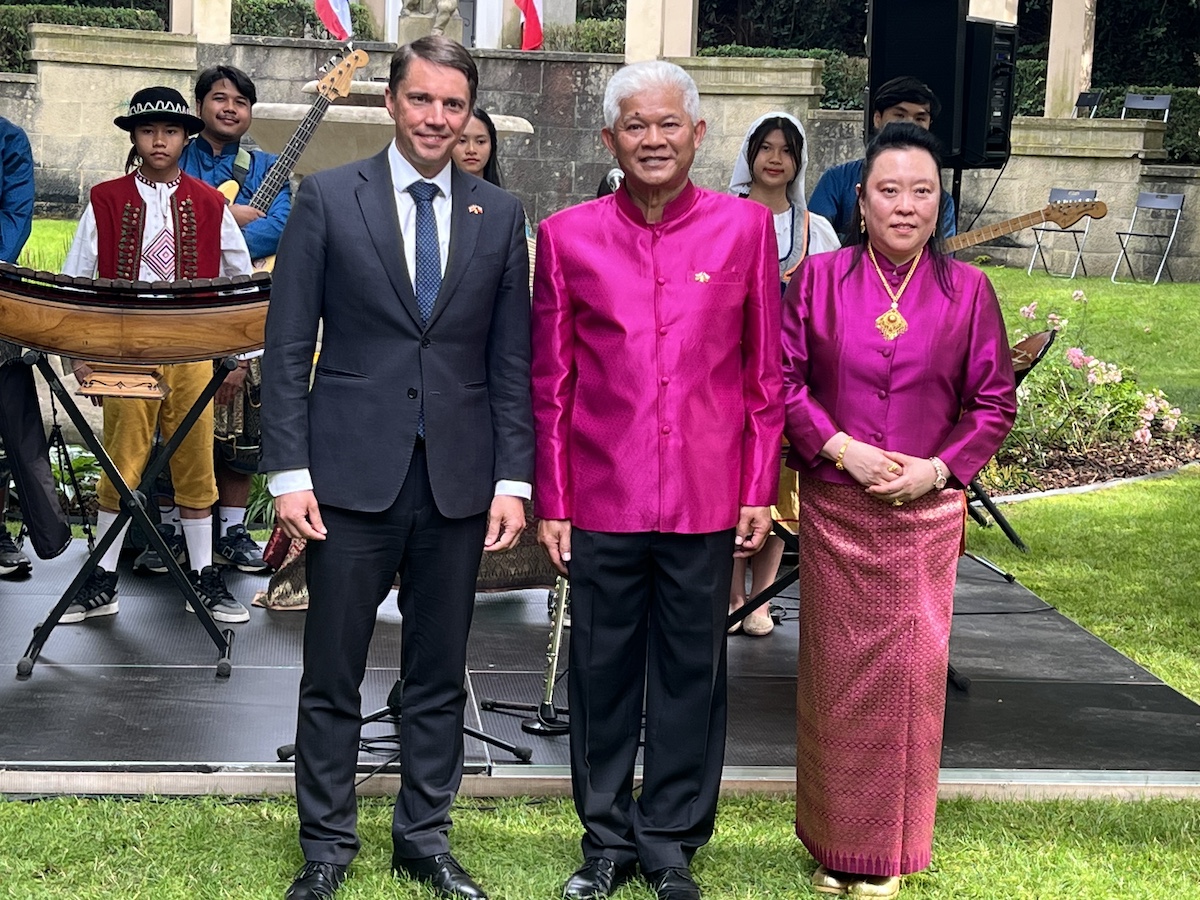
Can you go back to 2014 and tell us how you were elected the Mayor of Prague 7 for the first time?

I entered public life with other people who could no longer watch how our predecessors from ODS conducted things here. We were actively involved in events in Prague 7 long before the elections in 2014. Our biggest action was certainly the successful referendum against the overpriced CZK 1.5billion city hall. We also uncovered some cases of the former management, such as favouritism for friends or family members when dealing with municipal apartments. Together with other parents, we were also upset that up to 60% of the children did not get into kindergartens at the time, and the management claimed that nothing could be done about it. In addition, everything was decided very non- transparently behind closed doors. There weren’t even online broadcasts of council meetings – we somewhat pirated them to the public. As citizens, we managed to achieve something, but it was not enough for real change. That’s why we decided to “go full time“. And the citizens repeatedly confirmed to us in the elections that it was worth it.

As a member of the PRAHA SOBĚ association of independent candidates, why are you missing in the current coalition?

The post-election negotiations on who will govern the capital after the municipal elections in 2022 were the longest in the modern history of Prague municipality. Cooperation was offered on the basis of the former coalition (PRAHA SOBĚ, Pirates, STAN, Spojené síly) together with the victorious ODS, in the new coalition group SPOLU. However, the SPOLU refused to include PRAHA SOBĚ because they knew that our work for the people of Prague would complicate their plans. So, we entered into a so-called Stability Alliance with the Pirates to make it clear that our goal is to continue the set trends in the management of the city, and to continue the projects from the last term. Unfortunately, after some time the Pirates terminated the Stability Alliance treaty, and let SPOLU convince them to conclude a coalition without our presence.
Jan Čižinský, Mayor of Prague 7 with family

What are the duties of the district’s mayor?

The range of the mayor’s duties set by the law is quite wide. He represents and acts on behalf of the city district, runs the sessions of both the city district council and the assembly meetings, signs contracts and other legal documents, and supervises the performance of tasks and the overall operation of the local government. In addition, my competencies in the Municipal Council of Prague 7 include communication with the public, foreign relations, and public order and security. Together with my colleagues, we try to solve all the everyday problems of our citizens. We listen to people: what bothers them, what they would like to change, and how they see the future of the neighbourhood where we all live, work, and spend our free time together. It is time-consuming, but we are the employees of our citizens, and we need to work for them 24 hours a day, 7 days a week. If we didn’t make time for people, it wouldn’t make sense.
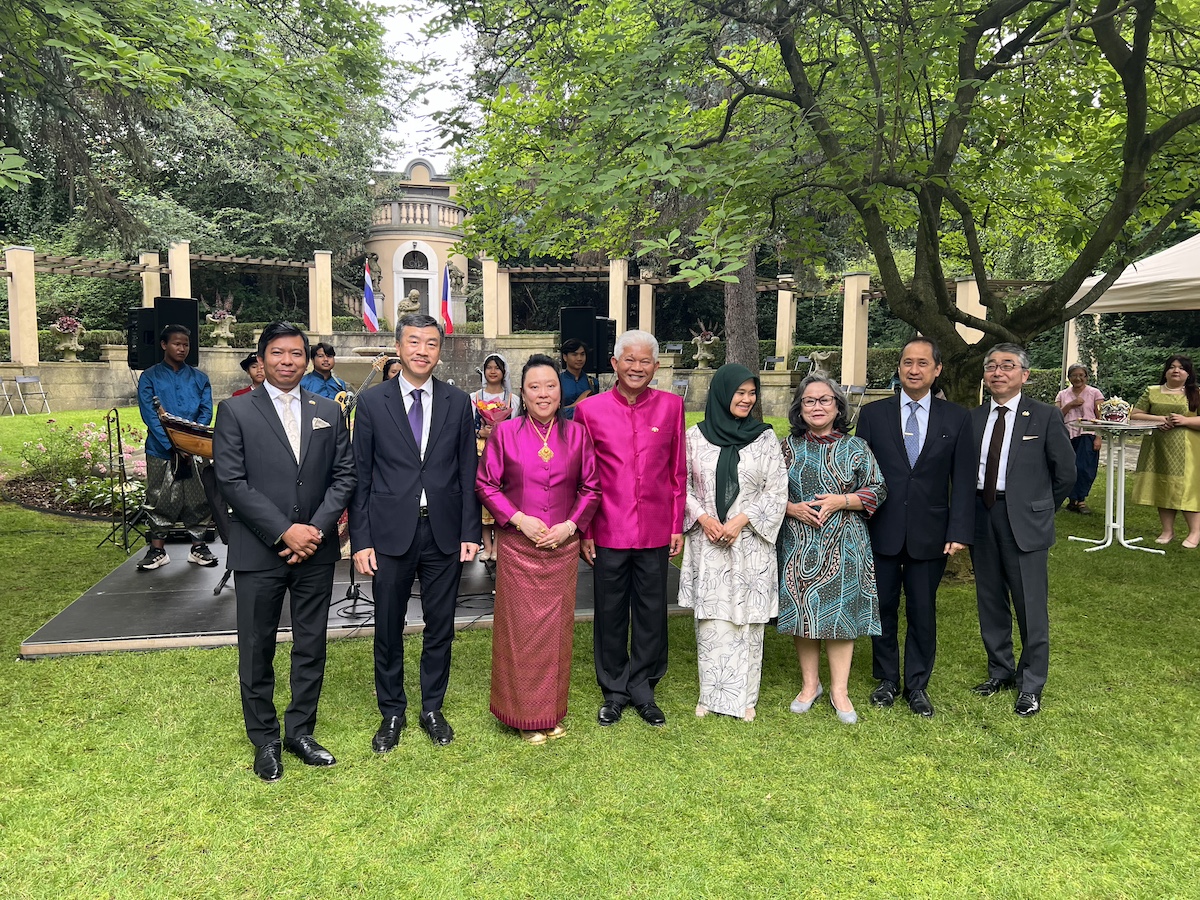
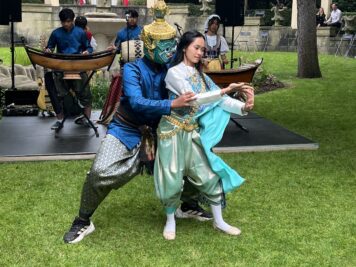
You have been acting as Mayor of Prague 7 for over nine years. Can you share some of your highlights?

As I have already mentioned, we had a number of big tasks ahead of us that we had to master, all while learning about the management of the municipal district as we went along. And there sure was no lack of things to learn. Those were hectic times, but when I look back today I am glad to see the results behind us. In 2020, Prague 7 got its own representative seat for the first time in 135 years of its existence, and currently all children who are entitled to it are repeatedly admitted to kindergartens and schools. Street cleaning has also improved, and is now provided by our company, which also functions as a social enterprise. Our city district is friendly, solidary, and open, and will not leave anyone without help. We managed to regain the trust of our citizens in the public administration, and I am really proud of that.

What are some of the most persistent tasks that still need to be solved in Prague 7, and maybe in the entire city?

The biggest long-term problem in Prague 7 and throughout the entirety of Prague is traffic and parking. The number of cars in the capital is increasing every year, and it is often difficult to balance how much public space to devote to the vehicles, and where, on the other hand, it is necessary to ensure a safer space for pedestrians. We also have to find ways to achieve smoother public transport, build infrastructure for cyclists, and plant new trees. There are no simple answers to these questions, as we have to respect the different needs of, for example, a regular car user, an elderly person, and a mother with kids. We strive to ensure that all Prague residents can move around the city comfortably and safely, but finding compromises is often very difficult.

What are the main current challenges for you and your colleagues?

We are planning the construction of a new elementary school for 600 kids, as well as a municipal residential house with 60 apartments. We organized an open international architectural competition for these buildings, as well as for our new town hall, which was not a well-established tradition in Prague. Such large projects are always a real challenge, but, in the case of the town hall, we have already proved that public buildings could also be successfully realised according to the project, based on the outcome of the architectural competition.

A mayor’s job comes with lots of criticism. How do you handle that?

We, at our town hall, take criticism as part of our work. We try to stay in touch with the public, and we are always interested in feedback. Problems we know about are much better solved than those we are not aware of.

Jan Čižinský, Mayor of Prague 7

What are your plans for the next few years?

We will continue to expand capacities in our kindergartens. It is very important to provide enough places so that the parents who need to work do not have to stay home with their children, especially in these financially demanding times. There is one important project currently underway – the modernization of the train route to Kladno, with the link to the airport. In connection with this large and demanding construction, we are preparing follow-up modifications of the affected locations, with new pedestrian links to Stromovka and the emerging train station. We are also very much looking forward to a new link between upper and lower Holešovice for pedestrians and cyclists. We will continue to improve the public space so that the streets and other places in Prague 7 are welcoming, safe, and easily accessible for pedestrians, cyclists, and drivers. We would like to develop a wide range of services for seniors, disabled people, and those who take care of their loved ones. Families with children will certainly be happy with the new park U Vody, which is being created as a site for sports and leisure activities by the river.

We shouldn’t forget that Prague 7 has a lot to offer, not only to its locals but to its visitors as well…

Although I may be biased in this regard, I definitely consider Prague 7 the most beautiful part of the capital. And yes, there are many “must-see” places for both tourists and locals. I can mention the very popular parks – Stromovka and Letenské sady – with unique views of Prague, the green paths to Troja Chateau and the Zoo, two national museums, and numerous galleries, including the big and well-known ones, like DOX and National Gallery, but also the smaller ones with a distinctive atmosphere. That’s why we run the Art District 7 project here, which is focused on the natural development of the local cultural environment, as well as the creation of suitable conditions for Prague 7 to be able to fulfil the role of the cultural center of Prague.
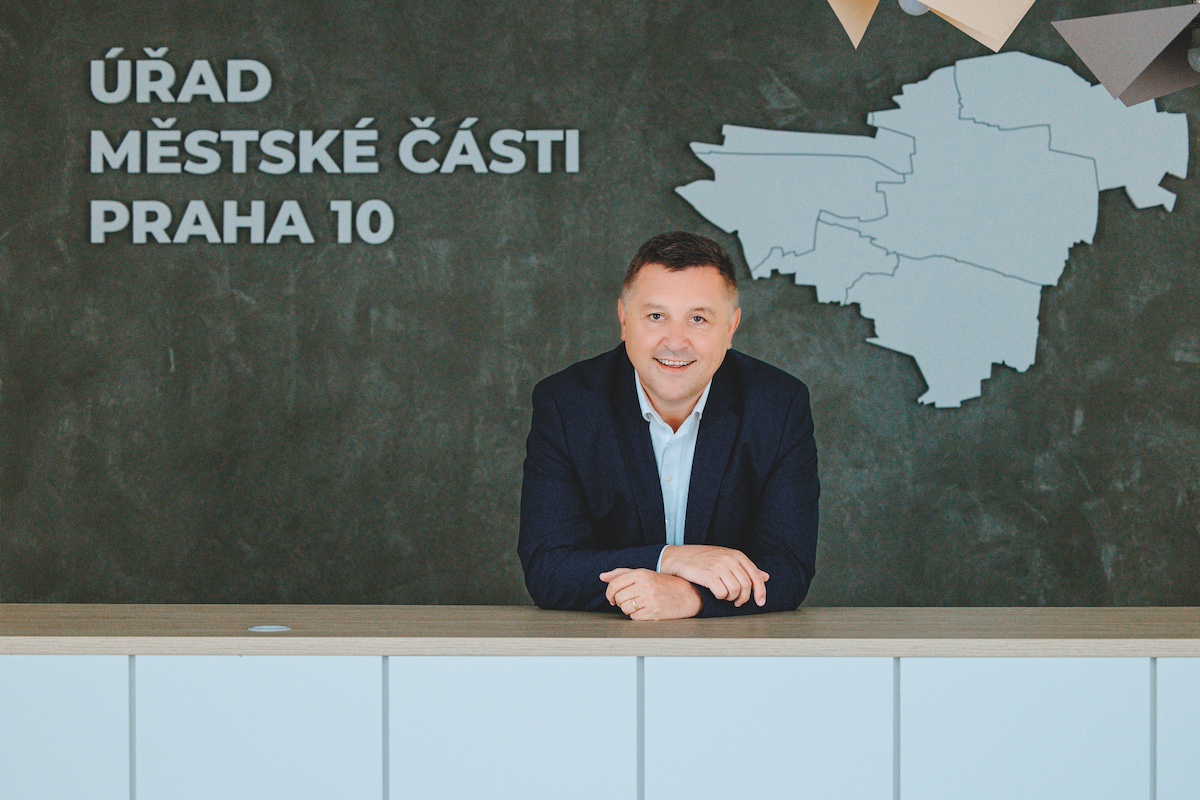
Finally, I’d like to say that we have a very important anniversary next year: Prague 7 will celebrate 140 years in the autumn. We are planning a number of cultural, social, and commemorative events throughout the year, including the publication of a book on our district’s history, an honorary citizenship ceremony, and other events to commemorate this important jubilee.

Will people remember you as a competent mayor after all these years in service?

I really don’t know what people will say about me years from now. I will be happy if they say that they live in one of the best neighbourhoods in Prague, and that they enjoy living here. In that case, my mission at the Prague 7 town hall will have been successful, regardless of whether people still remember some Čižinský or not.