Authoradmin

Become a partner of the Czech participation at EXPO 2025

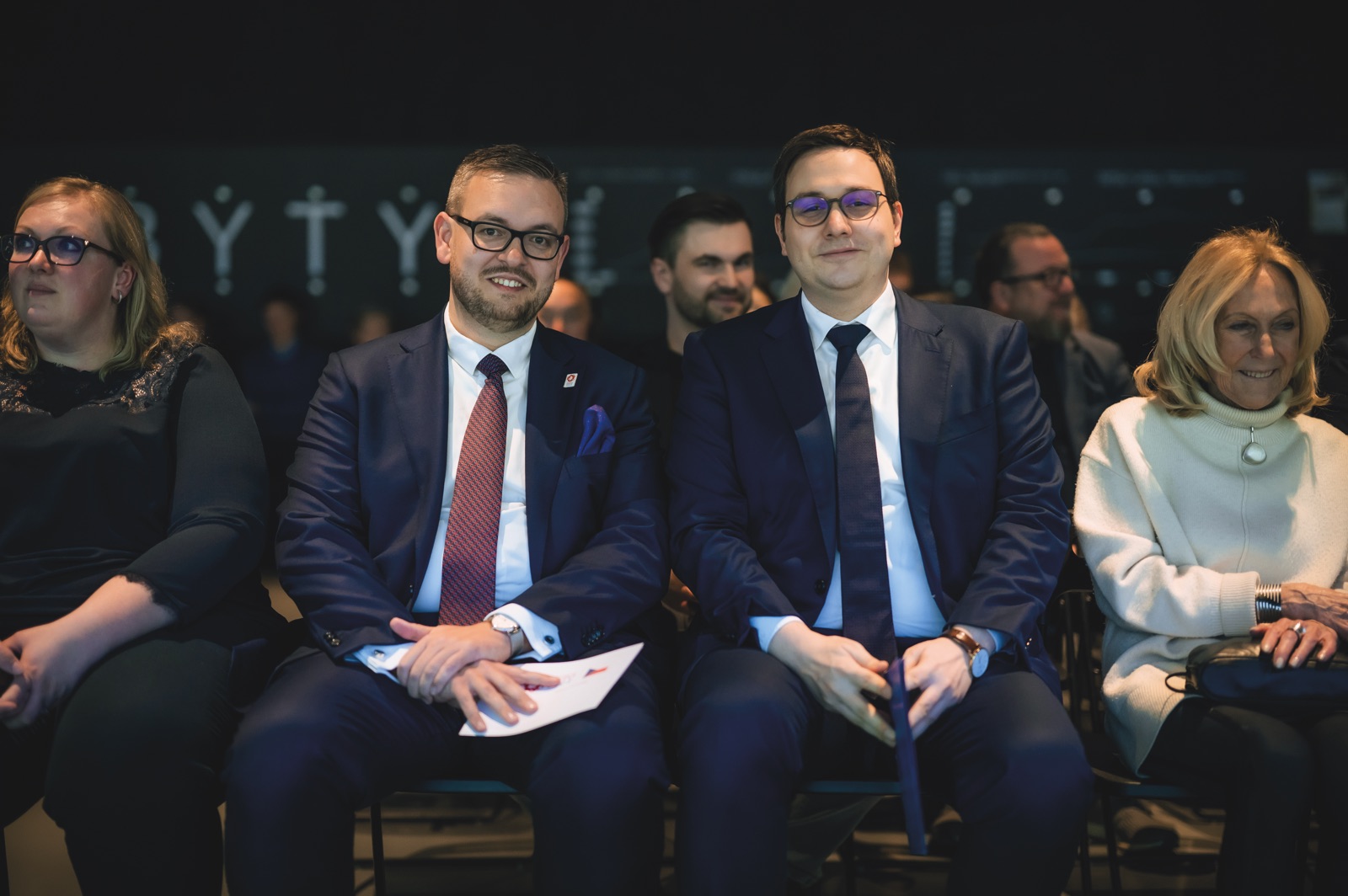
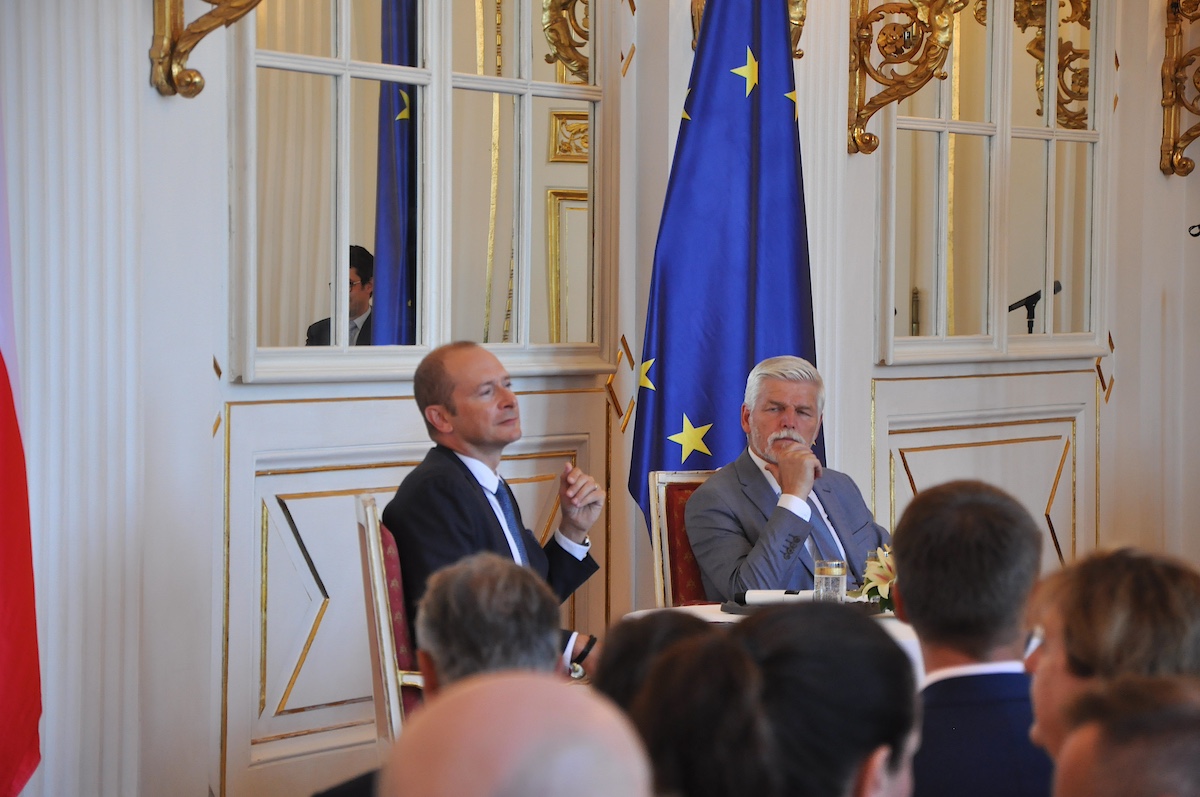
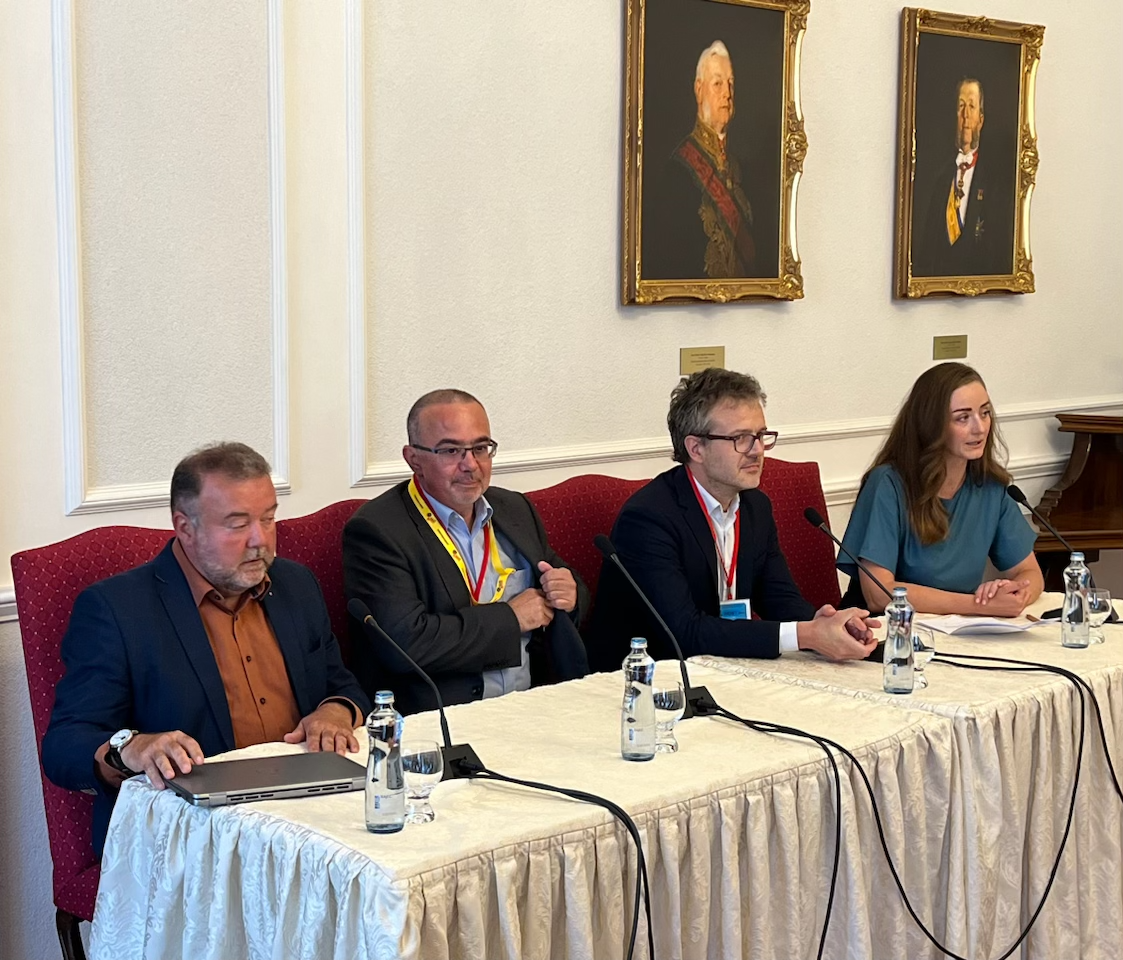
From right: Jan Lipavský, Minister of Foreign Affairs and Ondřej Soška, Commissioner General of the Czech participation at EXPO 2025

World EXPOs are an excellent opportunity to strengthen a national brand and connect the global market with Czech companies. EXPO is the most significant social, cultural, and business event in the world, taking place once every five years. It regularly attracts tens of millions of visitors from all around the globe, encouraging participants to showcase innovations, new technologies, and their national achievements. For companies, it’s a chance to present themselves on an international scale and forge new key partnerships.

The upcoming EXPO 2025 will be held from April to October in Osaka, Japan, on the island of Yumeshima. Czechia will be represented by a confident and visually intriguing pavilion made of spruce wood and a glass façade.

Czech participation offers to its partners an excellent platform to strengthen their brand, establish valuable connections, as well as a unique chance to present themselves to potential partners from around the world and discuss current trends, technologies, and innovations. For all this, they can use the facilities of the Czech National Pavilion and other services, such as language interpretation or marketing support.

Participation in EXPO 2025 will provide our partners with a great opportunity to expand not only into Japan but also into the broader, highly competitive Indo-Pacific region. In Asia, the perception of the state is stronger than in Europe, and if a company cooperates with the state and participates in the national pavilion, it carries much greater significance and relevance in the eyes of local clients and business partners. EXPO is a prestigious affair and a great reference project, even if you don’t have export ambitions towards Asia. For instance, it can help you increase commissions, gain new partners, and attract new clients.

For the 26 weeks of EXPO, we have prepared a number of business topics and branches which we want to present in Japan together with our partners. These include, for example, nanotechnology, fintech, space technology, cybersecurity or circular economy.

H.E. Mr. Kansuke Nagaoka, Ambassador of Japan and Ondřej Soška, Commissioner General of the Czech participation at EXPO 2025

For the calendar of business events, scan the QR code.

Our potential partners can choose between four different partnership types. You can also collaborate with us as an official supplier or as a partner of the #road2expo business conferences.

Want to learn more? Contact us at partnership@expo2025czechia.com.

Join us and help shape the future of Czech business at EXPO 2025. Together, we can achieve global success.

Ondřej Soška, Commissioner General of the Czech participation at EXPO 2025

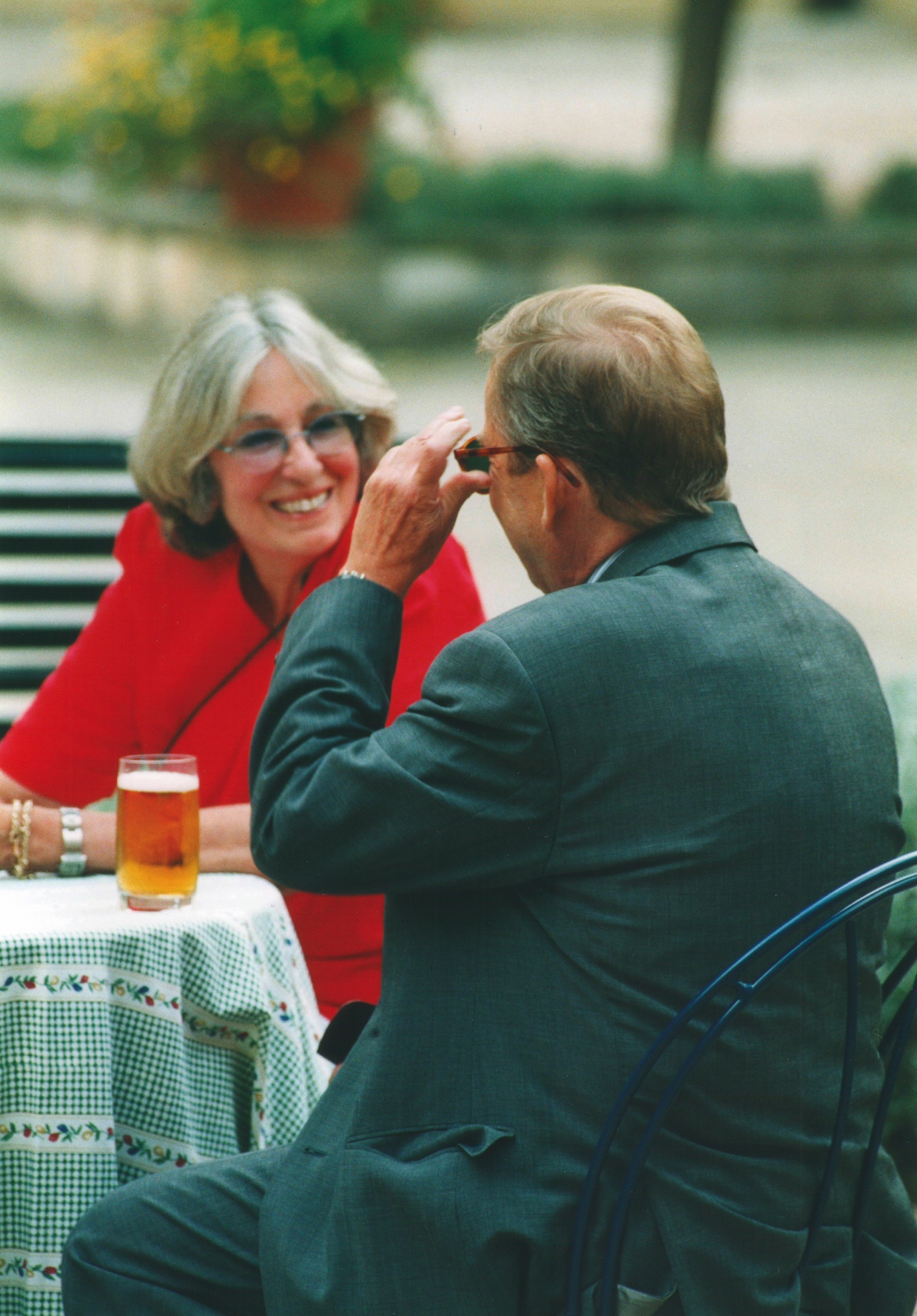
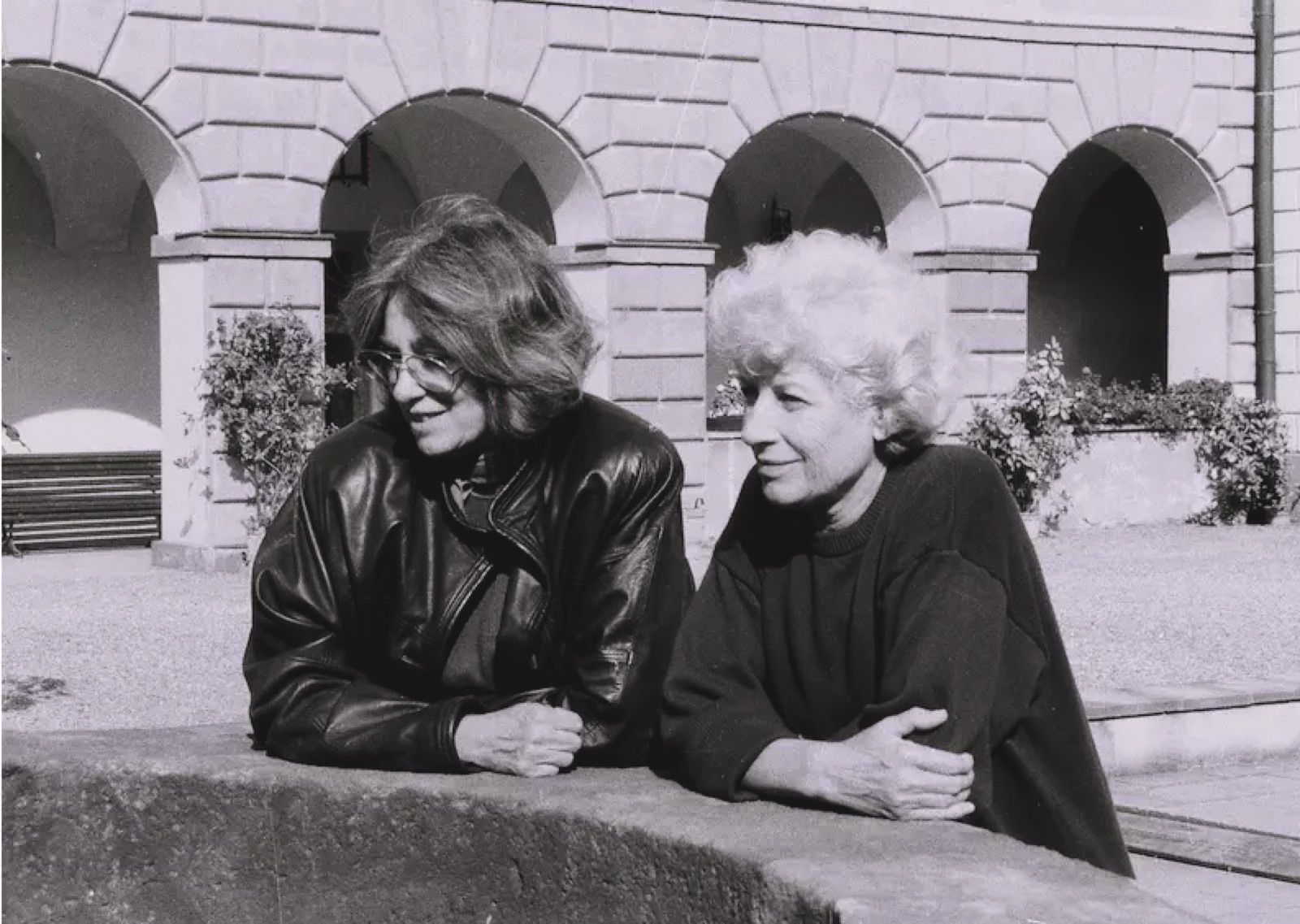
In memory of Diana Sternberg, a woman who spoke little and did a lot

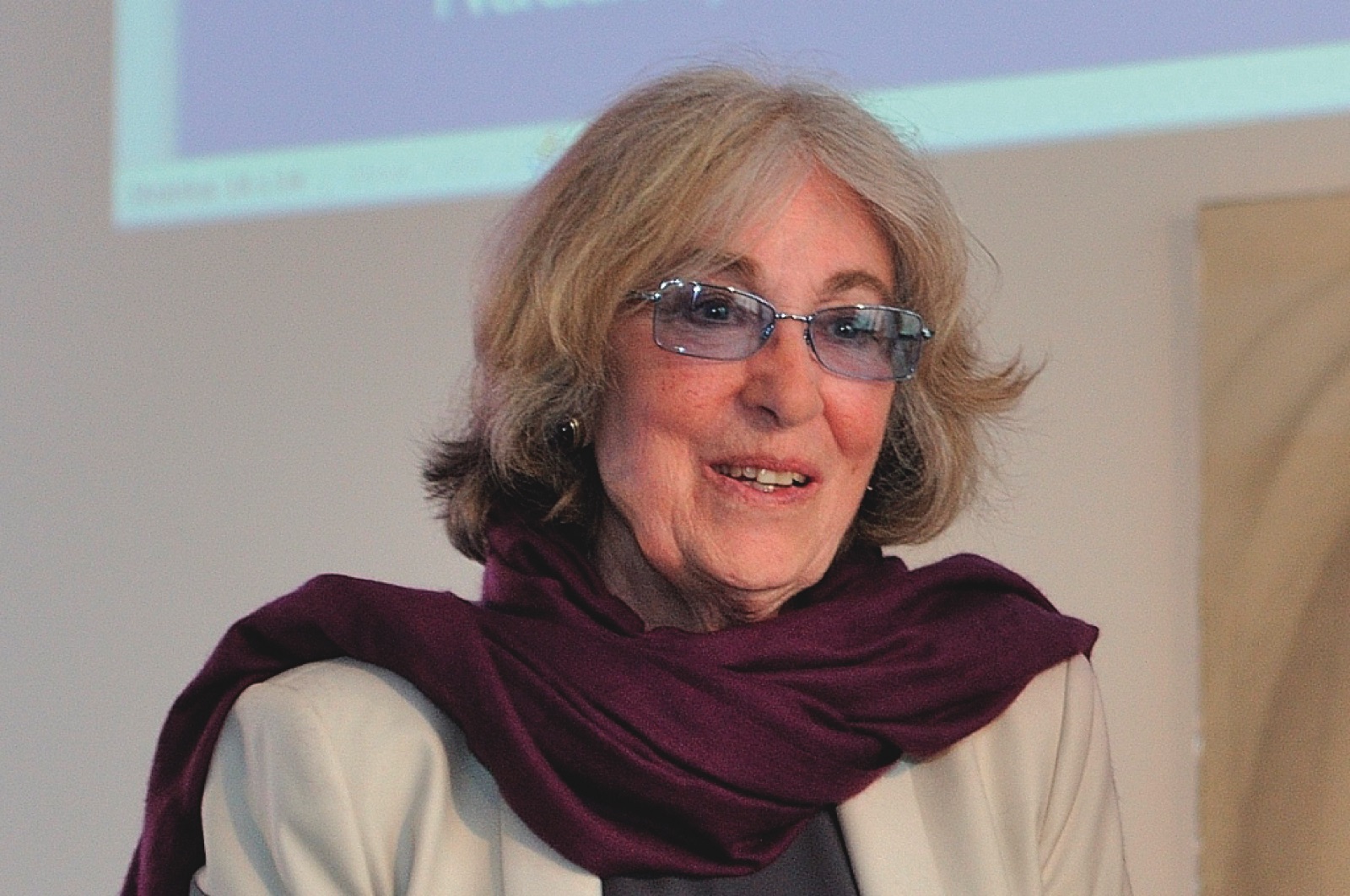
Countess Diana Phipps Sternberg

The name of Mrs. Diana Sternberg (whose full name was Franziska Diana Phipps Sternberg) is inseparably linked with the Good Will Committee – Olga Havlová Foundation. Along with Olga Havlová, she was at the very inception of the organization. “Her noble assistance significantly contributed to the realization of numerous charitable projects and helped countless people in need,” stated the foundation’s director, Monika Granja.

Text: Mgr. Terezie Jenisová and Martina Hošková; Photo: Archive

Diana Sternberg was born in 1936 in Vienna, Austria, but after just five days she left for Častolovice, Czechoslovakia, with her mother, Cecílie. She lived in the castle there until World War II, when the Nazis confiscated the property. She returned to Častolovice after the war. In 1948, after the Communists came to power, she went into exile with her parents. They settled in California, and later in Jamaica. In 1957, she married the American Harry Phipps, whom she met during her stay in Europe. Her husband died six years into their marriage. After that, she moved with her mother and daughter Alexandra to England, where she established herself as an interior architect. In the United States, she published a book on interior architecture that became a bestseller. After the Velvet Revolution, she also participated in the renovation of the interiors of Prague Castle and the castle in Lány. She lived in Častolovice Castle, which she regained through restitution, since 1992.

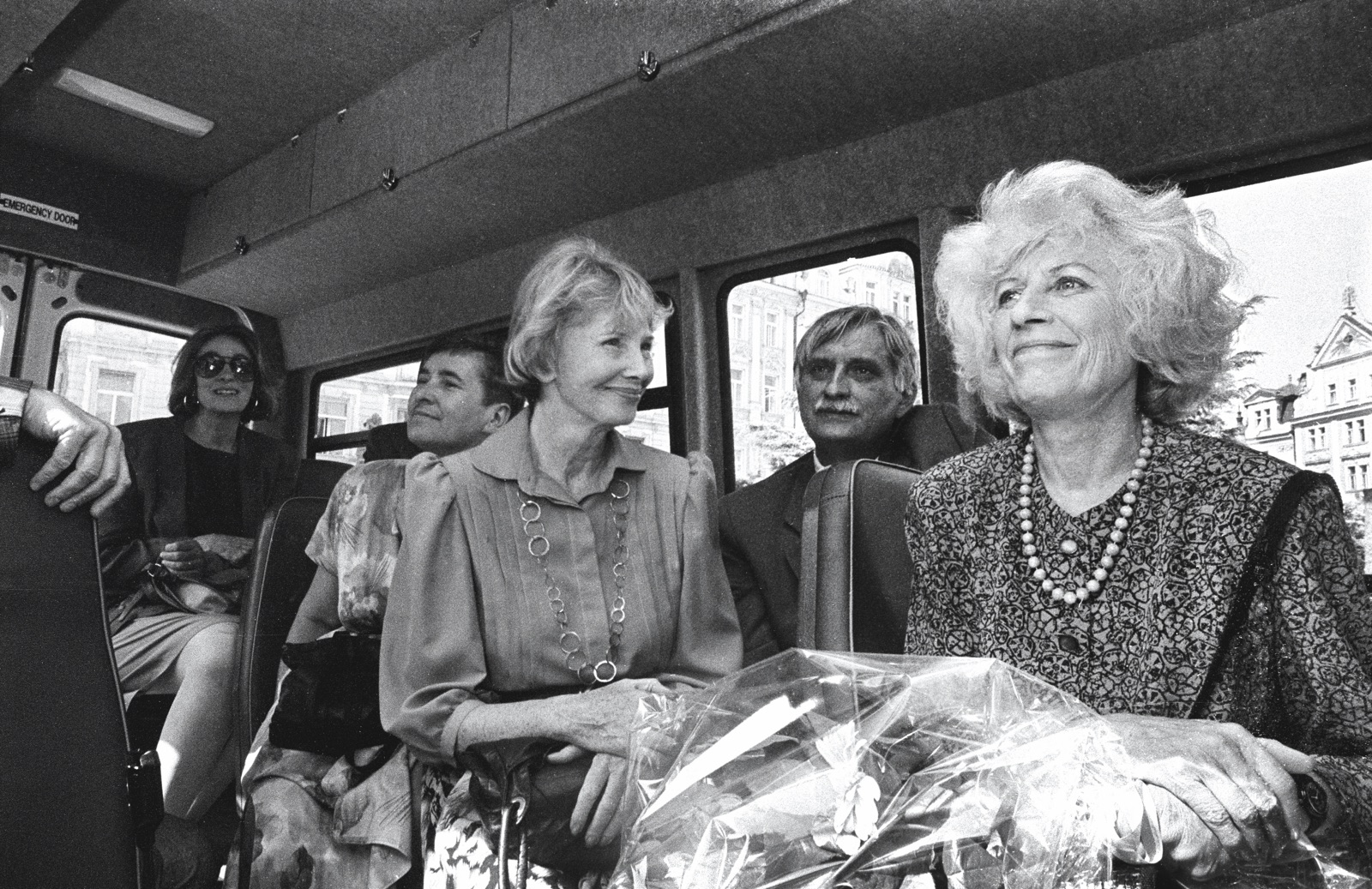
From right: First Lady Olga Havlová and Countess Diana Phipps Sternberg

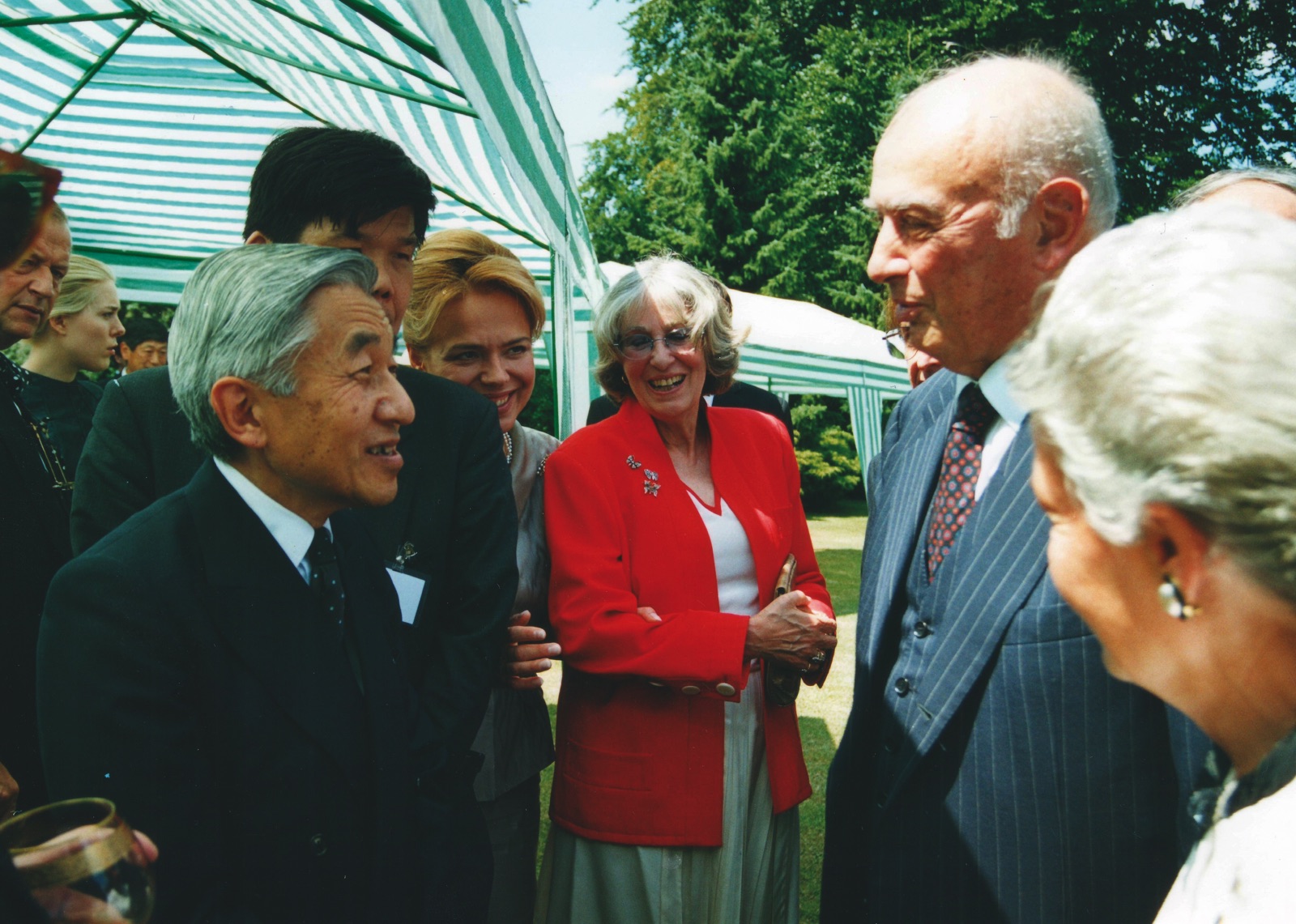
His Majesty Emperor Akihito of Japan, First Lady Dagmar Havlová, Countess Diana Phipps Sternberg, and H.E. Mario Quagliotti with Countess Mathilda Nostitz

Mrs. Diana Sternberg first met Mrs. Olga Havlová in 1988. At the time, she was in Prague with a group from the Helsinki Committee, and they went to visit the Havels. She recalled that moment: “We were quietly and in the dark walking down the stairs to ensure our presence didn’t endanger anyone. When we were halfway down the steep climb, the entire staircase lit up. A beautiful woman stood on the landing and asked, ‘Why are you walking in the dark? Can’t you turn on the light?’ And that was Olga Havlová for me. Practical and logical, smart, unsentimental, and witty.”

The friendship between the two women began in June 1989 at Hrádeček, where they came with friends Harold Pinter and his wife to visit Václav Havel during his house arrest. Later, Olga and Diana started visiting social institutions and healthcare facilities together, trying to help people living there as discarded individuals, disconnected from life, as well as people outside of the walls of those facilities. The worst, they thought, were the institutions full of elderly people, and the homes for children who were confined there. They were helping them even before the Good Will Committee was formally established.

President Václav Havel and Countess Diana Phipps Sternberg

Diana Sternberg spent a quarter of a century alongside the Good Will Committee as a member of the foundation’s board. She was involved in the establishment of its sister organizations in England and the USA. She always held great respect for the people in leadership roles at the foundation. She felt guilty for not being able to adhere more closely to Olga’s example, learning about those in need only through paperwork rather than meeting or talking to them in person. “That is a flaw in my character – I am ashamed that I cannot be public. Olga Havlová also suffered from this, but because of her position, she had to be more disciplined,” explained Mrs. Diana.

Mrs. Diana had a very good awareness of charity in general. She considered charity in America to be very solid and heartfelt. She saw Americans as people with very good hearts and striving to be socially visible; plus, the tax advantage of giving donations played a significant role there as well. When she moved to London, she encountered a different kind of charity. “More is done here, and less is talked about. I had a friend who visited prisoners once a week her whole life and talked with them. Other women go to the hospitals – they are called ‘book ladies’ – and they bring along a stroller with a small library. The patients either choose a book to read themselves or the ‘book lady’ reads a selected book for them. You can’t say which activity is more important. Every help is good,” noted Mrs. Diana. She was pleased that the approach to charity in the Czech Republic was gradually improving. She had great sympathy for people fleeing their homes to escape danger, and kept reminding us of the help provided in other countries to Czechoslovaks who emigrated.

At her ancestral castle in Častolovice, Mrs. Diana regularly received children from the Sun Foundation, which she was taken to at its opening in 1991 by Olga Havlová. She loved the kids, and hoped that it was mutual. She always looked forward to their visits. “We dance, we sing, we have clowns and plenty of food.

Countess Diana Phipps Sternberg and First Lady Olga Havlová

It’s cheerful,” she described the meetings with the children. She greatly admired the work of the foundation’s director, Doctor Blanka Dvořáková, attributing to her success the fact that ‘her children’ with combined disabilities navigate life without awareness of their handicap. She also collaborated with a shelter for parents with children in nearby Kostelec. For disabled visitors, she provided a stair climber at Častolovice Castle, and designed tours for the visually impaired with the opportunity to touch everything.

Diana Sternberg loved literature and music, claiming that she could not live without them. Nature filled her with positive energy. In Častolovice, she built a mini zoo, aviaries for birds, a shelter for sick swans, established both a rose garden and a water garden, and planted new trees for the future of the castle park, which is very popular among visitors.

In 2015, Diana Sternberg ended her active involvement with the Good Will Committee – Olga Havlová Foundation. She withdrew from public view but continued to support its activities with generous donations. She died on July 31st, 2024, two minutes before midnight, in a Vienna hospital, surrounded by her close family.

A glass spiral in Osaka the Czech National Pavilion for EXPO 2025 will be a marvel

Text: Martina Hošková and M.Zisso; Photo: Archive

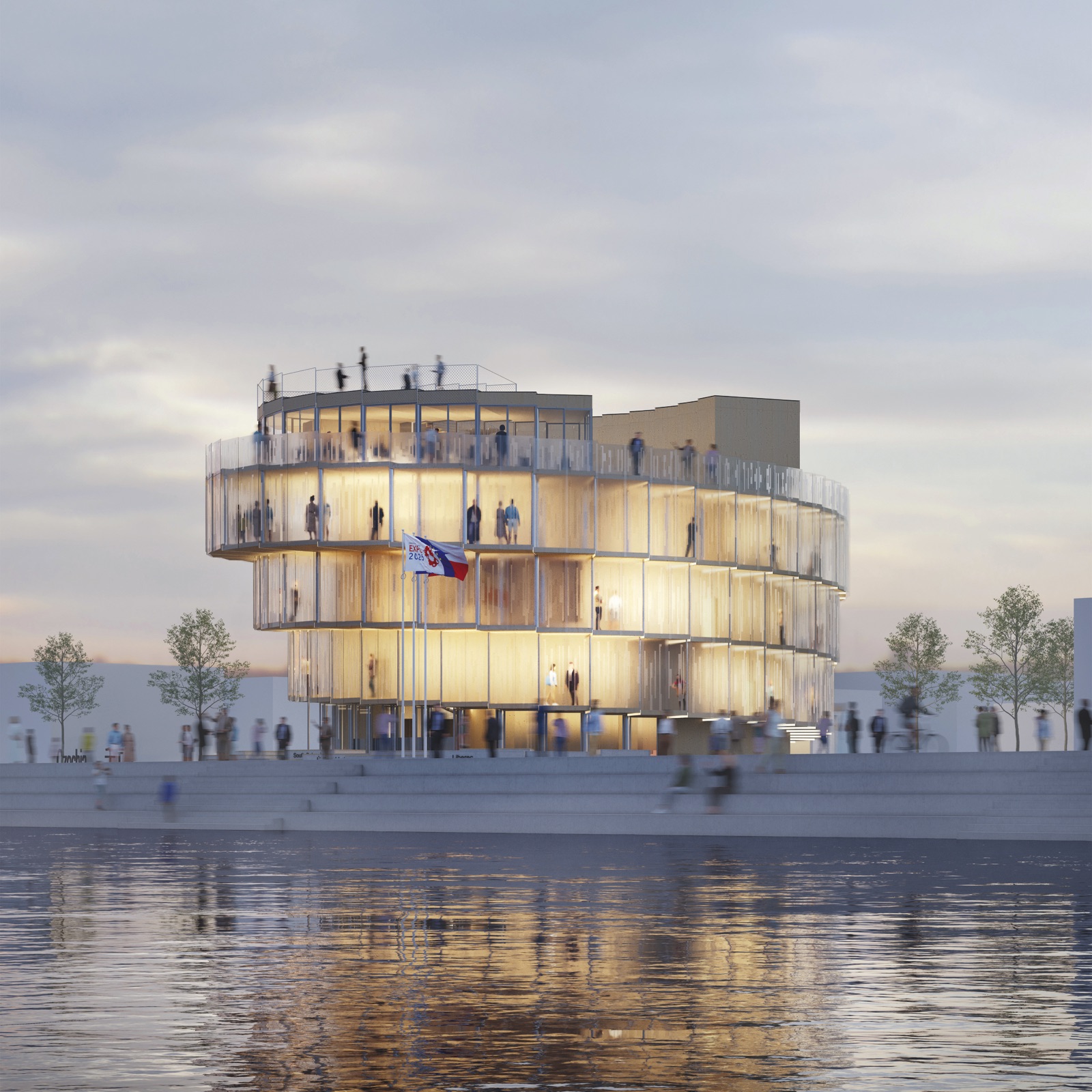
The Czech national pavilion for EXPO 2025 in Osaka, Japan, will speak the language of wood and glass. Designed by Apropos Architects and based on the shape of a spiral, the pavilion will offer visitors a path that gradually winds upward, widening as it goes. It symbolizes a future in which technological advances are fused with a tradition of craftsmanship, representing the development of society and mankind itself.

The world exhibition EXPO 2025 is returning to Osaka, Japan, after fifty-five years, and the Czechs are not going to miss it. “The concept of the architecture we’ve designed is the dynamic formation of a mass that from the outside appears light, transparent, and airy, seemingly defying the earth’s gravity.

Upon closer inspection, however, a clear geometric design principle is evident throughout the entire building,” says architect Michal Gabaš of the studio Apropos Architects, which operates in Zürich, Prague, and The Hague.

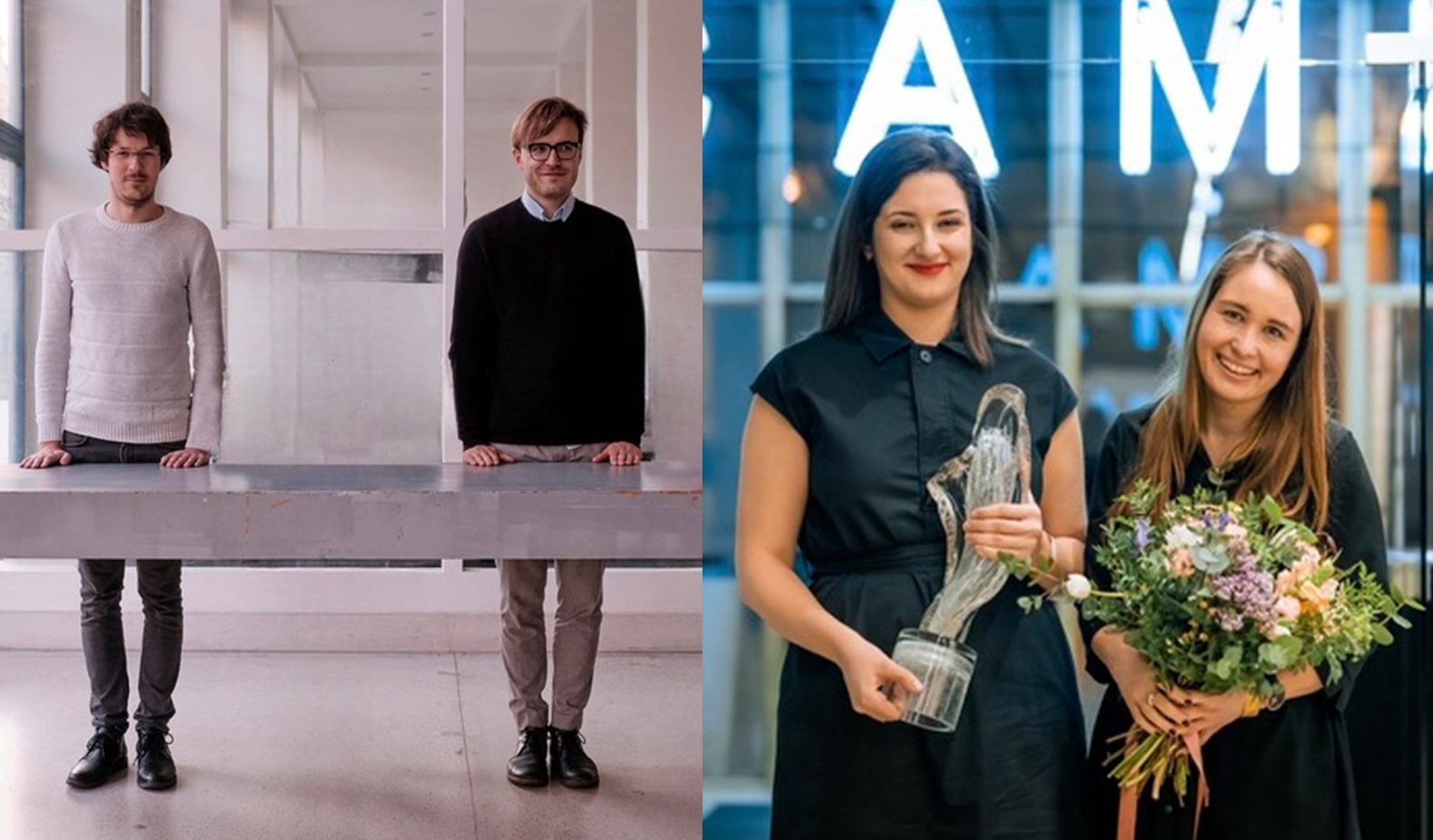
The four architects of the pavilion: Tomáš Beránek, Michal Gabaš, Nikoleta Slováková and Tereza Šváchová

The first wooden structure of its kind

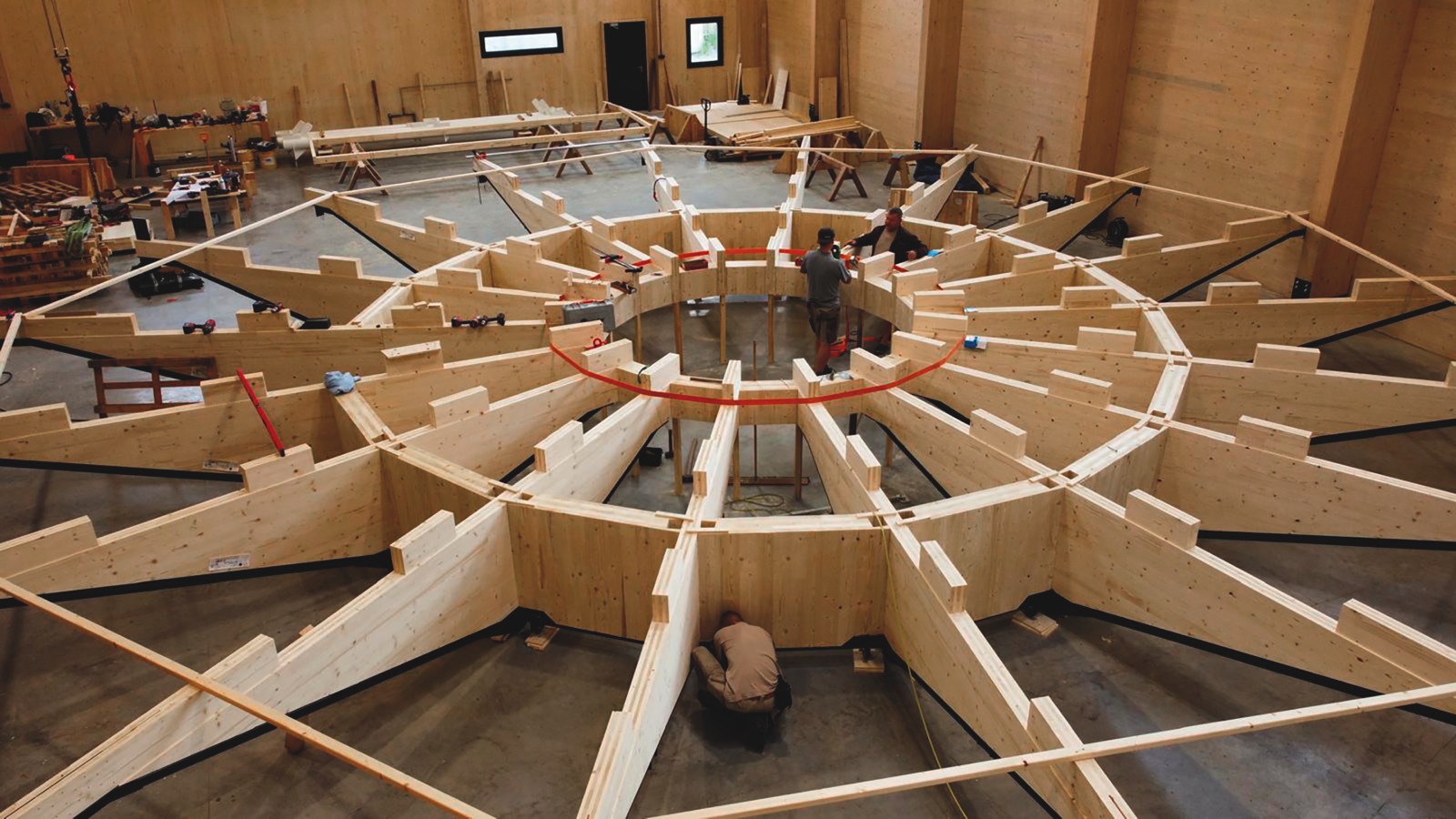
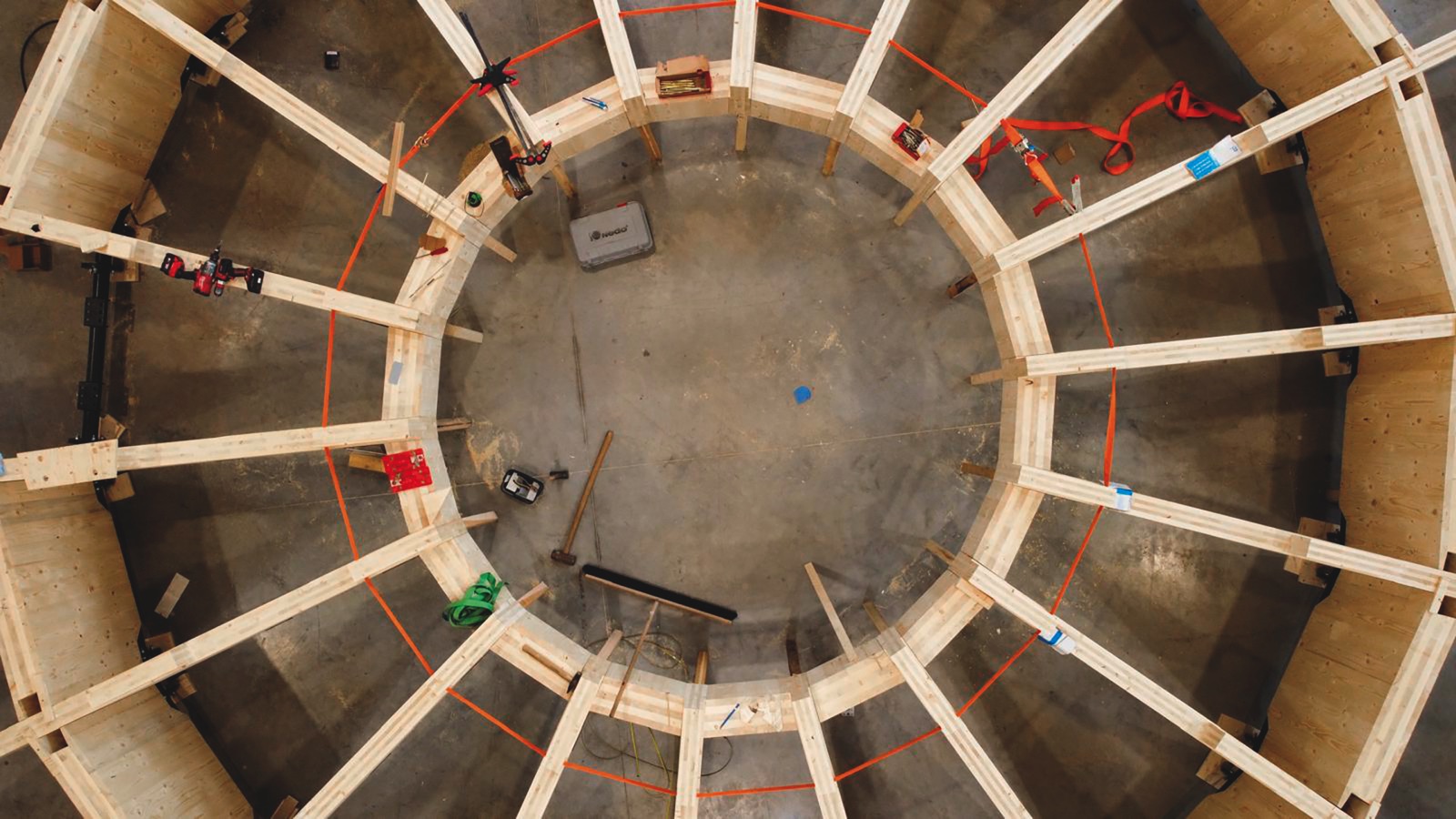
The task was to create an innovative national pavilion made of sustainable and recyclable materials. “We are used to designing wooden buildings – in Switzerland, among other countries, this is common practice and the current standard. CLT technology, meaning cross-laminated solid wood, also suggested itself for several reasons as it is a modern wood processing technique that is done at a high level in Czechia. One of the other factors is the possibility of prefabricating and producing the pavilion in Czechia, and subsequently (dis)assembling it like a jigsaw puzzle,” explain Michal Gabaš and Tomáš Beránek from Apropos Architects.

They add: “Our studio’s work is not based on a banal visual signature. Our goal is to create architecture, public spaces, and objects that meet current and future demands for quality, aesthetics, functionality, and ecology. We strive to proceed from the context of the task, the location, and the needs of the investor. In this we see the potential of each brief and its uniqueness.”

The pavilion will be located in the challenging environment of an artificial island by the sea, with high winds and potentially even seismic loads. In Japan, the Mecca of modern architecture, it is set to become the first wooden structure of its kind without a metal frame. “The project brilliantly shows that CLT and glulam timber have almost no limits, although challenges exist at all levels of the design, manufacturing, and construction processes,” say the architects.

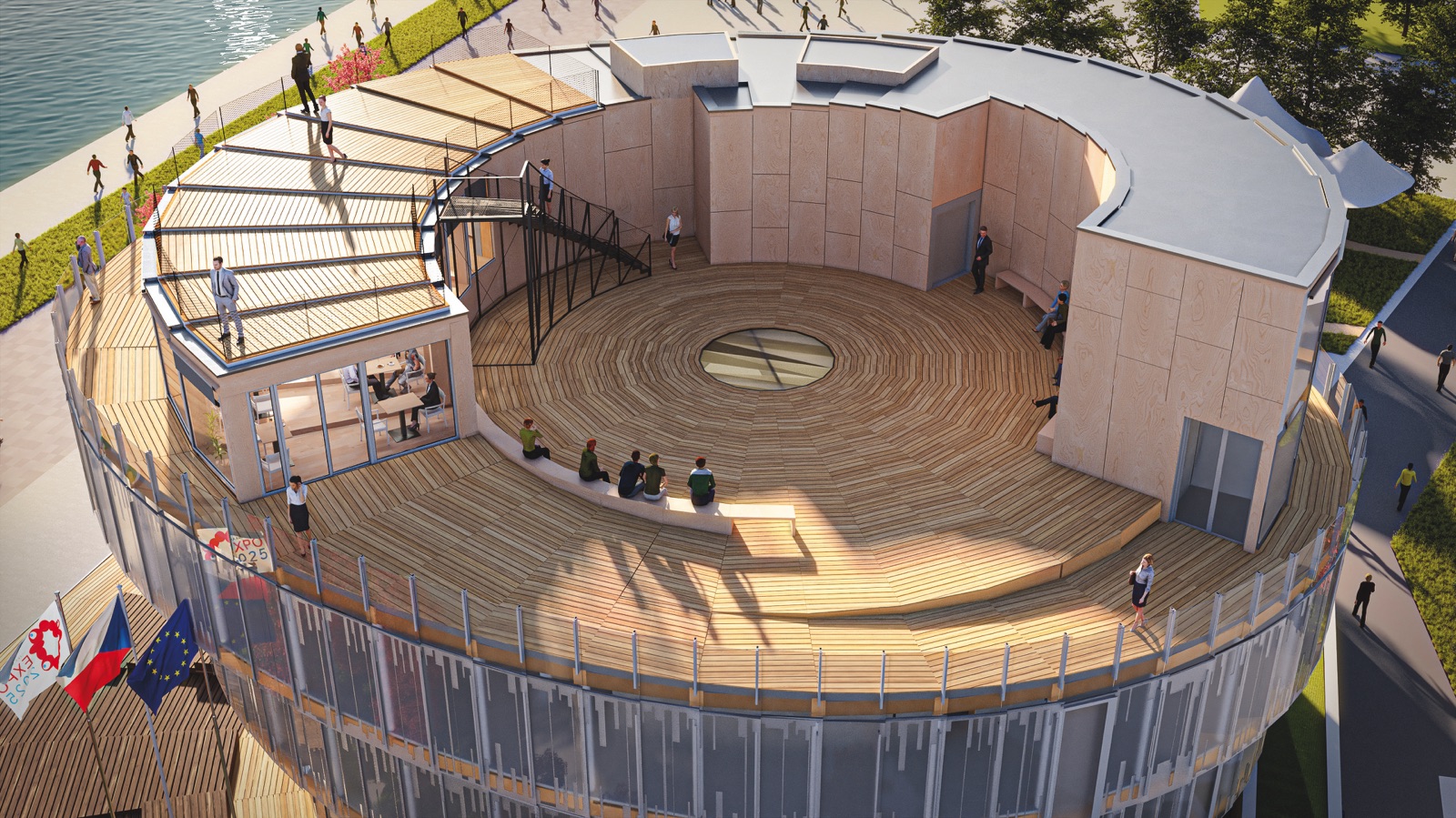
The pavilion will take advantage of its exposed position at the intersection of the coastal promenade and the main boulevard, and will draw attention to itself in all weather conditions with its dominant solitary mass. The building’s very silhouette will be iconic. The spiral, as a symbol of gradual upward movement, corresponds to the internal arrangement of the space. The accessible ramp of the exhibition space winds around the central cylinder of the multifunctional hall – the auditorium – which has an internal diameter of fifteen and a half meters and rises to a height of twelve meters above ground level. The exhibition space rises along with it, and its movement is mirrored by a ramp with seats for visitors which forms the stands inside the auditorium.

“The overall structure of the pavilion is unique precisely because of the use of CLT panels connected by interlocking elements designed to withstand heavy loads, earthquakes, and typhoons while appearing light and airy. On the outside, perhaps the most striking feature is the so-called cantilevering (a structure protruding into space without additional support) of the exhibition space above the entrance façade. On the inside, it is the roofing of the auditorium, made of wooden beams with a circular skylight,” say the architects, describing some of the challenging aspects of the design.

A building as an exhibit in itself

The design of the pavilion draws attention to itself with its delicate visuality. The façade made of artistic plate glass points to the rich history of glassmaking in Czechia, which has made a name for itself all over the world. It also offers unconventional exhibition spaces with a changing interior atmosphere.

The spiral that wraps around the central auditorium also serves as a connecting ramp, along which visitors can walk smoothly upward. The path is 260 meters long and broadens at the front and rear of the pavilion as it transforms from a nearly two-meter-wide passageway into a wider exhibition area. At a height of twelve meters, the ramp opens up into a spacious viewing terrace with a rooftop “crown” featuring a VIP Lounge. Here, visitors can not only take in the breathtaking views of the calm sea but also have a look through the glass skylight into the auditorium.

Another key element is the staircase, which is integrated into the cavity between the double walls of the cylinder and opens onto the ground floor with the restaurant. Parallel to the visitor staircase, a second staircase winds up the inner cylinder, serving the needs of the auditorium and connecting the ground floor restaurant with the auditorium, its stands, and the lounge. Thanks to this pair of ingeniously designed staircases, it is possible to completely separate the exhibition space from the multifunctional hall.

The wood used in the structure and the ceiling is eye-catching. The supporting structure is composed of a system of cross-laminated CLT panels that form the central part of the auditorium with the embedded staircases and elevator. The core of the building is complemented by horizontal panels that form the exhibition spiral on the outside, and the balconies of the multifunctional hall on the inside.

Aromatic wood

“It is mainly spruce, harvested in the Czech Republic and processed into CLT boards of various thicknesses, or into square or round columns. These are further processed and shaped into the exact elements of which the entire pavilion is composed.

The wood’s journey to Japan will of course be very long, but CLT panels in the parameters we need for the pavilion are not produced there locally. Moreover, Japanese wood is much softer than European wood, and so we would not be able to obtain all the necessary permits. So, there was no other option but to import the entire wooden structure from Czechia,” adds Tomáš Beránek regarding one of the structure’s primary materials.

“Moreover, this gives skillful Czech companies the opportunity to supply the Czech national pavilion, which is a great reference order for them. At the same time, they can use this experience to expand their foreign activities and grow their companies,” adds Ondřej Soška, Commissioner General of Czechia participation at EXPO 2025.

And how will the construction materials be delivered? The individual parts of the pavilion are sent to Osaka via Hamburg by ship, and it takes about eight to ten weeks to transport one batch. In total, fifty containers of timber are headed to Japan, all of which were shipped out gradually during the summer months. Other containers with the glass parts will follow.

The Czech pavilion has already garnered a number of international awards. Its latest achievement is world-renowned architecture magazine Dezeen listing it among the thirteen most interesting pavilions of the entire show.

“For Czech companies, the World EXPO can bring new markets; it can help them with expansion or exports. A number of studies have shown that state investment into export promotion bears efficient returns. Among other things, we would like to contribute to attracting new investors or expanding existing investments in Czechia. Incidentally, Japan is the second largest foreign investor in Czechia. We are also interested in further expanding scientific research cooperation between Japanese and Czech entities, and we would like to help attract Japanese tourists to regions other than just Prague,” concludes Ondřej Soška.

A new vascular centre opens in Prague 5

Text: Martina Hošková and M.Zisso; Photo: Archive

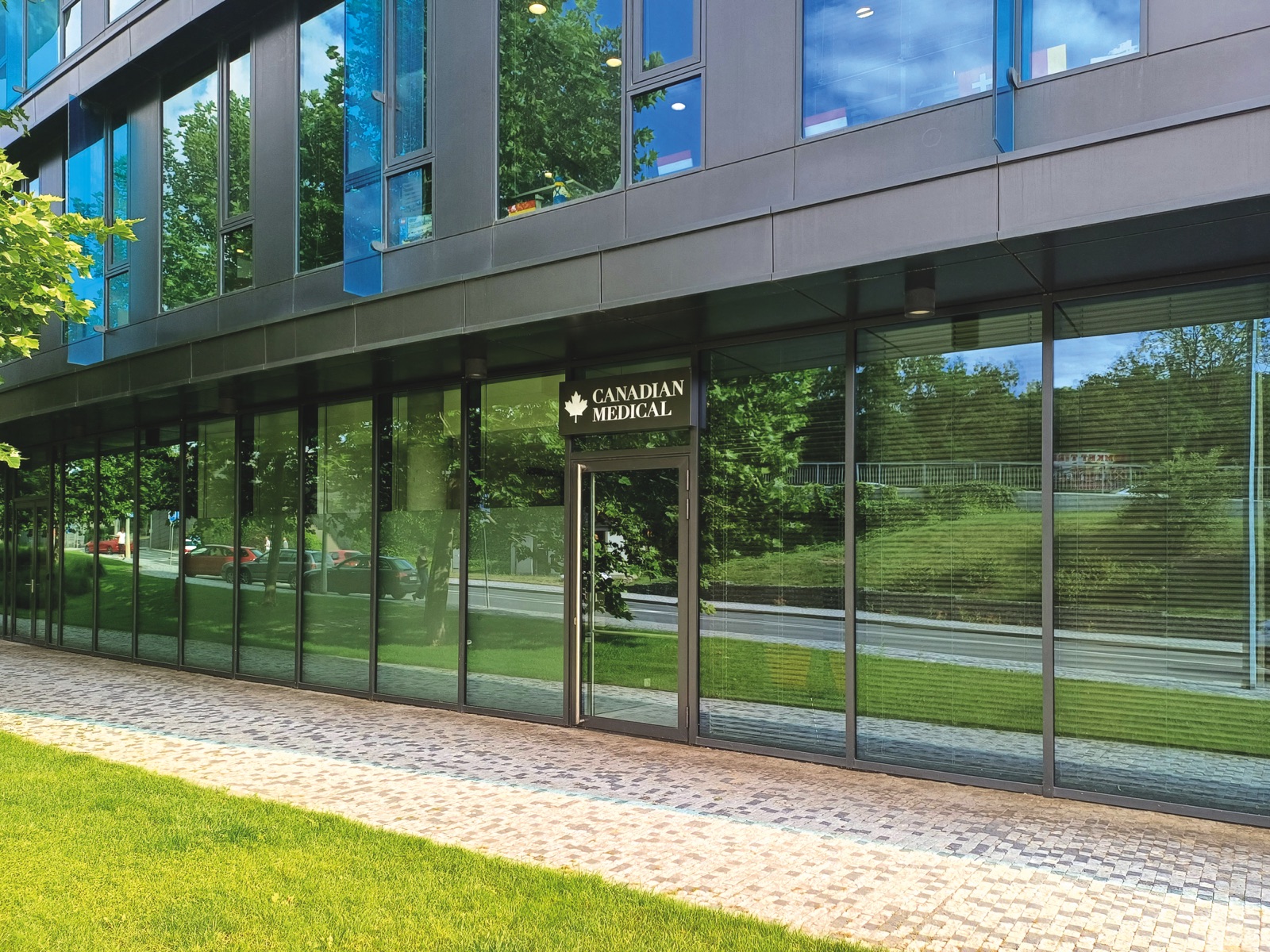
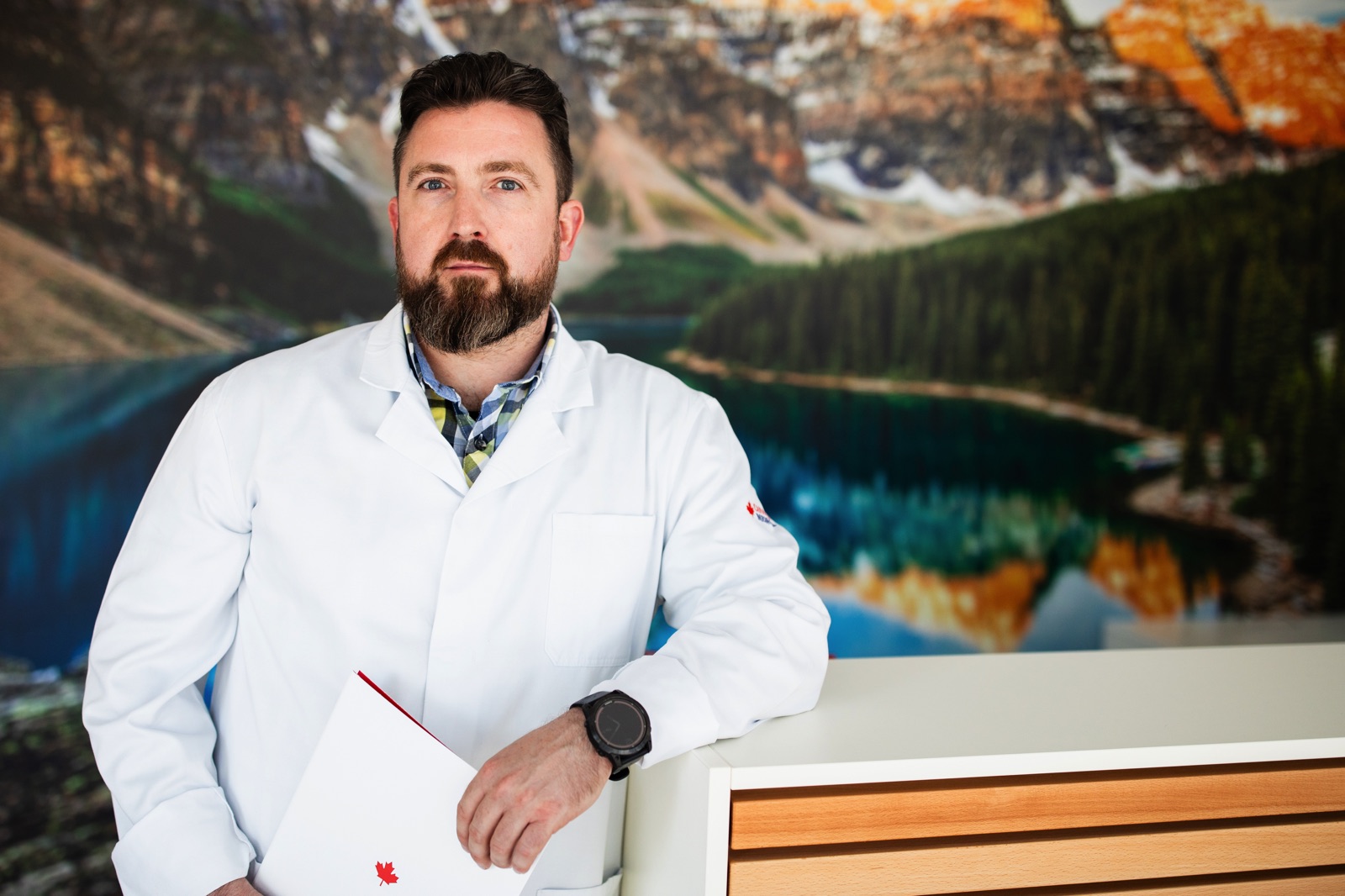
Canadian Medical expands its one-day surgery care by opening a new vascular centre in Prague 5. The newly built outpatient facility complements the range of care in the field of one-day surgery, which is now a standard part of healthcare offerings for clients at the nearby Waltrovka Clinic. Dr. Jan Bafrnec, an experienced specialist in vascular surgery, has become the head physician of the facility. The first operations in the newly opened vascular centre already took place in June.

Chronic venous insufficiency: a silent enemy affecting up to 80% of the population

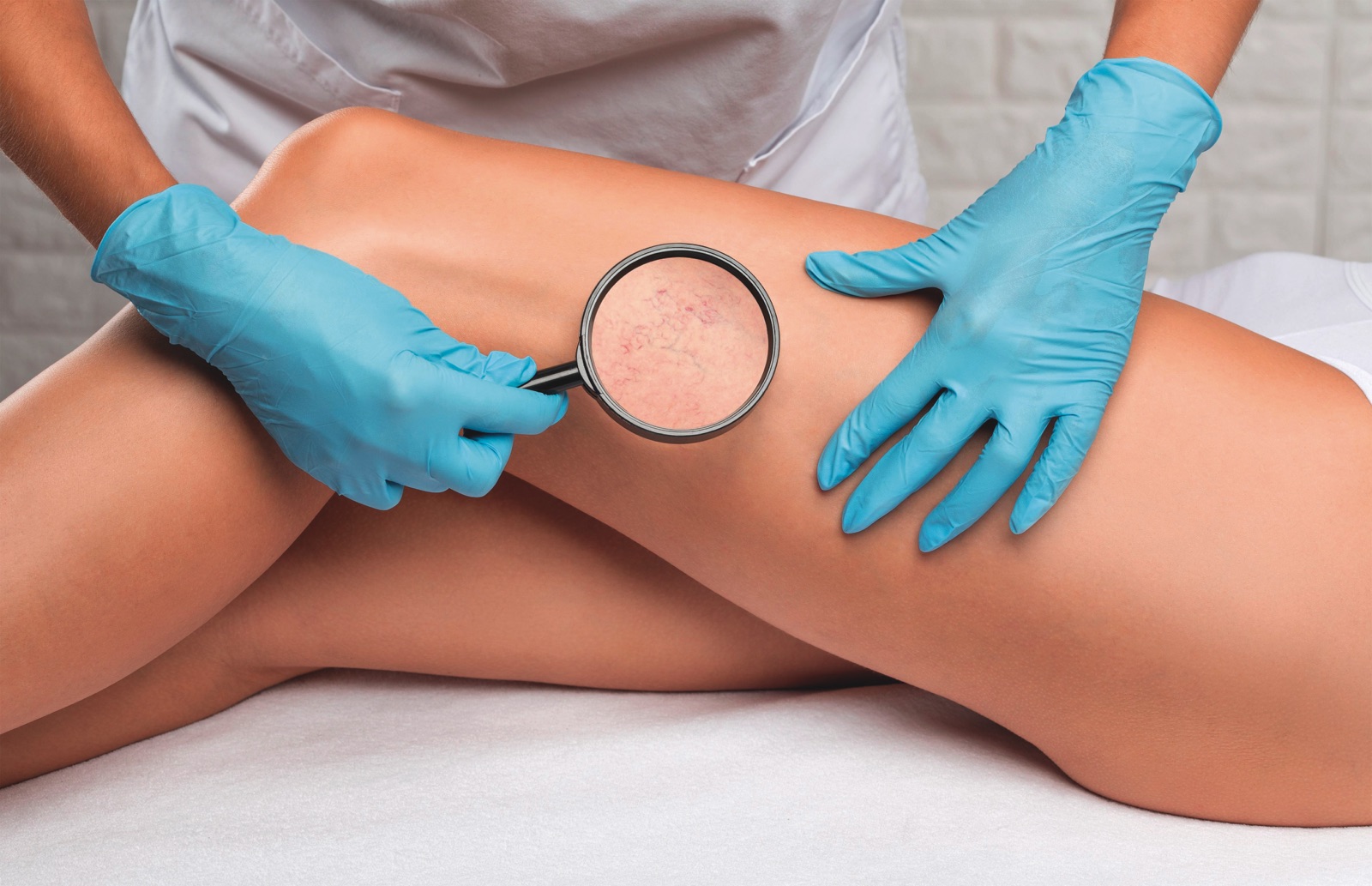
Chronic venous insufficiency (CVI) is a health issue affecting up to 80% of the population. This condition disrupts blood circulation in the veins, particularly in the lower limbs, where the veins lose their ability to effectively pump blood. This leads to stagnation and swelling in the legs. Although CVI is common, it can pose serious health risks, especially if it progresses to advanced stages. The disease has six stages: from minor enlarged capillaries to visible varicose veins to leg ulcers.

The most common symptoms include vague pains, swelling, and visible varicose veins. In the initial phase, CVI may be asymptomatic, but as the disease progresses, inflammation, superficial thrombosis, and leg ulcers can occur. In some cases, CVI can also be a source of pulmonary embolism.

It is crucial not to underestimate the initial symptoms and difficulties and to seek expert help as soon as possible.

Innovative care for all forms of chronic venous insufficiency

The Canadian Medical vascular centre specializes in comprehensive diagnostics and minimally invasive treatment of varicose veins at all stages, including leg ulcers. One-day surgery, where patients can go home a few hours after the procedure, is more manageable for many patients than long-term hospitalization. Recovery takes place in a home environment, positively affecting the patient’s mental wellbeing and accelerating treatment.

The new facility offers a wide range of outpatient procedures, such as aesthetic mini-phlebectomy, laser ablation (EVLT), sclerotization, and the innovative VenaSeal method, which uses venous adhesive. “We treat all forms of chronic venous insufficiency, including leg ulcers. We provide care to clients with complicated diagnoses that are not suitable for conventional therapy under general anaesthesia. All procedures are performed on an outpatient basis with local anaesthesia, allowing for a quick return to regular activities immediately after the procedure. Our clients are cared for by a qualified team of doctors with international experience in the field, following the latest knowledge and international recommendations. A procedure room equipped with modern devices for the relevant surgical methods is standard practice,” says Dr. Jan Bafrnec, a specialist in general and vascular surgery and head physician of the new Canadian Medical vascular centre.

Comprehensive care delivered under one roof

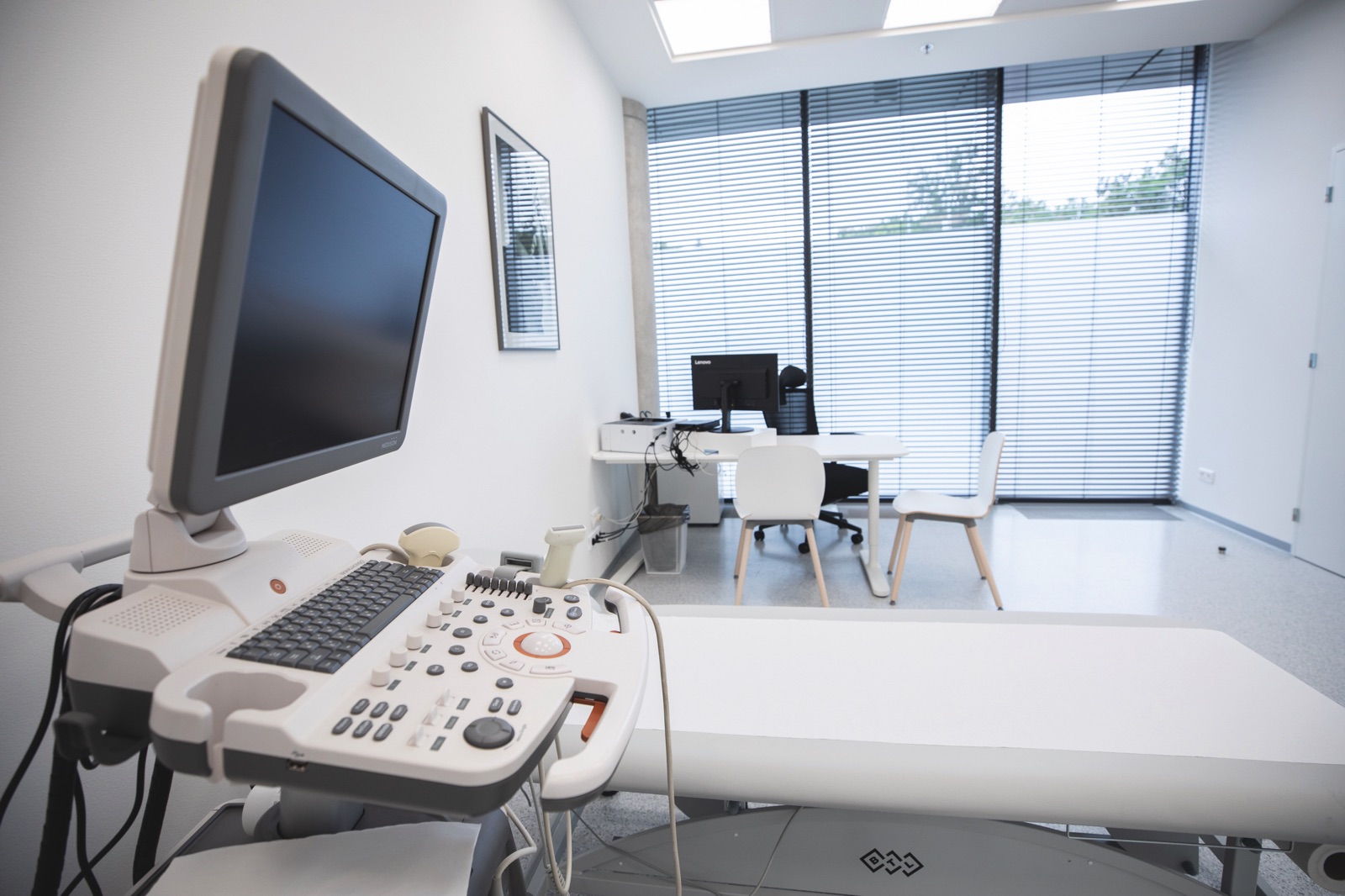
Diagnostics is a key component of care at the newly opened Canadian Medical vascular centre. During the initial consultation, the vascular surgeon performs a complete physical and ultrasound examination, while other imaging methods, such as CT or MRI, are used only rarely. The examination is also recommended for clients with small capillaries, where significant impairment of the main superficial veins may be revealed. Subsequently, a “tailored treatment” is proposed, and the client is scheduled for an outpatient procedure at a specific time.

Treatment is indicated primarily for symptomatic patients with swelling, cramps, pain, and a feeling of heavy legs. The goal is to alleviate symptoms and prevent the progression of the disease to a more serious stage, such as leg ulcers. Conservative therapies (such as venopharmaceuticals, compression therapy, and lifestyle changes) can be effective for milder forms of the disease, while more severe findings require surgical intervention. Procedures are performed in a modernly equipped procedural room, and, for greater comfort and peace, music is played upon request.

How do you make an appointment?

The new Canadian Medical vascular centre is strategically located in the Aviatica building, near the Waltrovka Clinic. “The demand for our services is high, especially since diagnoses and surgeries are performed by a certified vascular surgeon. Clients do not need any referral from a doctor for examinations at our facility; they just need to make an appointment,” explains Radim Stein, operations manager at the Waltrovka Clinic.

Those interested in treatment can schedule an initial consultation with a doctor, who will choose the most appropriate treatment method based on their health condition and plan the date of the procedure. Care is available to all clients with Czech health insurance; to those without Czech health insurance and foreign clients it is offered on a direct billing basis.

DR. JAN BAFRNEC

is a recognized specialist in general and vascular surgery, with over ten years of experience. After graduating from the 1st Faculty of Medicine at Charles University in 2007, he focused on general surgery, in which he was certified in 2014 at the 3rd Faculty of Medicine at Charles University. He expanded his specialization to vascular surgery, obtaining a certification in 2022. Dr. Bafrnec specializes in laparoscopic and endovenous vein surgery, as well as oncovascular surgery. Since 2011, he has served as a surgical consultant at the Royal Vinohrady Teaching Hospital, where he is involved in the comprehensive care of general, laparoscopic, and vascular surgery. In addition to clinical practice, he is also engaged in academic activities as an assistant professor at the 3rd Faculty of Medicine at Charles University. His professional career also includes work as a clinical research physician, and he is actively involved in publishing.

CANADIAN MEDICAL

In the offices and operating rooms of Canadian Medical you will find doctors with extensive experience from the best Czech hospitals, as well as abroad, who are well-informed about current developments in their fields. Today, Canadian Medical has over twenty years of client care experience, and, thanks to the diligent work of doctors, nurses, and colleagues in support roles, has also undergone dramatic development. The comprehensive care is offered at seven locations in Prague and Brno, including a hospital department with two modern operating rooms. Due to the quality of care, Canadian Medical continues to be the facility of choice for foreigners living in the Czech Republic. Today, the largest portion of Canadian Medical patients comprises of Czech clientele who want to take the best care of their health and seek a high standard of services.

How to cash your loyalty miles

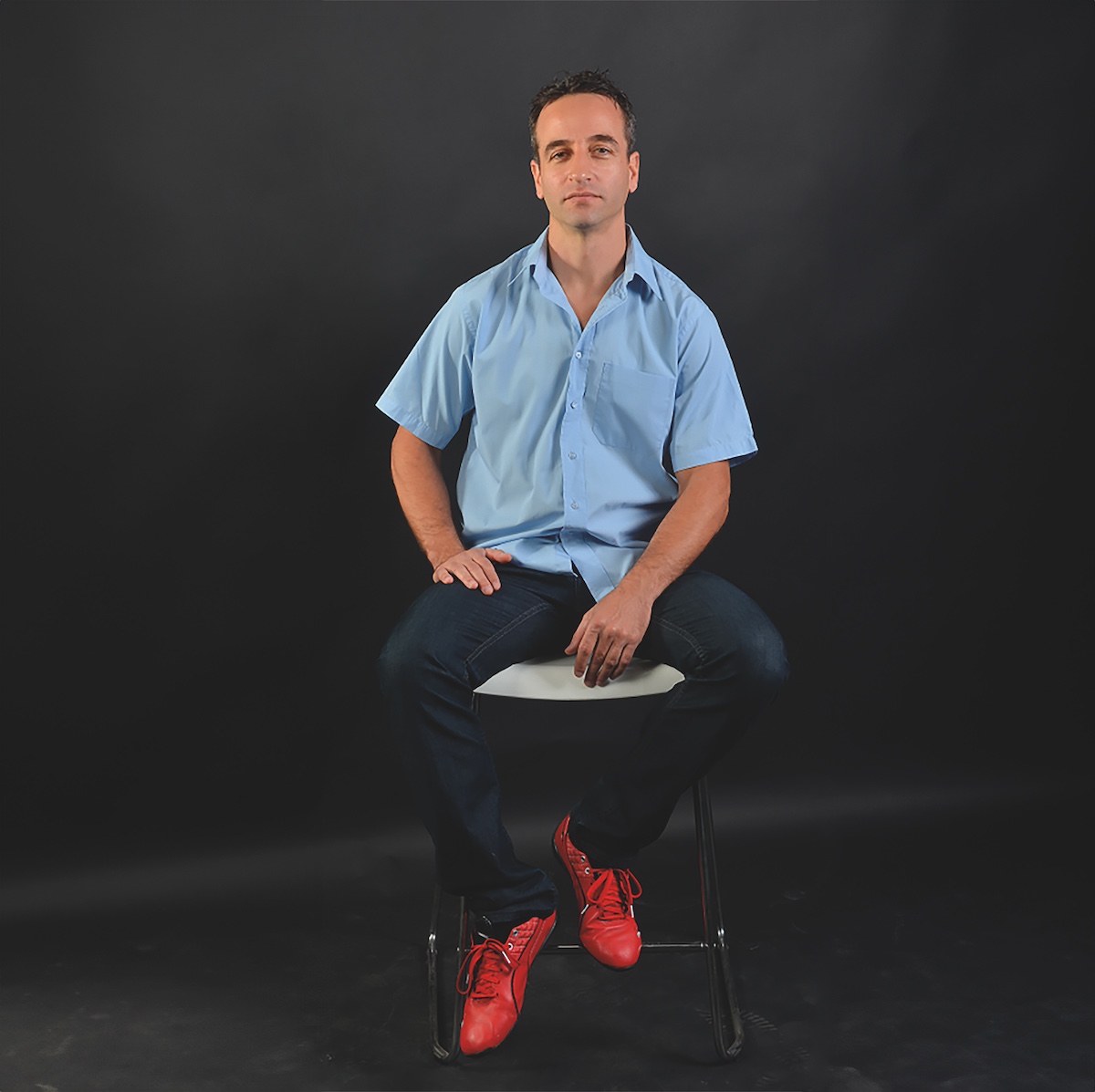
Tal Moskovich, Founder of MyleFly

Text: Tal Moskovich, Founder & CEO of Mylefly; Edit: Martina Hošková; Photo: Yehudit Hofman

A growing number of frequent flyers are beginning to look for ways to trade their miles and hotel points, converting them into actual cash. My own frustrating experience of accumulating miles, only to realise later how limited the ways of using them are, led me to recognise a market failure. Creating a secondary market where frequent flyers could sell their miles would provide a much-needed solution.

Encountering a significant market gap

While working for a subsidiary of France Telecom, I frequently travelled and collected miles across various airline loyalty programs. When I tried to use these miles for a family vacation, I realized the severe limitations in availability, especially during peak seasons. This frustration led me to recognize a widespread market failure affecting frequent flyers like myself. After over two years of in-depth research, I discovered that airlines owe more than $500 billion in miles to frequent flyers. I knew that creating a secondary market, where frequent flyers could sell their miles, would provide a much-needed solution.

I’ve always been fascinated by how technology can improve our lives, particularly through financial models. This fascination led me to establish MyleFly. Airline miles and hotel points trading is gradually being adopted by frequent flyers, and MyleFly is at the forefront of this change in Europe. It is the leading brand for frequent travellers looking to convert their miles into actual cash.

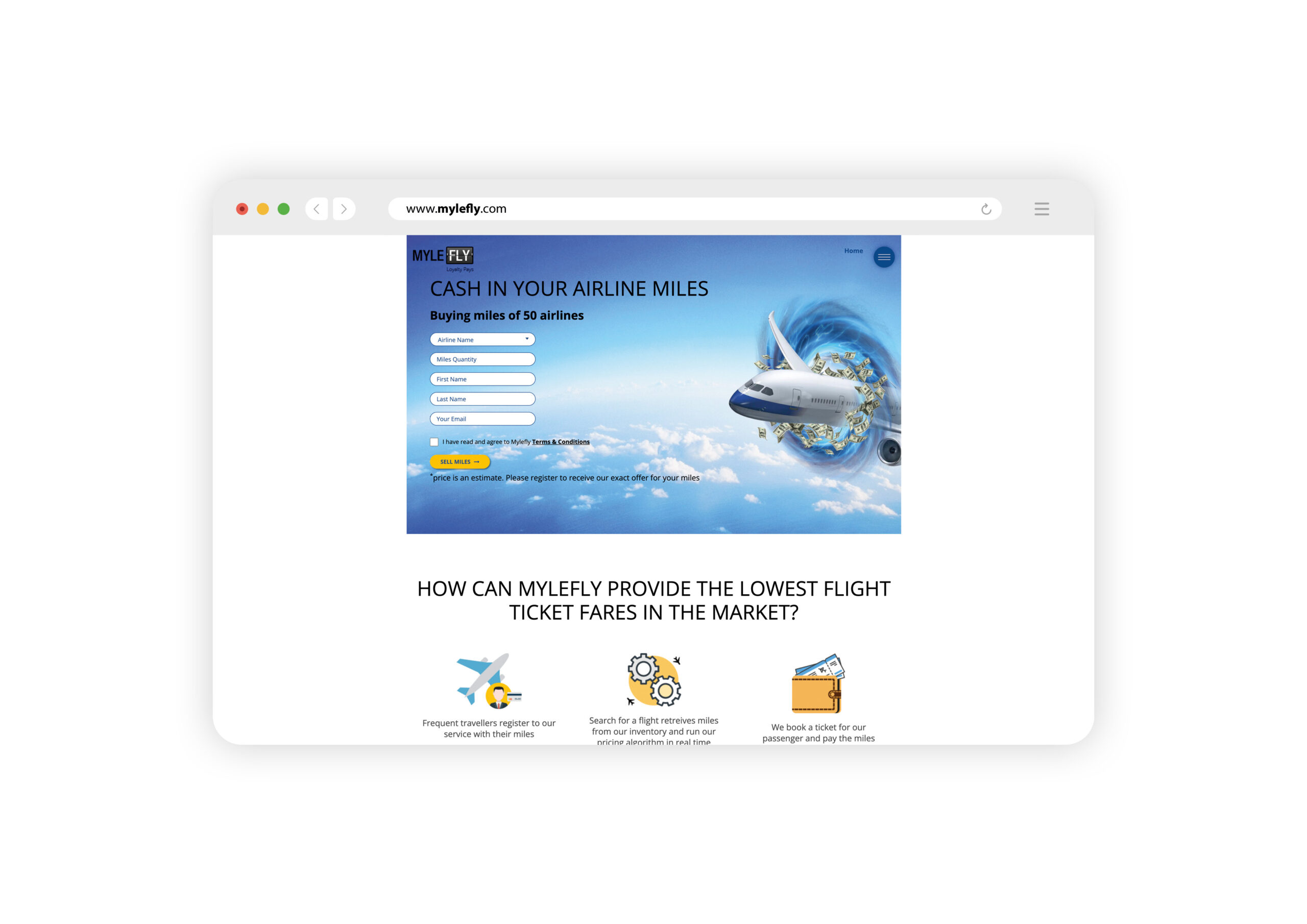
We simplified our model MyleFly initially aimed to be a trading platform for miles. However, due to the complexities of mile valuation and regulatory limitations, we simplified our model. Today, we buy miles and points from over 50 airline and hotel programs directly from individuals, and sell them as award tickets to a global network of travel agencies specializing in mileage flights.

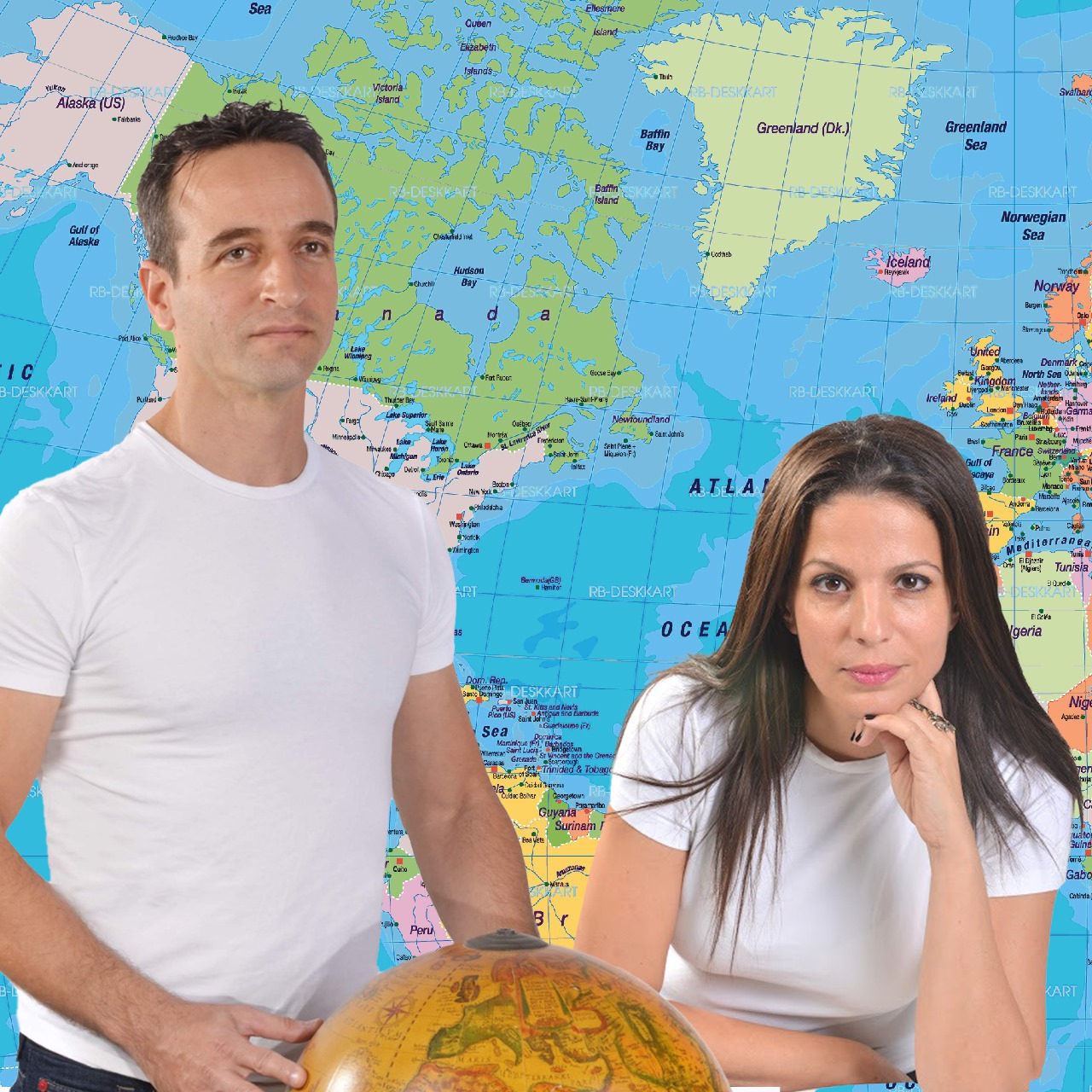
From right: Gal Mor, VP of People & Operations and Tal Moskovich

Frequent flyers can check the prices we offer on our website. If they are interested, they submit a request to sell, receive an official price offer, and then provide access to their airline program. We use the miles and pay them, or they go through a short verification process, receive payment upfront, and then provide the credentials to their loyalty program. Once the miles are used and flights are flown, the frequent flyer can change the account access details. This process has evolved to become much faster and more straightforward.

Pricing miles is complex, which is why we shifted from a trading platform to setting rates ourselves based on the market value of miles. The price per mile is influenced by several factors, including the terms of the loyalty program, airline taxes, the flexibility to use miles with airline partners, and the ability to convert credit card points to airline miles. For example, miles value can decrease dramatically due to certain credit card promotions in different continents.

Given these variables, we set the price per mile as a derivative of the market value, considering all real-time market conditions.

Disrupting the market brings challenges

Our business model allows the use of miles without the need for limited award flight availability, and converts miles to cash. However, airlines prefer that miles remain untraded, which hinders our ability to automate more of our workflow. Additionally, some frequent flyers are intimidated by airlines’ opposition to this model, making it challenging to gain widespread adoption. Despite these challenges, we are seeing increased traction and recognition from the industry, with more frequent flyers registering for our service and referring others.

As an entrepreneur, you must always remember that the key is to identify a real problem that needs solving. Don’t create technology for its own sake; focus on how your innovation can genuinely improve people’s lives. Be prepared for constant learning and adaptation. The tech industry moves rapidly, and what’s cutting-edge today might be obsolete tomorrow. Stay curious, keep learning, and be ready to pivot when necessary. I can say that determination is crucial.

Even with thorough research and a solid business model, the journey will be long and challenging. If you know your industry, have a robust business model, and a good solution, keep moving forward and find answers to every obstacle. Every problem can be seen as a challenge, and once solved, it becomes an advantage.

In our view, the lack of a secondary market for miles and flights, despite the existence of alternative markets in the travel industry (e.g. Airbnb for hospitality and Uber for transportation), indicated a significant need. We were ready to build a solution to address this gap, and make it happen.

TAL MOSKOVICH is a 52-year-old tech enthusiast with a passion for exploration, founder and CEO of MyleFly startup. Growing up in Tel Aviv, he was surrounded by a vibrant startup ecosystem that nurtured his entrepreneurial spirit. His interest in financial markets led Moskovich to pursue a BA in Economics and later an MBA. He also became a lecturer in advanced financial topics (Futures and Derivatives) at the College of Management Academic Studies in Israel. Concurrently, he gained valuable experience working for major tech companies and startups, which provided insights into how technology can transform industries. His MyleFly stands at the forefront of this change in Europe. It is the leading brand for frequent travellers looking to convert their miles into actual cash.

Making Czech t-shirts less ordinary

Radek Pilař

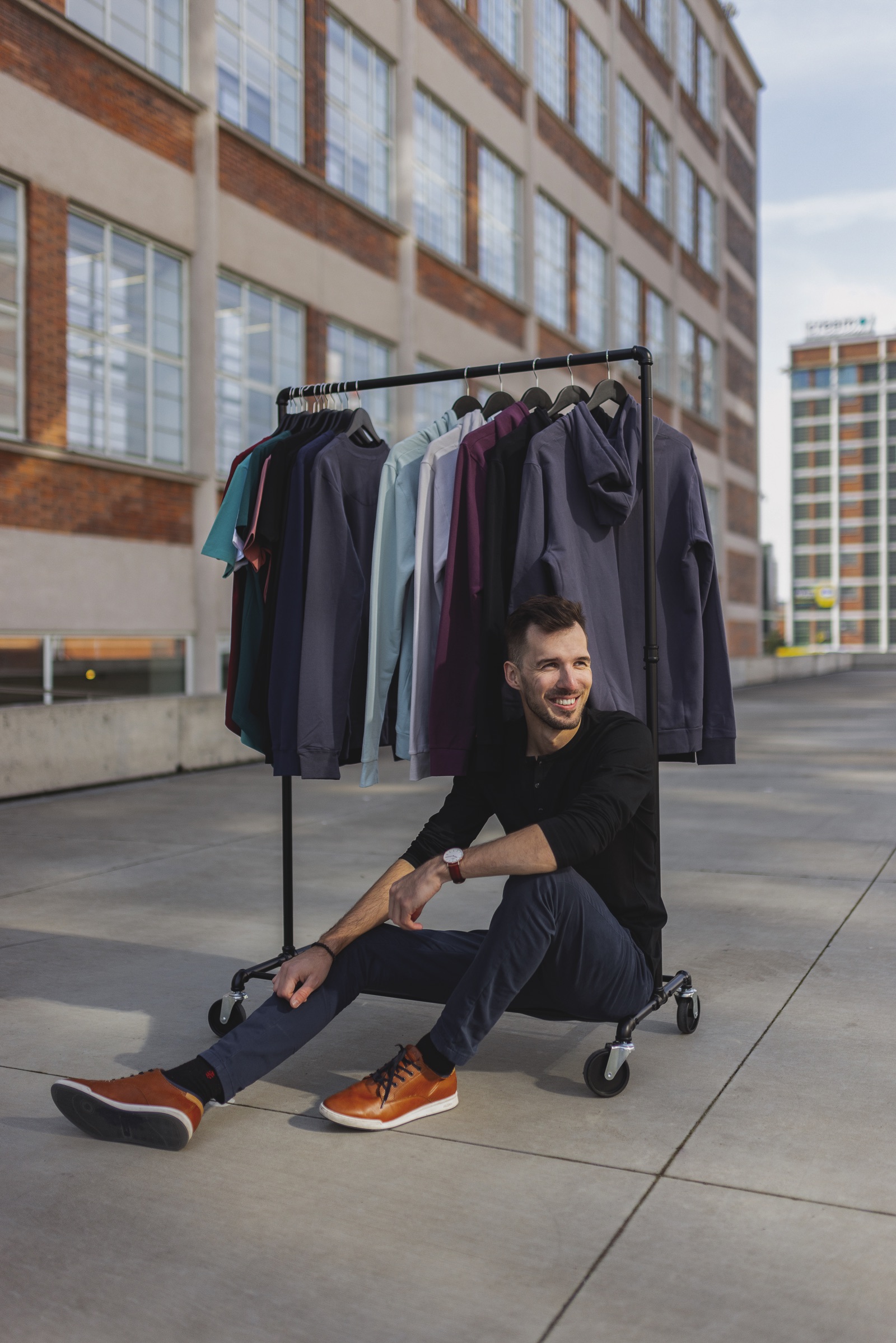
Text: Radek Pilař, Founder of TallGuys; Edit: Martina Hošková; Photo: Archive

My name is Radek Pilař, and I am 190cm tall. You are probably asking, why is this guy telling me about his height? Well, simply because this is why I got the idea to help tall Czech guys find the right, good-looking T-shirts for their bodies.

My own experience has shown me that such fitting and comfortable T-shirts are completely absent in the Czech Republic – and at TallGuys, we decided to start making them.

The kind of clothes you want to find in shops

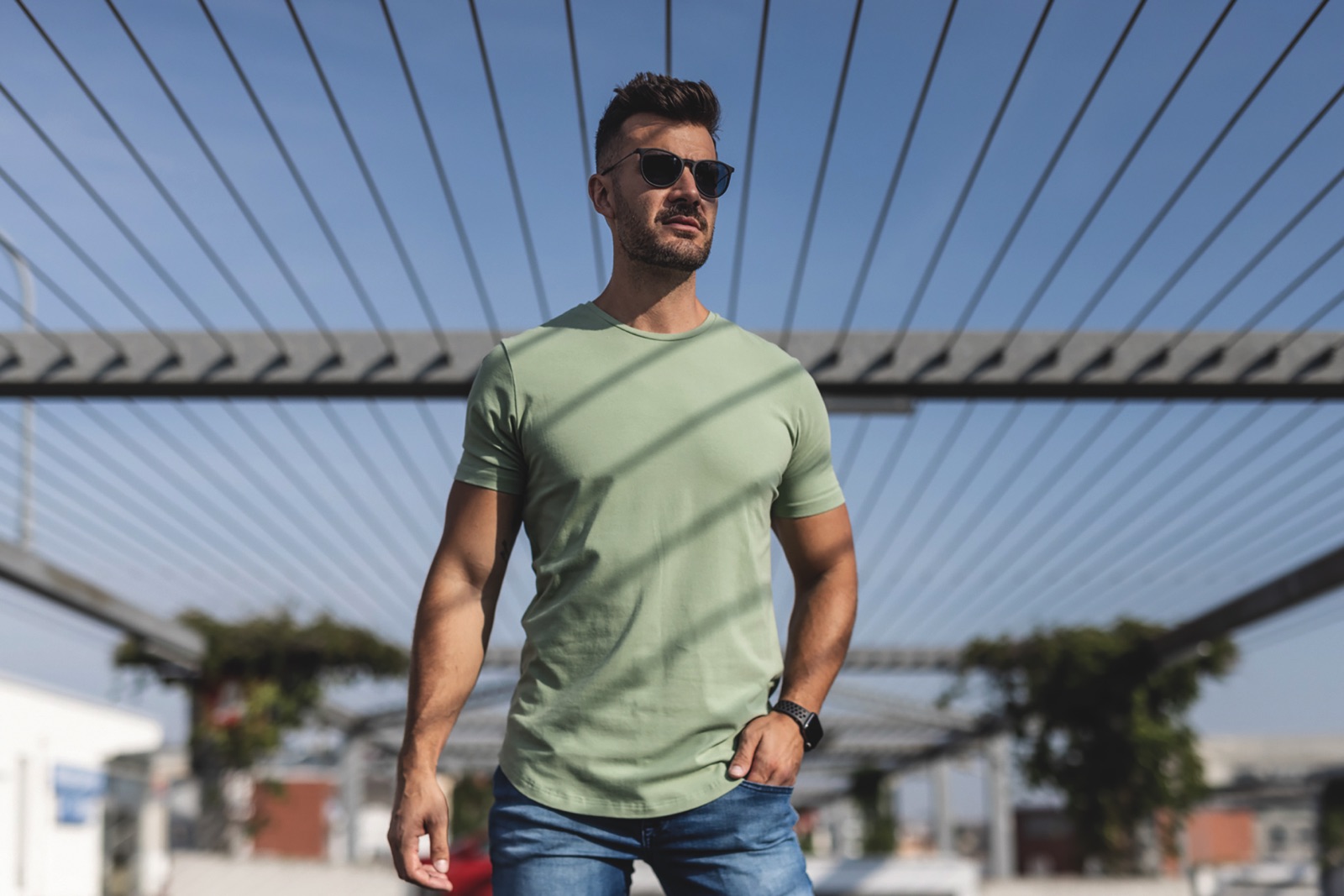
All my life, I was struggling to find clothes that would fit me. However, when I bought a couple of T-shirts in the US that fit me perfectly and were so comfortable, I didn’t pay any attention because I viewed them as a totally ordinary item. Only a few years after my return to the Czech Republic did I finally realize that T-shirts which fit like this are in no way ordinary but instead very special, and are completely absent in the Czech market. T-shirts from Czech stores were either too short or too wide, and when I accidentally found the correct size, wrinkles appeared after the first wash. I asked myself: ’Radek, why don’t you make these simple, unprinted and natural cotton extended T-shirts yourself?’, and that’s how TallGuys was born.

TallGuys is the clothing brand that’s offering the kind of items you would like to find in stores: Well-fitting, with precision cut, quality materials, and an extended length (so you don’t have to keep pulling it down all the time).

Made in the Czech Republic

I like to support other Czech entrepreneurs, so we sew our T-shirts exclusively in the Czech Republic. We aim to be friendly to people and the environment. For many months we were working with Czech seamstresses to make our T-shirts perfect – from the type of neckline and lengthening to the unobtrusive logo. We were testing our clothes for a long time. Everything you can find on the e-shop is in my closet too.

We want to create minimalistic and universal clothing. That’s our intention. Clothes you can take anywhere, and that make you feel comfortable in every situation. You can create an outfit for the whole day with these timeless pieces. We don’t even show off our branding, it’s hidden on the side of the shirt.

It’s the fit and the premium cotton that we use that make the difference – it’s nice and comfy to wear a TallGuys T-shirt. I took a lot of care in the choice of material. At least 95% of the TallGuys clothing is made up of organic cotton natural fibres. You can count on a pleasant wearing sensation, which also lasts after many washes.

The 5% elastane adds flexibility. Only natural resources and environmentally friendly processes are used in the production of our cotton materials. In addition, people work in decent working conditions on the farms.

The material is suitable for very sensitive skin, as it is certified OEKO-TEX Standard 100 + GOTS (Global Organic Textile Standard), which guarantees the highest purity of organic cotton under ethical and ecological conditions.

A quality that never gets old

Above all, we want our customers to come back, be satisfied, and be in love with wearing our clothes. We are gradually expanding our assortment because our vision is for our customers to build a complete outfit with us. We are also seeking opportunities abroad and exploring new ideas.

At the same time, we want to offer a stable assortment, so that even after years of buying and wearing our clothes the customers can still find their favourite pieces and buy what they were already satisfied with.

We think that people should spend minimal time and energy on shopping, and the piece you buy should last a long time. That’s why we care so much about the quality of our clothing, as well as offer a wide selection of neutral colours – because they never get old.

RADEK PILAŘ received a degree in Engineering Technology in Brno. Although he never worked in this field, the school equipped Radek with a lot of great experiences and personal qualities like striving for perfection. Delivering a perfect product became his goal in all activities he engaged in while working for different companies – he worked in marketing, made videos, took photos, prepared advertisements, and managed websites. As time passed, Radek realized that TallGuys is not just business, but the path that he would like to go and help others feel self-confidence in everyday life, not just in clothing.

The weather was ideal for bombing

Ruggero Ferri

Text: M.Zisso; Photo: Archive

We are not a history magazine, but sometimes the story we come across is so interesting that we want to share it with you. Have you ever stayed in a hotel where you ate breakfast in the company of a bomb, used as decoration? That’s exactly what happened to us in Northwest Italy, a few kilometres from the beautiful seaside commune of Chiavari. Why have a bomb in a house? Where did it come from? And how old is it?

Summer is a holiday time for many, and we are no exception to the tradition. This year, we decided to enjoy the beautiful sights of Italy, booking a very nice apartment outside of Genova with the plans of visiting a dog beach. You can read more about our trip at the end of this magazine.

Leivi is a town and commune in the Metropolitan City of Genova, in the Liguria Region of Northwest Italy. A few kilometres from Chiavari, it is a centre for the production of olive oil.

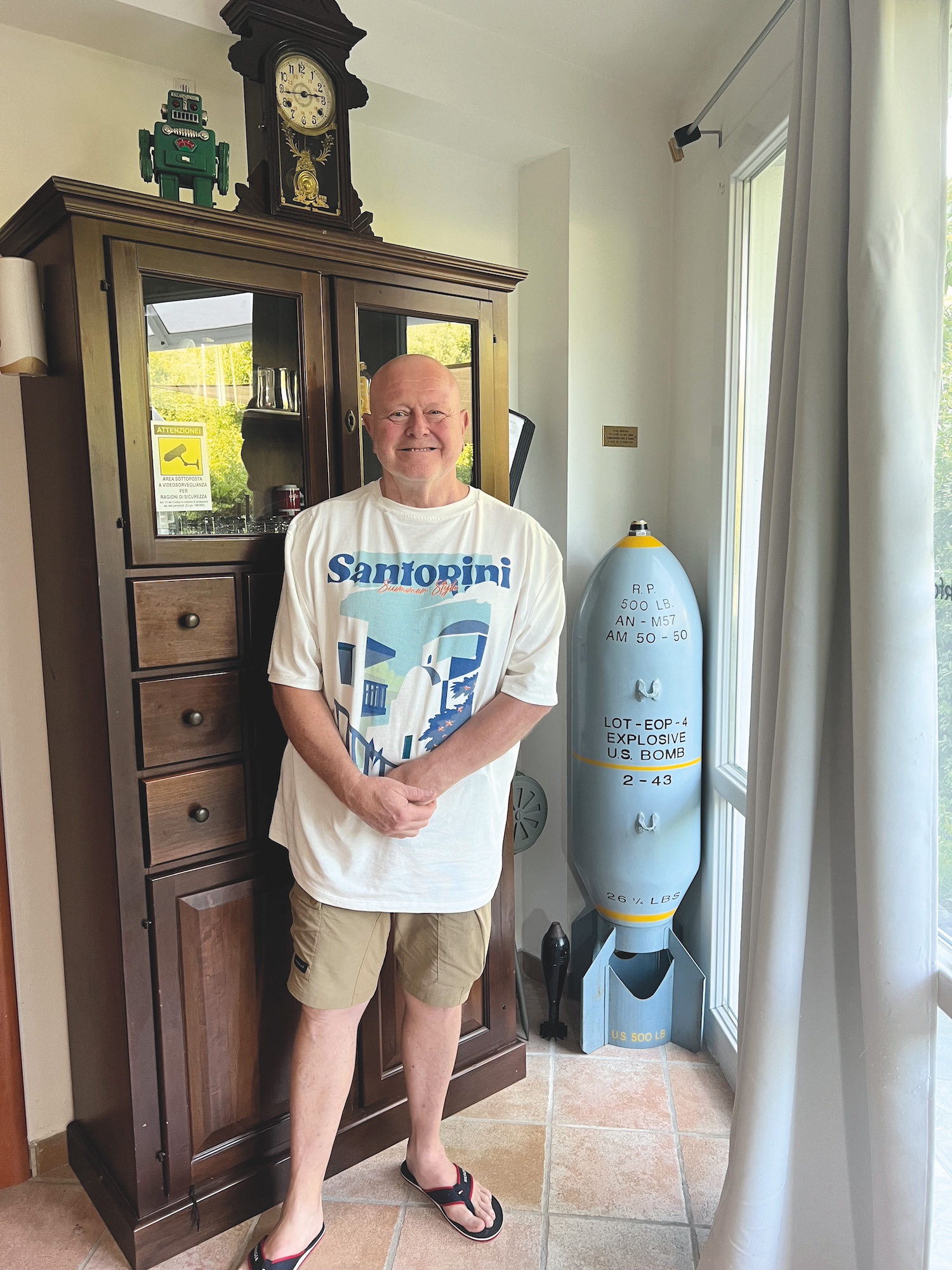
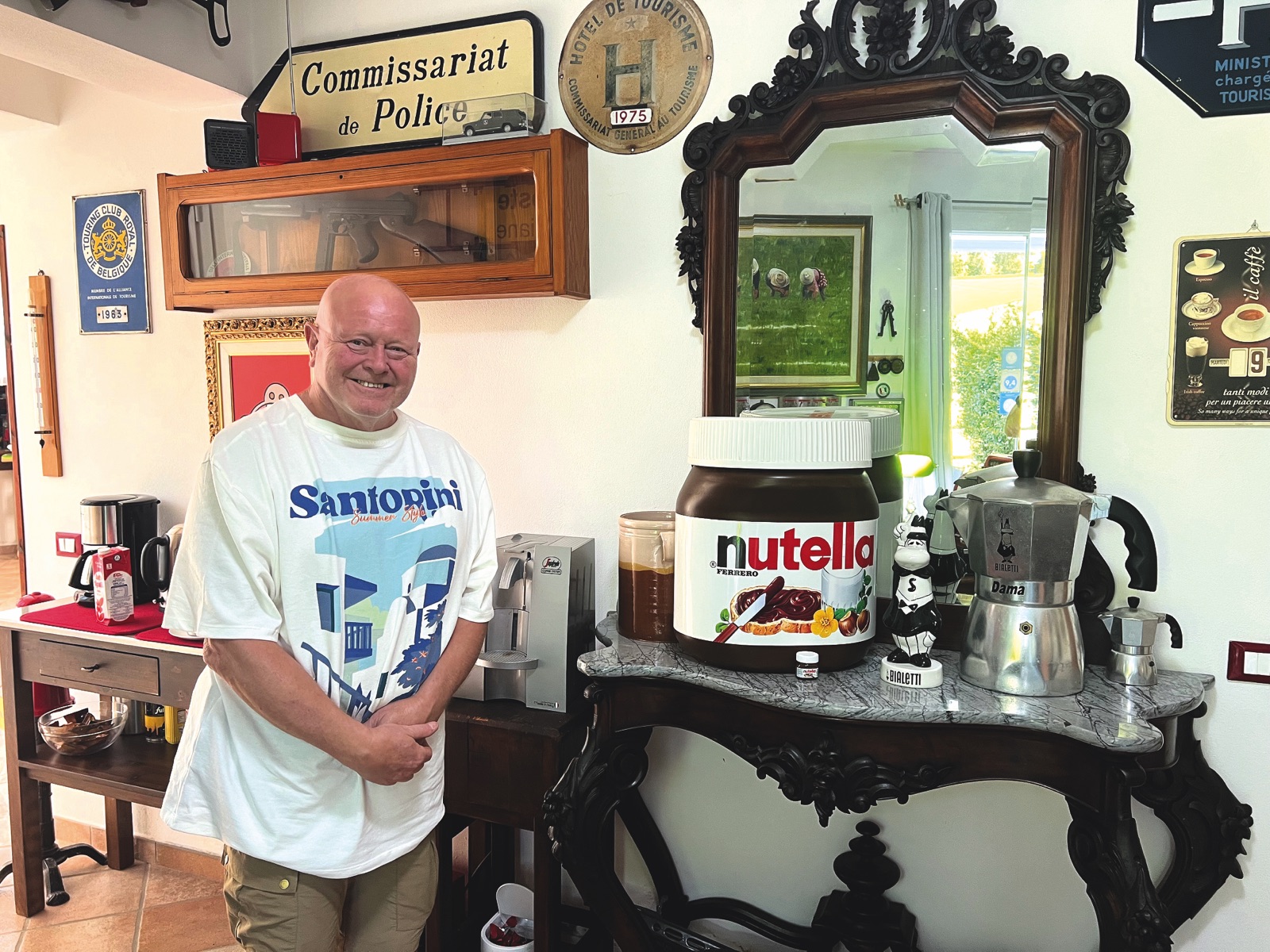
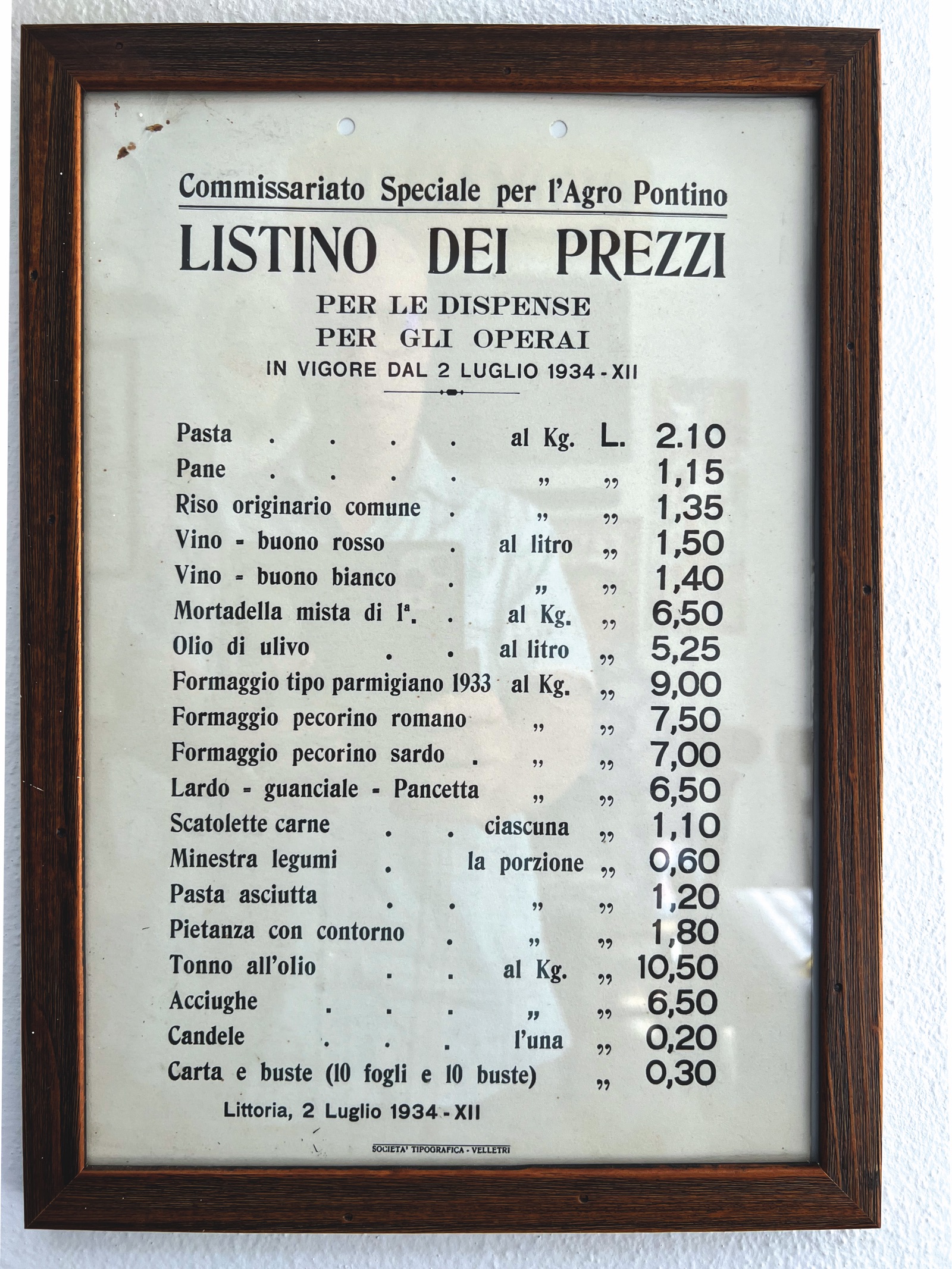
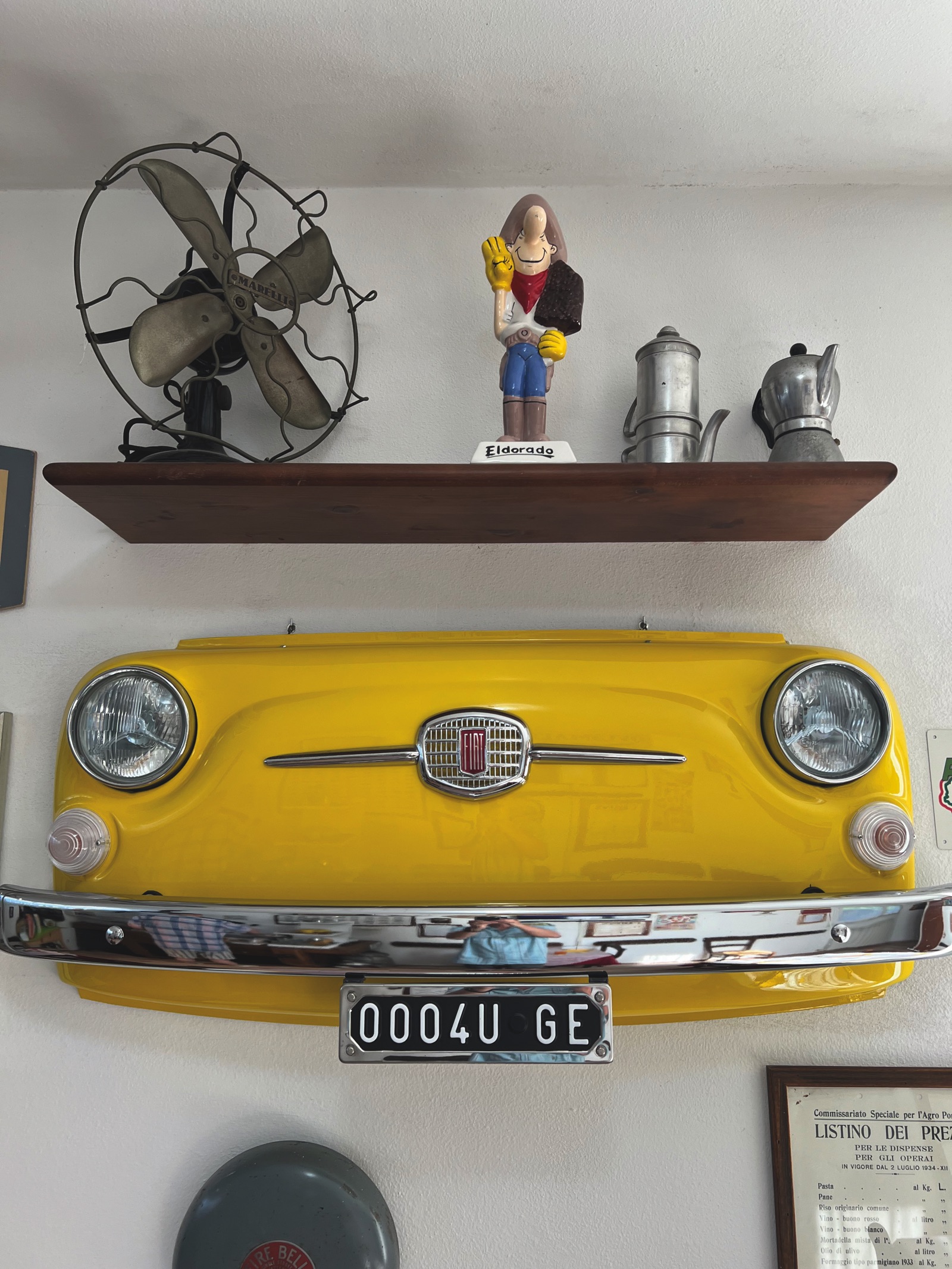
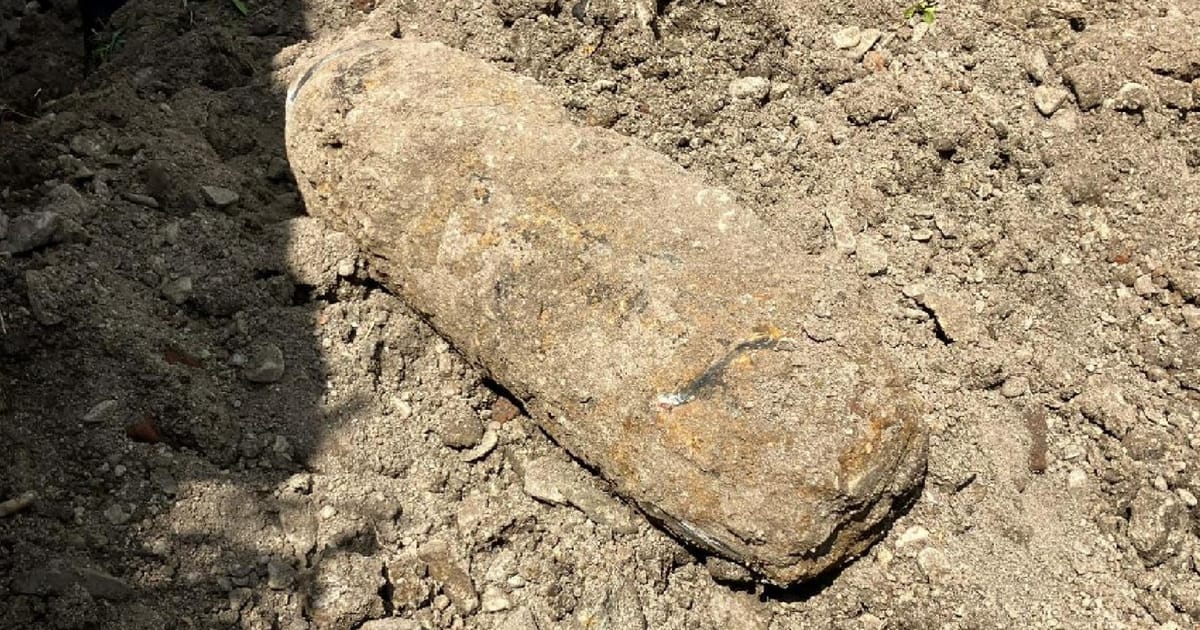
We met our host, Ruggero Ferri, in the breakfast room, which was decorated with a collection of unique vintage items. Among those items was a big bomb. This made me very curious – why is there a bomb in this house? Where did he get it from? And how old is it?

As we spoke, Mr. Ferri explained its origins and history – it is an original bomb from the American bombing of Genova at the night of 11th May, 1944.

Genova was the largest and busiest port in Italy. During WWII, it was heavily bombarded by air and naval forces, suffering heavy damage.

According to Wikipedia, there were several major raids on the harbour in May 1944:

1st May, 1944

A raid on the harbour by six RAF bombers. Bombs also fell on the city, killing two civilians.

2nd May, 1944

A raid by twelve RAF bombers.

9th May, 1944

26 RAF bombers attacked the harbour. Bombs also fell on the city, killing four civilians.

19th May, 1944

A raid by the 15th Air Force, targeting the harbour and the marshalling yard. The objectives were hit, but many of the bombs fell on the city (especially the old city centre). Among the damaged buildings were the University, the Cathedral, and the San Martino hospital, causing 111 deaths among the population.

28th May, 1944

Another raid by the bombers of the 15th Air Force, targeting the harbour and the marshalling yard.

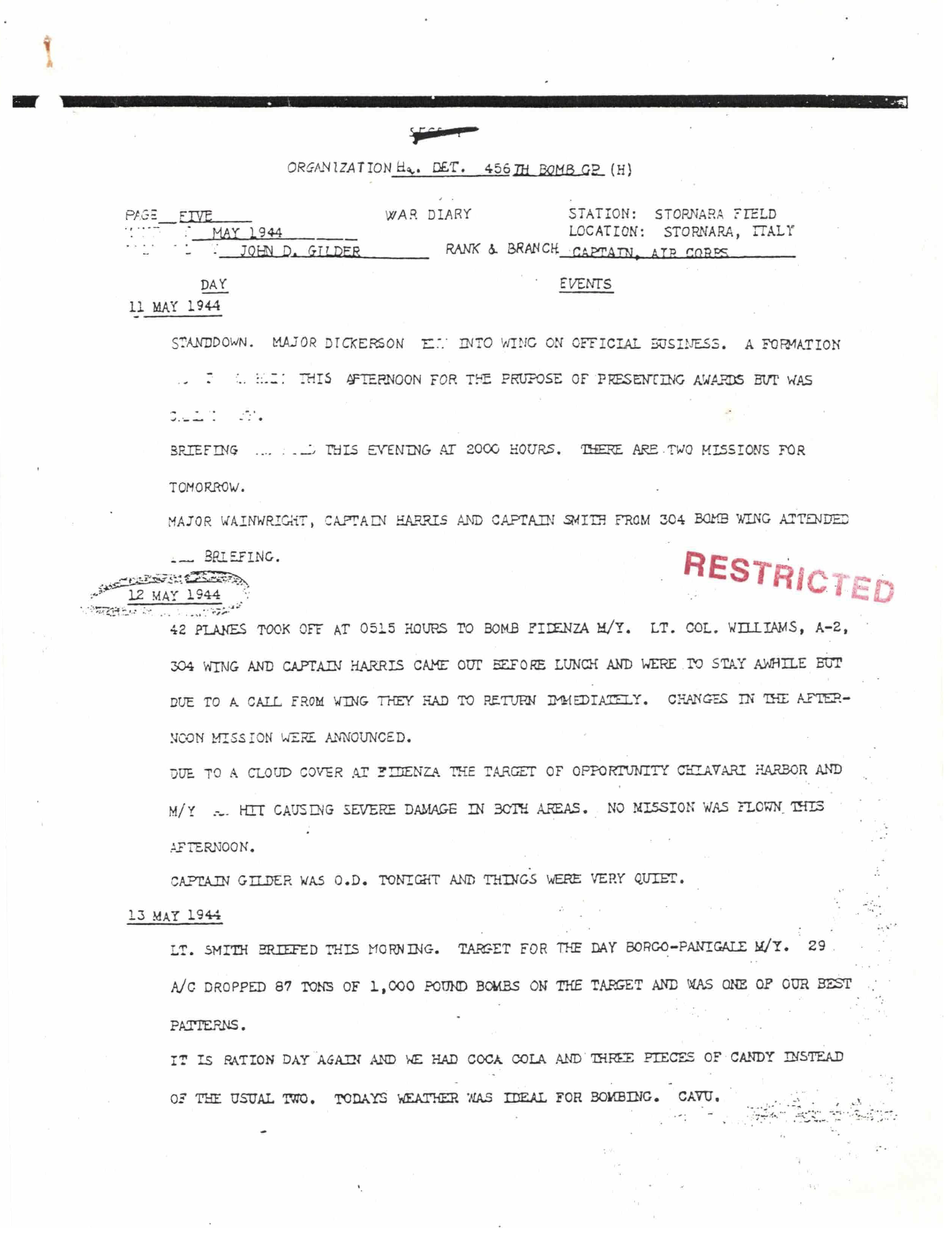
Mr. Ferri found a bomb, and since it was in good shape with a serial number, he asked the American Army for details about it. After some time, he received related documents from them.

The restricted war diary from May 1944 speaks clearly – on 12th May, 1944, the staggering 42 planes took off at 05:15.

The mission: Target of opportunity due to cloud cover, Chiavari Bridge. Assessment: Direct hit, causing severe damage.

The war diary provided by the US Army can give you more authentic details.

Buongiorno Italia

Text: M.Zisso; Photo: Václav Pavlas

There is no doubt that Italy is among the most popular holiday destinations for Czech people. We love its history, the friendly people, the food, and the sea. We love it so much that we keep going back there every other year – together with our dogs, of course. This summer, we drove to Sorrento, specifically to our most favourite seaside place in the South of Italy – Relais Regina Giovanna.

A lot of things go through your mind while you prepare for a 10 day car holiday with two dogs. Among them are the sweet memories of our two Labradors (R.I.P.), who loved swimming in the Mediterranean Sea, and whom the Italian people called “Bello and Bellissimo”. With our two new puppies, Dexter and Boomer (who are Bernese Mountain Dogs), we now load the car for the trip to the south of Italy, about a 1500km drive in total, with a few stops on our way in order to explore Italy’s history before we can enjoy the seaside in our final destination of Sorrento.

When you travel with your dogs, about half of your car is full of their stuff. Several days before the trip, they should receive a dose of ‘Strong Hold’ – a medicine that will protect them against the infection carried by the Mediterranean Fly. You must prepare the dogs’ EU passports with the confirmation of required vaccinations, dog food, dishes, toys, towels, and treats. Much less is needed for us – basically our passports and travel insurance, clothes that we can wear when visiting museums and churches, and those for the beach. We bought The Vignette – Austria’s Motorway Toll Sticker. In Germany, there is no toll, and in Italy, you pay on the road.

With a full car and in an excellent mood, we left Prague early in the morning.

Prague – Baden-Württemberg (5h 45 min / 527 km)

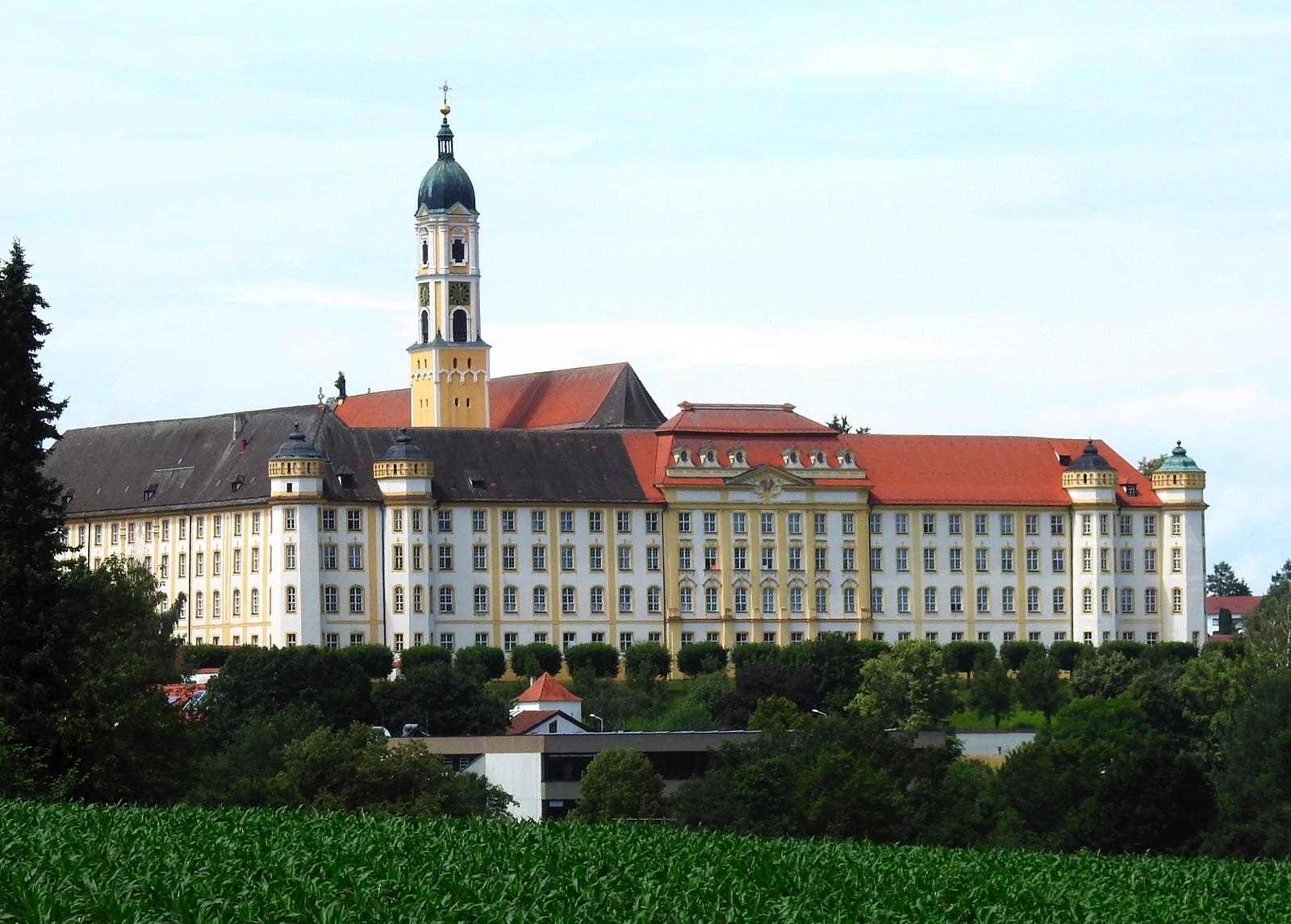
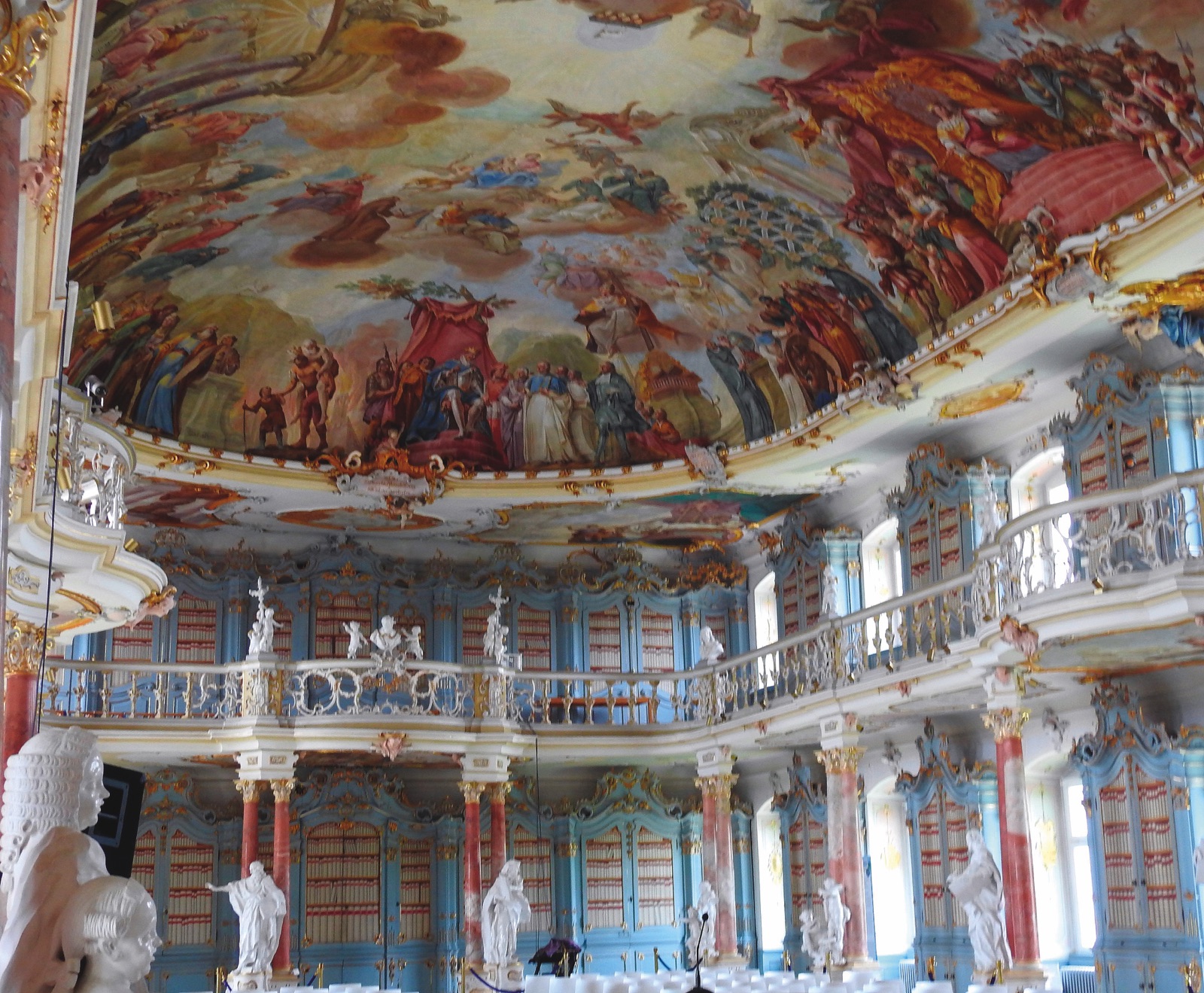
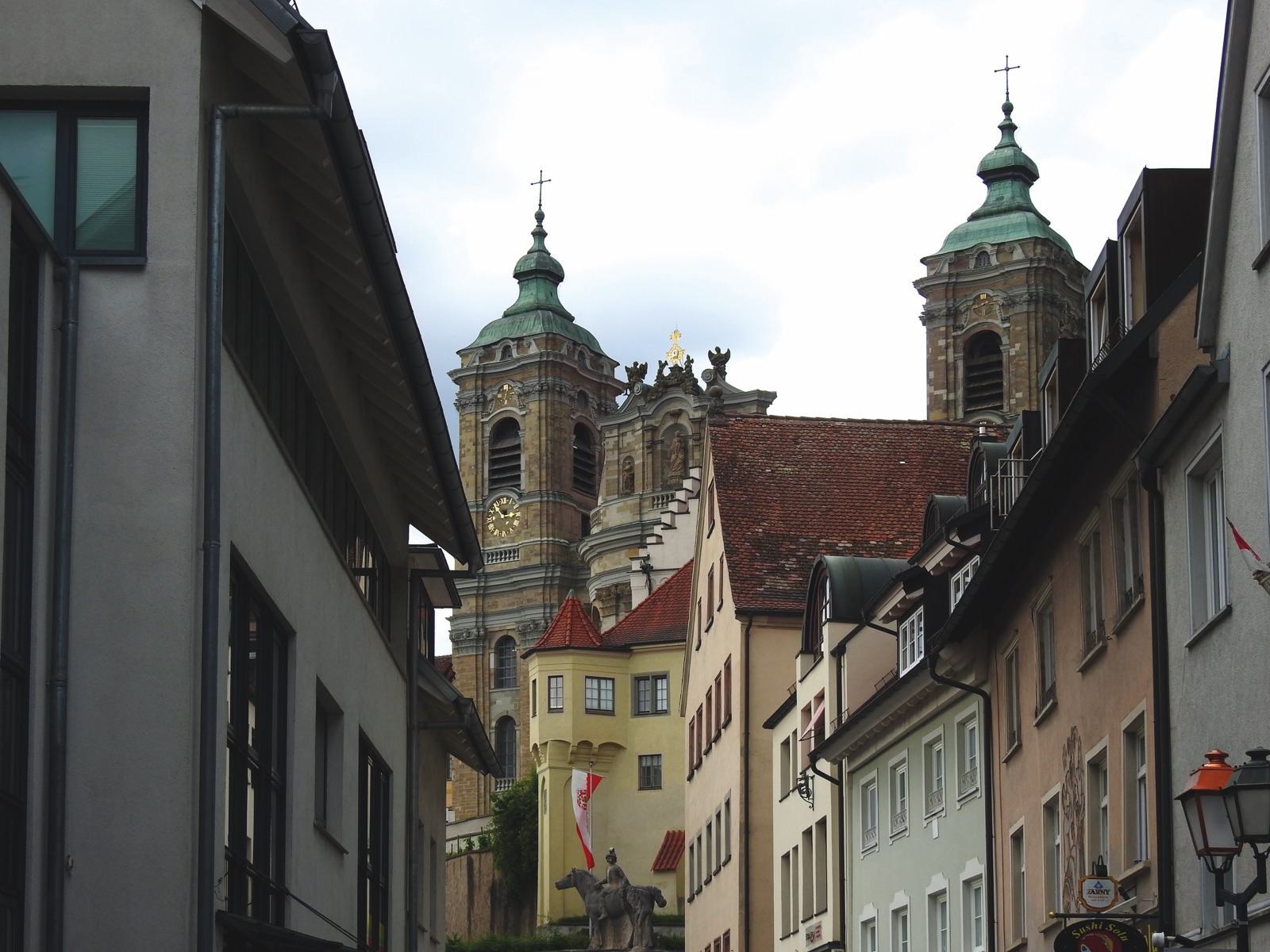
Our first drive was from Prague to Baden-Württemberg to visit three monasteries: Ochsenhausen Abbey, Schussenried Abbey, and Basilica St. Martin. These are three monumental and exquisite examples of baroque religious art in former Upper Swabia. Although all of these were magnificent, in Schussenried you may see one of the most beautiful libraries in Europe.

We spent our first night at the Austrian Löwen – Hotel & Gasthof, Kohlgasse 1, 6800 Feldkirch. We made all our hotel reservations in advance via Booking.com, while opting only for hotels that welcome dogs and offer parking.

Feldkirch – Genova (5 h 30 min / 420 km)

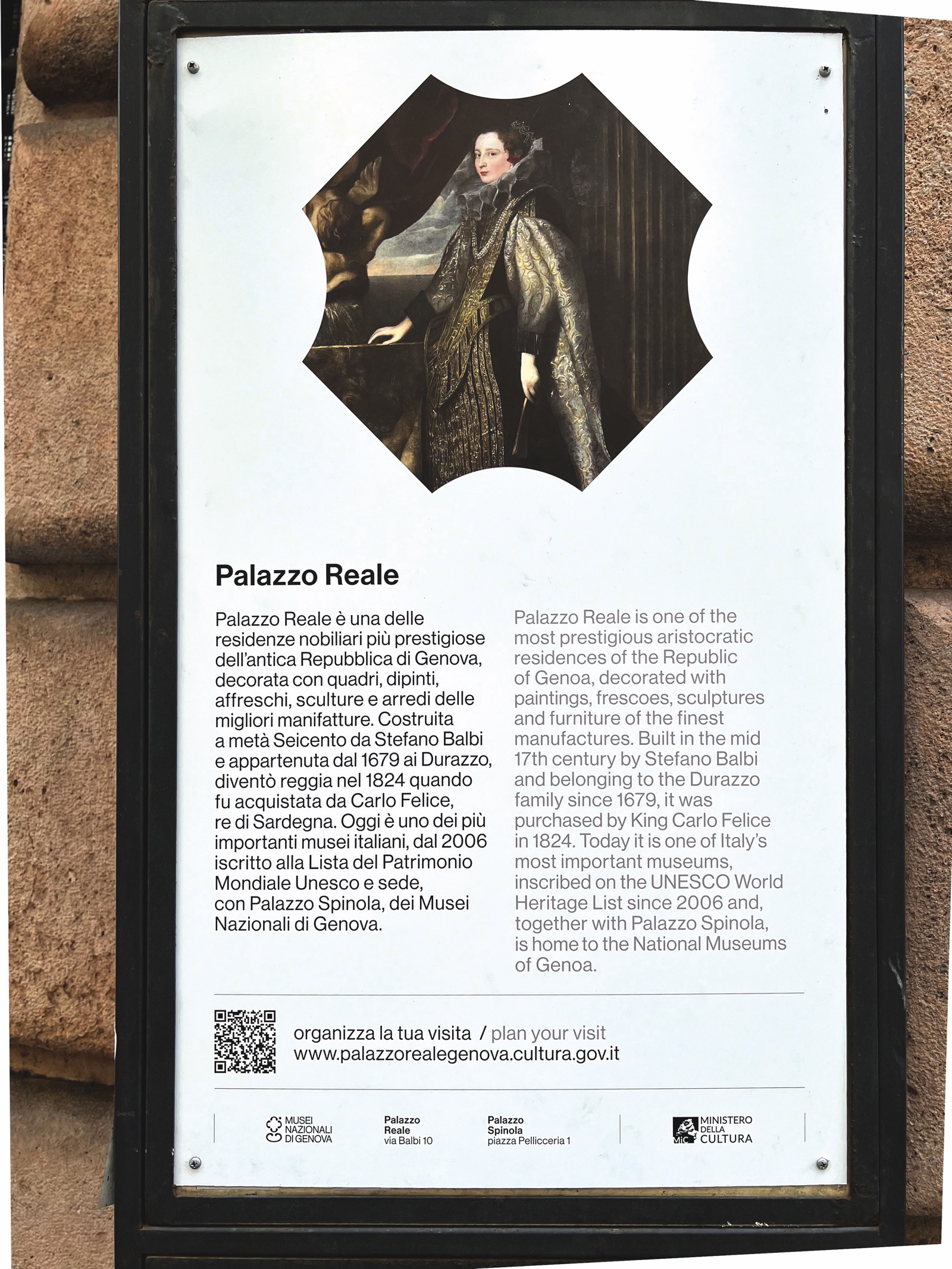
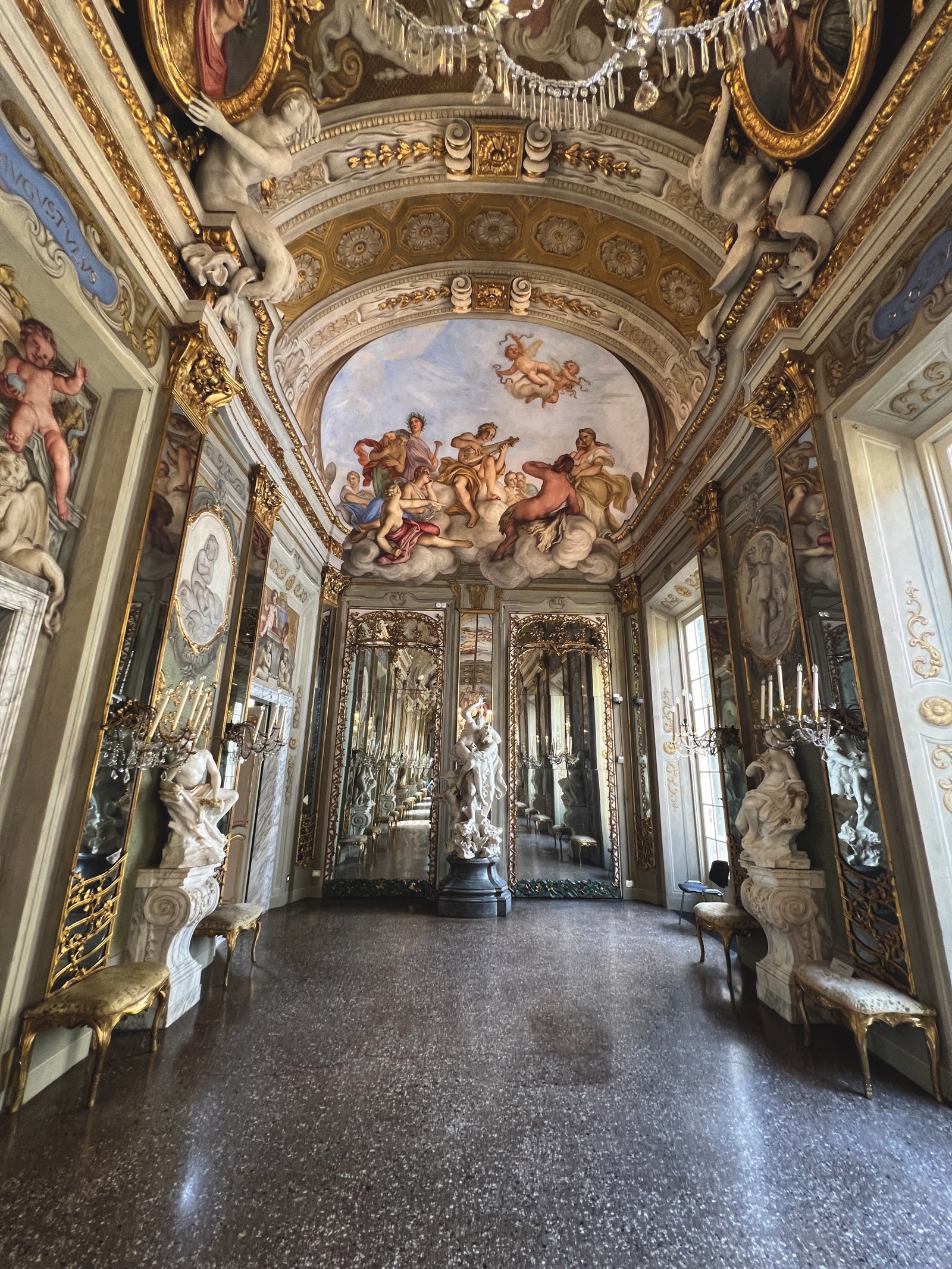
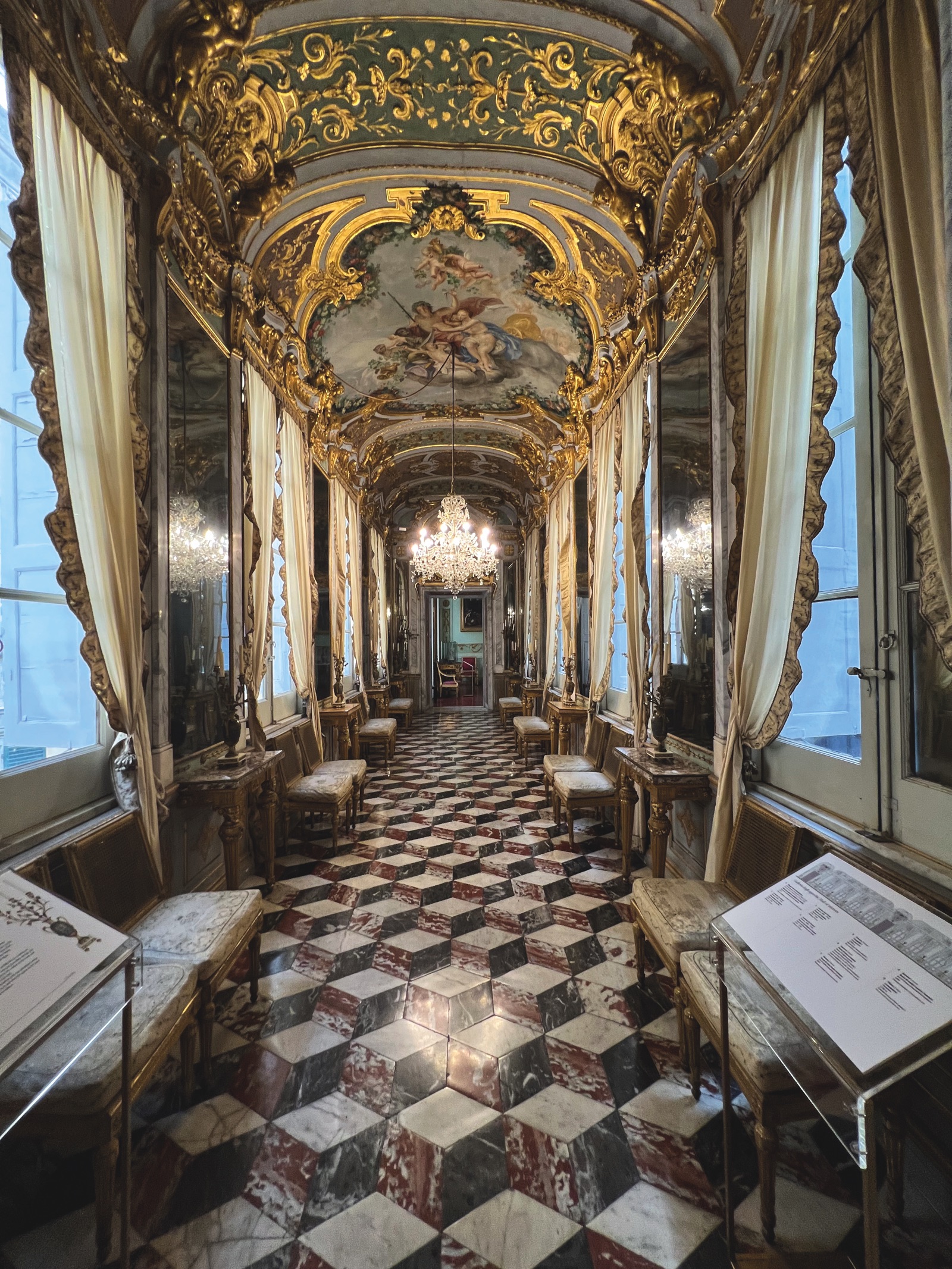
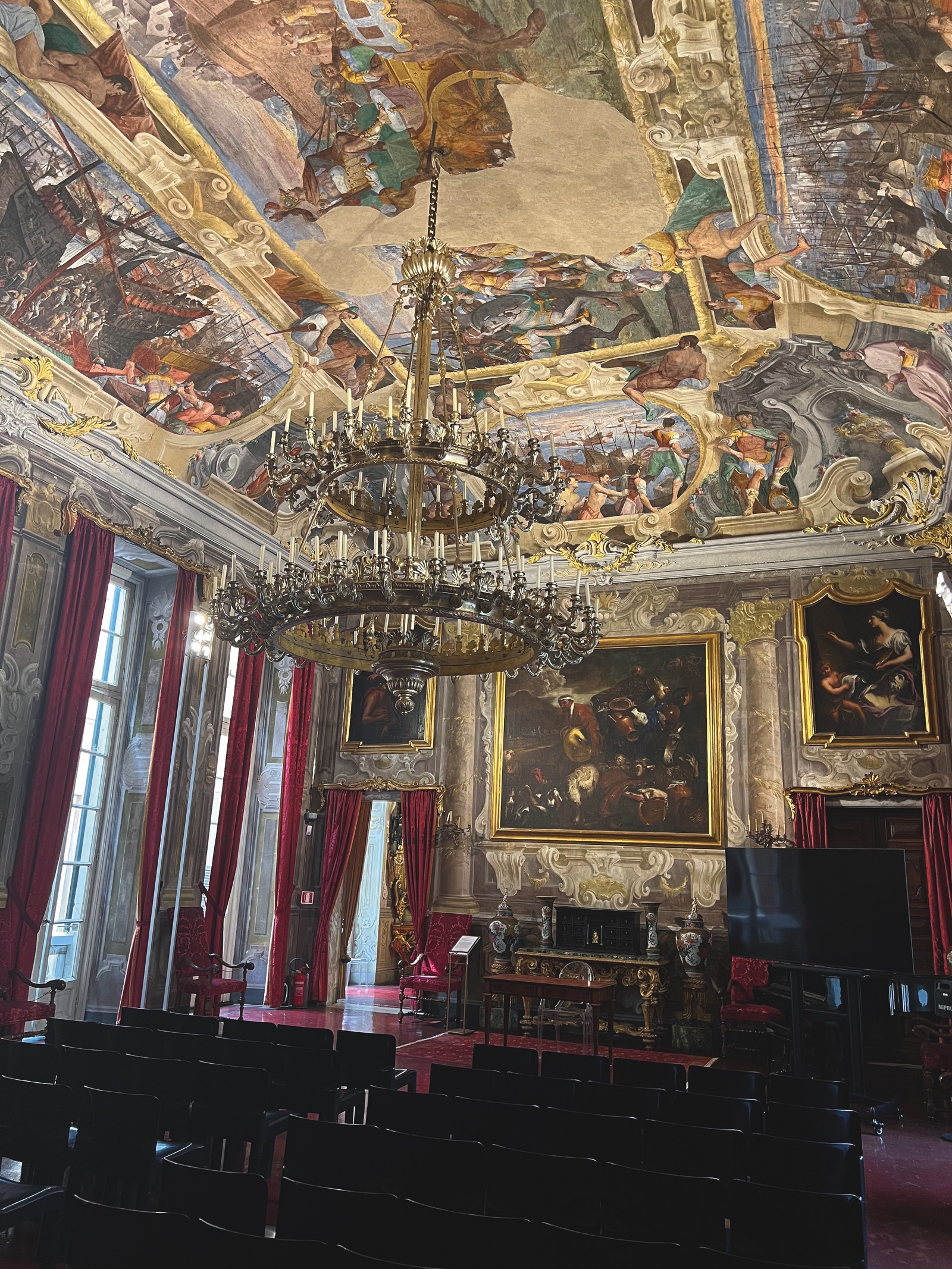
After a tasty breakfast, we drove from Feldkirch to our next overnight stop at Ostello Bello Genova, a nice place when planning to explore Genova. This was a simple and clean hotel. It was a really hot day, so after a short walk in the city centre the “boys” were happy to sleep in the room and let us further explore the city on our own. We were lucky, as it was the day with free entrance to all museums. First, we visited Palazzo Reale and Palazzo Spinola e Galleria Nazionale della Liguria.

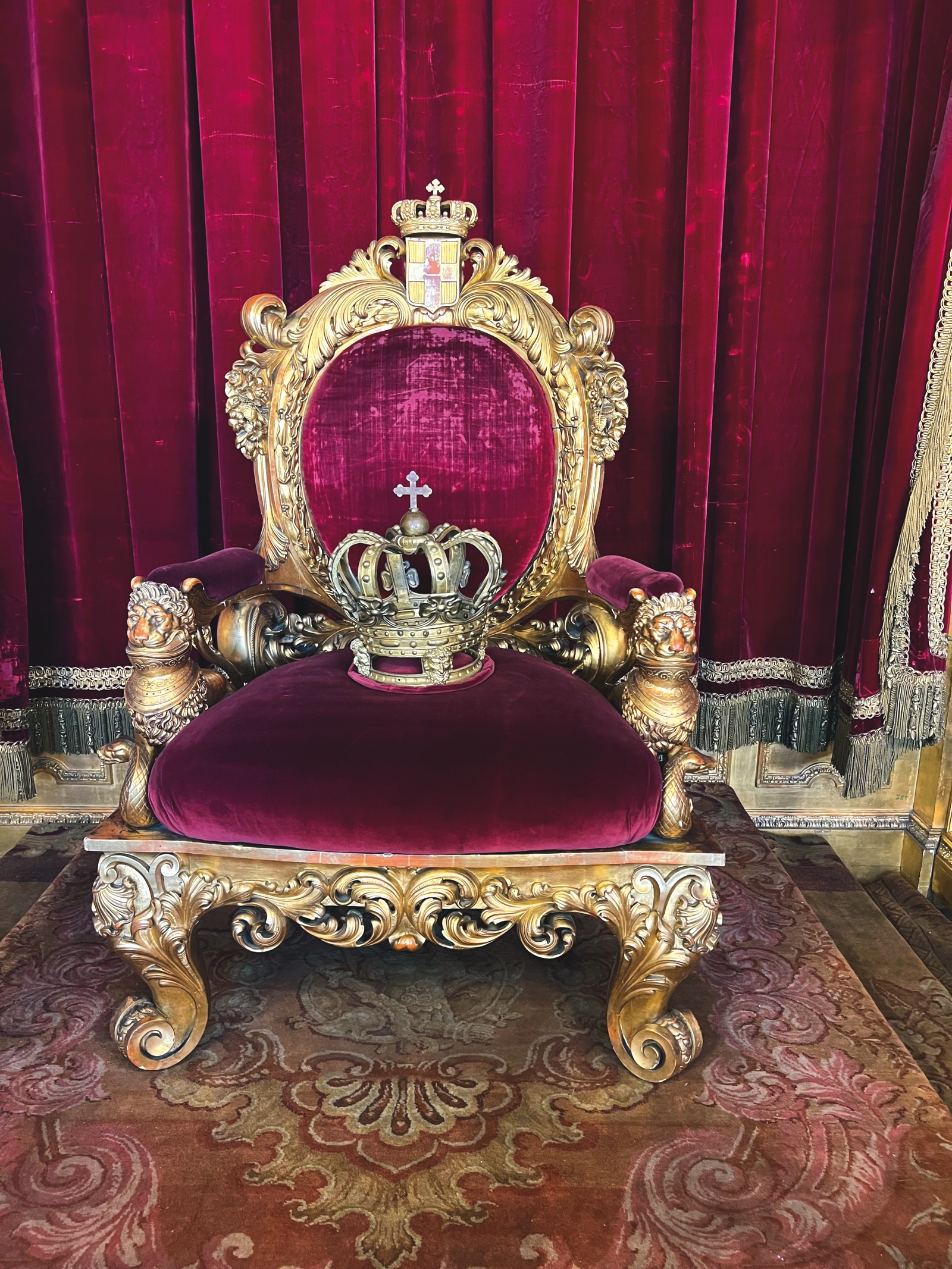
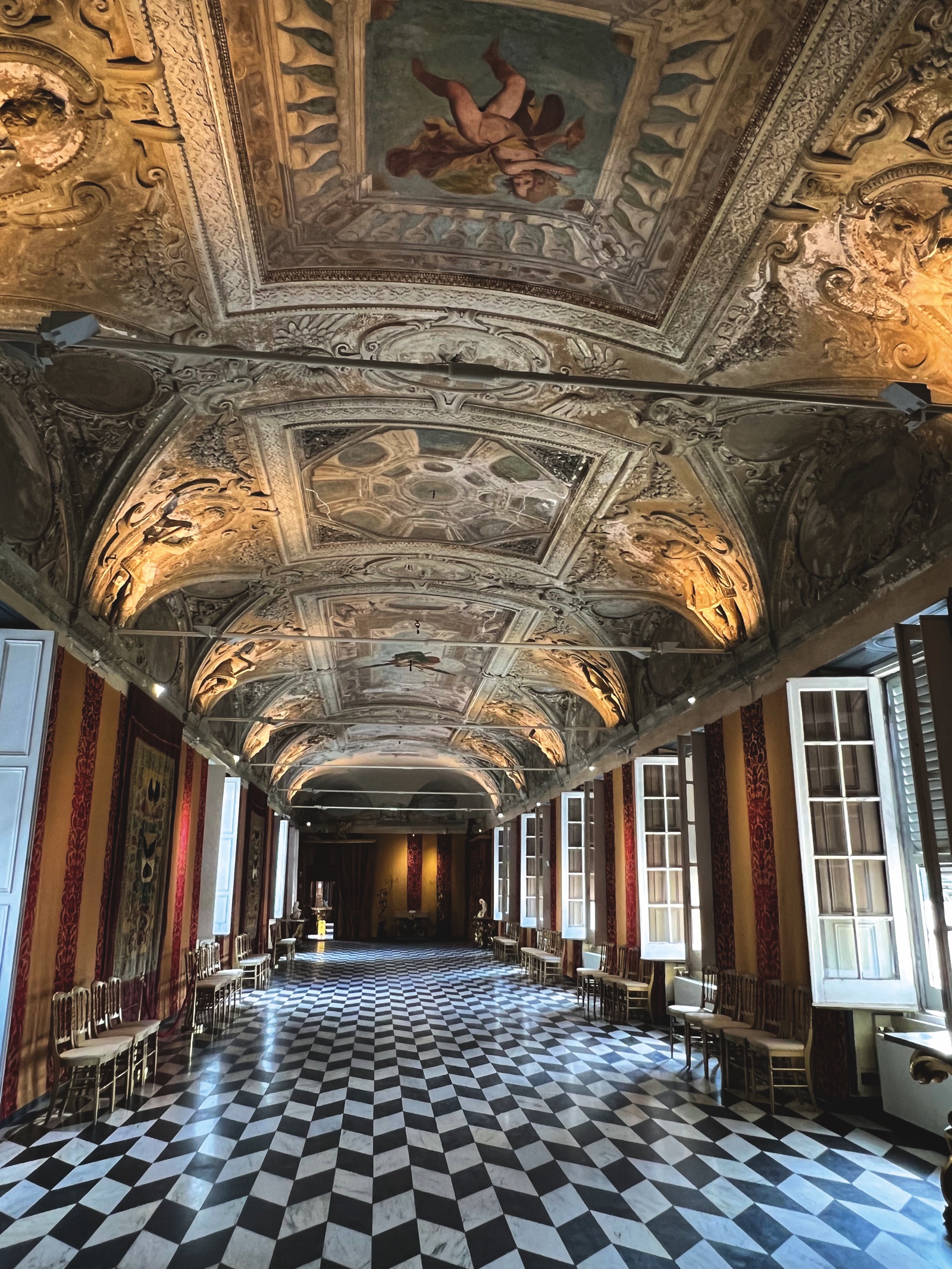
The Royal Palace is a huge urban palace, converted into a regal seat when new Genoa masters Savoy Royal House needed a representative palace in the Liguria Capital. On the other hand, Palazzo Spinola, hidden in the maze of small streets in the old town, is a beautiful representative of a Patrician palace, later changed into a Museum and Galleria.

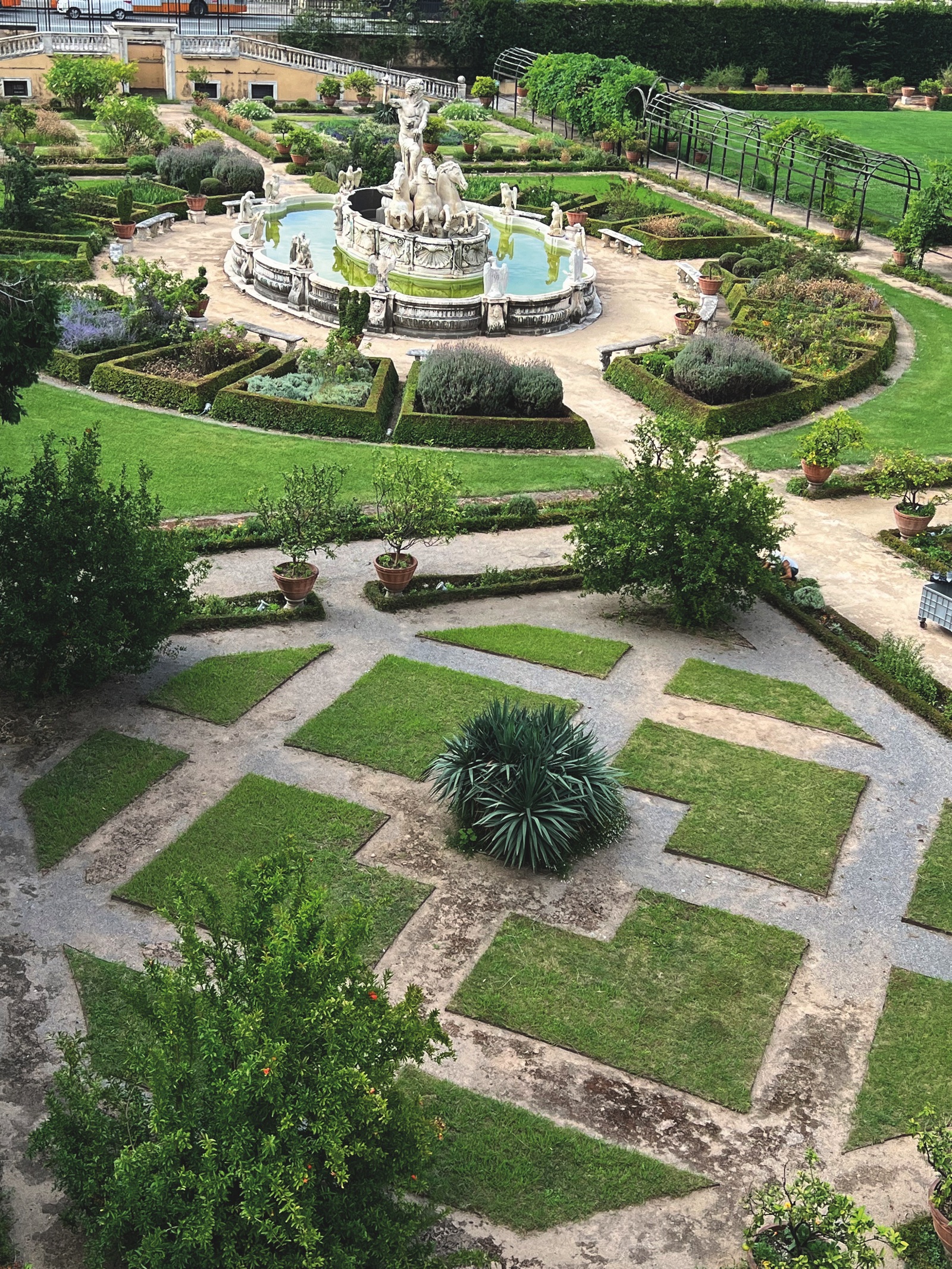
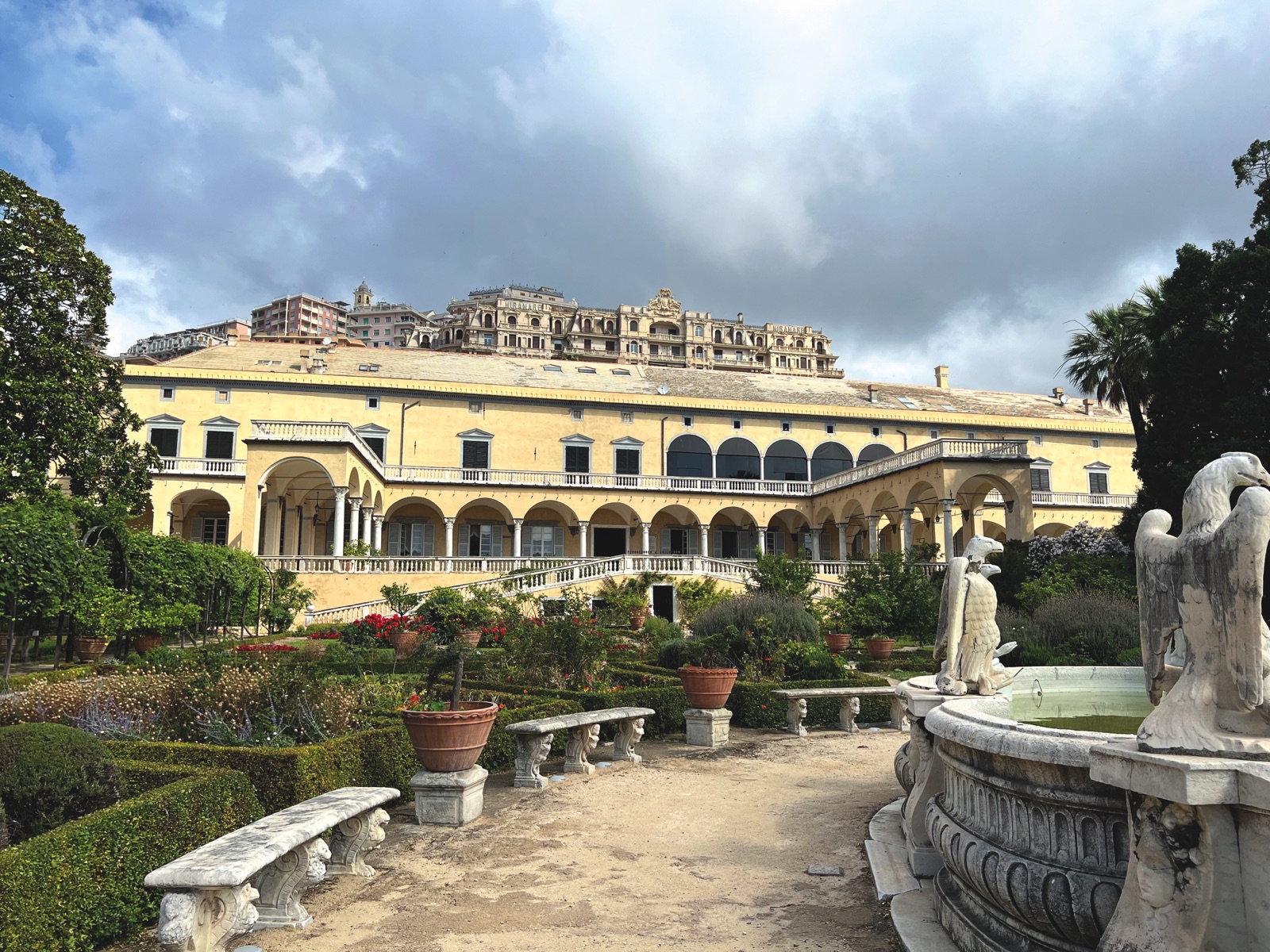
The next morning, we visited Villa del Principe and Giardini, a beautiful palace and garden with a completely different story. Villa, originally built as a suburban palace by Andrea Doria (famous navy admiral of the Genoa republic fleet), is considered a marvel of Italian renaissance. Adorned by splendid frescoes, Villa is still managed by the Doria-Pamphilj Family. Don’t miss it.

Genova – Santa Margherita Ligure (50 min / 49 km)

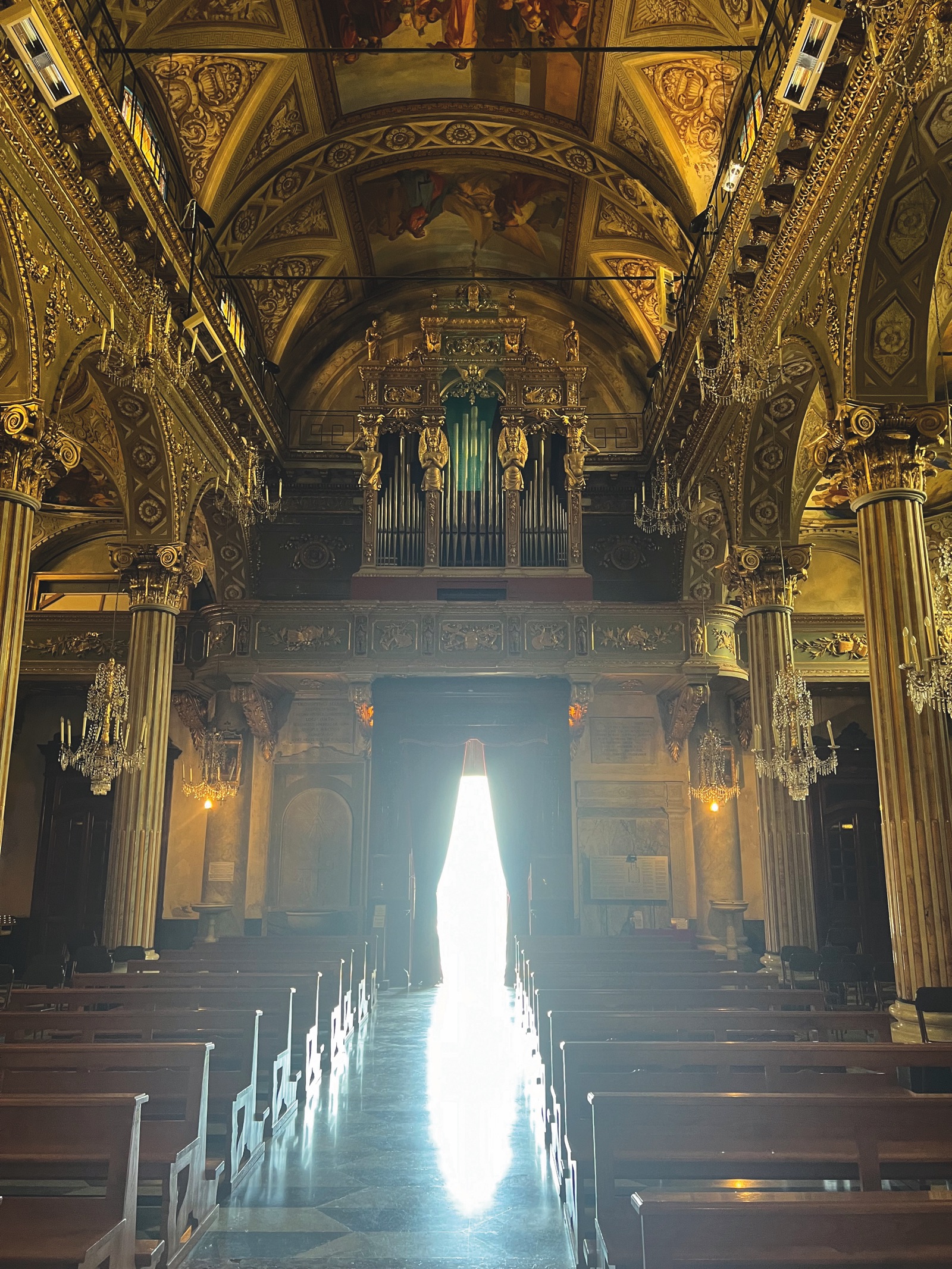
We drove again, this time from Genova to Santa Margherita Ligure, in order to see Chiesa di Santa Margherita and walk by the Monumento a Cristoforo Colombo.

Santa Margherita Ligure – Chiavari (30 min / 19 km)

Our next hotel was Bed & Breakfast 4U, in the small village of Leivi. It is a nice small apartment hotel with a friendly owner. Watch out when parking there, they have a really narrow entrance. A short walk from the hotel was a local restaurant, Rostio (www.rostio.it), with really tasty food and a friendly service.

The next morning, we went for a small breakfast in the hotel itself. The breakfast room looked like a museum of vintage items, and we found out that the owner is a collector. One of the items that made me very curious was a big bomb (you can read more about it in our article on Chiavari Bridge).

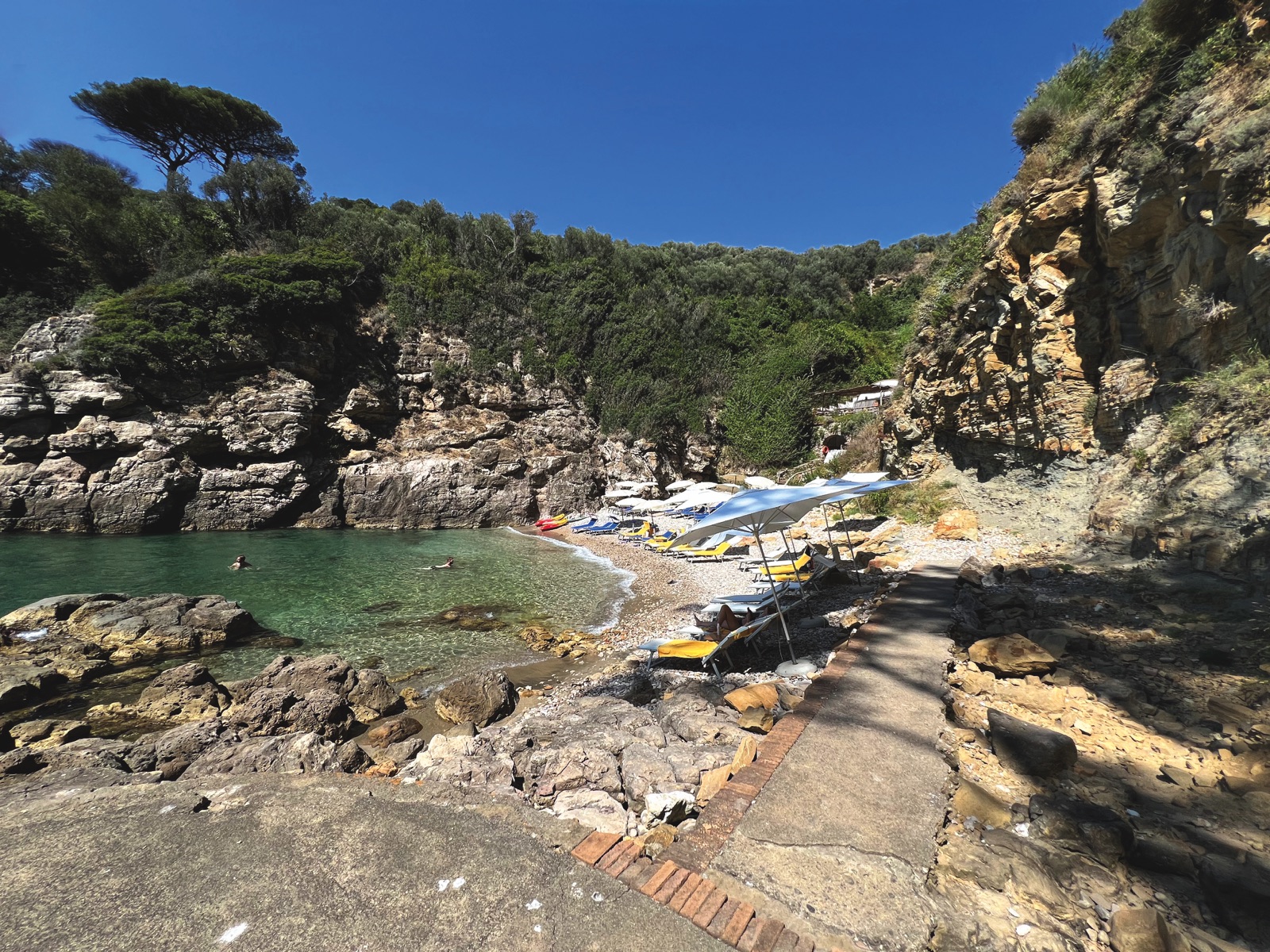
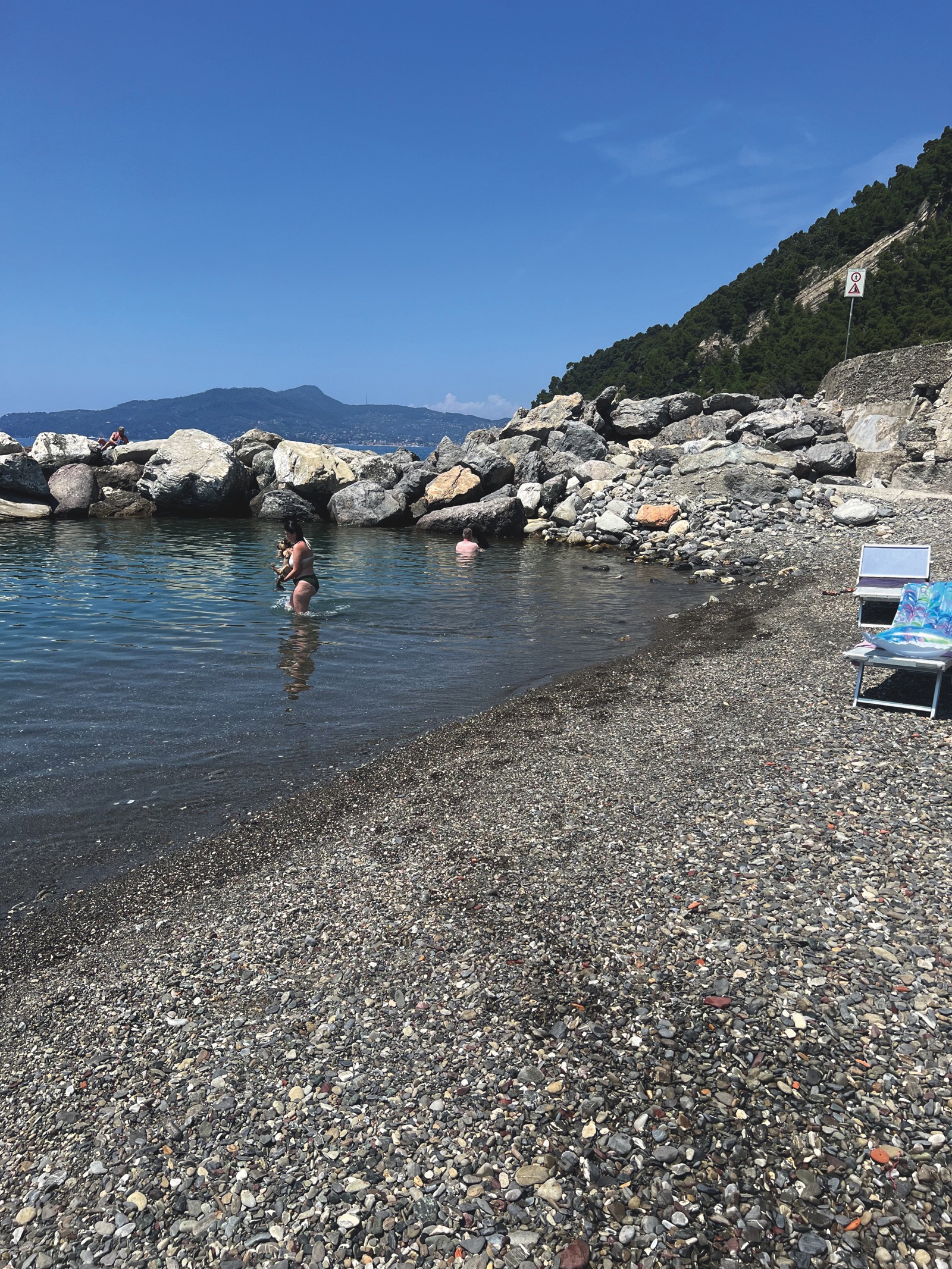
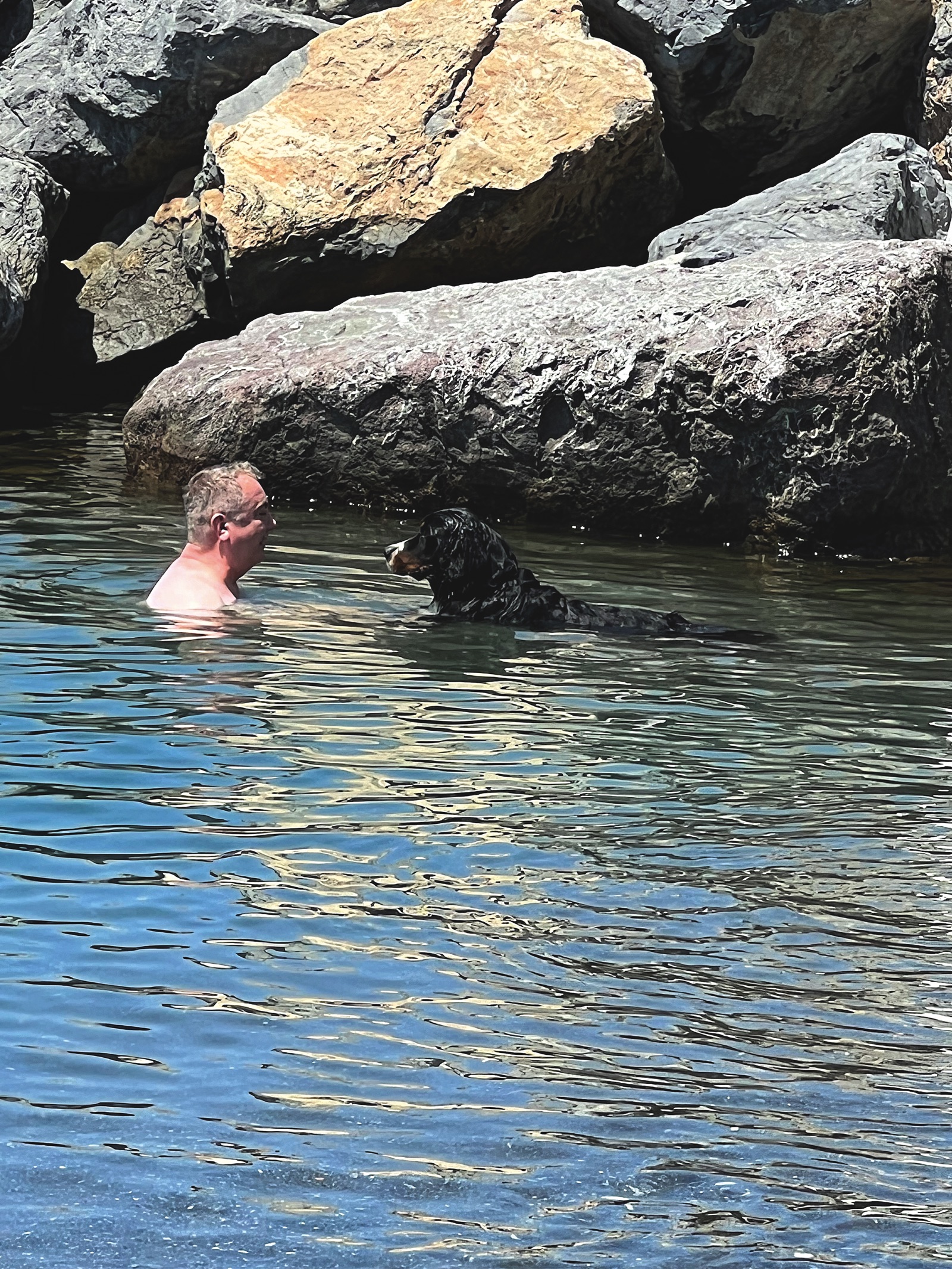
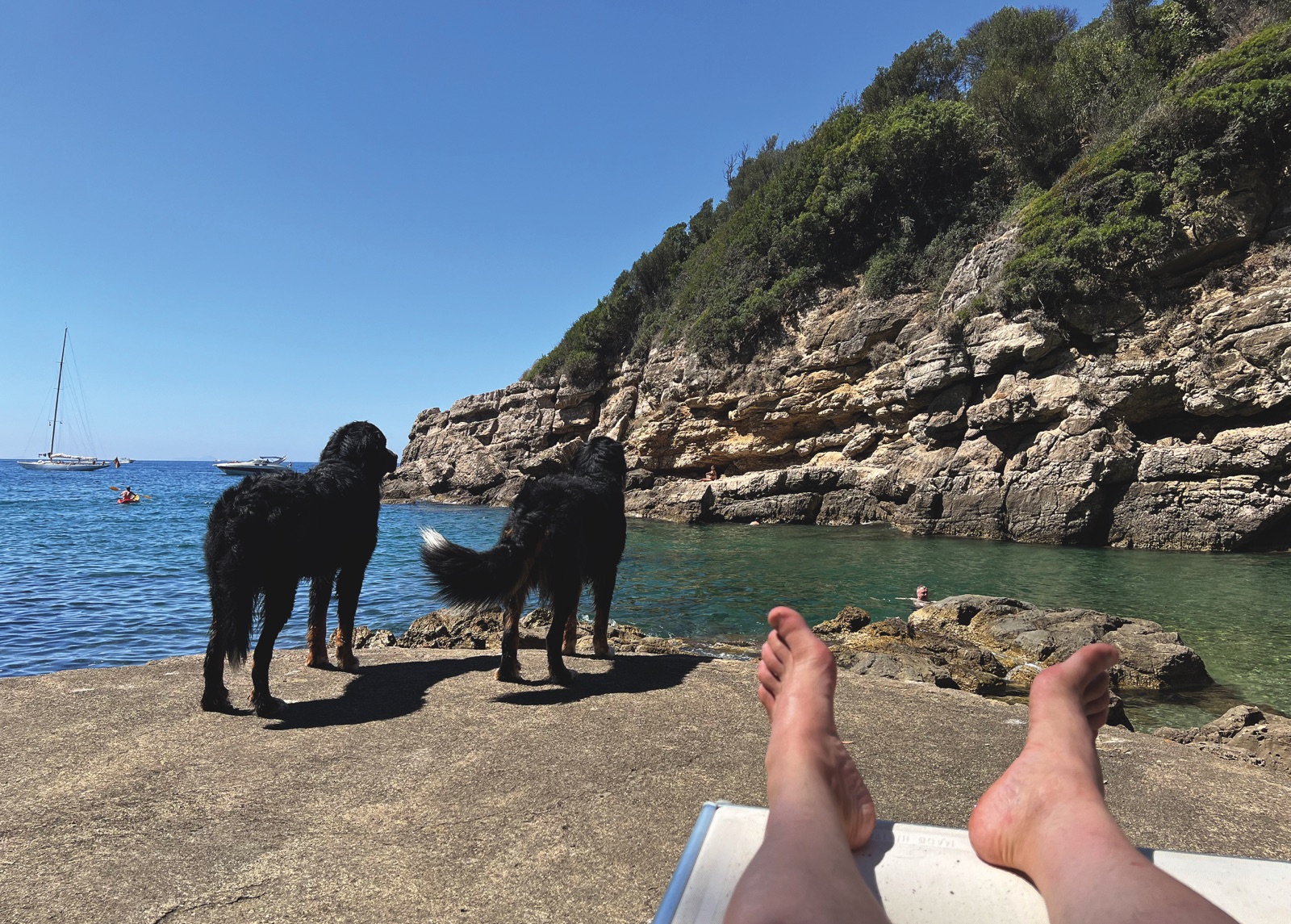
In Italy, dogs can swim only at special dog beaches. Bagni Oasi is one of them, located just a short drive from Leivi at Spiaggia Villa Piaggio. This would be the first time our puppies Dexter and Boomer will swim. How will it go? It was a new experience for them, they were a bit afraid but slowly tried it a few times.

Chiavari – Tarquinia (4 h / 369 km)

The next morning, we left for Tarquinia, a small, charming city with really (!) old history, going back to pre-roman times. As one of the oldest Etruscan towns, it gave ancient Rome two of its seven legendary kings.

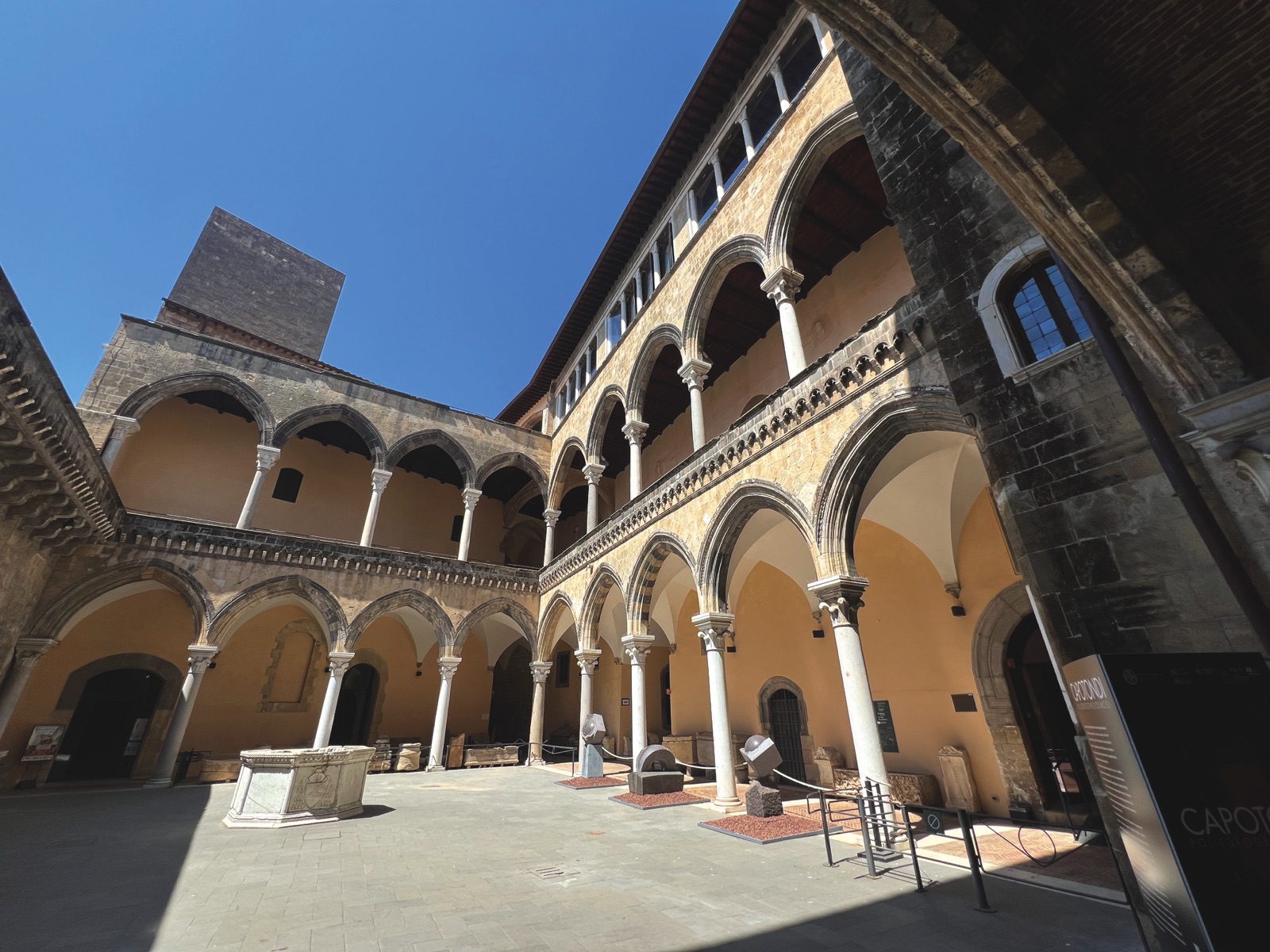
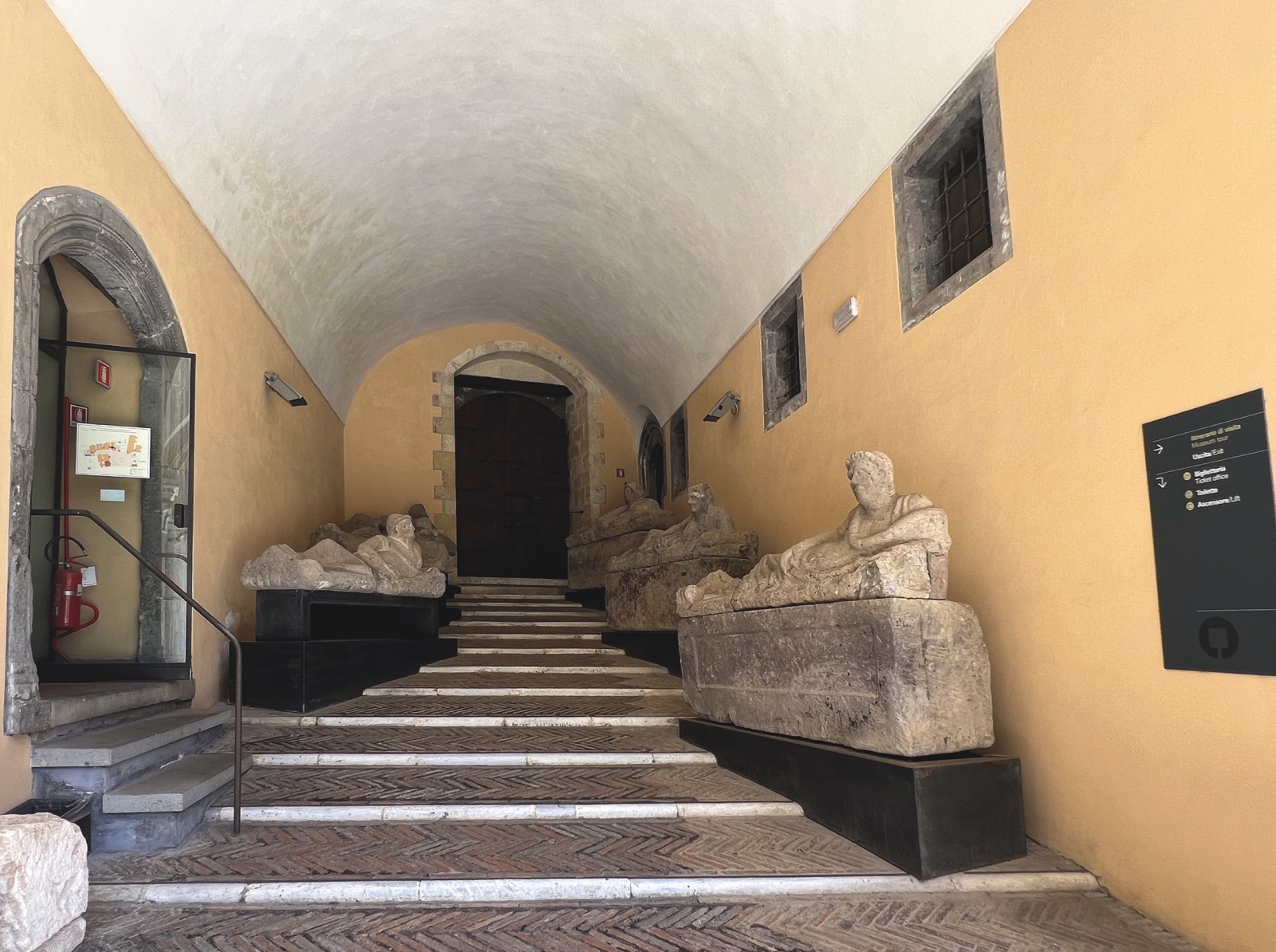
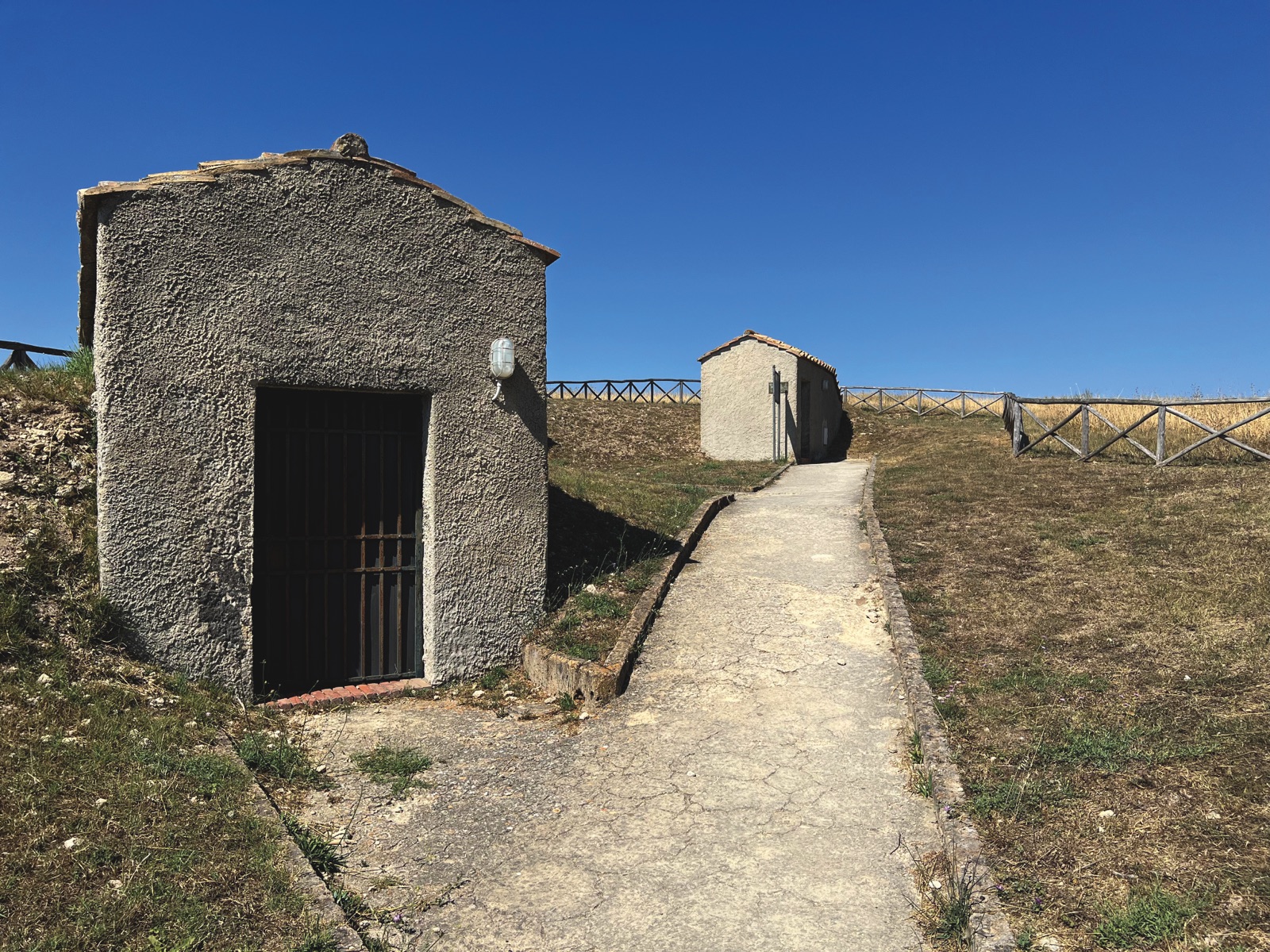
It was a very hot day again, so we left the boys in our nice apartment in the old part of the town and went to explore the place by ourselves. We visited the Duomo di Santa Margherita, Museo Archeologico Nazionale di Tarquinia at Palazzo Vitelleschi (where you can see the famous horses from the Ara della Regina), and took a long walk to the Necropolis to see several tombs.

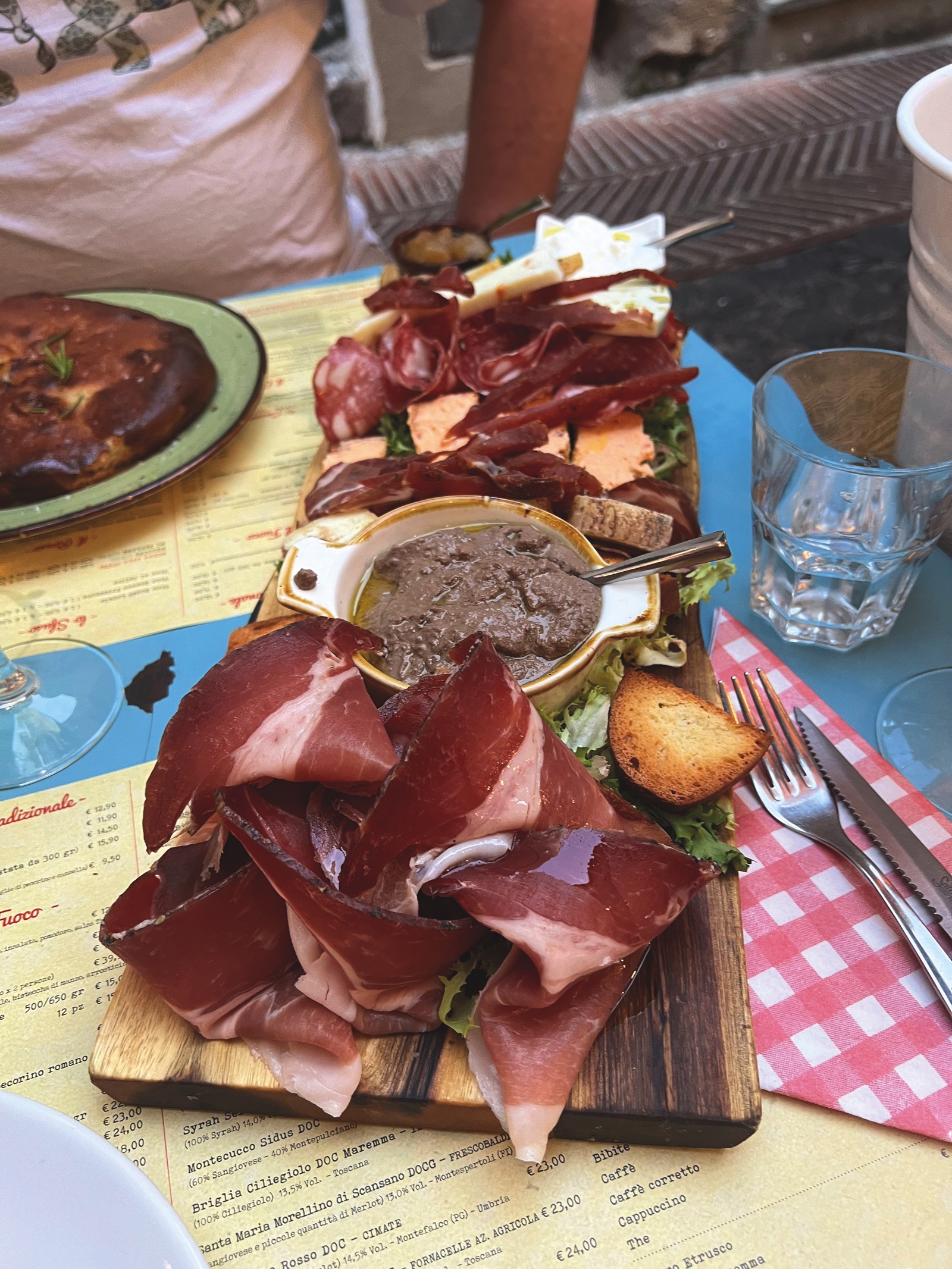
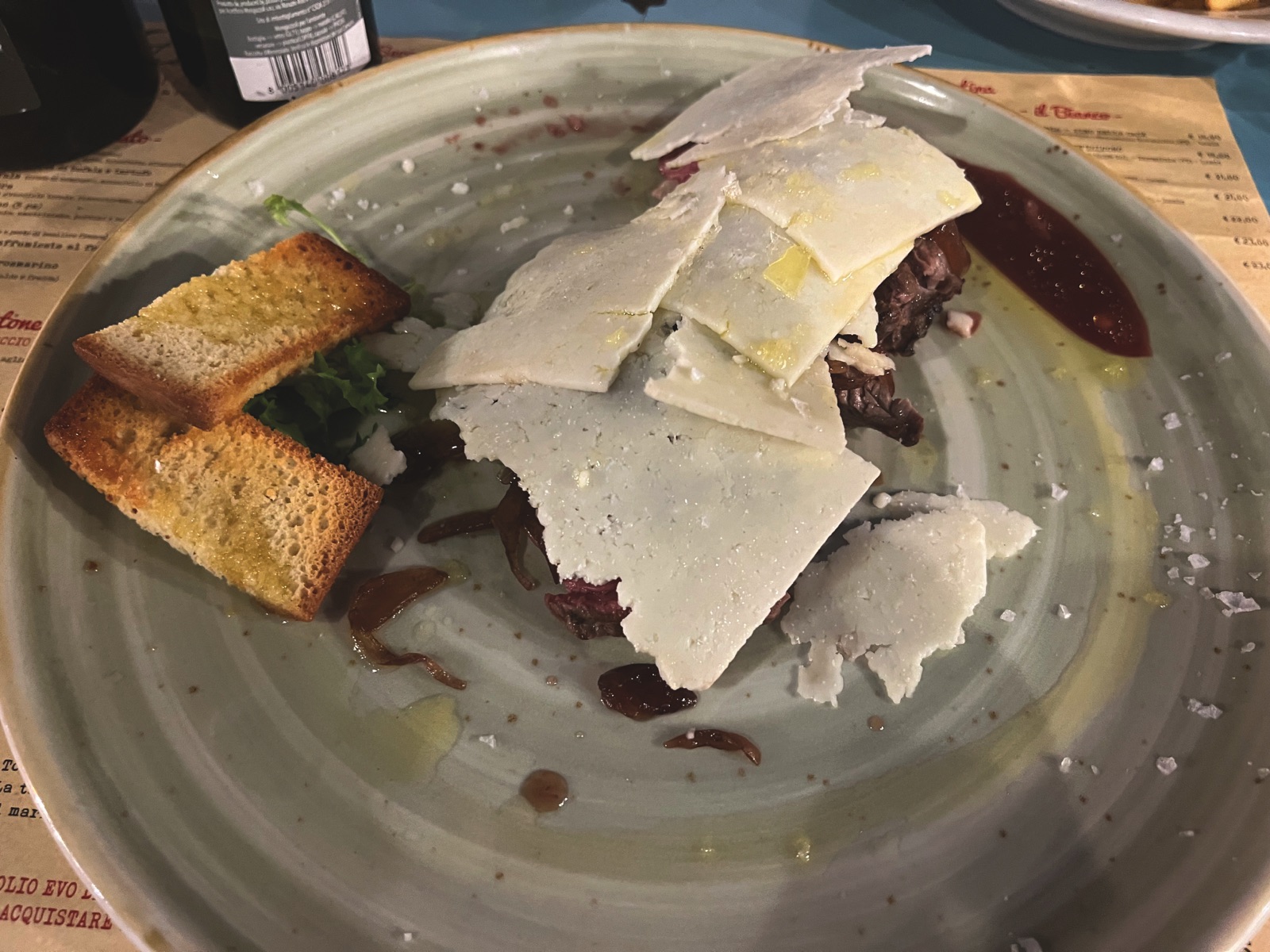
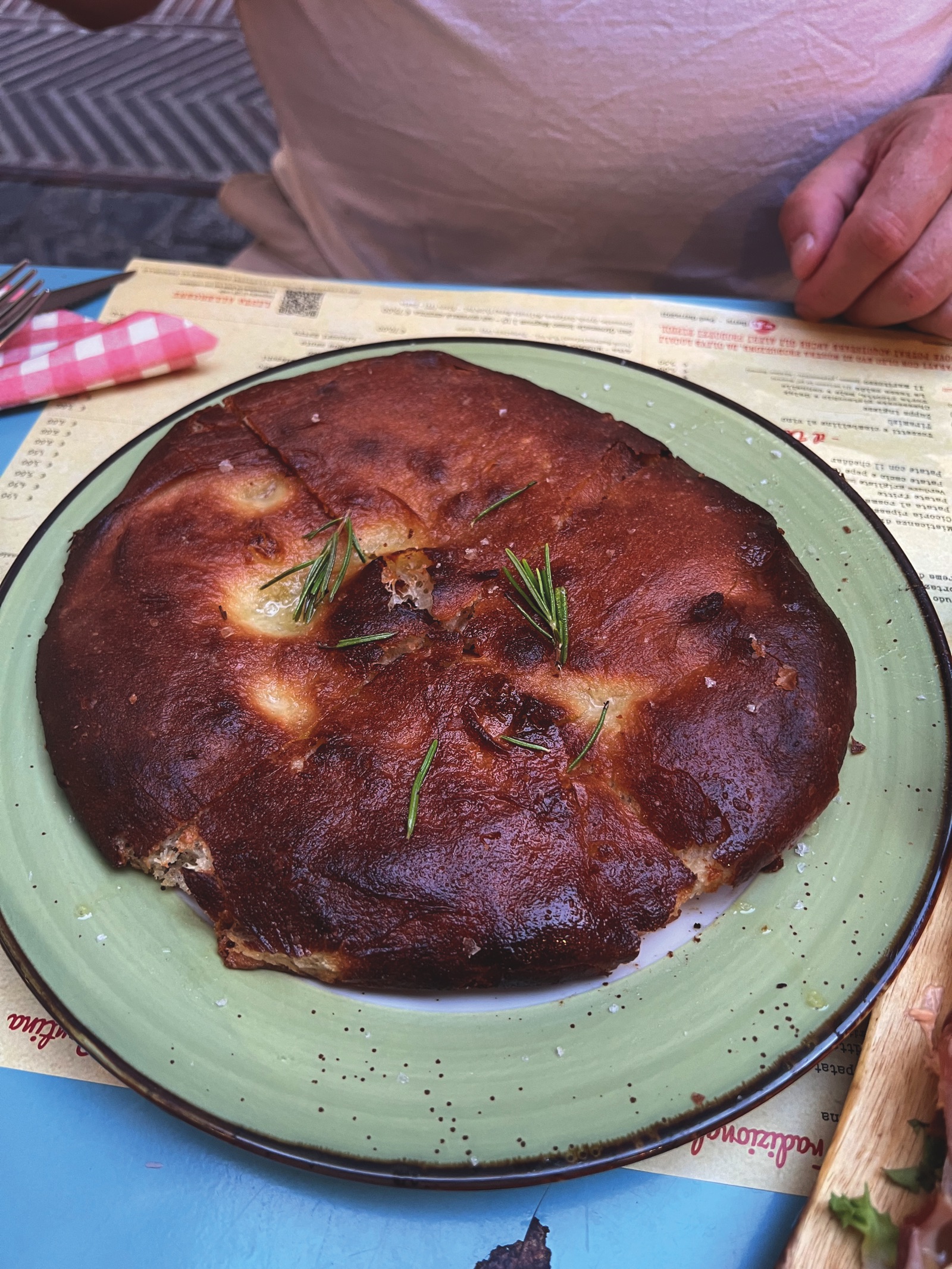
After a short rest, we had a great dinner at the restaurant under our apartment (THERRA – Osteria e Carne al Fuoco) – those large and tasty portions were something we hadn’t experienced in a long time.

Tarquinia – Sorrento (4 h 20 min / 355 km)

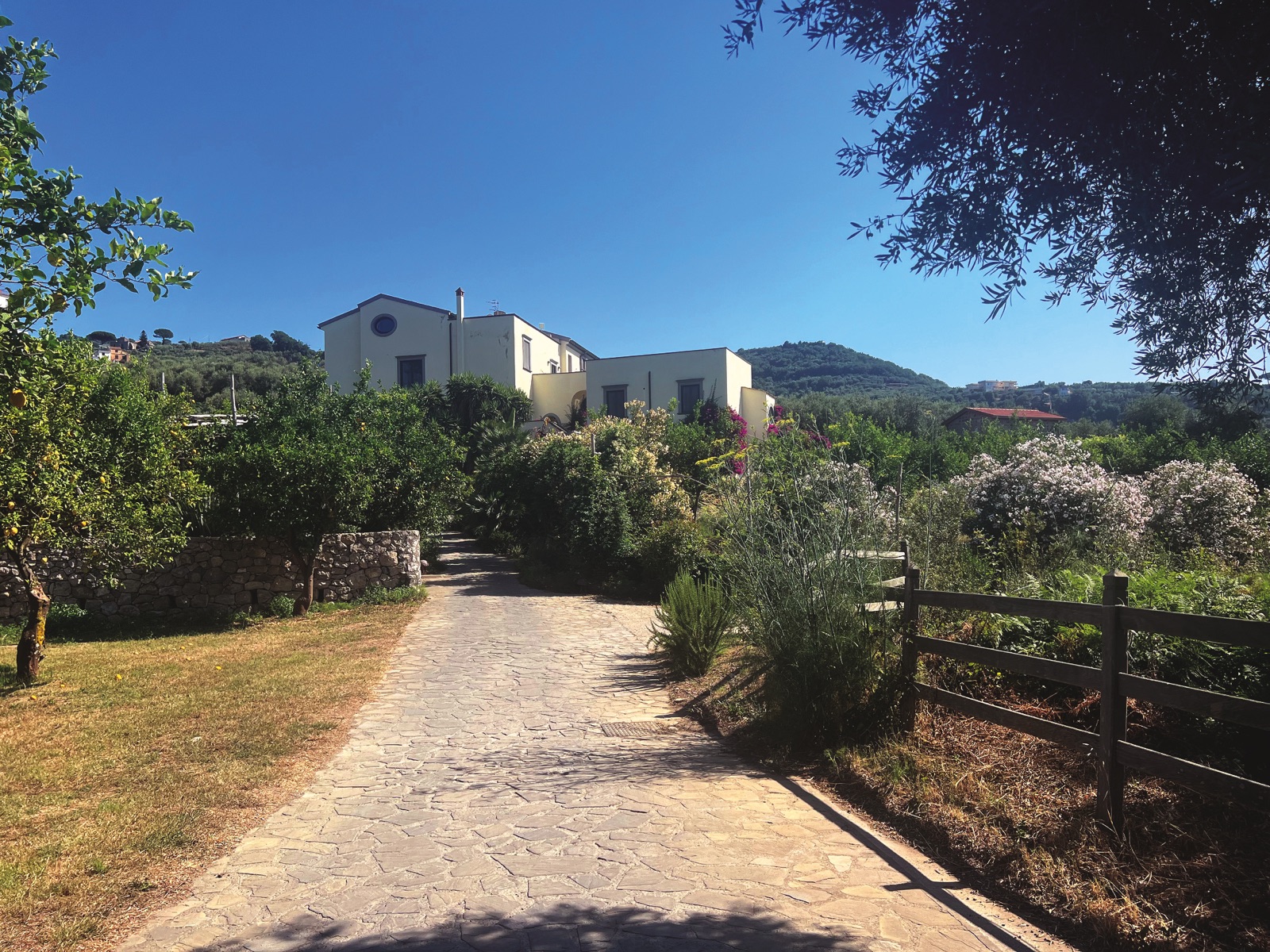
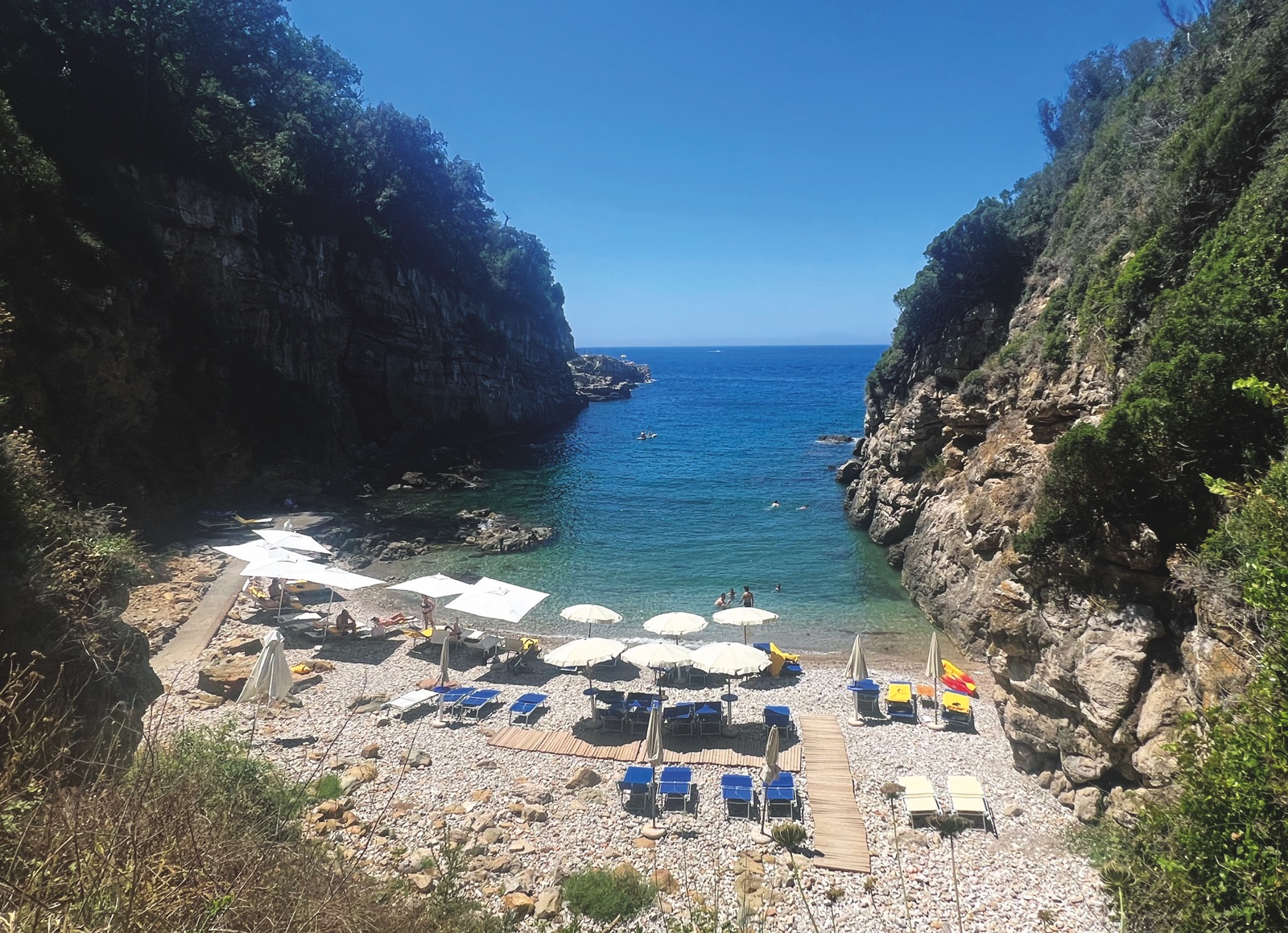
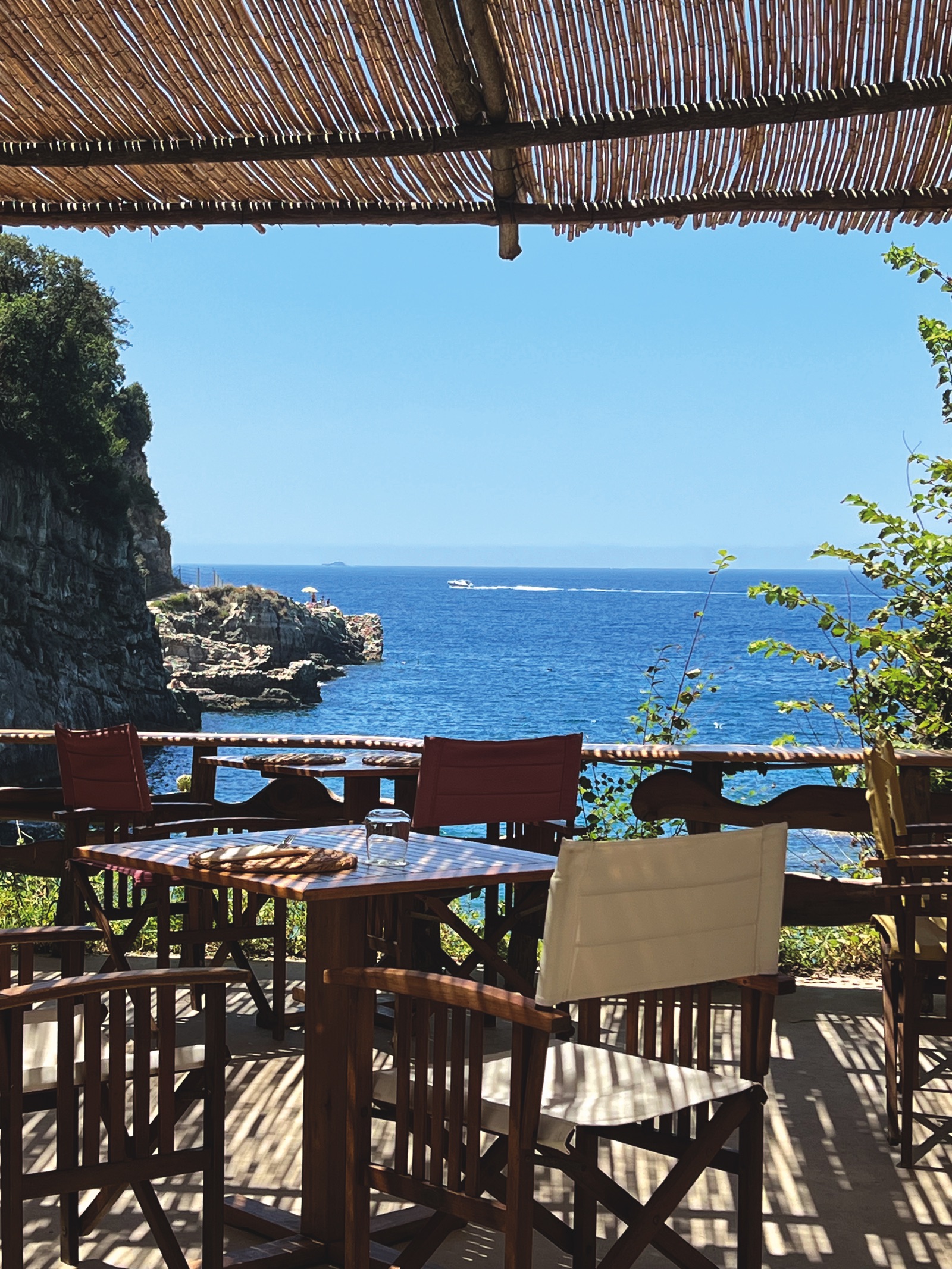
New morning, new area. No more history. The real holiday is at the gate. We drove to our final destination of Sorrento, and, early in the afternoon, we arrived at the place we really love in South Italy – Relais Regina Giovanna. I still remember the first time we arrived in this magical place twelve years ago – a small, nice hotel with a private beach, where our puppies (back then it was only Zorro) will be allowed to swim. A charming place that the owner, Gianluca Picone, had big plans to make into a luxury home for people who want privacy, good service, and good and healthy food. Just above the beach, there was an empty place that became the heart of it all – a small restaurant and bar, with tasty food, wine, and of course Aperol Spritz. This venue’s incredibly friendly team made our holiday even more relaxed and fun.

We always feel at home here, walking around, surrounded by lemon and olive trees and a romantic sunset. In recent years, the hotel has become a bio-food hotel, with food made from their own vegetables. The breakfast is rich and tasty. The service is friendly. A very nice start to a real holiday at the beach.

So, here we are, and relaxing on the beach with our boys, Dexter and Boomer, was the highlight of this holiday. Our previous boys, Zorro and Choko, were Labradors and loved to swim. For our new Bernese Mountain Dog puppies, it was a new experience. It was Václav’s job to teach them how to enjoy the sea and swim, which wasn’t an easy task. After a few days at the dog beach, Dexter was swimming well, but Boomer hated it.

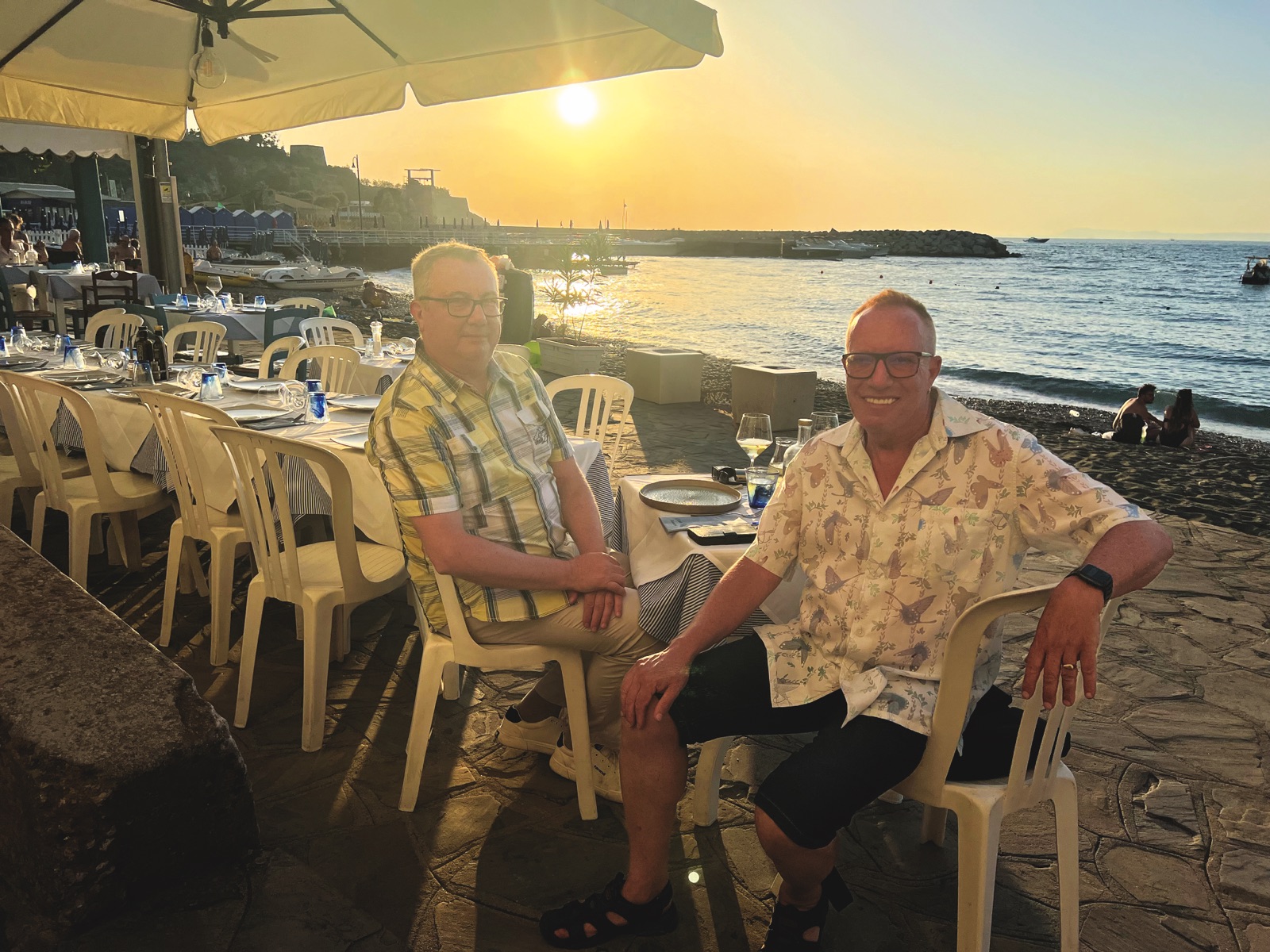
The hotel had an “a la carte” restaurant serving dinner, but the offer was limited, especially if you are not a seafood lover. So, in the evenings, we drove a few minutes to the nearby port Marina di Puolo, a place with a variety of restaurants. Ristorante-Bar DonVino was the best – make a booking in advance though, as it’s full most of the time.

Sorento – Cori (about 4 hours of driving)

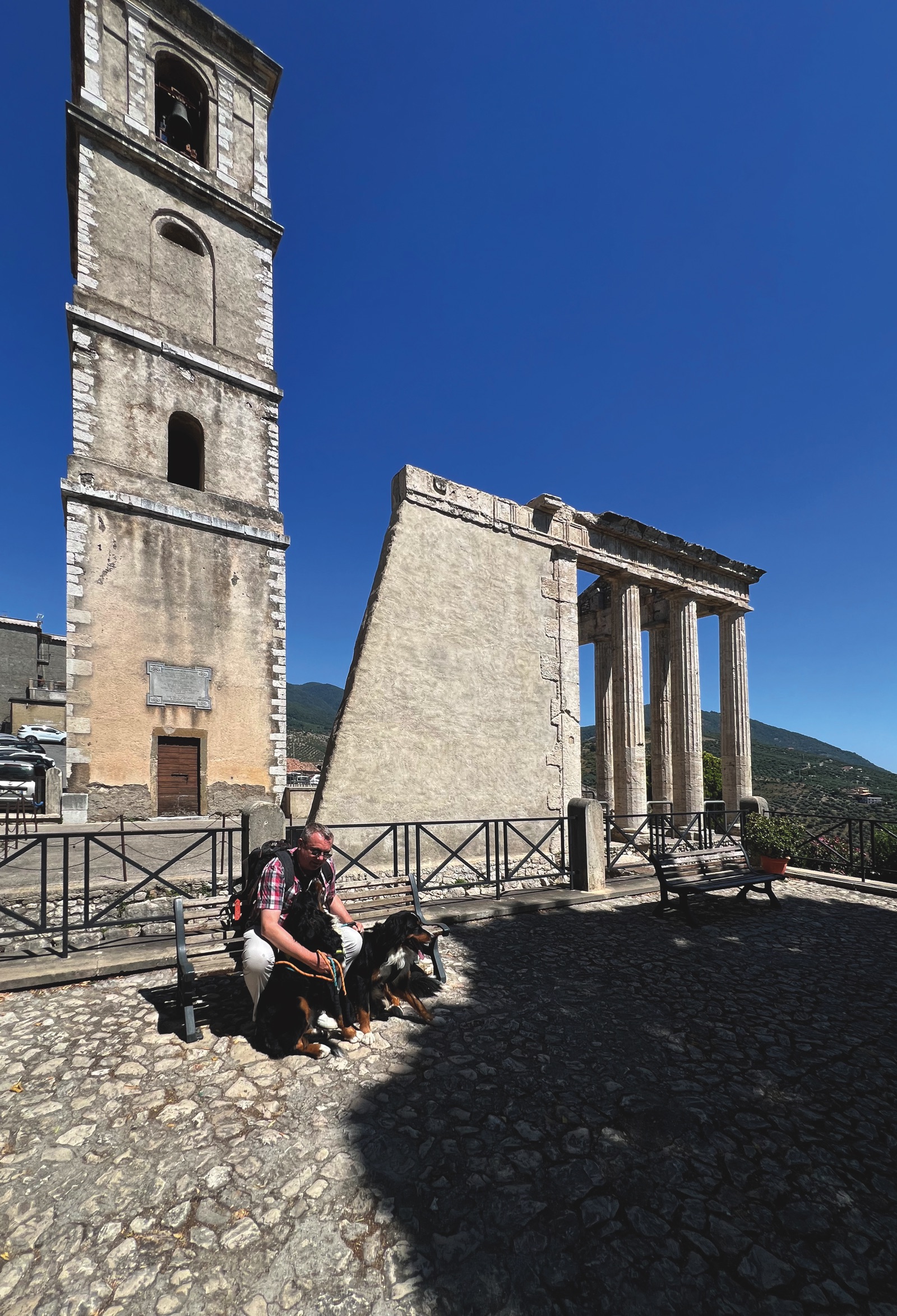
Every good thing has to come to an end, and so, after a few days in this heaven, we drove back north to our home in Prague, again with a few stops on our way. In Cori, we took a short walk in the town centre, before arriving at our hotel – Cincinnato Wine Resort.

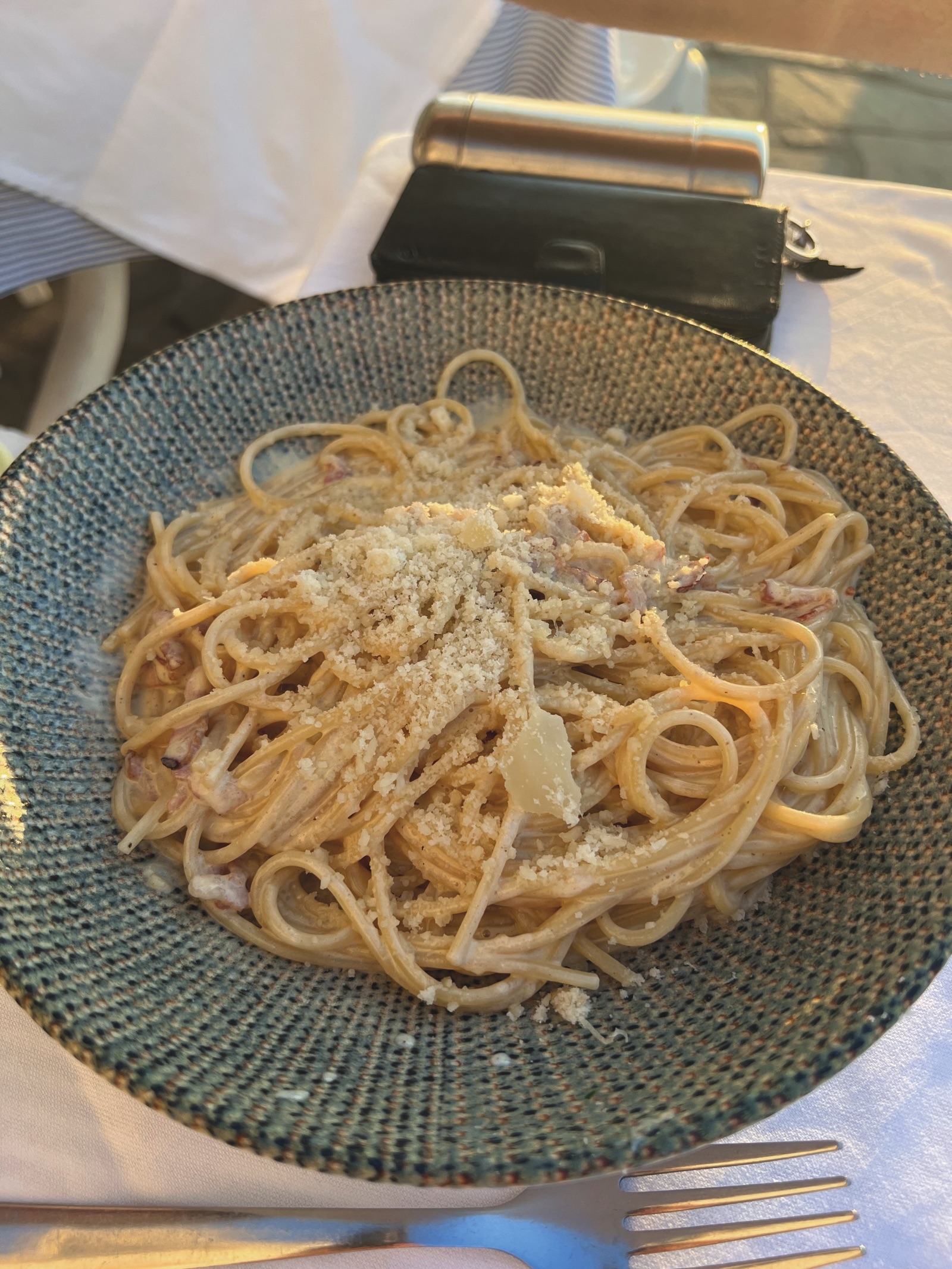
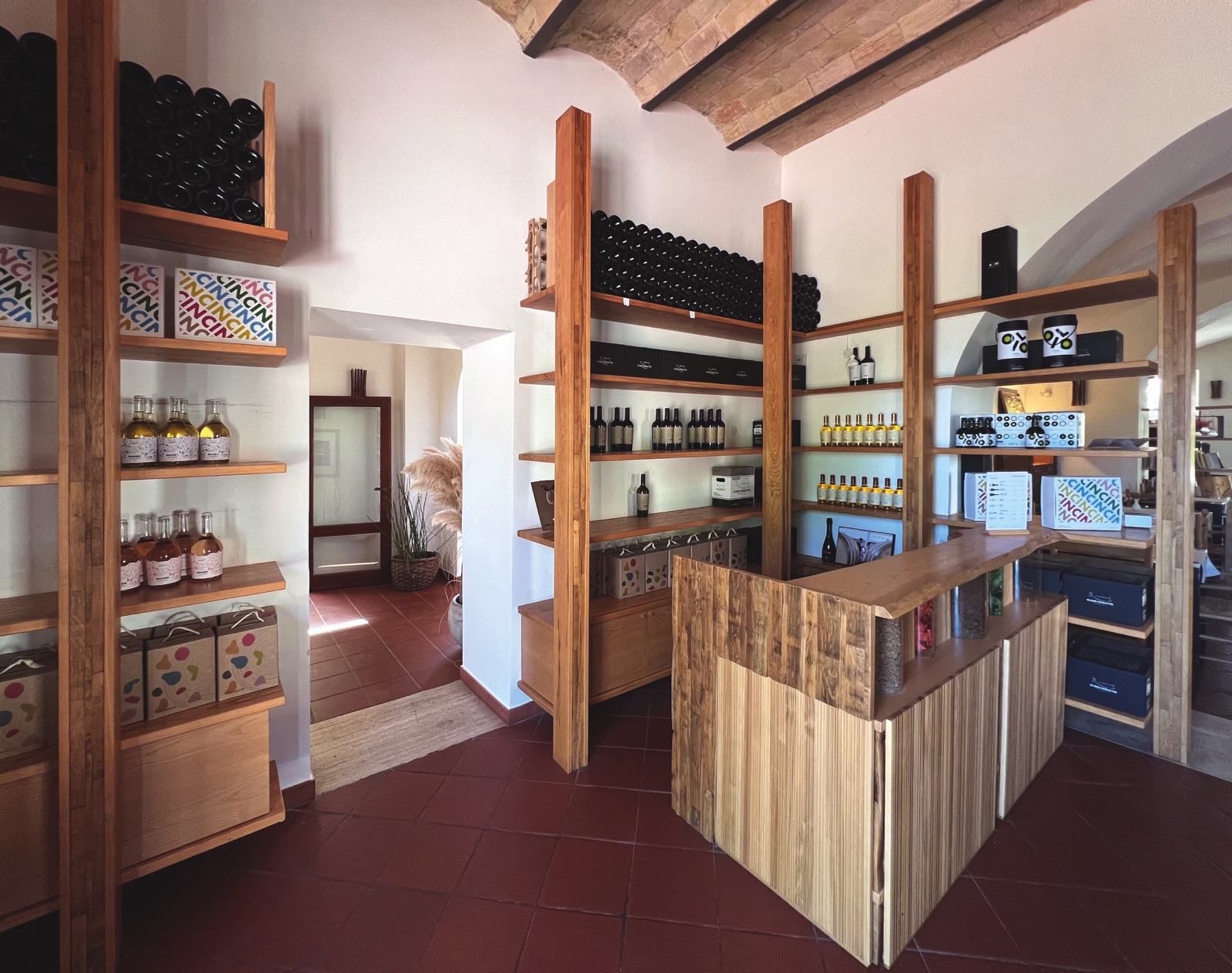
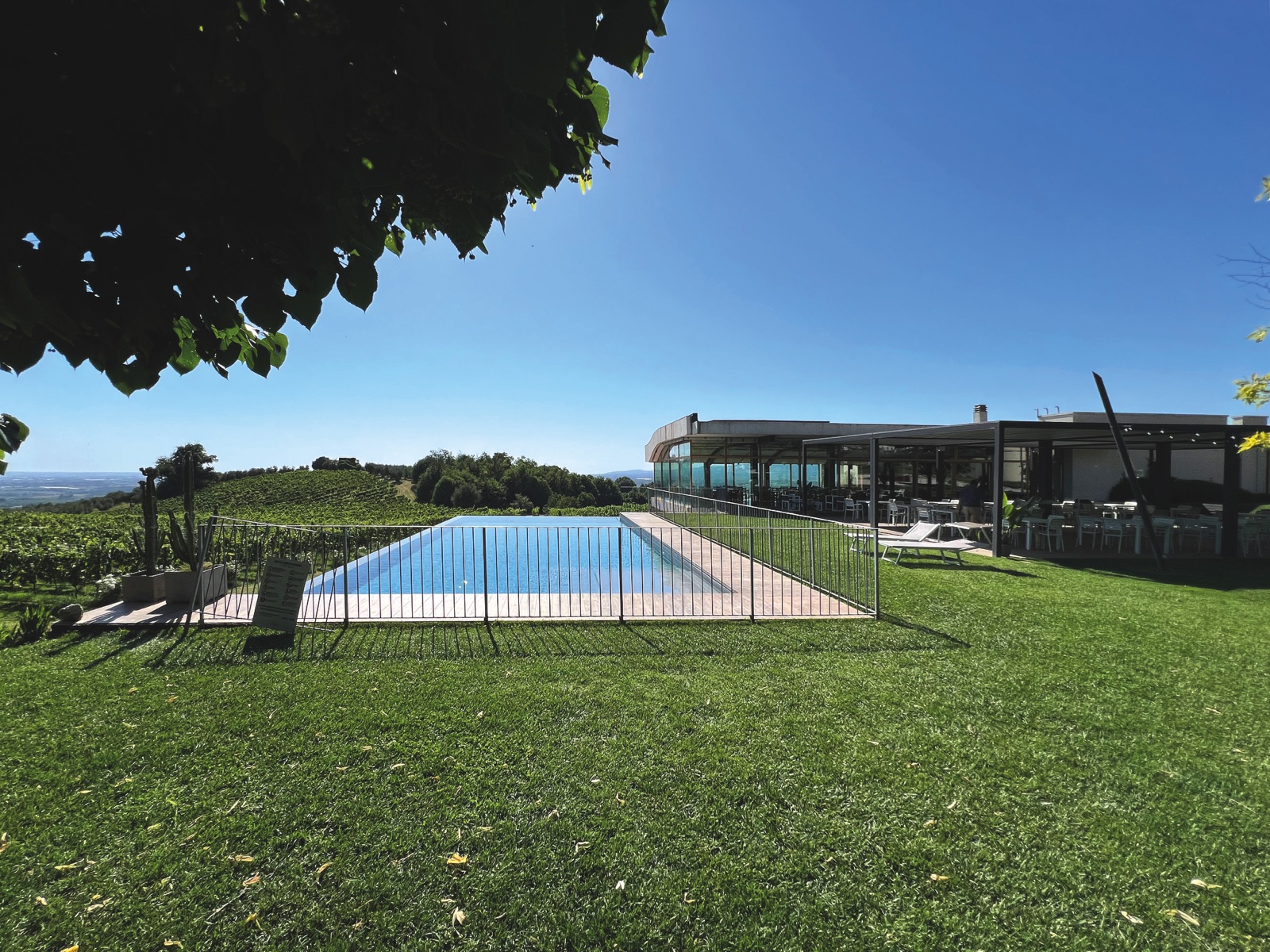
What a nice surprise! This was a lovely place, with a big modern swimming pool and a delicious variety of wines. The restaurant is open only on weekends, but just a short drive away we found a very good restaurant with delicious food. Cincinnato Wine Resort is located about 40km south of Rome, and it is a nice place to return to for a holiday, a company event, or even for a romantic wedding.

Cori – Trento (6 h 30 min / 627 km)

Trento was our last stop in Italy for now, and we stayed overnight only to continue driving again in the morning.

Trento – Prague (8 h 15 min / 729 km)

Home sweet home, full of new memories of our exciting adventures. We love Italy and the Italian hospitality, and hope to return soon. Arrivederci!

Natalia Bayona

Tourism is the most human sector of all

Ms. Natalia Bayona, UN Tourism Executive Director

Text: Martina Hošková and M.Zisso; Photo: Archive

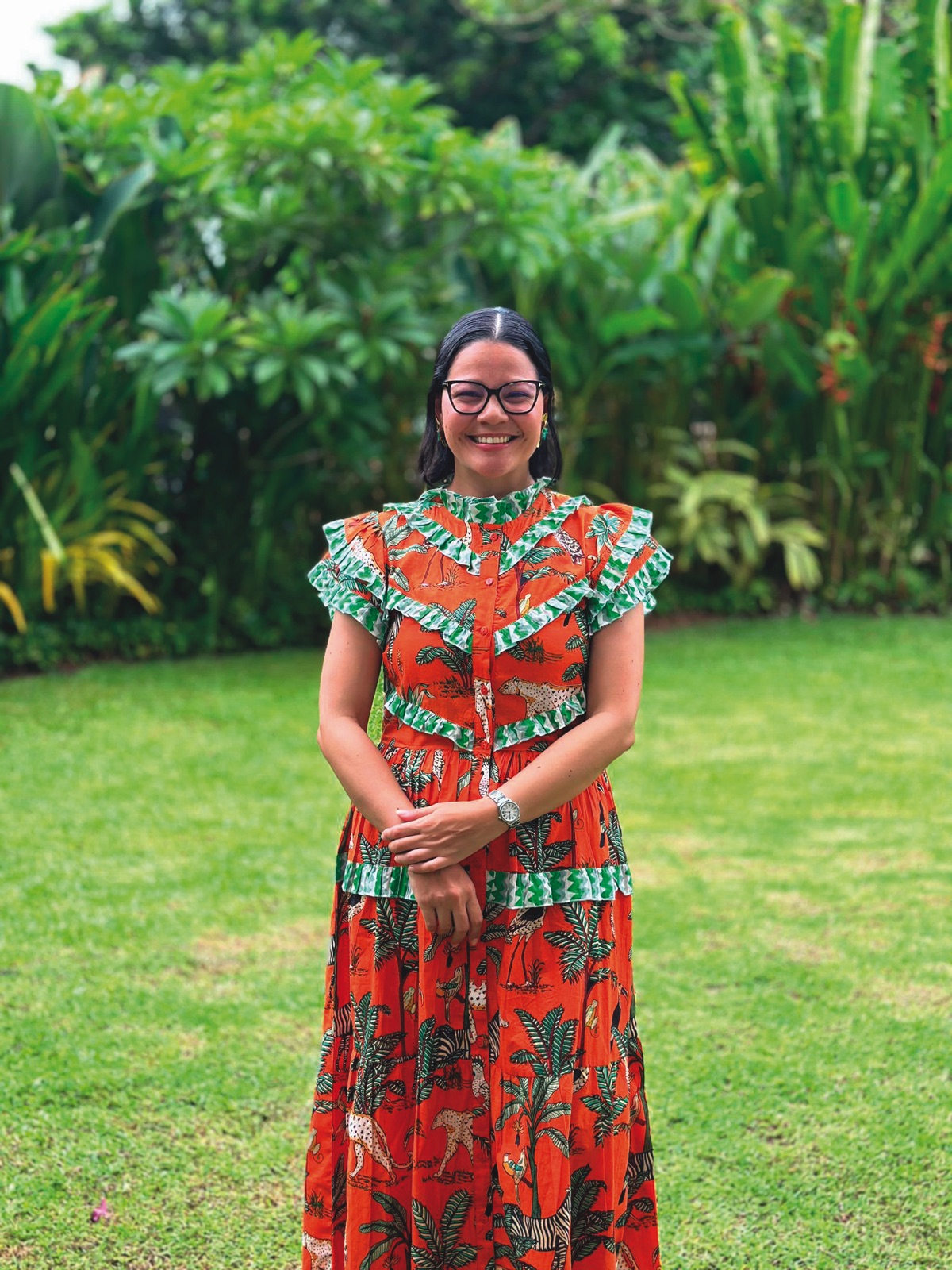
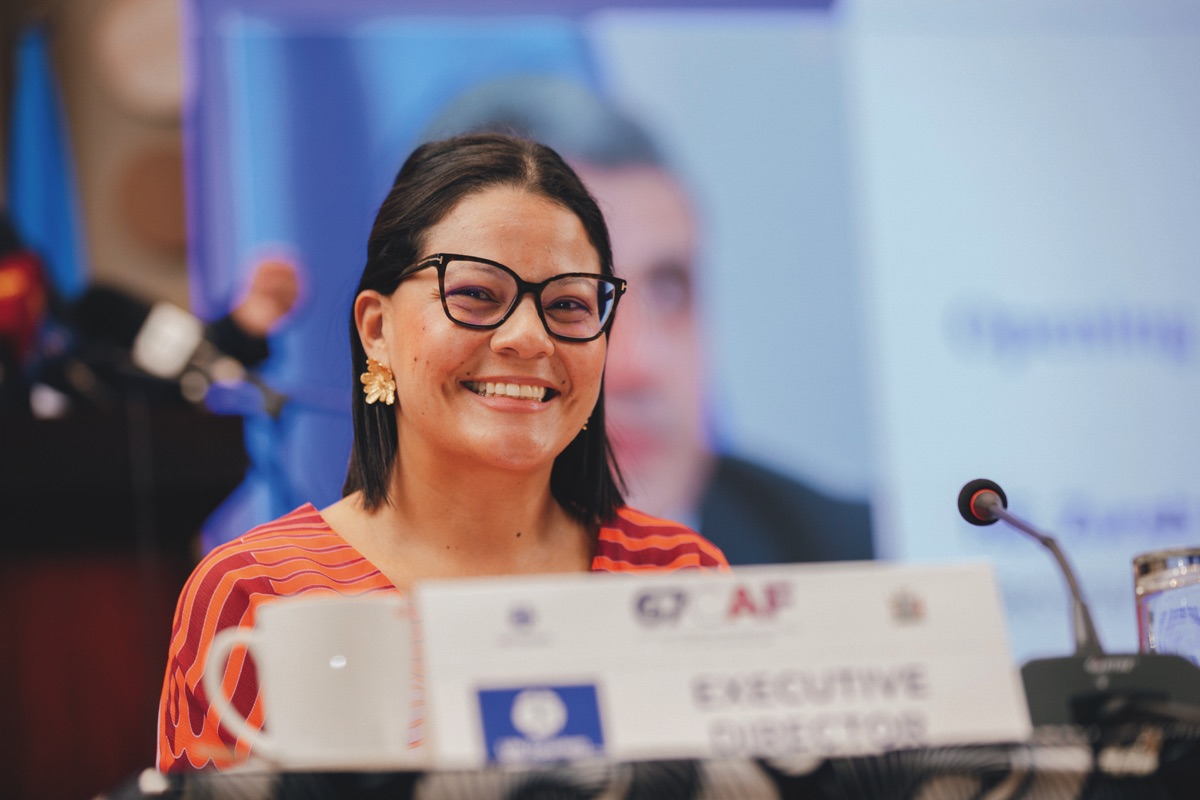
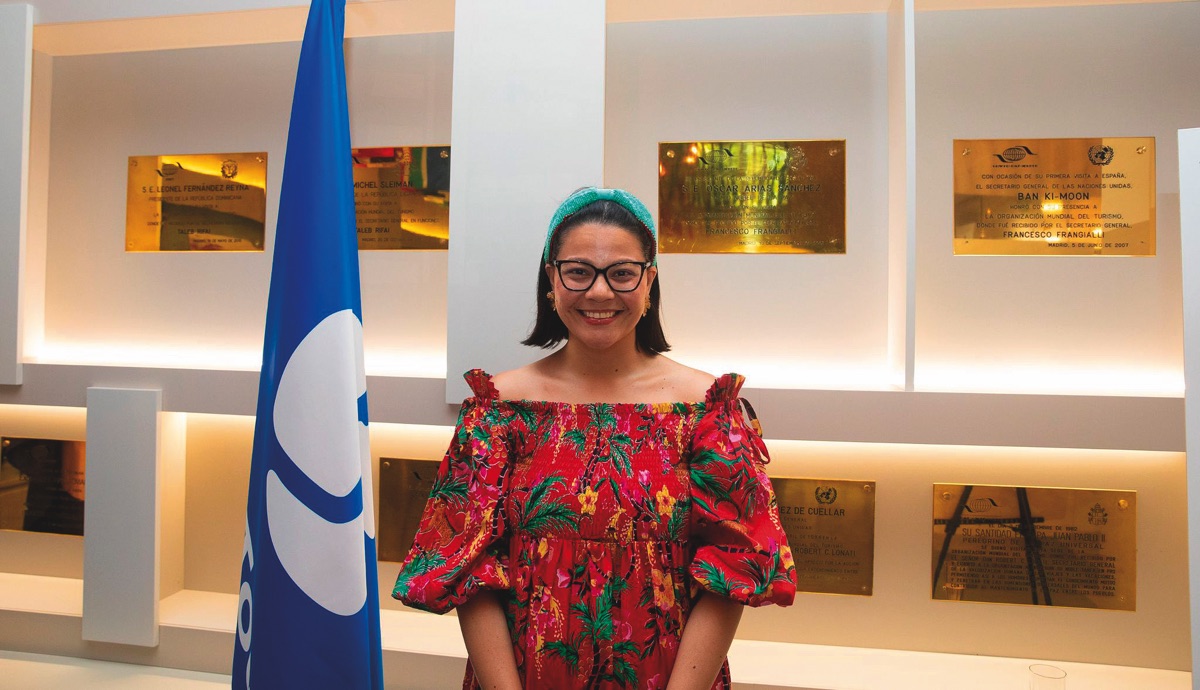
“Natalia Bayona began her career working for the government of her native Colombia, eventually becoming its youngest manager responsible for promoting the country abroad, at the age of 27. Six years ago, she joined UN Tourism to create and lead its Innovation, Education, and Investment Department, focusing on the “three key areas for the development of the tourism sector”, and investing in “the three pillars – people, planet, and prosperity”, she believes.”

What do you feel you have learned from your time, back in 2006, when you began your career in the team creating the first international tourism campaign for your home country, “Colombia – the risk is wanting to stay”?

What fond memories I have of that time! I thoroughly enjoyed those moments, and, looking back, I believe I learned a great deal from that experience. I was the youngest manager responsible for promoting the country, but I also started there at a very young age!

My first steps in ProColombia were as an intern when I was very young, and I was awarded as the best trainee of that promotion. Then, right after that, I started with my first contract. I remember thinking that I was working in something that I liked and enjoyed, and year by year I continued growing, learning, and opening doors for tourism in the country, which at the time was something unexplored.

I learned many things during those years. One of them is that finding what makes a city or a community different from the others, and working on letting the world know why they are special is the basis for boosting the tourism sector in a certain place. I also learned that working with local communities is key to developing the tourism sector, providing them with educational resources, and supporting innovation projects. This also requires support from the institutions, both at local and national levels, to generate frameworks that promote tourism investment, as well as encourage entrepreneurship.

I have walked this path because tourism has been my passion, along with innovation and education. What I didn’t know at that time was that these three things combined, and added to my determination, has been what has brought me here, to my current position at UN Tourism.

Now, with all these things I have learned, I continue to be so passionate about tourism, the most human economic sector of all, and thinking that education and innovation are instrumental for change.

I also believe that tourism must be understood as a state policy, because it is a sector that can drive development and influence many others, not only culture sector, it is also required in order to support security, conservation of heritage and the ecosystem, etc. Therefore, for adequate development, it is necessary to have, as I said, public policies that favour it, as well as private initiatives willing to invest.

Ms. Natalia Bayona, UN Tourism Executive Director

You are passionate about tourism. Are you a tourist too?

These days I am travelling so much that I have to admit I am not sure about the exact number of countries that I have visited by now. More than 100 countries, for sure. And in all of them, I find thousands of reasons to revisit and stay longer.

My list of visited countries is growing month by month due to my professional commitments. However, I will continue travelling because I find it one of the best ways to open our minds and learn about others.

Does such extensive international travel, required as part of your current position, still fit your lifestyle?

Six years ago, when I came to UN Tourism to create the Innovation, Education, and Investments Department, I had already lived in several countries, and had experienced being surrounded by different cultures and nationalities. And I have always loved to travel.

All this, together with education and my passion for travelling, gives me an international mindset. We also must take into account that we live in a global and interconnected society right now, so thanks to technology we can do things that we never imagined, and travel in different ways. People and information are travelling faster and further than ever before.

What is the best travel adventure you have been on?

This job allows me to get to know many places and different people, understanding how they live, and how tourism can transform their region and give new development opportunities. When I think about adventures, I am lucky, because I remember many anecdotes.

Nevertheless, perhaps my best adventure is the work that I do day-by-day at UN Tourism. This job is challenging, because you need to travel a lot, but tourism opens minds and brings cultures together. It is a vibrant sector that is so alive that it is always changing, with new ideas, new scenarios, and, of course, new challenges. Therefore, working in such an exciting sector makes every day an adventure.

Can you share one of your more unusual experiences?

When someone travels as much as I do, anecdotes abound. But I remember one case that was quite intriguing, and that also happened to me in my homeland. It was a few years ago, we were in the middle of a mega event in Cartagena, Colombia, and I had to authorize a power cut for a few minutes to be able to have a perfect rider for the Colombian artists. They were going to present and perform in front of more than one hundred tourism ministers from all over the world, and they wanted to be sure that everything was going to be perfect. At the end of the day, we succeeded. That was in 2007, and I still remember it as an intense day.

What do you find is the most difficult part of being a UN Tourism Executive Director?

Being an Executive Director of a United Nations specialized agency is an honour, a challenge, and, above all, a great responsibility, which I have accepted with enthusiasm and the desire to work to bring innovation as the primary tool for the changes that tourism needs.

I am also incredibly grateful for this role because I believe that this appointment means that the work done together with the team, over the past six years, as the head of the Department of Education, Innovation, and Investments has been relevant.

It shows that not only this work deserves to continue but should be amplified since these are three key areas for the development of the tourism sector.

On one hand, we need adequate, diversified investments in key areas in order to develop all the potential that tourism has at all levels, both in the sector itself and its workers, and for the different countries. On the other hand, it is needed, in order to support entrepreneurs and to ensure that innovation and technologies help us move forward and remain at the forefront. Finally, it is necessary to achieve a skilled workforce with a higher education.

Training will allow not only the prospects of tourism as a sector to expand, but also the professional growth, on a personal level, of those who are part of this wonderful sector in which we work.

Ms. Natalia Bayona, UN Tourism Executive Director

Can you give us a closer look at your duties as Executive Director of UN Tourism?

The work in the executive management consists of overseeing key structural areas for the organization in order to achieve UN Tourism’s objectives in the most efficient way. The underlying idea is to create added value serving the tourism sector.

Right now, under my coordination are the five regional directorates (The Americas, Europe, Asia Pacific, Africa, and the Middle East), the Department of Innovation, Education, and Investments, the Department of Communications and the Technical Cooperation. We are working to always keep our finger on the pulse of the sector, anticipate trends, and adapt to the challenges that the actors who are part of it must face. That’s why, at the last General Assembly, we at UN Tourism proposed a new investment framework based on investing in People, Planet, and Prosperity.

In People, by promoting education. This part is very important, considering that tourism is the main employer of young people. Over 50% of the workers in the sector are 25 years-old or younger, and it is estimated that, by 2030, around 882,000 jobs in the tourism sector per year will require vocational training.

In Planet, through more sustainable practices to achieve Prosperity, counting on innovation as a catalyst. This is because technology, which has always been very present in the tourism sector, is also the gateway to new ideas. That’s why, via UN Tourism, we encourage and support entrepreneurship with various initiatives, such as our contests for startups. We have already had over twenty contests, and this has given rise to an innovation ecosystem that brings us much joy.

Do your professional duties allow you enough free time to enjoy other hobbies besides your passion for travelling?

As I said, education is one of my passions too. Therefore, I love to study. But I also have a taste for fashion. For many years, I have loved to meet emerging fashion designers and support them. It is those designers who create purposeful concepts and do what has been called ‘slow fashion’, and who tend to seek quality, authenticity, and durability, who particularly catch my attention.

I like to recognize these profiles because, as I was saying, this link with education extends to all levels. I am a mentor to young people and women who want to grow in their professional careers, as well as a startup mentor.

And, when it comes to a personal level, I must say that physical exercise is integrated into my daily life. I therefore try to walk at least seven kilometres a day.

It is a fantastic exercise to stay healthy, but it also helps you think better, and, moreover, you enjoy the landscape and discover new places.

You have been successful in becoming a powerful influential woman. What piece of advice can you give to the next generation to help them also fulfil their ambitions?

As a mentor, my first advice is about learning. Education is the most powerful and transformative tool that we have. With education, we can transform not only someone’s life but also society. So, educate yourself as much as you can, learn things every step of the way, and never lose your curiosity and the desire to learn. And, when it comes to my beloved sector, I will add another piece of advice for the next tourism leaders: see Tourism as what it is – the most human sector of all.

Because of that, it is important to focus on the three pillars that we have talked about before – People, Planet, and Prosperity. Investing in people through education is mandatory, and there is also a need for impulse green investments to develop countries and communities, as well as having a sector aligned with sustainable development goals. Last but not least, working in innovation in order to increase entrepreneurship and help entrepreneurs develop their potential could contribute towards creating a great landscape for the tourism sector.

H.E. Emil Krsteski

North Macedonia deserves to be member of EU

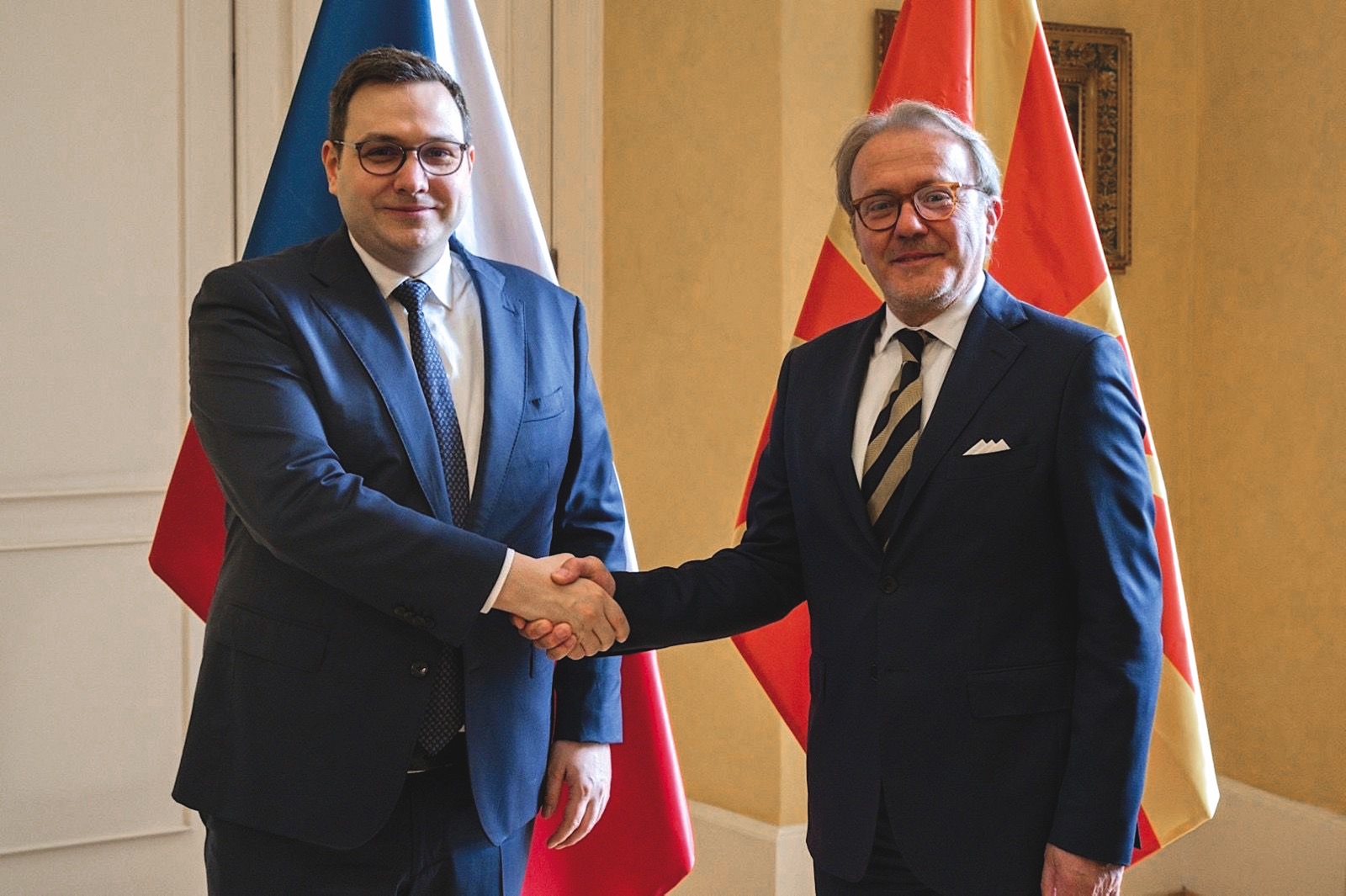
Jan Lipavský, Minister of Foreign Affairs of the Czech Republic and H.E. Mr. Emil Krsteski, Ambassador of North Macedonia

Text: Martina Hošková and M.Zisso; Photo: Archive

“H.E. Mr. Emil Krsteski, Ambassador of North Macedonia to the Czech Republic appointed since December 2023, has engaged in writing, foreign policy, and international relations throughout his career, including writing six books on international relations. When speaking about the relations between North Macedonia and Czechia, he describes them as “excellent and friendly”, highlighting the fact that the Czech Republic “was one of the first countries, after the fall of the Berlin Wall, to clearly define its strategic goals – membership in NATO and the EU. Now, it is North Macedonia who deserves to become a member of the EU, and the Czech Republic firmly, openly, and unreservedly supports us on our path to EU integration, as it did with our NATO membership.”

Can you tell us about yourself?

During my childhood, I was surrounded by different types of newspapers, as well as magazines, books, and encyclopedias. I lived in the centre of Skopje in a building where many journalists, editors, directors, and diplomats lived.

My father was the editor of Kultura, a famous Macedonian Publishing House, and later on, of the Lexicographic Institute Miroslav Krleža in Zagreb. These circumstances seemed to predetermine my profession as a journalist, and I have been professionally engaged in writing, foreign policy, and international relations throughout almost my entire career. I have been writing and publishing short stories and poems since elementary school. In Skopje, I studied journalism at the Faculty of Law of St. Cyril and Methodius, the State University, where I received a Master’s Degree in International Law and International Relations, as well as a Doctorate in Political Science (international politics).

I worked as a journalist and editor for Macedonian Television, the daily newspaper Nova Makedonija, and the political weekly PULS, which I co-founded. I was a correspondent for TANJUG, and later served as a State Advisor for Foreign Policy and International Cooperation in the Cabinet of the President of the Macedonian Assembly for twelve years. I was the Director of the State Archives for nearly five years, and, since December 2023, I have been appointed as Ambassador Extraordinary and Plenipotentiary to the Czech Republic.

What made you become an ambassador?

All my work experience in foreign policy, filled with many trips and following international events, as well as my education and the six books I have written on international relations, were sufficient signposts leading me to the door that opens the horizon of diplomacy.

You have been in the Czech Republic for over eight months. Can you share some of your impressions?

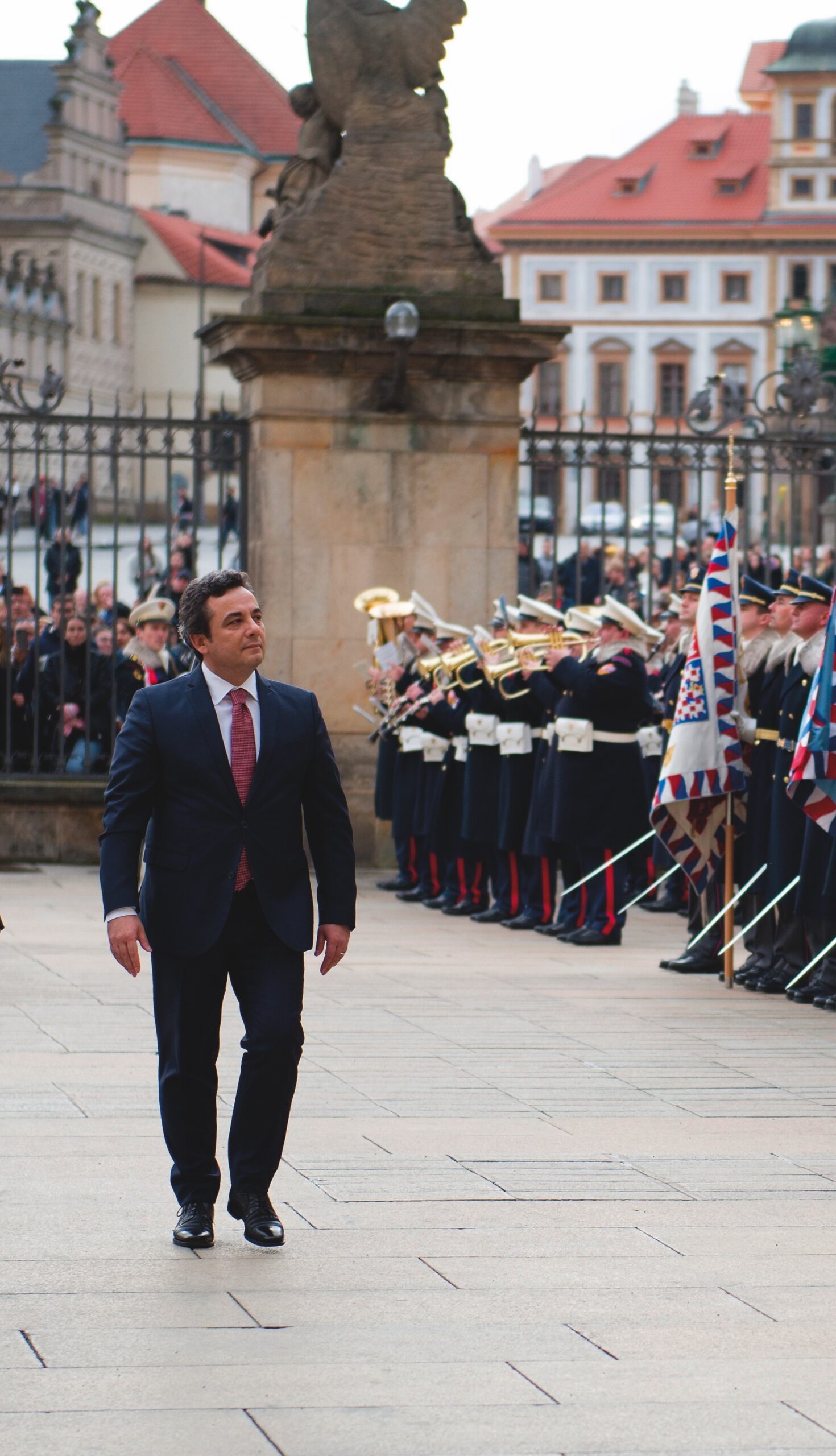
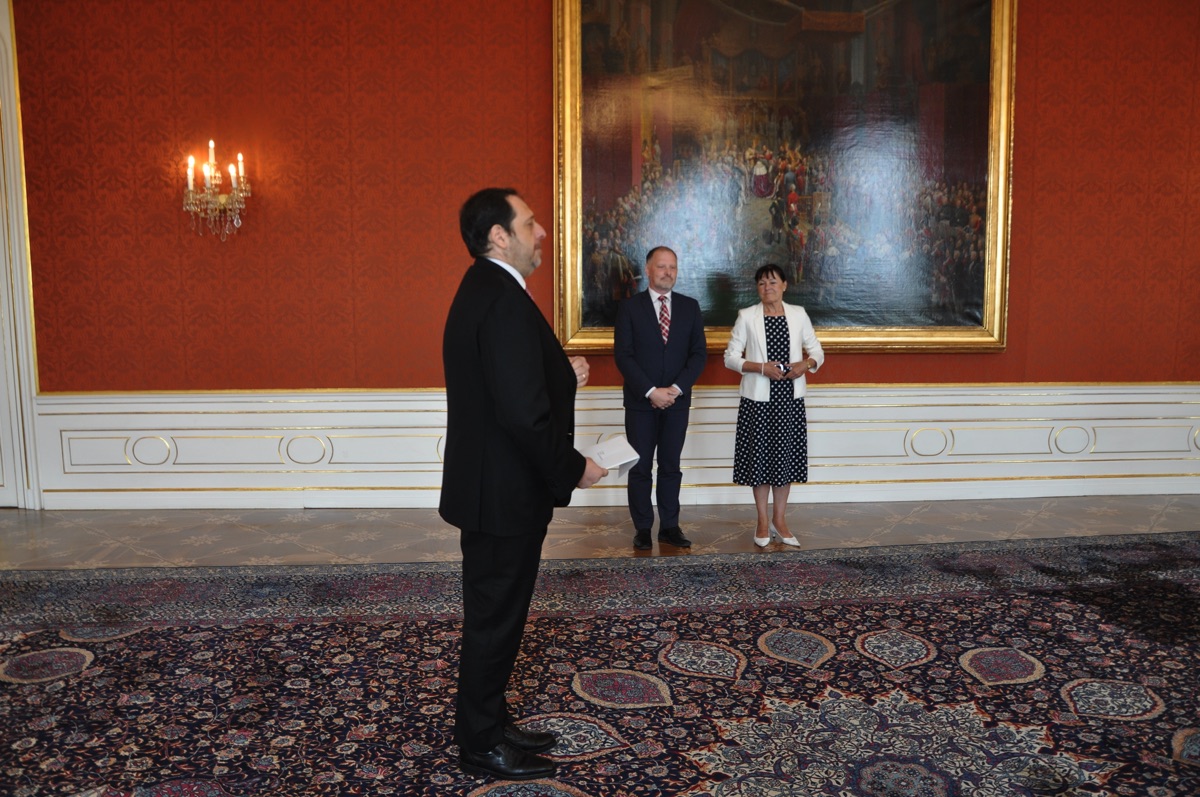
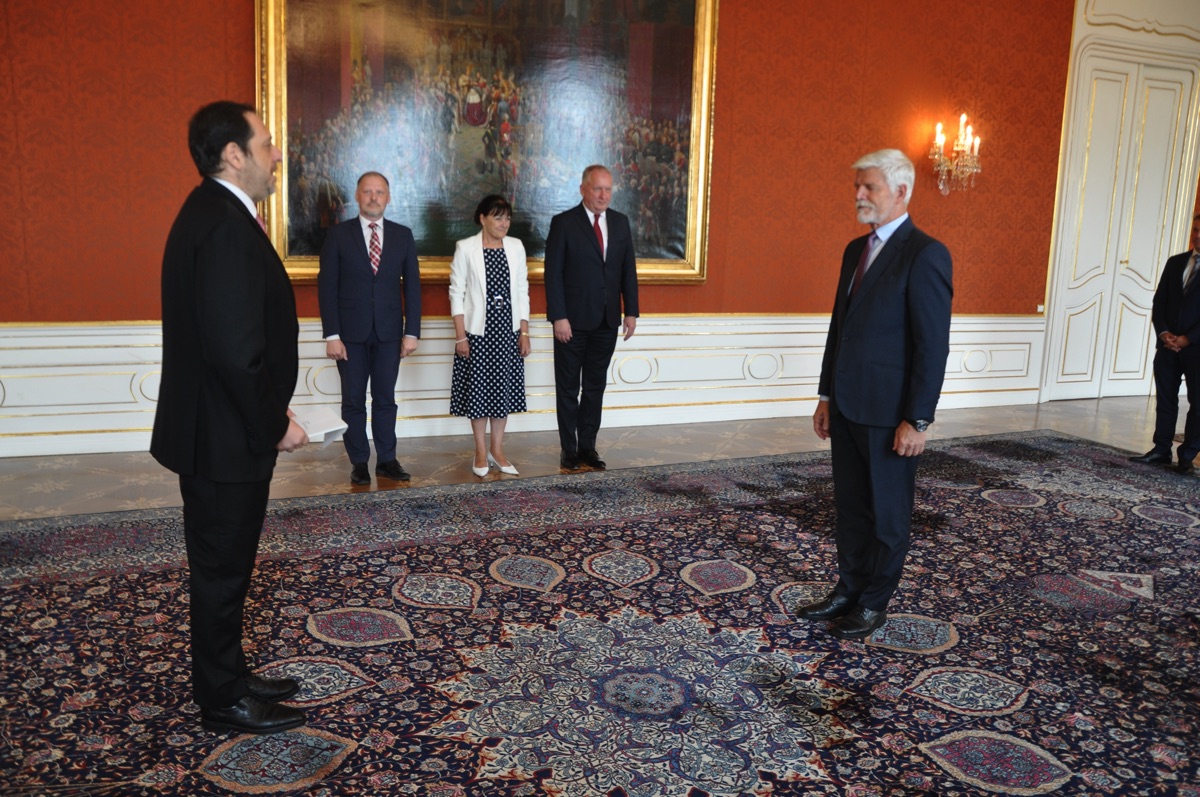
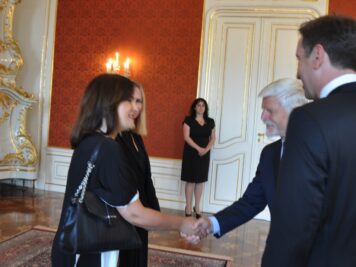
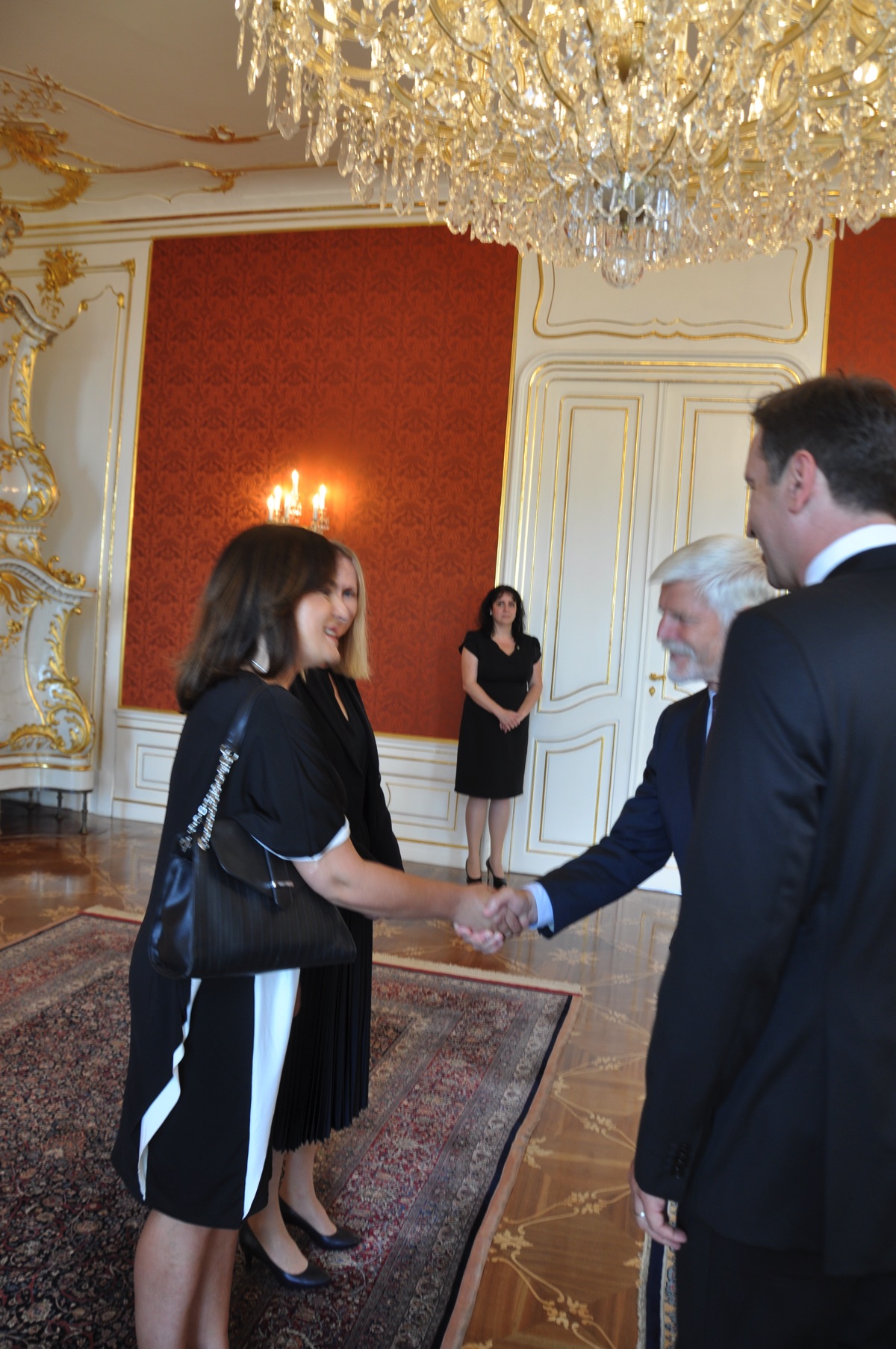
I was fortunate that just two weeks after I arrived in Prague on February 15th, I presented my Credentials to the Czech President, Petr Pavel, and soon after had an official meeting with the Minister of Foreign Affairs, Jan Lipavský. The presentation of the Letters of Credentials at the Presidential Palace was conducted with the highest honours and a perfectly organized ceremony, during which the Macedonian flag flew on the roof of the Palace, the military band played the Macedonian anthem at the entrance, and I passed and greeted the military guard before entering to meet President Pavel. This solemn moment and the almost half-hour conversation with President Petr Pavel will remain deeply engraved in my memory.

Do you manage to enjoy Prague during your free time as well?

In Skopje, I usually play tennis two or three times a week, ride my bike in the morning, paint, write short stories, listen to good music… I find time for everything.

Unfortunately, due to my significant responsibilities as an Ambassador, I haven’t been able to maintain these activities in Prague. Usually, during the weekends, I am in contact with my son who lives and works in Berlin with his wife and my granddaughter, and with my daughter in Skopje. I also read non-fiction and fiction, take walks with my spouse Ana in the parks in and around Prague, and prepare lunch. I’m learning Czech. I don’t watch TV at all, except for parts of the world hockey championship held in Prague and Ostrava, and, of course, tennis sometimes.

Does being an ambassador fit your lifestyle?

I openly say that I perform this position with pleasure and dedication because, from the very beginning of my career, I have had the opportunity to constantly engage with politicians and diplomats and successfully prepare and publish analyses of international relations. It’s kind of second nature to me, and I do it with passion.

Which countries did you work in before your current post?

As a journalist-editor and state advisor in our Assembly, I travelled extensively. I also had several study visits, lasting a few months each, at institutions such as the International Court of Justice in The Hague, the Institute for European and International Studies in Luxembourg, Harvard University in Boston, the NATO Assembly in Brussels, the Marshall Center in Garmisch-Partenkirchen, and twice in the USA at the invitation of the State Department, obtain a Diploma as the Ambassador of Good Will of Arkansas in the world, sing by President Bill Clinton. I was also a guest of the British Consul in London, as well as the Inter Nations of Germany. While working in the Cabinet of the President of the Assembly, I was an official guest of the Italian, Austrian, Swiss, and Swedish Parliaments.

However, my greatest diplomatic experience was the four-year following of the sessions of the European Parliament in Strasbourg, and the three-year stay in New York, where I collaborated with the International Peace Institute and completed my doctoral dissertation on American foreign policy at the beginning of the 21st century, the Mediterranean, and the Arab Spring.

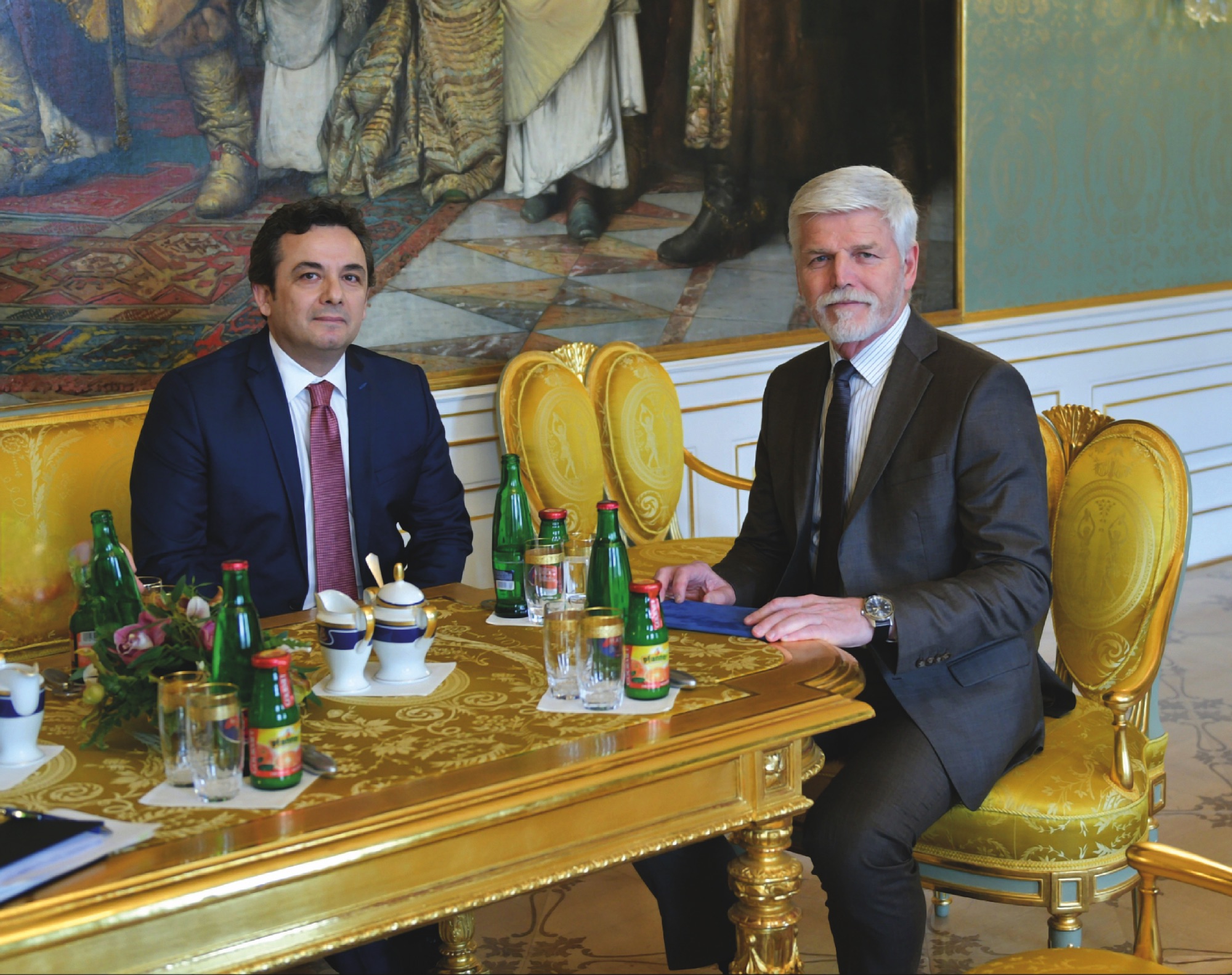
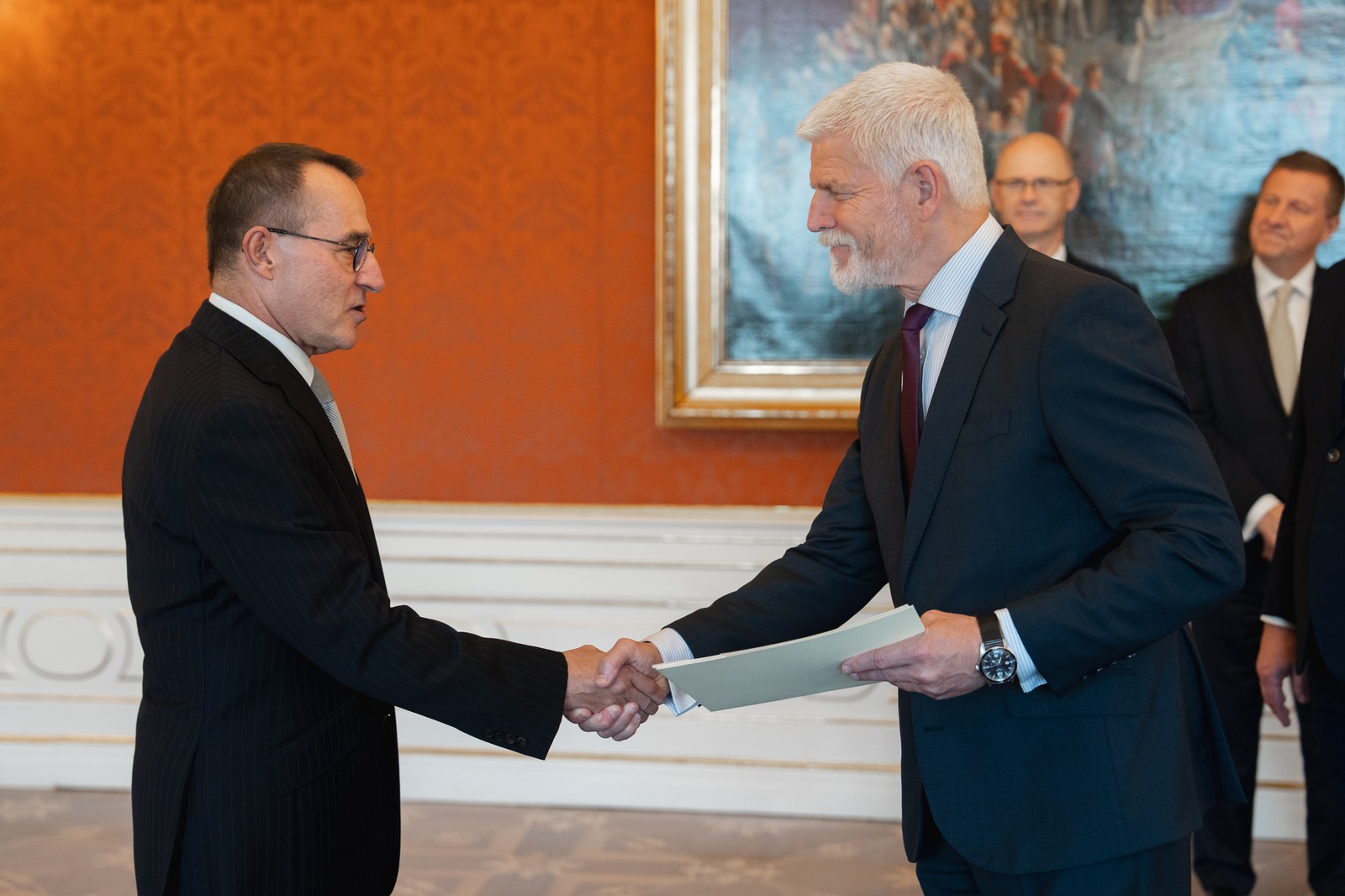
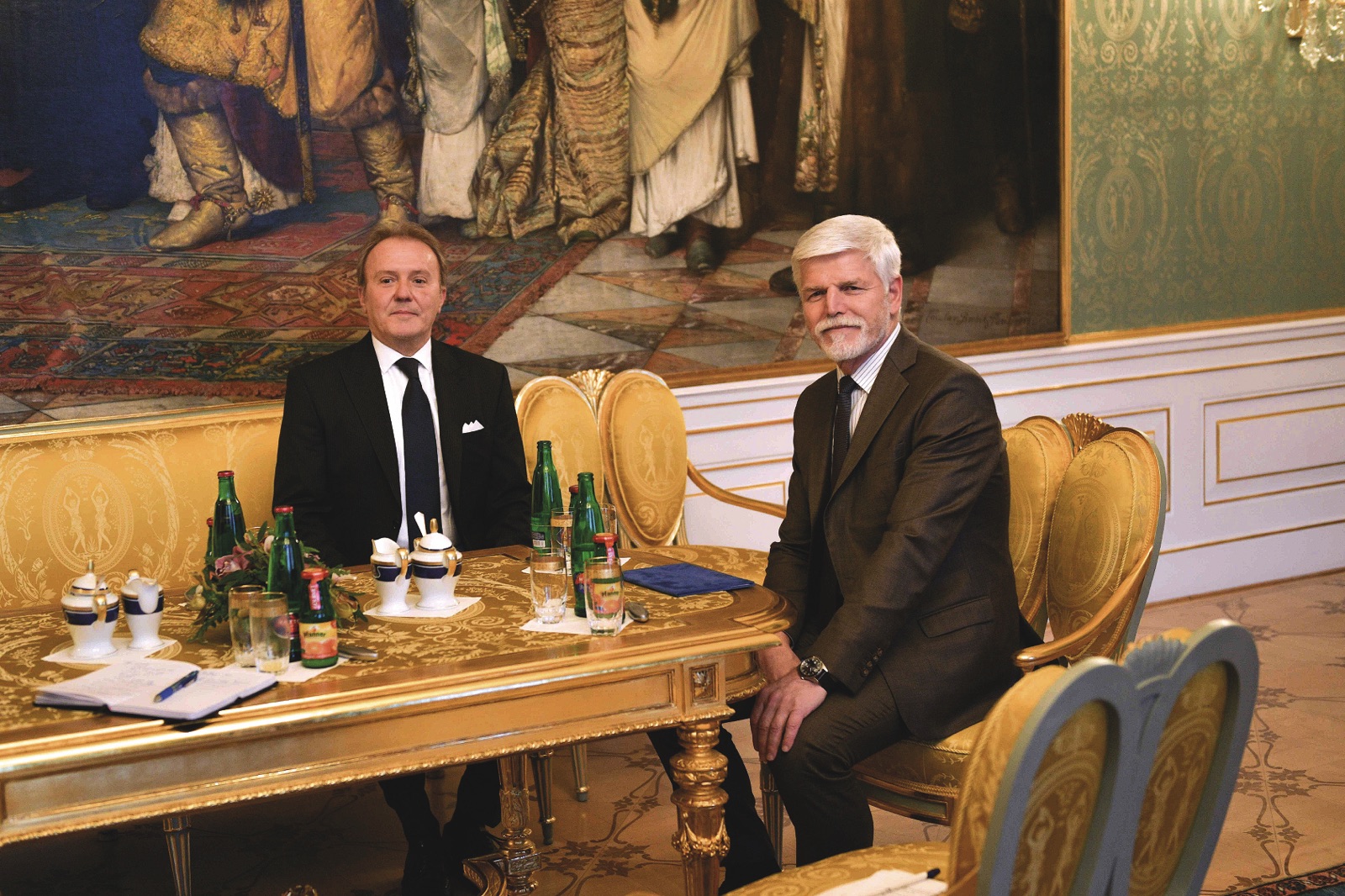
From right: President Petr Pavel and H.E. Mr. Emil Krsteski, Ambassador of North Macedonia

Have you ever dealt with any weird situations in your professional life?

While I was an Adviser on Foreign Policy, among other things, I wrote speeches for the President of the Parliament. Once, I had to write a speech for an International conference in which the President was supposed to participate and address, unplanned. I had less than 24 hours to prepare, and the topic was quite complex. I started working in the Cabinet but took the diskette home to continue writing the speech in the afternoon. At one point late in the evening, I pressed a button on the computer, and the entire text disappeared. I felt my blood run cold. I immediately called my son, who was good with computers, for help and started shouting in a panic: “My career is going to fail, I have to find the text, I don’t have time to start from the beginning, the text should be ready early in the morning.” I repeated this several times while my son worked on the keyboard. For those fifteen minutes, until my son recovered the text, I was in a real panic and thought my career was in jeopardy. But, in the end, everything turned out well.

North Macedonia is a NATO member and wants to join the EU. Do you feel there is strong support for your country on that path?

Many EU member states support the enlargement of the Union to include the countries of the Western Balkans. The Czech Republic firmly, openly, and unreservedly supports us on our path to EU integration, as it did with our NATO membership. This was particularly confirmed during its presidency of the Union in the second half of 2022, when North Macedonia received substantial help from the Czech Republic in protecting our southern border from the wave of migration and signing the agreement with FRONTEX, the first agreement signed with the EU in the Macedonian language.

This year, the Czech Republic also marked its 20th anniversary of joining the EU, during which President Petr Pavel emphasized the need for the EU to continue the process of enlargement, help Ukraine and Georgia, and not forget the countries of the Western Balkans. The Czech Republic and some other countries are against setting bilateral issues and problems as conditions for obtaining a date to start negotiations with the EU.

Can you evaluate the current status of Czechia-North Macedonia relations in more detail?

I can state with great pleasure that we have excellent and friendly relations with the Czech Republic on a political, economic, and cultural level. It significantly facilitates the work of an Ambassador when there are no open and disputed issues with the host country. Instead, there is understanding and cooperation, both bilaterally and multilaterally.

I became even more convinced of this last fall during my preparation for the defence of theses and assuming the duties of Ambassador in Prague, when I visited and spoke with the highest representatives – or those responsible for international cooperation – in all our ministries.

The Czech Republic is a respected and influential country in the international community, both in international organizations and within its political-security, economic, and cultural influence in Europe. Its role in NATO’s eastern wing is significant, especially after the outbreak of the war in Ukraine and the condemnation of Russian aggression against this country.

It was one of the first countries, after the fall of the Berlin Wall, to clearly define its strategic goals – membership in NATO and the EU. The Visegrad group of countries (the Czech Republic, Poland, Hungary, and Slovakia) was then formed, which, by demonstrating successful political and economic regional cooperation, decided to adopt Western values, laws, and norms and join NATO and the EU.

The Czech Republic firmly, openly, and unreservedly supports us on our path to EU integration. This was especially confirmed, as I mentioned earlier, two years ago during its EU presidency, when the Western Balkans countries greatly benefited from their European integration efforts.

The Czech Republic is one of our largest equipment donors for security purposes, particularly for controlling and preventing illegal migration.

Apart from political-security cooperation, I want to emphasize the possibility and mutual interest in expanding economic and cultural cooperation. In addition to my regular contacts with representatives of the Czech Ministry of Foreign Affairs and other political entities following and reporting on current situations and events in the country, I also have regular cooperation with the Ministry of Industry and Trade, whose minister visited North Macedonia in the spring. In Brno, as the main business and fair city, opportunities are opening for business contacts with the participation of our companies in those fairs, as well as attracting larger Czech investments in our country and establishing the Macedonian-Czech Chamber of Commerce business association, for which specific steps have already been taken.

What about your activities in the field of cultural cooperation?

At the end of March, in the National Gallery of Prague, I opened an exhibition of paintings, sculptures, models, and photographs owned by the Museum of Contemporary Art of North Macedonia, which lasts until the end of September. All these works presented at the exhibition, including works by important Czech authors, were donated to our Museum of Contemporary Art after the catastrophic earthquake in Skopje in 1963, when our capital was the world centre of solidarity. I expect such and similar cultural events to occur more often and strengthen cooperation between the two countries, as building such bridges of cooperation brings the two countries and their people closer. Therefore, I anticipate the establishment of a Cultural Centre in Prague, which will be a temple of mutual cooperation.

In July, on the day when the Czech Republic celebrates the Day of All-Slavic Educators, the brothers Saint Cyril and Methodius, I met with our fellow citizens in Prague to celebrate this holiday, which connects our two countries. It is estimated that around 4,000 of our compatriots live and work in the Czech Republic and have established two official Clubs, which also represent a significant element for further deepening the excellent friendly relations between the two countries.

People can also be brought closer by travelling. How do you promote your country as a holiday destination for Czech people?

North Macedonia has its own economic and tourism promoter based in Warsaw, responsible for the Visegrad Group of countries. He often comes to Prague, and together we visit the Ministry of Industry and Trade, as well as the Czech Chamber of Commerce.

Our priority task is to reestablish a direct flight between Skopje and Prague as soon as possible. North Macedonia offers a Mediterranean climate, many natural beauties, three natural lakes, numerous rivers, mountains with ski centres, and opportunities for developing rural and extreme sports tourism. At every step, you can find historical sites, cultural centres, monasteries, private wineries, restaurants with traditional cuisine, healthy and natural food, fruits and vegetables, and hospitable hosts.

This interview is done on the occasion of your National Day. Do you have a wish you would like to express?

We celebrate Independence Day – September 8th every year – marking the day in 1991 when the people expressed their will to create an independent republic in a referendum. In Prague, we mark this date, as well as the 30th anniversary of the establishment of diplomatic relations with the Czech Republic, with a reception and a cultural and artistic program.

In the future, I wish and expect our relations with the Czech Republic to develop further, leading to successful and prosperous cooperation at every level. I also hope that soon both countries will be equal member states in the EU, as our political and economic orientation and perspective align with that goal. As diplomats often say: It is better to be seen at the table, than on the menu.

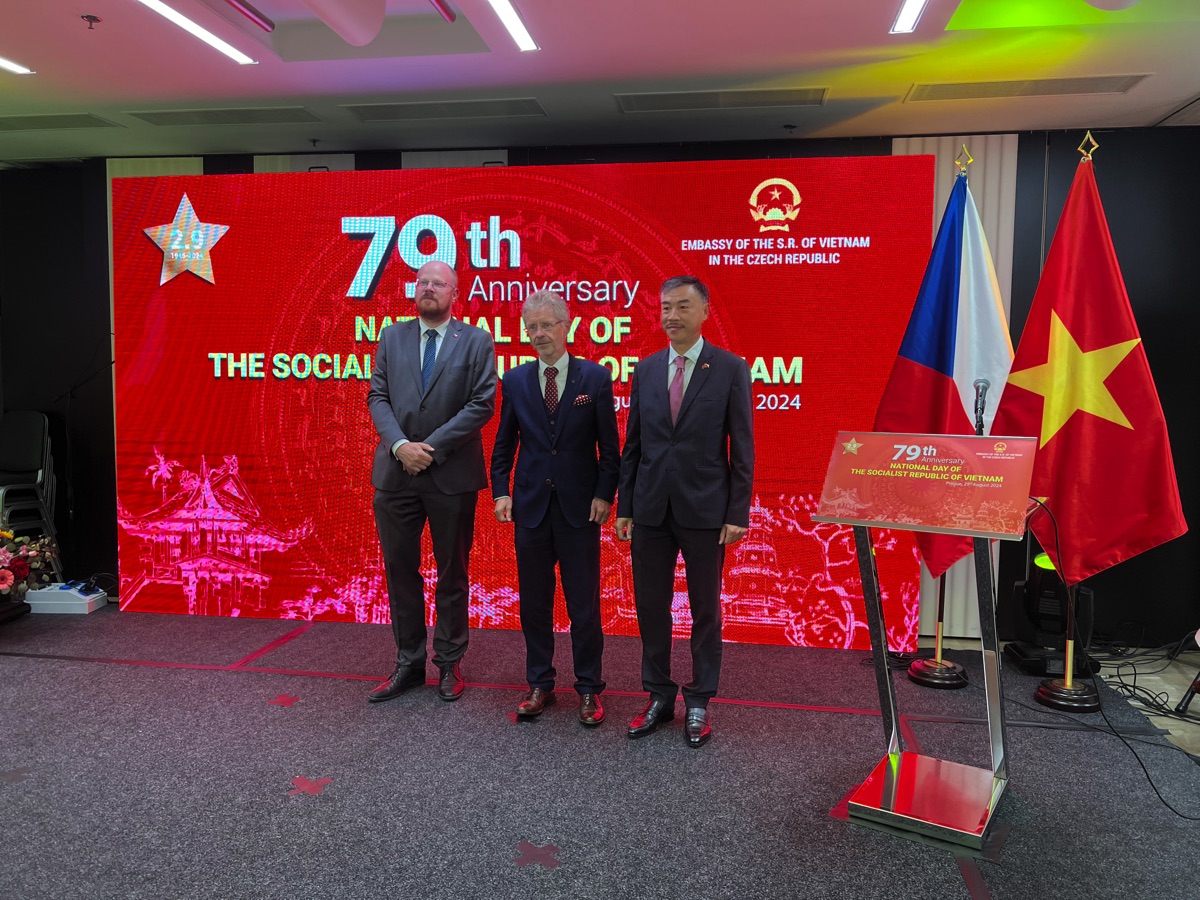
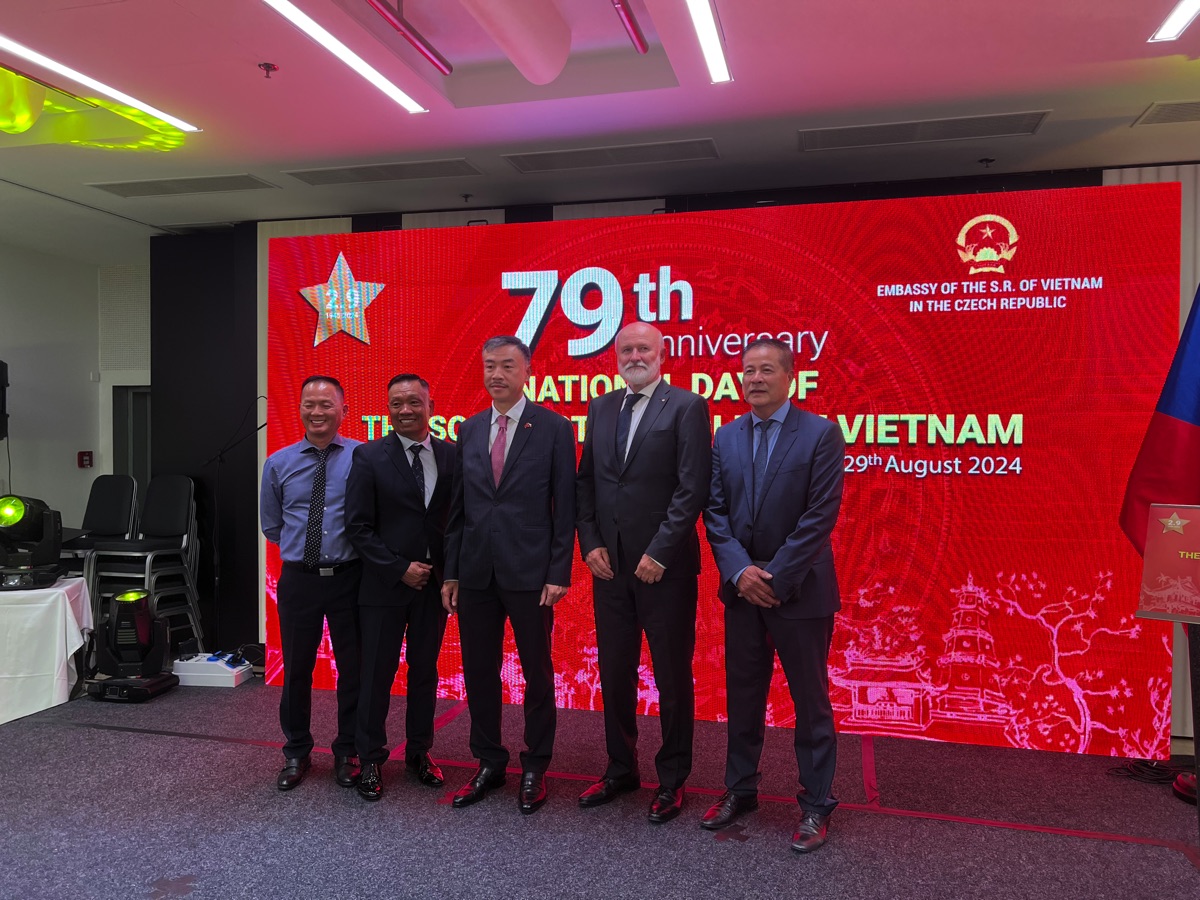
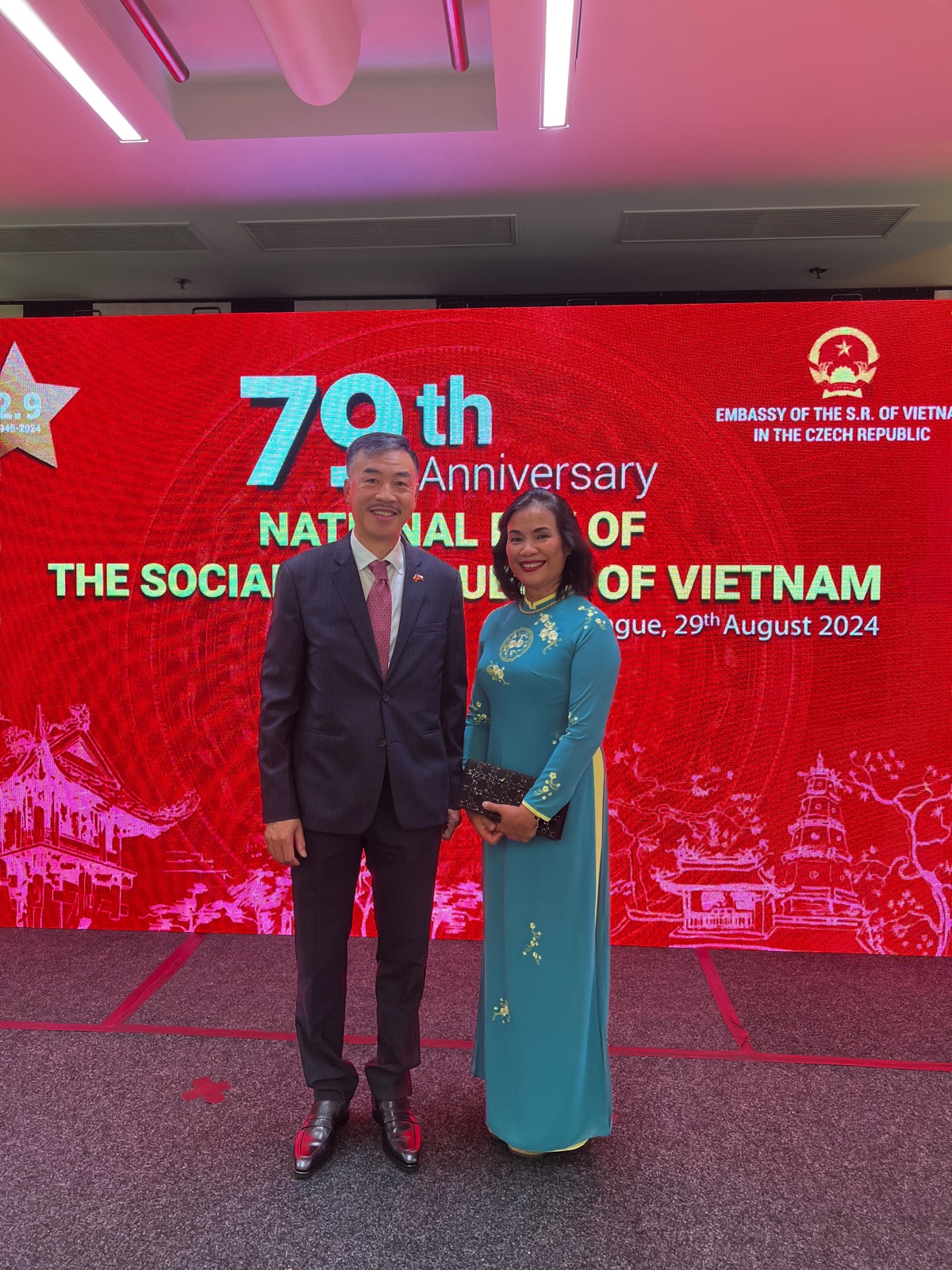
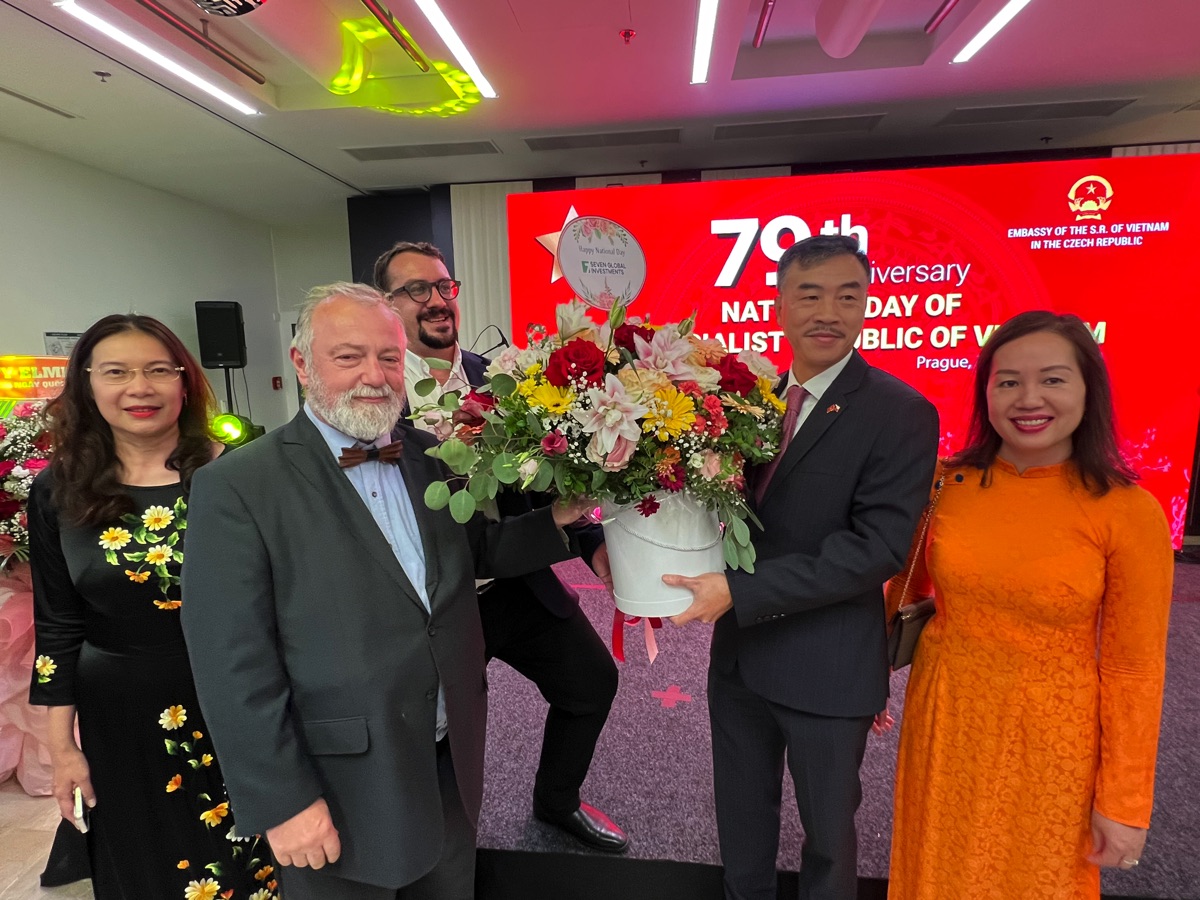
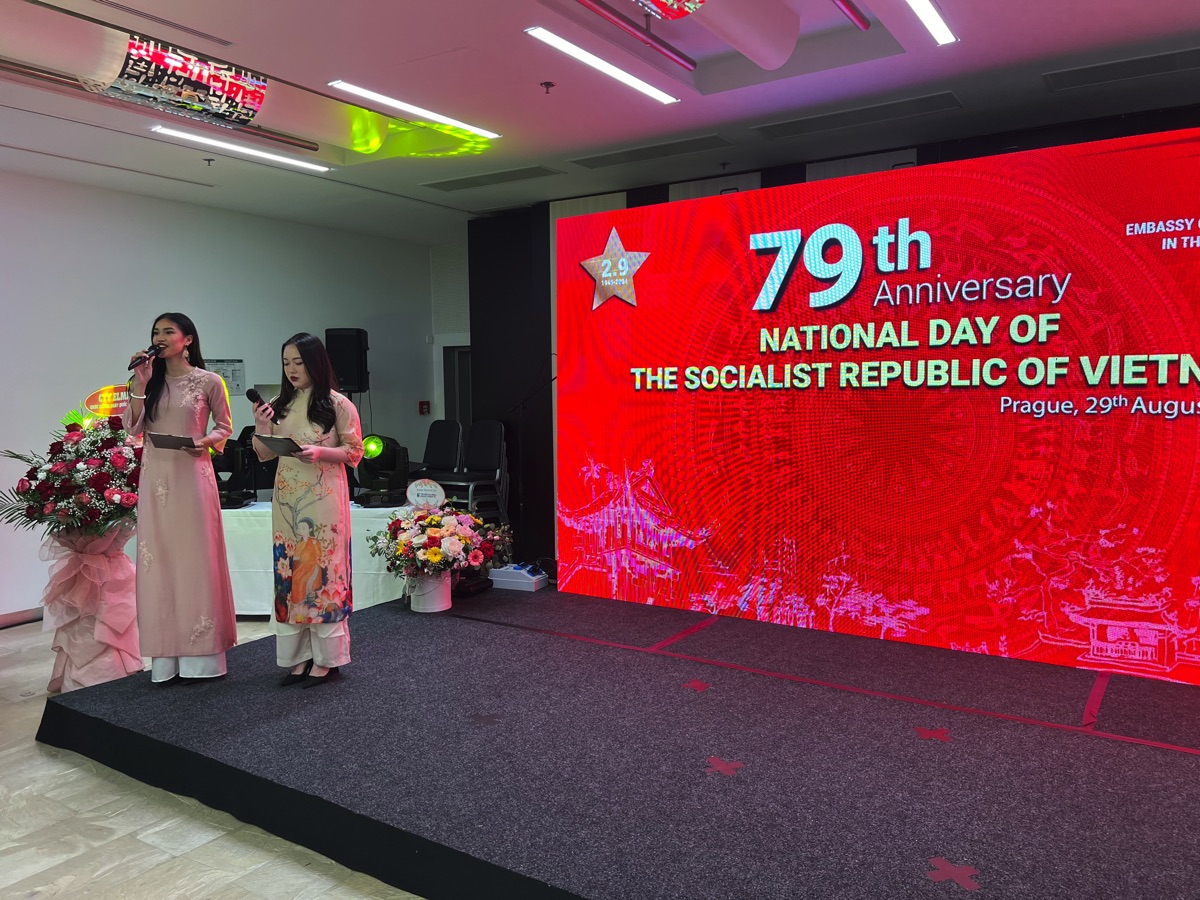
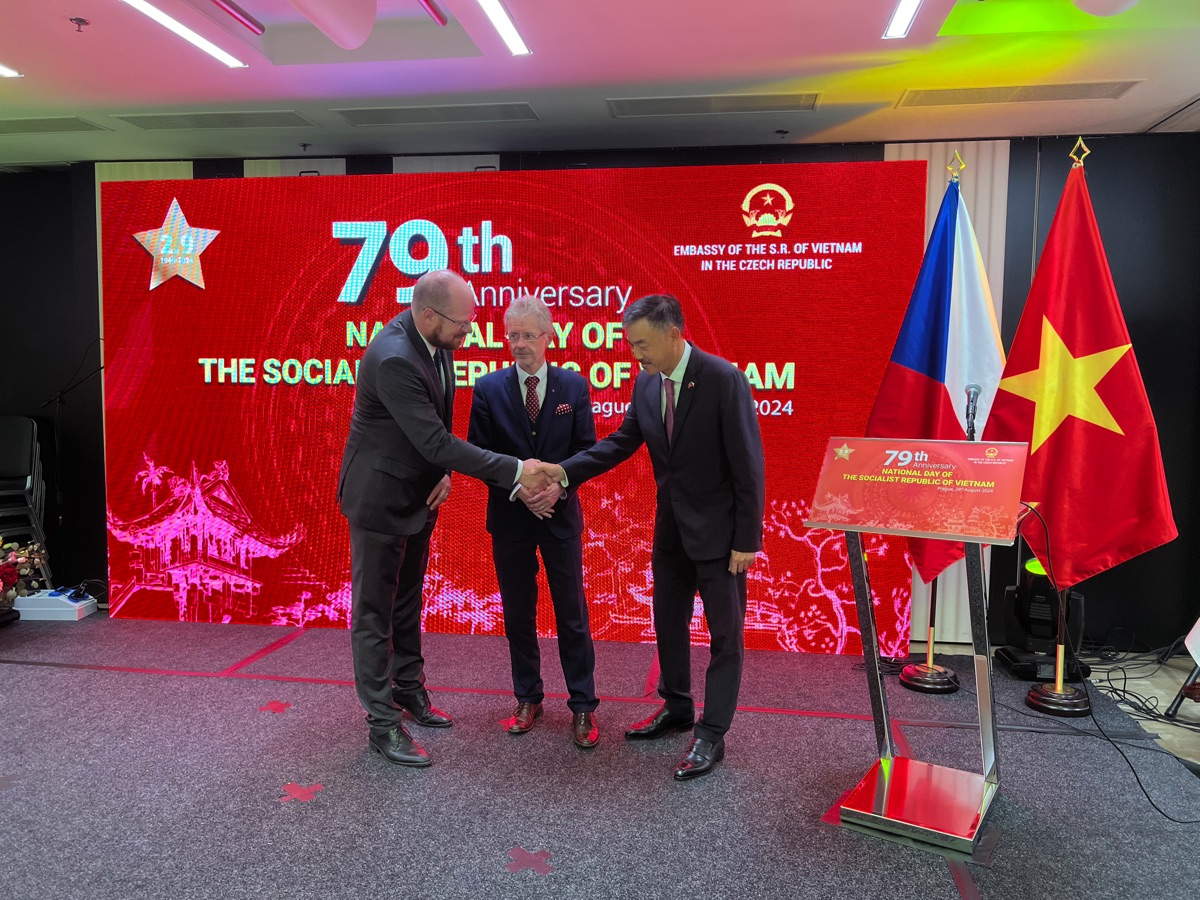
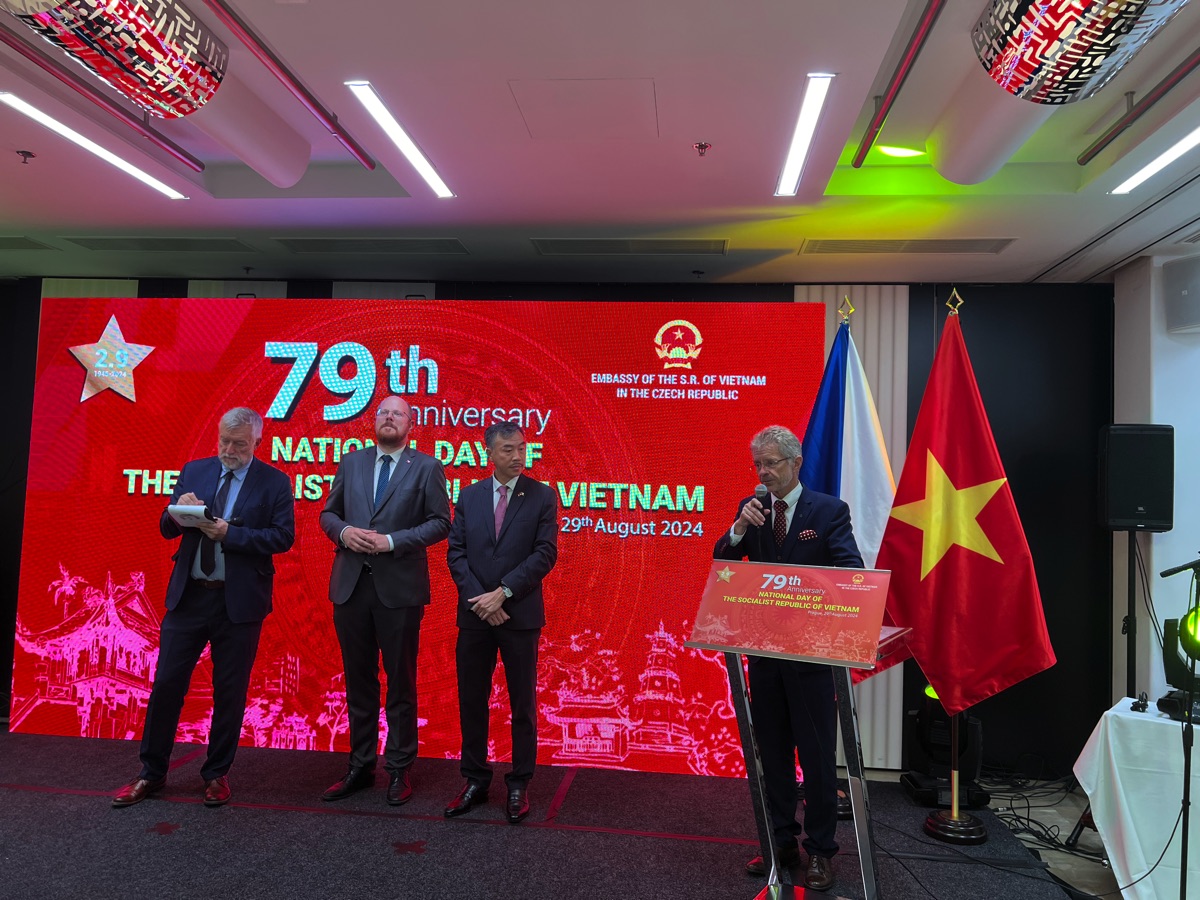
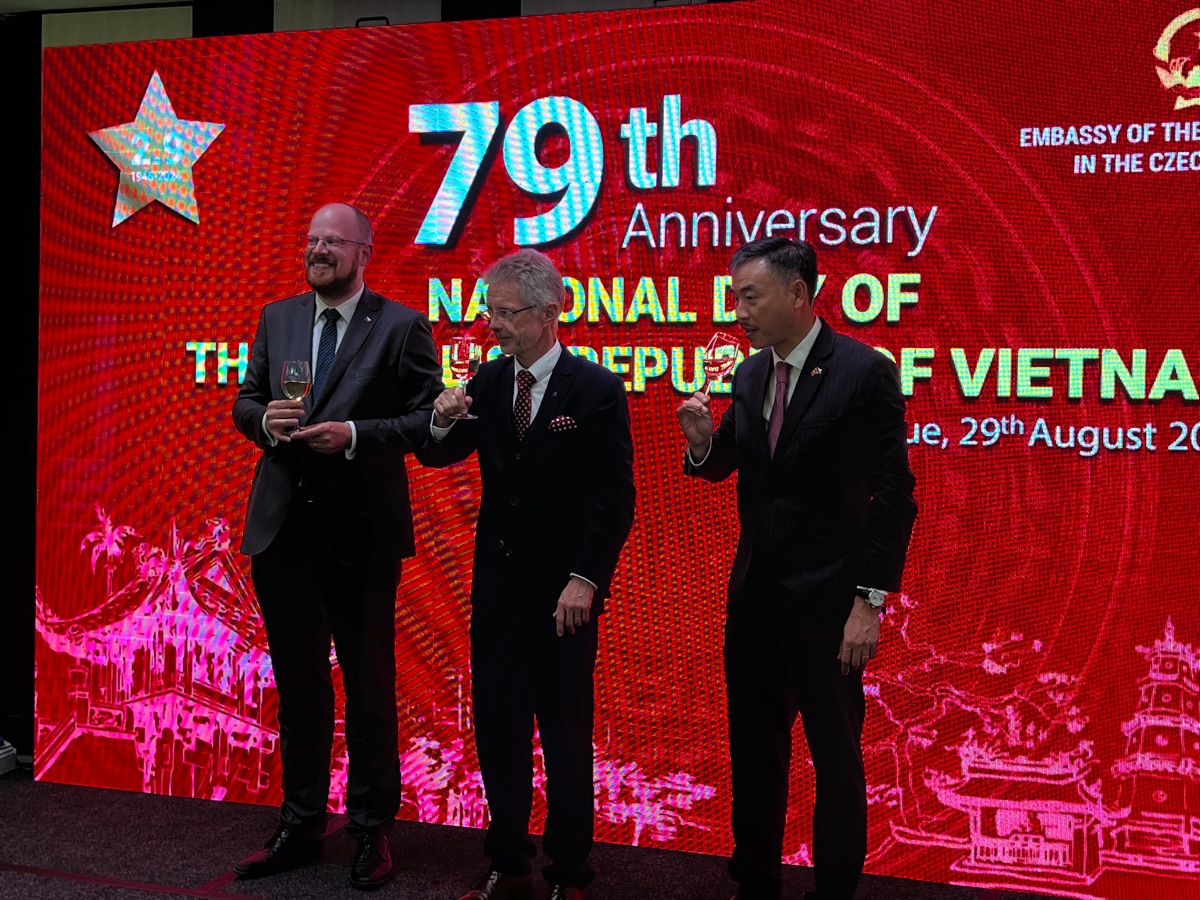
H.E. Duong Hoai Nam

Serving on the eve of an anniversary

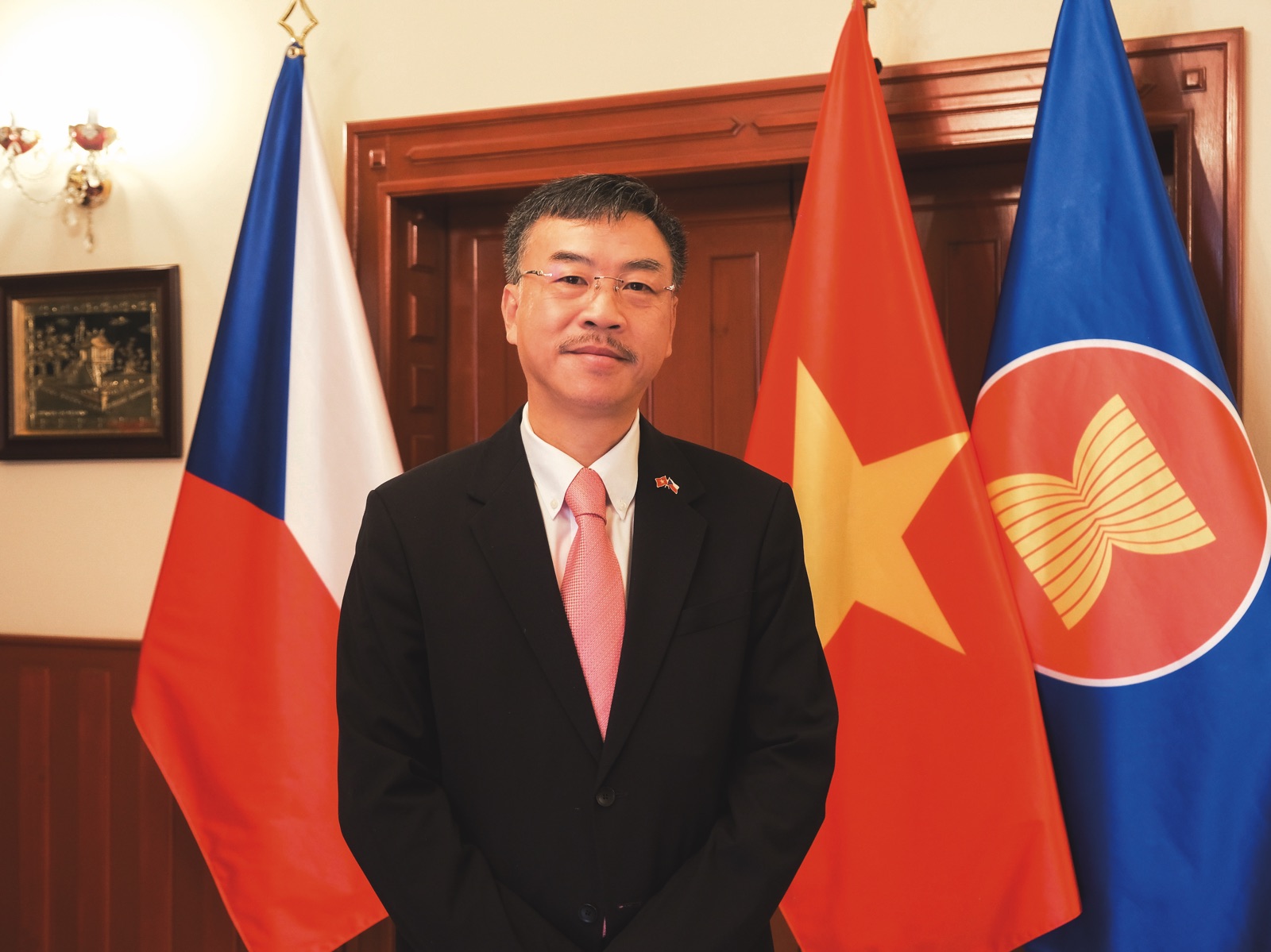
H.E. Mr. Duong Hoai Nam, Ambassador of Vietnam

Text: Martina Hošková and M.Zisso; Photo: Archive

“Having served as a career diplomat for over 30 years now, H.E. Mr. Duong Hoai Nam commenced his duty as Ambassador of Vietnam to the Czech Republic in March 2024. As the Ambassador says in our interview, this is his first time in this beautiful country, and he assures us that he is “proud to represent my country in the Czech Republic, particularly at a time when the two countries are making preparations to celebrate their 75th anniversary of diplomatic relations.”

Can you tell us a little bit about your background?

I was born in Hanoi, the Capital City of Vietnam. I studied English and Economic Management at the Hanoi University for Teachers of Foreign Languages (HUTFUL) and the National Economic University of Vietnam, respectively. I then got a Master’s degree in international relations at George Washington University in the United States.

I have served as a career diplomat for over 30 years now and have held a variety of roles such as America Desk Officer, Economic and Trade Negotiator, and Spokesperson and Interpreter for top leaders of Vietnam. For my career journey of over 30 years I have been to many countries, experiencing different cultures and meeting with a lot of people. I always find my job exciting and rewarding.

If asked to highlight the most exciting adventure of your professional career, what would you talk about?

Being part of the Vietnamese team responsible for UN Security Council issues during Vietnam’s first time as a non-permanent member of the UNSC (2008-2009) was truly a challenging and intense time for me. We had to engage in debates and express our positions on a series of sensitive issues which have the thin line between right and wrong, such as between secession and national self-determination, or between terrorists or freedom fighters, just to name a few.

And, I think I have learned a lot from such interesting philosophical arguments.

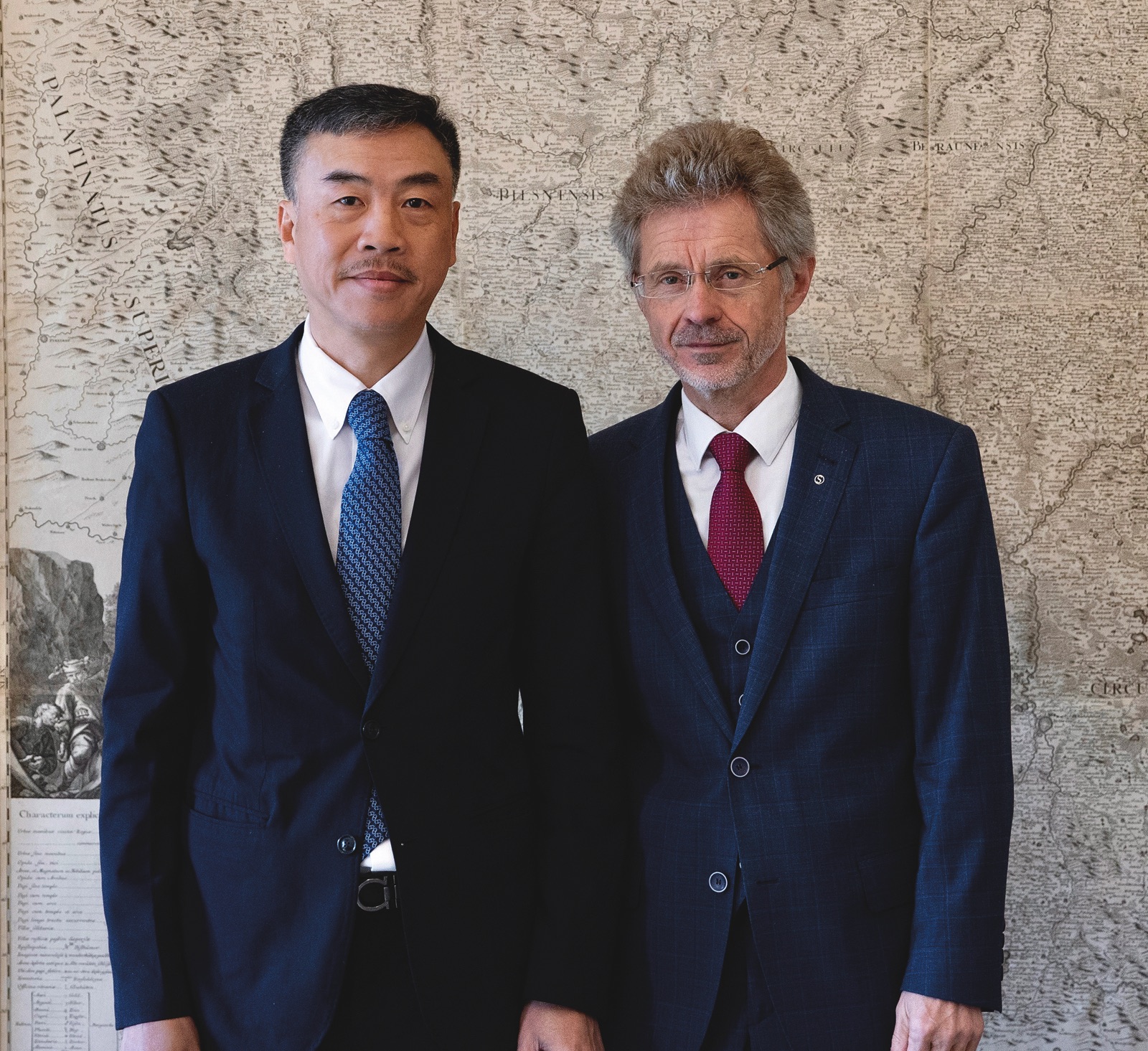
From right: Miloš Vystrčil, President of the Senate of the Czech Republic and H.E. Mr. Duong Hoai Nam, Ambassador of Vietnam

You now represent your country as an ambassador. What made you assume this role?

Throughout my entire career, I have tried to accumulate experience and develop extensive skills in various aspects of diplomacy. I think that my dedication to and passion for the job have made me become an ambassador.

Until now, I have served as a diplomat in three countries, namely the United States, Australia, and now Czechia. Each country always leaves deep imprints on my heart.

You commenced your duty as Ambassador of Vietnam to the Czech Republic in March 2024, which makes it just a few months ago. Can you share some of your impressions so far?

This is my first time in this beautiful country. I am very impressed with the ancient and unique architecture of Prague. It is unique in the sense that Romanesque, Gothic, Renaissance, Baroque, and Rococo architecture can be found throughout the city. It is also worth mentioning that Czech people are very friendly and open-minded.

I am proud to represent my country in the Czech Republic, particularly at a time when the two countries are preparing to celebrate their 75th anniversary of diplomatic relations. Both Vietnam and Czechia are working very closely together to bring this relationship to new heights on this occasion.

Does your current role seamlessly fit into your lifestyle?

I can tell you that being a diplomat is exciting. It also involves a lot of hard work and a great deal of selflessness. We, as diplomats, do not work for ourselves – we work for our country and people. This responsibility can, at times, be crushing to bear. But it is so worth it when things go well and our interests are advanced.

Regarding my free-time activities, I must say that as Ambassador I don’t have much of it. Playing golf and meeting with my fellow Vietnamese in Czechia on the weekends are my favourite activities of choice.

What do you feel is the most difficult part of being an ambassador?

Although being an ambassador is rewarding in many ways, one of the most difficult things is being away from our home country, friends, family, and everything we are accustomed to. It is simply because this job often requires frequent relocations, sometimes to remote or politically unstable regions, which can disrupt our personal lives. It is also difficult for our kids to immerse themselves in frequently changing learning environments.

Can you give a piece of advice to the next generation of ambassadors?

Being an ambassador requires a high level of professionalism, cultural sensitivity, and the ability to adapt to new environments. It can be a challenging and rewarding career for those who are well-suited to it. So, my advice to them is that passion, dedication, and hard work make for an excellent Ambassador.

Vietnam has one of the biggest Skoda Car factories outside of the Czech Republic. Are there any plans for enhanced cooperation between the two countries?

Vietnam and the Czech Republic are enjoying a time-tested friendship and multifaceted cooperation. The two economies are highly complementary, which promises broad prospects for stronger cooperation, particularly in areas where each country has the edge.

For Czechia, these areas can be manufacturing, mining, heavy industry, chemical industry, pharmaceutical production, education, and training. For Vietnam, its strengths include information technology, agricultural products, garment and textiles, footwear, culture, and tourism.

Choosing our holiday destination to enjoy ourselves to the fullest is a high priority for many Czech people, and it seems Vietnam has been gaining in popularity. How do you promote your country?

As you know, Vietnam is renowned for its stunning landscapes and rich cultural history, and is home to many UNESCO World Heritage Sites. The country is endowed with many beautiful white-sand beaches. And it is also worth mentioning that Vietnamese food has been conquering millions of food lovers around the world.

A direct flight between Vietnam and Czechia, once established, will untap the huge potential for connectivity and cooperation between the two countries.

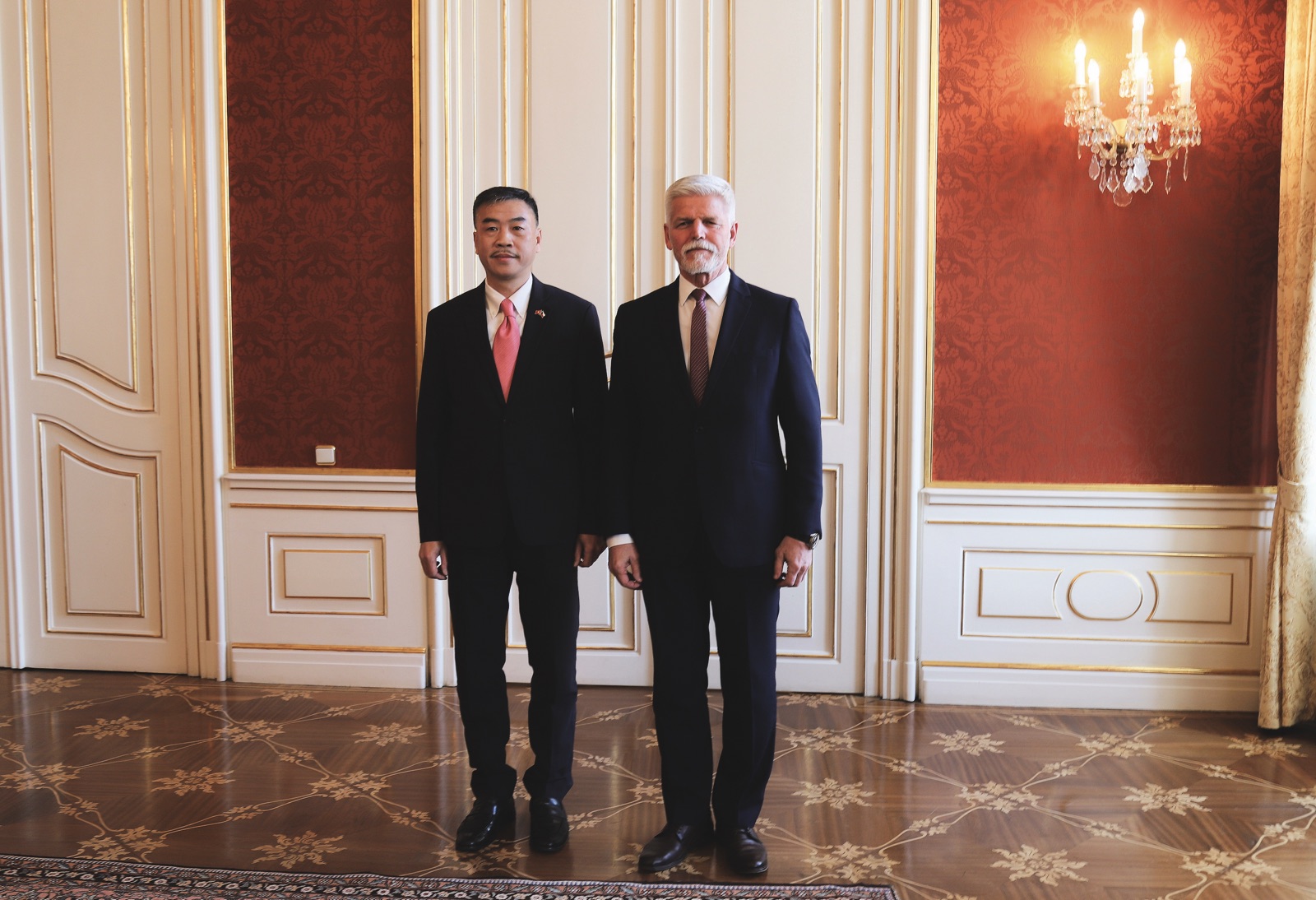
From right: President Petr Pavel and H.E. Mr. Duong Hoai Nam, Ambassador of Vietnam

Can you evaluate the current status of Czech-Vietnamese relations?

The relationship between Vietnam and the Czech Republic has been constantly flourishing across the board over the past decades.

Now, fast forward to 2025: We are on the eve of the 75th anniversary of our diplomatic relations, and have a trade relationship that has reached a record high of US$ 2.9 billion in 2023. That is more than 10 times greater than a decade ago. Vietnam is proud to be Czechia’s largest trading partner among the ASEAN Member States.

We want to see this continue to grow. As I mentioned earlier, a direct flight between the two countries will significantly deepen our trade and investment ties, as well as people-to-people exchange.

In other areas, we have very beneficial and cooperative relations across the full spectrum of issues, whether it is defence and security or climate, energy, education, culture, labour, and virtually any area you can think of.

And, of course, we are very proud of the fact that we have about 100,000 Vietnamese people residing in Czechia. The Vietnamese community has made outstanding contributions to Czech society since it was recognized by the government as the Czech Republic’s 14th ethnic minority group in 2013. They truly serve as a bridge that fosters a closer bond between our two countries.

Vietnam and the Czech Republic are working very closely together today, and I think what has driven that growth over the last 10 years – and will continue to drive it – is our shared realization that Vietnam and Czechia are good for each other, and that our cooperation benefits peoples of both countries.

To conclude, what are your wishes for your home country of Vietnam, and for your host country of Czechia?

Elevating the Vietnam-Czech Republic relationship to new heights is always high on my agenda, especially in 2025 when our two countries celebrate their 75th anniversary of diplomatic relations. This has been my ardent desire since I commenced my duties in Prague, back in March, and I will do my utmost to make it become true as this will bring benefits to our two countries and peoples.

I also wish our bilateral ties will be ever stronger, and that our two countries and peoples will continue to enjoy peace and prosperity!

Czech roots on the top of the National Agriculture Museum

THE 11TH FASSATI ART FESTIVAL GALA EVENING

Text: M.Zisso; Photo: Mirek Lepeška and Lucie Kristínová

The Fassati Art Festival aims to present artistic projects full of unusual experiences, which include the harmony of music, visual arts, design, gourmet delicacies, emotions, and mutual human harmony. “Czech Roots”, the 11th gala evening took place this summer in the intriguing premises of the top floor and terrace of the National Agricultural Museum in Prague Letná.

The concert was opened by the museum’s director Zdeněk Novák. Popular Czech melodies were played and enjoyed on the roof of the museum, delivered by such music legends as Karel Vágner, pianist Pavel Větrovec and his band, and singer Markéta Fassati.

The whole experience was further enhanced by the exhibitions of young glass designers from the YARTI Young Glass Art, works of the wood artist and writer Martin Patřičný, and collectible Smart Coins by the BHS company. The BHS also prepared a competition for the guests called “What’s the weight of your future” with gold ingots as the prize.

Gourmet delicacies were tradi- tionally arranged by the Food Bank for Prague and the Central Bohemian Region. During the evening, the wine world of Vinselekt Michlovský was introduced by its owner Lenka Michlovská, and excellent coffee was once again served by Dallmayr Kaffee.

The 11th Fassati Art Festival gala evening received the patronage of the Minister of Agriculture Marek Výborný. The organizers would like to thank all the guests and partners for their support!

Our walking group gave me joy and motivation

A FAREWELL MESSAGE FROM MR. TONI STRNIŠA, SPOUSE OF SLOVENIAN AMBASSADOR, H.E. MS. TANJA STRNIŠA

DSA walking group

Dear Members of the DSA Walking Group, and dear readers of Czech & Slovak Leaders,

It was a great pleasure and honour for me to be able to share my knowledge and joy of sports activities with the members of the Diplomatic Spouses Association Prague (DSA).

For four and a half years, I was the leader of the DSA Walking Group. During that time, I organised and led over 120 walks in Prague and quite a few walks outside of it, discovering famous and lesser-known places, especially parks.

In total, we walked almost 800km. The communication within the group was done via WhatsApp, which made the organization of activities flexible and simpler.

I organised the first walk on 12th December, 2019, in Stromovka Park, and the last one on 12th June, 2024, to Prague’s Petřín Hill, to see the roses in bloom.

The Walking Group was probably the most visible and visited group within the DSA. It was also the only active DSA group at the time of the COVID-19 pandemic. Participation in the walks depended on the weather or the time of year, as well as the place we were going to. On warm days there were more than ten of us, and on colder days we were four to six. Over the years, the Walking Group has had a total of 45 members.

The walks were primarily about walking, but also about talking and socialising, learning about Czech history and culture, natural sights, learning about plants and animals, and picking various natural fruit. After the walk, we often continued socialising over coffee or tea in cafés or residences.

This made it easier and quicker for the new members to integrate into the diplomatic community, faster and easier for us to get to know each other and become closer through the Walking Group, and for the new members to get to know Prague and parts of the Czech Republic.

In addition, we have diligently photographed all the walks, and have therefore created a comprehensive photographic record of our activities and precious memories, which, thanks to Mrs. Svetlana Codreanu, the spouse of the Ambassador of Moldova, have been published in the DSA newsletters. We presented the outgoing members with a book of photographs at the end of their stay in Prague.

Dear members of the DSA Walking Group, your friendship and joy of walking gave me the motivation to organise and lead a walk every Wednesday morning.

I would like to continue the walks after my departure from Prague too, and I warmly invite everyone to join me on my walks around Slovenia.

Thank you!!!

Toni Strniša, Slovenia August 2024

I am closing the loop

A FAREWELL MESSAGE FROM H.E. MR. PHILIPPE GUEX, AMBASSADOR OF SWITZERLAND

H.E. Mr. Philippe Guex, Ambassador of Switzerland with family

It has been an honor for me to serve Czech-Swiss relations for the past four years. It is indeed a privilege for a Swiss diplomat to represent my country in the Czech Republic, a key Central European country whose importance has been further underlined by the war in Ukraine.

The period of my mission in the Czech Republic has been marked by a series of international crises: the COVID-19 pandemic, Russia’s war of aggression against Ukraine, and more recently conflicts in the Middle East. But, on the other side of the coin, we had the success of the Czech Presidency of the EU Council, with the first-ever EPC meeting held in Prague – something that will forever remain in European history.

Above all, I will take with me the memory of the solidarity of the Czech people, who opened their arms wide to almost half a million Ukrainian refugees, victims of this dreadful aggression by the Kremlin. Half a million at the beginning of the war meant 5% of the total population, the highest rate in Europe.

Due to the Czech Presidency of the EU on the one hand and the Russian aggression against Ukraine on the other, the bilateral political relations at the official level have intensified since the beginning of my mission in Prague. A highlight in this regard will be the State visit of President Pavel to Bern next November, the only State visit my government will organize this year. This visit is aimed, among others, to give the Czech Republic the attention it deserves, whose positions may have perhaps not been sufficiently taken into account in the past, in particular in connection with our relations with the Kremlin.

My four years in the Czech Republic have also enabled me to deepen the historical ties between the Swiss cantons and the Czech lands. As a child of the Cold War, I knew very little about the history of countries and regions beyond the Iron Curtain.

Let me just give you an example of how deep our historical ties are. I graduated in my 35,000-inhabitant hometown of Fribourg, whose college was founded in the 16th century by the Jesuit Pierre Canisius, the same Pierre Canisius who founded the Klementinum in Prague a few years earlier. Another example – it was an Italian-speaking Swiss who was the architect of the 17th-century Baroque Černín Palace, currently the Czech Foreign Ministry’s headquarters. There are dozens of these examples that you can discover in a book by Swiss historian Denis Dumoulin published by Czech editor Argo, entitled “Mezi českým Ivem a helvétským křížem”.

It is with a lump in my throat that I am closing the Czech chapter of my career. And this chapter is particularly important as it marks the end of my career – a 35-year career that has taken me to Paris, London, Luxembourg, Brussels (European Union), Belgrade together with Podgorica, and finally Prague.

Nothing in the world would have made me prefer a different career. But I cannot hide the fact that, after 35 years, I feel like I am closing the loop. And I am very much looking forward to my new post-professional life, which will be re-oriented towards arts, visual arts, and performing arts. But don’t worry, I am not going to be on stage, but only behind the stage curtain.

For sure, Prague and the Czech Republic will remain deeply anchored in my heart, as well as in my spouse Françoise’s heart.

Vive la Suisse! At’ žije Česká republika! Long live Switzerland and the Czech Republic!
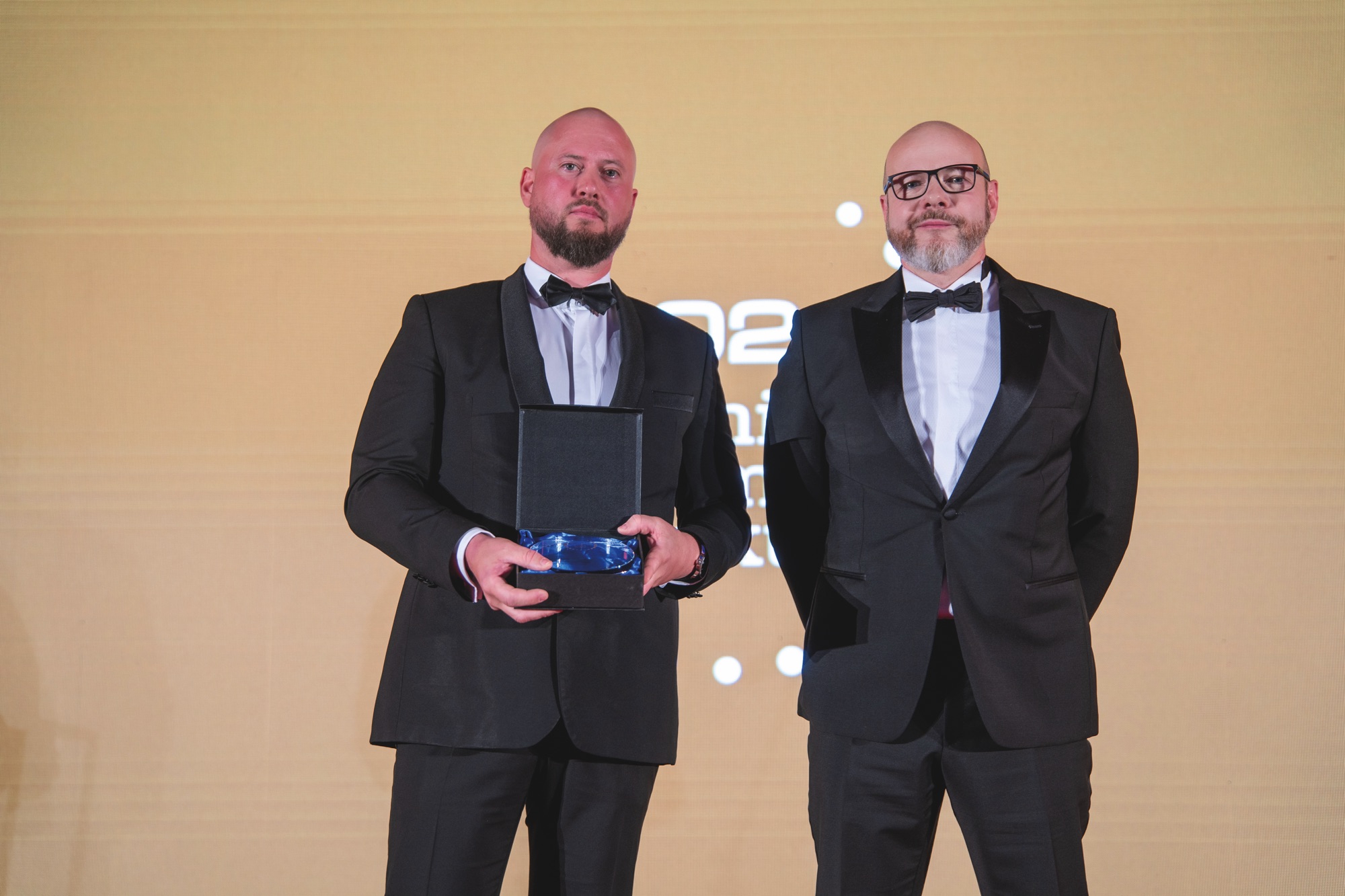
Prague, 1st August 2024

National Day of Argentina 2024

From left: Deputy Minister for Foreign Affairs of the Czech Republic, Mr. Jiří Kozák; Ambassador of Argentina in the Czech Republic, H.E. Mr. Claudio Javier Rozencwaig; Deputy Minister of Industry and Trade of the Czech Republic, Mr. Edvard Kožušník

Text: M.Zisso; Photo: Archive

On the occasion of Argentina’s National Day, and 100 years of diplomatic relations between the Czech Republic and Argentina , the Ambassador of the Argentine Republic H.E. Mr. Claudio Javier Rozencwaig hosted a special reception at the beautiful Kaunický Palace. We bring you the speech he gave to the guests.

Mr. Eduard Hulicius, Deputy Minister of Foreign Affairs of the Czech Republic was the honored speaker.

From left: partner of the Deputy Minister of Industry and Trade of the Czech Republic Mr. Edvard Kožušník; spouse of the Ambassador of Argentina in the Czech Republic, Mrs. Graziella Maria Semino; Ambassador of Argentina in the Czech Republic,
H.E. Mr. Claudio Javier Rozencwaig; Deputy Minister of Industry and Trade of the Czech Republic, Mr. Edvard Kožušník

From left: Ambassador of Peru to the Czech Republic, H.E. Mr. Nestor Francisco Popolozio Bardales; spouse of the Ambassador of Argentina in the Czech Republic, Mrs. Graziella Maria Semino; Ambassador of Argentina in the Czech Republic, H.E. Mr. Claudio Javier Rozencwaig;
spouse of the Ambassador of Peru in the Czech Republic, Mrs. Irma Elena Rios Garate de Popolizio

Today we celebrate our Independence Day and, on this special occasion, we also commemorate a significant step in our diplomatic history: 100 years of diplomatic relations between our two countries.

A century ago, Argentina and Czechoslovakia began a relationship that, over the years, is full of cooperation and mutual respect. This partnership has been a testimony of how two nations can

work together towards common goals, despite the geographical distance. Our countries have shared cultural, academic and commercial exchanges that have mutually enriched our societies. From collaboration in scientific and technological fields to the promotion of our respective culture.

On this day, we celebrate not only our independence, but also the spirit of collaboration that has characterized our relations with the Czech Republic. This is an occasion to reaffirm our commitment to the values that unite us: democracy, peace and respect for human rights.

We share views in our external policies. In fact, Argentina is grateful for the support of the Czech Republic so as to finalize the Agreement Mercosur-UE, also to the support of your country so as Argentina could enter on the OCDE, and your support to the Argentina ́s will to enter in a global association with NATO.

From right: H.E. Ms. Ayesha Ali, Ambassador of Pakistan; H.E. Mr. Claudio Javier Rozencwaig, Ambassador of Argentina in the Czech Republic; and his spouse Mrs. Graziella Maria Semino

Also, let me say that we share our firm support to Ukraine and its right to legitimate self-defence in the face of Russian aggression. Argentina is firmly committed to defending international law, and in particular the principle of territorial integrity.

In this centenary, we started with an event at the Černín Palace with the presence of Vice Minister Kozák and we continue with an important visit of Minister Lipavský to Buenos Aires, the visit of the Speaker of the Chamber Jan Skopeček and other members of the parliament as the Minister of Science Marek Ženíšek and a few weeks ago the visit of our President Milei to Prague.

It was the first visit of an Argentina’s president to the Czech Republic and it was during this celebration of the centenary, with meeting President Pavel and Prime Minister Fiala. And we also prepare other visit for the second half of the year, and cultural and comercial events.

From right: H.E. Mr. Bijan Joseph Sabet, Ambassador
of the United States of America; H.E. Mr. Claudio Javier Rozencwaig, Ambassador of Argentina in the Czech Republic; and his spouse Mrs. Graziella Maria Semino

In addition to the daily tasks of promoting traditional Argentine goods such as beef, wine, and other products, we will focus on consolidating and expanding our economic relations, and actively seeking new facilities for bilateral trade.

From left: Veselin Vackov, Director, Managing Editor of Lidové noviny; Mrs. Graziella Maria Semino and H.E. Mr. Claudio Javier Rozencwaig, Ambassador of Argentina in the Czech Republic; and Blanka Vacková, Head of Research at iO Partners

We will focus on strengthening cooperation and investments in energy sector and technology, in particular hydrogen, lithium and rare minerals, and also areas like knowledge-based services, creative industries, information and communication technologies, medicine and defense. The visit of Minister Síkela to Latin America, and the possibilities of other high level visits in the forthcoming months are very important and we will work on this.

Viva Argentina!
Viva Czech Republic!
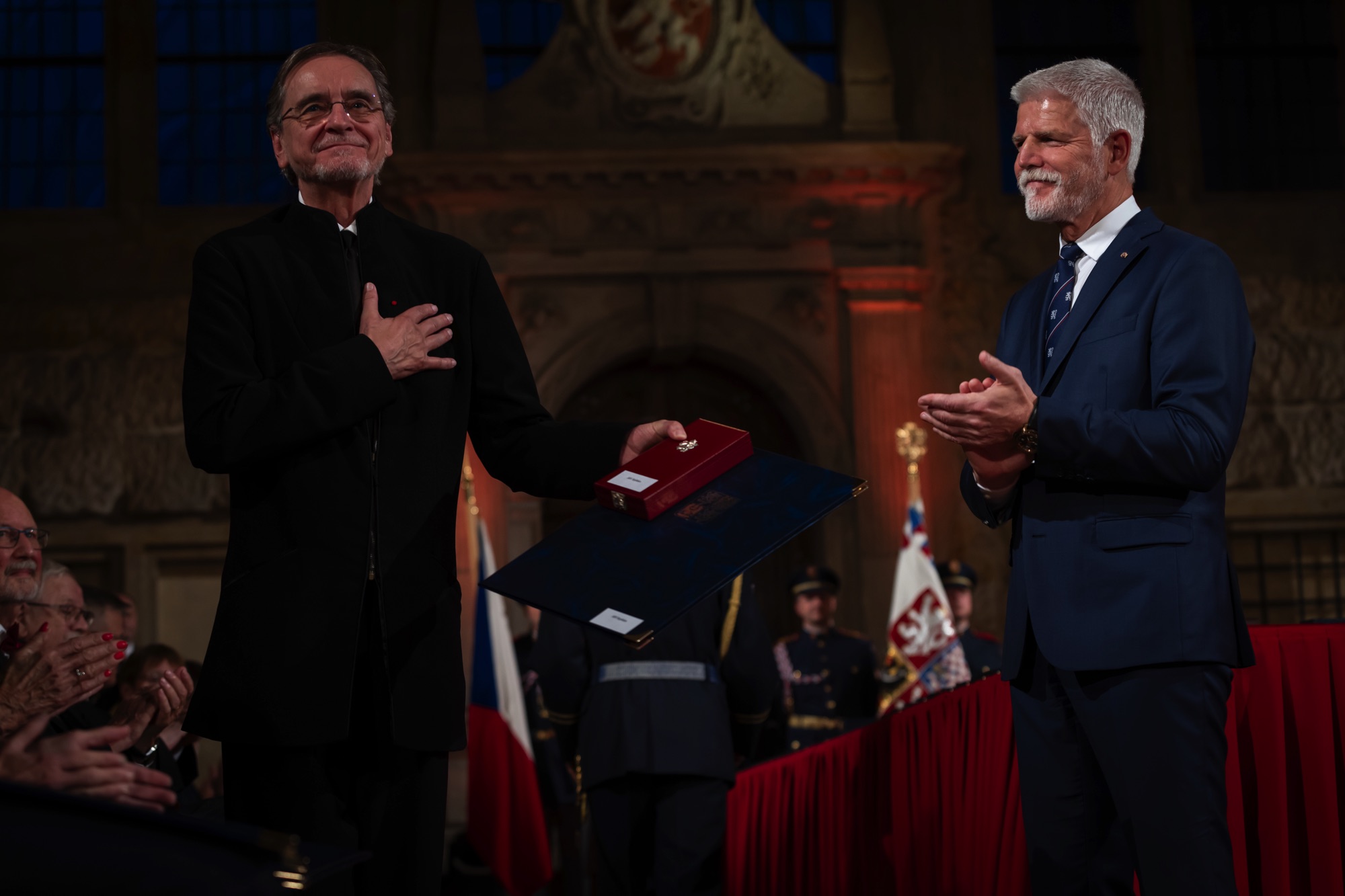
H.E. Claudio Javier Rozencwaig

Celebrating 100 years with a political relaunch

H.E. Mr. Claudio Javier Rozencwaig, Ambassador of Argentina

Text: Martina Hošková and M.Zisso; Photo: Archive

“This is a fundamental year in our diplomatic relations, marking its 100th anniversary,” says H.E. Mr. Claudio Javier Rozencwaig, Ambassador of Argentina. “President of Argentina visited the Czech Republic in June, the first in 100 years to do so, and my objective as an ambassador is to deepen those ties that unite us.” Prague is Mr. Rozencwaig’s first position in Central Europe, and, as he puts it, “a place, currently, very important due to the international context”.

Can you tell us a few words about yourself?

I am Claudio Rozencwaig, I am married, and I have a 14-year-old daughter. I am a lawyer who graduated in Buenos Aires, and, since last year, the ambassador to the Czech Republic.

What made you become an ambassador?

I studied law in Buenos Aires, was in Milan at the Istituto Per gli Studi di Politica Internazionale (ISPI) for one year as a researcher on the diplomatic relations between Italy and Argentina, and then attended Luigi Bocconi University, where I took some specialization courses.

I then entered the diplomatic career in 1994. I was always interested in international relations, as well as in collaborating on bringing together countries and peoples. That was the key to why I chose to be a diplomat. During my career, I was Ambassador to the FAO, IFAD, and WFP in Rome, Ambassador in Tunisia, Undersecretary of Foreign Policy in Buenos Aires, and have now been Ambassador to the Czech Republic for almost a year.

You took your position in the Czech Republic less than one year ago. How has it been so far?

It has been very interesting arriving in Prague, my first position in Central Europe – a place, currently, very important due to the international context.

I arrived during the centenary of the diplomatic relations between our countries, which meant tha I had to immerse myself in the preparation of political, cultural, and economic-commercial events. My objective has also been to quickly contact the Czech authorities, businessmen, politicians, the press, cultural and scientific actors, and other sectors to deepen those ties that unite us.

The Embassy of Argentina team

Which countries did you serve in before?

I have served twice in Italy – first as a Secretary and Counsellor in our bilateral embassy, and many years later as Ambassador to the FAO, IFAD, and WFP. I therefore know that country very well, and love it very much, especially Rome, and I married an Italian woman as well.

As I already mentioned, I was also Ambassador to Tunisia, a country with an immense historical and cultural heritage, to which I am also very attached.

Does being an ambassador fit into your lifestyle?

Being a diplomat is a way of living, which affects your personal life, marital life, and children. It is a great responsibility because you represent your country. It is a great honour, but also a great responsibility. I think I enjoy it a lot, but it has had a very big impact on my private life.

Have you had any unusual adventures during your career?

I don’t know if it’s an adventure, but work trips to the most remote places in the world have been something that I carry in my heart. In Africa, in Asia, they have taught me many lessons. But I’ve never been bitten by an animal, or hit a car, or that sort of thing.

What, in your opinion, is the most difficult part of being an ambassador?

The most difficult thing about being an ambassador is that you can never unplug or disconnect. You are an ambassador 24 hours a day, 7 days a week. This represents a different dimension of life.

From right: President Petr Pavel and H.E. Mr. Claudio Javier Rozencwaig, Ambassador of Argentina

When you do have free time, how do you spend it?

I really like travelling by car, seeing places and different people, and trying different foods. I also really like reading and watching television, especially historical movies.

I am curently taking the opportunity to explore this wonderful country, not only Prague (which is a fantastic city) but also Brno, Český Krumlov, Kutná Hora, Karlovy Vary, and the entire interior of the country.

Can you give a piece of advice to the next generation of ambassadors?

Two or three tips for the new generation: Love this job very much, because otherwise it is impossible to enjoy it. Be clear about the objectives of a meeting, a visit, or a negotiation, and study a lot before each event and meeting. Finally, for this job it is necessary to have a lot of patience – it is a long-distance race, where nothing can be taken for granted.

Czechia and Argentina are marking their 100th anniversary of diplomatic relations. How is this being celebrated?

This is a fundamental year in our diplomatic relations. We started on January 8th, with an even at the Ministry of Foreign Affairs featuring Vice Minister Jiří Kozák. We continued with Minister Lipavský’s trip to Buenos Aires in April, after which came the visit of the Speaker of the Chamber Jan Skopeček, Minister Ženíšek (former President of the Commission of External Affairs of the Chamber), and other deputies to my country.

We had the visit of President Javier Milei to the Czech Republic in June, the first Argentinian president in 100 years to travel to this country, who met Prime Minister Fiala and President Pavel, and also received an award.

We also had significant participation in the Book Fair, had organized the Malbec World Day, are going to organize a film festival, and we hope to have other visits in the latter half of 2024, as well as during 2025.

I think it is a year of relaunching bilateral ties, where both parties have great hopes of strengthening relations in the future.

Bilateral ties may be strengthened through holiday travel as well. What would you recommend to a Czech tourist visiting Argentina?

Go to the end of the world and you will find the Iguazu Falls, the Perito Moreno Glacier, and an open and welcoming people. Have lunch or dinner with an excellent Malbec wine and the best meat in the world, take the opportunity to go to the stadium to watch a soccer game, and end up dancing the tango! All of this and more you can find in Argentina.
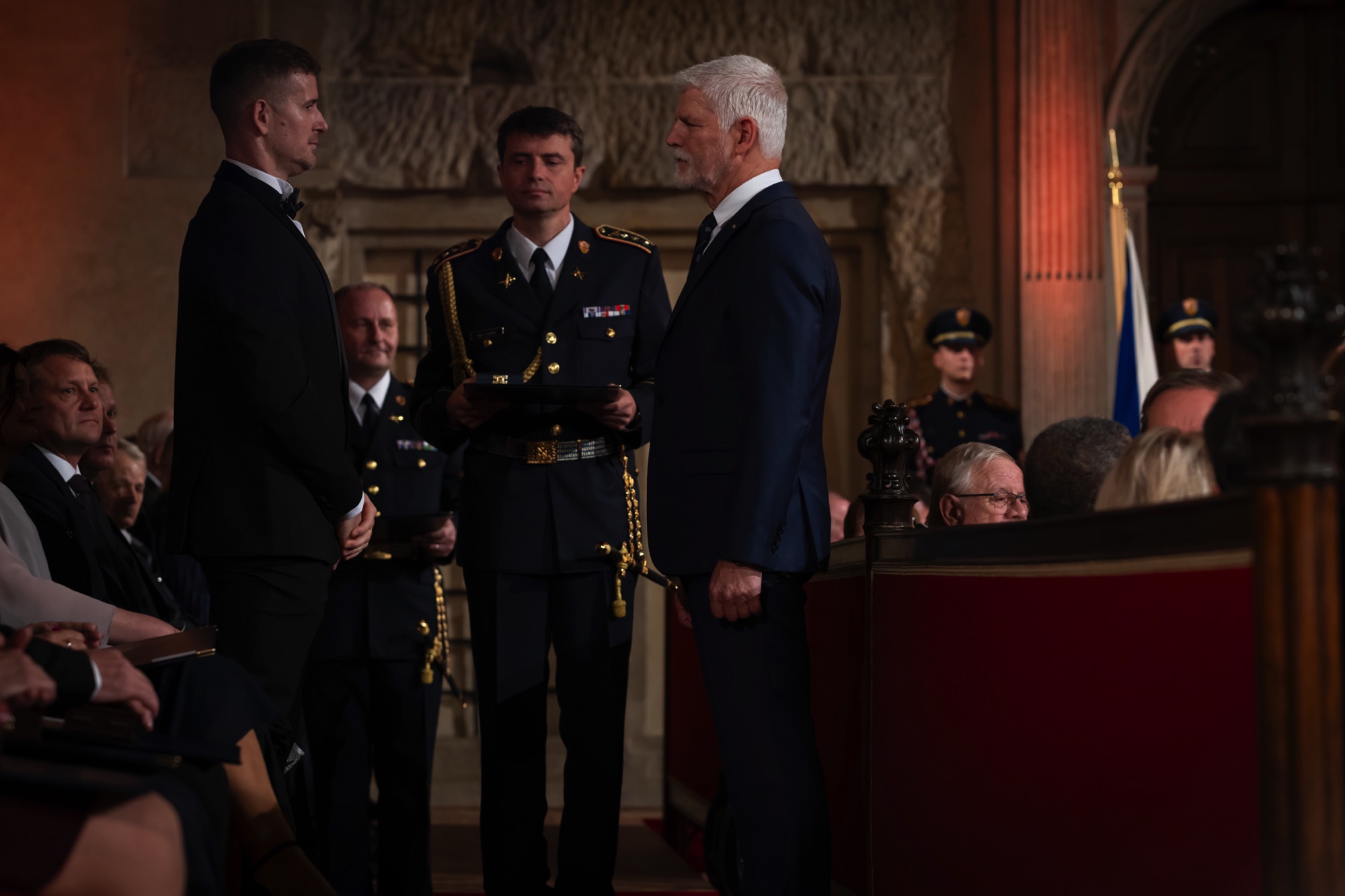
Can you evaluate the current state of Czechia–Argentina relations?

Relations between our two countries are excellent at the moment. These relations are celebrating their 100-year anniversary with a political relaunch, a presidential visit, common visions in foreign policy, huge collaboration in international organizations, and a growing interest in increasing trade and investments in various areas such as technology, medical equipment, energy, mining, and others.

This interview is also done to mark Argentina’s National Day. What do you wish for on this occasion?

On this Independence Day, I hope that both countries can walk together on a path of peace and prosperity, affirming our common values of defence of democracy, freedom, and human rights.

Prague never lets you go…

A FAREWELL MESSAGE FROM H.E. MR. ALEXANDRU CODREANU, AMBASSADOR OF THE REPUBLIC OF MOLDOVA

H.E. Mr. Alexandru Codreanu, Ambassador of the Republic of Moldova and Svetlana Codreanu

Dear readers,

I joined the diplomatic service of the Republic of Moldova three decades ago and had quite interesting experiences over the years, but the last four years in Prague were certainly fulfilling, with professional challenges and achievements.

I enjoyed my posting in Prague, and I learned a lot. I experienced the world health pandemic crisis with its restrictions and curfews, witnessed the general elections and change of the government, the election of the new president, the start of the Russian war of aggression against Ukraine and the refugee crisis, and the Czech EU Council Presidency. And all of these had an impact on Moldova and our bilateral relations.

Looking back to those wonderful years in Prague, I am very glad to mention the significant development of Moldo-Czech relations and the pleasure of discovering the rich cultural and natural heritage of my host country.

The enhanced political dialogue, economic cooperation, and cultural exchanges – and especially the support for Moldova’s EU accession process – were priorities on my agenda over the last few years. The multiple high-level visits both to Prague and Chișinău provided several occasions to express the Czech support for Moldova’s resilience and its future in the EU family, as well as launch important bilateral cooperation initiatives.

Given the growing interest in bilateral cultural exchanges and people-to-people contacts, I was glad to participate in the launching of the direct flight connecting Chișinău and Prague, support the first-ever performance of the Moldova National Theatre at a theatre festival in Prague, open the Moldo-Czech exhibition at the National Art Museum in Chișinău and the Moldovan exhibitions at the Municipal Galleries in Brno and Tábor, and organise the Moldovan concert at the Academy of Performing Arts in Prague to celebrate the official launching of EU accession negotiations with the Republic of Moldova.

I am honoured to have also been accredited from Prague as a non-resident Ambassador to the Holy See.

I am grateful to the Czech institutions’ officials for the good relations and valuable cooperation over the years, as well as to many Czechs I met on various occasions during my tenure.

I have happy memories of the time spent with my Diplomatic colleagues, and count many of them as friends. Thank you for your friendship and support!
Together with my wife Svetlana, we were delighted to visit many towns and world heritage places in Czechia, but above all appreciate the marvellous Prague, full of history, architecture, music, and breathtaking panoramas. “Prague never lets you go… this dear little mother has sharp claws” is a famous quote from Franz Kafka. The magnificent Prague will remain forever in our hearts.

La revedere, na shledanou!

Alexandru Codreanu

The roots of friendship reflected today

A FAREWELL MESSAGE FROM H.E. MS. TANJA STRNIŠA, AMBASSADOR OF SLOVENIA

H.E. Ms. Tanja Strniša, Ambassador of Slovenia with her husband Mr. Toni Strniša

Dear friends,

The roots of friendship and cooperation between Czechs and Slovenians go far back in history, as we lived as the same entity for many centuries – something which is reflected today in the close cooperation between the two countries in many fields. That is why serving my country in the Czech Republic was a real privilege for me.

Today, Slovenia and the Czech Republic are members of Euro-Atlantic integrations, successfully cooperating in regional alliances and sharing the same democratic values. Economic trade between the two countries is growing, and we are happy to see the increasing number of Czech tourists visiting Slovenia. But the cooperation extends to many other areas too, and I was happy to help promote very lively cultural exchanges at all levels, from amateur to cutting-edge arts, student exchanges, cooperation between Czech and Slovenian municipalities, and people-to-people contacts.

The work of the Embassy of Slovenia in my five-year mandate was marked by the Slovenian Presidency of the Council of the EU in the second half of 2021, and by the Czech Presidency of the Council of the EU a year later. In 2022, we celebrated 30 years of diplomatic relations between the Republic of Slovenia and the Czech Republic. In the same year, the Embassy, together with local partners, organized several cultural events to commemorate 150 years of the birth of the outstanding Slovenian architect Jože Plečnik, who was entrusted to be Prague Castle’s main architect by the first Czechoslovak President Masaryk. Together with my husband Toni, who looked after the bees in the Embassy’s garden apiary, I was particularly proud of our bee diplomacy events to raise awareness for the global importance of pollinators for both the environment and food security.

Thanks to these events, the excellent cooperation between our two countries at the political and other levels has been particularly intense over the past few years. At this point, I would like to thank the Czech leaders and partners for all their valuable contributions in deepening bilateral cooperation.

I and my husband would also like to thank the Embassy’s staff for their assistance, and to the members of the diplomatic community in Prague for their friendship and support. Last but not least, we would like to thank the Czech and Slovak Leaders magazine for publishing the Embassy’s events, as well as for their appreciated support of our efforts.

Let me conclude with words from the almost two-centuries-old lyrics from Slovenia’s anthem – written by the famous Slovenian poet France Prešeren, he wrote a toast to the nations: “Who long to see, that all men free, no more shall foes, but neighbours be!” – let us do our utmost to make these thoughts a reality!

Dear friends, my husband and I are very grateful for the new experiences, connections, and friendships acquired in beautiful Czechia, which will remain in our hearts forever.

Česká republika zůstane navždy v našich srdcích.

Tanja Strniša, Ambassador of Slovenia to the Czech Republic August 2024

H.E. Stéphane Crouzat

The EU must act as a geopolitical power

H.E. Mr. Stéphane Crouzat, Ambassador of France

Text: Martina Hošková and M.Zisso; Photo: Archive

“H.E. Mr. Stéphane Crouzat, Ambassador of France, rightly describes his new position as starting in the most intense way imaginable. “I arrived on March 3rd, presented my letters of credence to President Pavel on March 4th, and on March 5th I was welcoming President Macron for an official visit!” He identifies the two key areas of cooperation that have brought our countries closer together in recent years as “unwavering common support to Ukraine and our determination to make nuclear energy a key element of the energy transition in the EU.”

Tell us about yourself. What made you become an ambassador?

I was born and educated in Paris, a city in which I feel very much at home. I studied humanities and political science. I was interested in international relations early on, but only joined the diplomatic service in my thirties, after having worked for the Ministry of Foreign Affairs in the cultural sector. Postings took me to New York, Warsaw, and Dublin for my first posting as ambassador. Climate change issues have been a very important part of my diplomatic experience. First, I was a diplomatic advisor to Ségolène Royal, Minister of Environment and Energy, during COP21 and the adoption of the Paris Agreement. Later, I became Climate Ambassador, a position I held just before being nominated to Prague.

This experience has made a lasting impact on me. I came to realise how existential a threat climate change has become. I often bring it up in my conversations here in Czechia.

You have been in the Czech Republic for a few months now. Can you share some of your impressions?

My term here started in the most intense way imaginable. I arrived on March 3rd (after coming back from Tokyo the day before from my previous position), presented my letters of credence to President Pavel on March 4th, and on March 5th I was welcoming President Macron for an official visit! I am very thankful to the Czech authorities, who allowed me to be operational from day one. Those first days were a fantastic opportunity for me to meet key stakeholders of the bilateral relation, especially regarding our cooperation in the field of energy, with the Czech-French nuclear forum, and in culture, with a memorable visit to the National Gallery, where our President stayed for an hour and a half to admire Czech masterpieces and the remarkable French collection bought by Czechoslovakia in 1923. Prague is a wonderful city, which I love to discover every day. I have also been travelling around the country as much as possible, to places such as Plzeň, Brno, Vysočina, Třebíč, Ostrava, České Budějovice, Karlovy Vary, and lately to Most for the Olympic Festival. Prague is so beautiful that it would be easy to stay here, but I feel it is important to move around, discover Czechia in its diversity, and boost regional cooperation.

From right: President Petr Pavel and H.E. Mr. Stéphane Crouzat, Ambassador of France

How many countries did you serve in before?

I have served in New York, at our permanent mission to the UN; in Warsaw, as a cultural counsellor; and in Dublin for my first posting as ambassador. In my previous life, I was director of the French Institute in Edinburgh, and did my national service at the French embassy in Jakarta, Indonesia.

Does being an ambassador fit into your lifestyle?

I like meeting interesting people and discovering new places, so, yes, this is the ideal job for me.

Many people share your hobby of discovering new places, and many do so in France. How do you promote your country?

France is the first touristic destination in the world. As you know, the Olympic Games took place from July 26th to August 11th, followed by the Paralympics from August 28th to September 8th. This has been a tremendous opportunity to showcase the best of France, while hosting the biggest sporting event in the world.

Our embassy in Prague plays its part in promoting France as a touristic destination, by hosting “Atout France”, the agency dedicated to this purpose. This involves close cooperation with French regions and localities, notably regarding winter sports or the coastlines. We also do a lot to promote France as a place to invest in, with the yearly “Choose France” event where top CEOs (including Czech CEOs) are invited to Paris. We promote, through our French Institute in Prague, our network of six Alliances Françaises throughout Czechia, the learning of French as a foreign language, and all things related to French culture. Stay tuned, amongst many other exciting upcoming events, for the upcoming French Film Festival in November!

France is a leading and founding member of the EU. How do you see the future of not only the EU but of Europe as a whole?

The war in Ukraine has considerably reshaped the way Europe should see itself and its surroundings. Even before this brutal aggression, France advocated for a strong Europe, one more independent strategically and industrially, by ramping up our defence capacities, as well as our ability to be independent energetically or regarding access to raw materials. This was spelled out by President Macron in his speech at the Sorbonne University as early as 2017, and again in his Sorbonne speech in May 2024, and pushed throughout our French Presidency of the Council of the EU in 2022 with our “Versailles agenda”, in reference to the summit that took place in March 2022. Facing Russian aggression and a world which is ever more brutal and competitive, Europe could indeed face decline. This can be avoided if we stay true to our values and the principles that founded the EU, and act as a geopolitical power, without being shy or naïve.

A crucial next step will be the enlargement of the EU, a process that has significantly moved forward since 2022. We need to find ways to make the EU as efficient with new Member States as it currently is. We count on all our partners to participate in this debate.

Can you evaluate the current status of Czechia – France bilateral relations?

Our economic relations have continuously grown since Czechia entered the EU, and we are Czechia’s 6th biggest supplier, 4th biggest client, and 3rd biggest investor. On a cultural level, we have implemented solid long-term partnerships between the Czech Narodní galerie and the Centre Pompidou and the Louvre. The succession of our EU Presidencies in 2022 allowed for a constant dialogue over key European issues, which has not stopped since and will continue under the new Commission. The visit of President Macron last March gave us a precise roadmap of bilateral partnerships to undertake or deepen, across the board, thanks to the action plan of our strategic partnership signed by President Macron and Prime Minister Fiala on March 5th. The action plan covers all areas of cooperation, from security and defence to trade, transport, scientific, educational, and cultural exchanges, and more.

We have moved closer in recent years, notably regarding our unwavering common support to Ukraine and our determination to make nuclear energy a key element of the energy transition in the EU with the European nuclear alliance. However, the decision by the Czech government, announced on July 17th, not to select EDF as the “preferred bidder” for the construction of new nuclear reactors at Dukovany – a 100% European bid – has been a setback. EDF stands ready to pursue or relaunch discussions with CEZ and the Czech government should circumstances change. France will continue to invest in building energy sovereignty at the European level, through the European nuclear alliance and its own nuclear renaissance programme.

The Embassy of France team

Let us conclude with a wish for both countries – will you?

I can only wish that our bilateral relations move forward to even higher levels. Had EDF won the tender of the nuclear reactors of Dukovany, we would have had our common work carved out for us. While we regret that Czechia did not make a European choice in a key industry for our continent, we have to move forward and build on our common interests in every sector. The Czech embassy in Paris will have a great new ambassador, Jaroslav Kurfürst, who will also contribute to making our countries ever closer.

As for Czechia, I hope it will keep growing strong, as it has over the last twenty years thanks to its accession to the European Union, and that more and more Czechs will recognize the benefits of having joined the EU and being an active player in it. Czechia has much to offer to the EU in terms of being a staunch defender of individual freedoms and the rule of law, with its legacy of Václav Havel and the Velvet Revolution. Keep enjoying the taste of freedom!

H.E. Ana Berenice Diaz Ceballos Parada

Great opportunities despite the distance

H.E. Ms. Ana Berenice Diaz Ceballos Parada, Ambassador of Mexico

Text: Martina Hošková and M.Zisso; Photo: Archive

“H.E. Ms. Ana Berenice Diaz Ceballos Parada, Ambassador of Mexico, arrived in Prague with her husband and two Golden Retrievers in April of this year. “I see enormous interest in Mexico here, and such a great start makes me extremely excited about future projects,” she says. “One of my top priorities is to contact companies and explore new opportunities for trade and investment. Mexico stands out not only for its vast natural resources but also for its robust logistics and manufacturing platforms. This dual capacity offers a unique opportunity to deepen our collaboration.

Can you introduce yourself to our readers?

Sure. I was born in Mexico City. I hold a degree in International Relations from the Universidad Iberoamericana. My Bachelor’s thesis was awarded the Prize for the Best Thesis on Human Rights by the National Human Rights Commission in 1994.

I have worked in the Ministry of Foreign Affairs of Mexico for over 30 years in areas as diverse as multilateral and regional forums, bilateral relations, and consular affairs. I think this diversity has enriched my career and broadened my perspective. I became a member of the Mexican Foreign Service in 1998.

I have had the honour of serving as Ambassador of Mexico to the Czech Republic since April of this year. Before that, I had the privilege to serve as Consul General of Mexico in Vancouver, Canada, for almost 8 years (July 2016 to March 2024), and as Head of the Mexican Consulate in Oxnard, California (May 2013 to July 2016).

My husband is an industrial engineer, and we have two adorable Mexican Golden Retrievers, Milly and Lizzy, whom we love and have brought with us to Prague.

Over 30 years of work for the Ministry of Foreign Affairs of Mexico must have put you in quite a range of different roles. Can you name some?

In the Ministry of Foreign Affairs, between July 2005 and April 2013, I held the position of Chief of Staff of the Vice Minister of Foreign Affairs, overseeing bilateral Mexican relations with Europe, Asia-Pacific, Africa, and the Middle East, and also served as Sous-sherpa of the President of Mexico in the Group of 20, which brings together the world’s leading economies – Mexico chaired and hosted the G20 World Summit in Los Cabos, Mexico in 2012.

I also served as Deputy Director General for Global Issues (July 2002 to June 2005), and held various positions within the Office for the United Nations System (June 1993 to June 2002). During this period, I specialized in political, economic, financial, social, environmental, migration, transnational organized crime, corruption, and human rights issues.

What made you become a diplomat?

I think that, in my case, there was a combination of professional and personal reasons to become a diplomat. There was also the constant search to channel some of my concerns and passions that started at an early age while studying, learning languages, travelling with my family throughout Mexico and abroad, attending a yearly summer camp, and being involved in altruistic or philanthropic projects in Mexico and abroad.

Through the years I developed my passion for national politics, policy-making, international relations, and global issues; a desire to make a difference; the need to advance my career and have personal and professional growth; advocating for gender equality, human rights, and non-discrimination; and the great privilege of becoming a member of the Mexican Foreign Service to promote my country’s interests and values abroad.

Diplomats live and work in constant touch with other people. Who were some of the inspiring personalities you met on your career path?

I was very lucky to have found great people in life – teachers, bosses, and friends who became my mentors and role models and taught me important values, skills, and qualities that I think have contributed significantly to enriching and broadening my professional and personal life.

The first one that comes to my mind is Mr. Gilberto Rincón Gallardo (1939-2008), who was a notable Mexican politician, social activist, and advocate for human rights. I had the privilege to work on and jointly present with him, back in 2001, the initiative to establish an Ad-Hoc Committee to elaborate the “United Nations International Convention on the Rights of Persons with Disabilities”. This was a legally binding human rights instrument that has reached, after 10 years of adoption, almost universal ratification, with 191 ratifications and accessions by member countries.

Mexico is soon going to welcome its first female president. Do you think having more female politicians and diplomats can make the world better?

Absolutely, female politicians and diplomats can make the world different and better. This is because we like to think out of the box, and look for different and creative solutions that incorporate the gender perspective in policy-making and budgets in critical areas such as poverty, education and training, health, the fight against violence, armed conflicts, economy, power and decision-making, institutional mechanisms, human rights, media, environment, and the rights of girls and young women.

For many years we have fought for gender equality, empowerment, and more opportunities. I think our leadership helps create more inclusive, equitable, and sustainable societies, benefiting everyone.

In the 21st century, we are still facing systemic barriers that need to be removed so that women can participate on equal terms in all areas of life, whether public or private. Despite some progress, real change has been agonizingly slow for the majority of women and girls in the world. Today, not a single country can claim to have achieved gender equality. Multiple obstacles remain unchanged. As a result, women remain undervalued. They continue to work more, earn less, have fewer choices, and experience multiple forms of violence at home and in public spaces.

H.E. Ms. Ana Berenice Diaz Ceballos Parada, Ambassador of Mexico

Do you expect some changes in this regard after the new Mexican president takes office?

I am confident that with the new President of Mexico, Mrs. Claudia Sheinbaum Pardo – whose presidency starts on October 1st – a new era for the empowerment of women and girls will be inaugurated in Mexico and be materialized in laws, decisions, and policy-making for the advancement of women and girls, and to comply with the goals of the 2030 UN Agenda on Sustainable Development.

She has recently announced the cabinet that will accompany her in the next six years, and has been careful enough to maintain parity between men and women. That is a positive sign. I hope this will also be the case in the legislative and judicial systems.

You arrived in Prague a few months ago to take up your ambassadorial position. Can you share your impressions so far?

The Czech Republic is a wonderful country, where everywhere you go you can appreciate the details of its rich history and culture. Since my arrival, I have been very impressed by its beautiful landscapes, incredible architecture, and, above all, by its modern and vibrant society. The Czech people have welcomed me, and, in these months, I have been able to notice that there is enormous interest in Mexico, whether for its culture, attractiveness for doing business, varied tourist destinations, world-famous gastronomy, or even icons of popular culture.

I have had the fortune of talking with the highest-rank authorities of the Czech Republic: I presented my credentials to President Pavel in a beautiful ceremony at Prague Castle, greeted Prime Minister Petr Fiala at one of the biggest events of the year, and have spoken at length with Minister Jan Lipavský about the bilateral relationship, among other meetings in different ministries and public agencies. At the same time, I have been able to lead cultural activities in which we got to share with the Czech people the richness of Mexican painting, music, cinema, and literature.

I think this is a great start, and it makes me extremely excited about future projects.

Can you briefly sum up the current status of Czechia-Mexico relations?

This year we celebrate 102 years of diplomatic relations. This is a longstanding friendship that is based on mutual respect, shared values, and many coincidences in foreign policy priorities. This translates into open and constant political dialogue at all levels: an increasingly large economic exchange with very promising prospects, great coordination in multilateral forums – particularly within the United Nations, and new links between academic and research institutions.

Mexico is the Czech Republic’s main trading partner in Latin America – it is a gateway to North America, as well as a reliable interlocutor on the whole continent. At the same time, the Czech Republic is a country that plays a very relevant role in the context of the European Union and at the regional level in Central Europe, in addition to being involved in the most pressing causes of the international system.

How would you like to bring both countries even closer?

In Mexico, just like in the Czech Republic, we are projecting the place we want to occupy in an increasingly dynamic and complex international system.

With our Czech counterparts, we want to strengthen high-level political dialogue as these meetings encourage the advancement of joint projects, as well as provide a space for contacts between companies, universities, government agencies, and other partners.

We also want Czechs to know more about Mexico, and, despite the distance, be able to appreciate the great opportunities it offers. We are the 12th largest economy in the world, with a market of more than 120 million people. We also have a robust industrial sector that is deeply integrated into North America, and a network of free trade agreements that give us access to more than 50 countries, including the European Union. That, combined with our strategic position in America, between the Pacific and Atlantic oceans, makes us one of the most open and dynamic economies in the world. We also have a young and highly trained population, and we find ourselves in a very interesting moment of profound transformation.

As you can imagine, one of my top priorities is to contact companies and explore new opportunities for trade and investment.

I also want to focus on programs for the exchange of academics and scientists. The Czech Republic distinguishes itself for the excellence of its universities and research institutes, and has very clear goals for R&D, innovation, and sustainable development. This works perfectly with our shared vision of technology as a catalyst of development – with a focus on sustainability and resilience – and we want that to reflect on our economies for sure.

You mentioned trade and investment as one of your top priorities. What are you planning to focus on?

We will work to maintain the growing trend of bilateral trade, which is largely due to our complementarity in strategic sectors such as automotive, ICT, and electronics. In 2023 alone, total trade exceeded $2.3 billion, which registered an increase of 13% year-on-year, and consolidated the Czech Republic as our 10th largest trading partner in the EU.

While we rely largely on our champion industries, we will work on creating new opportunities for the biotechnology, nanotechnology, medical devices, new materials, infrastructure, and renewable energy sectors.

I can assure you that we have closely followed the Czech Republic’s trade diversification efforts, and fully agree on the need to find reliable partners in supply chains, from energy sources to the provision of critical materials. In this regard, Mexico stands out not only for its vast natural resources but also for its robust logistics and manufacturing platforms. This dual capacity offers a unique opportunity to deepen our collaboration.

Can you highlight any specific opportunities in Mexico that might attract Czech businesses?

We want Czech companies to know about Mexico’s attractiveness for nearshoring, the new trend to tackle the challenges of global commerce. Right now, we are working in particular on creating opportunities in electromobility, for example in the Bajío region, (Queretaro, Aguascalientes, Guanajuato, and San Luis Potosí). Just in the first quarter of 2024, the electromobility sector accounted for 62% of total foreign investment in Mexico, including assembly plants for hybrid and electric vehicles, battery components, and aluminium auto parts, to name a few examples.

There are other investment opportunities in strategic projects to create circular economy models. The Sonora plan provides the framework for the construction of five solar power plants, one of which will be the biggest in Latin America, aiming to provide electric energy for industrial parks. It also has a focus on the extraction of critical materials, such as zinc, copper, gold, and lithium, to produce batteries and semiconductors.

For infrastructure and logistics, we are developing an interoceanic corridor, which will facilitate the crossing of goods and materials by connecting the Pacific and Atlantic oceans through the narrowest part of Mexico’s territory.

It will promote the development of the mining, petrochemical, electronics, and automotive industries (with a focus on electromobility), as well as machinery, ICT, semi-conductors, medical devices, and pharmaceuticals, among others.

We shouldn’t forget the fact that Mexico is also a big holiday destination for Czech people. Do you agree?

Yes, and I must say that Mexico has it all: It is a powerhouse for artistic creation, a mega-diverse country, and has a great variety of climates and landscapes. It has cultures dating back millennia, and a unique gastronomic tradition. But, above all, the attractiveness of Mexico lies in the warmth of its people, and in the different experiences they can provide to our foreign visitors to discover all of the above.

Mexico is a world-class tourist destination, the sixth in the world, with around 42 million visitors per year. In my home country, you can appreciate vestiges of pre-Hispanic cultures on 45,000 archaeological sites, and we have the largest number of sites declared World Heritage Sites by UNESCO. In Mexico, you can visit parks and natural reserves, which are home to 10% of the biodiversity in the world, and practice ecotourism activities such as diving in the second-largest coral reef in the world. You can also rest on wonderful beaches, either in quiet traditional towns or in cities with large resorts and luxury hotels. Mexico is a great destination for lovers of history, photography, and crafts, who can spend days touring colonial towns and enjoying our immense offer of museums, galleries, restaurants, bars, nightclubs, and the list goes on.

What is the latest news on Mexican tourism?

Currently, we are very happy to promote the first direct flight between Prague and Puerto Vallarta, starting October 2024. It is a charter operated by Fischer and EximTours that will connect both cities, offering all-inclusive packages with top-level suppliers. We hope that Czechs can take the opportunity to get to know this beach destination, which maintains a traditional atmosphere while not skimping on offering a wide variety of restaurants, bars, and clubs, as well as tourism, recreation, and nature activities. Without a doubt, this is an excellent opportunity for those who want to get to know Mexico, and have a break during wintertime.

As an ambassador, you proudly represent your country. What makes you proud to be Mexican?

There are many reasons why I feel proud to be Mexican. One of the foremost is our rich cultural heritage. Mexico is home to a tapestry of traditions, languages, and customs that reflect a deep and diverse history that covers ancient civilizations like the Aztecs and Mayans. It is traditional colonial cities like Zacatecas or Mérida, or our modern and industrial cities like Monterrey and Guadalajara, that make Mexico a great multicultural, diverse country, and a great destination.

Mexican gastronomy is another significant source of pride, and has been designated as an intangible heritage of humanity by UNESCO. Mexican food is recognized worldwide for its rich flavours and variety. From tacos and tamales to mole and pozole, our food is a delicious combination of creativity, fresh local ingredients, and traditional cooking methods.

Mexico is also world-known for its great archaeological sites throughout the country such as Teotihuacan, Monte Alban, and Chichén Itzá. These ancient civilizations made significant contributions to the cultural, scientific, and social development of Mesoamerica in diverse fields like architecture, astronomy, mathematics, agriculture, and more. Their lasting legacy continues to be studied and admired today.

Mexico has, as well, a proud legacy in arts, culture, and sciences. Figures like Frida Kahlo and Diego Rivera have left an indelible mark on the art world, while Octavio Paz and Carlos Fuentes have enriched literature. In science, individuals like Mario Molina, who won a Nobel Prize for his work on the ozone layer, showcase our country’s intellectual contributions. These achievements highlight the talent and ingenuity of our people.

This interview is done on the occasion of your National Day. Would you like to conclude with a message to both Mexicans and Czechs?

On this National Day, I want to celebrate the spirit and resilience of the Mexican people. We have a rich history and a vibrant culture that we should be immensely proud of. Let’s continue to cherish our heritage, support one another, and strive for a brighter future.

To the Czech people, I extend an invitation to experience the warmth, beauty, and richness of Mexico. ¡Viva México!

Screening of the Malaysia movie ”Rain Town”

As a part of the ASEAN PLUS FILM FESTIVAL, H.E. Ms. SUZILAH BINTI MOHD SIDEK – Ambassador of Malaysia, organized a screening at the Prague Municipal Library of a true life movie “Rain Town”.

Watch the Video H.E. Ms. SUZILAH BINTI MOHD SIDEK explaining about the movie and the artists that create it.

The ASEAN Plus Film Festival starts on the 2nd of September and took place till the 9th of September. Looking forward to the 2025 ASEAN Film Festival.

Screening of the Myanmar movie

As a part of the ASEAN PLUS FILM FESTIVAL, Mr. HTUANN NAUNG, Minister-Counsellor, and Chargé d’Affaires of Myanmar organized a screening at the Prague Municipal Library. The movie was about Women’s rights

Watch the Video with the speech of Mr. HTUANN NAUNG explaining about the movie and the artists that create it.

Myanmar movie ends the ASEAN PLUS FILM FESTIVAL 2024.

The ASEAN Plus Film Festival starts on the 2nd of September and took place till the 9th of September. Looking forward to the 2025 ASEAN Film Festival.

National Day of the Republic of the Socialist Republic of Vietnam

On the occasion of the 79th Anniversary of the National Day of the Socialist Republic of Vietnam, Ambassador H.E. Mr. Hoai Nam DUONG, hosted a reception at the Grandior Hotel – Prague.

The honored speakers were RNDr. Miloš Vystrčil – President of the Senate of the Czech Republic and Mr. Eduard Hulicius deputy minister of foreign affairs of the Czech Republic

Watch the video with the speech of H.E. Mr. Hoai Nam DUONG, RNDr. Miloš Vystrčil and Mr. Eduard Hulicius and highlights from the culture program.

Happy National Day Vietnam – Chúc mừng ngày quốc khánh Việt Nam

THE FIRST WOMBAT BORN IN THE CZECH REPUBLIC HAS ALREADY LEFT ITS MOTHER’S POUCH FOR GOOD

Mersey is undoubtedly one of the cutest inhabitants of the Prague Zoo. It impresses visitors with its view every day at 2 p.m. during the commented feeding of the wombats in the Darwin Crater. Photo by Oliver Le Que, Prague Zoo

The female common Mersey wombat in the Prague Zoo becomes independent. The first wombat born in the Czech Republic has already stopped sucking mother’s milk and has fully switched to adult food. She no longer returns to her mother Winkleigh’s bag, but she still clings to her side. This can best be seen every day at 2pm during the guided feeding of these marsupials in the Darwin Crater indoor exhibit.

“Formally, we cannot yet consider the first Czech baby wombat to have been bred. Breeding is complete when the individual is separated from the mother or when the animal reproduces on its own or goes to another zoo for this purpose. Although Mersey has already left the pouch and stopped drinking breast milk, she still seeks her mother’s presence. However, they will become independent by the end of the year,” says curator of mammals Pavel Brandl.

Mersey was probably born at the beginning of last September. As marsupials, wombats – like kangaroos or Tasmanian devils – are born in the embryonic stage and subsequent development takes place in the mother’s pouch. The breeders observed the movement of the young in the bag for the first time in November, while in February the limbs began to stick out of the bag, and in March the head. The following June, Mersey climbed out of the bag for the first time.

“Little Mersey is becoming more fearless and exploring the world around her. She has been grazing on fresh grass with her mother since July, but only last week she tasted sweet potato for the first time. It is a favorite treat of her father Cooper in particular,” says breeder David Vala. “Newly, Mersey also allows herself to be gently touched, which is important for veterinary examinations. It will come in handy when she has a baby herself one day.’

The female wombat Mersey still looks very tiny next to her mother Winkleigh. Photo by Oliver Le Que, Prague Zoo

The best way to get to know the Prague wombats is the new “Meet the wombats” experience program of the Prague Zoo. With a bit of luck, its participants will even feed the friendly marsupials. You can find more information and free dates of the experience program at https://eshop.zoopraha.cz/zazitkove-programy/poznejte-se-s-vombaty.html.

The President of the Republic received the heads of embassies of the Czech Republic abroad

On Tuesday, August 27, 2024, the President of the Republic Petr Pavel received the head of the Czech Republic’s embassies abroad at Prague Castle.

You can watch the video with parts of the President’s speech ( In Czech )  and of Mr. Jan Lipavsky – the minister for foreign affairs.

A translation of the president’s speech can be read here:

Honorable Minister, Honorable Ambassadors, Honorable Consuls General, Honorable Ambassadors, Honorable Consuls General, Ladies and Gentlemen, good afternoon to you all.

I used our first meeting last year mainly to present to you how I want to carry out my mandate in the field of foreign policy. I spoke about the need to restore unity, comprehensibility, and predictability to Czech foreign policy. Thanks to your work, I think we are doing quite well. I also talked about what we should stand for in the world above all. Namely, so that the rules do not cease to apply in the international environment so that the will of the stronger law does not prevail. There is no more important task in our country’s foreign and security policy today than the continued support of Ukraine. Stopping and, above all, the failure of Russian aggression is in our vital interest. Although any Russian success would of course be perceived as a victory, for us it would mean not only economic and political instability but also another significant wave of refugees.

I am very happy that the Czech Republic manages to maintain a unified, predictable, and understandable position on this key issue, and not only at the level of the highest constitutional officials, with whom I regularly meet to debate foreign policy. In June, at the Prague Castle, we also confirmed the agreement between the government and the largest opposition party that it is in our interest to continue to support Ukraine in all aspects and strive for such a peace that will be just and lasting. And I value this agreement with the opposition very much. The Czech Republic has shown that it takes its assistance to Ukraine seriously, and it has rightly received recognition for this. Our ammunition initiative helps defenders bridge the critical period. Czech reconstruction efforts are already helping the hard-hit Ukrainian healthcare and energy sector. We are often able to help in areas where others do not venture. And for that, everyone involved deserves thanks and recognition.

Russia’s aggression against Ukraine shows how non-confrontational relations with our neighbors are not self-evident and essential for the security of our country. I will therefore continue to make efforts to ensure that our neighbors know that the Czech Republic is their open and reliable partner. Regardless of changes of government, I want to ensure that contacts at the highest presidential level remain constructive and open. Our active membership in the European Union and the North Atlantic Alliance will continue to be a pillar of our country’s security. In the spring, here at Prague Castle, we commemorated important anniversaries, 25 years of membership in NATO and 20 years of membership in the European Union. Russian aggression has given NATO’s mission new urgency. The July summit of the Alliance, which I had the opportunity to attend in Washington, clearly confirmed that NATO not only remains militarily strong, but also becomes stronger politically and takes a more global approach. However, it should be remembered here that the basic principle of NATO’s existence is deterrence. And if deterrence is to be credible, it must also be effective. And deterrence will certainly not be represented by a table showing the two, three or even four percent that we spend on defense from GDP. Deterrence will be credible only when we have an effective, deployable and ready armed force, when we meet the specific construction goals that our republic and our allies have committed to as part of NATO defense planning. So not only reporting, but also specific demonstrable abilities.

Europe and the European Union remain a Havelian “task” in which we participate and whose shape we determine ourselves. Your role in clearly communicating our positions and defending our interests is irreplaceable here. I am convinced that Europe must build its international position better and more systematically. As a community built on values, we must become a more geopolitical and actionable Europe, able to assertively defend and pragmatically promote our interests. The shock of Russian aggression also added new dynamism to the European Union’s enlargement process. I consider it essential that we do not lose sight of this key interest. That is why last year I received the president of Ukraine and the president of Moldova and Georgia at the Prague Castle. I will also pay similar attention to the countries of the Western Balkans. At the end of this week, we will welcome four presidents from this region to the Globsec conference. I will also have bilateral negotiations with all of them.

But we must also look beyond the horizons of our European borders. Developments in areas that are often geographically far away affect us more significantly than ever before. This requires us to have a better global overview, to build closer relationships regardless of geographical distances. Therefore, with your help, I will continue to build alliances and solidarity with countries of similar values ​​across all continents.

In the introduction, I mentioned one of my main goals, namely that the agreed rules do not cease to apply in the international environment and that the will-driven right of the stronger does not prevail. The success of our efforts will be measured in the long term by how many countries outside the Western Circle we convince of this vision. Above all, Russia, but also China and other actors are increasingly assertively influencing the politics of the countries of the so-called global South. It would therefore be a fatal mistake to allow their attitudes towards us to be determined by the pictures painted by our opponents. We must not allow the Russian interpretation of the war in Ukraine or the false notion that the interests of these countries can best be defended by autocratic powers to prevail. We can best achieve this in Africa, Asia, and South America with patient work and a fair offer of open cooperation. Africa in particular is a continent whose development is in our vital interest. That is also why, after the president of Mozambique, I also welcomed the Angolan head of state in Prague and held talks with President Kagame and other African leaders in Rwanda. I will continue to be in contact with these African representatives.

If we want to be a respected partner and have influence at the international level, we must also strengthen our development and transformation cooperation. We should strive not only to secure a sufficient amount of financial and human resources, but also for greater flexibility, in order to be able to strengthen re-established relationships through development as well as cooperative projects.

Supporting companies and searching for new economic opportunities is a fixed part of my travels and the visits I receive. The security and stability of the Czech Republic is closely linked to our prosperity and the success of companies abroad. I am glad that we managed to invite entrepreneurs, for example, to travel to Israel at a time of tense security situation in the region. In cooperation with the Union of Industry and Transport and the Chamber of Commerce, I want to continue to build business delegations according to the real possibilities and needs of the given country, and to select especially innovative companies and perspective fields. After each such trip, and especially when it turns into a concrete result in the form of an established cooperation or contract, I would very much welcome your feedback.

Ladies and gentlemen, the next 12 months have several key events ahead of us. In November, 35 years will pass since the Velvet Revolution, which marked, among other things, the beginning of a new independent Czechoslovak and later Czech foreign policy. The year 2025 will also be the year of a new, perhaps an old, president of the United States of America. And as we know, the outcome of the American elections will largely determine where the possible solutions to the current conflicts will move. But it will also be the year of the eightieth anniversary of the end of the Second World War, the liberation of the concentration camps and a number of other important commemorations. It is our duty to keep these memories alive but also understandable for younger generations to avoid repeating the same mistakes in the future.

Last but not least, next year will bring one seemingly small, yet significant change for our citizens. Czechs abroad will be able to cast their vote in elections by mail. For those who live far from home, but have maintained a relationship with their country and do not care what happens in it, the possibility of a correspondence election is a significant relief. I would therefore like to ask you to inform compatriots in the countries of your assignment in a timely and reliable manner about this change. All the tasks I talked about would not be possible without the determination, professionalism and dedication of you, your colleagues. During my travels abroad, I had the opportunity to see the work of many of you, and I know with what commitment you devote yourself to the defense of Czech interests. I would like to sincerely thank you for your work so far and wish you much energy and success in your future endeavors. Thank you for your attention.

Petr Pavel, President of the Republic, Prague Castle, August 27, 2024

Markéta Pekarová Adamová  – Taiwan Semiconductor Mission is a great opportunity for us to promote high value-added investment

The Speaker of the Chamber of Deputies, Markéta Pekarová Adamová, opened a special investment seminar of the Taiwanese Semiconductor Mission in the lower chamber of the Parliament. This is the result of excellent Czech-Taiwanese relations to date. The seminar aims to make it easier for Taiwanese companies to invest in the strategically key semiconductor sector and to help connect them with their potential Czech business partners.

“Our mission to Taiwan last year not only helped Czech companies open the door to the prospective markets there but also managed to attract one of the largest delegations of Taiwanese entrepreneurs to us. At the same time, more intensive mutual contacts contribute to the creation of an increasingly interconnected network of industrial and academic partnerships within the strategically important supply chain of semiconductors. Users here and in Taiwan benefit from this, and our companies become more resilient. This is not uncharted territory. Taiwan is already one of the most important investors here. Investments in the field of semiconductors have a high added value and will lead to the creation of new qualified jobs,” said the Speaker of the Chamber of Deputies, Markéta Pekarová Adamová.

The seminar in the House of Representatives explained to the delegates the specific possibilities of drawing funds from European funds, the current setting of investment incentives, permit processes, the regime for granting visas, and establishing companies in the Czech Republic, as well as the issue of European regulations, including the requirement for a responsible and sustainable approach to investment and business. As part of their visit, potential investors will also visit the Ústí and South Moravian regions.

“Taiwan is a key partner for the Czech Republic. We share common values ​​with it, and at the same time, it is a world power in the field of semiconductors and advanced technologies. I am proud that we can develop our mutual relations in the field of science, research, and innovation. This cooperation brings enormous opportunities for Czech industry and the research sphere,” added Marek Ženíšek, Minister for Science, Research and Innovation of the Government of the Czech Republic.

The Czech Republic is leading the world beer tourism

The Czech Republic attracts more and more tourists thanks to its rich beer tradition. According to the latest statistics from the Czech Tourism Office – CzechTourism, the most popular beer destinations include Pilsenský Prazdroj, which was visited by almost 530,000 people last year, and beer unique places in Žatec, such as the Temple of Hops and Beer or the Hop Museum. Beer spas, whose popularity is rising across the country, are also experiencing a significant increase.

Beer trails and exclusive experiences draw tourists to the Czech Republic

The country is a popular destination for beer lovers from all over the world. Thanks to the long tradition of brewing, varied experiences and the connection of beer culture with history and local traditions, it becomes the center of so-called beer tourism. This trend is confirmed by the growing number of visitors as well as new beer products that attract not only beer tasting, but also cultural and historical experiences. For example, the Radegast Brewery in the Moravian-Silesian region saw an increase in the number of tourists by 188% last year. 19,600 people decided to visit him. In the past year, the popularity of the Museum of Brewing in Tábor, the Velké Popovice Brewery in Central Bohemia, or the Visitor Center of Budějovice Budvar has also increased significantly. And the number of visits also increased significantly in the case of key places related to beer in the Žatec area.

“The Czech Republic has exceptional potential in the field of beer tourism, thanks to its long history of brewing beer, unique breweries and the current trend of experiential and sustainable tourism. Our goal is to show that traveling for beer can be not only about tasting great beer, but also about getting to know Czech culture, traditions and history. Domestic breweries offer experiences that combine tradition with modern innovations, which is the key to attracting reputable tourists,” says František Reismüller, director of the Czech Tourism Office – CzechTourism, and adds: “Good food is an inherent part of good beer. And the Czech Republic offers a unique combination of delicious food and a chilled glass of sparkling wine. A guarantee of quality is the blue logo on the doors of certified restaurants, which we have tested for our own taste buds as part of our CzechSpecials project. In the list of certified establishments with the highest quality, we can also find several breweries and microbreweries across the country.”

Beer tourism in the Czech Republic is also gaining international recognition. One of its highlights is the sightseeing route in Plzeňské Prazdroj, which this March received the prestigious award in the Europe’s Leading Beer Tour Visitor Experience 2024 category for the best brewery visitor route in Europe as part of the 31st edition of the WorldTravel Awards 2024 competition. It thus surpassed the world’s most famous breweries, such as Irish Guinness, Belgian Stella Artois or Dutch Heineken. It is visited annually by hundreds of thousands of local and foreign visitors. Which confirms the fact that the Czech Republic is an attractive tourist destination.

Žatec – a world-unique hop landscape under UNESCO protection
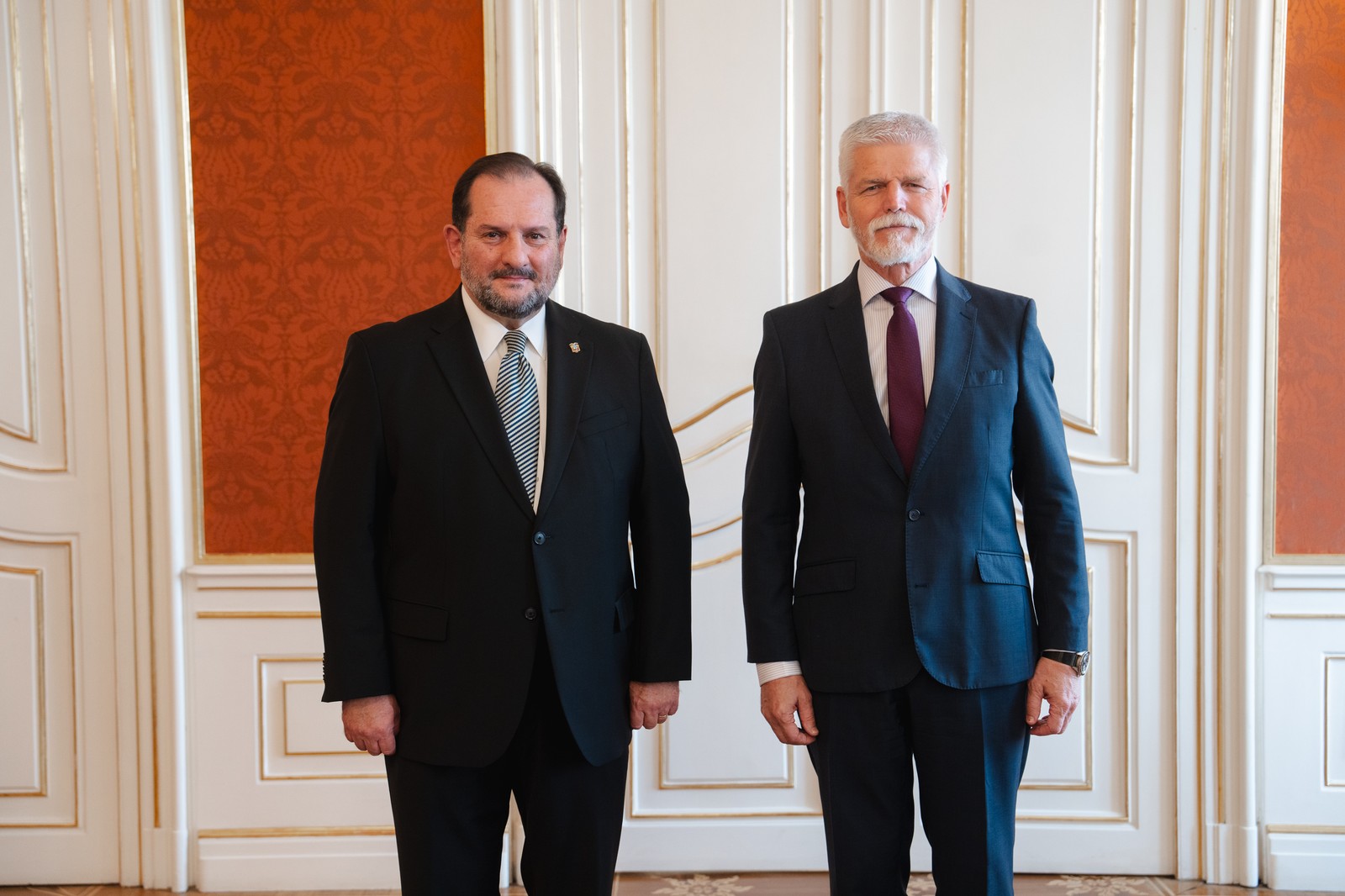
Last year’s inclusion of Žatec and the Žatec hop landscape on the UNESCO list was a significant contribution to Czech beer tourism. Žatec is thus the first place in the world where the hop landscape is protected by this prestigious statute. Visitors to the region can stroll through hop farms, visit the Hop Museum or taste beers from several breweries, where they are brewed from local hops. Its uniqueness, cultivation history and traditions go back several centuries, making the Czech Republic an exceptional place on the beer map of the world. Every year, the city attracts visitors to Žatecká dočesná. This year’s will take place on September 6-7, 2024.
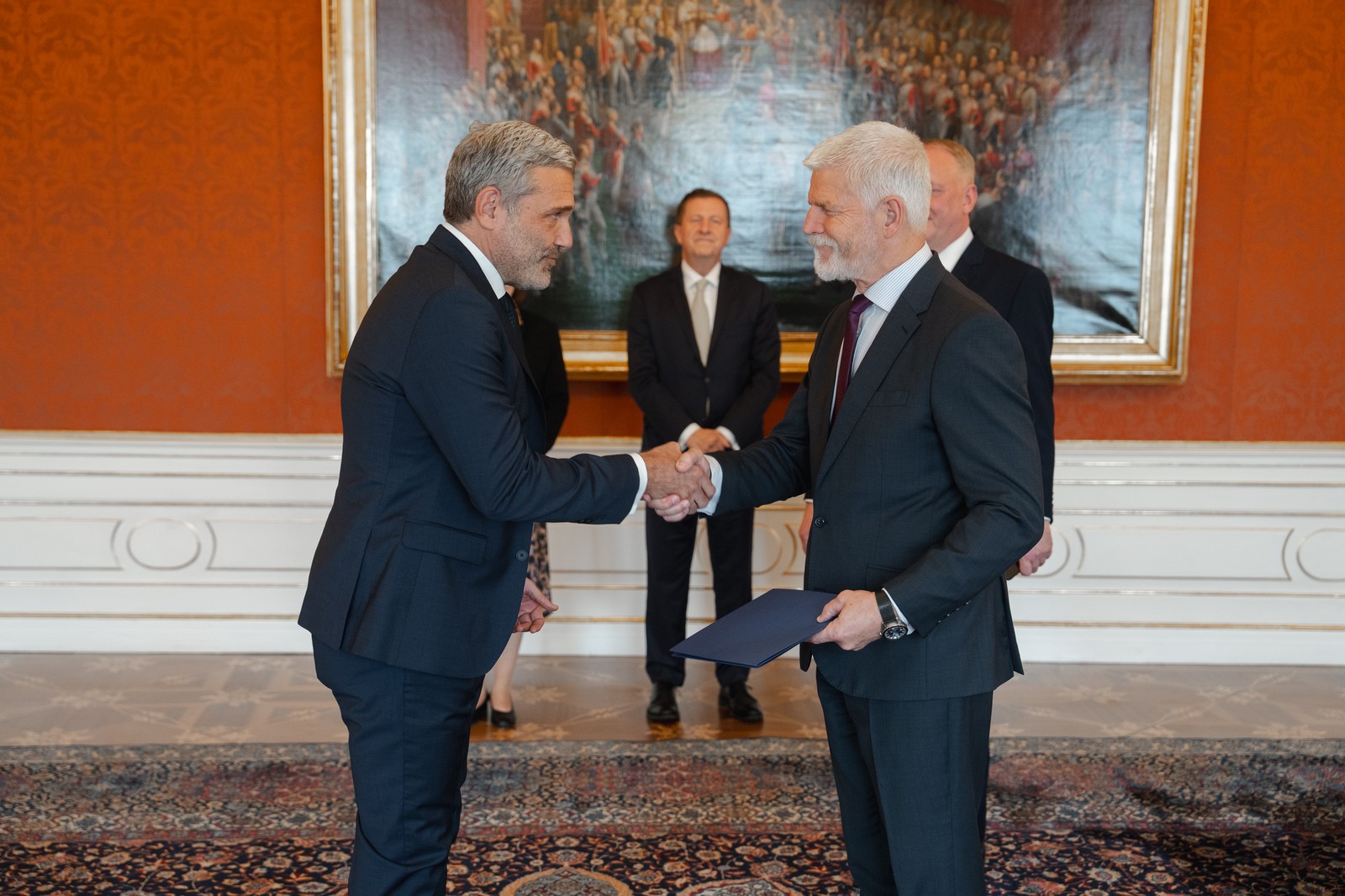
And the fact that there is more and more interest in Žatec and its surroundings is also confirmed by the data. Over the past 14 years, the number of people who decided to visit the local Temple of Hops and Beer has increased tenfold. While 1,464 visited this place in 2010, last year it was already 15,728. The Stekník Castle, which is one of the most important Rococo buildings in Bohemia, has seen an equally large increase in the number of visitors in this region over the past decade. Last year, it was visited by 14,344 tourists. In addition to the traditional castle tours, it also offers visitors the opportunity to learn a number of interesting facts about the history of beer, within the framework of exhibitions dedicated to the topic of hops called “How to get Czech to the Vertebrate”.

Prague connects beer and culture

The Czech metropolis is also taking a new approach to beer promotion. It combines the presentation of small breweries with a visit to neighborhoods outside the historic center. It thus supports the authenticity of the region and local experiences. Through new guided tours, tourists have the opportunity to taste beers from smaller breweries, learn about the history of brewing and visit monastery breweries. Prague thus invites a unique connection of beer with cultural events and exhibitions that reflect the rich history of the city.

Trends in beer tourism: the rise of craft beer tourism

Beer tourism or “craft beer tourism” is not only the domain of the capital city. New thematic beer trails and beer spas that offer authentic and local experiences can be found by fans of the sparkling drink all over the Czech Republic. The trend is mainly to travel to smaller craft breweries. They offer not only high-quality and original beers, but also experiences connected with their production and local traditions.

“Czech brewers are increasingly focusing on quality and sustainability, which attracts more demanding tourists. Our members combine beer production with local traditions and thus offer comprehensive experiences that include not only drinking beer, but also tours of breweries, excursions to hop farms or beer brewing workshops. An important event for all brewers – the Saint Wenceslas Festival, which takes place every year in September and kicks off the Days of Czech Beer, which is a holiday for all lovers of beer, pubs and gastronomy, will bring the opportunity to try special types of beers. During them, many of our breweries will offer beer specials and cultural events,” says Tomáš Slunečko, Executive Director of the Czech Association of Breweries and Malthouses.

The aim of all these activities is to show that Czech beer is more than just an alcoholic drink. It is part of a rich cultural tradition, linked to local attractions and gastronomy. Tourists are thus guided to enjoy beer in the context of local culture and history, while at the same time behaving responsibly and with respect for the given regions. An overview of beer trails, breweries, beer spas, museums and other objects connected with growing or tasting beer is provided by the CzechTourism agency on its portal Kudy z nudy. Those interested in this area can choose from a considerable number of experiences – from visits to monastery breweries to participation in beer workshops, where tourists can try what it’s like to brew their own beer.

The Government has supported the operation of the Agency for Social Inclusion from 2025

The government discussed and approved the proposal of ministers Ivan Bartoš and Marian Jurečka on the institutional anchoring of the Agency for Social Inclusion, in an amended form, and confirmed that it will continue to operate in cities and municipalities after 2025. It is the government’s main tool for solving social exclusion in the regions.

The Agency for Social Inclusion has been operating since 2008, the last four years as a department of the Ministry for Regional Development. “For the Agency, the government’s decision means above all a confirmation of its necessity and the continuation of its operation in the current scope even for 2025. It will remain permanently part of the Ministry for Regional Development, but its activities will continue to be financed primarily in a project way. Next year, however, I will strengthen its funding within the framework of the MMR, as the government decided today,” explained Deputy Prime Minister for Digitization and Minister for Regional Development Ivan Bartoš.

The agency supports cities in the restoration of socially excluded localities, the development of affordable housing, solving the long-term burden on residents, making education accessible to socially disadvantaged children, or increasing safety. It cooperates with the General Directorate of the Labor Office in supporting the employment of the long-term unemployed, now as part of the pilot project Integration Jobs. Together with the Ministry of Education and Culture, it provides support to municipalities in the desegregation of schools with a larger number of Roma pupils. It is also a partner of the Ministry of the Interior, with which it participates in the development of systemic crime prevention measures.

Among the main tools of functioning is the so-called coordinated approach to social exclusion. Through it, it helps cities and municipalities to process and put into practice projects from the operational programs of the Ministry of the Interior, the Ministry of Education and Culture, and the MMR. In the last four years, there were over 400 of them for 3 billion crowns. The agency also fulfills an important methodological role. For example, it methodically develops community work in 20 municipalities. It has newly opened a program for cities and municipalities for the systematic development of selected socially excluded localities. “The government has confirmed the need to develop both basic support in municipalities and specific programs in which the Agency works closely with individual ministries. This connects support at the local level with government social inclusion policies, which is essential,” added Martin Šimáček, director of the Agency for Social Inclusion.

Local consultants of the Agency currently work in more than 60 places in the Czech Republic, including large cities such as Ostrava, Brno, Liberec, but also in smaller municipalities in the less accessible areas of Jesenice or Šluknovska. “The interest in supporting the Agency is growing. Not only smaller municipalities, but also large cities, which need to solve overcrowded slums, unaffordability of housing and disturbed coexistence in the vicinity of some localities, are applying for cooperation. We can see from the positive feedback that they rely on this support,” added Šimáček.

A significant initiative of the Agency for Social Inclusion is the development of the so-called Social Exclusion Index. This is the government’s basic orientation tool for monitoring the development of social exclusion and interpreting changes in individual areas. According to data from the Index for 2023, due to covid, rising energy prices and extreme inflation, the number of municipalities at risk increased by 10% year-on-year. There are now 238 municipalities in the Czech Republic where the social exclusion rate exceeds 12 as measured by the Social Exclusion Index, which means a high burden. The Agency updates the Index annually. It is measured by five indicators, which are foreclosures, unemployment, unaffordability of housing, material poverty and children leaving school early.

THE FINALISTS OF THE VÁCLAV HAVLA PRIZE FOR HUMAN RIGHTS 2024

A seven-member jury led by the President of the Parliamentary Assembly of the Council of Europe Theodoros Rousopoulos announced in the premises of the Václav Havel Library the three finalists for the international Václav Havel Prize for Human Rights for 2024, which is awarded by the Parliamentary Assembly of the Council of Europe in cooperation with the Václav Havel Library and the Charter 77 Foundation.

Akif Gurbanov, Azerbaijan –  is a human rights defender, political activist and active member of Azerbaijani civil society. He is the co-founder and chairman of the Institute of Democratic Initiative and the Third Republic Platform. He was arrested in March 2024 in a wave of arrests targeting journalists and activists in the country.

María Corina Machado, Venezuela – is a leading political figure in Venezuela. He draws attention to human rights violations in his country and deals with the defense of democracy and the rule of law. She is the co-founder of the Venezuelan volunteer civic organization Súmate for civil and political freedom, rights and citizen participation.

Babutsa Pataraia, Georgia –  is a feminist activist and human rights lawyer in Georgia. Since 2013, she has been the director of the non-governmental organization Sapari, which focuses on women’s rights and provides support to victims of violence. For more than ten years, she has been dedicated to the fight against sexual violence against women and sexual harassment.

“The candidates selected by the jury for the final three come from different parts of the world, from different backgrounds, and their stories highlight different social and political issues. All are united by a commitment to the fight for human rights, democracy, and freedom in their countries. The stories of Akif Gurbanov, María Corina Machado, and Babutsi Patarai give concrete human contours to the struggle for freedom and democracy, which are comprehensible to all of us and in many ways resemble the dissident legacy of Václav Havel. I thank the jury for the careful selection of these three finalists,” said Milan Babík, director of the Václav Havel Library, shortly after the names of the finalists were announced.

“Every year, the Václav Havel Prize is an urgent reminder that freedom and respect for human rights are not a matter of course, but that we should take care of them and loudly point out that we cannot be indifferent not only to what is happening here but also beyond our borders. The Charter 77 Foundation has been carrying this legacy for almost half a century, not only by awarding prizes but every day when we consistently try to remove barriers in society,” says Jolana Voldánová, director of the Charter 77 Foundation.

PRIZE WINNER ANNOUNCEMENT

The ceremonial announcement of the 2024 Prize laureate and its presentation will take place during the autumn session of the Parliamentary Assembly of the RE in Strasbourg, which will take place on September 30, 2024.

CONFERENCE IN HONOR OF THE LAUREATE

The Václav Havel Library will hold an international conference in honor of the laureate in Prague on Wednesday, October 2, 2024 at the Prague Crossroads. You can register for the conference for free HERE. If you would like to participate in the conference as a journalist or if you are interested in an interview with one of the guests, please contact me by email or by phone.

VÁCLAV HAVLA PRIZE FOR HUMAN RIGHTS

The Václav Havel Prize for Human Rights highlights an extraordinary achievement in the field of human rights protection in Europe and beyond. The prize is awarded annually by the Parliamentary Assembly of the Council of Europe in partnership with the Václav Havel Library and the Charter 77 Foundation and is associated with a reward of 60,000 euros.

LAUREATES OF THE VÁCLAVA HAVLA AWARD FOR HUMAN RIGHTS

2023 Osman Kavala (Turkey)

2022 Vladimir Kara-Murza (Russia)

2021 Maryja Kalesnikavová (Belarus)

2020 Loujain Al-Hathloul (Saudi Arabia)

2019 Ilham Tohti (China) together with Youth Initiative for Human Rights (Western Balkan countries)

2018 Oyub Titiev (Russia)

2017 Murat Arslan (Turkey)

2016 Nadia Murad (Iraq)

2015 Lyudmila Alexeeva (Russia)

2014 Anar Mammadli (Azerbaijan)

2013 Aleš Byaljacky (Belarus)

Václav Havel Library / www.vaclavhavel.cz

Amendment of the Czech Labour Code

By HAVEL & PARTNERS s.r.o., attorneys-at-law   

No sooner have the rules resulting from the “big” October amendment to the Czech Labour Code started to be successfully applied in practice than the government has already introduced and approved another amendment, this time a “flexible” one. The currently proposed effective date is still the beginning of 2025. The amendment will now go to the Chamber of Deputies, and it is, therefore, questionable in what wording, when, and whether we will see the below-proposed changes at all in practice.

HAVEL & PARTNERS s.r.o., attorneys-at-law prepared a selection of the most interesting of the proposed changes for practice and our tips on what you can prepare for already now here.

Women’s FINdependence Day: Celebrating 94 years since BPW International was founded and promoting women’s economic independence

The Business & Professional Women CR (BPWCR) organization celebrated the 94th anniversary of the founding of its parent international network BPW International with the FINdependence Day event, which took place yesterday in Prague in cooperation with the investment company ATRIS. BPWCR’s main mission is to support women’s economic independence, and it is through educational activities such as this conference that the organization tries to fulfill one of its goals.

Business & Professional Women International, founded in 1930 in Switzerland, aims to improve the position of women in the labor market and in their personal lives. A significant part of this mission is the promotion of financial literacy, which is key to achieving true economic independence. BPWCR has long been focused on educating women in this field.

According to AKAT information, 46% of women do not invest at all, while only 27% of men. At the same time, active financial management enables women to better plan their future, and obtain financial security and security for old age. This disproportion continues to contribute to the fact that women are much more at risk of poverty than men, especially in old age.

“It’s still surprising to me how few women care about managing their finances and leave it to men. But I see that in recent years the interest is increased and we try to talk to women about this topic, and share experiences and advice. That’s why we started organizing conferences in cooperation with Marika Čupa from fin4elle FINdependence to contribute to education and awareness,” said Lenka Šťastná, president of BPWCR during the opening.

The theme of Women’s FINdependence Day was real estate investment. The participants had the opportunity to learn how to correctly evaluate investment opportunities in the real estate sector, what are the pros and cons of investing in individual real estate versus real estate investment funds, how to choose a suitable fund and what are the pluses and minuses of investing in real estate as a long-term tool for securing financial stability.

Among the key speakers was Romana Hárovníková, director of corporate business at the ATRIS investment company, who advised what criteria to follow when choosing investment real estate funds, of which there are 143 on the market, and what to watch out for. Roman Kolev, member of the board and strategy director of the ATRIS investment company, explained the company’s strategy, discussed current trends in real estate investing, and also offered his view on bonds. Ivana Birtová, a real estate and investment specialist from Realitní Shaker, in turn talked about the benefits of investing in real estate and shared practical tips for beginning investors.

The conference also sent a clear message about the importance of investing as a means of providing for old age. The financial disadvantage of women during their working age is negatively prescribed even in the level of their pension security. “Investing is a key tool for future-proofing, whether it’s creating passive income or a financial cushion for retirement. The pension deficit in the budget reaches 30 billion crowns and the state cannot be relied on. Low-income households will not feel it so much, but for middle-income households it will be a huge leap and we need to start preparing for retirement,” emphasized Romana Hárovníková.

Part of the discussion was also the presentation of the Long-Term Investment Product (DIP), a tool that is still not widely used in the Czech Republic (according to AKAT, only 53,000 people have opened a DIP account since the beginning of the year), but offers great potential for diversifying investments and optimizing returns. The panelists agreed on the advantages of this instrument compared to supplementary pension insurance, which, even due to the strict regulation of the market, is not able to generate such returns as other investment instruments, and provided the participants with valuable advice on how to work with it. “DIP is not a product, but a tax instrument. It requires us to think about where we want to put our money. It is necessary to take into account the limited liquidity and thus plan well which investments will be part of the DIP. It goes without saying that you should not put all your funds into one investment product,” reminded Ivana Birtová.

Women’s FINdependence Day proved once again that there is interest and need for educational events of this type. BPWCR will continue to support women in the area of ​​financial education and investing, as these skills are essential for the overall empowerment of women in society. You can find more about Women’s FINdependence on our website https://bpwcr.cz/investovani/.

END OF THE HOLIDAYS AT THE PRAGUE ZOO: ICE REFRESHMENT, ADMISSION FOR THE KORUN AND HURVÍNEK

Ice enrichment will delight especially the polar bears, brothers Gregor and Aleut, on Thursday after 9 o’clock in the morning. Photo by Petr Hamerník, Prague Zoo

The last days of the holidays invite you to visit the Prague Zoo.

The weather forecast is for sunny and hot days. On Friday, August 30, all children under the age of 15 will have entry to the Prague Zoo for a symbolic one crown.

Visitors can also enjoy a family game on the grounds of the zoo from Friday to Sunday – the quiz trail starts on the terrace of the Education Center near the main entrance.

On both weekend days, a special production of Hurvínek and the Uninvited Guest will take place in the Education Center at 10:30 a.m. and 2 p.m. For the puppet show for spectators aged 6 and over, you need to buy a ticket, which does not include entry to the zoo.

Admission to the Prague Zoo for children for one crown will make even their parents happy at the end of the summer holidays. Together, they can take part in a rich program, e.g. guided feeding and meetings with animals across the zoo grounds. The picture shows the Převalský horse paddock, part of the Gobi exhibition, which was opened this year. Photo by Oliver Le Que, Prague Zoo

On Sunday, the first of September, the Prague Zoo will also celebrate the International Day of Primates, when it will introduce visitors to the creatures most similar to us, from tiny proboscis monkeys to great apes. The fun knowledge station “Primates of the World” on the Monkey Islands will be complemented by a special guided feeding and meeting across the primate exhibits according to the schedule below:

  • 10.15 feeding of northern talapoins – Dja Reserve
  • 10.30 feeding of male lowland gorillas – Méfou Centre
  • 11.30 meeting with Sumatran orangutans – Indonesian jungle
  • 12.00 meeting at both gorilla groups – Dja Reserve and Méfou Center
  • 13.00 meeting with silver gibbons – Monkey Islands
  • 14.00 feeding of the Brazza cats – Reserve Dja
  • 2.30 p.m. lemur feeding – Lemur Island
  • 15.00 feeding of a family group of lowland gorillas – Dja Reserve

Where it will be possible to observe the animals with ice and where the visitors themselves will be able to refresh themselves, the map following Thursday’s program will reveal. Source: Prague Zoo

The Prague Zoo is experiencing an extraordinary year this year – it presents unique additions, whether it is two gorillas Misses Mobi and Gaia, a baby orangutan Harapan, or a small female giraffe Johanka. It is also necessary to mention the second European-born nutcracker named Connie or the first Czech wombat baby, female Mersey. Another novelty is the Gobi exhibition opened this year for Převalský’s horses, manulas and other Central Asian animals. Newly bred species are also attractive, e.g. the popular Madagascar fossas.

On both weekend days, Saturday 31 August, and Sunday 1 September, the summer opening hours will apply for the last time this year, when the gates to the Prague Zoo will not close until 7 p.m.

Rare unexploded World War II bomb near Litvínov leads to evacuation of residents

Photo: Czech Police

An unexploded 500-pound bomb from the Second World War, which was found on Wednesday on the grounds of a chemical plant in Záluží near Litvínov has led to the evacuation of 600 residents. Nothing like this has ever been found in the modern history of Czechia. The bomb is equipped with a chemical mechanism that can postpone its detonation for up to six days.

As a safety measure, the factory has been partially shut down, and a 1.

See more here.

Author: Jakub Ferenčík

Video projections of historic events in St. Jacob’s Church in Brno

Photo: Visit Jakub Brno

The Church of St. Jacob in Brno, one of the country’s most valuable late Gothic buildings, recently reopened to the public after 3 years of extensive repairs. The newly renovated house of prayer now houses a multimedia exhibition that showcases its impressive interior.

The reconstruction, which cost CZ 164 million, has dramatically improved the church’s appearance.

See more here.

Author: Daniela Lazarová

Underground water tanks of Brno

Photo: Vít Pohanka, Radio Prague International

Discover Brno’s hidden underground water tanks on Žlutý kopec, where cool, historic spaces blend with art and offer a unique refuge from the summer heat.

Nestled beneath the surface of Žlutý kopec, or Yellow Hill, in Brno lies a hidden gem—a series of underground water tanks that have been part of the city’s history since the late 19th century.

See more here.

Author: Vít Pohanka

My dream was big enough to get me there: Pianist Tomáš Kačo on his outstanding success

Photo: Tomáš Černý, Czech Radio

Tomáš Kačo grew up in a community flat in Nový Jičín with 11 siblings and a broken piano. But he made it to the Berklee College of Music. He has no doubts about the man who gave him the necessary push saying “It was always my father´s dream to guide his kids towards a better future.” In this episode of the Faces of Czech Music, the pianist and composer shares his thoughts about his music, his marriage to an American-Korean colleague, and life in Los Angeles.

See more here.

Author: Petr Dudek

Protest singer Karel Kryl’s iconic songs reflect the spirit of 1968

Photo: Czech Television

On August 21, Czechs marked the 56th anniversary of the Soviet-led Warsaw Pact invasion of Czechoslovakia. The oppressive atmosphere and frustrations of the time are reflected in the music of Karel Kryl, the country’s leading protest singer.

Karel Kryl, singer, songwriter and poet, was a leading Czech protest singer, whose music reflected the frustrations of Czechs following the Soviet-led invasion of Czechoslovakia in August of 1968.

See more here.

Author: Daniela Lazarová

August 25, 1969: Production of Škoda 100 launched

Photo: Škoda Auto

The serial production of the new Škoda 100 model began in Mladá Boleslav on August 25, 1969. Unlike its predecessor, the Škoda 1000 MB, which was considered one of the best vehicles in its class, the new model was not that visually attractive and was outdated from the start.

Škoda 100 and the subsequent 110 model were the first Škoda cars whose production numbers breached the one million units mark.

See more here.

Czech woman makes Western-style cowboy saddles for a living

Photo: Barbora Kvapilová, Czech Radio

Czechs have a fascination with the American West that is unexpected and often baffling to foreigners not so familiar with some of the more niche aspects of Czech culture. But few have gone so far as Dáša Vaňková, a woman in a small Czech village who spends her days making made-to-measure cowboy-style saddles for customers at home and abroad.

From the Czech “tramping” subculture movement, partly inspired by the US “Wild West”, to the popularity among Czechs of German author Karel May’s series of novels about the fictional Native American hero Winnetou, Czechs have found aspiration and dreams of a simpler life in romanticised portrayals of the American West since at least the founding of the First Republic.

See more here.

Scottish Games at Sychrov Castle

Photo: Radek Petrášek, ČTK

Bagpipers, lovers of kilts, whisky, Scottish music and traditional Scottish sports gathered at Sychrov Castle in the Liberec Region for the 24th annual Scottish Games.

See more here.

“We are ready to demonstrate for months”: police union pushes for raises

Photo: Filip Jandourek, Czech Radio

Trade unionists are currently negotiating an increase in the salaries of law enforcement, other security forces, and firefighters with the Interior Ministry. The workers’ representatives are calling for a 10% wage increase starting in October, otherwise, they will consider protesting.

In recent years, workers have faced a significant decline in real income due to rising inflation and stagnant wages.

See more here.

Author: Jakub Ferenčík

Kolache – the sweet pastry you must try in Czechia!

Photo: Barbora Navrátilová, Radio Prague International

The name kolach (koláč) originates from the Czech word kolo, meaning “circle” or “wheel” and is a good description of the sweet round pie that comes in all sizes and a variety of delicious fillings. How are they made and why do we love them so much? Find out in our video.

See more here.

Author: Barbora Navrátilová

Award-winning cafe opens new store in Vinohrady, Prague

Photo: David Ferencik

Nestled in the heart of Vinohrady, Prague, the newly opened May Cafe is making a name for itself as a cozy retreat for coffee enthusiasts and casual sippers alike. Opened by the award-winning Mazelab Roastery in Dejvice, the cafe attracts customers for world-class coffee but also a welcoming atmosphere where customers can escape the hustle of the city center. I interviewed the owner of May Cafe, Jackie, to uncover the inspiration behind this new shop.

Let’s start with your background and a little bit about why you opened up this coffee shop specifically.

See more here.

Author: Jakub Ferenčík

Plzeň residents facing a late summer bat invasion

Photo: René Volfík, iROZHLAS.cz

The oppressive late summer heatwave is not the only thing that is making life difficult for some city residents. The West Bohemian city of Plzeň is currently fighting an infestation of bats that swarm to urban areas on warm and humid summer evenings. People who carelessly leave their windows open at night may be in for a nasty surprise.

The Noctule bat is a migratory bat species common throughout Europe, Asia, and North Africa.

See more here.

Author: Daniela Lazarová

Discover the sights of the Ústí nad Labem Region!

Photo: Martina Schneibergová, Radio Prague International

This region boasts the natural beauty of the Ore Mountains, the Elbe waterway. The sandstone rocks of Bohemian Switzerland. Check out its sights in our photo gallery.

See more here.

Czech expedition to explore possibly world’s largest underground thermal lake

Photo: Nadační fond Neuron

A team of Czech researchers are set to explore what is probably the largest underground thermal lake in the world. They made the discovery on the border of Albania and Greece already two years ago, but were unable to complete their research due to insufficient technology. Thanks to a prestigious grant from the Neuron Foundation, they can now return to the site.

The team of Czech researchers discovered the thermal lake on the bottom of a 100-metre deep abyss, hidden in a limestone massif in the area of Vromoner in south Albania, on the border with Greece.

See more here.

Author: Ruth Fraňková

Czechia among leading consumers and producers of poppies

Photo: Milan Kopecký, Czech Radio

Czechia is one of the world’s biggest producers, exporters, and consumers of poppies. Poppy seeds are known for their positive health benefits, distinct nutty flavor and in Czechia they are among the most basic and popular ingredients for traditional Czech pastries.

Many people, when you mention poppy seeds, will immediately think of drugs.

See more here.

Author: Jakub Ferenčík

Replica of 18th century Czech pirate ship sails the seas!

Photo: Official website of La Grace

Although Czechia is a landlocked country, a replica of an 18th century privateer ship, named La Grace, is sailing the seas under the Czech flag. La Grace was constructed by Captain Josef Dvorský and a group of enthusiasts as a tribute to a famous Bohemian explorer, merchant, pirate and cartographer.

The replica of the privateer ship commanded by the 18th century Bohemian explorer, merchant, pirate and cartographer Augustin Heřman was constructed 14 years ago in Egypt by Czech sailing enthusiasts.

See more here.

Author: Daniela Lazarová

Czech scientist receives prestigious award for development of revolutionary microscope

Photo: Jana Plavec, Czech Academy of Sciences

Czech scientist Tomáš Čižmár has won the European Microscopy Society award for contributing to the development of a new, hair-thin endo-microscope, which allows detailed investigation of hard to access brain areas. The revolutionary instrument could help neuroscientists develop new tools for fighting severe neurological conditions, such as dementia or Alzhemier’s disease. I asked Professor Čimžár to tell me more about it:

“Our endoscope differs in that the flow of light through it is controlled by computer-generated and dynamic hologram.

See more here.

Author: Ruth Fraňková

MotoGP races will return to Brno next year

Photo: Jiří Rotrekl, Pixabay, CC0

The World Road Motorcycle Championship will return to Brno’s Masaryk Circuit next year after a five-year break, Czech Prime Minister Petr Fiala announced. The state will support the event financially through the National Sports Agency.

With over 50 years of motorcycle Grand Prix history Brno’s iconic race attracted tens of thousands of people from at home and abroad, until its closure, for financial reasons, in 2020.

See more here.

Author: Jakub Ferenčík

The President received the credential of New Ambassadors

On Friday, 23rd August 2024, at Prague Castle, the President of the Republic Petr Pavel received the credentials of the new Ambassadors extraordinary and plenipotentiary.

H.E Mr. Víctor Aquiles Abujatum Sepúlveda – new Ambassador Extraordinary and Plenipotentiary of the Republic of Chile

H.E Mr. Carlos Manuel Folhadela de Macedo Oliveira – new Ambassador Extraordinary and Plenipotentiary of the Republic of Portugal

H.E Mr. Hayder Shiya Ghubeshi Albarrak – new Ambassador Extraordinary and Plenipotentiary of the Republic of Iraq

And H.E Mr. Aleš Balut – new Ambassador Extraordinary and Plenipotentiary of the Republic of Slovenia.

ICE CREAM SATURDAY AT ZOO PRAGUE

Gorillas are not animals known for their patience. For slowly melting ice cream on a rope, the whole gang usually takes turns gradually. Pictured is an adolescent gorilla from the Dja Reserve, eight-year-old male Ajabu. Photo by Petr Hamerník, Prague Zoo

On Saturday, August 24, residents of the Prague Zoo will be treated to an ice cream refreshment. Gorillas, elephants, sea lions, and even the polar bears get special frozen treats.

For animals, this ice cream is not only food but also enrichment, i.e. a stimulus for their physical and mental activity. For visitors, such variety is an experience – especially when they can also refresh themselves. People can buy ice cream at thirteen places in the Prague Zoo area. There is a choice of packaged, scooped, and spun ice cream, including lactose-free variants.

For Indian elephants, special ice cream is not only food variety, but also entertainment and distraction. Photo by Petr Hamerník, Prague Zoo

Ice Cream Refreshments at the Animals on Saturday 24th August

  • 10:00 a.m. Honeyeaters – close-up indoor exhibition in Africa
  • 10.00 family group of lowland gorillas – Dja Reserve
  • 10.30 nestors kea – Rákos’ pavilion
  • 11.00 polar bears – Exhibition of polar bears
  • 1.30 p.m. South African sea lions – Sea lion exhibition
  • 2.00 p.m. chipmunks – Monkey Islands
  • 14.00 African brush dogs and Brazzo cats – Reserve Dja
  • 14.30 Indian elephants – Elephant Valley
  • 15.00 male group of lowland gorillas – Méfou Centre

South African sea lions receive fish or squid frozen into ice cubes during a veterinary training demonstration at 1:30 p.m. Photo by Petr Hamerník, Prague Zoo

Visitors can buy a scoop of ice cream at Supa, U Hrocha, Bororo Reserve, Gočárové houses, and the Trilobit snack bar. Tapas are waiting for them at U Gibona and at the Gaston restaurant, with lactose-free versions of sorbet being offered along with tap ice cream at, for example, the ice bear stand, Obora, Černohouska, and the Gulab and Oceán restaurants. Popsicles and crushed ice are also on offer in Oceán or Gaston.

“Prospects of change? Russia two and a half years since the aggression against Ukraine”

Speaker of the Chamber of Deputies Markéta Pekarová Adamová organized a seminar on the topic “Prospects of change? Russia two and a half years since the aggression against Ukraine” at the building of the Chamber of Deputies, in Prague.

The moderator of the event was Martin Churavý – Spoke man and
Press Secretary of the Speaker of the Chamber of Deputies.

The seminar started with opening remarks by Markéta Pekarová Adamová, Speaker of the Chamber of Deputies of the Parliament of the Czech Republic.

3 panels took place:

 “Russian Economy Under the Weight of Sanctions”

o Karel Svoboda, Russian

o Miroslav Karas, columnist and journalist

o Michael Romancov, political geographer

Moderator: Andrea Michalcová, Center for an Informed Society

Interview “Russian propaganda and sport as one of the hybrid tools”

o Dominik Hašek, former hockey goalkeeper

o Otakar Foltýn, government coordinator of strategic communication

Moderator: Miroslav Karas, columnist and journalist

“Prospect for change? The Kremlin and the Russians”

o Zhanna Nemtsova, journalist and social activist

 o Andrey Shary, journalist

Moderator: Gabriela Svárovská, former diplomat and journalist

THE MILLIONTH VISITOR OF ZOO PRAGUE 2024

Barbora and Michal Chalup with their four-year-old son Matěj and his friend Dominik became the millionth visitors to the Prague Zoo in 2024. Photo by Oliver Le Que, Prague Zoo

This year’s millionth visitor came to the Prague Zoo today at 10.02 – more precisely, a married couple with two children. The Chalup family from Prague entered the zoo grounds through its newest entrance on Sklenářka near the Dja Reserve. For their unique ranking, they received a voucher for an experience program at the mountain bongs and special gifts, while both children were most happy with a stuffed tapir and an orangutan. Prague Zoo welcomed its millionth visitor on the same day as in the last pre-Covid year of 2019.

“We go to the Prague Zoo several times a year, if we can, even three times. We usually look forward to the meerkats, penguins and giraffes the most, but today we can’t wait especially for the baby gorillas,” revealed the jubilee visitors. “But we have to say that we like to come back here not only for the animals, but also for the food. So we are also looking forward to a good lunch today,” both spouses agreed.

The Prague Zoo is enjoying excellent attendance this year, especially thanks to rare and attractive additions – baby gorillas, orangutans, giraffes, wombats and sloths. Another attraction is the Mongolian Gobi exhibition, which opened this year, or newly bred species such as attractive fos animals. The Prague Zoo is a frequent excursion destination in the summer despite the hot days, during which it cools its visitors and animals with tons of ice cubes, numerous snails or ice cream.

The key to developing women’s leadership

Empowering Women Mentoring opens applications for talented women for the seventh time from companies. Both companies with their teams and women themselves can participate. The program is suitable for fulfilling ESG goals

Prague, August 22, 2024 – Business & Professional Women CR (BPWCR) is proud to announce that on October 11, it will officially launch the 7th year of the Empowering Women Mentoring program, which brings a unique opportunity for companies and individual participants to support female leadership, develop women’s career opportunities while meeting key ESG ‘S’ targets. 60 women and 10 companies have the chance to use it this year. Applications are now open and places are filling up fast.

Empowering Women Mentoring (EWM) has become an indispensable platform for talented aspiring female managers to advance their careers. The program is unique in its approach, the basis of which is the speed mentoring method – a dynamic, effective, and interactive way to transfer experience and knowledge between mentors and mentees, in sharing experiences between participants, and in networking.

What is speed mentoring and why is it a key element of our program?

Speed ​​mentoring, as developed in 2010 by the president of the organization, is a unique method of education that combines speed, intensity and focus on the specific needs of the mentee. “Unlike traditional mentoring, where the relationship between mentor and mentee is long-term and broader in scope, speed mentoring offers intensive and narrowly focused sessions where mentees receive valuable advice and feedback from multiple mentors in a short period of time while benefiting from the sharing of ideas and the experiences of other participants. This format allows women to gain different perspectives and apply the acquired knowledge in practice more quickly,” says Lenka Šťastná, president of BPWCR and author of the speed mentoring method.

Thanks to this approach, the participants not only develop on a professional level, but also build an important network of contacts, which is crucial for their career growth. Companies that join the program have the opportunity to provide their employees with access to this unique form of education, which can significantly contribute to their professional development and overall satisfaction.

Why should companies get involved?

By engaging in EWM programs, companies can significantly strengthen their ESG strategy. Nowadays, it is increasingly important to demonstrate a commitment to sustainable and ethical business, not only in terms of environmental protection, but also the promotion of equal opportunities, talent development and increasing the proportion of women in top management. According to a McKinsey study, there are currently only 4% of women in the position of CEO and 11% of top management in Czech companies. A number of large employers aim to increase the representation of women in management to at least 30% by 2030.

This program offers companies the opportunity to actively contribute to the fulfillment of these sustainable social responsibility goals. Supporting female leadership is both a matter of equal conditions and a competitive advantage – studies show that companies with diversified leadership achieve better financial results and have higher innovation potential. Companies with more than 30% women in management are likely to increase their profitability by up to 26%. Building employee loyalty through an employment policy set in this way reduces fluctuations, and thus recruitment costs, and increases the company’s attractiveness on the labor market.

How to get involved?

Registration for companies and individual participants is currently underway. Companies can nominate their employees to the program or join as partners and support the entire project. Participants will gain access to a series of mentoring sessions covering important development topics and networking to help them develop their skills and increase their visibility in the industry.

Feedback from previous years

The participants of the previous six years of the EWM program appreciated not only the opportunity to receive valuable advice from experienced professionals, but also the atmosphere of mutual support and inspiration, which motivated them to further professional growth. “Speed ​​mentoring helped me quickly identify areas where I can grow professionally and gave me specific advice on how to do that,” said one of the participants from last year.

EWM supports individual women, but at the same time creates a wider impact on the entire society and organizations that choose to participate in the program. At BPWCR, we believe that an investment in the development of women’s potential is an investment in the future, and we look forward to the involvement of new companies and women in the seventh year of this exceptional evaluated program – the rate of satisfaction of participants with the program reaches 99% and 63% confirms increased self-confidence and courage to change.

For more information and to register, visit https://bpwcr.cz/empoweringwomen7/

Scientists: Venus of Věstonice made of clay

Photo: Kristýna Maková, Radio Prague International

Venus of Dolní Věstonice, a Stone-Age ceramic sculpture of a female figure considered one of the oldest pieces of art in the world, was made from fragments of rocks and tiny fossils, not mammoth bones as previously believed. The discovery was made by experts from the Moravian Museum in Brno using micro-CT scanning. I discussed the findings, which have been published in the Journal of Archaeological Science, with the head of the research team Petr Neruda:

“It’s a rather complicated story.

See more here.

Author: Ruth Fraňková

Should mobile phones be banned from classrooms?

Illustrative photo: Max Fischer, Pexels

While some European countries, namely France, Italy, the UK, and the Netherlands, have totally banned the use of mobile phones in schools, there is still no clear consensus on this issue in Czechia. At the moment, each school decides for itself which position to take, without a coordinated approach from the government or the Czech School Inspectorate. Some schools allow them to be used in class, others only during breaks. But some have started to take a more radical approach.

The town of Vsetín in the Zlín Region is introducing a ban on using mobile phones in primary schools from September.

See more here.

Author: Anna Fodor

The Pravčice Gate in Bohemian Switzerland –one of Nature’s marvels

Photo: Miloš Turek, Radio Prague International

The Usti nad Labem Region has many attractions but there is nothing to beat the breathtaking beauty of the sandstone rocks of Bohemian Switzerland and the Pravčice gate of sandstone created through millions of years of erosion.

The history of the Pravčice Gate goes back to the Mesozoic era – approximately a hundred million years ago, when the region known as Bohemian Switzerland lay at the bottom of an ocean.

See more here.

Author: Daniela Lazarová

The end of the Prague Spring – David Bradbury in Prague

Photo: Dominik Jůn, Radio Prague International

David Bradbury is a former director general of the British Library. In 1968, the foreign language student found himself in Czechoslovakia right after the Soviet-led invasion. Despite the unusual times, he formed lifelong friendships with a number of Czechs, and an ongoing affinity for the country. I caught up with David during a recent visit to Prague and began by asking how he ended up in the Czech capital in September 1968.

“I was born in Manchester, England, in 1947.

See more here.

Author: Dominik Jůn

The night that changed everything: Menzel and Forman recall the 1968 invasion

Photo: Tomáš Adamec/Jan Bartoněk, Czech Radio

On August 21, 1968 Soviet-led Warsaw Pact troops invaded Czechoslovakia, crushing the Prague Spring and ushering in a long period of political and moral decline. More than 130 people died during the invasion and thousands fled the country in the years that followed. The late Czech filmmakers Jiří Menzel and Miloš Forman share their personal memories of that fateful night, reflecting on the shock, fear, and surreal experiences.

The occupation of Czechoslovakia in 1968 was an event of immense global significance, but for millions of Czechs and Slovaks, it was deeply personal.

See more here.

Author: Vít Pohanka

Vítězslava Kaprálová: the Czech prodigy composer and conductor

Photo: Studio Matouš

Vítězslava Kaprálová was born into a musical family; her father was even a pupil of Leoš Janáček, providing her with a strong foundation for success. For her graduation project at the Prague Conservatory, she composed the Military Sinfonietta, which was performed by the Czech Philharmonic—an exceptional achievement, as it is unlikely the orchestra has performed another graduation work since. Not only that, she conducted the performance herself, with President Edvard Beneš attending the premiere.

Kaprálová was both a composer and a conductor, a rare combination even today.

See more here.

Czechia marks 56th anniversary of Soviet-led invasion

Photo: René Volfík, iROZHLAS.cz

Top officials gathered outside Czech Radio at middday on Wednesday to recall the battle that took place there in the first hours of the Soviet-led invasion on August 21, 1968 and to pay homage to those who died defending the Czechoslovak Radio building.

President Petr Pavel laid a wreath under the plaque with the names of people who died defending Czechoslovak Radio in August of 1968.

See more here.

Author: Vít Pohanka

The internet transforming language of Czech youth

Illustrative photo: Surprising_SnapShots, Pixabay, Pixabay License

Czech children and teenagers are crafting their own language, filled with slang and new expressions, often borrowed from English. The internet speeds up the creation of new words and phrases, which can be confusing for people who aren’t active online. In particular, it can be difficult for their parents and grandparents to understand.

“ ‘Boomer’ I know, that’s me.

See more here.

Author: Jakub Ferenčík

Film Waves recreates battle outside Czechoslovak Radio

Photo: Film Servis Festival Karlovy Vary

The first days of the Soviet-led invasion of Czechoslovakia were closely tied to the Czechoslovak Radio building in front of which bloody clashes took place and at least 15 civilians were killed. The newly released film Waves, inspired by the true story of a group of journalists from the radio’s foreign service section, focuses on these traumatic events and the preceding Prague Spring period.

The story of the journalists working for the Czechoslovak Radio’s international editorial offices during the invasion and in the months leading up to the event is the focus of a newly released film called Waves, directed by Jiří Mádl and co-produced by Czech Radio.

See more here.

Author: Ruth Fraňková

Prague 2024 Pride

The 14th  edition of Prague Pride, an annual festival celebrating the LGBTQ community, took place in Prague on Saturday 10th August 2024.

The theme this year was “equal marriage”.

Tens of thousands of people, including several Ministers, Czech politicians, members of Prague’s diplomatic community, and big commercial companies and organizations, took part in the parade, which ran from the lower part of Wenceslas Square via Celenta st., Old Town Square, and Parizka st., to Letná Park.

The diplomatic community had a great representation from almost all embassies.

The celebrations continued at Letná, with live music and other events, until 10 pm.

Watch the video and the pictures from this colorful event.

The 57th Anniversary of ASEAN the Association of Southeast Asian Nations

On the occasion of the 57th Anniversary of the Association of Southeast Asian Nations, H.E. Mr. Duong Hoai Nam Ambassador of the Socialist Republic of Vietnam to the Czech Republic Chair of the ASEAN Committee in Prague hosted a reception at the beautiful Hartig Garden.

The honored speakers were RNDr. Jitka Seitlová – vice president of the Senate and Mr. Eduard Hulicius deputy minister of foreign affairs of the Czech Republic.

A cultural show from each ASEAN country followed the ceremony.

Happy Birthday ASEAN countries.

BASKETBALL PLAYERS WILL BE THE GODMOTHERS OF THE GIRAFFE AT THE PRAGUE ZOO

The mother of the cub is the female Faraa, the male Johan became the thirty-fold father posthumously. Photo by Oliver Le Que, Prague Zoo

On Saturday, August 10, we will christen a Baby Girl Northern Nubian giraffe at the Prague Zoo. The cub was born at the beginning of July, but visitors could not see it for the first time until later due to an unstable front limb.

The name, which is traditionally chosen by breeders, will be unveiled by the zoo at 11:00 a.m. at the viewpoint near the African House. Her godparents will be basketball representatives Ilona Burgrová and Iva Večeřová, who won, the silver medals at the World Championships.

The little giraffe managed the difficult beginning of life thanks to its tenacity and the care of its mother and keepers. Photo by Oliver Le Que, Prague Zoo

Soon after the birth, the breeders noticed a complication on the front leg of the little bay girl giraffe, so she spent the first fortnight in the facility on a hard floor with only her mother. Thanks to the correctly chosen procedure and the suction of copious breast milk, the limb soon became stronger even without the intervention of a veterinarian. Visitors can now observe the little giraffe in the outdoor enclosure of the African House not only with the rest of the giraffe herd but also with its other inhabitants.

The cub is the 30th descendant of the legendary male Johan, who died at a respectable age last July. At the same time, the little giraffe, which was brought into the world by the female Pharoah, became the 86th baby giraffe at the Prague Zoo and the 99th giraffe in the history of breeding these iconic ungulates at the Prague Zoo.

Almere Oosterwold

In cooperation with the city of Almere and the Rijksvastgoedbedrijf, MVRDV present the development strategy for Almere Oosterwold. Free design and construction will transform an area of 43km2. Limits are set to ensure the rural character of the area is maintained: 18% construction, 8% roads, 13% public green, 2% water and 59% urban agriculture. An individual’s creativity is limitless within this framework – who knows what forms the houses will take!

Freeland is proposed as a radically liberated place where you have the right to define your own living space. Freeland celebrates individual desire: You can build whatever you want; in whatever shape you like; you decide how to use your space and how to behave. You can build a home of your dreams – a dome, a castle, or a simple prefab house.

If you are happy living in a tent, that’s okay too. One can call it I-Land. If you like, a software can help you to make your architecture and helps to realize ideas, the HouseMaker© will assist you in the design, arrangement and construction of the supplies and cost management.

It is a growing attempt to make a masterplan collectively. By giving these initiatives step by step a place, the area will gradually transform the existing situation to a diverse living and working landscape. Based on the existing qualities and conditions– roads, windmills, water channels, forest ridges, buildings, and the piping-system – it will evolve bottom-up. Freeland develops as a rich assemblage of originality where everything is possible, and where advanced urban planning is also very basic.

Read more here.

When Mucha Painted Bosnia

How a mission to introduce the world to Bosnia-Herzegovina changed the course of Alphonse Mucha’s life.

Alphonse Mucha (1860-1939) was a Czech artist who first made his name crafting fantastical images of beautiful women for advertising campaigns.

Around the time this 1899 poster for Moet champagne was made, Mucha won a well-paid commission to decorate Bosnia-Herzegovina’s pavilion at the 1900 World’s Fair in Paris.

The expo was a showcase of technical achievements and cultures from 40 countries, who built pavilions for the event.

Before the expo opened, Mucha was provided with a rail pass to travel through Bosnia to research his assignment. He later wrote: “I was not only very satisfied with my journey but also amazed. What I had been looking for so hard all this time I found among the Balkan Slavs.”

Read more here.

Author: Amos Chapple

Leniency isn’t for free (Overview of competition events for April to June 2024)

We are pleased to present the forty-seventh instalment of our newsletter, which brings you interesting facts from the world of competition law for the period from April to June 2024. Regular readers will know that this is a purely subjective selection of events that we found interesting this time around.

Lounging on the beach, relaxing between bike rides or enjoying a glass of chilled rosé in the evening calls for interesting reading, and that’s what we hope to provide you, competition law fans. This time we focus on anti-competitive agreements, both horizontal and vertical. You will learn about new trends in antitrust (employees and sports), the old favourite resale price maintenance and particularities (such as monitoring competitors’ prices or restricting cross-border trade).

When a successful leniency applicant challenges a decision

If the company was a successful leniency applicant, it may not be appropriate to bring an action against the relevant decision of the competition authority. This was the case for CERP, a Belgian pharmaceutical distributor, which appealed against a decision to fine it EUR 0.8 million for a cartel agreement on margins. The original fine of EUR 1.6 million was reduced by 50% under a leniency programme. The Belgian Competition Authority responded to CERP’s action by asking the court to annul the reduction of the fine if the action was unsuccessful. This made it too risky for CERP to continue the proceedings and it withdrew the case instead. In this way, the competition authority protects the functionality of its leniency programme.

Forthcoming amendment to the Czech Competition Act

The Czech Competition Authority is also seeking to ensure the effectiveness of its leniency programme. Our regular readers will have noticed that it is also doing this through the forthcoming amendment to the Competition Protection Act (which we have written about in more detail here). In the meantime, the Czech Competition Authority has submitted a text of the amendment act which is reflects the outline we presented to you. A comment procedure took place in June. There were a number of comments and suggestions, so we are curious to see if the draft will be amended.

Robert discussed the need for the amendment and its risks with the Chairman of the Czech Competition Authority in the radio programme “Pro a proti” (Pro and Con) on ČRo Plus.

Employee-related agreements

As you will have noticed from our previous posts, the investigation of anti-competitive agreements involving employees is becoming a trend and a permanent feature of the antitrust authorities’ activities. This spring was no different.

First, it should be noted that in addition to the Czech Competition Authority, the Slovak Competition Authority has also started to focus on employee agreements. In May, it initiated administrative proceedings against a Slovak business association for adopting a code of ethics that included provisions restricting the hiring of employees. We are of course monitoring the case.

Then, in April and May, the Portuguese competition authority continued to pursue an agreement by large technology consultancies not to hire employees and not to make unsolicited offers to employees of competing companies. In the past it has already fined two companies EUR 1.3 million and EUR 2.5 million respectively for this behaviour, and in April it fined another company EUR 278,000. The Portuguese Competition Authority reduced the fines of all these companies in a settlement procedure. The last two cartel members (belonging to the same group) that refused to settle are still under investigation. A Statement of Objections was sent to them in May. A fine, which is likely to be significantly higher, can be expected by the end of the year.

In April, the Lithuanian Regional Administrative Court upheld a EUR 969,060 fine imposed on the Lithuanian Association of Real Estate Agents and its 39 members. The association’s code of ethics contained provisions that prevented estate agents from taking over each other’s brokers.

Read more here.

Ten myths about the reform of public procurement review

The reform of the review of public contracts is intended to speed up and make the decision-making of disputes between contracting authorities and those interested in public contracts faster and more efficient, which today takes place in up to five stages. Unfortunately, in connection with the reform in the public space, there are several inaccuracies and misleading statements that we would like to set the record straight.

  1. The reform proposal received hundreds of comments in the interdepartmental comment procedure, so it is a bad proposal.

For similarly complex proposals and laws, there may be several thousand comments. Their content is especially important. Specific comments can be agreeable, disagreeable, grammatical, or can be a so-called “no comment” comment. It is often also an explicit support for the reform. The inter-ministerial comment procedure of the reform on the review of public contracts takes place in a completely standard way, and the comments are settled gradually.

The reform is being reviewed by legal experts, representatives of contracting authorities and contractors. In the last year, over 30 meetings were held, which were mostly attended by representatives of the Office for the Protection of Economic Competition (ÚOHS). The effort of the Ministry for Regional Development is a faster and more predictable review of public contracts based on the consensus of the majority of the professional public.

  1. The current public procurement review system is good and no changes are needed.

Each day that a public contract is delayed in the review procedure will cost approximately CZK 6 million. Every year, the price of orders increases by tens of billions of crowns. The delay in public contracts affects the residents of many places who are waiting for new transport and other important constructions as well as other public projects. The current system is unsustainable. Therefore, our goal is to speed up the public procurement review system.

  1. ÚOHS proposed its own changes to the review procedure, but the Ministry for Regional Development listened to them. Instead, he is preparing a reform that no one wants.

The Ministry for Regional Development incorporated a number of initiatives that arose from the proposal of the ÚOHS. What could not be agreed with was the effort to further strengthen monocratic decision-making in the form of a full appeal (i.e. the possibility of completely changing the decision) and the setting of deposits for the contracting authority as well.

The reform proposal of the Ministry for Regional Development is a response to the requests of contracting authorities, contractors, and anti-corruption organizations. The Ministry for Regional Development based its decision on the recommendations of experts, proven foreign practice, and the decision of the Supreme Administrative Court (6 As 338/2021 – 52).

  1. The ÚOHS decides on approximately a percentage of orders out of their total number of approx. 17,000 per year. The chairman of the ÚOHS alone decides on only half a percent of them in the 2nd stage.

It is not only the total number of contracts that is important but also the financial value of those that are interrupted by the review procedure and their importance for the state or local government. In 2022, the chairman of the ÚOHS decided on the dissolution of 45% of all disputes. It is highly unusual for a single person to decide on a review of tens of billions of public money.

Contracting authorities are afraid of lengthy decision-making by the ÚOHS, so most public contracts are awarded mainly on price, not on quality.

  1. The monocratic decision-making model is quite common in the Czech Republic.

No other civil servant alone decides on dozens of cases of national or regional importance and at the same time on tens of billions a year. All comparative analyzes show that nowhere else in the EU does one person have such power. Everywhere else, the office, senates or commissions decide.

In 2022, the Chairman of the ÚOHS decided in 85 dissolution proceedings on 75 public contracts. He always receives the recommendation of the decomposition committee, but the final decision ultimately rests with the chairman of the ÚOHS, who can deviate from the recommendation. On average, there are two decisions on disputes in public contracts for every week of the year. In addition, the chairman of the ÚOHS also makes decisions in proceedings on offenses and other agendas (economic competition, significant market power, public support, transport infrastructure), represents the office and manages it in a managerial manner. This requires a high degree of expertise and the capacity to read the documents and consider all the circumstances. That is why the Ministry for Regional Development proposed to abolish the decomposition stage in proceedings before the ÚOHS and to strengthen the quality of decision-making by introducing three-member panels.

  1. In the Czech Republic, there is always two-instance decision-making, there is no logic in introducing single-instance decision-making for public contracts.

Historically, the review according to the Administrative Code is actually two-instance. However, this will not be a new thing, single-instance is already introduced in more than 10 administrative proceedings today. According to the Ministry of Regional Development, this is a logical and effective way to speed up the review and reduce the bureaucratic burden.

  1. The reform is too big a change that shakes the entire review system and the decision-making practice is discarded.

The reform adjusts the method of evidence and specifies the rules for parties to the dispute. The ÚOHS will continue to have the opportunity to supplement the evidence, but it should be in exceptional cases. Today, this only happens in about a third of cases, the rest is due to the activity of the parties to the dispute.

  1. The Ministry for Regional Development wants to implement the so-called Croatian model in the Czech Republic, which is criticized even by the chairwoman of the Croatian office.

The Ministry for Regional Development does not want to implement the Croatian model. For 17 years, Croatia has been making decisions in councils led by the chairman and 2 vice-chairmen of the State Commission, in which 2 other members are always appointed by the parliament. According to the Croatian experience, political influence in practice reduces their expertise and creates dissonance in opinions.

The Ministry for Regional Development proposed a fundamentally different model. The members of the Senate would be elected by a commission with an emphasis on their expertise. The ÚOHS and the SAO would also have their representatives in the commission. For the first term of office, the members of the senate would automatically become experts from among the current directors of the ÚOHS, in order to maintain continuity. Decision-making would be linked to specific recognized authorities. The proposal of the Ministry for Regional Development contains clear safeguards so that the Senates do not decide differently in the same case. Clients and contractors must know what they can expect from the review, both in terms of time and material.

  1. In Germany, they make decisions faster, but these are only over-limit orders, that cannot be compared with the Czech practice, they have a different model. But 40 days, as claimed by the Ministry of Regional Development, is not even available in Germany.

Chambers in Germany make decisions significantly faster than in the Czech Republic, although they only decide on over-limit orders, i.e. the more important ones, which are often more complex than under-limit orders. And yet they manage the review significantly (about 4x) faster and with a smaller apparatus than ours. 40 days is a figure from Germany’s report to the European Commission, and the Ministry of Regional Development verified it by recalculating the length of the decision of the Federal Chamber for Federal Procurement (VK Bund). It is not clear why and on what basis this data is disputed.

  1. ÚOHS decides quickly enough. According to the reform, the decision will be made in one instance, and the contracting authority will not be able to conclude a contract with the winning contractor for 15 days after the final decision unless the Regional Court in Brno issues a preliminary measure. Decision-making by the Regional Court in Brno takes about 550 days on average.

Currently, orders pending before the ÚOHS are blocked for an average of 5 months. If dissolution is filed (45% of disputes in 2022), the wait increases to 7 to 9 months. Contracts are blocked today even where the proposal has fundamental defects or the deposit has not been paid. This is what the Ministry for Regional Development wants to eliminate through reform.

In addition, the ÚOHS should always communicate its preliminary legal opinion to the parties within 20 working days from the submission of the proposal, so that the parties know how the panel views their dispute. Abroad, this is the usual way to allow the complainant to withdraw his proposal and save the deposit, or for the contracting authority to make corrections in time. Public contracts would thus be blocked for a significantly shorter period of time and the ÚOHS would be less burdened with decision-making. Only where the complainant did not withdraw the proposal himself, but did not succeed before the Office and continued to defend himself before the court, the tender would continue to be blocked. For this, the complainant would have to pay the deposit again and the Regional Court in Brno would have to issue a preliminary measure.

The average duration of proceedings before the Regional Court in Brno is misleading, as it applies to all proceedings. Today, there are only a small number of cases involving disputes that block the procurement process per year, and the Ministry of Regional Development proposes that the Regional Court in Brno decide on them within 60, maximum 90 days.

Inaccessible underground of the Castle, with the new Prague Archaeological Castle application

The five most important archaeological areas of Prague Castle, which are inaccessible to the vast majority of the public, will be guided by a new mobile application called Prague Castle Archeology. He will acquaint them with the history of individual monuments and show them how the premises have developed over the centuries. Experts from the Institute of Archeology of the Academy of Sciences worked on the application in cooperation with the Department of Monument Preservation of the Office of the President of the Republic.

Under the Prague Castle, the remains of buildings from the turn of the ninth and tenth to fifteenth centuries rest under reinforced concrete structures on several thousand square meters. Many visitors to the Castle had no idea of ​​their existence – those who knew, had not had the opportunity to get to know them until now. The situation is changing with a new application covering the five most important archaeological sites: the chapel of the Virgin Mary, III. courtyard – Large and Small excavations, the crypt of the Cathedral of St. Vita and the monastery and basilica of St. George.

With the help of 3D scans, those interested can not only examine individual buildings in detail, but also see how they changed over time and the history of their research on a timeline. In this way, he can virtually walk through almost 5,000 m2.

Development work lasted four years. The application can be used at Prague Castle as a guide, but also anywhere outside the premises.

It is free to download on the usual platforms in Czech, English and German.

Link to the press release, including an illustrative video: Into the inaccessible underground of the Castle. With the new application Prague Castle Archaeological – Prague Castle

https://www.hrad.cz/cs/pro-media/tiskove-zpravy/aktualni-tiskove-zpravy/aplikace-18046

203rd Anniversary of the Independence of the Republic of Peru

On the occasion of the 203rd Anniversary of the Independence of the Republic of Peru and the 102nd year of diplomatic relations between the Czech Republic and the Republic of Peru. Ambassador of the Republic of Peru H.E. Mr. Nestor Francisco POPOLIZIO BARDALES and Mrs. Irma Rios de Popolizio Hosted a reception at the beautiful garden of the Ambassador’s residence.

Mr. Jiri Kozak – the first deputy minister of foreign affairs of the Czech Republic was the honored guest.

Watch the video with the speech of the Ambassador of the Republic of Peru H.E. Mr. Nestor Francisco POPOLIZIO BARDALES and of Mr. Jiri Kozak – the first deputy minister of foreign affairs of the Czech Republic.

And enjoy Peruvian music with the group of my compatriot Vlado Ulrich.

Viva el Peru! Viva la Republica Checa!

25th Anniversary of the Enthronement of His Majesty King Mohammed VI

On the occasion of the 25th Anniversary of the Enthronement of His Majesty King Mohammed VI, the Ambassador of the Kingdom of Morocco H.E. Ms. Hanane SAADI hosted a reception at the beautiful garden of the residence.

Mr. Jiri Kozak – the first deputy minister of foreign affairs of the Czech Republic, was the honored speaker.

Mr. Vaclav Klaus the former President of the Czech Republic and his spouse Livia were the honor guests.

Watch the video with the speech of the Ambassador of the Kingdom of Morocco H.E. Ms. Hanane SAADI and of Mr. Jiri Kozak – the first deputy minister of foreign affairs of the Czech Republic.

Long live the King!

The Arab Republic of Egypt celebrates the 72nd year of the Anniversary of the Revolution

On the occasion of the 72nd year of the Anniversary of the Revolution and the 102nd year of diplomatic relations between the Arab Republic of Egypt and the Czech Republic, H.E. Mr. Mahmoud Mostafa Afifi hosts a reception at the Embassy’s beautiful garden in Vinohrady.

Mr. Vaclav Klaus – Ex-President of the CR and, Mr. Eduard Hulicius – Deputy minister of foreign affairs of the Czech Republic were the honored guests.

H.E. Ms. SUZILAH BINTI MOHD SIDEK – Ambassador of Malaysia, H.E. Ms. Sonia Regina GUIMARAES GOMES – Ambassador of Brazil and H.E. Ms. Kenssy Dwi EKANINGSIH – Ambassador of Indonesia

Watch the video with the speech of H.E. Mr. Mahmoud Mostafa Afifi -Ambassador of the Arab Republic of Egypt and Mr. Eduard Hulicius – Deputy Minister of Foreign Affairs of the Czech Republic.

Ryan Gauci

It’s all about the team

Ryan Gauci, General Manager of Hilton Prague

Text: Martina Hošková and M.Zisso; Photo: Archive

“Ryan Gauci is a hospitality professional with an extensive background in the industry. Originally from Malta, he recently assumed the role of General Manager at Hilton Prague following a successful tenure in Croatia, where he served since May 2021. Prior to this, Gauci held the position of Hotel Manager at Hilton Prague for nearly three years, overseeing significant refurbishments and strategic repositioning efforts. Altogether, he has dedicated seventeen years of his career to Hilton, contributing to the success of twelve properties across eight countries. What does he have to say about his career experience and his new Prague assignment?

You graduated from the Institute of Tourism Studies in Malta. Why did you choose a career in hospitality?

Actually, I never thought of working in the hotel industry. I’ve always been drawn to archi- tecture. But in tourist countries like Malta, many students earn pocket money in the hospitality industry. I found myself working at the pool during summer holidays, either serving tables or lifting umbrellas. While making some money, I realized that I enjoyed this much more and decided to change direction last minute, opting to study hospitality. Once I entered the industry, it felt like a natural progression to move forward with my career. I believe it was a good choice, as I enjoy every single day working at the hotel, interacting with team members and guests.

You have been in the Czech Republic before. What is your view of it?

Prague is an up-and-coming city with significant potential. Its growing gastronomic scene, still relatively affordable compared to other European cities, is complemented by ample greenery and parks. The city boasts excellent connectivity and an efficient public transportation system, making navigation seamless. What truly sets Prague apart is its unique vibe, appreciated by visitors whether they’re here for leisure or business.

What is your vision for Hilton Prague?

I would begin by outlining a vision for Prague as a destination. While it has great potential to attract visitors for both leisure and business, there are still challenges, particularly with flight connections. I am keen to collaborate with other stakeholders to improve direct flight connections, particularly with the US and Asia, to bring more affluent guests to Prague.

At Hilton Prague, our focus this year is on enhancing our food and drink venues to create welcoming spaces where locals and visitors alike can enjoy unforgettable culinary experiences. With offerings such as Cloud 9 Sky Bar & Lounge, Café & Bistro, Hop House beer bar, Beer Garden Karlín, and Seasons restaurant, we are dedicated to establishing vibrant dining and socializing hubs.

Hilton Prague is the biggest hotel in Prague – together with Hilton Prague Old Town you offer over 1,000 rooms. How difficult is it to maintain high occupancy and satisfied guests?

It’s all about the team, and in Prague, we have a great team of dedicated and engaged professionals. It’s important that we all share the same vision and execute it together. When the team is happy, it positively reflects on our guests’ experiences. In the hospitality industry, our common goal is to ensure guest satisfaction, surpassing their expectations.

We also need to adopt different approaches for different types of business. Meeting and conference guests have different needs and priorities than leisure guests, be it time efficiency or specific food and beverage offerings.

Ryan Gauci with his parents

How do you motivate and lead a team to achieve their goals?

Motivation comes from recognizing and valuing everyone’s efforts and contributions, regardless of how small they may seem. Every little contribution matters. My management style is best described as collaborative. Having worked in diverse environments, teams, and cultures, I’ve had the opportunity to learn and adapt the style that I believe yields the best results. It’s crucial to me that everyone understands our goals and feels a shared responsibility for achieving them. I aim to foster an environment where we’re all in the same boat, enjoying our work. Such an environment provides the opportunity for individuals to thrive and grow.

What is the hardest challenge for a successful team leader?

Being a leader means constantly being looked up to and analysed by others. Your mood and energy levels have a cascading effect on the entire team. Even on the less bright and shiny days, it’s crucial to maintain a positive energy because you’re in the spotlight, and you want to project a positive vibe to influence the team. Staying calm in difficult situations and maintaining a positive outlook is essential.

I always strive to see the glass as half full rather than half empty.

How do you recharge?

I like outdoor activities and sports, mainly triathlon and swimming. Swimming for 30 minutes in the pool helps me clear my mind and fully relax, allowing me to switch off completely. And I also enjoy cooking very much.

Hilton Prague is known for its charity events. Are you going to continue this tradition?

For many years, we’ve been proud supporters of the Tereza Maxová Foundation through various initiatives, with our annual Christmas charity concert being the highlight. Giving back to those in need is ingrained in our values, and we’re committed to continuing this support in the future. Currently, we’re exploring new formats for our charity event, considering that after almost 20 years, it may be time to change the angle and introduce something different.

Before coming to Prague now, you worked for Hilton in eight different countries. What do you consider to be your most thrilling adventure so far?

The opening of Hilton Rijeka in Croatia was a thrilling adventure and milestone for me as a first-time General Manager. It was a culmination of hard work and anticipation, but witnessing the hotel up and running, with happy guests and team members, made the journey incredibly rewarding.

Having worked with so many people from different walks of life, have you ever dealt with any strange situations?

I recall a curious request from a guest who inquired about bringing their parrot to stay at the hotel. Given our balconies, I asked if the parrot would be in a cage, which was not the case. I then inquired if the guest had a leash for the parrot, which they also did not. Fortunately, the guest decid- ed to leave their feathered friend at home.

Ryan Gauci, General Manager of Hilton Prague

Your predecessor spent 16 years in Prague. Are you planning to break this record?

If I can continuously reinvent myself, staying innovative and relevant for 16 years, I will certainly strive to do so. Adaptability and innovation are key to long-term success in any industry.

What is your piece of advice to the next generation of hoteliers?

My advice is simple: be engaged and run the show as if it was your own business. Travel the world, gain experiences, and develop your career. There are endless opportunities within the hotel industry, with Hilton being a prime example.

Avivit Yorkevich

Do you speak the truth?

Avivit Yorkevich, CEO of Validit.ai startup

Text: Martina Hošková and M.Zisso; Photo: Hanna Tayeb

“Just living in Israel means constantly facing multiple challenges, which fosters a mindset of seeking innovative solutions,” acknowledges Avivit Yorkevich, a former Special Israeli Intelligence Forces member, and co-founder of a tech start-up Validit.ai. “I worked as a fraud detection consultant, and understood how critical the need was for a solution that could validate human statements. I also realized that the commercial world needs a ‘softer’ approach than the one used in the intelligence services. This is how our company was born.

Who is the woman who founded a tech start-up detecting our truthfulness?

My name is Avivit, and I am a 46-year-old mother of three who can be described as someone who has worn many hats in her career. From being a professional musician to serving as a senior intelligence officer; now I am on my mission in the tech world – to ensure truthfulness in the digital realm.

I was brought up to be a musician. I sang and performed opera professionally worldwide, mainly in Europe and Scandinavia, and my future was set. But as I got older, I developed a growing passion for intelligence and the unknown. So, I joined the Special Israeli Intelligence Forces, got into the Deception Detection unit, and, soon enough, I was the first woman to become a senior officer, paving the way for other women in that field.

After twenty years of service in the organization, I decided to retire and find the next hill to conquer.

How did your career in intelligence inspire your current business activities?

Well, during my service in the Israeli Intelligence Organization, one of the major challenges I faced was verifying the tips provided by our sources who were not accessible or present in front of us. In critical situations, such as life-threatening missions, this information was vital, yet reaching the person physically was often impossible. That’s when I started thinking about this problem as my main challenge to solve.

After my retirement, I worked as a fraud detection consultant, and understood how critical the need was for a solution that could validate human statements. I also realized that the commercial world needs a ‘softer’ approach than the one used in the intelligence services. So, trying to find that solution, Yossi, my former service partner, and I set out on a mission to discover a reliable technology that could detect human fraud remotely, and yet none of what we found was sufficient.

That is how Validit.ai, our company, was born. After gathering the best AI and algorithmics team in Israel, building our product, and completing hundreds of thousands of test cases in the commercial world (insurance, HR, and finance), we can now actually conduct any validation – remotely, using just a smartphone camera. Basically, we can tell if a person is truthful in their statement, and by doing that help mitigate risks and prevent all types of online fraud that affect us all more and more these days.

Validit.ai

Can you explain how it works?

Yes. It may be used in any online application, at the end or middle of it. The applicant gets the option to validate the information he is giving through our tool. A camera window pops up with a question like “Is the information provided by this person accurate?”. The applicant gives his answer, his smartphone camera gathers the bio-signals from his facial area, and our AI can determine if the statement he has given is valid.

Will you give us some concrete examples of your tool’s worth?

Sure! Imagine a loan request or an insurance claim you filed, only to be rejected after a long process because something “seemed off ”. Now, with Validit, only two minutes of using our validator could save you from all that trouble. It also builds trust with your bank or insurer, possibly even lowering your premiums 🙂

We were happy to realize that using our technology has also created a more trustworthy client-business process. That, like in any relationship, only betters everyone.

Are there any particular challenges you are facing? Perhaps, given the current circumstances in Israel?

If we put aside the ‘traditional’ challenges of an entrepreneur, just living in Israel means constantly facing multiple challenges, which fosters a mindset of seeking innovative solutions.

I take pride in our local tech community’s resilience, persisting despite adversities. Israeli technology, like advanced irrigation and the ‘Iron Dome’ defence system, has made a significant global impact, saving millions of lives daily. Interestingly, some members of the team behind the ‘Iron Dome’ are also part of our tech team at Validit.ai.

Avivit Yorkevich, CEO and Yossi Penias, COO of Validit.ai

Finally, what advice would you offer to aspiring entrepreneurs, particularly women?

For the aspiring entrepreneurs I’ll recommend surrounding themselves with positivity and the best team they can gather.

But, speaking as a woman who spent many years in the field of intelligence – a typically masculine domain – I have this to say: women have a fortune to contribute, not only as women but as human beings. They should never let their fears overtake them. Whoever has an entrepreneurial spirit, and who thinks she can make the world a better place, should fight for her dream.

Be determined and courageous, don’t let obstacles stand in your way. The world needs that added value you bring.

Jiří Pos

Stronger than last year

Jiří Pos, Chairman of the Prague Airport Board of Directors

Text: Martina Hošková and M.Zisso; Photo: Archive

“We were pleased to be ranked among the top 5 airports in Europe last year by Google users,” says Jiří Pos, Chairman of the Prague Airport Board of Directors. “We are currently the fastest growing airport in our category, with almost 70 carriers offering direct summer flights from Prague to 170 destinations. As flying continues to be a part of the modern way of life, we expect this summer to be even stronger than last year.”

Tell us about yourself. You started your career in aviation in 1986 at Czech Airlines. What made you choose this sector?

Imagine me as a little boy, who, many years ago, used to ride a bicycle with his friends to the threshold of the Ruzyně Airport runway. My parents and I lived in Prague 6, so the airport was just around the corner. Together with my friends, I’d lie down on the grass and watch the planes take off and land. It felt so amazing.

I started dreaming of becoming a pilot. That didn’t work out for me because of my colour blindness, but I wanted to stay close to aircrafts no matter what. After graduating from university, I got a job at Czech Airlines, where I spent twenty unforgettable years. In 2006, I moved to Prague Airport, the company which I managed between the years 2011 and 2014 and which I have the honour of managing for the second time since 2021, working with my colleagues from the Board of Directors.

With this life-long valuable experience, can you give a piece of advice to the next generation in aviation?

I really don’t wish to be in the role of a mature man mentoring young people. In my opinion, you should follow your dream, whether it is related to aviation or any other goal in life. We have had a Talent Pool program in our company for many years – it is a program for young people who want to develop their potential.

I like learning the details of the projects which were created in this way, and the enthusiasm and energy of the participants in this program make me happy. Intergenerational sharing is important, so sometimes, I, on the other hand, learn from the younger people.

As an expert in the field of civil aviation and tourism, how do you see its future worldwide?

Currently, it is still difficult to predict the future. We have been through a global pandemic and an energy crisis, the conflict in Ukraine continues, and the Middle East has, once again, become a hotbed. We can say with certainty that while, in terms of the number of passengers handled, most airports have already returned to their pre-COVID-19 levels, it’s been taking Prague Airport a little longer as we had a large share of passengers on routes between the Czech Republic, Russia, and Ukraine. However, we are currently the fastest growing airport in our category. It turns out that even the most difficult period in the history of civil aviation, experienced during the COVID-19 pandemic, has now been replaced with growth and the breaking of past records, which seems only natural. Going on holiday to exotic destinations and visiting famous places or friends will continue to be a part of the modern way of life, which is good news for the entire aviation segment. Internationally renowned institutions such as IATA and ACI Europe currently predict a long-term 4% growth in the number of handled passengers.

Numbers are always interesting. Can you give us a few regarding Prague Airport?

We originally estimated we would handle 15.5 million passengers this year, but are now definitely expecting that figure to exceed 16 million. As part of the summer flight schedule, almost 70 carriers offer direct flights from Prague to 170 destinations, including new additions, namely Beijing, Cairo, Florence, Verona, Astana, Tallinn, and Chisinau, as well as popular holiday destinations such as Brindisi, Izmir, La Palma, and Ponta Delgada.

How does Prague Airport compare to other European airports?

We were pleased to be ranked among the top 5 airports in Europe last year by Google users. It proved that passengers like Prague Airport, and that it offers quality services of a high standard. This achievement was also affirmed by the ASQ international benchmark by ACI Europe (Airports Council International). Based on this, we compare ourselves to European airports of a similar size. Last year we received a rating of 4.18 on a five-point scale, and ranked in second place behind Helsinki.

What future developments are you planning?

One of the pillars of our key strategy, titled Prague Airport – Ready for the Future, is the development of the airport capacity – primarily the expansion of the operating areas of Terminal 2, the construction of a central security screening point in Terminal 1, an increase in parking capacity, and more efficient organisation of traffic in the airport area. We estimate the first phase implementation costs at 32 billion crowns. We are currently at the stage of architectural proposals and design. But, as they say, ‘near is my shirt, but nearer is my skin’, so I would like to specifically mention this year’s achievements. Since March, passengers have been able to use a modern large-capacity trolleybus for their journey to and from the airport. We have been expanding the self-check-in options, and upgrading the range of airport shops and restaurants. In the summer, we are planning to open a duty-free walk-through zone in Terminal 2.

The high season is at the gate. What awaits us at Prague Airport when we come to board our holiday planes?

We expect this summer to be even stronger than last year. We plan to handle 3.6 million passengers in July and August, which is 400,000 more than in 2023. This increase will be possible not only thanks to new routes, but also thanks to increased capacity and frequencies to a whole range of destinations.

Passengers are advised to arrive at the airport no later than two hours before the scheduled departure time, and head straight to the check-in counter or use the self-check-in kiosks. They should then proceed directly to security or passport control, where they can save time by using self-service border checks. At the same time, everyone should pay attention to the validity of their documents, and take into account that it is not yet possible to use electronic ID cards for trips abroad. In addition, passengers are advised to check the boarding time on their boarding pass and arrive at the boarding gate on time. The time for boarding the aircraft differs between individual airlines, with some airlines ending boarding as early as 30 minutes before departure.

Some passengers may be worried about security due to the troubled situation in the world. Is Prague Airport ready for that?

I believe that travellers have nothing to fear in Prague. Prague has long been rated as one of the safest destinations in Europe, and we also do our best to ensure passengers enjoy their trips without negative experiences.

Jiří Pos, Chairman of the Prague Airport Board of Directors

How does Prague Airport ensure its continued positive relationship with the surrounding community?

The desire to be a good neighbour is in Prague Airport’s DNA. Our relations are based on long- term and regular communication with the management of municipalities and city districts in the vicinity of the airport, as well as with the residents of these domiciles. We organise, for example, Neighbourhood Afternoons, and we run a Good Neighbour grant program to support events and activities that improve life in the neighbourhood, etc. At the same time, we are developing the Airport City concept, thanks to which, in the future, the airport will offer a number of services to its surroundings that are outside of our core business. These are, for example, educational, health, sports, and cultural facilities within the airport premises.

Generally said, a successful manager always has a good team behind them. Is that correct about you?

That’s exactly right. They say that a good manager leads people by being above them, while a great manager leads his team by also being one of its members. This is my way. The most difficult thing is probably to balance the working conditions so that they are not too loose, but at the same time not too restricting. I am very much inspired by the samurai culture – the main virtues of the samurai were courage, honour, justice, and loyalty. We have been trying to project these virtues onto our company culture for a long time.

What do you see as the most difficult part of your role?

Harmonising all relationships and goals within and outside our company, and attempting to remove unnecessary obstacles toward achieving maximum efficiency.

Surely, you have experienced many interesting situations at work. Can you share one of the most weird ones?

In 2010, holding a position in Prague Airport management, I was in charge of the crisis team established to deal with the four-day air traffic grounding throughout Europe after the eruption of a volcano in Iceland. It was all the more bizarre because the weather was gloriously sunny in those days, and no one understood why flying should be disrupted.

Let’s conclude with a more personal question. How do you spend your free time?

The number one thing is dedicating time to my family. My son plays hockey and football, and enjoys other sports. In that respect, I’m a bit of a taxi driver, an encouraging father, and the biggest fan. With my wife, who divides her working time between the PlanetZen massage studio, which she co-owns, and shifts as a cabin manager at Czech Airlines, we like to travel, play golf, ski, and simply spend our free time actively.

Petr Kapoun

Disrupting the traditional space industry

Petr Kapoun, CEO at TRL Space

Text: Martina Hošková and M.Zisso; Photo: Archive

“Would you like to work on a mission to the Moon? Or on an Earth observation satellite? Or maybe dozens of other projects around the world? If you are nodding your head yes, chances are you have already heard about TRL Space, a company which its CEO, Petr Kapoun, founded in Brno, with the goal of disrupting the traditional space industry and delivering complete space missions made in the Czech Republic. And because we also control space (on the pages of our magazine), we are glad to introduce a short interview with Petr here.”

You present yourself as an “Ambassador for Women in Space”. How do you become one of those?

I believe that we need more women in space, and gender equality in the tech industries is a topic close to my heart in general. It is very sad to see how every technological conference, exhibition, common event, or even business meeting is still a man’s game. That is why I have decided to accept the role of Ambassador for Women in Space, and I try to promote this topic as much as I can. The best way, for sure, is to lead by example, and I am happy that, since 2018, I have been able to be the host of an event called Space for Women, which is a part of the yearly Czech Space Week. This is an event where we gather successful women who made it through the “man’s world” and are open to sharing their stories, inspiring young girls.

What do you do in TRL Space?

TRL Space is a premier mission integration company, adept at serving a wide array of clients from both space and non-space sectors. Our approach is centred around providing customised satellite-based solutions tailored to the unique challenges and objectives of our customers. Whether it’s for Earth Observation, Telecommunication, or deep space exploration missions, our mission is to deliver unparalleled, bespoke solutions that align with our customers’ strategic goals.

We built upon expertise gained during the years since the Czech Republic joined the European Space Agency (ESA), back in 2008. Our team has deep experience in working on many large space projects and missions in the space industry (VEGA and PLATO structures, Sentinel, Galileo, Bepi-Colombo, Juice and Solar Orbiter, and ISS experiments). Since 2022, we have been building customised satellites for hyperspectral or high-resolution Earth observation for agriculture, disaster management, climate change, and security.

At the moment, we are working on two Moon orbiters and several small Earth observation satellites for commercial customers. We are launching our own nanosatellite to demonstrate several payloads and subsystems. Our missions are based on a deep understanding of our customers’ problems and identifying the right solutions, including the right hardware and software tools. In parallel, we are developing unique products such as a Microgravity Lab or LiDARs for Space Traffic Management and proximity operations.

“By 2030, we will have our products and services on every continent”, says your company’s vision statement, among other things. Is that why you are active in Rwanda?

In TRL Space Rwanda we invest in strengthening local capabilities for the development of satellite technology. We are committed to bringing expertise, development, and production capabilities to Rwanda in cooperation with its government, the Rwanda Space Agency, as well as universities and research organisations. We plan to invest over 2 million USD in this innovative collaboration and dedication to fostering a sustainable space ecosystem in Africa.

The first phase of the satellite mission, which will be exclusively dedicated to supporting Rwandan agriculture, has already begun. This pioneering endeavour is just the beginning, as our goal is to create a complete constellation of satellites that will ensure regular and sufficient imaging of the entire African continent. While the first satellite will be built by engineers from Europe and Africa working together, future satellites will primarily be developed by TRL Space engineers based in Rwanda.

My intention is not just to deliver these technologies to Rwanda. I want to bring added value to the region. Our goal is to introduce new space technologies that increase the economic and living standards of the entire region.

I want to make Rwanda a small satellite and constellation centre for Africa.

From left: Petr Kočnar from Talking Through Art NGO, President Petr Pavel, Petr Kapoun, and Petr Boháček from TRL Space during the President ́s visit to Rwanda

Is achieving the proper education important in your field?

The education and attraction of talents is everything. It is worth the time and investment. If we want the industry to grow, and if we want to make companies sustainable, we need to nurture amazing young brains, and make sure that there are plenty of enthusiastic engineers looking for a job in the near future. And that is why, without any hesitation, I dedicate a big portion of my time, energy, and effort to this purpose.

Besides leading your company, you hold several more positions in different organisations. Do you have any free time left?

Space is hard. Especially when you are trying to introduce new technologies in Europe, prove that countries like the Czech Republic can lead a mission to the Moon, and are attempting to disrupt the traditional space industry, all while you are also introducing new technologies in Africa. It would be silly to say that my family, friends, and free time do not suffer from what I do. They do. But I believe in what we do, in our vision, in our purpose, and I do care about the environment around us, and about our region, where I live and work. I hope it is a sacrifice worth making.

Petr Kapoun has been working in the space sector since 2014, managing over 12 space missions. He is the CEO at TRL Space, a Czech private company founded with the sole purpose of bringing together the best experts, engineers, and scientists in the Czech Republic in order to be able to deliver complete space missions and provide products and services worldwide. He is the Chairman of the Brno Space Cluster and Deputy Chairman at the Brno Regional Chamber of Commerce. Petr believes in the power of education and is involved in supporting educational activities for elementary and high schools, while having also participated in creating the first space master program at Brno University of Technology – Space Applications.

Andrea Ferjenčíková

I identify as a EUropean

Andrea Ferjenčíková, EIB Group Representative in the Czech Republic

Text: Martina Hošková and M.Zisso; Photo: Archive

“Being Slovak, working for an EU institution, and being assigned to Prague feels like simultaneously being both at home and abroad. But, above all, I identify myself as a “EUropean”, declares Andrea Ferjenčíková, European Investment Bank Group (EIB Group) Representative in the Czech Republic. The EIB is the lending arm of the EU.The Bank is owned by EU countries, and the Czech Minister of Finance is one of its 27 Governors. “Our mission is to finance sound investments that can contribute to EU policy,” says the representative.”

Can you tell us about yourself?

Being Slovak, working for an EU institution – the Bank of the European Union – and being assigned to Prague feels like simultaneously being both at home and abroad. But, above all, I identify myself as a “EUropean”.

I consider myself a dynamic and result-driven professional who has spent the last 16 years in public affairs, economic diplomacy, business, and investments, both at the national and EU levels. I have worked as an advisor to EIB Vice Presidents, headed the Minister of Economy’s cabinet, and worked at the Finance Ministry during the Slovak EU Presidency.

I spent several years leading a Slovak NGO, focused on EU economic affairs and policies. In the early stages of my career, I held consulting positions and junior roles at the European Parliament, Ministry of Foreign Affairs, and the Permanent Representation of my country to the EU. I have studied in London, Warsaw, Bratislava, and Banská Bystrica in Slovakia, and hold degrees and certificates in law, international relations, diplomacy, and finance. In my activities, I strongly advocate for sustainability and the field of sustainable finance.

Besides my everyday tasks, you may find me as a member of businesswomen empowerment organisations, advocating for diversity and inclusion, serving as a member of an investment awards jury, or organising the donation of used computers to children / students facing financial hardships.

You have been in the Czech Republic for nearly five years. Can you share some of your highlights?

In my current role as the EIB Group’s Representative, I serve as the official representative and the head of the diplomatic mission of the EIB Group in Czechia.

When I arrived in the winter of 2019/2020, I encountered strong opposition from political leaders, businesses, and people regarding the ‘green deal’, as many considered it a threat. This was particularly challenging as our bank had just adopted a new energy and climate policy framework, recognising the need to increase support for green investments. I am now proud to see how quickly Czechia understood the potential and opportunities brought about through the green transition, and how this has led to enhanced collaboration on various fronts. The goal is to accelerate the decarbonisation, modernisation, and resilience of the Czech economy, and to improve everyday life for everybody in the country. Today, Czechs are much more open to discussing, and, more importantly, implementing various innovative financial instruments, as well as exploring modern models of investment governance in the country.

Andrea Ferjenčíková, EIB Group Representative in the Czech Republic with the former EIB President Werner Hoyer during the informal ECOFIN in Prague

What exactly is the EIB?

The EIB is the long-term lending institution of the EU owned by its member states, including Czechia. The Czech Minister of Finance is one of our 27 Governors. Our mission is to finance sound investments that can contribute to EU policy. EIB-backed projects strengthen competitiveness, foster innovation, promote sustainable development, and improve social and territorial cohesion while supporting a fair and rapid transition towards climate neutrality.

The EIB Group, which also includes the European Investment Fund (EIF), signed a total of €88 billion in new financing for over 900 projects in 2023. Thanks to these commitments, around €320 billion of investment is expected to be unlocked, supporting 400,000 businesses and 5.4 million jobs. In addition to financing, we provide advisory services, which include technical assistance to support project development, as well as financial advisory to design the most suitable financial instruments for any specific investment project.

The EIB closely collaborates with other EU institutions to foster European integration, promote the development of the EU, and support EU policies in over 160 countries around the world. As of this summer, the Czech EIB office will move to the joint seat of EU institutions at the Palác Dunaj. We can’t wait to be closer to our European Parliament and European Commission colleagues!

How important is the EIB to the Czech Republic’s economy?

I can confidently say that we are creating an impact. Supporting the Czech economy for over three decades, we have financed projects worth close to €30 billion. Our investments have backed almost all key sectors of the Czech economy, including transport, energy, urban development, and climate action innovation projects. From the outset, we have supported all sectors of the local economy, i.e. the state, regions, municipalities, but also private companies, banks, investment funds, smaller businesses, and start-ups.

Last year, the EIB Group injected a total of €1.88 billion into the country. Three quarters of these investments not only contribute to regional development, but also prioritise environmental sustainability.

Among the recent projects we have financed you can count the modernisation of railway tracks all over the country, the backing of green energy for households and businesses, a push for startups that deal with digitalisation, AI and fintech, and, last but not least, the installation of solar roofs at industrial buildings. In addition, our advisory services have agreed to help the Czech government in developing innovative investment models, which will attract private funds to affordable housing projects.

Generally, our aim is to bring additional value to all our financing operations, and I am positive that we succeed in doing so.

Can you compare the situation today to the one of the 2007– 2008 financial crisis?

Today, we are living in an era of multiple crises (“polycrises”), and must respond to emergency calls. Institutions like the EIB are part of the EU toolbox for crises. More than once, we were asked to find investment solutions to complex problems. Our pioneer instrument following the 2007/8 financial crisis was the Juncker plan, which allowed us to take on considerably more risk in a project than previously possible.

Recently, we have introduced several ambitious schemes for financing and advisory services under our Climate Bank roadmap, hoping to accelerate the urgently needed green transition. During COVID-19, the Group has responded with the pan-European guarantee fund to support the banking sector. This helped thousands of companies across the EU to survive. As a reaction to the unprecedented aggression against Ukraine, we have established a special facility to protect critical infrastructure in the country. To ensure energy resilience, reduce the EU’s dependence on fossil-fuel imports, and accelerate the energy transition, we are increasing our financing through the Repower EU initiative.

What are the main areas and priorities of the EIB?

Our new President, Nadia Calviño, who assumed office in January this year, has presented eight strategic priorities built on the strengths of the EIB Group. These include strengthening the climate bank, accelerating technological innovation and digitalisation, stepping up investment in security and defence, modernising cohesion policy, agriculture, and the bioeconomy, as well as investing in social infrastructure such as affordable housing. Finally, the bank will continue its activities outside the European Union, notably in the water and energy sector, and to empower vulnerable groups and communities.

Andrea Ferjenčíková, EIB Group Representative in the Czech Republic with President Petr Pavel

You hold the status of the head of a diplomatic mission. What has led you to this position?

I do hope it is a combination of my stamina, my passion for the European project, and my active local engagement. In my opinion, institutions like ours should have a strong connection to national and regional governments and organisations in order to best address the needs of the ‘market’. Conversely, they should also have the ability to advocate for and promote policies, and identify business opportunities.

What do you feel is the best adventure you have experienced during your career?

Arrivals. These are the moments that leave lasting impression, and I believe the combination of two different ‘arrivals’ has created a strong footprint in my memories. My first arrival was for an official audience with the Czech President, where I entered via the majestic courtyards of the Prague Castle, surrounded by presidential guards. Another arrival I vividly remember is to Karviná, an old mining city in Moravia. The dust turns white cars into black, abandoned mining towers lined the road, and, driving there, I realised just how urgent our ‘transition’ and decarbonisation programmes are. This is the sort of adventure that brings even more joy and dedication to my job.

What do you consider the weirdest thing you have ever dealt with?

It should not come as a surprise that we constantly receive requests for financing of various projects, from wind turbines to egg farms. However, most strikingly for me, people associate EU institutions almost exclusively with subsidies and grants. Well, as our name indicates, we are a bank, and our role is to lend and borrow money.

Do you have time for some hobbies?

I am a design and architecture enthusiast, with a love for exploring new cultures through travel. For years, I have been known as an avid baker, which I believe hones my precision and creativity. Lately, I have (re)discovered my passion for plants and drawings. I am curious what will come next!

Where do you see yourself five years from now?

Surrounded by a safe and inspiring working environment, leading yet another initiative, and working towards creating a real impact. My ultimate goal would be to leave a meaningful, sustainable footprint on our society, for a better Europe.

Ahoj Nachbarn – Keeping up our good habits

Text: M.Zisso; Photo: Václav Pavlas

In 2023, the Czech-German cross-border campaign Ahoj Nachbarn! – Hallo sousede! was created thanks to the cooperation of the CzechTourism office in Berlin and the German Tourist Board office in Prague. Residents of both cities also joined in, often posting on social networks and giving their neighbours tips on what to visit in their home countries. In order to be excellent neighbours, we decided to repeat last year’s successful trip and travel to Germany once again – since we believe that it is necessary to keep up our good habits.

Sustainable tourism

Germany has long held the first place for the number of foreign tourists visiting the Czech Republic. “A total of 178,891 Germans arrived at domestic hotels in August 2023, which was 9% more than the year before, and even 13% more than in August 2019, before the Coronavirus pandemic. Among the foreigners who visited the Czech Republic, guests from Germany won an imaginary gold medal, they were the most,“ says František Reismüller, director of the Czech Tourism Center – CzechTourism.

“We focused primarily on sustainable tourism. Cross-border travel concerns not only attractive border areas, but also other regions of both countries,“ described Jan Pohaněl, head of the German Tourist Office for the Czech Republic, speaking about last year’s Czech-German cross-border campaign Ahoj Nachbarn! – Hallo sousede!.

To be not only good but excellent neighbours, we decided to keep up with our good habits and take yet another trip to Germany this year. This time to the north part, to the Bonn area. We loaded the car for a weekend trip with our two lovely dogs, who are happy to travel around, and set off.

On the road

This time, it was a long drive – over 700km. With a few stops, it took us about eight hours.

The first stop was at Burg Heimerzheim, a historical landmark in Swisttal. This lovely historical castle offers nice hotel rooms, as well as facilities for major events. We appreciated the large parking lot, and noticed a few places for recharging electric cars. www.wasserburg-heimerzheim.de

Swisttal is a small, beautiful city with some good dog-friendly restaurants. In this part of Germany, asparagus season has just started, so we could enjoy a wonderful dinner made from local ingredients.

The next morning, after a delicious breakfast, we left for Brühl, North Rhine-Westphalia (about 25 km away), with our first destination for the day being Schlosskirche Sankt Maria von den Engeln. Built in 1491 and remodelled in the Baroque style in 1735, this church was almost destroyed during World War II. Luckily, they managed to reconstruct it in 1945, and re-open in 1953.

Our next stop was the UNESCO heritage complex of Augustusburg and Falkenlust Castles, the former residence of the prince bishop of Cologne. Built between 1729 and 1737, they represent the first Rococo style in Germany. Again, during World War II, this historical site was badly damaged, followed by a massive and lengthy restoration taking place from 1946 until 1996.
A large, beautiful Baroque Park surrounds the castles.

After finishing our guided tour, we drove to Hünzingen (365 km away, which took about 4 hours) to our next destination, the Ringhotel Forellenhof, which also offered a nice dog-friendly restaurant.

The next morning was the last of this German adventure. We decided to visit the Walsrode World Bird Park, or, as the Germans themselves call it, Weltvogelpark Walsrode. This time, our dogs were not allowed in, but were offered a nice safe place where we could leave them for a while.

Established over 25 years ago, this park is really unique – it is the largest bird park in the world in terms of species and land area. It covers 24 hectares, and houses about 4,000 birds of 600 species from every continent and climate zone in the world.

We can confirm that the way home is always shorter, so after 550 km (and about 6 hours of driving) we were happily back home in Prague.

Mucha Trail 2024

Alphonse Mucha (1860-1939), a South Moravian native, is renowned as a famous painter, and an icon who has inspired generations of artists worldwide. While in Prague in 1929, he wrote the following words about his work, the Slav Epic.

Text: M.Zisso; Photo: Archive

“It was as early as 1900, that I decided to devote the second half of my life to work that would help to build up and strengthen the sense of national identity in our country.

I am convinced that every nation can only continue to develop successfully if its growth is incessantly and organically connected to its roots and that the knowledge of one’s history is essential for maintaining this connection.

Our literature offers us beautiful works that present the course of our history – sometimes glorious, sometimes sad – to the inner sight of our people.

Even music, symphonies and cycles connected to our history awaken the love for our homeland through art. I wanted to speak to the nation’s soul in my own manner, through the bodily miracle that carries the impressions to consciousness the fastest.

I would say that the image works forcefully: it can penetrate the soul through the window of an open eye.

It is up to the observer to deal with the perception as they wish. They can dismiss it, not fully acknowledging its existence, or they can get seduced by its alluring exterior, stop in front of the sight and perhaps even search for its meaning and significance, eventually finding the core from which it arose, be it beauty or truth.

I considered this, now completed, work to be my duty. However, it would be impossible to carry out such an enormous endeavour without material support.

My friend, Mr Charles R. Crane, who, although American, harbours a great love for Pan-Slavism, understood my efforts and helped me realise my dream. In 1910 in Chicago, we agreed that he would help carry the costs associated with my work, which would then be given as a gift to the city of Prague.

In all the paintings, I steered clear of everything that could resemble harsh quarrels and the blood spilt during such altercations.

The purpose of my work has never been to destroy but to create constantly, to build bridges because we must all seek solace in the hope that all of humanity will become closer, all the easier, if they know each other well.

I will be happy if I am allowed to contribute to spreading this knowledge with my modest share – at least for now among us, in our Slavic family.”

From right: John Mucha, Alphonse Mucha ́s grandson; Markéta Vaňková, Mayor of Brno; and Jan Grolich, Governor of the South Moravian Region

On 10th May 2024, a memorandum regarding the joined cooperation between the city of Brno and the Mucha Foundation was signed, relating to the presentation of the artistic estate of Alphonse Mucha, as well as all the places connected with him. This was signed by his grandson, John Mucha, and the Mayor of Brno, Mrs. JUDr. Markéta Vaňková, at Moravský Krumlov Castle.

This ceremony was also attended by the Governor of South Moravia, Mgr. Jan Grolich, Senator and Mayor of Moravský Krumlov, M.Sc. Tomáš Třetina, Alphonse Mucha’s great grandson, Marcus Mucha, and many ambassadors and members of the Diplomatic Corps. The ceremony was followed by a remarkable tour of the Slav Epic led by John Mucha, Alphonse Mucha’s grandson.

John Mucha, Alphonse Mucha ́s grandson

John Mucha guided the guests

In 2024, the Mucha Foundation will present the five-part exhibition “Mucha and Photography: Personal Vision”, the third part of the Mucha Trail series.

The Mucha Trail 2024 exhibition will showcase Alphonse Mucha as a brilliant photographer, and will be a compelling record of the personal life visions of the artist, a true and genuine master of the camera.

In the 1880s, the introduction of technological advances such as lightweight hand-held cameras and gelatine silver made photography a much more accessible medium for amateur photographers. Among the first generation to be inspired by this development was the young Alphonse Mucha. At the time, Mucha was a student at the Munich Academy of Fine Arts and used a borrowed camera to take his first photographs. These include landscapes, street scenes from his apartment window, and portraits of friends.

These photographs demonstrate Mucha’s interest in capturing the busy life that surrounded him. Mucha’s photographic output grew dramatically in Paris, especially in the period after he purchased his first camera in the early 1890s. Photography became an everyday affair for him, not only to document his studio models and to supplement his preliminary sketches, but also to experiment with light and shadow and to explore new ways of looking at the world. During this period, Mucha also began to create staged photographs for his book illustrations, with his friends and models posing as characters in stories. This section of his photographs forms an important part of his artistic legacy and demonstrates his theatrical approach to his work, which culminated in his late masterpiece, The Slav Epic.

Today, the Mucha Foundation holds approximately 2,500 of his photographs. They have survived as period prints or as negatives on glass plates/celluloid, and cover an extremely wide range of subjects: not only studio models, images of his family and friends, portraits, landscapes, and nature and architectural studies, but also documentary and staged photographs (mise-en-scène).

The curator of the five-part exhibition is Tomoko Sato, who is responsible for all of the Mucha Foundation’s major exhibitions and projects over the past 30 years – not only in the Czech Republic but also worldwide.

Ambassadors to the Czech Republic with John Mucha as their guide

In the opinion of John Mucha’s family, she is the most important expert on the life and work of Alphonse Mucha in the world. Tomoko Sato graduated from the University of Manchester, and is based in Cambridge, United Kingdom.

It was an unforgettable event.

H.E.R Story Exhibition – the event we shouldn’t miss

Text: H.E. Ms. Martina Mlinarević; Edit: Martina Hošková; Photo: H.E. Mr. Bijan Sabet

They grew up in different parts of the world, in different circumstances, languages, and cultures, but what they have in common is being an incredible inspiration to others. These women ambassadors use their strength to advocate for positive changes in their communities. This is why this series of portraits and stories was created, in a project called H.E.r Story.

This inspiring exhibition was opened at the Prague Embassy of Romania, symbolically on this year’s International Women’s Day. H.E. Ms. Antoaneta Barta, Ambassador of Romania, hosted the inauguration event in the presence of the authors and her fellow women ambassadors, to whom she expressed many thanks, saying that without their support this project would never have been accomplished. “The exhibition creates a sense of community of the strong, successful, and inspiring women. This artistic project wants to highlight the stories behind our official role, the stories that made us what we are today,” said H.E. Barta in her welcome speech.

The idea of creating a series of photo portraits and stories of all 17 women ambassadors in Prague came from H.E. Ms. Martina Mlinarević, Ambassador of Bosnia and Herzegovina. “I wanted to write about my friends in a special way. To write about the women ambassadors’ upbringing, about growing up of the girls in different parts of the world, about experiences that made them the strong and extraordinary women they are today,” she said at the opening.

The author of the portraits is H.E. Mr. Bijan Sabet, Ambassador of the USA and a photographer, whom Ms. Mlinarević described as a person of exceptional artistic talent with a special fondness for photography. “Usually, when I am asked to do something, I am kind of trained to think about it for a second – when Martina asked me to do this, it was the fastest yes I have ever come up with,” he shared his feelings in his brief speech.

The exhibition is meant to inspire and encourage women to follow their dreams. The authors (two of them ambassadors themselves, plus Ms. Amila Hrustić, a designer from Bosnia and Herzegovina living in Prague) hope that, as you read the stories and see the faces of the women ambassadors, you will be inspired to achieve everything you have ever dreamed of. That is also why a group of young Ukrainian girl refugees were invited to the inauguration – to hopefully find a ray of sunshine and hope in the exhibition. H.E.r Story will be now on display in public spaces, to encourage and give examples in order to help all young girls fulfil their dreams.

Read about the different extraordinary women that were part of this exhibition:

Who says luxury can’t be social?

Text: Martina Hošková and M.Zisso; Photo: Itay Benit, Noam Preisman and archive

They say if you want to walk far, walk with friends. In iota, people of goodwill from around the world can find a safe space to be valuable and earn an honest living while creating together luxury decorations and accessories of unexpected designs. Alongside the managing team, there are many other talented women who knit, weave and join together the elements from which the products are finally made. The majority of profits from iota’s product sales will be invested in welfare and educational programs worldwide.

From a single stitch to a final product

iota is a social project striving to design beautiful handmade objects for our homes while creating jobs for otherwise unemployed women worldwide. The vision behind iota is to establish a movement that allows different women from around the world to learn a technique of traditional handcraftsmanship, by providing them employment and allowing them to work from home and earn an honest living. Behind the idea, there is also the belief that regardless of the infinite possibilities that technology offers, there is still a search for a personal and unique handprint.

The name iota has a meaning. It stands for “a bit” in Latin and as it is, little by little, from a single stitch to the final product, from the individual to the global, the project aspires to make an impact on the lives of everybody involved – the clients, the employees and the community. iota aims to work within communities with high rates of unemployment and provide mentoring and training programs for both men and women. iota teaches methods of re-appropriating traditional craft techniques and as a result, the apprentices create handmade elements which then turn into the final design and earn their living.

iota – making tradition contemporary

Craftsmanship leads to emotional products

The main concept in iota’s design is creating innovative products from a traditional starting point, and changing the perception of what can be done using hand techniques. The motto followed here is “We make tradition contemporary”. First, old techniques are learnt and when combined with modern knowledge it is possible to come up with new unique and innovative design. Luxurious bespoke yarns are used in the process and collaboration is going on with various designers and craftspeople, as well as manufacturers. All this creates a new textile language that combines various materials into unlimited products.

The process of hand craftsmanship, which necessarily requires time and attention from the crafts-woman, creates an emotional connection between her and the final product she created. This connection creates emotional products. The products embody the craftswoman’s unique fingerprint thus making her an inseparable part of the final product. As opposed to a machine which creates anonymous products, such handmade products have a past, a background and a memory.

A skill, if utilized, can have rewarding qualities; rewarding to the product that is created as a one-of-a-kind element; and rewarding to the craftsperson, whose skill makes him an expert, and therefore meaningful. This empowerment, deriving from owning a skill, is what iota strives to preserve and enhance.

Knitting is an international language

In iota, they use different traditional techniques and different fibers: wool, polyester, cotton, acrylic and leather. Most of the threads are made especially for iota and are unique in their shape, construction or coloring. By combining different materials to create the fibers, they are able to preserve the strong qualities of each of the components and to create the precise assembled thread combining both fine texture and construction strength. Along with the fibers which draw together the textiles, iota products are composed of additional materials such as timber, metal and leather. These answer constructive and design requirements and create smart and complex objects.

iota’s collections are dedicated to crochet knitting (knitting with one needle). This technique, originally from northern Europe, allows the creation of both planar and three-dimensional shapes by making knots in different spacing and thus represents endless configurations. Knitting is an international language, with global terms and signs, thus overcoming distance, culture and language difficulties, and permitting iota to create an equal identical starting point for their team. The women who knitted the elements for the collection needed no prior knowledge of knitting but were rather taught the technique in a short course given by iota which allowed them to specialize in it.

In addition, numerous knitting tutorial videos are available online, allowing the apprentices to magnify their knowledge and refine their skills individually.

The brand is built on people

They say, if you want to walk far, walk with friends – and this is exactly what iota is doing. The brand is built on people, and they are the ones creating the products and the company’s vision. Speaking about iota wouldn ́t be complete if we didn ́t mention a few names behind the project.

Shula Mozes is a social entrepreneur and founder of LAMERHAV. LAMERHAV seeks social change through in-depth intervention in the lives of highly motivated Israeli youngsters who lack the family backing necessary to realize their potential as adults. Shula presents social motivation by backing the iota brand and working to push it forward.

iota team

The connection between Shula and Tal Zur, an Industrial Designer, who is responsible for the design vision, is what created the brand and brought it into development. Tal, an alum of the HIT Design Academy and today a junior professor at the school is also an alum of the Museology and Curator program at Tel Aviv University. Tal works a great deal with crafts and combining industrial and textile designs. She serves as the brand’s CEO.

Dorit Chesler is the Commercial Manager. Dorit is an Architect, a graduate of Tel Aviv University, and has an advanced master ́s in historical construction. She is an organically raised manager who believes in the integration of creativity and management. Her role in iota is managing of all the brand ́s day-to-day operations and leading all chief processes within the brand and with its partners.

Noa Curiel, Product Designer, is an industrial designer, an alum of HIT Design Academy and L’ecole Lesage for embroidery in Paris. In iota, Noa is the lead designer of product development in all stages, from the drawing table to the final production, and leads the processes of the creative team.

Tami Eilat, Project & Visual Manager, is a graphic designer, alum of Shenkar design academy. She plays two roles in iota, integrating her skills and abilities. Tami manages all the brands day to day and operations, being the one who sees all the small things that no one ever sees and making sure that everything is as it should in every scale. She is also the brands visual manager, bringing her unique visual point of view and defining how the brand presents itself in all aspects, online and around the globe.

Fancy a swing?

From right: Shula Mozes and Tal Zur

Chen Bogin, Head of Marketing & Customer Relations, is a product designer, alum of HIT design academy. In her final project she was trying to bring together plant seeds with textile, realizing that sustainability could come alive in different ways. In iota Chen takes care of telling iota’s story, creating new business, partners and contacts.

Lena Wolchok, Hand Work and Product Development, learned to knit at age five in her hometown of Novosibirsk, Russia. She did not pick up a needle again for 25 years, until she realized her talent for knitting could save her from a frustrating career as a math teacher. She began applying her mathematical mind to the counting of stitches and became an expert knitter. In iota she is responsible for the translation of ideas into tangible items.

iota handmade luxury products can be purchased at: www.iotaproject.com/shop

NEW – iota handmade luxury products can be purchased now in the Czech Republic: https://perdonahome.cz/

The administrative achievement of the year: not a competition, but a celebration

Award ceremony

Text: Jindřich Fryč, Chief State Secretary for the Civil Service; Edit: Martina Hošková; Photo: Archive

In the labyrinth of bureaucratic structures, there exist unsung heroes — individuals and teams, working tirelessly within the Czech state and municipalities. Their exceptional efforts often go unnoticed, overshadowed by the complexities of public administration. Yet, their impact is profound, shaping the quality of life for citizens and improving the efficiency of government operations.

The Administrative Achievement of the Year initiative is a commendation and celebration of those individuals and teams contributing to the improvement of governmental work and the quality of life in the Czech Republic. It gathers successful examples of projects that have led to enhancements in public services, and which promoted innovative ideas and teamwork within the public sector. This project, created by the Ministry of the Interior’s Section for Civil Service, in collaboration with the Byro platform (a non-governmental organization), emphasizes overcoming obstacles and advocating for new ideas despite challenges. Its goal is not only to celebrate the successes of workers in the public sector, but also to inspire others to know that there are alternative approaches.

Mgr. Bc. Vít Rakušan, Minister of the Interior and First Deputy Prime Minister

The Administrative Achievement of the Year 2023 is not a competition with winners and losers, but rather a celebration of boldness, determination, and openness.

It is an acknowledgement of those who have gone the extra mile, fostering better collaboration, leveraging data for informed decision-making, embracing digital innovation, and, ultimately, serving the public interest with excellence.

Award-winning finalists

The call for nominations for the prestigious awards was open to the public, colleagues, and superiors across six distinct categories: Innovation in Public Services, Digital Transformation, Outstanding Collaboration, Team Support, Analytical Work, and Public Administration Hope. In the inaugural edition, a remarkable 136 nominations flooded in from various offices and municipalities across the entirety of the Czech Republic.

Among the nominees were regional initiatives, such as the restoration of the Imperial Baths in Karlovy Vary, as well as national initiatives, such as the Strategy for Supporting Czechs in EU Institutions (outlining how to prepare future 21st-century teachers who are preparing for their profession at university) and a strategic collaboration in handling the large number of refugees from Ukraine (with focus on their integration into primary and secondary schools). Eleven remarkable projects were awarded across various categories, showcasing exemplary efforts from governmental offices and regional authorities. A list of awarded projects is available on: www.cinroku.cz.

The organizational team from the Ministry of the Interior, the non-profit organization Bureau, and the Minister of the Interior


Award-winning team from the Ministry of Regional Development for the project National Public Procurement Strategy

The award went to representatives from the Ministry of Education, Youth and Sports, Pardubice Regional Office, Vysočina Regional Office, Ministry of the Interior, Ministry of Regional Development, Karlovy Vary Regional Office, Central Bohemian Regional Office, National Pedagogical Institute of the Czech Republic, Government Office, Ministry of Justice, and Ministry of Culture.

PhDr. Jindřich Fryč, Chief State Secretary

These exemplary projects underscore the dedication and ingenuity of public servants across the Czech Republic, highlighting their commitment to enhancing the quality of life for citizens, and fostering positive change in governance.

Jindřich Fryč is a senior civil servant, who has held the top position since November 2022. The Chief State Secretary is the head of the Civil Service in the entire Czech Republic. This is the top position within the entire civil service. For his work, he also received The Order of Academic Palms from France, the Grand Federal Cross of Merit from Germany and the First-Degree Medal of the Czech Ministry of Education, Youth and Sports.

One-day surgeries are getting increasingly popular

Canadian Medical Waltrovka Clinic in Prague

Text: Martina Hošková, M.Zisso; Photo: Archive

Life is getting faster, our to-do lists are getting longer, and now, more than ever, time is money.

No wonder we are witnessing the growing popularity of the new trend of one-day surgeries. It deals with planned surgical procedures, and allows for treatment with a minimally invasive approach, eliminating the need for long-term hospitalization. Let’s have a look at the Canadian Medical Waltrovka Clinic in Prague, a facility offering a wide range of procedures. Among the fields where one-day surgery is applicable are general surgery, gynecology, orthopedics, urology, and pediatric surgery.

Quick and minimally invasive

The client comes in for surgery in the morning, and leaves to go home, all within 24 hours. For some types of surgeries, patients can leave immediately after local anesthesia, or after a short rest following general anesthesia. This is possible thanks to the use of modern and minimally invasive procedures, as well as gentle anesthesia that do not burden the body.

“The main advantage of a one-day surgery is a quick return to normal life, including work. At the Waltrovka Clinic, a team of experienced professionals with years of practice take care of the clients. Highly qualified nurses are part of the team, and, together with the doctors, they form a well-coordinated team from which the patient benefits the most. We value a professional and human approach. Discretion and language proficiency of the entire staff are also par for the course,” explains Radim Stein, the manager of operations at the Canadian Medical Waltrovka Clinic.

Waltrovka offers modern operating rooms

Suitable for planned surgeries

A one-day surgery is suitable for patients undergoing planned operations. The most common medical fields include:

General Surgery: hernia surgery, gallbladder, appendix, hemorrhoids, removal of tumors

Orthopedics: joint arthroscopy, reconstructive joint arthroscopy, carpal tunnel, forefoot surgery Vascular Surgery: varicose vein surgery

Gynecology: surgery of female organs, not only plastic and aesthetic gynecology, but also diagnostic and therapeutic procedures, surgical treatment of fertility disorders, removal and insertion of IUD, Hysteroscopy, cervical conization, polyps removal, laparoscopic sterilization

Urology: foreskin preservation procedures, circumcisions, vasectomy, frenuloplasty, water hernia plastic surgery, varicocele, spermatocele

Pediatric Surgery: surgery of pediatric patients – hernia plastic surgery, water hernia, varicocele, undescended testicles, foreskin preservation procedures, circumcisions, removal of tumors

A modern trend is laparoscopy. Currently, most organs in the abdominal cavity, such as the gallbladder, hernia, and appendix, are commonly operated on laparoscopically. It is considered a very gentle and safe diagnostic and therapeutic surgical method. A laparoscopic procedure means less stress to the client, shorter recovery and work disability, less post-operative pain, and, last but not least, a smaller scar. The minimally invasive procedure and short hospital stay eliminate the risk of hospital-acquired infections.

Canadian Medical Waltrovka Clinic in Prague

Above-standard care at the Canadian Medical Waltrovka Clinic

At Waltrovka Clinic, one-day surgical procedures are performed by experienced specialists in two modern and state-of-the-art multi-disciplinary operating rooms. In the inpatient section, they offer hotel-type single rooms that are above standard, as well as one double room. Patients have privacy in their rooms, with standard amenities including Wi-Fi, as well as their own bathroom, shower, and TV.

Pediatric surgery is also a specialization of Canadian Medical’s Waltrovka facility, and children are a very important group for the clinic. Such surgeries are only allowed to take place in facilities that are appropriately equipped (both technically and in terms of personnel) – conditions which the clinic at Waltrovka meets. Care for children requires perfect coordination between the surgeon and the parents. The operation is performed by a pediatric surgeon, in collaboration with a pediatric anesthesiologist. For pediatric patients, their hospitalization is a greater burden than the actual surgical procedure. They stay in a foreign environment, must adhere to hospital routines, and often get bored. An experienced and empathetic team, as well as a pleasant environment tailored for children, helps them better cope with the operation and stay. At Waltrovka, they approach children with great caution and care. During treatment, modern and age-appropriate educational tools are used. Among other things, each pediatric patient is greeted with a teddy bear on their bed, on which the doctor then explains what the little patient can expect. The presence of parents throughout the treatment is standard practice.

Making an appointment, and after

How do you make an appointment? And what should you, as a patient, expect? “After showing interest in a non-urgent procedure, the client is first scheduled for a consultation with a doctor, who will choose the most suitable method of operation based on their current health condition. Together, they will decide on a tailored treatment plan. We put emphasis on an individual approach and the patient’s current health condition, including long-term monitoring with the ‘Quality of life after surgery’ protocol,” explains Stein. “All our care is in line with the international IAAS criteria for day care.”

Subsequently, the operation date is planned together with the coordinator, and the client then undergoes all necessary pre-operative examinations. The client arrives on the day of the operation in the morning, and is accommodated in a premium room. After the operation and an assessment of the patient’s overall health condition, they are discharged to their home environment as soon as possible. Throughout the recovery period, the client stays in touch with the doctor for planned check-ups, as well as any needed health-related consultations.

The Canadian Medical Waltrovka Clinic has contracts with all Czech health insurance companies, and surgical care is available to all clients with Czech health insurance. Clients with foreign insurance are also accepted on a direct billing and self-pay basis.

Poland’s National Day and the anniversary of 90 years of the Polish diplomatic mission in Fürstenberg Palace

From right: First Lady Eva Pavlová, President of the Czech Republic Petr Pavel, Ambassador of Poland H.E. Mr. Mateusz Gniazdowski, and his spouse Ms. Laura Kinga Trebel-Gniazdowska

Text: M.Zisso; Photo: Archive

On the occasion of Poland’s National Day, and the anniversary of 90 years of relations between the Republic of Poland and the Czech Republic, the Ambassador of the Republic of Poland, H.E. Mr. Mateusz Gniazdowski, hosted a special reception at the beautiful garden in Fürstenberg Palace (The Embassy of Poland in Prague), with a great view of Prague Castle.

The President of the Czech Republic Petr Pavel, First Lady Eva Pavlová, President of the Senate Miloš Vystrčil, and many other politicians, ambassadors, and distinguished guests attended the event.

Speech of the Ambassador of the Republic of Poland to the Czech Republic, H.E. Mr. Mateusz Gniazdowski:

Dear Mr. President of the Czech Republic, Dear Mrs. Pavlová, Dear President of the Senate of the Parliament of the Czech Republic, Dear Minister of Foreign Affairs of the Czech Republic, Your Excellencies, Ladies and Gentlemen, Dear Friends, Dear Guests.

It is my great pleasure to welcome you to the gardens of Fürstenberg Palace, the seat of the Polish diplomatic mission in Prague for 90 years. Thank you, Mr. President, for accepting this invitation. We find ourselves at a time that is favourable for reflecting on our cooperation – just now we heard Ode to Joy, and recently we celebrated 20 years of EU membership together. While we have been co-creating Europe together for more than a thousand years – in Poland, Christianity arrived from Bohemia – our membership of the European Union is a historic opportunity to influence the fate of the continent. Today we commemorate the Constitution of 1791, one of the first in Europe, adopted by the Polish-Lithuanian Commonwealth: a modern constitution with the principle of the separation of powers, natural liberty and the sovereignty of the people, based on the common political values of a civil society and a will to reform the state.

The protection of democracy and these values marks another important anniversary for us: we have been NATO allies for 25 years and have valiantly co-created a third of the Alliance‘s history. As tangible proof of this, we are already looking forward to the meeting of NATO Foreign Ministers in Prague.
The last two years have demonstrated how close Poland and Czechia are to each other: how similarly they perceive the issues of freedom, independence and democracy, and how they oppose revisionism and imperialism. This is reflected in practical cooperation on behalf of Ukraine suffering a barbaric invasion, and includes the supply of arms and ammunition. It is good to have allies like the Czech Republic in these efforts. We are also bound by our interest in close transatlantic cooperation.

Recently, MFA Radosław Sikorski mentioned in the Sejm that Poland‘s most important partners in the EU are Germany and France, while the Nordic countries and the Baltic states, as well as Romania and Czechia, were highlighted as „our closest allies and friends“. The Minister added at the time that „these are countries with whom we understand each other without words“, but that doesn‘t mean we do not talk to each other!

Let us remind ourselves that President Petr Pavel, after his election and after his traditional first visit to Bratislava, went to Poland. This year, PM Tusk and Mr. Sikorski have also visited Prague as well as the Speakers of both chambers of the Polish Parliament on the occasion of the V4 Summit. Furthermore, intergovernmental consultations will take place this autumn. Polish-Czech cooperation is intense and completely amicable. Given the crisis of V4, in which we intend to remain, we observe the will for closer bilateral political consultations. This was illustrated by the meeting of PMs before the V4 meeting and a similar bilateral meeting of FMs.

Polish-Czech contacts are more intense than ever before – including cross-border ties, trade (€33 billion/year), tourism – with growing understanding, mutual learning, and affection. Czechs are traditionally listed in surveys among the nations that Poles like best, while recent surveys show that Poland is among the top three countries liked most by Czechs. We are becoming a reference point for each other, we understand each other more and more which allows us to deal with our differences.

The citizens of our countries wish for good Czech-Polish relations. 

Our good cooperation is reflected in the wider region and is appreciated by our allies.

I would like to thank the Representative Band of the Land Army from Wroclaw for honouring our celebration. Seeing the Polish uniforms, I would also like to draw attention to an important element of the cooperation of the Polish and the Czech armed forces. Our officers and soldiers, as always in the most difficult times, understand each other very well.

I would like to thank the sponsor, PKO BP, and the whole Embassy team for cooperation. Thank you all for being here with us today.

President of the Czech Republic Petr Pavel and Ambassador of the Republic of Poland, H.E. Mr. Mateusz Gniazdowski

Speech of the President of the Czech Republic, H.E. Mr. Petr Pavel:

Your Excellency, friends of Poland and the Czech Republic, Ladies and Gentlemen.

First of all, I would like to express my gratitude for the opportunity to speak here today. I accepted the Ambassador’s invitation with true pleasure.

I perceive the relationship between Czechs and Poles as a source of inspiration. We have been living side by side for many centuries and our nations are deeply intertwined. We are linked by a history of great changes and twists, as well as by the everyday history of cross-border destinies, accompanied by friendships and quarrels.

Nevertheless, we are friends first and foremost! However, our friendship is not a mutual uncritical admiration. It is a dynamic of goodwill.

A book by a Polish bohemist Aleksander Kaczorowski is titled: „Czechia. You can’t make this up“. I could have not said that better! We look at each other with kindness and lasting awe – and yet we understand each other.

Today we gather here to commemorate Constitution Day. Your Constitution of 3 May, born 233 years ago, is a symbol of modern Europeanism. It foreshadowed the long struggle for Polish sovereignty and real control over its own destiny; a control that is impossible without freedom, equality and justice.

I am pleased that these are the values that our countries stand on even today; and I firmly believe that they will continue to do so in the future.

Allow me to add a personal memory from 1981, when I was on vacation on the Hel Peninsula. The Solidarity movement was at its peak, social dynamics were galloping and the price of petrol suddenly rose by perhaps 1000%. When I asked a petrol vendor to sell it to me for some reasonable money, he uttered a memorable phrase: „We have freedom, which also means free prices“.

The wild capitalism is behind us, but a piece of logic from the petrol vendor words is permanent. Freedom is not free. If we do not want to live in a totalitarian state and controlled poverty, we must stay responsible, tolerant, just, and uphold the principles of a free economy and social sensitivity at the same time. We must honour democracy.

We are trying to do it separately and we are trying to do it together. We are active players in the EU. We are responsible allies in the NATO. We are leaders in supporting Ukraine.

Our historical experience has provided us with a better understanding of what is at stake if we do not consistently concern ourselves with what is happening beyond our borders, and not just to our east. Let’s persevere!

Dear friends, dear guests, I wish you and us all the best.

I wish Poland a successful presidency in the EU Council in the first half of the upcoming year. I wish everyone as many gatherings as possible where we can celebrate true democracy. I wish us many more decades of freedom and great partnership.

In other words: “Czechia and Poland. You can’t make this up!“

President Petr Pavel


First Lady Eva Pavlová

Both speeches were given in Czech and translated into English

On the Importance of Outdoor Space

Text: Ian Bogle, Bogle Architects; Edit: Martina Hošková; Photo: Filip Slapal and Bogle Architects Archive

Duga in Belgrade

“Biophilia isn’t just about access to greenery – it is really about being close to nature in all its forms. I believe that the office is alive, and can’t be fully replaced by the ‘work from home’ concept – however, we are just using the space in a slightly different way these days. Outside space is key to this. You can see the drive towards more biophilic design and wellbeing for occupants ever more often now, not only on residential properties but in office design too.”

Wellbeing becomes the norm

2024 marks our 12-year anniversary as Bogle Architects, and, since the pandemic, there has been a lot of debate about the future of ‘the office’ with the luxury of ‘work from home’ pervading in the workplace.

My personal view is that ‘work from home’ is career-limiting – for example, if you work two days a week over a 40-year career then that is 16 years without proper career interaction. I believe that the office is alive – however, we are just using the space in a slightly different way these days. Outside space is key to this, and while it is the norm on residential properties, it is also becoming more prevalent in office design – all part of the drive towards more biophilic design, as well as wellbeing for occupants.

Dolní Břežany, Czech Republic

Hagibor terrace in Prague

Projects as biophilic oases

This can be seen in our recently completed office buildings at Hagibor, with Crestyl, the first phase of a 100,000sqm office campus. The setting is described as an urban park, which creates an oasis for the overall occupants while the upper floors have continuous balconies for access to outside space.

Similarly, in Belgrade, we have just completed designs for another large-scale, mixed-use regeneration masterplan. Project Duga, just east of the old town, boasts a hotel, residential, retail, and offices adjacent to a new public park, which again highlights the desire to be close to outside space.

Biophilia isn’t just about access to greenery – it is really about being close to nature in all its forms. In Bratislava, we recently received the planning permit for a residential project on the north bank of the River Danube, with the developer Cresco. The design is predicated on every apartment having a view of the river; maximizing the wellbeing for the residents and creating pockets of greenery between the blocks.

Spa in Croatia

In Croatia, we have just begun groundwork on a private spa, which, while primarily an indoor space, is secluded in greenery on three sides. Its main view looks out towards the Adriatic Sea, once more expounding the health benefits of both outdoor space and the quality of views.

Back in the Czech Republic, we have completed a prototyping facility (Brain 4 Industry) for the Physics Institute next to our ELI Beamlines laser research project in Dolní Břežany, and also recently had the founding stone ceremony, attended by the Prime Minister, for our Mephared II project in Hradec Králové. This building for Charles University is the new Medicine and Pharmaceutical Faculty and is a staggering 65,000sqm in size, with atria arranged to have quality daylight penetrate each of the laboratories and write-up spaces. Thankfully for us all, I don’t think scientists work from home.
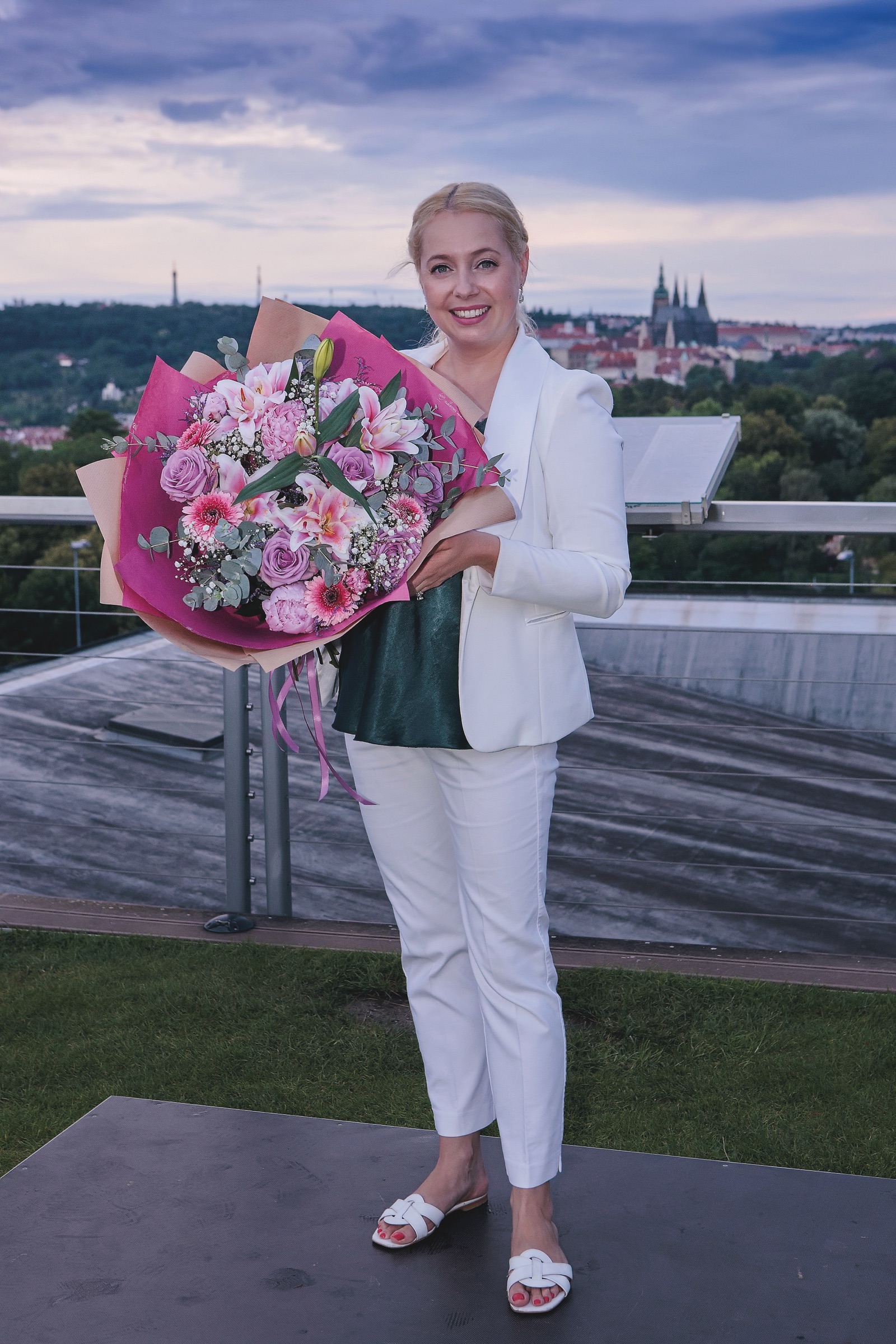
Ian Bogle is an acclaimed architect working across several locations, sectors, and typologies, and is recognised internationally for his original thought, creativity, and pragmatism. After a successful career at Foster and Partners, Ian founded Bogle Architects in 2012, and the award-winning studio is now active across a number of sectors from their London and Prague studios, covering over 30 countries in Asia, Africa, Europe, the Middle East, and South America.An example of the practice’s work includes the facility that houses the most powerful lasers in the world (ELI Beamlines in Prague), the largest kindergarten in the world (The Early Learning Village) in Singapore for over 2,100 early years aged children, and the most significant regeneration project in Porto, Portugal, a 70,000sqm mixed-use masterplan.Ian believes in education through encouragement and opportunity, and is frequently invited to lecture on Architecture and Design across the international conference circuit. Beyond the studio, he is a Trustee of the Jubilee Gardens Trust on London’s South Bank, Chair of Governors at More House School in Knightsbridge, and a visiting professional examiner at London South Bank University.
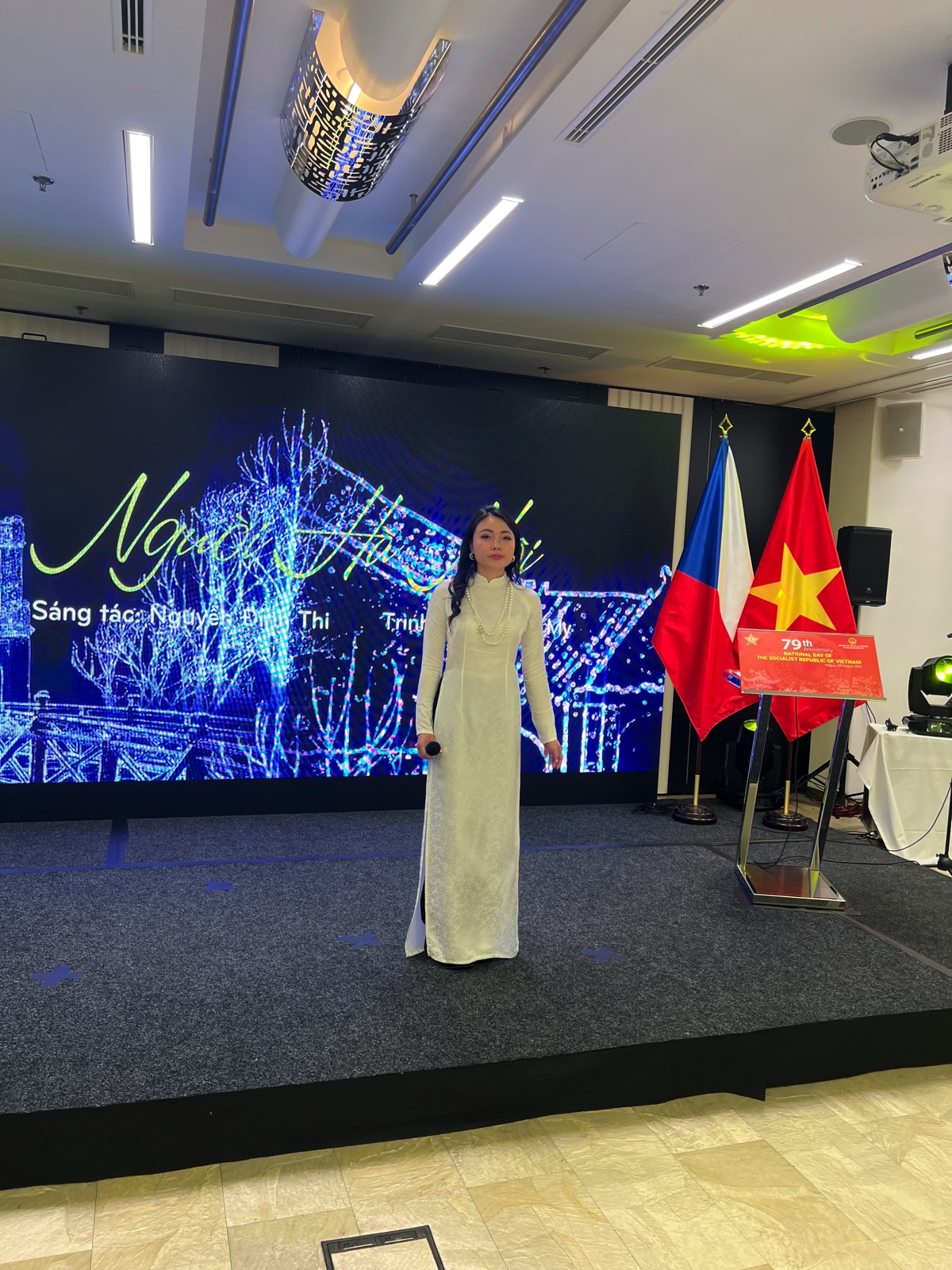
Jindřich Fryč

We are making the civil service more attractive

Jindřich Fryč, Chief State Secretary for the Civil Service

Text: Martina Hošková and M.Zisso; Photo: Archive

“Jindřich Fryč became the Chief State Secretary for the Civil Service in November 2022. The first year of his work in the position was marked (among other things) by the preparation of the government’s amendment to the Civil Service Act. It was passed by the Czech government in April this year, and is now awaiting discussion in the Parliament. Will the amendment create better conditions for the functioning of the authorities, and make the civil service more attractive to the younger generation?

What will the amendment bring?

The Czech Republic (as well as all EU countries) faces low interest in working for state institutions, especially among the younger generation. We cannot wait for a miracle; we must create better conditions for the functioning of the authorities, and make the civil service more attractive in the labour market. This is our greatest challenge today. That is why the amendment to the Civil Service Act brings mainly a reduction in bureaucracy, and creates conditions for more modern and efficient functioning of state authorities. We want the civil service to be a high-quality service to the public, and for service authorities to be modern employers, capable of attracting quality employees, as well as being able to respond flexibly to current trends on the labour market, the challenges of the 21st century, and crisis situations. We are creating space for effective management of authorities, but also for the professional and personal development of civil servants. The proposed changes will allow authorities to function more openly and competently.

Let’s pause at recruitment to civil service. The possibility of exceptions to the education requirements sounds intriguing. How will this work?

We are coming up with a major conceptual change that may alter the applicant’s perception of the civil service. Although we are not completely abandoning the requirement for prior formal education, we are emphasizing that in the future, in selected positions, we will be more interested in what the applicant actually knows, what skills and knowledge he or she possesses in the particular field, and what competencies he or she has. We are reacting to the dynamic development in the labour market, where it is increasingly common that experts in certain fields (e.g. ICT, economics, data analysis, etc.) do not have formal university education, but instead prove their expertise and quality during the selection process. It is in the interest of the civil service that these professionals should also be able to work in the civil service. I believe that this change is one of the tools to open up the civil service to them.

What about the graduates from prestigious foreign universities? Will they still have to go through the lengthy process of receiving a formal recognition of their education?

We facilitate the entry into the civil service of graduates with a university degree, higher vocational education, and secondary education with a school-leaving certificate, which they have obtained by studying at schools in the Member States of the European Union, in a country being a party to the Agreement on the European Economic Area (Norway, Iceland, Liechtenstein), and in Switzerland and the United Kingdom. For the purpose of entry into the civil service the formal recognition of education will no longer be required, and the education will be considered equivalent to education obtained in the Czech Republic. Graduates of these foreign schools will thus be able to enter the civil service more easily. In addition, the government may determine other universities in which the education obtained through studies will be recognised without the need for the formal recognition.

Jindřich Fryč, Chief State Secretary for the Civil Service

Does the amendment bring any other changes in the area of recruitment?

We are further simplifying the overall recruitment process. We are following the trends in the private sector, for example by allowing to submit the application and all accompanying documents fully electronically. We will put more emphasis on communication with candidates during the selection process, and before the appointment of the selected candidate.

We will also be able to consider other successful candidates in the selection processes. Currently, the selection committee chooses the three most suitable candidates. One of them will be selected for appointment, while the other two must reapply for another selection procedure if they are interested in working in the civil service. With the amendment, we want to allow the authorities to also recruit the candidates who were not selected, for a period of one year, to a similar position, without necessitating a further selection procedure. We will thus take advantage of the previously lost potential of very suitable candidates – who were not selected for a particular position because another candidate was preferred.

At the beginning of the interview, you mentioned more effective management. What is the amendment supposed to bring, in this respect?

In the area of management, the amendment will bring changes in the regulation of service discipline and performance appraisal.

Violations of service discipline will no longer be dealt with by the disciplinary committee in disciplinary proceedings, but by the state secretary in the ministry or the head of the service authority. They will issue a warning for minor breaches of service discipline, a decision on termination of service in the case of a serious breach, or a decision on immediate termination of service in the case of a particularly serious breach.

We want to move away from an over-formalised system of performance appraisal, and towards a tool for modern personnel management. We will reduce the number of areas to be evaluated, and place primary emphasis on the evaluation of service performance.

The general obligation to carry out regular performance appraisals will be removed because of the unnecessary administrative burden. We will retain the first performance appraisal, and link it to the adaptation process. We will also retain the possibility to carry out the appraisal according to the needs of the authority, or at the request of the civil servant.

Performance appraisals are one tool. Another one is the development of human capital. Does the amendment bring anything new in this regard as well?

In this respect, the amendment introduces the basis for a career system for civil servants. It should also be mentioned that the civil service differs from the private sector, among other things, in terms of compulsory civil service examinations, whose legal regulation has been completely reformulated and will be now clearer and more precise. The amended Civil Service Act will also guarantee entitlement to preparation for the civil service examination, and to compulsory study texts.

We consider it crucial to support newly appointed civil servants in their first months in the office. They will undergo a compulsory adaptation process, which will, in principle, be mandatory both on the first appointment to the civil service and also in the event of a significant change of a position – typically when a civil servant moves to another service authority. The adaptation process will serve to facilitate the entry to civil service and settling in. We are also introducing the institution of a mentor, i.e. an experienced civil servant who will guide the new civil servant through the adaptation process.

Moreover, we are putting more emphasis on the training and further development of civil servants. So far, the various areas of training have not been defined in any detail in the legislation. We are, therefore, laying down basic parameters for the training, its division into particular areas, and its framework content, directly in the Civil Service Act.

Jindřich Fryč, Chief State Secretary for the Civil Service

Can you elaborate a bit on the idea of the career system for civil servants? How should we understand this term?

The career system opens the way for better motivation and recognition of a high-quality performance by civil servants who are not in managerial positions. Since high professional standards are placed on them, our aim is to enable them to ‘advance their career’ within the area of their expertise, taking into account their skills, knowledge, and performance. We hope to achieve an improvement in the performance of the authority towards the public, as well as an increased attractiveness of civil service to new and existing civil servants. The career system will also bring new formal designations for civil servants. Our aim is therefore to strengthen the career status of civil servants, and also to make greater use than before of HR elements such as talent management.

The thing often criticized in connection with the Civil Service Act is its high financial demands. Is this issue also targeted in the amendment?

The saving of public funds will be achieved by modifying or introducing certain operations, in particular by shortening the period of the non-active status of civil servants from 6 to 3 months, and by tightening the conditions related to severance pay upon termination of service (e.g. reduction of the amount of severance pay, or extension of the duration of service for entitlement to severance pay). Savings will also be achieved in the activities of the HR departments by streamlining their processes – in many cases it will no longer be necessary to issue decisions, and instead more efficient ways of delivery will be introduced (such as possibly delivering those via e-mail, etc).

The Civil Service Section led by you will be transferred from the Ministry of the Interior to the Office of the Government. Will that help?

The position of the Civil Service Section will change to some extent with the relocation to the Office of the Government. Its role in the civil service system, which exceeds the scope of any particular ministry, will become more apparent. The aim is to remove a form of ‘resortism’, and thus to emphasise the coordinating role of the Civil Service Section in relation to other service authorities.

The civil service in the Czech Republic will soon ”celebrate” its 10th anniversary. This amendment to the Civil Service Act brings about a significant simplification and transformation of selected attributes of the civil service, which have proven over the years to be insufficiently efficient or administratively demanding in practice. But it is also an amendment modernising the civil service environment, and bringing it closer to the private sector.

I see this as an essential prerequisite for increasing the attractiveness of civil service in the labour market, and attracting new civil servants, as well as motivating existing ones.

H.E. Mosa Ditty Sejosingoe

I believe in the power of dialogue and collaboration

H.E. Ms. Mosa Ditty Sejosingoe, Ambassador of the Republic of South Africa

Text: Martina Hošková and M.Zisso; Photo: Archive

“The Czech Republic is the first country in which I serve as an ambassador”, says H.E. Ms. Mosa Ditty Sejosingoe, Ambassador of the Republic of South Africa. “While I may not have an extensive list of countries under my belt, I bring a wealth of experience from my previous roles in senior management within the public service. I have had the privilege of working closely with international partners, understanding complex issues, and fostering collaboration. Being allowed to serve my country at this level is the greatest honour I gladly accepted.”

Can you tell us a bit about yourself, please?

Thank you for the opportunity. My name is Mosa Sejosingoe, and I am a mother blessed with three children – a daughter and two sons. I grew up in the village of Zingonyameni, in the Eastern Cape Province of the Republic of South Africa (RSA), where I lived with my maternal grandmother. Later, I joined my parents in Thaba ‘Nchu, the town in the Free State Province, where I continued my primary and secondary studies.

In 1985, my quest for knowledge led me to Mahikeng, the capital city of the North West Province of South Africa, where I enrolled with the University of North West (then UNIBO). In 1991, I graduated with a Bachelor of Commerce degree; this was to be a stepping stone towards shaping my destiny. I started working in the public service even before completing my junior degree. I continued to study, and obtained a B.A. Honours in Public Management and Governance (2001), and a Masters (M.A.) in Development and Management (2004).

Have you worked in the public service ever since?

My career of 35 years has been in the public and private sectors, with 30 of those being in the public sector. I have worked as both a career public servant – occupying the ranks of junior, middle, and senior management positions – and as an elected and political representative of the government of the RSA.

In addition to the positions I held in government, I had an opportunity to serve as an Executive Mayor of Mahikeng Local Municipality, the capital city of the North West Province (2006-2010). I became a Special Advisor to the President of the Republic of South Africa, and was later appointed Head of the Presidential Hotline (2010-2012), which is in the Frontline Service Delivery Unit of the Department of Planning, Monitoring, and Evaluation (DPME), in the Presidency. The Presidential Hotline is one of the tools used to monitor service delivery across all nine Provinces of South Africa. I also served as a Commissioner of the Public Service Commission (PSC), which plays an oversight role over the implementation of government policies in all spheres of government of the Republic (2012-2017).

At the beginning of 2022, I was invited to serve as an Ambassador by the President of the Republic of South Africa. Being allowed to serve my country at this level is the greatest honour I gladly accepted.

What does being an ambassador mean to you?

Thank you for asking. Becoming an ambassador is both an honour and a responsibility. I have always been passionate about international relations and diplomacy. The opportunity to foster dialogue, build bridges, and promote understanding between nations is deeply meaningful to me. Serving as an ambassador allows me to represent our country’s values, culture, and interests on the international stage. I believe in the power of dialogue and collaboration to address shared issues such as economic development, climate change, security, etc. As an ambassador, I play a pivotal role in advocating for my country’s policies, as well as negotiating agreements. Being an ambassador provides me with a unique opportunity to engage with people from different backgrounds, learn from their experiences, and promote cultural exchanges. As an ambassador, one of my responsibilities is to build a strong relationship with my counterparts by enhancing mutual trust and cooperation through cultural events, official meetings, and other interactions as a way of fostering goodwill.

Being an ambassador is not just a job; it is a calling, a calling to serve our nation with integrity, professionalism, and a genuine desire to make a positive impact in the lives of our people. It is a privilege that allows me to contribute to a more harmonious and interconnected world.

It has been over a year since you arrived in the Czech Republic. Do you remember your first impressions?

This is an interesting question. I arrived in Prague in November 2022, as autumn was ending and winter was starting. The temperatures were already dropping so much that the officials had to take me shopping for winter coats in the first week of my arrival. As you know, South Africa is warm, with very mild winter temperatures. It has been such a pleasure to wake up in Prague when it is snowing, I love to see that white blanket which Prague wears when it is winter, it simply takes my breath away.

I arrived immediately after the political consultations between the Czech Republic and the Republic of South Africa had taken place, towards the end of October 2022. I spent most of the first year following up on the resolutions flowing from these consultations. I visited most of the Universities in Prague and other regions, met the stakeholders who have invested in South Africa and those interested in doing so, and paid many courtesy visits to my counterparts based in Prague. As a result, I was spending most of the time focusing on office administrative issues.

My initial impressions of the Czech Republic were shaped by its rich history, vibrant culture, and distinctive architectural heritage. The Czech Republic is a captivating blend of history, culture, and architectural splendour. It boasts a fascinating blend of tradition and modernity, and its people love arts and literature. It is a country that values its people and their well-being. It is a country with a high standard of living, a strong social welfare system, and a stable democracy

Which countries did you serve in before?

Thank you for asking. The Czech Republic is the first country in which I serve as an ambassador. While I may not have an extensive list of countries under my belt, I bring a wealth of experience from my previous roles in senior management within the public service. I have not served in multiple countries, but I have had the privilege of working closely with international partners, understanding complex issues, and fostering collaboration.

I am focusing on building meaningful relationships, promoting diplomacy, and representing our nation with integrity. Each posting is a chance to learn, adapt, and contribute positively. I look forward to making a difference in this new chapter of my diplomatic journey.

Does being an ambassador fit into your lifestyle?

The lifestyle of an ambassador is multifaceted, blending professional responsibilities with personal wellbeing. As for me, being an ambassador fits perfectly into my lifestyle because it allows me to bridge cultures, foster diplomatic relations, and represent my country on a global stage. As I represent my country’s values, from formal state functions to cultural exchanges, I find immense fulfilment in contributing to international cooperation and understanding.

On a personal level, I have been to a few regions of the Czech Republic beyond Prague already. I visited some historical sites, and have been to see some natural wonders, for instance, the many thermal springs in the Spa City of Karlovy Vary. I have visited several local markets in a few regions of the Czech Republic. This is a beautiful country, which is a real pleasure to explore.

H.E. Ms. Mosa Ditty Sejosingoe, Ambassador of the Republic of South Africa

What do you consider the hardest part of the ambassadorial role?

Thank you for that question. Being an ambassador is a prestigious honour that a country can bestow on a person, but it comes with its share of challenges. As an ambassador, one is consistently under public scrutiny and subject to media attention. This exposure requires high levels of diplomacy, patience, and resilience because the slightest miscommunication can escalate into a diplomatic issue, straining relationships between countries.

Personally, I find spending significant time away from my family and loved ones to be one of the biggest challenges I must face.

I believe most Czech people have yet to discover the Republic of South Africa as a great holiday destination. How do you promote your country’s beauty here?

Thank you for that question. Indeed, South Africa is a great holiday destination because it offers a treasure trove of unique experiences. Its magic lies not only in its landscapes, but also in the remarkable encounters one can only experience in this vibrant country, ranging from the stargaze at the South African Astronomical Observatory – a celestial wonderland along the Cape of Good Hope, which was established to prevent shipwrecks – to embarking on safari adventures in South Africa’s renowned game reserves or national parks, where one can spot the Big Five: the lion, leopard, elephant, buffalo, and rhinoceros, in their natural habitat. The South African cuisine is unparalleled too!

We lure Czech tourists to South Africa by participating in the International and Regional World Tourism fairs, usually held in Prague in March. We also participate in other activities, such as the Festival of Embassies, hosted by the Mayor of Prague 6. We visit the regions and partner with South Africans there – for instance, we participate in the Expats Festival in Brno in April, which is hosted by the local municipality. That is where we promote South African wines and cuisines. We also share information about tourist attractions. We embrace any opportunity that is presented to us by Czechia to promote South Africa to the Czech people.

What do you do in your free time?

Prague has breathtaking beautiful parks and tourist attractions. It is always a pleasure to take those leisurely walks in the morning or towards sunset. Sometimes, I just get on a tram or a bus and get lost in the city, taking a different line each time. This allows me to explore the host country, and fall in love with it even more. I also read a lot, and watch documentaries to keep myself informed about global affairs and regional dynamics.

What is the status of Czechia – South Africa relations?

The relations between the Czech Republic and the Republic of South Africa are cordial, and have evolved to a level of maturity. The Bilateral Consultations at the level of Deputy Ministers take place annually in alternative capitals, namely Prague and Pretoria. The last bilateral political consultations were held in Pretoria on 5th March 2024, between Mr Alvin Botes, the Deputy Minister of the Department of International Relations and Cooperation of the Republic of South Africa, and Mr Jiří Kozák, the Deputy Minister of Foreign Affairs of the Czech Republic. These consultations afford the two countries a platform to engage on bilateral, regional, and multilateral issues.

The Czech Republic regards South Africa as an important role player on the African Continent, and as a gateway to Sub-Saharan Africa, given its world-class legal framework, sophisticated transport and logistics infrastructure, and first-world financial services and banking sector. These contribute to South Africa’s reputation as a leading country in terms of doing business.

The South Africa and the Czech Republic economic relations are mutually beneficial, and have promising opportunities. The Czech Republic companies’ investment in South Africa spans six sectors: Business Services, Communications, Electronic Components, Hotels and Tourism, Software and IT Services, and Textiles. South Africa is ready to attract and retain Foreign Direct Investment, and has various initiatives in place to support the Czech Republic’s investors.

This interview is done on the occasion of your Republic’s national day. Let us conclude with your wishes on this special day.

This day, now known as Freedom Day, is commemorated every year to honour those unsung heroes and heroines who fought for our freedom and paved the way for an equal, representative, and non-racial nation. This year marks the 30th anniversary of South Africa’s first democratic elections. My wish for the South Africans is that they continue to stand tall as a rainbow nation, woven together by resilience, diversity, and shared aspirations. Our democracy is a beacon of hope for the world, reminding us that transformation is possible even in the face of adversity.

This year 2024 is also an election year for the South Africans, and the 29th May 2024 has been declared as the date on which elections will take place. I encourage all South Africans to go and cast their vote and exercise their democratic right.

As we celebrate our freedom, we also extend our gratitude to the Czech Republic for welcoming us with open arms. We thank the Czechs for embracing us. May our friendship and partnership continue to flourish, transcending borders and enriching both our nations.

Romania and Czechia, an enhanced partnership with great potential

Meeting of the President of the Senate of Romania, Nicolae Ciucă with the President of the Czech Republic, Petr Pavel

Text: H.E. Ms. Antoaneta Barta, Ambassador of Romania to the Czech Republic, Edit: Martina Hošková, Photo: Ștefan Ristache, official photographer of the Senate of Romania

The official visit of the President of the Senate of Romania, Nicolae Ciucă, at the invitation of his Czech counterpart, Miloš Vystrčil, took place between 3rd-4th April 2024, and was an important landmark in the bilateral dialogue between Romania and Czechia.

The visit took place shortly after the official visit of the President of the Czech Senate, Miloš Vystrčil, to Romania (in November 2023), signalling the new dynamics of the Romanian-Czech bilateral relations and the common desire to further enhance our partnership, based on the traditional relations, common history, shared values, and joint objectives in the current geopolitical context.

Official meeting of the President of the Senate of Romania, Nicolae Ciucă with the President of the Czech Senate, Miloš Vystrčil and their delegations

Besides the excellent and extensive talks with the President of the Czech Senate, Miloš Vystrčil, the President of the Senate of Romania had a dense program of high-level meetings in Prague – with the President of the Czech Republic, Petr Pavel, the Czech Prime Minister, Petr Fiala, the Vice President of the Chamber of Deputies, Věra Kovářová, the Minister of Defence, Jana Černochová, and the Chairman of the Foreign Affairs Commission of the Senate, Pavel Fischer.

The meetings reconfirmed the ascending course of our bilateral relations, with a focus on the great potential of our cooperation in the fields of defence industry, nuclear energy, trade and investment, and tourism. Enhancing the cooperation of the two countries on NATO’s Eastern Flank and the need to increase support for Ukraine and the Republic of Moldova were also discussed in the official talks.

Meeting of the President of the Senate of Romania, Nicolae Ciucă with the Prime Minister of the Czech Republic, Petr Fiala

The President of the Senate of Romania, Nicolae Ciucă with
the Ambassador of Romania to the Czech Republic, Antoaneta Barta, during the official talks

All interlocutors expressed support for Romania’s full accession to Schengen space as soon as possible, as well as for our country’s accession to OECD. The crucial role of Romania in support of Ukraine, and in ensuring the transit of Ukrainian grains, was welcomed and praised by all Czech officials.

Taking into account the long-standing bilateral cooperation, the similarity of views on current topics, and the shared objectives in the EU and NATO, it was agreed to further enhance the partnership between Romania and Czechia as pillars of stability in our region, and to explore the potential of our cooperation in the economic and sectoral fields, as well as the defence cooperation.

The Presidents of the Romanian and Czech Senates honoured the memory of the fallen in the World Wars at the Vítkov Memorial, and, together with the Minister of Defence Jana Černochová, visited the Military Museum.

The President of the Senate of Romania, Nicolae Ciucă at the business event “Connect & Grow: Business opportunities in Romania”, hosted by the Embassy of Romania to the Czech Republic

The program also included a meeting with business representatives, hosted by the Embassy of Romania in Prague, with the title “Connect & Grow: Business opportunities in Romania”. The meeting revealed the business and investment opportunities of Romania, the advantages of its strategic location, as well as the increasing bilateral trade, with a record level of 6.7 billion Euros in 2023.

Afterwards, they symbolically planted a linden tree and unveiled a memorial plaque in honour of the Romanian national poet Mihai Eminescu in Náměstí Míru / Peace Square, in the proximity of the Rumunská street. This project was initiated by the Embassy of Romania in Prague, in cooperation with Prague 2 City Council and Iași County Council, as a symbol of Romanian-Czech friendship and ever-growing partnership.