“The human brain has 100 billion neurons, each neuron connected to 10 thousand other neurons. Sitting on your shoulders is the most complicated object in the known universe”. —Michio Kaku
 Mark Waldman and Andrew Newberg are a talented team of neuroscientists, who have taken complex findings in brain science and made them understandable for non-scientists. Waldman has written more than 12 books on consciousness and its intersection with neurobiology. He summarizes his overall findings by saying that “Life is simple, and satisfaction is easy to attain, but the human mind is blind to this fundamental truth” As we shall see, there is a good reason for this blindness. However, the brain can be taught to “open its eyes” when necessary to achieve happiness and fulfillment.
I would like to share with you 10 important findings that Waldman has distilled from his research efforts with Newberg.[i],[ii],[iii],[iv]
- You experience is not the true reality that exists outside of your mind.
I have discussed this extensively in a number of prior articles. Waldman points out that one of the reasons for this inaccurate view of reality is that our five senses gather information from outside world in a way that enhances our chances for survival.
As species became more complex through the evolutionary process, they develop an increased number of sensory organs. Consider the 3.5 billion year evolutionary path from bacteria to humankind. For example, our eyes react to light waves in our environment which in turn activate the color cones in our retina. This information is then sent to the visual cortex in our brains where something we call color is encoded with certain names, e.g., red, blue, green, for later identification and use. However, there are no colors in the real world, just an infinite number of vibrations in the electromagnetic energy spectrum. Interestingly, the part of our brain where we “see” the world is in our frontal cortex and only minimal information is sent to it by our visual centers.
As Waldman states, “What we see is more like a movie that blends light waves and sound waves and inner emotional experiences into a story that is far removed from the reality that actually exists. All neuroscientists agree with this premise, which is why they love to study optical illusions.”
- Consciousness is created in the brain the moment we wake up and voluntarily move our body.
I have a somewhat different view on this point, but the outcome is the same. From my studies, I believe your Personal Consciousness (You might call it your soul.) is infinite and eternal and it creates your mind, not the converse. Thus, your mind becomes aware of your existing consciousness the moment you wake up and voluntarily move your body.
This point is related to what neuroscientists and philosophers call the “hard problem,” namely, explaining the relationship between physical phenomena such as those processes which occur in your brain with your experiences of consciousness. Scientists know that dopamine, a pleasure neurotransmitter, is released in the motivational center located deep within what has become known as your “ancient brain”. This neurotransmitter stimulates an area in your frontal lobe, just above your eyes and makes you aware of the outside world. If the stimuli—sight, smell, sound, touch—are pleasurable, then this sense of consciousness, which is believed to occur in all mammals and many other organisms, entices you towards the object of concern. However, if it is threatening or unpleasurable in any way, then your pain centers are activated and you retreat from the stimuli.
- A single neuron has qualities of human consciousness.
Now this is truly amazing! Noble laureate Eric Kandel showed that a single nerve cell from a sea slug can be trained to be curious about its environment. To do this, the slug grows more dendrites and axons from the neuron body, which allows the cell to send and receive many more messages between it and neighboring cells. A single neuron can store these messages in its “memory.” If, for some reason, it is traumatized by its environment, it retracts its dendrites and axons to demonstrate its “fear.” Thus, even a single neuron nerve cell is capable of demonstrating pleasurable motivation, anxiety and fear.
- Normal consciousness can only hold about four “chunks” of information in its working memory for a brief period of time.
To clarify, I believe your Personal Consciousness can hold nearly an infinite amount of information. However, that miniscule part of your Personal Consciousness which is accessed by your mind is much more limited, unless trained to do otherwise.
Most of us believe that at any given time, we are conscious of hundreds of physical things in our environment—colors, sounds, movement, our goals, etc. In truth, Waldman and Newberg find we are only capable of being simultaneously cognizant of a few chunks of information, where a single word is a chunk. Thus it is nearly impossible to recall a sentence, which has more than eight words. Can you recall any of the previous sentences? Sure, you can memorize a sentence, but that is an entirely different exercise than instant recall. Most important, it is very difficult to focus simultaneously on a pleasurable and painful memory, which is why some psychiatrists encourage patients to focus on a pleasurable memory when anxiety or depression kicks in.
- Memories are not real.
Feelings and memories have less to do with the present moment, although we sometimes forget this is a fact. It is particularly important when considering the challenge of unpleasant and fearful thoughts. Why is this?
Our brains prefer to embed negative memories because historically, we needed to respond to threats much more quickly than our conscious minds could respond. This is an evolutionary protection mechanism. For example, you go to step off the curb into the crossing and see a speeding car a few meters away. Immediately the consciousness sensors in your frontal lobes turn down their sensitivity and your instinctive reaction takes evasive action. Sometimes the entire fraction of a second event can seem like a slow motion movie. Waldman says that this is because your everyday consciousness slows down and you “ancestral” protection consciousness or awareness, i.e., your “ancient brain” takes control.
Unfortunately, when there is a real threat, the brain responds to a negative memory as if the negative memory were occurring in the present moment. The more you focus on “something negative can happen to me,” the more your body will release stress neurotransmitters to evoke a “fight or flight” response. It gets worse. As your brain perceives that there really was no threat, it enters a stage of confusion and releases even more stress neurotransmitters. Continued cycles like this can lead to an emotionally damaged brain.
- Frequent practice of a 5:1 “Positivity Ratio” is necessary to build optimism and resilience to stress.
Your right prefrontal cortex constantly generates a stream of negative thoughts and feelings. This is a remnant of your “ancient brain” protective mechanism. However, your left prefrontal lobe is much more optimistic and evolved to support your making beneficial decisions directed at achieving your personal goals. You can focus either of these lobes with the obvious outcome, but you cannot focus both of them simultaneously.
Waldman reminds us of the findings of Positive Psychology founders, Fredrickson, Gottman and Losada, who independently determined that in businesses and personal relationships where the ratio of positive to negative thoughts falls below 3-to-1, those relationships were most likely to fail. The most successful relationships and businesses were those where this ratio was at least 5-to-1. The reason for this effect is, as discussed above, the predilection of the brain to turn negative experiences into negative memories, and ultimately create negative consequences. Waldman in his studies has found that you can readily train your brain to interrupt negativity and generate optimistic thoughts with the desirable result of a successful interpersonal relationship or business.
- Your beliefs shape your reality more than what you perceive with your senses, and they govern nearly every aspect of your life.
This is a very important point, which I have discussed it other contexts in prior articles. Waldman describes the impact of this process in precise detail as follows.
“Our memories form the basis of habitual behavior and they also form the foundation of our belief systems. A belief is a thought process – an assessment of the world and the value we place on a behavior or ideal. The more we repeat a certain thought, the more “real” that thought becomes. Because everything we believe in also has a corresponding non-belief, the brain does something odd. It rejects any information, or anyone, that interferes with that belief. It’s a natural neurological process and it explains why human beings are so prone to prejudice. The moment we identify ourselves with one group (political, religious, social, or even a sports team) the less respect we show toward people who are members of different groups. We need to remind ourselves that our labels – our beliefs, our memories, even our perceptions of the world – are not real. Instead they are arbitrary categories that our brain uses to organize the sensations coming in from an unknown world.”
- Pleasure is one of the most important sensations for maintaining physical health, emotional balance, and business success.
Here Waldman is talking about very simple pleasures, but ones that can have a positive impact on your performance and fulfillment. He suggests:
- Lightly stroking your palms can relieve performance anxiety.
- Slowly brushing your arms decreases negative emotions.
- Performing a pleasant physical activity improves productivity.
- To release pleasure-generating dopamine neurotransmitter within your brain, stretch your arms, neck and torso three times per hour for just 10 seconds.
- Daydreaming is essential for learning and maintaining a healthy brain.
The process of awareness or consciousness requires highly focused attention and utilizes extensive levels of stress-reducing neurotransmitters. Taking a couple of two-minute “daydreaming” breaks every hour or so can have a significant impact in rejuvenating your body and soul. Daydreaming also helps encode new information into long-term memories. It stimulates creativity in the brain’s frontal lobes. Maybe we should not be correcting and discouraging children from their daydreaming habits.
- Stress can disrupt nearly every neural activity in your brain.
We have all seen at one time or another how stress can stimulate excessive worrying, procrastination and is well known as the source of nearly every illness. Waldman has a few suggestions that help reduce stress. He notes that a quick way to interrupt stress is by yawning. It lowers hyperactivity in the functioning of the frontal lobes of our brain. Drawing on suggestions made above, Waldman has found that if you combine yawning with slow stretching and gentle stroking of your arms and hands, you can enter a deep state of relaxation within a minute. I tried it. It works!
Waldman’s and Newberg’s work in neuroscience is most noteworthy. I recommend their books as a means to better physical, emotional and spiritual health.
Sat, Chit, Ananda!
Enjoy your journey, make a difference!
[i] Andrew Newberg and Mark Robert Waldman, How Enlightenment Changes Your Brain, Avery, New York, 1916.
[ii] Andrew Newberg and Mark Robert Waldman, Words Can Change Your Brain, Plume, New York, 2013.
[iii] Andrew Newberg and Mark Robert Waldman, How God Changes Your Brain, Ballantine, New York, 2010.
[iv] Mark Waldman, http://launchmoxie.com/neurowisdom/.
About the Author
James A. Cusumano (www.JamesCusumano.Com) is Chairman and Owner of Chateau Mcely (www.ChateauMcely.Com), chosen in 2007 by the European Union as the only “Green” 5-star luxury hotel in Central and Eastern Europe and in 2008 by the World Travel Awards as The World’s Leading Green Hotel. It is home to Chateau Mcely Forum™ (www.ChateauMcelyForum.Com) which offers programs that teach the principles of Inspired Leadership. He is a former Research Director for Exxon, and subsequently founded two public companies in Silicon Valley, one in clean power generation, the other in pharmaceuticals manufacture via environmentally-benign, low-cost, catalytic technologies. While he was Chairman and CEO, the latter – Catalytica Pharmaceuticals, Inc. – grew in less than 5 years, to a $1 billion enterprise with 2,000 employees. He is coauthor of Freedom from Mid-East Oil (2007), and the author of Cosmic Consciousness – A Journey to Well-being, Happiness and Success (2011), BALANCE: The Business—Life Connection (2013) and Life Is Beautiful: 12 Universal Rules (2015).












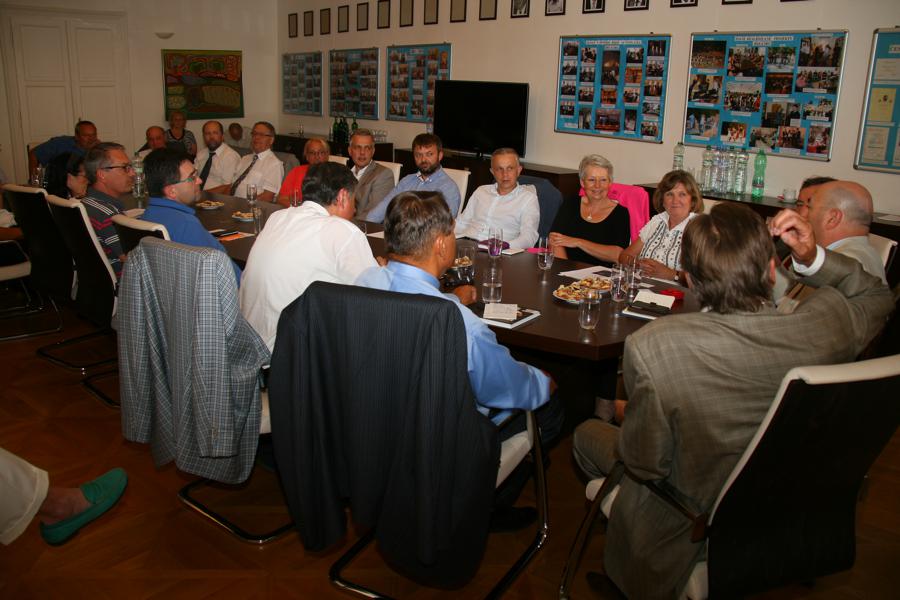





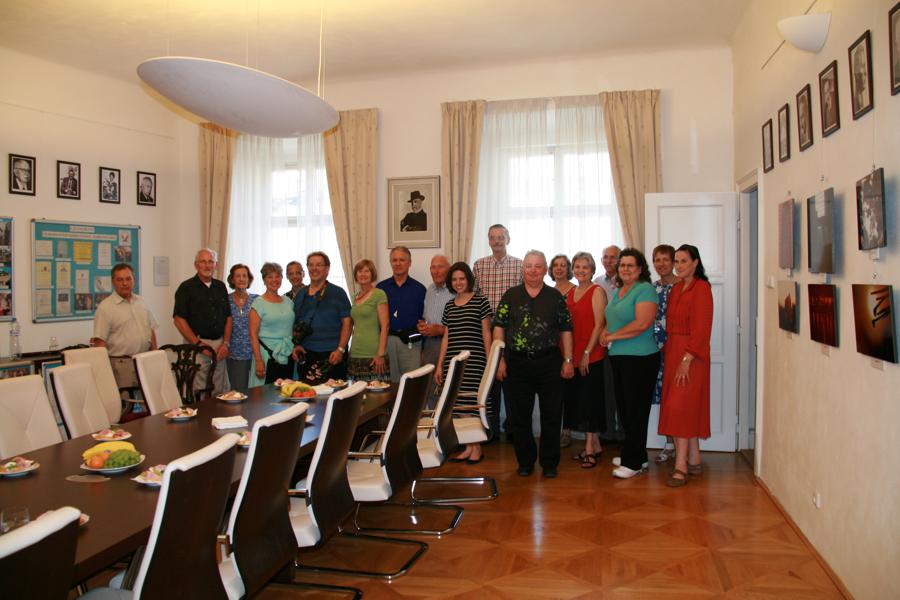
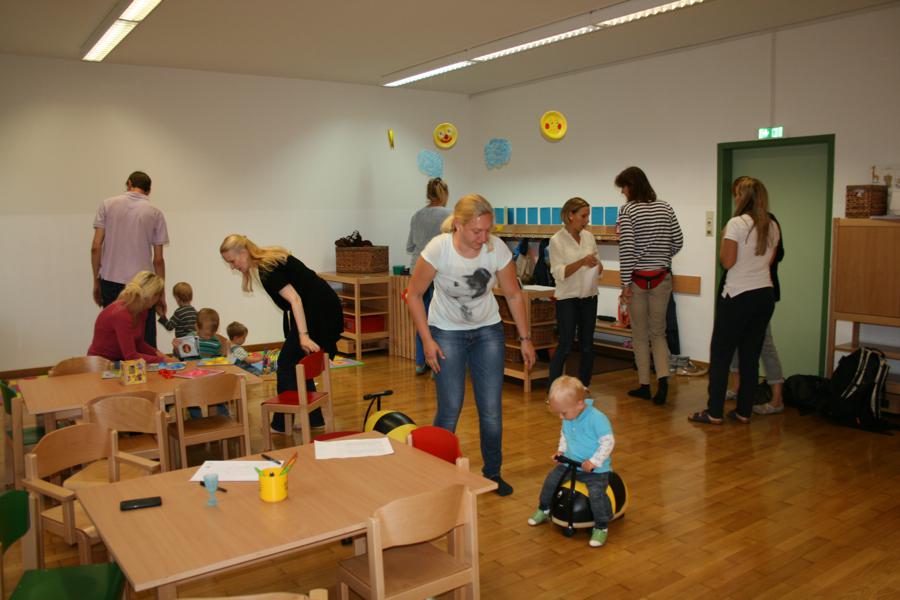

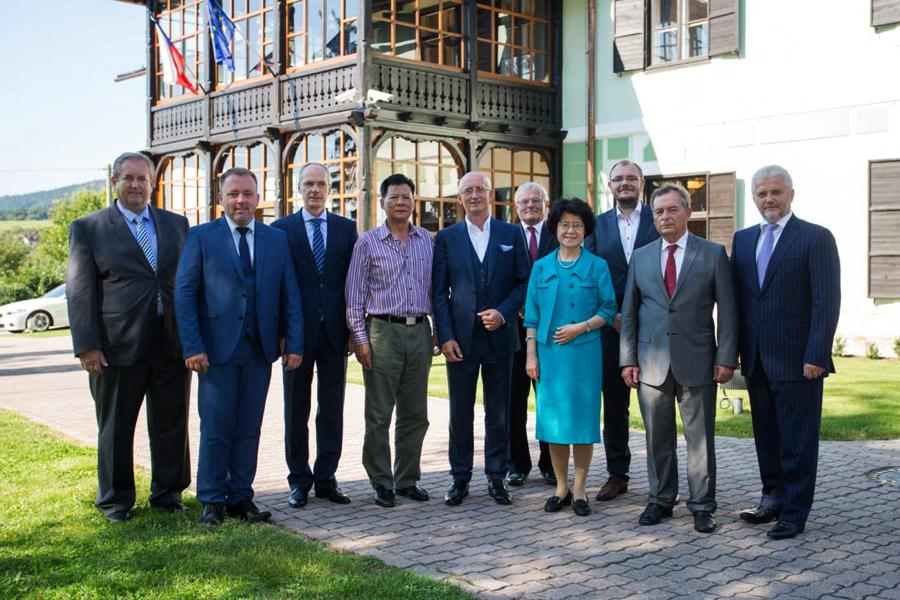




 Unfortunately, the education system in the Czech Republic has not seen much change in past three hundred years. Generally, schooling model in countries of former Austro-Hungarian Empire is still based on memorizing. Whereas in Anglo-Saxon countries there is a model called factory system which expects every product to end up the same. But this is not a feasible goal. Each student learns differently and has different strengths.
 What competencies are taught at schools?
 When it was clear I would likely spend the rest of my professional life on an entrepreneurial path, my father offered his advice, “Never disregard wild ideas until you have thought them through, and don’t concern yourself with what others think about you for considering such allegedly crazy ideas.” It was good advice, but in some instances, I must admit I had to push myself into a space of intelligent consideration. Legalizing LSD is one such instance.
 I have been teaching a class on Critical Decision Making, which explores in great detail the impact of bias and stereotypes in business as well as in our private lives. We take a deep look at the “anatomy of the way we make decision”.
 Some things will become natural. Just have a look at our approach to music. First, music was live and then the first phonographs and record players appeared, with recorded music. This was condemned by many people as something unnatural, which can never replace live music. Then vinyl records came, replaced by CDs – many professionals claimed they could never reach the same level of sound fidelity as vinyl records. This was further followed by downloading music from the Internet and its reproduction, today clearly the preferred way of listening to music. However, something else emerged too: nowadays, with the help of software, you can easily “compose” all sorts of music, such as Latin, rap, or imitate Michael Jackson.























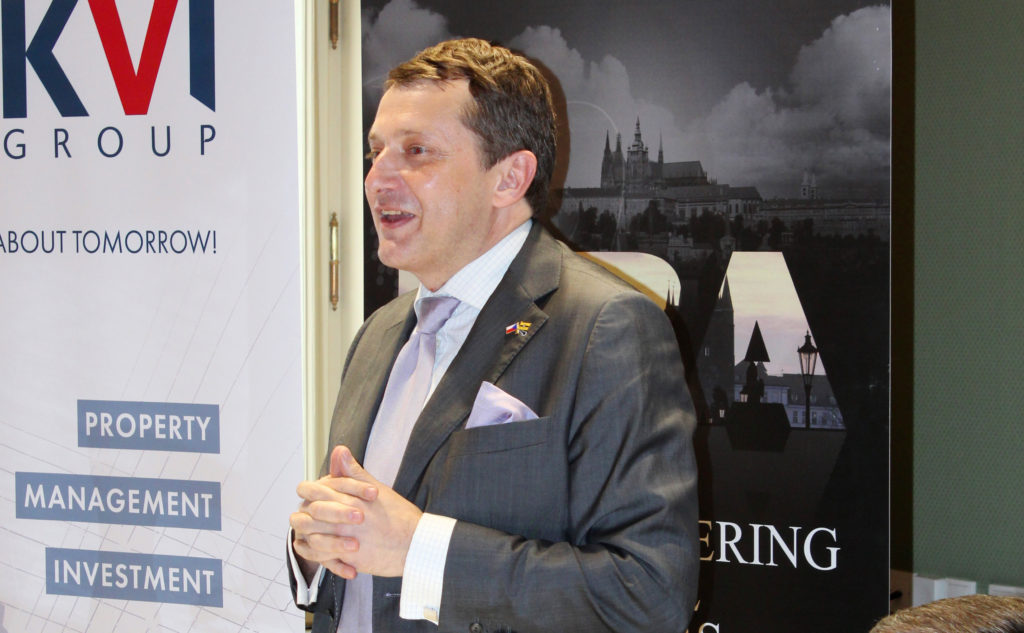
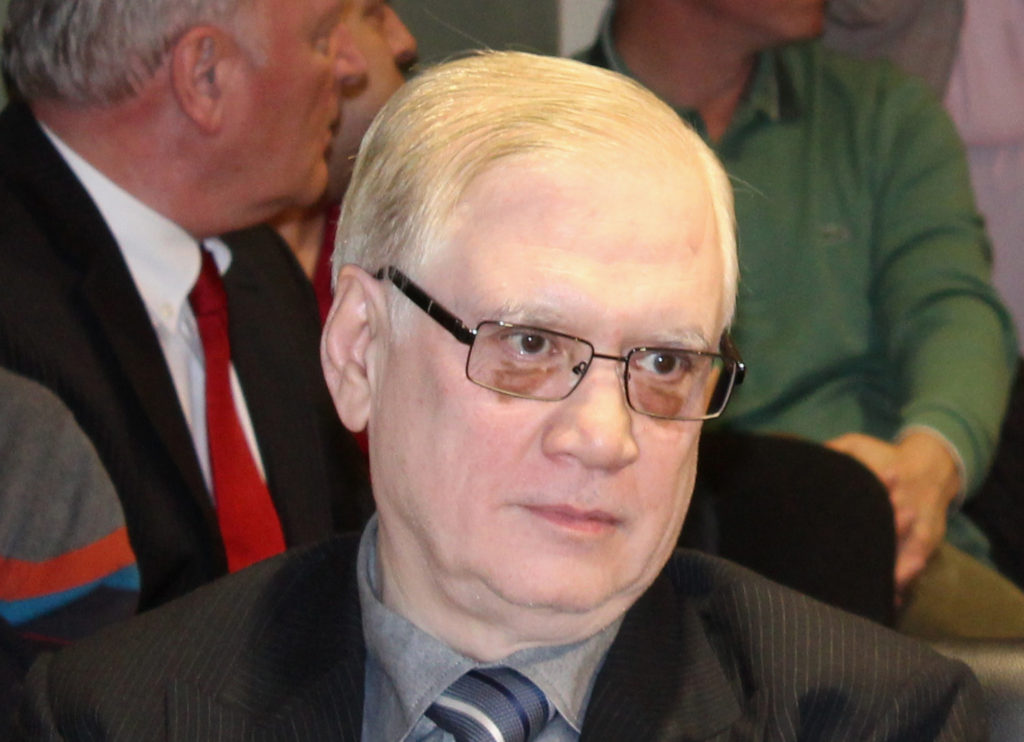
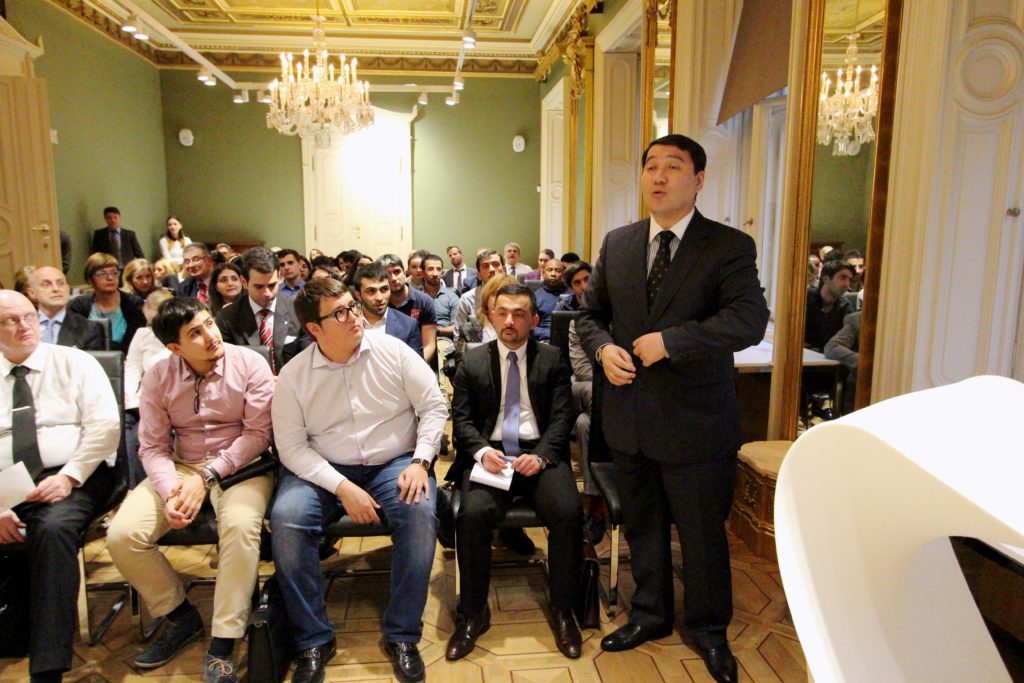



















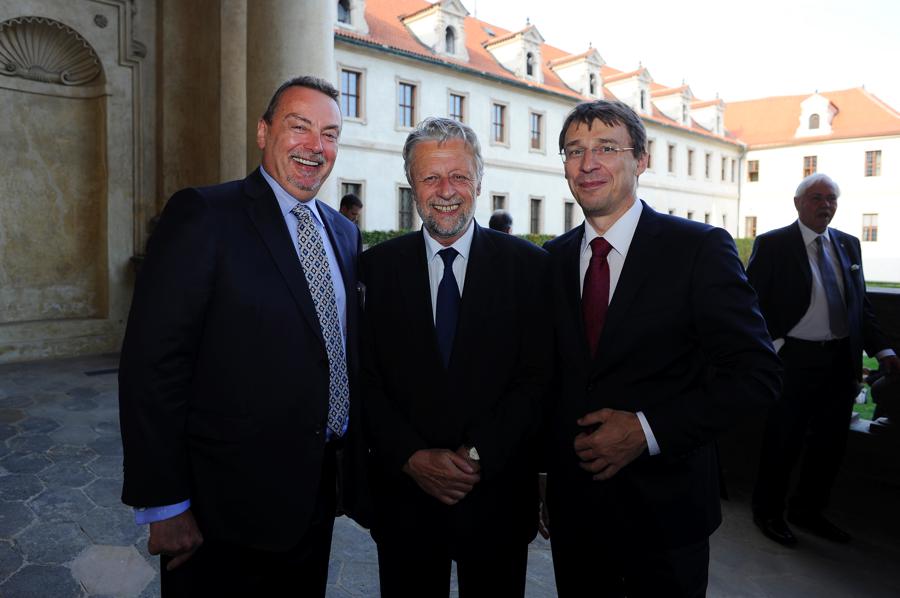
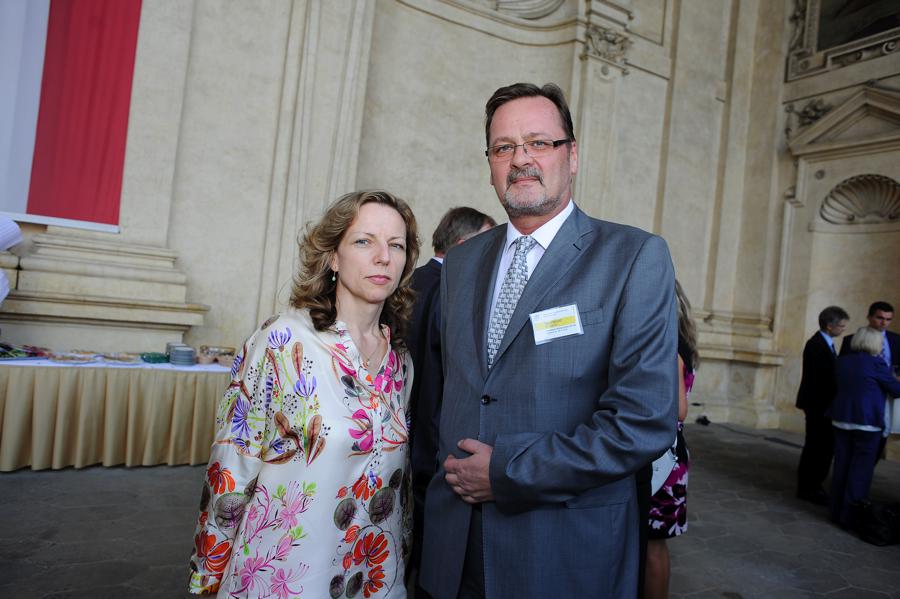

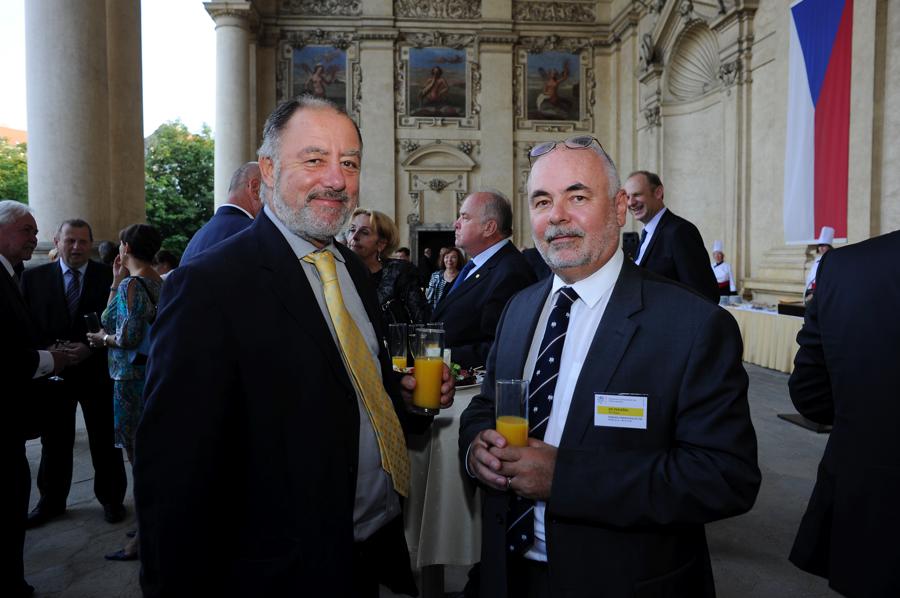
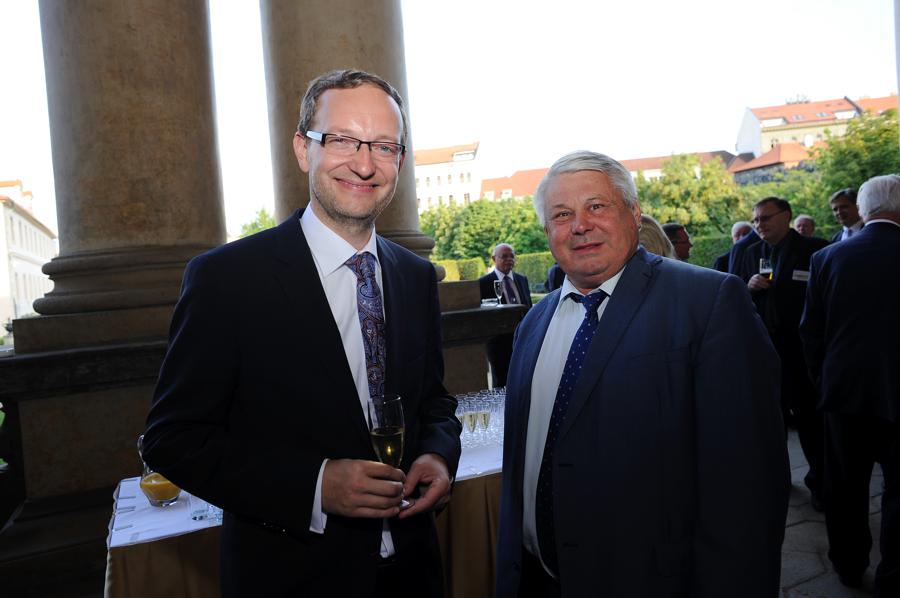
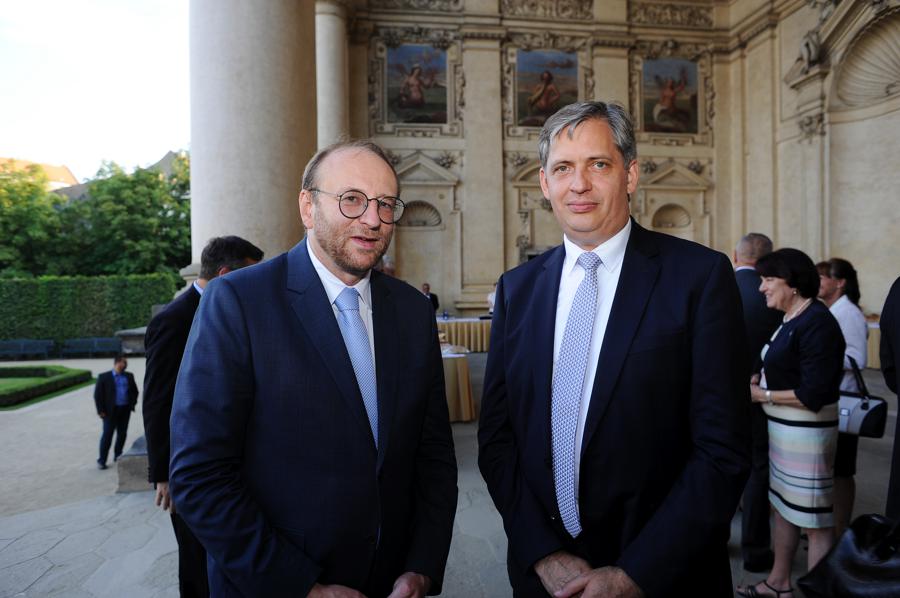



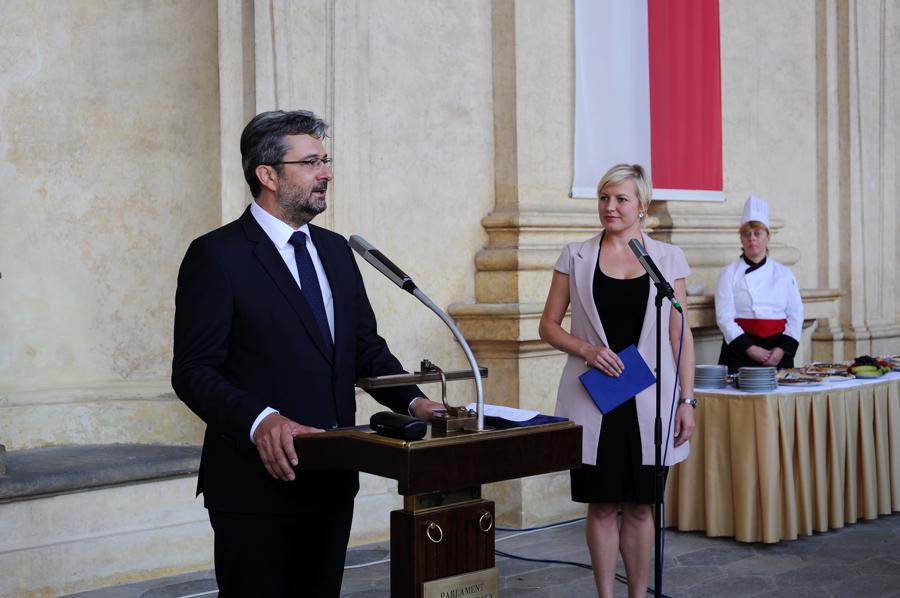
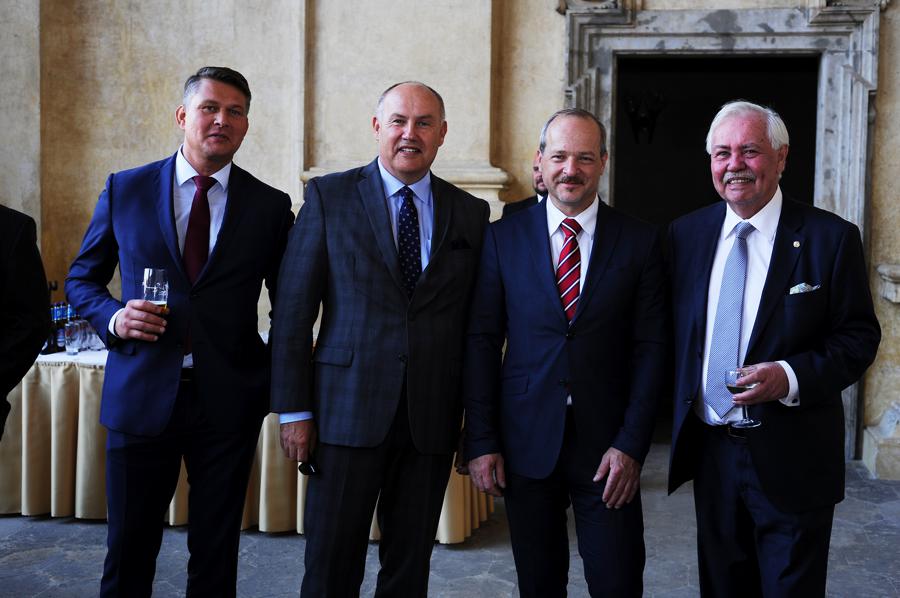
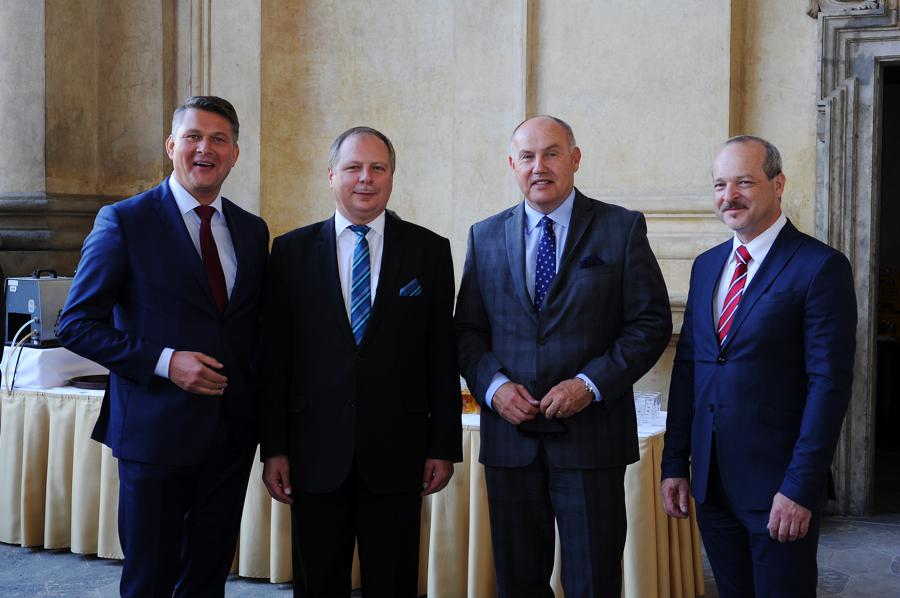
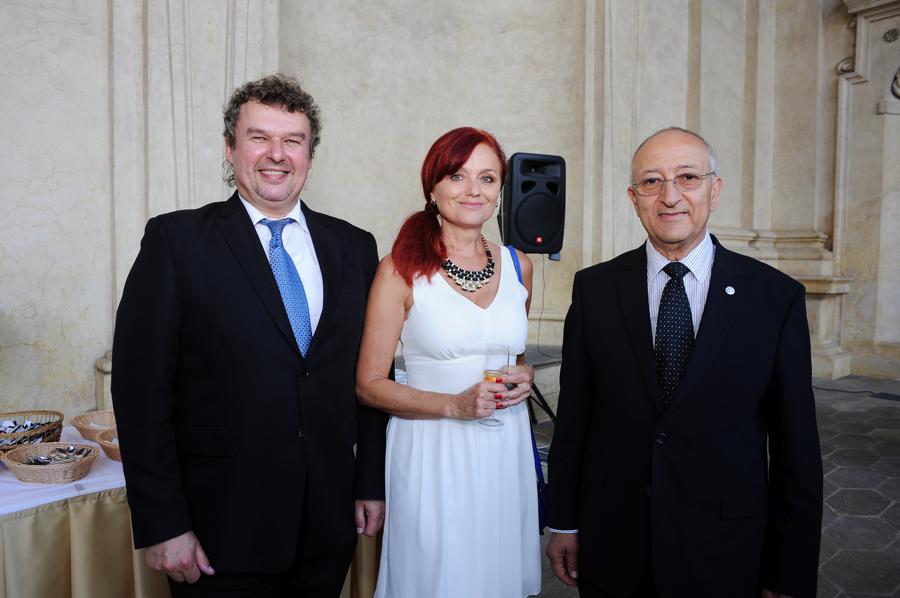
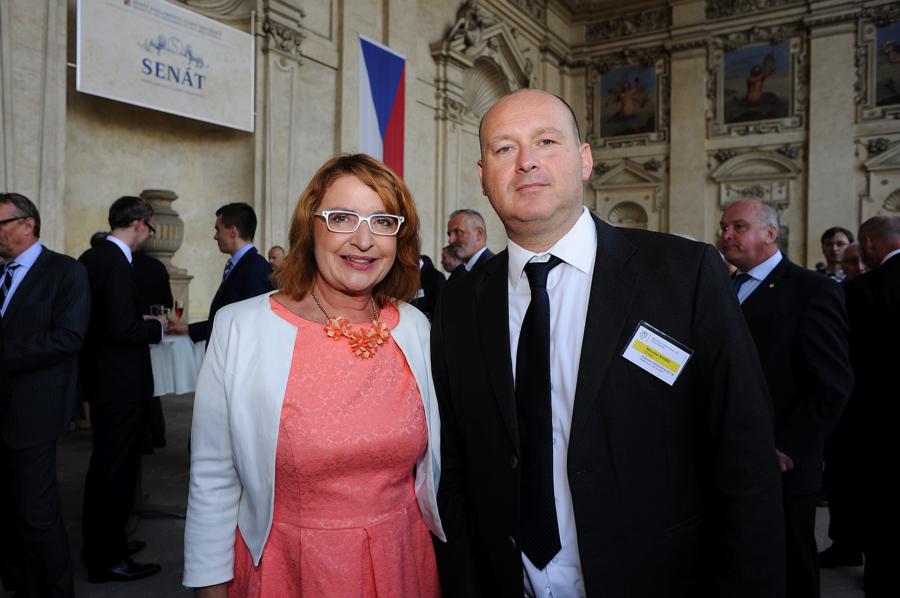

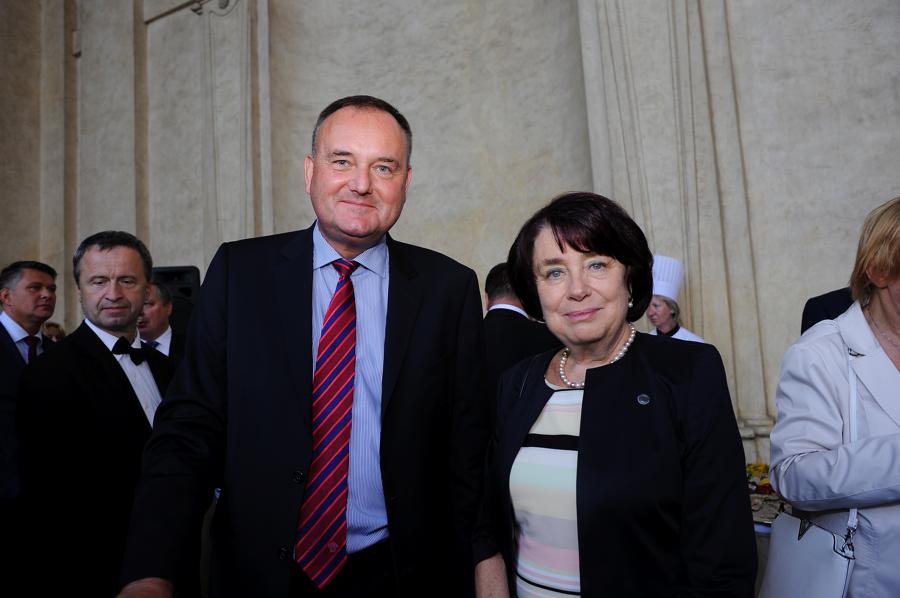


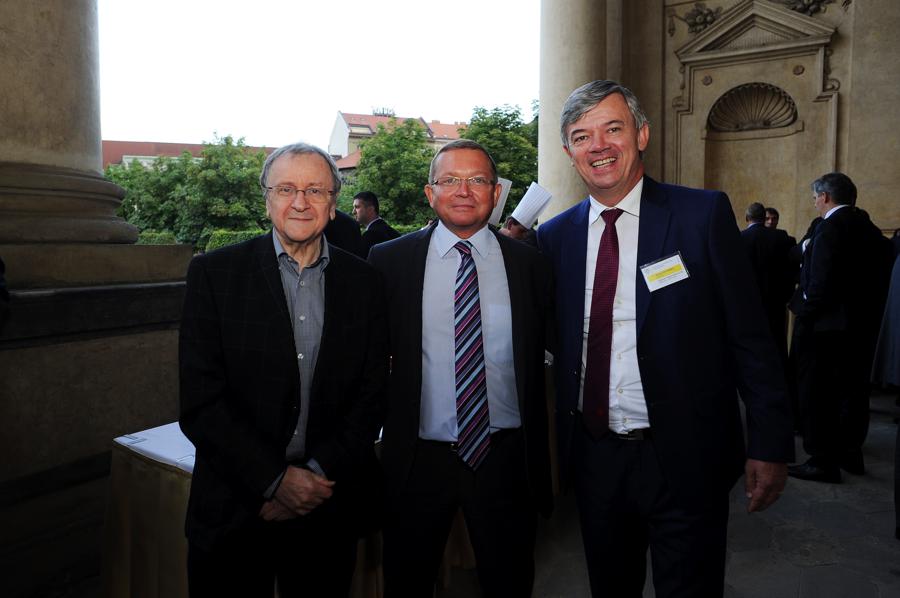




 The Czech Act No. 183/2006 Coll., on Town and Country Planning and Building Code, commonly know as the Building Act, constitutes a key legal regulation for preparation and construction of public and private investment projects. Its recent version in force is generally accused to produce very complicated planning permission and building permit procedures with insecure results. It is no exception that some procedures for larger projects last even more than five years, while those of large transport and energy infrastructure projects may last even about twelve to fifteen years. Such state of things undoubtedly ranks the Czech Republic among European countries with the slowest pace in public and private investment, which undermines Czech aspirations to converge to the level of more developed EU countries. This fact has brought about efforts to prepare such an amendment to the Building Act that would effectuate a substantial simplification and acceleration in permitting and accomplishing building projects.
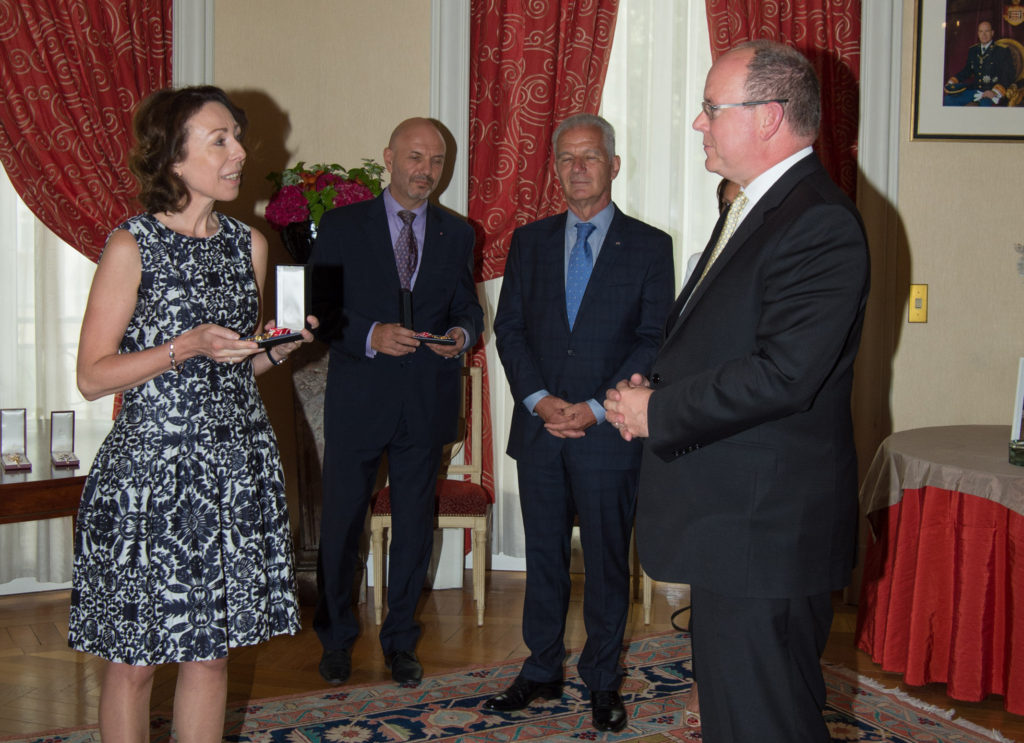
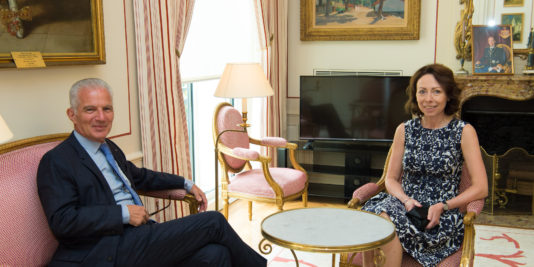
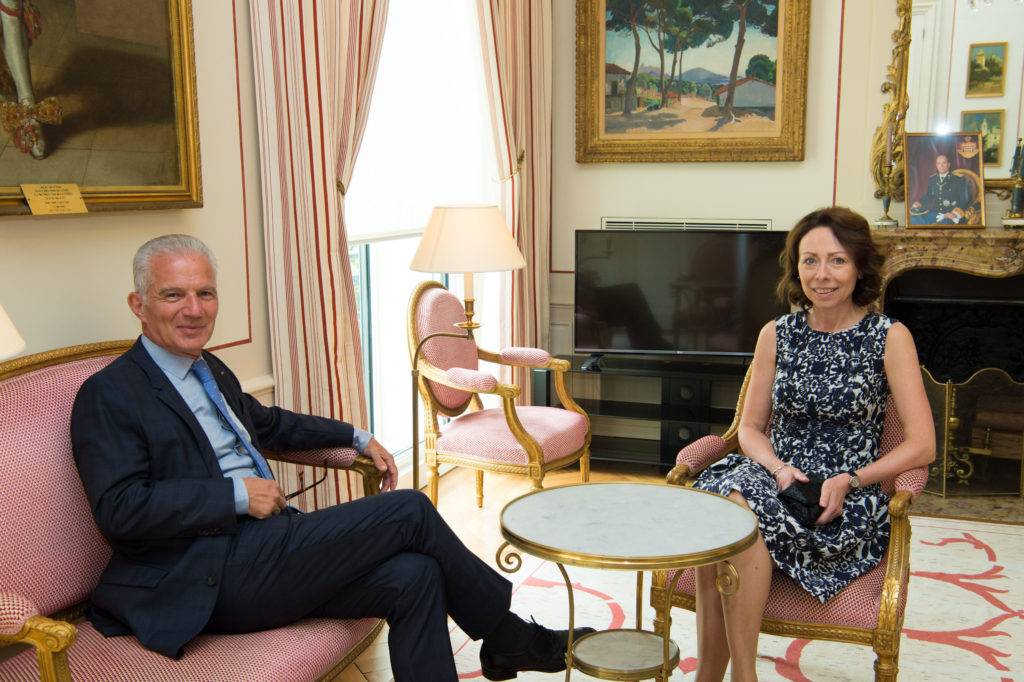
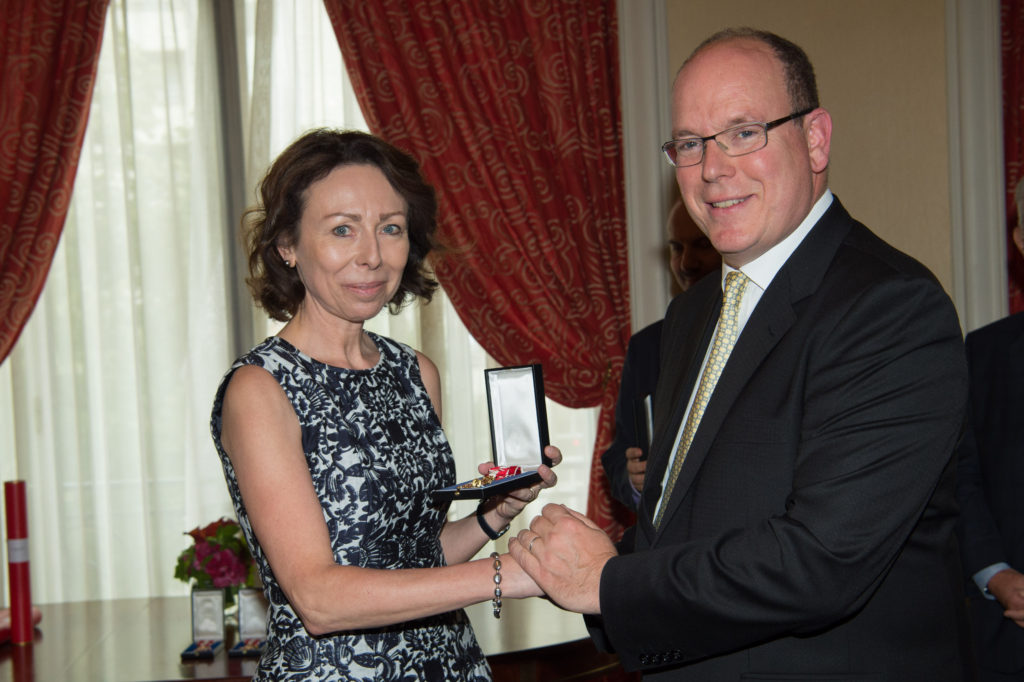
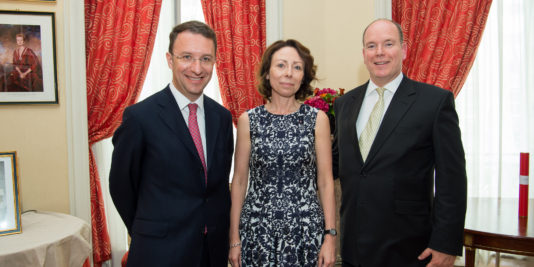
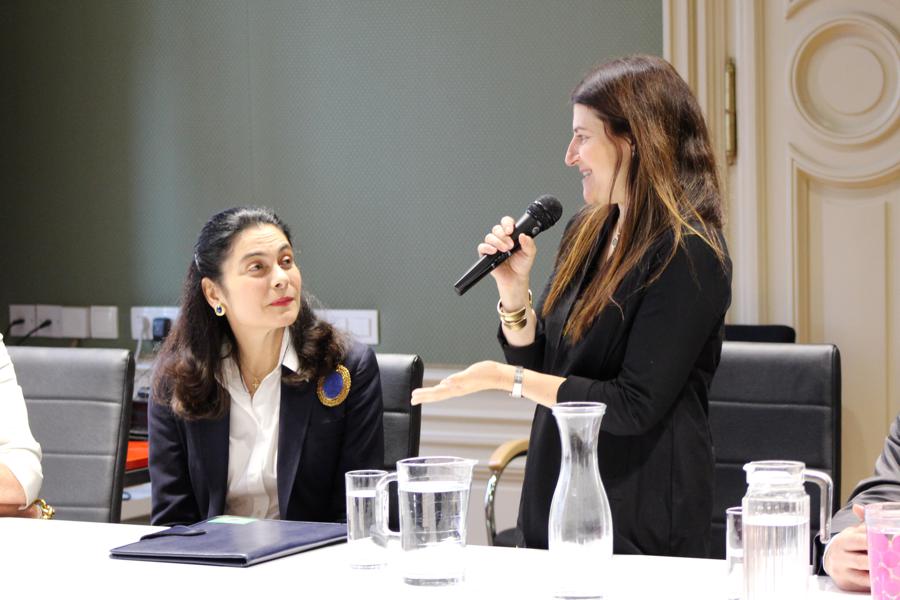


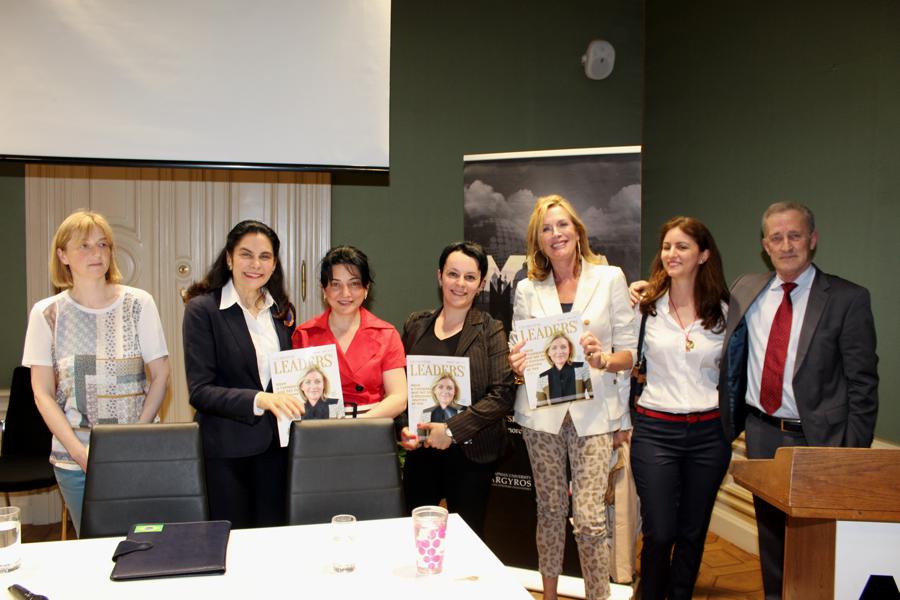
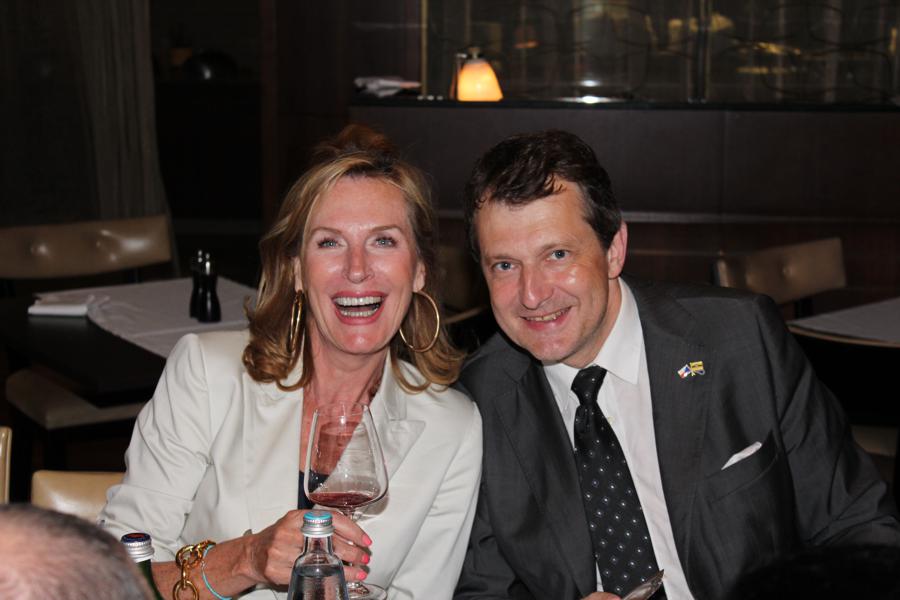
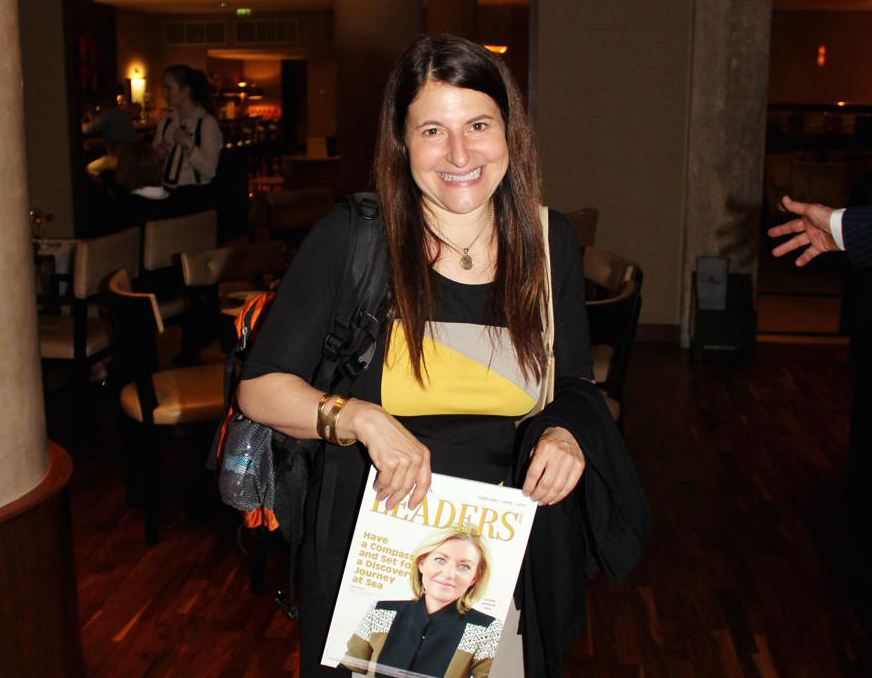
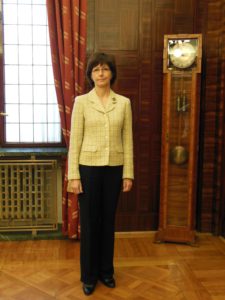 I was looking forward to using the opportunity of accompanying my husband as a spouse to Belgrade to interview H.E. Ivana Hlavsová whom I consider one of the most expert and also universalist career diplomats I have ever met. Flying to Belgrade with Air Serbia on ATR 72 already made me nostalgic and reminded me of my diplomatic travels to Luxembourg, since it was operated by the same type of aircraft. But I was curious to hear about the more substantial changes that have taken place in diplomacy in recent years, besides the fact that most travels have become more comfortable. The nostalgic mood continued when I was in Belgrade. Friendly, welcoming people, language and culture similar to ours, I remembered not only my trips to former Yugoslavia but also my studies and research about pan-Slavism. So the second issue of Slavic brotherhood became imminent given the expert background of Mrs. Hlavsová and her profound knowledge of the region. Regular readers would have probably guessed by now that leadership and women in diplomacy represented the last topic discussed.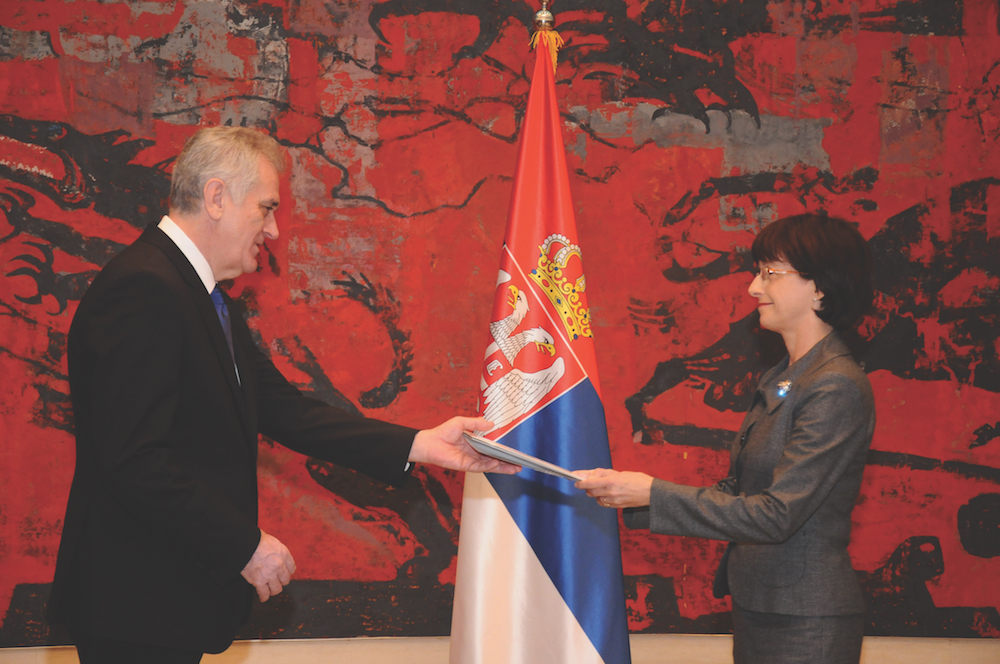








































































 A possibility of immediate communication with a doctor brings along its advantages. Sensors monitoring life functions can instantly send your doctor an emergency signal. Thus, health care is reaching a new dimension. Thanks to these sensors, doctors get instant access to the data on your health condition and we may be under their continual supervision. Just in case they cannot provide the treatment from afar, visiting them in person is necessary. On the other hand, this situation brings along certain risks too. Diagnosing yourself based on the data from the Internet or sensors may not only be wrong but dangerous too. On the Internet, we can find plenty of unproven and controversial facts; it definitely pays off to leave the diagnosis to doctors.


















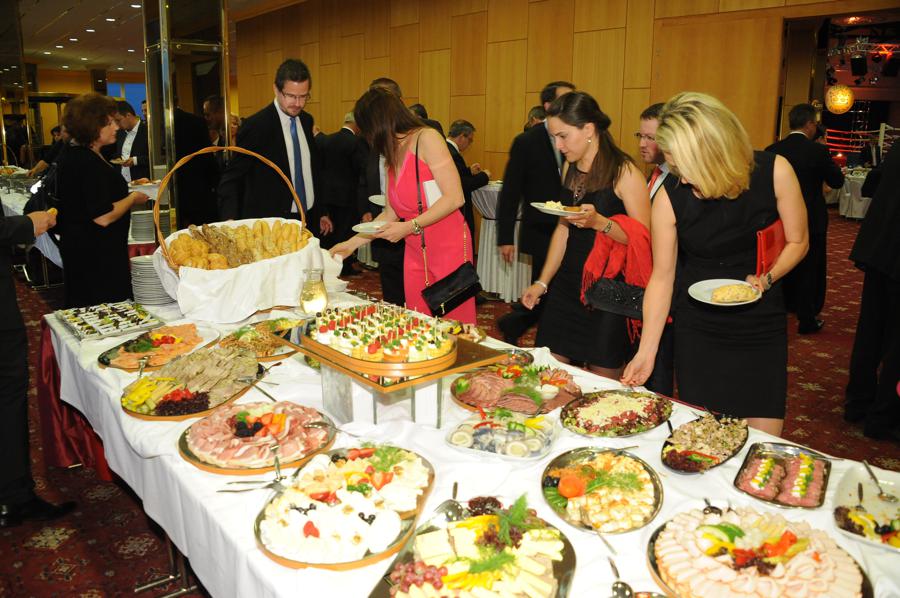
 As a longtime New Yorker now living happily in Hrad, my blog will celebrate what I call the 3Fs: Food, Fashion and Folklore! I seek to educate as well as entertain. My responsibility to readers is to make sure that things and places I recommend will not disappoint their cultured tastes. As a food lover, I am looking for a simple but elusive combination of good food, decent portions, reasonable prices, prompt and courteous service, a charming ambiance, and an interesting history. As a fashion blogger, I am looking for fascinating, authentic, unique pieces and whatever I can recommend that makes you look better. And in Folklore, in addition to anecdotes about interesting events and personalities, I cover tools, technology and craft traditions associated with popular culture, travel, architecture and more.

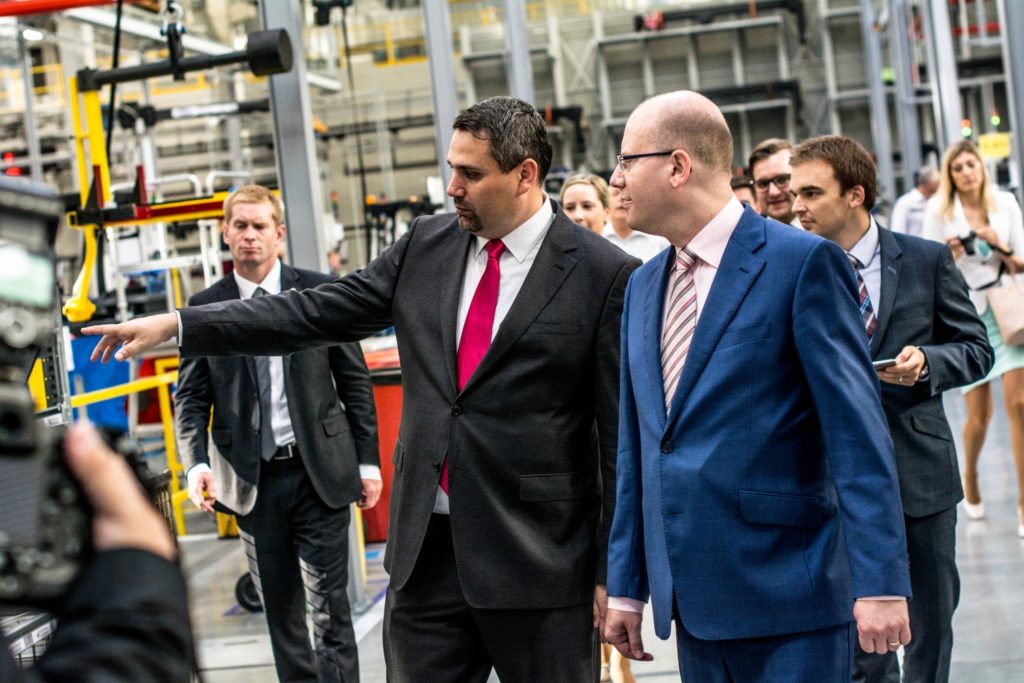



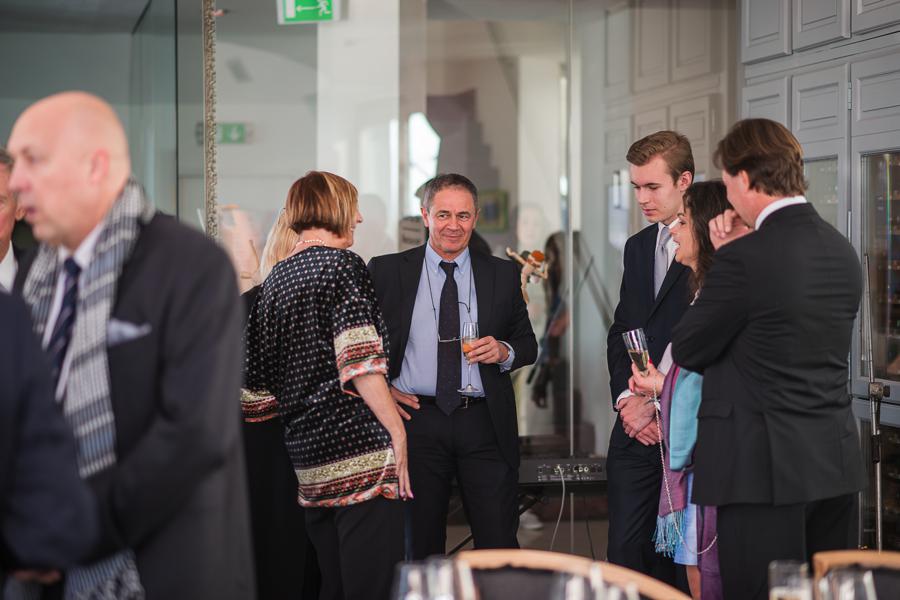
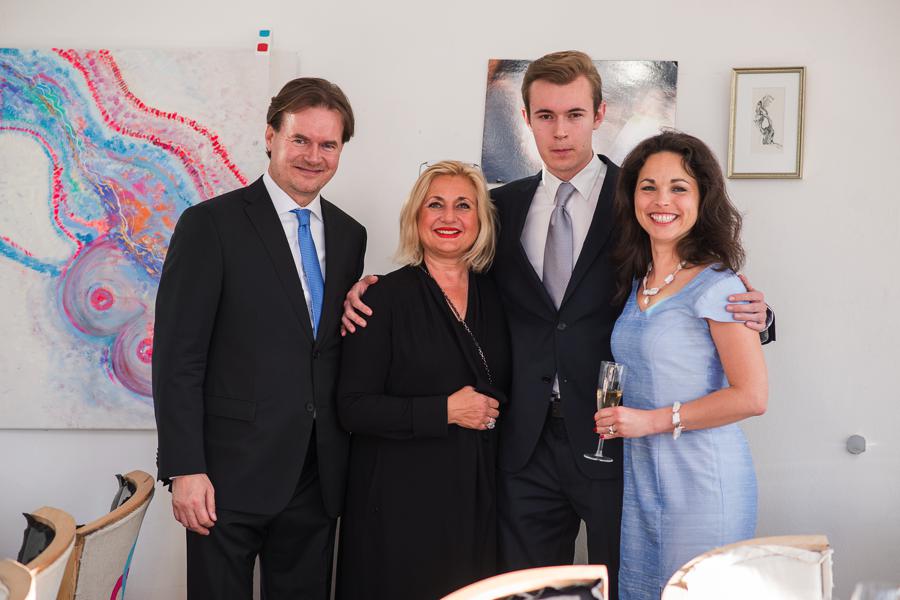














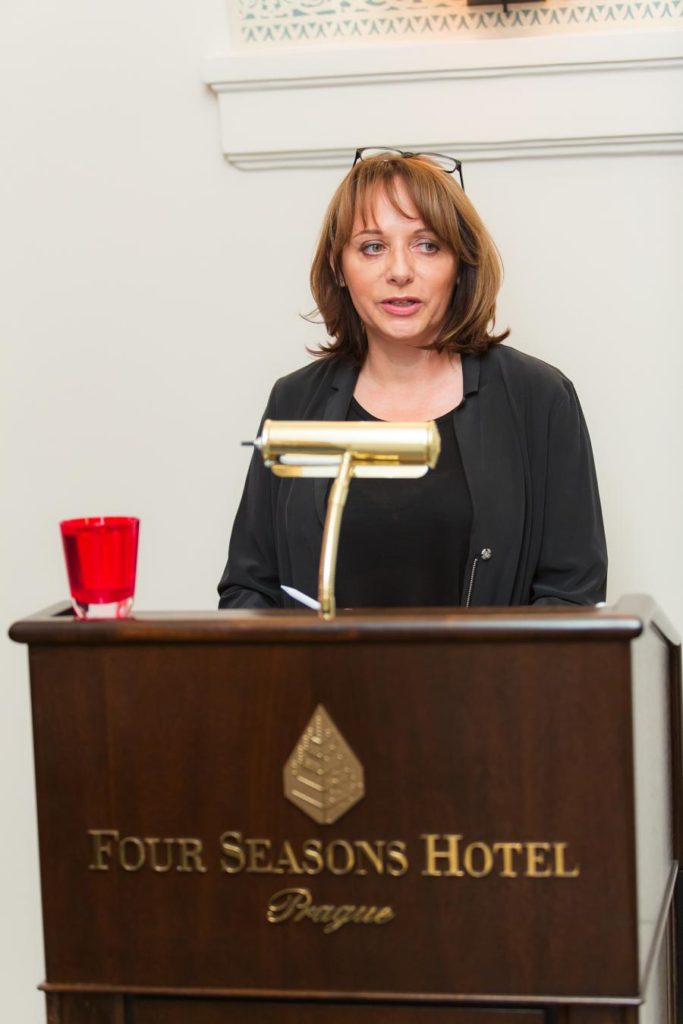
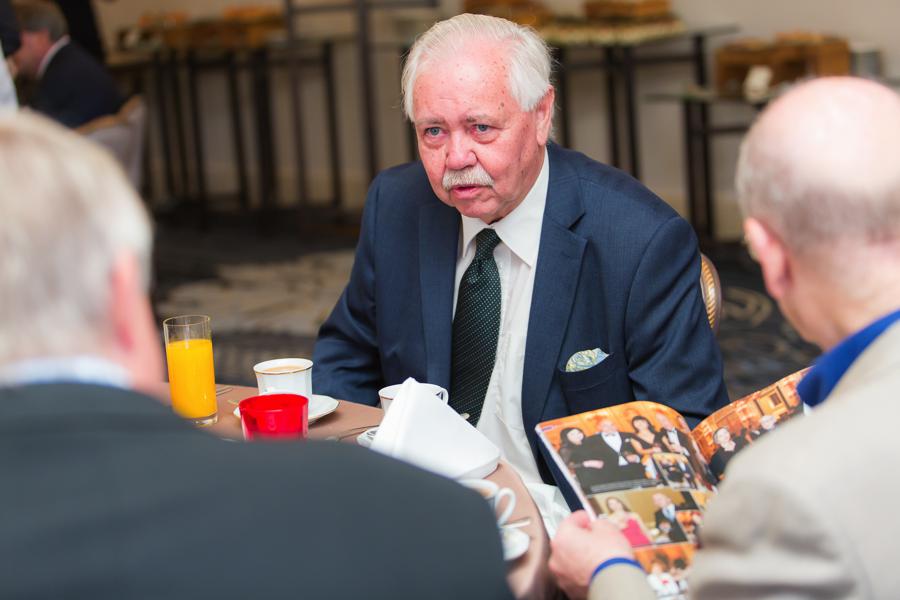
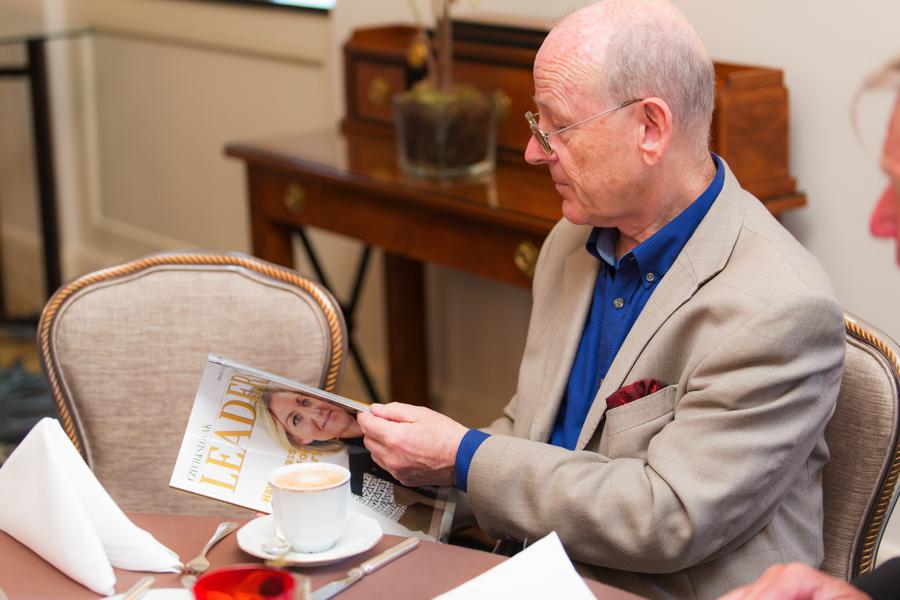
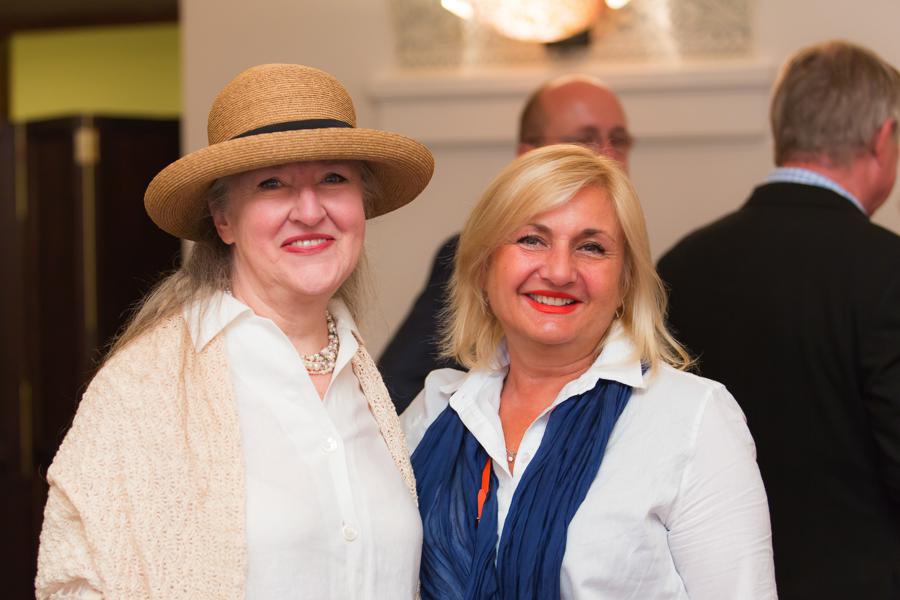



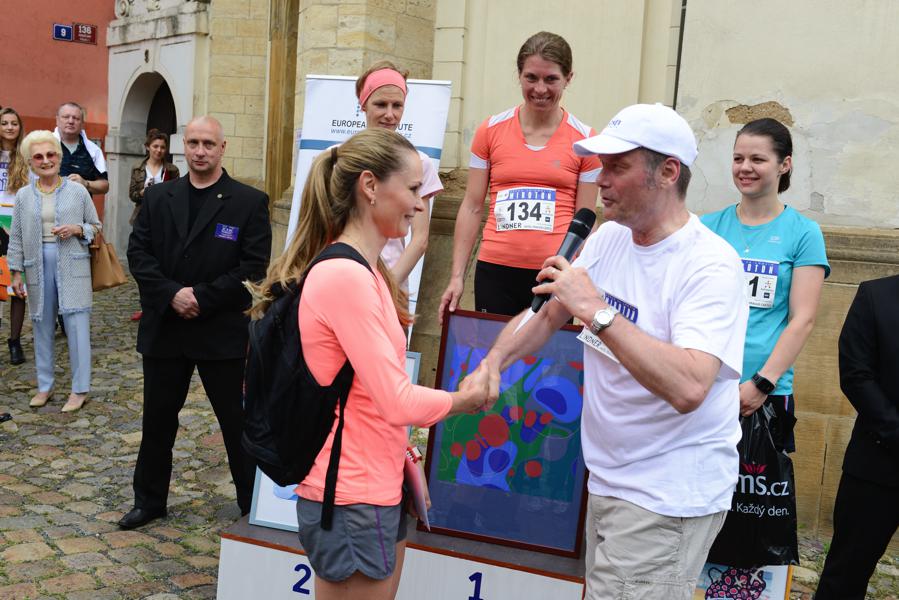
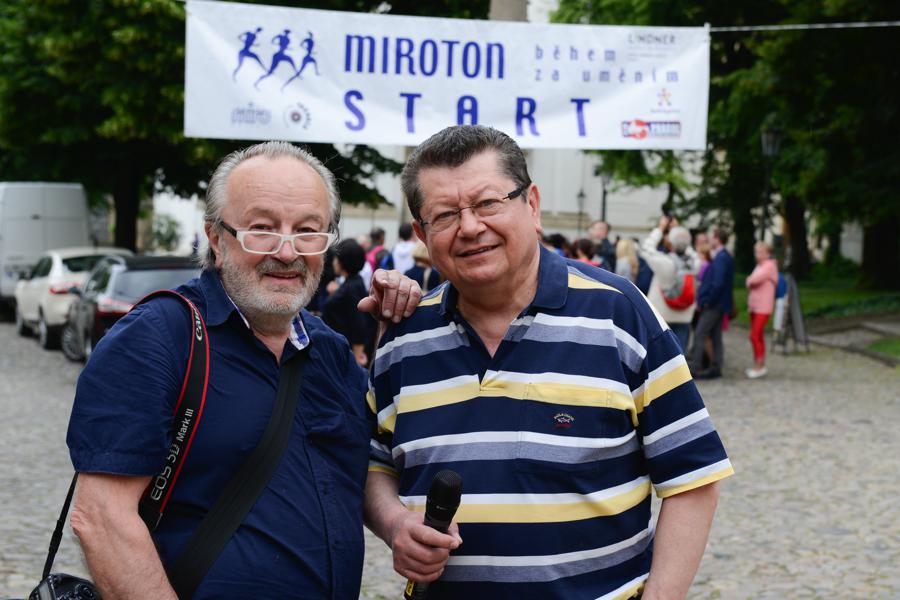


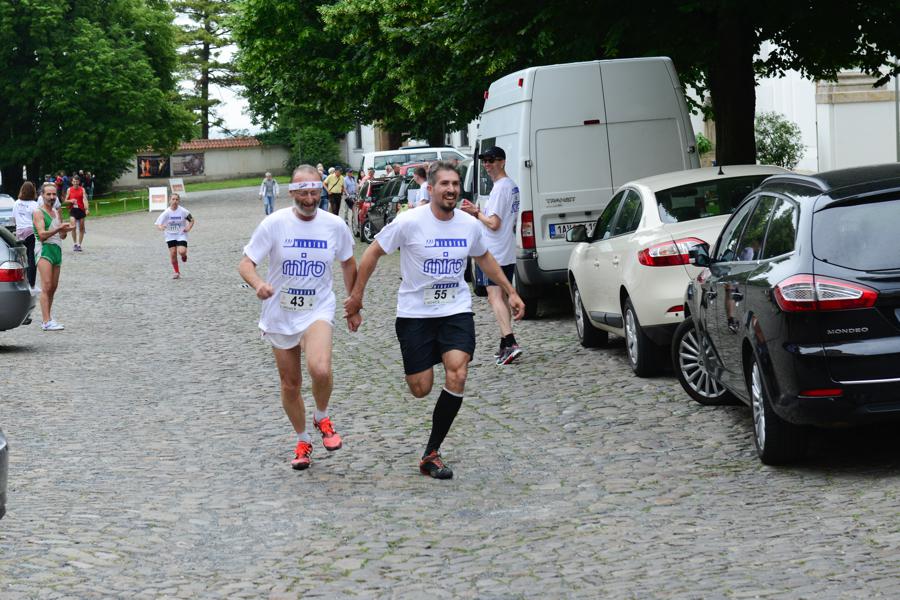


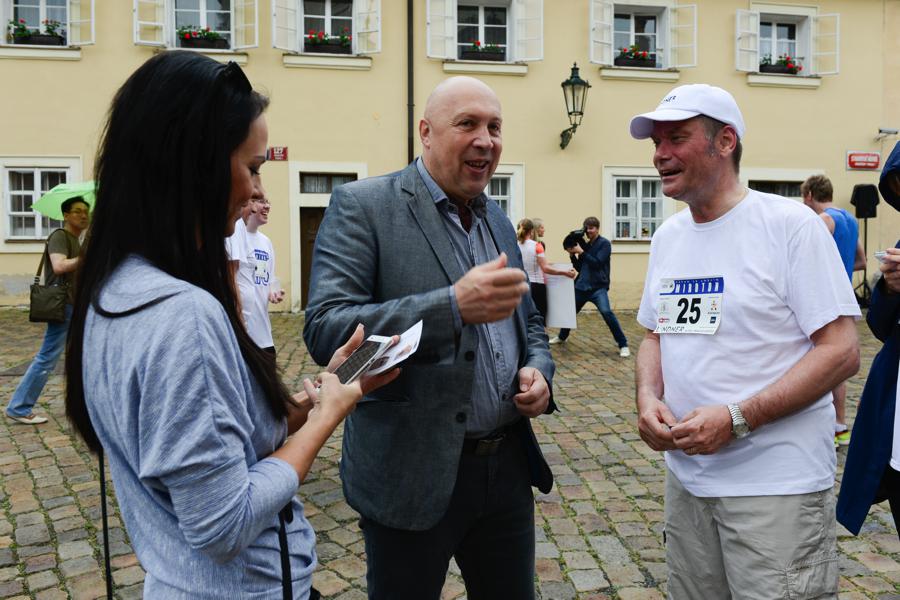














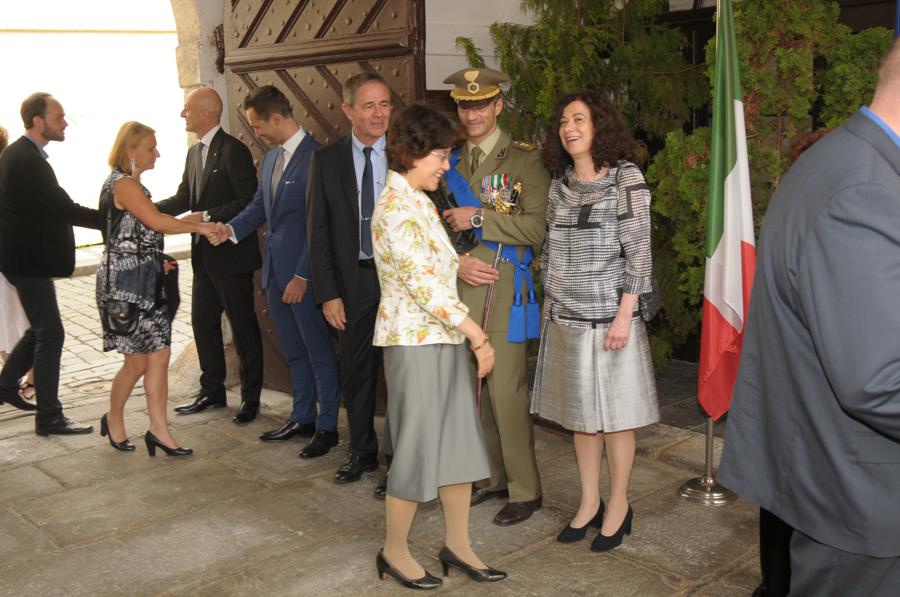



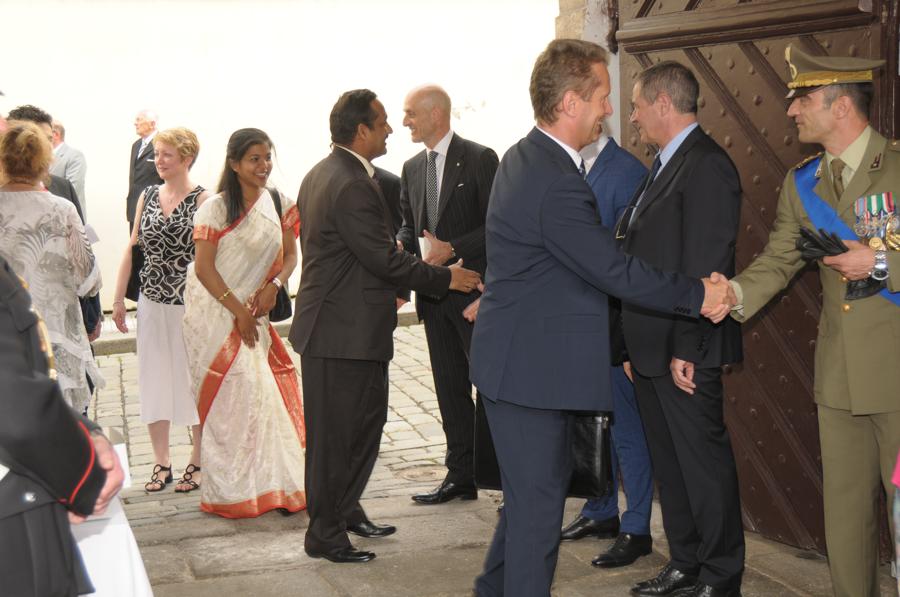


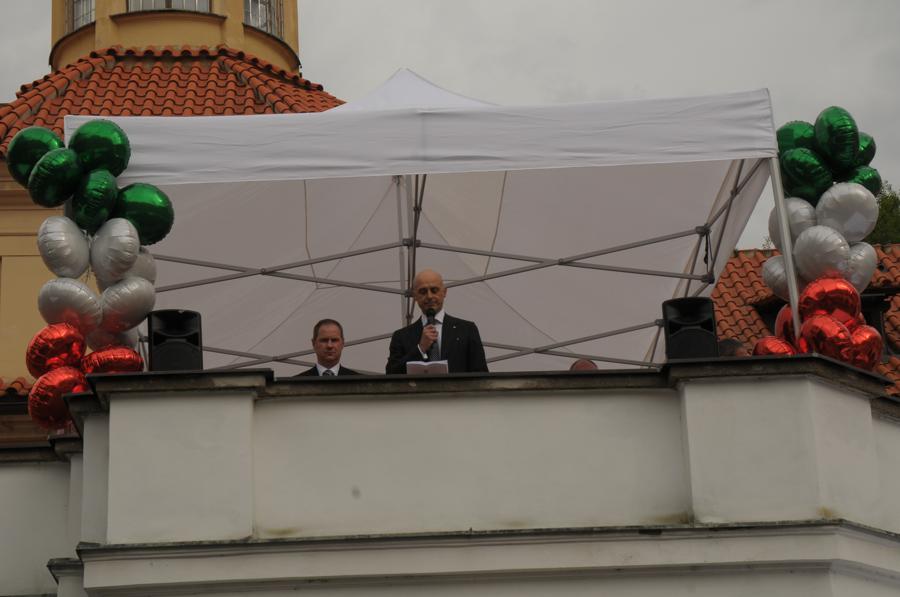










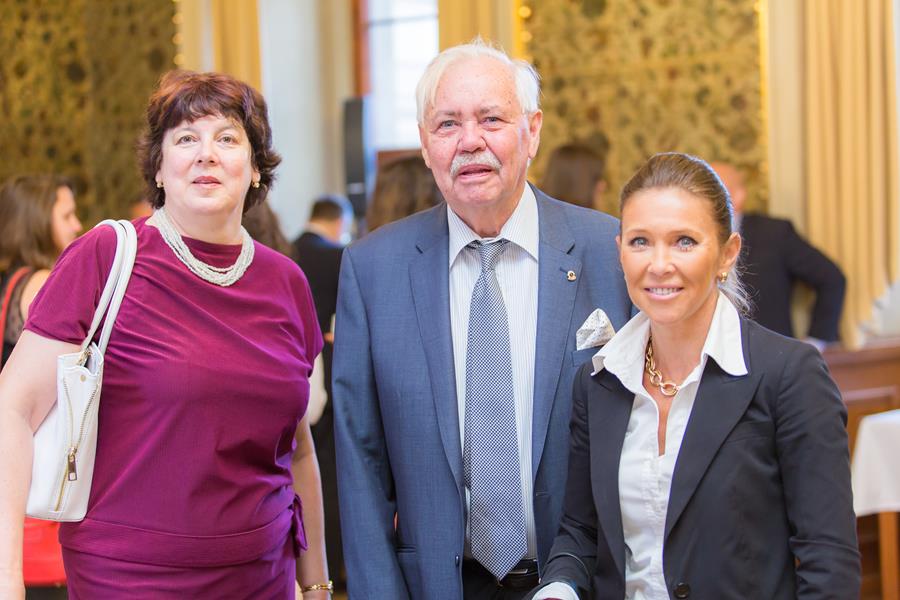
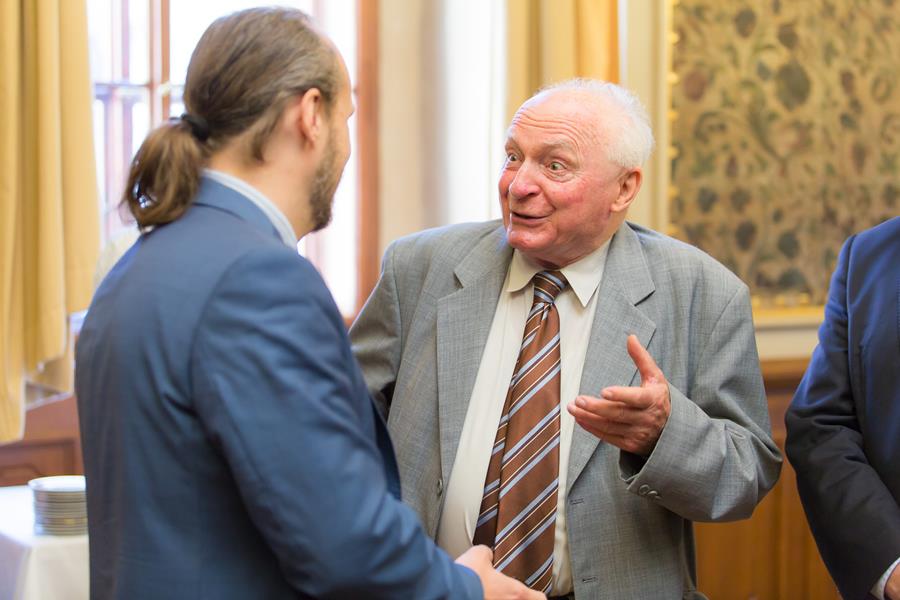
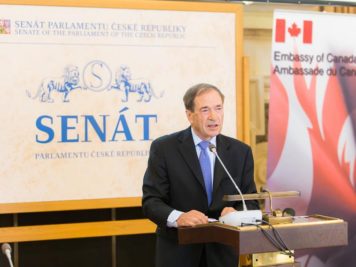
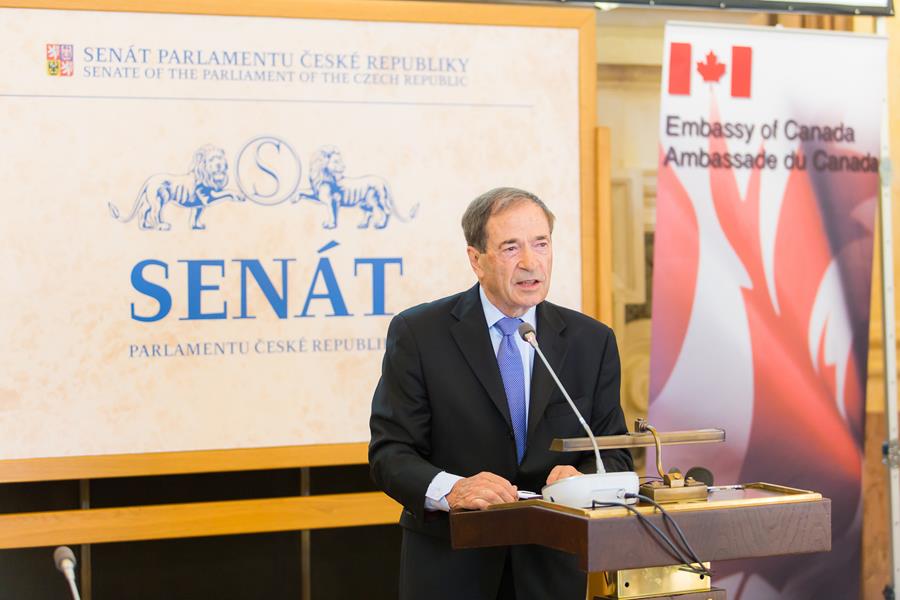

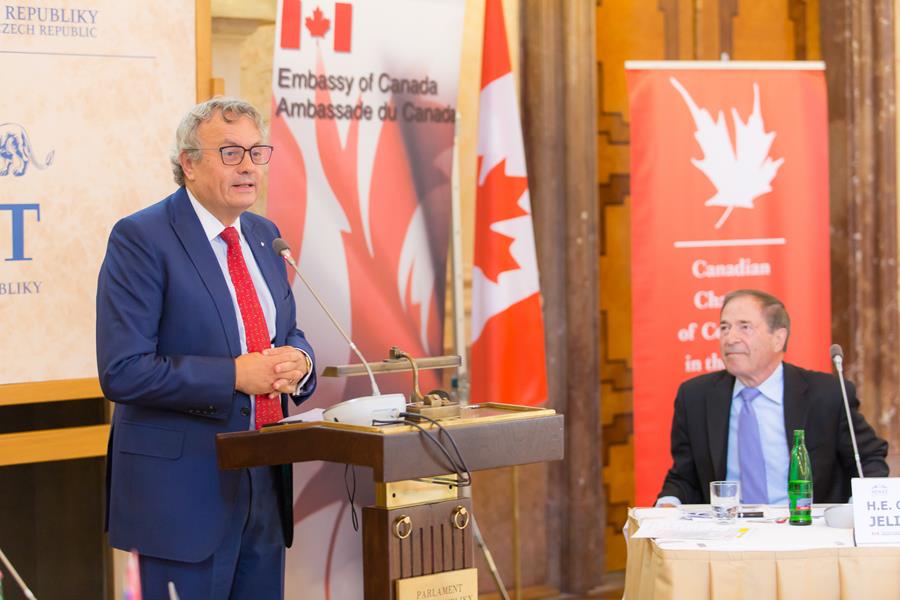
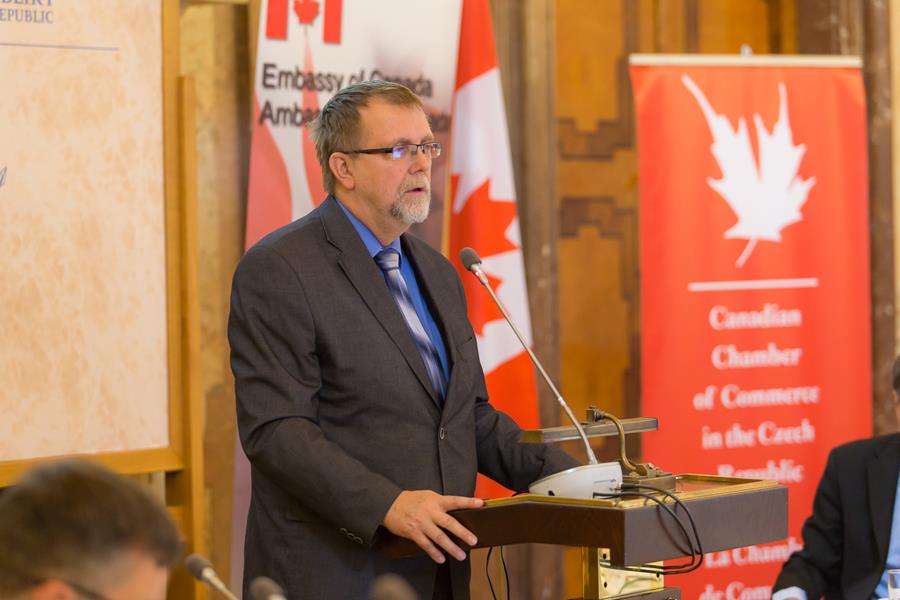





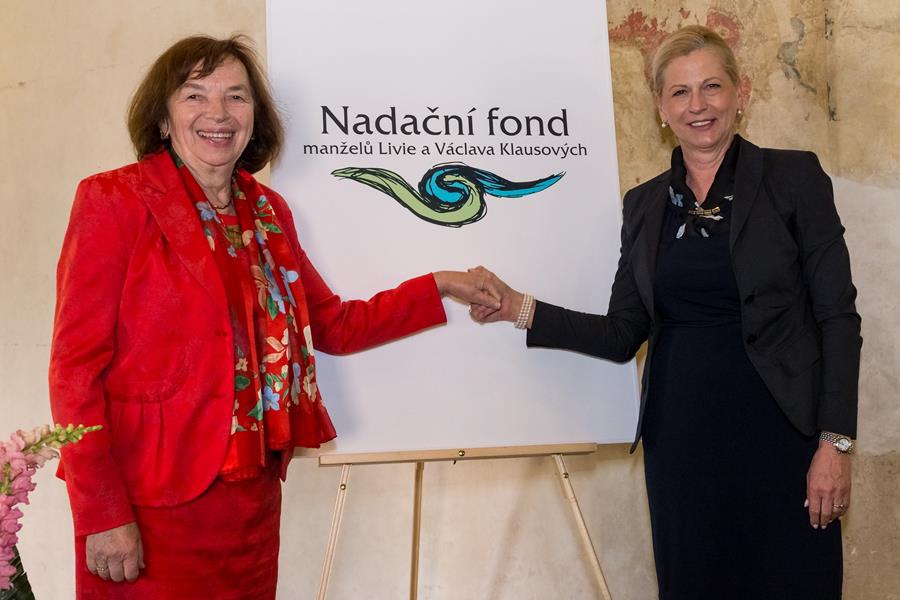
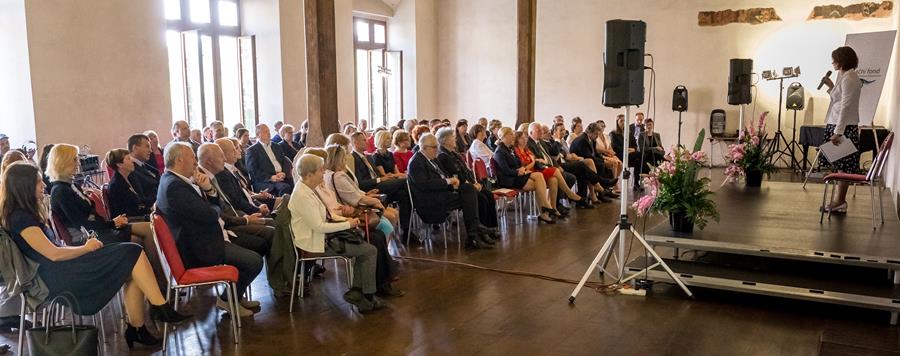













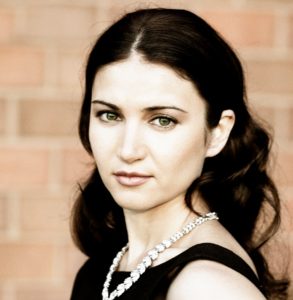 As a longtime New Yorker now living happily in Hrad, my blog will celebrate what I call the 3Fs: Food, Fashion and Folklore! I seek to educate as well as entertain. My responsibility to readers is to make sure that things and places I recommend will not disappoint their cultured tastes. As a food lover, I am looking for a simple but elusive combination of good food, decent portions, reasonable prices, prompt and courteous service, a charming ambiance, and an interesting history. As a fashion blogger, I am looking for fascinating, authentic, unique pieces and whatever I can recommend that makes you look better. And in Folklore, in addition to anecdotes about interesting events and personalities, I cover tools, technology and craft traditions associated with popular culture, travel, architecture and more.





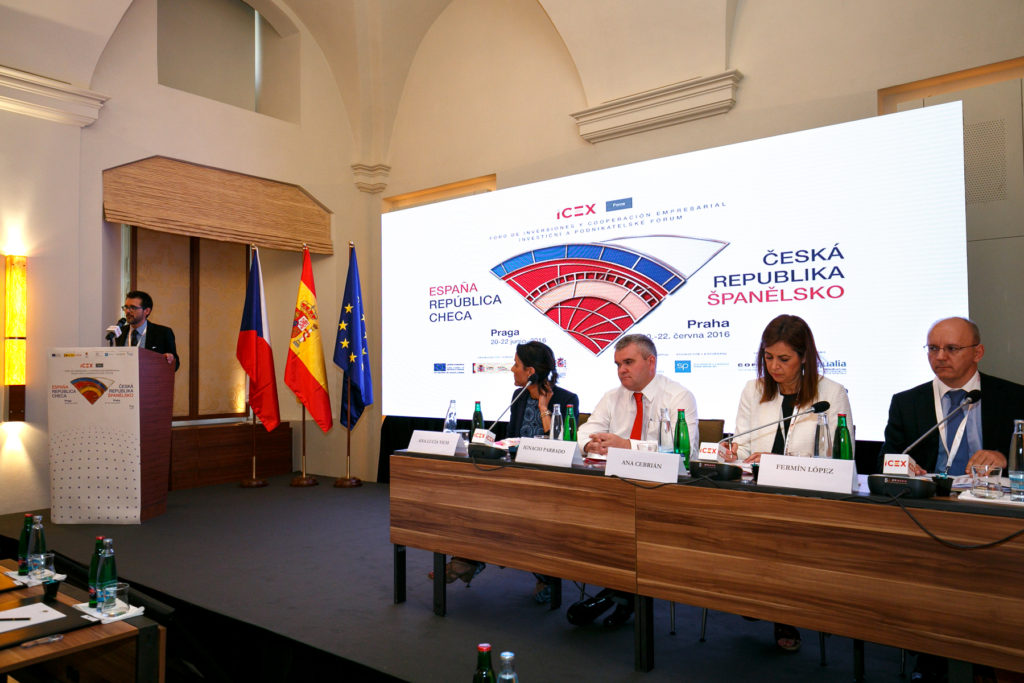
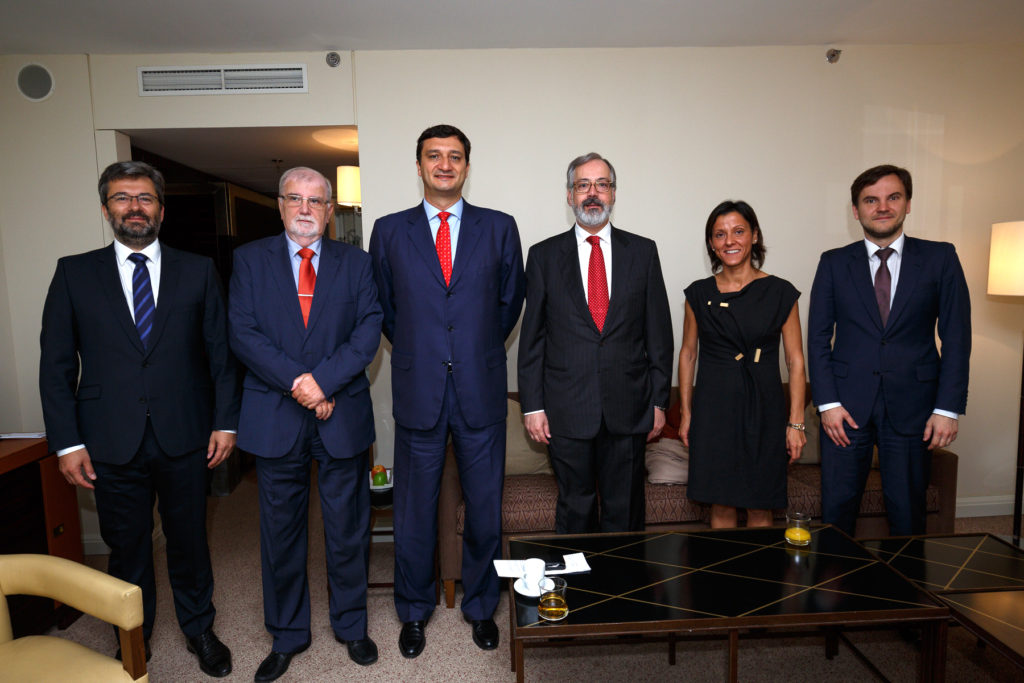
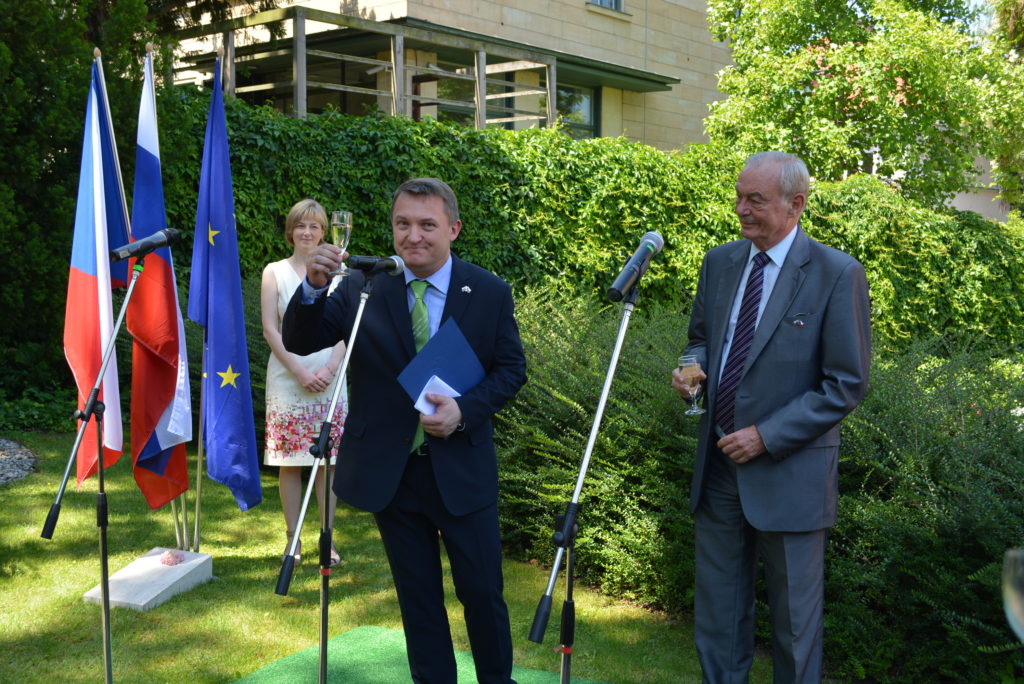


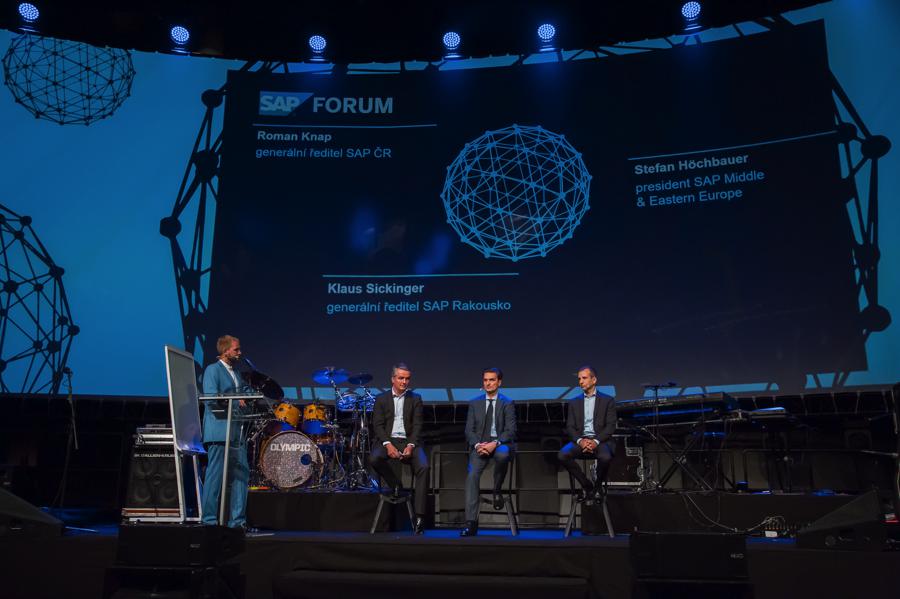
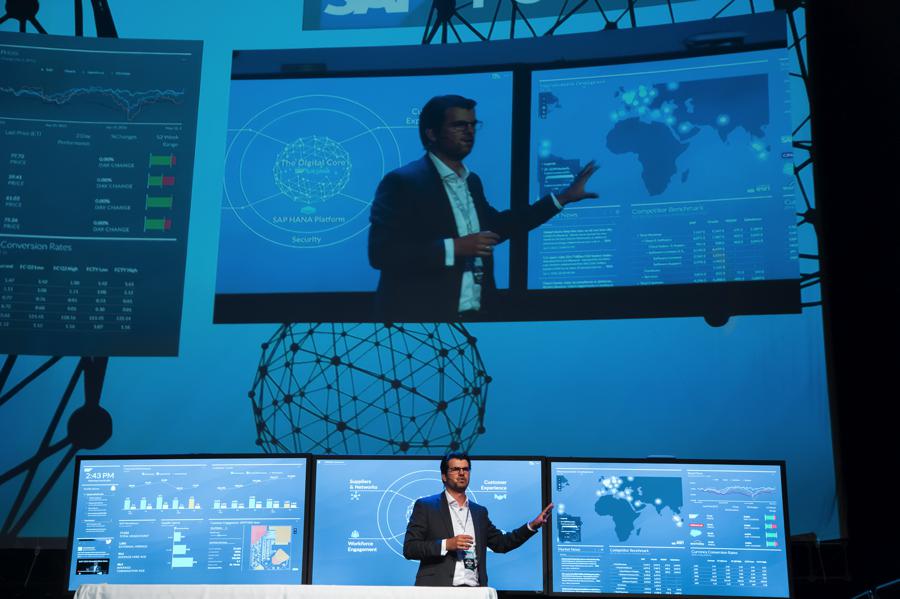
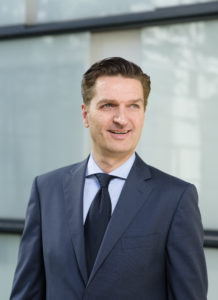 Having the opportunity to interview Mr. Stefan Höchbauer gave me not only a positive insight into the situation on digital transformation in the Czech Republic and its neighboring markets in Austria and Germany, but also an impulse to look at the technology from another perspective. More than ever, new technologies are becoming drivers of the business model change. The revolutionary examples of Airbnb and Uber show us how small players can grow into global ones and on the other hand, how the global ones might become smaller ones or disappear completely. In order to succeed, the IT needs to become integral part of the business to profit from the successful and long-term sustainable development.